
Reading view

North Batinah Sees Surge in Winter Tourism, Offering Mountains to Beaches and Strong Growth in Hospitality Infrastructure in Oman

North Batinah Sees Surge in Winter Tourism, Offering Mountains to Beaches and Strong Growth in Hospitality Infrastructure in Oman

North Batinah Governorate in Oman is enjoying a thriving tourism season at the moment, with visitors both from the country and outside the country. The period from November to April marks the peak season for winter tourism in the North Batinah region during the winter season due to the favorable winter climate and the large varieties offered by the natural attractions in the region.

The vast geography of the region, which ranges from the rugged Hajar Mountains to the tranquil Sea of Oman, provides the perfect setting for any traveler looking to connect with nature. Travelers can visit the highest mountain peaks, the desert plains, the wadis, and the most relaxing beaches the region has to offer. An added bonus for the rise of winter tourists is the rise in tourism developments that the region has seen over the years.

Strong Tourism Infrastructure and Growth

As of the end of 2025, North Batinah had 97 officially licensed tourism establishments. These establishments include a mix of 15 hotels, 40 guesthouses, 24 eco-lodges, 17 hotel apartments, and one rest house, providing over 1,700 rooms for both domestic and international guests. With the ongoing development of 17 active or planned tourism projects, the region’s hospitality infrastructure is continuing to expand, paving the way for even greater tourism growth, especially during the popular winter season.

The government is also focusing on expanding opportunities in tourism-related land investments. These projects are expected to strengthen the region’s tourism offerings, create new attractions, and boost the local economy, particularly during the winter months when the weather is most conducive to outdoor activities and exploration.

Geological Diversity: North Batinah’s Natural Wonders

One of the main reasons for the increasing popularity of North Batinah in the winter season is its geological diversity. The region’s landscape includes dramatic mountains, plains, wadis, and beaches, which together create a varied and rich natural environment. Among its many geological landmarks, Wadi al Jizzi in Suhar is renowned for its pillow lava formations, an impressive feature that draws geologists and nature enthusiasts alike.

Another significant aspect of the region’s natural history is its ancient copper mining sites. Located in areas such as Dahwa in Saham and Umm al Safafir in Shinas, these mining sites offer visitors a glimpse into the ancient industries that shaped the region’s past. These sites have been preserved as part of the wider effort to highlight the cultural and environmental significance of North Batinah, particularly as more visitors come to experience its winter tourism offerings.

A Destination for Adventure and Outdoor Enthusiasts

In addition to its geological marvels, North Batinah is gaining traction among adventure tourism enthusiasts, particularly in the winter season. The region’s parks and natural sites play a key role in promoting domestic tourism while also fostering environmental awareness. Outdoor activities such as hiking and trekking have become increasingly popular, with several trails offering various levels of difficulty and immersive natural experiences. Notable spots include Wadi al Hawasna, Shida village, Wadi Haybi, Al Khad, and Halhal Bani Ghaith, where visitors can engage in challenging hikes, picturesque picnics, and scenic views.

These areas are increasingly recognized as valuable tourism assets that provide not only recreational opportunities but also environmental education for travelers, especially those visiting during the milder winter months when temperatures make outdoor adventures more comfortable.

Heritage Sites Continue to Attract Visitors

Alongside its natural beauty, North Batinah is rich in historical heritage, making it a top destination for those interested in Oman’s cultural roots. Castles and forts across the region remain significant draws for visitors, particularly during the cooler winter season when outdoor exploration is most enjoyable. Landmarks such as Sohar Castle, Saham Fort, and Shinas Castle are among the 457 heritage sites in the region that attract thousands of tourists each year.

In 2025, more than 5,600 visitors explored these historical castles and forts, seeking to learn about Oman’s past while enjoying the architectural beauty and surrounding landscapes. Private museums, like the Sons of Majan Museum and the History of the Land Museum, also saw a growing interest, welcoming 1,386 visitors during the same year. This highlights the increasing demand for heritage tourism in the governorate, especially during the winter months when the region sees a boost in tourism.

North Batinah’s Winter Appeal Continues to Grow

Thanks to its combination of natural, historical, and outdoor experiences, North Batinah is solidifying its place as a premier winter tourism destination in Oman. The region offers something for everyone—from those seeking relaxation on its pristine beaches to those looking for adventure and cultural exploration in its mountains and historic sites.

With its expanding tourism infrastructure, ongoing development of tourism projects, and continued focus on sustainability, North Batinah is poised to become one of the most sought-after destinations in the Gulf region. As the winter tourism season unfolds, it’s clear that the governorate is on track to offer unparalleled experiences that draw visitors from across the world, eager to explore Oman’s rich cultural heritage and stunning natural beauty.

Winter Tourism Growth and Future Outlook

The growth of tourism arrivals and an increase in infrastructure development continue to mark the rise in the popularity of winter tourism in North Batinah. With more tourism and hospitality establishments, the governorate is poised for greater international attention, contributing to the wider vision of placing Oman among the top Middle Eastern destinations. This infrastructure growth, blended with the region’s sustainable tourism approach, will keep North Batinah increasingly attractive-particularly during the winter season when the region is so inviting.

Precisely, the winter season in North Batinah is ensuring a big catch of seasons for Oman’s tourism sector, as more tourists flock to see different landscapes and cultural heritage, coupled with adventure opportunities. Until the sector is fully developed, North Batinah remains outstanding among many destinations that have so far been brought into the country’s ever-growing travel market, especially for people who would want to enjoy the winter season in beautiful, culturally varied, and naturally diverse surroundings.

The post North Batinah Sees Surge in Winter Tourism, Offering Mountains to Beaches and Strong Growth in Hospitality Infrastructure in Oman appeared first on Travel And Tour World.
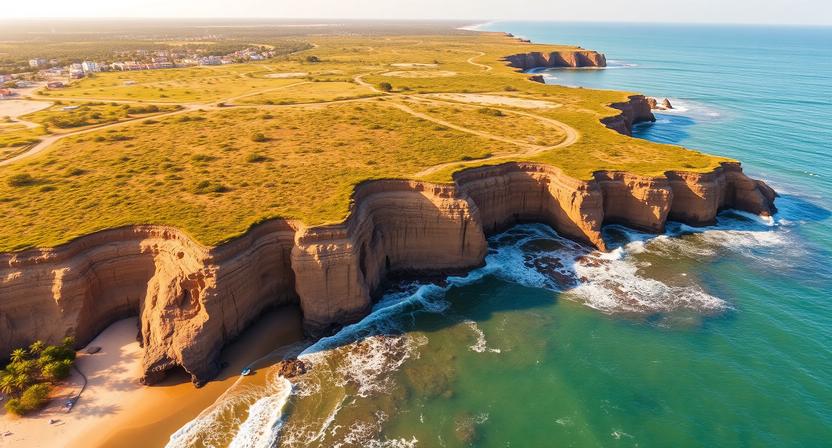
Angola to Invest Five Hundred Million USD in Coastal Tourism Infrastructure, Boosting Tourism Growth and Enhancing Global Competitiveness for the Future

Angola to Invest Five Hundred Million USD in Coastal Tourism Infrastructure, Boosting Tourism Growth and Enhancing Global Competitiveness for the Future

The government through the President of Angola, João Lourenço, has approved the green light for a transformational public investment worth $500 million meant to transform the country’s coastal tourism infrastructure. The government has approved this project through the President’s Executive Orders No. 32/26 and No. 33/26, which aims at developing integrated infrastructure in areas with immense potential such as Cabo Ledo, Quicombo, and Namibe. This project is sure to alter the global tourism landscape.

Tackling Infrastructure Challenges with Strategic Investment

The $500 million investment will be funded by the Mitsubishi UFJ Financial Group, marking an important step in Angola’s tourism growth. This funding will be a cornerstone of the Planifica Turismo program, which focuses on addressing one of the key barriers to tourism development: the lack of basic utilities in these high-potential areas. The government aims to create the conditions necessary for international investors to develop tourism infrastructure, particularly through improvements in water supply, sanitation, electricity, telecommunications, and public lighting. This will help make Angola an even more attractive and accessible destination.

Minister of Tourism, Márcio de Jesus Lopes Daniel, has confirmed that the planned upgrades include new access roads, better water systems, and enhanced sanitation facilities, which are expected to have an immediate impact on both tourist experiences and local communities. These improvements will ensure that the coastal tourism sector thrives, bringing benefits that go beyond just tourism revenue.

A Strategic Focus on Key Coastal Areas for Long-Term Growth

The investment is primarily focused on key coastal corridors, including Pipas Bay (Saco Mar), Tômbwa Bay, Três Irmãos Bay in Moçâmedes, and Quicombo Bay in Cuanza Sul. These areas are already known for their natural beauty, making them ideal candidates for tourism development. With the infrastructure improvements, Angola is setting the stage for these regions to become major tourism hubs, attracting both local and international tourists.

This initiative is part of a broader rebranding strategy for Angola, spearheaded by Julia Kleber, the CEO of Kleber Group. Kleber has worked closely with the government to reshape Angola’s image and project the country as a premier African tourism destination. The $500 million investment aligns with this vision by providing the necessary infrastructure to support a growing tourism sector and elevate Angola’s international profile.

Reducing Barriers for Private Investment and Boosting Competitiveness

The government’s focus on infrastructure is not just about tourism growth; it’s also about making Angola a more competitive destination on the global tourism map. By improving basic utilities, the government is lowering the entry costs for private investors, creating a more attractive environment for both local and international developers. As a result, Angola’s coastal regions will likely see an influx of private tourism projects, from resorts to tourism infrastructure, that would have otherwise been delayed due to insufficient utilities.

This investment will also help Angola meet growing demand from tourists seeking authentic experiences in unexplored destinations. By improving accessibility, safety, and overall urban functionality, Angola is making itself an appealing choice for high-end tourism.

Addressing Delays and Creating Future Opportunities

The new $500 million initiative addresses the delays many private developers have faced due to poor infrastructure. Although there has been growing interest from both national and international investors, the lack of essential services has hindered the region’s potential. The improvements will not only eliminate this bottleneck but will also pave the way for a more efficient and effective development process, creating a future-proof foundation for tourism growth.

Angola’s recent accolades, such as being named the Best Tourism Investment Destination by the Global Tourism Forum in 2025, have set the stage for this massive investment. This recognition has raised Angola’s profile in the global tourism community, providing the country with the momentum it needs to position itself as a leading tourism destination in Africa.

Sustainable Tourism Development: Building for the Future

The $500 million investment isn’t just about building infrastructure; it’s about laying the groundwork for sustainable tourism growth in the long term. The government aims to ensure that these coastal areas can sustain growth while improving the quality of life for local communities. By prioritizing public investment in essential services, the government is not only attracting tourism developers but also ensuring that the benefits of this development reach local populations through job creation and improved living standards.

The Planifica Turismo program, which provides the framework for this initiative, focuses on territorial organization and urban functionality, ensuring that Angola’s tourism sector remains competitive in the coming decades. The improvements will also support sustainable tourism practices, fostering growth that benefits both the economy and environment.

Future Impact of the $500 Million Investment on Angola’s Tourism

Looking forward, the $500 million investment will be a catalyst for transforming Angola’s tourism sector. With the right infrastructure in place, Angola can expect to see a steady increase in tourism arrivals, driven by the improved accessibility and competitiveness of the coastal regions. This investment will also set the stage for multi-destination travel across Angola’s diverse landscapes, enabling travelers to experience both beachfront destinations and cultural heritage sites.

Furthermore, the country’s improved infrastructure will ensure that Angola remains a strong contender in the competitive global tourism market. With the growing focus on sustainable tourism, Angola can establish itself as a destination that provides unique experiences while preserving its natural beauty.

A Commitment to Long-Term Tourism Growth

Through this $500 million initiative, Angola is not only solving existing infrastructure problems but is also setting the stage for future success in the tourism sector. The coastal tourism development project that has received investment dollars is set to revolutionize the tourism sector in Angola. As Angola modernizes its tourism infrastructure, it is laying the groundwork for future tourism development that will create economic opportunities and bring tourists to its shores.

This strategic tourism development project signals the beginning of a new era for Angola, where well-thought-out investments in infrastructure development and tourism planning will pave the way for global competitiveness, investments, and future tourism products in the country.

The post Angola to Invest Five Hundred Million USD in Coastal Tourism Infrastructure, Boosting Tourism Growth and Enhancing Global Competitiveness for the Future appeared first on Travel And Tour World.

Virginia Guesthouse Hotel and Conference Center Opening in April 2026 in Charlottesville, Boosting UVA Hospitality with a New Gathering Space

Virginia Guesthouse Hotel and Conference Center Opening in April 2026 in Charlottesville, Boosting UVA Hospitality with a New Gathering Space

The Virginia Guesthouse Hotel and Conference Center is a game-changer for Virginia’s hospitality industry; it will open its doors in April 2026. Situated at the crossroads of intellectual activity, cultural interaction, and scenic beauty, the hotel has a significant contribution to Charlottesville’s expanding hospitability sector. Conceived to meld the needs of visitors and residents alike, the property stands only steps from the University of Virginia campus, offering a mix of modern guestroom accommodation and flexible event space.

As Virginia’s tourism continues to soar, Virginia Guesthouse is not just a place to rest one’s head. The hotel’s location, amenities, and design reflect the region’s growing status as a premier Mid-Atlantic tourism and business destination. Boasting 214 modern rooms, more than 25,000 square feet of events space, and multiple dining options, this hotel is poised to be the epicenter of UVA visitors, business travelers, and leisure travelers visiting Charlottesville.

Contributing to Charlottesville’s Hospitality Growth: An Ideal Base for Leisure Travelers

Virginia Guesthouse will enhance the local hospitality landscape by providing a high-quality, flexible base for travelers exploring Charlottesville and the Central Virginia region. Guests will find themselves within easy reach of local wineries, the historic Downtown Mall, and outdoor adventures, along with one of the country’s most prestigious academic institutions.

The hotel’s proximity to UVA and its historical grounds—designated as a UNESCO World Heritage site—makes it an attractive option for visitors who wish to experience the university’s vibrant atmosphere. For travelers seeking regional cuisine and a relaxing environment, Virginia Guesthouse offers Poplar, its signature restaurant serving seasonal local dishes with a carefully curated list of beverages. For those looking for a quick bite, The Counter Café offers locally sourced snacks and drinks to recharge.

The Perch, the hotel’s rooftop bar, will serve as a prime social gathering space with sweeping views of the University of Virginia campus. Its laid-back yet elevated atmosphere makes it a perfect spot to enjoy signature cocktails and unwind while overlooking Charlottesville’s stunning landscapes.

Expanding Event Space to Boost Virginia’s Hospitality Industry

A crucial aspect of Virginia Guesthouse is its role in enhancing Virginia’s hospitality growth by offering over 25,000 square feet of flexible event space. Designed to meet the needs of corporate groups, academic conferences, and social events, the hotel features an array of spaces, from large conference halls to more intimate settings.

As Charlottesville becomes an increasingly popular destination for academic conferences, corporate events, and business retreats, the addition of Virginia Guesthouse will strengthen the area’s reputation as a competitive venue for meetings and events. The hotel’s state-of-the-art audiovisual technology, catering services, and ample parking for guests make it an ideal location for both business gatherings and personal milestones like weddings.

A True Home for UVA Visitors, Alumni, and Families

For UVA families, alumni, and prospective students, the hotel offers a central location and a sense of comfort and connection. As a cornerstone of Virginia’s growing hospitality infrastructure, Virginia Guesthouse is perfectly positioned to cater to families attending UVA events, students returning home, and those looking to explore the vibrant life on the University’s Grounds.

The hotel’s proximity to UVA’s iconic Lawn, John Paul Jones Arena, and other campus landmarks ensures that it will become a go-to spot for university visitors. In addition, the Welcome Center located in the hotel will serve as a first stop for those embarking on UVA tours. By catering to future students and their families, Virginia Guesthouse will support the University’s recruitment efforts, making it a vital resource for the community.

Fostering Collaboration for UVA’s Academic and Student Community

Designed with the UVA community in mind, the hotel will offer meeting spaces that are ideal for faculty retreats, department gatherings, and student group activities. As Charlottesville experiences a rise in demand for academic events, Virginia Guesthouse will foster collaboration, learning, and growth. The hotel’s diverse meeting facilities will support everything from departmental seminars to faculty development workshops, enabling UVA’s academic community to interact in a dynamic and inspiring environment.

Integrating with the Local Community: Dining, Events, and Shared Experiences

Beyond catering to visitors, Virginia Guesthouse will strengthen Charlottesville’s local hospitality scene by becoming a gathering place for residents. Local diners can enjoy an engaging evening at The Perch, attend community weddings, or simply meet colleagues at Poplar for a meal. As Charlottesville’s hospitality industry continues to grow, the hotel will become a local hub for events and community celebrations.

The versatility of its meeting and event spaces also positions Virginia Guesthouse as a prime location for local organizations, helping to foster a sense of community while supporting Charlottesville’s tourism sector.

Strengthening the Local Economy: The Role of Virginia Guesthouse in Hospitality Growth

The opening of Virginia Guesthouse comes at a time when Charlottesville’s hospitality sector is undergoing a transformation. As the city continues to attract more tourists and business travelers, the addition of this property aligns with the area’s expanding demand for premium accommodations and event spaces.

By offering flexible and well-equipped event spaces, high-quality dining options, and top-tier accommodations, Virginia Guesthouse will contribute significantly to Charlottesville’s growing tourism infrastructure. As the local economy benefits from the influx of visitors, the hotel’s development marks a significant milestone in the city’s journey toward becoming a premier destination for both tourism and business.

Virginia Guesthouse’s Role in the Region’s Hospitality Growth

The Virginia Guesthouse Hotel & Conference Center is not just another newly constructed hotel in Charlottesville, it is a symbol of growth for the hospitality industry within the region and Charlottesville’s emergence as a top destination for tourism and business with its prime location, cutting-edge event space, and dedication to providing exceptional customer service.

Virginia Guesthouse is poised to be at the center as Charlottesville moves forward as a thriving center for culture, education, and economic development. As Charlottesville becomes a force to be reckoned with in the tourism marketplace of the Mid-Atlantic, Virginia Guesthouse represents a testament to its vibrant future and its adaptability to the changing needs of modern travelers.

Image Source: Virginia Guesthouse Hotel

The post Virginia Guesthouse Hotel and Conference Center Opening in April 2026 in Charlottesville, Boosting UVA Hospitality with a New Gathering Space appeared first on Travel And Tour World.

Preservation of Kynos Archaeological Site in Central Greece Boosts its Historical Tourism Growth and Opens New Opportunities for Tourism Development

Preservation of Kynos Archaeological Site in Central Greece Boosts its Historical Tourism Growth and Opens New Opportunities for Tourism Development

The Archaeological Site of Kynos, located in Livanates, Central Greece, is slated to receive a major preservation intervention, with funds allocated in excess of 2.78 million euros within the framework of the European Regional Development Fund. The initiative, announced by Regional Governor Fanis Spanos, ensures that this historically significant site is protected for future generations, as it has played a pivotal role in the rich history of Greek culture. The funds will be used to preserve the coastal archaeological site, a practice that will certainly promote historical tourism.

Kynos: A Key Destination for Historical Tourism in Greece

The Kynos archaeological site spans centuries of occupation, from the late Neolithic era to the Middle Byzantine period. Its significance in historical tourism is immense, offering valuable insights into ancient civilizations that shaped Greece’s historical legacy. With the excavation of the site, particularly the Mycenaean settlement dating back to the 12th century BC, the Hellenistic fortifications, and the partially submerged breakwater, Kynos has become a prime destination for historical tourism.

Through this preservation project, Kynos will not only continue to showcase its archaeological treasures but will also enhance its position as a key stop for travelers interested in exploring Greece’s ancient history. The integration of the site’s rich history into the tourism landscape will attract more visitors, particularly those focused on cultural heritage tourism, helping to drive sustainable growth in the regional tourism sector.

Enhancing Historical Tourism with Modern Preservation Techniques

The preservation work at Kynos includes the construction of a new protective shelter, which will safeguard the excavated remains and allow for better visitor access. This initiative reflects a growing trend in historical tourism, where preserving cultural heritage is as important as making it accessible to the public. The new shelter will not only protect the artifacts but will also create a more immersive experience for tourists seeking to connect with the site’s historical significance.

In addition, the development of visitor service areas and the completion of archaeological research and documentation will contribute to a more comprehensive historical tourism experience. Tourists will have access to well-designed spaces that help them understand the archaeological context of Kynos while preserving its authenticity and educational value.

Historical Tourism Growth and the Economic Impact on Local Communities

The preservation of Kynos is not just a cultural investment; it also has significant economic implications for the local communities in Livanates and Central Greece. The tourism growth driven by historical tourism will create job opportunities in areas such as tourism services, local businesses, and hospitality. As international visitors flock to experience Greece’s ancient history, local businesses will benefit from the influx of spending, from accommodation and restaurants to tourism-related services.

The historic tourism value of Kynos adds a unique layer to Central Greece’s tourism offerings, further diversifying the region’s appeal. By developing a strategic historical tourism infrastructure, the project ensures that Kynos becomes a prominent destination, benefiting from both international and domestic visitors.

A Stronger Focus on Historical and Cultural Tourism in Greece

The continued development and preservation of archaeological sites like Kynos are crucial to the future of historical tourism in Greece. As more travelers seek authentic cultural experiences, Greece’s archaeological treasures are becoming increasingly important in drawing tourists interested in exploring the country’s rich past. The Kynos preservation project supports this trend by maintaining the integrity of the site while making it accessible to a broader audience.

Furthermore, the preservation of Kynos is part of a broader effort to enhance historical tourism throughout Greece, positioning the country as a leader in cultural heritage tourism. The site’s combination of natural beauty, archaeological significance, and rich history will continue to captivate visitors and drive tourism growth across the Greek mainland and islands.

Looking to the Future: Kynos as a Model for Historical Tourism Growth Across Greece

The preservation of Kynos is just one example of how Greece is embracing the growing demand for historical tourism. As the country continues to develop and enhance its tourism infrastructure, Kynos serves as a model for integrating cultural heritage with modern tourism needs. With more than 2.78 million euros in funding, the Kynos preservation project sets a precedent for future tourism development in Greece, ensuring that historical sites remain central to the country’s tourism economy.

As the site’s transformation progresses, Kynos will play an integral role in the growth of historical tourism across the country. Its continued development will not only preserve Greece’s rich history but will also position historical tourism as a key driver of the tourism sector for years to come.

Kynos Preservation and the Future of Historical Tourism Growth in Greece

This preservation of Kynos evidences a major step forward for Greece’s historical tourism development process, making sure that Greece continues to keep the ancient historical site safe for future generations. Greece is adopting the global fascination with cultural heritage tourism with this development process, making Greece the leading example of historical tourism development globally.

As the Kynos site evolves, the ancient site of Kynos will be at the forefront of the continued growth of tourism in Central Greece, promoting historical tourism in a manner that preserves the past while encouraging economic development within the region.

The post Preservation of Kynos Archaeological Site in Central Greece Boosts its Historical Tourism Growth and Opens New Opportunities for Tourism Development appeared first on Travel And Tour World.

Greece Opens Archaeological Sites for Gastronomy Events, Boosting Gastronomy Tourism Growth While Preserving Cultural Heritage and Offering Unique Experiences

Greece Opens Archaeological Sites for Gastronomy Events, Boosting Gastronomy Tourism Growth While Preserving Cultural Heritage and Offering Unique Experiences

Greece has presented a pioneering program that opens archaeological sites for gastronomy events within a strictly controlled framework. This, in fact, allows gastronomic tourism to take place within the most iconic historical sites, thus providing opportunities for culinary events to blend with a deep cultural background-which is a great deal for tourist development in Greece. The above-mentioned program will be held in 19 cultural sites across Greece, including Delphi, Nicopolis, and the Roman Forum of Thessaloniki, during the first phase.

The initiative is well-placed to play an important role in the thriving sector of gastronomy tourism, a category that sees visitors traveling to destinations offering them not just cultural but also culinary experiences. Greece, home to some of the world’s most storied food traditions, today offers visitors various opportunities for local food and dining in some of the world’s most historic surroundings—the reason for the recent interest in such multisensory tours combining gastronomy with heritage.

Gastronomy Tourism: An Emerging Market for Greece

The gastronomy tourism sector has been growing globally, as more travelers look for authentic, culturally rich experiences that also involve local cuisine. Greece’s initiative to host gastronomy events in archaeological sites is a strategic move to tap into this burgeoning market. By merging world-class dining with ancient history, Greece is offering a unique tourism experience that attracts culinary enthusiasts, history lovers, and global travelers who seek deeper connections to the destinations they visit.

Events hosted in historic and culturally significant locations provide visitors with a new way to engage with the past, through the lens of local flavors and gastronomy. This move positions Greece to capitalize on the increasing trend of gastronomy tourism, which is not just about food, but about experiencing a destination’s culture and heritage through authentic culinary experiences.

Blending Culinary Arts with Historical Significance

The new initiative enhances the appeal of Greece’s archaeological sites by blending gastronomy with historical significance. Locations like Nicopolis and Delphi, known for their ancient ruins, will now offer gastronomy events that highlight Greece’s rich culinary heritage, alongside immersive cultural activities. The addition of gastronomy tourism creates new avenues for tourism operators, restaurants, and local food producers, all of whom benefit from the increased exposure and tourist spending that such events attract.

As visitors savor local dishes inspired by ancient Greek recipes, they also gain a deeper understanding of the historical context of the places they visit. This approach to gastronomy tourism aligns with a growing demand for experiential travel, where travelers want to engage with destinations in a way that connects them to local traditions and culinary cultures.

Tourism Growth: Connecting Gastronomy and Heritage to Boost Local Economies

The integration of gastronomy tourism with Greece’s heritage sites presents a dual benefit for the country. Not only will it help preserve cultural landmarks, but it will also create sustainable tourism growth. By attracting tourists who are eager to engage in gastronomy while exploring historical landmarks, Greece can diversify its tourism offerings, generating economic growth in regions outside traditional hotspots.

This initiative will create job opportunities for local businesses, including restaurants, chefs, food producers, and tourism operators. As gastronomy tourism grows, these sectors will benefit from increased tourist demand. Furthermore, the promotion of local food and culinary traditions ensures that the country’s gastronomy sector becomes an integral part of the tourism experience—benefiting both tourists and local communities.

Expanding the Global Appeal of Greece’s Gastronomy and Culture

By opening up archaeological sites for gastronomy events, Greece is creating new travel experiences that can attract a wider range of international visitors. Global travelers are increasingly seeking destinations that offer authentic food experiences tied to cultural heritage, and Greece’s initiative allows the country to stand out as a leader in this growing market.

As gastronomy tourism continues to rise in popularity, Greece has a unique opportunity to promote its cuisine alongside its ancient monuments—a combination that few other destinations can offer. The strategic use of heritage sites for gastronomy events not only increases the appeal of Greece as a tourist destination but also raises the country’s profile in the international tourism industry.

Driving Tourism Growth Through Gastronomy and Cultural Preservation

Greece’s move to use archaeological sites in organizing gastronomy events is a big step in the growth and development of the tourism sector. The fusion of food culture and cultural heritage would provide tourists with an experience that would attract more tourists to the country. Therefore, through the use of gastronomy tourism, the country would not only increase its number of tourists but would also ensure the sustainability and development of the tourism sector in the coming years.

As Greece becomes increasingly known as one of the top destinations in gastronomy tourism, the blending of historical sites with contemporary gastronomy will form the basis of long-term growth and development of tourism, ensuring Greece stands as an example of how to successfully blend cultural preservation with innovation, as it pertains to tourism.

The post Greece Opens Archaeological Sites for Gastronomy Events, Boosting Gastronomy Tourism Growth While Preserving Cultural Heritage and Offering Unique Experiences appeared first on Travel And Tour World.

Anantara Downtown Dubai Unveils Major Renovation, Strengthening its Role in Luxury Hospitality with Sophisticated Spaces for Business and Lifestyle Travelers

Anantara Downtown Dubai Unveils Major Renovation, Strengthening its Role in Luxury Hospitality with Sophisticated Spaces for Business and Lifestyle Travelers

An extensive renovation has been completed at Anantara Downtown Dubai, a prime hospitality location in Dubai’s Business Bay. This renovation is part of Dubai’s sustained interest in evolving and expanding its luxury tourism sector, making Anantara Downtown Dubai a significant contributor to Dubai’s hospitality business growth. The renovation combines cutting-edge style with luxury, making it suitable not just for business travelers within Dubai, but also providing a lavish experience suitable for travelers interested in luxury hospitality within the UAE.

The overall transformation is aimed at ensuring Dubai maintains its position as the leading destination in luxury tourism worldwide. Dubai has become a tourist hub for those seeking exclusivity in their travel experience, and the updated Anantara hotel positions it as having a competitive edge through spaces designed to cater to both business and the emerging luxury travel demand.

Driving the Growth of Business Tourism and MICE in Dubai

The renovated Anantara Downtown Dubai is strategically positioned to support the city’s business tourism sector, which continues to grow as Dubai consolidates its position as a global business hub. The hotel’s state-of-the-art meeting facilities, including the Mirage Ballroom, which can accommodate up to 550 attendees, and eight upgraded meeting rooms, make it an ideal location for corporate events, conferences, and business launches.

The luxury hospitality sector in Dubai, particularly the MICE (Meetings, Incentives, Conferences, and Exhibitions) market, has seen significant growth in recent years, and hotels like Anantara Downtown Dubai are at the forefront of this expansion. The hotel’s new MICE facilities, combined with its location near key business districts such as Dubai International Financial Centre (DIFC), are crucial in attracting both international business leaders and corporate groups to the city. This growth in business tourism adds directly to Dubai’s economic development, generating revenue and supporting job creation in tourism-related services.

Luxury Hospitality Growth: Anantara’s Role in Shaping Dubai’s Future

The hotel’s redesign also supports the ongoing growth of luxury hospitality in Dubai, where there is increasing demand for premium experiences. Anantara Downtown Dubai’s transformation provides guests with a refined, modern environment designed for both relaxation and productive business stays. The spacious suites and premium accommodations, now enhanced with luxury textures, integrated technology, and smart layouts, set a new standard for luxury in Business Bay, one of Dubai’s most dynamic and sought-after districts.

As Dubai’s tourism sector expands, Anantara Downtown Dubai will play a central role in supporting the city’s growing appeal as a destination for high-end tourism. The hotel’s combination of luxury accommodations, modern facilities, and personalized service places it at the heart of Dubai’s hospitality growth. As more travelers seek sophisticated experiences, Anantara Downtown Dubai delivers a seamless integration of business services and lifestyle offerings, reinforcing Dubai’s position as a premium destination for both luxury travelers and corporate visitors.

Attracting a Growing Luxury Traveler Segment: Wellness, Dining, and Lifestyle

Anantara Downtown Dubai’s recent updates to its wellness and dining offerings underscore the growing demand for luxury lifestyle tourism in Dubai. With an emphasis on wellness, the hotel features a state-of-the-art fitness center and luxurious spa services that cater to the well-being of travelers. As luxury tourism continues to rise, wellness-focused amenities are increasingly seen as essential components of luxury hospitality.

Additionally, the hotel’s revamped culinary offerings, including new signature dining venues, cater to the growing gastronomy tourism market. These enhancements reflect the changing demands of today’s luxury travelers, who increasingly seek personalized, high-quality experiences that cater to both their physical and culinary needs during their stay.

This shift toward experience-driven luxury tourism continues to shape the future of the hospitality industry, and properties like Anantara Downtown Dubai are adapting to this new paradigm by offering guests an immersive, holistic luxury experience that blends relaxation, well-being, and elegant dining.

Expanding Dubai’s Luxury Hospitality Infrastructure

The hotel’s renovation contributes to the broader luxury hospitality growth in Dubai, where the demand for upscale accommodations and exclusive experiences continues to surge. As the city welcomes a growing number of international tourists, luxury hotels like Anantara Downtown Dubai are playing a critical role in shaping the future of high-end tourism in the region. The hotel’s significant investment in its facilities, services, and guest experience ensures that it remains a leader in luxury hospitality in one of the world’s most competitive markets.

With a continued focus on luxury services, corporate facilities, and wellness experiences, Anantara Downtown Dubai is contributing to Dubai’s evolving tourism infrastructure, helping the city to maintain its status as a leading global destination for both luxury leisure and business travel.

Anantara Downtown Dubai’s Impact on Hospitality Growth

Anantara Downtown Dubai’s recent redesign enhances the property’s luxury offering and underscores its role in Dubai’s hospitality growth. The elevation of both the guest experience and business tourism facilities positioned this hotel to meet the increased demand for high-end experiences in one of the most sought-after destinations in the world.

As Dubai continues to invest in the extension of luxury hospitality, Anantara Downtown Dubai will continue to be an anchor in the tourism development of this city, featuring elegance, comfort, and personalized service for every type of traveler-both business and leisure-seeking a sophisticated urban escape. In positioning itself around luxury tourism growth, the hotel aims to maintain its status among the elite choice of a discerning clientele base, helping Dubai position itself as it continues to thrive as one of the destination capitals for global tourism.

Image Source: Anantara

The post Anantara Downtown Dubai Unveils Major Renovation, Strengthening its Role in Luxury Hospitality with Sophisticated Spaces for Business and Lifestyle Travelers appeared first on Travel And Tour World.

Norwegian Pearl Embarks on 2026 Big Nude Cruise, Offering Clothing-Optional Experience in Southern Caribbean and Bahamas, Boosting Niche Cruise Tourism

Norwegian Pearl Embarks on 2026 Big Nude Cruise, Offering Clothing-Optional Experience in Southern Caribbean and Bahamas, Boosting Niche Cruise Tourism

On Monday, the Norwegian Pearl embarked on its voyage, kicking off the 2026 version of Bare Necessities’ Big Nude Cruise-an extremely private charter sailing that offers a clothing-optional experience for its guests to some of the most breathtaking destinations in the Southern Caribbean and the Bahamas. This one-of-a-kind voyage represents a key moment in the continued expansion of niche cruise tourism, a segment that is seeing increased interest from travelers looking for unique experiences on the open water.

This year’s Big Nude Cruise will feature stops at Ocho Rios, Jamaica; Oranjestad, Aruba; Willemstad, Curaçao; and Kralendijk, Bonaire. On its return to Miami, the ship will make two sea days and two visits to Great Stirrup Cay, a private island, where guests will experience the freedom of clothing-optional beaches. As niche tourism is on the increase, especially within the luxury cruise and eco-tourism markets, this clothing-optional cruise is part of a growth segment that illustrates changing tastes for travel.

The Rise of Niche Cruise Tourism: A New Growth Trend

The 2026 Big Nude Cruise is part of a broader growth trend within the cruise industry, which is increasingly catering to diverse traveler interests. Cruise tourism has evolved beyond traditional family vacations, with niche segments like luxury cruises, themed cruises, and adventure-based voyages now capturing a larger share of the market. Clothing-optional cruises, such as the Big Nude Cruise, represent a growing demand for alternative travel experiences that allow guests to enjoy the beauty of the ocean, islands, and cultural destinations without the constraints of clothing.

The luxury cruise sector has seen significant growth as well, with travelers seeking bespoke, private experiences that offer exclusivity and personalized service. The rise of themed cruises like the Big Nude Cruise adds a unique dimension to the sector, contributing to the broader growth of cruise tourism by attracting more affluent travelers looking for experiences that combine luxury with freedom and self-expression.

Expanding the Appeal of Luxury Cruise Tourism with Specialized Experiences

The Big Nude Cruise also highlights the diversification of the cruise industry’s offerings. As travelers increasingly seek personalized journeys, cruise lines are responding by offering themed experiences that cater to specific interests, such as wellness, lifestyle, and niche cultural experiences. The clothing-optional cruises segment, in particular, has seen a marked increase in demand from guests seeking a more liberated travel experience. This growing interest in specialized cruises is contributing to the expansion of luxury cruise tourism, which continues to adapt to changing consumer preferences.

By offering a fully clothing-optional environment with luxury amenities, the Big Nude Cruise adds to the variety of experiences available within the cruise tourism sector, providing a new avenue for high-end cruise lines to meet the needs of travelers who desire something different from conventional cruising.

Cruise Tourism’s Role in Economic Impact and Destination Growth

The 2026 Big Nude Cruise also illustrates the growing role of cruise tourism in driving economic growth for the destinations it visits. Each port of call represents an opportunity for local economies to benefit from increased tourism revenue, local business opportunities, and job creation in sectors such as hospitality, transport, and services. The niche cruise tourism market, while smaller, is also often associated with high-spending travelers who tend to contribute significantly to local economies.

Caribbean islands like Aruba, Jamaica, and Bonaire have become key destinations for the growing luxury cruise market, benefiting from increased tourist visits and contributing to the long-term sustainability of the local tourism sectors. By attracting affluent, eco-conscious travelers, these niche cruises are helping develop more sustainable tourism models, offering higher value to both travelers and local communities.

The Future of Niche and Luxury Cruise Tourism

As the cruise industry continues to evolve, niche cruise tourism is expected to play a larger role in the growth of global tourism. Specialized offerings like the Big Nude Cruise represent the diversification of the industry, creating more options for travelers seeking exclusive, tailored experiences. In the coming years, as demand for alternative travel grows, we are likely to see an increasing number of themed cruises, including those focused on wellness, cultural exploration, adventure, and luxury nudist travel.

Cruise lines will continue to innovate, offering bespoke experiences that cater to specific interests while providing luxury amenities and personalized service. As travelers become more discerning and seek unique, transformative vacations, the niche cruise tourism market will be an essential part of the broader luxury cruise tourism growth in the coming decade.

The Growing Influence of Niche Cruise Tourism

The 2026 Big Nude Cruise on the Norwegian Pearl represents the success of the emerging niche cruise tourism product, where travelers can indulge in an experience of luxury and clothing-optional adventure at sea. This emerging niche within the cruise product will continue to build and contribute to the success of luxury cruises and the economic success of various island destinations throughout the Caribbean and beyond.

The Big Nude Cruise also illustrates the larger developments within the cruise industry in the growth of cruise tourism, especially in relation to the role of customer demand for luxuries in cruise tourism. Niche cruises are likely to play a significant role within the growth of the cruise industry in years to come.

The post Norwegian Pearl Embarks on 2026 Big Nude Cruise, Offering Clothing-Optional Experience in Southern Caribbean and Bahamas, Boosting Niche Cruise Tourism appeared first on Travel And Tour World.

Orange 142 Partners with Pigeon Forge to Explore GEO and AI-Driven Search, Shaping Tourism Technology and Driving Growth in the Industry

Orange 142 Partners with Pigeon Forge to Explore GEO and AI-Driven Search, Shaping Tourism Technology and Driving Growth in the Industry

Orange 142, in partnership with the Pigeon Forge Department of Tourism and 4As, is proud to announce an upcoming webinar, “How to Get Your Brand Recommended by AI: A Pigeon Forge Case Study”. The session will delve into the rapidly changing world of tourism technology-very much focused on how Generative Engine Optimization (GEO), AI-driven search strategies, and innovative digital marketing techniques are changing how destinations and brands connect with today’s traveler.

As AI technology becomes an integral part of the tourism industry, this case study will discuss very practical insights into how Pigeon Forge adapted its digital strategy to be successful in times of AI-driven discovery. The initiative looks toward how tour operators are adopting newer technologies that will bring in better visibility, improve search performance, and, as a result, increase the growth of tourism.

AI-Driven Search: A Game-Changer for Tourism Technology

The growth of AI-driven search is reshaping the tourism technology landscape. Generative AI, which allows machines to generate human-like responses to user queries, is changing the way tourists discover destinations and make travel decisions. Traditional SEO strategies no longer suffice, and destinations must adapt their content to align with AI systems that prioritize structured storytelling, intent signals, and authoritative answers.

For Pigeon Forge, the integration of GEO allowed them to transition from traditional SEO to an AI-ready framework that catered specifically to generative search engines. This shift not only improved digital visibility but also positioned Pigeon Forge as a key example of how tourism destinations can embrace AI technology to connect with tourists in a more personalized and effective way.

Leveraging GEO to Optimize Tourism Marketing and Content Strategies

Generative Engine Optimization (GEO) is a new approach that turbocharges the effectiveness of AI-driven search in the tourism industry. For Pigeon Forge, GEO has helped shift the focus from keywords to intent-based storytelling, allowing the destination to provide relevant and authoritative content that AI systems prioritize.

Through this innovative strategy, tourism brands can optimize their online presence to better meet consumer expectations, allowing them to appear in AI-driven search results as top recommendations for travelers seeking authentic experiences. The shift to GEO is a prime example of how tourism technology is evolving, ensuring that destinations can continue to stand out in an increasingly digital world where AI systems are taking center stage in travel discovery.

Tourism Technology and the Future of Multi-Destination Travel

As tourism technology continues to advance, the importance of AI-driven content strategies cannot be overstated. Pigeon Forge’s partnership with Orange 142 exemplifies how AI-powered technologies are enabling multi-destination travel experiences. Travelers increasingly seek seamless, integrated travel experiences, often visiting multiple regions or countries within a single itinerary.

By optimizing content for AI search platforms and providing relevant information that appeals to global travelers, Pigeon Forge is helping to facilitate multi-destination tourism, connecting Cuba, the Caribbean, and the US through strategic tourism exchange and destination marketing. This is an essential growth area for tourism technology, which can help both tourism destinations and travelers benefit from more efficient travel planning and increased visibility.

The Role of AI in Enhancing Tourism Operations and Engagement

Beyond digital marketing and search optimization, AI technology also plays a crucial role in enhancing tourism operations. For Pigeon Forge, AI-powered tools such as Ask Martha provide real-time visibility into traveler questions, offering insights into everything from seasonal activities to trip-planning logistics. This real-time data is invaluable for tourism professionals, helping them to better understand visitor needs and optimize the tourism experience.

These advancements in tourism technology give brands the tools they need to engage with customers more directly, offering personalized recommendations and insights that enhance both the pre-trip and on-trip experiences. This creates more dynamic tourism offerings, driving growth while ensuring tourists are provided with the best possible experiences.

The Future Impact of AI and Technology on the Tourism Industry

The Pigeon Forge case study showcases just one way that AI technology is revolutionizing the tourism industry, from improving search visibility to enhancing tourist engagement. As Generative Engine Optimization (GEO) continues to shape the future of digital marketing and tourism discovery, the role of AI will only grow more prominent in driving tourism growth globally.

The integration of advanced technologies into tourism marketing strategies ensures that destinations remain competitive in an increasingly AI-driven world. By adopting AI-first approaches, tourism destinations like Pigeon Forge are setting the standard for how innovative technology can shape the future of the global tourism economy, driving growth and sustainability.

The Evolving Future of Tourism Technology and Marketing

The collaboration between Orange 142 and Pigeon Forge offers a clear example of the real impact of tourism technology: its capacity to transform the entire tourism experience with the help of AI search technologies and the capabilities of Generative Engine Optimization. With these cutting-edge approaches continually being implemented, the impact of tourism technology would undoubtedly continue to further develop the entire realm of tourism globally.

In addition, in line with the increased adoption of AI systems for travel discovery, it is imperative for tourism marketers to embrace these latest technologies to foster success and boost growth in the thriving field of tourism. Notably, the Pigeon Forge case study depicts the path for the adoption of AI systems for success and growth in the dynamic field of tourism.

Image Source: Direct Digital Holdings

The post Orange 142 Partners with Pigeon Forge to Explore GEO and AI-Driven Search, Shaping Tourism Technology and Driving Growth in the Industry appeared first on Travel And Tour World.

Royal Caribbean Group Announces $1.50 Quarterly Dividend, Strengthening Financial Position and Highlighting its Future Growth Plans in Cruise Tourism Sector

Royal Caribbean Group Announces $1.50 Quarterly Dividend, Strengthening Financial Position and Highlighting its Future Growth Plans in Cruise Tourism Sector

Royal Caribbean Group being a leading player in the cruise business and vacation related sectors globally, has now revealed its decision to pay quarterly dividends of $1.50 per share to its shareholders. The quarterly dividends will be paid to its shareholders who will be under its record date on March 6, 2026, i.e., April 3, 2026.

The pay-out ratio has increased because the company is confident about maintaining the growth trajectory. Apart from providing a reasonable return to shareholders, Royal Caribbean Group is aiming to be at the forefront of the global cruise tourism business with strategic plans to capture future market shares within the expanding luxury cruise business and leverage the potential market represented by emerging global tourism trends.

A Future of Cruise Tourism Growth: Innovation, Expansion, and Sustainability

As the global cruise tourism market continues to grow, Royal Caribbean Group is laying the foundation for long-term success. The company’s growth strategy includes expanding its portfolio to new destinations, increasing the number of luxury vessels, and adopting sustainable tourism practices. This aligns with the industry’s broader push for eco-friendly cruising and the increasing demand for luxury travel experiences that combine adventure, relaxation, and cultural exploration.

Brendan Tansey, Managing Director of Roland Berger Southeast Asia, notes that the cruise industry is increasingly driven by digital transformation, with travelers seeking more personalized and customized travel experiences. As the cruise market evolves, Royal Caribbean Group continues to innovate, integrating advanced technology and sustainability measures to cater to the next generation of eco-conscious travelers.

With the global tourism sector recovering and the cruise industry on an upward trajectory, Royal Caribbean Group is strategically positioned to leverage its innovative brands and loyalty programs to attract both new and repeat customers, ensuring strong future growth in the cruise tourism market.

Strategic Expansion: New Destinations and River Cruising

One of the most exciting components of Royal Caribbean’s future cruise strategy is its expansion into river cruising with the launch of Celebrity River Cruises in 2027. This new addition taps into the growing demand for luxury river cruises, offering high-end travel experiences along Europe’s iconic rivers. By entering the river cruising market, Royal Caribbean Group is diversifying its portfolio and meeting the increasing demand for intimate, luxury cruising experiences, which are becoming increasingly popular among affluent travelers.

Additionally, the company is expanding its presence in private destinations, with plans to increase its collection from three to eight by 2028. These exclusive destinations will provide unmatched travel experiences while helping Royal Caribbean Group differentiate itself from competitors in the luxury cruise sector. The growth of these private islands and coastal destinations will further enhance the company’s luxury offering and support long-term growth in the cruise tourism market.

Sustainability and Innovation in the Cruise Tourism Industry

As the cruise industry faces increasing calls for sustainability, Royal Caribbean Group is leading the charge with eco-friendly and sustainable practices. The company’s commitment to reducing its carbon footprint through energy-efficient ships, waste reduction, and the use of alternative fuels ensures that it is well-positioned to meet the expectations of eco-conscious travelers and government regulations related to environmental responsibility.

Sustainability is becoming a major focus for travelers, with a growing emphasis on reducing environmental impact during cruises. The company’s investments in green technologies and sustainable operations will be key drivers of future growth in the cruise sector. As consumers become more discerning, Royal Caribbean Group’s ability to offer sustainable cruising options will help the brand maintain its competitive edge.

Future Impact on the Cruise Tourism Market

The strategic focus on expanding luxury cruising offerings, entering river cruising, and adopting sustainable practices positions Royal Caribbean Group for significant future growth. As the company works to diversify its portfolio, attract new travelers, and innovate with new offerings, the impact on the global cruise tourism industry will be profound.

The cruise industry is evolving rapidly, driven by technological advancements, luxury demand, and environmental considerations. Royal Caribbean Group is at the forefront of these developments, with a growth strategy designed to meet the demands of modern travelers while ensuring long-term sustainability. The company’s commitment to innovation and shareholder returns will continue to set the industry standard for years to come.

A Bright Future for Royal Caribbean Group and Cruise Tourism

The announcement of the declaration of a $1.50 quarterly dividend and the company’s continued focus on investing in growth are indicative of the brighter prospects of Royal Caribbean Group, particularly within the cruise tourism industry globally. The fact that the company is now focused on luxury, sustainability, and innovation suggests that it is well positioned to benefit from the future trends that are likely to emerge within the cruise tourism industry. New destinations, river cruising, and the focus on eco-friendly tourism are an indication that the company is ready to remain at the helm of the cruise tourism industry.

Image Source: Royal Caribbean Group

The post Royal Caribbean Group Announces $1.50 Quarterly Dividend, Strengthening Financial Position and Highlighting its Future Growth Plans in Cruise Tourism Sector appeared first on Travel And Tour World.

Cambodia and Cuba Sign Tourism Partnership to Boost New Exchanges, Offer Multi-Destination Experiences and Strengthen its Long-Term Growth

Cambodia and Cuba Sign Tourism Partnership to Boost New Exchanges, Offer Multi-Destination Experiences and Strengthen its Long-Term Growth

With a new agreement to develop more tourism relations and strengthen the bond between Cambodia and Cuba, there has been a new partnership signed between Cambodia and Cuba to promote more tourism relations. This has been done by meeting between Cambodia Tourism Minister Huot Hak and Cuba Tourism Deputy Minister Adalberto Venero Lemus to agree to a partnership to develop more tourism relations between Cambodia and Cuba. This has opened new doors for tourism relations between Cambodia and Cuba.

This deal, which would eventually seal a Memorandum of Understanding (MoU) during the forthcoming International Tourism Fair in Cuba, centers on tourism promotion, capacity building, and market development. Another significant aspect of cooperation between the two nations under this partnership is organizing each other’s familiarization tours for travel agents and media persons, which would further boost cooperation in tourism.

Tourism Exchange: Connecting Cambodia and Cuba

The new partnership between Cambodia and Cuba aims to improve tourism exchange by facilitating travel and promoting both destinations to international tourists. By developing multi-destination travel experiences, the partnership will enable tourists to seamlessly explore both countries, experiencing Cuba’s rich cultural heritage alongside Cambodia’s historical sites such as Angkor Wat and Phnom Penh’s vibrant cultural scene.

Through reciprocal familiarization trips, tourism operators in Cambodia and Cuba will be able to better understand the tourism offerings of each destination, thereby creating more robust tourism itineraries and promoting new travel packages that combine the best of both regions. These efforts will not only benefit travel agents but also tourists looking for unique, culturally enriching experiences across Asia and Latin America.

Strengthening Bilateral Tourism Through Air Connectivity

An important aspect of the partnership is the emphasis on logistical connections, particularly air travel. Cambodia and Cuba are looking to further improve flight connectivity between their countries, with the existing flight routes providing crucial access for travelers. The partnership is expected to encourage airlines to offer direct or connecting flights between Cuba and Cambodia, helping to expand tourist markets and increase tourism exchange between the two regions.

The growing tourism exchange will not only boost visitor numbers but also stimulate economic activity, as travelers will have easier access to both countries, creating more opportunities for local businesses in the tourism sector.

Leveraging Cultural Heritage for Tourism Exchange

One of the major drivers of this tourism exchange is the cultural heritage shared by both Cambodia and Cuba. As both countries have a rich history and a vibrant cultural scene, they present unique opportunities for cultural tourism, where visitors can learn about their heritage, traditions, and art forms.

The partnership will allow Cambodia and Cuba to exchange cultural experiences, including organizing art exhibitions, cultural festivals, and performing arts exchanges. This focus on cultural tourism will appeal to travelers seeking authentic experiences that go beyond conventional tourism, allowing them to connect deeply with the local cultures of both countries.

Tourism Exchange and Economic Impact

The tourism exchange between Cambodia and Cuba is expected to have significant economic benefits for both nations. By increasing tourist arrivals, both countries will see a boost in tourism revenue, which will support local economies. Tourism-related sectors, including hotels, restaurants, transport services, and cultural institutions, will benefit from an influx of international visitors, creating new job opportunities and business ventures.

Moreover, the shared tourism investment will also help build tourism infrastructure in both countries, ensuring that each destination can accommodate more visitors without compromising the quality of the tourism experience. The tourism exchange will thus lead to long-term sustainable growth in both Cambodia’s and Cuba’s tourism sectors.

A Step Towards Global Tourism Cooperation

This new partnership also positions Cambodia and Cuba as key players in the growing trend of global tourism cooperation. By fostering multi-destination travel and focusing on cultural exchange, both nations are capitalizing on the global demand for unique travel experiences that allow tourists to visit multiple regions and cultures on a single trip.

As tourism demand continues to rise, this collaboration will help both countries build stronger ties within the global tourism market, making them attractive destinations for travelers seeking diverse and culturally rich experiences. With increasing international awareness and promotion, this tourism exchange will become a key factor in ensuring the continued growth and success of both nations’ tourism industries.

Shaping the Future of Cambodia-Cuba Tourism Exchange

This partnership between Cambodia and Cuba is an important milestone towards advancing tourism exchange and the development of tourism globally. Multidestination travel, cultural exchanges, and logistical connectivity could prove to be an advantageous move for both nations in terms of a more advanced and dynamic tourism industry.

This cooperation has the potential of enriching the tourism sectors of both nations, drawing them closer to engaging with the global market for the purpose of tourism. Both Cambodia and Cuba, by continuing with the nurturing of their tourism relationship, shall be able to develop their positions as significant players in the context of the global platform for tourism.

Image Source: Ministry of Tourism, Cambodia

The post Cambodia and Cuba Sign Tourism Partnership to Boost New Exchanges, Offer Multi-Destination Experiences and Strengthen its Long-Term Growth appeared first on Travel And Tour World.

Capella at Galaxy Macau Sets New Standard for Luxury Hospitality, Blending their Design-Led Experiences, Personalized Service and Culinary Excellence

Capella at Galaxy Macau Sets New Standard for Luxury Hospitality, Blending their Design-Led Experiences, Personalized Service and Culinary Excellence

Capella at Galaxy Macau, which is set to be launched in February 2026, is a major leap in the luxury hospitality sector. Macau is considered to be the entertainment capital of Asia. The unique service style of the hotel will play a significant role in the development of luxury hospitality. The hotel will be located in the heart of Galaxy Macau and will display a unique style by offering a luxury accommodation service that is different from the usual service that is being provided in the region. The unique style will also allow luxury travelers to have a unique escape. The accommodation will also have exclusive suites.

With Macau continuing to experience peak growth in its hospitality industry, driven by escalating demand for luxury tourism and premium travel experiences, Capella at Galaxy Macau is set to emerge as an important factor in upping the standards in luxury hospitality services. The opening is set to redefine luxury hotel offerings in Macau, promoting the growing trend for high-end tourism in Macau.

Luxury Hospitality Growth: Meeting the Demands of Affluent Travelers

The rapid expansion of luxury hospitality in Macau reflects the shifting preferences of today’s affluent travelers, who are increasingly seeking personalized experiences, innovative design, and cultural immersion. Capella at Galaxy Macau is at the forefront of this trend, offering a new standard of luxury that integrates art, design, and wellness. The hotel is designed to cater to this growing segment, providing an exceptional range of exclusive suites, fine dining, and curated cultural experiences that appeal to the evolving needs of modern luxury travelers.

As the demand for luxury experiences rises in Asia, particularly among high-net-worth individuals, Capella at Galaxy Macau taps into this growing market by offering guests an immersive experience that goes beyond traditional hotel stays. The hotel’s artful design, including custom LED installations, luxury amenities, and bespoke service, highlights the importance of personalized luxury in attracting international tourists who value authentic experiences and exclusive offerings.

Design and Art: Shaping Macau’s Luxury Hospitality Identity

Capella at Galaxy Macau exemplifies the growing trend of luxury hospitality combining art and design as core components of the guest experience. The hotel’s jungle-inspired design and the use of art throughout its public spaces not only reflect the vibrant culture of Macau but also enhance the experience of guests who expect more than just a place to stay. The lobby and private areas feature carefully curated pieces by renowned artists, such as Laura Cheung and Bruno Moinard, reflecting the city’s creative energy.

This emphasis on art and design mirrors the growing recognition of the luxury hospitality sector as a key player in cultural tourism. Capella’s commitment to design excellence not only elevates the hotel’s reputation but also contributes to the luxury tourism market in Macau, positioning the city as a destination for visitors seeking highly personalized, luxury experiences that engage with the local culture.

Culinary Excellence: The New Frontier for Luxury Hospitality

Another defining feature of Capella at Galaxy Macau is its focus on gastronomy. Under the leadership of Michelin-starred chef Vicky Cheng, the hotel is set to open an independent fine-dining restaurant in 2026, offering modern French cuisine that reflects Cheng’s adventurous culinary vision. This addition highlights the growing trend of culinary tourism in the luxury hospitality sector, where guests seek not just luxury accommodations, but also exceptional dining experiences that offer both innovative menus and culinary storytelling.

In addition to the fine-dining offerings, Capella’s Botanica restaurant, led by Executive Chef Stephen Hsu, brings an innovative take on international comfort food with Asian influences. This focus on gastronomic excellence positions Capella at Galaxy Macau as not only a leader in luxury accommodations but also in luxury gastronomy, contributing to Macau’s rising reputation as a culinary destination for luxury travelers.

Sustainability and Technology: The Future of Luxury Hospitality Growth

As part of Macau’s hospitality growth, sustainability has become an important focus for luxury hotels. Capella at Galaxy Macau incorporates eco-friendly practices into its design, offering sustainable luxury without compromising comfort. The hotel features energy-efficient systems, motion-sensing LED lighting, and sustainable materials throughout, aligning with global trends toward responsible tourism and green hospitality. These initiatives meet the increasing demand from eco-conscious luxury travelers who prioritize sustainability alongside luxury experiences.

The integration of technology into luxury travel is another significant aspect of Capella’s growth strategy. By offering state-of-the-art services, including digital concierge systems, customizable room controls, and interactive guest experiences, Capella caters to the growing tech-savvy luxury traveler who seeks seamless digital interactions during their stay.

Capella at Galaxy Macau – A Key Player in Luxury Hospitality Growth

Additionally, the opening of Capella at Galaxy Macau recognizes the increased significance of luxury hospitality in Asia and Macau’s new status as a global leader in luxury travel within the region. Ultimately, with its emphasis on design, personalized service, gastronomy, and cultural discovery, Capella at Galaxy Macau is elevating the pace of luxury hospitality development in Asia. As the luxury travel sector expands further, Capella is poised to be integral to the future of Macau’s travel sector, providing highly superior experiences for the globe’s most discerning travelers.

With its philosophy of sustainability, artistry, culinary excellence, and innovation, Capella at Galaxy Macau embodies everything that represents the future in luxury hospitality – an exclusive experience that is set to create new standards in luxury hotels in Macau and Asia.

Image Source: Galaxy Macau

The post Capella at Galaxy Macau Sets New Standard for Luxury Hospitality, Blending their Design-Led Experiences, Personalized Service and Culinary Excellence appeared first on Travel And Tour World.
❌