
Reading view

Four Seasons Hotel Baku Secures Exclusive 2026 Forbes Five-Star Distinction as the Premier Luxury Destination of Azerbaijan

Four Seasons Hotel Baku Secures Exclusive 2026 Forbes Five-Star Distinction as the Premier Luxury Destination of Azerbaijan
Why Four Seasons Hotel Baku Remains the Only Five-Star Property in Azerbaijan.

The landscape of elite global travel is once again defined by the announcement of the 2026 accolades, where Four Seasons Hotel Baku has been distinguished with the prestigious Forbes Five-Star rating. This honor is recognized as one of the most significant achievements in the luxury hospitality sector, ensuring that the property remains a beacon of excellence within Azerbaijan. As the only hotel in the nation to receive this specific level of acclaim, the establishment is solidified as a primary destination for discerning international travelers seeking unparalleled service and Caspian Sea views.

The commitment to maintaining such a high standard is reflected in every aspect of the guest experience. It is understood that the Forbes Travel Guide utilizes a rigorous inspection process, making this second consecutive win a testament to the consistency found at the Baku property. Within the heart of the capital, a fusion of classical architecture and modern refinement is presented to visitors, creating a sanctuary that transcends the traditional hotel stay.

A Continued Legacy of Excellence in Azerbaijan The retention of the Five-Star rating for the second year in a row is viewed as a monumental milestone for the local tourism industry. It is noted that this recognition is not merely a badge of quality but a reflection of the deep-seated culture of service that has been fostered by the leadership and staff. The atmosphere within the hotel is described as a blend of grandeur and warmth, where the artistry of Azerbaijani culture is integrated with global standards of professionalism.

By securing this position once again in 2026, the property is elevated to a global stage, standing alongside the most iconic hotels in the world. It is observed that the evaluation process performed by anonymous inspectors focuses heavily on the emotional connection and the efficiency of service, both of which are found in abundance at this Neftchilar Avenue landmark.

Architectural Grandeur and Local Heritage The physical structure of the hotel is characterized by its classical European influence, which stands in harmonious contrast to the surrounding historical landscape. From the balconies, views are offered of the 12th-century Old City, a UNESCO World Heritage site, as well as the modern skyline that defines the ambitious spirit of the city. The passive experience of observing the Caspian coastline from the hotel’s vantage point is considered a highlight for many who visit.

The interior design is maintained to reflect a timeless elegance, ensuring that every hallway and guest room provides a sense of tranquility. It is emphasized that the preservation of such a magnificent environment requires constant attention to detail, a task that is evidently managed with great success by the dedicated onsite teams.

Sanctuary of Wellness at Jaleh Spa Restoration and relaxation are prioritized on the ninth floor, where Jaleh Spa is situated. This facility is recognized for its Romanesque-style pool, which is bathed in natural light through expansive windows. The spa is frequently cited for its unique offerings, specifically the exclusive facial treatments that utilize rare Azerbaijani saffron oil. This local ingredient is valued for its restorative properties and serves as a bridge between ancient heritage and modern wellness rituals.

The environment within the spa is designed to slow the passage of time, allowing guests to immerse themselves in a quiet atmosphere of luxury. Each treatment is executed with a level of precision that aligns with the overarching Five-Star criteria, ensuring that the wellness experience is both authentic and world-class.

Culinary Sophistication and Social Spaces Gastronomy is treated as an art form at Zafferano, the signature Italian restaurant of the hotel. Here, authentic flavors from Italy are presented in a setting that overlooks the sea, providing a sensory experience that is both sophisticated and inviting. The restaurant is noted for its ability to balance contemporary elegance with traditional recipes, creating a dining destination that appeals to both locals and international visitors.

As the evening progresses, the social focus shifts to Bentley’s Bar. This space is described as an intimate and sophisticated venue where masterfully crafted cocktails are served. The ambiance is further enhanced by live piano melodies, creating a backdrop for memorable interactions. The focus on high-quality ingredients and expert preparation in these venues is a key component of the hotel’s successful bid for the Forbes Five-Star distinction.

The Human Element of Five-Star Service According to Saakshee Gahlawat, the General Manager, this achievement is a direct result of the heart and passion demonstrated by the team. It is suggested that the culture within the hotel is built upon a shared commitment to excellence and genuine care. Every interaction is viewed as an opportunity to curate a moment of refined luxury, transforming a standard stay into something significantly more impactful.

The dedication of the staff is seen as the primary driver behind the hotel’s ability to meet the exacting standards of the Forbes Travel Guide. This sentiment is echoed by Amanda Frasier, President of Standards & Ratings for Forbes Travel Guide, who notes that the winners of these awards set the standard for authentic experiences in a changing luxury landscape.

Azerbaijan’s Gateway to the World As Baku continues to evolve as a hub for culture and commerce, the hotel serves as a gateway for those wishing to explore the spirit of the nation. The vibrant and cultured essence of Azerbaijan is reflected in the hospitality provided, making the property a vital component of the country’s international identity. The 2026 Forbes Five-Star award serves as a formal validation of the hotel’s role in providing world-class travel options.

The rigorous independent inspection process ensures that only the most deserving properties are recognized. By maintaining this status, the hotel confirms its place among the elite, offering a level of well-being and service that remains unparalleled within the region. The journey towards this achievement is one of continuous improvement and a steadfast refusal to compromise on the quality of the guest experience.

The post Four Seasons Hotel Baku Secures Exclusive 2026 Forbes Five-Star Distinction as the Premier Luxury Destination of Azerbaijan appeared first on Travel And Tour World.
European Commission Launches First Comprehensive EU Visa Strategy for Global Travelers

European Commission Launches First Comprehensive EU Visa Strategy for Global Travelers
How the New EU Visa Strategy is Set to Revolutionize Schengen Area Travel.

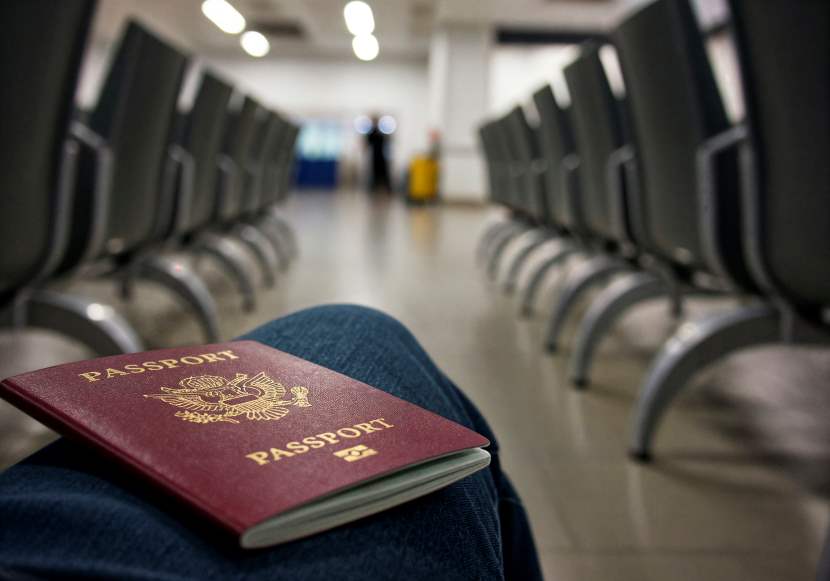
The official announcement of the first-ever EU Visa Strategy by the European Commission has been recognized as a pivotal moment in the evolution of international mobility. A comprehensive framework is being established to modernize how entry into the Schengen Area is managed. By the European Commission, a vision has been crafted where travel regulations are not merely administrative hurdles but are instead transformed into streamlined, secure, and efficient pathways for legitimate travelers. This strategic shift is necessitated by the increasing complexities of global migration and the rapid pace of digital transformation. Significant emphasis is placed on the balance between welcoming visitors and maintaining rigorous border management. Through this strategy, the traditional methods of visa processing are being re-evaluated to ensure that the European Union remains a top destination for tourism and business while security protocols are significantly bolstered.

The Shift Toward Digital Sovereignty in Documentation

The transition from physical documentation to digital formats is positioned as a cornerstone of the new strategy. Paper-based applications and physical visa stickers are expected to be phased out in favor of a fully digitized system. By the authorities, it is argued that the introduction of a digital visa platform will reduce the administrative burden on both applicants and consulate staff. Costs associated with the printing, shipping, and securing of physical stickers are intended to be eliminated. Furthermore, the risk of forgery or theft of physical documents is mitigated by the implementation of encrypted digital credentials. This move toward digitalization is viewed as a necessary step to align European standards with the technological expectations of the modern era.

Enhancing Security Protocols and Border Integrity

Security remains a paramount concern within the new strategic framework. Enhanced vetting processes are being integrated into the visa issuance cycle to ensure that potential threats are identified long before arrival at the border. Databases across different member states are being linked more effectively to allow for real-fime information sharing. By the security agencies of the European Union, a more robust screening mechanism is being developed to monitor entry and exit patterns. It is believed that a unified approach to data will prevent individuals from exploiting discrepancies between the policies of different nations. The integrity of the external borders is thus reinforced through collective intelligence and harmonized security standards.

Streamlining Procedures for Frequent Travelers

A significant portion of the strategy is dedicated to improving the experience of frequent and low-risk travelers. Multi-year visas with longer validity periods are proposed to be issued more consistently across all member states. By the commission, it is noted that such measures will foster stronger economic ties and encourage repeated tourism. The criteria for obtaining these long-term visas are being standardized to ensure fairness and transparency. Instead of navigating varying rules in different countries, a uniform set of expectations is being presented to the global community. This predictability is expected to benefit business professionals, students, and family members of EU residents who require regular access to the region.

The Economic Implications of a Modernized Visa Policy

The economic vitality of the European Union is closely tied to its accessibility. Tourism and international business sectors are anticipated to receive a significant boost from the simplified procedures. By financial analysts, it is suggested that the reduction in processing times will lead to a higher volume of short-term visits. The strategy also addresses the need for labor mobility, ensuring that specialized talent can be recruited from abroad with fewer bureaucratic delays. By harmonized visa policies, the European Union is positioned as a more attractive market for foreign investment and global talent acquisition. The streamlining of these processes is viewed as a direct investment in the future prosperity of the continent.

Global Cooperation and Diplomatic Relations

The EU Visa Strategy is not merely an internal administrative change; it is also a tool for foreign policy. Visa facilitation agreements are being used as leverage to encourage cooperation from third countries on matters such as readmission and security. By the diplomatic corps of the EU, the visa policy is utilized to strengthen partnerships with strategic allies. Conversely, more restrictive measures may be applied to nations that do not cooperate with international norms. This “more-for-more” approach ensures that visa privileges are aligned with the broader geopolitical interests of the European Union.

Challenges in Implementation and Member State Alignment

While the strategy provides a clear roadmap, the implementation phase is acknowledged to be complex. The diverse infrastructure and legal frameworks of individual member states must be synchronized. By technical experts, it is highlighted that the integration of digital systems requires substantial investment and coordination. There is also the challenge of ensuring data privacy and protection in accordance with European laws. Continuous dialogue between the European Commission and national governments is required to address these hurdles. The success of the strategy depends on the collective commitment of all participants to adhere to the new standards and timelines.

Future Outlook for International Travelers

Looking ahead, the landscape of European travel is set to be profoundly altered. The reliance on physical consulates for routine applications is expected to diminish as online portals become the primary point of contact. By the end of the implementation period, a seamless journey from the initial application to the crossing of the border is envisioned. Travelers are encouraged to stay informed about the evolving requirements as the transition unfolds. The strategy represents a bold step toward a more integrated and technologically advanced Europe, where mobility is facilitated by intelligence and innovation rather than restricted by outdated bureaucracy.

The post European Commission Launches First Comprehensive EU Visa Strategy for Global Travelers appeared first on Travel And Tour World.

AirAsia X to Re-establish Long-Haul Connectivity with New London Gatwick Service

AirAsia X to Re-establish Long-Haul Connectivity with New London Gatwick Service
New Horizons As AirAsia X Launches Direct Kuala Lumpur To London Service.

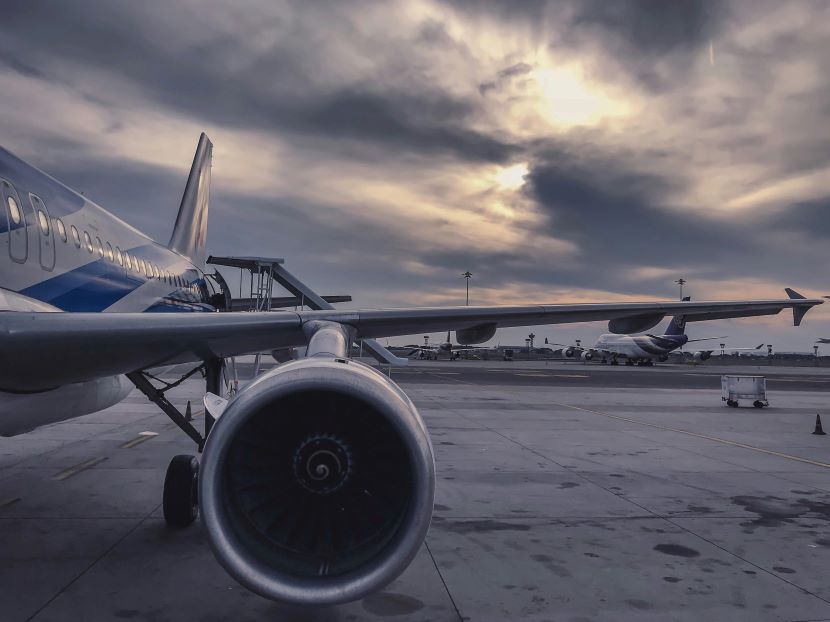
The landscape of long-haul travel is scheduled for a significant shift as AirAsia X prepares for its formal return to the United Kingdom. It has been confirmed that direct services between Kuala Lumpur and London Gatwick will be initiated in June, representing a pivotal moment for budget aviation and international connectivity. This move is seen as a strategic cornerstone for the airline as it seeks to strengthen its European expansion and provide more accessible options for travelers moving between Southeast Asia and the British capital.

The decision to utilize London Gatwick as the primary hub for this route was made following extensive market analysis. By positioning itself at the second-busiest airport in the United Kingdom, the carrier ensures that a wide demographic of passengers can be reached. This specific route is expected to cater to both leisure and business sectors, filling a void that has been observed in the low-cost sector for several years. The introduction of these flights is viewed as a testament to the resilience of the aviation industry and the growing demand for affordable international transit.

Structural Details Of The New Flight Schedule

The logistical framework of the new service has been meticulously organized to ensure maximum efficiency. Flights are scheduled to operate several times per week, providing a consistent bridge between the two major global hubs. The journey, which spans thousands of miles, will be serviced by the airline’s fleet of Airbus A330neo aircraft. These planes are noted for their fuel efficiency and updated cabin configurations, which are essential for maintaining the economic viability of long-distance, low-cost operations.

A focus on passenger comfort within a tiered pricing model is maintained. While the core of the business model remains rooted in affordability, various upgrades and amenities are made available for those seeking a more premium experience. The flight times have been coordinated to allow for seamless transfers at the Kuala Lumpur International Airport, enabling passengers to connect to a vast network of destinations across Asia and Australia. This connectivity is a major selling point for the new London Gatwick service, as it positions the airline as a primary gateway for global travelers.

Economic Implications For The Aviation Sector

The reintroduction of this route is expected to have a ripple effect across the broader aviation economy. Competition is likely to be stimulated, as other carriers operating between Europe and Asia may be required to reassess their pricing structures. The presence of a strong low-cost competitor on a major international corridor often results in more favorable conditions for consumers. Furthermore, the local economy in the vicinity of London Gatwick is anticipated to benefit from the influx of international visitors and the creation of operational support roles.

On a larger scale, the move signifies a robust recovery for AirAsia X after a period of restructuring and global challenges. The confidence displayed by the management team in launching a high-profile European route suggests a positive outlook for the airline’s financial health. Stakeholders and industry analysts have noted that the success of the Kuala Lumpur to London leg will be a critical indicator of the long-term sustainability of the low-cost long-haul model in a post-pandemic environment.

Enhancing Global Connectivity Through Strategic Hubs

Kuala Lumpur serves as a vital artery in the airline’s operations, acting as a central point where multiple regions converge. With the addition of London Gatwick, the network is significantly broadened, allowing for a more integrated travel experience. The strategic importance of London as a global financial and cultural center cannot be overstated, and its inclusion in the route map is a clear signal of the airline’s global ambitions.

The operational philosophy behind this expansion is centered on the democratization of air travel. By reducing the financial barriers associated with flying between continents, a more diverse range of individuals is permitted to explore international opportunities. The technical aspects of the flight, including ground handling and slot allocations at Gatwick, have been finalized to ensure that the June launch proceeds without interruption. Every detail, from the timing of departures to the selection of onboard services, has been designed to align with the expectations of modern travelers.

Future Projections For Long-Haul Low-Cost Carriers

As the June launch date approaches, the industry is watching closely to see how the market responds. It is anticipated that high load factors will be achieved quickly, driven by the pent-up demand for travel to Malaysia and beyond. The success of this route may lead to further expansions into other European cities, as the airline continues to evaluate new opportunities for growth. The use of advanced aircraft technology is expected to mitigate some of the traditional risks associated with long-haul budget flying, such as high fuel consumption and operational overheads.

The narrative of AirAsia X is one of persistence and strategic evolution. By returning to the London market through Gatwick, the airline is not just resuming an old path but is carving out a new, more refined approach to international aviation. The focus remains on delivering value without compromising on the essential requirements of safety and reliability. As the first flights depart this summer, a new chapter in the relationship between the United Kingdom and Malaysia will be officially opened.

The post AirAsia X to Re-establish Long-Haul Connectivity with New London Gatwick Service appeared first on Travel And Tour World.

Algeria Promotes Cultural Heritage and Desert Tourism at BIT Milan 2026

Algeria Promotes Cultural Heritage and Desert Tourism at BIT Milan 2026
Strategic Participation of Algeria in the 46th Milan International Tourism Exchange.

The strategic promotion of the Algerian tourism sector is being advanced through a significant presence at the BIT Milan 2026. This initiative is led by the National Tourism Office (ONT) as part of a broader mandate by the Ministry of Tourism and Handicrafts to position the nation as a premier destination for global travelers. By participating in the International Travel Exhibition (Borsa Internazionale del Turismo), an environment is created where the Algerian product can be effectively marketed to international buyers and media representatives. The exhibition, held at the Fiera Milano City center, serves as a vital platform for the display of cultural heritage and traditional crafts. It is through such international engagements that the unique identity of Algerian desert tourism is highlighted to a Mediterranean and global audience.

The Significance of the Milan International Tourism Exchange

The 46th edition of the International Travel Exhibition in Milan is recognized as one of the most influential gatherings in the global travel industry. The event is hosted from February 10 to 12, drawing a diverse array of participants from various continents. For the Algerian delegation, which includes a wide range of tourism operators and skilled craftsmen, the exhibition is viewed as a critical opportunity for networking and market expansion. The presence of such a delegation is intended to foster a deeper understanding of the diverse attractions found within the North African nation. By engaging with the BIT Milan 2026, the Algerian government aims to solidify its standing among competitive international destinations.

Architectural Identity and the Algerian Pavilion

A dedicated pavilion has been established at the Fiera Milano City center to represent the nation. This space is designed with a specific focus on the architectural and heritage features that define the country. Within this pavilion, promotional tools are utilized to facilitate the marketing efforts of national operators. These tools are designed to provide international buyers with comprehensive insights into the potential of the local tourism market. The visual representation of the nation is further enhanced through the display of authentic art pieces and traditional crafts, which are presented by professional artisans. Such displays are intended to reflect the richness of the cultural history that is preserved within the borders of the country.

The Expansion of Desert and Religious Tourism

A primary focus during the three-day event is the promotion of desert tourism, an area that is considered a cornerstone of the national identity. The vast landscapes of the Sahara are presented as a major draw for those seeking unique and adventurous experiences. In addition to the desert, the religious and historical significance of the Saint Augustine trail is being emphasized. This specific route is noted for attracting significant interest from Italian travelers who share historical and religious connections with the region. By highlighting these specific paths, the delegation seeks to tap into niche markets that value both spiritual and historical exploration.

Showcasing Roman Heritage and Historical Sites

The historical depth of the nation is showcased through the lens of its Roman heritage. It is noted that the country possesses the world’s second-largest collection of Roman sites, a fact that is positioned as a major point of interest for visitors at the Milan exhibition. This collection, which ranks only behind Italy in terms of scale and preservation, is used as a central theme to attract history enthusiasts and scholars. The preservation of these sites is presented as a testament to the long-standing history of the Mediterranean region. Through the use of videos and high-quality photographs, the grandeur of these ancient ruins is communicated to an international audience, further establishing the country as a significant cultural hub.

Engagement with Global Media and Trade Operators

The strategy employed during the exhibition involves intensified contact with foreign operators and representatives of international media. This engagement is conducted with the objective of strengthening the visibility of the nation on the global stage. By providing detailed information and promotional materials, the delegation ensures that the international community is well-informed about the developments within the local tourism sector. The distribution of these materials is intended to offer a holistic view of the distinctive landscape, ranging from the Mediterranean coastline to the deep southern desert. These efforts are viewed as essential for the long-term growth of the tourism industry.

Traditional Craftsmanship and Cultural Heritage

The inclusion of artisans in the delegation serves to emphasize the importance of traditional crafts in the national economy and cultural identity. Authentic art pieces are showcased to demonstrate the skill and dedication of the local population in preserving their heritage. These crafts are not only presented as decorative items but also as a means of telling the story of the people. Visitors to the pavilion are given the opportunity to witness the intricate processes involved in creating these traditional goods. This aspect of the exhibition is designed to create a sensory experience for visitors, allowing them to connect with the culture on a more personal level.

Future Prospects and the Mediterranean Connection

The participation in the Milan event is seen as a step toward achieving the goals set by the Ministry of Tourism and Handicrafts. By focusing on the promotion of the Algerian product, the government seeks to increase the number of international arrivals and enhance the overall contribution of tourism to the national economy. The ties between Mediterranean nations are further strengthened through such cultural and commercial exchanges. As the event concludes, the insights gained from international buyers and the connections made with global media are expected to inform future promotional strategies. The commitment to developing a sustainable and attractive tourism sector remains a central priority for the national administration.

The post Algeria Promotes Cultural Heritage and Desert Tourism at BIT Milan 2026 appeared first on Travel And Tour World.

The 2026 BTS Global Tour: A Catalyst for Unprecedented Growth in the International Concert Tourism Sector of South Korea

The 2026 BTS Global Tour: A Catalyst for Unprecedented Growth in the International Concert Tourism Sector of South Korea
Economic Shifts in the Hospitality Industry Driven by the 2026 BTS World Tour.

The landscape of international travel is being fundamentally reshaped as the 2026 BTS global tour commences, sparking what experts describe as a historic peak in concert tourism. It is observed by industry analysts that flight bookings and hotel reservations have reached levels seldom seen outside of major sporting events like the Olympics. The phenomenon, often referred to as the BTS effect, is being felt across multiple continents as fans coordinate travel plans to witness the group’s return to the stage. This massive movement of people is being monitored by travel agencies and financial institutions alike, as the economic impact of the septet’s return is quantified through billions of dollars in projected revenue.

The Phenomenon of Concert-Centric Travel

A significant shift in consumer behavior has been identified, where vacations are no longer planned around geographic landmarks but are instead anchored to specific entertainment events. The 2026 BTS global tour is being cited as the primary catalyst for this trend in the current fiscal year. It is noted that once tour dates were finalized by HYBE and Live Nation, a near-instantaneous surge in search traffic was recorded by major booking platforms. These platforms reported that users were not merely looking for local accommodation but were securing long-haul international flights months in advance.

The logistical scale of this migration is considered unprecedented. Passive observation of data suggests that the typical traveler associated with this tour is willing to cross oceans, leading to a substantial boost for the aviation sector. Airlines have been forced to adjust their schedules, with additional routes being implemented between major hubs and tour stop cities such as Seoul, Los Angeles, London, and Tokyo. This demand is not limited to a single demographic, as travelers from diverse age groups and socioeconomic backgrounds are seen participating in this global event.

Impact on the Global Hospitality Sector

The hospitality industry is being significantly revitalized by the arrival of the tour. In every city where a concert is scheduled, occupancy rates are being pushed to their absolute limits. It is reported that hotels within a twenty-mile radius of the venues are being booked out within hours of ticket sales. Furthermore, the pricing structures of these establishments are being adjusted upward in response to the overwhelming demand, a practice that is being scrutinized by consumer advocacy groups but remains driven by market forces.

Beyond simple lodging, the broader service economy is being stimulated. Restaurants, local transport services, and retail outlets are all experiencing a rise in patronage that is directly linked to the presence of the concert-goers. In many instances, special “fan zones” and themed pop-up events are being organized by local municipalities to capture the spillover spending of visitors who may not have even secured tickets but wish to be part of the atmosphere. This ripple effect ensures that the financial benefits of the tour are distributed throughout the local urban infrastructure.

Regional Economic Booms and Government Responses

Specific attention is being paid to the South Korean economy, where the tour’s kickoff in Seoul is expected to generate a massive influx of foreign currency. The South Korean government has been observed implementing streamlined visa processes to accommodate the anticipated millions of visitors. It is suggested that the tour acts as a powerful tool for soft power, enhancing the country’s cultural brand while providing a measurable boost to the Gross Domestic Product.

In Europe and North America, similar patterns are being tracked. Cities that had previously seen a decline in post-pandemic tourism are now witnessing a full recovery, centered entirely around the dates of the BTS performances. Local governments are being prompted to increase public transport frequency and enhance security measures to manage the crowds. These administrative adjustments are being made in recognition of the fact that the 2026 BTS global tour represents a significant temporary increase in the local population of host cities.

Technological Integration in Modern Tourism

The role of technology in facilitating this tourism surge cannot be overlooked. Mobile applications and social media platforms are being utilized by fans to organize group travel and shared accommodations, which effectively lowers the barrier to entry for international trips. It is also observed that digital payment systems are seeing increased transaction volumes as fans purchase merchandise and local services.

Travel insurance providers are also reporting a spike in policy sales specifically tailored to event cancellations. This indicates a high level of financial commitment from the fans, who view the 2026 BTS global tour as a high-stakes investment. The integration of augmented reality and virtual queuing for merchandise is also being tested during this tour, setting a new standard for how technology is used to manage large-scale fan interactions in a physical space.

Long-Term Implications for the Travel Industry

The long-term effects of this tour on the travel industry are being theorized by researchers. It is believed that the infrastructure built to support the 2026 BTS global tour will serve as a blueprint for future mega-events. The data collected regarding traveler movement, spending habits, and logistical bottlenecks is being analyzed to improve future urban planning and tourism strategies.

Furthermore, the loyalty of the fanbase is being recognized as a stable economic variable. Unlike traditional tourism, which can be fickle and dependent on seasonal trends, the demand generated by BTS is seen as resilient. This resilience allows for more confident long-term investments by stakeholders in the travel and leisure sectors. As the tour progresses through its various legs, the world is being provided with a clear demonstration of how music and culture have become the new engines of global mobility.

Conclusion of the Global Event

As the final dates of the 2026 BTS global tour approach, the cumulative economic contributions are expected to be tallied in the tens of billions. The narrative of the year is being defined by this intersection of pop culture and commerce. It is concluded that the 2026 BTS global tour is not merely a series of musical performances, but a massive, coordinated global migration that has permanently altered the trajectory of modern tourism. The passive observation of these trends suggests that the synergy between global icons and the travel industry will only continue to strengthen in the coming decade.

The post The 2026 BTS Global Tour: A Catalyst for Unprecedented Growth in the International Concert Tourism Sector of South Korea appeared first on Travel And Tour World.

Tajikistan and UAE Forge Strategic Alliance to Drive Massive Green Energy and Tourism Expansion

Tajikistan and UAE Forge Strategic Alliance to Drive Massive Green Energy and Tourism Expansion
Renewable Energy and Luxury Travel at the Heart of New Tajikistan-UAE Deals.

The landscape of Central Asian diplomacy and economic growth is currently being reshaped by a significant strategic partnership between Tajikistan and the United Arab Emirates. This collaboration is characterized by a shared commitment to sustainable development and the exploration of green energy solutions that promise to modernize the region. Through high-level discussions and formal agreements, a massive infrastructure pivot is being executed, focusing on the dual pillars of renewable resources and international tourism. It is observed that the synergy between these two nations is driven by the UAE’s investment capabilities and Tajikistan’s vast, untapped natural potential.

A New Chapter in Diplomatic and Economic Relations

The foundation for this expanded cooperation was solidified during a series of official meetings where the mutual interests of Dushanbe and Abu Dhabi were aligned. A comprehensive roadmap for future projects was established, ensuring that the bilateral ties between the two nations are moved beyond traditional trade into the realms of high-tech industry and environmental stewardship. It is noted that the geographic hurdles of the past are being overcome by modern financial instruments and a collective desire for regional stability and prosperity.

The shift toward a greener economy is viewed not just as an environmental necessity but as a calculated economic move. By prioritizing sectors that provide long-term stability, Tajikistan is positioned as a key player in the Central Asian energy market. The United Arab Emirates, with its extensive experience in diversifying oil-based economies, provides the perfect blueprint and financial backing for such an ambitious transition.

Harnessing Hydropower and Renewable Resources

At the core of this partnership is the massive expansion of Tajikistan’s hydroelectric capabilities. Due to the country’s mountainous terrain and abundant water sources, it has long been identified as a prime location for green energy production. Plans have been set in motion for the construction and modernization of hydroelectric power plants, which are expected to be funded significantly by Emirati investment groups. These facilities are intended to provide clean electricity not only for domestic consumption but also for export to neighboring markets.

Beyond water-based energy, the exploration of solar and wind potential is also being prioritized. It is understood that technical experts from the UAE will be providing the necessary technological frameworks to integrate these renewable sources into the national grid. This transition is expected to reduce the carbon footprint of the industrial sector while creating thousands of specialized jobs for the local population. The passive observation of Tajikistan’s natural assets is being replaced by active, sustainable exploitation of resources.

Transformative Tourism and Luxury Infrastructure

Parallel to the energy sector, the tourism industry in Tajikistan is slated for a major overhaul. The country’s rugged beauty and cultural heritage are being packaged as a premium destination for international travelers, particularly those from the Gulf region. Extensive plans for luxury resorts, mountain retreats, and cultural centers have been drafted. These projects are designed to meet international standards of hospitality while preserving the unique environmental integrity of the Tajik landscape.

Transportation infrastructure, including the modernization of airports and the improvement of road networks connecting major tourist hubs, is being treated as a priority. By enhancing accessibility, it is believed that Tajikistan can become a prominent fixture on the global travel map. The influx of Emirati capital is expected to facilitate the creation of high-end service sectors, thereby diversifying the Tajik economy away from its traditional reliance on agriculture and remittances.

Strengthening Food Security and Agricultural Trade

The collaboration also extends into the vital sector of food security. Tajikistan’s fertile valleys offer significant opportunities for large-scale organic farming and livestock production. In exchange for investment in modern irrigation systems and processing plants, the UAE is expected to secure a stable supply chain for high-quality agricultural products. This reciprocal arrangement ensures that Tajik farmers gain access to sophisticated markets while the UAE bolsters its food reserves.

Joint ventures in the agro-industrial complex are being encouraged to streamline the export process. By implementing international quality controls and advanced packaging technologies, Tajik produce is being prepared for the global stage. This sector of the agreement highlights the holistic nature of the partnership, which seeks to address basic human needs alongside high-level industrial goals.

Logistics and the Enhancement of Connectivity

A major component of the discussions involved the improvement of logistical corridors. Tajikistan’s landlocked position is being addressed through the development of “dry ports” and logistics hubs that will facilitate the movement of goods between Central Asia and the Middle East. These hubs are intended to serve as staging areas for the vast amounts of construction materials and technology required for the green energy and tourism projects.

The UAE’s expertise in global logistics and port management is being utilized to create a more efficient customs and transit system. It is anticipated that these improvements will lead to a significant decrease in the cost of trade, making Tajik goods more competitive internationally. The focus on connectivity ensures that the benefits of the partnership are felt across the entire region, fostering a sense of shared economic destiny.

Environmental Stewardship and Sustainable Goals

Throughout the implementation of these massive projects, a strict adherence to environmental protection standards is being maintained. The “green” in the green energy pivot is not merely a label but a guiding principle. Environmental impact assessments are being conducted for every major construction site to ensure that the biodiversity of the Pamir mountains and surrounding ecosystems remains uncompromised.

The collaboration is seen as a model for how developing nations can partner with established financial powers to achieve the United Nations Sustainable Development Goals. By focusing on clean energy and responsible tourism, both Tajikistan and the UAE are demonstrating a commitment to a future that does not sacrifice the planet for the sake of profit. The narrative of industrialization is being rewritten to include the preservation of the natural world as a primary objective.

Conclusion and Future Outlook

The strategic alignment between Tajikistan and the United Arab Emirates represents a turning point for Central Asian economic policy. Through the combined efforts of both governments, a foundation for a modern, sustainable, and diversified economy is being laid. The emphasis on green energy, luxury tourism, and improved infrastructure suggests that the coming decade will be one of unprecedented growth and transformation for Tajikistan.

As these projects move from the planning stages to reality, the world is watching a unique experiment in international cooperation. The passive reception of foreign aid is being replaced by active, mutually beneficial investment. It is concluded that the partnership will not only redefine the landscape of Tajikistan but also set a new standard for diplomatic and economic engagement between the Middle East and Central Asia.

The post Tajikistan and UAE Forge Strategic Alliance to Drive Massive Green Energy and Tourism Expansion appeared first on Travel And Tour World.

Himachal Pradesh Tourism and IRCTC Ink Landmark Pact to Revolutionize Heritage Rail Travel in India

Himachal Pradesh Tourism and IRCTC Ink Landmark Pact to Revolutionize Heritage Rail Travel in India
Strategic Alliance Formed Between Himachal Tourism and IRCTC for Heritage Rail Travel.

The Himachal Pradesh Tourism Development Corporation (HPTDC) and the Indian Railway Catering and Tourism Corporation (IRCTC) have entered into a formal Memorandum of Understanding (MoU) to revitalize the state’s tourism landscape. This strategic partnership is centered on the integration of rail-based tour packages with premium hospitality services, specifically targeting the iconic UNESCO-listed heritage railway route. By leveraging the Kalka-Shimla toy train, the collaboration seeks to provide an enriched travel experience while ensuring the sustainable growth of government-run hotels across the region.

Strategic Integration and Economic Objectives The primary motivation behind this alliance is the optimization of resources managed by the Himachal Pradesh Tourism Development Corporation. It was noted by HPTDC managing director Rajiv Kumar that the corporation oversees a total of 1,111 rooms across the state. A core objective of the agreement is to ensure that these accommodations do not remain vacant, thereby maximizing revenue generation. It is believed that increased occupancy rates will provide the necessary financial stability to facilitate timely hotel renovations, ensure the prompt payment of staff salaries, and strengthen the overall financial health of the corporation.

The partnership is designed to blend the extensive reach of the Indian railway network with the localized hospitality and culinary offerings of Himachal Pradesh. By aligning with one of the largest transportation systems in the world, the state’s tourism assets are expected to gain pan-India visibility. This visibility is essential for attracting travelers from diverse geographical regions who may otherwise be unaware of the specific heritage offerings available within the Himalayan state.

The Shimla Toy Train Weekend Getaway As an immediate outcome of this collaboration, a specialized travel itinerary titled the Shimla Toy Train Weekend Getaway has been introduced. This package is scheduled to take place from March 27 to 29, offering a three-day, two-night excursion. The journey is designed to commence from Kalka, featuring travel to Shimla within a chartered coach of the historic toy train.

Participants in this program are to be accommodated at Hotel Holiday Home, a prominent HPTDC property. The itinerary includes comprehensive sightseeing tours of both Shimla and Kufri, ensuring that visitors experience the major cultural and natural landmarks of the region. This package is offered at a starting price of ₹8,255 per person, a figure that includes taxes and daily breakfast. Such curated packages are intended to simplify the travel process for tourists, providing a seamless transition from rail travel to local stay and exploration.

Enhancing Heritage Tourism and Regional Connectivity The importance of the Kalka-Shimla heritage route was emphasized by Harjot Singh Sandhu, the chief regional manager of IRCTC. It was stated that the joint promotion of railway-based tourism packages will encourage visitors to utilize HPTDC hotels while experiencing the scenic beauty of the heritage route. Kalka is identified as the final major railway base for the IRCTC that connects directly to the heart of Himachal Pradesh. From this hub, tourists are to be routed toward key destinations such as Barog, Kiarighat, and Shimla under the umbrella of composite travel arrangements.

The heritage toy train serves as a major attraction, particularly during peak seasons such as the winter snowfall period. By integrating this historical asset into modern travel packages, the department aims to provide a nostalgic yet comfortable journey for domestic and international tourists. The passive influence of the UNESCO heritage status adds a layer of prestige to the travel experience, which is now being fully utilized through this formal collaboration.

Broader Management Strategies and Future Outlook The agreement with the IRCTC is part of a larger, multifaceted strategy adopted by the HPTDC to modernize its business operations. In addition to the railway partnership, the corporation has previously established ties with online travel platforms such as MakeMyTrip. This diversification of booking channels is intended to capture a wider market share in the digital era.

Furthermore, internal directives have been issued to hotel managers across the state to proactively engage with various sectors. This includes reaching out to government institutions, educational bodies, and healthcare organizations to host official functions, academic conferences, and social gatherings at HPTDC properties. By transforming these hotels into multi-functional venues for events, the corporation aims to ensure consistent utility of its infrastructure throughout the year, rather than relying solely on seasonal tourist influxes.

The collaboration is expected to provide a substantial boost to the tourism sector by making Himachal Pradesh more accessible to the national audience. Through the structured support of the IRCTC’s marketing and logistics network, the state’s tourism infrastructure is positioned for significant growth. The focus remains on preserving the heritage of the region while adopting modern commercial practices to ensure the long-term viability of the state’s hospitality industry.

The post Himachal Pradesh Tourism and IRCTC Ink Landmark Pact to Revolutionize Heritage Rail Travel in India appeared first on Travel And Tour World.
❌