Reading view

Amazon CPU sales drop 51% YoY as rising component costs stall PC upgrades

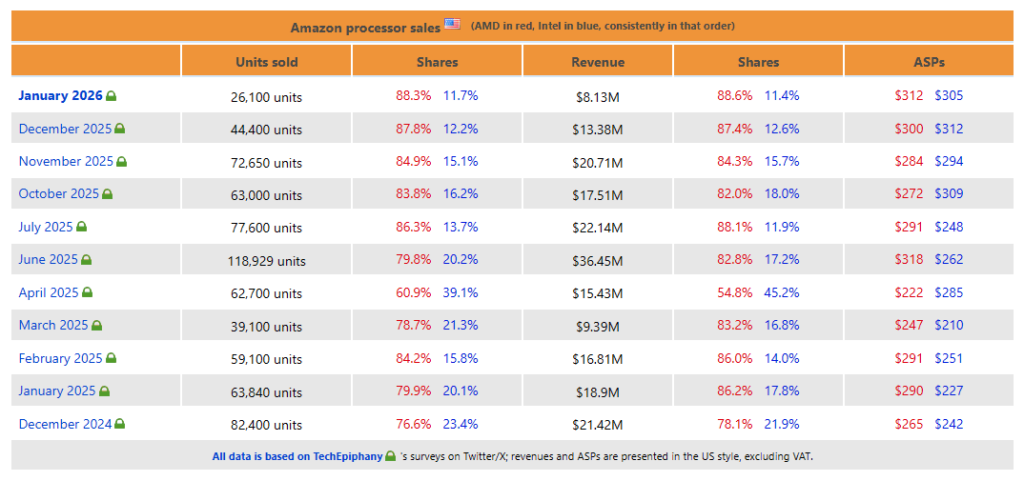
New data tracking CPU sales on Amazon US shows a sharp year-over-year decline in January 2026. According to figures compiled by analyst TechEpiphany, just 26,100 processors were sold during the month. That might not sound terrible on its own, but it represents a steep 51% drop compared to January 2025.
That’s a significant contraction for one of the largest online retailers, and it adds to a broader downward trend that’s been visible in recent months.

At the same time, prices are moving in the opposite direction. The average selling price of CPUs rose from $227 in January 2025 to $305 in January 2026, a jump of roughly 34%. That suggests buyers who are still upgrading may be choosing higher-end chips, or simply paying more across the board.

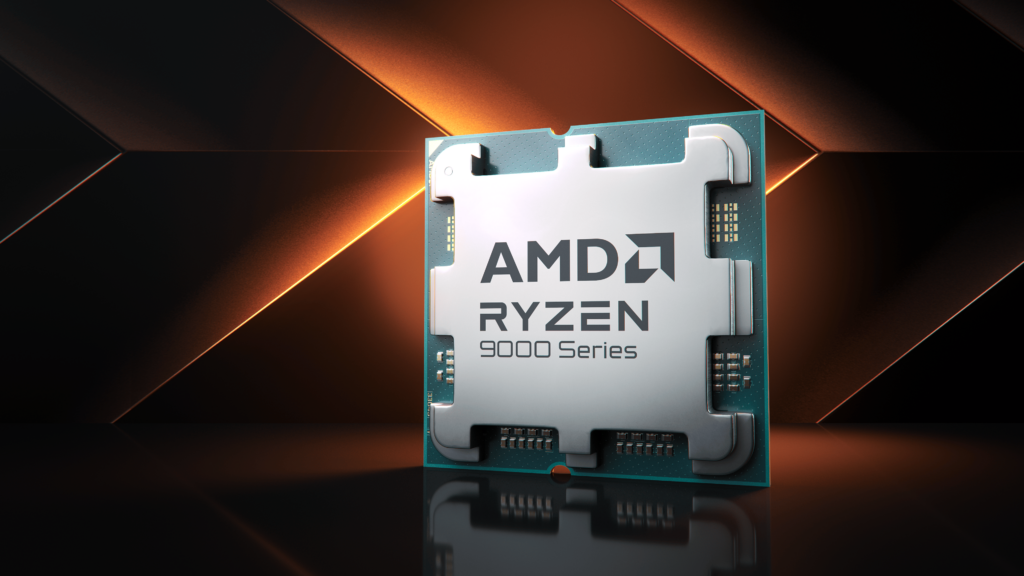
Despite the slowdown, AMD continues to lead by a wide margin. The company reportedly sold 23,050 Ryzen CPUs in January, accounting for more than 88% of total units. Revenue share was nearly identical. Intel, by comparison, moved just 3,050 units.

What’s interesting is where demand seems concentrated. AMD’s newer Zen 5-based Ryzen 9000 series performed well, but older Zen 4 (Ryzen 7000) and even Zen 3 (Ryzen 5000) chips continue to sell in meaningful numbers.
Building or upgrading a PC right now means paying more for nearly every major component. Memory prices have climbed noticeably in recent months, affecting both DDR4 and DDR5 kits. SSD pricing has also increased. Graphics cards haven’t helped the situation either. Even mid-range options have seen pricing pressure.

When RAM, storage, and GPUs all cost more, the appeal of upgrading “just the CPU” weakens. Most enthusiasts don’t upgrade in isolation; it’s usually part of a broader platform refresh. And right now, that refresh isn’t cheap.

Between higher component costs, platform transition expenses, and general economic caution, many consumers seem comfortable holding onto existing systems a little longer.

Don’t miss a thing! Join our Telegram community for instant updates and grab our free daily newsletter for the best tech stories!

For more daily updates, please visit our News Section.

(Sources: 1, 2)

The post Amazon CPU sales drop 51% YoY as rising component costs stall PC upgrades appeared first on Gizmochina.
Lava Yuva Star 3 launches with 90Hz display, IP64 protection, and Unisoc SC9863A chipset

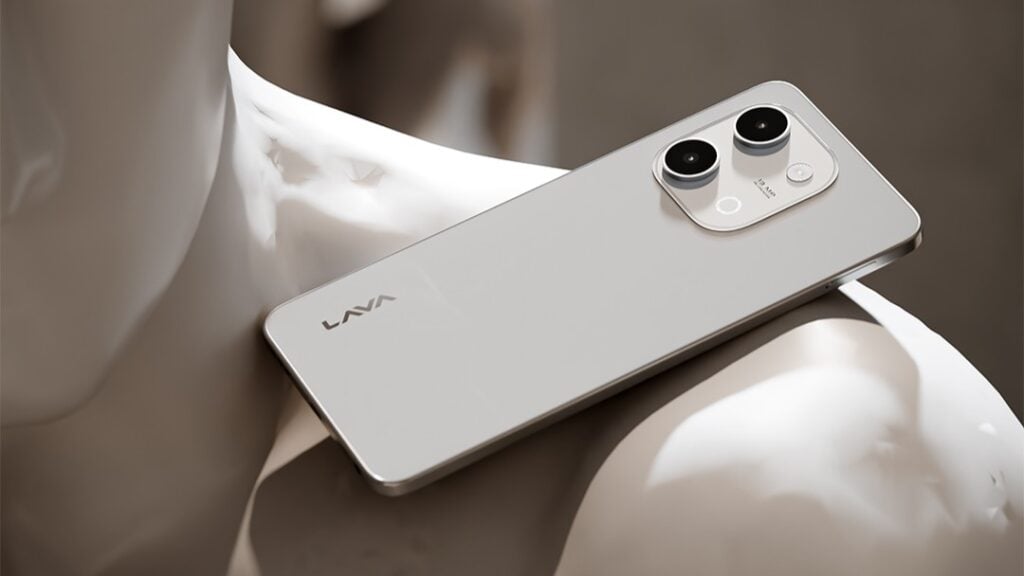
Lava has introduced a new entry-level smartphone in India, the Lava Yuva Star 3, and it’s clearly aimed at buyers who just want a simple, reliable phone without spending much.

Priced at ₹7,499 for the single 4GB + 64GB variant, the device will be available in Indus Black and Siachen White. Sales are expected to begin in March 2026 through offline retail stores.

The Yuva Star 3 features a 6.75-inch HD+ LCD panel with a 90Hz refresh rate. In daily use, the higher refresh rate should make scrolling and basic navigation feel smoother. There’s a waterdrop notch at the top housing a 5MP front camera.

Powering the device is the Unisoc SC9863A processor. It’s designed to handle basic tasks like calling, WhatsApp, YouTube, and light apps.

The phone runs Android 15 Go Edition, Google’s lightweight version of Android designed specifically for entry-level hardware. If Lava keeps it close to stock, that could actually improve long-term usability.

The Yuva Star 3 packs a 5,000mAh battery with 10W charging via USB-C. The charger is included in the box.

On the back, there’s a 13MP main camera along with a secondary depth sensor. For selfies, you get a 5MP front shooter. This setup is basic and clearly meant for casual photography rather than anything serious. Interestingly, Lava claims an IP64 rating for dust protection and resistance to water splashes. For security, there is a side-mounted fingerprint sensor

At ₹7,499, the Yuva Star 3 isn’t trying to compete with mid-range devices. Instead, it focuses on essentials: a smooth display, clean software, solid battery life, and service support. For anyone looking for a secondary phone, this could be a practical option.

Don’t miss a thing! Join our Telegram community for instant updates and grab our free daily newsletter for the best tech stories!

For more daily updates, please visit our News Section.

The post Lava Yuva Star 3 launches with 90Hz display, IP64 protection, and Unisoc SC9863A chipset appeared first on Gizmochina.

Galaxy S26 Ultra realistic looking dummy surfaces in hands-on video with rounder corners

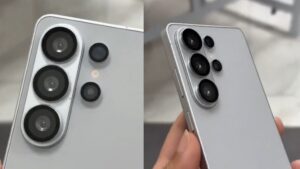
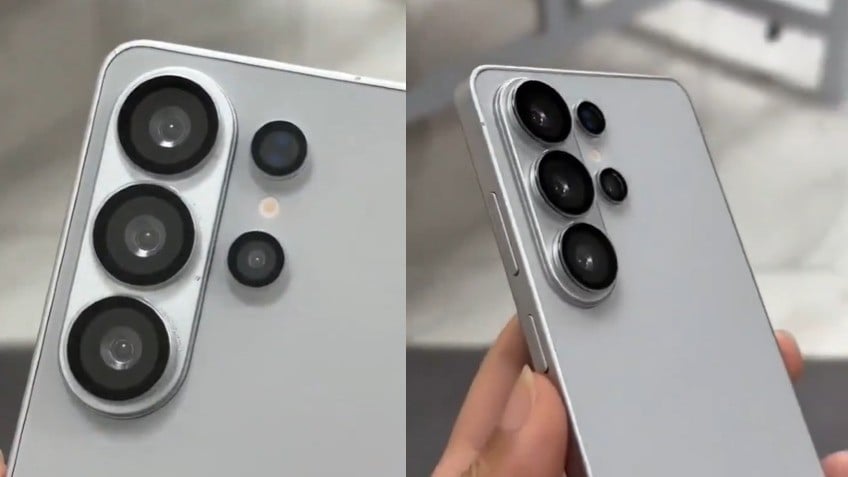
Leaks around the Samsung Galaxy S26 Ultra are picking up pace, and the latest one gives us a closer look at the phone in a White finish, thanks to a newly surfaced dummy unit.

The clip, shared by tipster Phonenurd, doesn’t show the display powered on, so it’s unclear whether this is a functioning unit or simply a realistic-looking dummy with camera lenses and premium finish details. Non-functional mockups are typically used by accessory makers to prepare cases ahead of launch. But even as a dummy, it reveals quite a bit about the design direction Samsung may be taking this year.

The White variant looks surprisingly clean. While Cobalt Violet is reportedly the hero color for the lineup, this white finish feels understated and premium.

One noticeable change is the shape of the corners. The S26 Ultra appears to lean even further into rounded edges compared to the Samsung Galaxy S25 Ultra, which had already softened the sharp, boxy look seen in earlier Ultra models.

If this holds true in the final version, it could make the device more comfortable to hold without sacrificing the Ultra’s premium feel. It’s a subtle change, but ergonomics matter.

The camera setup also seems to be evolving. Since the Samsung Galaxy S22 Ultra, Samsung has stuck with a relatively clean look: individual camera rings sitting directly on the rear panel. The S26 series, however, introduces a more noticeable camera bump across the lineup.

It’s a shift from minimalism toward something slightly more aggressive. Some fans may prefer the older floating-lens aesthetic, but this new approach does give the device a stronger visual identity.

The Galaxy S26 lineup is expected to arrive in four standard colors: Violet (likely Cobalt Violet), Black, Blue (possibly Sky Blue), and White. Samsung is also likely to introduce a few online-exclusive shades.

If these early looks are accurate, the Galaxy S26 Ultra doesn’t reinvent the design, but it does refine it in a few meaningful ways.

Now the real question is whether those tweaks will be enough to stand out in an increasingly competitive flagship market.

Don’t miss a thing! Join our Telegram community for instant updates and grab our free daily newsletter for the best tech stories!

For more daily updates, please visit our News Section.

(Source: @Phonenurd)

The post Galaxy S26 Ultra realistic looking dummy surfaces in hands-on video with rounder corners appeared first on Gizmochina.
User spent 16 hours a day on Instagram, CEO tells court it’s not “clinical addiction”

Mosseri, who leads Instagram, is among the first major tech executives to testify in a growing wave of cases accusing platforms of harming young users. The current case targets Meta, Instagram’s parent company, along with YouTube. Similar lawsuits have also been filed against TikTok and Snap.

At the center of this particular trial is a 20-year-old plaintiff, who says she began using Instagram and YouTube heavily as a child. Her legal team argues that the platforms’ design encouraged compulsive use that contributed to depression, anxiety, and suicidal thoughts.

Mosseri did not deny that excessive use can happen. But he pushed back strongly against the term “clinical addiction.”

When attorneys pointed to testimony that the plaintiff sometimes spent up to 16 hours a day on Instagram, Mosseri described it as “problematic use,” not addiction in a medical sense. He compared it to binge-watching a TV series.

“I’m sure I’ve said I was addicted to a Netflix show after staying up too late,” he told the court. “But that’s not the same thing as clinical addiction.” In his framing, personal factors and broader lifestyle patterns play a significant role, not just platform mechanics.

That distinction is central to the defense. Plaintiffs are trying to show that the platforms’ design directly contributed to psychological harm. Meta’s position, at least as articulated in court, is that heavy use alone does not equal medically recognized addiction, and that correlation should not be confused with causation.

Critics argue that this minimizes growing evidence linking prolonged social media use to mental health challenges among teens. US Surgeon General advisories and multiple academic studies have found associations between extended daily use and higher rates of anxiety, depression, sleep disruption, and body image concerns.

Meta, for its part, says it has introduced parental controls, time-management reminders, and youth safety features, and that it tests new features with younger audiences in mind.

As the case moves forward, the debate remains less about screen time alone and more about responsibility. Are these platforms simply tools that some users overuse? Or are they engineered in ways that exploit developing brains?

Don’t miss a thing! Join our Telegram community for instant updates and grab our free daily newsletter for the best tech stories!

For more daily updates, please visit our News Section.

(Source | Photo by Priscilla Du Preez 🇨🇦 on Unsplash)

The post User spent 16 hours a day on Instagram, CEO tells court it’s not “clinical addiction” appeared first on Gizmochina.
Honor teams up with Telesin on Camera Grip Kit for Magic 8 Pro

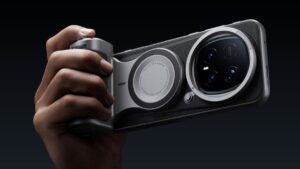
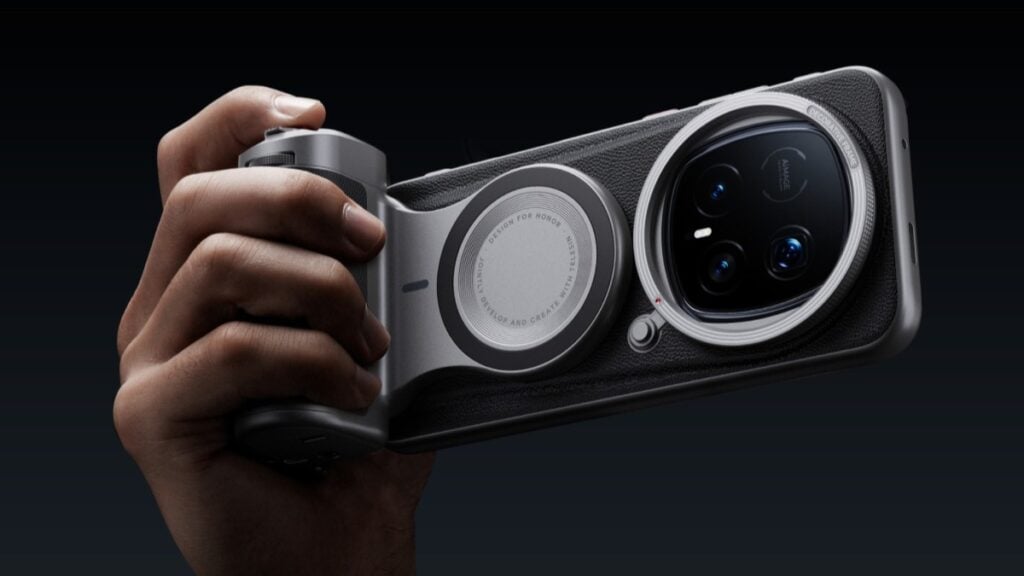
A new accessory kit developed in collaboration with accessory maker Telesin is designed specifically for the Honor Magic 8 Pro, turning the flagship into something that feels closer to a compact camera. While the Porsche Design variant already has its own official kit, the Magic 8 Pro didn’t. This new “Professional Photography Grip Kit” fills that gap.

The Magic 8 Pro already has solid camera hardware. It features a 200MP periscope telephoto sensor and a 50MP main camera with a bright f/1.6 aperture. On paper, it’s more than capable. What this kit changes is how you interact with it.

The kit starts with a custom protective case that supports standard 67mm screw-on filters. That means users can attach ND filters, polarizers, and other accessories typically reserved for dedicated cameras. There’s also a mounting point for a wrist strap and magnetic support for quick attachments.

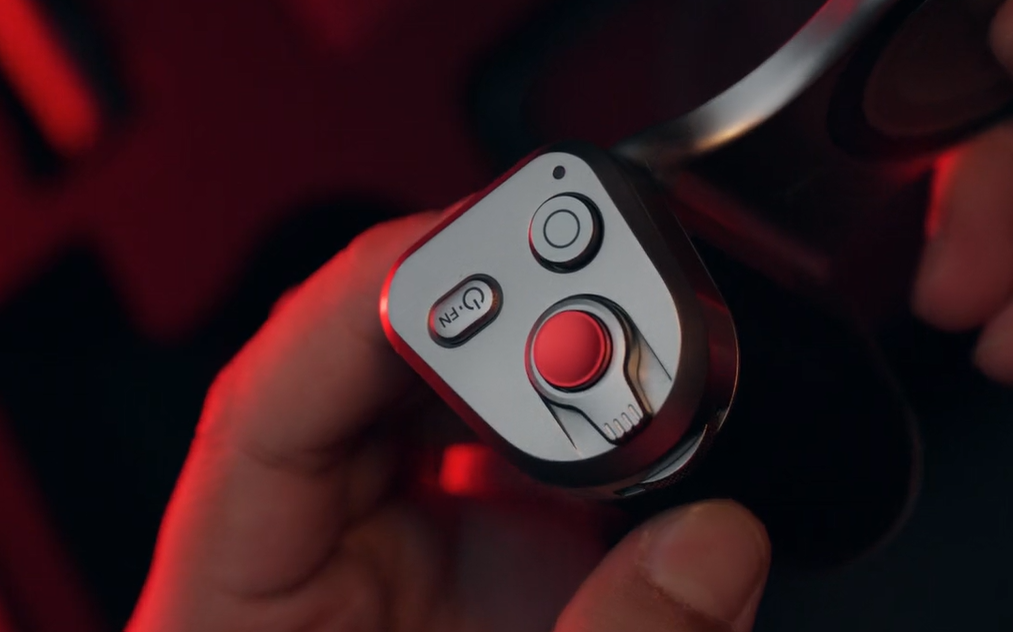
The more interesting piece is the detachable grip. It magnetically snaps onto the case and adds physical controls, including a prominent red shutter button, a zoom slider, and additional shortcut keys. One button handles quick video recording, while another can act as a power switch or programmable function key. A front dial allows for exposure adjustments or other manual tweaks. It’s clearly aimed at users who prefer tactile controls instead of tapping a screen.

The package also includes a 200mm teleconverter lens attachment. It connects via an adapter ring and effectively increases the phone’s optical reach. Combined with the Magic 8 Pro’s existing periscope camera, it should help with distant subjects like wildlife or sports.

As with most clip-on or add-on lenses, real-world performance will depend on alignment and optical quality. But in theory, this gives the phone a bit more versatility than stock hardware alone.

Honor and Telesin have been teasing the kit ahead of a full reveal at Mobile World Congress 2026, where pricing and broader availability are expected to be confirmed.

For Magic 8 Pro users who want more control without carrying a separate camera, this kit could make sense. For everyone else, it’s at least a reminder that smartphone photography still has room to evolve beyond just bigger sensors and software processing.

Don’t miss a thing! Join our Telegram community for instant updates and grab our free daily newsletter for the best tech stories!

For more daily updates, please visit our News Section.

(Source)

The post Honor teams up with Telesin on Camera Grip Kit for Magic 8 Pro appeared first on Gizmochina.
Asus launches ROG Kithara open-back gaming headset with 100mm planar drivers and HIFIMAN tuning

Asus is stepping a little outside its usual gaming headset formula with the new ROG Kithara. Instead of focusing on RGB lighting or wireless features, this one leans heavily into sound quality, and it does so with help from HIFIMAN, a brand better known in audiophile circles than esports arenas.

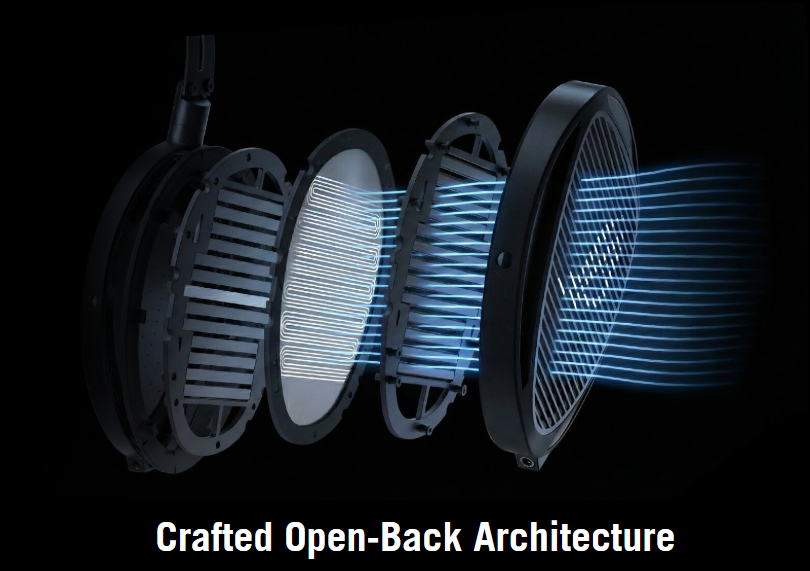
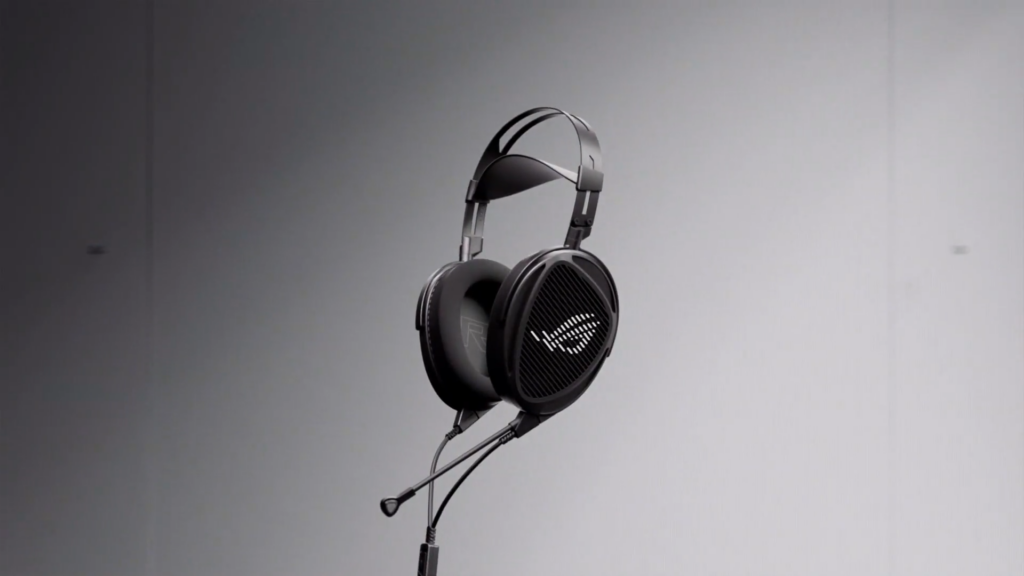
The Kithara is an open-back headset built around large 100mm planar magnetic drivers. That alone makes it unusual in the gaming space, where dynamic drivers are far more common. At $299, the Kithara is clearly aimed at enthusiasts rather than casual players.

The headset uses a fully open-back design, which helps create a wider, more natural soundstage. That can be useful for competitive games where spatial awareness matters, but it also means there’s no isolation.

Asus claims a frequency response of 8Hz to 55kHz, which is wider than human hearing, but the real takeaway is likely the tuning. It’s expected to offer a fairly balanced sound signature with good separation between bass, mids, and treble. In theory, that should make footsteps and directional cues easier to pick out without muddying everything with exaggerated low-end.

Unlike many gaming headsets, the Kithara includes a 4.4mm balanced connector, alongside standard 3.5mm and 6.3mm options, plus a USB-C adapter. The detachable boom mic uses MEMS technology and covers a typical 20Hz to 20kHz range.

The frame uses metal in key areas, including hinges and headband supports, and extra earpads are included in the box. At around 420 grams, it’s not lightweight. That’s often the trade-off with planar designs. Whether it feels comfortable over longer sessions will depend on head shape and tolerance for weight.

Reportedly, there’s no wireless mode, no active noise cancellation, and no flashy lighting. That may disappoint some ROG fans, but it seems intentional. Asus seems to be prioritizing sound over features this time.

A Different Direction for ROG

The ROG Kithara feels less like a traditional gaming headset and more like a crossover product. It’s positioned somewhere between an audiophile headphone and a competitive gaming too

Don’t miss a thing! Join our Telegram community for instant updates and grab our free daily newsletter for the best tech stories!

For more daily updates, please visit our News Section.

(Source)

The post Asus launches ROG Kithara open-back gaming headset with 100mm planar drivers and HIFIMAN tuning appeared first on Gizmochina.
❌