Reading view

Galaxy Buds 4 and 4 Pro pricing revealed ahead of Unpacked event

With Samsung Galaxy Unpacked just days away, leaks are starting to fill in the remaining gaps, including how much Samsung’s next earbuds might cost.

Galaxy Buds 4 Pro render

According to tipster Roland Quandt, the Galaxy Buds4 are expected to retail for $179.99 in the US, while the Buds4 Pro could come in at $249.99. If accurate, that’s identical to the launch pricing of the Buds3 lineup last year.

That’s notable. With component costs fluctuating and many brands quietly raising prices year over year, Samsung appears to be holding the line, at least this time.

In Europe, early retailer listings are pointing in the same direction. Italian retailer Euronics has already shown the Buds4 Pro at €249, while the standard Buds4 are tipped to land at €179. Other listings, including on Amazon in select markets, have surfaced ahead of schedule, although not all of them display final pricing.

Still, the consistency across multiple sources suggests these numbers are likely locked in.

Same price, new design?

Recent dummy units and renders indicate that Samsung is refreshing the design. Both models are expected to adopt a flatter stem look. The distinctive Blade Lights seen on the Buds3 Pro appear to be gone, signaling a shift toward a cleaner, more understated aesthetic.

At $249.99, the Buds4 Pro would go head-to-head with Apple AirPods Pro 2, which also retail at $249 in the US. Sony and Google’s premium offerings occupy a similar range.

The Galaxy Buds4 and Buds4 Pro are expected to debut alongside the Galaxy S26 lineup at Unpacked on February 25 in San Francisco. As usual, pre-orders should follow shortly after.

Nothing is official until Samsung takes the stage, but if these leaks hold, the Buds4 series may deliver an updated design without asking buyers to pay more.

Don’t miss a thing! Join our Telegram community for instant updates and grab our free daily newsletter for the best tech stories!

For more daily updates, please visit our News Section.

(Source)

The post Galaxy Buds 4 and 4 Pro pricing revealed ahead of Unpacked event appeared first on Gizmochina.

Apple is moving toward encrypted RCS — but there’s still a catch

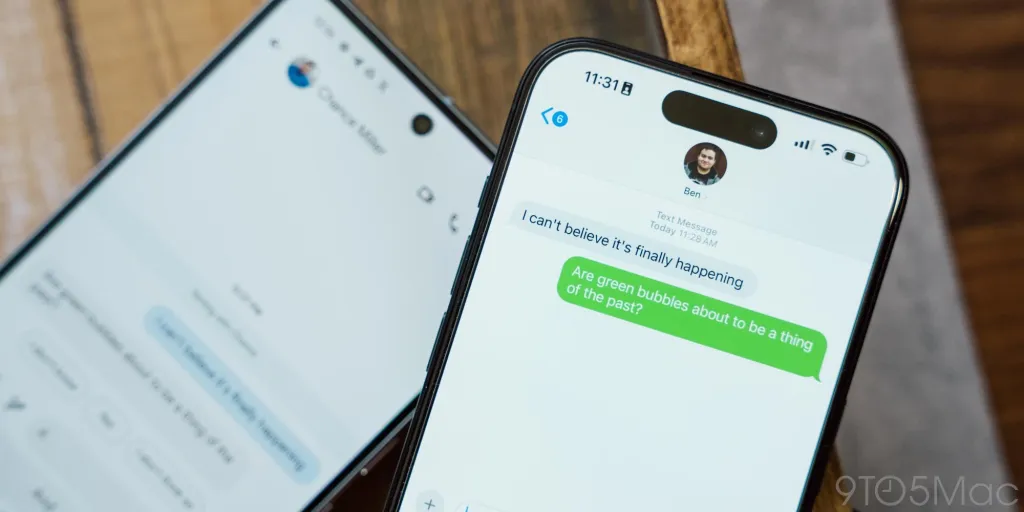
In the latest iOS 26.4 developer beta, Apple has quietly enabled early support for end-to-end encrypted RCS chats. On paper, that sounds like a big deal. RCS has long been one of the most debated topics in the iPhone vs Android messaging saga. But if you were hoping this means secure iPhone-to-Android texting is here, not quite.

For years, Apple avoided adopting Rich Communication Services, better known as RCS, arguing that the standard lacked proper end-to-end encryption. In the meantime, iPhone users had iMessage (fully encrypted, blue bubbles), while conversations with Android users dropped down to plain SMS. That divide became part technical limitation, part ecosystem strategy.

Apple finally introduced RCS support with iOS 18, but encryption wasn’t included. Now, in iOS 26.4 beta, there’s a new toggle in Settings that enables encrypted RCS for supported users. Encrypted chats show a lock icon, similar to iMessage, indicating messages are secured in transit.

Here’s the limitation

Right now, encrypted RCS only works between Apple devices. The feature does not yet enable encrypted messaging between iPhones and Android phones. In other words, the green-bubble security issue remains unresolved.

There’s another interesting detail: encrypted RCS activates only when iMessage is turned off. If iMessage is enabled, Apple’s own messaging system continues to take priority for Apple-to-Apple chats.

Google has offered encrypted RCS in its Messages app for compatible devices for years. But true cross-platform encryption requires every major player, including Apple, to fully implement the same specification.

So when will Android-to-iPhone encryption arrive?

That’s the big question. This beta confirms Apple is actively working on encrypted RCS. But full cross-platform support doesn’t appear ready yet. It’s also absent from the stable iOS 26.4 release roadmap. Realistically, widespread encrypted RCS between iPhone and Android users could still be far away.

For now, this update is progress, just not the breakthrough we have been waiting for. Apple is moving forward on RCS encryption, but it’s doing so carefully and, at least for now, still within its own ecosystem boundaries.

Don’t miss a thing! Join our Telegram community for instant updates and grab our free daily newsletter for the best tech stories!

For more daily updates, please visit our News Section.

(Source | Image)

The post Apple is moving toward encrypted RCS — but there’s still a catch appeared first on Gizmochina.
Vivo T5 Pro surfaces on IMEI, suggesting development is underway

Just months after launching the T4 Pro, vivo already appears to be working on its successor. The upcoming vivo T5 Pro has now surfaced in a global IMEI database, marking its first public appearance. The listing reveals the model number V2568. While the database doesn’t disclose any hardware details, it does confirm that the device is in development and likely inching closer to launch.

That timing makes sense. The vivo T4 Pro, which debuted in India in August 2025, carved out a strong position in the sub-₹30,000 segment.

To recap, the T4 Pro featured a 6.77-inch quad-curved AMOLED display with a 120Hz refresh rate and a claimed 5,000-nit local peak brightness. Under the hood, it ran on Qualcomm’s Snapdragon 7 Gen 4 chipset, paired with up to 12GB RAM and 256GB storage.

Cameras were a key highlight. The phone packed a 50MP primary sensor with OIS, a 50MP periscope telephoto offering 3x optical zoom (also with OIS), and a 2MP auxiliary sensor. On the front, a 32MP shooter handled selfies. Add to that a sizable 6,500mAh battery with 90W fast charging and IP68/IP69 ratings, and it’s easy to see why the device attracted attention.

Now the question is: what does the T5 Pro improve?

It’s too early for confirmed specs, but a chipset upgrade feels likely, possibly a newer Snapdragon 7-series chip or a MediaTek Dimensity alternative. Refined camera hardware and tuning are also on the table.

The IMEI listing doesn’t reveal much beyond the model number, but it’s usually one of the first signs that a launch cycle has begun. Given vivo’s cadence in India, a release in August 2026 wouldn’t be surprising.

With brands like Realme, Redmi, and Nothing continuing to push aggressive mid-range offerings, vivo will need to bring meaningful upgrades, not just incremental tweaks, if it wants the T5 Pro to stand out.

Don’t miss a thing! Join our Telegram community for instant updates and grab our free daily newsletter for the best tech stories!

For more daily updates, please visit our News Section.

(Via)

The post Vivo T5 Pro surfaces on IMEI, suggesting development is underway appeared first on Gizmochina.

Samsung SDI weighs $6.9B Samsung Display stake sale to speed up solid-state batteries

According to industry reports, Samsung SDI, the battery arm of Samsung Group, is considering selling its 15.2% stake in Samsung Display. That stake is currently valued at around 10 trillion won (roughly $6.9 billion) based on book value, a sizeable asset that could free up serious capital if divested.

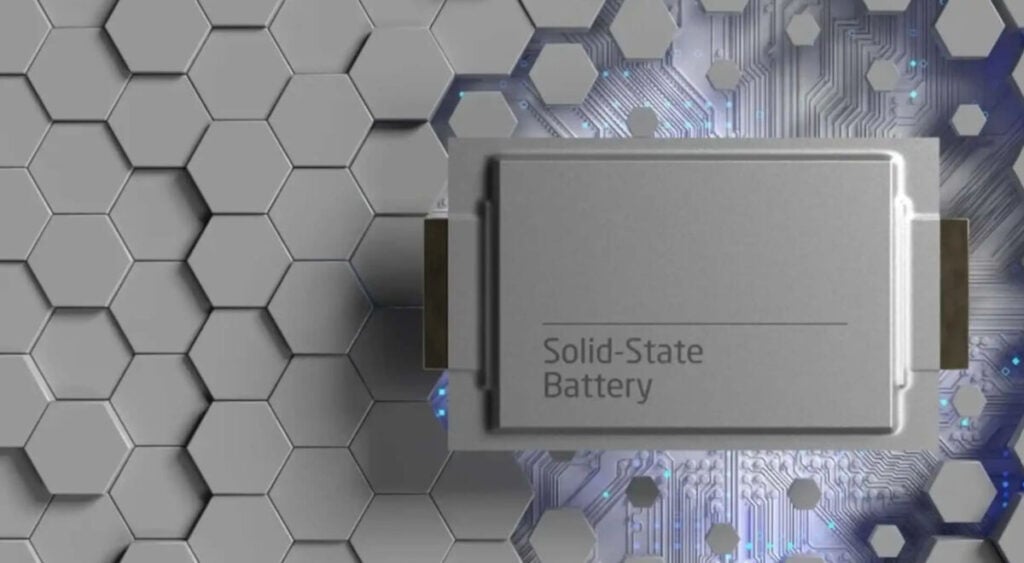
While no final decision has been announced, the move appears tied to Samsung SDI’s push into next-generation battery technologies, particularly all-solid-state batteries.

Samsung SDI hasn’t had an easy run lately. The slowdown in global EV demand has pressured battery makers across the board, and recent quarters have reportedly seen heavy operating losses. Rather than simply cutting costs, Samsung seems to be reshuffling resources. Selling a non-core stake could provide funding for expansion in areas that are still seeing strong growth — especially energy storage systems (ESS), which are benefiting from rising demand from AI-driven data centers.

At the same time, Samsung SDI is investing in lithium iron phosphate (LFP) batteries to stay competitive in lower-cost segments, while continuing aggressive R&D into more advanced chemistries.

The bigger goal: solid-state batteries

Unlike conventional lithium-ion cells, solid-state batteries replace flammable liquid electrolytes with solid materials. In theory, that brings higher energy density, improved safety, longer lifespan, and potentially faster charging, all major advantages for electric vehicles and large-scale storage.

Samsung SDI has already established pilot production lines and is reportedly working with partners such as BMW and Solid Power on validation and supply development.

A company representative stated that any potential stake sale would go through internal review, including evaluation by the Sustainability Management Committee before final board approval. Details such as timing, structure, and potential buyers have not yet been finalized.

Speculation suggests the stake could be sold internally within the Samsung Group or to a strategic investor, but for now, nothing is confirmed.

What’s clear is the broader strategy: focus capital on batteries. As next-generation technologies approach commercialization, scale and funding matter more than ever. If Samsung successfully channels billions into solid-state development and ESS expansion, it could strengthen its position in a market that’s rapidly evolving.

Solid-state batteries have been “five years away” for what feels like a decade. But with giants like Samsung accelerating investment, the timeline may finally be tightening.

Don’t miss a thing! Join our Telegram community for instant updates and grab our free daily newsletter for the best tech stories!

For more daily updates, please visit our News Section.

(Source)

The post Samsung SDI weighs $6.9B Samsung Display stake sale to speed up solid-state batteries appeared first on Gizmochina.

One UI 9 leak reveals visual tweaks and new “Ask AI” feature

Samsung One UI 9 testing - device list

One UI 8.0 is already out, One UI 8.5 is still in testing, and now the first signs of One UI 9 are starting to appear.

Internal firmware leaks suggest Samsung has begun early testing of the Android 17-based update, even though its public debut is likely still months away. If Samsung sticks to its usual cadence, One UI 9 could launch alongside mid-2026 foldables like the Galaxy Z Fold 8 and Z Flip 8. For now, the changes we’re seeing are subtle, but interesting.

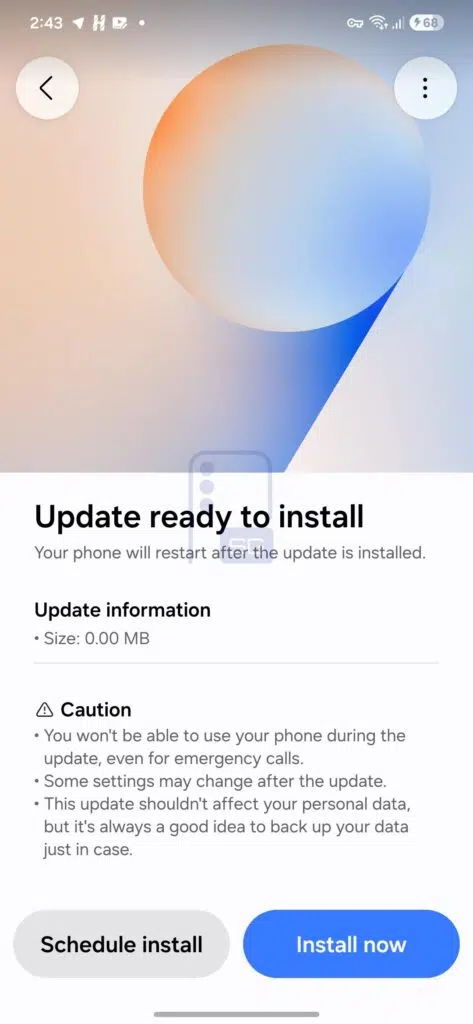
The floating action elements introduced in 8.5 remain, and the page now features a refreshed background graphic that feels more modern. At the top, there are two prominent controls: a back arrow on the left and a hamburger-style menu on the right for extra options.

An “Ask AI” button

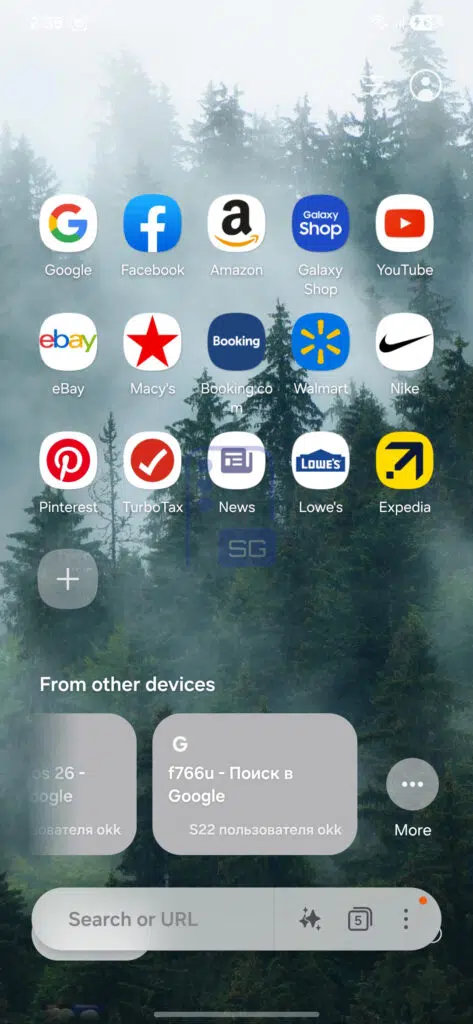
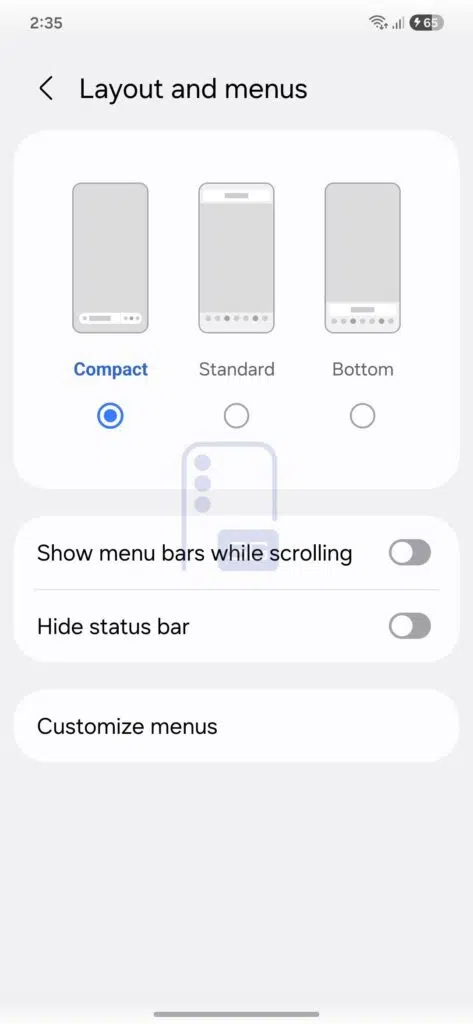
The bigger story may actually be happening inside Samsung Internet. Early One UI 9 builds appear to introduce a new “Compact” layout option. This mode shifts toward a more immersive interface, with a redesigned bottom bar that groups search, recent tabs, menu access, and notably, an “Ask AI” button. That’s where things get interesting.

The feature is reportedly powered by Perplexity AI and builds on Samsung’s broader AI push. Instead of just summarizing a page, the tool can analyze what you’re reading and respond to contextual questions. In some cases, it can even factor in browsing history to provide more tailored answers, like comparing product prices or extracting key insights from long articles.

Responses appear in a structured, chat-style format, and conversation history can be managed for privacy. It’s expected to be limited to Galaxy AI-supported flagship devices, at least initially.

If this rolls out widely, Samsung Internet could become more than just an alternative to Chrome for Galaxy users.

While One UI 8.5 focused largely on visual refinements and wallpaper changes, One UI 9 appears to be more about embedding intelligence into everyday tasks.

Stay ahead in tech! Join our Telegram community and sign up for our daily newsletter of top stories!

For more daily updates, please visit our News Section.

(Sources: 1, 2)

The post One UI 9 leak reveals visual tweaks and new “Ask AI” feature appeared first on Gizmochina.
Galaxy Buds 4, Buds 4 Pro dummy images leak with flat stems, no Blade Lights

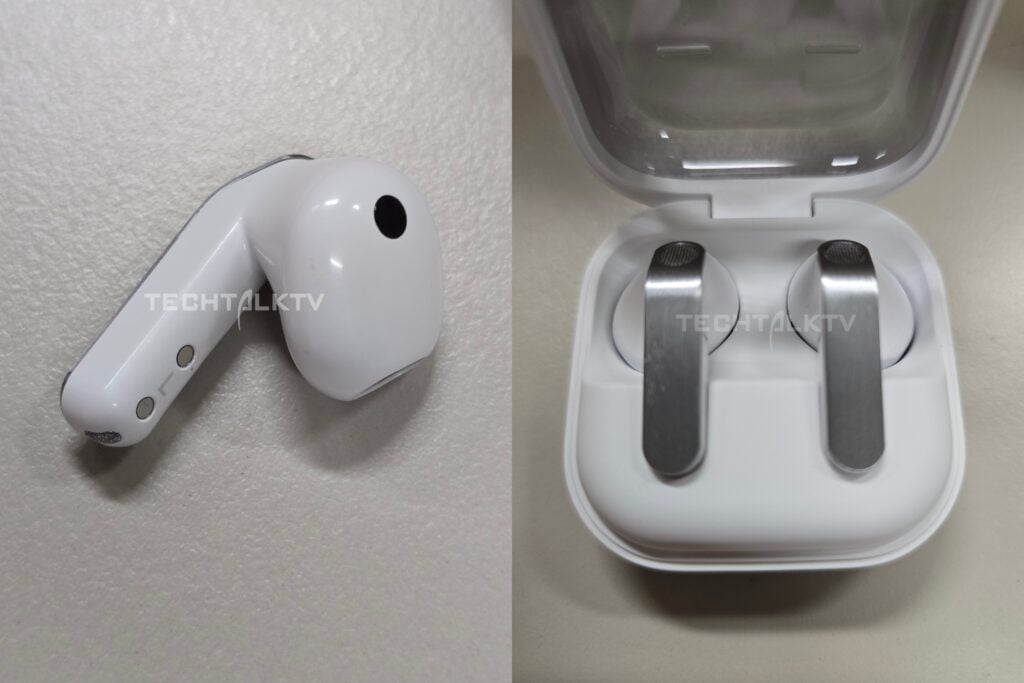
With Samsung Galaxy Unpacked just around the corner (February 25 in San Francisco), leaks are starting to paint a clearer picture of Samsung’s next audio lineup. The latest? Real-world images of what appear to be dummy units of the Samsung Galaxy Buds 4 and Samsung Galaxy Buds 4 Pro.

Galaxy Buds 4

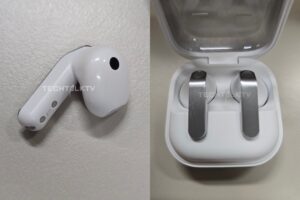
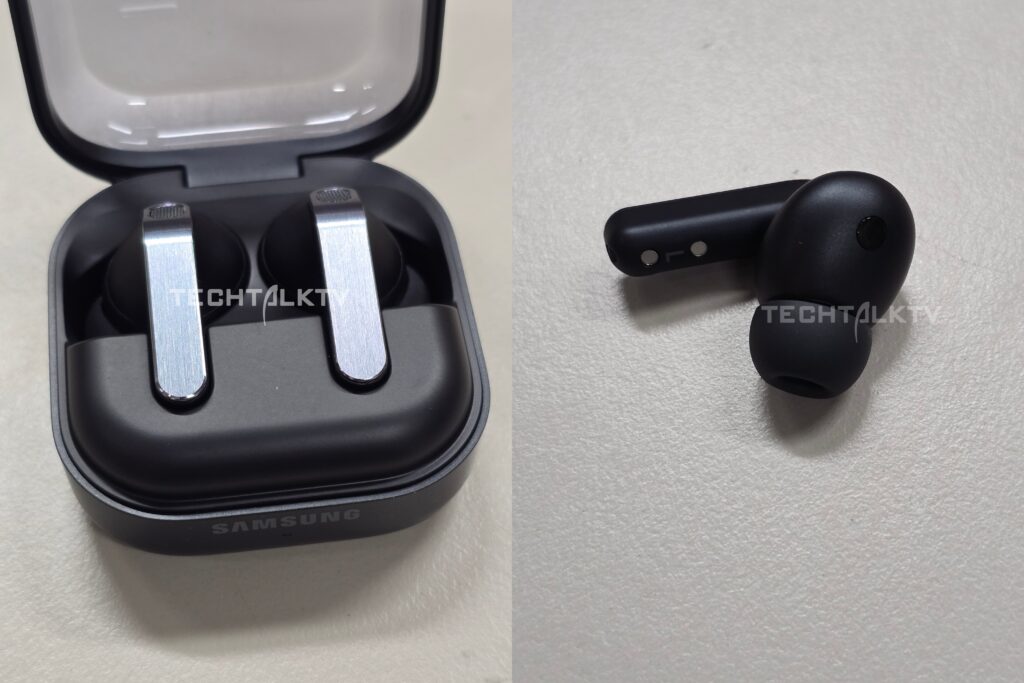
The photos, shared by known leaker TechTalkTV, show non-functional retail display models. While they don’t confirm specs, they do give us our clearest look yet at the redesigned hardware.

A flatter, cleaner look

The biggest change is immediately noticeable: both models now feature a flat stem design. It’s a shift away from the slightly rounded or angular stems we saw on the Buds 3 lineup. The new look feels simpler and more understated.

On the Pro model, the stems appear to have a brushed metallic finish. It looks more refined, and possibly more practical too, since brushed surfaces hide fingerprints better than glossy ones.

Galaxy Buds 4 Pro

Another small but important tweak: the charging contacts now sit on the stems themselves, matching a new horizontal orientation inside the case.

And yes, the Blade Lights are gone.

If you liked the LED strips on the Buds 3 Pro, this might sting a bit. Samsung seems to be dialing things back visually in favor of a cleaner, more mature design language.

The charging case has also been reshaped. Instead of the more upright style from recent generations, this one appears flatter and rectangular, designed to rest more securely on surfaces.

Standard vs Pro differences

Based on the dummy units, the standard Galaxy Buds 4 seem to stick with an open-ear approach — no silicone tips. That likely means a more breathable fit but less passive isolation.

The Buds 4 Pro, on the other hand, retain in-ear tips, which should help with noise isolation and active noise cancellation. Color options in the leaks include black for the Pro model and white variants for the standard version, aligning with earlier renders.

The Buds 4 lineup is shaping up to be a more polished, less flashy evolution rather than a radical redesign. Sometimes that’s exactly what a product line needs.

Don’t miss a thing! Join our Telegram community for instant updates and grab our free daily newsletter for the best tech stories!

For more daily updates, please visit our News Section.

(Source: TechTalkTV)

The post Galaxy Buds 4, Buds 4 Pro dummy images leak with flat stems, no Blade Lights appeared first on Gizmochina.
Red Magic 11 Pro emulates Cyberpunk 2077 at playable 40+ FPS

We’ve seen Android phones get ridiculously powerful over the past few years, but this might be one of the clearest signs yet that mobile hardware is entering serious PC territory.

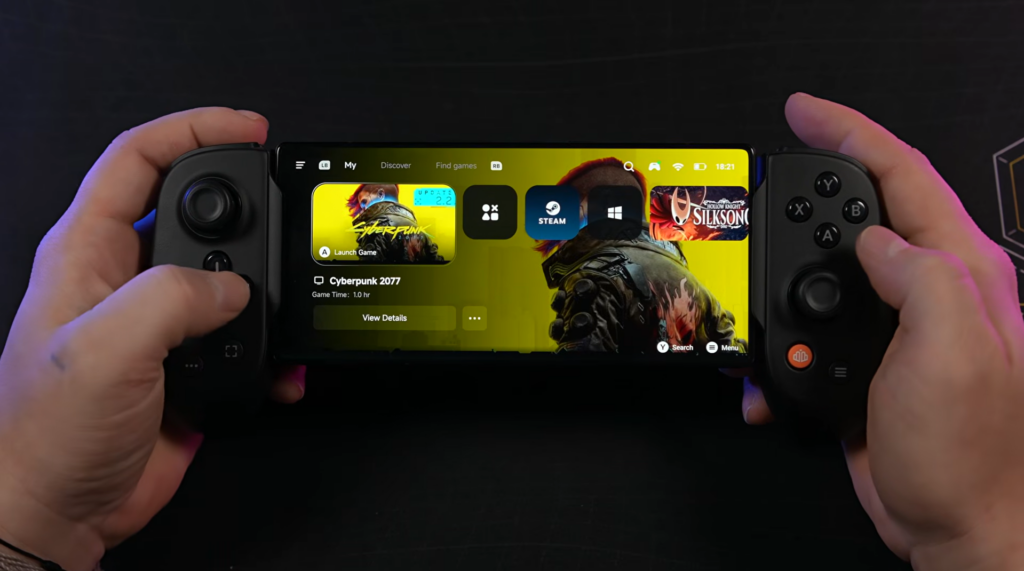
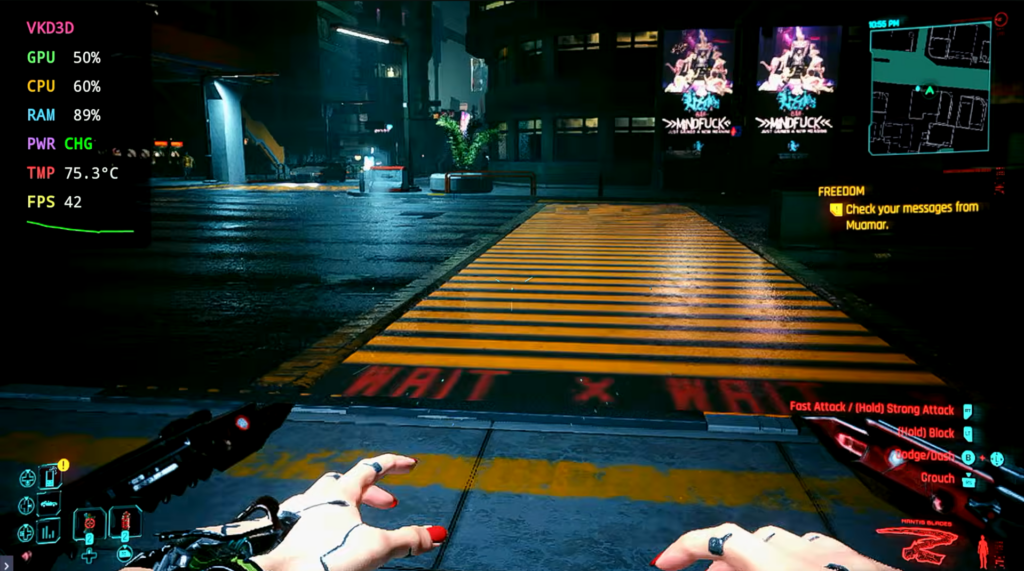
In a recent video, ETA Prime managed to run Cyberpunk 2077 locally on the Red Magic 11 Pro. No cloud streaming, no remote desktop tricks, just straight-up emulation. That alone is impressive. But the performance numbers make it even more interesting.

The Red Magic 11 Pro, powered by Qualcomm’s Snapdragon 8 Elite Gen 5, handled the game at 720p with the lowest graphics preset. AMD FSR 2.1 upscaling was set to Balanced mode. Without frame generation enabled, the game hovered around 30 FPS, dipping into the high 20s during heavier scenes.

Once FSR frame generation was turned on, performance improved noticeably. Frame rates jumped past 40 FPS consistently and even touched 50 FPS in lighter sections. On a phone screen, that’s surprisingly playable for a title that once pushed high-end gaming PCs to their limits.

ETA Prime also tried the Steam Deck preset, which slightly improves visuals while keeping FSR Balanced. Performance initially dropped to around 20 FPS, but enabling frame generation brought it back up to roughly 40 FPS. The tradeoff? Some visible artifacts and ghosting, which isn’t unexpected when relying on aggressive frame interpolation.

Under the hood, the Snapdragon chip was clearly working hard. CPU usage sat between 60% and 80%, while GPU usage ranged from 50% to 60%.

To be clear, this isn’t a replacement for a console or gaming laptop. But the fact that Cyberpunk 2077 can run locally on a smartphone at playable frame rates would’ve sounded ridiculous just a few years ago.

Now? It’s happening. And if this is where mobile silicon is today, the next couple of generations could get very interesting for portable gaming.

Don’t miss a thing! Join our Telegram community for instant updates and grab our free daily newsletter for the best tech stories!

For more daily updates, please visit our News Section.

(Source: ETA Prime)

The post Red Magic 11 Pro emulates Cyberpunk 2077 at playable 40+ FPS appeared first on Gizmochina.
A Galaxy S26 Ultra clone is already selling for only $72

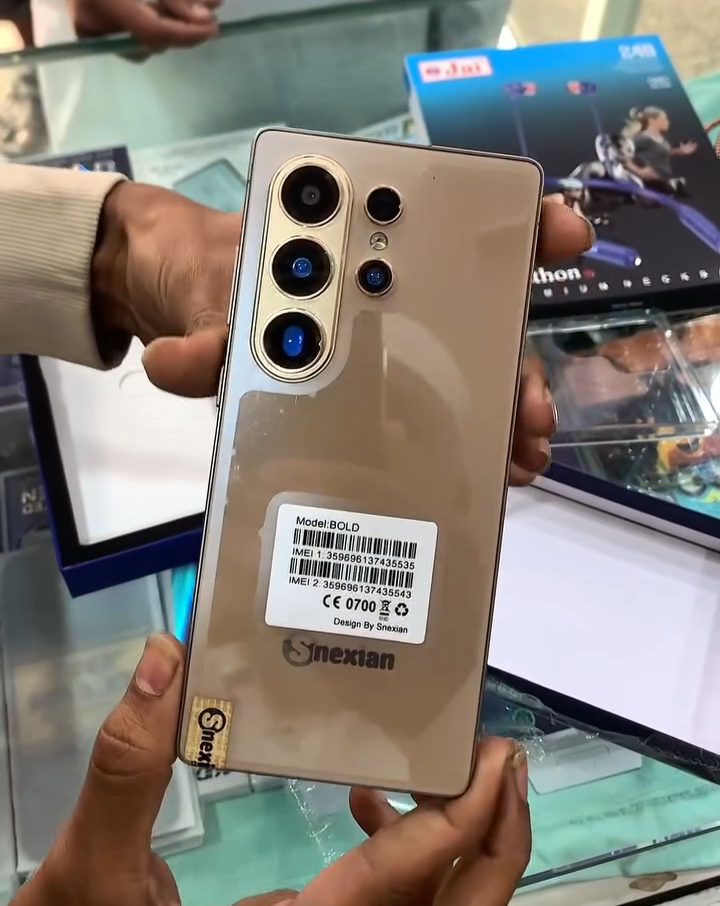
The hype around Samsung’s next flagship lineup is already in full swing. The Galaxy S26 series is set to go official next week, but in classic internet fashion, a “Galaxy S26 Ultra” has surfaced early, just not the one you’re expecting. Instead, it’s a budget clone. And it’s selling for around $72.

A video making the rounds on Instagram shows what appears to be a knockoff version of the upcoming Galaxy S26 Ultra. At first glance, it’s surprisingly convincing. The rear camera layout closely mirrors leaked renders, the wallpaper matches the rumored official imagery, and the overall design looks premium enough to pass in a quick scroll.

But that illusion fades fast once you look beyond the surface

Under the hood, this clone reportedly packs just 3GB of RAM and 16GB of storage — specs that feel outdated even for entry-level phones, let alone something pretending to be an Ultra flagship. While the seller advertises 5G support, the overall experience is worlds apart from what Samsung’s real flagship is expected to offer.

And of course, you’re not getting Samsung’s software ecosystem either. No Galaxy AI features, no long-term update commitment, no refined camera processing, just a shell designed to capitalize on hype.

This kind of thing isn’t new. Cheap replicas often pop up weeks, sometimes even months, before major launches. They ride the wave of leaks and rumors, targeting buyers who either don’t know better or are tempted by the price. The designs may look similar from a distance, but the similarities usually stop at cosmetics.

Meanwhile, the real Galaxy S26 lineup is set to debut at Galaxy Unpacked on February 25 in San Francisco. The event kicks off at 10 am PT, and as always, Samsung is likely to open up early registration perks and pre-order bonuses. Until then, this $72 “Ultra” serves as a reminder of how fast the knockoff market moves.

Don’t miss a thing! Join our Telegram community for instant updates and grab our free daily newsletter for the best tech stories!

For more daily updates, please visit our News Section.

(Source)

The post A Galaxy S26 Ultra clone is already selling for only $72 appeared first on Gizmochina.
Apple reportedly working on three different wearables — all with cameras and AI

Apple appears to be preparing its most ambitious push into AI-powered wearables yet. According to a recent Bloomberg report, the company is fast-tracking development on three new wearable devices, all centered around a much smarter version of Siri. And interestingly, all three reportedly include cameras.

Apple seems to be exploring ways to bring contextual awareness directly to the accessories we wear every day. The idea? Let Siri not just hear you, but also “see” what’s happening around you.

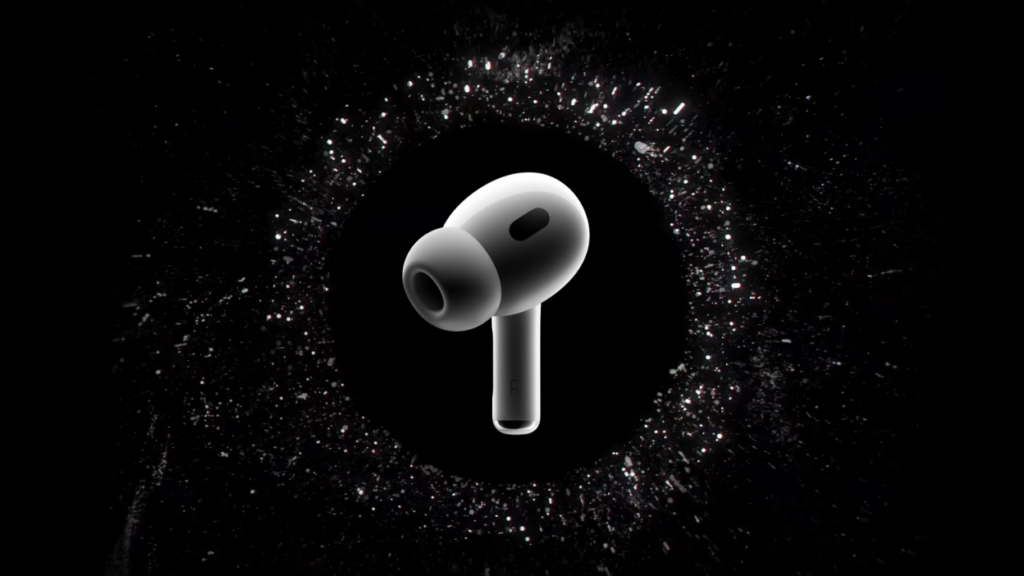
The most intriguing product in the pipeline is a pair of AirPods with built-in cameras. These wouldn’t be for taking photos or videos. Instead, Apple is said to be experimenting with low-resolution sensor that would feed environmental data to Siri. Think real-time contextual assistance, or spatial awareness features powered by AI.

Smart glasses and an AI pendant are also in the works

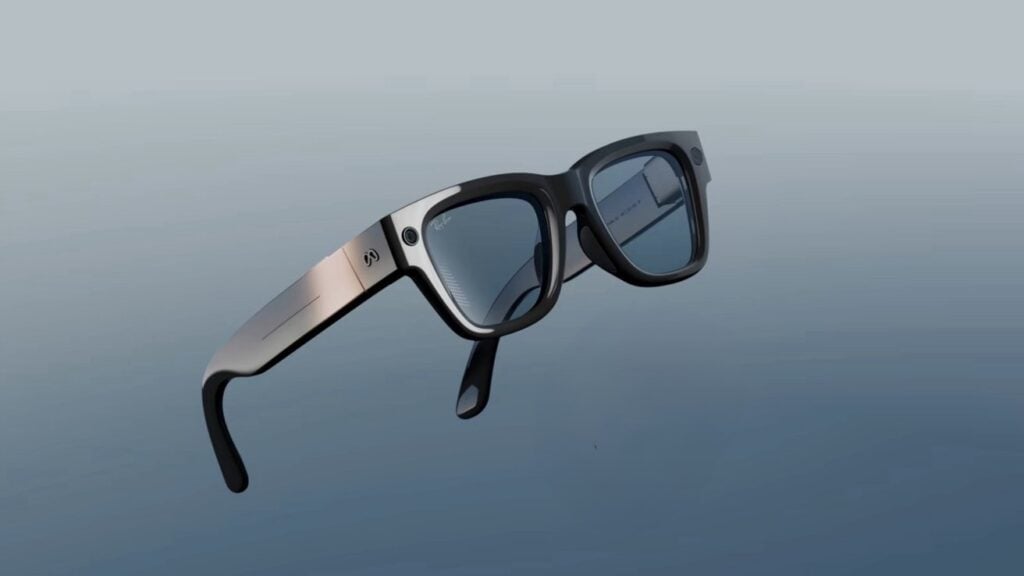
Apple is also known to be working on a smart glasses project aimed at competing with Meta’s growing wearable ecosystem. These glasses could include dual cameras: one optimized for media capture and another dedicated to computer vision tasks such as navigation or visual intelligence features.

Then there’s the more unconventional device: an AI pendant. Designed to clip onto clothing or be worn around the neck, it sounds somewhat similar in concept to Humane’s AI Pin. The difference? Apple’s version would rely heavily on the iPhone for processing power rather than functioning as a fully standalone device.

The pendant would reportedly feature a camera and microphone for continuous AI interaction. Internally, Apple is still debating whether it should include a built-in speaker.

All three devices are expected to lean on a significantly upgraded Siri, with reports suggesting deeper integrations that could expand its AI capabilities beyond what we’ve seen so far.

Don’t miss a thing! Join our Telegram community for instant updates and grab our free daily newsletter for the best tech stories!

For more daily updates, please visit our News Section.

(Source: Bloomberg)

The post Apple reportedly working on three different wearables — all with cameras and AI appeared first on Gizmochina.
Galaxy A37 and Galaxy A57 appear on IMDA, hinting at imminent launch

Samsung’s next Galaxy A-series refresh appears to be moving closer to launch. The Galaxy A37 and Galaxy A57 have now surfaced on Singapore’s IMDA certification database, suggesting that both phones are nearing an official announcement.

The listings include model numbers A376B/DS and SM-A576B/DS. The “DS” suffix indicates dual-SIM support, typically associated with global variants. As usual, the IMDA filings don’t reveal detailed specifications, but they confirm standard connectivity features.

This isn’t the first time the devices have shown up online. Both models were previously spotted on certification platforms and the Google Play Console. Based on Samsung’s past release patterns, a March 2026 debut wouldn’t be surprising.

What to expect from the Galaxy A37 and Galaxy A57

Leaks suggest the Galaxy A37 could use Samsung’s Exynos 1480 chipset, the same processor seen in last year’s Galaxy A55. That would position it as a solid upper mid-range option rather than an entry-level device. Early reports mention 6GB of RAM, with higher configurations possible.

On the camera front, rumors point to a 50MP primary sensor, potentially with optical image stabilization. An 8MP ultra-wide and a 5MP macro lens are also expected. Power could come from a 5,000mAh battery with 45W charging, which would match Samsung’s recent push toward faster charging in the A series.

Android 16 with One UI 8.5 is also rumored out of the box, though that will likely depend on final launch timing.

The Galaxy A57 is expected to sit slightly higher in the lineup. Reports suggest it may feature a newer Exynos 1680 processor. Display leaks mention a 6.6-inch AMOLED panel with a 120Hz refresh rate. Battery capacity is expected to remain at 5,000mAh with 45W charging. Other rumored features include IP67 water resistance and stereo speakers.

Samsung’s Galaxy A lineup has consistently been one of its strongest performers globally. The company tends to balance dependable hardware with long software support, which has helped the series compete well in crowded mid-range markets.

For now, the IMDA certification simply confirms that both devices are clearing regulatory steps. Official specs and pricing will likely follow soon.

Don’t miss a thing! Join our Telegram community for instant updates and grab our free daily newsletter for the best tech stories!

For more daily updates, please visit our News Section.

The post Galaxy A37 and Galaxy A57 appear on IMDA, hinting at imminent launch appeared first on Gizmochina.
Multiple users of Samsung’s $2,899 Galaxy Z TriFold facing inner display failure

Samsung’s new Samsung Galaxy Z TriFold is only weeks into its retail life in the United States, but some early buyers are already reporting problems with the inner display.

Samsung Galaxy Z TriFold

The TriFold, which unfolds into a roughly 10-inch tablet-sized screen, launched in the US on January 30, 2026, at $2,899. Demand was reportedly strong at release. Now, multiple posts on Reddit are raising concerns about reliability.

In one case, a user said their device suddenly flashed green before the inner display went black. A restart brought it back temporarily, but the issue reportedly returned the next day. The owner claimed the phone had not been dropped or exposed to unusual stress.

Another user described ghost touch inputs appearing just days after purchase. By the following morning, the display allegedly turned completely white and stopped responding to touch. That same post mentioned a faint popping sound during folding, along with what looked like a small bubble under the display layer.

At this point, it’s difficult to determine whether these are isolated defects or early signs of a broader issue.

The complexity of a Tri-Fold design

Foldables have always carried additional durability challenges compared to traditional smartphones. A tri-fold design introduces even more moving parts and stress points than standard book-style foldables like the Samsung Galaxy Z Fold series.

Flexible OLED panels, ultra-thin glass layers, adhesives, and hinge assemblies all need to work together under repeated bending. Even minor manufacturing variances can show up quickly once devices are in real-world use.

Samsung has made steady improvements in hinge design and protective layers over the years, but entirely new form factors often reveal issues only after launch.

For now, the number of confirmed cases appears limited. Still, given the TriFold’s premium price and experimental design, even a few failures can attract attention.

It may take a few more weeks and more user data to determine whether these incidents are simply early-unit defects or something more systemic.

Don’t miss a thing! Join our Telegram community for instant updates and grab our free daily newsletter for the best tech stories!

For more daily updates, please visit our News Section.

(Sources: 1, 2)

The post Multiple users of Samsung’s $2,899 Galaxy Z TriFold facing inner display failure appeared first on Gizmochina.
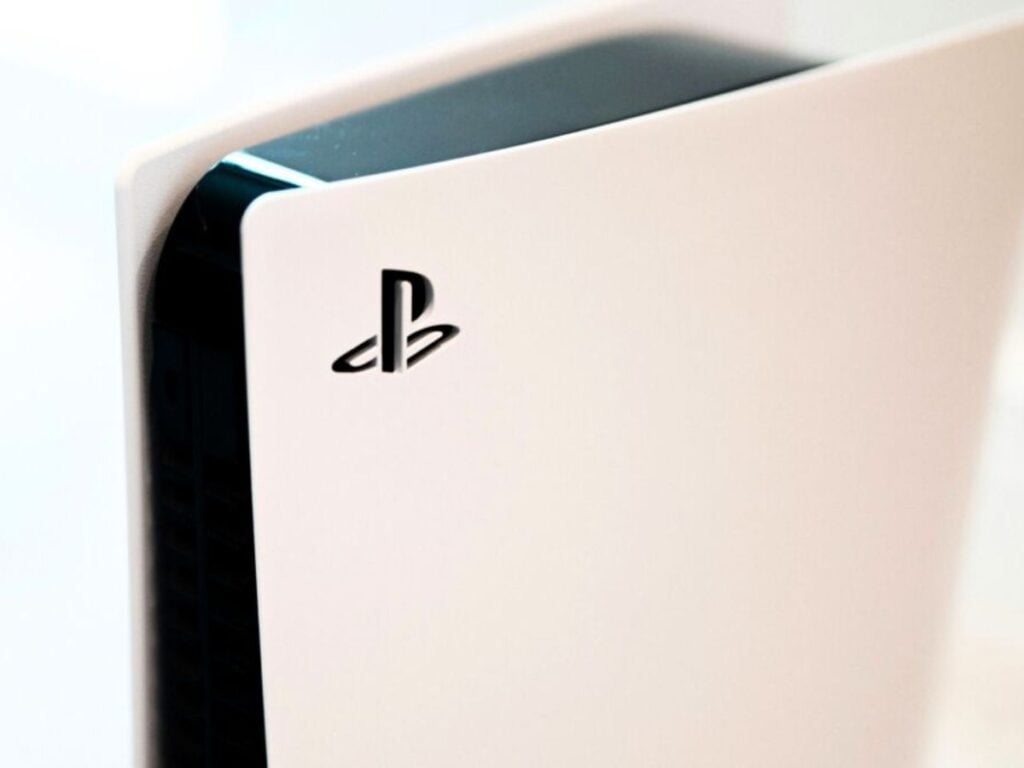
PS6 could slip to 2028 or 2029 as memory costs surge

Sony may be taking a harder look at the timeline for the PlayStation 6. Several industry reports suggest rising component costs could complicate an early launch. While the PS6 has often been mentioned as a 2027 release, that window now appears less certain. A delay into 2028 or even 2029 is being discussed in supply-chain circles.

Memory pricing is at the center of it. Data centers are absorbing large volumes of DRAM and high-bandwidth memory, and that has had knock-on effects for other hardware categories.

The PS6 is rumored to feature roughly 30GB of fast memory. If those reports are accurate, even modest price shifts could materially affect overall manufacturing costs. Some analysts had pointed to noticeable price increases through late 2025 and early 2026. Whether that trend continues is unclear, but the volatility alone makes planning difficult.

Sony typically prices its consoles aggressively at the start of a generation, even if profitability comes later through software and services. If memory costs stay elevated, Sony would face a familiar but uncomfortable choice: accept slimmer margins or push the retail price higher. A $1,000 console would be a tough sell in the mainstream market.

Extending the PS5 cycle

At the same time, there’s no immediate urgency. The PlayStation 5 has reportedly surpassed 75 million units sold, and usage levels remain strong. The PS5 Pro’s arrival in late 2024 already refreshed the lineup, giving Sony more flexibility. From a business perspective, extending the current generation slightly may not carry much downside, especially if major software releases continue to anchor engagement.

Sony’s console generations have never followed a strict formula anyway. The PS3 launched six years after the PS2, while the PS4-to-PS5 gap stretched to seven. An eight- or nine-year span wouldn’t be typical, but it wouldn’t be unprecedented either.

Of course, semiconductor markets can shift quickly. If supply improves or pricing stabilizes, timelines could move again. For now, though, high memory costs combined with a still-healthy PS5 ecosystem make a later PS6 launch feel entirely possible.

Don’t miss a thing! Join our Telegram community for instant updates and grab our free daily newsletter for the best tech stories!

For more daily updates, please visit our News Section.

The post PS6 could slip to 2028 or 2029 as memory costs surge appeared first on Gizmochina.
Acer and ASUS halt PC sales in Germany after court ruling

ASUS TUF Gaming A14 Laptop

A court decision in Germany has temporarily blocked Acer and ASUS from selling certain PCs directly in the country, following a patent dispute with Nokia.

ASUS TUF Gaming A14 Laptop

The ruling comes from the Munich I Regional Court, which sided with Nokia in a case involving standard-essential patents (SEPs) tied to the H.265/HEVC video codec. HEVC is widely used for compressing high-resolution video, including 4K and 8K playback, and is built into modern processors and graphics systems.

According to the court, Acer and ASUS were found to have infringed Nokia’s patents without securing licenses on FRAND (fair, reasonable, and non-discriminatory) terms. As a result, the court granted Nokia an injunction. That means the two PC makers cannot import, sell, or distribute affected devices directly in Germany, at least for now.

What’s affected?

Because HEVC support is deeply integrated into current hardware and software stacks, the decision potentially covers most recent laptop and desktop models from both companies. Acer has already removed PCs from its German online store, leaving only accessories such as monitors available. ASUS has similarly restricted parts of its German website, with some product pages offline or marked as unavailable.

Both companies have said the move is tied to the temporary injunction. They’ve also stressed that warranties, repairs, and customer service in Germany are continuing as normal.

The injunction applies to the manufacturers themselves, not to third-party retailers. That means stores like Amazon, MediaMarkt, and other electronics chains can continue selling devices already in inventory.

However, once current stock runs out, replenishing it could become difficult unless the dispute is resolved or a licensing agreement is reached.

Nokia filed patent lawsuits in 2025 against Acer, ASUS, and Hisense over HEVC-related intellectual property. Hisense later reached a licensing agreement with Nokia, leading to the claims against it being withdrawn.

Acer and ASUS have not settled so far and are expected to pursue appeals. Licensing negotiations may still be ongoing behind the scenes.

Don’t miss a thing! Join our Telegram community for instant updates and grab our free daily newsletter for the best tech stories!

For more daily updates, please visit our News Section.

(Source)

The post Acer and ASUS halt PC sales in Germany after court ruling appeared first on Gizmochina.

❌