Login
Login
Violence Erupts in Mexico—Tourists Flee as Cartels Take Control of Once-Safe Destinations!
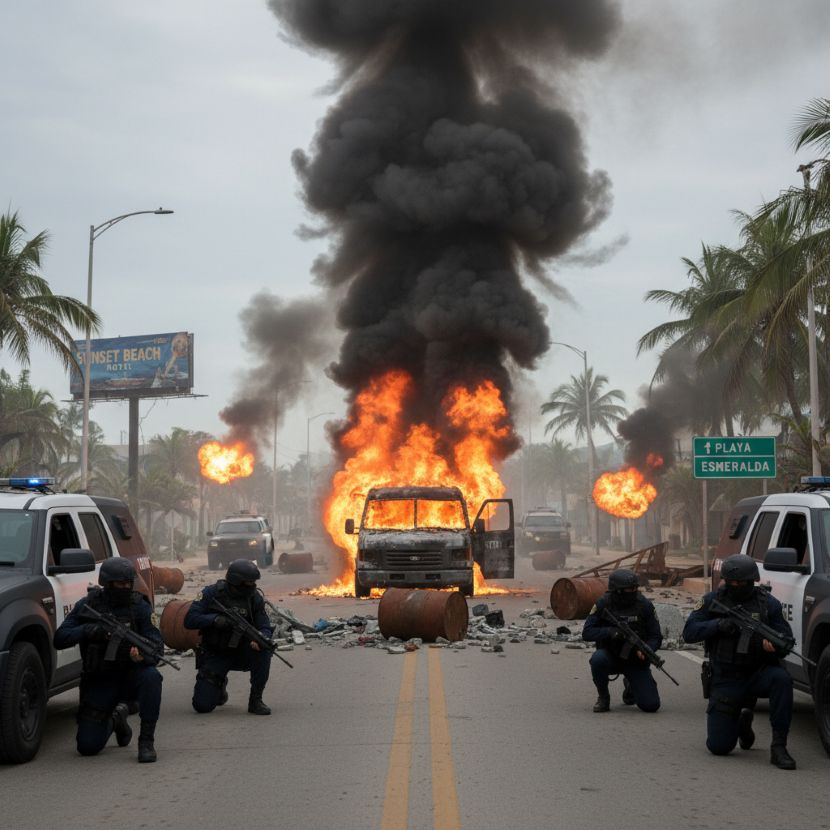
Mexico is in turmoil. The killing of the infamous cartel leader Nemesio ‘El Mencho’ Oseguera Cervantes on 22 February 2026 by Mexican forces sparked violent clashes, leaving the country in chaos. Major tourist destinations, once considered safe havens, have been caught in the crossfire. Roadblocks, burning vehicles, and violent protests have affected various states in Mexico, with violence spilling over into popular tourist spots like Puerto Vallarta and Guadalajara. What does this mean for travellers planning to visit Mexico? Let’s dive into the details of the violence and what you need to know before your next trip.
The 2026 Cartel Violence Shockwaves Across Mexico
The killing of El Mencho, the leader of the notorious Jalisco New Generation Cartel (CJNG), unleashed a wave of violence across Mexico. Criminal groups retaliated with fury, setting up roadblocks, burning cars, and causing chaos on highways. This violence impacted several tourist destinations, leaving travellers in a state of fear and confusion. Areas such as Jalisco, Guerrero, Nayarit, and Quintana Roo, popular with tourists, were among the hardest hit by the backlash.
The violence shocked holidaymakers, as many of these areas were once considered safe for tourists. Roadblocks, burning cars, and armed clashes erupted on highways leading to Mexico City and in key tourist areas. Tourists who had hoped to relax on Mexico’s pristine beaches were now faced with dangerous scenes resembling a war zone.
The Kill of El Mencho: What Sparked the Chaos?
Nemesio ‘El Mencho’ Oseguera Cervantes was a powerful and untouchable figure. His death on 22 February 2026 marked a significant blow to the Jalisco New Generation Cartel, but it also sparked a wave of violent retaliation. Immediately after his death, cartel militants set up roadblocks, torched vehicles, and clashed with law enforcement in numerous regions. Airports in Puerto Vallarta and Guadalajara were particularly affected, with flights grounded, adding to the chaos.
El Mencho’s death was a catalyst for unrest, as the CJNG has a notorious reputation for swift and ruthless retaliation. The violence unfolded rapidly, catching both locals and travellers off guard. The speed at which organised crime groups mobilised showed the extent of their power and reach, leaving travellers and residents in fear.
Government Warnings: Stay Informed, Stay Safe
As the violence escalated, governments worldwide issued travel advisories for those heading to Mexico. The United States, United Kingdom, and Canada all provided updated warnings, urging citizens to stay indoors and avoid unnecessary travel to certain regions. The U.S. Embassy advised Americans to shelter in place in Jalisco and Nayarit, while the UK Foreign Office issued serious warnings for tourists in states like Jalisco, Oaxaca, and Quintana Roo.
These advisories highlighted the dangers of cartel violence, kidnappings, and random attacks in various parts of the country. Even regions known for their tranquil appeal, like the Yucatán Peninsula, were not exempt from the violence. Governments reminded citizens to follow official guidance closely and stay vigilant, especially in regions facing heightened risks.
Shelter-in-Place Orders: What Do They Mean for Tourists?
On 23 February 2026, the U.S. Embassy issued a shelter-in-place order for American citizens in Jalisco and Nayarit. This meant that tourists were instructed to stay indoors, limiting their movements and waiting for the situation to de-escalate. Many U.S. government employees were advised to shelter in place in places like Guadalajara and Puerto Vallarta.
Although frustrating, these orders are crucial for safety. The authorities wanted to ensure that tourists did not inadvertently walk into a dangerous situation. While it’s important to respect these orders, travellers also need to stay updated and ready to move once the situation improves. The safety of all visitors relies on following these shelter orders strictly.
Airport Disruptions: Cancellations and Delays Affecting Tourists
Airports in Guadalajara, Puerto Vallarta, and Mazatlán were heavily impacted by the cartel violence. Airlines cancelled numerous flights, leaving thousands of tourists stranded. Airports remained open, but delays and cancellations were widespread. The U.S. Embassy advised passengers to check their flight statuses regularly and avoid heading to the airport unless absolutely necessary.
The travel disruptions weren’t confined to airports in cartel hotspots. Roadblocks on highways made it difficult for passengers to even reach the airports, adding to the chaos. In this scenario, it’s vital for tourists to verify their flights and stay informed about travel disruptions before making their way to the airport.
Violent Scenes Unfold: Burning Cars and Roadblocks
Mexico’s roads became battlegrounds, with criminals setting up burning roadblocks to halt traffic. Tourists caught in this turmoil found themselves trapped in hotel rooms, watching as smoke billowed from the roads. Criminals clashed with law enforcement in cities like Guadalajara and Puerto Vallarta, adding to the chaotic scenes that resembled a war zone.
The violence didn’t discriminate. Even major highways that connect tourist destinations to the capital were targeted. Explosions rocked the roads, and the violence spread like wildfire. Tourists in the area had no choice but to shelter in place and wait for authorities to restore order. With roadblockades and violence expected to continue in the affected areas, tourists are urged to avoid these dangerous areas whenever possible.
The States Most Affected by Cartel Violence
Several states in Mexico bore the brunt of cartel violence, with Jalisco, Guerrero, Nayarit, Michoacán, and Sinaloa among the hardest hit. These states are known for their beautiful beaches, colonial cities, and rich cultural heritage, making them popular tourist destinations. The violence in these regions is especially alarming because many of these areas were previously considered safe for travellers.
Canadians and Americans visiting these areas were advised to reconsider their plans or at least stay informed about the evolving situation. For example, the beachside paradise of Puerto Vallarta and the colonial city of Guadalajara were caught up in the violence, shaking the perception that these tourist zones are immune to cartel-related risks.
Areas Where Normalcy Has Returned: Safety Zones for Tourists
Not all regions of Mexico were affected by the violence. By 23 February 2026, some areas had returned to normal, with authorities working hard to restore peace. Baja California, Quintana Roo, Colima, and Guanajuato, among others, saw normalcy return, with roads reopening and airports operating without disruption.
While high-risk areas remain dangerous, other parts of Mexico continue to offer safe and beautiful travel experiences. Travellers planning to visit Mexico should focus on these safer regions while avoiding areas with ongoing violence.
What Should Tourists Do Now? Stay Safe and Plan Wisely
If you’re still planning a trip to Mexico, consider postponing travel to high-risk areas. The violence and unrest in some states are a real threat to your safety. The U.S. and UK have warned against non-essential travel to regions like Jalisco, Guerrero, and Sinaloa.
However, that doesn’t mean you should completely avoid Mexico. Beautiful, safe destinations still await you. Many regions outside of the violence-affected areas remain peaceful and welcoming. Before booking a trip, check travel advisories, register with your embassy, and choose safer destinations that are less likely to be impacted by the unrest.
Tips for Staying Safe in Mexico During Unrest
Travellers heading to Mexico should always take precautions. Monitor travel advisories, and keep an emergency contact list on hand. When staying in hotels, always lock doors and windows and avoid leaving your belongings unattended. In areas where violence is rampant, it’s better to stay in your accommodation until it’s safe to venture out.
Avoid taking public transport in unfamiliar areas, especially at night, and never leave valuables in plain sight. In case of an emergency, know the contact details of your embassy and the local emergency services. Stay calm, stay informed, and always prioritise your safety above all else.
Will Mexico Be Ready for the World Cup 2026?
With the 2026 FIFA World Cup just around the corner, millions of fans are expected to flood Mexico. The country is under pressure to ensure that safety measures are in place for visitors, especially with the recent cartel violence. The World Cup could be a massive boost to the country’s tourism industry, but ensuring the safety of tourists will be a top priority for the Mexican government.
Travellers planning to visit Mexico for the World Cup should stay updated on the security situation and check travel advisories regularly. Despite the current unrest, Mexico’s resilience and efforts to restore peace show that the country remains a key destination for tourists.
Mexico’s Future Amid the Chaos
The 2026 cartel violence in Mexico is a stark reminder of the challenges the country faces in combating organised crime. However, despite the violence, Mexico’s rich culture, history, and stunning landscapes continue to attract millions of visitors each year. By staying informed, following government advice, and planning your trip carefully, you can still enjoy all that Mexico has to offer safely.
As Mexico works to restore order, tourists who choose to stay vigilant and travel smartly can continue to experience the magic of this beautiful country. The road ahead may be uncertain, but Mexico’s allure remains strong. Always stay informed, travel safely, and never underestimate the power of careful planning.
The post Violence Erupts in Mexico—Tourists Flee as Cartels Take Control of Once-Safe Destinations! appeared first on Travel And Tour World.