Login
Login
Mexico Travel Advisory Updates with Full Flight Restorations What Travelers Need to Know About Safety Guidelines and Regional Risks
Mexico’s travel industry is slowly returning to normal after a wave of violence following the killing of a notorious cartel leader. The chaos, which struck several parts of the country, led to temporary disruptions, including flight cancellations and increased safety concerns for travelers. However, as the situation stabilizes, the U.S. Department of State has provided updated travel advisories, lifting restrictions for U.S. government personnel, and Mexico’s popular tourist destinations are once again welcoming visitors.
This article explores the latest developments and provides key information for travelers planning a trip to Mexico in the wake of the recent violence.
1. Flight Operations and Transportation
In the aftermath of the violence, flight operations were significantly affected, with a number of flight cancellations and delays reported in certain areas. However, as of this week, flights have returned to their regular schedules, with minimal disruptions. The U.S. Embassy in Mexico issued an update on Wednesday, lifting restrictions on U.S. government personnel in the country and clarifying the status of travel logistics.
The embassy reminded travelers that if a direct flight to the United States is canceled, they should consider booking a connecting flight through another Mexican or U.S. city. “While flight schedules have returned to normal, if your direct flight to the United States is cancelled, you might consider booking a connecting flight through another Mexican or U.S. city,” stated the embassy’s advisory.
Although flights are operating normally, travelers are encouraged to check with their airlines to confirm flight statuses. Additionally, the embassy urged passengers to arrive earlier at the airport, as last-minute changes in flight schedules might require additional time. For up-to-date information, the U.S. Embassy also advised tourists to monitor local media channels for any changes in the situation.
2. Tourism Activity Resumes in Key Destinations
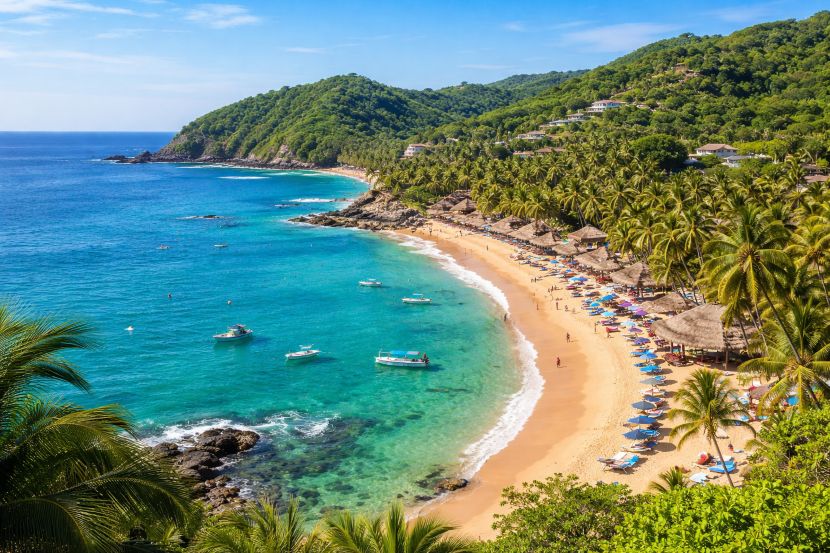
Despite the temporary disturbances, popular tourist spots like Puerto Vallarta are back to business as usual. A spokesperson for the Puerto Vallarta tourism department confirmed that flights had resumed, and hotels were operating without interruption. For those looking to enjoy a peaceful vacation in one of Mexico’s most beloved coastal cities, this news provides reassurance.
It’s important to note that while areas like Puerto Vallarta have seen quick recovery, travelers should still remain cautious and stay updated on safety guidelines. Not all regions in Mexico are equally safe for tourism, and the U.S. State Department has issued region-specific warnings.
3. Updated Travel Advisory: What Travelers Need to Know
Mexico’s security situation varies greatly by state, and the U.S. Department of State has updated its travel advisory accordingly. The country is currently under a Level 2 advisory, urging American travelers to “exercise increased caution.” While this reflects an overall improvement in the safety situation, travelers should be aware of the varying advisories depending on their destination within the country.
Certain regions, including Colima, Guerrero, Michoacán, Sinaloa, Tamaulipas, and Zacatecas, are under a Level 4 advisory. This warning comes with a “Do Not Travel” directive, and the U.S. State Department strongly advises against visiting these states due to violent criminal activity, which continues to be a major threat.
4. Jalisco and Other High-Risk States
The state of Jalisco, where the recent violence occurred, is currently under a Level 3 advisory, which advises travelers to “Reconsider Travel.” This alert extends to several other states, including Baja California, Chiapas, Chihuahua, Guanajuato, Morelos, and Sonora. While these areas have not experienced the same level of violence as the Level 4 regions, travelers should exercise caution and consider postponing non-essential trips.
The travel advisory in these states suggests that tourists should avoid travel to rural areas, particularly after dark, and stay in well-traveled, well-lit areas in urban centers. The situation in Jalisco and nearby regions remains fluid, so tourists should stay informed on local developments before embarking on their journey.
5. Safe Tourist Destinations
Not all regions in Mexico are affected by the recent violence, and many of the country’s top tourist destinations remain relatively safe for visitors. Areas such as Cancun, Tulum, and Playa del Carmen, located in the state of Quintana Roo, are still open for tourism. These cities have become hotspots for international travelers in recent years due to their beautiful beaches and luxurious resorts.
Quintana Roo has been classified under Level 2 by the U.S. Department of State, which advises increased caution. Tourists visiting Cancun, Tulum, or Playa del Carmen are encouraged to stay in well-lit areas and avoid wandering outside of the tourist zones after dark. However, for those traveling to Mexico’s most famous coastal cities, it remains an attractive and viable option for vacationers looking for fun, sun, and relaxation.
Additionally, the states of Campeche and Yucatán have been classified as Level 1, which is the lowest travel advisory, meaning that these regions are considered safe for tourists. Both states are popular for their cultural landmarks, historic sites, and beautiful coastal areas.
6. Smart Traveler Enrollment Program (STEP)
The U.S. Department of State recommends that all international travelers sign up for the Smart Traveler Enrollment Program (STEP). This free service provides U.S. citizens with critical safety information while traveling abroad. It also helps the State Department locate and assist U.S. citizens during emergencies, whether they are dealing with natural disasters, political unrest, or other unforeseen circumstances.
By registering for STEP, travelers will receive real-time alerts and updates on everything from severe weather events to travel warnings. The program also allows the State Department to easily contact travelers in case of emergencies, making it an essential tool for anyone traveling to regions with fluctuating safety conditions like Mexico.
7. Conclusion: Stay Informed and Travel Responsibly
Although the violence in Mexico has subsided, travelers should remain vigilant and stay informed about the latest travel advisories. Many areas, particularly popular tourist destinations, have resumed normal operations, and Mexico continues to be one of the most sought-after vacation spots for millions of people worldwide. However, it’s crucial to understand the nuances of the current situation, which can vary from state to state.
With precautions in place and careful planning, travelers can still enjoy a safe and enjoyable visit to Mexico. Be sure to check flight statuses, follow safety recommendations, and sign up for STEP to ensure your trip is as smooth as possible. By staying informed and acting responsibly, you can make the most of your vacation while avoiding potential risks.
In conclusion, while Mexico’s tourism industry is on the mend, travelers must exercise caution, stay updated on local conditions, and adhere to travel advisories to ensure a safe and enjoyable trip.
The post Mexico Travel Advisory Updates with Full Flight Restorations What Travelers Need to Know About Safety Guidelines and Regional Risks appeared first on Travel And Tour World.