Login
Login
U.S. DiploU.S. Embassy Warns Travelers as Rubio Sets Out for Israel During Iran Tension Escalation
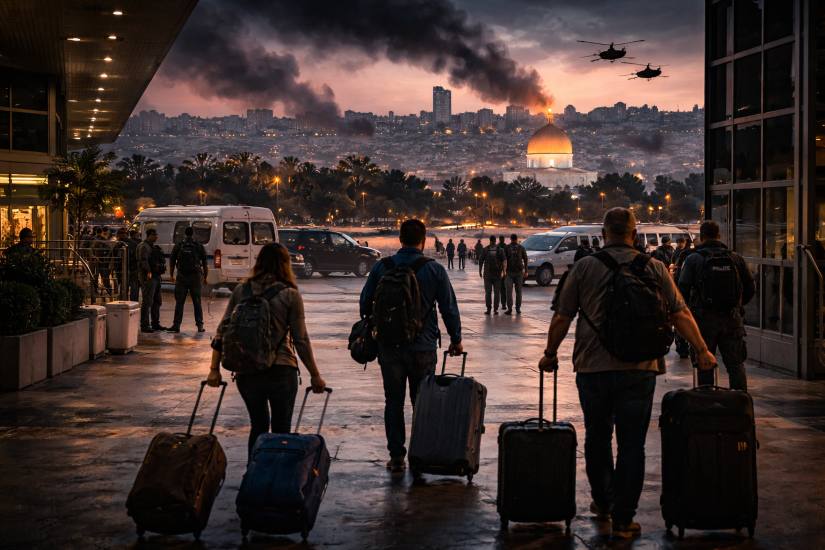
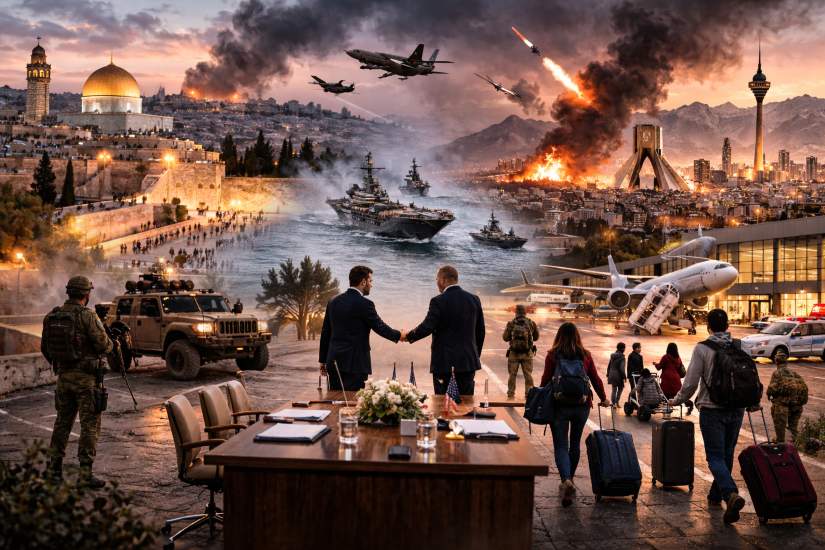
Amid rising tensions in the Middle East, the United States has taken precautionary steps in Israel, permitting embassy staff to leave the country over growing concerns about military action against Iran. On Friday, February 26, U.S. Ambassador to Israel, Mike Huckabee, sent an email to embassy personnel, urging those who wanted to leave Israel to do so immediately. While the message didn’t explicitly mention Iran, it was clear that the move came amidst mounting concerns about potential military strikes in the region.
In his email, Huckabee reassured staff that the decision was made out of “an abundance of caution” after consultations with State Department officials. He emphasized, however, that there was “no reason to panic,” despite the urgent call for staff to leave. Huckabee also acknowledged the high demand for airline seats, advising staff to prioritize securing any available flight, even if it was not directly to Washington D.C., where they could continue their journey later.
U.S. Embassy in Israel Issues Evacuation Guidelines Amid Growing Security Concerns
This directive came just hours after the U.S. embassy in Israel authorized the departure of nonessential personnel, emphasizing the growing security risks in the region. The U.S. State Department had already issued a travel advisory, urging Americans to leave Iran due to the escalating political and military tensions.
The embassy’s decision comes amid President Donald Trump’s ongoing remarks about the potential for military strikes on Iran if a nuclear deal is not reached. The Trump administration has been involved in negotiations with Iranian leaders over the past several months, attempting to finalize a nuclear agreement that would avert military conflict. Recent talks in Geneva on Thursday have raised concerns, with many wondering whether these discussions will lead to a resolution or further escalation. Trump has signaled that military action may be necessary if Iran does not agree to terms that would prevent it from obtaining nuclear weapons.
China and UK Issue Travel Warnings as Tensions Escalate
As the situation grows more uncertain, China has joined the growing list of countries taking precautionary measures. The Chinese government has advised its citizens to avoid traveling to Iran and has recommended that those already in the country evacuate immediately. The Chinese embassy in Tehran has also urged nationals to stay alert and be prepared for any emergencies.
The United Kingdom has followed suit, temporarily withdrawing diplomatic staff from Iran in response to the ongoing security situation. The UK Foreign, Commonwealth, and Development Office (FCDO) cited the need to protect staff as the reason behind their decision, echoing the concerns expressed by China and the U.S. As a result, the UK has also warned against travel to Iran, advising British nationals to avoid non-essential trips to the country during this period of heightened risk.
These coordinated efforts from global powers highlight the seriousness with which these countries are treating the potential for military escalation. The U.S. military’s buildup in the Middle East, particularly the deployment of warships and other forces, signals the Trump administration’s readiness for military action if the nuclear talks with Iran fail. This marks the largest U.S. military presence in the region in decades, underscoring the gravity of the situation.
The Path Ahead: The U.S. Military’s Role and Future Diplomatic Efforts
Although no final decision on military action has been made yet, the ongoing talks and the buildup of military forces suggest that the U.S. is preparing for multiple outcomes. While Trump has repeatedly stated that a nuclear deal remains the preferred outcome, he has also made it clear that Iran’s nuclear capabilities remain a primary concern for the administration.
On the U.S. domestic front, the situation has sparked significant debate. Congressional leaders recently met with Secretary of State Mike Pompeo in a Gang of Eight meeting to discuss the evolving crisis. The meeting was classified, but Senate Minority Leader Chuck Schumer stated that the Trump administration needed to make its case to the American public about the significance of the situation.
In response to the escalating tensions, House Democratic leadership has announced plans to force a vote next week on limiting Trump’s military authority in the region. However, it remains uncertain whether the vote will gain enough support to pass.
Meanwhile, Iran has made it clear that it will retaliate if the U.S. launches military strikes, warning that it would target U.S. military bases in the region if hostilities break out. These threats add another layer of complexity to the already tense situation, with both sides preparing for potential conflict.
The post U.S. DiploU.S. Embassy Warns Travelers as Rubio Sets Out for Israel During Iran Tension Escalation appeared first on Travel And Tour World.