Reading view

Strategic Spring Break Planning and Stress Reduction Protocols Issued by Kelowna International Airport

Strategic Spring Break Planning and Stress Reduction Protocols Issued by Kelowna International Airport
Strategic Spring Break Planning Guidelines Issued By Kelowna International Airport.

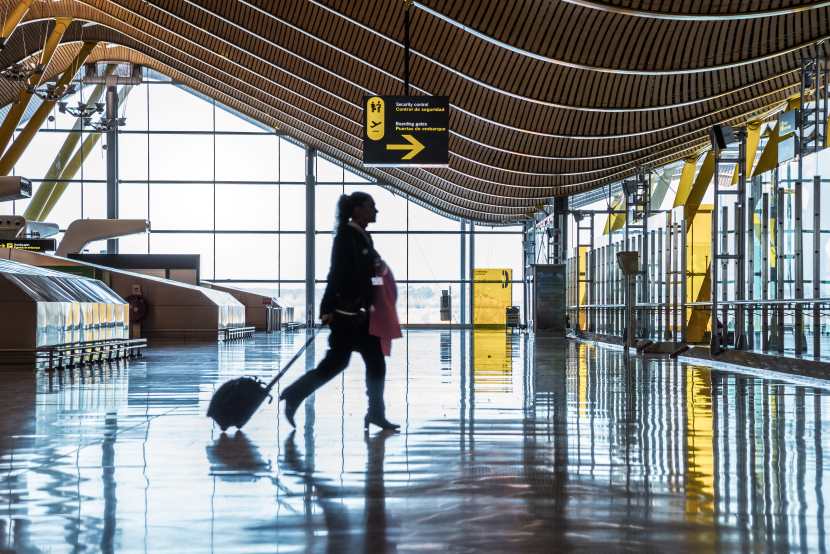
The arrival of the spring break season is being met with strategic preparations at Kelowna International Airport, where efforts are being directed toward the minimization of passenger anxiety. As the Okanagan region anticipates a surge in travel volume, several key travel tips have been disseminated to ensure that the flow of traffic remains efficient. It is recognized by airport authorities that holiday periods often result in increased congestion, and thus, a proactive stance is being encouraged for all individuals planning to depart from YLW. By adhering to a structured approach, the challenges associated with busy terminals and long queues can be effectively mitigated.

Strategic Arrival and Time Management

A significant emphasis is placed on the timing of arrival at the terminal. It is recommended that passengers arrive at the airport at least two hours prior to the scheduled departure of domestic flights. For those who are scheduled for international travel, a window of three hours is advised. By ensuring an early arrival, the pressure of potential delays at check-in counters or security checkpoints is substantially reduced. It is often observed that unexpected bottlenecks can occur, and the provision of extra time allows for a more relaxed transition from the curb to the gate. The stresses of the holiday rush are better managed when a buffer is integrated into the travel itinerary.

Digital Documentation and Check-in Procedures

The utilization of digital tools is highlighted as a primary method for streamlining the departure process. Passengers are encouraged to complete their check-in procedures online via the websites or mobile applications of their respective airlines. This can typically be accomplished up to 24 hours before the flight is set to depart. When the check-in process is completed remotely, the necessity of standing in long terminal lines is eliminated, particularly for those who are only traveling with carry-on luggage. Furthermore, the status of flights should be monitored frequently. By staying informed about potential delays or gate changes through airline notifications, passengers are kept abreast of any logistical shifts that might impact their schedules.

Efficient Navigation of Security Screening

The security screening process is frequently cited as a major source of stress for travelers. To facilitate a more rapid progression through this area, the preparation of carry-on items is deemed essential. It is requested that liquids, aerosols, and gels be stored in containers of 100 milliliters or less and placed within a single, clear, resealable plastic bag. Electronics, such as laptops and tablets, should be easily accessible so that they can be placed in bins without delay. Additionally, the wearing of easily removable footwear and the minimization of metal accessories can further expedite the screening process. When the requirements of security personnel are anticipated and met by the traveler, the entire queue benefits from a faster pace.

Strategic Parking and Transportation Planning

Due to the high demand for parking during the spring break period, alternative transportation methods are being suggested by airport officials. The long-term parking lots at Kelowna International Airport are expected to reach capacity quickly. Consequently, the use of taxis, ride-sharing services, or public transit is encouraged to avoid the frustration of searching for a parking space. If parking at the airport is deemed necessary, it is advised that extra time be allotted to find a spot, or that off-site parking options be considered. By removing the uncertainty of parking from the equation, the initial stage of the journey is rendered much smoother.

Management of Luggage and Restricted Items

A thorough review of luggage contents is advised before departure to ensure compliance with federal regulations. Items that are prohibited in carry-on bags, such as certain tools or large liquid containers, should be packed in checked luggage or left at home. It is also noted that the weight and size limits of the specific airline should be strictly followed to avoid additional fees or the need for repacking at the counter. When luggage is prepared in accordance with established guidelines, the risk of intervention by security or airline staff is minimized, allowing for an uninterrupted journey through the terminal.

Considerations for Families and Large Groups

For those traveling in large groups or with young children, additional preparation is identified as a necessity. It is suggested that snacks, entertainment, and essential medications be kept in carry-on bags to maintain comfort during potential wait times. The layout of the airport should be familiarized so that restrooms, dining options, and gate locations are easily found. When a group is well-organized and informed, the collective stress level is lowered, and the experience is made more pleasant for all members. Patience is encouraged as the airport staff works to accommodate the increased number of passengers during this busy period.

Commitment to Passenger Safety and Service

The dedication of the staff at Kelowna International Airport toward providing a safe and efficient environment is maintained throughout the holiday season. Various measures are implemented to handle the increased load, and the cooperation of the public is greatly valued. It is understood that the travel environment can be complex, but through mutual preparation and the following of established protocols, a successful spring break travel season can be achieved. Every effort is made to ensure that the journey through YLW is as seamless as possible, reflecting the airport’s commitment to high standards of service.

Final Preparations and Awareness

As the departure date approaches, a final review of all travel documents, including passports and boarding passes, is recommended. The alignment of these documents with the information provided during the booking process is crucial. Awareness of the weather conditions in both Kelowna and the destination city is also advised, as this can influence both travel to the airport and the operation of the flight itself. When a comprehensive view of the travel process is taken, and each step is handled with careful consideration, the overarching goal of a stress-free spring break is within reach for every passenger.

The post Strategic Spring Break Planning and Stress Reduction Protocols Issued by Kelowna International Airport appeared first on Travel And Tour World.

Melbourne’s Iconic Forest Adventure Featuring the Unique Experience of Dangling Feet Over the Edge of a Historic Steam Train

Melbourne’s Iconic Forest Adventure Featuring the Unique Experience of Dangling Feet Over the Edge of a Historic Steam Train
A Timeless Journey Through the Lush Dandenong Ranges on Puffing Billy.

The allure of the Dandenong Ranges is often captured through the rhythmic chugging and nostalgic whistles of the Puffing Billy Railway. This iconic Melbourne forest ride is celebrated as one of the best-preserved heritage steam railways in the world, offering an immersion into the lush Victorian wilderness. A sense of wonder is evoked as the historic locomotive winds through towering mountain ash trees and verdant fern gullies, providing a perspective of Australia’s natural beauty that remains unmatched. It is here that the Puffing Billy experience allows for a rare interaction with the environment, where the boundaries between the passenger and the scenic landscape are delightfully blurred.

A Historic Legacy Reimagined

The Puffing Billy Railway was originally opened in 1900 as a means to service the remote communities living within the Dandenong Ranges. While it was initially constructed to transport passengers, timber, and livestock, it has since been transformed into a premier tourist attraction that draws visitors from every corner of the globe. The preservation of this line is managed largely by a dedicated team of volunteers who ensure that the magic of the steam era is maintained for future generations.

The journey typically commences at Belgrave, a charming town located just an hour’s drive from the heart of Melbourne. From the moment the platform is stepped upon, a transition back in time is felt. The smell of burning coal, the sight of billowing white steam, and the intricate craftsmanship of the vintage carriages all contribute to an atmosphere of historical grandeur. It is a testament to Australian engineering and communal spirit that such a treasure continues to operate with such vigor and grace.

The Unique Tradition of Sill Sitting

What distinguishes this particular rail journey from any other in the world is the long-standing tradition of sitting on the sills of the carriages. Unlike modern trains where passengers are confined behind glass windows, the open-sided carriages of Puffing Billy encourage a more visceral connection with the surroundings. It is permitted, and indeed encouraged, for travelers to dangle their legs over the edge of the carriage while holding onto the sturdy wooden bars.

This practice provides an unobstructed view of the forest floor and the passing flora. As the train traverses the famous Monbulk Creek trestle bridge, the sensation of being suspended high above the ground is experienced by all on board. The wind in the hair and the gentle spray of steam create a sensory experience that defines the very essence of adventure in Victoria. This unique seating arrangement ensures that every twist and turn of the track offers a new and exciting vantage point.

Traversing the Emerald Wilderness

As the locomotive pulls away from the station, the dense canopy of the Dandenong Ranges begins to envelop the tracks. The forest is characterized by its towering mountain ash trees, which are among the tallest flowering plants in the world. Beneath these giants, a thick undergrowth of tree ferns creates a prehistoric aesthetic, making it feel as though a hidden world is being explored.

The air in the ranges is notably crisp and cool, often filled with the calls of native birds such as the kookaburra and the lyrebird. As the train meanders through the emerald landscape, stops are made at various historic stations, including Menzies Creek and Lakeside. Each location offers its own unique charm, with opportunities for picnics, lakeside walks, or a visit to the local museum to learn more about the region’s rich railway history. The pace of the journey is intentionally slow, allowing for the serenity of the forest to be fully absorbed by those on board.

Engineering Marvels and Scenic Bridges

The engineering feats required to maintain a narrow-gauge railway in such rugged terrain are frequently admired by enthusiasts. One of the most photographed segments of the trip is the crossing of the timber trestle bridges. These structures, built with massive wooden beams, creak and groan in a rhythmic symphony as the heavy steam engine passes over them.

From the perspective of a passenger sitting on the edge, the sight of the curved bridge stretching out ahead is breathtaking. The height of the bridges allows for a sweeping view of the valleys below, where small streams trickle through the rocks and sunlight filters through the dense leaves. It is a moment where the mastery of early 20th-century construction is truly appreciated, as these bridges have stood the test of time, weathering the elements while continuing to support the weight of the Puffing Billy.

A Journey for Every Season

The appeal of the Dandenong Ranges is not limited to a single season, and Puffing Billy operates throughout the year, offering a different experience with each passing month. In the spring, the forest is vibrant with new growth and the blooming of wildflowers. During the autumn, the foliage of the introduced European trees in the nearby gardens turns to shades of gold and burgundy, providing a stark contrast to the evergreen native bush.

Even in the winter, the mist often settles low in the valleys, creating a mysterious and ethereal atmosphere as the train emerges from the fog. The warmth of the steam engine provides a comforting presence against the chill, and the sight of smoke rising into a grey sky is particularly evocative. No matter when the visit is planned, the landscape is guaranteed to provide a stunning backdrop for the journey.

Community and Conservation Efforts

The continued operation of Puffing Billy is a significant achievement that relies heavily on the support of the local community and international visitors. Conservation efforts are constantly underway to ensure that the tracks, the engines, and the surrounding environment are protected. The railway serves as a living museum, educating the public on the importance of industrial heritage and the need to preserve natural habitats.

By participating in this forest ride, travelers are contributing to the upkeep of a cultural icon. The funds generated from ticket sales are reinvested into the maintenance of the vintage fleet and the restoration of historical artifacts. It is a symbiotic relationship where the joy of the passengers fuels the preservation of history, ensuring that the whistle of Puffing Billy will continue to echo through the Dandenong Ranges for many years to come.

Final Reflections on a Melbourne Icon

A day spent on the Puffing Billy Railway is more than just a commute through the woods; it is a celebration of a bygone era and a tribute to the natural splendor of Victoria. The freedom of sitting on the carriage edge, the rhythmic pulse of the steam engine, and the immersive beauty of the forest combine to create a memory that lingers long after the journey has ended.

For anyone visiting Melbourne, this forest ride is considered an essential itinerary item. It offers a rare opportunity to disconnect from the fast-paced modern world and reconnect with a simpler, more adventurous way of traveling. The Dandenong Ranges provide the perfect canvas for such an experience, proving that sometimes, the best way to see the world is by sitting on the edge and letting the scenery pass by.

The post Melbourne’s Iconic Forest Adventure Featuring the Unique Experience of Dangling Feet Over the Edge of a Historic Steam Train appeared first on Travel And Tour World.

Air India Announces Strategic Expansion of West Asia Flight Schedule with 78 Additional International Operations to Gulf Destinations

Air India Announces Strategic Expansion of West Asia Flight Schedule with 78 Additional International Operations to Gulf Destinations
Air India Enhances Connectivity with 78 Additional West Asia Flights.

The landscape of international aviation is being significantly reshaped by the national carrier as a strategic response to the evolving needs of the global traveler. It has been officially confirmed that Air India will be implementing a substantial increase in its operational capacity through the introduction of 78 extra flights connecting India and West Asia. This move is primarily driven by the high travel demand observed during the upcoming peak seasons, ensuring that the requirements of the diaspora and business travelers are met with efficiency. By bolstering the flight frequency, a more robust bridge is being built between the Indian subcontinent and the Middle East, reinforcing the commitment of the airline to provide seamless global connectivity.

Strategic Expansion of International Operations

A significant enhancement in the connectivity between India and various destinations in West Asia is being initiated by the national carrier. It is observed that 78 additional flights are being scheduled to cater to the burgeoning numbers of passengers who frequently travel these routes. This expansion is not merely a numerical increase but is viewed as a strategic deployment of resources to ensure that the pressure on existing schedules is alleviated. The decision was reached following a detailed analysis of market trends and booking patterns, which indicated a sharp rise in the necessity for more seats during the upcoming months.

The additional services are being distributed across several key gateways, ensuring that the benefits of increased capacity are felt across the country. Major metropolitan hubs and regional airports are included in this rollout, reflecting a comprehensive approach to network management. By providing these extra frequencies, the airline ensures that the mobility of the workforce and the travel plans of families are facilitated without the constraints of limited availability.

Strengthening Links with the Gulf Cooperation Council

The relationship between India and the Gulf nations is being further solidified through these improved aviation links. A primary focus is being placed on strengthening the routes to cities within the Gulf Cooperation Council. It is understood that the movement of people between these regions is a cornerstone of economic and cultural exchange. Consequently, the introduction of these 78 flights is expected to provide much-needed relief to travelers who often face challenges due to fully booked flights and rising fares during peak periods.

Destinations such as Dubai, Doha, and Kuwait are among those being prioritized in this expansion. The passive observation of travel statistics suggests that the demand for these specific sectors remains consistently high. By increasing the number of available flights, the airline is positioned as a reliable partner in the personal and professional lives of millions. This expansion is conducted with a focus on maintaining high standards of service while ensuring that the logistical requirements of such a large-scale operation are handled with precision.

Addressing Seasonal Spikes in Passenger Traffic

The cyclical nature of travel demand is being addressed through this proactive measure. It is noted that certain times of the year witness a dramatic surge in the number of individuals seeking to travel between India and West Asia. Whether for religious observances, school holidays, or professional breaks, the spike in traffic often exceeds the capacity of standard schedules. Therefore, the implementation of these extra flights is seen as a necessary intervention to maintain the flow of passengers.

Every effort is being made to ensure that the scheduling of these flights coincides with the periods of maximum demand. The operational teams are tasked with the management of aircraft rotations and crew assignments to support this temporary increase in activity. By anticipating the needs of the market, the airline avoids the pitfalls of overcapacity while simultaneously preventing the inconveniences associated with seat shortages. This balanced approach is a hallmark of modern aviation management.

Impact on Regional Connectivity and Economic Growth

The ripples of this expansion are expected to be felt across the broader economic landscape. Improved air connectivity is often a precursor to increased trade and investment. By facilitating easier movement for business professionals, the airline is indirectly supporting the growth of various industries that rely on the partnership between India and West Asia. Furthermore, the convenience offered to the Indian expatriate community cannot be overstated, as these flights provide more flexibility for those wishing to visit their home country.

From a regional perspective, airports in cities like Kochi, Mumbai, and Delhi are being utilized as primary departure points for these additional services. This distribution ensures that passengers from different geographical areas have access to direct or convenient connecting flights. The logistical framework required to support 78 additional international movements is extensive, involving coordination with ground handling services, air traffic control, and airport authorities across multiple jurisdictions.

Enhanced Service Quality and Passenger Experience

The focus is also being maintained on the quality of the journey provided to every traveler. Despite the increase in the number of flights, no compromises are being made regarding the safety and comfort standards expected of a premier carrier. The cabins are being prepared to accommodate the diverse needs of the passengers, ranging from business class requirements to the comfort of economy travelers. The onboard services, including meal options and entertainment, are being aligned with the expectations of the international traveler.

Furthermore, the booking processes are being streamlined to ensure that the additional seats are easily accessible through various digital platforms and travel agencies. It is anticipated that the transparency in pricing and the availability of more options will result in a more positive experience for the consumer. The feedback from previous seasonal expansions is being utilized to refine the current operations, ensuring that the mistakes of the past are not repeated and that the efficiency of the service is maximized.

Future Outlook for West Asian Air Travel

The long-term vision for the India-West Asia corridor is one of sustained growth and collaboration. While these 78 flights are a response to immediate demand, they also serve as a pilot for potential permanent increases in the future. The data gathered during this period will be analyzed to determine if further expansion is warranted. It is recognized that the geopolitical and economic ties between India and the West Asian region are only set to strengthen, and the aviation sector must evolve in tandem with these developments.

The commitment to being a leading player in the international aviation market is being demonstrated through such initiatives. By remaining agile and responsive to market dynamics, the airline secures its position as a preferred choice for travelers. The integration of advanced technology in flight planning and passenger management continues to be a priority, ensuring that even as the scale of operations grows, the precision of the service remains intact.

Conclusion on Operational Excellence

In summary, the decision to operate 78 extra flights to West Asia is a testament to the dedication of the carrier toward serving its global clientele. The logistical complexity of such an undertaking is being managed with professional rigor, ensuring that every flight contributes to the overall goal of enhanced connectivity. As the flights begin their operations, the focus will remain on the seamless execution of the schedule and the satisfaction of the thousands of passengers who will benefit from these additional travel opportunities. The bridge between India and West Asia is thus being reinforced, one flight at a time, through a neutral and formal commitment to excellence.

The post Air India Announces Strategic Expansion of West Asia Flight Schedule with 78 Additional International Operations to Gulf Destinations appeared first on Travel And Tour World.

Impact of US Israel and Iran Tensions on Global Tourism Markets: Geopolitical Instability Threatens the Golden Age of Arab Travel

Impact of US Israel and Iran Tensions on Global Tourism Markets: Geopolitical Instability Threatens the Golden Age of Arab Travel
Potential Regional Conflict and the Fragility of Middle Eastern Tourism.

The landscape of global travel is currently being overshadowed by the specter of a significant US Israel war on Iran, a conflict that is viewed by many analysts as a potential catalyst for the collapse of the recent Middle East tourism boom. It is observed that the region has spent the last decade positioning itself as a premier destination for international travelers, yet these gains remain remarkably sensitive to geopolitical instability and the threat of regional warfare.

While the economic diversification of nations like Saudi Arabia and the UAE has been heavily reliant on the hospitality sector, the escalation of military actions could see a rapid withdrawal of foreign investment and a sharp decline in international flight bookings. The stability of the Middle East travel market is now being questioned as diplomatic efforts are tested by the rising heat of military rhetoric.

The Current Prosperity of Middle Eastern Travel Remarkable growth has been achieved by the tourism sectors within the Middle East over the last several years. It is noted that the region was the only one globally to not only recover from the pandemic-era restrictions but to exceed the arrival numbers recorded in 2019. This success has been driven by massive infrastructure projects, the easing of visa regulations, and the rebranding of various Gulf nations as cultural and luxury hubs.

Significant capital was invested into the development of world-class attractions, ranging from the futuristic cities of Saudi Arabia to the established luxury corridors of Dubai and Qatar. Records indicate that millions of tourists were drawn to the area, attracted by the promise of safety, novelty, and high-end hospitality. However, this prosperity is characterized by a delicate balance, as the perceived safety of a destination is the primary factor considered by global travelers.

The Shadow of Potential Conflict The possibility of a direct military engagement involving the United States, Israel, and Iran is regarded as a transformative threat to this momentum. It is suggested by political observers that such a conflict would not remain localized. Instead, the entire Middle Eastern airspace could be affected, leading to widespread flight cancellations and the rerouting of major international carriers.

Concerns are being raised that the narrative of a safe and stable region is being undermined by the current hostilities. When military strikes are exchanged and diplomatic channels are strained, the confidence of the global traveler is naturally eroded. It is argued that even nations not directly involved in the combat would suffer from the “neighborhood effect,” where an entire geographical block is avoided by tourists due to the proximity of violence.

Economic Impacts on Diversification Goals Great importance has been placed on tourism as a pillar for future economic stability in the Middle East. Under various national visions, such as Saudi Arabia’s Vision 2030, a shift away from oil dependency is being pursued. This transition is being facilitated by the growth of the non-oil economy, with travel and leisure acting as a cornerstone.

If a war were to break out, these long-term economic strategies could be derailed. Massive hospitality projects currently under construction might face delays or abandonment if the flow of international capital is interrupted. It is believed that the loss of tourism revenue would create a vacuum in national budgets, forcing a return to a reliance on traditional energy exports and stalling the modernization efforts that have defined the region’s recent history.

Investor Confidence and Infrastructure Risks Investment in the region’s tourism infrastructure is often predicated on long-term stability and the continuous growth of passenger traffic. It is observed that multibillion-dollar investments in new airlines, airports, and resort complexes are at risk. In a climate of active warfare, insurance premiums for travel and shipping are known to skyrocket, making the operation of tourism-related businesses prohibitively expensive.

Furthermore, the physical infrastructure itself could be placed in jeopardy. While direct strikes on tourist sites might be avoided, the secondary effects of regional instability—such as supply chain disruptions and labor shortages—would inevitably be felt. The narrative of the Middle East as a reliable investment frontier is being tested by the current geopolitical climate.

The Psychological Barrier for International Travelers A significant shift in the perception of potential visitors is being monitored. It is widely understood that the tourism industry is built on the commodity of peace. When headlines are dominated by the movements of carrier strike groups and the deployment of missile defense systems, the desire for leisure travel is suppressed.

Even if the conflict is contained, the psychological impact on the market can be long-lasting. It is remembered from previous periods of unrest that recovery for the tourism sector often takes much longer than the duration of the actual conflict. The brand image of the Middle East as a destination for all—families, luxury seekers, and business travelers—is being replaced by a narrative of risk and uncertainty.

Global Repercussions for the Travel Industry The consequences of a US-Israel-Iran war are not expected to be limited to the borders of the Middle East. Because the region serves as a vital hub for global aviation, connecting the East and the West, the disruption of air traffic would be felt worldwide. Major hubs like Doha, Dubai, and Istanbul are essential nodes in the global transport network.

It is predicted that an escalation would lead to a surge in global oil prices, which in turn would result in higher airfares for travelers everywhere. The global tourism recovery, which is already facing economic headwinds, could be further stifled by the increased costs and reduced accessibility associated with a Middle Eastern conflict. The interconnectedness of the modern world ensures that instability in one region is transmitted through the global economy.

Prospects for De-escalation and Stability Hope is maintained by industry stakeholders that diplomatic efforts will prevail over military solutions. It is emphasized that the preservation of the tourism boom is in the interest of all regional players, as the economic benefits have been widespread. Stability is viewed as the essential ingredient for the continued transformation of the Middle East into a global cultural crossroads.

If the current tensions can be managed through mediation and de-escalation, the region may continue its trajectory toward becoming the world’s most visited destination. However, the current situation serves as a stark reminder of how quickly years of economic progress can be threatened by the resurgence of historical animosities and the drums of war.

The post Impact of US Israel and Iran Tensions on Global Tourism Markets: Geopolitical Instability Threatens the Golden Age of Arab Travel appeared first on Travel And Tour World.

North Sikkim Tourism: Mangan Authorities Issue New Travel Permits for Lachen and Lachung in a Major Economic Milestone

North Sikkim Tourism: Mangan Authorities Issue New Travel Permits for Lachen and Lachung in a Major Economic Milestone
The Restoration of Tourism in North Sikkim Following Environmental Recovery.

The official resumption of North Sikkim tourism has been formally initiated by the local authorities, marking a pivotal moment for the region’s economic landscape. Following a prolonged period of restricted access necessitated by the catastrophic glacial lake outburst flood, the Mangan district administration has confirmed the re-establishment of travel protocols. This strategic decision was reached after extensive assessments of the Teesta river basin and the surrounding infrastructure, ensuring that safety standards are met for incoming visitors. By allowing the issuance of new travel permits, a path toward normalcy is being paved for the local communities that rely heavily on the hospitality sector.

The Impact of the 2023 Natural Disaster

In October 2023, a significant environmental crisis was experienced by the state when a glacial lake outburst flood originated from the South Lhonak Lake. This surge of water cascaded through the Teesta river valley, causing unprecedented damage to the structural integrity of the region. Highways were obliterated, bridges were swept away, and the primary arterial roads connecting the lower valleys to the high-altitude reaches of North Sikkim were severed. Consequently, the tourism industry, which serves as the backbone of the Mangan district, was brought to a complete standstill. For nearly a year, the silence of the mountains was interrupted only by the sounds of reconstruction and the efforts of engineering teams working to reclaim the lost terrain.

Official Directives and Regulatory Changes

The announcement regarding the reopening was delivered by the District Magistrate of Mangan, indicating that the restricted zones of Lachen and Lachung are once again accessible to the public. It was noted by the administration that the process for obtaining entry permits has been streamlined to facilitate a smooth transition for tour operators and independent travelers. These permits are mandatory for both domestic and international tourists due to the sensitive border proximity and the ecological fragility of the high-altitude zones. The decision to reopen these areas was not made in haste; rather, it followed months of monitoring weather patterns and the stability of the newly constructed bypasses and temporary bridges.

Restoration of Infrastructure and Connectivity

The physical landscape of North Sikkim underwent a forced transformation during the floods, necessitating a massive logistical response from the Border Roads Organization and state agencies. The road to Chungthang, which serves as the gateway to the northern valleys, was prioritized for repair. Temporary connectivity was established in several sections where the original highway had been completely reclaimed by the river. It has been observed that while some stretches of the road remain under observation, the current conditions are deemed suitable for light and heavy vehicles typically used in mountain tourism. This restoration of connectivity is viewed as a triumph of engineering over the challenges posed by the volatile Himalayan geography.

The Role of Lachen and Lachung in Regional Economy

The significance of Lachen and Lachung cannot be overstated in the context of Himalayan travel. These villages serve as the primary base camps for excursions to the Gurudongmar Lake and the Yumthang Valley, respectively. The closure of these routes resulted in a total cessation of income for hotel owners, transport providers, and local guides. With the issuance of new permits, a sense of optimism is being felt throughout the Mangan district. The revival of these hubs is expected to stimulate a ripple effect, benefiting small-scale vendors and the broader supply chain that supports the tourism ecosystem in the Northeast.

Safety Protocols and Environmental Stewardship

Despite the excitement surrounding the reopening, a cautious approach is being maintained by the authorities. It is emphasized that travelers must adhere to strict safety guidelines, especially when navigating the sections of the Teesta basin that remain vulnerable to landslides during periods of heavy precipitation. The fragile nature of the Himalayan ecosystem was highlighted by the 2023 flood, leading to a renewed focus on sustainable tourism practices. Visitors are encouraged to respect the local environment, and the administration has signaled that monitoring of tourist numbers may be conducted to prevent the overburdening of the recovering infrastructure.

Future Outlook for North Sikkim Travelers

As the gates to North Sikkim are reopened, the focus shifts toward long-term resilience. The glacial flood served as a stark reminder of the impacts of climate change on high-altitude regions. Therefore, the current revival of tourism is being integrated with better disaster management strategies. The issuance of permits is seen as the first step in a larger plan to rebuild North Sikkim as a premier destination that is both accessible and safe. The courage and persistence of the local residents, who remained steadfast during the months of isolation, are now being rewarded as the first groups of tourists begin to return to the majestic peaks and pristine valleys of the Mangan district.

Conclusion of the Recovery Phase

The transition from a state of emergency to a state of welcoming visitors marks the formal end of the immediate post-flood recovery phase. While the scars of the 2023 disaster remain visible in the altered course of the Teesta river and the remnants of old structures, the spirit of North Sikkim remains unbroken. The systematic reintroduction of tourism activities ensures that the region remains a vital part of the cultural and economic fabric of India. It is anticipated that the coming season will see a steady increase in footfall, provided that the weather remains favorable and the infrastructure holds steady against the elements. The administrative efforts to facilitate this reopening stand as a testament to the commitment of the Sikkim government to restore the livelihood of its citizens.

The post North Sikkim Tourism: Mangan Authorities Issue New Travel Permits for Lachen and Lachung in a Major Economic Milestone appeared first on Travel And Tour World.

How the 2026 FIFA World Cup is Redefining the American Hospitality Landscape in the United States

How the 2026 FIFA World Cup is Redefining the American Hospitality Landscape in the United States
American Hospitality Sector Anticipates Massive Revenue Growth from Upcoming World Cup.

In the current economic landscape, the hospitality industry is being positioned for a significant transformation as the FIFA World Cup approaches. It is anticipated by industry leaders that this international tournament, scheduled to occur from June 11 to July 19, will serve as a definitive turning point for a sector that has experienced recent fluctuations. The scale of the event is being compared to the cumulative impact of dozens of high-profile sporting events occurring simultaneously. Specifically, the scope of the tournament is being equated by AHLA spokesman Ralph Posner to the execution of nearly eighty Super Bowls within a singular month-long window. This immense scale necessitates a level of preparation and strategic tourism planning that extends far beyond the immediate vicinity of the stadiums.

Projected Economic Contributions and Spectator Volume The financial forecast for the United States economy remains exceptionally optimistic, with projections suggesting that a total of US$30 billion could be generated through various commerce channels related to the tournament. While seven million spectators are expected to occupy seats within the stadiums, a much larger demographic of twenty to thirty million tourists is expected to enter the country. These figures represent a massive influx of capital that is expected to be distributed across multiple sectors, including transportation, dining, and retail, though the primary beneficiary is expected to be the hotel and lodging market. These visitors are not viewed merely as sports fans, but as international travelers whose extended stays will contribute to a sustained period of high occupancy rates.

Regional Distribution and Market Connectivity A unique aspect of the upcoming tournament is the geographical distribution of the matches across eleven US cities. Because of this wide spread, it is believed that the economic benefits will not be restricted to the host locations alone. Instead, a ripple effect is anticipated, where secondary markets and nearby destinations are utilized by travelers as they move between venues. For instance, Las Vegas is being highlighted as a primary beneficiary for fans traveling between Los Angeles and Kansas City, Missouri. By positioning itself as a central hub for entertainment and lodging, the city is expected to capture a significant portion of the spillover traffic from those attending matches in the West and Midwest.

Infrastructure Development and Venue Preparation In anticipation of the global spotlight, extensive renovations are being undertaken by property owners to ensure that facilities meet international standards. Within the city of Miami, specific hotel properties, such as those managed by Atkeson, are currently undergoing structural upgrades. Although certain renovations may limit immediate activity during the tournament, the long-term value of these improvements is being prioritized. Similarly, establishments in Washington are being marketed based on their strategic proximity to Philadelphia, where several key matches are scheduled to be held. By emphasizing accessibility and regional connectivity, these hotels are attempting to secure bookings from visitors who prefer the amenities of the capital while attending events in neighboring states.

The Role of International Tourism in Sector Recovery The reliance on the World Cup highlights a broader trend within the American travel sector, where international visitors are viewed as the primary catalyst for growth. After a period of relative stagnation in domestic tourism, the arrival of millions of foreign travelers is seen as the necessary spark for a full industry recovery. These travelers are expected to extend their trips beyond the duration of the matches, exploring various American landmarks and contributing to local economies that are not traditionally associated with professional soccer. The strategic integration of sports and tourism is being viewed as a masterclass in economic stimulation, where a single event is leveraged to bolster an entire nation’s service industry.

Challenges and Strategic Adaptations Despite the optimism, several challenges are being addressed by stakeholders. The logistical complexity of managing thirty million visitors requires seamless coordination between local governments and private enterprises. Concerns regarding price gouging, transportation bottlenecks, and staffing shortages are being managed through proactive planning. It is hoped by organizers that the lessons learned from previous large-scale events will be applied to ensure a positive experience for visitors. Furthermore, the passive role of the hospitality sector is being transformed into an active one, as hotels transition from mere lodging providers to curated experience hubs that cater to the specific cultural and linguistic needs of a global audience.

Long-Term Legacy and Industry Outlook The ultimate goal of the 2026 tournament extends beyond immediate profits. A successful execution of the World Cup is expected to solidify the United States as a premier destination for global sports tourism for decades to come. The infrastructure improvements made today are being viewed as permanent assets that will continue to attract high-value tourism long after the final match is played. As the countdown to June 11 continues, the focus remains on maximizing the economic lift and ensuring that the American hospitality industry is prepared to welcome the world with efficiency and sophistication.

The post How the 2026 FIFA World Cup is Redefining the American Hospitality Landscape in the United States appeared first on Travel And Tour World.

Skyrocketing Airfares: UAE-India Flight Tickets Surge Amidst Severe Gulf Travel Disruptions

Skyrocketing Airfares: UAE-India Flight Tickets Surge Amidst Severe Gulf Travel Disruptions
Skyrocketing Airfares Between UAE and India Amidst Regional Disruptions.

The international aviation sector is currently witnessing an unprecedented surge in UAE-India flight fares, which have reportedly climbed to staggering levels, reaching as high as Rs 1 lakh for a single journey. This dramatic increase in ticket prices is being attributed to widespread Gulf travel disruptions that have severely impacted the scheduling and availability of commercial flights. As airline capacity remains constrained across the region, thousands of expatriates and tourists are being forced to navigate a landscape of inflated travel costs and limited transport alternatives. The regional crisis has created a bottleneck in one of the world’s busiest air corridors, leading to significant financial pressure on the Indian diaspora residing in the United Arab Emirates.

The Economic Impact of Unprecedented Fare Hikes

A profound financial burden is being felt by many families who rely on the air bridge between the United Arab Emirates and various Indian cities. It has been observed that the standard pricing models, which typically fluctuate based on seasonal demand, have been completely disregarded in favor of emergency pricing tiers. These prices, often exceeding Rs 1 lakh, are being applied to economy class seats that would ordinarily cost a fraction of that amount. The shift in pricing is not merely a result of corporate strategy but is viewed as a direct consequence of the geopolitical and operational hurdles currently being faced by the aviation industry in the Middle East.

Families are being placed in positions where emergency travel is becoming financially unviable. The cost of a round-trip for a small family is now comparable to the price of a luxury vehicle or a down payment on property in certain parts of India. This economic strain is compounded by the fact that many of those traveling are blue-collar workers or middle-income professionals whose savings are being depleted by these unavoidable expenses.

Factors Driving the Regional Travel Disruptions

Several complex factors are identified as the primary drivers of this volatility. Firstly, the airspace over certain parts of the Gulf has been restricted or rerouted due to ongoing regional tensions. When flight paths are altered, fuel consumption increases, and flight times are extended, leading to higher operational costs for carriers. These costs are subsequently passed down to the consumer. Furthermore, several major airlines have been forced to cancel flights or reduce the frequency of their services, leading to a massive deficit in the supply of available seats.

When supply is drastically reduced while demand remains constant—or increases due to people attempting to flee zones of instability—the market responds with rapid price inflation. It is also noted that technical challenges and staffing shortages within various regional airports have contributed to the backlog. The synergy of these negative factors has created a perfect storm for the aviation market, resulting in the current pricing crisis.

The Struggle of the Indian Diaspora

The Indian community in the UAE is known for its size and its frequent travel back to the mainland for festivals, family emergencies, and business obligations. However, the current situation has forced a reevaluation of these travel habits. It is reported that many individuals are opting to stay put, even in the face of family crises, because the cost of travel has become prohibitive. The psychological toll of being unable to reach home during times of need is significant, and the situation is being monitored closely by community leaders and diplomatic missions.

For those who are absolutely required to travel, the search for alternative routes has become a common practice. Some travelers are looking into connecting flights through third-party hubs such as Colombo, Muscat, or Doha. However, even these alternative routes are seeing a trickle-down effect, with prices rising as more travelers pivot away from direct UAE-India sectors.

Airline Responses and Operational Constraints

From the perspective of the airlines, the situation is described as a logistical nightmare. Carriers such as Emirates, Etihad, Air India, and IndiGo are working to manage the overflow of passengers, but they are limited by the number of aircraft they can legally and safely operate within current restrictions. It is emphasized by industry experts that airlines are not solely to blame for the price hikes, as the underlying costs of insurance, fuel, and ground handling have also seen a sharp rise during this period of disruption.

Maintenance schedules and crew rest requirements must be strictly adhered to, meaning that even if an airline wished to add more “rescue” flights, the physical resources may not be available. The complexity of international aviation law also means that bilateral agreements regarding seat quotas cannot be adjusted overnight, leaving little room for immediate relief in terms of capacity expansion.

The Role of Booking Portals and Dynamic Pricing

The use of automated dynamic pricing algorithms by booking portals and airlines is another significant factor in the rapid escalation of fares. These systems are programmed to increase prices automatically as the number of available seats on a particular flight decreases. In a situation where thousands of people are searching for a handful of tickets simultaneously, the algorithm pushes the price to its maximum threshold within minutes.

This digital reality means that a ticket viewed at one price may increase by thousands of rupees by the time the user reaches the checkout page. There have been calls from various consumer advocacy groups for a temporary cap on airfares during periods of national or regional crisis, but such measures are difficult to implement across international borders and varying jurisdictions.

Future Outlook and Recovery Expectations

The duration of this price surge remains uncertain, as it is heavily dependent on the stabilization of the regional environment. If the disruptions in the Gulf persist, it is expected that the high fares will continue through the upcoming peak travel seasons. Conversely, if airspace restrictions are lifted and airlines are permitted to resume their full schedules, a gradual correction in ticket prices may be observed.

In the interim, travelers are being advised to book as far in advance as possible and to maintain flexibility with their travel dates. The reliance on travel insurance is also being highlighted, as it provides a layer of protection against the sudden cancellations that have become common in the current climate. The resilience of the India-UAE travel corridor is being tested, but it remains one of the most vital links in global aviation.

Concluding Observations on the Crisis

The narrative of Rs 1 lakh flight tickets serves as a stark reminder of the vulnerability of international travel to regional instability. While the physical distance between the UAE and India remains unchanged, the economic distance has grown significantly for many. The focus remains on how quickly the industry can recover and whether lessons will be learned regarding the protection of passengers from such extreme price volatility in the future. Until then, the focus is placed on the endurance of the travelers and the efforts of stakeholders to restore normalcy to the skies.

The post Skyrocketing Airfares: UAE-India Flight Tickets Surge Amidst Severe Gulf Travel Disruptions appeared first on Travel And Tour World.

How Google’s New Real-Time Baggage Tracking System Revolutionizes the Search for Lost Airport Luggage

How Google’s New Real-Time Baggage Tracking System Revolutionizes the Search for Lost Airport Luggage
How Google’s New Tracking Feature Solves the Crisis of Lost Airport Baggage.

The modern landscape of international transit is being reshaped by technological advancements designed to mitigate the historical frustrations of frequent flyers. Among these innovations, the Google Find My Device ecosystem has emerged as a cornerstone for those seeking to secure their personal belongings. It is often observed that the anxiety associated with lost airport baggage remains a primary concern for travelers navigating global hubs. To address this, a sophisticated real-time tracking system has been introduced by Google, allowing for the seamless integration of third-party Bluetooth tags with Android smartphones.

By utilizing this new travel feature, passengers are empowered with the ability to monitor the exact coordinates of their luggage from the moment of check-in until it arrives at the final destination carousel. The airline industry has frequently struggled with the logistics of misplaced suitcases, but through this digital innovation, the power of recovery is placed directly into the hands of the consumer. It is believed that this shift toward personal oversight will significantly reduce the number of unresolved claims filed with carriers annually.

The Mechanics of the Find My Device Network

The underlying technology behind this update is centered on a vast, decentralized network composed of millions of Android devices worldwide. When a compatible tracker is placed inside a suitcase, a secure signal is emitted that can be detected by nearby Android hardware. This information is then encrypted and relayed back to the owner’s device, ensuring that privacy is maintained while providing high-accuracy location data.

Because the system does not rely solely on GPS, which often fails inside dense terminal structures, the use of Bluetooth proximity is considered a superior method for indoor navigation. The integration of this network signifies a major leap forward in how hardware and software can collaborate to solve everyday logistical hurdles. It is through this massive crowdsourced infrastructure that even a bag left in a remote corner of a cargo hold can be pinpointed with remarkable precision.

Compatibility and Device Requirements

For this system to be utilized effectively, certain technical requirements must be met by the user. It is noted that the feature is primarily accessible to those operating on modern Android versions, specifically Android 9 and above. Furthermore, the hardware must support the latest Play Services updates to ensure the Find My Device interface is fully functional.

In terms of physical trackers, partnerships have been established with several prominent manufacturers. Brands such as Chipolo and Pebblebee have released tags specifically engineered to sync with the Google ecosystem. It is required that these tags be paired with a Google account prior to travel. Once the pairing process is completed, the tracker is recognized as a permanent fixture within the user’s digital inventory, ready to be deployed inside any piece of checked or carry-on luggage.

Step-by-Step Implementation for Travelers

To initiate the tracking process, the Find My Device application must first be downloaded and configured on a primary smartphone. Once the application is active, the Bluetooth tracker is added via the “Add a Device” prompt within the settings menu. It is recommended that the tracker be named clearly, such as “Main Suitcase” or “Travel Rucksack,” to avoid confusion during transit.

After the device is placed securely inside the baggage, no further manual intervention is required. The location of the item is automatically updated as it moves through the airport’s sorting facilities. If a bag fails to appear on the carousel upon arrival, the smartphone can be used to check the last known location. If the bag is within immediate range, a sound can be triggered from the tracker to help the owner locate it among hundreds of similar-looking items.

Bridging the Gap Between Airlines and Passengers

Historically, the process of recovering a lost bag involved lengthy paperwork and an unfortunate reliance on airline staff who may not have immediate access to real-time data. With the introduction of this Google feature, a transparent layer of information is added to the passenger experience. While the airline remains responsible for the physical transport of the goods, the passenger is no longer left in the dark regarding the status of their possessions.

This transparency is expected to foster a more collaborative relationship between travelers and airport authorities. If a discrepancy is found between the airline’s report and the location shown on the Find My Device map, the passenger can provide specific evidence to ground crews, thereby accelerating the recovery process. The narrative of the “lost” bag is being replaced by the “traceable” bag, shifting the dynamics of travel security.

Security and Privacy Considerations

Significant measures have been taken by Google to ensure that the tracking network cannot be exploited for nefarious purposes. The data transmitted between devices is end-to-end encrypted, meaning that neither Google nor any third-party participants in the network can view the location of the user’s items. Only the owner of the tracker possesses the digital key required to decrypt the location information.

Additionally, protections against “unwanted tracking” have been implemented. If an unknown tracker is detected moving with an individual who does not own it, an alert is sent to their smartphone. This ensures that while the system is highly effective for finding lost objects, it cannot be easily used to monitor the movements of people without their consent. These safety protocols are essential for maintaining public trust in such a widespread digital network.

The Global Impact on the Travel Experience

The implications of this technology extend beyond individual convenience; they represent a fundamental change in global travel standards. As more passengers adopt these tracking solutions, the pressure on airports to modernize their baggage handling systems is increased. A future is envisioned where real-time tracking is not just an optional luxury but a standard expectation for all travelers.

Furthermore, the environmental impact of lost baggage—often involving the secondary transport of recovered items via carbon-heavy shipping methods—could be mitigated by faster, more local recoveries. By streamlining the reunion of owners and their belongings, the overall efficiency of the travel industry is improved. It is concluded that the integration of Google’s tracking capabilities into the airport environment is a vital step toward a more reliable and less stressful era of international transit.

The post How Google’s New Real-Time Baggage Tracking System Revolutionizes the Search for Lost Airport Luggage appeared first on Travel And Tour World.

Magical Kenya Unveils the Experience Wonder Campaign: A New Chapter for the Global Tourism Initiative

Magical Kenya Unveils the Experience Wonder Campaign: A New Chapter for the Global Tourism Initiative
A New Chapter for Magical Kenya through the Experience Wonder Campaign.

The strategic unveiling of the Experience Wonder campaign was recently conducted by the Kenya Tourism Board as a primary measure to revitalize the nation’s appeal within the international travel sector. This initiative is recognized as a significant rebranding effort under the Magical Kenya umbrella, aimed at shifting global perceptions beyond the traditional safari imagery. It is observed that the narrative is being expanded to include the vast diversity of experiences available within the country, ranging from pristine coastal regions to the vibrant urban centers. By the Kenya Tourism Board, it is anticipated that this global tourism campaign will serve as a catalyst for tourism recovery in a post-pandemic landscape, where travelers are increasingly seeking authenticity and depth.

Strategic Objectives and Global Positioning

A meticulous plan was formulated to ensure that the Experience Wonder message reaches key source markets across Europe, North America, and Asia. It is intended that the unique selling propositions of the nation be highlighted through high-quality visual storytelling and digital engagement. The promotion of sustainable travel is placed at the forefront of this movement, ensuring that environmental conservation and community involvement are integrated into the traveler’s journey. By the authorities, the preservation of cultural heritage is emphasized as a cornerstone of the campaign, allowing for a more holistic representation of the Kenyan identity.

Diversification of the Travel Experience

The scope of the campaign is not limited to wildlife alone; rather, a wide array of activities is being promoted to cater to diverse traveler demographics. The soft white sands of the Diani coastline and the rugged peaks of Mount Kenya are presented as equally compelling destinations. It is suggested that the adventure tourism sector be given prominence, alongside the burgeoning culinary and arts scenes in cities like Nairobi. Through this multi-faceted approach, the country is being positioned as a year-round destination where every season offers a distinct form of wonder.

The Role of Digital Integration and Modern Media

In the execution of this campaign, a heavy reliance on digital platforms is noted. Social media channels and immersive video content are utilized to create an emotional connection with potential visitors. The digital footprint of the initiative is being expanded through partnerships with international travel influencers and media houses. It is believed that by leveraging modern technology, the essence of the Kenyan spirit can be transmitted across borders more effectively than through traditional advertising methods alone.

Economic Implications and Community Impact

The revitalization of the tourism sector is viewed as a vital component of the national economy. It is expected that increased visitor arrivals will lead to job creation and infrastructure development in rural and urban areas alike. The local communities are being positioned as active participants and beneficiaries of the tourism value chain. By fostering a sense of ownership among the populace, the sustainability of the tourism industry is enhanced, ensuring that the benefits of the Experience Wonder campaign are felt at the grassroots level.

Enhancing Infrastructure and Visitor Services

Parallel to the marketing efforts, significant investments are being made in the improvement of tourism infrastructure. Roads leading to major national parks and coastal resorts are being upgraded to ensure a seamless travel experience. The standards of hospitality services are also being elevated through specialized training programs for industry professionals. It is maintained that a high level of service delivery is essential to match the promises made by the global branding initiative.

Commitment to Conservation and Sustainability

A strong emphasis is placed on the protection of the natural environment, which serves as the primary asset of the tourism industry. Innovative conservation models are being implemented to protect endangered species and their habitats. Travelers are being encouraged to participate in eco-friendly practices and to support conservation-led tourism enterprises. By prioritizing the health of the ecosystem, the long-term viability of the tourism sector is secured for future generations.

Looking Toward a Flourishing Future

The launch of this campaign is seen as a bold step toward reclaiming the country’s position as a premier global destination. The progress of the initiative is being monitored closely to ensure that the strategic goals are being met. As more travelers are introduced to the myriad wonders of the nation, a renewed sense of pride and optimism is felt within the local industry. It is concluded that through the Experience Wonder campaign, a new era of tourism excellence is being ushered in, promising unforgettable memories for all who visit.

The post Magical Kenya Unveils the Experience Wonder Campaign: A New Chapter for the Global Tourism Initiative appeared first on Travel And Tour World.

How HBX Group and Outpayce are Redefining the Architecture of Global Travel Payments

How HBX Group and Outpayce are Redefining the Architecture of Global Travel Payments
Transforming Travel Industry Transactions Through Strategic Fintech Collaborations.

In the ever-evolving landscape of global commerce, a significant movement has been observed within the travel technology sector. A deep-rooted partnership has been established between HBX Group, a prominent leader in the TravelTech space, and Outpayce, the dedicated payments business launched by Amadeus. This collaboration is designed to fundamentally alter how travel payments are processed, managed, and settled across a vast international network. By merging the extensive reach of HBX Group with the sophisticated financial infrastructure of Outpayce, a more cohesive travel technology ecosystem is being constructed.

Through this initiative, the complexities often associated with cross-border transactions are being addressed. It is recognized that the travel industry faces unique hurdles, ranging from currency fluctuations to diverse regulatory requirements. Consequently, the integration of Outpayce into the HBX Group platform is viewed as a critical step toward achieving fintech innovation that caters specifically to these professional demands. The narrative of this partnership is centered on the removal of friction, ensuring that financial flows remain as fluid as the travel experiences they support.

Facilitating Seamless B2B Payment Automation

The primary objective of this union is the implementation of advanced B2B payment automation. Within the traditional framework of travel bookings, manual reconciliation and legacy settlement systems have often resulted in delays and administrative burdens. Through this new arrangement, these outdated methods are being replaced by automated protocols. The Outpayce B2B Wallet is being utilized to provide HBX Group with a suite of virtual card solutions, which allows for the instantaneous settlement of obligations with hotel partners and other service providers globally.

Efficiency is prioritized as the core benefit of this technological adoption. When a booking is processed via HBX Group, the payment is triggered through the Outpayce infrastructure, ensuring that high levels of security and accuracy are maintained. This shift toward automation is not merely a technical upgrade but a strategic maneuver to enhance the reliability of the supply chain. By utilizing virtual credit cards, the risks associated with fraud and payment disputes are significantly mitigated, providing a more stable environment for all stakeholders involved in the transaction lifecycle.

Enhancing the Global Provider Experience

A significant focus is placed on the experience of the travel providers who form the backbone of the HBX Group network. For hotels and ancillary service providers, the speed and transparency of payments are of paramount importance. Through the capabilities provided by Outpayce, these partners are granted access to a more predictable cash flow. Payments are handled in a manner that respects local market conditions while leveraging the global scale of the Amadeus-backed financial engine.

Furthermore, the administrative overhead for these providers is being reduced. Because the virtual card payments are integrated directly into the existing booking workflows, the need for manual invoicing and tracking is largely eliminated. This systemic improvement ensures that providers can focus their resources on guest services rather than financial troubleshooting. The partnership serves as a bridge, connecting the commercial ambitions of HBX Group with the robust technical reliability of Outpayce’s payment processing tools.

The Role of Outpayce in Modernizing Travel Fintech

Outpayce, as an entity born from Amadeus, brings a wealth of expertise in the intersection of travel and finance. The decision by HBX Group to deepen this relationship reflects a broader trend of specialization within the industry. Rather than developing internal payment systems from the ground up, the leveraging of Outpayce’s specialized licenses and regulatory framework is seen as a more efficient path to scale. Outpayce’s status as an e-money institution allows for a level of financial flexibility that is essential for modern B2B travel operations.

The technology provided by Outpayce is designed to be modular and scalable, allowing HBX Group to adapt to changing market demands with agility. As new markets are entered and new types of travel products are introduced, the payment infrastructure is expected to evolve in tandem. This forward-looking approach ensures that the partnership remains relevant in a digital-first economy where real-time processing is no longer a luxury but a standard requirement for competitiveness.

Strategic Implications for the Travel Ecosystem

The implications of this partnership extend beyond the immediate financial transactions between two companies. It represents a broader shift toward the consolidation of travel and fintech services. By streamlining the way money moves through the travel value chain, HBX Group and Outpayce are contributing to a more resilient industry. The data insights gained from these automated transactions are also expected to provide valuable intelligence, allowing for better forecasting and more strategic decision-making regarding global inventory and pricing.

Moreover, the collaboration highlights the importance of open platforms in the modern era. By integrating Outpayce’s solutions, HBX Group demonstrates the value of a collaborative approach to problem-solving. The travel industry is characterized by its interconnectedness, and this partnership serves as a model for how technology companies can work together to solve systemic inefficiencies. The focus remains steadfast on creating a frictionless environment where the financial aspects of travel are as invisible and efficient as possible.

Future Perspectives on Travel Payment Evolution

Looking toward the future, the foundation laid by HBX Group and Outpayce is expected to support further innovations. As technologies such as machine learning and real-time data analytics become more integrated into payment platforms, the potential for even more sophisticated settlement models grows. The partnership is viewed as a living project, one that will continue to adapt as the global regulatory landscape for electronic money and B2B payments evolves.

The commitment to this partnership signals a long-term investment in the digital infrastructure of the travel world. As consumer behavior changes and the demand for more complex, multi-component travel itineraries increases, the backend systems must be capable of handling the resulting financial complexity. The collaboration between HBX Group and Outpayce ensures that the plumbing of the travel industry is robust enough to support the next generation of growth and innovation. In conclusion, this strategic alignment is a testament to the power of specialized fintech solutions in transforming traditional business models into modern, automated powerhouses.

The post How HBX Group and Outpayce are Redefining the Architecture of Global Travel Payments appeared first on Travel And Tour World.

India Expands International Horizons Through Strategic Tourism Dialogues with Indonesia and Germany

India Expands International Horizons Through Strategic Tourism Dialogues with Indonesia and Germany
Strategic Bilateral Tourism Diplomacy Advanced by India with Indonesia and Germany.

The global landscape of travel is being reshaped through strategic diplomacy as India holds bilateral tourism talks with key international partners to foster mutual growth. These high-level discussions were conducted with Indonesia and Germany to explore new avenues for cooperation, ensuring that bilateral tourism remains a cornerstone of economic and cultural relations. During these sessions, the focus was placed on enhancing sustainable tourism practices, improving air connectivity, and promoting cultural exchange programs between the nations.

Strengthening Bonds with Indonesia

The dialogue between India and Indonesia was characterized by a shared vision of maritime and cultural proximity. During the meetings, it was emphasized by the delegates that both nations possess a rich heritage that serves as a primary draw for international travelers. It was noted that the historical ties between the two countries provide a solid foundation for expanding the current tourism framework.

Strategies were discussed regarding the promotion of spiritual and wellness tourism, particularly focusing on the Buddhist and Hindu circuits that connect the two regions. The potential for increased cruise tourism was also highlighted, given the vast coastlines and scenic archipelagos shared by both nations. Efforts are being coordinated to simplify visa processes and enhance direct flight connectivity between major Indian cities and Indonesian destinations like Bali and Jakarta.

By the participants, it was agreed that joint marketing campaigns should be launched to highlight the diverse offerings of both countries. These initiatives are expected to increase the flow of tourists, thereby contributing significantly to the local economies. The importance of community-based tourism was also brought to the forefront, ensuring that the benefits of travel reach the grassroots level in both India and Indonesia.

Collaborative Ventures with Germany

Parallel to the talks with Indonesia, a significant session was held with German representatives to address the evolving preferences of European travelers. The importance of the German market to India’s tourism sector was acknowledged, as Germany consistently ranks as a top source of inbound tourists for the country. Throughout the deliberation, a strong emphasis was placed on sustainable development and eco-friendly travel solutions.

Technical expertise from Germany is being sought to enhance India’s heritage management and sustainable infrastructure. It was observed that German travelers show a keen interest in responsible travel, which aligns with India’s Mission LiFE (Lifestyle for Environment) initiative. Proposals were made for the exchange of knowledge regarding the digitalization of tourism services and the implementation of green technologies within the hospitality sector.

The promotion of niche tourism products, such as adventure travel, culinary tours, and rural stays, was also deliberated upon. It is believed that by diversifying the range of experiences offered to German tourists, India can position itself as a year-round destination. Furthermore, the role of youth exchange programs was underscored as a means to build long-term people-to-people connections, ensuring that future generations continue to value the partnership between the two nations.

Enhancing Connectivity and Infrastructure

A central theme across both bilateral meetings was the necessity for robust infrastructure and seamless connectivity. It was recognized by all parties that the ease of travel is a critical factor in influencing tourist decisions. Consequently, the expansion of aviation agreements and the increase in seat capacity were identified as priority areas for government intervention.

In addition to air travel, the development of luxury rail journeys and road networks was discussed as a way to improve internal accessibility for foreign visitors. Significant investments are being channeled into the upgrading of world heritage sites and the creation of world-class visitor centers. It was stated that a seamless experience from arrival to departure is essential for maintaining a competitive edge in the global market.

Safety and security measures for international travelers were also reviewed during the talks. The implementation of advanced technology for tourist assistance and the training of specialized tourism police forces were highlighted as steps taken to ensure a secure environment. These measures are designed to build confidence among international travelers and project India as a safe and welcoming destination.

Marketing and Digital Transformation

The shift toward a digital-first approach in tourism promotion was a major point of consensus. It was observed that social media and digital platforms play a pivotal role in shaping travel trends. Collaborative efforts are being planned to create high-quality digital content that showcases the untapped destinations of India, Indonesia, and Germany.

Virtual reality tours and augmented reality experiences are being considered to provide potential travelers with a glimpse of the attractions before they book their trips. The use of big data analytics to understand traveler behavior and preferences was also discussed, allowing for more targeted and effective marketing strategies. By the officials, it was remarked that the integration of technology is no longer an option but a necessity for the modernization of the tourism industry.

Investment opportunities within the tourism sector were promoted to German and Indonesian stakeholders. Incentives for the development of hotels, theme parks, and wellness centers are being offered to attract foreign direct investment. It is hoped that these partnerships will lead to the creation of innovative tourism products that cater to the modern global traveler.

Future Outlook for Global Cooperation

The conclusion of these bilateral talks marks a significant milestone in India’s efforts to revitalize its tourism sector in the post-pandemic era. A roadmap for the implementation of the discussed initiatives is being developed, with regular follow-up meetings scheduled to monitor progress. The commitment shown by Indonesia and Germany reflects a shared understanding of the importance of tourism as a driver of global peace and prosperity.

The focus on sustainability and inclusivity ensures that the growth of tourism is balanced with environmental conservation and social responsibility. It is anticipated that the synergy created through these alliances will lead to a substantial increase in tourist arrivals and foreign exchange earnings. The cultural tapestry of India is being woven more closely with those of its international partners, creating a more interconnected and vibrant global travel community.

As these strategic plans are put into motion, the global tourism landscape is expected to witness a period of renewed growth and innovation. The collaborative spirit demonstrated during these talks serves as a model for international cooperation, proving that through dialogue and shared goals, the challenges facing the travel industry can be successfully navigated.

The post India Expands International Horizons Through Strategic Tourism Dialogues with Indonesia and Germany appeared first on Travel And Tour World.

UAE Navigates Regional Turbulence with Calibrated Resumption of Flight Operations

UAE Navigates Regional Turbulence with Calibrated Resumption of Flight Operations
UAE Aviation Sector Initiates Limited Flight Resumption Amid Regional Instability.

The landscape of Middle Eastern aviation is currently being reshaped by a cautious return to operations. It has been observed that the United Arab Emirates has initiated the resumption of limited flights following a period of intense travel chaos that gripped the region. This strategic move is being executed with a focus on regional security and passenger safety as the primary objectives. By maintaining a formal narrative regarding the reopening of international airspace, the authorities are attempting to stabilize the aviation economy while navigating the complexities of ongoing geopolitical tensions.

The Reopening of Strategic Air Corridors

A significant decision was reached by civil aviation authorities to permit a restricted number of departures and arrivals at major hubs, including Dubai International Airport and Zayed International Airport. It is reported that these operations are being conducted under strict surveillance to ensure that safety protocols are never compromised. The resumption is not seen as a full return to normalcy but rather as a calibrated effort to clear the massive backlog of stranded passengers.

Airlines such as Emirates and Etihad are being utilized to facilitate these essential journeys. It is noted that priority is being given to long-haul transits and repatriations, while shorter regional routes remain subject to sudden cancellations. The flow of traffic is being managed through alternative flight paths that avoid active conflict zones, leading to increased fuel consumption and longer travel durations for those currently in transit.

Regional Instability and Aviation Challenges

The broader Middle Eastern region has been characterized by significant volatility, which led to the initial suspension of services. It was determined by multiple sovereign nations that the risks posed by shifting military activities necessitated the closure of several national airspaces. Consequently, the interconnected nature of global travel was severely tested, leaving thousands of travelers displaced across various international terminals.

The logistical nightmare that ensued is being addressed through a coordinated effort between ground crews and air traffic controllers. It is understood that the pressure on airport infrastructure has been immense, with facilities being pushed to their maximum capacity. Resources are being diverted to provide humanitarian assistance to those affected by the delays, ensuring that basic needs are met while the schedule is gradually restored.

Economic Repercussions for the Gulf Sector

The financial impact of the recent disruptions is being analyzed by economists with great concern. It is argued that the aviation sector serves as the backbone of the UAE’s non-oil economy, and any prolonged cessation of activity carries heavy consequences. Revenues from tourism, trade, and logistics are being impacted by the reduced frequency of flights and the increased operational costs associated with rerouting.

Market analysts have observed that investor confidence is being tested by the unpredictability of the current climate. However, the resilience of the UAE’s infrastructure is being highlighted as a mitigating factor. The strategic importance of the Gulf as a global transit point means that the restoration of these links is being viewed as a priority not just for the region, but for the global supply chain at large.

Technological Integration in Crisis Management

Advanced monitoring systems are being employed to track regional developments in real-time. It is through the use of high-tech surveillance and data analytics that the safety of each flight path is being verified before takeoff. The integration of these technologies allows for a more flexible response to emerging threats, ensuring that the limited flight schedule can be adjusted at a moment’s notice.

Communication with the public is also being handled through automated platforms, providing travelers with the latest updates on their flight status. It is emphasized that transparency is being maintained to manage expectations and reduce the anxiety associated with the current travel climate. The role of digital infrastructure in managing this crisis is being recognized as a vital component of the modern aviation strategy.

Future Outlook and Safety Protocols

As the situation continues to evolve, the focus remains on a gradual and safe expansion of services. It is expected that the full restoration of the flight network will only be achieved once a sustained period of regional stability is observed. Until then, the limited schedule is being maintained as the standard operating procedure.

Rigorous checks are being performed on all aircraft to ensure airworthiness after periods of grounding. Additionally, security screenings at airports are being intensified to address the heightened risk environment. Every measure is being taken to protect the integrity of the aviation industry, with the understanding that the road to recovery will be a meticulous and long-term process.

The international community is being kept informed of these developments, as the UAE continues to serve as a critical link between the East and the West. The resilience of the sector is being demonstrated through these measured steps, providing a blueprint for how aviation can be managed during times of unprecedented regional crisis.

The post UAE Navigates Regional Turbulence with Calibrated Resumption of Flight Operations appeared first on Travel And Tour World.

EBRD Financial Commitment to the Advancement of Slovenia’s Sustainable Tourism Infrastructure

EBRD Financial Commitment to the Advancement of Slovenia’s Sustainable Tourism Infrastructure
The Role of Sustainable Hospitality in Slovenia’s Economic Growth Strategy.

The landscape of Slovenian sustainable tourism is being fundamentally reshaped through a significant financial commitment orchestrated by the European Bank for Reconstruction and Development (EBRD). A comprehensive framework has been established to ensure that green investment remains at the forefront of the nation’s economic recovery and long-term development plans. By focusing on eco-friendly hospitality, the initiative seeks to balance the influx of international visitors with the preservation of the natural environment that defines the region.

It is observed that resource efficiency and the adoption of renewable energy sources are being prioritized within the sector. These strategic financial partnerships are designed to empower local stakeholders to upgrade existing facilities to meet stringent modern environmental standards. Through this collaboration, Slovenia’s green transition is being accelerated, positioning the country as a leader in responsible travel within Central and Eastern Europe.

The Strategic Vision for Slovenian Hospitality A renewed emphasis is being placed on the modernization of the tourism infrastructure across Slovenia. It is understood that the European Bank for Reconstruction and Development has identified tourism as a critical pillar for the national economy. Consequently, capital is being directed toward projects that demonstrate a clear commitment to environmental stewardship. The narrative of Slovenian development is being shifted away from high-volume traffic toward high-value, sustainable experiences. This transition is being supported by rigorous assessments of energy consumption and waste management protocols within the hospitality industry.

The geographical diversity of Slovenia, ranging from the Alpine peaks to the Adriatic coastline, is being considered as a primary asset that requires protection. It is noted that the pristine nature of these locations is the very draw for tourism; therefore, their degradation must be prevented through calculated investment. Passive measures are being implemented to ensure that new developments do not encroach upon protected biodiversity zones, while existing structures are being retrofitted with carbon-reducing technologies.

Financial Mechanisms and Economic Impact The funding provided by the EBRD is not merely seen as a loan but as a catalyst for wider systemic change. Low-interest credit lines and technical assistance are being extended to Slovenian enterprises that align with the Green Economy Transition (GET) approach. By doing so, a message is being sent to the global market that Slovenia is a secure and forward-thinking destination for institutional investment. The economic resilience of the country is being bolstered as the tourism sector becomes less dependent on volatile energy markets and more self-sufficient through green innovation.

Furthermore, the employment landscape within the region is being influenced by these developments. New roles are being created that require expertise in sustainability management and environmental auditing. It is anticipated that the local workforce will be upskilled through training programs funded as part of these broader infrastructure projects. The intersection of economic viability and ecological responsibility is being managed through careful oversight by both national authorities and international financial experts.

Commitment to Carbon Neutrality A central component of the agreement involves the reduction of the carbon footprint associated with travel and accommodation. It is reported that specific targets for greenhouse gas emissions have been integrated into the project milestones. These goals are being met through the installation of heat pumps, solar arrays, and advanced insulation materials in prominent hotel chains and boutique lodges alike. The reliance on fossil fuels is being systematically phased out in favor of a decentralized energy grid that utilizes Slovenia’s abundant natural resources responsibly.

The transport links connecting tourist hubs are also being scrutinized under this sustainable lens. Although the primary focus remains on hospitality assets, the surrounding infrastructure is being encouraged to adopt greener practices. It is believed that a holistic approach is necessary for the success of the initiative. Water conservation systems are being installed to mitigate the impact of seasonal tourism on local municipal supplies, ensuring that the needs of residents and visitors are balanced harmoniously.

International Standards and Best Practices By adhering to the standards set forth by the EBRD, Slovenian tourism entities are being brought into alignment with international best practices. Certification schemes are being promoted to validate the claims of sustainability made by various operators. It is recognized that transparency is essential for maintaining the trust of the modern eco-conscious traveler. The data gathered from these projects is being used to inform future policy decisions, creating a feedback loop that benefits the entire Mediterranean and Balkan tourism corridors.

The collaboration between the Slovenian government and the European Bank for Reconstruction and Development is being highlighted as a model for other nations. It is demonstrated that environmental goals and economic profitability are not mutually exclusive but are, in fact, interdependent. The long-term viability of the tourism industry is being secured through these proactive measures, ensuring that the natural beauty of Slovenia remains accessible for future generations without being compromised by current usage.

Environmental Preservation and Local Communities The social dimension of the EBRD support is also being addressed. Local communities are being integrated into the planning phases of tourism development to ensure that cultural heritage is respected. It is maintained that the benefits of increased tourism revenue must be distributed equitably among the population. Sustainable tourism is being used as a tool for rural development, preventing urban migration by providing high-quality career opportunities in less-developed regions of the country.

Finally, the protection of Slovenia’s water bodies and forests is being treated as a matter of national security within the context of climate change. The funding is being utilized to implement sophisticated monitoring systems that track the environmental impact of human activity in real-time. By utilizing these technologies, the management of natural parks and protected areas is being enhanced. The narrative of Slovenia as a green heart of Europe is being reinforced through every project supported by this significant international partnership.

The post EBRD Financial Commitment to the Advancement of Slovenia’s Sustainable Tourism Infrastructure appeared first on Travel And Tour World.

Strategic Visa Easements Implemented by Maldives and Thailand to Support Travelers Impacted by Middle East Aviation Disruptions

Strategic Visa Easements Implemented by Maldives and Thailand to Support Travelers Impacted by Middle East Aviation Disruptions
New Visa Flexibilities Introduced by Maldives and Thailand Amid Regional Unrest.

The global tourism landscape has been significantly impacted by the recent escalation of regional tensions in the Middle East, leading to proactive measures by popular destinations. It has been observed that both the Maldives and Thailand have initiated special protocols to assist stranded tourists who are unable to return home due to the disruption of international flight paths. These measures are being implemented to ensure that the safety and well-being of international travelers remain a top priority while geopolitical uncertainties persist. Through the relaxation of visa regulations, a more supportive environment is being cultivated for those caught in the crossfire of aviation closures.

Strategic Response to Airspace Disruptions

The decision to adjust immigration policies was prompted by the sudden closure of various air corridors across the Gulf region. As missiles and defensive operations were launched, multiple airlines were forced to cancel flights or reroute aircraft, leaving thousands of passengers without immediate transport options. In response to this logistical crisis, the governments of the Maldives and Thailand took the initiative to soften their usually stringent immigration requirements.

It is understood that the primary goal of these changes is to alleviate the stress placed on visitors who find themselves unable to depart through no fault of their own. Rather than facing penalties or legal complications for overstaying their original permits, these individuals are being offered streamlined paths to legality. The hospitality sectors in both nations have been encouraged to collaborate with authorities to identify affected guests and facilitate their continued stay under these revised conditions.

Implementation of Extended Stays in the Maldives

In the Maldives, a nation heavily reliant on the seamless flow of international tourism, specific directives have been issued to the Department of Immigration. It has been mandated that tourists currently in the country who are affected by the suspension of flights to Middle Eastern hubs will be granted extensions. These extensions are intended to cover the period until commercial flights are safely resumed and regular schedules are restored.

The process for obtaining these extensions has been simplified to ensure that the burden on the traveler is minimized. It is reported that resort management teams and guesthouse operators are being utilized as intermediaries to assist guests with the necessary paperwork. By allowing these stay extensions, the Maldivian government is demonstrating a commitment to the “Sunny Side of Life” philosophy, ensuring that a geopolitical crisis does not translate into a negative experience for those visiting the archipelago. Furthermore, the financial strain of unexpected stays is being acknowledged, with calls for the local tourism industry to offer flexible rates for those in need of temporary refuge.

Thailand’s Proactive Visa Policy Adjustments

Similarly, Thailand has recognized the necessity of supporting the international community during this period of unrest. The Thai Ministry of Foreign Affairs, in conjunction with the Immigration Bureau, has indicated that special consideration is being given to citizens of countries directly impacted by the conflict, as well as those whose transit routes have been severed. A formal mechanism has been established where tourists can apply for short-term stay extensions based on the current force majeure situation.

This approach is seen as a vital step in maintaining Thailand’s reputation as a welcoming and safe destination for global explorers. The passive nature of these visa grants means that the usual rigorous interview processes and high fees are being bypassed or significantly reduced for the duration of the emergency. It is noted that the Thai authorities are monitoring the situation in the Middle East daily, with the intention of adjusting the window of these visa easements as the security climate evolves.

The Role of Aviation and Airline Coordination

The necessity for these visa changes is deeply tied to the status of the aviation industry. Major carriers such as Emirates, Qatar Airways, and Etihad, which serve as the primary links between Asia and the West, have had to navigate restricted skies. Because so many tourists use these Gulf-based airlines to reach the Maldives and Thailand, the grounding of fleets has created a massive backlog of passengers.

It has been emphasized by industry experts that without the intervention of the Maldivian and Thai governments, a humanitarian and legal dilemma would have unfolded. By coordinating with airlines, immigration officials are able to verify which passengers are truly stranded and which are seeking to exploit the situation. This data-driven approach ensures that the relief is targeted specifically toward those whose travel plans were legitimately disrupted by the closure of Middle Eastern airspace.

Impact on the Global Tourism Economy

The broader implications of these policy shifts extend beyond simple administrative convenience. There is a clear understanding that the stability of the global tourism economy depends on the perceived safety and fairness of host nations. When countries like the Maldives and Thailand show flexibility during times of international crisis, it strengthens the trust between the traveler and the destination.

The economic impact of the Gulf tensions is being felt worldwide, yet the proactive stance taken by these Asian hubs serves to mitigate potential long-term damage. By ensuring that tourists are not penalized for global events, these nations are protecting their future tourism revenue. It is anticipated that other nations may follow this example should the tensions in the Middle East continue to affect international shipping and flight routes.

Ensuring Traveler Safety and Peace of Mind

The psychological comfort provided to travelers by these measures cannot be overstated. Being stranded in a foreign country during a time of war or regional conflict can be a source of immense anxiety. Through the official announcement of visa easements, the fear of legal repercussions for overstaying is removed from the equation.

The narrative provided by the authorities focuses on the humanitarian aspect of the situation. It is argued that the duty of care for a host nation extends to ensuring that guests have a legal right to remain until their safe passage can be guaranteed. This formal yet compassionate approach is being lauded by international travel organizations as a model for crisis management in the modern era.

Conclusion and Future Outlook

As the situation in the Middle East remains fluid, the commitment of the Maldives and Thailand to their international guests remains steadfast. The visa rules are expected to stay in a state of relaxation until such a time that the major transit hubs in the Gulf are fully operational and safe for commercial traffic.

Monitoring of the situation continues at the highest levels of government. The collaboration between immigration departments, tourism boards, and international airlines is being maintained to ensure that no traveler is left without options. These efforts highlight the interconnectedness of the modern world and the necessity for flexible governance in the face of unpredictable global events. Through these actions, the Maldives and Thailand are not only hosting tourists but are actively protecting the integrity of international travel during a period of significant geopolitical challenge.

The post Strategic Visa Easements Implemented by Maldives and Thailand to Support Travelers Impacted by Middle East Aviation Disruptions appeared first on Travel And Tour World.
❌