'Trust is not keeping pace with technological capability': New study finds people are becoming more accepting of AI - but don't want to hand over full control just yet
DETROIT — The hero who sent the Cavaliers to the second round never answered the bat signal in Game 1.
Jarrett Allen, whose dynamic third quarter in Game 7 of the first round series against the Toronto Raptors catapulted the Cavs in to the conference semifinals, almost immediately ran into serious foul trouble in Game 1 against the Detroit Pistons.
Instead of a sequel performance, the Cavs virtually received a no-show in Detroit's 111-101 win.
Allen committed three fouls in the first quarter, forcing his early exit from the game. After returning, he then was called for his fourth personal foul in the third quarter, again resulting in Allen having to walk to the bench yet again.
He finished with only 18 minutes on the floor, two points on 1-for-4 shooting, three rebounds and four personal fouls. Allen essentially won the Cavs Game 7 against the Raptors with one of the best quarters in recent NBA playoff history. Two days later, he almost wasn't noticed in Game 1 against the Pistons.
"Yeah, it messes your rhythm up, messes rotations up," said Cavs coach Kenny Atkinson. "Some of those, they weren't his fouls. We got a breakdown, they had a back-door, I mean, he's there trying to clean up. Usually it's not because of him being in a bad position. It's more of a breakdown from another person and he's got to come over and help.
"Just sputtered us a little, got us off rhythm, I thought."
Regardless of who was on the floor, the Pistons' big men controlled the paint in the fourth quarter. Once the Cavs clawed back to tie it 93-93, essentially making it a new game with 5:28 left, Pistons center Jalen Duren dominated near the rim.
In a 67-second span, Duren had back-to-back-to-back dunks, along with a key block and two crucial defensive rebounds. While the Cavs spent nearly the entire night crawling out of a hole, Duren just about slapped them back down himself.
The Pistons' size was known to be a key factor before Game 1 ever began, given not only Duren's size inside but Cade Cunningham's athleticism on the outside. It'll be a major test for the Cavs defense, and how they rotate players in and out of the lineup.
With Allen unavailable due to foul trouble, also combined to a degree with Sam Merrill missing the second half with a hamstring injury, the Cavs didn't have the answer in the fourth quarter of Game 1.
"It's tough on him with the rhythm and everything when you don't get to play that long," said Evan Mobley, who instead often played alongside Thomas Bryant in Game 1. "And he's a big asset to our team, so he definitely helps on the boards and defending as well, so it's tough, but things like that happen, and we got to adjust."
It isn't just how the rotations are thrown off their axis. It's also how vital Allen's presence on the defensive end, where he's also effectively the defense's quarterback, calling out plays and coverages and keeping everyone in front of him in line.
"I mean, when you play a team like this, he's instrumental to what we do defensively, right?" said Donovan Mitchell, who scored 23 points in the loss. "He only payed 18 minutes, and their bigs are tough. The boards, Cade [Cunningham] is getting downhill, [we're] trying to find ways to contest.
"So it's definitely tough to not have him out there on the floor, but even in those situations, maybe it's Ev next game that's in foul trouble, right? We still, as a collective, got to find a way together to get stops, rebound or protect the rim in any way we can."
The Cavs know the Pistons want to go downhill. If they don't have their top rim protectors available, Cleveland might be in danger of watching this series go downhill with them.
Ryan Lewis covers the Cavaliers for the Akron Beacon Journal. He can be reached at rlewis1@gannett.com.
This article originally appeared on Akron Beacon Journal: Jalen Duren-Jarrett Allen battle shapes Pistons Game 1 win over Cavs
OpenAI appears to be fast-tracking its plans for an AI-enabled smartphone, partially in a bid to bolster its IPO that might land as soon as this year. And, in its urgency, OpenAI appears to be settling on a customized version of MediaTek's upcoming flagship Dimensity 9600 chip as the SoC of choice for the planned smartphone. OpenAI's smartphone will use a customized version of the Dimensity 9600 chip, replete with a dual-NPU architecture and enhanced HDR for real-world visual sensing The famous analyst Ming-Chi Kuo revealed towards the end of April that OpenAI had relegated its planned range of consumer […]
Read full article at https://wccftech.com/openai-picks-mediatek-over-qualcomm-for-its-first-smartphone-customizing-the-dimensity-9600-with-a-dual-npu-architecture-to-challenge-the-iphone/

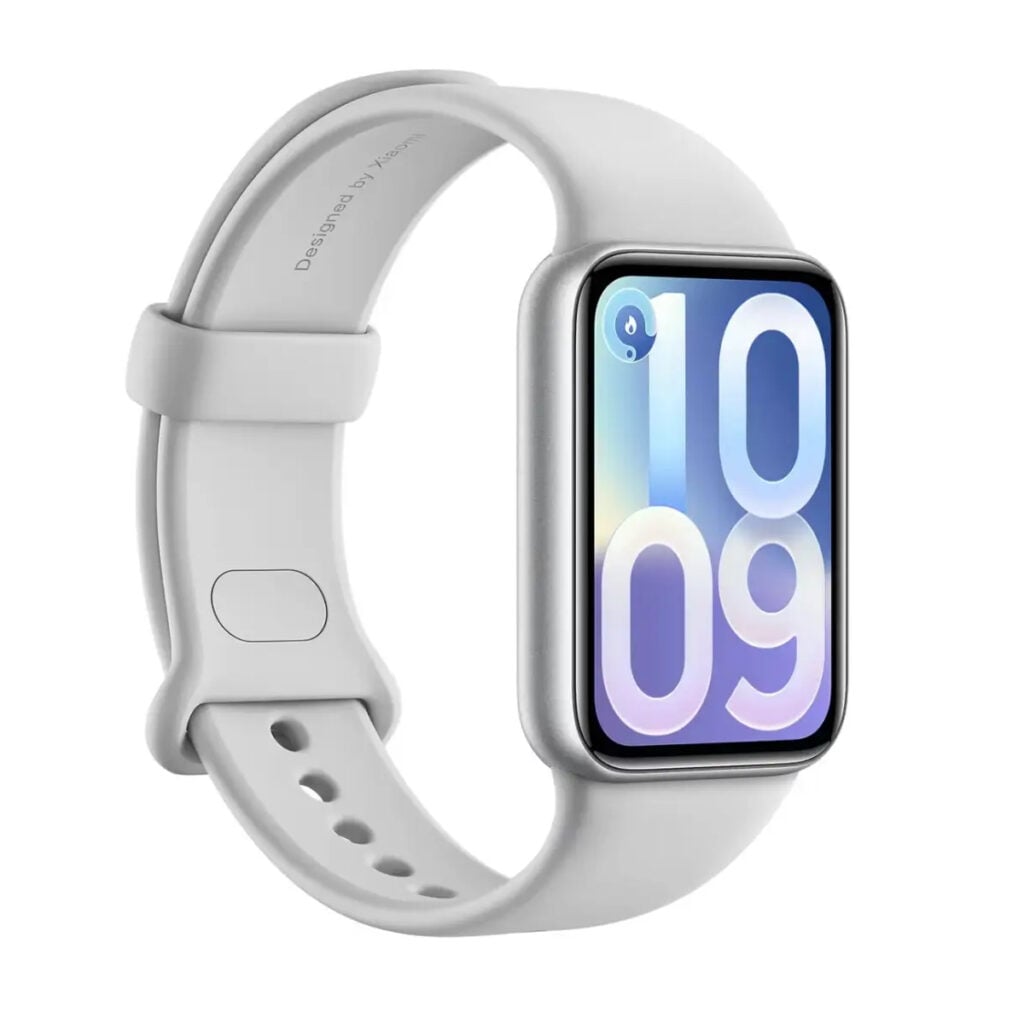
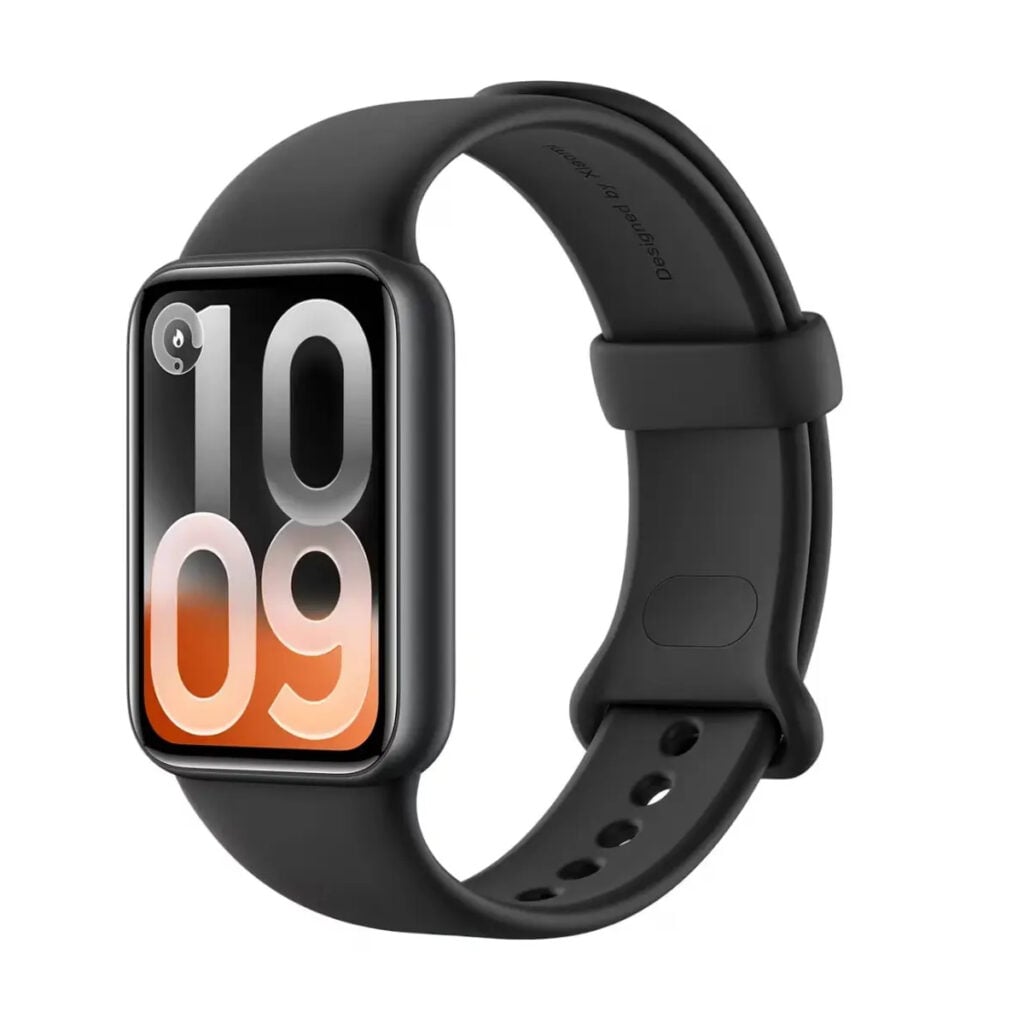
The Xiaomi Smart Band 10 Pro has barely had time to build up any real rumor cycle, and it is already popping up in retail listings. Brazilian store Magazine Luiza has listed the device ahead of any official announcement, which usually means a launch is not too far away.

The listing shows the fitness band in black, silver, and pink. That lines up with an earlier tip from Digital Chat Station, who mentioned a May 2026 launch and a wider set of colors, including white, orange, and a white ceramic version. If previous Xiaomi launches are anything to go by, some of those finishes could stay limited to China.


On the specs side, things look fairly familiar. The band is expected to keep the same 1.74-inch AMOLED display as the Band 9 Pro, and the battery is listed at 380mAh. Battery life is claimed to go up to 25 days, which would be a small but useful bump over the 21 days on the previous model. Support for both Android and iOS is expected to remain unchanged.
The ceramic version is still the most interesting part. The standard model is said to stay under 40 grams, while the ceramic variant goes past 50 grams. That is a noticeable jump, but it likely comes down to the material rather than a bigger device. For reference, the Band 9 Pro with its aluminum frame weighs under 25 grams without the strap, so this would be a clear shift in feel.


Pricing is where things get a bit messy. The Brazilian listing shows a range between BRL 734 and BRL 849, which roughly converts to $149 to $170. That seems unusually high for this category, especially considering the Band 9 Pro can often be found for around $90. Other estimates suggest the actual global pricing could land closer to the $100 mark, which feels more in line with Xiaomi’s usual positioning.
One thing that does add a bit of credibility is certification. A model number matching the expected naming scheme for the Band 10 Pro showed up in South Korea’s NRRA certification database back in January, which suggests the device has been in development for a while.
Don’t miss a thing! Join our Telegram community for instant updates and grab our free daily newsletter for the best tech stories!
For more daily updates, please visit our News Section.
The post Xiaomi Smart Band 10 Pro retailer listing reveals design, colors, ahead of official announcement appeared first on Gizmochina.
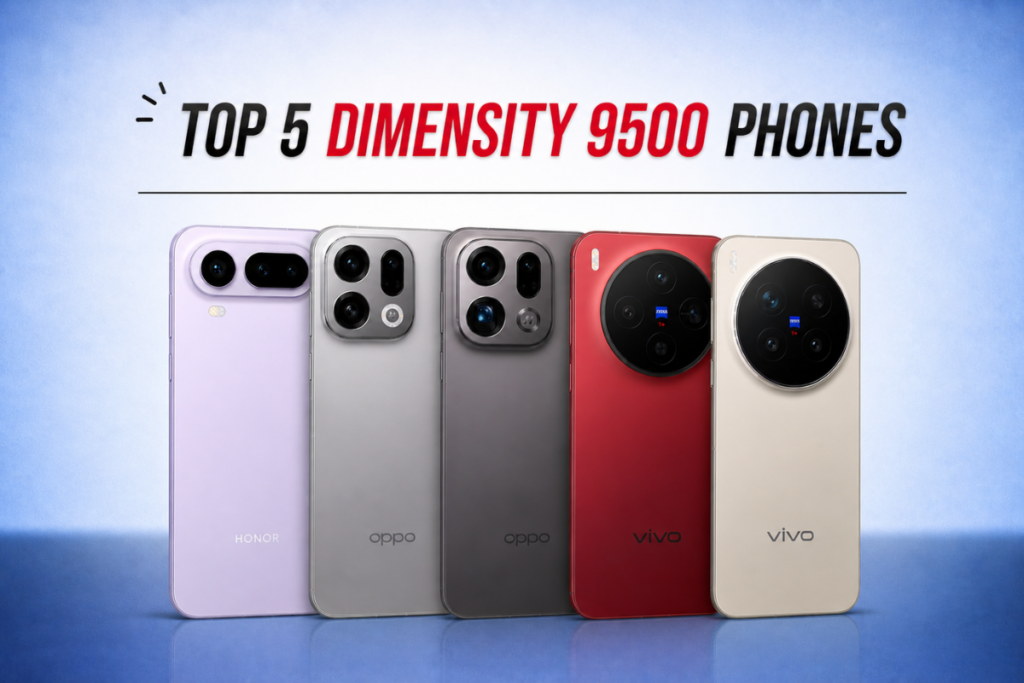
The Dimensity 9500 is MediaTek’s most powerful smartphone chipset right now, with performance and efficiency going toe-to-toe with Qualcomm’s Snapdragon 8 Elite Gen 5 SoC, but at a lower price point.
If you’re in for a high-end upgrade with strong hardware and long-term software support, these are the top five Dimensity 9500-powered smartphones to watch in 2026.
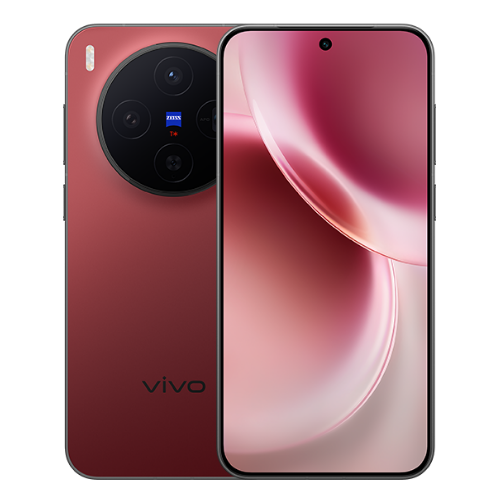
The Vivo X300 Pro offers excellent rear cameras. The triple camera setup includes a 50MP primary shooter, a 200MP periscope telephoto lens, and a 50MP ultrawide camera. The 50MP selfie camera takes great shots with excellent details.
The smartphone features a 6.78-inch LTPO AMOLED screen with a 120Hz refresh rate and 4500 nits of peak brightness. It supports HDR10+ and Dolby Vision. The device ships with Android 16 out of the box and promises up to five generations of OS upgrades, all the way up to Android 21.
The X300 Pro houses a 6,540mAh battery, but the EU markets get a slightly lower capacity at 5,440mAh. The charging capabilities remain the same across all markets: 90W wired fast charging and 40W wireless charging support. The Vivo phone also offers strong connectivity, featuring Wi-Fi 7, Bluetooth 5.4, NFC, and USB Type-C 3.2.
Vivo X300 Pro specs:
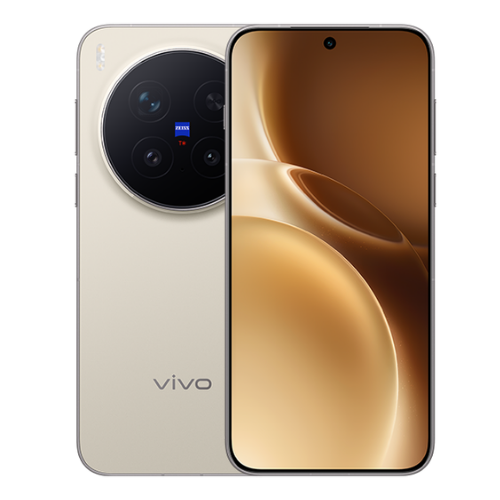
The Vivo X300 (review) is a compact flagship phone, featuring a 6.31-inch LTPO AMOLED screen. It supports a 120Hz refresh rate, HDR10+, HDR Vivid, and a peak brightness of 4500 nits.
The smartphone features a different camera setup than its Pro model. The triple camera setup includes a 200MP primary camera, a 50MP periscope telephoto lens, and a 50MP ultrawide camera. The selfie camera is still a 50MP snapper. The X300 also boots Android 16 out of the box and promises OS upgrades up to Android 21.
The Vivo X300 packs a 6,040mAh battery, with EU markets getting a slightly lower capacity of 5,360mAh. The charging speeds, though, match the Pro model, so you still get 90W wired charging and 40W wireless charging.
Vivo X300 Pro specs:
The Find X9 Pro (review) has a 6.78-inch LTPO AMOLED panel with a 120Hz refresh rate, HDR10+, HDR Vivid, and a peak brightness of 3600 nits. The display specs closely resemble the Vivo X300 Pro, and so do the camera specs, which include a 50MP primary camera, a 200MP periscope telephoto lens, and a 50MP ultrawide camera. The selfie camera is also a 50MP snapper.
The Oppo Find X9 Pro boots Android 16 and promises five major Android OS upgrades, up to Android 21. On the battery side, it houses a 7,500mAh battery with support for 80W wired charging and 50W wireless charging. Connectivity specs include Wi-Fi 7, Bluetooth 6.0, NFC, and USB Type-C 3.2.
Oppo Find X9 Pro specs:
The standard Find X9 (review) is a compact flagship phone featuring a 6.59-inch AMOLED screen with a 120Hz refresh rate, HDR10+, and 3600 nits of peak brightness. It boots Android 16 and promises OS upgrades up to Android 21.
The smartphone features three rear cameras, all with 50MP resolution. It includes a primary camera, a periscope telephoto lens with 3x optical zoom, and a 50MP ultrawide camera. The selfie camera has a lower resolution of 32MP.
Inside the device is a 7,025mAh battery with support for 80W wired and 50W wireless charging. On the connectivity side, the device supports Wi-Fi 7, Bluetooth 6.0, and NFC.
Oppo Find X9 specs:
The Honor Magic 8 Pro Air (review) is currently exclusive to China. However, a global release is expected to follow soon, though an official confirmation is still awaited. The phone ships with a 6.31-inch LTPO OLED panel, featuring a 120Hz refresh rate, Dolby Vision, and 6000 nits of peak brightness.
The smartphone boots Android 16 OS with the MagicOS 10 skin on top of it. It features a triple camera setup on the back, comprising a 50MP primary shooter, a 64MP periscope telephoto lens, and a 50MP ultrawide camera. The front side has a 50MP selfie snapper.
The Magic 8 Pro Air houses a 5,500mAh battery with 80W wired and 50W wireless charging support. And its connectivity specs include Wi-Fi 7, Bluetooth 6.0, NFC, and USB Type-C 2.0.
Honor Magic 8 Pro Air specs:
The post Top 5 Dimensity 9500 phones in 2026 appeared first on Gizmochina.

CMF has confirmed the India launch timeline for its next smartwatch, the CMF Watch 3 Pro. After earlier teasers, the company has now locked in a specific date, setting the stage for its arrival in the country. The specifications of the device are no secret since it was unveiled globally last year.

The CMF Watch 3 Pro is scheduled to launch in India on May 6, following its earlier global debut. The smartwatch comes with a 1.43-inch circular AMOLED display featuring a 466 x 466 resolution, 60Hz refresh rate, and peak brightness of up to 670 nits with automatic adjustment. It features an aluminium alloy frame paired with a liquid silicone strap and carries an IP68 rating for dust and water resistance.
The device introduces a four-channel optical heart rate sensor, which is claimed to improve accuracy by over 10 percent compared to the previous generation. It also supports continuous SpO2 tracking, stress monitoring, sleep analysis with detailed insights, and women’s health tracking. With support for more than 130 sports modes and automatic workout detection, it aims to cover a wide range of fitness activities.
On the software side, the smartwatch includes AI-powered running guidance, personalized recovery insights, and workout summaries. Additional features include gesture controls, voice note transcription, real-time news updates, and integration with ChatGPT through the Nothing X app. The watch supports more than 120 watch faces and connects with both Android and iOS devices.
The CMF Watch 3 Pro packs a 350mAh battery, which is rated to last up to 13 days under typical usage. With heavier usage, it can last around 10 to 11 days, while enabling always-on display may reduce battery life to roughly 3.5 to 4.5 days.
The CMF Watch 3 Pro will be available in India starting May 6 via Flipkart and select offline retail stores. Pricing has not been officially confirmed yet, but it is expected to be positioned under Rs 7,000 (~$75).
For more daily updates, please visit our News Section.
Stay ahead in tech! Join our Telegram community and sign up for our daily newsletter of top stories! 
The post Mark May 6: CMF Watch 3 Pro with 13-day battery life is launching in India appeared first on Gizmochina.
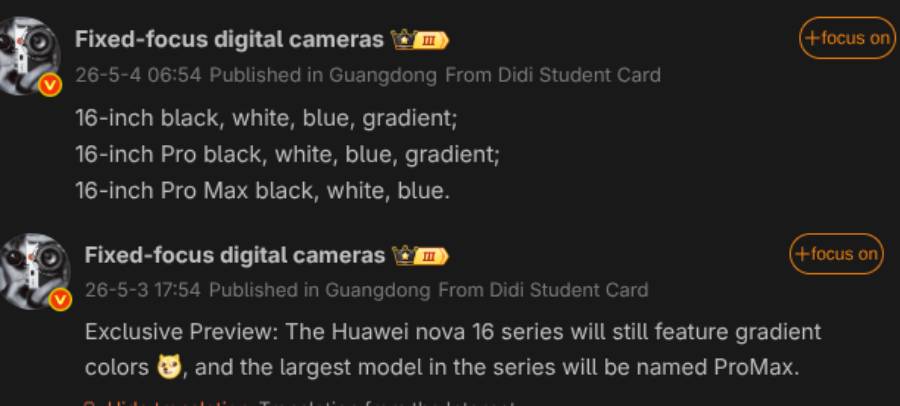
A new set of leaks has spilled the beans on what the Huawei Nova 16 series might look like. According to a post from tipster Fixed Focus Digital, the upcoming lineup could stick with some familiar colors.
The standard Nova 16 and Nova 16 Pro are said to arrive in classic black and white, along with a blue and a gradient finish. The top-end model, however, may skip the gradient look entirely with just black, white, and blue on its helm.

The top model is also where things get a bit more interesting. A newer leak suggests Huawei might call it the Huawei Pura Nova 16 Pro Max, instead of the previously expected “Ultra” branding.
Fortunately, a previous report gives us an idea of what this Ultra—or now Pro Max—model might offer.
A previous report from tipster Digital Chat Station revealed a prototype device in the works with a 6.84-inch 1.5K LTPO display. It’s expected to be the top-tier model in the Nova 16 series, powered by a “9-series flagship processor,” which likely means a Kirin 9000-series chip, along with a battery that could land around 7000mAh.

As for the camera, the device is said to include a 50-megapixel main sensor in the 1/1.3-inch range, paired with a 50MP periscope telephoto lens and a multispectral sensor. Wireless charging is also reportedly part of the package.
For context, the Huawei Nova 15 series launched late last year with Kirin 8020 and 9010S chipsets, starting at 2699 yuan. The Ultra variant stood out mostly for its dual “red maple leaf” design, rather than major hardware changes.
Like most early leaks, none of this is final. Names, specs, and even the overall direction could change before Huawei makes anything official.
For more daily updates, please visit our News Section.
Stay ahead in tech! Join our Telegram community and sign up for our daily newsletter of top stories.
The post Huawei Nova 16 series has no Ultra, Nova 16, 16 Pro, and 16 Pro Max colors leak appeared first on Gizmochina.
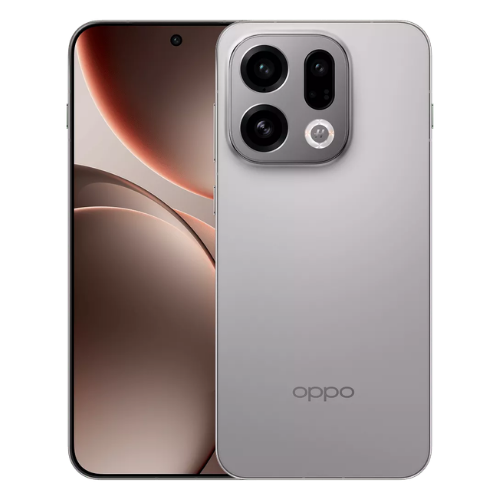
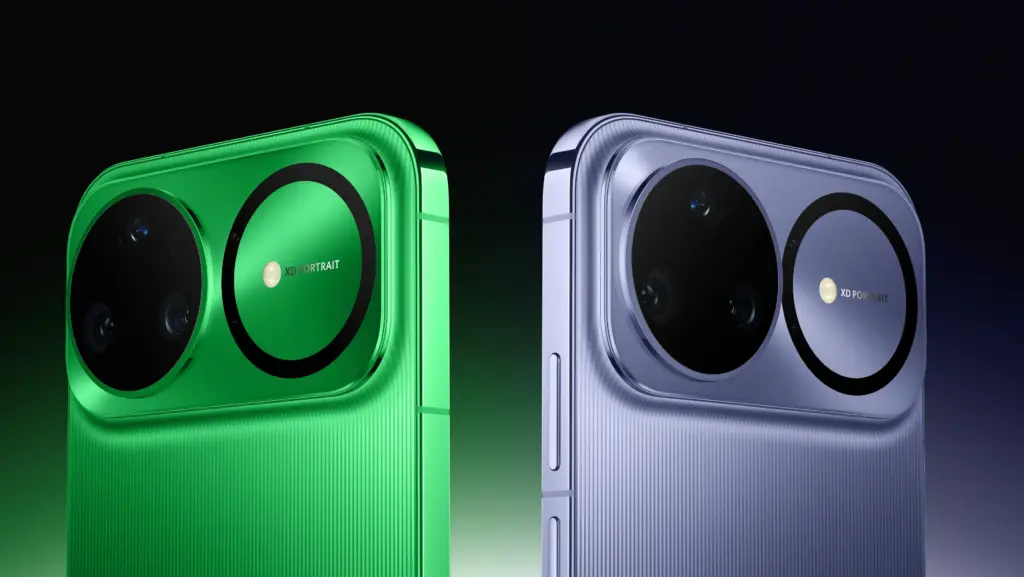
This month, Oppo will unveil the Reno 16 series in China. The lineup is expected to reach global markets around July. The Chinese lineup may include the Reno 16, Reno 16 Pro, and Reno 16c as successors to the Reno 15, 15 Pro, and 15c. A new development suggests that the global market may also receive a model called the Reno 16F.


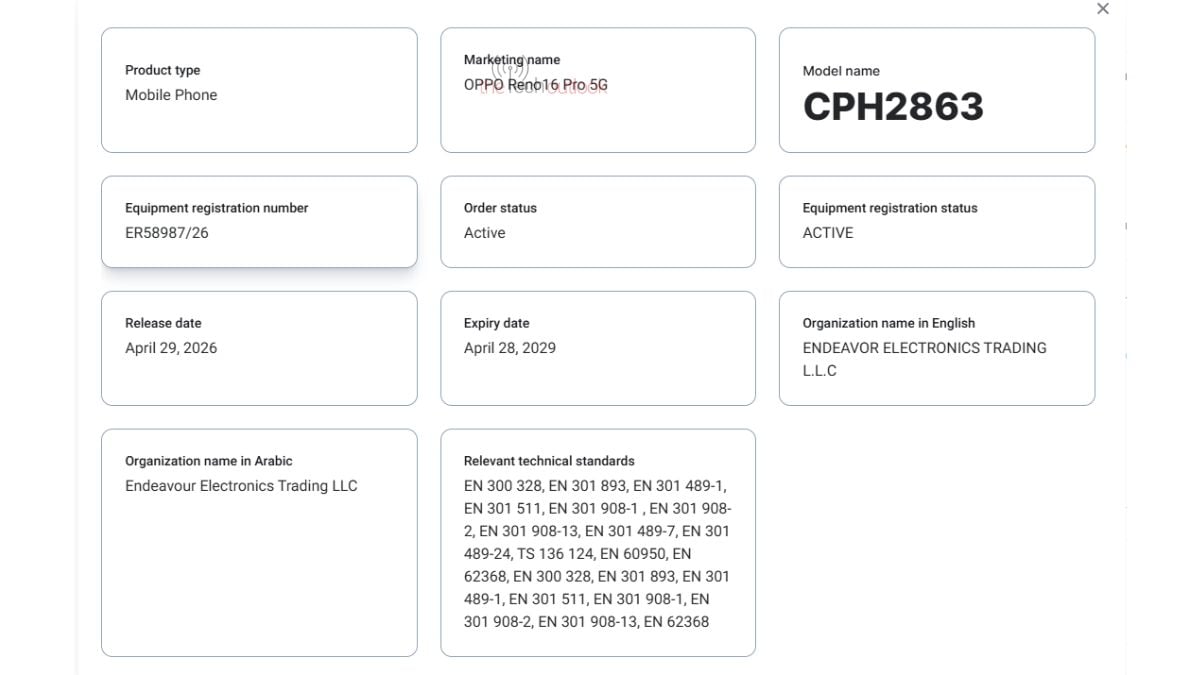
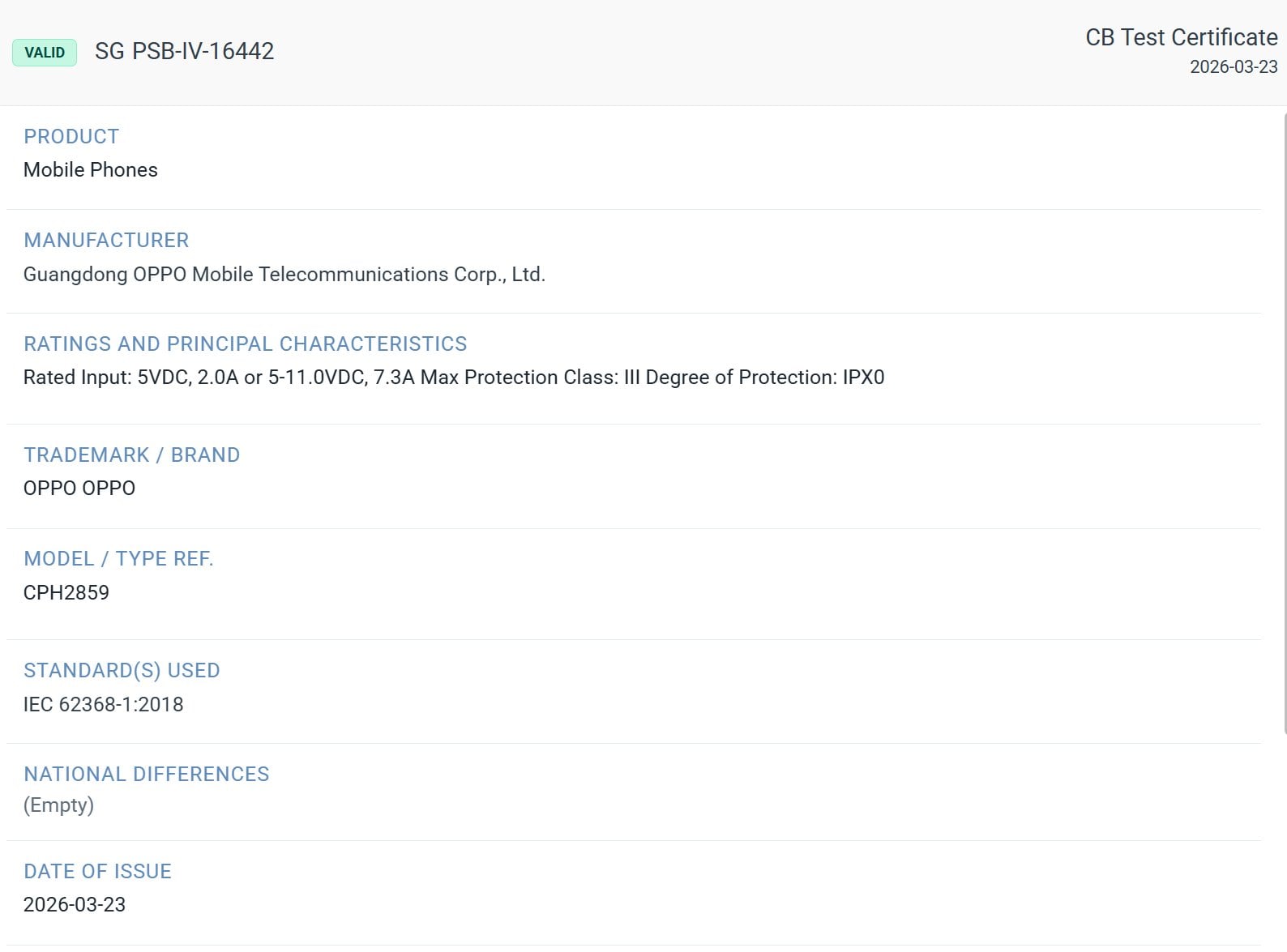
As seen above, the global versions of the Reno 16 Pro and Reno 16F have received multiple certifications. The UAE’s TDRA authority has approved the Reno 16 Pro with model number CPH2863, and the same device has also appeared on Europe’s EEC certification platform.
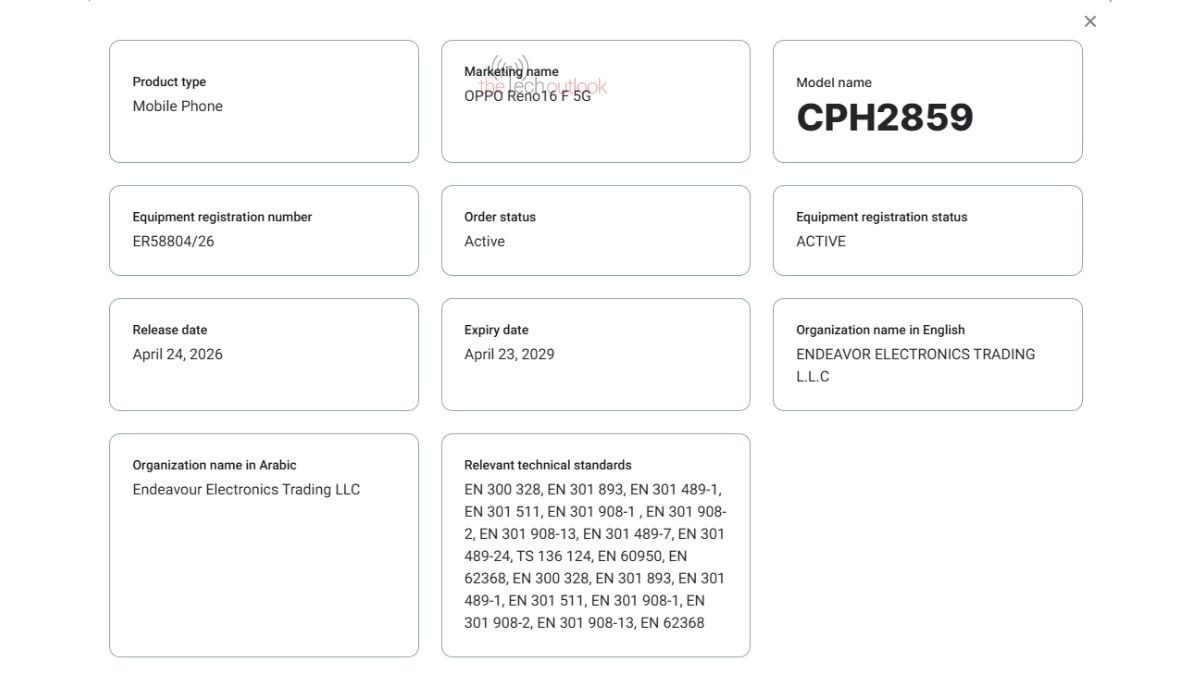
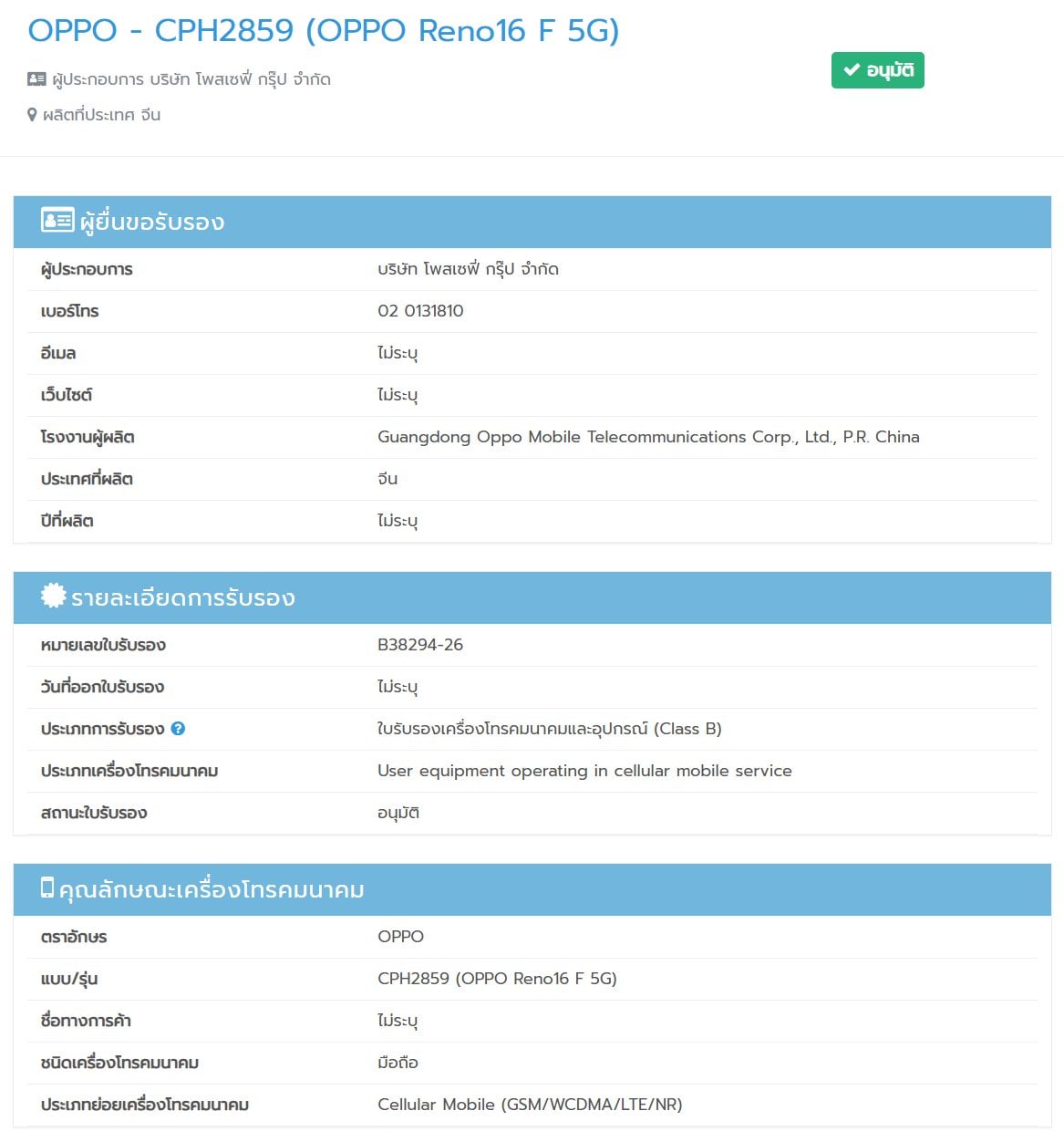
At the same time, the Reno 16F with model number CPH2859 has appeared in the databases of TDRA and Thailand’s NBTC certification authority. The device has also been approved by the TÜV certification platform, which reveals support for 80W fast charging.
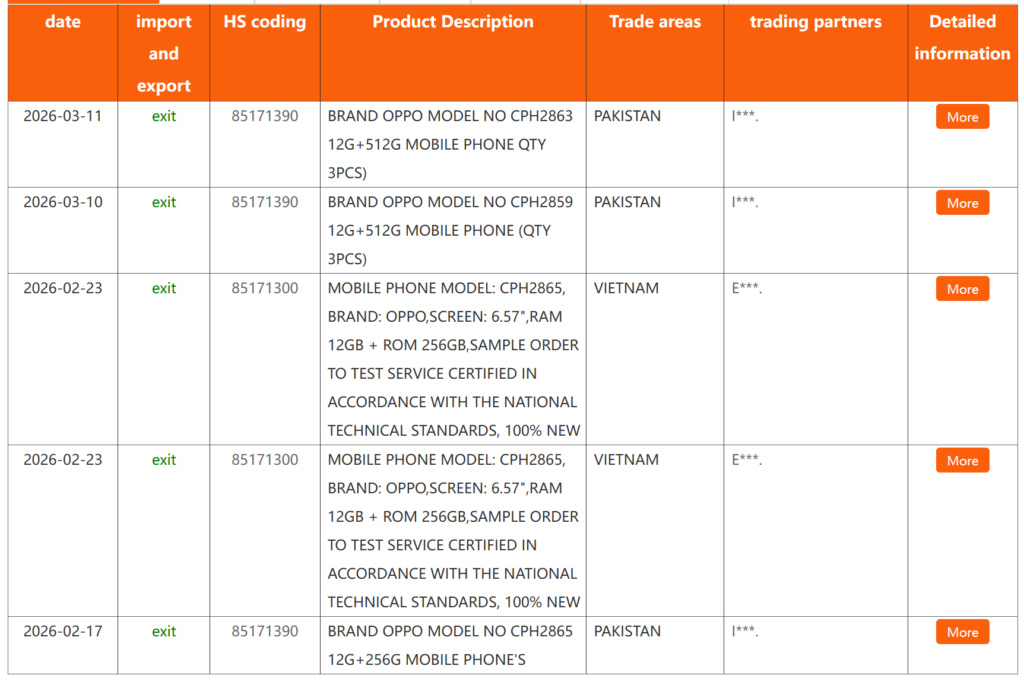
The Reno 16 Pro and Reno 16F have also surfaced in the NBD database, revealing that both devices could be available in a 12GB + 512GB configuration.

The NBD database also reveals details about another Oppo phone with model number CPH2865, which could be part of the Reno 16 series. The listing suggests that the device features a 6.587-inch display, 12GB of RAM, and 256GB of built-in storage.
Reports have revealed that the Chinese versions of the Reno 16 and Reno 16 Pro will be powered by the Dimensity 8500 and Dimensity 9500 chipsets, respectively. It remains to be seen whether the Chinese and global versions will share identical specifications.
For more daily updates, please visit our News Section.
Stay ahead in tech! Join our Telegram community and sign up for our daily newsletter of top stories! 
(via)
The post Global Oppo Reno 16 Pro, Reno 16F bag multiple certifications appeared first on Gizmochina.
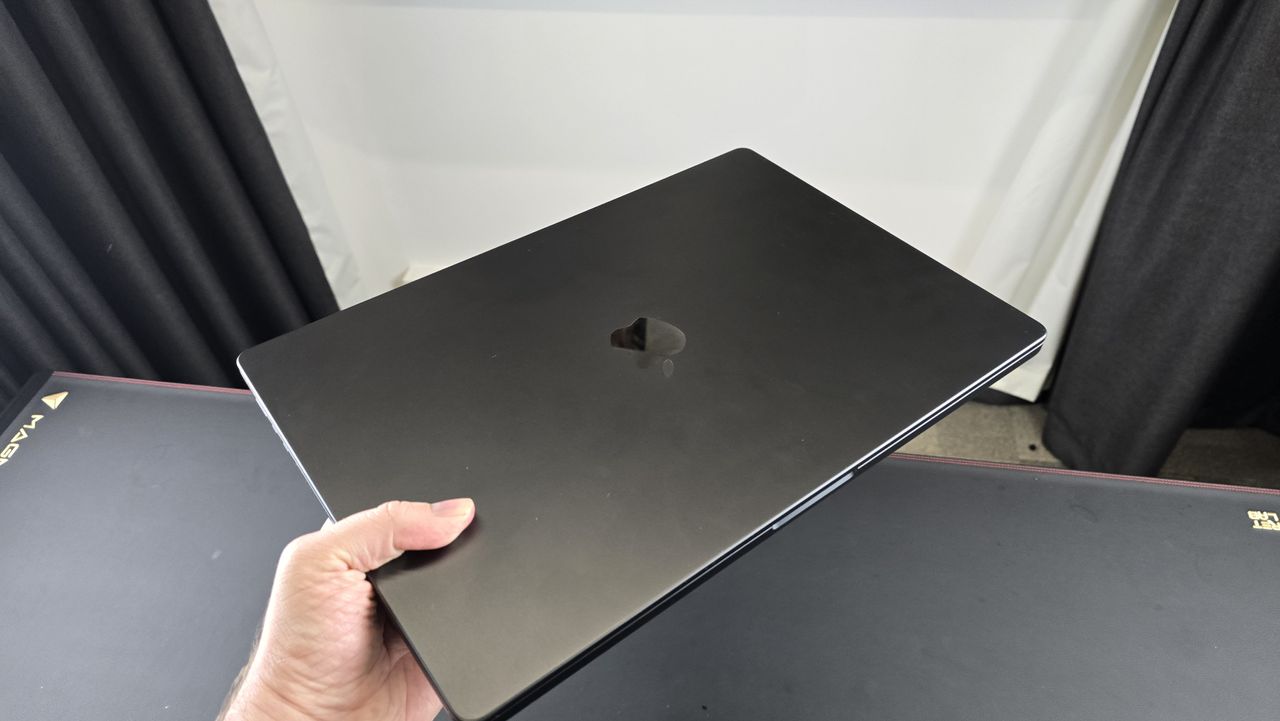
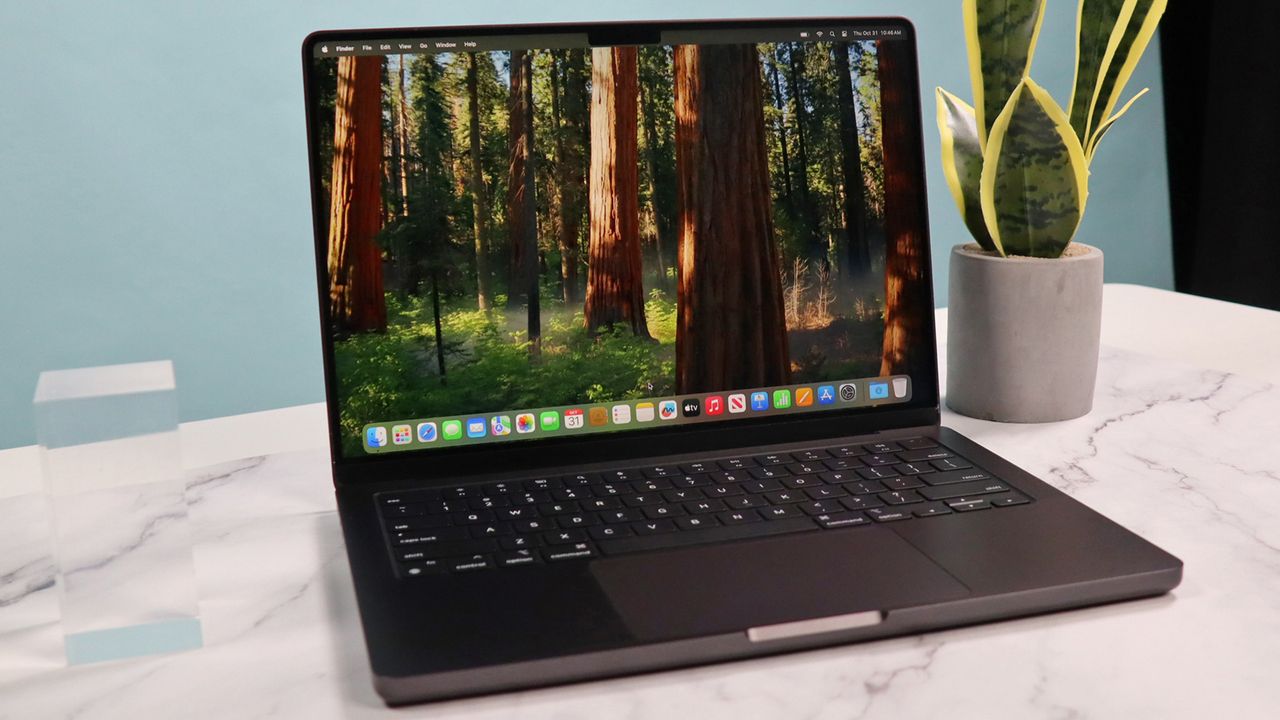
Apple observes stringent quality control measures so that its premium products not only stand the test of time regarding durability but also minimize hardware failures caused by manufacturing defects. Unfortunately, when you’re dealing with millions of units being shipped in a calendar year, there’s always a chance that an owner ends up with an ‘odd one out’ and, sadly, an M5 MacBook Pro that was only two days old was completely dead when a spark formed due to the machine’s hinge movement. The M5 MacBook Pro’s failure will definitely be an interesting case for Apple’s engineering team, but a YouTuber has […]
Read full article at https://wccftech.com/m5-macbook-pro-hinge-movement-causes-spark-resulting-in-failure/

AMD seems to be preparing its first PRO CPU with 16 "Zen 5" cores & 3D V-Cache, the Ryzen 9 PRO 9965X3D. AMD's Ryzen PRO Lineup Used To Max Out at 12-Cores, But That Changes With The Upcoming 16-Core Ryzen 9 PRO 9965X3D AMD Ryzen PRO Desktop CPUs are designed for professionals, content creators, and AI users. These chips come with advanced security, manageability, and stability versus the standard chips. For a long time, AMD's Ryzen PRO family has featured up to 12-core models, but it looks like the company is about to release its fastest chip to date. On […]
Read full article at https://wccftech.com/ryzen-9-pro-9965x3d-cpu-leak-amd-first-16-core-pro-cpu-with-3d-v-cache/