❌

Reading view

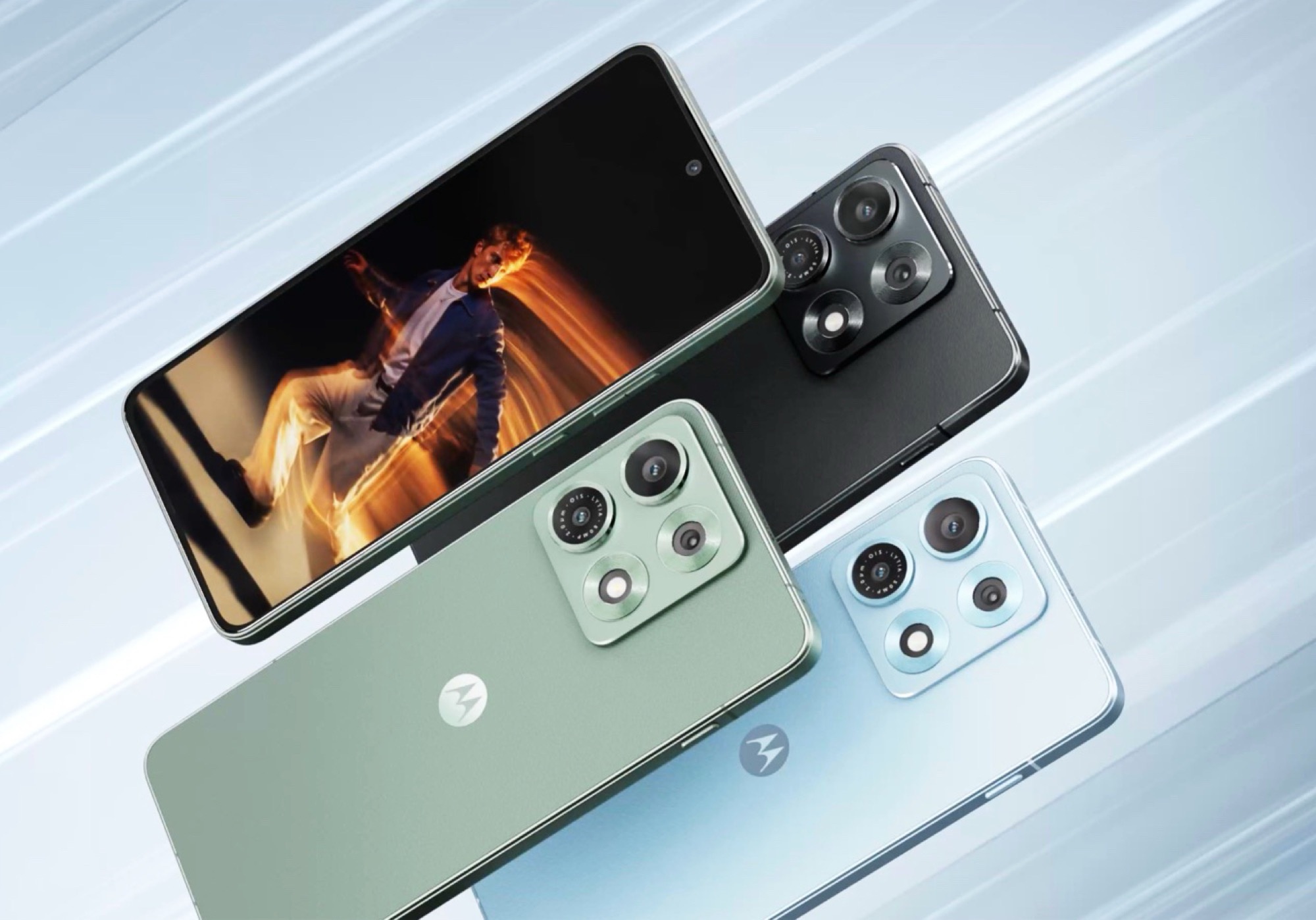
Motorola bumps up the storage on the Edge 70 Fusion

Motorola launched the Edge 70 Fusion in March, and so far it's been available in India with up to 256GB of storage. Now, however, the company has announced a new variant which pairs 12GB of RAM with 512GB of storage. [#InlinePriceWidget,14432,1#] The price for the new model is INR 36,999, which translates into about $391 at the current exchange rate. You can pick one up from Motorola’s online store in Pantone Silhouette, Pantone Blue Surf, or Pantone Orient Blue. The other specs have of course remained the same. So you get a 6.78-inch AMOLED display with a 144Hz refresh rate and...

Early Prime Day deals: Galaxy S26 Ultra, S25 Ultra, Poco F8 Ultra and X8 Pro Max price cuts

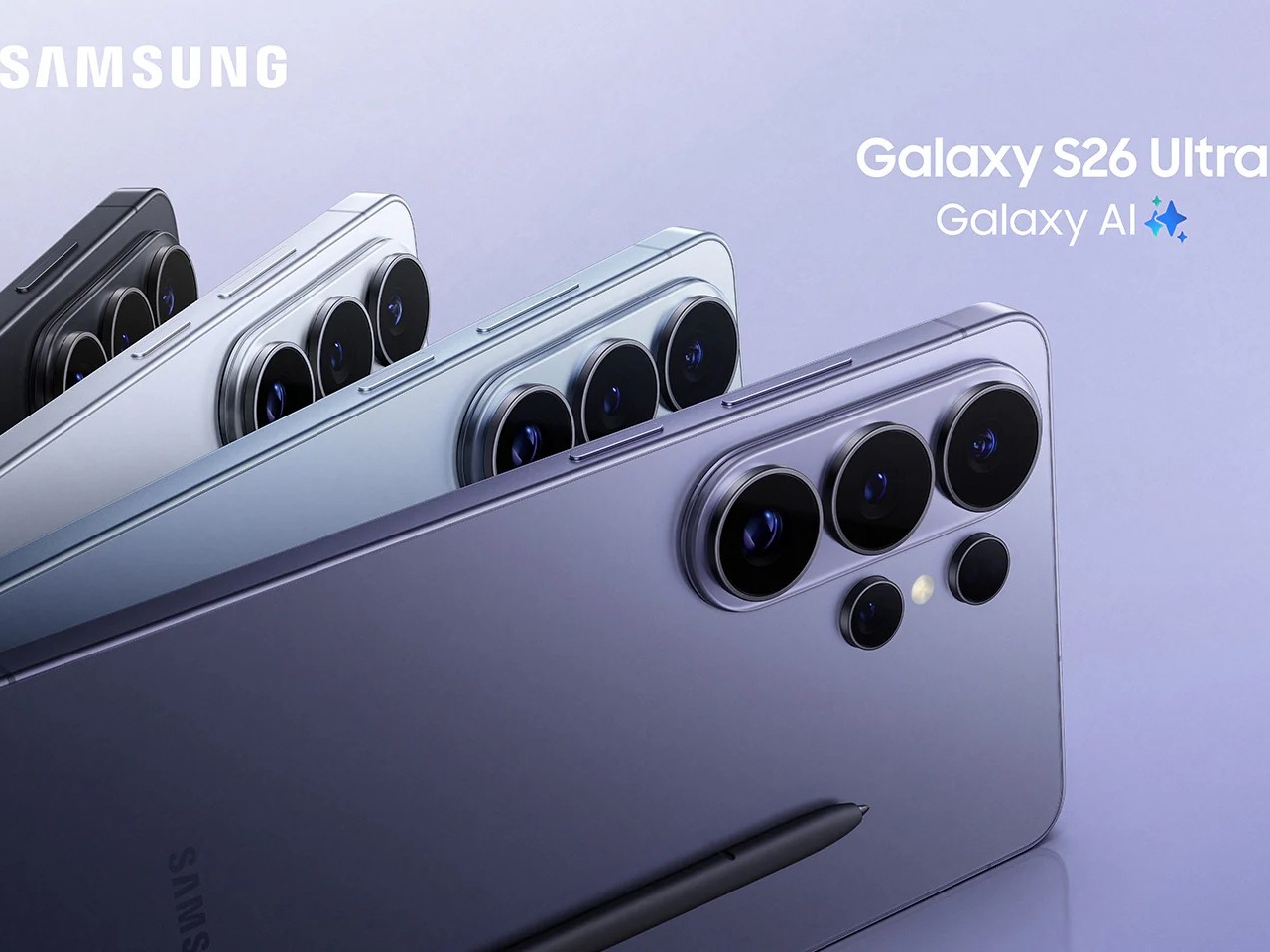
Prime Day is next week – it will run from June 23 to the 26th. However, Amazon Germany has already started offering early Prime Day deals. You need a subscription for these, but the free trial will work just fine. There is a mix of old and new models below, though, usually, the newer model makes more sense. Also, more often than not, the upgrade to the higher storage tier is quite cheap and well worth taking. We’ll start with the Samsung Galaxy S26 Ultra and S25 Ultra – check out our in-depth comparison if you need help deciding between these two. In short, the 2026 Ultra brings Privacy...

Netlist demands ban on Samsung HBM and DRAM in the US

Netlist has filed complaints at the US International Trade Commission and the Eastern District of Texas, seeking an import ban on Samsung HBM and DDR5 RDIMM and MRDIMM DRAM AI memory product lines.

It’s demanding import bans (via SemiconductorsX) and sales prohibitions across the board, and it didn’t stop at Samsung. Notably, Google, NVIDIA, Broadcom, and Supermicro are also named alongside Samsung in the complaint filed by Netlist.

The patents at the center of this are U.S. Patent Nos. 12,646,537 and 12,650,937, both registered this year. The β€˜537 covers vertically stacked memory dies with TSV structures, the core architecture inside every HBM chip Samsung ships.

The β€œ937” covers a clock driver trick that repurposes an error signal line during initialization. Neither one, Netlist argues, is a JEDEC standard-essential patent, so Samsung can’t hide behind RAND licensing terms.

Samsung and Netlist signed a joint development deal back in 2015. Samsung walked in 2020. Two Texas juries have since handed Netlist $303 million and $118 million in willful infringement verdicts. Samsung kept shipping anyway.

Samsung Electronics previously entered into a licensing agreement with Netlist in 2015 but breached it in 2020. Despite twice receiving verdicts of willful patent infringement and damages awards (amounting to $303 million and $118 million, respectively) from federal juries in Texas, Samsung continues to import the infringing products into the United States.

C.K. Hong, CEO of Netlist, stated, β€œNetlist continues to lead innovative breakthroughs in the AI memory sector. This legal action expands our efforts to protect next-generation server DIMM and HBM technologies from unauthorized use.”

Samsung’s HBM3E is inside NVIDIA’s Blackwell GPUs. Those GPUs are inside data centers that half the AI industry depends on. A successful exclusion order wouldn’t just sting Samsung; it would have a very broad impact.

The post Netlist demands ban on Samsung HBM and DRAM in the US appeared first on Sammy Fans.

Samsung’s partnership with TikTok-like short-video platformΒ turned into $3 million dispute

Samsung isn’t the kind of company you stiff on a contract and walk away from clean; Triller learned that lesson the hard way, and it’s still learning it.

According to TheBiz, Samsung is seeking nearly $3 million from Triller after the short-video platform allegedly failed to pay for a Galaxy app promotion deal.

The dispute began in December 2020, when Samsung and Triller signed an agreement where Samsung would promote Triller’s app on Galaxy smartphones, with Triller paying based on installations.

Payments were made initially, but between April and September 2021, Triller stopped paying, leaving $1.81 million in unpaid principal.

Samsung filed for ICC arbitration in July 2022. Triller argued that some installations were generated by bots and raised concerns about suspicious traffic, but the company never completed its defense. Its legal counsel withdrew.

Triller did not submit a response or request a hearing; the ICC ruled in Samsung’s favor. Samsung then moved to enforce the award in the US federal court, where the Central District of California confirmed the judgment in May 2024.

With interest, arbitration costs, and legal fees added, the amount reached nearly $3 million.

The case continued after Triller’s parent company, Triller Group, listed a roughly $3 million β€œSamsung Arbitration Award” liability in its 2025 SEC filing.

Samsung used that disclosure to seek to add Triller Group as a judgment debtor, but the court denied the request due to procedural issues, allowing Samsung to refile after proper notice.

Triller Group was delisted from Nasdaq in December 2024 and continues facing creditor pressure. Samsung is pursuing enforcement through asset tracing and legal measures, showing the company is not ready to abandon the unpaid debt.

The post Samsung’s partnership with TikTok-like short-video platformΒ turned into $3 million dispute appeared first on Sammy Fans.

RugOne Xlink 7 hands-on review

We love the outdoors, and what better time to get back to hiking? Naturally, we can’t go without some tech and RugOne, part of the Ulefone family, sent us their Xlink 7. Well, they actually sent us two of them, and we got to test them out as intended. So, what is the Xlink 7 anyway? Well, it’s a walkie-talkie. But not the type you may have played around with as a kid. This is an β€œAI 4G communicator” with β€œunlimited range” as RugOne puts it. A modern-day walkie-talkie complete with a rugged and waterproof build, unlimited 4G connectivity, and as β€œmandatory” for any device in 2026 -...

Redmi Turbo 5 is now on sale in India

The Redmi Turbo 5, launched in India earlier this week, is now on sale through Xiaomi's Indian website, Amazon.in, and Xiaomi Retail stores across the country. The Redmi Turbo 5 comes in Turbo White, Nitro Blue, and Asphalt Black colors in India with two memory options - 8GB/256GB and 12GB/256GB, priced at INR37,999 and INR40,999, respectively. Redmi Turbo 5's color options The Redmi Turbo 5 is powered by the Dimensity 8500 Ultra SoC, runs Android 16-based HyperOS 3, and packs a 6.59" 120Hz 1,268p AMOLED display. The Turbo 5 features three cameras - a 50MP primary, an 8MP...

OnePlus N6's charging speed officially confirmed, chipset revealed by Geekbench

OnePlus will unveil the OnePlus N6 on June 30 as the first smartphone in its new N Series. The brand already showed us the N6 in two colors and confirmed that it will pack an 8,000 mAh battery. Now, OnePlus has confirmed how fast the smartphone will charge. In a post on X, OnePlus India revealed that the N6 will support 45W SuperVOOC charging, enabling 1.7 hours of video playback with a 5-minute charge. The video shared by OnePlus also suggests the N6 will support reverse wired charging, but it's unclear how fast the smartphone will charge other devices. You’ll spend more time choosing...

Here's when Infinix is launching the Note 60 Pro 5G Pininfarina Limited Edition in India

Infinix's Note 60 Ultra is designed by famed Italian design house Pininfarina, and it's been available since last month. Infinix also launched the Note 60 Pro, and brought it to India in April. Now, the brand has a surprise for the Indian market. Coming on June 24 at 12 PM local time on Flipkart is the Infinix Note 60 Pro 5G Pininfarina Limited Edition, in that Torino Black color we've also seen on the Note 60 Ultra. There doesn't seem to be any other difference between this one and the regular Note 60 Pro 5G aside from the color, which comes with a "carbon fiber finish design" and...

Gmktec teases Evo-X3 Mini PC with Ryzen AI Max+ 395 & OCuLink, launching on June 29

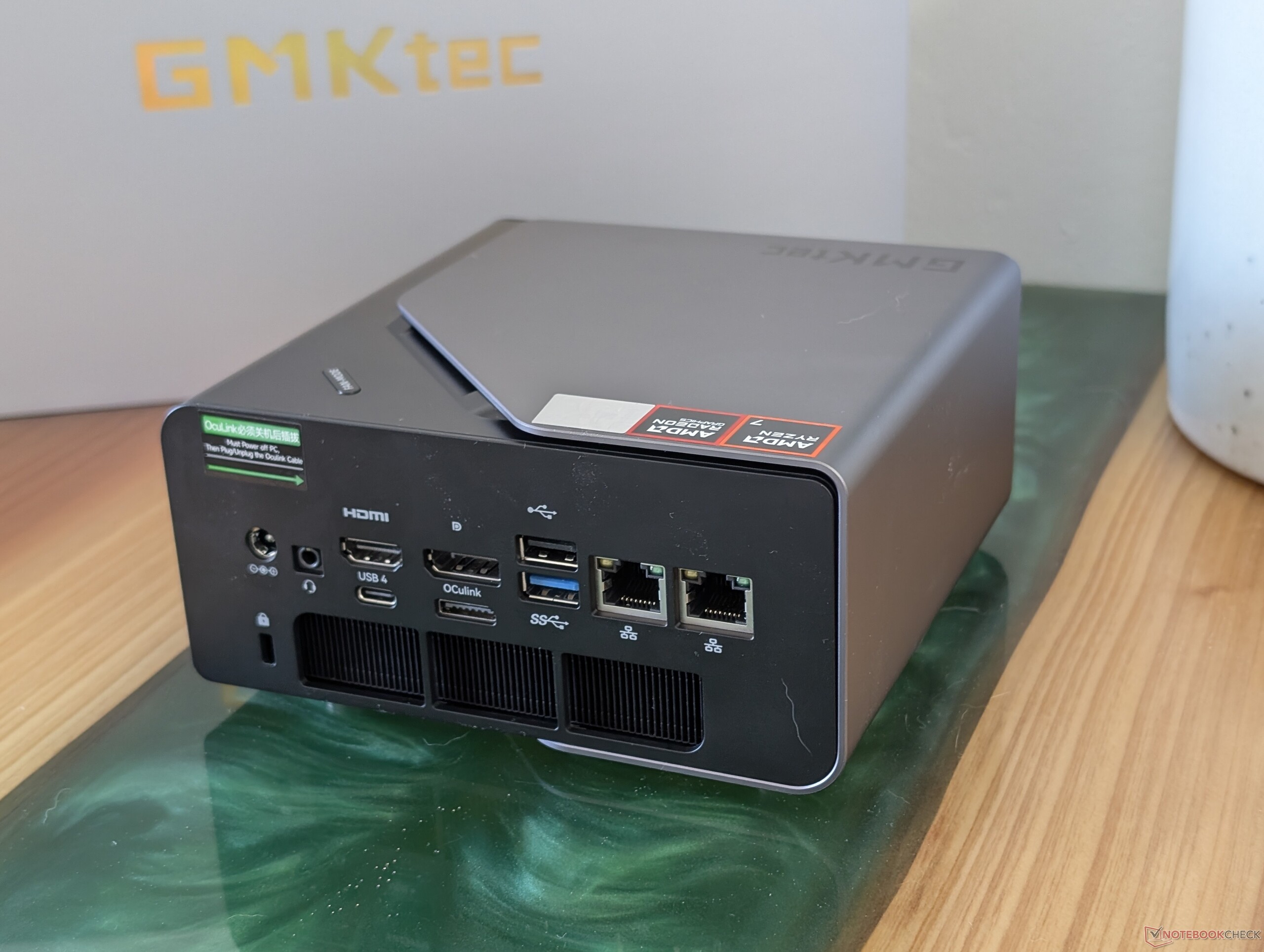
Gmktec Evo-X3 Mini PC

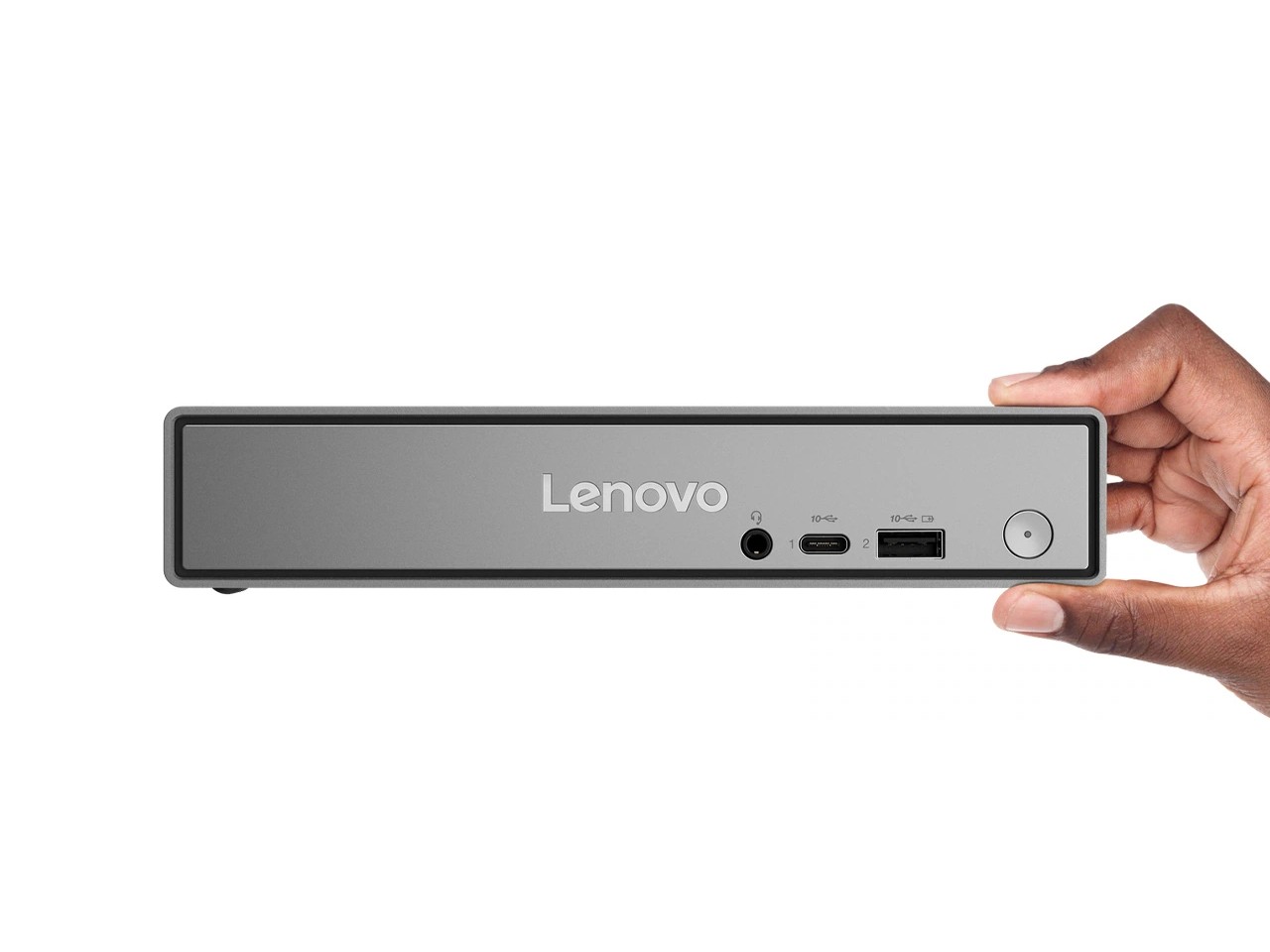
Gmktec is preparing to release the Evo-X3, a new compact mini PC aimed heavily at local AI workloads and creative professionals. Slated for a global launch on June 29, the Evo-X3 shares much of its underlying hardware with the recently released Evo-X2 but introduces a few key hardware and software additions designed for users who need more scalability.

What to expect?

Inside the PS4-sized chassis, the Evo-X3 is powered by the AMD Ryzen AI Max+ 395 APU. This chip features 16 cores and 32 threads built on AMD’s Zen 5 architecture, alongside integrated Radeon 8060S graphics based on RDNA 3.5. GMKtec is offering the system with up to 128GB of 8000MHz LPDDR5X memory and up to 4TB of storage via dual PCIe 4.0 M.2 slots.

The main hardware change from the previous model is the OCuLink (PCIe Gen4 x4) connection. The integrated Radeon graphics are fine for standard use, but the OCuLink port allows you to connect an external RTX 40 or 50-series GPU. This gives the PC a straightforward upgrade path if you need to handle heavier 3D rendering or compute tasks later on.

On the software side, GMKtec is bundling the Evo-X3 with its Claw+Wrangler AI ecosystem. The company is leaning hard into the concept of the local AI workstation, positioning the 128GB RAM configuration as a way to run massive language models, like the 235 billion parameter Qwen3, entirely offline.

Gmktec Evo-X3 Mini PC

To handle the thermal load of the 140W APU, the Evo-X3 uses a triple heat-pipe cooling system with dual fans, which the company claims can maintain performance without excessive noise. Connectivity includes WiFi 7, Bluetooth 5.4, and a 2.5GbE LAN port.

Design-wise, the X3 opts for a graphite gray chassis with clean surfaces and side-integrated ventilation. It is noticeably slimmer and appears optimized strictly for vertical placement to minimize its desk footprint, resembling a compact enterprise node rather than a gaming rig.

Early access registration for the Evo-X3 opens on June 22nd, which includes a minor $20 discount, ahead of the full launch on June 29th. Gmktec hasn’t announced the exact pricing for the X3 yet. However, given that the similarly equipped Evo-X2 currently sells for around $2,000, the X3 is expected to land in a similar premium price bracket.

In related news, Peladn has recently unveiled the HO5 Mini PC featuring AMD’s Ryzen AI 9 HX 470 processor and an OCuLink port, while Minisforum has introduced its Panther Lake-powered M2 Pro and MS-03 mini PCs with up to 180 TOPS of AI performance.

For more daily updates, please visit ourΒ News Section.

Stay ahead in tech!Β Join ourΒ Telegram communityΒ andΒ sign up for our daily newsletterΒ ofΒ top stories!

The post Gmktec teases Evo-X3 Mini PC with Ryzen AI Max+ 395 & OCuLink, launching on June 29 appeared first on Gizmochina.

Galaxy M47 5G teaser confirms imminent launch; claims improved durability, gaming, and multitasking

Samsung is gearing up to refresh its popular M-series with the new Galaxy M47 5G, aimed squarely at budget-conscious buyers in India who want a modern look.

The company has already started building excitement by dropping teaser videos on X. From what we can see, the phone looks pretty premium, especially in that matte Red/Maroon finish on the back, paired with a black frame. There’s a pill-shaped camera island with matching red accents, and the triple rear camera setup sits in a slightly updated module compared to the M36 5G. Samsung is calling it the β€œNext Level Monster,” which suggests they’ve made some meaningful upgrades in performance, gaming, multitasking, and overall durability.

While the full specs are still under wraps, a Geekbench listing (for model SM-M476B) gives us a good peek inside. It looks like the M47 will be powered by Qualcomm’s Snapdragon 6 Gen 3 chipset, come with 8GB of RAM, and run Android 16. That should translate to smooth everyday use, decent multitasking, and respectable gaming for this price range.

Other leaks point to a 6.7-inch FHD+ 120Hz flat AMOLED display, a 50MP main camera with OIS, and a 5,000–6,000mAh battery. Samsung is also likely to offer solid long-term software updates.

The Galaxy M47 5G will land on Amazon India and Samsung’s official website sometime soon. It’ll aim to go head-to-head with phones from iQOO, REDMI, and others in the crowded mid-range space. Samsung’s plan seems to be winning people over with a nice mix of style and reliable performance.

As more details drop in the coming days, it’ll be interesting to see how this one shapes up. If the final phone delivers on these promises, it could be a strong contender for anyone looking for value in the Indian market.

Don’t miss a thing! Join our Telegram community for instant updates and grab our free daily newsletter for the best tech stories!

For more daily updates, please visit our News Section.

(Sources: Amazon, X)

The post Galaxy M47 5G teaser confirms imminent launch; claims improved durability, gaming, and multitasking appeared first on Gizmochina.

Huawei commanded 40% of the Chinese smartwatch market in Q1 2026

The global smartwatch market keeps growing steadily. Shipments are up modestly, and people are willing to pay a bit more for newer models packed with better health tracking, AI features, and connectivity options.

According to Counterpoint Research, global smartwatch shipments grew 4% year-on-year in the first quarter of 2026. At the same time, the average selling price jumped 6%, thanks to more advanced sensors, AI capabilities, 5G RedCap, satellite connectivity, and a general shift toward premium devices.

Apple continues to lead the pack worldwide with a 23% market share. The company also saw the fastest growth among the top brands, with shipments rising 21% compared to last year. Analyst Anshika Jain pointed out that the Apple Watch SE 3 has been a big hit, pulling in new users with its more affordable price and upgraded health features like better sleep tracking, mood monitoring, and arrhythmia detection.

China is turning into one of the strongest growth markets, with smartwatch shipments jumping 15% year-on-year. Huawei dominates there with roughly 40% market share, followed by Imoo and Xiaomi. Huawei’s success comes from offering watches across many price ranges, tight integration with its HarmonyOS ecosystem, and a strong focus on health features like sleep tracking, emotional wellbeing, and arrhythmia detection. Government subsidies on electronics have also helped boost upgrades and wider adoption.

Thanks to its strong performance in China, Huawei holds a solid 17% global market share, putting it in second place overall.

As AI and smarter sensors become standard, smartwatches are clearly moving toward more intelligent, health-focused devices. The market still has good momentum, especially in key regions, but companies will have to navigate supply issues and pricing challenges as competition heats up.

Don’t miss a thing! Join our Telegram community for instant updates and grab our free daily newsletter for the best tech stories!

For more daily updates, please visit our News Section.

(Source: Counterpoint)

The post Huawei commanded 40% of the Chinese smartwatch market in Q1 2026 appeared first on Gizmochina.

Pixel 10’s Gemini-based Gmail feature blocks keyboard, making it impossible to reply to emails

Google’s latest Pixel flagships are running into a frustrating software bug that’s breaking one of the most basic things you do on a phone: replying to emails.

According to reports from Android Authority and plenty of complaints on Reddit, Pixel 10 Pro XL and Pixel 10 Pro Fold owners are hitting this weird issue in the Gmail app. When you tap to reply to an email, the AI-powered β€œHelp me write” feature (powered by Gemini) jumps in and completely blocks the on-screen keyboard (Gboard) from appearing. Instead, you’re stuck looking at the AI suggestion box with almost no easy way to type normally.

On the Pixel 10 Pro XL, there’s a clunky workaround: you can tap the keyboard hide button in the bottom-left corner and then keep tapping the reply field until the keyboard finally shows up. But it’s worse on the Pixel 10 Pro Fold. The cursor disappears in the reply field, taps do nothing, and you’re basically forced to use the AI tool.

The bug seems linked to recent updates and Google’s strong push to promote the AI writing assistant in Gmail. Normally, β€œHelp me write” is something you can choose to use, but on these affected Pixels it overrides regular typing. Interestingly, Android Authority couldn’t reproduce the problem on other Android phones like the vivo X300 FE or OnePlus 15, and the iOS version of Gmail works fine.

This popped up not long after Google’s June 2026 Pixel Drop, which brought Android 17 and deeper AI features to the Pixel 10 series. While tools like Gemini are meant to make life easier, this glitch shows how tricky it can be to blend smart AI features with the simple, reliable stuff we all expect.

A lot of users are venting on forums and looking for fixes. Some have found temporary relief by turning off certain Gemini options in the Gmail settings. Google hasn’t commented officially yet, but with so many reports coming in, a software patch is probably on the way.

Don’t miss a thing! Join our Telegram community for instant updates and grab our free daily newsletter for the best tech stories!

For more daily updates, please visit our News Section.

(Sources: 1, 2)

The post Pixel 10’s Gemini-based Gmail feature blocks keyboard, making it impossible to reply to emails appeared first on Gizmochina.

Samsung confirms Exynos 2700 development, eyes Galaxy S27 series

Samsung is apparently making solid progress on its next in-house flagship chipset. According to reports, the company is getting serious about using more Exynos processors in its premium Galaxy S phones. This is a step in their ongoing effort to rely less on outside chipmakers while improving performance and efficiency.

In a recent briefing, Samsung executive Park Yong-in (President and Head of the System LSI Business) confirmed that development of the Exynos 2700 is β€œproceeding without setbacks.” He made it clear they want to use it in their top-tier smartphones. While he didn’t name specific models, most people expect it to power the Galaxy S27 series, which should arrive in early 2027.

This is one of the strongest official hints we’ve gotten about the Exynos 2700 so far. It’s expected to go up against Qualcomm’s Snapdragon 8 Elite Gen 6 (or whatever the next high-end chip is), and Samsung will probably stick with its usual dual-chip strategy: using Exynos in some regions and Snapdragon in others.

On the technical side, there are some promising improvements. Unlike the previous generation, the Exynos 2700 is expected to use a side-by-side (SBS) layout where the processor and DRAM sit together on the same substrate. A special Heat Path Block (basically a better heat sink) will cover both, which should bring better thermal management, up to 30-40% higher memory bandwidth, improved efficiency, and more consistent performance when the phone is working hard.

Samsung has had some past struggles with Exynos chips in flagships, things like manufacturing yields and overheating, which is why they weren’t used everywhere. The new chip, built on an enhanced 2nm process, is aiming to finally close the gap with Qualcomm, especially in single-core speed, while potentially doing even better in multi-core and sustained tasks.

Challenges like high manufacturing costs and Qualcomm’s strong ecosystem still exist. As the Galaxy S27 lineup comes together, how well the Exynos 2700 performs will be a major factor in Samsung’s ability to deliver great flagships that are also profitable.

Don’t miss a thing! Join our Telegram community for instant updates and grab our free daily newsletter for the best tech stories!

For more daily updates, please visit our News Section.

(Source)

The post Samsung confirms Exynos 2700 development, eyes Galaxy S27 series appeared first on Gizmochina.

Motorola Edge 70 Pro vs Google Pixel 10a: The Winner Is Surprisingly Cheaper

motorola vs google

Motorola Edge 70 Pro and Google Pixel 10a target buyers looking for a premium smartphone experience without stepping into flagship pricing. While Motorola focuses on high-end hardware, fast charging, and versatile cameras, Google leans heavily on software optimization, long-term support, and computational photography. Choosing between them comes down to whether hardware advantages or software refinement matters more in daily use.

Major Features:

CategoryMotorola Edge 70 ProGoogle Pixel 10aWinner
DesignEco-leather back, IP68/IP69, MIL-STD-810HAluminum frame, IP68Motorola – More premium and durable build
Display6.78-inch AMOLED, 144Hz, 5200 nits6.3-inch P-OLED, 120Hz, 3000 nitsMotorola – Smoother and brighter display
Resolution1272 Γ— 2772, 450 ppi1080 Γ— 2424, 422 ppiMotorola – Sharper panel
ProcessorDimensity 8500 ExtremeTensor G4Motorola – Stronger raw performance
RAM & StorageUp to 12GB RAM, UFS 4.18GB RAM, UFS 3.1Motorola – Faster storage and more memory
Software Support3 Android upgrades7 Android upgradesPixel – Much longer software support
Main Camera50MP OIS48MP OISPixel – Superior image processing
Ultrawide Camera50MP13MPMotorola – Higher-resolution ultrawide
Telephoto Camera50MP periscope, 3.5x zoomNoneMotorola – Dedicated optical zoom
Selfie Camera50MP AF13MPMotorola – Higher detail and autofocus
Video RecordingUp to 4K 120fpsUp to 4K 60fpsMotorola – More advanced video options
Battery6500mAh5100mAhMotorola – Larger battery
Charging90W wired, 15W wireless30W wired, 10W wirelessMotorola – Much faster charging
ConnectivityWi-Fi 7, Bluetooth 5.4Wi-Fi 6E, Bluetooth 6.0Motorola – Wi-Fi 7 support
Extra FeaturesReverse wireless charging, Smart ConnectSatellite SOS, Pixel AI featuresTie – Different strengths
PriceAround $400 / β‚Ή39,000Around $500 / β‚Ή50,000Motorola – Better value
Disclaimer: Specs are based on available data. Actual performance may vary. Verify details from official sources before buying.

Design and Display

Build and Feel

The Motorola Edge 70 Pro delivers a more premium appearance with its eco-leather rear panel, slim profile, and IP68/IP69 protection. It also carries MIL-STD-810H certification, adding an extra layer of durability for users who spend time outdoors. The design feels modern and stylish while remaining practical for everyday handling.

The Google Pixel 10a takes a more straightforward approach with an aluminum frame and plastic back. Its build quality remains solid, and the IP68 rating ensures reliable protection against water and dust. The compact form factor makes it easier to use with one hand, which many users may prefer for daily convenience.

Display Quality

Motorola clearly prioritizes display specifications. Its 6.78-inch AMOLED panel supports a 144Hz refresh rate, HDR content, and an extremely bright 5200-nit peak brightness. The higher resolution and smoother refresh rate create a more immersive experience for gaming and media consumption.

Google’s 6.3-inch P-OLED display offers excellent color accuracy and HDR support with a 120Hz refresh rate. While not as impressive on paper, Google’s display tuning is known for delivering a natural and consistent viewing experience.

Verdict

The Pixel 10a wins for compact usability, but the Edge 70 Pro offers the more impressive overall package thanks to its premium finish, stronger durability credentials, larger screen, higher resolution, and significantly superior display specifications.

Specifications Including Battery

Performance

The Motorola Edge 70 Pro is powered by the MediaTek Dimensity 8500 Extreme paired with UFS 4.1 storage and up to 12GB RAM. The combination delivers excellent responsiveness, faster app loading, and stronger multitasking capabilities. Users who frequently game or run demanding applications will appreciate the additional performance headroom.

Google’s Tensor G4 focuses more on AI-driven experiences than raw speed. Every day performance remains smooth, and Google’s software optimization keeps the interface fluid. However, UFS 3.1 storage and lower memory options place it behind Motorola in pure hardware capability.

Battery and Charging

Battery life is a major strength for Motorola. The 6500mAh battery is among the largest in the segment and is paired with ultra-fast 90W wired charging, along with wireless and reverse wireless charging support.

The Pixel 10a’s 5100mAh battery remains respectable and should comfortably last a full day. However, its 30W charging feels considerably slower compared to Motorola’s solution.

Verdict

The Edge 70 Pro takes a clear lead in specifications. Faster storage, more memory options, stronger performance potential, a larger battery, and dramatically faster charging make it a more capable hardware-focused smartphone.

Camera

Main and Secondary Lenses

Motorola equips the Edge 70 Pro with an unusually versatile triple-camera setup consisting of 50MP wide, 50MP ultrawide, and 50MP periscope telephoto cameras with 3.5x optical zoom. The inclusion of a dedicated telephoto lens significantly expands shooting flexibility, especially for portraits and distant subjects. Video recording is also impressive with support for 4K at up to 120fps.

The Pixel 10a relies on a dual-camera system featuring a 48MP main camera and a 13MP ultrawide sensor. While the hardware appears less ambitious, Google’s image processing remains one of the strongest in the industry. Features such as Best Take, Ultra HDR, and Pixel Shift help produce consistently excellent photos.

Selfie Camera

Motorola’s 50MP autofocus selfie camera offers higher resolution and greater versatility. It is particularly useful for detailed selfies and video calls.

Google’s 13MP ultrawide selfie camera provides a wider field of view, making group selfies easier, though image detail is lower.

Verdict

The Edge 70 Pro wins on hardware versatility and zoom capability, while the Pixel 10a remains highly competitive through software processing. Users seeking maximum camera flexibility will likely find Motorola more appealing.

Pricing

The Motorola Edge 70 Pro is priced around $400 (β‚Ή39,000), while the Google Pixel 10a is priced around $500 (β‚Ή50,000). This creates a noticeable price gap of roughly $100 or β‚Ή11,000 between the two devices.

At its price point, Motorola delivers flagship-style features such as a 144Hz display, periscope telephoto camera, 6500mAh battery, 90W charging, UFS 4.1 storage, and wireless charging. The specification sheet feels unusually generous for the segment and competes with devices that often cost considerably more.

Google’s higher price is largely justified by its software strengths. Buyers receive seven years of Android upgrades, exclusive Pixel AI features, strong camera processing, and a clean Android experience. These advantages may hold long-term value for users who keep phones for many years.

Verdict

From a pure value-for-money perspective, the Edge 70 Pro delivers more hardware for less money. The Pixel 10a justifies its premium through software longevity rather than specifications.

Disclaimer:
Prices are approximate and may vary based on country, region, launch timing, and applicable taxes. Always check whether the listed price is for a China unit or a global/international variant when purchasing.

Conclusion

The Motorola Edge 70 Pro stands out with its 144Hz AMOLED display, 6500mAh battery, 90W charging, UFS 4.1 storage, and rare periscope telephoto camera. It is clearly designed for buyers who prioritize powerful hardware and feature-rich specifications.

The Google Pixel 10a differentiates itself through seven years of Android updates, Tensor-powered AI capabilities, advanced computational photography, Satellite SOS support, and Google’s highly optimized software experience. These strengths make it particularly attractive for users who value long-term reliability and software support.

Verdict

Motorola Edge 70 Pro is the stronger overall choice for most buyers. It offers a superior display, faster performance, better charging, a larger battery, and a more versatile camera system while costing less.Β 

Google Pixel 10a remains an excellent option for users who prioritize software updates, AI features, and Google’s camera processing, but the Edge 70 Pro provides the more compelling overall value in this comparison.

Disclaimer: This comparison is based on the specifications provided and is intended for general informational purposes. Actual performance, camera results, battery life, and overall experience may vary depending on real-world usage, software updates, and individual preferences.

Read More:

The post Motorola Edge 70 Pro vs Google Pixel 10a: The Winner Is Surprisingly Cheaper appeared first on Gizmochina.

Samsung Galaxy A27 vs Redmi 15: Is Samsung Really Worth Paying More For?

samsung vs redmi

Choosing between the Samsung Galaxy A27 and Redmi 15 is not as simple as comparing specifications. Both devices target budget-conscious buyers, but they focus on different priorities. Samsung aims to deliver a more premium experience with long-term software support, while Redmi focuses on battery life and affordability. The comparison becomes important for users looking for the best balance of performance, cameras, display quality, and overall value in the sub-$300 smartphone segment.

Major Features:

CategorySamsung Galaxy A27Redmi 15Winner
DisplaySuper AMOLED, 120HzIPS LCD, 144HzSamsung – Better colors and contrast
ProtectionGorilla Glass Victus+Gorilla Glass 3Samsung – Stronger glass protection
BuildGlass backPlastic backSamsung – More premium design
PerformanceSnapdragon 6 Gen 3Snapdragon 6s Gen 3Samsung – Faster chipset
GraphicsAdreno 710Adreno 619Samsung – Better gaming performance
Software Support6 major Android upgrades1 major upgradeSamsung – Longer updates
Main Camera50MP with OIS50MPSamsung – OIS improves photos
Secondary CamerasUltrawide + MacroAuxiliary lensSamsung – More versatile setup
Video Recording4K@30fps1080p@30fpsSamsung – Higher video quality
Selfie Camera12MP AF8MPSamsung – Sharper selfies
Battery5000mAh7000mAhRedmi – Much larger battery
Charging25W33WRedmi – Faster charging
Reverse ChargingNo18WRedmi – Extra convenience
AudioStandardHi-Res AudioRedmi – Better audio support
Extra FeaturesSamsung DeXIR BlasterSamsung – More useful feature
PriceAround β‚Ή22,000Around β‚Ή15,000Redmi – Better affordability
Disclaimer: Specs are based on available data. Actual performance may vary. Verify details from official sources before buying.

Design and Display

Build and Feel

The Samsung Galaxy A27 feels noticeably more premium thanks to its Gorilla Glass Victus+ protection on both the front and back. The overall construction gives it a more refined look, and the inclusion of eSIM support adds extra flexibility for modern users. Samsung also brings DeX support, which is uncommon in this price segment and adds productivity value.

The Redmi 15 uses a plastic back and frame with Gorilla Glass 3 on the front. While the IP64 rating matches Samsung’s splash resistance, the overall build feels more focused on practicality than premium appeal. The device is designed for users who prioritize durability and battery capacity over aesthetics.

Display Quality

Samsung’s 6.7-inch Super AMOLED panel delivers deeper blacks, richer colors, and better contrast. The 120Hz refresh rate keeps animations smooth while maintaining excellent image quality. The display feels more vibrant for streaming, gaming, and everyday use.

Redmi counters with a larger 6.9-inch IPS LCD and a faster 144Hz refresh rate. The higher refresh rate helps scrolling feel exceptionally fluid, but the LCD panel cannot match AMOLED’s color depth and contrast.

Verdict

The Galaxy A27 wins this section. Redmi offers a bigger and smoother display on paper, but Samsung’s AMOLED panel, stronger materials, and premium features create a more polished daily experience.

Specifications Including Battery

Performance

The Galaxy A27 is powered by the Snapdragon 6 Gen 3 built on a more efficient 4nm process. Combined with the Adreno 710 GPU, it delivers stronger overall performance for multitasking, gaming, and long-term use. Samsung also promises up to six major Android upgrades, making the device a safer long-term investment.

The Redmi 15 uses the Snapdragon 6s Gen 3, which is capable for everyday tasks but sits a tier below Samsung’s chipset. Basic gaming, social media, and video streaming run smoothly, but demanding workloads reveal the performance gap.

Battery and Charging

Battery life is where Redmi makes a strong statement. The massive 7000mAh battery easily outlasts most competitors and can comfortably stretch into a second day for many users. Its 33W charging is also slightly faster, and the addition of 18W reverse charging increases versatility.

Samsung’s 5000mAh battery remains dependable and sufficient for a full day of usage, though it cannot compete with Redmi’s endurance.

Verdict

The Galaxy A27 delivers better performance and software longevity, while Redmi dominates battery life. For power users and long-term ownership, Samsung feels more balanced, but heavy travelers may prefer Redmi’s enormous battery.

Camera

Main and Secondary Lenses

Samsung takes a clear lead in camera hardware. The 50MP primary camera includes optical image stabilization (OIS), helping produce sharper photos and steadier videos, especially in low light. The addition of an ultrawide camera provides more flexibility for landscapes and group shots, while 4K video recording enhances content creation capabilities.

The Redmi 15 also features a 50MP primary camera, but it lacks OIS and is paired only with an auxiliary sensor. Daylight photos should remain respectable, but the overall camera system is less versatile. Video recording is limited to 1080p, which places it behind Samsung.

Selfie Camera

Samsung continues its advantage with a 12MP autofocus selfie camera. Autofocus helps maintain sharper facial details and improves consistency across different shooting conditions.

The Redmi 15 uses an 8MP front camera that is suitable for video calls and casual social media uploads, but lacks the detail and flexibility offered by Samsung.

Verdict

The Galaxy A27 is a stronger camera phone. Better stabilization, an ultrawide lens, 4K recording, and a higher-quality selfie camera make it a more complete photography package.

Pricing

The Redmi 15 is priced around $150 (β‚Ή15,000), while the Samsung Galaxy A27 is priced around $260 (β‚Ή22,000). The price difference is significant, placing Samsung roughly β‚Ή7,000 higher than Redmi.

At its price point, Redmi delivers impressive value. Buyers receive a large 144Hz display, a huge 7000mAh battery, 33W charging, and a modern Snapdragon chipset. For users focused on essential smartphone functions and battery endurance, the value proposition is difficult to ignore.

Samsung’s higher price brings meaningful upgrades rather than cosmetic improvements. The AMOLED display, stronger chipset, superior cameras, OIS, DeX support, and six years of major software updates all contribute to a more premium ownership experience. These are advantages that continue to matter long after purchase.

Verdict

Redmi offers stronger value for budget-focused buyers, while Samsung justifies its higher price through better hardware quality, cameras, performance, and software support.

Disclaimer:
Prices are approximate and may vary based on country, region, launch timing, and applicable taxes. Always check whether the listed price is for a China unit or a global/international variant when purchasing.

Conclusion

The Samsung Galaxy A27 stands out with its Super AMOLED display, Gorilla Glass Victus+ protection, OIS-equipped camera system, Samsung DeX support, and exceptional software update commitment. These features make it feel closer to a mid-range smartphone than an entry-level device.

The Redmi 15 focuses on practicality. Its standout features include a huge 7000mAh battery, 33W charging, 18W reverse charging, 144Hz refresh rate, and a significantly lower purchase price. It is designed for users who prioritize endurance and affordability above everything else.

Verdict

Samsung Galaxy A27 is the better overall smartphone. It delivers a superior display, stronger performance, better cameras, longer software support, and a more premium experience. Buyers planning to keep their phone for several years will likely find the extra cost worthwhile.

Redmi 15 remains an excellent choice for value seekers. Those who want maximum battery life and the lowest possible price without sacrificing modern features will find it difficult to beat. However, for the most complete package, the Galaxy A27 comes out ahead.

Disclaimer: This comparison is based on the specifications provided and is intended for general informational purposes. Actual performance, camera results, battery life, and overall experience may vary depending on real-world usage, software updates, and individual preferences.

Read More:

The post Samsung Galaxy A27 vs Redmi 15: Is Samsung Really Worth Paying More For? appeared first on Gizmochina.

Huawei Nova 16 vs Vivo V60: Which Mid-Range Phone Should You Buy in 2026?

Huawei vs Vivo

Huawei Nova 16 and Vivo V60 target buyers looking for premium features without stepping into flagship pricing. Both smartphones bring large batteries, capable cameras, high-refresh-rate displays, and modern designs, but they take different approaches when it comes to performance, photography, and overall value. This comparison breaks down their key differences to help determine which device deserves a spot in your pocket.

Major Features:

CategoryHuawei Nova 16Vivo V60Winner
Build QualityGlass front, aluminum backGlass front, plastic/glass backHuawei – More premium materials
DurabilityIP65IP68/IP69Vivo – Better water and dust resistance
Display QualityOLED, 1280 x 2800, 120HzAMOLED, 1080 x 2392, 120HzHuawei – Sharper display
Display BrightnessHDR VividUp to 5000 nits peakVivo – Much brighter outdoors
ProcessorKirin 9010SSnapdragon 7 Gen 4Vivo – Newer chipset
SoftwareHarmonyOS 6.1Android 15, 4 upgradesVivo – Better long-term support
RAM & StorageUp to 12GB/512GBUp to 16GB/512GBVivo – More memory options
Main Camera50MP Wide50MP Wide, Zeiss opticsVivo – Better image tuning
Telephoto Camera50MP, 3.7x zoom50MP, 3x zoomHuawei – Longer optical zoom
Ultrawide CameraNo8MP UltrawideVivo – More shooting flexibility
Selfie Camera50MP Ultrawide50MP AF SelfieVivo – Autofocus advantage
Video Recording4K Front & Rear4K Front & RearTie – Similar capabilities
Battery Capacity7000mAh6500mAhHuawei – Larger battery
Charging Speed100W90WHuawei – Faster charging
Extra Battery FeaturesReverse chargingReverse + Bypass chargingVivo – More useful features
ConnectivityWi-Fi 7, Bluetooth 6.0Wi-Fi 6, Bluetooth 5.4Huawei – Newer standards
Fingerprint ScannerSide-mountedUnder-displayVivo – More premium solution
PriceAround $450 / β‚Ή42,000Around $425 / β‚Ή37,000Vivo – Lower price
Value for MoneyPremium battery-focused packageBalanced feature setVivo – Better overall value
Disclaimer: Specs are based on available data. Actual performance may vary. Verify details from official sources before buying.

Design and Display

Build and Feel

The Huawei Nova 16 and Vivo V60 take different approaches to design. Huawei uses a more premium construction with an aluminum back paired with a glass front, giving the device a sturdier and more refined feel in daily use. It also carries an IP65 rating, which provides protection against dust and water splashes. The Vivo V60 counters with a much stronger IP68/IP69 rating, making it better suited for users who prioritize durability and water resistance. Its under-display fingerprint scanner also delivers a more modern experience than Huawei’s side-mounted solution.

Display Quality

Huawei equips the Nova 16 with a high-resolution OLED panel that delivers sharper visuals and excellent clarity. The HDR Vivid support and 2160Hz PWM dimming make it particularly appealing for multimedia consumption and long viewing sessions. Vivo’s AMOLED display is brighter, reaching significantly higher peak brightness levels while also supporting HDR10+. Outdoor visibility is excellent, and colors appear vibrant and punchy.

Verdict

Huawei offers a more premium-looking design and sharper screen, while Vivo delivers superior durability and brightness. Users focused on display clarity may prefer the Nova 16, whereas those wanting better outdoor usability and stronger protection will find the V60 more appealing.

Specifications Including Battery

Performance

The Huawei Nova 16 is powered by the Kirin 9010S chipset paired with 12GB of RAM across all variants. Every day, performance feels smooth, and HarmonyOS remains highly optimized for multitasking. However, the Vivo V60 gains an advantage with the newer Snapdragon 7 Gen 4 platform built on a 4nm process. Combined with Android 15 and a promise of four major Android upgrades, it offers stronger long-term software support and broader app compatibility.

Battery and Charging

Battery life is a major strength for both phones. Huawei packs a massive 7000mAh battery that comfortably handles heavy usage and can easily stretch into a second day. The 100W charging system is among the fastest in the segment. Vivo’s 6500mAh silicon-carbon battery is slightly smaller but still excellent, while its 90W charging remains impressively quick. Features such as bypass charging and reverse charging add extra versatility for gamers and power users.

Verdict

Huawei wins on battery capacity and charging speed, making it ideal for endurance-focused buyers. Vivo takes the lead in processing efficiency, software longevity, and overall platform flexibility.

Camera

Main and Secondary Lenses

The Huawei Nova 16 focuses on a dual-camera setup featuring a 50MP main sensor and a 50MP periscope telephoto camera with 3.7x optical zoom. Image quality should be strong, particularly for portraits and zoom photography. Vivo adopts a more versatile approach with a 50MP main camera, a 50MP periscope telephoto lens, and an additional 8MP ultrawide camera. The inclusion of Zeiss optics enhances color tuning and image processing, providing a more polished photography experience.

Selfie Camera

Both devices feature impressive 50MP front cameras capable of 4K video recording. Huawei uses an ultrawide selfie camera that is particularly useful for group photos and travel shots. Vivo’s autofocus-equipped selfie camera offers more reliable sharpness and consistency, especially when recording video or taking close-up portraits.

Verdict

Huawei delivers excellent zoom performance and a capable selfie system, but Vivo’s extra ultrawide camera and Zeiss-tuned imaging create a more complete camera package. For users who enjoy experimenting with different shooting styles, the V60 feels more versatile overall.

Pricing

The Huawei Nova 16 is priced around $450 (β‚Ή42,000), while the Vivo V60 is priced around $425 (β‚Ή37,000). Despite being slightly cheaper, the Vivo offers a newer Snapdragon chipset, stronger water resistance, an additional ultrawide camera, longer software support, and multiple memory configurations. These advantages make its pricing highly competitive within the upper mid-range segment.

Huawei justifies its higher price through premium materials, a larger battery, faster charging, and a sharper display. Buyers who place greater value on battery endurance and display resolution may find the premium worthwhile. However, the overall feature balance leans slightly toward Vivo.

Verdict

Both phones offer solid value, but the Vivo V60 extracts more features from a lower price point. Huawei remains attractive for battery-focused users, while Vivo provides a stronger all-around value proposition.

Disclaimer:
Prices are approximate and may vary based on country, region, launch timing, and applicable taxes. Always check whether the listed price is for a China unit or a global/international variant when purchasing.

Conclusion

The Huawei Nova 16 stands out with its premium aluminum-backed design, high-resolution OLED display, massive 7000mAh battery, and 100W charging system. It is clearly aimed at users who prioritize endurance, display sharpness, and premium hardware. The periscope zoom camera also adds appeal for portrait and telephoto photography enthusiasts.

The Vivo V60 differentiates itself with Snapdragon 7 Gen 4 performance, Zeiss-enhanced cameras, an ultrawide lens, superior IP68/IP69 protection, a brighter AMOLED display, and four guaranteed Android upgrades. These strengths create a more balanced smartphone that caters to a wider audience.

Verdict

Huawei Nova 16 is the better choice for users who want maximum battery life, faster charging, and a sharper display. The Vivo V60 is the stronger overall smartphone thanks to its more versatile camera system, newer chipset, better durability, longer software support, and lower price. For most buyers seeking the best combination of features and value, the Vivo V60 is the more compelling option.

Disclaimer: This comparison is based on the specifications provided and is intended for general informational purposes. Actual performance, camera results, battery life, and overall experience may vary depending on real-world usage, software updates, and individual preferences.

Read More:

The post Huawei Nova 16 vs Vivo V60: Which Mid-Range Phone Should You Buy in 2026? appeared first on Gizmochina.

Casio launches two G-Lide GBX-H5600 watches with heart rate tracking & surf-focused tools in the US

Casio G-LIDE GBX-H5600

Casio has released its latest fitness-oriented digital watches, the G-Shock G-Lide GBX-H5600 series, in the US market. Following an initial launch in Japan earlier this spring, the new models are now available for $330. The GBX-H5600 integrates modern health tracking hardware, including an optical heart rate monitor, into the familiar square G-Shock profile, specifically targeting surfers and outdoor users.

Casio G-LIDE GBX-H5600

Design Details

The lineup debuts with two models: the black GBX-H5600-1 and the blue GBX-H5600-2. Both feature a translucent bezel and a solid band made from bio-based resin. Casio has managed to reduce the weight of these watches to 47 grams, making them roughly 12 grams lighter than the older DW-H5600 models. This weight reduction is primarily due to a new case back constructed from carbon fiber-reinforced resin.

For the display, Casio is using a high-resolution Memory-in-Pixel (MIP) LCD. MIP panels are standard for outdoor sports watches because they remain highly legible in direct sunlight, which is a necessary practical feature for a device intended for the beach.

Internally, the GBX-H5600 functions as a standard fitness tracker. It includes an optical sensor for heart rate monitoring and blood oxygen level estimates, along with a three-axis accelerometer to track steps, distance, and pace. The software supports multi-sport tracking, sleep analysis, and cardio load measurements.

Casio G-LIDE GBX-H5600

Because this watch is part of the surf-focused G-Lide series, it also includes tide graphs, moon phase data, and sunrise/sunset times. The watch can be connected to the smartphone app via Bluetooth to load location-specific tide patterns from a database of about 3,300 global surf spots directly to the device.

As a connected watch, it handles basic smart functions. It mirrors smartphone notifications for calls, emails, and social media, and includes a phone finder feature alongside automatic time adjustment.

Casio G-LIDE GBX-H5600

Power management relies on a hybrid system of USB and solar-assisted charging. If you leave the heart rate monitor running continuously during activities, the battery lasts a maximum of 35 hours. If you turn off the heart rate tracking and use it as a standard digital watch, a single charge lasts about a month. The power-saving mode extends that standby time to roughly 11 months.

In related news, Casio has recently brought its Japanese red lantern-inspired Aka-Chochin G-Shock watches to the US, while also unveiling a new translucent G-Shock model influenced by 1990s streetwear culture.

For more daily updates, please visit ourΒ News Section.

Stay ahead in tech! Join our Telegram community and sign up for our daily newsletter of top stories! πŸ’‘

(Casio US 1,2)

The post Casio launches two G-Lide GBX-H5600 watches with heart rate tracking & surf-focused tools in the US appeared first on Gizmochina.

HONOR Robot Phone Unveils First Cinematic Video at Shanghai International Film Festival

honor robot phone

HONOR has offered a glimpse into the future of smartphone filmmaking by unveiling the first professional cinematic video captured using its upcoming HONOR Robot Phone. The showcase took place at the 28th Shanghai International Film Festival (SIFF), where HONOR is serving as the official mobile photography and videography partner. The project highlights the company’s ambition to bring professional filmmaking tools and workflows to smartphone users.

First Cinematic Video Debuts at SIFF

As part of a special collaboration with ELLEMEN, HONOR used the Robot Phone to create cinematic video portraits of SIFF jury members. The footage demonstrates how the device can deliver a film-like visual experience with rich tones, smooth color transitions, and a strong sense of atmosphere. The project serves as a showcase of how smartphone cameras are evolving beyond traditional mobile photography into powerful storytelling tools.

Built-In Gimbal Delivers Cinema-Like Camera Movement

One of the Robot Phone’s standout features is its integrated physical gimbal stabilization system. Unlike conventional smartphones that often rely on electronic stabilization and image cropping, the Robot Phone uses mechanical stabilization to produce smooth handheld tracking shots while preserving full image quality. This allows users to achieve professional camera movements without sacrificing detail or field of view.

Industry’s Smallest Titanium Alloy Gimbal

HONOR says the Robot Phone is equipped with the industry’s smallest titanium alloy gimbal. Designed for precision and stability, the system is powered by high-performance motors that allow dynamic movement beyond the limits of traditional smartphone camera modules. The result is smoother footage, greater flexibility, and improved stability during shooting.

AI Helps Simplify Professional Video Creation

The Robot Phone combines its hardware innovations with advanced AI-powered imaging features. Intelligent subject tracking keeps moving subjects in focus while maintaining stable footage. HONOR says these AI capabilities are designed to simplify the filmmaking process, making it easier for creators to produce professional-looking videos without complex equipment setups.

Bringing ARRI Technology to Smartphones

The Robot Phone is also the first HONOR device to benefit from the company’s strategic partnership with ARRI, a leading name in professional cinema cameras. The smartphone incorporates ARRI’s LogC expertise at the RAW level, giving creators greater flexibility during editing and color grading. It also supports professional workflows through compatibility with ARRI’s LUT ecosystem in DaVinci Resolve, helping users achieve authentic cinematic color styles.

HONOR’s Vision for Mobile Filmmaking

With the Robot Phone, HONOR aims to blur the line between smartphones and professional filmmaking equipment. By combining AI-powered imaging, advanced stabilization technology, and ARRI-inspired cinema tools, the company hopes to make high-quality visual storytelling more accessible. The SIFF debut provides an early look at how HONOR plans to bring professional filmmaking standards to the next generation of content creators and mobile videographers.

The post HONOR Robot Phone Unveils First Cinematic Video at Shanghai International Film Festival appeared first on Gizmochina.

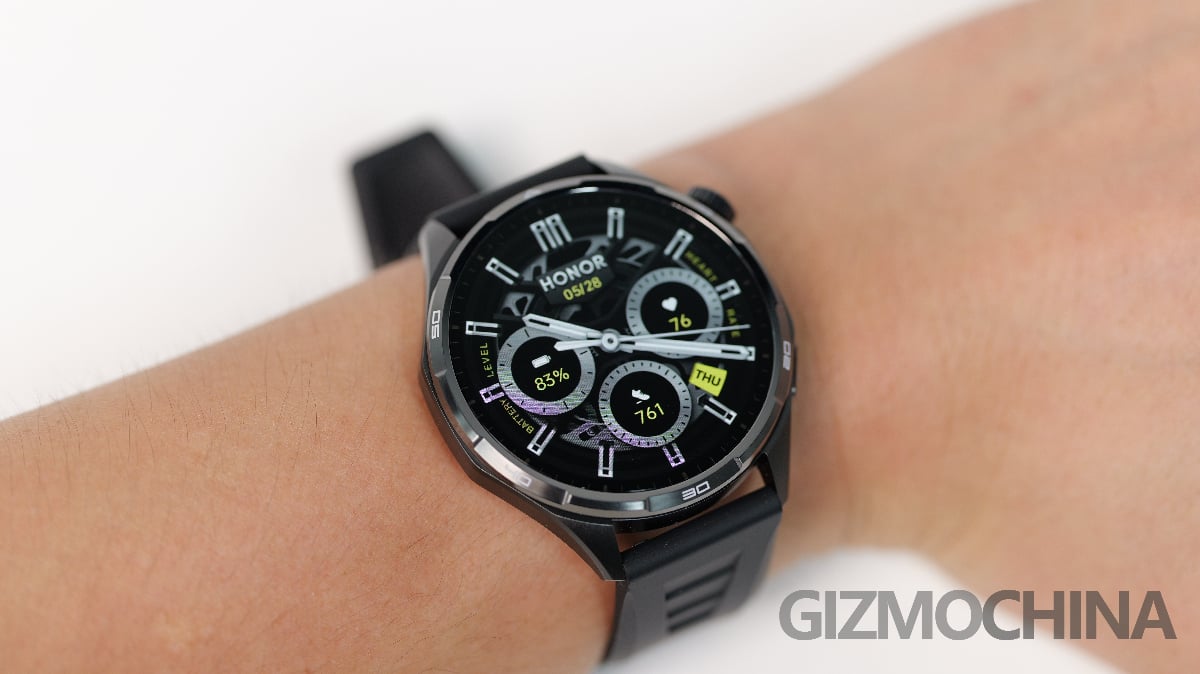
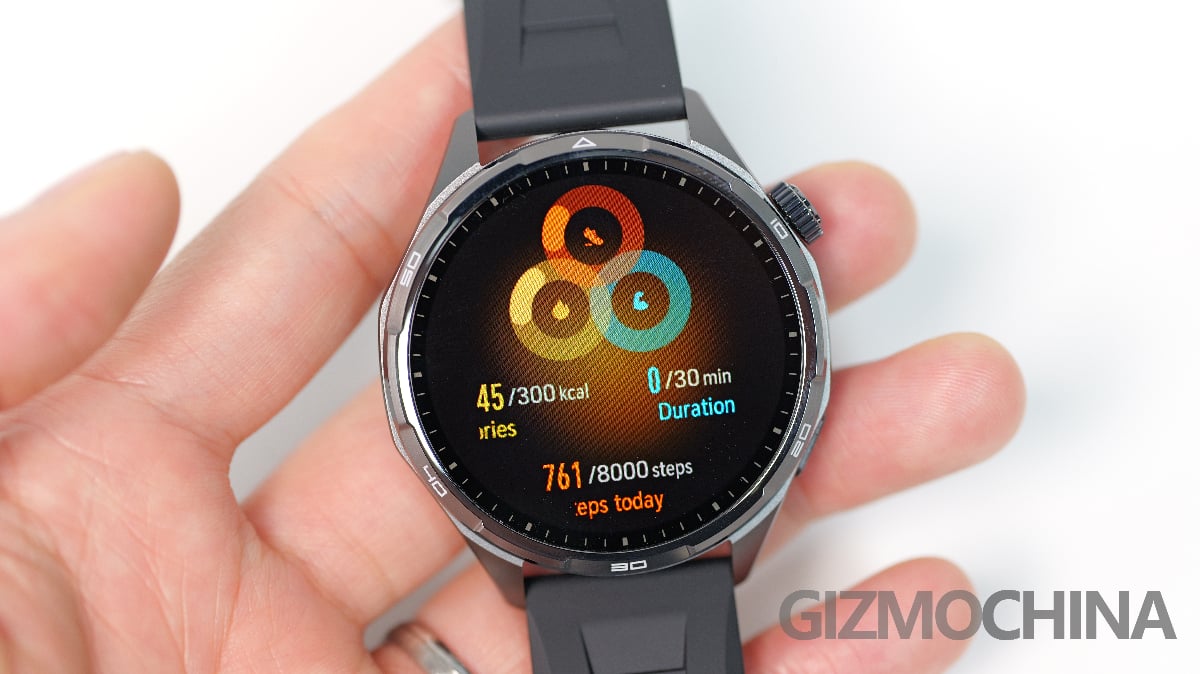
HONOR Watch 6 Launches with 35-Day Battery Life, AI Health Features, and 120+ Sports Modes

Honor Watch 6

HONOR has officially launched the HONOR Watch 6, a new smartwatch designed for users who want advanced fitness tracking, health monitoring, and smart features in a stylish package. Combining a lightweight premium design with AI-powered tools and long battery life, the HONOR Watch 6 aims to be a reliable companion for both workouts and everyday life.

Premium Design Built for Everyday Comfort

The HONOR Watch 6 features a Racing Dashboard Design inspired by the air intakes of high-performance sports cars. Built from recyclable aluminum alloy, the smartwatch weighs just 41g, making it comfortable for all-day wear.

Precision-crafted beveled edges create a premium 3D appearance, while the sandblasted finish delivers a titanium-like texture. The result is a smartwatch that balances durability, style, and comfort for daily use.

Advanced Sports Tracking for Active Users

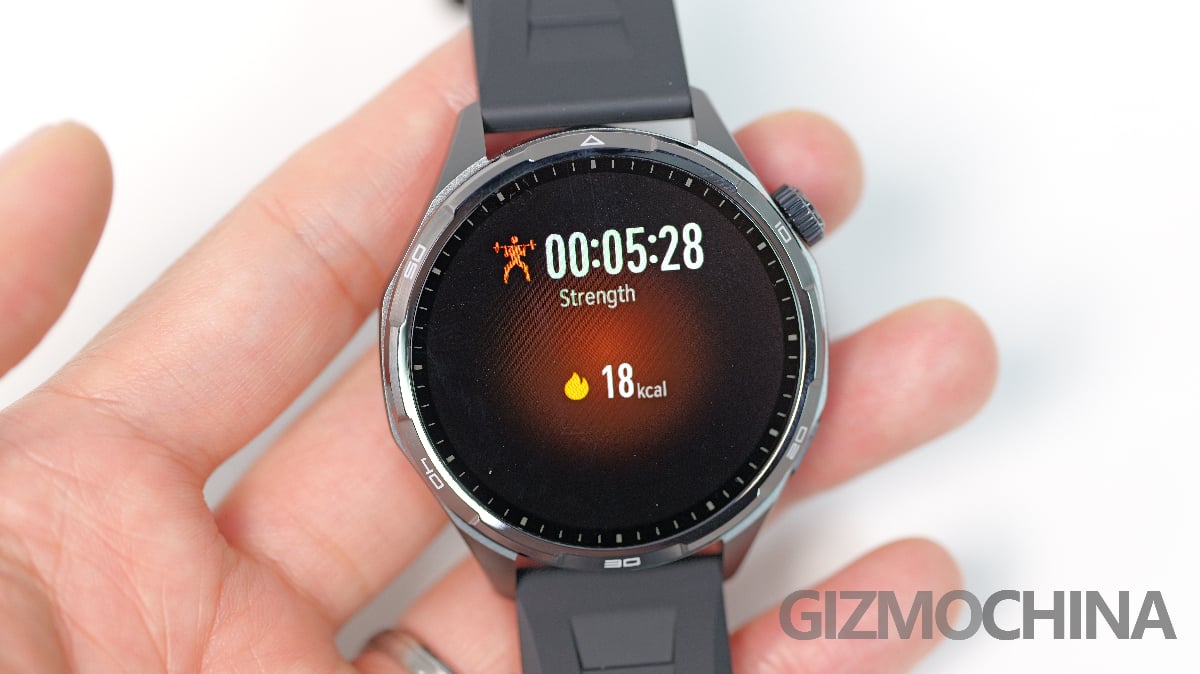
HONOR has equipped the Watch 6 with support for more than 120 sports modes, providing detailed workout tracking and performance analysis.

Trail runners benefit from an AI Running Coach, climbing metrics, route deviation alerts, and distance tracking powered by the AccuTrack dual-band six-star GPS. For badminton players, the watch can measure smash speed and track consecutive rallies, while football enthusiasts gain access to heat maps, movement trajectory maps, and performance insights.

The smartwatch also features water-touch controls, ensuring accurate operation even with wet hands or during rainy conditions.

Long Battery Life and Durable Build

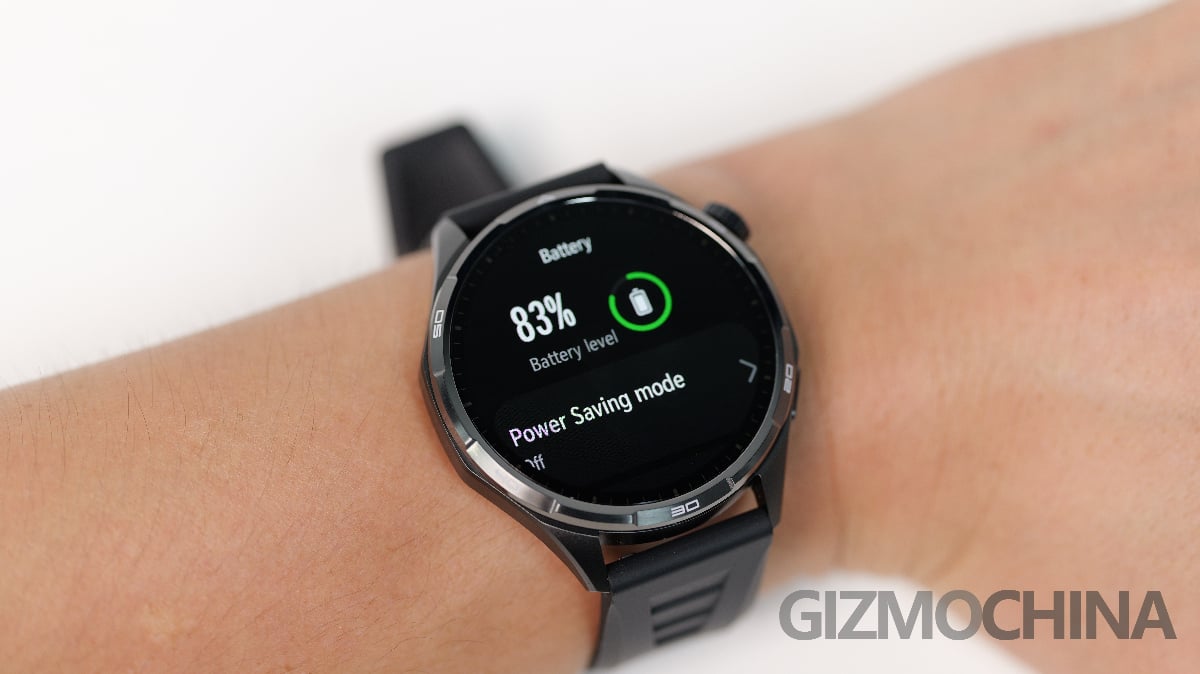
A large 980mAh battery allows the HONOR Watch 6 to deliver up to 35 days of battery life under HONOR laboratory testing conditions. This makes it well-suited for extended outdoor adventures and long training sessions.

The smartwatch is also built to withstand challenging environments, offering IP69 water and dust resistance along with 5ATM water resistance for swimming and shallow-water activities.

AI-Powered Health Monitoring

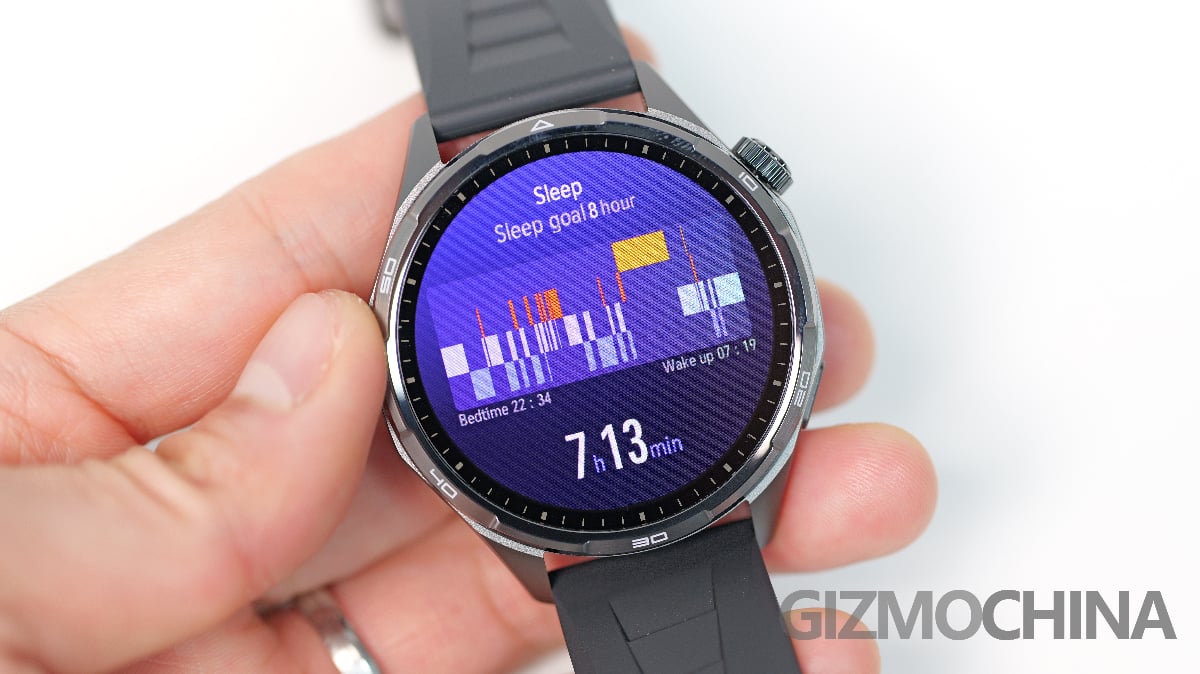
The HONOR Watch 6 offers continuous monitoring of heart rate, blood oxygen (SpOβ‚‚), stress levels, sleep quality, and body energy. Users can also perform a Quick Health Scan for an instant overview of major health indicators.

A Daily Health Report automatically provides a morning summary of key wellness data, helping users better understand their health status each day.

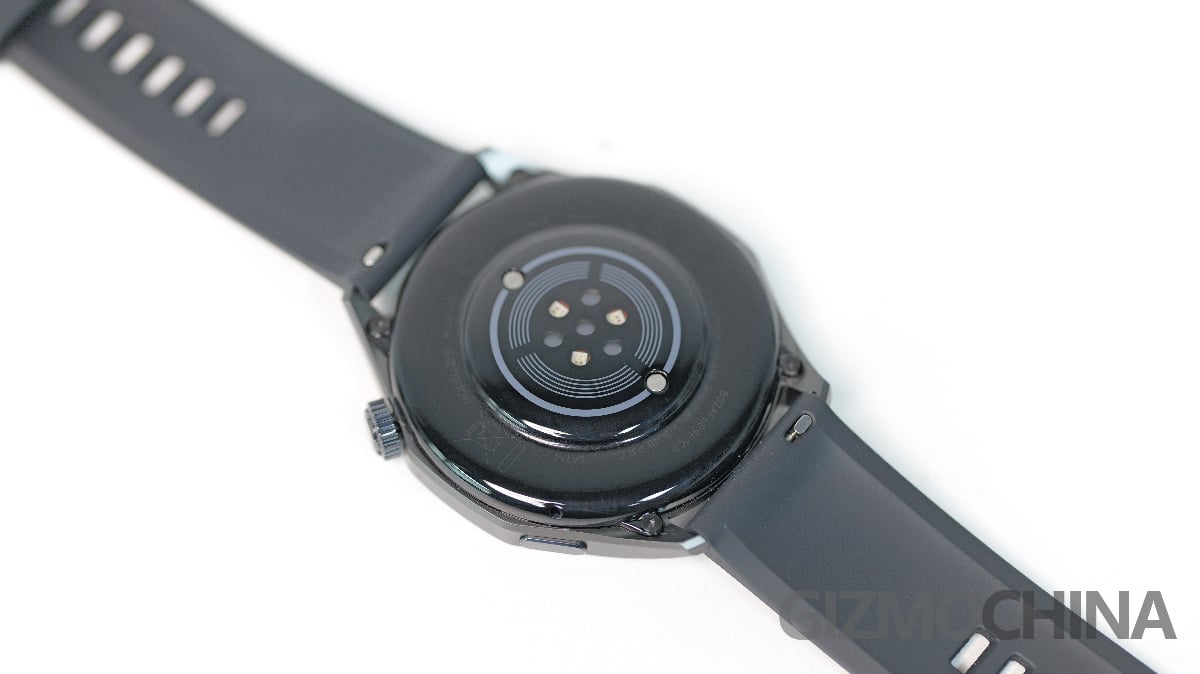
These features are powered by the HONOR IntelliSense System, an advanced sensor platform designed to improve signal collection and deliver more accurate heart-rate and blood-flow tracking.

The HONOR Watch 6 is not a medical device, and health data is intended for reference only.

Smart Features and AI Tools

The smartwatch features an ultra-bright display with up to 3,000 nits of peak brightness, ensuring excellent visibility outdoors.

Users can personalize the device with Video Watch Faces, using live photos or videos up to 10 seconds long as watch backgrounds. The watch also supports dual-phone pairing, allowing notifications from two smartphones simultaneously.

HONOR has included a built-in AI Recorder that can generate voice notes and create smart summaries, making it easier to capture important information throughout the day.

Gesture Controls and NFC Payments

The HONOR Watch 6 supports intuitive wrist-twist gestures that allow users to silence alarms, manage calls, skip music tracks, and control various functions without touching the screen.

For added convenience, NFC support enables contactless payments through Mastercard and Visa, making everyday purchases quick and easy.

Price and Availability in the UK

The HONOR Watch 6 is available in the UK from Β£149.99, with launch offers including a free HONOR Choice Earbuds Clip (Black) for a limited time.

Price and Availability in Germany

In Germany, the HONOR Watch 6 starts at €169.90 and comes with a free HONOR Choice Earbuds Clip (Black) or HONOR Choice Headphone Pro (Black) during the launch promotion.

HONOR Watch 6 combines premium design, comprehensive sports tracking, AI-powered health monitoring, and exceptional battery life in a single wearable. With support for over 120 sports modes, dual-band GPS, a 3,000-nit display, NFC payments, and up to 35 days of battery life, it offers a compelling package for fitness enthusiasts and everyday users looking for a feature-rich smartwatch.

Key Specs:

SpecificationDetails
Dimensions46.5 Γ— 46.5 Γ— 10.8 mm
Display1.46-inch AMOLED Display
Resolution466 Γ— 466 pixels
Pixel Density317 PPI
WeightApprox. 41g (Black), 50g (Brown) without strap
ColorsShadow Black, Twilight Brown
Frame MaterialAluminum alloy / 316L stainless steel construction
Strap OptionsBlack Fluoroelastomer, Brown Leather
Water ResistanceIP69 + 5ATM
Battery Capacity980mAh
Battery LifeUp to 35 days
SpeakerSupported
Storage4GB ROM
BluetoothBluetooth 5.4
GPSSupported
NFCSupported
Android CompatibilityAndroid 9.0 and above
iOS CompatibilityiOS 15.1 and above

The post HONOR Watch 6 Launches with 35-Day Battery Life, AI Health Features, and 120+ Sports Modes appeared first on Gizmochina.

Casio launches its Japanese red lantern-inspired G-Shock watches in the US

Casio-DW-6900AKA-4-and-DW-5600AKA-4

Casio is releasing two new G-Shock watches in the US this month. The DW-6900AKA-4 and DW-5600AKA-4, which originally debuted in Japan in April, are now available stateside for $190 each. Both watches are part of the Aka-Chochin series, a lineup designed to look like the traditional red paper lanterns often hung outside taverns in Japan.

Casio DW-6900AKA-4 and DW-5600AKA-4

Design Details

From a design perspective, the updates here are cosmetic. Both models feature a red case and band made from bio-based resin, a material Casio has been using more frequently across its recent lineups as an alternative to standard plastics. To contrast the red exterior, the watches use black buttons and a black band loop, a detail meant to resemble the dark lacquered holders of the paper lanterns.

On the dial, Casio added kanji characters that translate to shock resistance. Another detail tied to the theme is the LED backlight. Instead of the standard white light, these models use a warmer, orange-tinted glow to mimic a lit lantern in the dark. The watches also include a custom engraving on the case back and ship in themed packaging.

Casio DW5600AKA-4
Casio DW6900AKA-4

Underneath the red resin, these are standard 5600 and 6900 series G-Shocks. The DW-5600AKA-4 uses the familiar square case design, measuring 48.9 by 42.8 by 13.4 mm and weighing 53 grams. The DW-6900AKA-4 has the classic rounded shape with the triple-graph display, measuring slightly larger at 53.2 by 50 by 18.7 mm and weighing 67 grams.

Both watches offer the standard durability associated with the brand, including basic shock resistance and 200 meters of water resistance. They use a mineral glass display and run on a CR2016 battery, which Casio says should last about five years.

The feature set is identical across both models, including a 1/100-second stopwatch, a 24-hour countdown timer, multi-function alarms, a full auto-calendar, and a flash alert function that links the backlight to the alarm buzzer.

Both the DW-6900AKA-4 and DW-5600AKA-4 are available to purchase now through Casio’s website and standard retail channels.

In related news, Casio has recently unveiled a new translucent G-Shock inspired by 1990s streetwear aesthetics, and also introduced the vintage-style AQ230A-7DMQY watch with a stainless steel bracelet in the US market.

For more daily updates, please visit ourΒ News Section.

Stay ahead in tech!Β Join ourΒ Telegram communityΒ andΒ sign up for our daily newsletterΒ ofΒ top stories!

(Casio 1,2)

The post Casio launches its Japanese red lantern-inspired G-Shock watches in the US appeared first on Gizmochina.

DRAM shortage: Tim Cook confirms β€œprice increases are unavoidable”

Apple is feeling the heat from skyrocketing costs for key components, and it looks like iPhone users might finally see some price hikes after years of the company trying to avoid them. CEO Tim Cook has basically said increases across the lineup are now pretty much unavoidable, thanks to a massive surge in memory and storage chip prices driven by the huge AI boom.

In an exclusive interview with The Wall Street Journal, Cook explained that Apple had been absorbing these rising costs for as long as possible. β€œWe’re doing our best to mitigate the huge increases that are being passed to us, and we’ve been trying to shield our customers from the increases,” he said, but added that things have reached a breaking point.

The main issue is fierce competition for DRAM (memory) and NAND (storage) chips. Big AI players like Google, Microsoft, Meta, and Amazon are snapping up tons of high-bandwidth memory for data centers, which has caused prices for both DRAM and NAND to quadruple since last year. Suppliers like Samsung, SK Hynix, and Micron are prioritizing those lucrative AI deals, leaving less for consumer gadgets and creating shortages that could drag on into 2027.

Analysts at TechInsights figure this could tack on something like $270 to the price of a future iPhone Pro model. Cook didn’t spell out exactly which products or when the hikes might hit, but Macs and iPads could see changes sooner, and people are watching the iPhone 18 series (and the first foldable iPhone) closely this September. Apple already bumped up the starting price on the Mac Mini as a bit of an early signal.

Cook called the situation a β€œhundred-year flood”, unlike anything he’s seen in his decades dealing with the supply chain. He’s hoping memory pricing and supply will eventually calm down for regular consumer products, and mentioned Apple might use its strong balance sheet to lock in more capacity. Still, going up against those multi-year, high-prepayment AI contracts is tough.

Don’t miss a thing! Join our Telegram community for instant updates and grab our free daily newsletter for the best tech stories!

For more daily updates, please visit our News Section.

(Source)

The post DRAM shortage: Tim Cook confirms β€œprice increases are unavoidable” appeared first on Gizmochina.

Android 17 eligible devices: Complete list for all major brands

Android 17 eligible devices list

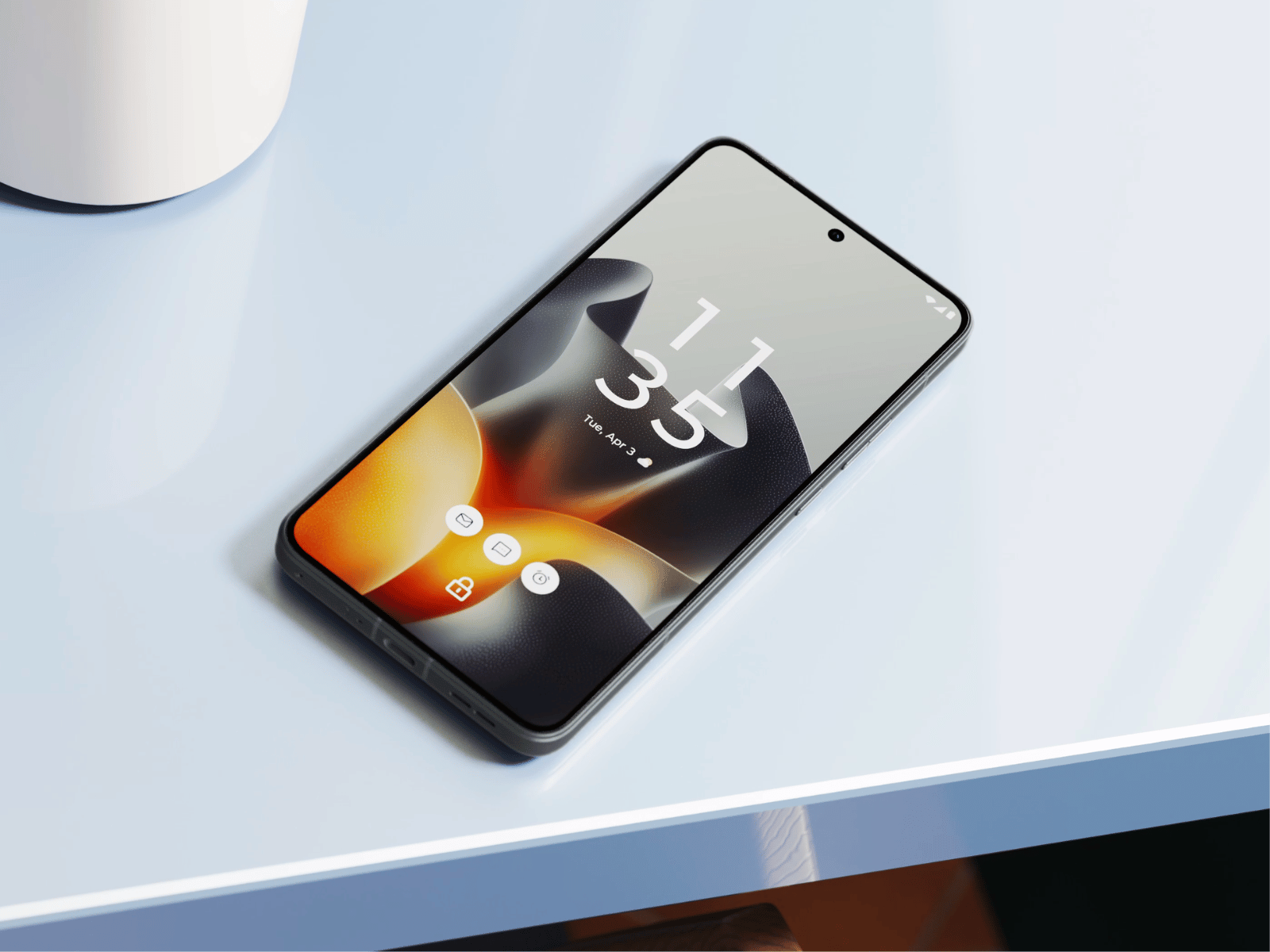
Google has released Android 17 for Pixel devices, and soon other brands will begin rolling out the update. However, there’s a lot of uncertainty among users about whether their devices will receive this major upgrade. So, we have prepared a brand-by-brand list of devices that will receive the Android 17 update, including Samsung, OnePlus, Motorola, Xiaomi, and more.
Except for Google, no brand has announced the list of eligible devices for the Android 17 upgrade. So, we reviewed the current update policy for every brand to prepare the list. Since it’s based on the update policy, devices on the list are almost confirmed to receive the update.

Google Pixels Android 17 eligible devices list

Pixel phones, as always, are the first phones to receive the Android 17 update. The rollout went live on June 16 for all eligible devices, though the availability depends on your region.

  • Pixel 10, 10 Pro, 10 Pro XL, 10 Pro Fold, 10a
  • Pixel 9, 9 Pro, 9 Pro XL, 9 Pro Fold, 9a
  • Pixel 8, 8 Pro, 8a
  • Pixel 7, 7 Pro, 7a
  • Pixel 6, 6 Pro, 6a
  • Pixel Tablet
  • Pixel Fold

Samsung Android 17 eligible devices list

Samsung is already testing the One UI 9.0, based on Android 17, via the beta program, which is available for the Galaxy S26 phones, with more devices expected to join soon. The stable version is expected to debut with the upcoming Galaxy Z Fold 8 and Galaxy Z Flip 8 in July 2026.

Galaxy S series

  • Galaxy S26, S26+, S26 Ultra
  • Galaxy S25, S25+, S25 Ultra, S25 Edge, S25 FE
  • Galaxy S24, S24+, S24 Ultra, S24 FE
  • Galaxy S23, S23+, S23 Ultra, S23 FE

Galaxy Z series

  • Galaxy Z TriFold
  • Galaxy Z Fold Special Edition
  • Galaxy Z Fold 7, Z Flip 7, Z Flip 7 FE
  • Galaxy Z Fold 6, Z Flip 6
  • Galaxy Z Fold 5, Z Flip 5

Galaxy A series

  • Galaxy A57, A56, A55, A54
  • Galaxy A37, A36, A35, A34
  • Galaxy A27, A26, A25, A24
  • Galaxy A17 (4G/5G), A16 (4G/5G), A15 (4G/5G)
  • Galaxy A07 (4G/5G), A06 (5G)

Galaxy M series

  • Galaxy M56, M55, M55s, M54
  • Galaxy M36, M34
  • Galaxy M17, M17e, M16, M15
  • Galaxy M07, M06

Galaxy F series

  • Galaxy F70e
  • Galaxy F56, F55, F54
  • Galaxy F36, F34
  • Galaxy F17, F16, F15
  • Galaxy F07, F06

Galaxy Tab series

  • Galaxy Tab S11, Tab S11 Ultra
  • Galaxy Tab S10+, S10 Lite, S10 Ultra
  • Galaxy Tab S10 FE, S10 FE+
  • Galaxy Tab S9, Tab S9+, Tab S9 Ultra
  • Galaxy Tab S9 FE, Tab S9 FE+
  • Galaxy Tab S6 Lite (2024)
  • Galaxy Tab A11, Tab A11+
  • Galaxy Tab Active 5, Tab Active 5 Pro

Galaxy XCover series

  • Galaxy XCover 7, XCover 7 Pro

OnePlus Android 17 eligible devices list

While the Android 17 beta has remained limited to the OnePlus 15, the stable version will be released for a bunch of devices across lineups. It will come with OxygenOS 16 on top, which is expected to be released around November 2026.

OnePlus flagship phones

  • OnePlus Open
  • OnePlus 15, 15R
  • OnePlus 13, 13R, 13s, 13T
  • OnePlus 12, 12R
  • OnePlus 11

OnePlus Nord series

  • OnePlus Nord 6
  • OnePlus Nord 5
  • OnePlus Nord 4
  • OnePlus Nord CE 6
  • OnePlus Nord CE 6 Lite
  • OnePlus Nord CE 5

OnePlus Pad series

  • OnePlus Pad 4
  • OnePlus Pad 3
  • OnePlus Pad 2
  • OnePlus Pad Lite
  • OnePlus Pad Go 2

Nothing Android 17 eligible devices list

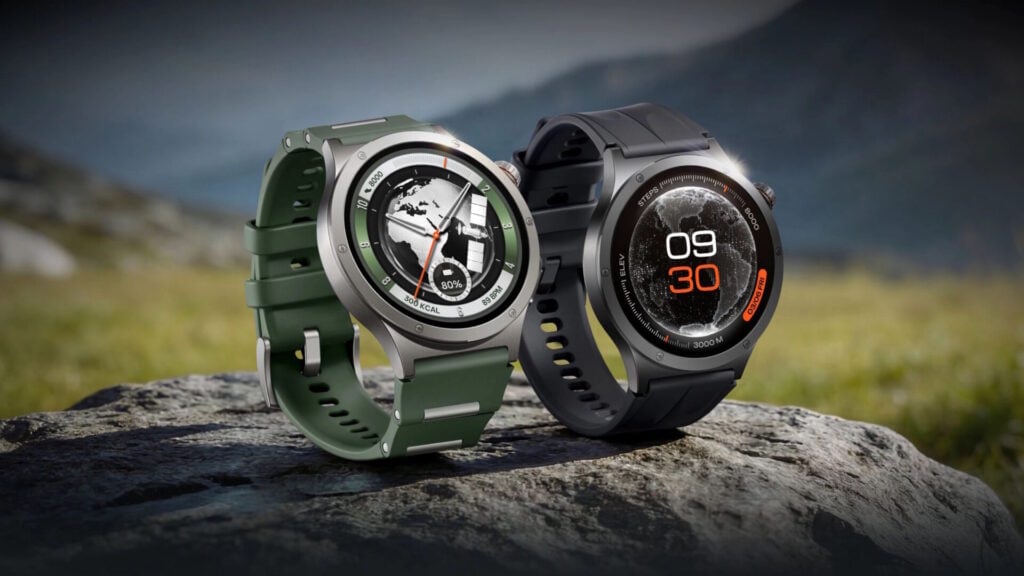
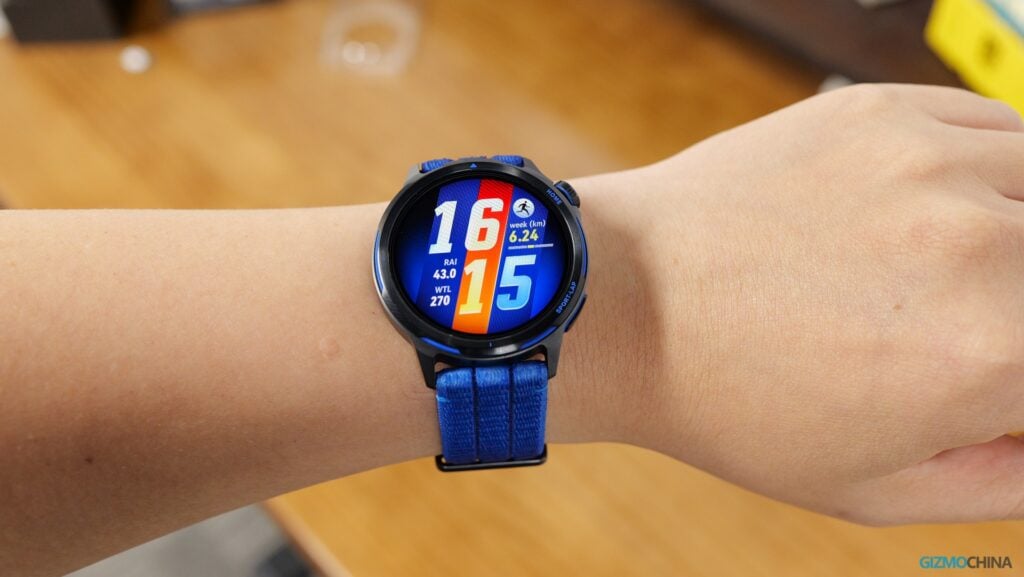
Nothing will release Android 17 for most of its smartphones. While the brand didn’t release an Android 17 beta, it’ll likely be among the first to push the stable update, which will likely come with the Nothing OS 5.0 skin at the top. The rollout is expected to begin in November 2026.
  • Nothing Phone (4a)
  • Nothing Phone (4a) Pro
  • Nothing Phone (3)
  • Nothing Phone (3a)
  • Nothing Phone (3a) Lite
  • Nothing Phone (3a) Pro
  • Nothing Phone (2a)
  • Nothing Phone (2a) Plus
  • Nothing CMF Phone 2 Pro

Motorola Android 17 eligible devices list

Motorola is expected to release the Android 17 update for dozens of phones across the premium Razr series, mid-range Edge lineup, and affordable Moto G series. Around a dozen of them are already part of the beta program, while the stable release is expected around October 2026.

Motorola Razr series

  • Motorola Razr 70 (Razr 2026)
  • Motorola Razr 70+ (Razr+ 2026)
  • Motorola Razr 70 Ultra (Razr Ultra 2026)
  • Motorola Razr 60 (Razr 2025)
  • Motorola Razr+ 2025
  • Motorola Razr 60 Ultra (Razr Ultra 2025)
  • Motorola Razr 50 (Razr 2024)
  • Motorola Razr 50 Ultra (Razr+ 2024)

Motorola Edge series

  • Motorola Edge 70, 70 Pro, 70 Pro+, 70 Fusion, 70 Fusion+
  • Motorola Edge 60, 60 Pro, 60 Neo, 60 Fusion, 60 Stylus
  • Motorola Edge 50, 50 Pro, 50 Ultra, 50 Neo, 50 Fusion
  • Motorola Edge (2026), Edge (2025)

Motorola Moto G series

  • Moto G Max
  • Moto G stylus 5G (2026), Moto G stylus 5G (2025)
  • Moto G Power 5G (2026), Moto G Power 5G (2025)
  • Moto G Play (2026)
  • Moto G (2026), Moto G (2025)
  • Moto G87, G86
  • Moto G77, G75
  • Moto G67, G57, G57 Power
  • Moto G47, G37, G37 Power

Other Motorola phones

  • Moto Pad (2026)
  • Moto Pad 60 Neo
  • Motorola ThinkPhone 25
  • Motorola Signature

Xiaomi Android 17 eligible devices list

Xiaomi has been publicly testing Android 17 beta on some premium models, such as the Xiaomi 17 and Xiaomi 17 Ultra, while the stable rollout is expected to kick off around October 2026. In China, things may happen a few weeks earlier.

  • Xiaomi Leica Leitzphone
  • Xiaomi 17, 17 Ultra, 17T, 17T Pro
  • Xiaomi 15, 15 Pro, 15 Ultra, 15T, 15T Pro
  • Xiaomi 14, 14 Pro, 14 Ultra, 14 Civi, 14T, 14T Pro
  • Xiaomi 13T, 13T Pro
  • Xiaomi Mix Flip

Redmi Android 17 eligible devices list

While no Redmi phones were a part of the early Android 17 beta program, they usually start receiving the update alongside premium Xiaomi phones. That means we can expect the stable rollout to begin in November 2026.

Redmi Note series

  • Redmi Note 15 (4G/5G), Note 15 Pro (4G/5G), Note 15 Pro+, Note 15 Special
  • Redmi Note 14 4G, Note 14 Pro, Note 14 Pro+, Note 14S

Redmi number series

  • Redmi 15 (4G/5G)
  • Redmi 15C (4G/5G)
  • Redmi 15A

Redmi A series

  • Redmi A7, A7 Pro (4G/5G)
  • Redmi A5

Redmi Pad series

  • Redmi Pad 2
  • Redmi Pad 2 9.7
  • Redmi Pad 2 Pro

Redmi Turbo series

  • Redmi Turbo 5

POCO Android 17 eligible devices list

POCO phones should start receiving the Android 17 update around November 2026, alongside Xiaomi and Redmi phones.

POCO F series

  • POCO F8 Pro, F8 Ultra
  • POCO F7, F7 Pro, F7 Ultra
  • POCO F6, F6 Pro

POCO X series

  • POCO X8 Pro, X8 Pro Max
  • POCO X7, X7 Pro
  • POCO X6 Pro

POCO M series

  • POCO M8, M8 Pro, M8s
  • POCO M7 4G, M7 Plus

POCO C series

  • POCO C85 (4G/5G), C85x
  • POCO C81, C81 Pro, C81x
  • POCO C71

POCO Pad series

  • POCO Pad X1
  • POCO Pad M1
  • POCO Pad C1

Oppo Android 17 eligible devices list

While the Android 17 Developer Preview program remained limited to the Oppo Find X9 Pro, the stable release will reach a bunch of devices. The stable rollout is expected to begin in November 2026.

Oppo Find N series

  • Oppo Find N6
  • Oppo Find N5
  • Oppo Find N3, N3 Flip
  • Oppo Find N2, N2 Flip

Oppo Find X series

  • Oppo Find X9, X9 Pro, X9 Ultra, X9s
  • Oppo Find X8, X8 Pro, X8 Ultra
  • Oppo Find X7, X7 Ultra
  • Oppo Find X6, X6 Pro

Oppo Reno series

  • Oppo Reno 15, 15 Pro, 15 Pro Mini, 15 Pro Max, 15 F, 15 FS
  • Oppo Reno 14, 14 Pro, 14 F
  • Oppo Reno 13, 13 Pro, 13 F (4G/5G)
  • Oppo Reno 12, 12 Pro
  • Oppo Reno 11, 11 Pro

Oppo F series

  • Oppo F33, F33 Pro
  • Oppo F31, F31 Pro, F31 Pro+
  • Oppo F29, F29 Pro

Oppo K series

  • Oppo K13
  • Oppo K13 Turbo
  • Oppo K13 Turbo Pro
  • Oppo K13x

Oppo Pad series

  • Oppo Pad 5
  • Oppo Pad 3
  • Oppo Pad SE

Vivo Android 17 eligible devices list

Like most of its Chinese rivals, Vivo may also begin rolling out Android 17 in November 2026. The update should come with OriginOS 7 skin at the top.Β 

Vivo X series

  • Vivo X300, X300 Pro, X300 Ultra, X300 FE
  • Vivo X200, X200 Pro, X200 FE, X200T
  • Vivo X100, X100 Pro

Vivo V series

  • Vivo V70, V70 FE, V70 Elite
  • Vivo V60, V60e, V60 Lite (4G/5G)
  • Vivo V50, V50e, V50 Lite (4G/5G)
  • Vivo V40, V40 Pro

Vivo T series

  • Vivo T4, T4 Pro, T4 Ultra, T4 Lite
  • Vivo T4x, T4R

Vivo Y series

  • Vivo Y400 (4G/5G), Y400 Pro, Y400 Pro+
  • Vivo Y300 GT, Y300t, Y300i
  • Vivo Y51 Pro
  • Vivo Y31d 4G
  • Vivo Y21 (2026)
  • Vivo Y11 (2026)
  • Vivo Y05 4G

iQOO Android 17 eligible devices list

iQOO phones follow the same timeline as Vivo’s, and hence, they are expected to receive the Android 17 update starting in November 2026.

iQOO flagship phones

  • iQOO 15, 15 Ultra, 15R
  • iQOO 13
  • iQOO 12, 12 Pro

iQOO Z series

  • iQOO Z11x
  • iQOO Z10, Z10x, Z10R, Z10 Lite

iQOO Neo series

  • iQOO Neo 10, 10R
  • iQOO Neo 9 Pro

Realme Android 17 eligible devices list

Realme GT 8 Pro is the only device from the brand to receive the Android 17 beta, but the stable update is due to arrive on a wide range of devices. The update will come with Realme UI 8.0 skin and is expected to start rolling out to devices in early November 2026.

Realme GT series

  • Realme GT 8 Pro
  • Realme GT 7, 7 Pro, 7 Pro Racing, 7T
  • Realme GT 6, 6T
  • Realme GT 5 Pro

Realme number series

  • Realme 16, 16 Pro, 16 Pro+, 16T
  • Realme 15, 15 Pro, 15 Lite, 15T, 15x
  • Realme 14, 14 Pro, 14 Pro+, 14T

Realme P series

  • Realme P4, P4 Pro, P4 Lite (4G/5G), P4 Power 5G, P4R, P4x
  • Reame P3, P3 Pro, P3 Ultra, P3x

Realme C series

  • Realme C85 (4G/5G), C85 Pro, C83
  • Realme C75, C75x, C73, C71

Realme Narzo series

  • Realme Narzo Power 5G
  • Realme Narzo 100 Lite
  • Realme Narzo 90, 90X
  • Realme Narzo 80 Lite (4G/5G), 80 Pro, 80x

Realme Note series

  • Realme Note 80
  • Realme Note 70, 70T

Realme Pad series

  • Realme Pad 3

Asus Android 17 eligible devices list

Asus doesn’t have a good track record with software releases, and this year is expected to be no different. It will likely push the stable Android 17 update towards the end of the year.

  • Asus ROG Phone 9
  • Asus ROG Phone 9 Pro
  • Asus ROG Phone 9 FE
  • Asus Zenfone 12 Ultra

Honor Android 17 eligible devices list

The Android 17 update for Honor devices is expected to come with a MagicOS 11 skin on top, and it is expected to start rolling out in October 2026.Β 

Honor Magic series

  • Honor Magic 8, 8 Lite, 8 Pro
  • Honor Magic 7, 7 Lite, 7 Pro
  • Honor Magic 6 Pro, 6 Ultimate
  • Honor Magic V6
  • Honor Magic V5
  • Honor Magic V3
  • Honor Magic Vs3

Honor number series

  • Honor 600, 600 Lite, 600 Pro
  • Honor 400, 400 Lite, 400 Pro, 400 Smart
  • Honor 300, 300 Pro, 300 Ultra
  • Honor 200, 200 Pro

Sony Android 17 eligible devices list

Sony isn’t part of the Android 17 partner beta testing initiative, so it hasn’t released the beta update. The company is expected to push the stable update directly sometime around October 2026.

The rollout shouldn’t take long, as only three devices are eligible for Android 17.

  • Sony Xperia 10 VI
  • Sony Xperia 1 VII
  • Sony Xperia 1 VI

We’ll update the list as and when brands announce the official list of eligible devices for Android 17.

Don’t forget to visit the Android 17 section regularly for the latest developments. Also, join our Telegram channel to receive instant alerts when we publish new stories.

The post Android 17 eligible devices: Complete list for all major brands appeared first on Gizmochina.

Microsoft exploring use of DeepSeek V4 as Anthropic and Claude models are too expensive

Enterprise AI agents are getting really good at handling complex, multi-step work on their own, things like sorting through emails, prepping for meetings, or pulling together reports across Outlook, Teams, and Excel. But all that smart chaining of tasks comes with a catch: it burns through a ton of computing power, and the bills can add up fast. Microsoft is now stepping in to make this more practical for everyday businesses.

According to reports, Microsoft has made Copilot Cowork generally available to Microsoft 365 Copilot customers and shifted it to usage-based pricing. Instead of a straight flat fee that didn’t always match heavy usage, companies will now pay based on actual β€œCopilot Credits”, basically metering the real computational load for each task.

On top of the pricing shift, Microsoft is looking at ways to bring costs down even further. They’re exploring a fine-tuned, self-hosted version of DeepSeek V4 (or another open-source model) as a more affordable option alongside the current Anthropic and OpenAI models. DeepSeek V4 has been delivering strong performance at much lower prices, sometimes a fraction of what frontier models cost per token.

Importantly, any DeepSeek integration would be optional and run entirely on Azure. That means customer data stays inside Microsoft’s secure cloud environment with all the usual enterprise-grade protections, compliance, and data residency controls. It’s a smart way to address potential concerns about using a Chinese-developed model in sensitive business settings.

This whole move shows how the AI industry is maturing. Agentic AI is incredibly useful because it can keep working through long chains of tasks and maintain context, but that same power makes it expensive to run at scale. By offering model choices and metered billing, Microsoft is trying to strike a better balance so more businesses can actually adopt these tools without sticker shock.

It’ll be interesting to see in the coming weeks which lower-cost model they land on and how customers respond. Overall, this feels like a practical step toward making advanced AI agents part of normal work life instead of just a high-end experiment. Cost efficiency and flexibility could be the real keys to widespread adoption.

Don’t miss a thing! Join our Telegram community for instant updates and grab our free daily newsletter for the best tech stories!

For more daily updates, please visit our News Section.

(Via | Image)

The post Microsoft exploring use of DeepSeek V4 as Anthropic and Claude models are too expensive appeared first on Gizmochina.

OnePlus 15s isn't happening, tipster claims

In April of last year, OnePlus launched the 13T in China. Then, in June, it released basically the same phone in India as the OnePlus 13s. Back in March of this year, the company introduced the 15T in China, so you're probably expecting it to launch in India as the 15s very soon. OnePlus 15T However, according to a tipster over on X, that is not going to happen. The device will not be coming to India at all, for whatever reason. Furthermore, whether the upcoming OnePlus 16 will launch in India still hasn't been decided. We'd be surprised if the 16 skips India, but the 15s apparently...

7 Samsung Watches receive broken app launch fix in the US

Google officially released the Wear OS 7 update for Pixel Watch models. The new wearable platform introduces a battery life boost, Live Updates, Gemini Intelligence, and cross-device connectivity.

Samsung will bring the new wearable operating system to its Galaxy devices through the One UI 9 Watch update. A Beta Program was assumed to have already started, but users are still awaiting an announcement.

Meanwhile, Samsung is more widely rolling out its May 2026 security patches. In the latest expansion, the fresh security patches have started to arrive on 8 Samsung Galaxy Watches in the US.

The May 2026 update’s changelog clearly states that the OTA includes the most up-to-date Android security patches. However, the OTA has even more to offer, which Samsung hasn’t even mentioned in the changelog.

Samsung users reported a broken app launch bug on Galaxy Watches in the US. Every time they launch/open an application from the app drawer, it shows a dark black glimpse on the screen and then returns to the app drawer.

Galaxy Watch users found that the problem had been resolved after installing the May 2026 security update. It was initially dropped in South Korea, and a major expansion brought it to users in the United States.

Samsung may have also included system optimization inside. System cache and junk data will also be cleared during installation, which would provide an enhanced user experience.

Software version information:

  • Galaxy Watch 4 – R865USQS2JZE1 (40mm) / R875USQS2JZE1 (44mm)
  • Galaxy Watch 4 Classic – R885USQS2JZE1 (42mm) / R895USQS2JZE1 (46mm)
  • Galaxy Watch 5 – R905USQS2DZE1 (40mm) / R915USQS2DZE1 (44mm)
  • Galaxy Watch 5 Pro – R925USQS2DZE1 (45mm)
  • Galaxy Watch 6 – R935USQS2CZE1 (40mm) / R945USQS2CZE1 (44mm)
  • Galaxy Watch 6 Classic – R955USQS2CZE1 (43mm) / R965USQS2CZE1 (47mm)
  • Galaxy Watch FE – R866USQS2BZE1

The updates are available on Verizon-bound Galaxy Watches in the US. You can get the latest software on your smartwatch using the Galaxy Wearable app.

The post 7 Samsung Watches receive broken app launch fix in the US appeared first on Sammy Fans.

Ultrahuman launches M2 LiveΒ metabolic health platform for continuous glucose monitoring

Ultrahuman is best-known for its smart rings, but the company recently branched out with a red light therapy device. Today, the company is introducing the Ultrahuman M2 Live, a platform for continuous glucose monitoring. This is actually based on the Lingo Glucose Biosensor by Abbott. It’s available over-the-counter and does not require a prescription. M2 can also work with Abbott’s Libre 3 Plus sensor. The Lingo sensor streams data to your phone over Bluetooth LE, though you will need NFC to activate it. Continuous glucose monitoring β€’ Metabolic Score It’s important to note...

Here's why Apple is already dropping support for so many watches in watchOS 27

At its Worldwide Developers Conference earlier this month, Apple unveiled watchOS 27. This will be rolling out in the fall. Perhaps surprisingly, watchOS 27 will drop support for a lot of older Apple Watches, including the original Apple Watch Ultra, released in 2022. That device was the first Apple Watch to cost a whopping $799, so many owners may still be using it. But come September, they will only receive essential security updates, as the watch is not getting watchOS 27. Asked why, Apple Watch and Health Product Marketing Manager Cait Dooley told TechRadar: With every software...

Global Oppo Reno16 series finally has an official launch date

Yesterday, Oppo started teasing the global launch of the Reno16 series in partnership with the K-pop girl band BABYMONSTER. The phones were clearly supposed to be launching soon, but an actual announcement date was missing. Now, the company has rectified that, revealing that the Reno16 series will be unveiled on June 25. The devices will first launch in Thailand and Spain, spreading to other markets afterwards. The handsets feature the new "3D Pop Planet Design", with "a bold and distinctive aesthetic inspired by cosmic visuals and the idea of every individual as a vibrant little...

Nothing's cryptic new teaser could hint at a new phone

Mere hours ago, Nothing co-founder Akis Evangelidis revealed that the company won't be launching a new CMF phone this year. Now, the official Nothing X account has shared a cryptic teaser that could hint at a new Nothing phone coming soon. Here it is embedded below. (b)β€” Nothing (@nothing) June 19, 2026 Unsurprisingly, this has made people on the internet speculate about the possible launch of a Nothing Phone (4b), complementing the already available Nothing Phone (4a) and Nothing Phone (4a) Pro. It makes some sense - the Nothing Phone (3) hasn't done very well, so the company might be...

Oppo Reno16 family to have four members in India

Oppo has recently started teasing the Oppo Reno16 series globally. Today there's some news about the devices that are going to launch in India. According to a new report, the Oppo Reno16 family will comprise four devices in India. Alongside the Oppo Reno16 and Reno16 Pro, there will also be the Oppo Reno16 Pro Mini and the Reno16c. The Reno16 Pro Mini will allegedly be positioned as a high-performance choice in a compact package. On the other hand, the Reno16c will be a budget-friendly option representing the entry-level in the series. The Reno16 Pro Mini reportedly features a...

Researchers uncover an unpatchable security flaw affecting several iPhone generations

Researchers at Paradigm Shift published an extensive report that details the inherent security flaw that comes with some of Apple's devices. The security issue involves the USB and several Apple silicon chips, and it's called "usbliter8". The usbliter8 exploit affects all devices running on A12, A13, S4 and S5 chips. That means iPhone XR, iPhone XS/XS Max, iPad Air 3, iPad mini 5, iPad 8, second-gen Apple TV 4K, iPhone 11, 11 Pro/11 Pro Max, iPhone SE, iPad 9, Studio Display, Apple Watch Series 4, Series 5 and Apple Watch SE. These device owners should be on the lookout, and here's...

Nothing cancels the CMF Phone 3 Pro and you can probably guess why

Nothing launched the CMF Phone 2 Pro in April of last year, and its successor is still nowhere to be seen. Last month we heard that the CMF Phone 3 Pro would arrive in the third quarter of the year, with the most likely release window being August to September. Unfortunately, that's not happening anymore. Nothing co-founder Akis Evangelidis has revealed that there will be no CMF phone launch this year. The reason is easy to guess - memory prices. CMF Phone 2 Pro That's not surprising, after all the CMF line was the ultra-budget one from Nothing, and the cheaper the phone the more...

Samsung partners with South African creators to showcase Galaxy A57 and A37 cameras

Samsung is showcasing the Galaxy A37 and Galaxy A57 cameras in collaboration with South African creators. Samsung South Africa teamed up with one of Mzansi’s leading film production companies to drop a short film.

The Korean tech giant has been quietly building something in the Galaxy A series for years. The Galaxy A57 5G and Galaxy A37 5G are the latest proof that AI-powered photography isn’t just for flagship phones anymore.

The short film is less product advertisement and more of a cultural document.

Director Lindo Langa helmed the project, and the result is genuinely cinematic. The film opens frozen, moments suspended just before the shutter clicks, then accelerates into the full kinetic energy of South African youth culture.

It’s the kind of brief you don’t expect from a mid-range phone launch.Β Content creators Dee Koala, Sine Madondo, Coachella Randy, and Jaedin Rhodes appear as themselves, doing exactly what they do in real life.

Designed to make everyday experiences simpler, smarter, and more intuitive, the new Galaxy A57 5G and A37 5G reflect Samsung’s ongoing commitment to democratising artificial intelligence.

By expanding AI capabilities across more accessible devices, Samsung continues to empower users to do more with the technology in their hands, from capturing meaningful moments to enhancing everyday productivity.

Samsung is pushing AI camera capabilities down into devices that real people can afford. Not everyone is buying an S-series phone, and pretending otherwise is how you lose the next generation of customers.

The post Samsung partners with South African creators to showcase Galaxy A57 and A37 cameras appeared first on Sammy Fans.

Pope is a Samsung guy, rocks Galaxy phone and Watch

Pope Leo XIV is officially a Samsung guy; he rocks a Galaxy phone and wears a Galaxy Watch. When South Korean President Lee Jae-myung visited the Vatican earlier this week, he came away with more than diplomatic goodwill.

During their meeting, Pope Leo XIV held up a Black smartwatch and quizzed the President: β€œDo you know what this is?” It was a Samsung Galaxy Watch. The Pope then mentioned he also carries a Galaxy smartphone and drives a Hyundai.

For a man who could have his pick of any device, the choice is telling. While Silicon Valley’s flagship products dominate the pockets of most Western leaders and public figures, the leader of Catholics is running on Korean tech.

The Pope’s device preferences emerged as something of a lighthearted footnote to a substantive meeting that covered Korean Peninsula peace efforts, next year’s World Youth Day in Seoul, and a potential papal visit to North Korea.

Samsung’s Galaxy lineup has long held its ground as a premium alternative to Apple, and apparently, that reputation reaches all the way to the Holy See.

Whether by personal preference or happy coincidence, the first American Pope seems to have gone Korean when it counts.

Pope Leo XIV

The post Pope is a Samsung guy, rocks Galaxy phone and Watch appeared first on Sammy Fans.

Samsung confirms the Galaxy M47 is coming soon, design teased

Samsung has officially confirmed that the Galaxy M47 5G will launch soon in India. The company has shared teaser videos on X, offering a brief look at the smartphone's design ahead of its launch. The teaser shows the Samsung Galaxy M47 5G with a matte Red/Maroon rear panel paired with a Black frame. The pill-shaped camera island is also outlined with matching red accents. Also visible are the triple rear cameras housed inside the module. While last year's Galaxy M36 5G also came with three rear cameras, the upcoming phone appears to have a slightly redesigned camera module. You...

Google reveals new timeline for Android's app sideloading changes

Google announced its Android developer verification program last year to make app sideloading safer for Android users. And a few months ago, Google said that Android users would have to wait 24 hours before sideloading apps from unverified developers. Now, the company has revealed the timeline for its new sideloading changes coming to Android. Starting this month, Google will roll out a new system service that will be automatically installed on most Android devices and will also be used to verify developer registration later this year. In July, Google will launch the Android...

New iPhone Ultra concept video offers closer look at Apple's foldable

Apple's rumored foldable iPhone, which is expected to be called the iPhone Ultra, has been the subject of numerous leaks. We've seen CAD-based renders, dummy unit hands-on videos, and more. Now, a new video has surfaced, offering another detailed look at the foldable’s design. YouTuber Jon Prosser of Front Page Tech (FPT) has published a new video showcasing the alleged iPhone Ultra. The video shows the foldable iPhone in White and Black color options, which are said to be the only shades Apple plans to offer at launch. It also provides a closer look at the dual rear camera...

Smartwatch growth returns, but Samsung took a different path in Q1 2026

A new market report reveals that the global smartwatch market has returned to growth, with major brands gaining momentum. Samsung took a different path in Q1 2026, with smartwatch shipments facing a steep decline.

According to Counterpoint Research, the global smartwatch shipments grew 4% YoY in Q1 2026. Analysts believe Apple was the key driver given its newest Watch portfolio, along with growing demand for premium devices.

Samsung was the only smartwatch brand that flagged a massive downturn in its shipments in Q1 2026. The company’s market share declined from 7 percent in Q1 2025 to 5 percent in the first quarter of the year.

The shipment data reveals that Galaxy Watch shipments declined 28 percent YoY. It signals that the company’s wearable strategy requires revisions. A new set of watches is coming next month, and market share is expected to rise.

Apple led the worldwide smartwatch market with 23 percent market share. The US tech giant flagged a steep growth of 21 percent year-on-year. The momentum will continue as Q3 is set to welcome the next-gen wearables.

Huawei also grew 12 percent, with the company’s market share jumping from 16 percent in Q1 2025 to 17 percent in Q1 2026. The Chinese brand ranked second, thanks to aggressive marketing and push from key markets.

The growth of the Chinese market, led by Huawei’s ecosystem push and government subsidies, encouraged consumer upgrades and strengthened overall demand.

Xiaomi maintained its third spot and 10 percent market share in Q1 2026’s smartwatch market. The company’s overall smartwatch shipments grew 9 percent year over year.

imoo was the fourth largest smartwatch vendor in the first quarter, retaining 7 percent market share with 2 percent YoY growth.

Counterpoint Research Q1 2026 Smartwatch Market

The post Smartwatch growth returns, but Samsung took a different path in Q1 2026 appeared first on Sammy Fans.

Fresh Galaxy A27 renders surface ahead of expected launch

Samsung is expected to launch the Galaxy A27 soon. While the company has yet to announce a launch date, nearly everything else about the smartphone has already leaked. Now, a fresh batch of renders has surfaced online, giving us another look at the phone’s design and colors. The latest renders show the Samsung Galaxy A27 in Black, Blue, and Light Pink color options, all of which have surfaced in previous leaks. Still, they offer another good look at the phone's design ahead of its official debut. Galaxy A27 in Black and Blue In addition to these three finishes, the Galaxy A27 is...

Here's how much the Apple iPhone 18 Pro could cost due to memory price hike

Apple CEO Tim Cook recently said that the company could raise the prices of some of its products due to the ongoing memory shortage, which has led to higher memory prices. While Apple hasn't revealed how much its products will cost, a new report by The Wall Street Journal and research firm TechInsights estimates the price of the upcoming iPhone 18 Pro. According to TechInsights' estimates, the iPhone 17 Pro with 12GB DRAM cost Apple $39 last year. The same amount of RAM on the base model of the upcoming iPhone 18 Pro, expected to have 256GB storage onboard, could cost Apple $145. The 256GB...

Samsung's upcoming Galaxy Z Fold8 series tipped to be more expensive

According to a new rumor, Samsung's upcoming Galaxy Z Fold8 lineup could launch with higher price tags than its predecessors. The company is expected to unveil its next-generation foldables next month. Citing European and Asian sales channels, the leak claims Samsung has increased the starting prices of the Galaxy Z Fold8, Galaxy Z Fold8 Ultra, and Galaxy Z Flip8. Leaked Galaxy Z Fold8 Ultra render The leak attributes the price hike to a combination of internal and external factors. Although the leak doesn’t mention it, the increase in price is likely due to the ongoing rise in RAM...

Apple opens up iOS to third-party app stores in Brazil

Following the EU and Japan, Brazil has now forced Apple to open up iOS to third-party app stores and non-Apple payment processing for developers. App developers can now use alternative app stores in Brazil to distribute their apps, and they can also process payments made for apps and games and in-app purchases outside of Apple's payment system. Just like every other time it's been forced to do something like this in the past, Apple is once again highlighting how these changes "open new avenues for malware, fraud, scams, and privacy and security risks". All alternative app stores will...

Samsung lapped Bitcoin

Thanks to the AI momentum, Samsung has just surpassed Bitcoin in terms of market value. Samsung Electronics is sitting at a $1.522 trillion market cap while Bitcoin is at $1.276 trillion; it is a $246 billion gap, and it has widened fast.

The KOSPI cracked 9,000 intraday for the first time ever, dragging semiconductor stocks higher while Bitcoin quietly bled out.Β SEDaily reports that Samsung climbed to 12th among global assets, while Bitcoin slipped to 15th.

Samsung surpassed Bitcoin on November 1, then lost ground after shares cratered on November 8. Meanwhile, AI chip demand and high-bandwidth memory optimism have since pulled Samsung back ahead.

The gap isn’t shrinking

MarketWatch columnist Mark Hulbert ran the numbers on a fair-value model and surfaced something brutal: Bitcoin converging around $120,000 by 2140 implies an expected annual return of roughly 0.6% over 120 years.

Apart from this, SK Hynix is also running up 6.51% in a single session, its market value reached $1.248 trillion, placing it just $28 billion behind Bitcoin at 16th globally.

The post Samsung lapped Bitcoin appeared first on Sammy Fans.

GTA VI pre-orders start this month, the official cover art has been revealed

The much-delayed, anxiously anticipated GTA VI is entering a new stage of its pre-release phase on June 25, when it will go on pre-order. You can already add it to your wishlist on the PlayStation Store or Microsoft Store to get alerted when the pre-orders are live. Also today, the official cover art was unveiled, and you can see it in the video below. While the game is still months away from release, with the latest date being November 19, on June 25 we will finally get to know its price. In the past, Take-Two Interactive's boss said the company would keep the cost in check. And...

iQOO starts teasing the Z11i, showcases it in all colors

The iQOO Z11 family already has a lot of members, but one more is coming soon: the Z11i. The brand has just started teasing it in China, revealing its three colorways: Green Peak, Desert Gold, and Ink Shadow. You can see all three in the official images below. iQOO Z11i official images While iQOO itself hasn't revealed any of the phone's specs, a tipster on Weibo claims this will be a rebranded vivo Y60, which launched back in April. If this is true, then the iQOO Z11i should also have a 6.74-inch LCD touchscreen with 720x1600 resolution, 120Hz refresh rate, and 1,200-nit...

Lenovo Tab Plus Gen 2 launched with upgraded JBL 9-unit Pro speakers, 12.1-inch 120Hz LCD screen, Dimensity 7400

Lenovo just refreshed one of its most fun tablets with the new Tab Plus Gen 2. This updated model keeps the entertainment-first spirit of the original but makes meaningful improvements in sound, screen size, and everyday usability.

The biggest highlight is the audio setup. Lenovo bumped it up to a JBL 9-unit Pro speaker system (that’s one more than the first-gen model). It now features dedicated bass units and full Dolby Atmos support, creating what they’re calling a Cinematic Audio System. One of the coolest tricks is the Bluetooth speaker mode. Connect your phone, and the tablet turns into a surprisingly powerful portable speaker for parties or gatherings.

On the display side, Lenovo went bigger: the Gen 2 now sports a 12.1-inch LCD screen (up from 11.5 inches) with 2560 x 1600 (2.5K) resolution. It supports Dolby Vision and HDR10, hits up to 800 nits in High Brightness Mode, and runs at a 120Hz refresh rate. The built-in kickstand is super flexible too. It rotates a full 360 degrees, so you can easily switch between landscape mode for movies and portrait for video calls.

Inside, it’s powered by MediaTek’s Dimensity 7400 processor, a major upgrade over last generationβ€˜s Helio G99. You’ll have choices of 6GB, 8GB, or 12GB of RAM and 128GB or 256GB of storage, plus a microSD slot that supports up to 2TB cards. It ships with Android 16 and promises two major OS updates (up to Android 18) plus security patches until 2030. Battery life looks solid with a 10,200mAh cell that Lenovo rates for up to 15 hours of YouTube streaming, and it supports 45W fast charging (though the charger isn’t included in the box).

At 775g and with a thickness that peaks at 22.7mm around the speakers, it’s not the thinnest tablet out there, but it feels substantial in a good way. It comes in a clean Celestial White finish and has already picked up an iF Design Award.

Pricing and availability:

Pricing starts around $400 (about Β£370), and it should start rolling out soon in select markets including the UK, Singapore, and Australia. Overall, the Tab Plus Gen 2 feels like a smart evolution: it keeps the fun, speaker-heavy personality that made the original popular while adding a bigger screen and better performance.

Don’t miss a thing! Join our Telegram community for instant updates and grab our free daily newsletter for the best tech stories!

For more daily updates, please visit our News Section.

(Lenovo)

The post Lenovo Tab Plus Gen 2 launched with upgraded JBL 9-unit Pro speakers, 12.1-inch 120Hz LCD screen, Dimensity 7400 appeared first on Gizmochina.

Lenovo launches affordable gaming headset with 50mm drivers, 7.1 surround sound & ENC mic

Lenovo EY130 gaming headset

Lenovo has released a new wired gaming headset in China, the EY130. Priced at 99 yuan (roughly $14) on JD.com, it is an entry-level over-ear model that manages to include a few hardware features usually reserved for slightly more expensive peripherals, such as 50mm drivers and built-in 7.1 surround sound processing.

Lenovo EY130 gaming headset

Lenovo EY130 Specifications

Inside the earcups, the EY130 relies on 50mm composite diaphragm drivers. These are built with a dual-magnet design and a polyurethane and fiber paper construction, covering the standard 20Hz to 20kHz frequency response range. According to Lenovo, the headset’s audio profile is specifically tuned for first-person shooters.

Additionally, the headset handles virtual 7.1 surround sound directly through an integrated acoustic chip. This is a convenient inclusion, as it means the surround sound processing happens on the hardware level, bypassing the need to install separate software or proprietary drivers on your PC to get it working.

For voice communication, the headset features an attached omnidirectional boom microphone with a sensitivity rating of -42dB Β±3dB. The mic is flexible for easy positioning and includes Environmental Noise Cancellation (ENC) technology.

Lenovo EY130 gaming headset

The physical design of the EY130 sticks to standard PC gaming conventions. It features an all-black exterior accented by dynamic RGB lighting on the earcups. Lenovo opted for a dual-layer, self-adjusting headband that stretches to fit different head sizes while distributing the headset’s weight. The ear cushions are made from a breathable fabric to reduce heat buildup during longer sessions. The entire unit measures 230 by 206 by 95 mm.

Connectivity is handled by a combined USB and 3.5mm cable. As a fully wired device, it operates as a plug-and-play peripheral for desktops, laptops, and consoles, avoiding the latency and battery management issues associated with wireless models.

In related news, Lenovo has recently introduced a budget-friendly mechanical keyboard featuring tri-mode connectivity and hot-swappable switches, alongside a compact AI Mini PC powered by a 12-core processor and equipped with its Tianxi Claw AI assistant.

For more daily updates, please visit ourΒ News Section.

Stay ahead in tech!Β Join ourΒ Telegram communityΒ andΒ sign up for our daily newsletterΒ ofΒ top stories!

(JD)

The post Lenovo launches affordable gaming headset with 50mm drivers, 7.1 surround sound & ENC mic appeared first on Gizmochina.

Narwal launches S20, S30 & S20 Pro wet-dry vacuums in India, starting at Rs. 34,990

Narwal-S20

Narwal has introduced three new wet and dry vacuum cleaners to the Indian market: the S20, S30, and S20 Pro. The new lineup focuses on combining hard floor vacuuming and mopping into a single device, supported by base stations that handle the washing and drying of the mop heads after use.

Narwal S20 Pro Specifications

Narwal S20 Pro

The highest-end model in the series is the S20 Pro, which retails for Rs. 54,990. It operates with a suction power of 20,000Pa and includes a feature Narwal calls AI DirtSense. In practice, this means the vacuum uses sensors to gauge how dirty a specific section of the floor is and automatically adjusts its suction power and water output accordingly.

The S20 Pro also features an automatic detergent dispenser and a self-propelled motor to make pushing the unit across the floor less physically demanding. It runs for up to 60 minutes on a single charge. After cleaning, the base station washes the roller brush and dries it to prevent mold and odors from developing.

Narwal S30 Specifications

Narwal S30

The mid-tier option is the S30, priced at Rs. 44,990. It shares the 20,000Pa suction motor and the dirt-sensing technology of the Pro model, but changes the physical design. The S30 is built with an 180-degree hinge, allowing the entire body of the vacuum to lie flat against the floor. This makes it possible to push the device under low furniture like sofas and beds without the cleaning head lifting off the ground.

Its base station uses hot water (176Β°F) to wash the roller and a built-in heat bar to dry it at 158Β°F. It also uses a dual-layer comb mechanism to prevent hair from tangling around the brush roll, alongside a disposable bag system to separate solid waste from the dirty water for easier disposal.

Narwal S20 Specifications

Narwal S20

At the entry level, the S20 costs Rs. 34,990. It steps the suction power down to 18,000Pa but maintains the core wet and dry cleaning functions. It still includes a self-cleaning dock that washes and dries the mop, and it is slightly lighter than the other models at 4.13 kg (when the water tanks are empty).

All three vacuums share the same basic battery and tank capacities: a 4000mAh battery, a 790ml clean water tank, and a 670ml dirty water tank.

Availability

The S20, S30, and S20 Pro are available now on Narwal’s official website, Amazon India, and Flipkart. They are also scheduled to appear in physical retail stores, including Reliance Digital, Croma, and Vijay Sales, starting in July.

In related news, Dreame has recently introduced the L50s Pro Ultra and L50 Ultra CE robot vacuums in India.

For more daily updates, please visit ourΒ News Section.

Stay ahead in tech!Β Join ourΒ Telegram communityΒ andΒ sign up for our daily newsletterΒ ofΒ top stories!

(Narwal 1,2,3)

The post Narwal launches S20, S30 & S20 Pro wet-dry vacuums in India, starting at Rs. 34,990 appeared first on Gizmochina.

Honor Watch 6 debuts globally with 3,000 nits AMOLED display & highly specific sports tracking

Honor Watch 6

Honor has launched the Watch 6 in global markets, starting with the UK, following its initial release as Watch 6 Plus in China last month. The smartwatch focuses on battery endurance, a bright display, and specific fitness tracking modes. It is priced at Β£249.99 (around $330). For the first month, starting today, June 18, 2026, the device is discounted to Β£169.99 and includes a complimentary pair of Honor Choice Earbuds Clip.

Honor Watch 6

Honor Watch 6 Specifications

The watch is available in a single 46.5mm size, but the case materials differ based on the color option. The Shadow Black version uses an aluminum alloy case, weighing 41 grams without the strap. The Twilight Brown model opts for a 316L stainless steel body and weighs 50 grams. Both variants are 10.8mm thick.

The display is a 1.46-inch AMOLED screen with a 464 x 464 resolution. Honor says a peak brightness of 3,000 nits, which is designed to help with outdoor visibility. The screen also includes wet touch control to maintain responsiveness in the rain or during workouts. For durability, the watch carries 5ATM and IP69 water and dust resistance ratings.

Honor Watch 6
Honor Watch 6

The watch is powered by a 980mAh battery. It can last up to 35 days in battery-saver mode, or about 17 days under typical use. For outdoor activities, the watch supports dual-band (L1+L5) GPS and is rated for up to 42 hours of continuous tracking.

Running on Honor’s MagicOS, the watch includes over 120 sports modes. Honor specifically highlights its tracking for football and badminton. The football mode records sprint speeds and creates movement heat maps in the companion app. The badminton mode logs swing counts, shot power, and forehand-to-backhand ratios.

Honor Watch 6

For general health, it uses an optical sensor to track heart rate, sleep, stress, and heart rate variability (HRV). This data is combined into a Body Energy Assessment to estimate daily recovery and fatigue levels.

For daily use, the Watch 6 features a built-in microphone and speaker, allowing for voice memo recording directly from the wrist. It includes NFC for contactless payments through Fidesmo, supporting Mastercard and Visa cards. The software also supports receiving notifications from two connected phones simultaneously.

In related news, Honor has also introduced the 600 Smart 5G, featuring a massive 7,700mAh battery and a 6.87-inch 120Hz display.

For more daily updates, please visit ourΒ News Section.

Stay ahead in tech!Β Join ourΒ Telegram communityΒ andΒ sign up for our daily newsletterΒ ofΒ top stories!

(Honor UK)

The post Honor Watch 6 debuts globally with 3,000 nits AMOLED display & highly specific sports tracking appeared first on Gizmochina.

Obsbot launches Meet Flip foldable 4K webcam with Sony 1/2-inch sensor, PDAF & dual-mic audio

Obsbot Meet Flip

Obsbot has released a new webcam for desktop and mobile setups called the Meet Flip. It is currently available at an introductory price of 599 yuan (about $88) and will carry a standard retail price of 699 yuan (around $103). The device is designed primarily for remote workers, educators, and anyone who needs a portable camera for video calls.

Obsbot Meet Flip

Obsbot Meet Flip Specifications

The hardware is built around a foldable resin body connected by a metal hinge, weighing a total of 37.7 grams. The hinge allows the camera to rotate up to 180 degrees, while the mounting clip is built to fit monitors up to 20.5mm thick. You can adjust the viewing angle between 0 and 77 degrees, and the camera can be mounted horizontally, vertically, or upside down depending on the specific desk or monitor setup.

Inside, the Meet Flip uses a 1/2-inch stacked CMOS sensor from Sony with a 48-megapixel resolution. It outputs video at up to 4K resolution at 30 frames per second, or 1080p at 60 frames per second. The lens has an f/1.8 aperture, which lets in a decent amount of light and should help with visibility in dimmer rooms. Obsbot notes that the stacked sensor design allows for faster data readout, which helps maintain image quality and responsiveness during use.

Obsbot Meet Flip

The camera provides a 72-degree field of view in 16:9 mode (79.1 degrees in 4:3) with a 25mm equivalent focal length. It relies on a phase-detection autofocus (PDAF) system that the company says can lock onto a subject in 0.3 seconds. It also supports HDR processing to balance out harsh lighting and offers up to 4x digital zoom.

Like many recent webcams, the Meet Flip includes several software-based features. It has automatic framing to keep the subject centered as they move, and it supports hand gestures to control zoom levels or toggle the framing on and off without touching the device.

The companion software offers standard video call tools like virtual backgrounds, background blur, and appearance filters. There are also a few extra utilities included, such as eye-contact correction, a built-in teleprompter, and AI-generated meeting summaries.

Obsbot Meet Flip

For audio, the device features a dual-microphone setup consisting of one directional and one omnidirectional mic. You can switch between four audio pickup modes depending on the environment, and the software applies noise reduction to filter out background sounds.

The Meet Flip connects via USB as a plug-and-play device and is compatible with Windows 10 and macOS 11 or newer.

In related news, we recently reviewed the Obsbot Tiny 3 and Tiny 3 Lite, two compact AI-powered webcams that bring flagship tracking features to a smaller form factor.

For more daily updates, please visit ourΒ News Section.

Stay ahead in tech!Β Join ourΒ Telegram communityΒ andΒ sign up for our daily newsletterΒ ofΒ top stories!

The post Obsbot launches Meet Flip foldable 4K webcam with Sony 1/2-inch sensor, PDAF & dual-mic audio appeared first on Gizmochina.

Honor 600 Smart 5G debuts with 7,700mAh battery, 6.87-inch 120Hz display

Honor 600 Smart 5G

After unveiling the Honor 600 Lite, Honor 600, and Honor 600 Pro for the global market, Honor is now back with yet another 600-series phone called the Honor 600 Smart 5G. Positioned as an entry-level offering, the device focuses on battery life, durability and a large display. It also becomes one of the biggest battery-equipped smartphones in the Honor 600 lineup available outside China.

Honor 600 Smart 5G specifications and features

Honor 600 Smart 5G
Honor 600 Smart 5G

The Honor 600 Smart 5G features a large 6.87-inch LCD panel that offers HD+ resolution of 1592 x 720 pixels and brightness levels of up to 1,020 nits. It is the world’s first smartphone to feature the Snapdragon 4 Gen 4 chip. The SoC is coupled with 4GB of RAM and 128GB of internal storage. Honor also offers RAM Turbo technology, which can allocate additional storage as virtual memory.

One of the major highlights of the device is its 7,700mAh battery, which is larger than the 7,000mAh batteries found on the Honor 600 and 600 Pro. The battery supports 45W fast charging and is claimed to deliver up to 28 hours of video streaming and as much as 93 hours of usage on a single charge under certain conditions.

The handset runs Android 16 with MagicOS 10.0 on top. It is equipped with a 50-megapixel rear camera and a 5-megapixel front-facing camera. Additional features include stereo speakers with a 400 percent volume boost mode, an AI button, face unlock support, and USB Type-C connectivity

Honor 600 Smart 5G
Honor 600 Smart 5G
Honor 600 Smart 5G
Honor 600 Smart 5G

When it comes to durability, the 600 Smart 5G offers IP64-rated dust and splash resistance, and SGS-certified drop protection. Honor says the phone can withstand drops from up to 2.5 metres and can survive underwater at depths of up to 1.5 metres for 30 minutes.

Honor 600 Smart 5G price and availability

The Honor 600 Smart 5G has been announced in a single 4GB RAM + 128GB storage configuration. In France, it is priced at €219 (~$250). Buyers can choose between Silver and black color options. The smartphone is expected to go on sale in Europe later this month.

For more daily updates, please visit ourΒ News Section.

Stay ahead in tech!Β Join ourΒ Telegram communityΒ andΒ sign up for our daily newsletterΒ ofΒ top stories!

The post Honor 600 Smart 5G debuts with 7,700mAh battery, 6.87-inch 120Hz display appeared first on Gizmochina.

Caviar launches magnetic backplates for the iPhone 17 Pro Max, including one with a T-Rex fossil

Caviar-Relict-iPhone-17-Pro-Max

Luxury device modifier Caviar has announced its latest lineup of Apple accessories, and this time, the company is stepping away from permanent chassis replacements.

Caviar Custom Magnet Genesis Collection

Design Details

The new Genesis collection is a series of magnetic custom modules designed for the iPhone 17 Pro Max. Instead of dismantling the phone to apply precious metals, these new accessories function as high-end, snap-on backplates that attach magnetically to the device, sitting somewhere between a traditional phone case and a full custom modification.

The flagship model of the Genesis collection is the Relict, which is priced at $4,490 and limited to a production run of just seven units. The primary selling point of the Relict is a literal fragment of a Tyrannosaurus Rex fossil embedded into a checkmark-shaped decorative element on the back panel.

Caviar Relict
Relict

The rest of the module is constructed from lightweight aviation-grade titanium and alligator leather finished in a smoky gray-to-white Himalaya colorway, accented with blue jewelry enamel.

For buyers not looking to carry prehistoric fossils in their pockets, Caviar is offering four other models in the Genesis line, each limited to 99 pieces. The entry-level option is the $1,630 Proteus, which pairs blue hand-crafted crocodile leather with standard silver aviation titanium.

Caviar Proteus and Orion
Proteus
Caviar Proteus and Orion
Orion

Stepping up the pricing tier are the Stimulus and Vector models, both priced at $1,910. These variants utilize black PVD-coated titanium frames and black crocodile leather, differentiated primarily by their enamel accents, orange for the Stimulus and black for the Vector.

Caviar Stimulus and Vector
Stimulus
Caviar Stimulus and Vector
Vector

Rounding out the collection is the Orion, priced at $2,060. It features a gold PVD-coated titanium frame paired with blue crocodile leather and blue enamel detailing, designed to mimic the night sky.

All modules in the Genesis collection rely on a magnetic attachment system, allowing users to swap the heavy titanium and leather plates on and off without tools. Caviar says that the accessories are shipped in the company’s signature gift boxes.

In related news, Caviar has recently unveiled a luxury iPhone 17 Pro Max featuring a built-in vault for Swiss watches, alongside a $10,500 gold-plated edition inspired by Donald Trump.

For more daily updates, please visit ourΒ News Section.

Stay ahead in tech!Β Join ourΒ Telegram communityΒ andΒ sign up for our daily newsletterΒ ofΒ top stories!

(Caviar)

The post Caviar launches magnetic backplates for the iPhone 17 Pro Max, including one with a T-Rex fossil appeared first on Gizmochina.

Huawei FreeBuds 7i and SE 4 ANC arrive in India with premium audio features at accessible prices

Huawei Freebuds 7i

Huawei has announced two new true wireless earbuds in India aimed at users looking for better sound quality, effective noise cancellation and extended battery life. The new FreeBuds 7i and FreeBuds SE 4 ANC cater to different price segments while bringing several premium audio features to a wider audience. Here’s more in detail about both audio products.

Huawei FreeBuds 7i and FreeBuds SE 4 ANC key features

Huawei Freebuds 7i
Huawei Freebuds 7i

The Huawei FreeBuds 7i is positioned as the more premium offering in the lineup. It comes equipped with Intelligent Dynamic ANC 4.0, which automatically adjusts noise cancellation levels based on the surrounding environment.

The earbuds feature an 11mm quad-magnet driver, spatial audio support with head tracking, and a triple-microphone system paired with AI-powered noise reduction for clearer voice calls. Huawei claims the earbuds can maintain call quality even in noisy surroundings. The FreeBuds 7i also supports gesture controls, dual-device connectivity, audio sharing and Bluetooth 5.4.

Huawei Freebuds 4 SE
Huawei Freebuds 4 SE ANC

Meanwhile, the Huawei FreeBuds SE 4 ANC targets value-conscious buyers with support for multi-mode active noise cancellation of up to 24dB. The earbuds feature a 10mm dynamic driver, Bluetooth 5.4 connectivity, low-latency gaming support and multiple EQ presets. Huawei says the lightweight design is based on extensive ear-shape research to improve long-term comfort. Both models carry an IP54 rating for dust and splash resistance, making them suitable for everyday use and workouts.

The FreeBuds 7i can deliver up to 35 hours of playback with the charging case, while a quick 10-minute charge provides up to four hours of listening time. The FreeBuds SE 4 ANC extends total battery life to as much as 50 hours with the charging case.

Huawei FreeBuds 7i and FreeBuds SE 4 ANC price and availability

The Huawei FreeBuds 7i is available in Black, White and Pink colour options and is priced at Rs 8,799 as a launch offer, against an MRP of Rs 13,999. The Huawei FreeBuds SE 4 ANC comes in Black and White shades and is available for Rs 4,799, compared to its Rs 7,999 MRP.

For more daily updates, please visit ourΒ News Section.

Stay ahead in tech!Β Join ourΒ Telegram communityΒ andΒ sign up for our daily newsletterΒ ofΒ top stories!

The post Huawei FreeBuds 7i and SE 4 ANC arrive in India with premium audio features at accessible prices appeared first on Gizmochina.

This new Hisense TV combines Mini-LED visuals, 144Hz gaming and Devialet-tuned sound

Hisense E8S TV series

Hisense E8S series has debuted in India as the company’s latest Mini-LED TV lineup for consumers seeking premium picture quality, immersive sound and gaming-focused features. Available in multiple screen sizes, the new range combines advanced display technology, AI-powered enhancements and smart entertainment features in a single package.

Hisense E8S TV series: All the key features

Hisense E8S TV series

The Hisense E8S series is built around the company’s ULED Mini-LED display technology, which combines Full Array Local Dimming and Hi-QLED Colour technology to deliver improved contrast, deeper blacks and more accurate colours. The TVs also support HDR10+ Adaptive, Dolby Vision IQ and Filmmaker Mode, helping content appear closer to the creator’s original intent.

For gaming enthusiasts, the E8S comes with a native 144Hz refresh rate, allowing smoother visuals and reduced motion blur during fast-paced gameplay. Powering the experience is the Hi-View AI Engine, which analyses scenes in real time and adjusts picture settings for improved clarity, contrast and colour reproduction. The 85-inch variant receives an upgraded Hi-View AI Engine Pro for additional image enhancements.

Audio is another major highlight of the series. The TVs feature a built-in subwoofer tuned by Devialet, delivering deeper bass and a fuller sound experience without requiring an external speaker system. Hisense has also included an AI RGB Light Sensor that automatically adjusts picture settings based on room lighting conditions.

The E8S runs on the VIDAA Smart OS and supports hands-free voice control for easier navigation and content discovery. The lineup is available in 55-inch, 65-inch, 75-inch and 85-inch screen sizes, catering to different room sizes and viewing preferences.

Hisense E8S TV series price and availability

The Hisense E8S ULED Mini-LED TV series starts at Rs 57,990 and will be sold exclusively through online platforms, including Amazon and Flipkart. Buyers can also take advantage of launch offers such as no-cost EMI options of up to 18 months and special introductory discounts for early purchasers.

For more daily updates, please visit ourΒ News Section.

Stay ahead in tech!Β Join ourΒ Telegram communityΒ andΒ sign up for our daily newsletterΒ ofΒ top stories!

The post This new Hisense TV combines Mini-LED visuals, 144Hz gaming and Devialet-tuned sound appeared first on Gizmochina.

iQOO Z11i teasers begin, here’s expected specifications

iQOO Z11i

So far, iQOO has launched three Z11-branded phones in China, namely the iQOO Z11x, Z11, and Z11 Turbo. Now, the brand has started teasing the arrival of the Z11i, which appears to be an entry-level 5G phone. Here’s a look at all the details of this upcoming phone. While the launch date is yet to be confirmed, it is now available for pre-orders through the company’s official online store and other online retailers. At the same time, the brand has also revealed the color variants of the device.

iQOO Z11i design, color options revealed

iQOO Z11i
iQOO Z11i
iQOO Z11i
iQOO Z11i
iQOO Z11i
iQOO Z11i

The above images showcase the iQOO Z11i in three color options: Green Peak, Desert Gold, and Ink Shadow. While the specifications of the phone are under wraps, Chinese tech bloggers such as Experience More claim that it will be a rebranded version of the Vivo Y60, which debuted recently in China.

While the Vivo Y60 has the model number V2559A, the iQOO Z11i is said to have the model number V2559UA. Therefore, it would not be surprising if the Z11i arrives with the same specifications as the Y60.

iQOO Z11i specifications (expected)

The iQOO Z11i is expected to feature a 6.72-inch LCD panel with a waterdrop notch. It will offer an HD+ resolution and a 120Hz refresh rate. Under the hood, it may feature the Snapdragon 4 Gen 2 chip along with LPDDR4x RAM and UFS 3.1 storage.

The Z11i may draw power from a 6,500mAh battery, which will support 15W charging. For photography, it may feature a 5MP front camera and a 13MP rear camera.

The Z11i is expected to run on OriginOS 6-based Android 16. It may come with other features such as a side-facing fingerprint sensor, a 3.5mm audio jack, an IR blaster, a notification LED, and an IP65-rated dust- and splash-resistant body.

For more daily updates, please visit ourΒ News Section.

Stay ahead in tech!Β Join ourΒ Telegram communityΒ andΒ sign up for our daily newsletterΒ ofΒ top stories!

The post iQOO Z11i teasers begin, here’s expected specifications appeared first on Gizmochina.

Oppo Reno 16 series launch date officially revealed, official renders, variants confirmed

Oppo Reno 16 series

Oppo is gearing up to launch the Reno 16 series in multiple markets. Among these, Indonesia and Malaysia have already confirmed the launch dates. While the lineup will be announced on July 8 in Malaysia, it will launch earlier on July 3 in Indonesia. Ahead of the launch, regional listings have revealed key details about the upcoming Oppo devices.

Oppo Reno 16 series incoming

Oppo Reno 16 Indonesia launch date
Oppo Reno 16 series is launching on July 3 in Indonesia

The Reno 16 series landing page available on Oppo Malaysia’s website reveals that it is now up for pre-orders. The microsite also reveals that the brand will unveil other devices, such as the Oppo Bubble, a display that can be attached to the back of the Reno 16 series, and earbuds such as the Enco Air 5 and Enco Air 5s.

Oppo Reno 16F
Oppo Reno 16F
Oppo Reno 16F

On the other hand, Oppo Indonesia is also accepting pre-orders for the Reno 16 series and has dedicated landing pages for each of the three phones. The Reno 16F, which will be an entry-level offering in the lineup, will have two variants: 8GB+128GB and 8GB+256GB. It will come in color options such as Dream Purple, Pop White, and Twilight Violet.

Oppo Reno 16
Oppo Reno 16

The Reno 16 is listed in two colors: Pop White and Twilight Violet. It will be available in two variants: 8GB+256GB and 12GB+256GB.

The Oppo Reno 16 Pro will come in a single 12GB+256GB version. Buyers will have the option to choose from Pop White and Starlight Black

Oppo Reno 16 Pro
Oppo Reno 16 Pro

.

Oppo hasn’t confirmed the other specifications of these smartphones. However, recent Geekbench sightings have revealed that the Reno 16F, Reno 16, and Reno 16 Pro will be powered by the Dimensity 7300, Snapdragon 7 Gen 4, and Dimensity 8500 (or 8550) chipsets, respectively. Hopefully, upcoming reports will reveal more details about the Reno 16 trio.

For more daily updates, please visit ourΒ News Section.

Stay ahead in tech!Β Join ourΒ Telegram communityΒ andΒ sign up for our daily newsletterΒ ofΒ top stories!

The post Oppo Reno 16 series launch date officially revealed, official renders, variants confirmed appeared first on Gizmochina.

TSMC’s capacity crisis is handing Samsung a massive victory

Samsung chip business

Samsung’s overall chip business achieved a record-breaking operating profit in Q1 2026, and that’s only going to go up as the global chip buyers are turning to Samsung Electronics for manufacturing future chips, as reported by Nikkei Asia. The list includes big tech giants such as AMD, Google, NVIDIA-backed Groq, Tesla, and BYD, all of which are looking to diversify their chip production to Samsung as demand continues to soar beyond TSMC’s available capacity.

AMD is in talks with Samsung about manufacturing future CPUs starting in 2028. Google is also reportedly expanding ties with the South Korean giant to produce its next-generation Axion processors, set to launch around 2028, and has asked Samsung to build part of its key Tensor Processing Units (TPUs) for AI computing workloads as early as 2028.

BYD, the world’s largest electric vehicle maker, is also in discussion with Samsung for its next-generation autonomous driving chips, while Tesla has already confirmed that its next-generation AI6 chip will be produced at Samsung’s Texas facility. NVIDIA-backed Groq, which develops language processing units, is already using Samsung’s foundry for chip production and may also use it for its next version of specialized AI chips.

Samsung is witnessing a sharp rise in manufacturing inquiries from both existing and new clients, people familiar with the matter told Nikkei Asia. Companies are adopting dual-sourcing strategies, splitting orders between TSMC and Samsung, rather than relying on the foundry to reduce supply-chain risk.

With tech giants like Google, Tesla, BYD, and AMD aggressively securing what’s left of TSMC’s capacity, smaller companies are left with little choice but to look elsewhere, making Samsung their strongest alternative.

Samsung’s chip business gains momentum as demand outpaces TSMC

There are only three companies in the world that can produce advanced chips: TSMC, Samsung, and Intel.

TSMC makes the most advanced chips and therefore dominates the market, followed by Samsung, which has struggled to win over major outside customers, but things have started to shift. While Intel is a massive company, its contract manufacturing business is still in its infancy regarding external scale.

Due to unprecedented demand for AI and high-performance chips, TSMC’s production capacity is unable to keep pace with the demand, forcing companies to diversify orders across multiple foundries, and that’s where Samsung shines. It’s emerging as the main alternative for companies that are not able to secure capacity at TSMC and for those who want to diversify to ensure it’s not affected by the supply-chain crisis.

Also read:
1. Huawei aims to launch lithography equivalent to TSMC’s 1.4nm by 2031 in a major defiance of U.S. sanctions
2. Apple turns to Intel to manufacture its next-gen MacBook Neo chips as TSMC supply tightens
3. TSMC’s 2nm supply shortage forces smartphone brands to save the best for top-end models amid growing DRAM crisis

For more daily updates, please visit our News Section.

And, don’t forget to join ourΒ Telegram communityΒ andΒ sign up for our daily newsletter for top stories.

The post TSMC’s capacity crisis is handing Samsung a massive victory appeared first on Gizmochina.

Samsung Galaxy A27 vs Oppo A6 Comparison: Display, Battery, Camera & Performance

samsung vs oppo

Samsung Galaxy A27 and Oppo A6 target buyers looking for a capable mid-range smartphone without stretching their budget. While both devices sit in the same price segment, they take very different approaches. Samsung focuses on display quality, performance, and long-term software support, while Oppo emphasizes battery life and durability. This comparison breaks down their key differences to help determine which phone delivers the better overall value.Β 

Major Features:

CategorySamsung Galaxy A27Oppo A6Winner
Design & BuildGorilla Glass Victus+ front and back, IP64 ratingPlastic back, IP68/IP69 ratingOppo – Better water and dust resistance
Display Technology6.7-inch Super AMOLED, 120Hz6.75-inch IPS LCD, 120HzSamsung – Superior AMOLED panel
Resolution1080 x 2340 (FHD+)720 x 1570 (HD+)Samsung – Sharper visuals
Display ProtectionGorilla Glass Victus+Mohs Level 5 protectionSamsung – Stronger protection
BrightnessAMOLED displayUp to 1125 nits peakSamsung – Better overall viewing experience
ProcessorSnapdragon 6 Gen 3 (4nm)Dimensity 6300 (6nm)Samsung – Faster performance
GraphicsAdreno 710Mali-G57 MC2Samsung – Better gaming capability
SoftwareAndroid 16, 6 major updatesAndroid 15, ColorOS 15Samsung – Longer software support
RAM & Storage OptionsUp to 8GB RAM, 256GB storageUp to 12GB RAM, 512GB storageOppo – More configuration choices
Expandable StoragemicroSD (hybrid slot)Dedicated microSD supportOppo – More flexible expansion
Main Camera50MP OIS camera50MP cameraSamsung – OIS improves photos and videos
Ultra-Wide Camera5MP ultrawideNot availableSamsung – More versatile photography
Video Recording4K@30fps1080p@60fpsSamsung – Higher video quality
Selfie Camera12MP AF8MPSamsung – Better selfies and focus
SpeakersSingle speakerStereo speakersOppo – Better audio experience
Battery Capacity5000mAh7000mAhOppo – Significantly longer battery life
Charging Speed25W wired45W wiredOppo – Faster charging
Reverse ChargingNo5W reverse chargingOppo – Extra convenience
ConnectivityBluetooth 5.1Bluetooth 5.4, aptX HDOppo – Newer wireless standards
Special FeaturesSamsung DeX supportReverse chargingSamsung – Unique productivity feature
Price/ValuePriced around $260 / β‚Ή22,000Priced around $260 / β‚Ή22,000Samsung – Better overall feature set
Disclaimer: Specs are based on available data. Actual performance may vary. Verify details from official sources before buying.

Design and Display

Build and Feel

The Samsung Galaxy A27 offers a more premium construction with Gorilla Glass Victus+ on both the front and back, along with an IP64 rating for protection against dust and water splashes. The overall design feels more refined and modern, especially for users who value premium materials in a mid-range smartphone.

The Oppo A6 takes a different approach by focusing on durability. Its IP68/IP69 rating provides significantly stronger water and dust resistance, making it more suitable for outdoor use or harsher environments. While the plastic back does not feel as premium as Samsung’s glass design, the rugged protection adds practical value for many users.

Display Quality

Samsung clearly leads in display quality with its 6.7-inch Super AMOLED panel, 120Hz refresh rate, and Full HD+ resolution. Colors appear richer, blacks are deeper, and overall sharpness is noticeably better.

The Oppo A6 offers a 120Hz IPS LCD panel with decent brightness, but the lower HD+ resolution results in less detail and clarity. Every day use remains smooth, but media consumption feels more immersive on Samsung’s AMOLED screen.

Verdict

The Galaxy A27 wins this category thanks to its premium materials and significantly superior AMOLED display. The Oppo A6 scores points for durability, but Samsung delivers the better overall viewing experience.

Specifications Including Battery

Performance

The Samsung Galaxy A27 is powered by the Snapdragon 6 Gen 3 chipset, which provides stronger CPU and GPU performance than the Dimensity 6300 inside the Oppo A6. Daily tasks, multitasking, gaming, and long-term responsiveness feel more polished on the Galaxy A27.

Samsung also benefits from an exceptional software commitment, offering Android 16 and up to six major Android upgrades. This level of support is rarely seen in this price segment and greatly improves long-term value.

The Oppo A6 handles everyday applications comfortably and offers multiple storage and RAM configurations, including a 512GB option. However, its Dimensity 6300 is aimed more at efficiency than outright performance.

Battery and Charging

Battery life is where the Oppo A6 shines. Its massive 7000mAh battery easily outlasts the Galaxy A27’s 5000mAh cell. Combined with 45W charging, it is built for users who prioritize endurance.

Samsung’s 25W charging is adequate but less impressive. Most users will comfortably get through a day, but the Oppo A6 is clearly the endurance champion.

Verdict

The Galaxy A27 offers stronger performance and industry-leading software support, while the Oppo A6 dominates in battery life. For overall capability, Samsung takes a slight lead, but heavy battery users may prefer Oppo.

Camera

Main and Secondary Lenses

Samsung equips the Galaxy A27 with a versatile triple-camera setup featuring a 50MP main sensor with OIS, a 5MP ultrawide camera, and a macro lens. Optical image stabilization helps improve low-light photos and video stability, while the ultrawide lens adds flexibility for landscapes and group shots.

The Oppo A6 uses a 50MP primary camera paired with an auxiliary sensor. Daylight photos can look good, but the lack of OIS and the absence of a true ultrawide camera limit versatility. Video recording is also capped at 1080p, whereas Samsung supports 4K recording and advanced stabilization.

The Galaxy A27 feels more complete as a camera-focused device, especially for users who regularly capture photos and videos.

Selfie Camera

Samsung again has the advantage with its 12MP autofocus selfie camera. Autofocus helps maintain sharper results, particularly in varying shooting distances.

The Oppo A6’s 8MP front camera is suitable for video calls and casual selfies, but it cannot match Samsung’s detail and consistency.

Verdict

The Galaxy A27 comfortably wins the camera category. Better stabilization, an ultrawide lens, 4K video recording, and a superior selfie camera make it a stronger photography package.

Pricing

The Samsung Galaxy A27 is priced around $260 / β‚Ή22,000, while the Oppo A6 is also priced around $260 / β‚Ή22,000. Since both devices occupy the same price bracket, the decision comes down to priorities rather than affordability.

Samsung delivers a premium AMOLED display, a faster processor, better cameras, DeX support, and one of the best software update policies available in the segment. These advantages contribute directly to the daily user experience and long-term ownership value.

The Oppo A6 focuses on practicality. Buyers receive a massive 7000mAh battery, faster 45W charging, stronger IP68/IP69 protection, stereo speakers, and extensive memory options. These features can be highly appealing for users who prioritize endurance and durability.

Verdict

At the same price, the Galaxy A27 offers better overall value for most buyers because of its display, performance, cameras, and software support. The Oppo A6 remains an excellent value choice for users who need exceptional battery life above everything else.

Disclaimer:
Prices are approximate and may vary based on country, region, launch timing, and applicable taxes. Always check whether the listed price is for a China unit or a global/international variant when purchasing.

Conclusion

The Galaxy A27 stands out with its Super AMOLED display, Snapdragon 6 Gen 3 chipset, OIS-equipped camera system, Samsung DeX support, and six years of major Android updates. These features make it feel like a more complete and future-proof smartphone.

The Oppo A6 counters with a huge 7000mAh battery, 45W charging, IP68/IP69 protection, stereo speakers, and numerous storage configurations. Its strengths are practical and designed for long-lasting daily usage.

Both devices serve different audiences. Samsung focuses on delivering a balanced smartphone experience with stronger multimedia and software capabilities, while Oppo emphasizes durability and battery endurance.

Verdict

For most users, the Samsung Galaxy A27 is the better overall smartphone. The superior display, faster performance, stronger camera system, and outstanding software support create a more rounded package at the same price.

Choose the Oppo A6 if battery life, charging speed, and rugged durability are the highest priorities. Otherwise, the Galaxy A27 provides a more complete experience and better long-term value.

Disclaimer: This comparison is based on the specifications provided and is intended for general informational purposes. Actual performance, camera results, battery life, and overall experience may vary depending on real-world usage, software updates, and individual preferences.

Read More:

The post Samsung Galaxy A27 vs Oppo A6 Comparison: Display, Battery, Camera & Performance appeared first on Gizmochina.

This new itel phone comes with a free neckband worth Rs 1,499 in the box

itel A100 Pro

itel has introduced a new 4GB RAM variant of the A100 Pro in India, adding another option to its affordable smartphone portfolio. The device combines entry-level specifications with a few uncommon features for its price segment, while a limited-period bundled offer is aimed at attracting first-time smartphone buyers.

itel A100 Pro 4GB specifications and features

itel A100 Pro
itel A100 Pro

The itel A100 Pro comes with a 6.6-inch HD+ IPS display that supports a 90Hz refresh rate for smoother scrolling and animations. It also features DTS-tuned audio and a Dynamic Bar interface that displays alerts, calls and battery information in a compact format.

Under the hood, the smartphone is powered by the Unisoc T7100 octa-core chipset paired with 4GB of RAM and 64GB of storage. The company also offers an additional 8GB of virtual RAM expansion.

In terms of photography, the handset includes an 8-megapixel AI rear camera and a 5-megapixel front-facing camera. The device runs Android 15 Go Edition and packs a 5,000mAh battery with support for 10W charging.

itel A100 Pro
itel A100 Pro

Other notable features include a side-mounted fingerprint scanner, face unlock support, an IR blaster, Ultra Link connectivity for communication in limited network conditions, and MIL-STD-810H military-grade durability certification.

Price and availability

The itel A100 Pro 4GB is priced at Rs 10,999 and is available in Comet Orange, Cloud White and Black color options. The company is also offering a free screen replacement within 100 days of purchase, adding an extra layer of protection for buyers.

One of the biggest highlights of the A100 Pro 4GB, worth Rs 1,499, is the inclusion of a neckband worth Rs 1,499 inside the retail box at no extra cost. The company is positioning the offer as an added-value package for consumers looking for both a smartphone and audio accessory in a single purchase.

For more daily updates, please visit ourΒ News Section.

Stay ahead in tech!Β Join ourΒ Telegram communityΒ andΒ sign up for our daily newsletterΒ ofΒ top stories!

The post This new itel phone comes with a free neckband worth Rs 1,499 in the box appeared first on Gizmochina.

Oppo Reno 15A launches with a 7,000mAh battery and 50MP triple cameras

Oppo Reno 15A

Oppo has quietly introduced the Reno 15A in Japan, bringing a familiar set of specifications under a different name. The smartphone shares its model number and hardware with the Oppo Reno 15F, suggesting that the two devices are essentially the same product aimed at different markets.

Oppo Reno 15A specifications and features

Oppo Reno 15A
Oppo Reno 15A

The Oppo Reno 15A sports a 6.6-inch AMOLED display that delivers Full HD+ resolution, a 120Hz refresh rate, 10-bit colour depth, and up to 1,400 nits of peak brightness in sunlight. The screen is protected by AGC Dragontrail STAR D+ glass, while an in-display fingerprint scanner handles biometric authentication.

Under the hood is the Snapdragon 6 Gen 1 chipset paired with LPDDR4X RAM and UFS 3.1 storage. One of its key highlights is a 7,000mAh battery with support for 80W fast charging and 55W PPS charging.

Oppo Reno 15A
Oppo Reno 15A

On the back, the Reno 15A features a 50-megapixel main camera with OIS support, an 8-megapixel ultra-wide lens, and a 2-megapixel macro camera. On the front, it houses a 50-megapixel selfie camera. Additional features include NFC support, Bluetooth 5.1, USB Type-C audio, microSD card expansion, and ColorOS 16 based on Android 16. For more durability, the 15A offers IP66/68/69 ldurabilityevels of dust and water resistance.

Oppo Reno 15A price and availability

The Oppo Reno 15A will be available in Afterglow Pink, Twilight Navy, and Aurora Blue colour options. The 8GB+128GB variant is priced at 64,800 yen (~$400), while the 12GB+256GB model costs 76,800 yen (~ $480).

It should be noted that the Reno 15A is a Japan-exclusive smartphone and appears to be a rebranded version of the Oppo Reno 15F, which is available in other regions. Both devices carry the CPH2801 model number and feature identical core specifications.

For more daily updates, please visit ourΒ News Section.

Stay ahead in tech!Β Join ourΒ Telegram communityΒ andΒ sign up for our daily newsletterΒ ofΒ top stories!

The post Oppo Reno 15A launches with a 7,000mAh battery and 50MP triple cameras appeared first on Gizmochina.

JBL Live 780NC, Live 680NC launched with ANC, spatial audio, Bluetooth 6.0 and long battery life

JBL Live 780NC

JBL has introduced a new pair of wireless headphones in India aimed at users who want immersive audio, effective noise cancellation and long battery life in a stylish package. The new JBL Live 780NC and JBL Live 680NC arrive with several premium features, including adaptive noise cancellation, spatial audio and personalised sound tuning.

Smarter listening with ANC, spatial audio and AI-powered calls

JBL Live 780NC
JBL Live 780NC

The JBL Live 780NC is an over-ear model, while the Live 680NC adopts an on-ear design. Both headphones feature 40mm dynamic drivers and support JBL Spatial Sound 3.0 for a more immersive listening experience across music, movies and podcasts. Users can further customise the sound profile through Personi-Fi 3.0, which tailors audio output according to individual hearing preferences.

For noise cancellation, JBL has equipped both models with True Adaptive Noise Cancelling 2.0 technology. The Live 780NC uses six microphones, while the Live 680NC relies on four microphones for environmental noise detection and reduction. Call quality is handled by two beamforming microphones combined with an AI-trained noise reduction algorithm that aims to improve voice clarity during conversations.

JBL Live 680NC
JBL Live 680NC

The headphones also support Bluetooth 6.0, multipoint connectivity and Auracast. High-resolution wireless audio is available through LDAC support on compatible devices. Battery performance remains one of the biggest highlights, with both models offering up to 80 hours of playback with ANC turned off and up to 50 hours with ANC enabled. A quick five-minute charge can deliver up to four hours of listening time.

Price and availability

The JBL Live 780NC is priced at Rs 15,999 (~$170), while the JBL Live 680NC costs Rs 11,999 (~$130). The headphones are available in seven color options: Black, Blue, White, Champagne, Green, Orange and Purple. Pre-bookings for the Live 780NC begin on June 18 through JBL India’s website and Amazon, with an additional Rs 2,000 discount and a complimentary one-year extended warranty for a limited period.

The JBL Live 780NC will be available starting from Amazon Prime Day and through major retail outlets, while the Live 680NC will go on sale from July 15.

For more daily updates, please visit ourΒ News Section.

Stay ahead in tech!Β Join ourΒ Telegram communityΒ andΒ sign up for our daily newsletterΒ ofΒ top stories!

The post JBL Live 780NC, Live 680NC launched with ANC, spatial audio, Bluetooth 6.0 and long battery life appeared first on Gizmochina.

Vivo X Fold 6 officially confirmed to offer 7,000mAh battery, IPX8/9 water resistance

Vivo has shared a new demonstration video highlighting the capabilities of the upcoming Vivo X Fold 6. Instead of focusing only on performance or cameras, the company is drawing attention to areas that matter to frequent travellers and power users, including battery endurance, durability and network connectivity.

Vivo X Fold 6 battery size, durability details confirmed

Vivo Product Manager Han Boxiao has confirmed that the Vivo X Fold 6 will pack a massive 7,000mAh Blue Ocean battery across all variants. The foldable is also said to be the industry’s first smartphone to feature fifth-generation silicon-anode battery technology, complemented by Vivo’s third-generation semi-solid-state battery technology for improved efficiency and endurance.

According to Boxiao, the Blue Ocean battery system has been optimised at multiple levels, helping the foldable deliver up to 9.8 hours of endurance in heavy-load Atomic Workbench scenarios. Vivo claims this represents a 30 per cent improvement in battery life.

The company also showcased the phone’s performance in extreme conditions. The Vivo X Fold 6 reportedly continued operating at temperatures as low as minus 20 degrees Celsius. Another demonstration showed the foldable being used underwater. The device carries IPX8 and IPX9 ratings and is claimed to withstand powerful water pressure. Vivo has also equipped it with a lightweight hinge designed to maintain stable folding and unfolding over extended use.

Connectivity appears to be another major focus area. Vivo says the Vivo X Fold 6 features its upgraded Global Signal Amplification System 3.0, supported by a proprietary 1+4 communication chipset architecture. This setup includes one dedicated signal amplification chip and four Wi-Fi enhancement chips aimed at improving reception in challenging environments.

The company even demonstrated a voice call during a skydive from an altitude of 4,000 metres, highlighting the phone’s ability to search for and maintain optimal network connections. Vivo claims the upgraded communication system is designed to deliver reliable connectivity in high-speed trains, lifts, highways and other difficult coverage areas.

Previously, the brand confirmed that the device will feature an 8.02-inch foldable OLED inner display with up to 5,000 nits of brightness, the Dimensity 9500 Super Edition chipset, and a triple rear camera setup comprising a 200-megapixel main camera, a 50-megapixel ultra-wide lens, and a 50-megapixel periscope telephoto camera. it will be the company’s first foldable to support a telephoto extender attachment.Β 

It will be available in 12GB+256GB, 12GB+512GB, 16GB+512GB, and 16GB+1TB configurations, along with Blue Cave, Salt Lake, Polar Night, and Black Gold Edition color options. The device is expected to launch on June 26 in China, with its global debut likely to follow in July.

For more daily updates, please visit ourΒ News Section.

Stay ahead in tech!Β Join ourΒ Telegram communityΒ andΒ sign up for our daily newsletterΒ ofΒ top stories!

(source)

The post Vivo X Fold 6 officially confirmed to offer 7,000mAh battery, IPX8/9 water resistance appeared first on Gizmochina.

Samsung tackling power problem behind AI growth with Claros

Samsung and a startup called Claros have quietly locked in one of the more technically precise collaborations to surface from the AI infrastructure arms race.

Claros will produce its IVR designs using Samsung Foundry’s US-based 14nm FinFET process. The company’s CEO, Daniel Kultran, has been direct about the friction, saying data center operators keep hitting the same wall because they want integrated voltage regulation but won’t move without volume certainty.

β€œSamsung’s FinFET process is the manufacturing foundation our IVR needs, and now our customers have a production timeline they can plan around,” said Claros Co-Founder and CEO Daniel Kultran.

Samsung’s Margaret Han, who runs US Foundry operations, signaled that the company sees applications beyond data centers, including industrial and automotive applications.

β€œProcessor-level power delivery is one of the most critical challenges facing AI infrastructure, and Claros is tackling it with a truly forward-looking approach,” said Margaret Han, Executive Vice President and Head of US Foundry at Samsung Electronics.

AI workloads don’t just demand power; they waste it. The industry has been pushing 800 VDC architecture at the rack level, which helps, but stops short.

Without voltage regulation happening millimeters from the actual processor, a significant slice of that efficiency disappears as heat. Claros’s integrated voltage regulator closes that gap, cutting energy loss by up to 30 percent.

This is Claros’s first manufacturing agreement. The company closed a $30 million seed round recently and is now positioned to actually ship at scale.

The post Samsung tackling power problem behind AI growth with Claros appeared first on Sammy Fans.

Samsung preparing Galaxy devices for quantum security era with One UI 8.5

Samsung is already preparing Galaxy devices for the quantum security era with the latest Android 16-based One UI 8.5 update. Quantum computers capable of cracking modern encryption aren’t here, but the people building them are working fast.

Most of the encryption protecting your banking apps, your Wi-Fi sessions, and your private messages relies on mathematical problems that traditional computers can’t solve in any reasonable timeframe.

Quantum machines could solve them in minutes. Post-quantum cryptography (PQC) is the field that is developing replacement algorithms designed to withstand that kind of computational power.

One UI 8.5 brings quantum-resistant encryption to Secure Wi-Fi, which protects connections on public and shared networks.

Among the security initiatives presented by Samsung are:

  • New advanced encryption mechanisms for personal data;
  • Intelligent threat monitoring among connected Galaxy devices;
  • Preventive features capable of identifying suspicious activities in real time;
  • Expansion of Knox Enhanced Encrypted Protection (KEEP), an architecture developed to protect personalized AI features.

Samsung has also expanded Knox Matrix and strengthened Knox Enhanced Encrypted Protection, the architecture built specifically to guard personalized AI features as they process increasingly sensitive behavioral data.

Meanwhile, the Korean tech giant has not published deep technical documentation on exactly which PQC algorithms are being deployed or at what layer, but the direction is right.

Samsung launched One UI 8.5 with the Galaxy S26 flagship phones. The official rollout began in May 2026, and dozens of Galaxy devices have received the update to date.

Beyond that, Samsung embarked on the One UI 9 journey, based on Android 17. The software is available in Beta for the Galaxy S26 series in Germany, India, Poland, South Korea, the United Kingdom, and the United States.

The post Samsung preparing Galaxy devices for quantum security era with One UI 8.5 appeared first on Sammy Fans.

Honor Watch 6 in for review

Fresh off its unveiling, we've got the Honor Watch 6, and it's about as easy a recommendation as a wearable could be. The watch 6 ships in either Twilight Brown or Shadow Black (our model), and it normally costs €250/Β£230 (€20/Β£20 more for the Brown model), but is €170/Β£150 for the first month - that's an €80/Β£80 discount. Gotta love Honor! In the box, you get the watch, a fluororubber strap with the Black model, a leather one with the Brown model (hence the markup), and a magnetic charger ending on USB-A. Sadly, the charger has two pins that align with the watch, not a universal wireless...

Samsung misses smartphone sales growth seen by Apple and Huawei

Researchers at Counterpoint Research published the worldwide smartphone sales report for Week 20 of 2026. Samsung maintained its smartphone sales in that period, while Apple and Huawei secured solid growth.

According to the report, the global smartphone sales declined by 8% YoY in Week 20 of 2026, marking the ninth consecutive week of negative growth. Overall, demand remained sluggish during Week 20, despite some promotional events in China and India.

Apple and Huawei were the only phone makers that flagged positive growth. Samsung, at the same time, managed to keep its sales momentum consistent in a declining smartphone market.

Brands with stable supply chains and high visibility into key components such as memory were able to maintain more consistent pricing and promotional strategies. Apple is in an advantageous position in this regard.

Apple grew 10 percent year over year, while Huawei grew a huge 23 percent. Samsung managed to prevent a sales slump, but ended up facing a sales decline of 1 percent year over year.

Chinese vendors, such as Oppo, Vivo, and Xiaomi, declined 10%, 19%, and 17%, respectively. The phone makers are getting hurt by the rising component costs and the memory price hike.

With supply chain stability emerging as a key differentiator this year, brands with higher supply stability for core components, particularly AI memory, competing with data center demand, widened the gap with their competitors.

Counterpoint Research W20 2026 Smartphone Sales

The post Samsung misses smartphone sales growth seen by Apple and Huawei appeared first on Sammy Fans.

UAE bans social media for those under 15

A few days ago the UK government announced a ban on social media for children under 16, and now the UAE is following suit by effectively banning social media for those under 15. The UAE is the first Arab country to introduce such a measure. Children under 15 are prohibited from creating, using, or operating personal social media accounts. They will not be able to post content, comment, share, or join public groups. Those aged 15 to 16 will be allowed on social media subject to age-appropriate content controls, restrictions on interaction with unknown users, screen-time management...

Smartwatch shipments grew steadily in Q1 2026 with Apple still leading the pack

According to the latest Counterpoint report, the global smart wearable market grew 4% in Q1 2026 compared to the same period last year, which follows a steady recovery in 2025 after a rough 2024. The analysts say Apple's relatively new wearable devices fueled much of the growth, and consumers are now generally more inclined to buy premium smartwatches. The growth of the Chinese smartwatch market has also contributed quite a bit, with Huawei leading the pack domestically, followed by Imoo and Xiaomi. Shipments in the country grew 15% YoY, and Huawei seized 40% of the domestic market...

Spotify Reserved offers advance concert tickets to the most dedicated fans

Today Spotify is launching a new feature called Reserved in the US. This basically means Spotify is holding two concert tickets for an artist's most dedicated fans, and will offer them the chance to grab said tickets before the general sale goes live. The company isn't saying exactly how it determines who to offer these tickets to, as it doesn't want to encourage strategic engagement. But it did say that eligibility is based "on a wide range of signals like streams, saves, and shares, as well as location". The location factor matters because it wants these tickets to only reach fans who...

SK hynix ships samples of its HBM4E memory: 16Gbps per pin, 48GB capacity per 12-layer stack

AI hardware doesn’t use regular DDR memory – it’s too slow. Instead, the preferred format is High Bandwidth Memory or HBM. SK hynix just announced that it has started delivering samples of the latest HBM4E to its customers. HBM4E delivers 16Gbps of bandwidth per pin. For comparison, the previous HBM4 standard did 10Gbps per pin. Samsung started sampling its own HBM4E design a month ago and it claimed 14Gbps per pin. The design currently being shipped to SK hynix’s partners has 12 dies stacked on top of each other. This 12-layer design works out to 48GB of capacity – that is per...

Trump says Intel and Apple will produce chips domestically

The President of the United States confirmed in a Truth Social post that Apple and Intel have agreed to design and manufacture chips for the Cupertino-based company. Even though there's nothing official from Intel and Apple just yet, Trump's claims on his social media platform corroborate earlier rumors that Apple considers taking back Intel in its supply chain. A partnership between Intel and Apple will bring multiple benefits. Apple will diversify its chip supply chain for its iPhones, Macs and iPads since it's heavily reliant on TSMC right now, which in turn is under heavy strain,...

Motorola Razr Fold in for review

Motorola's first book-style foldable is impressive, despite not being the best on paper. The Razr Fold isn't the lightest, doesn't have the very best chipset, nor the biggest battery. But somehow, the Razr Fold feels better than most of its rivals. Let's first unbox it. You can get the Razr Fold in 16/512GB configuration and two colors - Pantone Blackened Blue and Lily White, priced at $1,900 or as much €2,000. In the box, you'll find the phone itself, a two-piece case, and a USB-C cable. Motorola also offers the Moto Pen Ultra either as a bonus or as a separate accessory, depending on...

FCC eases drone import rules, but DJI drones don't make the β€˜toy drone’ cut

The FCC has eased import restrictions for a narrow class of Chinese-made β€œtoy” drones, but its strict limits on weight, range, sensors, connectivity, navigation, and flight time exclude most consumer models. DJI remains effectively barred from the U.S. market, as even its smallest drones exceed the new criteria and the company remains on federal restriction lists.

vivo confirms X Fold6 battery capacity and durability ratings

vivo is continuing its teaser campaign for the X Fold6 ahead of its launch next week. The latest teasers confirm the foldable's battery capacity, ingress protection ratings, and connectivity features. In a post on Weibo, vivo’s product manager Han Boxiao revealed that the vivo X Fold6 will house a large 7,000mAh battery. As per the executive, the battery uses an industry-first fifth-generation silicon anode technology and third-generation semi-solid state battery tech. vivo claims the X Fold6 can deliver up to 9.8 hours of battery life under heavy usage, which is supposedly a 30%...

USB-C or barrel connector? Why some laptops in 2026 still rely on two charging ports

Fortunately, most laptops now support Power Delivery, making it much more convenient not having to carry a different power brick for every device. Some laptops like the Schenker Connect 15, however, still include an additional barrel-style power connector alongside USB-C charging. At first glance this may feel outdated, but in practice it can still offer real advantages.

Honor X80 Pro Max specs revealed via China Telecom listing

The Honor X80 Pro Max is scheduled to debut in China on June 22 with an 11,000mAh battery and a display rated for 10,000 nits of peak brightness. Ahead of the launch, the handset has appeared on the China Telecom website, revealing more of its specifications. According to the China Telecom listing, the Honor X80 Pro Max will be powered by the Snapdragon 6 Gen 5 chipset and run Android 16-based MagicOS 10.0 out of the box. The listing also reveals that the handset will feature a 6.8-inch display, a specification Honor had not previously disclosed when announcing the panel's...

Oppo starts teasing the global Reno16 series in partnership with BABYMONSTER

Today, Oppo has started teasing the upcoming global Reno16 phones through its official account on X. The company has partnered with K-pop girl group BABYMONSTER for the occasion. The phones are showcased in the video you can see below. Set the trend with BABYMONSTER and the stylish #OPPOReno16Seriesβ˜„οΈ#OPPOReno16SeriesxBABYMONSTER pic.twitter.com/JmQgderbeiβ€” OPPO (@oppo) June 18, 2026 With the teaser image you can see below, Oppo has confirmed the presence of a 50MP "Ultra Wide Selfie Camera" as well as the AI Remix Collage feature, and it's also revealed that the phones will be...

OnePlus Pad 3 Pro unveiled in China with 13.2" 144Hz LCD, Snapdragon 8 Elite Gen 5 chipset

The OnePlus Pad 3 that was released in China at the end of 2024 is not the same tablet as the OnePlus Pad 3 that was released globally in mid-2025. More recently, there was the OnePlus Pad 4, which now serves as the basis of the newly announced Pro tablet for China. The OnePlus Pad 3 Pro has a 13.2” LCD with 3,392 x 2,400px resolution (7:5 aspect ratio). It has a 144Hz refresh rate and 540Hz touch sampling rate. It can boost to 1,000 nits and promises very accurate color rendering plus support for Dolby Vision and HDR Vivid. OnePlus Pad 3 Pro in: Dark Brown β€’ Light Green The...

Oppo Enco Air5 TWS earphones teased ahead of launch

Oppo unveiled the Enco Air5 Pro TWS earphones in February, and later followed up with the Enco Air 5s. Now, the Chinese brand has started teasing the Enco Air5 in India ahead of its launch. The teaser shared by Oppo confirms that the Enco Air5 will feature noise cancellation and gives us a glimpse of its design, which is similar to that of the Enco Air5 Pro. The earbuds have an in-ear design, while the charging case has an LED indicator on the front. While we await more details from Oppo about the Enco Air5 TWS earphones, you can head this way to know more about the Enco Air5...

Gurman: iPhone Air 2 with dual rear cameras to debut in Spring 2027

According to a new report from Bloomberg's Mark Gurman, Apple is currently working on the 2nd-generation iPhone Air, which is likely to debut in the spring of 2027. The 1st-gen iPhone Air, meanwhile, was introduced in September 2025. The report, citing people familiar with the matter, claims that the next-generation iPhone Air will feature a dual rear camera setup. Unlike its predecessor, the handset is said to add an ultrawide camera alongside the primary sensor. Internally, the device is reportedly codenamed V62. iPhone Air 2 leaked design with dual-rear cameras Gurman says the...

Why Samsung’s chip business is still losing money despite record Q1 – Exynos & Foundry update

Samsung’s System LSI division just delivered its best-ever first-quarter revenue. Sounds like great news, right? But there’s a catch – the company still expects to end the full year with losses in this part of its chip business.

President Park Yong-in recently talked about the challenges. He said Samsung needs bigger structural changes because demand is soft in several key areas. Even with strong memory (HBM) chip sales, thanks to AI demand, the non-memory side (foundry and System LSI) continues to struggle.

β€œWe achieved the highest level of sales in the first quarter of this year” Park said at the briefing. Park said, β€œThe System-on-Chip (SoC) business is difficult to convert into a surplus in the short term, but we will strive to improve the business body and improve profitability.” β€œWe will create an environment where structural problems can be solved by management and members can focus on technology.”

The one chance? Development of the next flagship Exynos 2700 processor is moving along steadily. Samsung is expected to use it in the next Galaxy S-series phones.

Samsung is clearly treating its foundry business (making chips for other companies) and System LSI (mobile processors and more) as key parts for the entire company.

What’s the real issue? The mobile SoC market is super competitive, and AI demand has not helped every segment the same way. While memory chips are printing money, fixing the logic and foundry side will take serious time and effort.

For long-term success, Samsung is trying to balance its memory and non-memory chip businesses. Investors are watching closely to see if these changes start delivering real results soon.

The post Why Samsung’s chip business is still losing money despite record Q1 – Exynos & Foundry update appeared first on Sammy Fans.

Vivo X Fold 6 gets fourth color option and undergoes brutal durability tests

As arguably the most exciting ultra-tier foldable this year, the Vivo X Fold 6 drops the β€œUltra” moniker and will be available in four colors – one more than previously known. Alongside official images showcasing all its colorways, a promotional video shows the Vivo X Fold 6 enduring several extreme durable tests, including a skydive from an altitude of 4,100 m and a water stream blasted from a ten-ton water cannon.

Honor 600 Smart launches quietly with a sizeable 6.87" LCD and large 7,700mAh battery

The new Honor 600 Smart features the largest battery in the 600 series (outside of China), has a large 6.87” LCD and a tough build. The Smart has a 7,700mAh battery, while the Honor 600 and 600 Pro have 7,000mAh batteries. Those have smaller 6.57” displays, though, and are thinner at 7.8mm, compared to 8.3mm for the Smart. According to SFR’s numbers, the phone can stream video for 28 hours without a break and will last up to 93 hours on a single charge. It supports 45W fast charging. Honor 600 Smart in Black This is one of the largest phones on the market with a 6.87”...

Xiaomi Poco X8 Pro vs. Poco X8 Pro Max

The Poco X8 series has been on the shelves for a while, and many of you are probably wondering whether the Xiaomi Poco X8 Pro is enough, or you need to shed a little more for the Pro Max? The price gap between the two models is about €100-120 in Europe and INR 10,000 in India at the time of writing. In mid-range terms, it's a price difference that's hard to ignore. So what does the Pro Max have that the regular Pro doesn't? For starters, the Pro Max has a more powerful SoC, a bigger display and a significantly larger battery. On the other hand, the standard Pro sports the same camera...

Apple reportedly considering price hikes as memory prices surge

Several smartphone makers have already increased the prices of their devices amid rising RAM and flash storage chip costs. While companies like Apple and Samsung have so far absorbed the higher component costs, a new report claims Apple can no longer avoid the price increases. According to a report by The Wall Street Journal, based on an exclusive interview with Apple CEO Tim Cook, the company is expected to raise the prices of some of its products in the near future. Apple CEO Tim Cook at WWDC 23. Source @tim_cook While Cook did not reveal when the price hikes will take effect or...

The new Honor Watch 6 packs a massive 980mAh battery in a slender 10.8mm body

The new Honor Watch 6 has a massive 980mAh battery, which can last up to 35 days in typical usage. The watch also has a lighter and slimmer body, a brighter display and improved health and sports tracking features. The Watch 6 body is made of recycled aluminum alloy with 316L stainless steel elements. It weighs 41g and measures 10.8mm thick – this is particularly impressive when compared against something like the Honor Watch 5 Ultra, which was 11g heavier (it weighs 52g), a bit thicker (11.4mm) and has only a 480mAh battery capacity. We say β€œonly”, but 500mAh or so is actually pretty...

Honor X80 Pro Max will sport a 10,000-nit display

Honor is set to unveil the X80 Pro Max in China on June 22. Ahead of the launch, the company has confirmed that the phone will feature its largest battery to date and has already revealed its design and color options. It has now shared details about the handset's display. The Honor X80 Pro Max will feature an industry-first display capable of reaching 10,000 nits of peak brightness. Alongside its massive 11,000mAh battery, the display will be one of the phone's standout features. Honor also revealed that the panel will offer a 120Hz refresh rate, 1.5K resolution, and ultra-slim...

vivo starts teasing the global Y500, reveals its battery capacity and screen resolution

vivo launched the Y500 in China last September, and now a different Y500 family is ready to become available in other markets, comprising three members. One of those is the Y500 that vivo has just started teasing in Nepal. The phone looks nothing like the Chinese Y500. It has been teased to feature an AMOLED screen with "1.5K" resolution and an 8,100 mAh battery. There's also what vivo describes as a "trendy camera design" on board, as well as an "ultra fast & powerful" SoC, that unfortunately hasn't been officially revealed yet. vivo Y500 teasers However, a recent Google...

Samsung is building homes where AI arrives before the homeowner

Samsung is changing how we think about home construction by launching the Samsung AI Modular Home. The company is collaborating with Space Workshop (Kongan Jajakso) to bring AI to homes even before the homeowner takes charge.

Partnering with wooden modular housing specialist Kongan Jajakso, the tech giant is moving directly into the detached housing market with a brilliant twist: the artificial intelligence is built straight into the walls before the house even leaves the factory.

Kongan Jajakso utilizes automated systems to prefabricate over 80% of these wooden structures indoors. This factory-first approach slashes construction times, guarantees uniform quality, and drastically minimizes material waste.

What sets this project apart is the deep integration of Samsung’s SmartThings ecosystem.

Buyers can choose from roughly 20 types of compatible devices, including AI air conditioners, refrigerators, and security cameras, which are pre-installed and pre-registered during the factory phase.

When homeowners move into their new 33 to 132-square-meter space, they completely bypass the frustration of setting up a smart home network from scratch.

Samsung is already eyeing the future, planning to expand this technology to mid-rise buildings and global markets. By blending precision manufacturing with ready-to-use tech, the two companies are delivering a frictionless lifestyle.

Samsung AI Modular Home

The post Samsung is building homes where AI arrives before the homeowner appeared first on Sammy Fans.

Google Home Speaker with Gemini finally has an official release date, pre-orders start

Back in August of last year, during the introduction of the Pixel 10 family, Google also teased an upcoming smart speaker. Then, it announced it as the Google Home Speaker in October. Now it's finally becoming available, ten months after the first teaser and eight months after the unveiling. The Google Home Speaker will be out on June 25 for $99.99, in four colors: Jade, Berry, Porcelain, and Hazel. Jade and Berry are "US-exclusive colors" for some reason. You can already pre-order one from the Google Store. The Google Home Speaker is powered by an unspecified quad-core CPU using...

OnePlus N6 confirmed to come with an 8,000mAh battery

Ahead of the OnePlus N6's launch later this month, the company has begun revealing key specifications of the smartphone. OnePlus is claiming that the handset offers the biggest battery in phones priced under INR 25,000. In a post on X, OnePlus confirmed that the N6 will pack an 8,000mAh battery, which is claimed to deliver up to three days of battery life. The company also says the battery is rated to maintain its health for up to 7 years. OnePlus hasn't shared any additional specifications yet, though more details are expected to be revealed ahead of the launch. The teasers...

iPhone Air 2 may be worth the wait as leaked upgrades point to a Q1 2027 launch

iPhone Air

Apple’s ultra-thin iPhone Air appears set to get a successor, and early details suggest that the company is addressing some of the shortcomings that held back the first-generation model. While the next version is still some time away, reports have shed light on a few notable upgrades and a possible launch timeline.

Second camera and better battery life tipped

According to Bloomberg’s Mark Gurman, Apple is working on a second-generation iPhone Air, internally codenamed V62, which could launch in spring 2027. At the same time, tipster Digital Chat Station has claimed that the iPhone Air 2 will be announced in Q1 2027.

The device is expected to retain the same slim design language but may arrive with meaningful hardware improvements. One of the biggest changes could be the addition of an ultra-wide camera.

The current iPhone Air features a single 48-megapixel rear camera, a decision that reportedly drew criticism from users looking for a more versatile photography experience. Adding a second 48-megapixel lens would bring the Air model closer to the standard iPhone lineup while still keeping a gap between it and the Pro models.

Battery life is another area Apple is said to be focusing on. Reports indicate that the company is exploring ways to improve endurance on the next-generation Air. It remains unclear whether this will come through a larger battery, internal design changes, improved efficiency, or a combination of these factors.

The iPhone Air 2 is also tipped to receive Apple’s A20 Pro chipset, the same processor expected to power the iPhone 18 Pro and iPhone 18 Pro Max. This could give the thin and lightweight handset flagship-level performance despite its non-Pro positioning.

The reported spring 2027 launch aligns with Apple’s evolving iPhone release strategy. Instead of unveiling all models together, the company is expected to split launches across two seasons. Reports suggest that the iPhone 18 Pro, iPhone 18 Pro Max, and Apple’s first foldable iPhone could debut in late 2026, while the standard iPhone 18, iPhone 18e, and iPhone Air 2 may follow several months later.

For more daily updates, please visit ourΒ News Section.

Stay ahead in tech!Β Join ourΒ Telegram communityΒ andΒ sign up for our daily newsletterΒ ofΒ top stories!

The post iPhone Air 2 may be worth the wait as leaked upgrades point to a Q1 2027 launch appeared first on Gizmochina.

Next-gen AI-first smartphones may feature LLW memory, and not LPDDR

Xiaomi 17T and 17T Pro

Smartphones are running into a memory problem, and it’s not something a software update can fix. As you may be aware, phone makers are trying to run larger AI models directly on devices, and fortunately, mobile processors are capable of running these LLMs locally.Β 

The current LPDDR memory technology, however, has limits on how quickly it can feed data to these processors. That’s one reason why AI datacenters rely on HBM, or High Bandwidth Memory.Β 

According to a new report, a new memory format called LLW, short for Low Latency Wide DRAM, is being developed to address exactly that issue.

LLW could be the HBM solution for smartphones

LLW reportedly draws inspiration from HBM, which achieves high speed by placing multiple memory layers close to the processor and connecting them via an extremely wide interface. The result is significantly higher bandwidth, 10 to 15 times faster than the current best LPPDR memory.

However, HBM also demands complex packaging and cooling solutions that aren’t practical for smartphones. LLW is expected to solve this by providing more bandwidth and lower latency than conventional LPDDR memory without introducing the thermal and space constraints that come with stacked memory designs.

Xiaomi 17T and 17T Pro

That said, it’s worth taking these claims with some caution. The information available so far comes from industry bloggers and tipsters rather than official company announcements.Β 

Speaking of which, a leak by tipster Fixed Focus Digital suggests LLW could reduce power consumption by around 50% while improving performance by roughly 1.5 times.Β 

As for availability, the same leak suggests that LLW is still some years away from widespread adoption. More specifically, it won’t be until the second half of 2027 that we can expect its larger-scale deployment. Xiaomi and Huawei are said to be potential early adopters, although neither company has publicly discussed the technology.

For more daily updates, please visit ourΒ News Section.

Stay ahead in tech!Β Join ourΒ Telegram communityΒ andΒ sign up for our daily newsletterΒ ofΒ top stories!

(Via 1, 2)

The post Next-gen AI-first smartphones may feature LLW memory, and not LPDDR appeared first on Gizmochina.

Is Redmi Turbo 5 Better Than OnePlus Nord 6?

Redmi Turbo 5

Choosing a mid-range smartphone in 2026 has become tricky, as an ongoing RAM and storage pricing crisis is forcing companies to adjust their prices without warning.

In this unpredictable market, two devices are dominating the conversation: Xiaomiβ€˜s recently launched Redmi Turbo 5 and the OnePlus Nord 6, which has been available for over two months.

To help you navigate these shifting value propositions, here is a direct comparison of what each phone actually delivers in day-to-day use.

Redmi Turbo 5

Design and Display

The Redmi Turbo 5 and OnePlus Nord 6 take different approaches to their physical footprint. The Redmi Turbo 5 is the more compact of the two, featuring a 6.59-inch 1.5K OLED display. Xiaomi has opted for a metal frame and a glass back, keeping the weight at a manageable 204 grams. It feels balanced in the hand, and the addition of a dynamic RGB Pixel Matrix around the camera module gives it a distinct look without being overly flashy. The display offers a 120Hz refresh rate and a peak brightness of 3500 nits, making it excellent for outdoor visibility.

The OnePlus Nord 6, meanwhile, is a noticeably larger device. It features a 6.78-inch 1.5K AMOLED screen with a variable refresh rate that scales up to 165Hz. This higher refresh rate is a direct nod to mobile gamers looking for the smoothest possible animations. OnePlus also includes its Aqua Touch 2.0 technology, which ensures the screen remains responsive even if your fingers or the display are wet.

Durability is a strong suit for both phones. They both carry an impressive array of IP ratings (IP66, IP68, IP69, and IP69K), meaning they are highly resistant to dust and can survive submersion as well as high-pressure water jets. OnePlus goes a step further by including MIL-STD-810H military-grade certification for drop and environmental stress resistance, making it the slightly more rugged option.

Performance

Under the hood, both phones are well-equipped to handle demanding tasks, but they rely on different silicon. The Redmi Turbo 5 is powered by the MediaTek Dimensity 8500-Ultra, built on a 4nm process.

Xiaomi has paired this with a large 5300 mmΒ² vapor chamber cooling system to sustain performance during long sessions. In practical terms, this phone will easily handle multitasking, heavy apps, and gaming without noticeable slowdowns.

The OnePlus Nord 6 uses the Qualcomm Snapdragon 8s Gen 4 platform. OnePlus has explicitly positioned this phone for gaming, and the hardware reflects that.

Alongside the processor, the Nord 6 includes a 3200Hz touch sampling rate for faster input response and a custom Touch Reflex Chip. If you spend a significant amount of time playing competitive titles like BGMI or Call of Duty: Mobile, the Nord 6’s hardware is specifically tuned to give you a slight edge in responsiveness.

Battery and Charging

Battery technology has seen a major leap this year, and both phones benefit from it. The Redmi Turbo 5 houses a 7,560mAh battery, which is substantially larger than the industry average.

It supports 100W wired fast charging, allowing you to top up that massive cell relatively quickly, and it even includes 27W reverse wired charging to power up your accessories.

OnePlus, however, has integrated a 9,000mAh silicon-carbon battery into the Nord 6. By using silicon, they managed to increase the energy density without making the phone excessively thick (it sits at 8.5mm). While its 80W charging is slightly slower than the Redmi’s, the Nord 6 includes bypass charging.

Cameras and Software

If you are looking for a camera-first smartphone, neither of these is likely your top choice, but both provide very capable setups for everyday photography. Both feature a 50MP primary sensor with OIS, a Sony IMX882 on the Redmi and a Sony LYTIA-600 on the OnePlus. These are paired with standard 8MP ultra-wide lenses. You can expect sharp, vibrant photos in good lighting from both devices.

The software experience is where the two phones diverge significantly. Both run Android 16 and guarantee four years of OS updates and six years of security patches. Xiaomi’s HyperOS 3 focuses on smooth animations, system optimization, and a clean interface.

OnePlus’s OxygenOS 16 leans heavily into artificial intelligence. The Nord 6 features deep integration with Google Gemini and includes a suite of AI tools, such as real-time call translation, an AI writer, and various photo editing features like AI Eraser and Unblur. If you find yourself relying on AI tools for productivity, the Nord 6 offers a more integrated experience.

Pricing

The decision between these two phones ultimately comes down to your budget and how you plan to use the device.

The Redmi Turbo 5 is priced at β‚Ή37,999 for the 8GB/256GB model and β‚Ή40,999 for the 12GB version. It is a well-rounded smartphone that offers excellent performance, a bright display, and a very large battery in a relatively compact form factor. It provides great value for the price.

The OnePlus Nord 6 recently saw a price hike, now starting at β‚Ή42,999 for the 8GB/256GB model and going up to β‚Ή47,999 for the 12GB variant. This β‚Ή5,000 to β‚Ή7,000 premium buys you a larger screen with a 165Hz refresh rate, a bigger 9,000mAh battery, specific gaming optimizations, and a suite of built-in AI features.

Which one should you buy?

If you want a reliable, high-performing phone for everyday use and want to keep your spending under β‚Ή40,000, the Redmi Turbo 5 is the more practical choice. However, if mobile gaming is a priority, or if you value having the largest possible battery and built-in AI productivity tools, the OnePlus Nord 6 justifies its higher price tag.

For more daily updates, please visit ourΒ News Section.

Stay ahead in tech!Β Join ourΒ Telegram communityΒ andΒ sign up for our daily newsletterΒ ofΒ top stories!

The post Is Redmi Turbo 5 Better Than OnePlus Nord 6? appeared first on Gizmochina.

Lenovo launches affordable mechanical keyboard with tri-mode connectivity & hot-swap support

Lenovo Lecoo Bellator GK101 keyboard

Lenovo has released a new mechanical keyboard in China, the Lecoo Bellator GK101. Priced at 299 yuan (about $44), it is a budget-focused option that includes several features currently standard in modern mechanical keyboards.

Lenovo Lecoo Bellator GK101 keyboard

Lenovo Bellator GK101 Keyboard Specifications

The GK101 uses a 99-key layout. The keycaps are made of double-shot PBT plastic and feature side-printed legends and a translucent design to let the keyboard’s RGB lighting show through. The lighting system includes standard preset effects, adjustable brightness levels, and wraparound light strips on the sides of the case.

For the typing experience, Lenovo is using a gasket-mounted structure combined with five layers of internal sound-dampening material. This setup is intended to reduce case noise and vibrations, resulting in a softer typing feel.

Lenovo Lecoo Bellator GK101 keyboard

The board comes with custom mechanical switches made from self-lubricating materials, featuring a 50Β±10gf actuation force and 4.0Β±0.5mm of total travel. The printed circuit board is also fully hot-swappable, meaning you can pull out the included switches and push in new ones without needing a soldering iron.

On the technical side, the GK101 supports a 1000Hz polling rate and full N-key rollover to ensure keystrokes register correctly during fast typing or gaming. It offers three connection methods: a wired USB-C mode, Bluetooth, and a 2.4GHz wireless connection using an included USB receiver.

The receiver can be stored in a hidden compartment on the back of the keyboard when not in use. It is compatible with both Windows and macOS, allowing users to toggle between the two operating system layouts using a keyboard shortcut.

Lenovo Lecoo Bellator GK101 keyboard

The keyboard is powered by an 8,000mAh battery. According to Lenovo, this provides about 15 to 20 days of use in power-saving mode with the backlighting turned off, assuming four hours of use per day.

With the RGB lighting on maximum brightness, the battery lasts for about 14 hours of continuous use, or roughly a week of typical wireless use. The GK101 weighs 1,013 grams, measures 387.62 x 138.92 x 43.39 mm, and includes dual-stage feet for adjusting the typing angle.

In related news, Logitech has recently launched the G316 X 98 gaming keyboard with hot-swappable switches and an 8,000Hz polling rate.

For more daily updates, please visit ourΒ News Section.

Stay ahead in tech!Β Join ourΒ Telegram communityΒ andΒ sign up for our daily newsletterΒ ofΒ top stories!

(JD)

The post Lenovo launches affordable mechanical keyboard with tri-mode connectivity & hot-swap support appeared first on Gizmochina.

Ugreen launches 30W magnetic phone cooler with -25Β°C cooling, RGB lights & display

Ugreen-LP1012-magnetic-phone-cooler

Ugreen has introduced a new magnetic phone cooler, the LP1012, currently available in China through JD.com for 199 yuan (roughly $29). It is a straightforward accessory designed for people who play demanding mobile games, record long videos, or livestream directly from their phones, tasks that typically cause smartphones to heat up, dim their screens, or throttle performance.

Ugreen LP1012 magnetic phone cooler

Ugreen LP1012 Magnetic Cooler Specifications

Inside the cooler is a 36 by 36mm thermoelectric (TEC) cooling plate. Ugreen claims this setup can bring surface temperatures down to -25Β°C under controlled lab conditions. While real-world results will naturally vary depending on your environment and the phone’s workload, the underlying hardware relies on a standard six-layer design. This includes the TEC chip, an aluminum heat-conducting plate, cooling fins, and thermal silicone pads to pull heat away from the back of the device.

Ugreen LP1012 magnetic phone cooler

To dissipate that heat, the LP1012 uses a seven-blade fan with three speed settings. The lowest setting runs at 2,500 RPM and produces about 20dB of noise, which shouldn’t be too distracting if you are using the phone’s built-in speakers. The standard mode runs at 4,000 RPM, while the highest setting pushes the fan to 6,500 RPM. Ugreen also designed the vents to push hot air out the sides rather than the top and bottom, so it doesn’t blow directly onto your hands while holding the phone horizontally.

The device comes with a small digital display at the center of the fan that shows the current temperature and cooling mode. There is also an RGB light ring with 12 LEDs and five patterns, though you can turn the lighting off completely if you prefer a plainer look.

Ugreen LP1012 magnetic phone cooler

The cooler weighs 96 grams and attaches magnetically. It snaps directly onto the back of iPhone 12 and newer models using Apple’s MagSafe standard. For Android phones or tablets, Ugreen includes an adhesive magnetic ring and a physical phone clamp in the box. The base of the cooler is covered in soft silicone to prevent it from scratching your device.

It does not have a built-in battery, so you will need to keep it plugged in while using it. It draws power through a USB-C port and requires a charger capable of outputting at least 30W to operate at its highest setting. The casing includes a standard 1/4-inch thread, which is a useful detail if you want to mount the phone and cooler assembly directly onto a tripod for stationary video recording.

In related news, Ugreen has recently launched a 45W 10,000mAh smart power bank with a built-in cable and color display, alongside a 12.5mm-thin 45W GaN charger.

For more daily updates, please visit ourΒ News Section.

Stay ahead in tech!Β Join ourΒ Telegram communityΒ andΒ sign up for our daily newsletterΒ ofΒ top stories!

(JD)

The post Ugreen launches 30W magnetic phone cooler with -25Β°C cooling, RGB lights & display appeared first on Gizmochina.

Samsung demonstrates 40,000-nit ultra-high-brightness RGB OLEDoS microdisplay

Samsung Display is really pushing the limits of extended reality (XR) tech with some impressive new micro-OLED breakthroughs. They’re promising much brighter and more immersive experiences in small, wearable devices like AR glasses and MR headsets.

At AWE USA 2026, Samsung showed off a 1.3-inch RGB OLEDoS (OLED on Silicon) microdisplay panel that hits a crazy 40,000 nits of brightness. To really show what it can do, they set up a darkroom exhibit called β€œThe Big Dipper,” using seven displays to recreate the famous constellation. Only two of those screens used the new ultra-bright panel, but the difference was striking, offering much better brightness and more vivid colors than the standard ones.

This RGB OLEDoS technology skips the usual color filters by using direct-emission pixels. That makes it more efficient with light and could lead to better battery life and longer panel lifespan. For XR devices, this kind of high brightness is super important because the display has to fight against real-world ambient light (think sunny days or bright rooms) while staying clear and not draining the battery too fast.

Samsung also demoed other prototypes, including AR glasses with a smaller 0.62-inch 30,000-nit version of the panel and an MR headset using the same tech. They had additional showcases with stretchable displays and naked-eye 3D light field displays, showing they’re going all-in on next-gen visual tech.

These developments come at a time when the XR market is picking up real momentum. More consumer electronics brands are looking for lighter, more comfortable, and visually impressive headsets and smart glasses. High-brightness microdisplays like these could be the key to making mixed reality feel seamless, blending digital stuff with the real world in a natural way.

Overall, Samsung Display’s demos at AWE USA 2026 feel like a big step toward practical, high-performance XR hardware that people might actually want to use every day. As competition in spatial computing heats up, innovations like this could help bring advanced AR and MR devices into the mainstream sooner than we think.

Don’t miss a thing! Join our Telegram community for instant updates and grab our free daily newsletter for the best tech stories!

For more daily updates, please visit our News Section.

(Via)

The post Samsung demonstrates 40,000-nit ultra-high-brightness RGB OLEDoS microdisplay appeared first on Gizmochina.

OnePlus N6 claimed to offer three-day battery life thanks to 8,000mAh cell

OnePlus is stepping up its game in India’s super-competitive budget smartphone segment with the upcoming OnePlus N6, the very first phone in its all-new N Series. The company is putting a massive spotlight on what could be its biggest strength: an enormous battery that promises multi-day usage for people who just want their phone to keep going without constant charging.

In a recent announcement on X, OnePlus confirmed that the N6 comes with a hefty 8,000mAh battery, the same high-capacity cell used in the recently launched Nord CE 6. According to them, this should easily deliver up to three full days of typical use on a single charge. Even better, they’re promising seven years of battery health, so it should stay strong without degrading too quickly over time.

This heavy focus on endurance makes a lot of sense for the N Series. It’s positioned as an affordable lineup, expected to sit between β‚Ή18,000 and β‚Ή25,000, mainly targeting Gen Z buyers who want solid OnePlus experience without spending mid-range or flagship money. It sits below the Nord Series (which usually goes from β‚Ή25,000 to β‚Ή50,000).

Design-wise, the N6 looks pretty clean and modern, closely following the Nord CE 6 with some small tweaks. You’re getting a flat back panel, a square camera module in the top-left corner, and centered branding. On the front, there’s a flat display with a centered punch-hole and somewhat thicker bezels, totally understandable at this price. Buttons are on the right side, and the bottom has the usual USB-C port, speaker, and SIM tray.

With the launch set for June 30, we should get more details soon on the chipset, display, cameras, and other specs. Since it shares the battery with the Nord CE 6, it’ll probably offer similar real-world stamina while keeping other features tuned for this more budget-friendly spot.

If the phone delivers decent performance and everyday features alongside this endurance, the N6 could be a real contender against phones from Redmi and Samsung in the sub-β‚Ή25,000 range.

Don’t miss a thing! Join our Telegram community for instant updates and grab our free daily newsletter for the best tech stories!

For more daily updates, please visit our News Section.

(Source)

The post OnePlus N6 claimed to offer three-day battery life thanks to 8,000mAh cell appeared first on Gizmochina.

Xreal Aura unveiled with Android XR, Snapdragon Reality Elite, but its most important detail is still missing

Xreal Aura glasses

Xreal has finally taken the wraps off Aura, its first Android XR-powered smart glasses. After months of teasers under the Project Aura name, the company has revealed key hardware and software details at AWE 2026. However, one major piece of information is still missing, which could influence how the product is received when it launches later this year.

Xreal Aura specifications and features

Xreal Aura glasses
Xreal Aura glasses

Aura is built around Google’s Android XR platform with Gemini integration and is powered by Qualcomm’s newly announced Snapdragon Reality Elite chipset. The glasses also feature Xreal’s X1S coprocessor, which is responsible for handling spatial computing tasks and rendering content on the optical see-through display system.

The glasses offer a 70-degree field of view and use Sony Micro-OLED panels with a resolution of 1920 x 1200 pixels per eye and a refresh rate of up to 120Hz. Electrochromic dimming is included, allowing users to darken the lenses when focusing on digital content. Hand tracking serves as a primary interaction method, supported by front-facing cameras that enable six degrees of freedom tracking and gesture controls.

Unlike fully standalone AR glasses, Aura relies on an external compute puck that houses the Snapdragon Reality Elite processor and a 4,455mAh battery. The puck will be offered in configurations with up to 16GB RAM and 512GB storage. Xreal is also preparing a broad ecosystem of games, productivity tools and immersive experiences, including titles such as Fallout: Factions, Demeo and Cubism.

Xreal Aura: Availability and what remains unknown

Xreal Aura glasses
Xreal Aura glasses

Xreal has opened reservations for Aura in the United States, the United Kingdom and Japan. Interested buyers can place a $99 reservation to receive credits toward the final purchase, while a limited Founder Priority Pass is available for $299.

While Xreal has confirmed that the base model will cost less than $1,500, the company has not announced the final retail price or a specific launch date. Aura is expected to reach markets including the US, Canada, Japan, South Korea and the UK later this year, with additional European availability planned afterwards.

For more daily updates, please visit ourΒ News Section.

Stay ahead in tech!Β Join ourΒ Telegram communityΒ andΒ sign up for our daily newsletterΒ ofΒ top stories!

The post Xreal Aura unveiled with Android XR, Snapdragon Reality Elite, but its most important detail is still missing appeared first on Gizmochina.

OnePlus Pad 3 Pro launches as the brand’s most powerful tablet, but there’s a catch

OnePlus Pad 3 Pro

OnePlus has silently unveiled the OnePlus Pad 3 Pro in China. The new tablet arrives as the successor to the OnePlus Pad 2 Pro, which debuted in the country in May 2025. While the hardware shares similarities with the globally available OnePlus Pad 4, the latest model is aimed specifically at the Chinese market. Read on to learn what the tablet brings to the table.

OnePlus Pad 3 Pro specifications and features

The OnePlus Pad 3 Pro features a 13.2-inch LCD panel with a 7:5 aspect ratio, 3392 x 2400 pixel resolution, and refresh rate support ranging from 30Hz to 144Hz. The display reaches up to 1,000 nits of peak brightness and covers 98 percent of the DCI-P3 color gamut. Under the hood, the tablet is powered by Snapdragon 8 Elite Gen 5 chipset, which is currently the most potent chip from Qualcomm.

The device is available with up to 16GB of LPDDR5X RAM and up to 512GB of UFS 4.1 storage. It runs ColorOS 16 and includes productivity-focused features such as PC-level WPS Office, file management tools, cross-device screen sharing, keyboard and mouse sharing, and several AI-powered tools for note-taking, translation, and content creation.

OnePlus Pad 3 Pro

For photography and video calls, the tablet includes a 13-megapixel rear camera and an 8-megapixel front-facing camera. Keeping the lights on is a 13,380mAh battery with support for 67W fast charging. It comes with other features, such as Wi-Fi 7, Bluetooth 5.4, USB 3.2 Gen 1, eight speakers, dual microphones, face unlock support, and stylus support. Lastly, it has a slim 5.94mm chassis that weighs approximately 672 grams.

OnePlus Pad 3 Pro price and availability

The OnePlus Pad 3 Pro is offered in Dark Brown and Light Green color options. Pricing starts at 4,399 Yuan (around $650) for the 12GB + 256GB variant, while the 12GB + 512GB model costs 4,899 Yuan (around $725). The top-end 16GB + 512GB edition is priced at 5,399 yuan (around $800).

The OnePlus Pad 3 Pro is the brand’s most powerful tablet yet, featuring Qualcomm’s latest flagship chipset and premium hardware. The catch is that it appears to be limited to China, while the globally branded OnePlus Pad 4 has only been launched in India so far, leaving other markets without either model.

For more daily updates, please visit ourΒ News Section.

Stay ahead in tech!Β Join ourΒ Telegram communityΒ andΒ sign up for our daily newsletterΒ ofΒ top stories!

The post OnePlus Pad 3 Pro launches as the brand’s most powerful tablet, but there’s a catch appeared first on Gizmochina.

Ugreen launches 45W 10,000mAh smart power bank with built-in cable and color display

Ugreen 10000mah 45W PB541 Power Bank

Ugreen has introduced a new 10,000mAh power bank in China, model PB541, which includes a few distinct hardware additions for its price point. Currently listed on JD.com for 199 yuan (about $29), the device features 45W fast charging, an integrated USB-C cable, and a color display that provides real-time data on charging sessions.

Ugreen 10000mah 45W PB541 Power Bank

Ugreen PB541 Power Bank Specifications

The power bank is built around two 5,000mAh ATL lithium-ion polymer cells connected in series, resulting in a total capacity of 39.1Wh. For connectivity, it uses a 2C+1A port configuration. The built-in red USB-C cable functions as a carrying strap and provides up to 45W of output, while supporting up to 36W of input to recharge the battery itself.

If you prefer to use separate cables, the device includes a secondary USB-C port with the same 45W output and 36W input limits, along with a USB-A port capped at 22.5W for older devices. It can charge up to three devices simultaneously and supports standard protocols like PD, PPS, QC, AFC, and FCP.

Ugreen 10000mah 45W PB541 Power Bank

The color screen is positioned on the side of the enclosure. It displays standard metrics such as battery percentage, real-time charging power, estimated charging times, temperature, and battery health. The device also includes Bluetooth connectivity, which allows users to pair it with the Ugreen Smart Life app to upload custom images to the screen.

Internally, the power bank uses Ugreen’s Battery Management System to monitor the lithium cobalt oxide cells. If the system detects temperature or charging abnormalities, it pushes diagnostic alerts directly to the display. The battery is rated for 800 charge cycles, which the company says is an improvement over its older models.

The device measures 111 by 71 by 17.8 mm, weighs 226.4 grams, and uses a standard PC and ABS plastic enclosure. Although it shares most of its core hardware and charging specifications with Ugreen’s earlier 45W power bank (PB610) featuring an angled display, this newer model adopts a different design by relocating the screen and introducing a slimmer overall profile.

For more daily updates, please visit ourΒ News Section.

Stay ahead in tech!Β Join ourΒ Telegram communityΒ andΒ sign up for our daily newsletterΒ ofΒ top stories!

(JD)

The post Ugreen launches 45W 10,000mAh smart power bank with built-in cable and color display appeared first on Gizmochina.

Vivo X Fold 6 RAM, storage variants, color options revealed before launch

Vivo X Fold 6 images

Vivo is all set to unveil the Vivo X Fold 6 on June 26 in China. Since yesterday, the foldable phone has been available for pre-orders through multiple Chinese retail platforms. The listing on JD.com has now been updated with details such as configurations and color options.

Vivo X Fold 6 configurations and color options revealed

The Vivo X Fold 6 will be available in four color options: Blue Hole, Salt Lake, Polar Night, and Black Gold Edition. It will come in four configurations, including 12GB+256GB, 12GB+512GB, 16GB+512GB, and 16GB+1TB. The Black Gold Edition will be offered exclusively in the 16GB+1TB variant.

As far as specifications are concerned, the Vivo X Fold 6 will be powered by the Dimensity 9500 Super Edition chipset. The brand has also confirmed that its rear camera setup will include a 200-megapixel main camera and a Sony LYT-602 periscope telephoto camera.

The rear camera setup is also said to include a 50-megapixel ultra-wide camera. For image processing, the device will feature the V3+ imaging chip. This will be Vivo’s first foldable phone to support a telephoto extender attachment. It will also support the G2 teleconverter with up to a 200mm focal length.

On the inside, the Vivo X Fold 6 will feature an 8.02-inch foldable screen equipped with Samsung M14 emissive material. Both the inner and outer displays are expected to offer up to 5,000 nits of peak brightness.

Reports have revealed that the Vivo X Fold 6 will pack a massive 6,900mAh battery. The device is also expected to support wireless charging, similar to the previous generation. Equipped with AI-optimized OriginOS 6 Fold, it is expected to deliver an intuitive multitasking experience, allowing users to access up to five apps on the same screen. For security, it will feature a side-facing fingerprint sensor.

For more daily updates, please visit ourΒ News Section.

Stay ahead in tech!Β Join ourΒ Telegram communityΒ andΒ sign up for our daily newsletterΒ ofΒ top stories!

The post Vivo X Fold 6 RAM, storage variants, color options revealed before launch appeared first on Gizmochina.

While rivals play it safe, the OnePlus 15R gets a 16GB RAM upgrade

OnePlus 15R

OnePlus has quietly introduced a new variant of the OnePlus 15R in India, giving buyers another option in the performance-focused smartphone lineup. While the handset remains unchanged in terms of design and hardware, the latest configuration increases the available memory, catering to users who need more headroom for gaming, multitasking and AI-powered workloads.

New variant pricing and availability

OnePlus 15R

The new OnePlus 15R (review) variant pairs 16GB RAM with 512GB storage and is priced at Rs 61,999 (~$655). It joins the existing 12GB+256GB and 12GB+512GB models, which are currently available at Rs 54,999 (~$580) and Rs 59,999 (~$635), respectively. The smartphone can be purchased through the company’s online store as well as Amazon India.

The handset continues to be offered in Charcoal Black, Mint Breeze and Electric Violet colour options. The launch of a higher-memory version comes at a time when several brands are limiting RAM configurations due to rising memory costs across the industry. Despite that trend, OnePlus has opted to expand the 15R lineup with a more capable option.

Apart from the RAM upgrade, the OnePlus 15R retains the same specifications as the existing variants. It features a 6.83-inch AMOLED display with a 1272 x 2800 resolution, a 165Hz refresh rate and Gorilla Glass 7i protection. The phone is powered by Qualcomm’s Snapdragon 8 Gen 5 chipset and is paired with up to 512GB of UFS 4.1 storage.

For photography, the device includes a 50-megapixel primary camera with optical image stabilisation, an 8-megapixel ultra-wide sensor and a 32-megapixel front camera. It packs a 7,400mAh battery with support for 80W wired fast charging and runs OxygenOS 16 based on Android 16. The smartphone also carries IP66, IP68, IP69 and IP69K ratings for dust and water resistance.

For more daily updates, please visit ourΒ News Section.

Stay ahead in tech!Β Join ourΒ Telegram communityΒ andΒ sign up for our daily newsletterΒ ofΒ top stories!

The post While rivals play it safe, the OnePlus 15R gets a 16GB RAM upgrade appeared first on Gizmochina.

BenQ opens its first monitor-exclusive experience centre

BenQ Expereince Centre

BenQ has opened India’s first exclusive monitor experience centre at Mumbai’s Lamington Road, creating a dedicated retail space focused entirely on monitors. Developed in partnership with Nexus Infosys, the new store aims to address a long-standing gap in the country’s electronics retail sector, where monitors are often given limited shelf space despite serving a wide variety of users.

BenQ’s monitor-focused retail concept arrives in Mumbai

Right to Left - Anil Jain, Proprietors, Nexus Infosys. Mr. Rajeev Singh, MD, BenQ India & South Asia, Vinod Jain, Proprietors, Nexus Infosys
Right to Left – Anil Jain, Proprietors, Nexus Infosys. Mr. Rajeev Singh, MD, BenQ India & South Asia, Vinod Jain, Proprietors, Nexus Infosys
Right to Left - Mr. Rajeev Singh, MD, BenQ India & South Asia, Vinod Jain, Proprietors, Nexus Infosys, Anil Jain, Proprietors, Nexus Infosys
Right to Left – Mr. Rajeev Singh, MD, BenQ India & South Asia, Vinod Jain, Proprietors, Nexus Infosys, Anil Jain, Proprietors, Nexus Infosys

The experience centre brings together BenQ’s complete monitor portfolio under one roof, allowing visitors to compare products designed for different user groups before making a purchase. Instead of organising displays by specifications alone, the company has segmented its lineup based on user requirements and workflows.

The store showcases monitors across eight dedicated categories:

  • Designers
  • Content Creators
  • Esports Players
  • Pro Gamers
  • Gamers
  • Programmers
  • Mac Users
  • Home & Office Professionals

Products on display include colour-accurate monitors for creative work, coding-focused displays with a 3:2 aspect ratio, ZOWIE esports monitors, MOBIUZ gaming models, and 5K displays designed for the Apple ecosystem. BenQ’s eye-care monitors for office users are also featured, alongside models equipped with USB-C connectivity, advanced colour technologies, and specialised software features.

According to BenQ India, the new outlet reflects the growing importance of monitors as dedicated productivity and entertainment devices. The company believes hands-on demonstrations are increasingly important as monitor technologies become more specialized.

Interaction with BenQ India Managing Director, Rajeev Singh

Today, I got an opportunity to interact with Rajeev Singh, Managing Director of BenQ India and South Asia, during the opening of BenQ’s first dedicated monitor experience store at Lamington Road in Mumbai. Having spent years visiting Lamington Road during my college days while building PCs, it was interesting to hear Rajeev’s perspective on how the market has evolved.

He explained that while the area has always been a destination for enthusiasts looking for specific hardware, customers rarely had the opportunity to experience premium monitors before making a purchase.

During our conversation, Rajeev highlighted how monitors have transformed from simple display devices into productivity and creativity tools with specialized features for programmers, designers, gamers and content creators. According to him, the growing demand for premium and professional-grade monitors is one of the key reasons BenQ decided to invest in a dedicated offline experience center. The goal is to allow customers to see, compare and understand different monitor technologies before spending anywhere between Rs 40,000 and Rs 1.5 lakh on a display.

One of the most interesting insights from our discussion was BenQ’s focus on the Apple ecosystem. Rajeev believes the market for Mac-compatible monitors remains largely underestimated despite the rapid growth of MacBooks and Mac Mini systems in India. He noted that while Apple’s own display solutions remain expensive for most users, there is growing demand for affordable alternatives that integrate seamlessly with macOS. It was an insightful conversation that offered a glimpse into how BenQ views the future of the premium monitor segment in India and the role physical experience centres can play in that journey.

For more daily updates, please visit ourΒ News Section.

Stay ahead in tech!Β Join ourΒ Telegram communityΒ andΒ sign up for our daily newsletterΒ ofΒ top stories!

The post BenQ opens its first monitor-exclusive experience centre appeared first on Gizmochina.

OnePlus Nord Buds 4 specs revealed ahead of June 25 launch

OnePlus is giving its popular Nord audio lineup a fresh update with the new Nord Buds 4. They’re packing in some useful features, like strong noise cancellation and long battery life, while still keeping things affordable.

The company has now officially shared the key specs ahead of the June 25 launch in India. The big highlight is the up to 52dB active noise cancellation (ANC), which should do a solid job blocking out noise whether you’re commuting, working, or just trying to focus. Inside, the earbuds pack 12mm titanium-plated dynamic drivers that promise punchy bass and clear audio for music, movies, and calls.

Each earbud is super lightweight at just 4.3g and has an ergonomic design meant for comfortable long sessions. They also support 3D spatial audio and game spatial sound effects, which should make listening feel more immersive. You’ll be able to pick them up in two cool colors: Astral Teal (a nice cyan shade) and the classic Stellar Black.

Battery life looks like one of the strongest points. With the charging case, you’re looking at up to 54 hours of total playback. And if you’re in a rush, 10 minutes of fast charging gives you around 11 hours of use, which is super handy for busy days.

Pricing hasn’t been revealed yet, but these are clearly aimed at the competitive mid-range TWS segment. They build on the Nord series’ reputation for offering good value, and they should pair nicely with OnePlus phones through the HeyMelody app for smoother controls and possible software tweaks.

Overall, with solid ANC, good drivers, lightweight comfort, and marathon battery life, the Nord Buds 4 seem ready to take on rivals from Redmi and CMF. As the June 25 launch gets closer, it’ll be interesting to see how they actually perform in real life and whether they deliver that sweet spot of performance, comfort, and price that budget-conscious users are looking for.

Don’t miss a thing! Join our Telegram community for instant updates and grab our free daily newsletter for the best tech stories!

For more daily updates, please visit our News Section.

(Source | Via)

The post OnePlus Nord Buds 4 specs revealed ahead of June 25 launch appeared first on Gizmochina.

The biggest change to Google’s smart speakers in years starts with Gemini

Google Home Speaker

Google has unveiled the Google Home Speaker, marking the beginning of a new generation of smart home devices built around Gemini. The speaker introduces a more conversational approach to voice interactions and is designed to make everyday tasks, entertainment, and smart home controls feel more natural than traditional voice assistants.

Google Home Speaker features and Gemini capabilities

Google Home Speaker
Google Home Speaker

The Google Home Speaker is the first audio product created specifically for Gemini for Home, Google’s AI-powered voice assistant. Instead of relying on fixed command phrases, the system can understand more natural requests, follow context during conversations, and handle multiple instructions within a single sentence. Users can also make corrections while speaking without needing to restart a command.

Google has included 10 new voice options designed to deliver more natural responses. Gemini can answer more detailed questions by combining information from different sources and reasoning through multiple steps. The speaker also supports continued conversations, allowing users to ask follow-up questions without repeatedly using the wake phrase. For users seeking additional AI features, Google Home Premium unlocks Gemini Live conversations, camera history search for compatible Nest cameras, and Home Brief summaries that recap activity around the house.

Google Home Speaker
Google Home Speaker

Beyond AI features, the speaker delivers 360-degree audio designed to provide balanced sound throughout a room. Advanced microphone processing helps improve voice recognition in different environments. It can also be paired with a Google TV Streamer, with support for up to two speakers to create a more immersive home entertainment setup with spatial surround sound.

Google Home Speaker price and availability

The Google Home Speaker is available for pre-order and will go on sale from June 25. It carries a price tag of $99.99.Β  The device comes in Hazel and Porcelain colour options globally, while Jade and Berry are exclusive to the US market. Google says subscribers to AI Pro and AI Ultra plans will receive Google Home Premium access at no additional cost.

For more daily updates, please visit ourΒ News Section.

Stay ahead in tech!Β Join ourΒ Telegram communityΒ andΒ sign up for our daily newsletterΒ ofΒ top stories!

The post The biggest change to Google’s smart speakers in years starts with Gemini appeared first on Gizmochina.

Lenovo AI Mini PC launches with 12-core CPU, Tianxi Claw, compact design

Lenovo AI Mini PC

Lenovo has announced the Lenovo AI Mini PC in China, targeting users who want a dedicated device for local AI workloads and personal AI services. The compact system arrives with Lenovo’s Tianxi Claw platform pre-installed and is designed to work out of the box, bringing AI-assisted computing to homes and small offices without requiring complex setup.

Lenovo AI Mini PC specifications and features

At the heart of the Lenovo AI Mini PC is the Cixin P1 processor, also identified as the CD8180. Built on a 6nm process, the chip combines a 12-core Armv9.2 CPU, a 10-core Immortalis G720 GPU, and an NPU capable of delivering 30 TOPS of AI performance. The complete platform reaches up to 45 TOPS of computing power, making it suitable for local AI processing and intelligent automation tasks.

The system ships with 8GB LPDDR5 memory and a 256GB SSD. Lenovo has also integrated Tianxi Claw, allowing users to deploy AI functions with a single setup process. The platform supports downloadable Skills and can connect with popular communication services such as QQ, WeChat, and Feishu. It can host multiple Claw instances and supports shared access among several users, making it suitable for family or team environments.

Connectivity options include two USB 3.2 Type-A ports, two full-function USB Type-C ports, two USB 2.0 ports, a DisplayPort 1.4 output, an HDMI 1.4 port, and a 2.5GbE network interface. The mini PC also supports a developer mode and is compatible with Ubuntu, providing additional flexibility for developers and advanced users.

Lenovo says the device is backed by Tianxi AI 4.0, which introduces autonomous task execution capabilities, an upgraded personal knowledge base, enhanced security protections, and access to a growing Skills marketplace.

Lenovo AI Mini PC price and availability

The Lenovo AI Mini PC is now available in China with an introductory price of CNY 2,999 (~$445). The device is being positioned as an AI-native personal edge computing solution for consumers looking to run AI-powered services locally. What feature of the Lenovo AI Mini PC do you find most interesting? Share your thoughts in the comments.

For more daily updates, please visit ourΒ News Section.

Stay ahead in tech!Β Join ourΒ Telegram communityΒ andΒ sign up for our daily newsletterΒ ofΒ top stories!

The post Lenovo AI Mini PC launches with 12-core CPU, Tianxi Claw, compact design appeared first on Gizmochina.

Huawei Nova 16 vs Oppo Reno 15: Camera, Performance, Battery and Value Compared

Huawei vs OPPO

Huawei Nova 16 and Oppo Reno 15 represent two very different approaches to the premium mid-range smartphone market. One focuses on massive battery life and hardware value, while the other emphasizes refined design, versatile cameras, and a polished software experience. With both devices offering high-refresh-rate displays, advanced zoom cameras, and fast charging, choosing between them comes down to which features matter most in daily use. This comparison breaks down the key differences to help buyers find a better fit.Β 

Major Features:

CategoryHuawei Nova 16Oppo Reno 15Winner
Build QualityGlass front, plastic frame, aluminum backGlass front, aluminum frame, glass backOppo – More premium materials
DurabilityIP65 water and dust resistanceIP68/IP69 water and dust resistanceOppo – Better protection
Display Technology6.68-inch OLED, HDR Vivid, 120Hz6.59-inch AMOLED, HDR10+, 120HzTie – Both offer premium panels
Display Comfort2160Hz PWM dimmingStandard AMOLED dimmingHuawei – Better eye comfort
Display ProtectionAluminosilicate glassGorilla Glass 7iOppo – Stronger protection
ChipsetKirin 9010SSnapdragon 7 Gen 4Oppo – Better app and gaming support
RAM12GB standard8GB/12GB optionsHuawei – More RAM by default
Storage Options256GB/512GB256GB/512GBTie – Similar storage choices
SoftwareHarmonyOS 6.1Android 16, ColorOS 16Oppo – Wider app ecosystem
Main Camera50MP wide50MP wide with OISTie – Comparable primary cameras
Telephoto Camera50MP periscope, 3.7x zoom50MP telephoto, 3.5x zoomHuawei – Periscope advantage
Ultrawide CameraNo8MP ultrawideOppo – More versatile setup
Selfie Camera50MP ultrawide50MP ultrawide with AFOppo – Autofocus improves selfies
Rear Camera VersatilityDual-camera setupTriple-camera setupOppo – Covers more shooting scenarios
Video Recording4K video4K 60fps supportOppo – Higher frame rate option
Battery Capacity7000mAh6500mAhHuawei – Longer endurance
Charging Speed100W wired80W wiredHuawei – Faster charging
Wireless FeaturesWi-Fi 7, Bluetooth 6.0Wi-Fi 5, Bluetooth 5.4Huawei – More advanced connectivity
Fingerprint ScannerSide-mountedUnder-display opticalOppo – More premium implementation
Value for MoneyAround $450 / β‚Ή42,000Around $500 / β‚Ή46,000Huawei – More hardware for less money
Disclaimer: Specs are based on available data. Actual performance may vary. Verify details from official sources before buying.

Design and Display

Build and Feel

The Huawei Nova 16 and Oppo Reno 15 both target the premium mid-range segment, but they approach design differently. Huawei combines a glass front with an aluminum back and plastic frame, while Oppo uses a more premium glass-and-aluminum construction throughout. The Reno 15 also gains an advantage with IP68/IP69 certification, offering stronger protection against water and dust than the Nova 16’s IP65 rating.

Huawei focuses on practicality with a side-mounted fingerprint scanner and a clean design, while Oppo delivers a more flagship-like feel thanks to its under-display fingerprint sensor and tougher Gorilla Glass 7i protection. For users who value durability and a refined finish, Oppo feels slightly more polished.

Display Quality

Huawei equips the Nova 16 with a 6.68-inch OLED panel featuring HDR Vivid support, 120Hz refresh rate, and high-frequency 2160Hz PWM dimming that can reduce eye strain. Oppo counters with a 6.59-inch AMOLED display supporting HDR10+, 120Hz refresh rate, and strong brightness levels.

Both displays are sharp and vibrant, but Huawei’s PWM implementation may appeal more to sensitive users, while Oppo’s HDR10+ support offers broader content compatibility.

Verdict

Winner: Oppo Reno 15 – Better materials, stronger durability, and a more premium overall experience give it a narrow edge, though Huawei offers excellent display comfort.

Specifications Including Battery

Performance

The Huawei Nova 16 runs on the Kirin 9010S paired with 12GB RAM across all variants. Everyday performance is expected to be smooth, with strong multitasking capabilities and efficient app handling. The Oppo Reno 15 uses Qualcomm’s Snapdragon 7 Gen 4 chipset, built on a modern 4nm process and paired with the reliable Adreno 722 GPU.

For gaming, long-term app compatibility, and broader software support, the Snapdragon platform has a clear advantage. ColorOS 16 on Android 16 also provides access to the full Android ecosystem, which remains important for many buyers.

Battery and Charging

Battery capacity is where Huawei makes a major statement. The Nova 16 packs a massive 7000mAh battery supported by 100W charging, making it one of the most endurance-focused phones in its class. Oppo’s 6500mAh battery is still impressive and is complemented by fast 80W charging that reaches a full charge in about 50 minutes.

Huawei is better suited for users who prioritize maximum battery life, while Oppo balances endurance with efficiency.

Verdict

Winner: Huawei Nova 16 – The larger battery, faster charging, and generous 12GB RAM configuration make it the stronger hardware package overall.

Camera

Main and Secondary Lenses

Huawei adopts a focused photography setup with a 50MP main camera and a 50MP periscope telephoto lens offering 3.7x optical zoom and OIS. The larger main sensor should help with low-light performance, and the dedicated periscope camera is likely to deliver strong long-range shots.

Oppo responds with a versatile triple-camera system consisting of a 50MP main camera, a 50MP telephoto lens with 3.5x optical zoom, and an additional 8MP ultrawide camera. While its primary sensor may not match Huawei’s size advantage, the extra ultrawide lens significantly increases shooting flexibility.

The Oppo setup feels more complete for everyday photography because it covers more scenarios without sacrificing telephoto quality.

Selfie Camera

Both phones feature 50MP ultrawide selfie cameras capable of 4K recording. Oppo adds autofocus, which can improve sharpness and consistency for selfies and video calls.

Verdict

Winner: Oppo Reno 15 – The ultrawide rear camera and autofocus selfie camera create a more versatile photography experience, despite Huawei’s stronger periscope hardware.

Pricing

The Huawei Nova 16 is priced around $450 (β‚Ή42,000), while the Oppo Reno 15 is priced around $500 (β‚Ή46,000). The difference is relatively small, but it places the Oppo in a slightly more premium bracket.

Huawei delivers excellent value through its huge 7000mAh battery, 100W charging, 12GB RAM as standard, Wi-Fi 7 support, and periscope zoom camera. Buyers focused on battery endurance and hardware specifications receive a lot for the money.

Oppo justifies its higher price through a more premium build, stronger water resistance, Snapdragon platform, Android ecosystem access, and a more versatile camera system. These improvements contribute to a more balanced overall smartphone experience.

For pure specification seekers, Huawei offers better value. For users looking for refinement and broader software compatibility, Oppo’s pricing remains reasonable.

Verdict

Winner: Huawei Nova 16 – It delivers more hardware for less money, making it the stronger value proposition.

Disclaimer:
Prices are approximate and may vary based on country, region, launch timing, and applicable taxes. Always check whether the listed price is for a China unit or a global/international variant when purchasing.

Conclusion

The Huawei Nova 16 stands out with its massive 7000mAh battery, 100W charging, Wi-Fi 7 connectivity, and 50MP periscope camera. These features make it particularly attractive for heavy users who prioritize battery life and long shooting sessions. It feels like a device designed to maximize endurance without compromising flagship-style features.

The Oppo Reno 15 distinguishes itself through its premium construction, IP68/IP69 protection, Snapdragon 7 Gen 4 processor, Android 16 software experience, and versatile triple-camera setup. The combination creates a more rounded smartphone that fits a wider range of users.

Both devices are highly competitive, but they appeal to slightly different priorities. Huawei focuses on specification-driven value, while Oppo emphasizes balance and refinement.

Verdict

Choose the Huawei Nova 16 if battery life, charging speed, and overall value are the highest priorities. Choose the Oppo Reno 15 if camera versatility, software ecosystem, durability, and premium design matter more.Β 

Overall, the Oppo Reno 15 is the better all-around smartphone, while the Huawei Nova 16 offers the stronger value-for-money package.

Disclaimer: This comparison is based on the specifications provided and is intended for general informational purposes. Actual performance, camera results, battery life, and overall experience may vary depending on real-world usage, software updates, and individual preferences.

Read More:

The post Huawei Nova 16 vs Oppo Reno 15: Camera, Performance, Battery and Value Compared appeared first on Gizmochina.

Android 17 rollout begins for Pixel phones: Here’s what’s new

Android 17 eligible devices list

Google has released Android 17, introducing a collection of new features aimed at making smartphones and large-screen devices more productive, secure and efficient. The update is rolling out first to supported Pixel devices, while other eligible Android smartphones, tablets and foldables are expected to receive it later this year. Alongside user-facing additions, Android 17 also includes several under-the-hood improvements designed to enhance overall system performance.

Android 17: Smarter ways to work and play

A major highlight of Android 17 is its improved multitasking experience. The new Bubbles feature allows users to open apps in compact floating windows that remain accessible while using other applications. This makes it easier to check messages, notes, maps or other information without repeatedly switching between apps. On larger devices such as tablets and foldables, Android 17 adds a dedicated bubble bar that keeps active floating windows organised for quick access.

The update also introduces Screen Reactions, which combines screen recording with selfie camera capture. Users can record their reactions while demonstrating apps, commenting on videos or creating tutorials directly from their device. Foldable smartphones receive additional gaming enhancements through a new gaming mode that splits the display between gameplay and on-screen controls, creating a more immersive experience. Google says memory handling has also been improved to reduce stuttering and maintain smoother gameplay during demanding titles.

Android 17 brings several new privacy controls. Users can now provide apps with temporary access to their precise location and choose specific contacts to share rather than granting access to an entire contact list. The Find Hub service gains an upgraded β€œMark as lost” option that can secure a misplaced device using biometric authentication, helping protect sensitive data even if someone knows the device passcode.

The update also strengthens protection against scams and malicious software through enhancements to Live Threat Detection and Advanced Protection. Additional safeguards have been added to PIN authentication by limiting repeated attempts and increasing waiting periods after multiple failures. Google has further introduced app memory limits to prevent excessive RAM usage, which can help improve battery life and overall responsiveness.

For more daily updates, please visit ourΒ News Section.

Stay ahead in tech!Β Join ourΒ Telegram communityΒ andΒ sign up for our daily newsletterΒ ofΒ top stories!

The post Android 17 rollout begins for Pixel phones: Here’s what’s new appeared first on Gizmochina.

Ugreen launches a 12.5mm-thin 45W GaN charger that’s smaller than you’d expect

Ugreen Nexode Air 45W

Gallium nitride (GaN) technology has steadily reduced the size of our everyday power bricks over the last few years, but Ugreen’s latest release pushes the form factor even further into the realm of pocketability. The company has just launched the Nexode Air 45W Ice Chip charger in China. Priced at 109 yuan ($16), its primary selling point is an ultra-thin profile that measures a mere 12.5mm thick.

Ugreen Nexode Air 45W

Ugreen Nexode Air 45W Specifications

The exact dimensions are 62.2 x 42.74 x 12.5 mm, and it weighs about 54 grams. Ugreen says this design makes it roughly 58% smaller by volume than its previous 45W chargers. It has a flat, rectangular shape with foldable prongs, allowing it to slide into a pants pocket or the front pouch of a laptop sleeve without creating a noticeable bulge. The device comes in a silver-gray finish, with a single USB-C port located on the bottom edge.

That single port outputs up to 45W, which is enough to fast-charge modern phones, tablets, and smaller electronics like handheld gaming PCs. According to Ugreen, the charger can get an iPhone 17 Pro from zero to 67% battery in about half an hour. It supports standard fast-charging protocols and operates on a 100-240V input range, meaning it can be used internationally with a basic plug adapter.

Ugreen Nexode Air 45W

Packing 45W into a chassis this small usually raises concerns about heat, which is where the Ice Chip name comes from. Ugreen says it is managing thermals using a high-density internal layout and a heat-conductive structure.

It also uses a system the company calls Thermal Guard, which actively monitors the charger’s temperature multiple times per second to keep the surface from getting too hot. The internal components are packed to achieve a power density of 1.496W/cmΒ³, with an energy conversion efficiency of 90%.

For device safety, the charger includes standard protections against overcurrent, overvoltage, and short circuits, all housed in a flame-retardant shell. It also features a voltage regulation system that adjusts power delivery as your device charges.

Ugreen Nexode Air 45W

Once a connected phone or tablet reaches 80% capacity, the adapter switches to a slower trickle-charge mode to help preserve the device’s battery health and keep temperatures down.

In related news, Belkin has recently introduced a new 45W GaN charger featuring a built-in retractable USB-C cable, while Anker has unveiled a 160W smart charger that supports Huawei’s 66W SuperCharge and Xiaomi’s 120W fast-charging standards.

For more daily updates, please visit ourΒ News Section.

Stay ahead in tech!Β Join ourΒ Telegram communityΒ andΒ sign up for our daily newsletterΒ ofΒ top stories!

(JD)

The post Ugreen launches a 12.5mm-thin 45W GaN charger that’s smaller than you’d expect appeared first on Gizmochina.

Microsoft CEO warns advanced AI may concentrate wealth and expertise in a handful of companies

In a recent essay posted on X, Microsoft’s CEO Satya Nadella raised some serious concerns about the long-term impact of advanced AI on businesses. His main worry? Powerful AI models are getting so good at absorbing specialized corporate knowledge that the very companies creating this expertise could end up at a big disadvantage.

Nadella cautions that without careful steps, a small handful of dominant AI companies could end up capturing most of the economic value. He puts it bluntly: no one wants β€œa world where every company across every sector is ceding value to a few models that eat everything they see.” He also stresses there’s β€œno societal permission for an AI future that hollows out entire industries.”

He draws a parallel to the early days of globalization, when outsourcing boosted overall GDP numbers but also eroded industrial bases, jobs, and local expertise in many places, effects we’re still dealing with today. Nadella doesn’t want AI to repeat that same mistake, where value gets pulled away from traditional companies and funneled toward just a few tech giants.

Instead, he’s pushing for a more open and decentralized AI world. Companies need to keep control of their own β€œlearning systems” and build internal AI capabilities. He talks about combining β€œhuman capital” (judgment, relationships, and creativity) with β€œtoken capital” (proprietary AI trained on their own data). That way, businesses can protect their competitive edge and keep driving real innovation.

This isn’t just Nadella’s view. Other leaders like Snowflake CEO Sridhar Ramaswamy and Box CEO Aaron Levy have made similar points, warning that big companies could become little more than data suppliers for powerful external AI models, losing their ability to stand out.

Nadella’s message is clear: we need to develop it in a way that spreads value more fairly instead of concentrating it in just a few hands. That balance will be key to making sure AI strengthens companies and society rather than weakening the expertise that makes them successful in the first place.

Don’t miss a thing! Join our Telegram community for instant updates and grab our free daily newsletter for the best tech stories!

For more daily updates, please visit our News Section.

(Source | Image)

The post Microsoft CEO warns advanced AI may concentrate wealth and expertise in a handful of companies appeared first on Gizmochina.

Motorola Edge 70 Pro+ vs Nothing Phone (4a) Pro: One Clearly Offers Better Value

moto vs nothing

Motorola’s Edge 70 Pro+ and Nothing’s Phone (4a) Pro target buyers who want premium features without entering flagship price territory. Both devices offer high-refresh-rate AMOLED displays, telephoto cameras, and large batteries, but they take different approaches. Motorola focuses on performance, battery endurance, and durability, while the Nothing device emphasizes design, software experience, and its distinctive Glyph-inspired lighting system. Choosing between them depends on whether raw hardware or a more unique user experience matters more.

Major Features:

CategoryMotorola Edge 70 Pro+Nothing Phone (4a) ProWinner
Design & BuildEco-leather back, IP68/IP69, MIL-STD-810HAluminum unibody, IP65Motorola – Better durability
Premium FeelPractical and comfortable finishPremium aluminum constructionNothing – More premium materials
Display TechnologyAMOLED, 144Hz, 5200 nits peakAMOLED, 144Hz, 5000 nits peakMotorola – Brighter panel
Display Size6.78-inch6.83-inchNothing – Larger screen
Outdoor VisibilityExcellent sunlight readabilityVery good brightnessMotorola – Higher peak brightness
ProcessorDimensity 8500 ExtremeSnapdragon 7 Gen 4Motorola – Faster chipset
GPUMali-G720 MC8Adreno 722Motorola – Better graphics power
Storage TypeUFS 4.1UFS 3.1Motorola – Faster storage
RAM & Storage12GB + 256GBUp to 12GB + 256GBTie – Similar capacity
Gaming PerformanceStrong sustained performanceGood for casual gamingMotorola – Better gaming experience
Main Camera50MP OIS50MP OISTie – Comparable hardware
Telephoto Camera50MP, 3.5x zoom50MP, 3.5x zoomTie – Similar zoom capability
Ultrawide Camera50MP ultrawide8MP ultrawideMotorola – Much better ultrawide
Rear Camera SystemThree 50MP camerasTwo 50MP + 8MP ultrawideMotorola – More versatile setup
Video RecordingUp to 4K 120fpsUp to 4K 30fpsMotorola – Superior video options
Selfie Camera50MP AF, 4K video32MP, 1080p videoMotorola – Better selfies and video
Battery Capacity6500mAh5080mAh/5400mAhMotorola – Larger battery
Wired Charging90W50WMotorola – Faster charging
Wireless Charging15W wireless, reverse wirelessNot availableMotorola – Extra charging features
ConnectivityWi-Fi 7, Bluetooth 5.4Wi-Fi 6, Bluetooth 5.4Motorola – Newer wireless standard
AudioDolby Atmos, Hi-Res AudioStereo speakersMotorola – Richer audio features
Software Support3 Android upgrades3 Android upgradesTie – Equal support policy
Unique FeaturesMilitary-grade durability, wireless chargingGlyph LEDs, aluminum bodyNothing – More distinctive design
Price/ValuePriced around $570 / β‚Ή48,000Priced around $500 / β‚Ή40,000Nothing – Better affordability
Disclaimer: Specs are based on available data. Actual performance may vary. Verify details from official sources before buying.

Design and Display

Build and Feel

The Motorola Edge 70 Pro+ uses an eco-leather back paired with a plastic frame, creating a comfortable in-hand feel that resists fingerprints and offers a more practical everyday experience. It also brings stronger durability credentials with IP68/IP69 protection and MIL-STD-810H certification, making it a better choice for users who prioritize toughness and reliability.

The Nothing Phone (4a) Pro takes a more premium visual approach with an aluminum unibody construction and its signature mini-LED lighting system on the rear. The design stands out immediately and feels more distinctive than most smartphones in this segment. For buyers who value aesthetics and uniqueness, the Nothing device has a stronger visual appeal.

Display Quality

Both phones feature 144Hz AMOLED panels with HDR10+ support and excellent color reproduction. The Nothing offers a slightly larger display and thinner bezels, creating a more immersive viewing experience. However, the Motorola counters with higher brightness capabilities, making outdoor visibility more impressive under direct sunlight.

Verdict

The Nothing Phone (4a) Pro feels more premium and distinctive, but the Motorola Edge 70 Pro+ wins overall thanks to its superior durability and brighter display performance.

Specifications Including Battery

Performance

The Motorola Edge 70 Pro+ is powered by the MediaTek Dimensity 8500 Extreme chipset paired with fast UFS 4.1 storage. It delivers stronger processing power, faster app launches, and better sustained performance during gaming and multitasking. The hardware feels closer to upper-tier flagship devices than a traditional mid-range smartphone.

The Nothing Phone (4a) Pro uses the Snapdragon 7 Gen 4 chipset with UFS 3.1 storage. Daily performance remains smooth and responsive, and Nothing OS 4.1 provides a clean software experience. However, demanding workloads and heavy gaming sessions reveal the performance gap between the two devices.

Battery and Charging

Battery life is a major strength of the Motorola thanks to its massive 6500mAh battery. Combined with 90W wired charging and wireless charging support, it offers excellent convenience and endurance. The Nothing device provides respectable battery life with its 5080mAh global and 5400mAh Indian variants, but its 50W charging is noticeably slower and lacks wireless charging.

Verdict

The Motorola Edge 70 Pro+ clearly leads in performance, battery capacity, charging speed, and overall hardware capability, making it the stronger long-term performer.

Camera

Main and Secondary Lenses

Both phones feature a 50MP main camera and a 50MP periscope telephoto lens with 3.5x optical zoom, creating a surprisingly close contest. Motorola gains an advantage with its 50MP ultrawide camera, which captures more detail and flexibility than Nothing’s 8MP ultrawide sensor. This difference becomes noticeable in landscape photography and group shots.

Video recording is another area where Motorola pulls ahead. Support for 4K recording up to 120fps provides more creative flexibility, while Nothing is limited to 4K at 30fps. The Nothing device still produces attractive images with strong contrast and HDR processing, particularly in daylight conditions.

Selfie Camera

Motorola includes a 50MP autofocus selfie camera capable of 4K recording. The Nothing offers a 32MP front camera limited to 1080p video. The Motorola setup delivers sharper results and more versatility for content creators and video callers.

Verdict

The Motorola Edge 70 Pro+ offers a more complete camera package, particularly due to its superior ultrawide camera, stronger video capabilities, and higher-quality selfie setup.

Pricing

The Motorola Edge 70 Pro+ is priced around $570 (β‚Ή48,000), while the Nothing Phone (4a) Pro is priced around $500 (β‚Ή40,000). The price gap is noticeable but not excessive, considering the hardware differences between the two devices.

For the additional cost, the Motorola delivers a more powerful chipset, larger battery, faster charging, wireless charging support, stronger durability ratings, brighter display output, and a more capable camera system. These upgrades affect daily usage and are not merely specification-sheet advantages.

The Nothing Phone (4a) Pro remains attractive for buyers seeking a distinctive design and a clean software experience while saving money. It provides a balanced package that covers most essentials without feeling compromised. However, when comparing pure hardware value, the Motorola stretches the budget further.

Verdict

The Nothing Phone (4a) Pro offers solid value at its price, but the Motorola Edge 70 Pro+ justifies its higher cost with meaningful upgrades across nearly every major category.

Disclaimer:
Prices are approximate and may vary based on country, region, launch timing, and applicable taxes. Always check whether the listed price is for a China unit or a global/international variant when purchasing.

Conclusion

The Motorola Edge 70 Pro+ stands out through its large 6500mAh battery, 90W charging, wireless charging support, advanced durability certifications, brighter display, and stronger overall camera system. It is designed for users who prioritize performance, endurance, and versatility.

The Nothing Phone (4a) Pro differentiates itself with its aluminum unibody construction, unique mini-LED rear lighting system, clean Nothing OS interface, and lower entry price. It delivers a more distinctive personality than many competitors and appeals to buyers looking for something visually different.

Verdict

Both devices are strong contenders in the upper mid-range segment, but the Motorola Edge 70 Pro+ emerges as the better all-around smartphone. Its superior performance, battery life, charging capabilities, durability, and camera versatility provide tangible advantages in everyday use.Β 

Nothing Phone (4a) Pro remains a compelling alternative for users who prioritize design and software experience, but for most buyers, the Motorola offers the more complete package and the stronger overall value proposition.

Disclaimer: This comparison is based on the specifications provided and is intended for general informational purposes. Actual performance, camera results, battery life, and overall experience may vary depending on real-world usage, software updates, and individual preferences.

Read More:

The post Motorola Edge 70 Pro+ vs Nothing Phone (4a) Pro: One Clearly Offers Better Value appeared first on Gizmochina.

Motorola Edge 70 Pro+ vs OnePlus 15R: Which Phone Gives More for Your Money?

Moto vs Oneplus

Motorola Edge 70 Pro+ and OnePlus 15R target buyers looking for flagship-level features without stepping into ultra-premium pricing. One focuses on delivering a versatile camera experience and feature-rich package, while the other emphasizes cutting-edge performance and battery life. With both devices offering premium displays, powerful hardware, and large batteries, this comparison highlights which smartphone delivers the better overall value for different types of users.Β 

Major Features:

CategoryMotorola Edge 70 Pro+OnePlus 15RWinner
Design & BuildEco-leather back, Gorilla Glass 7i, IP68/IP69, MIL-STD-810HGlass back, aluminum frame, Gorilla Glass 7i, IP68/IP69KOnePlus – More premium materials
Display6.78-inch AMOLED, 144Hz, 5200 nits peak, HDR10+6.83-inch AMOLED, 165Hz, 3600 nits peak, Dolby Vision, HDR10+, HDR VividOnePlus – Better display features
ProcessorMediaTek Dimensity 8500 ExtremeSnapdragon 8 Gen 5OnePlus – Significantly faster chipset
GPUMali-G720 MC8Adreno 829OnePlus – Stronger graphics performance
RAM & Storage12GB RAM, 256GB UFS 4.112GB RAM, 256GB/512GB UFS 4.1OnePlus – More storage options
Main Camera50MP wide, OIS50MP wide, OISTie – Similar primary camera hardware
Telephoto Camera50MP periscope, 3.5x optical zoomNo telephoto cameraMotorola – Dedicated zoom lens
Ultrawide Camera50MP ultrawide8MP ultrawideMotorola – Much higher resolution
Selfie Camera50MP AF32MP AFMotorola – Higher-resolution front camera
Rear Camera SystemTriple 50MP setupDual-camera setupMotorola – More versatile photography
Video RecordingUp to 4K 120fps, HDR10+Up to 4K 120fpsMotorola – HDR10+ video support
Battery6500mAh7400mAhOnePlus – Larger battery capacity
Wired Charging90W80WMotorola – Faster charging
Wireless Charging15W wireless, reverse wirelessNot supportedMotorola – More charging features
AudioStereo speakers, Dolby Atmos, Hi-Res AudioStereo speakersMotorola – Richer audio experience
ConnectivityWi-Fi 7, Bluetooth 5.4Wi-Fi 7, Bluetooth 6.0, IR BlasterOnePlus – More advanced connectivity
Fingerprint SensorOptical in-displayUltrasonic in-displayOnePlus – Faster and more reliable
Software SupportAndroid 16, 3 major upgradesAndroid 16, OxygenOS 16OnePlus – Better software experience
Price/ValuePriced around $570 / β‚Ή48,000Priced around $650 / β‚Ή55,000Motorola – Better value for money
OverallExcellent cameras, wireless charging, strong valueSuperior performance, battery, and displayMotorola – Better all-round package for most buyers
Disclaimer: Specs are based on available data. Actual performance may vary. Verify details from official sources before buying.

Design and Display

Build and Feel

The Motorola Edge 70 Pro+ focuses on comfort and practicality with its eco-leather back, Gorilla Glass 7i protection, and IP68/IP69 certification. The textured rear panel provides extra grip and helps reduce fingerprints, making the phone feel more user-friendly during daily use. Motorola also includes MIL-STD-810H compliance, adding an extra layer of durability for users who spend time outdoors.

The OnePlus 15R takes a more premium approach with its aluminum frame and glass construction. It also carries IP68/IP69K protection and offers eSIM support in selected variants. The overall design feels more flagship-oriented, with materials that deliver a more refined appearance.

Display Quality

Motorola offers a 6.78-inch AMOLED display with a 144Hz refresh rate, HDR10+, and an impressive 5200-nit peak brightness. Colors appear vibrant and punchy, making media consumption highly enjoyable.

The OnePlus 15R counters with a larger 6.83-inch AMOLED panel featuring a 165Hz refresh rate, Dolby Vision, HDR10+, HDR Vivid support, and Ultra HDR compatibility. While both displays are excellent, OnePlus delivers a slightly richer visual experience for gaming and HDR content.

Verdict

The Motorola Edge 70 Pro+ feels more practical and comfortable, while the OnePlus 15R looks and feels more premium. For display quality alone, the OnePlus 15R takes a narrow lead thanks to its higher refresh rate and broader HDR support.

Specifications Including Battery

Performance

Performance is where the gap between these two phones becomes noticeable. The Motorola Edge 70 Pro+ uses the MediaTek Dimensity 8500 Extreme chipset paired with 12GB RAM and UFS 4.1 storage. Everyday performance is smooth, multitasking is effortless, and gaming remains highly capable.

The OnePlus 15R is powered by the Snapdragon 8 Gen 5, one of the most powerful Android processors available. Combined with UFS 4.1 storage and up to 512GB capacity, it delivers flagship-level speed. Heavy gaming, video editing, and AI-powered tasks benefit significantly from the extra processing power. Users looking for long-term performance headroom may find the OnePlus more appealing.

Battery and Charging

Motorola equips the Edge 70 Pro+ with a 6500mAh battery, 90W wired charging, 15W wireless charging, and reverse charging capabilities. The charging versatility is a major advantage.

The OnePlus 15R features a larger 7400mAh battery with 80W wired charging. Battery endurance should be among the best in its segment, although the lack of wireless charging reduces convenience.

Verdict

The OnePlus 15R wins on raw performance and battery capacity. However, Motorola offers a more complete charging package, making the choice dependent on whether power or convenience matters more.

Camera

Main and Secondary Lenses

Motorola clearly targets camera enthusiasts with its triple 50MP camera setup. The combination of a 50MP main sensor, 50MP ultrawide camera, and a 50MP periscope telephoto lens with 3.5x optical zoom creates a highly versatile photography system. The inclusion of Pantone-validated colors and skin tones further enhances image consistency.

The OnePlus 15R uses a simpler dual-camera arrangement consisting of a 50MP main sensor and an 8MP ultrawide camera. The primary camera should deliver strong results, but the lack of a dedicated telephoto lens limits zoom flexibility. The smaller ultrawide sensor also falls behind Motorola’s more capable secondary cameras.

Selfie Camera

Motorola includes a 50MP autofocus selfie camera capable of 4K recording. Detail levels and focusing accuracy should be excellent for both photos and video calls.

The OnePlus 15R features a 32MP autofocus selfie camera with OIS-assisted video recording. While still capable, it does not match Motorola’s resolution advantage.

Verdict

Motorola offers the stronger overall camera package. The dedicated telephoto lens, higher-resolution ultrawide camera, and superior selfie hardware give it a clear advantage for photography-focused buyers.

Pricing

The Motorola Edge 70 Pro+ is priced around $570 (approximately β‚Ή48,000), while the OnePlus 15R is priced around $650 (approximately β‚Ή55,000). This creates a noticeable price difference that places the OnePlus in a more premium segment.

At its price, Motorola delivers a flagship-grade display, versatile triple-camera system, wireless charging support, premium durability features, and a large battery. The overall package feels aggressively positioned and offers several features that are often reserved for more expensive devices.

The OnePlus 15R justifies its higher price primarily through its Snapdragon 8 Gen 5 processor, larger battery, premium build materials, and advanced display technologies. Users focused on gaming and performance-heavy workloads may find the additional cost worthwhile.

Verdict

For overall value, the Motorola Edge 70 Pro+ offers more hardware for the money. The OnePlus 15R justifies its premium only if top-tier performance is the highest priority.

Disclaimer:
Prices are approximate and may vary based on country, region, launch timing, and applicable taxes. Always check whether the listed price is for a China unit or a global/international variant when purchasing.

Conclusion

The Motorola Edge 70 Pro+ stands out with its 50MP triple-camera system, periscope zoom lens, wireless charging, reverse wireless charging, Pantone color validation, and highly competitive pricing. It delivers a balanced flagship experience without major compromises.

The OnePlus 15R differentiates itself through the Snapdragon 8 Gen 5 chipset, massive 7400mAh battery, 165Hz AMOLED display, Dolby Vision support, ultrasonic fingerprint scanner, and premium aluminum-frame construction. These features make it especially attractive for power users and gamers.

Verdict

The Motorola Edge 70 Pro+ is the better all-round smartphone. It provides a more complete feature set, significantly stronger camera hardware, wireless charging support, and better overall value. The OnePlus 15R remains the better option for buyers seeking maximum performance and battery endurance, but for most users, Motorola delivers the more balanced and rewarding package.

Disclaimer: This comparison is based on the specifications provided and is intended for general informational purposes. Actual performance, camera results, battery life, and overall experience may vary depending on real-world usage, software updates, and individual preferences.

Read More:

The post Motorola Edge 70 Pro+ vs OnePlus 15R: Which Phone Gives More for Your Money? appeared first on Gizmochina.

Developer finds workaround to train AI locally on MacBooks, bypassing Apple’s software restrictions

Apple-MacBook-Air-M4-Design-and-Display

A pretty exciting breakthrough has surfaced for Apple Silicon. A developer has figured out how to bypass restrictions on the M4’s Neural Engine (ANE) to enable on-device AI model training, something Apple has kept locked down so far.

Apple-MacBook-Air-M4-Design-and-Display
Apple MacBook Air M4

Normally, the Neural Engine in M4 chips is mainly used for running (inference) pre-trained models efficiently. But security researcher and developer @0x0SojalSec announced on X that they successfully reverse-engineered the limitations. They’ve managed to unlock up to 15.8 TFLOPS of compute power for full training workloads, including backpropagation on transformer models.

Instead of relying on Apple’s usual Core ML or Metal frameworks, the team built a custom Model Intermediate Language (MIL) to talk directly to the Neural Engine. They keep everything in RAM to avoid slow storage writes, which makes the process surprisingly fast and stable. They even found a workaround using the exec() command to restart the process when training gets stuck, allowing it to checkpoint and keep going.

The developer has shared the project on GitHub, showing that it’s possible to train neural networks directly on the ANE hardware with minimal extra dependencies. Early tests show impressive results, like completing transformer training steps in just milliseconds on M4 chips.

Apple hasn’t officially enabled or supported training on the Neural Engine (they market it as delivering up to 38 TOPS for inference only). This reverse-engineering effort shows there’s a lot more potential hidden in these chips than most people realized.

This is big news for the AI community because it could turn regular Macs and iPads into much more capable local training machines for smaller models, reducing the need to rely on cloud services. It also sparks interesting discussions about Apple’s tightly controlled hardware-software approach.

It’ll be fascinating to see what else the community discovers as more people experiment with this. For now, it’s a promising step toward more powerful on-device AI experimentation in the Apple ecosystem.

Don’t miss a thing! Join our Telegram community for instant updates and grab our free daily newsletter for the best tech stories!

For more daily updates, please visit our News Section.

(Source: @0x0SojalSec on X)

The post Developer finds workaround to train AI locally on MacBooks, bypassing Apple’s software restrictions appeared first on Gizmochina.

Samsung starts taking pre-orders for the Galaxy XR in the UK, multiple deals available

Samsung launched the Galaxy XR headset in October of 2025, but it's so far only been available in Korea and the US. Now it's finally making its way to the UK, where the company has started taking pre-orders for it. You can pick one up for Β£1,699 and shipping is set to commence on July 8. It's only offered in one color: Silver Shadow. The Galaxy XR Travel Case and Galaxy XR Controllers are each priced at Β£249. However, you can get 30% off either accessory if you buy it alongside the Galaxy XR until September 30. Additionally, you can save Β£100 on your Galaxy XR purchase if you pay...

Gurman: Apple AirPods with built-in camera may arrive in late 2027

Back in May, a report claimed that Apple had entered the final stages of development for its camera-equipped AirPods. Now, Bloomberg's Mark Gurman has shared a revised launch timeline for the earbuds, along with a few additional details. According to Gurman, citing people familiar with the matter, the AirPods with built-in cameras are now expected to debut in late 2027. The earbuds will reportedly launch alongside Apple's second-generation foldable iPhone and the special 20th anniversary iPhone. Apple AirPods Pro 3rd gen In the earlier report, Gurman noted that Apple could delay...

PS5 consoles show adult games as recently played, raising PSN security issue

Update | PS5 games with adult content are appearing on the console’s recently played list. A hacker may have gained access to the PSN backend, adding titles not even available on the PlayStation Store. Criticized for failing to address security flaws, Sony has now disabled this dashboard feature. Update (May 18th 2:56PM CEST): Some users are reporting that their recently played lists are returning to normal.

Nothing CEO Carl Pei wants to steal Apple's customers

The latest publicity stunt by Nothing involves its founder and CEO, Carl Pei, releasing a video on his Instagram profile. In the video, he addresses Apple, warning the Cupertino company that Nothing is going to steal its customers, "one bored iPhone user at a time". And that's it. Does Tim Cook even know that Nothing exists? Does his successor? Probably not. View this post on Instagram A post shared by Carl Pei (@getpeid) Smaller companies do sometimes pull such stunts, name dropping much bigger competitors, in order to have people watching create an unconscious...

Wear OS 7 is now available for eligible Pixel Watch

Alongside the stable Android 17 release, Google has also started rolling out Wear OS 7 to compatible Pixel Watch models. The update introduces several new features and system improvements, while Google also claims it delivers better battery life. The Wear OS 7 update is currently rolling out to the Pixel Watch 2, Pixel Watch 3, and the latest Pixel Watch 4. In an official blog post, Google detailed the new features and improvements included with Wear OS 7. For starters, the company claims the update can improve battery life by up to 10% compared to Wear OS 6. The update also...

WhatsApp continues testing "view once" text messages on iOS

WhatsApp has started testing "view once" messages on iOS. As the name implies, these will be messages that you send and can only be viewed once by the recipient. After they viewed them once, the messages will disappear. To enable the functionality you will just need to long-tap on the Send button, which will then present you with the option to "Send as view once". Engage that and you're done. WhatsApp initially started testing this feature on Android earlier this month, and now the same is happening on iOS. The view once option is already available for photos, videos, and voice...

Sony unveils the Lytia 910, its first LOFIC sensor, and it boasts 100dB dynamic range

Sony just announced its first LOFIC image sensor, the Lytia 910. β€œLOFIC” stands for β€œLateral Overflow Integration Capacitor”. In other words, it solves the issue of photodiodes becoming saturated by too much light by placing a capacitor next to each diode – this significantly increases the full well capacity of each pixel. According to Sony, the Lytia 910 will have 100dB of dynamic range – with a single exposure! For comparison, a sensor like the Lytia 901 needs multi-frame exposure to get to 100dB. The Sony Lytia 910 supports Triple Conversion Gain (TCG) HDR. This means that each pixel...

Motorola Razr 70 Ultra/Razr Ultra 2026 in for review

We finally got our hands on the Motorola Razr 70 Ultra (aka Razr Ultra 2026 in North America), and it's looking quite familiar. Here it is next to its predecessor - physically, aside from the different back panel on these specific two models, there's not much of a difference. You've got mostly the same displays - 7.0-inch 165Hz on the inside, 4.0-inch cover screen; the same SoC - a now-aging Snapdragon 8 Elite; even the camera system is unchanged, on paper. The main camera has a new sensor with LOFIC technology, offering a wider dynamic range. We'll see about that in our review. The...

Snazzy Labs answers the question: is the Trump Mobile T1 Phone spying on you?

Quinn Nelson of Snazzy Labs is one of the first people to receive the Trump Mobile T1 Phone – and one of the funniest to review it. The video below is quite long, but it goes into great detail in examining the hardware and software of the phone. That said, the video actually starts with a 2-minute explanation of how email spam works because the Trump Mobile team had great difficulties in sending emails that don’t immediately get flagged by Gmail. And if you’re wondering whether you should get one, then we’ll just point out that the next 4 minutes of the video deal with all the difficulties...

Competition for iPhone Ultra heats up as Vivo X Fold 6 shines yet again in new promo images and video

Well before Apple’s first launches its foldable and Samsung unveils its first ultra-class foldable phone, the Vivo X Fold6 is sure to catch the eye of fans of the renowned Zeiss cameras. A brand-new promotional video in 4K quality and high-quality promotional images showcase it in its best light prior to its launch.

Xiaomi, Vivo, Oppo: Release schedule and price target for two of three ultra-camera flagships in 2027

Chinese smartphone manufacturers have enriched the European flagship camera smartphone landscape this year with the Xiaomi 18 Ultra, Vivo X300 Ultra, and Oppo Find X9 Ultra, but the development of at least one of the three successors remains uncertain. A leaker has now revealed the rough timeline and pricing plans for the Vivo X500 Ultra and Oppo Find X10 Ultra.

Jackery launches new FridgeGuard power station to take on Bluetti's FridgePower

Jackery has launched the FridgeGuard globally. It’s advertised as the world’s slimmest refrigerator backup battery. With a plug-and-play design, the FridgeGuard features a 1,024 Wh LiFePOβ‚„ battery, a 1,600 W peak output, a 10 ms UPS switchover, and a 15-hour off-grid runtime. Plus, it is also expandable up to 2,048 Wh through a battery pack.

OnePlus defies RAM crisis, offers the 15R with more memory

There's been a lot of talk recently about RAM prices going through the roof because of AI data centers gobbling up the entire supply, yet OnePlus doesn't seem to have gotten the memo. The company has just started offering the 15R with more memory than before, in India only for now. [#InlinePriceWidget,14358,1#] The phone launched last year with 12GB of RAM, and you can still get it with that amount of memory with either 256GB or 512GB of storage. But now there's a third option too, which pairs 16GB of RAM with 512GB of storage for INR 61,999 (approximately $657 at the current exchange...

Xreal Aura glasses unveiled with Android XR and the new Snapdragon Reality Elite

Xreal unveiled its new Aura glasses – these are spatial computing glasses that run Android XR, giving them support for a wide range of applications out of the gate. The glasses feature an Optical See-Through (OST) display that covers 70Β° field of view. This virtual display is created by two Sony Micro-OLED displays with 1,920 x 1,200px resolution and 120Hz refresh rate. The displays are transparent, so you can see your surroundings clearly and people around you can see your eyes. However, there is also electrochromic dimming for when you want to concentrate on what’s β€œon...

Xiaomi Mix Fold 5's launch timeline hinted at by new certification

Xiaomi's upcoming Mix Fold 5 may have just been certified for sale in China with the model number 2608BPX34C. This is interesting because the Mix Fold 5 has reached this step before any of the Xiaomi 18 family members. That could imply that the Mix Fold 5 won't launch alongside those devices in September, but will perhaps be introduced earlier. There's usually something happening in mid-August, and that sounds like a pretty good bet. Xiaomi Mix Fold 4 Unlike the Xiaomi 18 family, the Mix Fold 5 doesn't have to wait for Qualcomm to unveil the Snapdragon 8 Elite Gen 6 chipset, since...

Sony's first LOFIC camera sensor officially announced: Video shows Lytia L910 advantage for Vivo X500 Pro Max

The first Sony sensor based on LOFIC, a technology already available in the Xiaomi 18 Ultra, was officially launched today. It significantly improves dynamic range and is expected to benefit Oppo's and Vivo's next Hasselblad and Zeiss flagship cameras this fall. A launch video demonstrates the impressive HDR advantage.

Tata factory making iPhone backplates in India won't be shut down due to pollution

A factory supplying iPhone parts in India won't be shut down after all. The plant in Hosur, Tamil Nadu was under investigation by the Tamil Nadu Pollution Control Board (TNPCB) since December 2025, after farmers near the facility complained about factory wastewater contaminating their land and wells. The TNPCB warned of a possible forced shutdown of the facility. The factory is owned by Indian conglomerate Tata and manufactures iPhone backplates. Given Apple's recent drive to reduce its reliance on Chinese manufacturing, a quarter of iPhones sold worldwide are now made in India, with a...

vivo X Fold6's latest video teaser reveals its color options

vivo is set to unveil the X Fold6 on June 26 in China, and it has already revealed the smartphone's design and confirmed some features. Now, vivo has dropped a new video teaser, showing the X Fold6 in three different colors. Additionally, the video clip teases the vivo X Fold6's multi-tasking and productivity features, while reconfirming support for a telephoto converter. You can watch the video below. vivo hasn't detailed the X Fold6's specs sheet yet, but it previously confirmed the folding smartphone will come with a special-edition Dimensity 9500 SoC and run OriginOS 6 Fold. The...

Google expands Parental Controls and Family Link features with Android 17

Google introduced its new Android Parental Controls set of features alongside the Pixel 10 series last year, but they will be reaching more Android phones with Android 17. The new controls will give parents more control over their kids' phones and their digital wellbeing. Parental Controls are built into Android's Settings menu and offer a convenient way to track your kids' screen time, create a downtime schedule, apply Google Play app filters and limit the time spent on specific apps. Blocking apps altogether is also an option. For instance, parents can set up an automatic...

Samsung teams up with Spider-Man to promote its foldables

On July 31, Spider-Man: Brand New Day will have its premiere in cinemas all across the world. In the movie, Spider-Man will be using a Samsung Galaxy Z Flip, while Ned Leeds, another character, will try to locate him using a Galaxy Z Fold and a Galaxy Watch. To celebrate the paid product placement, Samsung has released the image you can see below, which could be showing the upcoming Galaxy Z Fold8 Ultra. This will be the successor to the Galaxy Z Fold7 from last year, if the latest rumors are to be believed. It has the same aspect ratio, while the Galaxy Z Fold8 launching alongside the...

Sony's first LOFIC camera sensor officially announced: Video shows Lytia L910 advantage for Vivo X500 and Oppo Find X10

The first Sony sensor based on LOFIC, a technology already available in the Xiaomi 18 Ultra, was officially launched today. It significantly improves dynamic range and is expected to benefit Oppo's and Vivo's next Hasselblad and Zeiss flagship cameras this fall. A launch video demonstrates the impressive HDR advantage.

Android 17 stable update is rolling out to Pixel phones

Google has officially begun rolling out the stable Android 17 update to eligible Pixel devices, the company announced in a blog post. The update will also be seeded to supported phones from other Android manufacturers throughout 2026. Alongside, Google has released the Android 17 source code to the Android Open Source Project (AOSP). The Android 17 stable update is being rolled out to Pixel 6 and later phones. Google notes that select β€˜advanced’ Android devices will receive Gemini Intelligence later this summer. Android 17 brings several new features to Pixel phones such as the App...

Qualcomm announces Snapdragon Reality Elite as its next-gen XR platform

Qualcomm has announced Snapdragon Reality Elite as its next-gen XR platform to redefine what's possible in spatial computing, as it's designed to power immersive spatial computing experiences and deliver advanced on-device AI performance. The Snapdragon Reality Elite will power high-performance all‑in‑one video-see-through (VST) headsets and lightweight tethered optical-see-through (OST) devices. It also brings powerful generative AI capabilities to devices, as it features up to 48 TOPS of AI processing to support advanced AI models, including large language models (LLMs) and large vision...

Future PlayStation controllers could physically harden and soften during gameplay

A Sony patent filed in November 2024 and published in May 2026 describes a PlayStation controller with buttons that physically harden or soften using fluid-filled membranes or magneto-viscoelastic elastomers, offering a glimpse at how the company is reimagining haptic feedback ahead of a potential next-generation console around 2028 or 2029.

Microsoft launches Snapdragon X2-powered Surface Pro and Surface Laptop

Microsoft is launching the new Surface Pro and Surface Laptop, now powered by Qualcomm's Snapdragon X2 chips. The Surface Pro 13" comes in Platinum, Black, and Dune colorways, and the company says it "combines the flexibility of a tablet with the capability of full Windows". It starts at $1,499 and uses the Snapdragon X2 Plus (10 Core) or Snapdragon X2 Elite (12 Core). It has a 13-inch touchscreen (optionally OLED) with up to 120Hz refresh rate, 16 to 64GB of RAM, 256GB to 1TB of storage, Wi-Fi 7, and battery life is rated at up to 15.5 hours of local video playback. If you max...

OnePlus Nord Buds 4 launch date and specs revealed

OnePlus has confirmed the launch date for the Nord Buds 4 in India after teasing the earbuds last week. The company has also revealed some of their key specifications ahead of the launch. The OnePlus Nord Buds 4 will launch in India on June 25, the company confirmed in a post on X. Meanwhile, an Amazon India microsite has revealed several key features of the upcoming TWS earbuds. According to the listing, the Nord Buds 4 will feature 12mm titanium-coated dynamic drivers, which OnePlus claims deliver deep bass and crisp highs. The earbuds are also confirmed to support up to 55dB...

Vivo X Fold 6 with 9x zoom camera from Zeiss gets launch date, pictures of all colors and new video

While Samsung is rumored to stick with the camera from the Galaxy Z Fold 7 for another model year, the Vivo X Fold 6 is delivering a significantly upgraded camera experience in a foldable format. A first official teaser video once again summarizes the benefits of the 9x zoom foldable, along with a first look at all color options and the launch date in China.

iPhone 18 RAM upgrade confirmed again along with good news about its price

According to a new rumor from Taiwan, the upcoming iPhone 18 will get 12GB of RAM. The iPhone 17, for comparison, only has 8GB. The added memory will be used to power the new Siri AI features with the most powerful on-device model, which requires a minimum of 12GB of RAM. This will give Siri more expressive voices (along with sliders to personalize them), and will also enable major accuracy improvements for system-wide dictation. The iPhone 17 will miss out on these features when they're released with iOS 27 in the fall, because of the fact that it only has 8GB of RAM. iPhone...

Commodore announces Callback 8020, a phone "between dumb and smart"

Commodore is making a phone that isn't a full-on smartphone, nor is it a dumbphone. It straddles the line in a very obviously nostalgia-baiting fashion. Before we talk about the new Commodore Callback 8020, let's get something out of the way first. Commodore International Corporation (CIC), which now owns the brand, was established last year by Christian Simpson, a tech YouTuber who is the CEO. He's brought on some ex-employees of the original company, but this isn't the Commodore of old rising from the ashes like a Phoenix. It's an entirely different company which bought the rights to the...

Sonic Frontiers: Definitive Edition for Nintendo Switch 2 leaks again as physical copies reportedly reach retailers

Physical copies of Sonic Frontiers: Definitive Edition for Nintendo Switch 2 have reportedly surfaced at retailers, reinforcing earlier leaks about an enhanced release with all updates, DLC, bonus content, and performance improvements. While the packaging suggests a Game Key Card requiring a large download and points to a possible June 23, 2026 launch, Sega has not officially announced the title or its release date.

Controversial Lenovo G02 retro handheld reappears as with "30,000+" preloaded ROMS on Aliexpress

Lenovo’s disputed G02 retro handheld has resurfaced on AliExpress as the SUNYAO G02, marketed as β€œinvested by Lenovo” and offered with up to 30,000 preloaded games. The relisting renews scrutiny over Lenovo’s links to a China-only white-label device previously criticized for shipping internationally with allegedly illegal ROMs.

No, the foldable iPhone Ultra has not been delayed, claims leakster

Yesterday, reports claimed that the foldable iPhone Ultra will be delayed until early next year – however, leakster Fixed Focus Digital believes these reports are false. According to FFD’s sources, production capacity is limited, but that doesn’t mean that the announcement has been delayed. Instead, the Ultra will be unveiled alongside the iPhone 18 Pro models in September as originally planned. The actual release of the foldable may be delayed, but only by a month at most, claims the leakster. As we mentioned yesterday, something like this has happened before – the iPhone X was...

ChatGPT grows user base to over 1.1 billion but its market share is shrinking

OpenAI's ChatGPT had an early start in the AI chatbot race, which cemented its dominant position that it's held for years. However, that is now eroding. For the first time ever, ChatGPT now has less than 50% of the AI chatbot pie, as its competitors have made massive strides lately. By May, ChatGPT's market share was down to 46.4%, followed most closely by Gemini (27.7%) and Claude (10.3%). 46% market share is still impressive, but ChatGPT started at 100% all those years ago, let's not forget. On the other hand, more and more people are using AI chatbots, with ChatGPT going over the...

iPhone 20 Pro, iPhone Ultra 2, smart AirPods: Apple anniversary to bring biggest wave of new products ever

Sources cited by Bloomberg have once again provided an interesting look at Apple's future, this time focused on the 2027 anniversary year. In addition to a jump from the iPhone 18 Pro to the iPhone 20 Pro, the insiders also mention a second foldable iPhone, smart AirPods with cameras, and wide-ranging plans for Apple's A-series chips.

Meta's Threads celebrates 500 million users with a bunch of new features

There was a time when many Twitter alternatives popped up, and Meta couldn't resist throwing its hat in this game too, with Threads. Threads may have started as a way to capture people leaving Twitter after Elon Musk bought it, but it's now all grown up, it seems. The service has reached 500 million monthly active users, having added about 100 million since last August. Undoubtedly, its ties with Instagram have made it easier to jump to than other Twitter wannabes. But Meta says the recently launched communities feature has been driving a lot of the growth. To celebrate the...

Apple releases second developer betas of iOS 26.6 and iPadOS 26.6

Apple is working on iOS 27, but this doesn’t mean that work on the current iOS 26 version has stopped. In fact, iOS 26.5 came out a month ago, which was followed by 26.5.1 to fix a charging issue. Now there is iOS 26.6 on the way too. Currently, Apple is seeding the second developer beta for iOS 26.6 (build number 23G5043d), iPadOS (23G5043d), watchOS (23U5040d) and macOS (25G5043d). The release notes don’t mention any new features, so this appears to be just a round of polish. iOS 26.6 developer beta 1 included a security upgrade for Apple Maps. Also, it added a warning in the Contacts...

Verizon's $1 billion deal to improve network coverage faces resistance from regional carriers

The FCC recently approved a $1 billion deal between Verizon and UScellular. The former purchased several cellular spectrums, which help the carrier strengthen its coverage in rural areas. The deal includes AWS-1, AWS-3 and PCS spectrum licenses covering roughly 8% of the US population. However, some people in the industry are opposing the deal and are asking the FCC to review its decision. The challenge is being led by the Rural Wireless Association (RWA), arguing that the deal is just part of a larger pattern of big carriers absorbing spectrum and cornering smaller businesses, which...

Jackery launches three new power stations in collaboration with American Red Cross

Jackery has launched the HomePower Emergency Pro series power stations in collaboration with the American Red Cross. The lineup consists of a total of three models, including the Jackery HomePower 3600 Plus Red Cross Edition, the Jackery HomePower 2000 Plus v2 Red Cross Edition, and the Jackery HomePower 1000 Plus v2 Red Cross Edition.

Spotify adds emoji reactions to collaborative playlists

Spotify has found a way to make contributing to collaborative playlists more engaging and fun – emoji reactions. With it, contributors to a playlist can react to each other’s additions with ❀️, πŸ˜‚, πŸ‘, 🎧, πŸ”₯ andπŸ₯Ή. The person who added the song will get a notification over Spotify Messages, which will let them know how others in the group feel about the song. This is just for the insiders, though, only the owner of the collaborative playlist and the contributors can see the reactions. Collaborative playlists in Spotify now support emoji reactions And if this doesn’t sound like a...

Samsung Galaxy S26 series receives third One UI 9 beta update

Samsung released two Android 17-based One UI 9 beta updates for the Galaxy S26 series last month, and now, the Korean brand has released the third One UI 9 beta for the S26 lineup. [#InlinePriceWidget,14320,1#] The third One UI 9 beta for the Galaxy S26, Galaxy S26+, and Galaxy S26 Ultra requires a download of around 1.7GB and is rolling out in select countries, including India, South Korea, Poland, and the UK. Samsung Galaxy S26 Ultra The update rolling out in South Korea has firmware version S948NKSU3ZZF7, while the update for non-Korean markets has firmware version...

Lenovo Tab Plus Gen 2 launches with 9 JBL speakers and a 12.1" LCD with Dolby Vision

The Lenovo Tab Plus was announced in mid-2024 and it had only 8 JBL speakers – that may not have been enough for some, so here comes the second generation model with 9 JBL speakers. The Lenovo Tab Plus Gen 2 supports Dolby Atmos – the Dolby Audio processing can be set to Dynamic, Movie and Music modes. Interestingly, it has a Bluetooth speaker mode if you want to play music from your phone with more oomph than the phone’s speakers can provide. The Lenovo Tab Plus Gen 2 has 9 JBL speakers The Gen 2 model has a larger 12.1” LCD (up from 11.5”) with Dolby Vision and HDR10 support. It...

Is this the start of the GTA 6 marketing push? Take-Two CEO gives street interview

Take-Two CEO Strauss Zelnick is currently making the rounds on social media in a typical β€œHow did you get so rich?” street interview, where he also talks about GTA 6. Hardly anyone in the community believes this was a spontaneous encounter. Instead, many fans suspect the interview could mark the start of the announced summer marketing push for GTA 6.

More details about the OnePlus 16's screen leak

According to a new rumor from Digital Chat Station on Weibo, the OnePlus 16's screen will have a 185Hz refresh rate. The company was previously rumored to be testing going up to 240Hz, but it allegedly cancelled those plans as such a high refresh rate "could affect the display" and "may not be feasible for widespread adoption" (both phrases machine translated from Chinese, so there might be some accuracy issues). The display panel itself has already been ordered from China's BOE, and it will be a 6.78-inch size with "1.5K" resolution. Compared to the OnePlus 15's screen, it has higher...

European Oppo Reno16, Reno16 Pro, and Reno16 F battery capacities confirmed

Oppo launched the Reno16 and Reno16 Pro in China last month, and now the devices are on their way to Europe with different specs. A few days ago a leak purportedly gave us pricing for the EU, and today the EPREL labels have surfaced, along with the one for the Reno16 F. According to the information in the EPREL database, the European Reno16 and Reno16 Pro both have a 6,000 mAh battery, while the lower-end Reno16 F has a 6,500 mAh cell. Oppo Reno16, Reno16 Pro, and Reno16 F EPREL labels Interestingly, the Reno16 and Reno16 Pro's batteries are only rated for 1,200 charge cycles...

Huawei’s vertical tri-fold emerges in patent

Huawei was the first brand to launch a tri-fold smartphone with its Mate XT Ultimate back in 2024, and it seems it is looking to expand the tri-fold design to the flip-foldable segment. A new patent shared by xleaks7 x PostFast showcases a vertical tri-fold design, which is something we’ve yet to see from any brand in the market. While this is just a mockup of what might eventually make its way to Huawei’s Pura lineup, the concept is quite impressive. Just like the Mate XT Ultimate, the vertical tri-fold features two hinges that help it retract to a neatly compact form...

Redmi Turbo 5 with Dimensity 8500-Ultra SoC, 7,540mAh battery debuts in India

The Redmi Turbo 5 is now available in India following its launch in China earlier this year. It features a 7,540mAh battery in a compact body and is powered by the MediaTek Dimensity 8500-Ultra chipset. Aside from one small change, the Indian Redmi Turbo 5 is identical to its Chinese counterpart. The only difference is that the Chinese model packs a slightly larger 7,560mAh battery. It sports a 6.59-inch flat AMOLED display with a refresh rate of 120Hz, 3,500 nits peak brightness, and 1.5K resolution. The Dimensity 8500-Ultra SoC is kept cool with the help of a 3D ice-loop...

Windows 11 Xbox mode reportedly uses less RAM vs stock Windows 11 but it doesn't result in more gaming performance

Windows 11 users can now log directly into a new "Xbox mode". Xbox mode replaces Windows 11's normal UI with a controller-friendly UI that can integrate multiple game stores like Steam and Epic. Xbox mode also frees up some resources to improve gaming performance. However, the end result is rather disappointing.

The new Sharp Aquos R11 gains a 38.5MP tele camera, Snapdragon 8s Gen 4 chipset

Sony barely bothers to make phones anymore, but there is another Japanese company that routinely comes out with new models – meet the Sharp Aquos R11. A sequel to the Aquos R10, this phone adds a telephoto camera, upgrades to a higher tier chipset, offers a mixed bag of display and camera improvements and removes the microSD slot. Okay, that sentence started strong, but didn’t end on a high note. The R11 has a 6.5” Pro IGZO OLED display (1,080 x 2,340px resolution) with 1-240Hz refresh rate. With 3,600 nits peak brightness, it is the brightest display on an Aquos phone yet, beating the R10...

Redmi K90 Ultra to be unveiled this month, pre-orders go live

Redmi has officially confirmed the launch of the K90 Ultra in China. Alongside the announcement, the company has revealed the phone's expected price range and opened pre-reservations in the country. In a post on Weibo, Redmi confirmed that the K90 Ultra will debut in China later this month. Separately, Xiaomi Group President Lu Weibing revealed that the handset will be positioned below the K90 Max in the lineup and will carry a price tag of around CNY 3,000. The Redmi K90 Ultra is being positioned as a performance-focused smartphone with flagship-grade hardware designed specifically...

Samsung is now testing One UI 9 for the Galaxy A16 5G

Samsung released the stable One UI 8.5 update for the Galaxy A16 5G last month, and it has now begun testing the Android 17-based One UI 9 for the smartphone. [#InlinePriceWidget,13346,1#] The One UI 9 build for the Galaxy A16 5G spotted on Samsung's server has firmware version A166BXXU8EZF1 and is being tested for the European market. However, don't expect the smartphone to receive One UI 9 beta or stable update anytime soon, as Samsung has already rolled out One UI 9 beta for the Galaxy S26 series, which is likely to receive the stable update first. Samsung Galaxy A16...

Tecno Spark 50 Pro unboxing and hands-on

Following the Tecno Spark 50 5G and Spark 50 4G, Tecno unveiled the Pro member of the series. We have the Spark 50 Pro with us, so let's see what it's all about. Let's start by opening the box and see what's inside it. Unboxing the Tecno Spark 50 Pro The device ships along with a USB-A to USB-C cable used for charging and data transfer, a compatible Tecno charger rated at up to 60W and a soft-touch silicone case that matches the device's color. The Spark 50 Pro's design, especially the Dynamic Orange, is quite reminiscent of the iPhone 17 Pro/Pro Max. You can also get it...

vivo officially sets X Fold6 launch date and opens reservations

vivo has officially announced the launch date for the X Fold6 following a series of teasers over the past few days. The company has also begun accepting pre-orders for the phone in China. The vivo X Fold6 will be unveiled in China on June 26, the company confirmed in a post on Weibo. Pre-orders are live on vivo’s official China online store, as well as major e-commerce platforms including Tmall and JD.com. So far, vivo has confirmed that the X Fold6 will be powered by the MediaTek Dimensity 9500 Super Edition chipset, feature a 200MP primary rear camera, an 8.02-inch inner display,...

DJI Osmo Pocket 4P goes official with dual cameras

DJI has officially launched the Osmo Pocket 4P in China, exactly one month after introducing the camera at the Cannes Film Festival. The pocket gimbal camera starts at CNY 3,799 for the standard kit. The Osmo Pocket 4P's main rival is the recently announced Insta360 Luna Ultra, another dual-camera pocket gimbal. The two companies are also battling it out in court, with DJI suing Insta360 over alleged patent infringement and Insta360 responding with a countersuit involving patents for gimbal and 360-degree camera technologies. DJI’s new pocket gimbal camera features a 1-inch main...

vivo T5 Lite specs leak

vivo has already launched the T5, T5 Pro, and T5x, but apparently there's a fourth member of the family that's also on its way to India. This is the vivo T5 Lite, and its key specs have been leaked today. The device allegedly comes with a 6.74-inch HD+ LCD screen with 120Hz refresh rate and 1,200-nit peak brightness, a 50MP main camera, a 5MP selfie camera, and a 6,500 mAh battery with support for 44W wired charging. It's powered by the MediaTek Dimensity 6300 SoC which has 5G support. The device will be offered in three RAM/storage combos: 4/128GB, 6/128GB, and 6/256GB. It is IP65...

Tecno Spark 50 Pro arrives with Helio G100 Ultimate, 60W charging and IP69 rating

The latest addition to the Tecno Spark 50 series is here, and it brings IP68 and IP69 ingress protection alongside an interesting back design. Spark 50 Pro arrives with an iPhone 17 Pro series-inspired camera plate on the back, which features just a single camera sensor. It’s packing a 50MP shooter armed with a Sony LYTIA 600 (1/1.95-inch) sensor and an f/1.8 aperture. Up front, Spark 50 Pro gets a 6.78-inch IPS LCD with HD+ resolution and a 120Hz refresh rate. There’s an 8MP selfie cam too and dual DTS stereo speakers. Tecno went with MediaTek’s 4G Helio G100 Ultimate chip...

Here's how the Redmi K90 Ultra will compete with flagship smartphones

Redmi apparently has a very interesting plan to make its upcoming K90 Ultra viably compete with much more expensive flagship smartphones, specifically those equipped with Qualcomm's Snapdragon 8 Elite Gen 5 SoC. According to a new rumor from the prolific Digital Chat Station on Weibo, the Redmi K90 Ultra will pair the older Snapdragon 8 Elite chipset with an active cooling fan. The fan will ensure sustained performance that will allegedly rival that of devices that don't have a fan, but are powered by the Snapdragon 8 Elite Gen 5. Redmi K90 Max Additionally, the K90 Ultra is said...

The Apple iPhone Fold/Ultra may have been delayed to next year

With the higher than usual amount of leaks about the iPhone foldable, it seemed like a done deal that the iPhone Ultra/Fold/whatever-it-gets-called will finally launch this autumn. But maybe it won’t. Companies from the Apple supply chain are now indicating that the launch has been pushed back to early next year: Largan Precision CEO Lin En-ping said (machine translation): β€œthe fourth quarter of this year will be busier than in previous years due to customer new product scheduling factors, with some new products expected to be launched in the third quarter and others postponed to early...

Samsung Galaxy Z Fold8 wide may use thicker ultra-thin glass than Fold8 Ultra

According to a report from last week, Samsung will use ultra-thin glass (UTG) of different thicknesses on the upcoming Galaxy Z Fold8 (wide) and Galaxy Z Fold8 Ultra. Both foldables are expected to debut in July alongside the Galaxy Z Flip8. Ultra-thin glass forms the top protective layer of a foldable phone's flexible AMOLED display. It helps reduce the crease while protecting the screen from drops. According to the report, the Galaxy Z Fold8 (wide) will feature a 60ΞΌm-thick UTG. Leaked Samsung Galaxy Z Fold8 (wide) render The taller Galaxy Z Fold8 Ultra, on the other hand, is...

GSMArena.com turns 26 today: happy birthday to us!

The smartphone world never gets boring – we’ve been covering it for 26 years now and we hope to continue to do so for many more years to come. Yes, it’s that time of year again, GSMArena.com is having a birthday party! The last twelve months had their ups and downs – foldables were improving at a rapid pace, the first phones with 10,000mAh batteries were announced and we witnessed the potentially short-lived trend of super-slim phones trying to get off the ground. Also, the EU forced makers to display informative energy labels that also list durability and repairability stats. It was all...

Fox buys Roku

Today Fox Corporation has announced that it's entered a definitive agreement with Roku to purchase it for $160 per share, of which $96 will be cash and the rest will be Fox shares. This transaction values Roku at $22 billion, but it's actually unclear how much Fox is paying. For what it's worth, it says it has obtained $12 billion of fully committed bridge financing from Morgan Stanley for the transaction, so that's probably the ballpark. The transaction is expected to close in the first half of next year, after securing all of the necessary regulatory approvals. This acquisition pairs the...

UK government announces social media ban for those under 16

Today, the UK government has announced that it's going to ban the use of social media for children under 16. The ban will include Snapchat, TikTok, YouTube, Instagram, Facebook, and X, but won't include messaging apps like WhatsApp and Signal. The UK government will also (somehow) restrict "harmful functions" like live streaming and "stranger communication with children". These restrictions will apply to a wider range of online services, not just social media - gaming sites are included, for example. These restrictions will apply to those under 17. AI "romantic companion" chatbots...

The Honor Robot Phone was used at theΒ Shanghai International Film Festival

At Cannes China Night, Honor revealed that its Robot Phone will launch in Q3 (July-September). The phone attended another cinematic event, the Shanghai International Film Festival (SIFF), to show off its photo and video skills. Elle Men, SIFF’s official fashion and lifestyle partner magazine, used the Honor Robot Phone to film cinematic video portraits of the SIFF jury members. The Honor Robot Phone at the Shanghai International Film Festival The phone was chosen for its unique gimbal system, which provides better stability during handheld shots. This reduces the need for...

Samsung UK is offering up to Β£300 cashback on select phones, tablets, watches and buds

Samsung UK has announced its Summer Cashback promo campaign – you get up to Β£300 cashback when buying select Galaxy devices. The promo will run until June 23 – here’s how it works. The promo applies to select phones (SIM-free), tablets, smartwatches and TWS buds. You can see the full list below along with the cashback amount for each device – the Galaxy Z Fold7 gets the maximum Β£300, all the other devices get less. After completing the purchase, you will have 30 days to claim your cashback – then you should receive a notification as to whether your claim has been approved within 5...

Oppo Find X10 Pro's main specs leak

The Oppo Find X10 family is expected to be launching in September, and one of the members arriving at that point will be the Find X10 Pro. According to a new rumor, this device will be powered by the upcoming MediaTek Dimensity 9600 SoC, which will be built using an advanced 2nm process. The phone will have a 6.78-inch LTPO OLED screen made by Tianma with "1.5K" resolution, narrow symmetrical bezels, and large rounded corners. On the rear will be a 200MP main camera using the 1/1.3" type Samsung ISOCELL HPC sensor, a 200MP telephoto camera, and a 3MP multispectral sensor. Of course, an...

RugOne Xever 8 hands-on review

If the RugOne brand doesn't ring any bells for you, we won't blame you. It's a brand-new "exploration brand" by the rugged phone veteran Ulefone that they debuted at last year's IFA 2025 with their first device, the Xever 7. Today, six months later, we get their second device - the RugOne Xever 8, which we have for hands-on today. We also have a short video about the Xever 8 on TikTok too. Ulefone sees a space in the smartphone market where young people are looking for a rugged smartphone (hence the name RugOne) with an appealing yet eco-friendly design. Surely, the phone is also...

OnePlus' first N series phone will be unveiled on June 30

OnePlus has revealed the launch date for its first N-series smartphone in India, the OnePlus N6. It will be sold via Amazon India, OnePlus's online store, and offline retailers. The OnePlus N6 will be unveiled in India on June 30, the company confirmed in a post on X. Alongside, OnePlus also teased the phone’s design, although specifications are still under wraps. The teaser image shows the phone in Black and Light Green color options. It features a square rear camera module that appears to house two camera sensors and an LED flash. The device sports a design that closely resembles...

Tecno Pova 8 Pro 5G shows up in the Google Play Console, here's what it looks like

Tecno launched the Pova 8 last week, but there's also a Pova 8 Pro coming soon, as revealed by certifications dating back to last month. Now, the Pova 8 Pro 5G has been spotted in the Google Play Console. This process has outed the frontal image of the device which you can see below. The listing has revealed the fact that the phone is powered by the MediaTek Dimensity 7300 SoC, paired with 12GB of RAM. The Pova 8 Pro will launch running Android 16. It has a touchscreen with 1208x2644 resolution. According to those aforementioned certifications, the Pova 8 Pro has a 6,500 mAh...

The HMD Vibe 2 5G is getting a 6/128GB variant in India tomorrow

The HMD Vibe 2 5G launched in India in late May and it was supposed to have up to 6GB of RAM and up to 128GB storage, though only 4/64GB and 4/128GB variants were available. A month later, the company is almost ready to offer the top-specced model too. It will be available from Flipkart starting tomorrow (June 16) at 12pm. It is priced at β‚Ή17,000 (showing as a 32% discount from β‚Ή25,000), which converts to $180 / €155. However, during the launch, it will be available at a special price of β‚Ή15,000. The phone is also listed on HMD.com, however, it is out of stock (all SKUs, even the ones with...

Honor X70 Pro Max silently launched with an 8,560mAh battery

Ahead of next week's X80 Pro Max launch, Honor has quietly introduced the new X70 Pro Max in China. The Honor X70 Pro Max comes with a 6.79-inch AMOLED display that has a resolution of 2640Γ—1200 pixels, a 120Hz refresh rate, up to 6,000 nits of peak brightness, and 1.3mm slim and uniform bezels. It is powered by the Snapdragon 6 Gen 4 Enhanced edition chipset, paired with the Adreno 810 GPU. The handset gets 8GB of RAM and up to 512GB of storage. It runs Android 16-based MagicOS 10.0. The phone features a 50MP primary rear camera housed inside a circular module. For selfies,...

vivo X Fold6 camera and display specs officially revealed, to support teleconverter

Last week, vivo confirmed that its upcoming foldable, the vivo X Fold6, will be powered by the MediaTek Dimensity 9500 Super Edition chipset. The company has now unveiled key details about its cameras and displays. While vivo has yet to announce a launch date, it has revealed new details about the X Fold6. The foldable will feature an 8.02-inch inner display built using Samsung's M14 luminous material. According to vivo, the panel can reach a peak brightness of 5,000 nits while also supporting a 1-nit ultra-low brightness mode. It has also received TÜV Rheinland Global Eye...

Honor X80 Pro Max to debut on June 22, confirmed to pack an 11,000mAh battery

Honor has announced the launch date for the X80 Pro Max. Alongside the confirmation, the company has also unveiled the phone's design and color options. The Honor X80 Pro Max is set to launch in China on June 22, the company confirmed in an official Weibo post. Honor has also opened reservations for the smartphone through its official online store. Honor has confirmed that the X80 Pro Max will pack a massive 11,000mAh battery with support for 90W wired fast charging. The device will also support 27W wired reverse charging, allowing it to double as a power bank for charging other...

This Samsung Galaxy Z Fold 8 Ultra rival is said to become the perfect PC replacement

The competition is not sleeping, and in 2026, one rival in particular appears ready to take on Samsung's first Ultra foldable: The Vivo X Fold 6 will not only use a chipset specifically optimized for foldables, but its software is also expected to offer features that make the foldable pocket tablet an even better full PC replacement, as recent teasers show. Meanwhile, a leaker has reiterated additional specs.

Samsung's iPhone Ultra rival reportedly more crease-free than the Galaxy Z Fold8 Ultra thanks to thicker UTG

An industry report from South Korea suggests a significant difference between the more compact and wider Galaxy Z Fold 8 on the one hand, and the "Ultra" version of the classic foldable form factor on the other. According to the report, the wider iPhone Ultra competitor from South Korea appears to be significantly less prone to creases than the Galaxy Z Fold 8 Ultra.

Top 10 trending phones of week 24

As the hype surrounding the Xiaomi 17T pair died down a little, the Samsung Galaxy A57 returned to the top of our trending chart. The 17T Pro took the silver medal, while the Galaxy S26 Ultra completed the podium. [#InlinePriceWidget, 14379, 1#] Xiaomi 17T is now fourth, sitting ahead of the Galaxy A17 and the Apple iPhone 17 Pro Max. Redmi Note 15 took the seventh spot, followed by the Motorola Moto G Max and the vanilla iPhone 17. The final spot once again goes to the Poco X8 Pro. Samsung Galaxy A57 5G RANK: 1WAS:...

iOS 27 announced, Galaxy S27 leaks, Week 24 in review

It was a jam-packed week as Apple introduced a slew of new updates at its annual Worldwide Developers Conference. The big new addition coming to iOS 27, iPadOS 27, macOS 27, watchOS 27, and visionOS 27 is the all-new Siri AI, which brings an overhauled set of capabilities. Here's what's new in iOS 27 and iPadOS 27 They're available for developers today and a public beta will come next month. It is a separate app and is based on Google's Gemini models, featuring on-device processing, while also relying on Apple's Private...

❌