
Reading view

Bait Al-Jasra Bahrain: Exploring the Traditional House and Birthplace of a Former Emir

Bait Al-Jasra Bahrain: Exploring the Traditional House and Birthplace of a Former Emir
Bait Al-Jasra

Bait Al-Jasra, Bahrain: Where Royal History Meets Traditional Living

Special Introduction: A Home That Shaped a Nation’s Leadership

In the quiet village of Jasra, far from the bustle of Bahrain’s modern skyline, stands Bait Al-Jasra, also known as Al Jasra House—a traditional Bahraini home of exceptional historical importance. More than a fine example of vernacular architecture, this house is known as the birthplace of a former Emir of Bahrain, giving it a unique place in the country’s national narrative.

For travelers interested in cultural tourism, Bait Al-Jasra offers a rare combination of royal history and everyday life. It allows visitors to explore how leadership in Bahrain emerged not from palaces alone, but from modest homes shaped by community values, climate awareness, and tradition.

What Is Bait Al-Jasra?

A Traditional Bahraini House with National Significance

Bait Al-Jasra, Bahrain, is a preserved traditional residence located in Jasra village. Built in the early 20th century, the house represents the domestic architecture of its time while holding special importance as the birthplace of a former Emir.

Today, the house functions as a heritage site and cultural attraction, offering visitors insight into both traditional Bahraini life and the personal origins of one of the country’s leaders.

Why Bait Al-Jasra Matters to Cultural Tourism

Royal History at Human Scale

Unlike grand royal complexes, Bait Al-Jasra presents leadership history through a domestic lens. For travelers, this creates a powerful connection—revealing how rulers were shaped by the same environments, customs, and social structures as their communities.

From a tourism perspective, the site enriches Bahrain’s cultural offerings by blending political history with architectural and social heritage.

Where Is Bait Al-Jasra Located?

Jasra Village: A Cultural Corner of Bahrain

Bait Al-Jasra is located in Jasra village, an area historically known for craftsmanship and traditional life. The village setting adds depth to the visitor experience, allowing travelers to understand the rural and communal context in which the house was built.

Its location makes it a valuable stop for travelers exploring Bahrain’s heritage beyond urban centers.

Who Lived in Bait Al-Jasra?

A Family Linked to Bahrain’s Leadership

The house was home to the family of a former Emir of Bahrain, placing it at the intersection of private life and national history. Despite this royal connection, the house itself reflects the modest, functional architecture typical of Bahraini homes of the era.

This contrast highlights how leadership in Bahrain was closely tied to community roots rather than isolation from everyday society.

When Was Bait Al-Jasra Built?

Early 20th-Century Domestic Architecture

Bait Al-Jasra was constructed in the early 1900s, during a period when Bahrain was still largely shaped by pearling, agriculture, and trade. The architecture reflects a time before oil transformed the island’s economy and urban form.

Preserving the house allows travelers to glimpse Bahrain just before it transitioned into the modern era.

How Bait Al-Jasra Was Designed for Daily Life

Climate-Responsive and Community-Focused Design

Like many traditional Bahraini houses, Bait Al-Jasra was designed with a deep understanding of climate and culture. Common features include:

  • Thick walls for thermal insulation
  • Courtyard spaces for airflow and privacy
  • Shaded rooms for daytime living
  • Minimal exterior openings

These elements demonstrate how architecture supported comfort, family life, and social norms.

Architectural Features of Bait Al-Jasra

Simplicity, Function, and Craft

The house was built using traditional materials such as stone, gypsum, and palm-based components. Its design emphasizes functionality over decoration, reflecting values of modesty and practicality.

For architecture-focused travelers, Bait Al-Jasra provides a clear example of Bahraini vernacular building traditions before modern materials were introduced.

Bait Al-Jasra as a Heritage Experience

From Family Home to Cultural Landmark

Today, Bait Al-Jasra has been preserved as a heritage site, allowing visitors to walk through its rooms and imagine the rhythms of daily life that once filled them.

Interpretive elements help explain the house’s historical significance, both as a traditional home and as the birthplace of a national leader.

What Visitors Learn at Bait Al-Jasra

Leadership, Culture, and Everyday Life

A visit to Bait Al-Jasra reveals:

  • How traditional homes were organized
  • The social environment that shaped Bahrain’s leadership
  • The relationship between family life and public responsibility
  • Rural and village life in early 20th-century Bahrain

This layered storytelling appeals strongly to culturally curious travelers.

Experiencing Bait Al-Jasra as a Visitor

Quiet Reflection and Cultural Connection

The site offers a calm, uncrowded experience, ideal for travelers seeking thoughtful exploration. Walking through the house encourages reflection on how personal environments influence national history.

Its village setting adds authenticity, and visitors feel grounded and genuine.

Travel and Tourism Experiences Around Bait Al-Jasra

Village Heritage Exploration

Visitors often combine Bait Al-Jasra with exploration of Jasra village, gaining insight into traditional crafts, settlement patterns, and rural heritage.

Educational and Cultural Tourism

The house is frequently included in educational itineraries, helping students and visitors understand Bahrain’s political history through architectural and social context.

Photography and Cultural Atmosphere

The simplicity of the structure, combined with natural light and village surroundings, makes Bait Al-Jasra appealing for heritage photography.

Best Time to Visit Bait Al-Jasra, Bahrain

Climate and Comfort

Cooler months are best for visiting Jasra village and exploring outdoor heritage sites. Morning visits allow for a quieter, more reflective experience.

Because the site is compact, it can easily be included in a half-day cultural itinerary.

Bait Al-Jasra and Sustainable Cultural Tourism

Preserving Meaningful Places

By conserving Bait Al-Jasra as a heritage site, Bahrain demonstrates a commitment to values-based tourism—preserving places for their cultural meaning rather than commercial appeal.

This approach supports long-term sustainability and respectful visitor engagement.

Why Bait Al-Jasra Appeals to International Travelers

Royal History Without Grandeur

For international visitors, Bait Al-Jasra offers a refreshing perspective on leadership history. It shows that influential figures can emerge from simple surroundings shaped by tradition and community.

This humanized narrative resonates strongly with travelers seeking depth and authenticity.

Practical Travel Tips for Visiting Bait Al-Jasra

Planning a Meaningful Visit

  • Combine with other heritage sites in western Bahrain
  • Visit with background knowledge of Bahrain’s leadership history
  • Respect the quiet village environment
  • Allow time for reflection rather than rushed sightseeing

Bait Al-Jasra and Bahrain’s Cultural Identity

A Home at the Roots of Leadership

Bait Al-Jasra symbolizes how Bahrain’s national story is grounded in family, tradition, and place. Preserving such homes reinforces cultural continuity and national pride.

For tourism, this strengthens Bahrain’s image as a destination where history is lived, not staged.

The Future of Bait Al-Jasra as a Tourism Site

Education and Heritage Awareness

Future initiatives may enhance interpretation and educational outreach while preserving the house’s calm character. The goal is to deepen understanding without altering authenticity.

Such efforts ensure that Bait Al-Jasra remains meaningful for future generations.

Where Leadership Began at Home

Bait Al-Jasra, Bahrain, is more than a traditional house—it is a place where personal history intersects with national destiny. Within its modest walls, visitors encounter the origins of leadership shaped by culture, family, and community.

For travelers seeking insight into Bahrain’s heritage beyond monuments and museums, Bait Al-Jasra offers a rare and powerful experience: a reminder that history often begins at home.

The post Bait Al-Jasra Bahrain: Exploring the Traditional House and Birthplace of a Former Emir appeared first on Travel And Tour World.

Emirates Joins Qatar Airways, FlyDubai, Etihad, and Saudia in Facing Life-Threatening Emergency Landings Across Middle East as New Report Unveils: What You Need to Know

Emirates Joins Qatar Airways, FlyDubai, Etihad, and Saudia in Facing Life-Threatening Emergency Landings Across Middle East as New Report Unveils: What You Need to Know

Commercial aviation in the Middle East has grown rapidly over the past decade. With increasing traffic, airlines must respond quickly to mechanical faults, security alerts and medical emergencies. Although diversions are rare, when they occur the ability of local airports and authorities to accommodate unplanned arrivals is crucial. The following chronology summarises verified emergency landings in Middle Eastern cities from January 2022 to November 2025. Each case is drawn from official statements by airlines or aviation authorities and reflects how the region handled diversions across technical, security and medical scenarios.

2022 – Heart‑attack emergency on Gulf Air’s transcontinental service

On 22 November 2022 a Gulf Air Airbus A321 operating flight GF19 from Bahrain to Paris diverted to Erbil International Airport in Iraq after a member of the cabin crew suffered a heart attack while the aircraft was over the Iraq–Turkey border. Gulf Air subsequently confirmed that the flight landed safely and that local medical personnel attended to the affected crew member. The airline expressed condolences to the crew member’s family and reassured travellers that the flight later continued to Paris after refuelling and compliance checks. Gulf Air emphasised that passenger safety remains its top priority and thanked passengers for their patience during the unplanned diversion[1]. This incident marked the earliest major diversion in the period under review and illustrated how a quick, safe landing at a nearby Middle Eastern hub can save lives when onboard medical issues arise.

2023 – Medical emergencies and electrical faults

Dubai‑to‑Brussels flight diverted to Erbil

On 7 February 2023 Emirates flight EK181 departed Dubai bound for Brussels. A passenger became seriously ill during cruise over northern Iraq. An Emirates spokesperson later explained that the crew declared a medical emergency and diverted to Erbil International Airport. Upon landing, the passenger was met by local medical teams; after refuelling the aircraft resumed its journey. Emirates apologised to passengers for the delay and stressed that the safety of customers and crew is always the highest priority[2]. The swift clearance by Erbil air‑traffic control and cooperation with local medical services meant the passenger received timely care.

Technical malfunction forces Air Seychelles into Jeddah

During the evening of 28 August 2023 an Air Seychelles Airbus A320 operating flight HM022 from Mahé to Tel Aviv suffered an electrical malfunction while flying over the Red Sea. The pilot declared an emergency and diverted to King Abdulaziz International Airport in Jeddah, Saudi Arabia. Air Seychelles subsequently confirmed that the aircraft landed safely and that all 128 passengers—mostly Israeli citizens—were accommodated overnight while a replacement aircraft was dispatched. The Israeli Foreign Ministry and Prime Minister both thanked Saudi authorities for their hospitality and for facilitating the passengers’ onward travel[3]. The successful diversion not only demonstrated technical preparedness at Jeddah but also underscored how emergency cooperation can override political sensitivities between countries.

2024 – Pilot incapacitation and security alerts

Captain’s death prompts diversion to Jeddah

A tragic event occurred on 12 June 2024 when a Sky Vision Airlines Airbus A320 charter flight NE130 from Cairo to Ta’if experienced the death of its captain mid‑flight. According to Sky Vision and Egypt’s Civil Aviation Authority, the first officer declared an emergency and diverted to Jeddah’s King Abdulaziz International Airport. The airline reported that the crew informed passengers of the situation and ensured a safe landing. Sky Vision and the Egyptian Aviation Authority said they were working closely with Saudi authorities to investigate the circumstances and to review pilot health protocols[4]. The incident highlighted the need for rigorous health monitoring of flight crew and reinforced the importance of cross‑border cooperation during emergencies.

Security alert sends Riyadh–Mumbai flight to Muscat

On 16 October 2024 an IndiGo Airlines Airbus A321 operating flight 6E 74 from Riyadh to Mumbai triggered a security alert while over Oman. Oman’s Civil Aviation Authority (CAA) reported that the aircraft, carrying 192 passengers, was diverted to Muscat International Airport. The Indian carrier released a statement explaining that the flight was redirected due to a security‑related message and that all passengers were safely disembarked upon landing. The CAA coordinated with strategic partners to isolate the aircraft, conduct security checks and ensure there was no threat. The authority later confirmed that all passengers and crew were safe and commended emergency teams for their professional handling of the situation[5]. Although the alert proved unfounded, the incident demonstrated Muscat airport’s capability to handle emergency diversions and underlined the importance of rapid response protocols.

2025 – Bomb threats and cross‑border cooperation

Air India Dreamliner diversion to Riyadh

During the early hours of 21 June 2025 Air India flight AI114, a Boeing 787 Dreamliner flying from Birmingham to Delhi, received a bomb threat while traversing Middle Eastern airspace. Air India’s official statement said that the flight was consequently diverted to King Khalid International Airport in Riyadh, where it landed safely and underwent comprehensive security checks[6]. All passengers were deplaned and provided hotel accommodation while Saudi authorities and airline security teams searched the aircraft. Air India apologised for the disruption, assured travellers that alternative arrangements were being made and reaffirmed that passenger safety remains paramount. Investigators later determined the threat to be a hoax; however, the incident highlighted the seriousness with which airlines and airports treat security alerts.

Flydubai flight makes medical stop in Riyadh

On 25 September 2025 a Flydubai Boeing 737 operating flight FZ 1125 (also reported as FZ‑180) from Dubai to Tel Aviv encountered a medical emergency when an Israeli passenger suffered a stroke. The flight crew notified air‑traffic controllers and requested permission to land in Riyadh. Saudi aviation authorities authorised the unscheduled landing at King Khalid International Airport and arranged for ambulances to meet the aircraft. Flydubai later said that the passenger was immediately transferred to a local hospital and expressed gratitude to Saudi officials for their prompt cooperation[7]. Israel’s Foreign Ministry also acknowledged the assistance, noting that the incident showed humanitarian cooperation despite the absence of formal diplomatic ties. After refuelling and medical clearance, the aircraft continued to Tel Aviv the same day.

Patterns and Implications

Between January 2022 and November 2025 Middle Eastern cities handled several high‑profile emergency landings. Erbil, a regional hub in Iraq’s Kurdistan region, twice received unscheduled flights—first from Gulf Air in November 2022 due to a crew member’s heart attack and again from Emirates in February 2023 because of a passenger medical emergency. Both airlines issued statements emphasising passenger safety and thanking local authorities for assistance[1][2]. These diversions underscore Erbil’s growing strategic importance as an alternate airport for long‑haul flights over the Middle East.

Jeddah emerged as another focal point. It accommodated Air Seychelles’ A320 in August 2023 after an electrical malfunction and Sky Vision’s charter flight in June 2024 following the captain’s death. In both cases, airlines and foreign ministries publicly thanked Saudi authorities, illustrating that Jeddah’s King Abdulaziz International Airport is equipped to handle diverse emergencies and can facilitate international cooperation[3][4]. These incidents also fostered diplomatic goodwill, as seen in the cordial messages exchanged between Israel and Saudi Arabia after the Air Seychelles diversion.

Riyadh hosted two emergency landings in 2025. The city provided rapid assistance to Air India when a bomb threat forced a Dreamliner to land and later supported Flydubai when a passenger’s stroke required urgent care. Both airlines praised the hospitality and efficiency of Saudi authorities[6][7]. The incidents demonstrated that Saudi aviation infrastructure can accommodate unscheduled international flights, offer medical support and coordinate security operations.

Finally, Muscat handled a major security diversion in October 2024. The prompt coordination among the Civil Aviation Authority, airport personnel and airline staff ensured that a potential threat was contained and resolved without panic[5]. Muscat’s experience underscores the need for continuous training and investment in security infrastructure across the region.

Conclusion

While emergency landings are rare compared with the volume of flights over the Middle East, they serve as critical tests of aviation safety systems. The cases above reveal that Middle Eastern airports can handle a spectrum of emergencies—from medical crises and security threats to technical malfunctions. Official statements consistently emphasise passenger safety, transparency and cooperation with local authorities. These narratives not only reassure travellers but also highlight how unexpected events can strengthen regional coordination. As air traffic continues to increase, lessons from these diversions will inform upgrades in airport readiness, crew health monitoring and cross‑border protocols, ensuring that future emergencies are managed with similar professionalism and care.

Reference List

  1. Gulf Air A321 diversion to Erbil (Nov 22 2022) – Gulf Air’s statement confirmed that flight GF19 diverted to Erbil due to a crew member’s heart attack, that local medical services assisted the crew member, and that the flight continued to Paris after refuelling. The airline expressed condolences and reassured that passenger safety is a priority[1].
  2. Emirates flight EK181 medical diversion (Feb 7 2023) – An Emirates spokesperson told Khaleej Times that flight EK181 from Dubai to Brussels diverted to Erbil because of a passenger medical emergency; local medical staff met the passenger, the aircraft was refuelled and continued its journey, and the airline apologised for the inconvenience[2].
  3. Air Seychelles HM022 electrical malfunction (Aug 28 2023) – Air Seychelles reported that flight HM022 diverted to Jeddah after an electrical problem, that all passengers were safe and were transported to Tel Aviv on a replacement aircraft, and that Saudi authorities provided hospitality[3].
  4. Sky Vision Airlines pilot death (Jun 12 2024) – Aviation reporting noted that the captain of Sky Vision flight NE130 died mid‑flight; Sky Vision and Egypt’s Civil Aviation Authority stated that the first officer diverted to Jeddah and that they were cooperating with Saudi authorities to investigate the incident[4].
  5. IndiGo flight 6E 74 security diversion to Muscat (Oct 16 2024) – Oman’s Civil Aviation Authority and IndiGo confirmed that a Riyadh–Mumbai flight was diverted to Muscat due to a security alert, that all passengers were safely evacuated, and that emergency teams coordinated to assess the threat[5].
  6. Air India AI114 bomb threat diversion (Jun 21 2025) – Air India’s official statement described how a bomb threat forced flight AI114 to divert to Riyadh, where the aircraft landed safely, underwent security checks and passengers were accommodated in hotels[6].
  7. Flydubai FZ 1125 medical diversion to Riyadh (Sep 25 2025) – Flydubai confirmed that a passenger’s stroke prompted flight FZ 1125 to divert to Riyadh, that Saudi authorities provided medical assistance and clearance, and that the airline praised the cooperation afforded by the kingdom[7].

The post Emirates Joins Qatar Airways, FlyDubai, Etihad, and Saudia in Facing Life-Threatening Emergency Landings Across Middle East as New Report Unveils: What You Need to Know appeared first on Travel And Tour World.
South Batinah Sees Surge in Tourism Investment Projects: Eco-Lodges and Heritage Lodges Lead the Growth in Oman

South Batinah Sees Surge in Tourism Investment Projects: Eco-Lodges and Heritage Lodges Lead the Growth in Oman

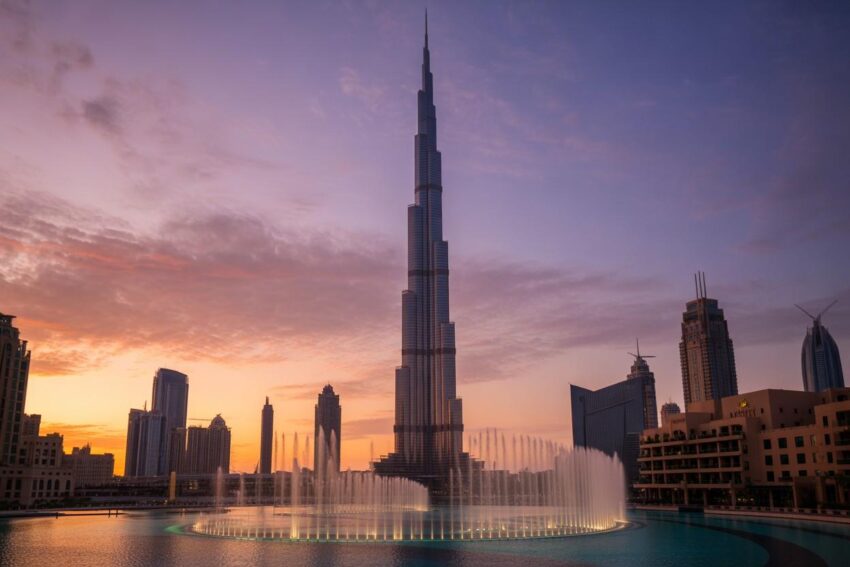
The tourism industry in South Batinah has expanded dramatically, with a 48.7% increase in the number of licences issued for tourism investment projects between January and October 2025. 174 licences were granted during this period, up from 117 in 2024. This surge demonstrates South Batinah’s growing importance as a tourism hub in Oman.

Diverse Tourism Investments: A Wide Array of Projects

The newly issued licences encompass a broad spectrum of tourism activities. These include eco-lodges, guesthouses, tour operators, travel agencies, hotels, tourist transport services, rest houses, and heritage lodges. South Batinah is proving itself a diverse destination, catering to a variety of tourist preferences, from heritage and eco-tourism to adventure travel.

Barka Leads with Majority of Licensed Projects

Barka has emerged as the leader in tourism investments within the region. The town accounted for 81% of the total licences issued, with 141 projects registered. Musannah ranked second, with 18 projects, representing 10.3% of the overall total. Other areas, including Nakhal, Rustaq, Al Awabi, and Wadi al Maawil, contributed smaller numbers of licences, ranging from one to six per area.

This distribution of tourism projects across South Batinah reflects the growing interest in diversifying tourism offerings in different regions, each with its unique attributes, such as Barka’s proximity to beaches and heritage sites and Musannah’s mountainous terrain.

Guesthouses and Eco-Lodges Top the List of Investments

Guesthouses have been the most sought-after tourism investment, with 119 licences issued, representing 68.3% of the total. This reflects a trend towards smaller, more intimate accommodation options that cater to tourists seeking a personalized experience. Tour operators and travel agencies followed with 26 and 14 licences, respectively, while eco-lodges garnered 11 licences. Eco-tourism is an integral part of the region’s development strategy, as it offers sustainable accommodation options and unique nature-based experiences.

The increasing number of eco-lodges aligns with a broader strategy launched in 2015 by the Ministry of Heritage and Tourism to diversify Oman’s tourism offerings and provide eco-friendly accommodation. South Batinah is currently home to 48 eco-lodges, with 33 located in Barka, 10 in Musannah, two each in Rustaq and Nakhal, and one in Wadi al Maawil.

Eco-Lodges: A Nature-Based Hospitality Experience

Eco-lodges are a key focus of South Batinah’s tourism strategy. These lodges provide guests with a tranquil, nature-immersive experience, often nestled within lush green oases and diverse landscapes. Their popularity stems from the desire for sustainable and eco-friendly accommodation options that allow guests to enjoy the region’s natural beauty while minimizing their environmental impact.

In addition to their environmental benefits, eco-lodges also cater to families and large groups, offering spacious accommodations that can comfortably host multiple guests. The Ministry of Heritage and Tourism has been actively supporting the development of these eco-lodges by simplifying licensing procedures and streamlining the application process. Local heritage and tourism departments in each governorate are now authorized to review applications directly once all the necessary requirements and approvals are in place.

Streamlining Licensing Procedures to Boost Tourism

To further encourage tourism investment, the government has taken significant steps to expedite the licensing process. This includes granting more local autonomy to heritage and tourism departments in each governorate, enabling them to directly review and approve eco-lodge applications. The aim is to make the process more efficient and accessible for potential investors, particularly those looking to contribute to the growing demand for ecotourism in Oman.

Winter Tourism Initiatives: Promoting Domestic and International Travel

The winter season is a key time for tourism in South Batinah, and the region is gearing up to capitalize on the influx of both domestic and international visitors. To attract tourists, the Ministry of Heritage and Tourism has rolled out a series of promotional programmes and activities throughout the governorate. These initiatives are designed to showcase South Batinah’s cultural and natural offerings and position the region as a top destination for winter travel.

One notable event, the “Nostalgia for the Past” heritage festival, is being organized in partnership with the University of Technology and Applied Sciences in Musannah. This event highlights the region’s rich cultural heritage and is aimed at both local students and visiting tourists. The festival will offer a variety of activities, including traditional performances, arts, and exhibitions, giving visitors a deeper understanding of Oman’s history and cultural traditions.

Adventure Tourism: A Growing Focus in South Batinah

Adventure tourism has also seen a surge in interest, with events such as Oman’s Cliff promoting the region’s mountain trails and rugged landscapes. Held at the end of November, the Oman’s Cliff event was designed to attract adventure enthusiasts and showcase the challenging mountain trails in the village of Hadash. This event is expected to boost the visibility of South Batinah as a destination for outdoor and adventure activities, complementing its ecotourism and heritage offerings.

By working with specialized operators, the Ministry of Heritage and Tourism is promoting South Batinah as a destination for both seasoned adventure travelers and newcomers seeking to explore the region’s natural beauty. With its diverse range of tourism offerings, from eco-lodges to adventure activities, South Batinah is positioning itself as an all-encompassing destination for a wide range of traveller interests.

Future Prospects for Tourism in South Batinah

The tourism outlook in South Batinah is promising, with both investment and visitor numbers expected to increase. As the region expands its tourism offerings, it is poised to become a major player in Oman’s tourism industry. The government’s proactive approach to licensing, promoting ecotourism, and hosting events that attract both domestic and international visitors bodes well for the future.

South Batinah is poised to become one of Oman’s top destinations as it capitalises on its natural beauty, cultural heritage, and adventure tourism potential. As more tourism investment projects are completed, the region will continue to attract new visitors, providing opportunities for both local businesses and international investors.

The post South Batinah Sees Surge in Tourism Investment Projects: Eco-Lodges and Heritage Lodges Lead the Growth in Oman appeared first on Travel And Tour World.
Cyprus and UAE Strengthen Tourism and Economic Partnership with their Promising Future Collaborations to Boost Growth, Development and Cultural Exchange

Cyprus and UAE Strengthen Tourism and Economic Partnership with their Promising Future Collaborations to Boost Growth, Development and Cultural Exchange

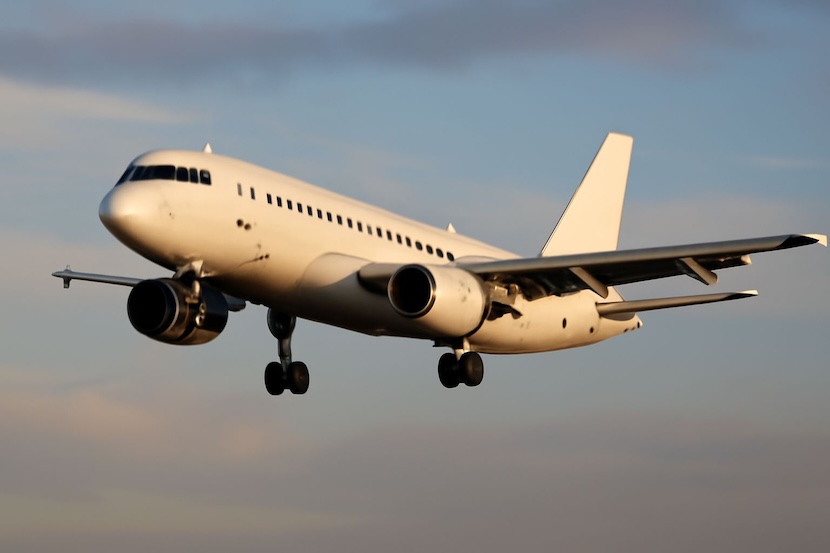
A formal reception was given to Sheikh Mohammed bin Zayed al Nahyan, President of the United Arab Emirates, on Sunday, at the Presidential Palace in Nicosia, marking the first official visit of a UAE President to the Republic of Cyprus. This visit ushers in a new chapter in the history of the bilateral relations between both countries and came to emphasize tourism cooperation, economic growth, and cultural exchange. The partnership in tourism development will go a long way in positioning Cyprus and UAE as leading countries offering sustainable tourism and luxury travel experiences. The two leaders also deliberated on future tourism collaborations in the domains of luxury tourism, cultural tourism, and eco-tourism for mutual growth and attracting more international visitors.

Future Tourism Cooperation: Expanding Regional and Global Connectivity

The tourism partnership between Cyprus and the UAE is poised to expand regional tourism while fostering global connectivity. With the UAE’s strong presence in luxury tourism and Cyprus’s diverse tourism offerings, the two nations have the opportunity to collaborate on initiatives that blend luxury travel with cultural exploration.

A key aspect of future tourism cooperation will be the increased air connectivity between Cyprus and UAE, enhancing travel options for tourists. As more direct flights are introduced between Dubai, Abu Dhabi, and Cyprus, the seamless connectivity will encourage more UAE travelers to explore Cyprus, and vice versa, leading to increased visitor numbers in both destinations.

Promoting Luxury and Cultural Tourism: A Shared Vision

Both Cyprus and the UAE are known for their luxury travel offerings. With its stunning beaches, world-class resorts, and historic sites like the Ancient City of Kourion, Cyprus aligns well with the UAE’s growing interest in luxury tourism and cultural exchange. Future joint marketing campaigns and tourism promotions will highlight the unique blend of luxury, cultural heritage, and eco-tourism in both countries, attracting affluent travelers and cultural enthusiasts from around the world.

Additionally, Cyprus’s role as a cultural tourism hub with a rich historical legacy, including UNESCO World Heritage sites like the Tomb of the Kings and Kyrenia Castle, will align with the UAE’s emphasis on promoting its own cultural heritage and art. Together, these nations can drive tourism experiences that promote both ancient traditions and modern luxury, benefiting both local economies and global tourism markets.

Sustainable Tourism Collaboration: Advancing Eco-Friendly Travel Initiatives

The future of tourism cooperation between Cyprus and the UAE will also focus on sustainability and eco-friendly tourism initiatives. Both countries have recognized the importance of sustainable travel practices to preserve their natural and cultural resources while providing meaningful and responsible travel experiences. By sharing knowledge and best practices, the two nations can develop eco-tourism offerings that attract travelers who are looking for both luxury and sustainability.

This includes promoting nature-based tourism in regions such as Cyprus’s Akamas Peninsula and the UAE’s desert resorts, where visitors can explore the beauty of untouched landscapes while respecting local ecosystems. Future sustainable tourism projects will not only provide eco-conscious tourists with memorable experiences but also help maintain the long-term health of the tourism industry in both countries.

Economic Growth and Long-Term Tourism Impact

The future impact of tourism cooperation between Cyprus and the UAE will contribute significantly to the economic growth of both nations. Tourism spending will increase in key regions, supporting local businesses, job creation, and infrastructure development. By focusing on diverse tourism offerings, including luxury tourism, wellness tourism, cultural tourism, and sustainable travel, the two countries will attract higher-value tourists who spend more during their stays, thus enhancing the economic resilience of both nations.

Additionally, the collaboration between tourism authorities and private sector stakeholders will create more tourism-focused investments, including hotel developments, cultural programs, and event hosting, leading to long-term economic benefits. As Cyprus continues to grow its tourism market and the UAE expands its cultural and luxury tourism influence, their joint efforts will elevate both countries’ positions on the global tourism map.

A Bright Future for Cyprus-UAE Tourism Relations

The UAE President’s visit to Cyprus marks the beginning of an exciting new chapter in tourism cooperation between the two countries. The focus on luxury tourism, cultural exchange, and sustainable travel will ensure that both nations continue to grow as top global destinations for travelers seeking authentic, immersive experiences.

Through strategic partnerships, joint ventures, and shared goals, Cyprus and UAE will strengthen their positions as regional tourism leaders and provide more opportunities for economic growth. The development of tourism infrastructure, coupled with a focus on responsible travel and sustainable tourism practices, will guarantee the continued success of the tourism sector in both countries, ensuring a future of sustainable growth and cultural connection.

A Promising Future for Cyprus and UAE in Global Tourism

As long as Cyprus and UAE continue to deepen their tourism collaboration, it will be a bright future for both. At the heart of luxury tourism, cultural exchange, and sustainability, the tourism sectors of Cyprus and the UAE are going to thrive and charm the next generation of global travelers. Further cooperation between Cyprus and the UAE is sure to set a standard in place for strategic tourism partnerships, which will power regional growth, foster cultural appreciation, and bring economic prosperity in the years to come.

The post Cyprus and UAE Strengthen Tourism and Economic Partnership with their Promising Future Collaborations to Boost Growth, Development and Cultural Exchange appeared first on Travel And Tour World.
Must-Know Rules for Safe Winter Visits to Top Destinations in UAE: All You Need to Know

Must-Know Rules for Safe Winter Visits to Top Destinations in UAE: All You Need to Know
Image of Dubai in UAE

Dubai tourism is heading into another record winter season, with official platforms highlighting millions of arrivals for warm weather, outdoor events and flagship attractions such as Downtown Dubai, Dubai Marina and Palm Jumeirah. The UAE Government underscores that the country maintains one of the lowest crime rates globally, consistently ranking among the safest places to live, work and visit.

Authorities describe Dubai as an open, tolerant and multicultural city, but emphasise that residents and tourists alike must respect local laws and customs to preserve its reputation as a secure, family-friendly tourism hub.

Dress code: How Dubai balances style and respect

Official Dubai visitor guidance confirms that the city is cosmopolitan and diverse, and most everyday clothing styles are acceptable in hotels, restaurants and many public spaces. Swimwear such as trunks, bikinis and one-piece suits is permitted at beaches, hotel pools, waterparks and spa facilities, all of which provide changing rooms and showers so visitors can cover up when leaving these areas.

At shopping malls, family attractions and parks, management typically posts dress code reminders asking both men and women to avoid overly revealing outfits, especially in areas popular with children and multigenerational families. When visiting historic neighbourhoods, government buildings or mosques, modest attire is expected: shoulders and knees covered, loose-fitting clothing, and for women, a headscarf and full arm and leg coverage in prayer spaces; many mosques provide appropriate garments for visitors.

Public behaviour: etiquette in a family-oriented city

Guides to Dubai etiquette from tourism and government-linked sources stress that public displays of affection should remain discreet and respectful in malls, beaches and public transport. Simple gestures such as holding hands between married couples are generally accepted, but intense or intimate behaviour in public places can attract complaints and possible legal attention.

Visitors are also urged to maintain polite conduct, avoid aggressive language or gestures and be mindful of noise, especially around families and in residential districts. Respecting queues, using the right hand for greetings and giving items, and dressing appropriately in mixed settings all contribute to the social harmony that Dubai promotes as a cornerstone of its tourism appeal.

Alcohol: Where tourists can drink and what is prohibited

Dubai permits alcohol consumption for visitors aged twenty-one and above in licensed venues, including hotel bars, restaurants, clubs and authorised retail outlets. While drinking in these controlled environments is legal, the UAE enforces strict zero-tolerance laws on drunk driving and drunk, disorderly behaviour, with penalties that can include heavy fines, licence suspension, detention and deportation.

For off-premises consumption, several emirates, including Dubai, require an alcohol license for residents and tourists, which can be obtained free of charge at approved stores upon presenting a passport (for visitors) or Emirates ID (for residents). Public drinking outside licensed venues, transporting open containers and appearing intoxicated on the street are all prohibited, so tourists are urged to plan transport by taxi, metro or ride-hailing when consuming alcohol.

Photography and privacy: Understanding UAE cybercrime rules

The UAE has robust privacy protections, and official advisories highlight that taking photos or videos of people without their consent, then sharing or posting them online, may breach federal cybercrime, penal and media laws. Capturing images of private homes, car plates, security staff or certain government and military facilities can also be considered an invasion of privacy or a national security concern.

Under updated UAE Cybercrime Law provisions, publishing someone’s image or recording without permission in a way that harms their dignity or privacy can lead to fines ranging roughly from AED one hundred fifty thousand to five hundred thousand and/or up to six months in jail, depending on circumstances. Tourism and film-permit portals advise visitors to focus on landmarks and skylines, and to ask before photographing individuals, especially families and children, in order to stay on the right side of the law.

Prescription medicines: MOHAP rules for bringing drugs into Dubai

The UAE Ministry of Health and Prevention (MOHAP) publishes detailed lists of controlled and prohibited medicines, along with guidance for travellers who need to carry medication for personal use. Many routine prescriptions and over-the-counter products are available legally in local pharmacies, but medicines containing narcotic, psychotropic or other controlled substances fall under special rules.

Travelers carrying controlled medicines must hold: a recent medical report, a valid doctor’s prescription and documentation stamped or authenticated by the issuing clinic or hospital, and may only bring in quantities sufficient for up to three months of treatment. MOHAP strongly encourages patients to apply online in advance for a “Permit to Import Medicines for Personal Use”, which confirms official approval before arrival in Dubai and helps avoid confiscation at the airport.

How these rules shape Dubai’s tourism appeal

Dubai’s clear visitor rules on dress, etiquette, alcohol, privacy and medicines are positioned by authorities as central to sustaining its status as one of the safest tourism destinations in the world, with very low crime rates and high levels of public order. Winter campaigns led by the Dubai Department of Economy and Tourism highlight this safety narrative alongside sunshine, shopping and events, helping the city rank among the top global winter tourism destinations in independent indexes.

For travellers, understanding and respecting these five rule areas reduces the risk of legal issues, enhances comfort in family-oriented spaces and contributes to positive experiences that fuel repeat visits and strong online reviews, key drivers of Dubai tourism growth as the emirate targets new records in 2025 and beyond.

The post Must-Know Rules for Safe Winter Visits to Top Destinations in UAE: All You Need to Know appeared first on Travel And Tour World.
Middle East Travel Upgrade: Discover How Dubai–Beirut Flights Are Now Quicker and More Convenient for Tourists

Middle East Travel Upgrade: Discover How Dubai–Beirut Flights Are Now Quicker and More Convenient for Tourists

Travelers flying between Dubai and Beirut now have a faster journey to look forward to. UAE airlines have started using Syrian airspace, cutting flight durations by up to one hour. This improvement not only makes travel more convenient but also gives tourists extra time to enjoy their destination. Whether traveling for leisure or business, passengers can now reach Lebanon more efficiently.

Why This Route Change Matters

For many travelers, every hour saved in transit is valuable. Shorter flights reduce fatigue and allow visitors to plan their trips with greater flexibility. Tourists flying from Dubai to Beirut can now arrive with more energy for sightseeing, shopping, or attending cultural events. Business travelers also benefit, as the reduced travel time makes same-day business trips more feasible.

The Role of UAE Airlines

Leading UAE carriers have optimized their Dubai–Beirut flights by taking advantage of newly approved Syrian airspace. This route adjustment follows international aviation safety protocols and regional guidelines. Airlines have confirmed that while travel time is shortened, passenger safety and service quality remain the top priorities.

Travel Tips for Passengers

  1. Check for Shorter Flights: Look for flights marked as using the “optimized route” for the fastest travel experience.
  2. Book Early: Airlines may prioritize these routes for passengers booking in advance.
  3. Flexible Planning: Shorter flights make it easier to schedule day trips or attend business meetings.
  4. Airport Transfers: With less time spent in the air, travelers can plan airport pickups and drop-offs more efficiently.

A Boost for Tourism in Beirut

Beirut’s tourism industry can expect positive effects from this change. Visitors can spend more time exploring the city’s historic neighborhoods, vibrant markets, and Mediterranean coastline. Weekend travelers from Dubai now have the opportunity to enjoy extended trips to Lebanon without worrying about long flights.

Safety and Compliance

All flights on this route adhere to international safety standards set by the International Civil Aviation Organization (ICAO). UAE airlines ensure that every flight maintains strict safety protocols. The use of Syrian airspace is fully regulated, providing a secure and reliable journey for passengers.

Environmental Impact

Reducing flight time also contributes to environmental benefits. Shorter routes mean lower fuel consumption per flight, which helps reduce overall emissions. While the impact may be modest, it aligns with broader efforts to make aviation more sustainable. Travelers choosing these routes can enjoy faster flights with a smaller environmental footprint.

Planning Your Travel

Tourists and business travelers should check airline schedules for flights taking advantage of the new airspace route. Airlines often provide details about which flights use this faster path, allowing passengers to plan their trips more efficiently. Passengers are also encouraged to monitor travel advisories to stay informed about any changes in airspace regulations.

Maximizing Your Trip

With the saved hour, travelers can plan meaningful experiences in Beirut. Spend extra time sampling local cuisine, visiting historical landmarks, or enjoying the city’s cultural offerings. For business travelers, the shorter flight opens opportunities for productive meetings and networking, all while minimizing travel fatigue.

Conclusion

The new route using Syrian airspace represents a significant upgrade for Dubai–Beirut travel. By cutting travel time by up to an hour, UAE airlines provide a faster, more convenient experience for passengers. Tourists and business travelers alike can now enjoy a smoother journey and make the most of their time in Lebanon. This development reinforces the growing accessibility and efficiency of Middle Eastern air travel.

The post Middle East Travel Upgrade: Discover How Dubai–Beirut Flights Are Now Quicker and More Convenient for Tourists appeared first on Travel And Tour World.

Turkey Announces Troy-Themed Exhibition in Rome for 2026, Boosting New Cultural Cooperation with Italy and Global Interest in Turkish Heritage

Turkey Announces Troy-Themed Exhibition in Rome for 2026, Boosting New Cultural Cooperation with Italy and Global Interest in Turkish Heritage

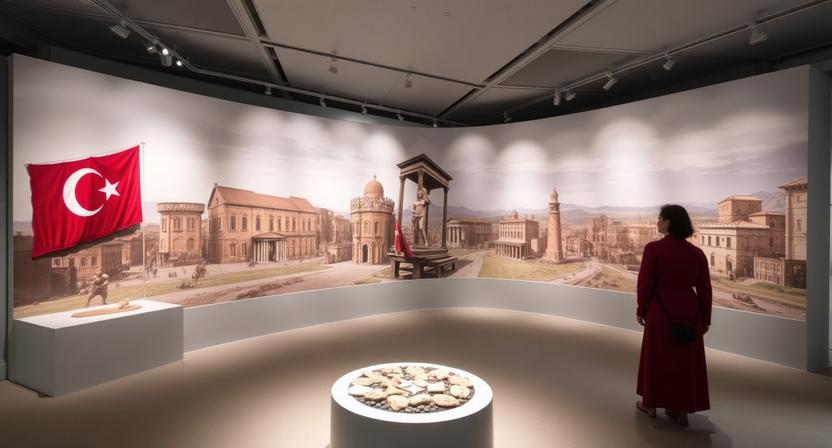
The Turkish Culture and Tourism Ministry has launched plans for a Troy exhibition that is set to take place in Rome in 2026, signifying the next move in the cultural collaboration that has been taking place between Turkey and Italy. The exhibition, which has been inspired by the Troy that has been immortalized throughout history, has been launched in order to showcase Turkey’s cultural wealth to the international community, thereby solidifying Turkey’s position in the international tourism sector. The exhibition is a follow-through plan from last year’s Göbeklitepe exhibition that took place at the Colosseum, as well as the on-going exhibition known as “Magna Mater.”

The Troy exhibition in Turkey is a part of Turkey’s aimed attempts at making the cultural heritage of Turkey known worldwide. The iconic historical site of Troy is one such location that Turkey, together with Italy, is aiming to develop with regard to tourism, thus helping Turkey increase economic ties with Italy.

Troy Exhibition to Drive Cultural and Tourism Growth in Turkey

The Troy exhibition is expected to significantly enhance Turkey’s tourism sector, particularly through the global exposure of its ancient heritage. By bringing Troy’s legendary artifacts to Rome, the exhibition will attract more international visitors to Turkey, particularly to the Troy Archaeological Site in the Çanakkale province. This exposure will provide Turkey with an opportunity to expand tourism by encouraging visitors to explore not only Troy but also other historical sites in Turkey, such as Göbeklitepe, Ephesus, and the Cappadocia region.

As one of the most iconic archaeological sites in the world, Troy draws attention to Turkey’s cultural richness, positioning it as a top destination for history lovers, archaeology enthusiasts, and cultural travelers. The exhibition’s success will boost Turkey’s reputation as a leading cultural tourism hub, driving increased visitor interest and supporting sustainable tourism development in the country.

Turkey-Italy Collaboration: Strengthening Tourism Diplomacy and Regional Connectivity

The exhibition marks an important milestone in Turkey-Italy relations, offering a platform to enhance cultural exchange between the two nations. As Italy is a key source market for Turkish tourism, this initiative will attract Italian tourists to Turkey, increasing the flow of visitors from the region and deepening ties between Turkey’s tourism industry and Italy’s cultural institutions.

In addition to fostering cultural connections, the collaboration will benefit the tourism sectors of both countries, generating new opportunities for joint tourism packages, cultural experiences, and collaborative marketing efforts. These efforts will not only boost bilateral tourism but also contribute to regional economic growth, as travelers explore destinations in both Turkey and Italy.

Turkey’s Growing Impact on Global Tourism and Cultural Heritage

As Turkey’s cultural diplomacy continues to expand, its heritage tourism sector is poised for significant growth. The Troy exhibition in Rome will serve as a major showcase for Turkey’s archaeological treasures, with the potential to attract a diverse group of international visitors seeking authentic experiences. This aligns with Turkey’s broader tourism strategy, which focuses on cultural immersion, eco-tourism, and authentic heritage experiences that offer something new for both first-time visitors and returning travelers.

The exhibition will also highlight Turkey’s UNESCO World Heritage Sites, encouraging travelers to explore off-the-beaten-path destinations in addition to popular spots like Istanbul, Cappadocia, and the Turquoise Coast. By focusing on cultural tourism, Turkey is positioning itself as a global leader in heritage preservation and responsible tourism.

Tourism Diplomacy and Future Growth in the Region

The partnership between Turkey and Italy is expected to have long-term positive impacts on both countries’ tourism industries. Cultural exhibitions like the Troy display help foster tourism diplomacy, creating a platform for further collaboration on tourism initiatives and cultural projects. By continuing to showcase Turkey’s rich history, such efforts will boost visitor numbers, promote cross-border tourism, and foster a deeper appreciation for shared cultural heritage.

In the years ahead, this collaboration will likely lead to even more tourism growth, not just between Turkey and Italy, but also in the wider Mediterranean region. As global tourism recovery continues, cultural tourism will be an essential pillar of sustainable tourism in both countries, contributing to the economic vitality of local communities while preserving their unique identities.

Enhancing Global Tourism with Cultural Diplomacy

The Troy show in Rome is a historic move in Turkey’s tourism diplomacy initiative, which gives Turkey a chance to showcase the rich cultural heritage that it has. Through partnerships such as this, Turkey has managed to position itself at the top of the list of countries that are leaders in heritage tourism, which has, in return, contributed to economic growth. The future of tourism in Turkey, as well as that of Italy, is set to take a significant shift with such initiatives such as the Troy exhibition.

The post Turkey Announces Troy-Themed Exhibition in Rome for 2026, Boosting New Cultural Cooperation with Italy and Global Interest in Turkish Heritage appeared first on Travel And Tour World.
Travel Smarter with AirAsia: Bahrain Hub Connects Asia and the Middle East for Tourists Worldwide

Travel Smarter with AirAsia: Bahrain Hub Connects Asia and the Middle East for Tourists Worldwide

AirAsia, Southeast Asia’s leading low-cost airline, is taking a major step in global connectivity by establishing a new hub in Bahrain. This move is set to make Bahrain a central gateway for travelers between Asia and the Middle East.

The expansion is more than just an airline strategy. For tourists, it means smoother travel, more affordable flights, and opportunities to explore new destinations in both regions.

Bahrain: A Rising Travel Hub

Bahrain has long been known for its modern infrastructure, rich history, and vibrant culture. Now, it is emerging as a key aviation hub in the Gulf. The country’s airports have undergone significant upgrades, with advanced passenger facilities and increased capacity for international flights.

Global travelers will benefit from Bahrain’s strategic location. Situated at the heart of the Gulf, it provides easy access to neighboring countries like Saudi Arabia, the UAE, and Oman. Travelers can combine city breaks, cultural trips, and leisure vacations with minimal travel hassle.

How AirAsia’s Hub Benefits Travelers

AirAsia’s new hub will directly connect Bahrain with major Asian cities, including Kuala Lumpur, Bangkok, and Jakarta. This expansion ensures shorter travel times and fewer layovers, making trips more convenient.

For travelers in the Gulf, AirAsia’s presence in Bahrain opens up budget-friendly options to Southeast Asia. Tourists can now plan short getaways or extended vacations without worrying about high airfare.

AirAsia’s low-cost model also encourages flexible travel. Families, solo travelers, and business visitors can access multiple destinations while keeping expenses manageable.

Enhanced Connectivity Across the Gulf

The Bahrain hub is expected to boost connectivity within the Gulf region. Potential routes to the UAE, Saudi Arabia, and Oman will provide travelers with more options for regional exploration.

This aligns with Bahrain’s vision of becoming an international travel hub. The country’s aviation authorities have invested in infrastructure and services to ensure a smooth experience for global passengers. Travelers will enjoy efficient airport procedures, modern lounges, and reliable airline connections.

Exploring Bahrain: A Travel Guide

Travelers stopping in Bahrain can enjoy a blend of history, culture, and modern attractions. Highlights include:

  • Bahrain National Museum: Discover the nation’s rich history and cultural heritage.
  • Qal’at al-Bahrain: Explore this ancient fort and archaeological site, a UNESCO World Heritage landmark.
  • Manama Souq: A lively market offering spices, textiles, and local crafts.
  • Luxury Resorts and Beaches: Perfect for relaxation or family vacations.
  • Desert Adventures: Desert safaris and dune bashing offer thrilling experiences.

AirAsia’s hub makes it easy to combine these attractions with nearby Gulf destinations, creating diverse and exciting travel itineraries.

Planning Your Trip via AirAsia’s Bahrain Hub

Travelers should consider Bahrain as more than a stopover. It can serve as the base for multi-destination trips in the Middle East and Southeast Asia.

Tips for travelers:

  • Book early: AirAsia’s competitive fares make advance planning beneficial.
  • Explore layover options: Even short stops in Bahrain allow for cultural experiences and shopping.
  • Plan multi-destination trips: Combine flights to Asia and neighboring Gulf countries for cost-effective travel.
  • Use local transport: Bahrain offers convenient taxis and buses to explore cities and nearby attractions.

Affordable Travel Meets Cultural Discovery

AirAsia’s hub is not just about flights—it is a gateway to experiences. Travelers can enjoy affordable routes, seamless connections, and access to Bahrain’s unique offerings. The combination of low-cost travel and rich culture encourages tourists to explore more destinations in both Asia and the Middle East.

Bahrain’s strategic position and the airline’s expansion will also stimulate tourism, making it easier for global visitors to explore the Gulf region. Visitors can now plan trips that mix historical exploration, urban experiences, and leisure activities without the usual travel stress.

Looking Ahead

AirAsia’s Bahrain hub represents a new era for budget-friendly international travel. Tourists across the world can benefit from direct routes, short layovers, and access to a wealth of cultural and leisure opportunities.

For travelers seeking adventure, convenience, and affordability, Bahrain is now a gateway to a new world of travel possibilities. Whether planning a Southeast Asia tour, a Gulf adventure, or a combination of both, the AirAsia Bahrain hub is set to transform global travel planning.

The post Travel Smarter with AirAsia: Bahrain Hub Connects Asia and the Middle East for Tourists Worldwide appeared first on Travel And Tour World.

Dubai’s DoubleTree By Hilton M Square Appoints Oguzhan Isci As Director Of Sales, Driving New Growth And Guest Experience

Dubai’s DoubleTree By Hilton M Square Appoints Oguzhan Isci As Director Of Sales, Driving New Growth And Guest Experience

Dubai’s hospitality industry is alive and kicking, and at the center of it all is the DoubleTree by Hilton Dubai M Square Hotel & Residences which is now making an important leadership change that will hasten the property’s development in the main travel markets. The new sales director is Oguzhan Isci, who will be responsible for directing the commercial strategy, increasing the industry partnerships, and taking part in the upgrading of the guest experience at the hotel-residence property which is situated in the old Al Mankhool district of Dubai.

Since welcoming guests with its signature warm DoubleTree cookie, DoubleTree by Hilton Dubai M Square Hotel & Residences has established itself as a sought-after destination for both leisure and business travellers. With its industrial-chic aesthetic, modern amenities and a location within easy reach of Burjuman Shopping Mall, Dubai Frame and Bur Dubai’s cultural attractions, the hotel is well positioned for further growth under Isci’s leadership.

Strategic Leadership to Elevate Sales and Growth

With more than ten years of experience spanning markets such as the UAE, Qatar, Türkiye and Europe, Oguzhan Isci brings to the role a strong commercial acumen and a track record of driving revenue growth and market development. In his new position as Director of Sales, he will guide strategic initiatives designed to strengthen the hotel’s competitive advantage in a dynamic regional tourism market.

Industry observers noted that Isci’s regional expertise and hospitality insight are aligned with broader growth ambitions for the property, particularly as Dubai continues to entice global travellers with its blend of luxury, culture and business opportunities. In previous senior leadership roles, he was recognised for nurturing key sales segments and forging partnerships that enhanced hotel performance, skills that are expected to inform his approach in Dubai. This insight, it was suggested, will help DoubleTree by Hilton Dubai M Square refine its appeal to both traditional and emerging guest segments.

A Hospitality Hub in the Heart of Dubai

Situated in Al Mankhool, the hotel places guests near the city’s historic attractions and contemporary landmarks. DoubleTree by Hilton Dubai M Square offers a comprehensive range of amenities designed to appeal to a wide spectrum of travellers. On-site dining includes a café and restaurant where visitors can enjoy diverse menus, while wellness facilities such as a full-service spa and fitness centre provide opportunities to unwind after a day exploring the city.

The property also offers an outdoor pool, a rooftop lounge with panoramic views of the Dubai skyline and versatile meeting and event spaces including a grand ballroom suitable for business conferences and social gatherings. With flexible spaces and dedicated planning support, the hotel has become a favoured choice for corporate events and destination weddings alike.

For extended stays, the hotel’s residence suites are a key draw. These fully equipped apartments range from one- to four-bedroom options and offer sweeping views of Dubai’s iconic skyline, including the Burj Khalifa and Dubai Frame alongside full kitchen facilities that provide the comforts of home for longer visits.

Advancing Travel Experiences and Market Reach

In his leadership role, Isci is expected to play a central role in amplifying the hotel’s outreach to international travel agents, corporate bookers and tour operators. Dubai’s tourism sector continues to be one of the fastest-growing in the world, and stakeholders believe that a refined sales strategy will allow the property to tap into evolving travel patterns, including surge segments such as luxury leisure travellers, family holidaymakers and long-stay guests seeking blended work-and-travel experiences.

Industry analysts suggest that one of Isci’s key challenges and opportunities will be to balance the hotel’s appeal between business clientele attending conferences and exhibitions and leisure travellers exploring Dubai’s cultural and entertainment offerings. By strengthening partnerships with global travel platforms and regional partners, the hotel is expected to enhance booking channels and visibility in competitive markets.

Guest-Centric Enhancements on the Horizon

While guests currently enjoy a host of contemporary amenities from free Wi-Fi and concierge services to EV charging and digital key technology, the property is exploring ways to elevate the overall guest experience in line with Dubai’s reputation for hospitality excellence. While official details of forthcoming enhancements remain under wraps, insiders hint that the hotel will seek to refresh its event spaces, expand bespoke guest packages and integrate new digital engagement tools that cater to increasingly tech-savvy travellers.

Isci’s appointment is also seen as timely in light of sustained demand for travel to Dubai, particularly from Europe, the Middle East and Asia. By leveraging his deep regional networks and sales leadership experience, industry watchers believe that the hotel could achieve stronger market share and greater positioning within Hilton’s global portfolio.

Looking Ahead: Growth Rooted in Local and Global Appeal

As the hotel charts its next chapter, there is a palpable sense of anticipation among those in Dubai’s travel and hospitality community. With its blend of classic hospitality elements and contemporary offerings, including well-appointed rooms and serviced residences DoubleTree by Hilton Dubai M Square invites guests to immerse themselves in both the energy of the city and the comfort of thoughtfully curated accommodation.

The appointment of Oguzhan Isci is poised to deepen this promise, combining local insights and global strategy to enrich the travel experience for visitors from around the world. By building on the property’s strengths and exploring new avenues for engagement, the hotel aims to leave a lasting impression on guests and stakeholders alike.

The evolution of Dubai into a world-recognized travel destination opens the door for hospitality executives like Isci to not only create unforgettable moments with the help of their service but also pave the way for the good stories and bonds to be told and shared among the tourists contributing to and even spreading the city’s charm that attracts people for so long.

Image Credit: DoubleTree by Hilton Dubai

The post Dubai’s DoubleTree By Hilton M Square Appoints Oguzhan Isci As Director Of Sales, Driving New Growth And Guest Experience appeared first on Travel And Tour World.
Abu Dhabi Sets New Record with 339,000 Fans at the 2025 Formula 1 Etihad Airways Grand Prix – A Thrilling Season Finale for Motorsports Enthusiasts

Abu Dhabi Sets New Record with 339,000 Fans at the 2025 Formula 1 Etihad Airways Grand Prix – A Thrilling Season Finale for Motorsports Enthusiasts

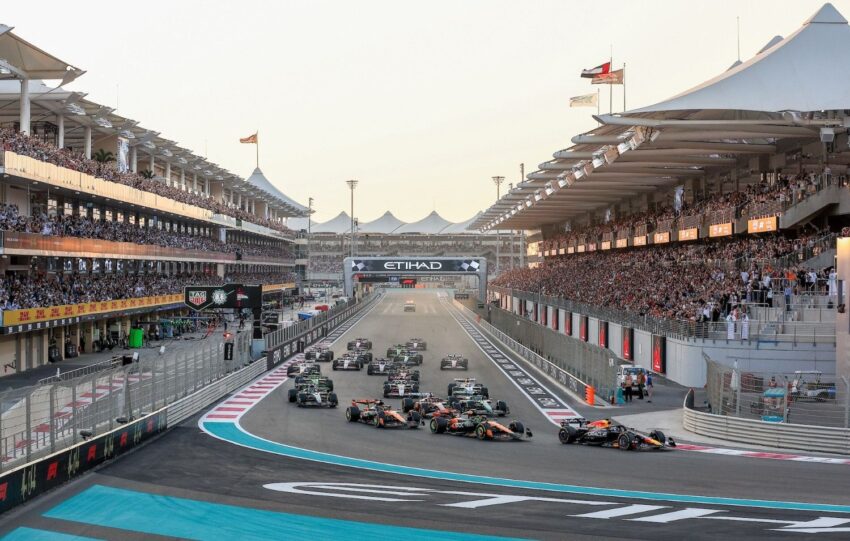
Abu Dhabi, the dazzling jewel of the UAE, once again shone brightly as it hosted the Formula 1® Etihad Airways Abu Dhabi Grand Prix in 2025. This thrilling event saw an incredible 339,000 fans flocking to Yas Island, smashing attendance records and setting a new benchmark for the world’s most exciting motorsport event. The 2025 season finale became an iconic moment, showcasing high-speed racing, star-studded entertainment, and groundbreaking environmental initiatives.

Formula 1® Brings Fans Together in Abu Dhabi

The Formula 1® Etihad Airways Abu Dhabi Grand Prix 2025 was more than just a race; it was a spectacular fusion of motorsport and entertainment. With a combined attendance of 339,000 fans across multiple events, Abu Dhabi has firmly established itself as a global hotspot for motorsport enthusiasts.

The season finale provided an unforgettable spectacle, with a fierce three-way title battle featuring McLaren’s Lando Norris, Oscar Piastri, and Red Bull’s Max Verstappen. Verstappen clinched his victory, while Norris secured his first driver’s title, igniting the crowd with excitement. The Yas Marina Circuit, already famed for its scenic beauty and exceptional facilities, saw 203,000 spectators on race day, a nearly 6% increase from 2024’s attendance.

The Abu Dhabi Grand Prix is a must-visit destination for motorsport lovers and thrill-seekers. But the appeal doesn’t stop at the track.

Highlights of the 2025 Abu Dhabi Grand Prix Experience:

  • Record-Breaking Fan Attendance: A massive 339,000 fans gathered over race week, setting a new record.
  • Epic After-Race Concerts: The Yasalam festival brought in 136,000 fans across four nights of star-studded performances, including global icons like Metallica, Katy Perry, and Post Malone.
  • Exclusive Paddock Access: Celebrities and VIPs, such as actress Ana de Armas and sports legends like Thierry Henry and Ronaldinho, rubbed shoulders with racing enthusiasts.
  • Innovative Fan Experience: The event featured new hospitality concepts, activations, and ticket inclusions, offering fans a truly immersive experience.

Abu Dhabi’s Role in Sustainable Motorsport

Beyond the glitz and glamour of the Grand Prix, Abu Dhabi is proving its commitment to environmental sustainability. The 2025 event saw the use of temporary solar power across the track, including at key turns, with sections fully powered by clean energy. The event’s temporary generators operated using 100% biofuel blends, significantly reducing emissions. Additionally, a partnership with UAE-based Ma-Hawa produced over 260,000 litres of water through air-to-water technology, eliminating the need for over 520,000 plastic bottles throughout the weekend.

Abu Dhabi’s efforts to balance the thrills of F1 racing with environmental responsibility set a new standard in the industry, making the Grand Prix not only an exhilarating event but a leader in sustainable practices.

Entertainment Beyond the Race: Yas Island Takes Centre Stage

The entertainment offered by the Yasalam festival elevated the entire Grand Prix experience. The four nights of after-race concerts were a major highlight, drawing in fans for a post-race celebration like no other. Each night featured world-renowned artists performing for an enthusiastic crowd, offering a mix of rock, pop, and electronic music that kept the party going well into the night.

  • Concert Highlights:
    • Benson Boone: His performance on Thursday night marked the biggest in the event’s history, making it more than just a warm-up.
    • Post Malone & Metallica: These iconic artists thrilled the crowd with electric performances.
    • Katy Perry: A dazzling show to wrap up the festival.

The performances were complemented by exclusive after-parties headlined by Idris Elba, Calvin Harris, and Keinemusik, turning Yas Island into a party paradise.

The Ultimate Grand Prix Destination

Abu Dhabi is not just about the race. It’s a destination that attracts global attention year after year. With its luxurious hotels, world-class restaurants, and cutting-edge entertainment venues, Abu Dhabi has earned its place as the ultimate Formula 1 finale destination. Whether you’re looking for a high-speed race experience or a relaxing getaway in a city that blends modern sophistication with traditional Arabian charm, Abu Dhabi offers something for everyone.

Where to Stay and Explore

  • Yas Marina Circuit: For fans who want to immerse themselves fully in the F1 experience, staying at one of the nearby hotels offers easy access to the action. The Yas Hotel, which sits directly above the track, provides stunning views and luxury accommodation.
  • Ferrari World Abu Dhabi: A must-visit for families and thrill-seekers, this indoor theme park brings you close to the adrenaline of motorsports, with rides like the world’s fastest roller coaster.
  • Louvre Abu Dhabi: Take a break from the racing action and explore the impressive collection of art and exhibits at the Louvre, located in the heart of the city.
  • Saadiyat Island: Known for its stunning beaches and top-tier resorts, this destination is perfect for those looking to unwind after the excitement of the Grand Prix.

Abu Dhabi’s Global Appeal: An Event for Everyone

The Formula 1® Etihad Airways Abu Dhabi Grand Prix continues to attract fans from around the world, cementing Abu Dhabi’s status as the go-to destination for motorsport enthusiasts. The event is a perfect blend of high-speed action, world-class entertainment, and luxurious hospitality, all set against the backdrop of one of the world’s most exciting cities.

Key Takeaways from the 2025 Abu Dhabi Grand Prix:

  • Attendance Record: 339,000 fans over the course of the race week.
  • Star-Studded Performances: Featuring artists like Post Malone, Metallica, and Katy Perry.
  • Sustainability Efforts: Significant use of solar power and biofuels.
  • Luxury Experiences: From exclusive hospitality options to VIP paddock access.
  • Exciting Attractions: Yas Island, Ferrari World, Louvre Abu Dhabi, and Saadiyat Island.

Abu Dhabi’s Formula 1® Etihad Airways Grand Prix continues to evolve each year, making it the ultimate motorsport event to attend. Whether you’re racing to the finish line or enjoying world-class entertainment, Abu Dhabi is the place to be for those seeking excitement, luxury, and a touch of Arabian glamour.

The post Abu Dhabi Sets New Record with 339,000 Fans at the 2025 Formula 1 Etihad Airways Grand Prix – A Thrilling Season Finale for Motorsports Enthusiasts appeared first on Travel And Tour World.
Discover Manama’s STEM Hub: An Engaging Stop for Global Travelers to Experience Bahrain’s Future-Ready Tech Education

Discover Manama’s STEM Hub: An Engaging Stop for Global Travelers to Experience Bahrain’s Future-Ready Tech Education

If you’re planning a trip to Bahrain, there’s a new destination that blends learning and exploration. The Bahrain STEM Hub in Manama offers visitors an engaging look at science, technology, engineering, and mathematics programs aimed at young learners. This innovative hub has quickly become a must-visit for tourists seeking experiences beyond traditional sightseeing.

Why Travelers Should Visit the STEM Hub

Bahrain is known for its rich history, vibrant souks, and modern architecture, but the STEM Hub introduces a new dimension. Travelers can witness hands-on learning and cutting-edge technology initiatives shaping the next generation of innovators.

The hub was established through a partnership between a local youth development organization and an international aerospace leader. Its primary goal is to provide students aged 12 to 18 with opportunities to learn practical skills in robotics, aviation, and technology. Visitors can observe workshops, competitions, and creative projects, offering a glimpse of how Bahrain prepares its youth for the global tech landscape.

Hands-On Learning for Visitors

The STEM Hub isn’t just for students—it provides a travel-friendly experience for anyone curious about technology. Tourists can watch live demonstrations, including robotics challenges and coding exercises. Observing young innovators build and program robots is both inspiring and educational.

For families, it’s an opportunity to engage children with interactive learning, while tech enthusiasts can appreciate the innovative approaches used in the programs. Even casual visitors will find the dynamic environment exciting, as it contrasts with the city’s historical and cultural sites.

Tourism Meets Innovation

Manama is the perfect backdrop for this modern educational experience. Visitors can enjoy a morning exploring traditional markets or historic sites and spend the afternoon at the STEM Hub, witnessing first-hand how technology education is integrated into the community.

The hub showcases Bahrain’s commitment to digital innovation and youth empowerment. Travelers gain insight into the country’s efforts to diversify its economy and develop skills critical for future industries. It’s a unique way to combine sightseeing with educational enrichment, offering a more meaningful travel experience.

Planning Your Visit

Tourists planning a trip to Manama can easily include the STEM Hub in their itinerary. Visiting during school breaks often provides the best opportunity to see live workshops and demonstrations. Short tours of the facility allow guests to explore exhibits, observe student projects, and even interact with some of the technology.

Nearby attractions make the STEM Hub an ideal stop for a full-day excursion. Travelers can pair the visit with stops at the Manama Souq for local crafts, Bab Al Bahrain for iconic city views, or the Bahrain National Museum for a cultural and historical perspective. This combination ensures a well-rounded travel experience, mixing modern innovation with tradition.

Engaging Global Travelers

The Bahrain STEM Hub is designed to appeal not only to local visitors but also to international tourists. Travelers interested in education, technology, or innovation can enjoy a unique insight into the Kingdom’s future-ready initiatives. It highlights how the country is nurturing young talent and fostering creativity and problem-solving skills among its youth.

Families and educators visiting Bahrain can see how programs are structured to develop critical thinking and practical skills. By witnessing the collaborative projects and competitions, tourists gain an appreciation for Bahrain’s forward-thinking approach to youth development.

A New Dimension to Bahrain Travel

Adding the STEM Hub to your travel itinerary transforms a trip into a more interactive and thought-provoking experience. Beyond museums, beaches, and shopping, it provides a space where visitors can observe and understand the future of technology education.

It’s also an opportunity for global travelers to witness international collaboration in action. Partnerships with leading tech and aerospace companies bring global expertise to local youth, making the STEM Hub a unique intersection of culture, innovation, and tourism.

Tips for Travelers

  • Best time to visit: Cooler months from November to March offer a comfortable experience.
  • What to expect: Interactive workshops, robotics competitions, and educational exhibits.
  • Nearby stops: Manama Souq, Bab Al Bahrain, Bahrain National Museum.

With these tips, visitors can make the most of their time at the STEM Hub and create a travel experience that combines education, culture, and innovation.

Why the STEM Hub Matters for Travel

The Bahrain STEM Hub adds a modern, engaging attraction to the country’s tourism landscape. It encourages travelers to explore beyond traditional sightseeing and immerse themselves in the educational journey of Bahrain’s youth.

For those curious about the future of technology, or looking for meaningful experiences while traveling, the STEM Hub in Manama is a destination that inspires, educates, and engages all in one visit.

The post Discover Manama’s STEM Hub: An Engaging Stop for Global Travelers to Experience Bahrain’s Future-Ready Tech Education appeared first on Travel And Tour World.
Travel Smarter in 2026: Middle East Airlines Lead Global Profits, Offering Tourists More Flights, Better Connectivity, and Stopover Adventures

Travel Smarter in 2026: Middle East Airlines Lead Global Profits, Offering Tourists More Flights, Better Connectivity, and Stopover Adventures

Middle East airlines are projected to post the world’s highest profit margins in 2026. Industry experts forecast a net margin of 9.3%, more than twice the global average of 3.9%. Total profits for the region’s carriers are expected to reach around $6.8 billion.

For travelers, this growth translates into better connectivity, improved services, and expanded flight networks. Airports like Dubai International, Doha’s Hamad Airport, and Abu Dhabi International act as global gateways, offering easy access to Europe, Asia, and Africa.

Strategic Hubs Transform Travel Experiences

The Middle East benefits from its geographic location at the crossroads of three continents. Major hubs provide travelers with shorter flight times and more options for multi-destination trips.

Dubai has emerged as a leading stopover destination. Its world-class infrastructure, luxury hotels, and cultural experiences make layovers more enjoyable. Doha and Abu Dhabi also offer upgraded terminals, lounges, and enhanced passenger services, ensuring a seamless travel experience.

Investments in infrastructure continue to expand airport capacity. Dubai is planning a mega-hub to handle hundreds of millions of passengers annually, while Saudi Arabia and Qatar are developing state-of-the-art facilities to support future travel demand.

Passenger Growth and Tourism Benefits

Passenger numbers in the Middle East are expected to grow by more than 6% in 2026. This growth outpaces many other regions, making the Middle East a key player in global tourism. Airlines such as Emirates, Etihad Airways, and Qatar Airways are expanding their networks, offering tourists more direct flights and convenient connections.

This expansion also brings competitive pricing. Travelers can access attractive fares to popular destinations worldwide while enjoying premium services and reliability.

Long-Haul Travel and Stopover Opportunities

Middle East airlines are particularly strong in long-haul travel. Connecting flights between Europe, Asia, and Africa are convenient, making stopovers easier for tourists.

Dubai offers a range of travel experiences during layovers. Tourists can explore iconic skyscrapers, traditional markets, and desert adventures before continuing their journey. Doha and Abu Dhabi provide cultural sites, luxury shopping, and fine dining options, turning transit time into a mini-vacation.

Enhanced Travel Services

The profitability of Middle East airlines allows them to invest heavily in passenger services. Travelers can expect comfortable seating, advanced entertainment systems, and better on-board dining. Airport facilities are also upgraded, with improved lounges, efficient security processes, and seamless baggage handling.

Government-backed initiatives ensure safety and efficiency. Investments in technology, airport operations, and customer experience make travel through the Middle East easier and more enjoyable than ever.

Sustainability and Future Growth

Middle East airlines are also focusing on sustainable aviation. Investments in fuel-efficient aircraft, eco-friendly operations, and green airport practices are expected to continue. This approach benefits travelers who are increasingly conscious of their carbon footprint.

With continued financial stability, these carriers are likely to expand routes, add new destinations, and enhance stopover experiences, ensuring that tourism in the Middle East remains vibrant and accessible.

What This Means for Travelers

For global tourists, the Middle East’s aviation boom offers exciting opportunities. More flights, better connections, and luxurious stopovers make it easier to explore multiple destinations in one trip.

Whether flying for business or leisure, travelers can take advantage of competitive fares, efficient services, and world-class airport facilities. The region’s rich culture, modern attractions, and iconic landmarks add value to every journey.

Conclusion

Middle East airlines’ record profits in 2026 are a signal of a thriving travel environment. Travelers can expect enhanced services, more routes, and convenient hubs across Dubai, Doha, and Abu Dhabi. The region is not just a transit point; it’s a destination itself, offering experiences that turn flights into adventures.

For global travelers, the Middle East is now more accessible, convenient, and travel-friendly than ever.

The post Travel Smarter in 2026: Middle East Airlines Lead Global Profits, Offering Tourists More Flights, Better Connectivity, and Stopover Adventures appeared first on Travel And Tour World.

Israel, Egypt, and the US Set the Stage for a Historic Gas Deal in Cairo – A Turning Point for Middle Eastern Energy and Diplomacy, Here’s Everything You Should Know

Israel, Egypt, and the US Set the Stage for a Historic Gas Deal in Cairo – A Turning Point for Middle Eastern Energy and Diplomacy, Here’s Everything You Should Know
Israel, Egypt, and the US Set the Stage for a Historic Gas Deal in Cairo

Prime Minister Benjamin Netanyahu is set to make a historic visit to Cairo to seal a monumental gas deal with Egypt that could reshape energy relations in the region. The deal, valued at multibillion-dollars, involves the supply of natural gas from Israel to Egypt, and is expected to significantly boost both nations’ energy security and economic standing. This visit marks a major diplomatic move by Netanyahu, whose relationship with Egypt has been strained in recent months due to ongoing regional tensions and domestic challenges in Israel.

The Israeli-Egyptian gas agreement represents more than just an energy transaction. It is poised to enhance the strategic cooperation between the two nations, particularly in the context of regional diplomacy. Israel’s shift toward deepening ties with Egypt reflects the broader Middle Eastern geopolitical dynamics, with Israel, Egypt, and the United States all playing crucial roles in shaping the future of this historic collaboration.

A Diplomatic Milestone for Israel and Egypt

The planned gas deal has been the subject of intense negotiations, and Netanyahu’s upcoming trip to Cairo could be the final step in solidifying the long-term energy partnership between the two countries. The agreement is expected to be a major diplomatic win for Netanyahu, especially ahead of Israel’s upcoming elections, where the prime minister is looking to secure significant political capital by showcasing his role in expanding Israel’s peace agreements with neighboring nations.

Netanyahu’s visit, which will be the first official state visit to Egypt in 15 years, will also serve as an opportunity for the Israeli leader to strengthen his leadership image in Israel amidst a politically charged environment. The multibillion-dollar deal is seen as part of Netanyahu’s ongoing efforts to leverage Israel’s natural gas resources for long-term financial and diplomatic benefits.

Energy Deal Amid Strained Relations

While the Israel-Egypt relationship has faced several challenges in recent years, particularly after the conflict between Hamas and Israel, the gas deal provides a pragmatic solution to the energy needs of both nations. For Israel, exporting natural gas to Egypt is not just about boosting revenues—it is also about enhancing regional stability and reinforcing ties with Egypt, one of Israel’s most crucial Arab allies. Egypt, on the other hand, sees this deal as a way to ensure its growing energy demands are met, given the expanding need for reliable energy sources in the region.

The diplomatic relationship between Israel and Egypt has been complicated by security concerns, especially following the rise in smuggling activities and the border issues between Egypt and Gaza. However, the signing of the gas deal is expected to demonstrate a shift toward more cooperative engagements, as both nations understand the economic and geopolitical benefits that could emerge from deeper energy and security partnerships.

US Involvement in the Deal: A Broader Strategic Context

In addition to the Israeli-Egyptian talks, there have been discussions about the possibility of a trilateral summit between US President Donald Trump, Netanyahu, and Egyptian President Abdel-Fattah el-Sissi. This would further cement the United States’ role in the region as a key player in facilitating energy security and economic collaboration between Israel and Egypt. The involvement of US diplomats in the negotiations underscores the broader implications of the deal, not just for Israel and Egypt, but for US foreign policy in the Middle East.

Though Netanyahu has had secretive trips to Egypt in the past, his upcoming visit will mark the first official state trip to Cairo in over a decade. The formalization of the gas agreement is expected to be a significant milestone in the Israel-Egypt diplomatic relationship, which, while tense at times, is ultimately a partnership built on common economic and security interests.

Travel Tips for Tourists Visiting Cairo Amid Diplomatic Developments

While Netanyahu’s visit to Cairo may not directly impact tourism, those traveling to Egypt during this time can expect heightened security measures and potentially some diplomatic events that may influence local affairs. If you’re planning a trip to Cairo in the coming months, here are a few travel tips:

  1. Stay Updated on Local News: Given the diplomatic context, it’s important to stay informed about any changes in security or travel restrictions in the region.
  2. Visit Major Cultural Sites: Take time to explore Egypt’s rich cultural heritage, from the Pyramids of Giza to the Egyptian Museum. Despite political developments, these iconic sites remain must-see attractions for any traveler.
  3. Safety First: Always follow government travel advisories and be cautious in regions where there may be heightened tensions or demonstrations.

Final Thoughts on Netanyahu’s Historic Cairo Visit

Netanyahu’s planned trip to Cairo and the signing of the gas deal mark a pivotal moment in Israeli-Egyptian relations, with the potential to significantly reshape the geopolitical and economic landscape of the Middle East. For both Israel and Egypt, the deal represents a strategic opportunity to boost energy security, enhance bilateral cooperation, and pave the way for a new chapter in their longstanding, albeit complicated, relationship. As the negotiations continue, the world will be watching to see how this historic deal unfolds, and what it means for the broader region.

The post Israel, Egypt, and the US Set the Stage for a Historic Gas Deal in Cairo – A Turning Point for Middle Eastern Energy and Diplomacy, Here’s Everything You Should Know appeared first on Travel And Tour World.
❌