Login
Login
Uluwatu Temple Joins Tanah Lot, Tirta Empul, Besakih, and More as Bali’s Top Seven Sacred Sites – Explore Spiritual Wonders and Rich Culture Across the Island!
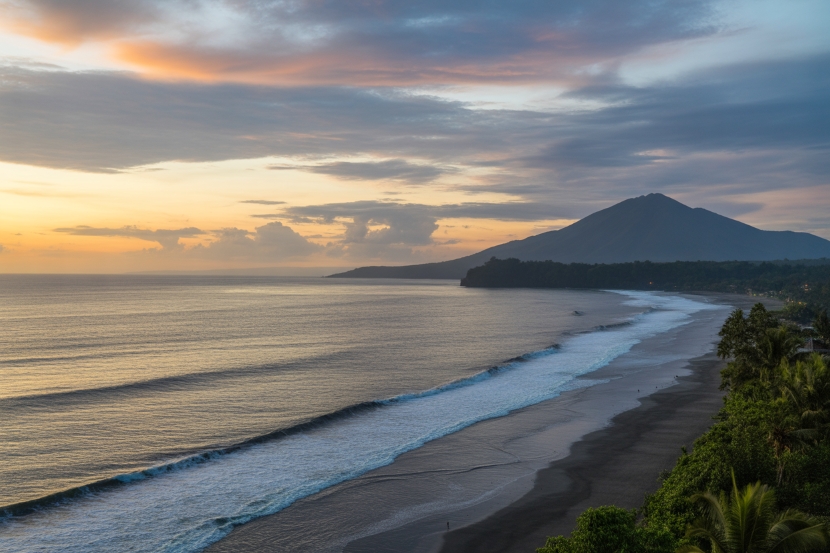
Bali is often known for its lush landscapes, stunning beaches, and vibrant nightlife, but at the heart of the island lies a rich spiritual heritage rooted in its Hindu traditions. The island is dotted with centuries-old temples, each representing a unique aspect of Balinese culture and religion. These sacred places are not only architectural marvels but also profound symbols of the island’s spiritual life, offering visitors a deep connection to its culture and traditions.
Whether perched on dramatic cliffs overlooking the Indian Ocean, nestled by tranquil lakes, or hidden deep in the lush forests, Bali’s temples invite travelers to experience the island’s spiritual rituals, stunning art, and local heritage. Temples such as Uluwatu, Tanah Lot, and Tirta Empul are not just tourist destinations—they are living temples, central to the daily lives of the Balinese people, where religious ceremonies and prayers take place regularly.
This guide will take you through the top seven temples in Bali, each of which offers a unique experience. From sacred purification rituals to breathtaking natural landscapes, these temples offer an unparalleled chance to immerse yourself in Bali’s spirituality, history, and culture. Here’s everything you need to know about Bali’s most iconic and revered temples, and how they’ll enrich your understanding of this enchanting island.
1. Uluwatu Temple: A Cliffside Marvel Overlooking the Ocean
Where It Is:
Located in the southernmost tip of Bali, Uluwatu Temple stands majestically on the edge of a towering cliff, offering panoramic views of the vast Indian Ocean below.
Why Visit:
Uluwatu Temple is one of Bali’s most iconic and photogenic landmarks. This temple is not only a religious site but also a breathtaking place to watch the sunset. Perched 70 meters above sea level, it provides a majestic view of the crashing waves and golden skies as the sun sets over the horizon.
What to Experience:
- Kecak Dance Performance: In the evening, the temple hosts the famous Kecak dance, a traditional Balinese dance performed at sunset, telling the story of the Ramayana through expressive movements and chanting.
- Sacred Monkeys: The temple is also home to a large colony of mischievous long-tailed macaque monkeys, adding to its mystique.
- Spiritual Significance: Uluwatu Temple is a significant sea temple, dedicated to the spirits of the sea, and it is believed to protect Bali from evil spirits.
What Makes It Special:
The temple’s location on the edge of a cliff provides one of the most picturesque settings in Bali. Whether you’re there for the sunset, the Kecak dance, or the spiritual experience, Uluwatu Temple offers a unique combination of natural beauty and cultural richness.
2. Tanah Lot: Bali’s Most Famous Sea Temple
Where It Is:
Located on the southwest coast of Bali, near the village of Beraban, Tanah Lot Temple sits atop a rocky outcrop surrounded by the sea.
Why Visit:
Tanah Lot is perhaps Bali’s most photographed temple, known for its dramatic setting against the ocean, especially during sunset. This iconic temple is dedicated to the sea gods and has been an important spiritual site for centuries.
What to Experience:
- Sunset Views: Tanah Lot’s sunset views are breathtaking, with the temple’s silhouette against the fiery skies creating a perfect moment for photography.
- Traditional Rituals: It’s also a place where locals gather for regular offerings and rituals, providing visitors with a chance to witness Bali’s spiritual customs firsthand.
- Temple Exploration: Explore the temple’s structure, which is surrounded by the ebbing tide. During low tide, visitors can walk up to the temple.
What Makes It Special:
The location of Tanah Lot, perched on a rocky island with the ocean crashing around it, adds a sense of awe to its already spiritual significance. Its stunning natural beauty and proximity to local culture make it an essential part of Bali’s cultural landscape.
3. Tirta Empul: Bali’s Sacred Water Temple
Where It Is:
Located in the Manukaya Village, near Ubud, Tirta Empul is one of Bali’s most important Hindu temples.
Why Visit:
Tirta Empul is known for its sacred spring water, believed to have healing properties. The temple is often referred to as the “holy water temple” where visitors can experience purification rituals.
What to Experience:
- Purification Rituals: Many visitors come to bathe in the sacred pools, following the traditional purification process by submerging under the waters as part of a religious ritual.
- Historical Significance: The temple is dedicated to the Hindu god Indra and dates back to the 10th century. It holds deep significance in the local culture and is an active site for religious ceremonies.
- Temple Grounds: The temple itself is beautiful, with traditional Balinese architecture and lush surroundings, making it a serene place to visit.
What Makes It Special:
The purification ritual at Tirta Empul is an unforgettable experience. The clear waters of the spring are not only seen as spiritually significant but are also part of Bali’s centuries-old tradition of water worship.
4. Gunung Kawi: Bali’s Ancient Temple Complex
Where It Is:
Gunung Kawi is located in Tampaksiring, Gianyar, in the middle of Bali’s lush central region.
Why Visit:
Gunung Kawi is one of Bali’s oldest temples, featuring rock-cut shrines that date back to the 11th century. Set in a lush, tranquil valley, the temple offers visitors a peaceful and mystical atmosphere.
What to Experience:
- Rock-Cut Shrines: The temple’s iconic rock-cut shrines are dedicated to King Anak Wungsu and his queens, carved directly into the cliffs.
- Rural Ambience: Surrounded by rice paddies, Gunung Kawi offers a serene, nature-filled environment, perfect for a reflective experience.
- Historical Insight: The temple complex provides a glimpse into Bali’s ancient royal history and culture.
What Makes It Special:
Gunung Kawi’s ancient rock carvings, coupled with its peaceful setting in a valley surrounded by nature, make it a spiritual and historical treasure.
5. Pura Luhur Batukaru: A Hidden Gem on Mount Batukaru
Where It Is:
Pura Luhur Batukaru is located on the slopes of Mount Batukaru, in Bali’s central region.
Why Visit:
This mountain temple is one of Bali’s least crowded, offering an escape from the usual tourist spots. The temple is dedicated to the goddess of the mountain and has a tranquil, sacred feel.
What to Experience:
- Mountain Views: The temple offers breathtaking views of Mount Batukaru, Bali’s second-highest peak, and is surrounded by lush forest.
- Peaceful Atmosphere: Unlike other more popular temples, Pura Luhur Batukaru is quieter, offering visitors a chance for introspection and spiritual reflection.
What Makes It Special:
Pura Luhur Batukaru is less touristy, providing a more serene experience, making it ideal for travelers who seek peaceful spiritual encounters away from the crowds.
6. Pura Ulun Danu Bratan: A Temple on the Water
Where It Is:
Located on Lake Bratan in Bedugul, central Bali, Pura Ulun Danu Bratan is one of Bali’s most famous temples.
Why Visit:
Built on the edge of Lake Bratan, this water temple is dedicated to Danu, the goddess of water, and is an iconic symbol of Bali’s connection to water, the source of life on the island.
What to Experience:
- Stunning Scenic Views: The temple, set against the serene backdrop of the lake and the mountains, is one of Bali’s most picturesque spots.
- Traditional Water Worship: The temple has long been used for offerings and ceremonies to the goddess of water.
What Makes It Special:
The tranquility of the temple on the lake, along with its beautiful surroundings, makes it a perfect location for meditation and reflection.
7. Pura Taman Ayun: The Temple of the Royal Family
Where It Is:
Pura Taman Ayun is located in Mengwi, near Ubud, in the central region of Bali.
Why Visit:
Known for its beautiful gardens and traditional Balinese architecture, Pura Taman Ayun was originally built as a royal temple for the Mengwi Kingdom in the 17th century.
What to Experience:
- Architectural Beauty: The temple features multi-tiered pagodas and is set in expansive, well-manicured gardens.
- Sacred Rituals: The temple is still used for religious ceremonies, making it a living example of Bali’s cultural and spiritual practices.
What Makes It Special:
Pura Taman Ayun is an excellent example of Balinese temple architecture and is surrounded by a beautiful water feature, making it a peaceful and picturesque place to visit.
Bali’s Temples Offer a Gateway to Spiritual and Cultural Discovery
Bali’s temples are far more than just tourist attractions—they are sacred spaces where spirituality, history, and culture converge. Each of the top seven temples provides a unique opportunity to experience the island’s religious practices and spiritual rituals, while offering stunning natural beauty and tranquil settings.
Whether it’s the cliffside views at Uluwatu, the sacred waters of Tirta Empul, or the ancient carvings at Gunung Kawi, each temple invites visitors to connect with Bali’s rich cultural and spiritual traditions. As you explore these sacred sites, you’ll gain deeper insight into Bali’s spiritual significance and witness the island’s vibrant, living culture.
The temples are a testament to the island’s heritage, and a visit to these sacred places will leave you with lasting memories and a greater appreciation for the spiritual heart of Bali.
The post Uluwatu Temple Joins Tanah Lot, Tirta Empul, Besakih, and More as Bali’s Top Seven Sacred Sites – Explore Spiritual Wonders and Rich Culture Across the Island! appeared first on Travel And Tour World.

 for its offices in Indonesia, Philippines, and Vietnam. This recognition, awarded by Great Place To Work®, is based entirely on employee feedback and reflects Agoda’s commitment to cultivating a positive workplace culture. The certification highlights Agoda’s strong internal culture and dedication to fostering a work environment that values collaboration, innovation, and trust—key components that make it one of the top employers in Southeast Asia.