
Reading view

United States Aviation Safety Alert: Alaska Airlines Mid-Air Disturbance on Boeing 737 Highlights In-Flight Security Risks for Travelers
United States Aviation Safety Alert: Alaska Airlines Mid-Air Disturbance on Boeing 737 Highlights In-Flight Security Risks for Travelers

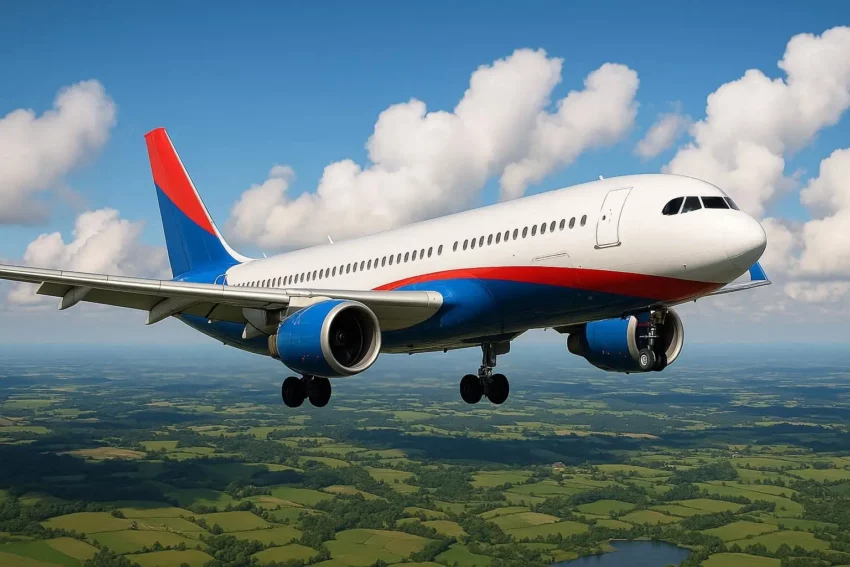
At cruising altitude over the United States, a routine domestic journey on Alaska Airlines was transformed into a serious aviation safety incident that captured national attention and raised renewed concerns for travelers and tourism stakeholders. A Boeing 737-900ER operating Flight AS87 between Deadhorse in Prudhoe Bay and Anchorage experienced a major in-flight disturbance when a passenger attempted to interfere with an emergency exit. The aircraft was flying at approximately 39,000 feet when unusual behavior was noticed in the cabin, prompting concern among both crew and passengers. While no injuries were reported and the aircraft landed safely in Alaska, the situation demonstrated how quickly stability can be challenged in a pressurized aircraft environment. For the travel and tourism sector, such events underscore the importance of crew training, passenger awareness, and effective response protocols. Aviation remains one of the safest modes of transport globally, yet incidents of this nature continue to highlight the complex intersection of mental health, substance abuse, and air travel. This case, now under federal review in the United States, has been closely observed by airlines, regulators, and travelers alike.

Overview of the In-Flight Incident

A serious security concern was reported aboard an Alaska Airlines Boeing 737 operating a domestic route within the United States. The flight had departed from Deadhorse, Prudhoe Bay, and was en route to Ted Stevens International Airport in Anchorage, Alaska. Shortly after departure, erratic behavior was observed from a male passenger seated toward the rear of the aircraft. What initially appeared to be a possible medical issue was gradually recognized as a broader safety risk, prompting heightened vigilance from cabin crew and nearby travelers.

As the aircraft continued its ascent and reached cruising altitude, the behavior reportedly intensified. Movements were described as restless, and visible distress was noted. Several passengers chose to relocate within the cabin to distance themselves from the individual, reflecting growing unease during what was expected to be a routine regional journey.

Unusual Behavior Raises Alarm

According to information later presented in court filings in Alaska, the passenger identified as Kassian William Fredericks was seen speaking to himself and displaying signs of agitation. During standard cabin service, alarming statements were made that caused fear among nearby passengers. Concerns were further amplified when claims were made regarding the condition of the aircraft and the safety of those on board.

Cabin crew members were alerted and precautionary steps were taken to monitor the situation discreetly. Surrounding passengers were asked to remain attentive while normal service procedures continued, an approach often used to avoid escalating distress in confined environments. Despite these measures, the individual was later able to move from his seat toward the rear of the aircraft without immediate intervention.

Attempted Interference with Aircraft Door

The most critical moment of the incident occurred when an attempt was reportedly made to manipulate the handle of a rear emergency exit door while the aircraft remained airborne. The action was noticed by another passenger exiting a nearby restroom, and an alert was quickly raised within the cabin. Immediate assistance was provided by multiple passengers, and the individual was physically restrained and moved away from the door area.

Although the pressurization systems on modern aircraft such as the Boeing 737 make it physically impossible for doors to be fully opened at cruising altitude, the attempt itself represented a serious breach of safety. It was later noted by investigators that the door handle had been forced from its locked position, creating concern that an emergency slide deployment could have occurred inside the cabin.

Crew and Passenger Response

The response from both cabin crew and passengers was decisive and coordinated. Several adult passengers assisted in restraining the individual, while flight attendants assessed options for further securing him. The use of zip ties was reportedly considered but ultimately avoided to prevent additional agitation. Instead, a group of passengers voluntarily remained seated near the individual for the remainder of the flight to limit further movement.

This collective response was credited with maintaining stability during the final phase of the journey. The aircraft continued to Anchorage without diversion, demonstrating the effectiveness of calm decision-making and cooperation in a high-risk situation. For frequent travelers and tourism professionals, the incident served as a reminder of the importance of situational awareness while flying.

Arrival and Medical Evaluation

Upon arrival at Ted Stevens International Airport in Anchorage, law enforcement officers were present at the gate. The passenger involved was removed from the aircraft and transported to a hospital for medical evaluation. During the assessment, it was reportedly disclosed that heavy alcohol consumption over several days had occurred and that hallucinations were being experienced. The use of antidepressant medication was also mentioned to medical staff.

Such disclosures highlighted the complex role that mental health and substance use can play in aviation safety. Airlines across the United States and globally have increasingly faced similar challenges, particularly as post-pandemic travel volumes continue to rise.

Legal Charges and Potential Penalties

Following the incident, federal authorities in the United States filed charges against Kassian William Fredericks for interference with flight crew members. This offense is considered serious under federal law due to the potential risk posed to passengers, crew, and aircraft. If convicted, penalties could include a prison sentence of up to 20 years and fines reaching $250,000.

Investigators emphasized that while catastrophic outcomes were avoided, the perceived threat alone justified severe legal consequences. The case has now entered the federal court system, where further proceedings will determine the final outcome.

Implications for Travel and Tourism

From a travel and tourism perspective, the Alaska Airlines incident reinforced the importance of maintaining robust safety standards across domestic and international routes. Alaska remains a popular destination for tourism, attracting visitors for its natural beauty, wildlife, and adventure travel experiences. Incidents occurring on flights serving such regions can influence traveler confidence, even when outcomes are safely managed.

Airlines continue to invest in crew training focused on de-escalation, mental health awareness, and passenger management. For travelers, the event served as a reminder of shared responsibility in maintaining safety within the cabin environment.

Bottom Line

The mid-air disturbance aboard Alaska Airlines Flight AS87 demonstrated how quickly a single passenger’s actions can create a serious safety concern at cruising altitude. While no injuries occurred and the aircraft landed safely in Anchorage, the incident underscored ongoing challenges faced by airlines in the United States and beyond. Effective coordination between crew and passengers ensured a controlled outcome, reinforcing confidence in aviation safety systems. As the case proceeds through federal court, the broader travel community continues to observe lessons relevant to passenger conduct, mental health awareness, and in-flight security.

The post United States Aviation Safety Alert: Alaska Airlines Mid-Air Disturbance on Boeing 737 Highlights In-Flight Security Risks for Travelers appeared first on Travel And Tour World.
Japan–United States Travel Disruptions as Japan Airlines Delays 16 Flights Following A350 Ground Collision at New York JFK

Japan–United States Travel Disruptions as Japan Airlines Delays 16 Flights Following A350 Ground Collision at New York JFK

International air travel between Japan, the United States, and other major global destinations has been significantly affected following an unexpected ground incident involving Japan Airlines at New York John F Kennedy International Airport. A parked Japan Airlines Airbus A350 sustained damage during routine maintenance after unintended contact with another aircraft, triggering a chain of operational disruptions across long-haul routes. As a result, 16 international flights operating to and from Tokyo Haneda Airport have been delayed, with some schedules pushed back by nearly sixteen hours. The incident has drawn attention within the global travel and tourism sector, as the affected routes connect key business and leisure markets including London, Los Angeles, Singapore, and Dallas-Fort Worth. While no passengers or crew were on board at the time of the collision and no injuries were reported, the event has underscored the sensitivity of airline operations to ground-handling incidents. For travelers planning journeys between Japan, the United States, and Europe during the peak winter travel period, the delays have introduced uncertainty, schedule changes, and rebooking challenges. From a tourism perspective, the situation highlights how localized airport incidents can ripple across international networks, influencing passenger experiences far beyond the original point of disruption.

Overview of the Ground Collision at New York JFK

A ground collision involving a Japan Airlines Airbus A350 occurred at approximately 00:40 on December 14, 2025, at John F Kennedy International Airport in New York, United States. The aircraft had been parked for routine maintenance when a Hi Fly Airbus A330, chartered by Arkia Airlines, was being towed by ground personnel. During the towing process, unintended contact was made with the left-side cockpit window of the Japan Airlines aircraft.

At the time of the incident, neither aircraft was carrying passengers or crew members. Airport safety protocols were immediately activated, and the situation was assessed without any reported injuries. Although the physical damage was limited to the parked aircraft, the implications for airline operations extended well beyond the maintenance area at JFK.

Aircraft Damage and Immediate Operational Consequences

Following the collision, the affected Japan Airlines A350 was grounded for inspection and repairs. As widebody aircraft play a central role in long-haul international travel, the removal of a single aircraft from service created a cascading impact on flight schedules.

Maintenance teams were deployed to evaluate structural integrity and cockpit damage. While the airline worked to minimize disruption through aircraft substitutions, the complexity of long-haul fleet planning meant that delays were unavoidable. The situation demonstrated how even ground-based incidents can influence global aviation schedules, particularly for carriers operating intercontinental routes between Japan, North America, and Europe.

Scope of Flight Delays and Affected Passengers

A total of 16 Japan Airlines flights were listed as affected, with delays stretching from December 19 through December 22. The airline noted that further schedule changes could extend beyond December 23, depending on repair timelines and fleet availability.

The maximum reported delay reached 15 hours and 55 minutes, creating significant inconvenience for travelers. In total, 3,144 passengers were impacted by the changes, many of whom were traveling on premium long-haul routes connecting major tourism and business hubs.

The delayed services primarily involved routes between Tokyo Haneda Airport and key international destinations, reinforcing the global nature of the disruption.

List of Impacted International Routes

The affected flights included several of Japan Airlines most prominent long-haul services, which are vital links for tourism, commerce, and cultural exchange between Japan, the United States, Europe, and Southeast Asia.

The delayed flights were as follows:

JL043 Haneda London
JL044 London Haneda
JL006 Haneda New York
JL005 New York Haneda
JL037 Haneda Singapore
JL036 Singapore Haneda
JL016 Haneda Los Angeles
JL015 Los Angeles Haneda
JL012 Haneda Dallas Fort Worth
JL011 Dallas Fort Worth Haneda

These routes serve as essential corridors for international travelers, including tourists, expatriates, and business passengers. The delays therefore carried broader implications for hotel bookings, connecting flights, and planned travel itineraries.

Passenger Communication and Airline Response

Japan Airlines indicated that passengers and stakeholders were being kept informed as recovery efforts progressed. Operational updates were published through official channels, allowing travelers to monitor changes and adjust plans accordingly.

Customer understanding was acknowledged by the airline as fleet adjustments and aircraft substitutions were implemented. From a tourism standpoint, timely communication played a crucial role in helping passengers navigate revised schedules, particularly for those with onward connections or time-sensitive travel commitments.

Meanwhile, Arkia Airlines notified its passengers and initiated rebooking procedures. Hi Fly confirmed that a replacement aircraft would be supplied, ensuring that Arkia operations could resume without prolonged interruption. This coordinated response aimed to stabilize travel plans for affected customers across multiple carriers.

Broader Impact on Travel and Tourism Networks

The disruption highlighted the interconnected nature of modern air travel. A single incident at a major hub like New York JFK can affect passenger flows across continents, influencing tourism demand and airline reliability perceptions.

For travelers planning trips between Japan and the United States, the delays underscored the importance of flexible itineraries and travel insurance during peak travel seasons. Tour operators, hotels, and destination managers were also indirectly affected, as delayed arrivals can lead to missed accommodations and altered travel experiences.

Despite the challenges, the incident did not lead to airport-wide operational shutdowns, allowing other services at JFK to continue largely as scheduled.

Reference to a Similar Incident in the United States

Attention was also drawn to a previous ground collision involving Japan Airlines earlier in 2025. On February 5, 2025, a Japan Airlines Boeing 787-9 arriving from Tokyo Narita Airport made contact with a parked Delta Air Lines Boeing 737-800 at Seattle Tacoma International Airport in the United States.

During that incident, the Japan Airlines aircraft was taxiing to its gate when its right wingtip struck the tail of the stationary Delta aircraft. Both flights were carrying full passenger loads, and emergency response teams were deployed promptly. No injuries were reported, and passengers were safely deplaned.

Safety Oversight and Regulatory Review

In the Seattle case, the Federal Aviation Administration confirmed that an investigation had been launched to review ground procedures and aircraft positioning. While the New York JFK collision involved no passengers, similar attention was expected from aviation authorities to ensure that ground-handling protocols remained robust.

Such reviews are essential for maintaining traveler confidence, particularly for international tourists choosing long-haul journeys between Japan, the United States, and other global destinations.

Outlook for Recovery and Travel Stability

As repairs to the damaged Japan Airlines A350 progress, gradual normalization of schedules is expected. Fleet adjustments and substitute aircraft are anticipated to restore capacity on key routes, allowing delayed passengers to reach their destinations.

For the global travel and tourism sector, the incident serves as a reminder of the operational complexities behind international aviation. While safety standards remain high, even minor ground incidents can produce wide-reaching effects on travel plans.

With continued communication and operational coordination, stability is expected to return, reinforcing long-term confidence in air travel between Japan, the United States, and the wider international network.

The post Japan–United States Travel Disruptions as Japan Airlines Delays 16 Flights Following A350 Ground Collision at New York JFK appeared first on Travel And Tour World.

From the United States to Japan and the United Kingdom: Three Decades of Global Tourism Shaped by the Boeing 777 Widebody

From the United States to Japan and the United Kingdom: Three Decades of Global Tourism Shaped by the Boeing 777 Widebody

Over the past thirty years, Boeing 777, global air travel, and long-haul tourism have been fundamentally reshaped through a single aircraft family that quietly redefined how continents are connected. Since its first delivery and commercial debut, the Boeing 777 has been positioned as a technological and economic bridge between regions, cultures, and tourism markets across the United States, the United Kingdom, Japan, Australia, Canada, and far beyond. Designed during a period of rapid globalization, the aircraft was engineered to meet the evolving demands of airlines seeking efficiency, range, and passenger comfort on intercontinental routes.

Through consistent operational performance and adaptability, nearly four billion travelers have been carried by this aircraft family, enabling leisure tourism, business travel, diaspora connections, and cultural exchange at an unprecedented scale. Major tourism corridors linking North America with Europe and Asia were strengthened, while emerging long-haul routes to remote destinations were made viable. As international airports expanded and destination cities evolved into global hubs, the Boeing 777 became an essential enabler of worldwide mobility. The following narrative explores how this aircraft family influenced aviation, tourism infrastructure, and global connectivity over three decades, while maintaining its role as a cornerstone of modern travel.

A Milestone in Commercial Aviation History

The Boeing 777 marked thirty years since its entry into commercial service, securing its place as the best-selling widebody aircraft family in aviation history. First introduced into passenger operations by United Airlines in the United States, the aircraft entered service on a transatlantic route between London Heathrow Airport in the United Kingdom and Washington Dulles International Airport. From that moment, a new era of efficient long-haul travel was established.

Over three decades, nearly four billion passengers were transported across continents, reinforcing tourism links between countries and supporting the expansion of international travel networks. This volume of travelers illustrated not only the aircraft’s popularity among airlines but also its deep integration into global tourism systems.

Scale of Operations and Global Connectivity

Today, the Boeing 777 fleet is operated on nearly 1,800 flights every day, connecting major tourism gateways, financial centers, and geographically remote regions. Routes linking North America with Europe, Asia-Pacific, and the Middle East have been consistently served by this aircraft, allowing destination cities to grow into global tourism hubs.

The scale of passenger movement enabled by the aircraft has been described as extraordinary. Over thirty years, the cumulative number of travelers carried would be sufficient to fill a major sports stadium in the United States every day for more than a century. Such sustained utilization has demonstrated the aircraft’s ongoing relevance within the global travel and tourism ecosystem.

Collaborative Design for a Global Market

The Boeing 777 was developed to bridge the capacity and range gap between the Boeing 767-300ER and the Boeing 747-400. Unlike earlier programs, its design was shaped through close collaboration with eight major airlines from different regions, including operators based in Japan, the United States, the United Kingdom, Australia, and Hong Kong.

Through this cooperative approach, key features were influenced by airline input. A wider cabin cross-section was adopted to improve passenger comfort on long journeys, while flexible interior layouts were enabled to support diverse service models. Advanced fly-by-wire controls, a modern glass cockpit operated by a two-person flight crew, and operating economics targeting lower seat-mile costs were incorporated. These decisions ensured competitiveness against aircraft such as the Airbus A330 and the McDonnell Douglas MD-11, while supporting airline profitability on tourism-driven routes.

Testing, Certification, and Global Readiness

The maiden flight of the Boeing 777 was completed on June 12, 1994, initiating the most extensive flight-test program undertaken by Boeing at that time. Nine test aircraft were flown with engines supplied by General Electric, Pratt and Whitney, and Rolls-Royce. Testing environments ranged from the deserts of California at Edwards Air Force Base in the United States to extreme cold-weather conditions in Alaska.

After eleven months of rigorous evaluation, simultaneous airworthiness certification was granted on April 19, 1995, by the US Federal Aviation Administration and the European Joint Aviation Authorities. This milestone enabled the aircraft to enter global service under extended-range twin-engine operational performance standards, opening new long-distance tourism routes previously dominated by larger aircraft.

Industrial Expansion and Economic Influence

To support production, significant investment was made in the Everett factory in the United States, where approximately $1.5 billion was allocated to add two new final assembly lines. The manufacturing process incorporated extensive international collaboration, with major structural components supplied by aerospace manufacturers in Japan and Australia.

Over time, the Boeing 777 became Boeing’s most profitable widebody program. By the mid-2010s, it was the most widely used aircraft on transpacific routes linking North America with Asia, supporting tourism growth between the United States, Japan, and other Asia-Pacific destinations. In 2018, total production surpassed that of the Boeing 747, cementing its status as the most produced widebody aircraft in history. Production rates were later adjusted in response to changing market conditions and the global aviation downturn caused by the COVID-19 pandemic.

People, Airlines, and Shared Achievements

To commemorate the thirtieth anniversary, recognition was given to thousands of employees across the program. Appreciation messages were shared in more than twenty languages, reflecting the international nature of the workforce and the nearly one hundred airline customers worldwide.

Personal stories highlighted the human dimension behind the aircraft. Multigenerational involvement within families working on the program illustrated long-term dedication, with careers spanning structural engineering, sales and marketing, customer support, and flight testing on the 777X. Such narratives underscored the collaborative effort that supported decades of safe and reliable global travel.

Beyond Passenger Travel and Tourism

While commercial passenger service remained the primary mission, the Boeing 777 fleet was also utilized for a wide range of special operations. Humanitarian relief supplies and medical aid were transported to regions in need, while wildlife transfers included the movement of animals such as pandas and lions between countries.

The aircraft was also used to carry athletes and officials to major international sporting events, including the Olympic Games, the Super Bowl, and the FIFA World Cup. These missions highlighted the aircraft’s versatility, payload capability, and reliability, reinforcing its value beyond scheduled tourism services.

Market Leadership and Long-Term Impact

The success of the Boeing 777 strengthened Boeing’s position in the global widebody market. Competition was faced from aircraft such as the Airbus A330, the McDonnell Douglas DC-10, the MD-11, and the Lockheed L-1011, yet production volumes eventually exceeded those of the Boeing 747.

Today, approximately two-thirds of widebody aircraft in service and on order worldwide are Boeing airplanes. This dominance reflected the long-term influence of programs led by the 777 family, particularly in shaping how international tourism and long-haul travel are conducted.

Boeing 777 by the Numbers

Nearly one hundred airline customers worldwide
More than 2,300 aircraft ordered
Over 1,750 aircraft delivered
Forty-nine billion miles flown globally
Equivalent to more than 237,000 round-trip flights between Earth and the Moon

The post From the United States to Japan and the United Kingdom: Three Decades of Global Tourism Shaped by the Boeing 777 Widebody appeared first on Travel And Tour World.
Germany–United States–India–Brazil Routes Affected as Lufthansa Operates Boeing 787 Allegris With Only Four Business Class Seats

Germany–United States–India–Brazil Routes Affected as Lufthansa Operates Boeing 787 Allegris With Only Four Business Class Seats

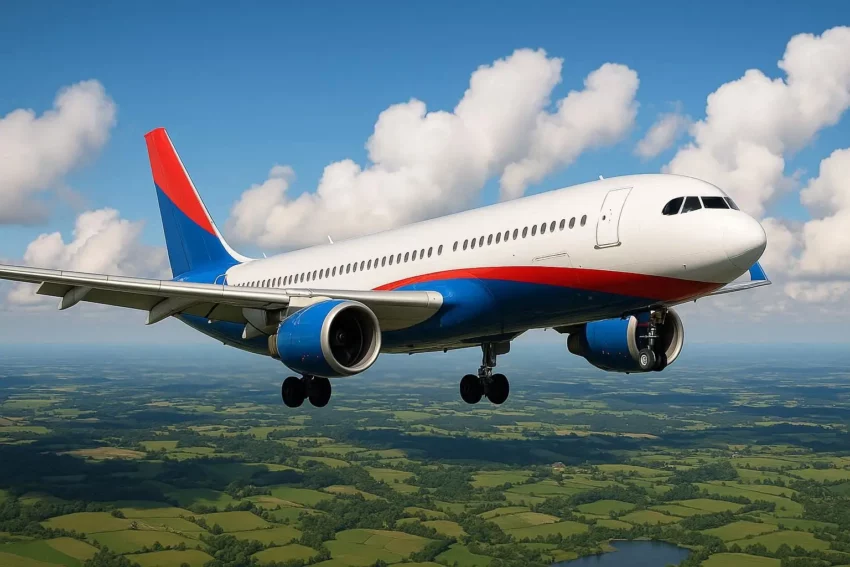
Long-haul travel between Europe and key global destinations has been reshaped as Lufthansa, Germany’s flagship carrier, continues to deploy its newest Boeing 787-9 Dreamliner aircraft with sharply restricted premium seating. The highly anticipated Allegris cabin, designed to elevate long-distance passenger comfort and strengthen the airline’s competitive position, has been only partially approved for service. As a result, flights linking Germany with the United States, India, Brazil, and Colombia are being operated with just four usable business class seats. This unusual configuration has drawn attention across the travel and tourism sector, as global demand for premium long-haul travel has rebounded strongly. The situation has emerged not from a lack of ambition, but from prolonged certification challenges tied to the complexity of the Allegris seat program. While passengers continue to benefit from the fuel efficiency and modern design of the Dreamliner, the limited availability of business class products has altered booking patterns, yield strategies, and route planning. Against a backdrop of aircraft delivery delays and intensified competition, the Allegris rollout on the Boeing 787 has become a defining operational challenge for Lufthansa’s long-haul network.

Allegris Concept and Lufthansa’s Long-Haul Vision

The Allegris cabin was introduced by Lufthansa as a comprehensive overhaul of its long-haul product. A unified experience across business, premium economy, economy, and first class was envisioned, ensuring consistent comfort regardless of aircraft type. Direct aisle access for every business class passenger was positioned as a cornerstone of this strategy, aligning the airline with global premium standards.

Initial progress was made on the Airbus A350 fleet, where most cabin classes entered service smoothly. While first class experienced delays, those issues were gradually resolved. The Boeing 787 program, however, encountered more complex challenges, largely due to the regulatory framework governing seat certification.

Certification Challenges on the Boeing 787

The Federal Aviation Administration requires that every individual seat model be certified separately for each aircraft type. For the Boeing 787 Allegris cabin, business class seats were sourced from three different manufacturers. Only one of these seat variants has successfully completed certification for the Dreamliner.

As a consequence, just four out of 28 business class seats have been approved for use. The remaining 24 seats have been kept blocked, rendering most of the cabin commercially unusable. These delays were anticipated internally, with warnings issued by Lufthansa leadership as early as late 2024 that approval timelines could stretch significantly or potentially fail to materialize.

Routes Linking Germany With Global Destinations

Despite the limitations, Lufthansa has chosen to place the Boeing 787-9 into active service rather than keep aircraft grounded. Since October 2025, early deployments have been operated on long-haul routes connecting Germany with Austin in the United States, Bogota in Colombia, Hyderabad in India, and Rio de Janeiro in Brazil.

On these services, only the first row of Allegris business class suites has been available for sale. This has meant that each flight has carried a maximum of four business class passengers, an unusual scenario for intercontinental travel. The decision has been driven by the need to maintain network capacity, protect airport slots, and support inbound and outbound tourism flows across multiple continents.

Impact on Travel Demand and Tourism Flows

From a travel and tourism perspective, the restricted cabin has created mixed outcomes. Leisure travelers in economy and premium economy cabins have continued to benefit from the modern Dreamliner experience, while business travelers and premium leisure passengers have faced limited availability.

Routes such as Germany–India and Germany–United States are particularly sensitive to premium demand, given strong corporate, technology, and visiting-friends-and-relatives traffic. The reduced number of business class seats has shifted some high-yield travelers toward alternative carriers, while others have adjusted travel dates or cabin choices.

At the same time, Lufthansa has been able to preserve connectivity to key tourism markets in Brazil and Colombia, supporting inbound travel to Europe and outbound European tourism to South America.

Fleet Constraints and Broader Operational Pressure

The Allegris delays have occurred during a period of sustained fleet pressure for Lufthansa. Deliveries of the Boeing 777X have been postponed for years, while earlier supply chain disruptions slowed the arrival of additional Airbus A350 aircraft. With approximately 15 Boeing 787s already delivered or in final preparation, the inability to fully utilize their premium cabins has reduced overall fleet efficiency.

Aircraft that were intended to support growth in long-haul tourism markets have instead been constrained in revenue generation. Nevertheless, grounding these aircraft has been viewed as a less viable option, particularly as global travel demand has recovered to near pre-pandemic levels.

Sales Strategy and Forward Booking Assumptions

Lufthansa has opened full cabin sales for Boeing 787 flights from May 1, 2026 onward. This move has been based on the assumption that all remaining Allegris seat variants will receive certification by that time. Management has emphasized that this date should be regarded as a target rather than a guaranteed milestone.

Any further delays could complicate booking confidence, tour operator planning, and corporate travel agreements. For tourism partners across Germany, India, the United States, Brazil, and Colombia, clarity around premium cabin availability remains an important factor in travel planning.

Pandemic-Era Decisions and Their Lasting Effects

Part of the current challenge has been attributed to cost-reduction measures implemented during the pandemic. Investments related to product certification and supplier coordination were scaled back as airlines globally focused on cash preservation. These decisions, while necessary at the time, have continued to influence the pace of the Allegris rollout.

The complexity of managing multiple seat manufacturers, regulatory authorities, and aircraft types has underscored the long-term implications of deferred investment within the aviation sector.

Implications for the Wider Lufthansa Group

The Allegris program has not been limited to Lufthansa alone. Sister airline SWISS has faced its own challenges with the same cabin concept on Airbus A330 aircraft, where first class weight constraints have required additional counterbalancing measures.

Together, these issues have highlighted the operational risks involved in launching a bespoke cabin product across multiple fleets simultaneously. While the long-term yield potential of Allegris remains attractive, short-term disruptions have tested operational flexibility.

Outlook for 2026 and Beyond

The expected full availability of Allegris business class seats from May 2026 remains the next major milestone. If achieved, Lufthansa’s Boeing 787 fleet could finally deliver the premium experience originally promised, strengthening the airline’s position in competitive long-haul tourism markets.

Until then, passengers traveling between Germany, the United States, India, Brazil, and Colombia are likely to continue encountering limited business class availability on select routes. The situation serves as a reminder of how regulatory processes, supply chain complexity, and strategic decisions intersect to shape the global travel experience.

The post Germany–United States–India–Brazil Routes Affected as Lufthansa Operates Boeing 787 Allegris With Only Four Business Class Seats appeared first on Travel And Tour World.
From Battlefields to Borderlands: How India Is Transforming Conflict Landscapes into Travel Destinations Across South Asia

From Battlefields to Borderlands: How India Is Transforming Conflict Landscapes into Travel Destinations Across South Asia

Across India, landscapes once defined by confrontation and military alertness are increasingly being repositioned as meaningful travel destinations. Over the past few years, a quiet yet significant transformation has been underway, where historic battlefields, war memorials and sensitive frontier zones have begun to attract visitors interested in learning, remembrance and reflection. This emerging form of battlefield tourism has been encouraged through coordinated efforts by central and state authorities, often in consultation with the armed forces. As part of this broader travel and tourism strategy, regions close to borders with China and Pakistan, long associated with restricted access, are being carefully opened to civilians under regulated frameworks. The approach reflects a shift in perception, where borderlands are no longer viewed solely as security buffers but also as landscapes of national memory and cultural education. Through improved infrastructure, guided access and interpretive storytelling, these sites are being positioned as places where history can be understood in its geographical and human context. For travellers, the appeal lies not in spectacle, but in the opportunity to engage with the past while supporting remote communities. This evolving model of tourism is reshaping how conflict-linked spaces are experienced within the country and beyond.

Understanding Battlefield Tourism in a Travel Context

Battlefield tourism is generally understood as travel undertaken primarily to visit places associated with warfare. Such locations include historic battlefields, war memorials, military cemeteries, forts, museums and, in some cases, forward or frontier posts. In the context of India, this form of tourism has gained momentum as travellers increasingly seek experiences that combine education, reflection and a sense of place. Visits are often motivated by an interest in military history, academic research or national heritage. For others, travel is undertaken as an act of remembrance, especially by families tracing ancestral connections or citizens paying respects to those who served. A growing segment of travellers is also drawn by the dramatic landscapes where history unfolded, such as deserts, mountains and high-altitude passes, which naturally align with adventure and nature-based tourism. These sites function simultaneously as destinations of memory and experiential travel spaces, requiring thoughtful interpretation and respectful engagement.

India’s Layered Military and Conflict Heritage

India’s battlefield heritage spans several historical periods, each presenting unique narratives and tourism considerations. Ancient and medieval sites such as Panipat, Haldighati, Chittorgarh and Purana Qila are closely linked to dynastic conflicts and regional power struggles. These locations often lend themselves to architectural exploration and storytelling rooted in early history. Colonial-era battle sites like Plassey and Buxar reflect the conflicts that shaped British rule in the subcontinent and are frequently approached through museum-based interpretation. The country’s role during World War II is preserved in the northeastern states, particularly at Kohima and Imphal, where international remembrance practices remain strong. Post-Independence conflicts, including those with Pakistan and China, have left behind memorials and high-altitude battle zones such as Kargil, Longewala and Rezang La. Each category demands a different approach, balancing tourism development with sensitivity to living memory and national sentiment.

Opening Borderlands and Frontier Areas to Travellers

A notable policy shift has been observed in recent years as India has begun opening select border and frontier areas to civilians. On December 15, 2025, the state of Sikkim formally opened the high-altitude passes of Cho La and Dok La to tourists under regulated conditions. Located at elevations above 15,000 feet along the India China border, these passes are historically significant due to the Indo China clashes of 1967 at Cho La and the standoff at Dok La in 2017. Previously restricted because of military sensitivity, access has now been allowed in a controlled manner. Similar initiatives have been introduced across other regions, reflecting a broader effort to integrate frontier landscapes into the travel and tourism ecosystem. These moves are intended to familiarise citizens with the realities of border management while also supporting infrastructure growth and local livelihoods.

Prominent Battlefield Tourism Destinations in India

Several sites have emerged as prominent examples of battlefield tourism within the country. The Kargil War Memorial in Dras, Ladakh, is among the most visited modern memorials. Dedicated to soldiers who lost their lives during the 1999 conflict, the site features landscaped grounds, inscribed names and an interpretive centre explaining the challenges of high-altitude warfare. The journey to Dras itself, involving long drives through rugged terrain, reinforces the sense of remoteness and sacrifice. In Rajasthan, the Longewala War Memorial stands near the India Pakistan border in the Thar Desert, marking the site of a decisive 1971 battle. Exhibits include military equipment and detailed maps that place the encounter within a wider historical context. In Nagaland, the Kohima War Cemetery preserves the legacy of World War II in a restrained and contemplative manner, with terraced graves and minimal signage encouraging quiet reflection.

High-Altitude Battle Zones and Regulated Access

Beyond established memorials, certain high-altitude Himalayan locations associated with post-Independence conflicts have been opened to civilians in recent years. Access to these areas is typically seasonal and subject to strict regulations, guided tours and permission requirements. Such measures reflect ongoing security considerations as well as the fragile environmental conditions of these regions. For travellers, these journeys offer insights into the logistical realities faced by armed forces while also highlighting the strategic significance of terrain. The integration of these zones into tourism circuits has been undertaken cautiously, with an emphasis on education rather than recreation.

Tourism Development and Community Impact

The expansion of battlefield tourism has also been linked to broader development goals. Improved road connectivity, accommodation facilities and basic services in remote regions have been prioritised as part of these initiatives. Local communities, often residing in challenging environments, have been encouraged to participate through guiding services, homestays and small-scale enterprises. By positioning conflict-linked sites as travel destinations, opportunities for sustainable livelihoods are being created without altering the historical integrity of the locations. At the same time, travellers are offered a chance to engage with regional cultures and landscapes that were previously inaccessible.

Responsible Travel and Visitor Awareness

Visiting a battlefield or memorial requires a mindset distinct from conventional leisure travel. Travellers are advised to check access rules and permit requirements in advance, as many sites remain under partial restriction. Guided visits are generally recommended, as local guides or army-led tours provide essential context while ensuring adherence to security protocols. Respectful behaviour is expected at all times, particularly at memorials and cemeteries, where silence and restraint are appropriate. Photography should be undertaken thoughtfully, avoiding any form of exploitation or intrusion. Logistical preparation is also crucial, as many of these destinations are located in remote areas with limited medical facilities and connectivity. Weather conditions, altitude and terrain should be carefully considered during travel planning.

Battlefield Tourism as Reflection and Learning

When approached thoughtfully, battlefield tourism can offer a deeper understanding of history and national memory. In India, where layers of conflict span centuries, these landscapes provide tangible connections to events often confined to textbooks. The growing emphasis on regulated access and interpretive storytelling reflects an effort to ensure that tourism serves as a medium for education rather than spectacle. By transforming sites of conflict into spaces for learning and remembrance, India is redefining how its borderlands and battlefields are perceived within the travel and tourism sector.

The post From Battlefields to Borderlands: How India Is Transforming Conflict Landscapes into Travel Destinations Across South Asia appeared first on Travel And Tour World.
Germany–United States Aviation Link Strengthens as Lufthansa Boeing 747-8 Aircraft Join United States Air Force Presidential Fleet

Germany–United States Aviation Link Strengthens as Lufthansa Boeing 747-8 Aircraft Join United States Air Force Presidential Fleet

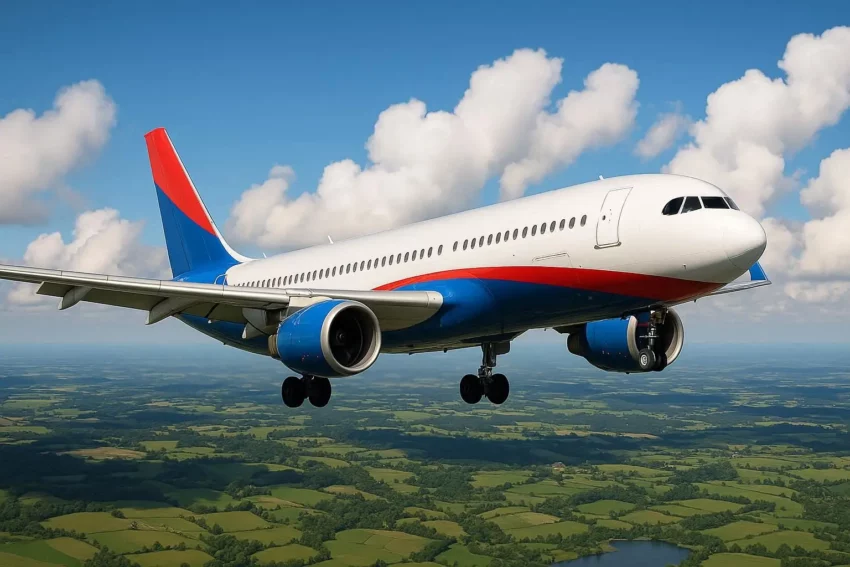
A significant development in global aviation has been confirmed with the transfer of two iconic widebody aircraft from Germany to the United States, highlighting how civil aviation assets can play a role in international mobility, diplomacy, and long-distance travel infrastructure. The sale involves Lufthansa, Germany’s flag carrier, and two of its highly recognizable Boeing 747-8 aircraft, which are set to join the operational ecosystem of the United States Air Force. These aircraft, long associated with intercontinental passenger travel and tourism flows through Frankfurt Airport, will now support the broader Air Force One program during a critical transition period. The transaction reflects not only fleet optimization by a major European airline but also underscores the continuing importance of long-range aircraft in connecting countries, cultures, and leadership across continents. As Germany and the United States remain closely linked through tourism, trade, and diplomatic travel, the movement of these aircraft represents a rare intersection of commercial aviation, state operations, and international travel logistics, all within a context shaped by evolving fleet strategies and delayed aircraft replacement programs.

Lufthansa Confirms Strategic Fleet Adjustment

It has been confirmed that Lufthansa will part with two Boeing 747-8 aircraft as part of a carefully managed long-term fleet adjustment. The aircraft are scheduled to exit the airline’s long-haul operations between January and the third quarter of 2026. Once the transfer is completed, Lufthansa’s total fleet of passenger Boeing 747-8 aircraft will be reduced from 19 to 17.

These aircraft have historically been operated primarily from Frankfurt Airport in Germany, a major European hub that plays a vital role in transatlantic tourism and international connectivity. The reduction in fleet size has been positioned as a targeted decision rather than a broader retreat from jumbo jet operations, ensuring that Lufthansa retains a strong presence in long-haul travel markets.

A Rare Transaction in Modern Aviation

The sale has drawn attention across the aviation and travel sectors due to the limited global demand for used widebody aircraft. In recent years, airlines have faced challenges when attempting to sell large, aging jets, often encountering weak market interest and unfavorable financial outcomes.

Against this backdrop, Lufthansa’s ability to identify a buyer for two Boeing 747-8 aircraft has been viewed as highly unusual. The aircraft type is no longer in production, and few commercial operators remain capable of integrating such large jets into their fleets. The transaction has therefore been interpreted as a unique alignment of airline fleet management and government aviation requirements.

Aircraft Details and Timeline

The two aircraft confirmed for transfer have been identified as D-ABYD and D-ABYG. The aircraft registered as D-ABYD, which is 13 years old, is scheduled to leave the Lufthansa fleet in January 2026. The second aircraft, D-ABYG, aged 12 years, is expected to exit operations during the third quarter of 2026.

Following their departure, Lufthansa’s remaining Boeing 747-8 fleet will be capped at a maximum of 17 aircraft. These remaining jets will continue to serve long-haul routes that connect Germany with major destinations across North America and Asia, sustaining tourism and business travel flows.

Limited Global Operators of the Boeing 747-8

Lufthansa occupies a distinctive position in global aviation as one of only three airlines worldwide to operate the passenger version of the Boeing 747-8. The other operators are Air China and Korean Air. This exclusivity has reinforced the aircraft’s iconic status among international travelers and aviation enthusiasts.

For Lufthansa, the Boeing 747-8 has long been a symbol of premium long-distance travel, offering high capacity and extended range suitable for major intercontinental routes. Previous plans had indicated that all 19 aircraft would be retained for the long term, with comprehensive cabin upgrades forming part of the airline’s future vision.

United States Air Force Acquisition Explained

It has been reported that the United States Air Force acquired two Boeing 747-8 aircraft at a combined cost of approximately 400 million dollars. These aircraft are widely understood to correspond directly to the two jets leaving Lufthansa’s fleet.

The aircraft will not serve as the primary Air Force One platforms. Instead, they are expected to support presidential aviation operations through training missions, operational readiness activities, and spare parts sustainment. This approach allows the United States to maintain continuity in presidential air travel while preparing for the arrival of new, heavily modified aircraft.

Supporting the Air Force One Replacement Program

The United States Air Force is currently engaged in replacing its aging Air Force One fleet, which is based on modified Boeing 747-200 aircraft. The future replacements are planned to be customized Boeing 747-8s designed to meet modern security, communications, and operational requirements.

Two specific Boeing 747-8 aircraft, identified by Boeing line numbers 1519 and 1523, were originally built for Transaero, a now-defunct Russian airline, but were never delivered. These aircraft have been designated as the future primary Air Force One platforms. However, the program has experienced significant delays, with delivery now expected no earlier than 2028.

Interim Measures and Operational Continuity

During the extended transition period, interim solutions have been considered to ensure uninterrupted presidential air travel. Additional Boeing 747-8 airframes provide a practical way to bridge the gap between the aging 747-200 fleet and the delayed arrival of the new aircraft.

By acquiring aircraft already in service with a major international airline, the United States Air Force gains access to proven airframes that are compatible with existing maintenance and training requirements. This strategy reduces operational risk and supports long-term readiness.

Importance of Training and Spare Parts

The Boeing 747-8 differs substantially from the older Boeing 747-200 in terms of avionics, systems architecture, and maintenance processes. As the aircraft type is no longer being produced, the availability of spare parts and training platforms has become increasingly important.

The acquisition of former Lufthansa aircraft allows the United States Air Force to establish dedicated training capabilities for flight crews and maintenance personnel. It also ensures a reliable source of spare parts, supporting sustained operations once the new Air Force One aircraft enter service.

Travel and Tourism Implications

While the aircraft will transition from commercial service to government use, their movement highlights the enduring role of large, long-range aircraft in global travel infrastructure. Frankfurt Airport, as Lufthansa’s primary hub, remains a key gateway between Germany, the United States, and the wider world.

The continued operation of Boeing 747-8 aircraft on passenger routes supports tourism flows by enabling high-capacity travel between major international destinations. At the same time, the transfer of aircraft to the United States Air Force underscores how aviation assets can be repurposed to serve broader national and international objectives.

Broader Significance for Germany and the United States

This transaction reinforces the close aviation and travel ties between Germany and the United States. Both countries rely heavily on long-haul air travel to support tourism, diplomacy, and economic exchange. The movement of these aircraft reflects a shared reliance on advanced aviation technology and long-distance connectivity.

For Lufthansa, the sale represents a rare opportunity to streamline its fleet while maintaining operational strength. For the United States Air Force, it provides a practical solution to sustain presidential aviation capabilities during a period of transition.

Bottom Line

The confirmed sale of two Boeing 747-8 aircraft from Lufthansa to the United States Air Force marks a notable moment in international aviation. Scheduled departures in early and mid-2026 will reduce Lufthansa’s long-term fleet to 17 aircraft while supporting critical training and sustainment roles within the Air Force One program.

The transaction demonstrates how commercial aviation assets can continue to play a role beyond passenger service, contributing to operational readiness and international connectivity between Germany and the United States.

The post Germany–United States Aviation Link Strengthens as Lufthansa Boeing 747-8 Aircraft Join United States Air Force Presidential Fleet appeared first on Travel And Tour World.
Finland and United States Welcome First F-35A Rollout as a Milestone for Northern Europe, NATO Integration, and Aviation Travel Awareness

Finland and United States Welcome First F-35A Rollout as a Milestone for Northern Europe, NATO Integration, and Aviation Travel Awareness

A defining moment for modern aviation and northern European security was formally marked in the United States as Finland participated in the rollout of its first F-35A Lightning II at the production facility of Lockheed Martin in Fort Worth, Texas. The aircraft, built for the Finnish Air Force, represents the opening chapter of a 64 jet program that will reshape air operations across the Nordic region. The event reflected more than a military acquisition, as it also highlighted the deepening transatlantic relationship between Finland and the United States and reinforced the shared aviation culture that increasingly attracts global travelers and industry observers. The rollout was conducted with senior political and military leadership present, underscoring the importance of the program for NATO aligned air forces and for international aerospace cooperation. From an aviation and travel perspective, the ceremony placed Fort Worth firmly on the map as a destination where advanced aircraft manufacturing meets global defense diplomacy. As deliveries are scheduled to begin in 2026, the introduction of the F-35A is being viewed as a long term investment in security, interoperability, and technological innovation that will influence not only military strategy but also aviation tourism, training exchanges, and cross border cooperation for decades to come.

A Landmark Rollout in Fort Worth, Texas

The rollout ceremony was hosted at the Lockheed Martin production facility near Fort Worth Alliance Airport, a location recognized worldwide for advanced aerospace manufacturing. The event was attended by high level representatives from Finland and the United States, reflecting the strategic weight of the occasion. The aircraft was formally unveiled as the first F-35A designated for Finnish service, symbolizing progress in the largest defense procurement in the history of Finland.

The presence of international delegations transformed the rollout into a diplomatic and aviation focused gathering. Fort Worth, already known among aviation travelers for its aerospace heritage, was further positioned as a global meeting point for defense and technology. The ceremony also reinforced the importance of physical travel and on site collaboration in an era where digital coordination often dominates. For visiting officials and industry representatives, the journey to Texas served as an opportunity to engage directly with manufacturing processes and to strengthen people to people connections.

Transforming Air Combat Capability for Finland

The acquisition of the F-35A has been structured to support a comprehensive transformation of Finnish air combat capability. The aircraft has been designed to deliver advanced survivability, sensor fusion, and networked operations suited to northern European geography and climate. These features are intended to ensure readiness across a wide range of operational scenarios.

The replacement of the aging fighter fleet has been approached as a long term strategic transition rather than a simple equipment update. Emphasis has been placed on the integration of air power with land, sea, space, and cyber domains. Through this approach, the F-35A has been positioned as a central node in a broader defense ecosystem. This modernization effort also contributes indirectly to aviation related travel, as training programs, maintenance cooperation, and joint exercises require frequent international movement of personnel.

Entry Into Service Timeline and Operational Planning

Initial F-35A operations for the Finnish Air Force have been scheduled to begin in 2026. The first aircraft will be used primarily for training and familiarization, allowing pilots and ground crews to adapt to the new platform. This phased introduction has been planned to ensure safety, efficiency, and continuity of national air defense.

Full operational capability will be achieved gradually as additional aircraft are delivered and conversion training is completed. This methodical process reflects the complexity of introducing a fifth generation fighter into active service. The timeline also creates sustained interaction between Finland and training locations abroad, supporting aviation travel and long term exchange between allied air forces.

Strengthening NATO Interoperability

The induction of the F-35A has been recognized as a major contribution to the strength of the NATO northern flank. The aircraft is already in service with numerous allied air forces, allowing shared tactics, logistics frameworks, and mission data standards. With 20 allied nations selecting the platform, including 13 in Europe, the F-35 program has emerged as a cornerstone of collective airpower.

For Finland, interoperability has been prioritized as a means of enhancing deterrence and collective security. The ability of the aircraft to collect, process, and share information across secure networks improves situational awareness during joint exercises and real world operations. These activities often involve multinational deployments and aviation travel, further reinforcing the role of air connectivity in alliance cohesion.

Aviation Technology and Information Dominance

One of the defining attributes of the F-35A lies in its information centric design. Advanced sensors and data fusion capabilities allow the aircraft to act as an intelligence hub in the air. This function supports decision making not only for pilots but also for commanders across multiple domains.

By integrating seamlessly with allied systems, the platform enhances coordination during complex missions. The focus on information dominance reflects broader trends in aerospace innovation that attract attention from aviation enthusiasts and professionals alike. Manufacturing sites, training bases, and air shows connected to the F-35 program have become destinations of interest for aviation focused travel.

Industrial Participation and Economic Impact

Finnish industry has been integrated into the global F-35 supply chain through industrial participation agreements. More than 30 Finnish companies and academic institutions have been involved in advanced manufacturing, maintenance solutions, and technology development. These partnerships have been structured to deliver long term economic and technological benefits.

Lockheed Martin has positioned Finnish firms as enduring contributors to the global F-35 enterprise. This involvement supports innovation and workforce development within Finland while also encouraging international collaboration. From a travel and tourism perspective, industrial cooperation fosters professional exchanges, factory visits, and educational travel between Finland, the United States, and other partner nations.

Globally, the F-35 program includes more than 1900 suppliers, with over 1270 aircraft currently operational. The fleet has surpassed one million flight hours across 50 bases worldwide. These figures illustrate the scale of the program and its influence on global aviation infrastructure.

Northern Europe and the Future of Airpower

The rollout of the first F-35A for Finland has been interpreted as a strategic shift in northern European airpower. With 64 aircraft on order, Finland is set to operate the largest F-35 fleet in the region. This capability strengthens deterrence and reinforces integration within NATO.

Beyond defense, the program contributes to the visibility of northern Europe as a hub of advanced aviation activity. Training exercises, international conferences, and industrial cooperation linked to the F-35 attract visitors and specialists from around the world. Aviation tourism, often centered on technology and innovation, stands to benefit from this sustained engagement.

The formal rollout of the first F-35A destined for the Finnish Air Force marked a milestone that extends beyond military modernization. Hosted in the United States and centered in Fort Worth, the event highlighted the intersection of defense, technology, and aviation travel. Through its 64 jet program, Finland is investing in long term security, alliance cooperation, and industrial growth. As deliveries begin in 2026, the influence of the F-35A will be felt across northern Europe and throughout the global aviation community, shaping both strategic outcomes and international mobility for years to come.

The post Finland and United States Welcome First F-35A Rollout as a Milestone for Northern Europe, NATO Integration, and Aviation Travel Awareness appeared first on Travel And Tour World.

Luxury DHS 737 BBJ Raises Aviation Strategy Debate Across the United States and Middle East Travel Corridors

Luxury DHS 737 BBJ Raises Aviation Strategy Debate Across the United States and Middle East Travel Corridors

Renewed public attention has been directed toward United States, Department of Homeland Security, and Boeing 737 Boeing Business Jet operations following the appearance of a highly customized aircraft operating on international routes linking Washington, D.C., Greece, Jordan, and the United Arab Emirates. The aircraft, carrying prominent national markings and an opulent interior configuration, has emerged alongside confirmed government plans to expand deportation-focused aviation assets. This contrast has fueled broader discussion around fleet transparency, executive travel, and the role of long-range aircraft in international mobility and diplomatic connectivity. Although official explanations have remained limited, flight patterns, maintenance history, and interior specifications have collectively pointed toward a mission profile more consistent with senior leadership transport and continuity-of-government travel than with high-density operations. The situation has unfolded within a politically sensitive backdrop shaped by previous aircraft livery decisions and evolving aviation procurement strategies. From an international travel and tourism perspective, the aircraft’s movements across strategic hubs in Europe and the Middle East have underscored how government aviation assets intersect with global routes, overseas facilities, and international infrastructure that also serve civilian travel networks.

Emergence of a Distinctive Boeing 737 BBJ

A Boeing 737-8 Boeing Business Jet registered as N471US has been publicly observed with a red, white, and blue exterior displaying United States of America along the fuselage. The aircraft has also been assigned the name Independence beneath the cockpit windows, following a naming convention historically associated with prominent government aircraft. A large American flag has been applied to the tail section, reinforcing its official appearance. During ground observations at Ronald Reagan Washington National Airport, a Department of Homeland Security seal was visible inside the main cabin, suggesting an operational or symbolic link to the department. According to Federal Aviation Administration records, the aircraft has been registered to Valkyrie Aviation Holdings Group LLC since October, with an address listed in Arlington, Virginia.

Connection to Deportation Fleet Announcements

The appearance of N471US has coincided with confirmation that the Department of Homeland Security entered into a $140 million contract with Daedalus Aviation to acquire six Boeing 737 aircraft intended to support U.S. Immigration and Customs Enforcement deportation missions. This announcement followed earlier reporting that an attempt had been made to acquire additional aircraft through Spirit Airlines, an effort that collapsed due to ownership and engine-related issues. While the deportation-focused aircraft were described as utilitarian, the luxury configuration of N471US has stood in sharp contrast, intensifying questions about fleet composition and role differentiation.

Political Context and Aircraft Livery Parallels

The exterior design of N471US has drawn comparisons to a livery concept selected during President Donald Trump’s first term for the future VC-25B Air Force One aircraft. That design was later reversed by President Joe Biden, who restored plans to retain the Kennedy-era blue-and-white Air Force One color scheme. In August, the U.S. Air Force indicated that a new livery requirement for VC-25B was being implemented, without providing further detail. The visual similarity between N471US and earlier presidential concepts has added symbolic weight to the discussion, linking aircraft appearance with political identity and international perception.

Interior Layout Reflecting Executive Travel Needs

The aircraft, bearing Boeing manufacturer serial number 61329, has been operational since July 2021. Despite its government-linked registration, it has remained listed for sale through Avjet Global, with relatively low total flight hours and landings. Marketing materials have described a five-zone VVIP interior designed for 17 passengers. Features have included a forward crew rest area, a fully equipped galley, multiple lounges, and both guest and master suites fitted with full-size beds and private bathrooms with stand-up showers. The complexity and cost associated with such an interior have indicated suitability for executive or diplomatic transport rather than mass passenger movement.

Maintenance and Modification Timeline

Prior to receiving its current registration, the aircraft operated as N702F. Travel records have shown movements between Las Vegas, Dallas Love Field, and Ardmore Municipal Airport in Oklahoma, where King Aerospace maintains extensive experience with VVIP aircraft and U.S. government contracts. Subsequent flights to Chennault International Airport in Louisiana, a location frequently associated with repainting and modification of government aircraft, have suggested a period of transformation and preparation. Later returns to Ardmore and multiple local flights have been consistent with testing or crew familiarization activities.

Use of Military and Government Aviation Hubs

Flight tracking data has placed N471US at Joint Base Andrews, a central hub for military and executive transport aircraft, including the VC-25A Air Force One fleet. Additional routing toward Grissom Aeroplex in Indiana, co-located with Grissom Air Reserve Base, has further aligned the aircraft’s movements with established government aviation patterns. These routes have mirrored those typically associated with aircraft entering or transitioning within official service frameworks.

Overseas Routing and Strategic Destinations

International flights conducted by N471US have added another layer of intrigue. Departures from the Washington area were followed by arrivals at Chania International Airport in Crete, a significant logistical hub supporting U.S. military operations across Europe and the Middle East. Subsequent flights continued to Amman, Jordan, and later to Zayed International Airport in Abu Dhabi. A U.S. Coast Guard C-37B Gulfstream G550, also operating under Department of Homeland Security authority, followed a similar route shortly ahead of the Boeing 737 BBJ. Such coordination has reinforced perceptions of senior-level travel or mission support.

Broader Aviation Strategy and Leadership Scrutiny

Separately, the Department of Homeland Security has confirmed plans to replace aging Coast Guard Gulfstream aircraft with newer Gulfstream 700-series jets equipped with advanced secure communications. Estimated costs have ranged between $170 million and $200 million, prompting scrutiny over funding priorities, particularly during periods of fiscal constraint. DHS has defended these plans by citing safety, reliability, and continuity-of-government requirements. Historically, the use of government aircraft by senior officials has attracted bipartisan attention, and the emergence of a luxury-configured Boeing 737 alongside deportation fleet acquisitions has intensified that ongoing debate.

Unresolved Role and International Travel Implications

From its interior design to its operational routing, N471US has appeared more aligned with VIP or senior leadership transport than with deportation missions. Whether it operates under a contractor-owned or hybrid arrangement has not been disclosed. As the aircraft continues international operations linking the United States with destinations in Europe and the Middle East, its presence has highlighted how government aviation assets intersect with global travel corridors, infrastructure, and tourism-related hubs. The unresolved nature of its role has ensured continued interest, positioning N471US as a focal point in discussions surrounding transparency, procurement, and the evolving landscape of official long-range travel.

The post Luxury DHS 737 BBJ Raises Aviation Strategy Debate Across the United States and Middle East Travel Corridors appeared first on Travel And Tour World.

United States Travel Update: Customs and Border Protection Officer Discharges Firearm After Freeway Confrontation Near JFK Airport, New York

United States Travel Update: Customs and Border Protection Officer Discharges Firearm After Freeway Confrontation Near JFK Airport, New York

Travel corridors surrounding major international gateways in the United States are critical to the smooth movement of passengers, airline crews, and airport workers. Early Tuesday morning, a serious roadway incident near John F. Kennedy International Airport (JFK) in New York underscored how unexpected events on airport access routes can briefly disrupt the travel ecosystem. An on-duty US Customs and Border Protection officer was involved in a confrontation following a minor traffic collision on a freeway leading directly to the airport. During the encounter, the officer discharged his firearm multiple times, triggering an immediate police response and an active investigation by the Port Authority. While no injuries were reported and it remained unclear whether the fleeing driver was struck, the episode caused temporary traffic congestion during the morning commute. Occurring against the backdrop of recent winter weather disruptions at JFK, the incident drew attention to the complex intersection of road safety, airport accessibility, and traveler confidence in one of the busiest aviation hubs in the United States. For passengers, tourism operators, and transport authorities, the situation highlighted how ground transportation incidents can ripple into broader travel and tourism considerations.

Incident Overview Near a Major US Airport

An on-duty officer with US Customs and Border Protection was reported to have fired his service weapon during a freeway dispute near John F. Kennedy International Airport in New York, United States. The event unfolded after a minor two-vehicle collision during the early morning commuting period. According to Port Authority police, the crash occurred shortly before 5 AM in the southbound lanes of the Van Wyck Expressway, one of the primary roadways connecting travelers to JFK Airport.

Following the collision, an altercation was reported between the officer and the other driver. It was stated by authorities that the officer believed he was attacked after exiting his vehicle, leading to the discharge of several gunshots. Shortly after the shots were fired, the other driver was reported to have fled the scene, leaving investigators with limited immediate information.

Authorities confirmed that the officer was not injured during the incident. At the time of reporting, it was not clear whether any of the shots fired had struck the other individual involved. The officer’s name was not released, and officials did not clarify whether the officer was driving an official government vehicle at the time of the crash.

Law Enforcement Response and Investigation

A rapid response was initiated by Port Authority police, who secured the area and began an active investigation into both the traffic collision and the firearm discharge. Evidence from the scene, including vehicle damage and roadway markings, was collected and reviewed as part of standard investigative procedures.

No arrests were announced in the immediate aftermath, and the individual who fled the scene remained unidentified. According to reporting by Independent, the investigation was ongoing, with authorities continuing to assess whether the use of force complied with established protocols.

From a travel and tourism perspective in the United States, incidents of this nature near major airports are treated with heightened sensitivity due to the volume of passengers, airport employees, and commercial traffic that rely on these access routes daily.

Traffic Disruptions on the Van Wyck Expressway

The investigation led to temporary traffic delays along the Van Wyck Expressway, a key artery for travelers heading to and from JFK Airport. During the peak morning commute, congestion was reported as lanes were partially restricted to allow police activity to proceed safely.

Officials stated that traffic conditions gradually improved as the morning progressed, with congestion easing once investigative work was scaled back. For travelers departing from JFK during the early hours, minor delays were experienced, though airport operations inside the terminals were not directly affected by the freeway incident.

Ground transportation reliability is a critical component of the travel experience in New York, particularly for international visitors unfamiliar with alternative routes. As such, even short-lived roadway incidents near JFK can have an outsized impact on traveler perceptions and scheduling.

Context of Recent Weather-Related Travel Disruptions

The freeway confrontation occurred shortly after a challenging weekend for air travel in New York, United States, as severe winter weather had already strained airport operations at JFK. Icy conditions and snowfall prompted a ground stop that temporarily halted all takeoffs and landings at the airport.

According to the Federal Aviation Administration, more than 1,000 flights were delayed across multiple airlines on Sunday. JFK Airport recorded nearly five inches of snowfall, while the National Weather Service reported that 4.6 inches had fallen in the surrounding area by early afternoon.

For travelers, particularly those visiting the United States during the winter season, such weather-related disruptions are a reminder of the importance of flexible itineraries and timely travel updates. The addition of a roadway incident near the airport further complicated an already demanding travel period.

Airline Operations and Passenger Impact

As airport congestion increased following the winter storm, Delta Air Lines temporarily halted flights bound for JFK from departing their origin airports. The airline cited winter weather conditions affecting taxiways at JFK as a contributing factor to Sunday evening delays.

Delta emphasized that passenger safety remained its top priority and expressed appreciation for customer patience during the disruptions. Additional flight cancellations were reported on Monday as airlines worked to reposition aircraft and crews following the ground stop.

From a tourism standpoint, New York remains one of the most visited destinations in the United States, and JFK Airport plays a central role in welcoming international travelers. Operational challenges, whether caused by weather or external incidents near the airport, highlight the interconnected nature of aviation and surface transportation.

Importance of Airport Access Safety in the United States

Airport access roads such as the Van Wyck Expressway serve as vital links between aviation infrastructure and the broader transportation network. Incidents involving law enforcement, civilian drivers, or roadway disputes are closely scrutinized due to the potential implications for public safety and traveler confidence.

In the United States, airports like JFK operate within complex urban environments where high traffic volumes, commercial vehicles, and commuter flows converge. Ensuring safety along these corridors is essential not only for daily commuters but also for tourists navigating unfamiliar surroundings.

The presence of multiple agencies, including US Customs and Border Protection and the Port Authority, reflects the layered security framework designed to protect travelers while maintaining efficient access to airport facilities.

Broader Implications for Travel and Tourism

While the incident near JFK did not directly disrupt airport operations, it served as a reminder of how quickly ground-based events can influence the overall travel experience. For international visitors arriving in New York, reliable and safe ground transportation is often the first impression of travel in the United States.

Tourism authorities and airport operators continuously invest in infrastructure, communication systems, and emergency response coordination to minimize the impact of such incidents. Transparency, timely updates, and effective traffic management remain key to maintaining traveler trust.

As investigations continue, the focus remains on ensuring accountability, understanding the circumstances surrounding the confrontation, and reinforcing safety measures along critical airport access routes.

The early morning freeway incident involving a US Customs and Border Protection officer near John F. Kennedy International Airport highlighted the delicate balance between roadway safety, law enforcement response, and travel continuity in the United States. Although no injuries were reported and traffic disruptions were temporary, the event occurred during a period already marked by significant weather-related travel challenges in New York. For the travel and tourism sector, the situation reinforced the importance of resilient transportation networks and coordinated responses that protect both passengers and the broader public.

The post United States Travel Update: Customs and Border Protection Officer Discharges Firearm After Freeway Confrontation Near JFK Airport, New York appeared first on Travel And Tour World.
❌