
Reading view

Emirates joins Cathay Pacific, Thai Airways, Singapore Airlines, Qantas & Japan Airlines in Setting to Reap Massive Benefits from Thales-Aireon’s Free Air Traffic Tool, What it Means for Tourism & Hotels!
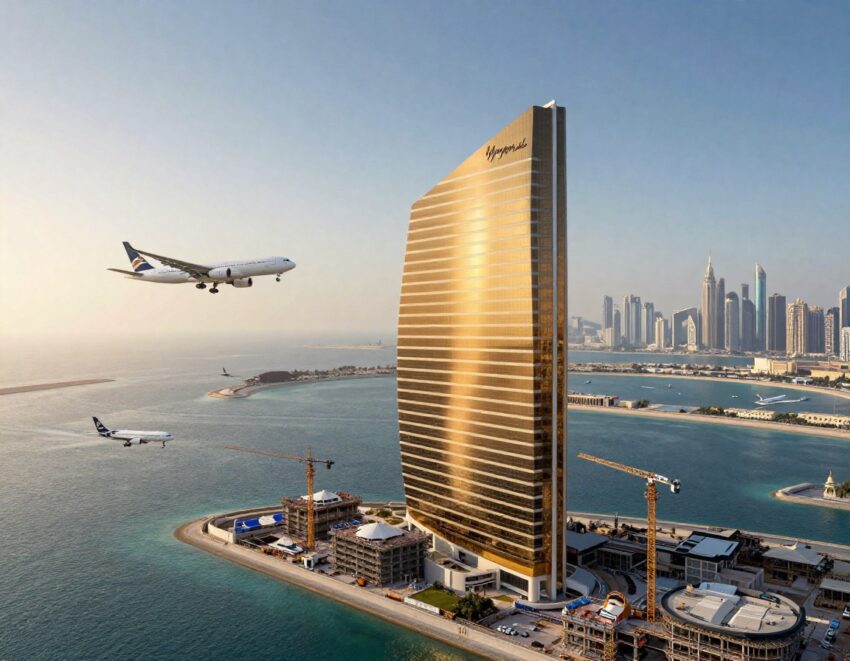
Emirates joins Cathay Pacific, Thai Airways, Singapore Airlines, Qantas & Japan Airlines in Setting to Reap Massive Benefits from Thales-Aireon’s Free Air Traffic Tool, What it Means for Tourism & Hotels!
Emirates, Cathay Pacific, Thai Airways, along with other major airlines like Singapore Airlines, Qantas, and Japan Airlines, are set to reap massive benefits from the innovative partnership between Thales and Aireon, which promises to revolutionize air traffic management across the Asia-Pacific region.

Emirates, Cathay Pacific, Thai Airways, along with other major airlines like Singapore Airlines, Qantas, and Japan Airlines, are set to reap massive benefits from the innovative partnership between Thales and Aireon, which promises to revolutionize air traffic management across the Asia-Pacific region. This collaboration introduces the TopSky-Flow Manager, a cutting-edge cloud-based tool designed to optimize flight operations and streamline air traffic flow, ensuring smoother, faster, and more reliable travel experiences for passengers. For the first time, air navigation service providers (ANSPs) in the region will have free access to this advanced technology, which combines Aireon’s space-based surveillance system with Thales’s operational platform. This is not just a game-changer for the airlines, but also for the tourism and hospitality industries, as the ability to reduce flight delays, improve scheduling, and enhance operational efficiency will have a ripple effect across global travel. With air traffic management becoming increasingly complex due to the growing demand for flights in Asia-Pacific, this partnership paves the way for a future where travelers can expect more reliable, affordable, and enjoyable flights. As the region sees significant growth in tourism and business travel, this collaboration promises to unlock new opportunities for both airlines and the hospitality sector, making it an exciting time for travelers and the industry alike.

Emirates, Cathay Pacific, Thai Airways, Singapore Airlines, Qantas & Japan Airlines Set to Reap Massive Benefits from Thales-Aireon’s Free Air Traffic Tool—What it Means for Tourism & Hotels!

The aviation world is experiencing a technological leap that could reshape air travel in Asia-Pacific and beyond. Thales and Aireon’s recent collaboration aims to tackle one of the aviation industry’s biggest challenges—air traffic congestion. With the introduction of the TopSky-Flow Manager, a cloud-based air traffic management tool, airlines such as Emirates, Cathay Pacific, Thai Airways, Singapore Airlines, Qantas, and Japan Airlines stand to benefit immensely from smoother operations, faster flight routes, and reduced delays. As air traffic flow improves, this is expected to have a domino effect on tourism and the hospitality industry, offering a wealth of benefits for travelers and the global tourism sector.

How Thales and Aireon’s Free Tool Will Transform Asia-Pacific Airlines

The new partnership between Thales and Aireon is poised to change the dynamics of air travel across the Asia-Pacific region. The TopSky-Flow Manager provides real-time data and predictive analytics, allowing airlines to optimize flight paths, avoid congestion, and enhance operational efficiency. As a result, travelers flying with major airlines such as Emirates, Cathay Pacific, Thai Airways, Singapore Airlines, Qantas, and Japan Airlines can expect a more streamlined and enjoyable travel experience.

This tool is powered by Aireon’s space-based surveillance system, which tracks aircraft movements worldwide, including over oceans and remote areas where traditional radar cannot reach. By integrating this system with Thales’s TopSky-Flow Manager, these airlines will gain access to more precise flight planning tools that will optimize air traffic management. The partnership is expected to lead to faster flight times, fewer delays, and a more predictable air travel experience.

For tourists, this means smoother flights with fewer disruptions, which translates into a more enjoyable and stress-free travel experience. Whether it’s a business trip or a vacation, this enhancement in air traffic management will make flying less of a hassle, encouraging travelers to explore more destinations.

Emirates, Cathay Pacific, Thai Airways, Singapore Airlines, Qantas & Japan Airlines—Leading the Charge

As part of this new collaboration, major airlines like Emirates, Cathay Pacific, Thai Airways, Singapore Airlines, Qantas, and Japan Airlines are among the first to benefit from the TopSky-Flow Manager’s capabilities. These airlines operate some of the busiest routes in Asia-Pacific and globally, and their partnership with Thales and Aireon marks a significant milestone in the industry.

For example, Emirates, known for its long-haul flights connecting Dubai with cities across the globe, will gain the ability to optimize flight paths, particularly in busy airspace regions like the Middle East and Asia. With the new system, Emirates will be able to reduce operational costs, improve fuel efficiency, and provide better services to its passengers, making it one of the leaders in airline innovation.

Cathay Pacific, based in Hong Kong, will also benefit from enhanced flight path management, especially given the heavy air traffic surrounding the Asia-Pacific region. By adopting the TopSky-Flow Manager, Cathay Pacific can not only cut down on delays but also improve its on-time performance, leading to a more reliable travel experience for its customers.

Similarly, Thai Airways will be able to optimize its flight routes across Southeast Asia, making it easier for travelers to get in and out of Thailand quickly. Given Thailand’s status as one of the world’s most popular tourist destinations, this optimization will lead to higher customer satisfaction and more repeat visitors.

Singapore Airlines, renowned for its excellent customer service, will also be able to use this tool to fine-tune its flight operations. As Singapore continues to serve as a hub for international travel, the ability to smooth out air traffic flow will provide significant benefits for the country’s tourism and hospitality sectors.

Qantas, Australia’s flagship airline, has already been a leader in embracing new technologies to streamline operations. With this partnership, Qantas will enhance its efficiency, particularly on routes from Australia to key destinations in Asia and Europe. This will allow for faster flights and reduced operational costs, giving the airline a competitive edge in the crowded air travel market.

Finally, Japan Airlines is another airline that will see major benefits. Japan is already a major tourism hub, and with this new tool, Japan Airlines can ensure that it remains a top choice for travelers flying to and from Japan. More efficient air traffic management will help boost tourism, making it easier for tourists to visit Japan’s many attractions.

Boosting Tourism with Smoother Travel

The introduction of the TopSky-Flow Manager tool is expected to provide a major boost to the tourism industry. By reducing air traffic delays, airlines will be able to offer more reliable schedules and faster connections, encouraging more tourists to visit Asia-Pacific and beyond. For countries like Thailand, Japan, Singapore, and Australia, this means more visitors, higher spending, and increased economic activity.

In addition, smoother flight operations can increase the number of available flights between popular tourism hubs, opening up new travel opportunities for tourists. For instance, with more efficient air traffic management, travelers may find it easier to book flights between major tourism centers like Hong Kong, Singapore, Tokyo, and Sydney. This expanded access will not only make it more convenient for tourists but will also reduce travel costs, making long-haul flights more affordable.

For the hospitality industry, this means an influx of visitors who are likely to stay longer, explore more destinations, and contribute to the local economy. Hotels, resorts, and other accommodation providers in these regions will experience higher occupancy rates, and tourism-related businesses, including restaurants, tour operators, and retail outlets, will benefit from increased demand.

How Improved Air Traffic Management Will Affect Hotel Industry Growth

With the rise in tourism driven by smoother air traffic management, hotels and resorts in key destinations are expected to see a significant uptick in bookings. In cities like Singapore, Sydney, Bangkok, and Tokyo, the hospitality industry will benefit as tourists flock to these well-connected locations. Hotel chains, from luxury resorts to budget accommodations, will be able to cater to a broader range of visitors, especially as travel becomes more accessible and affordable.

Moreover, tourism-related businesses such as travel agencies, local transport providers, and cultural attractions will also see a boost. For example, in places like Sydney and Melbourne, where tourism plays a crucial role in the economy, better flight availability will directly translate into more tourists booking excursions, visiting landmarks, and exploring the country’s natural beauty.

By providing better connectivity, airlines will allow travelers to experience more of the destination, extending their stays and increasing the amount spent during their visit. Additionally, luxury hotels can now attract a more diverse group of international travelers, contributing to the country’s growing reputation as a world-class destination for tourism.

Travel Tips for Tourists Using Thales-Aireon’s Enhanced Airline Services

As travelers increasingly benefit from the enhanced flight experience provided by Thales and Aireon, here are a few travel tips to ensure a smooth journey:

  • Book Flights in Advance: With more efficient flight routes and schedules, airlines like Emirates, Cathay Pacific, and Singapore Airlines are offering more frequent flights. To take advantage of the best prices, booking early is always a smart choice.
  • Stay Updated on Flight Status: Given that air traffic is being more efficiently managed, travelers should still check flight statuses in real-time through their airline’s app or website. This will help ensure that they are aware of any schedule changes.
  • Explore Multiple Destinations: With easier connections between countries like Singapore, Australia, and Thailand, consider multi-destination trips. Book flights with airlines like Qantas or Japan Airlines to experience different cities in one trip.
  • Leverage Airline Loyalty Programs: Airlines such as Emirates and Cathay Pacific offer loyalty programs that allow travelers to accumulate miles, which can be redeemed for discounts, upgrades, and exclusive offers. Make sure to sign up for these programs to maximize your travel benefits.
  • Consider the Best Time to Travel: Thanks to better flight operations, air travel will become more predictable. However, it’s still important to consider peak and off-peak seasons. Traveling during off-peak times can provide lower airfares and fewer crowds at popular tourist destinations.
  • Choose Eco-Friendly Travel Options: Airlines are increasingly adopting more sustainable practices. As a traveler, opt for airlines that offer carbon offset programs, such as those provided by Singapore Airlines and Japan Airlines, to make your journey more eco-friendly.

The Future of Air Travel: What to Expect in the Coming Years

The collaboration between Thales and Aireon is just the beginning of a new era in air travel. As more airlines adopt this advanced air traffic management system, passengers can expect smoother, faster, and more efficient flight operations. This will encourage more travelers to explore the world, knowing that air travel is becoming easier, more affordable, and more predictable.

In the coming years, the continued success of this partnership will lead to even more innovations in air traffic management. Airlines will be able to expand their route networks, add more flights to popular destinations, and create a more seamless travel experience. For tourists, this means greater flexibility, better options, and enhanced travel experiences.

Emirates, Cathay Pacific, and Thai Airways are poised to benefit from the groundbreaking Thales-Aireon partnership, bringing smoother, more efficient air travel to Asia-Pacific. This innovative collaboration promises to revolutionize flight operations, enhancing the experience for both airlines and tourists alike.

Ultimately, as the Asia-Pacific region becomes more connected and air traffic becomes more efficient, travelers will benefit from a faster, more enjoyable journey—whether they’re flying for business, leisure, or exploring the world’s top destinations. The Thales-Aireon partnership is the key to unlocking this new chapter in global travel.

The post Emirates joins Cathay Pacific, Thai Airways, Singapore Airlines, Qantas & Japan Airlines in Setting to Reap Massive Benefits from Thales-Aireon’s Free Air Traffic Tool, What it Means for Tourism & Hotels! appeared first on Travel And Tour World.

Qantas, Emirates, and Virgin Australia Unleash Massive 2026 Flight Sale: 500,000 Seats on Sale, Including $299 Flights to Auckland, Paris, and More!

Qantas, Emirates, and Virgin Australia Unleash Massive 2026 Flight Sale: 500,000 Seats on Sale, Including $299 Flights to Auckland, Paris, and More!
Qantas, Emirates, and Virgin Australia have just launched one of the most exciting travel promotions of 2026, with over 500,000 discounted seats available on a range of international routes

Qantas, Emirates, and Virgin Australia have just launched one of the most exciting travel promotions of 2026, with over 500,000 discounted seats available on a range of international routes. This massive sale has travelers buzzing with excitement, offering unprecedented savings on flights to some of the world’s most popular destinations, including Auckland, Paris, New York, and beyond. With one-way fares starting at just $299, it’s never been easier or more affordable to explore the globe. Whether you’re planning a tropical getaway to Bali, a cultural experience in Europe, or a bustling city break in the United States, these airlines are making international travel more accessible than ever before. This sale not only opens up new opportunities for budget-conscious travelers but also provides a much-needed boost to the global tourism industry. As more people take to the skies, the hospitality sector is also set to thrive, with hotels and resorts in top destinations gearing up for an influx of visitors. Don’t miss out on this incredible chance to secure your dream vacation at unbeatable prices—your next adventure is just a flight away!

Qantas, Emirates, and Virgin Australia Unleash Massive 2026 Flight Sale: 500,000 Seats on Sale, Including $299 Flights to Auckland, Paris, and More!

Travelers are in for a treat this year as Qantas, Emirates, and Virgin Australia launch their massive 2026 flight sale, offering over 500,000 discounted seats across a wide range of international routes. These special offers include incredible fares starting as low as $299 for some of the most sought-after destinations like Auckland, Paris, and New York. The flight deals cover more than 30 international destinations, making it the perfect time for globetrotters to plan their dream vacations. Whether you’re looking to explore the scenic beauty of New Zealand, immerse yourself in the culture of Paris, or take a stroll through the streets of New York City, this sale has it all. Let’s dive into the details of this huge travel event, the benefits for the airline and hospitality industries, and how you can make the most of these exciting offers.

Qantas’ Global Expansion: More Flights, Bigger Savings

Qantas, the Australian flagship carrier, has made waves in the airline industry by launching its most significant international flight sale for 2026. With over 500,000 seats available, Qantas is offering massive discounts on flights to top destinations across Europe, the United States, Asia, New Zealand, and more. The discounted fares start from just $299 for a one-way flight to destinations like Auckland, Wellington, and other popular spots within the Pacific. For those looking to travel further, Qantas is offering one-way tickets to Paris starting at $1,549, flights from Brisbane to Los Angeles for $999, and a variety of other special fares on long-haul routes.

The timing couldn’t be better for travelers planning to explore iconic cities across the globe. Whether you’re seeking the vibrant cultural experience of Tokyo, the romance of Paris, or the bustling streets of New York, these flight discounts are designed to make it easier and more affordable for travelers to explore the world. Additionally, Qantas’ collaboration with other major airlines like Emirates and Virgin Australia enhances the scope of the sale, providing an even wider range of destinations and travel options for tourists.

Emirates Joins the Excitement: Unbeatable Flight Prices to Iconic Destinations

Emirates, known for its luxury service and world-class amenities, is also participating in this massive flight sale. As part of the collaboration with Qantas, Emirates is offering discounts on a variety of popular international routes, including Europe, the Middle East, and Asia. Emirates has always been known for its exceptional in-flight experience, and now, with the added benefit of affordable fares, it’s an excellent option for travelers looking for a more luxurious journey without the hefty price tag.

Emirates’ famous business and first-class services, along with its expansive route network, will make it easy for tourists to travel to some of the world’s most exciting destinations. With one-way tickets to cities like Dubai, London, and Paris at unbeatable prices, this sale provides a unique opportunity to experience luxury travel at a fraction of the cost.

Virgin Australia’s Domestic and International Deals: A Perfect Choice for Budget Travelers

Not to be outdone, Virgin Australia is also offering enticing discounts on both domestic and international routes. While Qantas and Emirates are focusing on long-haul international travel, Virgin Australia is providing affordable flights to key domestic destinations, including Perth, Alice Springs, and Melbourne, with early bird fares starting as low as $65.

For international travelers, Virgin Australia’s extensive network provides affordable connections to key destinations in Asia and the Pacific. Whether you’re flying to Bali, Fiji, or the bustling streets of Singapore, Virgin Australia’s budget-friendly fares ensure that exploring the world doesn’t have to break the bank.

Virgin Australia’s sale is a perfect option for those looking to take a shorter domestic trip or a regional international journey. Their seamless integration with other major carriers in the region makes it easy for tourists to plan connecting flights to international destinations.

The Hospitality Industry Benefits: More Tourists, More Revenue

One of the most significant benefits of these flight sales is the boost they provide to the hospitality industry. With more affordable flights, tourists are more likely to travel to their dream destinations, leading to higher demand for hotels, resorts, and other accommodation options. Cities that are traditionally popular for international travel, such as Sydney, Paris, New York, and London, will likely see an increase in visitor numbers, providing a substantial revenue boost to local hospitality businesses.

For instance, the iconic Copthorne King’s Hotel in Singapore, which is already offering exclusive packages for travelers, is expected to see a surge in bookings thanks to these flight deals. The hotel’s offering of three nights with daily buffet breakfast, club lounge access, and guaranteed late checkout at an affordable price makes it a top choice for travelers looking to explore Singapore in style. Similarly, luxury resorts in the Maldives, such as the Ifuru Island Resort, are seeing increased interest from travelers who now have more budget-friendly options to fly to their dream vacation spot.

The spillover effects of these travel deals will also extend to other sectors of the hospitality industry, including local restaurants, tour operators, and retail businesses. As tourists flock to major cities and exotic destinations, the overall economic impact on the local economy will be significant, creating more job opportunities and stimulating growth in the tourism sector.

Travel Tips for Making the Most of the Sale

  1. Book Early: With such significant discounts, these flights are likely to sell out quickly. To secure the best fares, it’s important to book your tickets as early as possible. Most airlines, including Qantas, Emirates, and Virgin Australia, allow you to reserve seats for future travel dates, so planning ahead can help ensure you get the best deals.
  2. Flexible Travel Dates: If you’re flexible with your travel dates, you’ll have a higher chance of finding even cheaper fares. Airlines often offer discounted tickets for flights that fall on weekdays or off-peak times, so consider adjusting your schedule if possible to take advantage of these lower prices.
  3. Consider Package Deals: Many airlines and hotels offer package deals that bundle flights with accommodation. If you’re planning to stay in a major city for several days, look for all-inclusive travel packages that combine flights and hotel stays for added savings.
  4. Sign Up for Alerts: To ensure you never miss a deal, sign up for fare alerts from Qantas, Emirates, Virgin Australia, and other airlines. These alerts will notify you when prices drop for your desired routes, helping you book at the best possible price.
  5. Loyalty Programs: If you’re a frequent traveler, be sure to sign up for the loyalty programs offered by these airlines. You can earn points or miles for each flight you take, which can then be redeemed for future discounts or upgrades.
  6. Plan for Extra Costs: While the flight deals themselves are excellent, don’t forget to account for other travel expenses such as baggage fees, meals, and transfers. Some budget airlines charge additional fees for checked baggage or seat selection, so it’s essential to factor these costs into your overall travel budget.

Top Destinations on Sale: Where to Go with Your Discounted Flights

Thanks to Qantas, Emirates, and Virgin Australia, there are plenty of exciting destinations to choose from, each offering its own unique experiences. Here are a few of the top destinations that you can visit with discounted tickets:

  • Auckland, New Zealand: A perfect destination for nature lovers, Auckland is known for its breathtaking landscapes, outdoor adventures, and vibrant cultural scene. From hiking in the Waitakere Ranges to exploring the city’s museums and waterfront, there’s something for every type of traveler.
  • Paris, France: For those seeking romance, history, and world-class art, Paris remains one of the most iconic destinations in the world. With discounted flights from Qantas, you can explore the Eiffel Tower, Louvre Museum, and charming cafés along the Seine River.
  • New York City, USA: The city that never sleeps offers endless opportunities for exploration. Whether you’re interested in Broadway shows, shopping on Fifth Avenue, or exploring Central Park, New York City has it all. The flight discounts from Qantas, Emirates, and Virgin Australia make it easier than ever to visit this world-renowned metropolis.
  • Bali, Indonesia: Known for its lush landscapes, beautiful beaches, and vibrant culture, Bali is a favorite destination for travelers seeking a tropical escape. With Virgin Australia’s affordable fares, you can enjoy everything from surfing in Uluwatu to temple-hopping in Ubud.
  • Tokyo, Japan: Tokyo offers a unique blend of ancient traditions and modern innovations. From visiting historic temples to shopping in Shibuya, Tokyo’s diverse attractions cater to every traveler’s interests. Emirates’ sale prices make it an excellent opportunity to experience this dynamic city.

The Future of Air Travel: What’s Next for Airlines and Travelers?

The global aviation industry is constantly evolving, with airlines like Qantas, Emirates, and Virgin Australia leading the way in offering new routes, better in-flight services, and more competitive pricing. In the future, we can expect even more innovations, including improved sustainability measures, better passenger experiences, and more affordable options for travelers. As the world continues to recover from the pandemic, these airlines are also focusing on ensuring the health and safety of their passengers, making air travel more reliable and comfortable than ever before.

As for the hospitality industry, the rise of online booking platforms and the growing trend of experiential travel will continue to shape the way tourists book accommodations and tours. Hotels will increasingly offer personalized experiences, while local operators will continue to focus on creating unique, authentic travel experiences that appeal to today’s savvy tourists.

Qantas, Emirates, and Virgin Australia have launched a massive 2026 flight sale, offering over 500,000 discounted seats to top destinations worldwide. With fares starting as low as $299, it’s the perfect opportunity to book your next adventure!

A Golden Opportunity for Travelers

With Qantas, Emirates, and Virgin Australia offering some of the best deals of 2026, now is the perfect time to plan your next international adventure. Whether you’re exploring New Zealand’s natural beauty, immersing yourself in Parisian culture, or discovering the wonders of Asia, these discounted flights and hotel deals are an excellent way to make your travel dreams come true. Take advantage of these limited-time offers, book your flights early, and get ready for a memorable journey to some of the world’s most exciting destinations.

The post Qantas, Emirates, and Virgin Australia Unleash Massive 2026 Flight Sale: 500,000 Seats on Sale, Including $299 Flights to Auckland, Paris, and More! appeared first on Travel And Tour World.

USA, UK, Bangladesh, Australia, Canada & Malaysia Tourists Flock to India – But International Travel House Ltd Stock Plummets 45%: Why You Should Be Concerned

USA, UK, Bangladesh, Australia, Canada & Malaysia Tourists Flock to India – But International Travel House Ltd Stock Plummets 45%: Why You Should Be Concerned
USA, UK, Bangladesh, Australia, Canada, and Malaysia tourists are flocking to India in record numbers, attracted by its rich cultural heritage,

USA, UK, Bangladesh, Australia, Canada, and Malaysia tourists are flocking to India in record numbers, attracted by its rich cultural heritage, vibrant festivals, and diverse landscapes. As these international arrivals surge, India’s tourism sector is seeing a major boost, with airlines like Air India and IndiGo offering more flights, while luxury hospitality brands like Taj Hotels and Oberoi expand their footprints to cater to the growing demand. However, despite this tourism boom, International Travel House Ltd, one of India’s prominent travel agencies, has faced a sharp 45% plunge in its stock price. This paradox has raised eyebrows: how can a booming tourism industry struggle with such underperformance in a sector that should be thriving? As tourists from the USA, UK, and Bangladesh, among others, continue to pour in, this decline in stock raises questions about the underlying challenges facing the travel industry. Is this a sign of turbulence in the tourism market, or is International Travel House Ltd simply struggling to capitalize on the wave of international arrivals? With so much at stake, it’s crucial to explore what this means for tourists planning their next trip to India, and how this ripple effect could impact everything from flight availability to hotel bookings.

USA, UK, Bangladesh, Australia, Canada & Malaysia Tourists Flock to India – But International Travel House Ltd Stock Plummets 45%: Why You Should Be Concerned

India, a land rich in culture, history, and landscapes, has always attracted tourists from all corners of the globe. In recent years, the influx of international visitors has surged, especially from countries like the USA, the UK, Bangladesh, Australia, Canada, and Malaysia. While tourism numbers are skyrocketing, one company that has felt the brunt of a downward trend in the Indian tourism sector is International Travel House Ltd. Despite a booming tourism industry, the company’s stock has plummeted by a staggering 45%, leading to concerns across the airline, hospitality, and travel sectors.

This article will delve deeper into the complexities behind this decline and explore how it could impact tourists, airlines, and hospitality providers. If you’re planning to travel to India, especially from popular source countries like the USA, the UK, or Bangladesh, it’s crucial to understand how these shifts in the stock market and the performance of travel companies can indirectly affect your travel experience.

USA, UK, Bangladesh, Australia, Canada & Malaysia Tourists Flock to India

In 2024, India saw a sharp increase in international arrivals, with the USA, the UK, Bangladesh, Australia, Canada, and Malaysia being some of the top source countries. The number of American tourists visiting India reached nearly 1.8 million, while the UK contributed about 1 million tourists. Bangladesh, with its geographical proximity, sent over 1.7 million visitors, making it a consistent top performer.

In addition to these key countries, Australia, Canada, and Malaysia continue to see strong tourism exchanges with India. This surge in international tourism is driven by multiple factors, including India’s growing reputation as a cultural and adventure tourism hub, its expanding flight connectivity, and government initiatives aimed at boosting foreign arrivals.

But International Travel House Ltd Stock Plummets 45%: Why You Should Be Concerned

Despite the overall growth in tourism, International Travel House Ltd, a prominent player in the Indian travel market, has seen a significant decline in its stock price. The stock fell by a staggering 45%, a trend that raises concerns among industry observers. The company’s performance has been largely underwhelming when compared to the growth in the tourism sector, even as airlines and hotels have seen a rise in business.

The question is, why is a company associated with one of the most popular industries in India experiencing such a major slump? A closer look reveals several factors contributing to this downturn. Financial struggles, underperformance compared to sector peers, and a lack of innovative strategies have played a role in pushing the stock down. Moreover, while the tourism sector in India continues to see growth, some companies are struggling to capture the lion’s share of the pie.

This decline in stock performance, however, has implications beyond just the shareholders of International Travel House Ltd. The company’s troubles could have a ripple effect on the broader tourism ecosystem, impacting airlines, hotels, and tourists alike.

Air India, IndiGo, and International Travel House Ltd: What’s the Connection?

Airlines like Air India and IndiGo have long been instrumental in fostering tourism to India. Air India, the national carrier, offers direct flights from key cities like New York, London, and Sydney, while IndiGo, known for its competitive pricing, has expanded its network across multiple countries.

With the rise in tourist numbers from countries like the USA, the UK, Bangladesh, and Australia, airlines have benefitted immensely. However, International Travel House Ltd’s struggle can indirectly affect these airlines, especially in terms of bookings and service demand.

Travel companies like International Travel House Ltd typically handle flight bookings, hotel reservations, and tour packages. If the company’s financial health declines, it could impact the volume of flight bookings processed through them, affecting not only the company’s earnings but also reducing the number of tickets airlines can sell. Furthermore, IndiGo and Air India might face lower group bookings, as the company’s reduced operations may mean fewer travel packages to offer.

This also brings us to a critical point about the market—tourism is an interconnected system. The performance of travel agencies, airlines, and hotels can significantly influence one another. When one link in the chain weakens, it’s not just that company that feels the pinch. Airlines that rely heavily on travel agencies for group bookings and business trips may experience a slowdown.

The Effect on India’s Hospitality Industry

The hospitality industry in India has experienced remarkable growth, driven largely by the increasing number of international tourists. Luxury chains such as Taj Hotels, Oberoi Hotels, and ITC Hotels have seen surges in bookings, particularly from international tourists. This demand has been bolstered by better air connectivity and the influx of tourists from countries like the USA and the UK.

However, as International Travel House Ltd suffers from a stock slump, its effect may cascade through the hospitality industry. The company’s travel packages often include accommodation deals with leading hotels, and as the company loses bookings, it could lead to a slowdown in demand for rooms in some of the country’s finest hotels. Hotels that rely on partnerships with tour companies may see a dip in group bookings, especially in major tourist cities like Delhi, Agra, and Jaipur.

Furthermore, the stock market downturn could also affect investor confidence in the Indian tourism sector, which could lead to less investment in hotel expansion or infrastructure development. Hotels in key tourist areas may slow down their growth plans as the market reacts to travel companies struggling to generate profits.

Flight Details and Travel Tips for Tourists

As India continues to be a key destination for international tourists, several airlines offer direct and connecting flights to major cities such as Delhi, Mumbai, Bengaluru, and Kolkata. If you are planning a trip from any of the major source countries like the USA, the UK, Bangladesh, Australia, or Canada, here are some useful travel tips:

  1. Airlines to Consider:
    • Air India: Direct flights from New York, London, Sydney, and Toronto to Delhi and Mumbai.
    • IndiGo: Budget-friendly options from various international hubs to Delhi, Bengaluru, and Kolkata. They offer competitive prices and a broad network.
    • Emirates: Connecting flights from North America and Europe through Dubai, perfect for tourists heading to southern or central India.
  2. Visa and Entry Requirements:
    • Most international tourists to India need a visa, with the Indian government offering e-tourist visas to citizens of several countries including the USA, UK, Australia, and Canada. Make sure to apply well in advance.
    • For Bangladeshi citizens, a land border entry permit is available in addition to the standard visa.
  3. Best Time to Visit:
    • October to March is the peak season for tourists, offering pleasant weather across most of India. However, this period can be crowded and expensive.
    • If you’re looking for a quieter and more affordable trip, consider traveling during the monsoon season (June to September), when tourist traffic is lower, but prices for accommodation may be much cheaper.
  4. Hotel Bookings:
    • Luxury Hotels: Top luxury hotels like Taj and Oberoi offer stunning accommodations and packages tailored for international visitors.
    • Budget-Friendly Options: For travelers looking for more affordable stays, options like OYO Rooms and local guesthouses in smaller towns provide a great budget alternative without compromising comfort.
  5. Flight Booking Tips:
    • Book Early: To secure the best deals, especially during peak seasons, book your flights at least 3 to 6 months in advance.
    • Compare Prices: Use comparison tools to find the best prices between airlines like Air India and IndiGo. Prices can vary significantly based on the season and availability.

What Does the Future Hold for Indian Tourism?

India’s tourism sector is expected to continue its growth trajectory, despite the challenges posed by individual companies like International Travel House Ltd. The government has set ambitious targets to boost tourism, with plans to develop new tourist circuits and enhance infrastructure.

Airlines such as Air India and IndiGo are well-positioned to take advantage of this growth. The launch of new flight routes and continued expansion in regional and international markets will drive increased air travel to India. The hospitality industry, too, will benefit from this continued expansion, with major international hotel chains planning to open new properties in cities and tourist hotspots across the country.

For tourists planning to visit India from the USA, the UK, Bangladesh, Australia, Canada, or Malaysia, the outlook is promising. The surge in international arrivals is expected to continue in 2025, especially with the introduction of new flight routes and the easing of visa policies.

Wrapping Up

While International Travel House Ltd’s poor stock performance is a point of concern for the tourism industry, it doesn’t diminish India’s appeal as a top travel destination. For tourists, the steady growth in air connectivity, hotel infrastructure, and travel packages means more opportunities to explore India’s rich history, vibrant culture, and natural beauty.

USA, UK, and Bangladesh tourists are flocking to India in record numbers, driving a boom in the country’s tourism industry. However, despite this surge, International Travel House Ltd faces a concerning 45% drop in stock value, raising questions about the sector’s stability.

As the tourism and hospitality industry adapts to market challenges, travelers from countries like the USA, the UK, Bangladesh, and others can rest assured that India remains an accessible, exciting, and enriching destination. Whether you’re booking a flight with Air India or looking for luxury stays at Taj Hotels, India’s tourism sector has plenty to offer. Keep an eye on the trends and plan your trip accordingly—India is waiting to be explored.

The post USA, UK, Bangladesh, Australia, Canada & Malaysia Tourists Flock to India – But International Travel House Ltd Stock Plummets 45%: Why You Should Be Concerned appeared first on Travel And Tour World.

Saudi Arabia Unleashes the “Gulf Schengen”: How Saudia, Riyadh Air, Emirates, Qatar Airways, and Etihad Are Set to Win Big in 2026

Saudi Arabia Unleashes the “Gulf Schengen”: How Saudia, Riyadh Air, Emirates, Qatar Airways, and Etihad Are Set to Win Big in 2026
Saudi Arabia is about to revolutionize travel in the Middle East. With the much-anticipated launch of the Gulf Schengen visa in 2026, the Kingdom, alongside its Gulf neighbors,

Saudi Arabia is about to revolutionize travel in the Middle East. With the much-anticipated launch of the Gulf Schengen visa in 2026, the Kingdom, alongside its Gulf neighbors, is set to transform the way tourists experience the region. The introduction of this unified visa system will allow travelers to move freely between Saudi Arabia, the UAE, Qatar, Bahrain, Oman, and Kuwait with a single visa, eliminating the hassle of multiple visa applications and creating a smoother, more convenient travel experience. Airlines like Saudia, Riyadh Air, Emirates, Qatar Airways, and Etihad are already positioning themselves to capitalize on the massive surge in demand that is expected once the visa is rolled out. As these airlines expand their networks and strengthen their presence in the region, the hospitality sector is also gearing up to welcome millions of new visitors. From luxury hotels to cultural landmarks, travelers will have unprecedented access to the diverse and vibrant destinations across the GCC. With regional airlines offering more routes and seamless connections between the countries, and the hospitality industry expanding rapidly to meet demand, the Gulf Schengen visa promises not just a new way to travel, but an entirely new way to experience the Middle East. Get ready for a game-changing shift in Gulf tourism as the region prepares to open its doors wider than ever before.

Saudi Arabia Unleashes the “Gulf Schengen”: How Saudia, Riyadh Air, Emirates, Qatar Airways, and Etihad Are Set to Win Big in 2026

Saudi Arabia is on the cusp of a tourism revolution. The Kingdom is set to take center stage in the Middle East travel scene with the launch of the highly anticipated Gulf Schengen visa in 2026. This new system will enable international travelers to visit all six countries in the Gulf Cooperation Council (GCC) under a single visa, transforming the region into a seamless tourism hub. Airlines such as Saudia, Riyadh Air, Emirates, Qatar Airways, and Etihad are already positioning themselves to capture this influx of travelers, while the hospitality industry is gearing up for a wave of bookings and new developments.

This breakthrough is expected to propel Saudi Arabia, UAE, Qatar, Bahrain, Oman, and Kuwait into a new era of tourism. From business professionals to holidaymakers, the Gulf Schengen visa promises a more efficient travel experience, enabling people to visit multiple countries with fewer restrictions and greater convenience.

In this article, we dive deep into how the airlines and hospitality sectors are preparing for the boom, what the Gulf Schengen visa will mean for tourists, and how travelers can make the most of this exciting new development.

Saudia, Riyadh Air, Emirates, Qatar Airways, and Etihad Are Ready for the Gulf Schengen Boom

The launch of the Gulf Schengen visa in 2026 is a game-changer for the region’s airlines. Saudia, the flagship carrier of Saudi Arabia, is already gearing up for a surge in demand for flights to and from the Kingdom. As Saudi Arabia emerges as the central hub in the region, Saudia is set to benefit significantly from the unified visa system. The airline has long been a key player in Middle East aviation and is now strategically expanding its network to cater to the increasing number of international travelers seeking to explore the GCC countries.

Riyadh Air, Saudi Arabia’s new national carrier, has also been a part of the Kingdom’s push to attract more international travelers. With its modern fleet and ambitious expansion plans, Riyadh Air is positioning itself to capture traffic flowing through Riyadh, especially as the Gulf Schengen visa encourages more tourists to explore Saudi Arabia and its neighbors. The airline is already targeting routes to key destinations in Europe, Asia, and Africa, making Riyadh a central gateway for travelers heading to the GCC.

Meanwhile, Emirates, Qatar Airways, and Etihad are not far behind. These global giants have long dominated long-haul travel to and from the Middle East, and with the Gulf Schengen visa simplifying cross-border travel, they stand to gain even more. Emirates, based in Dubai, offers some of the most luxurious flight experiences in the world. The airline’s strong ties to the tourism sector, particularly in the UAE, will make it one of the biggest beneficiaries of the new visa system.

Qatar Airways and Etihad, based in Doha and Abu Dhabi, respectively, are similarly poised to take advantage of the growing demand for regional travel. With a focus on connecting travelers through their state-of-the-art hubs, these airlines will see increased traffic to cities such as Doha, Abu Dhabi, and Dubai.

As airlines expand their services to accommodate the growing flow of travelers within the Gulf region, we are also seeing the hospitality industry working in tandem to meet the demand.

Gulf Schengen: How the Hospitality Industry Is Preparing for the Surge in 2026

The hospitality industry in the GCC is bracing for a significant boom as the Gulf Schengen visa simplifies travel between Saudi Arabia, the UAE, Qatar, Bahrain, Oman, and Kuwait. As the number of tourists increases, hotels, resorts, and other accommodation providers are expanding their offerings to meet the needs of the modern traveler.

In Saudi Arabia, the hospitality scene is undergoing a transformation. Hotels such as the Ritz-Carlton Riyadh and the Four Seasons Hotel in Mekkah are already seeing increased demand as more international travelers are expected to visit. As the Kingdom opens up to global tourism, the hospitality industry is shifting gears to cater to the influx of visitors, with new hotels and resorts under development to handle the expected volume of bookings.

In the UAE, cities like Dubai and Abu Dhabi are known for their world-class hotels, but with the launch of the Gulf Schengen visa, the demand for high-end accommodation is set to increase exponentially. Iconic brands like Atlantis The Palm, Jumeirah Hotels, and Armani Hotel Dubai are already anticipating a rise in reservations from international travelers seeking multi-destination stays within the GCC region.

Qatar’s hospitality industry is also experiencing a renaissance. With the world’s eyes on Doha due to the 2022 World Cup, the country has cemented its reputation as a luxury travel destination. As travelers from across the globe flock to Qatar to experience its mix of modern luxury and cultural heritage, major hotel brands like Mandarin Oriental Doha and W Doha are leading the way in offering bespoke experiences tailored to the needs of high-end travelers.

In Bahrain and Oman, smaller, more intimate boutique hotels are capitalizing on the demand for authentic cultural experiences. The Ritz-Carlton Bahrain and Al Bustan Palace, a Ritz-Carlton Hotel in Oman provide a unique blend of opulence and tradition, offering travelers a chance to explore the region’s rich cultural heritage while enjoying luxurious amenities.

Tourism Opportunities Under the Gulf Schengen Visa: What Travelers Can Expect

For tourists, the Gulf Schengen visa brings the promise of a streamlined, borderless travel experience across six incredible countries. Instead of dealing with the hassle of applying for multiple visas, travelers can explore Saudi Arabia, the UAE, Qatar, Bahrain, Oman, and Kuwait under one unified visa, saving both time and money.

Travelers can expect to enjoy seamless connectivity between the countries, making it easier than ever to hop from one destination to another. For example, a trip that includes Abu Dhabi, Doha, and Muscat can now be planned in a much more efficient manner, without the need for reapplying for visas at each destination.

The region’s airlines are set to provide multiple daily flights between key hubs like Dubai, Riyadh, and Doha, ensuring that travelers can easily access these cities no matter where they are. Emirates, for example, offers direct flights between Dubai and cities across Europe, Asia, and Africa, making it simple to connect to the Gulf region.

For those looking to explore the cultural heritage of the region, Saudi Arabia offers unique experiences like visiting the ancient city of Al-Ula or exploring the sacred city of Makkah. The UAE, with its modern skyscrapers and world-renowned shopping malls, is a destination that offers a perfect mix of tradition and innovation. Meanwhile, Qatar’s cultural districts, such as the Museum of Islamic Art and Katara Cultural Village, provide a perfect backdrop for tourists who are keen to learn more about the region’s history and artistry.

The Gulf Schengen visa will also offer greater flexibility for business travelers. With the Gulf Cooperation Council already being one of the world’s top economic regions, the new visa will allow entrepreneurs and professionals to attend meetings, conferences, and exhibitions across multiple GCC nations without having to navigate the cumbersome process of applying for separate visas.

How to Get the Gulf Schengen Visa: What Tourists Need to Know

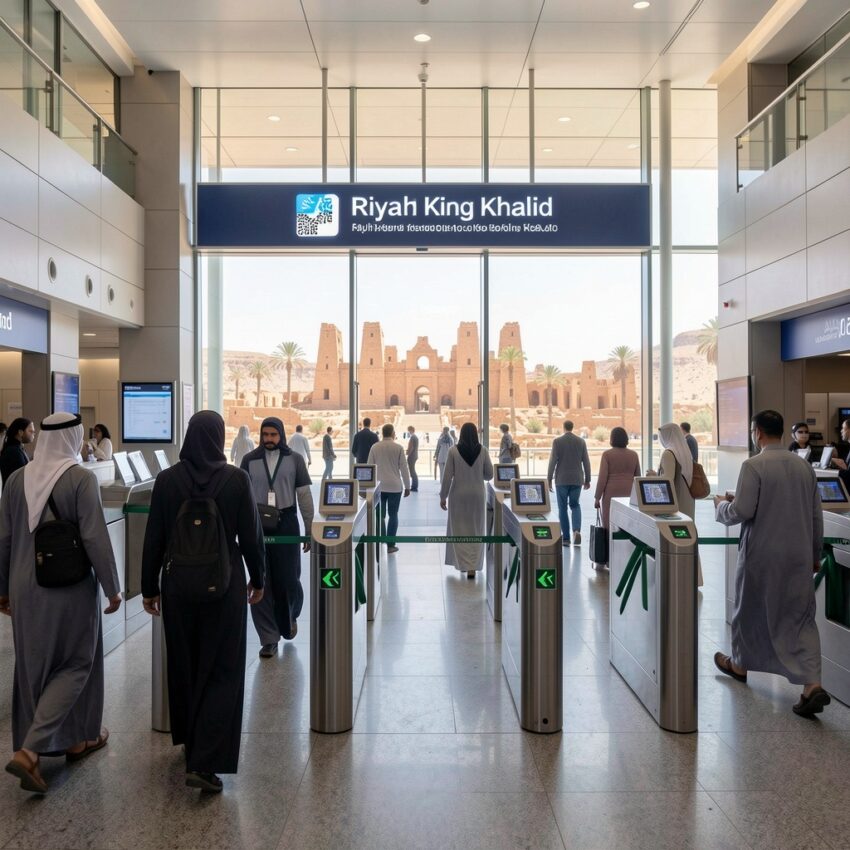
The application process for the Gulf Schengen visa is designed to be as efficient and digital-first as possible. Tourists will apply online through the official GCC Visa Portal, providing a digital passport scan and a photo with a white background. Biometric systems at major airports like Dubai and Riyadh will be updated to recognize the unified QR-coded permits, ensuring smooth entry at border control.

Tourists will also be required to show proof of travel insurance, sufficient funds for their stay, and a return or onward ticket. The visa is expected to have a processing time of 3 to 7 days, with the final approval sent directly to the applicant’s email.

As for the cost, the Gulf Schengen visa is expected to be priced between $100 and $150 (approximately AED 365 – AED 550). This is much lower than the cumulative costs of applying for individual visas to each GCC country, making the Gulf Schengen a more affordable and attractive option for international tourists.

Travel Tips for Exploring the GCC Under the Gulf Schengen Visa

  1. Plan Multi-Destination Trips: With the Gulf Schengen visa, travelers can explore more than one country without the hassle of multiple visa applications. Plan a multi-destination trip that includes the UAE, Saudi Arabia, and Qatar for a truly diverse experience.
  2. Check Flight Availability: Airlines like Emirates, Qatar Airways, and Saudia offer excellent connectivity between GCC countries. Make sure to book flights early to secure the best rates.
  3. Stay in Iconic Hotels: Take advantage of the luxury hotels available in the GCC, such as Jumeirah in Dubai, The Ritz-Carlton in Riyadh, and W Doha in Qatar. Book ahead to ensure availability during peak seasons.
  4. Explore Local Culture: Take time to experience the rich cultural heritage of each country. Visit the Louvre Abu Dhabi, explore the Qatar Museum in Doha, or wander through the ancient ruins of Al-Ula in Saudi Arabia.
  5. Travel Smart: Keep your digital visa on hand at all times and ensure your passport and photo are up to date. Biometric technology will make your travel through airports faster and easier, but always check the latest entry requirements before your trip.

The launch of the Gulf Schengen visa in 2026 will revolutionise travel across the GCC, with airlines like Saudia, Riyadh Air, Emirates, Qatar Airways, and Etihad set to lead the charge in a booming tourism market.

Wrapping Up

The Gulf Schengen visa is poised to transform the way travelers explore the Middle East. By unifying visa policies across Saudi Arabia, the UAE, Qatar, Bahrain, Oman, and Kuwait, this new system will simplify travel and open up a world of new opportunities for tourists. As airlines like Saudia, Riyadh Air, Emirates, Qatar Airways, and Etihad prepare to meet the demand, the hospitality industry is also gearing up for the surge of visitors. Whether you’re looking to explore modern cities, ancient ruins, or the rich cultural heritage of the region, the Gulf Schengen visa is your ticket to a seamless and unforgettable travel experience.

The post Saudi Arabia Unleashes the “Gulf Schengen”: How Saudia, Riyadh Air, Emirates, Qatar Airways, and Etihad Are Set to Win Big in 2026 appeared first on Travel And Tour World.

Delta Joins United, Lufthansa, Emirates, and Qatar Airways in Riding the Wave of Airline Growth in 2026—But How Much Longer Can They Avoid the Supply Chain Crisis?

Delta Joins United, Lufthansa, Emirates, and Qatar Airways in Riding the Wave of Airline Growth in 2026—But How Much Longer Can They Avoid the Supply Chain Crisis?
Delta joins United, Lufthansa, Emirates, and Qatar Airways in riding the wave of airline growth in 2026, marking a remarkable rebound for the global airline industry.

Delta joins United, Lufthansa, Emirates, and Qatar Airways in riding the wave of airline growth in 2026, marking a remarkable rebound for the global airline industry. As passenger traffic soars, these major carriers are spearheading the post-pandemic recovery, capitalizing on the booming demand for international travel, particularly within Asia-Pacific. With more passengers flying than ever before, travelers are flocking to destinations from bustling cities in Europe to serene beaches in Asia. However, as these airlines expand their routes and increase capacity, they are facing significant challenges that could dampen their profitability. Supply chain disruptions, delays in aircraft deliveries, and rising fuel costs are forcing these giants to operate on thinner margins, despite growing demand. In a rapidly changing landscape, these airlines are not only navigating operational hurdles but also embracing sustainability efforts that are reshaping the way we think about air travel. As the aviation industry takes flight in 2026, the question remains: can these airlines continue to thrive amidst a complex web of challenges, or will they be grounded by the supply chain crisis?

Delta Joins United, Lufthansa, Emirates, and Qatar Airways in Riding the Wave of Airline Growth in 2026—But How Much Longer Can They Avoid the Supply Chain Crisis?

The airline industry in 2026 is set to continue its remarkable recovery, driven by global growth, with major players like Delta, United, Lufthansa, Emirates, and Qatar Airways leading the way. Despite the surge in passenger traffic, however, these airlines face significant challenges, including supply chain disruptions and rising costs. As travelers flock to destinations worldwide, airlines are expected to face a delicate balancing act: growing passenger demand against tightening profit margins due to external factors. In this article, we dive deep into the dynamic shifts in the airline and hospitality sectors, the challenges they face, and what tourists need to know when planning their next adventure.

The Surge in Airline Traffic in 2026

The global airline industry is on an upward trajectory, with 2026 expected to be another record-breaking year for passenger growth. The International Air Transport Association (IATA) forecasts that global passenger traffic will grow by nearly 5% in 2026, driven by strong demand in Asia-Pacific. This growth is powered by a surge in international and domestic flights, reflecting a post-pandemic recovery and a return to pre-crisis levels of air travel.

Delta Airlines, United Airlines, Lufthansa, Emirates, and Qatar Airways are at the forefront of this growth, with Asia-Pacific being a central hub for international routes. Airlines in this region are experiencing remarkable recovery, particularly as governments continue to ease travel restrictions and international tourism rebounds. As a result, air routes to popular tourist destinations such as Tokyo, Bali, Dubai, and Bangkok are seeing an influx of bookings, while demand for long-haul flights continues to rise.

Airline growth in 2026 presents a unique opportunity for travelers looking to explore new destinations. Airlines are responding by expanding their flight networks, introducing new routes, and increasing the frequency of existing ones. This increased connectivity means more options for tourists, making it easier than ever to travel across continents.

Delta Joins United, Lufthansa, Emirates, and Qatar Airways in Riding the Wave of Airline Growth in 2026

Delta Airlines, known for its extensive domestic and international network, is primed to benefit from this surge in air travel. In 2026, Delta is expected to continue expanding its footprint, particularly in Asia and Europe. The airline has announced new routes to destinations like Singapore, Barcelona, and Sydney, catering to the rising demand for international travel. United Airlines, a long-standing competitor, is also ramping up its operations, with increased frequencies on popular routes such as New York to London, and Los Angeles to Tokyo. These flight options provide tourists with greater flexibility and more affordable travel opportunities, making it easier for them to plan their trips.

Lufthansa, the flagship carrier of Germany, is another major airline benefitting from the surge in air travel. The airline is focusing on enhancing its long-haul offerings, adding flights to South America and Southeast Asia. Emirates, based in Dubai, continues to dominate the Middle East and Europe route, with its luxury services attracting travelers from around the world. Qatar Airways, with its unmatched service quality, is expanding its operations in Africa and Asia, cementing its position as a leader in international travel.

These airlines are not only focusing on increasing flight capacity but are also investing heavily in fleet upgrades, with many adopting more fuel-efficient aircraft to reduce operational costs and meet sustainability goals. While these efforts are promising, they face headwinds from ongoing supply chain disruptions, which have delayed aircraft deliveries and created challenges in maintaining their fleets.

The Impact of Supply Chain Disruptions on Airline Profitability

While the demand for air travel is at an all-time high, airlines are not immune to the global supply chain crisis. The ongoing shortage of aircraft parts, delays in aircraft production, and increased fuel prices have placed considerable strain on airlines’ profitability. For example, Delta Airlines and United Airlines have reported rising maintenance costs as they operate older aircraft longer than expected due to supply chain issues. These delays are pushing airlines to keep planes in service for extended periods, resulting in higher fuel consumption and more frequent maintenance checks.

Lufthansa and Emirates are also grappling with similar issues, as delays in aircraft deliveries have led to operational inefficiencies. The inability to replace older planes quickly means that airlines are spending more on fuel and repairs, further eroding profit margins. Qatar Airways has been forced to push back the delivery of new planes, even as it looks to expand its international reach.

As airlines face these challenges, they must also manage the pressures of sustainability. Governments around the world are pushing for net-zero emissions by 2050, and airlines are increasingly under pressure to reduce their carbon footprint. Sustainable aviation fuel (SAF) production is still in its early stages, with many airlines struggling to secure enough supply at reasonable prices. This forces them to rely on traditional jet fuel, which remains costly and environmentally unsustainable.

Despite these challenges, airlines are expected to continue their growth trajectory, albeit at a slower pace than previously anticipated. However, the financial health of many airlines remains at risk due to these supply chain disruptions. The combination of rising operational costs and thin profit margins means that airlines may not be able to capitalize fully on the growing demand for travel in 2026.

The Hospitality Industry: A Growing Demand for Accommodations

As airlines increase their capacity to meet the rising demand for air travel, the hospitality industry is also experiencing a boom. Hotels, resorts, and other accommodations are seeing a surge in bookings, particularly in popular tourist destinations across Asia, Europe, and North America. In cities like Paris, Tokyo, and New York, hotel occupancy rates are at record highs, with tourists flocking to these iconic locations in record numbers.

The increase in international travel has led to a rise in demand for premium accommodations. Luxury hotel chains such as Marriott, Hilton, and Accor are expanding their footprints in high-demand markets, with new properties opening in popular destinations. In addition, many hotels are upgrading their services to cater to the growing number of international tourists. Enhanced hygiene protocols, flexible booking options, and personalized guest experiences are becoming the norm in the hospitality industry.

However, similar to the airline industry, the hospitality sector is also grappling with supply chain challenges. The construction of new hotels and resorts has been delayed due to shortages of building materials and labor. Additionally, rising energy costs are impacting the operational expenses of hotels, forcing some to increase prices or cut services. Despite these challenges, the hospitality industry is expected to continue its recovery, with new openings scheduled for 2026 in key markets.

The combination of airline growth and a booming hospitality industry creates a perfect storm for tourists. With more flights and accommodations available, travelers are presented with more options than ever before. However, the increasing demand for both flights and hotel rooms means that tourists must plan ahead to secure the best deals.

Travel Tips for Tourists in 2026

As the travel landscape continues to evolve, it’s essential for tourists to stay informed and plan their trips strategically. Here are some valuable tips for making the most of your travels in 2026:

  1. Book Early: With the surge in airline traffic and hotel bookings, it’s essential to reserve your flights and accommodations well in advance. This will help you secure the best prices and avoid last-minute price hikes.
  2. Check for Flexible Booking Options: Given the uncertainty caused by ongoing supply chain disruptions, airlines and hotels may need to adjust their schedules. Make sure you book with companies that offer flexible cancellation or rebooking policies.
  3. Stay Updated on Health and Safety Protocols: As travel restrictions continue to evolve, it’s important to stay updated on health and safety guidelines in your destination country. Some countries may still require proof of vaccination, PCR tests, or quarantine upon arrival.
  4. Consider Upgraded Travel Services: Many airlines, including Delta and United, are offering premium services like priority boarding and extra legroom. If you’re looking for a more comfortable travel experience, consider upgrading your ticket to one of these premium offerings.
  5. Plan for Sustainable Travel: With growing pressure on airlines and hotels to meet sustainability goals, it’s a good idea to research eco-friendly accommodations and flight options. Some airlines, including Qatar Airways and Emirates, are already investing in more fuel-efficient aircraft and sustainable travel practices.
  6. Take Advantage of New Routes: As airlines continue to expand their networks, new flight routes are opening up to exciting destinations. Make sure to explore these new options and take advantage of less crowded, often more affordable travel opportunities.

Flight Details and Airline Choices

For tourists planning to fly in 2026, it’s important to choose the right airline that aligns with both convenience and comfort. Here are some details about key airlines:

  • Delta Airlines: Delta continues to offer an extensive range of international routes, particularly to Asia and Europe. Expect flights to cities like Tokyo, Barcelona, and Singapore with high-quality service and flexible booking options. Delta’s commitment to expanding its fleet ensures that you’ll enjoy a smooth travel experience.
  • United Airlines: With a focus on connectivity, United offers frequent flights between North America and Europe, particularly on routes from New York to London and Los Angeles to Tokyo. United’s loyalty programs make it a great choice for frequent travelers.
  • Lufthansa: Known for its premium services, Lufthansa continues to dominate European air travel. With an increased focus on long-haul routes, passengers can expect flights to destinations like São Paulo and Bangkok with luxury amenities.
  • Emirates: For those looking for luxury, Emirates remains one of the top choices. With flights to major global destinations, including Dubai, London, and New York, Emirates offers world-class service and superior comfort.
  • Qatar Airways: Qatar Airways is a leader in offering high-quality service on routes to the Middle East, Africa, and Asia. Its recent fleet upgrades ensure that passengers experience comfort and efficiency on long-haul flights.

Delta joins United, Lufthansa, Emirates, and Qatar Airways in leading the charge for airline growth in 2026, fueled by surging global demand. However, despite the rising passenger numbers, these giants are grappling with supply chain disruptions that threaten their profitability.

Wrapping Up

The airline industry in 2026 is set to benefit from unprecedented growth, fueled by rising demand for international travel, particularly in Asia-Pacific. Airlines like Delta, United, Lufthansa, Emirates, and Qatar Airways are capitalizing on this surge, expanding their networks and improving their services. However, despite this growth, airlines are facing significant challenges, particularly from supply chain disruptions and rising operational costs. Similarly, the hospitality industry is also thriving, with high demand for hotels and accommodations in key tourist destinations. As travelers, it’s important to plan ahead, book early, and stay informed about changing conditions in both the airline and hospitality sectors. By doing so, you can ensure a seamless and enjoyable travel experience in 2026, even amidst the ongoing challenges facing the global travel industry.

The post Delta Joins United, Lufthansa, Emirates, and Qatar Airways in Riding the Wave of Airline Growth in 2026—But How Much Longer Can They Avoid the Supply Chain Crisis? appeared first on Travel And Tour World.

South Korea’s KTO Aims for 30 Million Visitors by 2028: Can Emirates, Korean Air, and Airlines from Japan, China, and the U.S. Make It Happen?

South Korea’s KTO Aims for 30 Million Visitors by 2028: Can Emirates, Korean Air, and Airlines from Japan, China, and the U.S. Make It Happen?
South Korea’s Korea Tourism Organization (KTO), under the dynamic leadership of Park Sung-hyeuck, is setting the stage for a tourism revolution with a bold target

South Korea’s Korea Tourism Organization (KTO), under the dynamic leadership of Park Sung-hyeuck, is setting the stage for a tourism revolution with a bold target: attracting 30 million international visitors by 2028—two years ahead of its original goal. This ambitious plan is already gaining significant traction, with global airline giants like Emirates, Korean Air, and major carriers from countries like Japan, China, and the U.S. playing a pivotal role in making it happen. These airlines are not just offering flights; they are fueling South Korea’s economic growth and tourism expansion, connecting travelers to one of the world’s most exciting and rapidly evolving destinations. With the global rise of K-pop, K-beauty, and other aspects of Hallyu (Korean Wave), South Korea is becoming an even more irresistible draw for global visitors. As the KTO works tirelessly to position the country as a must-visit tourism powerhouse, the role of these airlines cannot be overstated. From seamless international connections to luxury services and strategic global routes, they are helping pave the way for the country’s tourism boom. Whether you’re traveling for culture, shopping, or wellness, South Korea is ready to welcome you, and with Emirates and Korean Air leading the charge, it’s only a matter of time before the 30-million visitor goal becomes a reality.

South Korea’s KTO Aims for 30 Million Visitors by 2028: Can Emirates, Korean Air, and Airlines from Japan, China, and the U.S. Make It Happen?

The global tourism landscape is shifting rapidly, and South Korea is positioning itself as one of the top contenders in the race to become a tourism powerhouse. With an ambitious goal of attracting 30 million foreign visitors by 2028—two years ahead of the original target—the Korea Tourism Organization (KTO) is ramping up efforts to capture the attention of international travelers. With the leadership of Park Sung-hyeuck, the new president of the KTO, the organization is focusing on enhancing South Korea’s appeal by leveraging its global influence through K-pop, Korean cuisine, and the ever-growing Hallyu wave. But it’s not just cultural exports that are in play; airlines like Emirates, Korean Air, and key international carriers from Japan, China, and the U.S. are also playing a pivotal role in this strategic plan.

The Tourism Boom: A Bold Vision for South Korea

South Korea’s tourism strategy is designed to make the country an even more attractive destination for travelers worldwide. The KTO aims to boost its international tourism numbers through a well-rounded approach that includes enhancing the country’s infrastructure, offering more customized experiences, and targeting lucrative market segments like medical tourism, wellness, and MICE (Meetings, Incentives, Conferences, and Exhibitions). By capitalizing on the global popularity of Korean culture, South Korea is aiming to significantly raise the number of inbound tourists in the coming years.

A key element in this grand plan is the partnership between the KTO and major international airlines like Emirates and Korean Air. These carriers play a critical role in connecting South Korea with the rest of the world, facilitating easy access for travelers, and ensuring that the influx of tourists is met with reliable transportation options. Airlines have become central to South Korea’s tourism strategy, helping to drive international foot traffic into the country.

Korean Air and Emirates: Leading the Charge

Korean Air, the flagship carrier of South Korea, is one of the primary airlines that will be integral to the country’s tourism aspirations. As the largest airline in South Korea, Korean Air already plays a significant role in bringing tourists from North America, Europe, and Asia into the country. The airline offers extensive international routes to major cities like New York, Paris, Tokyo, and Beijing, ensuring that tourists from all over the world have convenient access to South Korea.

In addition to Korean Air, Emirates, a global leader in international travel, is another key player in this tourism-driven growth. Emirates has long been a gateway between South Korea and the Middle East, Europe, and Africa, offering premium services for travelers looking to explore Seoul and beyond. The Dubai-based airline is known for its luxurious onboard experience, making it a popular choice for travelers seeking comfort during long-haul flights. With Emirates’ world-class services and vast network, the airline is well-positioned to help increase international tourist arrivals to South Korea, particularly from the Middle East and European markets.

Air Travel Expansions: Connecting the World to South Korea

As South Korea’s tourism industry continues to grow, its relationship with international airlines will become even more vital. The country’s open skies policy has allowed for increased flights from key tourism source markets, particularly in Asia and North America. As part of KTO’s strategic plan, new routes will be launched, and existing ones will be expanded to accommodate a larger volume of international travelers.

Flight Details and New Routes
Major airlines such as Emirates and Korean Air have been expanding their services to meet this increased demand. For example, Korean Air has recently added more direct flights to key destinations in Europe and North America. Direct flights between Seoul and cities like Los Angeles, New York, and London are now more frequent, offering both convenience and speed for tourists traveling to South Korea. Similarly, Emirates has increased its daily flights to Seoul from Dubai, making it easier for tourists from the Middle East and beyond to visit South Korea.

This expansion is expected to be a game-changer for the tourism industry. For instance, a round-trip ticket between New York and Seoul on Korean Air typically costs between $800 to $1,200, depending on the season and availability. With more flights and better connectivity, the cost of travel to South Korea will become more accessible to a wider range of travelers.

South Korea’s Hospitality Industry: Ready for the Influx

While air travel plays a significant role in increasing South Korea’s international visitors, the hospitality industry is equally important. In recent years, the Korean government has made substantial investments in improving hotel infrastructure and expanding the tourism experience for international visitors. The KTO’s plan includes not only attracting tourists to the country but also ensuring that they have a comfortable and unforgettable experience during their stay.

Hotels across South Korea are gearing up to meet the demand from 30 million visitors by 2028. Leading hotel chains, such as Hyatt, Marriott, and Hilton, have either already expanded or are planning to build new properties in key tourist destinations like Seoul, Busan, and Jeju Island. These global hospitality brands are not only offering luxury accommodations but also enhancing their services with cutting-edge technology, sustainable practices, and locally inspired experiences. For example, Hyatt Hotels in Seoul offer a unique fusion of Korean culture and modern luxury, giving tourists a glimpse into local traditions while providing world-class amenities.

Airbnb and local guesthouses are also part of the equation, offering tourists affordable and unique lodging options. Airbnb has experienced significant growth in South Korea, with hosts offering everything from traditional Hanok houses to modern apartments. This variety of accommodation types ensures that every traveler, from budget-conscious tourists to luxury seekers, can find the perfect place to stay during their visit.

Health and Wellness Tourism: A Growing Trend

Another critical component of South Korea’s tourism strategy is the emphasis on medical tourism and wellness tourism. South Korea has long been a leader in cosmetic surgery, dental care, and medical treatments, attracting thousands of medical tourists every year. The country’s world-renowned healthcare system, cutting-edge medical facilities, and highly trained doctors make it a top destination for those seeking high-quality medical care.

The KTO is looking to expand this segment by promoting South Korea as a hub for health and wellness tourism. Tourists from around the world are flocking to South Korea not only for beauty treatments but also for holistic wellness experiences, such as traditional Korean spas (jjimjilbang), meditation, and wellness retreats. South Korea is home to some of the most advanced wellness centers, offering everything from skincare to stress-relief programs and fitness-focused travel packages.

Seoul’s Growing Appeal as a Tourism Hub

Seoul, the vibrant capital of South Korea, is at the heart of the country’s tourism strategy. The city is renowned for its blend of traditional and modern attractions, from the majestic Gyeongbokgung Palace to the cutting-edge Dongdaemun Design Plaza. For many visitors, Seoul offers the perfect balance of history, culture, shopping, and entertainment. With the KTO’s efforts to enhance visitor experiences and increase tourism infrastructure, Seoul is set to become even more accessible and attractive to foreign tourists.

The city’s transportation network has also seen vast improvements. The Seoul Metropolitan Subway, with its efficient routes and multi-language signs, ensures that tourists can easily navigate the city. Additionally, Seoul’s integrated transportation pass allows visitors to seamlessly travel between the city’s attractions, making it easy to explore popular sites like Myeongdong for shopping, Insadong for traditional culture, and Gangnam for trendy restaurants and nightlife.

Travel Tips for Tourists Visiting South Korea

  1. Plan Your Visit During Peak Seasons
    South Korea has distinct seasons, and timing your visit can make a big difference in your experience. The most popular times to visit are during spring (April-May) when cherry blossoms bloom and fall (September-November) for stunning autumn foliage. However, be prepared for larger crowds during these times.
  2. Explore Beyond Seoul
    While Seoul is undoubtedly the highlight, don’t miss out on exploring Jeju Island, Busan, and Gyeongju. Jeju Island, known for its volcanic landscapes and beautiful beaches, offers a relaxing escape. Busan, with its stunning coastline and vibrant culture, is perfect for those looking to experience South Korea’s maritime charm.
  3. Experience Korean Cuisine
    Korean food is a huge draw for tourists. From Kimchi to Bibimbap, and Korean BBQ to Tteokbokki, the variety and richness of Korean cuisine are sure to please any palate. Be sure to visit Gwangjang Market in Seoul for an authentic culinary experience.
  4. Use the Digital Payment System
    South Korea is highly digitalized, and many establishments accept digital payments via KakaoPay or Naver Pay. Consider setting up these payment options to streamline your transactions while traveling around the country.
  5. Stay Connected with Wi-Fi
    Tourists will find it easy to stay connected with free Wi-Fi available in most public areas, including airports, hotels, and even subway stations. You can also rent a portable Wi-Fi device for the duration of your stay for convenience.

A Thriving Future for South Korea’s Tourism

South Korea’s ambitious goal of attracting 30 million visitors by 2028 is a bold vision that combines innovative marketing, global partnerships, and cutting-edge technology. By strengthening its relationships with international airlines like Emirates and Korean Air, and fostering a growing hospitality sector, South Korea is positioning itself to become a top global tourism hub.

South Korea’s KTO, led by Park Sung-hyeuck, aims to attract 30 million visitors by 2028, with airlines like Emirates, Korean Air, and major global carriers playing a key role. With the rise of K-pop and Korean culture, South Korea is becoming an unmissable destination for travelers worldwide.

As the KTO’s strategy unfolds, visitors can expect a seamless travel experience, from convenient flight options to a wide array of accommodation choices. The future of tourism in South Korea looks bright, and the country is set to become an even more attractive destination for travelers from all corners of the globe.

The post South Korea’s KTO Aims for 30 Million Visitors by 2028: Can Emirates, Korean Air, and Airlines from Japan, China, and the U.S. Make It Happen? appeared first on Travel And Tour World.
❌