Roma defender Gianluca Mancini underwent surgery to reduce a nasal bone fracture today and will play the next games wearing a protective mask.
Roma defender Mancini will be forced to wear a protective mask in the following matches after undergoing nose surgery on Tuesday.
Roma defender Mancini has nose surgery
UDINE, ITALY – FEBRUARY 02: Gianluca Mancini of Roma waits for medical treatment during the Serie A match between Udinese Calcio and AS Roma at Stadio Friuli on February 02, 2026 in Udine, Italy. (Photo by Timothy Rogers/Getty Images)
The Italy international suffered an injury during the first half of Monday’s 1-0 loss against Udinese, but remained on the pitch for the entire game.
Sky Sport Roma correspondent Angelo Mangiante reports on X social media that the defender underwent surgery today, Tuesday, February 3, to reduce the nasal bone fracture.
Mancini will be discharged in the coming hours and will be able to resume competitive activity wearing a protective mask.
Roma’s next Serie A games
ROME, ITALY – NOVEMBER 30: Gianluca Mancini of AS Roma controls the ball whilst under pressure from Noa Lang of Napoli during the Serie A match between AS Roma and SSC Napoli at Stadio Olimpico on November 30, 2025 in Rome, Italy. (Photo by Paolo Bruno/Getty Images)
Mancini, 29, has scored one goal and provided one assist in 30 appearances across all competitions this season.
Roma’s next game is on Monday, February 9, at home against Cagliari.
MILAN, ITALY – NOVEMBER 16: Gianluca Mancini of Italy warms up prior to the FIFA World Cup 2026 qualifier match between Italy and Norway at San Siro Stadium on November 16, 2025 in Milan, Italy. (Photo by Marco Luzzani/Getty Images)
The following Sunday, February 15, they’ll visit Napoli at the Stadio Maradona.
Former Italy international Alessandro Florenzi regrets not playing in the World Cup despite winning the Euros in 2021: ‘I failed to match expectations.’
Ex-Roma and Milan defender Florenzi spoke to Vivo Azzurro (via TMW) about his playing career, mostly focusing on his games with the Azzurri.
Florenzi: ‘Something magical happened’ at Euro 2020
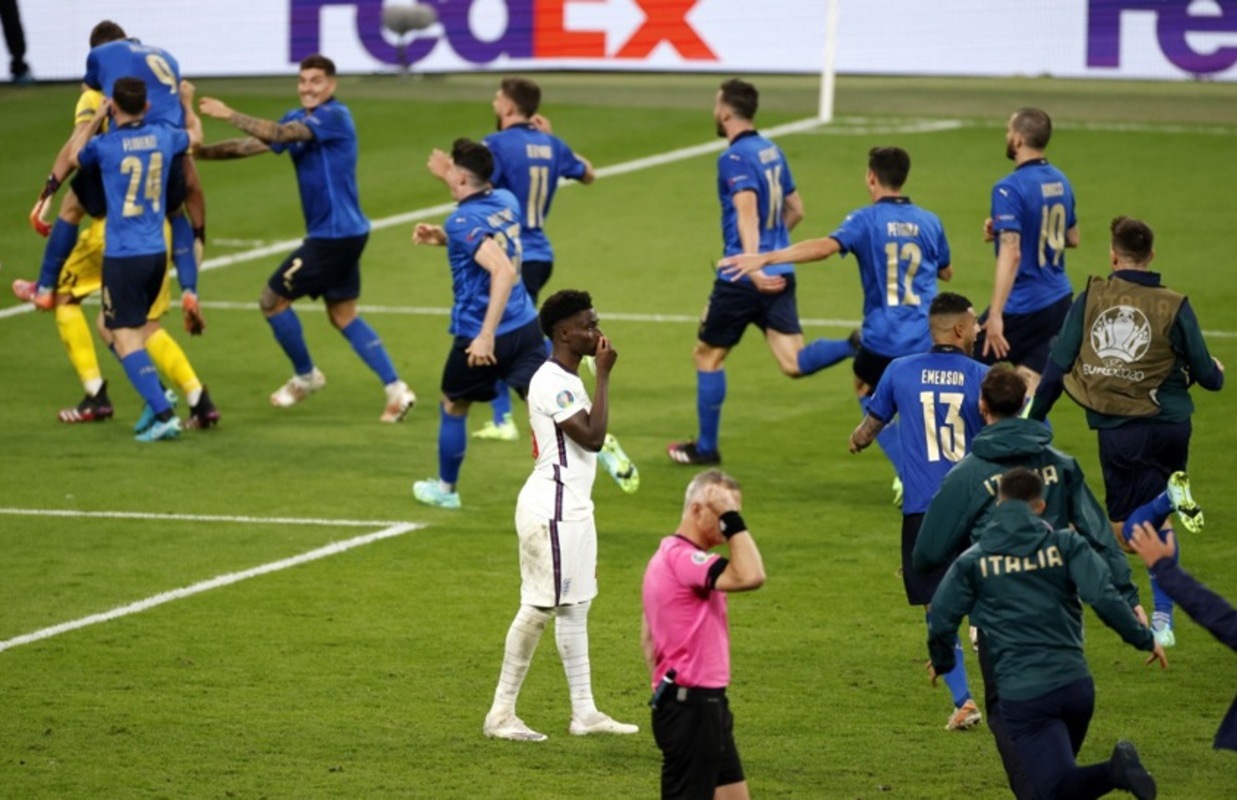
Italy players celebrate after Bukayo Saka (C) of England failed to score from this penalty during the UEFA EURO 2020 final between Italy and England in London, Britain, 11 July 2021. Italy won the game in penalty shoot-out. EPA-EFE/John Sibley
“I won the Euros, but I never played at the World Cup and I hope I can experience it as a fan this year,” he said.
“We were not the best team [at Euro 2020], but something magical happened. There was joy, but also the utmost focus in the decisive moments. I think this was the mix that brought us to the victory.”
The late Gianluca Vialli was Italy’s delegation chief at the Euros and had built a solid bond with the entire team, especially Florenzi.
“I struggle to talk about Gianluca. Everyone knows how important he was to us,” Florenzi said.
“His speeches, his words, even his silences and how he faced the illness. He could only convey positivity to us.”
Florenzi was part of the Italy squad in 2018 and 2022, when the Azzurri failed to qualify for the World Cup.
They have a new chance later in March as they’ll face Northern Ireland in the World Cup play-off semifinal.
If they progress to the final, they’ll face Wales or Bosnia and Herzegovina.
“These lads are defending an entire nation, and must be supported. They’ll have so much pressure on them, just like I had,” Florenzi concluded.
Alessandro Florenzi
“I failed to match expectations as I didn’t qualify for the World Cup twice. I hope with all my heart that they’ll go through these two rounds and bring us to the World Cup because they deserve it, just like the Italian fans.”
Florenzi is now a Sky Sport Italia pundit. He announced his retirement in the summer of 2025 after making 289 Serie A appearances. The ex-defender won the Scudetto with Milan in 2021-22.
Florenzi also played for PSG on loan in 2020-21.
He made his senior Italy debut in 2012 and scored two goals in 49 matches with La Nazionale.
Former Milan and Juventus defender Mattia De Sciglio said he snubbed a move to Liverpool to move to Turin in 2017, but he felt ‘used’ by Vincenzo Montella at San Siro.
Former Italy international De Sciglio spoke about his career in an interview with Corriere della Sera.
A product of the Milan academy, De Sciglio has also played for Juventus and Empoli in Serie A and Lyon in the French Ligue 1.
The 33-year-old has collected 208 appearances in Serie A and 28 in the Champions League.
“I could have played for Inter as a kid,” De Sciglio said via Calciomercato.com.
“They had called me for a trial, but I was dropped because I was too short. Milan arrived shortly afterwards, and I went through the youth sector until my Champions League debut at 18.”
De Sciglio was a Milan first-team player in one of the darkest moments in recent history, but feels the way he was treated at San Siro was unfair.
Mattia De Sciglio
“Some of the fans and the media identified me as the guilty one in that situation, and they were all waiting for a minimum error to criticise me,” he said.
“My social media accounts were filled with insults and nasty comments, but I had always behaved well, so I didn’t understand.”
During a Milan home game against Empoli in April 2017, he realised he had to leave the Rossoneri.
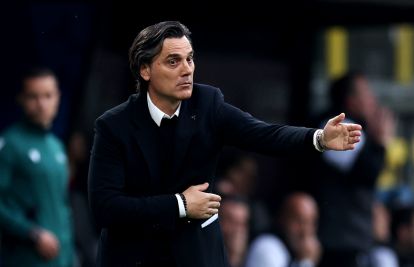
DORTMUND, GERMANY – JUNE 18: Vincenzo Montella, Head Coach of Turkiye, gestures during the UEFA EURO 2024 group stage match between Turkiye and Georgia at Football Stadium Dortmund on June 18, 2024 in Dortmund, Germany. (Photo by Dean Mouhtaropoulos/Getty Images)
“We were down two goals at minute 70, and Montella decided to replace me. I was angry. It’s a substitution I’ve never understood. It seemed just a way to use me to hide a difficult moment for the whole team,” De Sciglio said.
“As I was leaving, a boos erupted all around me. That day, I realised I could no longer go on like that; my story with Milan was over.”
De Sciglio snubbed Liverpool move for Juventus in 2017
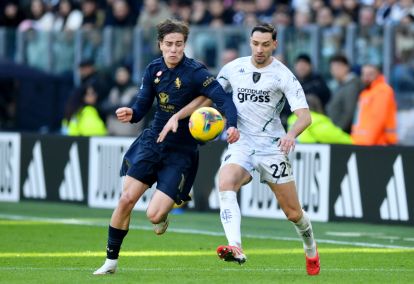
TURIN, ITALY – FEBRUARY 02: Kenan Yildiz of Juventus battles for possession with Mattia De Sciglio of Empoli during the Serie A match between Juventus and Empoli at Allianz Stadium on February 02, 2025 in Turin, Italy. (Photo by Valerio Pennicino/Getty Images)
The following summer, De Sciglio joined Juventus from Milan.
“Liverpool also wanted me, but I picked Turin because Allegri was on the bench and the team was really strong,” he said.
“Finding myself in a dressing room of champions and playing European games as a protagonist was a nice revenge after a difficult period.”
De Sciglio is currently without a club as Juventus didn’t extend his contract when he returned from a loan spell at Empoli at the end of 2024-25.
Exams undergone by Giovanni Di Lorenzo have ruled out a serious knee injury, and with his recovery time expected to be between 40 and 60 days, Italy and Gennaro Gattuso hope the versatile defender will be available for the World Cup play-off next month.
Napoli defender Di Lorenzo could be available for Italy’s World Cup play-off next month.
Di Lorenzo injury update
The Azzurri defender was subbed off during Napoli’s last Serie A match against Fiorentina.
This means Di Lorenzo will likely remain on the sidelines for 40 to 60 days as he won’t undergo surgery, but only follow a conservative treatment.
Will Di Lorenzo be available for Italy’s World Cup play-off?
LISBON, PORTUGAL – DECEMBER 10: Giovanni Di Lorenzo during the UEFA Champions League 2025/26 League Phase MD6 match between SL Benfica and SSC Napoli at Estadio da Luz on December 10, 2025 in Lisbon, Portugal. (Photo by Gualter Fatia/Getty Images)
According to Gazzetta, Italy coach Gattuso hopes the experienced defender will recover in time for the World Cup play-off scheduled for the end of March.
Italy will host Northern Ireland in the semifinal on March 26, and if they progress, they will then visit Wales or Bosnia and Herzegovina in the Final.
The Fiat Grande Panda is up to a record 4th place at home in January.
It’s a solid start of the year for the Italian new car market, with sales up 6.2% to 141.980 units. However private sales drop -3.8% to 81,585 and 56.9% share vs. 63% a year ago. Artificial sales channels pull the market up: self registrations soar 29.2% to 14,525 and short term rentals surge 188% to 12,460 and 8.7% share vs. 3.2% in January 2025. Meanwhile long term leases are up 3.2% to 27,526 and 19.2% share vs. 19.8% last year. Petrol is down -25.4%, diesel down -16.6% and LPG down -32.8%. HEVs gain 23.7% to 74,742 including 20,604 full hybrids (+32.8%) and 54,138 mild hybrids (+20.6%). PHEVs shoot up 152% to 12,502 and 8.7% share vs. 3.7% and BEVs advance 40.6% to 9,446 and 6.6% share vs. 5% a year ago.
In the brands charts, Fiat (+20.5%) finally posts a strong month at 13.5% share vs. 8.6% in December, its highest level at home since January 2023 (14%). Toyota (+0.3%) and Volkswagen (+3%) camp on their FY25 positions to round out the podium. Peugeot (-2%) is down year-on-year but up 8 spots on December to #4 ahead of Audi (+2.6%) at #5, its highest ranking since May 2024. Like in France and Spain, Dacia (-40.8%) is hit hard at #6. Below, Leapmotor (+594.4%), Omoda+Jaecoo (+357.1%), BYD (+329.6%), Cupra (+51.8%), Mini (+40.7%), Mercedes (+30.2%) and Opel (+11.3%) stand out.
Model-wise, the Fiat Panda (-0.2%) is stable year-on-year and accounts for 9.4% of its home market vs. just 5.8% in December and 6.7% over the Full Year 2025. The Jeep Avenger (+9.6%) is back up to a record 2nd place, also hit in April, May and September 2025. The Citroen C3 (-23%) falls heavily year-on-year but is up seven spots on last month to #3. Last year I highlighted the fact the Fiat Grande Panda had disappointed, finishing the year at a paltry #37. This month proves me wrong: the model is up 16 ranks on December to land at a record 4th position, beating its previous best of #8 hit last September. The Grande Panda sells at 95% in its HEV variant. The next few months will tell whether this was just a fluke or the start of a long term trend and a much needed 2nd success for the brand at home. Meanwhile the Toyota Aygo X (+72.3%) is up spectacularly to #5, simply the nameplate’s first incursion inside Italy’s Top 5.
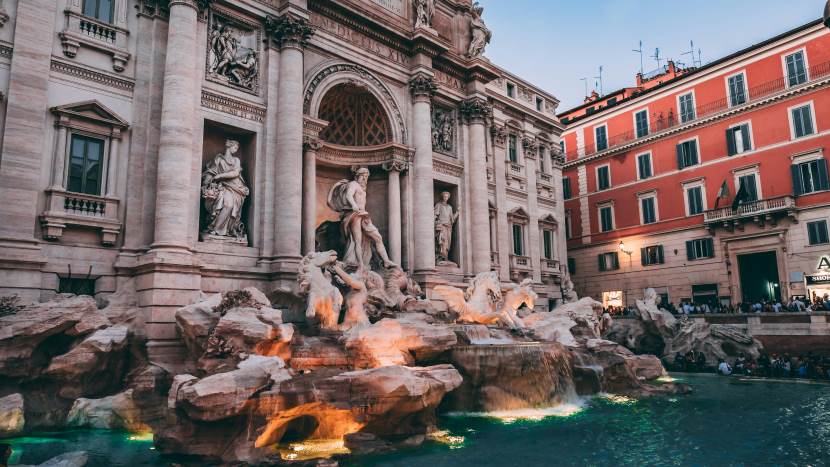
The city of Rome has recently introduced a significant change in how one of its most legendary landmarks is accessed by the public. A 2-euro fee is now being implemented for those wishing to visit the Trevi Fountain, a decision driven by the necessity to manage the overwhelming surge of tourism and preserve the structural integrity of this Baroque masterpiece. In an effort to balance the influx of global visitors with the needs of local residents, this ticketing system is being utilized to ensure that the site remains sustainable for future generations. It is observed that the historic center of Italy’s capital is frequently congested, and the introduction of a nominal charge is seen as a strategic move to regulate the flow of people around the fountain’s delicate basin.
The Rationale Behind the Fee
The implementation of this new policy is guided by the objective of reducing the chaotic overcrowding that often characterizes the area surrounding the fountain. It is noted by city officials that the sheer volume of visitors has reached levels that threaten both the visitor experience and the physical condition of the monument. By requiring a small financial contribution, a more structured environment is created where the number of individuals present at any given time can be monitored and limited. This approach is not intended to discourage travel but rather to foster a more respectful and organized interaction with the site. The revenue generated from these fees is expected to be directed toward the continuous maintenance and cleaning of the fountain, ensuring that its white travertine stone remains untarnished by the effects of heavy foot traffic and environmental factors.
Impact on the Tourist Experience
While the introduction of a cost might initially be viewed as a barrier, it is argued that the overall experience for the traveler will be significantly enhanced. Under the previous system of unrestricted access, the area was often so densely packed that a clear view of the artistry was difficult to obtain. With the new regulations, a more tranquil atmosphere is anticipated, allowing for better photography and a deeper appreciation of the sculptural details. The fee of 2 euros is considered small enough that it is unlikely to deter international travelers who have already invested significantly in their journey to Italy. Instead, it is perceived as a symbolic gesture toward the conservation of cultural heritage. The convenience of a pre-booked slot or a quick digital payment is being integrated into the system to minimize delays for those arriving at the site.
Addressing Overtourism in Italy
The challenges faced by Rome are mirrored in several other major Italian cities that struggle with the phenomenon of overtourism. Similar measures have been observed in Venice, where an entry fee for day-trippers was tested to control the population density during peak periods. The decision regarding the Trevi Fountain is part of a broader national conversation on how to protect historical treasures while remaining an open and welcoming destination. It is recognized that without such interventions, the quality of life for permanent residents in these historic districts would continue to decline. The passive management of crowds is no longer deemed sufficient; active, data-driven strategies are required to maintain a functional city environment. By placing a value on the entry, a shift in mindset is encouraged among visitors, promoting the idea that access to world-class heritage is a privilege that carries responsibilities.
Logistical Implementation and Management
The logistics of the fee collection are being handled through a combination of physical checkpoints and digital platforms. Staff members are stationed around the perimeter of the fountain to guide visitors and ensure that the flow remains constant. It is clarified that while the area immediately adjacent to the water will be ticketed, the surrounding square remains accessible to those who wish to view the monument from a distance. This distinction allows for a tiered level of engagement, where those seeking the classic “coin toss” experience can pay for the proximity, while casual passersby can still enjoy the architectural backdrop. The system is designed to be as unobtrusive as possible, utilizing technology to prevent long queues from forming in the narrow streets that lead to the Piazza di Trevi.
Environmental and Structural Preservation
Beyond the management of people, the structural health of the Trevi Fountain is a primary concern for the municipal authorities. The constant presence of thousands of people daily contributes to a micro-climate of humidity and physical wear that can accelerate the decay of the stone. By limiting the density of the crowd, the physical pressure on the surrounding infrastructure is reduced. Furthermore, the funds collected are earmarked for specialized restoration projects that require expert stonemasons and conservators. The fountain, which was famously restored with funding from Fendi several years ago, requires constant vigilance to combat the effects of pollution and the natural buildup of calcium from the water. This new economic model provides a steady stream of income that decouples the maintenance of the monument from the fluctuations of the general city budget.
Global Trends in Heritage Management
The move by Rome is reflective of a global trend where iconic landmarks are moving toward a paid-access model to ensure sustainability. From the Acropolis in Athens to various sites in Kyoto, the transition toward controlled entry is becoming the standard. The Trevi Fountain project is being watched closely by other municipalities as a potential blueprint for managing high-traffic urban monuments. The success of this initiative will be measured not just by the revenue collected, but by the measurable improvement in the physical state of the fountain and the satisfaction levels reported by both tourists and locals. It is emphasized that the goal is not profit, but the long-term viability of the site as a centerpiece of Roman culture.
Future Outlook for Rome’s Landmarks
Looking ahead, it is possible that other major attractions within Rome could see similar shifts in policy if the Trevi Fountain model proves successful. The city is home to an unparalleled density of historical sites, many of which are currently free to the public but suffer from the same issues of overcrowding. As the Jubilee year approaches, the city prepares for an even larger influx of pilgrims and tourists, making these regulatory measures even more timely. The focus remains on creating a sustainable tourism ecosystem where the beauty of the past is not sacrificed for the convenience of the present. The transition to a managed entry system represents a commitment to the “eternal” nature of the city, ensuring that the Trevi Fountain remains a source of wonder for centuries to come.
Sandro Tonali’s agent Beppe Riso denies reports he offered the Newcastle United player to Arsenal, but left the door open to Juventus. ‘We’ll evaluate it in March.’
There had been rumours that the Gunners were in talks for the midfielder in the January transfer window, but that Newcastle slammed the door shut immediately.
Claims Tonali pushing for Newcastle exit
FLORENCE, ITALY – SEPTEMBER 05: Gianluigi Donnarumma and Sandro Tonali of Italy arrive during an Italy Training Session at Centro Tecnico Federale di Coverciano on September 05, 2023 in Florence, Italy. (Photo by Claudio Villa/Getty Images)
Now The Athletic claim that it was Tonali’s agent who made the approach to Arsenal director Andrea Berta and proposed the potential move.
“I read it, but Newcastle won’t let Sandro leave in January, and we never talked to Arsenal about this,” said Tonali’s representative.
NEWCASTLE UPON TYNE, ENGLAND – MAY 11: Sandro Tonali of Newcastle United celebrates scoring his team’s first goal during the Premier League match between Newcastle United FC and Chelsea FC at St James’ Park on May 11, 2025 in Newcastle upon Tyne, England. (Photo by George Wood/Getty Images)
“We will evaluate in March whether Newcastle are open to anything, but right now he is playing in the Champions League, it is not the right moment to talk about it.”
BRUSSELS, BELGIUM – OCTOBER 01: Sandro Tonali of Newcastle United looks on during the UEFA Champions League 2025/26 League Phase MD2 match between R. Union Saint-Gilloise and Newcastle United FC at RSC Anderlecht Stadium on October 01, 2025 in Brussels, Belgium. (Photo by Omar Havana/Getty Images)
This would open up a scenario where the Azzurri star is actively seeking a new club beyond the Magpies, who he joined from Milan for €60.8m plus add-ons in 2023.
His current contract with Newcastle United only runs to June 2028, and Milan are owed a 10 per cent cut of his future sale fee.
Tonali has 35 competitive appearances for the Premier League side so far this season, contributing five assists.
Venice will soon open a new luxury hotel, Danieli, A Four Seasons Hotel, Venice, and guests can begin checking into the property on August 26, 2026. This will welcome Four Seasons into a new European destination, Venice, and Europe will gain a new luxury hotel.
The Venice location will not only mark the opening of a new hotel for Four Seasons and Venice, but it will also demonstrate an investment into the luxury hotel market by Venice, affirming the growing demand for high-value, longer stays, and heritage-focused travel while pushing aside the short term, high volume, mass tourism model.
A Refined Opening Designed for Premium Hospitality Demand
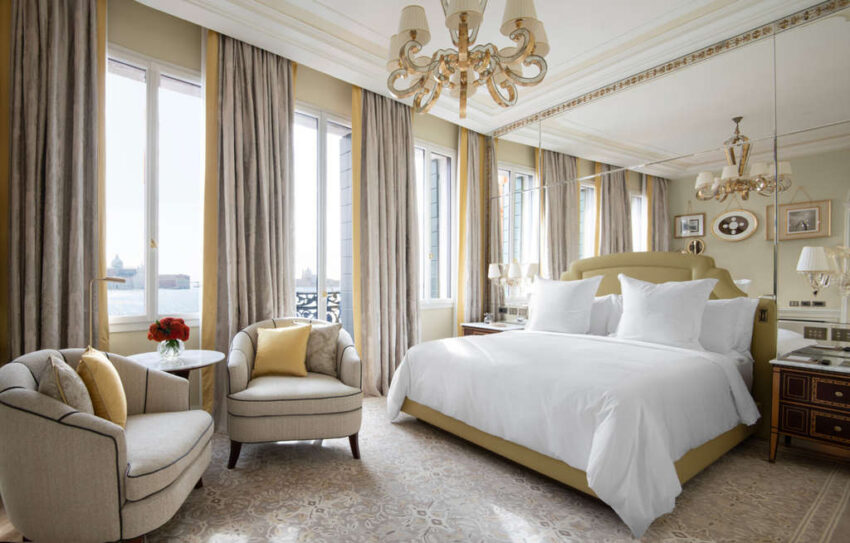
The hotel will open with 120 rooms and suites, positioning itself firmly within the upper luxury segment rather than large-scale accommodation. Many rooms will offer expansive views over the Venetian lagoon, appealing to travelers who seek exclusivity, space, and a strong sense of place.
This boutique-scale approach supports Venice’s evolving tourism model, where luxury hospitality plays a central role in economic sustainability, generating higher spend per guest while easing pressure on the city’s delicate infrastructure.
Dining at the hotel will be led by Restaurant Terrazza Danieli, a rooftop venue overlooking the lagoon and historic rooftops of Venice. Under the leadership of Executive Chef Adriano Rausa, the restaurant is positioned as one of the city’s most elevated dining destinations, both in setting and ambition.
High-end gastronomy is increasingly a pillar of luxury hospitality growth, and Terrazza Danieli is expected to attract not only hotel guests but also international travelers who plan visits around exceptional dining experiences.
Prime Waterfront Location Anchors Luxury Hospitality Presence
Set along the Riva degli Schiavoni, just steps from Piazza San Marco, the hotel occupies one of Venice’s most prestigious waterfront addresses. This location places guests at the center of the city’s cultural, historical, and artistic life, reinforcing the property’s status as a flagship luxury address.
The arrival of a Four Seasons-branded hotel in such a prime location strengthens Venice’s global positioning as a top-tier luxury destination, particularly for long-haul travelers from North America, the Middle East, and Asia.
Three Historic Palaces Form a Living Luxury Landmark
Danieli’s appeal lies deeply in its architectural heritage. The hotel spans three interconnected palaces, representing more than 500 years of Venetian history. At its core is the 15th-century Palazzo Dandolo, later expanded by Palazzo Casa Nuova and Palazzo Danieli Excelsior.
This layered architectural narrative transforms the hotel into more than accommodation. It becomes a luxury heritage experience, where history itself is a key component of the guest journey, a growing trend within high-end hospitality.
Restoration Elevates Craftsmanship and Contemporary Comfort
The extensive restoration has been led by Pierre-Yves Rochon, known for revitalizing some of the world’s most celebrated luxury hotels. The redesign carefully preserves historic integrity while introducing modern comfort and functionality expected of a global luxury brand.
Interiors feature Murano glass, Italian marbles, and a palette inspired by Venice’s water, light, and facades. This approach reinforces luxury hospitality growth through authentic craftsmanship, supporting local artisans and preserving skills that are integral to Venice’s cultural economy.
Experiential Luxury Defines the Guest Journey
Under the leadership of General Manager Christian Zandonella, the hotel’s philosophy centers on experiential luxury rather than traditional sightseeing. Guests will be encouraged to engage with Venice through immersive activities that connect them with local life and traditions.
Experiences include learning Voga Veneta, the city’s traditional rowing style, exploring hidden gardens, and gaining insight into the fragile lagoon ecosystem that supports Venice’s UNESCO World Heritage status. These offerings align with a global shift in luxury travel toward meaningful, educational, and place-driven experiences.
By focusing on immersive experiences, limited room count, and local partnerships, Danieli, A Four Seasons Hotel supports Venice’s broader push toward sustainable luxury tourism. High-end travelers typically stay longer, spend more locally, and engage more deeply with cultural offerings, delivering stronger economic returns with lower volume impact. Luxury hotels increasingly play a strategic role in shaping destination behavior, and this opening positions Four Seasons as a partner in Venice’s long-term sustainability efforts.
Strengthening Venice’s Global Luxury Hospitality Portfolio
The arrival of Four Seasons significantly enhances Venice’s luxury hospitality portfolio, adding a globally trusted brand to the city’s collection of historic grand hotels. Brand recognition is a key driver for high-spending travelers, and the Danieli reopening is expected to attract new demand from premium markets worldwide. This growth benefits not only the hotel sector but also fine dining, retail, cultural institutions, and artisanal industries across the city.
A Restored Icon Powering the Next Chapter of Luxury Growth
When the Danieli, A Four Seasons Hotel, Venice, opens in August 2026, it will be the first luxury hotel in the city to symbolically merge the growth of luxury hospitality with the preservation of Venice’s rich heritage. The hotel will integrate Venice’s 1,500 years of history with the contemporary 21st-century service, gastronomy, and experiential travel.
Thus, Venice will further strengthen its position as one of the world’s most sought-after luxury destinations. The Four Seasons opening will not just be a new hotel. It will signify the new era for luxury hospitality in ancient cities, where exclusivity, authenticity, and, most importantly, sustainability, will be the bedrock for successful long-term tourism.
Il Salviatino is now part of the Legend Collection of Preferred Hotels & Resorts. This family-run hotel, located in the Tuscany hills of Fiesole, Florence, is part of the most luxurious hotels in the world. Il Salviatino is also a top hotel choice for travelers looking for a unique experience in Italy.
A Heritage of Elegance and Luxury
Il Salviatino sits within 12 hectares of beautifully landscaped gardens, offering breathtaking views of Florence, including the iconic Duomo. It combines Renaissance-era charm with contemporary luxury, creating a unique and serene atmosphere for guests. The property features 39 individually designed rooms and suites, each thoughtfully curated to reflect the villa’s rich history while embracing modern amenities.
The hotel’s accommodations range from the opulent penthouse Ojetti Suite, which includes a private terrace and a glass-floor lounge, to the Greenhouse Suite, a two-bedroom retreat that opens onto the villa’s expansive gardens. Guests can also choose from Duomo View Suites, which offer stunning views of Florence’s skyline and elegant Florentine brocade fabrics. These rooms are designed with meticulous attention to detail, showcasing Tuscan pearwood wardrobes, Murano chandeliers, and other artisan-crafted elements.
Unmatched Personal Service and Exclusive Events
As part of the Preferred Hotels & Resorts’ Legend Collection, Il Salviatino continues to focus on personalized, high-end service, making each guest feel like part of its extended family. The hotel emphasizes its role as more than just a place to stay, offering an immersive experience in both luxury and Italian culture.
The property is also a prime destination for weddings, milestone celebrations, and private buyouts. The villa’s extensive grounds, including the historic Orangerie Sala Affresco and the expansive Giardino all’Italiana, can accommodate large events, such as weddings or corporate retreats, with a capacity of up to 250 guests. Additionally, the panoramic terrace overlooking Florence’s Duomo serves as an ideal setting for intimate gatherings or special occasions.
Culinary Excellence and Wellness Offerings
The culinary experience at Il Salviatino is unmatched, thanks to its sister restaurant, da Giacomo al Salviatino. Situated within the villa, this restaurant offers seasonal dishes inspired by the property’s permaculture gardens, combining fresh, locally sourced ingredients with authentic Italian flavors. Guests can enjoy exquisite meals while taking in sweeping views of Florence’s historic skyline.
Wellness enthusiasts will also find Il Salviatino a haven for relaxation and rejuvenation. The Aquae Vitali Spa is housed within the villa’s original 300-square-meter greenhouse and offers a wide range of treatments using premium products like Augustinus Bader and Santa Maria Novella. The spa’s facilities include an infrared sauna, hammam, Vichy showers, and an ice bath. Guests can also experience bespoke wellness programs, cacao ceremonies, and crystal healing rituals as part of the property’s holistic approach to well-being.
A Global Network of Luxury Travelers
The collaboration with Preferred Hotels & Resorts enhances Il Salviatino’s reach, connecting it to a global network of discerning travelers and travel advisors. This partnership opens new avenues for guests seeking exceptional luxury experiences while maintaining the hotel’s unique, independent spirit. By joining the Legend Collection, Il Salviatino continues to deliver its signature blend of personalized service, artful design, and world-class hospitality.
Guide for Travelers: Why Choose Il Salviatino?
Location: Set on the Tuscan hillside in Fiesole, the hotel is just a short drive from Florence’s historic center. Guests enjoy peaceful seclusion while being close to Florence’s cultural treasures, such as the Uffizi Gallery, Ponte Vecchio, and the Palazzo Pitti.
Luxury Accommodations: Choose from 39 individually designed rooms and suites, including the iconic Ojetti Suite and Duomo View Suites, each offering unique features and breathtaking views of Florence.
Fine Dining: Experience the culinary delights of da Giacomo al Salviatino, offering fresh, seasonal dishes from the villa’s gardens and local farms.
Exclusive Events: Host your dream wedding or private event in the villa’s stunning event spaces, such as the Orangerie or panoramic terrace.
Wellness Retreat: Unwind at the Aquae Vitali Spa, where you can indulge in advanced treatments and unique wellness rituals that promote complete relaxation.
Artisan Craftsmanship: The property is filled with pieces created by Italian artisans, including Tuscan pearwood wardrobes and Murano glass chandeliers, providing an authentic touch of Italian craftsmanship.
Conclusion
The partnership between Il Salviatino and Preferred Hotels & Resorts’ Legend Collection solidifies Il Salviatino’s place as one of Florence’s most exceptional luxury retreats. Il Salviatino has been attracting the world’s most discerning travelers with its unparalleled fusion of Florentine history and modern luxury, bespoke service, and wellness offerings in the very epicenter of Tuscany.
Former Chelsea coach Enzo Maresca hopes Italy will qualify for the 2026 World Cup: ‘Otherwise, they’ll make fun of us even more abroad.’
The Italian tactician was in Florence on Monday to attend the Panchina d’Oro Award in Coverciano, where he received a “special” recognition.
The event was held at the Italy’s training ground so a question about the Azzurri was inevitable.
Maresca ‘optimistic’ about Italy
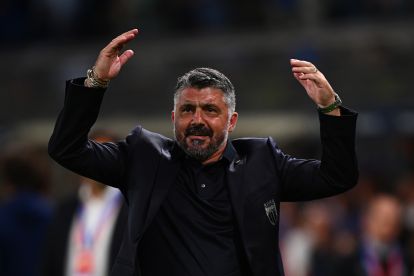
BERGAMO, ITALY – SEPTEMBER 05: Coach Gennaro Gattuso of Italy gesture during the FIFA World Cup 2026 qualifier match between Italy and Estonia at Stadio di Bergamo on September 05, 2025 in Bergamo, Italy. (Photo by Mattia Ozbot/Getty Images)
“I hope they make it to the World Cup, and I’m optimistic,” Maresca told reporters, including Sky Sport Italia.
“I’m cheering for them also because, otherwise, they’ll make fun of us even more abroad. Let’s hope no. Let’s hope this time we manage to get to the World Cup ,and I wish that for Italy, for Gennaro and everyone.”
One of the main concerns for football clubs in Italy and all around Europe regard a congested fixture list that leaves little rest to players and coaches.
LONDON, ENGLAND – OCTOBER 04: Enzo Maresca, Manager of Chelsea, reacts during the Premier League match between Chelsea and Liverpool at Stamford Bridge on October 04, 2025 in London, England. (Photo by Justin Setterfield/Getty Images)
“This is the situation, either you adapr or you don’t train, or you don’t play,” Maresca said.
“A FIFA study highlighted that the two teams with the most injuries during the season were Chelsea and PSG, coincidentally, the World Cup Finalists.”
Lastly, Maresca answered a question on whether he’ll coach a Serie A club one day: “I’m doing well abroad, but we’ll see. What matters is not what you’ve done, but your willingness,” he concluded.
Italy’s winter tourism is entering a decisive phase as Roccaraso reveals how mass day-trip travel, rising costs, and unreliable snowfall are reshaping mountain destinations. The small Apennine resort has become a magnet for budget-friendly visitors seeking a quick escape from city life, but the surge in numbers is straining local infrastructure, fueling tensions with residents, and exposing the limits of low-altitude ski tourism at a time when climate change is shortening snow seasons and forcing resorts to rethink how winter travel can remain both accessible and sustainable.
Italy sees a familiar winter ritual unfold every weekend as buses arrive from Naples in a steady stream, unloading crowds in bright ski jackets into Roccaraso, a small mountain town in the heart of the Apennines. By mid-morning, the streets buzz with conversation, cafés overflow, and the gentle slopes fill with families, friends, and first-time snow seekers looking for a quick escape from city life.
For many visitors, Roccaraso offers an affordable and easy escape. A return bus ticket from Naples costs little more than a casual dinner, making the trip accessible to people who simply want fresh air, snow under their boots, and a change of scenery. Few arrive with serious skiing ambitions. Many come to walk, take photos, ride sleds, or sit in the winter sun with music playing nearby.
This kind of winter tourism is far removed from Italy’s glamorous alpine destinations or the polished resorts linked to international sporting events. Here, winter leisure is modest, spontaneous, and rooted in day trips rather than week-long stays. But that accessibility has also become the source of growing friction.
Roccaraso sits at around twelve hundred metres above sea level. The only slope reachable on foot from the town has long been closed to adult skiers and is now mainly used by children. Visitors can still take a chair lift up the mountain, enjoy panoramic views, then walk or sled back down. For more serious skiing, people travel a short distance to the larger Alto Sangro ski area, which stretches across more than one hundred kilometres of runs and attracts around half a million visitors each year.
It is there that tensions are most visible. Regular skiers complain that day-trippers crowd the slopes without skiing, turning pistes into picnic spots filled with loud music and deck chairs. Locals worry about congestion, litter, and pressure on fragile mountain environments already under strain.
The issue burst into national and international headlines last winter when hundreds of buses arrived in a single day, bringing more than ten thousand people into the area. The sudden influx overwhelmed roads, services, and public spaces. Since then, local authorities have stepped in, limiting the number of buses allowed to enter on peak days and deploying wardens to manage crowds and parking.
For residents, the contrast between rising visitor numbers and declining snowfall is hard to ignore. Winters are becoming less predictable, with shorter seasons and warmer temperatures. Snowfall that once arrived reliably now comes late or melts quickly, forcing resorts to adapt on the fly.
At the same time, costs are climbing. Many visitors admit they cannot afford to ski at all. A single day on the slopes can easily approach two hundred euros per person once transport, equipment rental, and lift passes are added up. While skiing in Italy has long been cheaper than in neighbouring alpine countries, prices are rising. Consumer groups have warned that lift passes in some resorts have increased by up to ten percent, pushing the sport further out of reach for average families.
Despite these challenges, the ski industry has shown surprising strength. Recent winter seasons have ranked among the best on record in terms of overall visits, even as natural snow cover declines across Europe. This resilience is largely driven by artificial snowmaking. More than ninety percent of Italy’s ski runs now rely on man-made snow, and Roccaraso operates the largest artificial snow system in the country.
Yet this solution comes with limits. Artificial snow requires vast amounts of water and energy, and it only works within a narrow temperature range. As winters grow warmer, producing and maintaining snow becomes more difficult and more expensive. Environmental groups warn that snowmaking is a temporary fix rather than a long-term answer.
This reality is pushing mountain resorts to rethink their future. Diversification is becoming essential. Lower-altitude destinations like Roccaraso may be better placed than high alpine resorts to adapt, thanks to their potential for year-round tourism. Hiking, cycling, nature walks, and family-friendly outdoor activities offer alternatives that do not depend entirely on snow.
Across Italy, some regions are already experimenting with new models. Wellness tourism, food and wine trails, cultural festivals, and soft adventure experiences are being promoted to spread visitor numbers beyond winter weekends. The goal is to attract smaller, steadier flows of tourists rather than sudden surges that strain infrastructure and local patience.
For visitors from Naples and other nearby cities, the appeal remains simple. Roccaraso offers a quick escape, a touch of winter magic, and a chance to experience the mountains without long travel or heavy spending. For locals and planners, the challenge lies in balancing this demand with sustainability, safety, and quality of life.
Italy’s relationship with winter tourism is clearly changing. Snow is no longer guaranteed, costs are rising, and expectations are shifting. From crowded day-trip resorts in the Apennines to experimental slopes on active volcanoes in the south, the country is being forced to rethink what winter in the mountains really means.
Whether Roccaraso becomes a model for inclusive, low-impact mountain tourism or a warning about unchecked crowds will depend on how carefully it manages the fine line between welcoming visitors and protecting the place they come to enjoy.
Turin, nestled in the Piedmont region of Italy, has long been celebrated as one of the country’s most alluring destinations, particularly during the winter season. This city, known for its rich cultural heritage and captivating winter ambiance, offers visitors a one-of-a-kind experience. Whether you’re seeking warmth in its cozy cafés, exploring its historical landmarks, or indulging in its famed chocolate culture, Turin presents itself as the perfect retreat during the colder months. Travelers from around the globe are drawn to this magnificent city, which has become synonymous with not just enduring the winter, but truly embracing it. In Turin, winter is celebrated through its beautiful architecture, warm beverages, and vibrant cultural life, making it an ideal place to escape and savor the season’s delights.
Turin’s Winter Allure: A Perfect Blend of Culture and Charm
As the winter season blankets Turin, the city takes on a new, magical dimension. The crisp winter air, combined with historical arcades and elegant squares, creates a setting that is uniquely charming and inviting. Unlike colder regions with biting temperatures, the mild winters in Turin offer the perfect conditions for visitors to enjoy the beauty of the season without feeling overwhelmed by the cold. The city’s combination of snowy streets and cozy indoor spaces provides a balance that appeals to both outdoor enthusiasts and those preferring a warm retreat.
One of the most iconic aspects of Turin during the winter is its café culture. The city’s cafés, which have long been a central part of its social life, become even more inviting during the colder months. Historic cafés, such as Caffè Mulassano and Al Bicerin, offer a warm escape where visitors can enjoy hot drinks and soak in the Turinese atmosphere. These spots are perfect for people-watching, reading, or simply enjoying the warmth of a freshly brewed bicerin, a traditional drink that is synonymous with Turin’s cozy winter vibe.
Turin: The Birthplace of Italian Chocolate
One of the most cherished aspects of Turin during the winter is its profound connection to chocolate. Known as the birthplace of Italian chocolate, Turin has been home to artisanal chocolate makers for centuries, and its rich chocolate heritage is an integral part of the city’s identity. The city’s tradition of chocolate-making has been passed down through generations, and visitors to Turin have the unique opportunity to experience this delicious legacy firsthand.
Every year, the city hosts the renowned Cioccolatò festival, a celebration of all things chocolate. This event draws chocolate lovers from across the globe, offering a chance to indulge in the finest chocolates, participate in tastings, and enjoy live demonstrations by local chocolatiers. Turin’s chocolate scene is a central part of its winter experience, and visitors can explore numerous chocolate shops that offer an array of delectable treats, each more delightful than the last.
Among Turin’s most iconic contributions to chocolate culture is bicerin, a layered drink made from espresso, chocolate, and cream. This winter beverage has been a staple in Turin for centuries and continues to be a favorite among both locals and visitors. It represents the essence of Turin’s winter warmth, offering the perfect balance of sweetness and warmth to beat the chill of the season.
Culture and History Amidst the Snow
While chocolate and café culture are major draws in Turin, the city is also home to a wealth of cultural and historical attractions that make it a compelling winter destination. Whether exploring its world-class museums or strolling through its regal palaces, visitors will find an abundance of indoor activities that add to the city’s charm.
One of the must-see locations in Turin is the Egyptian Museum, home to one of the finest collections of Egyptian artifacts outside of Egypt. This museum offers an incredible opportunity to explore ancient history, showcasing some of the most important relics and discoveries from ancient Egypt. Along with the Egyptian Museum, Palazzo Reale, a grand Baroque palace, offers a glimpse into the city’s royal past. The palace’s stunning architecture contrasts beautifully with the snow-covered landscape, making it a perfect winter attraction.
In addition to the palace, Palazzo Madama is another historical gem in Turin. Known for its blend of art, history, and architecture, it draws visitors who are interested in experiencing the intersection of culture and beauty. The city’s royal heritage and cultural wealth make it an ideal place for those looking to immerse themselves in history while enjoying the comforts of a winter retreat.
Winter Events That Bring Turin to Life
During the winter months, Turin becomes a hub of cultural activity. The city is renowned for its vibrant winter events, many of which take place in its public squares and historical districts. In places like Piazza Castello and the Quadrilatero Romano district, visitors will find a mix of classical music concerts, theater performances, and local markets that celebrate the season. These events infuse the city with energy, providing an opportunity for both locals and travelers to enjoy the festive atmosphere.
The winter festivals in Turin also feature a wide variety of local markets, where visitors can purchase handmade goods, local delicacies, and, of course, chocolate. These markets add to the city’s charm, making it an attractive destination for those looking to experience the Italian winter vibe. For those planning to visit Turin during the winter, the festive atmosphere makes it an unforgettable experience.
What to Expect When Visiting Turin in Winter
If you’re planning a trip to Turin during the winter season, here are some experiences that you won’t want to miss:
Chocolate Tours & Tastings: Turin is home to some of the best artisanal chocolates in the world. Visitors can indulge in chocolate tastings at various shops around the city.
Café Culture: A visit to Turin’s historic cafés, such as Caffè Mulassano and Al Bicerin, is a must. These spots offer a perfect way to relax with a hot drink and experience the city’s warm hospitality.
Seasonal Events: The city’s winter festivals, concerts, and local markets create a lively and festive atmosphere that is perfect for visitors seeking both cultural and holiday experiences.
Chilly but Inviting Atmosphere: Snow and crisp air make the winter ambiance in Turin particularly enchanting, providing the ideal setting for exploring the city’s beautiful streets and architectural wonders.
Why Turin is the Ultimate Winter Destination
In conclusion, Turin is much more than just a scenic winter destination. With its deep chocolate heritage, welcoming café culture, and impressive collection of historical landmarks, the city offers an unforgettable experience for those seeking a distinctive winter escape. Unlike many places where winter is something to be endured, Turin fully embraces the season, offering visitors a unique combination of warmth, culture, and indulgence. Whether enjoying a comforting bicerin in a café or visiting the city’s museums, Turin delivers a winter experience that blends history, culture, and chocolate in a way that is truly magical.
For those seeking a unique winter getaway, Turin offers an experience unlike any other — one that will leave you with lasting memories of Italy’s sweet side during the colder months. The city’s warm hospitality, chocolate traditions, and stunning architecture make it an ideal winter destination for travelers from around the world.
A statement from Lazio announced that tests performed at the Villa Mafalda clinic had shown a medium-grade lesion to the oblique muscle in his abdomen.
Zaccagni not expected back until March 2026
ROME, ITALY – FEBRUARY 15: Mattia Zaccagni of SS Lazio in action during the Serie A match between SS Lazio and Napoli at Stadio Olimpico on February 15, 2025 in Rome, Italy. (Photo by Marco Rosi – SS Lazio/Getty Images)
The report from Sky Sport Italia warns this kind of injury should keep Zaccagni out of action for at least four weeks.
It is a blow to the Aquile and the Italy squad, as Zaccagni had scored four goals with one assist in 20 games this season between Serie A and the Coppa Italia.
Lazio are still missing Gil Patric and Samuel Gigot, but signed Kenneth Taylor, Daniel Maldini, Petar Ratkov and Adrian Przyborek in the January transfer window.
In late September, the Ministry of Foreign Affairs of Italy opened the first part of the traveling exhibition called the “Italian Creativity Archive” in Oslo, Norway. This exhibition showcases, for the first time, the cultural, artistic, and creative contributions of Italy. The exhibition is committed to Italy’s diverse influence in the fields of culture and design, as well as the arts. The exhibition will include a wide variety of items including, but not limited to, historical documents, drawings, and costumes from the theater.
The Italian Creativity Archive explores Italy’s cultural and artistic heritage. In 2013, the Ministry of Foreign Affairs commissioned the first exhibition for the Italian Creativity Archive. This exhibition is meant to evoke the Italian Grand Tour and is inspired by Goethe’s 1813 travel narrative Viaggio in Italia, which has inspired a plethora of narratives about Italy.
The exhibition features a one-of-a-kind cultural journey through Italy. The installation is designed as an archival shelving system, enabling visitors to explore the shelves and engage with various creative “souvenirs” that have contributed to the development of Italy’s art. This installation exemplifies the tradition-innovation duality that characterizes the contemporary Italian cultural landscape.
A Timeless Collection of Artifacts and Works
The exhibition spans thousands of years of Italy’s history and features a wide variety of items to showcase the country’s cultural and artistic achievements. It includes both ancient archaeological artifacts and contemporary design objects. The Italian craftsmanship on display is diverse and dynamic in nature. One of the featured collections includes archaeological artifacts from the National Archaeological Museum of Naples, which date to the 6th century B.C. through the 1st century A.D. These pieces are an important glimpse into Italy’s ancient history and sophisticated civilizations that contributed to the country’s cultural legacy.
Moreover, the show also features fashion illustrations and theatrical costumes documenting Italy’s history with the fashion and film industries. Fornasetti, Brionvega, and Oscar-winning costume designer Danilo Donati, along with their remarkable and representative creations, take the spotlight.
Italian Designers and Artisans
Beyond simply presenting objects, the exhibition also reveals the changing creative directions of Italy’s highly regarded artistry. Focused on new methods and material usage, the show traces the Italian craftsmanship continuum. Exemplary of the precise and artistic work, coupled with tailoring, that Italian design gained worldwide recognition, is Sartoria Farani.
The exhibition employs a modular design, which encourages interaction, making it easier to understand the Italian design and cultural system. It illustrates an understanding of the art. It illustrates the understanding of Italy’s cultural system and how it balances newer cultural practices with older cultural practices. It draws attention to Italy’s enduring, evolving contribution to the field of creative art and design.
A Collaborative Project Between Norway and Italy
The co-operation of the Norwegian National Museum and the Italian Embassy. Norway lead to this exhibition. Norwegian National Museum’s Clara Tosi Pamphili and Denise Hagströmer collaborated for this exhibition. They contributed to this exhibition to help create and develop. This exhibition is only dedicated to Italian culture, but to help establish Italy and Norway cultural relations.
This initiative is important for establishing Italian cultural relations abroad and is important for establishing diplomatic relations Between Norway and Italy. He creates initiatives for establishing cultural relations and invites both domestic and foreign tourists to Italy.
Italy’s Influence on Global Creativity
Italy continues to strengthen its position as a centre for Italian art, and the Italian Creativity Archive exhibition continues to strengthen its position as a centre for Italian art and culture. It exhibits Italy’s unparalleled contribution to the worlds of design, fashion, architecture and theatre.
The showcase in Oslo marks the start of a traveling display that will continue to motivate and teach audiences about the breadth of Italian ingenuity. Emphasizing both historical objects and modern pieces, the display offers a balanced perspective regarding Italy’s artistic contributions. The exhibit encourages patrons to contemplate the previous generations and also the forthcoming advancements in Italian creativity and design.
Final Thoughts: An Italian Heritage Celebration in Oslo
The traveling Italian Creativity Archive exhibition in Oslo is an enchanting experience through Italy’s rich legacy, demonstrating its priceless offers in artistry and design. Spanning various historical objects, designs, sketches of costumes, and other paraphernalia, the exhibition is a constantly changing, comprehensive, and dynamic experience of creativity in Italy. As the exhibition continues its global circuit, it asserts Italy’s eminent and unmatched creativity and artistic proficiency.

 Login
Login






 The Fiat Grande Panda is up to a record 4th place at home in January.