
Reading view

Could the U.S. Lose Millions of Visitors Due to New ESTA Social Media Policy?
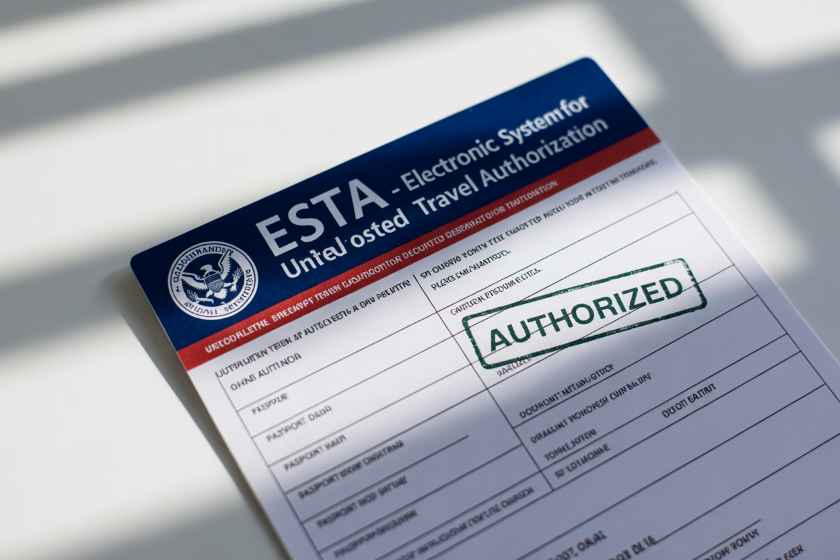
Could the U.S. Lose Millions of Visitors Due to New ESTA Social Media Policy?

Proposed changes to the U.S. Electronic System for Travel Authorisation (ESTA) program are raising alarms across the global tourism sector. If implemented, the new rules would require travelers from 42 countries to provide social media platform information used over the past five years, alongside other personal data. While the measure is presented as a step to strengthen border security, it has sparked significant concern among tourism professionals and travellers, fearing a negative impact on the U.S. tourism industry.

The ESTA visa waiver program currently allows citizens from 42 countries to visit the U.S. for short stays without the need for a visa. However, the proposed changes could make the U.S. feel less welcoming, potentially reducing its attractiveness as a tourism destination.

Survey Reveals Traveller Concerns Over Social Media Data Requirement

To understand the potential effects of these changes, the World Travel & Tourism Council (WTTC) conducted a large-scale survey of 4,563 frequent international travelers. Respondents hailed from key ESTA-eligible countries, including Australia, France, Germany, Japan, South Korea, and the United Kingdom. Nearly two-thirds of the participants reported being aware of the proposed policy, signaling that the debate around the changes is widely known, even among travelers themselves.

The results of the survey were telling, with a large portion of respondents expressing concerns about the intrusive nature of the new requirement. Many travelers felt that the collection of social media data would make the U.S. seem less welcoming, reducing its appeal for both leisure and business travel. Specifically, around 34% of those surveyed said they would be less likely to visit the U.S. in the next two to three years if the mandatory social media information was introduced.

Tourism Losses Could Total Billions

Beyond traveler sentiment, the WTTC combined survey findings with detailed economic modeling to estimate the potential economic impact of the proposed ESTA changes. Their analysis predicts that a decline in international arrivals could result in a loss of up to $15.7 billion in tourism spending. If the new rules are enacted, the U.S. could see as many as 4.7 million fewer visitors from ESTA-eligible countries by 2026, which would represent a 23% drop in arrivals. This contraction could have far-reaching effects on the tourism industry, potentially putting more than 150,000 jobs at risk across various sectors, including hospitality, travel services, and tourism-related employment.

This estimate underscores the significant economic stake the U.S. holds in maintaining its tourism sector. International visitors contribute billions to the U.S. economy annually, and a sharp decline in tourism could lead to ripple effects throughout the broader economy.

Tourism Challenges in a Post-Pandemic Landscape

The potential tightening of ESTA regulations comes at a time when inbound tourism to the U.S. is still recovering from the pandemic. Unlike many competing destinations, which have already seen tourism return to pre-pandemic levels, the U.S. is still working to regain its position as a global tourism leader. This is particularly concerning as the U.S. prepares to host several major international events, including FIFA World Cup matches in 2026 and the 2028 Olympic Games in Los Angeles.

For many travelers, the proposed requirement to provide social media information seems more burdensome than the entry requirements in other major tourism destinations. The survey indicated that many travelers feel that the new ESTA conditions would create additional obstacles to visiting the U.S., at a time when other countries are making it easier for tourists to enter. With so many travel options available, some international tourists may choose destinations with fewer entry restrictions or more straightforward visa policies.

The Impact on Business and Leisure Travel

The proposed ESTA changes could affect both leisure and business travelers. Business tourism, which brings significant revenue to the U.S., could see a decline if potential visitors find the process too invasive. International companies often send employees to attend conferences, meetings, and events in the U.S., and these visitors may now consider alternative destinations with fewer entry barriers.

Leisure tourists could also be discouraged by the new rules, particularly those who value their privacy or those who may not want to disclose personal social media accounts. This shift could drive travelers to explore other countries in the Americas or Europe, which are actively promoting easier access and fewer bureaucratic hurdles for international visitors.

Balancing Security and Tourism Competitiveness

As the U.S. faces a growing challenge in balancing security measures with its competitiveness in the global tourism market, the proposed ESTA changes highlight the delicate balancing act the country must perform. On one hand, strengthening border security is essential in ensuring national safety. On the other, making the U.S. feel less welcoming could harm its reputation as an open, attractive destination for international visitors.

For countries that rely heavily on tourism as a major part of their economy, maintaining a welcoming atmosphere is critical. With global tourism trends shifting toward more accessible, user-friendly entry policies, the U.S. must carefully consider whether the benefits of enhanced security outweigh the potential loss in visitor numbers and the broader economic consequences.

Conclusion: A Critical Moment for U.S. Tourism

The proposed changes to the U.S. ESTA program represent a critical moment for the country’s tourism industry. While intended to bolster border security, the new rules may unintentionally discourage millions of potential visitors, leading to billions in lost revenue and job losses across the tourism sector. As the U.S. looks to host major global events in the coming years, ensuring the country remains an attractive and accessible destination for international travelers is more important than ever. Balancing security needs with tourism competitiveness will be key in determining the future success of the U.S. tourism industry.

The post Could the U.S. Lose Millions of Visitors Due to New ESTA Social Media Policy? appeared first on Travel And Tour World.

Hong Kong Citizens Benefit from Visa Exemption in Colombia While Taiwan Faces Tougher Entry Rules: A Look at the Impact on Travelers Heading to Bogotá, Medellín, and Beyond – Here’s What to Know Before You Travel

Hong Kong Citizens Benefit from Visa Exemption in Colombia While Taiwan Faces Tougher Entry Rules: A Look at the Impact on Travelers Heading to Bogotá, Medellín, and Beyond – Here’s What to Know Before You Travel
Hong Kong Citizens Benefit from Visa Exemption in Colombia While Taiwan Faces Tougher Entry Rules

Starting January 30, 2026, a new shift in Colombia’s visa policies has reshaped the entry requirements for Hong Kong and Taiwan passport holders. While Hong Kong citizens can now enjoy easier access to Colombia with no visa required for short stays and airport transits, Taiwan passport holders face stricter visa rules, requiring them to secure a visa unless they already hold a valid US or Schengen visa. This policy update is part of Colombia’s broader strategy to attract more visitors and boost connectivity with the Asia-Pacific region, particularly for travelers heading between Latin America and Asia.

Let’s explore what these changes mean for travelers and how it affects the ease of travel, especially for those looking to transit through Bogotá or Medellín.

The Big Change: Hong Kong Citizens Can Now Visit Colombia Without a Visa

For travelers from Hong Kong, the new visa rule is a game-changer. Starting from January 30, 2026, holders of Hong Kong SAR passports are now exempt from requiring a visa for tourist visits, business trips, and even airport transits. This exemption covers stays of up to 90 days within a rolling 12-month period, making it easier for Hong Kong citizens to visit Colombia for both leisure and business purposes.

For travelers planning a visit, this is an exciting development, particularly for those flying via major international hubs such as Los Angeles, New York, or Madrid, as connections to Colombia from these cities are increasingly popular among airlines like Cathay Pacific and LATAM. The streamlined process not only simplifies travel for tourists but also offers substantial benefits for businesses, particularly Hong Kong-based exporters who frequently ship goods through Colombia’s Bogotá.

Stricter Entry Rules for Taiwan: Travelers Need to Meet Additional Criteria

While the new rule facilitates Hong Kong visitors, it presents more hurdles for Taiwan passport holders. Under the revised guidelines, those holding a Taiwanese passport will now need to apply for a visa to enter Colombia unless they already possess a valid US or Schengen visa with at least 180 days’ validity upon arrival.

This change introduces additional compliance complexities, particularly for companies managing global teams or international mobility programs. Travel managers will need to confirm that Taiwanese employees possess the necessary documentation before their journey to Colombia, which could include checking for an acceptable US or Schengen visa.

This visa requirement could be seen as part of Colombia’s broader push to strengthen trade relations with countries in the Asia-Pacific region. However, it adds a layer of complexity for Taiwanese nationals wishing to travel for business or tourism. Travelers from Taiwan should also keep an eye on Colombia’s immigration requirements, as failure to meet these conditions could result in entry issues or delays at the airport.

Impact on Airlines and Travel Bookings: Tips for Travelers

For airlines, this policy shift means updated travel documentation needs to be reflected in the automated systems. Cathay Pacific, LATAM, and other international carriers that service routes between Asia and Latin America may need time to update their booking and visa check systems. While the policy change is effective immediately, there might be delays before automated visa checks are fully updated.

Travelers should be cautious and proactive by carrying proof of their visa eligibility or consular information when flying, especially if they are traveling soon after the announcement. Airline staff may not be fully informed about the changes, and manual verification might be required to ensure smooth transit.

For Taiwanese nationals, those who hold US or Schengen visas should ensure they meet the 180-day validity requirement for their Colombian entry. Otherwise, travelers should prepare for additional paperwork when applying for a Colombian visa.

What This Means for Business and Tourism in Colombia

Colombia’s new visa policy represents a broader effort to diversify its trade ties and position itself as a key player in the Asia-Pacific trade network. The Hong Kong exemption could encourage more business travelers from the Hong Kong Special Administrative Region, particularly those in industries like fintech and green hydrogen—sectors that are becoming prominent in Colombia’s strategic development.

For tourists and business travelers, these changes could make Colombia a more attractive destination. As Bogotá continues to expand its role as a hub for cargo shipments from Asia, travelers can expect smoother connections, particularly when transiting through the bustling El Dorado International Airport.

Travel Tips for Hong Kong and Taiwan Passport Holders

  1. Check Visa Requirements Early: Travelers from Taiwan should start their visa application process well in advance, as this change may lead to longer processing times. Be sure to confirm if your US or Schengen visa is valid for Colombia entry before booking your trip.
  2. Carry Proof of Eligibility: If you are traveling soon after the policy change, make sure to carry a hard copy of any consular notices or visa eligibility confirmations to avoid potential complications at the airport.
  3. Stay Updated: The travel landscape is constantly evolving. Keep an eye on updates from airlines, Colombian embassies, or official travel advisory websites for the most current information.

In Summary: Colombia’s recent change in visa regulations, exempting Hong Kong passport holders from short-stay visa requirements but introducing stricter rules for Taiwan citizens, reflects the country’s ongoing effort to engage more actively with Asia-Pacific. Whether you’re a business or tourist traveler, it’s important to stay on top of these new rules to ensure a smooth journey to Colombia.

The post Hong Kong Citizens Benefit from Visa Exemption in Colombia While Taiwan Faces Tougher Entry Rules: A Look at the Impact on Travelers Heading to Bogotá, Medellín, and Beyond – Here’s What to Know Before You Travel appeared first on Travel And Tour World.

India’s e-Visa Portal Glitches: How Travelers Can Skip the Hassle and Secure Their Visa This Year

India’s e-Visa Portal Glitches: How Travelers Can Skip the Hassle and Secure Their Visa This Year
India’s e-Visa portal faces persistent glitches causing delays & frustration.Travelers are turning to workarounds & third-party services to secure their visas.

India’s e-Visa portal has been facing persistent technical issues, frustrating travelers as they try to secure their visas online. What should be a five-minute process is taking hours or even days, leaving many applicants in limbo. Complaints about frozen pages, sudden log-outs, and CAPTCHA failures have flooded social media, as travelers voice their frustration. This surge of issues comes at a time when demand for Indian visas is high, especially with holiday season travel on the rise.

A Times of India article published on February 1, 2026, shed light on these ongoing e-Visa glitches, with applicants reporting the need to press the “refresh” button hundreds of times, only to have the portal crash while uploading necessary documents like passport scans and family details. Some users have resorted to alternative browsers or logging in at off-peak hours, such as late at night, to bypass the high traffic on the site.

Why is the e-Visa Portal Struggling?

The primary cause of these issues appears to be an overwhelming surge in traffic following the expansion of the e-Visa program to 166 new countries. With peak travel demand for holiday season and spring vacations, the Indian government’s online system has struggled to keep up. Despite these difficulties, approvals for applications, once submitted, continue to be processed quickly — often within 24 hours. However, the extended delays and frustrations during the application process have soured the otherwise highly regarded e-Visa system.

Indian authorities have responded to these issues by explaining that a server upgrade is scheduled for mid-February 2026. This upgrade is expected to improve the portal’s functionality and streamline the application process. In the meantime, applicants have been advised to keep image files under 200 kB and to avoid multiple log-ins simultaneously to reduce the risk of errors.

How Are Travelers Coping with the e-Visa Issues?

With no clear resolution yet, many travelers are seeking workarounds to avoid the frustration caused by the e-Visa portal glitches. Third-party services like VisaHQ have become a lifeline for applicants, offering a streamlined process that bypasses the technical issues plaguing the official system. VisaHQ’s services manage the entire e-Visa process, from compressing passport scans to navigating the portal, providing travelers with a more straightforward interface. By using third-party services, applicants can avoid the repetitive CAPTCHA grind and rest assured that their applications are being monitored 24/7, allowing for less stressful travel preparation.

For those on tight schedules or planning last-minute trips, switching to the costlier sticker visa is another option. Travel experts advise that applicants in urgent need of visas, particularly for business travel or short vacations, might need to go this route until the e-Visa portal stabilizes.

What Are the Key Takeaways for Applicants?

For travelers navigating these challenges, here are some key tips:

  • Stay patient: The government is working on resolving the issues, and a server upgrade is scheduled soon.
  • Check your documents: Ensure your images are under the 200 kB limit to avoid errors during upload.
  • Consider using third-party services: If you don’t want to deal with the portal’s glitches, services like VisaHQ can handle the application process for you.
  • Be aware of alternative visa options: If your trip is time-sensitive, consider applying for the traditional sticker visa while waiting for the portal to stabilize.

Government’s Response and Industry Recommendations

The Bureau of Immigration has acknowledged the technical issues affecting the e-Visa portal and has issued a reminder to travelers about the upcoming server upgrade. Government officials have also urged applicants to exercise caution and follow the advised troubleshooting steps to avoid further frustration.

Industry bodies, including the Federation of Indian Travel Associations (FITA), have called for the establishment of a 24/7 helpline to assist applicants during periods of high demand. They have also recommended implementing a queue management system, similar to those used by countries like Australia and Singapore, which could prevent further system crashes and improve user experience.

Travel and mobility managers in corporate sectors have also recommended building contingency time into travel plans, especially for group travel. The long wait times and unpredictable nature of the e-Visa system make it essential to allow extra time for obtaining necessary visas for business trips and international events.

The Bigger Picture: India’s Expanding e-Visa Program

The e-Visa system has been widely praised for its efficiency in processing travel visas and making India more accessible to international tourists. Since its expansion to 166 countries in recent years, India has seen a significant increase in tourism and business travel. The e-Visa system has made it easier for travelers to visit India for tourism, business, medical reasons, and conferences. However, the recent glitches underscore the growing pains of managing such a vast and popular program.

Despite the current setbacks, the Indian government remains committed to modernizing its visa system and is focused on ensuring that the country remains an attractive destination for tourists and business professionals alike. The upcoming server upgrade and the ongoing development of the e-Visa program are expected to streamline the process and restore its reliability in the coming months.

Conclusion: Patience is Key for Travelers Amid e-Visa Frustrations

While the e-Visa glitches may have caused inconvenience for travelers looking to visit India, it’s important to remember that the Indian government is actively working to resolve the issue. As the server upgrade approaches and measures are put in place to enhance the portal’s functionality, travelers are encouraged to stay patient and utilize available alternatives like VisaHQ to ease the process. With the right approach, travelers can still secure their e-Visas for India and enjoy a seamless journey to one of the world’s most fascinating countries.

As the e-Visa system stabilizes, India will continue to be a top travel destination, offering a rich blend of history, culture, and modern experiences for those who are ready to explore.

The post India’s e-Visa Portal Glitches: How Travelers Can Skip the Hassle and Secure Their Visa This Year appeared first on Travel And Tour World.

Travel Warning for US-bound Travelers: New ESTA Application Requirements Lead to Cancellations

Travel Warning for US-bound Travelers: New ESTA Application Requirements Lead to Cancellations
Travel Warning for US-bound Travelers

Travel experts are urging those planning to visit the United States to double-check their ESTA applications after significant changes to the application process. U.S. Customs and Border Protection (CBP) has recently updated its requirements for Electronic System for Travel Authorization (ESTA) applications, and travelers who used their passport photos as part of the application process may now find their ESTA approvals invalidated. This development could lead to disruptions in travel plans, particularly for those embarking on cruises, flights, or land travel that pass through the U.S.

New ESTA Requirements and the Risk of Cancellations

Kate Gannon, a Travel Counsellor with extensive experience in designing tailored travel experiences, shared her concern over the new guidelines issued by U.S. Customs. Gannon, along with other travel professionals, has confirmed that U.S. CBP is now rejecting previously approved ESTA applications when the photo submitted was merely a scanned image of the traveler’s passport photo. Travelers are now required to upload a current, original image captured specifically for the ESTA application process.

Gannon emphasized the importance of reviewing ESTA applications to ensure they remain valid. She recommended that all travelers check the status of their ESTA before their departure. Travelers whose ESTA applications have been cancelled will need to reapply. This is particularly critical for those traveling to the U.S. by air, sea, or land, as any invalid or cancelled ESTA will result in being denied entry, including when boarding a cruise to the U.S.

The Importance of Correct Photography for ESTA Applications

In line with the new guidelines, travelers must now ensure that the photograph submitted during the ESTA application process meets specific standards. The photograph should be a recent, sharp, color self-portrait showing the head and shoulders against a plain light background. Photos must be captured without filters, headwear, or eyewear. Scanned photos, including passport scans, are no longer acceptable. Inappropriate or non-compliant photographs will result in processing delays, rejections of applications, and potentially missed travel opportunities.

Travel experts have pointed out that this change is causing a disruption for travelers who may have submitted the wrong type of photo in their initial application, especially those who were unaware of the strict photography requirements. For business travelers and tourists alike, this update represents a critical step in the visa waiver application process.

Impact on Business Travel and Tourism

This change is expected to have a notable impact on business travelers and tourists alike. Those traveling on cruises to the U.S. may face difficulties boarding if their ESTA has been invalidated. This issue also extends to anyone traveling to the U.S. by air or land as part of their journey to or from a cruise. Travelers must ensure their ESTA is up-to-date before embarking on any trip that involves the U.S.

For business travelers, this may create unexpected hurdles if they fail to ensure their ESTA is valid before departure. As U.S. visa requirements are often part of business trip preparations, this update can add another layer of complexity to an already tight schedule.

For regular tourists, the need to reapply for an ESTA may lead to delays in planning and travel disruptions. This is particularly important for those planning trips during peak travel seasons when application processing times could increase.

Step-by-Step Guide to Ensuring a Valid ESTA Application

To ensure a smooth process and avoid cancellations, travelers should follow these steps:

  1. Check Your ESTA Status: Travelers must first verify if their ESTA is still valid. If their application was rejected due to an incorrect photo, they must reapply.
  2. Ensure a Correct Photograph: The photo must be a current, color self-portrait, showing the head and shoulders against a plain, pale background. No filters, headwear, or eyewear.
  3. Upload Original Photos: Avoid scanning passport photos. Ensure the photo is taken specifically for the ESTA application.
  4. Reapply if Necessary: If the ESTA has been cancelled, travelers must submit a new application and ensure all details are correct, including the photo.
  5. Plan Ahead: Reapplication may take some time. Be sure to complete the process well in advance of your travel date.
  6. Monitor Processing Times: Check for any updates or delays from the CBP website or other official government platforms to stay informed.

Why You Should Act Now

For travelers heading to the U.S. soon, the new ESTA requirements emphasize the importance of checking and updating travel documents before departure. Travelers who fail to comply with these requirements risk not being allowed to board their flight or cruise to the U.S. To avoid last-minute hassles, travelers should confirm that their ESTA status is valid and that their photo meets the CBP guidelines.

Travel Tips for U.S.-bound Tourists and Business Travelers

  • Early Preparation: Ensure your ESTA application is complete and accurate well before your travel date. This includes checking the photo specifications.
  • Know Your Travel Dates: Apply for or update your ESTA several weeks ahead of your scheduled departure to avoid any disruptions.
  • Follow U.S. CBP Guidelines: Stay informed about the latest U.S. travel requirements through official sources like the U.S. Customs and Border Protection website.
  • Double-check Your Cruise Line’s Requirements: If you’re traveling on a cruise, make sure your ESTA is valid and consult with your cruise line regarding their boarding policies.
  • Business Travel Alerts: For business trips, check with your company’s travel department to ensure all necessary documents are in order before departure.

Conclusion: Stay Ahead of the Game with ESTA Updates

With the recent changes to the ESTA application process, it is crucial for travelers to stay informed and ensure their application is fully compliant. As Kate Gannon advised, checking the status of your ESTA before travel is essential to avoid last-minute surprises that could derail your plans. By adhering to the updated requirements, travelers can avoid unnecessary delays and focus on enjoying their journey, whether it’s for business or leisure.

Disclaimer: The Attached Image in This Article is AI Generated

The post Travel Warning for US-bound Travelers: New ESTA Application Requirements Lead to Cancellations appeared first on Travel And Tour World.

Explore the Rich Culture, Historic Cities, and Stunning Landscapes of Uzbekistan – Now Visa-Free for U.S. Citizens!

Explore the Rich Culture, Historic Cities, and Stunning Landscapes of Uzbekistan – Now Visa-Free for U.S. Citizens!

In a groundbreaking development for international tourism, the Republic of Uzbekistan has announced that U.S. citizens can now enter the country without a visa for up to 30 days. This change, effective from January 1, 2026, makes Uzbekistan an even more attractive travel destination for American tourists, joining over 90 other countries whose passport holders now enjoy visa-free privileges to this Central Asian nation.

This shift in Uzbekistan’s visa policy is part of the country’s ongoing efforts to expand its global tourism appeal and streamline travel for visitors from around the world. The Uzbek government confirmed this update through a presidential decree signed on November 3, 2025, by President Shavkat Mirziyoyev. With the added convenience of visa-free access, travelers from the United States can now explore Uzbekistan’s breathtaking landscapes, rich cultural heritage, and historic Silk Road cities without the need for advance visa applications.

A New Horizon for U.S. Travelers in Uzbekistan

Effective from January 2026, U.S. citizens will be able to travel to Uzbekistan without a visa for stays of up to 30 days. This new policy eliminates the previous requirement for American passport holders to obtain a visa or e-visa before traveling, simplifying the process significantly. The move is seen as a strategic decision to promote tourism and attract more visitors to the Central Asian nation, which is known for its vibrant history, majestic architecture, and stunning landscapes.

This development follows Uzbekistan’s broader goal to increase tourism and highlight the historical and cultural importance of its cities, which are part of the famous Silk Road route. According to official sources from the Uzbek Ministry of Tourism and the State Department of the United States, this visa exemption makes the country more accessible and appealing to American tourists.

What This Means for U.S. Travelers

The introduction of visa-free entry for U.S. citizens is a major milestone in Uzbekistan’s tourism strategy. With the country opening its doors to more international tourists, Americans will find it easier to explore the cultural heart of Central Asia. Uzbekistan’s rich Islamic architecture, ancient Silk Road cities, and stunning natural landscapes make it an unmissable destination for adventurers, history enthusiasts, and culture seekers alike.

Moreover, the new policy allows U.S. tourists to experience the country’s world-class hospitality, explore ancient cities like Samarkand and Bukhara, and enjoy a seamless travel experience without the hassle of obtaining a visa. Travelers should note that all visitors must register with local authorities within three days of arrival, a requirement that hotels typically handle automatically for their guests.

Top Five Tourist Destinations in Uzbekistan You Can Now Explore Visa-Free

Now that it’s easier than ever for Americans to visit Uzbekistan, here are the top five destinations that travelers should not miss:

1. Samarkand: The Jewel of the Silk Road

As one of the most iconic cities on the ancient Silk Road, Samarkand is a must-visit for any traveler to Uzbekistan. Famous for its stunning Registan Square, Shah-i-Zinda necropolis, and the majestic Bibi-Khanym Mosque, Samarkand offers a fascinating glimpse into Uzbekistan’s historical and cultural legacy. Its blend of Persian, Turkish, and Mongol influences makes it a unique destination that embodies the heart of Central Asia. The turquoise domes and intricate tilework of these monuments represent some of the finest examples of Islamic architecture in the world.

2. Bukhara: A Timeless Ancient City

Bukhara, often referred to as a “museum under the open sky,” is one of the best-preserved Silk Road cities. With its Islamic architecture, ancient mosques, and madrasas, Bukhara is a treasure trove of history and culture. The Ark Fortress and Bolo Haouz Mosque are top highlights for tourists exploring this UNESCO World Heritage-listed city. Walking through the narrow streets of Bukhara’s old town feels like stepping back in time, with over 140 architectural monuments dating from the Middle Ages.

3. Khiva: The Walled City

Another UNESCO World Heritage site, Khiva is a remarkable ancient city known for its well-preserved walls, minarets, and madrasas. The Itchan Kala inner city offers a fascinating journey into Uzbekistan’s past, with towering gates and intricate architectural designs that reflect the city’s importance as a trading hub on the Silk Road. The entire inner city is an open-air museum, and visitors can climb the Islam Khoja Minaret for panoramic views of this magical desert oasis.

4. Tashkent: The Modern Capital

Tashkent, Uzbekistan’s capital, is a mix of modernity and tradition. While it boasts contemporary shopping malls, cafes, and skyscrapers, Tashkent also retains its rich Islamic heritage. Visit the Khast Imam Complex, home to one of the world’s oldest Qurans, or stroll through the Chorsu Bazaar for a taste of local culture and cuisine. The city also features beautiful examples of Soviet-era architecture and the impressive Tashkent Metro, known for its ornate, palace-like stations.

5. Chimgan Mountains: A Natural Paradise Near Tashkent

Beyond the historic cities, the Chimgan Mountains offer a stunning natural escape just 80 kilometers from Tashkent. Part of the Western Tian Shan range and located within the Ugam-Chatkal National Park, this area is nicknamed “Uzbek Switzerland” for its breathtaking alpine scenery. The Greater Chimgan peak reaches 3,309 meters and offers opportunities for hiking, skiing, paragliding, and horseback riding. The nearby Charvak Lake provides a perfect spot for swimming and water sports. In winter, Chimgan transforms into Uzbekistan’s premier ski resort, while summer visitors enjoy cool mountain air, lush valleys, and pristine alpine meadows. This destination is ideal for nature lovers and adventure enthusiasts seeking a change from the desert landscapes.

Easier Travel, More Opportunities for Discovery

With the new visa exemption policy, Uzbekistan is opening up as a top destination for U.S. tourists, making it easier for travelers to explore the country’s rich cultural heritage, historical sites, and natural beauty. As more travelers from the United States are expected to visit, this policy is seen as a significant step toward boosting the country’s tourism industry and increasing its global profile as a key destination in Central Asia.

Uzbekistan’s Ministry of Tourism continues to invest in tourism infrastructure, ensuring that visitors from all around the world, including those from the United States, have the opportunity to experience the best of the Silk Road in a welcoming and accessible environment. The country has been working to improve hotels, restaurants, transportation networks, and English-language services to accommodate the growing influx of international visitors.

As Uzbekistan becomes increasingly accessible, it is expected to become one of the most sought-after destinations for those interested in exploring history, culture, and adventure. The combination of streamlined visa policies, affordable travel costs, and extraordinary cultural wealth positions Uzbekistan as an ideal destination for American travellers in 2026 and beyond.

The post Explore the Rich Culture, Historic Cities, and Stunning Landscapes of Uzbekistan – Now Visa-Free for U.S. Citizens! appeared first on Travel And Tour World.

Thailand And India Joins South Korea, China, Vietnam, Japan, Singapore, Malaysia, Taiwan, And Other Countries In Confronting Tough Travel Roadblocks From US Government’s Last Year’s Visa Regulations And Online Scrutiny

Thailand And India Joins South Korea, China, Vietnam, Japan, Singapore, Malaysia, Taiwan, And Other Countries In Confronting Tough Travel Roadblocks From US Government’s Last Year’s Visa Regulations And Online Scrutiny
Thailand And India Joins South Korea, China, Vietnam, Japan, Singapore, Malaysia, Taiwan, And Other Countries,
US Government’s Last Year’s Visa Regulations,

Thailand and India joins South Korea, China, Vietnam, Japan, Singapore, Malaysia, Taiwan, and other countries in confronting tough travel roadblocks from the US government’s last year’s visa regulations and online scrutiny, as the US intensifies its security measures for visa applicants. Starting December 15, 2025, applicants from these nations now face heightened scrutiny of their online presence, including social media profiles, posts, and comments, as part of the visa application process. This change is part of the US Department of State’s expanded vetting system, designed to enhance national security and ensure that applicants do not pose a threat to US public safety, adding new challenges for travelers, employers, and governments alike.

Starting December 15, 2025, the US Department of State has enforced an expanded review process for H-1B and H-4 visa applicants from Thailand, India, South Korea, China, Vietnam, Indonesia, Taiwan and several other countries, introducing a new layer of scrutiny for travelers. As part of the visa application process, consular officers now examine publicly available online content, including social media profiles, posts, photos, and comments. Initially introduced for F, M, and J visa categories, this online presence review has now been extended to the highly sought-after H-1B visa, which serves skilled workers, particularly in IT, engineering, and STEM fields. This move, aimed at enhancing national security and ensuring that visa applicants do not pose a threat to US public safety, has already begun affecting travelers from across Asia. The shift marks a significant change in visa adjudication, adding more obstacles for travelers, employers, and governments in the affected countries as they navigate these new regulations.

As the world continues to adapt to a shifting geopolitical landscape, the United States has taken a bold step towards enhancing national security through a groundbreaking expansion of its visa application process. Starting on December 15, 2025, Thailand, India, and numerous other countries in Asia will face significant changes in their visa application procedures for H-1B and H-4 applicants. This new policy, designed to bolster security, mandates that visa applicants undergo scrutiny of their online presence, with a particular focus on social media activity.

This change is part of a larger crackdown initiated by the US Department of State (DOS), which aims to ensure that applicants do not pose a threat to the public safety or national security of the United States. With this expanded review, travelers from countries like Thailand, India, China, Vietnam, Japan, and others will be increasingly subject to scrutiny, marking a turning point in the US’s visa application process.

Understanding the US’s New Visa Scrutiny Process for 2025

The US government’s new visa regulations will extend to H-1B visa applicants (which are typically for skilled workers) and their H-4 dependents. While such scrutiny has already been in place for visa categories like F, M, and J since mid‑2025, the H-1B category, which serves a large number of applicants from Asia, is now included. Starting December 15, 2025, applicants will face a much more comprehensive review of their social media profiles and public online content, including posts, photos, comments, and public affiliations.

This decision significantly impacts countries like India and China, which are major sources of H-1B visa applicants, particularly in sectors such as IT, STEM fields, and engineering. Additionally, countries such as Vietnam, Japan, South Korea, Thailand, and the Philippines will also see notable effects as part of this wide-reaching policy change.

The Scope of the Online Presence Review

Beginning in December 2025, H-1B and H-4 applicants will be required to have their public social media profiles set to “public” before applying for a visa. The US Department of State (DOS) has directed all applicants to make their online presence visible for review. Consular officers will have the authority to analyze applicants’ publicly available social media profiles across platforms such as:

  • Facebook
  • Instagram
  • Twitter/X
  • LinkedIn
  • TikTok
  • Reddit
  • YouTube
  • Any other platform that the applicant uses and has a public profile

The review will look for any potential threats to US national security and public safety, including dangerous affiliations, extremist rhetoric, or suspicious activities. Applicants must be aware that even their past statements, online activities, and comments could come under review. If concerning content is found, applicants may be subject to delayed processing, additional background checks, or rejection.

What Applicants Should Expect in the Application Process

The US online presence review will have serious implications for applicants from across Asia. Here’s what H-1B and H-4 visa applicants can expect as they navigate this expanded scrutiny:

1. Increased Scrutiny of Social Media

All applicants will have their online history and social media activities reviewed in-depth. This includes examining:

  • Past online statements
  • Affiliations with groups (e.g., political organizations or extremist groups)
  • Public posts and comments across various platforms

2. Potential Delays or Follow-Up Requests

If an applicant’s social media activity raises any flags, it may lead to additional security screenings, follow-up documentation requests, or delays in the application process. This scrutiny could lengthen processing times, especially during high-traffic visa application periods.

3. Impact on Processing Timelines

Even if an applicant’s social media presence doesn’t raise concerns, the process of reviewing all applicants’ online profiles will undoubtedly cause delays in the overall processing timeline. The new online presence review will take time, making it crucial for applicants to plan well ahead of time for their visa applications and be prepared for a longer waiting period.

What Employers Need to Know

For companies that sponsor H-1B visa holders, this change has considerable implications:

1. Notify Employees Early

Employers should promptly inform their H-1B and H-4 visa employees about the new social media screening requirements. It’s essential to make them aware of the potential delays and additional steps involved in securing a visa under this expanded review process.

2. Prepare for Longer Visa Processing Times

Employers should be prepared for longer visa processing times. Even if an employee’s social media presence is deemed clear, the overall vetting process will still be impacted by the online review, potentially causing delays in staffing timelines and impacting return-to-work dates.

3. Guide Employees on Online Presence Management

It’s essential that employers provide guidance on managing employees’ online presence. Employers should encourage workers to carefully review their social media profiles, remove any controversial content, and ensure their online activity is aligned with professional standards to avoid any issues during the visa application process.

Impact on Asian Countries: A Breakdown

With H-1B visa approvals being concentrated in specific regions of Asia, some countries will experience more significant challenges than others. Below is a breakdown of the top Asian countries most impacted by the expanded visa screening and online vetting process:

CountryH-1B Approvals (FY 2024)Percentage of Total ApprovalsMain Fields
India283,39771%IT, STEM professionals
China46,68011.7%Tech, engineering, academia
Philippines5,2481.3%Healthcare, IT, outsourcing
South Korea3,983~1%Automotive, electronics, research
Taiwan3,099<1%Electronics, IT
Pakistan3,052<1%Various STEM fields
OtherVariesVariesTech, student-to-work transitions, business process roles

This table shows how India and China dominate the H-1B visa approval process with 71% and 11.7%, respectively, making them the most affected by the new visa screening policies. Other countries such as South Korea, Taiwan, and the Philippines also have a significant presence in H-1B approvals, particularly in sectors like engineering, electronics, and healthcare.

Impact on Travelers: Navigating the New US Visa Scrutiny

With the US government implementing new visa regulations starting December 15, 2025, H-1B and H-4 visa applicants from countries like Thailand, India, and others will face major challenges. The expanded online presence review will scrutinize applicants’ public social media profiles, posts, photos, and comments across platforms like Facebook, Twitter, and Instagram. This move aims to enhance national security and ensure visa applicants do not pose a threat to US public safety.

Social Media Cleaning: A Must for Applicants

To comply with the new rules, applicants must set their social media profiles to public before applying. They’ll need to review and clean up their online profiles, removing any controversial content or affiliations that could raise concerns. This cleaning process is crucial for maintaining a professional online presence, especially for those with large social media footprints or controversial past posts.

Delays and Uncertainty

The new vetting process will likely cause delays in visa processing times, as consular officers will spend more time reviewing each applicant’s online history. Even if no problematic content is flagged, the extra scrutiny could lead to longer wait times and affect travel plans. For families and professionals who need to return to the US for work or study, these delays could disrupt important timelines.

Possible Administrative Processing

If any online content is flagged, applicants may face administrative processing or additional background checks, which could further delay their application. H-4 visa applicants (spouses and children of H-1B holders) will also be impacted by these changes, which could delay family reunification and cause emotional stress.

Impact on Professionals

For professionals in the STEM, IT, and healthcare sectors — many of whom rely on the H-1B visa — this heightened scrutiny could mean a longer wait for travel or work assignments in the United States. Many will need to reassess their social media profiles, online activities, and professional conduct to ensure they align with US consular expectations.

What Travelers Must Do

Travelers seeking H-1B and H-4 visas must take the following steps to avoid complications:

  • Review and clean up social media profiles before submitting visa applications.
  • Ensure that privacy settings on platforms like LinkedIn, Facebook, and Twitter are set to public before applying.
  • Stay informed about potential visa processing delays and administrative holds that could impact travel schedules.

As Thailand, India, and many other Asian countries face these new travel hurdles, H-1B and H-4 visa applicants must take proactive steps. The US’s expanded online vetting process, which began on December 15, 2025, marks a significant shift in US immigration policy, adding an extra layer of scrutiny to the visa application process.

This crackdown not only challenges the visa approval timeline but also forces applicants to carefully reevaluate their digital presence and ensure their social media profiles align with the professional standards expected by the US Department of State. For employers, the consequences are equally significant, with longer processing times potentially disrupting staffing plans.

Thailand and India joins South Korea, China, Vietnam, Japan, Singapore, Malaysia, Taiwan, and other countries in confronting tough travel roadblocks from the US government’s last year’s visa regulations and online scrutiny, as the US intensifies its security measures by reviewing applicants’ online presence. This expanded vetting process, now applied to H-1B and H-4 visa holders, aims to enhance national security by scrutinizing public social media content to ensure visa applicants pose no threat to public safety.

As the US government continues to enforce stricter travel regulations, individuals and companies must stay informed, prepare early, and actively manage their digital footprint to successfully navigate these new barriers.

The post Thailand And India Joins South Korea, China, Vietnam, Japan, Singapore, Malaysia, Taiwan, And Other Countries In Confronting Tough Travel Roadblocks From US Government’s Last Year’s Visa Regulations And Online Scrutiny appeared first on Travel And Tour World.

India Expands e-Tourist Visa to 166 More Countries, Including Scandinavia, Africa, and Latin America – What This Means for Global Travelers

India Expands e-Tourist Visa to 166 More Countries, Including Scandinavia, Africa, and Latin America – What This Means for Global Travelers
India Expands e-Tourist Visa to 166 More Countries

In a groundbreaking move to stimulate global tourism, India has significantly expanded its e-Tourist Visa (eTV) programme, now covering 166 more countries, bringing the total number of eligible nations to a remarkable 221. This initiative, launched in 2014, allows travelers to apply for, pay, and receive their tourist visa approval completely online, offering a streamlined experience for those visiting India for short stays, conferences, or business purposes. With this extension, India is poised to attract millions more visitors, helping it achieve its Visit India 2030 goal of welcoming 30 million international tourists annually. By expanding access to nations across Europe, Africa, and Latin America, India is positioning itself as a top global destination for both leisure and business travel.

India’s Vision to Attract More Tourists and Business Travelers

As one of the world’s most diverse and culturally rich countries, India has long been a coveted destination for tourists. The e-Tourist Visa scheme has played a pivotal role in easing the visa process, making travel to India faster, easier, and more accessible. By expanding this initiative, India hopes to further establish itself as a seamless, tech-enabled destination for travelers worldwide.

The recent inclusion of 166 additional countries is part of a larger strategy to boost India’s tourism industry. The new countries added to the scheme include Scandinavian nations, several African countries, and key Latin American markets. These regions are not only rich in cultural exchange opportunities but also represent growing economies that send significant business, MICE (Meetings, Incentives, Conferences, and Exhibitions) traffic to India.

Key Highlights of the Expanded eTV Scheme

  1. Greater Global Access: The inclusion of 166 more nations will make it easier for international travelers from around the world to visit India for leisure or business. From Europe’s Nordic countries to Africa’s emerging markets, this expansion covers regions with high-value travelers and those looking to explore India’s rich heritage.
  2. Faster Processing and Convenience: The e-Tourist Visa allows travelers to apply, pay, and receive their visa approvals completely online, eliminating the need for visits to consulates. The processing time is fast, often requiring as little as 48 hours, compared to weeks of waiting time for traditional visa applications.
  3. Tourism and Business Growth: As part of its Visit India 2030 initiative, India aims to double its annual tourist arrivals to 30 million. The eTV programme plays a central role in achieving this ambitious target, not only by attracting casual tourists but also by positioning India as a business tourism hub.
  4. Increased Travel Opportunities: The expanded eligibility includes countries that traditionally haven’t been well-represented in India’s tourism flows. By opening its doors to these new regions, India is ensuring it stays competitive in the international tourism market, offering a more inclusive travel experience.

Streamlined Travel for Business Professionals

The new visa system has been particularly beneficial for corporate travelers. With the removal of in-person consular submissions, business professionals can now apply for visas directly through online platforms. For corporate mobility teams, this means faster processing times, less administrative work, and a reduction in compliance risks, thanks to the integration with INTERPOL’s watchlists. The VisaHQ service is one of the leading providers helping corporations and individual travelers to manage their eTV applications smoothly, saving valuable time and energy.

For corporate travelers, there are a few points to remember: e-visas are valid only at specific airports and seaports, and those traveling by land will still need to apply for a regular visa in advance. Industry groups are actively lobbying for broader access at land-border crossings, especially as India prepares to host the 2027 South Asian Games.

Travel Tips for First-Time Visitors to India

India is a vibrant country offering something for every traveler. Whether you are in the country for leisure, business, or both, here are some travel tips to make your experience seamless:

  1. Check Visa Validity and Entry Points: Ensure you are aware of the designated airports and seaports where the e-visa can be used. If traveling by land, verify visa requirements beforehand to avoid last-minute surprises.
  2. Plan Your Stay and Travel Within India: India’s diverse landscapes mean that your experience could range from exploring the urban hustle of Delhi and Mumbai to visiting serene destinations like Kerala and the Himalayas. Research and book accommodations in advance, especially during peak seasons.
  3. Health and Safety Precautions: Travelers should take standard precautions such as vaccinations, avoiding unregulated food and water sources, and carrying necessary medications.
  4. Cultural Etiquette: India has a deeply rooted cultural heritage. Respecting local customs, dressing modestly, and understanding the cultural norms can greatly enhance your travel experience.
  5. Connectivity: While India’s large cities are well-connected with reliable internet and transportation options, rural areas may have more limited access. Keep this in mind if planning visits to less populated regions.

India’s eVisa Scheme: A Game Changer for Global Tourism

The e-Tourist Visa expansion is an exciting development for travelers from all corners of the globe. With the increasing importance of online services and the growing desire for easier access to international destinations, this scheme positions India as a global leader in tech-driven tourism. The move also enhances India’s reputation as a business tourism destination, with streamlined procedures for MICE visitors. By aligning with the government’s 2030 tourism goals, India is making it easier for visitors to enjoy its unique blend of ancient traditions, modern culture, and business opportunities.

The eTV programme’s expansion comes at an ideal time as India seeks to recover and thrive in a post-pandemic world. With this new visa access, the country is poised to become a must-visit destination for global tourists and business travelers alike.

The post India Expands e-Tourist Visa to 166 More Countries, Including Scandinavia, Africa, and Latin America – What This Means for Global Travelers appeared first on Travel And Tour World.
Indonesia Joins Greece, India, Portugal, UAE, Qatar, and More in Launching Groundbreaking Global Citizenship Visa Program, Offering Life-Long Residency and Unmatched Travel Freedom

Indonesia Joins Greece, India, Portugal, UAE, Qatar, and More in Launching Groundbreaking Global Citizenship Visa Program, Offering Life-Long Residency and Unmatched Travel Freedom
Indonesia launches a pioneering Global Citizenship Visa, offering lifelong residency and unparalleled travel flexibility, joining nations like Greece and India.

In a bold move to strengthen its international presence and re-engage its global diaspora, Indonesia has introduced its Global Citizenship Visa (GCV), which offers unprecedented lifetime residency rights without requiring the renunciation of other nationalities. This landmark initiative aligns Indonesia with global leaders such as Greece, India, Portugal, the UAE, and Qatar, all of which have implemented similar long-term residency programs to attract talent, investors, and citizens from around the world. Indonesia’s new visa program is poised to not only bolster the country’s economic landscape but also enhance its position as a significant global player in mobility and migration.

A Game-Changer for Global Mobility

The Global Citizenship Visa program, launched in January 2026, allows eligible individuals to enjoy permanent residency within Indonesia, with no requirements for renouncing existing citizenship. While the concept of permanent residency is not new, Indonesia’s initiative stands out because it offers such flexibility, unlocking lifetime residency privileges without requiring expatriates to give up their home countries’ citizenships. This groundbreaking decision positions Indonesia as a trailblazer in the realm of global mobility visas, offering unparalleled travel freedom for expatriates and tourists alike.

By introducing this visa, Indonesia is following the steps of countries like Greece, which has long championed Golden Visas for investors, and India, which provides Overseas Citizenship of India (OCI) for its global diaspora. Portugal, Qatar, and the UAE have similarly rolled out residency options that cater to international investors, skilled professionals, and their families.

According to the Indonesian Ministry of Foreign Affairs, the GCV aims to target individuals with strong cultural, familial, or economic ties to Indonesia, encouraging long-term engagement with the country while bolstering its local economy. This move signals a significant shift in how nations view and facilitate immigration, focusing on long-term residency over traditional, short-term work or tourist visas.

The Path to Global Citizenship: Who Can Apply?

The GCV is designed with a particular focus on Indonesia’s diaspora and foreign nationals with a connection to the country. The key to eligibility for this pioneering visa program lies in family lineage and economic contributions. It is aimed at:

  1. Former Indonesian citizens (Ex-WNI), who previously relinquished their citizenship but maintain strong ties to the country.
  2. Descendants of Indonesian citizens (children and grandchildren of former nationals) who wish to reconnect with their heritage.
  3. Foreign spouses of Indonesian nationals, who now have a chance to formalize their ties to the country.

Unlike many global residency programs that rely heavily on investment, the GCV also gives weight to cultural and familial connections. As such, the program is uniquely positioned to draw in those who have deep-rooted historical, personal, or economic links with Indonesia, offering them a gateway to reconnect with the country and establish a permanent residence. It is not just about securing investment but also fostering cultural exchanges and strengthening diaspora relations.

The Benefits: Why Choose Indonesia’s Global Citizenship Visa?

The benefits of the Global Citizenship Visa are multifaceted. For many, the main attraction lies in the long-term residency granted without the complications of dual citizenship. Here are the key advantages:

  • Lifetime Residency: The GCV guarantees permanent residence for approved applicants, allowing them to live, work, and study in Indonesia without the need for frequent renewals or residency checks.
  • Visa-Free Travel: Holders of the visa enjoy visa-free access to many countries in the ASEAN region and other parts of the world, enhancing global travel flexibility.
  • No Renunciation of Existing Citizenship: Applicants can maintain their current nationality while benefiting from Indonesian residency rights.
  • Economic Opportunities: The visa promotes economic engagement through investment in property or local businesses, enabling applicants to contribute to the growth of Indonesia’s dynamic economy.

Entry Requirements and Financial Commitment

Applicants for Indonesia’s Global Citizenship Visa must meet specific financial and economic criteria to ensure their ability to contribute to the country’s growth. Some of the requirements include:

  • Minimum annual income of approximately US$15,000 or monthly income of US$1,500.
  • Investment requirements include placing at least US$5,000 in Indonesian government bonds, mutual funds, stocks, or other acceptable forms of investment. Alternatively, applicants can demonstrate property ownership valued at US$1 million.

Additionally, the visa application fee is set at 34.8 million Indonesian Rupiah (approximately US$2,078), making the process financially accessible to a diverse range of applicants, particularly those already in high-income professions or those seeking to establish themselves within the country’s growing economy.

How Does This Compare to Global Residency Programs?

Indonesia’s initiative mirrors the Golden Visa and overseas citizenship programs offered by other nations. In Greece, the Golden Visa program provides a residency permit for foreign investors, often requiring an investment in property valued at €250,000. Investors and their families enjoy the freedom of living in Greece and traveling freely within the EU Schengen Zone without restrictions. Similarly, India’s OCI visa offers a long-term, life-long residency option, but unlike Indonesia’s program, it does not provide the same mobility rights, particularly in terms of unrestricted travel. OCI holders are restricted from holding political office or voting in Indian elections.

The UAE, Qatar, and Portugal offer a combination of investment-driven residency visas and long-term permits, with a heavy emphasis on attracting wealthy foreign nationals who can contribute economically through real estate investments or business ventures. These residency programs generally do not focus on familial or cultural ties as heavily as the Indonesian scheme, which places significant value on heritage-based connections.

Conclusion: The Future of Global Mobility and Indonesia’s Role

Indonesia’s Global Citizenship Visa has the potential to reshape the global landscape of residency and immigration. By prioritizing cultural and familial ties over strict investment requirements, Indonesia is offering a unique pathway for global citizens to establish roots in the country while preserving their connections to their countries of origin. This program is expected to attract global talent, business professionals, and returning expatriates, making it a game-changer for Indonesia’s economy.

In a world where global mobility is becoming increasingly important, Indonesia has solidified its role as a pioneering force in the new era of international residency programs. As more countries look to open their doors to global citizens, Indonesia’s initiative sets a precedent for how to balance economic development, cultural exchange, and unmatched travel freedom for people across the world.

The post Indonesia Joins Greece, India, Portugal, UAE, Qatar, and More in Launching Groundbreaking Global Citizenship Visa Program, Offering Life-Long Residency and Unmatched Travel Freedom appeared first on Travel And Tour World.

US Faces Tourism Crisis as New Visa-Exempt Policies Could Slash International Tourism by 23% and Lead to Billions in Lost Revenue and Economic Disruptions

US Faces Tourism Crisis as New Visa-Exempt Policies Could Slash International Tourism by 23% and Lead to Billions in Lost Revenue and Economic Disruptions

US is considering a set of new regulations for visa-exempt tourists that could drastically impact international travel and result in major economic losses. A recent report from the World Travel and Tourism Council (WTTC) highlights potential declines in U.S. tourist arrivals, which could significantly affect both the economy and the tourism sector. This proposal, which aims to enhance national security, is now under scrutiny due to concerns about its possible consequences on global travel patterns and U.S. competitiveness.

The Proposed Changes: Stricter Travel Documentation Requirements

In December 2025, the U.S. government introduced a policy that would impose new documentation requirements on travelers from countries that currently participate in the visa-waiver program. The policy would demand that tourists submit not just basic personal information but also a range of detailed data, including their social media histories from the last five years, email addresses from the previous decade, and comprehensive family details such as names, birth dates, and addresses of parents, spouses, siblings, and children.

Currently, visitors from 42 countries—including prominent nations like the United Kingdom, Japan, France, and Chile—can travel to the U.S. under the Electronic System for Travel Authorization (ESTA), which only requires limited personal details. However, under the proposed rules, this streamlined process would be replaced with more invasive data requests, potentially deterring tourists who find the requirements too burdensome.

Expected Impact on U.S. Tourism and the Economy

According to the WTTC’s research, the implementation of these new regulations could lead to a decline of up to 4.7 million international visitors in 2026, representing a 23.7 percent drop in arrivals from countries using ESTA. The economic ramifications of this decline are substantial. The WTTC estimates that the U.S. could lose up to $15.7 billion in direct spending from international visitors. When considering broader economic effects, including impacts on hospitality, retail, transportation, and related industries, the total losses could exceed $21.5 billion.

Furthermore, this reduction in tourist numbers is not just about lost revenue—it also threatens jobs. The WTTC estimates that over 150,000 jobs in the U.S. tourism sector could be at risk if these new rules are adopted. Tourism has already seen declines in recent years, with a loss of 11 million visitors from 2019 to 2025, partly due to previous immigration policies. The introduction of these new regulations may worsen this downward trend.

Traveler Sentiment: How Will International Tourists Respond?

To gauge the potential effects of these proposed regulations, the WTTC surveyed 4,563 frequent international travelers from countries including the United Kingdom, Germany, Japan, and South Korea. The survey revealed that 66 percent of respondents were already aware of the planned changes. Among those who were informed, 34 percent stated that they would be less likely to visit the U.S. in the next two to three years due to the new documentation requirements. Only 12 percent felt that the changes would make them more inclined to travel to the U.S.

The overwhelming majority of travelers expressed concerns that the policy would make the U.S. appear less welcoming, particularly for business and leisure tourism. The added scrutiny of social media histories, personal emails, and family details may discourage potential visitors who see these requirements as intrusive or inconvenient. These sentiments suggest that the new rules could significantly harm the U.S.’s image as an accessible and tourist-friendly destination, further reducing the attractiveness of the country for international tourists.

Global Implications: A Shift in Travel Patterns

While the new visa-exempt rules will primarily affect travelers from countries such as the United Kingdom, Japan, and France, the broader impact could extend to global travel patterns. As the U.S. introduces more stringent regulations, international travelers may choose to visit alternative destinations with fewer entry restrictions. This shift could benefit other countries in Latin America, Europe, and Asia, which offer similar attractions but are less demanding in terms of documentation.

For example, Costa Rica, known for its natural beauty and ease of access, could see an increase in visitors from Europe and Asia as a result of the U.S.’s more restrictive measures. As travel becomes more cumbersome to the U.S., countries in Latin America and elsewhere with fewer barriers could become more attractive to global travelers.

The ripple effects of these new regulations could prompt other countries to adopt similar policies, potentially reshaping global travel trends. If other nations follow the U.S.’s lead in requiring additional documentation, it could make international travel more complex and less appealing, particularly for tourists from countries that already face bureaucratic hurdles.

The Public Feedback Period and Future Decisions

The U.S. government has opened the proposal for public feedback, which is scheduled to end on February 9, 2026. Following this period, a final decision will be made regarding the new regulations. If approved, the policy could be implemented soon after, coinciding with major events such as the U.S. 250th anniversary celebrations and the 2026 FIFA World Cup. Both of these events are expected to draw significant international attention, and the timing of the new regulations could exacerbate their negative effects on tourism.

The public feedback process is a critical moment for policymakers to reconsider the balance between national security and economic stability. While security concerns are valid, the U.S. must weigh the potential consequences of reducing the number of international visitors—especially considering the substantial role that tourism plays in the U.S. economy.

The Need for Balance: Security and Economic Growth

The proposal to implement stricter visa-exempt travel rules underscores the ongoing tension between national security concerns and the economic benefits of tourism. While it is essential to address security risks, policymakers must consider the economic ramifications of reducing international tourist arrivals. The loss of billions of dollars in revenue and the potential loss of hundreds of thousands of jobs should not be overlooked.

The tourism industry is a crucial sector of the U.S. economy, contributing trillions of dollars annually and supporting millions of jobs. For many countries, including the U.S., tourism serves as an economic driver, creating jobs and supporting a wide range of industries. The introduction of more restrictive travel policies could have a long-lasting negative impact on this vital sector, reducing international visitors and harming the economy as a whole.

The U.S. government must strike a careful balance between maintaining security and preserving the vitality of its tourism industry. This is especially important as the country continues to face competition from other destinations around the world. By finding a way to secure its borders without discouraging international travelers, the U.S. can safeguard both its security and its economy.

Conclusion: The Global Ripple Effects of U.S. Immigration Policies

The proposed changes to U.S. visa-exempt tourist rules have the potential to reshape global travel dynamics. While the aim of enhancing national security is important, it is essential to consider the long-term impact on the U.S. tourism industry and its economy. The new regulations could result in significant losses, both in terms of revenue and jobs, as well as a shift in travel patterns that favors other destinations.

As the public feedback period concludes, policymakers must carefully weigh the potential economic consequences against the security benefits of these proposed changes. The decision to implement these new rules will have far-reaching consequences not just for the U.S., but for the future of international tourism as a whole. Global tourism leaders are watching closely, aware that similar policies in other countries could dramatically change the landscape of international travel.

The post US Faces Tourism Crisis as New Visa-Exempt Policies Could Slash International Tourism by 23% and Lead to Billions in Lost Revenue and Economic Disruptions appeared first on Travel And Tour World.

Ireland Joins Germany, France, Switzerland, Italy, Malta, Iceland, and Thirty-Seven Other European Countries in Coping with Heightened Travel Barriers as Canada Suspends Start-Up Visa Program

Ireland Joins Germany, France, Switzerland, Italy, Malta, Iceland, and Thirty-Seven Other European Countries in Coping with Heightened Travel Barriers as Canada Suspends Start-Up Visa Program
Canada has suspended its Start-Up Visa program, affecting entrepreneurs and professionals across Europe, including Ireland, France, and Germany. Learn more about the impact.

In an unexpected turn of events, Canada’s recent suspension of the Start-Up Visa (SUV) program has left European entrepreneurs and professionals in a state of uncertainty. This sudden freeze, which affects over thirty-seven countries across Europe, including Ireland, Switzerland, Germany, France, and Italy, is sending ripples throughout the global immigration landscape. For years, the Start-Up Visa program had been a key route for European entrepreneurs, engineers, and innovators looking to establish themselves in one of the world’s most sought-after markets. Now, as the program freezes, those who had hoped to make Canada their home face increased barriers to entry, prompting many to reconsider their plans and seek alternative pathways.

The suspension is also felt beyond just business owners. Students, skilled professionals, and families now face a changing immigration environment that demands quick adaptability and a deep understanding of new regulations. Ireland is particularly affected as its entrepreneurs and professionals were among the highest beneficiaries of the SUV program. These sudden changes create emotional and practical challenges for those who believed in the opportunity Canada provided.

A Massive Shift in Canada’s Immigration Strategy

Effective January 1, 2026, Canada’s Immigration, Refugees, and Citizenship Canada (IRCC) halted new applications for its Start-Up Visa program. The policy freeze signals a major shift in the country’s immigration priorities, and while entrepreneurs were initially encouraged to migrate to Canada and establish innovative businesses, the new changes have left them scrambling for alternatives. The Start-Up Visa, launched to attract the world’s brightest minds and foster innovation, had allowed hundreds of European business founders to build their future in Canada. Now, those dreams are placed on pause.

Though the suspension applies to fresh applicants, existing Start-Up Visa holders may continue to operate under transitional rules, allowing them to maintain their status while waiting for further instructions. However, new business leaders and entrepreneurs will have to explore different immigration pathways, either through Provincial Nominee Programs (PNPs) or other work-based visas.

How Europe Is Affected: Entrepreneurs in Limbo

The abrupt halt to Canada’s Start-Up Visa program has left many aspiring entrepreneurs in Europe facing emotional challenges and logistical hurdles. Germany, France, Italy, Malta, and Ireland—countries that have seen a steady stream of innovators seeking Canadian opportunities—now face an uncertain future for their founders.

Ireland, with its strong ties to Canada through business and educational exchanges, is one of the hardest-hit nations. Irish entrepreneurs, many in the tech and sustainable industries, had long viewed the Start-Up Visa as their golden ticket to scaling businesses globally. With the program now frozen, these individuals are left to rethink their next steps. For many, the absence of clear immigration pathways is a deeply frustrating development that undermines years of planning and investment in Canadian growth opportunities.

Similarly, French and German innovators are grappling with the disruption of plans to grow businesses in Canada, and the Icelandic and Maltese start-up communities face additional challenges as they now turn to other markets, such as the United States and Australia, where visa policies remain more favorable to entrepreneurs.

The sense of betrayal and uncertainty has led to a rise in community forums, networking groups, and professional circles, where entrepreneurs in these nations share stories of how the freeze has impacted their lives and businesses.

New Canadian Immigration Reforms: A Glimmer of Hope for Skilled Professionals

While the Start-Up Visa freeze leaves many in distress, Canada has implemented a separate reform that provides hope for skilled workers from Europe. Canada’s As of Right framework now enables certified professionals—like engineers, healthcare workers, and architects—to begin working in Ontario and other provinces without facing unnecessary delays.

For Europeans holding qualifications from accredited institutions, the process has been streamlined. This reform is designed to fill workforce gaps in Canada by facilitating the quicker relocation of qualified professionals, particularly in the technology, healthcare, and engineering sectors.

Though this offers relief for some, it does not replace the need for entrepreneurs who sought a more direct path to long-term settlement through the Start-Up Visa program. Many professionals still find themselves exploring other migration options, while the focus remains on whether Canada will introduce a replacement for the SUV program in the near future.

The Changing Landscape for European Students

Canada’s new rules for graduate students have also brought mixed emotions. Students from across Europe, particularly in Ireland, France, and Germany, were a large demographic benefitting from Canada’s study permits and the opportunities for post-graduation work experience. With certain visa processing pathways for students being accelerated, there is a sense of relief among students, particularly those who may have been waiting for paperwork to process.

Yet, with the suspension of the Start-Up Visa, a more significant disruption is seen among entrepreneurial students who were working on innovative business plans in partnership with Canadian companies. They now face a longer wait for viable immigration options if their initial paths were blocked.

As the news spreads across Europe, students have become increasingly anxious, especially those in graduate tech and business programmes who had been planning to establish themselves in Canada upon completing their studies.

Europe’s Response: The Need for Adaptation

In light of these changes, European leaders in the fields of business, technology, and education are calling for immediate discussions with Canadian officials to ease the strain on their communities. Ireland’s government, in particular, has urged Canadian authorities to prioritize alternative immigration pathways for entrepreneurs in light of the drastic halt to the Start-Up Visa.

With the EU’s already-existing blue card schemes, skilled worker visas, and co-investment programs, there is hope that Europeans will continue to find new opportunities in Canada. However, many recognize that this situation is an opportunity to push for stronger agreements with Canadian immigration authorities. Entrepreneurs across Europe now have no choice but to adapt quickly, considering that opportunities for settlement in Canada may not be as accessible for the foreseeable future.

What’s Next for European Entrepreneurs?

As the 2026 immigration climate unfolds, entrepreneurs, professionals, and students must re-evaluate their options. For some, it’s about looking to **America’s **H-1B or Australia’s skilled migration system. Others will seek to develop businesses in the UK, Sweden, or other European hubs, which are stepping up their efforts to attract international talent.

The emotional impact of these restrictions cannot be overstated. Families that had planned to relocate, entrepreneurs with ideas they hoped would flourish, and students seeking better futures in Canada are left to navigate a complicated future filled with uncertainty and missed opportunities.

Navigating New Pathways for European Aspirants

In conclusion, while the Canada Start-Up Visa freeze is an emotional blow to many Europeans, it also provides the opportunity for reinvention. Entrepreneurs, professionals, and students now must pivot, adapt, and remain resilient in the face of shifting immigration landscapes. Governments across Ireland, France, Germany, and beyond will need to advocate for solutions that ensure a bright future for their citizens in the global mobility landscape.

For those who continue to dream of building a future in Canada, the road forward may require flexibility, patience, and innovative solutions. Europe’s entrepreneurs are not giving up—they are simply adjusting to a new reality.

The post Ireland Joins Germany, France, Switzerland, Italy, Malta, Iceland, and Thirty-Seven Other European Countries in Coping with Heightened Travel Barriers as Canada Suspends Start-Up Visa Program appeared first on Travel And Tour World.

US Tourism in Freefall as Overbearing Visa Restrictions, Digital Border Monitoring, and Political Instability Contribute to Global Travel Decline

US Tourism in Freefall as Overbearing Visa Restrictions, Digital Border Monitoring, and Political Instability Contribute to Global Travel Decline

U.S. tourism is experiencing a sharp decline, as international visitors are increasingly deterred by stringent visa restrictions, invasive digital border checks, and ongoing political instability. Once a global tourism leader, the United States has seen its appeal wane due to complex entry processes, including lengthy visa approvals and intrusive background checks. The introduction of digital border monitoring, which collects sensitive personal data like social media history and family details, has raised privacy concerns and created a sense of unwelcome. Additionally, the political climate in the U.S. has fueled perceptions of hostility, with anti-foreign rhetoric and instability contributing to the country’s less hospitable image. As a result, many international travelers are opting for destinations with easier access and a friendlier atmosphere, accelerating the decline in U.S. tourism.

By 2025, this shift became evident, as international tourism to North America, particularly the U.S., saw a dramatic drop. The country, once the world’s top destination, had lost much of its allure, with rising political tensions and stricter entry rules pushing visitors elsewhere. What was once a tourism powerhouse, attracting millions annually, now struggles to maintain its former appeal.

A Decline Against the Global Trend

The year 2025 marked an unprecedented drop in international tourism to the United States, with visits shrinking by approximately 6%, according to the World Travel & Tourism Council. This decline was striking because it occurred in stark contrast to global tourism trends, which, despite challenges, continued to grow. While many countries around the world saw increases in foreign visitors, the U.S. was facing the opposite trend, signaling deeper issues affecting its appeal. The result was a sharp reversal for a destination that was once a constant in the global tourism landscape.

For years, the U.S. had been a go-to destination for travelers, renowned for its diversity, iconic cities like New York and Los Angeles, natural wonders such as the Grand Canyon, and major attractions like Walt Disney World. The country’s ability to attract tourists had been unmatched. However, by 2025, that reputation had soured. Political tensions, controversial rhetoric, and a perception of a less hospitable environment for foreigners combined to push international visitors away. The situation was not expected to improve soon. In fact, the outlook for 2026 appeared equally grim, despite major events scheduled for the year, including the highly anticipated FIFA World Cup and the celebration of America’s 250th anniversary of independence.

The Tourism Industry’s Struggles

Tourism professionals in the U.S. and abroad were particularly alarmed by the declining numbers. According to the Syndicate of Tour Operating Companies (Seto), organized trips from Europe to the United States fell by a notable 14.6% between November 2024 and October 2025. This decline had a clear ripple effect across the travel industry, from airlines to hotels to tour operators. For many tourism professionals, the sharp decline was a reflection of larger global concerns regarding U.S. policies and its political climate.

The news got worse as 2025 came to a close. Bookings for the summer of 2026, a peak travel period, had dropped by over 29% compared to the previous year, with travelers opting for other destinations over the U.S. Many industry experts attributed this downturn to growing political instability and a shift in the global perception of the U.S. As the world became more polarized, the country’s internal divisions and public attitudes toward foreign nationals became an increasingly important factor in shaping travel decisions.

The rhetoric surrounding U.S. politics, especially toward foreigners, created an uninviting atmosphere. For many Europeans, and other international travelers, the United States became associated with an environment of hostility and unpredictability. It was no longer seen as a place where visitors would be welcomed with open arms. Social media reflected this shift in sentiment, with travelers publicly stating their reluctance to visit the U.S. Some openly expressed that they would avoid the country unless absolutely necessary. Others went as far as saying they would not set foot in the U.S. under any circumstances, revealing a deep divide between the perception of America and the reality of what it had become.

The Digital Border: A Barrier to Tourism

A significant factor contributing to the decline in tourism was the United States’ implementation of stricter entry requirements, particularly the introduction of an extensive digital border entry process. Starting in February 2026, nationals from 42 countries, including major European nations such as France, would be required to undergo a highly detailed digital screening process to obtain a tourist visa (ESTA). This new procedure was a far-reaching measure aimed at increasing national security but also served as a substantial deterrent for tourists.

The digital border check involved a detailed questionnaire asking travelers to disclose personal information that many considered invasive. Applicants would need to provide a history of their social media activity from the past five years, list all phone numbers and email addresses used in the past decade, and offer detailed information about their family members. This level of surveillance and personal data collection raised alarms within the tourism industry. Travel professionals voiced concerns that the process would discourage potential visitors from even considering a trip to the U.S. The fear was that tourists would feel like they were being treated as suspects or criminals, and this perception would drive them to more welcoming destinations.

For many tourists, particularly those from Europe, the heightened scrutiny and extensive documentation felt like an overreach, especially when compared to entry processes in other countries. The burden of providing so much personal information for a simple vacation could deter those who were already on the fence about visiting the U.S. More importantly, the complexity of the ESTA process may have contributed to the increase in perceived barriers to entry, further diminishing the appeal of the U.S. as a tourist destination.

The 2026 FIFA World Cup: A Double-Edged Sword

Despite the challenges, 2026 was expected to be a year of celebration, with the U.S. hosting the FIFA World Cup in addition to celebrating its 250th anniversary of independence. These events were seen as an opportunity to bring millions of visitors to the country, boosting tourism and invigorating the economy. The FIFA World Cup, in particular, was anticipated to be a major draw, attracting soccer fans from around the globe.

However, the reality of these events was complicated by the entry restrictions. The introduction of the FIFA pass, launched in January 2026, was supposed to streamline the visa process for foreign fans. But for European travelers, who were already required to go through the ESTA process, the FIFA pass offered limited advantages. The pass had little to offer those already subjected to the rigorous digital screening process, and it did little to address the broader concerns regarding visa and entry requirements.

For nationals from 75 countries facing a visa freeze, the outlook was even bleaker. Of these nations, 15 had qualified for the World Cup, and while players and team officials would enjoy some exemptions, the uncertainty surrounding supporter access remained. FIFA pass applications from these countries could simply be rejected, further complicating the ability for international fans to attend the tournament. This situation had a two-fold effect: not only were fewer tourists expected to visit for the World Cup, but those who did want to come were facing additional hurdles that made the event less attractive.

Conclusion: A Nation’s Tourism Struggles

U.S. tourism is in freefall, driven by stringent visa restrictions, invasive digital border monitoring, and political instability, all of which have created an unwelcoming environment that deters international travelers and contributes to a global decline in visits.

In conclusion, the dramatic decline in international tourism to the United States by 2025 is the result of a combination of political tensions, tightened entry requirements, and changing global perceptions. Once a beacon for travelers, the U.S. had become less welcoming, and the perception of it as a safe, open, and attractive destination had eroded. The introduction of stricter visa requirements, particularly the invasive digital entry process, only compounded the problem, making it harder for travelers to visit and deterring many from even attempting to do so.

While events like the FIFA World Cup and the 250th anniversary of American independence could have been powerful drivers for tourism, the broader political environment and restrictive entry policies seemed to have overshadowed their potential. For many, the United States no longer held the same allure it once did, and without significant policy changes, the outlook for 2026 and beyond remains uncertain. What was once the world’s most popular tourist destination now faces the challenge of reinventing its global image and restoring its position in the international travel landscape.

The post US Tourism in Freefall as Overbearing Visa Restrictions, Digital Border Monitoring, and Political Instability Contribute to Global Travel Decline appeared first on Travel And Tour World.
H‑1B visa delays and policy changes force Indian skilled workers to reconsider U.S. relocation plans, boosting return migration and reshaping travel and global talent flows

H‑1B visa delays and policy changes force Indian skilled workers to reconsider U.S. relocation plans, boosting return migration and reshaping travel and global talent flows

Uncertainty surrounding the United States H‑1B visa programme — including backlogs pushing interview slots to 2027, new fee structures and evolving lottery rules — is prompting a notable shift in global talent mobility. A rising number of Indian tech professionals and skilled workers are returning home or rethinking relocation plans due to prolonged delays at U.S. consulates, increased costs for employers, and ambiguous policy signals that undermine predictable travel and career planning. This evolving trend challenges what was once a one‑way migration path to the U.S. and signals broader implications for international travel, employment mobility, and bilateral relations between the U.S. and India.

H‑1B Backlogs and Delays Disrupt Mobility for Global Workers

Across major U.S. consulates in India — including Delhi, Mumbai, Chennai, Hyderabad, and Kolkata — H‑1B visa stamping interview appointments have been repeatedly postponed, with the earliest now set for 2027 in many cases. This backlog stems from consular capacity constraints and new procedural requirements that extend processing times.

For Indian professionals planning to visit home or travel internationally, these appointment delays create significant uncertainty. Without timely stamping, many cannot re‑enter the U.S. for work, leading to prolonged stays outside the country, separation from families, and potential career disruptions. The travel implications extend beyond work visas to tourism, as professionals find planned trips to India or other destinations compromised by unpredictable visa timelines.

Policy Shifts Complicate Long‑Term Career Choices

Simultaneously, the U.S. government’s new H‑1B policy changes — including a proposed $100,000 one‑time fee for new applicants and a shift towards a wage‑based lottery system, which favours higher‑paid roles — are reshaping employment mobility dynamics. For many Indian visa applicants who historically entered the U.S. tech sector through traditional H‑1B allocation, these changes mean higher costs for employers offering sponsorship and reduced chances of securing work authorizations.

Businesses that once depended on the H‑1B pipeline now face tough decisions about hiring strategies, remote work arrangements, and cost structures. For international travellers reliant on frequent cross‑border movement for training, client meetings or relocation, the new paradigm introduces complexity into travel planning and long‑term career setting.

Reverse Migration Trends Highlight Changing Travel & Work Patterns

LinkedIn data analysed by Bloomberg indicates a 40 per cent increase in Indian tech professionals relocating back to India over the past year — a direct response to H‑1B programme unpredictability and evolving employment conditions in the U.S. This shift is being described as a reverse migration trend, challenging the historic movement of talent to U.S. tech hubs.

For these professionals, return migration often comes with changes in career focus, such as joining India‑based global capability centres, startups or multinational teams operating remotely. The “returnee effect” also boosts local travel within India, as professionals invest time in domestic business ecosystems or re‑establish familial ties that were previously constrained by international work schedules.

Impact on Global Travel & Professional Mobility Networks

The emerging H‑1B visa uncertainty has broader repercussions for international travel and mobility networks. Families of skilled workers, once accustomed to predictable movement between India and the U.S., now face constrained travel planning due to visa appointment delays and stringent consular procedures. Some immigration attorneys explicitly advise H‑1B holders not to travel outside the U.S. until visa processes stabilise, underscoring the risk that returning home could delay re‑entry indefinitely.

In parallel, U.S. companies are adapting travel policies for international staff, increasingly favouring remote collaborations or localized project deployments rather than bringing workers stateside. This shift diminishes frequent short‑term travel among global teams and incentivises multinational firms to build infrastructural presence in India and other markets with stronger talent retention.

Shaping the Future of Skilled Work Travel

The H‑1B situation highlights how immigration policy directly influences travel, employment choices, and talent distribution worldwide. Countries like India are increasingly positioning themselves as attractive alternatives for skilled workers, offering fast‑growing domestic opportunities and supportive programmes to bring back expats. As travel patterns evolve, professionals are now balancing global career ambitions with practical considerations about where they can work, live, and travel without prolonged visa uncertainty.

These developments could encourage a more diversified mobility landscape in which traditional migration corridors face new competition from vibrant domestic markets and alternative international destinations with clearer visa pathways.

The post H‑1B visa delays and policy changes force Indian skilled workers to reconsider U.S. relocation plans, boosting return migration and reshaping travel and global talent flows appeared first on Travel And Tour World.

Canada Joins Finland, Poland, US, Estonia, Denmark, Norway And More Countries In Implementing Rigorous Visa Barriers For Russian Nationals, Majorly Affecting Tourism And Travel

Canada Joins Finland, Poland, US, Estonia, Denmark, Norway And More Countries In Implementing Rigorous Visa Barriers For Russian Nationals, Majorly Affecting Tourism And Travel
Canada Joins Finland, Poland, US, Estonia, Denmark, Norway And More Countries,
Visa Barriers,

Canada has joined Finland, Poland, the United States, Estonia, Denmark, Norway, and several other countries in enforcing severe visa barriers for Russian nationals, significantly impacting tourism and travel access. This decision, driven by ongoing geopolitical tensions and Canada’s stance against Russia’s actions in Ukraine, follows a broader trend of Western nations implementing strict visa restrictions to curb Russian influence and pressure the Russian government. As a result, Russian citizens now face increased difficulty in accessing travel opportunities to key destinations, further escalating the global tourism slowdown and reshaping travel patterns across Europe, North America, and beyond.

As the geopolitical landscape continues to shift amid ongoing tensions, several countries have introduced stringent visa restrictions and barriers against Russian nationals, severely affecting tourism and international travel. In this new wave of travel disruptions, Canada has joined a growing list of countries — including Finland, Poland, the United States, Estonia, Denmark, and Norway — in enforcing strict visa measures, marking a significant blow to Russian citizens seeking to travel abroad. This article dives into the latest developments surrounding Canada’s decision, the broader impact on global tourism, and how other countries are following suit in a response to Russia’s actions on the global stage.

Canada’s Strategic Shift: A Significant Move in Visa Policy

Canada’s immigration policy has taken a drastic turn with the recent announcement that it has stopped accepting visa applications from Russian nationals. This move has been in place since the last week of January 2026, leaving many in Russia scrambling for alternative routes to apply for Canadian visas. As a part of its diplomatic efforts, Canada has joined the ranks of other Western nations that have imposed similar travel restrictions on Russian citizens, particularly in response to the ongoing war in Ukraine and Russia’s increasingly aggressive stance on the global stage.

The decision to halt visa processing at Canadian centers across Russia has been met with limited public explanation from Canadian authorities. While the reasons behind this drastic measure have not been publicly disclosed, it is clear that it is part of Canada’s broader strategy to support sanctions against Russia, imposed following Russia’s invasion of Ukraine. With the suspension of visa services in Russia, Canadian authorities have redirected Russian applicants to neighboring countries such as Armenia, Georgia, and Kazakhstan for visa processing. The move has led to widespread confusion, and many Russian citizens are now facing increased hurdles in obtaining Canadian visas for tourism, business, or other purposes.

Finland: Leading the Charge in Visa Restrictions for Russians

Finland, a neighboring country of Russia, has been at the forefront of the visa restrictions movement. In early 2023, Finland took a bold step by halting the issuance of new tourist visas to Russian nationals, a decision that has remained in place since then. While Finland has not completely cut off all visa services, it has drastically reduced the number of visas granted, particularly for non-essential travel.

This decision stems from Finland’s concern over Russia’s continued military aggression and its attempt to maintain European security and stability. As a member of the European Union and Schengen Area, Finland’s move was seen as part of a larger European effort to distance itself from Russia, especially in light of the ongoing sanctions. By severely limiting visa access, Finland has significantly reduced Russian tourism, which had been a significant source of revenue for the country in previous years.

While the Finnish government’s decision has been polarizing, the overall impact on Russian tourism has been immense. Finnish tourist spots that once attracted Russian visitors have seen significant drops in numbers, and many Russian tourists are now seeking alternative routes to visit other European countries, further contributing to the broader tourism slowdown.

Poland: A Swift and Decisive Action

Poland has joined Finland in taking strong action against Russian tourism. The Polish government has implemented a full ban on Russian nationals applying for visas, marking one of the most severe visa policies imposed by any country in response to Russia’s aggression. This ban applies to both tourist and business visas, and it has been enforced through Polish consulates in Russia.

Poland’s decision to close its doors to Russian visitors has been supported by many in the international community, particularly within the European Union. The Polish authorities argue that by refusing visas to Russian nationals, they are sending a clear message of disapproval regarding Russia’s actions in Ukraine and its broader geopolitical maneuvers. As Poland shares a border with Russia, this policy has had an immediate and profound effect, disrupting both tourism and cultural exchange between the two nations.

The impact on tourism has been felt particularly in Polish cities like Warsaw and Kraków, where Russian tourists had been a significant presence in recent years. The absence of Russian visitors has led to a noticeable slowdown in certain sectors of the tourism economy, although other European countries are seeing a rise in Russian tourists as they seek alternative destinations.

The United States: Immigrant Visa Suspension Adds Further Strain

Following the actions of European countries, the United States has also moved to restrict visa access for Russian nationals, particularly when it comes to immigrant visas. The U.S. government has announced that it will suspend immigrant visa processing for nationals from 75 countries, including Russia, citing national security concerns and the need to safeguard U.S. borders from individuals suspected of intending to claim asylum.

Although the U.S. visa restrictions do not apply to short-term tourist or business visas, the suspension of immigrant visas has had a significant impact on Russian citizens seeking to immigrate to the United States. This decision has intensified the challenges for Russian families hoping to reunite with loved ones or seeking new opportunities in the U.S., forcing them to explore alternative routes for immigration.

Furthermore, the ongoing suspension of immigrant visas has strained U.S.-Russia relations, with many critics arguing that the policy disproportionately affects innocent civilians who are trying to escape Russia’s political environment. While the U.S. maintains that the measure is necessary for national security, it remains a point of contention in diplomatic circles.

Estonia: A Tough Stance on Visa Issuance for Russians

Estonia, a small Baltic nation that shares a border with Russia, has been another significant player in the visa suspension narrative. In 2022, Estonia suspended all tourist visas for Russian nationals in an effort to align itself with the European Union’s broader sanctions package. Estonia has consistently taken a hardline stance on Russia, emphasizing its commitment to European values and security.

While Estonia’s visa suspension is focused on tourism, it has had a significant ripple effect on other sectors, including cultural exchanges and business ties. Estonian cities, which once attracted Russian visitors, have seen a notable decrease in tourism, and Estonian businesses that relied on Russian clientele are grappling with the impact.

Estonia’s firm position on restricting Russian visas is part of its broader geopolitical strategy to stand in solidarity with Ukraine and the EU, making it one of the most vocal advocates for visa restrictions against Russia within the region.

Denmark and Norway: Paving the Way for European Unity

Denmark and Norway, two Nordic countries with strong ties to the European Union, have also enforced strict visa policies against Russian nationals. Both countries have followed Finland’s lead in imposing visa restrictions for Russian tourists, particularly those seeking entry for leisure or non-essential purposes.

Norway, in particular, shares a land border with Russia, and its visa policies have been shaped by the need to secure its borders and prevent Russian nationals from potentially using the country as a transit point into other Schengen nations. Norway’s decision has been in line with its commitment to European unity and its stance against Russia’s actions in Ukraine.

Denmark, similarly, has imposed a series of visa restrictions aimed at limiting the flow of Russian tourists into the country. By enforcing these policies, Denmark aims to curb Russian influence in its tourism and business sectors, which had grown in the years leading up to the conflict.

Impact on Global Tourism: The Ripple Effects of Visa Suspensions

The visa restrictions imposed by Canada, Finland, Poland, the United States, Estonia, Denmark, and Norway have had far-reaching consequences on global tourism. The tourism sector, which has struggled to recover from the COVID-19 pandemic, is now facing additional setbacks due to these geopolitical tensions.

For Russian nationals, these restrictions have resulted in significant barriers to travel, forcing many to explore alternative destinations outside of Europe and North America. Countries like Turkey, the United Arab Emirates, and various Central Asian nations have seen an influx of Russian visitors, as these countries have not imposed such strict travel restrictions.

The broader tourism industry is also feeling the impact, with several destinations that once relied on Russian tourism reporting a sharp decline in arrivals. This includes not only European cities but also parts of Asia, where Russian travelers had become an increasingly important demographic in recent years.

A Changing World: The Future of Visa Policies

As the geopolitical landscape continues to evolve, the future of visa policies remains uncertain. The ongoing conflict in Ukraine and Russia’s increasingly strained relations with the West will likely continue to influence visa decisions in the years to come. Countries like Canada and those in the European Union will have to navigate a delicate balance between enforcing diplomatic sanctions and addressing the economic realities of tourism and international travel.

In the meantime, Russian nationals will continue to face significant challenges in securing visas for travel to the West. The shift in visa policies marks a turning point in global tourism, highlighting how geopolitical tensions can directly impact travel accessibility and shape the future of tourism for years to come.

Canada has joined Finland, Poland, the US, Estonia, Denmark, Norway, and more countries in imposing severe visa restrictions on Russian nationals, primarily in response to Russia’s ongoing geopolitical actions and the war in Ukraine. This move significantly disrupts tourism and travel access for Russians seeking to visit Western nations.

Canada’s decision to join Finland, Poland, US, Estonia, Denmark, Norway, and more in imposing severe visa restrictions on Russian nationals has had a profound impact on tourism, travel access, and international relations. While these policies are driven by security and diplomatic concerns, they also have significant consequences for global tourism, with countries on both sides of the issue feeling the effects. As tensions continue to rise, it is clear that the future of international travel will be deeply intertwined with geopolitical realities, shaping the way countries approach visa policies and global movement in the years ahead.

The post Canada Joins Finland, Poland, US, Estonia, Denmark, Norway And More Countries In Implementing Rigorous Visa Barriers For Russian Nationals, Majorly Affecting Tourism And Travel appeared first on Travel And Tour World.

Vietnam Joins South Korea, China, Croatia, Belgium, Bulgaria, Czech Republic, Hungary In Powering A New Tourism Wave As Visitor Numbers Reach Historic Highs

Vietnam Joins South Korea, China, Croatia, Belgium, Bulgaria, Czech Republic, Hungary In Powering A New Tourism Wave As Visitor Numbers Reach Historic Highs
Vietnam
global tourism surge

Vietnam is rapidly positioning itself alongside South Korea, China, and a growing list of European markets as a driving force behind the latest global tourism surge, after recording historic highs in international visitor arrivals. The sharp rise has been powered by relaxed visa policies, expanded air connectivity, and strong travel demand from both Asia and Europe, allowing the country to move beyond recovery and into sustained growth. With visitor numbers now exceeding pre-pandemic levels, Vietnam’s tourism sector is benefiting from easier entry rules, more international flights, and a diversified appeal that continues to attract travelers at scale, reinforcing its role in shaping the next phase of global travel momentum.

Anyone passing through Ho Chi Minh City’s Tan Son Nhat Airport in recent years can sense the transformation immediately. Terminals are busier, arrival halls are crowded, and flight boards are packed with international routes. What once felt like a gradual recovery has turned into a full-scale tourism surge, reflecting Vietnam’s rapid rise as one of Asia’s most dynamic travel destinations.

In 2025, Vietnam welcomed a record 21.2 million international visitors, marking a 20 percent increase over 2024. This milestone pushed the country beyond its pre-pandemic tourism performance, underscoring one of the most decisive recoveries in the region. While many destinations are still working to regain lost ground, Vietnam has moved firmly into a new growth phase, supported by policy reform, infrastructure development, and sustained international demand.

China emerged as the largest source market, accounting for roughly a quarter of all international arrivals, followed by South Korea. The return of these key markets has provided a strong foundation for growth, particularly as regional travel across Asia continues to normalize. Increased capacity, restored routes, and competitive pricing have all contributed to the rebound, but numbers alone do not explain the scale of Vietnam’s momentum.

A major driver behind the surge has been the country’s shift toward more traveler-friendly entry policies. In 2023, Vietnam introduced 90-day multiple-entry electronic visas for travelers of all nationalities, a move widely seen as a turning point. The longer stay period and flexible re-entry options made the country far more appealing for long-haul visitors, digital nomads, business travelers, and repeat tourists.

This policy direction accelerated further in August last year, when 45-day visa-free entry was extended to several European countries, including Belgium, Bulgaria, Croatia, the Czech Republic, Hungary, Luxembourg, the Netherlands, Poland, Romania, Slovakia, Slovenia, and Switzerland. These changes significantly lowered barriers for European travelers, encouraging longer stays and multi-destination itineraries within the country.

Alongside visa reform, air connectivity has expanded at a rapid pace. Vietnam’s major airports have seen a steady increase in international services, with more direct routes linking the country to cities across Asia, the Middle East, Europe, and Australia. Higher flight frequencies and improved scheduling have made Vietnam easier to reach and more competitive within the regional travel market.

Ho Chi Minh City, Hanoi, and Da Nang remain the primary gateways, handling the majority of inbound traffic. Each city plays a distinct role in the tourism ecosystem. Ho Chi Minh City functions as a commercial and cultural hub, Hanoi anchors the north with heritage and political significance, while Da Nang has emerged as a fast-growing destination in central Vietnam, benefiting from its coastal location and expanding infrastructure.

Da Nang’s growth has been particularly notable. New international routes launched over the past year have broadened its reach and strengthened its appeal to both leisure and business travelers. Improved connectivity has supported the city’s rise as a destination for meetings, incentives, conferences, and exhibitions, adding a high-value segment to its tourism mix and extending visitor stays beyond peak holiday periods.

Tourism branding has also played an important role in shaping demand. Rather than focusing on a single attraction or experience, Vietnam has emphasized variety. Travelers are drawn by a mix of cultural heritage, urban energy, coastal escapes, and outdoor activities. This diversity has helped the country appeal to different markets simultaneously, from short-haul regional visitors to long-haul travelers seeking longer, more immersive trips.

Infrastructure investment has quietly underpinned much of this success. Airports have expanded capacity, road and rail links have improved, and hospitality supply has grown across multiple segments. These developments have made it easier to disperse visitors beyond traditional hotspots, supporting regional tourism growth while easing pressure on major cities.

The surge in inbound travel has been matched by a strong rise in outbound movement. In 2025, more than 6.7 million Vietnamese residents traveled abroad, marking a clear shift in travel behavior. Northeast Asia emerged as the most popular region, reflecting proximity, connectivity, and growing cultural and economic ties.

This outbound growth highlights a broader economic trend. A rapidly expanding middle class, rising incomes, and increased exposure to international travel have reshaped consumer behavior. Travel is no longer seen as a luxury reserved for a small segment of society, but as a regular part of modern life for a growing share of the population.

At the same time, outbound travel growth has strengthened Vietnam’s aviation sector, supporting route viability and encouraging airlines to expand networks in both directions. This two-way flow has reinforced the country’s role as a regional travel hub, benefiting inbound tourism, trade, and business travel alike.

Despite the strong performance, challenges remain. Managing visitor flows, maintaining service quality, and ensuring sustainable development are becoming increasingly important as volumes rise. Popular destinations face pressure on infrastructure and resources, while regional areas seek greater visibility and access. How Vietnam balances growth with long-term planning will shape the next phase of its tourism story.

What is clear, however, is that Vietnam’s tourism resurgence is not a short-term rebound. It reflects structural changes in policy, connectivity, and market positioning that have reset the country’s trajectory. With open visa rules, expanding air links, and diversified demand, Vietnam has moved beyond recovery and into a period of sustained expansion.

Vietnam is joining South Korea, China, and several European markets in driving a new global tourism wave, as record international arrivals are fueled by relaxed visa policies, longer stays, and rapidly expanding air connectivity. These factors have pushed visitor numbers beyond pre-pandemic levels, positioning the country as a key engine of sustained travel growth across Asia and Europe.

As global travel continues to stabilize, Vietnam’s experience offers a clear example of how strategic decisions, taken at the right moment, can turn crisis into opportunity. The crowds moving through its airports today are not just signs of recovery, but signals of a tourism sector that has firmly reclaimed its place on the global travel map.

The post Vietnam Joins South Korea, China, Croatia, Belgium, Bulgaria, Czech Republic, Hungary In Powering A New Tourism Wave As Visitor Numbers Reach Historic Highs appeared first on Travel And Tour World.
❌