
Reading view

Thailand Joins Vietnam, Japan, South Korea, Saudi Arabia, France, Spain And More As Germany Issues New Travel Advisory Amid Border Instability, Identity Document Requirements And Security Alerts

Thailand Joins Vietnam, Japan, South Korea, Saudi Arabia, France, Spain And More As Germany Issues New Travel Advisory Amid Border Instability, Identity Document Requirements And Security Alerts
Thailand 
Vietnam

As worries about border instability, stricter identity document enforcement, and changing security conditions grow, Germany has released updated travel guidelines covering Thailand, Vietnam, Japan, South Korea, Saudi Arabia, France, Spain, and other important destinations. The guidelines advise travelers to stay away from high-risk areas, always carry valid identification, and stay aware of local safety alerts and disruptions.

Germany has updated and reinforced travel guidance for several popular destinations across Asia, the Middle East and Europe, urging travellers to stay alert to evolving security conditions, border-related risks, identity document rules and public safety issues. While the nature of the warnings varies by country, the common thread is clear: German authorities want travellers to prepare carefully, follow local rules closely and avoid high-risk areas.

Thailand: Border tensions, southern unrest and rising crime risks

Thailand sits at the centre of Germany’s latest advisory focus due to a mix of border instability, internal security concerns and growing crime in tourist hubs.

Travel within fifty kilometres of the Cambodia border is discouraged. Military clashes in the border region since July 2025 resulted in deaths and injuries. Although a ceasefire was signed in December 2025 and violence has subsided, martial law remains in place across border provinces and crossings between Thailand and Cambodia are still closed. German authorities warn that renewed escalation cannot be ruled out.

Travel is strongly discouraged to the southern provinces of Narathiwat, Yala and Pattani, along with parts of Songkhla, where separatist violence, terrorist attacks and armed clashes with security forces continue. A state of emergency remains in effect and night-time curfews can be imposed without warning.

Non-essential travel to Trat province islands, including Ko Chang, Ko Mak and Ko Kut, is also discouraged.

Beyond conflict zones, Germany highlights a sharp rise in crime across tourist hotspots such as Phuket, Pattaya, Koh Samui and Koh Tao. Drug- and alcohol-related assaults, robberies and sexual crimes have been reported, particularly during Full Moon Parties on Koh Pha Ngan. Tourists are warned about scams involving taxis, tuk-tuks, jet ski rentals and corrupt police practices, especially in Patong Beach.

Foreigners must carry valid identification at all times, with frequent checks in entertainment districts. Thailand’s digital arrival card is mandatory, and overstaying visas can lead to detention, fines, deportation and long entry bans.

Vietnam: Zero tolerance on drugs, strict laws and nightclub raids

Germany’s advisory for Vietnam stresses strict law enforcement and limited tolerance for mistakes by foreign visitors.

A complete ban is in force on e-cigarettes, vaporizers and related equipment. Importing, possessing or using them can lead to heavy fines or long prison sentences.

Authorities have increased police raids on bars and nightclubs, particularly in Ho Chi Minh City. Patrons may be subjected to drug testing. A positive test can result in detention, even if drug use occurred days or weeks earlier or outside Vietnam. Consular access may be delayed or unavailable during detention.

Public demonstrations are prohibited and criticism of the government, including social media posts made abroad, can lead to questioning, travel delays or exit restrictions. Travel near military zones and borders is strongly discouraged, as restricted areas are often poorly marked.

Petty crime is rising in major cities, including theft on night trains, bag snatching by motorbikes and scams targeting tourists. Visitors are advised to keep documents secure, avoid accepting drinks from strangers and exercise caution in nightlife settings.

Japan: Restricted zones, disaster risks and nightlife vigilance

Germany considers Japan broadly safe but maintains specific warnings that travellers must respect.

Visitors are advised not to enter evacuated zones around the Fukushima Daiichi nuclear power plant, where restrictions remain in place more than a decade after the disaster. Travel to other parts of Japan is considered safe from a radiological perspective.

Japan faces frequent natural hazards. Earthquakes are common, several volcanoes remain under active monitoring and typhoons regularly disrupt travel. Winter blizzards and avalanches affect mountainous regions.

Crime levels are low, but fraud, drink spiking and sexual assault incidents have been reported in nightlife districts of Tokyo and other major cities. Foreigners must carry passports at all times, as police checks are routine.

South Korea: Generally safe, but alert systems and nightlife risks

South Korea is described as stable and secure, with demonstrations usually peaceful and well-organised. However, tensions with North Korea mean emergency drills, sirens and transport shutdowns can occur without warning.

The German advisory encourages travellers to follow local alerts and make use of emergency apps that provide English-language warnings.

Crime rates are low, though isolated cases of drink spiking and sexual assault have been reported in nightlife areas such as Hongdae and Itaewon. Visitors are urged to remain cautious in bars and clubs and safeguard personal belongings.

Visa-free entry remains available for short stays, and biometric data collection is routine at border control.

Saudi Arabia: Regional volatility and border restrictions

Germany warns that despite a ceasefire between Israel and Iran in June 2025, the wider Middle East remains volatile. Security-related incidents, airspace closures and flight disruptions may occur at short notice.

Travel to the border region with Yemen is strongly discouraged due to ongoing conflict and the risk of missile or drone attacks. Terrorism remains a concern, with past attacks targeting civilians, security forces and diplomatic facilities.

Visitors are urged to avoid crowded places, follow security instructions and remain vigilant near religious sites, shopping centres and energy infrastructure. A valid visa is mandatory, and employment disputes can lead to travel bans.

France: Terror alert, strikes and expanded smoking ban

France remains under its highest terrorism alert level, with armed patrols, bag checks and heightened security across transport hubs, public spaces and tourist attractions.

Travellers are advised to remain vigilant during major events and avoid demonstrations, as strikes and protests can disrupt public transport and occasionally turn violent.

A major smoking ban introduced in July 2025 prohibits smoking in parks, beaches near bathing waters, bus stops and areas around schools and sports facilities. Fines apply for violations.

Petty crime, pickpocketing and organised theft affect major cities, particularly Paris. Corsica has seen recent attacks targeting state institutions, while New Caledonia remains sensitive following unrest in 2024.

Spain: Elevated terror alert and tourist-targeted crime

Spain continues to operate under an elevated terror alert level introduced after attacks in 2017. While daily life remains normal, travellers are advised to exercise caution at crowded events and transport hubs.

Tourist-targeted crime is a key concern. Pickpocketing is widespread in cities, airports and beach destinations. Along highways, particularly near Barcelona, organised gangs use distraction tactics to rob drivers.

Violent incidents and break-ins have been reported in major cities, and youth travel groups are urged to ensure proper supervision. Cash declaration rules are strict, and large cash transactions are limited by law.

A broader message to travellers

Germany’s updated guidance does not suggest avoiding travel altogether but sends a clear signal: global travel conditions are becoming more complex. Border tensions, strict enforcement of local laws, identity document requirements and uneven security situations mean travellers must prepare more carefully than before.

Registering with German crisis preparedness systems, monitoring local media, avoiding high-risk zones and respecting local regulations are no longer optional precautions. They are now essential parts of responsible international travel.

Due to border instability, stricter identity document enforcement, and growing traveler security concerns, Germany has updated its travel recommendations for Thailand, Vietnam, Japan, South Korea, Saudi Arabia, France, Spain, and other locations.

As destinations reopen and global movement accelerates, Germany’s message is simple but firm: stay informed, stay alert, and travel with caution.

The post Thailand Joins Vietnam, Japan, South Korea, Saudi Arabia, France, Spain And More As Germany Issues New Travel Advisory Amid Border Instability, Identity Document Requirements And Security Alerts appeared first on Travel And Tour World.
Royal Caribbean Transforms Spectrum of the Seas Cruises with South Korean Itineraries, Shifting Away from Japan for Sailings Between May 2026 and April 2027

Royal Caribbean Transforms Spectrum of the Seas Cruises with South Korean Itineraries, Shifting Away from Japan for Sailings Between May 2026 and April 2027

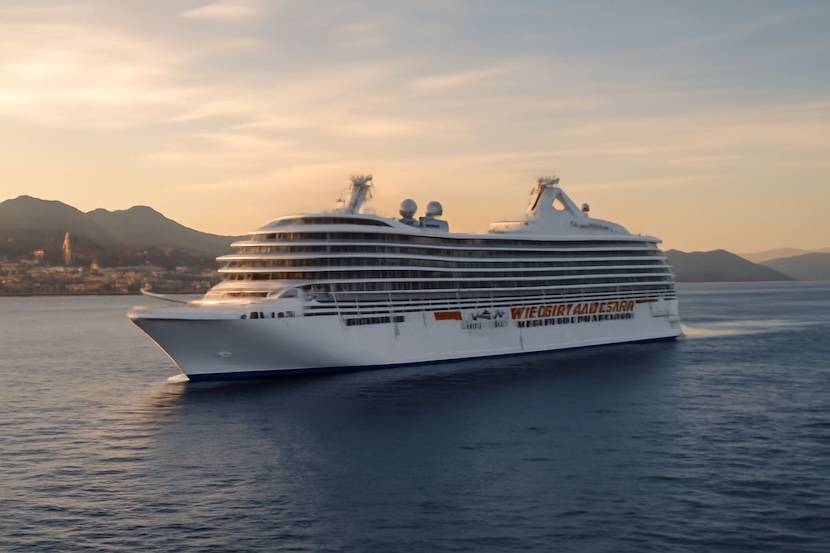
Royal Caribbean International has unveiled significant changes to the upcoming itineraries for its Spectrum of the Seas cruises departing from Shanghai, China, between May 2026 and April 2027. The company has decided to alter several scheduled ports of call, with Japanese destinations being removed and South Korean cities added to the mix. This move forms part of the cruise line’s ongoing efforts to offer guests an exciting and diverse range of travel experiences.

Shifting Focus: Japanese Ports Replaced by South Korea

The Spectrum of the Seas was originally slated to make stops in a number of popular Japanese ports, including Okinawa, Fukuoka, Nagasaki, and Kagoshima. However, these destinations will no longer be included in certain itineraries. This change marks a shift in Royal Caribbean’s cruise offerings as it adjusts its routes to better reflect shifting market demands and operational considerations.

In place of the Japanese ports, Spectrum of the Seas will now visit South Korean cities such as Jeju, Busan, Incheon, and Yeosu. This updated itinerary promises a refreshing new experience for passengers, showcasing the rich culture, scenic beauty, and modern amenities of South Korea.

South Korea’s Hidden Gems on the Horizon

South Korea’s cities have long been popular among travelers, and now Spectrum of the Seas will give guests a chance to experience them from the comfort of a luxury cruise. Jeju Island, renowned for its volcanic landscapes and natural wonders, is expected to be a standout stop. Known for its beaches, hiking trails, and waterfalls, Jeju offers a serene getaway that contrasts beautifully with the fast-paced cities of South Korea.

Busan, the country’s second-largest city, boasts a mix of sandy beaches, traditional markets, and cultural landmarks. With its coastal beauty and historical significance, Busan is a must-see destination for travelers. Incheon, a gateway to Seoul, offers guests a chance to explore both modern urban life and traditional Korean architecture. Yeosu, a picturesque coastal city, is famed for its stunning views and maritime culture, making it an ideal stop for those seeking tranquility.

By adding these South Korean ports, Royal Caribbean aims to offer a broader variety of experiences, catering to guests looking to immerse themselves in both the traditional and contemporary aspects of the region.

Emphasizing Flexibility and Guest Satisfaction

Royal Caribbean has acknowledged that itinerary changes are never easy for travelers, especially for those who were eager to explore the original destinations. However, the cruise line has stressed that such adjustments are part of the dynamic nature of itinerary planning. The company remains committed to ensuring that passengers enjoy the best possible experiences throughout their cruises.

“Flexibility is key in the cruise industry,” Royal Caribbean explained. “We continually explore new ways to offer our guests exciting destinations and memorable experiences, and these changes are part of our ongoing effort to refresh and diversify our itineraries.”

In making these changes, Royal Caribbean is ensuring that its guests can still look forward to incredible travel experiences, even if the new destinations differ from their original expectations.

Shore Excursion Changes and Refunds

For passengers who had already booked shore excursions for the Japanese ports that are no longer part of the itinerary, Royal Caribbean has taken steps to make the transition as smooth as possible. Guests who were set to visit Okinawa, Fukuoka, Nagasaki, or Kagoshima will be automatically refunded for their pre-paid shore excursions.

Royal Caribbean’s shore excursion team will also work diligently to reschedule any affected excursions, helping travelers make the most of their new destinations. In cases where certain excursions cannot be rebooked, they will be canceled, and refunds will be issued to the original payment method. This process ensures that guests are not left without options, as Royal Caribbean aims to offer a range of exciting activities in the newly included South Korean ports.

For passengers who may no longer wish to sail due to the changes, Royal Caribbean encourages them to reach out directly to the company or their travel agents to discuss their options. This includes possible cancellations or alternative cruises that better match their preferences.

Some Japan Sailings Remain Unchanged

Although several itineraries have been impacted by these changes, not all sailings will see alterations. Some Spectrum of the Seas departures will still visit Japan, including an eight-night cruise scheduled for August 8, 2026. This particular sailing will depart from Shanghai and include stops in Osaka, Nagoya, Kobe, and Tokyo, along with an overnight stay in Osaka.

These cruises offer those who still wish to experience Japan an opportunity to visit some of the country’s most iconic cities. By maintaining a selection of Japan-bound itineraries, Royal Caribbean ensures that travelers who have a deep interest in exploring Japan can still do so.

Looking Ahead: A Dynamic Cruise Experience

Royal Caribbean’s decision to update the Spectrum of the Seas itineraries reflects the company’s adaptability in an ever-changing global cruise landscape. While the removal of Japanese ports may be a setback for some, the addition of South Korean destinations provides an exciting and fresh perspective for travelers.

With flexibility at the heart of the cruise line’s approach, passengers can rest assured that their experience will remain enriching, no matter the destination. The company’s proactive efforts to refund shore excursions and accommodate affected travelers further demonstrate its commitment to guest satisfaction. Whether passengers are exploring the vibrant cities of South Korea or enjoying a return to Japan, Royal Caribbean continues to offer a diverse range of itineraries to meet various interests and preferences.

The post Royal Caribbean Transforms Spectrum of the Seas Cruises with South Korean Itineraries, Shifting Away from Japan for Sailings Between May 2026 and April 2027 appeared first on Travel And Tour World.

The Ultimate Guide to Cherry Blossom Viewing in Japan—And Why You Should Go

The Ultimate Guide to Cherry Blossom Viewing in Japan—And Why You Should Go

Japan’s beloved cherry blossom season is set to begin on March 21, 2026, with the first blooms expected to appear in Tokyo and Fukuoka, according to the latest cherry blossom forecast from Weather News. The bloom, which marks the official start of the spring season in Japan, is anticipated to occur slightly earlier than usual in some regions, while others, including northern Japan, will see an early bloom.

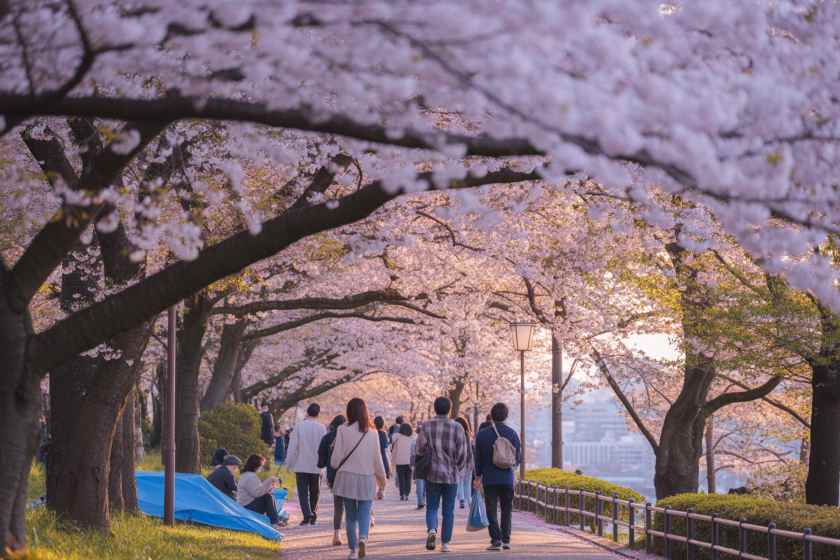
Cherry blossoms, or sakura, are a quintessential symbol of Japan’s springtime, drawing millions of visitors each year to experience their fleeting beauty. The season’s arrival not only signals the start of warmer weather but also a time for reflection, festivals, and outdoor gatherings. Travelers from around the world flock to iconic spots like Ueno Park in Tokyo, Kumamoto Castle, and Hirosaki Park in Aomori to witness the spectacle.

Where Will the Cherry Blossoms Bloom First in 2026?

The bloom will begin in western Japan and eastern Japan around March 21, followed by a later bloom in Tohoku by early April and Hokkaido by late April. Here’s a breakdown of the expected bloom dates across some of Japan’s most popular cherry blossom viewing spots:

  • Tokyo (Ueno Park): March 22, 2026
  • Kumamoto Castle: March 22, 2026
  • Hiroshima Peace Memorial Park: March 23, 2026
  • Kyoto Arashiyama: March 27, 2026
  • Hirosaki Park, Aomori: April 15, 2026
  • Goryokaku Park, Hokkaido: April 23, 2026

These dates offer a great guideline for travelers looking to plan their cherry blossom tours around Japan. Each region has its own unique charm, and the blooms can look different depending on the location. Whether you’re strolling through the iconic Ueno Park, admiring the view of Kumamoto Castle framed by sakura, or visiting the historic Hiroshima Peace Memorial Park, the cherry blossoms add a layer of serenity and beauty to every destination.

Best Cherry Blossom Spots for Tourists

Japan’s cherry blossom season is a celebration of the country’s natural beauty, and the spring festivals and events that accompany it make it an exciting time to visit. Here are some of the top cherry blossom spots you’ll want to explore in March 2026:

  • Ueno Park, Tokyo: One of Tokyo’s most popular spots for cherry blossoms, Ueno Park becomes a sea of pink and white during the sakura season. Visitors can enjoy hanami (flower viewing) picnics under the blossoms, with the added benefit of the park’s nearby museums and cultural sites.
  • Kumamoto Castle, Kumamoto: The historic Kumamoto Castle is known for its stunning cherry blossoms, which bloom around its grounds in late March. The view of the castle surrounded by blooming sakura is nothing short of breathtaking, making it a must-see for travelers in Japan’s Kyushu region.
  • Hiroshima Peace Memorial Park, Hiroshima: In addition to its historical significance, Hiroshima’s Peace Memorial Park is also home to a beautiful cherry blossom grove. The combination of history and natural beauty makes this park a peaceful spot for reflection during sakura season.
  • Kyoto Arashiyama, Kyoto: Kyoto’s Arashiyama area is famous for its bamboo groves and temples, but it’s also one of the best places to view cherry blossoms in Japan. The cherry blossoms along the Togetsukyo Bridge create a picturesque setting, making it perfect for a scenic walk during springtime.
  • Hirosaki Park, Aomori: If you’re looking for a more off-the-beaten-path cherry blossom experience, Hirosaki Park in Aomori is a hidden gem. The park boasts over 2,500 cherry trees, creating a stunning contrast against the traditional Japanese architecture and the Hirosaki Castle.
  • Goryokaku Park, Hokkaido: The cherry blossoms in Hokkaido’s Goryokaku Park are a must-see, especially for those visiting Japan later in the season. Hokkaido’s cooler climate means that the cherry blossoms bloom later in April, providing an opportunity for travelers who miss the earlier blooms in other parts of Japan.

Why You Should Visit Japan During Cherry Blossom Season

Cherry blossom season in Japan offers more than just stunning views; it’s a cultural experience like no other. The tradition of hanami (flower viewing) has been celebrated for centuries, and it’s a time for friends, families, and coworkers to gather, enjoy food and drinks, and appreciate the fleeting beauty of the cherry blossoms.

During this time, festivals, performances, and other cultural events are held in many cities, adding an extra layer of excitement to your visit. Travelers can also enjoy the vibrant atmosphere at local markets and food stalls, where sakura-themed treats, souvenirs, and local delicacies can be found.

Visiting Japan during cherry blossom season also gives you the chance to experience the country’s seasonal transition from winter to spring. The combination of blooming flowers, mild temperatures, and vibrant festivals makes this a special time to visit the country.

Planning Your Cherry Blossom Tour in Japan

To make the most of your cherry blossom tour in 2026, it’s important to plan your travel around the peak bloom dates. Depending on the regions you wish to visit, you may need to adjust your schedule slightly to catch the best views of the sakura in full bloom.

It’s also recommended to book your accommodations early, as cherry blossom season attracts a large number of visitors from around the world. Many hotels, particularly in popular destinations like Kyoto, Tokyo, and Hiroshima, may have limited availability during peak bloom times.

With careful planning, you can enjoy an unforgettable cherry blossom tour across Japan, experiencing both the natural beauty and the rich cultural traditions that come with this iconic season.

The post The Ultimate Guide to Cherry Blossom Viewing in Japan—And Why You Should Go appeared first on Travel And Tour World.
Marriott International Sets the Luxury Agenda for Twenty Twenty-Six Across Asia-Pacific with Landmark Openings from Seoul and Singapore to Australia, India, and Japan

Marriott International Sets the Luxury Agenda for Twenty Twenty-Six Across Asia-Pacific with Landmark Openings from Seoul and Singapore to Australia, India, and Japan
Marriott International

Marriott International is setting the luxury agenda for twenty twenty-six because it is rolling out a carefully timed wave of high-end hotel openings across Asia-Pacific, targeting cities and resort destinations where demand for premium travel is rising fastest. From design-led urban flagships in Seoul and Singapore to immersive nature retreats in Australia, and new luxury addresses in India and Japan, the group is using scale, brand depth, and location strategy to lock in its leadership as the region’s most influential luxury hospitality player.

Marriott International’s Luxury Group is opening twenty twenty-six with a strong statement across Asia-Pacific outside China, marked by two standout hotel launches that set the tone for the year ahead. In South Korea, L’Escape, a Luxury Collection Hotel Seoul, Myeongdong has made its debut, bringing Belle Époque–inspired elegance to one of Seoul’s most energetic districts. Meanwhile, in Singapore, Frasers House, a Luxury Collection Hotel has begun welcoming travelers in the historic Bugis area, blending heritage character with refined modern luxury.

The expansion story continues as the year unfolds, with three high-profile openings lined up across the region. Australia will see the brand’s first global lodge concept with Emirates Wolgan Valley, a Ritz-Carlton Lodge, set within the Greater Blue Mountains World Heritage landscape, promising a deeply immersive nature-led escape. In India, JW Marriott Ranthambore Resort & Spa is poised to reshape luxury in the wilderness, drawing on the spirit of the jungle and the romance of the wild. Completing the trio, Japan will welcome HOTEL THE MITSUI HAKONE, a Luxury Collection Hotel & Spa, an understated mountain retreat designed for travelers seeking calm, craftsmanship, and scenic beauty.

Together, these openings highlight Marriott International’s push to redefine luxury travel in Asia-Pacific through distinctive destinations, strong design narratives, and experiences that go beyond the traditional city hotel.

“We are tremendously excited about this year’s lineup of new luxury openings across Asia Pacific. Among these milestones is the global debut of the Ritz‑Carlton Lodge, which underscores the continued growth and diversification of our Luxury Group portfolio,” says Oriol Montal, Regional Vice President, Luxury, Asia Pacific excluding China, Marriott International. “Insights from our latest luxury travel trends report, The Intentional Traveler, reveal that today’s affluent explorers are seeking deeper, more meaningful connections with the natural world. Notably, 92% cite proximity to nature as a top priority and nearly one-third are planning wildlife or safari-inspired journeys in the year ahead. Our three luxury openings in 2026 directly reflect this growing desire for immersive, nature‑anchored experiences, each offering unparalleled access to some of the region’s most extraordinary destinations.”

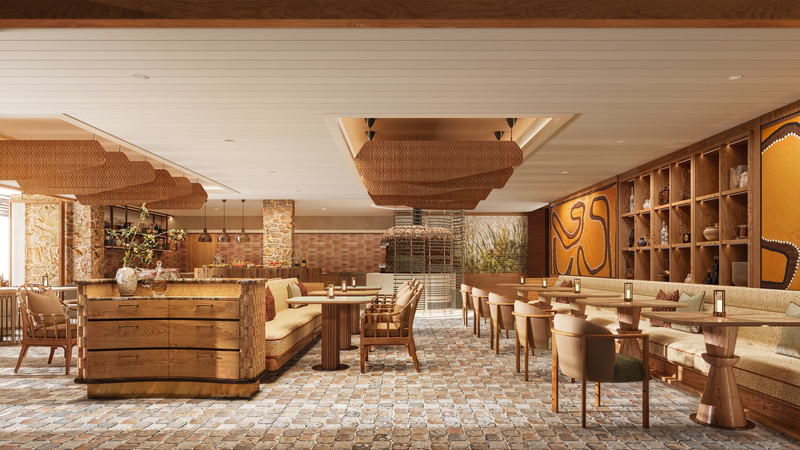
L’Escape, a Luxury Collection Hotel Seoul, Myeongdong, opened on 29 December 2025 with a clear intention: to introduce a different rhythm of luxury into one of Asia’s busiest capitals. Set in the heart of Myeongdong, a district defined by retail crowds, historic churches, and fast-moving city life, the hotel positions itself as a deliberate contrast. Step inside, and the tempo slows, the mood shifts, and Seoul briefly feels like nineteenth-century Paris.

The hotel’s identity is shaped by Belle Époque France, brought to life through the vision of French designer Jacques Garcia. The interiors lean heavily into symmetry, ornate floral motifs, antique-inspired furniture, and layered textures that feel theatrical without tipping into excess. It is a carefully staged world, one that feels intimate rather than imposing, offering a sense of escapism that feels rare in a city known for speed and efficiency.

L’Escape houses 204 rooms and suites, each designed to blend classical elegance with modern expectations. While the aesthetic looks backward, the experience does not. Smart technology, contemporary bathrooms, and functional layouts ensure the hotel works smoothly for today’s traveller. The result is a property that feels atmospheric but practical, appealing equally to international visitors and Seoul-based guests seeking a refined urban retreat.

Location plays a critical role in the hotel’s appeal. From the front door, guests can walk to Myeongdong Cathedral, take in city views from N Seoul Tower, or explore the preserved streets of Bukchon Hanok Village. The surrounding transport network makes it easy to move across Seoul, placing cultural landmarks, business districts, and nightlife all within easy reach. L’Escape does not isolate guests from the city; it frames it.

Food and drink form a central pillar of the experience. The hotel features French fine dining, refined Chinese cuisine, and a rooftop bar overlooking the Seoul skyline. Each venue reflects the hotel’s European inspiration while remaining connected to contemporary dining culture. These spaces are designed not just for guests but for the city itself, reinforcing the hotel’s role as part of Seoul’s social landscape rather than a sealed-off luxury enclave.

To ground its European influence locally, L’Escape introduces Destination Discovery programs that highlight Korean heritage and cultural narratives. These curated experiences move beyond surface-level sightseeing, offering guests a deeper understanding of Seoul’s history, traditions, and creative energy. It is an effort to ensure the hotel does not feel imported, but integrated.

L’Escape’s opening is part of a wider shift unfolding across the luxury hospitality sector in Asia and beyond. The next generation of high-end hotels is no longer focused solely on scale or spectacle. Instead, the emphasis is on place, storytelling, and emotional connection. Luxury travellers increasingly seek experiences that feel rooted, thoughtful, and reflective of their surroundings.

This trend is evident across upcoming openings in 2026, from heritage-driven city hotels to nature-immersed lodges and culturally grounded retreats. Whether in dense urban centres or remote landscapes, luxury is being redefined as something more personal and meaningful. Hotels are positioning themselves as gateways to culture rather than symbols of distance from it.

In this context, L’Escape stands as an early signal of where the industry is heading. By blending French artistic influence with Korean hospitality and urban energy, the hotel reflects Seoul’s growing confidence as a global city with its own voice. It shows that luxury today is less about excess and more about intention.

Marriott International is setting the luxury agenda for twenty twenty-six by accelerating a bold expansion of high-end hotels across Asia-Pacific at a time when premium travel demand is surging. New landmark openings in Seoul and Singapore anchor its city strategy, while resort-style and experiential properties in Australia, India, and Japan broaden its reach. Together, these projects show how Marriott is using location, design, and brand power to shape where and how luxury travellers will stay next year.

As travellers become more selective about where and how they stay, properties like L’Escape suggest that the future of luxury lies in atmosphere, narrative, and connection. In a city that never seems to pause, L’Escape offers a carefully crafted moment of stillness, without ever losing sight of where it stands.

The post Marriott International Sets the Luxury Agenda for Twenty Twenty-Six Across Asia-Pacific with Landmark Openings from Seoul and Singapore to Australia, India, and Japan appeared first on Travel And Tour World.

Tokyo Emerges as a Premier Cruise Hub with Expanding Ports and Vibrant Attractions

Tokyo Emerges as a Premier Cruise Hub with Expanding Ports and Vibrant Attractions

Tokyo, long celebrated for its unique blend of tradition and modernity, is now establishing itself as a central figure in global cruise tourism. With the addition of Harumi Cruise Terminal in 2025 and the continued success of the Tokyo International Cruise Terminal, the city is set to become one of Asia’s most important cruise ports. These developments enhance Tokyo’s status as a must-visit destination for cruise passengers, offering seamless access to the city’s famed attractions and Japan’s cultural treasures.

Harumi and Tokyo International Cruise Terminals: The Gateway to Tokyo

The expansion of the Port of Tokyo is a direct response to the growing demand for cruise travel in the region. Harumi Cruise Terminal, after undergoing extensive renovations, reopened in June 2025, providing state-of-the-art facilities to accommodate small and medium-sized cruise ships. Located near the iconic Rainbow Bridge, this terminal is strategically positioned for easy access to central Tokyo, offering cruise travelers a quick and convenient entry to the city.

In parallel, the Tokyo International Cruise Terminal, inaugurated in 2020, has quickly become a vital hub for international cruise lines. This terminal is capable of handling some of the world’s largest vessels, attracting numerous cruise ships to Tokyo each year. In 2025 alone, over 70 cruise ships docked here, with expectations for continued growth. The success of these terminals has sparked interest from major cruise operators like Disney Cruise Line, which plans to begin sailing from Tokyo in 2028.

Strategic Location: Ideal for “Fly & Cruise” Travelers

Tokyo’s growing popularity as a cruise destination is largely due to its exceptional connectivity. Both Harumi and Tokyo International terminals are well-served by Tokyo’s two primary international airports, Narita and Haneda. This makes Tokyo an ideal location for “Fly & Cruise” packages, allowing passengers to easily transition from international flights to cruise ships with minimal hassle. Visitors can explore Japan’s capital city and beyond with ease, as both terminals are strategically located for quick access to the airport and the city’s key attractions.

Once disembarked, travelers are only a short distance away from Tokyo’s many wonders. The city is home to a stunning mix of ancient temples, neon-lit streets, modern shopping districts, and vibrant cultural experiences, offering something for everyone. Whether it’s exploring traditional sights like Asakusa or indulging in the modern energy of Shibuya, Tokyo offers a rich and diverse experience for all.

Transforming the Waterfront: New Developments to Elevate Tokyo’s Appeal

As part of Tokyo’s ongoing development, the waterfront areas are receiving significant upgrades, further enhancing the city’s appeal as a cruise hub. The upcoming ODAIBA Fountain, set to be completed in March 2026, will be one of the largest fountains in the world. Stretching 150 meters high and 250 meters wide, the fountain will feature a dynamic show with music, lights, and water displays. Its creation will add to the already impressive waterfront scenery, providing both locals and cruise passengers with a breathtaking view and a new landmark to visit.

This addition to the waterfront is set to become one of Tokyo’s most iconic attractions, offering a spectacular backdrop to the city’s skyline. The ODAIBA Fountain is expected to become a draw for both tourists and residents, complementing Tokyo’s status as a top cruise port.

Close Proximity to Tokyo’s Most Famous Districts

Cruise passengers arriving at Harumi Cruise Terminal are just moments away from some of Tokyo’s best-known districts and attractions. Within minutes, visitors can reach Ginza, Tokyo’s premier shopping district. Known for its luxury boutiques, department stores, and gourmet dining options, Ginza is the perfect spot for those looking to experience the finer things in life. The district blends modernity with Tokyo’s rich history, offering a shopping experience that’s both cosmopolitan and charming.

For those eager to explore Tokyo’s food scene, the nearby Toyosu area offers a glimpse into one of the world’s largest wholesale seafood markets. Toyosu Market, the successor to the famous Tsukiji Fish Market, is a haven for sushi lovers and food enthusiasts alike. It’s also home to many restaurants where visitors can sample some of Tokyo’s freshest seafood.

Just across the bay, Tsukiji Outer Market remains a must-visit destination for those seeking traditional Japanese food experiences. Despite the relocation of the fish market, Tsukiji still offers a lively environment with dozens of shops selling fresh fish, kitchenware, and street food, providing a perfect stop for tourists looking to taste Tokyo’s culinary heritage.

Tokyo: A City in Constant Transformation

What makes Tokyo truly exceptional is its ability to continuously evolve while preserving its cultural roots. The city is constantly introducing new attractions, entertainment options, and developments, making every visit unique. Whether it’s the ever-changing landscape of Shibuya’s shopping scene or the peaceful serenity of the Meiji Shrine, Tokyo offers an exciting blend of the old and the new.

With the Port of Tokyo’s expanding infrastructure, the city is positioning itself as a leading cruise destination. The combination of modern terminals, exciting waterfront developments, and proximity to key tourist attractions ensures that Tokyo will remain at the forefront of global cruise tourism for the foreseeable future.

Conclusion: Tokyo’s Growing Role as a Global Cruise Destination

The Port of Tokyo’s expansion is a sign of the city’s rising prominence in the global cruise market. With world-class terminals, cutting-edge developments, and easy access to Tokyo’s diverse attractions, the city is fast becoming one of the most sought-after cruise destinations in Asia. As new projects like the ODAIBA Fountain near completion and more international cruise lines, including Disney Cruise Line, preparing to sail from Tokyo, the future looks bright for this dynamic city. Whether starting a cruise or enjoying a port of call, Tokyo offers an unforgettable experience for cruise travelers.

The post Tokyo Emerges as a Premier Cruise Hub with Expanding Ports and Vibrant Attractions appeared first on Travel And Tour World.

A New Reason to Cruise: Princess Cruises Introduces Elevated Dining Experiences for World Explorers at Sea

A New Reason to Cruise: Princess Cruises Introduces Elevated Dining Experiences for World Explorers at Sea

Cruise travel is no longer just about destinations. For modern travelers, food has become part of the journey itself.

Princess Cruises has announced a major enhancement to its onboard dining experience. The move reflects a growing demand for immersive, destination-inspired cuisine at sea. For travelers planning long voyages or cultural itineraries, these upgrades add real value to the cruise experience.

The changes focus on specialty dining aboard select ships. They aim to blend global flavors with refined service, creating memorable moments for food-loving travelers.

A New Focus on Culinary Travel at Sea

Princess Cruises is expanding its premium dining offerings on two of its vessels. The upgrades are designed to support upcoming international itineraries, including extended Asia and Japan sailings.

This approach aligns with global tourism trends. According to tourism authorities in Japan and other destinations, travelers increasingly seek cultural experiences that begin before arrival. Food is often the first connection to local heritage.

By enhancing onboard dining, cruise lines allow guests to explore regional flavors even while sailing between ports.

Japanese-Inspired Dining Experience for Curious Travelers

One of the most notable additions is a Japanese-style specialty restaurant focused on fresh seafood and traditional preparation techniques.

The concept draws inspiration from classic Japanese dining traditions. Guests can expect carefully prepared sushi, seafood plates, and thoughtfully balanced flavors. The emphasis is on quality ingredients and simple presentation rather than heavy sauces.

For travelers unfamiliar with Japanese cuisine, this provides a gentle introduction. For experienced food explorers, it offers authenticity and attention to detail.

Japan’s national tourism authorities have repeatedly highlighted food culture as a central part of travel experiences. Bringing this influence onboard creates continuity between the ship and shore excursions.

Steakhouse Dining Designed for Long Voyages

Alongside the Japanese concept, Princess Cruises has enhanced its steakhouse offering. This restaurant focuses on premium meats, seafood, and familiar comfort dishes with an upscale touch.

The steakhouse experience appeals to travelers seeking a refined evening meal after busy days exploring ports. It offers a quiet, elegant setting where guests can unwind.

High-quality dining options are especially important on longer itineraries. Travelers spending several weeks at sea value variety and consistency. This upgrade ensures that guests have access to reliable, high-standard meals throughout their journey.

How This Benefits International Cruise Travelers

For global travelers, onboard dining plays a practical role. Many itineraries include sea days between destinations. On these days, dining becomes a key part of the travel experience.

Enhanced specialty restaurants provide options beyond main dining rooms. They allow travelers to celebrate milestones, enjoy romantic evenings, or simply experience something new.

From a tourism perspective, this also supports sustainable travel. By offering destination-inspired cuisine onboard, cruise lines reduce pressure on local restaurants in heavily visited ports while still promoting cultural awareness.

Planning Ahead: What Travelers Should Know

Specialty dining venues usually require advance reservations. Travelers planning cruises during peak seasons should book early to secure preferred dining times.

These restaurants typically involve an additional fee. However, many cruise packages include dining credits or bundled options. Travelers should review their cruise fare carefully to maximize value.

Government tourism boards often recommend planning dining experiences ahead when traveling internationally. The same principle applies to cruise vacations, especially when specialty dining is limited in capacity.

Connecting Cuisine With Destination Experiences

Princess Cruises’ dining upgrades are timed to complement future international sailings. Asia and Japan remain strong cruise markets, supported by tourism authorities promoting longer stays and cultural engagement.

Food plays a powerful role in shaping travel memories. A well-designed onboard dining experience can deepen a traveler’s understanding of a destination before arrival.

This approach transforms dining from a routine activity into part of the journey’s narrative.

Why Food-Focused Cruises Are Growing in Popularity

According to global tourism research organizations, experiential travel continues to rise. Travelers want meaningful moments, not just sightseeing.

Cruise dining has evolved to meet this demand. It now reflects global culinary trends, regional authenticity, and personalized service.

Princess Cruises’ latest dining enhancements show how cruise travel is adapting to these expectations. The focus is not just luxury, but relevance and connection.

Final Takeaway for Travelers

For travelers considering a cruise vacation, dining should be part of the decision process. Princess Cruises’ upgraded culinary offerings create new reasons to choose longer, culturally rich itineraries.

These enhancements turn meals into travel experiences. They allow guests to explore flavors, traditions, and stories while sailing across the world.

For global tourists, this is more than a menu change.
It is a step toward deeper, more meaningful journeys at sea.

The post A New Reason to Cruise: Princess Cruises Introduces Elevated Dining Experiences for World Explorers at Sea appeared first on Travel And Tour World.
❌