Reading view

Xiaomi 18, Vivo X500: Standard, Pro, and Max models tipped to launch in September

Last year, Xiaomi unveiled the Xiaomi 18 series in the same month as the first phones powered by the Snapdragon 8 Elite Gen 5 in China. On the other hand, Vivo introduced the Vivo X300 and X300 Pro as the world’s first phones featuring the Dimensity 9500 chip in China. It appears both brands could once again be among the first to launch flagship phones equipped with next-generation flagship chipsets this year.

September launch window and chipset plans
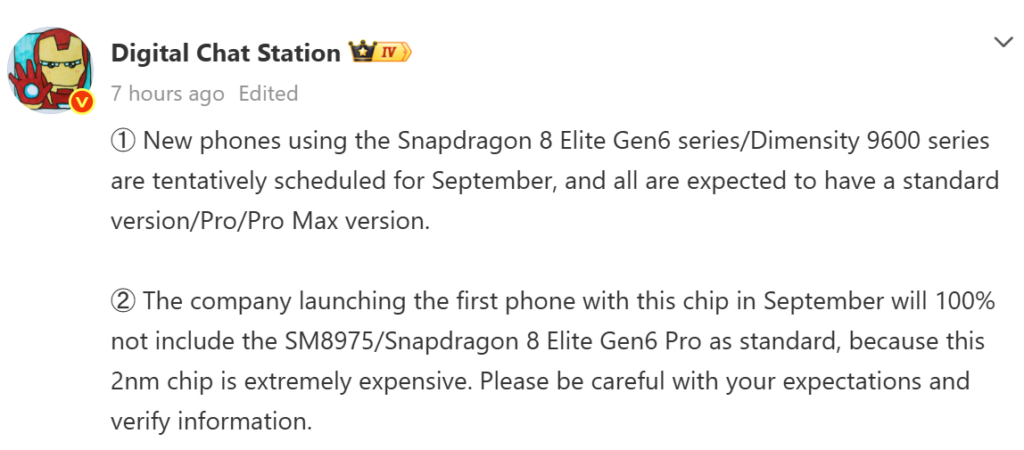
Snapdragon 8 Elite Gen 6, Dimensity 9600 phones to launch in September, claims DCS

According to tipster Digital Chat Station, new smartphones powered by the Snapdragon 8 Elite Gen 6 series and the MediaTek Dimensity 9600 series are currently scheduled for a September debut. Interestingly, the tip suggests that brands planning to introduce these next-generation chipsets are preparing to offer three versions as standard practice, namely a regular model, a Pro variant, and a Pro Max edition.

To recall, the Xiaomi 17 lineup, which debuted in September 2025, included three models: Xiaomi 17, 17 Pro, and 17 Pro Max. These models are likely to be succeeded by the Xiaomi 18, 18 Pro, and 18 Pro Max in the same month this year.

While Vivo announced the Vivo X300 and X300 Pro in September last year, it appears that this year’s lineup may launch earlier and is likely to include three models, such as the Vivo X500, X500 Pro, and X500 Pro Max. Rumors suggest that the X400 branding may be skipped, as the number 4 is considered an unlucky number in some Asian countries.

Readers should note that the tipster has not specified any device names in the leak. The Oppo Find X10 series is also expected to include the Find X10, X10 Pro, and X10 Pro Max powered by the Dimensity 9600. So, it remains unclear whether the tipster was referring to Oppo or Vivo as the other brand alongside Xiaomi. However, in recent years, Vivo has often been the first brand to launch MediaTek’s latest flagship chipsets, so the second brand mentioned in the leak could be Vivo. Readers are advised to treat this information cautiously.

In today’s leak, DCS also cautions that the company expected to debut the new chip in September is unlikely to ship its device with the SM8975, also referred to as the Snapdragon 8 Elite Gen 6 Pro, as a standard configuration. The reason cited is the extremely high cost of the 2nm chipset, which could significantly impact pricing.

Here, the tipster may be suggesting that Xiaomi will not launch a Snapdragon 8 Elite Gen 6 Pro-powered phone in September. Previous leaks have claimed that this chip is designed for ultra-premium devices and is likely to power the Xiaomi 18 Ultra, which may debut by the end of this year in China.

For more daily updates, please visit our News Section.

Stay ahead in tech! Join our Telegram community and sign up for our daily newsletter of top stories.

The post Xiaomi 18, Vivo X500: Standard, Pro, and Max models tipped to launch in September appeared first on Gizmochina.


Xiaomi 2K Monitor A27Qi 2026 launches with improved color accuracy, 1,300:1 contrast ratio, and 120Hz refresh rate,

Xiaomi has quietly introduced a refreshed version of its affordable 27-inch QHD monitor. The original A27Qi arrived in Europe last year and positioned itself as a solid budget option for work and general use. The 2026 version doesn’t reinvent the formula, but it refines it in areas that actually matter.

At its core, this is still a 27-inch IPS monitor with a 2560 × 1440 resolution. Brightness is rated at 300 nits, response time sits at 6ms (GtG), and viewing angles remain the typical 178 degrees you’d expect from an IPS panel.

Color coverage is also familiar: 100% sRGB and 95% DCI-P3, with 8-bit color depth. TÜV Rheinland-certified low blue light support and DC dimming are included for more comfortable long sessions. So far, very similar to the previous model.

What’s actually improved

The 2026 model now offers ΔE <1 factory calibration, which is a notable upgrade. For photo editing, design work, or content creation, tighter color accuracy out of the box is a welcome improvement.

Contrast has also been bumped to 1,300:1, which should translate to slightly deeper blacks and better separation in darker scenes. It’s not a dramatic shift, but it’s measurable.

The panel now runs at 120Hz, up from 100Hz on the previous version. It will make scrolling, UI animations, and light gaming feel smoother.

Pricing and availability

The monitor has launched in Thailand at THB 4,990, which converts to roughly $159 at current exchange rates. That’s about THB 100 more than the previous generation, an increase for the added features.

Xiaomi hasn’t confirmed broader availability yet, but given how the original model rolled out, it’s reasonable to expect a wider release later.

This isn’t a flashy upgrade. There’s no OLED panel or ultra-high brightness claims here. But for under $200, getting QHD resolution, 120Hz refresh rate, strong color coverage, and sub-ΔE 1 calibration is genuinely competitive.

Don’t miss a thing! Join our Telegram community for instant updates and grab our free daily newsletter for the best tech stories!

For more daily updates, please visit our News Section.

(Source: Xiaomi)

The post Xiaomi 2K Monitor A27Qi 2026 launches with improved color accuracy, 1,300:1 contrast ratio, and 120Hz refresh rate, appeared first on Gizmochina.
Xiaomi Bluetooth Speaker Essential Listed Globally With Bluetooth 6.0 and IP66 Rating

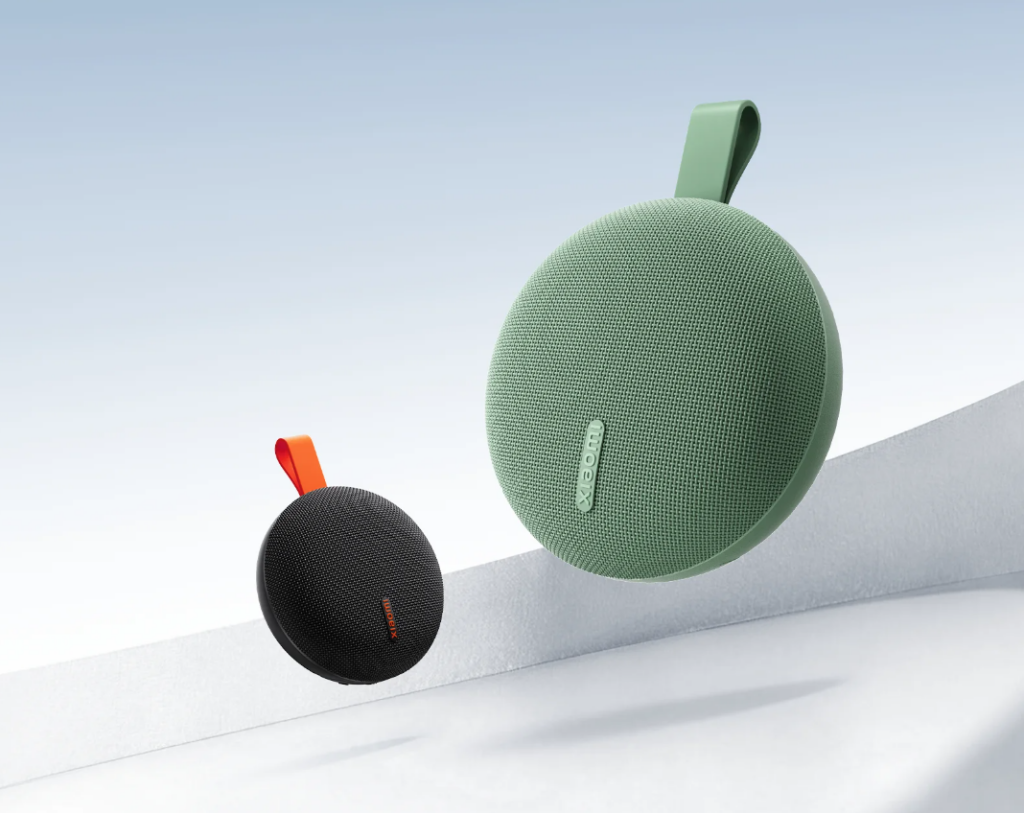
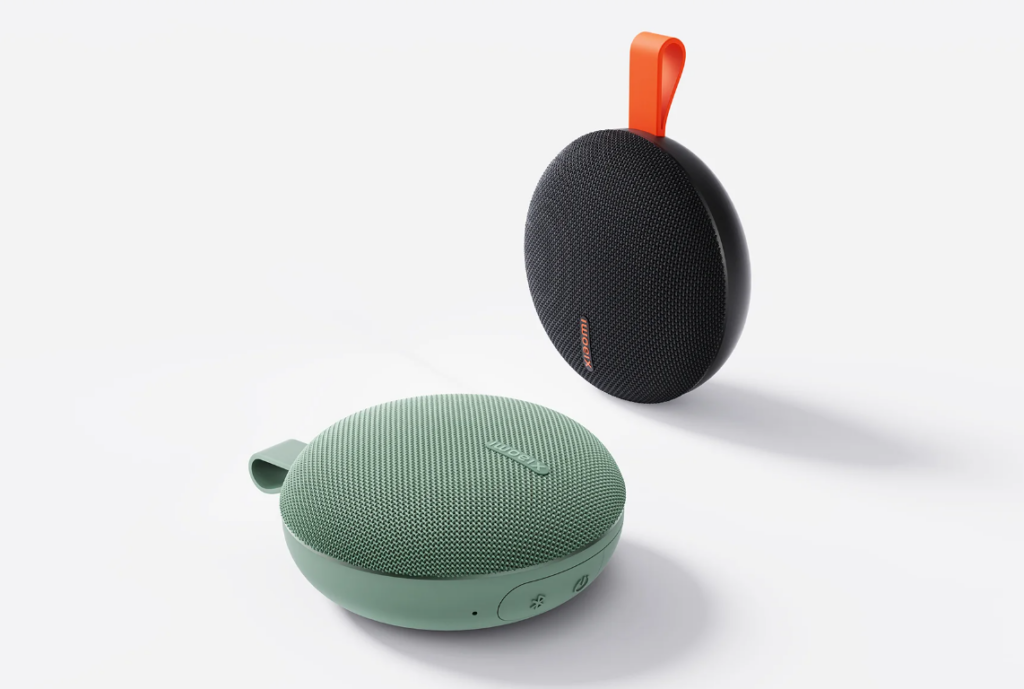
Xiaomi Bluetooth Speaker Essential

Xiaomi is preparing to launch a new portable speaker globally, and the Xiaomi Bluetooth Speaker Essential has now appeared on the company’s global website. This listing suggests the speaker could roll out worldwide in the coming months.

The Bluetooth Speaker Essential uses a dual-driver acoustic setup with two 1.5-inch full-range speakers and a large passive radiator. The speaker delivers 5W rated power and includes bass boost for stronger low frequencies. Xiaomi says this setup is designed to provide wide sound coverage in outdoor spaces while keeping vocals clear and natural. The passive radiator adds depth to bass without overpowering mids and highs.

Xiaomi Bluetooth Speaker Essential

The speaker has a compact, rounded body wrapped in refined fabric mesh. A high-gloss accent band adds a visual highlight, while the lightweight build makes it easy to carry. It weighs around 200 grams and measures 9.8 × 4.6 × 13 cm. Xiaomi compares the weight to that of an apple, making it suitable for one-handed use during travel or outdoor activities. Color options include black and green.

For durability, the Bluetooth Speaker Essential comes with an IP66 dust and water-resistance rating. The fabric mesh body, anti-slip rubber base, and covered side ports help protect it from dust and light rain, making it suitable for outdoor use.

Battery life is rated at up to 10 hours on a single charge. The speaker uses a 1,000mAh battery and charges through a USB Type-C port. Indicator lights show charging status, power, Bluetooth pairing, stereo or multi-speaker mode, and low battery alerts.

Connectivity includes Bluetooth 6.0 for faster pairing and stable wireless performance. The speaker supports TWS stereo pairing with two units and multi-speaker pairing with up to 10 speakers for synchronized playback. It also supports USB sound card mode, allowing it to work as a wired speaker for PCs and tablets. A built-in microphone enables hands-free Bluetooth calling. Xiaomi has not shared pricing or availability so far.

For more daily updates, please visit our News Section.

Stay ahead in tech! Join our Telegram community and sign up for our daily newsletter of top stories!

(Source)

The post Xiaomi Bluetooth Speaker Essential Listed Globally With Bluetooth 6.0 and IP66 Rating appeared first on Gizmochina.
Qualcomm’s Most Powerful Snapdragon 8 Elite Gen 6 Pro May Get Skipped By Xiaomi Due To Its Expensive Price, A Pitfall Of Switching To TSMC’s 2nm Process

Xiaomi could skip the Snapdragon 8 Elite Gen 6 Pro this year

Most smartphone manufacturers would have gladly equipped their flagships with Qualcomm’s pricey Snapdragon 8 Elite Gen 6 Pro had it not been for rising DRAM and NAND flash prices. Xiaomi, which has always announced its premium smartphones sporting the top-end silicon first, is starting to feel this weight on its shoulders. On top of that, the transition to TSMC’s 2nm process for this year’s chipsets isn’t going to be cheap, so in light of all these factors, a new rumor is doing the rounds, claiming that Xiaomi’s entire flagship smartphone lineup may only be equipped with the standard Snapdragon 8 […]

Read full article at https://wccftech.com/xiaomi-will-not-use-snapdragon-8-elite-gen-6-pro-in-its-flagships-due-to-high-price/

Xiaomi Adds Fireworks, Gestures, and Big Camera Upgrades to the 17 Pro Series

xiaomi 17 pro

Key Highlights:

  • New Spring Festival features add countdowns, animated fireworks, and gesture controls to the rear display
  • Major camera upgrades improve video recording, night scenes, and creative shooting modes
  • Festive back screen features are exclusive to the China-only Xiaomi 17 Pro series

Xiaomi 17 Pro

Xiaomi has announced a new Spring Festival software update for its Xiaomi 17 Pro series, introducing festive back screen functions along with a range of camera enhancements. The update is scheduled to roll out in mid-February.

One of the main additions is a set of Lunar New Year features designed for the phone’s rear secondary display. From Lunar New Year Day 1 through Day 7, the back screen wallpaper will update automatically at midnight each day.

On New Year’s Eve, a countdown animation will begin at 11:55 PM. When midnight is reached, a fireworks animation will automatically play on the rear display.

The update also introduces gesture-controlled interactions. Users can trigger the fireworks animation remotely by making a fist and then opening their hand in front of the back screen, without touching the device.

In addition to festive visuals, Xiaomi is expanding camera capabilities across the Xiaomi 17 series. Intelligent Scene Card support, adapted from the Xiaomi 17 Ultra, improves photo and video capture for fireworks and stage performance scenes.

For video creators, Xiaomi has added LOFIC recording with support for up to 4K at 60 frames per second, enhanced LOG recording with additional LUTs, dual-view recording using both front and rear cameras, and rear-screen full-frame recording for immersive video selfies. Further improvements include better slow-motion performance, enhanced night video, and improved ultra-wide-angle distortion correction.

The new back screen festive features are exclusive to the China-only variant of the Xiaomi 17 Pro series. International users will not receive these features, as the Pro models are not available globally.

Xiaomi 17 Pro Series — Updates:

Spring Festival Back Screen Features

  • Daily Lunar New Year wallpapers from Day 1 to Day 7
  • New Year’s Eve countdown animation on the rear display
  • Fireworks animation triggered automatically at midnight
  • Air-gesture control to trigger fireworks without touching the phone
  • Features rely on the rear secondary display

Camera Updates

  • Intelligent Scene Card support adapted from Xiaomi 17 Ultra
  • Dynamic photo capture while recording video
  • Enhanced LOG video recording with expanded LUT support
  • Customizable camera interface and toolbar layout
  • Dual-view recording using front and rear cameras simultaneously
  • Improved slow-motion video performance
  • Enhanced night-scene video recording
  • Improved ultra-wide-angle distortion correction

Camera Features With Explicit Hardware Limits

  • LOFIC video recording with support up to 4K at 60fps
  • Rear-screen full-frame video selfie recording

Read More:

(via)

The post Xiaomi Adds Fireworks, Gestures, and Big Camera Upgrades to the 17 Pro Series appeared first on Gizmochina.
5 HyperOS 3 features that make it better than stock Android

HyperOS 3 features
HyperOS 3 features

HyperOS 3 is one of the biggest upgrades to Xiaomi devices to date, bringing loads of new features and improvements across the system. It’s based on Android 16, but on top of that, Xiaomi has introduced several exciting and useful features in HyperOS 3 that make the stock Android feel like a less feature-rich update.

Here are the five HyperOS 3 features that make it better than stock Android.

1. HyperIsland with multitasking capabilities

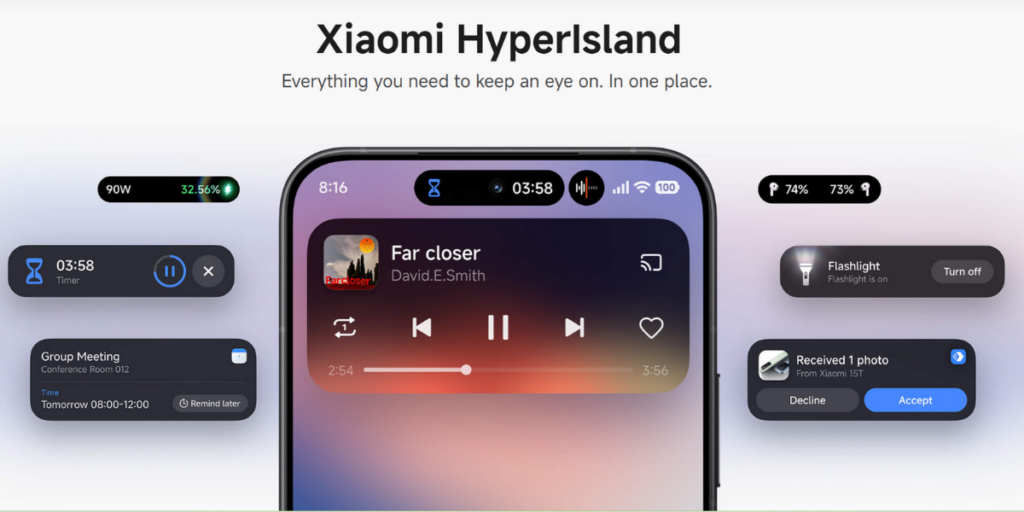
Android 16 adds Live Updates to show ongoing tasks (delivery, ride, etc.) in the notification area and on the lock screen, but HyperOS 3 goes much further with HyperIsland. Xiaomi’s implementation features a dedicated pill-style hub at the top of the screen with the ability to show multiple live activities at once (up to three), letting users monitor several concurrent tasks simultaneously and interact with each individually.

HyperIsland offers rich inline controls (play/pause, call actions, accept/decline, navigation shortcuts, etc.) and supports gestures like tapping to expand and swiping to switch islands. What’s more interesting is that users can swipe down an island to open the related app into a floating window for instant multitasking. The Live Updates in Android 16 have fewer controls and don’t offer floating-window behavior for islands.

Xiaomi’s HyperIsland also offers better integration with system features and extends support to a wide range of third-party apps like WhatsApp, YouTube, and Spotify. At the same time, Android 16’s Live Updates work best with Google’s own apps and depend heavily on app developers to make the required changes.

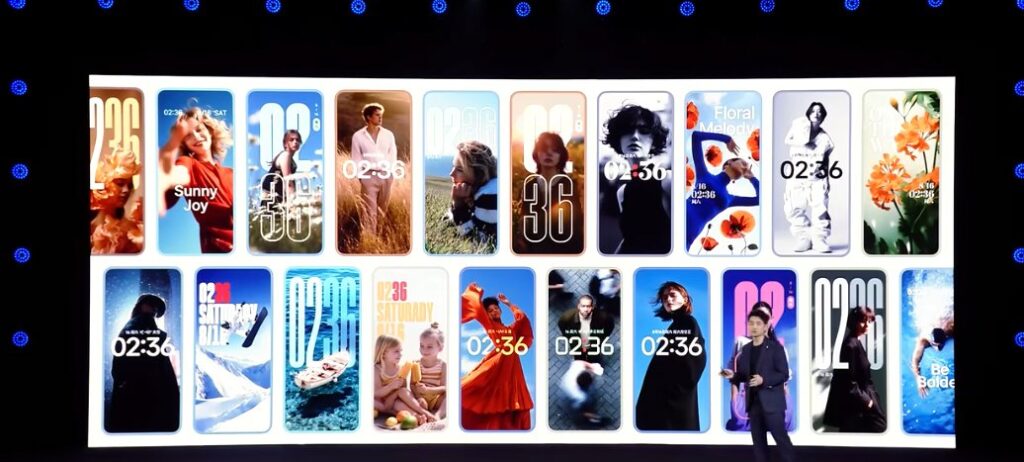
2. Cinematic lock screen and AI dynamic wallpapers (with deeper editing)

HyperOS 3 lock screen
Lock screen in HyperOS 3

HyperOS 3.0 focuses on offering a redefining lock-screen experience with new AI-assisted features and deeper customization, while stock Android 16 focuses more on core OS usability than on lock-screen creativity.

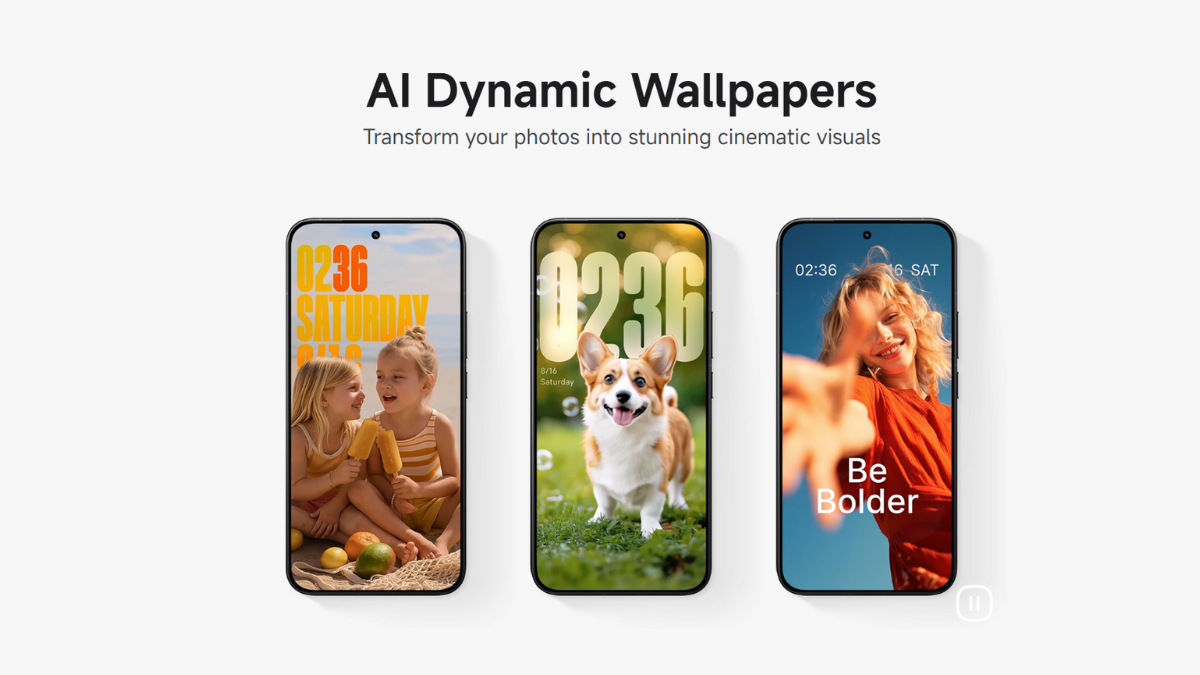
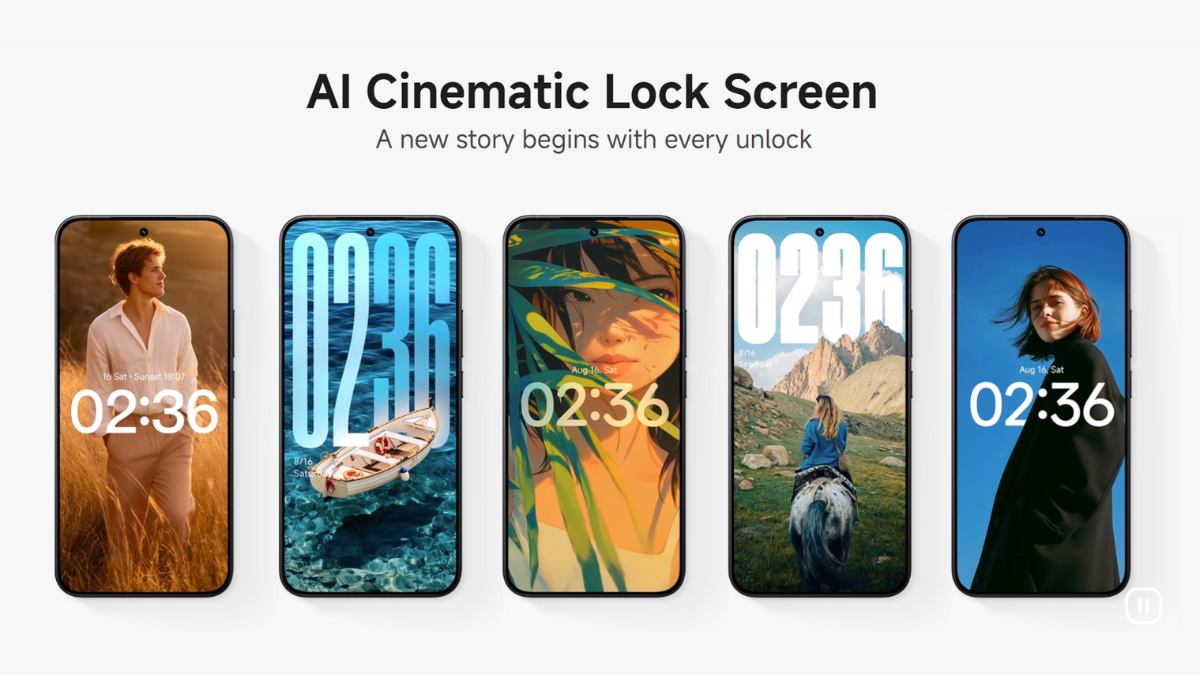
The new AI Cinematic Lock Screen feature in HyperOS 3 creates a story-like, cinematic effect each time you unlock, and the AI Dynamic Wallpapers feature transforms your photos into stunning cinematic visuals. HyperOS 3 also features smoother lock-screen transitions, like AOD to lock screen to home screen, making the lock screen feel more premium and lively.

HyperOS 3 - AI Dynamic Wallpapers
HyperOS 3 - AI Cinematic Lock Screen

In short, Android 16’s lock screen is clean and functional but less focused on creativity and personalization, but HyperOS 3 explicitly promotes personalized editing. 

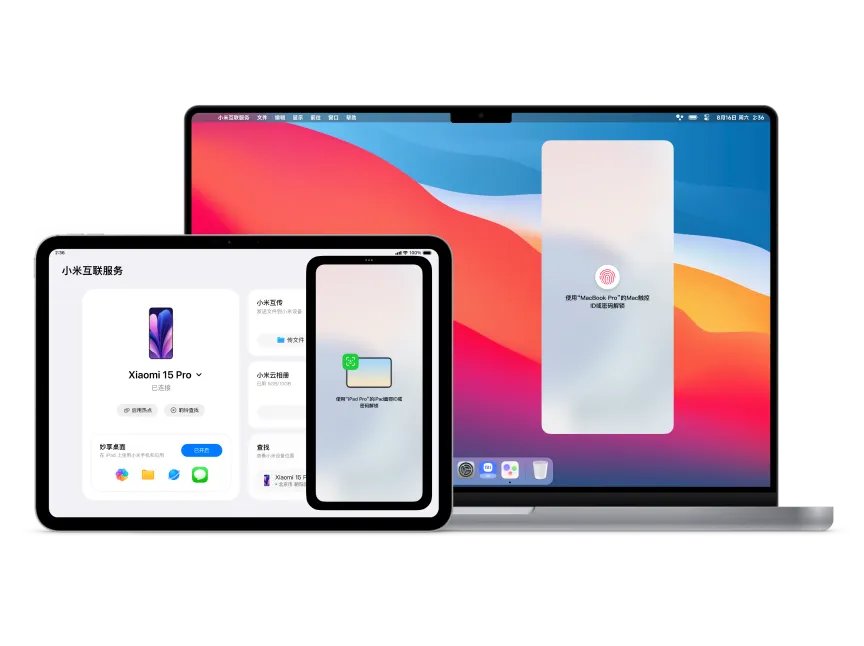
3. Much stronger cross-ecosystem features, including Apple integration

HyperOS 3 improved interconnectivity

HyperOS 3.0 excels at cross-device connectivity, especially with Apple devices, while stock Android 16 mostly focuses on bridging gaps among Android devices.

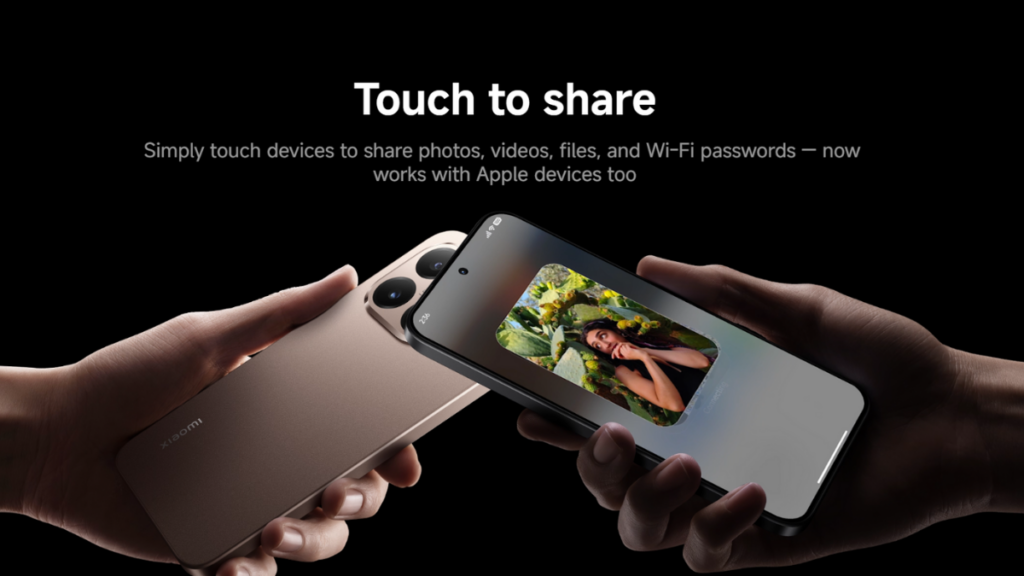
HyperOS 3 - Touch to Share

The “Touch to share” feature on HyperOS 3.0 now works with Apple devices too. So, you can now share photos, videos, files, and Wi-Fi passwords with Apple devices simply by touching both devices. Users can also run Xiaomi phone apps on iPad using the Home Screen+ feature with full support for iPad multitasking. Plus, they can unlock their Xiaomi devices using Touch ID or Face ID.

Apple devices can connect to a Xiaomi hotspot with just one tap. Additionally, users can instantly locate their Xiaomi phones from Apple devices, further strengthening Xiaomi’s cross-ecosystem capabilities.

4. HyperAI for smarter writing, transcription, and translation

HyperOS 3.0 provides a suite of AI features as a part of HyperAI, while stock Android 16 relies on Google apps (Gemini, Translate, Photos, etc.) to deliver the most visible AI features.

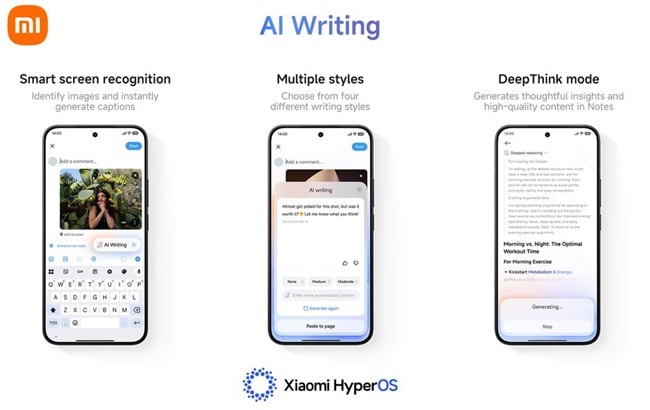
HyperOS 3 - AI Writing
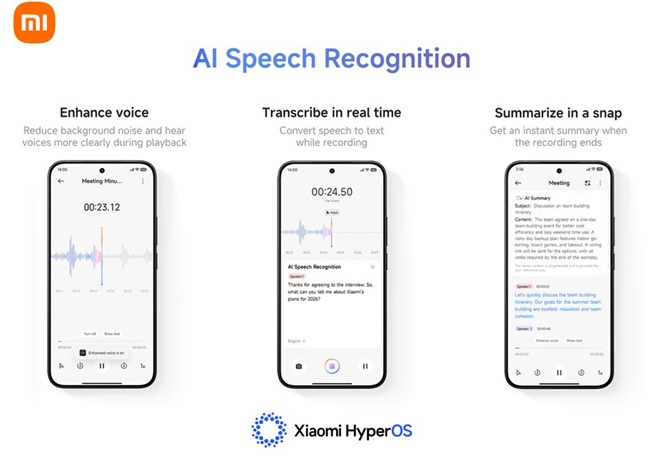
HyperOS 3 - AI Speech Recognition

The AI Writing feature in HyperOS 3.0 can rewrite text in multiple styles, generate captions for images, and features a “DeepThink mode” for longer content in Notes. The AI Speech Recognition helps reduce background noise, convert speech to text while recording, and generate an instant summary when the recording ends.

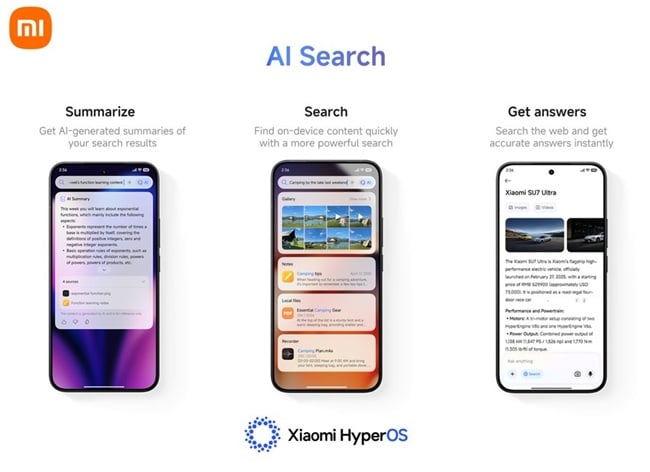
HyperOS 3 - AI Search

HyperAI also offers AI Search to search the web for instant answers, generate AI summaries of search results, and find on-device content quickly, while the AI Translate feature does live interpretation for calls/meetings, bilingual subtitles by transcribing and translating audio, and an offline mode for face-to-face conversation translation.

5. Stronger privacy and security layer

The stock Android 16 features Android Protection, which layers multiple protections, such as Theft Detection Lock, offline device lock, USB protection, and anti-scam safeguards. Many of them are also available on Xiaomi devices running HyperOS 3, but the software also includes several security features developed by Xiaomi that are not present in stock Android 16.

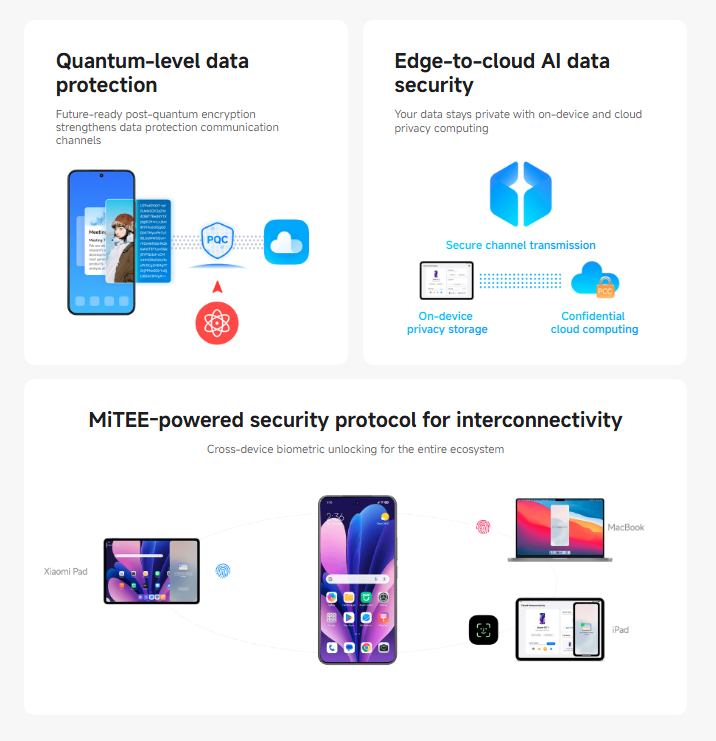
HyperOS 3 security features

HyperOS 3 offers Quantum-level data protection for protection against future quantum attacks on communications. It also features Edge-to-cloud AI data security, ensuring data stays private with on-device and cloud privacy computing, and MiTEE‑powered security protocols for interconnectivity.

So, HyperOS 3.0, based on Android 16, is a pretty significant upgrade for Xiaomi devices, bringing plenty of additional features and improvements over stock Android 16.

Also read:
1. Xiaomi HyperOS 3.1 update: New features, smarter UI, & more
2. HyperOS 3.1 vs HyperOS 3: Every features, changes, & full eligible device list

To ensure you don’t miss out on the important updates from Xiaomi, remember to visit the Xiaomi section on this website regularly. Alternatively, you can join us on Telegram to get instant notifications about the latest HyperOS updates, along with the biggest tech headlines.

The post 5 HyperOS 3 features that make it better than stock Android appeared first on Gizmochina.
❌