As the highly anticipated FIFA World Cup 2026 approaches, airlines around the world are ramping up their efforts to cater to the influx of football fans traveling to the tournament. Scheduled to run from June 11 to July 19, 2026, the World Cup will be hosted across North America, with 16 host cities across the United States, Mexico, and Canada welcoming millions of visitors. In preparation, official airline partners have confirmed a series of exciting flight expansions, new routes, and special offers aimed at ensuring fans have a smooth and convenient journey to the tournament.
American Airlines: A Major Player in World Cup Connectivity
American Airlines, the official North American airline supplier, has unveiled a comprehensive strategy to accommodate the surge in passengers during the World Cup. As part of this plan, American Airlines will add over 27,000 extra seats to its network, with several new nonstop routes specifically designed for the event. This includes new services such as:
Atlanta (ATL) to Kansas City (MCI), launching a direct connection from July 8–13, 2026 to support the quarterfinal round.
New York (LGA) to Kansas City (MCI), providing nonstop flights on June 21–22, 2026 to meet the demand during the group stage.
Dallas (DFW) to Zurich (ZRH), a limited-time nonstop service from May 21 to August 4, 2026, for international fans traveling to the event.
In addition to these new routes, American Airlines will also increase frequencies on several major domestic routes, including:
Boston (BOS) to Dallas (DFW), with increased capacity from June 18 to July 11, 2026.
Atlanta (ATL) to Miami (MIA), with larger aircraft operating from June 16 to July 17, 2026.
Los Angeles (LAX) to Seattle (SEA), upgauging aircraft size from June 13 to July 8, 2026.
Philadelphia (PHL) to Toronto (YYZ), with larger aircraft in operation from June 15 to 30, 2026.
Miami (MIA) to Buenos Aires (EZE), with up to three daily flights during the World Cup period.
With these changes, American Airlines is ensuring that World Cup fans will have ample options to reach key cities across North America and beyond, making it easier for football enthusiasts to travel to matches and support their teams.
United Airlines: Boosting Capacity and Introducing Special Offers
Not far behind, United Airlines has also made significant strides to meet the demand for travel to FIFA World Cup 2026. The airline has added over 75 additional flights to its summer 2026 schedule, focusing specifically on connecting fans to the 16 host cities across North America. With its extensive network, United Airlines will play a key role in facilitating easy travel to the World Cup.
In addition to the extra flights, United Airlines has launched a dedicated World Cup travel portal. The portal offers low fares to match destinations, including key routes such as:
Frankfurt/Munich to New York/Newark, providing European fans with affordable and convenient connections to the tournament.
These special offers and additional flights will ensure that football fans from around the world can access the World Cup matches in a timely and cost-effective manner, making it easier for them to attend the world’s most popular sporting event.
Qatar Airways: Connecting the World with Seamless Travel Packages
As the official global airline partner for the FIFA World Cup 2026, Qatar Airways is taking a strategic approach to connect international fans to the tournament. The airline has focused on expanding its reach and providing all-in-one fan packages through Qatar Airways Holidays. These packages include flights, match tickets, and accommodation, offering a seamless and convenient solution for fans looking to attend the World Cup.
In addition to these packages, Qatar Airways is collaborating with American Airlines to ensure that passengers flying on international flights can seamlessly transfer to domestic North American routes, offering fans greater flexibility and ease when connecting to their final destinations. This partnership between two of the world’s leading airlines is designed to make travel to and from the World Cup more efficient for fans, ensuring that all logistics are taken care of from start to finish.
Other Major Airline Expansions for World Cup 2026
Beyond the official airline partners, other major carriers are also making significant adjustments to their schedules to accommodate the surge in travel during the World Cup. Air Canada has announced new transatlantic routes to serve the tournament, including Montreal to Berlin (starting July 2, 2026) and Toronto to Prague/Budapest, ensuring that Canadian fans can easily travel to key destinations in Europe and beyond.
Delta Air Lines is also adding new services to help connect fans to World Cup host cities, including:
New York (JFK) to Malta (launching June 7, 2026).
New York (JFK) to Porto (beginning May 21, 2026).
Seattle to Rome and Barcelona (starting in May 2026).
These new routes will give fans more options when planning their journey to the World Cup, whether they are coming from North America or Europe.
Aeromexico is further expanding its services with an addition of 29 planes to its fleet for 2026 to handle the surge in demand. The airline is also launching a new nonstop route from Monterrey to Paris, ensuring that Mexican fans have easy access to international connections for the tournament.
The Impact on Travel and Tourism
The extensive flight expansions announced by these airlines highlight the growing demand for travel to the FIFA World Cup 2026, and they represent a significant investment in the tournament’s success. These changes will not only benefit football fans but also stimulate the global economy, with airlines and tourism-related businesses experiencing a major boost in revenue from the influx of visitors.
The seamless integration of international and domestic flight schedules, special offers, and fan packages will ensure that attending the World Cup is a convenient and affordable experience for travellers worldwide. With more flights, better connectivity, and innovative travel solutions, fans can look forward to an unforgettable experience in 2026.
Lanzarote (ACE) is set to witness a major surge in air traffic for 2026, thanks to several exciting airline announcements that include new domestic routes, expanded international services, and seasonal extensions. The island, known for its stunning landscapes and rich cultural heritage, is becoming even more accessible as airlines ramp up their offerings for the year. These changes reflect a growing demand for travel to Lanzarote and a competitive push by airlines to meet this demand.
New Domestic Routes and Milestones
One of the most significant announcements for Lanzarote in 2026 is the launch of a new domestic route from Santander (SDR) to Lanzarote, introduced by Binter Canarias in March 2026. This new service marks a milestone for the airline as it becomes the first domestic connection between a non-capital Canary Island and the Spanish mainland. The new route will make it easier for travellers from Santander and surrounding areas to reach the island, further enhancing Lanzarote’s accessibility within Spain.
This development is part of Binter Canarias’ continued expansion of its domestic services, which has focused on strengthening the Canary Islands’ connections to the Spanish mainland. The airline’s strategic push to increase connectivity within the region is expected to attract more domestic tourists to Lanzarote, contributing to the island’s tourism growth in the coming years.
Expanded International Services and New Flights
For international travellers, Lanzarote is set to see expanded flight offerings, starting with Eurowings, which will resume its London Gatwick (LGW) to Lanzarote route for the summer season beginning on March 29, 2026. Flights will operate up to twice weekly, providing even more options for UK holidaymakers to visit the island. The route’s resumption is seen as a response to the rising demand for travel to Lanzarote from the UK, one of the island’s primary international markets.
In addition to the London Gatwick route, Ryanair has made a significant move with the increase in frequencies on its Shannon (SNN) to Lanzarote route for the Summer 2026 season. This expansion is part of a broader $400 million investment by Ryanair, which includes the basing of a fourth aircraft at Shannon Airport. This increased capacity will make it easier for travellers from Ireland to reach Lanzarote, helping to drive tourism from the Irish market.
Jet2’s Largest Ever Summer Program
One of the most exciting announcements comes from Jet2.com, which has unveiled its “biggest ever” summer program for 2026. This ambitious expansion includes frequent weekly flights from 12 major UK airports, such as London Stansted, Manchester, Birmingham, and Belfast International, all flying to Lanzarote. This move is expected to significantly boost visitor numbers to the island, with Jet2.com increasing its summer services in response to growing demand for sun-drenched destinations like Lanzarote.
Jet2’s vast network of departures means that holidaymakers from all corners of the UK will have easy access to Lanzarote, reinforcing the island’s status as a top destination for British travellers. With these additional flights, Jet2.com aims to offer flexibility and convenience to passengers, making Lanzarote an even more attractive option for both short breaks and longer stays.
Ryanair’s Full Summer 2026 Schedule
Ryanair is also making waves with the release of its Summer 2026 schedule, now available for booking. The budget airline has expanded its services to Lanzarote, including new routes from regional airports like Norwich and Shannon. This expansion is part of Ryanair’s broader strategy to cater to a wider range of travellers, including those from smaller regional airports. As one of Europe’s largest low-cost carriers, Ryanair’s presence in Lanzarote will continue to play a crucial role in driving affordable travel options to the island.
EasyJet’s Big Seat Release
Not to be outdone, EasyJet has announced its “Big Seat Release” for Summer 2026, offering thousands of seats to Lanzarote from 22 UK airports. The airline’s commitment to providing low-cost travel options to popular destinations like Lanzarote highlights the increasing demand for affordable holiday options. With easyJet’s extensive UK network, more passengers will be able to travel to Lanzarote with ease and at competitive prices, further fueling the island’s tourism growth.
Jet2 Winter 2026/2027 Program
Looking ahead to the winter months, Jet2.com has already placed its Winter Sun program for 2026/2027 on sale, continuing to feature Lanzarote as a core destination from its major UK bases. This early release underscores the growing appeal of Lanzarote as a year-round destination for British travellers seeking winter sun. As more holidaymakers look to escape the colder months, Lanzarote’s warm climate and stunning landscapes remain a top choice for winter getaways.
Lanzarote’s Growing Appeal as a Top Destination
These announcements are a testament to Lanzarote’s growing status as a prime destination for both domestic and international tourists. The island, renowned for its volcanic landscapes, beautiful beaches, and rich cultural heritage, continues to attract a diverse range of travellers. With more flights from a wider array of destinations, Lanzarote’s tourism industry is set to benefit from increased connectivity and convenience for visitors.
For airlines, the increased frequency of flights to Lanzarote reflects a strategic response to the rising demand for travel to the Canary Islands. With new routes, expanded services, and a strong emphasis on accessibility, Lanzarote is poised for a successful year in 2026.
As the year progresses, more announcements are expected, further solidifying Lanzarote’s position as a top travel destination in Europe. These developments are not only beneficial for the airlines but also for the local economy, which is likely to experience a significant boost from the increased flow of international and domestic tourists.
In the Southeast Asian tourism contest, a surprising frontrunner has emerged. Malaysia was positioned not just as a participant but as a pacesetter. A government media release reported that the country welcomed 42.2 million international visitor arrivals in 2025, an 11.2 % jump over the previous year[1]. Vietnam celebrated 21.2 million foreign arrivals in 2025[2], the Philippines recorded just under six million international tourists[3], Thailand’s half‑year totals showed 16.68 million inbound visitors with monthly data indicating around 32 million for 2025[4][5], and Singapore welcomed 16.9 million visitors[6]. The contrast underscores that Malaysia’s tourism boom was of a different magnitude. This narrative explores how Malaysia pulled ahead in the footfall race and why travellers were choosing it over neighbouring countries. The story is as much about strategy as it is about culture and policy and economic growth too.
Malaysia’s rise has been built on data and deliberate actions. The Tourism Malaysia media release announcing 42.2 million international arrivals in 2025 emphasised that visitors from Thailand alone numbered 2.5 million and that the year‑on‑year growth was 11.2 %[1]. The 2024 Tourism Statistics in Brief recorded 37.96 million foreign visitors[7], so the subsequent leap illustrated momentum. Through a range of campaigns and improved connectivity, the country was positioned to surpass its own record in 2026, aligning with the nation’s Visit Malaysia 2026 initiative. The marketing plan for 2022‑2026 described Malaysia as a safe, attractive, quality destination offering unique attractions and diverse tourism products, including islands, beaches, nature, culture, gastronomy and lifestyles[8]. Visitors were drawn to this variety, and the government’s aggressive outreach ensured that message was heard globally.
Vietnam’s tourism recovery has been impressive but still trails behind Malaysia’s surge. According to the Vietnam National Authority of Tourism, almost 21.2 million foreign arrivals were recorded in 2025, representing a 20.4 % increase over 2024 and exceeding pre‑pandemic 2019 levels by 19 %[2]. Flexible visa policies, expanded flight routes and modernised promotional strategies were credited with the success[9]. However, even with these reforms, Vietnam’s numbers remained roughly half of Malaysia’s record. This gap suggests that while Vietnam was rising, the country still faced competition from a neighbour able to offer a broader range of experiences and more flexible travel infrastructure.
The Philippines displayed resilience in the face of adversity. In January 2026 the Bureau of Immigration reported 5,940,975 international tourist arrivals in 2025 and 543,085 returning overseas Filipinos, bringing total foreign visitors to 6,484,060[3]. Visitor spending reached PHP 694 billion[3], demonstrating economic significance. Yet the absolute numbers were far behind Malaysia’s 42.2 million travellers. The country’s limited infrastructure and connectivity constrained growth; Malaysia’s diversified attractions created an advantage.
Thailand has long been regarded as a tourism powerhouse. The Ministry of Tourism and Sports reported via its quarterly infographic that 16.68 million inbound visitors arrived in January–June 2025[4]. The top markets were Malaysia (2.30 million), China (2.27 million), India (1.18 million), the Russian Federation (1.03 million) and the Republic of Korea (0.77 million)[4]. Further monthly data from the Bank of Thailand showed that July–December 2025 recorded between 2.24 and 3.37 million visitors each month[5]. This suggests that total arrivals hovered around 32 million for 2025, an impressive recovery but still less than Malaysia’s figure. Despite beautiful beaches and famous hospitality, the Thai authorities were still rebuilding after the pandemic, and their total visitor footfalls remained behind Malaysia’s record.
Singapore positioned itself as a high‑quality tourism hub. According to the Singapore Tourism Board’s February 2026 release, the city‑state recorded 16.9 million international visitor arrivals in 2025, a 2.3 % increase over 2024[6]. The top markets were Mainland China, Indonesia, Malaysia, Australia and India[6]. Tourism receipts for January–September 2025 reached SGD 23.9 billion, 6.5 % higher than a year earlier[6]. These numbers illustrate a rebound but remain well below Malaysia’s totals. High costs and limited land area contributed to lower footfalls. Malaysia offered a more varied landscape and cost‑friendly options, making it a more attractive choice for travellers seeking longer stays.
Malaysia’s appeal has been built on perceptions of safety and diversity. The Tourism Malaysia Marketing Plan emphasised that the country was marketed as a safe, attractive and quality destination[8]. This message resonated with travellers in a post‑pandemic world where safety and health were paramount. Malaysia’s multicultural fabric – Malay, Chinese, Indian and indigenous communities – offered diverse traditions, festivals and cuisine, giving visitors the sense of exploring several cultures within one journey. Authorities have promoted the country’s social stability and low crime rates, making families and solo travellers feel secure. By presenting safety and diversity together, Malaysia created a powerful narrative that pulled travellers away from neighbouring destinations.
The Malaysian government’s strategic positioning has been central to its success. The Tourism Malaysia annual report highlighted that creative campaigns embedded confidence that Malaysia is safe, interesting and full of unique experiences[10]. Marketing initiatives such as Visit Malaysia 2026 and targeted campaigns in Thailand, China, India and other key markets emphasised culture, nature and adventure. Partnerships with airlines and digital platforms expanded reach. Government agencies worked with private operators to offer bundled packages linking islands, highlands and cities. This coordinated strategy allowed Malaysia to craft a compelling brand while ensuring that infrastructure and services could support increased demand.
Ease of entry has been a major factor drawing travellers. Malaysia implemented flexible visa policies, including e‑visa options for Chinese and Indian tourists, and simplified procedures for ASEAN neighbours. While Vietnam also introduced flexible visas[9], Malaysia’s policies were combined with a vast network of direct flights from regional capitals and international hubs. Budget airlines such as AirAsia operated from Kuala Lumpur International Airport, connecting travellers to cities across Asia and beyond. Rail and road links with Thailand and Singapore allowed overland travel for regional visitors. This accessibility reduced travel friction and encouraged spontaneous trips, giving Malaysia an advantage in attracting footfalls.
Malaysia’s cultural richness has been a magnet for visitors. The marketing plan emphasised diverse products such as culture and arts[8]. Cities like Kuala Lumpur offered modern skyscrapers alongside heritage buildings. Penang and Melaka showcased UNESCO‑listed historic centres, while Sabah and Sarawak provided indigenous experiences. Food tourism has become a powerful draw; Malaysia’s mix of Malay satay, Chinese noodles, Indian curries and Nonya delicacies created an endless menu. The annual report noted that promotional campaigns tapped into confidence that the nation offered unique experiences[10]. By celebrating cultural life and culinary traditions, Malaysia differentiated itself from neighbours where cuisine might be less varied or less affordable for international visitors.
Natural diversity has been another pillar of Malaysia’s success. From tropical rainforests to pristine islands, the country offers eco‑tourism that appeals to a growing segment of travellers. The ITE HCMC media release emphasised that Malaysia’s tourism vision focuses on eco‑friendly travel, cultural preservation and deeper visitor engagement[11]. Attractions such as Taman Negara, Mount Kinabalu and the Borneo jungles allow tourists to experience wildlife and adventure. Responsible tourism practices, including community‑based homestays and conservation programs, demonstrate commitment to sustainability. By promoting nature and adventure alongside safety and culture, Malaysia created a multi‑dimensional appeal that competitors found hard to match.
Malaysia has harnessed the Meetings, Incentives, Conferences and Exhibitions (MICE) segment to boost arrivals. The ITE HCMC release noted that Malaysia was positioning itself as a leading MICE destination with attractive incentives for groups[11]. Kuala Lumpur Convention Centre, Penang’s SPICE Arena and Borneo Convention Centre Sarawak offer world‑class facilities at competitive prices. Coupled with a safe environment and vibrant city life, these venues attract corporations from Southeast Asia and beyond. Business travellers often extend their stays to explore leisure attractions, thereby converting corporate visits into extended tourism. This strategic focus on MICE differentiates Malaysia from countries that rely more heavily on leisure tourism alone.
Safety is not just about crime but also about health, stability and affordability. The ITE HCMC release highlighted Malaysia My Second Home (MM2H), a long‑term residency program that appeals because of the safe environment, quality education and affordable cost of living[11]. Retirees and digital nomads are drawn to Malaysia’s modern healthcare, international schools and good infrastructure, all at lower costs than Singapore or Thailand. Stable governance and a relatively low cost of living make long‑term stays viable. These factors enhance overall tourist numbers because visitors often return or extend their stays, creating repeat tourism that boosts footfalls.
The numbers highlight the regional hierarchy. Malaysia recorded 42.2 million international arrivals in 2025[1]. Vietnam welcomed 21.2 million[2], the Philippines recorded 6.48 million[3], Thailand’s 2025 total was around 32 million derived from its 16.68 million arrivals in the first half[4] and monthly figures for July–December 2025[5], and Singapore registered 16.9 million[6]. These figures show that Malaysia achieved more than double the arrivals of its nearest competitor. The table below summarises these statistics and key drivers.
With momentum from 2025, Malaysia’s prospects for 2026 look strong. The Visit Malaysia 2026 campaign aims to draw 26.1 million visitors from abroad and generate high revenue, building upon the 2025 record. Infrastructure upgrades, including new airport terminals and improved public transport, are slated to enhance capacity. Marketing efforts will target emerging markets such as the Middle East and Eastern Europe while consolidating regional leadership. Meanwhile Vietnam and Thailand are expected to continue their upward trends but will start from lower bases; Singapore may remain constrained by space; and the Philippines will need investment to scale infrastructure. Because Malaysia already has a diversified product portfolio, a safe environment and supportive policies, it is poised to stay ahead in tourist footfalls.
Conclusion: a regional champion defined by diversity and strategy
In the Southeast Asian tourism race, Malaysia has been proclaimed a clear leader. The combination of record visitor numbers, strategic marketing, flexible visas, cultural richness, natural diversity, business appeal, safety and affordability has created a compelling package that few neighbours can match. Vietnam, the Philippines, Thailand and Singapore each made significant strides, yet their totals remained lower, and their policy mixes were not as comprehensive. As the world moves toward a post‑pandemic normal, travellers are seeking destinations that offer trust, variety and value. Malaysia’s ability to deliver on these fronts has already been proven by the numbers and supported by official data. With continued investment and a strong vision for Visit Malaysia 2026, the country is not merely aiming to retain its lead; it is setting the pace for regional tourism and showcasing how a nation can transform diversity into dominance.
Sources:
[1] TOURISM MALAYSIA UNVEILED THE MALAYSIA PAVILION IN CONJUNCTION WITH VM2026 AT THAI INTERNATIONAL TRAVEL FAIR (TITF) 2026 – Tourism Malaysia | Corporate Site https://www.tourism.gov.my/index.php/media/view/tourism-malaysia-unveiled-the-malaysia-pavilion-in-conjunction-with-vm2026-at-thai-international-travel-fair-titf-2026 [2] [9] Vietnam emerges as top global tourism performer in 2025 | Vietnam+ (VietnamPlus) https://en.vietnamplus.vn/vietnam-emerges-as-top-global-tourism-performer-in-2025-post336762.vnp [3] Tourism offers high investment returns amid growing demand –DOT chief – Philippine Information Agency https://pia.gov.ph/news/tourism-offers-high-investment-returns-amid-growing-demand-dot-chief/ [4] v2022_17579909448364LiH4Liy4LiZIEluZm8g4LmE4LiV4Lij4Lih4Liy4LiqIDIgNjguMS5qcGc=.jpg (1449×2048) https://www.mots.go.th/images/v2022_17579909448364LiH4Liy4LiZIEluZm8g4LmE4LiV4Lij4Lih4Liy4LiqIDIgNjguMS5qcGc=.jpg [5] EC_EI_028_S2 เครื่องชี้ภาวะการท่องเที่ยว https://app.bot.or.th/BTWS_STAT/statistics/ReportPage.aspx [6] Record Singapore tourism receipts from January to September 2025 | Singapore Tourism Board https://www.stb.gov.sg/about-stb/media-publications/media-centre/record-singapore-tourism-receipts-from-january-to-september-2025/ [7] New_Final_Malaysia%20Tourism%20Statistics%20in%20Brief%202024.pdf https://data.tourism.gov.my/frontend/pdf/New_Final_Malaysia%20Tourism%20Statistics%20in%20Brief%202024.pdf [8] untitled https://www.tourism.gov.my/files/uploads/TM_Marketing_Plan_2022_2026.pdf [10] annual-report-2023.pdf https://www.tourism.gov.my/files/uploads/annual_report/annual-report-2023.pdf [11] “FROM HERITAGE TO HOSPITALITY: MALAYSIA CAPTIVATES VISITORS AT ITE HCMC” – Tourism Malaysia | Corporate Site https://www.tourism.gov.my/media/view/from-heritage-to-hospitality-malaysia-captivates-visitors-at-ite-hcmc
For those looking to unwind in the tranquil surroundings of Japan’s mountains, a journey aboard the Kitashinano Wine Valley Train offers the perfect blend of scenic beauty, relaxation, and indulgence. This sightseeing train in Nagano Prefecture takes passengers through the picturesque Shinshu region, renowned for its hot spring resorts, stunning mountain landscapes, and traditional charm. With a unique retro atmosphere and the chance to enjoy fine wines, this train ride provides more than just transportation – it offers an experience.
A Comfortable and Scenic Journey to Shinshu’s Hot Springs
Boarding the Kitashinano Wine Valley Train is more than just getting from one place to another – it’s about immersing oneself in the surroundings. The train, originally a Romancecar limited express on the Odakyu Line, has been repurposed to offer a nostalgic and comfortable journey. The train’s interior has been designed to evoke a sense of nostalgia from the Showa era, with passengers seated in box seats that offer a private, cozy experience. Whether traveling solo or with a group, the train offers a relaxing setting, where guests can enjoy panoramic views of snow-capped mountains such as Mt. Iizuna and Mt. Myoko, and the winding Chikuma River.
The Kitashinano Wine Valley Train operates on Saturdays, national holidays, and other selected days, with passengers having the unique opportunity to enjoy an all-you-can-drink wine service featuring wines selected from the northern Shinano region’s finest wineries. The selection includes red, white, and rosé wines, allowing travelers to indulge in local flavors while taking in the breathtaking views. For those seeking a more indulgent experience, the train’s limited express service includes meals and other refreshments that complement the wines, making it a complete culinary adventure aboard the train.
Exploring Zenkoji Temple Before the Journey Begins
Before setting off on the scenic train ride, visitors can take time to explore Nagano Station and the nearby Zenkoji Temple. This temple, one of the oldest and most revered in Japan, draws visitors from all over the country. The Zenkoji temple approach is a lively street lined with shops and food stalls, offering an immersive experience in the area’s culture. The temple itself is a national treasure, boasting a rich history and spiritual significance.
Zenkoji Temple’s connection to the 18th vow of Amida Nyorai adds a spiritual layer to the visit, allowing travelers to deepen their understanding of the local culture before embarking on their journey to the hot springs.
A Journey to Yudanaka Onsen: Tranquil Hot Springs and Historic Towns
After boarding the Nagano Electric Railway’s limited express, Yukemuri Nonbiri-go, passengers are taken on a scenic route to Yudanaka Onsen – a renowned hot spring area in the region. Yudanaka, located just a short distance from Yudanaka Station, is famous for its relaxing hot spring facilities such as Kaede no Yu, which is right next to the station. The area offers a traditional hot spring experience that rejuvenates both body and mind.
For visitors looking to extend their stay, the Shibu Onsen and Kakuma Onsen towns are nearby, retaining their old-world charm and providing a deeper immersion into the local culture. These towns feature traditional ryokan (inns) that offer an authentic Japanese hot spring experience.
Relaxing Amid the Natural Beauty of Shinshu
One of the main draws of this region is the stunning mountain scenery and natural beauty of Shinshu. As the train travels through the countryside, passengers can catch glimpses of tranquil rivers, snow-capped peaks, and lush forests. The Kitashinano Wine Valley Train offers a unique opportunity to witness these landscapes from the comfort of a retro-style train, combining nostalgia with modern-day comfort.
For those interested in outdoor activities, the surrounding Shinshu region is known for its excellent cycling routes, outdoor-guided walks, and hiking trails, which provide opportunities to explore the region further. In particular, the mountain areas around Zenkoji and Yudanaka Onsen are known for their diverse flora and fauna, offering a chance to connect with nature.
The Ideal Escape for Wine Lovers and Nature Enthusiasts
This train journey is a perfect escape for both wine lovers and nature enthusiasts. The blend of delicious local wines, fine dining, and exceptional scenery makes for a memorable trip. The Kitashinano Wine Valley Train offers the rare opportunity to combine indulgence with relaxation, making it an ideal choice for a weekend getaway or a special occasion.
For those seeking a more intimate experience, the four-person box seat option allows solo travelers or small groups to enjoy the ride without any distractions, ensuring a peaceful and private experience. Additionally, the train’s connection to local hot springs and other tourist attractions provides a comprehensive travel experience that showcases the best of the Shinshu region.
Why Shinshu’s Hot Spring Region is Worth Visiting
The Shinshu region is not just a popular tourist destination – it is a place that offers a deeper connection with nature, culture, and relaxation. Whether it’s the beautiful hot spring resorts, the stunning mountain views, or the historic towns, Shinshu offers something for everyone. The Kitashinano Wine Valley Train offers a unique way to experience the region, providing a comfortable and scenic journey that makes exploring Shinshu’s beauty both easy and enjoyable.
Conclusion: A Relaxing, Memorable Experience
For anyone looking to escape the hustle and bustle of city life and immerse themselves in the serene beauty of Shinshu, the Kitashinano Wine Valley Train offers a unique, enjoyable way to experience this scenic region. Whether you are traveling for the wine, the hot springs, or the picturesque views, this sightseeing train journey provides a perfect combination of relaxation and exploration.
In a significant milestone for sustainable tourism, the MidCoast Council in New South Wales (NSW) is celebrating the first anniversary of the ECO Destination Certification awarded to the Barrington Coast by Ecotourism Australia. This achievement has cemented the Barrington Coast’s status as one of the leading nature-based destinations in Australia. It underscores the region’s commitment to sustainability, not only in its environmental practices but also in its cultural and socio-economic development.
The ECO Destination Certification recognizes destinations that meet a set of rigorous criteria, assessing areas such as destination management, environmental sustainability, climate action, culture and tradition, and social well-being. This certification ensures that the Barrington Coast is not only an attractive place for travelers but also a region where tourism development is aligned with long-term environmental and community goals.
A Year of Achievements and Continued Momentum
Over the past year, the MidCoast Council has actively supported local businesses to obtain ECO Certification, further solidifying the region’s commitment to sustainable tourism practices. The Steps Barrington, Barrington Bike Park, Waukivory Estate, and Forster Dive Centre are among the five ECO Certified businesses now part of the Barrington Coast’s growing sustainable tourism community. They join Myall River Camp and Wandha Myall Lakes as key contributors to the region’s eco-friendly tourism sector.
The certification anniversary highlights both the accomplishments of the past year and the continued efforts of MidCoast Council to create a sustainable, eco-conscious tourism environment. This celebration also reinforces the council’s dedication to fostering stronger relationships between tourism operators, local businesses, and the community, ensuring that the region’s natural and cultural resources are preserved for future generations.
Support for Local Operators and Tourism Growth
As part of its ongoing focus on sustainability, the MidCoast Council continues to sponsor local tourism operators to help them achieve ECO Certification. By doing so, the council aims to strengthen sustainability across the region’s visitor economy. Local businesses, such as The Steps Barrington and Waukivory Estate, benefit from the recognition that comes with the ECO Certification, gaining access to an expanding network of environmentally-conscious travelers.
The goal is not only to preserve the area’s unique natural assets but also to provide a platform for local operators to thrive while meeting the increasing demand for sustainable travel experiences. The council’s proactive efforts to encourage eco-certified businesses contribute to a broader vision of a resilient local economy that values environmental integrity and community well-being.
Preserving Natural and Cultural Assets for Future Generations
The ECO Destination Certification is a reminder that tourism, when managed sustainably, can have a positive impact on both the environment and the local community. MidCoast Council is working closely with tourism operators and other stakeholders to protect the region’s natural resources while enhancing the visitor experience. The Barrington Coast is known for its stunning landscapes, including forests, lakes, and coastal areas, and these unique assets must be preserved as part of the eco-tourism vision.
One of the central challenges faced by the council and local tourism operators is balancing the influx of tourists with the need to maintain the area’s natural beauty. Measures are being put in place to protect the local environment, including improved waste management systems, better infrastructure for tourism-related services, and careful monitoring of visitor impact on fragile ecosystems.
Looking Ahead: Strengthening Sustainable Tourism
As part of its ongoing commitment to sustainable tourism, the MidCoast Council plans to invite more tourism operators to participate in the Strive 4 Sustainability and Eco Certification programs later this year. These initiatives aim to expand the number of eco-certified businesses and further enhance the sustainable tourism infrastructure within the region.
The goal is not just to attract eco-conscious travelers but to foster a sustainable tourism model that benefits both tourists and local communities. MidCoast Council is dedicated to ensuring that sustainable tourism continues to thrive in the Barrington Coast, promoting responsible travel while safeguarding the environment and the cultural heritage that make the region unique.
The Barrington Coast’sECO Certification is part of a broader movement in Australia and around the world, where travelers increasingly seek out destinations that align with their values. As the anniversary of the certification is celebrated, the MidCoast Council continues to champion sustainability and eco-conscious travel for the future.
Conclusion: A Commitment to Sustainable Tourism and Community Growth
In conclusion, the first anniversary of the ECO Destination Certification for the Barrington Coast marks a significant achievement for the MidCoast Council and the region as a whole. With continued support for local operators and eco-certified businesses, the council is driving sustainable tourism practices that protect the region’s natural assets while providing economic opportunities for the community. As sustainable tourism becomes increasingly important for travelers, the Barrington Coast is positioning itself as a prime destination for those seeking responsible and immersive travel experiences.
Travel between Uzbekistan and Egypt has experienced a remarkable boost in 2025, with a significant increase in Uzbek tourists visiting Egypt. This surge reflects the growing interest among Uzbek travelers in exploring international destinations, particularly those with rich cultural heritage, historical significance, and unique tourist attractions. This upward trend in tourist flow highlights a shift in travel preferences, where destinations like Egypt are becoming increasingly popular among Uzbek citizens seeking new travel experiences.
Rising Popularity of Egypt Among Uzbek Tourists
The growth in Uzbek tourist arrivals in Egypt can be attributed to several factors, including Egypt’s rich cultural history, stunning landscapes, and the allure of its iconic landmarks such as the Pyramids of Giza, the Sphinx, and the Luxor Temples. Additionally, the country’s coastal resorts, especially along the Red Sea, have become increasingly popular for their world-class beaches and opportunities for water sports and relaxation. As a result, Egypt has established itself as one of the top travel destinations for Uzbek tourists seeking a mix of history, adventure, and leisure.
Direct Flights and Improved Accessibility
One of the key drivers behind the increase in Uzbek tourists to Egypt has been the improvement in travel connectivity between the two countries. The introduction of direct flights between Tashkent and Cairo has made it easier and more affordable for Uzbek travelers to visit Egypt. With flight options becoming more accessible and budget-friendly, more and more Uzbek tourists are choosing to explore Egypt’s rich cultural offerings.
Additionally, Egypt has made significant strides in improving tourism infrastructure, making it easier for foreign visitors to navigate the country. From enhanced transportation networks to more efficient visa processing systems, Egypt’s commitment to promoting tourism has played a crucial role in attracting travelers from around the world, including Uzbekistan.
Cultural and Economic Impact of Tourism
The surge in Uzbek tourists has not only benefited Egypt’s tourism industry but has also had a positive impact on its economy. Increased tourist arrivals contribute to the growth of various sectors, including hospitality, transportation, and retail, while also creating job opportunities for the local population. In particular, Egypt’s tourism sector has seen an influx of visitors from Central Asia, with Uzbekistan being one of the leading countries contributing to this rise in tourist numbers.
For Uzbekistan, the growing interest in Egypt offers a new opportunity for cultural exchange and international collaboration. As more Uzbek citizens travel abroad, they are exposed to different cultures and experiences, which in turn enhances the global image of Uzbekistan as a nation with a growing appetite for international travel.
Strategic Marketing and Tourism Initiatives
The increase in Uzbek tourist arrivals to Egypt can also be attributed to the country’s strategic marketing efforts to attract tourists from Central Asia. Egyptian tourism authorities have worked closely with travel agencies and airlines in Uzbekistan to create attractive travel packages that cater specifically to the interests of Uzbek travelers. These tailored packages include guided tours of Egypt’s ancient sites, beach resorts along the Red Sea, and other cultural experiences, all designed to appeal to the Uzbek market.
Moreover, Egypt’s tourism board has actively participated in regional tourism fairs and events to raise awareness about the country’s diverse offerings. The promotion of Egypt as a year-round destination, with both summer and winter attractions, has resonated well with travelers from Uzbekistan, leading to an increase in demand for travel to the country.
Future Prospects for Uzbek-Egypt Tourism
Looking ahead, the future of tourism between Uzbekistan and Egypt appears to be promising. With the continued growth in tourist arrivals and the strengthening of bilateral relations between the two countries, it is expected that more Uzbek citizens will consider Egypt as a top destination for leisure, business, and cultural exchange.
To further enhance tourism growth, both Egyptian and Uzbek authorities are expected to collaborate on initiatives aimed at improving travel accessibility, offering more attractive visa options, and promoting cross-cultural exchanges. These efforts will help foster deeper ties between the two nations and create long-term benefits for both the tourism and economic sectors.
Conclusion: A Thriving Travel Relationship
In summary, the significant increase in Uzbek tourist arrivals to Egypt in 2025 is a clear indication of the growing appeal of Egypt among Uzbek travelers. The improved connectivity, cultural significance, and tourism initiatives have combined to make Egypt one of the most sought-after international destinations for Uzbek citizens. As this trend continues to grow, both countries stand to benefit from enhanced tourism, stronger economic ties, and richer cultural exchanges.
Planning a trip to Western Australia just became an even more enticing proposition with the launch of the WA Dream Pass. This new digital platform, developed by the Cook Government through Tourism WA, offers a treasure trove of exclusive deals from over 70 tourism, hospitality, and experience operators across the state. The WA Dream Pass serves as a one-stop shop for travelers looking to stretch their travel budgets and discover hidden gems in Western Australia, moving beyond the typical tourist hotspots.
A Game-Changer for Budget Travelers
For those who have always wanted to explore Western Australia but have been deterred by the cost, the WA Dream Pass provides the perfect solution. Designed to be both practical and budget-friendly, the platform allows users to browse, save, and redeem discounts on various attractions, activities, accommodations, and dining experiences, all in one place. Whether you are planning a coastal road trip or a short city break in Perth, the Dream Pass promises to make the adventure more affordable and accessible.
One of the major selling points of this new platform is the extensive savings on state-run attractions, including national parks, Perth Zoo, WA Museum Boola Bardip, WA Maritime Museum, and The Perth Mint. Discounts can reach up to 50% off park entry fees and around 25% off zoo admission, giving visitors an affordable way to experience some of Western Australia’s most iconic sites. Additionally, guided tours, adventure experiences, food and drink venues, and accommodation deals are also part of the Dream Pass offerings.
Supporting Local Communities and Boosting Tourism Growth
While the WA Dream Pass is tailored to attract interstate and international visitors, it is also designed to encourage locals to holiday closer to home. This approach aims to stimulate intrastate travel, prompting Western Australians to explore parts of their state they may have overlooked. By doing so, the initiative intends to boost the local economy, channel more spending into regional communities, and support local operators. More importantly, it’s expected to strengthen jobs in the tourism and hospitality sectors, creating a positive ripple effect for the state’s workforce.
In a broader context, the WA Dream Pass is part of a larger strategy to increase the state’s visitor economy. Tourism WA seeks to position Western Australia as not just a destination to check off a travel list, but one that entices travelers to linger longer and immerse themselves in all it has to offer. From the wild coastlines to the rich cultural attractions and spectacular wildlife, the state promises experiences that keep visitors coming back year after year.
A Convenient and Customizable Planning Tool
In addition to the discounts, the WA Dream Pass functions as a handy planning tool to help visitors maximize their time and experience in Western Australia. After signing up, users can create a personalized dashboard, bookmark their favorite experiences, and build an itinerary tailored to their interests. Whether you’re looking for wildlife encounters, coastal adventures, cultural sites, or food-focused escapes, the Dream Pass lets users plan their trips with ease, making it easier to explore the best the state has to offer.
The platform’s trip planner is designed to be an intuitive and digital companion, streamlining the process of mapping out your dream Western Australia itinerary. Whether you’re an adventurer seeking thrills or someone looking to relax in a remote beachside location, the WA Dream Pass offers something for everyone, all while helping you stay within your budget.
Easy Access to Exclusive Deals
Getting started with the WA Dream Pass is simple. All users need to do is head to the official Western Australia tourism website, create an account, and select their interests. Once logged in, the Dream Pass dashboard unlocks a world of opportunities, with curated offers and experiences waiting to be discovered. Visitors can browse the available deals, save their preferred experiences, and easily book everything through the platform.
This user-friendly platform ensures that no matter your travel style or the type of experiences you are looking for, everything is in one place, ready for exploration. Whether you’re planning to stay in Perth, explore the coast, or venture into the state’s vibrant rural regions, the WA Dream Pass makes it simple and affordable.
How to Take Advantage of WA Dream Pass Benefits
For anyone interested in experiencing Western Australia in an affordable and unique way, the WA Dream Pass is the perfect opportunity. This platform not only provides exclusive discounts but also enhances the visitor experience by offering a variety of customized options. From wildlife encounters to cultural adventures, there is no shortage of ways to enjoy Western Australia without breaking the bank.
With flights from the UK to Western Australia regularly offering affordable rates, now is the perfect time to consider booking your next dream vacation in the state. Whether you’re a nature lover, culture enthusiast, or foodie, the Dream Pass provides everything you need to create a memorable trip while saving money along the way.
Spain’s Mar Menor region, located in the Murcia province, is home to a chain of islands surrounded by an aura of mystery and an intriguing history. Despite their haunting beauty and biodiversity, these islands remain largely out of reach for most travelers. Mar Menor, a large saltwater lagoon, shelters five islands, all of which were formed by volcanic activity millions of years ago. Known for their tranquil waters and rich wildlife, these islands draw attention not only for their natural allure but also for the unique challenge they present to those wishing to visit.
Mar Menor’s Islands: A Hidden Gem in Spain
The islands of Mar Menor are considered a hidden gem, often overlooked by tourists flocking to more well-known Mediterranean destinations. The five islands—Baron Island, Perdiguera Island, Deer Island, Round Island, and Sujeto Island—are located in the shallow waters of the Mar Menor lagoon, which is separated from the Mediterranean Sea by La Manga, a long sandbar stretching for 22 kilometers. While La Manga is a bustling hotspot with hotels and bars, the islands themselves remain largely untouched, protected by their unique status and the difficulty in accessing them.
A History Shrouded in Mystery
The islands have long been surrounded by mystique and rumors. The largest of them, Baron Island, holds a particular fascination due to its rich history and stunning views. Baron Island, stretching across 94 hectares, is home to a Neo-Mudéjar-style palace and a tower built by its 19th-century owner, the Baron of Benifayó. Visitors often hear of the island’s legendary ghost stories, notably that of a Russian princess, said to have been imprisoned there by the Baron. The princess’s ghost is believed to haunt the cliffs, adding a supernatural element to the island’s already intriguing landscape. Despite its alluring past, Baron Island remains restricted to visitors, only accessible via select Flippa Boat tours.
The Protected Status of the Islands
The islands of Mar Menor have been designated as part of a Specially Protected Area of Mediterranean Importance and fall within a Special Protection Area for birds. This status ensures the preservation of the islands’ ecosystems, making them an important biodiversity sanctuary. However, it also means that access to these islands is heavily restricted. Tours are only available through authorized boat services, which have permission to land on specific parts of the islands. Due to these regulations, these islands have been largely kept off the radar for mainstream tourism, adding to their allure for those seeking a quieter, more exclusive experience.
Challenges to Visiting the Islands
While accessing the islands is difficult, it is not entirely impossible. Travelers must coordinate their trips carefully, selecting from the boat tours that are authorized to dock on certain parts of the islands. These tours, which can be arranged in advance, offer a rare opportunity to explore these enigmatic landmasses. However, this restricted access means that the islands remain far from overrun by tourists, allowing them to retain their pristine beauty and mystery.
Tourism Limitations Due to Historical Events
Some of the islands, such as Perdiguera Island, have a more complicated past that contributes to their inaccessibility. During the Spanish Civil War, Perdiguera Island was used as a bombing practice ground. The residual danger of unexploded bombs made the island a risky destination for visitors. It wasn’t until the 1990s that authorities initiated a bomb detection and deactivation campaign, but the lingering effects of the war continue to restrict tourism to the island. Additionally, as the decades passed, land erosion caused large parts of Perdiguera Island to slip into the sea, further limiting its accessibility. Despite these challenges, the island still attracts those with a sense of adventure, though access is controlled and carefully monitored.
Other Islands in the Chain: An Untouched Ecosystem
Other islands, such as Deer Island and Round Island, offer a glimpse into the fragile and untouched ecosystems of the Mar Menor. Deer Island, the southernmost in the chain, has a 16-hectare area and is known for its volcanic origin. This island, with its unique flora and fauna, is home to a fragile ecosystem, prompting authorities to take steps to protect it. A man-made causeway that once connected it to the mainland has been removed to prevent disturbances to its natural habitat. Similarly, Round Island, the smallest of the five, is frequently visited by waterfowl, as it serves as a nesting site for these birds. These islands are best experienced from a distance, as conservation efforts are prioritized to preserve their natural beauty.
The Challenge of Reaching Mar Menor’s Islands
For travelers wishing to explore these islands, Murcia is the nearest airport, offering affordable flights from cities such as Birmingham, Manchester, and London Stansted. £13 return flights from Birmingham, £18 from Manchester, and £19 from London Stansted make the region an affordable getaway. However, accessing the islands themselves requires planning and coordination with authorized boat services. For those willing to make the effort, visiting the Mar Menor islands offers a chance to discover an entirely different side of Spain—one that is rich in history, nature, and mystery.
A Unique Spanish Destination
The Mar Menor and its isolated islands represent a unique opportunity for those willing to go the extra mile to experience Spain beyond its typical tourist attractions. The islands’ protected status ensures they remain largely untouched by mass tourism, making them a perfect destination for travelers seeking an authentic and serene escape. From the haunted Baron Island to the wildlife haven of Round Island, these islands offer a rare and captivating experience in a part of Spain that many tourists never see.
At Toronto Pearson International Airport ([CYYZ]), several cancelled departures have affected key flights, contributing to the ongoing travel chaos across Canada. Over 220 flights cancelled across Canada have left thousands of passengers stranded, with Toronto Pearson, Montreal Trudeau, Winnipeg, and Calgary International Airports seeing the highest record of cancellations in 2026. Flights like JZA8482 (E75L) to Sydney (Nova Scotia) (CYQY) at 08:05 AM, ACA739 (BCS3) to San Francisco Int’l (KSFO) at 08:05 AM, ACA163 (BCS3) to Edmonton Int’l (CYEG) at 08:00 AM, ACA1198 (A321) to Miami Int’l (KMIA) at 08:00 AM, ACA686 (BCS3) to St. John’s Int’l (CYYT) at 08:00 AM, and WJA433 (B38M) to Edmonton Int’l (CYEG) at 08:00 AM were among those cancelled. If you’re flying, check whether your flight is on the list or not. Similarly, cancelled arrivals at Toronto Pearson include POE167 (E295) from Toronto Pearson Int’l Wed 06:33 PM, ACA674 (BCS3) from St. John’s Int’l (CYYT) at 03:51 PM, and ACA690 (A321) from Toronto Pearson at 03:44 PM.
Toronto Pearson International Airport (CYYZ):
Flight ID
Aircraft Type
Destination
Departure Time (EST)
POE167
E295
Ottawa Macdonald-Cartier Int’l (CYOW)
Wed 05:20PM
ACA117
A321
Vancouver Int’l (CYVR)
Wed 04:40PM
ACA690
A321
St. John’s Int’l (CYYT)
Wed 12:40PM
ACA408
B38M
Montreal-Trudeau (CYUL)
Wed 11:00AM
RPA4347
E170
LaGuardia (KLGA)
Wed 10:59AM
JIA5668
CRJ9
Reagan National (KDCA)
Wed 10:59AM
ACA261
A320
Winnipeg Int’l (CYWG)
Wed 10:55AM
JZA8986
CRJ9
LaGuardia (KLGA)
Wed 10:40AM
JZA8692
E170
Boston Logan Intl (KBOS)
Wed 10:30AM
WJA655
B738
Calgary Int’l (CYYC)
Wed 10:00AM
ACA107
A321
Vancouver Int’l (CYVR)
Wed 10:00AM
JZA8398
CRJ9
Quebec/Jean Lesage Int’l (CYQB)
Wed 10:00AM
ACA137
A320
Calgary Int’l (CYYC)
Wed 10:00AM
ACA446
A320
Ottawa Macdonald-Cartier Int’l (CYOW)
Wed 10:00AM
WJA383
B38M
Winnipeg Int’l (CYWG)
Wed 09:40AM
POE513
E295
Fort Lauderdale Intl (KFLL)
Wed 09:35AM
WJA2542
B738
Princess Juliana Int’l (SXM / TNCM)
Wed 09:30AM
ACA1043
BCS3
Austin-Bergstrom Intl (KAUS)
Wed 09:20AM
ROU1622
A319
Fort Lauderdale Intl (KFLL)
Wed 09:20AM
ACA1093
BCS3
San Diego Intl (KSAN)
Wed 09:15AM
ROU1701
A319
Harry Reid Intl (KLAS)
Wed 09:15AM
POE305
E295
Vancouver Int’l (CYVR)
Wed 09:10AM
ROU1911
A320
Kelowna Int’l (CYLW)
Wed 09:10AM
JZA8980
E75L
LaGuardia (KLGA)
Wed 09:05AM
JZA8874
CRJ9
Newark Liberty Intl (KEWR)
Wed 08:45AM
ACA1236
A320
Palm Beach Intl (KPBI)
Wed 08:30AM
ACA1246
B38M
Sarasota/Bradenton Intl (KSRQ)
Wed 08:30AM
ACA133
B38M
Calgary Int’l (CYYC)
Wed 08:25AM
JZA8690
E75L
Boston Logan Intl (KBOS)
Wed 08:20AM
ACA591
BCS3
Houston Bush Int’ctl (KIAH)
Wed 08:15AM
ROU1952
A319
Quebec/Jean Lesage Int’l (CYQB)
Wed 08:15AM
ACA442
A321
Ottawa Macdonald-Cartier Int’l (CYOW)
Wed 08:15AM
ACA1263
BCS3
Palm Springs Intl (KPSP)
Wed 08:15AM
JZA8901
E75L
Chicago O’Hare Intl (KORD)
Wed 08:15AM
ROU1509
A319
Thunder Bay Int’l (CYQT)
Wed 08:10AM
ROU1524
A319
Greater Fredericton (CYFC)
Wed 08:10AM
ACA1292
A321
Southwest Florida Intl (KRSW)
Wed 08:10AM
JZA8482
E75L
Sydney (Nova Scotia) (CYQY)
Wed 08:05AM
ACA739
BCS3
San Francisco Int’l (KSFO)
Wed 08:05AM
ACA785
B38M
Los Angeles Intl (KLAX)
Wed 08:00AM
Toronto Pearson International Airport (CYYZ) on the specified day:
JZA8482: E75L – Sydney (Nova Scotia) (CYQY) – Wed 08:05AM EST
ACA739: BCS3 – San Francisco Int’l (KSFO) – Wed 08:05AM EST
ACA163: BCS3 – Edmonton Int’l (CYEG) – Wed 08:00AM EST
ACA1198: A321 – Miami Intl (KMIA) – Wed 08:00AM EST
ACA686: BCS3 – St. John’s Int’l (CYYT) – Wed 08:00AM EST
WJA433: B38M – Edmonton Int’l (CYEG) – Wed 08:00AM EST
A powerful winter storm, with severe snow and wind, has hit Calgary, disrupting travel and daily activities. The city is under a Yellow Warning for hazardous winter conditions, with blizzard-like weather expected to last through the afternoon. The Environment and Climate Change Canada (ECCC) has predicted snowfall accumulations of up to 25 cm, with some areas, particularly in east-central Alberta, possibly receiving up to 40 cm. Calgarians woke up to a city covered in snow, causing significant traffic disruptions, flight cancellations, and hazardous conditions on the roads.
Severe Winter Conditions and Snowfall
As the storm swept through Calgary on February 17, 2026, snow and strong winds caused multiple traffic collisions, including a major incident on the QEII south lanes near Didsbury, which became impassable due to snow and accidents. Calgary International Airport reported significant delays and cancellations, with 23 flights grounded by 9 a.m. and more disruptions expected throughout the day.
The ECCC explained that the storm is a result of a rare “Montana Low,” which moves from southern Montana and draws in warm, moist air from the south. This clash of warm and cold air created the heavy snowfall over Calgary and the surrounding regions. The mountains in the area further complicated the situation, causing wind gusts to reach speeds of 50-60 km/h, with cold temperatures making the situation even more dangerous.
Weather Whiplash and Dangerous Travel Conditions
According to ECCC meteorologist Terri Lang, this unusual weather system has caused a “weather whiplash” effect, following a long period of dry, mild weather. As the temperatures quickly plummeted, the city’s residents were warned about the dangerous conditions outside. The temperature in Calgary dropped to -19°C by the afternoon, with wind chills reaching -31°C. Lang urged residents to avoid non-essential travel until conditions improved, warning that frostbite could become a serious risk due to the extreme cold.
The conditions were particularly challenging for drivers. The RCMP issued a travel advisory for the QEII highway due to zero visibility and blowing snow, warning motorists of treacherous roads and multiple accidents. Didsbury RCMP advised against travel, citing the southbound lanes being impassable and the high risk of further collisions. In total, Calgary police reported 143 collision incidents between midnight and 4 p.m. on the same day, highlighting the scale of the storm’s impact.
Air Travel Disruptions at Calgary International Airport
Calgary International Airport (YYC) was significantly impacted by the storm, with flight delays and cancellations causing considerable disruptions. The airport authority advised travelers to check flight status with their respective airlines, as crews worked tirelessly to clear runways and taxiways amidst low visibility and snow accumulation. By midday, 23 flights had been canceled, and delays continued to mount, leaving many travelers stranded.
This winter storm, while not uncommon in Alberta, caught many off guard due to its intensity and the speed at which it developed. As the snow began to taper off by late afternoon, strong winds persisted, and low visibility continued to create hazardous conditions for both travelers and residents.
Calgarians Find Ways to Cope with the Cold Snap
While the weather caused significant disruptions, some local businesses found ways to provide comfort and warmth to residents. Good Cheer Brewing, located in Inglewood, offered a creative incentive for people to venture out during the cold snap, providing discounts on food and drinks based on the temperature. For example, if the temperature dropped to -28°C, customers could receive a 28% discount on their orders. This initiative paid homage to the Order of Good Cheer, a winter society from 1606 founded to help people cope with harsh winters.
On the slopes, WinSport made the decision to close the ski hill at Canada Olympic Park due to the extreme cold and high risk of frostbite. The hill was expected to reopen on Thursday, as the weather was predicted to improve slightly. WinSport communicated updates to guests via social media, urging people to check conditions before heading out.
Preparing for Colder Days Ahead
While the storm eased by Wednesday, colder temperatures were forecast to continue. The high for the following day was expected to be -21°C, with a wind chill making it feel like -33°C. Lang emphasized that despite the temporary relief, winter was far from over, and further cold snaps could be expected in the coming weeks.
As the snow begins to melt, the focus will shift to cleanup efforts and ensuring that roads, airports, and other critical infrastructure remain accessible. Residents have been reminded to bundle up when venturing outside and to take proper precautions against the cold, including covering exposed skin to avoid frostbite.
Conclusion: A Winter Storm’s Impact on Calgary’s Infrastructure and Residents
Calgary’s residents have faced yet another intense winter storm that disrupted daily life and travel. With hazardous road conditions, flight cancellations, and low visibility, the city is reminded of the unpredictable nature of Alberta’s winter weather. As the city recovers, the focus will be on ensuring safe conditions for residents and travelers while preparing for future cold snaps that are expected in the coming weeks. For now, the storm may have passed, but the cold remains.
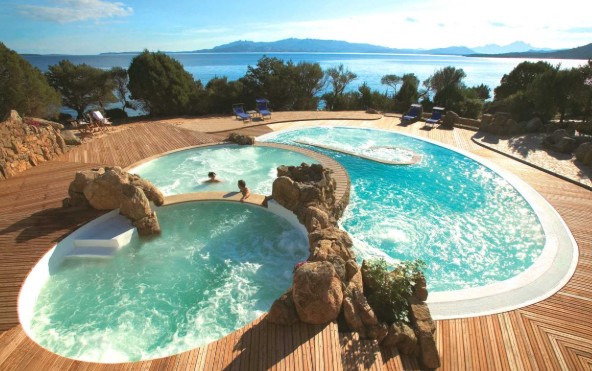
The Mediterranean travel landscape has undergone a significant shift as the year 2026 unfolds. While the perennial charms of Capri and the Amalfi Coast remain undeniable, a sophisticated migration toward the rugged, radiant shores of Sardinia is being observed. Once considered a remote outpost requiring arduous multi-leg journeys, the island has been transformed into a highly accessible gateway for the global elite. The logistical barriers of the past have been dismantled by expanded flight routes from major hubs like London, with frequent services connecting Olbia to Stansted Airport and London City.
This surge in accessibility has mirrored a broader cultural realization. Sardinia is no longer a hidden secret but a celebrated titan of high-end tourism. Recent data indicates a staggering 63 per cent increase in popularity, driven by travelers seeking a blend of historical prestige and untouched natural beauty. The foundation of this reputation was laid in the mid-20th century, specifically along the Costa Smeralda. This 55-kilometer masterpiece of coastline was envisioned by Prince Karim Aga Khan in the 1960s as a sanctuary for the world’s most discerning figures. Decades later, the “Emerald Coast” continues to be frequented by icons such as George Clooney, Beyoncé, and the Beckhams, while simultaneously opening its doors to a new generation of explorers drawn to the pink flamingos of Chia Bay and the dramatic dunes of Stintino.
Coastal Sanctuaries of the North
In the northeastern reaches of the island, the 7Pines Resort stands as a testament to integrated luxury. Nestled within 15 hectares of nature reserve in Baja Sardinia, the property overlooks the La Maddalena archipelago. Privacy is prioritized through the provision of four secluded coves and a private beach. Culinary excellence is a cornerstone of the experience here, with Capogiro, under the direction of executive chef Pasquale D’Ambrosio, securing a Michelin star for its inventive seafood and local flavors. Social life is centered around the Cone Club, where a private jetty facilitates arrivals by sea.
Further north, Valle dell’Erica offers a different perspective on the Sardinian experience. Recognized repeatedly as Europe’s Leading Green Resort at the World Travel Awards, the property manages to balance five-star amenities with environmental stewardship. Spanning 28 hectares of parkland, the resort provides vistas of southern Corsica. Guests are invited to immerse themselves in authentic Gallurese culture at Li Ciusoni, a restaurant dedicated to the island’s traditional culinary heritage, supported by an extensive thalasso and spa infrastructure.
The Glamour of Costa Smeralda and Beyond
The legacy of the Aga Khan is perhaps most visible at Romazzino, now managed by the Belmond group. Designed by architect Michele Busiri Vici, the hotel remains a landmark of retro-chic glamour. The concept of villeggiatura—the traditional Italian art of the seasonal retreat—is practiced here with renewed vigor. Following a comprehensive 60th-anniversary reopening, the property combines time-sculpted cliffs with nature-inspired wellness at the Rosemary Spa. Its proximity to Porto Cervo and UNESCO-heritage sites like the Nuraghe ensures that the stay is as culturally enriching as it is relaxing.
Not far away, Hotel Cala di Volpe remains an architectural icon. Created by Jacques Couëlle to resemble a traditional Mediterranean fishing village, the hotel underwent a significant restyle in 2023 by Studio Dordoni Architetti. It is home to the world-renowned Harrods Suite, a multi-level penthouse that represents the pinnacle of luxury accommodation. With eight restaurants, including the Nobu-style Matsuhisa, the hotel functions as a self-contained ecosystem of refinement, offering curated excursions to the San Pantaleo boutiques and archaeological landmarks.
In the vicinity of the Bear Rock monument, Hotel Capo d’Orso provides a more intimate, adults-only environment. Surrounded by wild olive and juniper trees, the hotel is defined by its connection to the sea. The sound of a live harpist accompanies breakfast, while the private marina allows for sunset departures toward the La Maddalena islands. The integration of local craftsmanship is evident in the suites, which feature hand-carved granite and artisanal details.
Southern Splendor and Family Excellence
The southern coast offers its own unique allure, particularly at Conrad Chia Laguna. Overlooking the turquoise waters of Chia Bay, the resort is situated near a lagoon populated by pink flamingos. The proximity to Monte Cogoni and Dune di Campana—frequently cited as Italy’s most beautiful beaches—is a primary draw. The culinary program is robust, featuring four distinct venues including Sa Mesa, which focuses exclusively on native Sardinian cuisine.
For families seeking a comprehensive holiday experience, Forte Village in Pula remains the gold standard. More a coastal village than a traditional hotel, the resort comprises eight separate hotels and 27 restaurants. It is particularly noted for its professional sports academies. In 2026, the resort continues to host the Real Madrid Football Academy and basketball sessions led by Ettore Messina. While children engage with over 100 animals at the nature park, adults are drawn to the Acquaforte Thalasso and Spa, ensuring that every demographic is catered to with equal precision.
Whether the goal is to sail the aquamarine waters of the north or to retreat into the southern dunes, Sardinia in 2026 represents the ultimate intersection of heritage and modern hospitality. It is a destination where the “slow living” philosophy is not just a marketing term, but a tangible reality woven into the fabric of the island’s most prestigious estates.
A remarkable transport milestone was successfully concluded at the end of 2025 by Saudi Arabia Railways (SAR). A sweeping transformation across the nation’s infrastructure has been witnessed by the public, and a profoundly central role in this evolution was undeniably played by the Haramain High-Speed Railway. Over the course of the historic year, more than 14 million passengers were efficiently moved across the entire national network by the operator. It is deeply understood that such an achievement is not merely considered a statistical victory; rather, immense human connections were fostered and vital, life-changing journeys were facilitated throughout the kingdom. Concurrently, an extended operations and maintenance commitment was securely obtained by a major technology partner. By this critical agreement, the essential signalling, communications, and ticketing systems will be kept under the exact same expert management for a minimum of five additional years. Thus, a foundation of immense operational stability and technological prowess has been firmly established for the ongoing future of Saudi transit.
A Triumphant Surge in Ridership and Religious Tourism is Recorded
The sheer scale of the ridership surge is clearly illuminated when the data is deeply analyzed by industry experts. A remarkable 7.1% increase in passenger volumes over the prior year was proudly logged by SAR in 2025. To seamlessly accommodate this magnificent growth, in excess of 45,000 trips were continuously run across the sprawling network. A massive portion of this spike was driven by religious tourism, an aspect of travel that is deeply revered by the nation. During the profoundly important Hajj season, the Haramain High-Speed Railway was heavily relied upon by nearly 2 million pilgrims. Safe, swift, and exceptionally comfortable transit between the Holy Cities of Makkah and Madinah was lovingly provided to these devoted travelers. When extreme demand is consistently experienced during such critical peak periods, it is universally mandated that schedule integrity must be flawlessly maintained. Fortunately, this enormous logistical challenge was effortlessly absorbed by the high-speed line. The monumental importance of the railway is beautifully highlighted by these extraordinary figures. Ultimately, a serene and incredibly reliable journey was successfully ensured for millions of individuals who were undertaking the most significant spiritual voyage of their entire lives.
A Robust Logistics Network is Expanded by Freight Advancements
Beyond the highly impressive passenger figures, a beautifully robust freight picture was additionally painted by the year’s end. The dual passenger-and-cargo role of the national rail operator is highly valued as the crucial logistics capacity of Saudi Arabia is being aggressively expanded by national planners. More than 30 million tonnes of goods and minerals were seamlessly moved by the SAR freight division in 2025. The economic lifeblood of the nation is powerfully represented by this staggering volume of cargo. A vital contribution to the nation’s broader economic diversification goals was made as these heavy materials were safely and efficiently transported across vast desert distances. The unwavering strength of the freight infrastructure is firmly underlined by these statistics, proving that national industrial efforts are supported just as fiercely as human travel is accommodated by the railway authority.
A Crucial Technological Backbone is Secured for the Future
To ensure that these phenomenal operational successes are consistently sustained, a crucial renewal of the operation and maintenance contract for the Haramain High-Speed Railway was officially finalized. Support for the line’s complex rail traffic management, sophisticated signalling, advanced telecommunications, and comprehensive booking systems will be extended for a minimum of five years by this renewed agreement. Furthermore, the essential ticketing frameworks, access control measures, rigorous safety protocols, and intricate IT platforms will also be encompassed by this extended operational blanket. As part of this sweeping technological renewal, 20 additional trainsets are scheduled to be seamlessly integrated into the bustling system. Those new transit units will be carefully fitted with the most advanced telecommunications and control technologies by the dedicated supplier, ensuring that the fleet is kept fully modernized.
Operations across the line’s more than 450 kilometres of track are seamlessly underpinned by the supplier’s advanced traffic management systems. High levels of punctuality are consistently supported, and heavy monthly traffic—which is meticulously measured in both train-kilometres and immense passenger volumes—is efficiently enabled by this robust digital backbone. Real-time communications between the swiftly moving trains, the bustling stations, and the dedicated operations staff are masterfully coordinated by a centralized control facility located in Jeddah. Complex decision-making processes are highly streamlined, and a rapid, highly effective response to any potential disruptions is continuously provided by this centralized hub. Furthermore, the handling of nearly a million online bookings each month is effortlessly managed by upgraded ticketing platforms. Contactless payment methods and advanced access control features are cleverly included in these platforms, and passenger flows during the most frantic peak times are greatly accelerated by their widespread implementation.
A Grand Vision of Luxury and Regional Connectivity is Actively Prepared
Looking toward the distant horizon, an exciting array of new luxury services and enhanced regional connectivity is being actively prepared by the railway. The overall product offering is being ambitiously diversified by SAR, proving that basic capacity expansions are only part of the grand vision being realized. An ultra-luxury sleeper train project, which was officially announced to the public in October 2025, is currently being developed with great enthusiasm. The domestic leisure and inbound tourism markets are directly aimed at by this opulent endeavor. Operations for this magnificent service are officially scheduled to be begun in late 2026. The ultimate premium travel experience is meticulously planned to be featured on these new routes. The specific layout of the train is comprised of 33 lavish suites, wherein unparalleled overnight comfort will be provided to the esteemed guests. Furthermore, two beautifully appointed restaurant cars will be included, in which exquisite culinary offerings will be served. A highly exclusive, dedicated Majlis lounge is also planned to be incorporated into the train’s elegant configuration.
A profoundly relaxing atmosphere will be intentionally created within these lavish spaces. This stunning aesthetic will be achieved as the passenger interiors are designed to be heavily emphasized by elegant wood finishes. These gorgeous natural textures will be perfectly complemented as striking gold accents are carefully added throughout the luxury cabins. Finally, warm earthy tones will be heavily utilized so that an environment of absolute tranquility is perpetually maintained. Rail travel is thus being firmly positioned as a premium, highly desirable choice for overnight journeys that are departing from Riyadh.
In addition to these splendid domestic luxury pursuits, long-term strategic plans continue to be heavily shaped by grand regional rail ambitions. A remarkable high-speed electric passenger railway, which will be linking the major Gulf hubs of Doha and Riyadh, is currently targeted for completion in the year 2031. Inter-city travel times are expected to be drastically reduced, as projected speeds of well above 300 km/h will be easily achieved by these modern electric trains. In parallel with this massive project, passenger rail services in neighboring states are being continually expanded by regional authorities. Incredible opportunities for seamless cross-border connectivity are being rapidly created by these network expansions. It is widely anticipated by analysts that the strategic relevance of the Haramain line within a much wider, deeply interconnected Gulf rail network could be massively multiplied by these new transnational links.
As the remarkable year of 2025 has been reflected upon, a highly prominent role in the transport and tourism ecosystems of Saudi Arabia is clearly positioned to be played by the Haramain High-Speed Railway and the national rail operator. Record ridership has been triumphantly achieved, a highly secured technical backbone has been firmly established, and exciting new service products are constantly being brought online. As transportation demand patterns are inevitably evolved far beyond the staggering peaks of 2025, the meticulous alignment of fleet growth, cutting-edge digital systems, and broad regional linkages will be viewed as absolutely critical by all stakeholders involved. A beautiful future of unparalleled connectivity, extreme comfort, and unyielding reliability is being steadily constructed by these monumental railway initiatives.
The year 2026 is set to be a major one for air travel, particularly for those flying out of New York’s JFK Airport, as several major airlines have confirmed exciting new and returning routes. A heavy focus is placed on Mediterranean summer destinations and enhancing premium transcontinental service, providing travelers with more choices than ever before. Delta Air Lines and JetBlue Airways are both significantly expanding their networks, connecting New York to exciting destinations across Europe and beyond.
This expansion comes as travel demand continues to rebound post-pandemic, and airlines look to capitalize on the growing interest in Mediterranean getaways, luxury transcontinental flights, and a renewed focus on domestic routes. These additions will not only cater to leisure travelers but also to those seeking more comfortable, premium flight experiences.
Delta Air Lines Expands Its Mediterranean Network
Delta Air Lines is taking a bold step in 2026 with a notable expansion of its network to Southern Europe, as well as restoring one of its premium domestic routes. The airline will launch several new flights, including its first-ever service to Olbia, Sardinia, in Italy. Starting on May 20, 2026, Delta will operate four weekly flights from JFK to Olbia Costa Smeralda Airport (OLB) using a Boeing 767-300ER, a popular choice for its long-haul routes.
Sardinia, known for its stunning coastline, crystal-clear waters, and rich cultural heritage, is quickly becoming one of the most sought-after summer destinations in the Mediterranean. With Delta’s new service, travelers can now easily access this Italian island, offering an ideal destination for those looking to unwind, explore the Mediterranean, or enjoy the region’s world-class cuisine and historical landmarks.
Additionally, starting on May 21, 2026, Delta will introduce a daily nonstop service from JFK to Francisco Sá Carneiro Airport in Porto, Portugal. This Boeing 767-300ER service will further strengthen the connection between the United States and Portugal, one of Europe’s fastest-growing travel hubs. Porto, famous for its historic port wine cellars, charming streets, and riverside attractions, is sure to become a favorite among U.S. travelers.
Another groundbreaking addition for Delta comes on June 7, 2026, when the airline will launch the first-ever scheduled U.S. link to Malta, with three weekly flights from JFK. This exciting new route connects New York directly with Malta International Airport, a hub for Mediterranean exploration. The island’s rich history, diverse landscapes, and stunning coastlines make it a perfect destination for adventurous travelers, history buffs, and beach lovers alike.
On the premium domestic side, Delta is also ramping up service to Honolulu, Hawaii, with an increase in flights. Starting April 1, 2026, Delta will offer daily flights between JFK and Daniel K. Inouye International Airport in Honolulu, up from its previous five weekly services. The addition of this route will cater to both vacationers looking for a tropical paradise and business travelers seeking smoother connections between the East Coast and the Pacific.
JetBlue Airways Adds New Domestic Connections
JetBlue Airways, known as New York’s “hometown airline,” is also expanding its reach with several new domestic connections and seasonal shifts for 2026. One of the airline’s most anticipated new routes is to Destin-Fort Walton Beach, Florida, with five weekly flights starting March 5, 2026. This route offers travelers a chance to explore the stunning Emerald Coast, renowned for its white sandy beaches, clear waters, and laid-back atmosphere, making it an ideal spot for family vacations and beach lovers.
Another major addition for JetBlue is the new daily nonstop service from JFK to Cleveland Hopkins International Airport, beginning March 30, 2026. This service will provide seamless connections between the Northeast and the Midwest, supporting both business and leisure travelers looking for more affordable options between these key regions.
JetBlue will also resume its daily service to Washington D.C. (IAD/DCA) on March 30, 2026, ensuring that the airline continues to provide essential connectivity between New York and the U.S. capital. With the increasing demand for travel between these two cities, this route will be a significant benefit to travelers on both sides.
In addition to these new and resumed routes, JetBlue will also bring back seasonal service to Bob Hope Airport in Burbank, California, starting April 30, 2026. This flight, which will be operated seasonally, continues JetBlue’s commitment to providing convenient access between the Northeast and California.
Service Reductions and Cancellations
While new routes and expansions dominate the 2026 air travel landscape, some changes to existing services will also be implemented. Delta has confirmed that it will end its service from JFK to Brussels (BRU) on January 5, 2026, signaling a shift in its European operations. Meanwhile, JetBlue will permanently cancel its route to Tulum (TQO), Mexico, after March 11, 2026. Both decisions reflect evolving market conditions and changes in demand.
The Future of Transatlantic and Mediterranean Travel from JFK
With these significant route expansions and service restorations, New York (JFK) continues to solidify its position as a hub for both domestic and international travel. The increased connectivity to Mediterranean destinations, including Sardinia, Malta, and Portugal, as well as the enhanced premium domestic service to Hawaii and Washington D.C., reflects a growing trend among travelers seeking new and diverse destinations.
These new services not only cater to the evolving demands of leisure travelers, but also provide business professionals with more options for efficient, direct flights to key destinations. As airlines continue to adapt to changing travel patterns, JFK is set to remain a pivotal part of North America’s air travel infrastructure.
In 2026, several European destinations will introduce new or increased tourist taxes, impacting travelers planning their vacations. Countries such as Scotland, Tenerife, Iceland, France, Norway, and Spain are among those charging new fees, with the funds going towards the upkeep of local infrastructure and public services, while also managing over-tourism. For example, Venice will continue its €5 daily charge for tourists visiting from April to July, while Tenerife will introduce an eco-tax for hikers in the El Teide National Park. Norway plans to apply a 3% tax on overnight visitors and cruise passengers, and Iceland will replace its fuel tax with a per-kilometre road usage tax for both tourists and locals. Edinburgh will implement a 5% visitor levy starting in July 2026, adding to accommodation charges for all visitors. As tourist taxes continue to rise across Europe, travelers will need to budget carefully, especially for stays in highly visited destinations.
Rising Tourist Taxes Across Europe
Tourism taxes, often charged per night of stay, have become a common way for countries to support the maintenance of public services and infrastructure that are used by visitors. These taxes also help combat the negative impacts of overcrowding in tourist-heavy areas by ensuring that the burden of maintaining the destinations is shared more evenly between locals and tourists. Though this practice has been in place for decades, it gained prominence across Europe in the 2000s as cities and towns found it increasingly difficult to keep up with the demands of the tourism industry.
In 2026, several European countries are either increasing or introducing new taxes that will affect both international and domestic tourists. While some of these charges are relatively small, others are set to significantly raise the cost of a visit to some of Europe’s most popular destinations. With more destinations jumping on the bandwagon, it’s essential for travelers to be aware of these changes before planning their trips.
New and Increased Tourist Taxes for 2026
Several European cities are making notable adjustments to their tourism taxes in 2026, with some raising existing fees, while others are introducing entirely new ones. Below are some of the changes travelers can expect:
Venice, Italy: Venice is well-known for its tourist charge, which first came into effect in 2024. The city will continue to charge a €5 fee per person, per day from April to July for visitors who book ahead. For those booking last minute, the price will double to €10. This move aims to better manage the flow of visitors to the city’s historic sites, canals, and other attractions during peak season.
Tenerife, Spain: A new ‘eco-tax’ will be applied to hikers in Tenerife, particularly those taking specific walking routes in the El Teide National Park. The charge, capped at €25 per person, is part of an effort to preserve the park’s natural beauty while accommodating the growing number of visitors it attracts.
Norway: Norway will introduce a 3% tax on overnight visitors and cruise passengers starting in 2026. The tax will be optional, meaning that only highly visited areas of the country will implement it. Visitors will need to be aware that their chosen destination may decide to charge this fee, so it’s crucial to check before booking.
Iceland: In addition to its existing fuel tax, Iceland will introduce a per-kilometre road usage tax for both locals and tourists. The fee will start at 6.95 ISK (roughly 4.2p) per kilometre, and could vary depending on the type of vehicle rented. Travelers should be sure to inquire with rental companies about how this new tax will be integrated into their vehicle hire contracts.
Edinburgh, Scotland: A visitor levy will be implemented in Scotland’s capital starting from July 2026. A 5% charge will be added to the cost of accommodation in Edinburgh, applying to all visitors, including residents from both the UK and Scotland. This move is part of an ongoing effort to manage the impacts of rising visitor numbers on local infrastructure and services.
France, Paris: Paris is set to increase its tourist tax for those staying in luxury accommodation. The tax could rise from €1.95 to as much as €15.93 per person, per night, depending on the type of accommodation. This adjustment is intended to fund local tourism-related services and improve the quality of experiences available to both visitors and locals.
Barcelona, Spain: Barcelona will also increase its regional tourist tax, with rates ranging from €10 to €15 per person per night depending on the type of accommodation. The increase, which will take effect in April 2026, aims to further manage the city’s growing popularity among tourists.
Why Are These Taxes Being Introduced and Increased?
The rationale behind these new and increased tourism taxes is multifaceted. First and foremost, the funds generated help maintain and improve the infrastructure that both tourists and locals rely on. Public services such as transportation, waste management, and street cleaning are essential to maintaining the quality of life in heavily visited destinations. These taxes ensure that the people who benefit from these services—tourists included—contribute to their upkeep.
Additionally, these taxes help tackle over-tourism, a phenomenon that has strained many European cities in recent years. High tourist numbers during peak seasons can put a significant burden on local resources, leading to overcrowding, environmental degradation, and higher costs for residents. By charging tourists, cities can better manage the flow of visitors, making the experience more enjoyable for both tourists and locals alike.
Finally, the funds collected from these taxes help boost local economies. Tourism is a vital source of income for many European cities, and by ensuring that tourists contribute to the cost of their stay, governments can invest in sustainable tourism initiatives, improve the quality of local attractions, and create new job opportunities in the region.
What This Means for Travelers
For travelers heading to Europe in 2026, it’s essential to factor these new or increased tourist taxes into their travel budgets. While some of these taxes may seem small, they can quickly add up, particularly for longer stays or family vacations. Travelers are encouraged to check the specific tourist tax policies of the destinations they plan to visit to avoid any unexpected fees during their stay.
The rise in tourism taxes may also lead to shifts in how tourists plan their vacations. Some may opt for destinations with lower or no tourism taxes, while others may consider staying in less tourist-heavy areas to avoid the added costs. Regardless of the tax structure, it’s clear that the trend of introducing tourism taxes is here to stay.
A powerful storm wreaked havoc across New Zealand’s North Island, particularly in the Waikato region, where floodwaters and severe winds caused massive disruptions. Hundreds of Chinese tourists found themselves stranded in the rural Puketotara area after the storm blocked key routes, including those leading to Wellington, the country’s capital. The travelers have been trapped for more than two days, facing harsh weather conditions and limited evacuation options. The storm has left travelers scrambling for safety while emergency responders continue to battle the overwhelming effects of nature. (Reuters)
Disruptions and Emergency Response
On February 16, 2026, New Zealand’s emergency services reported widespread disruptions to daily life due to heavy rain and strong winds. Flights were grounded, trains were halted, and several roads were completely closed across the North Island. Wellington Airport resumed some flights by the afternoon, but many were still canceled due to poor visibility and unsafe weather conditions. Meanwhile, Air New Zealand paused operations at several major airports, including Napier and Palmerston North, while they worked to resume services when conditions improved.
The storm’s aftermath left images of flooded homes, fallen trees, and collapsed roads, which were shared across social media by local residents. Marilyn Bulford, a resident of Bunnythorpe, noted how terrifying the conditions were, with massive trees uprooted and fierce winds causing significant damage. Emergency services in Wellington received over 850 calls, highlighting the severity of the situation.
Power Outages and Transport Woes
The storm’s toll on infrastructure was severe, with over 30,000 homes losing power, including 10,000 homes in Wellington alone. Local authorities urged residents to avoid traveling and several schools were closed as emergency crews worked to restore services. The region has faced significant challenges as repair work has been slow, and the storm’s lingering effects are expected to continue affecting daily life for some time.
This power disruption extended into the weekend, with sewage from Wellington’s wastewater treatment plant being washed back onto the city’s coast, creating a “poonami” incident, as some residents referred to it on social media. The storm also led to a tragic incident, where a man was found dead in a submerged vehicle on Saturday, after the heavy rains led to a flooded highway. (Reuters)
Ongoing Threat as the Storm Moves South
As the storm moves toward the South Island on Tuesday, it is expected to bring further heavy rain and severe winds. The weather bureau has issued warnings for more disruption, especially for those located along the eastern coast of the South Island. Local authorities are preparing for additional flood risks and urging people to stay informed about changing weather conditions.
This storm follows the tragic events of last month, when six people died in a landslide triggered by heavy rains at Mount Maunganui. This highlights the recurring risks of extreme weather in New Zealand, which has faced significant challenges in recent months due to the impact of climate change. These incidents have brought attention to the need for improved infrastructure and better disaster preparedness to handle the increasing frequency and severity of natural disasters.
Tourism Impact and Ongoing Efforts
The sudden disruption to travel has left both locals and tourists facing hardship. Stranded tourists are especially affected, as many had planned to visit popular destinations in New Zealand but now find themselves trapped in small towns with limited transportation options. Emergency services have been working around the clock to ensure people’s safety, but the damage to transport infrastructure will likely take some time to repair.
In the aftermath of this storm, tourism businesses are expected to face significant losses, as the influx of international tourists to New Zealand is temporarily halted. The country, known for its scenic views and outdoor adventure tourism, will need to take swift action to restore its travel routes and ensure that tourists can safely visit again.
Looking Ahead: New Zealand’s Preparedness for Future Storms
As the country recovers from this destructive storm, New Zealand faces critical decisions about its climate resilience. With increasing incidents of severe weather, local authorities and tourism officials are looking at ways to strengthen infrastructure, improve emergency services, and ensure that tourist areas can better handle the challenges posed by unpredictable weather. This storm underscores the growing need for global awareness of how climate change is impacting countries with vulnerable geographic features, such as New Zealand’s mountainous terrain and coastal areas.
Regent Hotels & Resorts, a name that once set the standard for Asian luxury, is poised for a carefully planned revival to reclaim its prestigious position in the global hospitality sector. The brand’s legacy, which began in the 1970s, has faced its share of challenges, including ownership changes and shifting market dynamics. However, since being acquired by IHG Hotels & Resorts in 2018, Regent has been working diligently to rejuvenate its image, focusing on offering a unique blend of heritage and modern luxury.
The Revival Strategy: Restoring Prestige with Measured Growth
The revitalization of Regent Hotels & Resorts is being approached with deliberate care. Unlike many luxury brands that rapidly expand, Regent has chosen a more selective path, focusing on quality over quantity. The brand’s revival strategy is clear: it aims to balance the classic elegance of brands like Peninsula with the modern, design-forward sensibilities of brands such as Rosewood. Regent is positioning itself as a luxury brand that is sophisticated yet not overly traditional, offering a unique blend of heritage and contemporary design.
The future expansion plans for Regent aim for a portfolio of 40 to 50 hotels, maintaining an exclusive, selective approach to growth. The focus remains on creating experiences that offer both world-class luxury and local cultural immersion. This strategy marks a sharp contrast to the rapid scaling often seen in the hospitality industry, signaling Regent’s commitment to quality, uniqueness, and exclusivity.
Milestone Openings and Global Expansion
Regent has already made strides in its comeback with successful openings in key locations. In recent years, the brand has launched new properties in Vietnam, Hong Kong, Santa Monica, and Shanghai, all of which showcase the brand’s unique vision for modern luxury. Regent’s growth is expected to continue with future openings in Melbourne, Kuala Lumpur, Saudi Arabia, Japan, French Polynesia, and the United States.
Despite these announcements, the expansion remains carefully curated. Regent is not aiming to become a ubiquitous name in the hospitality sector. Instead, the brand’s focus is on delivering iconic hotels that stand out for their quality, cultural relevance, and commitment to luxury. The selection process for new hotels is rigorous, ensuring that each property aligns with Regent’s distinctive ethos.
Design Philosophy: A Fusion of Global Aesthetics and Local Identity
Regent’s approach to design is one of its defining features. Each property is designed to reflect a balance between neutral and organic materials, with an emphasis on creating a sense of timeless luxury. The brand’s design philosophy stipulates that 50% of a property’s materials should be neutral and organic, 40% should provide contrast, and the final 10% should offer a touch of stimulation or visual interest. This balance creates a signature look that is immediately recognizable, while also allowing each property to incorporate elements of its local culture.
The recently opened Regent Bali Canggu serves as an excellent example of this design philosophy in action. Located in the popular Canggu area, known for its surfing culture and bohemian chic vibes, the property merges Regent’s global design codes with Balinese craftsmanship. The result is a luxurious yet culturally grounded experience that appeals to both international visitors and those seeking a more local, immersive stay. Regent’s commitment to designing hotels that blend seamlessly into their surroundings is central to the brand’s vision, reinforcing its dedication to offering guests a sense of place and cultural relevance.
Personalized Experiences: Wellness and Private Retreats
Regent Hotels & Resorts is committed to providing guests with personalized experiences that cater to both relaxation and indulgence. The brand promotes its hotels as “personal havens,” private spaces where guests can retreat and rejuvenate. This focus on wellness and private retreats is a key part of Regent’s strategy to offer a holistic luxury experience, one that goes beyond traditional hospitality offerings.
At the heart of this vision is the concept of “a journey for the senses,” which incorporates wellness programs designed to refresh both the body and mind. Regent’s commitment to wellness is reflected in the high standards of service and the focus on creating environments that foster relaxation and well-being.
Balancing Heritage and Contemporary Luxury
Regent’s revival is about more than just expanding its portfolio; it’s about restoring the brand’s prestige and aligning it with contemporary luxury standards. The brand seeks to create a unique position in the market, standing as a bridge between the old-world charm of classic luxury and the modern sensibilities of contemporary design. This balancing act is what makes Regent stand out in the highly competitive luxury hospitality market.
The brand’s focus on offering a unique experience, where heritage meets modernity, is key to its appeal. By taking the best aspects of its storied past and blending them with forward-thinking design and service, Regent is setting a new standard for what luxury hospitality can be in the 21st century.
The Future of Regent Hotels & Resorts: A Carefully Crafted Legacy
As Regent Hotels & Resorts continues its revival under IHG Hotels & Resorts, the brand’s focus on quality, heritage, and modern luxury will drive its future success. The brand’s careful approach to expansion, its commitment to local cultural immersion, and its emphasis on providing personalized experiences will ensure that Regent remains a key player in the luxury hotel sector.
Regent’s story is one of resilience and reinvention, and its carefully calculated comeback is poised to make a lasting impact on the luxury hospitality landscape. With a clear vision, a commitment to high standards, and a unique approach to design, Regent Hotels & Resorts is on track to reclaim its place at the forefront of the industry.
In 2026 a dramatic story spread across social media and some travel websites. It was claimed that the UAE had introduced a temporary visa suspension for citizens of nine countries. According to the rumour, new tourist visas and work permits would no longer be issued to applicants from Afghanistan, Bangladesh, Cameroon, Libya, Lebanon, Somalia, Sudan, Uganda and Yemen. This narrative sparked anxiety among travellers and migrant workers, particularly those planning employment or visits. Fake news circulating across Instagram, Facebook and a couple of media manufactured articles are nothing but rumours. However, official statements from recognised governments and authoritative sources paint a different picture. By examining the available government data and formal clarifications, the story of this alleged freeze is explored in detail.
Rumours of a blanket visa suspension reached the Ugandan community. The Ugandan Embassy in Abu Dhabi issued a press release on 20 September 2025 to explain that there was no official statement from the UAE government about a visa ban[1]. It explained that visa applications were still processed individually under immigration laws and that any denial resulted from individual circumstances[2]. The embassy described the allegations as unfounded and urged citizens to ignore unofficial sources, submit proper documentation and avoid intermediaries[3]. It also highlighted ongoing investigations into human trafficking and the strong bilateral relations between Uganda and the UAE[4]. Although directed at Ugandans, this statement offers insight into the wider rumour affecting several countries.
Official information from the UAE Ministry of Foreign Affairs provides the context for the rumour. The ministry’s country list shows that citizens of nine countries must obtain visas before travelling to the Emirates but are not banned. Each of the named countries – Afghanistan[5], Bangladesh[6], Cameroon[7], Lebanon[8], Libya[9], Somalia[10], Sudan[11], Uganda[12] and Yemen[13] – is recorded as visa required. This long‑standing administrative requirement does not constitute evidence of a new ban. A visa‑required status means visitors must apply for permission before travelling but does not bar them from entry. Nowhere in the official listing is there any reference to a temporary halt or blanket prohibition on visas.
A central characteristic of official policy changes is public notification. The Federal Authority for Identity, Citizenship, Customs and Port Security (ICP), together with the General Directorate of Residency and Foreigners Affairs (GDRFA), manage visa issuance for the UAE. The UAE government platform U.AE provides a section where applicants can track visa applications and confirm validity. In that section, applicants from the emirates of Abu Dhabi, Sharjah, Ajman, Umm Al Quwain, Ras Al Khaimah and Fujairah are directed to check their status via the ICP’s smart services[14]. Applicants to Dubai are advised to track their applications through the GDRFA portal[15]. The site notes that travellers who already have entry permits can check their visa validity on the ICP or GDRFA platforms[16]. For general enquiries about visa issuance, types and validity, the site provides toll‑free contact numbers for the ICP and the GDRFA[17].
This government portal emphasises customer service and transparency; however, it contains no announcement of a visa freeze for any nationality. The absence of such a notice from the platform, which is routinely updated with immigration advisories, indicates that no formal suspension has been enacted. Official policy changes, especially those affecting multiple countries, would typically be published through this channel or by the Ministry’s media hub.
The origin of the visa suspension rumour appears to stem from a misinterpretation of an internal immigration circular. Unverified websites and social media posts claimed that the UAE had paused issuing tourist visas and work permits to applicants from selected African and Asian countries. Because these unverified posts often used the language of official announcements, readers assumed the information came from a credible source. The resulting confusion was exacerbated by the fact that citizens of those countries already needed visas. The requirement for prior approval may have been mistaken for a blanket prohibition.
Another factor is the dynamic nature of immigration policy. During global crises, such as health emergencies or security threats, governments may introduce temporary entry restrictions. In 2020 the UAE introduced precautionary measures to limit inbound travel; similar measures were adopted worldwide. When rumours of a 2026 visa suspension circulated, they appeared plausible to those who recalled earlier restrictions. However, as noted by the Ugandan Embassy, the authorities clarified that visa applications continued to be processed case by case[2].
The rumour created distress among diaspora communities. Many individuals from the named countries reside in the UAE or intend to travel for employment. Migrant workers often secure positions through agencies or sponsors, and any suggestion of a blanket prohibition can affect livelihoods. Families planning to reunite through visit visas felt unsettled. However, official clarifications underline that applications continue to be accepted and that assessments are based on individual merits[2].
There is also a risk that misinformation could be exploited by fraudulent intermediaries. When potential travellers believe that visas have become scarce, unscrupulous brokers may offer illegal or overpriced services. The Ugandan Embassy warned citizens to avoid third parties promising expedited processing and to rely on official channels[3]. This advice is relevant to all applicants, especially those from countries on the rumoured list. The best defence against visa fraud is verification through government portals and direct communication with the relevant authorities.
Despite the rumours, diplomatic and economic ties between the UAE and the named countries remain active. The Ugandan Embassy emphasised that strong bilateral relations have yielded economic and commercial gains[4], and similar cooperation exists with Afghanistan, Bangladesh, Cameroon, Libya, Lebanon, Somalia, Sudan and Yemen. These visa requirements are administrative rather than punitive. The rumour did not align with the trajectory of these relations.
The UAE government encourages residents and visitors to utilise its official systems to monitor visa progress and validity. Under the U.AE portal, applicants can input reference numbers to track the status of their requests through the ICP or the GDRFA[18]. The site provides toll‑free numbers for queries[17]. By using these channels, individuals can confirm whether their applications are in process, approved or require additional documents.
Furthermore, official consulates advise citizens to rely only on communications from recognised government websites and not to share personal data with unverified agents. The Ugandan Embassy’s guidance to avoid unofficial sources[3] underscores the risk of misinformation. Similarly, applicants from Bangladesh, Cameroon, Lebanon, Somalia, Sudan, Yemen, Libya and Afghanistan are encouraged to consult their respective embassies and the UAE authorities for updates. The consular sections of these missions may provide clarifications, but as of 2026 there have been no official notices announcing a visa freeze.
A visa required status means citizens must secure an entry permit but applications are not automatically rejected. Thousands from the named countries live and work in the UAE legally. A visa suspension would mean that new applications are not accepted; such measures are announced through formal decrees. No such decree has been published by the Ministry, the ICP or the GDRFA. Policies can change based on international agreements, security assessments or economic needs, but as of February 2026 the official resources show that the nine countries remain under routine visa‑required status. Travellers should consult government websites and consular notices rather than unverified lists.
The UAE places a strong emphasis on government transparency and public communication. Applicants are invited to monitor the progress of their visa requests through the ICP and GDRFA platforms and to verify validity using the U.AE portal’s smart services[19]. Toll‑free numbers provide answers to visa queries[17]. Policy changes are announced through ministerial websites and accredited embassies. In the case of the rumoured 2026 suspension, no such announcements were made.
Embassies and consulates offer guidance to travellers and workers. Applicants are encouraged to assemble complete documentation, respect immigration laws, renew permits promptly and contact consular offices if they encounter difficulties. This advice is echoed by missions representing Bangladesh, Cameroon, Lebanon and others[3]. They urge people to rely on official channels and report fraud. By following these steps, travellers and migrant workers can reduce the risk of delays, exploitation or misinformation.
Such assistance shows that applications continue to be processed rather than suspended. Government transparency and guidance build trust in the immigration system and reassure communities that rumours of bans are unfounded. Engagement with official services helps separate rumours from facts. Community outreach programmes and information campaigns further demonstrate the authorities’ commitment to transparency and service. These initiatives reassure applicants that their cases are handled fairly and efficiently overall.
Applicants are encouraged to stay informed through official platforms.
Conclusion: importance of verified sources
The controversy surrounding the alleged 2026 UAE visa suspension illustrates how misinformation can quickly spread and generate anxiety. Sensational claims about bans on citizens of Afghanistan, Bangladesh, Cameroon, Libya, Lebanon, Somalia, Sudan, Uganda and Yemen were circulated widely, yet official government sources do not support them. The Ugandan Embassy clearly stated that no ban was in place and that applications were assessed individually[1]. The UAE Ministry of Foreign Affairs lists these countries as visa required, which is consistent with long‑standing policy[5][6]. The U.AE portal offers tools for applicants to track their status and obtain reliable information[18].
Travellers and migrant workers should consult official sources to verify visa requirements and avoid being misled by unverified posts. Embassies and consulates urge individuals to submit complete documentation, adhere to immigration laws and refrain from engaging with unofficial agents[3]. By relying on credible information, applicants can navigate the visa process with confidence and avoid unnecessary distress. The 2026 rumour serves as a reminder that in matters of immigration, facts from government portals and diplomatic missions are more trustworthy than sensational narratives.
Visa required; Embassy statement confirms no ban[6].
Cameroon
Included in the alleged ban list.
Visa required; no government notice[7].
Libya
Mentioned as barred from visas.
Visa required according to the Ministry[9].
Lebanon
Reported as facing a visa freeze.
Visa required; no suspension announced[8].
Somalia
Rumoured to be suspended.
Visa required; official list shows normal processing[10].
Sudan
Claimed to be under the 2026 ban.
Visa required; no suspension indicated[11].
Uganda
Alleged to face a visa ban.
Embassy clarifies no ban[1]; visa required per Ministry[12].
Yemen
Listed as barred from visas.
Visa required; no suspension per official data[13].
Sources:
[1] [2] [3] [4] STATEMENT ON ALLEGATIONS OF BAN OF VISA ISSUANCE TO UGANDA NATIONALS TO THE UNITED ARAB EMIRATES | Embassy of the Republic of Uganda https://abudhabi.mofa.go.ug/article/statement-allegations-ban-visa-issuance-uganda-nationals-united-arab-emirates [5] [6] [7] [8] [9] [10] [11] [12] [13] Visa Exemptions For Non Citizen https://www.mofa.gov.ae/en/visa-exemptions-for-non-citizen [14] [15] [16] [17] [18] [19] Track visa application and validity | The Official Platform of the UAE Government https://u.ae/en/information-and-services/visa-and-emirates-id/track-visa-application-and-validity
Flight cancellations at major airports have caused significant disruption to travel plans across Indonesia. Jakarta-Soekarno-Hatta International Airport (CGK/WIII), Juanda International Airport (WARR), and Sultan Hasanuddin International Airport (WAAA) have all been affected, with multiple departures and arrivals cancelled. At Jakarta-Soekarno-Hatta, flights like BTK6342 and BTK6572 to destinations such as Ahmad Yani International and Juanda International were grounded, impacting morning schedules. Similarly, Juanda International saw cancellations of flights like BTK6573 and BTK7514 to Jakarta and Halim Perdanakusuma International, further disrupting travel. The Sultan Hasanuddin International Airport also faced flight cancellations, including BTK6269 and BTK6235 to Jakarta, with additional impacts on both departures and arrivals. These cancellations highlight the ongoing volatility in air travel, with both domestic and international routes experiencing delays. The ripple effect of these cancellations is felt throughout the aviation industry, as passengers are left to adjust their travel schedules. This wave of flight disruptions underscores the importance of staying updated on changes, especially for those traveling to key destinations like Jakarta, Surabaya, and Makassar. For affected travelers, these changes may result in longer wait times and altered itineraries, further complicating their travel experience.
Jakarta-Soekarno-Hatta International Airport (Tangerang, Banten, Jakarta) [WIII]:
Flight Number
Aircraft Type
Destination
Scheduled Departure
BTK6342
A320
Ahmad Yani International (SRG / WAHS)
Tue 07:35 AM WIB
BTK6572
A320
Juanda International (SUB / WARR)
Tue 06:00 AM WIB
BTK6594
A320
Juanda International (SUB / WARR)
Mon 06:55 PM WIB
BTK6142
A320
Sultan Hasanuddin International (UPG / WAAA)
Mon 06:45 PM WIB
BTK7059
A320
Sultan Mahmud Badaruddin II (PLM / WIPP)
Mon 05:00 PM WIB
BTK6266
B738
Sultan Hasanuddin International (UPG / WAAA)
Mon 02:30 PM WIB
BTK6356
A320
Ahmad Yani International (SRG / WAHS)
Mon 01:45 PM WIB
BTK6272
A320
Sam Ratulangi International (MDC / WAMM)
Mon 12:55 PM WIB
BTK6144
A320
Sultan Hasanuddin International (UPG / WAAA)
Mon 10:30 AM WIB
BTK6350
A320
Ahmad Yani International (SRG / WAHS)
Mon 09:50 AM WIB
BTK6240
A320
Sultan Hasanuddin International (UPG / WAAA)
Mon 05:00 AM WIB
BTK6142
A320
Sultan Hasanuddin International (UPG / WAAA)
Sun 06:45 PM WIB
BTK6658
A320
Lombok International (LOP / WADL)
Sun 09:30 AM WIB
Cancelled Arrivals at Jakarta-Soekarno-Hatta International Airport (Tangerang, Banten, Jakarta) [WIII]:
Flight Number
Aircraft Type
Origin
Scheduled Arrival
BTK6343
A320
Ahmad Yani International (SRG / WAHS)
Tue 10:40 AM WIB
BTK6573
A320
Juanda International (SUB / WARR)
Tue 10:00 AM WIB
BTK6269
A320
Sultan Hasanuddin International (UPG / WAAA)
Mon 10:40 PM WITA
BTK6275
A320
Sam Ratulangi International (MDC / WAMM)
Mon 09:10 PM WITA
BTK7058
A320
Sultan Mahmud Badaruddin II (PLM / WIPP)
Mon 08:00 PM WIB
BTK6235
B738
Sultan Hasanuddin International (UPG / WAAA)
Mon 08:55 PM WITA
BTK6355
A320
Ahmad Yani International (SRG / WAHS)
Mon 04:45 PM WIB
BTK6581
A320
Juanda International (SUB / WARR)
Mon 03:40 PM WIB
BTK6351
A320
Ahmad Yani International (SRG / WAHS)
Mon 12:50 PM WIB
BTK6231
A320
Sultan Hasanuddin International (UPG / WAAA)
Sun 11:20 PM WITA
BTK6355
A320
Ahmad Yani International (SRG / WAHS)
Sun 04:45 PM WIB
BTK6659
A320
Lombok International (LOP / WADL)
Sun 03:10 PM WITA
Cancelled Departures from Juanda International Airport (Surabaya, East Java) [WARR]:
Flight Number
Aircraft Type
Destination
Scheduled Departure
BTK6573
A320
Jakarta-Soekarno-Hatta International (CGK / WIII)
Tue 08:30 AM WIB
BTK7514
A320
Halim Perdanakusuma International (HLP / WIHH)
Mon 05:55 PM WIB
BTK6581
A320
Jakarta-Soekarno-Hatta International (CGK / WIII)
Mon 02:10 PM WIB
Cancelled Arrivals at Juanda International Airport (Surabaya, East Java) [WARR]:
Flight Number
Aircraft Type
Origin
Scheduled Arrival
BTK6572
A320
Jakarta-Soekarno-Hatta International (CGK / WIII)
Tue 07:30 AM WIB
BTK7511
A320
Halim Perdanakusuma International (HLP / WIHH)
Tue 06:50 AM WIB
BTK6594
A320
Jakarta-Soekarno-Hatta International (CGK / WIII)
Mon 08:25 PM WIB
BTK7515
A320
Halim Perdanakusuma International (HLP / WIHH)
Mon 05:15 PM WIB
BTK7511
A320
Halim Perdanakusuma International (HLP / WIHH)
Mon 06:50 AM WIB
Sultan Hasanuddin International Airport (Makassar / Ujung Pandang, South Sulawesi) [WAAA]:
Flight Number
Aircraft Type
Destination
Scheduled Departure
BTK6269
A320
Jakarta-Soekarno-Hatta International (CGK / WIII)
Mon 08:25 PM WITA
BTK6235
B738
Jakarta-Soekarno-Hatta International (CGK / WIII)
Mon 06:35 PM WITA
BTK6231
A320
Jakarta-Soekarno-Hatta International (CGK / WIII)
Sun 09:05 PM WITA
BTK6269
A320
Jakarta-Soekarno-Hatta International (CGK / WIII)
Sat 08:25 PM WITA
Cancelled Arrivals at Sultan Hasanuddin International Airport (Makassar / Ujung Pandang, South Sulawesi) [WAAA]:

 Login
Login