
 Login
Login
Hundreds of Travellars Stranded In Europe As Germany, Italy, Poland And Others Delay 1843 And Cancelled 158 Flights, Impacting Lufthansa, Wizz Air, Iberia And More In London, Milan And More
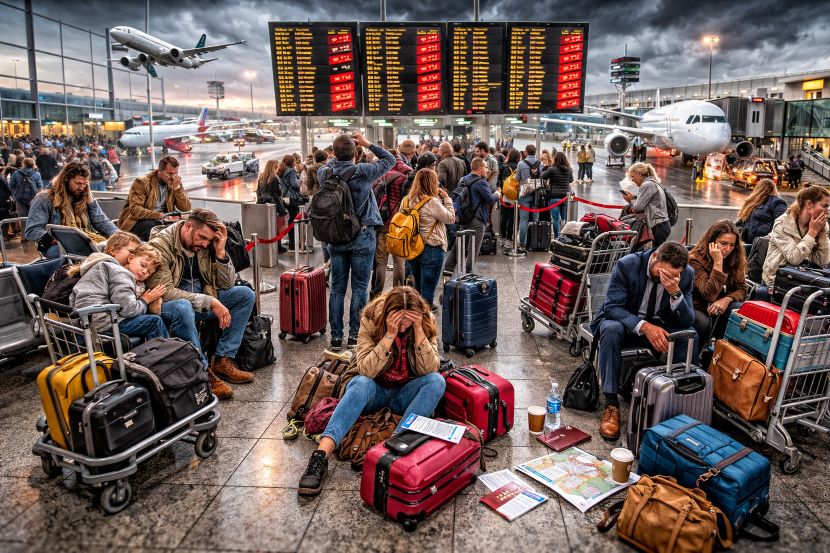
Travelers across Europe are facing significant disruptions as several major airports in Germany, Italy, Poland, and other countries have experienced a wave of flight delays and cancellations. The chaos has particularly impacted large international airlines such as Lufthansa, Wizz Air, and Iberia, with a combined total of 1,843 delayed flights and 158 cancellations. Major airports in cities like London, Milan, and others have been heavily affected, stranding passengers who were expecting smooth journeys. Passengers traveling to and from these airports are now grappling with extended delays, rebookings, and the potential for missed connections. This disruption is creating a ripple effect throughout Europe, highlighting the ongoing challenges airlines and airports are facing in managing increasing air traffic post-pandemic. For those affected, real-time updates and proactive communication with airlines will be essential for navigating the chaos.
1. Amsterdam Schiphol (AMS)
- Cancelled Flights: 53
- Delayed Flights: 222
Amsterdam Schiphol remains one of the busiest airports in Europe and has been heavily impacted by both cancellations and delays. Travelers heading to this major hub should expect potential setbacks. For those with connecting flights, it’s advisable to monitor updates closely, as delays can lead to missed connections.
2. Bucharest Henri Coanda International (OTP)
- Cancelled Flights: 24
- Delayed Flights: 117
Bucharest’s Henri Coandă airport has seen moderate cancellations, primarily affecting regional routes. The delay figures also suggest some operational challenges, particularly for inbound flights, which could cause ripple effects across various European destinations.
3. Copenhagen (CPH)
- Cancelled Flights: 20
- Delayed Flights: 134
Copenhagen’s international gateway, CPH, is experiencing disruptions due to a mix of operational issues. While not as severe as other airports, the 134 delays will be felt by passengers, particularly during the high-demand morning and evening hours.
4. Frankfurt International (FRA)
- Cancelled Flights: 12
- Delayed Flights: 186
Frankfurt International, one of the largest aviation hubs in Europe, has seen a considerable number of delays, with 186 flights affected. While cancellations are relatively low, the sheer volume of delayed flights means that travelers should prepare for longer waiting times and potential disruption to their onward connections.
5. London Heathrow (LHR)
- Cancelled Flights: 14
- Delayed Flights: 190
Heathrow’s massive scale has led to substantial delays, with 190 flights affected. Travelers connecting through Heathrow should be prepared for extended layovers. The airport’s efforts to manage such high volumes amid disruptions remain a key focus for both airlines and passengers.
6. London Luton (LTN)
- Cancelled Flights: 5
- Delayed Flights: 43
Luton Airport, servicing budget airlines, has a smaller number of disruptions compared to other major London airports. However, the 43 delays may still impact travelers, especially those flying on tight schedules.
7. Madrid Barajas (MAD)
- Cancelled Flights: 17
- Delayed Flights: 305
Madrid’s Barajas airport has seen one of the highest numbers of delays across Europe. With 305 delayed flights, the overall flow of traffic is significantly impacted, suggesting issues that might be related to weather or air traffic control. Passengers should ensure they have sufficient time to navigate the airport.
8. Manchester (MAN)
- Cancelled Flights: 4
- Delayed Flights: 116
Manchester Airport is typically a well-regulated airport, but like many others, has faced some delays. Travelers should expect some waiting times, especially for flights to destinations outside the UK.
9. Milan Malpensa (MXP)
- Cancelled Flights: 2
- Delayed Flights: 84
While Milan Malpensa is experiencing fewer cancellations, it’s worth noting that the 84 delayed flights can cause confusion for travelers with tight itineraries. Delays are most common in international and European flights.
10. Munich (MUC)
- Cancelled Flights: 2
- Delayed Flights: 129
Munich’s airport has seen a significant impact on its operations with 129 delays. As Germany’s busiest airport, the delays could lead to longer waiting times and the potential for missed connections, so it’s recommended to allow extra time between flights.
11. Rome Fiumicino (FCO)
- Cancelled Flights: 2
- Delayed Flights: 100
Rome Fiumicino, one of the most important gateways into Italy, has experienced relatively low cancellations. However, the 100 delayed flights should prompt travelers to check their flight status regularly to avoid last-minute disruptions.
12. Warsaw Frederic Chopin (WAW)
- Cancelled Flights: 3
- Delayed Flights: 217
Warsaw’s main international hub has seen a heavy impact, with 217 delays indicating potential disruptions in both incoming and outgoing flights. Passengers should be prepared for possible delays, particularly for long-haul flights.
Flight Cancellations and Delays: Key European Airports Facing Disruptions
As air travel continues to rebound, passengers traveling through major European airports are facing unexpected challenges, including both flight cancellations and significant delays. These disruptions are affecting travelers’ plans, particularly those with connecting flights or tight schedules. If you’re planning a trip through one of the impacted airports, here’s an overview of the disruptions currently being experienced.
Table of Flight Cancellations and Delays Across Major European Airports
| Airport | Cancelled Flights | Delayed Flights | Key Insights |
|---|---|---|---|
| Amsterdam Schiphol (AMS) | 53 | 222 | Expect significant delays. Travelers with tight connections should monitor updates regularly. |
| Bucharest Henri Coanda Intl (OTP) | 24 | 117 | Moderate cancellations, primarily on regional routes. Expect delays on inbound flights. |
| Copenhagen (CPH) | 20 | 134 | Operational disruptions are affecting flight schedules. Expect delays, particularly during peak hours. |
| Frankfurt Intl (FRA) | 12 | 186 | Considerable delays at one of Europe’s largest hubs. Prepare for longer waiting times. |
| London Heathrow (LHR) | 14 | 190 | High volume of delays. Travelers should expect extended layovers, particularly on connecting flights. |
| London Luton (LTN) | 5 | 43 | Fewer cancellations, but delays still affect flights, especially for budget carriers. |
| Madrid Barajas (MAD) | 17 | 305 | One of the highest delay rates. Check for alternate routes or prepare for extended wait times. |
| Manchester (MAN) | 4 | 116 | Expect some waiting times at Manchester Airport, especially for non-domestic flights. |
| Milan Malpensa (MXP) | 2 | 84 | Fewer cancellations, but 84 delays may cause confusion for travelers with tight schedules. |
| Munich (MUC) | 2 | 129 | Significant delays in Munich could lead to longer waiting times and missed connections. |
| Rome Fiumicino (FCO) | 2 | 100 | Low cancellations but expect 100 delays that could affect your travel plans. |
| Warsaw Frederic Chopin (WAW) | 3 | 217 | Expect disruptions in both inbound and outbound flights with high delay numbers. |
Flight cancellations and delays have become an unavoidable part of modern air travel. While it can be frustrating, especially when traveling during busy times, knowing which airports are facing disruptions can help you plan ahead. Whether you’re flying through Amsterdam Schiphol, London Heathrow, or Madrid Barajas, staying updated on the status of your flight can help you navigate these disruptions with ease. Always remember to factor in extra time and check for real-time updates to ensure a smooth travel experience.
Some affected Airlines Due to this Cancellation
Finnair Flight Disruptions: Minimal Impact on Travel Plans
For travelers flying with Finnair, the disruption levels remain incredibly low, with only 1 delayed flight and no cancellations reported. This means that Finnair passengers can generally expect smooth and on-time operations.
While the airline has a small number of delays, travelers are advised to stay updated with real-time flight information, especially if flying during busy times or with tight connections. Given Finnair’s minimal disruptions, passengers are likely to experience a more seamless travel experience compared to some of the larger European hubs.
Travel Tip:
- Monitor Flight Status: While delays are rare, it’s always a good practice to check for updates on your flight status before heading to the airport.
KLM Flight Disruptions: Minor Delays, Smooth Travel Experience
For those flying with KLM, the disruption levels are quite low, with just 4 delayed flights and no cancellations reported. This indicates that KLM is maintaining a strong on-time performance, making it a reliable option for travelers.
Though there are a few delays, the overall impact on travel plans is minimal. Passengers should expect a relatively smooth and efficient journey, but it’s always a good idea to check real-time flight status, especially for those with tight connections.
Travel Tip:
- Stay Updated: While delays are limited, always stay informed by checking your flight status through KLM’s website or mobile app for the latest updates.
German Airways Flight Disruptions: Minor Cancellations and Delays
For travelers flying with German Airways, there have been 2 cancellations and 3 delays reported. While the number of disruptions is relatively small, it’s important for passengers to stay informed, especially those whose flights are affected by these changes.
The cancellations and delays, though minor, could impact travel schedules, particularly for those with tight connections or onward travel plans. It’s recommended to check flight statuses ahead of time and consider alternative arrangements if you’re affected.
Travel Tip:
- Check Flight Updates: With a few delays and cancellations, always verify your flight status with German Airways to avoid last-minute surprises and ensure a smoother travel experience.
Lufthansa Flight Disruptions: Minimal Impact on Travel
For travelers flying with Lufthansa, the disruptions remain minimal, with just 2 cancellations and 1 delayed flight reported. While there are a couple of cancellations, the overall impact on travel is low, and most passengers can expect smooth and timely operations.
However, it’s always advisable to stay updated on your flight status, especially if you’re affected by the cancellations. With such a small number of delays, Lufthansa is still a reliable choice for travelers looking for efficiency.
Travel Tip:
- Stay Informed: Although disruptions are few, checking for real-time updates on your flight status can help avoid surprises, especially for those with tight schedules or connecting flights.
Iberia Flight Disruptions: Smooth Travel with Minimal Delays
For those flying with Iberia, the travel experience is mostly uninterrupted, with just 1 delayed flight and no cancellations reported. This indicates that Iberia is maintaining strong on-time performance, making it a reliable choice for passengers.
With only a minor delay, travelers can generally expect a smooth journey. However, it’s always wise to stay updated on flight statuses, especially for those with tight connections or time-sensitive plans.
Travel Tip:
- Monitor Updates: While disruptions are rare, it’s always a good idea to check for real-time updates on your flight to ensure a seamless travel experience.
Wizz Air Flight Disruptions: Minimal Delays, Smooth Travel Ahead
For passengers flying with Wizz Air, the disruptions are minimal, with just 2 delayed flights and no cancellations. This suggests that Wizz Air is maintaining a strong performance overall, ensuring a reliable travel experience for most passengers.
While delays are limited, it’s still a good practice to check your flight status for any potential updates, particularly if you have tight connections or are traveling during peak hours.
Travel Tip:
- Stay Updated: Although delays are few, staying informed about your flight status through Wizz Air’s mobile app or website can help you prepare for any last-minute changes to your schedule.
Flight Disruptions Across Major Airlines: What Travelers Need to Know
As air travel resumes at full capacity, passengers may encounter minor disruptions such as flight cancellations and delays. However, some airlines are maintaining strong operational performance, ensuring a smoother travel experience. Here’s a quick overview of the current disruptions across several major airlines to help travelers plan their trips effectively.
- Finnair
- Cancelled Flights: 0
- Delayed Flights: 1
- Travel Tip: Minimal disruptions. Passengers can expect a smooth journey, but always check real-time updates, especially for tight connections.
- KLM
- Cancelled Flights: 0
- Delayed Flights: 4
- Travel Tip: With only a few delays, KLM remains a reliable option. Stay updated on flight status to avoid surprises.
- German Airways
- Cancelled Flights: 2
- Delayed Flights: 3
- Travel Tip: A small number of disruptions. Make sure to verify flight details to minimize any travel disruptions.
- Lufthansa
- Cancelled Flights: 2
- Delayed Flights: 1
- Travel Tip: With a minimal number of cancellations, travelers should stay informed for any last-minute changes.
- Iberia
- Cancelled Flights: 0
- Delayed Flights: 1
- Travel Tip: Iberia has a strong on-time performance, with only minor delays. Keep an eye on your flight status for updates.
- Wizz Air
- Cancelled Flights: 0
- Delayed Flights: 2
- Travel Tip: Minimal delays. Check flight status for any potential updates, especially for tight schedules or peak hours.
While some airlines are experiencing minimal delays and cancellations, the overall impact on travel remains manageable for most passengers. Staying informed and checking flight statuses in real time can help mitigate potential disruptions. For a smoother travel experience, always plan ahead and allow extra time for your journey.
An Overall Summary
As air travel continues to recover and ramp up to full capacity, passengers flying through major European airlines are facing varying degrees of flight disruptions. While some airlines have been largely unaffected, others are dealing with a small number of cancellations and delays that could impact travelers’ plans. However, it’s important to note that the overall impact on travel remains manageable for most passengers. Among the airlines analyzed, Finnair, Iberia, and Wizz Air have demonstrated strong operational performance, with minimal delays and no cancellations reported. These airlines are offering passengers a relatively smooth and reliable travel experience, making them great options for those who value punctuality and minimal disruptions. Although Finnair reported just one delay, it remains a dependable choice for travelers looking for seamless flights with few disturbances.
On the other hand, KLM and Lufthansa have experienced some delays, with KLM reporting four delays and Lufthansa experiencing one delay and two cancellations. Though these numbers are still relatively low, passengers flying with these carriers should remain alert to any real-time flight status updates, particularly if they have connecting flights or tight schedules. It’s always a good practice to check for the latest updates before heading to the airport, as delays can sometimes cause knock-on effects on other flight connections.
German Airways has also seen some disruptions, with two cancellations and three delays. While these figures are still on the lower end compared to larger carriers, travelers should be aware of the potential impact on their itinerary. Similarly, Wizz Air experienced two delays, but with no cancellations, making it another solid choice for travelers, although staying informed about flight statuses is recommended to avoid any inconvenience.
Among the airlines with higher disruption rates, Madrid Barajas and London Heathrow are experiencing a significant number of delays and cancellations. Travelers planning to fly through these airports should prepare for possible extended waiting times and check for real-time updates to avoid unnecessary stress or missed connections. However, with most of the airlines showing minimal disruption, passengers can confidently proceed with their travel plans, keeping in mind the importance of timely information and staying updated.
In conclusion, while delays and cancellations are an unavoidable aspect of air travel, the disruptions currently faced by major airlines are generally minor. Passengers flying with airlines such as Finnair, Iberia, Wizz Air, and KLM are likely to experience minimal delays, ensuring a more seamless travel experience. For those flying with airlines like Lufthansa and German Airways, it’s important to stay informed and prepared for any changes to your flight. As always, planning ahead, checking for real-time updates, and allowing extra time at the airport will help ensure a smoother and more pleasant journey. Staying proactive about potential disruptions and choosing reliable airlines can go a long way in minimizing the stress of modern air travel.
Travel Tips During High Disruptions
- Monitor Flight Status: Always check your flight status in real-time, as conditions can change rapidly.
- Plan for Delays: If you are traveling through one of these airports, especially with tight connections, plan for extra time.
- Stay Informed: Subscribe to notifications from your airline to receive timely updates regarding your flight.
- Check for Alternative Routes: In case of long delays, check if you can reroute through other airports to minimize the impact of cancellations and delays.
Causes of Flight Cancellations
Flight cancellations can occur for various reasons, and understanding the underlying causes can help travelers manage their expectations and prepare for potential disruptions. Here are some common causes of flight cancellations:
- Weather Conditions: Severe weather such as storms, fog, heavy snowfall, or hurricanes can make flying unsafe, leading to cancellations.
- Air Traffic Control Restrictions: Congested airspace, delays in air traffic control systems, or restrictions imposed to manage air traffic can result in cancelled flights.
- Technical Issues with Aircraft: Mechanical or technical problems with the aircraft, such as engine malfunctions or electrical failures, can lead to safety-related cancellations.
- Crew Shortages or Availability: If there is a shortage of crew members due to illness, staffing issues, or legal limitations on working hours, flights may be canceled.
- Airport Congestion or Operational Delays: Issues at airports such as long queues, baggage handling problems, or other operational disruptions may cause flights to be delayed or cancelled.
- Mechanical or Maintenance Delays: Routine or unscheduled maintenance on aircraft can cause delays or cancellations to ensure safety and reliability.
Conclusion
The widespread delays and cancellations across European airports have left hundreds of travelers stranded, causing havoc for those flying through key hubs in Germany, Italy, Poland, and beyond. Airlines such as Lufthansa, Wizz Air, and Iberia have seen their operations severely impacted, affecting flights in and out of major cities like London, Milan, and other European capitals. While these disruptions are often due to factors like weather, staffing shortages, and air traffic control limitations, the continued surge in air travel is testing the resilience of airport infrastructure and airline operations. Travelers should stay informed by regularly checking flight statuses, rebooking options, and potential compensation. Despite the difficulties, passengers can still take steps to minimize frustration by being proactive and staying updated on their flight details.
Source:- FlightAware and Different Airports
The post Hundreds of Travellars Stranded In Europe As Germany, Italy, Poland And Others Delay 1843 And Cancelled 158 Flights, Impacting Lufthansa, Wizz Air, Iberia And More In London, Milan And More appeared first on Travel And Tour World.


