Login
Login
China’s Spring Festival Takes Over the World — Hangzhou, Xi’an, and Beijing Dazzle Global Tourists with Unmatched Cultural Wonders!
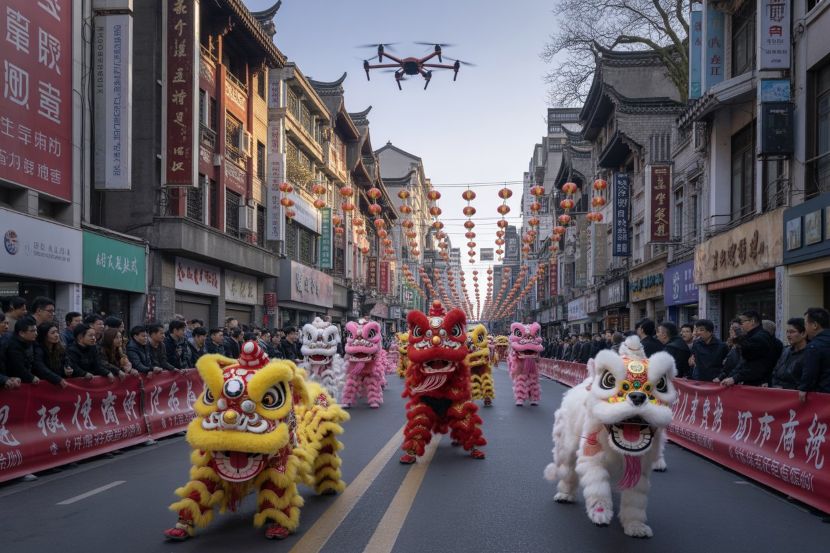
As the Spring Festival of 2026 unfolds, cities such as Hangzhou, Xi’an, and Beijing have emerged as focal points for cultural tourism, blending rich traditions with modern innovation to create unique travel experiences. The nine-day celebration, which began on 15 February 2026, has sparked a surge in domestic and international travel, drawing millions to witness China’s vibrant cultural heritage. From robotic lion dances to traditional lantern fairs, these cities offer an immersive glimpse into Chinese traditions, drawing both local tourists and foreign visitors.
In Hangzhou, a city renowned for its scenic beauty and historical significance, the Qinghefang Historic and Culture Street has become a hotspot for festival-goers. Visitors have been treated to a stunning combination of the ancient and modern, as robot dogs join lion dancers, and drones paint dynamic shapes across the skies. The city’s mix of technology and tradition offers a unique experience for visitors, reflecting a growing trend in Chinese tourism: the fusion of heritage with futuristic innovation. The Hangzhou Tourism Bureau has reported significant upticks in tourism numbers, with many international visitors excited to witness these cutting-edge cultural displays.
Meanwhile, Xi’an, a city deeply rooted in China’s imperial past, has also become a major draw for travelers seeking to immerse themselves in the country’s rich history. The City Wall Lantern Fair in Xi’an has seen large crowds, with stunning zodiac horse installations and an intangible cultural heritage string-puppet exhibition capturing the imagination of visitors. Xi’an’s unique ability to showcase both ancient traditions and modern creative expression has allowed the city to remain an essential destination for cultural tourism. The city’s historical landmarks, such as the Ancient City Wall, provide a perfect backdrop for these modernized traditions, making Xi’an a must-visit city during the Spring Festival.
Beijing, the capital of China, has maintained its position as the cultural heart of the nation. The city’s Palace Museum, an iconic symbol of China’s imperial past, has become a major draw for tourists. This year, the Spring Festival Gala was streamed worldwide, allowing global audiences to join in the celebrations. Traditional events such as Temple Fairs, folk art exhibitions, and Chinese New Year calligraphy workshops are contributing to the city’s tourism boom. Beijing’s ability to combine traditional cultural experiences with cutting-edge technologies has made it a magnet for both local and international tourists. The Beijing Municipal Bureau of Culture and Tourism highlights the city’s ability to host a wide range of interactive cultural experiences, making it a leading destination for global visitors.
The tourism boom is not confined to just these three cities. Throughout the country, there has been a noticeable increase in international participation in the Spring Festival celebrations. From Shanghai’s interactive food tours, where tourists can learn how to make wontons, to cultural tours in Shandong that offer an in-depth look at traditional customs, the festival has become a significant attraction for global travelers. According to travel industry experts, Spring Festival tourism is a major driver of growth for China’s hospitality and entertainment sectors.
Additionally, the visa-free policy introduced in February 2026 has further bolstered the influx of international tourists. Visitors from 50 countries now enjoy easier access to China, making it a more attractive destination for tourists looking to experience Chinese culture firsthand. Beijing Capital International Airport alone expects over 2.05 million international arrivals during the festival. According to the National Immigration Administration, this 14.1% year-on-year increase is indicative of the growing international appeal of Chinese cultural celebrations.
Moreover, this year’s recognition of Spring Festival as part of UNESCO’s Intangible Cultural Heritage has added to its global appeal, with travellers eager to witness China’s oldest major holiday in all its glory. Experts suggest that China’s emphasis on intangible cultural heritage is not only helping to preserve its traditions but also positioning the country as a global leader in cultural tourism.
By celebrating its rich cultural heritage through modern interpretations and accessible events, cities like Hangzhou, Xi’an, and Beijing have shown that the Spring Festival is more than just a holiday — it is an opportunity to promote cultural exchange and attract international visitors. As China continues to grow its tourism sector, the success of these cities during the festival demonstrates the potential for cultural tourism to drive economic growth.
The Spring Festival of 2026 has proven to be a landmark event for China’s tourism industry, with cities like Hangzhou, Xi’an, and Beijing leading the charge. The blending of traditional cultural experiences with modern innovations has created a tourism landscape that is both engaging and immersive. As China’s tourism market continues to grow, the integration of heritage, technology, and international participation promises to make the Spring Festival a key pillar of cultural tourism for years to come. This year’s celebrations show that tourism in China is evolving, creating lasting connections between global visitors and the country’s rich cultural legacy.
The post China’s Spring Festival Takes Over the World — Hangzhou, Xi’an, and Beijing Dazzle Global Tourists with Unmatched Cultural Wonders! appeared first on Travel And Tour World.