
Reading view

Venezuela Welcomes Back Direct Turkish Airlines Flights from Istanbul, Reigniting Tourism and Business Opportunities

Venezuela Welcomes Back Direct Turkish Airlines Flights from Istanbul, Reigniting Tourism and Business Opportunities

From Istanbul, Türkiye to Caracas, Venezuela, travellers have a renewed air travel option as Turkish Airlines reinstates its direct long‑haul service starting March 3, 2026. This route relaunch reconnects two major global cities by scheduled flights and brings fresh momentum to tourism and travel planning between Europe, the Middle East, and South America.

The reinstated service operates three weekly direct flights between Istanbul Airport (IST) and Simón Bolívar International Airport (CCS) – Venezuela’s primary gateway – using modern Boeing 787‑9 aircraft, known for enhanced passenger comfort and long‑haul efficiency.

Aviation Growth

The relaunch of the Istanbul–Caracas route comes after a period in which several international carriers reduced or paused operations to Venezuela due to earlier geopolitical and regulatory concerns. Turkish Airlines’ decision to resume this connection underscores a broader re‑establishment of international air links to Caracas following months of limited service.

For prospective travellers, the March 3 direct flights represent practical options for planning leisure, cultural, and business journeys. Whether departing from Istanbul as a starting point for a South American trip, or arriving in Caracas to explore Venezuela’s landscapes and urban attractions, the reinstated service expands route flexibility.

The schedule typically designates Flight TK223 departing Istanbul in the afternoon and arriving in Caracas later the same day, with Flight TK224 serving the return sector from Caracas to Istanbul. These regular weekly frequencies build predictability into travel planning and support multi‑stop itineraries across continents.

Istanbul itself is a major tourism and transit hub, linking Europe, Asia and parts of Africa through extensive flight networks. For international visitors, it offers cultural sites such as the historic Sultanahmet district, the Bosphorus waterfront, and world‑class museums. Many who connect through Istanbul enjoy short stopovers to explore Turkish heritage before continuing long‑haul travel to destinations like Caracas.

Caracas, Venezuela’s capital, provides a diverse urban experience, with access to coastal highlands, Caribbean‑influenced culture, and a range of museums, plazas, and historic neighbourhoods. As the gateway to broader Venezuelan tourism, visitors land at Simón Bolívar International Airport, which is situated near coastal regions that serve as bases for excursions to national parks, Caribbean beaches, and ecological attractions.

The revival of direct flights supports both business and leisure travel markets. For business travellers, the route facilitates connectivity between Turkish enterprises and Venezuelan markets, enhancing options for commerce and international partnerships by offering reliable scheduled services. Meanwhile, leisure travellers benefit from reduced travel time and simplified route planning when compared to itineraries involving multiple stopovers.

Tour operators and travel agencies in Turkey and Latin America have adjusted offerings to incorporate the Istanbul–Caracas link, promoting packages that cater to combined city stay and cultural exploration trips. These include multi‑day tours of Caracas with extensions to Orinoco regions and Caribbean coastal destinations, encouraging longer stays and diversified travel experiences.

From a connectivity standpoint, Turkish Airlines’ relaunch also dovetails with other airline restorations across the region. Avianca, for example, has resumed daily Bogotá–Caracas service, while several other carriers are progressively restoring flights into and out of Venezuelan airports. Together, these developments help rebuild aviation links that support both inbound tourism and diaspora travel needs.

For passengers planning travel in March and beyond, ticket booking platforms show the reinstated Istanbul–Caracas flights available alongside pricing and class options, enabling comparisons and itinerary customisation for different traveller profiles. Early bookings may yield the best options for preferred travel dates and times.

In terms of travel preparation, passengers should ensure they meet visa and entry requirements for both Türkiye and Venezuela, as well as any transit regulations that may apply en route. Turkish Airlines and official government travel advisories provide current documentation and health guidance to support seamless travel experiences.

Conclusion

Looking ahead, the reinstated service is expected to forge stronger tourism and business linkages. As air travel demand continues to evolve in a post‑pandemic and geopolitically dynamic environment, reliable direct connections like the Istanbul–Caracas flight play a central role in enabling global mobility.

Overall, the March 3 relaunch of Turkish Airlines’ Istanbul–Caracas flights marks a significant step in reconnecting key international destinations and reinforcing tourism routes that benefit travellers across continents.

The post Venezuela Welcomes Back Direct Turkish Airlines Flights from Istanbul, Reigniting Tourism and Business Opportunities appeared first on Travel And Tour World.

EU Paves the Way for Sustainable Tourism with Billions for Connectivity and Investment

EU Paves the Way for Sustainable Tourism with Billions for Connectivity and Investment

In a significant move to bolster Europe’s tourism sector, the European Union has announced a €2.9 billion investment aimed at promoting cleaner and more connected travel across the continent. This funding will primarily focus on advancing renewable energy solutions and low-carbon fuels, especially in the aviation and maritime transport sectors. The initiative is part of the EU’s broader Sustainable Transport Investment Plan, which strives to accelerate the transition to greener mobility and enhance the interconnectedness of Europe’s transport infrastructure.

Supporting Greener Travel Across Europe’s Tourism Sector

The €2.9 billion funding will be used to support investments in clean energy infrastructure and sustainable transport solutions, such as low-carbon fuels for planes and ships. By targeting key areas like aviation and maritime transport, the EU is responding to the increasing demand for environmentally friendly travel options that minimize the impact of tourism on the planet. These investments will also contribute to enhancing the competitiveness of Europe’s tourism sector by providing travelers with greener and more efficient travel options.

Tzitzikostas emphasized the importance of high-speed rail networks as a central pillar of Europe’s future travel infrastructure. He stated, “High-speed rail should become the backbone of sustainable travel in Europe — less time traveling, more time experiencing.” The EU’s focus on rail travel reflects the increasing demand for low-carbon, efficient transport solutions that can reduce reliance on fossil-fuel-intensive modes of travel like planes and cars.

Connecting Europe: Better Mobility for Tourists

The EU’s investment plan is not only about sustainability but also about improving the connectivity of transport modes across Europe. The push for a more connected and seamless travel experience is especially important for the tourism industry, as it makes it easier for travelers to visit multiple destinations within the EU without long delays or complicated logistics. With better integration of high-speed rail, buses, ferries, and planes, tourists will be able to navigate Europe more easily, further boosting the tourism economy.

High-speed rail, in particular, plays a crucial role in this vision. With faster and more efficient rail services, European tourists can visit major cities and cultural destinations across borders with greater convenience and reduced environmental impact. The EU’s plan is set to make Europe more accessible to both regional and international travelers, offering smoother, faster, and cleaner options for traversing the continent.

This effort also has the potential to reduce the congestion and environmental strain often caused by air travel, especially for short-haul journeys between neighboring countries. As high-speed rail becomes more widespread, it will become the preferred mode of travel for many tourists, offering them an enjoyable and eco-friendly alternative to flying.

EU’s Strategic Focus on Sustainable Tourism

The EU’s €2.9 billion investment is part of its ongoing strategy to develop sustainable tourism within the bloc. In recent years, there has been an increasing push for the tourism sector to operate in a more eco-conscious manner, with travelers and industry stakeholders becoming more mindful of their environmental footprint. With the tourism industry’s growing contribution to global carbon emissions, initiatives like this one are vital in ensuring that Europe’s tourism sector is part of the solution, rather than contributing further to the problem.

Incorporating renewable energy solutions, such as electric buses and ships, alongside high-speed rail, aligns with the EU’s goals to meet its climate targets. This investment will not only make travel more sustainable but also help to protect Europe’s cultural and natural heritage sites, which are increasingly at risk from mass tourism and environmental degradation.

A Boost for Tourism and Regional Development

Beyond environmental sustainability, the EU’s focus on better connectivity also promises to strengthen tourism and drive regional development. By improving infrastructure and making it easier for tourists to visit different regions, the EU hopes to encourage travel to less-visited destinations. This could help spread tourism revenue more evenly across Europe, benefiting both major tourist hubs and smaller, lesser-known towns and villages.

The funding for sustainable transportation projects will also support local economies by creating new jobs and fostering investment in the tourism sector. For countries with less-developed transportation networks, these investments could offer significant growth opportunities, further boosting Europe’s overall tourism appeal.

Looking Ahead: The Future of European Tourism

The €2.9 billion investment in sustainable travel is just one step in the EU’s long-term strategy to position Europe as a leader in responsible tourism. The EU’s commitment to cleaner, more connected travel options will help transform how tourists experience Europe in the years to come. As more destinations adopt sustainable practices and improve infrastructure, the EU aims to create a more sustainable and competitive tourism sector that will continue to attract visitors from around the world.

With a focus on high-speed rail, low-carbon travel, and seamless connectivity, the future of tourism in Europe looks increasingly green and efficient. By taking action now, the EU is ensuring that its tourism sector can thrive sustainably, while also meeting the demands of modern travelers.

Conclusion: A New Era for European Travel

The EU’s €2.9 billion investment in sustainable tourism infrastructure is an exciting development for the continent’s tourism industry. By supporting the growth of high-speed rail, low-carbon fuels, and better transport connections, the EU is laying the foundation for a more sustainable, efficient, and competitive tourism market. As these changes are implemented, travelers will benefit from a cleaner, more enjoyable way to explore Europe, ensuring the long-term success and sustainability of the region’s tourism sector.

The post EU Paves the Way for Sustainable Tourism with Billions for Connectivity and Investment appeared first on Travel And Tour World.

Greece Sets New Tourism Revenue Record in 2025 with Billions in Earnings

Greece Sets New Tourism Revenue Record in 2025 with Billions in Earnings

Greece has set a new record for tourism revenue in 2025, reaching €23.63 billion ($27.9 billion), marking a 9.4% increase over 2024’s previous high. This significant boost reflects not only a robust recovery in the post-pandemic tourism market but also the success of Greece’s efforts to extend its tourism season beyond the traditional summer months. According to the latest data from the Bank of Greece, the country’s tourism receipts grew by more than €2 billion ($2.3 billion), demonstrating sustained demand for Greek destinations and a strong economic contribution from the travel and tourism sector.

The growth in revenue further cements Greece’s position as one of the world’s leading tourism destinations. From its ancient ruins and iconic islands to its vibrant cities and welcoming culture, Greece continues to captivate millions of international visitors each year. The country’s ability to diversify its offerings and promote tourism throughout the year has been a key factor in its ongoing success.

A Strong Recovery and Growing Demand for Greece’s Diverse Offerings

Greece’s impressive tourism revenue growth in 2025 is a testament to the country’s ability to adapt to changing travel trends and attract visitors year-round. While Greece has long been a popular summer destination, the efforts to extend the tourism season have proven successful, with significant increases in visits during the spring and autumn months.

Greece’s diverse tourism offerings cater to a wide range of interests, from beach holidays on the iconic islands like Mykonos, Santorini, and Crete to cultural and historical experiences in Athens and other ancient cities. Additionally, the country’s growing popularity as a destination for eco-tourism, adventure travel, and wellness retreats has further contributed to its tourism success.

Off-Season Growth: Extending the Tourism Season Beyond Summer

One of the key factors behind Greece’s record tourism revenue is the strategic push to extend the tourism season beyond the summer peak. Traditionally, Greece’s tourism industry relied heavily on the summer months, but recent initiatives have helped spread travel demand throughout the year. With favorable weather conditions in the spring and autumn, Greece has successfully attracted tourists looking for a quieter, more relaxed vacation experience.

Regions such as Thessaloniki, Peloponnese, and the Greek islands outside of the summer season are becoming increasingly popular, as visitors seek to avoid the crowded peak summer months while still enjoying pleasant weather and cultural experiences. The Greek government and tourism organizations have worked together to promote events, festivals, and off-peak packages that showcase the country’s beauty in every season, making it an attractive destination throughout the year.

Record Growth in Travel Receipts from International Visitors

The surge in tourism revenue in 2025 is also attributed to the growing number of international visitors choosing Greece for their holidays. The increase in travel receipts from visitors is evidence of the country’s expanding appeal across diverse markets. Key markets for Greece’s tourism include Germany, the United Kingdom, France, the United States, and neighboring countries in Eastern Europe.

The rise in tourism has brought substantial economic benefits to Greece, especially in the hospitality, transportation, and service sectors. Hotels, restaurants, and local businesses have experienced increased demand, while the growth of air traffic and cruise tourism has further boosted the country’s tourism infrastructure. The addition of more international flights to Greece’s major airports, as well as increased cruise calls to its ports, has made it easier for travelers to visit the country from all corners of the globe.

Impact of Sustainable Tourism Practices on Greek Travel Industry

As Greece continues to attract record numbers of tourists, there has been a concerted effort to promote sustainable tourism practices that minimize environmental impact while enhancing the visitor experience. In recent years, Greece has introduced initiatives to reduce carbon emissions, promote responsible tourism, and preserve its cultural heritage.

Sustainable tourism has become a key focus for the Greek government and tourism stakeholders, with an emphasis on eco-friendly accommodations, waste management, and the conservation of natural resources. Additionally, local communities have become more involved in promoting sustainable tourism, ensuring that the benefits of tourism are distributed equitably across the country.

The growing interest in sustainable travel has resonated with tourists who are increasingly concerned about the environmental footprint of their vacations. As a result, Greece is seeing a rise in eco-tourism, where visitors can enjoy the country’s natural beauty while contributing to its preservation. The promotion of green initiatives, along with the development of eco-friendly infrastructure, has helped solidify Greece’s position as a responsible and attractive destination for environmentally-conscious travelers.

Outlook for Greece’s Tourism Sector in 2026 and Beyond

Looking ahead, Greece’s tourism sector is poised to continue its positive trajectory. The country’s ability to attract tourists year-round, combined with its rich cultural heritage and diverse attractions, makes it a highly competitive destination in the global tourism market. The record revenue figures for 2025 demonstrate the strength and resilience of Greece’s tourism industry, which has been able to adapt to new challenges and evolving travel trends.

In the coming years, Greece will continue to focus on enhancing the travel experience for tourists by investing in infrastructure, promoting cultural and eco-tourism, and creating new attractions. As Greece’s tourism sector grows, the country’s ongoing commitment to sustainability and innovation will ensure that it remains a top destination for travelers from around the world.

Conclusion: Greece’s Record-Breaking Tourism Revenue Reflects Its Global Appeal

Greece’s achievement in surpassing €23.6 billion in tourism revenue in 2025 is a testament to the country’s allure as a top travel destination. With a mix of cultural, natural, and sustainable tourism offerings, Greece continues to captivate millions of visitors each year. The growth in tourism receipts, coupled with the expansion of the tourism season, ensures that the country’s tourism industry will remain a key driver of economic growth and prosperity in the years to come.

The post Greece Sets New Tourism Revenue Record in 2025 with Billions in Earnings appeared first on Travel And Tour World.

Greece: The New Hub for Religious Travelers Seeking Biblical Heritage and Spiritual Journeys

Greece: The New Hub for Religious Travelers Seeking Biblical Heritage and Spiritual Journeys

Greece has become an increasingly popular destination for religious travelers, offering a rich tapestry of Biblical and New Testament-focused sites that attract pilgrims and tourists alike. As global travel patterns evolve, industry data and tour operator reports show that Christian travelers are increasingly opting for Greece to experience spiritual journeys, with particular interest in sites associated with the Apostle Paul.

The country’s rich religious heritage, affordability, and easy accessibility are key factors in its rise as a top destination for faith-based tourism. As the numbers of religious travelers grow, Greece is leveraging its historical depth and vibrant religious landmarks to cement its place as a central hub for pilgrimage and religious tourism.

Greece’s Growing Appeal Among Religious Travelers

Greece’s role as a hub for religious tourism has been steadily increasing, with the country offering travelers the opportunity to explore key sites linked to Christian history. Christian tourists are especially drawn to the Apostle Paul’s journey, as many of the cities he visited are now prominent pilgrimage destinations. Key locations such as Thessaloniki, Corinth, and Athens, where Paul preached, are now important stops for those seeking a deeper connection to the Bible and the New Testament.

This growing trend has contributed significantly to Greece’s tourism sector, with religious travelers seeking to walk in the footsteps of one of Christianity’s most significant figures. The rise in religious tourism is not just a trend; it’s a fundamental shift in the way many are approaching their travels, blending cultural, spiritual, and historical exploration.

Tourism Growth Driven by Religious Pilgrimage

The overall growth of tourism in Greece is also being driven by this influx of religious visitors. According to official figures from the Bank of Greece, international arrivals reached 40.7 million in 2024, marking a 12.8 percent increase from 2023. The country’s tourism receipts grew significantly, reaching €21.6 billion (approximately $25.4 billion).

The increasing demand from religious tourists, particularly those traveling to explore Biblical sites, is playing a key role in these impressive figures. In fact, many of Greece’s mainland cultural destinations, such as those linked to Apostle Paul, are seeing the strongest growth, signaling that religious tourism is a major factor in the country’s expanding tourism industry.

Mainland Destinations and Religious Sites Drive Growth

Provisional data from January to August 2025 shows that Greece continues to see strong tourism performance, with nearly 25 million visitors and revenue nearing €16.7 billion (about $19.4 billion). With full-year arrivals expected to once again exceed 40 million, religious tourism is emerging as a significant contributor to this growth.

Sites such as the Acropolis of Athens, Delphi, and Mount Athos (which remains a significant site for Orthodox Christian pilgrims) are becoming increasingly important in Greece’s tourism landscape. These sacred sites, along with lesser-known locations tied to the Apostle Paul’s journey, continue to draw visitors from around the world seeking both spiritual enrichment and a deeper understanding of ancient history.

Moreover, Greece’s accessibility and affordability make it an attractive destination for religious tourists. Pilgrims from various parts of the world can reach Greece easily, and the cost of travel and accommodation is often more affordable compared to other pilgrimage destinations in Europe.

The Role of Apostle Paul Sites in Greece’s Religious Tourism Growth

The Apostle Paul’s connection to Greece has played a central role in the rise of religious tourism in the country. His travels and missionary work in Greece are well-documented, and the historical sites associated with his journey remain significant points of interest. These include Corinth, where Paul lived and preached for a time, and Thessaloniki, one of the major cities he visited. His letters to the Corinthians and Thessalonians remain important texts in Christian liturgy, adding spiritual significance to these locations.

Other destinations include Athens, where Paul delivered a famous sermon at the Areopagus, and Kavala, where he is said to have landed in Europe. Pilgrims visiting these sites are able to reflect on the deep historical and religious connections between Greece and the development of early Christianity.

In addition to the religious significance, these areas offer beautiful landscapes, historic ruins, and a unique chance to experience both the spiritual and cultural heritage of Greece. The combination of history, faith, and natural beauty has made Greece a prime destination for those seeking religious enrichment.

Expanding Greece’s Religious Tourism Infrastructure

As Greece continues to see increased interest from religious travelers, local and national authorities are investing in the tourism infrastructure that supports this growth. This includes improvements to transportation, accommodations, and visitor services at key religious sites. Enhancing the overall visitor experience is essential for accommodating the growing number of pilgrims and ensuring their stay is comfortable, educational, and spiritually enriching.

In addition, Greece is working to provide information and resources to help religious travelers better navigate the country’s many sacred sites. Tour operators and travel agencies are tailoring their offerings to cater specifically to religious tourists, providing guided tours, customized itineraries, and specialized services for those interested in the Biblical and spiritual history of Greece.

Looking Ahead: The Future of Religious Tourism in Greece

Looking to the future, Greece’s tourism sector is expected to continue growing, with religious tourism playing a key role in this expansion. As more people seek meaningful, faith-based travel experiences, the demand for destinations like Greece, with its rich Christian history and deep cultural roots, will only rise.

Greece’s positioning as a top destination for religious tourism will also be supported by continued investments in infrastructure, promotion of the country’s historical and religious landmarks, and collaboration between local governments and the private sector. As a result, religious tourism will likely remain an important part of the broader Greek tourism industry, contributing to economic growth and helping preserve the country’s historical and cultural heritage.

Conclusion: Greece’s Role in the Future of Religious Travel

Greece’s rise as a top destination for religious travelers reflects the country’s deep-rooted connection to Christian history and culture. With its vast array of Biblical and New Testament sites, as well as a welcoming atmosphere for pilgrims, Greece has established itself as a central hub for religious tourism. The steady growth in visitors to Greece’s sacred sites signals a bright future for faith-based travel, ensuring that Greece will continue to be a vital destination for spiritual and historical exploration in the years to come.

The post Greece: The New Hub for Religious Travelers Seeking Biblical Heritage and Spiritual Journeys appeared first on Travel And Tour World.

Panama Joins Costa Rica, Guatemala, El Salvador, Honduras, Belize and Others by Thriving Millions of Visitors in 2025, Boosting the Economy and Reflecting Rapid Growth and Increased Visitor Spending

Panama Joins Costa Rica, Guatemala, El Salvador, Honduras, Belize and Others by Thriving Millions of Visitors in 2025, Boosting the Economy and Reflecting Rapid Growth and Increased Visitor Spending

Panama has achieved a significant milestone in its tourism sector, surpassing three million international visitors in 2025. This represents an 8.4% increase in tourism compared to 2024, signaling a strong recovery and growth trajectory for the country’s hospitality industry. The surge in arrivals reflects the continued dynamism of Panama’s tourism sector, which has become an increasingly important contributor to the national economy.

President José Raúl Mulino, during his weekly press conference, highlighted that this growth was not only a testament to the strength of Panama’s tourism offerings but also placed the country among the top in the Latin American and Caribbean region in terms of passenger growth. The Latin American and Caribbean Air Transport Association (ALTA) recently reported that Panama, alongside Argentina and Brazil, saw some of the most significant increases in passengers passing through its airports.

Impressive Growth in International Visitors

The Panama Tourism Authority (ATP) reported a total of 3,004,266 international visitors arriving between January and December 2025, confirming the upward trend in the country’s tourism sector. This is a key milestone for Panama as it solidifies its position as a top destination in Latin America. The increase in the number of visitors, combined with the longer stays and higher spending, is positively impacting the local economy.

Tocumen International Airport, Panama’s largest airport, saw the majority of these visitors, registering 2,244,078 passengers. This marks a 10% increase compared to the previous year, further underscoring Panama’s rising popularity as an international gateway. The airport’s growth mirrors the country’s broader trend, as more travelers are choosing Panama for both leisure and business purposes.

A Growing Cruise Market and Strong Border Traffic

Panama’s cruise industry has also seen impressive growth in 2025, with cruise ports welcoming 344,408 passengers, an increase of 11.5% year over year. The country’s strategic location as a crossroads between the Pacific Ocean and the Caribbean Sea makes it a prime destination for cruise ships. This boost in cruise traffic is a direct result of Panama’s investments in infrastructure and its appeal as a vibrant port of call for tourists seeking adventure, cultural experiences, and tropical escapes.

In addition to air and sea arrivals, Panama’s border crossings are also seeing an uptick in visitors. The Paso Canoas border crossing, which connects Panama with Costa Rica, recorded 106,006 visitors in 2025, a 2.9% increase compared to 2024. This growth reflects the continued importance of land travel to Panama’s tourism industry, particularly for visitors from neighboring Central American countries.

Extended Stays and Increased Spending

A notable trend in 2025 is the increase in the length of stays and the amount spent by visitors in Panama. According to the ATP, 2,330,677 tourists stayed overnight in the country, marking an 11% increase in overnight stays. This longer duration suggests that Panama is becoming not only a stopover destination but also a place where visitors are choosing to linger and explore.

Increased spending is also evident, with tourism generating revenue of $6.583 billion in 2025, a 9.7% increase from the previous year. This rise in revenue highlights the positive economic impact of tourism in Panama, as it drives business for local hotels, restaurants, transportation providers, and cultural attractions.

Tourism’s Role in Strengthening Panama’s Economy

The growth in tourism is a key driver of Panama’s overall economic performance. The country’s diverse range of attractions, from its pristine beaches and the famous Panama Canal to its vibrant cultural offerings and rich biodiversity, continues to draw international visitors. Panama’s tourism sector is also benefiting from a growing reputation for high-quality hospitality services and modern infrastructure, making it an increasingly attractive destination for both leisure travelers and business visitors.

The growth in the number of international visitors has helped to diversify Panama’s economy, reducing reliance on traditional industries and fostering the development of new sectors such as hospitality, transportation, and tourism-related services. As Panama’s tourism industry continues to expand, it is expected to play an even greater role in the country’s economic development in the coming years.

Sustaining the Momentum: Panama’s Future Tourism Prospects

With the impressive growth in 2025, Panama is poised to continue building on its momentum as a top tourist destination. The ATP has indicated that the country is working to diversify its tourism offerings and attract a broader range of visitors. This includes marketing efforts aimed at eco-tourism, cultural tourism, and adventure travel, catering to a wide range of interests and travel preferences.

The expansion of Panama’s tourism infrastructure, including new hotels, resorts, and attractions, is expected to support future growth. Additionally, the country’s continued investment in promoting sustainability and responsible tourism will be key to maintaining its appeal as a destination that values both visitors and the environment.

Panama’s strategic position as a gateway to the Americas, coupled with its growing tourism offerings, ensures that it remains a key player in the region’s tourism landscape. As the country continues to enhance its appeal to global travelers, Panama’s tourism sector is set for even greater success in the years to come.

Conclusion: A Bright Future for Panama’s Tourism Industry

The success of Panama’s tourism sector in 2025 is a clear indication of the country’s rising prominence on the global travel stage. With record visitor numbers, increased spending, and a growing reputation for sustainable tourism, Panama is on track to continue its upward trajectory as a premier destination in Latin America. The country’s strategic investments in infrastructure, cultural offerings, and eco-tourism will ensure that it remains an attractive and competitive destination for international travelers for years to come.

The post Panama Joins Costa Rica, Guatemala, El Salvador, Honduras, Belize and Others by Thriving Millions of Visitors in 2025, Boosting the Economy and Reflecting Rapid Growth and Increased Visitor Spending appeared first on Travel And Tour World.

Milan’s Hotel Market Shines: Record Occupancy and Huge Revenue Growth During Winter Olympics

Milan’s Hotel Market Shines: Record Occupancy and Huge Revenue Growth During Winter Olympics

Milan’s hotel industry has set a new benchmark for Winter Olympics performance, recording the highest occupancy peak since the 2010 Vancouver Olympics. According to data from CoStar, Milan’s hotel market averaged an impressive 83.4% occupancy during the 2026 Winter Olympic period, with peak occupancy reaching 89.3% on February 14. This marks a substantial 18.3% increase year-over-year, demonstrating the city’s thriving tourism sector during the prestigious event.

The Winter Olympics’ impact on Milan’s hospitality sector has been significant, with luxury properties seeing year-over-year growth in multiple key metrics. The city’s hotel market not only benefited from the influx of Olympic visitors but also experienced a wider rise in demand for both upscale and luxury accommodations. CoStar data highlights that Milan’s hotel market outperformed other host cities in recent Winter Olympics, with growth driven by strong demand from domestic and international visitors alike.

Winter Olympics 2026 Brings Record Occupancy and High Revenue for Milan Hotels

Milan’s hotel market saw remarkable performance during the Winter Olympics, particularly among its luxury and upper-upscale properties. The overall occupancy for the event period stood at 83.4%, with a peak of 89.3% on February 14, which is the highest recorded since the Vancouver Olympics in 2010, which saw 96.3% occupancy. This strong occupancy performance was accompanied by impressive increases in Average Daily Rate (ADR) and Revenue per Available Room (RevPAR).

CoStar’s data shows that Milan’s ADR during the Olympic period reached EUR568.73, marking a 215.5% increase year-over-year. The peak ADR was recorded on the night of the opening ceremony, where rates hit EUR548.38. RevPAR, another key indicator of hotel performance, averaged EUR474.12 for the entire event period, with the peak occurring on February 6 at EUR457.83. These figures reflect the strong demand for Milan’s hotel accommodations, particularly during high-demand periods such as the opening ceremony and key competition days.

Luxury and Upscale Properties Lead the Way in Growth

Among different hotel classes, Milan’s Upper Upscale properties posted the highest occupancy, averaging 88.0%, representing a 20.2% increase from the previous year. However, it was Milan’s luxury hotels that saw the most substantial growth across all performance metrics. Luxury properties reported the highest year-over-year increases in occupancy (+34.4%), ADR (+214.0%), and RevPAR (+321.9%), highlighting the strong demand for high-end accommodations during the Winter Olympics.

This performance underscores the growing importance of Milan’s luxury and upscale hotel market. With its status as a global tourism and business hub, the city continues to attract a wide range of international travelers, from sports enthusiasts attending the Winter Olympics to business executives and high-net-worth individuals seeking luxury accommodations. The significant increase in RevPAR indicates that travelers are not only staying longer but are also willing to pay premium prices for top-tier services and amenities.

The Impact on Milan’s Tourism Landscape and Hotel Industry

Milan’s stellar performance during the Winter Olympics signals the city’s continued rise as a global tourism destination. The city, known for its fashion, culture, and history, has become an increasingly attractive location for tourists, particularly during major international events like the Winter Olympics. With the 2026 Winter Games attracting both domestic and international tourists, Milan’s hospitality sector benefited from increased bookings, high occupancy rates, and substantial revenue growth.

The tourism sector in Milan, and Italy in general, is experiencing a rebound, driven by an increasing number of international visitors. In addition to the Winter Olympics, Milan is also hosting a range of cultural and business events, which further contributes to the demand for hotel rooms and services. This increased demand has made Milan one of Europe’s most sought-after hotel markets, with strong growth potential for both the short-term and long-term future.

What’s Next for Milan’s Hotel Market?

The impressive performance of Milan’s hotel market during the Winter Olympics is expected to continue into the coming months, with tourism forecasts indicating a strong summer season. As Milan continues to build its reputation as a top-tier destination, hotels in the city are likely to see continued growth in both occupancy and revenue, particularly in luxury and high-end segments. The city’s proximity to major international hubs, combined with its growing number of flights, makes it an attractive destination for travelers seeking both business and leisure experiences.

Hotel operators in Milan will continue to invest in service excellence, customer satisfaction, and unique offerings to ensure the city remains competitive in the international tourism landscape. As the demand for quality accommodations rises, Milan’s hotel market is expected to remain resilient and dynamic, with ongoing efforts to enhance facilities and cater to the evolving needs of global travelers.

Conclusion: A Strong Future for Milan’s Hospitality Sector

Milan’s hotel industry has proven its resilience and strength during the 2026 Winter Olympics, achieving record-breaking occupancy and significant revenue growth. With a 34.4% increase in occupancy for luxury hotels, as well as double- and triple-digit growth in ADR and RevPAR, Milan has demonstrated its capacity to attract high-value travelers from around the world. As the city prepares for future events and a strong tourism season, the outlook for Milan’s hospitality market remains positive, with continued growth expected in both the luxury and upscale segments.

Tourism professionals and hotel operators in Milan can look forward to a thriving market, bolstered by increased demand for accommodations and the city’s ongoing efforts to position itself as a premier destination for global travelers. Milan’s success during the Winter Olympics sets a strong precedent for future events, further solidifying its status as one of Europe’s top tourism hubs.

The post Milan’s Hotel Market Shines: Record Occupancy and Huge Revenue Growth During Winter Olympics appeared first on Travel And Tour World.

Dubai Joins Abu Dhabi, Sharjah, Al Maktoum, Doha, Riyadh, Jeddah, Kuwait City, Amman, Muscat and More by Witnessing Private Charter Flight Surge as Tourists Turn to Private Jets to Escape West Asia Travel Crisis : Find More About it Now

Dubai Joins Abu Dhabi, Sharjah, Al Maktoum, Doha, Riyadh, Jeddah, Kuwait City, Amman, Muscat and More by Witnessing Private Charter Flight Surge as Tourists Turn to Private Jets to Escape West Asia Travel Crisis : Find More About it Now

Dubai, Abu Dhabi and Doha have become central points in a rapidly changing aviation landscape as the conflict involving the United States, Israel and Iran disrupts air travel across West Asia. One of the world’s busiest flight corridors is facing major operational challenges as airspace restrictions, security risks and flight cancellations affect travel across the region.

For travelers moving through major aviation hubs such as Dubai, Abu Dhabi and Doha, the disruption has altered travel plans, flight schedules and connections linking Asia, Europe and North America. Airlines operating in and out of West Asia have been forced to cancel or reroute thousands of flights as security conditions and restricted airspace continue to impact operations.

In response to these disruptions, private charter flights have experienced a significant surge in demand as travelers search for alternative ways to leave the region.

West Asia Airspace Disruptions Affect Major Travel Hubs

Airspace across parts of West Asia plays a critical role in global aviation, serving as a key connection point for flights traveling between Europe, Asia, Africa and Australia. Major airlines frequently rely on routes passing through the Gulf region, linking passengers through hubs in Dubai, Abu Dhabi and Doha.

Recent missile and drone strikes linked to the ongoing conflict have led aviation authorities to introduce airspace restrictions in several areas across the region. These restrictions have forced airlines to adjust routes, suspend flights or delay operations.

As a result, airports across the Gulf have experienced slower flight movements, schedule adjustments and cancellations that affect thousands of passengers daily.

Travelers passing through West Asia hubs often rely on these airports for connecting flights between continents. When disruptions occur in this region, the impact can spread quickly across international airline networks.

Private Charter Flights See Rising Demand

With commercial flights facing delays and cancellations, private charter operators have reported a surge in demand from travelers seeking faster departures from affected areas.

Private charter flights allow passengers to bypass many of the operational limitations affecting commercial aviation, including limited flight availability and crowded airports. Travelers looking to leave the region quickly have turned to charter aircraft as an alternative travel option.

The increase in demand has led to a sharp rise in charter flight prices due to limited aircraft availability and additional operational challenges.

Some private charter flights departing the region have reportedly reached prices of up to $350,000, depending on aircraft type, flight distance and operational conditions.

Charter companies operating in the Middle East and nearby regions have been working to reposition aircraft and manage demand as travelers seek alternative routes out of affected areas.

Airlines Adjust Routes and Reduce Operations

Commercial airlines operating through West Asia have also made adjustments to flight paths and schedules to maintain safety while continuing essential travel services.

Some carriers have rerouted flights around restricted airspace zones, resulting in longer travel times and increased fuel costs. Other flights have been temporarily suspended due to safety considerations and operational constraints.

Airlines connecting travelers through Dubai, Abu Dhabi and Doha often handle passengers traveling between Europe, Asia and Australia. When flights are disrupted at these hubs, passengers may experience extended layovers, delayed departures or rescheduled itineraries.

Travelers have been advised to remain in contact with airlines and monitor updates related to flight schedules and route changes.

Evacuation Flights Organised by Governments

As the situation continues to affect travel across the region, several governments have organized evacuation flights to assist their citizens departing from West Asia.

Authorities in countries including India and the United States have coordinated evacuation operations for citizens located in affected areas. These flights are designed to help travelers leave the region while commercial aviation services remain disrupted.

More than 17,000 American citizens have already departed the region through a combination of commercial flights, charter aircraft and government-organized evacuation services.

Evacuation flights are typically coordinated through embassies and diplomatic missions working with aviation authorities and airlines.

Impact on Tourism and Travel Planning

West Asia is not only an aviation hub but also a major tourism destination. Cities such as Dubai and Abu Dhabi attract millions of visitors each year for leisure travel, shopping, cultural attractions and international events.

Doha has also emerged as a major tourism gateway, particularly after the development of large-scale hospitality and tourism infrastructure in recent years.

Travel disruptions affecting the region have led to changes in itineraries for tourists who planned to transit through these hubs or visit destinations in the Gulf.

Travel agencies and tour operators have begun assisting travelers with alternative routes, revised travel dates and updated booking arrangements.

Hotels and tourism providers in major cities continue to operate while monitoring developments related to aviation disruptions.

Travelers Monitoring Changing Conditions

Travelers currently in West Asia or planning trips through the region are paying close attention to updates from airlines, aviation authorities and government travel advisories.

Flight routes and airport operations can change quickly depending on security conditions and airspace restrictions.

Passengers are being encouraged to confirm flight schedules, review airline notifications and allow additional time when traveling through major hubs such as Dubai, Abu Dhabi and Doha.

For travelers who rely on these cities as global connecting points, the current situation highlights how events affecting airspace can reshape travel routes across continents.

As aviation authorities and airlines continue to monitor developments in West Asia, the region remains a key focus for international travel networks linking destinations around the world.

The post Dubai Joins Abu Dhabi, Sharjah, Al Maktoum, Doha, Riyadh, Jeddah, Kuwait City, Amman, Muscat and More by Witnessing Private Charter Flight Surge as Tourists Turn to Private Jets to Escape West Asia Travel Crisis : Find More About it Now appeared first on Travel And Tour World.
United Arab Emirates Joins Qatar, Kuwait, Saudi Arabia, Bahrain, Lebanon, Jordan, Cyprus and others Facing New Challenges after Khorramshahr 4 Missile Launched Stranding Tourists Across the Middle East and Sparking Flight Chaos

United Arab Emirates Joins Qatar, Kuwait, Saudi Arabia, Bahrain, Lebanon, Jordan, Cyprus and others Facing New Challenges after Khorramshahr 4 Missile Launched Stranding Tourists Across the Middle East and Sparking Flight Chaos

As the Middle East grapples with an unprecedented crisis, tourists across the region find themselves stranded, as Iran’s Khorramshahr 4 missile strikes Israel’s Ben Gurion Airport, causing a complete shutdown of all air travel. What was meant to be a smooth vacation for travellers has now turned into a chaotic situation with no clear resolution in sight.

The Attack: What Happened?

The Khorramshahr 4 missile launch by Iran has disrupted not only the geopolitical landscape but also the tourism sector in the Middle East. Ben Gurion Airport, Israel’s busiest international gateway, was the target of the attack, causing significant damage and effectively closing all flights in and out of the airport. The attack has left thousands of tourists, who were in transit or had just arrived for a trip, stranded in Israel and surrounding regions, with no clear timelines for when flights will resume.

Flights that were scheduled to depart to and from Tel Aviv’s Ben Gurion Airport have been indefinitely postponed, leaving tourists to make urgent arrangements or face hours-long delays in airports that are quickly filling up with frustrated travelers. In a region already known for its complexities and travel restrictions, this sudden escalation has caused pandemonium.

Tourists Affected in Israel and Beyond

As news of the missile strike spread, tourists from all over the world, including those from Europe, North America, and Asia, were left scrambling for solutions. Israel’s Ministry of Tourism reported a sharp increase in calls from stranded travelers, seeking assistance to rebook flights or find temporary accommodations. With the airport shut down, many tourists who had planned to visit Tel Aviv, Jerusalem, or the Dead Sea found their plans abruptly derailed.

For those whose flights had already been canceled, the situation became more dire. Many of these travelers were stuck in the airport terminals, which were overwhelmed with people desperately trying to book alternative flights. The influx of travelers has led to overcrowding, and with transportation options limited, many are left with no other choice but to wait indefinitely for an update on the situation.

The chaos spread beyond Ben Gurion Airport, as neighboring airports, such as those in Amman, Cairo, and Istanbul, were also affected by the closure of Israeli airspace. Passengers hoping to reroute their journeys through nearby hubs were faced with even more delays, as air traffic surged and options became limited.

Flight Disruptions in the Wider Middle East Region

While the missile attack itself was aimed at Israel, its ripple effects have been felt across the entire Middle East. Airlines, including major carriers such as Emirates, Qatar Airways, and Turkish Airlines, are now adjusting their schedules to bypass Israeli airspace, further complicating travel plans for tourists already struggling with flight cancellations.

Emirates, for instance, suspended all flights from Dubai to Tel Aviv. With this disruption affecting airlines operating in the region, travelers who had planned vacations in Israel are now scrambling to find alternate routes to nearby destinations, such as Egypt, Jordan, or Turkey. Flight prices have surged due to the limited availability of seats and routes that are still operational, leaving tourists grappling with higher costs to salvage their travel plans.

Furthermore, transportation disruptions in Israel have made local travel extremely difficult. With the airport closed, tourist buses, car rental services, and taxi operations are also in disarray, leaving tourists stranded with no way to reach their hotels or planned excursions.

Travel Agencies in Crisis Mode

Travel agencies in Israel and neighboring countries have gone into crisis mode as they attempt to assist their customers. Agents have been working overtime to help rebook flights or arrange alternate travel routes, but with limited options and little control over the broader situation, many travelers are being left in limbo.

Travel agency representatives report that they are fielding unprecedented numbers of calls from concerned tourists who are looking for answers. Many are asking if their trips can be rescheduled or if a refund is possible, as the situation continues to evolve. For those planning tours in Israel, the sudden closure of major tourist destinations like the Western Wall, the Dead Sea, and Masada is adding to the frustration.

Impact on Tourism Across the Region

Israel’s tourism industry has already been significantly affected by the missile attack. With Ben Gurion Airport closed and hotels in the region reaching full capacity with stranded tourists, there’s been a sudden halt in the influx of international visitors. The surrounding Middle Eastern nations, which rely heavily on regional tourism, are also bracing for a downturn.

Tourism is a vital component of the economy in many Middle Eastern nations. The impact of this conflict threatens to ripple through the industry, as not only do travelers face delays, but governments also face a drop in international visitor numbers. Countries like Jordan and Egypt, which have long been key partners in regional tourism, may also suffer as tourists are unwilling or unable to reach the area due to the closure of airspace.

The Future of Air Travel in the Region

As the situation develops, the future of air travel in the Middle East hangs in the balance. Airlines and authorities are uncertain about when Ben Gurion Airport will reopen or when Israeli airspace will be cleared for flight operations. Travelers who had planned vacations to Israel are uncertain whether their trips will go ahead as scheduled, while others remain stuck in limbo, awaiting updates.

For now, travelers in the Middle East are advised to stay updated on flight status, seek alternative routes, and be prepared for a longer wait than anticipated. With the region’s air traffic already heavily impacted, it may take weeks before normal operations are restored.

Conclusion: The Struggle for Normalcy in the Chaos

The missile attack on Ben Gurion Airport has thrown the entire Middle Eastern travel corridor into disarray. For tourists, it has been a devastating blow to their travel plans, with thousands stranded in the region and unable to proceed with their journeys. While airlines and authorities scramble to find solutions, travelers are left pondering what the future of travel in this region will look like. For now, the best advice for those affected is to stay informed, remain flexible, and prepare for more delays in the days to come.

The post United Arab Emirates Joins Qatar, Kuwait, Saudi Arabia, Bahrain, Lebanon, Jordan, Cyprus and others Facing New Challenges after Khorramshahr 4 Missile Launched Stranding Tourists Across the Middle East and Sparking Flight Chaos appeared first on Travel And Tour World.

Cathay Pacific Joins Thai Airways, Saudia, Emirates, Etihad, Qatar Airways, Gulf Air and others as New Escalating West Asia Conflict Forces Airlines to Rethink Global Air Travel

Cathay Pacific Joins Thai Airways, Saudia, Emirates, Etihad, Qatar Airways, Gulf Air and others as New Escalating West Asia Conflict Forces Airlines to Rethink Global Air Travel

The closure of major Middle Eastern hubs, including Dubai, due to the ongoing U.S.-Israel conflict with Iran, has caused significant disruptions for travelers flying between Asia and Europe. This has led to a sharp rise in airfare, particularly on popular routes. The situation has not only affected the cost of travel but has also altered the tourism landscape, forcing passengers to rethink their travel plans.

Gulf airports like Dubai International, one of the busiest airports globally, are facing operational halts that have severely limited flight availability. This disruption is affecting airlines that typically handle high volumes of traffic, such as Emirates and Qatar Airways, forcing travelers to seek alternative routes. These changes have pushed airfares higher, especially for travel from destinations such as Sydney, Bangkok, Hong Kong, and Beijing to European capitals such as London, Paris, and Frankfurt.

Rerouting and Increased Travel Costs: What’s Happening?

With the closure of key Middle Eastern airspace, airlines that offer direct Asia-Europe flights are being forced to find new flight paths. Some are rerouting through the Caucasus and Afghanistan, while others are diverting to Egypt, Saudi Arabia, Oman, or North America. These alternate routes are longer, leading to higher fuel consumption, and ultimately, higher ticket prices for passengers.

For example, Cathay Pacific, which traditionally offers direct flights from Hong Kong to London, is fully booked for several days, with a one-way ticket costing a staggering HK$21,158 ($2,705) for March 11, before dropping to more typical rates later in the month. Qantas Airways is also facing similar challenges. Its Sydney-London route, usually via Perth and Singapore, has no economy seats available until March 17. The limited availability is pushing the price of a one-way ticket to $2,220, more than double its usual cost.

The surge in prices is not only affecting long-haul flights but also impacting the short-term travel plans of many tourists. Thai Airways and EVA Airways, among others, have experienced a sharp increase in bookings. As European and Asian travelers seek alternative routes that avoid the Middle East, airlines are reporting fully booked flights and significant fare hikes.

Tourism Impacts: Higher Costs, Fewer Seats, and Altered Travel Plans

For tourists planning their vacations to Europe, the situation is not just a matter of higher costs; it’s about flexibility and finding viable alternatives. Thailand’s Transport Minister confirmed that Thai Airways is seeing fully booked flights to Europe, as many travelers are opting for direct routes instead of transit through the Middle East. With seats selling out quickly and ticket prices soaring, it’s clear that the tourism sector is feeling the effects.

Asian travelers looking to visit popular European destinations like London, Paris, and Rome are now faced with limited options. For instance, one-way flights from Bangkok to London, which are usually affordable, are now priced as high as 71,190 Thai baht ($2,265). As the situation evolves, these high costs and fully booked routes are likely to continue, especially with increased demand for European travel in the coming months.

Meanwhile, travelers from mainland China are also struggling with high fares and unavailable seats. Air China, for example, has only business class options available for flights from Beijing to London, with a one-way ticket priced at 50,490 yuan, a stark contrast to the typical cost of under 10,000 yuan.

Alternative Routes: Finding the Best Deals Despite Disruptions

For those still determined to reach Europe, traveling via alternative routes is now a necessary option. Instead of direct flights through the Middle East, many travelers are rebooking through hubs in China, Singapore, and other Asian cities. The added time and expense, however, may be a turn-off for some. As travel agencies like Flight Centre in Australia report a surge in calls for assistance, travelers are scrambling to secure seats on less-congested routes.

Countries like Singapore and China have emerged as vital alternatives for those wishing to avoid the closed Middle Eastern airspace. These routes, while longer, may offer more availability and possibly lower prices compared to those with stopovers in the Middle East. The tourism industry in these alternative hubs is likely to see a boost, as they become crucial connectors for travelers trying to navigate the disruption.

What This Means for Tourists and Airlines in the Long Term

The rise in airfares and the disruption to popular travel routes may have lasting consequences. Tourists planning to visit Europe from Asia in the coming months should prepare for a longer travel time and a bigger financial investment. As for airlines, the disruption to Middle Eastern airspace means they will continue to adjust their routes, possibly for an extended period.

Oil prices, already on the rise, are adding to the challenge. With higher fuel costs, airlines are likely to pass on these expenses to consumers, meaning travelers can expect ticket prices to remain inflated for the foreseeable future. This could change the travel habits of many, forcing them to adjust budgets or rethink their European vacation plans.

The Bigger Picture: How the Conflict is Shaping Global Travel

The ongoing conflict in the Gulf region has raised many questions about the stability of Middle Eastern airspace. Although the disruption is temporary, the impact on Asia-Europe travel is significant, with the tourism sector in both regions feeling the pressure. As travel restrictions evolve, it’s likely that more travelers will seek alternate routes through Asia and North America, and countries like Singapore, China, and even the U.S. could become more prominent in international flight schedules.

While these changes present a challenge for airlines and tourists alike, they also provide an opportunity for other regions to step up as key connectors in global travel. As the world adapts to these disruptions, it’s clear that the tourism landscape will continue to evolve, offering both challenges and opportunities in the face of adversity.

Conclusion: How to Navigate the Turmoil

For travelers planning a trip to Europe from Asia, the best strategy is to stay informed and flexible. Booking early, considering alternative routes, and being prepared for higher costs will be essential for navigating the disruption. The Gulf conflict has changed the flight landscape for the time being, but with careful planning, travelers can still find a way to reach their European destinations.

The post Cathay Pacific Joins Thai Airways, Saudia, Emirates, Etihad, Qatar Airways, Gulf Air and others as New Escalating West Asia Conflict Forces Airlines to Rethink Global Air Travel appeared first on Travel And Tour World.

Colombia Joins Antigua and Barbuda, Bahamas, Barbados, Belize, Dominica, Dominican Republic, Haiti, Jamaica and More as Tourism Booms with Grenada’s New Visa Free Travel Access to 148 Countries

Colombia Joins Antigua and Barbuda, Bahamas, Barbados, Belize, Dominica, Dominican Republic, Haiti, Jamaica and More as Tourism Booms with Grenada’s New Visa Free Travel Access to 148 Countries

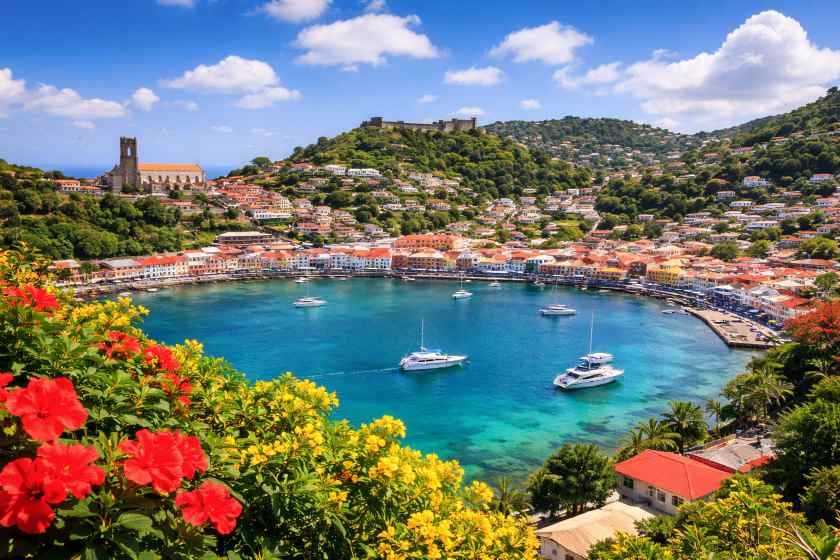
Grenada, France, the United Kingdom, Singapore, Hong Kong, Germany, Italy, Spain, Brazil, South Korea and dozens of other global destinations are now easily accessible to Grenadian travelers as the Grenada passport ranks 25th globally, allowing visa-free or visa-on-arrival travel to 148 countries and territories worldwide.

For travelers from Grenada, this level of mobility means international journeys begin with fewer formalities and more opportunities. Whether it’s a cultural city break in Europe, an island getaway in the Pacific, or an adventure through Asia’s historic landmarks, the passport provides access to a wide spectrum of tourism experiences across continents.

The travel map for Grenadian passport holders stretches across Europe, Asia, Africa, the Americas, and Oceania, opening the door to historic cities, coastal destinations, mountain landscapes, and cultural capitals that attract millions of international visitors each year.

Europe: Cultural Capitals and Iconic Landmarks

Across Europe, Grenadian travelers can explore many of the continent’s most visited tourism destinations without a visa. The passport grants access to several countries within the Schengen travel area, allowing seamless movement across multiple European nations.

Visa-free destinations in Europe include France, Germany, Italy, Spain, Portugal, Netherlands, Belgium, Denmark, Sweden, Finland, Austria, Poland, Greece, Croatia, Latvia, Lithuania, Estonia, Hungary, Czech Republic, Slovakia, Slovenia, Iceland, Norway, Switzerland, Malta, Luxembourg, Monaco, San Marino, and Liechtenstein.

Additional European destinations such as United Kingdom, Ireland, Serbia, Montenegro, North Macedonia, Albania, Moldova, Georgia, and Russia also welcome Grenadian travelers with simplified entry requirements.

These destinations offer travelers access to famous landmarks, UNESCO heritage sites, historic architecture, museums, and vibrant culinary traditions. From walking through the streets of Paris and Rome to exploring coastal towns along the Mediterranean, European tourism remains one of the most diverse travel experiences available.

Asia: Dynamic Cities and Cultural Heritage

Grenadian passport holders can also travel to a range of destinations across Asia, including modern metropolitan hubs and historic cultural regions.

Visa-free or visa-on-arrival destinations include Singapore, Malaysia, Hong Kong, South Korea, Philippines, Indonesia, Israel, Jordan, Kazakhstan, Kyrgyzstan, Uzbekistan, Tajikistan, Laos, Cambodia, Maldives, Nepal, Sri Lanka, Bangladesh, Iran, Qatar, and Timor-Leste.

Each of these destinations offers unique travel experiences—from urban skylines and technology-driven cities to ancient temples, desert landscapes, and mountain trekking routes.

Travelers heading to Singapore or Hong Kong encounter two of Asia’s busiest international tourism hubs, known for world-class dining, shopping districts, and waterfront skylines. Meanwhile, destinations like Nepal and Sri Lanka attract visitors with cultural heritage, spiritual tourism, and natural landscapes.

Africa: Wildlife Tourism and Coastal Destinations

Across Africa, Grenadian passport holders can access several destinations known for safari tourism, coastal travel, and historic cultural sites.

Countries offering visa-free or visa-on-arrival entry include Kenya, Tanzania, Rwanda, Uganda, Senegal, Sierra Leone, Gambia, Mauritius, Seychelles, Madagascar, Malawi, Mozambique, Namibia, Botswana, Zambia, Zimbabwe, Ethiopia, Djibouti, Tunisia, and Cabo Verde.

These destinations are globally recognized for wildlife reserves, national parks, coral reefs, and island tourism. Travelers can explore safari routes in Kenya and Tanzania, coastal landscapes in Mauritius and Seychelles, and heritage sites in Ethiopia and Tunisia.

Americas and the Caribbean: Regional Travel and Cultural Diversity

Within the Americas and the Caribbean, Grenadian travelers have visa-free access to several neighboring island nations and mainland destinations.

Countries include Antigua and Barbuda, Bahamas, Barbados, Belize, Dominica, Dominican Republic, Haiti, Jamaica, Saint Lucia, Saint Vincent and the Grenadines, Trinidad and Tobago, Argentina, Brazil, Chile, Colombia, Ecuador, Peru, Paraguay, Uruguay, Panama, Costa Rica, Guatemala, Honduras, El Salvador, and Nicaragua.

These destinations offer a diverse mix of tourism experiences from tropical beaches and rainforest adventures to historic colonial cities and vibrant cultural festivals.

For travelers seeking island tourism and coastal relaxation, Caribbean destinations remain particularly accessible and popular due to their proximity and shared cultural heritage.

Oceania and Pacific Islands: Remote Island Tourism

Grenadian passport holders can also travel to several Pacific island nations, known for marine biodiversity, coral reefs, and remote island landscapes.

Visa-free or visa-on-arrival destinations include Fiji, Samoa, Vanuatu, Solomon Islands, Tonga, Kiribati, Micronesia, Marshall Islands, Palau, and Tuvalu.

These destinations are recognized for diving, snorkeling, and eco-tourism experiences, offering travelers access to pristine ocean environments and traditional island cultures.

Expanding Travel Opportunities

With 148 global destinations offering visa-free or visa-on-arrival access, the Grenada passport connects travelers to some of the world’s most visited tourism regions.

From the historic streets of Rome and Paris to the modern skylines of Singapore and Seoul, from wildlife parks in Kenya to coral reefs in Fiji, travelers from Grenada have access to a global network of destinations spanning continents and cultures.

As international tourism continues to grow, this level of travel mobility allows Grenadian travelers to explore diverse landscapes, heritage sites, coastal destinations, and cultural capitals across Europe, Asia, Africa, the Americas, and the Pacific region creating new opportunities for global travel experiences.

The post Colombia Joins Antigua and Barbuda, Bahamas, Barbados, Belize, Dominica, Dominican Republic, Haiti, Jamaica and More as Tourism Booms with Grenada’s New Visa Free Travel Access to 148 Countries appeared first on Travel And Tour World.

Tokyo, Japan: 1 Hotel Tokyo Opens as a Nature-Infused Luxury Retreat with Stunning Views of the Imperial Palace Gardens

Tokyo, Japan: 1 Hotel Tokyo Opens as a Nature-Infused Luxury Retreat with Stunning Views of the Imperial Palace Gardens

Tokyo, one of the world’s most vibrant and culturally rich cities, has welcomed 1 Hotel Tokyo, the luxury lifestyle brand’s first property in Japan. Located in the heart of Akasaka, a dynamic district known for its blend of tradition and modernity, the hotel marks a significant milestone for 1 Hotels and provides a nature-infused sanctuary high above the city’s hustle and bustle. Set within the Akasaka Trust Tower, the hotel occupies the 38th to 43rd floors, offering stunning panoramic views of the city, including the serene Imperial Palace Gardens and the iconic Tokyo Tower.

The opening of 1 Hotel Tokyo ushers in a new era of sustainable luxury in Japan, blending the country’s reverence for nature with the brand’s signature commitment to eco-conscious living. This design-led hotel introduces a refreshing contrast to the usual fast-paced travel experiences, offering guests a slower, more meaningful stay that reconnects them with nature while enjoying all the conveniences of a modern city.

A Nature-Inspired Urban Escape

1 Hotel Tokyo isn’t just another luxury property—it’s a refuge within the skyline, offering a calming retreat from Tokyo’s bustling energy. Designed by CRÈME, a global architecture and design studio, the hotel seamlessly integrates nature-led design elements with Japan’s minimalist aesthetic. From the moment guests enter the property, they’re greeted by a wall of greenery that signals the transition from the city’s kinetic energy to the hotel’s tranquil atmosphere.

Elevators take guests upward, simulating the experience of traveling along the trunk of a tree and arriving in a lush canopy. This immersive design sets the tone for the hotel, with every floor unfolding organically to reveal wood ceiling details reminiscent of tree bark, stone elements inspired by the Imperial Palace’s moat, and vibrant greenery throughout the public spaces. This unique design philosophy allows guests to feel as though they are fully integrated into the natural world while still enjoying all the comforts of a luxury urban hotel.

Accommodations with Stunning Views and Sustainable Design

1 Hotel Tokyo offers 211 guest rooms, including 24 suites and three exclusive penthouses. The rooms are designed to reflect a harmonious blend of Japanese minimalism and contemporary luxury, creating an environment where guests can relax, recharge, and reconnect with nature. Each room is equipped with modern amenities, including biophilic art made from preserved moss, locally crafted décor, and curated greenery.

The guest rooms are designed with spacious layouts, ensuring guests have ample room to unwind after a day of exploring Tokyo. Floor-to-ceiling windows provide expansive views of the city skyline, the Imperial Palace gardens, or Tokyo Tower, while soft, sun-washed tones and natural textures create a calm, welcoming environment. Some rooms also include private balconies, allowing guests to fully immerse themselves in the stunning views of the city.

Dining Experiences That Celebrate Local and Global Flavors

Food plays a key role in the 1 Hotel Tokyo experience, with three distinctive dining venues that highlight the region’s rich culinary heritage. The dining offerings are designed to foster connection, whether for an intimate meal, a social gathering, or a special celebration.

  • NiNi: This signature restaurant, helmed by Head Chef Nikko Policarpio, blends French Riviera elegance with Japanese refinement. The menu draws inspiration from the South of France, focusing on seafood, citrus, and Provençal herbs, reimagined with a Japanese twist. The Josper Grill Oven is a standout feature, allowing chefs to create perfectly charred dishes while maintaining their delicate flavors.
  • Spotted Stone: A more casual option, Spotted Stone offers a warm, relaxed atmosphere for guests seeking a meal in a cozy setting. The menu features a variety of global dishes with a local flair, perfect for a laid-back dining experience.
  • Neighbors Café: A French-influenced bistro, the café offers a range of breakfast and lunch options, focusing on freshness and simplicity. From La Colombe coffee to locally inspired dishes, the café provides a convenient stop for guests looking to enjoy a light meal or grab a bite to go.

Wellness and Relaxation Above the City

For guests seeking rejuvenation and relaxation, 1 Hotel Tokyo offers a range of wellness facilities designed to promote well-being and balance. AvanaSpa, located on the mezzanine floor, provides a selection of treatments, including massages, facials, and hydrothermal experiences. Guests can unwind in the spa’s serene environment or enjoy a body and mind studio, designed for fitness, yoga, and mindful movement.

The hotel’s outdoor swimming pool offers a tranquil space to relax while soaking in the stunning views of Tokyo’s skyline. In addition, infrared sauna sessions, IV vitamin drips, and cold plunges are available to guests seeking recovery and wellness during their stay.

A Gateway to Explore Tokyo’s Vibrant Neighbourhoods

While 1 Hotel Tokyo offers a peaceful retreat, it is ideally located for guests looking to explore Tokyo’s most iconic neighborhoods. The hotel is just a short distance from the renowned districts of Ginza, Roppongi, and Shibuya, each offering unique shopping, dining, and cultural experiences. Visitors can explore Tokyo’s lively streets, historic shrines, and tranquil parks before returning to the quiet sanctuary of the hotel.

Part of Hilton Honors

As part of the Hilton Honors program, guests staying at 1 Hotel Tokyo can enjoy a range of exclusive benefits, including flexible payment options, free Wi-Fi, and special member discounts. Hilton Honors members who book directly can enjoy instant benefits such as room upgrades and early check-in, ensuring a seamless and personalized experience.

Tokyo’s New Luxury Destination

The opening of 1 Hotel Tokyo represents a new chapter for the city’s hospitality landscape, offering guests a nature-infused luxury experience in one of the world’s most dynamic cities. Whether you’re visiting for business, leisure, or a wellness retreat, the hotel’s design, wellness offerings, and stunning views make it a must-visit destination for travelers seeking a meaningful and restorative stay in Tokyo.

The post Tokyo, Japan: 1 Hotel Tokyo Opens as a Nature-Infused Luxury Retreat with Stunning Views of the Imperial Palace Gardens appeared first on Travel And Tour World.

Centara Now Opens Himalayan Hideaway Resort in Pokhara, Offering a Relaxed, Immersive Experience in Nepal’s Natural Beauty

Centara Now Opens Himalayan Hideaway Resort in Pokhara, Offering a Relaxed, Immersive Experience in Nepal’s Natural Beauty

Pokhara, Nepal is welcoming a new travel experience with the Himalayan Hideaway Resort Pokhara, The Centara Collection. This resort marks Centara Hotels & Resorts’ first property in Nepal and offers a fresh alternative for travelers seeking a more meaningful and slower way to experience the region. Located in the serene hills above Pokhara, the resort invites guests to immerse themselves in the natural beauty and everyday rhythms of Nepal, providing a deeply connected and peaceful retreat.

The opening of Himalayan Hideaway Resort aligns with the growing demand for slow travel—an approach that encourages visitors to stay longer, engage more deeply with the local culture, and enjoy their surroundings without the rush of traditional high-intensity travel. In a country as rich in natural beauty and cultural heritage as Nepal, this new resort provides a way to truly soak in the essence of the Himalayas and experience it in a more intimate, personal way.

A New Kind of Himalayan Experience

Nestled in the foothills of the Himalayas above the city of Pokhara, the resort offers guests an opportunity to take a slower journey into the heart of Nepal. Pokhara itself is a beloved destination known for its stunning lakes, tranquil atmosphere, and spectacular views of the Annapurna Mountain Range. While adventure travelers often flock to Nepal for trekking and mountaineering, the Himalayan Hideaway Resort presents a chance to connect with the land and culture in a more grounded, reflective manner.

Designed with the idea of slowing down in mind, the resort offers spacious accommodations that embrace the natural environment and seasonal changes. From the moment guests arrive, they are encouraged to take their time and embrace the rhythm of the surrounding landscape—whether through leisurely walks, meditative moments by the lake, or experiencing the region’s vibrant seasonal cycles.

Connection to Nepal’s Landscape and Culture

What sets the Himalayan Hideaway Resort apart from other accommodations in the region is its deep connection to the Nepalese landscape and culture. Rather than focusing on high-intensity activities, this resort emphasizes quiet reflection and authentic local experiences. Guests can participate in activities that reflect Nepal’s cultural richness and natural beauty, such as:

  • Cultural workshops showcasing traditional crafts
  • Guided nature walks exploring the nearby Pokhara Valley and Annapurna Foothills
  • Farm-to-table dining experiences that highlight local seasonal ingredients
  • Seasonal cultural celebrations, which offer a window into the rhythms of life in the region

By staying rooted in place, guests can experience Nepal in a way that transcends the typical tourist experience, allowing them to gain a deeper understanding of the country’s diverse landscapes, vibrant traditions, and its unique blend of modernity and spirituality.

A Resort Designed for Peaceful Relaxation

The Himalayan Hideaway Resort Pokhara offers a sanctuary designed to complement the slower pace of travel that is becoming increasingly popular among conscious travelers. With spacious rooms and luxurious amenities, the resort creates an environment conducive to relaxation and rejuvenation. The rooms offer panoramic views of the Himalayas, the Pokhara Valley, and the serene Phewa Lake, making it an ideal spot for guests looking to recharge their spirits.

The resort also offers wellness-focused amenities, including a spa, yoga sessions, and meditation areas, ensuring that guests can immerse themselves in the peacefulness of the mountains. Whether you’re seeking a peaceful retreat to reflect, rest, or rejuvenate, the resort’s tranquil setting allows for a deeply restorative experience.

Pokhara: A Gateway to Nepal’s Natural Wonders

Pokhara is more than just the perfect backdrop for the Himalayan Hideaway Resort; it is also a prime location for those wishing to explore Nepal’s natural beauty and adventure offerings. While guests can easily disconnect at the resort, Pokhara also serves as a hub for more active travelers interested in trekking, paragliding, or exploring Phewa Lake by boat.

The nearby Annapurna Circuit and Jomsom treks attract thousands of visitors annually, providing breathtaking views of the Himalayas and allowing travelers to connect with Nepal’s outdoor offerings. However, the Himalayan Hideaway Resort offers an alternative to the high-octane trekking routes, emphasizing a more relaxed approach to the surrounding natural beauty.

Dining and Sustainable Practices

As part of its commitment to sustainability, the resort offers a farm-to-table dining experience that showcases the best of Nepalese and local cuisine. The hotel’s restaurant, designed to reflect the laid-back beauty of Pokhara, features locally-sourced ingredients that change with the seasons. From organic vegetables grown on local farms to freshly caught fish from nearby lakes, each dish highlights the region’s vibrant culinary culture.

The resort also emphasizes sustainable practices, including waste reduction, water conservation, and the use of eco-friendly products to minimize its environmental impact. Guests are invited to participate in these efforts, making it not only a relaxing getaway but also an environmentally-conscious destination.

The Future of Slow Travel in Nepal

With the opening of the Himalayan Hideaway Resort Pokhara, Centara Hotels & Resorts is setting a new standard for slow travel in Nepal, blending luxury with authenticity, and creating a space where guests can immerse themselves in the natural and cultural beauty of the country.

This property will attract visitors who seek to enjoy the mountains at their own pace, allowing them to experience the Himalayas, the vibrant culture of Nepal, and the peaceful rhythms of everyday life—all from the comfort of a thoughtfully designed, luxury resort. It is an ideal destination for those who wish to explore Nepal beyond the conventional tourist routes and take their time to truly connect with the land.

The post Centara Now Opens Himalayan Hideaway Resort in Pokhara, Offering a Relaxed, Immersive Experience in Nepal’s Natural Beauty appeared first on Travel And Tour World.

Japan Joins Singapore, Taiwan, Thailand, South Korea, Australia, United Arab Emirates and others by Unveiling Stricter Power Bank Limits on Flights Now, Restricting Travelers to Two Per Person for Enhanced Flight Safety

Japan Joins Singapore, Taiwan, Thailand, South Korea, Australia, United Arab Emirates and others by Unveiling Stricter Power Bank Limits on Flights Now, Restricting Travelers to Two Per Person for Enhanced Flight Safety

As Japan continues to focus on improving aviation safety, a new set of proposed rules is set to impact air travel for international tourists. Starting soon, passengers flying into and out of Japan will be limited to carrying no more than two power banks per person on flights. This move comes in response to growing concerns about the risk of battery fires on aeroplanes, following several incidents in recent years.

New Proposal from Japan’s Transport Ministry

The proposal from Japan’s Ministry of Land, Infrastructure, Transport and Tourism (MLIT) aims to tighten safety protocols surrounding the transportation of mobile power banks and spare batteries for electronic devices. Under the new regulations, travelers will only be permitted to carry up to two mobile batteries, each not exceeding 160 watt-hours. This applies to all devices, from smartphones to camera batteries, which are commonly carried by tourists heading to popular destinations like Tokyo, Osaka, and Kyoto.

Impact on Tourists and the Tourism Industry

For tourists visiting Japan, this restriction could affect the packing list, especially for long-haul travelers relying on power banks to stay connected during their trip. With Japan being a prime destination for both business and leisure travel, tourists typically travel with multiple electronic devices, ranging from smartphones and tablets to portable chargers for cameras and other gadgets.

As Japan’s tourism continues to grow, especially after the country has reopened its borders post-pandemic, many visitors fly into Tokyo or Osaka, two of the busiest airports in Asia. Passengers arriving at Narita International Airport or Kansai International Airport will soon need to ensure their devices are fully charged before boarding, as using power banks during the flight will also be restricted under the new rules.

Japan has long been a hotspot for international travelers looking to explore its mix of modern and traditional attractions, including iconic sites such as Kyoto’s temples, the bustling streets of Shibuya, or the scenic beauty of Mount Fuji. As a country known for its technological advancements and efficiency, the government’s move to limit power banks aims to enhance safety without compromising the travel experience.

New Safety Measures in Response to Battery Fires

The introduction of these new power bank regulations comes after a rise in reports of lithium-ion battery fires on aircraft. With more and more travelers carrying mobile batteries as an essential travel accessory, the risk of these batteries overheating or malfunctioning mid-flight has sparked serious safety concerns.

In response to these incidents, the MLIT’s proposal aims to limit the number of power banks each passenger can carry, reducing the potential for such hazards on board. The restrictions will apply to both carry-on and checked luggage, with a strict focus on ensuring the safety of all passengers. Airlines are also expected to update their safety protocols in alignment with these new regulations.

What Does This Mean for International Travelers?

For those planning to travel to Japan in the coming months, it’s important to check your power bank specifications. If you’re traveling with multiple devices, such as a smartphone, tablet, camera, or laptop, you’ll need to ensure that each power bank adheres to the 160 watt-hour limit. Any power banks exceeding this capacity will likely need to be discarded or placed in checked luggage, where they may face additional restrictions.

Additionally, the new rules will prohibit the use of power banks during flights, meaning passengers will have to make alternate plans for charging devices on long-haul flights. For tourists on a tight schedule, this could mean finding charging stations before boarding or utilizing onboard power outlets if available.

While the rule only limits power banks, this change may prompt travelers to rethink how they manage their electronics during international flights. For example, travelers heading to Japan for a short vacation may want to consider bringing fewer devices or plan to rely more heavily on devices with longer battery life.

Implications for Travel and Tourism

Japan’s ongoing efforts to improve flight safety are in line with broader trends observed across global aviation. Other countries have implemented similar restrictions in the past, particularly in response to safety concerns surrounding lithium-ion batteries. However, this new regulation from Japan stands out as an example of a country proactively addressing emerging threats while considering the interests of tourists.

As Japan continues to be a top destination for international tourism, these measures highlight the country’s commitment to ensuring passenger safety. For many travelers, Japan is a gateway to incredible experiences, whether they are exploring the tranquil temples of Kyoto or enjoying the vibrant nightlife in Tokyo.

How Travelers Should Prepare

If you’re planning a trip to Japan and your itinerary includes flights, here are some steps to take in preparation for the new power bank rules:

  1. Check Power Bank Capacity: Review the watt-hour rating of your power banks. If they exceed the 160 watt-hour limit, they will not be allowed in your carry-on or checked luggage.
  2. Pack Only Two Power Banks: If you’re carrying multiple electronic devices, consider bringing at most two power banks to stay within the new regulations.
  3. Plan for Charging Alternatives: Since power banks cannot be used during the flight, explore other charging options, such as relying on onboard power outlets or charging your devices before boarding.
  4. Stay Informed: Check with your airline for any additional updates or changes regarding the transportation of power banks.
  5. Understand the Regulations: Familiarize yourself with the Japanese Ministry’s travel guidelines to ensure compliance and avoid any travel disruptions.

Conclusion

With Japan taking these necessary steps to address aviation safety, international travelers will need to adjust their packing strategies to comply with the new power bank regulations. While these changes are designed to protect passengers from fire risks, they may also encourage visitors to plan their travel tech needs better.

The post Japan Joins Singapore, Taiwan, Thailand, South Korea, Australia, United Arab Emirates and others by Unveiling Stricter Power Bank Limits on Flights Now, Restricting Travelers to Two Per Person for Enhanced Flight Safety appeared first on Travel And Tour World.

Japan Joins South Korea, Australia, New Zealand, Canada, United Kingdom, the United States and Others by Introducing New Mandatory Pre-Travel Approval System for Tourists by 2028 : What Every Tourist Must Know Before Visiting

Japan Joins South Korea, Australia, New Zealand, Canada, United Kingdom, the United States and Others by Introducing New Mandatory Pre-Travel Approval System for Tourists by 2028 : What Every Tourist Must Know Before Visiting

Japan is preparing to introduce a new digital pre-travel authorisation system by 2028, a move that will change how millions of international tourists enter the country. The system will require travellers to complete an online registration and receive approval before boarding flights to Japan, aligning the country with similar programs already implemented in destinations such as the United States and Europe.

The new system is expected to streamline the arrival process at airports across Japan, including major gateways such as Tokyo, Osaka, and Sapporo, while also strengthening border management as tourism numbers continue to grow.

Japan has become one of the most visited destinations in Asia, attracting travelers to cities like Kyoto and Tokyo as well as scenic regions such as Hokkaido and Okinawa. With international visitor numbers increasing steadily, the government has begun preparing new digital solutions to manage traveler flows and improve entry procedures.

Digital Authorisation Before Travel

Under the upcoming system, visitors will need to apply for authorisation online before traveling to Japan. Travelers will submit basic personal and travel information through a digital platform and receive approval before their departure.

The pre-travel authorization will function as a screening step prior to arrival, allowing authorities to review traveler information in advance. Once approved, travelers will be permitted to board flights and enter the country upon arrival.

Japan’s approach mirrors the Electronic System for Travel Authorization (ESTA) used by the United States and the European Travel Information and Authorization System (ETIAS) planned for Europe.

These systems allow countries to evaluate traveler information before arrival while also reducing processing time at border checkpoints.

Faster Processing at Airports

Airports in Japan, including Tokyo’s international hubs and major regional gateways, handle millions of passengers each year. Immigration processing times can increase during peak travel seasons, particularly during events, holidays, and high tourism periods.

The new authorization system is designed to help reduce congestion at immigration counters. By reviewing traveler data before arrival, immigration officers will be able to focus on verification rather than initial screening.

This change is expected to shorten waiting times and improve the overall arrival experience for tourists visiting Japan.

Supporting Japan’s Tourism Growth

Tourism plays an important role in Japan’s economy, with international visitors traveling across the country to explore cultural landmarks, historic districts, nature destinations, and urban attractions.

Popular destinations include:

  • Tokyo, known for its blend of modern architecture, shopping districts, and cultural sites
  • Kyoto, famous for temples, shrines, and traditional neighborhoods
  • Osaka, recognized for its food culture and entertainment districts
  • Hokkaido, attracting visitors with winter sports and scenic landscapes
  • Okinawa, offering beaches and subtropical island experiences

As the tourism sector continues expanding, digital travel systems are becoming part of broader efforts to manage visitor flows and maintain efficient entry procedures.

The pre-travel authorization platform is expected to support this growth by enabling smoother travel experiences while ensuring that border screening remains consistent and organized.

What Travelers Will Need to Do

Travelers planning a trip to Japan from 2028 onward will need to complete the authorization process before departing for the country.

Although detailed procedures have not yet been announced, the system will likely involve an online application where travelers provide passport details, travel information, and other basic data.

Once approved, the authorization will be linked to the traveler’s passport and verified during check-in or upon arrival at Japanese airports.

The system will add an additional step to pre-trip planning, similar to processes already required when visiting other destinations with digital travel permits.

Early Registration Possibilities

Japan’s government has indicated that early registration options may become available before the system’s official launch in 2028.

This early access could allow travelers to become familiar with the process and complete authorization before travel demand increases.

Further information regarding application procedures, eligibility requirements, and system availability is expected to be announced closer to the launch date.

Fees and Processing Times Yet to Be Announced

While the structure of the authorization system has been confirmed, specific details regarding fees and processing timelines have not yet been released.

Countries that operate similar systems typically charge small processing fees and provide approvals within a short period of time.

Japan’s authorities are expected to provide additional guidance regarding payment procedures, processing duration, and validity periods once the system moves closer to implementation.

Preparing for Future Travel to Japan

With the introduction of the new digital authorization system, travelers planning visits to Japan in the coming years will need to include the application process as part of their travel preparation.

The system is expected to become a standard requirement for eligible visitors before entering Japan.

As international tourism continues expanding across Asia, digital travel authorization platforms are becoming an increasingly common part of border management.

Japan’s upcoming system represents another step toward modernizing travel procedures while supporting the continued growth of global tourism to destinations across the country.

The post Japan Joins South Korea, Australia, New Zealand, Canada, United Kingdom, the United States and Others by Introducing New Mandatory Pre-Travel Approval System for Tourists by 2028 : What Every Tourist Must Know Before Visiting appeared first on Travel And Tour World.

Japan Kyoto’s New Bus Fare System to Charge Tourists More and Improve Travel for Locals Amid Overtourism

Japan Kyoto’s New Bus Fare System to Charge Tourists More and Improve Travel for Locals Amid Overtourism

Kyoto, Japan, is taking a bold step to address the issue of overtourism and its impact on the city’s public transportation system. The city is moving forward with a two-tier bus pricing system, which will significantly reduce fares for residents while increasing them for tourists. The initiative is designed to alleviate overcrowding during peak tourist seasons and to fund new transportation improvements. This move, announced by Kyoto Mayor Matsui Koji on February 25, 2026, aims to strike a balance between easing the burden on residents and managing the strain caused by an influx of international visitors.

Kyoto’s Two-Tier Bus Fare System

The new “citizen priority pricing” system will lower bus fares for Kyoto residents to just 200 yen ($1.30), a decrease from the current flat fare of 230 yen. The new pricing system will be implemented across the entire city by fiscal year 2027, including areas where fare rates vary by distance. The city’s goal is to ensure that public transportation is more affordable and accessible for residents, especially in the face of rising tourist numbers.

To qualify for the discounted rate, Kyoto residents will need to use a transit IC card linked to their My Number, Japan’s national identification number system. This means that cash-paying passengers, even locals, will not be eligible for the discount. While the policy aims to provide financial relief to residents, tying the discount to a national ID system may exclude some locals who haven’t yet registered for a My Number card, raising potential concerns about fairness and accessibility.

Impact on Tourists: Increased Fares

Under the new system, tourists and non-residents will face a significantly higher fare of 350 to 400 yen per ride, nearly double the price paid by locals. The move comes as a response to the growing problem of overcrowded buses in Kyoto, particularly during peak tourist seasons when buses are often full, making it difficult for residents to use the system.

Tourists visiting Kyoto, one of Japan’s most popular cultural and historical destinations, are expected to be the primary group impacted by the fare increase. With attractions like the Golden Pavilion, Kiyomizu-dera, and Fushimi Inari-taisha drawing large crowds, bus services often become overwhelmed, particularly with the increasing number of foreign visitors to Japan. The introduction of higher fares for tourists is seen as a necessary measure to better manage this strain and ensure that residents can continue to rely on public transit for their daily needs.

Measures to Address Overtourism

Kyoto’s two-tier pricing system is part of a broader effort to tackle overtourism, a challenge that many popular destinations around the world have been grappling with. In addition to the price differentiation, the city has taken other measures in the past to mitigate overcrowding. For example, Kyoto introduced a tourist-only bus line to cater specifically to visitors, ensuring that they have access to transportation without further burdening local services.

By increasing fares for tourists, Kyoto aims to reduce the number of visitors relying on public transport, encouraging some to seek alternative modes of travel, such as private tours or taxis. The additional revenue generated from the higher fares will also be used to fund improvements to the public transport system, ensuring that it can continue to meet the needs of residents and visitors alike.

Legal Considerations and Government Support

While the introduction of the two-tier pricing system has been welcomed by some, it also raises concerns about potential legal challenges. Japanese law prohibits “unjust discriminatory treatment” of passengers based on nationality or other factors. However, a representative from the Ministry of Land, Infrastructure, Transport and Tourism’s passenger division stated that the policy appears to have “a certain degree of rationality” as a countermeasure to overtourism. This suggests that the government supports Kyoto’s initiative as a reasonable approach to managing the growing pressure on its public transportation system.

The fact that the government has signaled support for the policy is a promising sign that it may withstand any legal challenges. However, it remains to be seen whether any adjustments will need to be made in response to feedback from residents, tourists, or legal bodies.

Broader Implications for Kyoto’s Tourism Industry

The two-tier pricing system is not just a transportation policy but also a statement about how Kyoto is adapting its tourism strategy to balance the needs of residents and visitors. As one of Japan’s top tourist destinations, Kyoto attracts millions of visitors each year. The city’s government has long been aware of the challenges posed by mass tourism and is actively working to create a more sustainable model for its tourism sector.

In addition to the bus fare changes, Kyoto has been working on various initiatives to improve its infrastructure, including expanding and upgrading transportation networks, creating more sustainable tourist experiences, and promoting less crowded attractions outside of the main tourist hotspots.

Looking Ahead: The Future of Kyoto’s Tourism and Public Transit

The introduction of the two-tier bus pricing system represents a significant step forward in Kyoto’s efforts to manage overtourism while providing a better experience for both residents and visitors. As the city continues to grow as a tourism hub, it will likely face additional challenges in managing the balance between welcoming tourists and preserving the quality of life for locals.

For travelers, the higher bus fares could be a small price to pay for the opportunity to experience one of Japan’s most iconic cities. However, for travel professionals, the policy presents an important consideration when advising clients on how to navigate Kyoto during peak tourist seasons.

As Kyoto’s tourism strategies continue to evolve, the city’s ability to balance growth with sustainability will be crucial in ensuring that it remains an attractive and accessible destination for years to come.

Conclusion: Managing Growth and Preserving Local Life

Kyoto’s decision to implement a two-tier bus pricing system is a bold move in the ongoing effort to address overtourism. By charging tourists higher fares and offering discounts to residents, the city is working to alleviate congestion, improve the public transit system, and create a more sustainable tourism environment. This innovative approach may serve as a model for other cities struggling with similar challenges, offering valuable lessons on how to manage the balance between local needs and tourist demands.

The post Japan Kyoto’s New Bus Fare System to Charge Tourists More and Improve Travel for Locals Amid Overtourism appeared first on Travel And Tour World.

Japan Cruise Tourism Growth in 2025: A 1.2x Surge in International Arrivals and Record Port Calls

Japan Cruise Tourism Growth in 2025: A 1.2x Surge in International Arrivals and Record Port Calls

Japan’s international cruise tourism has made a remarkable recovery, with the number of foreign cruise travelers rising 1.2 times in 2025, reaching a total of 1.8 million. This increase is part of Japan’s broader tourism recovery, which has been fueled by a surge in port calls by foreign cruise ships and a growing number of international fly & cruise travelers. According to the Ministry of Land, Infrastructure, Transport and Tourism, the success of Japan’s cruise sector reflects a broader global trend of rising interest in maritime travel, with the country nearing pre-pandemic levels of international arrivals.

1.8 Million International Cruise Travelers in 2025

The 1.8 million international cruise visitors to Japan in 2025 represent a significant increase over the previous year, marking a near 20% rise in foreign cruise tourism. This growth brings Japan closer to its peak 2017 levels, where the number of international cruise passengers had reached 2.5 million. While the 2025 numbers still represent about 70% of the peak 2017 level, the surge in visitor numbers underscores the resilience of Japan’s tourism sector and the recovery of the international cruise market.

This uptick in arrivals is mirrored by a 6% increase in port calls, with a total of 3,117 visits to Japanese ports in 2025, surpassing the peak level of 2018. The growing popularity of Japan as a cruise destination is attributed to the country’s rich cultural heritage, vibrant cities, and scenic landscapes, all of which continue to draw tourists from around the world.

Top Ports: Yokohama, Hakata, and Naha Lead the Way

Among the 3,117 port calls in 2025, Yokohama, Hakata, and Naha stood out as the most frequently visited ports. Yokohama saw 209 visits from foreign cruise ships, closely followed by Hakata with 209 calls and Naha with 205. These ports have long been key hubs for international cruise ships entering Japan and remain popular due to their proximity to cultural attractions and ease of access.

Foreign cruise ships accounted for 2,352 port calls, an increase of 20% compared to 2017, while Japanese cruise ships recorded 765 port calls, marking a 40% rise. Among the most frequently visited ports for foreign cruise ships was Nagasaki, which recorded 194 visits, followed by Hakata with 191 and Naha with 187. This data highlights not only the strong demand for Japan as a cruise destination but also the increasing reliance on foreign ships to meet the growing number of tourists arriving by sea.

The Surge in Fly & Cruise Travelers to Japan

One of the more notable trends in Japan’s cruise tourism in 2025 is the surge in international fly & cruise travelers. This segment, where passengers fly into Japan and then embark on cruises, doubled to 181,000 compared to the peak levels of 2019. This shift demonstrates a growing demand for combined travel experiences, where tourists are increasingly seeking integrated packages that combine international flights and cruise journeys.

This trend is particularly important for the broader Japanese tourism sector as it contributes not only to the cruise industry but also to other tourism-related services such as accommodations, dining, and local excursions. The increase in fly & cruise travelers signals a growing market for premium travel experiences in Japan, which offers travelers both convenience and a variety of cultural experiences.

Japan’s Cruise Tourism Goals for 2025

The surge in cruise tourism is part of Japan’s broader strategy to increase its competitiveness in the global cruise market. The Japanese government had set a target to reach 2.5 million international cruise travelers and 2,000 port calls by foreign ships by 2025. While the country has not yet hit the 2.5 million mark, the continued growth seen in 2025 demonstrates strong potential for reaching these targets in the near future.

With the introduction of new routes and increased capacity in ports like Yokohama, Hakata, and Naha, Japan is steadily expanding its cruise tourism infrastructure to support future growth. As Japan continues to develop its port facilities and expand its tourism offerings, it is expected that the number of cruise visitors will continue to rise, contributing to the growth of the national tourism sector.

Tourism-Driven Economic Impact

The increase in international cruise travelers has had a direct and significant impact on Japan’s local economies. Ports such as Yokohama, Hakata, and Naha benefit greatly from the influx of tourists, with local businesses—ranging from hotels and restaurants to retail shops and tour operators—reaping the rewards of the growing cruise tourism market.

The rise in port calls also means more economic opportunities for various sectors, including transportation, leisure activities, and hospitality. The Japanese government continues to work closely with tourism authorities and cruise operators to ensure the smooth flow of passengers and to provide a high-quality experience that meets international standards.

Looking Ahead: Future Growth for Japan’s Cruise Tourism

With Japan’s cruise tourism showing continued growth, the country is positioning itself as one of Asia’s leading cruise destinations. As international travelers return to the seas, Japan is attracting tourists seeking cultural immersion, scenic beauty, and luxury experiences. The growing interest in destinations like Yokohama, Hakata, and Naha shows that Japan is successfully tapping into the global cruise market.

Looking forward, Japan’s cruise tourism sector is expected to continue growing, driven by a combination of increasing port capacity, expanding routes, and enhanced tourism offerings. With continued investments in infrastructure and a focus on customer satisfaction, Japan will remain a key player in the global cruise tourism industry.

Conclusion: Japan’s Cruise Market on the Rise

Japan’s cruise tourism sector in 2025 has shown impressive growth, with increased port calls and a surge in international cruise travelers. The country’s tourism infrastructure and strategic initiatives, including the expansion of port facilities and the rise in fly & cruise travelers, position it well for continued growth in the coming years. As Japan works toward reaching its tourism goals, the continued growth of its cruise market will play an integral role in the nation’s tourism recovery and future success.

The post Japan Cruise Tourism Growth in 2025: A 1.2x Surge in International Arrivals and Record Port Calls appeared first on Travel And Tour World.

Is This the Safest Mountain Trek in Africa? Rwenzori Mountains Just Set a New Standard in Adventure Travel

Is This the Safest Mountain Trek in Africa? Rwenzori Mountains Just Set a New Standard in Adventure Travel

Uganda’s Rwenzori Mountains are gaining recognition as one of Africa’s top adventure tourism destinations, thanks in part to significant investments in safety and rescue training for park staff. The Rwenzori Mountains National Park, known as the “Mountains of the Moon,” is seeing a surge in visitors as enhanced safety standards build confidence in both local and international travelers. This development represents a key milestone in Uganda’s growing appeal as a premier location for mountaineering and adventure travel.

Boosting Visitor Confidence: Safety Training in the Rwenzori Mountains

In recent months, the Uganda Tourism Authority has made strides in improving safety protocols within the Rwenzori Mountains National Park. The launch of a specialised Training of Trainers programme has played a pivotal role in equipping key personnel — including tour guides, rangers, porters, and cooks — with advanced skills. The aim is to ensure at least one thousand frontline workers are trained to handle safety and medical emergencies during mountain expeditions.

The curriculum provided participants with internationally recognised skills, including Leave No Trace outdoor ethics, which promotes responsible interactions with the natural environment, and Wilderness Advanced First Aid. Additionally, staff received training in life-saving Cardiopulmonary Resuscitation (CPR) techniques. These competencies are crucial for managing medical emergencies in a challenging environment like the Rwenzori Mountains, where visitors are exposed to unpredictable weather and rugged terrain.

With these enhanced capabilities, park staff can provide immediate and professional assistance in emergencies, improving the overall safety and experience for trekkers. This initiative not only strengthens the park’s appeal but also highlights Uganda’s commitment to creating a secure environment for adventure tourism.

Growing Popularity of Rwenzori Mountains Trekking

The Rwenzori Mountains offer a unique trekking experience that attracts seasoned mountaineers and adventure seekers. The mountains feature snow-capped peaks that rise dramatically near the equator, creating landscapes that are unparalleled on the African continent. The park’s distinctive alpine vegetation, including giant lobelias and groundsels, is another highlight, making it an even more appealing destination for nature enthusiasts.

The recent surge in visitors to the Rwenzori Mountains demonstrates the growing interest in adventure travel across Africa. During the 2023-2024 financial year, the park welcomed 7,703 visitors, a figure that rose sharply to 10,483 in the following year. This 36% increase in visitor numbers can be attributed to several factors, including improved marketing efforts, upgraded infrastructure, and, importantly, the new safety protocols that inspire greater confidence among international trekkers.

Europe, North America, and Asia remain key source markets for the park’s visitors, with many of them seeking authentic, challenging wilderness experiences. The steady rise in international arrivals reflects a broader trend in the tourism industry, where more travellers are prioritising destinations that offer both adventure and robust safety measures.

The Role of Safety in Adventure Tourism

For African travel professionals, the Rwenzori Mountains’ recent success highlights the importance of safety in promoting adventure destinations. As international tourists continue to seek mountaineering and trekking experiences in remote areas, destinations that invest in safety training and infrastructure will be able to position themselves as attractive alternatives to established international trekking spots.

The investment in safety standards in Uganda’s tourism sector is already paying off, with a significant increase in visitor satisfaction and repeat bookings. Furthermore, it aligns with the growing demand for adventure tourism that is both exciting and secure. When adventure travelers choose their destinations, safety is often one of the most important factors, particularly when exploring rugged and high-altitude terrains like the Rwenzori Mountains.

The Economic Impact of the Surge in Visitors

The rise in visitor numbers to the Rwenzori Mountains has had a positive impact on Uganda’s economy. Increased tourism spending is supporting local businesses, from accommodations and restaurants to tour operators and equipment providers. With the number of visitors climbing steadily, Uganda has seen growth in both job creation and local investment. Many of the newly trained staff members are gaining new employment opportunities, further contributing to the region’s economic development.

Moreover, the enhanced safety protocols are likely to attract more high-value visitors who are looking for authentic adventure experiences in a secure setting. For African tourism operators, the success story of the Rwenzori Mountains offers valuable insights into the importance of investing in training, safety, and infrastructure to meet the evolving needs of adventure travelers.

A Model for Other African Adventure Destinations

Uganda’s strategy of combining natural attractions with professional safety training can serve as a model for other African nations looking to grow their adventure tourism sectors. Destinations like Tanzania, Kenya, and Zambia that offer trekking, mountaineering, or wildlife safaris can benefit from similar investments in safety standards. By developing high-quality, secure experiences, African countries can compete with international adventure hubs like Nepal and Peru.

Looking forward, Uganda plans to continue expanding its tourism offerings in the Rwenzori region. Additional investments in infrastructure, including better trails, accommodation, and transportation options, will make the Rwenzori Mountains even more accessible and attractive to international travelers. The combination of rugged natural beauty, unique biodiversity, and professionally trained staff will ensure that Uganda remains a premier adventure tourism destination in Africa.

Conclusion: The Future of Adventure Tourism in Uganda

The Rwenzori Mountains are quickly becoming a top-tier adventure destination in Africa, thanks to significant investments in safety training and infrastructure. The recent surge in visitor numbers is a testament to Uganda’s commitment to providing an exceptional, secure experience for trekkers and adventure seekers.

For travel professionals, promoting the Rwenzori Mountains to clients seeking authentic adventure in a safe environment is now more viable than ever. As visitor numbers continue to rise and safety standards improve, Uganda’s adventure tourism sector is poised for continued growth, attracting travelers from around the globe who are eager to explore one of Africa’s most captivating landscapes.

The post Is This the Safest Mountain Trek in Africa? Rwenzori Mountains Just Set a New Standard in Adventure Travel appeared first on Travel And Tour World.
❌