Reading view

Tarragona Cruise Port Ends 2025 with Strong Results and Eyes Record 2026 Cruise Tourism Growth: All You Need to Know

Tarragona Cruise Port Ends 2025 with Strong Results and Eyes Record 2026 Cruise Tourism Growth: All You Need to Know
Image of Tarragona Cruise Port 

Tarragona, on Spain’s Costa Daurada, is consolidating its position as a leading Mediterranean hub for cruise tourism, with the port closing the 2025 season on solid figures and targeting a record year in 2026. Official data and forecasts from the Tarragona Port Authority and Tarragona Cruise Port indicate sustained growth in calls and passengers, driven by a strategic focus on premium and luxury cruise lines and close coordination with regional tourism stakeholders.

Strong 2025 Cruise Tourism Performance

Port statistics and institutional reports confirm that Tarragona Cruise Port has maintained the strong trajectory seen since 2019, following the record 136,850 passengers and sixty-three calls achieved in 2024. The port’s cruise activity in 2025 continues along the same path of sustainable growth, supported by a diversified mix of international cruise companies and an increasing presence of higher-value segments.

This performance reinforces Tarragona’s cruise tourism role as a gateway to the Costa Daurada, PortAventura World and the city’s UNESCO-listed Roman heritage, with a high proportion of visitors choosing to explore the territory independently and generating direct spending in local hospitality, retail and attractions.

Forecasts Point to Record 2026 Season

The Tarragona Port Authority and Tarragona Cruise Port project further expansion of cruise tourism activity in 2026, with expectations of a new record in port calls and passenger throughput. Official outlooks highlight plans to attract more premium and luxury lines, a segment that has multiplied several times at the port since 2019 and brings passengers with higher purchasing power, even if ship sizes are more moderate.

This forecasted growth is aligned with the broader global cruise industry trend, which anticipates another record year for passenger volumes in 2026, positioning Tarragona to benefit from increased deployment in the western Mediterranean and strengthening its contribution to regional tourism employment and revenue.

Luxury Segment and Major Brands Drive Tourism

Official port communications underline that major cruise brands, particularly MSC Cruises, have been central to Tarragona’s cruise tourism expansion, using the port as a home port for western Mediterranean itineraries. In recent seasons MSC has scheduled dozens of calls between April and October, repeatedly embarking and partially disembarking passengers at the Balears Wharf and feeding hotels, transport services and excursions.

The port’s strategy to consolidate relationships with large international operators while courting premium and luxury lines supports a balanced tourism model, bringing both volume and higher yield visitors who are more likely to engage with shore excursions, gastronomy and cultural products in Tarragona and across the Costa Daurada.

New Cruise Terminal Strengthens Visitor Experience

The inauguration of the new Tarragona Cruise Port terminal at the Balears Wharf in 2024, developed with Global Ports Holding, marks a turning point for cruise tourism infrastructure in the region. The facility offers modern, spacious and efficient passenger services, with an industrialised modular construction that integrates sustainability measures, including reductions in waste and CO₂ during construction and a future-ready design for shore power connections.

Authorities emphasize that this investment not only improves the experience for cruise passengers but also strengthens the promotion of the Costa Daurada as a tourism destination, making Tarragona more competitive on the Mediterranean cruise map and more attractive for new routes and calls.

Sustainable Tourism and Shore Power Plans

Official documents outline a clear commitment to sustainable tourism, with the Port of Tarragona advancing plans to electrify docks so that cruise vessels can connect to shore power at the Balears Wharf from 2026. This initiative aims to reduce emissions during port stays, aligning the cruise project with regional environmental objectives and enhancing the port’s appeal for cruise lines that prioritise decarbonisation.

Combined with efforts to manage growth below the levels of the largest Mediterranean hubs, this strategy seeks a model of cruise tourism that balances economic benefits with environmental responsibility and quality of life for residents in Tarragona and surrounding municipalities.

Tourism Impact on Tarragona and Costa Daurada

The official Tarragona Turisme portal highlights the city’s UNESCO World Heritage sites, beaches, historic quarters and nearby attractions, elements that make the destination highly appealing for cruise visitors. Cruise passenger surveys undertaken by the port show strong satisfaction scores and a high willingness to recommend Tarragona as a cruise stop, indicating positive word-of-mouth effects for future tourism flows.

Spending data from recent seasons reveal that cruise passengers increasingly support local commerce, with rising average expenditure per person on shopping, transport and hospitality, which amplifies the economic impact of each ship call across the Costa Daurada’s tourism ecosystem.

Extending the Cruise and Tourism Season

Port and city authorities are also working to reduce seasonality in cruise tourism, planning seasons that start earlier in the year and extend into the final third, closer to a year-round calendar. This approach supports a more stable tourism economy by distributing arrivals outside traditional peaks, benefiting hotels, guides, transport operators and cultural sites across Tarragona.

As Tarragona Cruise Port targets new deployment and potentially higher traffic in 2026, the combination of infrastructure upgrades, sustainable practices and diversified source markets positions the city and the Costa Daurada for a stronger role in Mediterranean cruise tourism, with tangible gains for the wider regional tourism strategy.

The post Tarragona Cruise Port Ends 2025 with Strong Results and Eyes Record 2026 Cruise Tourism Growth: All You Need to Know appeared first on Travel And Tour World.

India, Saudi Arabia, Israel, Italy, Spain A Journey Through History’s Most Sacred Religious Tourism Destinations That Will Leave You Breathless and Inspired: What Travelers Need to Know Now

India, Saudi Arabia, Israel, Italy, Spain A Journey Through History’s Most Sacred Religious Tourism Destinations That Will Leave You Breathless and Inspired: What Travelers Need to Know Now

Religious tourism, a fast-growing niche in the global travel industry, is projected to experience exponential growth in the coming years. Estimated at USD 1,380.52 billion in 2025, the market is set to reach an impressive USD 2,175.09 billion by 2032. This surge presents an exciting opportunity for destinations, travel agencies, and businesses to capitalize on the growing demand.

Religious tourism is a unique sector of the travel industry, encompassing journeys motivated by spiritual, religious, or pilgrimage purposes. Travelers from various faiths around the world seek sacred sites, historic temples, and religious festivals that form the cornerstone of this market segment. With increasing investment, technological advancements, and shifting regional dynamics, the religious tourism sector is evolving at a rapid pace. The following report delves into the key drivers, market segmentation, and strategic growth opportunities that will shape the religious tourism market from 2025 to 2032.

Key Insights and Market Dynamics

The religious tourism market is defined by several core factors that will drive its growth over the next decade:

  • Market Size and Forecast: The market is poised for a significant expansion, with a compounded annual growth rate (CAGR) of over 7% from 2025 to 2032.
  • Investment Trends: Emerging regions, particularly in Asia and the Middle East, are seeing increased investments in infrastructure and services aimed at catering to religious tourists.
  • Technological Advancements: Digital tools and apps are enhancing the experience of religious tourism by providing virtual tours, booking services, and real-time information to pilgrims and travelers.
  • Regional Growth: North America, Europe, and Asia-Pacific will remain pivotal regions for religious tourism, with countries like India, Israel, Saudi Arabia, and Italy being major players in this sector.

Growing Demand for Religious Tourism Across Faiths

The religious tourism market is diverse, with significant demand coming from travelers of different religious affiliations. The key segments include:

  • Christian Pilgrimages: Destinations such as the Vatican, Lourdes, and Bethlehem continue to attract millions of Christian pilgrims annually. Events like the World Youth Day and religious festivals fuel demand.
  • Islamic Pilgrimages: The Hajj pilgrimage to Mecca is one of the largest annual religious gatherings in the world, contributing significantly to the religious tourism market. The Islamic faith also drives tourism to cities such as Medina and Istanbul.
  • Hindu Pilgrimages: India is a hotspot for Hindu pilgrims, with significant destinations like Varanasi, Rishikesh, and Tirupati drawing millions of devotees every year.
  • Buddhist and Jain Pilgrimages: Lumbini in Nepal, Bodh Gaya in India, and other key Buddhist and Jain sacred sites are attracting increasing numbers of visitors.
  • Other Faiths: Destinations related to other faiths, such as Sikhism in Amritsar or Judaism in Jerusalem, also contribute to the expanding religious tourism market.

Strategic Coverage: Investment Hotspots and Regional Dynamics

As the demand for religious tourism grows, several regions are emerging as key investment hotspots. These regions are evolving rapidly, catering to the unique needs of religious travelers while promoting sustainability and heritage conservation.

  1. North America:
    • The United States, particularly through destinations like the National Shrine of Our Lady of La Leche in Florida and the Shrine of Our Lady of Guadalupe in Wisconsin, has seen an uptick in Catholic pilgrims.
    • Canada’s increasing interest in indigenous spiritual tourism is adding a unique dimension to the country’s religious tourism appeal.
  2. Europe:
    • European nations such as Spain (Santiago de Compostela), Italy (Vatican City), and France (Lourdes) continue to remain central to the Catholic pilgrimage routes.
    • Eastern Europe’s religious tourism is also growing, with Poland, Serbia, and Romania offering a rich history of Orthodox Christianity.
  3. Asia-Pacific:
    • India remains a major destination for Hindu and Jain pilgrims, with the country’s temples and holy sites consistently attracting millions each year.
    • China is also experiencing growth in Buddhist and Taoist tourism, with sacred sites like Mount Wutai and the Shaolin Temple gaining increasing attention from international tourists.
  4. Middle East & Africa:
    • Saudi Arabia’s investment in religious tourism, particularly through projects to accommodate Muslim pilgrims for Hajj and Umrah, is poised to redefine the landscape of religious travel.
    • Israel continues to serve as a central destination for Jewish, Christian, and Muslim pilgrims, with Jerusalem being the focal point of many religious journeys.

Future Projections: Key Growth Drivers

The future of religious tourism will be shaped by several factors:

  • Sustainability and Eco-tourism: As religious sites face increasing foot traffic, there will be a push towards sustainable tourism practices. This includes eco-friendly travel options, waste management, and responsible pilgrimages that conserve the cultural and environmental integrity of sacred sites.
  • Aging Populations: As the global population ages, older travelers will seek religious tourism experiences that cater to their needs, such as accessible transport and accommodations.
  • Technology Integration: Innovations such as virtual pilgrimage experiences, mobile apps for booking and planning, and augmented reality at religious sites will enhance the pilgrimage journey.
  • Cultural Preservation: Governments and local authorities will increasingly prioritize the conservation of religious heritage sites, leading to enhanced funding for restoration and maintenance projects.

Market Segmentation: Type, Application, and Region

The religious tourism market is segmented in various ways, which helps industry stakeholders identify key trends and opportunities:

  • By Type:
    • Catholicism: Pilgrimages to places like the Vatican, Lourdes, and Fatima.
    • Islam: Hajj pilgrimage and other religious sites in Saudi Arabia, Iran, and Turkey.
    • Buddhism: Holy sites such as Bodh Gaya and Lumbini.
    • Hinduism: Temples and holy cities such as Varanasi and Puri.
    • Confucianism and Others: Sacred sites across East Asia, including temples and shrines dedicated to Confucius.
  • By Age Group:
    • Under 20 years: Pilgrimages taken with family or as part of educational trips.
    • 20-30 years: Young adults seeking spiritual experiences or cultural engagement.
    • 30-40 years: Families looking for meaningful cultural and spiritual journeys.
    • 40-50 years: Older adults seeking rejuvenating spiritual experiences.
    • Above 50 years: Seniors interested in slow, meditative pilgrimages.
  • By Region:
    • North America: U.S., Canada, and Mexico dominate this region.
    • Europe: Spain, Italy, and the UK have significant religious tourism traffic.
    • Asia-Pacific: India, China, and Japan are key players in this market.
    • Middle East & Africa: Saudi Arabia, Turkey, and Egypt are vital destinations for Islamic and Christian pilgrims.

Why Religious Tourism Matters

Religious tourism is more than just a sector of the travel industry—it’s a deep cultural, spiritual, and social phenomenon that shapes the way millions of people experience the world. By providing access to sacred spaces, unique rituals, and centuries-old traditions, religious tourism plays an integral role in fostering peace, understanding, and respect among different cultures and faiths.

Why Buy This Report

This report provides invaluable insights into the evolving landscape of the religious tourism market. By examining emerging trends, investment opportunities, and market forecasts, businesses can gain a strategic advantage in a sector poised for growth. Stakeholders can identify key segments, regions, and players to help refine marketing strategies and investment decisions. Additionally, detailed profiles of leading companies allow businesses to benchmark their performance against competitors, offering further insight into successful strategies in religious tourism.

The post India, Saudi Arabia, Israel, Italy, Spain A Journey Through History’s Most Sacred Religious Tourism Destinations That Will Leave You Breathless and Inspired: What Travelers Need to Know Now appeared first on Travel And Tour World.
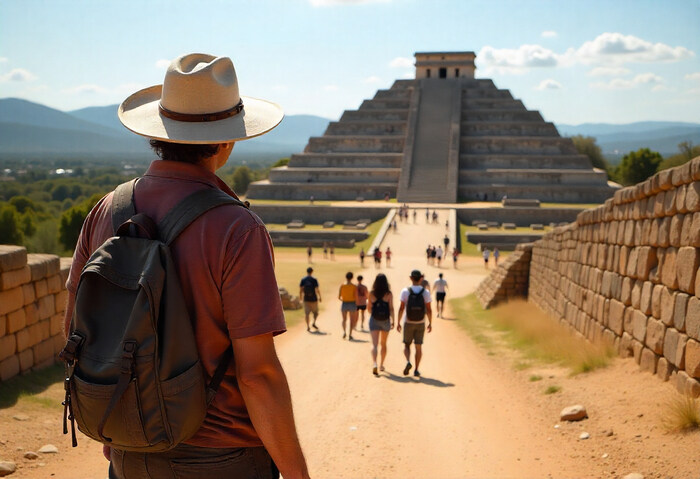
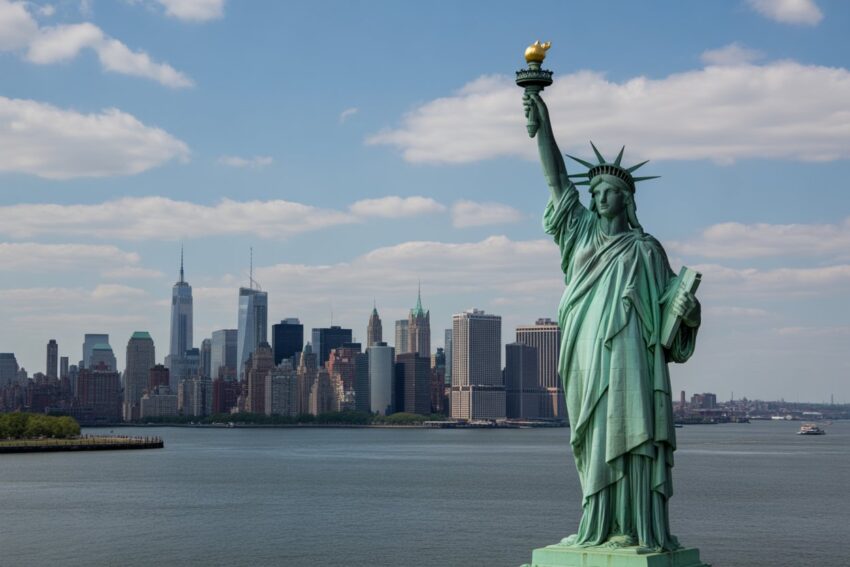
Canada Joins Brazil, Mexico, UK, Spain, Costa Rica and Other Nations as US Set to Implement New Travel Rules with Biometric Entry Exit, ESTA, Visa Screening, Higher Park Fees and More: Everything You Need to Know

Canada Joins Brazil, Mexico, UK, Spain, Costa Rica and Other Nations as US Set to Implement New Travel Rules with Biometric Entry Exit, ESTA, Visa Screening, Higher Park Fees and More: Everything You Need to Know
Canada, Brazil, Mexico, UK, Spain, Costa Rica, US, Biometric Entry Exit, ESTA, Visa Screening, Higher Park Fees,

In order to improve security and expedite border control, travelers from Canada, Brazil, Mexico, the UK, Spain, Costa Rica, and other nations will be subject to new U.S. travel regulations starting in 2026. These regulations include biometric entry and exit checks, required digital history disclosures for ESTA, and increased park fees. The U.S. government is making these adjustments as part of its continuous efforts to improve border security, lower identity fraud, and guarantee more extensive screening of foreign visitors. Travelers will have to adjust to these more stringent rules as the United States transitions to a more automated and digital border system. This could result in longer wait times at immigration checkpoints and higher travel costs. Knowing these new regulations will be essential to preventing delays and extra expenses, whether you’re traveling for work, pleasure, or business.

If you’re planning to visit the U.S. anytime soon, here’s everything you need to know about the upcoming regulations and how they will affect your trip.

The Biometric Entry/Exit System: Major Changes for All Non-Citizens

One of the most significant changes that will impact Canada, Mexico, Brazil, and other countries is the biometric entry-exit system, which will be fully implemented by December 26, 2025. Previously, certain travellers—particularly from countries like Canada—were exempt from biometric checks, allowing them to pass through U.S. borders more quickly and easily. But starting late 2025, no one is exempt.

This means that facial biometrics (essentially facial scans) will be required for all non-U.S. citizens entering or exiting the U.S., whether by air, land, or sea. Previously, U.S. citizens could opt-out, but for international travellers, this will be mandatory. The process will not only speed up security checks but also improve the U.S.’s ability to track who is entering and leaving the country.

Canadian nationals, who were historically spared from some of these procedures, will now face the same biometric checks as travelers from other countries. This move is expected to reduce cross-border flow and could strain travel dynamics between the U.S. and Canada, with early data showing a decline in travel numbers between the two countries as stricter regulations take hold.

The bigger picture? The U.S. aims to enhance national security by using biometric data to track visas, prevent fraudulent travel documents, and reduce the risk of visa overstays. However, this will likely lead to longer wait times at airports and increased friction for travellers, especially those unfamiliar with the new procedures.

Mandatory ESTA Digital Disclosure: New Digital Transparency for VWP Countries

In 2026, Visa Waiver Program (VWP) travellers—nationals from countries such as the UK, Spain, Costa Rica, and Germany—will face the implementation of a new ESTA rule that goes beyond the standard security questions. The new rule will require applicants to submit detailed digital history as part of their application.

Starting Spring 2026, all travellers applying for ESTA will have to disclose their social media profiles, email addresses, and phone numbers used over the past five to ten years. This is part of a broader effort by the U.S. government to assess digital footprints and ensure that travellers don’t have any connections to hostile political views or groups. The new policy is designed to give authorities a more complete view of a traveller’s background, potentially preventing entry for individuals deemed to have harmful intent or connections.

While this will certainly improve national security, it’s bound to raise concerns about privacy and the impact of political activity on travellers’ entry into the U.S. Travellers may face increased scrutiny if their social media history or email exchanges paint them in a light that raises red flags with U.S. authorities.

Visa Screening and More Scrutiny for Foreign Workers

As part of the U.S.’s broader effort to tighten immigration controls, there will also be more intense visa screening procedures for foreign nationals, particularly those applying for work visas like the H-1B or L-1. Starting in late 2025, the U.S. Department of Homeland Security (DHS) will increase scrutiny of visa applications by requiring deeper background checks into applicants’ digital activities, including social media content.

For countries like Mexico and Brazil, this means that applicants seeking to enter the U.S. for employment will undergo a far more rigorous process. Not only will applicants face additional questioning, but their social media profiles and digital interactions will also be assessed. This is expected to create a logjam in the visa approval process and could lead to delays for workers seeking jobs in the U.S.

The goal of these changes is clear: the U.S. wants to screen out individuals who may pose a threat to national security or have extremist tendencies. However, critics argue that this move could lead to an increased burden for individuals whose digital presence has been misinterpreted or who have participated in controversial social media discussions.

Higher Park Fees: A Growing Financial Burden for International Visitors

Visitors from countries such as Canada, Mexico, and Spain will also face higher fees when visiting U.S. national parks starting in 2026. These new fees will be added to the regular admission prices, significantly increasing the cost of visiting iconic parks like Yellowstone, Yosemite, and the Grand Canyon.

International visitors will pay an additional $100 per day on top of regular entrance fees, making trips to some of the U.S.’s most popular tourist destinations significantly more expensive. This policy is seen as an effort to boost funding for park maintenance, but it could dissuade some international travellers from visiting these natural wonders.

While U.S. nationals will be unaffected, visitors from abroad will now need to factor these additional costs into their travel budgets, which may deter some travellers from visiting the U.S. and lead to a drop in international tourism to these areas. The timing of this change is critical, as the U.S. hopes to capitalize on post-pandemic tourism. However, higher fees could reduce the number of international visitors willing to pay premium prices.

Stricter USCIS Rules on Immigration Photographs: A New Step to Prevent Identity Fraud

The U.S. Citizenship and Immigration Services (USCIS) has introduced stricter rules for photographs used in immigration paperwork. This new policy aims to reduce identity fraud and ensure the authenticity of documents submitted by individuals applying for U.S. visas, green cards, or other immigration benefits.

As of the latest update, the USCIS now requires that all photographs submitted with immigration forms must meet specific size, lighting, background, and clarity guidelines. The photos must also be free from any alterations or tampering, which means applicants need to ensure their photos are authentic and meet the precise specifications outlined by the USCIS to avoid rejection or delays in their application process.

This tightening of photo requirements will impact individuals seeking to immigrate to the U.S., as poorly formatted or non-compliant photographs could result in a delay or even a rejection of their application. The move is part of a larger effort by the U.S. government to combat identity theft and fraud within the immigration system.

For those applying for visas or green cards, ensuring that the submitted photographs meet the new USCIS guidelines is critical to avoid unnecessary delays. It is advisable for applicants to review the USCIS website for detailed photo requirements or consult with an immigration professional to ensure compliance.

These changes also align with the broader U.S. policy to tighten security and improve the vetting process for foreign nationals entering the country. While it may seem like an additional hurdle, the goal is to create a more secure immigration system by preventing fraudulent documents and ensuring a streamlined, trustworthy application process.

How Will These Changes Impact Global Tourism?

These changes will undoubtedly have a significant impact on global travel patterns, particularly for countries like Canada, Mexico, Brazil, UK, Spain, and Costa Rica. As the U.S. implements stricter controls on travel entry and introduces new fees, international tourists may feel alienated, facing longer waits, higher costs, and invasive security procedures.

For Canadian travelers, the removal of the biometric exemption and the introduction of new digital disclosure rules will likely create friction in what was previously a relatively simple and speedy crossing. With a decline in cross-border traffic already being observed, these changes could cause further strain.

Meanwhile, European and Latin American tourists—particularly those from Spain, Costa Rica, and Brazil—may reconsider U.S. destinations in favour of places with fewer bureaucratic hurdles and lower costs. International travel to the U.S. could become a highly regulated experience, where additional time, costs, and complexity may outweigh the appeal of visiting famous attractions.

Preparing for the Changes: What You Need to Know

As these regulations roll out, travelers must take proactive steps to ensure smooth entry into the U.S. Here’s what you can do:

  • Stay updated on ESTA rules: If you are from a VWP country, start preparing your digital profiles now. Be aware that social media history and email records will be scrutinised as part of your ESTA application.
  • Ensure compliance with biometric entry: Expect biometric checks at all U.S. entry points. Make sure your passport or travel documents are in order, and be prepared for longer wait times at airports.
  • Prepare for higher costs: If you’re planning to visit U.S. national parks, budget for the new higher park fees that will be imposed on foreign visitors.
  • Visa applicants, take note: If you’re applying for an H-1B or other work visa, prepare for additional screening that includes a closer look at your digital footprint. Be ready for delays in the process.

Starting in 2026, travelers from Canada, Brazil, Mexico, the UK, Spain, Costa Rica, and other countries will face new U.S. rules, including biometric checks, digital history disclosures, and higher park fees, all aimed at improving security and streamlining border control. These changes are designed to enhance safety, reduce fraud, and modernize the U.S. immigration process.

Conclusion: A New Era for U.S. Travel and Tourism

The U.S. is ushering in a new era of travel regulations that will impact millions of international visitors. Canada, Brazil, Mexico, Spain, Costa Rica, and many other nations will need to adapt to biometric checks, ESTA disclosures, visa screening, and higher park fees. For travellers, these changes will mean longer waits, more scrutiny, and higher costs—but they also represent a shift toward more secure and controlled borders.

As the 2026 regulations are implemented, expect these new rules to change the way you travel to the U.S. Whether you’re a tourist or a business traveller, understanding these changes will be key to ensuring your trip goes smoothly.

The post Canada Joins Brazil, Mexico, UK, Spain, Costa Rica and Other Nations as US Set to Implement New Travel Rules with Biometric Entry Exit, ESTA, Visa Screening, Higher Park Fees and More: Everything You Need to Know appeared first on Travel And Tour World.
Malta Joins Latvia, Finland, Cyprus, Portugal, and More to Shatter Tourism Records in 2025 – The Explosive Growth That’s Taking Over Europe!

Malta Joins Latvia, Finland, Cyprus, Portugal, and More to Shatter Tourism Records in 2025 – The Explosive Growth That’s Taking Over Europe!

Malta, along with Latvia, Finland, Cyprus, Portugal, and other European destinations, is shattering tourism records with a surge like never before. These countries are leading the charge, experiencing explosive growth that is transforming Europe’s travel landscape. From the ancient wonders of Malta to the scenic fjords of Finland, each of these destinations offers something unique to travellers.

Latvia’s medieval charm, Cyprus’s rich history, and Portugal’s sun-kissed shores have made them the go-to spots for millions of tourists. The momentum doesn’t stop here; it’s only getting stronger. As these countries unite to drive unprecedented growth, they are not just breaking records, but also setting new standards for tourism across Europe. Malta, Latvia, Finland, Cyprus, Portugal, and more have become unstoppable forces, reshaping the future of European travel.

1. Malta: A Mediterranean Gem Unveiled

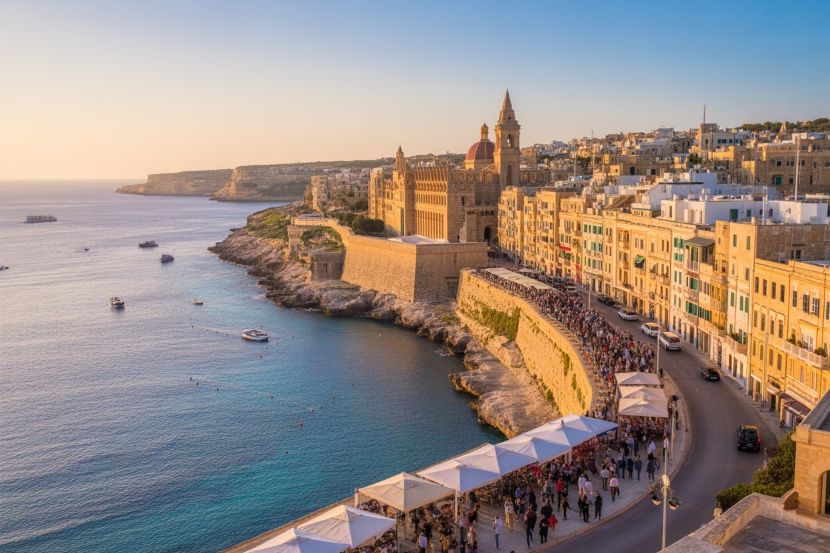
When you think of Malta, think of crystal-clear waters, ancient temples, and a rich cultural tapestry that dates back to the Bronze Age. The tiny Mediterranean island has become one of the top tourism hotspots in Europe for 2025, witnessing a 13% increase in foreign visitor numbers, according to official government data.

The country’s success can be attributed to its diverse appeal. Visitors flock to Malta for its beautiful beaches, but also for its rich cultural heritage. Valletta, the capital, is a UNESCO World Heritage site, and the island is home to some of the world’s most preserved historical landmarks. With its growing popularity among tourists seeking both relaxation and adventure, Malta is leading the way in tourism growth.

Why Malta Is Winning:

  • Historical attractions like St. John’s Co-Cathedral
  • Year-round pleasant climate
  • Easy accessibility from major European airports
  • Growth in both leisure and cultural tourism sectors

2. Latvia: A Baltic Beauty on the Rise

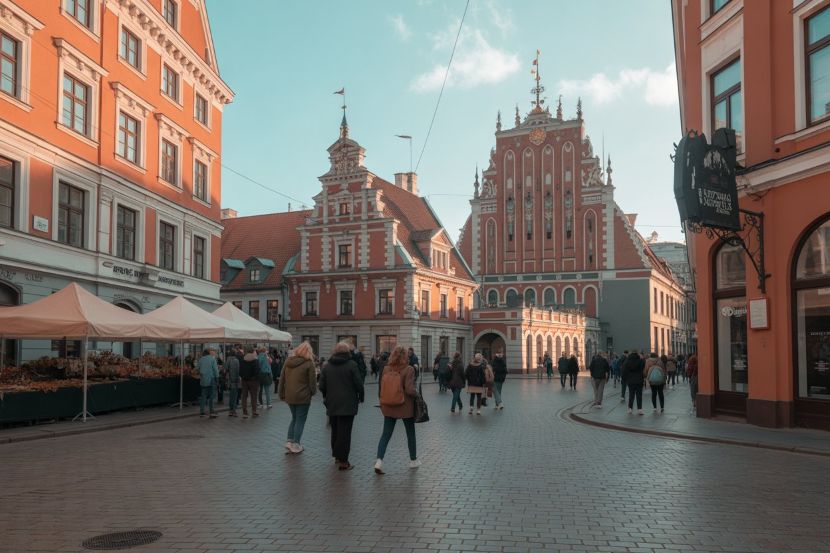
Latvia, the hidden gem of the Baltic region, is rocketing up the list of must-visit destinations for 2025. Its stunning beaches along the Baltic Sea, the medieval architecture of Riga, and the expansive national parks have made it a prime destination for tourists looking for something different.

Latvia’s tourism sector has surged by 14% in 2025, with a significant increase in international overnight stays. Tourists are increasingly visiting Latvia for its culture-rich offerings, including art museums, theatre performances, and local folk traditions. The tranquil landscapes and medieval castles offer a unique backdrop for both leisure and cultural tourism.

Why Latvia Is So Attractive:

  • Riga’s UNESCO-listed Old Town
  • Beautiful beaches and lush national parks
  • Thriving arts and culture scene
  • Affordable prices compared to other European destinations

3. Finland: A Land of Nature and Culture

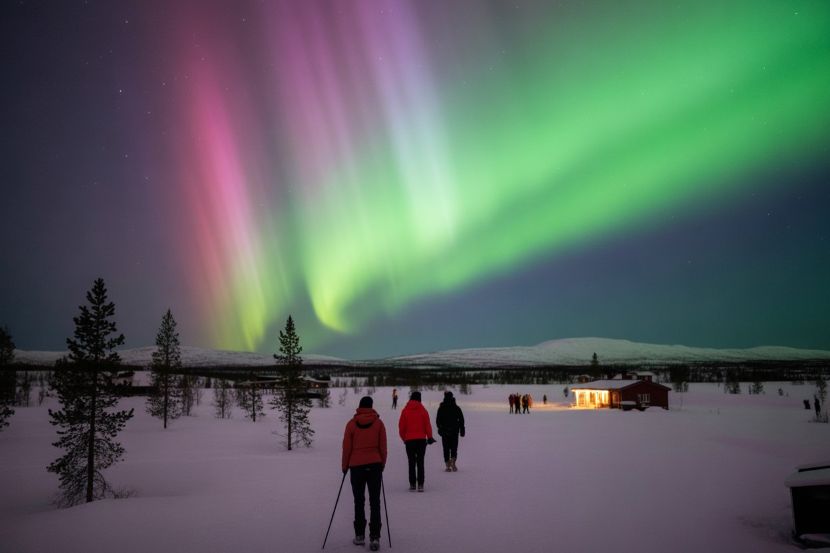
Finland’s tourism sector has been growing steadily for years, but 2025 has seen a massive boost in international interest. Official reports show a 10% rise in visitor numbers, with Lapland, the region known for the Northern Lights, becoming one of the most visited destinations for leisure tourism in Europe.

Cultural tourism is also on the rise. Helsinki, Finland’s vibrant capital, is known for its innovative design, world-class museums, and historic buildings. With an increasing number of tourists wanting to experience the magic of Finland’s natural beauty, the country is proving that it has something for everyone—whether you’re into wilderness adventure or urban exploration.

Why Finland Is Winning:

  • Lapland’s magical winter experiences
  • Strong focus on cultural tourism in Helsinki
  • The Northern Lights attracting tourists
  • Nature lovers’ paradise, with over 180,000 lakes
Malta Joins Latvia, Finland, Cyprus, Portugal, and More to Shatter Tourism Records in 2025 – The Explosive Growth That’s Taking Over Europe!

4. Cyprus: Sun, Sea, and Rich History

Cyprus is another country experiencing a boost in leisure and cultural tourism in 2025. Known for its beautiful beaches and ancient ruins, Cyprus has become an increasingly popular destination for those seeking a mix of sun and culture. Tourist arrivals to Cyprus increased by over 12% in 2025, with a particular surge in visitors seeking the island’s rich archaeological sites and traditional Cypriot culture.

Paphos, the birthplace of Aphrodite, and the ancient city of Kourion have become key attractions, drawing thousands of tourists eager to explore the island’s past. Combine this with its warm weather and inviting beaches, and it’s no surprise Cyprus is gaining in popularity.

Why Cyprus Is Booming:

  • Ancient ruins like Kourion and Tombs of the Kings
  • Beautiful beaches and luxury resorts
  • Growing appeal for cultural heritage tourism
  • Strategic location with easy access from Europe

5. Spain: Leading the Charge in European Tourism

Spain continues to be the king of European tourism in 2025. Official reports indicate a steady rise in foreign tourist arrivals, with cultural tourism being a major driver of growth. The country’s historic cities like Madrid, Seville, and Barcelona are attracting millions of international visitors keen to experience its art, history, and traditional fiestas.

Spain’s cultural tourism continues to attract travellers who want to experience world-renowned landmarks such as the Alhambra, the Sagrada Familia, and the Prado Museum. Spain’s mix of sun, sea, and culture has kept it firmly at the top of the tourist destination list for years.

Why Spain Is Dominating:

  • Rich cultural and historical landmarks
  • Iconic cities like Barcelona and Madrid
  • Year-round appeal with fantastic weather
  • Exceptional culinary scene and festivals

6. Portugal: The Best Kept Secret of Western Europe

Portugal has been riding a tourism wave in 2025, with a growth rate of over 11% in international visitors. Tourists are flocking to Portugal not just for its stunning coastline, but for its charming cities like Lisbon, Porto, and Sintra. These places offer cultural tourism experiences with a rich history of exploration, architecture, and art.

Portugal has emerged as a top destination for cultural and culinary tourism, with visitors eager to taste the world-renowned Port wine, sample traditional cuisine, and discover the UNESCO-listed Monastery of Batalha and the Tower of Belém.

Why Portugal Is Thriving:

  • Stunning architecture in Lisbon and Porto
  • Rich cultural and culinary experiences
  • Affordable compared to other Western European countries
  • Portugal’s world-famous wines and gastronomy

7. Poland: A New Star in the European Tourism Scene

Poland is becoming an increasingly popular destination for cultural tourism in 2025, especially as visitors discover its rich history and underrated cities. Cities like Krakow, Warsaw, and Gdansk are being praised for their preserved medieval architecture, Jewish heritage sites, and vibrant arts scenes.

Poland also offers fantastic value for money, attracting tourists from all over the world. Official data reveals a rise in foreign visitor numbers by 13% in 2025, with tourists keen to experience the country’s historical sites and growing art scene.

Why Poland Is On the Rise:

  • Rich historical and cultural attractions
  • Beautiful medieval towns like Gdansk and Krakow
  • Affordable for tourists compared to other European countries
  • Growing popularity in cultural tourism

8. Hungary: A Cultural Powerhouse

Hungary is showing impressive growth in its tourism sector. Budapest, the capital, is emerging as a top destination for cultural tourism in 2025, with its architectural beauty, thermal baths, and vibrant cultural festivals drawing visitors from across the globe. Hungary saw an increase of 15% in tourism arrivals this year.

Tourists flock to Hungary to experience its traditional music, food, and history, with UNESCO sites such as the Buda Castle attracting increasing numbers. The country’s appeal continues to grow as cultural tourism becomes a key driver of its success.

Why Hungary Is Thriving:

  • Rich cultural heritage in Budapest and beyond
  • Iconic landmarks like the Buda Castle
  • Thermal baths that attract wellness tourists
  • Vibrant arts and cultural scene

9. Norway: Fjords, Culture, and Adventure

Norway has long been famous for its natural beauty, and 2025 is no exception. With 10% more visitors flocking to the country, Norway continues to impress with its stunning fjords, Arctic landscapes, and rich Viking heritage. The country is a dream for both nature lovers and cultural enthusiasts.

Tourists also come to explore Oslo’s museums, Bergen’s UNESCO-listed old town, and the Viking Ship Museum, making it a perfect destination for those looking for both natural beauty and cultural history.

Why Norway Is Popular:

  • The Northern Lights and Arctic experiences
  • Iconic fjords, mountains, and outdoor adventure
  • Strong cultural offerings, including Viking heritage
  • Welcoming cities like Oslo
Malta Joins Latvia, Finland, Cyprus, Portugal, and More to Shatter Tourism Records in 2025 – The Explosive Growth That’s Taking Over Europe!

10. Iceland: A Land of Fire and Ice

Iceland is thriving in 2025, with tourist numbers rising as travellers seek its unique landscapes and cultural richness. Visitors come for the natural beauty, including volcanoes, hot springs, and glaciers, but also for its Viking roots, art museums, and saga sites.

Iceland’s unique geography and strong eco-tourism policies have positioned it as a growing player in both leisure and cultural tourism.

Why Iceland Is Booming:

  • Stunning landscapes, including volcanoes and glaciers
  • Unique cultural experiences, including Viking heritage
  • Year-round adventure tourism
  • Eco-friendly destination

Europe’s Tourism Boom in 2025

The European countries mentioned above are experiencing unmatched tourism growth in 2025, driven by cultural tourism, leisure experiences, and a wealth of historical and natural attractions. Whether you’re looking for sunny beaches, ancient ruins, or breathtaking landscapes, these destinations have it all—and more. Europe’s tourism is not just recovering, it’s flourishing, and these countries are proving that cultural and leisure tourism are key to driving success in 2025.

The post Malta Joins Latvia, Finland, Cyprus, Portugal, and More to Shatter Tourism Records in 2025 – The Explosive Growth That’s Taking Over Europe! appeared first on Travel And Tour World.
Best European Snow and Ski Destinations for 2025 Revealed: Val Thorens, Zermatt, Chamonix, and More Await Winter Adventure Seekers

Best European Snow and Ski Destinations for 2025 Revealed: Val Thorens, Zermatt, Chamonix, and More Await Winter Adventure Seekers
Top snow and ski destinations

Europe has long been the dream destination for winter sports enthusiasts, boasting an abundance of world-renowned ski resorts, stunning landscapes, and a rich après-ski culture. As 2025 approaches, several iconic ski resorts across the continent are preparing to offer the best snow conditions, thrilling slopes, and unforgettable winter experiences. From high-altitude ski resorts to unique snowy adventures, Europe has something for everyone. In this comprehensive travel guide, we will explore some of the top snow and ski destinations in Europe, offering practical advice, suggested itineraries, and essential travel tips.

1. Val Thorens, France – Europe’s Highest Ski Resort

Overview:
Val Thorens, located in the French Alps, is widely recognized as Europe’s highest ski resort, standing at an impressive altitude of 2,300 meters. As part of Les Trois Vallées, the world’s largest interconnected ski area with over 600 kilometers of slopes, it offers a vast and diverse terrain. Known for its guaranteed snow, Val Thorens attracts skiers from around the world, with a season lasting from late November to early May. The resort is popular for its reliable snow conditions and excellent facilities, making it an ideal choice for early-season skiing.

How to Reach:
By Air: The nearest major airports are Geneva, Chambéry, Lyon, and Grenoble. From Geneva, it takes about 2.5 hours by shuttle or private transfer to reach the resort.
By Train: The closest train station is Moûtiers–Salins–Brides-les-Bains, about 35 kilometers from Val Thorens. A bus or shuttle service connects the train station to the resort. Eurostar Snow services operate during the winter, offering direct connections from London St Pancras to Moûtiers.

Suggested Itinerary:

  • Day 1: Arrive in Geneva and transfer to Val Thorens. After checking into your accommodation, explore the resort and its surroundings.
  • Day 2: Spend the day skiing across the vast Les Trois Vallées terrain. Enjoy a variety of slopes, from beginner to advanced levels.
  • Day 3: For a change of pace, try a guided off-piste tour, snowshoeing, or tobogganing, and enjoy the breathtaking mountain views.
  • Day 4: Relax at the resort’s spa or indulge in après-ski activities in the evening. End the day with a gourmet dinner at one of Val Thorens’ renowned restaurants.
  • Day 5: Depart Val Thorens via shuttle back to Geneva and take your flight home.

Highlights:
• Reliable snow conditions throughout the season.
• Après-ski culture with vibrant nightlife.
• Non-ski activities like tobogganing, snowmobiling, and snowshoeing.

Typical Costs:
• Ski packages start at £610 per person, which includes lift passes, accommodation, and equipment rental.

Top snow and ski destinations

2. Val d’Isère, France – Iconic Alpine Adventure

Overview:
Val d’Isère, part of the famous Espace Killy ski area, is one of the top ski destinations in Europe. It is linked with Tignes, creating a massive ski area that caters to all levels of skiers. Val d’Isère is well-known for its challenging terrain, glacier access, and vibrant village life. The resort combines extensive pistes with a lively après-ski scene, making it perfect for those looking for both adventure and fun.

How to Reach:
By Air: The nearest airports are Geneva, Lyon, and Grenoble, with convenient bus or shuttle transfers to the resort.
By Train: The closest train station is Bourg-Saint-Maurice, around 30 kilometers away from Val d’Isère. Regular bus services connect the station to the resort.

Suggested Itinerary:

  • Day 1: Arrive in Val d’Isère and settle into your accommodation. Take time to explore the resort and its village.
  • Day 2: Spend the day skiing on the Espace Killy slopes, known for its variety and wide range of difficulty levels.
  • Day 3: For an extra thrill, try off-piste skiing or tackle the Vallée Blanche.
  • Day 4: After skiing, enjoy après-ski activities in the village or shop for souvenirs.
  • Day 5: Depart Val d’Isère via Geneva or Lyon for your return journey.

Highlights:
• Excellent for intermediate and advanced skiers, with challenging terrain and varied slopes.
• Known for its traditional alpine charm and vibrant village atmosphere.

3. Zermatt, Switzerland – Matterhorn Majesty

Overview:
Zermatt, located at the base of the famous Matterhorn, is one of Europe’s most picturesque ski resorts. Known for its stunning scenery and year-round glacier skiing, Zermatt offers breathtaking views and a luxurious ski experience. The resort is car-free, which contributes to its exclusive atmosphere and ensures that guests can fully immerse themselves in the mountain surroundings.

How to Reach:
By Air: The nearest major airports are Zurich and Geneva, both about 3.5 hours away by train.
By Train: Zermatt is a car-free village, so visitors must travel by train. Take the Swiss Federal Railways (SBB) from Zurich or Geneva to Visp, and then a scenic train ride to Zermatt.

Suggested Itinerary:

  • Day 1: Arrive in Zermatt and explore the car-free village. Take in the stunning views of the Matterhorn.
  • Day 2: Ski on the Matterhorn Glacier and enjoy panoramic views of the Alps.
  • Day 3: Take a scenic helicopter ride around the Matterhorn or visit Gornergrat Railway for spectacular views.
  • Day 4: Relax at a luxury spa or indulge in fine dining at one of Zermatt’s Michelin-starred restaurants.
  • Day 5: Depart Zermatt for Zurich or Geneva and take a return flight home.

Highlights:
• Skiing on the Matterhorn Glacier, with panoramic views of the Alps.
• A luxurious, car-free village with a rich history and culture.

Typical Costs:
• Ski holidays in Zermatt are premium, with daily budgets ranging from 200 CHF to 400 CHF, depending on accommodation and dining.

Top snow and ski destinations

4. Chamonix, France – Alpine Adventure Base

Overview:
Chamonix is one of Europe’s oldest and most celebrated ski resorts, located at the foot of Mont Blanc. Known for its challenging off-piste terrain and mountaineering opportunities, it offers an ideal destination for adventurous skiers. The resort also boasts a rich history and diverse ski culture, making it a must-visit for those seeking more than just the standard ski experience.

How to Reach:
By Air: Geneva is the nearest airport, approximately 90 kilometers away. Transfers by shuttle or private car are available.
By Train: Chamonix is well connected by rail, with regional services linking it to nearby towns.

Suggested Itinerary:

  • Day 1: Arrive in Chamonix and explore the town’s historic streets. Settle into your accommodation.
  • Day 2: Ski on the Vallée Blanche, known for its off-piste terrain and stunning mountain views.
  • Day 3: Try ice climbing or visit the Aiguille du Midi cable car for extraordinary views of Mont Blanc.
  • Day 4: Take another ski day or enjoy a winter sightseeing tour.
  • Day 5: Depart for Geneva for your return flight.

Highlights:
• Off-piste skiing on the Vallée Blanche.
• A great destination for intermediate and expert skiers.

5. Sierra Nevada, Spain – Sunny Snow Slopes

Overview:
Located near Granada, Sierra Nevada is the southernmost major ski resort in Europe. It offers a unique skiing experience, with slopes that rise up to 3,300 meters and stunning views of the Mediterranean. Sierra Nevada’s sunny atmosphere and long ski season make it a fantastic option for those looking to combine skiing with some sunshine.

How to Reach:
By Air: Granada Airport (GRX) is the closest, with Málaga (AGP) an alternative, about 2.5 hours away by car.
By Bus: Regular bus services operate from Granada and Málaga to Sierra Nevada.

Suggested Itinerary:

  • Day 1: Arrive at Granada and transfer to Sierra Nevada. Explore the resort.
  • Day 2: Ski the slopes with views of the Mediterranean Sea.
  • Day 3: Take a day trip to Granada to visit the Alhambra or explore the Alpujarras.
  • Day 4: Ski the remaining slopes or enjoy snowshoeing in the mountains.
  • Day 5: Depart for your return flight.

Highlights:
• The southernmost ski resort in Europe, with a sunny atmosphere.
• Suitable for all levels, with family-friendly slopes.

Top snow and ski destinations

6. Lapland, Finland – Arctic Snow Experiences

Overview:
For those seeking a winter experience beyond traditional alpine skiing, Finnish Lapland offers magical landscapes and unforgettable winter activities. Known for its cross-country skiing, snowmobiling, reindeer safaris, and Northern Lights, Lapland provides a unique winter experience like no other.

How to Reach:
By Air: Rovaniemi and Kittilä are the main airports in Lapland, with direct flights from several European cities.
By Train: Trains to Kolari connect with bus or shuttle services to ski resorts.

Suggested Itinerary:

  • Day 1: Arrive in Rovaniemi, visit Santa Claus Village, and explore the town.
  • Day 2: Go on a husky sled ride or reindeer safari through snowy forests.
  • Day 3: Ski at Levi or Ylläs, or try a snowmobile tour.
  • Day 4: Watch the Northern Lights from a glass igloo hotel.
  • Day 5: Return home via Helsinki.

Highlights:
• Ideal for snow lovers seeking culture and winter activities.
• Excellent Northern Lights viewing opportunities.

Travel Tips for Skiing in Europe (2025)

  • Visas: Most travellers outside the Schengen area will need a Schengen visa for countries like France, Switzerland, and Spain. Always check with the consulate for requirements.
  • Ski Passes: Ski passes can be costly. Pre-booking lift passes online often saves money, especially multi-day passes.
  • Accommodation: Book early for peak season months, such as Christmas, New Year, and February half-term.
  • Travel Insurance: Ensure your insurance covers winter sports, including skiing, snowboarding, and off-piste activities.

Conclusion

Europe offers a wide range of ski resorts, each offering unique experiences and reliable snow conditions. From the towering peaks of Val Thorens and Zermatt to the sunny slopes of Sierra Nevada and magical adventures in Finnish Lapland, there is something for everyone in the European winter wonderland of 2025. With early planning and a little research, travellers can enjoy the best snow experiences across Europe’s premier ski destinations.

The post Best European Snow and Ski Destinations for 2025 Revealed: Val Thorens, Zermatt, Chamonix, and More Await Winter Adventure Seekers appeared first on Travel And Tour World.

Mexico Set to Join France, Spain, the US, Turkey, and Italy as a Top Global Tourism Destination, Attracting Millions of Visitors, Nearly Thirty Billion Dollars in Revenue, and Record-Breaking Growth in 2025

Mexico Set to Join France, Spain, the US, Turkey, and Italy as a Top Global Tourism Destination, Attracting Millions of Visitors, Nearly Thirty Billion Dollars in Revenue, and Record-Breaking Growth in 2025

In 2025, Mexico is poised to join global tourism leaders such as France, Spain, the US, Turkey, and Italy, attracting millions of visitors and generating nearly thirty billion dollars in revenue. This surge is fueled by improved air connectivity, a stable political environment, and the country’s diverse cultural and natural attractions. With a projected 13.6% increase in international arrivals, Mexico is on track for record growth, reinforcing its status as a top global tourism destination.

Mexico’s tourism sector has seen remarkable growth in 2025, with almost 80 million international visitors between January and October—a 13.6% increase from the same period in 2024. This surge highlights the country’s growing appeal as a must-visit destination and the strong confidence travelers have in Mexico’s stability and government.

Tourism Growth and Economic Impact

The latest data reveals that 79.3 million international visitors arrived in Mexico during the first ten months of 2025. This includes 38.4 million international tourists, those spending at least one night in the country, and 8.9 million cruise ship passengers, an 11.8% increase in maritime arrivals. The tourism sector’s contribution to Mexico’s economy has been significant, with the industry generating US$28.2 billion in revenue, marking a 6.5% year-on-year increase.

The substantial increase in both visitor numbers and foreign currency earnings is a clear indication of Mexico’s growing stature in the global tourism market. This positive trend is a testament to the strength of the country’s tourism sector and its ability to recover and thrive post-pandemic.

October 2025: A Record-Breaking Month

October 2025 saw Mexico setting new records for international visitors and their spending. A total of 8.3 million international visitors arrived during the month, marking a 10.7% increase from October 2024. Visitor spending also reached new heights, with $2.44 billion spent during the month. This represents a 9.3% increase compared to October 2024 and a staggering 50.3% increase compared to the same month in 2019, before the pandemic’s severe impact on the tourism industry.

In addition, 3.74 million international tourists visited Mexico in October, a slight 0.1% increase compared to the previous year. These figures reflect the ongoing recovery of Mexico’s tourism industry, which has rebounded remarkably from the challenges posed by the COVID-19 pandemic.

Air Travel: A Steady Climb

Mexico’s air travel sector has continued to show steady growth in 2025. In the first ten months of the year, 47.98 million people arrived in Mexico on international flights, reflecting a 1.4% increase compared to the same period in 2024. Among the countries showing notable increases in arrivals were Italy, which saw a 14.8% increase in visitors, marking the highest growth rate among all nationalities. Other countries with strong growth include Argentina (+14.3%), South Korea (+11.6%), Canada (+11.4%), China (+10.6%), and the United States (+0.6%).

Despite a modest increase from the U.S., the United States remains Mexico’s largest source of international visitors, underscoring the importance of the U.S.-Mexico travel connection.

Domestic Air Travel: Growth Across the Nation

Domestic air travel in Mexico also saw a significant boost in 2025, with 52.43 million passengers flying within the country between January and October. This marks a 3.2% increase compared to the same period in 2024, further solidifying Mexico as a key destination not only for international tourists but also for domestic travelers. The increase in domestic travel highlights the country’s importance as a hub for both leisure and business tourism.

Mexico’s Busiest Airports

Mexico’s airports continue to see a steady rise in passenger traffic. In total, Mexico’s airports served 157.2 million passengers during the first ten months of 2025, representing a 2.5% increase compared to the same period in 2024. The busiest airports in the country during this period were:

  1. Mexico City International Airport – 36.9 million passengers
  2. Cancún International Airport – 24.4 million passengers
  3. Guadalajara International Airport – 15.3 million passengers
  4. Monterrey International Airport – 13 million passengers
  5. Tijuana International Airport – 10.6 million passengers
  6. Los Cabos International Airport – 6.2 million passengers
  7. Felipe Ángeles International Airport – 5.8 million passengers
  8. Puerto Vallarta International Airport – 5.6 million passengers
  9. Mérida International Airport – 3.2 million passengers
  10. Bajío International Airport – 2.7 million passengers

These numbers underscore Mexico’s growing importance as both a travel destination and a transportation hub. The country’s airports are handling increasing volumes of both international and domestic traffic, reflecting the broader growth and dynamism of the tourism industry.

Looking Ahead

In 2025, Mexico is set to join global tourism leaders like France, Spain, the US, Turkey, and Italy, attracting millions of visitors and nearly thirty billion dollars in revenue. This growth reflects enhanced connectivity, political stability, and Mexico’s rich cultural and natural offerings.

As Mexico continues to attract record numbers of international visitors and sees consistent growth in its tourism revenue, the outlook for the country’s tourism sector remains positive. With strong growth in air travel, an expanding range of international markets, and growing domestic tourism, Mexico is poised to remain a leading player in the global travel industry. The continued recovery and expansion of its tourism industry provide a strong foundation for future growth, further bolstering the country’s economic resilience and global appeal.

The post Mexico Set to Join France, Spain, the US, Turkey, and Italy as a Top Global Tourism Destination, Attracting Millions of Visitors, Nearly Thirty Billion Dollars in Revenue, and Record-Breaking Growth in 2025 appeared first on Travel And Tour World.
❌