❌

Reading view

Cancun Becomes the Top Winter Escape for North American Travelers Offering Sunshine and Unique Experiences for the 2025-2026 Season
Cancun Becomes the Top Winter Escape for North American Travelers Offering Sunshine and Unique Experiences for the 2025-2026 Season
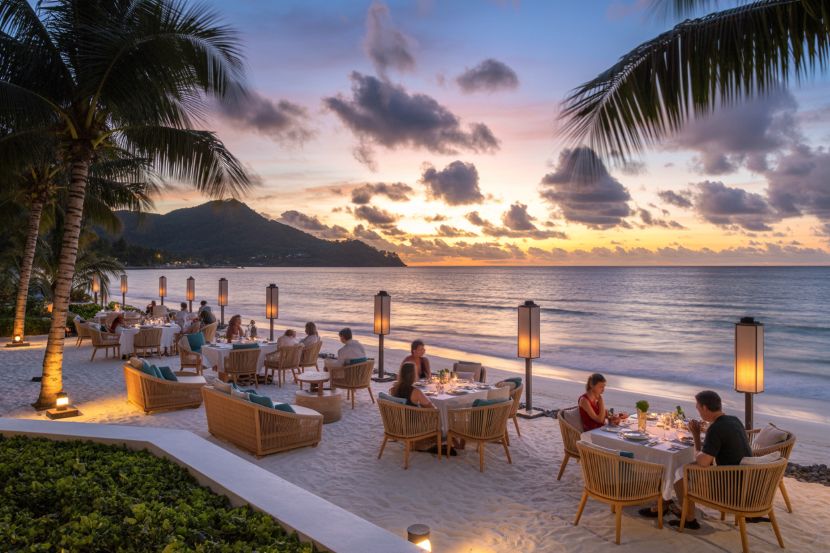
Fiesta Americana Condesa CancΓΊn offers gourmet dining with stunning beach views.

As the winter season of 2025 approaches, Cancun, Mexico, is quickly rising to the top of the list for North American travelers seeking warmth, relaxation, and adventure. With its consistently pleasant climate, easy accessibility, and growing focus on unique experiences beyond traditional resorts, Cancun is positioned to attract an unprecedented number of visitors this winter season.

Cancun’s surge in popularity for the 2025 – 2026 winter season can be attributed to a combination of factors. Travelers from colder climates in the U.S. and Canada are increasingly seeking reliable warm-weather destinations, and Cancun’s climate delivers just that. The city is also becoming more accessible due to increased direct flights from major North American hubs, making it an easy, cost-effective escape. Additionally, Cancun is pivoting from a typical resort-based destination to a broader, experience-driven tourism model that appeals to affluent travelers looking for more than just sun and sand.

Why Cancun is Dominating Winter Travel in 2025

  1. Consistent Warm Weather: Cancun’s average temperatures during the winter season remain between the mid-70s to low 80s Fahrenheit (around 28Β°C). With the increasing unpredictability of winter weather in North America, Cancun’s reliable warmth is a major draw.
  2. Increased Airline Accessibility: Direct flights from major cities like New York, Toronto, Chicago, Dallas, and Minneapolis make Cancun an easy choice for travelers. With airlines increasing flight routes and capacity, getting to Cancun is more convenient and affordable than ever.
  3. Shift Toward Experience-Driven Tourism: While Cancun has traditionally been known for its all-inclusive resorts, tourists are now looking for more personalized, memorable experiences. Whether it’s luxury car rentals, private tours, or unique cultural encounters, Cancun has adapted to meet the evolving expectations of travelers.
  4. Sustainable and Luxury Options: With its growing reputation as a luxury destination, Cancun offers a range of high-end services such as concierge-led experiences, boutique accommodations, and exotic car rentals. These upscale services are particularly popular during the high-demand holiday season.
  5. Peak Winter Travel Trends: Many travelers now prioritize reliability and comfort over just escaping the cold. Cancun’s predictable, pleasant weather offers just that, with fewer risks of airport delays, snowstorms, or harsh temperatures that can disrupt holiday plans.

How Cancun is Meeting Traveler Expectations

As more North American travelers opt for winter escapes, Cancun is positioned to offer experiences that go beyond traditional beach vacations. These offerings have been particularly appealing for those seeking more than just resort stays, with many tourists now interested in curated, luxury experiences. Some of the key trends driving this shift include:

  • Luxury Car Rentals: Cancun is embracing high-end services such as luxury car rentals. Companies like Sun and Speed offer exotic supercars for rent, allowing travelers to explore the region in style. Vehicles such as the McLaren 750S, Lamborghini HuracΓ‘n Tecnica 60th Anniversary Edition, Porsche 911 Targa 4S, and Ferrari Roma offer an exhilarating way to experience Cancun and its surrounding areas.
  • Concierge-Based Services: For travelers seeking convenience and personalized service, concierge services in Cancun have been tailored to meet the growing demand. These services help travelers seamlessly coordinate activities, restaurant reservations, and private tours, ensuring a smooth and stress-free vacation experience.
  • Exclusive Cultural Experiences: With a growing focus on local culture, Cancun’s tourism offerings have expanded beyond the beach. Tourists are seeking authentic cultural experiences, such as private tours of ancient Mayan ruins, luxury yacht charters, and exclusive dinners featuring local cuisine.

How Cancun is Adapting to Increased Demand

Cancun’s rise as a top destination for winter travelers can be attributed to the city’s efforts to modernize and scale its infrastructure. As tourism demand increases, the city has worked diligently to ensure that it can handle high volumes of visitors without sacrificing the quality of the experience. Key areas of focus include:

  • Airport Expansion: Cancun’s airport has undergone significant upgrades to accommodate more international flights. The enhanced facilities improve the arrival experience for travelers, reducing congestion and providing seamless connections from international hubs.
  • Improved Transportation: Cancun’s transportation network has been upgraded, with better roads, streamlined transit options, and modernized accommodations. This ensures that visitors can travel with ease throughout the city and surrounding areas.
  • Enhanced Accommodations: Cancun has expanded its luxury offerings, including boutique hotels and premium resorts that cater to more discerning travelers. The focus on high-end accommodations ensures that visitors have access to exclusive experiences while enjoying Cancun’s natural beauty.

Peak Winter Travel: Why Cancun is the Destination of Choice

As the winter season approaches, many travelers from North America are opting for a destination that offers not just a getaway from the cold, but a place to create lasting memories. Cancun checks all the boxes for those seeking relaxation, adventure, and cultural immersion. The growing demand for Cancun as a winter escape is fueled by several key factors:

  • Escaping the Cold: As winters across North America become more extreme, travelers are looking for warmth and relaxation. Cancun offers the perfect combination of sun, beaches, and outdoor activities, making it a top destination for those seeking refuge from snowstorms and subzero temperatures.
  • Affordability and Value: Cancun offers a variety of accommodation options to suit all budgets. Whether travelers are seeking a luxury all-inclusive experience or a more affordable, family-friendly stay, Cancun delivers exceptional value.
  • Shorter Travel Times: For those living in colder climates, Cancun is often easier to reach than other Caribbean or European destinations. With direct flights from major cities and shorter travel times, Cancun provides convenience for those looking for a quick and easy escape.

Cancun: The Destination of Choice for North American Winter Travelers

For 2025 – 2026, Cancun is set to end the year with record numbers of visitors. As a result of its appeal to North American travelers, Cancun is becoming more than just a typical vacation destination; it is evolving into a global hub for winter tourism. The city offers a perfect blend of luxury, reliability, and unique experiences that cater to a wide range of travelers seeking warmth, culture, and adventure during the cold winter months.

Cancun’s position at the top of winter travel lists reflects a broader shift in the way travelers approach their winter holidays. With its predictable climate, enhanced accessibility, and growing focus on high-quality experiences, Cancun is primed to continue its rise as one of the most sought-after international destinations.

The post Cancun Becomes the Top Winter Escape for North American Travelers Offering Sunshine and Unique Experiences for the 2025-2026 Season appeared first on Travel And Tour World.


Canada Joins Brazil, Mexico, UK, Spain, Costa Rica and Other Nations as US Set to Implement New Travel Rules with Biometric Entry Exit, ESTA, Visa Screening, Higher Park Fees and More: Everything You Need to Know

Canada Joins Brazil, Mexico, UK, Spain, Costa Rica and Other Nations as US Set to Implement New Travel Rules with Biometric Entry Exit, ESTA, Visa Screening, Higher Park Fees and More: Everything You Need to Know
Canada, Brazil, Mexico, UK, Spain, Costa Rica, US, Biometric Entry Exit, ESTA, Visa Screening, Higher Park Fees,

In order to improve security and expedite border control, travelers from Canada, Brazil, Mexico, the UK, Spain, Costa Rica, and other nations will be subject to new U.S. travel regulations starting in 2026. These regulations include biometric entry and exit checks, required digital history disclosures for ESTA, and increased park fees. The U.S. government is making these adjustments as part of its continuous efforts to improve border security, lower identity fraud, and guarantee more extensive screening of foreign visitors. Travelers will have to adjust to these more stringent rules as the United States transitions to a more automated and digital border system. This could result in longer wait times at immigration checkpoints and higher travel costs. Knowing these new regulations will be essential to preventing delays and extra expenses, whether you’re traveling for work, pleasure, or business.

If you’re planning to visit the U.S. anytime soon, here’s everything you need to know about the upcoming regulations and how they will affect your trip.

The Biometric Entry/Exit System: Major Changes for All Non-Citizens

One of the most significant changes that will impact Canada, Mexico, Brazil, and other countries is the biometric entry-exit system, which will be fully implemented by December 26, 2025. Previously, certain travellersβ€”particularly from countries like Canadaβ€”were exempt from biometric checks, allowing them to pass through U.S. borders more quickly and easily. But starting late 2025, no one is exempt.

This means that facial biometrics (essentially facial scans) will be required for all non-U.S. citizens entering or exiting the U.S., whether by air, land, or sea. Previously, U.S. citizens could opt-out, but for international travellers, this will be mandatory. The process will not only speed up security checks but also improve the U.S.’s ability to track who is entering and leaving the country.

Canadian nationals, who were historically spared from some of these procedures, will now face the same biometric checks as travelers from other countries. This move is expected to reduce cross-border flow and could strain travel dynamics between the U.S. and Canada, with early data showing a decline in travel numbers between the two countries as stricter regulations take hold.

The bigger picture? The U.S. aims to enhance national security by using biometric data to track visas, prevent fraudulent travel documents, and reduce the risk of visa overstays. However, this will likely lead to longer wait times at airports and increased friction for travellers, especially those unfamiliar with the new procedures.

Mandatory ESTA Digital Disclosure: New Digital Transparency for VWP Countries

In 2026, Visa Waiver Program (VWP) travellersβ€”nationals from countries such as the UK, Spain, Costa Rica, and Germanyβ€”will face the implementation of a new ESTA rule that goes beyond the standard security questions. The new rule will require applicants to submit detailed digital history as part of their application.

Starting Spring 2026, all travellers applying for ESTA will have to disclose their social media profiles, email addresses, and phone numbers used over the past five to ten years. This is part of a broader effort by the U.S. government to assess digital footprints and ensure that travellers don’t have any connections to hostile political views or groups. The new policy is designed to give authorities a more complete view of a traveller’s background, potentially preventing entry for individuals deemed to have harmful intent or connections.

While this will certainly improve national security, it’s bound to raise concerns about privacy and the impact of political activity on travellers’ entry into the U.S. Travellers may face increased scrutiny if their social media history or email exchanges paint them in a light that raises red flags with U.S. authorities.

Visa Screening and More Scrutiny for Foreign Workers

As part of the U.S.’s broader effort to tighten immigration controls, there will also be more intense visa screening procedures for foreign nationals, particularly those applying for work visas like the H-1B or L-1. Starting in late 2025, the U.S. Department of Homeland Security (DHS) will increase scrutiny of visa applications by requiring deeper background checks into applicants’ digital activities, including social media content.

For countries like Mexico and Brazil, this means that applicants seeking to enter the U.S. for employment will undergo a far more rigorous process. Not only will applicants face additional questioning, but their social media profiles and digital interactions will also be assessed. This is expected to create a logjam in the visa approval process and could lead to delays for workers seeking jobs in the U.S.

The goal of these changes is clear: the U.S. wants to screen out individuals who may pose a threat to national security or have extremist tendencies. However, critics argue that this move could lead to an increased burden for individuals whose digital presence has been misinterpreted or who have participated in controversial social media discussions.

Higher Park Fees: A Growing Financial Burden for International Visitors

Visitors from countries such as Canada, Mexico, and Spain will also face higher fees when visiting U.S. national parks starting in 2026. These new fees will be added to the regular admission prices, significantly increasing the cost of visiting iconic parks like Yellowstone, Yosemite, and the Grand Canyon.

International visitors will pay an additional $100 per day on top of regular entrance fees, making trips to some of the U.S.’s most popular tourist destinations significantly more expensive. This policy is seen as an effort to boost funding for park maintenance, but it could dissuade some international travellers from visiting these natural wonders.

While U.S. nationals will be unaffected, visitors from abroad will now need to factor these additional costs into their travel budgets, which may deter some travellers from visiting the U.S. and lead to a drop in international tourism to these areas. The timing of this change is critical, as the U.S. hopes to capitalize on post-pandemic tourism. However, higher fees could reduce the number of international visitors willing to pay premium prices.

Stricter USCIS Rules on Immigration Photographs: A New Step to Prevent Identity Fraud

The U.S. Citizenship and Immigration Services (USCIS) has introduced stricter rules for photographs used in immigration paperwork. This new policy aims to reduce identity fraud and ensure the authenticity of documents submitted by individuals applying for U.S. visas, green cards, or other immigration benefits.

As of the latest update, the USCIS now requires that all photographs submitted with immigration forms must meet specific size, lighting, background, and clarity guidelines. The photos must also be free from any alterations or tampering, which means applicants need to ensure their photos are authentic and meet the precise specifications outlined by the USCIS to avoid rejection or delays in their application process.

This tightening of photo requirements will impact individuals seeking to immigrate to the U.S., as poorly formatted or non-compliant photographs could result in a delay or even a rejection of their application. The move is part of a larger effort by the U.S. government to combat identity theft and fraud within the immigration system.

For those applying for visas or green cards, ensuring that the submitted photographs meet the new USCIS guidelines is critical to avoid unnecessary delays. It is advisable for applicants to review the USCIS website for detailed photo requirements or consult with an immigration professional to ensure compliance.

These changes also align with the broader U.S. policy to tighten security and improve the vetting process for foreign nationals entering the country. While it may seem like an additional hurdle, the goal is to create a more secure immigration system by preventing fraudulent documents and ensuring a streamlined, trustworthy application process.

How Will These Changes Impact Global Tourism?

These changes will undoubtedly have a significant impact on global travel patterns, particularly for countries like Canada, Mexico, Brazil, UK, Spain, and Costa Rica. As the U.S. implements stricter controls on travel entry and introduces new fees, international tourists may feel alienated, facing longer waits, higher costs, and invasive security procedures.

For Canadian travelers, the removal of the biometric exemption and the introduction of new digital disclosure rules will likely create friction in what was previously a relatively simple and speedy crossing. With a decline in cross-border traffic already being observed, these changes could cause further strain.

Meanwhile, European and Latin American touristsβ€”particularly those from Spain, Costa Rica, and Brazilβ€”may reconsider U.S. destinations in favour of places with fewer bureaucratic hurdles and lower costs. International travel to the U.S. could become a highly regulated experience, where additional time, costs, and complexity may outweigh the appeal of visiting famous attractions.

Preparing for the Changes: What You Need to Know

As these regulations roll out, travelers must take proactive steps to ensure smooth entry into the U.S. Here’s what you can do:

  • Stay updated on ESTA rules: If you are from a VWP country, start preparing your digital profiles now. Be aware that social media history and email records will be scrutinised as part of your ESTA application.
  • Ensure compliance with biometric entry: Expect biometric checks at all U.S. entry points. Make sure your passport or travel documents are in order, and be prepared for longer wait times at airports.
  • Prepare for higher costs: If you’re planning to visit U.S. national parks, budget for the new higher park fees that will be imposed on foreign visitors.
  • Visa applicants, take note: If you’re applying for an H-1B or other work visa, prepare for additional screening that includes a closer look at your digital footprint. Be ready for delays in the process.

Starting in 2026, travelers from Canada, Brazil, Mexico, the UK, Spain, Costa Rica, and other countries will face new U.S. rules, including biometric checks, digital history disclosures, and higher park fees, all aimed at improving security and streamlining border control. These changes are designed to enhance safety, reduce fraud, and modernize the U.S. immigration process.

Conclusion: A New Era for U.S. Travel and Tourism

The U.S. is ushering in a new era of travel regulations that will impact millions of international visitors. Canada, Brazil, Mexico, Spain, Costa Rica, and many other nations will need to adapt to biometric checks, ESTA disclosures, visa screening, and higher park fees. For travellers, these changes will mean longer waits, more scrutiny, and higher costsβ€”but they also represent a shift toward more secure and controlled borders.

As the 2026 regulations are implemented, expect these new rules to change the way you travel to the U.S. Whether you’re a tourist or a business traveller, understanding these changes will be key to ensuring your trip goes smoothly.

The post Canada Joins Brazil, Mexico, UK, Spain, Costa Rica and Other Nations as US Set to Implement New Travel Rules with Biometric Entry Exit, ESTA, Visa Screening, Higher Park Fees and More: Everything You Need to Know appeared first on Travel And Tour World.
Cancun Attracts Record-Breaking North American Travelers, The Top Reason Everyone’s Heading There This Season

Cancun Attracts Record-Breaking North American Travelers, The Top Reason Everyone’s Heading There This Season

As the 2025-2026 winter season approaches, Cancun has quickly become one of the most sought-after destinations for U.S. travelers looking for a warm and dependable winter getaway. By the end of October 2025, the city had already welcomed 7.65 million travelers through Cancun International Airport, closely mirroring the impressive figures of the previous year. This uptick in visitors is supported by travel data, which reveals that 122.4 million Americans are projected to travel between December 20 and January 1, making it one of the busiest holiday travel periods on record. Cancun’s growing popularity signals a broader shift in the global travel market, driven by weather-related factors, increasing accessibility, and a demand for greater certainty in vacation plans.

Cancun’s Rising Popularity: A Confluence of Key Factors

The growing appeal of Cancun as a top winter destination is not the result of a single factor but a combination of climate, accessibility, affordable pricing, and evolving traveler expectations. These elements have coalesced to position Cancun as the go-to destination for those seeking warmth, convenience, and reliable weather during the cold winter months.

Weather Volatility: A Major Driver of Cancun’s Popularity

One of the key factors behind Cancun’s increased popularity is the unpredictable nature of winter weather in much of the U.S. Areas like Ontario, Quebec, and the Upper Midwest are expected to experience more extended cold snaps, heavier snowfall, and disruptive freeze-thaw cycles during the 2025-2026 winter. This erratic weather makes it challenging for travelers to plan vacations with certainty, prompting many to seek destinations where they can expect more stable conditions.

In contrast, Cancun’s climate offers average temperatures of 28Β°C, making it an attractive option for those seeking a predictable winter climate. With sun, warmth, and plenty of outdoor activities, Cancun offers an ideal refuge from the harsh and often unreliable winter conditions found in the northern regions.

The Role of Accessibility in Cancun’s Success

Beyond its desirable climate, Cancun’s accessibility is another significant reason for its rise in popularity. Over recent years, airlines have expanded direct flight routes to Cancun from key hubs in both the U.S. and Canada. Cities such as Chicago, Dallas, New York, Minneapolis, and Toronto now have more convenient flight options to Cancun. This increase in flight availability has made it easier for travelers to visit Cancun, offering greater flexibility and convenience when planning their winter holidays.

The availability of frequent flights, competitive pricing, and direct routes has shifted Cancun’s image from being a destination reserved for special occasions to becoming an affordable winter retreat for many. The ease of access to Cancun has allowed travelers to plan vacations with confidence and less lead time.

Cancun’s Infrastructure: Meeting the Growing Demand

As Cancun continues to attract more visitors, the city has invested heavily in its infrastructure to handle the influx of tourists. Upgrades to the airport, improved road networks, and expanded hospitality districts have ensured that Cancun can accommodate the growing number of international visitors without compromising the quality of service. These investments have made the travel experience in Cancun smoother and more enjoyable for visitors, and this continued focus on infrastructure ensures that the city can sustain its growth as a top tourist destination.

Cancun’s commitment to maintaining high service standards also plays a crucial role in its continued success. As the city becomes a major hub for international tourism, these improvements enhance the overall visitor experience, reinforcing Cancun’s reputation as a leading vacation spot.

Cancun’s Timing and the Shift in Traveler Preferences

The surge in Cancun’s popularity is not merely the result of seasonal demand but rather a confluence of timing, strategic infrastructure improvements, and a significant shift in traveler behavior. With winter weather becoming more extreme in the northern regions, travelers are growing increasingly selective about how they spend their vacation time. Today’s travelers are looking for destinations that offer warmth, convenience, and meaningful travel experiences, all of which Cancun provides.

Cancun perfectly aligns with this growing demand. For the 2025-2026 winter season, the city stands at the intersection of reliable weather, easy access, and the demand for enriching travel experiences. Modern travelers are no longer seeking just an escape from the cold; they are in search of certainty, quality, and memorable experiences. Cancun meets all of these needs and offers a vacation that goes beyond the usual winter retreat.

Cancun: More Than Just a Winter Escape

Cancun’s rise to prominence as a winter getaway is not just about its favorable weather; it is also a response to the changing expectations of travelers. Today, travelers are not simply looking for a break from winter, but for a destination that offers comfort, convenience, and a chance to create lasting memories. Cancun has become a place where travelers can enjoy both warmth and the opportunity to have a truly memorable experience.

As winter travel patterns continue to evolve, Cancun has positioned itself as a key player in this shift. More and more travelers are looking for destinations that offer certainty, affordability, and the ability to experience meaningful moments. Cancun’s ability to deliver these qualities makes it an increasingly attractive option for those looking to escape the stress of the winter months.

Cancun’s Influence on Global Travel Trends

The growing demand for Cancun as a winter destination is not isolated. It is a reflection of global travel trends that highlight travelers’ increasing desire for reliable and predictable destinations, especially during the winter months. As climate change continues to disrupt weather patterns worldwide, more travelers are likely to seek out destinations that offer consistent weather, like Cancun, which offers warmth and stability during the colder months.

This shift in travel preferences could have long-lasting implications for the winter tourism industry. Cancun’s stable climate, dependable infrastructure, and consistent service position it as a model for future winter destinations. As travelers increasingly seek locations that provide comfort, certainty, and memorable experiences, destinations with less predictable weather or more extreme conditions may struggle to compete with Cancun’s consistent offerings.

Long-Term Impact on the Winter Tourism Market

Cancun’s rising popularity signals a broader change in winter travel patterns. As more regions experience climate volatility and unpredictable weather, travelers will likely prioritize destinations like Cancun that offer dependable and stable vacation experiences. Cancun’s growth is part of a broader trend in the travel industry, where certainty and predictability are becoming key decision-making factors for travelers.

This shift suggests that travelers are increasingly placing a premium not only on favorable weather but also on affordability, accessibility, and the overall quality of their travel experience. This trend is likely to shape the future of winter tourism, with destinations offering a mix of comfort, reliability, and memorable experiences set to attract more visitors in the coming years.

Cancun’s Winter Leadership: A Glimpse Into the Future

As the 2025-2026 winter season unfolds, Cancun’s role as the leading winter destination for U.S. travelers has become undeniable. The city’s growing popularity can be attributed to a blend of favorable climate, improved accessibility, and substantial investments in infrastructure, as well as a shift in traveler expectations. Cancun’s ability to provide reliable, affordable, and meaningful travel experiences has solidified its place as a key player in the global travel market.

Cancun’s success is not just a seasonal trend; it represents the future of winter tourism. As climate change continues to affect destinations worldwide, Cancun’s stability offers a clear model for other locations seeking to cater to travelers’ needs for certainty and comfort. This trend is likely to continue, with Cancun maintaining its lead as the ultimate winter escape for travelers looking for warmth, convenience, and unforgettable experiences during the cold winter months.

Cancun’s Winter Success and the Future of Travel

Cancun’s rise as a premier winter destination for travelers reflects a broader shift in how people approach their vacations. With its reliable climate, affordable prices, easy access, and top-tier infrastructure, Cancun has become the ultimate destination for those seeking warmth, relaxation, and enriching experiences during the winter months. The city’s growing success signals the direction in which the winter tourism industry is headingβ€”toward destinations that offer predictability, comfort, and memorable travel moments. As more travelers look for reliable and consistent vacation options, Cancun is well-positioned to remain at the forefront of this growing trend.

The post Cancun Attracts Record-Breaking North American Travelers, The Top Reason Everyone’s Heading There This Season appeared first on Travel And Tour World.
Experience Cancun This Winter: Top Reasons It’s the Go-To Destination for 2025

Experience Cancun This Winter: Top Reasons It’s the Go-To Destination for 2025

With the winter approaching, Cancun has become the number one destination for U.S and Canadian travelers! and it is predicted that this trend will only continue in 2025 . With numerous amenities, Cancun can accommodate the traveling needs for all people no matter their travel needs.

Cancun offers good weather, quick and cheaper flights, and increasingly unique travel opportunities. All of this means Cancun will be a leading travel destination and top true in the winter.

Rising Popularity of Cancun for Winter Getaways

Cancun’s allure as a winter getaway has grown significantly, particularly among U.S. and Canadian travelers. As winter weather becomes more unpredictable in many regions of North America, more people are looking for a reliable escape. Cancun, with its consistently mild and warm temperatures averaging in the mid-70s to low 80s Fahrenheit (28Β°C), provides a welcome contrast to the harsh cold and snow elsewhere.

This climate reliability, combined with its close proximity and increased accessibility, makes Cancun an ideal destination. With direct flights from major cities like New York, Chicago, Dallas, and Toronto, travelers can reach Cancun more quickly than many other popular winter locations, making it easier to plan a spontaneous escape.

The Appeal of Cancun’s Weather

One of the main reasons Cancun has gained traction as a preferred winter destination is its predictable climate. The winters in regions like Ontario, Quebec, and the Great Lakes are often marked by snowstorms, ice, and freezing temperatures, causing delays and disruptions. Cancun’s tropical weather provides a consistent environment where vacationers can enjoy outdoor activities without worrying about adverse weather conditions.

Unlike many parts of North America, Cancun remains sunny, offering the perfect environment for both relaxation and adventure. Whether you’re lounging on the beach or exploring local attractions, the warm temperatures provide a level of certainty that many winter destinations fail to deliver.

Cancun’s Accessibility Makes It a Prime Choice

In addition to its favorable climate, Cancun has benefited from improved accessibility. Airlines have expanded routes and increased the number of direct flights from key North American cities. For many, Cancun has become an easy and practical destination to reach, with fewer travel connections compared to other Caribbean or European hotspots.

With improved infrastructure, Cancun has become more accessible for travelers, and the reduced travel times allow for a smoother, less stressful vacation experience. Whether it’s for a long weekend or an extended holiday, the simplicity of flying to Cancun adds significant convenience.

Evolving Traveler Expectations: More Than Just Resorts

Historically, Cancun has been known for its all-inclusive resorts, but today’s travelers seek more than just a traditional vacation. A growing trend among visitors is the desire for curated experiences that go beyond the typical resort-based holiday. Modern travelers are looking for unique activities that allow them to immerse themselves in local culture, explore scenic areas, and create meaningful memories.

To meet this demand, Cancun has embraced a shift toward experience-driven travel. From private tours to concierge services, visitors now have the opportunity to design a personalized vacation. Whether it’s exploring the ancient Mayan ruins or sailing on a private yacht, Cancun offers a wide range of luxury and adventure experiences.

Luxury and Exclusive Experiences in Cancun

As the demand for tailored experiences rises, Cancun’s luxury offerings have expanded to match. Services such as high-end car rentals and private tours are becoming increasingly popular among affluent travelers. For instance, exclusive rental services, like luxury sports car options, allow visitors to explore the region in style while enjoying high-end customer service.

These services are especially attractive during the peak travel season when luxury and comfort are top priorities. Travelers often prefer a seamless experience where everything is handled for them, from transport to event planning, allowing them to focus on enjoying their vacation.

Cancun’s Infrastructure Supports Growing Demand

As more travelers flock to Cancun, the destination has invested heavily in infrastructure to support the growing influx. Upgrades to airports, roads, and hospitality services ensure that visitors experience minimal disruption while enjoying high-quality services. Cancun’s ability to handle large volumes of international tourists without compromising on the quality of the guest experience has been a crucial factor in its rising popularity.

Key Factors Driving Cancun’s Popularity

Several factors contribute to Cancun’s position as a leading winter destination for North American travelers. The primary driver is the region’s reliable weather, which offers a warm escape from harsh winters. Furthermore, increased accessibility through direct flights, coupled with Cancun’s robust infrastructure, has made it a convenient and appealing option for travelers.

Another key element is the evolving traveler mindset. With the shift toward experience-driven vacations, Cancun is meeting the demand for more personalized, curated travel experiences. The destination’s appeal extends beyond its stunning beaches and resorts, offering activities and services designed to cater to the needs of luxury and adventure-seeking visitors.

Travel Tips for Visitors to Cancun

If you’re planning to visit Cancun in 2025, here are some travel tips to help you make the most of your trip:

  1. Plan Ahead for Peak Season: Cancun’s winter months are a busy time, especially around the holidays. Booking accommodations and activities well in advance can help secure your spot and avoid the stress of last-minute planning.
  2. Embrace the Outdoors: Cancun offers a wealth of outdoor experiences, from water sports to nature excursions. Make sure to explore beyond the resort to discover everything the region has to offer.
  3. Consider a Concierge Service: If you’re looking for a seamless experience, consider booking a concierge service to handle transportation, reservations, and special requests.
  4. Stay Flexible: Cancun is a popular destination, so having flexibility with your travel dates and plans can help you make the most of any last-minute opportunities.

Conclusion

As winter draws near, North American travelers are flocking to Cancun. The city’s beautiful weather, accessibility, and variety of unique experiences makes traveling to Cancun a perfect winter getaway. The city is also turning into a major hub for both luxury accommodations and activities. Because of Cancun’s increasing popularity, the city is expected to close 2025 with record breaking amounts of tourism. Because of this, the city is also becoming a t0 winter destination for traveling during the winter.

The post Experience Cancun This Winter: Top Reasons It’s the Go-To Destination for 2025 appeared first on Travel And Tour World.

Maya Train: A New Sustainable Travel Solution for Tourists Exploring Cancun and South-Eastern Mexico

Maya Train: A New Sustainable Travel Solution for Tourists Exploring Cancun and South-Eastern Mexico

The Maya Train is one of the most ambitious infrastructure projects in southeastern Mexico, turning into a major driver of connectivity, economic development, and tourism. The project increases mobility in the region, enhances the travel experience, and promotes sustainable growth, equitably shared by residents and tourists alike.

It is a vast rail network with its hub in Cancun, promising to change the way people travel and interact with the Yucatan Peninsula in Mexico. The Maya Train is fast becoming an integral part of transportation infrastructure for seamlessly connecting major cities, towns, and tourist attractions within the region.

Maya Train: Revolutionizing Regional Connectivity

Governor Mara Lezama, at the forefront of promoting the Maya Train’s benefits, has emphasized the project’s significance for both local residents and tourists. During a recent visit to the Cancun station, she invited passengers to board the train, highlighting its ease of access, safety, and comfort. According to Governor Lezama, the Maya Train is designed to provide a modern, high-quality travel experience that makes regional travel more efficient and enjoyable.

The Maya Train is much more than just a means of transportation; it is a catalyst for regional integration. The train is designed to connect remote communities across the southeastern states of Mexico, including Quintana Roo, Yucatan, and Campeche, making travel easier for both locals and visitors. This network fosters the flow of people, goods, and services, which in turn contributes to a more balanced and sustainable development model for the region.

By connecting local communities with key urban centers and tourist destinations, the Maya Train has the potential to reduce isolation and improve quality of life for people in these areas. As travel between towns and cities becomes more accessible, new opportunities for local businesses are created, and the potential for a more integrated regional economy increases.

A Boost to Tourism in Southeastern Mexico

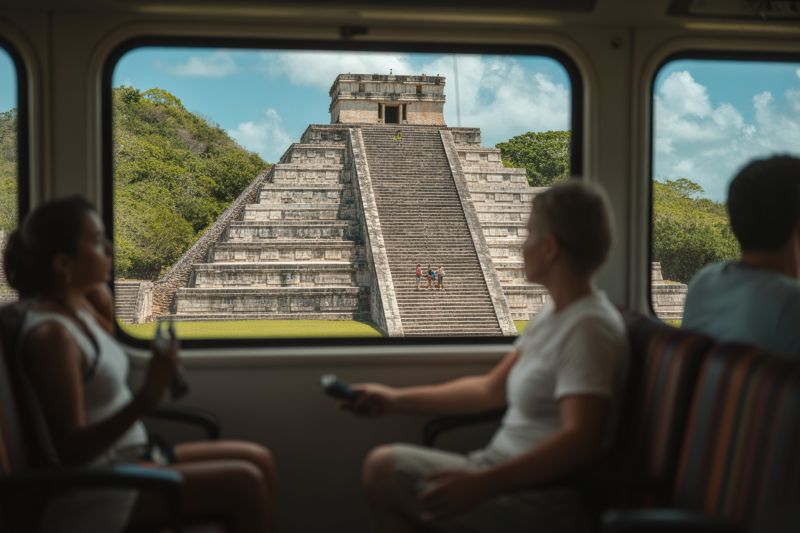
For tourists, the Maya Train offers a revolutionary way to explore the beauty and culture of southeastern Mexico. The train links the Cancun area, a global hotspot for beach tourism, with some of the most iconic archaeological and cultural attractions in the region. Maya ruins, magical towns, and natural wonders are now within easy reach of each other, opening up endless possibilities for exploration.

Passengers aboard the Maya Train can now travel to famous destinations like the Chichen Itza archaeological site, Tulum, and Coba, without the hassle of long, winding drives or crowded buses. The train’s routes also make it easier for travelers to explore the region’s lesser-known towns, such as Valladolid and Izamal, known for their vibrant local culture, colonial architecture, and picturesque scenery.

Governor Lezama emphasized the Maya Train’s role in enhancing the tourism experience, noting how the project is increasing the accessibility of historical landmarks and cultural heritage sites. The increased connectivity is expected to draw even more international visitors to Mexico, as tourists now have more efficient and affordable ways to experience the region’s diverse offerings. Whether for history enthusiasts, nature lovers, or adventure seekers, the Maya Train provides a comfortable, eco-friendly alternative to traditional travel.

By improving access to these iconic sites, the Maya Train enhances Mexico’s ability to attract a wide range of tourists, from those interested in exploring ancient Maya ruins to those simply seeking a more convenient way to explore the region’s natural beauty.

Supporting Local Economic Development and Employment

Beyond the obvious benefits for tourism, the Maya Train is also contributing significantly to the local economy. As the project progresses, it has already created thousands of jobs in construction, operations, and tourism services. Governor Lezama pointed out that the Maya Train’s ongoing development has provided important employment opportunities for residents in southeastern Mexico, a region historically known for economic disparities.

The construction phase alone has employed workers in a variety of sectors, from skilled labor to administrative positions, benefiting both the public and private sectors. Once the train is fully operational, it is expected to provide long-term employment opportunities in tourism-related industries, such as hospitality, guiding services, and retail.

The train also opens up new economic avenues for local entrepreneurs, especially those in small towns and rural areas along the routes. These towns are expected to see a boost in local business activity, as increased foot traffic from travelers creates demand for goods and services. From restaurants and hotels to local markets and craft shops, small businesses will benefit from the influx of tourists traveling along the Maya Train’s route.

In addition to providing employment, the train is helping foster local entrepreneurship by creating spaces for artisan markets and businesses that cater to travelers looking for authentic experiences. This model ensures that economic growth is shared among the communities along the train’s route, promoting inclusive development.

Sustainability and Future Impact of the Maya Train

Another key benefit of the Maya Train is its emphasis on sustainability. With a focus on reducing carbon emissions and minimizing the environmental impact of transportation, the train offers a more eco-friendly alternative to the heavily trafficked highways of the region. Rail transport is generally considered more sustainable than road transport, offering a low-impact way to travel long distances.

The Maya Train’s integration into a broader sustainable mobility framework is expected to help reduce traffic congestion, pollution, and wear and tear on Mexico’s road infrastructure. By encouraging visitors to opt for the train instead of cars, it supports the country’s efforts to create more sustainable and environmentally responsible travel options.

Governor Lezama also mentioned how the Maya Train could serve as a model for future infrastructure projects in other parts of the country. β€œThis project not only promotes regional mobility but also contributes to more organized and sustainable development,” she said. The train is a testament to how large-scale infrastructure can be integrated with sustainable urban and rural development strategies.

A Bright Future for Southeastern Mexico

The Maya Train represents not only a means of transportation but also infrastructure in general that will change the concept of traveling, develop tourism, and bring up economic growth in southeastern Mexico. Connecting major cities, towns, and various archaeological sites, it encourages regional integration and provides a modern, ecological alternative to transportation on roads.

For the residents, it increases access while creating a hub for economic development; tourists can now have an easier way of exploring the natural features coupled with culture and heritage of southeastern Mexico. The Maya Train indeed is going to change the game with its potential to drive sustainable tourism along with long-term economic benefits. As this project continues to unfold, it is bound to shape travel and life in this vibrant part of Mexico.

The post Maya Train: A New Sustainable Travel Solution for Tourists Exploring Cancun and South-Eastern Mexico appeared first on Travel And Tour World.

How Mexico’s Surge in Tourism is Transforming Texas: New Luxury Hotels in New Braunfels & San Marcos Set to Boost American Airlines & Hospitality Industry!

How Mexico’s Surge in Tourism is Transforming Texas: New Luxury Hotels in New Braunfels & San Marcos Set to Boost American Airlines & Hospitality Industry!
How Mexico’s Surge in Tourism is Transforming Texas: New Luxury Hotels in New Braunfels & San Marcos Set to Boost American Airlines & Hospitality Industry.

How Mexico’s Surge in Tourism is Transforming Texas: New Luxury Hotels in New Braunfels & San Marcos Set to Boost American Airlines & Hospitality Industry. As travel rebounds globally, Texas is experiencing a dramatic shift in its tourism landscape, largely driven by a surge in visitors from Mexico. The I-35 corridor, stretching through cities like New Braunfels and San Marcos, is quickly becoming the center of a luxury hotel revolution, attracting both leisure and business travelers. These cities, once known for their small-town charm, are now emerging as must-visit destinations with top-tier accommodations that cater to a more affluent market. The arrival of new, high-end hotels, such as a $40 million riverfront property in New Braunfels and a $70 million boutique hotel in San Marcos, is not only elevating the local tourism experience but also driving economic growth and job creation. As a result, major airlines like American Airlines are expanding their routes to accommodate the growing demand, making it easier than ever for international visitors, particularly from Mexico, to explore Texas. With this boost in tourism, the state’s hospitality industry is thriving, ensuring that Texas is becoming a premier destination for travelers looking for luxury, culture, and adventure.

How Mexico’s Surge in Tourism is Transforming Texas: New Luxury Hotels in New Braunfels & San Marcos Set to Boost American Airlines & Hospitality Industry

As global travel picks up again, Texas finds itself at the heart of a tourism renaissance. With a particularly strong surge in visitors from Mexico, the state is experiencing an exciting transformation along the I-35 corridor, where cities like New Braunfels and San Marcos are undergoing massive luxury developments. From upscale hotels to vibrant dining and entertainment hubs, these changes are reshaping the travel experience in Texas. And with airlines like American Airlines responding to the growing demand, tourists have more convenient ways to experience this Texan boom than ever before.

Mexico’s Tourism Surge: A New Wave for Texas

Travel from Mexico to the United States has been consistently strong, with Texas being one of the primary destinations. In 2024, Mexico was the largest source of international visitors to Texas, making up a significant portion of the state’s tourism economy. This trend is expected to continue, and for good reasonβ€”Texas is a welcoming blend of cosmopolitan life and rustic charm, which appeals to many Mexican tourists.

Mexico’s proximity to Texas, combined with increasing middle-class wealth and a desire for new experiences, has driven more tourists across the border. New Braunfels and San Marcos, situated along the I-35 corridor, are quickly becoming the focal points of this tourism surge. Both cities are enhancing their appeal with luxury hotels, top-notch dining, and the promise of both relaxation and adventure. These developments are responding to the growing number of international visitors who are looking for both leisure and business opportunities.

New Luxury Hotels in New Braunfels & San Marcos Set to Boost Tourism

In recent years, New Braunfels and San Marcos have invested heavily in transforming their local hospitality scenes. One of the most significant projects is the $40 million riverfront hotel in New Braunfels, designed to cater to both leisure travelers and business professionals. This hotel offers breathtaking views of the Guadalupe River and is expected to provide a substantial boost to the local tourism industry. It’s set to become a key player in the city’s efforts to establish itself as a regional destination, attracting over six million tourists in 2024 alone. The hotel will feature modern amenities, including flexible meeting spaces, a fitness center, and a pool, making it ideal for both work and play.

Similarly, San Marcos is following suit with its own luxury developments. A $70 million boutique hotel is under construction in downtown San Marcos, which will offer a full-service experience for travelers. With the growth of Texas State University and its expanding role in the Pac-12 conference, the demand for upscale accommodations has never been higher. This new hotel will cater to the influx of both students’ families and international tourists who are drawn to the region’s natural beauty, culture, and growing retail and entertainment options. These new developments are set to reshape the entire tourism experience along the I-35 corridor, making it a prime destination for both relaxation and adventure.

How Airlines Like American Airlines Are Capitalizing on the Growing Tourism Market

With this boom in tourism, airlines, particularly American Airlines, are capitalizing on the demand by expanding their services to Texas. Known for its large network and commitment to connecting regions, American Airlines has been increasing flights to major Texas cities, including Austin, San Antonio, and Houston. For Mexican travelers, this provides more options to easily fly into Texas from various cities across Mexico, such as Mexico City, Monterrey, and Guadalajara.

American Airlines’ strategic flight expansions aim to accommodate the growing number of international travelers arriving in Texas. The airline has increased the frequency of direct flights from cities like Mexico City to Austin, and they have also enhanced their domestic routes, connecting Texas with other parts of the United States and the world. These flights are critical for bringing in tourists who are flocking to Texas for the new luxury hotels, outdoor activities, and cultural experiences.

For tourists arriving from Mexico, American Airlines offers a seamless travel experience, with flights designed to match the needs of international leisure travelers. The airline’s commitment to customer service and comfort means that visitors can easily access the best that Texas has to offer, from its charming small towns to its bustling city centers.

What These Developments Mean for the Hospitality Industry

As luxury hotels in New Braunfels and San Marcos continue to grow, they are bringing significant changes to the hospitality industry. New job opportunities are being created, both within the hotels and through the local businesses that will benefit from the influx of visitors. Local restaurants, shops, and attractions are also seeing the positive impact of this tourism surge. The opening of new hotels is creating a ripple effect throughout the region’s economy, with more businesses opening their doors to cater to the needs of tourists.

The hospitality industry in Texas is also embracing new trends that cater to modern travelers. With the rise of boutique and luxury hotels, there’s an increasing focus on providing personalized experiences, ranging from curated local tours to tailored dining experiences. These hotels are offering unique features, such as rooftop bars, fine dining options with local ingredients, and eco-friendly practices that attract environmentally-conscious travelers. New Braunfels and San Marcos are not only becoming hotspots for tourists but are also setting trends in hospitality that are being adopted by other cities across Texas.

Travel Tips for Visitors: Navigating Texas’ I-35 Corridor

For travelers planning to explore New Braunfels and San Marcos, there are several travel tips to keep in mind:

  1. Flights into Texas: While American Airlines is a great option for travelers coming from Mexico, there are other airlines that fly into major Texas airports such as Austin-Bergstrom International Airport (ABIA) and San Antonio International Airport (SAT). Both airports offer a variety of domestic and international flights, providing convenient options for visitors. Booking a direct flight into these airports can save time and ensure a smoother travel experience.
  2. Getting Around: Renting a car is the most convenient way to explore New Braunfels, San Marcos, and other nearby areas along the I-35 corridor. The region is known for its scenic drives, with easy access to wineries, parks, and quaint towns. Be sure to check for local car rental deals in advance, especially during peak travel seasons.
  3. Booking Your Stay: With the surge in tourism, it’s important to book your accommodations well in advance. Luxury hotels in New Braunfels and San Marcos are expected to fill up quickly, especially during peak tourist seasons such as spring and summer. Consider booking directly through the hotel’s website for the best rates and special offers.
  4. Exploring New Braunfels & San Marcos: Beyond the luxury hotels, there’s much to see and do in these charming towns. New Braunfels is famous for its German heritage, and visitors can explore historic buildings, dine at traditional German restaurants, and take part in the annual Wurstfest. San Marcos offers a blend of outdoor recreation, including tubing along the San Marcos River, shopping at the Premium Outlets, and visiting the Texas State University campus.
  5. Weather Considerations: Texas summers can be hot, so make sure to pack light, breathable clothing. In contrast, winter can be cooler, especially in the evenings, so a light jacket or sweater may be necessary. It’s always a good idea to check the weather forecast before you travel to ensure you’re prepared.
  6. Local Cuisine: Texas is known for its delicious food, and no visit to the I-35 corridor would be complete without sampling the local cuisine. From BBQ in San Marcos to Tex-Mex in New Braunfels, the food scene is diverse and flavorful. Be sure to visit local farmers’ markets and explore the many food festivals that take place throughout the year.

A Bright Future for Texas Tourism and Hospitality

The future of Texas tourism looks incredibly bright, particularly with the rapid growth of luxury hotels and increasing international visitors. With cities like New Braunfels and San Marcos at the forefront of this boom, travelers are in for an exciting and enriching experience. Thanks to the surge in Mexican tourism, the region is becoming an even more attractive destination for global visitors. And with airlines like American Airlines expanding their services to meet the growing demand, traveling to Texas has never been easier or more accessible.

As luxury accommodations continue to flourish, so too does the hospitality industry, which is responding with a greater emphasis on personalized service, unique experiences, and innovative offerings. Whether you’re coming for a relaxing getaway, an adventurous trip, or a business retreat, Texas is quickly establishing itself as one of the country’s most exciting tourist destinations. With its combination of modern amenities, rich cultural history, and stunning natural beauty, Texas is an ideal place for anyone looking to explore the heart of the Lone Star State.

Mexico’s booming tourism is reshaping Texas, with New Braunfels and San Marcos becoming hotspots for luxury travel. Discover how new multimillion-dollar hotels and American Airlines’ expanded routes are making Texas the ultimate destination for adventurous travelers!

The Rise of Texas as a Luxury Tourism Hub

The increasing number of luxury hotels in New Braunfels and San Marcos is just the beginning of a larger transformation along the I-35 corridor in Texas. These new developments are not only providing top-notch accommodations for tourists but are also boosting the local economy, creating jobs, and driving more international visitors to the region. With airlines like American Airlines capitalizing on the growing tourism demand, it’s clear that Texas is ready to take its place as one of the premier travel destinations in the U.S. Whether you’re a first-time visitor or a seasoned traveler, now is the perfect time to experience everything Texas has to offer.

The post How Mexico’s Surge in Tourism is Transforming Texas: New Luxury Hotels in New Braunfels & San Marcos Set to Boost American Airlines & Hospitality Industry! appeared first on Travel And Tour World.

BON Theme Park: Mexico’s First Luxury Destination

BON Theme Park: Mexico’s First Luxury Destination
BON Theme Park: Mexico's First Luxury Destination

In 2026 the BON Theme Park is set to become the first luxury theme park in the world and, in the fall, will be opened in Mexico. Located at VidantaWorld Nuevo Vallarta, BON Theme Park will offer a one-of-a-kind experience to guests as they offer an unconventional pairing of luxury offerings and excitement through amusement rides.

VidantaWorld Nuevo Vallarta is set to redefine luxury travel in the theme park industry. With 2,500 acres to call home, and a serene view of the Sierra Madre mountains and the Pacific Ocean, Mexico has a new crown and the world’s theme park hospitality will be on a whole new level, setting a global benchmark.

A New Era for Vidanta

Vidanta has long been known for its upscale resort offerings, typically serving a members-only clientele. However, with the introduction of BON Theme Park, the company is venturing into a more expansive travel market. This move is part of a broader shift toward creating a destination that caters to active adults, multi-generational families, and couples seeking luxury in every aspect of their vacation.

What to Expect at BON Theme Park

BON will feature 23 rides and attractions that promise to combine the excitement of a traditional theme park with the sophistication of a luxury resort. Visitors can look forward to a variety of attractions, from high-speed roller coasters to immersive, media-driven experiences, all crafted by leading theme park design firms like Zamperla, Intamin, Vekoma, and Mack.

The park will also boast five fully-themed areas: β€œBON Plaza,” β€œFantasy Gardens,” β€œEmpire of Light,” and β€œLand of Legends.” Each zone will provide guests with a different experience, from the whimsical to the awe-inspiring, all designed with a level of detail and luxury that rivals top theme parks in places like California, Orlando, and Dubai.

Alongside the rides, the park will offer 25 gourmet restaurants and 16 upscale shops, ensuring that every aspect of the visit is first-class.

Exclusive Access for the First Year

During its first year, BON Theme Park will be exclusive to guests staying at VidantaWorld Nuevo Vallarta, making it one of the most exclusive theme park openings in recent memory. This limited-access strategy is intended to reduce wait times for attractions, offering a more relaxed and luxurious experience for guests. The hotel, a boutique all-suite luxury property, will offer panoramic views of the park and direct access to various amenities across the resort.

After the initial year, BON will open its doors to the general public, allowing a wider audience to experience the unique offerings of the park.

Unique Attractions: Cirque du Soleil and More

As part of the park’s multi-phase opening, several high-end attractions are already available. Notably, Cirque du Soleil will debut a new water-themed dinner show, LUDO, starting December 16. This marks the entertainment giant’s first aquatic-based spectacle since the iconic O in Las Vegas. The $200-million, custom-built theater will host this spectacular performance, further enhancing the luxury experience at BON.

For those who prefer a more relaxed adventure, the SkyDream Parks Gondola is also open. The gondola provides guests with a breathtaking aerial view of the park in private, luxurious cabins, adding another layer of exclusivity to the experience.

Additionally, VidantaWorld boasts a championship golf course, Norman’s Vidanta Vallarta, which is home to the PGA Tour’s Mexico Open. For golf enthusiasts, this adds a premier sporting experience to the resort.

Planning Your Visit

For those planning a trip, keep in mind that during the first year, access to BON Theme Park is limited to VidantaWorld Nuevo Vallarta guests. The luxury hotel, situated within the park grounds, offers convenient accommodations with direct access to the park and its world-class amenities. With fine dining options, spa treatments, and other premium experiences, staying at VidantaWorld will be an all-encompassing vacation.

What Sets BON Apart?

BON Theme Park is set to transform the concept of a traditional theme park. Combining the adrenaline rush of rides with the refinement of a luxury resort, it caters to guests seeking a more exclusive and high-quality experience. The integration of fine dining, exclusive accommodations, and premium entertainment makes BON more than just a theme park; it’s a full-scale luxury destination.

Unlike typical theme parks that focus on quantity and large crowds, BON emphasizes quality, catering to those who value personalized service and an elevated experience. Whether you’re seeking thrills on a roller coaster, relaxing at a gourmet restaurant, or enjoying a one-of-a-kind Cirque du Soleil show, BON promises an unforgettable experience.

When Will BON Theme Park Open?

While the park is set to open in 2026, early access is reserved for those staying at VidantaWorld. Travelers planning to visit should keep an eye on official announcements for more information on the general opening date and ticket availability.

Conclusion: A New Luxury Travel Experience

Unlike any other amusement center, BON Theme Park Incorporates first-rate entertainment, accommodation and service in a one of a kind luxury experience, all in the beautiful pacific side of Mexico. This park is first of its kind for those in the amusement industry, and those in the luxury lifestyle for its combination of top of the line entertainment, and exclusive amenities.

The post BON Theme Park: Mexico’s First Luxury Destination appeared first on Travel And Tour World.

Mexico Sets to Join US, Japan, Saudi Arabia, China and Other Countries Offering New Luxury Theme Parks to Change the World of Entertainment Forever

Mexico Sets to Join US, Japan, Saudi Arabia, China and Other Countries Offering New Luxury Theme Parks to Change the World of Entertainment Forever

Mexico is set to join the ranks of the US, Japan, Saudi Arabia, China, and other countries around the world that are offering new luxury theme parks designed to change the world of entertainment forever. The introduction of these groundbreaking attractions in diverse destinations like the US, Japan, Saudi Arabia, China, and Mexico represents a massive shift in the theme park industry.

These countries, with their cutting-edge innovations and world-class designs, are not just building parks; they are reshaping the very concept of entertainment.

As Mexico unveils its luxury-focused BON Theme Park, it becomes the latest destination to elevate visitor experiences, promising a fusion of thrilling rides, exclusive dining, and exceptional hospitality. This revolutionary shift will attract global tourists, changing the way we experience amusement parks and entertainment worldwide. Don’t miss out on this historic journey that promises to redefine fun and adventure.

2025 promises to be a monumental year for global tourism as game-changing theme parks and amusement resorts are set to open their gates across the world. With record-breaking rides, unprecedented attractions, and immersive experiences, countries like the USA, Saudi Arabia, India, Japan, and China are leading the way in this tourism revolution. From massive roller coasters to themed lands, these parks are poised to redefine the entertainment industry. Get ready for thrills, excitement, and unbelievable innovations that will leave you craving more. The world is about to witness the most epic theme park expansions in history. The question is: Are you ready to join the ride?

The World’s First Luxury Theme Park Debuts Near Puerto Vallarta in Fall 2025
In Fall 2025, the world will witness the unveiling of BON Theme Park, located just outside Puerto Vallarta, Mexico. This groundbreaking destination is set to redefine the theme park experience, blending luxury, thrills, and exclusive hospitality like never before. Situated on the breathtaking 2,500-acre VidantaWorld Nuevo Vallarta property, BON will offer a seamless fusion of spectacular beaches, five-star dining, resort-level accommodations, and adventurous attractions.

A New Era for VidantaWorld
Previously known as a members-only resort company, Vidanta is shifting its focus to a broader travel market with the introduction of BON. The project aims to cater to a more discerning clientele, ranging from active adults to multi-generational families, with an emphasis on providing exceptional guest experiences and high-quality service. Michel Beuffe, Chief Operations Officer for VidantaWorld, shared that VidantaWorld isn’t just entering the theme park market, it’s elevating it to meet the expectations of those seeking more than just family-friendly experiences.

BON: A Luxury Experience Like No Other
BON, which stands for Beauty of Nature, is set to become the world’s first luxury-focused theme park. Unlike traditional theme parks, BON will place an unparalleled focus on quality over quantity. With 23 attractions, the park promises to deliver a carefully curated selection of coasters, immersive themed lands, and original entertainment, bringing the best of luxury theme parks from around the globe. Designed with the same ambition seen in Orlando, California, and Dubai, BON will offer visitors a truly exclusive experience.

What to Expect at BON Theme Park
The luxury theme park will feature multiple world-class coasters and family-friendly attractions, developed in collaboration with renowned manufacturers like Zamperla, Intamin, Vekoma, and Mack Rides. These industry leaders are known for creating some of the most popular attractions in North America, ensuring that BON’s offerings will match the best international standards.

The park will also feature 25 restaurants and 16 shops, offering an array of dining and shopping experiences that cater to every taste and preference. BON Plaza, Fantasy Gardens, Empire of Light, and Land of Legends are just a few of the themed lands visitors will get to explore. With its focus on luxury hospitality, BON will deliver unmatched experiences in a park that seamlessly integrates its attractions with high-end service.


BON Theme Park marks a monumental shift in the theme park industry, where luxury and adventure meet. With its exclusive appeal, exceptional service, and a lineup of attractions developed by the industry’s best, this park promises to become a top destination for premium travelers worldwide. Get ready for a once-in-a-lifetime experience at the first-ever luxury theme park in Puerto Vallarta!

Theme Park / AttractionCountryTypeExpected Opening
BON Theme ParkMexicoNew luxury theme park2026 (fall)
Universal Kids ResortUnited StatesNew family theme parkMay 2026
PokΓ©Park KANTOJapanNew permanent PokΓ©mon theme park2026
Disney Adventure World & World of FrozenFranceNew park/land at Disneyland ParisMarch 2026
LEGO Galaxy ZoneUnited StatesNew land at Legoland parks6 March 2026
Valgard: Realm of the VikingsUnited KingdomNew themed land16 May 2026
New Children’s Land at ChessingtonUnited KingdomNew themed area2026 (planned)

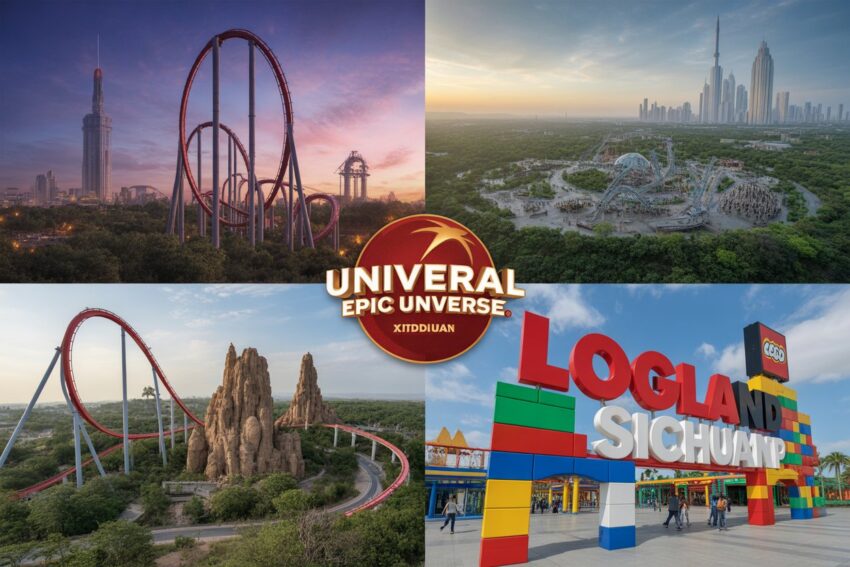
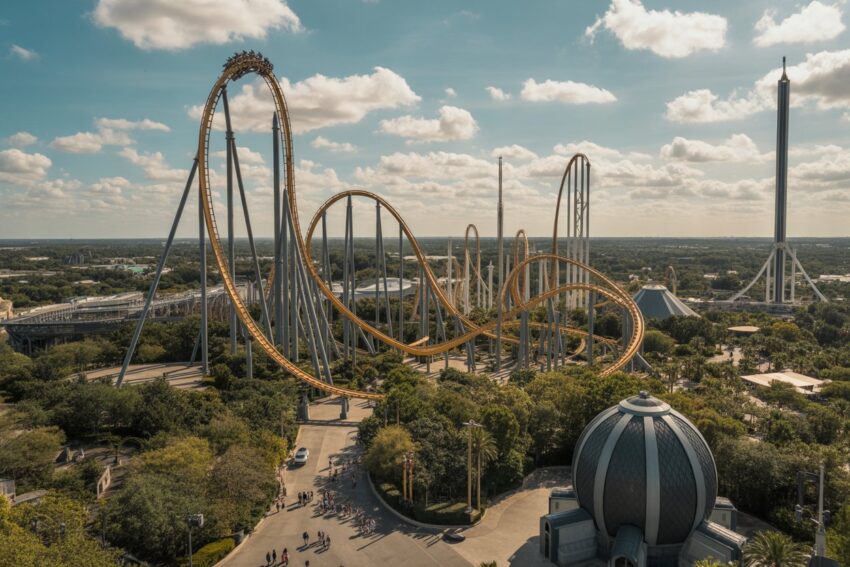
Universal Epic Universe: Florida’s Future is Bigger and Bolder Than Ever

Set to open on 22 May 2025, Universal’s Epic Universe in Orlando is set to completely transform the theme park experience. With an investment of over $5 billion, this new addition to Universal Orlando Resort promises to be an unmatched spectacle in the world of entertainment. The park will feature five unique themed lands, including the super exciting Super Nintendo World, the thrilling Dark Universe, and the magical Wizarding World of Harry Potter – Ministry of Magic. These attractions are designed to leave visitors speechless, offering everything from state-of-the-art rides to immersive storytelling that brings beloved franchises to life like never before. If you think you’ve seen it all, think again – Universal Epic Universe is set to be the biggest theme park opening of the decade.

Six Flags Qiddiya City: Saudi Arabia Takes Over the Thrill Scene

Six Flags has partnered with Saudi Arabia to create an unprecedented theme park experience in Riyadh Province. Opening in December 2025, Six Flags Qiddiya City will feature record-shattering attractions, including the world’s tallest and fastest roller coaster – Falcons Flight. This jaw-dropping ride will accelerate to unprecedented speeds and heights, making it one of the most thrilling experiences in the world. Saudi Arabia is investing heavily in the country’s entertainment future, with Qiddiya City positioned to become a key destination for international tourists. The park will offer a unique blend of Western thrills and Middle Eastern culture, creating an experience that is both exciting and culturally rich. With Six Flags’ world-renowned reputation for adrenaline-pumping rides, this park is set to be a must-visit for any thrill-seeker.

Wonderla Chennai: India’s Amusement Industry Hits New Heights

In India, Wonderla Chennai is taking entertainment to new levels. Opening on 2 December 2025, this park will be the largest of the Wonderla chain and is packed with exciting attractions, including 43 thrilling rides, India’s first inverted coaster, and the country’s tallest spinning ride. Wonderla is making waves in the industry with their commitment to bringing world-class experiences to India. Set on 64+ acres, this park will feature not only adrenaline-pumping rides but also family-friendly and kids’ zones, offering something for everyone. Wonderla Chennai will be the ultimate entertainment destination in South India, and its opening will likely trigger a massive tourism boom. This new park is more than just fun – it is a game-changer for India’s theme park and tourism industry.

Junglia Nature Adventure Park: Japan’s Bold Step Into Nature and Adventure

Japan is stepping up its game in the theme park scene with the opening of Junglia Nature Adventure Park in Okinawa on 25 July 2025. Unlike traditional theme parks, this nature-based adventure park focuses on immersive wildlife experiences combined with thrilling outdoor activities. Visitors will have the chance to take part in safari-style tours, explore treetop walks, and even ride buggies through the lush landscapes. With cutting-edge environmental technology and sustainable park design, Junglia is set to redefine the adventure tourism sector in Japan. This park represents a shift towards eco-friendly tourism while still providing a high level of excitement and fun for all ages.

Legoland Sichuan: China Welcomes Families with Open Arms

2025 marks the arrival of Legoland in China with the grand opening of Legoland Sichuan in Shigao, Tianfu New Area, Sichuan Province. This family-friendly theme park will bring 25+ interactive attractions to China’s burgeoning theme park scene. Set to cater to families with young children, Legoland Sichuan will combine hands-on play with adventurous rides, including the world-famous Lego-themed roller coasters. As part of China’s ongoing efforts to expand its tourism sector, the park is positioned to become a major draw for both domestic and international visitors. Expect a colorful and action-packed experience that will spark creativity while offering plenty of excitement for all ages.

Beast Land: Saudi Arabia’s Big Bet on Entertainment

Saudi Arabia’s Riyadh Season 2025 will feature Beast Land, a seasonal theme park created in partnership with YouTube star MrBeast. The park will open in mid-November and run through late December 2025. Beast Land is not just a theme park; it’s an event. The park will feature massive challenges, interactive games, and over-the-top attractions inspired by the wild creativity of MrBeast. With a focus on immersive experiences and hands-on fun, Beast Land is designed to attract both tourists and locals with its daring concept. This seasonal attraction will be a one-of-a-kind experience that visitors will not want to miss.

2025 and 2026 is Set to Be the Year of Theme Parks

2025 will be the year of the theme park. With groundbreaking openings in the United States, Saudi Arabia, India, Japan, China, and beyond, the world of amusement parks and entertainment is about to undergo a massive transformation. From Universal’s Epic Universe to Six Flags Qiddiya City, the parks opening this year are not just larger than life β€” they are reshaping the future of tourism. If you want to be part of this once-in-a-lifetime experience, make sure to mark your calendars and prepare for a journey full of epic rides, unforgettable experiences, and amazing memories. The future of fun has arrived – and it’s unbeatable.

The post Mexico Sets to Join US, Japan, Saudi Arabia, China and Other Countries Offering New Luxury Theme Parks to Change the World of Entertainment Forever appeared first on Travel And Tour World.

Mexico November 2025: Mazda at all time high, Geely data now available

2024 and 2025 Mexican data is now available for Geely.

The Mexican new light vehicle market edges down -0.4% year-on-year in November to 148,361 units, but the year-to-date tally is up 1% to 1,370,056. Nissan (+0.6%) stays on top of the brands charts with 17.6% share, distancing Chevrolet (-4.6%). November is decidedly a great month for Mazda: after breaking all its records a year ago, the Japanese brand does it again this month, climbing to a record third place with an all-time high 13,810 sales and 9.3% share. Volkswagen (-3.6%), Toyota (-4.3%) and Kia (+2%) all drop one spot on October to #4, #5 and #6 respectively. Great performers in the remainder of the Top 10 include Hyundai (+12.5%) and Ford (+8.3%) but MG (-45%) is hit full frontal. This month Geely sales data becomes available (also retroactively for 2024): the Chinese carmaker ranks #14 with 2.3% share (+245.4%). We also welcome Soueast and the retour of Jetour in the charts.

Model-wise, Nissan places the Versa (-9.3%) at #1 and the NP300 (+3.8%) at #2, the latter advancing to third place year-to-date as it passes the Kia K3 (-1.4%). The Chevrolet Aveo (-19.2%) is in a rut but stays at #3. Excellent showings for the Mazda CX-30 (+56.1%), Hyundai Creta (+50.8%), Renault Kwid (+48.8%) and Chevrolet S10 (+35.4%). The Nissan Magnite remains the most popular recent launch at #14 above the Geely EX5 at #40 and the VW Tera at #52.

Previous month: Mexico October 2025: Highest market in 9 years, Chevrolet S10 at highest ranking

One year ago: Mexico November 2024: Highest market in 8 years, Mazda breaks all records

Full November 2025 Top 51 All brands and Top 384 All models below.

Mexico November 2025 – brands:

PosBrandNov-25%/24Oct2025%/24PosFY24
1Nissan26,04117.6%+ 0.6%1245,18217.9%+ 6.7%11
2Chevrolet16,26011.0%– 4.6%2163,46511.9%– 6.1%22
3Mazda13,8109.3%+ 0.9%698,1617.2%+ 7.7%66
4Volkswagen13,6029.2%– 3.6%3123,8429.0%– 0.1%33
5Toyota11,4187.7%– 4.3%4113,7748.3%+ 2.2%44
6Kia10,2026.9%+ 2.0%5100,7797.4%+ 6.2%55
7HyundaiΒ 5,8043.9%+ 12.5%848,8463.6%+ 1.9%78
8Ford4,8943.3%+ 8.3%748,6073.5%+ 3.6%89
9Honda4,5533.1%+ 1.1%1036,6762.7%– 4.5%1011
10MG3,7582.5%– 45.0%943,4843.2%– 15.1%97
11Ram3,7422.5%+ 3.7%1232,5312.4%+ 34.6%1213
12Renault3,7212.5%+ 38.9%1130,1312.2%+ 11.0%1312
13Suzuki3,5862.4%– 7.7%1335,2982.6%– 10.2%1110
14Geely3,4542.3%+ 245.4%n/a18,7231.4%+ 226.4%16n/a
15Changan2,3201.6%+ 210.6%1617,4821.3%+ 182.7%1728
16Mitsubishi2,2351.5%– 11.1%1425,6661.9%+ 13.8%1415
17Dodge2,1751.5%+ 95.6%2012,0640.9%– 14.4%2320
18JAC2,1151.4%– 4.7%1522,2401.6%– 0.3%1514
19Jeep1,7691.2%+ 7.7%2114,1521.0%– 20.3%2018
20Peugeot1,6001.1%+ 2.4%1716,4761.2%– 5.5%1819
21GWM1,4771.0%+ 3.8%1813,9571.0%+ 5.7%2121
22Seat1,3860.9%– 20.6%1915,2841.1%– 22.8%1916
23BMW1,3000.9%– 9.8%2213,6201.0%+ 5.9%2222
24GMC9890.7%+ 23.9%238,2490.6%+ 8.6%2526
25Mercedes8350.6%– 34.5%249,7080.7%– 16.9%2423
26Audi8200.6%+ 17.0%258,2420.6%– 10.3%2624
27FiatΒ 5590.4%– 9.1%264,9340.4%– 49.5%2825
28Cupra4920.3%+ 44.7%274,3950.3%+ 12.7%2930
29Subaru4470.3%+ 22.1%293,9230.3%+ 31.2%3031
30Jetour3590.2%+ 91.0%n/a1,7010.1%– 43.0%4134
31Volvo3150.2%– 43.4%285,4620.4%– 17.1%2727
32Mini2980.2%– 27.8%303,5660.3%+ 23.2%3233
33Lexus2790.2%+ 0.7%312,5320.2%+ 3.8%3535
34Buick2460.2%– 14.6%323,3640.2%+ 14.9%3332
35Porsche1960.1%– 8.4%332,9040.2%+ 23.9%3436
36Isuzu1860.1%– 38.4%352,1740.2%– 1.6%3737
37Lincoln1590.1%+ 5.3%361,8640.1%+ 14.8%3838
38Land Rover1480.1%– 8.6%391,8500.1%+ 15.0%3939
39Foton1450.1%– 51.2%342,2360.2%+ 40.5%3642
40Cadillac1160.1%+ 23.4%381,5670.1%+ 53.8%4243
41Deepal1040.1%new405660.0%new47 –
42Soueast930.1%newn/a3870.0%new48 –
43Infiniti920.1%– 27.0%371,0970.1%+ 9.6%4344
44Acura740.0%– 25.3%436560.0%– 29.5%4646
45Alfa Romeo510.0%+ 34.2%412990.0%– 28.8%5047
46IM460.0%new452240.0%new51 –
47BAIC380.0%– 63.8%429480.1%– 37.1%4441
48JMC360.0%– 81.4%447510.1%– 49.9%4540
49DFSK130.0%– 63.9%463810.0%– 4.5%4948
50Bentley20.0%+ 100.0%47140.0%+ 16.7%5551
51Auteco10.0%n/a –340.0%n/a53n/a

Mexico November 2025 – models:

PosModelNov-25%/24Oct2025%/24PosFY24
1Nissan Versa7,7875.2%– 9.3%182,1636.1%– 1.7%11
2Nissan Pickup (NP300)7,1264.8%+ 3.8%452,5243.9%– 2.7%32
3Chevrolet Aveo5,0923.4%– 19.2%353,9564.0%+ 3.3%23
4Kia K35,0673.4%– 1.4%251,4133.8%+ 9.1%44
5Mazda CX-304,5603.1%+ 56.1%628,0672.1%+ 26.5%59
6Mazda23,6062.4%+ 10.7%823,9091.8%+ 20.3%812
7Hyundai Creta3,2262.2%+ 50.8%2318,5051.4%+ 12.2%1517
8VW Virtus3,2062.2%– 2.9%522,1811.6%– 18.6%95
9Renault Kwid2,3841.6%+ 48.8%1416,6281.2%+ 3.0%2120
10Chevrolet S102,3681.6%+ 35.4%719,2541.4%+ 29.6%1124
11VW Taos2,3621.6%– 25.6%1918,9361.4%+ 5.9%1214
12Nissan Kicks2,2951.5%– 11.7%924,1031.8%+ 14.4%711
13Nissan March2,2771.5%+ 2.9%1026,9292.0%+ 6.1%66
14Nissan Magnite2,2761.5%new1116,1071.2%new22 –
15Mazda CX-52,1331.4%– 26.2%2012,8430.9%– 17.6%3223
16Nissan Sentra2,0751.4%– 28.8%2618,5771.4%– 12.8%1410
17Toyota Hilux2,0491.4%+ 4.5%1717,4711.3%– 11.5%1913
18Toyota Yaris1,9631.3%+ 35.1%2811,4210.8%– 12.1%3731
19Hyundai Grand i101,9421.3%+ 0.5%1221,4931.6%+ 21.7%1015
20MG 51,9411.3%– 25.2%7017,9201.3%– 24.4%177
21Chevrolet Groove1,8951.3%+ 80.3%1815,0581.1%+ 19.5%2532
22Ram 7001,8781.3%+ 23.5%1515,5911.2%+ 51.2%2440
23Chevrolet Captiva1,8011.2%+ 10.1%3914,6331.1%– 7.6%2721
24VW Tiguan1,7481.2%– 6.1%1617,5641.3%+ 40.3%1830
25Geely Emgrand1,6861.1%+ 563.8%n/a10,2640.8%+ 1362.1%41n/a
26Mazda31,6721.1%– 39.9%2518,4421.4%– 18.8%168
27Ford Territory1,6221.1%– 0.1%2412,6330.9%+ 7.1%3333
28VW Jetta1,5961.1%– 1.5%2218,7641.4%+ 5.5%1316
29Kia Seltos1,5401.0%– 0.9%2914,1051.0%– 9.8%2822
30Nissan X-Trail1,4441.0%– 10.4%2114,6501.1%+ 5.0%2627
31Chevrolet Tornado Van1,4181.0%– 16.8%3016,8671.2%+ 7.4%2019
32Ram 12001,4040.9%+ 22.5%4710,8060.8%+ 142.2%3867
33Dodge Journey1,3750.9%+ 303.2%665,3800.4%– 0.1%6565
34Kia Sonet1,3630.9%+ 18.9%3612,4110.9%+ 41.2%3443
35Kia K41,3460.9%+ 19.0%3213,4811.0%+ 350.6%3080
36Honda CR-V1,3030.9%– 21.6%359,7280.7%– 9.5%4236
37Suzuki Swift1,2890.9%+ 20.1%3711,7360.9%+ 8.1%3537
38Ford F-Series/Lobo1,2870.9%+ 24.6%3412,8791.0%+ 8.4%3134
39Honda HR-V1,1980.8%+ 36.6%339,2270.7%+ 9.3%4646
40Geely EX51,0190.7%newn/a1,1290.1%new171n/a
41Mazda CX-39870.7%+ 22.3%617,0490.5%+ 69.3%5578
42Honda City9750.7%+ 189.3%645,1360.4%– 32.1%6852
43Mitsubishi L2009200.6%– 12.5%4611,5890.9%+ 7.4%3638
44VW Saveiro9200.6%– 12.4%4113,9281.0%+ 2.2%2929
45Toyota Corolla9100.6%– 11.3%409,0050.7%– 16.0%4739
46Toyota Tacoma8980.6%+ 59.5%429,5430.7%+ 48.9%4458
47Toyota Raize8830.6%– 7.9%567,2490.5%– 14.8%5249
48JAC Frison8520.6%– 7.2%518,8130.7%+ 8.9%4947
49MG 38500.6%– 47.5%139,6140.7%+ 1.1%4341
50VW Taigun8500.6%– 43.8%599,5120.7%– 26.8%4528
51Suzuki Jimny8420.6%+ 37.1%587,2240.5%+ 16.6%5357
52VW Tera8350.6%new532,3570.2%new114 –
53Chevrolet Trax8340.6%+ 19.1%625,4980.4%– 10.3%6459
54Toyota Avanza7930.5%– 32.6%3110,7770.8%+ 3.2%3942
55Toyota Highlander7720.5%+ 44.8%835,3670.4%+ 20.4%6776
56Chevrolet Onix7600.5%+ 13.6%5510,4390.8%– 39.5%4018
57Mitsubishi Outlander Sport7300.5%+ 36.4%506,6040.5%+ 251.8%56124
58Seat Ibiza7280.5%– 32.8%528,8550.7%– 16.9%4835
59Dodge Nuevo Attitude7100.5%+ 19.9%435,9890.4%+ 222.7%61113
60MG RX57020.5%+ 176.4%1602,6720.2%– 17.7%9990
61Toyota Sienna7020.5%+ 22.9%577,0510.5%+ 19.9%5461
62Nissan Urvan6880.5%– 25.3%548,1540.6%– 3.1%5145
63Kia Sportage6800.5%+ 6.9%606,4060.5%+ 1.4%5960
64GWM Haval Jolion6560.4%+ 8.6%496,4170.5%+ 9.4%5864
65Toyota RAV46250.4%– 44.7%2715,7351.2%+ 14.1%2326
66Toyota Corolla Cross5920.4%– 15.4%446,5570.5%– 4.8%5755
67Ford Transit5730.4%+ 118.7%854,6040.3%+ 3.7%7472
68Chevrolet Silverado/Cheyenne5560.4%– 62.0%458,1790.6%– 46.0%5025
69Changan CS55 Plus5380.4%+ 298.5%732,8240.2%+ 151.7%97168
70Ford Ranger4960.3%– 9.3%655,8270.4%– 0.1%6262
71Honda BR-V4820.3%– 20.5%695,6140.4%+ 14.7%6370
72Suzuki Ertiga4760.3%– 8.1%684,9130.4%– 11.4%7066
73VW Teramont4730.3%+ 181.5%724,8960.4%+ 63.5%71100
74Fiat Pulse4630.3%+ 83.7%762,6030.2%– 18.6%10293
75Changan Alsvin4460.3%+ 83.5%953,4680.3%+ 156.3%81157
76Ram 1500-40004360.3%– 22.4%754,0070.3%– 34.8%7656
77Mitsubishi Xpander4290.3%+ 14.7%484,4590.3%– 16.4%7569
78VW Polo4220.3%– 19.3%715,3740.4%– 6.8%6663
79Jeep Wrangler4080.3%+ 80.5%982,6700.2%– 0.3%100108
80Hyundai Tucson3960.3%– 26.3%634,7510.4%– 30.0%7254
81Toyota Prius3960.3%– 47.3%674,9310.4%+ 2.7%6975
82Suzuki Dzire3700.2%new741,0490.1%new178 –
83GWM Poer3540.2%– 6.3%933,5720.3%+ 52.4%79112
84Geely Coolray3520.2%+ 27.1%n/a2,8490.2%+ 7.8%95n/a
85Jeep Compass3520.2%– 16.4%822,9940.2%– 39.6%9073
86Seat Leon3480.2%+ 24.7%873,0860.2%– 5.2%8792
87Renault Arkana3340.2%+ 6.4%1612,0140.1%+ 233.4%126209
88GMC Sierra3300.2%+ 5.1%942,9320.2%– 10.0%9391
89Mazda CX-903290.2%+ 7.9%1022,6860.2%+ 40.3%98134
90Toyota Camry3280.2%– 12.8%773,4680.3%+ 0.6%8284
91Peugeot Partner3230.2%+ 10.2%813,7830.3%– 14.2%7879
92Changan Eado Plus3200.2%new1171,5620.1%new152 –
93Peugeot Rifter3200.2%– 38.6%1253,2740.2%+ 18.1%84107
94Suzuki Fronx3170.2%+ 21.5%843,8080.3%+ 72.8%77122
95Chevrolet Montana3140.2%+ 5.7%913,1390.2%+ 4.8%8695
96Mazda CX-503060.2%– 27.1%1152,5650.2%– 16.0%104101
97GMC Terrain3050.2%+ 114.8%901,5780.1%– 15.0%151142
98BMW X33010.2%+ 178.7%892,2380.2%+ 23.9%117143
99Honda Civic2980.2%– 49.1%1073,4730.3%+ 25.3%80103
100Mercedes Sprinter2960.2%– 7.2%922,4330.2%– 14.9%111104
101Jeep Grand Cherokee2930.2%+ 15.4%1291,9890.1%– 32.8%128102
102Jeep Renegade2880.2%– 0.3%962,9070.2%– 38.3%9477
103Renault Oroch2770.2%+ 105.2%1002,4530.2%– 20.7%10998
104Changan CS35 Plus2760.2%+ 68.3%792,9410.2%+ 71.0%92144
105Jeep Commander2760.2%+ 11.7%1132,1120.2%+ 583.5%122248
106JAC 82620.2%+ 315.9%992,3890.2%+ 1118.9%113289
107Suzuki Baleno2550.2%+ 28.8%1671,6770.1%– 46.5%14697
108VW Crafter2550.2%+ 127.7%782,4140.2%+ 15.7%112129
109Peugeot Partner Rapid2540.2%+ 35.1%973,0360.2%+ 49.3%89131
110Peugeot 30082490.2%+ 99.2%1451,1160.1%– 26.1%173153
111Cupra Formentor2470.2%– 27.4%802,8450.2%– 27.1%9681
112Peugeot 20082460.2%– 3.1%1053,0580.2%– 13.4%8883
113Cupra Terramar2450.2%new1311,5500.1%new154 –
114GWM Haval H62430.2%– 5.8%1032,5530.2%– 19.6%10694
115VW Transporter2400.2%+ 89.0%1141,4660.1%– 8.3%157145
116Seat Arona2380.2%+ 32.2%882,3210.2%– 34.4%11588
117VW Amarok2380.2%+ 107.0%1371,7280.1%+ 17.6%141150
118Renault Duster2320.2%+ 154.9%861,8280.1%+ 15.7%137155
119Audi Q52210.1%+ 41.7%1041,6300.1%– 16.2%147133
120Jetour T22160.1%+ 928.6% –9670.1%+ 219.1%182277
121Chevrolet Colorado2140.1%– 5.3%1081,8170.1%– 14.7%139126
122Subaru Forester2100.1%+ 25.0%1181,6910.1%+ 33.3%145162
123JAC 22080.1%– 19.1%1212,5280.2%+ 209.0%107177
124JAC Sunray2060.1%+ 22.6%1281,8940.1%– 38.3%13299
125Subaru Crosstrek2010.1%+ 57.0%1351,7090.1%+ 56.8%143169
126Changan New Star Truck1990.1%n/a1101,9340.1%+ 348.7%130260
127Audi A31980.1%+ 760.9%1551,7060.1%+ 30.0%144154
128Geely Cityray1980.1%newn/a1,5850.1%new150n/a
129Chevrolet Spark EUV1970.1%new1069570.1%new183 –
130Ford Maverick1970.1%+ 40.7%1202,5630.2%+ 10.0%105117
131Changan Hunter1950.1%+ 119.1%1411,4770.1%+ 139.0%156225
132Isuzu Elf1860.1%– 38.4%1382,1740.2%– 1.6%118123
133Toyota Hiace1850.1%– 60.5%1302,2620.2%+ 1.5%116120
134Chevrolet Suburban1830.1%+ 83.0%1332,4800.2%+ 60.8%108147
135JAC 41810.1%– 40.7%1012,4500.2%+ 115.3%110158
136VW Nivus1760.1%+ 15.8%1242,1150.2%– 12.9%121115
137GMC Canyon1630.1%– 20.1%1441,3630.1%+ 13.9%161163
138GWM Tank 3001630.1%+ 98.8%1828070.1%– 20.0%197182
139Volvo EX301610.1%– 42.1%1232,9500.2%– 19.0%9185
140Renault Nueva Koleos1590.1%new1261,0900.1%new175 –
141VW Golf/GTI1590.1%+ 47.2%1981,3070.1%+ 15.2%162167
142Chevrolet Tracker1580.1%– 73.0%1226,1430.5%– 30.5%6044
143Ford Escape1540.1%+ 24.2%1191,8300.1%– 23.1%136111
144Renault Kardian1540.1%– 27.7%1321,9990.1%+ 94.3%127165
145BMW X61520.1%+ 22.6%1431,1650.1%+ 39.2%168197
146BMW X51490.1%+ 12.9%1531,3990.1%+ 7.7%159160
147Ford Bronco Sport1480.1%– 24.1%1162,0860.2%– 9.7%124118
148Mercedes GLC1470.1%– 32.3%1271,9400.1%– 4.9%129128
149Chevrolet Tahoe1420.1%+ 86.8%1421,7780.1%+ 96.2%140187
150BMW X11390.1%– 62.1%1722,0430.2%– 1.5%125125
151Mercedes GLE1390.1%– 14.2%1511,5590.1%– 20.0%153136
152Renault Kangoo1380.1%– 29.6%1121,7160.1%– 29.6%142114
153Buick Envista1370.1%– 28.3%1461,8850.1%+ 23.0%134148
154Honda Pilot1360.1%– 9.9%1561,5440.1%– 3.1%155146
155Chevrolet Traverse1340.1%+ 11.7%1501,3700.1%+ 133.8%160220
156Changan Honor S1330.1%new1391,9030.1%new131 –
157Jeep Gladiator1330.1%– 19.4%1581,2970.1%– 30.0%163140
158Changan CS751310.1%new1626020.0%new225 –
159Chevrolet Express/Max1270.1%+ 135.2%1578710.1%+ 213.3%193274
160Kia Sorento1200.1%– 25.9%1921,5860.1%– 22.4%149130
161Audi Q31190.1%– 65.5%1691,8220.1%– 33.5%138105
162Mini Cooper1160.1%– 27.0%1362,1160.2%+ 37.9%120149
163VW Caddy1150.1%+ 26.4%1521,2300.1%+ 21.8%167180
164JAC X3501120.1%+ 0.0%1631,1030.1%+ 11.0%174181
165Hyundai HB201050.1%– 70.0%1482,6150.2%– 47.6%10171
166Toyota 4Runner1050.1%new1091,4220.1%new158 –
167Deepal S071040.1%new1875660.0%new230 –
168Geely Monjaro1030.1%newn/a6810.1%new212n/a
169Honda Odyssey1030.1%– 43.7%1701,2490.1%– 19.0%166151
170Mazda BT-501000.1%new1811,0130.1%new181 –
171BMW X4990.1%– 2.0%1937680.1%– 42.0%202159
172BMW 2 Series930.1%+ 9.4%1741,2850.1%+ 32.3%164186
173Lexus NX890.1%– 28.2%1778730.1%+ 3.2%192191
174Lincoln Nautilus890.1%+ 17.1%1739370.1%+ 20.4%185206
175Audi A5880.1%+ 166.7%1807270.1%+ 12.9%203223
176Volvo XC60880.1%– 10.2%1401,1380.1%+ 17.3%170184
177Ford Explorer860.1%– 74.4%1493,1550.2%+ 80.9%85138
178Jetour T1860.1%new –2430.0%new289 –
179Mini Countryman860.1%– 50.3%1859110.1%– 15.2%186171
180JAC 6850.1%+ 136.1%1785030.0%+ 446.7%236316
181GMC Acadia840.1%+ 31.3%1759490.1%+ 89.8%184240
182JAC Sunray City840.1%new –1450.0%new329 –
183Porsche 911810.1%+ 52.8%2187040.1%+ 23.9%208238
184Ford Bronco790.1%+ 49.1%1968870.1%– 15.2%188175
185Peugeot Manager790.1%– 19.4%1661,1580.1%– 19.8%169156
186Toyota Sequoia790.1%+ 259.1%1864880.0%+ 89.9%237284
187BMW X2770.1%– 52.2%1911,0200.1%+ 22.3%179193
188Foton View770.1%+ 413.3%3323960.0%+ 29.8%260311
189Dodge Durango750.1%+ 44.2% –4060.0%– 3.3%257258
190Seat Ateca720.0%– 63.8%2091,0200.1%– 48.8%180132
191Ford Edge710.0%+ 77.5% –850.0%– 57.3%356298
192Toyota Tundra710.0%– 70.8%2006480.0%– 19.4%217196
193Changan UNI-K700.0%– 39.7%1946630.0%– 29.5%214188
194Ford Expedition700.0%+ 66.7%1688040.1%+ 58.0%198244
195Mazda MX-5700.0%– 63.9%1651,1180.1%+ 0.0%172174
196Hyundai Palisade650.0%+ 160.0%1952490.0%– 38.1%287261
197Lexus UX650.0%+ 209.5%2423840.0%+ 11.3%265270
198Peugeot 5008650.0%n/a2031230.0%n/a338 –
199Ford E-Transit640.0%+ 8.5%1114060.0%– 54.3%258200
200MG ZS640.0%– 92.7%1342,1550.2%– 66.5%11953
201Audi A1620.0%+ 121.4%1906010.0%– 28.6%226207
202Lexus RX610.0%– 30.7%1835200.0%– 30.4%235212
203Mitsubishi Mirage G4610.0%– 87.4%1642,0870.2%– 44.3%12382
204Fiat Fastback600.0%– 43.9%1548770.1%– 57.1%190135
205Honda Accord580.0%– 43.1%2237050.1%– 18.5%207194
206Range Rover Sport580.0%+ 383.3%2247000.1%+ 33.8%210239
207Toyota GR Yaris580.0%new2473420.0%new273 –
208BMW 3 Series570.0%– 55.5%2107010.1%– 46.7%209161
209Porsche Cayenne570.0%– 17.4%1898750.1%+ 4.0%191198
210Geely Starray520.0%– 68.1%n/a1,0660.1%– 22.0%176n/a
211Mini Aceman510.0%+ 64.5%2282790.0%+ 520.0%281342
212Mitsubishi Outlander PHEV510.0%– 7.3%2027770.1%+ 23.9%201227
213Peugeot Expert510.0%– 1.9%1716230.0%+ 23.9%221246
214BMW 4 Series500.0%– 24.2%1976310.0%– 19.3%220211
215GMC Yukon500.0%+ 31.6%2056490.0%+ 82.3%215266
216MG 3 HEV500.0%– 49.0%2336350.0%– 9.2%218199
217Audi Q2490.0%+ 1125.0%2265260.0%– 27.5%234216
218Buick Enclave480.0%+ 860.0%2085410.0%+ 102.6%232283
219Kia Niro480.0%– 22.6%1768620.1%– 19.3%194176
220Mazda CX-70470.0%– 56.1%2844690.0%– 10.2%242242
221MG HS/eHS470.0%– 86.9%2071,8660.1%– 6.7%135121
222Audi Q8460.0%+ 12.2%2404380.0%+ 54.8%250271
223IM LS7460.0%new2392240.0%new297 –
224Porsche Macan460.0%– 35.2%2046770.1%+ 3.7%213224
225Cadillac Escalade ESV450.0%+ 55.2%2136020.0%+ 57.6%224264
226Mini E450.0%– 6.3%2342560.0%+ 48.0%286294
227Mitsubishi Montero Sport440.0%+ 214.3%2781500.0%+ 6.4%323314
228Nissan Frontier440.0%– 69.4%1591,2680.1%+ 7.6%165164
229Ford Mustang430.0%– 21.8%2297190.1%– 15.6%205201
230Soueast S07420.0%new –1710.0%new315 –
231GMC Yukon XL410.0%+ 28.1%2126080.0%+ 42.7%223256
232BMW 1 Series400.0%+ 150.0%2197240.1%+ 72.4%204259
233BMW X7390.0%– 7.1%2203690.0%+ 59.1%268281
234Geely GX3 Pro390.0%– 81.3%n/a8290.1%+ 21.7%196n/a
235Foton S3380.0%+ 81.0%2142390.0%+ 69.5%291344
236Hyundai Elantra370.0%– 28.8%1994760.0%– 29.5%240221
237Cadillac Escalade360.0%+ 24.1%2365920.0%+ 85.0%228269
238Fiat Argo360.0%– 73.7%1798850.1%– 54.3%189137
239Buick Envision350.0%– 39.7%2315390.0%– 3.4%233231
240Mercedes CLA350.0%– 39.7%2544080.0%– 51.8%255203
241Soueast S06350.0%new –1510.0%new322 –
242Chevrolet Blazer330.0%– 19.5%2274090.0%– 30.0%253234
243GWM Ora 03320.0%– 57.3%2413410.0%– 55.5%274210
244Hyundai Santa Fe320.0%– 72.6%2167190.1%– 17.4%206192
245Suzuki Ignis320.0%– 96.1%2113,3430.2%– 53.9%8351
246JAC X200310.0%– 56.9%2174630.0%– 9.9%244243
247Land Rover Defender310.0%– 55.1%2704550.0%+ 9.9%246254
248Volvo XC90310.0%– 52.3%2354500.0%– 11.4%247241
249MG 4300.0%– 21.1%2383000.0%– 33.0%278247
250MG 7300.0%+ 100.0%2493390.0%+ 2160.0%275320
251GWM Tank 500290.0%+ 11.5%2692670.0%+ 535.7%284358
252Jetour X70290.0%– 62.8% –1480.0%– 84.5%326190
253Mercedes A-Class290.0%– 12.1%2374740.0%– 16.8%241235
254Renault Master290.0%+ 480.0%2856350.0%+ 65.8%219267
255Mercedes GLA280.0%– 63.2%2214070.0%– 30.3%256232
256Mercedes GLB280.0%– 61.1%2324640.0%– 22.1%243229
257Lincoln Navigator270.0%+ 22.7%2664090.0%+ 78.6%254288
258Buick Encore260.0%– 23.5%2633990.0%– 30.1%259230
259Infiniti QX50260.0%+ 36.8%2302430.0%+ 67.6%288312
260Infiniti QX60260.0%– 23.5%2063930.0%– 29.9%262237
261Lincoln Corsair260.0%– 27.8%2483690.0%– 20.8%269249
262Alfa Romeo Tonale250.0%– 24.2%2221910.0%– 36.8%307275
263Nissan Pathfinder250.0%– 35.9%2526490.0%– 12.1%216214
264Acura ADX240.0%new3061580.0%new319 –
265Infiniti QX55240.0%+ 33.3%2742190.0%+ 41.3%299304
266MG RX8240.0%– 77.8%2463550.0%– 51.0%272205
267Acura RDX230.0%– 60.3%2862070.0%– 55.4%302252
268Range Rover Evoque230.0%– 56.6%2683730.0%+ 8.4%267268
269Acura MDX220.0%– 21.4%2891950.0%– 29.3%305279
270JMC Vigus220.0%– 68.1%2623590.0%– 43.4%270222
271Subaru Impreza/WRX220.0%– 15.4%2822140.0%+ 10.3%301296
272BAIC X35210.0%+ 0.0%2563920.0%– 38.2%263228
273Lexus TX210.0%– 12.5%3551790.0%+ 31.6%312313
274Mercedes E-Class210.0%– 43.2%2672740.0%+ 29.2%282285
275BMW iX1200.0%– 16.7%2452380.0%+ 240.0%292339
276Chevrolet Corvette200.0%+ 185.7%2921010.0%+ 55.4%351341
277Kia EV6200.0%+ 233.3%321880.0%– 16.2%355322
278Mercedes G-Class200.0%– 66.1%2553300.0%– 16.0%276257
279Range Rover200.0%+ 42.9%3091460.0%– 11.5%328301
280Alfa Romeo Stelvio190.0%+ 533.3%323620.0%– 3.1%368347
281Audi Q7190.0%– 24.0%2504130.0%+ 210.5%251297
282BMW 5 Series190.0%+ 46.2%2971510.0%+ 11.9%321315
283Foton Hi-Van190.0%+ 0.0%2151130.0%+ 8.7%344336
284Jeep Wagoneer190.0%– 53.7%2991830.0%– 37.8%309278
285Mercedes C-Class190.0%– 85.5%2583820.0%– 45.6%266213
286Ram ProMaster190.0%– 91.6%2932360.0%– 58.9%294173
287JAC Sei2180.0%– 69.5%2614110.0%– 83.5%252116
288Jetour Dashing180.0%– 69.0% –2360.0%– 75.4%293185
289Kia Telluride180.0%– 52.6%2593590.0%– 7.0%271263
290Lexus ES180.0%– 5.3%2711440.0%– 17.7%330299
291Volvo C40180.0%– 21.7%2942850.0%– 11.5%280273
292BMW iX2170.0%– 19.0%2532290.0%+ 90.8%296317
293Cadillac Optiq170.0%new311800.0%new358 –
294JAC E10X170.0%– 46.9%2014770.0%– 54.3%239183
295JAC Traveler170.0%new2651350.0%new332 –
296Lexus GX170.0%new2512230.0%new298 –
297Lincoln Aviator170.0%+ 0.0%2761490.0%– 0.7%325307
298Volvo XC40170.0%– 81.7%2255690.0%– 50.3%229170
299Infiniti QX80160.0%– 70.9%2642420.0%+ 72.9%290305
300Mercedes GLS160.0%– 57.9%2812650.0%– 28.4%285265
301Soueast S09160.0%new –650.0%new366 –
302Dodge Charger150.0%+ 400.0%2571110.0%– 82.3%347233
303Mercedes CLE150.0%– 67.4%2772190.0%+ 112.6%300321
304BMW Z4140.0%+ 250.0%2981120.0%+ 96.5%346350
305JMC Grand Avenue140.0%– 86.1%2753840.0%– 54.0%264202
306Range Rover Velar130.0%+ 160.0%3051210.0%+ 7.1%340324
307Subaru BRZ130.0%+ 18.2%2881960.0%+ 3.7%304295
308BAIC U5120.0%– 84.4%2902910.0%– 58.1%279218
309Changan CS95120.0%new2731060.0%new349 –
310JAC E30X120.0%– 67.6%2831650.0%+ 6.5%317306
311JAC J7120.0%– 88.6%3423060.0%– 64.3%277195
312MG RX9120.0%– 52.0%3132740.0%+ 996.0%283325
313Renault Koleos120.0%– 72.7%2794600.0%– 42.9%245208
314Audi A6110.0%+ 10.0%3071190.0%+ 45.1%342328
315Cadillac XT4110.0%– 52.2%3011790.0%+ 32.6%311309
316Jetour X70 Plus100.0%– 67.7% –1070.0%– 86.0%348215
317GMC Hummer EV SUV90.0%+ 800.0%341910.0%+ 9000.0%354381
318JAC EX45090.0%n/a1841150.0%+ 576.5%343326
319Toyota Supra90.0%+ 800.0%322370.0%+ 42.3%392373
320BMW iX80.0%– 38.5%2911550.0%– 31.4%320292
321Chevrolet Equinox EV80.0%– 66.7%3031920.0%+ 28.0%306303
322Foton S3 EV80.0%n/a325380.0%– 11.6%389364
323Mercedes EQE SUV80.0%– 27.3%2961340.0%+ 69.6%333335
324Mercedes SL-Class80.0%+ 60.0%312400.0%+ 5.3%387365
325Peugeot E-Partner80.0%+ 166.7%3001200.0%+ 275.0%341369
326Alfa Romeo Giulia70.0%+ 250.0%316460.0%– 14.8%382353
327GMC Hummer EV Pickup70.0%+ 133.3%320790.0%+ 2533.3%360382
328VW ID.470.0%new280680.0%new362 –
329Audi Q6 e-Tron60.0%new2951360.0%new331 –
330BMW i460.0%– 60.0%3081240.0%+ 65.3%337334
331BMW i560.0%– 14.3%324940.0%+ 10.6%353333
332Lexus LX60.0%n/a2871620.0%+ 20.0%318318
333Mercedes EQB60.0%+ 500.0%334520.0%– 33.3%375338
334Cadillac XT550.0%– 37.5%330650.0%– 43.5%364319
335DFSK E550.0%– 81.5%3311660.0%– 33.1%316286
336Geely Okavango50.0%– 90.9%n/a1860.0%– 20.2%308n/a
337Mercedes AMG GT50.0%n/a326320.0%+ 23.1%398375
338Mercedes S-Class50.0%+ 25.0%335360.0%– 34.5%393352
339MG Cyberster50.0%new327650.0%new365 –
340Peugeot Landtrek50.0%– 82.1%1471830.0%– 84.6%310172
341Ram DS50.0%– 96.7%2441,8910.1%+ 86.5%133178
342BMW 7 Series40.0%– 33.3%359440.0%– 8.3%383360
343BMW 8 Series40.0%+ 300.0% –90.0%+ 50.0%416394
344Chevrolet Cavalier40.0%– 98.2%3192310.0%– 90.4%295119
345DFSK 60040.0%+ 100.0%3401260.0%+ 80.0%336343
346Ford Mustang Mach-E40.0%– 55.6%2601290.0%+ 10.3%335323
347JAC Sei4 Pro40.0%– 81.8%3431310.0%– 93.4%334141
348JAC Sei6 Pro40.0%– 66.7%354330.0%– 87.9%396282
349Nissan Z40.0%+ 300.0%356340.0%– 59.5%395337
350Porsche Cayman40.0%– 63.6%2723960.0%+ 142.9%261302
351Porsche Panamera40.0%– 20.0%328520.0%+ 20.9%376357
352Porsche Taycan40.0%+ 33.3%336500.0%+ 11.1%377356
353Acura Integra30.0%– 75.0%338640.0%– 59.0%367308
354BAIC X5530.0%– 50.0%3101970.0%+ 31.3%303310
355BMW i730.0%+ 50.0%351230.0%+ 360.0%401n/a
356Land Rover Discovery Sport30.0%– 66.7%344550.0%+ 10.0%373351
357Mercedes EQS SUV30.0%– 40.0%347470.0%+ 9.3%381362
358MG One30.0%– 98.8%384,7040.3%+ 110.8%73110
359Suzuki Grand Vitara30.0%– 99.0%3021,0600.1%– 69.8%17787
360Acura TLX20.0%+ 100.0%349320.0%– 5.9%397366
361BAIC EU520.0%+ 100.0% –480.0%+ 4700.0%380398
362Bentley Continental GT20.0%+ 100.0%35090.0%+ 28.6%415395
363BMW XM20.0%– 33.3%317560.0%+ 80.6%370368
364Cadillac Lyriq20.0%– 60.0%360490.0%– 26.9%378340
365Chevrolet Blazer EV20.0%– 75.0%318810.0%+ 912.5%357361
366DFSK 50020.0%– 50.0%363520.0%– 23.5%374345
367DFSK EC3520.0%– 33.3%353400.0%+ 207.7%385389
368Mercedes EQA20.0%n/a367370.0%– 45.6%391346
369Mercedes EQC20.0%n/a36890.0%– 65.4%417371
370Mercedes Vito20.0%n/a3151210.0%n/a339 –
371Renault Megane E-Tech20.0%new337320.0%new399 –
372Suzuki Ciaz20.0%– 85.7%371490.0%– 78.5%379293
373Audi A410.0%– 95.0%339650.0%– 76.4%363276
374Auteco Rich 6 EV10.0%new –100.0%new413 –
375BMW iX310.0%– 66.7%352420.0%– 58.8%384327
376Foton TM EV10.0%– 85.7% –70.0%– 56.3%419383
377Foton Tunland10.0%– 98.5%2437940.1%+ 69.3%200245
378Foton Tunland EV10.0%new –40.0%new426 –
379Hyundai Ioniq 510.0%– 75.0%333370.0%– 24.5%390359
380JAC Sei7 Pro10.0%– 95.0% –1000.0%– 78.5%352253
381Lexus IS10.0%+ 0.0% –340.0%– 15.0%394363
382Lexus LC10.0%n/a366120.0%– 7.7%412387
383Mercedes EQS10.0%n/a346230.0%+ 35.3%402379
384Subaru Outback10.0%– 97.0% –1130.0%– 54.6%345287

Source: INEGI

❌