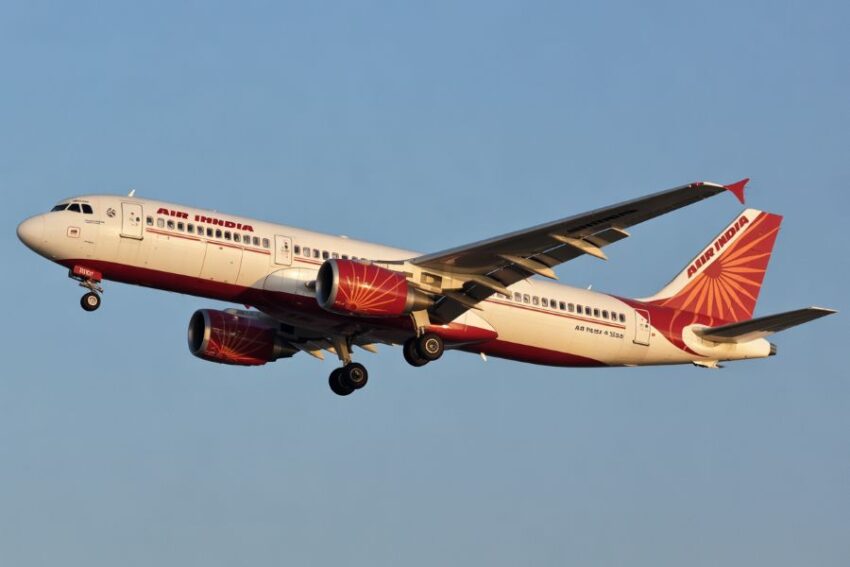
For decades, the story of aviation was written in the hangars of North America and Europe. But as we move through 2026, a new narrative has taken flight. A recently released whitepaper from Alton Aviation Consultancy paints a vivid picture of a world where eight out of the ten fastest-growing air travel markets over the next two decades will be located in India, China, and Southeast Asia.
This isn’t just a minor uptick; it is a fundamental restructuring of how the world moves people and goods.
India: The Brightest Star in the Constellation
India has emerged as the poster child for this aviation revolution. Driven by robust economic fundamentals and a burgeoning middle class with disposable income, the Indian sky is busier than ever. Domestic carriers are not just expanding; they are transforming.
The growth in India is underpinned by a “perfect storm” of factors: government initiatives to modernize airports (UDAN scheme impact), a massive surge in aircraft orders, and a population that increasingly views air travel as a necessity rather than a luxury. By 2044, India is expected to remain at the top of the growth charts, serving as a beacon for investors and aircraft manufacturers alike.
Beyond China: The Rise of the “Next Gen” Markets
While China continues to be a massive player, the Alton report highlights a significant shift: Asia’s story is no longer mono-focused.
“Asia’s air travel story is no longer just about China,” says Mabel Kwan, Managing Director at Alton’s Singapore office. We are seeing a “broad-based” explosion of activity across South and Southeast Asia. Markets like Indonesia, Vietnam, and the Philippines are stepping into the spotlight. These nations are seeing rapid urbanization and a desperate need for connectivity across their sprawling archipelagos, making aviation the most viable solution for national integration.
The Narrow-Body Revolution
One of the most exciting technical shifts identified in the report is the arrival of longer-range, narrow-body aircraft. Historically, if you wanted to fly between two secondary cities in different countries, you often had to transit through a major hub like Singapore or Dubai.
That is changing. New-generation aircraft are allowing airlines to launch “point-to-point” services between smaller cities. This bypasses the “hub-and-spoke” bottleneck, making travel faster for passengers and more sustainable for airlines. Since 2015, over 600 new routes have been launched in the region, connecting previously underserved corners of the map.
Air Cargo: The Hidden Giant
While we often focus on passenger seats, the belly of the plane is where the real money is moving. The Asia-Pacific region now accounts for approximately 40% of total global freight demand.
This dominance in air cargo is fueled by the region’s role as the “world’s factory.” As e-commerce continues to explode and intra-Asia trade strengthens, the demand for rapid logistics has never been higher. The region isn’t just sending goods to the West; it is increasingly trading with itself, creating a self-sustaining ecosystem of supply and demand.
Survival of the Fittest: Consolidation and Competition
It’s not all smooth flying, however. The report notes that while demand is skyrocketing, so is the pressure on profit margins. High fuel costs, intense competition, and the need for massive capital investment are leading to a wave of “airline consolidation.”
Much like the restructuring cycles seen in the U.S. and Europe a decade ago, Asian carriers are merging and forming strategic partnerships to survive. “Consolidation has become a strategic necessity,” notes Adam Cowburn of Alton Aviation. However, unlike the West’s mergers, which were often about survival in stagnant markets, Asia’s consolidation is happening amidst record growth—a unique opportunity to build “super-carriers” that can dominate the global stage.
Infrastructure: Building the Foundations
To keep up with this growth, governments aren’t just sitting idle. From the sprawling new terminals in Delhi and Mumbai to the high-tech expansions at Changi in Singapore, the region is in the midst of an infrastructure boom. Next-generation technologies—AI-driven baggage handling, biometric boarding, and digital air traffic control—are being rolled out to ensure that the ground experience matches the efficiency of the flight.
Final Takeaway: The Future is East
As the aviation industry gathers for the 2026 Singapore Airshow, the message is clear: the future of flight is being decided in the East. For travelers, this means more choices, better connectivity, and a more seamless experience. For the industry, it means a shift in focus toward the unique needs and rapid pace of the Asia-Pacific market.
Whether it’s a businessman flying from Ho Chi Minh City to Jakarta or a family taking their first flight from a secondary city in India, the world is becoming smaller, and the Asia-Pacific region is the one holding the map.
After one of the pilots of a Boeing 787-8 Dreamliner reported issues with a fuel control switch, Air India has temporarily removed the aircraft from service. Air India, being one of India’s largest airlines, has also reported the potential defect concerning the fuel control system to the nation’s aviation regulator, the Directorate General of Civil Aviation (DGCA), and a review is currently underway.
Although Air India has not publicly stated the issue with the aircraft, the airline remains in contact with Boeing to find a resolution. The airline stated the removal of the Dreamliner from service is in the best interest of the airline to ensure the highest possible safety of passengers and crew. The airline is looking to avoid any possible incidents, particularly one of the previous investigations of a fatal incident that killed 260 people.
Pilot’s Mentioned Concerns During Regular Operations
A concern developed when a Boeing 787 Dreamliner landed in Bengaluru, India, after flying in from London. While the pilot was disembarking, he reported the fuel control switch to be faulty. This grounded the airplane, and Air India took the required steps to continue the investigation. The airline grounded the aircraft to demonstrate their dedication to the safety of their customers.
The fuel control switch is important for regulating the amount of fuel that flows to the engines. Any problems with the system may cause problems with the operation of the flight. Because of this, Air India took this issue very seriously even though no problems occurred during this flight. Air India has provided its customers and the public with full reassurance that a concern of this magnitude to the system of an aircraft is followed with the required responsibility.
How Air India Stays Safe and Inspected
Boeing is collaborating with Air India to sort things out when the investigation is done. The aircraft manufacturer said Air India is prioritizing fuel control switches for review on the Dreamliner fleet to ensure all systems function properly.
Boeing has not talked about the details of the specific defect. Air India will likely do a thorough inspection of all its Boeing 787s so they don’t have the same problems.
As the event continues to unfold, India’s aviation regulatory body, the DGCA, is closely examining the event. The primary point of the DGCA is to ensure all of India’s Civil Aviation is safe. This involves managing the operational and the technical airworthiness of the aircraft in the sky. The Boeing 787 Dreamliner has made an impressive mark and become a favorite for multiple global airlines. It has become a favorite for its passenger comfort, fuel efficiency, and advanced tech. Yet, like most aviation systems, they depend on a lot of intricate technology, which can lead to the development of possible faults. These faults may include mechanical issues, and if they occur, the airline must attend to them promptly.
Review of Fuel Control Switches Across the Fleet
The Air India pilot brought this to the airline’s attention. Air India has fuel control switches on all of its Boeing Dreamliner airplanes. The airline must ensure that the rest of its fleet does not have similar defects. The airline has devoted itself to ensuring that all safety measures are implemented and that all of the Air India Dreamliners are regularly inspected to ensure the safety of the passengers.
This is all part of the safety examinations being conducted for this aircraft. It is still happening to ensure that the Boeing 787 Dreamliner can provide safe and efficient safety cruises. No incidents have happened, and that is a testament to the diligence of all the airlines involved. Air travel is not a sport and should never be thought of as dangerous. We must stay vigilant in the area of safety.
Operational Effects and Reputation Damage Control
There may be some operational inconveniences as a result of this order, but Air India has stated that it will be able to return to normal operations as soon as possible. The airline will be able to win back passenger trust in operational safety due to the rapid response to the situation.
There is a notable operational delay in Air India as a result of the order. This delay stems from a tragic event that has resulted in the death of several hundred people, which has led to the airline once again stepping operationally in to provide for the safety of passengers and personnel.
In summary, to some employees of Air India, the delay of one of the new Boeing 787’s may appear as if the airline is being over cautious. However, the airline is rigorously assessing the operational implications of the order, as it has been flagged by the airline to ensure no other issues arise in the airline’s operations. This event emphasizes the safety protocols that govern the industry. Procedures to ensure the safety of travelers and those working in the industry.
The landscape of international arrivals is being reshaped by the implementation of the Baggage Rules 2026, which officially commenced on February 2, 2026. This legislative update, introduced by the Government of India, represents a pivotal shift in how duty-free limits and customs declarations are managed at major points of entry. By integrating the Customs Baggage (Declaration and Processing) Regulations 2026 with a new Master Circular, a streamlined framework has been established to replace outdated protocols. This modernization is intended to facilitate a more engaging and accessible experience for the modern voyager, ensuring that laptop exemptions and jewelry weight caps are clearly understood by all international travelers.
The Expansion of General Duty-Free Allowances
A significant increase in the financial thresholds for imported goods is observed within the updated statutes. For the majority of passengers arriving via air or sea, the monetary cap for duty-free acquisitions has been substantially elevated. It is noted that Indian residents, tourists of Indian origin, and foreign nationals holding non-tourist visas are now permitted a ceiling of Rs 75,000 for goods carried in their personal baggage. This adjustment is interpreted as a response to the evolving economic climate and the increased purchasing power of global travelers.
Conversely, tourists of foreign origin are granted a revised limit of Rs 25,000, while airline crew members operate under a more modest threshold of Rs 2,500. It is important to emphasize that these concessions are strictly applicable to those entering through maritime or aviation channels. Those crossing into the country via land borders are excluded from these general duty-free allowances, a distinction that is maintained to regulate cross-border trade effectively.
Categorization of Exempt and Restricted Items
The distinction between used personal effects and new purchases is meticulously outlined in the 2026 framework. Items required for daily use, such as worn clothing and personal souvenirs, are categorized as fully exempt from duty. However, new articles, gifts, or luxury purchases made abroad are subjected to the aforementioned value caps.
Certain commodities remain excluded from these general allowances and are governed by specific, more stringent regulations. This list includes alcoholic beverages and spirits beyond defined volumes, tobacco products exceeding certain counts, and firearms. Furthermore, gold or silver in bullion form and large-scale electronics, such as high-definition televisions, are treated outside the standard baggage concessions, requiring separate declarations and potential tax payments.
Revised Protocols for Jewelry and Precious Metals
One of the most notable transitions in the Baggage Rules 2026 is the movement away from value-based assessments for jewelry. Historically, travelers were often confused by fluctuating gold prices impacting their duty-free eligibility. Under the new mandate, a weight-based system is utilized to provide clarity. For female passengers who have resided abroad for over a year, a duty-free allowance of up to 40 grams of gold jewelry is permitted.
For all other eligible passengers, including men and children who meet the residency criteria, the limit is set at 20 grams. This shift is designed to eliminate disputes at customs counters, as weight provides a more objective metric for assessment than market value. It is clarified that this benefit is specifically intended for returning residents and individuals of Indian origin who have maintained a residence outside India for a period exceeding twelve months.
Technological Exemptions and Pet Inclusion
In recognition of the digital era, the 2026 regulations formally codify the exemption for portable computers. Every passenger aged 18 years or older is granted the right to bring one laptop into the country duty-free, separate from the general monetary allowance. This provision acknowledges the essential nature of technology for both professional and personal use in the current global environment.
Additionally, the rules have been consolidated to provide clearer pathways for the importation of pets. Domestic animals brought by travelers are now explicitly mentioned under concessional provisions, provided that all health certifications and animal import protocols are strictly followed. This inclusion is viewed as a compassionate adjustment for families and individuals relocating to or visiting India with their animal companions.
The Transfer of Residence Framework
For individuals who are permanently shifting their domicile to India, a tiered system of benefits is provided under the Transfer of Residence (TR) regime. The extent of the duty-free entitlement is directly proportional to the duration of the individual’s stay abroad. For those who have lived overseas for up to twelve months, a cap of Rs 1,50,000 is applied.
This limit increases significantly for longer durations; residents returning after one to two years are eligible for a Rs 3,00,000 limit, while those who have remained abroad for more than two years are granted a substantial allowance of Rs 7,500,000. A rationalized list of eligible articles has been introduced to ensure that the process of moving household goods is conducted with minimal administrative friction.
Modernization of Declaration and Processing
The procedural aspects of customs have undergone a digital transformation alongside the policy changes. The Government of India has deployed the Customs Baggage (Declaration and Processing) Regulations 2026 to encourage the use of electronic filings. Passengers are now encouraged to utilize the ICEGATE portal or designated mobile applications to declare both accompanied and unaccompanied baggage prior to arrival.
This digital-first approach is complemented by a standardization of Green and Red Channel procedures. By replacing approximately 35 legacy circulars with a single, unified Master Circular, the operational landscape is rendered more transparent. This consolidation is expected to reduce wait times and enhance the efficiency of customs officers, allowing for a more focused approach on high-risk inspections while facilitating a smoother exit for law-abiding travelers.
Temporary Imports and Re-importation Safeguards
Provisions have also been enhanced for travelers who carry professional equipment or materials for temporary use, such as items for exhibitions or specialized tools. The introduction of formal temporary import and re-import certificates is designed to prevent unnecessary detention of goods. By obtaining these certificates, travelers are provided with a documented trail that proves the items were previously in their possession or are intended for export after a short duration, thereby avoiding the imposition of duties on items that are not entering the domestic market permanently.
Summary of Passenger Responsibilities
It is concluded that while the Baggage Rules 2026 offer significant benefits and higher thresholds, the responsibility of accurate declaration remains with the traveler. Indian residents returning by air are encouraged to keep track of their total expenditure to stay within the Rs 75,000 limit. Foreign tourists must remain mindful of the Rs 25,000 cap to avoid complications. Through these comprehensive updates, the Indian customs regime aims to align its practices with international standards, fostering an environment of trust and efficiency for all who cross its borders.
Air India has grounded one of its Boeing 787‑8 Dreamliner aircraft after a pilot reported a possible defect in the fuel control switch, a critical component that regulates fuel flow to the engines, prompting immediate safety action by the airline. The incident occurred after the aircraft completed a long‑haul flight from London Heathrow to Bengaluru in India, and airline authorities have informed the Directorate General of Civil Aviation (DGCA) while involving the aircraft manufacturer Boeing to inspect the issue urgently as a precaution.
This development comes amid heightened regulatory and public scrutiny following a 2025 Dreamliner crash in Ahmedabad, India, where fuel control systems were part of the ongoing investigation — a backdrop that intensifies attention on maintenance and safety practices within India’s aviation sector.
Air India’s decision to ground a Boeing 787‑8 Dreamliner after a pilot flagged a possible fuel control switch malfunction underscores the airline’s commitment to passenger safety and regulatory compliance. The aircraft, which had just completed a scheduled service from London to Bengaluru, was taken out of operation after the pilot noted abnormal behaviour during engine start‑up. The airline reported the matter promptly to the DGCA, India’s civil aviation regulator, and said it would involve the original equipment manufacturer for priority inspection and resolution.
Fuel control switches are designed to stay in the RUN position to allow continuous fuel flow to the engines. If they move unintentionally toward the “CUTOFF” position, the engine can lose thrust — a hazard that aviation safety bodies treat seriously. This precautionary grounding reflects robust safety systems within the airline and aligns with regulatory oversight following previous aviation incidents in the country.
What Happened — Timeline & Details
Flight completion: The Boeing 787‑8 landed at Bengaluru after a London Heathrow departure.
Pilot’s report: A possible defect in the fuel control switch — which prevents unintended shutdown of engine fuel — was reported during start‑up procedures on the ground.
Safety response: The aircraft was immediately grounded and withdrawn from service for comprehensive checking.
Manufacturer involvement: Boeing, the aircraft OEM, is assisting Air India with technical assessments.
Regulator informed: The issue was communicated to India’s DGCA per mandatory reporting protocols.
Why It Matters for Travellers — The Travel Angle
Safety First:
For passengers, this grounding reinforces airline accountability. Air India’s action ensures potentially unsafe aircraft don’t continue flying before checks are completed, prioritising traveller and crew wellbeing.
Confidence in Aviation Safety:
Prompt grounding after pilot reporting highlights effective safety culture — a reassurance after previous incidents involving similar aircraft models, driving public confidence in India’s aviation regulatory framework.
Potential Travel Disruptions:
On the downside, aircraft grounded for inspection could result in flight rescheduling, cancellations, or aircraft swaps, particularly on long‑haul routes operated by Boeing 787 Dreamliners.
Impact on Connectivity:
Dreamliners are core to Air India’s intercontinental network connecting India with Europe, North America, and Asia. Grounding one aircraft may strain capacity temporarily, especially during peak travel seasons.
Future Ticket Pricing:
While safety holds priority, irregular fleet operations can sometimes influence supply relative to demand, potentially affecting fare levels if alternative capacity isn’t swiftly arranged.
Industry & Safety Context
This incident arises in the broader context of aviation safety and mechanical oversight. In June 2025, an Air India Boeing 787 Dreamliner crashed shortly after take‑off from Ahmedabad, killing 260 people — a tragedy linked to fuel control switch behaviour. The crash prompted rigorous inspections across fleets and increased civil aviation scrutiny in India.
Air India said it had already inspected fuel switches across its 787 fleet following regulator directives and found no issues at the time. The latest pilot report, while precautionary, serves as a reminder of ongoing maintenance vigilance and proactive safety culture in airline operations.
Conclusion — What Travellers Need to Know
In summary, Air India’s grounding of a Boeing 787‑8 after a pilot reported a possible fuel control issue reflects a strong safety‑first approach in aviation operations. For travellers, this is reassuring because it shows airlines and regulators are responsive to technical concerns, even if they prove minor. However, the action may also lead to temporary flight changes or seating adjustments as the airline reorganises aircraft utilisation while inspections proceed.
As aviation continues to recover and expand, balancing operational reliability with passenger safety remains paramount. Incidents like this serve both as reminders of mechanical complexities in modern aircraft and as evidence that safety oversight mechanisms are actively working — a crucial message for passengers making long‑distance travel plans.
USA, UK, Bangladesh, Australia, Canada, and Malaysia tourists are flocking to India in record numbers, attracted by its rich cultural heritage, vibrant festivals, and diverse landscapes. As these international arrivals surge, India’s tourism sector is seeing a major boost, with airlines like Air India and IndiGo offering more flights, while luxury hospitality brands like Taj Hotels and Oberoi expand their footprints to cater to the growing demand. However, despite this tourism boom, International Travel House Ltd, one of India’s prominent travel agencies, has faced a sharp 45% plunge in its stock price. This paradox has raised eyebrows: how can a booming tourism industry struggle with such underperformance in a sector that should be thriving? As tourists from the USA, UK, and Bangladesh, among others, continue to pour in, this decline in stock raises questions about the underlying challenges facing the travel industry. Is this a sign of turbulence in the tourism market, or is International Travel House Ltd simply struggling to capitalize on the wave of international arrivals? With so much at stake, it’s crucial to explore what this means for tourists planning their next trip to India, and how this ripple effect could impact everything from flight availability to hotel bookings.
USA, UK, Bangladesh, Australia, Canada & Malaysia Tourists Flock to India – But International Travel House Ltd Stock Plummets 45%: Why You Should Be Concerned
India, a land rich in culture, history, and landscapes, has always attracted tourists from all corners of the globe. In recent years, the influx of international visitors has surged, especially from countries like the USA, the UK, Bangladesh, Australia, Canada, and Malaysia. While tourism numbers are skyrocketing, one company that has felt the brunt of a downward trend in the Indian tourism sector is International Travel House Ltd. Despite a booming tourism industry, the company’s stock has plummeted by a staggering 45%, leading to concerns across the airline, hospitality, and travel sectors.
This article will delve deeper into the complexities behind this decline and explore how it could impact tourists, airlines, and hospitality providers. If you’re planning to travel to India, especially from popular source countries like the USA, the UK, or Bangladesh, it’s crucial to understand how these shifts in the stock market and the performance of travel companies can indirectly affect your travel experience.
USA, UK, Bangladesh, Australia, Canada & Malaysia Tourists Flock to India
In 2024, India saw a sharp increase in international arrivals, with the USA, the UK, Bangladesh, Australia, Canada, and Malaysia being some of the top source countries. The number of American tourists visiting India reached nearly 1.8 million, while the UK contributed about 1 million tourists. Bangladesh, with its geographical proximity, sent over 1.7 million visitors, making it a consistent top performer.
In addition to these key countries, Australia, Canada, and Malaysia continue to see strong tourism exchanges with India. This surge in international tourism is driven by multiple factors, including India’s growing reputation as a cultural and adventure tourism hub, its expanding flight connectivity, and government initiatives aimed at boosting foreign arrivals.
But International Travel House Ltd Stock Plummets 45%: Why You Should Be Concerned
Despite the overall growth in tourism, International Travel House Ltd, a prominent player in the Indian travel market, has seen a significant decline in its stock price. The stock fell by a staggering 45%, a trend that raises concerns among industry observers. The company’s performance has been largely underwhelming when compared to the growth in the tourism sector, even as airlines and hotels have seen a rise in business.
The question is, why is a company associated with one of the most popular industries in India experiencing such a major slump? A closer look reveals several factors contributing to this downturn. Financial struggles, underperformance compared to sector peers, and a lack of innovative strategies have played a role in pushing the stock down. Moreover, while the tourism sector in India continues to see growth, some companies are struggling to capture the lion’s share of the pie.
This decline in stock performance, however, has implications beyond just the shareholders of International Travel House Ltd. The company’s troubles could have a ripple effect on the broader tourism ecosystem, impacting airlines, hotels, and tourists alike.
Air India, IndiGo, and International Travel House Ltd: What’s the Connection?
Airlines like Air India and IndiGo have long been instrumental in fostering tourism to India. Air India, the national carrier, offers direct flights from key cities like New York, London, and Sydney, while IndiGo, known for its competitive pricing, has expanded its network across multiple countries.
With the rise in tourist numbers from countries like the USA, the UK, Bangladesh, and Australia, airlines have benefitted immensely. However, International Travel House Ltd’s struggle can indirectly affect these airlines, especially in terms of bookings and service demand.
Travel companies like International Travel House Ltd typically handle flight bookings, hotel reservations, and tour packages. If the company’s financial health declines, it could impact the volume of flight bookings processed through them, affecting not only the company’s earnings but also reducing the number of tickets airlines can sell. Furthermore, IndiGo and Air India might face lower group bookings, as the company’s reduced operations may mean fewer travel packages to offer.
This also brings us to a critical point about the market—tourism is an interconnected system. The performance of travel agencies, airlines, and hotels can significantly influence one another. When one link in the chain weakens, it’s not just that company that feels the pinch. Airlines that rely heavily on travel agencies for group bookings and business trips may experience a slowdown.
The Effect on India’s Hospitality Industry
The hospitality industry in India has experienced remarkable growth, driven largely by the increasing number of international tourists. Luxury chains such as Taj Hotels, Oberoi Hotels, and ITC Hotels have seen surges in bookings, particularly from international tourists. This demand has been bolstered by better air connectivity and the influx of tourists from countries like the USA and the UK.
However, as International Travel House Ltd suffers from a stock slump, its effect may cascade through the hospitality industry. The company’s travel packages often include accommodation deals with leading hotels, and as the company loses bookings, it could lead to a slowdown in demand for rooms in some of the country’s finest hotels. Hotels that rely on partnerships with tour companies may see a dip in group bookings, especially in major tourist cities like Delhi, Agra, and Jaipur.
Furthermore, the stock market downturn could also affect investor confidence in the Indian tourism sector, which could lead to less investment in hotel expansion or infrastructure development. Hotels in key tourist areas may slow down their growth plans as the market reacts to travel companies struggling to generate profits.
Flight Details and Travel Tips for Tourists
As India continues to be a key destination for international tourists, several airlines offer direct and connecting flights to major cities such as Delhi, Mumbai, Bengaluru, and Kolkata. If you are planning a trip from any of the major source countries like the USA, the UK, Bangladesh, Australia, or Canada, here are some useful travel tips:
Airlines to Consider:
Air India: Direct flights from New York, London, Sydney, and Toronto to Delhi and Mumbai.
IndiGo: Budget-friendly options from various international hubs to Delhi, Bengaluru, and Kolkata. They offer competitive prices and a broad network.
Emirates: Connecting flights from North America and Europe through Dubai, perfect for tourists heading to southern or central India.
Visa and Entry Requirements:
Most international tourists to India need a visa, with the Indian government offering e-tourist visas to citizens of several countries including the USA, UK, Australia, and Canada. Make sure to apply well in advance.
For Bangladeshi citizens, a land border entry permit is available in addition to the standard visa.
Best Time to Visit:
October to March is the peak season for tourists, offering pleasant weather across most of India. However, this period can be crowded and expensive.
If you’re looking for a quieter and more affordable trip, consider traveling during the monsoon season (June to September), when tourist traffic is lower, but prices for accommodation may be much cheaper.
Hotel Bookings:
Luxury Hotels: Top luxury hotels like Taj and Oberoi offer stunning accommodations and packages tailored for international visitors.
Budget-Friendly Options: For travelers looking for more affordable stays, options like OYO Rooms and local guesthouses in smaller towns provide a great budget alternative without compromising comfort.
Flight Booking Tips:
Book Early: To secure the best deals, especially during peak seasons, book your flights at least 3 to 6 months in advance.
Compare Prices: Use comparison tools to find the best prices between airlines like Air India and IndiGo. Prices can vary significantly based on the season and availability.
What Does the Future Hold for Indian Tourism?
India’s tourism sector is expected to continue its growth trajectory, despite the challenges posed by individual companies like International Travel House Ltd. The government has set ambitious targets to boost tourism, with plans to develop new tourist circuits and enhance infrastructure.
Airlines such as Air India and IndiGo are well-positioned to take advantage of this growth. The launch of new flight routes and continued expansion in regional and international markets will drive increased air travel to India. The hospitality industry, too, will benefit from this continued expansion, with major international hotel chains planning to open new properties in cities and tourist hotspots across the country.
For tourists planning to visit India from the USA, the UK, Bangladesh, Australia, Canada, or Malaysia, the outlook is promising. The surge in international arrivals is expected to continue in 2025, especially with the introduction of new flight routes and the easing of visa policies.
Wrapping Up
While International Travel House Ltd’s poor stock performance is a point of concern for the tourism industry, it doesn’t diminish India’s appeal as a top travel destination. For tourists, the steady growth in air connectivity, hotel infrastructure, and travel packages means more opportunities to explore India’s rich history, vibrant culture, and natural beauty.
USA, UK, and Bangladesh tourists are flocking to India in record numbers, driving a boom in the country’s tourism industry. However, despite this surge, International Travel House Ltd faces a concerning 45% drop in stock value, raising questions about the sector’s stability.
As the tourism and hospitality industry adapts to market challenges, travelers from countries like the USA, the UK, Bangladesh, and others can rest assured that India remains an accessible, exciting, and enriching destination. Whether you’re booking a flight with Air India or looking for luxury stays at Taj Hotels, India’s tourism sector has plenty to offer. Keep an eye on the trends and plan your trip accordingly—India is waiting to be explored.
India’s aviation sector is on the brink of a transformative shift. With the country’s economy soaring and an increasing number of first-time flyers, Indian airlines are poised for a dramatic expansion. According to leading aviation experts, the size of India’s airline fleets is expected to triple over the next decade, with an estimated 2,250 aircraft forecasted to be in operation by 2036. This growth will be fueled by a rising middle class, higher disposable incomes, and the ever-growing demand for air travel across the country.
India is already home to one of the largest aviation markets in the world, ranking third in terms of domestic air traffic, behind the United States and China. The demand for air travel is skyrocketing, particularly as both domestic and international airlines race to enhance capacity to meet the needs of millions of travelers.
India’s Emerging Role in the Global Aviation Market
The rapid expansion of India’s aviation sector is not just about numbers—it’s a clear indication of the growing importance of the country on the global travel map. India’s aviation industry has long been dominated by two major players: IndiGo and Air India, which together account for a substantial portion of the market share. However, the expansion is expected to open up opportunities for many other carriers as well, paving the way for a more diversified aviation landscape.
The future of Indian air travel is bright, and it’s no surprise that global aircraft manufacturers are eyeing the country as a critical battleground. Both Airbus and Boeing have made bold projections regarding the growing demand for aircraft in India. In fact, Boeing has forecast that airlines in South Asia, including India, will require nearly 3,300 new aircraft by 2044, underlining the massive growth potential within the region.
While Boeing’s estimate is slightly higher, Airbus’s forecast still reflects the rapid expansion of the Indian aviation market. The projections not only indicate an increase in aircraft numbers but also suggest a significant shift toward larger, more fuel-efficient planes as airlines phase out older models to meet the demands of both business and leisure travelers.
Rising Middle Class & First-Time Flyers: Key Drivers of Growth
One of the most significant factors contributing to the anticipated expansion is the rising income levels and growing middle class in India. As more people join the ranks of the affluent consumer class, their ability to afford air travel is increasing. For many, flying will no longer be a luxury but a part of their routine. Rural-urban migration, growing urbanization, and tourism are expected to add to the pressure on airlines to increase their fleet sizes.
It’s important to note that air travel penetration in India remains low compared to other developed nations. Currently, the country averages just 0.13 air trips per capita, which is a stark contrast to global averages. This signals the untapped potential of air travel in the region, as more individuals experience the convenience of air transport, especially with increasing affordability.
Impact of India-EU Trade Agreement on Aviation Sector
A pivotal development in the expansion of India’s aviation industry comes in the form of the recently signed India-EU trade agreement. This agreement promises to reduce tariffs, potentially benefiting aerospace services and streamlining some of the trade barriers currently in place. With improved trade relations, India’s aviation sector could see further growth, as it enables both manufacturers and airlines to expand their operations and fleet sizes at a faster pace. This agreement could also pave the way for easier access to aircraft parts and maintenance services, ensuring the sector remains competitive in the global market.
Rising Demand for Air Travel in Post-Pandemic World
Post-pandemic recovery has played a significant role in the growth of the aviation sector worldwide, and India is no exception. As the demand for air travel surges, airlines are grappling with the need to replenish and expand their fleets to cater to growing numbers of passengers. Airlines in India have placed some of the largest aircraft orders in recent years, emphasizing fleet expansion over replacement—a trend not commonly seen in more mature aviation markets.
In particular, Indian carriers have increasingly turned to large, fuel-efficient jets as part of their long-term strategy. These planes are not only more sustainable but are also designed to carry more passengers, which is essential to meeting the soaring demand from travelers. Whether it’s for business trips, family vacations, or exploring India’s rich heritage sites, passengers are increasingly opting for quicker and more convenient air travel options.
Travel Tips for Tourists in a Rapidly Growing Aviation Market
As India’s aviation market expands, so do opportunities for travelers to explore more destinations across the country. The increasing number of flights will make domestic travel more accessible than ever before. Here are some travel tips to make the most of this growth:
Book Early: With rising demand, flights may fill up quickly, particularly during peak seasons. Booking early ensures better pricing and availability.
Explore New Routes: New airlines and routes will likely open as the fleet expands, providing access to lesser-known destinations. Keep an eye out for new travel opportunities to offbeat locales.
Know the Best Time to Travel: With more planes in the sky, airlines will be offering a wider range of schedules. Understanding peak travel times, especially during festivals or holiday seasons, will help avoid crowded airports and high prices.
Pack Smart: With more people flying, it’s always a good idea to pack light and adhere to baggage rules to avoid additional charges.
The Road Ahead for India’s Aviation Market
As India’s economy continues to grow and air travel becomes an integral part of everyday life, the future of the aviation sector looks incredibly promising. The expansion of airline fleets, bolstered by the country’s growing demand for travel, will only strengthen India’s position as a global leader in aviation.
As airlines rush to meet the demand for air travel, travelers can look forward to more flights, newer aircraft, and the ability to visit far-flung destinations across India. Whether for business or pleasure, the future of air travel in India is one of increased convenience, accessibility, and choice.
India’s aviation industry has reached a significant milestone with the launch of direct flights from Mumbai to Greece. This new air route marks a major advancement, opening new pathways for tourism and business between two culturally rich countries. The direct flights will strengthen travel connections, making it easier than ever for people to explore Greece’s historic sites or attend business events. With fewer layovers, Mumbai now has seamless access to Greece, allowing tourists and business travellers to enjoy more convenience, save time, and experience a smoother journey. This direct connection promises to boost tourism from India, where Greek culture has always intrigued, while enhancing bilateral trade and cultural exchanges.
A Historic Milestone in India‑Greece Connectivity
India’s largest carrier IndiGo has inaugurated the first-ever direct flights between India and Greece. These services connect Mumbai’s Chhatrapati Shivaji Maharaj International Airport directly with Athens International Airport on non‑stop schedules.
India’s First Non‑Stop Flights to Athens
For decades, travellers from India to Greece were accustomed to layovers in the Middle East or European cities such as Frankfurt, Dubai or Istanbul. The launch of direct services eliminates those common transit stops, offering a streamlined travel experience. The inaugural flight from Mumbai landed in Athens on 23 January 2026, marking a historic moment for Indian aviation.
On the following day, 24 January 2026, IndiGo also commenced direct services from Delhi to Athens, further expanding bilateral connectivity.
This development positions IndiGo as the first Indian airline to offer non‑stop flights to Greece — sealing a new aviation milestone for the nation’s travel and tourism sector.
Flights Operated with Advanced Aircraft
Central to these direct services is the deployment of the Airbus A321XLR, a long‑range narrow‑body aircraft capable of efficient long‑haul flights between far‑flung destinations.
The A321XLR Advantage
The Airbus A321XLR is a newer generation aircraft designed for extended range operations, enabling airlines to connect cities that were previously beyond conventional narrow‑body limits. IndiGo’s adoption of this aircraft for the Mumbai–Athens and Delhi–Athens routes marks its first foray into long‑range narrow‑body operations.
These flights are scheduled to operate three times per week on each route, offering regular and predictable travel options for both leisure and business travellers.
Onboard, travellers can expect a dual‑class configuration with premium IndiGoStretch seating and standard Economy seats, catering to a range of passenger preferences and comfort levels.
Bridging Two Civilisations: Tourism and Beyond
Opening Doors for Indian Holidaymakers
Greece has long attracted Indian travellers with its rich tapestry of history, mythology, sunshine beaches, and vibrant culture. Cities such as Athens, Santorini, Mykonos and Crete have featured prominently on bucket lists for Indian tourists. The launch of direct flights significantly simplifies access to these iconic destinations.
For many travellers, fewer flight hours and no layovers translate into more vacation time and less travel fatigue — vital advantages for holidaymakers, honeymooners and families planning extended explorations of Greece’s islands and heritage sites.
Boost for Business and Cultural Exchange
Beyond pleasure travel, direct air links are expected to stimulate business travel, academic exchanges and cultural interaction. Greece and India share rich historical legacies — dating back to ancient times — and the ease of direct flights is anticipated to rekindle interest in joint research, trade missions, and artistic collaborations.
Furthermore, Greece’s Tourism Minister has announced intentions to open new Greek diplomatic missions in Mumbai and Bangalore in 2026, aimed at streamlining visa processes and further facilitating travel between the two countries.
Direct air routes often act as catalysts for broader economic ties, drawing investments in hospitality, hospitality education, event tourism such as weddings and conferences, and even niche travel segments like religious or heritage tourism.
Codeshare Partnership with AEGEAN Airlines Enhances Reach
Powerful Network Synergies
In addition to operating direct flights, IndiGo has activated a bilateral codeshare partnership with Greece’s leading airline, AEGEAN Airlines.
Under this agreement:
IndiGo’s flights carry the 6E code on selected AEGEAN services;
AEGEAN’s services integrate with IndiGo’s domestic and regional network;
Seamless connections are enabled to over 10 European destinations from Athens.
This codeshare dramatically widens travel options for Indian passengers, allowing smooth onward journeys to destinations in Italy, Spain, Bulgaria and beyond, all under a coordinated airline partnership.
Such arrangements also create opportunities for travellers heading to Greek islands via Athens or continuing to other European capitals without multiple separate bookings.
What Passengers Can Expect
Flight Schedules and Comfort
The direct flights are structured to suit both leisure and business travellers. While specific schedules may vary, the flights from Mumbai to Athens depart midday, arrive in the afternoon or early evening European time, and return overnight.
Passengers on these services enjoy complimentary meals and beverages onboard, along with modern inflight amenities tailored for comfortable long‑distance travel. The Airbus A321XLR’s efficient design ensures a balance of comfort and fuel performance, contributing to competitive fares on these routes.
With three weekly frequencies on both the Mumbai and Delhi routes, options for travel planning have significantly expanded compared to previous offerings requiring layovers.
Strengthening India’s Aviation Footprint
A Strategic Expansion
For IndiGo, the launch of direct Europe flights represents a strategic step in its global expansion plan. The airline now connects India not just to major hubs in the Gulf or Southeast Asia, but directly to Southern Europe — a major tourism and business market.
This aligns with broader trends in Indian outbound travel, where demand from India’s growing middle class for international leisure and business travel continues to rise.
The achievement also elevates India’s status as a global aviation hub, demonstrating the nation’s capability to sustain long‑range operations on narrow‑body aircraft and integrate seamlessly with international partners.
A New Chapter in Indo‑Hellenic Relations
As travellers around India prepare to explore Greece with unprecedented ease and convenience, the launch of direct flights from Mumbai to Greece’s Athens is undoubtedly a landmark moment. These services promise to reshape travel patterns, deepen cultural and economic ties, and chart a bold new trajectory in bilateral relations between the two ancient cultures.
The skies between India and Greece are now more inviting than ever — and for hundreds of travellers each week, the journey from Mumbai to the Mediterranean’s historic jewels is just a flight away.
The story of Air India’s return to the Tata Group has been one of the most watched corporate turnarounds in modern history. As we enter early 2026, the airline is moving past the stage of “reactivation” and into a phase of aggressive, strategic growth. The latest order for 30 Boeing 737 MAX aircraft—comprising 20 737-8s and 10 of the high-capacity 737-10s—is a clear signal that Air India intends to dominate not just the long-haul skies, but every domestic and regional route in South Asia.
The Fleet Breakdown: Efficiency Meets Capacity
This latest purchase is more than just adding numbers; it is about surgical precision in route planning. By exercising existing options, Air India is creating a versatile single-aisle fleet capable of serving diverse markets:
The Boeing 737-8: Known for its range flexibility and dispatch reliability, these jets are the workhorses of high-frequency domestic corridors like Delhi-Mumbai and short-haul regional hops to the Middle East and Southeast Asia.
The Boeing 737-10: As the largest variant in the MAX family, the 737-10 is designed for high-density routes. It offers the lowest cost per seat in its category, allowing Air India to offer competitive pricing while maintaining profitability on heavily traveled paths.
The “Vihaan.AI” Vision: More Than Just Metal
For Air India CEO Campbell Wilson, these planes represent a promise made to the Indian traveler. “This additional order is part of our broader fleet strategy to position Air India firmly for the future, as a world-class global carrier that India deserves and the world expects,” Wilson stated at the Wings India 2026 event.
This order brings Air India’s total Boeing order book to nearly 200 aircraft, part of a larger, staggering commitment of over 600 new planes from both Boeing and Airbus. But the human impact goes beyond new seats and quiet engines:
Job Creation: With a fleet this size, Air India is opening a new flying school and a greenfield maintenance base in 2026, creating thousands of high-skilled jobs.
Sustainability: The 737 MAX family, powered by CFM LEAP-1B engines, reduces fuel use and emissions by 20% compared to older jets, aligning with India’s national carbon reduction goals.
Customer Comfort: Travelers can expect newer cabins, modern in-flight entertainment, and a more reliable schedule as these new-generation jets replace older, leased aircraft.
A Market in Overdrive
Boeing’s Commercial Market Outlook forecasts that India and South Asia will require nearly 3,300 new airplanes over the next two decades. Crucially, 90% of those will be single-aisle jets like the 737 MAX.
Air India is not just following this trend; it is leading it. By integrating the former Vistara and AirAsia India fleets into the Air India and Air India Express brands, the group has created a seamless “full-service to value” ecosystem. The new 737s will primarily bolster Air India Express, the group’s value arm, which has already seen over 50 new 737-8s enter service in the last two years.
The Global Ripple Effect
The deal also cements a decades-long partnership between India and the United States. As one of the top U.S. exporters, Boeing’s collaboration with the Tata Group supports a global supplier base that drives innovation across 150 countries.
For the passenger sitting in Row 12, this means a smoother, quieter flight. For the Indian economy, it means being the centerpiece of the world’s fastest-growing aviation market. As the first of these new 737-10s prepares for delivery, the message from Hyderabad is clear: Air India has found its wings, and it has no intention of flying low.
India flight cancellations affected 14 scheduled departures across five major airports, disrupting travel on routes connecting Techo International (KTI), Biju Patnaik (BBI), Pantnagar (PGH), Kolkata (CCU), Chennai (MAA), Mumbai (BOM), Bengaluru (BLR), New Delhi (DEL), Hyderabad (HYD), and Diu (DIU). The cancellations spanned multiple days and aircraft types, pointing to coordinated operational decisions rather than isolated incidents. Together, these developments illustrate the scope of domestic flight disruptions India has seen as airlines recalibrate capacity and rotations.
Overview of Canceled Departures by Airport
New Delhi: Highest Volume of Withdrawn Services
Indira Gandhi International Airport recorded five canceled departures over two days, affecting early-morning and late-night schedules and both metro and regional connectivity.
KHV761 (A321) to Techo International, Saturday 11:30 PM IST
IGO1611 (A320) to Biju Patnaik, Friday and Saturday 6:30 AM IST
IGO7156 (ATR 72) to Pantnagar, Friday 2:45 PM IST
SEJ263 (B737-800) to Kolkata, Friday 7:30 AM IST
Mumbai–Chennai Corridor: Repeated Cancellations
Chhatrapati Shivaji Maharaj International Airport saw three consecutive cancellations on the same route and time slot.
IGO1607 (A320) to Chennai, Friday, Saturday, Sunday at 1:40 AM IST
Chennai: Matching Adjustments in the Opposite Direction
Chennai International Airport experienced mirrored changes on the same city pair.
IGO1608 (A320) to Mumbai, Friday and Saturday at 11:20 PM IST
Kolkata: Multiple Directions Affected
Netaji Subhash Chandra Bose International Airport recorded three cancellations impacting north, south, and central links.
AKJ1565 (B737 MAX 8) to Bengaluru, Saturday 1:55 PM IST
SEJ254 (B737-800) to New Delhi, Thursday 4:15 PM IST
SEJ260 (B737-800) to Hyderabad, Thursday 10:40 AM IST
Ahmedabad: Regional Route Impact
Sardar Vallabhbhai Patel International Airport reported one regional cancellation.
IGO7966 (ATR 72) to Diu, Saturday 11:10 AM IST
Complete Table of All Cancellations
Origin Airport
Flight
Aircraft
Destination
Scheduled Departure
New Delhi
KHV761
A321
Techo International
Sat 11:30 PM IST
New Delhi
IGO1611
A320
Biju Patnaik
Fri 6:30 AM IST
New Delhi
IGO1611
A320
Biju Patnaik
Sat 6:30 AM IST
New Delhi
IGO7156
ATR 72
Pantnagar
Fri 2:45 PM IST
New Delhi
SEJ263
B737-800
Kolkata
Fri 7:30 AM IST
Mumbai
IGO1607
A320
Chennai
Fri 1:40 AM IST
Mumbai
IGO1607
A320
Chennai
Sat 1:40 AM IST
Mumbai
IGO1607
A320
Chennai
Sun 1:40 AM IST
Chennai
IGO1608
A320
Mumbai
Fri 11:20 PM IST
Chennai
IGO1608
A320
Mumbai
Sat 11:20 PM IST
Kolkata
AKJ1565
B737 MAX 8
Bengaluru
Sat 1:55 PM IST
Kolkata
SEJ254
B737-800
New Delhi
Thu 4:15 PM IST
Kolkata
SEJ260
B737-800
Hyderabad
Thu 10:40 AM IST
Ahmedabad
IGO7966
ATR 72
Diu
Sat 11:10 AM IST
What the Cancellation Pattern Indicates
Several indicators suggest deliberate planning:
Repeated withdrawals on identical routes and time slots
Involvement of narrow-body jets and turboprops alike
Changes visible at both ends of major city pairs
These signals align with airline schedule changes India typically implements to manage aircraft rotations, crew availability, and short-term demand. The presence of multiple IndiGo flight cancellations across metros and a smaller set of SpiceJet flight cancellations at key hubs further supports a network-wide adjustment approach.
Impact on Passengers and Network Operations
For travelers, India flight cancellations can translate into tighter seat availability on alternate services, especially during peak hours. Airlines generally re-accommodate passengers, but repeated route-level changes may compress options. From a systems view, airport cancellations India reflect how carriers actively optimize schedules within a dense domestic network—balancing reliability, efficiency, and connectivity as conditions evolve.
Overall, the 14 cancellations underscore how India’s airlines fine-tune operations across both trunk and regional routes, ensuring flexibility while minimizing broader disruption.
Here are the key takeaways:
A total of 14 India flight cancellations affected major airports including New Delhi, Mumbai, Chennai, Kolkata, and Ahmedabad.
Key destinations impacted include Delhi, Mumbai, Chennai, Kolkata, Bengaluru, Hyderabad, Diu, Pantnagar, Bhubaneswar, and Techo International.
Repeated cancellations on high-frequency routes, such as Mumbai–Chennai and Chennai–Mumbai, suggest strategic airline schedule changes rather than isolated operational failures.
Both IndiGo flight cancellations and SpiceJet flight cancellations were recorded, involving Airbus A320/A321, Boeing 737 variants, and ATR 72 aircraft.
Passengers are advised to monitor flight status closely as these domestic flight disruptions India may affect seat availability and travel planning.
As regional airline manufacturer ATR sets its sights on the Asia-Pacific region for significant growth over the next two decades, the company aims to deliver over 1,000 aircraft in this high-demand market. ATR’s focus on the region highlights the increasing importance of regional connectivity and the growing demand for fuel-efficient aircraft to serve shorter regional routes.
With an expected 2,100 aircraft deliveries worldwide in the coming years, ATR forecasts that nearly half of them will be headed to the Asia-Pacific region. This push aligns with ATR’s vision to make regional air travel more accessible and viable, especially in secondary cities and remote areas. ATR’s strategic approach is centered on offering low operational costs and increased fuel efficiency, allowing airlines to tap into previously underserved routes.
The Advantage of ATR’s Twin Turboprops in Regional Aviation
At the heart of ATR’s growth plan is its 50- to 70-seat twin turboprop aircraft, the ATR72-600, which is specifically designed for short regional routes. These aircraft can operate on runways as short as 4,264 feet, making them ideal for smaller, secondary airports. This flexibility allows airlines to offer new hub-feed and point-to-point services that were previously not economically viable.
For instance, Sum Air, a South Korean carrier, recently took delivery of its first ATR72-600, and is planning to launch routes from Sacheon to Ulsan and several island destinations, including Tsushima, Ulleung, Heuksan, and Baengnyeong. This capability opens up numerous opportunities for regional tourism, business, and logistics in areas that would otherwise be difficult to access via larger aircraft.
Boosting Regional Connectivity in India
India is also a significant focus for ATR. The government’s Regional Connectivity Scheme has been a major catalyst for expanding regional air services, providing easier access to more airports across the country. ATR’s aircraft are well-positioned to capitalize on this growth, especially for routes between 100 to 400 nautical miles, where air travel currently represents just 3% of the traffic. ATR believes its fuel-efficient aircraft can increase this figure to 7-8%, making air travel a more attractive option compared to trains and buses.
By offering a 45% lower fuel burn compared to regional jets, ATR’s aircraft provide a significant advantage in terms of operational cost savings. This makes it possible for airlines to offer more affordable air travel while ensuring profitability, further encouraging the growth of regional tourism and business connections.
ATR’s HighLine Business-Class Cabin for Resort Destinations
In addition to its regional aircraft offerings, ATR is also introducing innovations aimed at enhancing the passenger experience. At the Singapore Airshow, ATR unveiled its new HighLine business-class cabin, which will be available on Malaysia’s Berjaya Air’s ATR72 aircraft. This configuration is designed for resort destinations and features 26 business-class seats, enhancing the comfort and luxury of regional flights.
Air Tahiti has also opted for the HighLine cabin on its ATR72s, highlighting the growing demand for premium services on regional routes. This shift towards a more comfortable flying experience is expected to attract more business travelers and tourists looking for convenience and comfort when traveling to resort destinations.
Looking Toward Hybrid-Electric Aircraft for the Future
ATR is not just focusing on the present but is also looking ahead to the future of aviation. The company is collaborating with Pratt & Whitney and other partners in the RTX group to explore the possibility of hybrid-electric aircraft. The goal is to develop a hybrid-electric version of the ATR72 by 2035, with the first technology demonstrator expected to take flight by 2030.
This innovation will help reduce the carbon footprint of regional aviation and provide a more sustainable solution for airlines operating in environmentally sensitive areas such as islands and mountains, where infrastructure can be limited. The hybrid-electric aircraft would be ideal for these regions, making it easier for airlines to operate in locations with stricter environmental regulations.
Preparing for Increased Demand
To meet the growing demand for its aircraft, ATR plans to increase production rates through 2028. This includes a forecast for 1,045 aircraft sales in the Asia-Pacific region between 2025 and 2044, with 210 of these aircraft destined for India. ATR anticipates that the rise in demand will continue to drive growth in regional air travel, fostering new business opportunities and encouraging more tourism to previously hard-to-reach destinations.
ATR also expects demand for cargo aircraft to increase, with an additional 500 freighters predicted to join airline fleets by 2044. This expansion is set to facilitate the movement of goods and services across regions, further strengthening the economy and supporting trade.
Quick Tips for Travelers Using ATR-Operated Routes
Check Flight Routes and Schedules: With new routes opening in secondary cities, always check with local airlines operating ATR aircraft for up-to-date schedules.
Book Early for Resort Destinations: For luxury or resort-based trips, consider booking flights on ATR’s HighLine-configured aircraft for added comfort.
Be Prepared for Shorter Flights: ATR’s aircraft are ideal for shorter, point-to-point regional routes, making travel to remote locations faster and more accessible.
Embrace New Regional Destinations: Many regional cities that were once difficult to reach are now accessible through ATR’s twin turboprops.
Consider Eco-Friendly Options: For sustainable travel, keep an eye on upcoming hybrid-electric aircraft options, which ATR is planning to introduce in the next decade.
Conclusion: ATR’s Regional Growth and Its Impact on Business and Tourism
ATR’s focus on regional aviation growth in the Asia-Pacific region represents a transformative shift in the airline industry. With its fuel-efficient, short-runway-capable aircraft, ATR is opening up new routes and destinations, enabling more accessible travel for both business professionals and tourists alike. The company’s commitment to sustainability, passenger comfort, and cost-effective operations is helping drive the future of regional air travel, creating new opportunities for economic development and tourism in the region.
Disclaimer: The Attached Image in This Article is AI Generated and Does Not Represent Real Property

 Login
Login