Four Seasons Hotel Tokyo at Marunouchi has recently appointed Stephen Lancaster as the new Executive Chef, effective April 1, 2026. Lancaster, a highly respected figure in the culinary world, will assume leadership of the hotel’s culinary operations, including the renowned three-Michelin-starred French restaurant, SÉZANNE. This marks an exciting new chapter in the hotel’s prestigious culinary legacy, as Lancaster takes the reins from Daniel Calvert, whose leadership has propelled SÉZANNE to international recognition.
A Seasoned Culinary Leader
Stephen Lancaster’s culinary career spans some of the world’s most distinguished kitchens and his appointment at Four Seasons Hotel Tokyo is a testament to his extensive experience and expertise. Having honed his skills in top establishments like Midsummer House in Cambridge and Oaxen Krog in Stockholm, Lancaster brings a wealth of knowledge and an international perspective to the role. In 2022, he opened Poise in Singapore, where he earned a Michelin star within its first year, firmly establishing his reputation as a chef committed to precision and restraint.
Lancaster’s approach to culinary arts is grounded in a deep respect for ingredients and a disciplined technique. His reinterpretation of French classics using contemporary methods, such as fermentation, ageing and pickling, has set him apart as a chef with a unique culinary identity. At SÉZANNE, he will continue to honour the restaurant’s focus on Japanese seasonality and provenance while ensuring it remains both globally relevant and locally grounded. Lancaster’s style perfectly aligns with the ethos of Four Seasons Hotel Tokyo, where attention to detail and craftsmanship are paramount.
Continuing the Legacy of Excellence
In his new role, Lancaster will uphold the high standards set by his predecessor, Daniel Calvert, who guided SÉZANNE to its prestigious Michelin accolades. Calvert’s leadership has earned SÉZANNE a place among the world’s most respected dining destinations and his decision to step down was accompanied by a recognition of Lancaster’s ability to preserve the restaurant’s core philosophy while allowing it to evolve. Calvert’s contribution to Four Seasons Hotel Tokyo’s culinary success is widely appreciated and Lancaster is expected to continue this legacy with his unique flair.
Jens Wycisk, General Manager of Four Seasons Hotel Tokyo at Marunouchi, expressed confidence in Lancaster’s leadership, noting that his culinary vision would build on the hotel’s already impeccable standards. Wycisk highlighted Lancaster’s combination of confidence, creativity and respect for tradition, which he believes will guide the restaurant to even greater heights. Under Lancaster’s leadership, guests can look forward to an enhanced dining experience at SÉZANNE, reflecting the Four Seasons commitment to exceptional hospitality and culinary excellence.
A Vision for the Future of Hospitality and Culinary Arts
Stephen Lancaster’s appointment reflects the Four Seasons Hotel Tokyo’s continued dedication to providing an unparalleled culinary experience to its guests. The hotel is renowned for its world-class hospitality and Lancaster’s extensive experience in the culinary world is expected to enhance the guest experience even further. His approach to food, which prioritizes flavor, technique and seasonality, aligns perfectly with the hotel’s commitment to high-end, refined service.
As Executive Chef, Lancaster’s focus will be on maintaining the standards of SÉZANNE while introducing innovative culinary practices that resonate with both traditional and contemporary dining trends. His background in precision cooking and his ability to create depth and clarity of flavor through unique techniques will elevate the dining experience at Four Seasons Hotel Tokyo. Guests will continue to enjoy the meticulous attention to detail and artistry that has made SÉZANNE one of the most celebrated restaurants globally.
With Lancaster at the helm, the culinary direction at Four Seasons Hotel Tokyo promises to remain as compelling and dynamic as ever, continuing to attract food enthusiasts from around the world who seek the best in fine dining and hospitality.
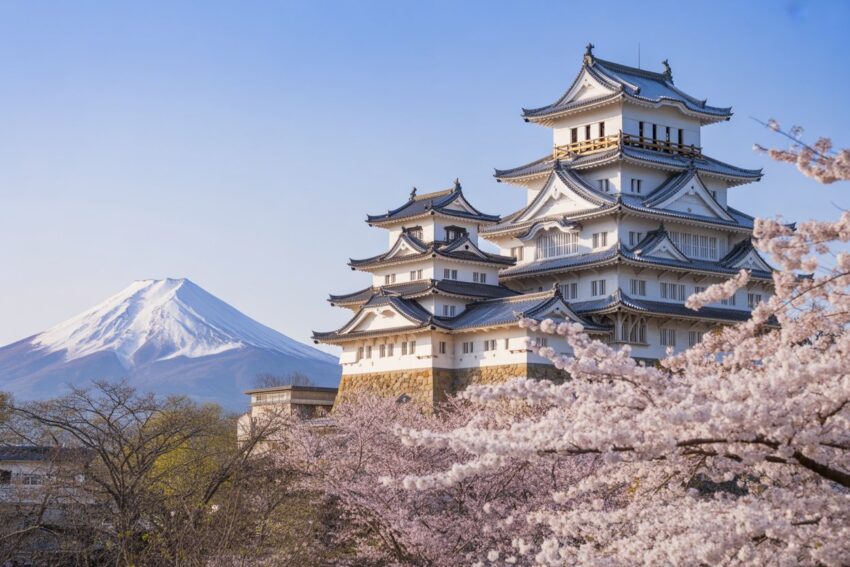
Japan’s beloved cherry blossom season is set to begin on March 21, 2026, with the first blooms expected to appear in Tokyo and Fukuoka, according to the latest cherry blossom forecast from Weather News. The bloom, which marks the official start of the spring season in Japan, is anticipated to occur slightly earlier than usual in some regions, while others, including northern Japan, will see an early bloom.
Cherry blossoms, or sakura, are a quintessential symbol of Japan’s springtime, drawing millions of visitors each year to experience their fleeting beauty. The season’s arrival not only signals the start of warmer weather but also a time for reflection, festivals, and outdoor gatherings. Travelers from around the world flock to iconic spots like Ueno Park in Tokyo, Kumamoto Castle, and Hirosaki Park in Aomori to witness the spectacle.
Where Will the Cherry Blossoms Bloom First in 2026?
The bloom will begin in western Japan and eastern Japan around March 21, followed by a later bloom in Tohoku by early April and Hokkaido by late April. Here’s a breakdown of the expected bloom dates across some of Japan’s most popular cherry blossom viewing spots:
Tokyo (Ueno Park): March 22, 2026
Kumamoto Castle: March 22, 2026
Hiroshima Peace Memorial Park: March 23, 2026
Kyoto Arashiyama: March 27, 2026
Hirosaki Park, Aomori: April 15, 2026
Goryokaku Park, Hokkaido: April 23, 2026
These dates offer a great guideline for travelers looking to plan their cherry blossom tours around Japan. Each region has its own unique charm, and the blooms can look different depending on the location. Whether you’re strolling through the iconic Ueno Park, admiring the view of Kumamoto Castle framed by sakura, or visiting the historic Hiroshima Peace Memorial Park, the cherry blossoms add a layer of serenity and beauty to every destination.
Best Cherry Blossom Spots for Tourists
Japan’s cherry blossom season is a celebration of the country’s natural beauty, and the spring festivals and events that accompany it make it an exciting time to visit. Here are some of the top cherry blossom spots you’ll want to explore in March 2026:
Ueno Park, Tokyo: One of Tokyo’s most popular spots for cherry blossoms, Ueno Park becomes a sea of pink and white during the sakura season. Visitors can enjoy hanami (flower viewing) picnics under the blossoms, with the added benefit of the park’s nearby museums and cultural sites.
Kumamoto Castle, Kumamoto: The historic Kumamoto Castle is known for its stunning cherry blossoms, which bloom around its grounds in late March. The view of the castle surrounded by blooming sakura is nothing short of breathtaking, making it a must-see for travelers in Japan’s Kyushu region.
Hiroshima Peace Memorial Park, Hiroshima: In addition to its historical significance, Hiroshima’s Peace Memorial Park is also home to a beautiful cherry blossom grove. The combination of history and natural beauty makes this park a peaceful spot for reflection during sakura season.
Kyoto Arashiyama, Kyoto: Kyoto’s Arashiyama area is famous for its bamboo groves and temples, but it’s also one of the best places to view cherry blossoms in Japan. The cherry blossoms along the Togetsukyo Bridge create a picturesque setting, making it perfect for a scenic walk during springtime.
Hirosaki Park, Aomori: If you’re looking for a more off-the-beaten-path cherry blossom experience, Hirosaki Park in Aomori is a hidden gem. The park boasts over 2,500 cherry trees, creating a stunning contrast against the traditional Japanese architecture and the Hirosaki Castle.
Goryokaku Park, Hokkaido: The cherry blossoms in Hokkaido’s Goryokaku Park are a must-see, especially for those visiting Japan later in the season. Hokkaido’s cooler climate means that the cherry blossoms bloom later in April, providing an opportunity for travelers who miss the earlier blooms in other parts of Japan.
Why You Should Visit Japan During Cherry Blossom Season
Cherry blossom season in Japan offers more than just stunning views; it’s a cultural experience like no other. The tradition of hanami (flower viewing) has been celebrated for centuries, and it’s a time for friends, families, and coworkers to gather, enjoy food and drinks, and appreciate the fleeting beauty of the cherry blossoms.
During this time, festivals, performances, and other cultural events are held in many cities, adding an extra layer of excitement to your visit. Travelers can also enjoy the vibrant atmosphere at local markets and food stalls, where sakura-themed treats, souvenirs, and local delicacies can be found.
Visiting Japan during cherry blossom season also gives you the chance to experience the country’s seasonal transition from winter to spring. The combination of blooming flowers, mild temperatures, and vibrant festivals makes this a special time to visit the country.
Planning Your Cherry Blossom Tour in Japan
To make the most of your cherry blossom tour in 2026, it’s important to plan your travel around the peak bloom dates. Depending on the regions you wish to visit, you may need to adjust your schedule slightly to catch the best views of the sakura in full bloom.
It’s also recommended to book your accommodations early, as cherry blossom season attracts a large number of visitors from around the world. Many hotels, particularly in popular destinations like Kyoto, Tokyo, and Hiroshima, may have limited availability during peak bloom times.
With careful planning, you can enjoy an unforgettable cherry blossom tour across Japan, experiencing both the natural beauty and the rich cultural traditions that come with this iconic season.
Cruise travel is no longer just about destinations. For modern travelers, food has become part of the journey itself.
Princess Cruises has announced a major enhancement to its onboard dining experience. The move reflects a growing demand for immersive, destination-inspired cuisine at sea. For travelers planning long voyages or cultural itineraries, these upgrades add real value to the cruise experience.
The changes focus on specialty dining aboard select ships. They aim to blend global flavors with refined service, creating memorable moments for food-loving travelers.
A New Focus on Culinary Travel at Sea
Princess Cruises is expanding its premium dining offerings on two of its vessels. The upgrades are designed to support upcoming international itineraries, including extended Asia and Japan sailings.
This approach aligns with global tourism trends. According to tourism authorities in Japan and other destinations, travelers increasingly seek cultural experiences that begin before arrival. Food is often the first connection to local heritage.
By enhancing onboard dining, cruise lines allow guests to explore regional flavors even while sailing between ports.
Japanese-Inspired Dining Experience for Curious Travelers
One of the most notable additions is a Japanese-style specialty restaurant focused on fresh seafood and traditional preparation techniques.
The concept draws inspiration from classic Japanese dining traditions. Guests can expect carefully prepared sushi, seafood plates, and thoughtfully balanced flavors. The emphasis is on quality ingredients and simple presentation rather than heavy sauces.
For travelers unfamiliar with Japanese cuisine, this provides a gentle introduction. For experienced food explorers, it offers authenticity and attention to detail.
Japan’s national tourism authorities have repeatedly highlighted food culture as a central part of travel experiences. Bringing this influence onboard creates continuity between the ship and shore excursions.
Steakhouse Dining Designed for Long Voyages
Alongside the Japanese concept, Princess Cruises has enhanced its steakhouse offering. This restaurant focuses on premium meats, seafood, and familiar comfort dishes with an upscale touch.
The steakhouse experience appeals to travelers seeking a refined evening meal after busy days exploring ports. It offers a quiet, elegant setting where guests can unwind.
High-quality dining options are especially important on longer itineraries. Travelers spending several weeks at sea value variety and consistency. This upgrade ensures that guests have access to reliable, high-standard meals throughout their journey.
How This Benefits International Cruise Travelers
For global travelers, onboard dining plays a practical role. Many itineraries include sea days between destinations. On these days, dining becomes a key part of the travel experience.
Enhanced specialty restaurants provide options beyond main dining rooms. They allow travelers to celebrate milestones, enjoy romantic evenings, or simply experience something new.
From a tourism perspective, this also supports sustainable travel. By offering destination-inspired cuisine onboard, cruise lines reduce pressure on local restaurants in heavily visited ports while still promoting cultural awareness.
Planning Ahead: What Travelers Should Know
Specialty dining venues usually require advance reservations. Travelers planning cruises during peak seasons should book early to secure preferred dining times.
These restaurants typically involve an additional fee. However, many cruise packages include dining credits or bundled options. Travelers should review their cruise fare carefully to maximize value.
Government tourism boards often recommend planning dining experiences ahead when traveling internationally. The same principle applies to cruise vacations, especially when specialty dining is limited in capacity.
Connecting Cuisine With Destination Experiences
Princess Cruises’ dining upgrades are timed to complement future international sailings. Asia and Japan remain strong cruise markets, supported by tourism authorities promoting longer stays and cultural engagement.
Food plays a powerful role in shaping travel memories. A well-designed onboard dining experience can deepen a traveler’s understanding of a destination before arrival.
This approach transforms dining from a routine activity into part of the journey’s narrative.
Why Food-Focused Cruises Are Growing in Popularity
According to global tourism research organizations, experiential travel continues to rise. Travelers want meaningful moments, not just sightseeing.
Cruise dining has evolved to meet this demand. It now reflects global culinary trends, regional authenticity, and personalized service.
Princess Cruises’ latest dining enhancements show how cruise travel is adapting to these expectations. The focus is not just luxury, but relevance and connection.
Final Takeaway for Travelers
For travelers considering a cruise vacation, dining should be part of the decision process. Princess Cruises’ upgraded culinary offerings create new reasons to choose longer, culturally rich itineraries.
These enhancements turn meals into travel experiences. They allow guests to explore flavors, traditions, and stories while sailing across the world.
For global tourists, this is more than a menu change. It is a step toward deeper, more meaningful journeys at sea.
Japan’s Port of Tokyo is strengthening its role as a major cruise destination by welcoming ships at two fully operational terminals — the Tokyo International Cruise Terminal and the renovated Harumi Cruise Terminal — positioning the port for increased cruise traffic, enhanced passenger service and deeper integration with city tourism. The dual‑terminal model allows the port to host a wider range of vessels efficiently, attract more international calls and give passengers easy access to Tokyo’s sights, regional attractions and transport networks.
The Port of Tokyo (Tokyo Bay) is emerging as one of Asia’s leading cruise hubs, with its dual‑terminal cruise operations now welcoming large ocean liners and smaller mid‑size vessels alike. The Tokyo International Cruise Terminal, originally opened in 2020, handles some of the world’s largest cruise ships, while the Harumi Cruise Terminal — fully operational again after renovations in 2025 — accommodates smaller vessels that can navigate beneath the Rainbow Bridge.
This strategy enables the port to handle higher volumes of cruise calls, optimise vessel scheduling and offer smoother check‑in/check‑out experiences for global travelers. The port’s excellent access to Haneda and Narita international airports, major rail lines and Tokyo’s vibrant urban centre also enhances its appeal for “fly & cruise” packages and multi‑destination itineraries.
For travelers, the Port of Tokyo’s development is a significant travel news milestone — delivering expanded cruise choices, better connectivity and opportunities to combine Japan’s world‑class culture, cuisine and sightseeing with maritime tourism. However, it also raises considerations around capacity, pricing and peak‑season planning as demand grows.
WHAT’S NEW WITH TOKYO’S CRUISE TERMINALS
Tokyo International Cruise Terminal
Opened in 2020 and capable of handling ultra‑large cruise ships, this terminal serves as the primary berth for big liners with thousands of passengers. It has hosted over 70 calls in recent seasons, reflecting a strong rebound in cruise tourism since the pandemic.
Harumi Cruise Terminal
Previously under construction, Harumi reopened in 2025 and now welcomes smaller and mid‑size vessels that cannot pass under the Rainbow Bridge due to clearance restrictions. This terminal offers convenient proximity to central Tokyo — roughly 20–25 minutes by car to areas such as Tokyo Station.
Dual‑Terminal Operations
With both terminals active, the Port of Tokyo can schedule more ships simultaneously, improving flexibility for cruise lines and reducing congestion. This model also enables a mix of big liners and boutique or expedition vessels, expanding the range of cruise products calling at the port.
Tourism & Access Integration
The port’s strategic connections — including rail networks, expressways and direct airport links — make it ideal for travelers combining a cruise vacation with a longer stay in Tokyo or broader Japan.
TRAVEL ADVANTAGES — BENEFITS FOR PASSENGERS
More Cruise Choices & Itineraries
With two terminals serving different ship sizes, passengers have greater itinerary options, including longer Asian voyages and short‑stay experiences that begin or end in Tokyo.
Convenient Travel Integration
Easy access to Haneda and Narita airports, rail systems and city transport means travelers can plan “fly & cruise” journeys seamlessly, reducing transit frustration and increasing vacation flexibility.
Access to Tokyo’s Attractions
Cruise passengers arriving in Tokyo can quickly reach iconic districts — such as Ginza, Asakusa, Shibuya and Akihabara — and cultural sites, offering a rich blend of city exploration and maritime tourism.
Enhanced Passenger Services
Upgraded terminals include modern embarkation facilities, streamlined customs and immigration processing, and improved passenger amenities, contributing to a smooth travel experience.
Growth of Regional Cruise Tourism
As Tokyo attracts more calls from global cruise lines, passengers will see expanded seasonal schedules, more ship deployments and diversified offerings — from luxury cruises to family‑friendly sailings.
DISADVANTAGES & TRAVELLER CONCERNS
Peak Season Congestion
The popularity of Tokyo as a cruise hub could lead to busy peak seasons, longer lines at terminals and higher demand for local transport and hotels.
Price Effects During High Demand
As ports expand and itineraries grow, cruise fares — especially on premium lines or popular seasonal slots — could increase, making booking early important for cost‑conscious travelers.
Transit Coordination Challenges
Travelers combining cruises with multi‑city Japan visits must coordinate transport between cruise terminals, airports and other attractions carefully to avoid gaps or crowded connections.
Terminal Navigation for First‑Time Cruisers
First‑time cruise visitors may need time to acclimate to Tokyo’s two‑terminal system, particularly understanding where to check in, where ports connect to rail lines, and how to transit between terminals and city centres.
INDUSTRY CONTEXT
Tokyo’s cruise strategy reflects broader trends in Asia’s maritime tourism recovery and growth after pandemic restrictions. Ports across the region — including Singapore, Hong Kong and Shanghai — are vying for international cruise deployments, and Tokyo’s infrastructure upgrades position it as a key East Asian hub.
The dual‑terminal approach balances the needs of large ocean liners and smaller vessels while promoting efficient port operations and enabling more cruise line partnerships. Promotional efforts, such as participation in international cruise conventions and hospitality initiatives, enhance Tokyo’s visibility among global cruise operators.
CONCLUSION — TRAVELER IMPACT SUMMARY
The Port of Tokyo’s dual‑terminal cruise strategy marks a significant leap forward for travel and tourism in Japan’s bustling capital. For cruise passengers, the expanded capacity and diversity of vessel calls mean more choices, better access to iconic attractions and smoother integration with travel networks, enhancing the overall holiday experience.
While challenges like peak‑season congestion and higher seasonal fares remain considerations, the port’s strategic development signals a strong future for Tokyo as a major cruise destination in Asia. Cruise tourists can look forward to vibrant city exploration combined with seamless maritime adventures — a compelling reason to include Tokyo in regional cruise planning.
Electric air taxis are on the horizon as the globe moves toward more environmentally friendly modes of transportation. In developing this innovative technology, the United States has joined an increasing number of nations, including Brazil, Canada, the United Kingdom, Japan, South Korea, and more. These cities will transform urban transportation by providing quicker, greener, and more efficient travel choices as electric vertical takeoff and landing (eVTOL) aircraft quickly become a reality. The potential of these zero-emission cars to lower carbon footprints and offer convenient, fast transit between airports and city centers is poised to transform travel and tourism in the future.
Countries such as the United States, Brazil, Canada, United Kingdom, Japan, and South Korea are leading the way in advancing this innovative technology. With sustainability at the heart of the development, electric air taxis will not only help reduce carbon emissions but will also boost the growth of sustainable tourism, offering travelers a faster, greener, and more accessible way to reach airports and tourist hotspots.
United States: Leading the Charge in Electric Air Mobility
The United States is at the forefront of the electric air taxi revolution, with several companies and regulatory bodies actively working to bring eVTOL aircraft to the skies. With the U.S. government’s proactive approach to developing Advanced Air Mobility (AAM), the country is positioned to launch electric air taxis in the coming years, radically changing how urban transportation works.
Key Developments:
U.S. Department of Transportation released the National Advanced Air Mobility (AAM) Strategy in December 2025, outlining a formal framework for integrating eVTOL aircraft into national airspace. The plan focuses on airspace management, infrastructure development, and safety standards, with trial flights expected to begin in mid-2026.
Joby Aviation, a major player in the U.S. market, has completed over 9,000 test miles and is progressing through Stage 4 of the FAA certification process. Joby plans to launch commercial services in 2027, initially focusing on major cities like Los Angeles, San Francisco, and New York. The S4 eVTOL aircraft, which will serve as Joby’s primary vehicle, is designed to carry 4 passengers over distances of up to 150 miles with zero emissions.
Vertical Aerospace launches its U.S. tour in New York City with the introduction of its Valo electric air taxi, a zero-emission aircraft capable of flying 100 miles at 150 mph; the aircraft is set to be certified by 2028, with plans for sustainable airport-to-city center connections, boosting tourism and urban mobility.
Archer Aviation has partnered with United Airlines and is developing the Midnight eVTOL. The company plans to achieve FAA certification by 2026, with commercial operations expected shortly after. Archer aims to offer quick, sustainable connections between airports and city centers, reducing travel times and improving accessibility for tourists.
Vertical Aerospace Launches U.S. Tour with Valo: A Step Toward Sustainable Electric Air Travel
Vertical Aerospace has launched the U.S. tour of its electric air taxi, Valo, in New York City, bringing it to the U.S. for the first time. This marks a major milestone in the electric aviation revolution, offering a glimpse of the future of sustainable travel.
The Valo is a certification-ready aircraft, designed to carry four passengers with zero emissions and travel up to 100 miles at speeds of 150 mph. With a premium cabin and the option to expand to six seats, Valo aims to reduce fares and offer a sustainable, eco-friendly alternative to traditional transport.
Impact on Sustainable Travel and Tourism
Alongside its U.S. tour, Vertical Aerospace is working with Bristow Group and Skyports Infrastructure to develop electric air travel routes in New York. These will provide airport transfers, event travel, and sightseeing tours, cutting travel time and offering a greener alternative for tourists and locals alike. By connecting major airports to Manhattan in minutes, Valo will offer faster, cleaner mobility, boosting sustainable tourism in the city.
Valo’s certification is expected by 2028, with American Airlines among its key airline partners.
As electric air taxis become more widespread in the U.S., tourism will benefit greatly. Tourists will be able to travel between airports and city centers in minutes, significantly enhancing their overall travel experience. With the potential to save time, reduce carbon emissions, and make cities more accessible, electric air taxis will improve both the sustainability and convenience of travel.
Company
Progress
Key Dates
Commercial Launch Target
Joby Aviation
FAA Certification Progress
FAA Certification by 2026
2027
Archer Aviation
Partnership with United Airlines
Test Flights by 2026
2027
Vertical Aerospace
U.S. Tour Launch with Valo
New York, Jan 2026
2028
Brazil: Preparing for Takeoff with Eve Air Mobility
Brazil is making great strides in electric air mobility, with Eve Air Mobility, a subsidiary of Embraer, leading the way. Eve recently completed the first full-scale prototype flight of its eVTOL aircraft in December 2025, marking a significant milestone for the country in terms of sustainable travel.
Key Developments:
Eve Air Mobility completed its first full-scale prototype flight in December 2025, a key achievement in the development of eVTOL air taxis in Brazil. The aircraft is designed to carry four passengers over a distance of 60 miles.
Certification Timeline: Eve is aiming for type certification by 2027, with commercial services expected to begin by the end of 2027. These services will likely start in São Paulo, where electric air taxis will provide airport-to-city center connections.
Brazil’s National Civil Aviation Agency (ANAC) is working with Eve to ensure the eVTOL aircraft meet all necessary regulatory requirements, ensuring that the aircraft is safe for public use.
For tourism, electric air taxis in Brazil will significantly reduce travel time between airports and major tourist destinations. With faster and more sustainable transport options, tourists will find it easier to explore Brazil’s top attractions, such as Rio de Janeiro and the Amazon Rainforest. The environmental impact will also be much lower compared to traditional fossil-fuel-powered transport, helping to further boost sustainable tourism in Brazil.
Progress
Key Dates
Commercial Launch Target
Eve Air Mobility Prototype Flight
December 2025
2027
Certification Process with ANAC
Ongoing
2027
Canada: Early Development & Market Projections
While Canada may not see commercial electric air taxi services immediately, the country is heavily involved in the research, development, and regulatory groundwork needed for eVTOL aircraft. Companies like Horizon Aircraft are leading the way in hybrid-electric VTOL aircraft development.
Key Developments:
Horizon Aircraft, a Canadian company, is working on the Cavorite X7, a hybrid-electric VTOL aircraft designed for regional flights. The first flight of the Cavorite X7 is expected to take place in 2026, with commercial services slated for 2030.
Transport Canada is in the process of developing regulatory frameworks for eVTOL aircraft and advanced air mobility (AAM). The government is working to ensure that Canada has the necessary infrastructure, certification processes, and safety standards to support electric air taxis in the coming decade.
As electric air taxis are rolled out in Canada, the tourism sector will benefit greatly. By providing faster, cleaner connections to major tourist cities and national parks, electric air taxis will improve accessibility to Canada’s stunning natural landscapes while supporting the country’s commitment to sustainable travel.
Progress
Key Dates
Commercial Launch Target
Horizon Aircraft Cavorite X7 Prototype
2026
2030
Transport Canada Regulatory Framework
2026
2030s
United Kingdom: Poised for Launch with Strategic Partnerships
The United Kingdom is advancing quickly toward commercial eVTOL operations, with several partnerships and regulatory milestones paving the way for the launch of electric air taxis. The UK Civil Aviation Authority (CAA) has already published a roadmap for eVTOL certification, and Joby Aviation is working closely with Virgin Atlantic to provide electric air taxi services in the UK.
Key Developments:
In June 2025, the UK Civil Aviation Authority (CAA) published a roadmap for eVTOL certification, outlining the steps needed to safely introduce these aircraft into the country’s airspace. The UK government’s Future of Flight Action Plan envisions eVTOL services launching by 2028.
Joby Aviation and Virgin Atlantic have announced plans to operate electric air taxi services in the UK, connecting major airports to city centers. These services are expected to begin by 2028, once the necessary certifications are obtained.
As eVTOL aircraft become a reality in the UK, tourists will benefit from faster access to the country’s most popular destinations. With connections between airports and tourist hotspots like London, Manchester, and Edinburgh, electric air taxis will transform how visitors travel within the UK.
Progress
Key Dates
Commercial Launch Target
Joby Aviation & Virgin Atlantic Partnership
2025
2028
CAA Certification Roadmap
June 2025
2028
Japan: Expo 2025 Demos and AAM Developments
Japan is preparing for electric air taxis with the upcoming 2025 Osaka World Expo, where eVTOL aircraft will be demonstrated to the public. The country’s commitment to advanced air mobility is clear, and commercial operations are expected to begin by 2028.
Key Developments:
Joby Aviation and ANA Holdings will showcase eVTOL aircraft during the 2025 Osaka World Expo. This will be one of the first major public demonstrations of electric air taxis in Japan.
The Japan Civil Aviation Bureau (JCAB) has already established a regulatory framework for advanced air mobility, with plans for commercial services to begin by 2028.
For tourists traveling to Japan, electric air taxis will provide fast, environmentally friendly transportation between airports and popular tourist destinations such as Kyoto, Osaka, and Tokyo. This will significantly reduce travel time and make tourist experiences more accessible.
Progress
Key Dates
Commercial Launch Target
Expo 2025 Osaka eVTOL Demos
2025
2028
JCAB Regulatory Framework
2025
2028
South Korea: Industry Partnerships and Market Development Roadmap
South Korea is rapidly advancing its electric air mobility goals, with major partnerships and a strong regulatory roadmap in place. In October 2025, Archer Aviation partnered with Korean Air to bring 100 eVTOL aircraft to South Korea’s cities.
Key Developments:
Archer Aviation and Korean Air announced a partnership in October 2025, with the goal of introducing 100 eVTOL aircraft into South Korea’s transportation network.
South Korea’s government has been developing an AAM roadmap, with test flights set to begin in 2027 and commercial operations planned for the late 2020s.
As electric air taxis take to the skies in South Korea, tourists will benefit from quick, affordable air travel, reducing traffic congestion and providing easy access to city centers and popular tourist sites.
Progress
Key Dates
Commercial Launch Target
Archer Aviation & Korean Air Partnership
October 2025
2028
South Korea AAM Regulatory Framework
Ongoing
2028
Conclusion: A Sustainable Future for Air Travel
The development of electric air taxis is no longer just an idea—it’s quickly becoming a reality. As Joby Aviation, Eve Air Mobility, Archer Aviation, and other innovators push forward with the certification process, electric air taxis are poised to become a key part of the transportation landscape in cities around the world. These eVTOL aircraft will reduce travel times, cut emissions, and provide an eco-friendly alternative to traditional travel options, benefiting both tourism and urban mobility.
In countries like the United States, Brazil, Canada, the United Kingdom, Japan, and South Korea, eVTOL aircraft are set to reshape how we get around, making travel quicker, more convenient, and more sustainable. As we approach 2026–2028, the skies are on the verge of being filled with electric air taxis, offering faster, cleaner travel for consumers and tourists alike.
Country
Progress
Commercial Launch Target
USA
FAA Certification Progress
2026–2027
Brazil
Eve Air Mobility Prototype
2027
Canada
Horizon Aircraft Prototype
2030s
UK
Joby and Virgin Atlantic Partnership
2028
Japan
Expo 2025 Demos
2028
South Korea
Archer Aviation & Korean Air Partnership
2028
As electric air taxis take to the skies, we will witness the future of travel unfold before us. These technologies are transforming cities and offering tourists and commuters a sustainable, convenient, and efficient way to navigate urban landscapes—boosting both tourism and sustainable mobility. The sky truly is the limit.
The US joins Brazil, Canada, the UK, Japan, South Korea, and more in advancing electric air taxis. This revolutionary technology promises to boost sustainable travel and mobility, transforming urban transportation worldwide.
The United States, Brazil, Canada, the United Kingdom, Japan, South Korea, and other countries are leading the way in revolutionising urban transportation as electric air taxis become a reality. By providing efficient, environmentally friendly substitutes for conventional transportation, this technology has the potential to greatly increase sustainable travel and mobility. The future of travel appears to be quicker, greener, and more accessible because to these nations’ increasing commitment to integrating eVTOL aircraft, opening the door to a new age in international movement.
Rishiri Island, located at the northern edge of Japan, has long been known for its seclusion, and it is this very remoteness that is now positioning the island at the forefront of a shift in tourism. As travellers increasingly seek out quieter, less commercialised destinations, small communities like Rishiri are exploring ways to open up to visitors while preserving the unique aspects that make them special.
Rishiri Island provides a compelling example of a destination navigating its future while holding onto the qualities that make it distinct. The island’s natural beauty, cultural heritage, and a lifestyle rooted in isolation have made it a unique tourist destination for those seeking a more serene and sustainable experience. As tourism trends shift towards low-impact travel, Rishiri has become an attractive option for those looking to escape the more popular, crowded destinations.
A Landscape Shaped by Mt. Rishiri
The heart of Rishiri Island is Mt. Rishiri, a dormant stratovolcano standing at 1,721 meters. The mountain, often referred to as “Rishiri Fuji” by locals, dominates the island both geographically and culturally. Its near-perfect conical shape can be seen from almost every coastline road, creating a striking visual anchor for both residents and visitors alike.
Mt. Rishiri is more than just a backdrop—it plays a central role in the island’s daily life, dictating weather patterns and influencing the activities of the people who live there. For travelers, the mountain offers an iconic point of reference, with hiking trails that allow visitors to explore the surrounding natural beauty. It is also a key part of Rishiri’s allure, offering a landscape that blends rugged terrain, alpine flowers in summer, and views that leave visitors in awe.
As one of Japan’s northernmost national parks, Rishiri remains relatively untouched due to its remote location and small population. This pristine environment offers travelers the chance to witness nature in its raw, unspoiled form. The island’s ecosystem, including rare species such as the Ezo deer, seabirds, and the surrounding marine life, thrives in the untouched corners of the island. It’s this rare coherence between land, sea, and mountain that draws nature lovers and eco-tourists to the island, offering an authentic experience of Japan’s natural heritage.
Quiet Tourism and Sustainable Travel
Rishiri Island’s growing appeal lies in its approach to sustainable tourism. With limited infrastructure and access, the island has avoided mass tourism, focusing instead on maintaining the peaceful character that has long defined its way of life. Visitors to the island find an opportunity to experience a slower pace of life, with fewer crowds and a stronger connection to nature.
The local community has embraced the idea of welcoming tourists while balancing the preservation of their environment and culture. As more people seek destinations where they can escape the hustle of city life, Rishiri has become a haven for those seeking peace. Visitors can enjoy serene hiking trails, explore traditional fishing villages, or simply take in the unspoiled views of the island’s landscape. The island offers an idyllic setting for those looking to immerse themselves in nature without the distractions of large tourist crowds.
In addition to nature-based activities, the island’s cultural offerings provide a glimpse into a simpler way of life. Visitors can explore small, local museums and enjoy traditional Japanese food, including fresh seafood caught by local fishermen. The slow pace of life allows tourists to connect more deeply with the local culture, enhancing the travel experience and fostering an appreciation for the island’s unique way of life.
A Growing Focus on Eco-Tourism
With the global rise in eco-conscious travel, Rishiri Island’s commitment to low-impact tourism makes it an ideal destination for the growing number of travelers looking to reduce their carbon footprint. The island has embraced sustainable practices that prioritize environmental preservation, such as limiting large-scale tourism and promoting the use of eco-friendly accommodations and transport.
Rishiri’s natural surroundings, including its dense forests, coastlines, and the mountain, are key to the island’s eco-tourism appeal. As more travelers opt for destinations that prioritize conservation, Rishiri’s focus on sustainability provides a unique and attractive option for those looking to travel responsibly. For tourists interested in hiking, bird watching, and nature photography, Rishiri offers a pristine environment to engage with the natural world in a meaningful way.
A Place for Reflection and Reconnection
As tourism trends evolve, Rishiri Island is emerging as a destination for travelers looking for more than just sightseeing. With its tranquil environment and unspoiled landscapes, Rishiri offers a rare opportunity to disconnect from the stresses of modern life and reconnect with nature. The island’s focus on quiet tourism, sustainable travel, and cultural preservation ensures that visitors can experience Japan in a way that feels both authentic and enriching.
Rishiri’s growing tourism sector provides a unique opportunity for travelers to explore a place that is still in the process of defining how it will engage with the outside world. The island’s careful balance of welcoming guests while preserving its peaceful atmosphere makes it a standout choice for tourists seeking a more intimate and low-impact experience. Whether for hiking, relaxation, or cultural exploration, Rishiri Island offers a quiet retreat from the bustle of more conventional tourist destinations.
The demand for international travel to Japan played a vital role in Japan’s post-pandemic recovery as Narita Airport continues to bolster its international flight demand. As more businesses opened in Tokyo, the demand for travel to the city for both work and leisure grew. As Japan’s tourism demand increased, it was coupled with a favorable exchange rate, improved flight access, and a more robust tourism infrastructure, allowing for a more sustainable increase in travel demand.
Airlines have gotten their schedules back to normal in most major markets: Asia, Europe, and North America. That helps the airlines fill seats, and their occupancy rates remain high. Also, the combination of longer stays and more group bookings suggests that travelers have become more confident in spending money on longer trips. That helps explain the increase in airport traffic and the growing travel-related spend.
Narita Airport is one of the most important entry points for overseas visitors to Japan, as evidenced by the airport’s performance. It provides further evidence of the growing importance of Tokyo tourism for the upcoming year. Along with the ongoing recovery of international flight capacity and the consistent demand for Tokyo from overseas, Narita is poised for further traffic increases as more people travel to the city for events and recreational activities. In addition, the airlines that service Narita will be able to benefit from the healthy blend of incoming traffic, especially on short-haul routes to/from Asia along with the important long-haul markets.
The continuous rise in passenger numbers points to a rebound in Japan’s tourism sector, with expectations for strong performance in the coming months, aided by the Asian Lunar New Year and the Spring cherry blossom festival. For Narita Airport’s airlines and retail operators, it is a positive development as revenue will be positively impacted by the increasing foot traffic.
Non-Aeronautical and Retail Development at Narita Airport
Narita’s Airport retail revenue also increased as 2.1 million international arrivals travelled through the terminals. Arrivals’ retail spending also increased significantly. International retail spending was also boosted by the strong yen and the increased number of international arrivals to Tokyo. Passengers will likely stay longer in Narita’s terminals, as improved service reliability and flight schedules at Narita are likely to enable the airport’s retail partners to meet the anticipated retail demand.
Additionally, the airport was able to maintain customer satisfaction, and give travelers the ability to shop before their flight, due to the seamless security, customs, and luggage retrieval. The airport’s retail operation benefitted off this as well. The airport’s retail operations also benefitted off this. The airport’s retail operations also benefitted off this, as well as getting the airport closer to their goal of increasing non-aeronautical revenue. This also helps the airport fund their ongoing projects to improve their services and infrastructure.
What’s Next for Narita Airport and Japan’s Tourism Sector?
Bookings for Narita Airport in early 2026 look very promising, and airlines are increasing flight frequencies and capacities. Inbound tourism to Japan is expected to grow as Asia-Pacific travel resumes post-Lunar New Year. Add to that, spring tourism, particularly cherry blossom viewing, will draw even more visitors to Tokyo.
Demand to and from Narita will be consistent throughout Q1 of 2026. Specifically, there will be ample demand in the premium cabins for peak travel dates. As more tickets are made available, travelers will notice that ticket prices are becoming more even for less available routes. Still, demand for routes to and from Tokyo will be very high as it is a major business and travel center.
The improving air traffic is particularly positive for ANA and Japan Airlines, who still have strong international bookings. From an investor’s perspective, the increasing air traffic is beneficial for ANA and Japan Airlines. They might, however, still need to exercise caution in their planning and pricing based on fuel price volatility, currency fluctuations, and geopolitical activity.
Conclusion
The traffic results from Narita Airport indicate Japan’s continuing recovery from the pandemic, with a significant inbound passenger contribution from Tokyo. Japan is expected to see further improvement in tourism, supported by key events, the anticipated return of spring tourism, and a ramp-up in inbound travel. Narita Airport is central to the global travel ecosystem to/from Japan, and therefore the retail and aviation markets. This provides immediate optimism for the passengers and investors to Narita and its surrounding retail and aviation ecosystem.
Japan is embarking on a transformative journey to reshape its tourism industry with a long-term strategy that seeks to balance growth and sustainability. The newly unveiled plan aims to tackle the growing challenges of overtourism by expanding measures to address overcrowding and strain on popular destinations across the country. In a bid to spread the benefits of tourism more evenly, the Japan Tourism Agency targets increasing the number of regions actively managing tourism impacts from 47 to 100 by fiscal 2030. Additionally, the strategy sets ambitious goals for repeat visitors, raising the target from 36 million to 40 million. By focusing on both regional development and repeat tourism, Japan hopes to foster a more sustainable, resilient tourism ecosystem that contributes to economic growth while preserving the nation’s cultural and natural heritage.
With a focus on sustainability and resilience, this new plan is designed to strengthen Japan’s tourism sector in the face of global challenges. The draft, which is scheduled for Cabinet approval in March 2026, outlines how Japan will balance tourism growth with the needs of local communities and cultural preservation, positioning tourism as a key driver of both regional and national economic development.
Shifting Focus Towards Sustainable Growth
While the Japan Tourism Agency has retained its target of attracting 60 million inbound visitors and generating ¥15 trillion in tourism-related spending by fiscal 2030, the updated plan includes significant changes to better align with long-term sustainability goals. One major shift is an increase in the target number of repeat visitors, from 36 million to 40 million. This change reflects the country’s growing focus on attracting tourists who not only visit once but return regularly, contributing to higher economic benefits through repeat spending.
In 2025, Japan’s inbound tourism spending reached an all-time high of ¥9.5 trillion, making it one of the largest contributors to the country’s export sector. This success has led to a renewed recognition of tourism as a strategic industry capable of driving economic growth in both metropolitan areas and less-visited regions. The new strategy is designed to make the tourism sector a central part of Japan’s long-term economic vision while addressing the challenges posed by overcrowding and uneven visitor distribution.
Expanding the Benefits of Tourism to Regional Areas
The focus of the new plan on regional development is perhaps the most significant shift in Japan’s tourism strategy. The aim is to alleviate the pressure on heavily visited destinations such as Tokyo and Kyoto by encouraging tourists to explore lesser-known parts of the country. By targeting a greater number of regions for tourism initiatives, Japan hopes to create a more equitable distribution of tourism benefits, thus supporting rural areas and revitalizing local economies.
The Japan Tourism Agency plans to expand the number of regions addressing overtourism through targeted strategies designed to preserve local culture, improve infrastructure, and enhance the visitor experience. By diversifying the tourism offerings and spreading visitation across more areas, the agency hopes to reduce the negative impacts of overcrowding and ensure that local communities are better positioned to benefit from the influx of tourists.
Reducing Overreliance on Key Markets
Japan’s tourism industry faces vulnerabilities due to overreliance on a few key source markets, particularly China, which has historically been the largest source of inbound visitors. The recent decline in Chinese tourism, exacerbated by political tensions between Japan and China, has underscored the need for a more diversified approach to attract tourists from a wider range of countries and regions.
In response, the Japan Tourism Agency’s updated strategy emphasizes the importance of broadening the market base. While China remains an important tourism partner, Japan aims to increase its appeal to visitors from other regions, particularly emerging markets in Southeast Asia, North America, and Europe. By expanding outreach efforts and improving international marketing, Japan seeks to build a more stable and diverse tourism industry that is less susceptible to geopolitical shifts.
Emphasizing Sustainability and Long-Term Resilience
Sustainability is at the core of Japan’s new tourism strategy. The country’s tourism industry must evolve to handle the increasing demand while also protecting its cultural heritage, natural landscapes, and the quality of life for local residents. The Japan Tourism Agency is committed to promoting eco-friendly practices and ensuring that tourism growth does not come at the expense of the environment or local communities.
The new plan also highlights the importance of resilience, with the agency focusing on strategies that enable the tourism sector to withstand global uncertainties. Whether in the face of economic downturns, natural disasters, or shifts in international politics, Japan’s tourism policy aims to safeguard the industry’s future by prioritizing flexibility and adaptability.
Looking to 2030: Japan’s Vision for the Future of Tourism
As Japan looks ahead to fiscal 2030, its tourism strategy reflects a clear vision of growth, sustainability, and balanced development. The goal is not simply to increase visitor numbers but to create a tourism ecosystem that benefits all regions, supports local communities, and strengthens the country’s cultural and economic fabric. The plan acknowledges the challenges posed by overtourism and strives to find a delicate balance between welcoming visitors and preserving what makes Japan unique.
By focusing on regional diversification, encouraging repeat visits, and promoting sustainable practices, Japan is setting the stage for a tourism sector that can thrive for decades to come. The country is making a deliberate move away from over-reliance on certain markets and areas, ensuring that the benefits of tourism are shared more evenly and that the industry remains resilient in the face of global change.
In conclusion, Japan’s new tourism strategy marks a turning point for the country’s tourism sector. With an emphasis on sustainability, regional development, and market diversification, Japan is positioning itself as a leader in responsible tourism. The updated plan ensures that tourism continues to drive economic growth while safeguarding the long-term health of the nation’s cultural heritage and environment. As the country moves toward its 2030 goals, Japan is poised to set a new standard for sustainable tourism in the 21st century.

 Login
Login

:max_bytes(150000):strip_icc():format(jpeg)/TAL-doctor-yellow-train-japan-DRYELLOWTRAIN0126-3bb8ebd44f404f36b55a6ef6ad1fa398.jpg "<p>Joshua Mellin</p>")



 More Cruise Choices & Itineraries






:max_bytes(150000):strip_icc():format(jpeg)/TAL-lead-image-SKIUSORJAPAN0126-7e7342a90e434d1d9e46931c34ac2d0c.jpg "<p>gyro/Getty Images</p>")

