Reading view

Singapore Airlines Revolutionizes Travel with Direct Non-Stop Flights to Riyadh, Enhancing Global Connectivity and Unlocking New Business and Leisure Opportunities
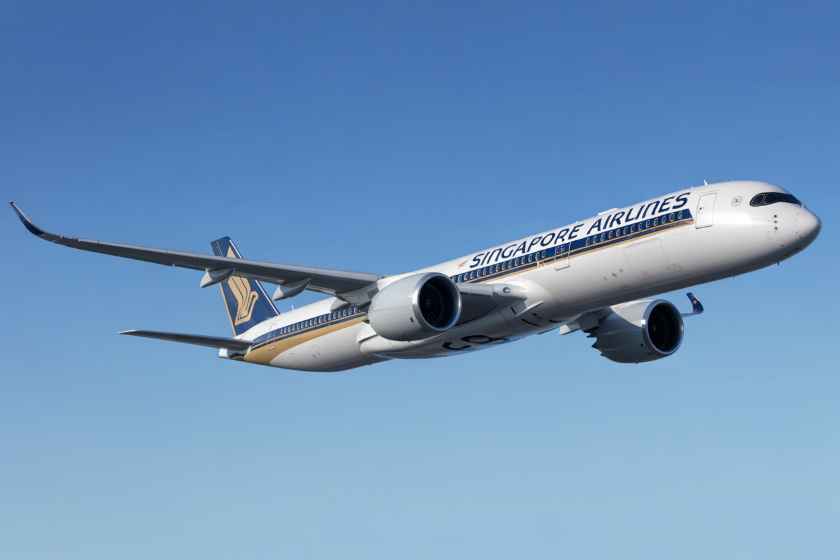
Singapore Airlines Revolutionizes Travel with Direct Non-Stop Flights to Riyadh, Enhancing Global Connectivity and Unlocking New Business and Leisure Opportunities
Singapore Airlines
Southeast Asia and Saudi Arabia

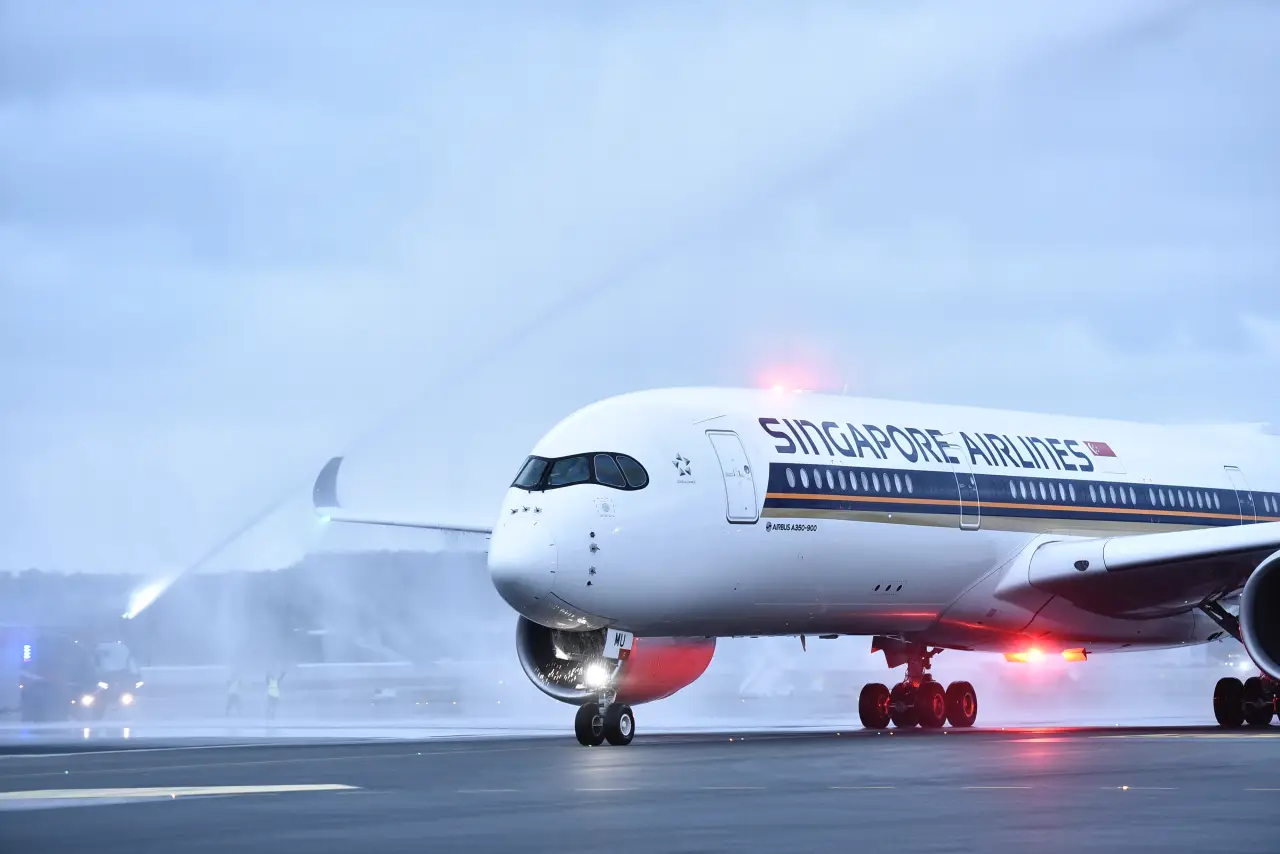
Singapore Airlines is set to transform travel between Southeast Asia and Saudi Arabia with the launch of direct non-stop flights between Singapore and Riyadh, beginning in June 2026. This groundbreaking service will not only enhance global connectivity by offering a more efficient and time-saving travel option, but it will also open up new opportunities for business and leisure travelers alike. The non-stop route reflects the growing demand for stronger ties between the two regions, driven by Riyadh’s rapid economic and cultural transformation under Saudi Arabia’s Vision 2030. This move underscores Singapore Airlines’ commitment to providing seamless connections between key business hubs while catering to the rising interest in cultural exchange and tourism in the Gulf.

Singapore Airlines (SIA) is set to re-establish its presence in the Saudi capital with the launch of non-stop flights between Singapore and Riyadh, starting in June 2026. This eagerly awaited service will operate four times per week, marking the airline’s return to Riyadh after a gap of over a decade. The route comes in response to the growing demand for travel between Southeast Asia and the Middle East, driven by increased business, tourism, and cultural exchanges.

New Route Connecting Singapore and Riyadh

Scheduled to launch on June 2, 2026, the new service will offer four weekly non-stop flights between Singapore’s Changi Airport and Riyadh’s King Khalid International Airport. The flights will be operated on Tuesdays, Thursdays, Saturdays, and Sundays, with SIA deploying its modern Airbus A350-900 aircraft. This medium-haul widebody jet is renowned for its fuel efficiency and superior passenger comfort, designed to cater to both business and economy class travelers. With a total capacity of 303 seats, the aircraft will offer 40 seats in Business Class and 263 seats in Economy.

The flight, SQ498, will depart from Singapore at 18:20 local time, arriving in Riyadh at approximately 21:45. This non-stop connection will significantly reduce travel time, eliminating the need for long stopovers that passengers previously encountered when connecting through other cities.

A Strategic Return to Riyadh

Singapore Airlines had previously operated flights to Riyadh but suspended the service in 2014 due to low demand. However, the decision to reintroduce the route comes at a time of rapid transformation in Riyadh, which is becoming a central business, tourism, and cultural hub. Saudi Arabia’s Vision 2030, a comprehensive plan to diversify the country’s economy, has contributed to the city’s rise as an attractive destination for international businesses and travelers alike. The modernization of Riyadh’s infrastructure, coupled with its burgeoning hospitality and tourism sectors, has made it a key location for airlines seeking to establish or expand their presence in the region.

The resurgence of the Singapore-Riyadh route highlights the evolving demand for both corporate and leisure travel between the two regions. Riyadh, a financial and administrative powerhouse in Saudi Arabia, now attracts significant international interest for business conferences, trade exhibitions, and governmental summits. The non-stop flights from Singapore, a global transit hub, will enhance the efficiency of corporate travel and make it easier for executives and delegates to connect with Saudi counterparts.

Cultural and Leisure Opportunities

For leisure travelers, the new route opens up exciting opportunities to explore Riyadh’s rich cultural and historical attractions. From Diriyah, a UNESCO World Heritage site, to contemporary art museums, vibrant shopping areas, and luxury hotels, the city is quickly becoming a top destination for travelers interested in history, culture, and modern experiences. The non-stop flight makes Riyadh more accessible for Singaporeans and Southeast Asian residents, expanding tourism to Saudi Arabia.

The route also complements existing services to other destinations in Saudi Arabia, such as Scoot’s flights to Jeddah, further expanding travel options for passengers navigating the Middle East. As regional aviation networks continue to grow, direct flights between key cities like Singapore and Riyadh play a crucial role in facilitating both business and leisure travel.

Strengthening Global Connectivity

This move by Singapore Airlines aligns with broader trends in global aviation, where airlines are increasingly focusing on direct, long-haul services connecting emerging tourism markets, corporate centers, and established diaspora communities. The relaunch of the Singapore-Riyadh route comes at a time when the global aviation industry is recovering from pandemic-related disruptions. Airlines are adapting to new travel patterns and preferences, focusing on routes that offer greater convenience and connectivity.

The new service will not only strengthen business ties between Southeast Asia and the Middle East but also position Riyadh as a key node in the growing aviation corridor between Asia and the Gulf region. As both cities play pivotal roles in the global economy, this new connection reflects the expanding economic, cultural, and technological exchange between the two regions.

Looking Ahead: A Promising Future for Riyadh and Singapore

By June 2, 2026, passengers will be able to enjoy the convenience of flying non-stop between Singapore and Riyadh, with Singapore Airlines operating this route on a regular basis. This strategic return to Riyadh is expected to bolster business and tourism opportunities, while simultaneously enhancing global connectivity between Southeast Asia and the Middle East.

Singapore Airlines is set to revolutionize travel with direct non-stop flights between Singapore and Riyadh, enhancing global connectivity and creating new business and leisure opportunities. This new service responds to the growing demand for seamless travel between Southeast Asia and Saudi Arabia, driven by Riyadh’s economic transformation.

As Riyadh continues to grow as a cultural and commercial hub, this non-stop service will open new avenues for international travelers and businesses. With a renewed focus on growth and expansion, both cities will serve as essential points on the international travel map, driving forward economic development and fostering greater collaboration across borders. Singapore Airlines’ return to Riyadh marks an exciting new chapter for aviation in the region, offering fresh opportunities for travelers, businesses, and cultures to connect.

The post Singapore Airlines Revolutionizes Travel with Direct Non-Stop Flights to Riyadh, Enhancing Global Connectivity and Unlocking New Business and Leisure Opportunities appeared first on Travel And Tour World.
Southwest Airlines Companion Pass Promotion: Fly with a Companion for Free in 2026

Southwest Airlines Companion Pass Promotion: Fly with a Companion for Free in 2026

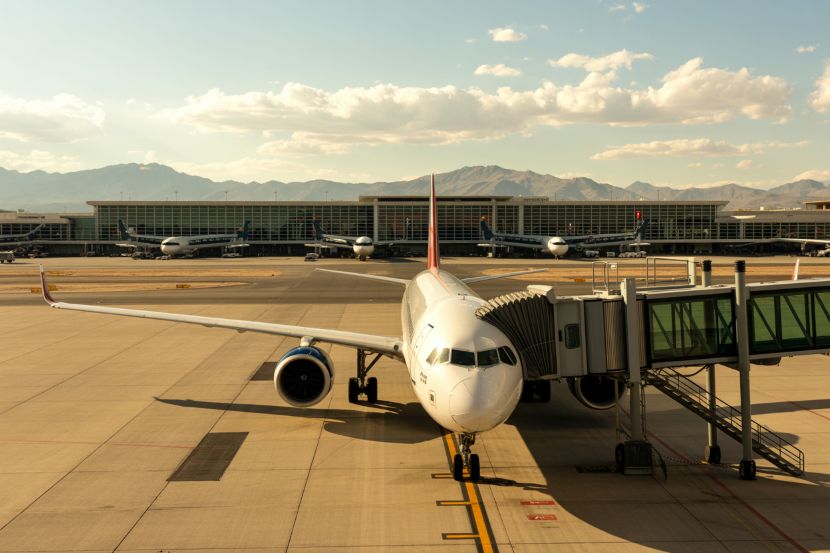
The U.S. travel market received an exciting update when Southwest Airlines reinstated its Companion Pass promotion which had been discontinued for an exclusive period in February 2026. The special promotion permits Rapid Rewards members of Southwest Airlines to obtain the highly sought-after Companion Pass which permits them to travel with a companion at no cost on specific flights.

The Companion Pass is one of the most valuable perks in the airline industry, offering the chance for two people to travel for the price of one, only paying for taxes and fees starting at USD 5.60 per flight. The offer applies to any flight booked through Southwest Airlines that meets the promotion’s terms and conditions.

This promotion is ideal for customers looking to travel with a loved one, a friend, or a colleague without worrying about the high costs often associated with flying multiple people on the same itinerary. Rapid Rewards members who qualify can designate a companion to fly with them for free throughout the promotional period, giving them more flexibility to plan and enjoy trips across Southwest’s network of destinations.

Promotion Details and Eligibility Criteria

To take advantage of this special offer, Rapid Rewards members must first register for the promotion on Southwest Airlines’ official website. Once registered, travellers will need to book a round-trip flight or two one-way qualifying flights between February 2 and February 6, 2026. The flights must be completed by March 31, 2026, for customers to qualify for the Companion Pass.

Once eligibility is confirmed, passengers can designate a companion to join them on flights between August 10, 2026, and October 7, 2026. The Companion Pass allows the registered member to add a companion to any qualifying flight they’ve booked, including flights purchased with Rapid Rewards points or paid flights.

A Unique Opportunity for U.S. Travellers

The reintroduction of the Companion Pass promotion offers significant savings for couples, families, or business partners planning to travel across Southwest’s extensive network of U.S. cities and popular destinations. Southwest Airlines operates over 100 destinations across the United States, including major hubs like Los Angeles, Chicago, New York, Dallas, and Denver, as well as international destinations such as Mexico and the Caribbean.

Southwest’s flexible flight booking policies make it easier for passengers to use their Companion Pass on any eligible flights, whether they are looking to fly on domestic or international routes. This makes the promotion appealing to both seasonal travellers and those with business trips planned for later in the year.

Benefits for Frequent Flyers and New Members

One of the key advantages of the Companion Pass promotion is that it applies to both new and existing members of the Rapid Rewards program. Even if travellers have not yet accumulated enough points to earn a Companion Pass under the usual qualification requirements, they can still benefit from this limited-time offer by booking eligible flights within the promotion window.

In addition to the Companion Pass, Rapid Rewards members can continue to enjoy the perks of the loyalty program, including access to reward flights, priority boarding, and the ability to earn points toward future travel.

How It Impacts the Travel Experience for Southwest Passengers

This limited-time promotion not only provides value to current Rapid Rewards members but also attracts new travellers who are interested in joining Southwest’s loyalty programme to take advantage of its competitive benefits. Whether for business travel, family vacations, or romantic getaways, the Companion Pass provides a level of cost-effectiveness and convenience that many other airlines do not offer.

For those considering international travel, the Companion Pass can help reduce the overall cost of multi-destination trips, especially with Southwest’s network reaching popular locations in Mexico, the Caribbean, and Central America. Travellers can also use their Rapid Rewards points for travel, further enhancing the program’s value and accessibility.

A Great Value for Travellers Looking to Save

Southwest Airlines’ Companion Pass promotion for February 2026 offers a valuable opportunity for Rapid Rewards members to travel with a companion for free, enhancing the overall travel experience. By offering flexible travel dates and seamless booking options, the promotion provides a compelling reason for both new and seasoned travellers to make the most of this limited-time offer.

With a travel period extending through October 2026, Southwest Airlines ensures that the Companion Pass benefits are available to a wide range of travellers, which enables customers to plan their vacations and business trips while they save money on extra flight expenses. The program introduces new users to the complete advantages of Southwest’s Rapid Rewards system for their upcoming travel.

The post Southwest Airlines Companion Pass Promotion: Fly with a Companion for Free in 2026 appeared first on Travel And Tour World.

Flight Cancellations in Chengdu, Shenzhen, Shanghai and Beijing Creates Travel Interruptions across China as Air China, China Eastern, Shanghai Airlines and others Face a Dozen of Flight Cancellations and Thousands of Delays, New Update

Flight Cancellations in Chengdu, Shenzhen, Shanghai and Beijing Creates Travel Interruptions across China as Air China, China Eastern, Shanghai Airlines and others Face a Dozen of Flight Cancellations and Thousands of Delays, New Update

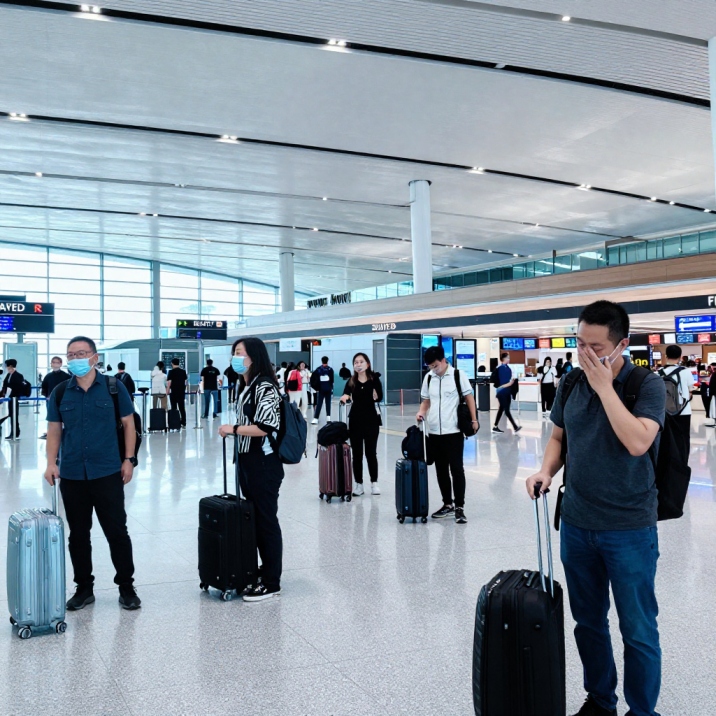
Travelers across China are currently facing a complex logistical puzzle as significant flight disruptions ripple through the nation’s busiest air corridors. Major aviation hubs in Shanghai, Beijing, Shenzhen and Chengdu are reporting extensive schedule shifts today. While total cancellations remain manageable, the sheer volume of delays is testing the patience of thousands. Air China and China Eastern Airlines are among the primary carriers working to stabilize operations amidst these mounting interruptions. Ground crews in Beijing and Shanghai are navigating a backlog that affects both domestic and international connections. Meanwhile, passengers in Shenzhen and Chengdu must prepare for extended wait times at the terminal. There’s a total of 12 flight cancellations and 2,008 delays reported. Active communication from airline staff is essential during this period. Travelers should monitor live flight trackers frequently for the latest updates. These synchronized delays highlight the immense pressure currently placed on the infrastructure of China’s primary gateways. Stay informed to navigate these travel hurdles effectively.

Major Airports Affected

The operational integrity of the busiest air corridors in China has been tested today, with Shanghai and Shenzhen appearing to bear the heaviest burden in terms of total volume. At Shanghai Pudong International Airport, 3 cancellations were confirmed alongside a staggering 532 flight delays. Its sister hub, Shanghai Hongqiao International, also reported 3 cancellations and 295 delays, bringing the total impact for the city of Shanghai to 6 cancellations and 827 delayed flights.

In the southern tech hub of Shenzhen, the Bao’an International Airport recorded the highest single-airport delay count. While only 1 cancellation was registered, a total of 602 delays were logged, indicating significant taxiway congestion and gate holds. Meanwhile, in the north, the capital’s aviation infrastructure faced similar pressures. Beijing Capital International reported 2 cancellations and 212 delays, while the newer Beijing Daxing International Airport recorded 2 cancellations and 215 delays.

The western gateway was also impacted; Chengdu Shuangliu International Airport in Chengdu saw 1 cancellation and 152 delays. When aggregated, these figures represent a substantial portion of the daily domestic and international departures within the region.

Impacted Airlines

The disruptions have been distributed across several of the nation’s largest carriers. Air China has emerged as one of the most widely affected entities, with its operations impacted at three separate major hubs. A total of 6 cancellations and 139 delays were attributed to Air China across Beijing Capital, Beijing Daxing and Shanghai Hongqiao.

In Shanghai, China Eastern Airlines was identified as a primary affected airline at Pudong International, where 3 cancellations and 148 delays were recorded. Shanghai Airlines also faced challenges at Hongqiao International, with 1 cancellation and 48 delays noted in the logs.

Regional carriers were not exempt from these scheduling hurdles. In Shenzhen, Shenzhen Airlines saw 1 cancellation and 190 delays, marking one of the highest delay ratios per airline reported today. In Chengdu, Tibet Airlines was forced to cancel 1 flight and postpone 18 others at Shuangliu International. These carrier-specific figures highlight the widespread nature of the interruptions, affecting both massive state-owned airlines and specialized regional operators.

Beyond these specific figures, delays were being experienced by several other Airlines, like Hainan Airlines, Spring Airlines, China Southern Airlines, Juneyao Airlines, XiamenAir, Sichuan Airlines and more.

Probable Impact on Local Tourism

The ripple effects of nearly 2,000 delayed flights are expected to be felt within the local tourism and hospitality sectors of China. With hundreds of flights arriving behind schedule in Beijing, Shanghai, Shenzhen and Chengdu, local hotel check-in windows and pre-booked tour itineraries are likely to be disrupted.

In cities like Chengdu, which serves as a vital tourism base for western travel, a delay of even a few hours can result in missed connections for regional tours. Similarly, the business-centric tourism in Shenzhen and Shanghai is highly sensitive to time; the 602 delays in Shenzhen alone represent thousands of lost hours for travelers. While the low number of cancellations prevents a total collapse of tourism traffic, the wait-and-see atmosphere at these major airports may lead to a temporary decline in foot traffic at airport-linked retail and dining establishments as passengers remain focused on their boarding updates.

What Affected Passengers Can Do Now

For those currently navigating the terminals in Beijing, Shanghai, Shenzhen or Chengdu, several standard protocols should be followed to mitigate the impact of these delays.

  1. Real-Time Monitoring: Passengers are advised to monitor the official mobile applications of their respective airlines. Since 1,908 delays have been recorded today, gate assignments and departure times are subject to frequent changes.
  2. Documentation: In the event of a cancellation—such as those experienced by Air China or China Eastern customers today—passengers should ensure they receive a formal flight interruption certificate. This is often required for insurance claims or rebooking prioritizations.
  3. Carrier Communication: Impacted travelers should approach the designated customer service desks for their specific airline. For instance, those flying with Shenzhen Airlines or Tibet Airlines should seek city-specific updates regarding the cause of the delay to determine if meal vouchers or overnight accommodations will be provided.
  4. Rebooking Options: Given that 12 cancellations have been confirmed, seats on subsequent flights will be in high demand. Swift communication with travel agents or airline portals is recommended to secure the next available departure.

-The information provided is sourced from FlightAware.

The post Flight Cancellations in Chengdu, Shenzhen, Shanghai and Beijing Creates Travel Interruptions across China as Air China, China Eastern, Shanghai Airlines and others Face a Dozen of Flight Cancellations and Thousands of Delays, New Update appeared first on Travel And Tour World.

New Interline Agreement Between JetBlue and Contour Airlines Makes Travel Easier

New Interline Agreement Between JetBlue and Contour Airlines Makes Travel Easier

JetBlue and Contour Airlines have established an interline agreement to enhance flight connections for regional travellers throughout the United States. The airlines established this partnership to enable their passengers to create complete travel plans, which include all scheduled flights from both companies to more than 100 US destinations.

The agreement, launched in February 2026, makes it easier for passengers from smaller communities to reach larger cities and broader travel networks. It simplifies ticketing and baggage handling, making travel more accessible and efficient for people in rural and underserved markets.

A New Path for Regional Travel

Contour Airlines, known for its regional services, connects smaller U.S. towns to major metropolitan hubs, operating flights between more than 30 destinations. This new interline agreement with JetBlue significantly enhances the connectivity of these regional services, allowing passengers to travel on a single itinerary without the hassle of separate bookings.

With JetBlue’s expansive network, the partnership ensures that Contour passengers will have access to more flight options, connecting them to major cities such as New York, Boston, Orlando, and beyond. The ease of booking a single-ticket journey that includes both airlines will undoubtedly benefit travellers looking for faster and smoother connections.

What Does This Agreement Mean for Passengers?

Under the new agreement, travellers can now purchase tickets for interline flights directly through Contour’s booking platforms or via major travel agencies. Passengers can enjoy the convenience of a single, coordinated journey with checked baggage transferred seamlessly to their final destination, whether on JetBlue or Contour operated flights.

For passengers flying from smaller airports served by Contour, this agreement offers a significant upgrade in terms of accessibility. Previously, those travelling on regional routes often had to arrange separate connections to reach larger cities, adding time, cost, and hassle to their journey. With this interline agreement, passengers now benefit from streamlined travel planning and more efficient routes, as well as the opportunity to experience JetBlue’s renowned customer service and broader destination options.

Boosting Travel for Small Communities

The focus of this partnership is on improving access for residents in smaller, rural communities. By connecting them to a vast array of cities served by JetBlue’s extensive network, the agreement opens up a world of travel opportunities for those who might have previously had limited options. This enhanced connectivity not only benefits individuals but also helps stimulate tourism and economic opportunities in these regions by making travel to and from these communities easier.

Why This Matters for the U.S. Travel Landscape

In a time when regional connectivity is essential for the growth of domestic tourism, this agreement reflects a significant step towards making travel across the United States more inclusive and accessible. As JetBlue continues to expand its reach, its partnership with Contour is expected to help bridge the gap between small communities and major travel hubs, ensuring that no destination is out of reach.

For JetBlue, this is an opportunity to expand its customer base by tapping into underserved regions, while Contour benefits from offering passengers a wider array of destinations and a smoother travel experience. The partnership also positions both airlines to offer competitive and comprehensive services to a broader range of travellers.

The Bigger Picture: A Growing U.S. Airline Network

This collaboration also signals a growing trend in the U.S. airline industry, where partnerships like these are becoming increasingly common. Airlines are recognising the need for collaboration rather than competition in order to meet the needs of the modern traveller, who demands convenient, flexible, and seamless travel options.

For the passengers, this means less complexity when booking their flights, more access to international connections, and increased ease of travel. As the trend toward partnerships and alliances continues, more opportunities will arise for travellers to reach new and diverse destinations.

A New Era of Travel Connectivity in the U.S.

The new interline agreement between JetBlue and Contour Airlines creates a new ability to connect regional airports throughout the United States. The partnership will develop better travel options for all travelers in the United States especially those who live in remote areas and small communities. The current travel situation needs partnerships to create a future where people can travel without difficulties to all destinations and travel systems.

The post New Interline Agreement Between JetBlue and Contour Airlines Makes Travel Easier appeared first on Travel And Tour World.

United Joins Hawaiian, Virgin, British Airways, Qatar, Lufthansa, Aer Lingus in Introducing New High-Speed Internet Starlink In-flight WiFi to Watch Your Favourite Netflix Show, New Update is Here

United Joins Hawaiian, Virgin, British Airways, Qatar, Lufthansa, Aer Lingus in Introducing New High-Speed Internet Starlink In-flight WiFi to Watch Your Favourite Netflix Show, New Update is Here

The future of in-flight connectivity has arrived, and it’s here to stay! United Airlines has officially joined the ranks of Hawaiian Airlines, Virgin Atlantic, British Airways, Qatar Airways, Lufthansa, and Aer Lingus in offering high-speed Starlink in-flight Wi-Fi. Imagine being able to watch your favourite Netflix show while soaring at 35,000 feet! Yes, you heard it right—Starlink is revolutionizing in-flight internet, and it’s faster, smoother, and more reliable than anything we’ve ever experienced before.

Gone are the days of slow, unreliable Wi-Fi that barely lets you send a text message. With this new high-speed Wi-Fi, you can now stream, browse, and work with unmatched speed.

Whether you’re on a long-haul flight with Qatar Airways or travelling across Europe with Lufthansa, you can now enjoy seamless online experiences, just like you would on the ground. Don’t miss out on this incredible transformation—Starlink Wi-Fi is changing the game, and you need to know how it’s reshaping the skies. Keep reading to discover how your next flight could become the most connected journey of your life.

In a world where we’re increasingly dependent on staying connected 24/7, Starlink Wi-Fi is making its way into the skies, completely transforming the way we travel. Imagine this: high-speed internet at cruising altitude, providing you with the same browsing and streaming experiences you would expect at home. Gone are the days when in-flight Wi-Fi meant slow, frustrating connections that barely let you check your email, let alone watch your favourite Netflix show. Welcome to the future, where Starlink Wi-Fi connectivity is rapidly being rolled out by major airlines globally, setting a new standard in air travel. Let’s dive into the shocking details of how this game-changing tech is being embraced by airlines worldwide.

United Airlines: The Starlink Revolution Takes Off in the US!

United Airlines is spearheading the change in Starlink Wi-Fi adoption, and it’s already well underway. In 2025, United announced a ground-breaking partnership with SpaceX, the brainchild of Elon Musk, to bring Starlink Wi-Fi connectivity across its vast fleet. That’s right, you heard it—Starlink is now being installed on United’s Embraer 175 and Boeing 737 aircraft. With FAA certification already granted, these aircraft are now ready to offer passengers the fastest and most reliable in-flight internet experience, something that was once unimaginable! The days of frustratingly slow in-flight Wi-Fi are gone, and United Airlines has shown us that the sky is no longer the limit!

  • The Ultimate Experience: Whether it’s browsing, streaming, or working online, United’s new system ensures effortless connectivity.
  • Massive Fleet Upgrade: Over 1,000 aircraft are set to be equipped, meaning United Airlines passengers will enjoy seamless internet wherever they go.

Hawaiian Airlines: Leading the Charge with Starlink in the Pacific Skies

When it comes to providing passengers with fast and reliable Wi-Fi, Hawaiian Airlines is taking things to a whole new level. This was the first airline in the world to adopt Starlink Wi-Fi, offering passengers a seamless connection on its Airbus A330 and A321neo aircraft. Hawaiian is giving away this luxurious service for free, making it one of the most customer-centric airlines in the world! Imagine surfing the web, watching your favourite shows, or staying connected with family while flying over the Pacific Ocean! Read more here.

  • Why it Matters: Starlink gives you uninterrupted connectivity while flying long-haul routes.
  • Innovative Rollout: Starlink has been available on Hawaiian Airlines’ aircraft since 2024, giving passengers the internet service they’ve always dreamed of.

Qatar Airways: A New Era of In-Flight Connectivity

Hold on tight, because Qatar Airways is taking in-flight Wi-Fi to the next level by introducing Starlink technology across its fleet of aircraft. Starting in 2024, Qatar Airways began installing Starlink Wi-Fi on selected long-haul aircraft, and they’re not stopping anytime soon. The best part? This Starlink Wi-Fi service is absolutely free for passengers, setting a high bar for luxury air travel! Find more info here.

  • Exclusively Free: Passengers on Qatar Airways can now enjoy free, high-speed internet while soaring through the clouds.
  • A Vision of the Future: The airline has confirmed that the system will expand rapidly, with 120 aircraft slated for installation by the end of 2026.

Lufthansa Group: Over 850 Aircraft to Receive Starlink

Lufthansa Group, which includes airlines like Swiss International Air Lines, Austrian Airlines, and Eurowings, is joining the Starlink revolution in a huge way. By the end of 2027, over 850 aircraft in the Lufthansa Group fleet will be equipped with Starlink connectivity. This means that no matter where you’re flying across Europe, you’ll be connected like never before. If you’re on Swiss, Austrian, or Eurowings, prepare for high-speed connectivity that makes your journey more enjoyable than ever before. Get the full details here.

  • Unmatched Speed: Say goodbye to buffering! The new Starlink Wi-Fi system is set to provide the fastest internet in the skies.
  • Unbelievable Access: Whether it’s for work or play, the Starlink Wi-Fi service will make every flight feel like a VIP experience.

IAG: Bringing Starlink to British Airways, Iberia, and More

International Airlines Group (IAG), the parent company of British Airways, Iberia, and Aer Lingus, is officially on board with Starlink Wi-Fi. Over 500 aircraft will be equipped with this revolutionary tech starting in 2026. Passengers flying with British Airways, Iberia, or Aer Lingus will soon experience lightning-fast Wi-Fi, allowing them to stay connected throughout their journey. Read more here.

  • Future-Proof: With Starlink, IAG is setting a new industry standard for in-flight Wi-Fi.
  • What to Expect: Whether you’re traveling to New York or Barcelona, you’ll have consistent, high-speed Wi-Fi all the way.

Virgin Atlantic: The UK Joins the Starlink Bandwagon

Virgin Atlantic has officially joined the ranks of airlines adopting Starlink Wi-Fi, and it’s about to change the way passengers experience connectivity in the air. Beginning in 2026, Virgin Atlantic will roll out Starlink Wi-Fi across its Boeing 787 and Airbus A350 aircraft, giving flyers access to the fastest internet possible at 35,000 feet. If you’ve ever dreamed of using Starlink to stream movies, check emails, and stay connected, your time is coming soon. Find out more here.

  • Exciting Times Ahead: Virgin’s adoption of Starlink Wi-Fi will set the stage for a completely transformed air travel experience in the UK.
  • Luxury In the Sky: Expect to stay connected for free on every long-haul flight with Starlink onboard.

Gulf Air: Starlink Wi-Fi—Free, Fast, and Sky-High

Gulf Air has officially announced its plans to offer Starlink Wi-Fi across its fleet starting in mid-2026. For the first time ever, passengers flying with Gulf Air will have access to free, high-speed internet at 35,000 feet. Whether you’re flying from Manama to Dubai or beyond, you’ll be connected in a way you never thought possible. Learn more here.

  • A First for the Middle East: Gulf Air is bringing Starlink Wi-Fi to the region with no added cost.
  • A New Era of Travel: Gulf Air’s installation of Starlink brings a new level of convenience and luxury to its flights.

Additional Airlines Making the Starlink Leap

Across the globe, airlines like airBaltic, SAS, WestJet, Air New Zealand, and Air Canada are following suit with plans to roll out Starlink Wi-Fi on their aircraft by 2027. In fact, Starlink is becoming a must-have feature for modern airlines, and many are racing to install it on their planes. Find out the latest here.

Why Starlink Wi-Fi Is a Game Changer for the Aviation Industry

With Starlink, passengers can experience true broadband internet in the air—an innovation that will change the way we fly forever. Not only does it allow passengers to stream videos, send large files, and stay connected with loved ones, but it also means business travellers can continue working at full capacity, just as if they were in their office. In a world where connectivity is king, Starlink is bringing unprecedented speeds to the skies, all while keeping the cost affordable for airlines and passengers alike.

The post United Joins Hawaiian, Virgin, British Airways, Qatar, Lufthansa, Aer Lingus in Introducing New High-Speed Internet Starlink In-flight WiFi to Watch Your Favourite Netflix Show, New Update is Here appeared first on Travel And Tour World.

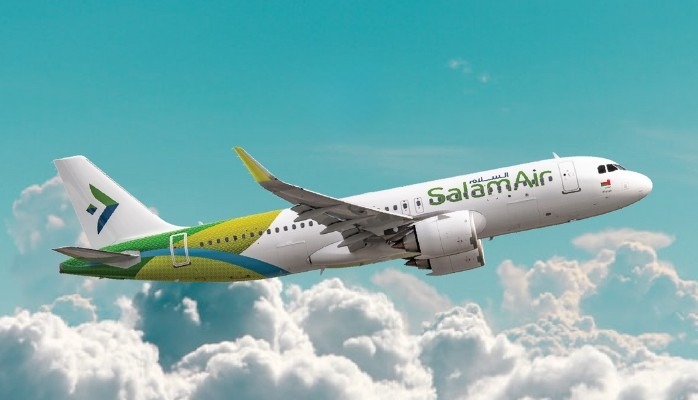
SalamAir Accelerates Its Growth Journey After Nine Years By Expanding Routes, Adding Aircraft, And Deepening Regional Connectivity

SalamAir Accelerates Its Growth Journey After Nine Years By Expanding Routes, Adding Aircraft, And Deepening Regional Connectivity
SalamAir
nine years

SalamAir completes nine years of operations because steady passenger demand, disciplined fleet growth, and carefully chosen route expansion have helped the airline strengthen its position as a reliable low-cost carrier connecting Oman with regional and international markets. Over the past year alone, the airline increased flight activity, carried millions of travelers, expanded its destination network, and laid out clear plans for further aircraft additions and new routes in 2026, reflecting a strategy focused on sustainable growth rather than rapid scale-up.

SalamAir has completed nine years of operations, marking a steady rise from a start-up low-cost carrier to a key player in Oman’s aviation landscape. Over nearly a decade, the airline has focused on one clear goal: making air travel affordable and accessible while improving air connectivity between the Sultanate of Oman, neighboring regions, and selected international markets. This approach has allowed the airline to grow carefully while staying aligned with passenger demand and market realities.

During 2025, SalamAir operated more than twenty-two thousand flights across its network, carrying over three point four million passengers. These figures underline the airline’s expanding role in regional air travel, particularly in serving price-sensitive travelers and secondary markets often overlooked by larger carriers. By maintaining a disciplined operating model, the airline managed to balance frequency, reliability, and cost efficiency throughout the year.

The airline’s network now extends to more than forty-four destinations, spanning domestic routes within Oman, regional connections across the Middle East and Africa, and international services reaching Europe and Asia. This diverse footprint reflects a strategy centered on demand-led expansion rather than rapid, unsustainable growth. SalamAir has steadily added routes that support tourism, trade, and labor mobility, helping strengthen Oman’s position as a practical and well-connected travel hub.

Fleet strength continues to play a central role in the airline’s growth story. SalamAir currently operates a fleet of fifteen modern aircraft, allowing it to maintain operational flexibility while meeting rising passenger volumes. A standardized and efficient fleet structure has helped the airline control costs, improve turnaround times, and deliver consistent service across its network. This focus on operational efficiency remains critical as competition in the low-cost segment continues to intensify across the region.

Looking ahead, SalamAir has set clear expansion targets for 2026. The airline plans to add three more aircraft to its fleet, with deliveries scheduled for May, June, and September. These additions will increase overall capacity and support network optimization, enabling the airline to adjust frequencies and open new routes where demand justifies expansion. The fleet growth also signals confidence in the airline’s long-term business outlook and market positioning.

Route development has remained a key driver of SalamAir’s momentum. Over the past year, the airline launched new services to Port Sudan, Damascus, Vienna, and Medan. Each of these destinations aligns with the airline’s strategy of serving markets with strong traffic potential and balanced competitive conditions. These routes expand SalamAir’s geographic reach while offering travelers more direct and affordable travel options.

The airline plans to announce additional destinations during 2026, continuing its focus on network diversification. Rather than concentrating solely on high-density trunk routes, SalamAir continues to explore underserved and emerging markets where low-cost travel can stimulate demand. This approach supports sustainable growth while reducing exposure to overcrowded and highly competitive routes.

Reaching the nine-year milestone highlights SalamAir’s ability to adapt to shifting market conditions. The airline has navigated periods of industry disruption, fluctuating fuel costs, and changing travel patterns by maintaining flexibility and a strong focus on cost control. Active decision-making and operational discipline have allowed the airline to remain resilient while continuing to expand its footprint.

Customer value remains central to SalamAir’s operating philosophy. The airline continues to focus on delivering reliable schedules, transparent pricing, and practical service options that meet the expectations of today’s travelers. By investing in operational improvements and digital tools, SalamAir aims to enhance the overall travel experience without compromising its low-cost structure.

Beyond passenger services, SalamAir also plays an important role in supporting trade and cargo movement across its network. In India, the airline maintains operations across eight key stations through its exclusive passenger and cargo representation. This presence supports both passenger demand and air freight activity, strengthening commercial ties and facilitating smoother movement of goods between India and Oman.

SalamAir marks nine years of operations as rising passenger demand, steady fleet expansion, and a growing international network continue to strengthen its role as Oman’s leading low-cost carrier.

As SalamAir enters its tenth year, the airline positions itself for measured and profitable growth. With a growing fleet, an expanding route network, and a clear focus on efficiency, the airline continues to strengthen its role as a reliable low-cost carrier in the region. The next phase of SalamAir’s journey will likely focus on deeper market penetration, smarter network planning, and continued efforts to make air travel more accessible for a wider range of travelers.

The post SalamAir Accelerates Its Growth Journey After Nine Years By Expanding Routes, Adding Aircraft, And Deepening Regional Connectivity appeared first on Travel And Tour World.

Alaska Airlines Faces Scrutiny After First Class Downgrade on Costa Rica–United States Flight

Alaska Airlines Faces Scrutiny After First Class Downgrade on Costa Rica–United States Flight

On a long-haul route connecting Costa Rica and the United States, an unexpected cabin downgrade on Alaska Airlines has drawn renewed attention to the complex balance between airline labor agreements and passenger expectations. An Alaska Airlines First Class traveler flying from Liberia to Seattle found a carefully planned premium experience abruptly altered at the gate, despite holding a confirmed paid ticket. The situation unfolded quietly, yet its implications have resonated widely across the aviation community in the United States and beyond.

The incident has highlighted how deadheading pilots, contractual obligations, and operational priorities can intersect in ways that directly affect revenue passengers. While airlines routinely reposition crews to maintain network reliability, the forced reassignment of a First Class seat on a full international flight has raised questions about transparency, fairness, and service recovery. For travelers investing in premium cabins for comfort, health, or milestone journeys, such disruptions can feel deeply personal.

Within the broader context of post-pandemic pilot shortages in the United States and rising union influence, this case has been viewed as a rare but revealing example of how internal airline rules can override customer bookings. As attention grows, the Alaska Airlines downgrade has become a focal point for discussions around passenger rights, crew welfare, and evolving airline priorities on international routes linking Costa Rica and the United States.

Incident Overview on the United States–Costa Rica Route

On an eight-hour international flight operating between Liberia, Costa Rica and Seattle, United States, a confirmed paid First Class passenger was reassigned to economy seating shortly before departure. The flight, operated by Alaska Airlines using a Boeing 737 MAX 9, was fully booked, leaving no available premium alternatives once the decision was made.

After online check-in had been completed and baggage accepted without issue, the passenger was approached at the gate during boarding. It was explained that two pilots needed to be accommodated in the First Class cabin while deadheading to Seattle. Due to contractual requirements, the premium seats were reassigned, and the passenger was selected for downgrade based on elite status hierarchy.

With the aircraft preparing for departure, no opportunity was provided for rebooking, rerouting, or securing equivalent comfort. The downgrade occurred moments before boarding closed, effectively removing any choice from the affected traveler.

The Passenger Experience After the Downgrade

Once onboard, the impact of the downgrade extended beyond seat comfort. Preselected First Class meals were no longer available, and access to alternative food options was limited. Requests for vegetarian-friendly items could not be fulfilled, as certain snacks required advance ordering.

Throughout the lengthy journey from Costa Rica to the United States, service limitations were experienced. Only minimal refreshments were provided, and no compensatory gesture was extended during the flight. For a traveler who had planned the journey as a personal celebration following medical recovery, the experience was described as physically uncomfortable and emotionally disappointing.

The downgrade also underscored how premium service expectations can unravel quickly when operational decisions override individual bookings, particularly on long international sectors.

Alaska Airlines Deadheading Policy and Labor Agreements

At Alaska Airlines, pilot labor contracts clearly outline when First Class seating must be provided for deadheading crew members. These agreements were negotiated to ensure pilot readiness and compliance with duty regulations.

Under the contract, First Class seating is mandatory when a single deadhead segment exceeds five hours. Additionally, when consecutive deadhead segments total more than five hours and are followed by an operating flight within the same duty period, all segments must be booked in First Class. For shorter segments, premium seating is offered when available, without typically displacing revenue passengers.

What distinguishes Alaska Airlines from many other United States carriers is the explicit contractual allowance to downgrade a paid First Class passenger if required to fulfill pilot seating obligations. While legally permitted, such actions remain uncommon and are generally avoided due to their impact on customer satisfaction.

Comparison With Other Major United States Airlines

Across the United States airline industry, deadheading policies vary significantly. At United Airlines, pilots are routinely booked into First Class when available, with upgrade priority embedded into automated systems. On certain long-haul flights, revenue passengers may be downgraded, although such occurrences are rarely visible to customers due to behind-the-scenes processing.

Delta Air Lines applies a more route-specific approach. On international and transoceanic flights, business or First Class seating is provided to deadheading pilots. On domestic routes, premium seating is dependent on flight length, timing, and whether the segment precedes an operating duty.

American Airlines follows a comparatively transparent system. Deadheading pilots are often placed at the top of the upgrade list at the gate, making the process visible to passengers monitoring seat availability. While the written policy appears less favorable to pilots, the visibility of upgrades has fueled public frustration on social platforms.

In contrast, Alaska Airlines policies are less visible to customers, which may explain why the United States–Costa Rica downgrade drew particular attention when it occurred.

Safety Considerations Versus Passenger Expectations

Supporters of premium seating for deadheading pilots frequently cite safety and crew alertness as key justifications. Well-rested pilots are viewed as essential for maintaining high safety standards across the United States aviation system.

However, from a regulatory perspective, deadheading time is classified as duty time rather than rest. Federal Aviation Administration rules already govern maximum duty periods and minimum rest requirements, regardless of cabin class. As a result, the safety benefit of premium seating during deadhead segments remains a subject of debate.

For passengers, especially those purchasing First Class for health, recovery, or long-haul comfort, expectations are shaped by the significant financial investment involved. When those expectations are unmet due to internal airline policies, dissatisfaction can escalate rapidly.

Service Recovery and Customer Trust

While the downgrade adhered to contractual rules, the absence of meaningful service recovery amplified negative perceptions. No alternative meals, compensation gestures, or onboard acknowledgment were provided during the flight from Costa Rica to the United States.

In the premium travel segment, service recovery plays a critical role in preserving brand trust. Even when disruptions are unavoidable, proactive communication and tangible gestures can mitigate frustration. The lack of such measures in this case has been cited as a key factor in the broader reaction.

Broader Implications for United States Aviation

The Alaska Airlines incident reflects broader trends within the United States aviation industry, including pilot shortages, strengthened union contracts, and increasing operational complexity. As airlines prioritize crew positioning to maintain schedules, tensions between labor agreements and passenger experience may become more visible.

On international routes linking destinations such as Costa Rica and the United States, where flights are long and cabins limited, these conflicts can be especially pronounced. While legally compliant decisions may protect operational integrity, they also risk eroding customer loyalty if not managed carefully.

The downgrade of a First Class passenger on an Alaska Airlines flight from Costa Rica to the United States has underscored the delicate balance airlines must maintain between contractual obligations and customer expectations. While the decision aligned with labor agreements designed to support pilot operations, the passenger experience revealed significant gaps in communication and service recovery.

As United States carriers continue navigating post-pandemic challenges, this case serves as a reminder that compliance alone does not guarantee satisfaction. Transparent policies, empathetic handling, and thoughtful recovery efforts will remain essential in preserving trust on international routes and within the premium travel market.

The post Alaska Airlines Faces Scrutiny After First Class Downgrade on Costa Rica–United States Flight appeared first on Travel And Tour World.
Frontier Airlines’ Shocking Emergency Landings in New York, Miami, Las Vegas, and More—What You Need to Know!

Frontier Airlines’ Shocking Emergency Landings in New York, Miami, Las Vegas, and More—What You Need to Know!

During this period multiple flights were diverted because of onboard threats. In November 2022 an alarming security breach occurred when a passenger boarded Frontier flight 1761 with box cutters on a journey from Cincinnati to Tampa. The cabin crew followed protocol by securing the cockpit and the aircraft was diverted to Atlanta, where law‑enforcement agencies detained the suspect and no injuries were reported[1]. A year later a chaotic scene unfolded on November 16 2023 when a woman suffered an apparent breakdown on a flight from Houston to Denver. Her behaviour terrified those on board and the plane was diverted to Dallas so she could be removed[2]. These episodes underline how security threats and unruly passengers have triggered rapid responses. In both cases the cabin crew and air traffic control worked together to divert the aircraft and law‑enforcement officers were ready on the ground to ensure passenger safety and maintain order[1].

Mechanical failures: brakes, wheels and engines

Frontier Airlines faced several mechanical emergencies that forced planes to return or divert. On July 28 2024 an Airbus A320‑200neo (flight 688) en route from Denver to Washington National reported a stuck brake. The crew climbed to a safe altitude, declared an emergency and returned to Denver where the aircraft landed safely[3]. On October 5 2024 flight 1326 from San Diego to Las Vegas experienced a strong odour and several system failures as it descended. The tyres burst on landing and flames emerged near the brakes. Firefighters responded quickly, the fire was extinguished and all passengers disembarked via stairs without injuries【956620738815061†L41-L137】. Investigation later suggested an electrical fault in the braking system. Another mechanical mishap occurred on April 15 2025 when flight 1329 from Orlando to San Juan suffered a hard landing. A nose gear wheel separated and debris entered an engine. The crew went around, burned fuel and then made a safe landing; passengers exited on portable stairs[4].

Multiple engine‑related emergencies occurred. On January 20 2025 flight 3379 from Philadelphia to Miami was cruising at 36 000 ft when an engine began to vibrate. The crew shut down the affected engine and diverted to Raleigh/Durham, landing without injury[5]. A few months later, on June 21 2025, flight 3508 departing Atlanta for Orlando received an engine oil warning during climb, prompting a return to Atlanta for a safe landing[6]. On December 15 2025 an Airbus A321neo departing Cleveland suffered a compressor stall about fifteen minutes after take‑off. The crew shut down the engine and landed back at Cleveland without incident[7].

On October 30 2025 flight 3546 approaching John F. Kennedy International Airport experienced an engine problem during landing. The FAA implemented a ground stop at JFK because of the engine issue and weather conditions. The aircraft landed safely and the cause of the malfunction was investigated[8]. Finally, on December 25 2025 flight 2083 from Atlanta to San Juan detected a possible fuel leak in the centre tank while flying over the Atlantic. The crew diverted to Miami and a replacement aircraft carried passengers to their destination[9].

Environmental factors and passenger injuries

Weather and cabin conditions have also provoked emergency landings. On March 2 2023 flight 1369 from Chicago to Dallas encountered severe convective turbulence during descent. A flight attendant was thrown to the floor, suffering a broken hip, and the captain requested priority landing. The aircraft landed safely and paramedics met the injured crew member[10][11]. In March 2024 passengers boarding flight 1759 in Charlotte for Orlando noticed a pungent odour. Fearing a fire, the crew ordered an evacuation using slides and the jet bridge. One passenger sustained a minor knee injury, while others remained unhurt[12].

Another environmental challenge arose on April 9 2025 when a beeping noise from the cargo area prompted flight 4708 from Atlanta to Washington Dulles to divert back to Atlanta. The aircraft parked away from the terminal while law‑enforcement officers investigated; passengers were evacuated and reunited with their baggage and the flight later returned to service[13]. These incidents highlight how unusual noises and odours can prompt cautious responses from flight crews, even when no fire or structural problem is found.

Landing incidents and structural damage

Hard landings and structural strikes can damage aircraft and lead to emergency diversions. On July 12 2025 flight 1927 from Oklahoma City to Denver attempted a go‑around in Denver but struck its tail on the runway. The pilots climbed away and repositioned to another runway, landing safely. Inspection revealed substantial tail‑section damage, but no injuries occurred[14].

The 2024 brake‑fire incident in Las Vegas is another reminder of the dangers of rough touchdowns. Video footage showed flames near the right landing gear as the A321 rolled out; passengers remained on board until the fire was extinguished[15]. In both cases the crews maintained control and emergency services responded quickly to minimise risk.

Summary table of Frontier Airlines emergency landings (Jan 2022–Jan 2026)

CategoryDate & flightRouteCauseOutcome
Security / unruly passengerNov 2022, flight 1761Cincinnati to TampaPassenger with box cutters and disruptive behaviourDiversion to Atlanta; suspect detained[1]
Unruly passengerNov 16 2023, Houston to Denver flightHouston to DenverPassenger behaved erratically and threatened other passengersDiversion to Dallas; passenger removed[2]
Turbulence injuryMar 2 2023, flight 1369Chicago to DallasSevere turbulence injured a flight attendantPriority landing in Dallas; paramedics treated injured crew[10][11]
Cabin odourMar 27 2024, flight 1759Charlotte to OrlandoStrong odour during boardingEvacuation using slides; minor injury[12]
Mechanical (stuck brake)Jul 28 2024, flight 688Denver to Washington NationalStuck brake detected in flightReturn to Denver and safe landing[3]
Mechanical (brake fire)Oct 5 2024, flight 1326San Diego to Las VegasOdour and system failures leading to brake fireHard landing in Las Vegas; fire extinguished; safe evacuation【956620738815061†L41-L137】
Mechanical (hard landing)Apr 15 2025, flight 1329Orlando to San JuanHard touchdown and nose‑gear wheel separationGo‑around; safe landing; passengers exited via stairs[4]
Mechanical (engine shutdown)Jan 20 2025, flight 3379Philadelphia to MiamiEngine vibration at cruiseOne engine shut down; diversion to Raleigh/Durham[5]
Mechanical (engine oil warning)Jun 21 2025, flight 3508Atlanta to OrlandoEngine oil indication during climbReturn to Atlanta; safe landing[6]
Mechanical (beeping noise)Apr 9 2025, flight 4708Atlanta to Washington DullesBeeping noise from cargo areaDiversion to Atlanta; passengers evacuated; plane inspected[13]
Structural (tailstrike)Jul 12 2025, flight 1927Oklahoma City to DenverTailstrike during go‑aroundAircraft landed safely; damage to tail section[14]
Mechanical (fuel leak)Dec 25 2025, flight 2083Atlanta to San JuanPossible fuel leak from centre tankDiversion to Miami; replacement aircraft continued[9]
Mechanical (engine stall)Dec 15 2025, flight —Cleveland to destinationEngine compressor stall shortly after take‑offCrew returned to Cleveland; safe landing[7]
Mechanical (engine issue & weather)Oct 30 2025, flight 3546Miami/New Orleans to New York (JFK)Engine problem approaching JFK combined with adverse weatherLanding at JFK; FAA ground stop; investigation[8]

Conclusions and observations

This period reveals how Frontier Airlines and aviation regulators have responded to a range of emergency situations. Security threats and disruptive passengers led to decisive diversions and arrests. Mechanical problems, from stuck brakes and fuel leaks to engine stalls, prompted skilled airmanship and quick cooperation between flight crews and controllers. Environmental factors and turbulence caused injuries and forced flight attendants to seek medical attention. Structural damage and odours triggered evacuations and repairs. In every case the aircraft were landed safely, emphasising the reliability of modern emergency procedures and the importance of crew training.

The post Frontier Airlines’ Shocking Emergency Landings in New York, Miami, Las Vegas, and More—What You Need to Know! appeared first on Travel And Tour World.

Singapore Airlines Expands Reach With Direct Flights To Riyadh, Boosting Aviation And Tourism Ties Between Singapore And Saudi Arabia

Singapore Airlines Expands Reach With Direct Flights To Riyadh, Boosting Aviation And Tourism Ties Between Singapore And Saudi Arabia

In a major development which will boost aviation and tourism relations between Singapore and Saudi Arabia, Singapore Airlines (SIA) confirmed its intention to start non-stop flights to Riyadh, Saudi Arabia in June 2026. The airline will operate four scheduled flights per week between Singapore and Riyadh, which will establish direct flight service between the two major cities for the first time. The new service marks an important advancement for SIA because it enables better travel experiences for both business travelers and vacationing tourists.

Singapore Airlines will operate its medium-haul Airbus A350-900 aircraft, which boasts 303 seats in two cabin classes: 40 in Business Class and 263 in Economy Class. The new flights, subject to regulatory approvals, will provide a significant boost to the growing demand for travel between these two regions, which have seen an increase in business and cultural exchanges in recent years.

Enhancing Bilateral Ties and Tourism Growth

Riyadh, Saudi Arabia’s capital and economic hub, is quickly gaining recognition as a major business and tourism destination. With its thriving economy and ongoing large-scale development projects, Riyadh is becoming one of the Middle East’s most vibrant cities. Singapore Airlines’ non-stop service is set to further enhance these growing connections by offering a direct and convenient travel option for both business executives and leisure tourists.

By introducing direct flights to Riyadh, Singapore Airlines is not only tapping into Saudi Arabia’s flourishing business environment but also strengthening its position as a key player in the aviation sector. This will also offer greater connectivity to the wider Middle East region, as passengers travelling through Riyadh can now easily connect to other destinations across the region, including major cities in Saudi Arabia and beyond.

Riyadh is also a city that offers a rich tapestry of history and modern attractions. Visitors can explore the ancient district of Diriyah, a UNESCO World Heritage site that showcases the city’s early history, or take in the majesty of the Masmak Fortress, which played a pivotal role in the kingdom’s establishment. With world-class museums, luxury hotels, and an array of dining and shopping options, Riyadh is fast becoming a must-visit destination for international travellers.

Strengthening Singapore-Saudi Arabia Relations

The new service to Riyadh is poised to enhance Singapore Airlines’ presence in Saudi Arabia, joining the airline’s existing operations in the country, where its sister airline Scoot already offers a four-times weekly service to Jeddah. This move is part of Singapore Airlines’ broader strategy to extend its network in the Middle East, providing more options for business and leisure travellers between Singapore and the region.

Lee Lik Hsin, the Chief Commercial Officer of Singapore Airlines, shared that the return to Riyadh is strategically significant due to the city’s rapid development and dynamic business environment. He added that beyond just a new destination, the new service would allow Singapore Airlines to collaborate with its partners to offer customers a wider range of travel options within the region, further strengthening ties between Singapore and Saudi Arabia.

Tourism Prospects and Future Opportunities

This direct flight service is expected to serve as a catalyst for increased tourism in both directions. For Saudi Arabian tourists, Riyadh’s enhanced connectivity with Singapore means they can easily explore the island nation’s world-class attractions, such as the famous Gardens by the Bay, the stunning Marina Bay Sands, and its diverse and vibrant cultural scene. Singapore, known for its efficient infrastructure and tourism-friendly offerings, is set to see an influx of visitors from Saudi Arabia who will be drawn to the city’s cosmopolitan charm and well-established hospitality industry.

Moreover, Singapore Airlines’ presence in Riyadh will also foster greater cultural exchange between the two countries. As both nations place a strong emphasis on economic growth and international partnerships, this new air service will undoubtedly play a crucial role in enhancing cross-cultural understanding and collaboration.

Supporting Economic Growth and Business Ties

With Saudi Arabia’s Vision 2030 in full swing, the country is positioning itself as a global business hub. As one of the main economic centres in the region, Riyadh is home to a growing number of multinational companies and is fast becoming an essential stop for international business executives. The new non-stop service will offer greater convenience for corporate travellers flying between Singapore and Riyadh, further facilitating trade, investment, and business development.

For Singapore Airlines, the route offers the opportunity to tap into this burgeoning market, serving not only the needs of business travellers but also accommodating the growing demand for direct international connections from Riyadh to the wider world.

A New Era of Travel and Connectivity

The new non-stop flights between Singapore and Riyadh herald a new era of travel connectivity between the two cities, reinforcing their shared goals of economic growth, cultural exchange, and tourism development. The launch of this service will open up new opportunities for both nations, providing seamless access to each other’s vibrant business landscapes and diverse tourism offerings. As the aviation industry continues to recover and expand, Singapore Airlines’ decision to launch direct flights to Riyadh is a strategic move that will undoubtedly enhance tourism and business ties, benefiting both countries in the long term.

The direct connection between two places will create economic benefits for both tourism and aviation while increasing collaborative efforts which will result in greater ties between Riyadh and Singapore than ever before. The launch of these flights shows how the relationship between the Middle East and Southeast Asia has developed, which will create more business opportunities and travel experiences for both travelers and businesses.

The post Singapore Airlines Expands Reach With Direct Flights To Riyadh, Boosting Aviation And Tourism Ties Between Singapore And Saudi Arabia appeared first on Travel And Tour World.

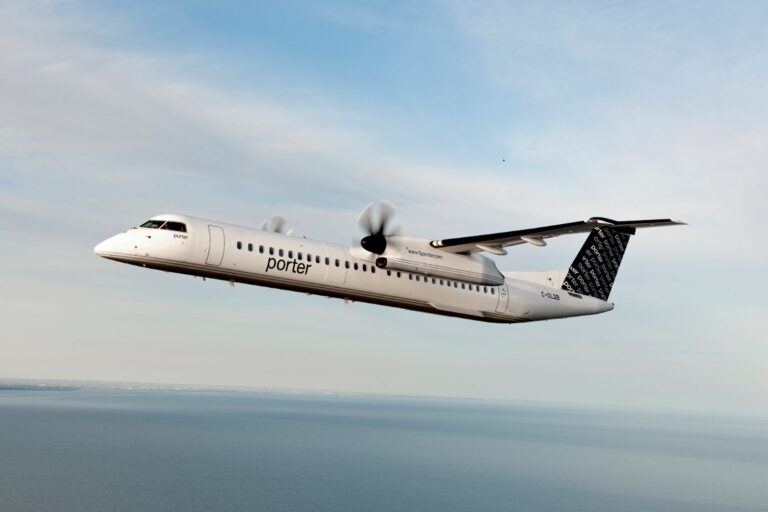
Porter Airlines Enhances Cross-Border Travel with New Direct Flights from Ottawa to Miami and Phoenix

Porter Airlines Enhances Cross-Border Travel with New Direct Flights from Ottawa to Miami and Phoenix

Porter Airlines is expanding cross-border travel with the introduction of direct flights from Ottawa to Miami and Phoenix, offering convenient nonstop access to two popular U.S. destinations. This move strengthens Porter’s network and provides Ottawa residents with easier connections to vibrant cities and additional destinations across the U.S. By partnering with major U.S. airlines, Porter enhances both leisure and business travel options, making it simpler for passengers to explore or connect to destinations in the Western U.S. and beyond.

The inaugural flight to Miami took off on January 24, with the airline offering three weekly flights. Miami is a key addition to Ottawa’s expanding list of Florida destinations, which already includes Fort Lauderdale, Fort Myers, Orlando, and Tampa. Following closely behind, flights to Phoenix commenced on February 7, also running three times a week.

These new services are not just about convenience; they also provide enhanced connectivity for both international and cross-border travel. Phoenix serves as an important hub for American Airlines, offering travelers access to a further 36 destinations across the Western United States. From Phoenix, passengers can easily connect to cities like Tucson, Honolulu, Kahului, and San Diego, making it an ideal jumping-off point for both business and leisure trips across the region.

Porter Airlines has significantly expanded its service from Ottawa-Gatineau, now offering 26 nonstop routes from YOW—more than any other carrier serving the airport this winter. This expansion underscores Porter’s commitment to providing passengers with diverse travel options and increasing its footprint in the region. With demand for winter escapes on the rise, the new nonstop flights to Miami and Phoenix offer an ideal solution for those seeking sunshine during the colder months.

Porter’s decision to introduce nonstop flights to Miami and Phoenix aligns perfectly with the winter travel trends, as Canadians increasingly look for ways to flee the cold and enjoy year-round sunshine in warm destinations. These new routes provide relief for those looking to swap snow and ice for palm trees and beachside getaways.

The new services also strengthen Porter’s partnership with American Airlines, which operates a codeshare network connecting both Phoenix and Miami to numerous destinations across North America and internationally. This partnership opens up a wealth of travel options, especially for those looking to explore the Western U.S. or venture further abroad.

Passengers can also look forward to an elevated in-flight experience with Porter Airlines. The airline has long been known for its premium onboard service, and the new routes to Miami and Phoenix are no exception. All passengers enjoy complimentary beer and wine served in glassware, as well as a selection of Canadian premium snacks and fast, free WiFi. For those seeking a more luxurious experience, the PorterReserve fare offers additional perks, including fresh, healthy meals, extra legroom, two checked bags, dedicated check-in, and flexibility to change flights without incurring a fee. The airline’s PorterClassic fare is also available, allowing passengers to select a range of a la carte options to personalize their travel experience.

These routes to Miami and Phoenix are part of a broader expansion by Porter Airlines into sun destinations this winter. Since December, the airline has also launched services to several popular tropical spots, including Mexico, the Bahamas, the Cayman Islands, and Costa Rica. This seasonal expansion reflects Porter’s focus on meeting the growing demand for sun-filled vacations, especially as Canadians look to escape harsh winters for a taste of the tropics.

As winter progresses, travelers can look forward to more choices when planning their getaways. With an ever-expanding network of sunny destinations and an unwavering commitment to superior service, Porter Airlines continues to offer an attractive, convenient, and stylish option for travelers looking to explore some of North America’s most popular vacation spots.

Porter Airlines is enhancing cross-border travel by launching new direct flights from Ottawa to Miami and Phoenix, offering travelers seamless access to popular U.S. destinations and improved connectivity through major airline partnerships.

With nonstop flights to Miami and Phoenix now on offer, travelers from Ottawa have more ways than ever to enjoy warmer weather during the winter months. Whether seeking a beach retreat or an adventure in the American Southwest, Porter’s new routes provide the perfect way to make the most of the season.

The post Porter Airlines Enhances Cross-Border Travel with New Direct Flights from Ottawa to Miami and Phoenix appeared first on Travel And Tour World.

Chicago Joins Indianapolis, Houston, Atlanta, Minneapolis, Detroit, Salt Lake City in Connecting Domestically with Flights from SkyWest, American Eagle, Mesa, Delta, United, American Airlines, and Alaska: Everything You Need To Know About This

Chicago Joins Indianapolis, Houston, Atlanta, Minneapolis, Detroit, Salt Lake City in Connecting Domestically with Flights from SkyWest, American Eagle, Mesa, Delta, United, American Airlines, and Alaska: Everything You Need To Know About This

Chicago has just joined Indianapolis, Houston, Atlanta, Minneapolis, Detroit, and Salt Lake City in the list of cities with unmatched domestic flight connections. With SkyWest, American Eagle, Mesa, Delta, United, American Airlines, and Alaska Airlines all flying from this iconic hub, Chicago is taking domestic travel to new heights! The latest routes make it easier than ever to travel from Chicago to the far corners of the country, all thanks to these top regional carriers. Whether you’re flying from Chicago to Minneapolis, Chicago to Atlanta, or beyond, these flights offer convenience and unparalleled connectivity.

As Chicago joins this elite group, the sheer volume of domestic flights is mind-blowing. SkyWest, American Eagle, and Mesa all play major roles in this domestic web, feeding passengers directly into America’s biggest cities. From Chicago O’Hare to Atlanta’s busy skies, these routes fuel both business and leisure travel like never before.

Read on to discover how these flights shape Chicago’s status as a regional hub, creating faster travel opportunities to cities like Minneapolis, Detroit, Houston, and Salt Lake City. You’ll want to know how these connections affect your next domestic flight!

There’s a hidden world in American aviation, one that millions of passengers rely on every single day without even realising it. US regional airlines, the unsung heroes of the air, connect every corner of the United States, from bustling metropolises to quiet, remote towns. With SkyWest, American Eagle, and other regional carriers leading the charge, this unseen network is quietly reshaping how America flies. These regional giants ensure that the pulse of American domestic travel beats stronger than ever. You won’t believe how interconnected your local airport is to the rest of the nation. Get ready to be amazed by the untold story of U.S. regional airlines and their secret routes.

AirlineRegional PartnersMajor HubsDestinations ServedKey Airports
SkyWest AirlinesDelta Connection, United Express, American Eagle, Alaska AirlinesChicago O’Hare, Denver, Houston, Atlanta258+Fayetteville (XNA), Fort Smith (FSM), Montrose (MTJ), Denver (DEN), Chicago (ORD)
American EagleAmerican AirlinesDallas/Fort Worth, Charlotte, Philadelphia242+Chicago O’Hare (ORD), Dallas/Fort Worth (DFW), Philadelphia (PHL)
Delta ConnectionEndeavor Air, Republic Airways, SkyWestAtlanta, Minneapolis, Salt Lake City145+Atlanta (ATL), Minneapolis (MSP), Salt Lake City (SLC)
United ExpressMesa Air, CommuteAir, SkyWestChicago O’Hare, Newark, Houston200+Chicago O’Hare (ORD), Newark (EWR), Houston (IAH)
Endeavor AirDelta Air LinesMinneapolis, Atlanta, Detroit145+Minneapolis (MSP), Atlanta (ATL), Detroit (DTW)
Mesa AirlinesUnited ExpressPhoenix, Denver, Houston73+Phoenix (PHX), Denver (DEN), Houston (IAH)
CommuteAirUnited ExpressNewark, Chicago O’Hare75+Newark (EWR), Chicago O’Hare (ORD)
Republic AirwaysAmerican Airlines, Delta Air Lines, United ExpressIndianapolis, New York LaGuardia50+Indianapolis (IND), New York LaGuardia (LGA)

U.S. Regional Airlines: The Backbone of American Travel

U.S. regional airlines might not boast the fame of their mainline counterparts, but they play an incredibly vital role in domestic travel. As we dive deeper into this world, one thing becomes clear: without regional airlines, American travel would come to a standstill. These carriers, often operating under well-known brands like Delta Connection, American Eagle, and United Express, serve as the glue that binds the far-flung corners of America with its bustling hubs.

It’s easy to overlook how much they contribute. Yet, every time you fly from a smaller airport like Fayetteville (XNA) or Jacksonville (TLH), you’re benefitting from a regional airline’s network. These airlines don’t just serve tiny airports — they carry millions of passengers annually and provide essential connections that are key to the U.S. air travel system.

Regional Airlines: Connecting Big Cities and Small Towns

Imagine flying from Chicago O’Hare (ORD) to a tiny regional hub with just a handful of gates. What seems like a small city may just be the key to your connection to another major city. Regional airlines make this possible. They are the silent engines of U.S. domestic travel, carrying passengers from bustling hubs like Atlanta (ATL), Dallas/Fort Worth (DFW), and Chicago (ORD) to small regional towns and back.

For example, SkyWest Airlines alone serves over 258 destinations, connecting smaller cities to larger hubs. Without these airlines, cities like Bentonville (XNA) and Fort Smith (FSM) might remain disconnected from the rest of the world. What’s more, these airlines ensure that there are always affordable, convenient options for U.S. travelers no matter where they are.

U.S. Regional Airlines: Major Players in the Industry

When most people think of air travel, they think of American Airlines, Delta, or United. But what many don’t know is that much of their flights are actually operated by smaller regional airlines under capacity purchase agreements. These airlines are often tied to larger brands, such as American Eagle, which flies on behalf of American Airlines, and Delta Connection, which is operated by Endeavor Air and others.

As a result, regional airlines have built powerful networks that link major airports with smaller communities. In fact, American Eagle, under its brand, operates flights to 242 destinations and is one of the largest regional carriers in the country. Meanwhile, Delta Connection, with its subsidiary Endeavor Air, connects cities like Minneapolis (MSP), Detroit (DTW), and Salt Lake City (SLC) to the farthest reaches of the U.S.

It’s clear: these smaller airlines are critical to the U.S. domestic travel system. They keep cities connected, ensure the economy keeps moving, and most importantly, help ensure that Americans can easily fly from coast to coast.

SkyWest and the Empire of Domestic Flights

When it comes to U.S. regional airlines, SkyWest stands as a colossus in the industry. This regional airline operates flights for not one, not two, but four of America’s largest airlines, including Delta, United, American Airlines, and Alaska Airlines. They serve over 258 cities across the U.S. This means SkyWest Airlines flies to every corner of America, from major cities like New York (JFK) and Los Angeles (LAX) to regional gems like Jacksonville (JAX) and Montrose (MTJ).

Without SkyWest, thousands of American travelers would have fewer options to get from point A to point B, leaving them stranded in small towns with limited access to major cities. SkyWest’s contribution to U.S. domestic connectivity is nothing short of transformational. It is an absolute game-changer in the world of domestic aviation.

U.S. Regional Airlines: Vital Links Between Big and Small Cities

Regional airlines serve a critical role in connecting smaller cities to major metropolitan hubs. Let’s take a closer look at how these routes create a vibrant, interconnected travel network.

For instance, United Express, operated by multiple regional airlines, has an extensive network connecting cities like Fayetteville (XNA), Columbus (CMH), and Evansville (EVV) to major United hubs in Chicago (ORD), Houston (IAH), and Denver (DEN). These routes are not just about convenience — they’re about opening up economic and tourism opportunities for places that would otherwise have limited access to the rest of the country.

If you live in a smaller town and need to get to a major city, your regional carrier is likely the one that ensures you have that vital link. This role is undeniably powerful — without regional airlines, these routes simply wouldn’t exist.

Conclusion: Why Regional Airlines Matter More Than Ever

As the U.S. aviation sector continues to evolve, the role of regional airlines is more important than ever. These carriers are the unsung heroes of the air, ensuring that every corner of the United States is connected, no matter how remote. From the smallest towns to the largest cities, regional airlines make travel possible. They are the lifeblood of U.S. domestic travel, driving the economy, linking people, and keeping the skies open for all.

By understanding the incredible impact of regional carriers, it becomes clear why their role in domestic aviation cannot be underestimated. These airlines are changing the way we think about travel — not just from coast to coast, but from every corner of America. So the next time you book a flight, remember: the small airline you might have overlooked could be the reason you’re flying to your destination.

The post Chicago Joins Indianapolis, Houston, Atlanta, Minneapolis, Detroit, Salt Lake City in Connecting Domestically with Flights from SkyWest, American Eagle, Mesa, Delta, United, American Airlines, and Alaska: Everything You Need To Know About This appeared first on Travel And Tour World.

New Winter Route to Ivalo, Finland by Discover Airlines: A Convenient Arctic Getaway Just in Time for 2026

New Winter Route to Ivalo, Finland by Discover Airlines: A Convenient Arctic Getaway Just in Time for 2026
Discover Airlines launches new winter route from Munich - Ivalo Finland enhancing travel options to northern lights destinations.

Discover Airlines is significantly expanding its Nordic network in 2026 with the addition of a new winter route to Ivalo (IVL) in Finnish Lapland. Starting from mid-December 2025, the airline will operate weekly flights from Munich Airport to Ivalo every Wednesday until mid-April 2026. This new route is designed to meet the growing demand for winter travel, specifically for travelers seeking Arctic nature experiences, northern lights tourism, and the serene beauty of Finland’s northernmost landscapes.

With the inclusion of this new route, Discover Airlines is further solidifying its reputation as a leader in leisure travel, especially within the Nordic region. The airline has strategically chosen Ivalo as its newest destination to attract tourists looking to explore Finland’s winter wonders. This includes winter sports, wildlife experiences, and the chance to witness the breathtaking aurora borealis. It’s a dream destination for those seeking the perfect getaway in the Arctic Circle. (munich-airport.de)

Discover Airlines: Expanding Its Nordic Reach with More Flights

In addition to the Munich to Ivalo route, Discover Airlines is also expanding its summer network with two new routes starting in May 2026. These include flights from Frankfurt to Bodø, Norway, starting May 23, and from Munich to Evenes, Norway, starting May 13, with both operating twice a week. These new services are part of the airline’s effort to grow its Nordic portfolio and offer travelers more direct routes to the stunning landscapes of Iceland, Norway, and Finnish Lapland.

With these new routes, Discover Airlines will operate up to 15 weekly flights across six Nordic destinations, including popular spots in Iceland and Norway. This expansion positions Munich Airport as a crucial hub for leisure flights to the Nordic countries, where Discover Airlines is already the largest leisure carrier. Travelers from Germany and surrounding regions now have greater access to some of the most stunning and remote destinations in Europe, including Arctic retreats and nature tourism hotspots.

Why Ivalo? A Hidden Gem in the Arctic Circle

Ivalo, located in Finnish Lapland, is a city that offers more than just winter sports. It’s a destination that truly captures the essence of the Arctic, with endless snowy landscapes, frozen lakes, and the magical northern lights that light up the winter sky. The region is perfect for those looking to escape the hustle and bustle of city life and experience an authentic Arctic adventure.

Discover Airlines’ new route to Ivalo is set to provide more direct access for those looking to experience the Aurora Borealis and the pristine wilderness of Lapland. Tourists can enjoy a variety of winter activities, such as cross-country skiing, snowshoeing, and husky sledding through forests and along frozen rivers. Moreover, Ivalo offers visitors the chance to relax in cozy log cabins and enjoy traditional Finnish saunas, immersing themselves in the serene and quiet beauty of the Arctic.

Convenient Access to Northern Finland: Munich to Ivalo

The new Ivalo flights will allow travelers to quickly reach this far-flung destination without the usual hassle of long layovers or connecting flights. Munich Airport, a major European travel hub, is ideally located for passengers in Germany, Austria, and surrounding countries to easily connect to this unique Arctic destination. With Ivalo’s proximity to central Lapland, the flight time from Munich is short and efficient, ensuring that passengers spend more time enjoying the winter landscapes and less time traveling.

Jörg Breiner, CEO of Discover Airlines, emphasized that this expansion represents the airline’s commitment to providing convenient and affordable travel options to travelers looking to explore Europe’s most beautiful and remote areas. He also highlighted that Ivalo was selected due to its rising popularity among those seeking unique winter experiences.

Discover Airlines is committed to opening up new possibilities for adventurers and nature lovers. We believe Ivalo offers exactly what many travelers are looking for: the chance to experience the raw beauty of Lapland while avoiding the overcrowded tourist spots of other destinations,” Breiner said in a statement.

Explore More with Discover Airlines: Upcoming Summer Routes

While winter brings its own allure to the Nordic countries, Discover Airlines isn’t stopping there. The airline has also announced two new summer routes that will further expand its reach in Scandinavia. These new flights, from Frankfurt to Bodø and from Munich to Evenes, will provide passengers with more access to Norway’s stunning fjords, mountain landscapes, and remote islands. Bodø, in particular, is a prime location for those seeking outdoor adventures, from hiking to midnight sun viewing in the summer months.

The introduction of these summer routes, combined with the year-round services to Ivalo, cements Discover Airlines’ reputation as a leader in providing affordable, direct flights to off-the-beaten-path destinations in the Nordic region. The airline’s focus on these regions reflects a broader trend of tourists seeking alternative destinations that are less crowded yet still offer unforgettable natural beauty.

How to Book Your Flight to Ivalo and Beyond

Travelers interested in booking a flight to Ivalo or any of the new summer routes can easily do so through the Discover Airlines website or via popular platforms like Lufthansa and travel agencies. The new route from Munich to Ivalo is available for booking immediately, with flights operating every Wednesday from mid-December to mid-April.

With prices starting as low as €150 for a one-way ticket, the new service offers an affordable way to explore the wild beauty of Lapland. In addition, the airline’s growing Nordic network makes it easier for travelers to plan their perfect winter vacation with fewer connections and more convenience.

Conclusion: Your Gateway to Arctic Adventures with Discover Airlines

The new winter route to Ivalo is just the beginning for Discover Airlines as they continue to expand their offerings in the Nordic region. With affordable flights, direct connections to remote destinations, and a commitment to providing unique travel experiences, Discover Airlines is helping travelers unlock some of the most beautiful, unexplored regions in Europe. Whether you’re after the Northern Lights, seeking adventure in the snow, or just looking for a peaceful getaway in the heart of the Arctic, Ivalo and the new Discover Airlines routes are your perfect gateway.

For travelers seeking an adventure this winter or summer, Discover Airlines offers the chance to experience the magic of Lapland and beyond with easy and affordable access to some of the most stunning destinations in Northern Europe.

The post New Winter Route to Ivalo, Finland by Discover Airlines: A Convenient Arctic Getaway Just in Time for 2026 appeared first on Travel And Tour World.
❌