
Reading view

China Cultural and Tourism Gala 2026 Promotes Cultural Tourism Growth in Guangdong and Yangjiang with Twenty-Hour Livestream, Boosting its Digital Tourism Growth

China Cultural and Tourism Gala 2026 Promotes Cultural Tourism Growth in Guangdong and Yangjiang with Twenty-Hour Livestream, Boosting its Digital Tourism Growth

The China Media Group and Yangjiang City are launching a significant new event on the Zoom app. Participants are to celebrate the 2026 China Cultural and Tourism Gala (Spring Festival Special) and recently received a virtual Zoom invitation to a nearly 20 hour livestream. The event contains promotional material in celebration the 2026 Spring Festival with travel instructions to the Festival to 2026 Spring Festival in China.

The event will be located in Yangjiang, Guangdong. The purpose of the event will be to promote a more extensive collection of commercially available travel packages for China during the spring season. As a travel guide to the Spring Festival in China, the event is a tool for the promotion and sales of tickets for culturally themed travel packages to participants outside of China.

Guangdong’s Role in the Growth of China’s Cultural Tourism

The 2026 China Cultural and Tourism Gala highlights the cultural richness of Guangdong Province, which plays a central role in China’s cultural tourism growth. With segments such as “Have fun in Guangdong”, “Let’s celebrate the Chinese New Year in Guangdong”, and “Please visit Yangjiang during the Chinese New Year”, the event emphasizes the province’s cultural heritage and tourism potential, making it a key player in China’s booming tourism sector. The live broadcast offers an opportunity to explore scenic spots, traditional festivals, and regional tourism activities, all of which contribute to Guangdong’s growing position as a major tourism hub.

The event features representatives from all 21 prefecture-level cities in Guangdong and 9 cities from 8 other provinces, all coming together to promote their cultural tourism resources. This collaboration between provinces is a reflection of the growing trend of cultural tourism across China, where local governments and tourism agencies are increasingly focusing on leveraging their unique cultural and historical assets to boost tourism.

Digital Tourism: Expanding Reach and Engagement

One of the most significant aspects of the 2026 China Cultural and Tourism Gala is its use of digital technology to promote cultural tourism growth. The event’s nearly 20-hour livestream allows audiences from around the world to experience China’s cultural offerings from the comfort of their homes. Through virtual tours, interactive segments, and live performances, viewers can explore remote and diverse cultural destinations without physically traveling, highlighting the expanding role of digital tourism in shaping the future of global travel.

This digital format reflects the shift towards more interactive, online experiences in the tourism industry. As more travelers turn to virtual tourism before booking their real-world trips, this gala exemplifies how digital platforms are making it easier for global audiences to discover and engage with Chinese culture, fostering long-term interest in visiting these destinations.

Interactive Livestream Events: A New Way to Experience Cultural Tourism

The 2026 China Cultural and Tourism Gala offers a host of interactive features designed to increase engagement with the audience and promote cultural tourism. The “Guangdong Goods Fair” and the “National Cultural Tourism Showcase” provide online shopping opportunities, allowing viewers to purchase local products directly from the livestream. These products represent the diversity of China’s cultural heritage, from Spring Festival goods to regional specialties, which are important not only for the local economy but also for cultural tourism as tourists often seek authentic products when visiting a new place.

The event also includes a variety of traditional folk performances, such as the lion dance and Chaozhou-Shantou Yingge dance, alongside displays of intangible cultural heritage and cultural-creative products. These performances and showcases help increase visibility for traditional art forms, encouraging both domestic and international tourists to explore China’s living culture when they visit.

Yangjiang: Highlighting Coastal Charm and Cultural Tourism

As the host city, Yangjiang is a focal point of the gala, offering a virtual tour of the city’s coastal attractions and rich cultural heritage. Yangjiang’s status as the “Hometown of Chinese Kites” and a “Lacquerware Hub” is an example of how local traditions can become major contributors to cultural tourism growth. Through the livestream, viewers are taken on a virtual stroll along Hailing Island and visit the Maritime Silk Road Museum of Guangdong, both of which highlight the area’s historical and cultural significance.

By showcasing Yangjiang’s intangible cultural heritage—from traditional kite-making to the intricate craftsmanship of lacquerware—the event demonstrates how preserving cultural practices can simultaneously drive tourism and contribute to economic development. This is a critical aspect of cultural tourism growth, as tourists increasingly seek authentic experiences that connect them with a region’s history and culture.

Cultural Tourism Growth: A Key Focus for China’s Future

The 2026 China Cultural and Tourism Gala is a reflection of China’s broader cultural tourism growth strategy, which focuses on leveraging digital platforms and interactive media to reach new audiences and expand the tourism sector. Cultural tourism is becoming an increasingly vital part of China’s economy, as the country seeks to highlight its rich heritage and make it accessible to travelers worldwide. The event’s success in combining virtual engagement with real-world tourism activities sets the stage for future growth in the sector.

By integrating technology with traditional cultural elements, the gala offers a glimpse into the future of tourism, where digital tools play an essential role in promoting destinations, enhancing visitor engagement, and fostering sustainable growth in the tourism industry. As more global travelers look for immersive cultural experiences, China’s efforts to enhance its cultural tourism offerings will likely continue to attract significant attention on the international stage.

Shaping the Future of Cultural Tourism in China

The 2026 China Cultural and Tourism Gala shows how cultural tourism gets refined in China. Integrating traditional shows, virtual tours, and immersive e-commerce, the gala innovatively promotes international interest in Chinese cultural tourism. It shows China’s ability to be a leading destination for cultural tourism in the digital era.

The event marks a pivotal moment in the digitization of tourism, successfully piquing interest in cultural tourism while expanding its audience. Demonstrating how to connect modern digital tourism with the tourism and culture of a region, the gala provides a template for future refinement of China’s cultural tourism, focusing on innovation, accessibility, and worldwide participation, to grow.

The post China Cultural and Tourism Gala 2026 Promotes Cultural Tourism Growth in Guangdong and Yangjiang with Twenty-Hour Livestream, Boosting its Digital Tourism Growth appeared first on Travel And Tour World.

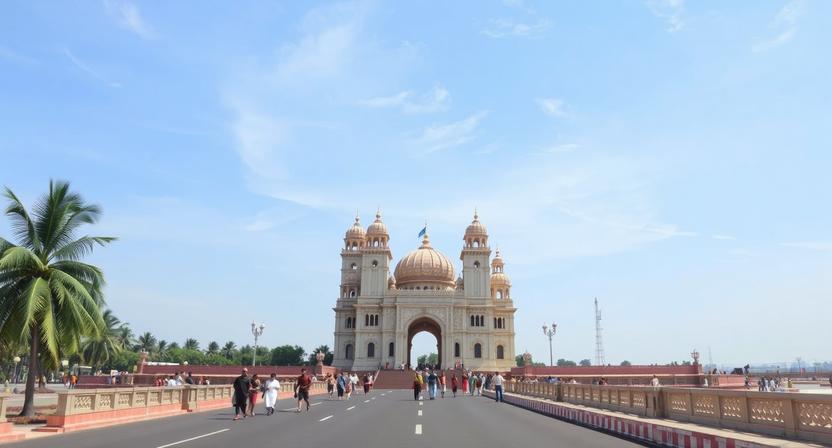
Minister Patricia de Lille Strengthens Tourism Ties Between South Africa and Malaysia, Fostering Collaboration and Growth in the Travel Industry

Minister Patricia de Lille Strengthens Tourism Ties Between South Africa and Malaysia, Fostering Collaboration and Growth in the Travel Industry

Patricia de Lille, South Africa’s Minister of Tourism, is working to deepen South Africa’s relationships with key South East Asian countries, especially with South East Asia’s tourism hotspot, Malaysia. Minister De Lille’s engagements also took place in Kuala Lumpur to facilitate the development of tourism relations of South Africa with Malaysia, as well as explore new prospects for mutual development. A discussion focus was the possible collaboration for marketing travel to and from both countries. Minister De Lille’s initiatives are in line with her goal of promoting South Africa as a priority tourist destination in South East Asia.

Strengthening Bilateral Relations with Malaysia

The tourism collaboration between South Africa and Malaysia is crucial for both nations, especially in the post-pandemic travel landscape. Minister de Lille met with Dato’ Sri Tiong King Sing, Malaysia’s Minister of Tourism, Arts, and Culture, to discuss various avenues for tourism development. The two leaders explored strategies that would support an increase in tourist arrivals and cultural exchanges. The joint-marketing initiative would focus on highlighting both nations’ unique offerings, encouraging travelers to explore South Africa’s rich cultural heritage while discovering Malaysia’s diverse attractions.

The discussions also centered around tourism growth in both countries, focusing on areas such as cultural tourism, adventure tourism, and the potential for reciprocal tourism promotions. By leveraging each other’s markets, South Africa and Malaysia are looking to expand their tourism footprints, attracting a broader audience of international visitors. The efforts are particularly important in post-pandemic recovery, where both nations seek to revive the vital tourism sector.

Key Topics on the Agenda for Tourism Cooperation

The collaboration between South Africa and Malaysia is poised to focus on several key elements of the tourism industry, ensuring that both countries benefit from the partnership. Minister de Lille and Minister Tiong discussed the mutual advantages of joint promotional campaigns that would highlight South Africa’s wildlife safaris, vibrant cities, and natural beauty, alongside Malaysia’s renowned beaches, historical landmarks, and cultural festivals.

In addition to promotional efforts, they also addressed the importance of connecting tourism professionals from both nations, through the sharing of best practices, educational exchanges, and industry networking opportunities. This comprehensive strategy ensures a long-term commitment to not only attracting tourists but also building sustainable tourism infrastructures that benefit local communities in both countries.

A Step Towards Increasing Tourism Flow

As part of the engagement, Minister de Lille emphasized the importance of enhancing tourism accessibility between South Africa and Malaysia. With the strong economic ties between the two nations, the goal is to make travel between both countries more seamless. Improving visa policies, flight connectivity, and tourism infrastructure will play a key role in stimulating tourism growth. The Malaysian government has already made strides in encouraging international tourism, and with South Africa’s growing presence in South-East Asia, this partnership is expected to create new pathways for travelers.

Minister de Lille’s commitment to driving tourism collaboration with South-East Asian nations aligns with the South African government’s broader tourism recovery strategy, which aims to diversify markets and expand global travel options for South Africans. The collaboration with Malaysia represents a key milestone in South Africa’s ambition to become a top global tourism hub.

Malaysia’s Role in South Africa’s Tourism Strategy

The meeting also took place ahead of a highly anticipated visit from Malaysia’s Prime Minister, Dato’ Seri Anwar Ibrahim, who is scheduled to visit South Africa later this year. This visit will further strengthen bilateral relations, with tourism and cultural exchanges being prominent areas of focus. The prime minister’s visit is expected to pave the way for more high-level engagements between the two nations, with a particular focus on creating synergies in the tourism sector.

Malaysia’s presence in the Southeast Asia region makes it an important partner for South Africa, given the latter’s growing interest in expanding its reach within the region. As one of the world’s leading travel destinations, Malaysia serves as a gateway to not only South-East Asia but also the larger Asia-Pacific region, creating a tremendous opportunity for South Africa to tap into these lucrative tourism markets.

A Future of Mutual Benefits and Tourism Growth

Minister de Lille’s outreach efforts are a testament to South Africa’s commitment to global tourism collaboration, particularly with emerging markets. The potential for expanded tourism in both countries holds great promise, not just for economic growth but also for fostering stronger cultural understanding and people-to-people connections. With the joint-marketing initiative set to be launched soon, both nations are poised to see an increase in tourist arrivals, with South Africa’s unique offerings complementing Malaysia’s diverse tourism products.

As global tourism continues to rebound, partnerships like this one between South Africa and Malaysia will be instrumental in ensuring both nations are well-positioned for a future of shared growth. The tourism sector will not only aid economic recovery but also foster deeper international relationships, benefiting local communities and further integrating South Africa into the global tourism network.

A Bright Future for South Africa-Malaysia Tourism Partnership

The Minister of de Lille’s outreach to Malaysia shows cooperation moving to the next level. With the possibilities offered by de Lille’s outreach Malaysia and South Africa are showing that Malaysia and South Africa are pivoting to South Africa’s stronger global tourism positioning post COVID. With the recovery of the sector and the work de Lille has done, South Africa has laid the groundwork to ensure that tourism partners will offer benefits to South Africa for many years to come.

Image Source: South Africa – Department of Tourism

The post Minister Patricia de Lille Strengthens Tourism Ties Between South Africa and Malaysia, Fostering Collaboration and Growth in the Travel Industry appeared first on Travel And Tour World.
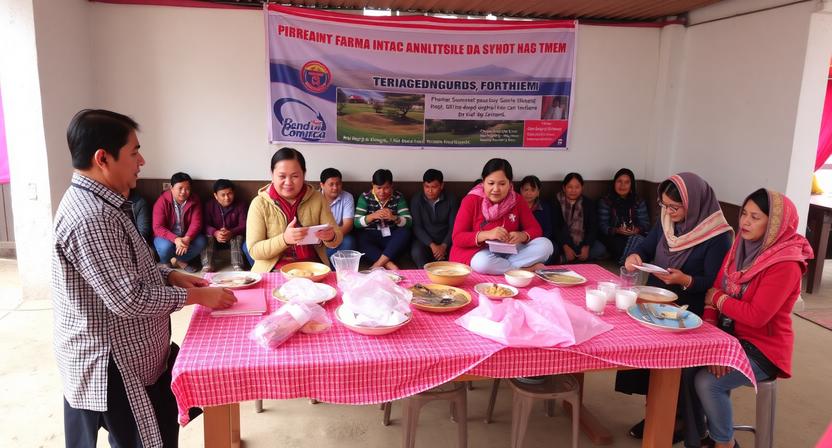
Kenya Leverages AI and Smart Data to Drive Sustainable Tourism Growth, Focused on Inclusivity, Regional Development and Enhancing Digital Travel Experiences

Kenya Leverages AI and Smart Data to Drive Sustainable Tourism Growth, Focused on Inclusivity, Regional Development and Enhancing Digital Travel Experiences

In her address at the World Governments Summit held in Dubai, UAE, on February 5, Kenya’s Cabinet Secretary of Tourism and Wildlife, Hon. Rebecca Miano, announced the country’s grand plan of harnessing the power of artificial intelligence and smart data to drive the next wave of sustainable tourism growth. She emphasized the government’s commitment to ensuring tourism industry remains resilient, inclusive, and competitive while adopting AI and green conservation strategies in Kenya. This revolutionary move will ensure that the communities benefit from the tourism industry, as purpose-led travel becomes the next big thing in the industry globally.

Sustainable Tourism Growth Through AI-Powered Solutions

During the Future of Tourism and Destination Global South panel, Miano discussed how AI and smart data tools will be pivotal in driving the sustainability agenda for Kenya’s tourism sector. By employing predictive analytics to understand demand trends and utilizing intelligent itinerary platforms, Kenya can offer personalized, efficient travel experiences while maintaining a focus on eco-friendly practices. These technologies will also be employed for real-time ecosystem monitoring, aiding in improved wildlife and park management.

This technology-driven approach is aligned with the rising trend of sustainable tourism, where travelers seek not only comfort and adventure but also eco-conscious options that minimize environmental impact. Kenya’s smart-data applications will allow tourism operators to make informed decisions that enhance local community engagement while protecting Kenya’s natural resources, such as its iconic national parks and wildlife reserves.

Enhancing Sustainable Tourism and Community Benefits

One of the most important aspects of Kenya’s digital transformation in tourism is its focus on making the sector inclusive and community-driven. By using AI to optimize travel patterns and itineraries, the government aims to ensure that local communities in rural and protected areas directly benefit from tourism. This could mean promoting off-the-beaten-path destinations, where sustainable tourism initiatives can create local jobs, support cultural preservation, and foster long-term economic growth.

Kenya’s approach is an example of how tourism can be leveraged for sustainable development, ensuring that growth doesn’t come at the cost of the environment or local livelihoods. By integrating technology with sustainable tourism practices, Kenya is laying the foundation for a tourism ecosystem that benefits both travelers and residents.

Digital Transformation: Supporting Regional and Economic Development

Kenya’s initiative to create a digitally enabled ecosystem in the tourism sector is expected to strengthen regional development, with a focus on creating sustainable jobs in the tourism value chain. As part of this effort, AI and smart data will support real-time tourism monitoring and performance tracking, ensuring that the growth of the tourism sector remains environmentally responsible. This will also make the country’s tourism more resilient to external challenges, such as global economic shifts or environmental changes.

This digital evolution is expected to attract digitally savvy travelers who are looking for experiences that balance adventure with sustainability. By tapping into technology and data, Kenya can position itself as a leader in eco-tourism, appealing to the growing demand for purpose-driven travel that prioritizes environmental sustainability and cultural preservation.

Strengthening Magical Kenya’s Sustainable Marketing Strategy

One of the core elements of Kenya’s AI-driven approach is improving the marketing of Magical Kenya, the country’s flagship tourism brand. Through digital transformation, Kenya will be able to better target eco-conscious travelers who seek sustainable, personalized travel experiences. By integrating AI tools into marketing strategies, Kenya’s tourism authorities will be able to tailor campaigns based on individual traveler preferences, driving sustainable tourism growth while ensuring that local communities are integrated into the tourism ecosystem.

This targeted marketing approach will ensure that Kenya not only attracts more visitors but also draws travelers who are committed to sustainable, responsible travel. By showcasing its sustainable tourism practices, Kenya will strengthen its position as a globally recognized eco-destination for travelers seeking both luxury and sustainability.

Partnership for Sustainable Tourism: Skills, Investment, and Multilateral Cooperation

In her discussions with the newly appointed UN Tourism Secretary-General, Shaikha Al Nowais, Miano explored potential cooperation on skills development, investment, and multilateral partnerships aimed at strengthening Kenya’s sustainable tourism infrastructure. These partnerships will focus on capacity building and knowledge transfer, ensuring that Kenya’s tourism workforce is equipped with the skills needed to operate in a technology-driven, sustainable tourism environment.

The partnership also aims to attract investment into the eco-tourism and sustainability sectors, creating opportunities for green infrastructure development, sustainable accommodation options, and environmentally conscious travel practices. By working with global stakeholders, Kenya will enhance its global competitiveness as a sustainable tourism destination while fostering economic growth in local communities.

The Future of Sustainable Tourism in Kenya

Kenya’s forward-thinking approach to sustainable tourism growth marks a significant milestone in its journey to becoming a global leader in eco-tourism and responsible travel. By leveraging AI, smart data, and sustainability-driven initiatives, the country is paving the way for an inclusive, green tourism future that benefits travelers and communities alike. As purpose-driven travel becomes the new norm, Kenya’s focus on environmentally sustainable tourism will resonate with a growing segment of travelers who seek meaningful, responsible travel experiences.

With innovative digital tools, sustainable tourism practices, and a commitment to community empowerment, Kenya is well-positioned to capitalize on the future of tourism—one that emphasizes eco-conscious growth, local benefit, and environmental responsibility.

Shaping the Future of Sustainable Tourism in Kenya

This approach in blending artificial intelligence, smart data, and sustainable tourism practices, which Kenya is embracing, is bound to influence the future of tourism in the country. As personalization with the use of artificial intelligence becomes a cornerstone of tourism sector development, Kenya is setting a new pace for sustainable development in tourism, a pace that other nations can learn from. With sustainable tourism being integral to their tourism sector, Kenya is on course to become a leader in eco-tourism.

The post Kenya Leverages AI and Smart Data to Drive Sustainable Tourism Growth, Focused on Inclusivity, Regional Development and Enhancing Digital Travel Experiences appeared first on Travel And Tour World.
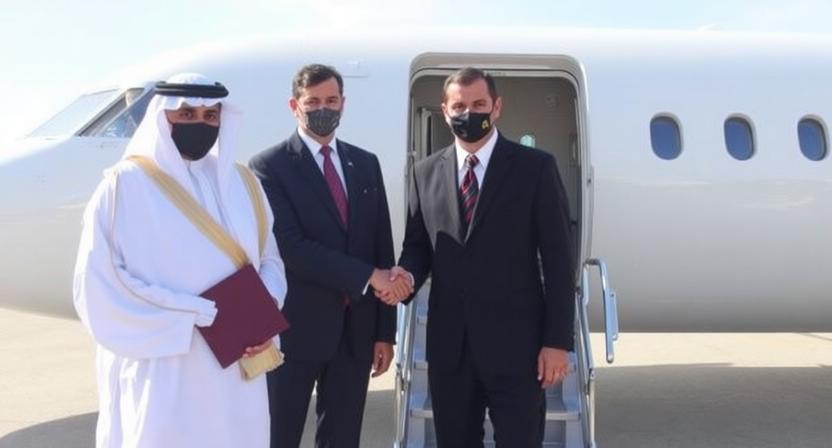
Andhra Pradesh Tourism Sees Thirty Thousand Crore INR Investment and More than One Lakh Job Creation in Twenty Months, Marking a Golden Phase for its Economic Growth

Andhra Pradesh Tourism Sees Thirty Thousand Crore INR Investment and More than One Lakh Job Creation in Twenty Months, Marking a Golden Phase for its Economic Growth

Tourism in Andhra Pradesh, the state in India, is entering its golden phase, as the state’s tourism industry has been able to attract investments to the tune of 30,000 crores in the last 20 months, thereby paving the way for the creation of 1.22 lakh jobs. This was announced by Tourism, Culture, and Cinematography Minister Kandula Durgesh in a media conference that was held at his camp office.

Tourism as a Backbone for Economic Growth

Minister Durgesh outlined the government’s ambitious plans to make tourism the backbone of Andhra Pradesh’s economic growth, with the sector now officially accorded industrial status under the Tourism Policy for 2024 to 2029. This policy is a comprehensive initiative designed to support long-term development in the sector, focusing on infrastructure, global positioning, and sustainable tourism practices.

This designation is expected to unlock new opportunities for both domestic and international investors to contribute to the state’s growing tourism landscape. With the tourism sector now classified as an industrial priority, the government has laid out a clear roadmap for job creation and socio-economic upliftment in the coming years, contributing significantly to the state’s GDP.

Investment and Job Creation through Strategic Initiatives

As part of the state’s push to attract high-quality investments, investor meetings held across Visakhapatnam, Vijayawada, Tirupati, Delhi, and other key locations have received a strong response. These events, coupled with conferences organized by the Confederation of Indian Industry (CII), led to agreements with 117 reputed companies, marking a substantial increase in investor confidence. The deals will see the establishment of luxury hotel chains such as Hyatt, Taj, Marriott, and Mayfair in the state, further bolstering Andhra Pradesh’s appeal as a high-end tourism destination.

The tourism sector’s growth is expected to create 1.22 lakh jobs in the immediate term, with a target to generate a total of 20 lakh jobs over the next five years. This will include positions across hospitality, infrastructure development, service industries, and local businesses that will benefit directly from increased tourism traffic. The job creation is expected to positively impact rural and urban areas, improving livelihoods and supporting inclusive growth throughout the state.

Strengthening Infrastructure and Enhancing Global Connectivity

Andhra Pradesh is focusing heavily on enhancing its tourism infrastructure, from improving connectivity through airports, highways, and ports, to building modern tourist facilities and heritage sites. These investments are designed to make the state more accessible and attractive to international visitors. By targeting both cultural tourism and adventure tourism, Andhra Pradesh is positioning itself as a multifaceted tourism destination that caters to a wide range of travelers, from those seeking relaxation to those seeking adventure and cultural immersion.

The Future of Tourism in Andhra Pradesh

With the ongoing efforts to elevate tourism to an industrial sector in Andhra Pradesh, the state is well-positioned for future growth in global tourism markets. The new tourism policy aims to enhance the state’s global image, promote sustainable tourism practices, and ensure that local communities benefit from tourism growth. The development of new resorts, eco-friendly tourism initiatives, and cultural festivals will help create a distinctive identity for the state’s tourism sector, ensuring its long-term success and growth.

The combination of strategic investments, job creation, and enhanced infrastructure is set to make Andhra Pradesh a major player in the global tourism industry, attracting travelers from across the world and contributing significantly to the state’s economic development.

A Bright Future for Andhra Pradesh’s Tourism Sector

It appears that with its plans and investment drive, the tourism industry of Andhra Pradesh is getting ready for an exciting period ahead. It should be noted that the investment announcements totaling Rs 30,000 crore, along with its employment creation targets, are setting the stage for the future economic success of the state itself. As the government is continuing its push for the state’s global tourism recognition under its Tourism Policy 2024-2029, the state’s tourism industry is going to flourish, both in terms of employment creation and experiences for tourists.

The post Andhra Pradesh Tourism Sees Thirty Thousand Crore INR Investment and More than One Lakh Job Creation in Twenty Months, Marking a Golden Phase for its Economic Growth appeared first on Travel And Tour World.

Local Sports Competitions, Fairs, and Cultural Festivals Boost Tourism Growth and Local Businesses in Paubadungma, Promoting Agriculture, Handicrafts and Traditional Foods of Nepal

Local Sports Competitions, Fairs, and Cultural Festivals Boost Tourism Growth and Local Businesses in Paubadungma, Promoting Agriculture, Handicrafts and Traditional Foods of Nepal

The Paubadungma Rural Municipality has turned out to be the central point for local tourism, driven by the increasing popularity of sports competitions, fairs, and cultural festivals. These have turned out to be an important factor in drawing more tourists from the surrounding districts and the entire country. This has added benefits for the tourism sector as well as entrepreneurs.

One of the remarkable festivals held in the region is the Paubadung Gold Cup and the Maghi Fair. Recently, these festivals were held in the rural municipality. The third edition of the Paubadung Gold Cup, including the Maghi Fair, saw a significant turnout of visitors both from within and outside the district.

Showcasing Local Products and Boosting Economic Opportunities

The events, which celebrate local culture and sports, offer marketing opportunities for small-scale farmers, entrepreneurs, and local artisans. Agricultural produce, handicrafts, and traditional foods are prominently featured, giving local vendors a platform to showcase their products to a wider audience. This exposure has not only helped raise awareness about the region’s rich cultural heritage but has also opened up new opportunities for local businesses to connect with potential buyers.

By promoting the sale of locally produced goods and crafts, these events help drive economic growth in Paubadungma. The participation of visitors from outside the district further boosts the demand for local products, leading to greater tourism spending and fostering a stronger market for regional goods.

Creating Jobs and Strengthening Community Identity

In addition to promoting economic activity, these events have contributed to job creation in the region. Locals are employed in various capacities, from organizing and managing events to serving as vendors, performers, and guides for visitors. This has helped create a more dynamic economy in the area, supporting both temporary and long-term employment opportunities.

Moreover, the festivals and sports competitions have played a pivotal role in strengthening the identity of Paubadungma. These events serve as a celebration of the community’s cultural heritage and sporting spirit, helping foster a deeper connection to the region’s traditions. As a result, these activities have become more than just tourist attractions—they are a key part of the vibrant local culture and an important tool for community pride and unity.

A Call for Systematic and Long-Term Planning

While the positive impacts of these local events are undeniable, residents of Paubadungma have emphasized the need for more systematic and long-term planning for such programs. By creating a more structured approach to organizing festivals and competitions, the municipality can ensure that these events continue to grow in scale and significance, attracting more tourists and benefiting local businesses year after year.

With a strategic, long-term plan, Paubadungma can enhance the impact of its tourism initiatives, improve infrastructure, and provide more opportunities for local entrepreneurs. This would help position the district as a prominent tourism destination in the region, capable of generating sustainable economic growth.

Festivals as Key Drivers for Tourism and Economic Development

In the recent past, there was unprecedented success of the Paubadung Gold Cup and the Maghi Fair, which proved that sports and cultural events can have an upward pull in tourist arrivals and a spin-off of economic activities. These events proved to be a means for the local products’ showcase, creation of jobs, and enhancement of community identity.

These initiatives will surely continue to bear more fruit as Paubadungma implements focused planning and investment, which will result in even greater success of the district’s tourism sector, adding to the long-term economic prosperity.

The post Local Sports Competitions, Fairs, and Cultural Festivals Boost Tourism Growth and Local Businesses in Paubadungma, Promoting Agriculture, Handicrafts and Traditional Foods of Nepal appeared first on Travel And Tour World.
Algeria Moves to Terminate 2013 Air Services Agreement with UAE, Signed and Ratified in 2014 Without any Immediate Explanation

Algeria Moves to Terminate 2013 Air Services Agreement with UAE, Signed and Ratified in 2014 Without any Immediate Explanation

Algeria has officially initiated the procedure of cancelling the air services agreement with the United Arab Emirates, UAE. Such an agreement was signed in May 2013 and ratified by Presidential Decree in December 2014. Now, this agreement would be revoked officially by following the stipulated procedures outlined in the agreement.

Diplomatic Procedures for Agreement Termination

As per Article 22 of the agreement, the denunciation of the deal must be communicated through diplomatic channels to the UAE contracting party. In addition, a simultaneous notification must be made to the Secretary General of the International Civil Aviation Organization (ICAO), ensuring the formalities with the global aviation body are completed. This step is necessary to properly fulfill the termination requirements under international aviation laws and protocols.

No Immediate Reason for the Decision

The Algerian News Agency report did not offer any immediate explanation for the decision to terminate the agreement. The reasons for such a move remain unclear, and the announcement has raised questions about potential diplomatic, economic, or operational factors influencing this decision. Despite no public disputes between Algeria and the UAE on air travel matters, the termination of such an agreement suggests that underlying factors may have prompted this shift in diplomatic and aviation strategy.

What It Means for Future Air Travel and Bilateral Relations

The termination of the air services agreement between Algeria and the UAE could lead to significant changes in the aviation landscape between the two nations, as airlines operating between Algeria and the UAE will now need to navigate the new status of air travel arrangements. Depending on how the situation unfolds, airlines may need to find new means of operating between the countries or seek alternative routes and agreements to ensure uninterrupted services.

In terms of future aviation relations, the termination may signal a shift in how Algeria and the UAE manage diplomatic and economic ties in the field of transportation. Air services agreements are critical not only for facilitating tourism and trade but also for maintaining strong bilateral relations. This move could have broader implications for future air travel policy between the two nations and might prompt both sides to reconsider how they approach the broader aviation landscape, possibly renegotiating new agreements or introducing new regulatory measures.

Potential Impacts on Trade, Tourism, and Diplomatic Relations

The future impact of terminating the air services agreement may be felt beyond just the aviation sector. Both trade and tourism between Algeria and the UAE may experience disruptions, particularly in terms of connectivity. The UAE is a major global hub for business and tourism, and any reduction in direct flights could affect business travelers, tourists, and cargo services between the two nations.

However, if handled effectively, it could lead to future renegotiations or even the introduction of new partnerships with other aviation players, which could better align with the strategic goals of both countries. The UAE is a major destination for travelers from Algeria, particularly those looking for luxury, leisure, and business opportunities. If direct flights are curtailed, it may prompt travelers to reconsider their plans or seek alternative routes, potentially affecting the flow of tourism and reducing visitor spend. However, if new agreements are forged or alternative routes are established, it may mitigate the effects on tourism.

Long-Term Aviation Strategy and Potential for Future Agreements

Looking toward the future, Algeria’s move to terminate this agreement could reflect a long-term shift in aviation policy as the country seeks to diversify its international partnerships. The Algerian government may have strategic reasons for rethinking its aviation agreements, including improving domestic infrastructure, forging stronger ties with other global aviation hubs, or aligning more closely with regional or international trade networks.

It’s also possible that this decision is part of a broader effort to modernize Algeria’s aviation sector, which has historically faced challenges in meeting international standards and attracting global carriers. The termination of the air services agreement could pave the way for new aviation agreements that are more favorable to Algeria’s economic interests or offer more modernized air travel options.

Navigating the Future of Algeria-UAE Aviation Relations

In the recent developments, Algeria has sought an end to its current air services agreement with the UAE, sparking emerging questions about its implications in the future aviation relationship and its implications for trade, tourism, and diplomacy in general. However, it is still too early to determine how such an agreement would affect or influence future relationships, and an emerging shift could change how both nations and countries would engage in economic cooperation in the coming days and months.

This underlines the relevance of strategic diplmacy in the aviation industry, as alterations in agreements have a multiplier effect on various sectors simultaneously. The way Algeria deals with these shifts will determine its aviation and connectivity prospects in the future.

The post Algeria Moves to Terminate 2013 Air Services Agreement with UAE, Signed and Ratified in 2014 Without any Immediate Explanation appeared first on Travel And Tour World.

Radisson RED Hotel Queenstown to Open in 2026, Offering 221 Rooms and Modern Amenities, Enhancing their Hospitality and Tourism Growth

Radisson RED Hotel Queenstown to Open in 2026, Offering 221 Rooms and Modern Amenities, Enhancing their Hospitality and Tourism Growth

The Radisson RED Hotel Queenstown is all set to make its grand entrance, providing Queenstown, the adventure capital of New Zealand, with a new and lively hospitality concept. Scheduled to open in 2026, the hotel will feature 221 rooms, including four deluxe rooms and five suites, inspired by the energy and excitement of Queenstown’s dynamic tourism industry.

With its location merely at a walking distance of seven minutes from the heart of town, the hotel’s position provides its visitors an advantage never before experienced. The addition of this location will definitely contribute to further growth and expansion in the hospitality industry that Queenstown has to offer to its tourists and visitors globally and further substantiate its position as an industry leader for luxury and adventure tourism.

A Social Hub for Queenstown’s Growing Tourism Market

At the core of Radisson RED Queenstown will be its lively all-day dining restaurant and bar, designed to be the hotel’s social center. Guests can also enjoy a sophisticated rooftop bar with an expansive terrace, perfect for soaking in the golden-hour mountain views. The hotel offers the ideal setting for relaxation and socializing, complementing Queenstown’s mix of adventure tourism and vibrant local dining and arts scene. With two flexible meeting rooms, the hotel will also cater to smaller, intimate events and creative sessions, ensuring it appeals to both leisure and business travelers alike.

This new property is also a vital part of Queenstown’s rapidly expanding tourism infrastructure, including new retail outlets, dining concepts, and even a supermarket within an emerging precinct. Additionally, the hotel will benefit from plans to transform the adjoining recreation reserve into a community park, offering long-term value to both local residents and tourists. This infrastructure development lays the foundation for future hospitality growth in Queenstown, as more visitors flock to the region.

Location Perfect for Adventure Seekers and Nature Lovers

Queenstown is renowned as a four-season adventure capital and offers an abundance of outdoor activities year-round, from skiing at Coronet Peak and The Remarkables in winter to hiking, biking trails, and winery visits in the warmer months. Radisson RED Queenstown’s location provides easy access to Coronet Peak’s ski lifts, just a 15-minute drive away, while the summer trailheads and the surrounding Lake Wakatipu offer endless outdoor adventures. This strategic positioning makes the hotel a prime choice for tourists seeking both adventure and relaxation in New Zealand’s spectacular natural landscape.

The growing demand for adventure tourism in the region aligns with the global trend of travelers seeking experiential stays that combine outdoor exploration with comfort and style. This trend positions Queenstown as a growing hospitality destination, and the Radisson RED Hotel will play a key role in meeting this demand.

Enhancing Queenstown’s Tourism Growth and Future Hospitality Opportunities

As tourism continues to grow in Queenstown, Radisson RED Hotel Queenstown plays a significant role in expanding accommodation options for the area. The hotel will cater to both international tourists and domestic visitors who seek a modern, comfortable, and social hotel experience. With easy access to Queenstown Airport, just 16 minutes from the hotel, and direct flights from major Australian east-coast cities, this development is poised to boost the local tourism sector by attracting more visitors from across the globe. The growth in luxury adventure tourism in Queenstown is expected to fuel a rising demand for high-quality accommodations, and Radisson RED is set to fulfill this need.

Radisson RED Brand Expands Its Footprint in New Zealand

The opening of Radisson RED Queenstown marks a major milestone in the expansion of the Radisson RED brand across New Zealand. Following the brand’s upcoming debut in Auckland, the Queenstown property strengthens the Radisson Hotel Group’s presence in two of the country’s most sought-after destinations for both leisure tourism and urban exploration. The hotel’s opening is part of the Group’s broader strategy to expand its premium lifestyle and midscale brands in key resort markets and gateway cities across Asia Pacific.

The Group’s investments in New Zealand signal strong future growth for Radisson RED in the region. The expansion of the Radisson RED brand is expected to capture the growing demand for lifestyle hotels that cater to travelers seeking authentic experiences that blend luxury, comfort, and community. As more travelers look for immersive destinations that offer both relaxation and adventure, Radisson RED is positioned to lead in meeting these needs.

Sustainable and Modern Amenities for the Eco-Conscious Traveler

The Radisson RED Queenstown experience is complemented by a focus on sustainability and modern amenities. Guests will have access to eco-conscious facilities, as well as a modern gym for fitness enthusiasts. The hotel’s design prioritizes comfort, style, and sustainability, ensuring that travelers can enjoy the area’s natural beauty while minimizing their environmental footprint. With a focus on innovative design and the incorporation of local materials, Radisson RED Queenstown promises to provide guests with a stay that reflects both the spirit of Queenstown and a commitment to sustainable tourism.

This sustainability approach supports the future of hospitality growth in the region, where travelers are becoming increasingly interested in eco-friendly travel options and responsible tourism.

Radisson RED Queenstown Enhances the Region’s Tourism Offerings

The opening of the Radisson RED Hotel Queenstown is a milestone event for both the tourism sector in Queenstown and the overall Radisson brand globally, as not only will the hotel reshape the local tourism landscape but also provide Queenstown with yet another state-of-the-art facility to attract visitors from all over the world, all as the brand continues to further expand its footprint in both New Zealand and the overall Asia Pacific region.

As the potential of Queenstown as a tourism and hospitality hub continues to grow, the role of the likes of the Radisson RED in molding the future of tourism and hospitality in the region cannot be overstated.

The post Radisson RED Hotel Queenstown to Open in 2026, Offering 221 Rooms and Modern Amenities, Enhancing their Hospitality and Tourism Growth appeared first on Travel And Tour World.

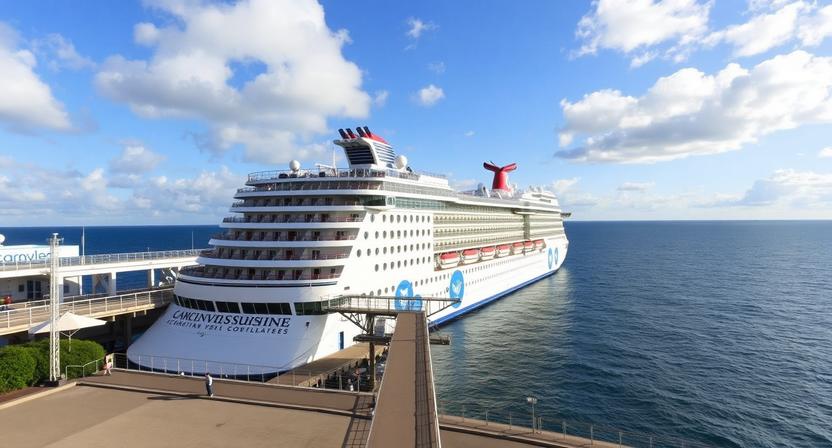
Carnival Cruise Line Offers Tips for Cold Weather in Norfolk Ahead of Carnival Sunshine’s February 2026 Caribbean and Bahamas Cruise

Carnival Cruise Line Offers Tips for Cold Weather in Norfolk Ahead of Carnival Sunshine’s February 2026 Caribbean and Bahamas Cruise

Carnival Cruise Line is warning its guests to expect cold weather in Norfolk, Virginia, for the February 7, 2026, sailing of the Carnival Sunshine. The ship, launched in 1996, is set to cruise as part of its year-round deployments from the U.S. East Coast, with the company making sure that all passengers are ready for the cold conditions on site in Norfolk, not to mention especially when embarking on an eight-night Caribbean and Bahamas cruise.

It came in one of those timely warnings issued by Carnival in the larger attempt to improve the experience within cruise tourism, making sure passengers are as comfortable as possible while embarking on their journey-irrespective of the weather being inclement or not.

Cold Weather Advisory for Embarkation Day

In a statement, Carnival Cruise Line informed passengers that the outdoor temperature in Norfolk is expected to be significantly low on the day of departure. The cruise line noted that, due to the number of open decks on the ship, additional measures would need to be taken to warm the interior parts of the vessel while docked in Norfolk. Passengers are encouraged to dress in layers for embarkation to stay comfortable while the ship’s team works on making the ship warmer for boarding.

“We are looking forward to having you sail with us, but ahead of your embarkation, we have an update regarding the weather to help you prepare for your first day onboard,” said Carnival Cruise Line in their communication to guests. This proactive approach is crucial for cruise tourism, as it highlights the industry’s responsibility in ensuring that guests feel cared for and ready to enjoy their vacation despite potential travel challenges, such as inclement weather.

Timely Check-In and Boarding Guidelines

In addition to preparing for cold temperatures, Carnival reminded guests to stick to their pre-selected terminal arrival appointment for check-in. The company emphasized the importance of adhering to the final boarding time indicated on passengers’ boarding passes. All passengers must be onboard by this time to avoid delays or missing the scheduled departure. These logistical measures are part of a broader trend in the cruise tourism sector, where companies like Carnival Cruise Line are continuously refining their operations to ensure a smooth embarkation process and improve the overall guest experience, leading to higher satisfaction and more efficient operations.

Carnival Sunshine’s February 2026 Caribbean and Bahamas Itinerary

Once the Carnival Sunshine sets sail, the ship will offer an eight-night roundtrip cruise from Norfolk, Virginia, visiting popular Caribbean and Bahamian destinations. Among the highlights of the itinerary is a visit to Half Moon Cay, Carnival Corporation’s private island in the Bahamas, known for its pristine beaches and exclusive experiences.

The itinerary also includes stops in Grand Turk in the Turks and Caicos Islands, and Amber Cove in the Dominican Republic, two destinations renowned for their scenic beauty, beaches, and local culture. These stops are expected to significantly boost tourism in these areas, where the arrival of cruise passengers plays a critical role in supporting local economies. With millions of cruise tourists traveling to the Caribbean each year, these islands depend on the tourism revenue generated by cruise visits to sustain their hospitality industries, from local attractions to restaurants and shops.

Preparing for a Memorable Caribbean Cruise

Despite the cold temperatures on embarkation day in Norfolk, Carnival Sunshine’s Caribbean and Bahamas cruise promises to offer a warm and enjoyable experience once guests are on board. As part of Carnival Cruise Line’s commitment to delivering an exceptional cruise experience, the company’s team will work diligently to ensure the comfort of all passengers as they embark on this exciting adventure to the tropics. This is particularly important for the cruise tourism industry, where delivering on promises of comfort, adventure, and service is key to customer loyalty and repeat business.

Impact of Cruise Tourism on Local Economies

The introduction of Carnival Sunshine’s new route from Norfolk plays an essential role in expanding cruise tourism in Virginia and surrounding areas. With this added convenience and connectivity, Virginia’s tourism industry is likely to see an increase in economic activity, benefiting local businesses such as restaurants, hotels, and transport services. In addition, by offering a route to Caribbean islands and Bahamas, the cruise also helps boost the regional tourism economy in the Caribbean and Dominican Republic.

Cruise tourism continues to be a significant economic driver for many destinations, creating jobs and supporting infrastructure development, particularly in port cities like Norfolk. This growth in demand for cruise travel not only enhances the passenger experience but also ensures local communities benefit from increased visitor spending.

A Unique Start to an Exciting Caribbean Getaway

Carnival Cruise Line is warning its guests to expect cold weather in Norfolk, Virginia, for the February 7, 2026, sailing of the Carnival Sunshine. The ship, launched in 1996, is set to cruise as part of its year-round deployments from the U.S. East Coast, with the company making sure that all passengers are ready for the cold conditions on site in Norfolk, not to mention especially when embarking on an eight-night Caribbean and Bahamas cruise.

It came in one of those timely warnings issued by Carnival in the larger attempt to improve the experience within cruise tourism, making sure passengers are as comfortable as possible while embarking on their journey-irrespective of the weather being inclement or not.

The post Carnival Cruise Line Offers Tips for Cold Weather in Norfolk Ahead of Carnival Sunshine’s February 2026 Caribbean and Bahamas Cruise appeared first on Travel And Tour World.
❌