
Reading view

Thailand Joins China, Vietnam, South Korea, Malaysia, Singapore, Hong Kong, and Other Tourism Powerhouses Across Asia to Achieve Record-Breaking Growth in Travel Demand During the Spring Festival 2026

Thailand Joins China, Vietnam, South Korea, Malaysia, Singapore, Hong Kong, and Other Tourism Powerhouses Across Asia to Achieve Record-Breaking Growth in Travel Demand During the Spring Festival 2026
Thailand joins China, Vietnam, South Korea, Malaysia, Singapore, Hong Kong,

Thailand joins China, Vietnam, South Korea, Malaysia, Singapore, Hong Kong, and other tourism powerhouses across Asia in achieving record-breaking growth in travel demand during the Spring Festival of 2026. This surge in tourism can be attributed to a powerful combination of factors, including strong domestic recovery initiatives, strategic government campaigns, and a growing desire for both cultural exploration and leisure travel. With targeted marketing efforts, travel incentives, and the rising appeal of regional destinations, these countries have not only seen a substantial increase in both international and domestic tourists but have also solidified their status as key players in the global tourism landscape. The 2026 Spring Festival marks a new era of unparalleled growth and optimism for the tourism industry across Asia.

The Spring Festival of 2026 has been nothing short of extraordinary for tourism across Asia. As the world’s second-largest economy continues to rebound, nations across the continent have witnessed unprecedented travel surges, fueled by both local and international tourism. From Southeast Asia to East Asia, each country has contributed to a record-breaking wave of travelers, offering a clear sign that Asia’s tourism industry is stronger than ever. Let’s delve into the specifics of how Thailand, China, Vietnam, South Korea, Malaysia, Singapore, Hong Kong, and others have experienced massive growth in tourism during this year’s Spring Festival.

Thailand: Leading the Charge with 12% Increase in Visitors

Thailand has long been a favored destination for travelers, but 2026 marked a record year for the country during the Spring Festival period. With a significant influx of tourists, particularly from China, Thailand’s tourism numbers surged by 12% year-on-year, making it one of the top-performing countries in Asia.

The tourism boom in Thailand was driven by its status as a key regional destination, offering everything from stunning beaches and cultural landmarks to vibrant cities like Bangkok. This year, the Thai government capitalized on the holiday by hosting a series of cultural events, offering travel incentives, and boosting marketing efforts in China. As a result, the country saw an increase in Chinese tourist arrivals, with many travelers flocking to destinations like Pattaya, Phuket, and Chiang Mai. The launch of direct flights from major Chinese cities to Bangkok and other provinces contributed to this increase.

Highlights:

  • 12% increase in tourist arrivals during Spring Festival
  • Major attractions like Pattaya, Phuket, and Chiang Mai saw the most visitors
  • Increased Chinese tourism due to direct flight options and travel campaigns

China: The Heart of the Spring Festival Travel Surge

As the birthplace of the Spring Festival, China was naturally at the center of the tourism boom. The country’s domestic tourism skyrocketed during the nine-day holiday, with the Ministry of Culture and Tourism reporting a 13% increase in domestic travel compared to the previous year. Within China, popular destinations like Beijing, Shanghai, and Xi’an saw record-breaking numbers of tourists.

The government also launched several initiatives, including consumption vouchers and trade-in programs that stimulated spending on both travel and retail goods. With millions of Chinese citizens embarking on domestic vacations, cultural tourism was particularly prominent. Ancient sites, temples, and popular cultural landmarks were in high demand as travelers sought to connect with their heritage during the holiday season. Additionally, the government’s promotion of folk tourism and rural explorations attracted urban dwellers to the countryside, expanding the geographical reach of the holiday tourism surge.

Highlights:

  • 13% increase in domestic travel during the Spring Festival
  • Major cities like Beijing, Shanghai, and Xi’an experienced high tourist turnout
  • Government incentives such as consumption vouchers stimulated travel spending

Vietnam: A 9% Growth in Vietnamese Tourism During the Spring Festival

Vietnam experienced a 9% growth in tourism during the Spring Festival of 2026, as many Chinese tourists flocked to the country for short-haul vacations. Vietnam’s appeal lies in its proximity to China and its reputation for offering budget-friendly travel options with rich cultural experiences.

During the holiday period, Vietnamese cities such as Hanoi, Ho Chi Minh City, and Da Nang witnessed packed hotels and bustling streets filled with tourists. The Vietnamese government played an active role by promoting cultural festivals, food tourism, and eco-tourism initiatives to attract both domestic and international travelers. Additionally, the rise of popular destinations like Ha Long Bay and the Mekong Delta further boosted Vietnam’s tourism growth.

Highlights:

  • 9% growth in tourism during Spring Festival
  • Popular Vietnamese destinations like Hanoi, Ho Chi Minh City, and Ha Long Bay experienced high visitor traffic
  • Government initiatives promoted cultural and eco-tourism

South Korea: 8% Surge in Visitors Thanks to K-Pop Influence

South Korea experienced a 8% surge in tourism during the Spring Festival of 2026, with K-pop’s global influence playing a significant role. Chinese visitors, in particular, flocked to South Korea’s vibrant cities like Seoul and Busan, eager to experience the latest K-pop concerts, shopping districts, and cultural landmarks.

Additionally, South Korea’s government heavily marketed winter sports tourism in the wake of the Beijing Winter Olympics, driving demand for ski resorts and winter-themed activities. The country’s appeal to Chinese tourists was further boosted by visa waivers and discounted packages for Spring Festival travelers.

Highlights:

  • 8% growth in tourism during the Spring Festival
  • K-pop concerts and winter sports tourism drove demand
  • Seoul and Busan attracted a large number of international travelers

Malaysia: 7% Increase in Spring Festival Tourism Due to Regional Popularity

Malaysia has positioned itself as one of the top destinations in Southeast Asia for Spring Festival tourists, witnessing a 7% increase in tourism during the holiday period. As a gateway to Southeast Asia, Malaysia capitalized on its mix of modern cities, cultural landmarks, and tropical landscapes to appeal to tourists from China and neighboring countries.

Cities like Kuala Lumpur and Penang attracted many international visitors, while resorts and eco-tourism sites like Langkawi and the Cameron Highlands saw an influx of tourists. Malaysia’s government has been actively working on diversifying its tourism offerings, including introducing new festivals and cultural events, which further enhanced the country’s appeal during the Spring Festival.

Highlights:

  • 7% increase in tourism during Spring Festival
  • Kuala Lumpur, Penang, Langkawi, and Cameron Highlands were top destinations
  • Efforts to diversify tourism offerings boosted growth

Singapore: 6% Boost in Tourist Arrivals Fueled by Luxury Travel

Singapore’s tourism industry saw a 6% growth in travel demand during the 2026 Spring Festival, driven largely by high-end, luxury tourism. As a global financial hub, Singapore attracted wealthy tourists from China and beyond, who were eager to explore its luxury shopping malls, gourmet dining experiences, and five-star hotels.

The Singapore Tourism Board worked to promote the country’s diverse attractions, including its vibrant arts scene, top-tier shopping destinations, and cultural landmarks such as Gardens by the Bay. The government also incentivized international tourists through digital campaigns and special travel deals targeting Chinese and Southeast Asian tourists.

Highlights:

  • 6% increase in tourist arrivals during Spring Festival
  • Singapore’s luxury travel sector saw a rise in demand
  • Promotions by the Singapore Tourism Board boosted inbound tourism

Hong Kong: 5% Increase in Visitors, Thanks to Cultural and Shopping Tourism

Hong Kong experienced a 5% increase in tourism during the Spring Festival period, with most of the growth coming from Chinese tourists. The region’s well-established reputation for shopping, entertainment, and cultural experiences made it a popular choice for travelers looking to make the most of the extended holiday.

Shopping districts like Causeway Bay, Tsim Sha Tsui, and Mong Kok saw a major uptick in foot traffic as tourists flocked to take advantage of seasonal sales and exclusive products. Additionally, Hong Kong’s food scene, offering a mix of traditional Cantonese delicacies and international cuisine, continued to drive culinary tourism.

Highlights:

  • 5% increase in tourism during the Spring Festival
  • Shopping, food tourism, and cultural landmarks attracted a surge in visitors
  • Chinese tourists made up the majority of visitors to Hong Kong

Other Countries Across Asia: A Regional Surge in Travel Demand

In addition to the key tourism giants in Asia, several other countries experienced notable growth during the Spring Festival of 2026. These include destinations like Indonesia, Japan, and the Philippines, which recorded steady increases in tourism, thanks to the wider regional demand for travel.

Destinations like Bali in Indonesia, Tokyo in Japan, and Boracay in the Philippines saw higher-than-usual numbers of visitors, supported by favorable flight routes, regional marketing efforts, and strong relationships with Chinese tour operators.

Highlights:

  • Sustained increases in travel to Indonesia, Japan, and the Philippines
  • Popular beach and cultural destinations like Bali, Tokyo, and Boracay were major draws
  • Regional marketing campaigns attracted both international and domestic travelers

The Spring Festival of 2026 has undoubtedly set the stage for continued tourism growth across Asia. With countries like Thailand, China, Vietnam, South Korea, Malaysia, Singapore, and Hong Kong reporting substantial increases in travel demand, it is clear that Asia is a global leader in tourism recovery and growth.

Thailand joins China, Vietnam, South Korea, Malaysia, Singapore, Hong Kong, and other tourism powerhouses across Asia in achieving record-breaking growth in travel demand during the Spring Festival 2026, driven by targeted government initiatives and a surge in both domestic and international tourism.

This surge in tourism not only highlights the strong recovery of the region’s travel industry but also underscores the growing economic importance of tourism to these nations. Whether driven by cultural heritage, winter sports, shopping, or eco-tourism, the diversity of experiences offered by Asia’s leading tourism powerhouses ensures that the region will remain a key destination for travelers worldwide for many years to come.

The post Thailand Joins China, Vietnam, South Korea, Malaysia, Singapore, Hong Kong, and Other Tourism Powerhouses Across Asia to Achieve Record-Breaking Growth in Travel Demand During the Spring Festival 2026 appeared first on Travel And Tour World.
China Faces Record-Breaking Travel Rush in 2026 Spring Festival, Surpassing Two Hundred Fifty-Eight Million Journeys and Still Going Strong

China Faces Record-Breaking Travel Rush in 2026 Spring Festival, Surpassing Two Hundred Fifty-Eight Million Journeys and Still Going Strong

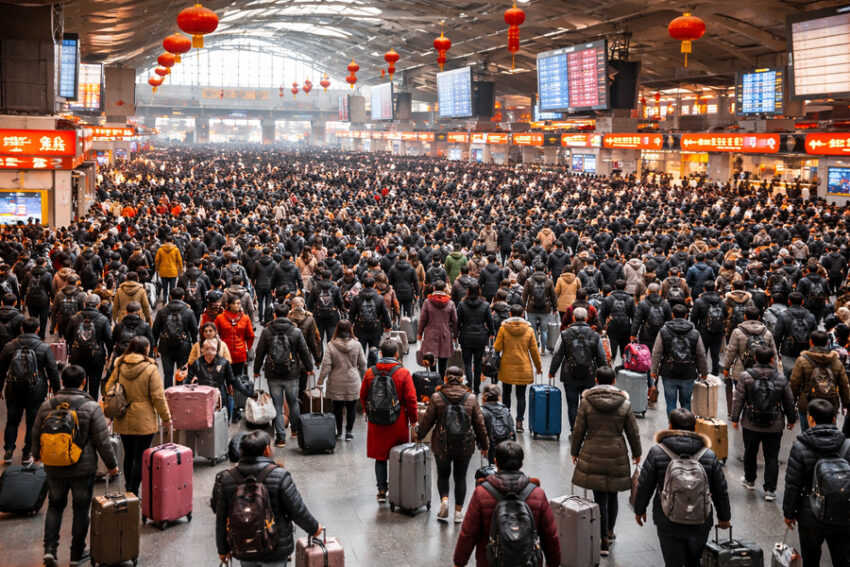
China is currently facing a record-breaking travel rush during the 2026 Spring Festival, with the country surpassing two hundred fifty-eight million journeys and the peak period still underway. This surge can be attributed to several factors: the deep-rooted cultural tradition of family reunions during the Chinese New Year, which drives millions to return to their hometowns, alongside the expansion of transportation networks and improvements in railway services. The demand for travel has been further fueled by the country’s economic recovery and the relaxation of pandemic-related travel restrictions, leading to a massive increase in domestic mobility. As the travel period continues, authorities are stepping up efforts by adding more trains and expanding services to meet the growing demand, ensuring that the rush remains strong well into the coming weeks. This year’s travel surge is a testament to the nation’s commitment to reconnecting families and marks a new milestone in the history of chunyun, the world’s largest human migration.

On February 21, the 20th day of the 2026 Spring Festival travel period, an impressive 17.19 million passengers took to China’s railways, continuing the rapid pace of travel. The railway operator predicts an even higher passenger volume for the following Sunday, with estimates reaching 17.93 million trips. To accommodate the high demand, 2,203 additional trains have been scheduled across the country, a move designed to ease the pressure on the busiest routes.

The Spring Festival holiday, which this year fell on February 17, is a time for family reunions, and millions of Chinese people head home from urban centers to rural areas to celebrate with their loved ones. This annual surge in travel is a defining feature of chunyun, widely regarded as the largest migration of people on Earth. It represents a massive logistical challenge for transportation systems and the railways are often the backbone of this complex operation.

As is customary during the Spring Festival period, the national railway operator, China State Railway Group Co Ltd, has made extensive preparations to ensure the smooth flow of passengers. The authorities have ramped up the transport capacity on critical routes by adding more trains to meet the growing demand. Railways have become the most important form of transportation for people traveling home to spend the holidays with their families.

The railway system has not only increased the number of trains, but it has also expanded services at train stations. Station staff are working long hours to manage the crowds and ensure that passengers are safely guided to their platforms. There are also more ticketing counters and enhanced facilities to help passengers navigate the often chaotic atmosphere of the busiest train stations in the country.

This surge in travel is not just about quantity but also about quality. The authorities have implemented a number of strategies to improve the travel experience during this period. Passengers will notice increased services both on the trains and at the stations, with additional staff on hand to help with luggage, provide information, and offer general assistance. Onboard services are being improved, with more comfort-focused provisions to ensure that passengers have a positive travel experience during what can be a long journey.

One of the most notable aspects of chunyun is its cultural significance. The Spring Festival is the most important holiday in China, marking a time for family reunification and celebration. It is a deeply ingrained tradition for millions of people to return home to their roots, regardless of how far they have traveled or how difficult the journey may be.

For many, the travel rush is about more than just a holiday — it’s a journey that symbolizes the values of family and togetherness that are central to Chinese culture. As chunyun continues to evolve, it reflects not only the country’s growth and modernization but also its rich cultural heritage.

However, the logistics of such a migration are far from simple. With millions of people crisscrossing the country, the authorities face a daunting task in terms of organizing travel, handling the crowds, and maintaining smooth operations across the railways. Yet, despite these challenges, the Chinese railway system has demonstrated remarkable resilience. Every year, authorities ramp up their efforts to meet this demand, adding new routes and upgrading existing infrastructure to handle the strain of the travel rush.

The level of coordination required to ensure a successful Spring Festival travel period is enormous. From the recruitment of temporary staff to the implementation of special ticketing systems designed to handle the increased number of travelers, every aspect of the railway system is optimized to ensure that things run smoothly. The Chinese government has also worked closely with local authorities to ensure that the national transport network remains efficient, making it easier for travelers to navigate their journeys.

While the growth in the number of travelers is impressive, it is the improvements in the quality of services that truly set this year apart. The authorities have emphasized passenger safety and comfort, ensuring that rail transport during the Spring Festival is as hassle-free as possible. This has included crowd control measures, increased security checks, and detailed travel guidelines to help passengers during the busiest periods.

Beyond the logistics and infrastructure, the chunyun period also plays a critical role in the Chinese economy. The travel rush contributes significantly to the national economy, with industries such as transportation, hospitality, and retail benefiting from the movement of people during this time. The surge in travelers also boosts domestic consumption as people return to their hometowns with gifts, products, and goods for the holiday season.

As the Spring Festival travel rush continues until March 13, railway operators expect that the passenger volume will continue to rise, potentially reaching new records. The 258 million trips already made underscore the significance of this annual migration, which remains a major event in the cultural and logistical landscape of China.

China is experiencing a record-breaking travel rush during the 2026 Spring Festival, surpassing two hundred fifty-eight million journeys due to a surge in family reunions, improved transportation networks, and the country’s economic recovery, with authorities working to meet the rising demand.

The chunyun period may bring challenges, but it also highlights the resilience, scale, and spirit of unity that the Chinese people demonstrate during one of the most important festivals in their calendar. With Spring Festival travel still in full swing, it’s clear that this year’s rush will be yet another chapter in the history of China’s transport network, as millions of people make their way home for the holidays, reunited with their families and ready to celebrate the start of a new year.

The post China Faces Record-Breaking Travel Rush in 2026 Spring Festival, Surpassing Two Hundred Fifty-Eight Million Journeys and Still Going Strong appeared first on Travel And Tour World.

Major Travel Update: China Expands Visa‑Free Entry to Fifty Nations, Boosting Global Tourism

Major Travel Update: China Expands Visa‑Free Entry to Fifty Nations, Boosting Global Tourism

China has officially expanded its visa‑free policy to include citizens from 50 countries, allowing them to enter the country without a visa for up to 30 days for tourism, business, family visits, transit and cultural exchanges. The new arrangement, which came into effect on 17 February 2026, marks a significant shift in China’s post‑pandemic travel strategy and is expected to inject new momentum into the tourism sector while simplifying international travel for eligible visitors. 🇨🇳✈

Quick Summary:

  • Visa‑Free Travel Expanded: China now allows citizens from 50 countries to enter without a visa for up to 30 days.
  • Effective Date: The policy began on 17 February 2026, coinciding with the Spring Festival.
  • Eligible Countries: Includes most major European nations, select Asia‑Pacific and Latin American countries, and recent additions such as Canada and the United Kingdom.
  • Travel Purposes: Tourism, business, visits with family or friends, cultural exchanges and transit qualify.
  • Stay Duration: Visa‑free stays are allowed for up to 30 days per visit.

New Era of Travel Between China and the World

China’s updated visa‑free entry policy is part of a broader effort to reopen its borders fully and restore international travel flows after years of pandemic restrictions. Previously, visa requirements limited many travelers from easily planning short visits to China, making this shift a significant development for travellers, travel agencies, and airlines globally.

Under the expanded policy, citizens from countries across Europe, Asia, Oceania, the Middle East, and the Americas who hold ordinary passports no longer need to apply for a visa before travel, provided their stay doesn’t exceed 30 days and their trip falls under approved purposes such as tourism or business. Notably, recent diplomatic visits by the leaders of the United Kingdom and Canada helped broaden eligibility to include their citizens, further strengthening travel links with China.

This policy is part of a suite of visa‑free travel rules. China also maintains other visa‑waiver corridors, like transit exemptions and bilateral agreements with dozens more countries, which together signal Beijing’s intent to make travel more accessible and attract international visitors back in force.

What It Means for Travellers: Advantages and Challenges

China’s new visa‑free policy is a significant opportunity for international travellers and the travel industry—but it comes with important considerations.

Advantages:

1. Easier Access for Short Trips:
Travelers from eligible countries no longer need to undergo the visa application process for short stays. This reduces barriers for spontaneous trips, city breaks, cultural holidays, and business travel.

2. Tourism and Cultural Exploration:
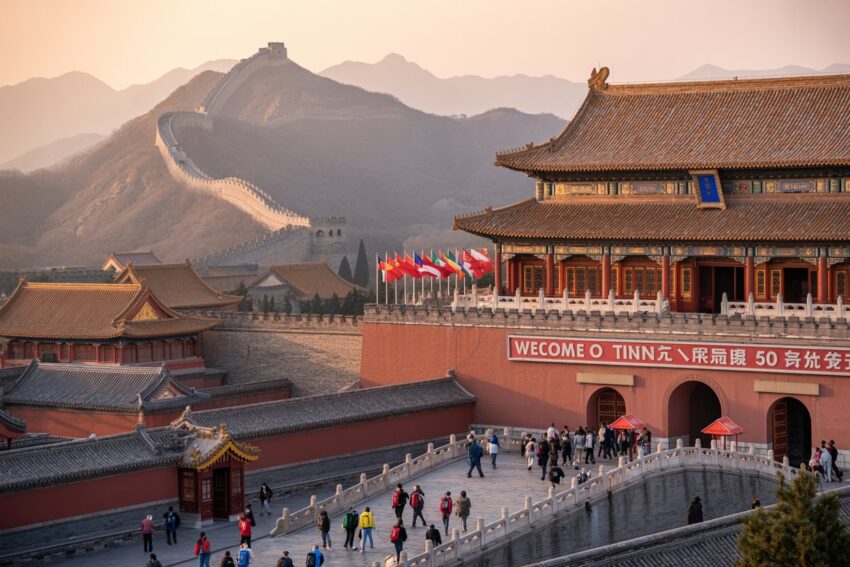
Visa‑free entry makes iconic destinations like Beijing’s Forbidden City, the Great Wall, Xi’an’s Terracotta Army, and the landscapes of Guilin more accessible without upfront visa paperwork, potentially boosting visitor numbers.

3. Boost to Travel Industry:
Airlines, tour operators, hotels and local attractions stand to benefit from increased international demand as visiting China becomes simpler and more cost‑effective.

4. Business Flexibility:
Short business or networking trips become easier to plan, offering greater flexibility for international professionals attending meetings, conferences, or trade events.

5. Enhanced People‑to‑People Exchange:
The policy supports cultural exchange and educational travel, enriching global understanding and connections with Chinese culture and communities.

Disadvantages and Traveler Considerations:

1. 30‑Day Limit:
The visa‑free stay is relatively short—travellers planning longer visits must still apply for a visa in advance.

2. Eligibility Restrictions:
Not all nationalities are covered; for example, travellers from India or Pakistan remain excluded, limiting broader access.

3. Administrative Rules at Entry:
Even visa‑free visitors must meet entry requirements and may be asked to show return tickets, proof of hotels, or invitation letters at immigration.

4. Seasonal Travel Surges:
Visa‑free periods, especially around major holidays like the Spring Festival, could lead to crowded airports and peak‑season travel pressures.

5. Policy Duration:
Some parts of the policy have set end dates (e.g., to 31 December 2026), requiring travellers and industry stakeholders to monitor changes regularly.

Conclusion: Open Skies, Growing Opportunities

China’s expansion of visa‑free access to 50 countries is an important milestone in global travel and tourism. The policy simplifies access, encourages cultural exchange, and revitalizes inbound travel after years of restrictions. For travellers from eligible countries, this means fewer barriers, enhanced spontaneity, and enriched travel experiences across Asia’s largest destination. However, tourists should plan according to the 30‑day limit and confirm eligibility before booking. As this travel policy evolves, it is reshaping China’s role on the world tourism stage and offering new opportunities for exploration and connection.

The post Major Travel Update: China Expands Visa‑Free Entry to Fifty Nations, Boosting Global Tourism appeared first on Travel And Tour World.

Hong Kong Joins China, Japan, Thailand, Indonesia and Philippines in Urging Better Protection as Greenpeace Alerts Environmental Risks Due to Tourism Surge in Sai Kung Country Park in 2026: All You Need to Know

Hong Kong Joins China, Japan, Thailand, Indonesia and Philippines in Urging Better Protection as Greenpeace Alerts Environmental Risks Due to Tourism Surge in Sai Kung Country Park in 2026: All You Need to Know

The surge in tourism at Sai Kung Country Park in 2026 has prompted Greenpeace to alert about the environmental risks arising from overcrowding. As Hong Kong, China, Japan, Thailand, Indonesia and Philippines, join efforts, better protection is urgently needed to preserve this natural gem from the growing pressures of mass tourism.

In 2026, Sai Kung Country Park in Hong Kong experienced a surge in tourism, drawing attention from environmental advocates like Greenpeace, who have raised alarms about the growing environmental risks. The park, known for its pristine beaches, rugged trails, and diverse wildlife, has become a hotspot for both local and international visitors, especially from Hong Kong, China, Japan, Thailand, Indonesia and Philippines. While the influx of tourists is beneficial for the local economy, it also brings significant environmental challenges. Increased footfall has led to waste buildup, habitat degradation, and threats to biodiversity. In response, Hong Kong, along with other countries, has joined the call for better protection of the park, emphasizing the need for stronger regulations and sustainable tourism practices. Greenpeace has highlighted the urgency of addressing the environmental risks posed by overtourism, urging authorities to implement measures that will balance visitor enjoyment with the preservation of Sai Kung’s unique ecosystems. This collaboration between nations underscores the global concern for protecting Hong Kong’s natural heritage for future generations.

Why Sai Kung Country Park Is So Popular

Sai Kung’s appeal lies in its diverse outdoor offerings — from smooth, sandy beaches and forest‑lined trails to rugged outcrops and waterfront views. Popular locations such as Tai Long Wan, Ham Tin Wan, Sharp Peak, and the scenic segments of the MacLehose Trail draw hikers, campers, beachgoers, and nature photographers.

According to official AFCD resources, these areas provide rare opportunities for residents and tourists alike to explore unspoiled nature in contrast to Hong Kong’s dense urban areas. The park’s scenic value is also reflected within parts of the Hong Kong UNESCO Global Geopark, recognized for its unique geological structures and coastal landscapes.

Tourism Growth Comes With Environmental Concerns

While the scenic beauty of Sai Kung boosts its popularity, the sudden increase in footfall over recent months has led to mounting environmental pressures. Visitor numbers now regularly exceed what some park facilities were designed to handle. This has resulted in waste buildup, overflowing rubbish bins, trampling of vegetation, and unregulated campfires in sensitive areas.

In response, Greenpeace East Asia and other environmental advocates have raised alarms about the threat this overtourism presents to habitats and biodiversity. They warn that unmanaged visitor activities can stress soil, damage plant life, and disturb wildlife — undermining the ecological integrity that the park was intended to protect.

Hong Kong’s official environmental policy emphasizes responsible park use, and the AFCD often stresses that visitors should follow principles of “Leave No Trace” while enjoying park facilities. The department also enforces regulations under the Country Parks Ordinance, which prohibit littering, illegal fires, and other harmful conduct in protected areas.

Government Regulations and Park Management

Sai Kung Country Park is governed under Hong Kong’s Country Parks Ordinance and related legal frameworks, which set out guidelines for recreational use alongside conservation responsibilities. The AFCD issues permits for camping and oversees trail upkeep and visitor education. Visitors are encouraged to respect posted park rules and abide by safety notices, especially during peak periods.

Legal penalties exist for violating country park regulations, including fines for littering or unauthorised environmental impact. According to Hong Kong government fact sheets, fines can be significant for repeat offences or severe violations, reflecting the government’s commitment to protecting these natural assets.

Government sources also emphasize that park management includes proactive measures such as trail maintenance, waste removal, ranger patrols, and public education campaigns. These efforts aim to balance visitor enjoyment with preservation of sensitive ecosystems.

Calls for Enhanced Visitor Management

Despite legal frameworks and park stewardship efforts, environmental organizations argue that current approaches are insufficient in the face of surging demand. They advocate for additional measures such as:

  • Visitor caps or reservation systems at particularly busy sites;
  • Improved waste management infrastructure at beaches and trailheads;
  • Stronger transport coordination to better distribute visitor pressure;
  • More educational outreach encouraging responsible behavior.

These recommendations align with sustainable tourism strategies seen in protected areas worldwide, emphasizing the need to manage visitation without undermining conservation goals.

How Visitors Can Help Protect Sai Kung’s Environment

As part of sustained efforts to preserve the park, environmental advocates and government experts alike recommend that visitors:

  • Plan ahead and check AFCD guidance before traveling to park sites;
  • Carry out all rubbish and avoid leaving waste behind;
  • Minimize impacts on vegetation and wildlife by staying on marked trails;
  • Avoid making open fires or damaging campsites outside designated areas;

By adopting responsible habits, visitors can help ensure that Sai Kung’s natural beauty remains intact for future generations.

The surge in tourism at Sai Kung Country Park in 2026 has raised significant environmental concerns in China. Greenpeace has sounded the alarm over the increasing strain on the park’s ecosystems, highlighting the risks of overcrowding and environmental degradation. As visitor numbers from China and beyond continue to rise, stronger conservation efforts are essential. Greenpeace urges better protection of this natural area through stricter regulations, better waste management, and sustainable tourism practices. Balancing the influx of tourists with the preservation of the park’s unique ecosystems is crucial to ensuring that Sai Kung remains a vital and protected destination for future generations.

Balancing Outdoor Enjoyment With Nature Protection

The rising influx of visitors to Sai Kung Country Park in 2026 highlights the dual challenge of fostering public access to nature while safeguarding ecologically sensitive areas. As tourism grows, constructive collaboration between government bodies, environmental organizations, and park users will be essential in creating sustainable solutions.

Ultimately, the goal is to maintain Sai Kung’s reputation as one of Hong Kong’s most treasured natural landscapes, not just as a recreational destination but as a protected ecosystem whose beauty and biodiversity endure.

The surge in tourism at Sai Kung Country Park in 2026 has prompted Greenpeace to alert environmental risks, urging better protection. With growing footfall, stricter visitor management and sustainable practices are vital to preserve the park’s fragile ecosystems.

Conclusion: What is Being Done

Hong Kong joins China, Japan, Thailand, Indonesia and Philippines, in urging better protection of Sai Kung Country Park due to the environmental risks caused by the tourism surge in 2026. The park’s unique natural beauty, from its beaches to forest trails, has attracted an increasing number of visitors. However, this growth has resulted in mounting pressures on the park’s ecosystems, including waste buildup, habitat disturbance, and damage to vegetation. Greenpeace and environmental advocates have raised alarms about the detrimental effects of overtourism, emphasising that the park’s ecological integrity is at risk.

Countries like Hong Kong, along with China, Japan, Thailand, Indonesia and Philippines, are now calling for stronger measures to balance tourism with conservation efforts. With proper management, including visitor caps, improved waste management, and better infrastructure, it is possible to protect the park’s natural heritage. These nations understand the need for sustainable tourism practices to ensure that Sai Kung Country Park remains a vital destination for future generations. The collaboration between governments, environmental groups, and park users is crucial to finding a solution that preserves the park while allowing people to experience its beauty responsibly.

The post Hong Kong Joins China, Japan, Thailand, Indonesia and Philippines in Urging Better Protection as Greenpeace Alerts Environmental Risks Due to Tourism Surge in Sai Kung Country Park in 2026: All You Need to Know appeared first on Travel And Tour World.

The Evolution of Spring Festival Traditions through Smart Tourism and Technology in China

The Evolution of Spring Festival Traditions through Smart Tourism and Technology in China
Robotics and Automation Enhancing Holiday Travel in Shaanxi Province.

The intersection of ancient tradition and futuristic innovation is currently being observed in the historic city of Xi’an, where smart tourism initiatives have been implemented to enhance the Spring Festival holiday experience. High-tech solutions are being deployed across major landmarks to facilitate a more engaging environment for domestic and international travelers. By integrating cutting-edge technology into the cultural fabric of the region, a unique synergy is created between the historical legacy of the Tang Dynasty and the modern digital era. It is noted that the traditional celebrations of the Lunar New Year are being revitalized through these advancements, ensuring that the heritage of China remains accessible and captivating for a contemporary audience.

Robotic Integration in Cultural Narratives

A significant highlight of the current holiday season involves the deployment of poetry-reciting robots at various cultural sites. These mechanical units are programmed to interact with visitors by reciting classical verses, thereby bridging the gap between ancient literature and modern robotics. The presence of these robots allows for an immersive educational experience where the literary history of the region is presented in a novel format. Through this method, the preservation of linguistic heritage is achieved while simultaneously showcasing the technological prowess of the local industry. The interaction between human curiosity and robotic precision serves as a focal point for many families participating in the festivities.

Autonomous Navigation and Maritime Sightseeing

Further advancements in the tourism sector are evidenced by the introduction of driverless sightseeing boats on local waterways. These autonomous vessels are utilized to transport passengers across scenic routes, offering a panoramic view of the city’s illuminated landscapes without the need for manual steering. The implementation of such technology is viewed as a major step toward the modernization of urban transport and leisure facilities. Safety protocols and advanced sensors are integrated into these crafts to ensure a seamless journey for all occupants. This shift toward automation in maritime travel reflects a broader trend of smart city development within the urban centers of the country.

Wearable Technology Enhancing Physical Mobility

To assist travelers in navigating the expansive historical sites of the city, wearable exoskeletons have been introduced for public use. These devices are designed to provide physical support, reducing the fatigue associated with long-distance walking during the busy holiday period. By utilizing this technology, accessibility is improved for a wider demographic, including the elderly and those with limited mobility. The application of exoskeleton suits in a tourism context demonstrates a practical use for high-end engineering in everyday life. This initiative ensures that the physical demands of exploring large-scale monuments do not hinder the overall enjoyment of the cultural excursions.

The Impact of Smart Solutions on Holiday Management

The strategic use of big data and real-time monitoring systems is also being employed to manage the massive influx of tourists during the festival. Digital platforms are utilized to provide up-to-date information regarding crowd density, wait times at popular attractions, and transportation schedules. This data-driven approach allows for more efficient resource allocation and helps in maintaining public order and safety. By analyzing visitor patterns, local authorities are able to optimize the flow of traffic and improve the overall logistical framework of the city’s tourism infrastructure. The reliance on these smart systems marks a departure from traditional management techniques, favoring a more precise and responsive model.

Future Perspectives on Cultural Tourism

The successful implementation of these technologies in the regional capital suggests a growing trend toward the digitalization of the global travel industry. It is observed that the fusion of cultural assets with technological tools can lead to a more sustainable and diverse tourism economy. As more cities observe the outcomes of these initiatives in this historical hub, similar strategies may be adopted elsewhere to preserve and promote local customs. The ongoing development of artificial intelligence, augmented reality, and automated systems is expected to play a crucial role in the future of how historical narratives are told and experienced.

Conclusion of the Festive Technological Showcase

As the holiday period progresses, the positive reception of these smart features indicates a shift in traveler expectations. The combination of historical reverence and technological ambition is seen as a hallmark of the modern Chinese holiday experience. Visitors are provided with not only a glimpse into the past but also a preview of a future where technology seamlessly supports human cultural expression. The city of the terracotta warriors continues to serve as a laboratory for innovation, proving that the oldest stories can be told through the newest lenses.

The post The Evolution of Spring Festival Traditions through Smart Tourism and Technology in China appeared first on Travel And Tour World.
China’s Spring Festival Takes Over the World — Hangzhou, Xi’an, and Beijing Dazzle Global Tourists with Unmatched Cultural Wonders!

China’s Spring Festival Takes Over the World — Hangzhou, Xi’an, and Beijing Dazzle Global Tourists with Unmatched Cultural Wonders!
China’s Spring Festival Takes Over the World — Hangzhou, Xi'an, and Beijing Dazzle Global Tourists with Unmatched Cultural Wonders!

As the Spring Festival of 2026 unfolds, cities such as Hangzhou, Xi’an, and Beijing have emerged as focal points for cultural tourism, blending rich traditions with modern innovation to create unique travel experiences. The nine-day celebration, which began on 15 February 2026, has sparked a surge in domestic and international travel, drawing millions to witness China’s vibrant cultural heritage. From robotic lion dances to traditional lantern fairs, these cities offer an immersive glimpse into Chinese traditions, drawing both local tourists and foreign visitors.

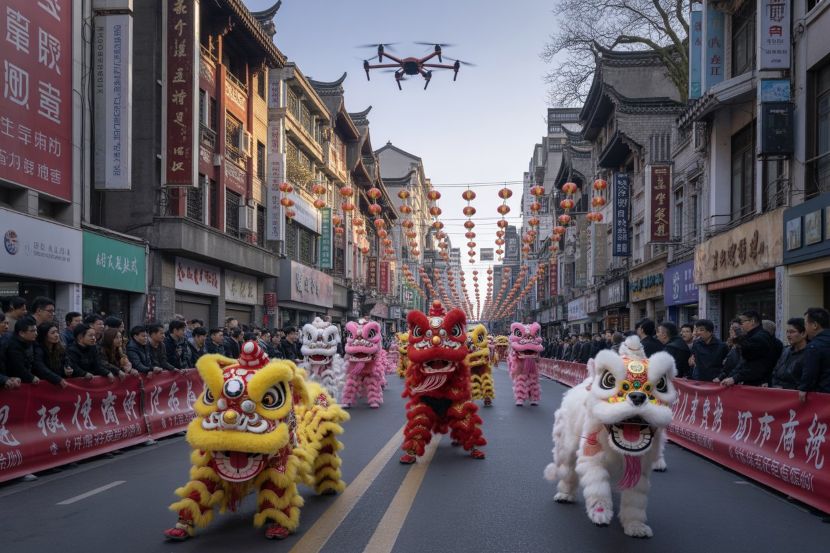
In Hangzhou, a city renowned for its scenic beauty and historical significance, the Qinghefang Historic and Culture Street has become a hotspot for festival-goers. Visitors have been treated to a stunning combination of the ancient and modern, as robot dogs join lion dancers, and drones paint dynamic shapes across the skies. The city’s mix of technology and tradition offers a unique experience for visitors, reflecting a growing trend in Chinese tourism: the fusion of heritage with futuristic innovation. The Hangzhou Tourism Bureau has reported significant upticks in tourism numbers, with many international visitors excited to witness these cutting-edge cultural displays.

Meanwhile, Xi’an, a city deeply rooted in China’s imperial past, has also become a major draw for travelers seeking to immerse themselves in the country’s rich history. The City Wall Lantern Fair in Xi’an has seen large crowds, with stunning zodiac horse installations and an intangible cultural heritage string-puppet exhibition capturing the imagination of visitors. Xi’an’s unique ability to showcase both ancient traditions and modern creative expression has allowed the city to remain an essential destination for cultural tourism. The city’s historical landmarks, such as the Ancient City Wall, provide a perfect backdrop for these modernized traditions, making Xi’an a must-visit city during the Spring Festival.

Beijing, the capital of China, has maintained its position as the cultural heart of the nation. The city’s Palace Museum, an iconic symbol of China’s imperial past, has become a major draw for tourists. This year, the Spring Festival Gala was streamed worldwide, allowing global audiences to join in the celebrations. Traditional events such as Temple Fairs, folk art exhibitions, and Chinese New Year calligraphy workshops are contributing to the city’s tourism boom. Beijing’s ability to combine traditional cultural experiences with cutting-edge technologies has made it a magnet for both local and international tourists. The Beijing Municipal Bureau of Culture and Tourism highlights the city’s ability to host a wide range of interactive cultural experiences, making it a leading destination for global visitors.

The tourism boom is not confined to just these three cities. Throughout the country, there has been a noticeable increase in international participation in the Spring Festival celebrations. From Shanghai’s interactive food tours, where tourists can learn how to make wontons, to cultural tours in Shandong that offer an in-depth look at traditional customs, the festival has become a significant attraction for global travelers. According to travel industry experts, Spring Festival tourism is a major driver of growth for China’s hospitality and entertainment sectors.

Additionally, the visa-free policy introduced in February 2026 has further bolstered the influx of international tourists. Visitors from 50 countries now enjoy easier access to China, making it a more attractive destination for tourists looking to experience Chinese culture firsthand. Beijing Capital International Airport alone expects over 2.05 million international arrivals during the festival. According to the National Immigration Administration, this 14.1% year-on-year increase is indicative of the growing international appeal of Chinese cultural celebrations.

Moreover, this year’s recognition of Spring Festival as part of UNESCO’s Intangible Cultural Heritage has added to its global appeal, with travellers eager to witness China’s oldest major holiday in all its glory. Experts suggest that China’s emphasis on intangible cultural heritage is not only helping to preserve its traditions but also positioning the country as a global leader in cultural tourism.

By celebrating its rich cultural heritage through modern interpretations and accessible events, cities like Hangzhou, Xi’an, and Beijing have shown that the Spring Festival is more than just a holiday — it is an opportunity to promote cultural exchange and attract international visitors. As China continues to grow its tourism sector, the success of these cities during the festival demonstrates the potential for cultural tourism to drive economic growth.

The Spring Festival of 2026 has proven to be a landmark event for China’s tourism industry, with cities like Hangzhou, Xi’an, and Beijing leading the charge. The blending of traditional cultural experiences with modern innovations has created a tourism landscape that is both engaging and immersive. As China’s tourism market continues to grow, the integration of heritage, technology, and international participation promises to make the Spring Festival a key pillar of cultural tourism for years to come. This year’s celebrations show that tourism in China is evolving, creating lasting connections between global visitors and the country’s rich cultural legacy.

The post China’s Spring Festival Takes Over the World — Hangzhou, Xi’an, and Beijing Dazzle Global Tourists with Unmatched Cultural Wonders! appeared first on Travel And Tour World.
Laos Emerging as the Gateway for Chinese Tourists Exploring Southeast Asia Through Rail Links Visa Policies and Affordable Travel Options

Laos Emerging as the Gateway for Chinese Tourists Exploring Southeast Asia Through Rail Links Visa Policies and Affordable Travel Options

For Chinese travelers seeking to explore Southeast Asia, Laos has emerged as a crucial starting point for multi-country adventures. Nestled strategically between Thailand, Vietnam, Cambodia, and China, Laos offers not only affordable travel options but also an increasingly accessible gateway to the broader region. With the development of key transport links, such as the Boten–Vientiane railway, and the country’s visa-exemption policies, Laos is becoming an integral part of China’s Southeast Asia travel circuit.

Rail Connectivity: A Game Changer for Overland Travelers

In recent years, the Boten–Vientiane railway has revolutionized travel between China and Laos. This major infrastructure project, which connects Kunming in China to Vientiane, has significantly cut down travel times, making it faster and easier for Chinese tourists to enter Laos and then continue their journey into neighboring countries. This railway not only links two key cities but also opens up possibilities for overland routes to Thailand, Vietnam, and Cambodia.

The train service has proven to be a major attraction for those traveling on extended tours, enabling visitors to experience Laos and multiple other countries without the need for cumbersome visa processes or expensive flights. The railway’s efficient service offers affordable travel options and presents a unique opportunity for Chinese visitors to connect seamlessly with neighboring Southeast Asian nations.

Simplified Visa Policies: Opening Doors for Easy Travel

Laos’ visa-exemption policy for Chinese tourists has made a significant difference in promoting regional tourism. Chinese nationals can now enter Laos without a visa for short stays, which simplifies the process for those looking to explore the country as part of a broader Southeast Asia trip. Additionally, eVisas have been made available to tourists from multiple countries, streamlining travel into Laos. This accessibility is a major incentive for Chinese visitors who want to explore Laos before heading to neighboring destinations like Thailand and Cambodia.

Laos’ visa policies are designed to encourage multi-country travel, aligning perfectly with the ASEAN’s broader tourism initiatives. This approach helps boost not just Laos’ own tourism numbers, but also encourages visitors to see Laos as part of an interconnected travel journey through Southeast Asia.

Geographical Location: Why Laos is the Ideal Starting Point

Laos’ central location makes it an ideal base for Chinese tourists. Situated in the heart of mainland Southeast Asia, the country borders several key tourist destinations: Thailand to the west, Vietnam to the east, Cambodia to the south, and China to the north. This positioning makes Laos the perfect place for travelers to begin their Southeast Asian explorations.

Tourists can start their journey in Vientiane, Laos’ vibrant capital, before easily venturing into Luang Prabang or other historic cities in Laos. The country’s proximity to other major Southeast Asian countries makes it easy for Chinese visitors to explore multiple destinations in a single trip.

Southeast Asia’s Regional Tourism Growth and Laos’ Strategic Role

Laos is increasingly integrated into the broader tourism ecosystem of Southeast Asia. The country plays a central role in ASEAN tourism growth, particularly for Chinese visitors. As regional travel becomes more fluid, Laos benefits from the ASEAN tourism network, which promotes seamless travel between countries. This growth is part of a broader regional strategy to enhance tourism infrastructure, streamline visa processes, and offer multi-country travel packages for tourists.

ASEAN has worked to promote travel within the region through initiatives such as the ASEAN Tourism Portal and collaborative marketing campaigns. With these regional frameworks in place, Laos is capitalizing on its role as a tourist-friendly hub that helps facilitate cross-border journeys for travelers.

Affordable Travel and Economic Impact on Laos

Affordability has long been one of Laos’ strongest selling points, and it’s especially attractive to budget-conscious travelers from China. The cost of living in Laos is relatively low compared to neighboring countries like Thailand and Vietnam, which makes it an appealing destination for Chinese tourists on extended trips. Accommodation, food, and transportation are all affordable, adding to Laos’ appeal as a convenient entry point for those looking to explore the region.

The economic impact of Chinese tourism on Laos is significant, as more visitors means greater demand for local services such as hotels, restaurants, and tour operators. The growing tourism market contributes to local economies and creates jobs in the hospitality and transport sectors, making it an essential part of Laos’ tourism-driven economy.

The Future of Laos as a Key Travel Hub

Looking ahead, the future of Laos as a travel gateway for Chinese tourists looks promising. The Boten–Vientiane railway is expected to continue boosting overland travel, while visa reforms will ensure that Laos remains an attractive destination for tourists. Moreover, the country’s growing involvement in the ASEAN tourism network will further enhance its role as a key player in regional tourism.

The government of Laos is also exploring new ways to improve tourism infrastructure, including modernizing airports and developing new eco-tourism attractions. As more Chinese tourists seek out authentic travel experiences in Southeast Asia, Laos is positioning itself as an affordable, accessible, and strategic entry point to the region’s diverse and rich cultural offerings.

Laos is no longer just a stopover; it is quickly becoming the gateway to Southeast Asia for Chinese tourists, with its affordable options, improved rail links, and accessible visa policies paving the way for more seamless, multi-country travel experiences. This growing trend not only benefits Laos’ tourism sector but also contributes significantly to regional tourism integration. As Laos becomes a more prominent player on the Southeast Asian tourism map, Chinese travelers will increasingly view the country as the ideal starting point for exploring the diverse cultures and landscapes of the region.

The post Laos Emerging as the Gateway for Chinese Tourists Exploring Southeast Asia Through Rail Links Visa Policies and Affordable Travel Options appeared first on Travel And Tour World.
Southeast Asia Emerges as the Perfect Travel Destination for Chinese Tourists During Spring Festival 2026 Boosting Regional Tourism and Cultural Exploration

Southeast Asia Emerges as the Perfect Travel Destination for Chinese Tourists During Spring Festival 2026 Boosting Regional Tourism and Cultural Exploration

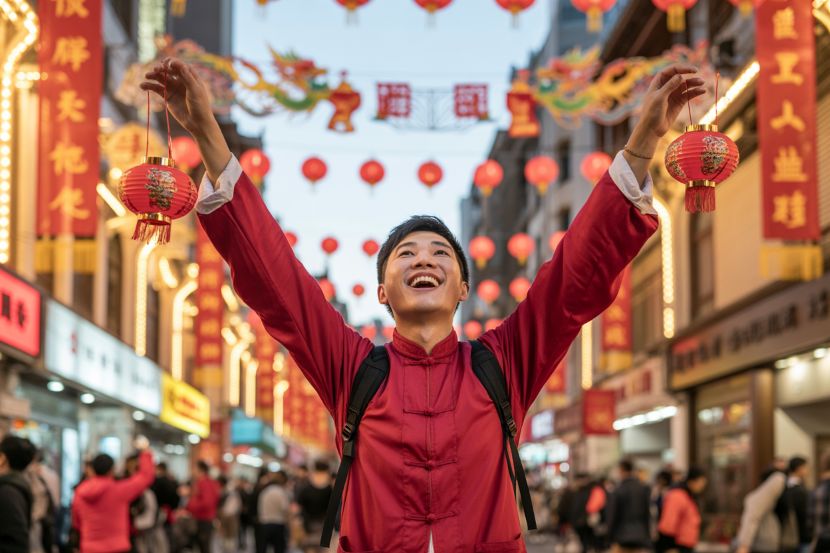
As the Spring Festival 2026 unfolds, Southeast Asia has emerged as the undisputed leader for outbound Chinese tourists seeking holiday destinations during the Lunar New Year. With its proximity, affordable travel options, and vibrant cultural offerings, Southeast Asia is captivating the attention of millions of travelers from China, making it the top choice for short‑haul international travel this holiday season.

Southeast Asia Takes the Lead in Travel Preferences

Data from tourism agencies and airlines reveals that during the Spring Festival, which took place from February 15 to February 23, 2026, Southeast Asian destinations saw an overwhelming surge in bookings, with countries like Thailand, Singapore, Vietnam, and Malaysia topping the list of most popular international travel spots for Chinese holidaymakers. The region’s affordable travel costs, easy visa access, and short flight times contributed significantly to its popularity.

In fact, Southeast Asia accounted for a significant portion of all outbound bookings from China during the festive period, highlighting its status as the go-to regional destination for families and individuals looking to enjoy a brief overseas escape. The ease of accessing these destinations from major Chinese cities played a crucial role in facilitating the high demand for flights.

Short-Haul Travel Dominates Chinese Spring Festival Tourism

Given the extended holiday period, many Chinese travelers opted for short-haul travel, prioritizing destinations where they could maximize vacation time without long flights. Southeast Asia, with its proximity to China, was the perfect answer to this demand, offering destinations that are only a few hours away by air. For travelers looking for beach resorts, cultural heritage, and vibrant city life, Southeast Asia provided all the elements needed for an ideal Spring Festival vacation.

Major Destinations and Travel Trends

Thailand, Singapore, Vietnam, and Malaysia consistently appeared as top destinations for Chinese tourists, according to data from leading booking platforms like Ctrip, Qunar, and Fliggy. These cities offered not only cultural experiences, such as Lunar New Year festivals in Chinatown Singapore and Tet celebrations in Vietnam, but also family-friendly activities and affordable accommodations.

  • Bangkok (Thailand) and Ho Chi Minh City (Vietnam) were particularly popular for budget‑friendly vacations that combined cultural exploration with relaxation, while Singapore drew travelers for its seamless mix of cosmopolitan allure and cultural vibrancy.
  • Malaysia attracted a wave of visitors for its renowned food culture and tropical beaches, providing both a culinary and leisure escape.

Travel agencies noted that direct flights to these locations from major Chinese cities like Beijing, Shanghai, and Guangzhou were heavily booked, signaling a clear trend towards regional destinations during the Spring Festival.

Affordable and Convenient Travel Options Boost Popularity

One of the driving factors behind the surge in Southeast Asian travel during the Spring Festival is the affordability of travel. Flights to destinations such as Singapore and Bangkok are often cheaper compared to long‑haul destinations, and the visa‑free or visa‑on‑arrival policies in several Southeast Asian countries make the travel experience even more convenient. These visa policies make it incredibly easy for Chinese travelers to plan spontaneous trips, particularly during a time when they are looking to escape for a brief, refreshing holiday.

The low travel costs combined with shorter flight times allowed travelers to focus more on enjoyment and relaxation rather than spending long hours in transit. This was especially appealing during a long holiday when time is precious, and the opportunity to explore a new culture with minimal travel disruptions was highly valued.

The Economic Impact of Southeast Asia’s Travel Boom

The surge in Chinese tourists to Southeast Asia during the Spring Festival 2026 has had a significant economic impact on regional tourism. Airports across Southeast Asia reported an increase in passenger traffic from Chinese cities, with several airlines adding more flights to meet the demand. Local hotels, restaurants, and tourism agencies benefited from this influx of visitors, particularly in tourist hotspots like Bangkok, Kuala Lumpur, and Singapore.

For many Southeast Asian countries, the Chinese New Year holiday has historically been a critical period for tourism. The 2026 Spring Festival saw a recovery in regional tourism, as these countries bounced back from the pandemic by attracting a steady stream of travelers looking to enjoy short, cost-effective vacations in the region.

A Strong Year for Regional Tourism Recovery

As Chinese tourists increasingly look beyond domestic travel, the Spring Festival 2026 highlighted the potential for regional tourism recovery in Southeast Asia. The availability of green travel initiatives, eco-friendly packages, and sustainable tourism efforts by the tourism boards in Southeast Asia ensured that this boom in tourism was not just financially beneficial but also environmentally conscious.

Southeast Asia’s efforts to offer sustainable travel experiences have been well received, with eco-conscious travelers seeking to explore destinations that prioritize green tourism. Countries like Singapore have emphasized sustainable city tourism, with initiatives focused on eco-tourism and responsible travel, making the region an attractive option for both leisure and sustainable tourism.

Travel Tips for Southeast Asia Spring Festival Travelers

  • Book Flights Early: Due to high demand during the Spring Festival, booking flights and accommodations as early as possible is highly recommended.
  • Plan for Cultural Events: Make the most of the trip by attending local Lunar New Year celebrations such as parades, festivals, and street food markets.
  • Explore Green Tourism Options: Look for eco-tourism experiences that combine cultural exploration with nature, such as visiting protected parks or sustainable resorts.
  • Stay Within Budget: Southeast Asia offers plenty of budget options for both accommodation and dining, making it ideal for travelers looking to get the most value from their holiday.

Southeast Asia’s Popularity as the Spring Festival Destination of Choice

The surge in outbound travel to Southeast Asia during Spring Festival 2026 has firmly positioned the region as the preferred destination for Chinese tourists seeking short‑haul travel. With affordable prices, cultural richness, and convenience, Southeast Asia continues to attract millions of travelers from China. As regional tourism in Southeast Asia flourishes, it’s clear that this trend will play an essential role in the economic recovery of the region’s tourism industry in the coming years.

The post Southeast Asia Emerges as the Perfect Travel Destination for Chinese Tourists During Spring Festival 2026 Boosting Regional Tourism and Cultural Exploration appeared first on Travel And Tour World.
Ha Noi, Huong Pagoda, and Thang Long Imperial Citadel See a Record Surge in Tourism During Tet Holiday – Everything You Need to Know About Vietnam’s Thriving Travel Scene

Ha Noi, Huong Pagoda, and Thang Long Imperial Citadel See a Record Surge in Tourism During Tet Holiday – Everything You Need to Know About Vietnam’s Thriving Travel Scene
Ha Noi, Huong Pagoda, and Thang Long Imperial Citadel See a Record Surge in Tourism

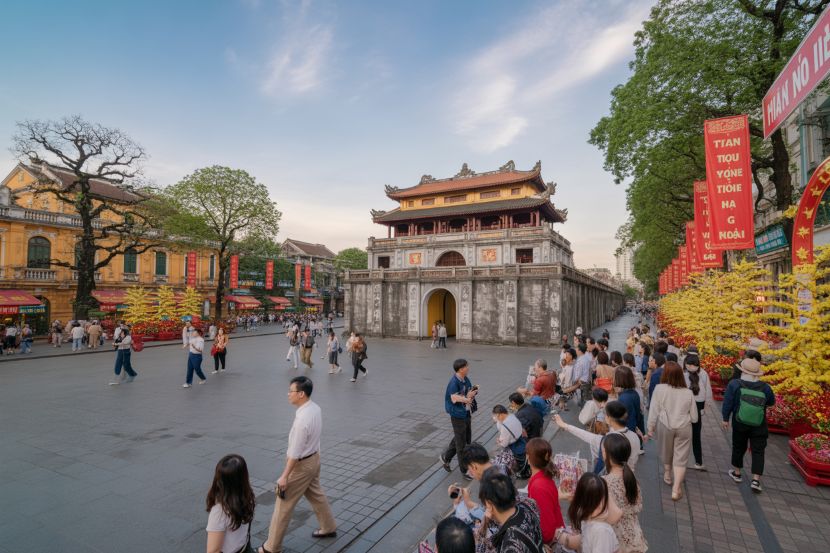
During the nine-day celebration of the Lunar New Year (Tet) holiday from February 14 to February 22, 2026, Ha Noi, Vietnam’s capital, experienced a remarkable influx of tourists, with approximately 1.34 million visitors arriving. This surge in tourism represents a 36.3% increase compared to the same period last year, reinforcing Ha Noi’s growing stature as a sought-after travel destination in Southeast Asia.

Diverse Tourists Drive Strong Growth in Ha Noi

Ha Noi’s tourism sector has demonstrated remarkable resilience and expansion in the early months of 2026. Among the 1.34 million travelers, 217,000 were international visitors, while the remaining 1.13 million came from domestic destinations. These figures represent an impressive 55% rise in foreign tourism and a 33.2% increase in domestic tourism. The total revenue generated during this period soared to 4.87 trillion VND (over 187.5 million USD), marking a robust 40.2% increase from the previous year.

The rise in foreign tourists highlights the expanding appeal of Ha Noi to international travelers, particularly from markets such as China, South Korea, India, France, the UK, the US, Germany, and the Philippines. The city’s appeal seems to resonate with a variety of international travelers, making it a prominent destination on the global tourism map.

Tourism Appeal of Ha Noi: Cultural Richness and Modern Innovations

A significant factor contributing to Ha Noi’s tourism growth is the city’s ability to blend traditional cultural experiences with modern technological innovations. During Tet, Ha Noi’s heritage sites, museums, and cultural spaces were alive with activities that embodied the essence of Vietnamese traditions, from folk art performances to celebrations of traditional crafts. These cultural initiatives not only highlight Vietnam’s intangible cultural heritage but also provide visitors with an immersive experience that blends past and present.

For those seeking a more contemporary experience, the city introduced a range of digital innovations in its tourism offerings. Notable additions included 3D mapping performances at the Thang Long Imperial Citadel and a “digital historical site” at the Co Loa Festival. These cutting-edge technologies enhanced the appeal of Ha Noi’s cultural spaces, making them more accessible and engaging to both local and international visitors. Additionally, visitors were able to enjoy e-ticketing, QR code control, and AI-powered cameras at key festivals, providing an enhanced level of convenience and efficiency for tourists.

Booming Hotel Occupancy and Extended Stays

The accommodation sector in Ha Noi also experienced a boost during the Tet holiday. The city’s hotel occupancy rate reached about 66.8%, reflecting a 1.2 percentage point increase compared to the previous year. The luxury hotel segment, particularly 4–5-star properties, witnessed even higher occupancy rates, exceeding 72%. Many hotels across the capital city reported strong early bookings and longer stays throughout the Tet period. Some establishments even rolled out exclusive Tet-themed promotional packages, offering complimentary room upgrades and access to local cultural experiences in an effort to encourage extended stays.

Popular Tourist Sites: A Surge in Visitors

Ha Noi’s key tourist attractions saw an influx of visitors throughout the Tet holiday. Among the most visited locations was Van Mieu (Temple of Literature) and Quoc Tu Giam (Vietnam’s first university), which attracted nearly 120,000 visitors. Other popular sites, including the Huong Pagoda, Thang Long Imperial Citadel, and Co Loa Citadel, also saw significant foot traffic during the holiday period. The presence of 17 heritage sites offering free admission allowed both tourists and locals to explore Ha Noi’s rich cultural heritage at no cost, enhancing the overall accessibility of the city’s historic treasures.

Enhancing the Visitor Experience with Cultural and Urban Tourism

Ha Noi has embraced the concept of night-time urban tourism, offering night cycling tours and other cultural experience activities to further engage visitors. These unique experiences help extend tourists’ stays and boost spending, allowing travelers to explore Ha Noi’s vibrant culture after dark. Additionally, the city has prioritized the creation of new, interactive tourist experiences that encourage visitors to stay longer and immerse themselves in the cultural fabric of the capital.

As part of the city’s efforts to continue its tourism growth, Ha Noi has also focused on improving its services, particularly in tourism management and service quality at major tourist sites. The municipal Department of Tourism issued guidelines for improving the quality of services at national relics and other important tourist locations, including the organization of various Tet-related festivals. Additionally, local accommodation establishments, shopping centers, and restaurants have been actively preparing for the influx of tourists by decorating their spaces in Tet themes and organizing special events like rural-style markets, food fairs, and traditional art performances.

Tips for Tourists Visiting Ha Noi During Tet

For travelers planning to visit Ha Noi during the Tet holiday season, there are a few things to keep in mind. Here are some tips to make the most of the experience:

  1. Plan in advance: With the surge in tourism during Tet, it’s advisable to book accommodations and tours early to secure the best deals and spots.
  2. Embrace cultural experiences: Ha Noi’s cultural events during Tet are not to be missed. Be sure to visit heritage sites and participate in local festivals.
  3. Explore off-the-beaten-path destinations: While popular sites like the Temple of Literature and Huong Pagoda attract large crowds, Ha Noi also offers hidden gems and quieter spaces to explore.
  4. Enjoy local cuisine: Tet is a fantastic time to indulge in Vietnamese food, with seasonal dishes and street food stalls scattered across the city.
  5. Respect local customs: Tet is a deeply traditional holiday, so it’s important to be mindful of local customs, especially when visiting cultural and religious sites.

Sustainable Tourism in Ha Noi: A Step Towards Growth

As Ha Noi continues to thrive as a tourist destination, the city is also working towards sustainable tourism practices. In 2026, there is a significant push to ensure that tourism growth remains balanced with environmental conservation efforts. The focus is on promoting responsible travel, supporting local artisans, and minimizing the environmental impact of tourism-related activities. As part of this vision, the Department of Tourism is promoting eco-friendly travel options, such as bike tours, eco-hotels, and more green tourism initiatives.

With its vibrant culture, rich history, and innovative tourism offerings, Ha Noi is poised for continued growth as a premier travel destination in Southeast Asia.

The post Ha Noi, Huong Pagoda, and Thang Long Imperial Citadel See a Record Surge in Tourism During Tet Holiday – Everything You Need to Know About Vietnam’s Thriving Travel Scene appeared first on Travel And Tour World.
How the Record-Breaking Surge of Chinese Tourists During Lunar New Year Boosted Retail and Hospitality Sectors in Seoul, Jeju Island, and Lotte Department Stores – Here’s Everything You Need to Know About the Impact on South Korea’s Tourism

How the Record-Breaking Surge of Chinese Tourists During Lunar New Year Boosted Retail and Hospitality Sectors in Seoul, Jeju Island, and Lotte Department Stores – Here’s Everything You Need to Know About the Impact on South Korea’s Tourism
How the Record-Breaking Surge of Chinese Tourists

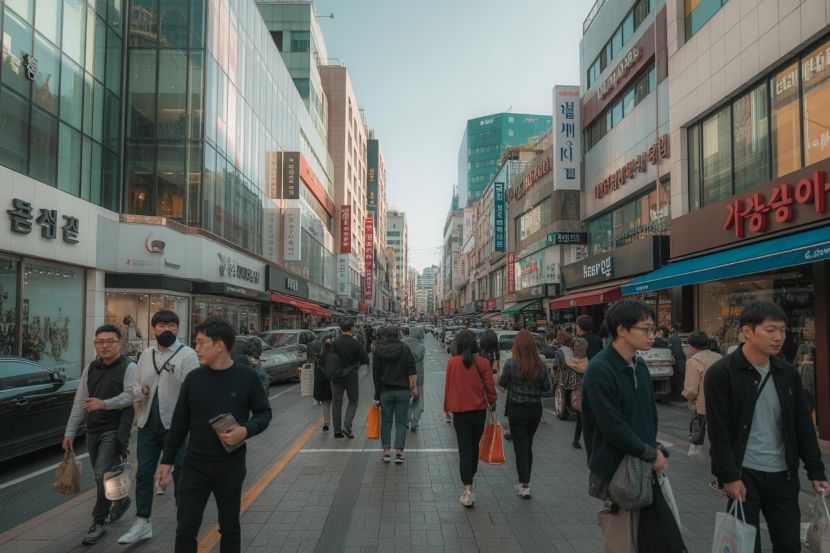
The Lunar New Year holiday in China this year has brought a record-breaking wave of visitors from Greater China, significantly benefiting South Korea’s retail and hospitality industries. This nine-day holiday, an extended break for many Chinese tourists, has propelled the tourism sector in South Korea to new heights. During this period, major retail stores like Lotte Department Store and hotels on Jeju Island have experienced unprecedented sales growth and nearly full occupancy rates, thanks to the influx of visitors from China, Taiwan, and other parts of Greater China.

This remarkable surge in tourism underscores the rising demand for travel to Korea, driven largely by the global appeal of K-culture and the vibrant holiday shopping scene. Tourists from Greater China are not only visiting iconic shopping districts in Seoul but also flocking to Jeju Island, a favorite destination among Chinese tourists, for a seamless combination of shopping, luxury, and natural beauty.

Unprecedented Growth in Retail Sales

From February 13 to 18, during the peak of the Lunar New Year festivities, Lotte Department Store recorded a remarkable 120% increase in sales compared to the previous year. The figures were even more striking when focusing on the Greater China demographic, with a 260% increase in sales from tourists hailing from China, Hong Kong, and Taiwan. This marked the highest growth ever seen during the Lunar New Year shopping period.

The sales boom was not confined to one particular category but spanned across the store. Items in the beauty sector saw a significant rise of 80% in sales among foreign customers, with sports and outdoor products seeing a staggering 255% growth. The heightened demand is indicative of tourists’ growing interest in South Korea’s popular beauty brands and high-end outdoor gear, which aligns with the increased interest in K-culture and adventure tourism.

At Lotte World Mall and Lotte Town Jamsil, food and beverage sales rose by 85%, reflecting the significant impact of the influx of foreign visitors on local economies. Furthermore, Lotte Duty Free also witnessed impressive growth, with foreign sales rising 69% over the previous year. The surge in independent travelers and package tours highlights the diverse nature of the tourists visiting South Korea.

Hotels in Jeju See Full Occupancy Rates

While Seoul’s retail stores have enjoyed significant benefits from the tourist influx, Jeju Island, a key destination for Chinese tourists, has also seen an upsurge in bookings. At the Grand Hyatt Jeju located inside the Jeju Dream Tower integrated resort, 1,590 out of 1,600 rooms were filled, achieving 98.1% occupancy during the Lunar New Year period. This impressive figure stands in stark contrast to last year’s occupancy rate of 72% during the same period, showing the growing attraction of Jeju among Chinese visitors looking for a luxurious getaway with stunning natural landscapes.

The accommodation boom in Jeju also extends to other luxury resorts and casinos, with an overwhelming number of Chinese tourists flocking to the island’s casinos. This growth is directly linked to the increasing appeal of Jeju as a premium destination, which has witnessed improvements in infrastructure, making it more accessible and appealing for international travelers.

Surge in Chinese Tourists Reaches Record Numbers

According to projections from the Korea Tourism Organization (KTO) and the Ministry of Culture, Sports and Tourism, up to 190,000 Chinese visitors were expected to travel to South Korea during the 2026 Lunar New Year period, representing a 44% increase from last year’s average. This surge can be attributed to several factors, including an easing of travel restrictions and the strengthening appeal of South Korea’s cultural exports, especially K-pop, K-drama, and K-beauty.

The increased accessibility to South Korea, combined with high-profile cultural exports and strategic promotions by retailers and hotels, has translated into a robust and growing tourism sector. Additionally, the launch of the Lotte Tourist Membership Card, aimed at enhancing the shopping experience for foreign visitors, has proven successful. Over 38,000 cards were issued, with nearly 3,000 new members signing up during the holiday period.

Travel Tips for Tourists Visiting South Korea

If you’re planning a trip to South Korea, here are a few tips to make your visit more enjoyable:

  • Embrace K-Culture: The K-pop and K-drama phenomenon is not just for the younger crowd—it’s a huge cultural movement. Explore popular K-drama filming locations like Namsan Seoul Tower or Bukchon Hanok Village for a taste of Korea’s rich entertainment culture.
  • Visit Jeju Island: If you’re looking to unwind, Jeju Island’s breathtaking volcanic landscapes and luxury resorts are perfect for a relaxing getaway. The island is known for its Jeju Olle Trails, offering scenic walking paths through the lush countryside.
  • Shop Smart: For international tourists, duty-free shopping is a must. Stores like Lotte Duty Free and Shinsegae offer fantastic discounts on everything from luxury skincare products to designer fashion. Don’t forget to ask for tax refunds, a bonus for foreign shoppers!
  • Time Your Visit: The Lunar New Year is an extremely busy time in South Korea, with high demand for accommodations, restaurants, and tourist attractions. It’s best to book in advance, especially if you’re aiming to stay at a luxury hotel or resort.

The Growing Impact of Tourism on Korea’s Economy

The growth of international tourism, especially from China, is becoming a key driver for South Korea’s economic recovery post-pandemic. The tourism industry contributes significantly to local employment, consumer spending, and the hospitality sector, helping to reinvigorate traditional retail and leisure industries.

As tourism from Greater China continues to rise, the demand for improved infrastructure, better services, and more tourist-friendly policies will only increase. The ongoing rise in Chinese tourist numbers is providing ample opportunities for South Korean businesses to expand their offerings and improve the experience for international travelers.

The post How the Record-Breaking Surge of Chinese Tourists During Lunar New Year Boosted Retail and Hospitality Sectors in Seoul, Jeju Island, and Lotte Department Stores – Here’s Everything You Need to Know About the Impact on South Korea’s Tourism appeared first on Travel And Tour World.

Step Back in Time with China Heritage Tourism: Guided Tours Through Ancient Sites, Mausoleums, and Rich Cultural Landscapes

Step Back in Time with China Heritage Tourism: Guided Tours Through Ancient Sites, Mausoleums, and Rich Cultural Landscapes
Youth from around the world connect with Mazu’s rich cultural and spiritual heritage on Meizhou Island, China.

China is rapidly becoming a global hotspot for heritage tourism. Travellers are no longer satisfied with just visiting modern cities. They want to experience the country’s rich past. Ancient mausoleums, royal tombs, historic cities, and cultural relics are now drawing visitors from across the world. China heritage tourism offers travellers the chance to step into history, understand ancient cultures, and explore sites that shaped the country’s civilisation.

The appeal is simple. Each site tells a story. Travellers can witness the lives of emperors, scholars, and ordinary citizens from centuries ago. Unlike standard city tours, heritage tourism provides meaning and context. It allows tourists to feel connected to China’s cultural legacy.

Why China Heritage Tourism Is Changing Global Travel

Global travellers are increasingly drawn to China heritage tourism because it combines education, exploration, and adventure. Rather than simply seeing landmarks, visitors can immerse themselves in history. Visiting ancient mausoleums, palace ruins, or archaeological parks lets tourists understand the depth of China’s civilisation.

This new travel trend has led to specialised tours. Visitors now follow “royal tomb routes” or “historical city journeys,” connecting multiple sites in a single itinerary. Cultural experts and travel guides offer detailed explanations, helping tourists understand the significance of every location. The experience is enriching, making China a must-visit destination for cultural and history enthusiasts.

Must-Visit Heritage Sites in China

For those exploring China heritage tourism, several destinations stand out. The Ming Tombs near Beijing showcase imperial burial traditions. These tombs are set in stunning natural landscapes and feature intricate architecture. Another top destination is the Terracotta Army in Xi’an. This archaeological site displays thousands of life-size statues of soldiers, horses, and chariots, offering a glimpse into the army of China’s first emperor.

In southern China, travellers can visit museum parks and preserved tombs that highlight local dynasties. Nanyue King Museum in Guangzhou presents Western Han Dynasty artifacts and royal burial treasures. These locations provide interactive exhibits, making history accessible and engaging for all visitors.

Exploring these sites requires time, but it rewards travellers with unforgettable experiences. Each location tells a unique story of Chinese culture, customs, and traditions, enhancing the overall heritage tourism experience.

Planning Your Heritage Travel Journey

To enjoy China heritage tourism, planning is essential. Start by choosing a route that connects multiple heritage sites. High-speed rail and domestic flights make travel between cities like Beijing, Xi’an, and Luoyang easy and efficient.

Visitors should also check site-specific rules, opening hours, and seasonal schedules. Guided tours are recommended for first-time travellers, as they provide context and historical insights. Many tours are available in English, helping international visitors navigate the cultural landscape.

Heritage tourism encourages longer stays. Travellers often spend several days at each site to fully appreciate its history. This approach allows a deeper understanding and a more meaningful journey.

Tips for Responsible Heritage Travel

Respecting local customs and heritage preservation is key. Many mausoleums and archaeological sites have strict regulations. Visitors should avoid touching artifacts, leaving litter, or disrupting sacred areas. Photography may be restricted in certain areas to protect the integrity of historic sites.

Travellers are encouraged to learn about each site before visiting. This adds value to the experience and helps maintain a respectful environment. Responsible tourism ensures that future visitors can also enjoy these historical treasures.

How Heritage Tourism Enhances Travel Experiences

China heritage tourism transforms ordinary travel into cultural exploration. It offers global tourists the chance to experience China’s past firsthand. From exploring tomb complexes to wandering ancient city streets, travellers gain insights into the nation’s rich traditions.

This form of tourism also promotes curiosity and education. Many visitors document their trips, share stories, and return home with a greater appreciation of Chinese history. The travel trend continues to grow as more people seek authentic and meaningful experiences.

Conclusion

China’s heritage tourism is a powerful way to experience the country’s culture, history, and traditions. Travellers can explore imperial tombs, archaeological parks, and museum collections while learning the stories behind them. It offers more than sightseeing; it offers connection, knowledge, and inspiration.

For anyone looking to go beyond modern city attractions, China heritage tourism provides a complete cultural journey. Every mausoleum, every historic site, and every museum tells a story that brings China’s past alive. Plan your heritage tour today and experience history like never before.

The post Step Back in Time with China Heritage Tourism: Guided Tours Through Ancient Sites, Mausoleums, and Rich Cultural Landscapes appeared first on Travel And Tour World.

Plan Your Ultimate Sanya Winter Sun Holiday: Hainan’s Exotic Beaches, Duty-Free Shopping, and Cultural Highlights Make It Asia’s Top Escape

Plan Your Ultimate Sanya Winter Sun Holiday: Hainan’s Exotic Beaches, Duty-Free Shopping, and Cultural Highlights Make It Asia’s Top Escape
Hainan Sees Tourism and Consumption Surge as Island-wide Customs Operations Boost Spring Festival Holiday Experience

Sanya, located on the southern tip of China’s Hainan Island, is emerging as one of the world’s most inviting winter destinations. Known for its sun-drenched beaches, clear turquoise waters, and tropical climate, it offers a perfect escape for travellers looking to swap cold winter weather for a warm seaside retreat. The city’s unique blend of natural beauty, cultural experiences, and modern infrastructure makes it a must-visit spot for international tourists seeking both relaxation and adventure.

Sun-Kissed Beaches Perfect for Winter Getaways

Sanya’s coastline is dotted with pristine beaches that remain warm and inviting throughout the winter months. Popular stretches like Yalong Bay and Dadonghai Beach feature soft golden sand, gentle waves, and a vibrant atmosphere ideal for sunbathing, swimming, or taking long, peaceful walks. The calm waters also make it a haven for water sports, including snorkeling, paddleboarding, and diving, allowing travellers to explore underwater coral reefs. The combination of tropical scenery and resort-style amenities ensures every visitor enjoys a truly immersive beach holiday experience.

Seamless Travel and Accessibility

For global travellers, one of Sanya’s most appealing features is its accessibility. Many nationalities can enter Hainan Island without a visa for up to 30 days, simplifying travel planning and encouraging spontaneous visits. The city is served by Sanya Phoenix International Airport, which offers smooth international connections and efficient customs services. Once in Sanya, tourists can easily reach beaches, cultural sites, and shopping areas thanks to well-organized transportation and signage. These factors make Sanya an increasingly popular destination for both first-time and repeat visitors.

Cultural Experiences Beyond the Shore

Sanya is not just about beaches; it also offers a rich cultural landscape. Travellers can visit sites such as Nanshan Temple, a serene coastal Buddhist complex, or explore local markets showcasing traditional crafts and tropical fruits. Seasonal festivals, particularly during the Lunar New Year, bring lively performances, lantern displays, and regional cuisine, adding depth and excitement to a beach holiday. These cultural offerings allow visitors to connect with local traditions while enjoying a modern travel experience, making their stay both educational and memorable.

Tropical Adventures for Every Traveller

For adventure-seekers, Sanya provides a wide variety of outdoor experiences. Hike through rainforest parks, explore the scenic West Island eco-tourism area, or take boat trips to nearby islands with crystal-clear waters. Families can enjoy interactive marine life exhibitions, while couples may prefer secluded coves and sunset cruises. These activities allow visitors to experience the natural and tropical charm of Sanya in multiple ways, making it suitable for a range of travel preferences and age groups.

Shopping, Dining, and Nightlife

Sanya has developed into a vibrant hub for shopping and entertainment. Duty-free shopping outlets offer international brands at attractive prices, while local boutiques provide unique souvenirs and artisan products. The city also boasts an impressive culinary scene, with beachside seafood restaurants, international cuisine, and street food markets. In the evenings, visitors can enjoy live music, cultural performances, and beach parties, providing an engaging nightlife that complements the daytime beach activities.

Planning Your Sanya Winter Sun Holiday

To make the most of a Sanya winter sun holiday, travellers are encouraged to plan ahead. Booking accommodations early ensures access to prime beachfront resorts, especially during peak holiday seasons. Lightweight clothing, sun protection, and swimwear are essential for enjoying the tropical climate. Day trips to nearby islands and cultural sites can provide a richer travel experience, while participating in local festivals and culinary experiences allows for deeper engagement with the city’s unique culture.

Why Sanya Should Be Your Next Winter Destination

Sanya’s tropical climate, vibrant culture, and seamless travel facilities make it an ideal winter escape. For those looking to combine relaxation with adventure, sunbathing with cultural exploration, or shopping with dining, Sanya offers a complete holiday package. Its accessibility and growing popularity among international tourists demonstrate its position as one of Asia’s premier winter destinations. Whether travelling solo, with family, or as a couple, Sanya promises a memorable holiday filled with sunshine, beauty, and new experiences.

Conclusion

In 2026, Sanya continues to shine as a tropical paradise, offering global travellers the perfect opportunity to enjoy a winter sun holiday without leaving the comforts of modern travel amenities. With beaches, culture, cuisine, and adventure all in one place, Sanya stands out as a must-visit destination for anyone seeking a warm winter getaway.

The post Plan Your Ultimate Sanya Winter Sun Holiday: Hainan’s Exotic Beaches, Duty-Free Shopping, and Cultural Highlights Make It Asia’s Top Escape appeared first on Travel And Tour World.

Yiwu Transforms from Spring Festival Gala Spotlight to Travel Hotspot: How China’s Small Commodities Capital Became the Unlikely Tourism Giant of 2026

Yiwu Transforms from Spring Festival Gala Spotlight to Travel Hotspot: How China’s Small Commodities Capital Became the Unlikely Tourism Giant of 2026
Spring Festival Gala

Imagine a city that gets the chance of a lifetime to showcase its culture on one of the most-watched events in the world — the Spring Festival Gala. For Yiwu, this chance came in 2026, and it didn’t just ride the wave of attention. Instead, it harnessed that fleeting moment into a sustained tourism boom that is changing the landscape of travel in China.

Yiwu, known globally as the “World Capital of Small Commodities,” has found a new identity as a thriving cultural and tourism destination, thanks to the strategic use of its Spring Festival Gala exposure. What was once a city famed for trade now enjoys unprecedented levels of visitor interest, with over 2.6 million tourists flocking to its streets in just a few days following the Gala broadcast. This is not just a flash in the pan — it’s a long-term tourism transformation.

From Gala Stage to Global Stage: Yiwu’s Unstoppable Rise in 2026

Yiwu’s role as a sub‑venue host for the 2026 Spring Festival Gala turned out to be the catalyst for a tourism revolution. As millions tuned in to see the festivities unfold, Yiwu’s cultural gems, landscapes, and modern attractions were broadcast into living rooms across China. But rather than let this exposure fade into obscurity like many fleeting media events, Yiwu used its cultural showcase to draw a flood of real-world visitors.

In the days following the Gala, Yiwu’s tourism numbers surged by nearly 31%, with 2.675 million tourists visiting the city. This explosion in tourism brought with it an impressive 28% increase in revenue, reaching a whopping 2.4 billion yuan. These figures reflect more than just a boost during the Chinese New Year season—they mark the beginning of a new era of tourism for this once-overlooked city.

Yiwu’s Secret Sauce: Turning Temporary Fame into Lasting Travel Interest

The secret to Yiwu’s success lies not in simply basking in the glow of media attention but in transforming that spotlight into a full-fledged tourism experience. From the moment the Gala aired, Yiwu launched a series of strategically crafted, interactive events that kept visitors coming back for more.

“Gala-Ready” Visitor Spots: A Creative Tourism Revolution

Officially branded as the “Gala‑related check‑in spots”, these attractions were a game changer. Ten carefully selected locations around the city were made into must-see destinations, where tourists could relive their favorite Gala moments. These attractions weren’t just for show—they were designed to provide immersive experiences that visitors could photograph and share on social media, ensuring that Yiwu stayed at the forefront of travelers’ minds.

Within the first few days of the Chinese New Year holiday alone, these spots drew over 650,000 visitors—a clear sign that Yiwu had turned a fleeting media moment into a sustainable tourist draw.

Historic Streets and New Heights: How Yiwu Turned Its Old Town into a Travel Sensation

Take Ximen Old Street, for instance. This historic district, which is a local gem, was transformed into a live version of the Gala’s famous scenes, including phoenix lanterns and traditional stage shows. The result? A foot traffic surge that saw the area host 30,000+ visitors in a single day by the end of the festival, an increase of more than 100% from the previous year.

Cultural Experiences That Keep Tourists Coming Back for More

Yiwu didn’t stop with street decorations. The city launched an incredible lineup of cultural experiences across both heritage sites and modern attractions, ensuring that tourists could enjoy unique activities during every visit. The city’s 166 cultural tourism activities, held in multiple districts, featured performances of local intangible cultural heritage, rooftop concerts, and immersive art experiences. These efforts helped maintain Yiwu’s momentum as a destination for cultural discovery.

One notable highlight was the Fotang Tourist Resort, where 600,000 visitors experienced live shows and performances, while the city generated 40 million yuan in revenue. The resort’s blend of culture, entertainment, and natural beauty has become a key selling point for Yiwu’s tourism strategy.

Yiwu’s Cultural Gifts: A Clever Way to Keep Tourists Spending

One of the most innovative aspects of Yiwu’s tourism strategy has been its collaboration with local artisans to create unique, Gala-themed products. The city launched “Yiwu Gifts,” which included everything from handcrafted bags to traditional musical instruments. These items were sold through pop-up stores at airports, major shopping districts, and even mobile pop-up buses, providing tourists with tangible memories to take home while also boosting local commerce.

The sale of these cultural products has already exceeded 5 million yuan in revenue, showing just how effective integrating culture into commerce can be.

Looking Ahead: What’s Next for Yiwu’s Growing Tourism Scene?

Yiwu is no longer just a city known for its bustling wholesale markets — it’s now emerging as a premier cultural tourism destination. With its growing popularity, Yiwu’s tourism strategy provides a blueprint for other cities looking to harness the power of national events to boost long-term travel growth.

As China’s tourism sector continues to grow, cities like Yiwu are capitalizing on the increasing demand for cultural tourism experiences. With tourist arrivals, economic benefits, and cultural appeal all on the rise, Yiwu’s tourism success is just the beginning of what looks to be a sustained period of growth for this once-overlooked destination.

Image:  Yiwu Media Convergence Center

The post Yiwu Transforms from Spring Festival Gala Spotlight to Travel Hotspot: How China’s Small Commodities Capital Became the Unlikely Tourism Giant of 2026 appeared first on Travel And Tour World.

China in Travel Crisis as Airports in Xilinhot, Hohhot, Chifeng, Harbin and Several other Cities Face 58 Flight Cancellations and 223 Delays by China Express, Tianjin, Chengdu Airlines and others, New Update

China in Travel Crisis as Airports in Xilinhot, Hohhot, Chifeng, Harbin and Several other Cities Face 58 Flight Cancellations and 223 Delays by China Express, Tianjin, Chengdu Airlines and others, New Update

A sudden wave of logistical challenges is currently sweeping through Northern China, fundamentally altering the regional travel landscape. Major aviation hubs are grappling with significant disruptions that leave thousands of passengers stranded. In Hohhot, the surge in flight delays has reached a critical peak, while Xilinhot and Chifeng face a staggering number of grounded aircraft. Meanwhile, travelers in Harbin encounter similar setbacks as schedules fluctuate by the hour. These operational hurdles extend beyond the primary cities into smaller regional ports. Airports in Erenhot, Jiagedaqi and Heihe have reported multiple cancellations, cutting off vital transit links. Even in the far west, the facility at Shache mirrors this instability. There’s a total of 58 flight cancellations and 223 delays reported. This report examines the specific data behind these interruptions. We highlight how these localized delays create a massive ripple effect across the entire national transportation network.

Major Airports Affected

The scale of the disruption is most visible when examining the specific hubs involved. In China, the airport in Xilinhot has emerged as a focal point of the crisis, where 16 cancellations and 19 delays were officially logged. However, the most significant volume of impeded travel was observed at Hohhot Baita International Airport. While only 10 cancellations were reported there, an overwhelming 116 delays were documented, representing the highest concentration of scheduling setbacks in the region.

Further east, the aviation facilities in Chifeng recorded 11 cancellations and 21 delays, contributing further to the regional bottleneck. In Harbin Taiping International Airport, a critical gateway for the Heilongjiang province, 6 cancellations and 56 delays were confirmed. The disruption also extended into more remote sectors; Erenhot Saiwusu International Airport reported 5 cancellations and 6 delays, while Jiagedaqi and Heihe faced 4 cancellations each. Even in the far west, Shache Airport was not spared, with 2 cancellations and 4 delays noted in the latest reports.

Impacted Airlines

The operational burden of these cancellations and delays is being carried by several prominent domestic carriers.

China Express Airlines has been identified as the most heavily affected entity. Across the network — specifically in Xilinhot, Hohhot, Chifeng and Erenhot — the airline accounted for 35 total cancellations and 23 delays. The concentrated nature of these figures suggests a significant strain on the carrier’s regional short-haul network.

Tianjin Airlines also faced notable hurdles, particularly within the Hohhot and Xilinhot sectors, where 5 cancellations and 18 delays were attributed to their operations. In the northern reaches of China, Chengdu Airlines reported 14 cancellations and 5 delays, with the majority of these instances occurring in Harbin, Jiagedaqi and Heihe. Other carriers, including Genghis Khan Airlines and Juneyao Airlines, were also drawn into the crisis, though their reported figures remained lower, with Genghis Khan seeing 2 cancellations in Xilinhot and Juneyao recording 1 cancellation and 4 delays in Chifeng.

Beyond these specific figures, delays were being experienced by several other Airlines, like Air China, Hainan Airlines, China Eastern, Shandong Airlines,, Beijing Capital Airlines and more.

Probable Impact on Local Tourism

When such a large volume of travel is interrupted, the local tourism infrastructure in these cities is inevitably strained. In Xilinhot and Chifeng, which serve as gateways to the vast grasslands of Inner Mongolia, the arrival of visitors is being hampered by the high rate of cancellations. When flights are grounded, hotel bookings are often forfeited and local tour operators face immediate logistical gaps.

The situation in Hohhot is particularly concerning for the tourism sector due to the sheer number of delays. With over 100 flights behind schedule, the throughput of passengers into the city is being severely throttled, leading to congestion at the Baita International Airport and a slowdown in transit-related commerce. Similarly, in Harbin, a city renowned for its seasonal tourism, the 56 delays and 6 cancellations mean that the steady flow of travelers required to sustain local hospitality businesses is currently being interrupted. In smaller hubs like Heihe and Jiagedaqi, where flight frequencies are already limited, even a few cancellations can result in a near-total halt of incoming tourism for the day.

What Affected Passengers Can Do Now

For those currently caught in this travel crisis within China, several professional recommendations are offered based on standard aviation protocols. Passengers at Xilinhot, Hohhot, Chifeng, Harbin and other impacted sites are advised to maintain constant communication with their respective airlines.

  1. Verification of Flight Status: Before departing for the airport, the status of the flight should be verified via official airline mobile applications or websites. This is especially critical for those flying with China Express or Chengdu Airlines, given their high cancellation rates.
  2. In-Airport Assistance: For travelers already at the terminal, ground staff from Tianjin Airlines, Juneyao and other carriers should be consulted regarding rebooking options. Under standard passenger rights, alternative routing or domestic transfers may be requested.
  3. Documentation for Claims: Every delay and cancellation should be documented. Official notices issued by the airport authorities in cities like Hohhot or Harbin are essential for those seeking travel insurance claims or ticket refunds.
  4. Accommodation Arrangements: In instances where delays exceed several hours or result in overnight stays—particularly in high-delay hubs like Hohhot—inquiries should be made regarding the provision of meals and hotel vouchers as per the airline’s carriage policy.

-The information provided is sourced from FlightAware.

The post China in Travel Crisis as Airports in Xilinhot, Hohhot, Chifeng, Harbin and Several other Cities Face 58 Flight Cancellations and 223 Delays by China Express, Tianjin, Chengdu Airlines and others, New Update appeared first on Travel And Tour World.

China’s Humanoid Robots Amaze Viewers at Lunar New Year Gala with Jaw-Dropping Parkour Martial Arts and Record-Breaking AI Performance That Redefines Live Entertainment

China’s Humanoid Robots Amaze Viewers at Lunar New Year Gala with Jaw-Dropping Parkour Martial Arts and Record-Breaking AI Performance That Redefines Live Entertainment

This Lunar New Year, audiences were treated to a jaw-dropping spectacle as China’s humanoid robots stole the show at the CCTV Spring Festival Gala. These high-tech performers amazed viewers by combining parkour, acrobatics, and martial arts in a way that felt almost alive. Developed by top innovators Unitree Robotics, Galbot, Noetix, and MagicLab, the robots spent months mastering every detail to deliver a performance that was both technically precise and culturally captivating.

From perfect flips to synchronized formations, the gala demonstrated just how far humanoid robots have come in replicating human movement—and it’s a glimpse into the future of AI-driven entertainment.

Intensive Robot Training Behind the Scenes

The impressive gala performance didn’t happen overnight. Government-backed programs and official reports highlight the structured robot training that prepared these machines for the spotlight. Engineers focused on teaching the robots to:

  • Execute rapid flips and high-speed rotations with pinpoint accuracy
  • Maintain balance and stability during complex stunts
  • Coordinate with multiple units to move as one seamless team
  • Adapt in real time using AI algorithms and 3D LiDAR systems

The training combined digital simulations with hands-on practice, allowing the robots to refine their movements before performing live. By practicing advanced maneuvers like wall-assisted flips and one-legged aerials, the machines developed skills that would leave audiences speechless.

Breaking Records at the Gala

When the robots finally took the stage, they didn’t just perform—they shattered records. Highlights from their show, officially documented by Unitree Robotics, included:

  • Successfully performing an Airflare, a complex breakdancing move, completing 7.5 rotations
  • Flipping higher than three meters for the first time in history
  • Executing continuous one-legged flips with precision and power
  • Moving in coordinated clusters at speeds up to 4 meters per second

These achievements weren’t just flashy—they were proof of AI performance reaching a new level, where machines can respond and adapt in real time, almost like human performers.

Precision and Teamwork

One of the most remarkable aspects of the gala was the robots’ flawless timing. Using advanced systems, each robot was able to:

  • Track the position of others instantly to avoid collisions
  • Reposition itself after unstable or rapid movements
  • Perform highly synchronized formations without missing a beat
  • Combine martial arts-inspired moves with acrobatics seamlessly

This level of coordination shows that humanoid robots are now capable of executing highly complex routines that demand both individual skill and team awareness.

A Cultural Celebration

Beyond the technical brilliance, the gala was also a visual and cultural treat. Robots were dressed as the legendary Monkey King and performed iconic movements from the story. Some even appeared with a cloud carried by a robot dog, blending storytelling with cutting-edge robot acrobatics and robot martial arts.

Audiences praised this fusion of tradition and technology, which highlighted China’s ability to integrate cultural heritage with scientific innovation. The result was a performance that entertained, inspired, and sparked discussions about the future of AI in public life.

Public Reaction and Viral Fame

The moment the performance aired, it immediately went viral across social media platforms. Official coverage reported billions of views, reflecting widespread fascination with humanoid robots and their growing capabilities. People were particularly impressed by how much more advanced the robots were compared to last year, when they could only walk slowly and perform simple arm swings.

Key reactions included:

  • Admiration for the robots’ precision and agility
  • Excitement over the combination of robot martial arts and traditional dance
  • Recognition of the progress in robot training and AI-driven routines
  • Curiosity about how these machines could be applied in other areas of education, entertainment, and public demonstrations

Behind the Technology

Government sources and official statements highlight several innovations that made the performance possible:

  • Rapid clustering positioning systems to keep multiple robots perfectly synchronized
  • AI-driven movement prediction paired with 3D LiDAR for accuracy
  • Advanced motors and stabilization mechanisms for flips and jumps
  • Real-time communication protocols allowing robots to respond to each other instantly

These tools allowed the robots to perform with both precision and flair, demonstrating just how far humanoid robots have evolved in AI performance, robot acrobatics, and robot martial arts.

Conclusion

The Lunar New Year gala performance showed the world that humanoid robots can combine technical mastery with artistry, achieving feats once thought impossible for machines. Through months of dedicated robot training, advanced AI systems, and careful attention to timing and storytelling, these robots not only captivated millions of viewers but also set a new standard for robotic performance.

As technology continues to evolve, the line between human and machine performance blurs, and events like the CCTV Spring Festival Gala illustrate the exciting potential of AI performance in cultural and public spaces. With each flip, spin, and martial arts movement, these robots remind us that the future of entertainment is here—and it’s powered by innovation.

Bulleted Summary of Key Facts:

  • Robots trained in parkour, acrobatics, and martial arts for the CCTV Spring Festival Gala
  • Developed by Unitree Robotics, Galbot, Noetix, and MagicLab
  • Broke records including 3-meter flips, continuous one-legged flips, and Airflare rotations
  • Utilized AI algorithms, 3D LiDAR, and rapid clustering positioning systems
  • Combined cultural storytelling with robot martial arts and robot acrobatics
  • Performance went viral with billions of views
  • Highlighted the progress of humanoid robots and advanced AI performance

The post China’s Humanoid Robots Amaze Viewers at Lunar New Year Gala with Jaw-Dropping Parkour Martial Arts and Record-Breaking AI Performance That Redefines Live Entertainment appeared first on Travel And Tour World.

Expanding the Floral Industry through Sustainable Tourism at Juyuan Flower Expo Garden in South China

Expanding the Floral Industry through Sustainable Tourism at Juyuan Flower Expo Garden in South China
How Changjiang Li Autonomous County Transforms Floral Landscapes into Economic Engines.

In the picturesque region of south China, specifically within the borders of Hainan Province, a significant transformation is being witnessed in the agricultural and leisure sectors. The local administration of Changjiang Li Autonomous County has successfully implemented a model where floral industry growth is inextricably linked with the expansion of rural tourism. By focusing on the Juyuan Flower Expo Garden, the region has positioned itself as a premier destination for those seeking natural beauty and cultural immersion. This strategic synergy is designed to elevate the economic standing of the community while preserving the ecological integrity of the landscape. Through the deliberate cultivation of blooming flowers, the area is now recognized as a vital hub for both horticultural excellence and visitor engagement.

The Botanical Splendor of Juyuan Flower Expo Garden

A vast array of botanical species is currently being showcased at the Juyuan Flower Expo Garden, where peak blooming season has arrived. This facility serves as the centerpiece for the county’s horticultural ambitions. Within the garden, the vibrant hues of bougainvillea flowers are frequently admired by visitors, offering a dense tapestry of color that defines the local landscape. Additionally, the presence of chrysanthemum flowers provides a sophisticated aesthetic that appeals to enthusiasts of traditional Chinese flora. The careful maintenance of these species ensures that the garden remains a perennial attraction, drawing crowds from across the country and beyond.

Integrating Horticulture and Leisure Travel

The integration of flower cultivation with the tourism sector is being treated as a priority by the local government of Changjiang Li Autonomous County. This approach is not merely about aesthetic appeal but is rooted in a comprehensive plan for rural revitalization. By creating scenic spots out of functional nurseries and floral farms, a dual-purpose land use model is achieved. Tourists are invited to walk among the blossoms, and the act of taking photographs, such as posing for a selfie among the galsang flowers, is encouraged as part of the visitor experience. This engagement helps in marketing the region organically through social media and word-of-mouth, further cementing the county’s reputation as a scenic getaway.

Technological Oversight and Visual Documentation

Modern methods are being utilized to document and monitor the progress of the floral displays. Aerial perspectives, captured through drone photography, are frequently employed to showcase the scale and organization of the Juyuan Flower Expo Garden. These images highlight the intricate patterns formed by the various flower beds, including the expansive fields of galsang flowers. Such technological tools are essential for both management and promotional purposes, allowing the beauty of Hainan Province to be shared with a global audience. The visual data gathered on February 20, 2026, by Pu Xiaoxu of Xinhua, serves as a testament to the successful blooming cycle and the high level of visitor activity during this period.

Economic Impacts on the Local Community

Significant economic benefits are being derived from the influx of tourists into Changjiang Li Autonomous County. The support provided to the floral industry is translated into job creation and increased revenue for local residents. Rural tourism provides a platform for small businesses, ranging from hospitality services to the sale of agricultural products, to thrive. As the floral industry is expanded, the infrastructure of the county is also improved to accommodate the growing number of visitors. This holistic development ensures that the benefits of the tourism boom are felt across various layers of the local society, fostering a sustainable economic environment.

The Role of Traditional and Seasonal Flora

The selection of flowers within the expo garden is highly intentional, reflecting both local heritage and seasonal cycles. Galsang flowers, often associated with happiness and resilience, are given prominence within the garden’s layout. Their blooming is timed to coincide with peak travel seasons, ensuring maximum impact. Similarly, the meticulous arrangement of chrysanthemum flowers reflects a deep appreciation for horticultural artistry. By focusing on these specific varieties, the county is able to offer a unique botanical experience that distinguishes it from other tourist destinations in south China.

Future Outlook for Changjiang’s Green Economy

The success observed at the Juyuan Flower Expo Garden is viewed as a blueprint for future projects within Hainan Province. There is a continuous effort to refine the integration of agriculture and tourism. Plans are being developed to introduce even more diverse species and to enhance the visitor facilities within the county. The commitment to maintaining the floral industry as a featured economic pillar remains steadfast. Through continued investment and strategic promotion, Changjiang Li Autonomous County is expected to remain at the forefront of China’s rural tourism innovation, proving that environmental beauty and economic progress can be pursued simultaneously.

Sustainable Tourism and Ecological Preservation

A focus on sustainability is maintained throughout the development of the floral sector. The cultivation practices employed at the Juyuan Flower Expo Garden are designed to be environmentally friendly, ensuring that the soil and local ecosystem are protected for future generations. Tourism activities are managed in a way that minimizes the footprint on the natural landscape. By promoting an appreciation for nature through floral displays, a sense of environmental stewardship is fostered among the visitors. This balance between high-volume tourism and ecological preservation is a key component of the county’s long-term strategy for growth.

Conclusion of the Seasonal Showcase

As the month of February 2026 progresses, the displays in Changjiang continue to attract significant attention. The efforts of the local authorities and the workers at the Juyuan Flower Expo Garden are reflected in the smiles of the tourists walking through the chrysanthemum and bougainvillea fields. The narrative of Changjiang Li Autonomous County is one of successful adaptation and the clever utilization of natural resources. It stands as a clear example of how a regional feature, such as a flourishing floral industry, can be transformed into a powerful engine for cultural and economic vitality.

The post Expanding the Floral Industry through Sustainable Tourism at Juyuan Flower Expo Garden in South China appeared first on Travel And Tour World.

Nigeria and Grenada Overtake China, United States, United Kingdom, Egypt, South Africa, and More in an Unprecedented Citizenship-by-Investment Surge, Revolutionizing Global Mobility and Travel in 2025

Nigeria and Grenada Overtake China, United States, United Kingdom, Egypt, South Africa, and More in an Unprecedented Citizenship-by-Investment Surge, Revolutionizing Global Mobility and Travel in 2025
Nigeria 
Grenada

In a groundbreaking shift, Nigeria and Grenada have emerged as the leading forces in the global Citizenship-by-Investment (CBI) surge, surpassing countries like China, the United States, the United Kingdom, Egypt, and South Africa. This remarkable growth can be attributed to an increasing desire for global mobility, economic opportunities, and enhanced travel privileges. As Nigerians and Grenadians seek to expand their international presence, Grenada’s efficient and accessible CBI program offers a secure pathway to visa-free travel to over 140 countries, including the Schengen Area and the UK. This unprecedented demand reflects a growing recognition of the program’s value, solidifying its position as a game-changer in the world of investment migration.

In an extraordinary surge, Grenada’s Citizenship-by-Investment program has seen a remarkable rise in applications, with countries like China, United States, South Africa, United Kingdom, Uzbekistan, India, and Egypt driving unprecedented demand. Nigeria, leading the charge with the largest share of applications in Q4 2025, is a key player in this boom, fueled by the country’s growing interest in global mobility, investment opportunities, and enhanced travel benefits. The surge reflects a growing global recognition of Grenada’s attractive citizenship program, offering a secure, efficient, and valuable pathway to a broader international presence.

The Investment Migration Agency (IMA) of Grenada has released its statistics for the fourth quarter of 2025, revealing that Nigeria topped the list of countries with the highest number of citizenship applications. As the year draws to a close, Grenada continues to see significant interest in its Citizenship-by-Investment (CBI) programme, a popular option for foreign nationals seeking greater global mobility and access to a range of international benefits.

Nigeria Leads in Citizenship Applications

According to the IMA’s Q4 report, Nigerians made up the largest share of applications for Grenadian citizenship in 2025, contributing to 16% of all applications received year-to-date. This marks Nigeria as the front-runner, outpacing other countries by a considerable margin. The trend reflects a growing interest among Nigerians in Grenada’s CBI programme, which grants citizenship through approved investments in areas like real estate or contributions to the National Transformation Fund.

Other Leading Countries in Applications

Following Nigeria, several countries contributed significantly to Grenada’s citizenship application pool in the fourth quarter of 2025. Notably, China ranked second with 12% of the total applications. This is in line with China’s sustained interest in investment migration programmes, as many Chinese nationals seek alternative citizenship options to increase their global mobility and gain access to markets outside their home country.

Iraq also accounted for a significant 9% of applications, showing a marked interest from the Middle East. Meanwhile, the United States contributed 7%, and Pakistan followed closely behind with 5%. The United States’ position on the list highlights a trend of Americans seeking diversification of their assets and citizenship for reasons related to political and economic stability, as well as travel advantages.

Other Countries with Notable Contributions

Beyond the top five countries, several other nations made notable contributions to Grenada’s citizenship application pool:

  • Egypt – 3%
  • India – 3%
  • Lebanon – 3%
  • Vietnam – 3%
  • Turkey – 3%

These countries represent a diverse range of regions, including the Middle East, South Asia, and Southeast Asia. The significant presence of applicants from these nations speaks to the growing global demand for alternative citizenship solutions and the increasing awareness of Grenada’s investment immigration programme.

Applications from Africa and the Middle East

Two countries from Africa and the Middle East, South Africa and Syria, each contributed 3% of total applications. South African citizens have long sought investment migration programmes to secure enhanced mobility and economic opportunities in the face of political uncertainty and economic challenges back home. Syrian nationals are likely drawn to Grenada’s CBI programme due to the ongoing instability in their region, seeking a stable and secure alternative.

Other Countries Representing 2% Each

A wide range of countries from different regions also contributed to Grenada’s citizenship applications, with each accounting for 2% of the total applications in the fourth quarter of 2025. These countries include:

  • United Kingdom (UK)
  • Ukraine
  • Algeria
  • Philippines
  • Myanmar
  • Uzbekistan

The UK, with its high net-worth individuals seeking to broaden their investment and travel opportunities, has long been a source of applicants to Grenada’s CBI programme. The presence of Ukraine, a country that has faced political upheaval in recent years, highlights the growing interest in investment migration options among Eastern Europeans. Similarly, the Philippines, Myanmar, and Uzbekistan have emerging markets that have seen a steady increase in citizens exploring second citizenship as a means of gaining international access and economic security.

Other Countries and General Trends

Collectively, countries not individually listed by percentage accounted for 19% of all applications in 2025. This group highlights the truly global nature of Grenada’s citizenship programme, which appeals to applicants from every corner of the world. It also underscores the increasingly diverse pool of people seeking the benefits of dual citizenship, such as improved travel freedom, enhanced business opportunities, and a more secure future.

Grenada’s Citizenship Processing and Approvals

In the fourth quarter alone, the IMA received 128 new citizenship applications and processed 161, with 154 approved and 7 denied. The approval rate underscores the attractiveness and efficiency of Grenada’s CBI programme, which is designed to provide a streamlined process for qualified individuals to obtain citizenship through investment.

The total number of new citizens granted citizenship in Q4 2025 was 99, adding to the year-to-date total of 1,124 successful applicants. This represents a growing demand for Grenadian citizenship, which is likely to increase as the programme’s benefits continue to gain recognition globally.

The Benefits of Grenadian Citizenship

Grenada’s Citizenship-by-Investment programme offers a wealth of benefits, making it an attractive option for those looking to expand their international footprint. Grenadian passport holders enjoy visa-free or visa-on-arrival access to over 140 countries, including the prestigious Schengen Area and the United Kingdom.

These travel privileges are particularly appealing for individuals seeking greater mobility in Europe and the Caribbean. Furthermore, Grenadian citizenship provides the opportunity to establish a business presence in the region, access to high-quality healthcare and education, and the ability to pass on citizenship to future generations.

The country’s relatively low cost of living, coupled with its warm climate and welcoming environment, makes Grenada a highly attractive destination for individuals looking to relocate and invest in their futures.

Grenada’s Citizenship-by-Investment program has seen an unprecedented surge in applications from countries like China, the United States, South Africa, and more, with Nigeria leading the way in Q4 2025. This growth is driven by a strong desire for global mobility, investment opportunities, and enhanced travel benefits.

Nigeria and Grenada have surged ahead in the global Citizenship-by-Investment boom, surpassing nations like China, the US, and the UK, driven by a growing demand for global mobility, economic opportunities, and enhanced travel benefits. This remarkable rise highlights Grenada’s appeal as a secure and efficient gateway to international travel and investment.

With the approval of more than 1,000 new citizens year-to-date and an efficient application process, Grenada remains a top destination for individuals looking to secure their futures and broaden their horizons through investment migration. As the year progresses, it is likely that interest in the programme will continue to rise, further cementing Grenada’s position as a leading player in the global citizenship-by-investment market.

The post Nigeria and Grenada Overtake China, United States, United Kingdom, Egypt, South Africa, and More in an Unprecedented Citizenship-by-Investment Surge, Revolutionizing Global Mobility and Travel in 2025 appeared first on Travel And Tour World.

Medical Tourism Boom Across Shanghai, Beijing, and Hainan: How China Is Attracting Foreign Patients and Transforming Travel Experiences — Here’s What to Expect

Medical Tourism Boom Across Shanghai, Beijing, and Hainan: How China Is Attracting Foreign Patients and Transforming Travel Experiences — Here’s What to Expect
Medical Tourism Boom Across Shanghai, Beijing, and Hainan

China’s drive to narrow its services trade deficit by promoting medical tourism is gaining momentum as more international visitors seek treatment in cities such as Shanghai, Beijing and Hainan. While Chinese residents frequently travel abroad for medical care — contributing to a persistent services trade shortfall —there are early signs that inbound health travel could grow. With high-quality medical services, shorter waiting times compared with Western countries, and improved travel accessibility, China is positioning itself as an emerging healthcare tourism destination.

A New Wave of Health-Oriented Travel

Traditionally, many Chinese citizens have looked overseas for medical procedures, education, and leisure, which has contributed to a notable services trade deficit for the country. Yet, in recent years, the situation appears to be slowly shifting with a steady increase in foreign patients arriving in China for healthcare. Unlike lengthy wait periods in countries such as the United States or some parts of Europe, where patients may wait months for specialist consultations or key procedures, major Chinese hospitals are able to offer rapid diagnosis and treatment, often within days. This speedier service, combined with comparatively lower costs, is helping put China on the map for healthcare travel.

Cities like Shanghai and Beijing — major travel hubs already known for culture, business, and tourism — are becoming attractive not only for sightseeing but also for urgent medical needs or elective procedures. This dual appeal of healthcare and travel is what industry insiders see as a real avenue for growth.

The Attractions of China’s Healthcare Tourism

China is gradually building its reputation among international patients thanks to:

  • Efficient Scheduling: Many key medical services including consultation, imaging and surgery can be completed in a tight schedule, reducing downtime for travelers.
  • Affordable Care: Lower overall treatment costs compared with North America and Western Europe are appealing, especially for visitors from places with high healthcare expenses.
  • Relaxed Entry Policies: Visa-free entry and extended transit schemes are lowering barriers, helping tourists who are combining leisure travel with medical treatment.
  • Growing International Departments: Reports indicate that hundreds of hospitals and clinics in over 50 cities are now equipped to handle foreign patients.

These elements combine to make China an increasingly competitive destination for medical tourism, a trend with travel implications beyond the healthcare sector.

Why Foreign Patients Are Taking Notice

While still early in development and smaller in scale relative to regional hubs like South Korea — which attracts large numbers for specialized fields like dermatology and cosmetic surgery — the number of international patients in China is growing. Many of these visitors come from English-speaking countries such as the United States, the United Kingdom, Ireland, and Australia, along with members of the overseas Chinese community, some of whom may decide to combine treatment with cultural or leisure travel.

Travel convenience has improved significantly thanks to China’s expanded visa-free travel schemes. More than 30 million foreign visitors entered the country visa-free recently, making travel easier and more appealing for potential health tourists. This trend supports broader tourism goals and encourages cross-border spending.

Headwinds On The Road To Healthcare Tourism Growth

Despite positive signs, China’s inbound medical travel faces obstacles:

  • Insurance Network Gaps: A major challenge is integrating Chinese hospitals with international commercial health insurance systems, which many travelers rely upon.
  • Awareness Barriers: China’s reputation as a medical tourism hub is still limited globally. Compared with well-established centers like Seoul or Bangkok, China has more to do to reach broad international awareness.
  • Language and Trust Factors: Communication barriers and perceived differences in care practices may influence some potential travelers to opt elsewhere.

These challenges highlight that while China has notable strengths — including advanced medical facilities in major urban centers — scaling up into a top-tier global destination for health travel will take sustained effort.

Can Health Tourism Help China’s Economy?

China’s services trade deficit — the gap between what the country spends on foreign services like healthcare and tourism versus what it earns — narrowed to about 828.7 billion yuan (US$120 billion), even as overall services trade grew to 8.08 trillion yuan last year. The rise in foreign patients, though modest for now, points to a future where outbound medical travel from China could be more balanced by inbound healthcare tourism.

Experts say that stronger insurance connectivity, improved multilingual services for international patients, and expanded promotional efforts abroad would accelerate growth. This could help not only to narrow the services deficit but also strengthen China’s position in the global healthcare and travel markets.

Navigating Medical Tourism in China: Travel Tips

For international visitors considering China for medical travel, here are practical insights:

Plan With Travel Integration In Mind

Combining healthcare with tourism requires careful itinerary planning. Cities like Shanghai and Beijing offer world-class healthcare while also serving as cultural, culinary, and historical destinations — making them ideal for a trip with both treatment and exploration.

Connect With International Insurance

Before booking procedures, check if local hospitals have arrangements with your international health insurer. Some major facilities have dedicated international departments which support foreign insurance claims.

Prepare For Language Support

Many hospitals in major cities now offer translation services, but verifying availability in advance can make the process smoother and more comfortable.

Use Relaxed Entry Policies

Take advantage of China’s expanded visa-free entry and transit options, which can simplify travel logistics for medical tourists and accompanying family members.

The Future of Healthcare Travel in the Region

China’s progress in opening up medical services to international travelers aligns with broader trends in Asia’s competitive healthcare tourism market. Countries like South Korea and Thailand currently have strong global profiles due to specialized treatments and integrated tourism offerings. China’s vast city networks, improved accessibility, and focus on patient experience show promise to become a significant player.

If ongoing efforts to enhance global insurance integration, language support, and international marketing bear fruit, China could see a new wave of travelers who come not just for sightseeing but for world-class medical care — making it a notable destination for both health and tourism experiences.

The post Medical Tourism Boom Across Shanghai, Beijing, and Hainan: How China Is Attracting Foreign Patients and Transforming Travel Experiences — Here’s What to Expect appeared first on Travel And Tour World.

Canada And UK Travelers Can Now Explore Beijing, Shanghai, Xi’an And Chengdu With China’s 30-Day Visa-Free Entry – Here’s Everything Tourists Should Know

Canada And UK Travelers Can Now Explore Beijing, Shanghai, Xi’an And Chengdu With China’s 30-Day Visa-Free Entry – Here’s Everything Tourists Should Know
Canada And UK Travelers Can Now Explore Beijing

China has expanded its visa‑free entry policy to include citizens of Canada and the United Kingdom, allowing them to visit the country for up to 30 days without a visa for tourism, business or family reasons. This landmark change, effective 17 February 2026, marks a significant shift in China’s approach to international travel and visitor mobility, aiming to attract more global tourists and business visitors. Under this updated arrangement, Canadians and Britons carrying ordinary passports can explore China’s world‑famous destinations — from the Great Wall of China to Beijing’s Forbidden City — without the prior administrative burden of securing a traditional visa, as long as their stay does not exceed 30 days.

The extension of visa‑free access follows high‑level diplomatic visits and negotiations earlier this year, reflecting strengthening ties between China, Canada and the UK. While the new policy removes certain entry barriers for short stays, there are important conditions: paid work remains prohibited under this waiver, visitors must hold a passport valid for at least six months and provide evidence of onward travel. This opens up exciting possibilities for travelers and tourism professionals planning trips to China while reminding them to prepare properly for longer stays or work‑related travel.

Below, we explore what this new policy means for travelers, business visitors, tourism operators and HR teams involved in international mobility.

What The New Visa‑Free Policy Means For Travelers

With this update, Canadian and British tourists, business visitors and family travelers can now enter China for up to 30 consecutive days without needing a visa — a move expected to reignite tourism interest and international trips to China’s cultural and heritage hotspots. This reform expands China’s ongoing effort to promote inbound travel, striking a major win for travelers who previously needed to apply for short‑term visas.

Travelers should note:

  • Multiple entries are permitted, as long as each stay does not exceed 30 days.
  • Paid employment is not allowed under visa‑free entry — for work engagements beyond meetings or scouting visits, a work or other appropriate visa is still required.
  • Proof of onward travel and passport validity of at least six months beyond the date of entry are required.

This policy is scheduled to remain in force until 31 December 2026, with the possibility of further extensions if China chooses to continue the program.

Tourism And Travel Boost: What To Expect

By making short stays more accessible, China is setting the stage for a noticeable rebound in inbound tourism. Airlines have already reacted with significant increases in seat capacity on routes from the UK and Canada, with March schedules showing double‑digit expansions.

For tourism professionals and travelers alike:

  • Expect increased availability of flights and competitive pricing to major Chinese cities.
  • Tour operators can design shorter, more affordable packages geared to 30‑day visits.
  • Cultural festivals, historical tours and culinary excursions are now easier to include in travel planning without worrying about visa timelines.

Essential Travel Tips For Visa‑Free Visitors

Even with easier entry, travelers need to prepare thoughtfully:

✔ Check Passport Validity
Make sure your passport is valid for at least six months beyond your planned date of entry into China.

✔ Secure Proof of Onward Travel
Airlines may require documentation showing departure from China within 30 days.

✔ Plan Around Activity Limits
Engaging in hands‑on technical work or paid assignments will still require a work permit or relevant visa.

✔ Understand Entry Conditions
Carry copies of your itinerary and any business invitations to help smooth immigration procedures.

These simple precautions can make your journey significantly smoother and help you avoid unexpected issues at entry points.

Travel Advantages For Canadian And British Visitors

This visa‑free policy presents several benefits for both tourism and business travel markets:

🌟 For Tourists

  • Visit iconic attractions like the Great Wall, Xi’an Terracotta Warriors, and Shanghai’s Bund without pre‑approval delays.
  • Experience China’s diverse landscapes and cultural regions without worrying about visa processing times.

💼 For Business Travelers

  • Attend corporate meetings, trade fairs and industry events with reduced administrative hurdles.
  • Conduct short scouting trips to explore new markets or supply chain opportunities.

Such flexibility can help both leisure and business travel sectors respond quickly to opportunities.

Planning Longer Stays Or Work Trips

If your visit to China is intended for longer than 30 days or involves paid work, different visa categories (like work visas) still apply. HR professionals and mobility planners should:

  • Update company travel policies.
  • Educate travelers on when a work permit or extended visa is necessary.
  • Use expert support (such as visa facilitation services) to ensure compliance for assignments outside the visa‑free scope.

Travel Industry Response And Growth Prospects

Travel platforms have seen strong interest from UK and Canadian users.
Ticket searches and travel searches to Beijing, Shanghai and other major hubs have surged. With increased air capacities and easier entry rules, China’s tourism rebound is expected to accelerate in 2026 — benefiting hotels, tour operators, and local economies.

Unlocking China: Top Travel Destinations To Consider

Canada and UK visitors now have greater reason to explore China’s remarkable destinations, including:

  • Beijing – A fusion of ancient heritage and modern dynamism.
  • Shanghai – A global financial center with futuristic skyline views.
  • Xi’an – Home to the world‑renowned Terracotta Army.
  • Guilin & Yangshuo – Scenic karst landscapes perfect for river cruises and outdoor adventures.
  • Chengdu – Wildlife experiences with giant pandas and vibrant Sichuan cuisine.

Travelers can now build enriched itineraries without the hassle of short‑stay visas.

Navigating Your China Trip With Confidence

Whether visiting for leisure, business, or cultural exchange, this visa‑free opportunity provides a fresh gateway to China’s wonders. Be sure to plan ahead, check all entry requirements, and tailor your trip to match the 30‑day allowance.

This policy shift marks a new era of accessibility between China, Canada, and the UK—making unforgettable Asian travel more attainable for global explorers.

The post Canada And UK Travelers Can Now Explore Beijing, Shanghai, Xi’an And Chengdu With China’s 30-Day Visa-Free Entry – Here’s Everything Tourists Should Know appeared first on Travel And Tour World.

Beijing, Chongqing, and Shanghai Headline Century Cruises & Ensemble 2026 Yangtze Tourism Extravaganza, Revolutionizing China Tourism: What You Need to Know

Beijing, Chongqing, and Shanghai Headline Century Cruises & Ensemble 2026 Yangtze Tourism Extravaganza, Revolutionizing China Tourism: What You Need to Know

Century Cruises collaborates with Ensemble to launch the 2026 Beyond Extraordinary Experiences program, commencing in Beijing from August 18-26. Participants explore the Great Wall and Temple of Heaven, immersing in imperial legacies that define China tourism. This exclusive itinerary will supercharge Beijing tourism by attracting high-net-worth travelers, boosting luxury hotel occupancy and cultural site revenues through curated private accesses.

The capital’s role as a tourism gateway facilitates seamless transitions to river adventures, positively impacting China tourism recovery. Beijing‘s ancient wonders gain renewed global spotlight, encouraging extended stays amid festive Year of the Fire Horse celebrations.

Chongqing Emerges as Yangtze Tourism Hub

Travelers proceed to Chongqing, a riverside metropolis blending skyscrapers with misty gorges, boarding Century Voyage for luxury Yangtze River sailings. The ship’s state-of-the-art amenities host bespoke onboard events, positioning Chongqing tourism as a launchpad for Three Gorges explorations. Impacts include heightened port activity and demand for hotpot dining, injecting vitality into local tourism economies.

Chongqing‘s layered urban topography enhances scenic departures, fostering China tourism diversification beyond coastal hubs. Riverfront developments thrive on cruise traffic, supporting sustainable tourism infrastructure.

Shanghai Culminates China Tourism Spectacle

The journey concludes in Shanghai, where futuristic skylines meet colonial Bund elegance, capping the Beyond program with cosmopolitan flair. Participants navigate Nanjing Road and Yu Garden, amplifying Shanghai tourism through premium group experiences. This finale will propel China tourism by showcasing modernization alongside heritage, drawing repeat international visitors.

Shanghai Pudong Airport handles efficient arrivals, extending tourism spillovers to high-speed rail connections nationwide.

Yangtze River Cruises Transform Tourism

Century Cruises’ Yangtze itineraries traverse Three Gorges, from Qutang’s sheer cliffs to Wu Gorges’ misty peaks, offering panoramic tourism immersion. Luxury vessels like Century Voyage provide sundeck views and cultural lectures, elevating river tourism standards in China. The partnership impacts Chongqing-Shanghai flows by increasing capacity for experiential voyages, reducing land-based congestion.

Downstream routes optimize schedules, positively influencing tourism patterns with balanced upstream-downstream options.

Ensemble’s Exclusive Model Boosts Premium Tourism

Ensemble‘s Beyond Extraordinary Experiences honors top performers with tailored China journeys, partnering Century Cruises for seamless logistics. This rewards-driven tourism model attracts elite advisors, indirectly marketing Beijing-Chongqing-Shanghai circuits globally. China tourism gains prestige, as curated events spotlight UNESCO sites and foster loyalty.

High-value itineraries set benchmarks, encouraging operators to upscale tourism offerings amid post-pandemic rebounds.

Great Wall Access Revolutionizes Beijing Tourism

Private Great Wall traversals in Beijing unveil restored sections and cable car panoramas, blending adventure with history. Temple of Heaven rituals highlight cosmic alignments, enriching spiritual tourism. China tourism surges as these exclusives go viral, spiking individual bookings to Mutianyu and Badaling.

Beijing‘s UNESCO density positions it as cultural epicenter, impacting ancillary sectors like tea houses.

Three Gorges Majesty Fuels Adventure Tourism

Sailing Three Gorges reveals terraced farms and ancient trackers’ paths, with optional sampan rides into side canyons. Century Cruises enhances tourism via onboard historians, deepening passenger engagement. Chongqing tourism benefits from upstream extensions to Fengjie, diversifying beyond urban cores.

Smaller gorges like Shennong Stream amplify eco-tourism, preserving fragile ecosystems.

Shanghai’s Futuristic Facade Drives Urban Tourism

Shanghai‘s Bund juxtaposes art deco with Pudong towers, ideal for evening light shows. Nanjing Road pedestrian zones buzz with retail therapy, boosting luxury tourism spending. China tourism evolves through Shanghai‘s role as modernity ambassador, linking river arrivals to high-speed escapes. Yu Garden’s classical pavilions contrast skyscrapers, perfecting hybrid tourism narratives.

Cultural Dining Enriches Gastronomic Tourism

Beijing‘s Peking duck feasts transition to Chongqing‘s spicy riverside banquets, culminating in Shanghai‘s xiaolongbao mastery. Century Cruises curates multi-course Yangtze galas, elevating onboard tourism. Regional cuisines impact China tourism by fueling food trails that extend port times. Dim sum workshops foster hands-on tourism, building memorable connections.

Luxury Accommodations Anchor High-End Tourism

Century Voyage‘s balcony staterooms overlook gorges, while Beijing‘s palace hotels and Shanghai‘s skyline suites pamper guests. Ensemble’s selections prioritize five-star immersion, transforming tourism into status symbols. Chongqing‘s riverside resorts thrive on cruise synergies. Spa treatments with Yangtze views pioneer wellness tourism.

Sustainable Practices Safeguard Tourism Viability

Century Cruises employs low-emission propulsion through gorges, aligning with China‘s green river policies. Shore excursions minimize footprints, promoting community homestays. This ethos bolsters tourism sustainability in Three Gorges, attracting eco-luxury segments. Protected zones like Shennongjia integrate conservation into itineraries.

Economic Multipliers Propel China Tourism

The program generates port fees, guiding revenues, and supply chain boosts across Beijing-Chongqing-Shanghai. Tourism boards report amplified FDI, funding infrastructure. Century Cruises partnerships signal market maturity, spurring capacity expansions. High-spend travelers elevate GDP contributions from tourism.

Inbound Surge Revitalizes Post-Pandemic Tourism

2026 timings coincide with visa relaxations, funneling Western groups to China. Yangtze tourism rebounds surpass 2019 peaks, with Ensemble amplifying advisor networks. Shanghai‘s conventions link seamlessly to cruises. Digital platforms streamline tourism visas, easing access.

Family and MICE Tourism Expands

Intergenerational packages suit Beijing‘s walls for kids, while Chongqing‘s mountains thrill adventurers. MICE extensions to Shanghai expos diversify tourism. China balances leisure with business, stabilizing revenues. Group dynamics foster cultural exchanges.

Tech Integration Streamlines Tourism Logistics

Century Cruises apps track gorge sailings in real-time, enhancing personalization. AR overlays decode Great Wall history, revolutionizing edutourism. Shanghai‘s facial recognition speeds customs, optimizing tourism flows. WeChat payments unify transactions across cities.

Heritage Preservation Funds Tourism Future

Revenues safeguard Three Gorges relics and Temple of Heaven restorations. Beijing tourism invests in intangible cultures like shadow puppetry. Sustainable models ensure China tourism longevity.

Global Marketing Amplifies China Tourism

Ensemble’s influencer networks virally promote Yangtze splendor, spiking searches. Shanghai‘s skyline shots dominate social feeds, drawing millennials. Chongqing‘s fog-shrouded ports intrigue explorers. Awards cement prestige, fueling bookings.

Year-Round Operations Stabilize Tourism

Beyond August peaks, Century Cruises schedules extend tourism seasons. Beijing‘s autumn foliage and Shanghai‘s cherry blossoms diversify timings. Off-peak deals broaden accessibility.

Luxury Benchmark Sets China Tourism Pace

Beyond itineraries pioneer ultra-premium tourism, influencing competitors. Century Cruises elevates Yangtze as must-sail, rivaling Europe. China tourism claims luxury throne.

Future Voyages Promise Tourism Evolution

2026 success heralds annual China editions, eyeing Xi’an terracotta extensions. Beijing-Chongqing-Shanghai circuits redefine multi-city tourism. Partnerships forge enduring legacies.

Image Credit: CENTURY CRUISES

The post Beijing, Chongqing, and Shanghai Headline Century Cruises & Ensemble 2026 Yangtze Tourism Extravaganza, Revolutionizing China Tourism: What You Need to Know appeared first on Travel And Tour World.

China Opens the Gates! Thirty-Day Visa-Free Travel for Canadians Starts Now

China Opens the Gates! Thirty-Day Visa-Free Travel for Canadians Starts Now

The towering Great Wall and the neon-lit skylines of Shanghai have suddenly become much closer for thousands of families across Canada. For years, the dream of walking through the Forbidden City was often sidelined by the daunting hurdle of biometric appointments, complex itineraries, and the $140 application fee that felt like a wall of its own. But as of February 17, 2026, that barrier has crumbled. There is a profound sense of reconnection in the air; you can hear it in the excited chatter at Vancouver International Airport and see it in the eyes of grandparents in Toronto who can finally book a flight to see their grandchildren on a whim. This isn’t just a policy shift; it’s a human story of families being reunited and entrepreneurs finally having the freedom to shake hands on a deal across the Pacific without a three-week wait for a stamp in a book.

The Breaking News: 30 Days of Freedom in the Middle Kingdom As of Tuesday, February 17, 2026, the People’s Republic of China has officially launched a unilateral visa-free pilot program for ordinary passport holders from Canada and the United Kingdom. Announced by the Ministry of Foreign Affairs on February 15, the policy allows Canadians to enter mainland China for up to 30 days without a visa. This exemption covers tourism, business meetings, family visits, cultural exchanges, and transit. According to official notices from the Chinese Embassy in Ottawa, the policy will remain in effect through December 31, 2026, marking a significant—albeit temporary—diplomatic thaw.

The “Carney Effect”: A New Strategic Partnership The roots of this travel revolution lie in the “New Strategic Partnership” forged in January 2026. Following the first official visit to Beijing by a Canadian Prime Minister in over eight years, Mark Carney and President Xi Jinping reached a consensus to revitalize bilateral ties. The partnership resolves a year of retaliatory tariffs on steel and electric vehicles while opening massive doors for Canadian agri-food and energy sectors. Minister of Foreign Affairs Anita Anand confirmed the news on social media, stating that the move will make travel easier, support business exchanges, and strengthen the essential people-to-people ties that define the two nations.

Travel Logistics: What You Need to Know Now While the visa requirement has vanished for stays under 30 days, travelers must still adhere to standard border protocols. Upon arrival at any Chinese port of entry, biometric fingerprinting is still mandatory. Experts recommend carrying proof of accommodation and an onward or return ticket, as border inspectors retain the discretion to verify the purpose of the visit. For those planning to stay longer than 30 days or those seeking employment or long-term study, a traditional visa issued by a Chinese consulate in Canada is still required.

Economic Impact: A “Bigger and Better” Trade Corridor The elimination of visa hurdles is expected to cause travel between the two nations to “explode.” Industry analysts at Kensington Tours have already reported a 100% growth in inquiries for China trips over the past week. Beyond tourism, the Canadian Chamber of Commerce estimates that removing processing delays could save frequent-flyer executives over $2,000 annually and shorten deal-closing timelines by several weeks. This is especially vital for the canola and beef industries, which are seeing a resurgence as tariffs drop from 85% to 15% under the new strategic alignment.

The Countdown: A Limited-Time Opportunity It is important to note that this policy is currently a pilot program with a hard expiry date of December 31, 2026. While officials have hinted that the waiver could be made permanent if visitor flows rebound, travelers are being urged to capitalize on the opportunity now. As of February 18, Global Affairs Canada (travel.gc.ca) was still in the process of updating its official travel advice, which previously warned of the cumbersome and expensive visa process.

A Cultural Bridge Across the Pacific Ultimately, as the first visa-free flights from Canada touch down in Beijing this week, the real success of this diplomacy is measured in the human connections it fosters. We are witnessing a moment where “Great Power” politics takes a backseat to the simple, universal desire to explore, learn, and reconnect. Whether it’s a student from Montreal heading to a cultural exchange or a business leader from Calgary exploring clean-tech opportunities, the sky has truly become the limit. The “New Strategic Partnership” has built a bridge that reflects the world as it is today—divided in some areas, but more connected than ever in others. For the Canadian traveler in 2026, the Middle Kingdom isn’t just a destination on a map; it’s a neighbor that has finally left the porch light on.

The post China Opens the Gates! Thirty-Day Visa-Free Travel for Canadians Starts Now appeared first on Travel And Tour World.

China Broadens International Horizons with Expanded 30-Day Visa Waiver Program

China Broadens International Horizons with Expanded 30-Day Visa Waiver Program
Fifty Nations Now Granted 30-Day Visa-Free Access to China in Major Policy Shift.

The landscape of international mobility has been significantly altered as China implements a bold new strategy to welcome the world. Through the expansion of the visa-free entry program, a total of 50 countries are now permitted to access the mainland for durations of up to 30 days. This development is viewed as a monumental step in the nation’s post-pandemic recovery, aimed at stimulating international tourism and fostering deeper global economic ties. By removing traditional bureaucratic hurdles, the Chinese government has streamlined the process for millions of potential visitors, ensuring that the travel industry receives a much-needed boost in the coming fiscal quarters.

A Significant Policy Transformation

A dramatic shift in diplomatic and entry protocols has been observed as the list of eligible nations continues to grow. What was once a restrictive environment characterized by complex application processes and stringent requirements has been replaced by a more inviting framework. It is noted by experts that the duration of stay has been doubled from the previous 15-day limit in many instances, allowing for a more comprehensive exploration of the country’s vast cultural and commercial landscapes.

This policy is not merely a temporary measure but is seen as a cornerstone of a broader initiative to re-establish China as a premier global destination. The expansion is directed at a diverse array of nations, ranging from European powers to Southeast Asian neighbors, creating a multilateral bridge that facilitates easier movement for business, leisure, and family reunions.

The Scope of the Expanded Visa Waiver

The specifics of the announcement reveal that the 30-day window is designed to accommodate a variety of travel purposes. Whether the intent is for transit, tourism, or visiting relatives, the administrative burden has been effectively neutralized for citizens of the 50 designated countries. This extension is particularly beneficial for long-haul travelers who previously found a two-week window insufficient for navigating the geographical scale of China.

Furthermore, the integration of these changes into the national immigration system has been completed with efficiency. It is reported that port-of-entry procedures have been optimized to handle the anticipated surge in arrivals. The focus remains on providing a seamless transition from the aircraft to the city streets, ensuring that the first impression of the country is one of modernization and hospitality.

Economic and Tourism Implications

The revitalization of the hospitality sector is expected to be a primary outcome of this legislative update. Hotels, transport services, and local attractions are being prepared for an influx of visitors who now have the liberty to plan more extensive itineraries. By allowing a full month of stay without a visa, the potential for per-capita spending is greatly increased, which directly benefits local economies and SMEs within the tourism supply chain.

Moreover, the business sector is anticipated to reap significant rewards. Short-term trade missions and corporate meetings can now be organized with much shorter lead times, as the necessity for consular visits has been eliminated for many. The ease of entry is projected to strengthen supply chain collaborations and encourage foreign investment by making the country more accessible to international executives and entrepreneurs.

Strategic Global Positioning

From a geopolitical perspective, the move is interpreted as a signal of openness. At a time when global travel trends are shifting, China’s decision to lower barriers is a proactive attempt to maintain competitiveness. The selection of the 50 countries reflects a strategic balance, targeting key markets that have historically contributed to the nation’s tourism revenue while also reaching out to emerging partners.

The passive nature of this policy rollout ensures that the benefits are felt universally across all provinces. Major hubs like Beijing, Shanghai, and Guangzhou are expected to see the most immediate impact, but the 30-day duration also encourages travel into the interior regions. Cultural sites in Xi’an, the natural beauty of Yunnan, and the technological centers of Shenzhen are now within easier reach for the global community.

Navigating the New Entry Requirements

While the requirement for a physical visa sticker has been removed for these 50 nations, certain protocols remain in place to ensure security and order. Travelers are still required to hold valid passports and may be asked to provide proof of onward travel or accommodation details upon arrival. The oversight provided by the National Immigration Administration ensures that while the door is open, the integrity of the borders is maintained through sophisticated digital monitoring.

It is emphasized by officials that the 30-day period is strict, and extensions must be handled through the appropriate local channels should an emergency arise. However, for the vast majority of travelers, this timeframe is considered the “sweet spot” for balancing a deep-dive cultural experience with the practicalities of international travel schedules.

Future Outlook for International Mobility

As the world watches the results of this expansion, there is speculation that further countries could be added to the list in the future. The success of this phase will likely be measured by the increase in total visitor numbers and the absence of regulatory complications. If the current trajectory continues, the model used for these 50 countries could become the standard for China’s engagement with the rest of the world.

The long-term vision involves a China that is more integrated into the global travel network than ever before. By fostering an environment where spontaneous travel is possible, the country is rewriting the narrative of its relationship with international guests. The cultural exchange facilitated by these millions of interactions is expected to yield dividends in soft power and mutual understanding for decades to come.

Conclusion and Global Impact

In summary, the decision to expand the visa-free entry to 50 countries for a 30-day duration represents a landmark change in policy. It is a reflection of a nation confident in its ability to host the world and eager to showcase its progress. The ripples of this decision will be felt across the global travel industry, setting a precedent for how major economies can utilize visa policy as a tool for economic and diplomatic growth.

The post China Broadens International Horizons with Expanded 30-Day Visa Waiver Program appeared first on Travel And Tour World.
❌