
Reading view

Mexico’s Puerto Vallarta Removed from Carnival Cruise Itineraries Amid Rising Unrest in Jalisco Region
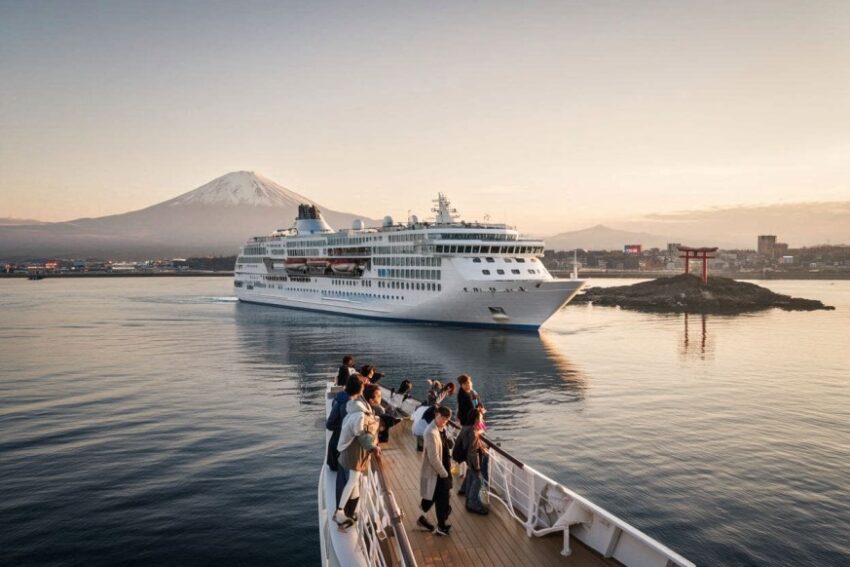
Mexico’s Puerto Vallarta Removed from Carnival Cruise Itineraries Amid Rising Unrest in Jalisco Region

Carnival Cruise Line has made the significant decision to cancel all planned visits to Puerto Vallarta, Mexico, for the next few weeks, as unrest continues to escalate in the region. The shift in itinerary, which notably affects the upcoming Carnival Panorama sailing on February 28, 2026, highlights the cruise line’s commitment to ensuring the safety of its passengers and crew. Puerto Vallarta, a popular port on Mexico’s Pacific coast, has long been a sought-after destination for cruise travelers. However, recent events, including the death of notorious cartel leader Nemesio “El Mencho” Oseguera, have prompted the cruise line to adjust its schedule. With Mexico’s Jalisco state now under a Level 3 “Reconsider Travel” advisory from the U.S. State Department, safety concerns have risen to the forefront, forcing the cancellation of port calls.

This article explores the reasons behind this decision, the ripple effects across Carnival Cruise Line’s entire fleet, and what this means for passengers and the cruise industry as a whole. Passengers who had planned to visit Puerto Vallarta will now have to look forward to an alternative itinerary, but there’s still hope for other Mexican Riviera destinations.

Carnival’s Bold Move Amid Rising Tensions

Carnival Cruise Line’s decision to suspend visits to Puerto Vallarta follows similar moves by other major cruise lines, including Norwegian Cruise Line, Holland America Line, and Princess Cruises. This is the fourth cruise line to remove Puerto Vallarta from its itinerary due to the ongoing violence in Jalisco. The violence stems from the increasing power struggle between criminal cartels in the region, creating an environment of instability that can affect both locals and tourists. This decision, while disruptive, underscores the cruise line’s emphasis on guest safety and demonstrates the broader industry’s willingness to adjust course in the face of geopolitical challenges.

The Carnival Panorama was originally scheduled to visit Puerto Vallarta on March 3, 2026, as part of an 8-night Mexican Riviera cruise. This cruise was set to include visits to Puerto Vallarta, Mazatlán, La Paz, and Cabo San Lucas. Instead, the ship will skip Puerto Vallarta and will spend additional time at Mazatlán and Cabo San Lucas. These changes are expected to affect not only the upcoming sailing but possibly multiple itineraries in the coming weeks, as Carnival Cruise Line waits to reassess the situation in Puerto Vallarta.

Impact on Passengers and Itinerary Changes

For guests who had booked excursions in Puerto Vallarta, Carnival Cruise Line is offering full refunds or alternative arrangements for their shore tours. The cruise line has also adjusted the schedule to provide more time in Mazatlán and Cabo San Lucas, ensuring that travelers still get the opportunity to explore two other stunning Mexican Riviera destinations.

Passengers scheduled to board the Carnival Panorama on February 28, 2026, will experience a slightly different journey. While Mazatlán remains on the itinerary, passengers will get an additional 30 minutes to explore the city. The real highlight, however, is an extended stay in Cabo San Lucas, with an additional hour added to the itinerary. This adjustment gives guests more time to relax and explore the beautiful resort town located at the tip of the Baja Peninsula.

Though the decision to skip Puerto Vallarta has caused some inconvenience for those who were eagerly anticipating the destination, Carnival Cruise Line is committed to ensuring that the overall cruise experience remains exceptional. Guests affected by the changes are being notified well in advance, with the cruise line emphasizing that their safety and satisfaction are top priorities.

Why Is Puerto Vallarta Being Skipped?

The recent violence in Jalisco, particularly surrounding the death of notorious cartel leader El Mencho, has raised safety concerns in several Mexican tourist destinations, including Puerto Vallarta. On February 22, 2026, the death of Oseguera triggered waves of unrest across the state, with gang violence spilling over into both urban and rural areas. The violence has reportedly been linked to turf wars among rival drug cartels, which have become increasingly violent in their attempts to control drug trafficking routes in the region.

As a result, Puerto Vallarta, a popular tourist destination for American and international visitors, has become part of the growing list of areas in Mexico with elevated travel advisories. The U.S. State Department issued a Level 3 advisory for Jalisco due to the increasing risk of violence, terrorism, and kidnapping, which has further added to the uncertainty. The U.S. government has also warned that bystanders, including tourists, could be inadvertently caught in the crossfire of cartel violence.

Despite this, other parts of Mexico—including popular destinations like Cabo San Lucas and Mazatlán—remain unaffected by the recent unrest, and the cruise lines have confirmed that their operations in these areas will continue as planned. At this point, no other regions in Mexico have faced similar levels of disruption, making it clear that the decision to cancel Puerto Vallarta visits is a precautionary measure aimed at protecting cruise passengers.

A Broader Industry Trend

The decision by Carnival Cruise Line to cancel Puerto Vallarta calls is not an isolated case. Other cruise lines, including Norwegian Cruise Line, Holland America Line, and Princess Cruises, have already made similar changes to their itineraries due to the escalating violence in the region. This marks a growing trend in the cruise industry, where passenger safety and geopolitical considerations are increasingly influencing itineraries.

As cruise lines prioritize the well-being of their guests, it’s likely that other companies will follow suit, either adjusting their routes or cancelling port visits in areas with escalating risks. While these changes are disruptive for travelers who have planned their vacations around specific destinations, the cruise industry remains flexible, offering guests alternative ports of call and adjusted itineraries that still provide an enjoyable and safe experience.

What’s Next for Puerto Vallarta?

Currently, Carnival Cruise Line has not set a confirmed date for the resumption of Puerto Vallarta calls. The decision to hold off on future visits reflects the ongoing instability in the region and the cruise line’s commitment to passenger safety. It remains unclear how long this pause will last, but the situation will likely continue to evolve as local authorities and cruise lines closely monitor developments.

Puerto Vallarta, known for its stunning beaches, vibrant culture, and excellent local cuisine, will undoubtedly remain a key port of call in the Mexican Riviera once the situation stabilizes. In the meantime, cruise lines are working hard to ensure that their guests can enjoy alternative destinations that provide just as much beauty and charm, albeit without the uncertainties currently surrounding Puerto Vallarta.

The recent unrest in Puerto Vallarta has forced Carnival Cruise Line to rethink its itineraries and put the safety of its passengers first. Although Puerto Vallarta remains a beloved destination on the Mexican Riviera, the ongoing violence has prompted the cruise line to cancel several calls to the port in the coming weeks. Travelers can still look forward to other vibrant Mexican destinations such as Mazatlán and Cabo San Lucas, which remain unaffected by the violence. The decision by Carnival Cruise Line highlights the importance of adaptability in the cruise industry, as operators continue to adjust to changing geopolitical conditions while striving to provide memorable vacation experiences.

The post Mexico’s Puerto Vallarta Removed from Carnival Cruise Itineraries Amid Rising Unrest in Jalisco Region appeared first on Travel And Tour World.

Philippine Airlines Seeks US Approval for New Manila to Chicago Direct Flight in Summer 2026, Expanding Routes for Stronger Connectivity

Philippine Airlines Seeks US Approval for New Manila to Chicago Direct Flight in Summer 2026, Expanding Routes for Stronger Connectivity

Philippine Airlines is looking to expand its international network by launching a direct flight route from Manila (MNL) to Chicago (ORD) in the summer of 2026. The airline has officially requested authorization from the US Department of Transportation to introduce this new long-haul service. The Manila to Chicago flight, if approved, would become one of the longest nonstop routes in the airline’s extensive global network, covering a distance of 8,132 miles.

This new route would serve as a strategic addition to Philippine Airlines’ operations, linking two significant cities and offering direct connectivity for passengers traveling between the Philippines and the US. The airline is currently awaiting regulatory clearance to begin ticket sales and confirm the specific launch date, which is expected to align with the IATA summer 2026 season, running from late March to late October.

Philippine Airlines Aims for Stronger US Network

Philippine Airlines is no stranger to the competitive landscape of US-based international travel. Already serving several key destinations such as New York (JFK), Los Angeles (LAX), and San Francisco (SFO), the airline continues to enhance its presence in North America. The proposed direct flights between Manila and Chicago would further solidify its position in the US market, specifically targeting the Filipino community, which is prominent in the Chicago metropolitan area. Chicago ranks as one of the top cities in the US by Filipino population, making it a strategic destination for the airline’s expanding network.

By launching this new route, Philippine Airlines is seeking to strengthen its existing services and reestablish connectivity in the Midwest, an area that was previously served through other routes but has since been underserved. The new flights will also cater to both point-to-point demand and connecting traffic between the Philippines and other US destinations.

What Chicago Represents for Philippine Airlines

The addition of Chicago to Philippine Airlines’ route network is not only about increasing connectivity but also about addressing the growing demand from the large Filipino community in the area. As one of the largest Filipino populations in the US, the Chicago metro area provides a substantial base for travel to and from the Philippines. The airline is confident that the demand for this route will be strong, with Filipino-American passengers seeking direct access between these two regions.

Moreover, the new route will bring about better access to the larger US Midwest, giving passengers the opportunity to travel between the Philippines and a broader region of the United States. Chicago’s O’Hare International Airport (ORD) is known for being one of the busiest airports in the world, making it a crucial hub for international flights, particularly for transpacific services.

Long-Haul Operations Supported by Fleet Modernization

Philippine Airlines’ push into the long-haul market is supported by its recent fleet expansion, which includes the addition of nine Airbus A350-1000 aircraft. These state-of-the-art planes are designed to handle ultra-long-haul routes like the one between Manila and Chicago, offering better fuel efficiency, higher capacity, and an enhanced passenger experience. The airline’s ongoing modernization of its fleet, combined with its robust service to key international destinations, positions it to tap into the growing demand for travel between the Philippines and the United States.

In addition, the airline has benefited from restructuring efforts made in the aftermath of the pandemic, which has allowed it to scale operations to meet international travel needs. The new Manila-Chicago service fits within the airline’s broader strategy of expanding into new long-haul markets while keeping a keen eye on profitability and operational efficiency.

Route to Boost Filipino Diaspora and Commercial Traffic

As the airline moves forward with this new initiative, it will continue to leverage the strong Filipino diaspora traffic that is central to its network strategy. By tapping into this well-established demand, Philippine Airlines can offer competitive fares while maintaining its focus on providing value for both leisure and business travelers. The airline’s US network is especially popular among the Filipino community, where it has cultivated strong brand loyalty over the years.

The new Chicago route will not only serve as a vital link for the Filipino diaspora but will also encourage commercial traffic between the Philippines and the Midwest region of the US. With significant trade between the two regions, the new service is expected to play a crucial role in fostering economic and cultural exchanges.

Fleet Expansion and Sustainability

The airline’s long-haul growth strategy aligns with its commitment to sustainability, as the newer aircraft in its fleet are equipped with the latest technologies that reduce carbon emissions. These efforts contribute to Philippine Airlines’ goal of modernizing its fleet to meet global aviation standards while reducing its environmental impact.

Philippine Airlines’ decision to incorporate the Airbus A350-1000 aircraft into its fleet is a move that positions it well for future long-haul operations, making it capable of handling some of the longest flights in the airline industry with improved fuel efficiency and capacity.

Looking Ahead: Chicago and Beyond

If the US Department of Transportation grants approval for the new Manila to Chicago route, Philippine Airlines plans to implement the service in the summer of 2026, enhancing connectivity and facilitating the movement of passengers between the Philippines and the US. Further details regarding flight schedules, frequency, and aircraft assignments will be disclosed once the necessary regulatory approvals are granted.

Philippine Airlines is hopeful that the launch of the Manila to Chicago direct flight will not only boost its presence in the US but also pave the way for further expansion into other underserved regions of North America.

A Major Step for Philippine Airlines

The potential launch of nonstop flights between Manila and Chicago by Philippine Airlines marks a significant step in the airline’s expansion strategy. This new route, along with the airline’s continued fleet modernization, supports its broader efforts to strengthen its position in the international market, cater to the growing demand from the Filipino community, and provide convenient travel options between the Philippines and the US. With approval from the US Department of Transportation expected soon, travelers can look forward to a seamless, direct connection between two key international destinations starting in 2026.

The post Philippine Airlines Seeks US Approval for New Manila to Chicago Direct Flight in Summer 2026, Expanding Routes for Stronger Connectivity appeared first on Travel And Tour World.

India Aviation Alert: SpiceJet Boeing 737 Returns to Delhi After Mid-Air Technical Concern on Leh Route

India Aviation Alert: SpiceJet Boeing 737 Returns to Delhi After Mid-Air Technical Concern on Leh Route

In a fresh reminder of how aviation safety systems function in real time across India, a SpiceJet service operating a Boeing 737 was compelled to make a precautionary return to Delhi shortly after departure. The flight, designated SG121, had taken off from Indira Gandhi International Airport with Leh’s Kushok Bakula Rimpochee Airport as its destination when a suspected technical irregularity was detected. Acting in accordance with established aviation safety procedures followed across India and globally, the crew opted to discontinue the climb and return to base.

The aircraft landed safely at Indira Gandhi International Airport, and approximately 150 passengers were disembarked without incident. It was confirmed by the airline that no fire warning had been triggered in the cockpit. While the issue was believed to be related to one of the engines, possibly the second engine, no detailed technical explanation was issued. The incident once again underscored how precautionary landings serve as a vital safeguard within India’s rapidly expanding aviation network.

Precautionary Return Shortly After Takeoff

The incident unfolded on February 24, when SpiceJet flight SG121 departed from Indira Gandhi International Airport in Delhi for Leh’s Kushok Bakula Rimpochee Airport. The route between Delhi and Leh is considered operationally sensitive due to terrain and weather factors, making aircraft performance and system indications critically important during the initial climb phase.

Shortly after takeoff, a possible technical issue was detected by the flight crew. In such situations, aviation protocols in India require that any abnormal indication be treated with the highest level of caution. As a result, the aircraft was turned back toward Delhi as a preventive measure.

The Boeing 737 landed normally at Indira Gandhi International Airport. Airport authorities coordinated ground handling efficiently, ensuring that passengers were safely disembarked in line with established safety standards. No injuries were reported, and no emergency evacuation procedures were required.

Engine Concern Under Review

Although the airline described the situation broadly as a technical issue, airport sources indicated that the matter may have involved one of the aircraft’s engines, potentially the second engine. However, no formal technical bulletin was released detailing the exact system irregularity.

It was clearly stated that no fire warning had appeared in the cockpit during the flight. This distinction was significant, as engine fire warnings typically trigger higher emergency response levels. In this case, the return was characterized as precautionary rather than reactive to an escalating onboard emergency.

Across India’s aviation sector, precautionary returns are considered a standard risk mitigation strategy. When flight instruments display irregular readings or when performance parameters deviate from expected norms, the safest course of action is often to return to the departure airport, where full technical support and inspection facilities are readily available.

Passenger Handling and Safety Protocols

Approximately 150 passengers were onboard the flight at the time of departure. Following the aircraft’s return, standard safety procedures were implemented to manage the situation smoothly.

Ground teams at Delhi coordinated passenger disembarkation without urgency or disruption. No onboard emergency was declared beyond standard technical reporting, and cabin crew procedures were conducted in a controlled and routine manner.

Commercial airlines in India, including SpiceJet, operate under strict guidelines mandated by the Directorate General of Civil Aviation. Flight crews undergo recurrent simulator training to manage abnormal system alerts, engine performance variations, and other inflight irregularities. The decision to return to Delhi reflected adherence to these established protocols rather than any confirmed catastrophic failure.

Precautionary returns, while disruptive to schedules, are widely regarded as evidence of a functioning safety culture rather than a lapse in operational integrity.

Operational Context of Delhi-Leh Route

The Delhi to Leh corridor presents unique operational considerations. Leh’s Kushok Bakula Rimpochee Airport is situated at high altitude in the Union Territory of Ladakh, where aircraft performance margins can be more demanding compared to sea-level airports in India.

Given the mountainous terrain and variable weather conditions common in northern India, any abnormal system indication during climb-out warrants conservative decision-making. Returning to Delhi allows for comprehensive inspection before attempting a re-dispatch, particularly on high-altitude routes.

The Boeing 737, widely used across India for domestic operations, is certified to operate in diverse environments. However, aviation safety doctrine prioritizes caution whenever uncertainties arise.

Pattern of Similar Technical Returns

The February 24 occurrence follows other precautionary returns involving SpiceJet in recent months across India.

On November 9, SpiceJet flight SG670, operating from Mumbai’s Chhatrapati Shivaji Maharaj International Airport to Kolkata’s Netaji Subhas Chandra Bose International Airport, experienced a technical issue during descent. The aircraft landed safely in Kolkata, and passengers deplaned normally.

Earlier, on September 12, a SpiceJet Q400 operating from Kandla Airport in Gujarat to Mumbai made an emergency landing at Mumbai after an outer wheel was reportedly found on the runway following departure. Despite the unusual circumstances, the aircraft landed safely, and no injuries were reported.

In October, SpiceJet flight SG497 from Delhi to Patna’s Jay Prakash Narayan International Airport, also operated by a Boeing 737, returned to Delhi shortly after takeoff due to a technical issue. An alternate aircraft was subsequently arranged for passengers following a routine landing and safe disembarkation.

These events collectively illustrate how precautionary landings form part of operational reality in commercial aviation, both within India and globally. Modern aircraft are equipped with advanced monitoring systems designed to detect irregularities early, enabling crews to act before a minor anomaly develops into a larger concern.

Broader Implications for India’s Aviation Sector

India remains one of the fastest-growing aviation markets in the world, with expanding connectivity between metropolitan hubs like Delhi and regional destinations such as Leh, Patna, and Kandla. As traffic volumes increase, the visibility of precautionary returns has also grown.

Industry experts consistently note that technical returns do not necessarily indicate systemic failures. Instead, they often demonstrate that aircraft monitoring systems and pilot training frameworks are functioning as intended.

Aircraft engines, avionics, and hydraulic systems are continuously monitored in-flight. Even minor deviations from expected parameters are recorded and assessed. When uncertainty exists, returning to base remains the safest and most responsible decision.

In the case of SG121, the absence of a cockpit fire warning and the normal landing in Delhi reinforced that the situation remained controlled throughout.

Safety Remains Central

No injuries were reported in connection with the February 24 incident involving SpiceJet flight SG121. Passenger safety was preserved, and operational protocols were executed without escalation.

While flight disruptions can create inconvenience, they are often evidence of a robust safety-first approach within commercial aviation. The precautionary return to Delhi demonstrated alignment with both national aviation regulations in India and international safety standards governing Boeing 737 operations worldwide.

Further technical inspections were expected to be conducted before the aircraft’s return to service. Such post-incident evaluations are routine and form part of standard engineering practice across the aviation industry.

The post India Aviation Alert: SpiceJet Boeing 737 Returns to Delhi After Mid-Air Technical Concern on Leh Route appeared first on Travel And Tour World.

UAE–Mauritius Tourism Corridor Soars as Emirates Carries One Million Travellers from Europe, USA, China and Saudi Arabia to Indian Ocean Paradise

UAE–Mauritius Tourism Corridor Soars as Emirates Carries One Million Travellers from Europe, USA, China and Saudi Arabia to Indian Ocean Paradise

The air bridge between the United Arab Emirates and Mauritius has been strengthened significantly in recent years, as Emirates Airlines (EK) has transported more than one million visitors to the island through Sir Seewoosagur Ramgoolam International Airport (MRU) since 2022. From its global hub at Dubai International Airport (DXB), the Dubai-based carrier has played a defining role in shaping travel flows between Europe, the United States, China, Saudi Arabia, and the wider Indian Ocean region. This milestone has underscored the airline’s expanding influence in long-haul leisure markets while reinforcing Mauritius’ reputation as one of the world’s most desirable island destinations.

Over the four-year period from 2022 to 2025, more than 20 percent of total tourist arrivals into Mauritius were carried by Emirates. The sustained growth in capacity, connectivity, and premium offerings has been aligned with the island nation’s post-pandemic tourism recovery strategy. As global demand for upscale beach destinations has surged, the UAE–Mauritius travel corridor has been positioned as a model of strategic aviation and tourism collaboration.

Record Passenger Volumes Drive Mauritius Tourism Recovery

A strong rebound in international tourism was recorded by Mauritius in 2025, when 1,436,250 visitors were welcomed to the island, reflecting a year-on-year increase of 3.9 percent. Within this growth trajectory, Emirates’ contribution has remained substantial. Passenger volumes carried by the airline to MRU rose by 5.7 percent in 2025 compared to the previous year.

Annual Emirates arrivals increased steadily from 207,000 in 2022 to nearly 309,000 in 2025, representing a 50 percent rise over three years. The upward trend has been supported by the airline’s expansive global network spanning more than 150 destinations. Through codeshare partnerships, connectivity has been extended to over 1,700 additional offline points, strengthening access from secondary and emerging markets.

Travellers from approximately 60 countries have been routed to Mauritius via Dubai. Beyond major European markets such as the United Kingdom, Germany, France, Italy, Belgium, Poland, the Netherlands, Switzerland, and Russia, passenger flows have also originated from Kazakhstan, Slovakia, and Romania through cooperation with flydubai. Additional demand has been generated from the United States, China, South Korea, the United Arab Emirates, and Saudi Arabia, illustrating the island’s diversified source markets.

Strategic Capacity Expansion Between Dubai and Mauritius

Three daily services have been operated by Emirates between Dubai International Airport and Sir Seewoosagur Ramgoolam International Airport. The schedule has included two daily Airbus A380 flights and one Boeing 777 service, offering approximately 10,500 weekly seats into Mauritius.

In response to increasing travel demand from Europe, the GCC, North America, and Asia, a third daily frequency was introduced, resulting in a capacity expansion of roughly 30 percent on the route. Emirates has remained the only airline deploying the Airbus A380 to Mauritius and the sole carrier providing First Class cabins on this sector, further differentiating its premium product offering in the Indian Ocean market.

From 29 March, a retrofitted Boeing 777 equipped with Premium Economy cabins has been scheduled for deployment on flights EK709 and EK710. The upgraded aircraft has introduced enhanced seating configurations and expanded premium options for travellers seeking elevated comfort between the UAE and Mauritius.

Longstanding Tourism Partnership with Mauritius Authorities

A collaborative relationship has been maintained between Emirates and the Mauritius Tourism Promotion Authority since 2012. Through coordinated marketing campaigns, Mauritius has been positioned as a high-value leisure destination targeting affluent travellers across Europe, the GCC, North America, and Asia.

Since 2022, more than 30 leading travel agents from European and GCC markets have participated in familiarisation visits to Mauritius. These initiatives have been designed to provide first-hand exposure to resorts, cultural experiences, and hospitality offerings across the island.

In addition, roadshows, workshops, and training sessions have been organised in partnership with hotels and tourism stakeholders. Agents have been equipped with updated product knowledge and sales tools to craft customised holiday packages. Marketing efforts have been amplified through influencer collaborations, media familiarisation trips, and targeted advertising campaigns.

Seasonal promotions have prominently featured Mauritius, including double Emirates Skywards incentives tied to hotel stays. Strategic partnerships with global hospitality brands such as Marriott Hotels and RIU Resorts have further strengthened the island’s premium positioning in the international leisure market.

Emirates Holidays Enhances Leisure Appeal

Leisure demand has also been stimulated through Emirates Holidays, the tour operating arm of the Emirates Group. Mauritius has been prioritised across key source markets including the United Kingdom, United Arab Emirates, Germany, Denmark, Saudi Arabia, and Sweden.

Curated travel packages have been offered, combining beachfront accommodation with excursions, gastronomy, and cultural experiences. Dedicated destination pages, tailored itineraries, and personalised booking assistance have been utilised to position Mauritius as an experience-driven destination catering to couples, families, and honeymooners.

By integrating air travel, accommodation, and ground services into comprehensive packages, seamless holiday planning has been facilitated for travellers departing from Europe, the Middle East, and Asia.

Rising Search Trends and Market Momentum

According to Emirates’ 2025 summer travel trends data, flight searches for Mauritius increased by 41 percent during the previous summer season. The island was ranked as the second most searched destination across the airline’s global network after Vietnam, highlighting its growing appeal among international travellers.

This surge in digital interest has reflected a broader shift toward long-haul leisure travel as global mobility stabilised. Mauritius has benefited from its reputation for pristine beaches, luxury resorts, marine biodiversity, and multicultural heritage, which resonate strongly with travellers from the United Arab Emirates, Europe, the United States, and China.

Local Investment and Economic Contribution

To support long-term growth in Mauritius, Emirates launched a new experiential Travel Store in Port Louis in 2025. The facility has been designed to provide in-person booking services, product showcases, and personalised travel consultation for customers in Mauritius.

The airline has served the Mauritian market since 2002 and has employed hundreds of Mauritian nationals across operational and corporate roles. Beyond transporting passengers, economic contributions have been generated through employment, tourism revenue, and partnership-driven investments within the local travel ecosystem.

By combining aviation capacity, marketing alignment, and local engagement, Emirates has reinforced its position as a key enabler of Mauritius’ tourism economy.

Strengthening the UAE–Mauritius Aviation Corridor

The sustained growth in passenger volumes between the United Arab Emirates and Mauritius has demonstrated the strategic importance of Dubai as a global connecting hub. By linking Europe, the United States, China, South Korea, Saudi Arabia, and other markets to the Indian Ocean, Emirates has facilitated diversified tourism flows that reduce reliance on any single region.

As Mauritius continues to surpass pre-pandemic arrival levels, the airline’s operational consistency, fleet deployment strategy, and premium cabin offerings have supported the island’s ambition to remain competitive among high-end beach destinations worldwide.

With more than one million passengers transported since 2022, the aviation partnership between the UAE and Mauritius has emerged as a cornerstone of regional tourism development. Continued capacity optimisation, product enhancements, and collaborative marketing efforts are expected to sustain momentum in the years ahead, further solidifying Mauritius’ standing on the global travel map.

The post UAE–Mauritius Tourism Corridor Soars as Emirates Carries One Million Travellers from Europe, USA, China and Saudi Arabia to Indian Ocean Paradise appeared first on Travel And Tour World.

United Kingdom, Spain and France in Focus as Royal Caribbean Redesigns 2026 Solar Eclipse Sailing

United Kingdom, Spain and France in Focus as Royal Caribbean Redesigns 2026 Solar Eclipse Sailing

A rare celestial event over Europe has prompted Royal Caribbean to refine one of its most anticipated 2026 voyages, ensuring that guests sailing from the United Kingdom toward Spain and France experience the August 12, 2026 total solar eclipse at its most dramatic. The nine-night journey aboard Liberty of the Seas has been strategically adjusted to position the ship directly within the path of full totality, transforming an already memorable cruise into an extraordinary astronomical spectacle.

Departing from Southampton, the sailing had originally been designed to deliver prime coastal experiences across the Iberian Peninsula. However, as eclipse calculations were reassessed, it was determined that subtle routing changes could dramatically enhance visibility. Rather than remaining within a 94–98 percent totality band, the vessel will now be guided into the heart of the eclipse’s shadow for a complete viewing experience at sea.

With ports in Spain restructured and a new call in France added, the itinerary has been reshaped without compromising its European appeal. The result is a carefully balanced voyage that blends science, scenery, and seafaring precision.

Strategic Route Adjustment to Capture Full Totality

The revised sailing, scheduled to depart Southampton on Friday, August 7, 2026, reflects deliberate navigational planning. After its call to Gijon, Spain, the ship will alter course to ensure optimal placement in the path of totality on eclipse day.

As part of this modification, Lisbon, Portugal has been removed from the schedule. In its place, additional time alignment has been introduced for Vigo, Spain, followed by La Coruna, Spain, after the eclipse. Furthermore, Le Havre, France has been added to the itinerary before the vessel returns to the United Kingdom.

This recalibration has been communicated directly to booked guests, with shore excursions automatically adjusted. Pre-arranged tours for Lisbon will be canceled and refunded to the original form of payment. Excursions in Vigo and La Coruna will be shifted to correspond with the new port dates and times.

Such proactive operational management reflects the cruise line’s commitment to delivering not only scenic destinations but also scientifically optimized experiences.

Updated Nine-Night Itinerary Overview

The enhanced solar eclipse sailing aboard Liberty of the Seas will now proceed as follows:

  • Friday, August 7 – Departure from Southampton at 5 p.m.
  • Saturday, August 8 – Day at sea
  • Sunday, August 9 – Bilbao, Spain from 8 a.m. to 6 p.m.
  • Monday, August 10 – Gijon, Spain from 9 a.m. to 6 p.m.
  • Tuesday, August 11 – Vigo, Spain from 10 a.m. to 7 p.m.
  • Wednesday, August 12 – Solar Eclipse day at sea
  • Thursday, August 13 – La Coruna, Spain from 7 a.m. to 6 p.m.
  • Friday, August 14 – Day at sea
  • Saturday, August 15 – Le Havre, France from 8 a.m. to 9 p.m.
  • Sunday, August 16 – Arrival in Southampton at 5:30 a.m.

By repositioning the vessel between Spain and France on eclipse day, maximum exposure to totality will be achieved while maintaining a rich blend of cultural port experiences.

Why Totality Matters at Sea

While a 94–98 percent solar eclipse may appear nearly complete, the final fraction of coverage dramatically alters the visual and atmospheric effect. Only within the zone of 100 percent totality does the sky darken fully, revealing the solar corona and creating a twilight-like transformation during daytime hours.

According to TimeandDate, the August 12, 2026 total solar eclipse will sweep across parts of the North Atlantic and Europe, including areas near Spain and the United Kingdom. By positioning Liberty of the Seas directly within this corridor, guests will be granted an unobstructed ocean horizon for viewing, free from city skylines or terrain interference.

The following total solar eclipse, set for August 2, 2027, will primarily cross northern Africa, limiting comparable at-sea opportunities from European ports. This has elevated the 2026 event to rare status for travelers sailing from the United Kingdom.

Guest Response Reflects Enthusiasm

Cruise itinerary changes frequently prompt frustration among travelers, particularly when iconic destinations such as Lisbon are removed. In this instance, however, widespread enthusiasm has been observed among booked guests.

Online discussions have reflected appreciation for the enhancement. Many travelers had initially expressed concern that the ship might remain outside the core path of totality. With the revised routing confirmed, satisfaction has largely replaced apprehension.

The perception has been formed that guest feedback was considered during the decision-making process, strengthening goodwill and anticipation ahead of departure.

Balancing Astronomy with European Exploration

Despite the eclipse-driven adjustments, the voyage continues to showcase prominent destinations across Spain and France.

Bilbao offers access to northern Spain’s Basque culture and architecture. Gijon provides coastal charm along the Bay of Biscay. Vigo and La Coruna highlight Galicia’s maritime heritage and historic old towns. The addition of Le Havre opens the gateway to Paris and Normandy, extending the itinerary’s geographic reach into France before the return to Southampton.

By preserving meaningful port durations, the cruise retains its cultural depth while accommodating celestial precision. The removal of Lisbon has been counterbalanced by extended regional focus within northern Spain and the inclusion of France.

Operational Precision Behind the Scenes

Liberty of the Seas, a 155,900-gross-ton vessel capable of carrying up to 4,960 guests, will rely on advanced navigation systems to position itself accurately within the eclipse’s shadow. At sea, flexibility can be exercised more effectively than on land, where infrastructure and terrain impose limits.

Meteorological monitoring, maritime traffic coordination, and real-time astronomical tracking will likely play integral roles in ensuring optimal placement. By remaining offshore on eclipse day, potential port congestion or coastal visibility restrictions will be avoided.

This flexibility underscores the advantage of cruise-based eclipse viewing, particularly in European waters between Spain and the United Kingdom, where coastal cloud patterns can vary.

A Rare Maritime Moment for Europe

Total solar eclipses visible from European cruise routes are infrequent. The August 12, 2026 alignment presents a convergence of accessible departure ports, favorable ocean positioning, and strong traveler interest.

From Southampton in the United Kingdom to coastal Spain and onward to France, the sailing represents a fusion of scientific wonder and continental exploration. The path of totality crossing near the Bay of Biscay has provided a geographic opportunity uniquely suited to maritime viewing.

For guests aboard Liberty of the Seas, the experience will not merely be a cruise itinerary adjustment but a rare opportunity to witness a defining natural event from an unobstructed vantage point.

Looking Ahead to August 2026

As anticipation builds, the voyage is expected to draw continued interest from astronomy enthusiasts and cruise travelers alike. The strategic changes demonstrate how maritime operators can adapt itineraries in response to rare global phenomena.

By refining its route across the United Kingdom, Spain, and France, Royal Caribbean has positioned Liberty of the Seas to deliver a fully immersive solar eclipse experience while preserving the richness of European coastal discovery.

In doing so, a standard nine-night sailing has been transformed into a once-in-a-generation event at sea, where science, travel, and precise navigation converge beneath a darkened midday sky.

The post United Kingdom, Spain and France in Focus as Royal Caribbean Redesigns 2026 Solar Eclipse Sailing appeared first on Travel And Tour World.

United States Aviation Spotlight: Delta Air Lines Expands Premium Strategy With 44-Seat First Class Airbus A321neo on Key Transcontinental Routes

United States Aviation Spotlight: Delta Air Lines Expands Premium Strategy With 44-Seat First Class Airbus A321neo on Key Transcontinental Routes

A notable shift in premium aviation strategy has been unveiled in the United States, where Delta Air Lines is preparing to introduce a uniquely configured Airbus A321neo featuring an exceptionally large First Class cabin. From its primary hub at Hartsfield–Jackson Atlanta International Airport, a temporary but highly premium-focused layout will be deployed on select transcontinental routes linking major American cities.

This development has been driven by certification delays affecting the airline’s new lie-flat business class suites, prompting a creative interim solution. Rather than allowing newly delivered aircraft to remain idle, a revised configuration has been implemented to ensure operational efficiency while maintaining a strong premium offering. The aircraft will connect Atlanta with key destinations including Los Angeles, San Diego, San Francisco, and Seattle, reinforcing Delta’s presence in high-demand coastal markets across the United States.

By expanding First Class capacity significantly beyond its usual narrowbody configuration, Delta’s approach has reflected both flexibility and a continued emphasis on premium travelers within the competitive U.S. aviation landscape.

A Premium Subfleet Designed for Transcontinental Travel

A total of 21 Airbus A321neo aircraft have been earmarked for dedicated premium transcontinental operations. These jets were originally designed to feature a high-end interior layout tailored for long domestic flights across the United States.

The intended configuration was structured to include:

  • 16 lie-flat business class seats
  • 12 premium economy seats
  • 54 extra legroom economy seats
  • 66 standard economy seats

This arrangement would have resulted in a total capacity of 148 seats, placing a strong emphasis on upscale travel experiences.

However, the rollout of the new lie-flat business class suites has been delayed due to certification challenges. Several aircraft delivered beginning in October 2024 have consequently remained in storage. Instead of extending that idle period, a temporary redesign has been implemented to bring these aircraft into active service.

The Temporary 164-Seat Configuration Explained

Under the interim plan, total seating capacity has been increased to 164 seats. The revised layout now consists of:

  • 44 First Class seats
  • 54 Delta Comfort seats
  • 66 Main Cabin seats

The most striking element of this configuration is the dramatic expansion of the First Class cabin. The originally planned 16 lie-flat business class suites have been replaced with 32 additional premium recliner-style seats, effectively more than doubling the size of the forward cabin.

The premium economy seats that had been designed for these aircraft are considered comparable to domestic First Class products, making them suitable for this substitution. Seven aircraft are currently expected to receive this temporary configuration.

Seat maps reflecting this layout have already been published, and flights have been made available for booking.

How It Compares With Delta’s Standard A321neo

Delta’s standard Airbus A321neo configuration in the United States typically includes:

  • 194 total seats
  • 20 First Class seats
  • 60 Delta Comfort seats
  • 114 Main Cabin seats

When compared to this arrangement, the temporary 164-seat layout reduces overall capacity but significantly increases premium inventory. The First Class cabin has been more than doubled in size, shifting the balance heavily toward higher-yield seating.

This move represents a meaningful departure from the carrier’s typical narrowbody strategy. Rather than maximizing total seat count, emphasis has been placed on enhancing premium availability on competitive transcontinental routes linking the southeastern and western United States.

Cabin Features and Passenger Experience Considerations

Seat Pitch and Comfort

The First Class seats installed in the interim configuration offer 38 inches of pitch. This measurement slightly exceeds what is typically provided on many domestic narrowbody aircraft operated by Delta. While not a lie-flat product, incremental improvements in legroom have been incorporated to support comfort on longer routes such as Atlanta to Los Angeles and Atlanta to Seattle.

Lavatory Allocation

Operational considerations have emerged due to the enlarged First Class cabin. A single forward lavatory has been designated for use by 44 First Class passengers. During peak service periods, some passengers may be required to utilize mid-cabin facilities, which could influence onboard flow and service timing.

Catering Capabilities

An additional oven has been installed compared to the standard domestic configuration. This enhancement enables expanded hot meal service to accommodate the larger premium cabin. Given the extended flight times on routes such as Atlanta to San Francisco, enhanced catering capacity has been viewed as essential to maintaining service standards.

Route Deployment Across the United States

The aircraft are scheduled to begin operations from June 7, 2026, with the possibility of earlier entry into service during May 2026. Service will be concentrated on select frequencies between Atlanta and major West Coast cities, including:

  • Los Angeles International Airport
  • San Diego International Airport
  • San Francisco International Airport
  • Seattle–Tacoma International Airport

These routes represent some of the most competitive and premium-heavy domestic corridors in the United States. On peak Atlanta to Los Angeles services, aircraft equipped with Delta One suites and Premium Select cabins will continue to operate for travelers seeking fully flat-bed seating.

This deployment ensures that premium passengers across the United States continue to have multiple service options depending on schedule and product preference.

Certification Delays and Broader Strategic Implications

The first aircraft in this premium subfleet was delivered in October 2024. With the revised interiors entering service in summer 2026, some jets will have remained inactive for nearly two years. The prolonged certification timeline for the new lie-flat business class suites has had a direct impact on deployment plans.

Investment in a temporary reconfiguration suggests that approval delays are expected to extend well beyond late 2026. Such delays underscore the increasing complexity of aircraft interior certification processes in the modern regulatory environment.

Broader implications have been observed within Delta’s long-term fleet strategy. Questions have been raised regarding future programs, including the planned introduction of Airbus A350-1000 aircraft equipped with a new business class product. Continued certification challenges could influence timelines and capital allocation decisions across the fleet.

Parking newly delivered aircraft for extended periods generates financial inefficiencies. By implementing a temporary premium-heavy layout, revenue generation can begin while flexibility is maintained. Once certification is secured, interim recliner seats can be transferred to newly delivered A321neos, and the originally planned lie-flat suites can be installed.

This approach reflects operational pragmatism within the evolving aviation landscape of the United States.

Financial and Competitive Context

The transcontinental market within the United States has remained intensely competitive, particularly on routes connecting Atlanta with major West Coast cities. Premium demand has been sustained by corporate travel, technology sector mobility, and high-net-worth leisure passengers.

By expanding First Class inventory to 44 seats, Delta has positioned itself to capture additional premium revenue during a period of regulatory uncertainty. While total seat count has been reduced, yield optimization appears to have been prioritized over volume.

Such flexibility demonstrates how airlines can adapt fleet utilization strategies in response to certification bottlenecks without compromising market presence.

Bottom Line

A distinctive 164-seat Airbus A321neo configuration featuring 44 First Class seats is set to be introduced by Delta Air Lines due to ongoing certification delays affecting its new lie-flat business class suites. Rather than keeping aircraft in storage, a temporary premium-focused layout will be deployed on major transcontinental routes from Atlanta to Los Angeles, San Diego, San Francisco, and Seattle.

The strategy enables revenue generation, strengthens premium positioning within the United States, and preserves long-term flexibility. While the extended certification timeline highlights the complexities of modern aircraft interior approvals, a practical solution has been implemented to balance operational demands with premium ambitions.

The post United States Aviation Spotlight: Delta Air Lines Expands Premium Strategy With 44-Seat First Class Airbus A321neo on Key Transcontinental Routes appeared first on Travel And Tour World.
❌