Login
Login
Greece Emerges as a Pillar of Stability Amid Middle East Unrest: Why Tourists and Investors Are Flocking to Athens, Crete, and Santorini – Here’s What You Need to Know

As geopolitical tensions rise in the Middle East, Greece has positioned itself as a beacon of stability in the Eastern Mediterranean. Strategically located at the crossroads of Europe, Asia, and Africa, the country has harnessed its geographic advantage to offer a reliable space for investment and tourism amidst a volatile region. With its strong ties to the European Union and robust defense and energy partnerships with the United States, Greece is emerging as a critical player in regional security and economic resilience. As global markets remain sensitive to instability, Greece’s commitment to fostering a stable environment continues to enhance its attractiveness as a travel destination and business hub. With the growing importance of energy infrastructure, Greece is also carving out a niche as a key energy and logistics center in Southeastern Europe.
Greece’s Geographic Advantage: A Natural Hub for Stability
Greece’s strategic location has always been a defining feature of its geopolitical relevance. Positioned where Europe, Asia, and Africa converge, it plays a pivotal role in regional trade, security, and energy transit. The country has become increasingly essential in a world where Middle Eastern instability has far-reaching effects on global markets, including tourism and energy supply chains.
While neighboring regions face escalating tensions, Greece has leveraged its membership in the European Union to bolster its diplomatic and security standing. This affiliation not only strengthens its political alliances but also ensures the country benefits from the EU’s resources, regulatory frameworks, and access to international markets. Such affiliations enable Greece to act as a stability hub, providing a safe environment for travelers, investors, and businesses alike.
A Strategic Energy Player in Southeastern Europe
In recent years, Greece has become a central player in the energy infrastructure landscape of Southeastern Europe. The country’s liquefied natural gas (LNG) infrastructure investments and interconnections have made it a critical energy transit point, helping to diversify energy routes and reduce reliance on unstable suppliers. Greece’s growing role in energy logistics is not only bolstering its economy but also reinforcing its position as a reliable partner for energy security.
For travelers, this presents a dual advantage: first, the strengthening of Greece’s energy infrastructure fosters economic growth, which boosts its tourism sector, and second, the increasing demand for energy security places Greece at the forefront of a key regional industry. As the EU and other global powers seek alternative energy sources, Greece’s strategic positioning ensures it remains a relevant and economically stable destination.
Greece’s Resilient Tourism Sector Amid Global Uncertainty
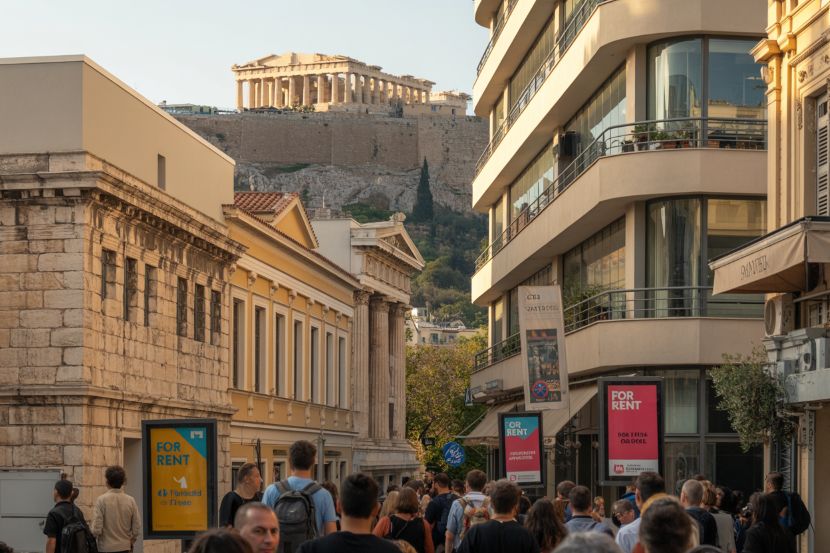
The ongoing geopolitical tensions in the Middle East have created a ripple effect on global tourism. Countries traditionally seen as stable have witnessed an increase in demand for safe destinations, and Greece has emerged as a prime example. Greek tourism continues to thrive, drawing millions of visitors annually. The nation’s ancient monuments, beautiful islands, and Mediterranean climate remain attractive to international tourists, even as travelers become more cautious in the face of global uncertainty.
Moreover, Greece’s commitment to stability extends to its tourism sector, which has proven resilient in times of regional volatility. The country offers an environment that is both secure and welcoming, ensuring that tourists can enjoy their vacations without the disruptions that often accompany unstable regions. This predictability in tourism flows has further cemented Greece’s standing as a top destination in the Eastern Mediterranean.
How Greece’s Political Stability Benefits Investment and Economic Growth
Beyond its tourism appeal, Greece’s political stability plays a crucial role in attracting international investment. With a steady regulatory environment and a growing economy, Greece offers significant opportunities for businesses seeking to establish a foothold in the region. The country has steadily increased its infrastructure capacity, including the expansion of port facilities and logistical hubs, further enhancing its appeal to investors.
Moreover, Greece’s partnerships with countries like the United States and regional players in the Eastern Mediterranean have led to increased foreign investments, especially in energy and infrastructure projects. The country’s economic resilience, underpinned by strong institutional frameworks, is a key factor in making it an attractive location for businesses looking to mitigate risks associated with volatile markets.
For tourists, the economic benefits of these investments mean more opportunities for growth in the travel and leisure sector. New hotels, luxury resorts, and transport infrastructure have all been bolstered by this influx of investment, ensuring a superior experience for visitors.
Navigating Regional Challenges: Maintaining Stability in a Changing World
Although Greece’s role as a stability hub is becoming more significant, the country must remain vigilant in the face of ongoing challenges. The broader impacts of climate change, energy price fluctuations, and migration pressures require continuous strategic planning and international cooperation. Greece’s ability to balance its geopolitical influence with domestic stability will determine how well it can sustain its position as a reliable partner in the Eastern Mediterranean.
The country’s investment in defense, energy infrastructure, and international partnerships are all part of a broader strategy to maintain its relevance and stability in an increasingly complex geopolitical landscape. Greece’s reliability on the international stage will not only ensure continued tourism growth but also strengthen its ability to attract businesses looking for a stable environment amidst global uncertainty.
Travel Tips for Tourists Visiting Greece Amid Regional Tensions
While geopolitical tensions may cast a shadow over some destinations, Greece remains a top choice for travelers seeking security, beauty, and culture. To make the most of your visit, here are some helpful tips:
- Explore Lesser-Known Regions: While places like Athens and Santorini are always popular, consider visiting lesser-known Greek islands such as Naxos or Ikaria, where you can enjoy a more peaceful and authentic experience.
- Stay Updated on Travel Alerts: Although Greece remains safe for tourists, it’s always wise to stay informed about any regional developments. Check official travel advisories before your trip.
- Support Local Businesses: In times of uncertainty, local businesses benefit immensely from tourist support. Enjoy Greek cuisine in family-owned tavernas or stay in locally owned hotels to make a positive impact on the economy.