Login
Login
Without regulation, AI will threaten the very thing football fans have come to love
Technology has driven countless evolutions in football – and so much of it has made the game better. Through social media, we can interact with fans anywhere in the world; we can stream games thousands of miles away; we can replay highlights obsessively, and meme every weird face that Phil Jones has pulled.
The internet has been a huge driver in giving fans more access to football news, but also more of a voice. It offers a platform for independent journalists and obsessive amateurs to create tailored reporting, from a fan perspective; it makes room for unofficial club sites and dedicated social media pages – the kinds of community spaces where people really fall in love with the sport.
It is this grassroots reporting that is most under threat from artificial intelligence. AI-powered search engines gather statistics and analysis from articles to summarise the information requested. The facts feel like they’re pulled out of thin-air, but they’re not; they’re reported by writers who aren’t getting paid for their work. And when journalists can’t make a living, that work disappears.
Right now, the danger is that leading AI companies will strike licensing agreements with large media groups, leaving independent sites unprotected. Football coverage will get less diverse; smaller clubs will be less represented; niche discussions will have nowhere to thrive.
The Football Writers’ Association has launched a formal initiative to negotiate with leading AI companies over the use of its members’ content by AI platforms. Media plurality must be prioritised, or the convenience of AI will surely be offset by the loss of the passion and specific expertise that audiences want from football reporting.
The rise of grassroots reporting and the football fanzine
The obsessive writings of football fandom took root long before they spread to the internet. In 1980s Britain, football was in a troubled period. In the wake of the Heysel Stadium tragedy, English clubs were banned from European competitions, and football fans became synonymous with “hooligans”. Game attendance slumped across all four divisions of English football.
Fanzines provided the perfect antidote to the disillusionment. Their explosion in popularity brought enthusiasm and creativity back into the game. By 1992, more than 600 fanzines had appeared on the scene, and every professional club in the UK could boast at least one publication meticulously chronicling their successes and failures.
The contributors were often young, unknown football nerds. Notable reporters included singer, and devoted Queens Park Rangers fan, Pete Doherty, and Trainspotting author Irvine Welsh, who wrote for Hibs Monthly. The publication names were playful, drawing on a mix of football chants and cultural references; the content was humorous, and irreverent. It looked, in other words, like much of the funniest fan content we see online now.
User generated content, and what it meant for fans
Then came the internet. In 1990, the first football club website was set up – not for one of the big-name teams, but for Ipswich Town. And why? Because it was small clubs that wouldn’t get mainstream coverage; for them, the internet offered a real opportunity to build their fanbase, and spread their stories across the world.
Bloggers could report on rolling news from their bedrooms. They didn’t need degrees in journalism, or the blessing of a major news outlet; they just needed to love football, and have something to say. Many of today’s sports’ reporters came up through exactly that system; they didn’t start as professionals, but as fanatics.
Social media has accelerated this evolution. A well-crafted reel or a pithy one-liner on X might get more views in a day than a post from the BBC, if you’re good enough.
Fan activism and people power
Social platforms have also vastly increased the influence that fans have on football. Just as the old-school fanzines railed against the South Yorkshire Police in the wake of the Hillsborough disaster, football lovers can now have important conversations online about racism, homophobia, and the increasing control that a few, very rich, individuals have over the sport.
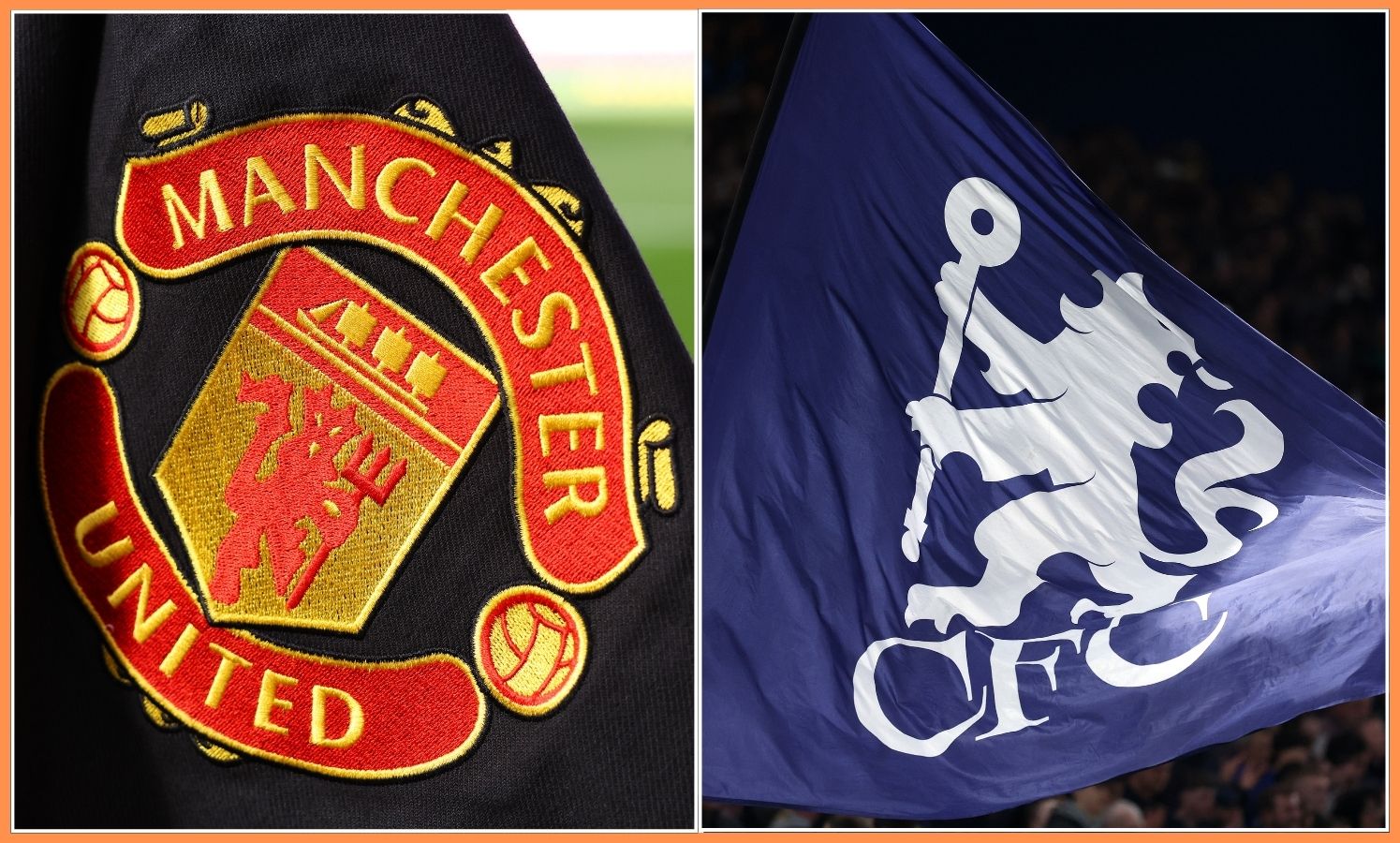
A great example of this is the momentum against the European Super League, which was largely built on social media. Ex-Manchester United defender Gary Neville’s furious outburst about the plans rapidly went viral and, within hours, the top trending topics on Twitter in the UK were: “Disgraceful”, “Money”, “#FSGOut”, “RIP Football”, and “Greedy”. The result? The clubs involved u-turned on their plans within a matter of days.


That kind of grassroots power shouldn’t be undervalued; it was hard-worn. Still, independent creators can’t exist on love of the sport alone. They need, and deserve, to be paid for the value they bring.
The question for AI companies and legislators is, how do they continue technological advancement, while supporting the work of the creators that make AI products worthwhile? The question for football fans is, how do we keep a voice in the face of such existential change?
The post Without regulation, AI will threaten the very thing football fans have come to love appeared first on CaughtOffside.