AI cloud mining expands access as SHRMiner lowers barriers to crypto mining participation in 2026. As the global technological landscape continues to evolve in 2026, more and more people are exploring passive income opportunities in the digital economy. Technologies such…
AJC Mining’s free cloud mining service gives global users an easy way to join the crypto market and explore higher earning opportunities amid Bitcoin’s latest rally. The global cryptocurrency market is entering a new wave of momentum as Bitcoin recently…
U.S. stocks opened higher in a modest risk-on move, led by AI‑linked storage names like Micron and Western Digital, even as PayPal dropped about 10% on weak profit guidance. U.S. equities opened in the green, with the Dow up 0.45%,…
U.S. stocks opened higher on Tuesday, with major indexes gaining and AI‑linked storage names outperforming, even as PayPal sank about 10% after disappointing profit guidance. According to CoinDesk, State Street and Galaxy have rolled out SWEEP, a “tokenized private liquidity fund”…
A crypto Ponzi scheme operating under the names DSJ Exchange and BG Wealth Sharing collapsed last week, with on-chain investigator ZachXBT estimating total losses exceed $150 million. The scheme had been running since 2025 and accumulated thousands of victims before falling apart.
Between April 27 and May 3, operators moved more than $92 million in illicit funds across multiple blockchain networks in an apparent attempt to obscure the trail. Approximately $63 million of those funds flowed to custody provider Cobo across four identified wallet addresses on the Tron network.
How the Money Was Traced
ZachXBT said the case came to his attention while he was reviewing USDD contract flows for an unrelated investigation. After identifying the consolidation pattern, he traced outflows across Solana and Tron, matched deposit addresses to Binance accounts through timing analysis, and provided the findings to exchanges, law enforcement, and stablecoin issuers.
The coordination moved quickly. On May 4, Tether froze $38.4 million in funds connected to the scheme. A further $3.1 million was frozen across other platforms, bringing the total amount immobilised to more than $41.5 million. ZachXBT said he worked directly with Tether, Binance’s security team, OKX, and US law enforcement throughout the process.
Who Was Targeted
ZachXBT described the scheme as a Chinese investment fraud deliberately designed to target unsophisticated retail investors through social media channels. The mechanics were straightforward enough that experienced crypto users would likely have identified it quickly, but the operators relied on reaching people with limited familiarity with how these schemes work.
Reading through victim accounts on Reddit after publishing his findings, ZachXBT said many affected users were still in denial about having been defrauded. He urged anyone affected to file a police report in their local jurisdiction, directing US victims specifically to the FBI’s Internet Crime Complaint Center at ic3.gov.
The $150 million figure, he added, is likely a significant underestimate. The scheme operated for well over a year and thousands of victim exchange withdrawals have been identified, suggesting the actual losses may be considerably higher once the full picture emerges.
A Note on the Investigation
ZachXBT said that Ponzi scheme investigations are not cases he typically pursues, describing them as lacking the complexity of the hacks and exploits he more commonly analyses. The repetitive nature of the work means he rarely takes them on. This one was an exception, caught by chance while he was working on something else entirely.
Just when Telegram-based Play-to-Earn (P2E) tokens looked completely written off, they’re suddenly back from the dead and moved fast. The trigger today? A sharp 6x drop in TON blockchain fees, now sitting near zero, per Pavel Durov CEO and founder of Telegram. That single shift flipped sentiment overnight, dragging the entire ecosystem along for the ride.
TON Fee Cuts Spark Sudden Ecosystem Revival
Well, on its ecosystem, lower fees didn’t just improve usability but even they reignited speculation. TON token price itself surged roughly 40% intraday, instantly pulling attention back to a chain many had quietly ignored or acted to forgot.
Now, this move shows that cheap transactions will mean more activity. More activity means more hype. And in crypto, that’s often enough.
P2E Tokens Ride TON’s Explosive Momentum Wave
But, the real fireworks was not only in TON today but showed up in the mini-app tokens running on its blockchain. Catizen (CATI) jumped 27%, Hamster Kombat (HMSTR) climbed 24%, and Notcoin (NOT) ripped 35% higher.
These Telegram-based Play-to-Earn (P2E) tokens thrive on simplicity that’s tap, earn, repeat. Massive user bases were already there, but high friction and fading interest had nearly killed its growth. Now, with near-zero fees, that friction is basically gone. It’s not innovation driving this, it’s accessibility but now will demand follow that’s a question for future which has high odds at this point.
Can TON Break Resistance And Sustain Rally
So, what’s next in TON price action? That’s where things get tricky. TON is now hovering around $1.84, pushing toward a key $2.0 resistance level. Break that cleanly, and momentum could extend.
But fail? And it could unwind just as quickly. For now, Telegram-based Play-to-Earn (P2E) tokens are riding the wave which are proving once again that in this market, one update can turn a graveyard into a gold rush overnight.
Andreessen Horowitz’s crypto arm has raised $2.2 billion for its fifth fund, bringing total commitments across all funds to $9.8 billion. The firm said crypto is moving into a more mature phase driven by real-world use cases like stablecoins, on-chain lending, and blockchain-based capital markets. Partners highlighted long-term infrastructure growth supported by evolving regulation, including the 2025 GENIUS Act. The fund signals continued strong venture confidence in practical crypto applications despite weak market prices.
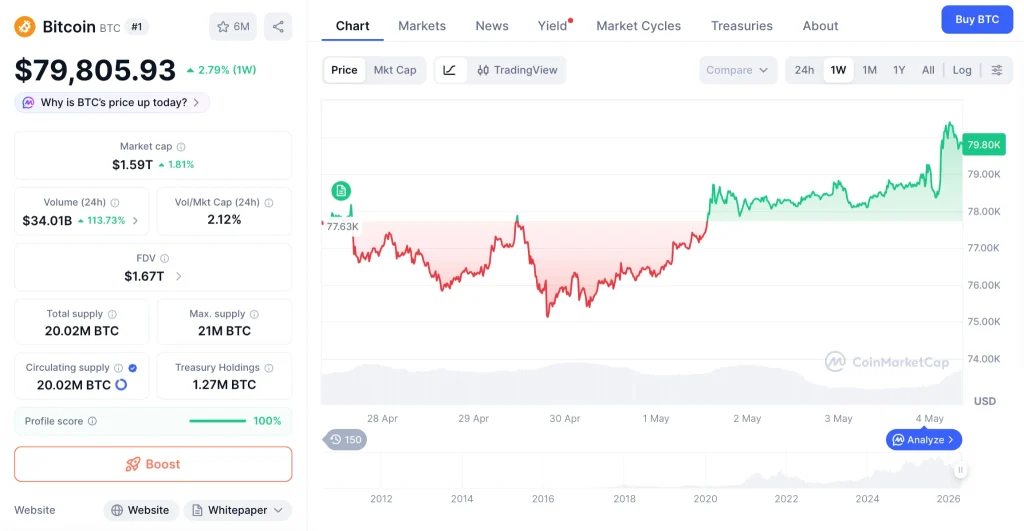
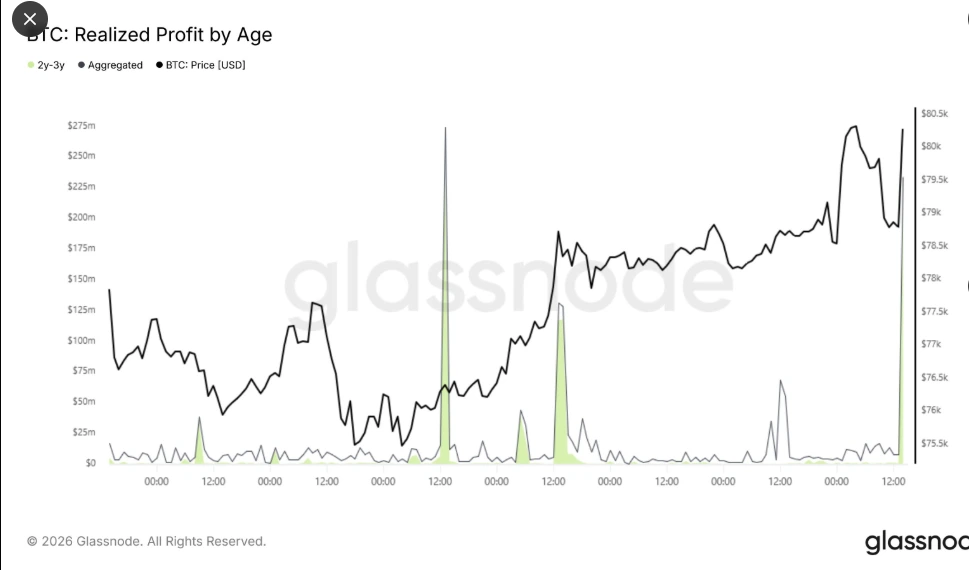
Bitcoin crossed back above $81,000 Monday, reclaiming a level it had not seen in four months and extending a recovery that has added nearly $500 billion to the total crypto market capitalisation since the US-Iran war began.
The move was accompanied by liquidation of short positions, with bearish traders caught offside as price pushed through the $80,000 psychological barrier. The forced short covering accelerated the rally, adding fuel to a move that was already building on improving macro sentiment.
What the Numbers Show
Avinash Shekhar, Co-Founder and CEO of crypto derivatives platform Pi42, told Coinpedia that the $80,000 level is now the line that separates a confirmed breakout from continued sideways trading.
“Bitcoin is trading above the $80,000 level, testing a key psychological resistance after recently reclaiming it for the first time in three months,” Shekhar said. “The move higher has been supported by strong momentum and a sharp liquidation of bearish positions, reflecting aggressive short covering as price pushed upward.”
The technical picture, he said, is constructive but not yet confirmed. A sustained close above $80,000 would open the path toward $85,000 to $92,000 in the near term. Failure to hold the level would likely push Bitcoin back into consolidation as traders hedge and wait for a clearer directional signal.
Iran Is Still in the Background
The geopolitical backdrop continues to add noise to what would otherwise be a clean technical setup. US-Iran tensions have contributed to intermittent volatility throughout the recovery, creating moments of uncertainty that have tested Bitcoin’s ability to hold gains.
Shekhar said that market participants remain watchful of these external triggers and that geopolitical developments may continue to influence short-term sentiment and positioning even as Bitcoin holds firm near highs.
What Comes Next
The immediate focus is on whether Bitcoin can hold and close convincingly above $80,000 rather than simply wick through it. A strong weekly close above the level would represent the kind of structural confirmation that institutional participants typically require before adding exposure.
The $85,000 to $92,000 range identified by Shekhar sits just above the 200-day moving average near $83,000, a technical level that has acted as resistance throughout the recent recovery. A clean break through that zone would reset the narrative from recovery to breakout and bring the $100,000 conversation back into serious focus for the first time since October 2025.
Algorand price has climbed 7% in the last 24 hours, extending its recovery as ALGO price holds firm within an accumulation range formed after its earlier downtrend break. The move signals growing buyer interest, with structure tightening beneath resistance. With ALGO price now approaching the $0.1200 breakout level, the key question is: Can this momentum trigger the next leg higher?
Derivatives Activity Rises as Market Participation Expands
Recent derivatives data highlights a clear increase in market activity. Trading volume has surged by over 76% to around $148 million, while open interest has climbed approximately 9.5% to $57 million. This parallel rise in volume and open interest suggests new capital entering the market, rather than just short-term covering.
It reflects growing conviction among traders as ALGO stabilizes within its current range. Such conditions often precede directional moves, particularly when price compresses beneath resistance while participation expands.
Algorand price is trading within a defined accumulation zone between $0.10 and $0.12, which has acted as a strong base following its earlier breakout from a falling channel. ALGO price action is forming higher lows, indicating that buyers are stepping in at progressively higher levels, a key signal of strengthening demand. At the same time, ALGO token is compressing just below resistance, reflecting a tightening range structure.
The immediate breakout level lies near $0.1200–$0.13, which has capped recent upside attempts. A decisive move above this zone, supported by sustained momentum, could trigger continuation toward $0.16, followed by a broader resistance zone near $0.18. On the downside, holding above $0.10 remains critical to maintain the current structure. As long as this base holds, the setup remains constructive.
Momentum Builds Within Consolidation Phase
The current structure reflects a transition from trend reversal into accumulation, where selling pressure has faded and demand is gradually strengthening. The recent 7% move, combined with rising derivatives activity, suggests that momentum is beginning to build within the range, rather than fading. This phase typically precedes expansion moves, as liquidity accumulates near key levels. With volatility compressing and participation increasing, the setup points toward a market preparing for its next directional move.
What’s Next for ALGO?
Algorand is now approaching a critical level where structure and participation are beginning to align. With ALGO price holding firmly above its accumulation base and buyers steadily stepping in, the setup appears to be building pressure beneath resistance.
The focus remains on $0.1200. A confirmed breakout above this level could unlock momentum toward $0.16–$0.18, signaling continuation of the recovery phase. Until then, ALGO may remain range-bound, but the current setup suggests that the next move is building rather than fading.
Kraken has teamed up with MoneyGram to let users cash out crypto at nearly 500,000 locations in over 100 countries. Co CEO Arjun Sethi said it targets users in volatile markets who use crypto for savings and payments. The partnership strengthens Kraken’s global off-ramp system and improves access to local fiat. It also supports the company’s wider expansion strategy, following recent acquisitions and its ongoing preparations for a possible public listing.
The crypto layoffs wave isn’t slowing down it’s accelerating in 2026, and this time it’s not just about market cycles. It’s about survival in an AI-driven world. In early May 2026, major firms are cutting deep, trimming teams, and quietly admitting that fewer humans can now do a lot more work and Coinbase joined the list.
Coinbase Leads Crypto Layoffs With Major Workforce Cut
Let’s start with the headline move. Coinbase just slashed roughly about 14% of its workforce today. The message? Pretty blunt. The company wants to be “leaner, faster, and more efficient.”
But here’s the kicker: this isn’t just cost-cutting. Per Brian Armstrong it’s a structural rewrite. The company is flattening management layers, pushing leaders to act as individual contributors, and building “AI-native pods” where smaller teams that handle what used to require entire departments. In simple terms, AI isn’t assisting anymore. It’s replacing.
AI Shift Forces Industry-Wide Workforce Restructuring
Coinbase isn’t alone here, in simple not the only villain. Even not long back, Gemini also reportedly cut around 30% of its staff after posting a $582 million loss in 2025. Crypto.com followed with a 12% workforce reduction, explicitly pointing to AI-driven efficiency, as well.
Then there’s Algorand, which announced trimming 25% of its team while citing macro uncertainty. Messari platform posted to have downsized significantly, now sitting near 140 employees approx, far below its earlier ambitions.
Well, here’s the scary pattern: fewer people, more automation, tighter margins. Even firms like Block, OP Labs, and PIP Labs have were also on the list.
Market Pressure And Volatility Add Fuel
But let’s be real and practical, though the situation is concluded towards AI efficiency over humans hands. But supporting this trend is the declining overall crypto market conditions, which still matter. Weak token prices and inconsistent trading volumes are forcing companies to rethink spending.
Even Coinbase admitted its revenue remains volatile quarter to quarter. That’s a polite way of saying: when markets dip, things break.
This is an email I sent earlier today to all employees at Coinbase:
Team,
Today I’ve made the difficult decision to reduce the size of Coinbase by ~14%. I want to walk you through why we're doing this now, what it means for those affected, and how this positions us for the…
Meanwhile, restructuring itself isn’t cheap. Severance packages, equity vesting, and transition support all add up in the short term so even as firms chase long-term efficiency.
So, what’s next? More of the same. The crypto layoffs trend isn’t a phase but a clear shift. And right now, the industry is choosing machines over headcount.
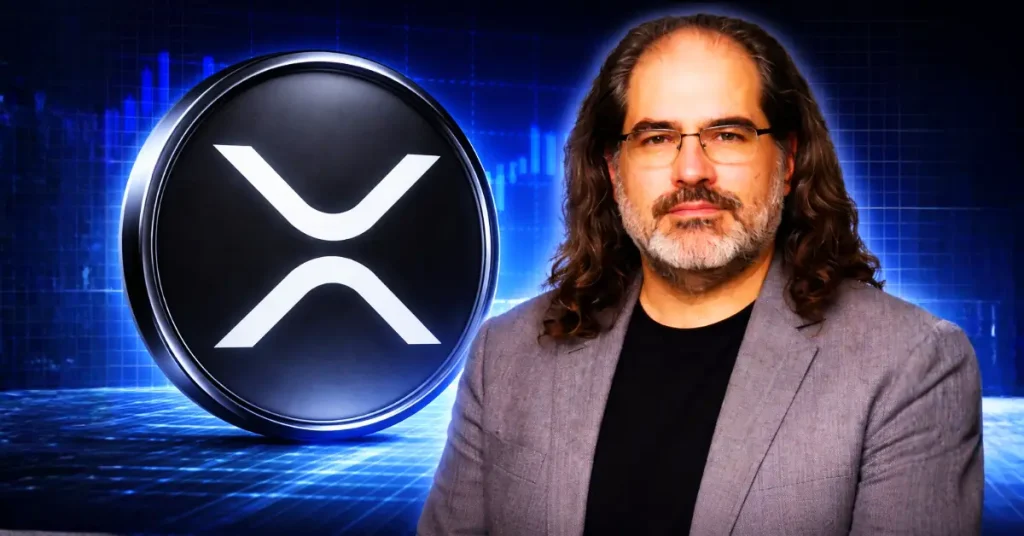
The crypto industry has long treated 2030 as the planning horizon for quantum readiness. Ayo Akinyele, Head of Engineering at RippleX, says that the window may no longer be wide enough.
Speaking in a recent interview, Akinyele acknowledged that the standard guidance has been to prepare for 2030 as the point by which blockchain networks should be migrated to quantum-safe cryptography.
But recent research findings, particularly work coming out of Google around improvements to Shor’s algorithm, the mathematical tool most associated with breaking classical public key cryptography, have pushed that timeline forward.
“We can’t necessarily wait until 2030,” Akinyele said. “We have to be ready in the next couple of years so that in the event technology outpaces the rate at which we’re able to migrate, we have contingency plans in place.”
Why This Is Harder Than a Software Update
Akinyele was direct about the scale of what quantum readiness actually requires. This is not a patch or a routine upgrade. “It’s not like a software update in the traditional sense,” he said. “It’s a massive impact to how we operate infrastructure in general.”
If quantum hardware capable of breaking classical cryptography is ever realised, Akinyele noted it will most likely operate silently. There will be no public announcement that the encryption underpinning digital assets has been compromised.
Where XRP Ledger Stands
RippleX has published a roadmap reflecting the intention to be quantum ready and is actively engaging with development teams working on quantum-safe signature schemes for different use cases. Several teams have already approached RippleX to explore how their work might be integrated into the XRPL’s migration path.
Akinyele confirmed that RippleX has been in contact with the Ethereum Foundation, which expressed confidence that ETH will be ready. RippleX is now in active conversations with Ripple to ensure the same can be said for the XRP Ledger.
“This year is all about addressing the foundation,” Akinyele said. “People are seeing 23-year-old bugs in Linux kernels right now. This is the moment to use these tools to find all of the cracks in the XRPL foundation and evolve the architecture.”
Institutional DeFi Raises the Stakes
The urgency around quantum readiness is amplified by the direction the XRP Ledger is heading. RippleX is actively building infrastructure for institutional DeFi, including token issuance, collateral management, repo transactions, and yield generation, all using RLUSD as a foundational layer.
Institutions operating on-chain have an expectation of reliability, security, and deterministic settlement that consumer-facing applications do not require to the same degree. Meeting that standard means the quantum readiness question is not abstract. It is a prerequisite for the institutional use cases the XRP Ledger is being built to serve.
After months of stalling, the Clarity Act is finally moving. Senators Thom Tillis and Angela Alsobrooks released a stablecoin yield compromise late last week that effectively clears the path for a Senate Banking Committee markup. Senate Banking Committee Chairman Tim Scott confirmed the markup is happening in May.
What the Banks Got and What They Did Not
The stablecoin yield language has been the central battleground for months. Banks pushed hard for broad restrictions on crypto exchanges paying rewards on stablecoin holdings. On the surface, the compromise extends those restrictions beyond issuers to cover third-party platforms including crypto exchanges, which looks like a win for the banking lobby.
But the detail in the language is where things get interesting. Coinbase chief legal officer Paul Grewal suggested the rewards language was either a complete capitulation to banks or had nothing whatsoever in it, implying it struck a balance that gives both sides something to claim. Coinbase CEO Brian Armstrong then posted two words: “Mark it up.”
Who Holds the Real Power
Perhaps the most significant structural element in the released language is a referral mechanism that sends potential violations to the Secretary of the Treasury rather than leaving enforcement solely with the SEC or CFTC. In practical terms, that means Bessant holds meaningful interpretive authority over how the yield restrictions are applied. A pro-crypto Treasury Secretary effectively becomes a safeguard built directly into the legislation.
The New Name to Watch
One fresh obstacle has appeared. Senator Chuck Grassley, chairman of the Senate Judiciary Committee, is expected to weigh in on provisions around Section 1960, the statute that governs criminal liability for money transmission. The section could affect DeFi developers and software builders depending on how it is interpreted. Grassley has not been part of the conversation until now and represents a new variable as the bill approaches markup.
The Calendar Is Clear
The week of May 11 is when most observers expect the markup to happen. After that, June and July are the realistic windows for a final Senate vote, a return to the House for what is expected to be a straightforward approval, and a signing at the White House. If the bill does not clear the Senate before August, the midterm election calendar takes over and the window narrows considerably.
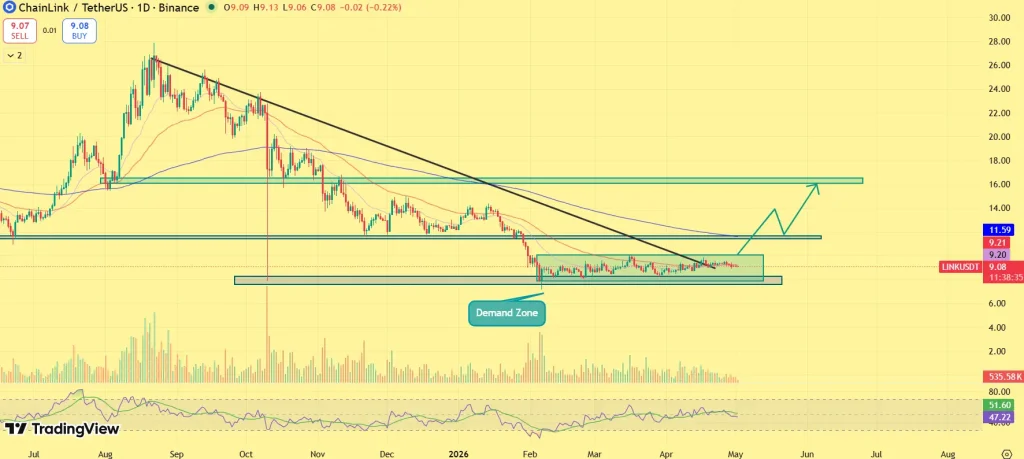
LINK price rose nearly 6% after AWScloud partnership announcement, as this time it was an actual substance. The LINK price reacted quickly after AWScloud officials posted about this team up with Chainlink. Was it a hype, many curious? Sure it is one. But unlike most headlines, this one comes with real infrastructure behind it.
AWScloud Partnership Brings Real Utility To Blockchain
AWScloud is integrating Chainlink’s CRE by utilizing this effectively will be giving its massive developer base tools to connect cloud systems with smart contracts.
Not just theory but this have practical actual use cases. Think custom price feeds, stablecoin reserve verification, and off-chain computation running inside secure environments. It’s enterprise-grade stuff, the kind that institutions usually demand before even pretending to care about blockchain.
Well, Chainlink isn’t just chasing headlines but clearly it’s chasing developers and by locking this deal its after millions of them.
LINK Price Eyes Key Resistance After Recent Push
But, in crypto markets most investors eyes are still glued to charts. The LINK price bump comes alongside a broader tailwind from BTC and ETH, helping it grind higher since February.
Now, it’s staring directly at the $10 resistance level. Crack that, and the next logical target sits near the 200-day EMA around $11.52. Momentum’s improving too and because of that the 30-day MVRV just flipped above zero, meaning short-term holders are finally seeing profits. Not euphoric. But definitely less painful.
Institutional Demand Builds While Holders Stay Patient
Meanwhile, the long-term crowd isn’t exactly celebrating. The 365-day MVRV still shows holders sitting in the red, even as recovery slowly creeps in.
On the institutional side, though, it’s oddly stable. US spot LINK ETF assets are holding at $107.86 million which is roughly 1.59% of market cap per sosovalues’s data and most importantly with no outflows reported since December 2025. That’s not explosive demand, but it’s consistent.
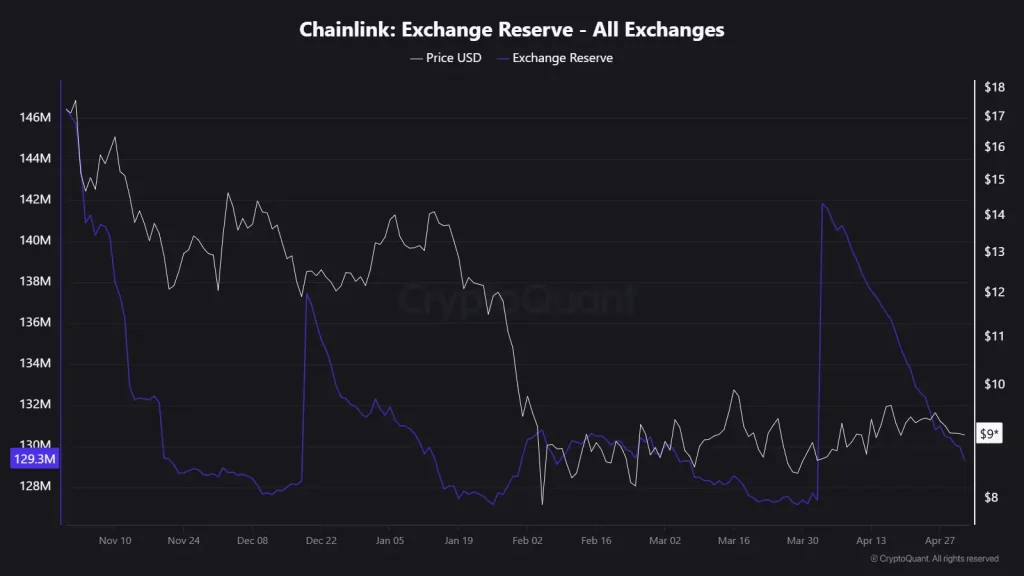
Add to that reserve activity climbing to 3.44 million LINK by April 30, and you start seeing the bigger picture. Infrastructure is being built. Slowly, deliberately.
So yeah, the LINK price might still be dragging its feet but the groundwork underneath? That’s moving a lot faster than it looks.
Microsoft, Google, and xAI have agreed to provide the U.S. government with early access to upcoming artificial intelligence models, allowing officials to examine potential national security risks before the systems are released to the public. The arrangement will enable the…
Elastics, which describes itself as an “AI predictive market operating system,” announced it has raised $2 million in an oversubscribed pre-seed round led by early-stage investor Frst. Frst leads oversubscribed round into Elastics According to details shared by Menlo Times…
Pi Network price is hovering near the $0.18 mark, holding steady despite recent volatility as a mix of event-driven catalysts and improving technical structure builds a case for a push toward the $0.20 resistance. According to data from crypto.news, Pi…
Michael Saylor says his Bitcoin vehicle Strategy has realized 63,410 BTC of “Bitcoin Gain” in 2026, lifting its stash to over 815,000 BTC, or about 3.9% of total supply. In a new post on X, Strategy founder and executive chairman…
Ark Invest’s Big Ideas 2026 sees Bitcoin compounding about 63% annually to a $16T cap by 2030, anchoring a $28T crypto market dominated by BTC, Ethereum, and Solana. According to Forbes, the Ark report estimates that Bitcoin’s market value could climb…
The United Arab Emirates has launched a national facility to test and certify artificial intelligence systems, as the country pushes ahead with large-scale AI deployment across government and industry. The UAE Cyber Security Council, in collaboration with Open Innovation AI…
Somnia’s new USDso stablecoin, issued by Frax Finance and backed by tokenized Treasuries, routes reserve yield back into Somnia’s high-throughput DeFi ecosystem. How USDso is structured on Somnia Somnia, a high-throughput L1 developed with Improbable and the Somnia Foundation, has…
Cipher Digital secures a $200M revolving credit facility to fund its pivot from Bitcoin mining to long-duration, AI and HPC data center revenues anchored by multi-campus leases. New credit facility underpins data center growth Cipher Digital said in its first-quarter…
HyperCore staking by Arkham-flagged Multicoin wallets locks $82M in HYPE, deepening a concentrated, yield-bearing bet on Hyperliquid’s DeFi-native L1. Arkham flags Multicoin-associated HYPE staking activity According to market monitors citing Arkham’s AI attribution engine, an address predicted to be associated…
XRP price moved toward the $1.40 resistance on Tuesday as the broader crypto market recovered alongside easing oil prices. According to data from crypto.news, XRP (XRP) price traded near $1.39 at press time, after briefly touching highs around $1.41 earlier…
The United Arab Emirates Innovation City has rolled out a blockchain-based system that assigns every registered company a sovereign, verifiable digital identity on-chain. According to an official announcement from Innovation City, businesses incorporated in the Ras Al Khaimah free zone…
Accumulation by long-term Bitcoin holders, buying by institutional investors and a strengthening technical structure could fuel BTC’s price rise to $95,000 or higher.
Toncoin rose 33.8% after Pavel Durov said Telegram would deepen its role in TON, while details on the foundation and validator structure remain unclear.
Coinbase will cut about 14 of its workforce as it responds to weak crypto market conditions and the rising impact of artificial intelligence on productivity. CEO Brian Armstrong said the company is moving toward a leaner and more AI native structure. This includes reducing management layers and building smaller, more efficient teams. The goal is to improve speed and efficiency while adapting to how AI is changing work across the industry and preparing for future market cycles.
South Korea’s financial markets are seeing a dramatic shift, with equities surging while crypto demand weakens sharply. The benchmark KOSPI has gone parabolic, hitting a fresh all-time high and climbing 37% in just 34 days after adding nearly $1 trillion in market value. According to the Bull theory X post, over the past year, the index has been up an impressive 172%, pushing closer to the key 7,000 level.
The South Korean stock market is going parabolic like never seen before in history. $KOSPI just hit a new all-time high today and is up +37% in the last 34 days after adding ₩1,600 trillion ($1 trillion USD) to its market cap.
This rally has been fueled by strong foreign and institutional inflows, along with improving global sentiment. A rebound in U.S. tech stocks during South Korea’s holiday break triggered nearly $3.5 billion in fresh buying.
At the same time, major firms like Samsung Electronics and SK Hynix have seen upgraded earnings forecasts, further boosting confidence that the rally may extend.
According to an X user, Investing to Mars the KOSPI rally is still far from over. The index continues to surge higher, with a potential upside target in the 8,000–9,000 range before any major correction kicks in. The outlook could turn even more bullish if KOSPI breaks above its current channel resistance, which may push long-term targets even higher.
— Investing to Mars (@investingtomars) May 4, 2026
Crypto Weakens as Funds Rotate
However the local report, says while stocks surge, South Korea’s crypto market is losing momentum. Total crypto holdings across major exchanges like Upbit and Bithumb have dropped to 60.6 trillion won by February, down nearly half from the 121.8 trillion won peak seen earlier.
Trading activity has also cooled significantly. Daily volumes fell from 17.1 trillion won in late 2024 to just 4.5 trillion won, while exchange deposits, often seen as ready-to-invest capital, declined sharply as well. The shift suggests investors are actively reallocating funds away from crypto and into equities.
Interestingly, demand for stablecoins is moving in the opposite direction. Holdings surged from under 100 billion won to over 600 billion won, reflecting growing interest in dollar exposure amid currency volatility.
Analysts say the trend is clear. According to NH Investment & Securities analyst Hong Sung-wook, the stock market rally and weaker crypto prices have driven capital rotation. Meanwhile, Korbit’s Kim Min-seung points to exchange rate fluctuations as a key factor boosting stablecoin demand.
The bigger picture is unfolding fast: as South Korea’s stock market heats up, crypto is losing local momentum, at least for now.
ONDO is rapidly positioning itself as a standout performer in the current crypto cycle, gaining over 23% this week while much of the altcoin market remains subdued. The move isn’t just technical, it’s being driven by a deeper structural shift as capital rotates into real-world asset (RWA) narratives.
Unlike momentum-driven rallies seen elsewhere, ONDO’s strength is emerging alongside institutional traction, growing liquidity, and expanding real-world integrations. With ONDO price now breaking out of consolidation and fundamentals aligning, the market is beginning to reprice ONDO’s long-term role, raising the key question: Is this just the start of a larger move?
Institutional Momentum Builds: ONDO Expands Beyond Crypto Native Demand
ONDO’s recent rally is closely tied to its growing relevance in bridging traditional finance with blockchain infrastructure. The protocol has secured high-profile integrations that signal real institutional confidence rather than speculative interest.
Fidelity’s involvement in tokenized fund strategies, PayPal’s linkage of its stablecoin ecosystem to ONDO’s yield layer, and Mastercard’s integration into multi-token payment rails collectively highlight a strong adoption curve.
Further backing from major asset managers like Franklin Templeton underscores ONDO’s positioning in tokenizing traditional financial instruments, a sector expected to scale significantly over the coming years. This convergence of TradFi and crypto infrastructure places ONDO at the center of a narrative that is increasingly capital-driven rather than sentiment-driven.
Fundamentals Strengthen: Real Usage Supports Market Expansion
Beyond partnerships, ONDO’s growth is backed by measurable ecosystem expansion. The protocol’s total value locked (TVL) has surged toward $3.5 billion, indicating sustained capital inflows. Revenue generation has also scaled, with multi-million dollar quarterly figures, reflecting actual usage rather than idle liquidity.
Meanwhile, ONDO is estimated to command over 60% of the tokenized equities market, solidifying its leadership in the RWA segment. This combination of dominant market share, growing TVL, and institutional-grade integrations suggests that ONDO is evolving into a core infrastructure layer, not just another altcoin narrative.
ONDO Price Analysis: Range Breakout Signals Early Expansion Phase
ONDO price has confirmed a breakout above its prolonged consolidation range between $0.27 and $0.32, marking a shift in market structure. The breakout is accompanied by rising momentum and sustained price acceptance above resistance, key indicators that the move is structural rather than short-lived. ONDO price is also holding above short-term moving averages, reinforcing bullish control.
If ONDO maintains strength above the $0.30–$0.32 zone, the next immediate resistance sits near $0.40. A successful move beyond this level could open the path toward $0.50–$0.57, aligning with higher timeframe supply zones. However, failure to hold the breakout region could lead to short-term consolidation, making support retention a critical factor in confirming continuation.
Is ONDO Entering a Sustained Growth Phase?
ONDO’s current trajectory reflects a rare alignment of price strength, institutional validation, and fundamental growth. The breakout suggests that the market is beginning to recognize its expanding role within the RWA ecosystem.
While short-term volatility remains possible after a strong weekly rally, the broader structure points toward early-stage expansion rather than exhaustion. If institutional momentum continues and key levels hold, ONDO could remain at the forefront of the next market leg, driven not by hype, but by real financial integration and scalable infrastructure.
Bullish has agreed to acquire Equiniti in a 4.2 billion dollar deal that brings together a crypto exchange and a major global transfer agent. Equiniti works with nearly 3000 public companies, including Berkshire Hathaway and Moody’s, and processes large-scale shareholder services. The combined business plans to build a tokenized securities infrastructure offering 24/7 trading, real-time settlement, and stablecoin-based payments. The move signals a push to modernize traditional financial markets using blockchain technology. The deal is expected to close in January 2027 pending regulatory approvals.
Bitcoin is currently trading around $80,874, showing steady resilience despite minor short-term fluctuations. Over the past 24 hours, BTC has gained about 1.49%, with trading volume crossing $47.5 billion, highlighting strong market participation. While still down roughly 36% from its all-time high of $126,198 in October 2025, Bitcoin’s long-term trajectory remains impressive, considering its rise from near-zero levels in its early days.
Technical Signals Point Higher
According to Ali Martinez, Bitcoin continues to show structural strength following a bullish MACD crossover on April 13. This signal has already driven a 15% rally and has historically marked the beginning of major multi-month uptrends, with past gains reaching as high as 147%.
On the daily chart, Bitcoin is now approaching the crucial 200-day moving average near $83,000. A clean breakout above this level could unlock further upside toward $89,000 and potentially $94,000 in the near term.
Whales Accumulate as Retail Stays Quiet
According to him, one of the most notable developments is strong whale activity. Large holders accumulated 4,527 BTC in the past 24 hours, worth approximately $362 million, indicating high conviction buying at current levels.
At the same time, on-chain data from Santiment shows network activity at two-year lows, with only 531,000 daily transactions and around 203,000 new wallets being created. This divergence suggests that while institutional and large players are accumulating, retail investors have yet to re-enter the market in full force.
$100K Narrative Gains Momentum
Crypto analyst Arthur Hayes thinks Bitcoin could reach $100,000 after the summer, driven by improving global dollar liquidity. He also projects a potential move toward $125,000 by the end of 2026, noting that Bitcoin is already outperforming traditional markets like the Nasdaq despite geopolitical tensions, including risks involving Iran.
Institutions Keep Buying
Institutional demand remains a main pillar of support. MicroStrategy (Strategy) now holds over 818,000 BTC worth more than $64 billion, continuing to accumulate aggressively.
Meanwhile, BlackRock manages over $50 billion in Bitcoin ETF assets, with total ETF holdings surpassing $100 billion again. Recent inflows nearing $630 million in a single day reinforce the growing institutional appetite.
Pavel Durov confirmed this week that Telegram is replacing the TON Foundation as the primary operational force behind the TON blockchain, marking a significant structural shift for one of crypto’s most closely watched Layer 1 networks.
“Fees in TON have dropped 6x, to nearly zero,” Durov wrote on X. “Next step: Telegram replaces the TON Foundation. Focus shifts to tech superiority.”
Toncoin rose on the news as markets digested what the change means for the network’s direction and governance.
Why the Fee Cut Matters More Than It Looks
TON’s transaction fee is now approximately 0.00039 TON, roughly half a tenth of a cent, fixed regardless of how busy the network gets. That fixed element is as important as the size of the cut itself. Unpredictable fees are one of the main reasons developers and users avoid blockchain applications for everyday payments.
Here is how TON now compares to its main rivals:
Ethereum: highly variable, can spike to several dollars during busy periods
Solana: around $0.00025 per transaction, high throughput, TON’s closest competitor
BNB Smart Chain: around $0.10 per transaction
Cardano: $0.11 to $0.40 per transaction
Polkadot: around $0.60 per transaction
TON and Solana are now in a category of their own on cost. The difference is that TON comes with direct distribution through a messaging app used by nearly one billion people.
Telegram’s Big Plan Ahead
Telegram is not just supporting TON, it’s taking over its core operations. This includes becoming the largest validator, staking around 2.2 million TON, and directly strengthening network security.
Whether replacing it with direct Telegram control accelerates development or introduces new dependencies is a debate the community has already started. Durov’s answer, implicitly, is that the speed and focus that comes with unified control outweighs the governance trade-off.
Price predictions for 2026 highlight a potential range of between $20-$80.
Long-term forecasts indicate AVAX could reach $518.50 by 2030.
Aave (AAVE) is a decentralized finance protocol built on Ethereum that facilitates permissionless lending and borrowing through smart contracts. After witnessing a strong expansion in the previous market cycle, AAVE entered a prolonged correction phase, with price gradually retracing from its earlier highs. Throughout 2025, AAVE remained in a consolidation structure, reflecting a period of market digestion rather than trend continuation. While short-term momentum has cooled, the broader technical structure suggests that AAVE may be transitioning into a new accumulation phase.
As volatility contracts and price holds above long-term demand levels, attention is now shifting toward whether 2026 can trigger the next major price discovery cycle.
Avalanche price (AVAX) remains stuck within a long-standing rectangular consolidation range between $8.60 and $10.50 as it is in the second quarter of 2026. After experiencing rejection at the $15 resistance level in Q1’s January, the AVAX price has struggled to gain significant bullish momentum, oscillating within this tight demand zone throughout Q1 until March. While analysts initially anticipated a recovery earlier in the April, but the market has instead opted to continue to build a base at these lower levels.
As we approach May, AVAX’s price is currently hovering near the $8.60 lower boundary of this range. The immediate technical resistance for the month is at the $10.50 upper edge; a decisive breakout above this level is necessary to change the market bias and pave the way for a retest of the $15 psychological resistance.
However, given the persistently low trading volume and the current market indecision, failing to clear the $10.50 mark could result in continued sideways price action in May as the asset awaits a stronger catalyst.
Avalanche (AVAX) Price Prediction 2026
The weekly price action for Avalanche price (AVAX) has been defined by a multi-year structural decline following its Q1 2024 peak of $65. Throughout 2024 and 2025, the asset remained trapped under a descending resistance line, with bearish momentum intensifying in early 2026. This downward pressure drove AVAX price to a major horizontal support floor between $8.60 and $10.00, marking a critical “base-building” phase as Q1 concluded with a period of low-volatility consolidation.
As Q2 2026 begins, holding this demand zone is essential for any potential reversal. While the price has been stagnant for nearly two years, the prolonged accumulation at these lows suggests that a market bottom may finally be in place. If demand returns in April, the first half of the year could see a recovery rally toward $20, with an ambitious secondary target at the $28 level, which aligns with the 200-week EMA and the long-term descending trendline.
A decisive breakout above this $28 resistance would signal a major trend shift, potentially clearing the path for AVAX to reclaim $44 by the end of 2026. However, investors should remain cautious; if the $28 level repels the price, the recovery could stall, leading to extended consolidation within the lower ranges. The next few months are pivotal to determine whether AVAX/USD can finally emerge from the shadow of its multi-year bear market.
AVAX On-Chain Analysis
AVAX shows a highly bullish sentiment. Big Whale Orders in both spot and futures indicate strong institutional accumulation. With Taker Buy Dominance at 90 days, aggressive buyers are in control, while the Cooling volume bubble map suggests a healthy consolidation phase. Collectively, major metrics point to a bullish rally ahead.
Avalanche Price Prediction 2026 – 2030
Year
Potential Low ($)
Potential Average ($
Potential High ($)
2026
400
500
600
2027
550
690
820
2028
650
830
980
2029
740
950
1100
2030
820
1000
1200
AAVE Price Forecast 2026
Looking ahead to 2026, AVAX’s potential price is anticipated to rise even further, with a projected low of $20.00 and a high of $80.00. The average price for AVAX in 2026 will likely be $50.00.
AAVE Price Prediction 2027
In 2027, the analysis suggests a continued upward trend in AVAX’s value, with the price potentially ranging between $31.50 and $126.50. Based on the calculated figures, the average price is projected to be approximately $79.00 during this period.
AAVE Prediction 2028
By 2028, AVAX’s price could potentially experience further growth, falling within the range of $50.50 and $202.50. The average price during this period, calculated from the data, is expected to be around $126.50.
AAVE Price Prediction 2029
Moving forward to 2029, AVAX’s price is predicted to ascend between $81.00 and $324.00. The average price during this period is estimated at around $202.50 based on calculated figures.
AAVE Price Prediction 2030
By 2030, AVAX’s price is forecasted to soar between $129.50 and $518.50. Further, the average price during this period, calculated from the data, could stand at $324.00.
Based on the historic market sentiments and trend analysis of the largest cryptocurrency by market capitalization, here are the possible AAVE price targets for the longer time frames.
Year
Potential Low ($)
Potential Average ($)
Potential High ($)
2031
890
1100
1350
2032
920
1200
1500
2033
1100
1350
1780
2040
1600
2200
3000
2050
2600
3300
4500
AAVE Price Prediction: Market Outlook?
Year
2026
2027
2030
Changelly
$500
$750
$1100
DigitalCoinPrice
$480
$680
$1000
WalletInvestor
$520
$650
$1250
Never Miss a Beat in the Crypto World!
Stay ahead with breaking news, expert analysis, and real-time updates on the latest trends in Bitcoin, altcoins, DeFi, NFTs, and more.
FAQs
Is AAVE a good investment for 2026?
AAVE shows long-term growth potential if it breaks key resistance levels. However, price depends on market conditions and DeFi adoption.
What should investors watch before buying AAVE?
Watch support near $135–$150, resistance above $250, overall market trend, and activity within the Aave protocol.
What could drive Avalanche (AVAX) price growth in the coming years?
Key drivers include DeFi expansion, institutional adoption, subnet growth, and overall crypto market recovery cycles.
What is the AVAX price prediction for 2026?
The AVAX price prediction for 2026 suggests a potential range between $400 and $600 if market momentum and network growth remain strong.
What is the AVAX coin price prediction for 2030?
AVAX coin price prediction for 2030 points to a possible range of $820 to $1,200, assuming sustained adoption and favorable market conditions.
What is the Avalanche price prediction for 2040?
Avalanche price prediction for 2040 estimates a broad range between $1,600 and $3,000 if long-term blockchain adoption accelerates globally.
Cardano founder Charles Hoskinson has pushed back strongly against critics who claim the network ignored scaling to focus on governance. He called the idea misleading and said scaling work has been ongoing for years.
His response shows a growing debate in crypto about balancing speed, decentralization, and long-term growth.
Governance Concerns Are Growing
Last week, Crypto analyst Cardano Yoda pointed out a key issue with how the system is working today.
Earlier, Cardano was mainly guided by three groups, IOG, the Cardano Foundation, and EMURGO. But after on-chain governance was introduced, the structure changed.
Now, DReps are responsible for voting and decisions, while another group handles execution.
However, Yoda says the system is not fully working as expected. DReps can vote on spending, but they are often not aligned on strategy or priorities. Because of this, real execution still depends heavily on the original founding teams.
He warned that without better coordination, the system could explode.
Hoskinson Rejects “Scaling Was Ignored” Narrative
As these concerns grew, Charles Hoskinson responded directly, rejecting claims that Cardano slowed down scaling to focus on governance.
“I am getting insanely tired of hearing a false narrative that we abandoned scaling,” he said, making it clear that development has been ongoing for years.
According to him, Cardano has been working on multiple scaling solutions even before the Shelley upgrade. These include Layer-2 innovations, a new accounting model called eUTXO, zero-knowledge research, and advanced systems like Leios and Peras.
So, Why Governance Was Introduced?
Hoskinson also explained why governance, especially the Voltaire upgrade, was necessary. He said the goal was to give the community control over decisions, including how and when scaling upgrades are implemented.
“Implementing Voltaire means that every single one of you has a voice and a vote.”
He argued that scaling changes require constant updates, which can’t be something that can be rushed.
Instead of pushing quick fixes, Cardano focused on building long-term solutions. He argued that some networks chose faster but less stable approaches, while Cardano chose a more careful path.
A “Future-Proof” Scaling Plan
Hoskinson claims Cardano now has one of the most advanced scaling strategies in crypto.
“We now have the best scaling strategy in the entire cryptocurrency space,” he stated, pointing to systems like Leios and a broader Layer-2 roadmap.
He believes this approach will deliver stronger performance over time, even if it requires patience.
Lastly, Hoskinson also referenced Bitcoin’s ongoing governance challenges.
He argued that disputes over proposals could split the community, while Cardano’s governance model aims to avoid such conflicts.
The live price of the Hyperliquid crypto is $ 43.70912672.
The 2025 HYPE price suggests it could hit $40-$105 in 2026.
Forecasts suggest that HYPE could reach a potential average price by 2030 of around $125, with highs up to $185.
Hyperliquid (HYPE) is gaining attention as a decentralized trading platform focused on perpetual futures. The protocol operates without traditional onboarding barriers and offers access to assets such as BTC, ETH, SOL, AVAX, and SUI without requiring ownership of the underlying tokens.
Its infrastructure includes the HyperBFT consensus mechanism, designed to support high-speed transactions. As platform activity grows, market participants are assessing the HYPE Price outlook for 2026 and beyond.
Following the conclusion of Q1 2026, Hyperliquid price (HYPE) has demonstrated significant market strength by maintaining a bullish trajectory. Even in April, the token successfully rebounded from $35.00 support.
The current price action shows HYPE price is consolidating just below the critical $44.00 resistance zone after having successfully broken out of a multi-month descending wedge pattern in March.
The technical structure remains robust as the price holds firmly above the 50-day EMA and the 200-day EMA, which have now transitioned into a formidable support floor. This alignment suggests that the broader uptrend is intact.
Now, if HYPE gives a decisive daily close above $44.00 would likely clear the path for a retest of $48.00, with the potential to extend toward the psychological $50.00 mark and eventually its ATH of $59.39.
But, traders should monitor the $38.00–$40.00 range; because a failure to hold this level could signal a short-term retracement back to the $35.00 swing low.
Recent News/ Opinions
Bitwise officially expanded its European suite on April 9th with the launch of the Bitwise Hyperliquid Staking ETP (BHYP), now trading on the Deutsche Börse Xetra. This seventh staking product highlights Hyperliquid’s emergence as a top-tier on-chain derivatives venue, offering institutional investors regulated exposure to its innovative, fully on-chain order book and execution model.
Hyperliquid Price Prediction 2026
The weekly structure of HYPE shows that after topping near $60, the asset entered a prolonged downtrend that formed a clear falling wedge pattern, eventually bottoming in the $21–$24 demand zone. This region proved to be structurally significant, with strong buyer interest stepping in. The eventual breakout from this wedge triggered a sharp expansion move, pushing price toward $38 and then into the $44–$48 resistance band. However, this rally stalled at a major higher-timeframe supply zone, meaning the broader market structure is still in transition rather than fully bullish.
From an investor standpoint, the current phase calls for a measured and strategic approach rather than aggressive positioning. Accumulation is most favorable near support zones, particularly between $32 and $34, with additional opportunities closer to $28 or $24 if volatility increases.
However, aggressive buying is best reserved for confirmation, which in this case would be a decisive weekly breakout and hold above $44. Until that level is flipped into support, the market remains susceptible to rejection, and a range-bound environment between $32 and $44 is a realistic base case. In such a scenario, investors can consider a range-trading strategy as accumulating near support and trimming exposure near resistance.
Looking ahead to the remainder of H1 2026, the most constructive outcome would involve HYPE holding above $32 and building enough strength to reclaim $44. If this occurs, the price is likely to trend toward $52 and potentially test the $60 level, which represents the gateway to price discovery.
Conversely, if $32 fails, H1 could be dominated by consolidation or downside pressure, delaying any meaningful trend expansion and keeping the asset confined within a broader corrective phase.
For H2 2026, the outlook becomes significantly more directional depending on how price reacts at key levels. A confirmed breakout above $44, followed by sustained strength, would signal a true macro trend reversal, opening the door for a move beyond $60 and into the $70–$80 range, with the potential for further upside in a strong market environment.
If, however, HYPE price continues to reject from resistance and remains stuck between $30 and $45, the second half of the year may evolve into a prolonged accumulation phase before any major breakout. In a bearish scenario where $24 is lost, the bullish structure would be invalidated, and the asset could enter an extended period of re-accumulation, significantly delaying upside expectations.
HYPE On-Chain Outlook
The Dune analytics dashboard provided a quick on-chain overview of the utility metrics of the Hyperliquid token (HYPE), which appears to be improving significantly with each passing month.
HyperEVM total transaction fees have surpassed 235.57K and are at an ATH, and total trading volume has crossed $3.64 trillion and is at an ATH. Even its revenue has reached an ATH, crossing $993 million.
All the major metrics suggest that it is experiencing great adoption among peers, and its on-chain metrics are proof of that, suggesting that if the rally occurs, then 2026 might end on very good numbers.
Hyperliquid Coin Price Targets 2026 – 2030
Year
Potential Low ($)
Potential Average ($)
Potential High ($)
2026
25
50
90
2027
40
75
105
2028
55
95
130
2029
85
110
155
2030
105
125
185
Hyperliquid Coin Price Prediction 2027
During 2027, the HYPE could reach a maximum value of $105 with a potential low of $40. Considering this, the average price of this altcoin could settle at around $75.
HYPE Crypto Price Action 2028
The Hyperliquid price could achieve the $130 milestone by the year 2028. On the flip side, the altcoin could record a low of $55 and an average price of $95.
Hyperliquid Price Analysis 2029
The HYPE crypto prediction for the year 2029 could range between $85 to $155 and the average price could be around $110.
HYPE Price Prediction 2030
Looking forward to 2030, the Hyperliquid Price may range between $105 and $185, and a potential average value of around $125.
Market Analysis
Firm Name
2025
2026
2030
Binance
$37
$63
$164
DigitalCoinPrice
$76
$54
$97
*The aforementioned targets are the average targets set by the respective firms.
CoinPedia’s HYPE Price Projection
This Layer-1 project has taken the crypto market by storm within a short time frame. With a market cap of over $7 billion, this altcoin has successfully secured a position in the top 25. Moreover, with the mass adoption, this altcoin could claim a spot in the top 10 during the upcoming bull run.
If the bullish sentiment intensifies, the Hyperliquid price will reach a high of $41.39 this year. On the flip side, if the market experiences unfavorable events, this could result in this altcoin settling at a low of $14.65.
Year
Potential Low
Potential Average
Potential High
2025
$14.65
$28.02
$41.39
Never Miss a Beat in the Crypto World!
Stay ahead with breaking news, expert analysis, and real-time updates on the latest trends in Bitcoin, altcoins, DeFi, NFTs, and more.
FAQs
What is Hyperliquid (HYPE) and why is it gaining popularity?
Hyperliquid is a fast, decentralized trading platform with no KYC and low fees, making HYPE popular among traders seeking speed and independence.
What is the Hyperliquid (HYPE) price prediction for 2026?
HYPE price in 2026 is projected to range between $25 and $90, with an average near $60 if adoption and trading volumes keep rising.
What could HYPE be worth by 2030?
Long-term projections suggest HYPE might reach an average of $125 by 2030, with possible highs near $185 if platform usage keeps expanding.
Is Hyperliquid (HYPE) a good long-term investment?
HYPE may appeal to long-term investors due to strong platform growth, but like all crypto, it carries risk and requires careful research.
Standard Chartered’s SC Ventures has invested in crypto market maker GSR, becoming its first external strategic investor since the firm was founded in 2013. The investment, part of a broader partnership, highlights growing ties between traditional finance and digital assets. GSR, one of the largest crypto liquidity providers, recently also invested in Libeara, a tokenization platform backed by SC Ventures. The collaboration aims to strengthen crypto capital markets and expand institutional adoption of digital asset infrastructure.
Ethereum price is showing early signs of a confirmed breakout after pushing above a short-term consolidation pattern that had capped gains over the past week. According to data from crypto.news, Ethereum (ETH) climbed around 1% over the past day, trading…
Bitcoin tops $80,000 as BlockchainFX surpasses $14.44M in presale with rising investor demand. Bitcoin pulled off a swagger move this week, climbing back above $80,000 for the first time since January, only to get tugged sideways by every macro headline…
CryptoProcessing by CoinsPaid earns CCSS Level 3 certification for institutional wallet infrastructure security. CryptoProcessing by Coinspaid, a regulated crypto payment gateway serving enterprise and institutional merchants globally, has achieved Level 3 certification under the Cryptocurrency Security Standard (CCSS) for its Institutional-Grade…
Ripple has begun sharing its internal threat intelligence on North Korean hacking operations with the crypto industry, expanding how firms respond to insider-driven attacks. According to Crypto ISAC, the move follows incidents where attackers bypassed code vulnerabilities and instead infiltrated…
The crypto market resumed its uptrend on Tuesday, rising 1.2% to $2.76 trillion as oil prices eased, after Iranian officials hinted at progress in U.S.-Iran peace negotiations. Bitcoin (BTC) climbed 3.5%, briefly moving above the $81,000 level before settling at…
Strive, Inc. has pushed its Bitcoin treasury past 15,000 BTC after its latest purchase added to a months-long accumulation run. According to an 8-K filing with the U.S. Securities and Exchange Commission, the Dallas-based firm bought 444 BTC for $33.9…
Bitmine chairman Tom Lee has said the crypto market may be entering an early recovery phase even as investor sentiment remains cautious. According to Bitmine Immersion Technologies chairman Tom Lee, recent market trends resemble past cycle transitions where prices begin…
US Senator Thom Tillis said the current text of the CLARITY Act offers a compromise for the crypto industry and banks and provides a bipartisan path for the bill’s passage.
Haun Ventures founder Katie Haun said AI will “increasingly begin to conduct economic activity on our behalf," and services will need to adapt for that world.
The new wallet feature hides senders, receivers and amounts onchain while maintaining compliance through know your transaction screening and auditable files.
The crypto market got a strong boost after progress on the CLARITY Act. U.S. Senators Thom Tillis and Angela Alsobrooks reached a key deal, lifting investor confidence.
The Bitcoin price jumped as regulatory clarity improved. While crypto-linked stocks also rose. Now all eyes are on 21 May.
Bipartisan Deal Clears Major Roadblock
According to a joint statement from Senators Thom Tillis and Angela Alsobrooks, a final agreement has been reached on one of the most debated parts of the bill, i.e, stablecoin rewards.
After months of closed-door talks involving the White House, banks, and crypto firms, both sides agreed on a middle ground. Both senators made their stance clear, stating,
“We respectfully agree to disagree,” signaling that the compromise is final and ready to move forward.
Senator Thom Tillis explained the outcome in detail.
“Our compromise prohibits stablecoin rewards from resembling interest on bank deposits,” while also confirming that “it allows crypto companies to offer other forms of customer rewards.
However, this approach tries to balance concerns from both banks and crypto companies.
Why This Deal Matters for Crypto
The compromise directly addresses the concerns of traditional banks.
Banks had warned that stablecoins offering interest-like rewards could pull deposits away from the banking system. The new rule removes that risk by restricting such reward structures.
At the same time, lawmakers pointed toward balanced approaches, noting the goal is to “encourage compromise and avoid letting the perfect become the enemy of the good.”
This means crypto firms still have room to innovate, while the financial system remains protected.
Crypto Market Reacts Quickly to Positive Signal
The crypto market responded almost immediately. Bitcoin surged past $81,000, and crypto-related stocks, including Coinbase (COIN), MicroStrategy (MSTR), and Circle (CRCL), rose 4% to 8%. The rally shows how sensitive the market is to regulatory clarity.
Prediction markets are also reflecting this shift. Polymarket shows that the chances of the CLARITY Act becoming law in 2026 have jumped to 70%, up from 42% previously.
What Happens Next?
That gives the Clarity Act a window of roughly two weeks before Congress’s Memorial Day recess on May 21.
If the markup does not happen before that deadline, the political calendar could push the entire bill past the point of no return for 2026.
Russia is stepping deeper into crypto, but not through hype cycles or speculative mania. Instead, it’s building quietly through structured financial products and regulatory alignment. The Moscow Exchange (MOEX), the country’s largest securities exchange, is now expanding its crypto footprint in a way that reflects long-term positioning rather than short-term noise.
Expanding Beyond Bitcoin and Ethereum
From May 13, MOEX will introduce four new crypto indexes tracking Solana, XRP, TRON, and BNB. These will trade under MOEXSOL, MOEXXRP, MOEXTRX, and MOEXBNB, expanding its existing lineup that already includes Bitcoin and Ethereum indexes launched in 2025.
This move signals a clear shift; Russia is no longer just tracking the top two assets, it’s opening the door to broader altcoin exposure within a regulated framework.
Built on Global Liquidity
The structure behind these indexes is carefully designed. Pricing data will be aggregated from leading global exchanges, with Binance contributing 50%, Bybit 20%, OKX 15%, and Bitget 15%.
At the same time, MOEX is upgrading how these indexes function. Instead of daily updates, all crypto indexes will now refresh every 15 seconds during trading sessions, bringing them much closer to real-time market conditions.
A Derivatives-First Strategy
This expansion isn’t about spot trading yet. These indexes will primarily serve as the foundation for crypto derivatives, which are currently restricted to professional investors. Under existing rules, these instruments cannot involve direct delivery of crypto assets, keeping exposure indirect but regulated.
MOEX has already been active in this space, offering derivatives linked to Bitcoin, Ethereum, and even products from BlackRock, showing how traditional finance and crypto are beginning to overlap.
Regulation Is Catching Up
Behind the scenes, Russia is working toward a broader legal framework. A new digital asset bill under review is expected to be finalized by mid-2026, potentially allowing limited retail participation with caps of around $4,000 annually.
At the same time, MOEX plans to expand its crypto index suite to at least 10 assets, with future additions likely including Dogecoin and Cardano.
Polygon Labs has introduced shielded payments for USDC and USDT in its wallet, enabling users to send funds privately through Hinkal’s system instead of standard on-chain transfers. The feature uses zero-knowledge proofs to hide sender, receiver, and transaction details while still verifying activity on the network. Each transfer is checked through KYT screening to ensure compliance. The system remains non-custodial, allowing users to keep full control of their funds while improving privacy and usability.
The crypto news this week centers on April closing as the strongest Bitcoin ETF inflow month of 2026 at $2.44 billion per CryptoTimes. Bitcoin reclaimed $78,000, Ethereum held $2,302 on $101 million in ETH ETF inflows on May 1, and XRP maintained $1.39 as spot XRP ETFs posted steady gains.
Meanwhile, Pepeto crossed $9.7 million in presale capital while each stage sells faster. Every cycle proves the same pattern: wallets that entered during fear ended up with the largest returns, and presales multiply far more because one listing event turns fractional cent entries into real positions overnight.
Meanwhile, Pepeto crossed $9.7 million in presale capital while each stage sells faster. Every cycle proves the same pattern: wallets that entered during fear ended up with the largest returns, and presales multiply far more because one listing event turns fractional cent entries into real positions overnight.
Crypto News: April Posts $2.44 Billion in Bitcoin ETF Inflows as BTC Holds $78,000
The crypto news this week confirmed what the data has been building toward. April 2026 saw $2.44 billion flow into U.S. spot Bitcoin ETFs, the strongest month since October 2025. BlackRock’s IBIT captured the largest share, and cumulative inflows since January 2024 now pass $58 billion.
The crypto news this week confirmed what the data has been building toward. April 2026 saw $2.44 billion flow into U.S. spot Bitcoin ETFs, the strongest month since October 2025. BlackRock’s IBIT captured the largest share, and cumulative inflows since January 2024 now pass $58 billion.
Bitcoin trades at $78,149 on May 2, down 0.27% after holding $75,000 support. Ethereum followed with $101.2 million in ETH ETF inflows on May 1, and XRP held at $1.39 while spot XRP ETFs posted inflows in 11 of the last 13 sessions.
Bitcoin trades at $78,149 on May 2, down 0.27% after holding $75,000 support. Ethereum followed with $101.2 million in ETH ETF inflows on May 1, and XRP held at $1.39 while spot XRP ETFs posted inflows in 11 of the last 13 sessions.
Pepeto: The Crypto Opportunity Built for 2026
The presale that moves the fastest during fear is usually the one that delivers the most after listing. Right now, no project is pulling capital faster than Pepeto, with $9.7 million committed while the Fear and Greed Index reads 29.The presale that moves the fastest during fear is usually the one that delivers the most after listing. Right now, no project is pulling capital faster than Pepeto, with $9.7 million committed while the Fear and Greed Index reads 29.
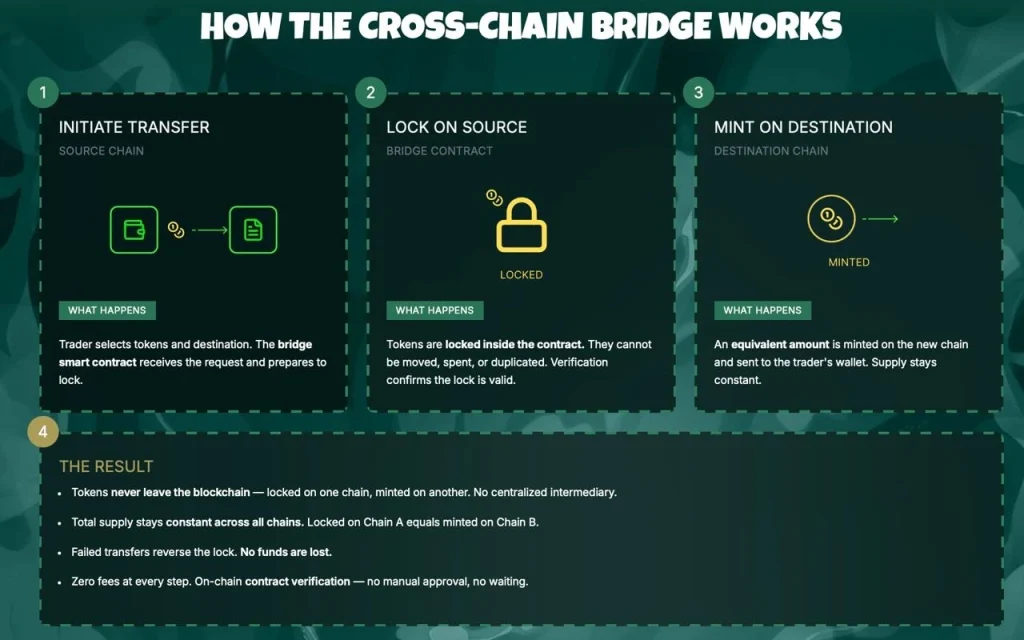
Gas costs eat into every cross-chain transfer, thin liquidity causes fills to miss, and most token screening tools cost money or show data too late. Pepeto’s exchange handles all of that with zero-fee swaps on Ethereum, BNB Chain, and Solana, a free bridge between networks, and a risk scanner that checks every token before capital moves. Gas costs eat into every cross-chain transfer, thin liquidity causes fills to miss, and most token screening tools cost money or show data too late.
Pepeto’s exchange handles all of that with zero-fee swaps on Ethereum, BNB Chain, and Solana, a free bridge between networks, and a risk scanner that checks every token before capital moves.
Due to the growing attention, Pepeto’s original domain has been targeted by attackers. The team launched Pepetoswap as the provisional entry point for all presale activity.
Once Bitcoin stabilizes and Ethereum and XRP follow, meme tokens have historically captured the largest multiples. The original Pepe builder developed every feature with a senior Binance developer, SolidProof verified the full contract, and 176% APY staking compounds daily at $0.0000001868.
Once Bitcoin stabilizes and Ethereum and XRP follow, meme tokens have historically captured the largest multiples. The original Pepe builder developed every feature with a senior Binance developer, SolidProof verified the full contract, and 176% APY staking compounds daily at $0.0000001868.
Bitcoin (BTC) Price at $78,149 as April ETF Inflows Hit $2.44 Billion
Bitcoin (BTC) trades at $78,149 per CoinMarketCap, down 0.27% in the past 24 hours after April delivered the strongest ETF month of 2026. BlackRock holds more than 810,000 BTC and total Bitcoin ETF assets passed $100 billion.
Whale wallets holding 1,000 or more BTC grew by 142 addresses over six months per Bitcoin Magazine Pro. Support holds at $75,000 with resistance near $80,000.
Ethereum (ETH) Price at $2,302 as Q1 Transactions Hit a Record 200.4 Million
Ethereum (ETH) trades at $2,302 per CoinMarketCap, as ETH ETFs pulled $101.2 million on May 1. Ethereum set a Q1 record with 200.4 million transactions, and stablecoin supply on Ethereum holds near $180 billion.
Standard Chartered maintains a $7,500 target for 2026. Support holds at $2,100 with resistance at $2,500.
XRP Price at $1.39 as Spot ETF Inflows Hit 11 of Last 13 Sessions
XRP trades at $1.39 per CoinMarketCap, holding steady while Bitcoin and Ethereum moved higher. Spot XRP ETFs posted inflows in 11 of the last 13 sessions, pulling $83.9 million in April per SoSoValue.
That April total marked the strongest monthly XRP ETF inflow since December 2025. XRP support sits at $1.35 with resistance near $1.51.
Conclusion:
Bitcoin held $78,149 and Ethereum and XRP both gained alongside the strongest ETF month of 2026. But all three sit at caps where the best case is a 2x over the coming year.Bitcoin held $78,149 and Ethereum and XRP both gained alongside the strongest ETF month of 2026. But all three sit at caps where the best case is a 2x over the coming year.
The crypto news that matters most is not what happened to BTC at $78,000 or ETH at $2,302. It is what happens to presale wallets when a project with a working exchange, a SolidProof audit, and the original Pepe builder reaches Binance at $0.0000001868. That listing will close the presale permanently, and the original domain is under attack, so the entry runs through Pepetoswap. The wallets that act before that date will look back on this price the way early SOL and SHIB holders look back on theirs.
What is the most important crypto news for Bitcoin, Ethereum, and XRP in May 2026?
April 2026 closed as the strongest Bitcoin ETF inflow month of the year at $2.44 billion, ETH ETFs pulled $101.2 million on May 1, and XRP spot ETFs posted inflows in 11 of the last 13 sessions. Total Bitcoin ETF assets crossed $100 billion again. April 2026 closed as the strongest Bitcoin ETF inflow month of the year at $2.44 billion, ETH ETFs pulled $101.2 million on May 1, and XRP spot ETFs posted inflows in 11 of the last 13 sessions. Total Bitcoin ETF assets crossed $100 billion again.
Why is Pepeto leading the crypto news cycle as a presale opportunity?
Pepeto is the working zero-fee exchange built by the original Pepe builder with $9.7 million raised at $0.0000001868, SolidProof verification, 176% APY staking, and the Binance listing approaching. The project’s original domain is under attack from growing attention, so the presale runs through Pepetoswap.
Toncoin (TON) price has staged a sharp 22% rally, snapping out of its consolidation phase and pushing into a critical resistance zone. A deeper structural shift tied to Telegram’s expanding role within the TON ecosystem is beginning to reflect in price action, on-chain activity, and liquidity flows. As volume accelerates and key levels come into play, TON price rally signals more than short-term momentum, it points to a possible revaluation phase driven by real demand expansion.
So what’s really driving this sudden surge in Toncoin (TON), and can the momentum sustain from here?
The core driver behind TON’s rally lies in Telegram’s deepening integration into the ecosystem. Rather than acting as a passive partner, Telegram is increasingly positioning itself as a key infrastructure layer, aligning its massive user base with TON’s blockchain.
TELEGRAM TO REPLACE TON FOUNDATION AS PRIMARY NETWORK OPERATOR
Telegram is officially taking over as the primary driving force behind the $TON network, replacing the independent TON Foundation.
With 900M+ users, Telegram effectively acts as a native distribution engine for TON. Wallet functionality, mini-app ecosystems, and payment rails are being embedded directly into the platform, significantly reducing onboarding friction. This transforms TON from a traditional Layer-1 into a user-integrated network, where adoption is driven organically through existing user behavior. This shift changes demand dynamics. Instead of relying purely on external speculation, TON now benefits from embedded utility, where transactions, interactions, and applications generate consistent on-chain activity.
On-Chain Growth and Liquidity Confirm Expansion
The rally is supported by clear improvements in ecosystem metrics. TON’s Total Value Locked (TVL) has climbed toward ~$69 million, signaling renewed capital inflows into its DeFi layer. At the same time, the stablecoin supply has expanded to around $750M+, strengthening liquidity depth across the network.
Network usage is also picking up pace. Daily DEX volume is holding near $15M, while application-level revenue and fees have shown steady growth, indicating real transactional activity rather than passive holding.
Notably, derivatives activity remains relatively low compared to spot, suggesting that the current rally is being driven more by organic demand than leveraged speculation, a healthier structure for continuation.
Toncoin Price Rally Enters Decision Zone as TON Price Pressures Resistance
As Toncoin’s price rally gains traction, price is now entering a decisive phase where structure meets resistance. After breaking out of a prolonged consolidation, TON is trading around $1.65–$1.70, signaling a shift from accumulation into early expansion.
The immediate focus is the $1.70–$2.00 resistance band, a prior supply zone that previously capped upside. In the current move, price is compressing just below this level with minimal pullbacks, suggesting that selling pressure is being steadily absorbed as buyers step in at higher levels. Furthermore, volume spike during the breakout reinforces this shift, indicating real participation rather than a low-liquidity spike, while momentum indicators remain supportive of continuation.
A clean break and hold above $2.00 would confirm acceptance and open the path toward $2.50–$3.00, where the next liquidity cluster sits. On the downside, the $1.40–$1.50 range now acts as structural support, keeping the broader bullish setup intact as long as it holds.
What’s Next for Toncoin (TON)?
Toncoin is approaching a decisive moment where narrative and price structure are beginning to align. The $2.00 resistance now stands as the key trigger, clearing it could shift TON from breakout attempt to full expansion, opening room toward $2.50–$3.00.
With Telegram integration steadily building real demand, the current setup suggests more than a short-term rally. However, without confirmation, consolidation remains possible. For now, TON appears to be moving from momentum into a structurally driven growth phase, where the next move will define the trend.
The Bitcoin price prediction heated up again after Strategy confirmed it holds 818,334 BTC worth over $64 billion ahead of its May 5 Q1 earnings report, and incoming Fed Chair Kevin Warsh is expected to push for faster rate cuts after replacing Jerome Powell on May 15 per CoinDesk. When the world’s largest corporate Bitcoin holder keeps buying through extreme fear and a new Fed Chair signals easier policy, the direction becomes hard to miss.
The Bitcoin price climbed above $78,154 after spot ETFs pulled $629.8 million on May 1. Strategy holds 818,334 BTC through a Fear and Greed reading of 26 while BlackRock manages over $50 billion in Bitcoin assets. Pepeto crossed $9.7 million raised at $0.0000001868 with 176% APY staking compounding daily, and each day the presale runs is one day closer to the listing that ends this price permanently.
Total ETF assets crossed $100 billion again, and Strategy’s average cost across all 818,334 BTC is $75,537, barely above today’s price. When the Bitcoin price prediction aligns this tightly with institutional buying, presale entries ride the biggest wave.
Bitcoin Price Prediction Goes Institutional: Pepeto Leads the Best Crypto to Buy Now Before Listing
Among the strongest presale raises running right now, Pepeto leads after crossing $9.7 million while the Bitcoin price holds above $78,000, and corporate balance sheets keep adding digital assets through the fear.
Confidence has grown week after week because buyers tracking the BTC outlook understand how cycles work. When BTC recovers from fear-driven drops, the altcoin move that follows pushes presale positions into return ranges no large cap can touch.
The problem Pepeto solves is simple: traders currently jump between five or six separate tools to bridge, swap, scan contracts, and track portfolios, paying fees at every stop. Pepeto puts all of that on one screen.
Due to the project’s fast growth, Pepeto is facing targeted attacks on its original domain. The team set up a temporary website at Pepetoswap where buyers can access the presale safely.
Users bridge tokens across Ethereum, BNB Chain, and Solana at zero cost, run any contract through a threat scanner before committing funds, and manage their entire portfolio from a single dashboard. Every smart contract passed a full SolidProof audit, and at $0.0000001868 a $10,000 entry generates roughly $17,600 per year through 176% APY staking. The Pepe creator designed Pepeto for exactly this kind of turning point, and the approaching Binance listing will lock in the final presale price the moment the order book opens.
Due to the project’s fast growth, Pepeto is facing targeted attacks on its original domain. The team set up a temporary website at Pepetoswap where buyers can access the presale safely.
Users bridge tokens across Ethereum, BNB Chain, and Solana at zero cost, run any contract through a threat scanner before committing funds, and manage their entire portfolio from a single dashboard. Every smart contract passed a full SolidProof audit, and at $0.0000001868 a $10,000 entry generates roughly $17,600 per year through 176% APY staking. The Pepe creator designed Pepeto for exactly this kind of turning point, and the approaching Binance listing will lock in the final presale price the moment the order book opens.
Bitcoin (BTC) Price at $78,154 as Strategy Holds 818,334 BTC and New Fed Chair Signals Faster Cuts
Bitcoin (BTC) trades near $78,154 on May 2 per CoinMarketCap, up 11.87% in April for its best monthly gain of the year. Strategy holds 818,334 BTC at an average cost of $75,537, and incoming Fed Chair Kevin Warsh is expected to push for rate cuts faster than his predecessor.
BTC faces resistance between $80,000 and $82,000 where whale sell walls sit, with support at $75,000. From current levels, Bitcoin needs roughly a 28% move to reach $100,000. But the wallets that entered Pepeto at six zeros will already be sitting on returns that large-cap holders would need years to match once the listing arrives.
Conclusion:
Every indicator is lining up. The Bitcoin price prediction turning bullish, Strategy sitting on 818,334 BTC through extreme fear, BlackRock managing $50 billion in Bitcoin exposure, and a presale exchange pairing meme culture with real trading tools positioned for the complete market recovery.
The returns from this cycle belong to the buyers who identified the right product, the right team, and the right timing before the crowd showed up. Go to Pepetoswap today and secure your entry. The listing gets closer with each passing day, and the moment Binance starts trading, today’s presale price is gone forever. Every person who delays past that point will look at their screen and wish they had acted when the door was still open.
What is the Bitcoin price prediction for 2026 after Strategy confirms 818,334 BTC holdings?
The Bitcoin price prediction for 2026 points toward a new all-time high as institutional products and corporate buyers keep adding at record pace. Pepeto at presale pricing targets return multiples that BTC cannot match from $78,154.
What is the best crypto to buy now alongside the Bitcoin price prediction?
The best crypto to buy now is Pepeto, which leads with $9.7 million raised, a completed SolidProof audit, 176% APY staking, and a Binance listing approaching fast. The presale sits at $0.0000001868 while Bitcoin trades above $78,000.
Tron’s price 2026 target is $1.20, if breakout structure confirms above $0.50.
TRX’s 2030 projection toward $4 is possible, under a strong ecosystem and stablecoin growth.
TRON’s position in the current market cycle is increasingly being shaped by its dominance in real transactional activity, particularly as a primary settlement layer for stablecoins like USDT. With consistent on-chain demand, strong network revenue, and expanding global usage, TRON continues to stand out as one of the few networks where utility directly supports price stability. At the same time, its price structure is beginning to reflect that strength.
After an extended period of gradual upside, TRX is now holding near the $0.32–$0.33 range, consolidating just below recent highs rather than correcting sharply. This creates a setup where fundamentals and price action are starting to align. As TRON continues to benefit from strong network activity and steady demand, the focus now shifts to whether this consolidation phase can translate into further expansion.
With the market already progressing through 2026, the focus now shifts to whether TRON can sustain its network dominance while translating usage into continued price expansion. Read on as we break down TRON’s May outlook and TRX price prediction 2026-30.
TRON is entering May holding firm near the $0.33–$0.34 region, continuing to consolidate just below key resistance after its recent upward move. The structure remains constructive, with higher lows forming and downside pressure being absorbed, signaling that buyers are still active despite repeated tests of resistance.
The focus now shifts to the $0.34–$0.36 zone, which continues to act as the immediate ceiling. TRX has tested this range multiple times, and a sustained breakout above it could mark the next leg higher. If bulls manage to push through, the path opens toward the $0.40–$0.45 range, aligning with previous reaction zones and signaling continuation of the broader uptrend. Momentum, however, will depend on whether price can maintain acceptance above resistance rather than facing another rejection.
On the downside, the structure remains stable as long as TRX holds above the $0.30–$0.31 support band. A drop below this region could lead to extended consolidation, delaying any immediate breakout. For now, TRON is holding strength near highs, with price compression just below resistance suggesting that a breakout attempt could unfold in May, provided buyers maintain control at current levels.
Coinpedia’s TRX Price Prediction 2026
TRON’s broader trajectory in 2026 is increasingly supported by a combination of sustained network activity and a price structure that continues to hold firm at higher levels. Unlike many altcoins that rely heavily on speculative cycles, TRX is being underpinned by consistent demand through stablecoin settlements, rising transaction volumes, and steady protocol revenue.
TRX price continues to consolidate near highs rather than retracing deeply, suggesting that buyers are actively defending higher levels while absorbing supply. This behavior typically precedes continuation, especially when supported by real usage rather than short-term sentiment.
The key progression now depends on how TRX expands from this base. A sustained move above the $0.35–$0.40 region would likely accelerate momentum, opening the path toward the $0.60–$0.80 range as the next phase of expansion. As higher levels begin to hold and participation increases, the structure can gradually transition into a stronger trending environment.
Under a sustained growth scenario, TRON could advance toward the $0.80–$1.20 range by the end of 2026, driven by continued network dominance, stablecoin activity, and increasing market participation.
Recent Catalysts for Tron (TRX)
TRON continues to lead in USDT transaction volume, reinforcing its role as a core settlement layer in the crypto economy.
Listing expansion and improved accessibility in regulated markets are gradually increasing institutional visibility and liquidity.
Strong on-chain revenue and rising user activity are highlighting TRON’s position as one of the few networks generating consistent real usage, not just narrative-driven demand.
TRX Long-Term Price Prediction 2026-2030
Year
Potential Low ($)
Potential Average ($
Potential High ($)
2026
0.80
1.00
1.20
2027
1.10
1.50
1.90
2028
1.80
2.30
2.80
2029
2.50
3.20
3.70
2030
3.20
3.60
4.00
TRON Coin Price Projection 2027
As per the Tron Price Prediction 2027, Tron may see a potential low price of $1.10. The potential high for Tron price in 2027 is estimated to reach $1.90.
TRON Crypto Price Forecast 2028
In 2028, the Tron price is forecasted to potentially reach a low price of $1.80 and a high price of $2.80
TRON Token Price Action 2029
Thereafter, the Tron (Tron) price for the year 2029 could range between $2.50 and $3.70.
TRON (TRX) Price Prediction 2030
Finally, in 2030, the price of Tron is predicted to maintain a steady positive. It may trade between $3.20 and $4.00.
Tron Price Prediction 2031, 2032, 2033, 2040, 2050
The long-term projection assumes Tron sustains relevance in enterprise blockchain use cases, with growth moderating over time as the asset matures.
Year
Potential Low ($)
Potential Average ($)
Potential High ($)
2031
3.50
4.30
5.20
2032
4.50
6.00
7.00
2033
9.00
11.00
15.00
2040
20.00
28.00
38.00
2050
80.00
110.00
150.00
Tron (TRX) Price Prediction: Market Analysis?
Year
2026
2027
2030
Changelly
$0.95
$1.50
$2.20
CoinCodex
$1.00
$1.80
$3.00
WalletInvestor
$1.50
$2.00
$3.50
Never Miss a Beat in the Crypto World!
Stay ahead with breaking news, expert analysis, and real-time updates on the latest trends in Bitcoin, altcoins, DeFi, NFTs, and more.
FAQs
What is the TRX price prediction for 2026?
TRX could trade between $0.80 and $1.20 in 2026 if it breaks above $0.50 and maintains strong stablecoin settlement growth.
What is the TRX Coin price prediction for 2027?
In 2027, TRX could trade between $1.10 and $1.90 if network growth continues and broader crypto market conditions remain favorable.
What is the TRX price prediction for 2028?
TRX may reach $0.94–$2.07 in 2028, with an average price of $1.50, driven by growing network usage and stablecoin dominance.
How high can TRX price go by 2030?
TRX may reach up to $4.00 by 2030 under strong ecosystem expansion, stablecoin dominance, and sustained crypto market growth.
What is the TRX price prediction for 2040?
By 2040, TRX could trade between $20 and $38 if global blockchain adoption expands and TRON remains a major settlement network.
What is the Tron price prediction for 2050?
In a strong long-term adoption scenario, Tron may range between $80 and $150 by 2050, assuming sustained utility and ecosystem growth.
Is TRX a good investment for the future?
TRX shows strong long-term potential, with projected growth through 2030, backed by real-world use in payments, stablecoins, and global adoption.
Can TRON (TRX) reach $1 in the next bull cycle?
Yes, TRX reaching $1 is possible if resistance flips to support and network activity, especially USDT transfers, keeps expanding.
DOGE price prediction for 2026 suggests potential highs of $1.25
Long term forecasts indicate DOGE could reach $3.00 by 2030.
Dogecoin continues to hold its position as one of the most widely recognized meme-driven assets in the market, supported by strong community backing, increasing integration in payment use cases, and periodic attention from high-profile endorsements. While it does not rely on deep protocol-level fundamentals like traditional Layer-1 networks, its strength lies in liquidity, accessibility, and its ability to capture retail-driven momentum during favorable market cycles.
At the same time, its 2026 price structure reflects a shift from prolonged decline toward early stabilization. After trending lower through 2025, DOGE has started forming a base near key demand zones, with price compressing within a defined range rather than continuing downward. This change in behavior suggests that selling pressure is easing, while accumulation is gradually building beneath resistance.
This sets up a familiar pattern. When Dogecoin transitions from low-volatility consolidation into expansion, the move tends to be sharp and sentiment-driven rather than gradual. The current structure indicates that the market is approaching that decision point.
In this Dogecoin price prediction 2026–2030, we will break down how this evolving structure, combined with market momentum and adoption trends, could shape DOGE’s long-term trajectory. Keep reading for more clarity.
Dogecoin has kicked off May on a stronger footing, trading near $0.11–$0.112 after finally breaking out of its long-standing $0.095–$0.10 consolidation range. The move signals a shift in market behavior, with buyers stepping in more aggressively and absorbing supply that had previously capped upside.
For weeks, DOGE struggled to gain traction above resistance, but the recent push higher suggests momentum is beginning to tilt in favor of bulls. The former resistance zone around $0.105–$0.11 is now being tested as support, and holding this level will be key in determining whether the breakout can sustain.
If buyers maintain control, the next upside target sits in the $0.13–$0.15 range, where previous selling pressure has historically emerged. A clean move through this zone could accelerate gains toward $0.18, especially if broader altcoin sentiment continues to improve alongside Bitcoin’s strength.
Still, the move is not fully confirmed. A failure to hold above the breakout zone could drag DOGE back into its prior range, with $0.095 acting as the next major support. That would suggest the market needs more time before a sustained rally can unfold.
For now, Dogecoin is showing early signs of a breakout, but the focus remains on whether bulls can defend higher levels and build momentum into the rest of May.
Coinpedia’s Dogecoin (DOGE) Price Prediction 2026
Moving into the broader 2026 outlook, Dogecoin’s direction will likely be shaped by how the overall crypto cycle develops. Historically, DOGE has not required strong fundamentals to rally, it tends to respond quickly once liquidity and attention return to the market.
A move above $0.15–$0.18 would be the first sign that sentiment is shifting. From there, the next important zone lies around $0.30–$0.35, which could act as a mid-cycle barrier. If DOGE manages to maintain strength above this region, the structure begins to look more constructive, opening the door for a move toward $0.45–$0.50. Such a move would likely depend on broader market participation and renewed interest in meme-driven assets.
At the same time, if Dogecoin price struggles to hold above $0.08, the recovery timeline could extend, keeping DOGE in a longer consolidation phase. Overall, 2026 may not be about explosive moves initially, but rather about gradual rebuilding, with upside accelerating only if market conditions align.
Recent News/Catalysts for Dogecoin (DOGE)
Retail-driven momentum building again: Social sentiment around meme coins is picking up into May, with Dogecoin seeing renewed retail attention after months of muted activity, often an early signal before volatility expansion.
Whale accumulation near base: Large wallet activity has been gradually increasing around the $0.09–$0.10 zone, indicating accumulation rather than distribution, reinforcing the current support structure.
Altcoin rotation narrative strengthening: As Bitcoin stabilizes near higher levels, capital rotation toward high-beta assets like DOGE is starting to re-emerge, positioning it as a potential beneficiary if momentum expands in May.
Dogecoin Price Prediction 2026 – 2030
Year
Potential Low ($)
Potential Average ($)
Potential High ($)
2026
0.75
1.00
1.25
2027
1.15
1.35
1.50
2028
1.25
1.75
2.00
2029
1.50
2.15
2.65
2030
2.50
2.75
3.00
This table, based on historical movements, shows DOGE price to reach $3 by 2030 based on compounding market cap each year. This table provides a framework for understanding the potential DOGE price movements. Yet, the actual price will depend on a combination of market dynamics, investor behavior, and external factors influencing the cryptocurrency landscape.
Dogecoin (DOGE) Price Prediction 2026
As per Dogecoin’s Price forecast for 2026, the high price could be $1.25, the low may reach $0.75. This makes the average around $1.00.
Dogecoin Price Prediction 2027
Moving to 2027, the DOGE Price projects that it might hit a high price of $1.50 potentially. With a $1.15 low and an average of $1.35
DOGE Coin Price Prediction 2028
Moving to 2028, the Dogecoin Price Forecast predicts a high price of $2.00. On the flip side, the low may fall to $1.25, and the average is projected to be around $1.75.
DOGE Price Prediction 2029
As per Dogecoin Price Forecast 2029, DOGE’s high price is predicted to be $2.65, with a low of $1.50 and an average of $2.15.
Dogecoin (DOGE) Price Prediction 2030
Finally, as per the Dogecoin Price Forecast 2030, DOGE’s price can reach a high price of $3.00. With a low of $2.50 and an average of $2.75.
Bitcoin price prediction headlines are back everywhere, and the question is simple. Can BTC hit $100,000 before the next major crypto rotation begins? The setup is strong. Bitcoin has just come through one of its best monthly runs of the year, ETF demand is returning, and traders are watching whether fresh macro catalysts can push the chart into six-figure territory.
But the bigger question is not only whether Bitcoin can hit $100K. It is whether that move still offers the upside retail traders are chasing. Bitcoin may lead the market, but wallets looking for life-changing multiples are watching AlphaPepe, where Stage 15 is still open under $0.02 and the presale has crossed the $1 million mark.
Bitcoin Price Prediction Builds as $100K Comes Back Into View
The bullish case for Bitcoin is easy to understand. BTC remains the market leader, ETF inflows are giving buyers confidence, and long-term holders continue treating dips as accumulation. When Bitcoin moves, the whole market pays attention.
Bitcoin price prediction headlines are back everywhere, and the question is simple. Can BTC hit $100,000 before the next major crypto rotation begins? The setup is strong. Bitcoin has just come through one of its best monthly runs of the year, ETF demand is returning, and traders are watching whether fresh macro catalysts can push the chart into six-figure territory.
But the bigger question is not only whether Bitcoin can hit $100K. It is whether that move still offers the upside retail traders are chasing. Bitcoin may lead the market, but wallets looking for life-changing multiples are watching AlphaPepe, where Stage 15 is still open under $0.02 and the presale has crossed the $1 million mark.
Bitcoin Price Prediction Builds as $100K Comes Back Into View
The bullish case for Bitcoin is easy to understand. BTC remains the market leader, ETF inflows are giving buyers confidence, and long-term holders continue treating dips as accumulation. When Bitcoin moves, the whole market pays attention.
That gives AlphaPepe the kind of setup retail traders look for before a listing. The meme angle creates reach. The AI DEX gives utility. The presale price keeps the entry early. The project also carries a 10/10 BlockSAFU audit, instant token delivery, and a team connected to the Shibarium ecosystem.
Bitcoin has the institutional story. AlphaPepe has the early-window story.
Can BTC Hit $100K Before AlphaPepe Reaches $1?
Bitcoin can hit $100,000 if ETF inflows keep building, macro conditions stay supportive, and buyers defend the current trend. A move to six figures would be a major headline and could pull the wider crypto market higher.
But the answer depends on what traders want. BTC reaching $100K would be a strong large-cap move. AlphaPepe reaching $1 would be a different kind of trade because it starts from presale pricing under $0.02.
That is why the comparison matters. Bitcoin needs massive capital to make its next move. AlphaPepe needs listing momentum, retail attention, and meme-cycle energy to reprice from a smaller base. That does not make the trade risk-free, but it explains why the $1 conversation is getting attention.
Bitcoin leads confidence. Then traders search for the smaller token that has not yet had its breakout. If BTC pushes toward $100K, AlphaPepe could become one of the presales retail watches for the bigger multiplier.
Why This Presale Is Heating Up Now
Every cycle leaves behind the same regret story. Someone saw DOGE early and ignored it. Someone watched SHIB before the run and waited. Someone noticed PEPE at tiny prices and closed the tab. The opportunity was never obvious in the moment. It only looked obvious after the chart moved.
AlphaPepe is trying to own that moment now. Stage 15 is open, the price is still under $0.02, AlphaSwap gives the project more than a meme story, and the listing window has not yet erased the presale entry.
The strongest upside usually belongs to wallets that move before confirmation arrives. By the time everyone agrees, the early price is gone.
Conclusion
Bitcoin price prediction talk is bullish again, and $100,000 is back on the table if ETF inflows, macro confidence, and buyer momentum continue. BTC may lead the next market move, but the biggest multiplier search is happening earlier.
AlphaPepe has crossed more than $1 million raised, Stage 15 remains open under $0.02, and AlphaSwap gives the project AI DEX utility before its planned Q2 exchange debut. Bitcoin may be chasing six figures, but AlphaPepe is where traders are looking for the presale move that could run harder from a smaller base.
Bitcoin can reach $100,000 if ETF demand keeps building, macro conditions stay supportive, and BTC breaks through major resistance.
What is the AlphaPepe presale price right now?
AlphaPepe is in Stage 15 under $0.02, with more than $1 million raised before the planned Q2 exchange debut.
What is AlphaSwap?
AlphaSwap is AlphaPepe’s cross-chain AI DEX. It scans contracts, flags risky tokens, tracks whale movement, and surfaces trending coins before the wider market reacts.
David Schwartz, aka JoelKatz and formerly Ripple’s Chief Technology Officer, disclosed in a social media exchange this week that he once held 26 million XRP, significantly more than what he currently holds.
Responding to a question on X about the size of his personal XRP position, Schwartz offered an unexpected point of reference. “My idea of not a lot is still more than a million,” he wrote. “I once had 26 million XRP.”
The comment came in the context of a broader exchange about risk tolerance and crypto exposure among Ripple’s founding figures.
David Schwartz reveals he once held 26M XRP and touches on Arthur Britto’s historical preference for holding XRP over BTC. pic.twitter.com/ZvmaF6c0IK
When asked whether Ripple co-founder Arthur Britto shares a similar approach to risk and asset exposure, Schwartz said the two had never directly discussed the topic. He added that his vague recollection from years ago was that Britto had been selling Bitcoin to cover personal expenses while holding onto most or all of his XRP.
“I vaguely remember him saying that he’s been selling Bitcoin to cover expenses and hadn’t sold any, or very little, XRP,” Schwartz wrote. “But that was many years ago and I have no idea what he’s done since then.”
Schwartz was careful to note the limits of his knowledge, stressing that the recollection was both vague and dated, and that Britto’s current holdings and strategy are unknown to him.
The exchange drew attention within the XRP community, given the rarity of public disclosures from Ripple’s founding figures about their personal crypto positions. Schwartz’s acknowledgement that he once held 26 million XRP, a sum worth tens of millions of dollars at current prices, added context to how his personal holdings have changed over the years since the network launched.
Neither Schwartz nor Ripple made any further comment on the matter at the time of publication.
Polygon has introduced a privacy layer for stablecoin transfers, allowing transactions to remain hidden from public view while still meeting compliance checks. According to a statement released by Polygon on Sunday, the update adds a wallet feature that routes payments…
U.S. banking groups have pushed back against the latest CLARITY Act language on stablecoin rewards, arguing it does not sufficiently prevent risks to bank deposits. According to a joint statement from the American Bankers Association, Bank Policy Institute, Consumer Bankers…
South Korea’s Upbit has partnered with Optimism to develop a dedicated Ethereum Layer 2 blockchain using the OP Stack. According to an announcement from the Optimism Foundation, the new network, called GIWA Chain, will operate under the Self-Managed tier of…
Aave argued that a thief doesn’t gain lawful ownership of property by stealing it and that Gerstein Harrow’s legal argument “defies logic, common sense and the law.”
Ethereum ended April on a solid note, posting a 7.3% gain and marking its second consecutive green month. This steady recovery is now drawing attention to May, historically one of Ethereum’s strongest months. In 2024, ETH surged 25%, followed by an even sharper 41% rally in 2025.
Resistance at $2,375
According to crypto analyst Ali Martinez, Ethereum is currently testing the top of its channel near $2,375, a level that has repeatedly acted as strong resistance.
In previous attempts, ETH has been rejected from this zone, pulling the price back toward lower support levels. If history repeats, a failure here could send Ethereum back toward the $2,210 support region, which marks the lower boundary of the channel.
However, there’s a shift in tone this time. As Martinez notes, repeated tests of resistance tend to weaken it. With Ethereum now approaching what appears to be a fourth test, the market is entering a decisive phase.
Breakout Could Send ETH to $2,550
If Ethereum manages a strong daily close above $2,375, it could trigger a bullish breakout. Martinez points to a potential 7% upside move, targeting the next structural resistance around $2,550.
Market sentiment also finds support from institutional activity. U.S. spot Ethereum ETFs recorded $23.5 million in net inflows last week, with major contributions from Grayscale’s ETHE. This suggests growing institutional interest, even as price consolidates.
Supply Crunch Building Under the Surface
On-chain data adds another layer to the story. Ethereum exchange reserves have dropped to around 14.5 million ETH, the lowest level on record. Over 1.5 million ETH has been withdrawn from exchanges in the past four months alone.
This shrinking supply means there’s less ETH available for selling, reducing downward pressure. While this doesn’t guarantee an immediate breakout, it creates a setup where any strong demand could push prices sharply higher due to thinner liquidity.
Decision Zone Ahead
Overall, Ethereum now sits at a crucial inflection point. A breakout above $2,375 could open the door to $2,550 and potentially extend May’s bullish trend.
But failure here risks another pullback toward $2,210. Either way, the next move could be decisive.
At press time, Ethereum (ETH) was trading at $2,354, having gained 1.78% within the day as it moved in lockstep with Bitcoin. The cryptocurrency, however, is trading more than 50% below its all-time high (ATH) of $4,700. In comparison, Bitcoin now trades at $80,000, having recovered by about 27% from its February low of $63,000 (about half of BTC’s ATH of roughly $126,000). This raises questions about Ethereum’s shortfall and what lies ahead for ETH.
Ethereum real-world developments
Ethereum has achieved certain milestones and is undergoing further developments to cement its place in the crypto industry, and possibly drive mark up ETH prices.
According to blockchain intelligence platform Token Terminal, Ethereum now hosts 95.9% of all tokenized commodities. The market cap of these digital assets is now $5.1 billion, representing a greater than 3x growth in just 12 months.
The surge in demand for tokenized commodities is attributed to investors’ rotation into safe-haven alternatives amid economic uncertainty. Additional advantages include 24/7 market access, fractional ownership, and DeFi utility (e.g., borrowing stablecoins or generating yield).
Still among institutions, Bitmine just disclosed its recent purchase of over 100,000 ETH worth about $240 million. This marks the company’s third consecutive week of purchasing similar amounts. It also solidifies its position as the first among Ethereum treasury companies worldwide.
Treasuries & #ETFs Board. Crypto Accumulation and Capital Flows
April closed as the strongest month of 2026, with approximately $1.97B in net #inflows across crypto treasury strategies and ETFs. pic.twitter.com/iWdRs4Eu3H
— CryptoDiffer Analytics (@CryptoDiffer) May 4, 2026
In terms of blockchain development, more than 100 Ethereum developers recently met at the Soldogn Interop event. Here, they discussed technical goals for the upcoming Glamsterdam update, including fostering transparency, scalability, and privacy with a final note on the Hegota upgrade.
What’s next for ETH price?
According to analyst Michaël van de Poppe, Ethereum may appear to be lagging behind Bitcoin. He, however, notes that a pickup is expected once the time for altcoins is ripe.
$ETH doesn't look great vs. Bitcoin, and the prime reason for that is just that timing matters.
If the Nasdaq shoots upwards, people will firstly move towards #Bitcoin as a higher beta play than the Nasdaq.
— Michaël van de Poppe (@CryptoMichNL) May 4, 2026
Inflows into accumulation addresses have increased in the past year, according to CryptoQuant, signaling conviction in the coin’s future price action.
Breaking past the $2,400 resistance level on strong volume could pave the way to $2,550. However, rejection of this price could trigger a pullback to $2,270. On the other hand, a larger move to $10,000 would follow a break above $4,350.
In the last 24 hours, Bitcoin (BTC) has repeatedly broken above the $80,000 psychological level, having abandoned it in January. The burning question in the market now is whether this marks a bullish reversal or simply a fakeout.
How Bitcoin got to $80K
Achieving $80K was triggered by a massive short squeeze. According to crypto market data and analytics platform CoinGlass, short trader liquidations totalled $199.32 million in the past 24 hours,
Another contributory factor is renewed institutional interest in the flagship coin. This was evidenced by $629.8 million in spot Bitcoin ETF inflows on May 1 and $603.14 million on May 4.
Even more, Strive recently acquired 444 BTC, bringing its treasury to 15,000 BTC and making it the 9th largest public corporate Bitcoin holder globally. Meanwhile, Strategy announced a temporary pause in its Bitcoin purchases to remain compliant with regulations ahead of its May 5 Q1 2026 earnings report.
Treasuries & #ETFs Board. Crypto Accumulation and Capital Flows
April closed as the strongest month of 2026, with approximately $1.97B in net #inflows across crypto treasury strategies and ETFs. pic.twitter.com/iWdRs4Eu3H
— CryptoDiffer Analytics (@CryptoDiffer) May 4, 2026
As prices crested at $80K, the 2-3 year BTC holding cohort, or those who accumulated just before the crypto ETF launches, ramped up their profit-taking. According to on-chain intelligence platform Glassnode, this group liquidated $209 million/hr, cashing in profits of 60%-100%.
What BTC needs to confirm the bull market entrance
Still, Bitcoin remains indecisive about maintaining the $80K milestone. Multiple closes above this level could ignite a short squeeze, leading to $84,000-$85,500.
Another sign of a bullish reversal would be BTC forming higher highs while its relative strength index (RSI) forms lower highs. Currently, the RSI reads 65.
Additionally, the 24-hour Bitcoin trading volume rallied to $56.51 billion on May 4, up from $16.76 billion on May 2. While indicating high short-term growth, these trading volumes remain lower than those recorded during previous breakouts. A periststent uptrend would demand even higher volumes, indicating strong institutional conviction and unwavering absorption of overhead supply.
To keep a bullish structure intact, prices must hold above the $72,352 100-day moving average. Defensive zones would be between $73,000 – $75,000, where a fall below this would suggest the upswing was but a bull trap.
World Liberty Financial claimed Sun engaged in defamatory tactics and prohibited token transfers, including shorting the WLFI token and conducting straw sales on behalf of others.
With $114 trillion in custodied liquid assets, Depository Trust & Clearing Corporation looks to position tokenization as the future of existing financial system.
Chainlink price rose 3% on May 4, its biggest single-day gain in two weeks, as Consensus 2026 opened. LINK rose alongside Bitcoin’s $80,000 reclaim and the Consensus 2026 conference opening in Miami on May 4. As crypto.news reported, LINK had…
ZeroStack CEO Daniel Reis-Faria says the CLARITY Act stablecoin deal reduces investor uncertainty but has not resolved institutional hesitation yet. The stablecoin deal was finalised on May 1 by Senators Thom Tillis and Angela Alsobrooks, drawing a clear line: crypto…
US voters ranked crypto last among election priorities in an April poll of 1,000 registered Americans. Public Opinion Strategies conducted the poll in late April on behalf of CoinDesk, surveying 1,000 randomly selected registered US voters with a credibility interval…
Paradigm Bitcoin general partner Dan Robinson published a proposal on May 1 for Provable Address-Control Timestamps, or PACTs, a system that lets dormant Bitcoin holders privately timestamp proof of key ownership before quantum computers arrive, creating a potential rescue path…
Morgan Stanley head of digital asset strategy Amy Oldenburg said at the Bitcoin 2026 Conference in Las Vegas that Bitcoin on US bank balance sheets is “not totally out of the question,” citing 16 months of regulatory progress while warning…
Pi Network co-founder Dr. Chengdiao Fan is set to speak at Consensus 2026 in Miami on May 6, delivering a session titled “Aligning Web3, AI, and Blockchain for Utility” at the Convergence Stage, six days before Protocol 23 brings full…
Ripple Custody entered a strategic partnership with Kyobo Life Insurance on April 15, making Ripple Custody Korea’s first blockchain-based government bond settlement platform for a Tier 1 insurer, targeting a compression of the standard T+2 settlement cycle to near real-time…
XRP price climbed from $1.3840 to $1.4065 in early Asia trading on May 4 on a sharp pickup in volume, breaking through resistance at $1.40 alongside Bitcoin’s return above $80,000. XRP price broke above $1.40 for the first time in…
Bitcoin price broke above $80,000 on May 4 for the first time since January 31, reaching the level as Consensus 2026 opened in Miami and $630 million in US spot Bitcoin ETF inflows on May 1 gave the move institutional…
BILL-USD pair to launch once liquidity is ready. According to Coinbase’s latest listing update, the exchange “will launch BILL (Billions) spot trading” and expects to open the BILL-USD order book later today in supported trading regions, contingent on sufficient liquidity…
Crypto payments gain mainstream traction as trust and infrastructure become central to industry growth. Crypto payments are joining credit cards and bank payments as mainstream payment methods. In 2025, the total crypto market cap crossed $4 trillion for the first…
Latest Coinglass data show Hyperliquid whale accounts holding a combined $4.016 billion in notional positions, with longs only marginally ahead of shorts on size but comfortably in the lead on PnL as one heavily leveraged ETH long dominates the winner’s…
Bitcoin reclaims $80,000 as ETF inflows and spot demand signal potential start of a new capital cycle. Bitcoin has reclaimed the $80,000 level, and this time, the logic behind the rally is changing. After several weeks of consolidation, Bitcoin has…
Bitcoin and XRP regain focus as rising volatility drives trading activity and renewed market participation. With the recent resurgence of volatility in the crypto market, Bitcoin and XRP have once again become the focus of market attention. Trading volume has…
Tether’s XAUt tops $3.3 billion as gold reserves reach 154 tons, with demand rising amid geopolitical tensions and shifting expectations for Federal Reserve policy.
Institutional investors are entering prediction markets as block trades, custom contracts and US regulatory shifts reshape a sector still dominated by retail users.
The petrodollar arrangement that has underpinned global finance for decades is under more pressure than at any point in recent memory, and the Iran war is accelerating a shift that experts say began years earlier.
Gulf nations are openly questioning whether Washington’s security guarantees extend to them or exclusively to Israel. The UAE has left OPEC. And Iran is now reportedly charging tolls to pass through the Strait of Hormuz, demanding payment in cryptocurrency rather than dollars.
The Financial Times reported that Iran initially sought $2 million per vessel, with a more recent figure of $1 per barrel of oil, payable in the cryptocurrency equivalent. The specific token was not named. Analysts have noted it could be Bitcoin, Tether, or any number of assets including XRP.
Where XRP Enters the Conversation
The breakdown of dollar-denominated oil trade is forcing a fundamental question: what replaces SWIFT and correspondent banking in a multipolar world where nations no longer trust each other’s financial systems and cannot trust each other’s banks?
Analysts following the XRP ledger argue it is structurally positioned to answer that question. The ledger settles transactions in approximately three seconds at a fraction of a cent, eliminates the need for nostro and vostro accounts that tie up dormant capital in correspondent banking relationships, and operates as a neutral infrastructure that no single sovereign nation controls or can weaponise.
The comparison to how Russia was removed from SWIFT in response to the Ukraine conflict is not lost on BRICS nations watching the current situation. When a reserve currency can be used as a geopolitical weapon, nations holding that currency face existential financial risk. A neutral bridge asset that cannot be seized or sanctioned addresses that risk directly.
The CBDC Complication
Analysts note that XRP’s role in instant cross-border settlement also creates the technical conditions for central bank digital currencies to operate at scale. Programmable money that governments can target to specific populations and specific use cases is both a financial inclusion tool and, critics argue, a potential control mechanism depending on who is operating it.
The distinction analysts draw is between XRP itself, which cannot be seized or confiscated on the ledger, and stablecoins issued on top of the ledger, which remain subject to clawback features and issuer control. In a world moving toward programmable digital currencies, that distinction matters considerably to those thinking about long-term financial sovereignty.
Pi Network’s two co-founders will speak at Consensus Miami 2026 this week, presenting at one of the crypto industry’s most attended annual conferences at a moment when the network’s technical roadmap is moving at its most active pace.
Dr. Chengdiao Fan takes the stage Wednesday May 6 on the Convergence Stage with a session titled “Aligning Web3, AI and Blockchain for Utility.” Nicolas Kokkalis follows Thursday May 7 on a panel titled “How to Prove You’re Human in an AI World Without Doxing Yourself.”
Both sessions arrive four days before Protocol 23, Pi’s smart contract upgrade, is scheduled to activate on May 11.
Fan’s Session: Tokens and Sustainable Models
Fan’s presentation is expected to address how crypto projects build lasting utility rather than short-term speculation. Her core argument centres on how artificial intelligence is changing the competitive dynamics of building digital products, shifting advantage toward projects with verified users and authentic participation rather than speed of development alone.
Pi Network has 16.5 million migrated users and more than 17.7 million KYC-verified accounts across more than 200 countries. Fan is expected to present that user base as a data point in the broader argument about what constitutes real adoption in the current market environment.
The network shipped a subscription smart contract on testnet on April 17, enabling recurring on-chain billing. Fan is expected to reference this as an example of infrastructure designed for practical commerce rather than speculative use.
Kokkalis’s Session: Human Identity Online
Kokkalis addresses a problem that has become increasingly pressing as AI-generated profiles proliferate across the internet. His panel examines how blockchain-based identity verification can distinguish real users from synthetic ones without requiring those users to expose personal data.
Pi’s KYC system has processed more than 526 million verifications through over one million human validators. Kokkalis is expected to outline plans to make that verification infrastructure available to other projects via API, extending its use beyond Pi’s own ecosystem.
The Technical Context
The Consensus appearances arrive during Pi’s most active development period. Protocol 22 activated on April 27. Protocol 23 on May 11 introduces smart contracts and real-world asset tokenisation. Further upgrades are scheduled through June, targeting optimisation and scalability before a June 28 milestone.
Pi’s node network of over 350,000 operators has completed AI image recognition tasks in a proof of concept, a development the team has referenced in discussions about distributed computing infrastructure.
Market Position
Pi is currently trading around $0.18 with a market capitalisation of approximately $1.86 billion. The token accounts for the substantial majority of the mobile mining category by market value. Whether the Consensus sessions and Protocol 23 activation influence price in any meaningful direction will depend on how institutional and retail participants respond to the network’s technical progress in the days ahead.
In a second amended complaint submitted to the U.S. District Court for the District of Colorado, Payward Interactive and Payward Trading — doing business as Kraken — accuse Etana Custody Limited, Etana Custody Inc., CEO Dion Brandon Russell, and others…
Coinbase CEO Brian Armstrong posted a three-word response on X on May 1 after Senators Thom Tillis and Angela Alsobrooks released the final stablecoin yield compromise text for the CLARITY Act: “Mark it up,” urging the Senate Banking Committee to…
World Liberty Financial, the crypto project co-founded by President Trump and his family, filed a defamation lawsuit against Tron founder Justin Sun on May 4 in Miami-Dade County, Florida, alleging a “coordinated media smear campaign” after Sun sued the project…
DTCC has formed a tokenization working group for U.S. markets and tapped Ondo alongside BlackRock, Goldman, JPMorgan, Circle, and others to help design how equities and Treasuries move on-chain. The Depository Trust & Clearing Corporation has launched an industry working…
Applied Digital closed a Goldman-led $300M senior secured bridge loan to accelerate its next 150 MW AI data center, layering it on top of $2.15B in notes and a $7.5B hyperscaler lease. Bitcoin mining hosting and cloud services provider Applied…
K Wave Media is redirecting up to $485 million from a Bitcoin treasury strategy into AI infrastructure, alongside debt reduction and restructuring, per a Form 6-K filing.
ZIGChain, the blockchain built to bring regulated investment products onchain for everyday users, today reflected on its second annual ZIGChain Summit, a defining gathering for the future of onchain finance, held on 28 April at the The Meydan Hotel, Dubai.
Bitcoin’s rally on Monday pushed it above $80,000 for the first time since January as analysts say BTC price could rise further to fill the futures gap at $84,000 in the short term.
Crypto industry body DAXA said the proposed rules could push suspicious transaction reports from South Korea’s five largest exchanges to more than 5.4 million a year, Yonhap reported.
OpenAI has sealed a $10B joint venture dubbed DeployCo with major private equity firms, giving it capital, governance access, and a captive pipeline to roll AI across thousands of portfolio companies. Market reports indicate that OpenAI has now closed a…
Nasdaq-listed DeFi Development Corp has launched a $200M at-the-market equity program, pledging to issue stock only when it boosts “SOL per share” and fuels its Solana reserve strategy. DeFi Development Corp, a Nasdaq-listed digital asset treasury company focused on Solana…
BTCEcosystem gains attention as Bitcoin surge past $80,000 fuels renewed investor confidence in 2026. The global cryptocurrency market has reached a monumental milestone. The price of Bitcoin (BTC) has decisively breached the $80,000 mark, setting a new all-time high for…
Investors and traders have been staring at the same boring sideways SKYAI chart, but this is bit different. Since May 2025, the SKYAI price was in a range but the recent price action probably gave you a mild heart attack, as it was a sniper rally.
The shock was that for a whole year, this thing was trapped in a depressing range between $0.01447 and $0.07974, basically doing a whole lot of nothing. Then May 2026 hits, and suddenly, we see a sniper parabolic jump that sends the token screaming to $0.72645. We’re talking about a 4100% rally that makes your average “to the moon” tweet look like a joke.
But before you scream “manipulation,” let’s look at the narrative, because this wasn’t just only a leveraged pump. It turns out, people actually care about the AI agent concept, and SKYAI is currently riding that wave like a pro surfer.
AI Agent Narrative Drives Parabolic Growth
Well, the demand is being fueled by actual infrastructure news, not just hot air. On April 30, Bitget listed the pair, which provided the initial spark, but the real gasoline came on May 3rd. The team announced final testing for the SKYAI MCP Hub. This isn’t just another protocol; it’s a routing layer for agents designed to handle multiple MCP servers, dynamic tool routing, and cross-agent sharing.
Basically, they’re building the “brain” for agentic orchestration. When you combine a trending narrative with a exchange listing, you get the kind of social sentiment spike that flips weighted sentiment aggressively to the positive side, per onchain data.
Presale Returns And The Long Game
But let’s be real, the “overnight” success of the SKYAI price was actually a year in the making. On May 4th, the team reminded everyone that presale participants who aligned early are now sitting on massive returns.
Now, while many are chasing the 4100% rally this week, the infrastructure has been quietly cooking in the background. So, what’s next? The devs claim returns are just a byproduct of development, but in this market, sentiment is king, and right now, the king is wearing an AI crown.
And about the price it’s at a cautionary stage if it breaks below $0.60034 a dump could be on its way, but holding $0.70380 could keep the trend intact and could stretch towards $1.0 ,if demand keeps up.
TAG price had a mesmerizing clean breakout rally this week. After months stuck in a tight $0.0003200 to $0.0009700 range, TAG finally snapped out of its cage, ripping all the way to $0.0022000. That’s not just any ordinary rally, it’s a full-blown demand based shift.
TAG Price Breakout Confirms Long-Term Compression Pattern
Here’s the setup. The weekly structure had been coiling inside a symmetrical triangle for months. Classic compression. The kind that doesn’t whisper but then it explodes big, that’s what occurred this time.
A breakout triggered from the 200-day EMA zone support around $0.0005721. Once that level flipped, momentum didn’t hesitate. Buyers piled in, resistance levels got steamrolled, and suddenly TAG price wasn’t range-bound anymore but it was vertical.
Derivatives Frenzy Fuels Aggressive Short Squeeze Move
But let’s not pretend this was all spot-driven enthusiasm. Futures data tells the real story. Open Interest jumped from roughly $14 million to $40 million. That’s not casual participation that’s leverage entering the chat.
And where there’s leverage, there’s pain. Shorts got squeezed hard. Liquidations stacked up, pushing TAG price even higher as positions were forcibly closed. It’s the loop where price rises parabolically when shorts panics
Sentiment Spike And MVRV Flash Warning Signals
Now comes the uncomfortable part. The onchain data like MVRV Z-score has touched ceiling above the zero line, and weighted sentiment has clearly spiked, too. Translation? The market is getting crowded on the optimistic side. That’s usually great until it feels extremely overheated.
Well, when everyone agrees it’s bullish, and optimism breaks the meter then risk quietly builds underneath.
Key Levels That Could Make Or Break Rally
So, what’s next? If this rally is real and not just a hype-driven spike then in that case the TAG price needs to hold above $0.0014673 and $0.0011840. Those are the battlegrounds. Lose them, and things could unwind fast.
And not gently. A breakdown could erase a large chunk of gains just as quickly as they appeared. For now, TAG price is riding momentum. But momentum, as always, has an expiration date.
If you ask a hundred crypto traders what separates those who last from those who disappear, the answer comes back the same almost every time. It is not the entries. It is not the indicators. It is not access to some secret signal group. It is risk management. The quiet, unglamorous discipline of protecting your capital is the only thing that keeps you in the game long enough for your skills to compound. Resources like bitcoinmargin.com have been making this point for years, and the more experience I gain, the more I realize how completely right that emphasis is.
Let me walk you through the risk management strategies that genuinely matter and the habits every serious trader eventually adopts.
The One Percent Rule That Saves Careers
The single most important risk management rule in trading is also the simplest. Never risk more than 1 to 2 percent of your total trading capital on any single trade. This sounds conservative, and that is exactly the point. Conservative sizing is what allows you to survive losing streaks, which are a mathematical certainty regardless of how good your strategy is.
Here is why this rule works. If you risk 1% per trade and experience ten consecutive losses, which happens to every trader eventually, you have lost roughly 10% of your account. Recoverable. If you risk 10% per trade and suffer the same streak, you have lost nearly 65% of your account due to compounding losses. That is a career-ending event.
“At the end of the day, the most important thing is how good are you at risk control. Ninety percent of any great trader is going to be the risk control.” — Paul Tudor Jones, founder of Tudor Investment Corporation
Position sizing is not a suggestion you apply when you feel like it. It is the foundation every other strategy sits on top of.
Stop Losses Are Not Optional
Every trade must have a predefined exit point before the trade is ever entered. No exceptions. The stop loss gets defined as part of the same calculation that determines your position size, and it goes on the exchange as an actual order, not a mental note you plan to execute when the time comes.
The reason mental stops fail is psychological reality. Watching a position move against you activates the same brain responses as physical pain. Under that pressure, almost everyone hesitates or refuses to close the trade. The hard stop removes the decision from your emotional brain entirely.
The practical elements of solid stop loss placement include these principles:
Place stops at structural invalidation points where your trade thesis objectively breaks down, not at arbitrary percentages that feel comfortable. The market does not care about your comfort level.
Account for volatility with ATR buffers so your stop sits outside the range of normal noise. If the asset routinely moves 3% intraday and your stop is 2% away, random fluctuation will stop you out before your trade works.
Never move stops further away from entry once a trade is open. This is the single most destructive habit beginners develop. Moving your stop wider means your original analysis was wrong.
A stop loss that you actually follow is worth more than the best entry you ever found.
The Risk to Reward Ratio That Lets You Be Wrong
Beginners obsess over win rates. Professionals obsess over risk to reward.
“Five to one means I’m risking one dollar to make five. What five to one does is allow you to have a hit ratio of 20%. I can actually be a complete imbecile. I can be wrong 80% of the time, and I’m still not going to lose.” — Paul Tudor Jones
Before entering any trade, the potential reward should be at least two times the amount you are risking. Preferably three times. The highest probability setups offer five times or more. If the reward does not justify the risk, the trade is not worth taking regardless of how convinced you feel about direction.
This framework liberates your psychology. When every trade has at least a 2 to 1 reward ratio, you can be wrong more than half the time and still come out profitable. Losing trades become a normal part of the process rather than emotional catastrophes.
Portfolio Heat and Correlation Awareness
Crypto assets are heavily correlated during market stress. When Bitcoin drops sharply, nearly every altcoin follows. Holding five different “diversified” crypto positions can function like one large concentrated bet during a risk off event.
Portfolio heat refers to your total simultaneous exposure across all open positions. If you have five trades open at 2% risk each, your portfolio heat is 10%. Most professionals cap their total portfolio heat between 5% and 10%.
The practical adjustments that manage portfolio heat include:
Reducing individual trade risk when multiple positions are open so your total exposure stays within acceptable limits. If you already have four trades at 2% each, the fifth should be sized smaller.
Avoiding multiple positions in the same sector that essentially amount to the same directional bet. Three longs on different Layer 1 protocols are not three independent trades.
Using stablecoin allocations as dry powder during uncertain conditions. Having 30% in stablecoins during choppy markets reduces exposure and gives you capital to deploy when opportunities appear.
The Drawdown Circuit Breaker
Every serious trader eventually implements a drawdown limit. This is a hard rule that triggers a trading pause when cumulative losses reach a predefined threshold.
“Don’t focus on making money; focus on protecting what you have.” — Paul Tudor Jones
A common implementation is a monthly drawdown limit of 10 to 15 percent. If your account declines by that amount for the month, you stop trading until the following month. This prevents the death spiral that destroys so many accounts. You lose. You try to make it back immediately. You take worse setups with bigger size. You lose more. The circuit breaker removes you before the spiral gets dangerous.
The Invisible Risk of Emotional Capital
Risk management is not just about protecting dollars. It is about protecting your emotional bandwidth, which is ultimately what produces the dollars. Trading while tilted, sleep deprived, or emotionally distressed is itself a risk management failure.
Build systems that protect your mental state as aggressively as you protect your capital. Take scheduled breaks. Keep a journal. Recognize when you are not in a condition to make good decisions and have the discipline to step away. No single trade is worth grinding yourself into poor judgment that will cost you far more on future trades.
Risk management is the meta skill that makes every other skill compound over time. Master it first, master it deeply, and everything else becomes possible.
In today’s rapidly changing cryptocurrency market, a growing number of investors are focusing on a core question: how to earn additional returns while holding assets?
To meet this need, a brand-new service model has emerged – mining services for mainstream crypto asset holders. Regardless of what cryptocurrency you hold, you can now participate in mining rewards through this innovative method without any additional investment.
Traditional mining methods typically require high equipment costs, electricity consumption, and technical barriers, deterring many ordinary investors. “DeFi Hash Power” services aim to solve these pain points.
Users do not need to purchase mining equipment or possess any technical background; they simply participate in hash power allocation through the platform to achieve asset appreciation.
In short, it features:
1. Zero equipment investment
2. No maintenance costs
3. Simple and easy to use
4. Participate and exit anytime
The New Era of Mobile DeFi Hash: Earn Cryptocurrency Rewards Anytime, Anywhere
As the cryptocurrency industry continues to develop, users’ demand for “convenience, security, and low barriers to entry” is increasing. Against this backdrop, DeFi Hash officially launched its new mobile application, further enhancing the cloud mining service experience and truly leading users into the “mobile mining era”.
Now, users can achieve more flexible and efficient asset management and yield acquisition through DeFi Hash.
The new DeFi Hash mobile application provides users with a simple and intuitive interface, making the complex mining process easy to understand:
· Real-time viewing of mining contract status
· Tracking daily yield changes
· One-click management of investments and accounts
Whether at home, in the office, or on the go, users can monitor their digital asset status anytime.
Top-tier security protection
In terms of security, DeFi Hash employs industry-leading technologies to protect user assets:
· Integration with McAfee security protection system
· Relying on Cloudflare’s global network defence
Through multiple security mechanisms, users can enjoy a stable and secure account access experience no matter where they are.
How to Start Your DeFi Hash Journey
Step 1: Register on the DeFi Hash website or download the DeFi Hash App to receive a $20 reward. The platform offers daily mining contract rewards and flexible payment methods, making it easy for everyone to participate.
Step 2: Choose a Contract
The platform offers a variety of contract options (users can choose a suitable contract based on their budget).
To lower the barrier to entry and improve user experience, DeFi Hash offers various rewards for new users:
Daily Rewards: $20 | 1 Day | Total Earnings $0.6
Beginner Level: $100 | 2 Days | Daily Earnings $4 | Total Earnings $108
Stable Level: $500-$2600 | 7-15 Days | Daily Earnings $6.25-$36.4 | Total Earnings $543.75-$3146
Professional Level: $5000-$15000 | 20-25 Days | Daily Earnings $77.5-$270 | Total Earnings $6550-$21750
Advanced Level: $30000-$150000 | 30-45 Days | Daily Earnings $570-$3750 | Total Earnings $47100-$3168750
Steps 3: Accessing the Control Panel
You can access your personal dashboard to view your computing power and earnings.
Operating Model Analysis
Mining services typically employ a “cloud computing power” or “resource sharing” model:
1. The platform integrates mining farm resources and computing power.
2. Users participate in resource allocation through their accounts.
3. Mining earnings are distributed according to rules.
The platform also includes the following mechanisms:
· Referral Rewards
· Computing Power Rewards
· Tiered Earnings
Aimed at increasing user engagement and earnings.
After an order is completed, the relevant earnings are typically credited to the user’s account within 24 hours. When the account balance reaches $100, users can choose to withdraw the funds to their personal wallet or reinvest them as needed to explore more potential opportunities.
About DeFi Hash
DeFi Hash is a UK-based cloud-based cryptocurrency mining platform founded in 2021. It is dedicated to providing users with a more convenient way to mine digital assets through advanced hardware, automated systems, and cloud infrastructure.
According to the platform, it boasts 340 million users and offers a relatively simplified solution for those who wish to participate in cryptocurrency mining but lack the necessary equipment.
Users can access the platform through its official website or mobile application. Its application interface is designed to provide a more intuitive user experience, enabling users to more easily view contract status, track relevant data, and manage assets.
XRP, the fourth-largest cryptocurrency, is now trading around $1.39 as May begins, on a bullish note. With the CLARITY Act approaching, investors are now watching closely for the next move.
As the overall crypto market is also moving upward, with a total market cap sitting at $2.64 trillion, largely driven by Bitcoin’s recent breakout.
Will XRP see a breakout in May?
CLARITY Act Faces Key May Deadline
The CLARITY Act, which passed the House with a strong 294–134 vote in July 2025, has been stuck in the Senate Banking Committee since then.
The earliest it can move forward is the week of May 11, with the May 21 Memorial Day break acting as a key cutoff. If this window is missed, the midterm election schedule could delay the bill further.
Some senators have warned that if the bill does not pass the Senate by the end of May, the next real chance may not come until 2030.
The bill is also important for XRP. Right now, XRP’s commodity status comes from a joint SEC and CFTC opinion, not a law. The CLARITY Act would make this status official in federal law, meaning it cannot be easily changed later.
On the ETF side, XRP ETFs led the entire sector last week, pulling 53% of the $224 million that flowed into crypto funds globally. That’s already significant institutional interest, and it’s happening before the bill is even signed.
XRP Monthly Returns Could Be the Key Signal
Looking at past data, XRP has been strong in May, with an average return of around 23% over the last decade. This makes it one of its best months of the year.
This time, the setup also looks positive. XRP has already moved above its April high with a 2% gain early in May, showing early strength.
The overall crypto market is also improving, led by Bitcoin’s recent breakout, which usually supports altcoins like XRP.
XRP Price Eyeing Key Resistance Level
XRP is showing a strong recovery as it regains upward momentum on the chart. The chart highlights a symmetrical triangle pattern, where the price is getting squeezed between support and resistance.
According to analyst Ali Martinez, this setup often leads to a strong move. Based on the pattern, XRP could see a 26% price move once it breaks out.
XRP is currently consolidating within a well-defined symmetrical triangle on the daily chart. As the price moves closer to the apex, market energy is coiling, signaling that a significant shift in volatility is approaching.
Right now, the key levels to watch are $1.40 as support and $1.5 as resistance. This range is acting like a no-trade zone, as the price can move up and down quickly without a clear direction.
If XRP breaks and closes above $1.45, the next target could be around $1.82. On the downside, if it drops below $1.35, the price may fall toward $1.00.
Ondo Finance has joined the Depository Trust & Clearing Corporation Industry Working Group to help design a U.S. tokenization platform. The DTCC, which safeguards over $114 trillion in assets, is collaborating with firms like BlackRock, Goldman Sachs, and J.P. Morgan. The move signals growing institutional adoption of blockchain, aiming to improve liquidity, transparency, and efficiency in capital markets. Next, the group will develop standards and pilot systems, potentially accelerating onchain settlement and broader tokenized securities adoption in coming months.
Dash has suddenly re-entered the spotlight with a sharp double-digit rally, catching traders off guard after weeks of quiet price action. The move has pushed price toward the $50 zone, accompanied by a rapid surge in market participation across trading venues. Key resistance levels have been cleared in a single move, signaling a shift in short-term structure. Such rapid expansions rarely occur without a deeper trigger forming beneath the surface. Here are the key details driving today’s Dash price surge.
What’s Fueling Dash Price Rally?
Dash’s rally is being driven by a combination of fundamental repricing and strong market participation. The Evolution upgrade has expanded Dash’s utility into smart contracts and cross-chain functionality, prompting the market to reassess its valuation. Assets typically see renewed demand when their use case broadens, and Dash is now transitioning from a niche payments narrative into a wider ecosystem play.
At the same time, the setup was technically primed. DASH spent weeks consolidating between $30 and $38, forming a strong accumulation base. The breakout from this range reflects a shift where demand has absorbed supply, triggering a fresh expansion phase. The speed of the move suggests capital rotation into an asset that had remained relatively underpriced during the broader market recovery.
Dash has delivered a clean and decisive breakout. DASH price has surged toward the $48–$50 resistance zone, a level that had previously rejected multiple upside attempts. This breakout is backed by a strong bullish candle and a visible spike in volume, confirming genuine buying pressure.
The move also aligns with a broader structural transition. After months of sideways action, Dash has shifted from a range-bound market into a trend expansion phase, where higher price discovery toward $70 becomes more likely. The reclaim of key moving averages further strengthens the bullish bias, while momentum indicators show expansion, not exhaustion. As long as price holds above the $45 support zone, the breakout remains valid, and dips are likely to be viewed as continuation opportunities rather than reversals.
Derivatives Data Signals Fresh Long Positioning
The derivatives market reinforces the strength of this move. Over the last 24 hours, futures volume has surged to around $609 million, while open interest has jumped over 55% to $83 million. This combination is critical. Rising price alongside rising open interest typically signals new capital entering the market, rather than short covering. It reflects traders actively building long exposure in anticipation of further upside.
Positioning data also shows a long bias among top traders, while funding rates remain relatively stable. This indicates that leverage is building in a controlled manner, reducing the risk of an immediate squeeze-driven pullback and supporting the case for continuation.
Will Dash Price Hit $70 in May 2026?
Dash now enters a critical continuation phase. Holding above the $45–$48 breakout zone keeps the structure intact and opens the path toward $55–$60 in the near term. A sustained move beyond this range could bring $70 into focus, aligning with higher timeframe resistance and representing a natural extension of the breakout. However, losing the breakout zone could trigger a pullback toward $38–$40. For now, with volume expansion and rising open interest supporting the move, the bias remains toward upside continuation.
BSB price erupting massively and in barely 48 hours, Blockstreet’s native token has pulled off a near 150% rally, ripping from $0.466 to a fresh all-time high near $1.20. And no, this wasn’t random. The timing lines up almost perfectly with the project finally dropping its long-awaited tokenomics reveal.
Tokenomics Reveal Sparks Sudden Market Frenzy
Most interestingly, the announcement wasn’t just another whitepaper dump but it laid out a full ecosystem vision. Its post said that BSB isn’t just a token; it’s pitched as the backbone of utility access, liquidity participation, staking alignment, and governance across Block Street’s infrastructure.
Utility, staking, governance, it checked all the boxes traders like to hear. Add in structured yield access, fee reductions, and liquidity incentives, and suddenly the narrative writes itself. Since, markets love a clean narrative and BSB gave that.
Staking Surge Signals Strong Conviction Shift
But let’s be real price doesn’t move like that on words alone, real participation is needed. The staking data adds another confirmation layer to this engagement. As over 5 million BSB is now locked, signaling something deeper than speculative hype. That’s capital committing, not just rotating.
The messaging around “alignment” and “coordination” clearly hit home. It’s not just yield farming anymore but it’s kind of a positioning within a system that’s trying to look bigger than just another token launch.
Social Hype Machine Kicks Into Overdrive
Now throw social metrics into the mix. Since April, Twitter followers have been climbing, and social dominance has spiked alongside positive sentiment. That’s usually the fuel phase where awareness turns into momentum.
Now, the BSB price now sits in a high-risk zone. Momentum was aggressive, but the spike reduced from $1.20 to around $0.80 support, which has emerged as the line in the sand. Lose that, and the chart opens up quickly with a potential retrace toward $0.30 lurking beneath.
Hold it, though? Different story. Sustained strength could legitimize this breakout as more than just a news-driven spike.
Right now, BSB price action isn’t subtle. It’s loud, fast, and very, very dependent on whether conviction sticks around.
Bitmine Immersion Technologies added 101,745 ETH last week, pushing its total holdings to about 5.18 million ETH alongside smaller Bitcoin and equity positions. The move reflects aggressive accumulation and confidence in Ethereum’s long-term value, especially with a large portion already staked to generate yield. It matters because such concentration by a single firm can influence market liquidity and sentiment. Next, investors will watch ETH price movements, staking rewards, and whether Bitmine continues expanding its crypto treasury over the coming months.
The Ethereum price once again failed to rise above $2,400 as Bitcoin surpassed $80,000 for the first time since February. It continues to respect a descending channel, with price once again rejecting near the upper trendline close to $2,400. This marks another failed breakout attempt, reinforcing the level as strong resistance. Despite multiple pushes higher, ETH has not been able to sustain momentum above this zone, keeping the structure capped in the short term.
At the same time, the price is now hovering around the mid-range, with $2,300 emerging as the key level to watch. This area aligns with the channel’s internal support and has repeatedly acted as a pivot. A clean hold here could trigger another move toward the upper trendline, but a breakdown would likely send the ETH price toward the lower boundary near the $2,200 region.
The stochastic RSI is cooling off from higher levels, suggesting the recent push is losing strength, while the MACD remains slightly bullish but is flattening. This combination reflects a slowdown rather than a reversal—but it increases the probability of a short-term pullback. If ETH holds above $2,300, the structure remains intact, and another attempt at $2,400 becomes likely.
Ethereum is not breaking out, but it’s rejecting and compressing. The repeated failure at $2,400 confirms sellers are still in control at the top of the range, shifting focus to $2,300 as the key decision level. With momentum starting to cool, the structure leans slightly bearish in the short term. Unless the ETH price quickly reclaims strength above the upper trendline, a breakdown below $2,300 becomes the more likely path, opening room toward the $2,200 zone.
SOL Strategies is acquiring privacy-focused cross-chain aggregator HoudiniSwap for $18M in cash, notes, and stock as it builds an institutional Solana treasury and routing stack. According to reporting from The Block, SOL Strategies has signed a definitive agreement to acquire HoudiniSwap…
Bitget’s CFD platform has logged a record $8B day, with gold-linked contracts driving 95% of the jump as Chinese-speaking, European, and Southeast Asian traders pile into metals. Bitget reported that daily trading volume on its CFD segment has broken through…
WLFI alleges paid smear effort after token freeze. World Liberty Financial has announced it is suing Justin Sun for defamation, alleging that after a Sun-affiliated entity called Blue Anthem bought $WLFI tokens in November 2024 and then transferred some of…
BlockchainFX and Pepeto draw investor focus as presale competition intensifies in May 2026 market. Every few months, a new presale shows up promising the moon, and most of them barely make it past the launchpad before fading into nothing. May…
Ondo price surged sharply on May 4, as strong fundamentals and rising demand for real-world asset exposure pushed the altcoin higher. According to data from crypto.news, Ondo (ONDO) price jumped nearly 13% over the past day, climbing from an intraday…
Rain, a $1.95B-valued stablecoin infrastructure firm, is adding Mastercard support to extend its Visa-based model and plug on-chain settlement into legacy payment systems. Stablecoin payments startup Rain, fresh off a $250 million Series C at a $1.95 billion valuation, has…
AI-driven trading reshapes markets in May 2026 as volatility and automation trends accelerate globally. May 2026 is not just another month for algorithmic trading — it’s a structural shift. Institutional signals are clear: AI continues to dominate capital markets, while…
Tether’s latest attestation shows its Tether Gold token, XAU₮, swelling to more than $3.3 billion in value on the back of a 36% quarterly jump in physical bullion reserves. Tether’s latest reserve data show that its Tether Gold token, XAU₮,…
South Korea’s Digital Asset Exchange Alliance (DAXA), representing 27 registered virtual asset service providers, has lodged formal objections with the Financial Services Commission and the Financial Intelligence Unit over proposed amendments to the enforcement decree of the Specific Financial Information…
AI chipmaker Cerebras plans a $3.5B IPO at $115-125/share, reporting $510M revenue and $238M profit in 2025 as it challenges Nvidia in AI compute. Artificial intelligence chip manufacturer and data center operator Cerebras Systems is seeking to raise up to…
SAP has agreed to acquire artificial intelligence startup Prior Labs, in a move aimed at strengthening its capabilities in models designed for structured business data. The German software company said it plans to invest more than €1 billion ($1.1 billion)…
Bitget has entered a strategic partnership with women-focused Web3 collective WIW3CH to deliver more structured education, networking, and career support under its Blockchain4Her initiative. Bitget said it has formed a strategic alliance with WIW3CH, describing the group as a Web3…
Bitcoin miner Hut 8 has refinanced its $200 million Bitcoin-backed credit facility with FalconX at a 7% fixed rate, replacing its Coinbase loan and unlocking approximately 3,300 BTC worth $260 million from collateral. Bitcoin (BTC) miner and energy infrastructure firm…
Solana price is approaching a critical technical setup as momentum indicators begin to flip positive, raising the possibility of a breakout above the $90 level, where bulls have struggled in recent weeks. According to data from crypto.news, Solana (SOL) price…
DOGEBALL presale gains traction as investors seek early-stage crypto opportunities ahead of market hype. Missed out on Dogwifhat when it was still cheap? That exact feeling of watching a low-priced token explode after ignoring it is what makes early-stage entries…
Capital B has secured fresh backing from Blockstream CEO Adam Back through a 1.1 million euro ($1.28 million) warrant issuance, deepening the cryptographer’s exposure to the French-listed Bitcoin treasury firm. According to a Monday announcement from Capital B, Back subscribed…
Anthropic is close to finalizing a roughly $1.5 billion joint venture with Blackstone, Goldman Sachs, and several other Wall Street firms to distribute artificial intelligence tools to private-equity-backed companies. A report by The Wall Street Journal said the platform will…
North Korea has rejected allegations of state-backed cryptocurrency theft even as new data ties it to most global hack losses in early 2026. According to TRM Labs, actors linked to the Democratic People’s Republic of Korea were responsible for about…
You are browsing the internet looking for a trading broker, and you notice that many investors mention XS. You have started to wonder if XS would be a good choice for you, and naturally, you also want to find the answer to the question: Is XS.com a safe broker or a scam? Of course, you want to answer this question before trusting the platform with your money. At this moment, you’re not actually interested in exploring the features it offers or how tight its spreads are because you want to find something much more fundamental: if the platform is actually legitimate or you are about to trust a scam with your money.
So, let’s break it down step by step, so you can understand what to expect if you’re opening an account.
How Can You Tell When A Broker Is A Scam?
We won’t start reviewing XS until we figure out what exactly to look for. How can you tell if XS is a scam if you don’t know what the particularities of a reliable broker are? If XS were a scam, what would it look like? There are multiple red flags an experienced trader can easily spot in a scam broker, but maybe you’re a beginner, so let’s figure it out together. The biggest one is the lack of regulation. So when the broker cannot clearly prove who oversees its operations, it gives you a reason to look to its competitors. Then there’s the issue of transparency because scam brokers tend to hide critical information like their trading conditions, fee structures, or company ownership. You want to easily find all these details on the official website. Also, scam brokers often use aggressive marketing tactics that promise unrealistic returns and guaranteed profits. When something is too good to be true, it most likely is far from good. A reliable broker tends to avoid promising gains.
And lastly, the user feedback can help you tell if a broker is trustworthy. All brokers deal with complaints, and the platforms that are known for having disappearing support teams, blocked withdrawals, and consistently unresolved issues raise some serious concerns.
Is XS Ltd (XS.com) a Regulated Broker?
Regulation should be your first filter when checking any trading broker, not only XS. In its case, it definitely passes the test because it operates under multiple regulatory authorities, such as the Financial Services Authority of Seychelles (FSA), Australian Securities and Investments Commission (ASIC), Cyprus Securities and Exchange Commission (CySEC), and Financial Services Authority of Labuan (LFSA). You can easily tell they aren’t some obscure offshore entities but recognized financial regulators that establish the rules on how a broker should operate. Does it have any significance for you that XS is regulated by these authorities?
It proves that XS must comply with a series of standards, such as segregating its clients’ funds, maintaining operational transparency, and undergoing periodic checks. Yes, meeting these requirements does not make it a perfect broker, but it significantly reduces the likelihood of exposing you to outright fraud. Because, as expected, a scam broker would do its best to avoid a strong regulatory environment. It would prefer instead to operate in a jurisdiction with minimal oversight, so it can act without any consequences.
Is XS.com Transparent About Its Operations?
As mentioned earlier, there is no single telltale that a broker is reliable, so after checking the regulation, you should dig a little deeper to learn more about it. When checking the level of transparency, you might find some interesting things. You will have to visit the broker’s website and check its documentation to answer some of the following questions: Who owns the company? What are the trading conditions? What fees will you pay? What happens with your funds?
You will easily find information about these aspects and many more on XS forex broker because the broker offers detailed data in all necessary areas. The platform lists the types of accounts you can open, the commissions and spreads you pay, and offers insights into how the trading environment functions. Besides, you can also find information about the company structure and regulatory entities, so you can verify the claims independently and see if they are only marketing statements or more.
How Does XS Handle And Protect Your Funds?
At this point in the review, you most likely feel like XS CFD broker looks like a legitimate broker, but you might still want to learn how it handles your funds. Fund protection is essential when trading, so it’s a smart move to learn more about it.
According to XS, it keeps your funds in segregated accounts to ensure they are separated from the company’s operational capital. As mentioned earlier, this is standard practice for a regulated broker because it lowers the risk of misuse. Additionally, the broker reveals that it has insurance coverage to protect your money against internal risks. These are positive signals for any trader because it proves the broker complies with regulatory requirements and implements additional safeguards. It definitely prioritizes client safety. However, it’s important to be realistic and understand that no broker can eliminate risks. Even the most regulated online platforms operate within financial markets that sometimes are unpredictable. But what matters is that XS takes all the reasonable protections a broker could take.
What Is The Traders’ Feedback on XS?
Real user feedback has the power to shape your first impression when reviewing a broker, and it’s important to dedicate your time to browsing the internet and checking XS’s reputation. Regardless of how polished a broker looks on paper, the real test happens when you use the platform for trading. So you should look at discussions on forums about XS.com, and chances are you will find a mix of opinions, which is exactly what you should expect when looking at a widely used broker.
Yes, some people praise Xs for the positive experiences it provides them with, and the great features they can benefit from, like access to MetaTrader platforms, competitive spreads, and an overall smooth trading experience in normal market conditions. And yes, you will also find some complaints about withdrawal processing times or delays in customer support, which are normal in the trading world because of high demand, compliance checks, and banking systems that can slow things down.
What is important to remember is that complaints exist in every industry. But you should also check how the broker chooses to handle negative feedback. You want to trade with a broker like XS that engages with the users publicly and invites them to provide complete information about their issue, so it can find the best solution for them.
So, Is XS A Scam?
It was about time to come back to the original question. Is XS a safe or scam broker? There is strong evidence to suggest that XS is a trustworthy online platform because it offers clear and detailed information about its services, operates under recognized regulatory authorities, and has an active role in solving users’ complaints.
Ethereum’s price action may look stable on the surface, but underneath, a powerful accumulation phase is unfolding. Over $300 million worth of ETH has been absorbed by whales in recent days, while staking queues continue to expand, tightening circulating supply at a rapid pace. Despite this, price remains compressed below a critical resistance zone, suggesting that buyers are building positions rather than chasing breakouts.
Historically, such conditions precede sharp directional moves. With ETH now pressing against a key technical ceiling, the market is watching closely, because a breakout here could quickly shift the narrative toward a $3,000 retest.
Whales Absorb $322M ETH as Smart Money Builds Positions
Ethereum’s on-chain data is sending a clear signal: large players are accumulating aggressively during consolidation. Whale wallets have added over 140,000 ETH (~$322 million) within a short time frame, coinciding with ETH holding firm above the $2,300 level after a brief dip toward $2,260.
ETH WHALES BUY $322M AS PRICE HOLDS $2,300
Onchain data shows $ETH whales accumulated roughly $322M worth of $ETH in the past 48 hours, with price holding firmly above the $2,300 zone after dipping to $2,260 mid-week.
The absence of a sharp price spike despite heavy inflows indicates controlled accumulation, where supply is being steadily absorbed without alerting the broader market. Additional flow data shows that spot order sizes are increasingly dominated by large participants, reinforcing the idea that institutions and high-net-worth players are positioning early.
Historically, such accumulation phases tend to precede volatility expansion, especially when they occur near key technical inflection zones.
Staking Demand Surges, Triggering a Structural Supply Squeeze
Beyond whale activity, Ethereum’s supply dynamics are tightening significantly. Current data shows ~3.48 million ETH queued for staking versus just ~441,000 ETH queued for exit, creating an 8:1 imbalance favoring supply lock-up.
ETH STAKING ENTRIES OUTPACE EXITS BY 8X
There is now some 3,484,960 $ETH waiting to be staked on the @Ethereum network, compared with only 441,450 waiting to be unstaked.
The 3,484,960 figure equates to roughly $8 billion worth of demand, based on current prices.
As more ETH moves into staking contracts, liquid supply across exchanges declines, reducing the available inventory for selling pressure. At the same time, OTC absorption and long-term holder positioning are reinforcing this trend. The result is a market environment where supply is quietly shrinking while demand builds in the background. This kind of imbalance often leads to sharp repricing once resistance levels are cleared, as there is less available supply to cap upside moves.
Ethereum price is trading within a well-defined accumulation range between $2,250 and $2,600, following its earlier corrective phase. Price structure within this range has shifted, higher lows are forming, indicating that buyers are gradually gaining control. The key resistance zone lies between $2,600 and $2,750, aligning with a previous breakdown region and higher-timeframe supply. ETH has tested this area multiple times, but recent price action shows tightening consolidation rather than sharp rejection, suggesting that sellers are being absorbed.
This compression beneath resistance is critical. It reflects reduced selling pressure and increasing bullish pressure, often seen before breakout moves. A confirmed daily close above $2,750 would validate a structural breakout, opening the path toward $3,000 as the next psychological and liquidity target. Beyond that, the next resistance cluster sits around $3,300–$3,400, where prior distribution occurred. On the downside, failure to break higher could trigger a pullback toward the $2,200–$2,300 demand zone, which has consistently acted as a strong support base. As long as this zone holds, the broader bullish structure remains intact.
Can Ethereum (ETH) Reach $3K?
Ethereum is approaching a decision point where structure, on-chain data, and supply dynamics are aligning. Whale accumulation, staking-driven supply reduction, and price compression collectively suggest that the market is in the late stages of accumulation. The key trigger now lies at the $2,750–$2,800 breakout zone. A sustained move above this level could accelerate momentum and push ETH toward the $3,000 mark in the near term, especially if broader market sentiment remains supportive.
The best crypto to buy in 2026 stopped being a question and became a positioning decision the moment Franklin Templeton built an entire crypto division called Franklin Crypto through its acquisition of 250 Digital, according to CoinDesk. A $1.5 trillion asset manager does not create a dedicated unit for digital assets unless the next wave of capital is already on its way.
The largest financial firms are not waiting for the next cycle to build. They are building now. Pepeto has drawn past $9.7 million from buyers who see the approaching Binance listing as the event that turns presale cost into the type of return institutional capital will chase for years.
Best Crypto to Buy in 2026 Gets Validation as Franklin Templeton, Schwab, and Morgan Stanley Move Into Crypto
Franklin Templeton announced Franklin Crypto, a division built through its 250 Digital acquisition to target institutional demand for active digital asset strategies, according to CoinDesk.
Schwab followed by launching direct Bitcoin and Ethereum trading for 37 million brokerage clients, and Morgan Stanley released the MSBT Bitcoin ETF with $34 million in day-one inflows, as reported by CNBC. When the largest financial firms all build crypto access in the same quarter, the best crypto to buy in 2026 is the one sitting at presale cost before that capital wave reprices the market.
Institutional Expansion, Presale Strength, and the Tokens That Shape This Cycle
Pepeto: Why the Best Crypto to Buy in 2026 Was Already Answered by $9.7 Million in Capital
While trillion-dollar firms open crypto divisions, Pepeto, considered the best crypto to buy, is the presale that answered the question through committed capital. The creator behind the original Pepe token sent it past $11 billion on zero infrastructure and the same 420 trillion supply, and now runs a trading network where every swap costs nothing, removing the fee layer that drains gains on competing platforms.
A contract scanner reads each token for trap code before any capital moves, SolidProof reviewed every line, and the $9.7 million committed proves that real money trusts real infrastructure even in a fear-driven market.
The bridge connects blockchains at zero cost and keeps full value on every transfer, while a former Binance executive leads the listing preparation that traders expect will open above 100x from the presale cost. The 176% APY staking program compounds every position each day. The entry at Pepeto right now does not exist after the listing opens, and every buyer who built early crypto wealth made the same decision: they bought while the price was still a presale number, not a market number.
BNB Price at $618 With Ecosystem Power but Limited Return Distance
Binance Coin (BNB) trades at $618 backed by a $1 billion Q1 token burn that removed 1.56 million BNB from supply, according to CoinMarketCap. Teucrium launched the first U.S.-listed 2x leveraged BNB ETF (XBNB) in late April, opening new regulated access to the token.
But from an $82 billion market cap, BNB needs massive new capital just to double. Investors measuring the best crypto to buy in 2026 by return distance see a ceiling that even the strongest exchange token cannot break without years of growth.
Dogecoin (DOGE) Price at $0.10 as SpaceX IPO Hopes Fuel Record Whale Buying
Dogecoin (DOGE) holds $0.10 after gaining 16% in 10 days, with whale wallets reaching an all-time high of 108.52 billion DOGE worth $11.6 billion, according to Santiment data tracked by U.Today.
SpaceX IPO speculation and X Money integration hopes drive the accumulation. From a $16.8 billion cap, reaching $0.20 delivers 82% over months, a return that a single listing event from a presale entry can compress into one session.
Conclusion:
Franklin Templeton, Schwab, and Morgan Stanley all opening crypto access in the same quarter confirms institutional money is arriving at a speed never seen. Today is the day that counts, because the entry at the Pepeto official website does not exist once the next round fills, every stage that closes brings the listing closer, and the people who built wealth in crypto all made one decision, they acted today instead of waiting for tomorrow.
Getting into the presale now while the Binance listing has not repriced the token is the one move that puts a wallet on the winning side of this cycle, because the best crypto to buy in 2026 was never chosen by the crowd, it was chosen by the ones who moved while the window was still open.
Pepeto leads as the best crypto to buy in 2026 with $9.7 million committed, SolidProof-reviewed code, a working trading network, and an approaching Binance listing offering presale return distance that BNB and Dogecoin cannot match from current prices.
Why does Franklin Templeton launching a crypto division matter?
A $1.5 trillion asset manager creating a dedicated crypto unit confirms institutional money is entering at scale, and the best crypto to buy in 2026 is the token positioned at presale pricing before that capital wave reprices every project on the market.
Pi Network is signaling a transition for validators, with KYC validation tasks expected to decline as most users have already completed verification. AI-driven processes will increasingly replace manual checks, though not entirely. Validators may begin receiving new AI-related tasks alongside reduced KYC work, with rewards paid in Pi. These tasks could offer significantly higher earnings, potentially exceeding current mining rates, similar to past KYC rewards that reached up to 22x higher payouts.
Cardano has been fully integrated into Scorechain’s compliance and investigation platform, enabling institutions to monitor and analyze ADA and native tokens within a unified workflow. Built for Cardano’s UTXO model, the system supports high-accuracy risk scoring, transaction monitoring, and fund tracing. The move strengthens Cardano’s position in regulated markets by allowing consistent compliance standards across multi-chain operations.
On-chain investigator ZachXBT has alleged that a significant share of trading activity on Tokenlon is linked to illicit sources, including scams and underground markets. He also warned of potential future actions involving Tokenlon and imToken. ZachXBT further flagged platforms such as Butter Network, HiFiSwap, and SWFT as priorities for enforcement over suspected involvement in illegal fund flows.
Payward, the parent of Kraken, has completed its acquisition of Bitnomial for up to $550 million. The deal secures key Commodity Futures Trading Commission licenses, enabling a full regulated derivatives stack in the U.S. This includes plans for 24/7 crypto settlement, spot margin trading, and eventually perpetuals and options, marking a major step toward compliant crypto derivatives markets for U.S. investors.
Ripple says its treasury platform now connects 13,000 banks and supports $12.5 trillion in payment volume, highlighting its growing role in global finance infrastructure. The company describes the system as fully adaptable with complete cash visibility. This follows Ripple’s $1 billion acquisition of GTreasury in 2025, part of its strategy to integrate existing financial systems rather than rebuild them from scratch.
Tether minted $1 billion worth of Tether USDt on the Tron network, increasing total supply to nearly $189.6 billion. The mint reflects fresh liquidity entering the market, typically tied to incoming fiat deposits. While some traders view it as bullish, the real impact depends on how the funds are deployed. Recent issuance trends show Tether rapidly expanding supply across networks, with Bitcoin holding steady near the $79K–$80.5K range.
“I think we’re going to hit $100,000 after the northern hemispheric summer,” Hayes said, “mostly because the dollar liquidity situation is improving.”
His reasoning is macro rather than technical. Wartime financing through commercial banks in the US and other economies is injecting liquidity into the system in ways that are beginning to show up in risk asset performance. Bitcoin, he argued, is already starting to outperform the NASDAQ and US tech stocks as a result of this dynamic, and he expects that outperformance to continue into the autumn.
On the question of whether new all-time highs are possible this year, Hayes was measured but bullish. “I think we could get through $125,000 by the end of the year.”
“If you assume the Iran war is not going to get super duper messed up, then I think markets look past that,” he said. “There’s enough stuff coming through the street, even though the politicians claim it’s close.”
Where He Is Putting His Own Money
Hayes recently bought over a million dollars of Hyperliquid, describing it as the only altcoin that genuinely matters right now. His thesis is simple: real clients spending real money on a platform that is generating actual revenue and returning value to token holders through buybacks or staking rewards. Everything else, including Dogecoin as an altcoin season indicator, he dismissed entirely.
“If you’re not doing any of those things, I don’t care about you,” he said.
Ethereum price is eyeing a breakout from the $2,400 resistance, which has capped the token’s gains over the past week. According to data from crypto.news, Ethereum (ETH) price rebounded 3.5% to $2,393 on May 4 before facing rejection at $2,400…
Payward has completed its acquisition of Bitnomial, giving Kraken a regulated pathway to launch crypto derivatives in the U.S. According to a company statement released Friday, the deal hands Payward control of a full set of Commodity Futures Trading Commission…
Coinbase has urged U.S. derivatives regulators to keep prediction markets under existing rules, filing a formal response as legal pressure builds around event-based contracts. According to a letter submitted to the Commodity Futures Trading Commission and addressed to Secretary Christopher…
Bitcoin soared as the MSCI AC Asia Index rose to a new high on Monday, an early indicator that investors viewed the weekend developments in a reasonably positive light.
The CFTC received more than 1,500 responses to its prediction market rulemaking proposal, with respondents divided on how it should police the platforms.
John Palmer, a developer and brand adviser, agreed, said it "feels like a bug" to call them stablecoins and that they should have a self-defined and non-reactionary name.
Terra Classic surged 9% in the past 24 hours, extending a strong uptrend that has seen the token rise over 60% in a week and more than 150% in a month. The rally is being fueled by aggressive burn activity, with nearly 630 million tokens removed from circulation in just three days, tightening supply. Ongoing attention around the v4.0.1 upgrade vote is also adding momentum and driving increased community interest.
BlackRock has urged the Office of the Comptroller of the Currency to eliminate a proposed 20% cap on tokenized reserve assets under the GENIUS Act. In a detailed letter, the firm argued that risk depends on asset quality and liquidity—not whether reserves are on blockchain. BlackRock warned the cap could limit growth of tokenized products like BUIDL. The move comes as tokenized real-world assets surge, with rapid growth expected ahead of the law’s 2027 implementation.
Pi Network balances on platforms like OKX, Bitget, Gate.io, MEXC, and Kraken appeared as “0 Pi.”
Some of these wallets previously held large amounts, including over 250 million Pi on Gate.io and 43 million on MEXC. Even wallets linked to the Pi Foundation seemed empty on certain explorers.
What Actually Happened?
It all started with screenshots. Pi community members began to notice that on-chain data showed Pi Network’s (PI) token balances on several major centralized exchanges had zeroed.
Even PiScan and other Pi Network trackers temporarily showed zeroed-out balances that had nothing to do with actual coin movement.
Here’s what the numbers looked like across platforms;
OKX — 0 Pi
Bitget — 0 Pi
Gate.io — 0 Pi (this one previously held over 250 million Pi)
MEXC — 0 Pi (had been holding over 43 million Pi)
Kraken — 0 Pi (previously around 5 million Pi)
Pi Foundation’s own wallets — no Pi visible
Despite this zero showing up on a blockchain explorer, there has been no official statement from the Pi Core Team confirming that funds have disappeared or been removed.
Possible Reasons for a Zero Pi Coin Balance on Exchanges
Pi community experts offer a few likely explanations that are being discussed on the X platform.
Explorer glitch: Some blockchain explorers, including PiScan & Pi Network trackers, may be showing incorrect or delayed data.
Wallet restructuring: Exchanges could be moving funds into new or hidden storage addresses. When Pi is shifted from one wallet to another, the original wallet can show zero balance.
Network upgrade activity: Ongoing upgrades like Protocol 23 may be affecting how balances are displayed.
These are all possibilities, but none are confirmed yet.
Protocol 23 Could Be a Key Factor
Another possible reason behind the major development happening right now is the rollout of Protocol 23. This upgrade, which is expected to bring smart contract features and expand the Pi ecosystem.
Together, these upgrades show a major infrastructure shift for the entire network. Overall, it is predicted that it could be nothing more than a technical display issue that corrects itself in a few days.
Capital B has raised €1.1 million alongside Adam Back while revising its B-04 convertible bond terms to speed up its Bitcoin treasury plan. The adjustment lowers the conversion price and improves incentives for future conversion into equity. This move is part of Capital B’s wider strategy to accumulate more Bitcoin and strengthen its position as a Bitcoin-focused treasury company amid rising institutional participation in digital asset markets.
Morgan Stanley has launched a Bitcoin exchange-traded product (ETP), drawing more than $100 million in inflows within six days, according to reports.
The product, MSBT, attracted demand before being made available through the firm’s financial advisors, indicating early activity was largely driven by self-directed investors.
Bitcoin ETP demand driven by self-directed investors and institutional interest
The initial inflows suggest investors are allocating to Bitcoin exposure independently, without waiting for advisory guidance.
Amy Oldenburg said, “All of that was self-directed; it was not even available in advisory on the wealth platform,” highlighting that early demand came before advisor distribution.
Bitcoin allocation strategy and advisor adoption gap in wealth management
Morgan Stanley recommends a 2% to 4% Bitcoin allocation for eligible portfolios. However, advisor adoption remains limited compared to client demand.
Oldenburg said this reflects an education gap rather than a lack of interest. Around 80% of ETP exposure on the platform is currently self-directed. The firm is expanding internal training to support advisors.
Morgan Stanley expects Bitcoin to eventually be included on bank balance sheets, though regulatory constraints remain.
Oldenburg said, “The regulatory environment has been more supportive,” but noted that Federal Reserve policies, Basel capital rules, and global compliance requirements still limit broader integration.
Crypto custody, OCC charter plans, and Coinbase BNY Mellon partnership
The firm is pursuing a digital trust charter from the Office of the Comptroller of the Currency (OCC) to enable crypto custody and spot trading.
The MSBT product currently uses Coinbase and BNY Mellon as custodians.
Bitcoin ETF competition: MSBT vs BlackRock iShares Bitcoin Trust (IBIT)
MSBT enters a market led by BlackRock’s iShares Bitcoin Trust (IBIT), which holds more than $61 billion in assets.
Morgan Stanley’s product carries a fee of 0.14%, compared with 0.25% for IBIT. However, IBIT continues to lead in trading volume and market liquidity.
Morgan Stanley’s network of about 16,000 advisors may support future inflows once the product is fully integrated into advisory channels.
A new proposal from Paradigm aims to safeguard Bitcoin from future risks posed by quantum computers. Researcher Dan Robinson introduced PACTs, allowing holders of older wallets to prove ownership without moving funds. The system uses cryptographic timestamps today and quantum-resistant proofs later to unlock assets if vulnerable addresses are frozen. It could protect dormant holdings, including those linked to Satoshi Nakamoto, and offer an alternative to stricter proposals like BIP-361.
Monday began on a bullish note for the crypto market, with a 2.3% rally that pushed the market cap to $2.65 trillion. Bitcoin led the market rally, breaking above $80,000 for the first time since January 2026.
This rally comes as several key events are lined up this week, including major economic updates, network upgrades, and token unlocks that could impact crypto prices.
Key US Economic Events To Watch This Week
According to the weekly schedule, the U.S. will release several important economic indicators.
On May 5, job openings data for March is expected to come in slightly lower at around 6.87 million. A drop here may signal a cooling job market, which could support crypto by increasing hopes of future rate cuts.
Further, on 6th May, the ADP employment report is expected to rise from 62,000 to 90,000 jobs. Strong job growth can signal economic strength, but it may also reduce chances of rate cuts, which can slow crypto gains.
On May 7, initial jobless claims are forecast to increase from 189,000 to 203,000. Higher claims could support crypto, as it may point to a weaker economy and easier financial conditions ahead.
On May 8, the unemployment rate is expected to remain steady at 4.3%. These numbers will play a key role in shaping market sentiment, especially for risk assets like crypto.
Major Crypto Launches and Key Conferences
On the crypto side, CME Group is set to launch futures contracts for Avalanche and Sui on May 4. These contracts include:
AVAX: 5,000 (standard) and 500 (micro)
SUI: 50,000 (standard) and 5,000 (micro)
All contracts are cash-settled in USD, making it easier for big institutions to participate. This could increase demand and price stability for these assets over time.
Consensus Miami 2026
Meanwhile, one of the biggest events of the week, Consensus 2026, will take place from May 5 to 7 in Miami. The event will feature over 500 speakers, including industry leaders, and focus on AI, DeFi, and regulation.
Key speakers include SEC Chairman Paul Atkins, Mike Novogratz, CEO at Galaxy, Bo Hines, CEO at Tether USA, Cardano founder Charles Hoskinson, and many more.
ETHPrague Conference and Bitcoin Burgenland 2026
In Europe, ETHPrague 2026 will run from May 8 to 10, bringing developers together to discuss upgrades, scaling, and privacy. This helps build future use cases for Ethereum. Key speakers include Vitalik Buterin, Stani Kulechov, Justin Drake, and others.
Another key gathering, Bitcoin Burgenland 2026, will also take place on May 8.
Major Token Unlocks This Week
Several major token unlocks are scheduled this week, which can increase supply:
May 5: Ethena (ENA) unlocks 171M tokens ($17.28M, 2.12%)
May 6: Hyperliquid (HYPE) releases 9.92M tokens ($300M)
May 8: Space and Time (SXT) unlocks 387M tokens ($5.96M, 23.20%)
May 9: Movement (MOVE) releases 164M tokens ($2.89M, 4.69%)
May 10: Babylon (BABY) unlocks 136M–227M tokens (7–8%)
When new tokens enter the market, prices can face pressure if demand does not match the supply.
GameStop CEO Ryan Cohen has proposed a $56 billion acquisition of eBay at $125 per share, after quietly building a 5% stake. The offer is non-binding and financed through a mix of cash reserves, bank debt, and newly issued shares. Cohen aims to merge GameStop’s physical retail network with eBay’s online marketplace, focusing on collectibles, live shopping, and operational cost cuts. While both stocks jumped on the news, eBay has not responded, and a potential proxy battle could follow if talks stall.
Polymarket now estimates a 62% chance that the CLARITY Act will become law in 2026, signaling growing momentum for U.S. crypto regulation. The latest update follows the release of final language on stablecoin yields, which bans interest-like rewards for holders while allowing incentives tied to network activity and usage. A key Senate Banking Committee markup is expected in mid-May, marking a crucial step that could shape how stablecoins are regulated going forward.
According to Tokenomist, more than $229 million worth of tokens are set to be unlocked over the next seven days. Major one-time unlocks above $5 million include HYPE, ENA, SXT, RED, and OPN. Meanwhile, linear daily unlocks exceeding $1 million feature assets like Solana, RAIN, CC, TRUMP, WLD, and TAO. These events matter as rising token supply can increase selling pressure, potentially impacting short-term price action across the crypto market.
Bitcoin price surged to a four-month high of $80,529 on Monday shortly after United States President Donald Trump revealed “Project Freedom” to help stranded cargo ships affected by the closure of the Strait of Hormuz. According to data from crypto.news,…
A U.S. court order has placed Arbitrum DAO’s planned use of frozen hack funds under legal restraint. According to filings authorized by the U.S. District Court for the Southern District of New York, plaintiffs served a restraining notice on May…
Mobile cloud mining expands in 2026 as BM Blockchain attracts beginner interest in BTC and DOGE mining. As more people look up things like what Bitcoin mining is, how to mine Bitcoin, and whether any free cloud mining options still…
Strategy has halted Bitcoin purchases for the week ahead of its first-quarter earnings release and rising scrutiny around its preferred stock dividend. According to a Sunday post on X by Michael Saylor, the company signaled “No buys this week,” breaking…
The U.S. Commodity Futures Trading Commission has received more than 1,500 public responses on its proposed rule for prediction market event contracts. According to the CFTC, the comment period for its March proposal closed Thursday after drawing submissions from prediction…
Bitcoin briefly touched $80,000 for the first time in weeks before slipping back near $79,000, setting up a major market battle. Spot Bitcoin ETFs attracted $600 million in inflows on May 1, while whales accumulated 270,000 BTC over the past month — the largest buying spree since 2013. Meanwhile, exchange reserves dropped to a seven-year low, tightening available supply. A breakout above $80K could quickly push BTC toward the $84K-$88K range, while another rejection risks a deeper correction toward $66K.
GraniteShares is targeting May 7 for the Nasdaq launch of its 3x Long and 3x Short XRP ETFs after five delays since April. If approved, US retail investors would gain regulated access to leveraged XRP trading through standard brokerage accounts. The filing also includes leveraged products tied to Bitcoin, Ethereum, and Solana. The launch is being closely watched as a key test of the SEC’s stance on high-risk crypto ETF structures following similar setbacks faced by other issuers.
XRP became the first altcoin to gain institutional-grade settlement infrastructure after Coinbase officially launched Trade at Settlement (TAS) for XRP futures on May 1. The feature allows institutions to execute large block trades at the official 4 PM settlement price instead of volatile intraday levels, improving execution efficiency. Coinbase also introduced a market maker program to strengthen XRP liquidity. The move matters because it places XRP alongside Bitcoin, Ethereum, gold, and crude oil futures in institutional trading standards.
Bitcoin surged toward the $80,000 mark, triggering more than $116 million in crypto liquidations within an hour, including $114 million in short positions. The move showed strong bullish momentum as traders betting against BTC were forced out. Although Bitcoin briefly broke above $79,000, it faced rejection near $80,000 and pulled back while still holding key support levels. This matters because a successful reclaim of the $80,000 zone could increase the chances of BTC moving higher to fill the important $84,000 CME futures gap.
A new Politico poll finds most Americans distrust crypto and AI, raising questions about whether candidates backed by industry super PACs could face voter backlash.
Treasury Secretary Scott Bessent said that wallets the US targeted as part of Operation Economic Fury were linked to Tehran, but analysis of the wallets' characteristics suggests otherwise.
Nobitex, Iran’s largest crypto exchange, was founded by brothers linked to the powerful Kharrazi family, which has ties to the country’s supreme leaders.
New York AG Letitia James secured a $5 million settlement from Uphold for promoting CredEarn, a crypto savings product that misled users about its risks.
The efforts of the SEC and CFTC chairs indicate that the crypto industry will not suffer without the CLARITY Act, according to crypto executive Chris Perkins.
India’s crypto story is moving forward, but not without friction. In an exclusive conversation with Coinpedia, Ashish Singhal, Co-founder CoinSwitch, breaks down where things stand, from CBDCs and UPI dominance to Budget 2026, taxation, and why startups are quietly looking offshore.
UPI Dominates, But CBDC Plays a Different Game
Singhal makes it clear that India isn’t lacking payment solutions. Unified Payments Interface has already made transactions effortless, whether it’s paying vendors or splitting bills.
But CBDC isn’t competing with UPI. It’s something deeper.
He explains that a CBDC is essentially digital cash issued by the central bank, like a ₹100 note, but on your phone. Its real strength lies in targeted use cases. Government subsidies can be programmed for specific spending, and emergency funds can reach citizens instantly without intermediaries.
In his words, UPI is the “road,” while CBDC becomes a new “vehicle” running on it. For users, the experience may not change, but the backend becomes far more powerful.
Budget 2026: Clarity Without Relief
India Budget 2026 kept crypto taxes unchanged, continuing with one of the toughest regimes globally.
Singhal doesn’t see this as an attempt to kill retail participation, but rather to control it. The framework has brought clarity and improved traceability, even if high taxes and 1% TDS have pushed some activity offshore.
He suggests the government is prioritizing responsible investing and compliance first. But going forward, a more balanced tax structure, aligned with other asset classes, could unlock real growth while keeping innovation within India.
Startups Are Watching… and Moving
Moreover, regulatory ambiguity remains a bigger concern than taxes.
Singhal points out that many Web3 founders are drifting toward hubs like Dubai, Singapore, and Hong Kong, where clearer rules make it easier to access banking, capital, and partnerships.
India still has a strong advantage, its massive developer base and user market. But without clear and proportionate regulation, that edge could slowly erode.
Bitcoin ETFs and What Comes Next
On the question of Bitcoin ETFs, Singhal takes a grounded view.
He says India is still figuring out the basics, how crypto assets are classified, who regulates them, and how investors are protected. Products like ETFs will only come after that foundation is set.
Still, global momentum, especially after U.S. ETF approvals, is hard to ignore. Institutional demand in India is already building, particularly among investors seeking exposure without directly holding crypto.
Why Regulation Is Slower Than Adoption
Singhal ends with a reality check.
Crypto isn’t just another sector; it touches capital controls, taxation, AML, and financial stability. That means multiple regulators are involved, which naturally slows things down.
India, he says, is taking a “risk-first” approach, building guardrails through taxation and compliance while watching how global frameworks evolve.
Adoption, meanwhile, doesn’t wait. It’s market-driven, fast, and already ahead of policy.
And that gap, between speed and structure, is where India’s crypto future will ultimately be decided.
Despite being the best-performing month in the past 12 months, Bitcoin still came in slightly below its historical average, according to CoinGlass data.
The top 1000x crypto to buy right now is gaining serious traction as its presale deadline approaches. DOGEBALL is capturing attention with real utility, strong funding momentum, and a clearly defined launch trajectory that sets it apart from speculative plays.
The B crypto price just did what most altcoins only dream about thats by ripping through a major downtrend with a brutal 60% intraday surge, landing near $0.352. No slow grind, no polite breakout. Just a straight-up detonation fueled by a viral social media wave that, oddly enough, involved an animated Donald Trump and a lion mascot.
Really? Yes. But beneath just an meme something more structural just shifted.
B crypto price breakout flips bearish structure completely
For months, B was stuck in a classic downtrend with lower highs, fading interest, the usual slow bleed. Then came the breakout today by a meme post. And which is clearly not a subtle one.
The B crypto price blasted through multiple resistance levels in a single session and, more importantly, reclaimed the 200-day EMA sitting around $0.219. That’s not just a technical milestone, it’s a regime change or kind of change in character. Assets don’t casually reclaim that level unless sentiment flips hard.
Volume backed it up too. This wasn’t thin liquidity pushing candles higher. This was real participation.
So yeah, technically speaking, B just walked out of a bearish phase and into a high-volatility expansion. The kind traders chase and regret later if they’re late.
Now, here’s where things get a little less comfortable. Yes, the price run was good but the MVRV Z-score has climbed to around 2.86, too which is pretty high. Translation? The market value is running way ahead of what holders actually paid for the asset.
Historically, this is kind of a “red zone” where profit-taking may start creeping in if demand fails to sustain or push higher. Not always immediately, but the risk builds. The higher it goes, the more tempting it becomes for early buyers to cash out.
So while the rising Z-score confirms strong momentum, it’s also quietly flashing a warning: things might be getting a bit stretched. And markets hate being stretched for too long.
Derivatives explosion and short squeeze fuel rally
Well, with the move today, the sleeping derivatives activities went absolutely wild. As trading volume surged over 449%, hitting $1.14 billion. Open Interest? Up 167%, now sitting at $103.15 million. That’s not passive interest that’s aggressive positioning.
And then came the squeeze, which perhaps was the major fuel. Data says, over $4.67 million in short positions got wiped out in 24 hours. That’s forced buying pressure, the kind that accelerates moves and creates those vertical spikes everyone screenshots.
But let’s be real, because practically this cuts both ways. Why? Because, high leverage always means high fragility. If sentiment shifts even slightly, then this same structure can unwind just as fast as it built.
So, curious wanna basically want to know what’s next? Everything now hinges on one level: $0.30. Hold it, and the B crypto price might stabilize and build a base for continuation. Lose it, and the market could cool off quickly as profit-taking and leverage unwind kick in.
The LAB crypto price didn’t just rally today it detonated. Up over 210% intraday and now sitting with a market cap around $502 million, it has bulldozed its way to the no. 1 trending spot on CoinMarketCap. And no, this isn’t one of those quiet pumps nobody notices. This one came loud, fast, and packed with narrative.
Because apparently, trading isn’t just about reacting anymore but it’s about “understanding why.” That’s the pitch LAB is selling. And right now, the market seems to be buying it.
LAB crypto price breakout backed by strong narrative
Let’s rewind for a second. On April 27, the chart printed a clean hammer candle right on the 20-day EMA which clearly a classic signal that sellers were losing grip. Fast forward to today, and the LAB crypto price has blasted past $2 like it was barely there. Coincidence? Probably not.
The project has been actively pushing its core idea that most tools show activity, but LAB claims to connect the dots behind it. It’s a subtle shift in messaging, but clearly, it landed. Add to that the announcement of an upcoming mobile app which is still in its final polishing stage and you’ve got a narrative cocktail that traders love: utility + anticipation.
But let’s be real narratives don’t move markets alone. Liquidity does.
Well, here’s where things get wild. The derivatives market didn’t just react but it went into overdrive. Trading volume surged a ridiculous 7,500%, while Open Interest jumped 450%. That’s not organic growth. That’s traders piling in, fast and leveraged.
And then came the squeeze. Liquidation data shows $12.70 million wiped out in the last 24 hours, with $8.71 million of that being short positions. In plain terms? Bears got steamrolled. The kind of move that forces exits, fuels momentum, and creates those vertical candles everyone chases too late.
So yeah, the LAB crypto price didn’t climb it was pushed by leveraged fuel.
The $2 level now decides everything
Now comes the part nobody likes talking about during a rally and this is possible the downside condition.
The liquidation heatmap paints a pretty clear picture. The $2.00 level isn’t just psychological anymore it’s structural. Lose it, and there’s a gap below. Not a gentle decline. A drop into thin air, with potential targets around $1.31 and even $1.00. That’s the risk.
But flip it around, and things get interesting. If the LAB crypto price holds above $2 and manages a strong weekly close, the upside opens up significantly. We’re talking about a potential extension toward the $4 to $5 range that will be effectively another 100% move from current levels. Sounds crazy? Maybe. But then again, so did a 210% intraday rally.
Chainlink (LINK) is flashing early accumulation signals beneath the surface as on-chain metrics begin to turn positive. Despite muted price action, whales are actively accumulating and exchange reserves are declining, pointing to a gradual reduction in sell-side pressure. Netflows have also shifted negative, indicating that more LINK is being withdrawn than deposited, often a sign of long-term positioning.
At the same time, Chainlink price continues to hold near a key demand zone, suggesting that buyers are stepping in to defend lower levels. With structure stabilizing and on-chain activity strengthening, the setup is becoming increasingly constructive: Is LINK positioning for its next breakout?
LINK On-Chain Data Signals Early Accumulation Phase
Chainlink’s on-chain data is beginning to reflect a meaningful shift in market behaviour. Exchange reserves have edged lower to approximately 129.3 million LINK, indicating fewer tokens available for immediate selling. More importantly, netflows have turned negative, with roughly 345K LINK moving off exchanges, a pattern commonly associated with accumulation phases. Investors typically withdraw assets to private wallets when anticipating higher prices, reducing circulating supply.
Network activity is also showing steady improvement, with active addresses rising modestly. This signals consistent participation rather than speculative spikes, reinforcing a healthier demand structure. Together, these metrics point toward a supply absorption phase, where selling pressure weakens while demand gradually strengthens beneath the surface.
Whale Accumulation Signals Long-Term Positioning
Large holders are reinforcing this trend. A notable wallet holding over $10 million in LINK has continued to withdraw tokens from exchanges, including recent movements exceeding $1.4M, with cumulative outflows surpassing $11M.
Importantly, these assets are being held rather than actively traded, indicating a long-term positioning strategy. Such behavior is often seen during accumulation phases, where smart money builds exposure ahead of broader market participation. This divergence, strong accumulation alongside muted price action, suggests that LINK may be undervalued relative to underlying demand, setting the stage for a potential revaluation.
LINK Price Outlook: $12 Emerges as Breakout Level
Chainlink is currently trading within a defined range between $8 and $12, with price holding firmly above the $8–$9 demand zone, which has consistently acted as support. The structure shows higher lows forming, indicating that buyers are stepping in earlier during pullbacks. At the same time, LINK remains compressed below resistance, reflecting a tightening price range.
The key breakout level sits near $11.5–$12, where horizontal resistance aligns with trendline pressure. A sustained move above this zone could trigger momentum toward $14, followed by a broader supply region near $16–$18. As long as LINK holds above its demand zone, the structure remains constructive. The current phase can be viewed as pre-breakout consolidation, where pressure builds ahead of a directional move.
Outlook: What’s Next for LINK?
Chainlink now sits at a decisive juncture, where improving on-chain metrics and stabilizing price structure are beginning to align. With supply tightening and buyers defending the $8–$9 zone, the market appears to be building a base rather than weakening.
The next move hinges on $12, a confirmed breakout could unlock momentum toward higher levels, while failure may keep LINK range-bound. For now, accumulation signals remain strong, suggesting the next directional move is likely approaching rather than fading.
Venture capital firm a16z argues that state crackdowns on platforms like Kalshi and Polymarket conflict with federal law and hurt market access for ordinary users.
The US Senate voted unanimously to bar all senators and their staff from placing bets on political prediction market platforms including Polymarket and Kalshi, with the resolution authored by Republican Senator Bernie Moreno, who also set the end-of-May CLARITY Act…
Tether posted $1.04 billion in Q1 2026 net profit and a record Tether profit reserve buffer of $8.23 billion, backed primarily by $141 billion in US Treasuries, in a quarterly attestation published May 1 by accounting firm BDO, its most…
President Trump signed an executive order on April 30 directing the Labor Department to allow Trump retirement account access to cryptocurrency, private equity, and other alternative assets inside US 401(k) plans, targeting the roughly $12.5 trillion defined-contribution market that has…
Defense Secretary Pete Hegseth told the House Armed Services Committee on April 30 that the Pentagon is running classified Bitcoin programs on two operational tracks — enabling the technology and countering it — and that those efforts provide the United…
Forbes data shows President Donald Trump’s net worth has climbed sharply since returning to the White House, rising from about $2.3 billion in 2024 to around $6.5 billion in 2026. Analysts say crypto became the biggest driver of that growth, contributing roughly $3 billion between August 2025 and January 2026, overtaking real estate as his main wealth source. Much of this came from crypto ventures, including token sales and digital asset holdings linked to his family-backed projects.
On May 1, U.S. spot Bitcoin ETFs recorded strong net inflows of $630 million, signaling renewed institutional demand and continued dominance in crypto investment products. At the same time, spot Ethereum ETFs attracted $101 million in inflows, marking a recovery after recent outflows and showing steady investor interest. Together, these flows highlight growing confidence in regulated crypto exposure, as ETFs remain a key gateway for institutional capital entering the digital asset market.
Pi Network confirmed its sponsorship of Consensus 2026 in Miami on May 5 to 7, with co-founders Dr. Chengdiao Fan and Nicolas Kokkalis each scheduled to speak at the Convergence Stage, marking the project’s most prominent mainstream industry appearance as…
The US Securities and Exchange Commission has scheduled a CLARITY Act roundtable for May, bringing together SEC and CFTC officials with crypto industry representatives to debate digital asset market structure jurisdiction, one of the final regulatory steps before the Senate…
Ripple CTO Emeritus David Schwartz has pushed back against a resurfaced 2017 post in which he said XRP could not stay “dirt cheap,” rejecting the community’s reading of it as a price guarantee and separately dismissing claims that Ripple holds…
The Ethereum Foundation has now sold roughly $47 million worth of ETH to BitMine in a week, drawing fresh criticism over the pace and scale of its sales.
With attention spilling into multiple other technology sectors, crypto may struggle to capture a strong, price-driving narrative, a crypto analyst says.
Institutional investors and corporate-level Bitcoin accumulation remain the primary drivers of BTC’s price gains, despite the lack of bullish leverage.
Galaxy Digital head of research Alex Thorn expects the banking industry to “increase their opposition efforts” following the release of the final stablecoin yield provisions.
Ripple CEO Brad Garlinghouse declared at XRP Las Vegas that the CLARITY Act will pass by the end of May, his third public deadline for the bill after predicting 80% odds of April passage on Fox Business in February and…
Crypto VC funding slid to $659m across 63 April deals, a 74% drop from March that drags monthly flows back to 2024 lows even as DeFi and AI still attract capital. The crypto venture market hit a fresh air pocket…
137 Ventures has raised over $700m across two new funds, lifting AUM above $15b as it doubles down on AI agents, robotics, advanced industry and a $10b‑plus SpaceX stake. San Francisco–based 137 Ventures has raised over $700 million for two…
The card links self-custodied wallets to Mastercard rails, allowing AI agents to spend stablecoins at checkout without preloading funds or moving assets offchain.
Minneapolis Fed president Neel Kashkari has shifted from penciling in one or two 2026 cuts to a data‑dependent stance as the Iran war and higher oil muddy the inflation path. According to Jinshi’s summary of recent remarks, Federal Reserve official…
Ripple CEO Brad Garlinghouse said at XRP Las Vegas on April 30 that if the CLARITY Act does not clear the Senate Banking Committee before the Memorial Day recess on May 21, the bill could be shelved until 2030, as…
Mantle’s proposal to lend up to 30,000 ETH to Aave’s DeFi United rsETH rescue has gone live on Snapshot, adding structured credit to a $314m multi‑DAO war chest. Mantle Network has confirmed that its strategic credit facility proposal to support…
Microsoft and OpenAI restructured their landmark 2019 partnership on April 27, converting Microsoft’s cloud license from exclusive to non-exclusive, allowing OpenAI to sell its full model suite on Amazon Web Services and Google Cloud for the first time, as Amazon…
Pi Network has set May 11 as the activation date for Protocol 23, the upgrade that introduces full smart contract functionality to the Pi blockchain and transforms the network from a mobile mining project into a programmable platform capable of…
Coinbase activated Trade at Settlement for XRP futures on May 1, making XRP TAS the first altcoin to receive the same institutional block-trade execution mechanism already available for Bitcoin, Ethereum, gold, and crude oil futures, following a CFTC filing on…
Bitcoin price rose nearly 3% to $78,700 on May 1 as Iran submitted a new peace proposal through Pakistani mediators to the United States, easing oil pressure and improving risk sentiment across global markets for the second time in a…
According to monitoring shared by on‑chain and derivatives tracker HyperInsight, high‑profile trader Huang Licheng has sharply increased his Bitcoin long exposure, pushing his total BTC long position to around $14.5 million with more than 40x leverage. HyperInsight flags fresh BTC and…
Major US banking trade groups have asked the Treasury Department and the FDIC to pause three GENIUS Act rulemaking comment periods until the OCC finalises its primary stablecoin framework, while stablecoin startup Agora simultaneously filed for a national trust bank…
Crypto markets splinter as miners pivot to AI, BitMine doubles down on ETH, stablecoin liquidity idles, and tokenized Treasurys reshape trading collateral.
Coinbase Asset Management announced CUSHY on April 30, a tokenised stablecoin credit fund for qualified institutional investors running on Ethereum, Solana, and Base, with Apollo handling private credit origination, Superstate issuing tokenised shares via FundOS, and Northern Trust administering the…
Bittensor price is showing renewed strength as it climbs above the $260 level, with improving momentum indicators hinting at a potential continuation of the recent recovery trend. According to data from crypto.news, Bittensor (TAO) price was trading around $263.19 at…
Bitcoin has reclaimed $78,000 on Gate’s BTC/USDT pair, extending a rebound from $76,000 and keeping the market within range of the closely watched $80,000 level. According to spot data from Gate, the BTC/USDT pair is currently changing hands around $78,004, marking…
Coinglass data show Ethereum longs face about $874m in liquidations below $2,206, while shorts risk roughly $403m above $2,412, creating two key forced‑flow bands. Derivatives analytics platform Coinglass is flagging fresh stress points on Ethereum’s futures liquidation heatmap, with hundreds of millions…
Curve Finance is turning CRV‑linked bad debt into tradable onchain claims via crvUSD–debt pools, shifting bailouts from socialized rescues to market pricing of losses. Curve Finance has rolled out a bad debt recovery framework that formalizes what founder Michael Egorov…
Bitcoin futures open interest has climbed 5.92% to $57.621b, signaling traders are re‑levering into BTC derivatives as open positions concentrate on a few major exchanges. The Bitcoin (BTC) derivatives market has seen a notable uptick in risk-taking over the past…
Brazil’s central bank has barred crypto from settlement inside regulated eFX payment rails, forcing banks and fintechs back to fiat-only channels for cross‑border flows. Brazil’s central bank has introduced a foreign‑exchange rule that prohibits regulated cross‑border payment channels from using…
A Chinese court has ruled that companies cannot legally dismiss employees solely to replace them with cost-saving artificial intelligence tools, setting a clear boundary on how far firms can go in using automation to reduce labour costs. On April 30,…
Seoul’s Administrative Court has stayed a six‑month partial suspension against Bithumb, halting Korea FIU’s harshest crypto penalty while the exchange fights it in court. South Korea’s Seoul Administrative Court has sided with Bithumb, temporarily blocking the country’s Financial Intelligence Unit…
Fun raises $72m to power unified fiat and crypto rails for apps like Polymarket and Aave, after quietly processing over $18b in annual payment volume. Fun, a payment infrastructure startup that plugs both fiat and crypto rails into high-growth consumer…
XRP holders explore yield strategies as SHRMiner gains attention for cloud mining and passive income. As the cryptocurrency market evolves, many long-term XRP holders are re-evaluating their investment strategies. Instead of simply waiting for prices to rise, they are exploring…
MoonPay has launched the MoonAgents Card, a Mastercard-enabled debit product that lets AI agents spend stablecoins directly at the point of sale with onchain settlement behind the scenes. MoonPay has unveiled the MoonAgents Card, a Mastercard-network debit card designed so…
Solana price is showing signs of weakness as the MACD forms a bearish crossover, with price hovering just above a key support zone that could determine the next move. According to data from crypto.news, Solana (SOL) price was trading around…
Tether posts $1.04B Q1 profit on a $191.8B reserve stack, leaning on US Treasuries while expanding into gold and bitcoin as stablecoin scrutiny rises. Tether International said in its Q1 2026 attestation that it generated more than $1.04 billion in…
The U.S. Department of Defense has expanded its push into artificial intelligence, securing fresh agreements with several major technology firms to deploy advanced AI systems across classified military networks. According to a report released Friday, Nvidia, Microsoft, Reflection AI, and…
BNB price is consolidating within a descending triangle pattern, with a horizontal support near $600 and a series of lower highs pressing against a downward-sloping resistance trendline, pointing to a potential breakdown. According to data from crypto.news, BNB (BNB) price…
The crypto market rose around 1.2% on Friday, with total market capitalization ticking higher as a wave of short liquidations and stronger tech-led risk sentiment lifted prices despite persistent geopolitical tensions. Bitcoin (BTC) climbed roughly 1.5% to trade near the…
Strategy’s CEO has promoted its high-yield STRC stock as a way to cover personal expenses, drawing attention to the risks tied to its dividend structure. According to comments made by Phong Le on Natalie Brunell’s show, the executive described STRC…
Phong Le has presented STRC as a cash flow option for retail investors, despite Strategy filings allowing dividend suspension and no principal guarantee.
SBI Holdings is in discussions to make Bitbank a subsidiary, adding to its push to acquire crypto exchanges amid improving regulatory clarity in Japan.
Bitcoin funding rates stayed negative for 46 days, the longest since 2023, forcing shorts to pay longs daily. Bitcoin shorts didn’t just lose money when the squeeze hit; they had been losing money long before it arrived. For 46 consecutive…
South Korea’s Seoul Administrative Court has granted Bithumb a temporary reprieve from a six-month suspension, allowing the exchange to continue operating while the case proceeds. According to Yonhap News Agency, the court’s 2nd Administrative Division under Judge Gong Hyeon-jin approved…
Bitcoin bulls took another swing at the $77,000 resistance, but profit-taking and traders’ reluctance to increase margin and spot longs limit the strength of each breakout.
Need to know what happened in crypto today? Here is the latest news on daily trends and events impacting Bitcoin price, blockchain, DeFi, NFTs, Web3 and crypto regulation.

 Login
Login




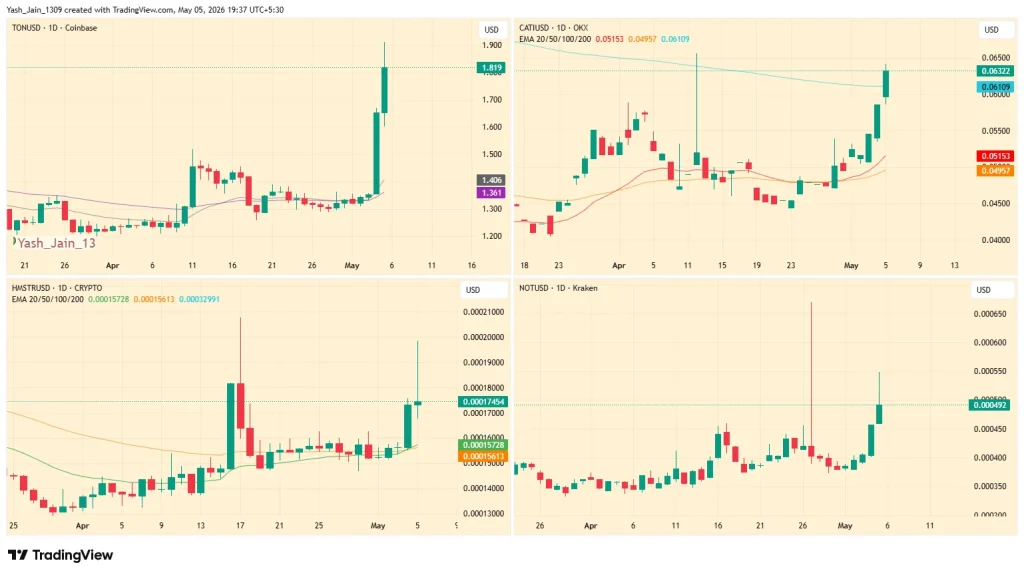

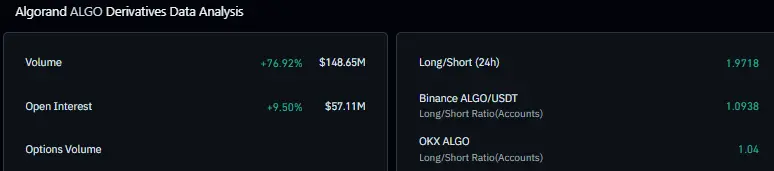
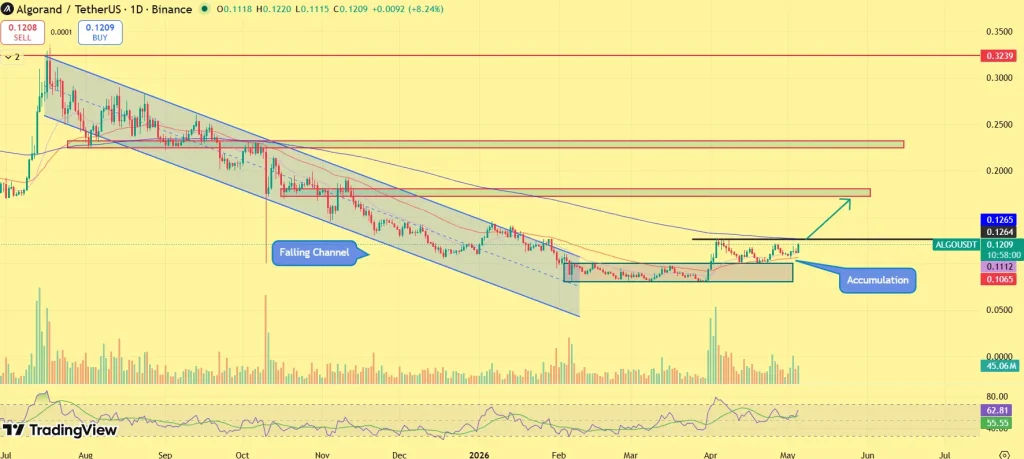


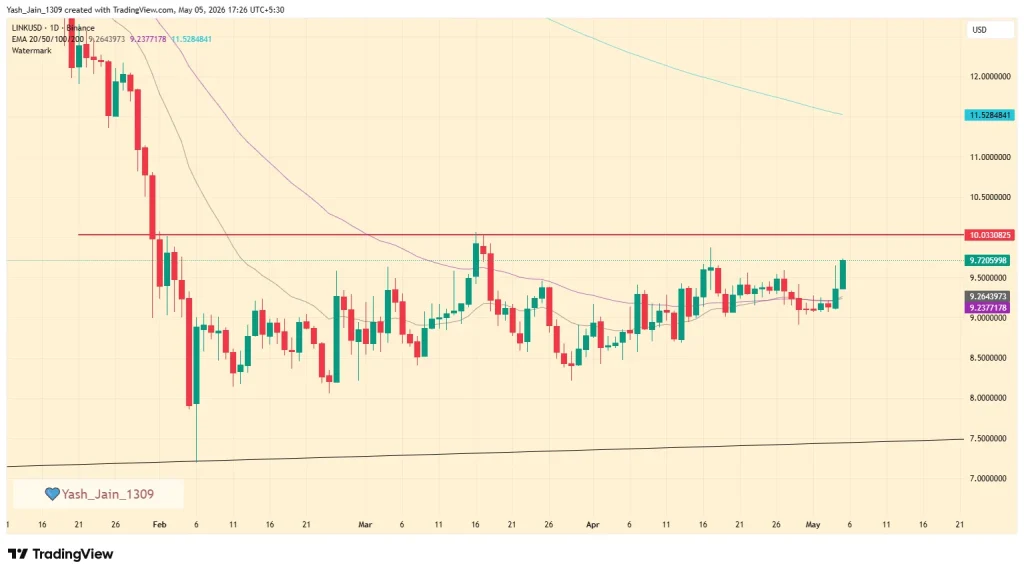
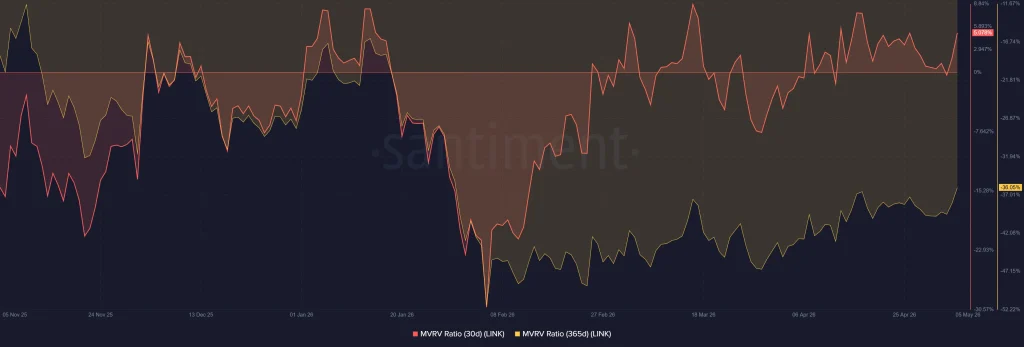












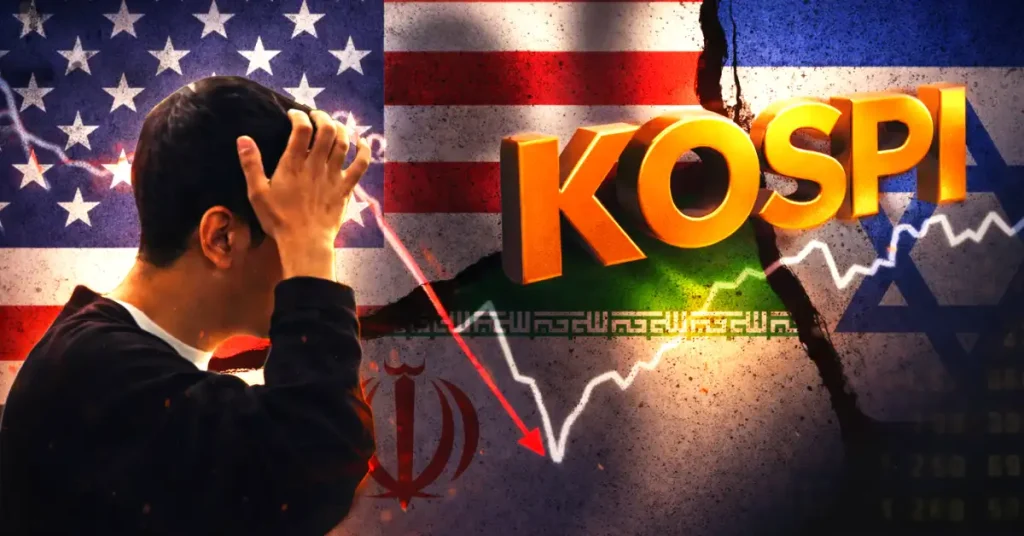


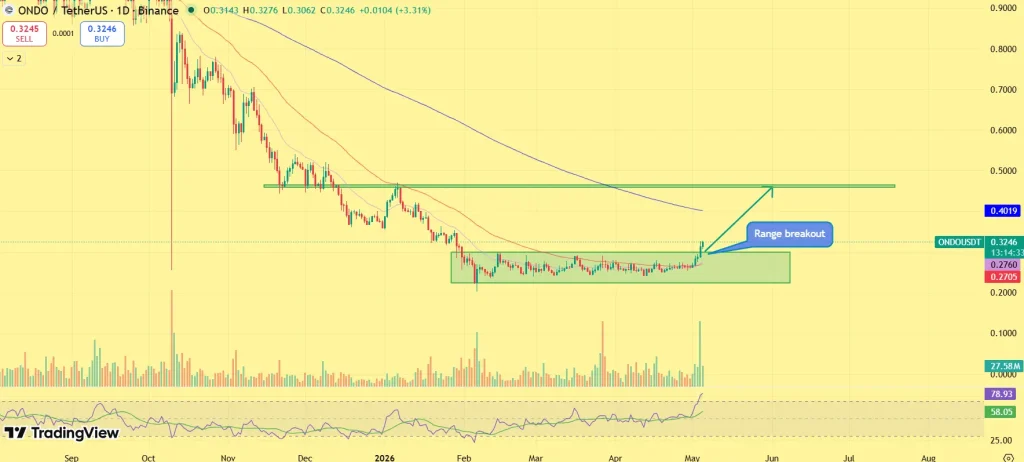


 2.82%
2.82%
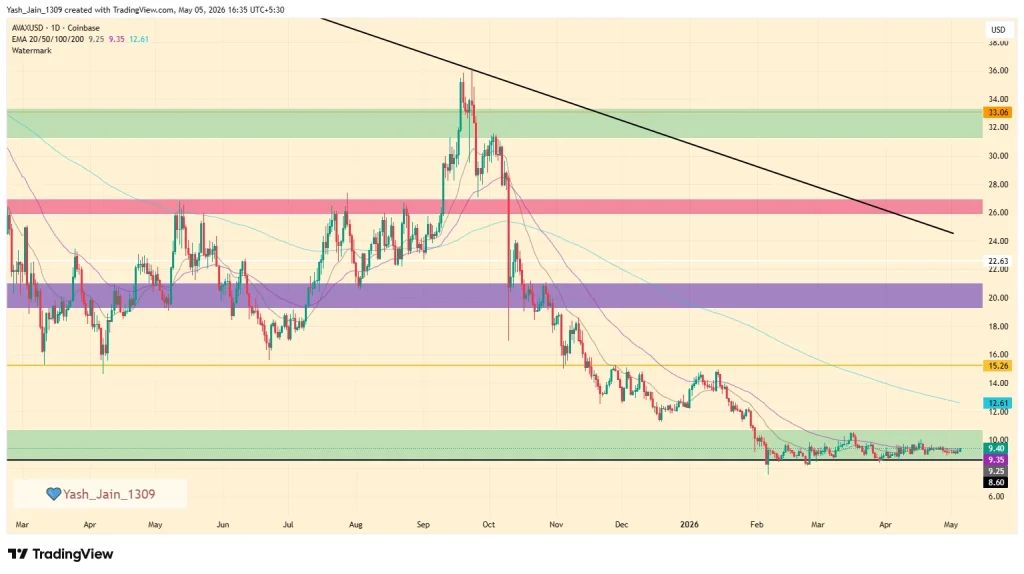
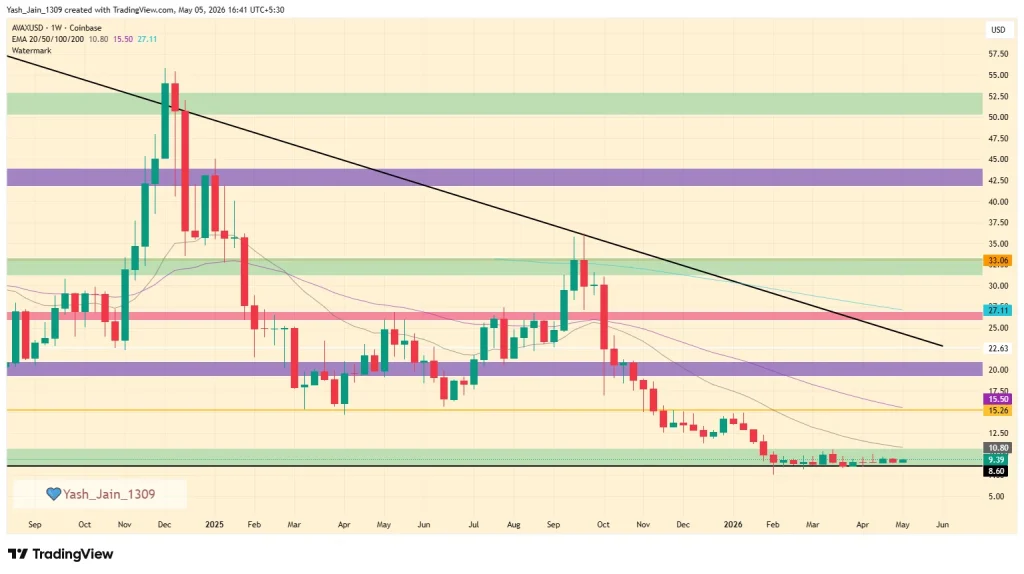
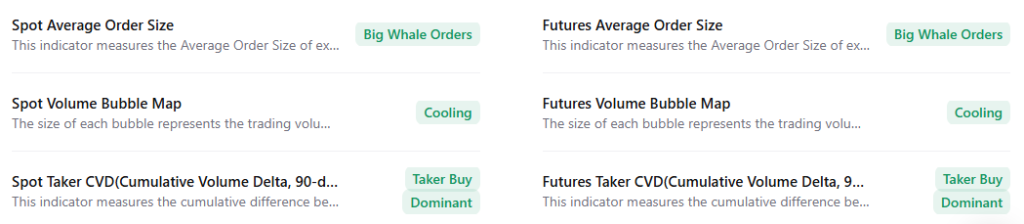

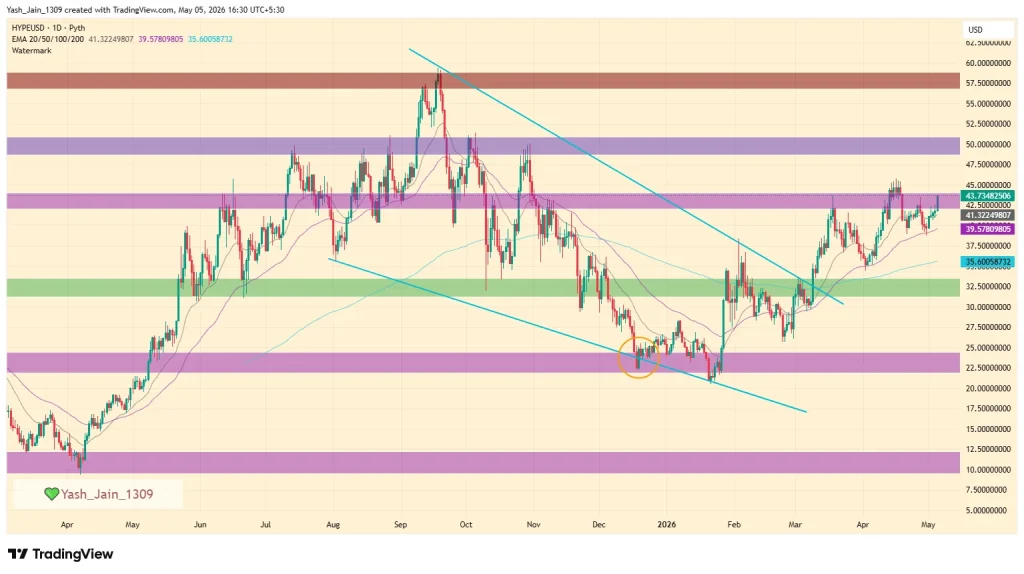
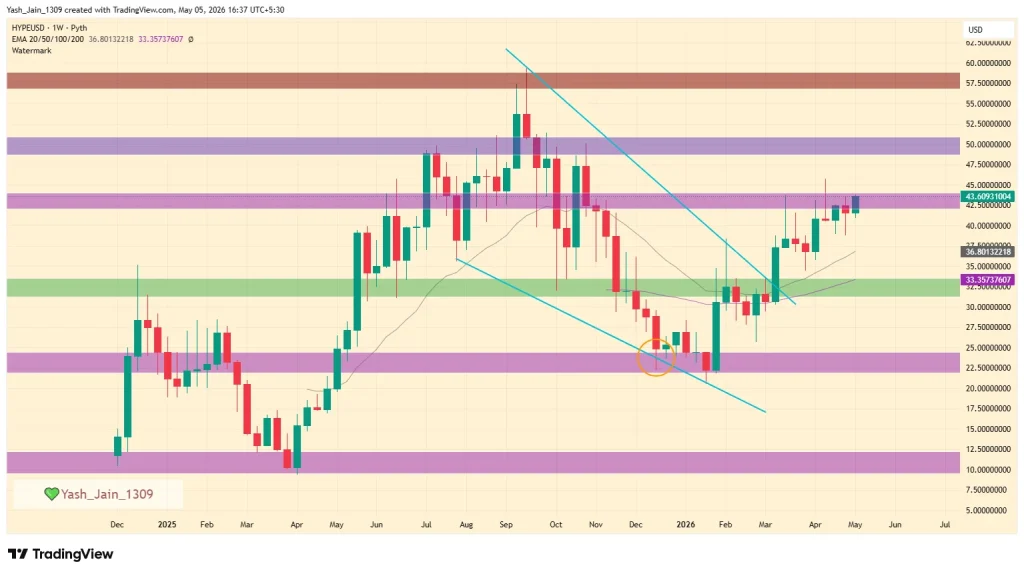













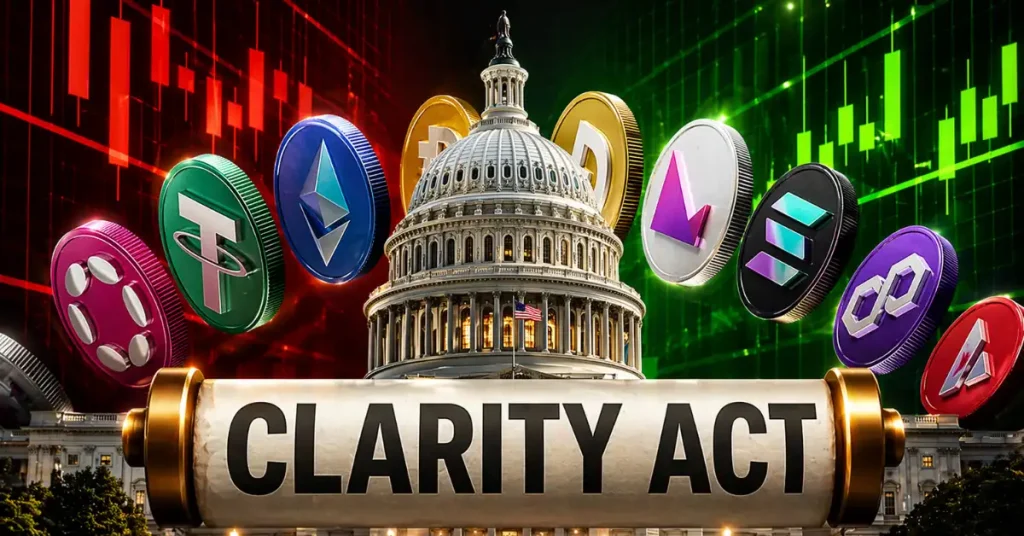



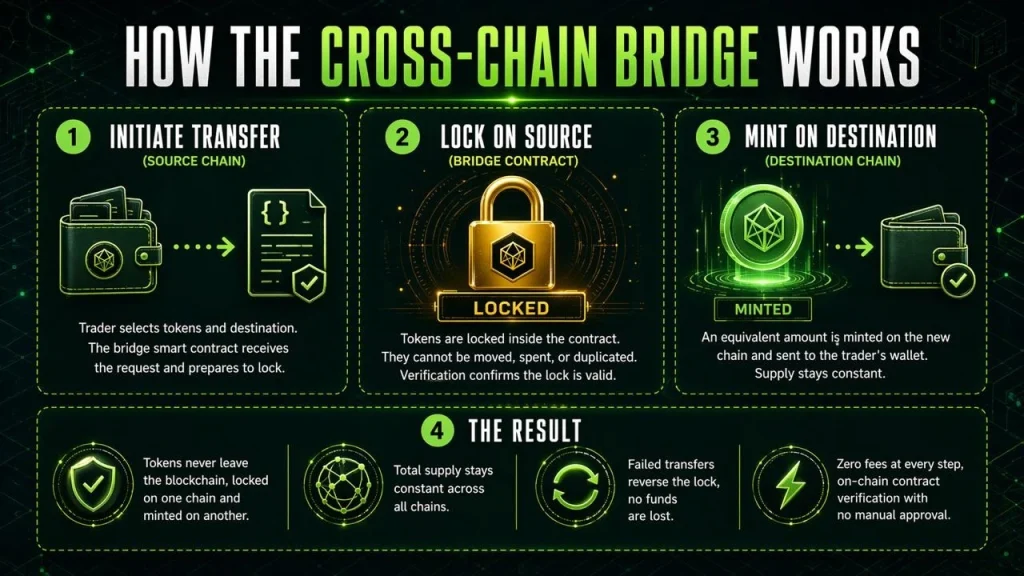
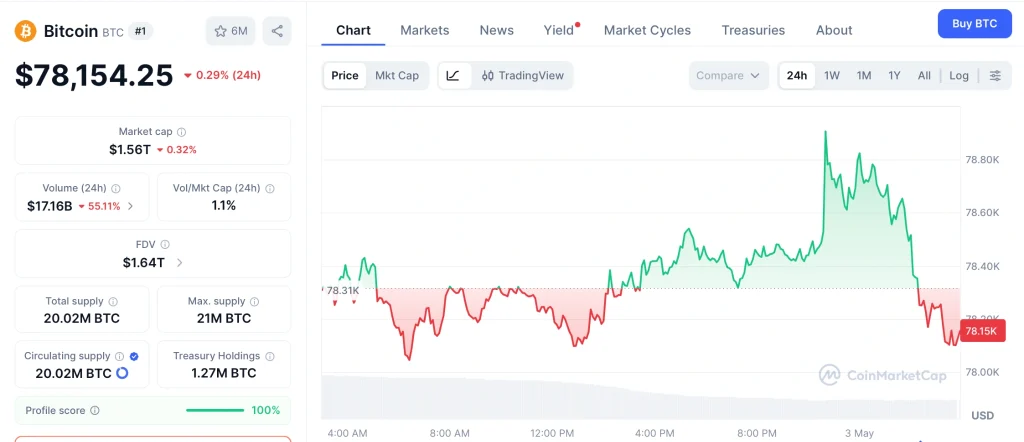
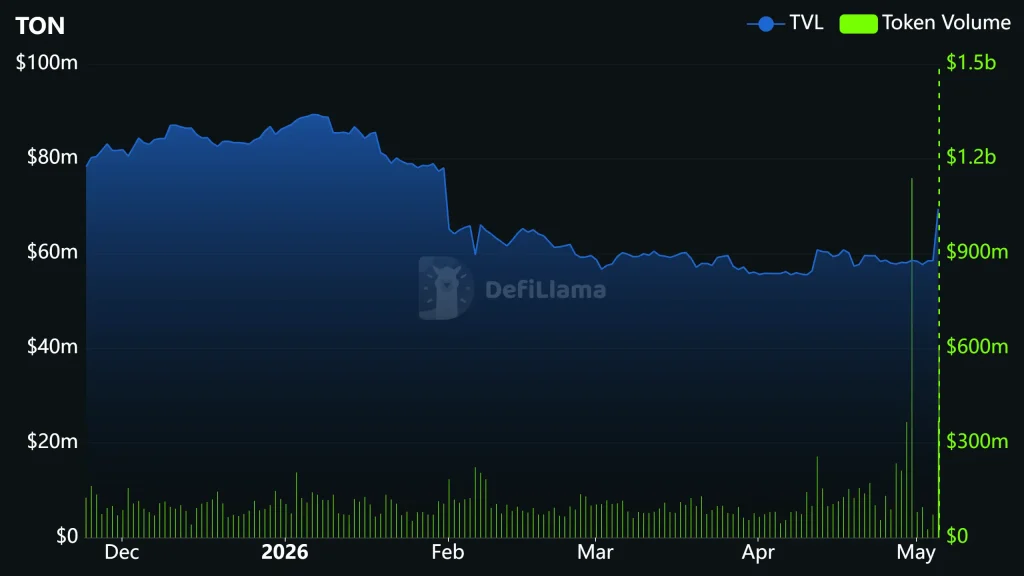
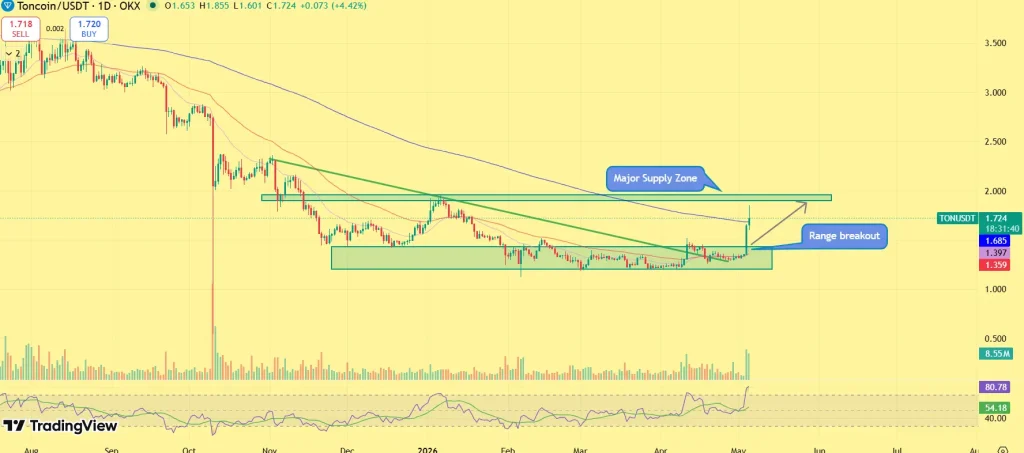
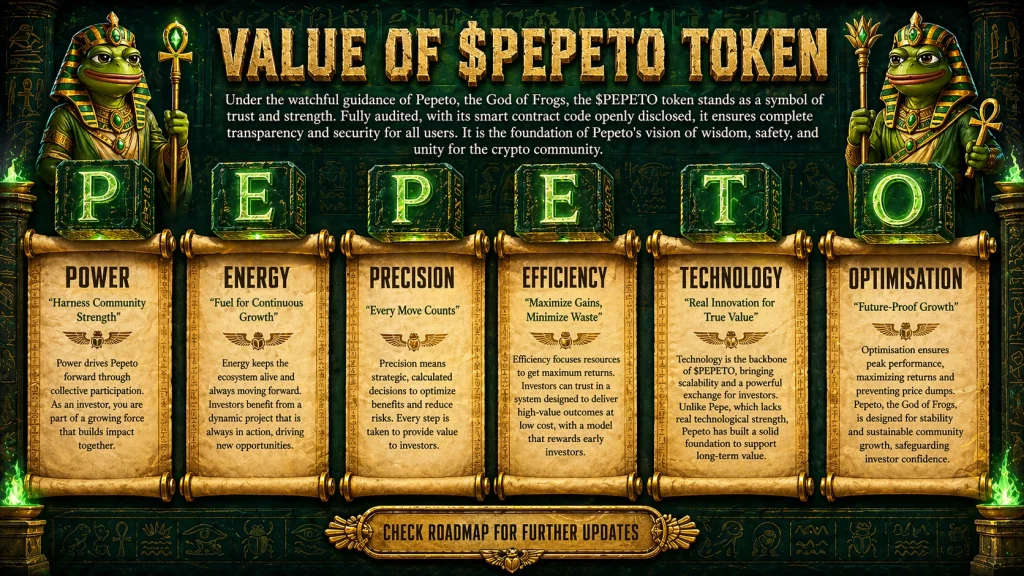
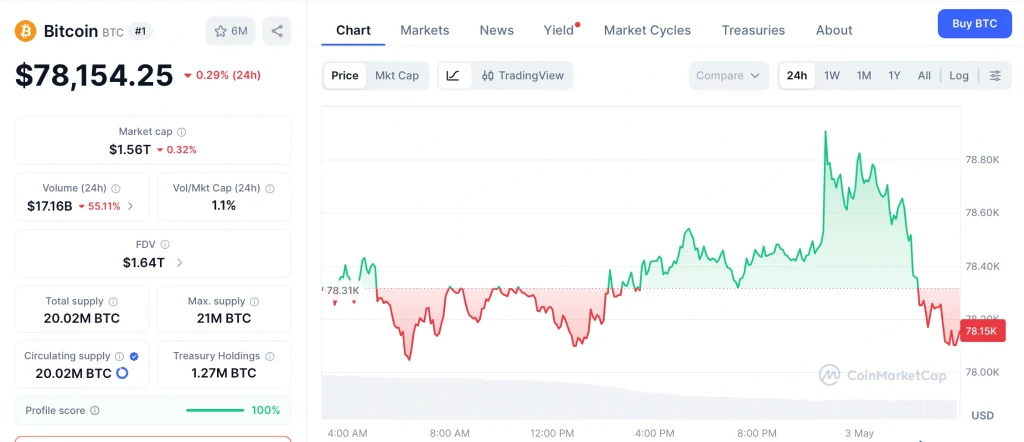
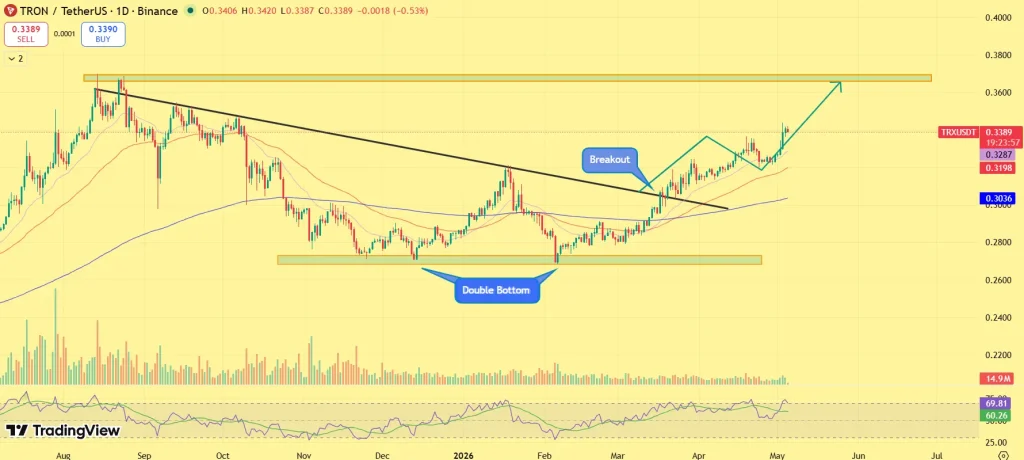
 -0.62%