Reading view

Researchers double AI training speed just by reclaiming idle GPU time

Training large language models is brutally expensive. It’s not just about having more GPUs; it’s about how efficiently you use them. And as models scale up, even small inefficiencies can turn into massive time and energy costs.

Now, a team of researchers from MIT, working with collaborators including NVidia, says it has found a surprisingly practical way to reclaim wasted compute during training — in some cases cutting overall training time nearly in half.

The problem they’re targeting lies in reinforcement learning (RL), particularly during what’s known as the “rollout” phase. This is the step where a model generates multiple candidate responses so it can learn which behaviors lead to better outcomes. It’s essential for reasoning-focused LLMs — but it’s also slow.

In fact, the rollout stage can account for as much as 85% of total execution time. The culprit is something researchers call a “long-tail distribution” of response lengths. Most generated responses finish quickly. But a small number run much longer than average. Because GPUs need to synchronize, the faster ones often sit idle waiting for the stragglers to complete.

The MIT team’s solution, called Taming the Long Tail (TLT), tackles that waste head-on. Instead of letting GPUs sit idle during those long generations, TLT uses that downtime to train a lightweight “draft” model on the fly. This smaller model learns continuously from the main model as training progresses.

The idea builds on speculative decoding, a technique where a smaller model predicts tokens ahead of the main model so multiple tokens can be verified in parallel. Traditional speculative decoding relies on a fixed draft model, which quickly becomes outdated as the primary model evolves during reinforcement learning.

TLT changes that dynamic. By retraining the drafter opportunistically using otherwise idle resources, the system keeps the draft model aligned with the main model, without requiring extra dedicated compute.

In experiments across several reasoning-focused LLMs and real-world datasets, the results were significant. The researchers report end-to-end training speedups ranging from 70% to 210% compared to strong baselines, effectively doubling training speed in many scenarios. Importantly, model accuracy remained unchanged.

There’s also an interesting side benefit: the continuously trained drafter itself becomes a useful artifact. Because it’s trained alongside the main model, it can serve as an efficient inference model in certain contexts.

The work points toward a broader theme in AI research right now: optimization over brute force. Instead of scaling up clusters indefinitely, researchers are increasingly looking for ways to extract more performance from the hardware already in place.

If approaches like TLT prove robust at larger industrial scales, they could meaningfully reduce both the financial and environmental costs of training next-generation reasoning models.

Don’t miss a thing! Join our Telegram community for instant updates and grab our free daily newsletter for the best tech stories!

For more daily updates, please visit our News Section.

(Source | Via)

The post Researchers double AI training speed just by reclaiming idle GPU time appeared first on Gizmochina.

Xiaomi retakes top spot in global wearables market

Xiaomi Smart Band 10

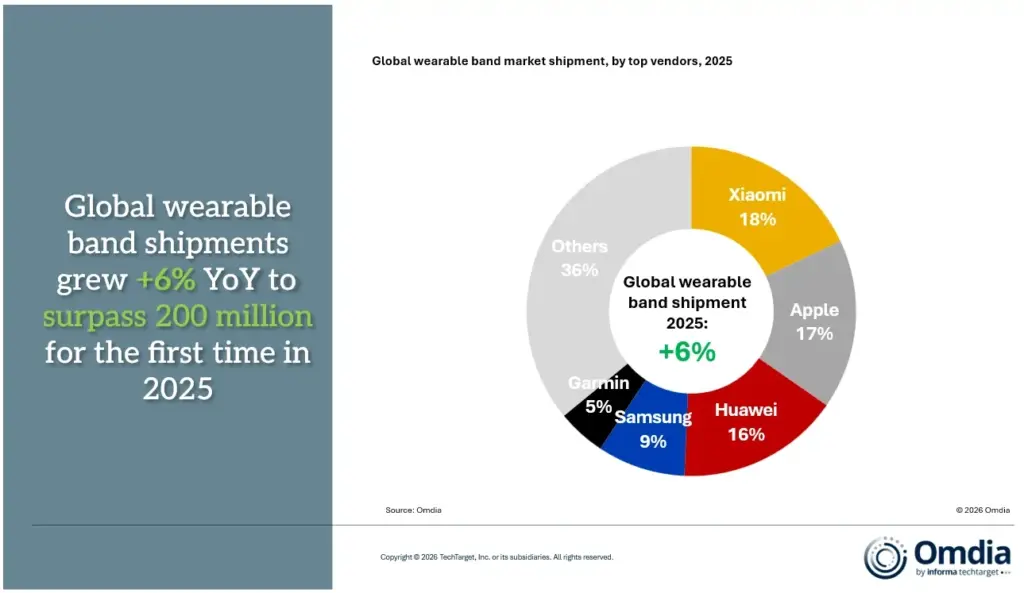
After five years out of the lead, Xiaomi is back on top in the global wearables market. New data from Omdia shows that worldwide wearable shipments crossed 200 million units in 2025, up 6% year over year.

Xiaomi Smart Band 10

Xiaomi claimed 18% of total shipments, narrowly edging out Apple at 17% and Huawei at 16%. The margins are razor thin, with less than a percentage point separating the top three. Samsung and Garmin round out the top five at 9% and 5%, respectively.

What stands out isn’t just Xiaomi’s return to No. 1 — it’s how close the race has become. According to Omdia’s research manager Cynthia Chen, the competitive focus has shifted. Wearables are no longer just about who has the best display, the most sensors, or the longest battery life. Increasingly, it’s about ecosystem strength. The tighter the integration between devices — phone, tablet, car, smart home — the stickier the user base becomes.

Xiaomi’s comeback appears to be driven by breadth rather than a single breakout product. Its Mi Band lineup continues to move huge volumes in the affordable segment, while its entry-level smartwatches help raise average selling prices without pushing too far into premium territory. The company’s broader “Human × Car × Home” strategy also plays a role, tying wearables more closely to its expanding ecosystem.

Apple, meanwhile, remains dominant in the high-end bracket. Its wearables benefit from deep integration with the iPhone, premium build quality, and an expanding suite of health features. Huawei has carved out a strong position as well, particularly in China, with a wide portfolio and growing focus on professional sports tracking and health tools.

Health tracking is evolving from basic step counts and heart rate monitoring to continuous, more advanced metrics. Some brands are even exploring lighter, more minimalist form factors to improve comfort for 24/7 tracking.

With Xiaomi, Apple, and Huawei separated by just a sliver of market share, 2026 could easily reshuffle the rankings again. For now, though, Xiaomi has its crown back. Going forward, the real battle may be less about hardware and more about who can build the most compelling ecosystem around it.

Don’t miss a thing! Join our Telegram community for instant updates and grab our free daily newsletter for the best tech stories!

For more daily updates, please visit our News Section.

(Source)

The post Xiaomi retakes top spot in global wearables market appeared first on Gizmochina.

Vivo and iQOO Smartphones May Get Costlier in India Soon, Leak Reveals New Prices

Vivo Logo

If you are planning to buy a Vivo or iQOO mid-range smartphone in India, prices may increase soon. According to tipster @yabhishekhd, six devices across both brands are expected to receive price hikes of up to ₹2,500. The revised prices are said to take effect from March 1.

Vivo Logo

Starting with Vivo, the Vivo T4x could see increases across all storage variants. The 6GB + 128GB model may go from ₹15,499 to ₹16,999. The 8GB + 128GB variant is expected to rise from ₹16,499 to ₹18,999. The 8GB + 256GB version could move from ₹18,499 to ₹20,999.

The Vivo T4R is also tipped for higher pricing. The 8GB + 128GB variant may increase from ₹20,999 to ₹22,999. The 8GB + 256GB model could go from ₹22,999 to ₹24,999. The 12GB + 256GB version is expected to rise from ₹24,999 to ₹26,999.

The Vivo T4 may follow the same pattern. The 8GB + 128GB variant could increase from ₹22,999 to ₹24,999. The 8GB + 256GB model may move from ₹24,999 to ₹26,999. The 12GB + 256GB version is expected to go from ₹26,999 to ₹28,999.

On the iQOO side, the iQOO Z10x may see the 6GB + 128GB variant increase from ₹14,999 to ₹16,999. The 8GB + 128GB model could rise from ₹16,499 to ₹18,999. The 8GB + 256GB version is expected to move from ₹17,999 to ₹20,499.

The iQOO Z10R is also included in the reported revision. The 8GB + 128GB variant may increase from ₹20,999 to ₹22,999. The 8GB + 256GB model could go from ₹22,999 to ₹24,999. The 12GB + 256GB version is expected to rise from ₹24,999 to ₹26,999.

Finally, the iQOO Z10 may see prices increase to ₹24,999, ₹26,999, and ₹28,999 for the 8GB + 128GB, 8GB + 256GB, and 12GB + 256GB variants, respectively, up from ₹22,999, ₹24,999, and ₹26,999.

The companies have not officially confirmed these changes yet. If the leak is accurate, buyers may want to purchase before March 1 to avoid the higher prices.

For more daily updates, please visit our News Section.

Stay ahead in tech! Join our Telegram community and sign up for our daily newsletter of top stories.

(Source)

The post Vivo and iQOO Smartphones May Get Costlier in India Soon, Leak Reveals New Prices appeared first on Gizmochina.

BMW turns to humanoid robots to boost factory efficiency in Europe

BMW is starting to put humanoid robots to work in Europe — a first for the company — as it looks for new ways to improve efficiency and stay competitive in a tough global market.

The German automaker has launched a pilot program at its Leipzig plant in Germany, where AI-powered humanoid robots will assist with selected assembly tasks. While this is the first European rollout, it’s not BMW’s first experiment overall. The company previously ran a 10-month trial at its Spartanburg, South Carolina plant in the US, where Figure AI’s Figure 02 humanoid robots worked five days a week, up to 10 hours a day.

Complementing existing automation systems rather than replacing them

During that US pilot, the robots reportedly handled physically demanding tasks such as placing sheet metal components for welding. According to BMW, they contributed to the production of more than 30,000 vehicles while also reducing strain on human workers. The goal wasn’t to replace staff, but to take over repetitive or ergonomically challenging jobs.

Now, the focus shifts to Leipzig. At the German facility, BMW is testing the AEON humanoid robot developed by Hexagon Robotics. The machines will assist in assembly line operations and in high-voltage battery production.

For now, BMW says only a small number of units — in the single digits — will operate alongside human employees, complementing existing automation systems rather than replacing them.

BMW executives are framing the move as part of a broader push toward digitalization and “physical AI” in manufacturing. Milan Nedeljković, the company’s production chief and incoming CEO, described digital technologies as key to maintaining competitiveness.

BMW isn’t alone in exploring humanoid robotics. Automakers including Tesla, Mercedes, and Hyundai have all signaled interest in similar technologies. Analysts at Morgan Stanley have projected that the humanoid robotics market could reach $5 trillion by 2050, with large-scale adoption expected particularly in China.

Full-scale deployment — if it happens — will depend on how well the robots integrate into existing workflows and whether they can deliver measurable productivity gains.

Still, the direction is clear. As manufacturing becomes more complex, automakers are increasingly looking beyond traditional industrial robots.

Don’t miss a thing! Join our Telegram community for instant updates and grab our free daily newsletter for the best tech stories!

For more daily updates, please visit our News Section.

(Sources: 1, 2)

The post BMW turns to humanoid robots to boost factory efficiency in Europe appeared first on Gizmochina.

Casio G-Shock GMA-P2126W-8A Debuts with Minimalist Monochrome Finish and Gold Highlights

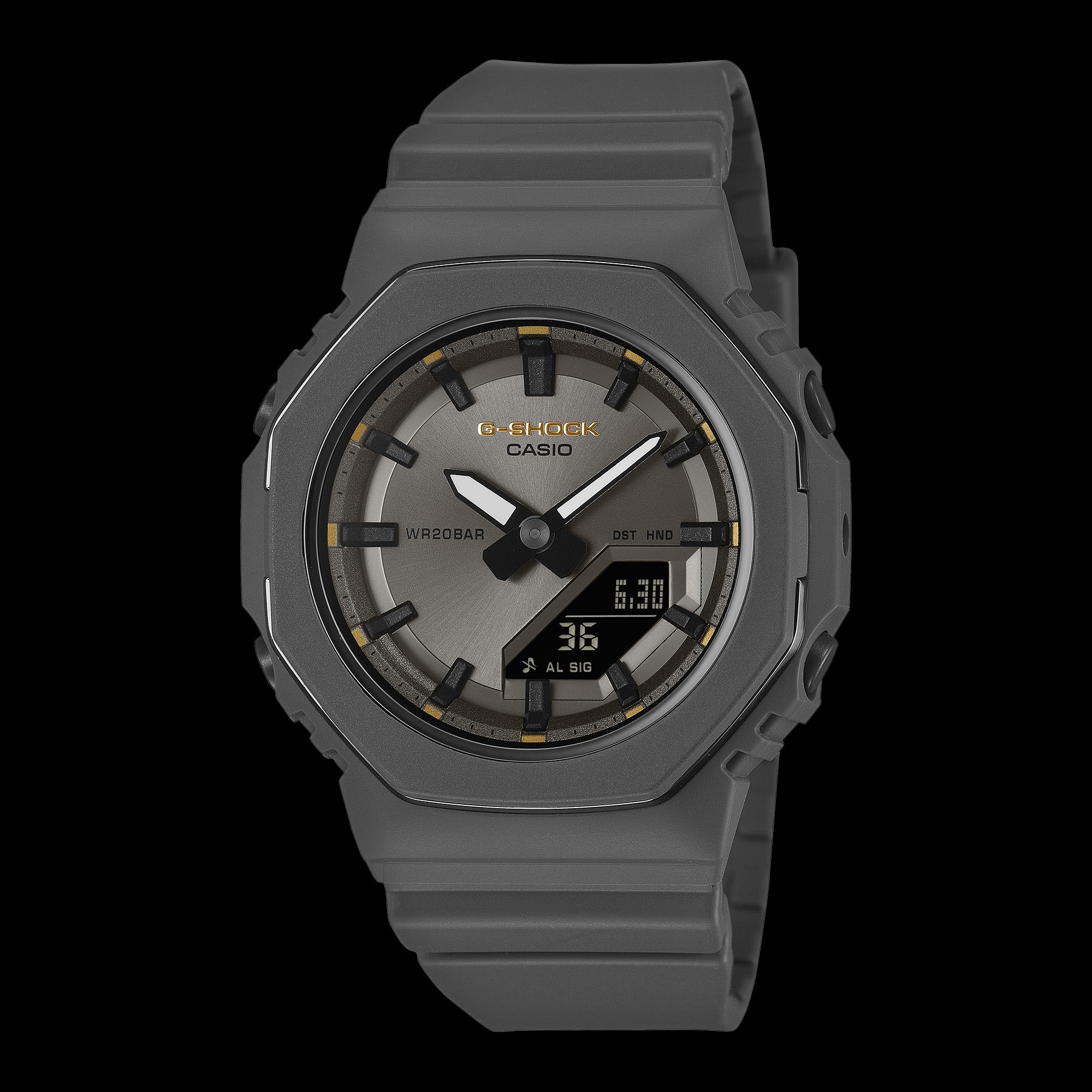
Casio has unveiled the G-Shock GMA-P2126W-8A ahead of International Women’s Day 2026, combining durability with compact dimensions and environmental considerations.

G-Shock GMA-P2126W-8AJR

The watch features a dark gray monochrome design with an octagonal bezel surrounded by a metallic ring. Gold accents mark the bar indices, while the metal dial uses lighter silver-gray tones. White hour and minute hands with black borders enhance legibility. The aesthetic references themes of strength and optimism tied to the March 8 observance, officially recognized by the United Nations since 1975.

Construction and Specifications

G-Shock GMA-P2126W-8A

The case, bezel, and band use bio-based resin, reducing environmental impact while maintaining G-Shock’s shock resistance and 20-bar water resistance. The watch weighs 41 grams and measures 46 × 40.5 × 11.3 mm, fitting wrists from 145 to 190 mm. Inorganic glass protects the display, which incorporates Neobrite for low-light visibility.

Functionality

The analog-digital layout includes a compact LCD alongside traditional hands. World time covers 48 cities across 31 time zones with daylight saving adjustment and UTC display. A 1/100-second stopwatch provides split timing and a 24-hour counter. The countdown timer runs up to 24 hours, complemented by five daily alarms and an hourly signal. A fully automatic calendar handles date tracking.

Hand retraction temporarily moves the hands from the LCD for unobstructed viewing. A dual LED Super Illuminator system lights both dial and LCD, with selectable afterglow durations of 1.5 or 3 seconds.

Additional Features

Operation sound can be toggled, and the display switches between 12/24-hour formats. Accuracy is rated at ±15 seconds monthly. The standard battery provides approximately three years of operation.

Availability

The GMA-P2126W-8A launches in Japan in early March 2026 at ¥22,000 (approximately $145). International release details remain unannounced.

For more daily updates, please visit our News Section.

Stay ahead in tech! Join our Telegram community and sign up for our daily newsletter of top stories.

The post Casio G-Shock GMA-P2126W-8A Debuts with Minimalist Monochrome Finish and Gold Highlights appeared first on Gizmochina.
Galaxy S26 vs iPhone 17 Comparison: Biggest Differences You Must Know Before Buying

galaxy vs iphone

Choosing between the Samsung Galaxy S26 and iPhone 17 isn’t just about Android vs iOS anymore; it’s about two completely different flagship philosophies. One focuses on feature-packed hardware and flexibility, while the other prioritizes smooth optimization and everyday consistency. With both phones targeting premium buyers at similar price points, this comparison matters for anyone trying to decide which flagship truly offers the better long-term experience and smarter value in 2026.

Major Features:

FeatureSamsung Galaxy S26iPhone 17Winner
Display6.3″ Dynamic LTPO AMOLED 2X, 120Hz, HDR10+, 2600 nits6.3″ LTPO Super Retina XDR OLED, 120Hz, Dolby Vision, 3000 nits peakiPhone 17 — higher peak brightness and more natural color tuning
ProcessorSnapdragon 8 Elite Gen 5 / Exynos 2600Apple A19 (3nm)iPhone 17 — stronger optimization and efficiency
RAM & Storage12GB RAM, 256GB/512GB, UFS 4.X8GB RAM, 256GB/512GB, NVMeGalaxy S26 — more RAM for heavy multitasking
Rear Cameras50MP wide + 10MP 3x telephoto + 12MP ultrawide48MP wide + 48MP ultrawideGalaxy S26 — dedicated telephoto adds versatility
Selfie Camera12MP, dual pixel PDAF18MP ultrawide + 3D depthiPhone 17 — better video and depth features
Video RecordingUp to 8K, HDR10+, gyro-EISUp to 4K Dolby Vision HDRiPhone 17 — more consistent cinematic video output
Battery4300mAh, 25W wired, 15W wireless3692mAh, fast wired, 25W MagSafe/Qi2Galaxy S26 — larger battery capacity
Charging FeaturesWireless + reverse wirelessMagSafe/Qi2 + reverse wiredGalaxy S26 — more charging flexibility
SoftwareAndroid 16, One UI 8.5, 7 upgradesiOS 26iPhone 17 — smoother long-term app optimization
Extra FeaturesSamsung DeX, ultrasonic fingerprintFace ID, Satellite SOS, UWB Gen2Tie — depends on ecosystem preference
Price (Approx)$900 / ₹88,000$800 / ₹83,000iPhone 17 — better starting value

Please Note: When you buy something using the links in our articles, we may earn a small commission at no cost to you.

Design and Display

Build and Feel

Samsung Galaxy S26 and iPhone 17 both focus on premium glass-and-metal construction, but they deliver different experiences. Samsung leans toward a lighter, sharper-edged feel with Gorilla Glass Victus 2 and Armor Aluminum 2, while Apple keeps a familiar aluminum frame paired with Ceramic Shield 2. Both carry IP68 protection, yet Apple’s deeper water resistance adds extra reassurance for long-term durability. The Galaxy feels more tech-centric and modern, whereas the iPhone feels polished and minimal, appealing to users who prefer subtle refinement over aggressive styling. The overall handling experience depends more on ecosystem preference than materials alone.

Display Quality

Both phones use advanced LTPO OLED panels with 120Hz refresh rates, making scrolling and animations extremely smooth. The Galaxy S26 emphasizes vivid contrast and punchy HDR performance with high peak brightness, while the iPhone 17 focuses on color accuracy and balanced brightness, backed by Dolby Vision support. Samsung’s display feels more dramatic for media lovers, while Apple’s panel tends to look more natural in daily use. Both are excellent, but the difference lies in tuning rather than raw quality.

Verdict

Galaxy S26 feels more vibrant and futuristic, while the iPhone 17 offers a cleaner, more consistent visual experience. Choice here depends on whether bold visuals or natural color balance matters more.

Specifications Including Battery

Performance

The Galaxy S26 runs either Snapdragon 8 Elite Gen 5 or Exynos 2600, depending on region, both designed for flagship-level speed and long-term Android updates. The iPhone 17 uses Apple’s A19 chip, which typically prioritizes efficiency and smooth optimization with iOS. In real usage, both deliver top-tier performance, but the iPhone often feels more consistent in long-term app optimization, while the Galaxy provides stronger multitasking flexibility and desktop-style features like DeX. Samsung’s higher RAM also helps heavy users who keep many apps open simultaneously.

Battery and Charging

Samsung packs a larger battery and supports wired, wireless, and reverse wireless charging, giving more versatility overall. The iPhone 17 compensates with strong efficiency and faster wireless charging via MagSafe/Qi2. Apple’s charging feels polished and reliable, while Samsung’s larger capacity provides more confidence during long usage days. Charging speed differences are noticeable but not dramatic in everyday routines.

Verdict

Galaxy S26 is better suited for power users needing flexibility and endurance, while iPhone 17 focuses on efficiency and stable long-term performance. Both feel flagship-grade but with different philosophies.

Camera

Main and Secondary Lenses

Samsung equips the Galaxy S26 with a versatile triple-camera setup, including a dedicated telephoto lens that adds real optical zoom flexibility. This makes it more adaptable for portraits and distant shots. The iPhone 17 uses a dual-camera system with high-resolution wide and ultrawide sensors, prioritizing consistency and color science over hardware variety. Apple’s processing usually produces natural tones, while Samsung tends to deliver more contrast and vibrant output. For users who enjoy experimenting with framing, Samsung’s extra lens adds creative freedom.

Selfie Camera

Galaxy S26 focuses on sharp and reliable selfies with dual-pixel autofocus and HDR support, delivering clean results in mixed lighting. The iPhone 17 introduces an ultrawide selfie sensor with advanced depth hardware, improving group shots and cinematic video capture. Apple’s front camera generally feels more polished for video creators, while Samsung keeps things simple and consistent for everyday use.

Verdict

Galaxy S26 wins for versatility and zoom options, while iPhone 17 excels in natural video quality and balanced image processing. The better choice depends on shooting style rather than pure specs.

Pricing

Samsung Galaxy S26 starts at roughly $900 / ₹88,000, while the iPhone 17 comes in lower at around $800 / ₹83,000. Samsung’s higher price reflects extra hardware features like the telephoto camera, larger battery, and multitasking-focused software additions. Apple, on the other hand, offers strong ecosystem integration and long-term software consistency at a slightly more accessible entry price. The gap is not huge, but it changes how each device is positioned in the market.

Is the Price Justified? 

The Galaxy S26 feels justified for users wanting maximum hardware flexibility and productivity features. The iPhone 17 feels like a safer long-term investment for users prioritizing ecosystem stability and optimized performance. Both offer flagship value, but the definition of value changes depending on whether hardware features or software longevity matter more.

Verdict

Galaxy S26 offers more hardware per dollar, while iPhone 17 delivers stronger ecosystem value at a lower starting price.

Disclaimer:
Prices are approximate and may vary based on country, region, and applicable taxes.

Conclusion

The Galaxy S26 stands out with Samsung DeX, stronger multitasking potential, and a more flexible camera system that suits creators and power users. The iPhone 17 focuses on refined software integration, satellite safety features, advanced Face ID hardware, and a tightly optimized user experience. Samsung feels more experimental and feature-rich, while Apple keeps things simple and reliable. Both devices represent mature flagship strategies rather than dramatic reinventions.

Final Verdict

If only one phone has to be chosen, the iPhone 17 is the safer overall pick thanks to its lower price, smoother optimization, consistent camera performance, and long-term reliability, making it ideal for most users. 

Samsung Galaxy S26 is better for those who want more hardware flexibility, a telephoto camera, a larger battery, and advanced multitasking features.

For most people: iPhone 17 feels more balanced and safer long-term.

For tech enthusiasts / power users: Galaxy S26 is arguably the more capable phone.

Read More:

The post Galaxy S26 vs iPhone 17 Comparison: Biggest Differences You Must Know Before Buying appeared first on Gizmochina.
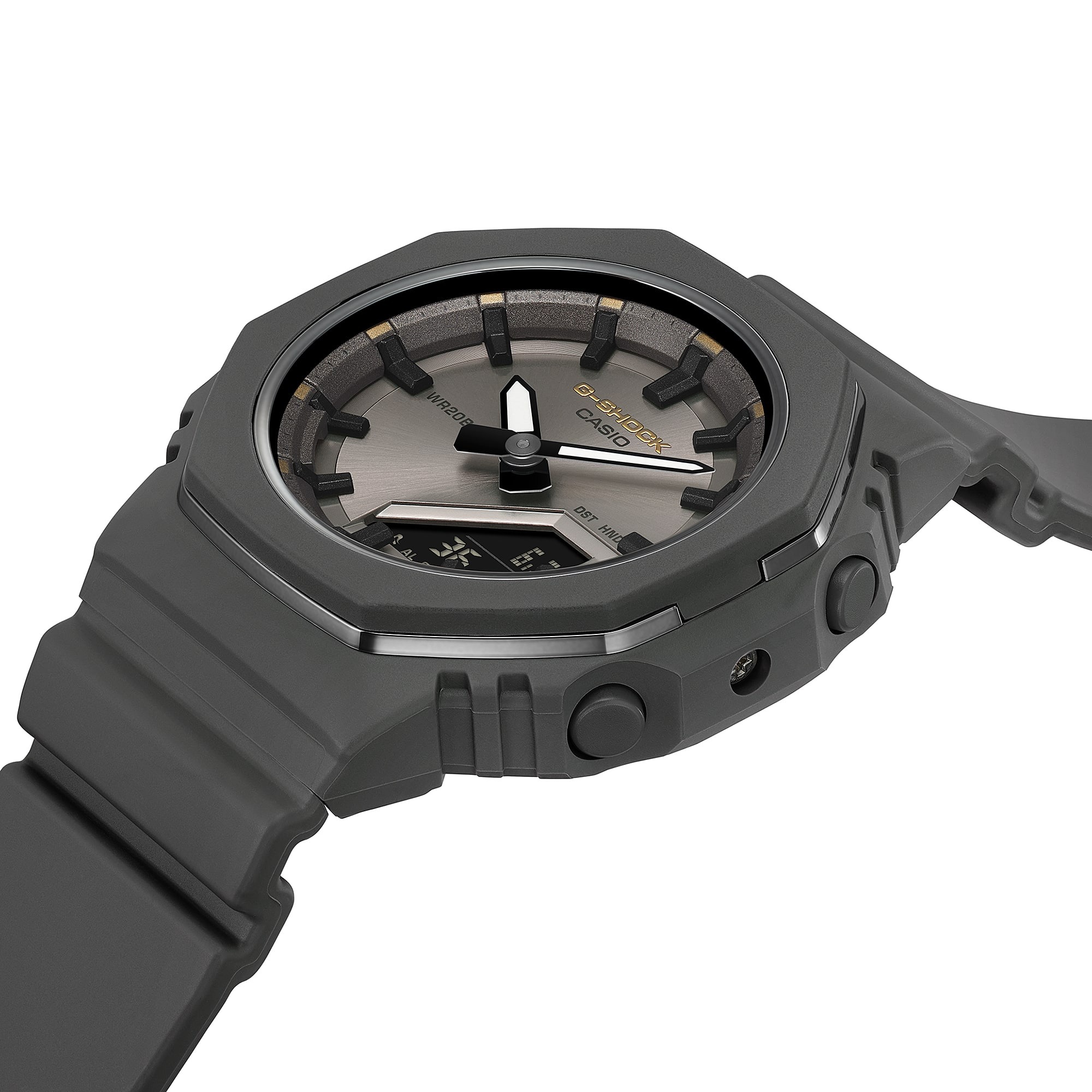
Qualcomm confirms no Snapdragon G updates at GDC 2026

Qualcomm had hinted that GDC 2026 could be an important moment for Windows-on-Arm gaming hardware. That’s no longer the case.

The company has confirmed it won’t be announcing any updates to its Snapdragon G Series gaming chips at this year’s Game Developers Conference, which runs from March 9 to 13 at Moscone Center in San Francisco. There also won’t be hands-on benchmarking sessions for the newer Snapdragon X platform revisions — the chips currently powering Windows-on-Arm PCs that some hoped would make a stronger push into gaming.

That clarification cools expectations that had been building since CES. Earlier in the year, Qualcomm had downplayed major handheld announcements but suggested GDC might be a better venue for gaming-focused updates. Naturally, that led many to expect performance demos, developer tools, or at least some clarity around OEM partnerships. None of that is happening — at least not this month.

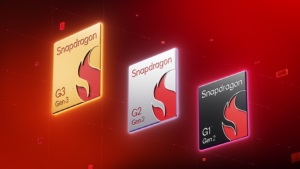
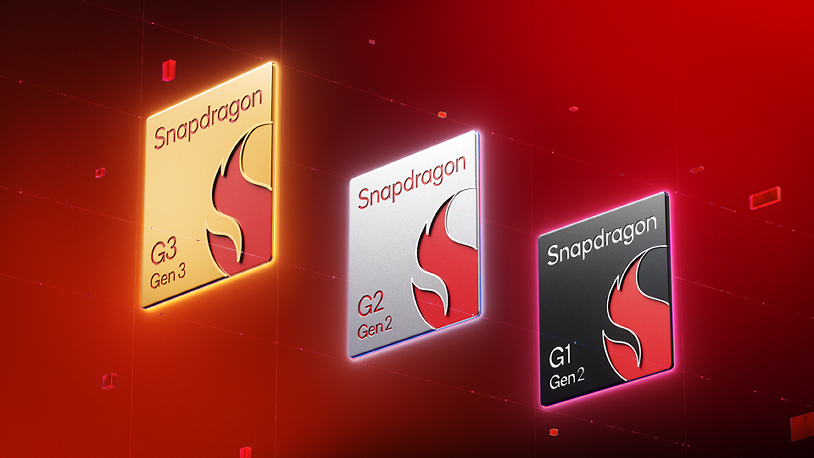
For those following the space, this matters. The Snapdragon G Series (G1 Gen 2, G2 Gen 2, and G3 Gen 2) is Qualcomm’s dedicated push into handheld gaming silicon. On paper, these chips support QHD+ displays up to 144Hz, Wi-Fi 7, and Adreno GPUs tuned for portable gaming. Meanwhile, the Snapdragon X lineup — especially the “Elite” branded chips — have been positioned as powerful enough to handle both productivity and gaming in thin-and-light Windows devices. Together, they’ve fueled optimism about a possible Windows-based alternative to x86 handhelds.

That’s why GDC felt important. It would have been the ideal place to show real-world gaming benchmarks, highlight driver improvements, or announce partnerships with handheld makers. Even early developer toolkits would have signaled momentum. Instead, things remain quiet.

Windows-on-Arm gaming is at a delicate stage. There’s genuine potential, especially with the efficiency gains Qualcomm’s architecture can deliver. But the x86 gaming ecosystem is deeply entrenched, and expectations are high. Without concrete demos or measurable progress, enthusiasm can cool quickly.

For developers and enthusiasts attending GDC this year, Snapdragon-powered gaming hardware won’t be the headline some were anticipating.

Don’t miss a thing! Join our Telegram community for instant updates and grab our free daily newsletter for the best tech stories!

For more daily updates, please visit our News Section.

(Source)

The post Qualcomm confirms no Snapdragon G updates at GDC 2026 appeared first on Gizmochina.
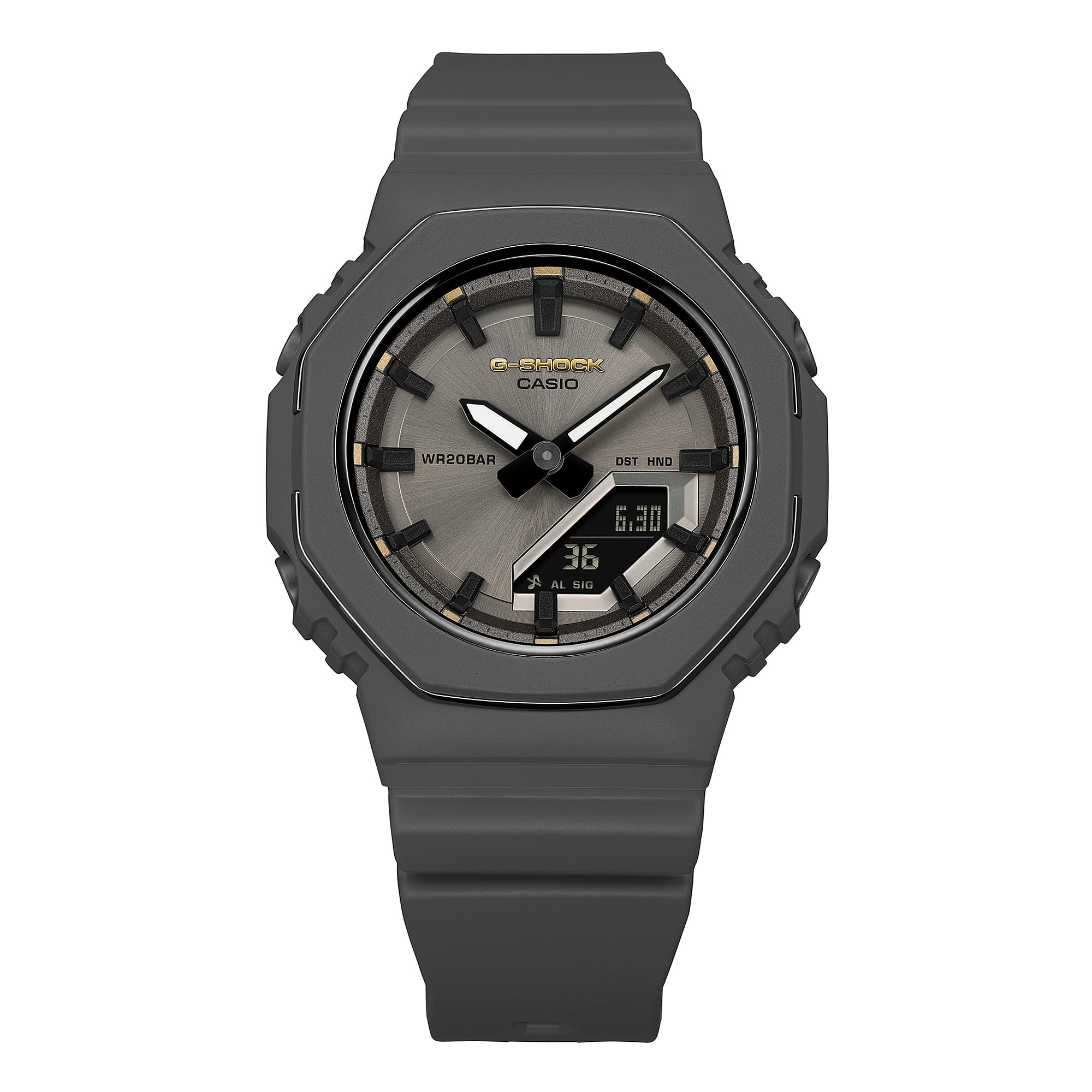
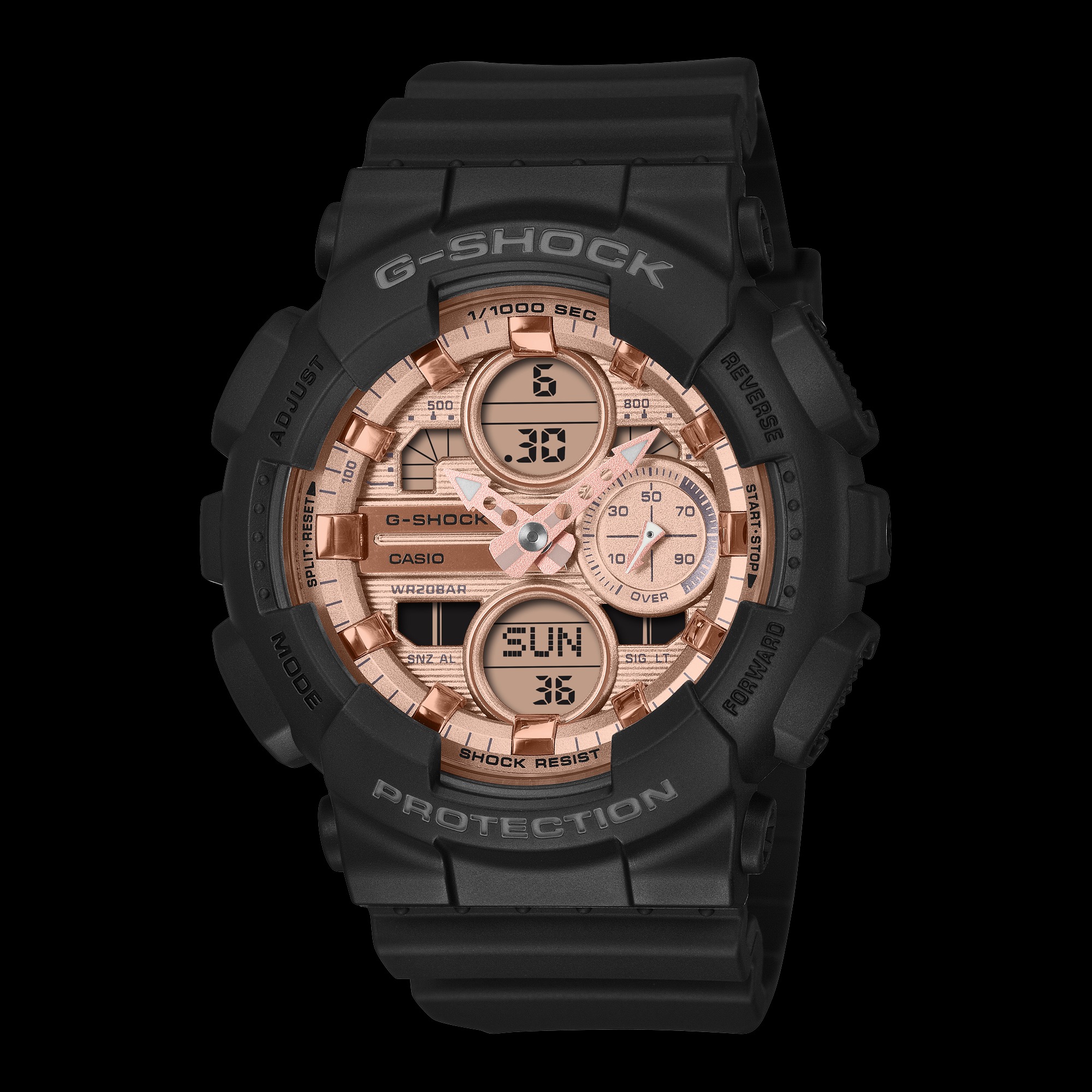
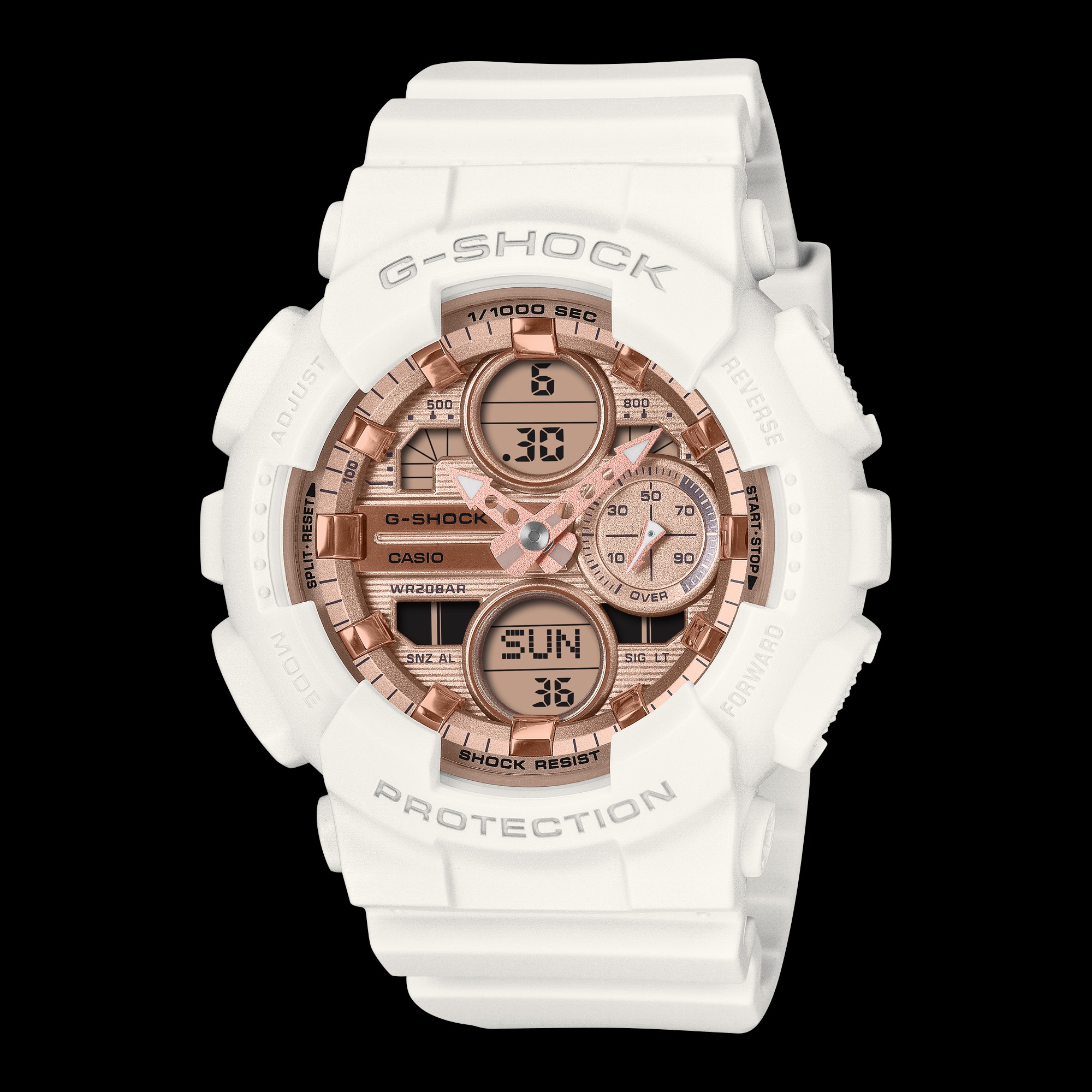
Casio Introduces New G-Shock GMA-S140PG Models with Metallic Pink Gold Accents

Casio G-Shock GMA-S140PG-1A, GMA-S140PG-4A and GMA-S140PG-7A watches

Casio has introduced three G-Shock GMA-S140 watches in Japan, featuring metallic pink gold detailing. The collection includes the GMA-S140PG-1A with black resin, the GMA-S140PG-4A in light pink, and the GMA-S140PG-7A in white. Each model displays a metallic pink gold dial with rose gold backgrounds on digital inserts.

Casio G-Shock GMA-S140PG-1A, GMA-S140PG-4A and GMA-S140PG-7A watches

The hybrid analog-digital design measures 49.0 × 45.9 × 15.8 mm and weighs 56 grams. Casio uses bio-based resin from renewable organic resources for the case, bezel, and band to reduce environmental impact. The watches are shock-resistant, magnetic-resistant, and water-resistant to 200 meters, with mineral glass protection.

A CR1220 battery powers the watch for approximately two years. Accuracy is ±15 seconds monthly. The analog section features hour and minute hands, with the minute hand advancing every 20 seconds. Digital displays show time, date, and day information.

GMA-S140PG-1A
G-Shock GMA-S140PG-1A
GMA-S140PG-7A
G-Shock GMA-S140PG-7A
GMA-S140PG-4A
G-Shock GMA-S140PG-4A

World time covers 29 time zones across 48 cities plus UTC, with daylight saving adjustments. The stopwatch measures in 1/1000-second increments up to 99:59’59.999”, tracking elapsed, lap, and split times. Speed measurement ranges from 0 to 1998 units per hour, with distance input from 0.0 to 99.9 and a Mach indicator above 1225 units per hour.

The countdown timer operates in one-second units up to 24 hours, with start times adjustable from one minute to 24 hours. Five daily alarms include one snooze option, plus an hourly time signal. An amber LED provides illumination with auto-switch, selectable 1.5 or 3-second duration, and afterglow. Compatible band sizes range from 135 to 200 mm.

Pricing & availability

The watches retail for ¥18,150 ($116) in Japan. Casio’s international website listings indicate potential expansion to the United States, United Kingdom, and Germany.

For more daily updates, please visit our News Section.

Tech enthusiast? Get the latest news first! Follow our Telegram channel and subscribe to our free newsletter for your daily tech fix!

The post Casio Introduces New G-Shock GMA-S140PG Models with Metallic Pink Gold Accents appeared first on Gizmochina.
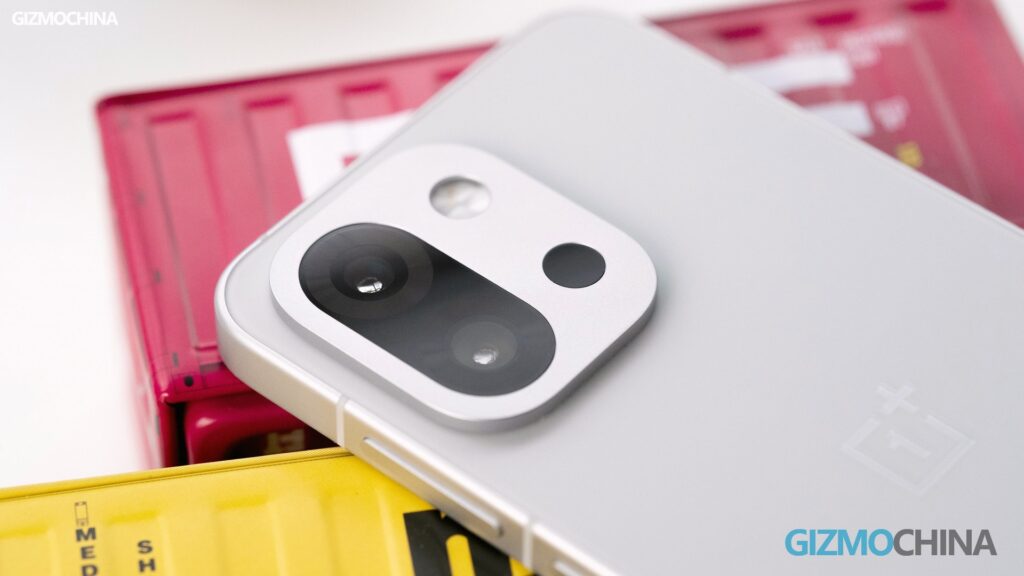
OnePlus 15T leaked camera details are hard to get excited about

OnePlus has started teasing its next compact flagship, the OnePlus 15T, and on paper it checks a lot of the right boxes. But if you were hoping for a major camera upgrade this year, the latest leak might temper expectations a bit.

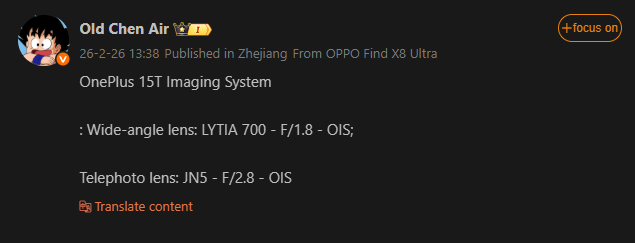
According to Weibo tipster 老陈Air, the 15T will feature a dual rear camera setup. The primary sensor is said to be Sony’s LYTIA 700 (1/1.56″ size) with an f/1.8 aperture and OIS. Alongside it sits a Samsung ISOCELL JN5 (1/2.76″ size) telephoto camera at f/2.8, also with optical stabilization.

If that configuration sounds familiar, it’s because it largely mirrors the OnePlus 13T (our review). And yes — once again, there’s reportedly no ultrawide camera.

The LYT-700 is very close to what we saw in the 13T in terms of size and light intake, the 1/1.56″ IMX 906, and the telephoto aperture is actually narrower this time (f/2.8 versus f/2.0 previously). That suggests refinement rather than a real hardware leap.

That said, minor improvements may come from software processing and whatever imaging enhancements the new chipset enables.

Outside the camera department, though, the 15T looks far more ambitious. Leaks point to a 6.31-inch OLED panel with 1.5K resolution and a 165Hz refresh rate. Performance should be top-tier, thanks to Qualcomm’s Snapdragon 8 Elite Gen 5. Rumors suggest a massive 7,500mAh battery paired with either 100W or 120W fast charging. If that capacity holds true in a smaller chassis, it would be genuinely impressive and could give the phone serious endurance credentials.

The OnePlus 15T looks like it’s shaping up to be a performance-first compact flagship — big battery, high refresh rate, flagship silicon — but with a camera setup that plays it safe. For users who value telephoto zoom and one-handed usability over ultrawide versatility, that may be perfectly fine. For others, it could feel like a missed opportunity.

Don’t miss a thing! Join our Telegram community for instant updates and grab our free daily newsletter for the best tech stories!

For more daily updates, please visit our News Section.

(Source)

The post OnePlus 15T leaked camera details are hard to get excited about appeared first on Gizmochina.
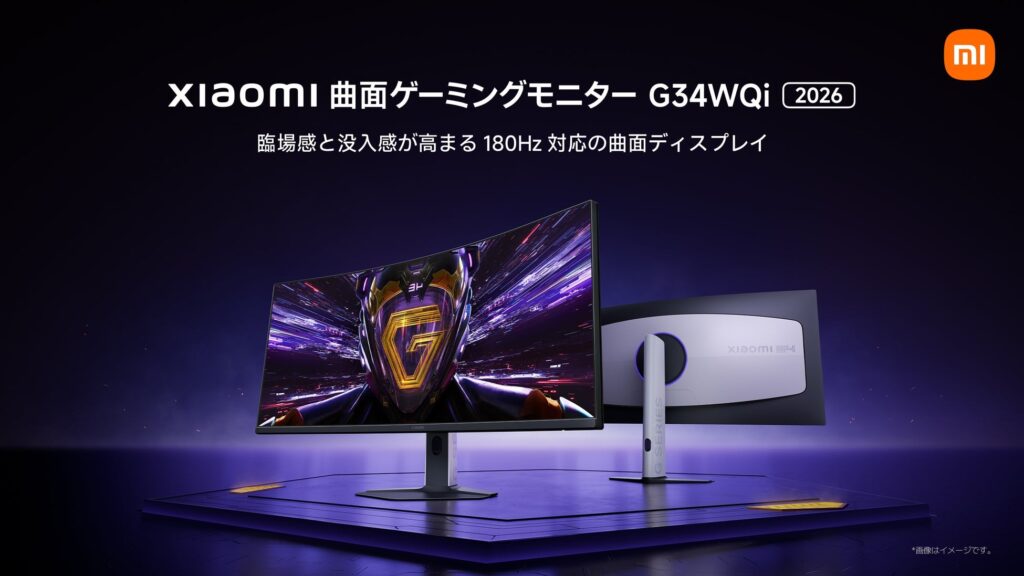
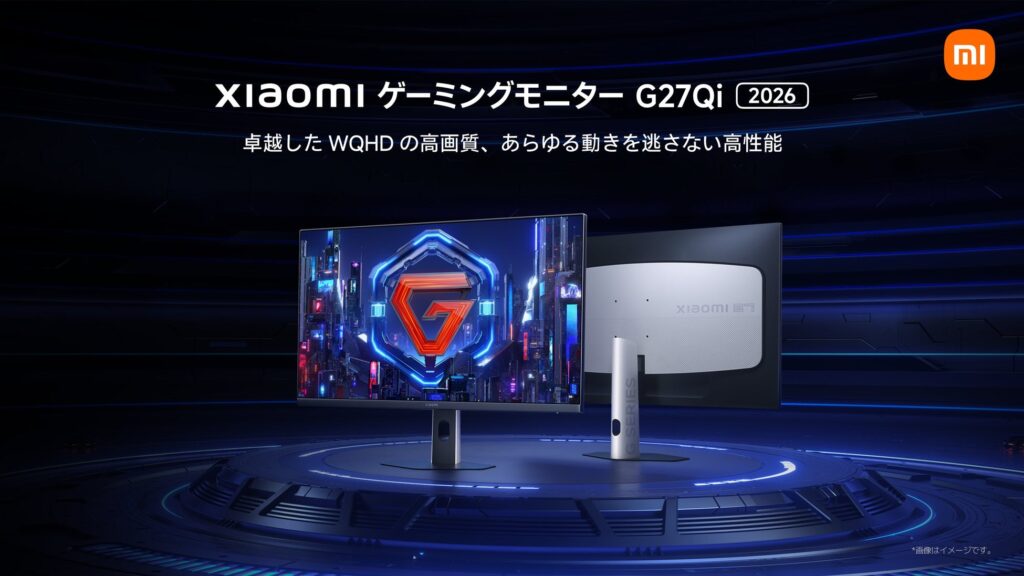
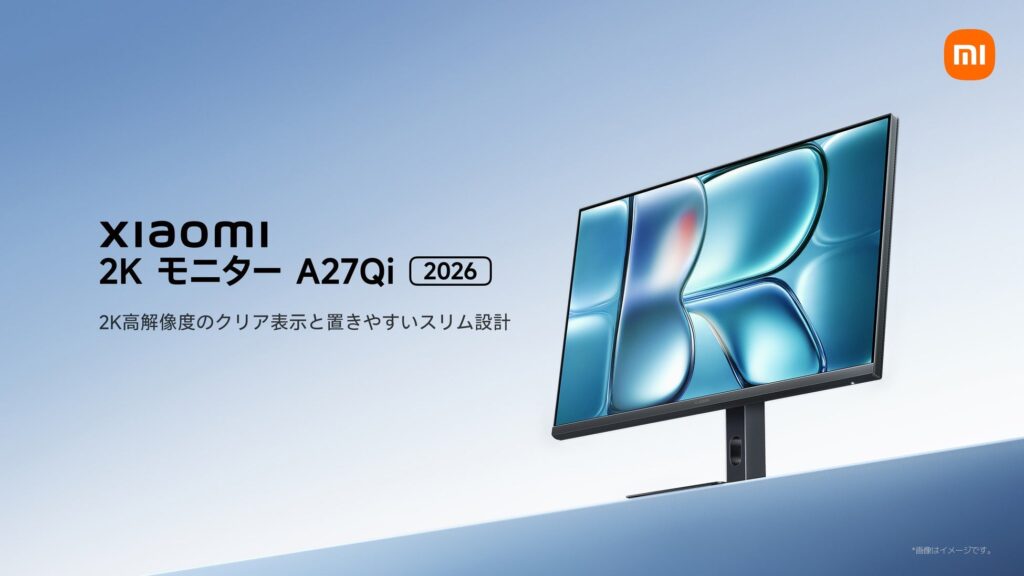
Xiaomi Launches Six New Monitors in Japan Including Mini LED G Pro 27Qi and Curved G34WQi

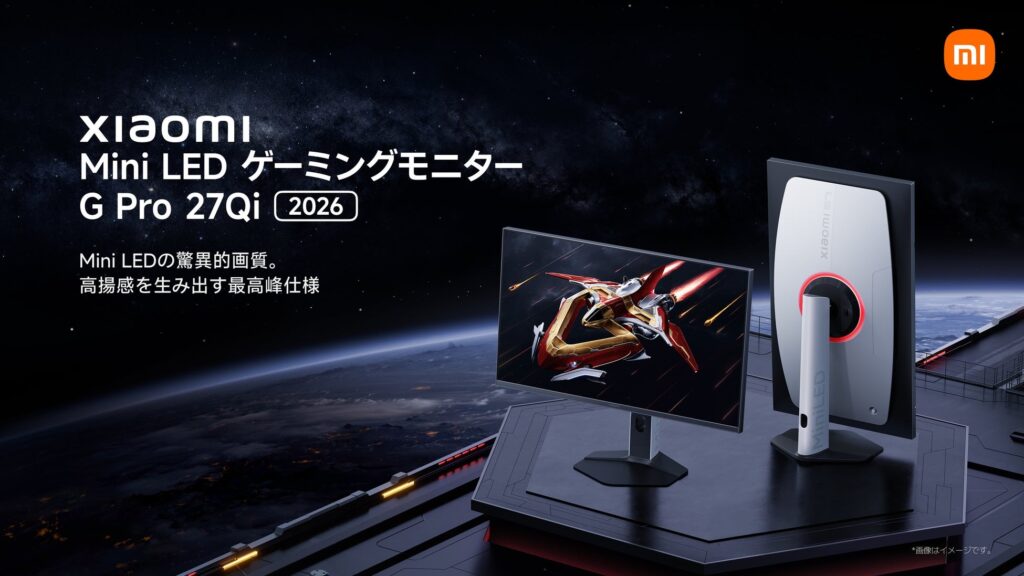
Xiaomi Mini LED Gaming Monitor G Pro 27Qi 2026

Xiaomi has announced six new monitors for the Japanese market, covering gaming and office use. The lineup includes the Xiaomi Mini LED Gaming Monitor G Pro 27Qi 2026, Xiaomi Curved Gaming Monitor G34WQi 2026, Xiaomi Gaming Monitor G27Qi 2026, Xiaomi 2K Monitor A27Qi 2026, and the Xiaomi Monitor A27i and A24i 2026. The range spans from high-performance gaming displays to minimalist office monitors.

Xiaomi Mini LED Gaming Monitor G Pro 27Qi 2026

Xiaomi Mini LED Gaming Monitor G Pro 27Qi 2026

This flagship model uses Mini LED technology with 1,152 local dimming zones, a proprietary dimming algorithm, AI scene recognition, and a dynamic backlight engine. The 27-inch panel has a 2560 × 1440 resolution, up to 180Hz refresh rate, and a 1ms GTG response time. It supports 1.07 billion colors, a 1000:1 contrast ratio, and peak brightness up to 2000 nits. Gaming features include a customizable crosshair overlay, dark area enhancement, RGB lighting, and a retractable headset holder.

The monitor measures 613.3 × 227.3 × 521.2 mm with the stand and weighs 6 kg. It supports −5° to 21° tilt adjustment and VESA 75 × 75 mm mounting. Connectivity includes two DisplayPort inputs, two HDMI ports, an audio jack, and a DC power input. Rated power is 65 W.

Xiaomi Curved Gaming Monitor G34WQi 2026

Xiaomi Curved Gaming Monitor G34WQi 2026

This 34-inch curved model features a 1500R curvature and a 21:9 ultrawide aspect ratio with 3440 × 1440 resolution. It supports up to 180Hz refresh rate, 1.07 billion colors, a 3500:1 contrast ratio, and 400-nit brightness with HDR400 support. Color coverage includes 95% DCI-P3 and 100% sRGB. TÜV Rheinland low blue light certification and DC dimming are included for eye comfort.

The unit measures 811.3 × 277.3 × 521.5 mm and weighs 6.5 kg. It supports −5° to 21° tilt and VESA 100 × 100 mm mounting. Ports include two DisplayPort, two HDMI, audio output, and DC input. Rated power is 65 W.

Xiaomi Gaming Monitor G27Qi 2026

Xiaomi Gaming Monitor G27Qi 2026

This model uses a 27-inch Fast IPS panel with 2560 × 1440 resolution, up to 200Hz refresh rate, and 1ms response time. Brightness reaches 400 nits with a 1000:1 contrast ratio and 1.07 billion colors. TÜV low blue light certification is included. Dimensions are 612.9 × 173 × 470.85 mm with a 4.2 kg weight. It supports −5° to 15° tilt and VESA 75 × 75 mm mounting. Ports include two DisplayPort, two HDMI, audio output, and DC input. Rated power is 48 W.

Xiaomi 2K Monitor A27Qi 2026

Xiaomi 2K Monitor A27Qi 2026

Designed for professional work, this 27-inch IPS monitor has 2560 × 1440 resolution, 300-nit brightness, 1300:1 contrast ratio, and 1.07 billion colors. Each unit is factory calibrated to ΔE<1 for accurate color reproduction. It also supports multi-device color consistency across Xiaomi products. Refresh rate is up to 120Hz. The monitor measures 621.9 × 169.8 × 476.7 mm and weighs 3.9 kg. It includes one DisplayPort, one HDMI, audio output, and DC input, with 36 W rated power.

Xiaomi Monitor A27i and A24i 2026

These entry models target office use. The A27i features a 27-inch 1920 × 1080 panel, while the A24i uses a 24-inch panel with the same resolution. Both support up to 144Hz refresh rate, 300-nit brightness, and TÜV low blue light certification. Color depth is 16.7 million. The A27i measures 611.3 × 170 × 474.6 mm and weighs 3.9 kg, while the A24i measures 539.2 × 170 × 433.7 mm and weighs 3 kg. Both support −5° to 15° tilt and VESA 75 × 75 mm mounting.

Pricing & availability

All six monitors will go on sale in Japan starting February 24, 2026 through Xiaomi Stores, the official mi.com website, Rakuten, Amazon Japan, and Xiaomi Japan’s TikTok Shop. Pricing is set at ¥59,980 ($384) for the Mini LED Gaming Monitor G Pro 27Qi (early price ¥44,980 until March 9), ¥44,980 ($288) for the Curved Gaming Monitor G34WQi (early price ¥39,980), ¥32,980 ($211) for the Gaming Monitor G27Qi (early price ¥25,980), and ¥19,980 ($128) for the 2K Monitor A27Qi. The Monitor A27i is priced at ¥14,980 ($96), while the A24i costs ¥11,980 ($77) with an early price of ¥10,980 available until March 9.

For more daily updates, please visit our News Section.

Tech enthusiast? Get the latest news first! Follow our Telegram channel and subscribe to our free newsletter for your daily tech fix!

The post Xiaomi Launches Six New Monitors in Japan Including Mini LED G Pro 27Qi and Curved G34WQi appeared first on Gizmochina.

Noise Master Buds 2 Debut with Bose-Tuned Audio Arrive with Spatial Audio, IMU Gesture Controls, and 30-Hour Playback

Noise Master Buds 2

Noise has launched the Master Buds 2 in India, introducing Sound by Bose technology to its Master Series lineup. The earbuds, unveiled earlier at CES 2026, succeed the original Master Buds with enhanced audio tuning for deeper bass, defined mids, and clear highs across music, streaming, and gaming.

Noise Master Buds 2

The updated Active Noise Cancellation system features a redesigned internal cavity that improves passive isolation while preserving audio clarity. Spatial Audio with head tracking delivers immersive sound, while a 6-microphone Environmental Noise Cancellation system manages background noise during calls. The Sound+ algorithm enhances voice clarity through Clear Call support.

Noise Master Buds 2

Additional functionality includes an AI Voice Chat Assistant accessible via the Noise Audio app and motion-based head gesture controls enabled by a 6-axis IMU sensor.

The earbuds sport a metallic finish with brushed detailing and ergonomic design. The charging case measures 5.9 × 5.8 × 2.6 cm, with a total weight at 62.4 g. IPX5 water resistance and 10 mm drivers round out the hardware specifications.

Noise Master Buds 2

Bluetooth 6.1 connectivity offers a 10-meter range with support for A2DP, AVRCP, HFP, SPP, and AVDTP profiles. Both Android and iOS compatibility is included, along with auto pairing and dual device pairing.

Battery performance delivers up to 30 hours total playback. USB Type-C charging completes in 90 minutes, while fast charging provides 6 hours of use from a 10-minute charge.

Touch controls, equalizer customization, software updates, Find My Device, hands-free calling, and voice assistant support for Siri and Google Assistant complete the feature set.

Pricing & availability

The Noise Master Buds 2 release on March 19 at 12 PM in Carbon, Aurum, and Mercury colors. Pre-booking requires Rs. 999 and includes a Rs. 1,999 instant coupon plus Rs. 600 HDFC bank discount, reducing the effective price to Rs. 6,399.

For more daily updates, please visit our News Section.

Tech enthusiast? Get the latest news first! Follow our Telegram channel and subscribe to our free newsletter for your daily tech fix!

The post Noise Master Buds 2 Debut with Bose-Tuned Audio Arrive with Spatial Audio, IMU Gesture Controls, and 30-Hour Playback appeared first on Gizmochina.
RAM price hike: Samsung targets 60% increase but opens at 100% — Apple accepts without negotiation

Even companies with supply chains as tight as Apple’s aren’t immune to market pressure, and the current memory shortage seems to be testing that reputation.

A new report out of Korea suggests Apple has agreed to a steep price increase for LPDDR5X memory supplied by Samsung. According to financial outlet Dealsite, citing industry sources, Apple is now paying roughly double for these low-power DRAM modules.

LPDDR5X isn’t some minor component. It’s the RAM used across Apple’s modern silicon lineup, from iPhones and iPads to Macs.

What makes this interesting is how the negotiation reportedly played out. Samsung’s semiconductor division (DS) was initially aiming for around a 60% price increase for LPDDR5X destined for iPhone production. But in what appears to have been a classic anchoring tactic, Samsung reportedly opened discussions demanding a 100% hike.

Sources claim Apple agreed to the full increase during urgent talks focused on securing supply for the first half of 2026. One insider quoted in the report summed it up bluntly: smartphone brands are heating up to secure memory inventory.

The broader shortage isn’t happening in isolation. Demand for high-bandwidth memory (HBM), particularly for AI data centers driven by companies like Nvidia, has pulled manufacturing capacity toward more profitable enterprise-grade memory.

Pricing reflects that shift. Reports indicate 12GB LPDDR5X modules have climbed from roughly $25–$29 earlier in 2025 to around $70. That’s not a marginal adjustment — it’s a structural change in pricing dynamics.

Interestingly, even Samsung’s own mobile division is said to be feeling the squeeze. Early sourcing for the Galaxy S26 reportedly splits DRAM supply between Samsung’s semiconductor arm and Micron, which suggests internal capacity alone isn’t enough to fully insulate its smartphone business.

Apple is set to announce updated MacBook Pro, MacBook Air, iPad, and iPad Air models next week, alongside a more affordable MacBook and the iPhone 17e. While there’s no immediate indication of major retail price hikes, sustained component cost pressure could narrow margins or subtly reshape pricing tiers.

The impact won’t be limited to Apple. Industry forecasts already suggest smartphone shipments could soften in 2026 if memory constraints persist. Larger players like Apple and Samsung are better positioned to absorb higher costs, but smaller manufacturers may struggle more visibly.\

(Source)

The post RAM price hike: Samsung targets 60% increase but opens at 100% — Apple accepts without negotiation appeared first on Gizmochina.
Casio Introduces Affordable MTP-C666 Quartz Watches with Mineral Glass & Ion-Plated Steel Case

Casio has launched two new analog watches in China under the MTP-C666 series. The models are called the Casio MTP-C666-1B and Casio MTP-C666-7B, and they are part of the company’s 2025 Exam Gift Box range. The watches are designed for students preparing for important exams that usually take place in February and March.

Casio MTP-C666-1B
Casio MTP-C666-7B

The MTP-C666-1B comes with a black dial and white hour markers, while the MTP-C666-7B features a white dial with black details. Both versions use a silver tone stainless steel case with ion plating and a black resin strap. The dial layout is simple, with three hands for hours, minutes, and seconds, making it easy to read time quickly.

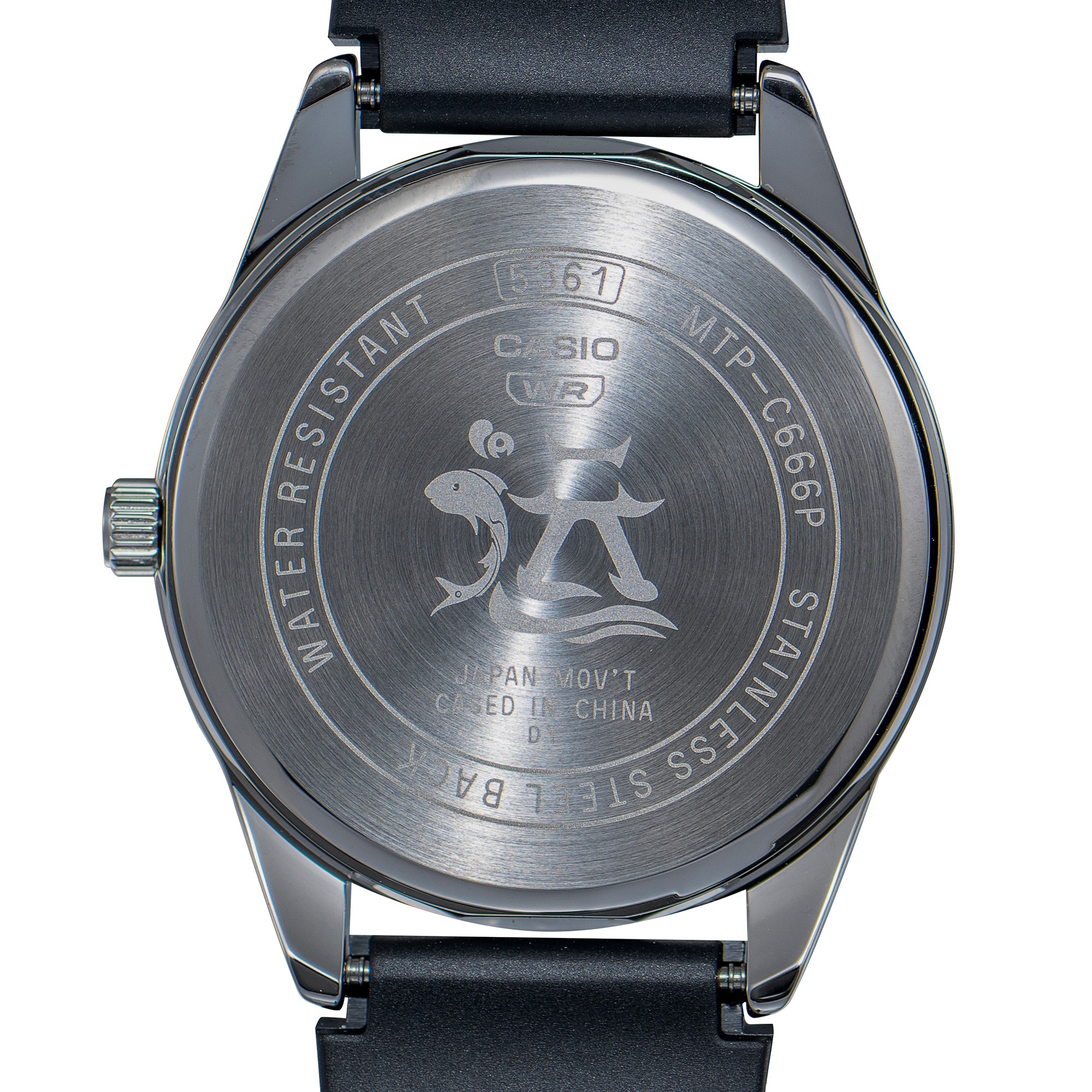
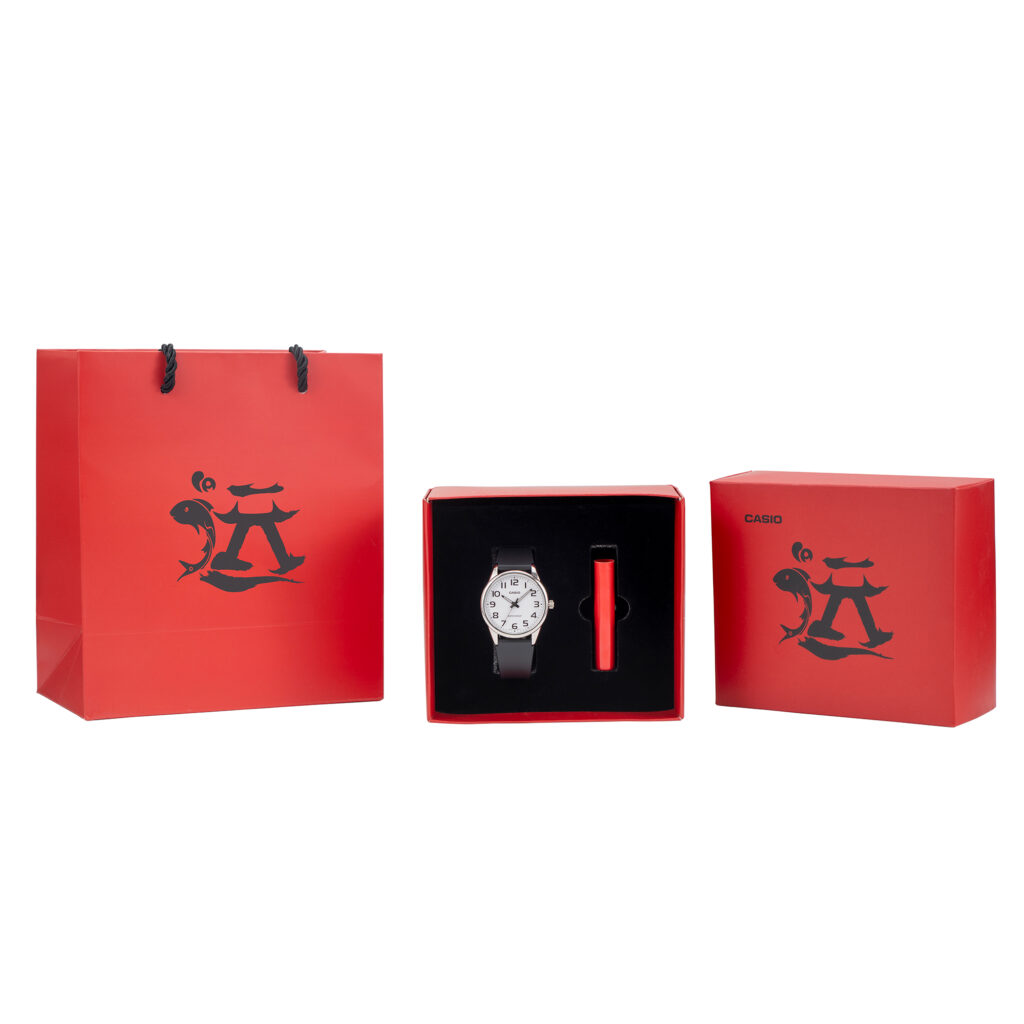
Casio has focused heavily on the exam theme through the packaging. The gift box design is inspired by the Chinese legend of a carp jumping over the dragon gate, which represents success and achievement. The carp design is combined with the Chinese character for luck and fortune. The package also includes a random lucky card with motivational messages and traditional patterns. This card can be used as a bookmark. A set of lucky stickers is also included.

In terms of specifications, the watches use a Japanese quartz movement that is designed to be quiet and reliable. Accuracy is rated at ±20 seconds per month. The watches are powered by an SR626SW battery that can last about three years under normal use.

The case measures 42.7 × 36 × 8.1 mm, and the total weight is 41 grams. The glass used on the front is mineral glass. The strap supports wrist sizes from 145 mm to 215 mm. The watches also offer basic water resistance for daily use.

Pricing & availability

In China, the Casio MTP-C666-1B and MTP-C666-7B are priced at 390 yuan, which is about $57. Because of the exam-focused theme and cultural elements in the packaging, these models are not expected to launch in markets such as the US and EU.

The post Casio Introduces Affordable MTP-C666 Quartz Watches with Mineral Glass & Ion-Plated Steel Case appeared first on Gizmochina.

Galaxy A57, A37 EU energy labels confirm battery sizes and endurance ahead of launch

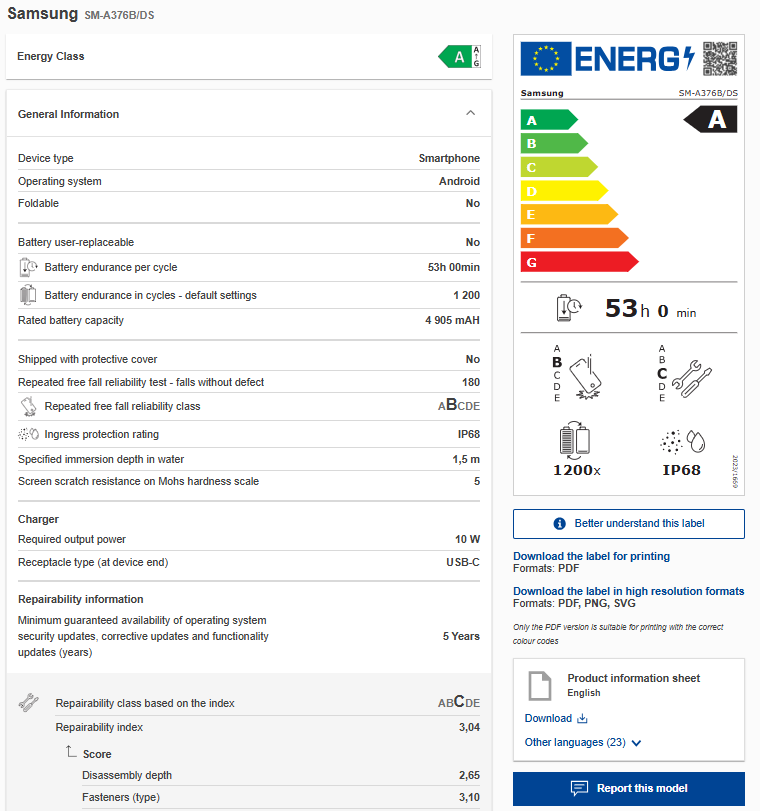
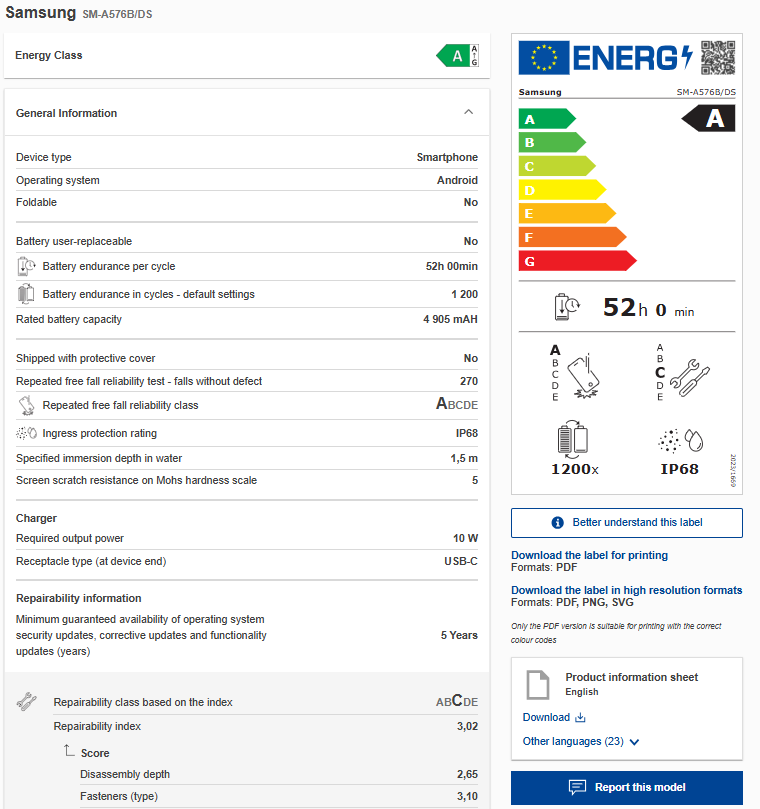
Both the Galaxy A57 and A37 devices have appeared in the EU’s EPREL database (under model numbers SM-A576B/DS and SM-A376B/DS), and the energy labels reveal some interesting details, especially around battery life and durability.

Starting with battery life, both phones receive an A grade under the EU’s standardized testing. The Galaxy A37 is rated for up to 53 hours of usage on a single charge, while the A57 is listed at 52 hours. These numbers are based on a fixed EU usage cycle — typically a mix of calls, web browsing, video playback, and standby — so they won’t reflect every real-world scenario, but they do suggest solid day-and-a-half endurance for most users.

Both models are listed with a 4,905mAh rated battery, which Samsung will almost certainly market as a typical 5,000mAh capacity. Fast charging is said to top out at 45W, which keeps them competitive in the mid-range space.

The Galaxy A57 and A37 are both certified with IP68 water and dust resistance. That’s a step up from the IP67 rating seen on their predecessors. On paper at least, that’s a meaningful upgrade. Drop resistance ratings differ slightly, though. The A57 earns an A rating, while the A37 gets a B. Repairability sits at C for both, which is fairly typical for modern sealed smartphones.

Galaxy A37 EPREL
Galaxy A57 EPREL

According to the EU label, both phones are certified for 1,200 full charge cycles before battery capacity drops below 80 percent of its original level. That’s noticeably lower than the 2,000 cycles previously listed for the Galaxy A56 and A36. The same reduction was also observed on the Galaxy S26 series, which suggests this could be part of a broader shift in Samsung’s battery strategy, possibly tied to chemistry changes or internal design adjustments.

It doesn’t necessarily mean the batteries are worse in everyday use. But for users who hold onto their phones for four or five years, that lower cycle rating is something to keep in mind.

An official launch is expected next month. As always, the full picture will depend on pricing and real-world testing.

Don’t miss a thing! Join our Telegram community for instant updates and grab our free daily newsletter for the best tech stories!

For more daily updates, please visit our News Section.

(Sources: 1, 2)

The post Galaxy A57, A37 EU energy labels confirm battery sizes and endurance ahead of launch appeared first on Gizmochina.

Exynos 2600 runs neck-and-neck with Snapdragon 8 Elite Gen 5 in post-launch Geekbench tests

Just a day after its global unveiling at Galaxy Unpacked, the Samsung Galaxy S26 series is already being put through its paces. And as expected, the Snapdragon vs Exynos debate is back — though this time, the gap doesn’t look quite as dramatic as in previous years.

It’s also worth noting that the Exynos 2600 is Samsung’s first chip built on its 2nm GAA process, while the Snapdragon variant continues to rely on TSMC’s mature 3nm node. In a way, these early results aren’t just about Qualcomm vs Exynos — they’re also an early indicator of how far Samsung Foundry’s next-gen manufacturing has come.

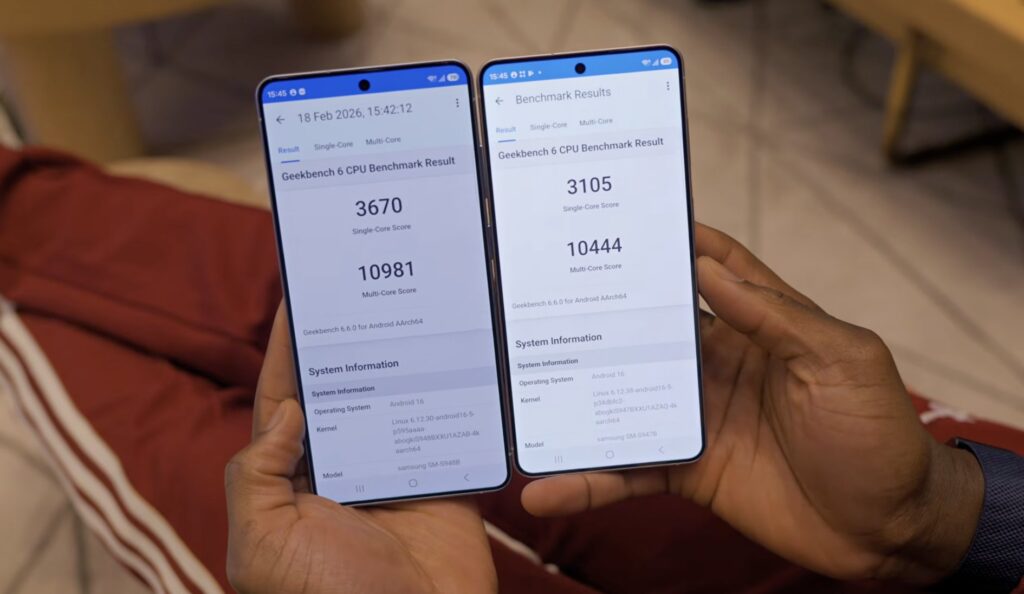
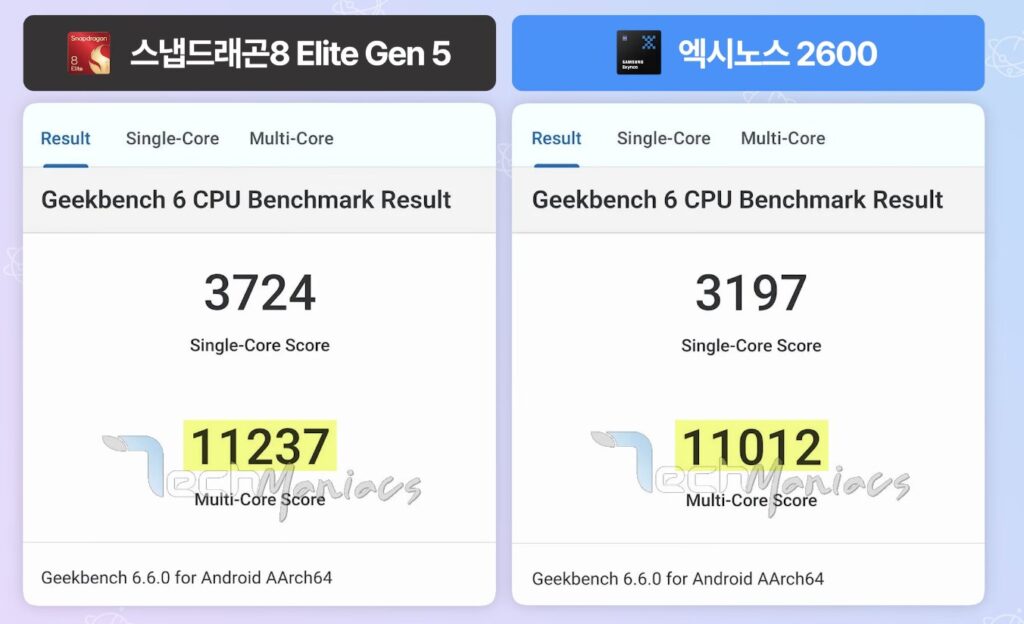
Post-launch Geekbench 6 scores are starting to surface, and they paint a pretty clear picture on the CPU side. The Galaxy S26 Ultra posted single-core scores of 3,670 and 3,724 in two separate runs, with multi-core results reaching 10,981 and 11,237. These are strong numbers and in line with what you’d expect from Qualcomm’s tuned “for Galaxy” variants with slightly higher clocks, tighter optimization, and aggressive performance scaling.

Geekbench 6 GPU benchmark

Meanwhile, the Exynos 2600 inside the Galaxy S26+ recorded 3,105–3,197 in single-core and 10,444–11,012 in multi-core tests. That puts Snapdragon ahead by roughly 10 to 18 percent in CPU performance when it comes to single-threaded workloads. In practical terms, that could translate to slightly snappier app launches and better responsiveness under lighter loads.

Geekbench 6 CPU benchmark

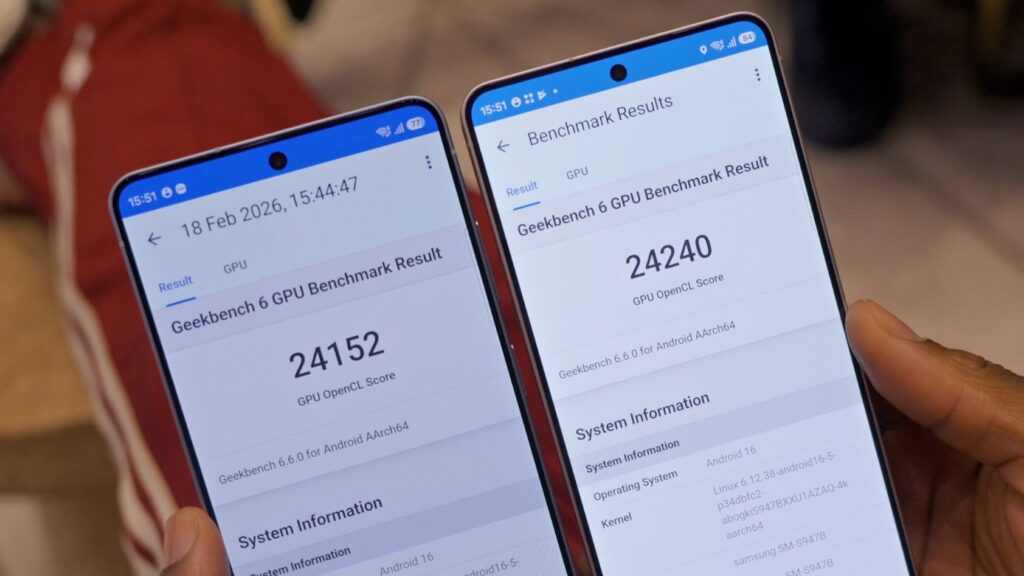
But the GPU story is more interesting this year. In OpenCL testing, the Exynos 2600 actually posted a marginally higher score — 24,240, compared to the Snapdragon’s 24,152. It’s a tiny difference, but symbolically important.

That’s notable because historically, Exynos variants have struggled to keep up with Qualcomm not just in CPU efficiency but also in GPU stability and sustained output. If these early numbers hold up in long gaming sessions and real-world thermal tests, Samsung may finally have narrowed the performance perception gap.

Of course, these are still early post-launch benchmarks. Sustained performance and battery drain under load will matter more once full reviews drop.

Don’t miss a thing! Join our Telegram community for instant updates and grab our free daily newsletter for the best tech stories!

For more daily updates, please visit our News Section.

(Sources: 1, 2, 3)

The post Exynos 2600 runs neck-and-neck with Snapdragon 8 Elite Gen 5 in post-launch Geekbench tests appeared first on Gizmochina.
Android 17 Beta 2 rolling out with meaningful upgrades: Eligible devices, new features, and more

Android 17 Beta 2
Android 17 Beta 2

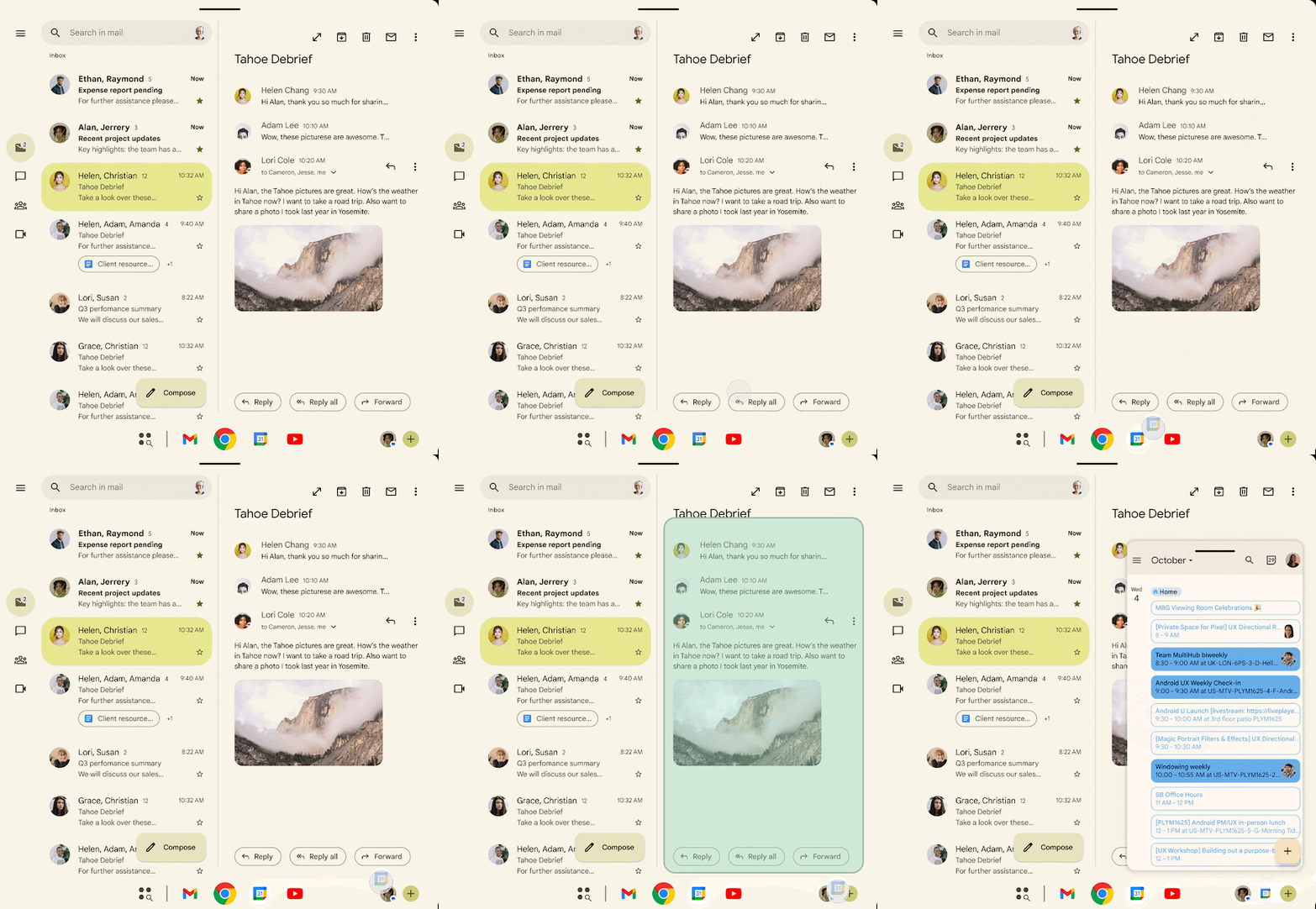
Just two weeks after dropping the first Android 17 beta, Google has released the second beta update with a limited-access contacts picker, EyeDropper API, enhanced connectivity, and better cross-device capabilities. The most exciting addition is the new Bubbles feature, which lets users turn any app into a floating bubble.

Android 17 Beta 2: What’s new and what’s changing?

Bubbles make multitasking easier

The new Bubbles feature turns any app into a floating bubble. This is an excellent multitasking feature, allowing users to run multiple floating apps without ever having to leave the full-screen app.

Android 17 Beta 2 Bubbles feature

To use this feature, long-press an app icon, and you’ll see a “Bubble” option. That option quickly opens the app in a floating window. Tap it, and the app will shrink into a floating circle that stays at the top. On large-screen devices, there’s a dedicated bubble bar in the taskbar to organize and anchor bubbles.

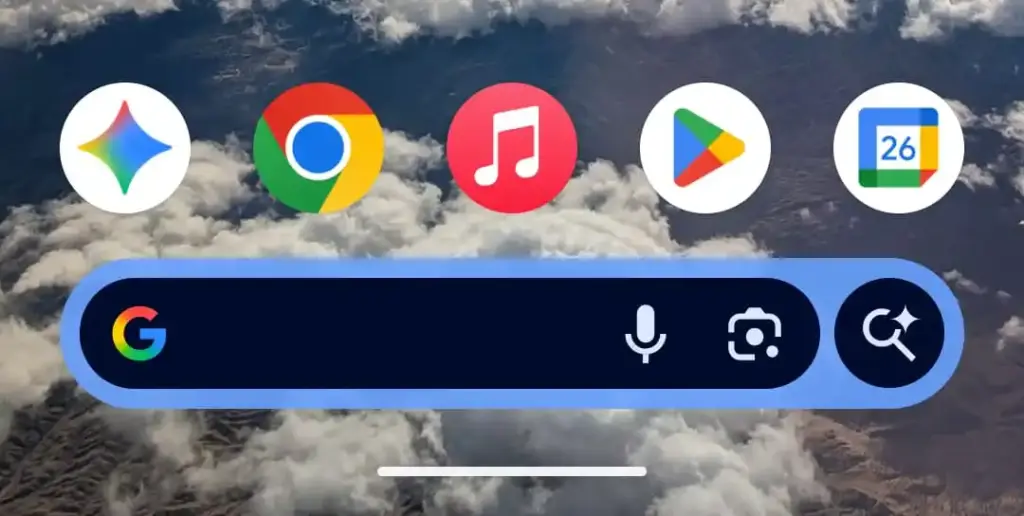
The previous Pixel Launcher Search bar is back

The Android 17 Beta 1 removed the ring around the search bar and featured a dominant color from the user’s wallpaper. Well, that return in the Beta 2 for the Pixel Launcher, as spotted by Phone Arena. The AI Mode icon is now featured inside the circle towards the end of the search bar.

Redesigned privacy indicators

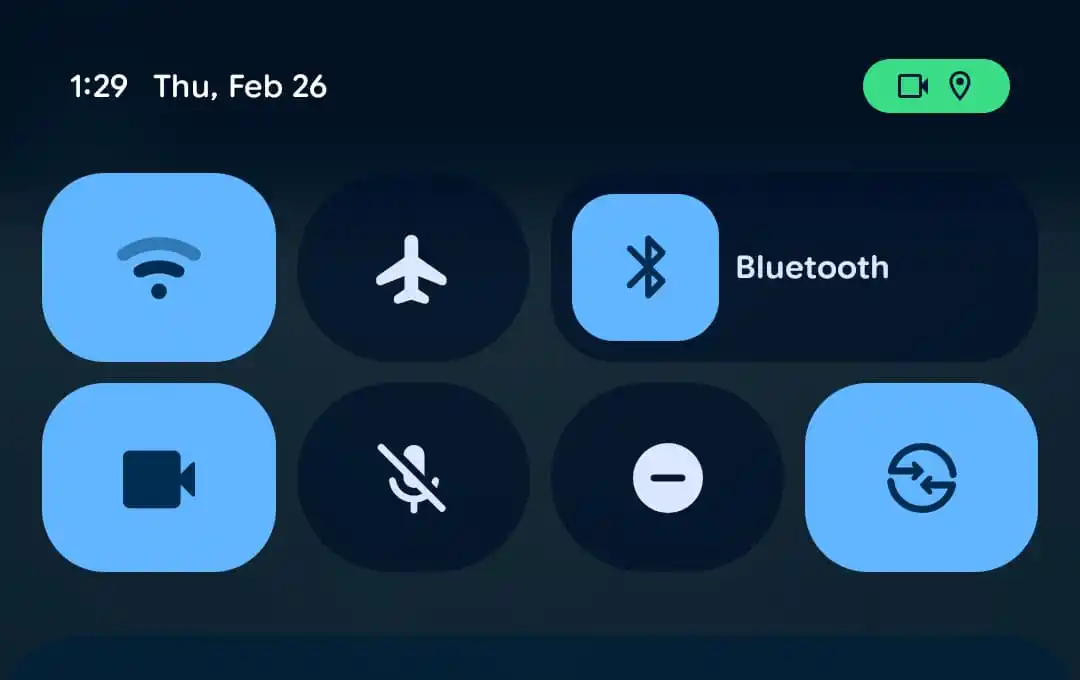
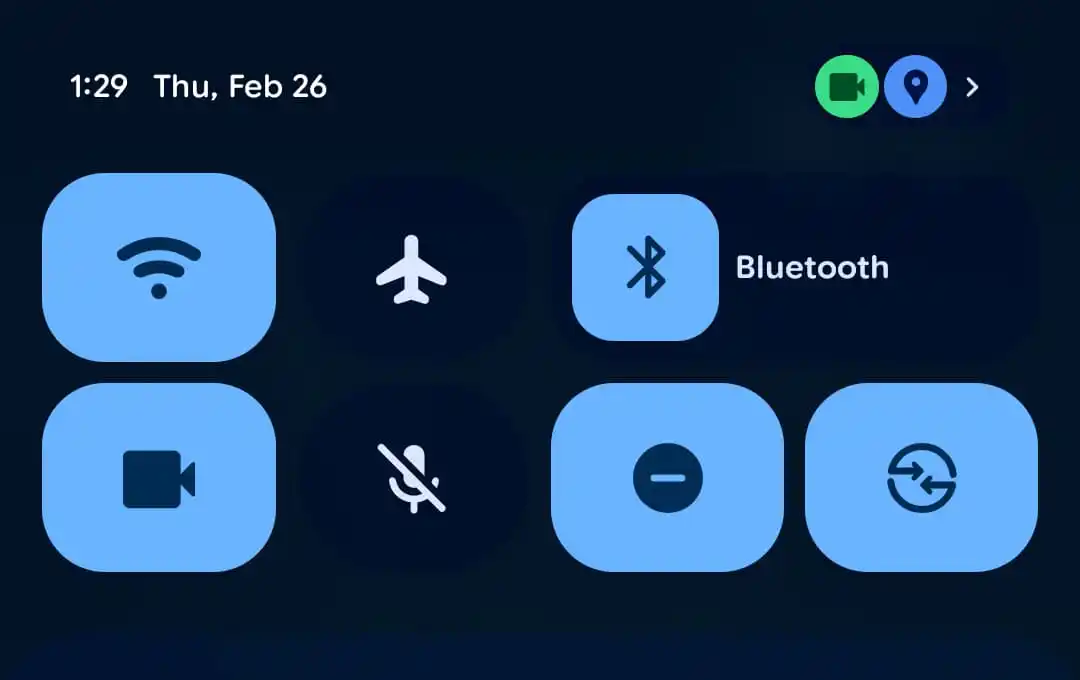
The Android 17 Beta 2 also brings minor design upgrades to privacy indicators. Earlier, when an app used your phone’s camera, location, and microphone, the icons were visible in the top-right corner, inside a pill-shaped green enclosure. In Beta 2, they are shown in separate circles. Also, the location is shown in blue instead of green.

Previous privacy indicators
Android 17 Beta 2 privacy indicators
Old vs New (image credit: 9to5Google)

Small but meaningful upgrades

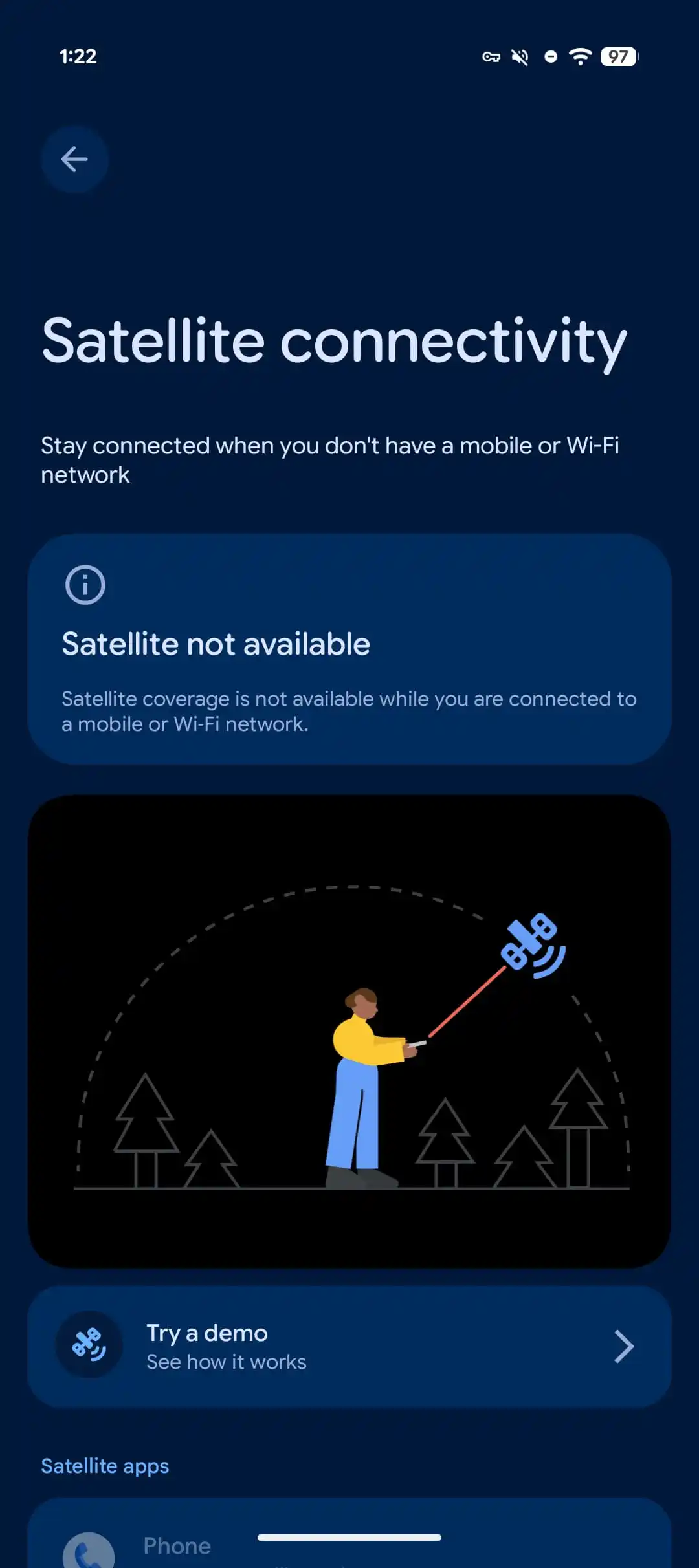
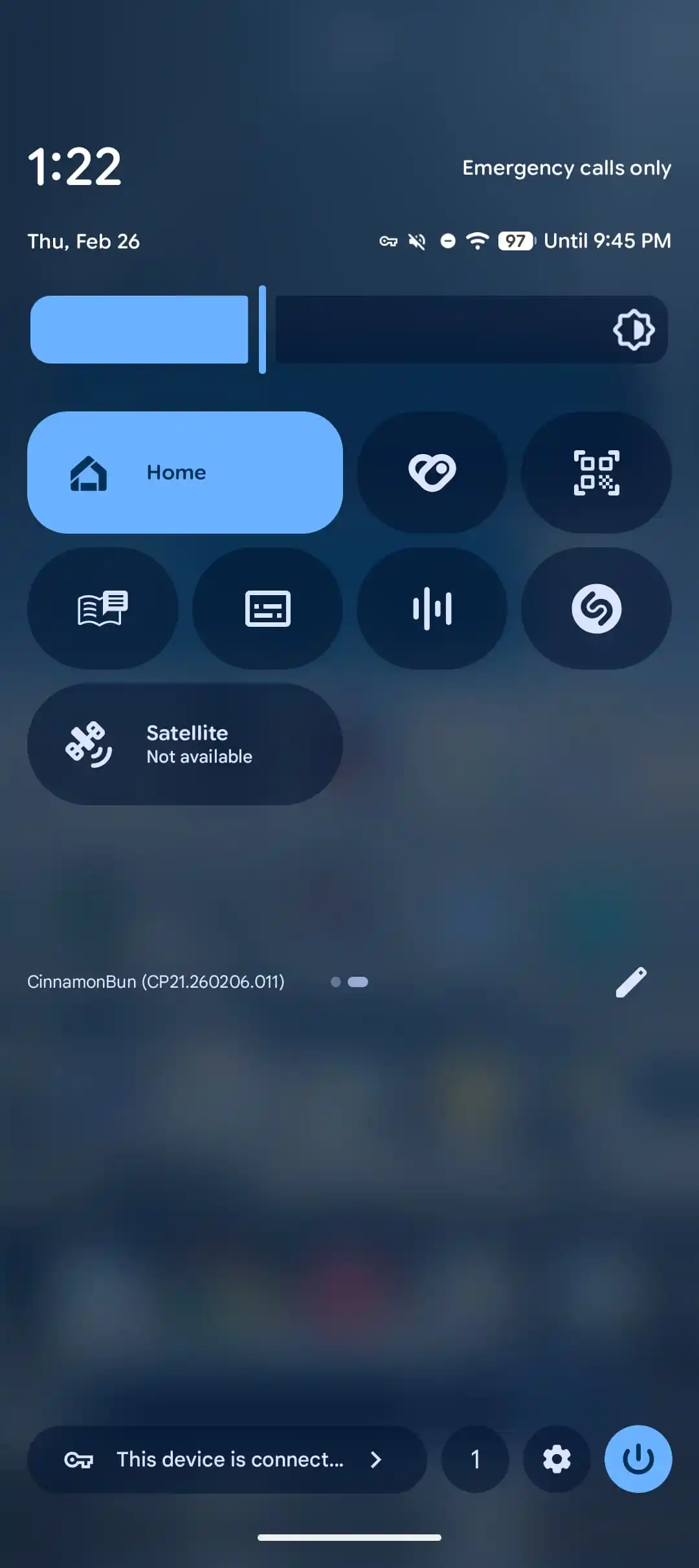
  • Satellite tile in Quick Settings: The Quick Settings in Android 17 Beta 2 features a new “Satellite” tile with the current status.
Android 17 Beta 2 Satellite tile UI
Android 17 Beta 2 Satellite tile
Image credit: 9to5Google
  • System contacts picker: The new system-level contacts picker grants temporary, session-based read access to only the specific data fields selected by the user. It also allows users to choose between personal and work profiles, giving them more control over data sharing.
Android 17 Beta 2 Contact Picker
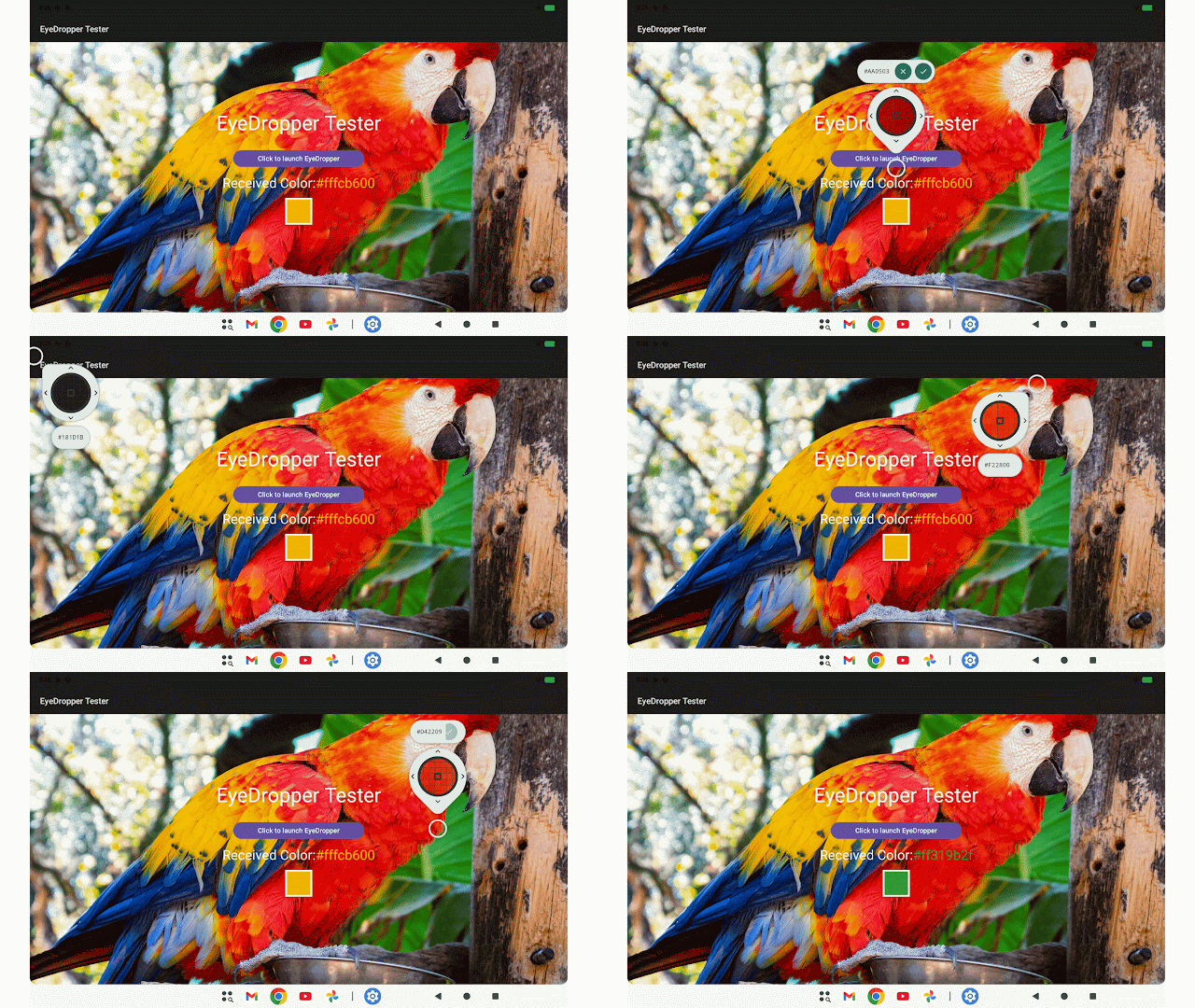
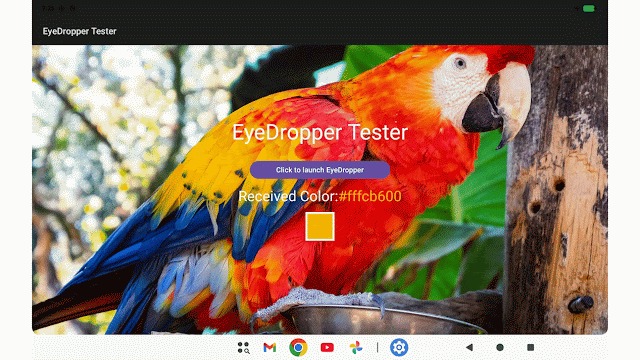
  • System EyeDropper: Beta 2 introduces a new system-level EyeDropper API that allows apps to request a color from any pixel on the display without requiring sensitive screen-capture permissions.
Android 17 Beta 2 EyeDropper API
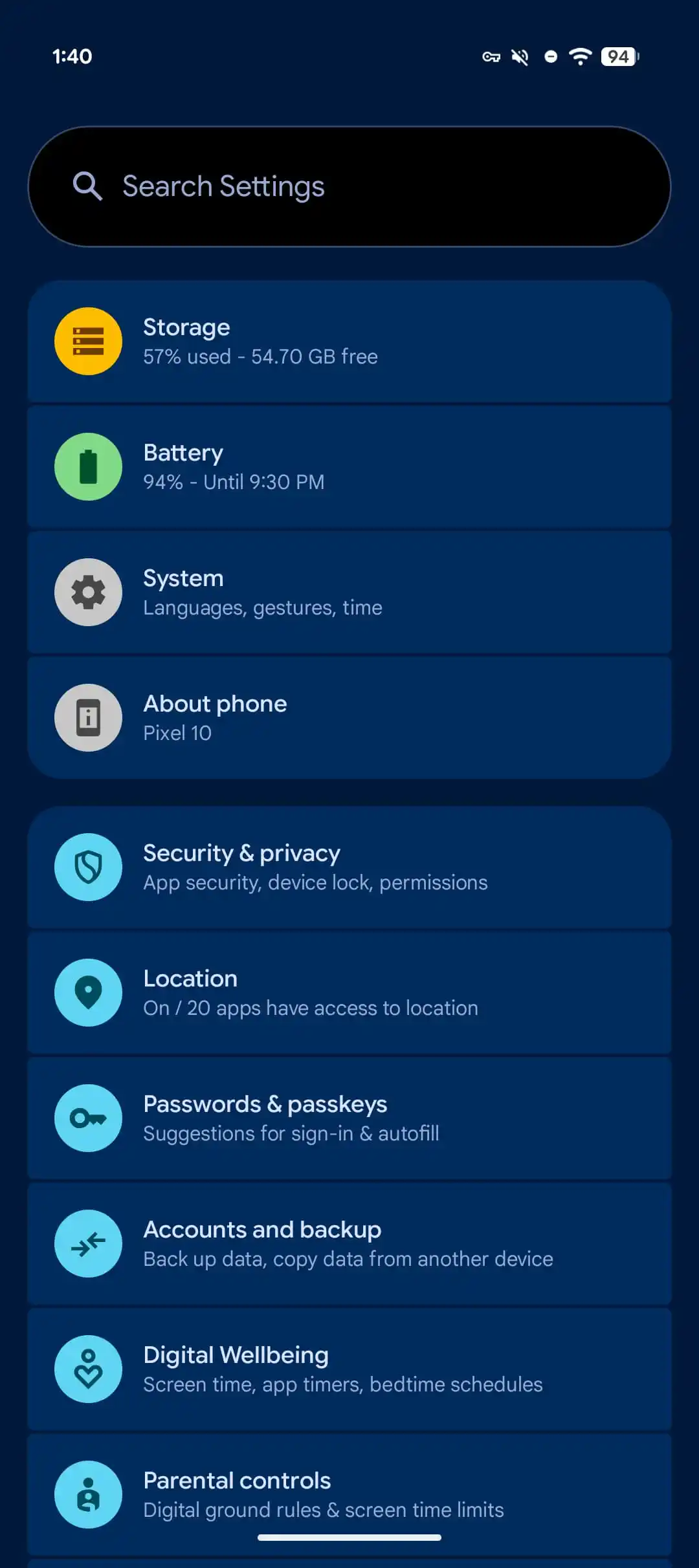
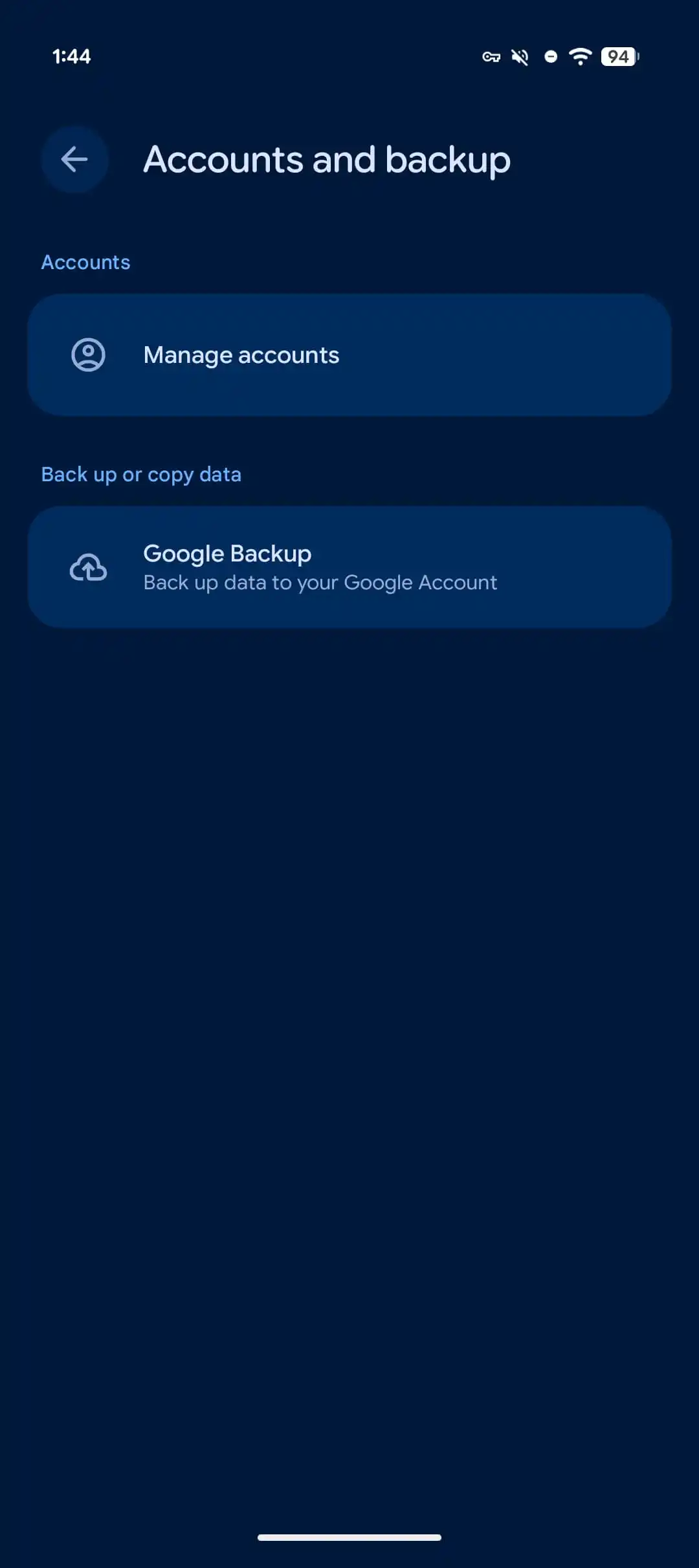
  • New “Accounts and backup” menu in Settings: It replaces “Back up or copy data” and “Passwords, passkeys & accounts.”
Android 17 Beta 2 Settings app
Android 17 Beta 2 Accounts and Backup option
image credit: 9to5Google
  • SMS and OTP protection: For apps that are not intended as receipts, OTP messages are delayed for three hours. It doesn’t include the default SMS app, assistant apps, and companion apps for connected devices.

This change applies to:

  • WebOTP messages
  • SMS Retriever format messages
  • Standard OTP SMS messages

In addition to these changes, Android 17 Beta 2 includes improvements to connectivity, cross-device connectivity, and more. Plus, it also fixes 16 issues. You can check the complete changelog here.

Devices eligible to receive Android 17 Beta 2

  • Pixel 10, Pixel 10 Pro, Pixel 10 Pro XL, Pixel 10 Pro Fold
  • Pixel 9, Pixel 9 Pro, Pixel 9 Pro XL, Pixel 9 Pro Fold, Pixel 9a
  • Pixel 8, Pixel 8 Pro, Pixel 8a
  • Pixel 7, Pixel 7 Pro, Pixel 7a
  • Pixel 6, Pixel 6 Pro, Pixel 6a
  • Pixel Fold
  • Pixel Tablet

The second beta of Android 17 is currently rolling out to only Google Pixels.

How to install Android 17 Beta 2 update?

If your Google Pixel is already running Android 17 Beta 1, you can easily install Beta 2 by navigating to Settings > System > Software Updates > System Updates.

If you’re not already part of the beta program, visit google.com/android/beta and “Opt in” on your selected device. Make sure you’re logged into the website with the same Google account. After opting in, you should be able to install the latest beta update on your Google Pixel from the Software Updates section in the Settings app.

Keep in mind that there’s no going back once you install a beta update. If you try to leave the Beta early, you’ll need to perform a full data wipe.

According to the official release timeline, Android 17 will enter the platform stability phase next month, with the stable version expected to be released in Q3 2026. Stay tuned for more updates.

The post Android 17 Beta 2 rolling out with meaningful upgrades: Eligible devices, new features, and more appeared first on Gizmochina.
Android 17 Beta 2 Launch: Bubbles Windowing Mode, EyeDropper API, and Connectivity Enhancements

Android 17 Beta 1

Google released Android 17 Beta 2, advancing system APIs and developer tools ahead of the stable release expected later this year. The update prioritizes privacy enforcement, cross-device functionality, and input refinements while maintaining Google’s two-SDK release cycle with the major version in Q2.

Windowing and Interface Changes

The Bubbles feature now functions as a complete windowing mode. Users create floating app windows by long-pressing app icons on phones, tablets, and foldables. Large-screen devices receive a bubble bar within the taskbar for organizing and repositioning windows. Developers must implement multi-window guidelines for proper functionality.

A system-level EyeDropper API lets apps sample any screen pixel without requesting screen capture permissions. The new Contacts Picker using ACTION_PICK_CONTACTS grants temporary access to user-selected contact fields only, supporting personal and work profiles while reducing reliance on READ_CONTACTS permission.

Input and Hardware Support

Touchpad pointer capture has been corrected. Previous versions reported absolute finger positions rather than relative movement during capture, causing issues for games and specific applications. Android 17 now processes touchpad input as mouse movement by default. Apps requiring precise finger tracking can enable absolute capture mode.

The getInitialRestingBounds API improves the Interactive Chooser by detecting the share sheet’s final position after animations complete, enabling apps to adjust layouts accordingly.

Cross-Device and Connectivity Features

The Handoff API enables state transfer between devices through CompanionDeviceManager. The system displays handoff suggestions on nearby devices, allowing users to resume tasks. If the destination device lacks the app, the feature falls back to web-based continuation.

Ultra-Wideband DL-TDOA support brings privacy-focused indoor navigation compliant with FiRa 4.0. Wi-Fi Alliance’s Proximity Detection standard improves ranging accuracy over Wi-Fi Aware. Streaming apps access carrier-allocated bandwidth limits via getStreamingAppMaxDownlinkKbps and getStreamingAppMaxUplinkKbps for quality optimization.

Privacy and Security Enforcement

ACCESS_LOCAL_NETWORK becomes a mandatory runtime permission for apps targeting Android 17. Apps must request permission to discover local network devices unless using system pickers. ACTION_TIMEZONE_OFFSET_CHANGED broadcasts notify apps of time zone offset changes during daylight saving transitions.

SMS OTP protection extends to all message formats. Non-recipient apps face a three-hour delay before accessing OTP messages, excluding default SMS apps, assistants, and companion devices. Google recommends migrating to SMS Retriever or User Consent APIs.

Developer Resources

Apps directly accessing neural processing units must declare FEATURE_NEURAL_PROCESSING_UNIT in manifests. Core libraries update to ICU 78 with Unicode 17, adding scripts, characters, emoji blocks, and refined time formatting.

Platform Stability arrives in March, finalizing SDK and NDK APIs. Developers can then target API level 37 and publish test apps before public release. Beta 2 is available over-the-air for supported Pixel devices and through emulator images in Android Studio.

For more daily updates, please visit our News Section.

Tech enthusiast? Get the latest news first! Follow our Telegram channel and subscribe to our free newsletter for your daily tech fix!

(Source)

The post Android 17 Beta 2 Launch: Bubbles Windowing Mode, EyeDropper API, and Connectivity Enhancements appeared first on Gizmochina.

Motorola expands Android 17 beta program to more devices

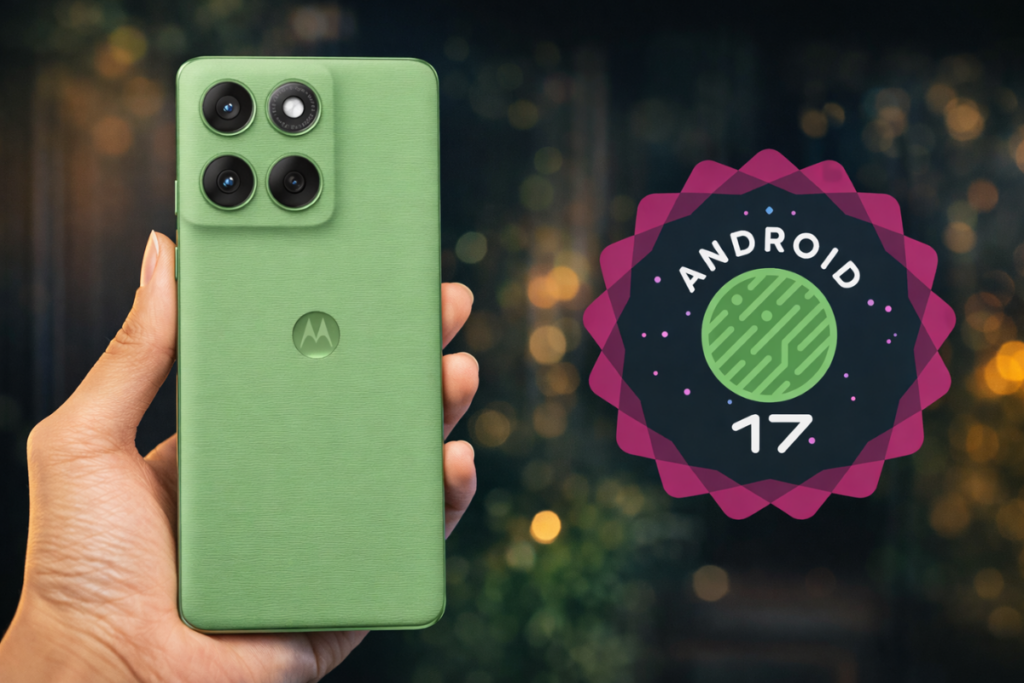
Motorola Android 17 beta program

Motorola is clearly stepping up its software game. Just a day ago, it began the Android 17 beta program ahead of its competitors, and now, the beta program has just gone live for a new set of smartphones.

The Motorola Edge 2025, Moto G57, and Moto G57 Power were the first phones to join the Android 17 beta program. Now, it’s expanding to Moto G86, Moto G86 Power, Motorola Edge 60, Edge 60 Fusion, Edge 70, and Edge 70 Fusion in multiple regions.

Here, EMEA refers to Europe, the Middle East, and Africa, and LATAM refers to Latin America.

If you have any of these Motorola smartphones and live in a supported region, you can sign up for the Android 17 beta program to get early access to the latest features and upgrades. However, that also means you’re ready to face bugs or broken features that may appear in beta builds.

Here’s how to sign up for Motorola’s Android 17 beta program

  1. Create an account on Motorola’s community website (if you haven’t already).
  2. Visit the profile page and update your IMEI or serial number (SN) details.
  3. Opt in for MFN on your Motorola community profile.
  4. Always ensure that your phone is running the latest software.
  5. Go to the MFN Beta Testing Opportunities page to see a testing opportunity for your Motorola device.
  6. Tap on the registration link for your Motorola phone.
  7. Fill in the required details and submit your application.

Please keep in mind that Motorola may send emails regarding your beta application. So, remember to check your inbox regularly, including the spam folder.

Once your beta application is approved, you’ll receive an OTA update. It’s best to manually check for updates once in a while by navigating to Settings > System updates > Check for updates.

While the Android 17 beta program has gone live for several Motorola phones, the update rollout is yet to begin. Once that happens, we’ll learn about the new features and changes. For now, users can expect to see Material 3 Expressive enhancements, Live Notification updates, and a redesigned desktop mode, among many changes.

We’ll keep posting the latest updates in the Motorola section. Remember to visit that regularly to get fresh updates. Alternatively, you can join our Telegram channel to get instant notifications about the latest in tech.

The post Motorola expands Android 17 beta program to more devices appeared first on Gizmochina.

Nano Banana 2 launches with Pro features at faster speeds

Nano Banana 2

Google has announced Nano Banana 2, its latest image generation model under the Gemini family. The update blends advanced creative capabilities with faster processing speeds, aiming to make high-quality visual generation more widely accessible across Google products.

Pro-level intelligence at Flash speed

Nano Banana 2
Nano Banana 2

Nano Banana 2, officially called Gemini 3.1 Flash Image, combines the deeper reasoning abilities of the earlier Pro variant with the responsiveness of Gemini Flash. According to Google, the model draws on real-world knowledge and can reference up-to-date web information to better render specific subjects. This allows users to create detailed infographics, structured diagrams and data-driven visuals with improved contextual accuracy.

Text handling has also been refined. The model can generate clearer, legible text within images, making it suitable for marketing mock-ups and social content. It can also adapt text into different languages directly inside visuals. Google says the gap between speed and image quality has been significantly reduced, resulting in sharper details, improved lighting and richer textures without slowing down generation time.

Nano Banana 2 is being rolled out across the Gemini app, Google Search AI Mode, Lens, AI Studio and the Gemini API in Vertex AI. It is also becoming the default image model in Flow and is integrated into Google Ads for campaign asset suggestions. Subscribers to Google AI Pro and Ultra plans will still be able to access Nano Banana Pro for specialised, high-fidelity tasks.

Google is also strengthening content verification. The company continues to embed SynthID watermarks in AI-generated media and plans to expand C2PA Content Credentials support within the Gemini app. Since its introduction, SynthID verification tools have reportedly been used over 20 million times, reflecting growing interest in identifying AI-generated content.

With Nano Banana 2, Google appears to be focusing on faster output without compromising creative precision, positioning it as a flexible option for everyday creators and professionals alike.

For more daily updates, please visit our News Section.

Stay ahead in tech! Join our Telegram community and sign up for our daily newsletter of top stories.

The post Nano Banana 2 launches with Pro features at faster speeds appeared first on Gizmochina.
Huawei FreeBuds Pro 5 launches with dual-driver design and premium color options

Huawei-FreeBuds-Pro-5-launch-specs-price

As scheduled, Huawei has officially taken the wraps off the latest version of its premium wireless earbuds, the Huawei FreeBuds Pro 5. The new earbud features a refined design, stronger noise cancellation, and support for high-resolution audio, all wrapped in a polished, premium-looking package.

Huawei FreeBuds Pro 5 Design

At first glance, the FreeBuds Pro 5 don’t shy away from looking expensive. Huawei is using an oval-shaped charging case paired with a star-ring diamond-cut design on the buds themselves. Further, the earbud stem has a subtle golden ring with HUAWEI SOUND branding. 

The earbud uses silicone ear tips and an in-ear stem-style design that should sit securely for long listening sessions. Each bud weighs 5.5 grams and measures 29.1 x 21.8 x 23.7mm, while the charging case comes in at 43 grams with dimensions of 65.50 x 46.70 x 22.98mm. Globally, the earbuds come in Snowy White, Frost Silver, Azure Sky, and Earth Gold.

Audio

For audio, Huawei is using a dual-driver system inside, which combines an ultra-linear dual-magnetic circuit bass unit with an ultra-thin micro-planar tweeter. The bass driver reportedly reaches down to 10Hz for deeper low-end performance, while the tweeter extends up to 48kHz for higher-frequency clarity. 

The FreeBuds Pro 5 also feature dual-unit, dual-channel active noise cancellation system, designed to emit reverse sound waves to cancel surrounding noise. Huawei claims this new system delivers up to three times better performance than the previous generation. 

The company’s Kirin A3 chipset handles environmental processing and noise reduction, working alongside upgraded microphones. Huawei says call clarity remains stable even in environments with noise levels up to 100dB and wind speeds reaching 10m/s.

For users who don’t want to be completely isolated, Huawei has included an Alert Mode that lets important sounds through.

Codec and Battery Life

Being a flagship product, it’s no surprise that the FreeBuds Pro 5 support AAC, SBC, LDAC, and L2HC codecs. It also has Huawei’s proprietary NearLink technology, which can enable lossless audio transmission speeds of up to 4.6Mbps under supported conditions.

Each earbud is stuffed with a 60mAh battery, while the charging case includes a 537mAh cell. Huawei says the earbuds can deliver up to 9 hours of playback without active noise cancellation and around 6 hours with ANC enabled. 

Finally, durability is covered with an IP67 rating for dust and water resistance, making the FreeBuds Pro 5 more resilient than many premium rivals.

The earbuds are up for purchase at €199/£180 with a limited period discount of €30/£30 if orders are placed via Huawei’s official online store.

For more daily updates, please visit our News Section.

Stay ahead in tech! Join our Telegram community and sign up for our daily newsletter of top stories.

The post Huawei FreeBuds Pro 5 launches with dual-driver design and premium color options appeared first on Gizmochina.
Meizu 23 seemingly cancelled as Meizu officially pauses phone development

Meizu 22

Recent discussions on Chinese social media had raised doubts about the future of the Meizu 23 and the broader smartphone division. Speculation around restructuring within Xingji (Starji) Meizu gathered pace earlier this week. Now, an official statement released on February 27 offers clarity on the company’s direction and addresses the circulating claims.

Meizu responds to shutdown speculation

Meizu 22
Meizu 22

In its formal announcement, Meizu denied reports suggesting bankruptcy, complete business suspension, or brand exit. The company stated that such claims are inaccurate and that it reserves the right to pursue legal responsibility against those spreading misinformation. It emphasised that while changes are underway, the brand itself is not shutting down.

However, Meizu confirmed a significant strategic shift. The company will temporarily pause new domestic smartphone product development. This move is described as a planned transition rather than a closure. Existing operations, including after-sales services and support for current users, will continue without disruption. Products such as Meizu phones, Flyme systems, and Pandaer accessories will remain available, and customer rights will not be affected.

Shift towards Flyme and AI ecosystem

The statement highlights that Meizu is repositioning itself around Flyme and AI-driven ecosystems. The company intends to focus on open collaboration under a Powered by Flyme model, expanding into broader industries rather than limiting itself to handset launches. Flyme Auto has already crossed 2.26 million vehicle installations and aims to reach 3 million this year, reflecting strong traction in the automotive space.

Meizu also noted that overseas smartphone operations, AI glasses, and Pandaer technology products will continue with market-oriented development. The pause in domestic handset launches is presented as a resource reallocation decision aimed at strengthening its software and ecosystem capabilities.

While uncertainty remains around the Meizu 23, the official message makes it clear that the brand is not disappearing. Instead, it is entering a new phase centred on Flyme, AI integration, and cross-industry partnerships.

For more daily updates, please visit our News Section.

Stay ahead in tech! Join our Telegram community and sign up for our daily newsletter of top stories.

The post Meizu 23 seemingly cancelled as Meizu officially pauses phone development appeared first on Gizmochina.
Google Tensor G6 may have appeared early on Geekbench with a 7-core CPU

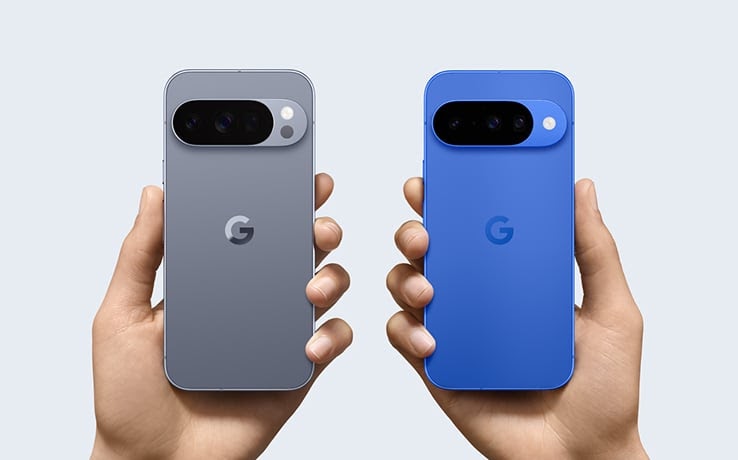
Pixel-10-Pro-XL

Just weeks after wrapping up its current lineup with the Pixel 10a, Google may already be testing its new phones. A new Geekbench listing has surfaced, and while nothing is confirmed, it hints at early hardware that could belong to the Pixel 11 series, and more importantly, the next-generation Tensor G6 chip.

Pixel-10-Pro-XL

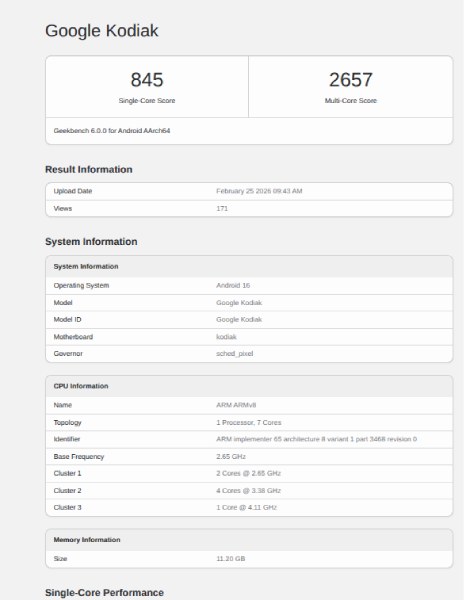
The listing is tied to a device called “Google Kodiak.” That name isn’t new. It was previously associated with the Pixel 10 Pro XL. But according to Notebookcheck, this new appearance could point to a Pixel 11 model instead. The reason comes down to the processor configuration.

This could be the Tensor G6 setup

The device in question runs a 7-core Tensor SoC, which is unusual. The Pixel 10 Pro XL uses an octa-core chip. That alone suggests this isn’t simply a re-test of existing hardware. 

The new configuration includes one Arm C1-Ultra core clocked at 4.11GHz, four Arm C1-Pro cores at 3.38GHz, and two additional C1-Pro cores at 2.65GHz. The clock speeds are also higher than what we’ve seen on the Tensor G5.

For comparison, the Pixel 10 Pro XL is powered by an octa-core setup with one Cortex-X4 core at 3.78GHz, five Cortex-A725 cores at 3.05GHz, and two Cortex-A520 cores at 2.25GHz. 

Graphics also differ. The new listing shows a PowerVR C-Series CXTP-48-1536 GPU, while the Pixel 10 Pro XL uses a PowerVR DXT-48-1536.

However, the benchmark scores are nothing to write home about. The phone posted a single-core score of 845 and a multi-core score of 2657. These numbers are extremely low for a modern flagship. It’s possible the chip is missing software optimizations, or that this is very early hardware not meant for performance testing.

Still, it’s worth being cautious. There’s no guarantee this listing is genuine. Benchmark databases are often filled with prototypes, mislabeled devices, and sometimes even fake entries. The Pixel 11 series isn’t expected until summer 2026, and the Tensor G6 hasn’t been announced.

For more daily updates, please visit our News Section.

Stay ahead in tech! Join our Telegram community and sign up for our daily newsletter of top stories! 💡

The post Google Tensor G6 may have appeared early on Geekbench with a 7-core CPU appeared first on Gizmochina.
LG launches 27G610A 27-inch gaming monitor with 2K 200Hz display

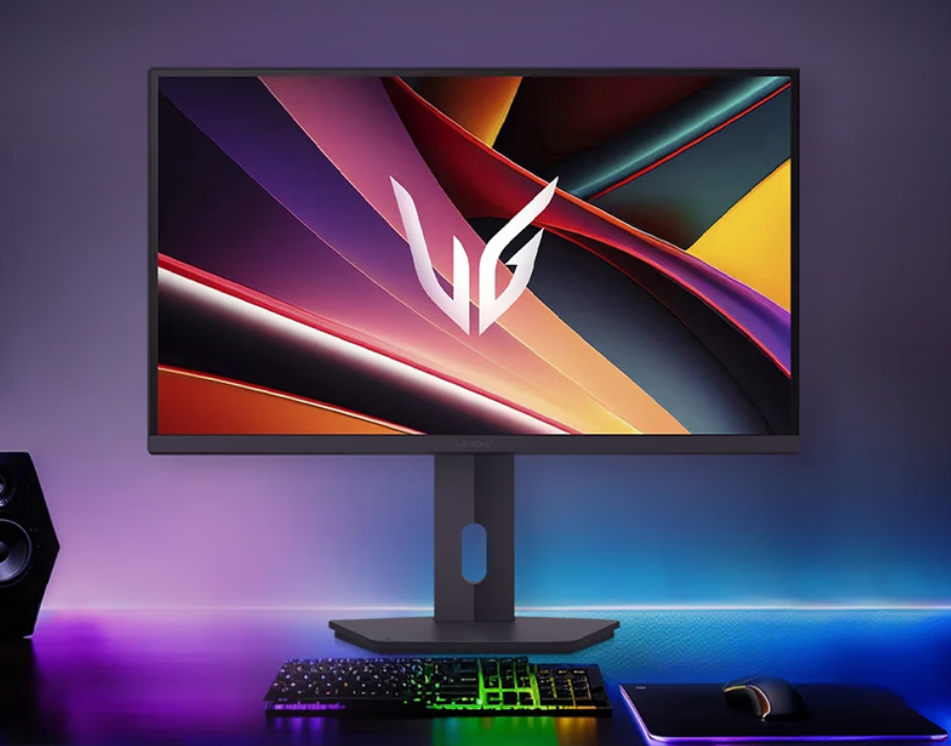
LG UltraGear 27G610A

LG has launched its new 27-inch gaming monitor, the UltraGear 27G610A, in China. The monitor is now listed on JD.com for 1,199 yuan ($175), offering a high-refresh-rate QHD display designed for gamers.

LG UltraGear 27G610A

LG UltraGear 27G610A Specifications

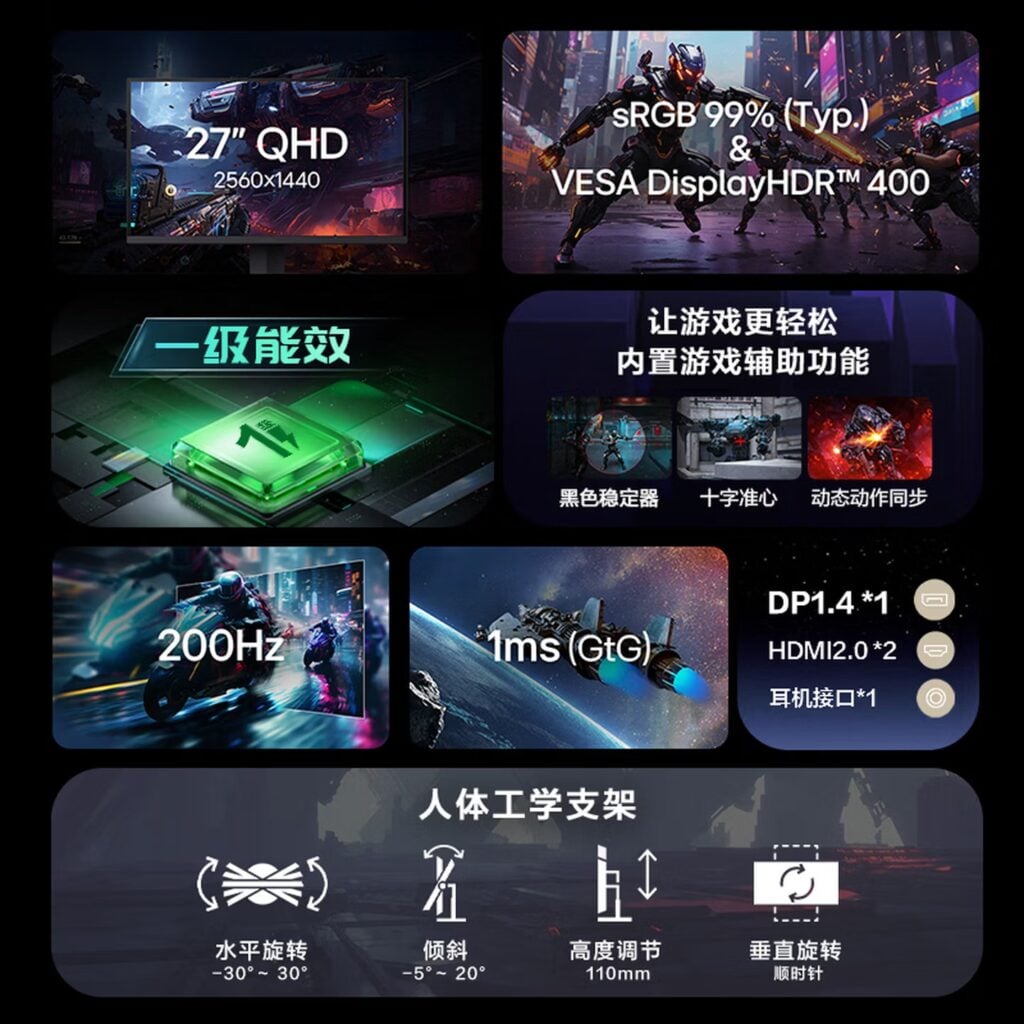
The UltraGear 27G610A boasts a 2560 x 1440 resolution on a 16:9 IPS panel. It offers a blazing-fast 200Hz refresh rate and a 1ms GtG response time, minimizing motion blur and ghosting.

In terms of color accuracy, the panel covers 99% of the sRGB color gamut and supports VESA DisplayHDR 400 certification. The monitor delivers a peak brightness of 400 nits, which improves visibility in well-lit environments and supports HDR content. These features make the monitor suitable for gaming, content consumption, and light creative work.

LG UltraGear 27G610A

LG has integrated gaming-focused features to enhance the user experience. The monitor supports AMD FreeSync Premium, reducing screen tearing and stuttering with compatible GPUs. It also offers Black Stabilizer for better visibility in dark scenes, Dynamic Action Sync to minimize input lag, and a built-in Crosshair mode to boost accuracy in shooting games.

The UltraGear 27G610A has a slim design with three-sided narrow bezels, creating an immersive viewing experience. The ergonomic stand supports a height adjustment of up to 110mm, tilt adjustment from -5° to 20°, swivel adjustment from -30° to 30°, and pivot rotation for vertical viewing. The display also supports VESA 100 x 100mm wall mounting.

LG has included multiple connectivity options. The monitor comes with one DisplayPort 1.4, two HDMI 2.1 ports, and a 3.5mm headphone jack.

In related news, JapanNext has introduced a 31.5-inch 6K IPS monitor featuring 500 nits brightness, 90W USB-C charging, and KVM support, while AOC has unveiled a new 27-inch QD-OLED gaming monitor with a 280Hz refresh rate and a 0.03ms response time.

For more daily updates, please visit our News Section.

Stay ahead in tech! Join our Telegram community and sign up for our daily newsletter of top stories! 💡

The post LG launches 27G610A 27-inch gaming monitor with 2K 200Hz display appeared first on Gizmochina.
Red Magic Cooler 8 Pro announced with 36W cooling, up to 80°C temperature reduction

Red Magic Cooler 8 Pro

Red Magic has announced the launch of the Red Magic Cooler 8 Pro, which will go on sale at 7:00 PM on March 9. The cooler is priced at 269 yuan (approximately $39) and is now available for pre-orders across all platforms. This device serves as the successor to the Magnetic Cooler 6 Pro, which debuted last year.

Red Magic Cooler 8 Pro

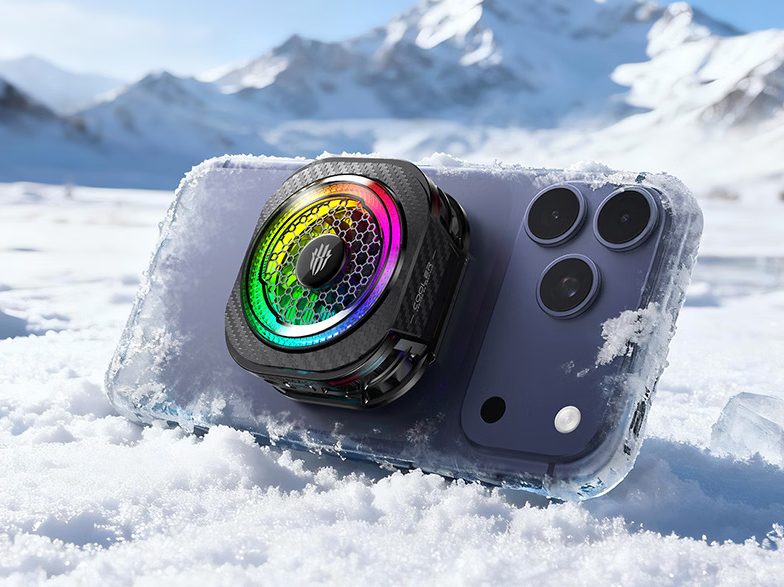
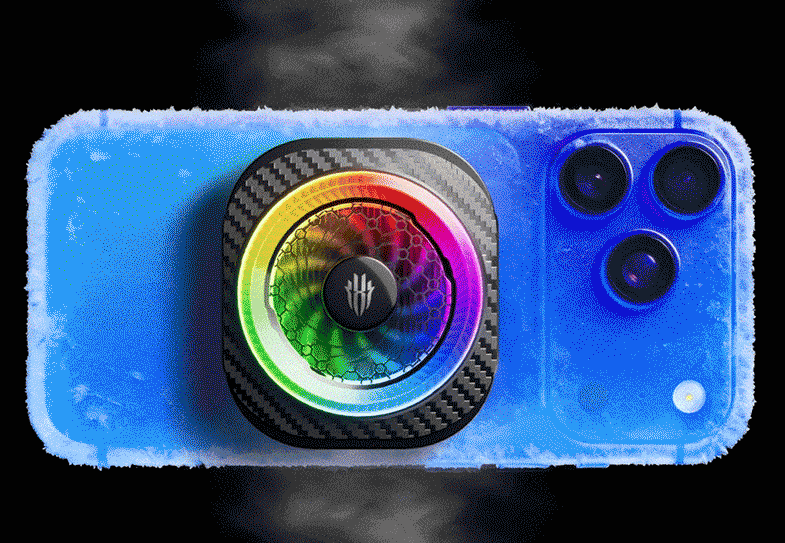
According to images on the pre-order page, the Red Magic Cooler 8 Pro offers 36W of cooling power, capable of reducing temperatures by up to 80°C under specific test conditions. It features an advanced thermoelectric cooling module, designed to actively dissipate heat and stabilize device performance during heavy usage, such as gaming or multitasking.

Under controlled conditions, the cooler can achieve a minimum temperature of -25°C, making it an excellent choice for maintaining full-frame-rate performance during demanding mobile gaming sessions. Despite its powerful cooling, the Cooler 8 Pro operates at a minimal noise level of 36dB.

Internal tests reveal impressive results: the cooler reduced the surface temperature of a constant 10W heat source from 95°C to 15°C in just 20 minutes.

Red Magic Cooler 8 Pro

The Cooler 8 Pro has been demonstrated on an iPhone in promotional images, confirming its MagSafe compatibility. It is expected to work with a wide range of devices, including the latest Pixel phones, Xiaomi models, and other smartphones with protective cases.

The Cooler 8 Pro brings several upgrades over its predecessor, the Cooler 6 Pro, which featured 30W cooling power and was priced at 239 yuan (approximately $34). The Cooler 6 Pro could reduce device temperatures by up to 41°C (minimum -16°C) and included a larger TEC plate, a graphene-infused heat sink, and a seven-blade fan for enhanced cooling and quiet operation (35dB).

In related news, the Red Magic 11 Pro+ Wuthering Waves Edition has recently launched in China, featuring a distinctive Energy Red design.

For more daily updates, please visit our News Section.

Stay ahead in tech! Join our Telegram community and sign up for our daily newsletter of top stories! 💡

The post Red Magic Cooler 8 Pro announced with 36W cooling, up to 80°C temperature reduction appeared first on Gizmochina.
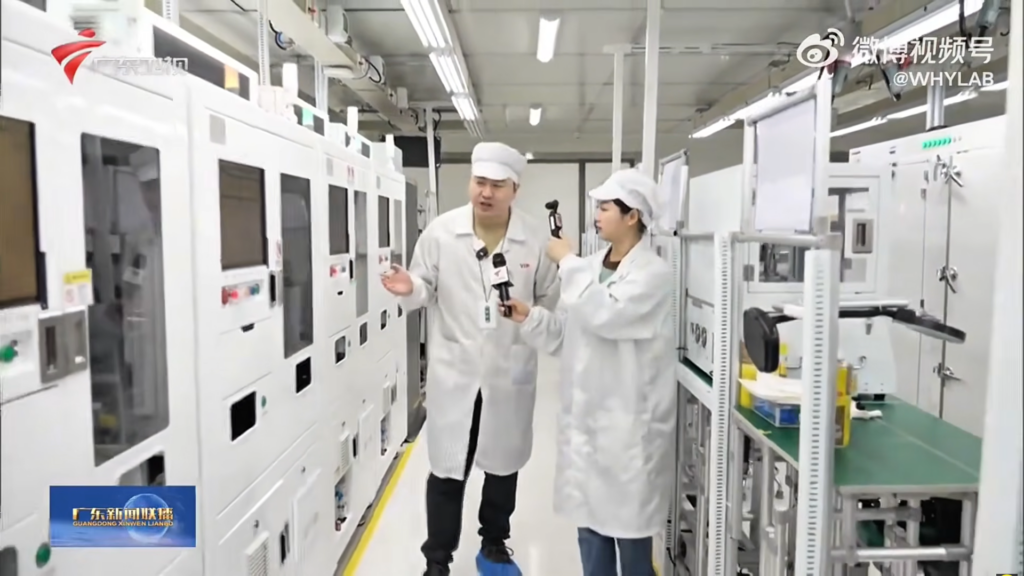
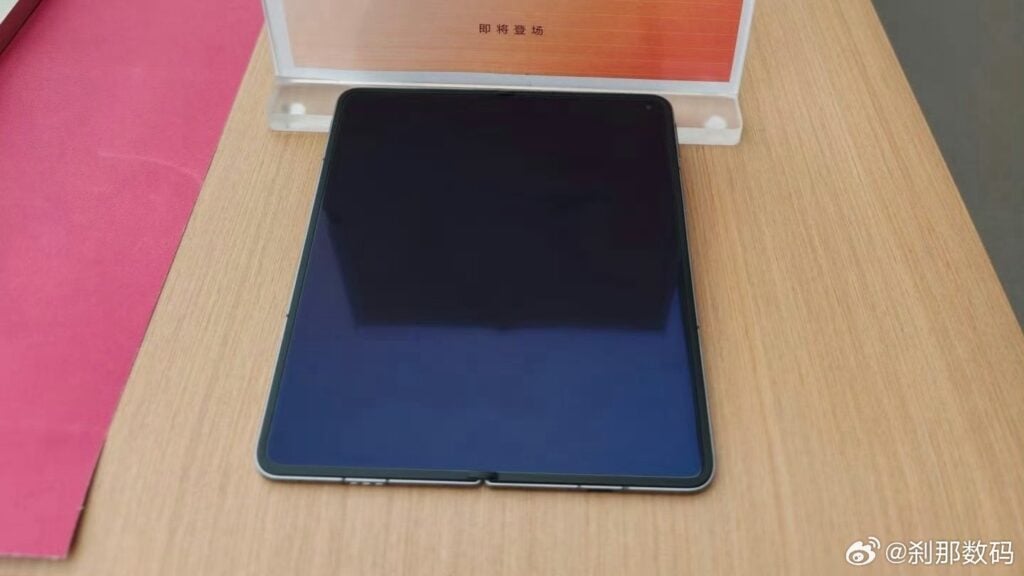
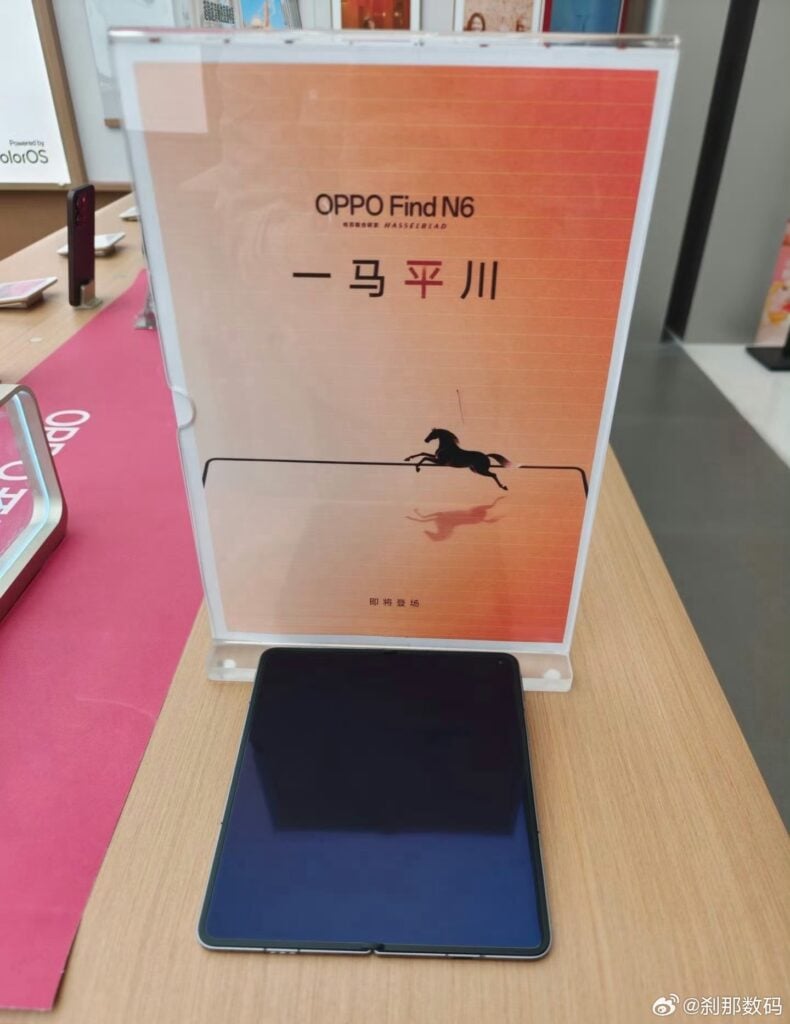
Oppo Find N6 factory tour reveals how a near-invisible crease was achieved

Oppo is taking an unusually open approach ahead of the Oppo Find N6 launch. With the device expected to debut on March 17, the company recently invited a member of the media into its production facilities to showcase the engineering work behind what it claims is a significantly reduced display crease.

The foldable crease has long been one of the category’s most persistent compromises. Oppo says it has spent the past three years refining its hinge and display assembly process, developing multiple prototypes along the way. According to the company, the latest iteration is built with alignment tolerances as tight as 0.03mm. It’s a level of precision intended to reduce visible indentation from the start and slow down long-term wear.

Durability testing appears to be a major focus. Oppo demonstrated an automated folding rig designed to simulate extended use, pushing devices through up to 300,000 fold-and-unfold cycles. During the media visit, the reporter was shown a unit that had already passed roughly 170,000 cycles. Even at that stage, the crease repirtedly remained minimal. Independent testing will ultimately determine how that translates to everyday use, but the company is clearly confident in its results.

The Find N6 has also reportedly passed TÜV Rheinland certification, with Oppo suggesting it achieved one of the flattest foldable displays evaluated so far. The inner display is expected to measure around 8.12 inches, paired with a 6.62-inch cover screen.

Leaked details suggest Oppo is aiming for a well-rounded flagship. The device is rumored to feature a Hasselblad-branded camera system built around a 200MP main sensor. It’s also expected to run on Qualcomm’s Snapdragon 8 Elite Gen 5 platform and pack a sizeable 6,000mAh battery with 80W fast charging — notable figures for a slim book-style foldable.

By offering a behind-the-scenes look at production and stress testing, Oppo appears keen to differentiate the Find N6 in an increasingly competitive foldable market. Samsung, Honor, and other brands continue to refine hinge and display technology, and expectations are rising with each generation.

Don’t miss a thing! Join our Telegram community for instant updates and grab our free daily newsletter for the best tech stories!

For more daily updates, please visit our News Section.

(Source)

The post Oppo Find N6 factory tour reveals how a near-invisible crease was achieved appeared first on Gizmochina.
ASUS ProArt PX13, ROG Flow Z13-KJP, and TUF Gaming A14 (2026) Launched in India with Ryzen AI Max+ CPUs

ASUS TUF Gaming A14 Laptop

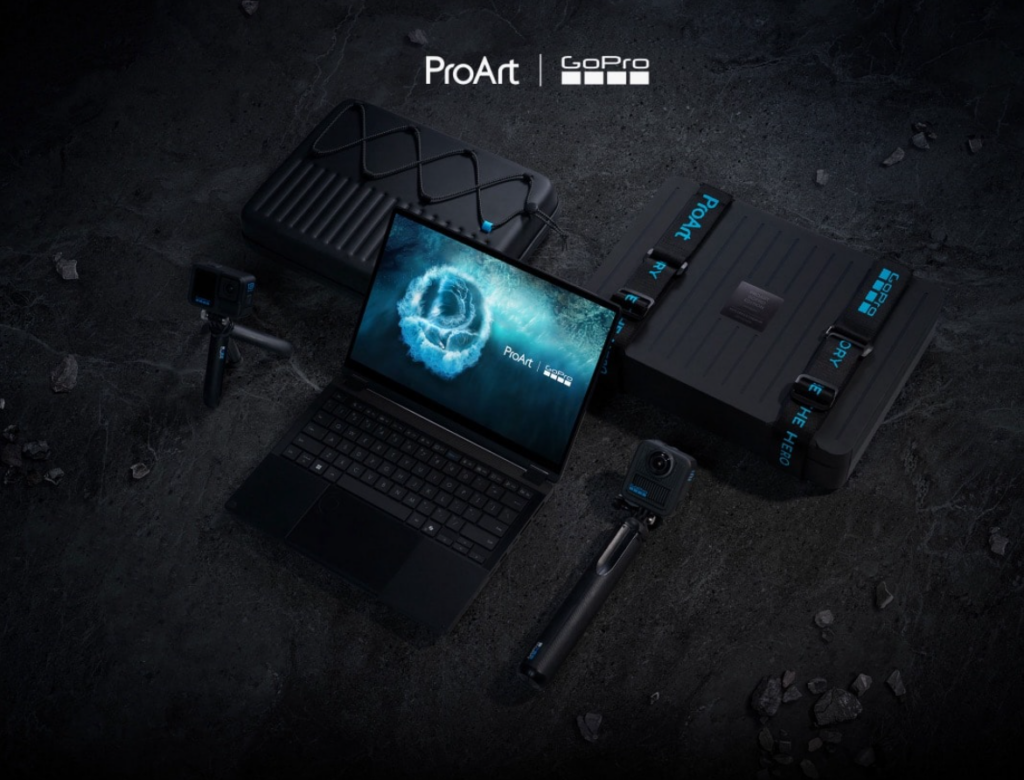
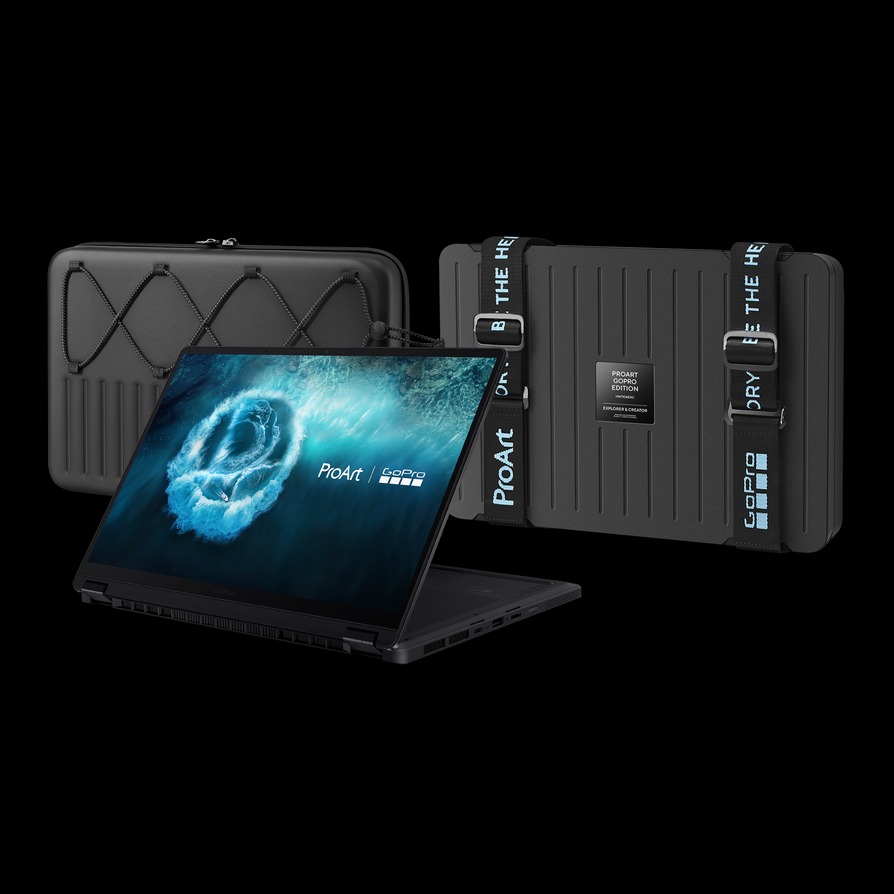
ASUS has launched its 2026 Creator series in India under the “Built for Originals” campaign. The lineup includes the ProArt GoPro Edition PX13, a limited-edition ROG Flow Z13-KJP created with KOJIMA PRODUCTIONS, and the TUF Gaming A14 (2026). All three devices are powered by AMD Ryzen AI Max+ processors with dedicated NPUs rated up to 50 TOPS, targeting creators, gamers, and hybrid users who need AI acceleration alongside high CPU and GPU performance.

ProArt GoPro Edition (PX13)

The ProArt GoPro PX13 focuses on portability and creator workflows. It runs on the AMD Ryzen AI Max+ 395 processor with 16 cores and 32 threads, paired with AMD Radeon 8060S integrated graphics and up to 128GB LPDDR5X memory. Storage includes a 1TB PCIe 4.0 SSD with expansion up to 2TB through an M.2 2230 slot.

The device features a 13.3-inch 3K OLED touchscreen with a 16:10 aspect ratio, 0.2ms response time, 60Hz refresh rate, 400 nits brightness (500 nits HDR), 100% DCI-P3 coverage, Pantone validation, and HDR True Black 500 certification. Touch and stylus support are included.

It weighs about 1.13 kg with an aluminum chassis and a 360° hinge. The laptop includes a backlit keyboard with Copilot key, Precision touchpad with DialPad support, FHD IR webcam with Windows Hello, Wi-Fi 7, Bluetooth 5.4, and ports including USB-A 3.2 Gen2, dual USB-C with DisplayPort and Power Delivery, HDMI 2.1 FRL, 3.5mm jack, DC-in, and MicroSD 4.0.

Creator tools include StoryCube AI, MuseTree, ProArt Creator Hub, ScreenXpert, GlideX, and a dedicated GoPro hotkey. Buyers receive a hard-shell carry case with modular foam. An optional GoPro MAX2 bundle offers a 360 camera, extension pole, two Enduro batteries, and a 64GB microSD card at a discounted price. The package also includes a three-month Adobe Creative Cloud subscription and one year of GoPro Premium+.

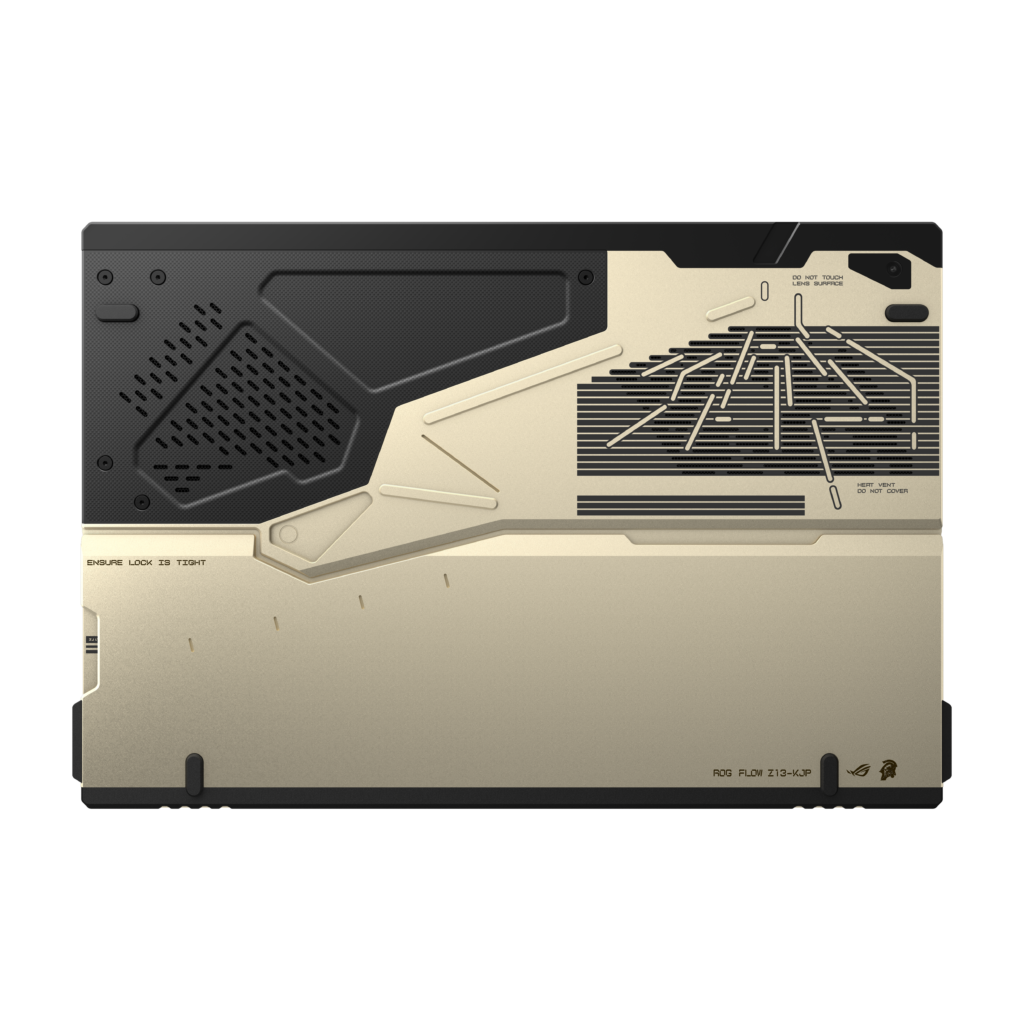
ROG Flow Z13-KJP Limited Edition

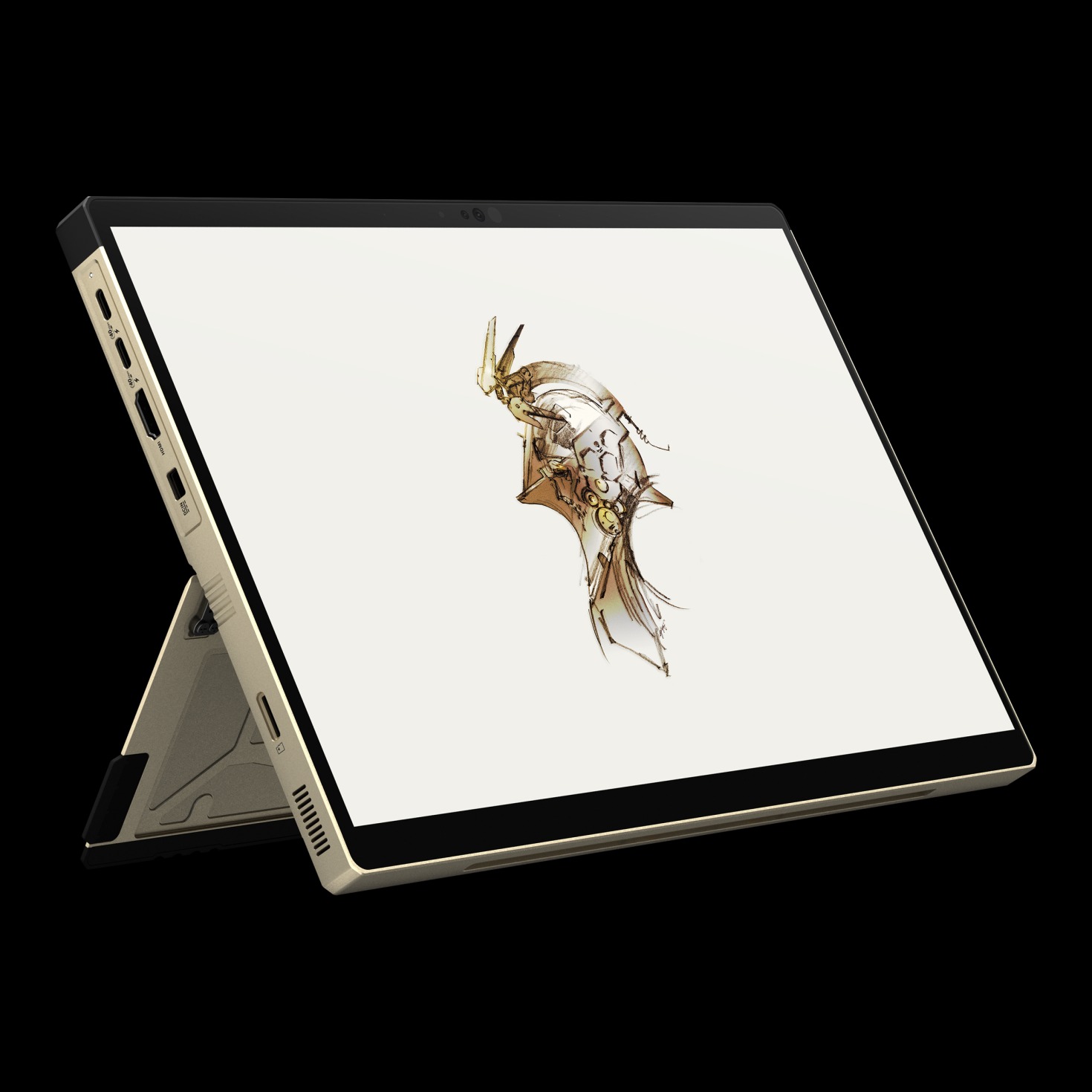
The ROG Flow Z13-KJP is a 2-in-1 tablet-style gaming device designed with KOJIMA PRODUCTIONS and Yoji Shinkawa. It features a CNC-milled aluminum body with carbon fiber accents, custom keycaps, and laser-etched vents.

It uses the AMD Ryzen AI Max+ 395 processor with Radeon 8060S graphics and 128GB LPDDR5X memory. Storage is a 1TB PCIe 4.0 SSD with expansion up to 2TB through a single M.2 slot. Cooling is handled by a vapor chamber and dual Arc Flow Fans.

The 13.4-inch 2.5K ROG Nebula touchscreen supports a 16:10 ratio, 180Hz refresh rate, 3ms response time, 500 nits brightness, 100% DCI-P3 color, Adaptive-Sync, Dolby Vision HDR, and stylus support. Connectivity includes Wi-Fi 7 and Bluetooth 5.4.

ASUS ROG Flow Z13-KJP

The device weighs around 1.72 kg and includes a 70Wh battery with fast charging. Ports include USB-A 3.2 Gen2, dual USB-C with DisplayPort and Power Delivery, HDMI 2.1 FRL, and microSD UHS-II. It also features a 13MP rear camera, 5MP IR front camera, Dolby Atmos speakers, Aura Sync lighting, and support for the XG Mobile external GPU.

The box includes themed packaging, a custom carrying case, and a Steam code for DEATH STRANDING 2: ON THE BEACH. Pre-orders also offer extended warranty and accidental damage protection through coupons.

TUF Gaming A14 (2026)

The TUF Gaming A14 targets entry and mid-range creators and gamers. It runs on the AMD Ryzen AI Max+ 392 processor with 12 cores and 24 threads, Radeon 8060S graphics, and 32GB LPDDR5X quad-channel memory. Storage includes a 1TB PCIe 4.0 SSD with support for up to 4TB across two M.2 slots.

ASUS TUF Gaming A14 Laptop

The 14-inch 2.5K IPS display has a 16:10 ratio, 165Hz refresh rate, 400 nits brightness, and fast response time. The device weighs 1.48 kg and measures 1.69–1.99 cm thick. It includes a 73Wh battery with fast charging that reaches 50% in about 30 minutes and supports 45W to 100W charging.

Connectivity includes Wi-Fi 6E and Bluetooth 5.3. Ports include USB4 Type-C with DisplayPort and Power Delivery, USB-C 3.2 Gen2, two USB-A 3.2 Gen2 ports, HDMI 2.1 FRL, and microSD UHS-II. Other features include a backlit keyboard with Copilot key, FHD IR webcam, Dolby Atmos speakers, AI noise canceling, Microsoft Pluton security, and Secured-core PC Level 3 compliance.

Pricing and Availability

The ROG Flow Z13-KJP starts at Rs. 3,79,990, with pre-orders from February 26, 2026, and availability from March 4, 2026. The ProArt GoPro PX13 starts at Rs. 3,34,990, while the TUF Gaming A14 starts at Rs. 1,79,990. Both are available from February 26, 2026.

All models include Microsoft Office Home 2024 lifetime access and Microsoft 365 Basic with 100GB cloud storage for one year. They are sold through ASUS Exclusive Stores, ROG Stores, ASUS Hybrid Stores, Reliance Digital, Croma, authorized partners, ASUS eShop, Flipkart, and Amazon India.

For more daily updates, please visit our News Section.

Stay ahead in tech! Join our Telegram community and sign up for our daily newsletter of top stories.

The post ASUS ProArt PX13, ROG Flow Z13-KJP, and TUF Gaming A14 (2026) Launched in India with Ryzen AI Max+ CPUs appeared first on Gizmochina.
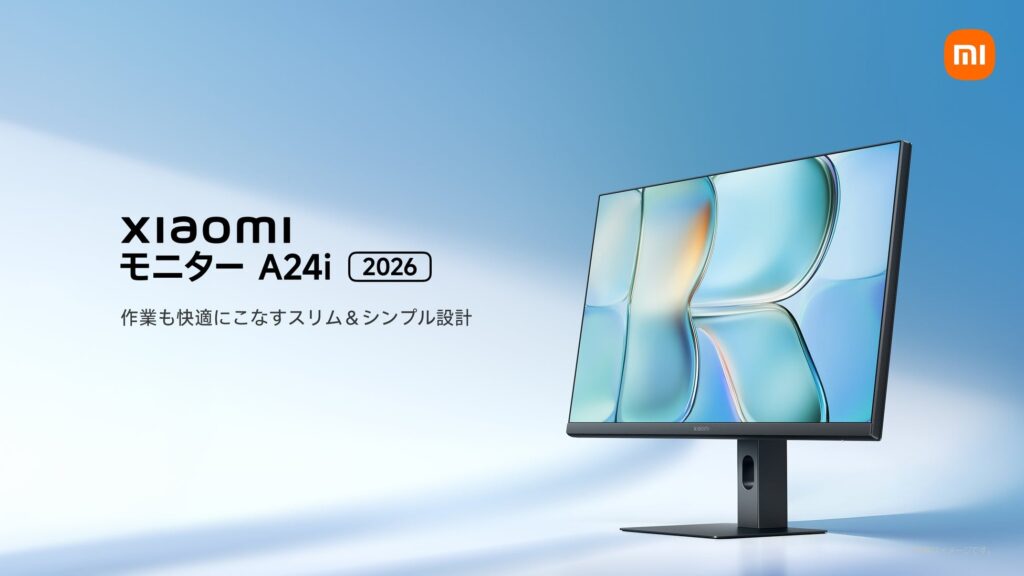
Huawei MatePad Mini launched globally as an iPad Mini competitor

Huawei MatePad Mini

Huawei has globally launched the MatePad Mini, a compact tablet designed to compete with the iPad Mini and Xiaomi Pad Mini. It originally launched in China last year alongside the Mate 80 series.

Huawei MatePad Mini

Huawei MatePad Mini Specifications

The Huawei MatePad Mini features an 8.8-inch Flexible OLED PaperMatte Display with a 16:10 aspect ratio, 2.5k resolution, and a 92% screen-to-body ratio. It offers 1800 nits peak brightness, a 120Hz refresh rate, and anti-glare technology with an optical film for improved eye comfort and reduced reflections.

Huawei hasn’t revealed any details about the chipset yet, but the MatePad Mini runs on the HarmonyOS 4.3 operating system. It offers advanced multitasking capabilities and productivity tools, including support for the Huawei M-Pencil Pro, enabling precise note-taking and sketching.

Huawei MatePad Mini

The tablet features a dual rear camera setup, including a 50MP main sensor with an f/1.8 aperture and an 8MP ultra-wide macro lens with an f/2.2 aperture. The rear cameras support up to 4K video recording with OIS. For selfies and video calls, it features a 32 MP front camera.

The tablet comes with a 6400mAh battery with 66W Huawei SuperCharge support. Huawei claims the device features a smart power conservation system designed to maintain battery health over three years of use.

The MatePad Mini weighs approximately 255 grams and measures just 5.1 mm in thickness. Huawei has designed the tablet with a magnesium alloy frame and a 3D vegan fiber back panel, combining durability with a lightweight build.

The device also includes Wi-Fi 7 connectivity, Bluetooth 5.2, dual speakers, and multiple sensors such as a fingerprint scanner, gyroscope, and ambient light sensor.

Huawei MatePad Mini

Availability

We don’t know the pricing yet, but in China the MatePad Mini starts at 3,999 yuan (around $584). The tablet is available in two color options: Spruce Green and Graphite Black. It is offered in multiple configurations, with RAM options of 8GB or 12GB and up to 256GB of internal storage.

It also comes with accessories such as the Huawei M-Pencil Pro and Folio Cover that are sold separately.

For more daily updates, please visit our News Section.

Stay ahead in tech! Join our Telegram community and sign up for our daily newsletter of top stories! 💡

The post Huawei MatePad Mini launched globally as an iPad Mini competitor appeared first on Gizmochina.

Xiaomi 17 Ultra gets HyperOS 3.0.15.0 update, adds Leica Instant mode

Xiaomi 17 Ultra Starry Green

Xiaomi has started rolling out the HyperOS 3.0.15.0 update for its flagship Xiaomi 17 Ultra. This 9.4GB update brings various system optimizations, camera upgrades, and security enhancements. The Leica Edition of the device includes an exclusive feature, which we will discuss at the end.

Xiaomi 17 Ultra Starry Green

What’s new in this update?

The update improves the camera experience on the Xiaomi 17 Ultra. Xiaomi has added a new front-and-rear dual-view mode, which allows users to record video simultaneously using both cameras. The 200MP mode now includes a standard watermark option.

Xiaomi has optimized Dolby Vision recording, boosting brightness and dynamic range for improved video quality. The update also refines motion photo functionality by enabling it by default during video recording, with the option to switch to static photos in the camera settings.

Xiaomi has made improvements to the system as well. The update enhances the auto-brightness feature in night scenes, creating a better viewing experience in low-light environments. It fixes occasional app launch issues that caused temporary unresponsiveness. The package also includes the February 2026 security patch, which strengthens the device’s protection against vulnerabilities.

The Leica Edition of the Xiaomi 17 Ultra adds a Leica Instant Mode 1× tap-to-zoom feature. While the exact functionality remains unclear, it seems designed for quick, street-style photography, potentially enabling users to switch between focal lengths instantly with a single tap.

Xiaomi is holding an event on February 28, where it will launch several new products globally, including the Xiaomi 17 Ultra smartphone, the Redmi Buds 8 Pro earbuds, UltraThin Magnetic Power Bank 5000 15W, and the Xiaomi Tag tracker. The company will also showcase its latest AIoT products. The event will begin at 2 PM CET in Barcelona.

For more daily updates, please visit our News Section.

Stay ahead in tech! Join our Telegram community and sign up for our daily newsletter of top stories! 💡

(Via)

The post Xiaomi 17 Ultra gets HyperOS 3.0.15.0 update, adds Leica Instant mode appeared first on Gizmochina.

Amazfit Active 3 Premium Launched With Sapphire AMOLED Display, Offline Maps, and 12-Day Battery

Active 3 Premium

Amazfit has launched the Amazfit Active 3 Premium, a compact smartwatch aimed at beginner runners and users who combine running with strength or studio workouts. The watch focuses on structured training, navigation, and health tracking while keeping the design simple enough for everyday use.

Active 3 Premium

The Active 3 Premium includes built-in running workouts and Zepp Coach adaptive training plans. These plans adjust based on performance and recovery and support goals ranging from 5K to full marathon distances. Running metrics include posture tracking, running power, lactate threshold, ground contact time, rhythm analysis, and balance monitoring. These insights help users understand effort, improve form, and reduce injury risk over time. The watch also supports virtual pacer, smart trajectory correction, track run mode, and running gear management.

Active 3 Premium
Active 3 Premium

For navigation, the device uses six satellite positioning systems with offline maps, turn-by-turn directions, automatic rerouting, and point-to-point route planning. Users can search points of interest directly from the watch. The 4GB internal storage allows maps and audio, such as podcasts to be stored locally for phone-free workouts.

The smartwatch has a 45mm stainless steel frame with four physical buttons and weighs 38g without the strap. Dimensions are 45 × 45 × 11mm. It uses a 1.32-inch AMOLED display with 466 × 466 resolution, 353 PPI, and up to 3,000 nits brightness. The screen is protected by sapphire glass. Water resistance is rated at 5ATM. Color options include Apex Silver, Atlas Blue, and Aero White.

Active 3 Premium
Active 3 Premium
Active 3 Premium

Battery capacity is 365mAh. Typical battery life is up to 12 days, heavy use up to 7 days, always on display up to 4 days, and continuous GPS up to 24 hours. GPS power saving mode can reach up to 76 hours, or 10 hours when GPS is used with music playback.

Health tracking is powered by the BioTracker PPG sensor with continuous heart rate, blood oxygen, stress, and skin temperature monitoring. Sleep tracking includes heart rate variability, breathing quality, sleep stages, naps, and sleep score. BioCharge provides a daily readiness score based on activity and recovery. Additional metrics include VO₂ Max, training load, training effect, and training stress balance. One tap measurement can check heart rate, stress, blood oxygen, and breathing rate in 45 seconds.

The watch supports more than 170 sports modes, including running, cycling, swimming, strength training with auto recognition of 25 movements, HYROX training, indoor workouts, winter sports, and ball sports. Bluetooth peripherals such as heart rate belts, power meters, cadence sensors, and action cameras are supported.

Smart features include Bluetooth calling through a built-in microphone and speaker, Zepp Flow voice assistant, notifications, music control, camera control for iOS, quick replies on Android, and Find My Phone. The device runs with the Zepp app and supports Android 7.0 or later and iOS 14.0 or later. Data can sync with Strava, TrainingPeaks, Runna, and Intervals.icu, Apple Health, and Google Fit.

Pricing & availability

The Amazfit Active 3 Premium is available starting February 26, 2026, for $169.99 through Amazfit and Amazon.

(Source)

The post Amazfit Active 3 Premium Launched With Sapphire AMOLED Display, Offline Maps, and 12-Day Battery appeared first on Gizmochina.
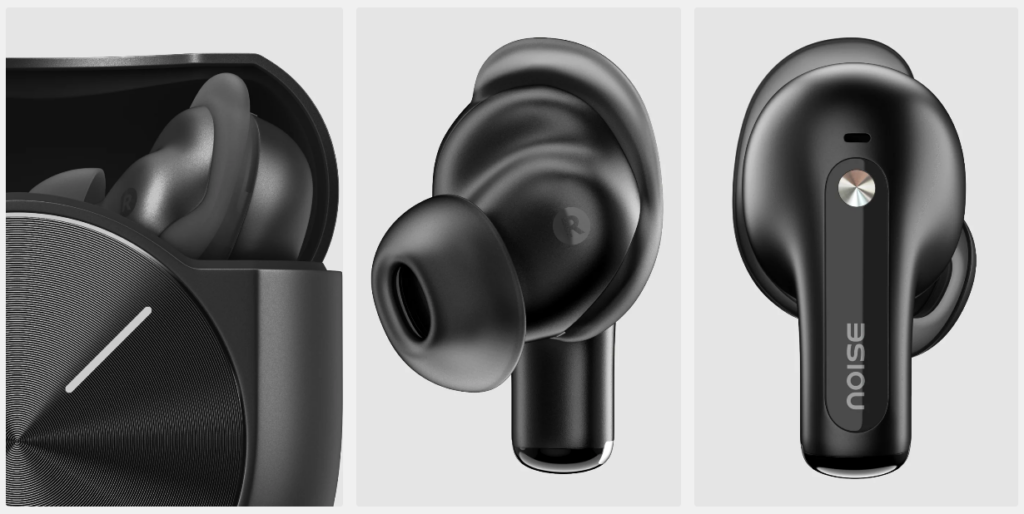
Huawei Mate 80 Pro launches with 3000 nits display and 50MP variable aperture camera

Huawei-Mate-80-Pro-Design

Huawei is hosting a major global launch event today, where the company has already unveiled the Watch GT Runner 2. But it’s the flagship Mate 80 Pro that is the big story today. It’s the first time since the Mate 50 Pro in 2022 that Huawei introduced its Mate smartphone in the international market.

However, Huawei is releasing only the Pro version of its latest Mate lineup globally. The standard Huawei Mate 80, Huawei Mate 80 Pro Max, and Huawei Mate 80 RS Ultimate remain exclusive to China.

Huawei Mate 80 Pro Specifications

In any case, it shares most of its specifications with the Chinese counterpart. The device measures 161.85mm in height, 76mm in width, and 7.95mm in thickness, and weighs around 219 grams. 

The phone features a 6.75-inch LTPO OLED display with a resolution of 2832 × 1280 pixels and a pixel density of 460ppi. It supports a 1–120Hz adaptive refresh rate and 1440Hz high-frequency PWM dimming. Huawei is also promising up to 1.07 billion colors and 3000 nits of brightness. 

One key difference between regions is software. The global Mate 80 Pro runs EMUI 15.0, while the Chinese version ships with HarmonyOS 6.0. It comes in a single 16GB RAM and 512GB storage configuration. There’s no microSD card slot, so what you buy is what you keep.

The Mate 80 Pro includes a 50-megapixel main camera that supports variable aperture ranging from f/1.4 to f/4.0 and optical image stabilization. It’s joined by a 40-megapixel ultra-wide camera and a 48-megapixel macro telephoto camera with 4x optical zoom and up to 100x digital zoom. 

On the front, there’s a 13-megapixel wide-angle selfie camera with autofocus. Both front and rear cameras support 4K video recording. 

Huawei Mate 80 Pro Launch Specs Price

The phone packs a 5,750mAh battery (rated capacity 5,620mAh) and supports 100W wired and 80W wireless charging. 

The Mate 80 Pro also carries IP68 and IP69 ratings for dust and water resistance, including protection against high-pressure water jets and submersion up to six meters for 30 minutes under specific conditions.

Connectivity includes Wi-Fi 7 support, Bluetooth 6.0, USB-C with USB 3.1 Gen 1 speeds, NFC, and a wide range of global positioning systems, including GPS dual-band and NavIC. The phone is available in both single and dual SIM models, depending on the region.

Huawei hasn’t revealed the pricing details yet, but the Mate 80 Pro will be available for purchase in Black, Green, and Gold starting today.

Don’t miss a thing! Join our Telegram community for instant updates and grab our free daily newsletter for the best tech stories!

For more daily updates, please visit our News Section.

(Source)

The post Huawei Mate 80 Pro launches with 3000 nits display and 50MP variable aperture camera appeared first on Gizmochina.

Nothing Headphone (a) launching March 5 as budget over-ear option

Nothing is preparing to expand its audio lineup again, this time with a more affordable pair of over-ear headphones. The upcoming Nothing Headphone (a) is set to debut on March 5, 2026, during the company’s “Built Different” event.

The event will also introduce the Nothing Phone (4a) and Nothing Phone (4a) Pro, suggesting Nothing is continuing its push to build a broader, connected ecosystem rather than focusing on standalone devices.

The Headphone (a) appears to be a more accessible alternative to the original Nothing Headphone (1), which launched at €299. This new model is expected to come in at €159 in Europe and £149 in the UK, roughly half the price of the flagship version.

To reach that price point, Nothing is reportedly opting for a plastic construction instead of more premium materials. That doesn’t necessarily mean it will feel cheap, but it does signal a clear shift toward the mid-range segment.

In terms of design, the company isn’t toning things down. The Headphone (a) is expected to arrive in pink, white, black, and yellow — in line with Nothing’s bold, playful aesthetic. The semi-transparent styling that defines the brand is also likely to remain intact.

On the technical side, leaks point to a custom 40mm dynamic driver, Bluetooth 5.3 support, and dual-device pairing. Battery life could reach up to 35 hours with active noise cancellation enabled, which is competitive at this price. There’s some speculation that the ANC system may be less advanced than the one found in the Headphone (1), possibly as part of the cost-saving strategy.

If that trade-off holds true, the Headphone (a) may appeal most to users who want solid sound quality and long battery life without paying for top-tier noise isolation.

Nothing has been steadily growing its portfolio, and launching a more affordable over-ear option alongside mid-range smartphones reinforces that strategy. We’ll get full confirmation of specs, pricing, and availability on March 5. For now, the Headphone (a) looks like Nothing’s attempt to hit a sweet spot — stylish, capable, and easier on the wallet.

Don’t miss a thing! Join our Telegram community for instant updates and grab our free daily newsletter for the best tech stories!

For more daily updates, please visit our News Section.

(Source: Nothing)

The post Nothing Headphone (a) launching March 5 as budget over-ear option appeared first on Gizmochina.
Honor Magic V6 camera samples impress ahead of MWC debut

Honor Magic V6

Honor is starting to lift the curtain on its next foldable, the Honor Magic V6, ahead of its global debut at MWC 2026. With just days to go before the March 1 launch in Barcelona, the company has shared early camera samples and revealed a new color option, both clearly meant to build anticipation.

Honor Magic V6
Honor Magic V6

On Weibo, Honor’s imaging team posted a set of sample photos taken with the upcoming Magic V6. The company continues to lean on its AiMAGE branding, first introduced at MWC last year, which blends on-device AI processing with cloud-assisted enhancements. According to Honor, this setup improves clarity, zoom performance, and overall scene optimization.

The shared images highlight strong detail retention and balanced color reproduction, at least in the curated examples shown. Telephoto shots appear sharp, and low-light scenes seem well controlled. Of course, these are official samples, so real-world performance will need independent verification. Still, the message is clear: Honor wants the Magic V6 to compete not just with other foldables, but with top-tier slab flagships on camera quality.

Alongside the imaging teasers, Honor also unveiled a new “Red Rabbit” color variant. The finish features what the company describes as eco-friendly velvet leather with a nano-coating for durability. Visually, it’s a deep red tone accented with gold detailing around the circular camera module.

Under the hood, the Magic V6 is confirmed to run on Qualcomm’s Snapdragon 8 Elite Gen 5, bringing expected gains in performance and power efficiency.

With competition intensifying among foldable makers, incremental upgrades may no longer be enough. Honor seems intent on pushing both design and camera performance to stand out.

We’ll get the complete picture at MWC. For now, the Magic V6 looks like a foldable that’s aiming high, both in hardware and presentation.

Don’t miss a thing! Join our Telegram community for instant updates and grab our free daily newsletter for the best tech stories!

For more daily updates, please visit our News Section.

(Source)

The post Honor Magic V6 camera samples impress ahead of MWC debut appeared first on Gizmochina.

Huawei Watch GT Runner 2 launches with titanium build, up to 14 days of battery life

Huawei-Watch-GT-Runner-2-Launch-Specs-Price

At the launch event today, Huawei officially released the Huawei Watch GT Runner 2. As the name implies, it’s a running-focused smartwatch with precision tracking, structured marathon training, and a lighter overall design. 

At the center of the pitch is what Huawei calls an industry-leading 3D floating antenna system. The company says this setup improves positioning accuracy by 20 percent compared to previous models, even in dense urban areas, near tall buildings, or inside tunnels. 

The watch supports dual-band GPS (L1 + L5) and works with multiple satellite systems, including GLONASS, BeiDou, Galileo, QZSS, and NavIC.

Huawei Watch GT Runner 2 Design and Display

The design has also been reworked with runners in mind. The watch case, bezel, crown, and buttons are made from titanium alloy, and the body measures 43.5mm by 43.5mm with a thickness of 10.7mm. 

At around 34.5 grams (without the strap), it’s notably light for a watch in this category. Huawei pairs it with a new AirDry woven strap that uses a hollowed design for improved breathability. The company claims it boosts airflow by 25 percent compared to earlier straps. There’s also a fluoroelastomer strap included for workouts where sweat and water are more of a concern.

The display is a 1.32-inch AMOLED panel with a 466 x 466 resolution and a peak brightness of up to 3000 nits. The glass on top is second-generation Kunlun Glass, which checks out durability.

The Runner 2 is all about running!

But the bigger story here is software. The wearable comes with a DSM-Firmenich Running Team co-developed Intelligent Marathon Mode, which offers structured race preparation. 

Runners can access major marathon events or create custom ones, generate tailored training plans, and track advanced metrics like lactate threshold, running power, training intensity, and a Running Ability Index. The watch can also predict finishing times based on historical data and training trends. 

During races, the watch can display real-time pace charts, estimated finish times, and your gap against a target time. There’s also a digital pacer and fueling reminders designed to keep energy levels steady during long efforts. Post-run, the Huawei Health app breaks down performance data and provides form insights and recovery guidance.

Beyond running, the watch supports over 100 sports modes, including trail running, swimming, cycling, golf (with access to over 17,000 courses in select markets), and freediving up to 40 meters. It carries a 5 ATM and IP69 rating, although Huawei notes it’s not designed for hot showers or deep scuba diving.

Health and wellness features

As for health tracking, the watch includes ECG monitoring, heart rate variability tracking, blood oxygen measurement, sleep tracking with breathing awareness, and stress insights. Huawei is careful to note that these features are for reference only and not intended for medical diagnosis.

The Huawei Watch GT Runner 2 has a rated battery life of up to 14 days under light use, 7 days under typical use, and up to 32 hours in outdoor workout mode with precise positioning enabled. 

You can charge it wirelessly, and the watch supports NFC payments, Bluetooth calling, standalone music playback, and QR code scanning. It works with both Android and iOS devices, though some features, like custom video watch faces and music syncing, are limited when paired with iPhones.

Huawei Watch GT Runner 2 Price

The Watch GT Runner 2 retails at £350 and will go on open sale starting today. You can choose from Dawn Orange, Dusk Blue, and Midnight Black colors. 

Don’t miss a thing! Join our Telegram community for instant updates and grab our free daily newsletter for the best tech stories!

For more daily updates, please visit our News Section.

The post Huawei Watch GT Runner 2 launches with titanium build, up to 14 days of battery life appeared first on Gizmochina.

Samsung Galaxy S26 vs S26+ vs S26 Ultra: Specs, Key Differences & Upgrades

Galaxy S26 series

When three phones share the same flagship DNA, the real question isn’t which one is better; it’s what actually changes as you move up the lineup. The Samsung Galaxy S26, S26+, and S26 Ultra look similar at first glance, but the upgrades are carefully layered to match different types of users. From display sharpness and battery growth to camera flexibility and productivity features, each step adds a specific kind of value. This comparison breaks down how those upgrades differ, what they mean in real-world use, and which model makes the most sense depending on how a phone is actually used day to day.

Please Note: When you buy something using the links in our articles, we may earn a small commission at no cost to you.

Please Note: When you buy something using the links in our articles, we may earn a small commission at no cost to you.

Major Features:

FeatureGalaxy S26Galaxy S26+Galaxy S26 UltraUpgrades
Display Size & Resolution6.3″ FHD+6.7″ QHD+6.9″ QHD+ + Anti-ReflectiveBigger and sharper screens improve media viewing, gaming, and multitasking comfort
Display TreatmentStandard flagship panelSame as S26Gorilla Armor 2 + DX coatingUltra reduces reflections: better outdoor visibility and long viewing sessions
Build ExperienceCompact flagship feelLarger immersive feelProductivity-focused with stylusUpgrade shifts from portability to immersion to productivity use
Processor & PerformanceFlagship chipsetSame performance levelSame chipset + higher RAM optionUltra handles heavier multitasking and sustained workloads better
RAM & Storage OptionsUp to 12GB / 512GBUp to 12GB / 512GBUp to 16GB / 1TBUltra better suited for creators, pro workflows, and heavy storage users
Main Camera50MP50MP200MPUltra enables higher detail capture and better crop flexibility
Zoom System3x telephoto3x telephoto3x + 5x periscopeUltra adds real long-range photography versatility
Ultrawide Camera12MP12MP50MPUltra improves detail and low-light ultrawide shots
Selfie Camera12MP12MP12MPNo upgrade: same front camera experience across all
Battery Capacity4300mAh4900mAh5000mAhBigger models support longer heavy usage sessions
Wired Charging25W45W60WFaster charging reduces downtime, especially for power users
Wireless Charging15W20W25WUpgrade improves convenience for desk and bedside charging
Extra FeaturesCore flagship featuresAdds UWBStylus + UWB + pro displayUltra adds productivity and pro-level usability tools
Price (Approx)$900 / ₹88,000$1100 / ₹1,20,000$1300 / ₹1,40,000Price increases match upgrade depth and target usage
Disclaimer: Specifications and features listed are based on available information at the time of writing and may vary by region, software updates, or official announcements.

Please Note: When you buy something using the links in our articles, we may earn a small commission at no cost to you.

Design and Display

Build and Feel

The Galaxy S26 series follows a clear upgrade ladder rather than three completely different designs. The S26 acts as the baseline flagship with premium glass and Armor Aluminum 2, focusing on comfort and everyday practicality. Moving to the S26+, the main change is scale; it feels more immersive without dramatically changing the design philosophy. The S26 Ultra introduces the biggest functional upgrade: Gorilla Armor 2 with anti-reflective coating and built-in stylus support. This shift makes the Ultra less about style and more about productivity and precision input. The upgrade path here is practical, compact usability on S26, a larger media-focused experience on S26+, and professional utility on Ultra.

Display Quality

All three use Dynamic LTPO AMOLED 2X panels with 120Hz refresh rates and high peak brightness, so smoothness and color quality stay consistent. The main upgrade difference is resolution and usability. The S26 sticks with FHD+ for efficiency, while the S26+ and Ultra move to QHD+ for sharper text and better large-screen clarity. The Ultra adds anti-reflective treatment, which noticeably improves outdoor visibility and long viewing sessions.

Verdict

Design upgrades mainly scale from comfort to immersion to productivity, while display upgrades focus on sharper visuals and improved real-world readability as you move up.

Specifications Including Battery

Performance

Performance differences are subtle because all models use flagship-level chipsets and the same software support window. The S26 and S26+ share identical performance configurations depending on region, meaning real-world speed is nearly the same between them. The Ultra’s upgrade lies less in raw speed and more in sustained performance and higher memory options, which benefit heavy multitasking, long gaming sessions, and advanced editing workloads. The progression is about workload capacity rather than basic performance gains.

Battery and Charging

Battery upgrades follow a clear usage-based ladder. The S26’s smaller battery targets normal daily use with moderate charging speeds. The S26+ adds capacity and faster wired charging, which better supports heavier media consumption and longer screen time. The Ultra improves further with the fastest wired and wireless charging, reducing downtime for power users. These upgrades mainly affect convenience rather than fundamental endurance differences.

Verdict

Performance upgrades emphasize consistency across the lineup, while battery improvements primarily support heavier usage patterns and faster top-up convenience.

Camera

Main and Secondary Lenses

The biggest upgrade differences in the series appear in the camera system. The S26 and S26+ share identical hardware, meaning the move from base to Plus does not change photographic capability. Both focus on reliable flagship photography with 3x zoom and strong video features. The S26 Ultra introduces meaningful hardware upgrades: a 200MP main sensor, dual telephoto setup including a 5x periscope, and a higher-resolution ultrawide. These changes expand shooting flexibility rather than just improving quality, enabling better long-distance zoom, higher-detail crops, and more creative framing options. The upgrade here is clearly aimed at users who push mobile photography further.

Selfie Camera

All three use the same 12MP dual-pixel autofocus selfie camera, so selfie quality and video performance remain consistent across the lineup. This keeps the front-camera experience equal regardless of model choice.

Verdict

Camera upgrades are concentrated entirely on the Ultra, while S26 and S26+ maintain the same reliable flagship camera experience.

Pricing

The pricing structure reflects how upgrades are distributed. The Galaxy S26 starts at about $900 / ₹88,000, establishing the core flagship experience. The S26+ moves to roughly $1100 / ₹1,20,000, where the extra cost mainly pays for a larger, sharper display and bigger battery rather than performance or camera improvements. The S26 Ultra reaches around $1300 / ₹1,40,000, with pricing tied to significant camera upgrades, stylus integration, premium display treatment, and higher memory options.

Is the Price Justified?

The S26+ feels like an upgrade for comfort and endurance rather than capability. The Ultra’s price increase is easier to justify for users who will actively use Zoom flexibility, stylus features, or heavy multitasking. The value depends less on raw specs and more on whether those functional upgrades match daily usage.

Verdict

Pricing directly mirrors upgrade intent: screen and battery improvements in the middle tier, and feature-driven professional upgrades at the top.

Disclaimer:
Prices are approximate and may vary based on country, region, and applicable taxes.

Conclusion

The S26 lineup is structured around progressive upgrades rather than drastic differences. The S26 provides the full flagship foundation. The S26+ upgrades the viewing and battery experience without changing core performance or cameras, making it a lifestyle upgrade for media-heavy users. The S26 Ultra introduces the most functional upgrades,  advanced cameras, an anti-reflective display, stylus integration, and higher-end hardware options, targeting users who treat their phone as a productivity or creative tool. The lineup feels intentionally tiered so buyers can choose upgrades based on usage rather than marketing labels.

Verdict

The differences between S26, S26+, and S26 Ultra are less about which is “best” and more about how upgrades align with usage: Galaxy S26 is best suited for users who want a clean flagship experience without extra complexity,  ideal for everyday performance, compact handling, and long-term reliability. 

The S26+ fits users who consume more content, game longer, or simply prefer a bigger and sharper screen with stronger battery comfort, making it the most balanced upgrade for mainstream buyers. 

The S26 Ultra is clearly built for power users, creators, and multitaskers who will actually use advanced zoom cameras, stylus features, and top-tier hardware. 

S26 for simplicity, S26+ for balance, Ultra for maximum capability.

Read More:

The post Samsung Galaxy S26 vs S26+ vs S26 Ultra: Specs, Key Differences & Upgrades appeared first on Gizmochina.

Oppo Find N6 real-world image showcases near-invisible display crease

The foldable phone market has been chasing the same goal for years: reduce the crease enough that you barely notice it. Now, if recent leaks are anything to go by, Oppo may be getting closer than most.

A real-life photo of the upcoming Oppo Find N6 have surfaced online, showing a noticeably flatter inner display. The crease is almost invisible when looking straight on.

Oppo hasn’t shared full technical details yet, but teasers point to a redesigned hinge system, reportedly built with a titanium alloy structure. The company is also said to be using a new ultra-thin glass designed to better resist long-term deformation. Whether that involves new materials or refinements to lamination isn’t clear, but the goal is obvious: make the display look and feel as close to a traditional slab phone as possible when opened.

Oppo is reportedly planning a March 17 launch in China, potentially beating several key competitors to market. Samsung’s next book-style foldable, expected to follow the current Samsung Galaxy Z Fold7, likely won’t arrive until mid-year. Google’s next Pixel foldable is also expected later in the summer. Meanwhile, Honor’s Honor Magic V6 is rumored for a similar March window, setting up direct competition.

If the Find N6 delivers on what these early glimpses suggest, it could raise the bar for crease reduction in book-style foldables. That would be particularly significant as Apple is widely rumored to be preparing its own foldable iPhone in the coming years, with heavy focus reportedly placed on minimizing the fold line.

Of course, real-world impressions will matter more than carefully framed demo shots. Lighting, display angle, and even screen content can influence how visible a crease appears. Still, the early signs suggest Oppo is pushing hard on hinge and display engineering.

More details are expected soon. For now, the Find N6 looks poised to deliver one of the flattest foldable displays we’ve seen so far.

Don’t miss a thing! Join our Telegram community for instant updates and grab our free daily newsletter for the best tech stories!

For more daily updates, please visit our News Section.

(Source)

The post Oppo Find N6 real-world image showcases near-invisible display crease appeared first on Gizmochina.

Xiaomi launches Redmi Buds 8 Lite in China with 42dB ANC & 36h battery life

Redmi Buds 8 Lite

Xiaomi has officially launched the Redmi Buds 8 Lite, also known as the Youth Edition, in China. The earbuds are priced at 139 yuan (approximately $20), making them an affordable option in the active noise cancellation (ANC) market. Xiaomi initially introduced the earbuds globally in January for €22.9.

Redmi Buds 8 Lite

Redmi Buds 8 Lite Specifications

The Redmi Buds 8 Lite features 42dB wide-frequency active noise cancellation with hybrid ANC technology to reduce low-frequency sounds like subway noise and air conditioning. It includes dual-mic AI noise reduction for clear call quality in noisy environments and a wind-noise reduction algorithm for outdoor use, resisting wind speeds up to 6m/s.

Xiaomi has included a 12.4mm titanium-diaphragm dynamic driver in the earbuds. The earbuds also support AAC and SBC codecs, maintaining sound quality even at lower bitrates.

The Redmi Buds 8 Lite offers up to 36 hours of battery life with the charging case and 8 hours of playback on a single charge. Fast charging provides 2 hours of listening time from a 10-minute charge.

The Redmi Buds 8 Lite offers dual-device connectivity, which allows users to pair two devices simultaneously and switch between them without delays. The Xiaomi Earbuds app enables users to adjust noise cancellation levels, customize EQ settings, and modify gesture controls.

Redmi has designed the earbuds for comfort and practicality. Each earbud weighs 4.5 grams and comes with multiple ear tip sizes to ensure a secure fit. The earbuds have an IP54 rating for dust and water resistance, making them suitable for everyday use.

The Redmi Buds 8 Lite supports Bluetooth 5.4 for reliable connectivity. The earbuds come in three colors: Blue, Black, and White.

In related news, Oppo has recently introduced the Enco Air 5 Pro with LHDC 5.0 audio, AI call noise reduction, and up to 54 hours of battery life, while the Realme Buds T500 Pro has surfaced in leaks featuring 50dB ANC, Bluetooth 6.1, and a 56-hour battery rating

For more daily updates, please visit our News Section.

Stay ahead in tech! Join our Telegram community and sign up for our daily newsletter of top stories! 💡

The post Xiaomi launches Redmi Buds 8 Lite in China with 42dB ANC & 36h battery life appeared first on Gizmochina.

Samsung Galaxy A56 5G, A36 5G, F17 5G Price Increase: Samsung Hikes Rates by Up to ₹1,500

Sasmsung Galaxy A56 (left) and Galaxy A36 (right)_

Samsung has increased prices for several Galaxy A and F series smartphones in India. A leaked internal pricing document from tipster AN Leaks shows the new rates, though Samsung hasn’t made any official announcement. The changes appear to be live in some stores, but online platforms haven’t fully updated their listings yet.

Galaxy A56 5G and A36 5G Get Price Bumps

The Galaxy A56 5G now costs more for its higher storage options. The 8GB + 256GB version is priced at ₹44,999, and the 12GB + 256GB model costs ₹48,999. Both variants are about ₹1,000 more expensive than before.

Sasmsung Galaxy A56 (left) and Galaxy A36 (right)

The Galaxy A36 5G also saw similar increases. The 8GB + 256GB variant jumped from ₹35,499 to ₹36,999. The 12GB + 256GB option now costs ₹40,499. Again, this is roughly ₹1,000 more per variant.

Galaxy F17 5G Prices Go Up Too

Samsung Galaxy F17 5G

The Galaxy F17 5G also got pricier. The 4GB + 128GB variant now costs ₹16,499, while the 6GB + 128GB version is ₹17,999. Both are about ₹1,000 higher. The 8GB + 128GB model is priced at ₹19,999, which is a bigger jump of ₹1,500 from its earlier price.

Online Stores Still Show Old Prices

Checking major online shopping sites shows that many devices still display the older prices. This means the price increase might be rolling out slowly or could be limited to physical retail stores right now.

Second Price Increase This Year

This isn’t the first time Samsung raised prices in 2026. Reports from January suggested the Galaxy A56, Galaxy A36, and Galaxy F17 5G already had price hikes. Other leaks mention possible increases for more Samsung phones later this year, but nothing is confirmed.

For more daily updates, please visit our News Section.

Stay ahead in tech! Join our Telegram community and sign up for our daily newsletter of top stories.

(Source)

The post Samsung Galaxy A56 5G, A36 5G, F17 5G Price Increase: Samsung Hikes Rates by Up to ₹1,500 appeared first on Gizmochina.
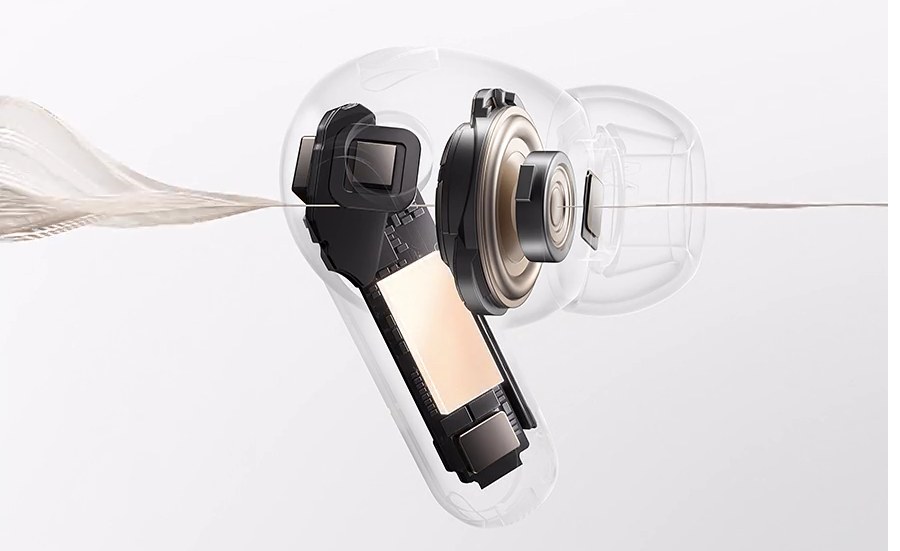
Samsung Galaxy S26 Ultra Upgrades & Features: What’s Actually New This Year?

Galaxy-S26-Ultra

With the Galaxy S26 Ultra, Samsung isn’t just pushing spec upgrades; it’s trying to redefine what a flagship phone should proactively do for you. This year’s Ultra focuses heavily on smarter AI, better video capabilities, and meaningful hardware tweaks rather than just bumping numbers. While it might look iterative at first glance, some of these additions are genuinely interesting.

A Slimmer Ultra Than Ever

Galaxy-S26-Ultra
Samsung Galaxy S26 Ultra

At just 7.9mm thick, the Galaxy S26 Ultra is the slimmest Ultra model Samsung has released to date. That might not sound dramatic, but in the world of large, camera-heavy flagships, shaving off thickness without sacrificing battery or thermals is a big deal. Despite the slimmer profile, the phone still packs top-tier hardware and doesn’t downsize the battery.

Built-In Privacy Display

One of the most anticipated additions is the new Privacy Display. This is the first time Samsung has integrated built-in privacy screen functionality directly into a flagship phone. Using a combination of hardware filtering and software controls, the display restricts viewing angles so that on-screen content is much harder to see from the sides.

Galaxy S26 Ultra privacy feature
Galaxy S26 Ultra’s privacy display feature

If you often work in cafés, airports, or public transport, this could be a genuinely practical feature. Unlike clip-on privacy protectors, this one is native and toggleable. It’s subtle, but it signals Samsung thinking beyond just brightness and resolution.

Snapdragon 8 Elite Gen 5 for Galaxy

Under the hood, the S26 Ultra runs on the custom Snapdragon 8 Elite Gen 5 Mobile Platform for Galaxy. As the name suggests, this version is tuned specifically for Samsung’s flagship. Performance improvements focus on sustained workloads rather than just peak benchmarks. That matters for gaming, 4K and 8K video recording, and AI-driven processing tasks that run continuously in the background. Thermal management has also been improved, which pairs well with the phone’s thinner design.

Camera Upgrades: Low Light and Pro Video

Samsung is clearly doubling down on mobile videography this year. The S26 Ultra features wider apertures across parts of its camera system, improving low-light photography. Night shots are brighter and cleaner, but the bigger story might be “Nightography Video.” Samsung claims significantly improved clarity in dim environments, reducing noise and maintaining detail when recording at night. Video stabilization also gets an upgrade through improved Super Steady technology, helping smooth out handheld footage without over-cropping.

Galaxy-S26-Ultra

Perhaps most notably, the S26 Ultra is the first Galaxy smartphone to support the Advanced Professional Video (APV) standard. This allows for more efficient compression while maintaining high video quality, which could be a big deal for content creators who want pro-grade results without enormous file sizes. Even the front-facing camera benefits from AI ISP improvements, promising more natural skin tones and better detail retention in mixed lighting.

Agentic AI

Samsung is branding its next phase of intelligence as “Agentic AI.” The idea is simple: instead of waiting for you to trigger features, the phone anticipates and assists. “Now Nudge” delivers contextual suggestions at relevant moments, while “Now Brief” provides real-time summaries and updates throughout the day. Think less reactive notifications and more proactive guidance.

Galaxy-S26-Ultra

Bixby has also evolved into a more conversational device agent. You can adjust settings, navigate menus, and manage tasks using natural language without needing to memorize specific commands. The goal is frictionless interaction.

Samsung has also expanded “Circle to Search” and deepened integrations with AI platforms like Gemini and Perplexity. Native AI photo editing tools have been refined as well, making object removal, generative fill, and scene adjustments more seamless.

Super Fast Charging 3.0

Charging gets a meaningful bump with Super Fast Charging 3.0. Using Samsung’s new 60W charger, the S26 Ultra can reportedly reach 75% in 30 minutes. That’s not industry-leading on paper, but it strikes a balance between speed and battery longevity. In an era where 200W charging exists, Samsung appears to be prioritizing sustained battery health over headline-grabbing numbers.

For more daily updates, please visit our News Section.

Don’t miss a thing! Join our Telegram community for instant updates and grab our free daily newsletter for the best tech stories!

The post Samsung Galaxy S26 Ultra Upgrades & Features: What’s Actually New This Year? appeared first on Gizmochina.
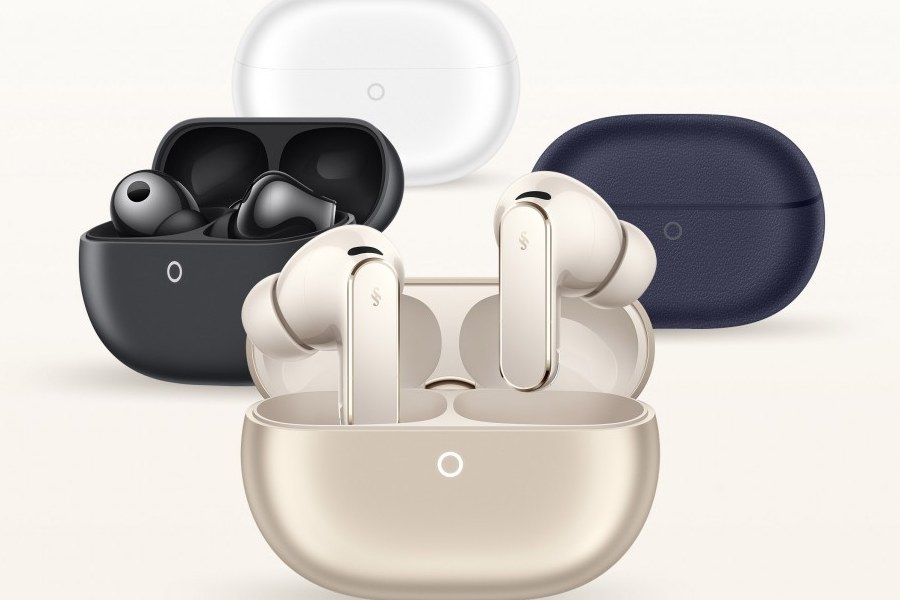
Samsung is finally adopting silicon-carbon battery, joining rivals

Samsung has never been the most aggressive player when it comes to battery innovation. While most of its rivals are chasing bigger numbers year after year, Samsung is definitely moving more cautiously. Now, though, a senior executive has confirmed that change is coming.

Speaking at a media roundtable ahead of Galaxy Unpacked 2026, Moon Sung-Hoon, Executive Vice President and Head of Samsung Electronics’ Smartphone R&D Team, said the company is actively preparing a smartphone that uses silicon-carbon anode battery technology. According to Moon, such a device will arrive “in due course,” suggesting the tech is progressing internally, even if it’s not ready for prime time just yet.

Silicon-carbon batteries have become increasingly common among Chinese smartphone brands. By replacing traditional graphite anodes with silicon-carbon composites, these batteries can store more lithium ions in the same physical space. The result? Much higher capacities without dramatically increasing thickness or weight.

Moon acknowledged that the company may appear slower than competitors in adopting newer battery chemistry, but emphasized that safety, durability, and long-term stability remain priorities. That caution is understandable given Samsung’s history, particularly the lessons learned from the Galaxy Note 7 incident years ago. New battery technologies must pass strict internal testing, especially in areas like swelling resistance, lifespan, and charge cycle reliability.

That conservative strategy is evident in the just-launched Galaxy S26 series. Only the base model received a modest battery bump, while the Galaxy S26 Ultra and its Plus sibling retained familiar capacity figures.

That said, Moon’s comments confirm that Samsung is not ignoring the shift toward silicon-carbon chemistry. It’s simply taking its time. With brands like Honor, Oppo, OnePlus, and Xiaomi pushing 7,000mAh-plus batteries and longer endurance, the pressure on Samsung is mounting.

For Galaxy fans who feel battery upgrades have been incremental in recent years, this could signal a more meaningful leap on the horizon. There’s no concrete launch timeline yet, but the direction is clear: Samsung is working on it.

Don’t miss a thing! Join our Telegram community for instant updates and grab our free daily newsletter for the best tech stories!

For more daily updates, please visit our News Section.

(Via)

The post Samsung is finally adopting silicon-carbon battery, joining rivals appeared first on Gizmochina.
Xiaomi launches Mijia Water Purifier 2 1200G with long-lasting 7-year RO system

Xiaomi-Mijia-Water-Purifier-2-1200G-launch-specs-price

Xiaomi has introduced a new high-capacity water purifier in China. The Mijia Water Purifier 2 1200G comes with a long-life reverse osmosis system and what it describes as baby-grade healthy water.

At the core of the device is a 7-year long-lasting RO system. The purifier uses a 12-page high-precision RO membrane paired with a PPC filter cartridge. It also introduces what the company calls “Zero Stagnant Water 3.0” technology, which is designed to reduce leftover water sitting inside the system between uses.

Xiaomi claims the purifier has received professional maternal and infant certification, and that the filtered water does not contain scale inhibitors. The rated total purification capacity is 6,500 liters.

A 7-year RO system with app control

The Mijia Water Purifier 2 1200G (model MR1282-A) supports a clean water flow rate of 3.2 liters per minute and operates at 180W. It works with inlet water pressure between 0.1 and 0.4 MPa and has a working pressure range of 0.4 to 0.9 MPa. The unit weighs 11.9kg and measures 163 × 445 × 379 mm.

On the smart side, the purifier includes an IPX7-rated waterproof faucet with touch controls for dispensing water. It can display real-time TDS (total dissolved solids) values and connects over 2.4GHz Wi-Fi (IEEE 802.11b/g/n). Through the Mijia app, users can remotely check water quality data and other system information.

The purifier is designed for use with municipal tap water that meets China’s GB 5749 standard. Xiaomi says the output water meets the requirements of the country’s hygiene and safety standards for reverse osmosis drinking water treatment devices.

The purifier is priced at 1,999 yuan (~ $290), though Xiaomi is offering a pre-sale price of 1,499 yuan (~ $299). Its first official sale is scheduled for March 7.

For more daily updates, please visit our News Section.

Stay ahead in tech! Join our Telegram community and sign up for our daily newsletter of top stories.

The post Xiaomi launches Mijia Water Purifier 2 1200G with long-lasting 7-year RO system appeared first on Gizmochina.
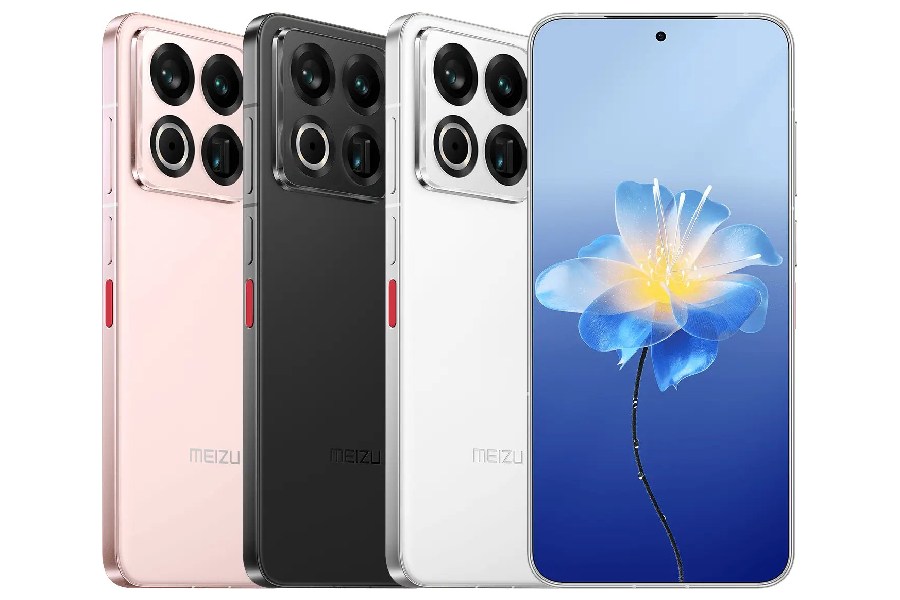
❌