Reading view

SAUDI ARABIA: Taste of Home Bridges Cultures, Chef Kapur Unveils Ancient Food Secrets, Inviting India to Journey

SAUDI ARABIA: Taste of Home Bridges Cultures, Chef Kapur Unveils Ancient Food Secrets, Inviting India to Journey

A familiar feeling warms the heart. This is the shared joy of a family meal. This intimate feeling was the essence of a major cultural event. The Saudi Tourism Authority (STA) created this new bridge. Their consumer brand is ‘Saudi, Welcome to Arabia.’ They hosted an exclusive culinary residency. It was called ‘The Saudi Table.’ This event took place at One8 Commune in Gurugram/Delhi-NCR.This was much more than a simple food showcase. It was a strategic cultural introduction. It highlighted Saudi Arabia dynamic food identity. The preview successfully gathered influential leaders. These included senior editors and hospitality leaders.

The main objective was clear. It was to celebrate Saudi Arabia’s evolving cuisine. It aimed to connect with Indian diners directly. The residency highlighted strong cultural ties. These connections span many centuries. This unique event will significantly boost cultural tourism. Diners experienced the very soul of the Kingdom.

A Feast of Connection

The residency was designed to be deeply communal. The entire format was unhurried. It perfectly mirrored Saudi hospitality traditions. This practice is known as ‘Hafawa.’ Hafawa means unmatched generosity and warmth. This concept strongly reflects India’s own ‘Atithi Devo Bhavah.’ The event celebrated this profound connection.

Chef Kunal Kapur spoke on this beautiful crossover. He explained Saudi is a land of wonders. It stretches from coral reefs to snowy peaks. Every corner tells a powerful story. These stories cover adventure and heritage. They especially focus on food traditions. Food is often passed down like a family heirloom.

Chef Kapur confirmed the strong link between India and Saudi. He said the nations share an appreciation for culture. They also share traditions and great food. The Saudi Table was a true celebration of this bond. The experience itself was a key gateway for tourists. It offered a deeper understanding of the destination.

The Chef’s Vision and Integrity

Chef Kunal Kapur curated the entire experience. He is recognized as a foremost culinary voice. His menu focused on integrity. It emphasized the provenance of all ingredients. His approach highlighted regional diversity. He steered entirely away from theatrical presentation. The focus was on showcasing authentic Saudi gastronomy.

The Chef’s curation showed great fidelity to the source. He foregrounded the architecture of the cuisine. It relies heavily on spice, not on excessive heat. It balances acidity with sweetness. The food also prefers texture over ornamentation. This style has a long-standing commitment to shared eating. This focus on authenticity appeals to cultural travellers.

Chef Kapur noted the unique qualities of the cuisine. He pointed out the cuisine’s confident, contemporary identity. Yet it deeply honors its ancient roots. He mentioned that Saudi cuisine is distinct. He highlighted that it is often wrongly grouped with other Middle Eastern food. The Kingdom offers unique produce. Ingredients like dates, wheat, and seafood are staples. The cooking techniques are mild and aromatic. They highlight the natural flavor of the produce. Simple techniques are used, like grilling and slow simmering.

Culinary Journey Highlights

The dining experience took guests on a structured journey. It began with a vibrant grazing table. This reflected the foundational elements of Saudi dining. Guests enjoyed dips, grains, greens, and breads.

The table featured a Kareef salad. It was brightened with pomegranate molasses. Guests also found Hijazi-style tabbouleh. There was also creamy wild za’atar labneh. The use of Madinah dates was prominent. They were featured in bites and a date-cardamom cake. These elements offered an insight into agricultural heritage.

A progression of small plates followed. These showcased everyday Saudi favorites. Dishes included aubergine-wrapped halloumi. There were delicious cheese sambusas. Guests also enjoyed blistered za’atar manakish. Lamb kawarma meatballs were a popular choice.

The large-format plates were ceremonial. They highlighted the abundance of Saudi hospitality. Signature dishes like Kabsa were served. The large Mansaf lamb plates were also prominent. Guests savored saffron rice with succulent seafood.

The evening concluded with exceptional desserts. These reflected the region’s characteristic sweetness. Guests enjoyed warm, crisp Kunafa. A fragrant rose-and-pistachio panna cotta was served. Delicate date-and-almond confections were also a treat.

Tourism’s New Flavor

The STA views this residency as a strategic move. Food is seen as the ultimate cultural text. It carries memory, migration, and identity. This is something no single landmark can achieve. The Saudi Table demonstrated this powerful link.

This initiative is set to significantly boost tourism from India. The residency introduced new, culinary-focused travel packages. These itineraries start at an accessible price. They are designed for travelers seeking cultural understanding. They invite guests to explore destinations through food. These trips focus on markets, traditions, and daily life.

New programs were highlighted for key destinations. The Riyadh program focuses on Najdi hospitality. It covers Diriyah’s restored quarters. It includes souks and desert dining experiences. The Diriyah and AlUla itineraries are also featured.

The Saudi Table experience reinforces the STA’s message. It shows Saudi Arabia as a truly multidimensional destination. Centuries of exchange have shaped its markets and culture. The cuisine is now a leading factor in attracting new travelers.

We all share a common human desire. We seek connection and new stories. The Saudi Table fulfilled this quest perfectly. It offered a tangible piece of Saudi life. Diners left with more than full stomachs. They gained a deeper, emotional understanding. The Kingdom’s invitation is now open. They offer a spread that feels both familiar and truly spectacular. They invite India to come and taste its incredible story.

The post SAUDI ARABIA: Taste of Home Bridges Cultures, Chef Kapur Unveils Ancient Food Secrets, Inviting India to Journey appeared first on Travel And Tour World.

Shangri-La Group Appoints Amr Dwidar To Drive Regional Travel Growth: Here’s What You Need To Know

Shangri-La Group Appoints Amr Dwidar To Drive Regional Travel Growth: Here’s What You Need To Know

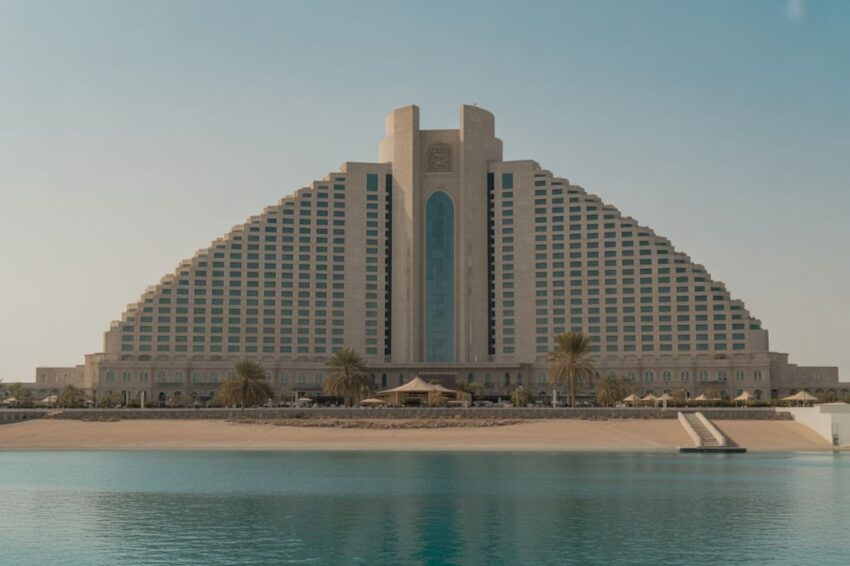
Shangri-La Group has made a bold statement in the Middle East’s flourishing travel business by appointing Amr Dwidar as the Global Sales Account Director for Saudi Arabia and Bahrain. The move is made while the travel industry is going through a transformation with historical sites, luxury and customized experiences, and hotel companies are also adopting the same strategy of building long-lasting relationships and understandably making that their priority over short-term profits.

For Shangri-La, whose ethos centres on heartfelt Asian hospitality, the appointment reflects a clear intention: to be closer to travellers, partners and destinations that are shaping the future of luxury travel in the Gulf.

A Strategic Appointment at a Pivotal Moment

With more than 18 years of experience across hospitality sales, marketing and business development, Dwidar brings a depth of regional and global expertise to the role. His career spans leadership positions with major international organisations, including Marriott International and the Saudi Tourism Authority, where he worked at the intersection of destination promotion and commercial growth.

According to the Group, his background in managing complex global RFPs, building strategic partnerships and delivering sustained revenue growth across the Middle East and Africa made him a natural fit for this newly focused role. Based in Riyadh, Dwidar will oversee government, corporate, travel trade and luxury segments across both Saudi Arabia and Bahrain.

What This Means for Travellers

From a traveller’s perspective, the appointment is less about titles and more about outcomes. Shangri-La Group has indicated that Dwidar’s mandate will translate into more tailored travel solutions, stronger airline and trade partnerships, and enhanced loyalty experiences for guests visiting or transiting through Saudi Arabia and Bahrain.

By leveraging data-driven insights and closer collaboration with travel agencies and luxury partners, Shangri-La aims to refine how journeys are curated from smoother corporate travel arrangements to more immersive leisure stays. For tourists, this could mean better packaged experiences, improved access to exclusive benefits through Shangri-La Circle, and a more seamless connection between destination storytelling and on-property service.

The Group’s official Shangri-La Circle platform highlights its focus on rewarding loyal guests with personalised privileges, cultural encounters and curated dining and wellness experiences. Strengthening sales leadership in the region is expected to accelerate the roll-out and visibility of these benefits for Middle East travellers.

Supporting Saudi Arabia and Bahrain’s Tourism Ambitions

Saudi Arabia and Bahrain are among the region’s fastest-growing tourism markets, each with distinct identities yet shared ambitions. Saudi Arabia’s Vision 2030 has opened doors to international leisure travel, while Bahrain continues to position itself as a refined, culture-rich destination with strong business and events appeal.

Dwidar’s role will involve aligning Shangri-La’s global standards with local market needs, ensuring that properties and partnerships resonate with both international visitors and regional travellers. The Group believes his relationship-led approach will help deepen ties with government entities and destination stakeholders, supporting broader tourism goals while enhancing hotel performance.

Enhancing Business Travel and Luxury Segments

Business travel remains a key pillar for Shangri-La in the Gulf, particularly in cities like Riyadh, Jeddah and Manama. The new appointment is expected to strengthen corporate engagement through customised contracts, value-added services and consistent service delivery across the Group’s global portfolio.

At the same time, luxury leisure travellers stand to benefit from more curated offerings. Shangri-La has long positioned itself at the intersection of comfort, culture and understated elegance, and the Group has suggested that renewed focus on the Saudi and Bahraini markets will bring bespoke experiences that reflect local heritage, alongside the brand’s signature Asian hospitality.

A Commitment to Long-Term Growth

Shangri-La Group has stated that the appointment underscores its commitment to building sustainable, long-term growth in the Middle East. Rather than chasing volume alone, the strategy centres on meaningful partnerships, loyalty-driven engagement and consistent brand storytelling across touchpoints.

Internally, the Group views Dwidar’s leadership as a catalyst for closer alignment between regional sales teams and global objectives, ensuring that the Middle East continues to play a significant role in Shangri-La’s worldwide network of over 90 deluxe hotels and resorts.

Looking Ahead

Shangri-La’s strategy to target Saudi Arabia and Bahrain once again is very intelligent since more and more tourists are looking for genuine experiences coupled with luxury. The Group is on the right course with the appointment of Amr Dwidar as head of regional global sales, as this will allow more intuitive awareness of market changes and guest demands.

For the guests, the effect will most probably be experienced in less noisy but more profound ways, easier trips, more tailored accommodations, and impressions that last longer than the checkout time. In an area that is changing the perception of its position on the world travel map, the recent recruitment of Shangri-La speaks of the conviction that wise management can transform dreams into unforgettable travel experiences.

The post Shangri-La Group Appoints Amr Dwidar To Drive Regional Travel Growth: Here’s What You Need To Know appeared first on Travel And Tour World.

India, Saudi Arabia, Israel, Italy, Spain A Journey Through History’s Most Sacred Religious Tourism Destinations That Will Leave You Breathless and Inspired: What Travelers Need to Know Now

India, Saudi Arabia, Israel, Italy, Spain A Journey Through History’s Most Sacred Religious Tourism Destinations That Will Leave You Breathless and Inspired: What Travelers Need to Know Now

Religious tourism, a fast-growing niche in the global travel industry, is projected to experience exponential growth in the coming years. Estimated at USD 1,380.52 billion in 2025, the market is set to reach an impressive USD 2,175.09 billion by 2032. This surge presents an exciting opportunity for destinations, travel agencies, and businesses to capitalize on the growing demand.

Religious tourism is a unique sector of the travel industry, encompassing journeys motivated by spiritual, religious, or pilgrimage purposes. Travelers from various faiths around the world seek sacred sites, historic temples, and religious festivals that form the cornerstone of this market segment. With increasing investment, technological advancements, and shifting regional dynamics, the religious tourism sector is evolving at a rapid pace. The following report delves into the key drivers, market segmentation, and strategic growth opportunities that will shape the religious tourism market from 2025 to 2032.

Key Insights and Market Dynamics

The religious tourism market is defined by several core factors that will drive its growth over the next decade:

  • Market Size and Forecast: The market is poised for a significant expansion, with a compounded annual growth rate (CAGR) of over 7% from 2025 to 2032.
  • Investment Trends: Emerging regions, particularly in Asia and the Middle East, are seeing increased investments in infrastructure and services aimed at catering to religious tourists.
  • Technological Advancements: Digital tools and apps are enhancing the experience of religious tourism by providing virtual tours, booking services, and real-time information to pilgrims and travelers.
  • Regional Growth: North America, Europe, and Asia-Pacific will remain pivotal regions for religious tourism, with countries like India, Israel, Saudi Arabia, and Italy being major players in this sector.

Growing Demand for Religious Tourism Across Faiths

The religious tourism market is diverse, with significant demand coming from travelers of different religious affiliations. The key segments include:

  • Christian Pilgrimages: Destinations such as the Vatican, Lourdes, and Bethlehem continue to attract millions of Christian pilgrims annually. Events like the World Youth Day and religious festivals fuel demand.
  • Islamic Pilgrimages: The Hajj pilgrimage to Mecca is one of the largest annual religious gatherings in the world, contributing significantly to the religious tourism market. The Islamic faith also drives tourism to cities such as Medina and Istanbul.
  • Hindu Pilgrimages: India is a hotspot for Hindu pilgrims, with significant destinations like Varanasi, Rishikesh, and Tirupati drawing millions of devotees every year.
  • Buddhist and Jain Pilgrimages: Lumbini in Nepal, Bodh Gaya in India, and other key Buddhist and Jain sacred sites are attracting increasing numbers of visitors.
  • Other Faiths: Destinations related to other faiths, such as Sikhism in Amritsar or Judaism in Jerusalem, also contribute to the expanding religious tourism market.

Strategic Coverage: Investment Hotspots and Regional Dynamics

As the demand for religious tourism grows, several regions are emerging as key investment hotspots. These regions are evolving rapidly, catering to the unique needs of religious travelers while promoting sustainability and heritage conservation.

  1. North America:
    • The United States, particularly through destinations like the National Shrine of Our Lady of La Leche in Florida and the Shrine of Our Lady of Guadalupe in Wisconsin, has seen an uptick in Catholic pilgrims.
    • Canada’s increasing interest in indigenous spiritual tourism is adding a unique dimension to the country’s religious tourism appeal.
  2. Europe:
    • European nations such as Spain (Santiago de Compostela), Italy (Vatican City), and France (Lourdes) continue to remain central to the Catholic pilgrimage routes.
    • Eastern Europe’s religious tourism is also growing, with Poland, Serbia, and Romania offering a rich history of Orthodox Christianity.
  3. Asia-Pacific:
    • India remains a major destination for Hindu and Jain pilgrims, with the country’s temples and holy sites consistently attracting millions each year.
    • China is also experiencing growth in Buddhist and Taoist tourism, with sacred sites like Mount Wutai and the Shaolin Temple gaining increasing attention from international tourists.
  4. Middle East & Africa:
    • Saudi Arabia’s investment in religious tourism, particularly through projects to accommodate Muslim pilgrims for Hajj and Umrah, is poised to redefine the landscape of religious travel.
    • Israel continues to serve as a central destination for Jewish, Christian, and Muslim pilgrims, with Jerusalem being the focal point of many religious journeys.

Future Projections: Key Growth Drivers

The future of religious tourism will be shaped by several factors:

  • Sustainability and Eco-tourism: As religious sites face increasing foot traffic, there will be a push towards sustainable tourism practices. This includes eco-friendly travel options, waste management, and responsible pilgrimages that conserve the cultural and environmental integrity of sacred sites.
  • Aging Populations: As the global population ages, older travelers will seek religious tourism experiences that cater to their needs, such as accessible transport and accommodations.
  • Technology Integration: Innovations such as virtual pilgrimage experiences, mobile apps for booking and planning, and augmented reality at religious sites will enhance the pilgrimage journey.
  • Cultural Preservation: Governments and local authorities will increasingly prioritize the conservation of religious heritage sites, leading to enhanced funding for restoration and maintenance projects.

Market Segmentation: Type, Application, and Region

The religious tourism market is segmented in various ways, which helps industry stakeholders identify key trends and opportunities:

  • By Type:
    • Catholicism: Pilgrimages to places like the Vatican, Lourdes, and Fatima.
    • Islam: Hajj pilgrimage and other religious sites in Saudi Arabia, Iran, and Turkey.
    • Buddhism: Holy sites such as Bodh Gaya and Lumbini.
    • Hinduism: Temples and holy cities such as Varanasi and Puri.
    • Confucianism and Others: Sacred sites across East Asia, including temples and shrines dedicated to Confucius.
  • By Age Group:
    • Under 20 years: Pilgrimages taken with family or as part of educational trips.
    • 20-30 years: Young adults seeking spiritual experiences or cultural engagement.
    • 30-40 years: Families looking for meaningful cultural and spiritual journeys.
    • 40-50 years: Older adults seeking rejuvenating spiritual experiences.
    • Above 50 years: Seniors interested in slow, meditative pilgrimages.
  • By Region:
    • North America: U.S., Canada, and Mexico dominate this region.
    • Europe: Spain, Italy, and the UK have significant religious tourism traffic.
    • Asia-Pacific: India, China, and Japan are key players in this market.
    • Middle East & Africa: Saudi Arabia, Turkey, and Egypt are vital destinations for Islamic and Christian pilgrims.

Why Religious Tourism Matters

Religious tourism is more than just a sector of the travel industry—it’s a deep cultural, spiritual, and social phenomenon that shapes the way millions of people experience the world. By providing access to sacred spaces, unique rituals, and centuries-old traditions, religious tourism plays an integral role in fostering peace, understanding, and respect among different cultures and faiths.

Why Buy This Report

This report provides invaluable insights into the evolving landscape of the religious tourism market. By examining emerging trends, investment opportunities, and market forecasts, businesses can gain a strategic advantage in a sector poised for growth. Stakeholders can identify key segments, regions, and players to help refine marketing strategies and investment decisions. Additionally, detailed profiles of leading companies allow businesses to benchmark their performance against competitors, offering further insight into successful strategies in religious tourism.

The post India, Saudi Arabia, Israel, Italy, Spain A Journey Through History’s Most Sacred Religious Tourism Destinations That Will Leave You Breathless and Inspired: What Travelers Need to Know Now appeared first on Travel And Tour World.

Explore Hail: Saudi Arabia’s Hidden Gem for Cultural and Eco-Tourism

Explore Hail: Saudi Arabia’s Hidden Gem for Cultural and Eco-Tourism

The Hail Region in Saudi Arabia is experiencing rapid tourism growth, with over 3 million visitors arriving in the first half of 2025. Known for its strategic location, diverse landscape, and favorable climate, the region offers a unique combination of natural beauty, cultural heritage, and modern infrastructure that has made it a prime destination for both domestic and international tourists.

Tourism growth in Hail has been propelled by several key factors, including events, festivals, and the increasing recognition of the region’s UNESCO World Heritage Sites. Notable attractions such as the Jabal Umm Sinman in Jubbah and the Shuwaymis rock carvings are drawing more visitors than ever, contributing to the growth of the region’s hospitality and service industries.

Hail’s Natural and Cultural Appeal

Hail, located in the north of Saudi Arabia, is known for its diverse landscape, which includes rocky mountains, sand dunes, oases, and historical landmarks. This varied terrain makes the region an ideal destination for outdoor enthusiasts seeking adventure tourism. Hiking, off-road driving, and desert safaris are some of the popular activities that attract tourists, particularly those interested in exploring the natural wonders of the area.

The region is also rich in cultural heritage, with a number of ancient sites that offer a window into Saudi Arabia’s past. The Jubbah rock art site, home to the famous Shuwaymis rock carvings, is one of the most significant archaeological sites in the region. These ancient carvings, which date back thousands of years, depict scenes of wildlife, human figures, and rituals, offering valuable insights into early human civilization.

Jabal Umm Sinman, also located in Jubbah, is another key attraction, recognized as a UNESCO World Heritage Site. The mountain is famous for its prehistoric petroglyphs and its breathtaking views, drawing visitors interested in both history and nature. These heritage sites are not only cultural treasures but also act as major tourist draws, further cementing Hail’s status as a heritage and adventure tourism destination.

Festivals and Events Drive Visitor Numbers

In addition to its natural and cultural assets, the tourism boom in Hail has been significantly fueled by a variety of events and festivals. These celebrations, which showcase the region’s traditions and modern entertainment, have become central to the city’s tourism appeal. Visitors flock to Hail to experience its local festivals, such as the Hail International Rally, an annual event that attracts car enthusiasts and motorsport fans from around the world.

The Hail Festival, which takes place annually, is another highlight. Featuring music, traditional dance, local cuisine, and arts and crafts, the festival brings together people from across the Kingdom and beyond. This event offers a taste of Hail’s cultural identity while also offering entertainment and activities for families, further boosting the tourism sector.

Hail has also invested in convention and exhibition infrastructure, allowing the region to host international events in sectors such as agriculture, technology, and business development. This diversification of offerings is attracting not only leisure tourists but also business travelers, making the region a versatile destination for both work and play.

Strategic Development for Tourism and Local Economy

The Hail Region’s strategic location has played a crucial role in its tourism success. Positioned along important trade routes, the area has always been a hub for commerce and interaction. With continued investments in transportation, the region is becoming increasingly accessible to travelers from across Saudi Arabia and abroad.

Hail’s tourism sector is supported by ongoing efforts from the Saudi Tourism Authority and local government bodies to promote the region as a global travel destination. Investments in tourism infrastructure, including hotels, restaurants, transport services, and visitor centers, are helping to accommodate the increasing flow of tourists. The improvement of road networks and the expansion of air travel connections are also key factors that have made Hail more accessible to visitors from all over the world.

Economic Impact of Tourism in Hail

Tourism in Hail has become a significant driver of the local economy. As the number of visitors continues to rise, the region is seeing increased spending on accommodation, food and beverages, local tours, and transportation services. This increase in tourism-related expenditure supports the hospitality industry, retail businesses, and tour operators in the region, creating jobs and contributing to economic growth.

Local communities are also benefiting from the tourism surge, with many businesses adapting to meet the needs of visitors. From small artisans selling local crafts to tour guides providing cultural and historical insights, tourism is helping to promote local entrepreneurship and enhance the visitor experience.

Looking Ahead: Tourism Growth in Hail

With the ongoing success of tourism in Hail and the implementation of long-term development plans, the region is poised for continued growth. The Saudi government’s Vision 2030 initiative aims to diversify the Kingdom’s economy by promoting tourism as a key sector. This aligns with Hail’s goal of becoming a major hub for eco-tourism, heritage tourism, and adventure travel, capitalizing on its unique landscapes, rich history, and vibrant cultural scene.

As Hail continues to develop its infrastructure and expand its tourism offerings, the city will remain an important destination for visitors seeking to experience the best of Saudi Arabia’s natural beauty and cultural heritage.

Conclusion

The Hail Region is poised to become one of Saudi Arabia’s most sought-after tourism destinations. With its combination of natural landscapes, cultural treasures, and vibrant festivals, Hail offers an experience that appeals to a wide range of travelers. As the city continues to grow and modernize its tourism infrastructure, it is set to become a major player in the Middle East’s burgeoning travel sector.

The post Explore Hail: Saudi Arabia’s Hidden Gem for Cultural and Eco-Tourism appeared first on Travel And Tour World.

Finland Joins Saudi Arabia, Costa Rica, and New Zealand in Making Tourism a Source of Restoration— A New Vision for Travel in 2025 and Beyond

Finland Joins Saudi Arabia, Costa Rica, and New Zealand in Making Tourism a Source of Restoration— A New Vision for Travel in 2025 and Beyond
Finland Joins Saudi Arabia, Costa Rica, and New Zealand

As global tourism continues to grow, the focus is shifting from simply sustaining destinations to regenerating them—a concept known as regenerative tourism. New Zealand, Costa Rica, Saudi Arabia, and Finland are at the forefront of this transformation, aiming not just to reduce the negative impacts of tourism but to actively restore and enhance the natural, cultural, and social capital of the places that attract visitors. This holistic approach goes beyond sustainability by creating net positive effects on the environment and local communities.

But what is regenerative tourism? In simple terms, it’s a tourism model that ensures travel destinations benefit from the industry, enriching the local environment, culture, and economy. Unlike sustainability, which focuses on reducing the negative effects of tourism, regenerative tourism actively works towards environmental restoration, cultural preservation, and community empowerment. While this concept is still evolving, several countries have made official commitments to embed regenerative practices in their tourism strategies, offering a model for others to follow.

What Is Regenerative Tourism?

Regenerative tourism isn’t just about minimizing harm—it’s about giving back more than it takes. It strives to restore ecosystems, revitalize local cultures, and empower communities through tourism. The goal is to create a positive feedback loop where tourism enhances the very things that attract visitors in the first place, such as natural landscapes, cultural heritage, and social well-being.

Despite its promising potential, measuring regenerative outcomes is still a challenge. Governments are working to develop metrics and standards for regenerative tourism, but these are not yet universally standardized. While some countries have made notable progress, much of the data available is linked to broader sustainable tourism or economic and environmental impact initiatives rather than directly to regenerative metrics.

New Zealand — Leading the Way in Regenerative Tourism

Government Stance and Key Initiatives

New Zealand is recognized as a global leader in regenerative tourism, with the government taking explicit steps to embed this concept into its official strategy. The Ministry of Business, Innovation & Employment (MBIE) and Tourism New Zealand have prioritized the transition to a regenerative tourism model.

The goal is clear: to ensure tourism protects, restores, and champions the country’s natural environment, culture, and heritage. This vision is part of New Zealand’s broader tourism strategy, known as the Tourism Growth Roadmap.

One of the core initiatives under this strategy is the Tiaki Promise, a government-backed pledge encouraging both visitors and locals to commit to caring for the land (whenua), sea, and nature. The word Tiaki means “to care and protect” in the Māori language, underscoring the deep cultural connection to the environment.

Key Statistics

  • Tiaki Promise Awareness: 22% of the domestic population is aware of the Tiaki Promise, demonstrating a successful push to promote regenerative thinking among locals.
  • Tourism Sector Productivity: Tourism GDP accounted for ~5.5% of New Zealand’s total GDP pre-pandemic, with a shift from visitor volume to value per visitor being a key focus.
  • Protected Areas: Over 30% of New Zealand’s land area is protected, providing a solid ecological foundation for restoration efforts.

Top Tourist Attractions in New Zealand

  1. Fiordland National Park – A UNESCO World Heritage site with stunning fjords and pristine landscapes.
  2. Rotorua – Known for its geothermal activity and Māori cultural experiences.
  3. Aoraki/Mount Cook National Park – Famous for its towering peaks and alpine beauty.
  4. Bay of Islands – A picturesque region with rich history, ideal for sailing and exploration.
  5. Tongariro National Park – A dual UNESCO World Heritage site, renowned for its volcanic landscapes.

Costa Rica — A Pioneer in Ecotourism Now Moving Towards Regeneration

Government Stance and Key Initiatives

Costa Rica is well-known for its decades-long focus on ecotourism, but the country is now transitioning towards a more explicitly regenerative model. The Costa Rican Tourism Institute (ICT) has been pivotal in this shift, aiming to make the country a key destination for regenerative tourism.

Costa Rica’s commitment to regenerative practices is most evident through its Certification for Sustainable Tourism (CST) program. While the CST has been around for years, its criteria are now being applied to fund businesses that actively contribute to conservation, community development, and regenerative outcomes.

Key Statistics

  • Forest Cover: Over 52% of Costa Rica’s territory is covered by forests, and the country is a global leader in reforestation and ecological restoration.
  • Renewable Energy: Nearly 100% of Costa Rica’s electricity comes from renewable sources such as hydro, geothermal, and solar, ensuring a minimal carbon footprint.
  • Tourism Sector Contribution: Tourism accounts for ~6.3% of Costa Rica’s GDP, which supports a low-impact, nature-focused tourism model.

Top Tourist Attractions in Costa Rica

  1. Manuel Antonio National Park – Known for its wildlife, beaches, and forest trails.
  2. Monteverde Cloud Forest – A biodiversity hotspot perfect for hiking and nature tours.
  3. Arenal Volcano – Famous for its geothermal activity and hot springs.
  4. Corcovado National Park – One of the most biodiverse places on Earth.
  5. Tortuguero National Park – A protected area known for its turtle nesting sites and vibrant ecosystems.

Saudi Arabia — Vision 2030’s Regenerative Tourism Projects

Government Stance and Key Initiatives

Saudi Arabia is using massive state funding to develop entirely new, regenerative tourism destinations under its Vision 2030 plan. The government’s Red Sea Global (RSG) initiative, formerly the TRSDC (The Red Sea Development Company), is building luxury resorts and destinations with an explicit mandate to be regenerative, going beyond sustainability to create a “Nature-Positive” tourism model.

By 2040, Saudi Arabia aims for a 30% net positive conservation benefit, ensuring that its tourism projects not only protect but also enhance the environment.

Key Statistics

  • Net Conservation Benefit: Saudi Arabia’s goal is a 30% net positive conservation benefit by 2040, focusing on ecosystem restoration such as mangrove planting and habitat enhancement.
  • Tourism Share of GDP: The country aims to increase tourism’s contribution to its GDP from ~3% to 10% by 2030, aligning economic growth with environmental goals.
  • Biodiversity Restoration: 50,000 m² of new coral reefs are being created and restored in the Red Sea.

Top Tourist Attractions in Saudi Arabia

  1. Al-Ula – A UNESCO World Heritage site known for its ancient rock art and tombs.
  2. The Red Sea Project – A luxury resort area built with regenerative principles.
  3. Riyadh’s National Museum – Showcasing the kingdom’s rich history and culture.
  4. Diriyah – A historical district of Riyadh, being restored to highlight Saudi heritage.
  5. Al Khobar Beaches – Popular for water activities and relaxing retreats.

Finland — Sustainable Travel and Regenerative Practices Through National Certification

Government Stance and Key Initiatives

Finland has integrated regenerative tourism through the Sustainable Travel Finland (STF) Label, a national program that promotes environmental and social responsibility. Visit Finland and Business Finland have led the way in ensuring that all destinations labeled under STF adhere to high standards of cultural preservation, community collaboration, and environmental stewardship.

Key Statistics

  • Certified Destinations: Over 100 companies and 13 destinations have been certified through the STF program, demonstrating the widespread adoption of regenerative practices.
  • Visitor Satisfaction: Finland consistently ranks high in visitor satisfaction and safety, which aligns with its regenerative tourism goals.

Top Tourist Attractions in Finland

  1. Lapland – Famous for the Northern Lights and its connection to Santa Claus.
  2. Helsinki – A vibrant city known for its art, architecture, and natural beauty.
  3. Lake Saimaa – Offers serene landscapes perfect for boating and hiking.
  4. Rovaniemi – The official home of Santa Claus and a gateway to Arctic adventures.
  5. Turku Archipelago – A stunning group of islands ideal for outdoor activities.

Conclusion: A Global Shift Towards Regenerative Tourism

Countries like New Zealand, Costa Rica, Saudi Arabia, and Finland are leading the regenerative tourism movement, with official commitments to make tourism a force for environmental restoration, cultural preservation, and community empowerment. These nations are setting a new standard for sustainable travel, demonstrating that tourism can enrich both the environment and the local economy when it’s done right.

As the industry evolves, regenerative tourism is expected to grow, with more destinations adopting these principles. While the metrics for regeneration remain in development, the initial successes in these pioneering nations provide a blueprint for others to follow, ensuring that tourism can leave a positive, lasting impact on the world.

The post Finland Joins Saudi Arabia, Costa Rica, and New Zealand in Making Tourism a Source of Restoration— A New Vision for Travel in 2025 and Beyond appeared first on Travel And Tour World.
$15M fund to support Indian startups in Saudi Arabia

India Accelerator (IA), India’s leading multi-stage, fund-led accelerator, is set to launch its accelerator program in Saudi Arabia, backed by a dedicated $15 million fund to support Indian startups entering and scaling in the Kingdom. The initiative is supported by the National Technology Development Program’s (NTDP) Empowering Accelerators product, advancing Saudi Arabia’s growing innovation mandate under Vision 2030.

The initiative will focus on startups across AI, Sustainability, Electric Mobility (EV), PropTech, and DeepTech- sectors closely aligned with the Kingdom’s Vision 2030 priorities and NTDP’s mission to accelerate technology-led economic transformation.

The first cohort, scheduled for launch in March 2026, will support 8–10 high-potential startups, providing them with structured market-entry support, regulatory guidance, access to local partnerships, and investor connectivity. Applications for the inaugural batch opened on December 8, 2025, and remained open until February 28, 2026.

Ashish Bhatia, Founder, India Accelerator, said: “Saudi Arabia is emerging as one of the world’s most forward-looking innovation markets. Through this partnership with NTDP, we aim to offer Indian startups a trusted, structured pathway to scale in the Kingdom. This collaboration reinforces our commitment to enabling cross-border expansion and building meaningful linkages with global innovation ecosystems.”

Ibrahim Neyaz, CEO of the National Technology Development Program (NTDP), added: “Saudi Arabia and India are home to two advanced startup ecosystems. Through our partnership with India Accelerator, we are opening new pathways that enable Indian entrepreneurs to collaborate with Saudi partners, tap into the Kingdom’s evolving technology and investment landscape, and contribute to the growth of its digital economy. This partnership strengthens the connection between our ecosystems and helps deepen long-term collaboration between the two countries in technology and investment.”

The partnership with NTDP establishes a strong foundation for deeper engagement across the GCC, expanding India Accelerator’s global footprint and advancing its mission to support founders beyond domestic markets.

The National Technology Development Program (NTDP) is a flagship initiative of Saudi Arabia, dedicated to accelerating the Kingdom’s digital economy and positioning it as a global hub for emerging technologies. NTDP drives growth by enabling startups and technology companies through strategic funding, international partnerships, policy integration, and talent development.

Through Products spanning venture financing, incubation and acceleration, R&D-industry collaborations, and global scaling programs, NTDP empowers local and international entrepreneurs to innovate and expand from Saudi Arabia to the world. Aligned with Vision 2030, NTDP is unlocking opportunities in deep tech including AI, robotics, semiconductors, health, and sustainability; while catalyzing job creation, investment, and GDP growth.

India Accelerator (IA), the country’s preeminent seed-stage startup accelerator, and the recipient of the “Best Accelerator of the Country” award from Start-up India in 2022. Our commitment to fostering innovation and supporting upcoming founders has consistently positioned us at the forefront of the Indian start-up ecosystem. Along with the Accelerator, we are also very active in early-stage investments through its Joint Venture ‘Finvolve’ and its 3 AIFs & a Gift City Fund. IA is not just about funding; it is a holistic ecosystem enhancer that provides startups with the necessary tools, mentorship, and network to thrive in the competitive landscape.

The post $15M fund to support Indian startups in Saudi Arabia appeared first on My Startup World - Everything About the World of Startups!.

Ajdan Island Project: Saudi Arabia’s New Tourism Destination in Al-Khobar Nears Development

Ajdan Island Project: Saudi Arabia’s New Tourism Destination in Al-Khobar Nears Development

On Sunday, December 15, 2025, a historic deal was inked to launch an $80 million Ajdan Island tourist project in Al-Khobar Corniche. The deal, which took place through a collaborative effort among a Saudi Arabia Tourism Development Fund, Eastern Region’s Municipality, and Ajdan Real Estate Development Company, symbolizes a major step forward towards achieving a vision to support developing tourism within Saudi Arabia. Saudi Arabia’s Eastern region is soon to experience a new dawn in developing a tourist industry with a project valued at over SAR 300 million with a total cost of approximately $80 million in a bid to rename Al-Khobar Water Tower to a tourist site.

Project Overview: A Vision for Al-Khobar’s Transformation

The project will develop the Al-Khobar Water Tower area into a comprehensive and integrated tourist destination, complete with state-of-the-art facilities and services that will make it a major draw for both local and international visitors. The plan includes world-class restaurants, seafront cafés, entertainment spaces, and a fully integrated commercial zone. A unique feature of the development will be a panoramic restaurant that will offer stunning views of the Al-Khobar area, making it an iconic landmark on the Corniche.

This development aligns with Saudi Arabia’s Vision 2030 goals of diversifying the economy, particularly by expanding the tourism sector and creating a robust infrastructure for both domestic and international tourism. The development will not only revamp the Al-Khobar Corniche but also place Saudi Arabia’s Eastern Region on the global tourism map as a destination that combines modern luxury with authentic cultural experiences.

Government Support and Vision 2030: Fueling Growth in Saudi Tourism

The signing ceremony, which took place in Dammam, was sponsored by Prince Saud bin Naif bin Abdulaziz, the Governor of the Eastern Region. During the ceremony, the Governor emphasized the critical importance of the tourism sector in driving the Kingdom’s economic growth and diversifying sources of income. The support of Saudi Arabia’s leadership, including Custodian of the Two Holy Mosques King Salman bin Abdulaziz Al Saud and Crown Prince Mohammed bin Salman bin Abdulaziz, has been instrumental in transforming the country’s tourism vision into reality.

Minister of Tourism and Chairman of the Tourism Development Fund, Ahmed Al-Khateeb, also attended the signing. He highlighted that the Ajdan Island project would further enhance the Kingdom’s efforts to position itself as a global tourism hub. It is also a key component of Saudi Arabia’s broader strategy to increase tourism investments and attract international travelers, creating jobs and boosting the national economy.

Economic Impact: Tourism as a Key Growth Engine

The Ajdan Island development is expected to have a transformative effect on both the local economy and the broader Saudi tourism industry. With a total value exceeding SAR 300 million, this initiative will contribute significantly to the region’s economic growth by fostering job creation, attracting tourists, and generating investment in local businesses. The tourism sector in Saudi Arabia has already seen considerable growth, and the Ajdan Island project is a critical piece of this expansion. As part of the Tourism Development Fund’s growing portfolio, which now surpasses SAR 12.7 billion, the project represents a major investment in the country’s tourism infrastructure.

The project will create a variety of job opportunities, both directly in the tourism and hospitality sectors and indirectly through the wider economic activities it generates. The addition of high-end restaurants, cafés, and entertainment facilities will require skilled labor, creating thousands of job opportunities for locals. Additionally, the development will boost tourism-related services such as transportation, retail, and local tour operations, offering new employment prospects for the region’s residents.

Ajdan Island: A New Tourist Destination in Saudi Arabia

The development of Ajdan Island promises to be a key addition to Al-Khobar’s already popular tourist destinations. The Corniche, a scenic waterfront area, has long been a favorite among residents and visitors alike, but the addition of world-class facilities will undoubtedly elevate it to a new level. The integration of various attractions, such as the panoramic restaurant and seafront cafés, will offer a diverse range of experiences for tourists, from dining and shopping to leisure activities and entertainment.

The project’s focus on creating a well-rounded tourism experience will appeal to a broad spectrum of travelers, including those seeking luxury, cultural experiences, and family-friendly activities. The Al-Khobar Water Tower area’s transformation will also create a new focal point for tourism in the Eastern Region, offering both locals and tourists a modern space that reflects Saudi Arabia’s growing tourism ambitions.

Cultural and Tourism Synergy: A Unique Blend of Modernity and Tradition

Ajdan Island will not just cater to luxury tourists but will also celebrate Saudi Arabia’s rich cultural heritage, blending modern development with traditional elements. The design of the project will incorporate aspects of the region’s history and culture, offering visitors an authentic experience that goes beyond just shopping and dining. This approach aligns with Saudi Arabia’s broader tourism strategy of preserving cultural traditions while embracing modernity to create diverse travel experiences.

The tourism development is expected to boost Al-Khobar’s position as one of the leading tourist destinations in Saudi Arabia. The city has already been known for its coastal beauty, but with the addition of this integrated, world-class tourism hub, it will become an even more appealing option for both international and domestic tourists.

Collaboration and Future Prospects: A Model for Regional Development

The successful signing of this agreement underscores the importance of cooperation between public and private sectors in realizing Saudi Arabia’s ambitious tourism goals. Eastern Region Municipality’s Mayor, Fahad Al-Jubeir, also expressed his enthusiasm for the project’s potential impact, noting that it would play a significant role in the development of tourism infrastructure and services in the region.

Al-Jubeir stressed the importance of the tourism sector in regional development, noting that projects like Ajdan Island will enhance the local economy, improve service quality, and create more job opportunities for the residents of the Eastern Region. The collaboration between the Eastern Region Municipality, Ajdan Real Estate Development Company, and the Tourism Development Fund is a model for the kinds of public-private partnerships that will be crucial in expanding Saudi Arabia’s tourism sector.

Transforming Al-Khobar into a Global Tourism Destination

The Ajdan Island tourism investment project, with a budget of $80 million, is an important step towards making Saudi Arabia a tourist hub in the global arena. The project aims to transform the Water Tower area in Al-Khobar into a tourist hub and will prove to be a major factor in impacting the regional economy and development in general.

The Ajdan Island project is one such project that receives immense government support and is a shining example of an initiative in line with the Kingdom’s Vision 2030 strategy. Apart from enriching Saudi tourist life, this project will also have a positive impact on local communities by providing jobs. As this project continues to gain momentum, it will go on to become an important part of a future Saudi Arabia where it will become one of the major tourist destinations in the world.

The post Ajdan Island Project: Saudi Arabia’s New Tourism Destination in Al-Khobar Nears Development appeared first on Travel And Tour World.

Goldman Sachs opens new office in Riyadh

Goldman Sachs today announced the official opening of its new office and regional headquarters (RHQ) in Riyadh, Kingdom of Saudi Arabia. Located in the King Abdullah Financial District (KAFD), the new office reflects the firm’s ongoing commitment to Saudi Arabia and gives Goldman Sachs the capacity to grow its presence in the Kingdom. Goldman Sachs has had a presence in Saudi Arabia since 2008.

Anthony Gutman, Co-CEO of Goldman Sachs International & Co-Global head of Investment Banking: “The opening of this new office underscores our belief in Saudi Arabia’s transformative journey under Vision 2030 and its rapidly evolving economy. We are committed to contributing to Saudi Arabia’s economic transformation efforts, by continuing our role as an enabler of the import of world-class expertise, human capital and financial capital that meet the evolving needs of the Saudi market.”

Omar Alzaim, CEO Goldman Sachs Saudi Arabia: “This is an important milestone for Goldman Sachs in Saudi Arabia where we continue to expand our local presence since our establishment in 2008. Today’s opening of our new office underscores our unwavering commitment to Saudi Arabia, our ambitious growth plans, and the considerable opportunities we see for doing business within the Kingdom in our four main businesses of investment banking, markets, asset and wealth management.”

Sultan Alobaida, Chief Commercial Officer of King Abdullah Financial District Development and Management Company: “We are excited to welcome Goldman Sachs to KAFD as we expand our community of prestigious global and local institutions. As the business spine of the Kingdom, KAFD continues to be a leading destination for businesses establishing regional headquarters in Saudi Arabia, shaping a world-class business ecosystem aligned with Saudi Vision 2030.”


The post Goldman Sachs opens new office in Riyadh appeared first on My Startup World - Everything About the World of Startups!.

Qwacks raises SAR 1.8 million from Merak Capital

Qwacks, a Saudi gaming technology startup building next-generation tools for game developers, has raised SAR 1.8 million in pre-seed funding from Merak Capital, a Saudi-based investment firm licensed by the Capital Market Authority. The investment marks a significant milestone for one of the earliest companies in Saudi Arabia focused on developing core technology for game creation and live operations.

As the Kingdom’s game development ecosystem expands, demand for advanced infrastructure and developer-focused tooling is emerging rapidly. Local studios are seeking platforms that help them build, test, and scale their projects more efficiently, creating a growing need for homegrown technology that supports this shift from consumer participation toward production and creation.

Founded in 2024, Qwacks is developing a unified technology layer designed to streamline the entire lifecycle of game development. The platform includes three complementary products: Flock, a scalable Backend-as-a-Service for online and multiplayer games; Protokite, an AI-enhanced playtesting system that connects developers with real players; and DataDuck, a market intelligence engine that aggregates data from platforms to help studios validate ideas and identify market opportunities.

The new funding will accelerate the expansion of Qwacks’ technology stack, enabling the company to enhance its platform, deepen product integrations, and serve a wider network of studios across Saudi Arabia and the broader region. It will also support the company’s efforts to strengthen operational capabilities as demand for locally built gaming technology continues to rise.

Abdulelah Alsharif, Vice President at Merak Capital, added: “At Merak, we continue to invest in the people and platforms shaping the future of Saudi Arabia’s gaming sector. Qwacks is addressing a clear gap in the ecosystem and doing so with a vision that aligns with the Kingdom’s broader ambitions. We see their work as a meaningful step toward building the technical foundations that will enable local studios to thrive.”

Anas Alsahli, CEO and Co-founder at Qwacks, commented: “Merak’s investment marks a major milestone for Qwacks. It allows us to accelerate the development of our unified platform and bring advanced backend, playtesting, and market intelligence tools to more studios across the region. Our mission is to give developers technology that removes friction, shortens production cycles, and helps them build better games, and this partnership moves us significantly closer to that goal.”


The post Qwacks raises SAR 1.8 million from Merak Capital appeared first on My Startup World - Everything About the World of Startups!.

Saudi Arabia Becomes Centre for World-Class Hospitality Training as Dusit Thani College Launches Fast-Track Skills Programme to Equip Workforce for Rapid Tourism Growth

Saudi Arabia Becomes Centre for World-Class Hospitality Training as Dusit Thani College Launches Fast-Track Skills Programme to Equip Workforce for Rapid Tourism Growth

Saudi Arabia is emerging as a hub for world-class hospitality education as Dusit Thani College launches a fast-track skills programme designed to prepare a job-ready workforce for the Kingdom’s rapidly expanding tourism and hospitality sector. The initiative offers intensive, hands-on training combined with real-world internships, enabling participants to quickly gain practical experience and meet the growing demand for skilled professionals across hotels, resorts, and luxury service operations. This programme reflects a strategic commitment to bridging the skills gap while supporting Saudi Arabia’s ambitious vision for tourism growth.

Saudi Arabia has been identified as a strategic growth market for the programme as hotel capacity, destination projects, and visitor numbers continue to rise across the country. Traditional education pathways have struggled to keep up with the speed of expansion, creating a pressing need for flexible training solutions that deliver practical skills in a shorter timeframe. The newly introduced model addresses this gap by focusing on hands-on learning and immediate workforce readiness rather than extended academic cycles.

This launch represents a milestone for hospitality education in the Kingdom, introducing a formally structured, internationally aligned training pathway developed outside the traditional Swiss education system. Training is delivered at a modern vocational facility in Riyadh, supported by a nationwide learning network with extensive experience in professional skills development. The structure ensures that international service standards are combined with local market understanding, creating a training environment that reflects real operational conditions.

At the core of the initiative is a fast-track programme designed to prepare participants for employment in six months or less. The curriculum includes more than 280 hours of intensive practical training complemented by focused classroom instruction covering essential hospitality principles. Participants then progress into a structured four-month internship within high-standard hotel environments, allowing them to gain real-world experience while applying their training in live service settings.

This integrated approach reduces the disconnect between education and employment that often affects the hospitality sector. By the time participants complete the programme, they are familiar with daily operational demands, guest service expectations, and professional workplace standards. The emphasis on practical exposure ensures graduates can transition smoothly into entry-level roles without lengthy onboarding periods.

The training pathway prepares learners for a wide range of frontline hospitality positions, including culinary operations, pastry production, food and beverage service, and guest services. These functions form the backbone of hotel operations and remain in high demand as new hospitality projects continue to open across Saudi Arabia. By concentrating on these core areas, the programme directly supports service consistency and operational stability within the growing tourism ecosystem.

Beyond the main fast-track offering scheduled to commence in early 2026, the initiative introduces additional skills development options through short, focused courses. These programmes target specialised roles such as baristas, concierge professionals, and luxury service teams, reflecting the rising importance of personalised service and premium guest experiences within the Kingdom’s hospitality market.

The framework also extends to business-oriented training designed for hospitality operators and management teams. Upskilling programmes address critical operational and commercial areas including digital marketing, cost control in food and beverage operations, housekeeping supervision, online distribution performance, pricing strategies, banqueting management, and workforce development. This dual focus on individuals and businesses creates a balanced training ecosystem that supports long-term sector growth.

For participants seeking academic progression, the Saudi-based training serves as a gateway to international degree-level education in hospitality and culinary management. Graduates can advance to bachelor’s programmes delivered overseas, gaining globally recognised qualifications without the high costs typically associated with traditional hospitality education destinations. This pathway enhances career mobility while maintaining strong international recognition.

The introduction of hospitality training in Saudi Arabia is also closely linked to broader plans to expand hotel operations in the Kingdom, strengthening the connection between education, employment, and career development. Upcoming hotel projects in Riyadh are expected to further reinforce this integrated approach, creating opportunities for graduates to move directly into professional roles.

Overall, the initiative represents a strategic investment in people and skills at a pivotal moment in Saudi Arabia’s tourism transformation. By delivering internationally benchmarked training through local infrastructure, fast-track employment pathways, and clear routes to academic advancement, the programme contributes to building a skilled, adaptable, and future-ready hospitality workforce capable of supporting the Kingdom’s long-term tourism ambitions.

The post Saudi Arabia Becomes Centre for World-Class Hospitality Training as Dusit Thani College Launches Fast-Track Skills Programme to Equip Workforce for Rapid Tourism Growth appeared first on Travel And Tour World.
Uzbekistan Joins Vietnam, Saudi Arabia, US, UAE, and other Emerging Giants in a Massive Global Hotel Surge That’s Set to Redefine the Tourism Landscape in 2025

Uzbekistan Joins Vietnam, Saudi Arabia, US, UAE, and other Emerging Giants in a Massive Global Hotel Surge That’s Set to Redefine the Tourism Landscape in 2025
Uzbekistan

In 2025, Uzbekistan, Vietnam, Saudi Arabia, the United States, the UAE, and India are leading the charge in the global hotel and tourism boom. These destinations are capitalizing on the rising demand for travel with significant investments in hotel infrastructure, increased international arrivals, and a growing reputation as luxury travel hubs.

Each of these countries is not only expanding in terms of hotel rooms but is also shifting the landscape of global tourism, attracting millions of travelers in search of cultural, business, and luxury experiences. Here’s a closer look at how these six countries are reshaping the global travel and hospitality industry in 2025.

Uzbekistan: The Central Asian Hotel Hotspot

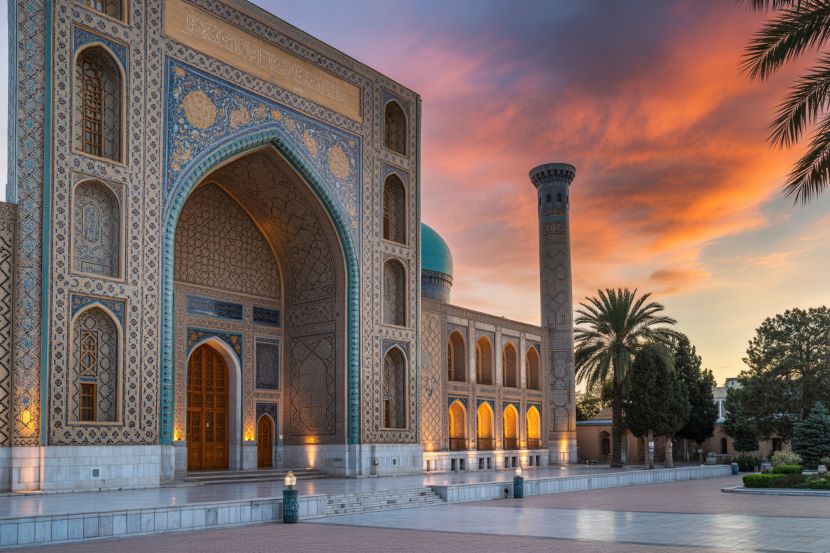
Uzbekistan has been transforming into one of Central Asia’s most exciting travel destinations. The country’s hotel sector has grown 272% in recent years, with major international hotel brands entering the market. By the end of 2025, Uzbekistan is expected to have 4,473 branded hotel rooms, making it the second-largest market in the region after Kazakhstan.

Key Developments in Uzbekistan’s Hotel Boom

  • New hotel openings: Big names like Swissôtel Tashkent, JW Marriott Tashkent, and Ramada Encore Zomin have made their mark.
  • Tourism growth: Uzbekistan is receiving increased international interest due to its rich cultural heritage and tourism-friendly reforms, including visa exemptions for several countries.
  • Regional leader: By 2026, projections suggest that Uzbekistan will surpass Kazakhstan, reaching 8,000 hotel rooms.

Uzbekistan’s rising profile in global tourism is helping position it as a key Central Asian hub for travelers in 2025 and beyond.

Vietnam: Southeast Asia’s Emerging Tourism Powerhouse

Vietnam is one of the most dynamic tourism destinations in Southeast Asia, with a 21% increase in international arrivals in 2025. Ho Chi Minh City and Hanoi are leading the charge, but Da Nang and Phu Quoc are rapidly gaining popularity.

Vietnam’s Explosive Growth in Tourism

  • Rising visitor numbers: Vietnam welcomed over 9.2 million international visitors in just the first five months of 2025.
  • Hotel development: Major international hotel brands like Marriott, InterContinental, and Accor have been expanding in the country.
  • Eco-tourism: The government’s push for eco-friendly and sustainable tourism is driving investments in unique experiences, from beach resorts to cultural heritage sites.

The country’s stunning landscapes, affordable luxury, and cultural diversity are attracting tourists looking for adventure, relaxation, and history, making it a significant player in 2025’s hotel market.

Saudi Arabia: A Visionary Hotel Revolution

With its ambitious Vision 2030 plan, Saudi Arabia is transforming its hospitality sector at an unprecedented rate. By the first half of 2025, Saudi Arabia had already attracted 60.9 million visitors, a huge leap fueled by the increased development of luxury resorts, business hotels, and pilgrimage accommodations.

What’s Driving Saudi Arabia’s Hotel Boom?

  • High-profile developments: Riyadh and Jeddah have witnessed the rise of luxury properties, with Marriott, Hilton, and Accor leading the charge.
  • NEOM and Red Sea Project: These multi-billion-dollar developments are transforming the country’s tourism infrastructure with futuristic designs, eco-resorts, and urban hotels.
  • Religious tourism: Saudi Arabia continues to see millions of Muslim pilgrims visiting the holy cities of Mecca and Medina, contributing to the nation’s hotel sector growth.

Saudi Arabia is undoubtedly one of the most exciting destinations for luxury travel and hospitality investment in 2025.

United States: The World’s Hotel Industry Powerhouse

The United States has long been a dominant force in the global travel market, and 2025 is no exception. The country continues to lead in hotel construction and tourism arrivals, driven by high demand for both luxury hotels and budget accommodations.

U.S. Hotel Industry in 2025: A Strong Performer

  • High demand: Cities like New York, Los Angeles, Miami, and San Francisco have seen consistent growth in hotel occupancy rates, while smaller cities like Austin and Nashville are emerging as key markets for hotel development.
  • New openings: Hotel chains like Hyatt, Marriott, and InterContinental are expanding their presence in cities nationwide.
  • Tourism diversification: The U.S. continues to attract a broad range of visitors, from business travelers to those seeking leisure and cultural experiences.

With diverse offerings across urban centers, national parks, and beach resorts, the United States remains one of the most visited countries in the world in 2025.

UAE: The Luxury Destination of the Middle East

The UAE is at the heart of luxury tourism in the Middle East. Cities like Dubai and Abu Dhabi continue to lead the charge, attracting travelers looking for high-end accommodations, world-class events, and exclusive experiences.

How the UAE is Expanding its Hotel Sector

  • Luxury hotels: The Burj Al Arab and Atlantis, The Palm remain top choices, but new hotels like the Ritz-Carlton DIFC and W Dubai – Mina Seyahi have further bolstered Dubai’s luxury offerings.
  • Expo 2020 impact: The Dubai Expo 2020 spurred an increase in hotel development, with hundreds of new rooms coming online in preparation for the event.
  • Sustainability: Dubai has been increasing its focus on sustainable tourism with initiatives aimed at reducing the environmental footprint of its hotels and resorts.

The UAE’s strong hotel sector growth is tied to its global positioning as a luxury and business destination, offering world-class hotels and iconic attractions that appeal to high-spending tourists.

India: The Subcontinent’s Rapid Hotel Expansion

India’s tourism industry continues to thrive in 2025, with record-breaking hotel developments across the country. Major cities like Mumbai, Delhi, and Bengaluru are seeing an influx of new hotels, catering to luxury, business, and leisure travelers.

India’s Hotel Industry Boom

  • Record hotel projects: India is leading Asia-Pacific in hotel development, with over 693 new projects and 88,884 rooms under construction as of early 2025.
  • Diverse tourism offerings: From the historical sites of Agra and Jaipur to the beaches of Goa and Kerala, India’s diverse tourism portfolio is attracting more visitors each year.
  • Domestic and international travelers: India’s rising middle class and global visitors are fueling the demand for mid-range and luxury hotels.

India’s hotel sector is expected to continue growing rapidly over the next few years, with new hotel openings in Tier-2 cities as the country seeks to capitalize on the explosion in domestic and international tourism.

A Growing Global Hotel Sector: The Future of Travel

As Uzbekistan, Vietnam, Saudi Arabia, the United States, UAE, and India lead the charge in 2025’s hotel and tourism growth, travelers are being offered a diverse range of experiences across the globe. Each of these countries has its own unique appeal, attracting visitors with luxury resorts, cultural heritage, eco-friendly tourism, and business hubs.

Key Trends Driving the Growth:

  • Hotel infrastructure development: Countries are investing in new hotel projects to meet the demand from international and domestic travelers.
  • Tourism reforms: Governments are focusing on policies to ease visa restrictions, increase tourism marketing, and enhance global connectivity.
  • Cultural and sustainable tourism: With a growing focus on sustainability and cultural experiences, destinations are developing offerings that appeal to eco-conscious travelers.

Key Factors Driving Hotel Sector Growth in 2025:

DestinationKey FactorsTourism TrendsHotel Sector GrowthUnique Attractions
UzbekistanCultural heritage (Silk Road cities) – Visa-free policies for certain countries – Increasing international interest– Increased international arrivals – Focus on cultural tourism and eco-tourism– 272% growth in branded hotel rooms – New luxury hotels like JW Marriott and SwissôtelRegistan Square, Bukhara, SamarkandSilk Road tourism and historical sites
VietnamRich cultural history and natural landscapesEco-tourism focusStrong government support for tourismEco-tourism and sustainability on the rise – Record-breaking international arrivals21% increase in international arrivals in 2025Expanding international hotel chainsHalong Bay, Phu QuocHanoi’s Old Quarter, Hoi An Ancient Town, Mekong Delta
Saudi ArabiaVision 2030 driving tourism transformation – Focus on luxury and religious tourism – Investment in NEOM and Red Sea resorts– Growing religious tourism to MeccaLuxury resorts and modern developments– Hotel capacity in Riyadh and Jeddah increasing – Developing NEOM and Red Sea resortsMecca and Medina for religious tourism – Red Sea resorts, NEOM, Al-Ula archaeological sites
United StatesDiverse tourism offerings (business, leisure, adventure) – Global connectivityStrong domestic marketBusiness tourism and luxury travelOutdoor adventure (National Parks)– Leading the world in hotel construction – High occupancy rates in urban and leisure destinationsGrand Canyon, New York, Miami, National ParksHollywood, Las Vegas, Orlando
UAELuxury tourism and business hubExpo 2020 impact – Investment in sustainable tourism– Major luxury hotel openingsWorld-class events (Formula 1, Expo 2020)– Over 216,000 hotel rooms – High occupancy rates in Dubai and Abu DhabiBurj Khalifa, Palm Jumeirah, Dubai MallAbu Dhabi’s Louvre, Desert Safari
IndiaDiverse cultural heritageIncreased international and domestic travel – Focus on eco-tourism and wellnessGrowing domestic tourismLuxury tourism and adventure travel– Leading Asia-Pacific in hotel projects – Over 693 new hotel projectsTaj Mahal, Jaipur, KeralaGoa beaches, Himalayan trekking, Rajasthan

Conclusion: A Transforming Landscape

The global tourism landscape is being transformed by these six countries leading the charge in hotel development and visitor arrivals in 2025. From Uzbekistan’s hotel boom to Vietnam’s sustainable tourism growth, Saudi Arabia’s Vision 2030 to India’s record hotel projects, the world is witnessing a rapid shift in how and where people travel. These destinations are not just developing accommodation capacity; they are reshaping the future of global tourism, creating a more connected, sustainable, and diverse travel ecosystem.

As the global travel market continues to recover and expand in 2025, these countries will remain at the forefront of tourism innovation, hotel sector expansion, and visitor engagement, making them the ultimate destinations for travelers seeking luxury, adventure, and cultural exploration.

The post Uzbekistan Joins Vietnam, Saudi Arabia, US, UAE, and other Emerging Giants in a Massive Global Hotel Surge That’s Set to Redefine the Tourism Landscape in 2025 appeared first on Travel And Tour World.
Hail Region and Its Heritage Sites Like Jabal Umm Sinman and Shuwaymis Carvings Witness Explosive Tourism Growth: Everything You Need to Know About Saudi Arabia’s Latest Travel Hotspot

Hail Region and Its Heritage Sites Like Jabal Umm Sinman and Shuwaymis Carvings Witness Explosive Tourism Growth: Everything You Need to Know About Saudi Arabia’s Latest Travel Hotspot
Hail Region and Its Heritage Sites Like Jabal Umm Sinman and Shuwaymis Carvings Witness Explosive Tourism Growth

The Hail region of Saudi Arabia has recently become a hub of tourist activity, attracting more than 3 million visitors in the first half of 2025 alone. This remarkable growth in tourism is a direct result of strategic investments and the region’s exceptional natural and cultural assets. With a rapidly developing infrastructure, the region’s historical and environmental significance is placing it on the map as a must-visit destination for travelers worldwide.

As Saudi Arabia continues to push forward with its Vision 2030 initiative, which focuses on diversifying the economy and boosting tourism, the Hail region has proven to be a major success story. This surge in visitors is attributed not only to the region’s investment in new attractions but also to its rich cultural heritage and the growth of UNESCO World Heritage Sites such as Jabal Umm Sinman in Jubbah and the Shuwaymis rock carvings.

Heritage and Natural Beauty Drive Tourism in Hail

Hail’s unique combination of mountainous terrain, temperate climate, and historic landmarks makes it an ideal destination for both nature enthusiasts and history buffs. Known for its stunning desert landscapes, the region has rapidly gained attention for its heritage tourism. The Shuwaymis rock carvings, dating back thousands of years, provide a glimpse into Saudi Arabia’s ancient past, while Jabal Umm Sinman, a site of archaeological significance, draws visitors interested in exploring the region’s early civilizations.

In addition to these natural wonders, the Aja Hills project is set to transform the area further, with plans for a luxury hotel and resort. This will provide visitors with an elevated travel experience, blending cultural heritage with modern amenities. The continued development of rural tourism also promises to attract visitors seeking a more relaxed and authentic experience, with new rural lodges providing comfort amidst nature.

Tourism Investment in Hail Under Vision 2030

The rapid rise in tourism to the Hail region is further bolstered by the region’s growing infrastructure. As part of Saudi Arabia’s Vision 2030, the Hail municipality has secured investment agreements totaling SAR 179 million ($4.7 million). These funds are earmarked for significant developments in the tourism sector, including the creation of rural lodges and other tourism facilities. The government has also launched initiatives to promote unique tourist routes and to increase the visibility of Hail as a top destination for both domestic and international travelers.

The ongoing infrastructure projects, which include upgrades to the region’s road network, have further enhanced the accessibility of Hail. With over 5,900 kilometers of roads crisscrossing the region and an additional 358 kilometers of roads being added, Hail has become a logistical hub, connecting it to major cities and other tourism destinations across Saudi Arabia. These projects are expected to facilitate a smoother travel experience for visitors and encourage even more tourists to explore the region.

Agriculture and Sustainability: Hail’s Dual Economic Growth

Hail is not only known for its tourism potential but also as a thriving agricultural center. The region’s fertile soil and abundant water sources have led to the establishment of 15,000 farms spread across 240,000 hectares of agricultural land. This agricultural dominance makes Hail a vital component of Saudi Arabia’s food production, with local farms supplying fresh produce to both domestic and international markets.

Despite its agricultural success, the region is also committed to maintaining a sustainable balance between development and environmental conservation. The Hail region is actively engaged in environmental protection programs that focus on preserving vegetation and protecting wildlife. These efforts are aligned with the broader goals of Vision 2030, which aims to ensure the sustainability of natural resources while fostering economic growth.

What Can Travelers Expect in Hail?

For travelers seeking an off-the-beaten-path experience, Hail offers much more than meets the eye. The region’s natural beauty, combined with its rich heritage, makes it an exciting destination for those looking to explore Saudi Arabia beyond the well-known urban centers. Visitors can embark on hiking adventures through the Aja Hills, explore ancient rock carvings, and experience the tranquility of rural life in luxurious lodges.

When planning a trip to Hail, it is essential to remember that the region is best visited during the temperate months, which offer pleasant weather ideal for outdoor activities and cultural exploration. With ongoing investments in infrastructure and tourism facilities, Hail is quickly becoming one of Saudi Arabia’s top travel destinations.

Key Takeaways for Tourists

  • UNESCO World Heritage Sites: Don’t miss out on the historic Jabal Umm Sinman and Shuwaymis rock carvings.
  • Rural Lodging Options: For a unique experience, stay in one of the new rural lodges nestled in the serene landscapes of Hail.
  • Sustainable Tourism: Enjoy a destination committed to both economic growth and environmental conservation.

Looking Forward: Hail’s Bright Tourism Future

Hail’s tourism industry is on a clear path to growth, driven by Vision 2030, strategic investments, and a wealth of natural and cultural resources. As the region continues to develop its infrastructure and promote unique attractions, Hail is poised to become a central player in Saudi Arabia’s tourism landscape. Whether you are a history enthusiast, a nature lover, or a traveler seeking new experiences, the Hail region offers something special for everyone.

The post Hail Region and Its Heritage Sites Like Jabal Umm Sinman and Shuwaymis Carvings Witness Explosive Tourism Growth: Everything You Need to Know About Saudi Arabia’s Latest Travel Hotspot appeared first on Travel And Tour World.
Ethiopian Airlines Expands Saudi Arabia Reach with New Jizan Route for African Travelers

Ethiopian Airlines Expands Saudi Arabia Reach with New Jizan Route for African Travelers

Ethiopian Airlines is set to expand its Middle East network with the introduction of a new route to Jizan, Saudi Arabia, in early 2026. The addition of Jizan will bring the total number of destinations Ethiopian Airlines serves in Saudi Arabia to five, enhancing the airline’s connectivity between East Africa and the Gulf region. This move aligns with Ethiopian Airlines’ strategy to strengthen its presence in the Middle East and support the growing demand for air travel, trade, and tourism between Africa and Saudi Arabia.

With the new Jizan route, Ethiopian Airlines will build on its already significant operations in Saudi Arabia, where it currently operates more than forty weekly passenger and cargo flights. The airline’s expanded network will now include key cities such as Riyadh, Jeddah, Dammam, Madinah, and soon Jizan, ensuring that passengers traveling between Africa and the Gulf can enjoy increased frequency and more seamless connections.

Supporting Tourism, Trade, and Religious Travel

Ethiopian Airlines’ strategic expansion into Jizan is expected to serve multiple purposes, including enhancing the airline’s role in promoting religious tourism, trade, and leisure travel between Africa and the Gulf. The airline’s strong presence in Saudi Arabia has made it a critical player for Hajj and Umrah pilgrims traveling to the Kingdom, and the new Jizan route is poised to further support this sector by offering more direct flights for pilgrims traveling to the Holy City of Mecca.

The launch of the Jizan route also supports the growing demand for business and leisure travel between Africa and Saudi Arabia. With Jizan being an emerging economic and tourism hub in Saudi Arabia, Ethiopian Airlines will provide better access to this dynamic region, facilitating easier travel for tourists, business travelers, and investors alike. The airline’s expanded network will help foster stronger economic ties, enhance tourism exchanges, and open up new opportunities for travel and trade across both regions.

Enhanced Connectivity for African Tourists and Trade

For African tourism professionals, the introduction of the Jizan route opens new opportunities to promote Saudi Arabia as a destination for African travelers. With Ethiopian Airlines serving key cities in Saudi Arabia, including Jizan, the airline is positioning itself as a preferred carrier for travelers seeking easy access to the Kingdom for tourism, trade, and cultural exchanges. This is especially significant for African diaspora communities looking to connect with relatives in Saudi Arabia or travel for business and leisure purposes.

The airline’s expansion into Jizan strengthens its existing network in the region, offering more options for African travelers looking to visit Saudi Arabia. The ease of connections will also benefit tour operators, destination management companies (DMCs), and corporate travel managers who can now design more efficient travel packages that include flights to and from Jizan, as well as seamless connections to other cities across Saudi Arabia and Africa.

In addition, Ethiopian Airlines’ presence in Jizan enhances its ability to cater to growing trade between Africa and Saudi Arabia. The airline’s cargo services, which are a vital part of its operations, will benefit from increased access to Jizan’s growing business environment. This will support trade missions, commercial ventures, and economic cooperation between the two regions, boosting the flow of goods and services between East Africa and the Middle East.

Increased Opportunities for African Tourists

Ethiopian Airlines’ expansion into Jizan further positions the airline as a leading partner in supporting African tourism and promoting regional travel. By adding Jizan to its list of destinations, Ethiopian Airlines ensures that African tourists have better access to both Saudi Arabia’s heritage sites and the Gulf’s modern tourist attractions. The airline’s competitive service offerings, along with its reputation for reliability, will make it easier for African travelers to access Saudi Arabia’s unique blend of cultural, historical, and leisure experiences.

For tourism professionals in Africa, Ethiopian Airlines’ expanded route network opens new possibilities for creating and marketing tailored travel packages. With enhanced connectivity between major African cities and Saudi Arabia, Ethiopian Airlines offers an excellent gateway for African travelers seeking to explore the rich culture and heritage of the Kingdom. Additionally, the airline’s expanded service strengthens Africa’s overall connectivity with the Gulf, creating new opportunities for cross-continental tourism collaboration.

The Future of Ethiopian Airlines’ Middle East Expansion

The Jizan route is part of Ethiopian Airlines’ broader strategy to continue expanding its reach within the Middle East and Saudi Arabia, responding to the increasing demand for travel between the two regions. Ethiopian Airlines has been consistently increasing its operations in the Middle East, and this latest route expansion solidifies the airline’s role as a key player in connecting Africa with the Gulf. Ethiopian Airlines’ commitment to providing reliable service, increasing route frequency, and improving passenger convenience makes it an important partner for travelers and tourism professionals alike.

As Ethiopian Airlines continues to invest in its fleet and network expansion, the introduction of the Jizan route underscores its dedication to remaining at the forefront of African aviation. The airline’s commitment to enhancing connectivity, supporting religious tourism, and promoting trade and leisure travel will help establish stronger ties between East Africa and Saudi Arabia, benefiting both travelers and the broader tourism industry.

Conclusion: Enhancing Connectivity Between Africa and Saudi Arabia

The launch of Ethiopian Airlines’ new Jizan route in early 2026 marks a significant step in enhancing travel connections between Africa and the Gulf region. By expanding its Saudi network to include Jizan, Ethiopian Airlines is strengthening its position as a vital bridge for African travelers seeking to explore Saudi Arabia’s tourism, investment, and business opportunities. This strategic expansion aligns with the airline’s ongoing mission to provide reliable and efficient travel options for passengers moving between these two rapidly developing regions, reinforcing Ethiopian Airlines’ leadership in connecting Africa with the rest of the world.

The post Ethiopian Airlines Expands Saudi Arabia Reach with New Jizan Route for African Travelers appeared first on Travel And Tour World.
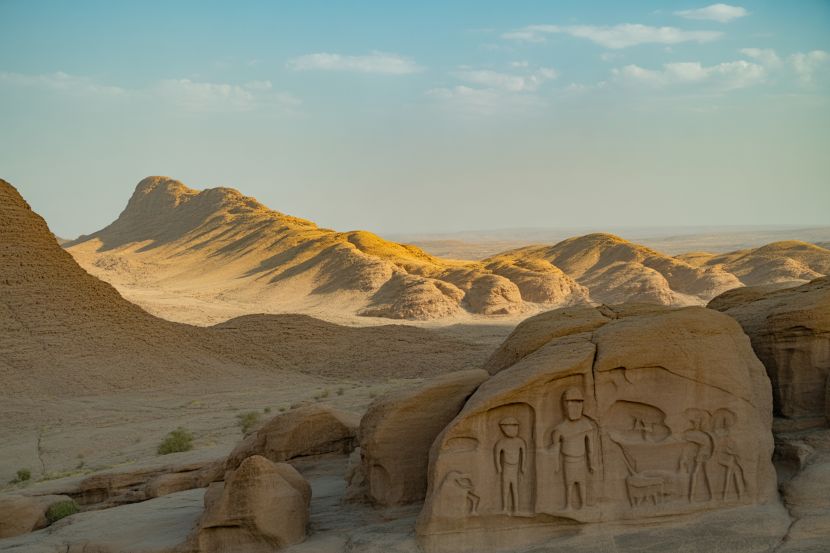
Oman Air’s Muscat–Taif Flight Launch in 2026 – The Secret to Transforming Saudi Tourism and Luxury Hotels!

Oman Air’s Muscat–Taif Flight Launch in 2026 – The Secret to Transforming Saudi Tourism and Luxury Hotels!
Oman Air's Muscat–Taif flight launch in 2026 is set to be the secret to transforming Saudi tourism and luxury hotels.

Oman Air’s Muscat–Taif flight launch in 2026 is set to be the secret to transforming Saudi tourism and luxury hotels. This exciting new route will not only enhance regional connectivity but also unlock the potential of one of Saudi Arabia’s most beautiful and culturally rich cities. With the introduction of direct flights from Muscat to Taif, travelers can now easily access the city’s cool climate, scenic landscapes, and historical attractions, making it an attractive destination for both leisure and business visitors. As part of Oman Air’s broader expansion strategy, this route promises to boost tourism and invigorate the hospitality industry in Taif, helping to fulfill Saudi Arabia’s ambitious Vision 2030 goals of increasing international visitor numbers and strengthening its tourism infrastructure. For tourists and hoteliers alike, the Muscat–Taif route is a gateway to exciting opportunities and unforgettable experiences in the heart of the Kingdom.

Oman Air’s Muscat–Taif Flight Launch in 2026 – The Secret to Transforming Saudi Tourism and Luxury Hotels!

Oman Air is poised to bring a transformative change to Gulf travel with its new Muscat–Taif flight launching in 2026. This exciting new route isn’t just about more flights; it’s a catalyst for growth in Saudi Arabia’s tourism and hospitality industries. Travelers will now be able to experience the best of Saudi Arabia’s cultural heritage, natural beauty, and luxury hotel offerings, with a seamless travel experience from Oman to one of the Kingdom’s most scenic destinations.

As the global travel industry rebounds, airlines and hospitality businesses are constantly looking for ways to meet the surge in demand. Oman Air’s strategic expansion into Taif, Saudi Arabia, exemplifies the airline’s commitment to enhancing regional connectivity, boosting tourism, and supporting the luxury hotel market. This new route not only strengthens the bond between Oman and Saudi Arabia but also opens up new opportunities for tourists seeking a blend of adventure, culture, and relaxation.

A Gateway to Saudi Arabia’s Hidden Gem – Taif

The city of Taif, nestled in the mountains of Saudi Arabia, is known for its cooler climate, beautiful landscapes, and rich cultural history. Often referred to as the “City of Roses,” Taif is famous for its fragrant rose gardens, which bloom in the spring, filling the air with a sweet scent. The city’s pleasant climate has made it a popular destination for both locals and international tourists looking to escape the heat of the surrounding desert regions.

With the launch of Oman Air’s Muscat–Taif flight, Taif is set to become more accessible than ever. This move is expected to transform Taif into a major tourism hub, attracting travelers seeking a mix of nature, history, and luxury. The route is a strategic addition to Oman Air’s network, offering direct connections to the heart of Saudi Arabia’s western region.

Oman Air’s Strategic Move: The Future of Gulf Connectivity

Oman Air has long been known for its excellent service and strong network across the Gulf. The airline’s decision to launch the Muscat–Taif route is a part of its broader strategy to enhance its footprint in the region and solidify its position as a leading carrier in the Gulf. The route will operate three times a week on Tuesdays, Thursdays, and Saturdays, using a modern Boeing 737 aircraft, ensuring both comfort and efficiency for passengers.

This expansion is more than just about flight routes; it is part of Oman Air’s long-term vision to strengthen economic and cultural ties between Oman and Saudi Arabia. By adding Taif to its list of destinations, Oman Air is positioning itself to serve an important role in regional tourism and economic growth. The airline’s frequent, reliable service between Muscat and Taif will not only make it easier for business travelers to connect but also allow tourists to seamlessly visit the many attractions of Taif and the surrounding area.

Flight Details – Convenient Travel with Oman Air

The Muscat–Taif flight will be operated three times a week, providing travelers with flexible options for planning their trips. The schedule is designed to meet the needs of both business and leisure travelers, with flight timings that allow for quick getaways or extended stays in Saudi Arabia’s picturesque western region.

Flight Details:

  • Departure: Muscat (MCT) – 13:30
  • Arrival: Taif (TIF) – 15:50
  • Return Flight: Taif (TIF) – 16:40
  • Arrival: Muscat (MCT) – 20:35

The Boeing 737 used for the route ensures a smooth and comfortable journey. Passengers can expect Oman Air’s signature hospitality, with in-flight service that reflects the airline’s commitment to quality. Whether you’re flying for business or leisure, the service is designed to offer convenience and comfort every step of the way.

How the Muscat–Taif Route Will Boost Saudi Arabia’s Tourism

Tourism has become a key pillar of Saudi Arabia’s economic diversification strategy. As part of Vision 2030, the Kingdom is investing heavily in tourism infrastructure, aiming to attract millions of visitors to the country every year. The launch of the Muscat–Taif route is aligned with this vision and is expected to play a pivotal role in driving tourism growth in the region.

Saudi Arabia has seen a significant rise in international visitors in recent years, with tourism figures hitting record numbers. In 2024, the Kingdom welcomed over 30 million international tourists, and this number is expected to increase as Saudi Arabia continues to open its doors to global travelers. The Muscat–Taif route will make it easier for tourists from Oman and the wider Gulf region to explore Taif’s attractions, from its cool climate to its famous rose gardens and historical landmarks.

Additionally, the increased accessibility to Taif will likely have a ripple effect on the surrounding hospitality industry. Hotels, resorts, and luxury accommodations in and around Taif are expected to see higher occupancy rates as international tourists flock to the area. The influx of tourists will bring more business to local restaurants, shops, and tour operators, further stimulating the regional economy.

The Impact on Saudi Arabia’s Luxury Hospitality Market

Saudi Arabia has made significant strides in developing its luxury hospitality sector. Cities like Riyadh, Jeddah, and Madinah have seen the opening of world-class hotels and resorts, and Taif is no exception. With the introduction of the Muscat–Taif route, the luxury hotel market in Taif is expected to receive a substantial boost.

As more international travelers flock to Taif, high-end hotels will be in greater demand. The city is home to several luxurious resorts and boutique hotels, offering guests a unique blend of relaxation and adventure. Whether it’s enjoying the cooler mountain air, exploring the historical sites, or participating in the annual rose festival, there’s something for every luxury traveler in Taif.

The hospitality industry in Taif will be well-positioned to meet the growing demand for high-quality accommodations. Hotels in the region can expect to see an increase in bookings, especially during peak tourist seasons, as the Muscat–Taif route makes the city more accessible to travelers.

What Tourists Can Expect in Taif – Travel Tips

Traveling to Taif offers a wealth of experiences for tourists, from cultural attractions to stunning natural beauty. Here are some travel tips to make the most of your visit:

  1. Visit the Rose Gardens – Taif is famous for its rose gardens, especially during the annual Taif Rose Festival, where visitors can experience the sight and smell of thousands of blooming roses. The festival typically takes place in the spring, but the gardens are a must-see year-round.
  2. Explore the Historical Sites – Taif is home to several historical landmarks, including the Shubra Palace, a beautiful example of Saudi architecture, and the Al Rudaf Park, which offers panoramic views of the surrounding mountains.
  3. Cool Mountain Retreat – Taif’s cool climate makes it a perfect escape from the heat of the Saudi Arabian desert. The city’s altitude provides a refreshing break, especially during the hot summer months, making it a popular weekend getaway for locals.
  4. Enjoy Outdoor Activities – Taif’s surrounding mountains offer excellent opportunities for hiking, camping, and nature walks. Whether you’re an adventure enthusiast or simply looking to relax in nature, Taif’s landscapes provide the perfect backdrop.
  5. Luxury Accommodation Options – Taif is home to several luxurious hotels and resorts that cater to international travelers. From five-star resorts to boutique hotels, there’s no shortage of accommodation options to suit all tastes and budgets.

Oman Air’s Role in the Future of Gulf Tourism

Oman Air’s expansion into Taif is a clear signal of the airline’s commitment to regional tourism growth. By strengthening connections between Oman and Saudi Arabia, Oman Air is not only increasing the number of available travel options but also supporting Saudi Arabia’s goal of becoming a global tourism hub.

The new route also highlights Oman Air’s strategic focus on Gulf connectivity. As airlines continue to compete for travelers in the region, Oman Air’s decision to launch the Muscat–Taif flight underscores its ability to adapt to changing demand and offer innovative solutions to travelers seeking new destinations in the Gulf.

As the tourism industry in Saudi Arabia continues to grow, the Muscat–Taif route is expected to play a crucial role in encouraging more regional and international travel to the Kingdom. With improved access to Taif and the surrounding areas, Oman Air is helping to open up new opportunities for both tourists and the hospitality industry.

The Future of Travel Between Oman and Saudi Arabia

The launch of the Muscat–Taif route by Oman Air marks a significant milestone in Gulf travel. As the airline expands its network, it’s not just providing more flight options but also fueling the growth of Saudi Arabia’s tourism and hospitality industries. Taif, with its cooler climate, rich cultural heritage, and natural beauty, is set to become one of the region’s top destinations.

Oman Air’s Muscat–Taif flight launch in 2026 is the game-changer Saudi tourism has been waiting for! Get ready for an unforgettable journey to one of the Kingdom’s most stunning destinations, with seamless travel and luxury hotel experiences like never before!

For travelers looking for a unique blend of adventure, relaxation, and culture, the Muscat–Taif flight offers a perfect gateway. Whether you’re exploring the rose gardens, hiking the mountains, or relaxing in a luxury resort, Taif has something for everyone. And with Oman Air’s comfortable and reliable service, getting there has never been easier. As this new route takes off in 2026, it promises to be the beginning of an exciting new chapter in Gulf tourism.

The post Oman Air’s Muscat–Taif Flight Launch in 2026 – The Secret to Transforming Saudi Tourism and Luxury Hotels! appeared first on Travel And Tour World.
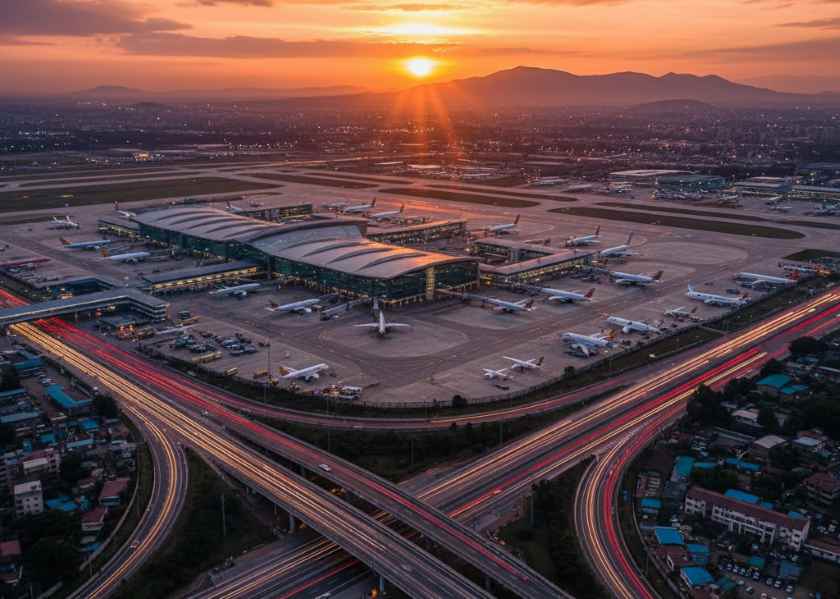
❌