
Reading view

How Southeast Asia And India Are Leading In AI Adoption While Developers Stay Cautious

How Southeast Asia And India Are Leading In AI Adoption While Developers Stay Cautious

According to Agoda’s AI Developers Report 2025, most AI developers in Southeast Asia and India use AI tools in their development workflows to boost productivity. AI tools like ChatGPT and GitHub Copilot have become an integral part of the development workflow in these regions. Developers are concerned that, due to the unreliability of these tools, the gap between the adoption of AI and trust in it remains unclosed. Reported productivity gains are impacted by the lack of trust of developers in the ability of AI to support software development and the increasing use of AI.

The Report develops Regional Skills Snapshot Reports. These analyses provide the incremental impact of AI through the development of virtual circuits in the Indian and Southeast Asia markets. These Reports highlight an increasing gap in trust and use of AI among developers, which strengthens the need to build successful confidence in AI systems if efficient resource allocation and the maximization of economic development in AI circuit systems are to be realized.

Extensive use of AI in the developer community, but it lacks confidence

According to Agoda, almost 90% of the developers in Southeast Asia and India have started using AI, but only 43% believe it can perform at the level of a mid-level engineer. This speaks to a sizable confidence gap in the technology’s capability and the actual outcome. Furthermore, developers are still reluctant to use AI for more meaningful objectives.

Countries such as Thailand, India, and the Philippines have expressed a good amount of negativity, as many of the developers do not believe that AI can compete with the skills and reasoning of a human engineer. The Philippines has the most pronounced negativity, with 11% of the developers stating that AI will never be able to perform at the level of a mid-level engineer regarding the quality of output. Additionally, countries such as Singapore, Vietnam, and Thailand are showing a great amount of negativity as well.

With the development of Artificial Intelligence technologies, the positive and negative aspects of AI systems are being addressed. Developers are finding that AI tools are useful, but can generate outputs that are poor quality or inaccurate. This does not sound like the biggest problem, but it underscores the need for human involvement to steer things in the right direction.

AI’s biggest challenge

Being able to create and maintain workflows using AI systems that provide consistent and predictable results is one of the biggest challenges, especially in the software development industry. Over 75% of all developers in Southeast Asia and India view poor quality, unreliable, and unpredictable tools as their biggest challenges. This almost always takes precedence over the availability of the tools, the price of the tools, or any other challenges that may be present.

Thailand and the Philippines are among the countries that exhibit the strongest need for reliable outputs from AI tools, at 88% and 84%, respectively. Even developed countries like Singapore and Malaysia have 77% and 73%, respectively, for unreliable outputs when using AI tools. This shows that in almost all countries, irrespective of AI development in the region, the outputs from AI systems are very unreliable and inconsistent. Developers do not like unreliable AI outputs, and that is one of the biggest barriers to using AI systems in their workflows.

How Developers Deal with AI Issues

In response to reliability, developers have modified their workflows again to keep reliability in AI-generated code. About 66% of developers report that they always double-check AI-generated code before they pull it into production, and in terms of keeping standards high, this review process is vital. It is common for developers to revise AI-generated code before it is even close to production standards.

In fact, the implementation of AI in software development has increased the accountability, review, and oversight required in the process. Developers are still customarily “stuck” with the output due to the AI’s unreliable output. AI tools are being relied upon further and further, and that reliance is being justified by a lack of confidence in the AI.

Building Confidence Through Testing and Repetition

The report is saying that AI and software development will most likely not depend on early adoption, but on the ability to create a detailed structure for consistent and productive use of AI tools. While developers in Southeast Asia and India are shifting to the use of AI in a more integrated and automated way, confidence is still being built through repetition, testing, and real-world application.

Using AI to help streamline the development process is still providing benefits, especially in the process of completing repetitive and mundane tasks that have the ability to increase overall development team productivity. Developers are also not ready to place critical tasks in the hands of AI. Developers use AI for the more mundane portions of tasks, but are still working on building confidence. Structured reviews are leading to more confidence and less skepticism about AI for developers, while non-structured reviews are leading to skepticism.

Looking Ahead: Improving Trust in AI

As developers continue to use AI tools, they have learned to combine the benefits of the technology with careful supervision. Agoda’s findings suggest that AI is helping to improve productivity, but has not yet achieved the consistency necessary to substitute for human decision-making. Even though AI tools can accelerate development and enhance efficiency, the trust deficit toward the quality of the resulting output has developers as the final decision makers of the software’s quality.

Agoda’s Chief Technology Officer, Idan Zalzberg, mentioned that confidence built through structured frameworks is what will allow the further advancement of AI adoption in Southeast Asia and India. Developers will have to improve their fine-grained control frameworks in a manner that will allow AI tools to be trusted more as time progresses.

Conclusion: A Step Toward AI Maturity

In the Agoda AI Developer Report 2025, a comprehensive picture is drawn of that which outwards appears to be AI’s role in the software development ecosystem of Southeast Asia and India. Productivity and the rate of adoption of AI technology are commendable, but confidence in the reliability of technology needs to improve to eliminate the bottleneck in the development cycles. The route toward trust not only involves adoption but hinges more on the reliability, consistency, and oversight of structured work.

The potential of AI in software development is not determined by who is the most rapid adopter of the technological advancements, but instead by who is the most effective at weaving it into their development processes. The more developers streamline their workflows and enhance their revision processes, the more AI can be relied upon as a tool, fostering further productivity and innovation in software development.

The post How Southeast Asia And India Are Leading In AI Adoption While Developers Stay Cautious appeared first on Travel And Tour World.


Next Round of Snow: Winter Storm Tracker and Forecast for February 2026

Next Round of Snow: Winter Storm Tracker and Forecast for February 2026

If you thought winter was ready to pack its bags and head north, Mother Nature has other plans. Following a brutal “bomb cyclone” that recently hammered the East Coast—leaving over a foot of snow in North Carolina and setting records as far south as Florida—meteorologists are now tracking the next series of winter systems.

While January ended with a historic “statewide snowstorm for the ages” in the Carolinas, the forecast for mid-February suggests that the quiet periods won’t last long. Whether you’re a snow lover or someone who’s already dreaming of spring, here is the breakdown of the next round of snow and where the targets are currently painted.

The Arctic Grip: Why It’s Not Letting Go

The current weather pattern is being dominated by a “displaced” polar vortex and a weakening La Niña. This combination has opened the floodgates for arctic air to spill deep into the United States and across the Atlantic into the UK.

In the U.S., a massive ridge of high pressure in the West has kept California and Colorado “snow-starved” for much of the season. However, this same ridge is acting as a slide for frigid Canadian air, pushing it directly into the Midwest and the Eastern Seaboard.

Tracking the “Storm Windows” for February

Meteorologists have identified several key “windows” where the ingredients for significant snowfall could align.

The Mid-February Pivot (Feb 10–14)

Forecasters are closely watching the period between February 10th and Valentine’s Day. During this time, the warm air currently sitting in the Western U.S. will attempt to push eastward. While “warm” sounds like good news, it actually sets the stage for a clash. When this milder Pacific energy meets the entrenched arctic air in the East, it creates a “baroclinic zone”—the perfect breeding ground for powerful winter storms.

Targets for this window include:

  • The Northern & Central Plains: Expect bursts of heavy, dry snow.
  • The Midwest and Great Lakes: Repeated “clipper” systems are likely to bring accumulating snow.
  • The Northeast Corridor: The potential for a “lee-side cyclone” could turn a modest wave into a major snow event for New England.

The Late February Surge

Long-range models suggest that the second half of February will be active. While temperatures may moderate slightly compared to the sub-zero January lows, the atmosphere will remain cold enough for “big-time snow.” In fact, for cities like Washington D.C., February is historically the snowiest month, and 2026 is trending to follow that tradition with predicted totals of 3 to 7 inches.

Regional Breakdown: Who Gets Hit?

The East Coast and South

The South is still reeling from the recent bomb cyclone that saw 6 inches of snow in Myrtle Beach and a foot in Charlotte. While the immediate forecast shows a “moderating trend,” don’t put the shovels away. The threat of “black ice” remains high through the week as nighttime temperatures continue to dip below freezing. Any new moisture moving in from the Gulf could easily turn back into a wintry mix.

The Western “Snow Drought” Ends?

There is finally a glimmer of hope for the West. After a dismal start to the ski season—with snowpacks in California and Colorado sitting at just 40-50% of average—a pattern shift is expected by mid-month. Pacific moisture is finally predicted to break through the “atmospheric lid,” bringing much-needed relief to the Cascades and the Northern Rockies.

The UK Connection: Cold from Scandinavia

Across the pond, the UK is facing its own winter battle. Cold air from Scandinavia is clashing with Atlantic systems, leading to “yellow” snow and ice warnings for Scotland, Northern Wales, and the Pennines. Forecasters expect 5–10 cm of snow in higher elevations, with “temporary accumulations” possible even at lower levels as the week progresses.

How to Prepare for the Next Round

Winter weather is notoriously fickle; a shift of just 50 miles in a storm’s track can mean the difference between a dusting and a blizzard.

  • Monitor “Snowcrete”: In the Northeast, the dense, ice-packed snow from January is not melting quickly. New snow on top of this “snowcrete” can lead to dangerous roof loads and treacherous sidewalks.
  • Travel Safety: With more “active” patterns on the horizon, keep an emergency kit in your car and always check the latest National Weather Service (NWS) or Met Office updates before heading out.

Final Thoughts

Winter 2026 is proving to be a season of extremes. From falling iguanas in Florida to “bombogenesis” off the Carolina coast, the “next round” of snow is a reminder that we are still in the thick of the coldest part of the year. Stay warm, stay informed, and keep those boots by the door.

The post Next Round of Snow: Winter Storm Tracker and Forecast for February 2026 appeared first on Travel And Tour World.
Disneyland’s Travel Prices Have Gone Through The Roof, The Shocking Truth About What Your Next Theme Park Vacation Will Really Cost

Disneyland’s Travel Prices Have Gone Through The Roof, The Shocking Truth About What Your Next Theme Park Vacation Will Really Cost

Since the opening of Disneyland in California in 1955, visiting Disney theme parks has become significantly more expensive. What was once an affordable family destination, where adult tickets were priced at only $1, has transformed into an increasingly costly experience for families worldwide. Both Disneyland and Walt Disney World in Florida have seen consistent price increases, making it harder for many to visit. These hikes reflect a broader trend within the entertainment and tourism industries, where prices rise to meet the demand for premium services and exclusive attractions. This growing cost of visiting Disney parks has profound implications on the global travel industry, as the pricing strategies implemented by Disney are setting the standard for pricing in major entertainment locations worldwide.

Soaring Ticket Prices

When it comes to admission, the cost of visiting Disney parks has escalated dramatically in recent years. For example, a single-day ticket to Walt Disney World can now reach up to $199 during peak times. This surge in ticket prices is largely due to the introduction of dynamic pricing in 2016, where ticket prices are adjusted based on factors like demand, the season, and crowd levels. This pricing model has resulted in significant price fluctuations, especially during busy periods, making it difficult for families on a budget to plan their visits.

Similarly, the cost of a one-day ticket to Disneyland in Anaheim now starts at around $104, a notable increase from the earlier years when Disney parks were more affordable for families. Additionally, annual passes, once viewed as a more budget-friendly option for frequent visitors, have almost doubled in price over the past decade. This shift has led to greater financial strain on those who wish to visit Disney regularly, especially for families who once relied on the pass to save money on repeat visits.

Paid Services Replacing Free Offerings

Over the years, Disney parks have shifted from providing many free services to charging for various premium add-ons. For instance, the FastPass system, which allowed visitors to bypass long lines for certain rides without extra charge, has been replaced with Lightning Lane, a paid service. Visitors can expect to pay up to $429 extra depending on how many rides they wish to skip the lines for. This shift to paid services has led to a significant change in the park experience, as many conveniences that were once included in the ticket price are now available only for an additional fee.

Moreover, services that were once complimentary, like the Magic Express shuttle (which provided free transportation from Orlando International Airport to Walt Disney World Resorts), have now been eliminated. As a result, visitors must arrange and pay for alternative transport, such as rideshares or private taxis, adding to the overall expense of their visit. This trend of charging for previously free services has led to a more expensive experience for park-goers, who are now paying for the same level of convenience that was once part of the standard Disney experience.

Increased Food and Snack Costs

In addition to rising ticket prices, the cost of food and snacks within the parks has increased significantly. For example, a simple Mickey ice-cream bar, which once cost around $2.75 in 2009, now costs approximately $6.50. This represents a more than double increase in price over the past decade. On top of this, visitors can expect to spend $50–$60 per day on food, an amount that has also seen a sharp rise in recent years. These higher food prices have become a significant burden for families who are already spending a large portion of their budget on tickets, accommodation, and other expenses.

The rising prices of food and snacks in Disney parks are forcing families to rethink their spending habits, and in many cases, visitors are opting for cheaper food options or limiting the number of meals they purchase inside the parks. This, in turn, may affect the overall experience for families, who may feel they are no longer able to indulge in all the park has to offer without overspending. Furthermore, these cost increases are also being felt across the global tourism industry, as other theme parks and tourist destinations are likely to follow Disney’s lead in raising their own prices for food and services, leading to higher overall travel costs.

Higher Merchandise Prices

The rising costs at Disney parks aren’t limited to admission tickets and food. Merchandise—a major part of the Disney experience—has also seen significant price increases. Popular souvenirs such as Mickey ears now cost between $20 and $50, depending on the style. This price increase reflects a broader trend within the entertainment and tourism sectors, where what was once considered an affordable keepsake is now priced at a premium. For visitors, this creates yet another financial burden, as they have to consider whether to purchase souvenirs or forgo them to avoid adding extra costs to their trip.

Disney merchandise, once an easily affordable item for families to bring home as a reminder of their trip, is now becoming part of the broader trend of rising costs in the theme park experience. This has forced many families to either scale back on souvenir purchases or seek out cheaper alternatives outside of Disney parks.

The Full Vacation Cost Has Increased Exponentially

As the prices of admission tickets, food, transportation, and merchandise have all risen, the overall cost of a trip to Disney has increased exponentially. A family of four planning a multi-day vacation to Walt Disney World or Disneyland can expect to spend anywhere between $6,000 to $15,000, depending on choices such as accommodations, meals, and extra services. This steep increase in cost is especially significant when compared to previous decades, when Disney vacations were considered a more affordable option for families looking to experience the magic of the parks.

As a result, many families are opting for shorter trips, cutting back on add-ons such as Lightning Lane, or choosing cheaper alternatives for meals and merchandise in an effort to stay within budget. These price increases have forced families to rethink their plans, as more and more visitors find it difficult to afford the once affordable experience. For many families, Disney parks have become an exclusive destination, accessible only to those with significant disposable income.

Impact on the Travel Industry

The rising prices at Disney theme parks represent a broader shift in the global travel industry. As Disney continues to increase prices, other theme parks and tourism destinations may follow suit, leading to even higher prices for family vacations. With the rising cost of transportation, lodging, and meals affecting the overall cost of travel, many families may find themselves priced out of top tourist destinations.

The impact of these rising prices will be most noticeable for middle-income families, who were once able to afford a trip to Disney but are now finding it increasingly difficult to do so. The pricing changes at Disney parks could result in fewer middle-class families visiting the parks, as higher-income visitors are more likely to be able to absorb the price hikes. This could lead to a shift in Disney’s visitor base, making the parks less accessible to a wider range of families, which could have long-term effects on the tourism industry.

Shifting Family Vacation Planning

As Disney park prices continue to climb, families are being forced to become more strategic in their vacation planning. Many are cutting back on add-ons, opting for shorter trips, or seeking out alternative travel destinations that offer similar experiences at a lower cost. Families are also focusing on essential experiences, avoiding additional expenses, and looking for ways to make their trip more affordable.

This shift toward premium services and higher prices is likely to result in a more exclusive visitor base at Disney parks, with fewer middle-class families able to afford the increasingly expensive experience. As a result, there could be a decline in the diversity of visitors, limiting access to the magic of Disney parks for those who may not have the financial resources to afford the higher prices.

The Future of Disney Parks

Looking toward the future, the question remains whether Disney parks will continue to raise prices or find a balance between offering premium services and maintaining affordability. While it is unclear whether prices will ever decrease, the rising costs are pushing Disney parks further out of reach for many families. This trend could lead to a long-term shift in how people plan their vacations and the types of destinations they choose to visit.

As Disneyland and Walt Disney World become less affordable, families may reconsider their vacation choices and opt for alternative destinations that offer a similar experience but at a lower cost. Disney parks risk alienating a significant portion of their visitor base, which could ultimately alter the landscape of family tourism.

Adapting to the New Reality

For travelers, this rising cost is likely to change how vacations are planned and which destinations are prioritized. With Disney parks no longer accessible to the broad range of visitors they once attracted, many families will have to adjust their expectations, making strategic decisions about where to spend their money. While Disney will likely remain a top destination for many, the increasing costs could force families to consider other, more affordable options when planning their trips.

In conclusion, the growing financial burden of visiting Disney parks is reshaping the global tourism industry, forcing visitors to weigh the increasing costs against their travel priorities. As families continue to adjust to this new reality, the impact on Disney and the broader tourism sector will likely be felt for years to come.

The post Disneyland’s Travel Prices Have Gone Through The Roof, The Shocking Truth About What Your Next Theme Park Vacation Will Really Cost appeared first on Travel And Tour World.

Uttarakhand Just Became The Ultimate Winter Travel Destination, Discover What Makes India’s Snowy Peaks A Must-See

Uttarakhand Just Became The Ultimate Winter Travel Destination, Discover What Makes India’s Snowy Peaks A Must-See

In recent weeks, Himachal Pradesh and Uttarakhand, two cherished hill states in North India, have witnessed a remarkable change in their climate. After a relatively dry beginning to the winter season, both regions experienced significant snowfall, which has greatly affected their landscapes, tourism appeal, and local economies. The Western Disturbances, which caused this unseasonal weather, had a far-reaching influence, covering multiple districts in both states and transforming the environments in these mountain regions. The snow has created an unexpected drop in temperatures, drawing in more tourists than anticipated, eager to see snow-covered landscapes and enjoy the winter charm of the Himalayas.

Unexpected Snowfall Sparks a Tourism Boom

The snowstorm that hit Himachal Pradesh and Uttarakhand has proven to be a surprise catalyst for a surge in tourism activity. With temperatures plunging to unusually low levels, the snow-capped mountains became even more alluring. Tourists, both domestic and international, flocked to these hill stations to enjoy the winter scenery, contributing to a rapid increase in bookings. Locations like Rishikesh, Mussoorie, Nainital, and Manali saw a notable rise in reservations, as visitors sought respite from the heat of the plains and looked forward to snow-based experiences.

Key Destinations Seeing High Demand:

  • Rishikesh
  • Mussoorie
  • Nainital
  • Manali
  • McLeod Ganj
  • Bir
  • Dalhousie

These places, famous for their serene atmospheres and picturesque beauty, have now gained even more popularity due to the added appeal of the snow. Travelers, eager to witness the magic of snow-covered landscapes, are choosing these destinations for their winter holidays, bringing a significant boost to the tourism sector in both regions.

Snow Transforms the Landscape: A Winter Paradise

The snowstorm has radically changed the look and feel of Himachal Pradesh and Uttarakhand, converting the dry and dull winter vistas into a winter wonderland. Snowfall has been recorded in nine out of the twelve districts of Himachal Pradesh, and it has reached even the highest altitudes of Uttarakhand. This transformation has made these mountain regions even more appealing to travelers, who now seek out the picturesque scenic beauty and serene environments that the snow has created.

With the snow dramatically altering the landscape, the Himalayan ranges have become a prime destination for those yearning to escape urban life and immerse themselves in the pristine beauty of the mountains. The cold temperatures and the newly covered peaks now provide an idyllic setting for travelers looking to escape the mundane.

Ideal for Remote Work in a Peaceful Setting

The snow has not only attracted vacationing travelers but also those in search of a peaceful remote working environment. Many individuals are choosing to work from the serene landscapes of the Himalayas, where they can enjoy a productive and calm atmosphere, away from the noise and rush of city life. This makes the region a perfect hub for digital nomads and remote workers who desire both quiet and beautiful surroundings to get their work done.

Social Media’s Role in Amplifying the Snowy Appeal

Social media has played an integral role in spreading the news of the snowy transformation in Himachal Pradesh and Uttarakhand. As the snowfall continued to accumulate, travelers began sharing their experiences online, posting pictures and videos of the now-transformed landscapes. These images have gone viral, with platforms flooded by stunning visuals of the newly snow-clad mountains, creating a buzz around these regions.

The power of social media has contributed significantly to the growing recognition of Himachal Pradesh and Uttarakhand as winter destinations. As the world became aware of the picturesque Himalayan vistas, the number of visitors to these states increased dramatically. The striking images shared online have sparked a desire among tourists to witness these stunning winter views firsthand, further enhancing the attractiveness of these regions.

Global Impact of Snowfall: A Shift in Tourism Trends

The effects of the snowfall in Himachal Pradesh and Uttarakhand have rippled beyond India’s borders, attracting international tourists. Traditionally, people from around the globe have sought out snow-based tourism in places like Europe and North America. However, with the Himalayan regions now offering such unique winter beauty, these areas have become increasingly popular on the international tourism map. Social media’s influence in highlighting the regions has encouraged tourists from countries with colder climates to shift their focus to North India for a new winter experience.

With this growing international attention, the demand for these areas is expected to rise. Travelers are now flocking to Himachal Pradesh and Uttarakhand, seeking out an untouched snow experience and contributing to the regions’ growing appeal in the global tourism market.

Enhanced Demand Drives Infrastructure Development

The surge in interest from international tourists has highlighted the need for enhanced tourism infrastructure in these areas. As more travelers head to Himachal Pradesh and Uttarakhand, there will be greater demands for accommodations, transportation, and services to meet this influx of visitors. This presents an opportunity for investment in the tourism sector to accommodate the rising number of international and domestic visitors.

It is expected that as demand continues to grow, more resources will be allocated to improve accessibility to these regions, ensuring tourism infrastructure can support the increasing number of visitors. Enhancements in roads, transportation, and hospitality services will make these Himalayan hill stations more accessible, keeping them competitive as winter destinations on the global tourism map.

Economic Benefits for Local Communities

The growing demand for tourism in Himachal Pradesh and Uttarakhand has begun to have a noticeable impact on the local economies. As hotel bookings rise and tourists pour into these regions, the hospitality industry benefits from the influx of visitors. With more people visiting, the local businesses, ranging from hotels and guesthouses to restaurants and retail shops, are seeing a significant increase in business activity.

In addition to benefiting the hospitality sector, local vendors and artisans are also seeing increased demand for their goods. The combination of higher numbers of visitors and the growing appeal of the regions’ natural beauty and culture has led to increased revenue for small businesses. This increased flow of tourism dollars is expected to have a long-term positive impact on the local economy.

The Future of Winter Tourism in North India

The increased popularity of Himachal Pradesh and Uttarakhand as winter tourism destinations signals a promising future for winter tourism in North India. The rise in bookings following the snowfall suggests that these regions are becoming prime spots for winter holidays, particularly for those looking for cooler weather, snow-based activities, and an escape from urban life. As tourists continue to discover the regions, the demand for both adventure tourism and remote work opportunities will likely continue to grow.

The shift in the tourism landscape also highlights the potential for these regions to become hubs for digital nomads and remote workers. The availability of peaceful settings, combined with scenic beauty and reliable internet connectivity, makes Himachal Pradesh and Uttarakhand ideal for remote working. These regions’ appeal as a quiet refuge with stunning winter landscapes presents a unique opportunity for workers looking to stay connected while surrounded by nature.

Winter Activities Enhance Regional Appeal

In addition to their appeal as winter escapes, Himachal Pradesh and Uttarakhand are ideal locations for a variety of winter sports and activities. The snow-covered landscapes offer plenty of opportunities for skiing, snowboarding, and trekking, attracting adventure seekers from all over the world. These activities add a new layer of attraction to the region, turning these areas into prime destinations for adventure tourism as well.

Sustainable Tourism for a Long-term Future

As the snow continues to attract visitors, the challenge for Himachal Pradesh and Uttarakhand will be to balance tourism growth with sustainable practices. While the current surge in tourism has been beneficial, it is important to ensure that the regions’ natural beauty is preserved for future generations. Local authorities and tourism stakeholders will need to implement sustainable tourism practices that safeguard the environment while accommodating the rising number of visitors.

With increased infrastructure investment and a focus on eco-friendly tourism practices, these regions have the potential to develop into year-round winter tourism hubs, offering unforgettable experiences while maintaining their ecological integrity. By focusing on sustainability, Himachal Pradesh and Uttarakhand can continue to thrive as winter destinations and provide lasting benefits to the local communities.

A Bright Future for the Himalayan Regions

In summary, the late-season snowfall in Himachal Pradesh and Uttarakhand has been a game-changer for the tourism industry. The unexpected snow has drawn both domestic and international visitors, driving significant economic growth in these regions. Hotel bookings, local businesses, and tourism-related services have all benefited from the influx of tourists, proving that these regions are now becoming essential players in global winter tourism.

As the snow continues to shape the tourism landscape in North India, Himachal Pradesh and Uttarakhand are poised to become top destinations for those seeking winter beauty, adventure, and remote work opportunities. The future of winter tourism in these regions looks bright, with sustainable tourism practices paving the way for long-term success. The Himalayan mountains will undoubtedly remain a captivating winter paradise, drawing travelers from all over the world for years to come.

The post Uttarakhand Just Became The Ultimate Winter Travel Destination, Discover What Makes India’s Snowy Peaks A Must-See appeared first on Travel And Tour World.

Travel Mayhem Across China: China Eastern, Shanghai Airlines, and Air China Ground 34 Flights and Delay 924, Causing Havoc in Shanghai, Beijing, and Chengdu – Key Details Every Passenger Should Be Aware of

Travel Mayhem Across China: China Eastern, Shanghai Airlines, and Air China Ground 34 Flights and Delay 924, Causing Havoc in Shanghai, Beijing, and Chengdu – Key Details Every Passenger Should Be Aware of
Travel Mayhem Across China

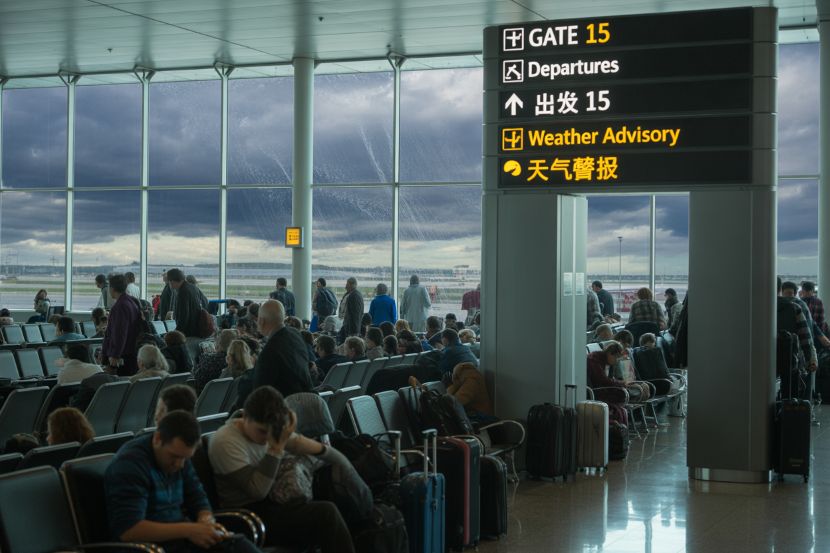
Bad weather has caused significant disruptions to air travel across Asia, with major airlines such as China Eastern, Shanghai Airlines, and Air China being forced to cancel numerous flights. These cancellations have impacted a large number of passengers traveling between key cities in China and other regions, leading to frustration and confusion among travelers.

Flight Cancellations Overview

According to recent reports, several flights from China Eastern Airlines, Shanghai Airlines, and Air China have been canceled due to adverse weather conditions. The cancellations involve both domestic and international routes, affecting travelers across China, including major cities such as Shanghai, Beijing, Chengdu, and Nanjing. The disruptions have caused considerable inconvenience, with many passengers left stranded at airports, struggling to find alternative flights or accommodations.

China Eastern Airlines Flight Cancellations

China Eastern Airlines, one of China’s largest carriers, has seen a number of cancellations this week due to bad weather. Flights between major hubs such as Shanghai Pudong International (PVG) and Taiyuan Wusu Airport (TYN), as well as other domestic routes, were severely disrupted. The airline had to cancel flights, including those from Shanghai to Yinchuan and Lanzhou, leaving passengers stranded. The affected routes include flights between Shanghai and various smaller regional airports in China. Passengers traveling on these routes are facing significant delays and cancellations, with many left uncertain about when they can be rebooked.

Some of the key flights affected by China Eastern Airlines’ cancellations include:

  • CES5285: Shanghai Pudong (PVG) to Yinchuan Helanshan (INC)
  • CES2258: Qingdao Jiaodong (TAO) to Lanzhou Zhongchuan (LHW)
  • CES9893: Lanzhou Zhongchuan (LHW) to Jinan Yaoqiang (TNA)
  • CES5210: Taiyuan Wusu (TYN) to Shanghai Pudong (PVG)
IdentTypeOriginDestinationScheduled Departure Time
CES5285A20NShanghai Pudong Int’l (PVG / ZSPD)Yinchuan Helanshan (INC / ZLIC)Mon 04:10PM CST
CES2258A20NQingdao Jiaodong Int’l (TAO / ZSQD)Lanzhou Zhongchuan International (LHW / ZLLL)Mon 07:15PM CST
CES9893A320Lanzhou Zhongchuan International (LHW / ZLLL)Jinan Yaoqiang (TNA / ZSJN)Mon 09:00PM CST
CES6945B732Taiyuan Wusu (TYN / ZBYN)Hefei Xinqiao Airport (HFE / ZSOF)Tue 07:25AM CST
CES2703A319Nanjing Lukou Int’l (NKG / ZSNJ)Taiyuan Wusu (TYN / ZBYN)Tue 08:05AM CST
CES6946B732Hefei Xinqiao Airport (HFE / ZSOF)Taiyuan Wusu (TYN / ZBYN)Tue 09:45AM CST
CES2704A319Taiyuan Wusu (TYN / ZBYN)Nanjing Lukou Int’l (NKG / ZSNJ)Tue 10:55AM CST
CES2885A320Nanjing Lukou Int’l (NKG / ZSNJ)Xi’an Xianyang Int’l (XIY / ZLXY)Tue 03:20PM CST
CES5210737Taiyuan Wusu (TYN / ZBYN)Shanghai Pudong Int’l (PVG / ZSPD)Tue 04:30PM CST
CES5485A321Hangzhou Xiaoshan Int’l (HGH / ZSHC)Taiyuan Wusu (TYN / ZBYN)Tue 05:40PM CST
CES2886A320Xi’an Xianyang Int’l (XIY / ZLXY)Nanjing Lukou Int’l (NKG / ZSNJ)Tue 06:35PM CST
CES5209737Shanghai Pudong Int’l (PVG / ZSPD)Taiyuan Wusu (TYN / ZBYN)Tue 08:10PM CST
CES6274A320Kunming Changshui Int’l (KMG / ZPPP)Nanchang Changbei Int’l (KHN / ZSCN)Tue 08:25PM CST
CES9893A320Lanzhou Zhongchuan International (LHW / ZLLL)Jinan Yaoqiang (TNA / ZSJN)Tue 09:00PM CST
CES5486A321Taiyuan Wusu (TYN / ZBYN)Hangzhou Xiaoshan Int’l (HGH / ZSHC)Tue 09:10PM CST
CES6351B732Taiyuan Wusu (TYN / ZBYN)Wuhan Tianhe (WUH / ZHHH)Tue 09:25PM CST
CES5209737Shanghai Pudong Int’l (PVG / ZSPD)Taiyuan Wusu (TYN / ZBYN)Wed 08:00PM CST
CES6274A320Kunming Changshui Int’l (KMG / ZPPP)Nanchang Changbei Int’l (KHN / ZSCN)Wed 08:25PM CST
CES5264B735Chengdu Tianfu Int’l (TFU / ZUTF)Taiyuan Wusu (TYN / ZBYN)Wed 08:30PM CST
CES9893A320Lanzhou Zhongchuan International (LHW / ZLLL)Jinan Yaoqiang (TNA / ZSJN)Wed 09:00PM CST

For passengers, this means not only missed business meetings and family reunions but also delays that significantly affect their travel plans. The inconvenience caused by such cancellations has ripple effects, with travelers often having to find alternative means of transportation or rebook their tickets for a later date, sometimes at a higher cost or during peak travel seasons.

Shanghai Airlines Flight Cancellations

Shanghai Airlines, a subsidiary of China Eastern Airlines, also had to ground several flights due to the same weather-related issues. Flights between Shanghai Hongqiao International (SHA) and Nanchang, Baotou, and Chongqing were canceled, causing further disruption in domestic travel. These cancellations have a direct impact on passengers intending to travel for both business and leisure. Flights canceled include:

  • CSH9245: Shanghai Hongqiao (SHA) to Nanchang Changbei (KHN)
  • CSH9246: Nanchang Changbei (KHN) to Shanghai Hongqiao (SHA)
  • CSH7327: Shanghai Pudong (PVG) to Baotou (BAV)
IdentTypeOriginDestinationScheduled Departure Time
CSH9245B732Shanghai Hongqiao Int’l (SHA / ZSSS)Nanchang Changbei Int’l (KHN / ZSCN)Mon 06:55PM CST
CSH9246B732Nanchang Changbei Int’l (KHN / ZSCN)Shanghai Hongqiao Int’l (SHA / ZSSS)Mon 09:10PM CST
CSH7327B735Shanghai Pudong Int’l (PVG / ZSPD)Baotou (BAV / ZBOW)Tue 06:50AM CST
CSH9139B733Shanghai Hongqiao Int’l (SHA / ZSSS)Taiyuan Wusu (TYN / ZBYN)Tue 07:15AM CST
CSH9140737Taiyuan Wusu (TYN / ZBYN)Shanghai Hongqiao Int’l (SHA / ZSSS)Tue 10:40AM CST
CSH7328B735Baotou (BAV / ZBOW)Shanghai Pudong Int’l (PVG / ZSPD)Tue 11:20AM CST
CSH9419B735Shanghai Hongqiao Int’l (SHA / ZSSS)Chongqing Jiangbei Int’l (CKG / ZUCK)Tue 02:45PM CST
CSH9420B735Chongqing Jiangbei Int’l (CKG / ZUCK)Shanghai Hongqiao Int’l (SHA / ZSSS)Tue 06:55PM CST

Travelers whose flights were affected by Shanghai Airlines are now facing delays in reaching their destinations, and the airline is working on rebooking passengers for future flights. For many, this is a frustrating situation, particularly during peak travel periods when flight availability is limited.

Air China Flight Cancellations

Air China has also been impacted by the same weather conditions, with multiple flights canceled across its network. The airline had to suspend flights between major cities such as Beijing and Chengdu, as well as between Beijing and Nanjing. These cancellations are part of a broader wave of flight disruptions affecting passengers traveling across domestic routes in China. The affected flights include:

  • CCA1522: Shanghai Hongqiao (SHA) to Beijing Capital (PEK)
  • CCA4523: Chengdu Shuangliu (CTU) to Nanjing Lukou (NKG)
  • CCA4101: Chengdu Shuangliu (CTU) to Beijing Capital (PEK)
IdentTypeOriginDestinationScheduled Departure Time
CCA1522A333Shanghai Hongqiao Int’l (SHA / ZSSS)Beijing Capital Int’l (PEK / ZBAA)Mon 06:40PM CST
CCA4523A21NChengdu Shuangliu Int’l (CTU / ZUUU)Nanjing Lukou Int’l (NKG / ZSNJ)Tue 08:40AM CST
CCA4101A330Chengdu Shuangliu Int’l (CTU / ZUUU)Beijing Capital Int’l (PEK / ZBAA)Tue 09:10AM CST
CCA4524A21NNanjing Lukou Int’l (NKG / ZSNJ)Chengdu Shuangliu Int’l (CTU / ZUUU)Tue 12:00PM CST
CCA8653B738Beijing Daxing International Airport (PKX / ZBAD)Yinchuan Helanshan (INC / ZLIC)Tue 06:55PM CST
CCA8654B738Yinchuan Helanshan (INC / ZLIC)Beijing Daxing International Airport (PKX / ZBAD)Tue 09:45PM CST

For passengers flying on these routes, the cancellations mean that they must either wait for new flights or seek alternative modes of travel. Some may be able to switch to other flights within the same airline, but others could face rebooking issues, especially during busy travel periods when flights are already fully booked.

The Impact on Passengers

The immediate consequence of these cancellations is the disruption of travel plans. Passengers have to deal with rescheduled flights, long waits at airports, and the stress of uncertainty about when they will be able to reach their destinations. For those who had important meetings, weddings, or vacations planned, the disruption could mean missing significant events. In some cases, passengers are even forced to find alternative routes or accommodations at their own expense.

Moreover, many passengers face financial burdens when flights are canceled. Rebooking on another flight often means paying additional fees, and sometimes, there may not be an available flight for days. For those without travel insurance, the costs can quickly add up.

The Impact on Local Tourism

Tourism has been one of the hardest-hit industries in countries like China, where flight cancellations disrupt both domestic and international travel. Major tourist destinations in cities like Beijing, Chengdu, and Shanghai are seeing reduced visitor numbers due to canceled flights. For many tourists, these cancellations are especially disappointing because they prevent them from experiencing the attractions these cities have to offer.

Local businesses, such as hotels and restaurants, that rely on tourists are also suffering. These businesses often depend on visitors from other regions and countries, and the reduced number of flights means fewer people can travel to these destinations. The impact of this on the economy is significant, especially in cities that rely heavily on tourism.

While it’s hard to find an immediate solution to the problem of weather-related cancellations, one thing is clear: the tourism industry must adapt to these disruptions. In the long term, providing better communication between airlines and passengers, as well as offering more flexible booking policies, can help mitigate the impact of such cancellations on the tourism industry.

Key Airports Affected

The following major airports have been impacted by the cancellations of flights from China Eastern Airlines, Shanghai Airlines, and Air China:

China Eastern Airlines:

  • Shanghai Pudong International (PVG)
  • Taiyuan Wusu (TYN)
  • Lanzhou Zhongchuan International (LHW)
  • Jinan Yaoqiang (TNA)
  • Qingdao Jiaodong International (TAO)
  • Xi’an Xianyang International (XIY)

Shanghai Airlines:

  • Shanghai Hongqiao International (SHA)
  • Nanchang Changbei International (KHN)
  • Baotou Airport (BAV)
  • Chongqing Jiangbei International (CKG)

Air China:

  • Beijing Capital International (PEK)
  • Chengdu Shuangliu International (CTU)
  • Nanjing Lukou International (NKG)

These airports have been the main points of entry and departure for the affected flights, with passengers encountering long delays and canceled services.

Key Areas Affected

The areas most affected by the flight cancellations include:

China Eastern Airlines:

  • Shanghai
  • Taiyuan
  • Lanzhou
  • Jinan
  • Qingdao
  • Xi’an

Shanghai Airlines:

  • Shanghai
  • Nanchang
  • Baotou
  • Chongqing

Air China:

  • Beijing
  • Chengdu
  • Nanjing

These areas are key transportation hubs in China, and the cancellation of flights has disrupted both domestic and international travel.

Affected Routes and Cities

The following routes were directly impacted by the flight cancellations:

China Eastern Airlines:

  • Shanghai Pudong (PVG) to Yinchuan (INC)
  • Qingdao Jiaodong (TAO) to Lanzhou (LHW)
  • Lanzhou (LHW) to Jinan (TNA)
  • Taiyuan (TYN) to Shanghai Pudong (PVG)

Shanghai Airlines:

  • Shanghai Hongqiao (SHA) to Nanchang (KHN)
  • Nanchang (KHN) to Shanghai Hongqiao (SHA)
  • Shanghai Pudong (PVG) to Baotou (BAV)

Air China:

  • Shanghai Hongqiao (SHA) to Beijing Capital (PEK)
  • Chengdu (CTU) to Nanjing (NKG)
  • Chengdu (CTU) to Beijing Capital (PEK)

The Road to Recovery for Airlines and Tourism

While the flight cancellations have caused considerable disruptions, they also present an opportunity for airlines and the tourism industry to improve their services. Airlines need to focus on offering better customer service, including real-time updates on cancellations and smoother rebooking processes. Moreover, providing more flexible cancellation and compensation policies will help mitigate the financial burden on passengers.

For the tourism industry, local governments and businesses must focus on diversifying their tourist attractions and creating packages that cater to different travel preferences. By offering a wider range of options, they can recover from the loss of visitors due to flight disruptions and attract more tourists in the long run.

Moving Forward: Building Resilience

To recover from such disruptions, airlines must focus on developing resilience plans for weather-related cancellations. This includes investing in technology that can help predict bad weather and offering real-time updates to passengers. Additionally, creating partnerships with other airlines can help reroute passengers quickly and efficiently.

For tourism, it is important to build stronger links with both domestic and international markets. By focusing on promoting local attractions and offering more flexible booking options, the tourism industry can bounce back stronger than ever.

The post Travel Mayhem Across China: China Eastern, Shanghai Airlines, and Air China Ground 34 Flights and Delay 924, Causing Havoc in Shanghai, Beijing, and Chengdu – Key Details Every Passenger Should Be Aware of appeared first on Travel And Tour World.

What Happens When You Plan Your Travel Based On Your Zodiac? Experts Reveal How This Cosmic Shift Is Changing the Way We Explore

What Happens When You Plan Your Travel Based On Your Zodiac? Experts Reveal How This Cosmic Shift Is Changing the Way We Explore

In 2026, a new approach to travel planning is gaining widespread interest, one that integrates astrology with the art of choosing the best travel dates. This innovative method encourages travellers to sync their travel schedules with the energies of their zodiac signs, allowing them to experience journeys that feel more in harmony with their personal rhythms. Rather than following general travel advice, people are now turning to astrological charts to determine the most auspicious travel dates, aiming to create smoother, more fulfilling journeys. This trend is becoming increasingly popular, especially among astrology enthusiasts, who believe that aligning travel with cosmic influences will unlock more meaningful travel experiences.

This new way of planning trips is reshaping how people view travel timing. As more individuals embrace this concept, the travel industry is poised to experience a transformation in how destinations and travel companies market their offerings.

Impact of Astrology on the Travel Industry

The integration of astrology into travel planning is set to leave a significant mark on the global tourism market. As individuals begin to seek personalized travel experiences that align with their unique astrological profiles, they will be guided to select travel dates that resonate with their personal cosmic energies. This demand for personalized itineraries could drive the travel sector to cater specifically to zodiac-specific schedules, leading to a rise in astrology-themed travel packages and tailored itineraries.

As this trend continues to grow, astrology-based travel will likely become a prominent feature in the tourism industry. Travel companies are expected to offer more personalized options to accommodate travellers who wish to plan their trips around the best times according to their zodiac signs. This new approach not only appeals to astrology fans but also attracts those who want a deeper connection with their travels, aligning their experiences with cosmic forces.

The Rise of Zodiac-Specific Travel Timing

Rather than relying on broad travel recommendations, astrology-based travel guides are providing specific dates tailored to each zodiac sign. Each sign has a set of dates during the year when travel is considered most auspicious. These dates are connected to the personal energy cycles of those born under each zodiac sign. For example, some signs may find that they thrive during late spring or early summer, while others may benefit more from autumn or winter for their travels.

This astrological insight gives travellers the opportunity to choose not just the right destination but also the perfect timing that aligns with their personal cosmic energy. This approach is seen as a way to enhance the quality of their journey, ensuring they experience greater harmony, fewer disruptions, and more enjoyable travel. Followers of astrology are particularly drawn to this method, believing that travelling when their sign is aligned with cosmic forces will create a more fulfilling travel experience.

A Personalized Shift in Travel Planning

A major change brought about by this trend is the emphasis on cosmic alignment. Traditionally, travel advice has focused on when to book flights or what destinations to visit. Now, the focus has shifted to timing, with astrology guiding the selection of the right time to travel. This shift is expected to appeal to younger generations, who are more attuned to personal energy cycles and the astrological influences that shape their lives.

Travellers are now encouraged to plan their trips when their zodiac sign is most aligned with cosmic energy, potentially leading to smoother, more positive experiences. This approach encourages people to travel during times of the year that may have previously been overlooked, simply because the stars now align to make it the most favorable period for their journey.

The Surge of Astrology-Themed Travel Packages

As astrology becomes more integrated into travel planning, the travel industry is seeing a surge in astrology-themed packages. These itineraries are designed to cater to the timing preferences of each zodiac sign, ensuring that travellers experience their journey at the best astrological moment. This personalized approach is attracting astrology enthusiasts and others seeking unique travel experiences tailored to their astrological charts.

The demand for astrology-based itineraries and specific travel dates is expected to rise in 2026, making astrology-inspired travel a growing market niche. This trend not only serves astrology followers but also appeals to anyone seeking a more personalized, meaningful travel experience.

Transforming Travel: Aligning Journeys with the Stars

Astrology-based travel offers a refreshing alternative to traditional trip planning. By incorporating astrological insights, travellers can now align their plans with celestial rhythms, creating an experience that feels more authentic and connected to their personal energy. For those who believe in the power of astrology, this approach offers a deeper connection to their journey, allowing them to explore the world during times that are considered astrologically favorable.

Travelling during these auspicious periods is believed to lead to smoother, more harmonious experiences. Astrology followers believe that this alignment enhances their journey by reducing disruptions and fostering more positive encounters. This belief could contribute to making travel a more fulfilling and memorable experience, especially for those who adhere to astrological principles.

The Global Influence of Astrology-Based Travel

As astrology continues to gain popularity, its impact on the tourism industry is expected to be profound. As more travellers seek personalized and astrology-driven experiences, the travel sector will need to adapt to meet this growing demand. Tour operators and travel agencies are anticipated to offer astrology-based travel packages, providing travellers with specific dates that align with their zodiac signs.

In addition to influencing individual travel decisions, this trend will likely shape destination marketing. Emerging destinations known for their spiritual significance or cosmic energy could see increased attention from astrology-guided travellers. Cities that have long been considered cosmically significant, such as those with historical or spiritual importance, may position themselves as prime destinations for zodiac-conscious travellers seeking to align their trips with the universe’s rhythms.

As astrology continues to shape travel choices, destinations known for their cosmic significance could experience a surge in tourism. These destinations might attract people looking for a more profound connection to their journey, offering them an experience that aligns with their astrological forecasts.

Astrology-Based Travel: A Shift in the Tourism Landscape

Looking ahead to 2026, astrology-driven travel is expected to continue growing, fundamentally changing the way people approach vacations, leisure travel, and holiday planning. As more individuals turn to their zodiac signs to determine the best time to travel, the travel industry must adapt. This shift represents a significant evolution in how people plan their trips, offering a unique opportunity for tourism businesses to tap into a rising market of zodiac-conscious travellers.

For travel companies that cater to astrology followers, this shift provides an exciting opportunity. By offering zodiac-based itineraries, specialized dates, and cosmic destinations, travel businesses can attract an increasing number of travellers looking for more meaningful and aligned travel experiences.

As the influence of astrology continues to grow, the travel industry is poised to embrace this new trend. This shift offers an exciting avenue for destinations and tour operators to meet the demand for personalized travel experiences. The astrology-based travel movement is expected to continue evolving and expanding, creating new opportunities for travel businesses to connect with travellers who are increasingly seeking journeys that resonate with their cosmic influences.

By embracing this approach, the travel industry can position itself for success in 2026 and beyond. As astrology continues to play a more prominent role in the travel sector, businesses will need to evolve to cater to the growing demand for astrology-based travel, offering tailored experiences that align with the personal and cosmic needs of their clients. This shift is set to be a dynamic new chapter in the evolution of the tourism industry, shaping the way people travel for many years to come.

The post What Happens When You Plan Your Travel Based On Your Zodiac? Experts Reveal How This Cosmic Shift Is Changing the Way We Explore appeared first on Travel And Tour World.

Could Florence, Berlin, Copenhagen, Amsterdam, And New York Be The Top Destinations Redefining Global Travel For Gallery Hopping In 2026?

Could Florence, Berlin, Copenhagen, Amsterdam, And New York Be The Top Destinations Redefining Global Travel For Gallery Hopping In 2026?

The world of international transit is witnessing a fundamental change as we navigate through the middle of this decade. Increasingly, modern globetrotters are looking for art to travel for, favoring destinations that promise intellectual substance and profound emotional connection over basic sightseeing. This significant shift heralds a new epoch where cultural milestones act as the primary engines for international movement. Throughout 2026, the planet will witness a spectacular marriage of historical legacy and contemporary genius. Consequently, major hubs such as Florence and Berlin are readying themselves for a wave of sophisticated visitors. These explorers do not merely pass through; they linger to absorb the creative vitality found within local institutions. By centering on high-profile displays, the global tourism sector is seeing a rise in intentional, slow travel. Truly, the hunger for art to travel for has become the ultimate compass for the modern wanderer, successfully reshaping the world map into a series of curated human triumphs.

The Global Impact on the Traveler of 2026

In the current climate, it has been noted that the very definition of a “trip” is being rewritten. The travel industry is observing that the traditional holiday is being pushed aside by the concept of the cultural pilgrimage. When voyagers choose to cross international borders today, their primary motivation is often to be part of a specific, fleeting moment in history. This evolution has a striking impact on the economies of host cities. For instance, when a visitor arrives in Paris or London specifically for a landmark exhibition, their engagement with the local environment becomes much more profound. They are more likely to seek out independent, boutique lodging and patronize culinary establishments that mirror the artistic themes of their journey.

Furthermore, the logistical side of global transit is feeling the effects of this trend. Transportation providers, including major airlines and rail networks, are seeing a shift in booking patterns. Demand is no longer solely dictated by traditional school breaks but is increasingly aligned with the opening dates of major museum retrospectives. This creates a more balanced global tourism calendar, which helps alleviate the pressures of “over-tourism” in the height of summer. The result is a more sustainable “shoulder season” populated by informed and patient travelers who are eager to invest in their own personal development through high-quality cultural experiences.

The Convergence of Modernism and Renaissance Heritage

In Italy, a masterful dialogue is taking place that connects the distant past with the mid-twentieth century. The event titled “Rothko in Florence” is a courageous endeavor to bring the works of the legendary Mark Rothko to the heart of Tuscany. It has been reported that the central aim of this showcase is to build a visual bridge between abstract expressionism and the Renaissance.

Those making the journey to Florence will see how Rothko’s signature luminous color-field paintings interact with the iconic, classical geometry and enduring stone structures of Italian architecture. This specific juxtaposition is anticipated to attract a large demographic of historians and modern art fans. It provides a compelling reason to revisit a city that is already a cornerstone of world travel, demonstrating how even the most historic locations can stay relevant by embracing contemporary innovation.

The Cinematic and Visual World of an American Icon

Across the continent in Germany, the city of Berlin is preparing to highlight the varied talents of David Lynch. Between January 29 and March 29, 2026, the Pace Gallery (Die Tankstelle) will present “On View.” This particular show is intended to change the way the public perceives Lynch, emphasizing his identity as a visual artist first and a director second.

For the local economy, this creates a “cult-destination” status that attracts a very specific and dedicated audience. Enthusiasts are expected to travel to Berlin to experience:

  • The “Factory Photographs,” which are striking black-and-white scenes he recorded in the city during 1999.
  • A series of Surrealist paintings and watercolors that feature his famous palette of deep reds and inky blues.
  • His renowned uncanny lamps, which exist somewhere between furniture design and high-end sculpture.

This gathering of work transforms Berlin into an essential stop for travelers who value the more enigmatic and mysterious side of modern creativity.

Endurance and Performance in Scandinavia

In Denmark, the Louisiana Museum of Modern Art is set to become a destination for those fascinated by the capabilities of the human spirit. The legendary Marina Abramović, widely regarded as the “grandmother of performance art,” will be the focus of a major retrospective in Copenhagen.

Following her well-received appearances in London, this Scandinavian exhibition will highlight her life’s work regarding mental and physical endurance. This genre of art demands a high degree of presence from the spectator, which fits perfectly with the modern preference for “slow travel.” Visitors to Copenhagen are expected to engage in a more thoughtful and meditative style of tourism, staying longer in the city to fully digest the emotional intensity of Abramović’s work.

The Golden Hues of a Dutch Master in the Netherlands

While some aesthetic experts predicted a trend toward cooler colors, the Van Gogh Museum in Amsterdam is moving in a different direction. From February 13 to May 17, 2026, the institution will host “Mellow Yellow.” This event offers an in-depth look at Vincent van Gogh’s artistic and psychological fixation on the color yellow.

It was noted that:

  • The exhibition will demonstrate how this specific color became a fundamental part of his expressive power.
  • The show provides a radiant and fresh look at an artist who is central to Dutch cultural identity. For Amsterdam, this ensures a busy and colorful spring, as travelers arrive to find the warmth and light that define these world-famous works.

The Renaissance Master’s Influence in North America

In the United States, the city of New York is ready to host a gathering of classical art that is rare for the region. From March 29 to June 28, 2026, The Met will showcase a massive international loan exhibition of Raphael.

Since the works of this Renaissance master are usually kept in various European collections, seeing such a large number of them in Manhattan is a unique opportunity. This event is likely to cause a significant increase in travel to New York, as it appeals to a global audience that appreciates the historical significance and artistic perfection of the High Renaissance.

A Retrospective of Modernist Rebellion in New York and France

New York will also celebrate the spirit of rebellion through a retrospective of Marcel Duchamp. Starting in April 2026 at MoMA, this show will honor the man who changed the very definition of what we call art.

The most interesting aspect for the travel industry is the movement of the exhibition; it is scheduled to relocate to Paris after its time in America. This creates a unique “cultural link” between New York and France, encouraging fans to follow the collection across the ocean to see how different environments influence the perception of the art.

Monumental Structures and Contemporary Vision in the United Kingdom

In the United Kingdom, the Summer of 2026 will be marked by the grand scale of Anish Kapoor. His work at the Hayward Gallery in London is expected to be a major artistic and logistical achievement. These large, immersive sculptures often warp the viewer’s sense of space and light, requiring people to physically move around the pieces to understand them.

For London, this is a powerful draw. These creations provide a physical experience that cannot be captured on a phone; they must be felt in person. The complexity of these works is expected to bring thousands to the South Bank, once again proving the UK’s role as a center for contemporary public art.

The Satirical Lens on Global Climate Shifts

Back in Paris, the Jeu de Paume will provide a more social and humorous perspective. From January 30 to May 24, 2026, a retrospective of Martin Parr titled “Global Warming” will be open to the public.

Parr is famous for his satirical photos that look at the oddities and failures of modern society. This exhibition is particularly relevant for travelers because it reflects on global consumption and environmental change. It attracts a thoughtful visitor who wants to see art that mirrors the important global issues of today.

Exploring Human Connectivity through Technology in the North

Finally, the National Gallery of Iceland in Reykjavík will feature the video work of Agnieszka Polska. Her installations look at the complex ways that humanity and technology connect. By hosting this show, Iceland is showing that it is a place for deep thinkers as well as nature lovers. Travelers in Reykjavík will find themselves at the meeting point of ancient nature and high-tech art, creating a journey that is truly unique to 2026.

As these global events begin to take place, it is evident that the world is no longer just a collection of locations to visit. Instead, it is a series of stories to join. The year 2026 will be remembered as the moment when art to travel for became the core of international exploration.

The post Could Florence, Berlin, Copenhagen, Amsterdam, And New York Be The Top Destinations Redefining Global Travel For Gallery Hopping In 2026? appeared first on Travel And Tour World.

Anthony, New Mexico Ranked Safest City in the State for 2025: Everything You Need to Know

Anthony, New Mexico Ranked Safest City in the State for 2025: Everything You Need to Know

Anthony, a vibrant border town located in the extreme southwestern corner of New Mexico, will be recognized by SafeWise as the safest city in New Mexico for 2025. This is quite an accomplishment for any city, let alone a border town that deals with a myriad of public safety issues. From 2022 to 2023, Anthony stepped up its game from 2nd place to 1st. It shows that local government, law enforcement, and the community as a whole are focused on public safety and are creating a welcoming and safe place for residents and visitors.

Understanding the Metric of the Ranking

Every year, SafeWise conducts a public safety assessment report to analyze the public safety of all the cities in New Mexico to determine the rankings. Public safety is analyzed by looking at violent crime, crime against property, and the enforcement of local public safety laws. The assessment was favorable for Anthony, and the feedback certainly validates all the efforts and time invested into public safety by law enforcement and the community.

Public Safety Initiatives in Anthony, New Mexico

The ranking was mostly thanks to the efforts of the police department and citizens of Anthony working together. Local law enforcement and the community remained engaged to keep the crime rate threat down. The milestone can be credited to community involvement, effective crime prevention programs, and proactive police strategy.

Anthony has invested in multiple programs to meet the community’s public safety needs. Anthony’s programs meet safety needs and help residents feel safe and secure. Anthony’s public safety record in the state is impressive and a model for others. The crime rate in Anthony is one of the lowest and consistently ranks low for both violent and property crime.

Border Cities Challenges

Anthony is a border town and faces the challenge of public safety. Being located near the U.S. and Mexico border, crime such as drug trafficking and human smuggling has always been a threat to public safety. Anthony has been able to maintain being one of the safest cities while being close to the border.

Most of the time, the challenges the city faces have been able to be averted due to the partnerships built by Anthony. The Police Department of the City of Anthony, along with local businesses and residents, has built collaboration to address challenges to the quality of life.

Evaluations and Comparisons to Other Cities

Reports from SafeWise show that, just like Anthony, Sunland Park, a border city close to Anthony, has been improving in the area of public safety. Even though it is not number 1, Sunland Park is also improving and, along with Anthony, deserves credit for improving the safety of the border area.

Anthony has been moving forward and, unlike the other border cities that are experiencing challenges, has not been stagnating. Anthony is recognizing the benefits of their progressive efforts in public safety.

The Leadership of Anthony’s Police Department

The guidance of Anthony’s Police Department has contributed to the success of the city. Former Police Chief Vanessa Ordoñez, who guided the department to this success, stated how important partnerships are among officers, staff, and the community. The groundwork she did during her tenure has positioned the department to sustain its public safety efforts for the long haul.

With Chief Ordoñez at the helm, the department focused on community policing and partnered with the community to enhance the rapport between law enforcement and the community. This strategy has been credited with the establishment of positive rapport and collaboration, which are critical for the overall safety of the community.

The post Anthony, New Mexico Ranked Safest City in the State for 2025: Everything You Need to Know appeared first on Travel And Tour World.

How Las Vegas’ Harry Reid Airport is Leading the Charge Against Human Trafficking with New Programs – Everything You Need to Know About the New Safety Measures

How Las Vegas’ Harry Reid Airport is Leading the Charge Against Human Trafficking with New Programs – Everything You Need to Know About the New Safety Measures
How Las Vegas’ Harry Reid Airport is Leading the Charge Against Human Trafficking with New Programs

At one of the busiest airports in the United States, Harry Reid Airport in Las Vegas, new steps are being taken to fight the crime of human trafficking. Known as the eighth busiest airport in the U.S. by passenger traffic, the airport is strengthening its long-standing efforts to raise awareness about human trafficking, ensuring that travelers are aware of the issue and equipped with the tools to report or seek help if necessary. With updated anti-trafficking messages placed in strategic locations and new resources to assist victims, the airport continues to position itself as a leader in the fight against trafficking within the aviation industry. These efforts not only serve as crucial reminders but also as a part of a broader initiative to protect passengers, especially those passing through Las Vegas, a hotspot for tourism and travel.

A Proactive Approach to Human Trafficking Awareness

Human trafficking is a global issue, and Las Vegas is no stranger to the threat. The bustling nature of Harry Reid International Airport, which sees millions of travelers annually, makes it a prime location for increased vigilance against such crimes. With this in mind, the airport has doubled down on its commitment to creating a safer environment for all travelers.

The airport’s latest initiative includes the installation of new signage throughout the facility, particularly in high-traffic areas such as tram cars that connect different terminals. These signs prominently feature the powerful message: “I Am Not a Souvenir”. This reminder aims to raise awareness and prompt passengers to be more mindful of the signs of human trafficking, which can sometimes go unnoticed by even the most vigilant travelers. This initiative serves as a visual cue, urging everyone to stay aware and step up if they suspect someone might be in danger.

Key Programs for Travelers and Airport Personnel

Alongside the signs, Harry Reid Airport has integrated a series of training programs designed for its employees, as well as for other airport partners. The goal is to ensure that the people working at the airport are equipped with the knowledge and skills to identify the potential indicators of trafficking. These signals can range from unusual behavior by individuals or groups to physical signs of distress. By training airport personnel to respond swiftly and correctly, the airport helps create an environment where potential victims are less likely to be ignored.

Travelers themselves are also encouraged to be vigilant and informed. Public service announcements throughout the airport further emphasize the resources available to anyone who might need help. Victims or witnesses can now text “HELP” to 233733 (BeFree) or call the National Human Trafficking Hotline at 1-888-373-7888. These confidential services allow individuals to seek help without drawing attention, which can be especially important in high-traffic areas like airports.

How These Efforts Benefit Travelers and Tourists

With its high visitor volume, Las Vegas attracts millions of tourists annually. For those visiting the city for business or leisure, knowing that Harry Reid Airport is taking steps to combat human trafficking adds an extra layer of comfort and security. Travelers can now embark on their journeys, knowing that the airport is not just focused on their travel needs, but also on their safety and well-being.

Tourists visiting Las Vegas can rest assured that airports like Harry Reid International are on the front lines in the battle against human trafficking. By raising awareness and offering practical solutions such as the text line and hotline, the airport supports both travelers and the community, ensuring that all who pass through can do so with a sense of safety.

Moreover, Las Vegas has a strong commitment to tourism safety, which includes other programs aimed at protecting visitors from various types of exploitation. With more airports and public spaces taking such proactive stances, visitors can feel more confident when they choose to travel.

Additional Information for Travelers: What You Can Do to Stay Safe

Travelers can contribute to the anti-trafficking efforts at Harry Reid and beyond by being proactive. Here are some helpful tips:

  • Know the Signs: Learn how to identify the common signs of human trafficking, such as signs of physical abuse, lack of identification, or someone who seems controlled or fearful of others.
  • Stay Alert: Airports are often crowded and bustling, but staying aware of your surroundings can help you notice when something seems out of place.
  • Use Available Resources: Don’t hesitate to report any suspicious activity you see. Utilizing the text and call helplines can be done discreetly to ensure no further danger to potential victims.
  • Respect Personal Boundaries: Be aware of your interactions with strangers and ensure that you’re always respecting others’ personal space and well-being.

Empowering Travelers and Airports Together

While Harry Reid Airport’s anti-trafficking initiatives are a significant step forward, they represent just one part of a global effort to end human trafficking. Airports across the nation are working to integrate more awareness and prevention programs, setting the stage for an industry-wide movement that involves travelers, airport staff, and authorities alike.

In an age where technology and awareness can make a difference, such initiatives not only help prevent crimes but also empower those who have the ability to act in situations where someone else may be at risk. Whether it’s through visible signs, training programs, or the availability of immediate help, efforts to combat human trafficking are vital to ensure that travel remains a safe and enjoyable experience for all.

Key Takeaways for Travelers

  • Harry Reid International Airport in Las Vegas is taking major steps to combat human trafficking through increased awareness efforts and training for airport employees.
  • Text services and hotlines are available for those who believe they are in danger or who see something suspicious.
  • Travelers can be part of the solution by remaining alert and using resources when necessary to report trafficking.

The post How Las Vegas’ Harry Reid Airport is Leading the Charge Against Human Trafficking with New Programs – Everything You Need to Know About the New Safety Measures appeared first on Travel And Tour World.

Tragic Outbreak in Cape Verde: Six British Tourists Dead, Over One Thousand Five Hundred Sick, Legal Action Now Underway

Tragic Outbreak in Cape Verde: Six British Tourists Dead, Over One Thousand Five Hundred Sick, Legal Action Now Underway
 hotels outbreak Cape Verde

A devastating outbreak of a severe stomach infection in Cape Verde has tragically claimed the lives of six British holidaymakers and left more than 1,500 others ill. The outbreak, caused by a bacterial infection called shigella, has sparked widespread concern over the safety and hygiene standards at the resorts where these tourists stayed, leading to legal action and calls for greater accountability from the hotels and tour operators involved.

Rising Death Toll and Legal Pursuit

Between August 2025 and January 2026, several British tourists fell seriously ill after staying at popular all-inclusive resorts in Cape Verde. The majority of the victims were staying at RIU hotels, a Spanish hotel chain with a series of resorts across the island. Tragically, six British nationals passed away after their holidays, and many others have suffered from the outbreak, experiencing severe gastrointestinal symptoms.

Among the victims was Elena Walsh, 64, who died just two days after feeling unwell while staying at a five-star resort. Elena developed severe diarrhoea, dehydration, and fever. She was rushed to a clinic and then transferred to a hospital, where her condition deteriorated rapidly. Elena’s family has voiced concerns about the hygiene practices at the hotel, with reports of improperly cooked food and poor sanitation potentially contributing to the outbreak. Elena’s death has left her family devastated, as they had planned what was meant to be a special holiday in Cape Verde.

Another victim, Mark Ashley, 55, from Bedfordshire, fell ill after staying at the RIU Palace Santa Maria resort in October. Mark began experiencing intense stomach pain, vomiting, and fatigue shortly after returning home. He collapsed shortly afterward and was rushed to the hospital, where he was pronounced dead. His wife, Emma, has expressed their family’s deep shock and heartache, stating that their dream holiday turned into a nightmare. Emma also highlighted concerns about the hotel’s food safety, particularly regarding water storage, which she noticed was left outside in the sun.

A third victim, Karen Pooley, 64, from Gloucestershire, died after developing symptoms of sickness and diarrhoea while staying at the RIU Funana resort in Sal. Karen had also suffered a broken leg after slipping on water in the hotel. She was transferred to a clinic and then airlifted to an intensive care unit in Tenerife, where she died from complications five days later. Her family has criticised the hotel’s poor communication and lack of assistance, claiming that their efforts to seek medical help were inadequate.

Understanding Shigella and Its Impact

Shigella is a highly contagious bacterial infection often transmitted through contaminated food or water. While most healthy individuals recover from the infection within a few days, it can lead to more severe complications in vulnerable individuals, including the elderly and those with underlying health conditions. In this case, the outbreak appears to have spread rapidly among guests at the same resorts, with several people falling seriously ill and requiring hospitalisation.

The UK Health Security Agency (UKHSA) reported 137 confirmed cases of shigella between October and December 2025, with the majority of the affected individuals having recently returned from Cape Verde. The situation became serious enough for the UK Foreign Office to issue a warning to British tourists travelling to the island in December 2025, highlighting the ongoing risks associated with travel to Cape Verde.

Legal Action and the Fight for Justice

The families of the victims have taken legal action, represented by the UK law firm Irwin Mitchell. Several group lawsuits are being prepared, with the first set to be heard in February 2026. These cases involve more than 300 British tourists who fell ill after staying at the RIU Palace in 2022. The lawsuits focus on the hotel chain’s responsibility for failing to maintain proper hygiene standards and failing to prevent the spread of the infection.

Jatinder Paul, a serious injury lawyer from Irwin Mitchell, has highlighted the staggering number of illnesses and deaths that have occurred in connection with the Cape Verde outbreak. He noted that each case represents a tragic personal story, with many families now grappling with the emotional and financial toll of their loved ones’ illnesses and deaths. The legal action aims to hold the hotel chain and tour operators accountable for their lack of due diligence in safeguarding their guests’ health.

Cape Verde’s Tourism in Crisis

The stomach bug outbreak in Cape Verde has raised serious concerns about the country’s tourism industry, which relies heavily on international visitors. The tragic events have placed the island’s tourism sector under intense scrutiny, as potential travellers may hesitate to book holidays there due to fears about hygiene and safety. The ongoing legal battles, alongside the media coverage of the outbreak, may deter tourists from visiting Cape Verde in the future, severely affecting its tourism economy.

Cape Verde has long been a popular holiday destination, known for its beautiful beaches, affordable all-inclusive resorts, and relaxing environment. However, the recent health crisis has cast a shadow over its reputation, as tourists are now questioning the safety of staying at certain resorts. In order to rebuild confidence in the destination, tourism authorities and resort operators must urgently address the hygiene issues that led to this outbreak.

Road to Recovery and Future Prevention

The families affected by this outbreak are calling for changes in how the health and safety of holidaymakers are managed, particularly in relation to hygiene standards at resorts. The ongoing legal action reflects the need for greater responsibility from tour operators and hotels in protecting the health of their guests. As these cases unfold, it is expected that the tourism industry in Cape Verde will face heightened scrutiny and calls for stricter regulations to prevent similar incidents in the future.

Tourists planning to visit Cape Verde or any other destination should take steps to protect their health by staying informed about any travel advisories and health risks. It is also essential for holidaymakers to be vigilant about hygiene practices, both at the hotel and during their excursions. By choosing resorts with high health and safety standards, travellers can help ensure their holidays are safe and enjoyable.

Conclusion

The deadly stomach bug outbreak in Cape Verde is a tragedy that has affected many British families. With six deaths and over 1,500 people falling ill, this crisis has raised serious questions about the responsibility of resorts and tour operators in maintaining the health and safety of their guests. As legal action continues and the tourism industry in Cape Verde grapples with the fallout, it serves as a reminder of the importance of strict hygiene practices in the hospitality sector. Ensuring the safety of travellers must always be a top priority for all tourism-related businesses.

The post Tragic Outbreak in Cape Verde: Six British Tourists Dead, Over One Thousand Five Hundred Sick, Legal Action Now Underway appeared first on Travel And Tour World.

FAA Announces Bold Restructuring Plans to Modernize Airspace and Drive Innovation in US Aviation Industry

FAA Announces Bold Restructuring Plans to Modernize Airspace and Drive Innovation in US Aviation Industry

The Federal Aviation Administration (FAA) has announced a comprehensive restructuring plan aimed at transforming the US aviation landscape. This bold reorganization, the largest in the agency’s history, seeks to modernize airspace systems, integrate new technologies and streamline operations to ensure the US remains a global leader in aviation safety and efficiency. The restructuring comes with a focus on innovation, safety and the successful deployment of advanced airspace management systems.

Revamping the FAA’s Organizational Structure for Airspace Modernization

A key component of the FAA’s newly announced restructuring is the creation of the Airspace Modernization Office, tasked with overseeing the upgrade of the National Airspace System (NAS). This new office will spearhead initiatives for system-wide modernization, ensuring that the US airspace infrastructure can accommodate the future demands of an increasingly complex aviation environment. The office will manage planning, research and development, systems engineering and overall portfolio management, ensuring that air traffic control systems evolve rapidly and efficiently.

This move follows the FAA Reauthorization Act of 2024, which explicitly mandates the development of such an office. By consolidating efforts under a single organization, the FAA aims to tackle airspace modernization in a more focused, cohesive manner. The strategic aim is to reduce operational silos and enhance the coordination between different departments involved in the modernization process. The office will play a pivotal role in delivering a new air traffic control system, a key part of the larger modernization initiative.

Integrating Advanced Technologies into the US Aviation System

Another significant change in the FAA’s restructuring is the formation of the Office of Advanced Aviation Technologies. This office will focus on overseeing the integration of groundbreaking technologies into US airspace, including drones, electric vertical takeoff and landing (eVTOL) aircraft and other advanced air mobility (AAM) vehicles. As these technologies advance, the FAA’s role in ensuring their seamless and safe integration into the airspace becomes increasingly important.

The new office will also play a crucial role in shaping regulations and safety standards for unmanned aircraft systems (UAS) and supersonic flights, ensuring that these innovations are safely incorporated into the National Airspace System. The US aviation industry stands at the threshold of a new era and the FAA’s restructuring will ensure that the agency is positioned to manage and regulate these developments as they emerge.

Focus on Safety and Streamlining Operations

As part of the restructuring, the FAA will establish a new Aviation Safety Management System (SMS) Organization. This office will centralize safety management activities, which were previously spread across five separate divisions. The aim is to create a unified safety oversight system that can better monitor and address risks across the entire aviation ecosystem. This shift will enhance the FAA’s ability to manage safety data and share insights across the agency more effectively, fostering a culture of safety that is essential for the aviation industry’s continued growth.

The restructuring also includes leadership shifts, with a focus on placing permanent leaders in critical positions within the FAA. This will help provide stability and continuity as the agency works to implement these large-scale changes. Additionally, the agency’s finance, IT and human resource functions will be consolidated under the administrator’s office, streamlining operations and improving decision-making processes.

Conclusion

The Federal Aviation Administration’s bold restructuring plan marks a significant step forward for US aviation. By modernizing airspace systems, integrating new technologies and enhancing safety management, the FAA is positioning itself to meet the challenges of the 21st century. With a clear focus on innovation and efficiency, these changes will help ensure that the US remains at the forefront of global aviation. As the FAA works toward implementing its Flight Plan 2026, these structural changes will be key to delivering the new National Airspace System that will power the future of aviation.

The post FAA Announces Bold Restructuring Plans to Modernize Airspace and Drive Innovation in US Aviation Industry appeared first on Travel And Tour World.

Turin Is The Ultimate Winter Travel Destination You Won’t Want To Miss, Here’s Why Everyone Is Rushing There, In Italy

Turin Is The Ultimate Winter Travel Destination You Won’t Want To Miss, Here’s Why Everyone Is Rushing There, In Italy

Turin, nestled in the Piedmont region of Italy, has long been celebrated as one of the country’s most alluring destinations, particularly during the winter season. This city, known for its rich cultural heritage and captivating winter ambiance, offers visitors a one-of-a-kind experience. Whether you’re seeking warmth in its cozy cafés, exploring its historical landmarks, or indulging in its famed chocolate culture, Turin presents itself as the perfect retreat during the colder months. Travelers from around the globe are drawn to this magnificent city, which has become synonymous with not just enduring the winter, but truly embracing it. In Turin, winter is celebrated through its beautiful architecture, warm beverages, and vibrant cultural life, making it an ideal place to escape and savor the season’s delights.

Turin’s Winter Allure: A Perfect Blend of Culture and Charm

As the winter season blankets Turin, the city takes on a new, magical dimension. The crisp winter air, combined with historical arcades and elegant squares, creates a setting that is uniquely charming and inviting. Unlike colder regions with biting temperatures, the mild winters in Turin offer the perfect conditions for visitors to enjoy the beauty of the season without feeling overwhelmed by the cold. The city’s combination of snowy streets and cozy indoor spaces provides a balance that appeals to both outdoor enthusiasts and those preferring a warm retreat.

One of the most iconic aspects of Turin during the winter is its café culture. The city’s cafés, which have long been a central part of its social life, become even more inviting during the colder months. Historic cafés, such as Caffè Mulassano and Al Bicerin, offer a warm escape where visitors can enjoy hot drinks and soak in the Turinese atmosphere. These spots are perfect for people-watching, reading, or simply enjoying the warmth of a freshly brewed bicerin, a traditional drink that is synonymous with Turin’s cozy winter vibe.

Turin: The Birthplace of Italian Chocolate

One of the most cherished aspects of Turin during the winter is its profound connection to chocolate. Known as the birthplace of Italian chocolate, Turin has been home to artisanal chocolate makers for centuries, and its rich chocolate heritage is an integral part of the city’s identity. The city’s tradition of chocolate-making has been passed down through generations, and visitors to Turin have the unique opportunity to experience this delicious legacy firsthand.

Every year, the city hosts the renowned Cioccolatò festival, a celebration of all things chocolate. This event draws chocolate lovers from across the globe, offering a chance to indulge in the finest chocolates, participate in tastings, and enjoy live demonstrations by local chocolatiers. Turin’s chocolate scene is a central part of its winter experience, and visitors can explore numerous chocolate shops that offer an array of delectable treats, each more delightful than the last.

Among Turin’s most iconic contributions to chocolate culture is bicerin, a layered drink made from espresso, chocolate, and cream. This winter beverage has been a staple in Turin for centuries and continues to be a favorite among both locals and visitors. It represents the essence of Turin’s winter warmth, offering the perfect balance of sweetness and warmth to beat the chill of the season.

Culture and History Amidst the Snow

While chocolate and café culture are major draws in Turin, the city is also home to a wealth of cultural and historical attractions that make it a compelling winter destination. Whether exploring its world-class museums or strolling through its regal palaces, visitors will find an abundance of indoor activities that add to the city’s charm.

One of the must-see locations in Turin is the Egyptian Museum, home to one of the finest collections of Egyptian artifacts outside of Egypt. This museum offers an incredible opportunity to explore ancient history, showcasing some of the most important relics and discoveries from ancient Egypt. Along with the Egyptian Museum, Palazzo Reale, a grand Baroque palace, offers a glimpse into the city’s royal past. The palace’s stunning architecture contrasts beautifully with the snow-covered landscape, making it a perfect winter attraction.

In addition to the palace, Palazzo Madama is another historical gem in Turin. Known for its blend of art, history, and architecture, it draws visitors who are interested in experiencing the intersection of culture and beauty. The city’s royal heritage and cultural wealth make it an ideal place for those looking to immerse themselves in history while enjoying the comforts of a winter retreat.

Winter Events That Bring Turin to Life

During the winter months, Turin becomes a hub of cultural activity. The city is renowned for its vibrant winter events, many of which take place in its public squares and historical districts. In places like Piazza Castello and the Quadrilatero Romano district, visitors will find a mix of classical music concerts, theater performances, and local markets that celebrate the season. These events infuse the city with energy, providing an opportunity for both locals and travelers to enjoy the festive atmosphere.

The winter festivals in Turin also feature a wide variety of local markets, where visitors can purchase handmade goods, local delicacies, and, of course, chocolate. These markets add to the city’s charm, making it an attractive destination for those looking to experience the Italian winter vibe. For those planning to visit Turin during the winter, the festive atmosphere makes it an unforgettable experience.

What to Expect When Visiting Turin in Winter

If you’re planning a trip to Turin during the winter season, here are some experiences that you won’t want to miss:

  • Chocolate Tours & Tastings: Turin is home to some of the best artisanal chocolates in the world. Visitors can indulge in chocolate tastings at various shops around the city.
  • Café Culture: A visit to Turin’s historic cafés, such as Caffè Mulassano and Al Bicerin, is a must. These spots offer a perfect way to relax with a hot drink and experience the city’s warm hospitality.
  • Seasonal Events: The city’s winter festivals, concerts, and local markets create a lively and festive atmosphere that is perfect for visitors seeking both cultural and holiday experiences.
  • Chilly but Inviting Atmosphere: Snow and crisp air make the winter ambiance in Turin particularly enchanting, providing the ideal setting for exploring the city’s beautiful streets and architectural wonders.

Why Turin is the Ultimate Winter Destination

In conclusion, Turin is much more than just a scenic winter destination. With its deep chocolate heritage, welcoming café culture, and impressive collection of historical landmarks, the city offers an unforgettable experience for those seeking a distinctive winter escape. Unlike many places where winter is something to be endured, Turin fully embraces the season, offering visitors a unique combination of warmth, culture, and indulgence. Whether enjoying a comforting bicerin in a café or visiting the city’s museums, Turin delivers a winter experience that blends history, culture, and chocolate in a way that is truly magical.

For those seeking a unique winter getaway, Turin offers an experience unlike any other — one that will leave you with lasting memories of Italy’s sweet side during the colder months. The city’s warm hospitality, chocolate traditions, and stunning architecture make it an ideal winter destination for travelers from around the world.

The post Turin Is The Ultimate Winter Travel Destination You Won’t Want To Miss, Here’s Why Everyone Is Rushing There, In Italy appeared first on Travel And Tour World.

Why Haven’t You Visited Carcassonne, Gdańsk, Córdoba, Český Krumlov, And Rhodes Yet? These European Gems Will Change Your Travel Plans

Why Haven’t You Visited Carcassonne, Gdańsk, Córdoba, Český Krumlov, And Rhodes Yet? These European Gems Will Change Your Travel Plans

Located in the south of France, Carcassonne has long been a historical marvel that beckons visitors from all over the world. The town’s legendary double ramparts and its 53 turrets make it one of Europe’s most iconic medieval structures. As a designated UNESCO World Heritage Site, it offers an exceptional glimpse into the past, with visitors walking through ancient stone architecture while taking in panoramic vistas of the surrounding landscape. The opportunity to explore the Château Comtal, a historic fortress, and to stroll along peaceful paths by the river adds to the charm of this town. For those with a palate for local flavor, the quaint cafés in Carcassonne provide a perfect venue to savor fine French wine, while nearby vineyards offer a taste of the region’s rich gastronomy. The historical significance of the town, combined with its local traditions, makes Carcassonne an exceptional destination for both history buffs and culinary enthusiasts.

Gdańsk: A Baltic Gem Steeped in History

Positioned along the Baltic Sea, Gdańsk presents itself as an enchanting port city, reminiscent of a storybook from the past. The city is filled with medieval brick buildings, cobblestone streets, and an ancient harbour that gives travelers the feeling of stepping into another era. The Motława River that winds through the city offers scenic boat tours, passing notable landmarks such as the medieval crane, which stands as a symbol of the city’s storied maritime heritage. The deep connection that Gdańsk has with World War II provides an added dimension to the city’s historical significance, making it a must-visit for those wanting to understand the profound events of the 20th century. Additionally, the city has become famous for its flourishing beer culture and the traditional pierogi, or Polish dumplings, which add to its cultural appeal. For travelers looking for a destination where history, culture, and beauty seamlessly blend, Gdańsk stands as a prime example of a city that offers much more than meets the eye.

Córdoba: A Fusion of Moorish and Christian Heritage

In the heart of Andalusia, Córdoba draws visitors in with its incredible blend of Moorish and Christian architecture. One of its most remarkable landmarks, the Mosque-Cathedral, serves as an awe-inspiring testament to this fusion, and it stands as one of Spain’s most important UNESCO World Heritage Sites. Yet, Córdoba is not merely defined by its architectural masterpieces. Visitors can stroll across ancient bridges that cross the Guadalquivir River, providing picturesque views of the city’s stunning buildings. During the flower festival, the patios of Córdoba come alive with vibrant, colorful blossoms, adding a distinctive flair to the town’s ancient streets. For those looking to explore its multicultural roots, Córdoba’s tapas bars offer a diverse culinary experience that reflects the city’s rich heritage. With its combination of history, culture, and modern life, Córdoba offers a rich, immersive experience, making it a top choice for those interested in cultural exploration.

Český Krumlov: A Hidden Bohemian Jewel

Český Krumlov, tucked away in the Czech Republic, is often described as a fairytale town, offering visitors a truly magical experience. The town is defined by cobblestone streets, winding river paths, and a grand Renaissance castle, which together create an enchanting medieval atmosphere. The serene ambiance of Český Krumlov provides a peaceful alternative to larger, more crowded cities. Travelers seeking a quiet retreat can enjoy early morning walks through nearly empty lanes, allowing them to fully appreciate the town’s historic beauty. Unlike many other tourist-heavy locations, Český Krumlov remains free of large crowds, which makes it an ideal place for those seeking a more intimate experience with history and culture. This charming village offers a rare opportunity for visitors to immerse themselves in its tranquil setting while exploring its Bohemian heritage.

Rhodes: Where Mediterranean Beauty Meets History

The island of Rhodes, located in the Mediterranean Sea, offers a blend of stunning beaches and rich historical significance. Rhodes Town, one of the largest still-operating medieval cities in Europe, is famous for its fortified walls and the architectural influences from the French, Venetian, and Ottoman eras. Visitors to Rhodes are treated to a relaxed atmosphere, where they can enjoy the quaint charm of local cafés while soaking up the island’s diverse cultural heritage. Just a short distance from Rhodes Town lies Lindos, a picturesque village perched on a hill, offering breathtaking views of the island’s ancient acropolis. For those seeking both history and natural beauty, Rhodes is a versatile destination that provides beaches, outdoor activities, and a deep dive into the island’s cultural richness.

The Shifting Landscape of Global Tourism

The rising popularity of Carcassonne, Gdańsk, Córdoba, Český Krumlov, and Rhodes marks a transformation in global tourism. As travelers’ preferences evolve, there is a growing interest in authentic experiences that go beyond the standard tourist fare. These lesser-known gems are offering a fresh, personalized travel experience, where tourists can immerse themselves in local cultures, history, and natural beauty. As visitors increasingly seek alternatives to the typical crowded tourist destinations, these cities provide a more authentic and immersive way to experience the heart of Europe.

This trend is presenting new opportunities for local businesses, tour operators, and hospitality providers to cater to a growing market of adventurous and discerning travelers. These travelers are no longer satisfied with mere sightseeing; they seek deeper, meaningful connections with the places they visit. As a result, the tourism industry is being forced to adapt to a demand for non-commercialized, authentic experiences that highlight culture and history.

The Rise of Hidden Gems: Impact on the Travel Industry

Destinations like Carcassonne, Gdańsk, Córdoba, Český Krumlov, and Rhodes are gaining traction as travelers increasingly prioritize personalized, authentic experiences. This growing interest in off-the-beaten-path locations represents a significant shift in travel preferences. Travelers are seeking out destinations that offer more than just tourist attractions. They want places where they can immerse themselves in the local culture, heritage, and history. This trend offers a new landscape for businesses within the hospitality sector to cater to a niche market of travelers who are increasingly looking for unique experiences.

As these cities continue to gain attention, local businesses are capitalizing on the rise of authentic tourism. Many are offering specialized tours, promoting local crafts, and creating immersive cultural experiences that allow tourists to truly connect with the places they visit. For the global travel industry, this shift represents an exciting opportunity to tap into a growing demand for more meaningful travel experiences.

A Changing Focus: From Mass Tourism to Personalized Journeys

The growing popularity of destinations like Carcassonne and Gdańsk is part of a broader movement in global tourism. Tourists are shifting their focus from overcrowded hotspots to lesser-known, more personalized destinations. Cities like Córdoba, Český Krumlov, and Rhodes are increasingly in demand for their authenticity and rich heritage. Travelers today want to move beyond visiting the typical mainstream landmarks. Instead, they seek destinations that provide them with a more rich experience and deeper connection to the location’s story. This growing demand for authenticity is reshaping the way people travel across Europe, with hidden gems taking center stage.

For the travel industry, this trend presents exciting possibilities for the smaller towns and cities to thrive. By promoting their local offerings, such as specialized tours or authentic cultural experiences, these destinations can meet the growing demand for more meaningful travel opportunities. As these cities become increasingly popular, regions will likely invest more in sustainable tourism, ensuring that growth is balanced with environmental preservation and local community benefits.

The Future of European Travel: Embracing the Hidden Gems

As authentic travel continues to grow in popularity, destinations like Carcassonne, Gdańsk, Córdoba, Český Krumlov, and Rhodes will play an integral role in the future of European tourism. This trend marks a shift away from traditional mass tourism toward a more personalized, culturally rich type of travel. These cities are helping to shape a new era of travel where experiences go beyond sightseeing, encouraging tourists to connect deeply with the culture and history of the places they visit. The future of European travel is clearly geared toward lesser-known and authentic destinations, with these hidden gems leading the way.

As the demand for hidden gems grows, travelers are not just supporting these destinations economically but also helping preserve their cultural heritage. By contributing to sustainable tourism, tourists help diversify the local economies, reduce pressure on over-touristed locations, and foster a more balanced approach to travel. As a result, these lesser-known places like Carcassonne, Gdańsk, Córdoba, Český Krumlov, and Rhodes are destined to play a pivotal role in the transformation of the global travel landscape.

In summary, the surge in popularity of destinations like Carcassonne, Gdańsk, Córdoba, Český Krumlov, and Rhodes indicates a fundamental shift in the global travel industry. As tourists seek more authentic experiences, the demand for less commercialized destinations offering deep cultural connections will continue to grow. This shift provides a wealth of opportunities for both local businesses and the travel industry, ushering in an era of more personalized, meaningful, and sustainable tourism in Europe.

The post Why Haven’t You Visited Carcassonne, Gdańsk, Córdoba, Český Krumlov, And Rhodes Yet? These European Gems Will Change Your Travel Plans appeared first on Travel And Tour World.

Lafayette Is Officially The Happiest City In America, And Here’s Why You Need To Travel There Now, Louisiana

Lafayette Is Officially The Happiest City In America, And Here’s Why You Need To Travel There Now, Louisiana

Lafayette, Louisiana has earned a reputation as one of the happiest cities in the United States, celebrated not just for its charming aesthetic but for its deep commitment to creating a joyful and welcoming environment. Known for its vibrant community spirit and rich cultural traditions, Lafayette’s identity is deeply tied to the celebration of life and its emphasis on happiness. The city’s lively culture, distinctive music, and mouthwatering culinary offerings are key contributors to its reputation as a prime destination for travelers who seek authentic and immersive experiences. For the residents of Lafayette, happiness is a way of life, embedded in the very fabric of their everyday activities. This combination of cultural richness, hospitality, and shared values makes Lafayette an exceptional place for both locals and visitors alike, merging old-world traditions with modern-day vibrancy.

A Cultural Powerhouse in Cajun Country

Nestled in the heart of Louisiana’s Cajun Country, Lafayette serves as a cultural hub that attracts those eager to experience authentic southern charm. Positioned about 135 miles from New Orleans and 215 miles from Houston, the city is filled with an energy that defies its seemingly laid-back appearance. Despite its calm exterior, Lafayette boasts a community full of life, excitement, and cultural heritage, each element working together to create a dynamic environment. Its deeply rooted traditions, from Cajun music to Creole cuisine, define the city’s cultural fabric and have contributed to Lafayette’s consistent reputation as one of the happiest places in the United States. Visitors and residents alike enjoy the unique atmosphere, shaped by local festivals, food, and the strong sense of unity that permeates every corner of the city.

A City Powered by Music and Hospitality

Lafayette’s dynamic music scene is a cornerstone of its lively culture. Every morning, the city pulses with the sound of zydeco rhythms, filling the streets as residents and visitors head to vibrant dance halls. The music is more than just a source of entertainment; it is a way of life that fosters a positive and energetic environment throughout the day. The locals’ warmth and welcoming attitude are integral to the city’s happiness. They readily engage with visitors, sharing recommendations for local attractions, restaurants, and cultural experiences. This openness is part of the city’s charm, ensuring that everyone, whether a long-time resident or a first-time visitor, feels at home in Lafayette.

Food: The Heart and Soul of the City

In Lafayette, food transcends basic sustenance and becomes a key element of the city’s social and cultural life. The local cuisine is defined by Cajun and Creole influences, with signature dishes like gumbo, jambalaya, and po’boys taking center stage. Food isn’t just about satisfying hunger; it plays a central role in daily life, local gatherings, and public celebrations. The act of sharing meals is a cultural practice that fosters connection and strengthens bonds within the community. Whether enjoyed in local homes, restaurants, or during festivals, food in Lafayette is a tool for community-building, reinforcing the city’s joyful atmosphere. The tradition of communal dining helps maintain Lafayette’s well-deserved status as one of the most joyous cities in the United States.

Nature and Outdoor Activities: A Serene Balance

While music and food dominate the cultural landscape of Lafayette, the city’s natural surroundings offer a peaceful retreat that complements its high-energy community life. The bayous and open outdoor spaces provide ample opportunities for residents and visitors to enjoy kayaking, birdwatching, and other outdoor activities that foster relaxation and enjoyment of nature’s beauty. These tranquil moments, whether spent outdoors or in quiet conversation with neighbors, are an essential part of Lafayette’s happiness. The balance between the excitement of the cultural scene and the calm of nature offers a well-rounded lifestyle for those who live in and visit Lafayette, allowing both relaxation and community celebration to coexist harmoniously.

The Cultural Tapestry Behind Lafayette’s Happiness

The secret to Lafayette’s happiness lies in its cultural diversity. The city’s identity has been shaped by the blending of French, West African, Native American, German, and Mexican influences, which have been woven into its food, festivals, local customs, and way of life. This melting pot of traditions creates a unique environment where happiness is not an occasional feeling but an integral part of the city’s daily rhythm. The diversity of cultures that have influenced Lafayette’s identity brings people together, encouraging mutual respect and celebration of shared values. These interactions, rooted in tradition, have helped build a sense of community that drives the city’s happiness, making it an environment where joy thrives daily.

“Allons Danser” (Let’s Dance) — The City’s Spirit of Celebration

The phrase “Allons Danser”, which translates to “Let’s Dance”, is more than just a popular saying in Lafayette. It is a core component of the city’s identity. Murals throughout Lafayette invite locals and visitors to embrace life, celebrate, and join in the city’s lively music and dance culture. This call to dance is not just a suggestion but a reflection of Lafayette’s spirit — a place where music and dance serve as powerful tools for building community and celebrating life. Whether in dance halls or public spaces, the city encourages everyone to join in the celebration and be part of the vibrant energy that flows through the streets.

Lafayette’s Appeal in the Global Tourism Scene

Lafayette’s appeal lies in its authenticity and its focus on cultural immersion. In an era where travelers are increasingly seeking genuine, meaningful experiences, Lafayette stands out as an ideal example of how a city can integrate local traditions and community into its tourism offerings. Visitors to Lafayette are not just sightseeing; they are immersing themselves in the soul of the city, experiencing the culture, the people, and the way of life that defines Lafayette. As global tourism increasingly shifts toward authentic experiences, Lafayette is perfectly positioned to attract travelers who want to engage with a city that has deep cultural roots and a genuine sense of joy.

Lafayette as a Model for Authentic Travel

As more cities around the world aim to attract visitors by focusing on cultural heritage and community engagement, Lafayette serves as a prime example of how a city can create an inviting environment that blends joy, culture, and community into its tourism offerings. Lafayette’s emphasis on local music, food, and shared experiences sets it apart from more commercialized destinations. The city creates a unique atmosphere where visitors don’t just pass through but become part of the community, sharing in its music, food, and celebrations. This focus on authentic travel experiences has allowed Lafayette to carve out a special place in the global tourism landscape, appealing to those seeking more than just the typical tourist attractions.

Why Lafayette’s Approach Matters for Travelers Worldwide

The global appeal of Lafayette is rooted in its ability to provide travelers with a genuine, immersive experience. More and more, tourists are seeking destinations where they can connect with locals, engage in meaningful experiences, and participate in authentic cultural traditions. Lafayette meets these desires perfectly, offering travelers the opportunity to experience the heart of a community that embraces culture and happiness. Through its local traditions, shared meals, and vibrant music scene, Lafayette provides visitors with an experience that goes beyond surface-level tourism, offering something that is truly immersive and joyful.

Lafayette’s Impact on Global Tourism Trends

The success of Lafayette’s tourism model suggests a broader shift in global travel trends. Today, tourists are increasingly looking for destinations that offer more than just scenic views or famous landmarks. They want places that allow them to experience local culture, engage with the community, and take part in cultural practices that are deeply rooted in tradition. Lafayette offers the perfect environment for these types of experiences, combining culture, nature, and community in a way that encourages meaningful travel. Lafayette’s emphasis on authenticity and joy positions it as a leader in the growing trend of immersive travel — a trend that emphasizes connection, cultural appreciation, and the simple pleasures of life.

Lafayette’s success shows that true happiness and authenticity in travel are not found in large tourist attractions but in genuine connections with people and communities. The simple pleasures of sharing a meal, dancing to local rhythms, or spending time with neighbors create a level of happiness that many travelers find far more satisfying than the typical commercialized tourism experience. Lafayette’s focus on joy, culture, and community will continue to inspire cities around the world to adopt similar strategies in an effort to attract travelers seeking deeply meaningful and authentic experiences.

In conclusion, Lafayette, Louisiana, stands as an exemplary model for how happiness, culture, and community can be integrated into a city’s tourism offerings. As the global tourism landscape continues to evolve, travelers are increasingly seeking destinations that offer more than just sights — they are searching for authentic experiences that allow them to engage with local culture and communities in a meaningful way. Lafayette’s emphasis on music, food, community engagement, and authenticity makes it a perfect destination for those looking for a joyful, culturally rich experience that goes beyond the ordinary. Through its commitment to cultural immersion and shared traditions, Lafayette proves that happiness can be found in the simple pleasures of life, making it a shining example of the future of travel.

The post Lafayette Is Officially The Happiest City In America, And Here’s Why You Need To Travel There Now, Louisiana appeared first on Travel And Tour World.

Will India’s New Travel Boom Revolutionize Your Next Vacation? Here’s Why You Should Be Paying Attention

Will India’s New Travel Boom Revolutionize Your Next Vacation? Here’s Why You Should Be Paying Attention

India’s travel landscape is about to experience a major overhaul with the government unveiling a range of transformative reforms. These changes aim to reshape both domestic and international travel, making it more affordable, efficient, and sustainable. With reduced overseas travel taxes, the introduction of high-speed rail corridors, and a heavy emphasis on tourism infrastructure, India is gearing up to become a more accessible and globally connected destination. This article outlines the key reforms that will impact travelers both within India and across the world. It explores how these strategic changes will fuel economic growth, provide a boost to local economies, and elevate India’s position in global tourism.

Cutting International Travel Costs: The New TCS Reforms

A major reform announced in the government’s new economic strategy is the reduction of the Tax Collected at Source (TCS) on overseas travel expenditures. Historically, the TCS for overseas tour packages stood at 5%, and in some cases, it reached as high as 20%. However, in 2026, the government has slashed this figure to a flat 2%. This significant tax reduction applies to all types of overseas remittances, including holidays, medical treatments, study abroad programs, and family visits.

This change ensures that no matter the amount being spent on international travel, travellers will benefit from lower taxes, making foreign trips more financially accessible. The government’s decision to remove value thresholds on these payments means that people from a broader socioeconomic background, especially those from the middle class, will be able to afford international travel more easily. Whether it’s a vacation, honeymoon, or a long-term stay, this reform is set to boost international tourism from India, especially by easing the upfront costs of travel.

Transforming Domestic Travel: Seven New High-Speed Rail Corridors

To improve domestic connectivity, the government has announced the launch of seven new high-speed rail corridors. These new routes will drastically cut travel times between major cities, providing travellers with faster and more convenient options to travel across the country. The corridors include:

  • Mumbai–Pune
  • Pune–Hyderabad
  • Hyderabad–Bengaluru
  • Hyderabad–Chennai
  • Chennai–Bengaluru
  • Bengaluru–Varanasi
  • Varanasi–Siliguri

The introduction of these high-speed rail lines aims to revolutionize domestic travel. Travellers, whether on business, weekend getaways, or cultural tours, will be able to visit multiple cities within a shorter time span. These corridors will not only help speed up travel but will also enhance tourism by making it easier for visitors to explore different regions of India in a more time-efficient manner.

By reducing travel times and increasing intercity connectivity, these rail corridors are also expected to benefit local tourism. Smaller towns and regions, which have previously been bypassed, will likely see an increase in tourist arrivals. This will create economic opportunities in rural areas, boosting local economies driven by cultural heritage, natural beauty, and local tourism services.

Enhancing the Tourism Workforce: Training and Skill Development Initiatives

The government’s commitment to improving India’s tourism services includes a significant focus on training and skill development. As part of the new economic reforms, the government plans to train 10,000 tourist guides across the country. This will help raise the standard of tourism services, ensuring that tourists receive high-quality, informative experiences while exploring India’s diverse attractions.

Alongside the guides, the government also plans to set up a National Institute of Hospitality. This institute will focus on maintaining international hospitality standards and improving the training of hospitality professionals across the country. This will help create a more welcoming environment for both domestic and international visitors, enhancing the overall tourism experience.

Furthermore, the government will launch a National Destination Digital Knowledge Grid. This will help map cultural and heritage sites across India, making it easier for tourists to find destinations of interest and better plan their trips. The grid will serve as a digital resource for both Indian and foreign travellers, enabling them to discover both popular destinations and hidden gems throughout the country.

Sustainable Travel: Promoting Heritage and Eco-Tourism

India’s tourism strategy also prioritizes sustainable travel. Recognizing the importance of heritage tourism and eco-tourism, the government has allocated funds for the development of 15 archaeological sites. These sites will be turned into experiential tourism destinations, with curated walkways, interactive exhibits, and storytelling elements that enhance the visitor experience.

Additionally, India will be promoting eco-tourism initiatives, such as turtle trails, birdwatching routes, and mountain trekking circuits. These initiatives will allow travellers to explore India’s natural beauty, particularly in regions like Himachal Pradesh, Uttarakhand, and Jammu & Kashmir. The focus will be on offering eco-conscious experiences that allow visitors to connect with nature while maintaining a commitment to environmental sustainability.

These efforts are expected to diversify India’s tourism offerings, ensuring that visitors can enjoy both cultural experiences and nature-based activities. As the government encourages responsible travel, regions that rely on natural ecosystems will experience economic benefits, while ensuring that natural resources are preserved for future generations.

India’s Growing Role in Global Medical Tourism

India is also positioning itself as a global leader in medical tourism. To meet the growing demand for affordable healthcare, the government has announced the creation of five regional medical tourism hubs across India. These hubs will combine medical services with diagnostic facilities, post-care treatment, and AYUSH (alternative medicine) centres to provide a comprehensive healthcare package for international patients.

The government’s move will make India an even more attractive destination for medical tourists, particularly for those from neighbouring countries and the Middle East, where medical expenses are significantly higher. These medical tourism hubs will also offer international patients the added benefit of exploring India’s rich cultural heritage and scenic landscapes while receiving medical treatments.

This initiative is expected to further strengthen India’s position as a top destination for medical tourism, combining affordable healthcare with the opportunity to experience India’s diverse culture and beauty.

Supporting the Travel Ecosystem: Infrastructure and Connectivity

The government has also allocated significant investments to improve transportation infrastructure across India. This includes funding for rail networks, roads, and transport systems that will benefit both domestic travellers and tourists. By improving connectivity, the government hopes to create a more efficient and cost-effective travel environment for all.

Moreover, the government is focusing on boosting aviation infrastructure by incentivizing duty-free manufacturing within the aviation and aerospace industries. This is expected to reduce the cost of domestic air travel, making it more affordable for Indian citizens and enabling more people to explore different regions of the country.

By enhancing connectivity across various sectors of the travel ecosystem, these reforms aim to make travel in India easier, cheaper, and more accessible for both domestic and international visitors.

Global Impact: How India’s Reforms Will Affect Travelers Worldwide

India’s focus on making travel more affordable, sustainable, and efficient is expected to have a global impact. For Indian travellers, the lower taxes on international travel will make foreign vacations and business trips more financially viable. Additionally, the introduction of high-speed rail corridors will encourage greater exploration of India’s regional destinations, promoting domestic tourism.

International tourists will also benefit from India’s enhanced hospitality services and the promotion of eco-tourism and cultural heritage sites, which offer authentic travel experiences. As India becomes a global hub for both medical tourism and cultural exploration, travellers from across the globe will flock to the country, drawn by the affordable healthcare options and rich cultural experiences it offers.

These reforms will help make India a must-visit destination for tourists worldwide, while creating new opportunities for local economies and small towns. The enhanced infrastructure, high-speed connectivity, and commitment to sustainability will ensure that India remains a top choice for global tourists seeking diverse, affordable, and responsible travel options.

Summary of Key Changes

The strategic reforms introduced in 2026 represent a major shift for India’s tourism sector. These include:

  • International Travel: Reduction of TCS to 2%—Making international travel more affordable for Indian citizens.
  • High-Speed Rail: Seven new corridors announced—Improving domestic connectivity and making travel faster and more efficient.
  • Tourism Workforce: Training for 10,000 tourist guides—Raising the quality of tourism services across India.
  • Heritage & Eco-Tourism: Development of 15 archaeological sites and eco-tourism initiatives—Encouraging sustainable travel and protecting natural resources.
  • Medical Tourism: Creation of regional medical hubs—Positioning India as a leader in medical tourism.
  • Infrastructure: Significant investments in transport and aviation—Making travel more affordable and accessible for all.

These initiatives not only enhance India’s tourism offerings but also contribute to the global travel ecosystem, making India a more connected, affordable, and sustainable destination for travelers worldwide.

The post Will India’s New Travel Boom Revolutionize Your Next Vacation? Here’s Why You Should Be Paying Attention appeared first on Travel And Tour World.

Hawaii’s Green Tax Is a Game Changer: How It Will Fund Climate Change Mitigation and Sustainable Tourism

Hawaii’s Green Tax Is a Game Changer: How It Will Fund Climate Change Mitigation and Sustainable Tourism
Hawaii introduces a new Green Tax starting in 2026 to help fund environmental preservation mitigate climate change affecting tourists and the local economy.

Hawaii, one of the most popular vacation spots in the US, is making moves to address the environmental impacts of tourism. Starting in 2026, the Aloha State will introduce a new “Green Tax” aimed at mitigating the strain tourism places on the local environment. The tax, which will apply to overnight stays in the islands, is designed to raise funds for climate change mitigation, disaster resilience, and sustainable tourism efforts. While tourism remains Hawaii’s largest economic driver, it has also led to significant challenges, including pollution, damaged coral reefs, and eroded beaches.

As the state continues to face the consequences of extreme weather and natural disasters, Hawaii’s lawmakers are seeking innovative solutions to protect its unique ecosystems. The new tax will help ensure that the islands remain a viable destination for years to come while providing essential funds to safeguard the environment for future generations.

What is the New “Green Tax” and How Will It Affect Tourists?

Effective in 2026, Hawaii’s new “Green Tax” will add an additional 0.75% surcharge to the existing Transient Accommodations Tax (TAT), which is levied on hotel stays, vacation rentals, and other lodging. This raises the TAT from 10.25% to 11% for tourists staying overnight in any of Hawaii’s islands. For example, a $400 hotel room will see an additional $3 charge due to this new tax. The Hawaii Tourism Authority (HTA) expects this surcharge to raise an extra $100 million annually for the state.

This tax revenue will be directed towards various environmental projects aimed at protecting Hawaii’s fragile ecosystem. These efforts are expected to cover climate resilience programs, disaster response, and conservation initiatives that aim to preserve Hawaii’s biodiversity, as well as support sustainable tourism practices that balance environmental protection with visitor experiences.

Hawaii Governor Josh Green expressed his support for the new tax, stating, “Hawaii cannot wait for the next disaster to strike before taking action. We must build resiliency now, and the Green Fee will provide the necessary financing to ensure resources are available for our future.”

How Will the “Green Tax” Impact Local Tourism and Businesses?

While the Green Tax aims to safeguard Hawaii’s environment, there are concerns about the impact it might have on the tourism industry. Hawaii’s tourism industry continues to see millions of visitors each year, with nearly 9 million people visiting the state in 2024. As the state’s biggest economic driver, tourism has been a source of both growth and strain for local communities. This new tax could lead to an increase in overall accommodation costs, which might affect travel plans for some tourists, especially those on a budget.

However, the Hawaii Tourism Authority (HTA) believes that the tax will help ensure that tourism in Hawaii remains sustainable, particularly as the state faces challenges related to climate change and its environmental impact. Visitors who choose to travel to Hawaii will be contributing to the protection of the islands’ unique flora and fauna, which are often threatened by pollution, deforestation, and tourism-related infrastructure development.

Some tourism businesses have expressed concerns over the potential increase in costs but have also acknowledged the necessity of maintaining Hawaii’s natural beauty and biodiversity. For instance, tourism operators who rely on eco-friendly activities such as hiking, snorkeling, and scuba diving have expressed their support for initiatives that help protect the islands’ coral reefs and marine ecosystems.

Environmental Challenges Faced by Hawaii and the Need for Action

Hawaii’s environment faces numerous challenges, especially with the rising temperatures and frequent natural disasters such as hurricanes, wildfires, and droughts. The 2023 fires in Maui left a devastating impact on both the local population and tourism. With tourists flocking to the islands for scenic beauty and beachfront escapes, the growing number of visitors is putting added pressure on natural resources, including water supplies, energy use, and waste management systems.

Agriculture is another sector facing difficulty as extreme weather events increase. Hawaii’s citrus industry, in particular, is susceptible to cold weather, which threatens crops and damages fields. Hawaii’s citrus crops were severely affected by cold snaps in 1989, leading to significant losses. Efforts like the Green Tax aim to address not only immediate concerns like climate change but also long-term sustainability issues in industries that rely on Hawaii’s natural resources.

The introduction of this new Green Tax is part of a broader initiative by Governor Josh Green’s administration to support Hawaii’s climate advisory team (CAT), which focuses on finding long-term solutions to the state’s climate vulnerability. By funding conservation and resilience programs, the tax will help Hawaii remain a top destination for eco-tourism and nature-based experiences.

Hawaii’s Commitment to Sustainable Tourism

As part of Hawaii’s efforts to mitigate the environmental impact of tourism, the introduction of the Green Tax is just one part of the broader push to build a sustainable future. Other initiatives being explored by the state include green energy alternatives, eco-friendly transportation systems, and sustainable farming practices.

In addition to the Green Tax, the state has also introduced policies to reduce carbon emissions and encourage businesses to adopt more sustainable practices. The tourism sector, which represents the largest portion of Hawaii’s economy, will be crucial in this transition. By focusing on sustainable tourism practices and improving the ecological footprint of the travel industry, Hawaii aims to ensure its natural wonders are protected for future generations.

What Does This Mean for Visitors to Hawaii?

For visitors heading to Hawaii in 2026 and beyond, it’s essential to be aware of the Green Tax and its potential impact on your travel budget. While the additional cost is relatively small, it reflects the growing need for environmental preservation and sustainable tourism practices in one of the most ecologically sensitive areas in the world.

Travelers should also keep in mind the importance of eco-friendly travel habits such as reducing waste, supporting local businesses that prioritize sustainability, and minimizing their impact on natural resources. Those visiting Hawaii can also take part in activities like coral restoration and environmental clean-up efforts that support the ongoing preservation of the islands’ unique ecosystems.

Conclusion: Hawaii’s New Green Tax Is Key to Future Sustainability

The introduction of the Green Tax in Hawaii is a critical step toward ensuring that tourism in the state can continue while also protecting the island’s fragile environment. This initiative, along with the state’s other sustainability efforts, will play a vital role in maintaining Hawaii’s status as a world-renowned eco-tourism destination.

As Hawaii continues to face the challenges of climate change, the Green Tax represents a long-term strategy to help fund environmental preservation, disaster resilience, and sustainable tourism. Visitors can play an important role by supporting these initiatives and contributing to a future where Hawaii’s natural beauty remains intact for generations to come.

The post Hawaii’s Green Tax Is a Game Changer: How It Will Fund Climate Change Mitigation and Sustainable Tourism appeared first on Travel And Tour World.

Valentine’s Day Romance Redefined: Indulge in Exclusive Dining, Spa & Private Experiences at Four Seasons Dubai, Here is Everything You Need to Know

Valentine’s Day Romance Redefined: Indulge in Exclusive Dining, Spa & Private Experiences at Four Seasons Dubai, Here is Everything You Need to Know

Valentine’s Day at Four Seasons Dubai offers couples an unforgettable experience, with a curated collection of luxury dining, wellness rituals and private experiences. Whether you are looking to indulge in gourmet cuisine, unwind with rejuvenating spa treatments, or enjoy an intimate, personalized evening, Four Seasons Dubai provides the ultimate way to celebrate love in 2026.

Romantic Dining Experiences at Four Seasons Dubai

Four Seasons Resort Dubai at Jumeirah Beach is offering several romantic dining experiences to suit every couple’s taste. For a sweet touch, Shai Salon presents Blooming Hearts, a delicate heart-shaped cake made with elderflower mousse, lemon marmalade and almond biscuit. Available from February 9 to 15, 2026, guests can indulge in this exquisite dessert for AED 120 when dining in, or take it home for AED 95.

Jou Jou Brasserie’s à la carte selection for Valentine’s Day provides couples with a Mediterranean-inspired menu, perfect for those looking for romance without rules. The evening is designed to unfold leisurely with vibrant starters, refined seafood, comforting pastas and indulgent mains, finishing with Blooming Hearts as a sweet finale. This dining experience, available on February 14, requires a minimum spend of AED 500 per couple, with pre-payment required.

For an exceptional dining experience, Sea Fu, set by the water, offers both à la carte favorites and an elevated tasting menu for Valentine’s Day. The tasting menu is priced at AED 650 per person, with an additional AED 550 if paired with wine. Couples seeking a more intimate experience can also enjoy a fully vegan tasting menu, crafted with Sea Fu’s signature flair. Reservations are required for this exclusive offering.

Mercury Rooftop, with its breathtaking views of the Dubai skyline, sets the scene for an unforgettable Valentine’s celebration. The evening includes live music, a photo booth framed with roses and a curated selection of drinks. Guests can enjoy an à la carte dessert by Chef Nicolas Lambert and sip on refined cocktails as the city comes alive late into the night. A minimum spend of AED 350 per person applies.

For couples looking for ultimate privacy and exclusivity, Four Seasons Resort Dubai at Jumeirah Beach also offers pool and beach private dining experiences. These intimate dinners, set within a secluded pool villa or a beachfront cabana, feature curated Valentine’s menus, champagne, cocktails, elegant décor and personalized service. The ultra-luxury beachfront cabana includes Dom Pérignon Brut and live music for an enhanced experience. Prices start at AED 6,000 for the pool villa dinner, with the ultra-luxury beachfront option priced at AED 22,000.

Relaxation and Rejuvenation at Four Seasons Dubai Spa

Couples can also indulge in a range of luxury spa treatments to unwind and reconnect. The Pearl Spa and Wellness Jumeirah offers Together Time Massages, where couples can unwind side by side in a private setting. Prices for these treatments start at AED 1,600 per couple, with an additional option to extend the experience with a Suite Time Add-On, providing further relaxation in the couple’s private suite.

For those looking for a more tranquil start to their day, Floating Morning Bliss offers a serene yoga session accompanied by guided breathing, all set on the resort’s floating platform. This experience is priced at AED 1,250 per couple and is designed to bring couples closer to nature while rejuvenating their senses.

At Four Seasons Hotel Dubai International Financial Centre, the Together Time Massage at the Pearl Spa and Wellness DIFC offers couples the chance to relax in a shared suite. Priced from AED 1,350 per couple, this luxurious treatment is designed to soothe the body and calm the mind, allowing couples to experience complete relaxation in the heart of the city.

Exclusive Valentine’s Day Experiences

Four Seasons Dubai also offers several exclusive experiences for those seeking intimate and personalized moments. At KIGO, located in Four Seasons Hotel Dubai International Financial Centre, a private dining experience is offered where one couple can enjoy an omakase meal prepared by Sushi Head Chef Ebata. Available on February 13 and 14, this exclusive experience is priced at AED 6,000 per couple.

These romantic and luxurious experiences at Four Seasons Dubai are designed to make this Valentine’s Day one to remember, offering couples a blend of relaxation, indulgence and personalized moments to connect and celebrate their love.

The post Valentine’s Day Romance Redefined: Indulge in Exclusive Dining, Spa & Private Experiences at Four Seasons Dubai, Here is Everything You Need to Know appeared first on Travel And Tour World.

Italian Creativity Archive Exhibition Launches in Oslo, Showcasing Italy’s Rich Art and Design Heritage: Everything You Need to Know

Italian Creativity Archive Exhibition Launches in Oslo, Showcasing Italy’s Rich Art and Design Heritage: Everything You Need to Know

In late September, the Ministry of Foreign Affairs of Italy opened the first part of the traveling exhibition called the “Italian Creativity Archive” in Oslo, Norway. This exhibition showcases, for the first time, the cultural, artistic, and creative contributions of Italy. The exhibition is committed to Italy’s diverse influence in the fields of culture and design, as well as the arts. The exhibition will include a wide variety of items including, but not limited to, historical documents, drawings, and costumes from the theater.

The Italian Creativity Archive explores Italy’s cultural and artistic heritage. In 2013, the Ministry of Foreign Affairs commissioned the first exhibition for the Italian Creativity Archive. This exhibition is meant to evoke the Italian Grand Tour and is inspired by Goethe’s 1813 travel narrative Viaggio in Italia, which has inspired a plethora of narratives about Italy.

The exhibition features a one-of-a-kind cultural journey through Italy. The installation is designed as an archival shelving system, enabling visitors to explore the shelves and engage with various creative “souvenirs” that have contributed to the development of Italy’s art. This installation exemplifies the tradition-innovation duality that characterizes the contemporary Italian cultural landscape.

A Timeless Collection of Artifacts and Works

The exhibition spans thousands of years of Italy’s history and features a wide variety of items to showcase the country’s cultural and artistic achievements. It includes both ancient archaeological artifacts and contemporary design objects. The Italian craftsmanship on display is diverse and dynamic in nature. One of the featured collections includes archaeological artifacts from the National Archaeological Museum of Naples, which date to the 6th century B.C. through the 1st century A.D. These pieces are an important glimpse into Italy’s ancient history and sophisticated civilizations that contributed to the country’s cultural legacy.

Moreover, the show also features fashion illustrations and theatrical costumes documenting Italy’s history with the fashion and film industries. Fornasetti, Brionvega, and Oscar-winning costume designer Danilo Donati, along with their remarkable and representative creations, take the spotlight.

Italian Designers and Artisans

Beyond simply presenting objects, the exhibition also reveals the changing creative directions of Italy’s highly regarded artistry. Focused on new methods and material usage, the show traces the Italian craftsmanship continuum. Exemplary of the precise and artistic work, coupled with tailoring, that Italian design gained worldwide recognition, is Sartoria Farani.

The exhibition employs a modular design, which encourages interaction, making it easier to understand the Italian design and cultural system. It illustrates an understanding of the art. It illustrates the understanding of Italy’s cultural system and how it balances newer cultural practices with older cultural practices. It draws attention to Italy’s enduring, evolving contribution to the field of creative art and design.

A Collaborative Project Between Norway and Italy

The co-operation of the Norwegian National Museum and the Italian Embassy. Norway lead to this exhibition. Norwegian National Museum’s Clara Tosi Pamphili and Denise Hagströmer collaborated for this exhibition. They contributed to this exhibition to help create and develop. This exhibition is only dedicated to Italian culture, but to help establish Italy and Norway cultural relations.

This initiative is important for establishing Italian cultural relations abroad and is important for establishing diplomatic relations Between Norway and Italy. He creates initiatives for establishing cultural relations and invites both domestic and foreign tourists to Italy.

Italy’s Influence on Global Creativity

Italy continues to strengthen its position as a centre for Italian art, and the Italian Creativity Archive exhibition continues to strengthen its position as a centre for Italian art and culture. It exhibits Italy’s unparalleled contribution to the worlds of design, fashion, architecture and theatre.

The showcase in Oslo marks the start of a traveling display that will continue to motivate and teach audiences about the breadth of Italian ingenuity. Emphasizing both historical objects and modern pieces, the display offers a balanced perspective regarding Italy’s artistic contributions. The exhibit encourages patrons to contemplate the previous generations and also the forthcoming advancements in Italian creativity and design.

Final Thoughts: An Italian Heritage Celebration in Oslo

The traveling Italian Creativity Archive exhibition in Oslo is an enchanting experience through Italy’s rich legacy, demonstrating its priceless offers in artistry and design. Spanning various historical objects, designs, sketches of costumes, and other paraphernalia, the exhibition is a constantly changing, comprehensive, and dynamic experience of creativity in Italy. As the exhibition continues its global circuit, it asserts Italy’s eminent and unmatched creativity and artistic proficiency.

The post Italian Creativity Archive Exhibition Launches in Oslo, Showcasing Italy’s Rich Art and Design Heritage: Everything You Need to Know appeared first on Travel And Tour World.

Thousands of Travelers Grappling with Disruptions as 1,547 Flights Are Axed and 535 Suffer Delays Across US Airports, with Atlanta, Chicago, and Charlotte Bearing the Brunt—Delta and American Airlines Among the Most Affected; Here’s What You Should Know About Your Flight Status

Thousands of Travelers Grappling with Disruptions as 1,547 Flights Are Axed and 535 Suffer Delays Across US Airports, with Atlanta, Chicago, and Charlotte Bearing the Brunt—Delta and American Airlines Among the Most Affected; Here’s What You Should Know About Your Flight Status
Thousands of Travelers Grappling with Disruptions

Thousands of travelers are grappling with major disruptions today as 1,547 flights have been axed and 535 flights face delays across U.S. airports. The chaos is particularly severe in cities like Atlanta, Chicago, and Charlotte, where air traffic has been hit hardest. These disruptions are causing significant inconvenience for passengers, as many find themselves stranded or stuck in limbo at crowded terminals. Delta and American Airlines are among the hardest-hit carriers, with both airlines suffering a large number of cancellations and delays. As travelers navigate this difficult situation, it’s crucial to stay updated on your flight status. If you’re affected by today’s widespread disruptions, knowing what to expect next can help you make informed decisions. From rebooking options to compensation, here’s what you need to know to handle your travel plans amid these challenges. Stay informed and prepared as the situation continues to unfold.

Hartsfield-Jackson Atlanta International Airport (ATL): The Epicenter of Disruptions

Cancellations: 572
Delays: 48

Hartsfield-Jackson, the busiest airport in the United States, has been hit the hardest with today’s cancellations. With 572 flights canceled and only 48 delayed, the scale of disruptions is evident. Travelers at ATL, as well as those arriving and departing, are facing a tough day of uncertainty. Below is the breakdown of cancellations and delays by airlines at Hartsfield-Jackson:

AirlineCanceled Flights% of Total CancellationsDelayed Flights% of Total Delays
Delta Air Lines44334%60%
Endeavor Air (DAL)6744%3422%
SkyWest3164%48%
Southwest1317%22%
Aeroméxico Connect8100%00%
PSA Airlines (AAL)318%00%
American Airlines27%00%
Spirit26%00%
Envoy Air (AAL)228%114%
Korean Air00%133%

Analysis:

  • Delta Air Lines accounted for the largest share of cancellations with 443 flights, comprising 34% of the total cancellations at ATL. However, Delta’s delayed flights were relatively low, with only 6 delays.
  • Endeavor Air experienced a notable number of cancellations (67), representing 44% of all cancellations, and it also saw 22% of its flights delayed.
  • Smaller carriers like Aeroméxico Connect saw 100% of its flights canceled, further highlighting the volatility in air travel.

Charlotte/Douglas International Airport (CLT): Another Major Hub Struggles

Cancellations: 549
Delays: 8

Charlotte/Douglas International is another hub grappling with disruptions. The airport reported 549 cancellations, nearly identical to ATL’s, though delays were significantly lower, with only 8. Below is the breakdown of cancellations and delays by airline:

AirlineCanceled Flights% of Total CancellationsDelayed Flights% of Total Delays
American Airlines17527%60%
Piedmont (AAL)14254%10%
PSA Airlines (AAL)13469%10%
Envoy Air (AAL)36100%00%
Delta Air Lines1666%00%
Southwest12100%00%
Republic1071%00%
Endeavor Air (DAL)880%00%
United440%00%
Spirit433%00%
Jazz (ACA)2100%00%

Analysis:

  • Piedmont Airlines, a regional subsidiary of American Airlines, accounted for 54% of cancellations at CLT, while PSA Airlines (AAL) represented 69% of cancellations in its category.
  • Envoy Air and Southwest Airlines had 100% cancellations for their flights, making these smaller carriers particularly vulnerable to disruptions.

Toronto Pearson International Airport (YYZ): International Impacts and Delays

Cancellations: 57
Delays: 23

At Toronto Pearson International, a major gateway to Canada, there were fewer cancellations, but delays were still notable. With 57 canceled flights and 23 delayed, the impact was moderate compared to ATL or CLT. Below is the breakdown of cancellations and delays:

AirlineCanceled Flights% of Total CancellationsDelayed Flights% of Total Delays
Jazz (ACA)2825%10%
Air Canada155%103%
Air Canada Rouge (ACA)710%57%
PSA Airlines (AAL)325%00%
Delta Air Lines250%00%
WestJet21%32%
Air China00%1100%

Analysis:

  • Jazz (ACA), a regional carrier, had the highest number of cancellations, amounting to 25% of all cancellations at YYZ.
  • Air Canada, Canada’s largest airline, saw a 5% cancellation rate but a higher number of delayed flights (10), accounting for a sizable chunk of the delay issues.

Chicago O’Hare International Airport (ORD): A Mixed Picture

Cancellations: 85
Delays: 76

Chicago O’Hare, a critical hub for domestic and international flights, saw 85 cancellations and 76 delays. The delays here are more significant than cancellations. Below is the breakdown of cancellations and delays at O’Hare:

AirlineCanceled Flights% of Total CancellationsDelayed Flights% of Total Delays
SkyWest164%288%
United163%142%
Republic147%00%
Envoy Air (AAL)114%31%
American Airlines93%62%
GoJet (UAL)86%97%

Analysis:

  • SkyWest Airlines saw both high cancellations and delays at O’Hare, with 16 cancellations and 28 delayed flights.
  • United Airlines had a similar impact with 16 cancellations and 14 delayed flights.

Baltimore/Washington International Airport (BWI): A Smaller Scale of Disruptions

Cancellations: 46
Delays: 3

The disruptions at BWI were less severe than those at other airports, with 46 cancellations and only 3 delays. Here’s the breakdown of cancellations by airline:

AirlineCanceled Flights% of Total CancellationsDelayed Flights% of Total Delays
Southwest3811%20%
Delta Air Lines630%00%
American Airlines211%00%
Icelandair00%150%

Analysis:

  • Southwest Airlines took the brunt of cancellations with 38 canceled flights, making up 11% of the airport’s total cancellations for the day.

Why Are These Cancellations Happening? A Deeper Look at Weather Disruptions and Operational Challenges

Mass flight cancellations across U.S. airports are primarily driven by severe weather disruptions, but several other factors come into play. These factors impact air traffic operations, cause significant delays, and often lead to flights being grounded for safety reasons.

  • Severe Weather Conditions: Snowstorms, hurricanes, thunderstorms, and other extreme weather events severely affect aviation operations. In particular, snowstorms and hurricanes cause the following issues:
    • Runway closures: Adverse weather conditions can make runways slippery or unsafe for aircraft. In such cases, airports may close runways, resulting in delays or cancellations until conditions improve.
    • Grounded Flights: To ensure safety, airlines may be forced to ground flights until weather conditions clear. This can also lead to a backlog of flights waiting for favorable conditions.
    • Flight rerouting: Inclement weather may cause delays in air traffic flow, requiring flights to be rerouted, which increases the risk of further delays or cancellations. For example, aircraft might need to avoid specific regions of turbulence or ice storms.
  • Staffing Shortages: Bad weather can cause disruptions not only for airlines but for their ground and cabin crews as well. Some contributing factors include:
    • Weather-related travel delays: Crew members themselves may face travel delays or get stuck in locations due to weather. If crews can’t make it to the airport on time, the flight may be canceled.
    • Flight crew regulations: Federal law mandates that flight crews have a certain number of hours of rest between shifts. Weather disruptions may cause a shortage of available crew members, as flights get delayed or rerouted.
  • Operational Logistical Issues: Besides the weather, operational challenges related to aircraft availability, maintenance schedules, and logistics compound the problem:
    • Aircraft maintenance delays: Aircraft that are grounded due to weather may also need maintenance checks before they can take off again, further adding to the delay.
    • Air Traffic Control delays: Weather impacts air traffic control centers, leading to slowed operations, as controllers may have to manage reduced visibility and complex airspace congestion.

Understanding these underlying causes helps explain why these cancellations are widespread and can affect flights over a prolonged period.

What Should Travelers Know About Their Rights? Navigating the Legal Landscape of Flight Cancellations

When faced with cancellations or delays, knowing your rights as a passenger is crucial. Here’s what you need to understand:

1. Refund Entitlement

  • Canceled Flights: According to U.S. Department of Transportation (DOT) regulations, if an airline cancels your flight, you are entitled to a full refund—even if the cancellation is due to weather-related issues.
    • Airlines are legally obligated to refund you within seven days of the request, including the original ticket price and any extras like baggage fees or seat upgrades.
  • Significant Delays: If your flight is delayed significantly (usually more than 3 hours for domestic flights or 4 hours for international), you may be eligible for a refund or additional compensation, depending on the airline’s policy.

2. Compensation for Delays and Cancellations

  • Meals and Accommodations: If your flight is delayed overnight due to weather, airlines often provide hotel accommodation and meals. However, this varies by airline and is not a federal requirement unless the airline is at fault for the delay.
  • Rebooking: In the case of cancellations or significant delays, airlines typically offer free rebooking to the next available flight. Passengers should be proactive in speaking with airline representatives to secure the earliest possible alternative.

3. Rights Under “Tarmac Delay” Rules

  • Onboard Delays: In extreme cases, if a flight remains on the tarmac for more than 3 hours (or 4 hours for international flights), airlines must offer food, water, and the option to deplane.

4. Weather-Related Cancellations

  • Weather Exceptions: If a flight is canceled due to weather conditions, airlines generally don’t have to provide compensation beyond the rebooking or refund options. While this may seem unfair, it’s because weather is considered outside the airline’s control.

Tips for Travelers:

  • Know Your Airline’s Policy: Familiarize yourself with the specific refund and rebooking policies of the airline you are flying with before your trip.
  • Stay Informed: Always check flight status updates and airline alerts regarding weather conditions. Many airlines have apps that can notify passengers of changes in real-time.

Impact on Tourism and the Economy: The Ripple Effects of Flight Disruptions

The effects of mass flight cancellations extend far beyond the inconvenience of stranded passengers. The ripple effects are felt in multiple sectors, including tourism and the broader economy.

1. Tourism Industry Struggles

  • Tourist Destinations Hit Hard: Airports like Hartsfield-Jackson in Atlanta, Charlotte/Douglas, and Chicago O’Hare are gateways to popular tourist destinations in the U.S. The cancellations can result in missed vacations and difficult travel arrangements for international and domestic tourists.
    • For instance, travelers coming to the U.S. for leisure or business may find their trips disrupted, leading to cancellations in hotel bookings, and reduced spending in local attractions.
    • Seasonal Travel Impact: High-traffic seasons such as the holidays or spring break are particularly vulnerable to weather disruptions, and tourists may decide to postpone or cancel their plans entirely, impacting tourism revenue.

2. Economic Impact on the Aviation Industry

  • Airlines Financial Losses: The sheer volume of cancellations leads to increased operational costs for airlines as they rebook passengers, offer compensation, and deal with grounded aircraft. Many airlines also lose money from customers who are unwilling to rebook and demand a refund.
    • Larger Airlines: For major airlines like Delta, American Airlines, and Southwest, a large number of cancellations in a single day translates to lost ticket sales, refunds, and potential fines for not meeting customer service standards.
    • Smaller Carriers: Regional airlines like Envoy Air and SkyWest, which serve as key feeders for larger airlines, may suffer disproportionately, leading to disruptions on a larger scale.

3. Impact on Supply Chains

  • Cargo and Freight Delays: Airfreight, especially perishable goods, is greatly affected by flight disruptions. This can lead to delays in the delivery of products and logistics, impacting industries like retail, pharmaceuticals, and agriculture.

How Can Airlines Adjust to Weather Disruptions? Adapting to Uncertainty in Air Travel

To mitigate the effects of unexpected weather disruptions, airlines need to adopt several key strategies:

1. Invest in Predictive Technology

  • Airlines should invest in advanced weather prediction tools that help forecast weather patterns and predict potential disruptions well in advance. This allows airlines to preemptively adjust their schedules and reroute flights to avoid weather-affected areas.
  • Real-time weather tracking tools could help ground operations teams better understand and prepare for weather-related impacts on specific flights.

2. Improve Contingency Planning

  • Airlines must develop robust contingency plans to handle extreme weather events efficiently. This includes:
    • Creating alternative routes for flights to avoid delays.
    • Ensuring aircraft and crew are on standby and ready to respond quickly to last-minute changes.

3. Streamline Communication

  • Effective communication is vital. Airlines should establish clear and consistent communication channels with their passengers.
    • Automatic notifications via text or app updates regarding cancellations and delays.
    • Dedicated customer service teams to address passenger concerns and help them rebook quickly.

4. Expand Infrastructure

  • Airlines should invest in more flexible airport operations, including extra gates and additional ground crew during high-risk weather periods.

Conclusion: The Call for Resilience and Adaptability in the Aviation Industry

The massive flight cancellations and delays today provide a stark reminder of the challenges that airlines face when unpredictable weather strikes. In such uncertain times, the aviation industry must become more resilient and adaptable. Airlines should prioritize improved infrastructure, better weather forecasting, and more responsive customer service.

For travelers, being aware of your rights and the current policies of your airline will make it easier to navigate such disruptions. Although mass cancellations are an unfortunate part of air travel, by taking proactive steps to communicate effectively and plan for the unexpected, both the industry and passengers can better cope with the chaos of weather-related disruptions.

The post Thousands of Travelers Grappling with Disruptions as 1,547 Flights Are Axed and 535 Suffer Delays Across US Airports, with Atlanta, Chicago, and Charlotte Bearing the Brunt—Delta and American Airlines Among the Most Affected; Here’s What You Should Know About Your Flight Status appeared first on Travel And Tour World.
❌