Reading view

Pour Over Coffee Roasters Opens Stylish New Café at Santushti Complex, Boosting New Delhi’s Travel‑Ready Coffee Culture

Pour Over Coffee Roasters Opens Stylish New Café at Santushti Complex, Boosting New Delhi’s Travel‑Ready Coffee Culture

Pour Over Coffee Roasters has launched a new café at Santushti Complex in Chanakyapuri, New Delhi, strengthening its presence in the city’s speciality coffee market with a purpose‑built space designed for diverse visit types — from quick coffee breaks to longer sit‑downs and community gatherings. Located in a prestigious diplomatic and cultural neighbourhood, the outlet features 45 seats, including amphitheatre‑style, lounge and chair seating, and operates daily from 10 am to 9 pm. The brand emphasises ethical sourcing, precision brewing and community‑centric spaces, offering travellers and locals a welcoming environment to enjoy artisanal coffee and cafe‑style bites.

Introduction: New Café Adds Flavor to Delhi’s Travel and Coffee Scene

Pour Over Coffee Roasters has expanded its footprint in New Delhi with the opening of a new café at Santushti Complex in Chanakyapuri, a location known for its blend of cultural, diplomatic and commercial activity. This development reflects the brand’s commitment to bringing high‑quality, ethically sourced speciality coffee to one of the city’s most dynamic public spaces. With a thoughtfully designed space catering to both short visits and community gatherings, the café enhances the local lifestyle offering. Its arrival adds to New Delhi’s reputation as a destination where travel, culture and gastronomy intersect — appealing to tourists, expats, commuters and coffee lovers alike.

Neighbourhood and Location Appeal

The Santushti Shopping Complex in Chanakyapuri is a well‑established, green‑shaded destination blending upscale boutiques, cafés, art galleries and relaxed social spaces, making it a draw for travelers exploring Delhi’s rich urban culture. With a backdrop of leafy pathways and a peaceful ambience within the diplomatic district, the new Pour Over outlet benefits from both local footfall and visitors drawn to the complex’s unique blend of retail and relaxation. Whether tourists are spending a day shopping, food journaling or taking a break from sightseeing around the nearby Lodhi Gardens and heritage sites, the café adds a compelling stop in travellers’ itineraries.

Café Experience and Design

The Santushti outlet features seating for 45 covers and blends amphitheatre‑style seating with comfortable lounge and chair arrangements, catering to both individuals seeking a quick brew and groups lingering over long conversations or informal meetings. Aimed at combining comfort with community, the format accommodates short visits, extended sit‑downs and small gatherings — a layout appealing to both locals and travellers seeking flexible café experiences. The design encourages social interaction, creative work sessions or relaxed breaks, reflecting Pour Over’s focus on not just coffee, but social space and hospitality that aligns with the travel‑ornamented lifestyle of Delhi’s central districts.

Coffee Culture and Ethical Sourcing

Pour Over Coffee Roasters emphasises conscious sourcing and precision brewing, bringing global methodology to New Delhi’s speciality coffee market. The brand sources 100 % arabica beans — including single‑origin Indian and international lots — roasted in small batches under climate‑controlled conditions to preserve flavour integrity. A variety of manual and espresso‑based drinks — from pour‑overs and Aeropress to slow‑steeped cold brews and signature espresso creations — are available, highlighting nuanced bean profiles and balanced extraction. With hand‑crafted techniques and curated offerings, the café targets both seasoned coffee enthusiasts and curious travellers eager to experience elevated coffee rituals beyond standard fare.

Travel Advantages for Visitors

For travellers and visitors to New Delhi, the opening of Pour Over Coffee Roasters at Santushti Complex brings fresh advantages. It provides a premier coffee destination in a scenic, easily accessible part of the city — ideal for both daytime wanderers and locals. The café sits within a leafy, relaxed setting that pairs well with leisure itineraries, shopping explorations and cultural outings, offering both high‑quality specialty brews and a restful pause from touring. Additionally, its flexible seating and community‑oriented format make it suitable for digital nomads and remote travellers looking for a robust caffeine fix, quiet work spot or social meet‑up location.

Travel Disadvantages and Considerations

Despite its appeal, travellers may find certain considerations when planning a visit. As a speciality coffee destination, price points may be higher than average local cafés — a factor for budget‑minded tourists working within tight spending plans. The Santushti Complex’s location in the diplomatic zone may also require valid ID for entry at some checkpoints, which could slow visitors unfamiliar with local access protocols. Additionally, while the café’s seating capacity is comfortable, it may fill up quickly during peak hours, especially weekends, meaning advance planning or off‑peak visits might be necessary for travelers seeking quieter experiences.

Impact on New Delhi’s Coffee and Travel Landscape

The launch of Pour Over Coffee Roasters at Santushti contributes to New Delhi’s evolving café culture and urban travel experiences. As the city continues to attract global visitors, enhancing boutique food and beverage options near key diplomatic and leisure hubs elevates its appeal as a destination for nuanced gastronomy and coffee appreciation. This growth supports Delhi’s positioning not just as a historic and cultural centre, but as a modern lifestyle destination with diversified hospitality offerings. Travelers can now enjoy artisanal brews alongside cultural explorations, expanding the city’s portfolio beyond heritage landmarks to include premium, community‑driven dining experiences.

Conclusion: Coffee Meets Culture in Central Delhi

The opening of Pour Over Coffee Roasters’ new outlet at Santushti Complex, Chanakyapuri marks a milestone in New Delhi’s speciality coffee scene and enhances the city’s travel‑oriented hospitality fabric. With thoughtfully designed spaces, ethically crafted beverages and a welcoming atmosphere, the café offers both travellers and locals a compelling stop — whether for a quick pick‑me‑up between sightseeing, a relaxed afternoon session or a coffee‑centric social gathering. While certain logistical and budgetary considerations apply, this addition underscores Delhi’s emerging identity as a global city where culture, community and culinary innovation converge — one expertly brewed cup at a time.

The post Pour Over Coffee Roasters Opens Stylish New Café at Santushti Complex, Boosting New Delhi’s Travel‑Ready Coffee Culture appeared first on Travel And Tour World.

Karnataka Government Boosts Tourism Infrastructure Growth in Hampi with Traveller Nooks Initiative, Enhancing their Visitor Experience and Regional Appeal

Karnataka Government Boosts Tourism Infrastructure Growth in Hampi with Traveller Nooks Initiative, Enhancing their Visitor Experience and Regional Appeal

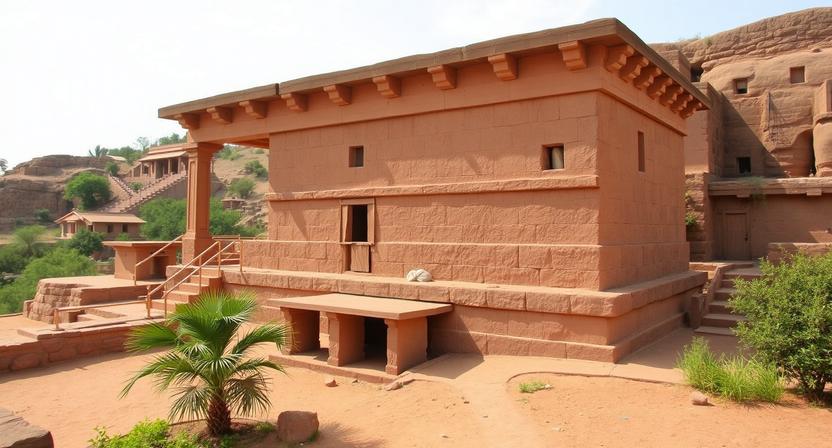
The Karnataka state government is going to build the first infrastructure to support tourism in Hampi by constructing Traveller Nooks at Hampi. Construction for the nooks will begin in 2023 and end in 2026. Construction will commence with the nooks located at and around the UNESCO World Heritage sites.

The traveler nooks will serve as small, compact hubs that offer comfort and convenience to the travelers visiting Hampi. 20 different nooks are planned to be built at sites like the Mayur Bhuvaneshwari Hotel, Vijaya Vitthal Temple, and and Chandrakeshwar Temple, and Virupaksha Temple. Hampi is one of the most important cultural and historical sites for India, and this initiative promises to help modernize the tourism infrastructure to support sustainable growth in the cultural economic sector.

Enhancing Hampi’s Infrastructure to Support Growing Tourism Demand

With the increasing global appeal of Hampi as a key cultural and heritage destination, the Karnataka government’s focus on tourism infrastructure development is crucial to ensuring the region can accommodate growing visitor numbers. The traveller nooks will offer essential amenities such as drinking water stations, clean toilets, ATMs, retail kiosks, and shaded seating areas—all designed to provide visitors with a seamless, comfortable experience while exploring the historic site.

This initiative is set to have a significant impact on tourism infrastructure growth, making Hampi more accessible, comfortable, and visitor-friendly. By providing essential facilities under one roof, the traveller nooks will encourage longer stays, increased footfall, and more positive experiences, supporting economic growth in the region.

Supporting Sustainable Tourism Development with Modern Amenities

The initiative is being implemented under the central government’s Swadesh Darshan 2.0 scheme, which aims to modernize tourism infrastructure while supporting sustainable tourism practices. The traveller nooks will not only enhance visitor services but will also reflect the country’s commitment to sustainable tourism by incorporating eco-friendly practices into the project’s design and operations.

By upgrading tourism infrastructure and offering amenities such as solar-powered water stations and eco-friendly kiosks, the project supports environmental sustainability while improving the overall tourism experience. These steps align with global trends in responsible tourism, positioning Hampi as a sustainable destination that balances growth with heritage preservation.

Urban and Rural Tourism Integration Enhances Hampi’s Appeal

The traveller nooks will play a significant role in integrating rural and urban tourism, allowing visitors to easily access tourist sites and local experiences in and around Hampi. By improving accessibility, the initiative will help distribute tourism demand more evenly across the region, addressing the challenges of overcrowding at popular spots and contributing to more equitable economic benefits for surrounding communities.

This infrastructure upgrade also supports the development of local businesses, providing new economic opportunities through the introduction of small retail kiosks and community engagement initiatives. As more travellers visit the area, local businesses in hospitality, food services, and crafts will benefit from increased foot traffic and spending.

Encouraging Longer Stays and Higher Visitor Spend

With the introduction of modern amenities such as comfort stations, shade areas, and water stations, visitors will be more inclined to stay longer and explore multiple sites within Hampi. This extended visit model helps boost local tourism revenue, especially when paired with retail kiosks that showcase local products.

In line with India’s tourism growth vision, the development of tourism infrastructure in Hampi is a key enabler of sustained visitor engagement. By improving the visitor experience with thoughtfully designed amenities, the government is ensuring that tourism growth remains consistent and resilient, supporting both short-term growth and long-term sustainability.

Regional Economic Impact and Job Creation

In addition to supporting tourism growth, the traveller nooks initiative is expected to create new jobs in areas such as facility management, retail services, and tourism support. Local workers and small businesses will benefit from the increased demand for services, product sales, and guides. The project’s focus on local procurement further strengthens regional economic integration.

The construction and operation of the traveller nooks will also drive job creation in sectors related to infrastructure, hospitality, and community services, contributing to economic stability in the region.

Shaping Hampi’s Future as a Premier Global Heritage Destination

As India positions itself as a leader in sustainable tourism, the development of tourism infrastructure in places like Hampi will continue to play a crucial role in attracting high-value international visitors. The traveller nooks will help Hampi cater to changing traveller preferences, where convenience, comfort, and responsible travel are becoming essential components of the tourist experience.

The initiative is part of a broader vision to strengthen Hampi’s competitive position in the global tourism market, aligning with Swadesh Darshan 2.0’s focus on sustainable, experience-driven travel.

Strengthening Hampi’s Tourism Infrastructure for Future Growth

The rollout of traveler nooks across key tourist locations in Hampi shows candidate for shifting tourism infrastructure growth positively impacting visitors while balancing sustainability and heritage conservation. The Karnataka government’s strategy to position Hampi for tourism growth through amenity modernization and local economic support is commendable and will benefit local communities and global visitors.

With the ongoing development of India’s tourism industry, Hampi’s blend of modern infrastructure and cultural authenticity will make it a premier destination offering extensive natural beauty, rich cultural heritage, and contemporary facilities.

The post Karnataka Government Boosts Tourism Infrastructure Growth in Hampi with Traveller Nooks Initiative, Enhancing their Visitor Experience and Regional Appeal appeared first on Travel And Tour World.

How Southeast Asia And India Are Leading In AI Adoption While Developers Stay Cautious

How Southeast Asia And India Are Leading In AI Adoption While Developers Stay Cautious

According to Agoda’s AI Developers Report 2025, most AI developers in Southeast Asia and India use AI tools in their development workflows to boost productivity. AI tools like ChatGPT and GitHub Copilot have become an integral part of the development workflow in these regions. Developers are concerned that, due to the unreliability of these tools, the gap between the adoption of AI and trust in it remains unclosed. Reported productivity gains are impacted by the lack of trust of developers in the ability of AI to support software development and the increasing use of AI.

The Report develops Regional Skills Snapshot Reports. These analyses provide the incremental impact of AI through the development of virtual circuits in the Indian and Southeast Asia markets. These Reports highlight an increasing gap in trust and use of AI among developers, which strengthens the need to build successful confidence in AI systems if efficient resource allocation and the maximization of economic development in AI circuit systems are to be realized.

Extensive use of AI in the developer community, but it lacks confidence

According to Agoda, almost 90% of the developers in Southeast Asia and India have started using AI, but only 43% believe it can perform at the level of a mid-level engineer. This speaks to a sizable confidence gap in the technology’s capability and the actual outcome. Furthermore, developers are still reluctant to use AI for more meaningful objectives.

Countries such as Thailand, India, and the Philippines have expressed a good amount of negativity, as many of the developers do not believe that AI can compete with the skills and reasoning of a human engineer. The Philippines has the most pronounced negativity, with 11% of the developers stating that AI will never be able to perform at the level of a mid-level engineer regarding the quality of output. Additionally, countries such as Singapore, Vietnam, and Thailand are showing a great amount of negativity as well.

With the development of Artificial Intelligence technologies, the positive and negative aspects of AI systems are being addressed. Developers are finding that AI tools are useful, but can generate outputs that are poor quality or inaccurate. This does not sound like the biggest problem, but it underscores the need for human involvement to steer things in the right direction.

AI’s biggest challenge

Being able to create and maintain workflows using AI systems that provide consistent and predictable results is one of the biggest challenges, especially in the software development industry. Over 75% of all developers in Southeast Asia and India view poor quality, unreliable, and unpredictable tools as their biggest challenges. This almost always takes precedence over the availability of the tools, the price of the tools, or any other challenges that may be present.

Thailand and the Philippines are among the countries that exhibit the strongest need for reliable outputs from AI tools, at 88% and 84%, respectively. Even developed countries like Singapore and Malaysia have 77% and 73%, respectively, for unreliable outputs when using AI tools. This shows that in almost all countries, irrespective of AI development in the region, the outputs from AI systems are very unreliable and inconsistent. Developers do not like unreliable AI outputs, and that is one of the biggest barriers to using AI systems in their workflows.

How Developers Deal with AI Issues

In response to reliability, developers have modified their workflows again to keep reliability in AI-generated code. About 66% of developers report that they always double-check AI-generated code before they pull it into production, and in terms of keeping standards high, this review process is vital. It is common for developers to revise AI-generated code before it is even close to production standards.

In fact, the implementation of AI in software development has increased the accountability, review, and oversight required in the process. Developers are still customarily “stuck” with the output due to the AI’s unreliable output. AI tools are being relied upon further and further, and that reliance is being justified by a lack of confidence in the AI.

Building Confidence Through Testing and Repetition

The report is saying that AI and software development will most likely not depend on early adoption, but on the ability to create a detailed structure for consistent and productive use of AI tools. While developers in Southeast Asia and India are shifting to the use of AI in a more integrated and automated way, confidence is still being built through repetition, testing, and real-world application.

Using AI to help streamline the development process is still providing benefits, especially in the process of completing repetitive and mundane tasks that have the ability to increase overall development team productivity. Developers are also not ready to place critical tasks in the hands of AI. Developers use AI for the more mundane portions of tasks, but are still working on building confidence. Structured reviews are leading to more confidence and less skepticism about AI for developers, while non-structured reviews are leading to skepticism.

Looking Ahead: Improving Trust in AI

As developers continue to use AI tools, they have learned to combine the benefits of the technology with careful supervision. Agoda’s findings suggest that AI is helping to improve productivity, but has not yet achieved the consistency necessary to substitute for human decision-making. Even though AI tools can accelerate development and enhance efficiency, the trust deficit toward the quality of the resulting output has developers as the final decision makers of the software’s quality.

Agoda’s Chief Technology Officer, Idan Zalzberg, mentioned that confidence built through structured frameworks is what will allow the further advancement of AI adoption in Southeast Asia and India. Developers will have to improve their fine-grained control frameworks in a manner that will allow AI tools to be trusted more as time progresses.

Conclusion: A Step Toward AI Maturity

In the Agoda AI Developer Report 2025, a comprehensive picture is drawn of that which outwards appears to be AI’s role in the software development ecosystem of Southeast Asia and India. Productivity and the rate of adoption of AI technology are commendable, but confidence in the reliability of technology needs to improve to eliminate the bottleneck in the development cycles. The route toward trust not only involves adoption but hinges more on the reliability, consistency, and oversight of structured work.

The potential of AI in software development is not determined by who is the most rapid adopter of the technological advancements, but instead by who is the most effective at weaving it into their development processes. The more developers streamline their workflows and enhance their revision processes, the more AI can be relied upon as a tool, fostering further productivity and innovation in software development.

The post How Southeast Asia And India Are Leading In AI Adoption While Developers Stay Cautious appeared first on Travel And Tour World.

India and Asia-Pacific: The New Engines of Global Aviation Growth in 2026

India and Asia-Pacific: The New Engines of Global Aviation Growth in 2026

For decades, the story of aviation was written in the hangars of North America and Europe. But as we move through 2026, a new narrative has taken flight. A recently released whitepaper from Alton Aviation Consultancy paints a vivid picture of a world where eight out of the ten fastest-growing air travel markets over the next two decades will be located in India, China, and Southeast Asia.

This isn’t just a minor uptick; it is a fundamental restructuring of how the world moves people and goods.

India: The Brightest Star in the Constellation

India has emerged as the poster child for this aviation revolution. Driven by robust economic fundamentals and a burgeoning middle class with disposable income, the Indian sky is busier than ever. Domestic carriers are not just expanding; they are transforming.

The growth in India is underpinned by a “perfect storm” of factors: government initiatives to modernize airports (UDAN scheme impact), a massive surge in aircraft orders, and a population that increasingly views air travel as a necessity rather than a luxury. By 2044, India is expected to remain at the top of the growth charts, serving as a beacon for investors and aircraft manufacturers alike.

Beyond China: The Rise of the “Next Gen” Markets

While China continues to be a massive player, the Alton report highlights a significant shift: Asia’s story is no longer mono-focused.

“Asia’s air travel story is no longer just about China,” says Mabel Kwan, Managing Director at Alton’s Singapore office. We are seeing a “broad-based” explosion of activity across South and Southeast Asia. Markets like Indonesia, Vietnam, and the Philippines are stepping into the spotlight. These nations are seeing rapid urbanization and a desperate need for connectivity across their sprawling archipelagos, making aviation the most viable solution for national integration.

The Narrow-Body Revolution

One of the most exciting technical shifts identified in the report is the arrival of longer-range, narrow-body aircraft. Historically, if you wanted to fly between two secondary cities in different countries, you often had to transit through a major hub like Singapore or Dubai.

That is changing. New-generation aircraft are allowing airlines to launch “point-to-point” services between smaller cities. This bypasses the “hub-and-spoke” bottleneck, making travel faster for passengers and more sustainable for airlines. Since 2015, over 600 new routes have been launched in the region, connecting previously underserved corners of the map.

Air Cargo: The Hidden Giant

While we often focus on passenger seats, the belly of the plane is where the real money is moving. The Asia-Pacific region now accounts for approximately 40% of total global freight demand.

This dominance in air cargo is fueled by the region’s role as the “world’s factory.” As e-commerce continues to explode and intra-Asia trade strengthens, the demand for rapid logistics has never been higher. The region isn’t just sending goods to the West; it is increasingly trading with itself, creating a self-sustaining ecosystem of supply and demand.

Survival of the Fittest: Consolidation and Competition

It’s not all smooth flying, however. The report notes that while demand is skyrocketing, so is the pressure on profit margins. High fuel costs, intense competition, and the need for massive capital investment are leading to a wave of “airline consolidation.”

Much like the restructuring cycles seen in the U.S. and Europe a decade ago, Asian carriers are merging and forming strategic partnerships to survive. “Consolidation has become a strategic necessity,” notes Adam Cowburn of Alton Aviation. However, unlike the West’s mergers, which were often about survival in stagnant markets, Asia’s consolidation is happening amidst record growth—a unique opportunity to build “super-carriers” that can dominate the global stage.

Infrastructure: Building the Foundations

To keep up with this growth, governments aren’t just sitting idle. From the sprawling new terminals in Delhi and Mumbai to the high-tech expansions at Changi in Singapore, the region is in the midst of an infrastructure boom. Next-generation technologies—AI-driven baggage handling, biometric boarding, and digital air traffic control—are being rolled out to ensure that the ground experience matches the efficiency of the flight.

Final Takeaway: The Future is East

As the aviation industry gathers for the 2026 Singapore Airshow, the message is clear: the future of flight is being decided in the East. For travelers, this means more choices, better connectivity, and a more seamless experience. For the industry, it means a shift in focus toward the unique needs and rapid pace of the Asia-Pacific market.

Whether it’s a businessman flying from Ho Chi Minh City to Jakarta or a family taking their first flight from a secondary city in India, the world is becoming smaller, and the Asia-Pacific region is the one holding the map.

The post India and Asia-Pacific: The New Engines of Global Aviation Growth in 2026 appeared first on Travel And Tour World.
Le Méridien Hyderabad Appoints Chef Somnath Deb As Executive Chef, Promising An Elevated Culinary Experience

Le Méridien Hyderabad Appoints Chef Somnath Deb As Executive Chef, Promising An Elevated Culinary Experience

Le Méridien Hyderabad appointed Chef Somnath Deb as its Executive Chef to transform the hotel dining experience. Chef Deb will enhance the hotel’s culinary program through his two decades of experience in international and domestic cooking. The hotel seeks to exceed guest expectations through its current dining programs which focus on creating new flavors and maintaining high standards of quality.

A Culinary Leader with Global Expertise

Chef Somnath Deb brings an exceptional level of culinary expertise to his new role at Le Méridien Hyderabad. His career spans over 20 years, with prestigious leadership positions at some of the most renowned hotels both in India and internationally. Chef Deb’s culinary journey includes stints as Executive Chef at Crowne Plaza Ahmedabad, where he was responsible for overseeing multiple dining outlets and creating innovative menu concepts. His leadership experience at Four Points by Sheraton, Navi Mumbai, and Hilton properties in Jaipur and Goa has honed his skills in kitchen management, team leadership, and operational excellence.

One of his standout qualities is his deep commitment to quality-driven culinary innovation. His broad understanding of international cuisine, combined with his ability to adapt to local preferences, will allow him to craft memorable dining experiences at Le Méridien Hyderabad. Chef Deb has previously worked with luxury brands like Waldorf Astoria New York and Hilton Ras Al Khaimah Resort & Spa, where he contributed to menu development and operational planning, ensuring that guest satisfaction remained consistently high.

Shaping the Culinary Landscape at Le Méridien Hyderabad

Le Méridien Hyderabad is well-known for offering refined dining experiences, and Chef Deb’s appointment is set to take it to new heights. With his vast global experience, he is poised to refresh the hotel’s menus, introduce distinctive culinary concepts, and elevate the overall dining experience. His expertise in menu engineering and cost management will enhance both the quality and value of the dishes served, ensuring a balance between exceptional dining and operational efficiency.

In his new role, Chef Deb will work closely with the kitchen team to ensure that each dining outlet at the hotel reflects the highest standards of hospitality. He will also place a significant focus on training and mentorship, helping to foster a culture of excellence within the team. His passion for culinary innovation aligns with Le Méridien’s broader vision to offer guests unforgettable moments through dynamic and high-quality dining options.

Innovation at the Heart of the Dining Experience

Chef Deb’s approach to culinary leadership is centred around innovation. His expertise in creating menus that are both contemporary and rooted in rich culinary traditions will play a key role in refreshing Le Méridien Hyderabad’s dining offerings. From designing seasonal menus that reflect local flavours to introducing new cooking techniques, Chef Deb will focus on ensuring that every guest’s dining experience is an exciting journey.

The emphasis on culinary innovation doesn’t just stop with the menu. Chef Deb’s leadership will influence how the hotel approaches food presentation, guest interaction, and the use of local and sustainable ingredients. By creating a dining environment that fosters both creativity and authenticity, he will ensure that each meal at Le Méridien Hyderabad leaves a lasting impression on guests.

Management’s Confidence in Chef Deb’s Leadership

Sanjeev Mandal, the General Manager of Le Méridien Hyderabad, expressed his excitement over Chef Deb’s appointment. Chef Deb’s vast experience with luxury hotel brands is expected to bring fresh ideas and a renewed sense of excitement to Le Méridien Hyderabad’s dining offerings. His approach is expected to resonate strongly with both local and international guests who seek unique and memorable dining experiences during their stay.

A New Era for Dining at Le Méridien Hyderabad

As Chef Somnath Deb takes the helm of Le Méridien Hyderabad’s culinary team, the hotel is poised to redefine its dining experiences. His extensive experience, commitment to quality, and passion for innovation make him the ideal leader to shape the hotel’s gastronomic offerings for the years to come.

The appointment signifies a new chapter for Le Méridien Hyderabad as it looks to attract culinary enthusiasts and global travellers seeking exceptional dining experiences. With Chef Deb’s guidance, the hotel’s dining offerings are expected to evolve into a distinctive hallmark of hospitality that stands out in Hyderabad’s vibrant food scene.

Chef Deb’s leadership promises not only to elevate the culinary offerings but also to enhance the guest experience at Le Méridien Hyderabad. As the hotel continues to focus on its vision of providing unforgettable moments for its guests, the culinary innovations led by Chef Deb will play a pivotal role in achieving that goal.

Looking Ahead

The appointment of Chef Somnath Deb as Executive Chef at Le Méridien Hyderabad establishes a new period of innovative dining excellence for the hotel. Chef Deb uses his extensive international experience and his deep love for cooking to guide the hotel kitchen staff toward creating unforgettable dining experiences for their customers. Chef Deb will have a major impact on the future food service development at Le Méridien Hyderabad which currently sets new hospitality standards for its area.

Image Credit: Le Méridien Hyderabad

The post Le Méridien Hyderabad Appoints Chef Somnath Deb As Executive Chef, Promising An Elevated Culinary Experience appeared first on Travel And Tour World.
Le Méridien Hyderabad in India Welcomes Somnath Deb with over Two Decades of Culinary Expertise as the New Executive Chef

Le Méridien Hyderabad in India Welcomes Somnath Deb with over Two Decades of Culinary Expertise as the New Executive Chef

Le Méridien Hyderabad, a prominent name in India’s luxury hospitality sector, has appointed Chef Somnath Deb as the new Executive Chef, reinforcing the hotel’s commitment to culinary excellence and guest satisfaction. Chef Somnath brings more than two decades of experience in culinary arts, demonstrating expertise across renowned hospitality brands both in India and internationally. His appointment marks a strategic move to elevate the hotel’s dining experiences and further enhance its culinary offerings.

Culinary Expertise That Stands Out in the Industry

Chef Somnath Deb’s career spans over twenty years, during which he has honed his skills in various prestigious hospitality brands. Before joining Le Méridien Hyderabad, Chef Somnath served as the Executive Chef at Crowne Plaza Ahmedabad, where he gained significant experience in managing kitchen operations, team leadership and cost management. His experience in culinary innovation is aligned with Le Méridien’s vision of offering world-class dining experiences.

Chef Somnath’s career trajectory also includes notable leadership roles as Executive Chef at Four Points by Sheraton in Navi Mumbai and Executive Sous Chef at Hilton Jaipur and Hilton Goa. These roles have helped him build a strong foundation in menu engineering and quality-driven culinary innovation, two aspects he will continue to refine at Le Méridien Hyderabad.

The appointment of Chef Somnath underscores the hotel’s focus on providing memorable dining experiences that cater to diverse guest preferences. His ability to create elevated culinary concepts while maintaining operational excellence will contribute to the hotel’s success in offering guests a range of unique and innovative dining experiences.

International Exposure and Diverse Culinary Influence

One of the standout features of Chef Somnath Deb’s profile is his international exposure. He has worked at prestigious global brands, including Waldorf Astoria New York and Hilton Ras Al Khaimah Resort & Spa. During his tenure at these establishments, he contributed to menu development, staff training and operational planning. His work at these iconic properties has made a lasting impact on guest satisfaction and it is this experience that he now brings to Le Méridien Hyderabad.

Chef Somnath’s stints at these world-renowned properties have exposed him to a wide array of culinary styles, which he aims to incorporate into the dining offerings at Le Méridien Hyderabad. His vast international experience provides him with the tools to introduce fresh and contemporary culinary concepts while maintaining the high standards of excellence for which the hotel is known.

The unique combination of domestic and international experience sets Chef Somnath apart as a culinary leader capable of driving both innovation and quality in the kitchen. His expertise in crafting exceptional menus and executing them flawlessly will elevate Le Méridien Hyderabad’s reputation as a destination for fine dining.

A Focus on Excellence and Guest-Centric Innovation

In his new role, Chef Somnath Deb is expected to drive innovation in the hotel’s culinary offerings, delivering new menus, distinctive concepts and extraordinary dining moments for guests. His appointment comes at a time when Le Méridien Hyderabad is expanding its focus on creating memorable guest experiences across all areas, especially in dining.

Sanjeev Mandal, the General Manager of Le Méridien Hyderabad, expressed his excitement regarding Chef Somnath’s appointment, emphasizing that his extensive culinary background, passion for innovation and operational expertise align perfectly with the hotel’s goals. According to Mandal, Chef Somnath’s leadership will help the hotel deliver more exceptional dining options, ultimately offering guests a curated gastronomic experience.

Le Méridien Hyderabad aims to set a new benchmark in the hospitality industry with Chef Somnath Deb at the helm of its culinary operations. The hotel is poised to offer a perfect blend of traditional and contemporary culinary experiences, ensuring that guests leave with unforgettable memories. Under Chef Somnath’s leadership, the culinary team will continue to elevate the standards of quality and creativity, ensuring that every meal is an experience in itself.

The post Le Méridien Hyderabad in India Welcomes Somnath Deb with over Two Decades of Culinary Expertise as the New Executive Chef appeared first on Travel And Tour World.

Air India Grounds Boeing 787 Dreamliner Over Fuel Control Switch Concerns After Pilot Flags Possible Defect: What Latest Updates You Need to Know

Air India Grounds Boeing 787 Dreamliner Over Fuel Control Switch Concerns After Pilot Flags Possible Defect: What Latest Updates You Need to Know

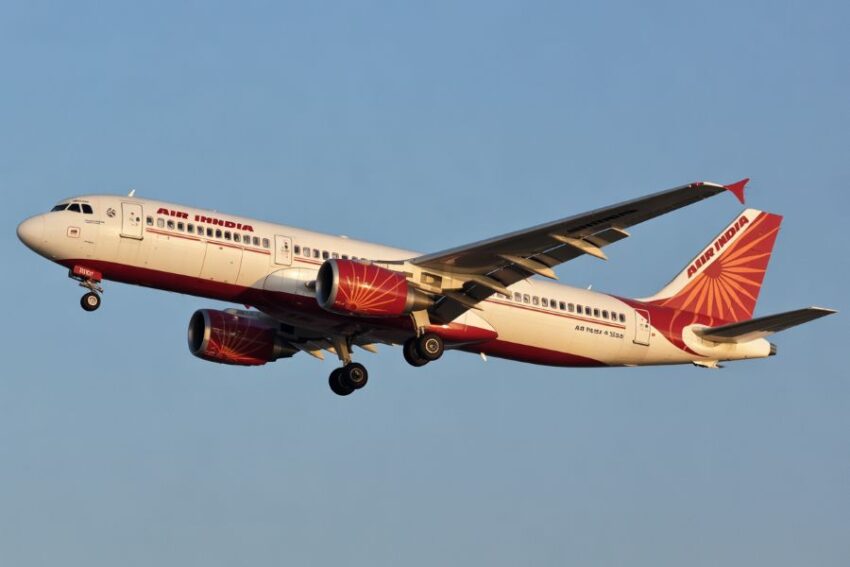
After one of the pilots of a Boeing 787-8 Dreamliner reported issues with a fuel control switch, Air India has temporarily removed the aircraft from service. Air India, being one of India’s largest airlines, has also reported the potential defect concerning the fuel control system to the nation’s aviation regulator, the Directorate General of Civil Aviation (DGCA), and a review is currently underway.

Although Air India has not publicly stated the issue with the aircraft, the airline remains in contact with Boeing to find a resolution. The airline stated the removal of the Dreamliner from service is in the best interest of the airline to ensure the highest possible safety of passengers and crew. The airline is looking to avoid any possible incidents, particularly one of the previous investigations of a fatal incident that killed 260 people.

Pilot’s Mentioned Concerns During Regular Operations

A concern developed when a Boeing 787 Dreamliner landed in Bengaluru, India, after flying in from London. While the pilot was disembarking, he reported the fuel control switch to be faulty. This grounded the airplane, and Air India took the required steps to continue the investigation. The airline grounded the aircraft to demonstrate their dedication to the safety of their customers.

The fuel control switch is important for regulating the amount of fuel that flows to the engines. Any problems with the system may cause problems with the operation of the flight. Because of this, Air India took this issue very seriously even though no problems occurred during this flight. Air India has provided its customers and the public with full reassurance that a concern of this magnitude to the system of an aircraft is followed with the required responsibility.

How Air India Stays Safe and Inspected

Boeing is collaborating with Air India to sort things out when the investigation is done. The aircraft manufacturer said Air India is prioritizing fuel control switches for review on the Dreamliner fleet to ensure all systems function properly.

Boeing has not talked about the details of the specific defect. Air India will likely do a thorough inspection of all its Boeing 787s so they don’t have the same problems.

As the event continues to unfold, India’s aviation regulatory body, the DGCA, is closely examining the event. The primary point of the DGCA is to ensure all of India’s Civil Aviation is safe. This involves managing the operational and the technical airworthiness of the aircraft in the sky. The Boeing 787 Dreamliner has made an impressive mark and become a favorite for multiple global airlines. It has become a favorite for its passenger comfort, fuel efficiency, and advanced tech. Yet, like most aviation systems, they depend on a lot of intricate technology, which can lead to the development of possible faults. These faults may include mechanical issues, and if they occur, the airline must attend to them promptly.

Review of Fuel Control Switches Across the Fleet

The Air India pilot brought this to the airline’s attention. Air India has fuel control switches on all of its Boeing Dreamliner airplanes. The airline must ensure that the rest of its fleet does not have similar defects. The airline has devoted itself to ensuring that all safety measures are implemented and that all of the Air India Dreamliners are regularly inspected to ensure the safety of the passengers.

This is all part of the safety examinations being conducted for this aircraft. It is still happening to ensure that the Boeing 787 Dreamliner can provide safe and efficient safety cruises. No incidents have happened, and that is a testament to the diligence of all the airlines involved. Air travel is not a sport and should never be thought of as dangerous. We must stay vigilant in the area of safety.

Operational Effects and Reputation Damage Control

There may be some operational inconveniences as a result of this order, but Air India has stated that it will be able to return to normal operations as soon as possible. The airline will be able to win back passenger trust in operational safety due to the rapid response to the situation.

There is a notable operational delay in Air India as a result of the order. This delay stems from a tragic event that has resulted in the death of several hundred people, which has led to the airline once again stepping operationally in to provide for the safety of passengers and personnel.

In summary, to some employees of Air India, the delay of one of the new Boeing 787’s may appear as if the airline is being over cautious. However, the airline is rigorously assessing the operational implications of the order, as it has been flagged by the airline to ensure no other issues arise in the airline’s operations. This event emphasizes the safety protocols that govern the industry. Procedures to ensure the safety of travelers and those working in the industry.

The post Air India Grounds Boeing 787 Dreamliner Over Fuel Control Switch Concerns After Pilot Flags Possible Defect: What Latest Updates You Need to Know appeared first on Travel And Tour World.

Uttarakhand Just Became The Ultimate Winter Travel Destination, Discover What Makes India’s Snowy Peaks A Must-See

Uttarakhand Just Became The Ultimate Winter Travel Destination, Discover What Makes India’s Snowy Peaks A Must-See

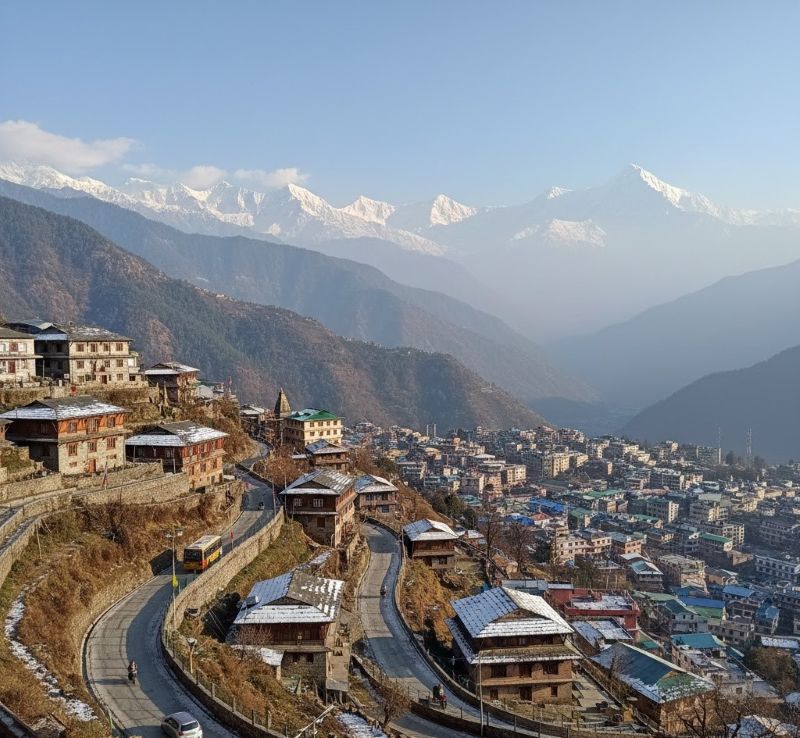
In recent weeks, Himachal Pradesh and Uttarakhand, two cherished hill states in North India, have witnessed a remarkable change in their climate. After a relatively dry beginning to the winter season, both regions experienced significant snowfall, which has greatly affected their landscapes, tourism appeal, and local economies. The Western Disturbances, which caused this unseasonal weather, had a far-reaching influence, covering multiple districts in both states and transforming the environments in these mountain regions. The snow has created an unexpected drop in temperatures, drawing in more tourists than anticipated, eager to see snow-covered landscapes and enjoy the winter charm of the Himalayas.

Unexpected Snowfall Sparks a Tourism Boom

The snowstorm that hit Himachal Pradesh and Uttarakhand has proven to be a surprise catalyst for a surge in tourism activity. With temperatures plunging to unusually low levels, the snow-capped mountains became even more alluring. Tourists, both domestic and international, flocked to these hill stations to enjoy the winter scenery, contributing to a rapid increase in bookings. Locations like Rishikesh, Mussoorie, Nainital, and Manali saw a notable rise in reservations, as visitors sought respite from the heat of the plains and looked forward to snow-based experiences.

Key Destinations Seeing High Demand:

  • Rishikesh
  • Mussoorie
  • Nainital
  • Manali
  • McLeod Ganj
  • Bir
  • Dalhousie

These places, famous for their serene atmospheres and picturesque beauty, have now gained even more popularity due to the added appeal of the snow. Travelers, eager to witness the magic of snow-covered landscapes, are choosing these destinations for their winter holidays, bringing a significant boost to the tourism sector in both regions.

Snow Transforms the Landscape: A Winter Paradise

The snowstorm has radically changed the look and feel of Himachal Pradesh and Uttarakhand, converting the dry and dull winter vistas into a winter wonderland. Snowfall has been recorded in nine out of the twelve districts of Himachal Pradesh, and it has reached even the highest altitudes of Uttarakhand. This transformation has made these mountain regions even more appealing to travelers, who now seek out the picturesque scenic beauty and serene environments that the snow has created.

With the snow dramatically altering the landscape, the Himalayan ranges have become a prime destination for those yearning to escape urban life and immerse themselves in the pristine beauty of the mountains. The cold temperatures and the newly covered peaks now provide an idyllic setting for travelers looking to escape the mundane.

Ideal for Remote Work in a Peaceful Setting

The snow has not only attracted vacationing travelers but also those in search of a peaceful remote working environment. Many individuals are choosing to work from the serene landscapes of the Himalayas, where they can enjoy a productive and calm atmosphere, away from the noise and rush of city life. This makes the region a perfect hub for digital nomads and remote workers who desire both quiet and beautiful surroundings to get their work done.

Social Media’s Role in Amplifying the Snowy Appeal

Social media has played an integral role in spreading the news of the snowy transformation in Himachal Pradesh and Uttarakhand. As the snowfall continued to accumulate, travelers began sharing their experiences online, posting pictures and videos of the now-transformed landscapes. These images have gone viral, with platforms flooded by stunning visuals of the newly snow-clad mountains, creating a buzz around these regions.

The power of social media has contributed significantly to the growing recognition of Himachal Pradesh and Uttarakhand as winter destinations. As the world became aware of the picturesque Himalayan vistas, the number of visitors to these states increased dramatically. The striking images shared online have sparked a desire among tourists to witness these stunning winter views firsthand, further enhancing the attractiveness of these regions.

Global Impact of Snowfall: A Shift in Tourism Trends

The effects of the snowfall in Himachal Pradesh and Uttarakhand have rippled beyond India’s borders, attracting international tourists. Traditionally, people from around the globe have sought out snow-based tourism in places like Europe and North America. However, with the Himalayan regions now offering such unique winter beauty, these areas have become increasingly popular on the international tourism map. Social media’s influence in highlighting the regions has encouraged tourists from countries with colder climates to shift their focus to North India for a new winter experience.

With this growing international attention, the demand for these areas is expected to rise. Travelers are now flocking to Himachal Pradesh and Uttarakhand, seeking out an untouched snow experience and contributing to the regions’ growing appeal in the global tourism market.

Enhanced Demand Drives Infrastructure Development

The surge in interest from international tourists has highlighted the need for enhanced tourism infrastructure in these areas. As more travelers head to Himachal Pradesh and Uttarakhand, there will be greater demands for accommodations, transportation, and services to meet this influx of visitors. This presents an opportunity for investment in the tourism sector to accommodate the rising number of international and domestic visitors.

It is expected that as demand continues to grow, more resources will be allocated to improve accessibility to these regions, ensuring tourism infrastructure can support the increasing number of visitors. Enhancements in roads, transportation, and hospitality services will make these Himalayan hill stations more accessible, keeping them competitive as winter destinations on the global tourism map.

Economic Benefits for Local Communities

The growing demand for tourism in Himachal Pradesh and Uttarakhand has begun to have a noticeable impact on the local economies. As hotel bookings rise and tourists pour into these regions, the hospitality industry benefits from the influx of visitors. With more people visiting, the local businesses, ranging from hotels and guesthouses to restaurants and retail shops, are seeing a significant increase in business activity.

In addition to benefiting the hospitality sector, local vendors and artisans are also seeing increased demand for their goods. The combination of higher numbers of visitors and the growing appeal of the regions’ natural beauty and culture has led to increased revenue for small businesses. This increased flow of tourism dollars is expected to have a long-term positive impact on the local economy.

The Future of Winter Tourism in North India

The increased popularity of Himachal Pradesh and Uttarakhand as winter tourism destinations signals a promising future for winter tourism in North India. The rise in bookings following the snowfall suggests that these regions are becoming prime spots for winter holidays, particularly for those looking for cooler weather, snow-based activities, and an escape from urban life. As tourists continue to discover the regions, the demand for both adventure tourism and remote work opportunities will likely continue to grow.

The shift in the tourism landscape also highlights the potential for these regions to become hubs for digital nomads and remote workers. The availability of peaceful settings, combined with scenic beauty and reliable internet connectivity, makes Himachal Pradesh and Uttarakhand ideal for remote working. These regions’ appeal as a quiet refuge with stunning winter landscapes presents a unique opportunity for workers looking to stay connected while surrounded by nature.

Winter Activities Enhance Regional Appeal

In addition to their appeal as winter escapes, Himachal Pradesh and Uttarakhand are ideal locations for a variety of winter sports and activities. The snow-covered landscapes offer plenty of opportunities for skiing, snowboarding, and trekking, attracting adventure seekers from all over the world. These activities add a new layer of attraction to the region, turning these areas into prime destinations for adventure tourism as well.

Sustainable Tourism for a Long-term Future

As the snow continues to attract visitors, the challenge for Himachal Pradesh and Uttarakhand will be to balance tourism growth with sustainable practices. While the current surge in tourism has been beneficial, it is important to ensure that the regions’ natural beauty is preserved for future generations. Local authorities and tourism stakeholders will need to implement sustainable tourism practices that safeguard the environment while accommodating the rising number of visitors.

With increased infrastructure investment and a focus on eco-friendly tourism practices, these regions have the potential to develop into year-round winter tourism hubs, offering unforgettable experiences while maintaining their ecological integrity. By focusing on sustainability, Himachal Pradesh and Uttarakhand can continue to thrive as winter destinations and provide lasting benefits to the local communities.

A Bright Future for the Himalayan Regions

In summary, the late-season snowfall in Himachal Pradesh and Uttarakhand has been a game-changer for the tourism industry. The unexpected snow has drawn both domestic and international visitors, driving significant economic growth in these regions. Hotel bookings, local businesses, and tourism-related services have all benefited from the influx of tourists, proving that these regions are now becoming essential players in global winter tourism.

As the snow continues to shape the tourism landscape in North India, Himachal Pradesh and Uttarakhand are poised to become top destinations for those seeking winter beauty, adventure, and remote work opportunities. The future of winter tourism in these regions looks bright, with sustainable tourism practices paving the way for long-term success. The Himalayan mountains will undoubtedly remain a captivating winter paradise, drawing travelers from all over the world for years to come.

The post Uttarakhand Just Became The Ultimate Winter Travel Destination, Discover What Makes India’s Snowy Peaks A Must-See appeared first on Travel And Tour World.

India 2026 Customs Transformation: A Comprehensive Guide to New Baggage Allowances and Digital Processing Protocols

India 2026 Customs Transformation: A Comprehensive Guide to New Baggage Allowances and Digital Processing Protocols
How the 2026 Customs Regulations Simplify International Arrivals to India.

The landscape of international arrivals is being reshaped by the implementation of the Baggage Rules 2026, which officially commenced on February 2, 2026. This legislative update, introduced by the Government of India, represents a pivotal shift in how duty-free limits and customs declarations are managed at major points of entry. By integrating the Customs Baggage (Declaration and Processing) Regulations 2026 with a new Master Circular, a streamlined framework has been established to replace outdated protocols. This modernization is intended to facilitate a more engaging and accessible experience for the modern voyager, ensuring that laptop exemptions and jewelry weight caps are clearly understood by all international travelers.

The Expansion of General Duty-Free Allowances

A significant increase in the financial thresholds for imported goods is observed within the updated statutes. For the majority of passengers arriving via air or sea, the monetary cap for duty-free acquisitions has been substantially elevated. It is noted that Indian residents, tourists of Indian origin, and foreign nationals holding non-tourist visas are now permitted a ceiling of Rs 75,000 for goods carried in their personal baggage. This adjustment is interpreted as a response to the evolving economic climate and the increased purchasing power of global travelers.

Conversely, tourists of foreign origin are granted a revised limit of Rs 25,000, while airline crew members operate under a more modest threshold of Rs 2,500. It is important to emphasize that these concessions are strictly applicable to those entering through maritime or aviation channels. Those crossing into the country via land borders are excluded from these general duty-free allowances, a distinction that is maintained to regulate cross-border trade effectively.

Categorization of Exempt and Restricted Items

The distinction between used personal effects and new purchases is meticulously outlined in the 2026 framework. Items required for daily use, such as worn clothing and personal souvenirs, are categorized as fully exempt from duty. However, new articles, gifts, or luxury purchases made abroad are subjected to the aforementioned value caps.

Certain commodities remain excluded from these general allowances and are governed by specific, more stringent regulations. This list includes alcoholic beverages and spirits beyond defined volumes, tobacco products exceeding certain counts, and firearms. Furthermore, gold or silver in bullion form and large-scale electronics, such as high-definition televisions, are treated outside the standard baggage concessions, requiring separate declarations and potential tax payments.

Revised Protocols for Jewelry and Precious Metals

One of the most notable transitions in the Baggage Rules 2026 is the movement away from value-based assessments for jewelry. Historically, travelers were often confused by fluctuating gold prices impacting their duty-free eligibility. Under the new mandate, a weight-based system is utilized to provide clarity. For female passengers who have resided abroad for over a year, a duty-free allowance of up to 40 grams of gold jewelry is permitted.

For all other eligible passengers, including men and children who meet the residency criteria, the limit is set at 20 grams. This shift is designed to eliminate disputes at customs counters, as weight provides a more objective metric for assessment than market value. It is clarified that this benefit is specifically intended for returning residents and individuals of Indian origin who have maintained a residence outside India for a period exceeding twelve months.

Technological Exemptions and Pet Inclusion

In recognition of the digital era, the 2026 regulations formally codify the exemption for portable computers. Every passenger aged 18 years or older is granted the right to bring one laptop into the country duty-free, separate from the general monetary allowance. This provision acknowledges the essential nature of technology for both professional and personal use in the current global environment.

Additionally, the rules have been consolidated to provide clearer pathways for the importation of pets. Domestic animals brought by travelers are now explicitly mentioned under concessional provisions, provided that all health certifications and animal import protocols are strictly followed. This inclusion is viewed as a compassionate adjustment for families and individuals relocating to or visiting India with their animal companions.

The Transfer of Residence Framework

For individuals who are permanently shifting their domicile to India, a tiered system of benefits is provided under the Transfer of Residence (TR) regime. The extent of the duty-free entitlement is directly proportional to the duration of the individual’s stay abroad. For those who have lived overseas for up to twelve months, a cap of Rs 1,50,000 is applied.

This limit increases significantly for longer durations; residents returning after one to two years are eligible for a Rs 3,00,000 limit, while those who have remained abroad for more than two years are granted a substantial allowance of Rs 7,500,000. A rationalized list of eligible articles has been introduced to ensure that the process of moving household goods is conducted with minimal administrative friction.

Modernization of Declaration and Processing

The procedural aspects of customs have undergone a digital transformation alongside the policy changes. The Government of India has deployed the Customs Baggage (Declaration and Processing) Regulations 2026 to encourage the use of electronic filings. Passengers are now encouraged to utilize the ICEGATE portal or designated mobile applications to declare both accompanied and unaccompanied baggage prior to arrival.

This digital-first approach is complemented by a standardization of Green and Red Channel procedures. By replacing approximately 35 legacy circulars with a single, unified Master Circular, the operational landscape is rendered more transparent. This consolidation is expected to reduce wait times and enhance the efficiency of customs officers, allowing for a more focused approach on high-risk inspections while facilitating a smoother exit for law-abiding travelers.

Temporary Imports and Re-importation Safeguards

Provisions have also been enhanced for travelers who carry professional equipment or materials for temporary use, such as items for exhibitions or specialized tools. The introduction of formal temporary import and re-import certificates is designed to prevent unnecessary detention of goods. By obtaining these certificates, travelers are provided with a documented trail that proves the items were previously in their possession or are intended for export after a short duration, thereby avoiding the imposition of duties on items that are not entering the domestic market permanently.

Summary of Passenger Responsibilities

It is concluded that while the Baggage Rules 2026 offer significant benefits and higher thresholds, the responsibility of accurate declaration remains with the traveler. Indian residents returning by air are encouraged to keep track of their total expenditure to stay within the Rs 75,000 limit. Foreign tourists must remain mindful of the Rs 25,000 cap to avoid complications. Through these comprehensive updates, the Indian customs regime aims to align its practices with international standards, fostering an environment of trust and efficiency for all who cross its borders.

The post India 2026 Customs Transformation: A Comprehensive Guide to New Baggage Allowances and Digital Processing Protocols appeared first on Travel And Tour World.

Puri’s Sterling Arka Suites Unveils Odisha’s First All-Suite Boutique Hotel, Elevating Local Hospitality To New Heights

Puri’s Sterling Arka Suites Unveils Odisha’s First All-Suite Boutique Hotel, Elevating Local Hospitality To New Heights

Sterling Holiday Resorts has officially launched Sterling Arka Suites, an upscale, all-suite boutique hotel, in Puri, Odisha. The new development creates a major achievement for the local tourism industry while increasing Puri’s status as a destination for cultural exploration and leisure activities. The new property which sits next to the Sterling Puri resort provides visitors with a unique experience that blends private access to Odia cultural traditions with exclusive space.

A Unique Boutique Experience in the Heart of Puri

Sterling Arka Suites offers guests a fresh take on coastal living in Puri, providing spacious suites with private balconies that overlook serene poolside views. Each suite is designed with an emphasis on luxury, space, and privacy, offering a relaxing retreat for those seeking more than just a typical stay. The interiors reflect a sophisticated blend of modern design with Odisha’s traditional Pattachitra art, adding a rich cultural layer to the experience.

This all-suite boutique hotel delivers an intimate, elevated stay for discerning travelers. Sterling Arka Suites focuses on offering a sanctuary that allows guests to unwind in style while staying connected to the larger Sterling Puri resort. The resort’s elevated block provides greater privacy and comfort, designed for guests who value space and exclusivity.

Designed for Comfort and Privacy

Each suite at Sterling Arka is a masterclass in thoughtful design. Spacious living areas provide a sense of calm, while plush bath areas offer an indulgent retreat. The private balconies provide guests with uninterrupted views of the pool, ensuring an experience of complete tranquillity. Sterling Arka Suites sets a new standard for upscale hospitality in Puri, a town famous for its spiritual significance and vibrant cultural identity.

Curated Dining and Cultural Experiences

One of the major highlights of Sterling Arka Suites is its culinary offerings. Guests can enjoy the global flavours offered at Solara, a curated restaurant that blends international cuisine with subtle local influences. Designed to reflect the relaxed coastal elegance of Odisha, the dining experience at Solara promises an exploration of culinary traditions.

In addition, the property’s proximity to the adjoining Sterling Puri allows guests access to Amo Odisha, a renowned restaurant serving authentic Odiya specialties. This expanded dining offering strengthens the destination’s culinary narrative, blending traditional flavours with contemporary flair. The hotel’s location fosters a seamless connection to the wider dining culture of Puri, ensuring guests have access to diverse food experiences.

Sterling Arka Suites also offers curated cultural experiences, helping guests engage with Odisha’s rich heritage. From traditional Pattachitra art sessions and classical Odissi performances to unique sand-art workshops, the property allows visitors to immerse themselves in the region’s artistry. Special masterclasses, such as Chappan Bhog culinary sessions, offer guests a unique opportunity to learn about local food culture, further elevating their stay.

Boosting Puri’s Tourism Landscape

The opening of Sterling Arka Suites is a significant step forward for Puri’s tourism industry. By offering a refined boutique hotel experience, the brand contributes to the city’s growing appeal as a top-tier travel destination. Puri, already famous for its religious significance, now offers more diverse leisure options, attracting travellers seeking a combination of culture, luxury, and unique local experiences.

Sterling Arka Suites offers a perfect blend of modern luxury and traditional hospitality, setting a new benchmark in Odisha’s hospitality sector. By expanding its portfolio in Puri, Sterling Holiday Resorts not only boosts the city’s tourism but also provides much-needed infrastructure for the growing demand for high-end, culturally immersive travel experiences.

Creating New Opportunities for Local Communities

Sterling Arka Suites is not only a boon for tourists but also an important development for the local community. With its modern, all-suite design and exclusive offerings, the property is expected to draw international and domestic tourists who are looking for a more personalised, luxurious stay in Puri. This, in turn, will lead to increased demand for local services, boosting the hospitality sector and creating job opportunities in areas such as dining, art, and local tours.

Sterling’s commitment to providing culturally immersive experiences also supports the local arts community. By showcasing Odisha’s Pattachitra art and offering cultural workshops, the hotel helps preserve and promote the region’s artistic traditions. This commitment to local culture provides guests with an authentic experience, which is a key factor in driving the city’s appeal as a cultural destination.

A New Era for Local Hospitality and Tourism

Sterling Arka Suites’ launch is more than just a hotel opening; it is a game-changer for Puri’s tourism landscape. By introducing the first all-suite boutique hotel, Sterling not only caters to a growing market of luxury travellers but also raises the profile of Puri on the global tourism map. The property adds another layer to Puri’s hospitality offerings, giving visitors more choice and helping to position the town as an ideal destination for high-end, culturally-rich experiences.

As Puri develops into a diverse tourist destination, Sterling Arka Suites demonstrates how strategic investments in local hospitality businesses can create new opportunities, protect historical sites, and provide visitors with the best combination of comfort and luxurious cultural experiences. The upcoming opening of Sterling Arka Suites will establish new standards for luxury accommodations in Puri which will provide visitors to Odisha with an exceptional experience.

Image Credit: Sterling Arka Suites Puri

The post Puri’s Sterling Arka Suites Unveils Odisha’s First All-Suite Boutique Hotel, Elevating Local Hospitality To New Heights appeared first on Travel And Tour World.

Safety Alert: Air India Dreamliner Grounded After Fuel Control Concern — Passenger Impact Explained

Safety Alert: Air India Dreamliner Grounded After Fuel Control Concern — Passenger Impact Explained

Air India has grounded one of its Boeing 787‑8 Dreamliner aircraft after a pilot reported a possible defect in the fuel control switch, a critical component that regulates fuel flow to the engines, prompting immediate safety action by the airline. The incident occurred after the aircraft completed a long‑haul flight from London Heathrow to Bengaluru in India, and airline authorities have informed the Directorate General of Civil Aviation (DGCA) while involving the aircraft manufacturer Boeing to inspect the issue urgently as a precaution.

This development comes amid heightened regulatory and public scrutiny following a 2025 Dreamliner crash in Ahmedabad, India, where fuel control systems were part of the ongoing investigation — a backdrop that intensifies attention on maintenance and safety practices within India’s aviation sector.

Air India’s decision to ground a Boeing 787‑8 Dreamliner after a pilot flagged a possible fuel control switch malfunction underscores the airline’s commitment to passenger safety and regulatory compliance. The aircraft, which had just completed a scheduled service from London to Bengaluru, was taken out of operation after the pilot noted abnormal behaviour during engine start‑up. The airline reported the matter promptly to the DGCA, India’s civil aviation regulator, and said it would involve the original equipment manufacturer for priority inspection and resolution.

Fuel control switches are designed to stay in the RUN position to allow continuous fuel flow to the engines. If they move unintentionally toward the “CUTOFF” position, the engine can lose thrust — a hazard that aviation safety bodies treat seriously. This precautionary grounding reflects robust safety systems within the airline and aligns with regulatory oversight following previous aviation incidents in the country.

What Happened — Timeline & Details

  • Flight completion: The Boeing 787‑8 landed at Bengaluru after a London Heathrow departure.
  • Pilot’s report: A possible defect in the fuel control switch — which prevents unintended shutdown of engine fuel — was reported during start‑up procedures on the ground.
  • Safety response: The aircraft was immediately grounded and withdrawn from service for comprehensive checking.
  • Manufacturer involvement: Boeing, the aircraft OEM, is assisting Air India with technical assessments.
  • Regulator informed: The issue was communicated to India’s DGCA per mandatory reporting protocols.

Why It Matters for Travellers — The Travel Angle

Safety First:

For passengers, this grounding reinforces airline accountability. Air India’s action ensures potentially unsafe aircraft don’t continue flying before checks are completed, prioritising traveller and crew wellbeing.

Confidence in Aviation Safety:

Prompt grounding after pilot reporting highlights effective safety culture — a reassurance after previous incidents involving similar aircraft models, driving public confidence in India’s aviation regulatory framework.

Potential Travel Disruptions:

On the downside, aircraft grounded for inspection could result in flight rescheduling, cancellations, or aircraft swaps, particularly on long‑haul routes operated by Boeing 787 Dreamliners.

Impact on Connectivity:

Dreamliners are core to Air India’s intercontinental network connecting India with Europe, North America, and Asia. Grounding one aircraft may strain capacity temporarily, especially during peak travel seasons.

Future Ticket Pricing:

While safety holds priority, irregular fleet operations can sometimes influence supply relative to demand, potentially affecting fare levels if alternative capacity isn’t swiftly arranged.

Industry & Safety Context

This incident arises in the broader context of aviation safety and mechanical oversight. In June 2025, an Air India Boeing 787 Dreamliner crashed shortly after take‑off from Ahmedabad, killing 260 people — a tragedy linked to fuel control switch behaviour. The crash prompted rigorous inspections across fleets and increased civil aviation scrutiny in India.

Air India said it had already inspected fuel switches across its 787 fleet following regulator directives and found no issues at the time. The latest pilot report, while precautionary, serves as a reminder of ongoing maintenance vigilance and proactive safety culture in airline operations.

Conclusion — What Travellers Need to Know

In summary, Air India’s grounding of a Boeing 787‑8 after a pilot reported a possible fuel control issue reflects a strong safety‑first approach in aviation operations. For travellers, this is reassuring because it shows airlines and regulators are responsive to technical concerns, even if they prove minor. However, the action may also lead to temporary flight changes or seating adjustments as the airline reorganises aircraft utilisation while inspections proceed.

As aviation continues to recover and expand, balancing operational reliability with passenger safety remains paramount. Incidents like this serve both as reminders of mechanical complexities in modern aircraft and as evidence that safety oversight mechanisms are actively working — a crucial message for passengers making long‑distance travel plans.

The post Safety Alert: Air India Dreamliner Grounded After Fuel Control Concern — Passenger Impact Explained appeared first on Travel And Tour World.

India’s Union Budget 2026: A Game-Changer for Global Tourism with Focus on Heritage, Adventure, and Eco-Tourism

India’s Union Budget 2026: A Game-Changer for Global Tourism with Focus on Heritage, Adventure, and Eco-Tourism

The Union Budget 2026 has unveiled an exhilarating roadmap to establish India as a year-round global tourism hotspot. The government, led by Finance Minister Nirmala Sitharaman, is set to propel the nation’s tourism sector with an unprecedented ₹2,438.40 crore investment. This visionary move is designed to elevate 50 cities, particularly those in Tier-2 and Tier-3 regions, to international standards, promising to change the face of India’s tourism industry forever.

India’s Bold Vision: A Global All-Season Tourism Destination

In an ambitious bid to attract global travelers throughout the year, the Indian government has announced plans to upgrade the infrastructure of 50 cities, making them world-class tourist destinations. This forward-thinking initiative aims to create an ecosystem that will not only boost foreign exchange earnings but also invigorate the cultural identity of India. The initiative will help cities like Varanasi, Mathura, Madurai, and Khajuraho emerge as global icons, offering year-round tourism, thereby making India an irresistible destination for international visitors.

India’s tourism contribution to GDP is set to skyrocket by 2034, with expectations that the sector will contribute ₹43.25 lakh crore to the national economy, employing over 6.3 crore people. This is not just a tourism plan; it’s an economic revolution in the making.

A Special Focus on Buddhist Tourism: Attracting 10 Crore Foreign Tourists by 2047

A key component of the budget is the government’s target to attract 10 crore foreign tourists by 2047. India, already a global leader in Buddhist tourism, is poised to capitalize on its rich heritage. With 67% of foreign visitors being Buddhist pilgrims, destinations like Sarnath and Bodh Gaya are set to witness an even greater influx of international visitors. Last year, over 7.10 lakh Buddhist tourists visited India, and this number is expected to soar in the coming years, especially with enhanced infrastructure and immersive cultural experiences.

Northeast India: The Untapped Jewel of Indian Tourism

With an additional ₹6,812 crore allocated to Northeast India, the region is set to experience rapid transformation. The development of the Buddhist Circuit, spanning across Arunachal Pradesh, Sikkim, Assam, and more, will turn the Northeast into one of India’s most attractive eco-tourism hubs. As the government focuses on strengthening the region’s cultural and natural heritage, it will not only boost tourism but also contribute significantly to the local economies.

Temple Cities in India: A New Era of Pilgrimage and Spiritual Tourism

India’s spiritual tourism is also on the rise, with key temple cities like Varanasi, Rishikesh, Madurai, and Dwarka receiving major infrastructural upgrades. The government’s plan to provide world-class facilities will make these ancient cities more accessible and appealing to international tourists. As religious tourism becomes a powerful sector within India’s travel industry, these temple cities are poised to attract millions, boosting local economies and creating jobs.

Archaeological Sites Get the Spotlight: 15 Iconic Sites to Become Experiential Cultural Destinations

A key announcement in the Union Budget is the development of 15 archaeological sites, including Lothal, Dholavira, and Rakhigarhi, into experiential cultural destinations. These sites, steeped in history, will feature walkways, immersive storytelling techniques, and guided tours that will allow visitors to experience India’s ancient past in a living form. This initiative will not only draw history buffs but will also create a new wave of eco-cultural tourism in India.

Adventure Tourism Gets a Boost: Mountain Trekking and Eco-Friendly Trails

India’s diverse landscape has long been a playground for adventure seekers, and the Union Budget 2026 promises to amplify this appeal. The development of mountain trekking routes in Himachal Pradesh, Uttarakhand, and Jammu & Kashmir will position these regions as prime adventure tourism destinations. The creation of eco-friendly trails, such as the Turtle Trails in Odisha and Bird Watching Trails in Andhra Pradesh, will attract environmentally conscious travelers and promote sustainable tourism practices.

Seaplane Schemes and Digital Transformation: The Future of Indian Tourism

With the launch of the Seaplane VGF scheme, the government has taken a bold step towards transforming India’s coastal tourism. Seaplanes, manufactured domestically, will provide quick, scenic transportation between key tourist destinations, offering visitors a unique perspective of the country’s natural beauty. Additionally, the National Destination Digital Knowledge Grid will provide tourists with digital information about India’s best destinations, increasing India’s visibility on the global tourism map.

The Big Cat Summit: India Takes the Lead in Global Wildlife Conservation

India is not just investing in human capital; it’s also stepping up as a global leader in wildlife conservation. The announcement of the first-ever Global Big Cat Summit in India, focusing on the conservation of tigers, lions, and leopards, is set to boost India’s wildlife tourism. With this initiative, India is positioning itself as a key player in the global efforts to protect endangered species while simultaneously driving eco-tourism in its national parks and wildlife sanctuaries.

Impact on Local Economies: Job Creation and Sustainable Development

The planned tourism initiatives are expected to have a transformative impact on local economies. The tourism sector is projected to create millions of jobs in various fields, including hospitality, tour guiding, transport services, and local artisan crafts. Furthermore, the emphasis on sustainable tourism, such as eco-friendly trekking routes and wildlife conservation, will ensure that India’s natural resources are protected while simultaneously contributing to long-term economic growth.

The Path Ahead: Challenges and Opportunities for India’s Tourism Sector

While the Union Budget 2026 presents a visionary path for India’s tourism sector, there are several challenges to overcome. From ensuring adequate infrastructure in remote areas to training a new generation of hospitality professionals, the journey will require careful planning and collaboration between the government, the private sector, and local communities. However, the opportunities are immense. With its rich cultural heritage, diverse landscapes, and vibrant tourism potential, India is on the brink of becoming one of the world’s most sought-after travel destinations.

The post India’s Union Budget 2026: A Game-Changer for Global Tourism with Focus on Heritage, Adventure, and Eco-Tourism appeared first on Travel And Tour World.

India Sets a New Benchmark in Religious Tourism as Uttar Pradesh Enhances Pilgrim Support Accommodation and Information at Magh Mela 2026

India Sets a New Benchmark in Religious Tourism as Uttar Pradesh Enhances Pilgrim Support Accommodation and Information at Magh Mela 2026

Uttar Pradesh, India, is once again the focal point of one of the country’s largest and most spiritually significant events—Magh Mela 2026 in Prayagraj. This annual religious gathering, which began on January 3rd, has already attracted millions of pilgrims to the confluence of the Sangam, where the Ganges, Yamuna, and Saraswati rivers meet. As one of India’s most revered spiritual events, Uttar Pradesh’s Magh Mela 2026 is benefiting from a robust, well-organized support system set up by the Uttar Pradesh Tourism Department, ensuring a safe, smooth, and enriching experience for all visitors.

Uttar Pradesh’s Commitment to Pilgrim-Centric Services

The Uttar Pradesh government, under the leadership of Chief Minister Yogi Adityanath, has ensured that Magh Mela 2026 is more organized and accessible than ever before. The Tourism Department has been at the forefront of providing comprehensive assistance to pilgrims, including temporary Tourism Information Centers at four key locations:

  • Parade Ground
  • Nagvasuki Temple
  • Prayagraj Chheoki Junction Railway Station
  • Arail Ghat

These centers are crucial hubs, offering timely information and assistance to the lakhs of pilgrims arriving from across India. Uttar Pradesh Tourism Minister, Jaiveer Singh, emphasized that the state government’s priority is to provide accurate and accessible information to ensure that every devotee’s pilgrimage remains seamless and memorable.

Pilgrim Assistance and Information at Your Fingertips

At the strategically located information centers, pilgrims can access:

  • Printed Booklets: Available in Hindi and English, these provide details about the major religious sites of Prayagraj and the Magh Mela grounds, making it easier for pilgrims to navigate the event.
  • Mela Maps: Sector-wise maps help pilgrims plan their visit to the Mela grounds efficiently.
  • Accommodation Listings: The centers provide verified information on registered dharamshalas, paying guest houses, and hotels, helping visitors avoid last-minute hassles.
  • Live Updates on LED Screens: Continuous updates on bath schedules, safety advisories, cleanliness initiatives, and important instructions ensure that all pilgrims stay informed at all times.

These efforts show the commitment of Uttar Pradesh to ensure the pilgrimage is spiritually fulfilling and practically efficient.

Sangam Tent Colony: A Safe and Comfortable Stay

As the Mela heads into its busiest phase around Makar Sankranti, the Uttar Pradesh State Tourism Development Corporation (UPSTDC) has set up a dedicated Sangam Tent Colony to further enhance the pilgrim experience. Located near the riverfront at Arail Sector-7, this government-managed facility is providing a safe and comfortable stay, distinct from privately operated tent cities. The Sangam Tent Colony is equipped with 50 well-planned cottages designed for families, senior citizens, and pilgrims.

Accommodation options are available in three categories:

  • Premium (₹15,000 per night)
  • Luxury (₹11,500 per night)
  • Deluxe (₹7,500 per night)

These prices include satvik meals to ensure pilgrims can maintain their spiritual routines without worrying about food. The facility also promotes a serene environment with yagyashalas where pilgrims can participate in bhajan and kirtan sessions, bringing a deeply spiritual experience.

Additionally, a Kalagram within the tent colony showcases local art and crafts, giving visitors an opportunity to connect with Prayagraj’s rich cultural heritage.

Cultural and Spiritual Activities to Enrich the Experience

Magh Mela 2026 isn’t just about bathing and rituals—it’s a celebration of India’s spirituality and culture. The event features cultural performances, including local dance, music, and spiritual rituals, ensuring that the religious congregation is also a time for reflection, connection, and celebration.

One of the key highlights of the event is the Water Laser Show at the Sangam riverfront, a captivating light, sound, and water spectacle that combines ancient spirituality with modern visuals. This immersive experience complements the traditional religious activities and offers a moment of reflection for pilgrims after a day of worship.

Sustainability and Local Engagement: Supporting Local Communities

Uttar Pradesh Tourism’s efforts at Magh Mela 2026 go beyond pilgrim support; they also focus on the local community. As part of the ‘One District One Product’ program, stalls featuring Prayagraj’s traditional moonj craft have been set up, allowing local artisans to showcase and sell their products directly to visitors. This initiative not only supports local businesses but also provides visitors with a unique cultural souvenir to take home.

Director General, Tourism, Dr. Ved Pati Misra, highlighted the integrated approach to faith-based tourism, noting that the Sangam Tent Colony helps create livelihood opportunities for local communities while catering to pilgrims’ needs.

Magh Mela 2026: A Testament to Effective Governance

The Magh Mela 2026 is rapidly emerging as a model of public-centric planning. Following the success of the Kumbh Mela 2025, Uttar Pradesh continues to showcase its ability to manage large-scale events with efficiency, organization, and spiritual dedication. With extensive infrastructure in place, including well-planned accommodation facilities, strategic information points, and cultural experiences, Magh Mela 2026 stands as a shining example of how effective governance can create a smooth and enriching pilgrimage experience for millions.

The efforts of Uttar Pradesh Tourism have been instrumental in transforming the Magh Mela into a well-managed and spiritually rewarding event, attracting visitors from every corner of the country. As the Mela progresses, it remains an essential part of India’s spiritual and cultural landscape.

The post India Sets a New Benchmark in Religious Tourism as Uttar Pradesh Enhances Pilgrim Support Accommodation and Information at Magh Mela 2026 appeared first on Travel And Tour World.
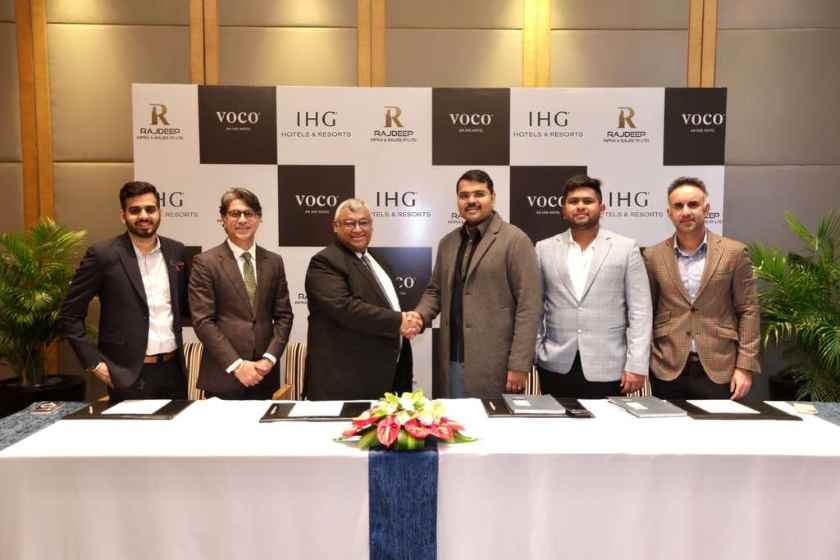
Samsung Galaxy F70e will launch on February 9; specs and features revealed

Samsung is getting ready to launch a new smartphone in India called the Galaxy F70e 5G. The phone will be launched on February 9 and it is is made for users who want good camera quality, long battery life, and 5G support at a low price.

The Galaxy F70e 5G will have a 120Hz display, which means the screen will feel smooth while scrolling and watching videos. The display can reach up to 800 nits of brightness and is expected to be an LCD screen. The phone will have a notch at the top of the screen.

For photos, the phone will come with a 50MP main camera on the back and a 2MP depth camera for portrait photos. On the front, it will have an 8MP camera for selfies and video calls.

The phone will be powered by the MediaTek Dimensity 6300 processor. The phone supports 12 5G bands, which helps with better network coverage. It will also have a big 6000mAh battery, so users can use the phone for long hours without charging often.

Samsung Galaxy F70e

Via – Fonearena

The Galaxy F70e 5G will run Android 16 with One UI 8. Samsung has promised six Android updates and six years of security updates.

The phone will have a leather-like finish on the back and will be available in Lime Green and Spotlight Blue colors. It also has an IP54 rating, which protects it from dust and water splashes.

Other features include Voice Focus for clearer calls and Samsung Knox Vault for better security. The phone will be sold on the Samsung India website and Flipkart after launch. The company has confirmed that the phone will cost under ₹15,000, which makes it a budget-friendly option.

Google Search Top Stories Preferred Source

The post Samsung Galaxy F70e will launch on February 9; specs and features revealed appeared first on Sammy Fans.

voco Lucknow: A Stylish New Hotel to Meet the Growing Demand for Premium Travel

voco Lucknow: A Stylish New Hotel to Meet the Growing Demand for Premium Travel

IHG Hotels & Resorts has announced an exciting new development in the heart of Lucknow, India’s capital city. The new voco Lucknow is set to open its doors in the third quarter of 2029, introducing IHG’s popular premium hotel brand to one of India’s most rapidly growing urban centers. Strategically located in the Ashiyana area, this hotel will be positioned as a key player in both the city’s burgeoning business and tourism sectors.

This development strengthens IHG’s presence in Lucknow, complementing the city’s existing operational hotels—Holiday Inn and Crowne Plaza. As a destination that attracts a steady stream of domestic and international visitors, voco Lucknow will bring world-class hospitality to a region that serves as a vital hub for business, education, government, and cultural tourism.

Location and Connectivity: A Prime Destination for Business and Leisure Travelers

Lucknow, the capital of Uttar Pradesh, is not only India’s most populous state but also a city experiencing rapid economic growth. The city is well-connected to major urban centers, with excellent road and rail networks, and is just a short drive from Chaudhary Charan Singh International Airport. This central location makes it an attractive destination for business travelers, government officials, and tourists alike.

voco Lucknow’s prime location in Ashiyana ensures that guests will have easy access to key business districts, government offices, educational institutions, and cultural landmarks. This makes it an ideal base for both corporate guests attending meetings and conferences, and tourists looking to explore the rich cultural heritage and attractions of Lucknow.

voco Hotels: A Premium Experience with a Unique Identity

As a premium hotel brand, voco offers a distinct hospitality experience that combines the charm and individuality of boutique hotels with the quality assurance of a global hotel chain. The voco brand is known for its informal yet high-quality service, aiming to create memorable experiences for guests with its signature hallmarks: ‘Come on in,’ ‘Me time,’ and ‘voco life.’

voco Lucknow will be designed with the brand’s signature touches in mind, providing guests with a warm, inviting atmosphere and thoughtful amenities that cater to both business and leisure travelers. With 135 keys, the hotel will offer a variety of accommodation options, from comfortable rooms for short stays to suites designed for longer visits, ensuring guests feel at home no matter the length of their stay.

The hotel will also feature a range of dining and leisure facilities, including a signature restaurant, a fitness center, and flexible meeting spaces designed to accommodate corporate events and conferences. This focus on both relaxation and productivity makes voco Lucknow a perfect choice for business travelers looking to combine work and leisure in one convenient location.

A Hub for Lucknow’s Booming Tourism Industry

Lucknow is increasingly becoming a prominent destination for cultural tourism, drawing visitors with its historical monuments, stunning Mughal-era architecture, and vibrant local culture. Attractions like Bara Imambara, Chota Imambara, and the Rumi Darwaza are just a few examples of the city’s rich heritage that visitors come to explore.

The opening of voco Lucknow will provide additional premium accommodation options to meet the growing demand for high-end tourism services in the city. As the city attracts more international visitors, especially from nearby countries, the need for quality hotels with international standards becomes even more critical.

For tourists looking to explore the local culture, Lucknow’s famous cuisine, including kebabs and traditional sweets, and its lively markets such as Hazratganj and Chowk, offer an immersive experience of the city’s unique charm. voco Lucknow will provide an ideal base for tourists exploring these attractions, offering them the perfect blend of comfort, convenience, and luxury.

The Growth of IHG in India: Strengthening Market Presence

IHG Hotels & Resorts has been rapidly expanding its footprint in India, with over 50 hotels already operating under six brands, including InterContinental, Crowne Plaza, Holiday Inn, and voco. The opening of voco Lucknow is a key milestone in the company’s strategic expansion across India, a market that remains one of the fastest-growing in the global hospitality industry.

In addition to its established hotels, IHG has a robust pipeline of 80 hotels in development, highlighting the company’s commitment to growing its presence in key urban centers. The opening of voco Lucknow represents IHG’s dedication to meeting the increasing demand for premium accommodations in India’s rapidly urbanizing cities.

With the country’s growing middle class, increasing business activity, and rising international tourism, India is poised to remain a critical market for IHG and other global hotel brands in the coming years. The development of voco Lucknow is a testament to IHG’s commitment to expanding its premium offerings in high-potential cities like Lucknow.

The Future of Luxury and Business Travel in Lucknow

As Lucknow continues to grow both economically and culturally, the demand for high-quality business and leisure accommodations will only increase. The introduction of voco Lucknow to the city’s tourism landscape will provide a much-needed premium option for travelers, further solidifying Lucknow’s reputation as a key hub for both business and tourism in northern India.

The new voco hotel will contribute to the overall growth of the city’s tourism infrastructure, offering travelers a stylish, modern, and comfortable place to stay while they explore the many facets of this dynamic city. Whether for a business trip, a family vacation, or a cultural exploration, voco Lucknow will provide an exceptional base for visitors to enjoy everything that Lucknow has to offer.

Conclusion: A Premium Addition to Lucknow’s Hotel Scene

The opening of voco Lucknow in 2029 is a significant development for the city’s tourism and hospitality industries. As a premium hotel brand, voco offers a unique and welcoming experience for business and leisure travelers alike. With its strategic location, modern amenities, and commitment to service, voco Lucknow is set to become a top choice for visitors to this growing Indian metropolis, offering a blend of comfort, style, and cultural connection.

The post voco Lucknow: A Stylish New Hotel to Meet the Growing Demand for Premium Travel appeared first on Travel And Tour World.

USA, UK, Bangladesh, Australia, Canada & Malaysia Tourists Flock to India – But International Travel House Ltd Stock Plummets 45%: Why You Should Be Concerned

USA, UK, Bangladesh, Australia, Canada & Malaysia Tourists Flock to India – But International Travel House Ltd Stock Plummets 45%: Why You Should Be Concerned
USA, UK, Bangladesh, Australia, Canada, and Malaysia tourists are flocking to India in record numbers, attracted by its rich cultural heritage,

USA, UK, Bangladesh, Australia, Canada, and Malaysia tourists are flocking to India in record numbers, attracted by its rich cultural heritage, vibrant festivals, and diverse landscapes. As these international arrivals surge, India’s tourism sector is seeing a major boost, with airlines like Air India and IndiGo offering more flights, while luxury hospitality brands like Taj Hotels and Oberoi expand their footprints to cater to the growing demand. However, despite this tourism boom, International Travel House Ltd, one of India’s prominent travel agencies, has faced a sharp 45% plunge in its stock price. This paradox has raised eyebrows: how can a booming tourism industry struggle with such underperformance in a sector that should be thriving? As tourists from the USA, UK, and Bangladesh, among others, continue to pour in, this decline in stock raises questions about the underlying challenges facing the travel industry. Is this a sign of turbulence in the tourism market, or is International Travel House Ltd simply struggling to capitalize on the wave of international arrivals? With so much at stake, it’s crucial to explore what this means for tourists planning their next trip to India, and how this ripple effect could impact everything from flight availability to hotel bookings.

USA, UK, Bangladesh, Australia, Canada & Malaysia Tourists Flock to India – But International Travel House Ltd Stock Plummets 45%: Why You Should Be Concerned

India, a land rich in culture, history, and landscapes, has always attracted tourists from all corners of the globe. In recent years, the influx of international visitors has surged, especially from countries like the USA, the UK, Bangladesh, Australia, Canada, and Malaysia. While tourism numbers are skyrocketing, one company that has felt the brunt of a downward trend in the Indian tourism sector is International Travel House Ltd. Despite a booming tourism industry, the company’s stock has plummeted by a staggering 45%, leading to concerns across the airline, hospitality, and travel sectors.

This article will delve deeper into the complexities behind this decline and explore how it could impact tourists, airlines, and hospitality providers. If you’re planning to travel to India, especially from popular source countries like the USA, the UK, or Bangladesh, it’s crucial to understand how these shifts in the stock market and the performance of travel companies can indirectly affect your travel experience.

USA, UK, Bangladesh, Australia, Canada & Malaysia Tourists Flock to India

In 2024, India saw a sharp increase in international arrivals, with the USA, the UK, Bangladesh, Australia, Canada, and Malaysia being some of the top source countries. The number of American tourists visiting India reached nearly 1.8 million, while the UK contributed about 1 million tourists. Bangladesh, with its geographical proximity, sent over 1.7 million visitors, making it a consistent top performer.

In addition to these key countries, Australia, Canada, and Malaysia continue to see strong tourism exchanges with India. This surge in international tourism is driven by multiple factors, including India’s growing reputation as a cultural and adventure tourism hub, its expanding flight connectivity, and government initiatives aimed at boosting foreign arrivals.

But International Travel House Ltd Stock Plummets 45%: Why You Should Be Concerned

Despite the overall growth in tourism, International Travel House Ltd, a prominent player in the Indian travel market, has seen a significant decline in its stock price. The stock fell by a staggering 45%, a trend that raises concerns among industry observers. The company’s performance has been largely underwhelming when compared to the growth in the tourism sector, even as airlines and hotels have seen a rise in business.

The question is, why is a company associated with one of the most popular industries in India experiencing such a major slump? A closer look reveals several factors contributing to this downturn. Financial struggles, underperformance compared to sector peers, and a lack of innovative strategies have played a role in pushing the stock down. Moreover, while the tourism sector in India continues to see growth, some companies are struggling to capture the lion’s share of the pie.

This decline in stock performance, however, has implications beyond just the shareholders of International Travel House Ltd. The company’s troubles could have a ripple effect on the broader tourism ecosystem, impacting airlines, hotels, and tourists alike.

Air India, IndiGo, and International Travel House Ltd: What’s the Connection?

Airlines like Air India and IndiGo have long been instrumental in fostering tourism to India. Air India, the national carrier, offers direct flights from key cities like New York, London, and Sydney, while IndiGo, known for its competitive pricing, has expanded its network across multiple countries.

With the rise in tourist numbers from countries like the USA, the UK, Bangladesh, and Australia, airlines have benefitted immensely. However, International Travel House Ltd’s struggle can indirectly affect these airlines, especially in terms of bookings and service demand.

Travel companies like International Travel House Ltd typically handle flight bookings, hotel reservations, and tour packages. If the company’s financial health declines, it could impact the volume of flight bookings processed through them, affecting not only the company’s earnings but also reducing the number of tickets airlines can sell. Furthermore, IndiGo and Air India might face lower group bookings, as the company’s reduced operations may mean fewer travel packages to offer.

This also brings us to a critical point about the market—tourism is an interconnected system. The performance of travel agencies, airlines, and hotels can significantly influence one another. When one link in the chain weakens, it’s not just that company that feels the pinch. Airlines that rely heavily on travel agencies for group bookings and business trips may experience a slowdown.

The Effect on India’s Hospitality Industry

The hospitality industry in India has experienced remarkable growth, driven largely by the increasing number of international tourists. Luxury chains such as Taj Hotels, Oberoi Hotels, and ITC Hotels have seen surges in bookings, particularly from international tourists. This demand has been bolstered by better air connectivity and the influx of tourists from countries like the USA and the UK.

However, as International Travel House Ltd suffers from a stock slump, its effect may cascade through the hospitality industry. The company’s travel packages often include accommodation deals with leading hotels, and as the company loses bookings, it could lead to a slowdown in demand for rooms in some of the country’s finest hotels. Hotels that rely on partnerships with tour companies may see a dip in group bookings, especially in major tourist cities like Delhi, Agra, and Jaipur.

Furthermore, the stock market downturn could also affect investor confidence in the Indian tourism sector, which could lead to less investment in hotel expansion or infrastructure development. Hotels in key tourist areas may slow down their growth plans as the market reacts to travel companies struggling to generate profits.

Flight Details and Travel Tips for Tourists

As India continues to be a key destination for international tourists, several airlines offer direct and connecting flights to major cities such as Delhi, Mumbai, Bengaluru, and Kolkata. If you are planning a trip from any of the major source countries like the USA, the UK, Bangladesh, Australia, or Canada, here are some useful travel tips:

  1. Airlines to Consider:
    • Air India: Direct flights from New York, London, Sydney, and Toronto to Delhi and Mumbai.
    • IndiGo: Budget-friendly options from various international hubs to Delhi, Bengaluru, and Kolkata. They offer competitive prices and a broad network.
    • Emirates: Connecting flights from North America and Europe through Dubai, perfect for tourists heading to southern or central India.
  2. Visa and Entry Requirements:
    • Most international tourists to India need a visa, with the Indian government offering e-tourist visas to citizens of several countries including the USA, UK, Australia, and Canada. Make sure to apply well in advance.
    • For Bangladeshi citizens, a land border entry permit is available in addition to the standard visa.
  3. Best Time to Visit:
    • October to March is the peak season for tourists, offering pleasant weather across most of India. However, this period can be crowded and expensive.
    • If you’re looking for a quieter and more affordable trip, consider traveling during the monsoon season (June to September), when tourist traffic is lower, but prices for accommodation may be much cheaper.
  4. Hotel Bookings:
    • Luxury Hotels: Top luxury hotels like Taj and Oberoi offer stunning accommodations and packages tailored for international visitors.
    • Budget-Friendly Options: For travelers looking for more affordable stays, options like OYO Rooms and local guesthouses in smaller towns provide a great budget alternative without compromising comfort.
  5. Flight Booking Tips:
    • Book Early: To secure the best deals, especially during peak seasons, book your flights at least 3 to 6 months in advance.
    • Compare Prices: Use comparison tools to find the best prices between airlines like Air India and IndiGo. Prices can vary significantly based on the season and availability.

What Does the Future Hold for Indian Tourism?

India’s tourism sector is expected to continue its growth trajectory, despite the challenges posed by individual companies like International Travel House Ltd. The government has set ambitious targets to boost tourism, with plans to develop new tourist circuits and enhance infrastructure.

Airlines such as Air India and IndiGo are well-positioned to take advantage of this growth. The launch of new flight routes and continued expansion in regional and international markets will drive increased air travel to India. The hospitality industry, too, will benefit from this continued expansion, with major international hotel chains planning to open new properties in cities and tourist hotspots across the country.

For tourists planning to visit India from the USA, the UK, Bangladesh, Australia, Canada, or Malaysia, the outlook is promising. The surge in international arrivals is expected to continue in 2025, especially with the introduction of new flight routes and the easing of visa policies.

Wrapping Up

While International Travel House Ltd’s poor stock performance is a point of concern for the tourism industry, it doesn’t diminish India’s appeal as a top travel destination. For tourists, the steady growth in air connectivity, hotel infrastructure, and travel packages means more opportunities to explore India’s rich history, vibrant culture, and natural beauty.

USA, UK, and Bangladesh tourists are flocking to India in record numbers, driving a boom in the country’s tourism industry. However, despite this surge, International Travel House Ltd faces a concerning 45% drop in stock value, raising questions about the sector’s stability.

As the tourism and hospitality industry adapts to market challenges, travelers from countries like the USA, the UK, Bangladesh, and others can rest assured that India remains an accessible, exciting, and enriching destination. Whether you’re booking a flight with Air India or looking for luxury stays at Taj Hotels, India’s tourism sector has plenty to offer. Keep an eye on the trends and plan your trip accordingly—India is waiting to be explored.

The post USA, UK, Bangladesh, Australia, Canada & Malaysia Tourists Flock to India – But International Travel House Ltd Stock Plummets 45%: Why You Should Be Concerned appeared first on Travel And Tour World.

India Budget 2026 Drives Travel and Tourism Growth with Siliguri–Varanasi High-Speed Rail Corridor, Boosting their Pilgrimage and Regional Connectivity

India Budget 2026 Drives Travel and Tourism Growth with Siliguri–Varanasi High-Speed Rail Corridor, Boosting their Pilgrimage and Regional Connectivity

Union Budget 2026 highlights the importance of the growth of travel and tourism by announcing 7 proposed high-speed rail corridors with the potential to be of major economic, cultural, and spiritual importance. This proposed initiative shows a clear policy shift in using transport connectivity as a means to develop tourism, regional integration, and accessibility to destinations.

One proposed route that will likely transform long distance travel, pilgrimage tourism, and leisure travel in Eastern and Northern India is the Siliguri-Varanasi high-speed rail corridor, extending to Delhi. This has created an expectation in the North Bengal and North East regions which heavily rely on transportation to national tourism circuits.

Siliguri–Varanasi Corridor Set to Transform Pilgrimage and Leisure Travel

The proposed corridor is expected to dramatically enhance pilgrimage tourism to Varanasi, widely regarded as India’s spiritual capital. At present, the journey between Siliguri and Varanasi, spanning roughly 720–760 kilometres, requires extensive travel time that often limits trip frequency.

Conventional train services take between 13 and 17 hours, while premium services such as the Tejas Express require over 11 hours, and Rajdhani Express journeys extend beyond 13 hours from New Jalpaiguri. High-speed rail could reduce travel time to just a few hours, transforming how pilgrims, domestic tourists, and cultural travellers plan their journeys.

Faster Connectivity Expected to Unlock New Tourism Demand

By compressing travel time, the corridor is expected to unlock new travel demand, enabling short-break pilgrimages, weekend cultural trips, and multi-destination itineraries. Faster rail connectivity lowers both time and physical barriers, encouraging repeat visits and broader participation, particularly among working professionals and senior travellers. This improvement directly supports tourism growth, as shorter journeys typically lead to higher trip frequency and increased spending across accommodation, dining, local transport, and cultural experiences.

North Bengal and North East Gain Stronger Access to National Tourism Circuits

For North Bengal and the North Eastern states, the Siliguri–Varanasi corridor represents a major leap in travel integration. Siliguri, already a critical gateway, could emerge as a strategic hub connecting eastern India with northern spiritual and cultural destinations.

Improved connectivity enhances not only outbound travel for residents but also inbound tourism, making it easier for visitors to combine trips to Varanasi with destinations such as Darjeeling, tea estates, wildlife reserves, and hill regions. This integrated travel potential strengthens the region’s visibility within India’s broader tourism landscape.

Rail Infrastructure Investment Supports Tourism-Led Economic Growth

The inclusion of high-speed rail corridors in Budget 2026 highlights a growing recognition that transport infrastructure is a foundation of tourism-led economic growth. High-speed rail offers reliable, comfortable, and environmentally efficient travel, supporting sustainable tourism development while reducing pressure on roads and short-haul flights.

For destinations like Varanasi, improved rail access enables year-round tourism flows, helping reduce overcrowding during peak religious festivals and distributing visitor numbers more evenly across the calendar.

High-Speed Rail Encourages Cultural and Experiential Tourism

Beyond religious travel, the corridor is expected to strengthen cultural and experiential tourism, connecting regions rich in history, traditions, and heritage. Easier access encourages travellers to explore multiple destinations within a single trip, deepening engagement with India’s cultural diversity. This aligns with evolving travel preferences, where tourists increasingly seek time-efficient, comfortable, and experience-rich journeys, especially for family and group travel.

Hospitality and Allied Sectors Set for Long-Term Growth

The anticipated rise in travel volumes is expected to deliver sustained benefits to the hospitality, transport, retail, and services sectors. Reduced journey times typically result in higher hotel occupancy, growth in short-stay tourism products, and increased demand for guided experiences and wellness offerings. Local businesses in both origin and destination regions stand to gain as travel frequency increases and visitor profiles diversify.

Siliguri–Varanasi Corridor Signals a Strategic Shift in Tourism Planning

Although more details are still needed, the inclusion of the Siliguri-Varanasi high-speed rail corridor project in Budget 2026 proves that India is starting to see rail in a more positive light, putting value into how rail can be a driver of travel and tourism, rather than seeing it as just a transport service.

If the rail corridor is built, it will be a game changer for pilgrimage travel and will improve tourism in the entire eastern and northern regions of India. High-speed rail will become a key pillar of India’s travel and tourism economy, allowing the integration of faith, culture, leisure, and regional development. It will transform travel by shortening day-long trips into seamless short journeys. It will also improve connectivity across the country.

The post India Budget 2026 Drives Travel and Tourism Growth with Siliguri–Varanasi High-Speed Rail Corridor, Boosting their Pilgrimage and Regional Connectivity appeared first on Travel And Tour World.

Record-Breaking Year for Sheikh Zayed Grand Mosque: What Makes It a Top Tourist Destination

Record-Breaking Year for Sheikh Zayed Grand Mosque: What Makes It a Top Tourist Destination

The Sheikh Zayed Grand Mosque Centre in Abu Dhabi has recorded a remarkable 6,846,723 guests in 2025, a 4% increase compared to 2024 and the highest number in its history. This iconic architectural masterpiece, which is one of the UAE’s most visited landmarks, continues to draw tourists and worshippers from all over the world. Known for its stunning beauty and cultural significance, the mosque remains a central point of attraction for both spiritual seekers and global tourists.

In addition to its religious significance, the mosque is a symbol of the UAE’s cultural heritage, and its popularity as a tourist destination is a testament to the growing global interest in the country’s landmarks. The Sheikh Zayed Grand Mosque is not just a place of worship, but also a key destination for cultural and religious tourism in the Middle East.

Record Visitor Numbers and Increased Global Appeal

The latest statistics highlight the growing global appeal of the mosque, with guests from around the world making up 82% of total visitors. The UAE’s rich cultural offerings, modern infrastructure, and welcoming atmosphere have made it a top destination for international travelers. Among these visitors, Asia led the way, accounting for 49% of the total guests, followed by Europe at 33%, North America at 11%, Africa and South America at 3% each, and Australia at 1%.

The mosque’s accessibility and open-door policy have made it a must-see for tourists visiting Abu Dhabi. Its grandeur and serenity provide a perfect backdrop for both reflection and exploration. Tourists from India, China, Russia, the United States, and Europe are particularly drawn to the mosque, with India contributing the largest share of visitors at 20%. China and Russia followed closely, each representing 9% of total guests.

A Hub for Worshippers and Cultural Tourists

While tourism figures dominate, the Sheikh Zayed Grand Mosque also plays a crucial role as a spiritual center. In 2025, the mosque welcomed 1,531,192 worshippers, with 257,859 performing the Friday Jumu‘ah prayers, a significant weekly gathering for Muslims. Additionally, 697,961 worshippers attended daily prayers, and 575,372 visited during the holy month of Ramadan and the two Eids, making it a focal point for religious observance and community gatherings.

The mosque’s design, which combines elements of Islamic architecture with contemporary influences, draws worshippers and visitors who are captivated not only by its spiritual significance but also by its artistic and architectural brilliance. The inclusion of both worshippers and tourists in the annual visitor statistics shows how the mosque serves as both a place of devotion and an attraction for those interested in Islamic art, culture, and history.

Celebrating Islamic Culture and Hospitality

A unique aspect of the mosque’s tourism offering is its hospitality during Ramadan. In 2025, the mosque served 898,767 guests during iftar, the evening meal that breaks the fast during Ramadan. These iftar guests are a mix of locals and tourists, demonstrating the mosque’s role as a cultural meeting point for people of all backgrounds. The mosque’s open iftar events are part of the UAE’s commitment to sharing its culture and religious traditions with the world, creating a space where people from different nationalities and religions can experience the warmth of Emirati hospitality.

The Sheikh Zayed Grand Mosque’s visitor numbers are a direct reflection of the UAE’s growing reputation as a center for cultural tourism. The mosque’s welcoming atmosphere, combined with its stunning architectural features, including 82 domes, 1,000 columns, and over 41,000 visitors annually, provides a powerful representation of the country’s commitment to bridging cultures and promoting tourism that celebrates heritage.

Tourism in Abu Dhabi: A Global Destination

As the UAE continues to attract millions of tourists each year, the Sheikh Zayed Grand Mosque remains one of the country’s premier attractions. Beyond the mosque, Abu Dhabi offers a rich array of cultural and leisure destinations for tourists. The city is home to numerous world-class museums, such as the Louvre Abu Dhabi, the Guggenheim Abu Dhabi (under development), and the Qasr Al Hosn Fort, among others. Additionally, Abu Dhabi’s beaches, luxury resorts, and modern shopping centers provide a balanced mix of cultural exploration and relaxation for visitors.

The growing number of international visitors to the Sheikh Zayed Grand Mosque and Abu Dhabi highlights the region’s role as a major hub for global tourism. The UAE’s investment in infrastructure, tourism promotion, and cultural preservation is helping attract travelers from all corners of the globe, making it a leading destination in the Middle East.

The Future of Tourism in the UAE

Looking ahead, the UAE’s tourism industry is set for further growth, with landmarks like the Sheikh Zayed Grand Mosque continuing to play a central role in attracting visitors. As the UAE celebrates its rich cultural history while embracing modernity, the country remains a beacon of cultural tourism, attracting millions from around the world.

With a growing number of international flights, enhanced connectivity, and a vibrant tourism offering, Abu Dhabi is poised to continue as a top destination for travelers seeking culture, spirituality, luxury, and adventure. The Sheikh Zayed Grand Mosque, with its record-breaking visitor numbers, is sure to remain at the heart of this expanding tourism landscape.

The post Record-Breaking Year for Sheikh Zayed Grand Mosque: What Makes It a Top Tourist Destination appeared first on Travel And Tour World.

India’s e-Visa Portal Glitches: How Travelers Can Skip the Hassle and Secure Their Visa This Year

India’s e-Visa Portal Glitches: How Travelers Can Skip the Hassle and Secure Their Visa This Year
India’s e-Visa portal faces persistent glitches causing delays & frustration.Travelers are turning to workarounds & third-party services to secure their visas.

India’s e-Visa portal has been facing persistent technical issues, frustrating travelers as they try to secure their visas online. What should be a five-minute process is taking hours or even days, leaving many applicants in limbo. Complaints about frozen pages, sudden log-outs, and CAPTCHA failures have flooded social media, as travelers voice their frustration. This surge of issues comes at a time when demand for Indian visas is high, especially with holiday season travel on the rise.

A Times of India article published on February 1, 2026, shed light on these ongoing e-Visa glitches, with applicants reporting the need to press the “refresh” button hundreds of times, only to have the portal crash while uploading necessary documents like passport scans and family details. Some users have resorted to alternative browsers or logging in at off-peak hours, such as late at night, to bypass the high traffic on the site.

Why is the e-Visa Portal Struggling?

The primary cause of these issues appears to be an overwhelming surge in traffic following the expansion of the e-Visa program to 166 new countries. With peak travel demand for holiday season and spring vacations, the Indian government’s online system has struggled to keep up. Despite these difficulties, approvals for applications, once submitted, continue to be processed quickly — often within 24 hours. However, the extended delays and frustrations during the application process have soured the otherwise highly regarded e-Visa system.

Indian authorities have responded to these issues by explaining that a server upgrade is scheduled for mid-February 2026. This upgrade is expected to improve the portal’s functionality and streamline the application process. In the meantime, applicants have been advised to keep image files under 200 kB and to avoid multiple log-ins simultaneously to reduce the risk of errors.

How Are Travelers Coping with the e-Visa Issues?

With no clear resolution yet, many travelers are seeking workarounds to avoid the frustration caused by the e-Visa portal glitches. Third-party services like VisaHQ have become a lifeline for applicants, offering a streamlined process that bypasses the technical issues plaguing the official system. VisaHQ’s services manage the entire e-Visa process, from compressing passport scans to navigating the portal, providing travelers with a more straightforward interface. By using third-party services, applicants can avoid the repetitive CAPTCHA grind and rest assured that their applications are being monitored 24/7, allowing for less stressful travel preparation.

For those on tight schedules or planning last-minute trips, switching to the costlier sticker visa is another option. Travel experts advise that applicants in urgent need of visas, particularly for business travel or short vacations, might need to go this route until the e-Visa portal stabilizes.

What Are the Key Takeaways for Applicants?

For travelers navigating these challenges, here are some key tips:

  • Stay patient: The government is working on resolving the issues, and a server upgrade is scheduled soon.
  • Check your documents: Ensure your images are under the 200 kB limit to avoid errors during upload.
  • Consider using third-party services: If you don’t want to deal with the portal’s glitches, services like VisaHQ can handle the application process for you.
  • Be aware of alternative visa options: If your trip is time-sensitive, consider applying for the traditional sticker visa while waiting for the portal to stabilize.

Government’s Response and Industry Recommendations

The Bureau of Immigration has acknowledged the technical issues affecting the e-Visa portal and has issued a reminder to travelers about the upcoming server upgrade. Government officials have also urged applicants to exercise caution and follow the advised troubleshooting steps to avoid further frustration.

Industry bodies, including the Federation of Indian Travel Associations (FITA), have called for the establishment of a 24/7 helpline to assist applicants during periods of high demand. They have also recommended implementing a queue management system, similar to those used by countries like Australia and Singapore, which could prevent further system crashes and improve user experience.

Travel and mobility managers in corporate sectors have also recommended building contingency time into travel plans, especially for group travel. The long wait times and unpredictable nature of the e-Visa system make it essential to allow extra time for obtaining necessary visas for business trips and international events.

The Bigger Picture: India’s Expanding e-Visa Program

The e-Visa system has been widely praised for its efficiency in processing travel visas and making India more accessible to international tourists. Since its expansion to 166 countries in recent years, India has seen a significant increase in tourism and business travel. The e-Visa system has made it easier for travelers to visit India for tourism, business, medical reasons, and conferences. However, the recent glitches underscore the growing pains of managing such a vast and popular program.

Despite the current setbacks, the Indian government remains committed to modernizing its visa system and is focused on ensuring that the country remains an attractive destination for tourists and business professionals alike. The upcoming server upgrade and the ongoing development of the e-Visa program are expected to streamline the process and restore its reliability in the coming months.

Conclusion: Patience is Key for Travelers Amid e-Visa Frustrations

While the e-Visa glitches may have caused inconvenience for travelers looking to visit India, it’s important to remember that the Indian government is actively working to resolve the issue. As the server upgrade approaches and measures are put in place to enhance the portal’s functionality, travelers are encouraged to stay patient and utilize available alternatives like VisaHQ to ease the process. With the right approach, travelers can still secure their e-Visas for India and enjoy a seamless journey to one of the world’s most fascinating countries.

As the e-Visa system stabilizes, India will continue to be a top travel destination, offering a rich blend of history, culture, and modern experiences for those who are ready to explore.

The post India’s e-Visa Portal Glitches: How Travelers Can Skip the Hassle and Secure Their Visa This Year appeared first on Travel And Tour World.

Big Travel Win: India’s New Two Percent TCS on Overseas Tours Will Save You Big in 2026- Find Out How It Will Help Travelers and Businesses

Big Travel Win: India’s New Two Percent TCS on Overseas Tours Will Save You Big in 2026- Find Out How It Will Help Travelers and Businesses
Budget 2026 reduces the TCS on overseas tour packages to 2% benefiting travelers companies by lowering costs & simplifying reimbursements.

In a welcome move for both corporate and leisure travelers, the Indian government has slashed the Tax Collected at Source (TCS) on overseas tour packages to a flat 2% in Budget 2026. This reduction marks a significant change after the steep 20% TCS previously imposed, which had triggered widespread backlash across the travel industry. With the new reforms, travelers can look forward to reduced upfront costs, while businesses can benefit from simplified reimbursement processes and greater clarity in their travel budgets.

The TCS Reduction: What It Means for Travelers and the Industry

The travel industry had been grappling with the financial burden of a 20% TCS, which led to multiple challenges. Companies organizing international business trips or incentive travel had to deal with cash-flow hits, forcing many to book international off-site events through foreign entities to avoid the high tax rate. This, in turn, led to a 30% dip in high-value bookings, as families postponed their long-haul vacations, and corporate travel was limited.

The TCS reduction is expected to bring immediate relief. Travelers will now pay a lower rate, making overseas vacations more affordable. For corporates, it simplifies the reimbursement workflows, making it easier for finance and HR teams to manage travel budgets. The reduction also ensures that GST-compliant packages are more attractive, helping the domestic travel industry recover from losses.

As travel agencies reported that the high TCS had pushed many customers to international booking platforms, the new rule is a strategic move to keep the money circulating within India, rather than seeing it flow out to foreign entities. The Federation of Associations in Indian Tourism & Hospitality (FAITH) has estimated that this change could potentially restore ₹12,000 crore in lost booking volume for the Indian tourism sector over the next fiscal year. This could be a game-changer for the country’s tourism, with airlines and hotel chains already announcing promotional fares in anticipation of the boom that is expected to follow once the new rate kicks in.

How the New TCS Rate Benefits Travelers

For travelers, the reduction of the TCS on overseas tour packages is not just about lower costs. It’s also about efficiency and transparency. The 2% TCS aligns with the existing tax rate for education and medical remittances, making it easier for finance departments to comply. This is particularly helpful for companies that fund incentive travel, training trips, and conferences.

With the revised TCS in place, employees traveling for business or education will experience simpler reimbursement processes. The new rate helps avoid the cash blockages that made it difficult for corporations to plan efficiently. This makes it easier for businesses to allocate budgets and make payments without the administrative hassle that was caused by the earlier, higher TCS rate.

Additionally, the shift towards a lower TCS rate is expected to make international travel more accessible for families. Whether it’s a vacation or a honeymoon, the affordability of tour packages is now within reach for many who were previously deterred by the high taxes.

What Are the Next Steps for Tourists Planning International Travel?

While the TCS reduction is a step in the right direction, travelers need to be aware of the basic requirements that come with overseas tours. For tour packages within the European Union or other international destinations, travelers are still required to carry the appropriate visas and ensure their pets meet travel regulations. Some destinations may require health certificates or vaccinations, and it’s always a good idea to double-check visa requirements to avoid last-minute issues.

To make the process easier, VisaHQ’s India portal has been instrumental in simplifying the process of visa applications. By offering up-to-date visa requirements, digital application tools, and real-time tracking, VisaHQ allows HR and finance teams to keep the booking process on schedule without any unnecessary surprises.

Reaching Global Destinations: Budget 2026 Supports Corporate Travel

The Budget 2026 changes are especially beneficial for those organizing regional conferences or corporate travel. While there are still country-specific withholding taxes and per-diem restrictions, the elimination of the hefty 20% cash blockage will make travel budgeting far more efficient. The 2% TCS can now be considered a standardized fee, making the financial planning process simpler for both businesses and employees alike.

Corporations can expect to see more cost-effective international travel, which will, in turn, help foster stronger business ties and create new global opportunities. The government’s focus on making travel more accessible for businesses aligns with broader goals of enhancing international trade and global connectivity.

The Future of India’s Travel Industry and Tourism Growth

The newly introduced TCS reduction marks a critical point for India’s tourism recovery. By lowering the financial barrier to entry, the government hopes to revitalize the travel market, boosting demand for both domestic and international travel. With promotional fares being offered by airlines targeting Indian tourists, the travel landscape in India is expected to flourish, bringing in not only more domestic travelers but also international visitors looking to experience the cultural diversity and natural beauty of India.

From luxury vacations to budget-friendly getaways, the ability to book an affordable overseas tour package makes the Indian travel market more competitive on the global stage. This is especially true for those who want to visit Europe, the Middle East, or Asia, regions that are becoming more accessible thanks to lower upfront costs.

Conclusion: A Win for Indian Travelers and the Tourism Industry

The TCS reduction in Budget 2026 is a promising shift that will make international travel more affordable and accessible for both businesses and individual travelers. It provides a boost to India’s travel sector, restores confidence in GST-compliant travel packages, and opens the door to more affordable overseas adventures. As the travel industry rebounds and new promotions come to life, it’s clear that this new measure will transform the way India travels in 2026 and beyond.

Whether you’re planning a family vacation or an important corporate off-site, the 2% TCS is a welcomed change that simplifies the planning process and makes international travel more within reach. Keep checking the latest travel updates and offers as India embarks on this exciting new phase of tourism growth.

The post Big Travel Win: India’s New Two Percent TCS on Overseas Tours Will Save You Big in 2026- Find Out How It Will Help Travelers and Businesses appeared first on Travel And Tour World.

Gujarat Ascends to Top Three Destinations for International Travellers in India

Gujarat Ascends to Top Three Destinations for International Travellers in India
A Remarkable Surge in Foreign Visitors Observed Across Gujarat’s Iconic Landmarks.

In recent statistical evaluations released regarding the movement of international travelers, it has been observed that Gujarat has secured the third position in India for foreign tourist arrivals. This significant milestone reflects the state’s burgeoning reputation as a premier destination for global explorers. The tourism sector in this region is characterized by a unique blend of ancient history, industrial progress, and ecological diversity. It is noted that the influx of visitors from abroad has seen a substantial increase, contributed to by the development of world-class infrastructure and the preservation of cultural heritage sites.

The narrative of growth is supported by data indicating that the state has successfully attracted millions of visitors who seek to explore the diverse landscapes of Western India. It is understood that the strategic efforts made by the local administration to promote sustainable tourism have played a pivotal role in this achievement. The ranking is viewed as a testament to the effective marketing of the state’s unique identity on the global stage.

Factors Contributing to International Popularity

The ascent of Gujarat in the national rankings is attributed to several key factors that have made the region more accessible and appealing to the international community. It is highlighted that the connectivity provided by international airports and the modernization of transportation networks have facilitated ease of travel for those arriving from distant continents. Furthermore, the safety and hospitality offered within the state are frequently cited as primary reasons for the positive reception by foreign nationals.

Great emphasis is placed on the diversity of experiences available, ranging from the white sands of the Rann of Kutch to the architectural marvels of the Sun Temple at Modhera. It is noted that these locations are not merely sites of historical interest but are managed as vital components of a larger ecosystem that supports the local economy. The integration of modern amenities with traditional settings is recognized as a hallmark of the visitor experience in Gujarat.

Statistical Insights into Foreign Arrivals

When the numbers provided by official reports are examined, it is revealed that the growth rate of arrivals has outpaced many other traditionally popular states. The year-on-year increase is seen as a clear indicator that the promotional campaigns targeting international markets are yielding results. It is observed that tourists from North America, Europe, and Southeast Asia constitute a significant portion of the visitor demographic.

The data suggests that the duration of stay for international travelers in Gujarat has also extended, indicating a deeper engagement with the local culture and offerings. It is understood that the availability of luxury accommodations alongside authentic homestays has catered to a wide spectrum of preferences. The economic impact of these arrivals is considered substantial, providing livelihoods to thousands of individuals within the hospitality and service industries.

The Impact of Iconic Landmarks

The role of the Statue of Unity in redefining the tourism landscape of the state cannot be overlooked. It is reported that this monument has become a focal point for international interest, drawing crowds that were previously concentrated in more established urban centers. The development of the surrounding Kevadia region into a comprehensive tourist circuit is viewed as a blueprint for future projects.

Similarly, the recognition of sites like Dholavira as UNESCO World Heritage locations has bolstered the state’s profile among history enthusiasts and scholars. It is noted that these sites are maintained with a focus on conservation, ensuring that the integrity of the historical narrative is preserved for future generations. The passive observation of these sites by international visitors contributes to a global dialogue on human civilization and heritage.

Cultural Festivals as Global Attractions

The organization of large-scale cultural events, such as the International Kite Festival and the Rann Utsav, is identified as a major draw for foreign tourists. It is observed that these festivals provide a platform for the display of local craftsmanship, music, and culinary traditions. The participation of international artists and enthusiasts in these events is seen as a bridge between different cultures.

These festivals are promoted as immersive experiences that allow visitors to engage with the vibrant lifestyle of the region. It is understood that the logistical planning involved in these events ensures a seamless experience for those traveling from abroad. The positive word-of-mouth generated by participants in these celebrations is believed to be a powerful tool in sustaining the momentum of tourist arrivals.

Future Outlook and Strategic Growth

Looking ahead, the trajectory for tourism in Gujarat is expected to remain on an upward path. It is anticipated that further investments will be made in the niche sectors of medical tourism and eco-tourism. The natural beauty of the Gir National Park, being the sole home of the Asiatic lion, continues to be a unique selling point that is emphasized in global advertisements.

The state’s commitment to enhancing the digital experience for travelers, including virtual tours and streamlined visa processes, is recognized as a forward-thinking approach. It is believed that by maintaining a focus on quality and authenticity, the third-place ranking will serve as a foundation for even greater achievements in the coming years. The ongoing collaboration between the government and private stakeholders is seen as the driving force behind this sustained success.

The post Gujarat Ascends to Top Three Destinations for International Travellers in India appeared first on Travel And Tour World.

Four Points by Sheraton Navi Mumbai in India Promotes Kiran Muniraj with Nearly Two Decades of Hospitality Experience to General Manager

Four Points by Sheraton Navi Mumbai in India Promotes Kiran Muniraj with Nearly Two Decades of Hospitality Experience to General Manager

Four Points by Sheraton Navi Mumbai, a premier five-star deluxe hotel, has officially announced the promotion of Kiran Muniraj to the role of General Manager. With nearly 20 years of experience across renowned global hospitality brands, Muniraj’s expertise in operations and leadership positions him to lead the hotel into its next phase of growth. This promotion comes at a pivotal moment as the hotel undertakes a significant transformation to modernize its services and infrastructure.

Kiran Muniraj: A Veteran in the Hospitality Industry

Kiran Muniraj’s career has spanned nearly two decades, during which he has consistently demonstrated his commitment to excellence in the hospitality sector. His professional journey has been shaped by his work with top-tier international hospitality brands, focusing on operational efficiency, team building and innovative leadership. Muniraj is an alumnus of Christ University, the Indian Institute of Management Ahmedabad and Cornell University Executive Education. His academic background, combined with extensive experience, has played a crucial role in his approach to hospitality management, emphasizing the integration of technology and sustainability.

As General Manager of Four Points by Sheraton Navi Mumbai, Muniraj is tasked with overseeing the hotel’s strategic and operational direction. His vision for the future of the property aligns with the evolving needs of the market, ensuring that the hotel not only meets but exceeds guest expectations. His leadership is seen as a vital element in ensuring that the hotel continues to thrive in an increasingly competitive hospitality landscape.

Focus on Growth and Transformation

Four Points by Sheraton Navi Mumbai, which has been the city’s only five-star deluxe hotel for over 16 years, is currently undergoing a major transformation. The hotel’s ongoing renovations aim to update its design, services and infrastructure to meet the growing demands of today’s travelers. As part of the hotel’s transformation, Muniraj’s leadership will play an integral role in reimagining the property’s offerings. The goal is to create an environment that reflects modern hospitality trends while maintaining the exceptional service standards that Four Points by Sheraton is known for.

Muniraj’s appointment is not just about leading the hotel; it is about building a legacy for Navi Mumbai’s hospitality scene. He has expressed that the hotel’s future plans go beyond offering high-quality services—they aim to create memorable experiences for guests. Future-ready infrastructure, distinctive culinary offerings and a holistic approach to well-being are at the heart of Muniraj’s vision for the property’s evolution. These elements will set a new standard for the hotel’s offerings and elevate Four Points by Sheraton Navi Mumbai’s status in the hospitality sector.

Industry Recognition and Leadership

Kiran Muniraj’s leadership in the hospitality industry has not gone unnoticed. He has received numerous accolades throughout his career, underscoring his commitment to excellence in hospitality management. Among his achievements are recognitions such as Hotel Manager of the Year – Hospitality India 2025 and Green Hotel of the Year – FHRAI for both 2024 and 2025. These awards reflect Muniraj’s focus on sustainability, a crucial aspect of modern hospitality management and his dedication to implementing eco-friendly practices within the hospitality sector.

Muniraj’s recognition in the industry also highlights his ability to build and lead high-performing teams that align with the evolving demands of guests and the hospitality industry. His ability to foster innovation, incorporate sustainability goals and adapt to the changing landscape of hospitality makes him an ideal leader for Four Points by Sheraton Navi Mumbai as it enters this new phase of transformation.

The post Four Points by Sheraton Navi Mumbai in India Promotes Kiran Muniraj with Nearly Two Decades of Hospitality Experience to General Manager appeared first on Travel And Tour World.

Will India’s New Travel Boom Revolutionize Your Next Vacation? Here’s Why You Should Be Paying Attention

Will India’s New Travel Boom Revolutionize Your Next Vacation? Here’s Why You Should Be Paying Attention

India’s travel landscape is about to experience a major overhaul with the government unveiling a range of transformative reforms. These changes aim to reshape both domestic and international travel, making it more affordable, efficient, and sustainable. With reduced overseas travel taxes, the introduction of high-speed rail corridors, and a heavy emphasis on tourism infrastructure, India is gearing up to become a more accessible and globally connected destination. This article outlines the key reforms that will impact travelers both within India and across the world. It explores how these strategic changes will fuel economic growth, provide a boost to local economies, and elevate India’s position in global tourism.

Cutting International Travel Costs: The New TCS Reforms

A major reform announced in the government’s new economic strategy is the reduction of the Tax Collected at Source (TCS) on overseas travel expenditures. Historically, the TCS for overseas tour packages stood at 5%, and in some cases, it reached as high as 20%. However, in 2026, the government has slashed this figure to a flat 2%. This significant tax reduction applies to all types of overseas remittances, including holidays, medical treatments, study abroad programs, and family visits.

This change ensures that no matter the amount being spent on international travel, travellers will benefit from lower taxes, making foreign trips more financially accessible. The government’s decision to remove value thresholds on these payments means that people from a broader socioeconomic background, especially those from the middle class, will be able to afford international travel more easily. Whether it’s a vacation, honeymoon, or a long-term stay, this reform is set to boost international tourism from India, especially by easing the upfront costs of travel.

Transforming Domestic Travel: Seven New High-Speed Rail Corridors

To improve domestic connectivity, the government has announced the launch of seven new high-speed rail corridors. These new routes will drastically cut travel times between major cities, providing travellers with faster and more convenient options to travel across the country. The corridors include:

  • Mumbai–Pune
  • Pune–Hyderabad
  • Hyderabad–Bengaluru
  • Hyderabad–Chennai
  • Chennai–Bengaluru
  • Bengaluru–Varanasi
  • Varanasi–Siliguri

The introduction of these high-speed rail lines aims to revolutionize domestic travel. Travellers, whether on business, weekend getaways, or cultural tours, will be able to visit multiple cities within a shorter time span. These corridors will not only help speed up travel but will also enhance tourism by making it easier for visitors to explore different regions of India in a more time-efficient manner.

By reducing travel times and increasing intercity connectivity, these rail corridors are also expected to benefit local tourism. Smaller towns and regions, which have previously been bypassed, will likely see an increase in tourist arrivals. This will create economic opportunities in rural areas, boosting local economies driven by cultural heritage, natural beauty, and local tourism services.

Enhancing the Tourism Workforce: Training and Skill Development Initiatives

The government’s commitment to improving India’s tourism services includes a significant focus on training and skill development. As part of the new economic reforms, the government plans to train 10,000 tourist guides across the country. This will help raise the standard of tourism services, ensuring that tourists receive high-quality, informative experiences while exploring India’s diverse attractions.

Alongside the guides, the government also plans to set up a National Institute of Hospitality. This institute will focus on maintaining international hospitality standards and improving the training of hospitality professionals across the country. This will help create a more welcoming environment for both domestic and international visitors, enhancing the overall tourism experience.

Furthermore, the government will launch a National Destination Digital Knowledge Grid. This will help map cultural and heritage sites across India, making it easier for tourists to find destinations of interest and better plan their trips. The grid will serve as a digital resource for both Indian and foreign travellers, enabling them to discover both popular destinations and hidden gems throughout the country.

Sustainable Travel: Promoting Heritage and Eco-Tourism

India’s tourism strategy also prioritizes sustainable travel. Recognizing the importance of heritage tourism and eco-tourism, the government has allocated funds for the development of 15 archaeological sites. These sites will be turned into experiential tourism destinations, with curated walkways, interactive exhibits, and storytelling elements that enhance the visitor experience.

Additionally, India will be promoting eco-tourism initiatives, such as turtle trails, birdwatching routes, and mountain trekking circuits. These initiatives will allow travellers to explore India’s natural beauty, particularly in regions like Himachal Pradesh, Uttarakhand, and Jammu & Kashmir. The focus will be on offering eco-conscious experiences that allow visitors to connect with nature while maintaining a commitment to environmental sustainability.

These efforts are expected to diversify India’s tourism offerings, ensuring that visitors can enjoy both cultural experiences and nature-based activities. As the government encourages responsible travel, regions that rely on natural ecosystems will experience economic benefits, while ensuring that natural resources are preserved for future generations.

India’s Growing Role in Global Medical Tourism

India is also positioning itself as a global leader in medical tourism. To meet the growing demand for affordable healthcare, the government has announced the creation of five regional medical tourism hubs across India. These hubs will combine medical services with diagnostic facilities, post-care treatment, and AYUSH (alternative medicine) centres to provide a comprehensive healthcare package for international patients.

The government’s move will make India an even more attractive destination for medical tourists, particularly for those from neighbouring countries and the Middle East, where medical expenses are significantly higher. These medical tourism hubs will also offer international patients the added benefit of exploring India’s rich cultural heritage and scenic landscapes while receiving medical treatments.

This initiative is expected to further strengthen India’s position as a top destination for medical tourism, combining affordable healthcare with the opportunity to experience India’s diverse culture and beauty.

Supporting the Travel Ecosystem: Infrastructure and Connectivity

The government has also allocated significant investments to improve transportation infrastructure across India. This includes funding for rail networks, roads, and transport systems that will benefit both domestic travellers and tourists. By improving connectivity, the government hopes to create a more efficient and cost-effective travel environment for all.

Moreover, the government is focusing on boosting aviation infrastructure by incentivizing duty-free manufacturing within the aviation and aerospace industries. This is expected to reduce the cost of domestic air travel, making it more affordable for Indian citizens and enabling more people to explore different regions of the country.

By enhancing connectivity across various sectors of the travel ecosystem, these reforms aim to make travel in India easier, cheaper, and more accessible for both domestic and international visitors.

Global Impact: How India’s Reforms Will Affect Travelers Worldwide

India’s focus on making travel more affordable, sustainable, and efficient is expected to have a global impact. For Indian travellers, the lower taxes on international travel will make foreign vacations and business trips more financially viable. Additionally, the introduction of high-speed rail corridors will encourage greater exploration of India’s regional destinations, promoting domestic tourism.

International tourists will also benefit from India’s enhanced hospitality services and the promotion of eco-tourism and cultural heritage sites, which offer authentic travel experiences. As India becomes a global hub for both medical tourism and cultural exploration, travellers from across the globe will flock to the country, drawn by the affordable healthcare options and rich cultural experiences it offers.

These reforms will help make India a must-visit destination for tourists worldwide, while creating new opportunities for local economies and small towns. The enhanced infrastructure, high-speed connectivity, and commitment to sustainability will ensure that India remains a top choice for global tourists seeking diverse, affordable, and responsible travel options.

Summary of Key Changes

The strategic reforms introduced in 2026 represent a major shift for India’s tourism sector. These include:

  • International Travel: Reduction of TCS to 2%—Making international travel more affordable for Indian citizens.
  • High-Speed Rail: Seven new corridors announced—Improving domestic connectivity and making travel faster and more efficient.
  • Tourism Workforce: Training for 10,000 tourist guides—Raising the quality of tourism services across India.
  • Heritage & Eco-Tourism: Development of 15 archaeological sites and eco-tourism initiatives—Encouraging sustainable travel and protecting natural resources.
  • Medical Tourism: Creation of regional medical hubs—Positioning India as a leader in medical tourism.
  • Infrastructure: Significant investments in transport and aviation—Making travel more affordable and accessible for all.

These initiatives not only enhance India’s tourism offerings but also contribute to the global travel ecosystem, making India a more connected, affordable, and sustainable destination for travelers worldwide.

The post Will India’s New Travel Boom Revolutionize Your Next Vacation? Here’s Why You Should Be Paying Attention appeared first on Travel And Tour World.

Upskilling Tourist Guides in India: New Game-Changer for Tourism Experience in Iconic Destinations, Get the Details Here

Upskilling Tourist Guides in India: New Game-Changer for Tourism Experience in Iconic Destinations, Get the Details Here

The Union Budget for the year 2026-27 has brought with it a revolutionary scheme that will help improve the tourism sector in India by training tourist guides. This new scheme has been announced by the Union Finance Minister, Nirmala Sitharaman, and is a part of the overall vision of the government to increase the contribution of the tourism sector to the economy.

The New Pilot Scheme for Tourist Guides

As part of the 2026 Budget, a pilot scheme has been launched to provide standardized, high-quality training to 10,000 tourist guides across 20 iconic tourist sites in India. This training program will be conducted in a hybrid mode, blending both in-person and online learning components, allowing flexibility for participants. The curriculum will span 12 weeks, covering essential skills such as communication, knowledge of historical and cultural landmarks, customer service, and the latest technological tools used in the tourism industry.

The initiative is being developed in collaboration with the Indian Institutes of Management (IIMs), ensuring that the course materials adhere to global standards and best practices. The aim is to elevate the overall quality of service provided by tourist guides and help them offer an enhanced visitor experience. By providing top-tier training, the program will not only improve the guides’ skill set but also create an avenue for well-paying, long-term employment, contributing to the overall development of the tourism ecosystem.

Enhancing the Tourist Experience

The newly announced initiative will significantly improve the experience of tourists visiting India’s cultural and historical landmarks. As the world’s largest democracy, India is home to an exceptional array of tourist destinations, from UNESCO World Heritage Sites to spiritual and natural landmarks. These attractions, however, require skilled professionals to guide visitors and provide deep insights into their historical, cultural, and architectural significance.

Through the training provided under the pilot scheme, tourist guides will gain an enhanced understanding of these sites, equipping them with the tools to better serve both domestic and international visitors. With a strong emphasis on improving communication skills and customer service, the guides will be trained to engage visitors more effectively, ensuring a more enjoyable and informative experience. By helping tourists navigate India’s diverse landscapes and rich cultural heritage, the program has the potential to elevate India’s position in the global tourism market.

Addressing Skill Gaps in the Tourism Workforce

India’s tourism sector is vast, employing millions of people across various sub-sectors such as transportation, hospitality, food and beverage, and cultural industries. However, the sector has often struggled with inconsistent service quality and a lack of professional standards. The pilot scheme represents a strategic step toward addressing these skill gaps and raising the overall level of service across the tourism industry.

By upskilling 10,000 tourist guides, the government is aiming to professionalize this workforce and create a benchmark for quality service that can be replicated across the country. This will be particularly important in smaller towns and rural areas, where tourism-related jobs have the potential to provide meaningful employment opportunities. With well-trained professionals at the helm, the tourism sector will be better positioned to handle the growing number of visitors from around the world.

Building Competitive Advantage for Indian Tourism

Tourism is one of the largest industries globally, generating millions of jobs and contributing significantly to economies. India’s tourism sector has a unique opportunity to capitalize on its rich cultural, historical, and natural assets. However, to compete in a rapidly growing global tourism market, it is crucial for the country to continuously raise the standards of its offerings.

The training program will incorporate international best practices, ensuring that tourist guides are equipped with knowledge and skills that are on par with global standards. This will help create a more competitive edge for India as a travel destination, allowing the country to attract more international tourists. As tourism numbers rise, this will also contribute to increasing foreign exchange earnings, which play a significant role in strengthening the national economy.

Additionally, the sector’s multiplier effect, which impacts related industries such as transport, handicrafts, and accommodation services, will create a ripple effect across local economies. As more tourists visit India’s iconic sites, the demand for complementary services will rise, providing economic opportunities for businesses and entrepreneurs in regions surrounding these tourist hotspots.

Creating Sustainable and Inclusive Economic Growth

One of the standout features of the pilot scheme is its focus on creating sustainable and inclusive growth. By prioritizing skill development, the program empowers local communities, especially in rural and remote areas, where tourism can provide significant economic benefits. This program is designed not only to create jobs but also to foster a culture of professionalism and excellence in the tourism industry.

The hybrid training approach also ensures that individuals from different parts of the country, including underserved areas, have access to quality education without having to travel long distances or bear high costs. This inclusivity will be vital in helping underrepresented groups enter the workforce, providing them with the skills and knowledge they need to thrive in the expanding tourism sector.

A Strategic Investment in India’s Tourism Future

India’s tourism sector has long been seen as a key driver of economic growth, capable of generating significant foreign exchange earnings, creating employment, and stimulating local economies. However, to unlock its full potential, substantial investments in infrastructure, skill development, and destination promotion are essential.

The government’s focus on skill development through this pilot scheme aligns with broader efforts to strengthen India’s position as a global tourism powerhouse. By investing in the professional development of its tourism workforce, India is not only enhancing the quality of service for visitors but also laying the foundation for long-term growth and sustainability in the industry.

Transforming India’s Tourism Landscape for Long-Term Growth and Global Competitiveness

As the program grows and more tourist guides are trained at other iconic destinations, the program has the potential to revolutionize the tourism sector in India. With world-class training, a highly skilled workforce, and a focus on quality, the country is on the cusp of a new dawn in the tourism sector that will benefit not only tourists but also businesses and communities in the country.


In conclusion, the introduction of a pilot program to skill tourist guides in the 2026-27 Union Budget is a step in the right direction to address the issues in the tourism sector in India. The program has the potential to improve the tourism experience, provide jobs that pay well, and make India a force to be reckoned with in the tourism sector globally.

The post Upskilling Tourist Guides in India: New Game-Changer for Tourism Experience in Iconic Destinations, Get the Details Here appeared first on Travel And Tour World.

India’s Aviation Market to Soar with More Than Two Thousand Aircraft by 2036: What’s Driving This Surge in Air Travel Demand Across Hyderabad, Delhi, and Bengaluru?

India’s Aviation Market to Soar with More Than Two Thousand Aircraft by 2036: What’s Driving This Surge in Air Travel Demand Across Hyderabad, Delhi, and Bengaluru?
India’s Aviation Market to Soar with More Than Two Thousand Aircraft by 2036

India’s aviation sector is on the brink of a transformative shift. With the country’s economy soaring and an increasing number of first-time flyers, Indian airlines are poised for a dramatic expansion. According to leading aviation experts, the size of India’s airline fleets is expected to triple over the next decade, with an estimated 2,250 aircraft forecasted to be in operation by 2036. This growth will be fueled by a rising middle class, higher disposable incomes, and the ever-growing demand for air travel across the country.

India is already home to one of the largest aviation markets in the world, ranking third in terms of domestic air traffic, behind the United States and China. The demand for air travel is skyrocketing, particularly as both domestic and international airlines race to enhance capacity to meet the needs of millions of travelers.

India’s Emerging Role in the Global Aviation Market

The rapid expansion of India’s aviation sector is not just about numbers—it’s a clear indication of the growing importance of the country on the global travel map. India’s aviation industry has long been dominated by two major players: IndiGo and Air India, which together account for a substantial portion of the market share. However, the expansion is expected to open up opportunities for many other carriers as well, paving the way for a more diversified aviation landscape.

The future of Indian air travel is bright, and it’s no surprise that global aircraft manufacturers are eyeing the country as a critical battleground. Both Airbus and Boeing have made bold projections regarding the growing demand for aircraft in India. In fact, Boeing has forecast that airlines in South Asia, including India, will require nearly 3,300 new aircraft by 2044, underlining the massive growth potential within the region.

While Boeing’s estimate is slightly higher, Airbus’s forecast still reflects the rapid expansion of the Indian aviation market. The projections not only indicate an increase in aircraft numbers but also suggest a significant shift toward larger, more fuel-efficient planes as airlines phase out older models to meet the demands of both business and leisure travelers.

Rising Middle Class & First-Time Flyers: Key Drivers of Growth

One of the most significant factors contributing to the anticipated expansion is the rising income levels and growing middle class in India. As more people join the ranks of the affluent consumer class, their ability to afford air travel is increasing. For many, flying will no longer be a luxury but a part of their routine. Rural-urban migration, growing urbanization, and tourism are expected to add to the pressure on airlines to increase their fleet sizes.

It’s important to note that air travel penetration in India remains low compared to other developed nations. Currently, the country averages just 0.13 air trips per capita, which is a stark contrast to global averages. This signals the untapped potential of air travel in the region, as more individuals experience the convenience of air transport, especially with increasing affordability.

Impact of India-EU Trade Agreement on Aviation Sector

A pivotal development in the expansion of India’s aviation industry comes in the form of the recently signed India-EU trade agreement. This agreement promises to reduce tariffs, potentially benefiting aerospace services and streamlining some of the trade barriers currently in place. With improved trade relations, India’s aviation sector could see further growth, as it enables both manufacturers and airlines to expand their operations and fleet sizes at a faster pace. This agreement could also pave the way for easier access to aircraft parts and maintenance services, ensuring the sector remains competitive in the global market.

Rising Demand for Air Travel in Post-Pandemic World

Post-pandemic recovery has played a significant role in the growth of the aviation sector worldwide, and India is no exception. As the demand for air travel surges, airlines are grappling with the need to replenish and expand their fleets to cater to growing numbers of passengers. Airlines in India have placed some of the largest aircraft orders in recent years, emphasizing fleet expansion over replacement—a trend not commonly seen in more mature aviation markets.

In particular, Indian carriers have increasingly turned to large, fuel-efficient jets as part of their long-term strategy. These planes are not only more sustainable but are also designed to carry more passengers, which is essential to meeting the soaring demand from travelers. Whether it’s for business trips, family vacations, or exploring India’s rich heritage sites, passengers are increasingly opting for quicker and more convenient air travel options.

Travel Tips for Tourists in a Rapidly Growing Aviation Market

As India’s aviation market expands, so do opportunities for travelers to explore more destinations across the country. The increasing number of flights will make domestic travel more accessible than ever before. Here are some travel tips to make the most of this growth:

  1. Book Early: With rising demand, flights may fill up quickly, particularly during peak seasons. Booking early ensures better pricing and availability.
  2. Explore New Routes: New airlines and routes will likely open as the fleet expands, providing access to lesser-known destinations. Keep an eye out for new travel opportunities to offbeat locales.
  3. Know the Best Time to Travel: With more planes in the sky, airlines will be offering a wider range of schedules. Understanding peak travel times, especially during festivals or holiday seasons, will help avoid crowded airports and high prices.
  4. Pack Smart: With more people flying, it’s always a good idea to pack light and adhere to baggage rules to avoid additional charges.

The Road Ahead for India’s Aviation Market

As India’s economy continues to grow and air travel becomes an integral part of everyday life, the future of the aviation sector looks incredibly promising. The expansion of airline fleets, bolstered by the country’s growing demand for travel, will only strengthen India’s position as a global leader in aviation.

As airlines rush to meet the demand for air travel, travelers can look forward to more flights, newer aircraft, and the ability to visit far-flung destinations across India. Whether for business or pleasure, the future of air travel in India is one of increased convenience, accessibility, and choice.

The post India’s Aviation Market to Soar with More Than Two Thousand Aircraft by 2036: What’s Driving This Surge in Air Travel Demand Across Hyderabad, Delhi, and Bengaluru? appeared first on Travel And Tour World.

India Expands e-Tourist Visa to 166 More Countries, Including Scandinavia, Africa, and Latin America – What This Means for Global Travelers

India Expands e-Tourist Visa to 166 More Countries, Including Scandinavia, Africa, and Latin America – What This Means for Global Travelers
India Expands e-Tourist Visa to 166 More Countries

In a groundbreaking move to stimulate global tourism, India has significantly expanded its e-Tourist Visa (eTV) programme, now covering 166 more countries, bringing the total number of eligible nations to a remarkable 221. This initiative, launched in 2014, allows travelers to apply for, pay, and receive their tourist visa approval completely online, offering a streamlined experience for those visiting India for short stays, conferences, or business purposes. With this extension, India is poised to attract millions more visitors, helping it achieve its Visit India 2030 goal of welcoming 30 million international tourists annually. By expanding access to nations across Europe, Africa, and Latin America, India is positioning itself as a top global destination for both leisure and business travel.

India’s Vision to Attract More Tourists and Business Travelers

As one of the world’s most diverse and culturally rich countries, India has long been a coveted destination for tourists. The e-Tourist Visa scheme has played a pivotal role in easing the visa process, making travel to India faster, easier, and more accessible. By expanding this initiative, India hopes to further establish itself as a seamless, tech-enabled destination for travelers worldwide.

The recent inclusion of 166 additional countries is part of a larger strategy to boost India’s tourism industry. The new countries added to the scheme include Scandinavian nations, several African countries, and key Latin American markets. These regions are not only rich in cultural exchange opportunities but also represent growing economies that send significant business, MICE (Meetings, Incentives, Conferences, and Exhibitions) traffic to India.

Key Highlights of the Expanded eTV Scheme

  1. Greater Global Access: The inclusion of 166 more nations will make it easier for international travelers from around the world to visit India for leisure or business. From Europe’s Nordic countries to Africa’s emerging markets, this expansion covers regions with high-value travelers and those looking to explore India’s rich heritage.
  2. Faster Processing and Convenience: The e-Tourist Visa allows travelers to apply, pay, and receive their visa approvals completely online, eliminating the need for visits to consulates. The processing time is fast, often requiring as little as 48 hours, compared to weeks of waiting time for traditional visa applications.
  3. Tourism and Business Growth: As part of its Visit India 2030 initiative, India aims to double its annual tourist arrivals to 30 million. The eTV programme plays a central role in achieving this ambitious target, not only by attracting casual tourists but also by positioning India as a business tourism hub.
  4. Increased Travel Opportunities: The expanded eligibility includes countries that traditionally haven’t been well-represented in India’s tourism flows. By opening its doors to these new regions, India is ensuring it stays competitive in the international tourism market, offering a more inclusive travel experience.

Streamlined Travel for Business Professionals

The new visa system has been particularly beneficial for corporate travelers. With the removal of in-person consular submissions, business professionals can now apply for visas directly through online platforms. For corporate mobility teams, this means faster processing times, less administrative work, and a reduction in compliance risks, thanks to the integration with INTERPOL’s watchlists. The VisaHQ service is one of the leading providers helping corporations and individual travelers to manage their eTV applications smoothly, saving valuable time and energy.

For corporate travelers, there are a few points to remember: e-visas are valid only at specific airports and seaports, and those traveling by land will still need to apply for a regular visa in advance. Industry groups are actively lobbying for broader access at land-border crossings, especially as India prepares to host the 2027 South Asian Games.

Travel Tips for First-Time Visitors to India

India is a vibrant country offering something for every traveler. Whether you are in the country for leisure, business, or both, here are some travel tips to make your experience seamless:

  1. Check Visa Validity and Entry Points: Ensure you are aware of the designated airports and seaports where the e-visa can be used. If traveling by land, verify visa requirements beforehand to avoid last-minute surprises.
  2. Plan Your Stay and Travel Within India: India’s diverse landscapes mean that your experience could range from exploring the urban hustle of Delhi and Mumbai to visiting serene destinations like Kerala and the Himalayas. Research and book accommodations in advance, especially during peak seasons.
  3. Health and Safety Precautions: Travelers should take standard precautions such as vaccinations, avoiding unregulated food and water sources, and carrying necessary medications.
  4. Cultural Etiquette: India has a deeply rooted cultural heritage. Respecting local customs, dressing modestly, and understanding the cultural norms can greatly enhance your travel experience.
  5. Connectivity: While India’s large cities are well-connected with reliable internet and transportation options, rural areas may have more limited access. Keep this in mind if planning visits to less populated regions.

India’s eVisa Scheme: A Game Changer for Global Tourism

The e-Tourist Visa expansion is an exciting development for travelers from all corners of the globe. With the increasing importance of online services and the growing desire for easier access to international destinations, this scheme positions India as a global leader in tech-driven tourism. The move also enhances India’s reputation as a business tourism destination, with streamlined procedures for MICE visitors. By aligning with the government’s 2030 tourism goals, India is making it easier for visitors to enjoy its unique blend of ancient traditions, modern culture, and business opportunities.

The eTV programme’s expansion comes at an ideal time as India seeks to recover and thrive in a post-pandemic world. With this new visa access, the country is poised to become a must-visit destination for global tourists and business travelers alike.

The post India Expands e-Tourist Visa to 166 More Countries, Including Scandinavia, Africa, and Latin America – What This Means for Global Travelers appeared first on Travel And Tour World.

How India’s Union Budget 2026 Will Transform Travel: New Routes from Kushinagar to Bangkok, Expanding Connectivity in Uttar Pradesh and the Northeast – Everything You Need to Know About The Tourism Expansion

How India’s Union Budget 2026 Will Transform Travel: New Routes from Kushinagar to Bangkok, Expanding Connectivity in Uttar Pradesh and the Northeast – Everything You Need to Know About The Tourism Expansion
How India’s Union Budget 2026 Will Transform Travel

India’s Union Budget 2026 And The New Geography Of Travel is shaping up to be a turning point for how people move across the country and beyond its borders. As policymakers prepare to present the Union Budget 2026–27, travellers, airlines, tourism boards, and state governments are closely watching what it could mean for regional connectivity, affordable flying, faster trains, and smoother road journeys. From emerging airports in smaller cities to international routes linking sacred destinations like Kushinagar with Bangkok, the budget is expected to redefine travel experiences for both domestic explorers and global visitors.

This year’s budget conversation goes beyond numbers. It speaks directly to how weekend getaways may become shorter, pilgrimage routes more accessible, and remote regions more visible on the tourism map. With aviation, rail, and highways evolving together, India’s travel landscape is entering a phase where journeys themselves may become as compelling as the destinations.

A Budget That Could Redraw India’s Travel Map

As the Union Budget 2026 approaches Parliament, India’s travel and tourism sector is anticipating policy decisions that could influence journeys for the next decade. Industry expectations are centred on connectivity expansion, especially for regions that have traditionally remained outside mainstream travel circuits.

Tourism bodies believe that higher public spending on transport infrastructure will not only increase passenger movement but also unlock local economies, encouraging travellers to explore beyond metropolitan hubs.

Regional Flying Gets A Second Wind

One of the most closely watched areas is the UDAN regional air connectivity programme, which was designed to make air travel affordable for smaller towns. So far, the scheme has enabled more than 651 operational routes, opening access to under-served and previously unconnected airports across India.

Policy groundwork laid in earlier budgets has already set ambitious long-term targets—connecting up to 120 additional destinations by 2036 and potentially bringing around 40 million new passengers into the aviation network. Budget 2026 is expected to strengthen this momentum with incentives for airlines, airport upgrades, and special focus on hilly regions, remote districts, and the Northeast.

Traveller tip: Keep an eye on newly connected airports—these often unlock untouched cultural hubs, quieter hill towns, and crowd-free heritage sites.

India Steps Closer To Global Skies

India’s aviation story is no longer only domestic. New international routes are set to enhance the country’s global reach, particularly for religious and cultural tourism. A notable development is the launch of direct flights between Kushinagar and Bangkok, making Buddhist pilgrimage circuits easier for international travellers from Southeast Asia and beyond.

With passenger numbers rising steadily, Indian airlines are preparing for massive fleet expansion. Projections indicate that by 2036, Indian carriers could operate over 2,250 commercial aircraft, placing India among the world’s largest aviation markets.

Airports And State-Level Push Shape Travel Growth

Infrastructure remains the backbone of tourism growth. Several states have accelerated airport modernisation, runway expansion, and cargo facilities to keep pace with rising demand. Uttar Pradesh, for instance, has been recognised for its proactive role in airport development, reflecting how state initiatives are increasingly complementing national policy.

Some states are also offering financial support for regional routes, ensuring their long-term viability. Such models are being closely watched, as they may influence future budget allocations aimed at strengthening local airports, heliports, and water aerodromes near emerging tourism destinations.

Rail Journeys Become Experiences, Not Just Transfers

While aviation grabs headlines, rail travel is expected to play a crucial role in shaping tourist movement after Budget 2026. High-speed and semi-high-speed services are making cross-state journeys faster and more comfortable, encouraging travellers to combine multiple destinations in a single trip.

Special tourism-focused trains, including cultural and religious circuits, are gaining traction by offering curated travel experiences. Faster connections mean travellers can explore heritage towns, spiritual centres, and festival destinations without the fatigue of long road journeys.

Traveller tip: Look out for packaged rail itineraries that bundle transport, accommodation, and sightseeing—they often offer better value and deeper local immersion.

Highways That Create New Getaways

Road infrastructure continues to quietly transform travel habits. Large-scale projects under national highway programmes are reducing travel time between cities and rural regions alike. New expressways are opening up weekend escapes, adventure tourism zones, and lesser-known coastal and forest regions.

Improved road links also make self-drive holidays more appealing, particularly for travellers seeking flexibility and offbeat routes. Budget 2026 is expected to reinforce this trend with sustained funding for integrated transport planning.

Tourism’s Growing Economic Footprint

India’s travel and tourism sector is projected to become a major economic engine in the coming decade. Industry estimates suggest that by 2035, tourism could contribute INR 42 lakh crore to the national economy and support over 6.4 crore jobs.

This growth is expected to be driven not only by international visitors but also by a surge in domestic travel, especially to tier-II and tier-III cities that benefit from improved connectivity.

What Travellers Should Watch After Budget Day

As the Finance Minister presents Union Budget 2026, travellers should pay attention to announcements related to:

  • Expanded regional air routes and fare support
  • Infrastructure upgrades at smaller airports
  • Faster rail corridors and tourism trains
  • Highway projects improving access to remote regions

These decisions will directly shape how affordable, comfortable, and diverse travel in India becomes over the next few years.

The Journey Ahead For Curious Explorers

If Budget 2026 delivers on connectivity, affordability, and infrastructure, travel in India may soon feel more seamless and inclusive than ever before. From spiritual circuits linking India and Thailand to scenic road trips across newly connected regions, the future points toward journeys that are shorter, richer, and far more accessible—inviting travellers to see India with fresh eyes.

The post How India’s Union Budget 2026 Will Transform Travel: New Routes from Kushinagar to Bangkok, Expanding Connectivity in Uttar Pradesh and the Northeast – Everything You Need to Know About The Tourism Expansion appeared first on Travel And Tour World.

Hyderabad Winter Tourism Surge Transforms the City as Historic Landmarks and Bustling Markets Become Key Drivers of Local Economic Growth

Hyderabad Winter Tourism Surge Transforms the City as Historic Landmarks and Bustling Markets Become Key Drivers of Local Economic Growth

Hyderabad, a city that effortlessly blends its rich history with modern-day vibrancy, experiences a remarkable tourism boom every winter, from November to mid-February. During this time, the city’s mild and pleasant weather becomes the perfect backdrop for both domestic and international visitors, creating a bustling atmosphere that benefits the local tourism economy. From its historic landmarks to its cultural heritage, Hyderabad’s winter season attracts travellers seeking to explore its multifaceted charm.

Hyderabad’s Historic Landmarks Draw Record Visitors

During Hyderabad’s winter season, the city’s most iconic landmarks experience a surge in footfall. Historical treasures like Charminar, Golconda Fort, Birla Mandir, and the Nehru Zoological Park are among the top attractions that see an increase in visitors. These attractions not only showcase the city’s deep historical roots but also contribute significantly to its tourism economy.

The Nehru Zoological Park, known for its impressive collection of wildlife and interactive exhibits, set a new record on January 1, 2026, by attracting a staggering 25,900 visitors in a single day. The increase in visitors to the zoo reflects the broader trend of tourists flocking to Hyderabad during the winter months to experience its diverse wildlife and natural beauty.

Golconda Fort and Charminar remain two of the city’s most popular destinations. Golconda Fort recorded over 1,57,000 visitors between April 2024 and March 2025, while Charminar welcomed around 11.5 lakh visitors in the previous financial year. These numbers are a testament to Hyderabad’s rich heritage and its continued appeal as a major tourist destination in India.

Boost to Local Businesses: A Winter Windfall

The influx of tourists during the winter months has a direct positive impact on businesses dependent on tourism. In areas like Lad Bazaar, famous for its pearl and jewellery trade, shopkeepers report a substantial increase in sales during this time. Local businesses catering to tourists, such as those selling traditional pearls, see a sharp rise in demand. While white pearls are the most popular choice, foreign visitors are increasingly opting for more distinctive varieties like pink, black, and baroque pearls.

Along with the pearl trade, transportation services also see a marked uptick in demand. Tourist buses, SUVs, tempo travellers, and Innovas are in constant use, shuttling visitors to the city’s historic sites. This constant flow of tourists helps drive business in the transportation sector, as it ensures a steady stream of customers for vehicle rental services and tour operators.

Educational Tourism Grows in Popularity

Hyderabad has also carved a niche for itself as a prominent destination for educational tourism. The city’s blend of history, culture, and heritage makes it a perfect location for students to deepen their understanding of mass communication, visual studies, and history. The winter months are particularly popular for educational tours, as the pleasant weather offers a comfortable environment for learning.

Several educational institutions across India regularly include Hyderabad in their study tour itineraries, as the city offers valuable insights into India’s heritage and its diverse cultural fabric. With its historic monuments, museums, and educational resources, Hyderabad provides a well-rounded experience for students interested in exploring India’s past and present.

Cultural Appeal Fuels Tourist Arrivals

The cultural and artistic richness of Hyderabad plays a significant role in its growing tourism numbers. The Salar Jung Museum, known for its vast collection of antiques and art, continues to be a major draw for international visitors. Typically, the museum attracts around 3,000 to 4,000 visitors daily, but during the winter season, this number rises to over 7,000. The museum’s impressive collection, which spans multiple centuries and cultures, offers tourists a chance to explore India’s artistic and cultural heritage in depth.

In addition to the museum, the city’s culinary scene, especially its famous biryani, draws tourists from all corners of the world. Hyderabad’s vibrant street markets, including the bustling lanes around Charminar, also add to the city’s allure, with visitors eager to explore local handicrafts, traditional textiles, and unique street food.

Economic Impact: Tourism Powers Local Growth

The winter tourism season provides a much-needed economic boost to Hyderabad. Hotels, restaurants, and other hospitality services experience a significant rise in demand, with many establishments offering discounts and packages to attract more visitors. The city’s tourism-dependent sectors benefit greatly, from local guides and hospitality staff to vendors and small businesses that cater to tourists.

The rise in tourism also creates additional job opportunities in sectors like transportation, retail, and event management. The growth in demand for local services helps foster a thriving economy, providing income to numerous small and medium-sized enterprises in the region. As more tourists arrive, local artisans, food vendors, and souvenir shops see an uptick in sales, further contributing to the overall growth of Hyderabad’s economy.

Conclusion: Hyderabad’s Winter Tourism as a Driving Force for Growth

As Hyderabad continues to experience a surge in tourism during the winter months, the city’s heritage sites and local businesses thrive, creating a ripple effect that benefits various sectors of the economy. The city’s blend of historical landmarks, cultural appeal, and educational offerings makes it a prime destination for tourists seeking to experience India’s rich heritage. As more visitors flock to the city, it’s clear that Hyderabad’s winter tourism season will remain a vital force for local economic growth, cultural preservation, and tourism development in the years to come.

The post Hyderabad Winter Tourism Surge Transforms the City as Historic Landmarks and Bustling Markets Become Key Drivers of Local Economic Growth appeared first on Travel And Tour World.

India Unveils Groundbreaking Rail Safety System Setting New Standards in Passenger Protection and Operational Reliability

India Unveils Groundbreaking Rail Safety System Setting New Standards in Passenger Protection and Operational Reliability

Indian Railways has achieved a significant safety milestone with the commissioning of its Kavach 4.0 automatic train protection system over 472.3 route kilometres in a single rollout across three key corridors of its network. The development marks the largest single‑day expansion of the indigenous safety system, reinforcing passenger protection and preventing train collisions and overspeeding. The upgrade promises safer and more reliable travel for millions who board trains on India’s busiest routes.

What Is Kavach 4.0 and How It Works
Kavach 4.0 is an advanced iteration of India’s indigenous Automatic Train Protection (ATP) system developed by Indian Railways in collaboration with domestic partners. It continuously monitors train movements against signalling and speed restrictions. If a train approaches a red signal or exceeds its permitted speed, Kavach automatically activates brakes to prevent collisions or danger zones ahead. The latest version updates the technology with more reliable communications and compatibility for handling higher speeds.

The system integrates real‑time data from trackside equipment, onboard devices and signalling systems to track train positions and speeds. It can intervene without driver input when necessary, reducing human error and improving safety even in poor visibility conditions.

Where Kavach 4.0 Has Been Commissioned
The recent expansion covers 472.3 km across three major sections: the Vadodara–Virar stretch on the Western Railway, the Tuglakabad–Palwal segment of the Northern Railway, and the Manpur–Sarmatanr corridor in East Central Railway’s network. These stretches carry dense passenger, suburban and freight traffic, making safety upgrades particularly impactful. With this rollout, the total Kavach coverage exceeds 1,300 km across multiple zones.

Why This Matters for Travellers
For passengers, the direct benefit of Kavach 4.0 is enhanced safety. By reducing the risk of signal overshoot and collisions, this technology increases confidence in long‑distance and high‑frequency services. Travellers on these routes — often linking major cities such as Mumbai, Vadodara, Delhi and sections toward Howrah — can expect more dependable journeys with automated safeguards in place.

In addition, the implementation of Kavach supports future speed enhancements on the network. Sections equipped with the system could eventually allow trains to run at higher permitted speeds safely, cutting travel time between destinations.

Advantage – Raising Rail Safety Standards
The biggest advantage of Kavach 4.0 is the significant reduction of human error‑related accidents. With automatic intervention capabilities, the system prevents trains from passing danger signals or travelling beyond safe speeds. This is especially relevant on busy national corridors with mixed high‑speed and freight traffic where manual errors can have severe consequences.

The induction of Kavach also improves overall operational reliability. Automatic braking and real‑time communication ensures better control over train movements, leading to reduced delays caused by emergency situations or near‑miss events.

Disadvantage – Implementation and Coverage Limitations
Despite the progress, one disadvantage is that coverage is still limited relative to the size of the Indian Railways network, which spans tens of thousands of kilometres. Until Kavach is rolled out more widely, many routes remain without this advanced protection, meaning passengers outside the newly commissioned sections do not yet benefit from these safety advancements.

Another challenge is the complexity and cost of installation. Integrating Kavach across diverse terrains, signalling systems and busy corridors requires substantial time, funding and technical coordination. This can slow down expansion, especially in less busy or resource‑limited regions.

Travel Implications for Long‑Distance Passengers
Long‑distance travellers on routes with Kavach coverage can look forward to improved safety and reliability, especially on works‑in‑progress corridors where delays can disrupt tight travel plans. The potential for future high‑speed services also enhances the attractiveness of train travel for domestic and international visitors exploring India.

However, for travellers in regions without Kavach yet installed, traditional signalling and safeguards remain in use, which may not offer the same level of automated protection. Planning journeys in these areas will continue to rely on conventional safety measures.

Conclusion – A Record Breaker in Rail Safety Technology
The commissioning of 472.3 km of Kavach 4.0 represents a record achievement for Indian Railways and a significant step forward in passenger safety. By integrating indigenous automatic train protection on key corridors, India is strengthening its rail travel infrastructure and setting new benchmarks for operational safety. While challenges remain in achieving nationwide coverage, this milestone underlines a strong commitment to safer, smarter and more efficient rail journeys for millions of travellers across the country.

The post India Unveils Groundbreaking Rail Safety System Setting New Standards in Passenger Protection and Operational Reliability appeared first on Travel And Tour World.

New Traffic Rules in Mumbai Starting 1 February 2026: Heavy Vehicle Restrictions, Parking Changes, and More

New Traffic Rules in Mumbai Starting 1 February 2026: Heavy Vehicle Restrictions, Parking Changes, and More
From February 1 2026 new traffic rules in Mumbai will regulate vehicle movement particularly heavy vehicles.

Mumbai, one of India’s largest and most bustling cities, is introducing major traffic regulations starting 1 February 2026, aiming to reduce congestion and improve safety on its roads. With a population of over 20 million and an extensive road network, Mumbai’s traffic has long been a challenge. The new rules primarily focus on heavy vehicle restrictions, peak-hour traffic management, and parking regulations — all designed to streamline vehicle movement, reduce pollution, and enhance road safety.

These changes are expected to significantly improve the city’s traffic flow, especially during rush hours. With these new measures, Mumbai will continue its efforts to modernize the infrastructure and adapt to the ever-increasing number of commuters and vehicles.

New Traffic Rules: Restrictions for Heavy Vehicles in Peak Hours

One of the most important changes coming into effect is the restriction of heavy vehicles during peak hours. Starting February 1, heavy trucks and lorries will be banned from entering key areas of the city during the busiest times of the day. The peak hours have been defined as 8:00 AM to 11:00 AM and 5:00 PM to 9:00 PM, which are typically when traffic is the heaviest in South Mumbai and other major business districts.

This restriction is expected to reduce traffic congestion, especially on major routes like Marine Drive, LBS Marg, and Eastern Freeway. Heavy trucks and construction vehicles, which typically move slower than other vehicles, contribute to bottlenecks that block free movement for other commuters, particularly buses and emergency vehicles. By regulating their movement, authorities hope to ease daily gridlock and allow for smoother traffic flow during peak times.

In addition to these peak-hour restrictions, commercial vehicle access to South Mumbai will be controlled to further reduce congestion in high-density areas. Commercial vehicles that transport goods and materials for construction or industrial use will also be subject to this regulation.

The Impact on Key Areas in Mumbai

Under the new rules, certain areas of Mumbai will be more affected than others. For example, South Mumbai, which houses several businesses, government offices, and residential complexes, will see increased restrictions for heavy vehicles. This move aims to reduce traffic jams and improve the quality of life for those living and working in this high-traffic zone.

The Eastern Freeway, a crucial route connecting the Eastern suburbs with the city center, will also be impacted. Authorities will implement stricter rules for large vehicles to avoid unnecessary delays and improve the commute for the general population.

Public Response to the New Traffic Measures

While many commuters and citizens have welcomed these changes, businesses and transportation sectors have voiced concerns about the impact of these new restrictions on deliveries and logistics. Freight and cargo companies have expressed concern that limiting access during peak hours could disrupt their operations and create delays. To address these concerns, authorities have recommended that freight operators adjust their schedules to avoid the restricted hours, but businesses are still seeking clarity on how these changes will impact their supply chain and service delivery.

Enforcement and Penalties for Non-Compliance

The Mumbai Traffic Police has also announced that enforcement of these new regulations will be stricter than before. Heavy vehicles caught in restricted zones during prohibited times will face penalties and fines, with a possibility of having their vehicles impounded. Additionally, authorities will conduct regular patrols and surveillance to ensure compliance with the rules.

It is expected that the new restrictions will lead to fewer traffic-related incidents, smoother vehicle movement, and improved safety. The goal is not only to ease congestion but also to ensure the safety of pedestrians, cyclists, and drivers.

Changes to Parking Regulations in Mumbai

Another key aspect of the new traffic measures is the tightened parking regulations. Mumbai’s traffic police will be actively monitoring and enforcing parking laws across busy districts. Unauthorized parking in commercial zones and near major intersections will result in increased fines and, in some cases, towing. These regulations are designed to keep critical areas clear and improve the flow of traffic.

For heavy vehicles, the city has introduced new designated parking areas outside major urban zones, where trucks and lorries can safely park without obstructing traffic. The goal is to separate heavy vehicles from regular passenger vehicles and to maintain smooth traffic flow.

Zoning and Impact on Tourist Locations

Another notable update is the revised traffic zoning within Mumbai’s popular tourist areas. Places like Colaba, Gateway of India, and Chhatrapati Shivaji Maharaj Terminus (CST) will have more clearly defined pedestrian zones and limited access for vehicles. This is part of Mumbai’s broader plan to make these areas more pedestrian-friendly and reduce air pollution caused by traffic congestion.

The new traffic regulations also aim to make Mumbai a more tourist-friendly destination by offering better public transport and safer pedestrian routes. The emphasis on eco-friendly solutions, such as improved walking paths and greater use of electric vehicles, aligns with the city’s goal of improving its overall environmental sustainability.

Road Safety and Public Awareness Campaigns

Alongside the new regulations, the Mumbai Traffic Police will launch an extensive public awareness campaign to educate drivers and pedestrians about the changes. The campaign will focus on the importance of road safety, the benefits of compliance with the new rules, and how these measures will ultimately improve the city’s traffic situation.

Traffic officials are encouraging all motorists to stay informed by regularly checking updates on the official Mumbai Traffic Police website and social media platforms. In addition, safety tips and guidelines for using public transport will be shared through local news outlets and community events.

Conclusion: A Step Toward a Safer and Smoother Mumbai

The introduction of these new traffic measures is part of a broader effort to make Mumbai’s streets safer and more efficient for everyone. While the changes may take some time to fully implement, the long-term benefits of reducing congestion, improving air quality, and enhancing public safety are expected to be significant. Residents, commuters, and businesses alike will need to adapt to these new traffic norms, but the ultimate goal is to create a city where travel is not just efficient, but also safe and sustainable.

Mumbai’s transportation infrastructure is evolving to keep pace with the demands of a rapidly growing population. With improved road safety and better traffic management, these new regulations are an important step toward making Mumbai a more livable and navigable city for all.

The post New Traffic Rules in Mumbai Starting 1 February 2026: Heavy Vehicle Restrictions, Parking Changes, and More appeared first on Travel And Tour World.

India’s Aviation Industry Sets New Milestone as Direct Flights from Mumbai to Greece Open New Pathways for Tourism and Business, Strengthening Travel Connections

India’s Aviation Industry Sets New Milestone as Direct Flights from Mumbai to Greece Open New Pathways for Tourism and Business, Strengthening Travel Connections
direct flights from Mumbai

India’s aviation industry has reached a significant milestone with the launch of direct flights from Mumbai to Greece. This new air route marks a major advancement, opening new pathways for tourism and business between two culturally rich countries. The direct flights will strengthen travel connections, making it easier than ever for people to explore Greece’s historic sites or attend business events. With fewer layovers, Mumbai now has seamless access to Greece, allowing tourists and business travellers to enjoy more convenience, save time, and experience a smoother journey. This direct connection promises to boost tourism from India, where Greek culture has always intrigued, while enhancing bilateral trade and cultural exchanges.

A Historic Milestone in India‑Greece Connectivity

India’s largest carrier IndiGo has inaugurated the first-ever direct flights between India and Greece. These services connect Mumbai’s Chhatrapati Shivaji Maharaj International Airport directly with Athens International Airport on non‑stop schedules.

India’s First Non‑Stop Flights to Athens

For decades, travellers from India to Greece were accustomed to layovers in the Middle East or European cities such as Frankfurt, Dubai or Istanbul. The launch of direct services eliminates those common transit stops, offering a streamlined travel experience. The inaugural flight from Mumbai landed in Athens on 23 January 2026, marking a historic moment for Indian aviation.

On the following day, 24 January 2026, IndiGo also commenced direct services from Delhi to Athens, further expanding bilateral connectivity.

This development positions IndiGo as the first Indian airline to offer non‑stop flights to Greece — sealing a new aviation milestone for the nation’s travel and tourism sector.

Flights Operated with Advanced Aircraft

Central to these direct services is the deployment of the Airbus A321XLR, a long‑range narrow‑body aircraft capable of efficient long‑haul flights between far‑flung destinations.

The A321XLR Advantage

The Airbus A321XLR is a newer generation aircraft designed for extended range operations, enabling airlines to connect cities that were previously beyond conventional narrow‑body limits. IndiGo’s adoption of this aircraft for the Mumbai–Athens and Delhi–Athens routes marks its first foray into long‑range narrow‑body operations.

These flights are scheduled to operate three times per week on each route, offering regular and predictable travel options for both leisure and business travellers.

Onboard, travellers can expect a dual‑class configuration with premium IndiGoStretch seating and standard Economy seats, catering to a range of passenger preferences and comfort levels.

Bridging Two Civilisations: Tourism and Beyond

Opening Doors for Indian Holidaymakers

Greece has long attracted Indian travellers with its rich tapestry of history, mythology, sunshine beaches, and vibrant culture. Cities such as Athens, Santorini, Mykonos and Crete have featured prominently on bucket lists for Indian tourists. The launch of direct flights significantly simplifies access to these iconic destinations.

For many travellers, fewer flight hours and no layovers translate into more vacation time and less travel fatigue — vital advantages for holidaymakers, honeymooners and families planning extended explorations of Greece’s islands and heritage sites.

Boost for Business and Cultural Exchange

Beyond pleasure travel, direct air links are expected to stimulate business travel, academic exchanges and cultural interaction. Greece and India share rich historical legacies — dating back to ancient times — and the ease of direct flights is anticipated to rekindle interest in joint research, trade missions, and artistic collaborations.

Furthermore, Greece’s Tourism Minister has announced intentions to open new Greek diplomatic missions in Mumbai and Bangalore in 2026, aimed at streamlining visa processes and further facilitating travel between the two countries.

Direct air routes often act as catalysts for broader economic ties, drawing investments in hospitality, hospitality education, event tourism such as weddings and conferences, and even niche travel segments like religious or heritage tourism.

Codeshare Partnership with AEGEAN Airlines Enhances Reach

Powerful Network Synergies

In addition to operating direct flights, IndiGo has activated a bilateral codeshare partnership with Greece’s leading airline, AEGEAN Airlines.

Under this agreement:

  • IndiGo’s flights carry the 6E code on selected AEGEAN services;
  • AEGEAN’s services integrate with IndiGo’s domestic and regional network;
  • Seamless connections are enabled to over 10 European destinations from Athens.

This codeshare dramatically widens travel options for Indian passengers, allowing smooth onward journeys to destinations in Italy, Spain, Bulgaria and beyond, all under a coordinated airline partnership.

Such arrangements also create opportunities for travellers heading to Greek islands via Athens or continuing to other European capitals without multiple separate bookings.

What Passengers Can Expect

Flight Schedules and Comfort

The direct flights are structured to suit both leisure and business travellers. While specific schedules may vary, the flights from Mumbai to Athens depart midday, arrive in the afternoon or early evening European time, and return overnight.

Passengers on these services enjoy complimentary meals and beverages onboard, along with modern inflight amenities tailored for comfortable long‑distance travel. The Airbus A321XLR’s efficient design ensures a balance of comfort and fuel performance, contributing to competitive fares on these routes.

With three weekly frequencies on both the Mumbai and Delhi routes, options for travel planning have significantly expanded compared to previous offerings requiring layovers.

Strengthening India’s Aviation Footprint

A Strategic Expansion

For IndiGo, the launch of direct Europe flights represents a strategic step in its global expansion plan. The airline now connects India not just to major hubs in the Gulf or Southeast Asia, but directly to Southern Europe — a major tourism and business market.

This aligns with broader trends in Indian outbound travel, where demand from India’s growing middle class for international leisure and business travel continues to rise.

The achievement also elevates India’s status as a global aviation hub, demonstrating the nation’s capability to sustain long‑range operations on narrow‑body aircraft and integrate seamlessly with international partners.

A New Chapter in Indo‑Hellenic Relations

As travellers around India prepare to explore Greece with unprecedented ease and convenience, the launch of direct flights from Mumbai to Greece’s Athens is undoubtedly a landmark moment. These services promise to reshape travel patterns, deepen cultural and economic ties, and chart a bold new trajectory in bilateral relations between the two ancient cultures.

The skies between India and Greece are now more inviting than ever — and for hundreds of travellers each week, the journey from Mumbai to the Mediterranean’s historic jewels is just a flight away.

The post India’s Aviation Industry Sets New Milestone as Direct Flights from Mumbai to Greece Open New Pathways for Tourism and Business, Strengthening Travel Connections appeared first on Travel And Tour World.

Air India Fleet Expansion 2026: 30 New Boeing 737 MAX Jets Fueling a World-Class Comeback

Air India Fleet Expansion 2026: 30 New Boeing 737 MAX Jets Fueling a World-Class Comeback

The story of Air India’s return to the Tata Group has been one of the most watched corporate turnarounds in modern history. As we enter early 2026, the airline is moving past the stage of “reactivation” and into a phase of aggressive, strategic growth. The latest order for 30 Boeing 737 MAX aircraft—comprising 20 737-8s and 10 of the high-capacity 737-10s—is a clear signal that Air India intends to dominate not just the long-haul skies, but every domestic and regional route in South Asia.

The Fleet Breakdown: Efficiency Meets Capacity

This latest purchase is more than just adding numbers; it is about surgical precision in route planning. By exercising existing options, Air India is creating a versatile single-aisle fleet capable of serving diverse markets:

  • The Boeing 737-8: Known for its range flexibility and dispatch reliability, these jets are the workhorses of high-frequency domestic corridors like Delhi-Mumbai and short-haul regional hops to the Middle East and Southeast Asia.
  • The Boeing 737-10: As the largest variant in the MAX family, the 737-10 is designed for high-density routes. It offers the lowest cost per seat in its category, allowing Air India to offer competitive pricing while maintaining profitability on heavily traveled paths.

The “Vihaan.AI” Vision: More Than Just Metal

For Air India CEO Campbell Wilson, these planes represent a promise made to the Indian traveler. “This additional order is part of our broader fleet strategy to position Air India firmly for the future, as a world-class global carrier that India deserves and the world expects,” Wilson stated at the Wings India 2026 event.

This order brings Air India’s total Boeing order book to nearly 200 aircraft, part of a larger, staggering commitment of over 600 new planes from both Boeing and Airbus. But the human impact goes beyond new seats and quiet engines:

  1. Job Creation: With a fleet this size, Air India is opening a new flying school and a greenfield maintenance base in 2026, creating thousands of high-skilled jobs.
  2. Sustainability: The 737 MAX family, powered by CFM LEAP-1B engines, reduces fuel use and emissions by 20% compared to older jets, aligning with India’s national carbon reduction goals.
  3. Customer Comfort: Travelers can expect newer cabins, modern in-flight entertainment, and a more reliable schedule as these new-generation jets replace older, leased aircraft.

A Market in Overdrive

Boeing’s Commercial Market Outlook forecasts that India and South Asia will require nearly 3,300 new airplanes over the next two decades. Crucially, 90% of those will be single-aisle jets like the 737 MAX.

Air India is not just following this trend; it is leading it. By integrating the former Vistara and AirAsia India fleets into the Air India and Air India Express brands, the group has created a seamless “full-service to value” ecosystem. The new 737s will primarily bolster Air India Express, the group’s value arm, which has already seen over 50 new 737-8s enter service in the last two years.

The Global Ripple Effect

The deal also cements a decades-long partnership between India and the United States. As one of the top U.S. exporters, Boeing’s collaboration with the Tata Group supports a global supplier base that drives innovation across 150 countries.

For the passenger sitting in Row 12, this means a smoother, quieter flight. For the Indian economy, it means being the centerpiece of the world’s fastest-growing aviation market. As the first of these new 737-10s prepares for delivery, the message from Hyderabad is clear: Air India has found its wings, and it has no intention of flying low.

The post Air India Fleet Expansion 2026: 30 New Boeing 737 MAX Jets Fueling a World-Class Comeback appeared first on Travel And Tour World.

EU–India Tourism Cooperation: How New Agreements Are Shaping Travel Between Two Global Regions

EU–India Tourism Cooperation: How New Agreements Are Shaping Travel Between Two Global Regions
EU–India tourism

A Strengthening Relationship Beyond Trade

The evolving relationship between the European Union and India is entering a new phase, defined by renewed negotiations on a Free Trade Agreement, an Investment Protection Agreement, and a Geographical Indications framework. While these initiatives are formally rooted in economic policy, their broader implications extend into tourism, travel connectivity, and destination development.

The relaunch of negotiations in June 2022 reflects a long-term political commitment to closer engagement. For the tourism sector, this commitment creates a stable and forward-looking environment that supports increased mobility, confidence in cross-border travel, and deeper people-to-people connections between Europe and India.

Geographic Scope and Strategic Context

The European Union and India together represent one of the world’s most significant interregional relationships. Europe encompasses a dense network of established tourism destinations, transport hubs, and cultural heritage sites, while India offers vast geographic diversity, historic depth, and rapidly expanding tourism infrastructure.

This geographic complementarity underpins the tourism relevance of EU–India cooperation. Long-haul travel between the two regions connects major cities, heritage landscapes, coastal destinations, and emerging tourism corridors. Improved institutional cooperation strengthens these links, making travel more predictable, accessible, and resilient.

Economic Growth as a Driver of Tourism Demand

The European Union is India’s largest trading partner, and the scale of this economic relationship has direct consequences for tourism. Stronger trade ties tend to stimulate business mobility, including executive travel, professional exchanges, and institutional visits.

As economic engagement deepens, business travel between European capitals and Indian metropolitan centres is expected to expand. This growth supports airlines, hotels, and service providers while reinforcing key gateway cities as international travel hubs.

At the same time, sustained economic growth in India continues to expand the outbound travel market. Europe remains a highly aspirational destination for Indian travellers, particularly for cultural tourism, luxury travel, destination weddings, and long-stay leisure itineraries.

Inbound Tourism to India from Europe

Europe remains one of the most important source markets for inbound tourism to India. European travellers are drawn to India’s cultural heritage, wellness traditions, culinary diversity, and natural landscapes.

Enhanced economic and institutional cooperation supports this demand by improving confidence in long-term travel planning, destination investment, and service quality. Over time, these conditions contribute to more diversified tourism circuits, including rural tourism, heritage routes, and nature-based travel experiences.

Investment Protection and Destination Development

The proposed Investment Protection Agreement holds particular significance for tourism development. By creating a more stable and predictable environment for foreign investors, it lowers risk and encourages long-term participation in destination infrastructure.

European hotel brands, resort developers, transport operators, and tourism service providers are well-positioned to expand their presence in India under such a framework. This investment can support the development of accommodation, transport connectivity, visitor services, and destination facilities.

For tourists, the impact is tangible: improved accommodation standards, greater choice across price segments, and more professionally managed tourism environments that meet international expectations.

Infrastructure, Connectivity, and Travel Experience

Tourism depends heavily on reliable infrastructure, from airports and roads to hospitality facilities and visitor services. Investment security encourages capital flow into these foundational elements.

As infrastructure improves, destinations become more accessible and competitive. Better connectivity enhances regional dispersal of tourists, reducing pressure on overcrowded sites while opening opportunities for emerging destinations.

Over time, this contributes to a more balanced tourism geography across India, benefiting both travellers and host communities.

Geographical Indications and Cultural Tourism

The planned Geographical Indications agreement introduces a strong cultural tourism dimension to EU–India cooperation. GI protection safeguards region-specific products, linking them directly to place, tradition, and identity.

For tourism, this strengthens culinary tourism, craft-based travel, wine tourism, and rural experiences. Travellers increasingly seek authenticity, and GI recognition reinforces trust in the origin and quality of local products.

In both Europe and India, this supports storytelling-driven tourism, where food, handicrafts, and regional specialties become gateways to deeper cultural engagement.

Experiential Travel and Destination Identity

GI-linked tourism aligns closely with the global rise of experiential and slow travel. Destinations benefit by differentiating themselves through protected products and cultural narratives rather than mass tourism models.

For visitors, this translates into immersive experiences that connect consumption with heritage. For communities, it supports local livelihoods while preserving traditional knowledge and production methods.

Business Travel and MICE Tourism Growth

As economic and institutional ties deepen, business travel between Europe and India is expected to expand steadily. This growth directly supports the Meetings, Incentives, Conferences, and Exhibitions sector.

Major cities such as Delhi, Mumbai, Bengaluru, Paris, Frankfurt, Amsterdam, and Milan stand to benefit as international meeting hubs. Increased MICE activity drives demand for hotels, convention centres, professional services, and extended leisure stays.

Business travel often acts as a catalyst for repeat visits, transforming professional mobility into long-term tourism engagement.

Sustainability and Responsible Tourism Foundations

EU agreements increasingly integrate sustainability principles, which indirectly shape tourism development. Responsible investment, heritage protection, and sustainable production systems align with evolving traveller expectations.

High-value tourism segments increasingly prioritise environmental responsibility, cultural preservation, and ethical consumption. Destinations that reflect these values are better positioned for long-term competitiveness.

This alignment supports tourism models that are resilient to external shocks and sensitive to social and environmental impacts.

Who Benefits from EU–India Tourism Cooperation

EU–India tourism cooperation benefits a broad range of stakeholders. Travellers gain improved services, infrastructure, and experiences. Destinations benefit from investment, diversification, and stronger international positioning.

Tourism businesses gain access to expanded markets and greater operational certainty. Local communities benefit through employment, heritage preservation, and community-based tourism opportunities.

The cumulative effect strengthens tourism as a pillar of people-to-people relations.

Best Timing and Long-Term Outlook

While the agreements are still under negotiation, their phased implementation supports gradual, sustained impact rather than short-term volatility. Tourism benefits accrue over time as confidence builds and investments mature.

The long-term outlook suggests more stable travel flows, diversified destination offerings, and deeper cultural exchange between Europe and India.

A Framework That Enables Travel to Flourish

Although not tourism-specific, EU–India agreements create the conditions on which tourism depends: economic confidence, institutional cooperation, infrastructure development, and cultural recognition.

By strengthening these foundations, EU–India tourism cooperation moves beyond policy into lived experience. Over the coming years, travellers are likely to feel the impact not through regulation, but through smoother journeys, richer destinations, and more meaningful connections between two of the world’s most influential regions.

The post EU–India Tourism Cooperation: How New Agreements Are Shaping Travel Between Two Global Regions appeared first on Travel And Tour World.

Samsung teases Galaxy F70e 5G with blue faux leather back

Samsung is ready to launch a new Galaxy phone series, the Galaxy F70 series, on 2 February 2026. One of the phones in this series will be the Galaxy F70e 5G, which the company has already confirmed.

Samsung India posted on X about the phone, saying, “Get ready for clicks that make the haters go quiet. It’s your time to Fame Up with the new #GalaxyF70e 5G.” A short video in the post shows some features of the phone. The Galaxy F70e 5G will have two cameras on the back with a flash.

In this video, you can see one color option of the upcoming Galaxy F70e phone. It will have a blue faux leather finish, which gives it a modern and stylish look. The phrases in the post suggest that the phone is made for taking great photos and videos.

Get ready for clicks that make the haters go quiet. It’s your time to Fame Up with the new #GalaxyF70e 5G.
Stay tuned!

Know more: https://t.co/S3AttyvmAH#FameUpWithGalaxyF70e #Samsung pic.twitter.com/3DKBL4bEEW

— Samsung India (@SamsungIndia) January 31, 2026

The teaser also shows that the phone will be sold only on Flipkart, which makes it a Flipkart-exclusive device. Earlier, the phone appeared on Google Play Console under two names – Galaxy A07 and Galaxy F70e 5G. This means it is a rebranded version of the Galaxy A07 5G.

The Galaxy F70e 5G will reportedly have a MediaTek Dimensity 6300 processor and will run Android 16 with One UI 8.0. It will be an affordable 5G phone for people who want a budget-friendly device. Stay tuned for more information.

Google Search Top Stories Preferred Source

The post Samsung teases Galaxy F70e 5G with blue faux leather back appeared first on Sammy Fans.

Le Méridien Navi Mumbai in India Welcomes Tanuja Sawant with over Seven Years of Hospitality Experience as the New Marketing & Communications Manager

Le Méridien Navi Mumbai in India Welcomes Tanuja Sawant with over Seven Years of Hospitality Experience as the New Marketing & Communications Manager

Le Méridien Navi Mumbai, a prominent player in the hospitality industry, has appointed Tanuja Sawant as the new Marketing & Communications Manager. With over seven years of experience in sales and marketing roles within the hospitality sector, Tanuja is poised to elevate the brand’s visibility and market presence as she takes on a pivotal role at the hotel.

New Leadership at Le Méridien Navi Mumbai

As the Marketing & Communications Manager, Tanuja Sawant will be responsible for leading the hotel’s marketing strategies, overseeing integrated campaigns, managing social media channels and enhancing community engagement. This strategic appointment comes as Le Méridien Navi Mumbai continues to solidify its position as a modern lifestyle destination in the heart of the city.

Tanuja brings a wealth of experience and a fresh perspective to her new role. Holding a Bachelor’s degree in Hospitality Management from the University of London and an Advanced Diploma in International Hospitality Administration, she possesses a global perspective on hospitality marketing and brand development. This expertise positions her well to drive the hotel’s marketing and communications initiatives, helping to build deeper connections with its audience and continue the hotel’s journey toward becoming a cultural and creative hub in Navi Mumbai.

A Strong Fit for Le Méridien Navi Mumbai’s Vision

Le Méridien Navi Mumbai’s General Manager, Saurabh Chowdhury, expressed his excitement about Tanuja’s appointment, highlighting her in-depth understanding of the hospitality landscape. He believes that her approach to marketing and communications aligns perfectly with the hotel’s creative ethos and cultural values. Saurabh further noted that Tanuja’s efforts would be crucial in shaping the hotel’s identity and crafting meaningful narratives to engage both local and international audiences.

In her new role, Tanuja Sawant will work closely with the team to develop and execute innovative campaigns that reflect the hotel’s distinctive positioning. Le Méridien Navi Mumbai, known for its elegant blend of mid-century modern design with European, particularly Parisian, influences, aims to bring together culture, art and luxury. With Tanuja at the helm, the hotel is set to further distinguish itself as a destination that offers a unique experience to its guests, from curated art collections to exceptional coffee.

Tanuja Sawant: Shaping Le Méridien Navi Mumbai’s Brand Story

In her statement about the appointment, Tanuja expressed her excitement about joining Le Méridien Navi Mumbai, noting that the hotel’s ambiance, inspired by Parisian heritage, is reflective of the brand’s dedication to offering a sophisticated lifestyle experience. She emphasized her eagerness to contribute to building a meaningful and lasting connection with the hotel’s diverse audience, underscoring her commitment to elevating the brand’s communication strategies.

Tanuja’s appointment is expected to play a critical role in enhancing the hotel’s marketing and communications vision. Le Méridien Navi Mumbai aims to continue its journey as a premier destination for culture, creativity and inspired travel and Tanuja’s expertise will undoubtedly accelerate this process. Her experience in hospitality marketing and brand storytelling will be integral in positioning the hotel as a standout destination for both local and international visitors.

With her appointment, Le Méridien Navi Mumbai is well on its way to becoming a leading hospitality brand, providing not only exceptional accommodations but also a culturally enriching experience for its guests. Tanuja’s leadership is expected to make a significant impact on the hotel’s marketing initiatives, ensuring that the hotel’s story is told effectively and resonates deeply with its target audience.

As Le Méridien Navi Mumbai continues to grow in the competitive hospitality landscape, Tanuja Sawant’s addition to the team will undoubtedly mark an exciting new chapter in the hotel’s success.

The post Le Méridien Navi Mumbai in India Welcomes Tanuja Sawant with over Seven Years of Hospitality Experience as the New Marketing & Communications Manager appeared first on Travel And Tour World.

Passengers Left Stranded in India as IndiGo and SpiceJet Over a Dozen Flights, Disrupting Travel to Delhi, Mumbai, Chennai, Kolkata, Bengaluru, Hyderabad, and More – New Update

Passengers Left Stranded in India as IndiGo and SpiceJet Over a Dozen Flights, Disrupting Travel to Delhi, Mumbai, Chennai, Kolkata, Bengaluru, Hyderabad, and More – New Update

India flight cancellations affected 14 scheduled departures across five major airports, disrupting travel on routes connecting Techo International (KTI), Biju Patnaik (BBI), Pantnagar (PGH), Kolkata (CCU), Chennai (MAA), Mumbai (BOM), Bengaluru (BLR), New Delhi (DEL), Hyderabad (HYD), and Diu (DIU). The cancellations spanned multiple days and aircraft types, pointing to coordinated operational decisions rather than isolated incidents. Together, these developments illustrate the scope of domestic flight disruptions India has seen as airlines recalibrate capacity and rotations.

Overview of Canceled Departures by Airport

New Delhi: Highest Volume of Withdrawn Services

Indira Gandhi International Airport recorded five canceled departures over two days, affecting early-morning and late-night schedules and both metro and regional connectivity.

  • KHV761 (A321) to Techo International, Saturday 11:30 PM IST
  • IGO1611 (A320) to Biju Patnaik, Friday and Saturday 6:30 AM IST
  • IGO7156 (ATR 72) to Pantnagar, Friday 2:45 PM IST
  • SEJ263 (B737-800) to Kolkata, Friday 7:30 AM IST

Mumbai–Chennai Corridor: Repeated Cancellations

Chhatrapati Shivaji Maharaj International Airport saw three consecutive cancellations on the same route and time slot.

  • IGO1607 (A320) to Chennai, Friday, Saturday, Sunday at 1:40 AM IST

Chennai: Matching Adjustments in the Opposite Direction

Chennai International Airport experienced mirrored changes on the same city pair.

  • IGO1608 (A320) to Mumbai, Friday and Saturday at 11:20 PM IST

Kolkata: Multiple Directions Affected

Netaji Subhash Chandra Bose International Airport recorded three cancellations impacting north, south, and central links.

  • AKJ1565 (B737 MAX 8) to Bengaluru, Saturday 1:55 PM IST
  • SEJ254 (B737-800) to New Delhi, Thursday 4:15 PM IST
  • SEJ260 (B737-800) to Hyderabad, Thursday 10:40 AM IST

Ahmedabad: Regional Route Impact

Sardar Vallabhbhai Patel International Airport reported one regional cancellation.

  • IGO7966 (ATR 72) to Diu, Saturday 11:10 AM IST

Complete Table of All Cancellations

Origin AirportFlightAircraftDestinationScheduled Departure
New DelhiKHV761A321Techo InternationalSat 11:30 PM IST
New DelhiIGO1611A320Biju PatnaikFri 6:30 AM IST
New DelhiIGO1611A320Biju PatnaikSat 6:30 AM IST
New DelhiIGO7156ATR 72PantnagarFri 2:45 PM IST
New DelhiSEJ263B737-800KolkataFri 7:30 AM IST
MumbaiIGO1607A320ChennaiFri 1:40 AM IST
MumbaiIGO1607A320ChennaiSat 1:40 AM IST
MumbaiIGO1607A320ChennaiSun 1:40 AM IST
ChennaiIGO1608A320MumbaiFri 11:20 PM IST
ChennaiIGO1608A320MumbaiSat 11:20 PM IST
KolkataAKJ1565B737 MAX 8BengaluruSat 1:55 PM IST
KolkataSEJ254B737-800New DelhiThu 4:15 PM IST
KolkataSEJ260B737-800HyderabadThu 10:40 AM IST
AhmedabadIGO7966ATR 72DiuSat 11:10 AM IST

What the Cancellation Pattern Indicates

Several indicators suggest deliberate planning:

  • Repeated withdrawals on identical routes and time slots
  • Involvement of narrow-body jets and turboprops alike
  • Changes visible at both ends of major city pairs

These signals align with airline schedule changes India typically implements to manage aircraft rotations, crew availability, and short-term demand. The presence of multiple IndiGo flight cancellations across metros and a smaller set of SpiceJet flight cancellations at key hubs further supports a network-wide adjustment approach.

Impact on Passengers and Network Operations

For travelers, India flight cancellations can translate into tighter seat availability on alternate services, especially during peak hours. Airlines generally re-accommodate passengers, but repeated route-level changes may compress options. From a systems view, airport cancellations India reflect how carriers actively optimize schedules within a dense domestic network—balancing reliability, efficiency, and connectivity as conditions evolve.

Overall, the 14 cancellations underscore how India’s airlines fine-tune operations across both trunk and regional routes, ensuring flexibility while minimizing broader disruption.

Here are the key takeaways:

  • A total of 14 India flight cancellations affected major airports including New Delhi, Mumbai, Chennai, Kolkata, and Ahmedabad.
  • Key destinations impacted include Delhi, Mumbai, Chennai, Kolkata, Bengaluru, Hyderabad, Diu, Pantnagar, Bhubaneswar, and Techo International.
  • Repeated cancellations on high-frequency routes, such as Mumbai–Chennai and Chennai–Mumbai, suggest strategic airline schedule changes rather than isolated operational failures.
  • Both IndiGo flight cancellations and SpiceJet flight cancellations were recorded, involving Airbus A320/A321, Boeing 737 variants, and ATR 72 aircraft.
  • Passengers are advised to monitor flight status closely as these domestic flight disruptions India may affect seat availability and travel planning.

The post Passengers Left Stranded in India as IndiGo and SpiceJet Over a Dozen Flights, Disrupting Travel to Delhi, Mumbai, Chennai, Kolkata, Bengaluru, Hyderabad, and More – New Update appeared first on Travel And Tour World.

India and Asia-Pacific: ATR’s Twin Turboprops Open Up New Routes, Boosting Regional Tourism and Business

India and Asia-Pacific: ATR’s Twin Turboprops Open Up New Routes, Boosting Regional Tourism and Business

As regional airline manufacturer ATR sets its sights on the Asia-Pacific region for significant growth over the next two decades, the company aims to deliver over 1,000 aircraft in this high-demand market. ATR’s focus on the region highlights the increasing importance of regional connectivity and the growing demand for fuel-efficient aircraft to serve shorter regional routes.

With an expected 2,100 aircraft deliveries worldwide in the coming years, ATR forecasts that nearly half of them will be headed to the Asia-Pacific region. This push aligns with ATR’s vision to make regional air travel more accessible and viable, especially in secondary cities and remote areas. ATR’s strategic approach is centered on offering low operational costs and increased fuel efficiency, allowing airlines to tap into previously underserved routes.

The Advantage of ATR’s Twin Turboprops in Regional Aviation

At the heart of ATR’s growth plan is its 50- to 70-seat twin turboprop aircraft, the ATR72-600, which is specifically designed for short regional routes. These aircraft can operate on runways as short as 4,264 feet, making them ideal for smaller, secondary airports. This flexibility allows airlines to offer new hub-feed and point-to-point services that were previously not economically viable.

For instance, Sum Air, a South Korean carrier, recently took delivery of its first ATR72-600, and is planning to launch routes from Sacheon to Ulsan and several island destinations, including Tsushima, Ulleung, Heuksan, and Baengnyeong. This capability opens up numerous opportunities for regional tourism, business, and logistics in areas that would otherwise be difficult to access via larger aircraft.

Boosting Regional Connectivity in India

India is also a significant focus for ATR. The government’s Regional Connectivity Scheme has been a major catalyst for expanding regional air services, providing easier access to more airports across the country. ATR’s aircraft are well-positioned to capitalize on this growth, especially for routes between 100 to 400 nautical miles, where air travel currently represents just 3% of the traffic. ATR believes its fuel-efficient aircraft can increase this figure to 7-8%, making air travel a more attractive option compared to trains and buses.

By offering a 45% lower fuel burn compared to regional jets, ATR’s aircraft provide a significant advantage in terms of operational cost savings. This makes it possible for airlines to offer more affordable air travel while ensuring profitability, further encouraging the growth of regional tourism and business connections.

ATR’s HighLine Business-Class Cabin for Resort Destinations

In addition to its regional aircraft offerings, ATR is also introducing innovations aimed at enhancing the passenger experience. At the Singapore Airshow, ATR unveiled its new HighLine business-class cabin, which will be available on Malaysia’s Berjaya Air’s ATR72 aircraft. This configuration is designed for resort destinations and features 26 business-class seats, enhancing the comfort and luxury of regional flights.

Air Tahiti has also opted for the HighLine cabin on its ATR72s, highlighting the growing demand for premium services on regional routes. This shift towards a more comfortable flying experience is expected to attract more business travelers and tourists looking for convenience and comfort when traveling to resort destinations.

Looking Toward Hybrid-Electric Aircraft for the Future

ATR is not just focusing on the present but is also looking ahead to the future of aviation. The company is collaborating with Pratt & Whitney and other partners in the RTX group to explore the possibility of hybrid-electric aircraft. The goal is to develop a hybrid-electric version of the ATR72 by 2035, with the first technology demonstrator expected to take flight by 2030.

This innovation will help reduce the carbon footprint of regional aviation and provide a more sustainable solution for airlines operating in environmentally sensitive areas such as islands and mountains, where infrastructure can be limited. The hybrid-electric aircraft would be ideal for these regions, making it easier for airlines to operate in locations with stricter environmental regulations.

Preparing for Increased Demand

To meet the growing demand for its aircraft, ATR plans to increase production rates through 2028. This includes a forecast for 1,045 aircraft sales in the Asia-Pacific region between 2025 and 2044, with 210 of these aircraft destined for India. ATR anticipates that the rise in demand will continue to drive growth in regional air travel, fostering new business opportunities and encouraging more tourism to previously hard-to-reach destinations.

ATR also expects demand for cargo aircraft to increase, with an additional 500 freighters predicted to join airline fleets by 2044. This expansion is set to facilitate the movement of goods and services across regions, further strengthening the economy and supporting trade.

Quick Tips for Travelers Using ATR-Operated Routes

  1. Check Flight Routes and Schedules: With new routes opening in secondary cities, always check with local airlines operating ATR aircraft for up-to-date schedules.
  2. Book Early for Resort Destinations: For luxury or resort-based trips, consider booking flights on ATR’s HighLine-configured aircraft for added comfort.
  3. Be Prepared for Shorter Flights: ATR’s aircraft are ideal for shorter, point-to-point regional routes, making travel to remote locations faster and more accessible.
  4. Embrace New Regional Destinations: Many regional cities that were once difficult to reach are now accessible through ATR’s twin turboprops.
  5. Consider Eco-Friendly Options: For sustainable travel, keep an eye on upcoming hybrid-electric aircraft options, which ATR is planning to introduce in the next decade.

Conclusion: ATR’s Regional Growth and Its Impact on Business and Tourism

ATR’s focus on regional aviation growth in the Asia-Pacific region represents a transformative shift in the airline industry. With its fuel-efficient, short-runway-capable aircraft, ATR is opening up new routes and destinations, enabling more accessible travel for both business professionals and tourists alike. The company’s commitment to sustainability, passenger comfort, and cost-effective operations is helping drive the future of regional air travel, creating new opportunities for economic development and tourism in the region.

Disclaimer: The Attached Image in This Article is AI Generated and Does Not Represent Real Property

The post India and Asia-Pacific: ATR’s Twin Turboprops Open Up New Routes, Boosting Regional Tourism and Business appeared first on Travel And Tour World.
❌