
Reading view

Rome Implements Nominal Entry Fee for Trevi Fountain to Preserve Heritage and Manage Global Tourist Traffic
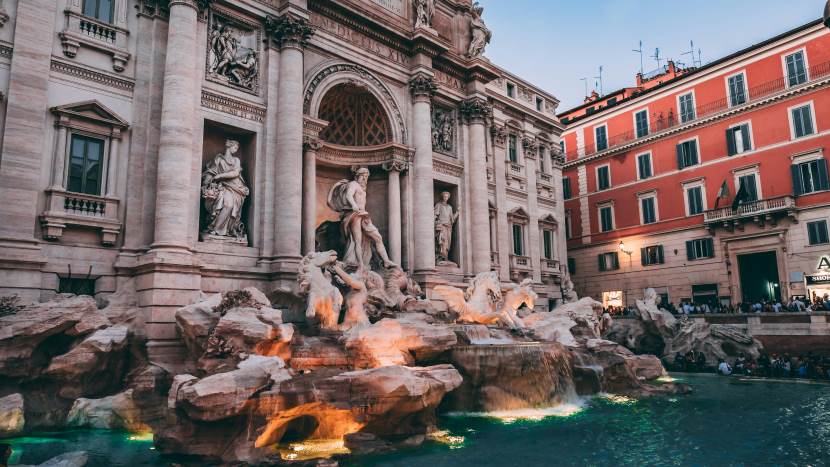
Rome Implements Nominal Entry Fee for Trevi Fountain to Preserve Heritage and Manage Global Tourist Traffic
The Future of Tourism at the Trevi Fountain and Heritage Preservation.

The city of Rome has recently introduced a significant change in how one of its most legendary landmarks is accessed by the public. A 2-euro fee is now being implemented for those wishing to visit the Trevi Fountain, a decision driven by the necessity to manage the overwhelming surge of tourism and preserve the structural integrity of this Baroque masterpiece. In an effort to balance the influx of global visitors with the needs of local residents, this ticketing system is being utilized to ensure that the site remains sustainable for future generations. It is observed that the historic center of Italy’s capital is frequently congested, and the introduction of a nominal charge is seen as a strategic move to regulate the flow of people around the fountain’s delicate basin.

The Rationale Behind the Fee

The implementation of this new policy is guided by the objective of reducing the chaotic overcrowding that often characterizes the area surrounding the fountain. It is noted by city officials that the sheer volume of visitors has reached levels that threaten both the visitor experience and the physical condition of the monument. By requiring a small financial contribution, a more structured environment is created where the number of individuals present at any given time can be monitored and limited. This approach is not intended to discourage travel but rather to foster a more respectful and organized interaction with the site. The revenue generated from these fees is expected to be directed toward the continuous maintenance and cleaning of the fountain, ensuring that its white travertine stone remains untarnished by the effects of heavy foot traffic and environmental factors.

Impact on the Tourist Experience

While the introduction of a cost might initially be viewed as a barrier, it is argued that the overall experience for the traveler will be significantly enhanced. Under the previous system of unrestricted access, the area was often so densely packed that a clear view of the artistry was difficult to obtain. With the new regulations, a more tranquil atmosphere is anticipated, allowing for better photography and a deeper appreciation of the sculptural details. The fee of 2 euros is considered small enough that it is unlikely to deter international travelers who have already invested significantly in their journey to Italy. Instead, it is perceived as a symbolic gesture toward the conservation of cultural heritage. The convenience of a pre-booked slot or a quick digital payment is being integrated into the system to minimize delays for those arriving at the site.

Addressing Overtourism in Italy

The challenges faced by Rome are mirrored in several other major Italian cities that struggle with the phenomenon of overtourism. Similar measures have been observed in Venice, where an entry fee for day-trippers was tested to control the population density during peak periods. The decision regarding the Trevi Fountain is part of a broader national conversation on how to protect historical treasures while remaining an open and welcoming destination. It is recognized that without such interventions, the quality of life for permanent residents in these historic districts would continue to decline. The passive management of crowds is no longer deemed sufficient; active, data-driven strategies are required to maintain a functional city environment. By placing a value on the entry, a shift in mindset is encouraged among visitors, promoting the idea that access to world-class heritage is a privilege that carries responsibilities.

Logistical Implementation and Management

The logistics of the fee collection are being handled through a combination of physical checkpoints and digital platforms. Staff members are stationed around the perimeter of the fountain to guide visitors and ensure that the flow remains constant. It is clarified that while the area immediately adjacent to the water will be ticketed, the surrounding square remains accessible to those who wish to view the monument from a distance. This distinction allows for a tiered level of engagement, where those seeking the classic “coin toss” experience can pay for the proximity, while casual passersby can still enjoy the architectural backdrop. The system is designed to be as unobtrusive as possible, utilizing technology to prevent long queues from forming in the narrow streets that lead to the Piazza di Trevi.

Environmental and Structural Preservation

Beyond the management of people, the structural health of the Trevi Fountain is a primary concern for the municipal authorities. The constant presence of thousands of people daily contributes to a micro-climate of humidity and physical wear that can accelerate the decay of the stone. By limiting the density of the crowd, the physical pressure on the surrounding infrastructure is reduced. Furthermore, the funds collected are earmarked for specialized restoration projects that require expert stonemasons and conservators. The fountain, which was famously restored with funding from Fendi several years ago, requires constant vigilance to combat the effects of pollution and the natural buildup of calcium from the water. This new economic model provides a steady stream of income that decouples the maintenance of the monument from the fluctuations of the general city budget.

Global Trends in Heritage Management

The move by Rome is reflective of a global trend where iconic landmarks are moving toward a paid-access model to ensure sustainability. From the Acropolis in Athens to various sites in Kyoto, the transition toward controlled entry is becoming the standard. The Trevi Fountain project is being watched closely by other municipalities as a potential blueprint for managing high-traffic urban monuments. The success of this initiative will be measured not just by the revenue collected, but by the measurable improvement in the physical state of the fountain and the satisfaction levels reported by both tourists and locals. It is emphasized that the goal is not profit, but the long-term viability of the site as a centerpiece of Roman culture.

Future Outlook for Rome’s Landmarks

Looking ahead, it is possible that other major attractions within Rome could see similar shifts in policy if the Trevi Fountain model proves successful. The city is home to an unparalleled density of historical sites, many of which are currently free to the public but suffer from the same issues of overcrowding. As the Jubilee year approaches, the city prepares for an even larger influx of pilgrims and tourists, making these regulatory measures even more timely. The focus remains on creating a sustainable tourism ecosystem where the beauty of the past is not sacrificed for the convenience of the present. The transition to a managed entry system represents a commitment to the “eternal” nature of the city, ensuring that the Trevi Fountain remains a source of wonder for centuries to come.

The post Rome Implements Nominal Entry Fee for Trevi Fountain to Preserve Heritage and Manage Global Tourist Traffic appeared first on Travel And Tour World.

France January 2026: BEV sales up 52.1%, Renault Clio VI in Top 10

The new generation Renault Clio has cracked its home Top 10.

After losing -5.5% to its lowest annual level in 50 years in 2025, the French new car market continues on its downward trajectory and starts 2026 with a -6.6% contraction to just 107,157 sales. Petrol sales implode -48.9% to 15,326 and 14.3% share vs. 26.1% a year ago while diesel is down -49.1% to 2,521 and 2.4% share vs. 4.3%. Hybrids for their part limit their fall to -0.5% to 51.171 units and 47.8% share vs. 44.9% in 2025, note this includes mild hybrids. PHEVs are also stable at -0.6% to 4,821 and 4.5% share vs. 4.2% last year. Finally BEVs surge 52.1% to 30.308 and 28.3% share vs. 17.4% a year ago. This is believed to be the highest BEV share in French history and was helped by the social leasing scrappage scheme dedicated to BEVs.

Renault surges 20.7% to 21.402 sales and 20% share vs. 17.5% over 2025. In contrast, Peugeot (-8.2%) falls faster than the market but still holds 16.5% share which is superior to its FY2025 level of 13.5%. Citroen (+2.8%) defies the negative context and climbs back up to #3 overall for the first time in almost two years: since February 2024. Toyota (-12.7%) suffers year-on-year but ranks #4, its highest since last August. Volkswagen (-7%) drops two spots on last month to #5 but the (bad) surprise of the month is Dacia freefalling -33.9% to #6, the low cost brand’s worst position since April 2021. Skoda (+8%) for its part is up to a record 7th place, also reached last October. Opel (+7.8%) is also in great shape at #8 vs. #19 last month and #15 over the Full Year 2025. Notice also Fiat (+21.6%) starting to bounce back up.

The models charts is impacted by the transition between two generations of Renault Clio. The Peugeot 208 (+7.6%) takes the lead with 6% share vs. 3.2% last month and is followed by the Renault Clio (-16.1%) down to 4.1% of the market. Below is the Citroen C3 IV (-30.4%) falling sharply against a year-ago pole position and the Peugeot 2008 (-15%) also in difficult but reaching its highest ranking since last October. The Renault 5 (+40.5%) continues on its incredible success and equals the record 3.7% share it hit last month, however dropping three ranks to #5. The event of the month is the 7th place of the Renault Clio VI with 2.7% of the market, a big number being demo sales as the model has just launched to the public this month. As for other recent launches, the Citroen C3 Aircross II is down three spots on December to #13, the Citroen C5 Aircross II up 32 to #19, the Dacia Bigster down two to #22, the Renault 4 repeating at #29, and the VW T-Roc II up 34 to #31.

Previous post: France Full Year 2025: Weakest market in 50 years, Renault Clio #1, Renault 5 #2 in December

One year ago: France January 2025: Citroen C3 triumphs

Full January 2026 Top 20 brands and Top 100 models below.

France January 2026 – brands:

PosBrandJan-26%/25Dec
1Renault   21,40220.0%+ 20.7%1
2Peugeot  17,70716.5%– 8.2%2
3Citroen  9,4938.9%+ 2.8%4
4Toyota9,1648.6%– 12.7%6
5Volkswagen6,9216.5%– 7.0%3
6Dacia  6,5966.2%– 33.9%5
7Skoda  3,0752.9%+ 8.0%12
8Opel  3,0162.8%+ 7.8%19
9Audi  2,6922.5%– 16.6%11
10BMW  2,6802.5%– 35.5%7
11Hyundai2,3922.2%– 30.2%10
12Ford  2,1182.0%– 27.7%13
13Fiat  2,0982.0%+ 21.6%22
14Kia  1,8281.7%– 26.8%15
15Suzuki1,5211.4%– 10.4%21
16Mini1,5111.4%+ 11.8%16
17Mercedes  1,5051.4%+ 24.5%9
18Nissan  1,3381.2%– 14.2%14
19Cupra1,1691.1%+ 10.9%20
20MG (est)1,1551.1%– 25.0%8

France January 2026 – models:

PosModelJan-26%/25Dec
1Peugeot 2086,4376.0%+ 7.6%4
2Renault Clio V4,4294.1%– 16.1%1
3Citroen C3 IV4,2704.0%– 30.4%3
4Peugeot 20084,0153.7%– 15.0%6
5Renault 53,9523.7%+ 40.5%2
6Peugeot 3008 III2,8762.7%– 29.8%14
7Renault Clio VI2,8492.7%new32
8Dacia Sandero2,8232.6%– 42.6%5
9Renault Captur2,6842.5%+ 18.5%8
10Toyota Yaris2,6842.5%+ 10.0%7
11Peugeot 3082,5132.3%– 2.9%16
12Toyota Yaris Cross2,4712.3%– 34.3%9
13Citroen C3 Aircross II2,3042.2%+ 12026.3%10
14Toyota C-HR II2,0381.9%+ 65.3%40
15Renault Scenic V1,9451.8%+ 65.3%28
16Dacia Duster III1,7381.6%– 43.5%17
17Renault Symbioz1,5651.5%– 14.3%23
18VW Polo1,5461.4%– 28.0%15
19Citroen C5 Aircross II1,4471.4%new51
20Ford Puma1,2451.2%+ 2.1%21
21Peugeot 5008 III1,2411.2%+ 7.3%42
22Dacia Bigster1,1771.1%new20
23Opel Corsa1,1531.1%– 43.9%54
24Renault Austral1,0741.0%– 12.2%34
25Citroen C41,0621.0%– 26.3%82
26Renault Megane E-Tech1,0070.9%+ 48.3%55
27Toyota Aygo X9710.9%– 14.0%60
28Suzuki Swift9410.9%– 21.5%41
29Renault 49250.9%new29
30VW ID.48870.8%+ 142.3%56
31VW T-Roc II8670.8%new65
32Skoda Elroq8560.8%+ 28433.3%46
33Opel Mokka8340.8%+ 112.8%89
34VW Golf8180.8%– 8.0%27
35Hyundai Kona8030.7%– 23.8%36
36Nissan Qashqai7390.7%+ 9.6%13
37VW Tiguan III7050.7%– 40.8%24
38Opel Frontera6890.6%new107
39Toyota Corolla6700.6%– 45.4%84
40Mini Hatch6590.6%– 5.7%35
41VW ID.36490.6%+ 63.1%59
42Mini Countryman6300.6%+ 88.6%57
43Tesla Model Y6130.6%– 4.2%39
44Fiat 6006090.6%– 45.2%104
45BMW iX16080.6%+ 72.2%45
46Hyundai Tucson5780.5%– 41.0%12
47Fiat Grande Panda5760.5%new76
48Skoda Fabia5620.5%– 14.6%53
49Audi A15550.5%– 39.9%79
50Audi Q35430.5%+ 67.6%44
51Skoda Octavia 5390.5%– 25.6%58
52Fiat 5005360.5%+ 24.7%73
53Hyundai Inster5270.5%+ 698.5%77
54Jeep Avenger5260.5%– 11.0%80
55Audi A35130.5%+ 9.9%52
56VW T-Cross4900.5%– 27.7%38
57Cupra Born4870.5%+ 319.8%78
58Dacia Jogger4670.4%– 53.0%63
59BMW X14420.4%– 44.1%22
60Seat Ibiza4400.4%– 33.1%68
61Alfa Romeo Junior4380.4%– 10.2%103
62MG ZS4190.4%– 47.2%18
63Kia EV44100.4%new128
64Ford Kuga3960.4%– 59.0%33
65Dacia Spring3850.4%– 59.7%37
66Skoda Kamiq3830.4%– 13.7%66
67Nissan Juke3760.4%– 39.0%48
68Mercedes CLA3580.3%+ 289.1%97
69MG 33450.3%– 29.4%11
70Peugeot 4083260.3%– 16.6%136
71BMW Série 13250.3%– 74.9%25
72Kia Sportage3170.3%– 42.2%31
73DS 33090.3%– 31.8%148
74Kia Niro3080.3%– 29.5%110
75VW T-Roc I3070.3%– 63.3%50
76Xpeng G63070.3%+ 184.3%99
77Renault Espace2990.3%– 32.5%72
78Suzuki Vitara2890.3%– 18.4%85
79Ford Explorer2820.3%+ 118.6%101
80MG EHS2750.3%+ 157.0%19
81Renault Rafale2670.2%– 40.5%67
82Cupra Formentor2660.2%– 40.6%74
83BMW iX22620.2%+ 53.2%94
84Mercedes GLA2590.2%+ 19.9%30
85Audi Q42520.2%– 52.4%88
86DS 42480.2%+ 11.2%200
87Seat Leon2420.2%+ 4.8%126
88Skoda Enyaq2350.2%– 20.6%93
89Volvo EX302330.2%+ 14.2%109
90Kia Picanto2320.2%– 62.3%102
91Alpine A2902310.2%+ 0.4%118
92Skoda Kodiaq2270.2%– 23.3%90
93Opel Grandland2270.2%+ 27.5%141
94Mini Aceman2220.2%+ 17.5%91
95BMW i42210.2%+ 29.2%100
96Lexus LBX2190.2%– 61.1%139
97VW Taigo2130.2%– 36.0%96

Source: PFA, AAA Data

What’s New in Luxembourg, France, Belgium, and Germany Impacting Travel, Healthcare, and Retail: Everything You Must Know

What’s New in Luxembourg, France, Belgium, and Germany Impacting Travel, Healthcare, and Retail: Everything You Must Know

Luxembourg: New Public Entity and Changes in Retail and Rail Travel

In Luxembourg, February brings important changes, including the establishment of a public entity and international rail travel restrictions, which will affect Luxembourg. The National Centre for Purchasing and Logistics (CNAL) will become operational. CNAL is the first public entity, and law mandates it to centralize the purchasing and logistics for the country’s hospitals, the ambulance and fire service (CGDIS), and other emergency service healthcare facilities. The government’s focus is on operational efficiency, reducing the administrative burden on medical staff, and cutting costs.

Retail: New Ladurée and Delayed Nike Store

In retail, a Ladurée (the French macaron brand) store will open in the Cloche d’Or shopping center in Luxembourg, making it the first store of the brand in the country and adding a Parisian touch to the shopping center. The opening of a Nike store in Cloche d’Or has been delayed from February to Spring, causing some excitement among shoppers.

Changes to Policy on Clothing Recycling

New policy changes within Luxembourg’s clothing recycling initiatives highlight the Kolping non-profit organization. Due to operational cost increases, Kolping will no longer oversee the collection of used clothing at the country’s recycling boxes. The boxes will continue to be used; however, the collection of clothes remains uncertain. Municipalities may potentially be requested to supervise the boxes, but there are no confirmed details on this yet.

Traffic Impacts on Luxembourg’s Railways

From 14 to 23 February, passengers utilizing railways in Luxembourg will face unavoidable impacts. Planned construction will temporarily disrupt key routes in Luxembourg to Metz-Thionville, Esch-sur-Alzette, and Arlon. During the construction period, replacement buses will be utilized, and these temporary disruptions will significantly impact all commuters, particularly cross-border commuters.

New Travel Rules for the United Kingdom

New rules will apply to travelers to the United Kingdom starting on 25 February. When traveling visa-free, travelers will need an Electronic Travel Authorisation (ETA). Since April 2025, airlines will verify ETAs. An ETA costs about €18 and will last for 2 years. Make sure to have an ETA before purchasing a flight to avoid travel disruptions.

Changes in France: New Prices and Less Expensive Energy

From 1 February in France, the prices for certain things are changing. First, the price of tobacco will be more expensive, and there will be new prices for motorway tolls. These will depend on which operator you are using (the prices will be more expensive for some and less expensive for others). If you are monitoring your energy costs, there will be new regulations for the price of electricity, which will be less expensive, as well as a reduction in the price of natural gas per kWh. France also experienced a decrease in the savings rate for the Livret A and LDDS to 1.5%, while the LEP rate decreased to 2.5%. On the other hand, the prices for bank services will be more expensive, with an average increase of 3%, which will impact all customers in the country.

Belgium: Changes to Healthcare and Rising Costs at the Start of February

Beginning 1 February 2026, costs in Belgium are changing. In Belgium, bus tickets in Wallonia are increasing in price by over 2%, and train tickets are increasing by around 2.5% on average across the country. A new policy will also change how people access certain medications. In this case, the medications are anti-diabetic. Patients will now have to obtain an authorization request from a medical advisor, in addition to a prescription, to receive certain reimbursements.

Germany: Changes to Photovoltaics and Pension Cuts

Beginning in 2026, Germany residents will experience added costs for supplementary health insurance, which are now affecting pension payments. As a result, a large number of pensioners will see their net pensions decrease for the month. At the same time, Germany also has changes to photovoltaics: as of 1 February, new photovoltaics will receive a 1% decrease in their feed-in tariff.

Effects on Cross-Border Commuters

Adjustments will be needed by core cross-border metro commuters and travelers in the Luxembourg/France/Belgium/Germany corridor. Rail cross-border metro Luxembourg disruptions will disturb commuter day cycles. Price increases in transit, healthcare, and all services will be disruptive for border-crossing Luxembourg/France/Belgium/Germany. More restrictions in cross-border metro UK travel will be disruptive for Luxembourg/France/Belgium/Germany commuters.

In sum, core cross-border metro commuters and travelers in the Luxembourg/France/Belgium/Germany corridor will be most affected by the changes in February 2026 and beyond. Rail changes, disruptions, increasing cross-border travel restrictions, and border-crossing Luxembourg/France/Belgium/Germany travel will be most affected by increasing price changes. New UK travel ETA requirements will be disruptive in adjusting border-crossing metro travel. Transport will be significantly affected for Luxembourg/France/Belgium/Germany corridor cross-border metro commuters.

The post What’s New in Luxembourg, France, Belgium, and Germany Impacting Travel, Healthcare, and Retail: Everything You Must Know appeared first on Travel And Tour World.

European Flight Chaos: 7 Cancellations and 363 Delays Impact Passengers at Munich, Paris Charles de Gaulle, and Helsinki-Vantaa – What You Need to Know About Flight Rebooking and Compensation Amidst Disruptions

European Flight Chaos: 7 Cancellations and 363 Delays Impact Passengers at Munich, Paris Charles de Gaulle, and Helsinki-Vantaa – What You Need to Know About Flight Rebooking and Compensation Amidst Disruptions
flight

Europe’s air travel infrastructure was thrown into chaos as widespread flight cancellations and delays impacted key hubs: Munich International (MUC), Paris Charles de Gaulle (CDG), and Helsinki‑Vantaa (HEL) airports. The disruptions reverberated across international connections, leaving travelers stranded, disrupting tourism flows and straining airport resources at peak travel periods.

The scale of operational breakdown is laid bare in the latest figures: airlines recorded several cancelled flights and hundreds of delays across these three major airports over the disruption period. The knock‑on effects spilled into hotel bookings, tour itineraries and business travel plans, prompting official warnings for travellers to expect ongoing instability in European skies.

Passengers faced multi‑hour waits, last‑minute cancellations, and limited alternatives — triggering travel chaos that extended far beyond airport terminals. Tourism stakeholders and travel companies reported significant economic impact as visitors missed tours, events and booked experiences in major European destinations.

Exact Figures: Cancellations and Delays by Airport and Airline

The figures below — as sourced from official airport statistics and airline operational reports — reveal the precise scale of cancellations and delays:

AirportAirlineCancelled (#)Delayed (#)
Munich Int’l (MUC)United Airlines11
Air Nostrum02
Austrian Airlines01
Condor02
Lufthansa Cityline08
Croatia Airlines01
Air Dolomiti05
Lufthansa014
Danish Air Transport01
El Al01
Eurowings01
Finnair01
HOP!03
Icelandair01
Luxair01
City Airlines07
LOT Polish Airlines01
Egypt Air02
LEAV Aviation01
Discover02
Pegasus Airlines02
SAS01
Swiss01
SunExpress01
TAP Air Portugal02
Turkish Airlines01
TuiFly01
Air Arabia01
Charles de Gaulle (CDG)United Airlines11
Aegean Airlines01
Air France0103
Air India01
Air Serbia01
Austrian Airlines01
British Airways02
Brussels Airlines02
Air Baltic01
China Eastern01
Hainan Airlines01
Lufthansa Cityline02
China Southern Airlines01
Croatia Airlines01
XiamenAir10
Cyprus Airways02
Air Algerie05
Delta Air Lines01
Lufthansa02
Aer Lingus01
El Al02
Eurowings01
easyJet016
Finnair01
HOP!021
Iberia02
Kuwait Airways01
KLM01
KM Malta Airlines01
Nouvel Air Tunisie04
LOT Polish Airlines01
Bulgaria Air01
Air Arabia Maroc01
Egypt Air02
Norwegian Air Shuttle02
Helvetic01
Qantas01
Royal Air Maroc01
TAROM02
SAS02
Saudia01
Air Senegal01
Scandinavian Airlines05
TACV01
Turkish Airlines04
AJet02
Vueling Airlines03
Air Cote D’Ivoire01
Helsinki‑Vantaa (HEL)Finnair449
Air France01
Iberia01
KLM01
Norwegian Air Sweden04
Pegasus Airlines02
SAS01

Source: FlightAware

Overview: Scale of Disruption — Hundreds of Flights Affected

Across the three airports:

  • Munich International Airport (MUC) recorded 1 cancellation and 70 total delays
  • Charles de Gaulle (CDG) experienced 2 cancellations and ~234 delays
  • Helsinki‑Vantaa (HEL) had 4 cancellations and 59 delays

In total, this operational fallout amounted to 7 confirmed flight cancellations and 363 flight delays at these hubs within the disruption period. These figures underscore the severe operational pressure faced by Europe’s air system.

What Caused the Cancellations and Massive Delays?

While official weather bureaus and airport authorities have not attributed all disruptions to a single cause, multiple factors converged:

1. Severe Weather Patterns

  • Blizzard‑like conditions and heavy rainfall in central Europe disrupted ground operations at Munich and Paris CDG, making runways unsafe and causing turnaround delays.
  • Ice and winter storms in Northern Europe affected aircraft de‑icing operations at Helsinki, adding to delays.

2. Aircraft Operational Constraints

  • Airlines reported technical issues and mandatory maintenance checks, forcing flights to be held or cancelled.
  • Tight crew scheduling and regulatory limits on crew duty hours meant that delays compounded into cancellations if backlogs could not be resolved.

3. Staffing Pressures

  • Several carriers reported shortages in ramp staff or flight crews due to seasonal demand, increasing the likelihood of delays as resources were stretched thin.

These converging factors turned routine operations into a logistical bottleneck affecting flights across continents.

Travellers Bear the Brunt: Passenger Impact Across Europe

The human impact was immediate:

Overnight Stranding

Thousands of passengers were stranded through the night at Munich, Paris and Helsinki airports. With hotels already operating near capacity, many travellers resorted to sleeping on terminal floors or spending hours on hold with airline support lines.

Missed Connections

Delays rippled across connecting flights — particularly for travellers heading to long‑haul destinations like the US, Middle East and Asia. Missing a connection often meant rebooking entire itineraries, compounding stress and financial losses for thousands.

Tourism Bookings Thrown into Turmoil

Visitors bound for major European attractions — from Munich’s beer gardens and Christmas markets to Paris’s museums and Helsinki’s winter festivals — saw key bookings disrupted. Scheduled tours, museum reservations and even cruise embarkations were forced to be rescheduled or cancelled.

Passengers reported:

  • Lost prepaid accommodations
  • Missed cultural tours and events
  • Difficulty securing alternative flights
  • Extended wait times exceeding 8–12 hours

Social media and travel forums were inundated with pleas for flight updates, rebooking guidance and customer support contacts as frustrated travellers shared their experiences.

Tourism Industry Warnings: Economic Shockwaves

The tourism sector — a cornerstone of economic activity in Munich, Paris and Helsinki — took an immediate hit:

Hotels & Hospitality

Hoteliers reported lower guest arrival rates on key travel dates, with some hotels facing last‑minute cancellations as passengers never reached their destinations.

Tours & Attractions

Tour operators noted rising no‑shows and refund claims as disrupted travellers missed once‑in‑a‑lifetime experiences such as Paris nightlife tours, Munich cultural visits and scenic excursions from Helsinki.

Transport Networks

Buses, ferries and train operators that coordinate with air schedules faced cascading adjustments as flight schedules fluctuated unpredictably.

In cities where tourism accounts for a high share of local economic activity, such aviation disruption translates directly into financial stress for small businesses and service providers.

Airports and Airlines Respond: What’s Being Done

Airport authorities at MUC, CDG and HEL issued guidelines urging passengers to:

  • Check flight status before travelling to the airport
  • Contact airlines directly for rebooking and compensation
  • Allow extra time for security and boarding due to backlogs

Several airlines have increased staff at customer service centres to assist with rebooking, while airports provided lounges and rest zones for delayed travellers.

European air traffic control authorities are working to prioritise departures and arrivals once weather systems stabilise, aiming to reduce backlogs over the coming days.

Key Routes Most Disrupted

Passengers travelling on the following route corridors were particularly affected:

  • Munich ↔ Paris
  • Paris ↔ London & Northern Europe
  • Helsinki ↔ Scandinavian Capitals
  • Trans‑Atlantic connections via Paris and Munich

High‑traffic flights — especially evening departures — were most vulnerable to delays cascading from earlier schedule disruptions.

Conclusion: A Wake‑Up Call for European Air Travel Resilience

With 363 flights delayed and 7 flights cancelled across Munich, Paris and Helsinki, travelers and tourism businesses alike have faced the sharp end of operational breakdowns. The disruptions highlight vulnerabilities in European aviation during winter volatility.

Airlines, airports and regulators are now under growing pressure to improve contingency planning, enhance communication systems and strengthen operational resilience.

For travelers, the message is clear: expect delays, monitor flight statuses continuously, and prepare contingency plans when flying through major European hubs during unpredictable weather seasons.

European travel enthusiasts, tour operators, and business passengers alike are now watching closely to see how long it takes for flight operations to return to normal and what long‑term changes will be made to prevent future travel upheavals.

The post European Flight Chaos: 7 Cancellations and 363 Delays Impact Passengers at Munich, Paris Charles de Gaulle, and Helsinki-Vantaa – What You Need to Know About Flight Rebooking and Compensation Amidst Disruptions appeared first on Travel And Tour World.

Paris Tourism Surges as Hilton Honors Unleashes Powerful 3,000 Bonus Points Offer

Paris Tourism Surges as Hilton Honors Unleashes Powerful 3,000 Bonus Points Offer

The world of travel is waking up to a golden opportunity this year. Hilton has officially unveiled a high-stakes “targeted” promotion for 2026. This move promises to transform a simple hotel stay into a treasure hunt for points. Select members are now receiving a powerful invitation to earn 3,000 bonus points. It only takes one single stay to unlock this reward. For travelers eyeing a spring escape to Paris, Tokyo, or New York, the timing is perfect. This isn’t just a corporate update; it is a heartfelt nudge to go see the world again. Whether you are visiting family or exploring a new city, Hilton wants to reward your journey.

Fueling the Global Tourism Engine

According to recent reports from the U.S. Department of Commerce and various national tourism boards, loyalty incentives are vital for growth. These agencies highlight that “targeted rewards act as a catalyst for immediate travel decisions.” By lowering the emotional and financial barrier to booking, hotel chains directly support local economies. When a guest chooses a hotel for bonus points, they also spend on local dining, transport, and tours. Government data suggests that “loyalty members contribute more than 50% of total hotel occupancy,” a trend that stabilizes the industry during shoulder seasons. This 3,000-point spark is expected to ignite thousands of new trips across the globe.

The Power of the Double Bonus

The strategy becomes even more lucrative when you look at the bigger picture. This targeted offer arrives alongside the “Points Unlimited” global campaign. Between January 15 and April 30, 2026, every member earns 2,000 points per stay. If you are one of the lucky few targeted for the 3,000-point bonus, you can stack them. Your first stay could net a total of 5,000 bonus points. Industry analysts state that “stackable promotions are the ultimate driver of brand switching.” This means a traveler who usually books elsewhere might finally choose Hilton to capture the massive return.

Strict Guidelines for the 3,000-Point Reward

  • Targeted Selection: You must receive a direct email or see the offer in your app.
  • One-Stay Goal: The 3,000-point bonus triggers after just one eligible stay.
  • Time Sensitivity: Registration is mandatory before you check out.
  • Flexible Stays: There is no minimum night requirement for this specific bonus.
  • Global Reach: The offer applies to every brand, from Waldorf Astoria to Hampton.

Boosting Local Economies Through Loyalty

Tourism experts note that “loyalty points act as a secondary currency that encourages repeat visitation.” When travelers accumulate points, they often plan future vacations they might otherwise skip. This cycle creates a permanent “tourism loop” that benefits destinations worldwide. A spokesperson for a major tourism council observed that “rewarding a single stay creates a bond that lasts years.” By offering 3,000 points now, Hilton is investing in the long-term health of global travel. It turns a one-time visitor into a lifelong explorer.

A New Chapter for Your 2026 Adventures

Your next big adventure is waiting for you just around the corner. If you find this special offer in your inbox, take it as a sign. It is a small gift that makes the vast world feel a little bit more reachable. We often wait for the “perfect time” to travel, but these rewards remind us that the time is now. Pack your bags, register for your bonus, and let the 3,000 points be the start of a year filled with memories. Travel is about the stories we tell, and Hilton is giving you a great reason to start writing yours today.

The post Paris Tourism Surges as Hilton Honors Unleashes Powerful 3,000 Bonus Points Offer appeared first on Travel And Tour World.

New Aircraft, Lounge Openings, and Premium Services: Air Travel in 2026

New Aircraft, Lounge Openings, and Premium Services: Air Travel in 2026

By 2026, the air travel business has plenty of new changes to talk about Aircraft, including new upgrades to how airports function, the introduction of new airplane models, and the air travel business providing extra premium services to customers to maximize their comfort and convenience while providing air travel services. More changes to the business of air travel were announced in January 2026.

Airports and Infrastructure Get a Major Overhaul

Airports across the U.S. are undergoing significant improvements to enhance the passenger experience. Many major airports are expanding facilities, incorporating advanced technology, and building new terminals. This modernization will improve the overall flow of travel, making it smoother and faster.

For example, Hawaiian Airlines has unveiled a $600 million upgrade plan, which includes renovations to terminals and gates across various Hawaiian airports. The upgrades promise better seating, modern amenities, and more inviting spaces for passengers.

In Austin, Texas, Austin-Bergstrom International Airport (AUS) has announced a 10-year expansion project that will add 32 new gates and a new concourse. This expansion is aimed at keeping pace with the rapid growth of the airport, which is one of the fastest-growing in the nation.

Meanwhile, Capital One is set to open a new, luxurious lounge at Charlotte Douglas International Airport (CLT). This lounge will offer local cuisine, workstations, and floor-to-ceiling windows with a view of the runway, providing a relaxing space for travelers.

Government agencies are also making strides in improving air travel. TSA has expanded its biometric touchless ID technology for TSA PreCheck passengers. This innovation will make the screening process faster by allowing passengers to confirm their identity in seconds.

The FAA is also upgrading its air traffic control systems, assigning contracts to companies that will help overhaul the nation’s outdated air traffic infrastructure.

New Aircraft to Revamp Airline Fleets

Airlines are investing heavily in new aircraft to meet the demands of both domestic and international travelers. For instance, Delta has placed an order for up to 60 Boeing 787 Dreamliners to bolster its transatlantic and South American services.

Alaska Airlines made waves in January with its record-breaking order of 105 Boeing 737-10 aircraft, plus 35 additional options. This historic purchase will allow Alaska Airlines to expand its international routes, particularly to Europe, from Seattle. Alongside this, Boeing is expected to certify the 737 Max 10 and 737 Max 7 planes by the end of 2026, a significant milestone for the manufacturer.

A New Era for In-Flight Dining

2026 is set to bring a fresh approach to in-flight dining, with airlines enhancing the quality and variety of meals served. American Airlines has partnered with Pecan Lodge, a renowned Texas barbecue restaurant, to offer a new first-class meal on flights between Dallas and New York. Passengers will enjoy a BBQ platter featuring brisket, smoked sausage, macaroni and cheese, and coleslaw.

Air France is raising the bar in its La Première first-class cabins, offering menus curated by Michelin-starred chef Anne-Sophie Pic. Passengers departing from Paris can indulge in gourmet meals like roast chicken served with a spicy mushroom sauce and grilled polenta.

United Airlines has also introduced a pre-order meal option for economy passengers. Travelers can now choose their meals up to five days in advance on flights over 1,190 miles within the U.S., Canada, Mexico, and the Caribbean.

Expanding Premium Airline Products

The demand for premium travel options shows no sign of slowing down in 2026. Airlines worldwide are expanding their luxury offerings to cater to this growing market. Air France will add its upgraded La Première first-class suite to four new routes: Atlanta, Boston, Houston, and Tel Aviv. The airline will operate these routes daily aboard select Boeing 777-300ER aircraft, providing an unparalleled first-class experience.

Emirates is also expanding its premium economy offering, adding 10 new destinations in 2026. Cities such as Brisbane, Australia, Mexico City, and Addis Ababa will now offer this upgraded class, which includes extra legroom, improved dining, and premium service.

In the U.S., Delta is extending its Delta One premium check-in service to all eight of its hub airports. This exclusive service offers travelers a VIP experience with dedicated check-in areas, personalized assistance, and additional amenities like snacks and beverages.

JetBlue, a favorite among U.S. travelers, will introduce a new domestic first-class product in 2026. The “Mini Mint” cabin will offer a recliner-style premium seat for a more comfortable and luxurious flying experience, launching in June 2026.

Guide for Travelers

If you’re flying in 2026, here’s what to look out for:

  1. Airport Upgrades: Expect faster, more convenient check-ins and a more luxurious travel experience with new lounges, better amenities, and improved infrastructure.
  2. Advanced Security: Enjoy quicker TSA screening with biometric touchless ID scans, reducing wait times at checkpoints.
  3. New Aircraft: Look forward to the arrival of new aircraft, such as the Boeing 787 and 737 Max 10, enhancing flight comfort and efficiency.
  4. Better In-Flight Dining: Savor high-quality meals on select airlines, including gourmet options and regional specialties.
  5. Premium Products: If you prefer luxury, airlines like Air France, Emirates, and Delta are expanding their premium offerings, including upgraded cabins and exclusive check-in services.

With exciting new developments, travelers in 2026 will surely enjoy a more seamless travel experience. These improvements will help make your trips, whether for work or pleasure, more comfortable and enjoyable.

The post New Aircraft, Lounge Openings, and Premium Services: Air Travel in 2026 appeared first on Travel And Tour World.

Cruise Revolution 2026: Royal Caribbean’s Discovery Class Ships Set to Transform Ocean Adventures

Cruise Revolution 2026: Royal Caribbean’s Discovery Class Ships Set to Transform Ocean Adventures

Royal Caribbean Group has taken a bold step in future ocean travel by signing a series of shipbuilding agreements with the legendary Chantiers de l’Atlantique (CdA) shipyard in Saint‑Nazaire, France. The deal secures construction of its new Discovery Class of cruise ships, a move that promises fresh travel experiences at sea for global passengers when the first vessels debut in 2029. Travellers can expect innovation and new design approaches that aim to reshape how cruises connect guests with destinations.

What the Discovery Class Means for Cruise Travel

Under the agreements, Royal Caribbean Group has placed firm orders for two new Discovery Class ships with options to add up to four more vessels in future years. The first ship is scheduled to be delivered in 2029, with a second set for 2032. These ships are being built by Chantiers de l’Atlantique, one of the world’s most respected shipyards with a long history of constructing major cruise vessels for Royal Caribbean Group and other brands.

This partnership builds on decades of collaboration that began in 1985, when the shipyard first built cruisers for the company, including the original Sovereign Class ships and later vessels such as those in the Oasis and Edge Series.

Advantage: New Travel Possibilities

For travellers, the Discovery Class represents a new era of cruising. Although specific ship features have not been fully disclosed yet, Royal Caribbean’s leadership highlights that these ships will prioritise innovative design and immersive guest experiences. The focus is on creating environments where travel feels personal and destinations become more reachable from the ship’s routes.

Cruisers can expect access to more varied ports of call, greater flexibility in itineraries, and potentially vessels sized to visit unique destinations that larger ships cannot reach. This can mean more authentic cultural experiences, diverse cruise options, and novel ways to explore new regions by sea.

Advantage: Continuing Legacy With Innovation

Royal Caribbean Group’s long‑standing relationship with Chantiers de l’Atlantique underscores continuity and craftsmanship in cruise shipbuilding. With this new class, the company aims to blend heritage with modern technology, possibly including advanced onboard features, sustainability improvements, and design elements that enhance passenger comfort.

For travellers, this suggests that the Discovery Class could offer a refined onboard lifestyle with cutting‑edge facilities, plenty of space for entertainment, dining, and relaxation, and potentially new ways to engage with maritime travel.

Disadvantage: Details Still Emerging

A key disadvantage for travellers right now is that specific details about the ships are not yet fully released. Important aspects such as ship size, onboard amenities, destinations, ticket pricing, and exact itineraries remain under wraps, leaving travellers with little concrete information to plan ahead.

While this builds anticipation, it can also make planning trips difficult, as travellers and travel agents await more insights into what the Discovery Class will offer in terms of experiences.

Disadvantage: Long Wait Until Launch

Another factor to consider is timing. With the first ship not arriving until 2029, travellers who are keen to experience these new vessels will need to wait several years. This delay means that Discovery Class will not influence travel plans in the near future, and cruisers seeking immediate new experiences must look to other options in the current fleet.

What This Means for Cruise Travel Industry

For the broader cruise sector, the Discovery Class agreement highlights Royal Caribbean’s commitment to long‑term growth and innovation. The collaboration with a French shipyard known for high‑quality construction reinforces the company’s aim to shape the future of sea travel. For passengers, it means potential new standards in cruise vacations that blend modern design, novel itineraries, and creative travel experiences when the ships begin sailing later this decade.

Conclusion: A New Wave of Cruising Ahead

Royal Caribbean Group’s formal agreements with Chantiers de l’Atlantique signal an ambitious step for travellers looking forward to future cruise journeys. The Discovery Class ships, set for debut in 2029 and beyond, promise exciting possibilities and new ways to explore the world by sea. While details remain limited and the launch date is years away, this development highlights continued evolution in cruise travel, offering passengers a glimpse of what next‑generation cruising could become.

The post Cruise Revolution 2026: Royal Caribbean’s Discovery Class Ships Set to Transform Ocean Adventures appeared first on Travel And Tour World.

From France to the United States: Royal Caribbean Group Charts a New Course with Discovery Class Ships

From France to the United States: Royal Caribbean Group Charts a New Course with Discovery Class Ships

A significant step toward the future of global cruising has been formally set in motion, with Royal Caribbean Group advancing its long-term fleet strategy through the announcement of an entirely new ship platform. Developed through close collaboration with Chantiers de l’Atlantique in Saint Nazaire, France, the newly revealed Discovery Class has been positioned as a transformative evolution in cruise ship design and guest experience. Building upon decades of operational expertise across the United States, France, and international markets, this initiative has been presented as a continuation of Royal Caribbean Group’s methodical approach to innovation rather than a departure from its core philosophy.

The announcement arrives at a time when demand for immersive, destination-driven vacations is being reshaped by technology, sustainability expectations, and guest-centric design principles. Within this context, the Discovery Class has been framed as a platform through which advanced shipbuilding techniques from France and experiential concepts refined through operations in the United States will be integrated into a single, cohesive vision. With the first vessel scheduled for debut in 2029, anticipation has been steadily building across the global cruise industry. The strategic importance of this project has been underlined not only by the scale of the agreement but also by the long-term options that signal confidence in sustained growth across key international regions.

A New Headline Chapter for Global Cruising

The unveiling of the Discovery Class has been recognized as a milestone moment within the broader narrative of cruise ship development. Through formal agreements signed with Chantiers de l’Atlantique, one of Europe’s most established shipbuilders, Royal Caribbean Group has secured construction capacity for two firm vessels, alongside options for four additional ships. This arrangement has been interpreted as a clear indicator of long-range planning, extending well into the 2030s.

From a global perspective, the partnership reflects the deep-rooted ties between the cruise industry of the United States and the advanced maritime engineering ecosystem of France. Saint Nazaire has long been regarded as a center of excellence for complex passenger ship construction, and its role in shaping some of the most recognizable vessels at sea has been widely acknowledged. By selecting this shipyard once again, continuity and technical confidence have been emphasized.

Strategic Timelines and Delivery Outlook

Under the terms of the agreements, the first Discovery Class ship has been scheduled to enter service in 2029, with the second vessel planned for delivery in 2032. These timelines have been aligned with Royal Caribbean Group’s broader fleet renewal and expansion strategy, which has historically balanced innovation with operational readiness.

Such staggered deliveries are often viewed as a deliberate measure, allowing design concepts to be refined and guest feedback to be incorporated over time. In this case, the spacing between deliveries has been interpreted as an opportunity for lessons learned from the initial ship to influence subsequent builds, ensuring consistency while allowing for evolution. The optional orders further extend this strategic flexibility, offering the potential for fleet growth that can respond to market conditions across North America, Europe, and other international regions.

Design Philosophy Centered on the Guest

The Discovery Class has been introduced as a concept built around placing guests at the center of every design decision. Rather than focusing solely on size or capacity, emphasis has been placed on creating spaces that foster connection, exploration, and immersion. This philosophy has been positioned as an extension of Royal Caribbean’s long-standing approach, refined through decades of feedback from travelers across the United States and global markets.

Innovative layouts, cutting-edge architectural elements, and carefully curated experiences have been highlighted as defining characteristics of the class. Each aspect of the ship has been described as intentionally crafted, with the goal of delivering moments that feel both surprising and intuitive. While specific features have not yet been disclosed, expectations have been shaped by the company’s history of introducing industry-first concepts that later become benchmarks.

Technology and Shipbuilding Expertise from France

At the heart of the Discovery Class project lies the technical expertise of Chantiers de l’Atlantique. The shipyard’s role has been portrayed as integral, drawing upon decades of experience in constructing some of the most advanced passenger vessels in the world. Over the past forty years, a total of 21 ships have already been built for Royal Caribbean Group at this facility, establishing a foundation of trust and shared innovation.

Currently, two additional ships are under construction at the yard, including Oasis 7 and Celebrity Xcite. This ongoing collaboration has been viewed as evidence of a mature partnership, one in which design ambition and engineering capability are closely aligned. By leveraging France’s world-class shipbuilding ecosystem, the Discovery Class is expected to incorporate new technologies that enhance efficiency, performance, and long-term sustainability.

Sustainability and Long-Term Industry Impact

Although detailed specifications have not yet been released, the Discovery Class has been framed within a broader industry movement toward responsible growth. Modern cruise ship projects are increasingly evaluated through the lens of environmental performance, and this initiative has been no exception. Advanced systems and next-generation technologies are anticipated to play a central role in reducing environmental impact while maintaining the high level of comfort expected by guests.

From an industry standpoint, the Discovery Class has been positioned as more than a single product line. It has been presented as a blueprint for the future of ocean vacations, influencing how ships are designed, built, and experienced over the coming decades. Through this lens, the collaboration between a United States-based cruise group and a French shipbuilder has been seen as a model of international cooperation driving innovation forward.

Leadership Alignment and Vision

The announcement has also highlighted strong alignment at the leadership level across both organizations. Senior executives from Royal Caribbean Group and Chantiers de l’Atlantique have been presented as sharing a unified vision focused on disruption, creativity, and long-term value. This alignment has been cited as a key factor in enabling ambitious projects such as the Discovery Class to move from concept to reality.

By emphasizing shared goals and mutual respect, the partnership has been framed as one that extends beyond transactional shipbuilding contracts. Instead, it has been characterized as a collaborative effort aimed at shaping the future of the cruise industry as a whole, with ripple effects expected across supply chains in France, the United States, and beyond.

Continuity with a Legacy of Innovation

The Discovery Class announcement has been contextualized within Royal Caribbean Group’s broader history of innovation, which includes landmark vessels such as Harmony of the Seas. While each new class introduces fresh ideas, continuity with past successes has been carefully maintained. This balance between heritage and forward thinking has been identified as a defining strength of the brand.

As preparations move forward, industry observers have been closely watching how the Discovery Class will ultimately be positioned within the global fleet. With construction set to take place in France and deployment likely across international itineraries, the class is expected to serve as a visible symbol of the evolving relationship between design, destination, and experience.

Looking Ahead to 2029 and Beyond

With the first Discovery Class ship still several years away from debut, anticipation continues to build. The long lead time has been viewed as an opportunity for careful planning, stakeholder engagement, and technical refinement. By the time the inaugural vessel enters service in 2029, it is expected that the concept will reflect years of collaborative effort and strategic intent.

In the broader context of the cruise industry, this announcement has reinforced confidence in long-term demand for innovative ocean vacations. Through a partnership that bridges the United States and France, Royal Caribbean Group has signaled its intention to remain at the forefront of change, shaping how future generations experience the world by sea.

The post From France to the United States: Royal Caribbean Group Charts a New Course with Discovery Class Ships appeared first on Travel And Tour World.

United States Joins Poland, France, Bulgaria, Germany, Romania, United Kingdom And Others In Fueling Turkey’s Tourism Surge With Exceptional Inbound Visitor Growth, Thriving Cruise And Winter Tourism

United States Joins Poland, France, Bulgaria, Germany, Romania, United Kingdom And Others In Fueling Turkey’s Tourism Surge With Exceptional Inbound Visitor Growth, Thriving Cruise And Winter Tourism
United States Joins Poland, France, Bulgaria, Germany, Romania, United Kingdom And Others,
Turkey’s Tourism Surge,

United States joined Poland, France, Bulgaria, Germany, Romania, the United Kingdom, and other countries in accelerating Turkey’s tourism growth, contributing to a record-breaking surge in inbound visitors and tourism revenue. This impressive growth can be attributed to Turkey’s strategic diversification beyond traditional beach tourism, tapping into cultural, health, and wellness tourism, as well as expanding winter and cruise tourism. With new initiatives such as “Heritage for the Future” and “Night Museums” that draw millions of visitors year-round, Turkey is not only meeting its tourism targets but is also positioning itself as one of the most dynamic and resilient tourism destinations in the world.

In 2025, Turkey’s tourism industry witnessed remarkable growth, recording its highest-ever visitor numbers and tourism revenue. The country’s ability to diversify its offerings beyond traditional “sun, sea, and sand” tourism has been pivotal in this success. As Turkey positions itself as a global tourism powerhouse, countries like the United States, Poland, France, Germany, and the United Kingdom have played a significant role in accelerating this growth. With diverse attractions ranging from historical landmarks to emerging sectors like health tourism, Turkey is now an irresistible destination for millions of international travelers.

Unprecedented Growth in Turkey’s Tourism

In 2025, Turkey welcomed approximately 64 million visitors, a record that includes both international tourists and Turkish citizens living abroad. This milestone has set a new benchmark for the country’s tourism sector, with foreign tourists accounting for 52.78 million of the total. Not only did the numbers exceed expectations, but the tourism revenue also reached an all-time high of approximately €54.9 billion (~$65.23 billion USD), marking a 6.8% increase from the previous year. This growth is a testament to Turkey’s ability to adapt and diversify its tourism offerings.

The average visitor spent about $1,008 per trip, a 3.7% increase from 2024, further underlining the appeal of the country’s high-quality tourism experiences. The average length of stay was around 10.7 nights, reflecting Turkey’s ability to attract longer visits through a combination of its natural beauty, cultural heritage, and modern amenities.

Key Source Markets for Turkey’s Tourism

Turkey’s success in 2025 was not just about increasing the number of tourists but also about attracting high-value visitors from key markets. Below are the leading countries contributing to the surge in inbound visitors:

  • Russia: ~6.9 million visitors
  • Germany: ~6.75 million visitors
  • United Kingdom: ~4.27 million visitors
  • Iran, Bulgaria, Poland, Netherlands, United States, France, and Azerbaijan also featured prominently in the top inbound markets.

These countries have historically played an essential role in Turkey’s tourism success, but emerging markets, such as the United States and China, are expected to play a more significant part in the coming years.

The Rise of Diversified Tourism in Turkey

Gone are the days when Turkey’s tourism was primarily centered around beach resorts and coastal cities. The country has made great strides in diversifying its tourism offerings, ensuring a year-round influx of visitors. As the Ministry of Culture and Tourism reports, Turkey has moved beyond just sun and sea tourism and is now attracting visitors for a wide range of experiences.

Cultural and Religious Tourism

Turkey is rich in cultural heritage and religious tourism, with cities like Istanbul, Konya, and Cappadocia offering a blend of ancient history, spiritual landmarks, and vibrant local traditions. The country’s significant Islamic heritage and Christianity’s roots in Anatolia make it an essential destination for religious tourism. Pilgrimages to sites like Hagia Sophia and Mevlana Museum in Konya continue to draw visitors seeking a deeper spiritual journey.

Health and Wellness Tourism

Another area where Turkey has seen substantial growth is health and wellness tourism. The country has long been a hub for medical tourism, offering affordable yet high-quality healthcare services in areas like cosmetic surgery, dentistry, and fertility treatments. Its thermal resorts, particularly in Pamukkale, Afyon, and Bursa, have become popular among travelers seeking rejuvenation in the country’s healing waters.

In 2025, health tourism played a significant role in driving the influx of international visitors, with the Ministry of Health reporting steady growth in the number of people traveling to Turkey for medical and wellness treatments.

Ecotourism and Archaeology

Turkey’s ecotourism offerings have been rapidly expanding, with travelers flocking to green tourism areas such as Lake Van, Fethiye, and the Black Sea region for eco-friendly travel experiences. The development of sustainable tourism practices has helped the country position itself as a leader in environmentally responsible tourism.

Archaeology has also become a focal point, with Heritage for the Future, a major government initiative, pushing for year-round excavations and the restoration of ancient cities. Notable sites like Ephesus, Troy, and Hierapolis attract thousands of history enthusiasts annually, eager to explore Turkey’s rich archaeological treasures.

Gastronomy and Culinary Tourism

With the Mediterranean Diet recognized as an intangible cultural heritage by UNESCO, gastronomy tourism has become an essential part of Turkey’s tourism strategy. From Istanbul’s street food to regional dishes like kebabs and baklava, the country offers an eclectic mix of flavors. Cities like Gaziantep and Antakya are known for their culinary heritage, and the global food trend has positioned Turkey as a gastronomic hub.

Cruise and Winter Tourism

Cruise tourism is another growing sector, with Turkey’s Mediterranean coast attracting passengers on world-renowned cruise lines. Ports like Antalya, Izmir, and Istanbul have seen increasing numbers of cruise ship arrivals, contributing to the tourism sector’s growth.

Moreover, Turkey’s winter tourism offerings are expanding, with Erciyes, Uludağ, and Palandöken emerging as prime ski destinations, attracting winter sports enthusiasts from around the globe.

Innovative Programs and Initiatives

Turkey’s tourism ministry has introduced several innovative programs to enhance the visitor experience and manage the growing influx of tourists. These programs also help in extending the tourism season, making Turkey an attractive destination throughout the year.

Heritage for the Future

One of the most notable programs is Heritage for the Future, a large-scale initiative that focuses on preserving ancient sites while making them accessible to modern-day visitors. The program includes the restoration of ancient cities, the construction of visitor centers, and the recovery of smuggled artifacts. This initiative places Turkey at the forefront of heritage preservation.

Night Museums

Another key initiative is Night Museums, a program that allows tourists to visit major cultural sites, such as Ephesus and Aspendos, after dark. These extended hours provide a unique way to explore ancient monuments under the stars, with some sites even offering special nighttime concerts in ancient theaters.

Since its launch, the program has seen tremendous success, attracting over 400,000 visitors in its first year alone. This program is helping ease congestion during peak daylight hours and provides tourists with a memorable cultural experience.

Looking Ahead: 2026 Tourism Outlook

Looking to the future, Turkey is set to continue its upward trajectory in tourism. The country’s tourism ministry has set a target of €57 billion (around $68 billion USD) in revenue for 2026, with projections indicating double-digit growth in key source markets, including Russia, Germany, and the United Kingdom, alongside emerging long-haul markets like China, Japan, and South Korea.

Turkey’s robust tourism infrastructure, strong crisis management systems, and government initiatives have ensured that it remains a resilient destination for travelers despite global challenges.

Increased investment in diversified tourism experiences and modern amenities will continue to drive Turkey’s tourism growth in the coming years, making it a top contender on the global tourism map.

The year 2025 marked a turning point for Turkey’s tourism industry, with record visitor numbers, increased revenue, and a broader, more diverse tourism offering. As Turkey continues to diversify its attractions—from health and wellness tourism to gastronomy and cruise tourism—the country will remain an increasingly attractive destination for international travelers.

United States joins Poland, France, Bulgaria, Germany, Romania, the United Kingdom, and others, played a key role in accelerating Turkey’s tourism growth by driving record inbound visitor numbers and revenue. This growth is fueled by Turkey’s strategic diversification into cultural, health, wellness, and winter tourism, alongside innovative initiatives like “Heritage for the Future” and “Night Museums.”

With its ability to cater to a wide array of tastes and interests, from history buffs to wellness seekers, Turkey is set to keep its place as a global tourism leader. As countries like the United States, Poland, France, Germany, and others continue to drive visitor growth, the Turkish tourism sector will only become more dynamic and influential in the years ahead.

The post United States Joins Poland, France, Bulgaria, Germany, Romania, United Kingdom And Others In Fueling Turkey’s Tourism Surge With Exceptional Inbound Visitor Growth, Thriving Cruise And Winter Tourism appeared first on Travel And Tour World.
❌