
Reading view

Phoenix Reisen’s Artania Sets Sail on 125-Night Cruise, Boosting Cruise Tourism Growth with Multi-Destination Voyages Across South America, Caribbean and Atlantic
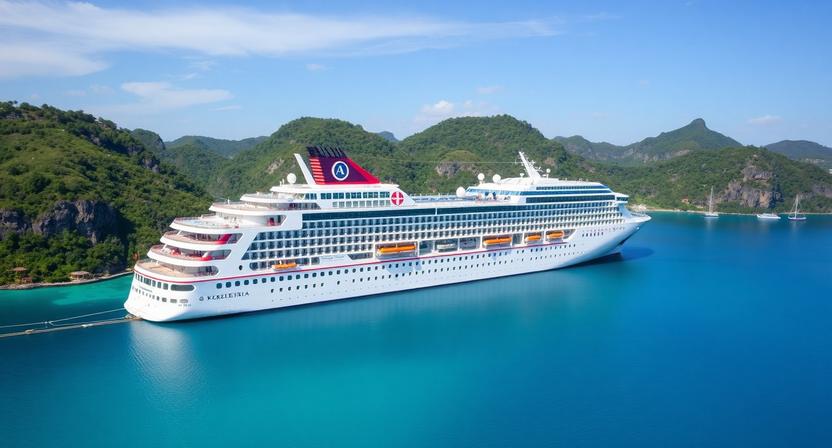
Phoenix Reisen’s Artania Sets Sail on 125-Night Cruise, Boosting Cruise Tourism Growth with Multi-Destination Voyages Across South America, Caribbean and Atlantic

The Artania cruise ship will be departing for a little over four months of traveling from Europe to the Americas and the Caribbean on a 125 day cruise. Passengers on the ship will experience traveling on a grand cruise ship and be able to visit a number of well known locations on this cruise. There are a number of interesting cruise locations that will be include the Caribbean and South America. The cruise will end back on mainland Europe, in Bremerhaven, Germany, on the 12th of May, in 2026.

The demand for longer, more drawn out journeys has increased, and the cruise ship Artania has helped with this demand. Due to this ship helping to satisfy the demand, the cruise ship Artania has been in service for a number of years. It will continue to be in service for a number of years more in order for it to complete the vision that was originally set out for the ship.

A Growing Trend in Global Cruise Tourism

The launch of Artania’s 125-night voyage highlights a significant trend in the global cruise tourism market—the growing demand for extended voyages and multidestination cruises. With increasing interest in long-term travel experiences, more passengers are seeking cruises that offer a comprehensive tour of multiple regions, allowing them to explore breathtaking landscapes, cultures, and historic landmarks without the hassle of multiple flight connections.

The rise in demand for long-haul cruising has been further fueled by the increasing popularity of oceanic exploration, as more travelers seek the luxury of all-inclusive experiences that combine relaxation, adventure, and cultural immersion. With its mix of luxury accommodations, excursions, and destination experiences, Artania’s voyage represents a vibrant and growing segment of the cruise tourism industry catering to travelers who are looking for more than just a beach holiday.

Expanding Cruise Offerings in the Americas and Caribbean

The Artania’s Caribbean and South American itinerary underscores the increasing importance of these regions in the broader cruise tourism market. As demand for exotic and culturally rich destinations grows, ports of call in the Caribbean and South America are seeing a rise in cruise ship arrivals. This surge in demand has led to a greater focus on enhancing port infrastructure and shore excursions, ensuring that destinations such as Brazil, Argentina, Uruguay, and the Caribbean islands are well-equipped to handle the influx of passengers.

By offering multi-generational family-friendly experiences and cultural immersion, Artania is tapping into a key market trend of families seeking affordable luxury travel that also offers unique cultural experiences. With visits to historic cities and tropical islands, the ship caters to the growing demand for cultural tourism, allowing passengers to explore the rich diversity of South America and the Caribbean in comfort and style.

South America and the Caribbean: Key Growth Regions for Cruise Tourism

The Artania’s visit to destinations such as Buenos Aires, Punta del Este, Montevideo, Rio de Janeiro, and Ushuaia illustrates the rise of South America as an emerging hub for cruise tourism. As more travelers look for unique cruising experiences in unexplored regions, South America has become an increasingly popular choice. The expansion of cruise itineraries into Brazil, Argentina, and Chile highlights the region’s growing role in the global cruise industry.

In the Caribbean, the rise of shorter, visa-free cruises has led to a surge in demand from travelers seeking easy-to-access tropical getaways. This increased interest in Caribbean cruising is further boosted by the Artania’s visits to popular destinations such as Barbados, St. Kitts, and Grenada, which are all benefiting from greater tourism infrastructure investments to accommodate the growing influx of cruise tourists.

Sustainable Cruise Tourism: A Focus for the Future

As the cruise tourism industry continues to grow, sustainability is becoming an increasingly important consideration. The Artania’s voyage through South America, the Caribbean, and the Atlantic highlights the importance of sustainable cruising practices that balance the economic benefits of tourism with the preservation of natural ecosystems. This growth in eco-tourism has led to greater responsible tourism efforts within the cruise sector, focusing on reducing carbon emissions, improving waste management, and supporting local communities.

As more destinations develop sustainable tourism infrastructures, the demand for eco-friendly cruises that offer low environmental impact will increase. The Artania’s extended voyage aligns with the global cruise industry’s effort to promote environmentally responsible cruising, encouraging travelers to enjoy destinations while contributing to their preservation for future generations.

The Future of Long-Haul and Multi-Destination Cruises

The Artania’s 125-night cruise represents the future of the global cruise tourism industry, where the demand for extended voyages and multidestination itineraries will continue to rise. These types of cruises appeal to affluent travelers who seek immersive travel experiences that offer both luxury and cultural engagement. As the market for long-term cruises grows, the industry will continue to innovate and expand, offering new destinations and onboard experiences that cater to the evolving desires of modern travelers.

With the success of long-haul cruises like the Artania’s 125-night voyage, the future of cruise tourism looks bright, with increased global accessibility, sustainability, and cultural exchange playing key roles in shaping the next phase of the industry’s expansion.

A Journey at the Forefront of Cruise Tourism Growth

Phoenix Reisen’s Artania cruise is doing a 125-night journey through the Caribbean, South America, and the Atlantic Ocean. The demand for multi-destination cruise tourism is on the rise, and is expanding in new areas. More travelers are looking for elegant vacations that incorporate cultural elements along with relaxation and leisure activities. The cruise tourism industry continues to grow with the demand. Artania, with its various travel routes, leads the way with commitment to sustainability. Artania meets the desire of sophisticated travelers and positively impacts cruise tourism.

The post Phoenix Reisen’s Artania Sets Sail on 125-Night Cruise, Boosting Cruise Tourism Growth with Multi-Destination Voyages Across South America, Caribbean and Atlantic appeared first on Travel And Tour World.

Hormozgan Tourism Growth Strategy Focuses on Eco-Tourism, Cultural Tourism Growth and Community Involvement to Protect Heritage And Boost the Local Economy in Iran

Hormozgan Tourism Growth Strategy Focuses on Eco-Tourism, Cultural Tourism Growth and Community Involvement to Protect Heritage And Boost the Local Economy in Iran

Hormozgan Governor-General Mohammad Ashouri Taziani has held a meeting with managers of the cultural heritage, tourism, and handicrafts sectors of the province, which shows the significance of these sectors for the economic growth of the region. The governor has stressed that cultural tourism, along with eco-tourism and handicraft industries, is of major significance for the future of Hormozgan Province. This move can be considered an important step, as there is an increase in the demand for cultural tourism globally, and people are becoming more interested in sustainable tourism.

Taziani has stressed that the proper management of these sectors not only benefits the economy of the region, but also adds to the tourism sector of the province. He has emphasized the need for developing an overall plan for the cultural heritage, tourism, and handicrafts sectors, with special consideration of cultural tourism.

Cultural and Heritage Tourism: Embracing Traditions and Innovation

Hormozgan’s rich cultural heritage and diverse traditions provide a unique opportunity to develop cultural tourism in the region. The province’s maritime history, traditional craftsmanship, and unique local rituals are integral to its identity, and these elements are increasingly being recognized as key assets in attracting international tourists. Taziani emphasized that promoting heritage tourism will not only preserve local traditions but also offer tourists a deeper connection to Hormozgan’s culture.

In recent years, the growth of cultural tourism in Hormozgan has been propelled by initiatives like the revival of indigenous crafts—including Lenj boat building and traditional embroidery. These forms of handicrafts, many tied to Hormozgan’s maritime identity, are being integrated into tourism experiences as part of a broader effort to empower local communities and provide them with economic opportunities. Taziani highlighted how these projects not only support sustainability but also help generate income for local artisans and create new opportunities for cultural tourism.

By turning heritage crafts into tourist attractions, Hormozgan is effectively creating authentic cultural experiences that resonate with visitors who seek meaningful engagements with local traditions. The region’s focus on cultural tourism growth positions it as an attractive destination for travelers seeking immersive and educational experiences that showcase the region’s rich heritage.

Marine and Coastal Tourism: Expanding Cultural and Eco-Tourism Opportunities

Hormozgan’s coastal and marine tourism potential also provides unique opportunities for cultural tourism growth. The province is home to protected areas, mangrove forests, and wetlands that attract not only eco-tourism enthusiasts but also cultural travelers interested in exploring local seafaring traditions. Taziani emphasized that the province’s natural resources are an extension of its cultural identity, creating an opportunity to market eco-cultural tourism that blends environmental sustainability with cultural immersion.

For instance, heritage boat-building workshops and traditional seafaring rituals offer tourists the chance to learn about the region’s maritime culture and actively participate in these practices. As the demand for eco-cultural tourism rises globally, Hormozgan is uniquely positioned to integrate eco-tourism with cultural tourism, offering travelers a multifaceted experience that combines nature conservation with the region’s rich cultural history.

The development of eco-tourism infrastructures alongside heritage tourism sites is crucial to the future growth of both sectors, helping Hormozgan become a leading destination for those seeking a blend of sustainable travel and cultural exploration. These efforts reflect the growing trend in global tourism, where eco-conscious travelers seek destinations that offer authentic cultural experiences alongside sustainable practices.

Community Involvement and Job Creation Through Cultural Tourism

Taziani emphasized the role of local communities in driving sustainable tourism. He noted that community-driven tourism is essential to creating long-term social and economic opportunities. Through programs like beeswax candle production, pottery, and embroidery, the local population is directly involved in the tourism industry, creating products that showcase Hormozgan’s cultural heritage while generating sustainable income.

These projects offer job opportunities, especially for women, and foster social inclusion, ensuring that the benefits of cultural tourism are shared widely within the community. The integration of local artisans and cultural practices into the tourism experience is a key strategy in promoting both economic development and the preservation of local traditions. As more tourists flock to the region, this approach helps to create a thriving, inclusive tourism economy that provides livelihoods and economic empowerment for residents.

Sustainable Tourism Development and Infrastructure Needs

While cultural tourism and eco-tourism continue to grow, Taziani acknowledged that there is still a need for further investment in tourism infrastructure to support this expansion. Standard hotels, transportation networks, and visitor centers are critical for ensuring that Hormozgan’s tourism sector meets the demands of an increasing number of domestic and international tourists.

Additionally, the development of sustainable tourism infrastructures, such as eco-friendly hotels, green transport options, and waste management systems, is vital to ensure that tourism growth does not come at the expense of the region’s natural environment. These investments will help create a more competitive, resilient, and sustainable tourism sector in Hormozgan.

The Future of Cultural Tourism in Hormozgan: A Balanced Approach

Looking ahead, Hormozgan’s cultural tourism sector is set to experience continued growth, driven by its unique blend of heritage, eco-tourism, and community-based initiatives. By focusing on responsible tourism and sustainable practices, the province aims to create a tourism model that benefits local communities while preserving cultural heritage and natural landscapes.

Hormozgan’s emphasis on cultural tourism growth, community empowerment, and sustainability ensures that it is not only developing as a tourism destination but also as a leader in responsible tourism in the region. With its rich cultural heritage, stunning landscapes, and commitment to sustainability, Hormozgan is poised to become a key player in global cultural tourism, attracting tourists who seek authentic and eco-conscious travel experiences.

Hormozgan’s Path to Sustainable Cultural Tourism Growth

The initiatives taken by the governor of Hormozgan Province, Mohammad Ashouri Taziani, demonstrate an integrated plan for the tourism development of the region. The combination of eco-tourism, cultural tourism, and community participation indicates that the tourism sector in Hormozgan Province is on the right track towards long-term growth.

The initiatives not only promote the growth and development of the region but also ensure the preservation of the cultural and environmental heritage of the region. Through the implementation of tourism policies and strategies, Hormozgan Province is moving towards becoming a hub for cultural tourism, where both the tourists and the local population benefit from the tourism activities.

The post Hormozgan Tourism Growth Strategy Focuses on Eco-Tourism, Cultural Tourism Growth and Community Involvement to Protect Heritage And Boost the Local Economy in Iran appeared first on Travel And Tour World.

Arif Habib Group-led Consortium Acquires Full Control of PIA, Boosting Competitiveness and Tourism with Fleet Expansion Plans in Pakistan

Arif Habib Group-led Consortium Acquires Full Control of PIA, Boosting Competitiveness and Tourism with Fleet Expansion Plans in Pakistan

It has been announced that the consortium, which is led by the Arif Habib Group, has plans to acquire the remaining 25% of the government’s share in the Pakistan International Airlines (PIA) and thus gain full control of the national flag carrier. This move is a significant step towards the privatization of the PIA, which is expected to transform the loss-making airline into a competitive entity in the world aviation industry, while also boosting the growth of the tourism industry in the country.

In December 2025, the consortium had acquired 75% of the PIA’s shares for Rs135 billion and is now looking to acquire the remaining 25% of the government’s share in the airline, which is valued at Rs45 billion, to gain full control of the airline and implement management changes by the end of April or early May 2026.

Privatization Plans: Boosting Aviation Competitiveness and Tourism Potential

Shahid Ali Habib, CEO of Arif Habib Ltd, emphasized that this acquisition will result in PIA’s transformation into a fully privately operated entity, with government-appointed board members removed from the decision-making process. This shift is expected to increase operational efficiency, cut costs, and improve customer experience, all of which are essential to improving the airline’s competitiveness.

The privatization of PIA will also play a key role in supporting the growth of Pakistan’s tourism sector, as it will enable the airline to provide more reliable, affordable, and efficient services for both domestic and international travelers. With the privatization of PIA, tourism in Pakistan is expected to see significant benefits, including increased international arrivals, better connectivity to key tourist destinations, and enhanced regional access.

Economic and Tourism Impact: Strengthening Pakistan’s Global Tourism Position

One of the main impacts of the PIA privatization will be its potential to strengthen Pakistan’s tourism sector. By modernizing its fleet, expanding routes, and improving service quality, PIA can cater to a growing demand for both domestic and international travel. With global tourism steadily recovering, a stronger PIA can be crucial in attracting international tourists to explore Pakistan’s rich cultural heritage, natural beauty, and historical landmarks.

Additionally, the expansion of PIA’s network will offer improved connectivity between Pakistan and global tourism hubs, making it easier for travelers to visit key destinations such as Lahore, Islamabad, Karachi, and the northern mountains. Enhanced connectivity can help facilitate tourism flows, increase tourism revenue, and contribute to the long-term economic development of the country.

PIA’s Role in Boosting Domestic and International Tourism

The privatization of PIA will also have a positive effect on domestic tourism by increasing tourist access to remote regions of Pakistan, particularly heritage villages, mountainous areas, and other culturally rich destinations. This expansion will enable local tourism businesses to capitalize on improved travel options, attracting more visitors to Pakistan’s hidden gems.

For international tourists, PIA’s renewed focus on service will enhance the overall tourism experience, offering travelers an accessible and reliable way to explore Pakistan’s diverse tourist attractions, such as the ancient ruins of Mohenjo-Daro, the beauty of Hunza, and the spiritual significance of Lahore’s Badshahi Mosque.

Rebuilding PIA: A Modernized Airline for the Future

The consortium’s plans for fleet expansion, which include the addition of more modern aircraft, will not only reduce operating costs but also improve the overall travel experience for tourists. The focus on customer service will be key in attracting repeat visitors and establishing PIA as a trusted airline for international travelers. The airline’s commitment to quality service and increased operational efficiency will improve tourism infrastructure in Pakistan, positioning the country as a top-tier destination in South Asia.

A Promising Future for PIA and Pakistan’s Tourism Industry

The acquisition of PIA by the Arif Habib Group-led consortium is a major milestone for the airline as well as the tourism industry of Pakistan. The privatization of PIA would not only revive the profitability of the airline but would also take the tourism industry of Pakistan to unprecedented heights. As access to global tourists would be facilitated, along with better customer service and infrastructure, PIA would be a major factor in bringing more tourists to Pakistan, which would contribute to the economic growth of the country.

The post Arif Habib Group-led Consortium Acquires Full Control of PIA, Boosting Competitiveness and Tourism with Fleet Expansion Plans in Pakistan appeared first on Travel And Tour World.

Experience Ultra-Luxury with Crystal Cruises: Gourmet Dining, World-Class Service, and Exclusive 2026 Destinations like Venice, Aruba and Bali

Experience Ultra-Luxury with Crystal Cruises: Gourmet Dining, World-Class Service, and Exclusive 2026 Destinations like Venice, Aruba and Bali

Crystal Cruises has always been considered one of the top and most luxurious cruise companies in the world, offering ultra-luxury travel experiences that meet the expectations of the most discerning travelers. Crystal Cruises is known for its gourmet dining, world-class service, and exclusive travel destinations, and it has made a name for itself by providing the finest amenities and experiences at sea.

As part of the US-based Crystal family, Crystal Cruises has made its mark in the travel industry by offering once-in-a-lifetime travel experiences to some of the world’s top destinations, including the Mediterranean, the Caribbean, and Asia. If you are looking for an experience that is not only a luxury cruise but also a luxury lifestyle, Crystal Cruises promises to give you the ultimate luxury experience with every detail designed to give you the ultimate comfort and satisfaction.

Unmatched Luxury Onboard Crystal Cruises Ships

The ships of Crystal Cruises are nothing short of remarkable. Designed to combine elegance and comfort, the ships offer passengers ultra-luxury accommodations, including spacious suites with private balconies, marble bathrooms, and expansive living spaces. Crystal Cruises emphasizes personalized service, ensuring that every guest’s needs are met promptly and with the utmost care. What truly sets Crystal apart is its gourmet dining. Guests are treated to Michelin-level cuisine created by award-winning chefs who offer a variety of international dishes that cater to all tastes.

The dining experience aboard Crystal Cruises is one of the most talked-about aspects of the cruise, offering both casual and formal dining experiences in stunning venues. Additionally, guests can enjoy a wide array of luxury amenities, including high-end spas, fitness centers, boutiques, and more. Whether you’re looking to relax or engage in exciting activities, Crystal Cruises offers something for everyone.

Crystal Cruises’ Popular Mediterranean Routes: Venice, Barcelona, and More

The Mediterranean remains one of the top cruise destinations, and Crystal Cruises excels in offering an ultra-luxury experience in this iconic region. Moreover, Passengers aboard Crystal Cruises can explore some of Europe’s most breathtaking cities, including Venice and Barcelona, on luxurious itineraries that immerse you in the culture, art, and history of the Mediterranean.

Venice: A Floating City of Romance and History

Venice is one of the most romantic and historic cities in the world, known for its winding canals, grand palaces, and stunning architecture. Crystal Cruises provides an intimate and luxurious way to explore Venice, with exclusive shore excursions that take guests to hidden gems not found on typical tours. Whether you’re cruising along the Grand Canal in a private gondola or exploring the Doge’s Palace, Venice offers an unparalleled level of beauty and history that’s best experienced aboard Crystal Cruises.

Barcelona: A Cultural Hub for Art and Architecture

Barcelona, Spain’s vibrant capital of culture, is another highlight on Crystal Cruises’ Mediterranean routes. The city is home to architectural wonders like Gaudí’s Sagrada Família and the surreal Park Güell. Crystal Cruises guests can enjoy personalized excursions, guided by local experts, that showcase the very best of Catalan culture. Whether strolling down La Rambla, relaxing on Barcelona’s beaches, or enjoying gourmet Spanish cuisine, Barcelona offers an exciting and enriching destination for Crystal Cruises travelers.

Caribbean Getaways with Crystal Cruises: Aruba, St. Thomas, and More

For those seeking an island escape, Crystal Cruises’ Caribbean itineraries offer luxury and relaxation in equal measure. Stops in destinations like Aruba and St. Thomas provide the perfect combination of beaches, water sports, and cultural experiences.

Aruba: Sun-Kissed Beaches and Vibrant Nightlife

Aruba is one of the most popular destinations in the Caribbean, known for its crystal-clear waters and pristine beaches. Crystal Cruises offers a variety of shore excursions in Aruba, from snorkeling and scuba diving to exploring the Arikok National Park. After a day of adventure, guests can relax in the luxury of their ship, enjoy a delicious meal at one of the onboard restaurants, and prepare for the next exciting destination.

St. Thomas: The Heart of the U.S. Virgin Islands

St. Thomas is a tropical paradise in the U.S. Virgin Islands, offering a mix of natural beauty and Caribbean culture. Crystal Cruises provides guests with unique access to St. Thomas’ most beautiful sights, including Magens Bay and the Coral World Ocean Park. Whether you want to explore the island’s vibrant shopping scene, relax on the beaches, or indulge in some water sports, St. Thomas is a perfect Caribbean getaway.

Exploring Asia with Crystal Cruises: Bali, Tokyo, and More

For travelers seeking an exotic escape, Crystal Cruises offers ultra-luxury voyages to the Asian continent, with popular destinations like Bali and Tokyo.

Bali: A Tranquil Island of Temples and Natural Beauty

Bali, Indonesia, is renowned for its spiritual ambiance, temples, and lush landscapes. Crystal Cruises allows passengers to fully immerse themselves in the culture and beauty of Bali, with curated shore excursions that include visits to Uluwatu Temple, tranquil rice terraces, and the stunning Sacred Monkey Forest Sanctuary. After a day of exploration, guests can relax and rejuvenate onboard with luxury spa treatments and fine dining.

Tokyo: A Thriving Metropolis Blending Tradition and Modernity

Tokyo is a fascinating city where ancient traditions and modern innovation coexist. Aboard Crystal Cruises, guests can explore Tokyo’s vibrant neighborhoods, from the bustling streets of Shibuya to the peaceful gardens of Meiji Shrine. Crystal Cruises offers exclusive excursions that allow travelers to experience Japan’s rich culture, incredible food, and cutting-edge technology. Moreover, Tokyo provides the perfect balance of old and new, and Crystal Cruises provides a luxurious way to experience it all.

Why Choose Crystal Cruises for Your Next Luxury Voyage

Crystal Cruises delivers an ultra-luxury cruising experience that is hard to match. With its exceptional service, gourmet dining, and exclusive destinations, it stands as a leader in the luxury cruise market. Whether you’re exploring the Mediterranean, relaxing in the Caribbean, or venturing to Asia, Crystal Cruises ensures that every moment of your journey is filled with luxury, comfort, and elegance.

The company’s commitment to offering a personalized and luxurious cruise experience makes it ideal for those who wish to travel in style and indulge in the best that cruising has to offer. From Michelin-starred cuisine to world-class accommodations, Crystal Cruises is the epitome of luxury travel.

Conclusion

Crystal Cruises remains the benchmark for ultra-luxury cruises, providing passengers with an unparalleled experience with each voyage. Whether you want to experience the rich culture of the Mediterranean, the tropical bliss of the Caribbean, or the uniqueness of Asia, Crystal Cruises gives you the best of both worlds – amazing destinations with top-notch service. As part of the Top 50 Cruise Ships for 2026, Crystal Cruises is one of the top choices for luxury travel enthusiasts looking for a once-in-a-lifetime experience at sea.

Image Source: Crystal Cruises

The post Experience Ultra-Luxury with Crystal Cruises: Gourmet Dining, World-Class Service, and Exclusive 2026 Destinations like Venice, Aruba and Bali appeared first on Travel And Tour World.

Greece Inducts in its Hotel Sector Elevates Linguistic Heritage with New Greek Language Initiative, Enhancing Cultural Experience for the Visitors

Greece Inducts in its Hotel Sector Elevates Linguistic Heritage with New Greek Language Initiative, Enhancing Cultural Experience for the Visitors

In a bid to promote the linguistic legacy of Greece, the Greek hospitality industry is launching a new movement that will seek to include the Greek language in the hospitality experience. The new movement will be launched on February 9, which is UNESCO’s World Greek Language Day, and will seek to bring guests closer to the rich cultural heritage of the Greeks by exposing them to the Greek language in a subtle yet interesting manner.

A Creative Approach to Cultural Connection Through Language

The initiative, announced by the Hellenic Hoteliers Federation (POX), focuses on integrating the Greek language into daily guest interactions in a way that enhances the visitor experience while fostering a sense of connection to the country’s linguistic and cultural identity. The plan avoids formal educational methods and instead seeks to bring the language into hotel environments in natural, experiential ways. This approach will provide guests with a hands-on, immersive experience that is both informative and enjoyable.

For example, Greek words and phrases will be displayed in key hotel areas, and QR codes will link to basic hospitality-related terms in Greek. In addition, menus will feature Greek terminology with brief translations, allowing guests to engage with the language during their meals. The initiative will also offer creative activities for children, introducing them to the language in an interactive, fun way, making Greek both accessible and enjoyable for all ages.

A Pilot Program with Long-Term Vision

Scheduled to begin as a pilot in the first quarter of 2026, the PG Language Initiative will initially roll out in select hotels, with a practical guide developed to assist other properties in implementing the program. The goal is for this initiative to become a model for other countries, using language integration as a key element of the tourism experience. By offering an accessible, non-formal introduction to the Greek language, the program hopes to make guests feel more connected to the destination, enhancing the overall travel experience.

Through this, Greece’s hospitality sector is not only enhancing the tourist experience but also setting the stage for a broader cultural transformation, where language becomes a vehicle for understanding, appreciation, and exchange. By engaging with Greek on a daily basis, travelers will walk away with a deeper understanding of the culture, leading to more meaningful connections with the places they visit.

Long-Term Impact on Cultural Preservation and Sustainable Tourism

The long-term impact of this initiative is profound. The introduction of the Greek language into everyday tourism interactions marks a shift towards cultural sustainability within the travel and tourism industry. Tourism has the potential to play a pivotal role in cultural preservation, and this initiative underscores how the industry can contribute to safeguarding local heritage. As travelers gain exposure to the Greek language, they’re more likely to appreciate the significance of language preservation as part of the country’s cultural sustainability efforts.

By making the Greek language part of the tourist experience, Greece is creating a future where its language is actively celebrated and shared. In turn, this effort can inspire other tourism destinations around the world to adopt similar initiatives, fostering cultural diversity and linguistic appreciation globally. This model of cultural exchange through language could become an integral component of the global tourism industry, highlighting the importance of languages in enriching travel experiences.

Supporting the Growth of Cultural Tourism in Greece

This initiative also lays the foundation for the growth of cultural tourism in Greece. As tourists increasingly seek more immersive and authentic travel experiences, integrating the Greek language into the tourist experience provides a unique selling point for the Greek tourism industry. Language immersion will attract cultural travelers and those looking for a deeper connection to their destination, further promoting sustainable tourism.

Moreover, this initiative serves as a pilot project for integrating language into tourism practices across the Greek hospitality sector, providing a model that can be replicated in other regions and tourism markets. This broader vision positions Greece as a leader in cultural tourism by showcasing how language and cultural heritage can be seamlessly woven into the visitor experience.

Expanding Cultural Engagement and Community Impact

In addition to enhancing visitor engagement, the initiative is also likely to have a positive impact on local communities. By promoting the Greek language, the project encourages tourists to interact more meaningfully with local businesses, artisans, and cultural landmarks, fostering greater community involvement in the tourism sector. This increased interaction helps boost local economies while promoting local traditions and arts in a way that is both beneficial to the community and enriching for visitors.

Furthermore, educational and community outreach components could be developed in the future, creating collaborative platforms where locals and tourists alike can engage in language workshops and cultural exchanges. This would help build long-term relationships between Greece’s residents and tourists, ensuring that cultural tourism continues to thrive and contribute to the sustainability of local communities.

A Vision for the Future of Tourism

The Greek Language initiative is not just a short-term project; it is part of a visionary strategy for the development of sustainable tourism that combines the preservation of culture with the involvement of tourists. By promoting the Greek Language in creative and accessible ways, Greece is building a foundation for a future in which the Greek Language can play a vital role in the development of tourism, creating a more culturally enriching experience for tourists, while also preserving and honoring its culture.

As the project continues to evolve, the possibilities for global impact are endless. This project can create a movement among tourism destinations around the world to promote local languages in their tourism efforts, creating more culturally enriching experiences for tourists, which can ensure the sustainability of linguistic diversity in the future.

The post Greece Inducts in its Hotel Sector Elevates Linguistic Heritage with New Greek Language Initiative, Enhancing Cultural Experience for the Visitors appeared first on Travel And Tour World.

Moldova Celebrates Twenty-Fifth Anniversary of National Wine Day in 2026, Showcasing The Evolution of their Wine Industry, Wine Tourism Growth with Global Success

Moldova Celebrates Twenty-Fifth Anniversary of National Wine Day in 2026, Showcasing The Evolution of their Wine Industry, Wine Tourism Growth with Global Success

Moldova is all set to mark its 25th National Wine Day in 2026, reiterating the importance of wine as a key constituent of the country’s cultural, economic, and symbolic identity. As one of the Top 10 open-air events in Europe, National Wine Day has evolved into a strategic celebration not only for the country’s wine sector but also for the country’s wine tourism. The 2026 edition of the National Wine Day is all set to be a landmark event, marking a new concept with a record number of wineries and a whole range of experiences to help visitors discover the exceptional variety of Moldovan wines.

Moldova’s Wine Industry: From Tradition to Global Recognition

The story of Moldova’s wine tourism growth is one of innovation paired with a deep respect for tradition. Over the past two decades, the country has undergone a transformation, blending centuries-old winemaking practices with modern techniques. This evolution has helped Moldova’s wine sector attract global attention, particularly as its wines have gained international recognition through the Wine of Moldova brand. The brand’s slogan, “Wine of Moldova. Unexpectedly Great”, has been instrumental in repositioning Moldovan wines on the global stage, helping the country stand out as an emerging leader in the world of wine.

This transformation has made wine tourism a central pillar of Moldova’s tourism industry. The country’s winemaking regions, including those near Bucharest and the Cahul region, offer visitors the chance to explore historic vineyards, enjoy private wine tastings, and immerse themselves in a growing eco-tourism sector that focuses on sustainability and community involvement. Wine tourism has proven to be a valuable economic driver, with tourists eager to discover Moldova’s rich wine culture, supporting the local economy and providing jobs across the tourism and agriculture sectors.

Wine Tourism’s Growing Economic Impact in Moldova

The impact of wine tourism in Moldova cannot be overstated. The wine sector contributes around 3% to the country’s GDP and nearly 8% of total exports, with tourism revenue directly benefiting from the increasing global interest in Moldovan wines. Visitors to the country are not only purchasing wine, but they are also contributing to local economies through accommodation, local tours, and gastronomy.

Wine tourism has become a key part of Moldova’s overall tourism strategy. As the country continues to modernize its tourism infrastructure, the appeal of wine tourism has expanded beyond the traditional wine-producing regions. Moldovan wineries are increasingly equipped to offer immersive wine experiences, such as vineyard tours, food pairings, wine festivals, and exclusive wine events that appeal to both wine enthusiasts and those looking for a more authentic travel experience.

In addition to its wine offerings, Moldova is also investing in sustainable tourism practices to ensure that the growth of wine tourism is balanced with the preservation of the environment. Eco-tourism initiatives such as sustainable vineyards and green hotel certifications are helping to attract environmentally conscious tourists who want to enjoy Moldova’s natural beauty while minimizing their environmental footprint.

International Exposure: Promoting Wine Tourism on the Global Stage

As part of the 25th-anniversary celebrations, Wine of Moldova will have a national pavilion at two of the world’s largest wine exhibitions: Wine Paris (February 9–11) and ProWein Düsseldorf (March 15–17). These prestigious events will allow Moldovan producers to showcase their wines to a global audience, reinforcing the country’s status as a growing player in the wine tourism market. This international exposure will undoubtedly increase interest in wine tourism in Moldova, attracting travelers who seek out unique wine destinations and experiences.

Moldova’s growing participation in global wine tourism exhibitions also supports the international development of Moldovan wine tourism. By positioning itself as an authentic, high-quality wine destination, Moldova is tapping into the increasing demand for off-the-beaten-path wine experiences. As more tourists seek diverse wine regions beyond the traditional powerhouses of France and Italy, Moldova’s wine tourism is poised to attract a wider range of international visitors.

The Future of Wine Tourism in Moldova: Sustainable and Inclusive Growth

Looking forward, sustainable wine tourism is set to be a central theme in Moldova’s future tourism strategy. As global tourism trends shift toward more sustainable, experiential, and culturally immersive travel, Moldova is well-positioned to meet this demand with its authentic wine experiences, eco-friendly practices, and growing tourism infrastructure.

The future of Moldova’s wine tourism sector lies in its ability to balance growth with sustainability—ensuring that the influx of visitors continues to benefit local communities, preserve natural landscapes, and promote cultural heritage. By developing a range of wine tourism experiences, from vineyard tours to wine-based festivals and cooking classes, Moldova is poised to become a leading wine tourism destination in Eastern Europe.

Moldova’s Wine Tourism Sector Grows in Global Appeal

The 25th anniversary of National Wine Day in Moldova marks a celebration of the country’s remarkable achievements in the wine tourism sector. As the country continues to establish its position as a unique wine destination, more people, both at home and abroad, will want to experience the vibrant wine culture in Moldova as well as its rising reputation as a producer of quality wines.

The wine tourism sector in Moldova is moving to a new stage of international recognition, thanks to its dedication to innovation, genuine wine experience, and sustainable tourism. As the wine tourism sector continues to rise, not only will Moldova offer its visitors an opportunity to experience its rich heritage, but the country will also create an environment for economic development and cultural exchange, marking its position as an emerging leader in the world wine tourism market.

Image Source: Wine of Moldova

The post Moldova Celebrates Twenty-Fifth Anniversary of National Wine Day in 2026, Showcasing The Evolution of their Wine Industry, Wine Tourism Growth with Global Success appeared first on Travel And Tour World.

Greece Strengthens Tourism Diplomacy with Spain, Discussing EU Strategy to Shape their Future Global Tourism Policies and Growth

Greece Strengthens Tourism Diplomacy with Spain, Discussing EU Strategy to Shape their Future Global Tourism Policies and Growth

Greece is stepping up its efforts in tourism diplomacy, seeking a leading position in tourism both in Europe and globally. Greece’s Tourism Minister Olga Kefalogianni is holding key meetings with Spain’s Ambassador to Greece, Jorge Domecq, to enhance cooperation and exchange views on major developments in the tourism sector for the years leading to 2026.

The main topics of the meeting included cooperation in the tourism sector in the European Union, mainly in preparation for the launch of the first-ever EU Tourism Strategy, which is set to be rolled out in April 2026. The EU Tourism Strategy is set to make Europe the leading tourism hub globally, and the two parties discussed the key issues that will define the EU’s bid to retain the top position globally in the tourism sector.

Strengthening EU Cooperation and Shaping Global Tourism Policy

In addition to discussions on the EU Tourism Strategy, the talks emphasized the importance of multilateral cooperation, particularly within the United Nations Tourism Organization (UN Tourism). Greece’s recent re-election to the UN Tourism Executive Council underscores its growing influence on global tourism policy. Both Greece and Spain recognized the importance of mutual support at the multilateral level to promote shared goals in tourism sustainability and economic growth.

The collaboration also touched on bilateral cooperation opportunities in areas such as tourism education, the exchange of best practices, and the possibility of creating a formal framework for long-term partnership. This strategic alignment between Greece and Spain not only supports EU-level initiatives but also positions both countries as key players in shaping the future of global tourism.

Boosting Greece’s Tourism Sector: A Key Player in Europe’s Growth

Greece’s tourism sector has consistently played a pivotal role in its economy, and as international travel recovers, the country is working to further expand its global reach. With tourism revenue a significant contributor to Turkey’s economy, strengthening ties with fellow European leaders, particularly Spain, will ensure Greece remains a competitive and attractive destination for international visitors.

The upcoming EU Tourism Strategy aims to harmonize efforts across member states to enhance tourism offerings, boost visitor numbers, and ensure that Europe maintains its leadership in the global tourism landscape. Greece stands ready to contribute its knowledge and experience, particularly in areas like sustainable tourism, cultural preservation, and inclusive economic growth through tourism development.

The Impact of Tourism Diplomacy on Greece’s Global Positioning

Greece’s proactive tourism diplomacy is expected to create a ripple effect in its tourism industry. As the country strengthens its position within Europe and works to expand international partnerships, the result will be increased tourism traffic, enhanced international visibility, and economic benefits for the local communities that rely on tourism.

By aligning with Spain and other European countries, Greece is positioning itself at the forefront of a global tourism transformation, which prioritizes sustainable travel, cultural exchanges, and economic resilience in the face of changing market dynamics. The EU’s tourism strategy will play a crucial role in shaping future trends in travel, and Greece’s involvement will ensure that it remains a top-tier destination for travelers.

A Stronger Future for Greece’s Tourism Sector

Through its tourism diplomacy and participation in the EU’s tourism policies, Greece is well on its way to continuing its significant role in the growth of world tourism. Its focus on sustainable tourism practices and cultural preservation makes it a leading destination for travelers with a passion for unique, sustainable, and quality tourism experiences.

As Greece continues to nurture its relationships with its leading tourism partners, such as Spain, it will open doors to new economic opportunities for its people while cementing its position as a leading tourism destination in Europe and the world at large. The alignment of its tourism policies, cultural preservation, and infrastructure development points to a prosperous future for its tourism sector in relation to its role in the world’s tourism strategy.

Image Source: Ministry of Tourism – Greece

The post Greece Strengthens Tourism Diplomacy with Spain, Discussing EU Strategy to Shape their Future Global Tourism Policies and Growth appeared first on Travel And Tour World.

Norwegian Cruise Line adjusts itineraries for Norwegian Pearl European Season, Modifying their Ports and Schedules to Meet the Growing Cruise Tourism Growth

Norwegian Cruise Line adjusts itineraries for Norwegian Pearl European Season, Modifying their Ports and Schedules to Meet the Growing Cruise Tourism Growth

Norwegian Cruise Line (NCL) has made changes to the itineraries of its Norwegian Pearl ship for the upcoming European season. At least two voyages in 2026 have been altered due to changes in the availability of ports, and it is another example of the evolving nature of the growing global cruise tourism market. The changes are another example of the evolving and growing global cruise tourism market.

Key Itinerary Changes for the Norwegian Pearl’s European Cruises

The first of the affected cruises is set to sail from Piraeus, Greece, to Ravenna, Italy, starting May 10, 2026. As part of the changes, Santorini will be replaced with Mykonos, providing guests an opportunity to visit one of the most popular Greek islands known for its vibrant culture and stunning scenery. Additionally, Kotor, Montenegro, will see a revised schedule, allowing Norwegian Pearl passengers an extra half hour to explore this picturesque coastal city.

The second cruise on June 21, 2026, will also sail from Piraeus to Ravenna, with a shift in the itinerary that replaces Zadar with Split in Croatia. These updates are part of Norwegian Cruise Line’s continued efforts to provide travelers with seamless, memorable experiences, even as changes arise. These adjustments highlight the flexibility of the cruise industry, with lines like Norwegian Cruise Line adapting quickly to ensure they meet the growing demand for high-quality cruise experiences.

Cruise Tourism Growth and the Importance of Adaptability

The adjustments made by Norwegian Cruise Line come at a time when global cruise tourism is experiencing robust growth. The sector has seen a marked recovery since the pandemic, with increased demand for unique and immersive travel experiences driving more passengers to choose cruises as their preferred method of travel. As of 2025, cruise passenger numbers have surged globally, with destinations like the Mediterranean, Caribbean, and Alaska seeing significant increases in bookings.

In line with this growth, cruise lines are increasingly focused on offering innovative itineraries that provide travelers with an opportunity to explore both well-known and off-the-beaten-path destinations. Norwegian Cruise Line’s itinerary adjustments reflect this trend, aiming to balance guest expectations with local port conditions, ensuring that the experience remains both exciting and manageable.

Growing Demand for European Cruises

The European cruise market continues to be a key player in the broader global cruise tourism growth. With its rich history, diverse cultures, and unique landscapes, Europe remains one of the top cruise destinations for international travelers. The Mediterranean, in particular, draws millions of tourists each year, making it one of the most visited regions for cruise itineraries.

As cruise lines like Norwegian Cruise Line expand their presence in Europe, the competition to offer unique, high-quality experiences is intensifying. The changes to the Norwegian Pearl itineraries are a direct response to this increasing demand for customized and accessible travel experiences. Cruise companies are not only focusing on popular spots like Santorini and Kotor, but also introducing alternative destinations like Mykonos and Split, which are becoming increasingly sought-after by travelers.

The Impact of Public-Private Partnerships and Cruise Growth

As global cruise tourism grows, public-private collaborations are becoming increasingly important in supporting the development of tourism infrastructure and port facilities. For example, port operators and cruise companies like Norwegian Cruise Line work together to ensure that popular cruise destinations are equipped to handle the increasing number of visitors. These partnerships are also instrumental in maintaining the quality and efficiency of port operations to ensure a smooth and enjoyable tourism experience for passengers.

The cruise industry’s continued expansion also relies on strong public sector support, including investment in port infrastructure, safety standards, and local community engagement to make sure that the benefits of tourism reach beyond just the cruise lines themselves.

Expanding Cruise Tourism: Opportunities and Challenges

While the global cruise tourism market has bounced back, there are challenges in adapting to growing demand. The itinerary changes for the Norwegian Pearl highlight the importance of flexibility in meeting passenger needs while also adjusting to external factors like port availability and local conditions. These changes allow the company to remain competitive by ensuring it provides value to its guests, even when unexpected situations arise.

Additionally, sustainability remains a key concern within the cruise sector. As cruise lines expand their routes and passenger numbers increase, it’s essential for the industry to focus on eco-friendly practices that minimize environmental impact. This includes adopting sustainable fuel options, reducing emissions, and making ports more eco-conscious. Norwegian Cruise Line’s ability to adjust its itineraries and port visits can also be seen as part of the broader sustainable tourism movement, ensuring that growth doesn’t come at the expense of environmental preservation.

Navigating the Future of Cruise Tourism Growth

The changes to the itineraries of the Norwegian Pearl cruise ship showcase the flexibility and adaptability of the cruise industry in an age of rapid expansion and growth. As the cruise industry continues to grow and expand throughout the world, cruise lines like Norwegian Cruise Line continue to lead the way in creating new and exciting experiences that satisfy the needs of modern-day cruise travelers while also being good stewards of the environment.

Continuing to adapt and adjust to the needs and conditions that the cruise industry and local markets present will be crucial to creating a future for the cruise industry that will be profitable and sustainable for years to come. The cruise line’s attempts to create exciting cruises to Europe and adjust itineraries to maximize the guest experience showcase the flexibility and innovation that will be necessary to continue to drive the cruise industry forward throughout the world.

The post Norwegian Cruise Line adjusts itineraries for Norwegian Pearl European Season, Modifying their Ports and Schedules to Meet the Growing Cruise Tourism Growth appeared first on Travel And Tour World.

International Visitors To Shanghai Incorporate Health Management Into Travel Plans, Boosting Medical Tourism Growth With 144-Hour Visa-Free Transit

International Visitors To Shanghai Incorporate Health Management Into Travel Plans, Boosting Medical Tourism Growth With 144-Hour Visa-Free Transit

The recent implementation of a 144-hour visa-free transit policy in various cities across China, including Shanghai, has significantly impacted medical tourism in the country. The new policy allows international visitors to include health management or medical access in their itineraries, thus creating a new trend in medical tourism, where people seek to include their medical needs in their tour plans. As Shanghai becomes a new hub in China’s medical tourism sector, more and more international patients are seeking medical services in the country’s top-rated medical facilities, such as Parkway MediCentre Xintiandi and Parkway Shanghai Hospital, which offer high-quality medical services to patients.

The new policy allows international visitors to gain more convenience while traveling to Shanghai and other cities across China, and this policy will play a crucial role in the medical tourism sector in Shanghai and China at large. As Shanghai becomes a new entrant in China’s medical tourism sector, medical providers in the country will be able to offer medical services and health management to more and more patients in the future.

Parkway’s Role in Shaping Shanghai’s Medical Tourism Landscape

Parkway, a trusted international healthcare provider, has been an integral part of Shanghai’s growing medical tourism sector for over two decades. With its established presence and reputation for internationally aligned healthcare services, Parkway has attracted patients from across the globe, treating nearly 500,000 individuals from 77 countries. The facility’s global trust and comprehensive care have made it a key player in connecting global health needs with Shanghai’s premium healthcare resources, further accelerating the region’s medical tourism growth.

As Shanghai’s popularity as a medical tourism destination increases, Parkway continues to expand its service offerings, ensuring that both tourists and residents have access to world-class care. Parkway’s strategic focus on meeting the needs of international patients contributes significantly to the region’s tourism growth, combining leisure travel with health management.

Expanding Healthcare Services for International Patients

Parkway’s facilities, such as Parkway MediCentre Xintiandi and Parkway Shanghai Hospital, offer specialized services that cater to the needs of medical tourists, including fast-track health screenings, minor surgeries, and multidisciplinary outpatient services. Located in prime areas of Shanghai, these healthcare centers are easily accessible for both leisure and business travelers looking to balance medical needs with their travel schedules.

At Parkway MediCentre Xintiandi, for instance, the center provides overnight health screening packages and the ability to complete minor surgeries within 24 hours, ensuring convenient, time-efficient healthcare for visitors on tight schedules. These services are particularly beneficial for business travelers and tourists who seek medical care during their stay without significant disruption to their plans. By offering comprehensive, quality care in a flexible environment, Parkway enhances the appeal of Shanghai as a leading medical tourism destination.

Growth of Medical Tourism in Shanghai: Enhancing Citywide Accessibility

Shanghai’s growing role as a medical tourism hub is further strengthened by the city’s hospitality growth, with facilities like Parkway ensuring that visitors have access to not only world-class medical services but also luxury accommodations and experiential tourism opportunities. This blend of healthcare and tourism is increasingly attractive to international patients who are seeking an integrated travel experience—where they can benefit from high-quality health management services while enjoying Shanghai’s rich cultural and historical offerings.

Parkway’s ability to provide seamless medical care while also facilitating leisure travel experiences is contributing to the rapid growth of medical tourism in Shanghai. As more international travelers seek destinations that combine healthcare needs with cultural experiences, the region stands to benefit from increased tourism-driven revenue, as well as growth in the local healthcare sector.

Medical Tourism’s Economic Impact on Shanghai

As medical tourism grows, it is having a tangible economic impact on Shanghai’s local economy. Beyond the immediate benefits of healthcare services, medical tourists often extend their stays, contributing to the hospitality industry, local businesses, and tourism services. The influx of international patients seeking medical treatments or health management services leads to increased spending in areas like accommodation, transportation, and retail.

With the 144-hour visa-free transit facilitating easier access to medical services, the potential for long-term economic benefits through medical tourism is significant. For Shanghai, becoming a global leader in medical tourism means not only attracting more international patients but also enhancing the city’s profile as a premium travel destination.

Shanghai’s Medical Tourism Growth Fuels Hospitality and Economic Development

The implementation of the 144-hour visa-free transit policy in Shanghai is fueling the development of medical tourism in the region, making Shanghai an emerging destination for travelers seeking a luxury travel experience. Parkway MediCentre Xintiandi and Parkway Shanghai Hospital are significantly contributing to the development of the medical tourism sector in Shanghai, providing travelers with easy access to health care while fueling the tourism sector in the region.

The development of the medical tourism sector in Shanghai means that the region is poised to become a world leader in wellness tourism. The seamless access to luxury health care services in the region, combined with the availability of tourist attractions, makes Shanghai a unique destination for travelers seeking a luxury travel experience. The development of this sector in the region will not only fuel the hospitality sector in Shanghai but also contribute to the economic development of the region.

The post International Visitors To Shanghai Incorporate Health Management Into Travel Plans, Boosting Medical Tourism Growth With 144-Hour Visa-Free Transit appeared first on Travel And Tour World.

Cappadocia Kicks Off Year of the Horse 2026 Celebration, Strengthening its Tourism Ties Between Turkey and China with Cultural Events

Cappadocia Kicks Off Year of the Horse 2026 Celebration, Strengthening its Tourism Ties Between Turkey and China with Cultural Events

Cappadocia, a location in central Turkey famous for its scenic views and hot air balloon rides, has officially begun a celebration to mark the Chinese zodiac’s “Year of the Horse” in 2026. This celebration, which can be considered a part of Cappadocia’s identity as the “Land of Beautiful Horses,” aims to promote the cultural heritage of this location and enhance relations between China and Turkey.

The opening ceremony, which took place on February 14, 2026, in Göreme, saw the attendance of officials, artists, and other visitors who came together to celebrate this cultural milestone. The event was characterized by a spectacular show of drones and hot air balloons, which represented the special tourism opportunities available in this location and signaled the start of a series of thrilling activities to take place throughout the year.

A Symbol of Cultural Exchange: Strengthening Turkey-China Relations

The celebration of the Year of the Horse not only emphasizes the importance of Cappadocia’s historical ties to horses, but also underscores the growing cultural exchange between Turkey and China. The program aims to foster a deeper understanding and cooperation between the two nations, with tourism as a central theme.

Deputy Minister of Culture and Tourism, Gökhan Yazgı, spoke at the event, emphasizing the growing strength of Turkey’s tourism sector. He noted that Turkey welcomed nearly 64 million visitors in 2025, generating an impressive $65.2 billion in tourism revenue. With the target set at $68 billion by the end of 2026, the celebration of the Year of the Horse serves as a pivotal part of Turkey’s tourism strategy, particularly as the country continues to attract more international visitors.

Hot Air Balloons: A Key Attraction for Cappadocia’s Tourism

One of the most iconic features of Cappadocia is its hot air balloon rides, and for this event, specially designed hot air balloons were on display during the program in Göreme, offering a visual feast for the participants. These balloons symbolize not only Cappadocia’s unique landscape but also the region’s ability to merge traditional cultural elements with modern tourism practices.

The use of hot air balloons during the Year of the Horse celebrations highlights the region’s role as a leading destination for adventure tourism, where visitors can enjoy breathtaking views of the region’s fairy chimneys and rock formations. With its ongoing celebrations, Cappadocia is set to draw more tourists from across the globe, particularly those interested in experiencing cultural tourism and heritage-based events.

Boosting Tourism: Economic Impact and Future Goals

The celebration is expected to significantly contribute to Cappadocia’s tourism growth and, by extension, to Turkey’s overall tourism economy. As Turkey continues to enhance its position as a top global destination, events like the Year of the Horse celebration offer a unique opportunity to attract international tourists, especially from China, which is one of the fastest-growing outbound tourism markets.

The integration of cultural festivities, such as the Year of the Horse celebration, into Cappadocia’s tourism calendar not only enhances the region’s appeal but also boosts its economic impact through increased demand for accommodation, local tours, and event-based activities. This event will also support local businesses, from artisans to tourism operators, contributing to the sustainability of Cappadocia’s tourism industry.

A Milestone for Cappadocia and Turkey’s Global Tourism Strategy

The Year of the Horse festivities in Cappadocia is a major milestone in the country’s continued bid to enhance cultural tourism and solidify its position in the global tourism arena. The festivities not only serve to commemorate the country’s cultural affinity for the Chinese zodiac but also serve as a catalyst for continued growth in the tourism sector of the country as a whole.

As the festivities draw on, Cappadocia is poised to emerge as a major hub for international tourists seeking not just cultural experiences but also adventure tourism opportunities, thus serving to further solidify Turkey’s position as a global leader in the tourism sector.

The post Cappadocia Kicks Off Year of the Horse 2026 Celebration, Strengthening its Tourism Ties Between Turkey and China with Cultural Events appeared first on Travel And Tour World.

Chinese Officials Visits Wonsan-Kalma Beach Resort in North Korea, Sparking Speculation on their Efforts to Boost Tourism Growth Despite of the Ongoing Sanctions

Chinese Officials Visits Wonsan-Kalma Beach Resort in North Korea, Sparking Speculation on their Efforts to Boost Tourism Growth Despite of the Ongoing Sanctions

Recently, China’s Ambassador to North Korea, Wang Yajun, and other Chinese Embassy officials visited the North Korean beach resort in Wonsan-Kalma. This move is being viewed as a diplomatic effort by North Korea amidst the celebration of the Lunar New Year. This development is being viewed as a potential attempt by North Korea to lure more Chinese tourists to the country’s new tourism zones. This is a major indicator of the country’s increasing focus on the tourism sector as a major contributor to the country’s economic development strategy.

Chinese Embassy officials visiting the North Korean tourism zone in Wonsan-Kalma, which was opened in July 2022 and can accommodate 20,000 tourists. This development raises important questions about North Korea’s intentions to boost their tourism sector and use it as a potential source of foreign exchange earnings for the country amid the international sanctions imposed on it. As the diplomatic relations between China and North Korea continue to improve, the tourism sector is expected to play a major role in North Korea’s economic development.

Wonsan-Kalma Beach Resort: A Key Development in North Korea’s Tourism Ambitions

The Wonsan-Kalma beach resort is one of the largest and most recent investments in North Korea’s tourism infrastructure, designed to attract international tourists and contribute to the country’s efforts to overcome the challenges posed by sanctions. The resort’s development, with its capacity to accommodate thousands of visitors, aligns with North Korea’s goal to diversify its economy by tapping into the lucrative tourism industry.

North Korea’s tourism strategy has increasingly focused on attracting visitors from neighboring countries like China and Russia, both of which have shown interest in cultural and historical tourism. The resort’s coastal location and high-quality facilities offer a compelling tourism product, especially as part of a broader effort to make North Korea a regional tourism hub in East Asia.

The resort’s capacity to host 20,000 visitors is significant for a country that has been largely isolated from global tourism flows due to its political climate and international sanctions. Chinese tourists, who historically made up a significant portion of the tourist flow into North Korea, are seen as a key target group for the country’s tourism recovery. The Lunar New Year visit by the Chinese embassy officials to this resort is a clear sign that North Korea is actively engaging with China to rejuvenate its tourism industry.

China-North Korea Relations and the Role of Tourism in Strengthening Ties

The visit by Ambassador Wang Yajun and his colleagues reflects the growing diplomatic and economic ties between China and North Korea. Over the years, China has been North Korea’s most important ally and trading partner, and the recent Lunar New Year meeting underscores the importance of these relations in shaping the future of tourism and cultural exchange between the two nations.

Tourism has the potential to further strengthen bilateral ties, with both countries keen to promote closer people-to-people exchanges. If Chinese tourism resumes at a large scale, it will provide North Korea with significant economic benefits, particularly in terms of tourism revenue and foreign exchange. Moreover, Chinese tourists could also become ambassadors of North Korea’s unique cultural and natural attractions, which are often overlooked on the international tourism circuit.

Tourism Industry’s Growing Role in North Korea’s Economic Recovery

For North Korea, tourism presents a unique opportunity to generate much-needed income in the face of ongoing international sanctions. The government has been increasingly emphasizing the potential of tourism as an alternative revenue stream, with several new tourism zones opening over the last few years, including Wonsan-Kalma, Kaesong, and Mount Kumgang. The influx of Chinese tourists could provide a much-needed boost to North Korea’s GDP, especially in sectors related to hospitality, transport, and retail.

The impact of tourism on North Korea’s economy extends beyond just financial revenue. The industry has the potential to create jobs, improve infrastructure, and generate wider regional economic benefits. By focusing on tourism as a means to attract international visitors, North Korea is positioning itself as an emerging destination in the Asian tourism market. As a result, the government’s efforts to develop key tourism zones, like Wonsan-Kalma, could be seen as part of a larger economic diversification strategy to reduce the country’s reliance on traditional sectors like mining and manufacturing.

The Potential Impact of Chinese Tourists on North Korea’s Tourism Industry

Chinese tourists have historically been one of the largest groups visiting North Korea, particularly for cultural tours and visits to historical sites like Pyongyang and Mount Kumgang. However, tourism flows have been significantly disrupted due to political tensions, global health crises, and travel restrictions. As the world begins to recover from the COVID-19 pandemic, there is renewed optimism about the possibility of resuming Chinese tourism to North Korea.

With Chinese travelers accounting for a large portion of the regional tourism market, the resumption of Chinese group tours could provide a significant revenue stream for North Korea’s struggling tourism industry. Additionally, the return of Chinese tourists would bolster the tourism infrastructure, including hotels, transportation, and local businesses. Chinese visitors also tend to stay longer and spend more than tourists from other regions, making them an ideal market for North Korea’s tourism strategy.

Can Chinese Tourists Revitalize North Korea’s Tourism Industry?

The visit of the Chinese ambassador to North Korea and the officials of the North Korean embassy to the beach resort of Wonsan-Kalma demonstrates the commitment of North Korea to develop stronger ties with China through tourism. The tourism industry is emerging as one of the major contributors to the economic revival of North Korea, and the tourism sector of North Korea is focusing on the arrival of Chinese tourists as an essential aspect of revitalizing the tourism sector of North Korea.

Chinese tourism is the key to unlocking the tourism potential of North Korea, which can provide economic growth and cultural exchange opportunities. North Korea, with the development of the tourism sector and stronger ties with neighboring countries, may emerge as a new tourism hub in the region, with Chinese tourists playing a pivotal role in the future success of North Korea.

The post Chinese Officials Visits Wonsan-Kalma Beach Resort in North Korea, Sparking Speculation on their Efforts to Boost Tourism Growth Despite of the Ongoing Sanctions appeared first on Travel And Tour World.

Tianjin Oriental International Cruise Delays Vision’s Maiden Voyage to March 2026, Boosting Cruise Tourism with its New Itineraries in China

Tianjin Oriental International Cruise Delays Vision’s Maiden Voyage to March 2026, Boosting Cruise Tourism with its New Itineraries in China

Tianjin Oriental International Cruise has announced the delay in the maiden voyage of the company’s Vision from mid-February 2026 to March 3, 2026. The reason behind the delay in the maiden voyage is the additional refurbishments and technical upgrades that the ship is undergoing at the Qingdao Beihai Heavy Industry Shipyard. The ship has been undergoing these improvements since it arrived in China in late 2025. This move is a clever strategy to ensure that the ship will meet the expectations of the target market, which includes Chinese travelers, given the expansion of the cruise tourism industry in China.

Enhancements and Upgrades for the Vision

Originally built in 2004 as Costa Magica for Costa Cruises, the 105,000-ton Vision was acquired by Tianjin Oriental International Cruise in November 2025. The extensive restoration includes upgrades to passenger areas and mechanical systems, alongside interior changes to better cater to Chinese passengers. With an emphasis on family-friendly spaces, the ship will also offer additional dining options to enhance the onboard experience. These updates are part of a broader strategy to elevate China’s cruise tourism sector, responding to the growing demand for accessible, high-quality cruises close to home.

Vision’s New Itinerary and Cruise Experience

The Vision will set sail from Tianjin, offering six-day, five-night itineraries to South Korea, including stops in Busan, Jeju, and Incheon. The focus on visa-free travel for Chinese passengers makes these cruises a convenient and attractive option for Chinese families. The Vision will provide an opportunity for first-time cruisers to experience the ease and luxury of cruise holidays, tapping into a growing domestic tourism market.

This shift towards shorter cruises is part of the broader growth of the cruise tourism market in China, where travelers are increasingly looking for short-haul options that offer a mix of convenience and luxury. The addition of multi-generational family spaces and all-inclusive packages further cements the Vision’s position as a key player in catering to a wide range of travelers seeking accessible vacation options.

Cruise Tourism Growth in China

The maiden voyage of the Vision is part of the larger trend in China’s cruise tourism growth. As Chinese cruise tourism continues to expand, the demand for short-haul sailings has surged, particularly for family-friendly and convenient options. With the growing number of middle-class families and first-time cruise passengers, the cruise industry is seeing a shift in preferences towards regional cruises that require less travel time and offer a mix of cultural exploration and leisure activities.

By offering three to seven-night itineraries in easily accessible regions like the Red Sea, Arabian Gulf, and Mediterranean, the Vision is tapping into the growing demand for cruise tourism in China. This shift is particularly impactful for destinations like South Korea, which has seen an increase in Chinese tourists seeking convenient and enriching travel experiences. As cruise lines expand their offerings in the region, China is poised to become one of the world’s largest cruise tourism markets in the coming years.

Economic Impact and Cruise Tourism Opportunities

The growing cruise market in China is expected to have a significant economic impact, with a rise in demand for not only cruise ships but also shore excursions, local services, and port infrastructure. The Vision’s deployment is expected to create new tourism-related job opportunities in Tianjin and the Gulf region, driving growth in hospitality, tourism services, and event management. Additionally, it will spur demand for high-quality amenities, including restaurants, spas, and local attractions, all of which will benefit from the influx of cruise tourists.

This growth in cruise tourism will also likely encourage further investment in China’s cruise infrastructure, including the development of new ports and the expansion of tourism facilities that cater to the specific needs of luxury cruise passengers. As the country continues to develop its cruise tourism offerings, it will become a central player in the global cruise tourism industry, attracting travelers from across the world.

Expanding Cruise Tourism’s Reach in China

The delay in the maiden voyage of the Vision reminds us of the dynamic growth in the Chinese market of cruise tourism. As the number of tourists increases in regional cruises with shorter travel durations and family-friendly facilities, the demand for luxury cruises in the Red Sea, Arabian Gulf, and Mediterranean areas will continue to increase. By specializing in accessible luxury cruises, Tianjin Oriental International Cruise will undoubtedly play a crucial role in the growth of the Chinese market of cruise tourism.

Tianjin Oriental International Cruise, in the process of expanding the Chinese market, the Vision will be at the forefront in the growth of the Chinese market of cruise tourism. The company will provide even more convenient, luxurious, and family-friendly cruises to the Chinese tourists who are eager to discover new destinations. The alliance between Int2Cruises and Aroya Cruises is a reflection of the dynamic growth in the Chinese market of cruise tourism.

The post Tianjin Oriental International Cruise Delays Vision’s Maiden Voyage to March 2026, Boosting Cruise Tourism with its New Itineraries in China appeared first on Travel And Tour World.

Marriott Expands in Asia Pacific Region Sees Record Growth with More than One Hundred and Fifty Deals Signed, Accelerating its Hospitality Growth Across Emerging Destinations and Luxury Markets

Marriott Expands in Asia Pacific Region Sees Record Growth with More than One Hundred and Fifty Deals Signed, Accelerating its Hospitality Growth Across Emerging Destinations and Luxury Markets

Marriott International has reported another record-breaking year of growth in the Asia Pacific outside of China (APEC) as the company has marked the third consecutive year of exceptional development activity in 2025. With 187 organic deals being signed, the company has reported that the region has experienced a 32% year-over-year increase in development signings, surpassing 28,000 rooms.

This surge in the growth of hotel developments not only signifies the rising demand for premium, luxury, and midscale accommodations but also marks the growth of the hospitality sector in emerging markets. As the Asia Pacific is considered to be a high-growth market, the company’s growth can also be attributed to the fact that it has been able to cater to the needs of the people in emerging markets as well.

Record Development Activity and Expansion Across Segments

In 2025, Marriott closed the year with more than 400 hotels and 86,000 rooms in its development pipeline in the APEC region. Conversions continued to be a key growth driver, accounting for 35% of total signed deals, reflecting the value Marriott brings to owners seeking speed-to-market solutions and access to its powerful global distribution system. The rise in multi-unit agreements, representing 30% of total signings, shows the growing appetite for scalable investments across markets and segments.

This impressive development activity reinforces Marriott’s role in driving hospitality growth in the region. By leveraging its diverse brand portfolio, Marriott is able to meet the increasing demand for high-quality accommodations, ranging from luxury resorts to budget-friendly hotels, and contribute to the economic growth of emerging tourism markets.

Expanding Marriott’s Luxury Portfolio to Meet Growing Demand

Luxury travel was a major focus in 2025, with brands like JW Marriott, The Ritz-Carlton, and Luxury Collection seeing strong growth. Marriott’s luxury portfolio accounted for 19% of 2025 organic room signings, underscoring sustained long-term demand for high-end accommodations. This growth within the luxury segment is an important contributor to the overall hospitality growth in the region, particularly in urban and resort destinations.

Marriott’s investment in luxury properties includes notable signings such as JW Marriott Hotel Johor Bahru (Malaysia), expected to open in 2027, and The Ritz-Carlton Reserve in Pottuvil, Sri Lanka, slated for 2032. These luxury additions highlight Marriott’s commitment to expanding its luxury footprint in both well-established and untapped destinations, offering deeply immersive travel experiences rooted in nature, culture, and local craftsmanship.

Hospitality Growth in Emerging Destinations: Marriott Expands Beyond Gateway Cities

Marriott’s strategy of expanding in emerging destinations has been a key driver of hospitality growth in the APEC region. In 2025, the company saw strong openings in Vietnam, Nepal, and Sri Lanka, showcasing the shift in demand toward high-growth, culturally rich markets. Marriott’s Moxy Kathmandu debut in Nepal taps into the growing demand for adventure tourism and youth travelers, while the Halcyon Private Isles Maldives offers exclusive experiences on private islands for those seeking seclusion and luxury.

The company’s expansion into emerging destinations is not just about increasing room count, but about catering to evolving tourist preferences, such as wellness, adventure, and cultural immersion. By offering a variety of lifestyle brands and design-forward accommodations, Marriott is helping to shape the future of tourism in these rapidly developing areas, which in turn drives hospitality growth by attracting new segments of global travelers.

Expanding Brand Footprint with Milestone Openings

In 2025, Marriott reached a major milestone with the opening of its 700th property in the APEC region, Legacy Mekong, Can Tho, part of the Autograph Collection in Vietnam’s Mekong Delta. This opening reinforces Marriott’s strategy of expanding beyond traditional gateway cities, tapping into culturally rich, high-growth emerging destinations.

With more than 730 open properties in 22 countries and 27 brands, Marriott’s hospitality growth in the region is extensive, reinforcing its commitment to diversifying its portfolio to meet the diverse needs of today’s travelers. By expanding into both established and emerging markets, Marriott is capturing new demand drivers and delivering distinctive, locally inspired experiences that resonate with global travelers.

Looking Ahead: A Strong Future for Hospitality Growth in APEC

Marriott’s success in 2025 shows its potential for growth in the Asia Pacific region. Marriott has a diverse portfolio of luxury, midscale, and lifestyle brands. Its focus on emerging destinations will also play a vital role in meeting the growing need for premium accommodations in growing markets. Marriott’s focus on sustainability, community, and personalized experiences will ensure its position as a leader in the growth of tourism in the Asia Pacific region.

Marriott’s focus on meeting growing travel demands, as well as its focus on increasing its presence in luxury tourism and emerging destinations, will play a vital role in its future growth. Marriott’s strong development pipeline, as well as its diverse portfolio, will play a vital role in its ability to capture new market share, boost tourism growth, and contribute to the growth of tourism in various destinations.

Image Source: Marriott

The post Marriott Expands in Asia Pacific Region Sees Record Growth with More than One Hundred and Fifty Deals Signed, Accelerating its Hospitality Growth Across Emerging Destinations and Luxury Markets appeared first on Travel And Tour World.

St Helena Government Produces New Updates on its Air and Sea Access, MV Azamara Journey Arrival and Tourism Recovery Efforts

St Helena Government Produces New Updates on its Air and Sea Access, MV Azamara Journey Arrival and Tourism Recovery Efforts

The St Helena Government (SHG) has issued a positive update regarding air and sea connectivity to the island, which is critical for tourism recovery and development on the island. Following the recent airport category change, a scheduled charter flight has just arrived on the island this afternoon, bringing much-needed replacement parts, tools, and oil, as well as two specialist engineers to start work on repairing the airport’s fire tenders. This is essential for the restoration of aviation services and the eventual restoration of tourism connectivity to the island.

This development towards Category 6 status is critical for the eventual recovery of St Helena’s tourism sector, which requires air and sea connectivity to cater to the needs of international tourists. Although the island is still dependent on sea freight for the supply of goods, aviation services are also critical for catering to the needs of tourists and essential travelers alike. The restoration of air connectivity is expected to have a direct effect on tourism development.

Supporting Tourism and Local Communities: Impact of Aviation and Sea Connectivity

The SHG’s ongoing efforts to restore aviation connectivity are aimed at boosting tourism numbers, which remain integral to the island’s economic growth. The chartered flight not only brought essential supplies for airport repairs but also facilitated the repatriation of visitors, including overseas medical referrals (OMRs) and critical employees. In addition, the flight allowed for the departure of other individuals, further demonstrating the role of air access in supporting local needs and tourism operations.

While tourism to St Helena has traditionally been driven by domestic visitors, improvements to air access will allow the island to tap into international tourism markets, which is vital for long-term tourism growth. As part of the global tourism industry, St Helena’s ability to restore its aviation infrastructure will significantly impact its appeal as a destination for international travelers, especially as air travel becomes more reliable and accessible.

Sea Access and Tourism: MV Karoline’s Arrival and Economic Impact

In addition to the restoration of air services, the MV Karoline safely docked at Rupert’s this morning, following a period of excessive sea swells. This vessel arrival is crucial for the island’s tourism economy, as it provides the transportation of goods and visitors to and from the island. Sea access plays a key role in sustaining the local economy, and the arrival of the MV Karoline highlights the resilience of the island’s maritime infrastructure.

This development is particularly important for tourism recovery, as the shipping routes ensure that visitors who prefer to arrive via sea have a reliable option to reach the island. With increased sea connectivity, St Helena can expect to see a growth in cruise tourism, especially as the island continues to build its reputation as a unique destination for those seeking both cultural immersion and natural beauty.

Tourism Boost: Welcoming MV Azamara Journey

The arrival of the MV Azamara Journey, a cruise ship that docked in St Helena yesterday, marks another significant moment for tourism development on the island. Cruise ship visits are an essential part of the island’s tourism calendar, providing a valuable opportunity for local businesses to engage with international visitors. Over 200 passengers came ashore during the visit, allowing local tour operators and tourism businesses to showcase the island’s rich cultural heritage and unique attractions.

Although the Azamara Journey was operating at full capacity and could not offer berths for those waiting to leave the island, the visit underscored the importance of cruise tourism in St Helena’s tourism economy. Cruise ships like the Azamara Journey bring both tourism revenue and international exposure to the island, helping to further establish it as a highly sought-after destination for travelers looking for something distinct and authentic.

Focus on Sustainable Tourism Growth

As St Helena’s tourism sector continues to grow, it is crucial that the island focuses on sustainable tourism practices to preserve its natural beauty and cultural heritage. The SHG has emphasized the importance of responsible tourism that balances economic growth with environmental preservation. This is especially important as the island moves toward the restoration of air access and sea connectivity, ensuring that increased tourism demand does not compromise the island’s ecological integrity.

The tourism sector’s growth is intrinsically linked to sustainable transportation infrastructure, and the ongoing improvements to both air and sea access will allow St Helena to better accommodate tourists while maintaining its unique charm and conservation efforts.

Positive Impact on St Helena’s Tourism and Economic Future

The positive changes that are taking place in St Helena’s air and sea access, such as the landing of the chartered flight with the much-needed supplies and the successful docking of the MV Karoline, are critical to the revival of tourism in the island. These initiatives, together with the landing of cruise ships such as the Azamara Journey, are setting the stage for the future development of the island as a tourist destination.

The continued development of air services and sea access will be critical in making the island an attractive destination and creating economic opportunities for the local population. As St Helena presses on with the development of its tourism infrastructure and adopts a sustainable growth strategy, it is poised to receive visitors from around the world, which will be an important factor in the development of the local economy and the country at large.

Image Source: St Helena Government

The post St Helena Government Produces New Updates on its Air and Sea Access, MV Azamara Journey Arrival and Tourism Recovery Efforts appeared first on Travel And Tour World.

Mozambique Launches eVisa and eTA Portal in Maputo to Streamline Visa Applications, Enhancing their Regional Tourism Growth and Boosting the Travel Sector

Mozambique Launches eVisa and eTA Portal in Maputo to Streamline Visa Applications, Enhancing their Regional Tourism Growth and Boosting the Travel Sector

The eVisa and eTA Portal has been launched in Maputo, the capital city of Mozambique, and this is a major milestone in the process of making it easier for foreign visitors to apply for visas. The new portal is the official website of the National Migration Service and was launched by the Ministry of Communications and Digital Transformation. The aim of this move is to make it easier for foreign visitors to apply for visas and travel authorizations. This new development is expected to make it easier for foreign visitors to apply for visas and make Mozambique a major tourist destination in Southern Africa.

The new portal was launched during the First National Conference on Digital Transformation. The new portal was developed in partnership with VFS and the National Migration Service. The new portal will enable foreign visitors to apply for travel authorizations and visas online. This will make it easier for foreign visitors to travel to Mozambique

A Major Step in Mozambique’s Digital Transformation

The launch of the Mozambique eVisa and eTA Portal represents a critical step in the country’s broader efforts to modernize its digital infrastructure. By moving visa and travel authorization services online, Mozambique is embracing the digital era, making the visa application process much more accessible to international travelers. This shift is designed to reduce the bureaucratic red tape that has traditionally hindered the ease of entry into the country.

From a tourism impact perspective, the new portal is expected to have a transformative effect on the number of visitors to Mozambique. As a country rich in natural beauty, culture, and history, Mozambique is increasingly becoming an attractive destination for international tourists, especially in the eco-tourism and adventure tourism sectors. The new eVisa and eTA Portal streamlines the process, allowing visitors to more easily access Mozambique’s diverse tourism offerings, such as the stunning Bazaruto Archipelago, Gorongosa National Park, and the Chiloe River.

The portal’s introduction aligns with Mozambique’s long-term goal to attract more visitors, supporting the country’s ambition to become a competitive destination within the Southern African tourism market. By simplifying the process and offering online services, Mozambique can cater to the growing demand for seamless travel experiences, positioning itself as a competitive player in the global tourism market.

Simplifying the Visa Process for a Better Traveler Experience

Travelers to Mozambique can now apply for both eVisas and eTAs (electronic travel authorizations) through the new portal, significantly reducing the need for in-person visits to consulates or embassies. This online system is designed to streamline the visa process by allowing applicants to submit their information electronically, minimizing wait times and processing delays.

This change has far-reaching tourism implications. For one, it enhances the visitor experience, making it easier for tourists to plan their trips. With shorter processing times, travelers are more likely to book their holidays to Mozambique, knowing that the visa application process is quick and efficient. As a result, more tourists will choose Mozambique as their destination, which will lead to an increase in the number of international arrivals.

Moreover, as global travel increasingly shifts toward digitally-driven services, Mozambique’s entry into the eVisa space enhances its reputation as a modern, tourism-friendly destination. The ease of obtaining a visa online has the potential to increase not only leisure tourism but also business tourism, as Mozambique’s growing hospitality infrastructure and attractive business environment become more accessible to international visitors.

Strengthening Mozambique’s Competitiveness in the Tourism Market

The launch of the eVisa and eTA Portal is part of Mozambique’s broader strategy to strengthen its position in the global tourism market. The country has long been known for its stunning natural beauty, including pristine beaches, rich biodiversity, and vibrant cultural heritage, but until now, the cumbersome visa application process has been a barrier for many potential visitors.

With the introduction of the online visa application system, Mozambique aims to attract more tourists by providing a faster, more user-friendly process. This development will not only enhance the local hospitality offerings but also increase Mozambique’s appeal as a destination for both eco-tourism and luxury travel. As travelers seek destinations that offer both convenience and unforgettable experiences, the portal is expected to become a key factor in Mozambique’s growth in the international tourism market.

This digital shift also places Mozambique in direct competition with other leading tourism destinations in the region, such as South Africa, Kenya, and Tanzania, all of which have made significant strides in leveraging digital technologies to boost tourism. By introducing the eVisa system, Mozambique can compete more effectively, offering a modern, streamlined process for tourists while enhancing its tourism appeal.

Future Implications for Mozambique’s Tourism Industry

As the eVisa and eTA Portal gains traction, it is expected to bring about significant benefits for Mozambique’s tourism industry. The online platform not only offers enhanced convenience for travelers but also supports the development of tourism-related industries in the country. By making it easier for visitors to enter the country, Mozambique will likely see an increase in tourism expenditure, benefiting local businesses, restaurants, hotels, and tour operators.

In addition to its direct economic impact, the restoration of Mozambique’s tourism sector is likely to encourage more private investment in the country’s hospitality market, leading to the development of new tourism-related businesses and services. This growth will foster further development in key areas such as hospitality, transportation, and tourism infrastructure, which are all vital to building a robust tourism ecosystem.

With the increased arrival of international tourists, Mozambique’s tourism sector will be better equipped to serve a diverse clientele—ranging from luxury travelers seeking high-end experiences to adventure tourists drawn to the country’s national parks and coastal areas.

Positioning Mozambique as a Regional Tourism Hub

The launch of the eVisa and eTA Portal is a strategic move by Mozambique to establish itself as a major player in the Southern African tourism market. The portal will make it easier for travelers from around the world to visit, thus increasing the country’s appeal and enhancing its reputation as a desirable destination. Whether it’s for eco-tourism, cultural experiences, or beach holidays, Mozambique’s diverse offerings are now more accessible than ever before.

By embracing the digital visa process, Mozambique is positioning itself to become a regional tourism hub that attracts visitors not only from Southern Africa but also from Europe, Asia, and the Americas. This move will foster stronger connections between Mozambique and its key source markets, enabling more tourists to experience the beauty and diversity of the country.

The Road Ahead: Continued Growth and Innovation

The Mozambique eVisa and eTA Portal is just the start of the larger digital transformation that will define the future of the country. As the tourism industry continues to expand, the Mozambique government is expected to continue working on new digital solutions that will make the experience easier for visitors. With this in mind, Mozambique is poised to become one of the top tourist destinations in Southern Africa.

As the new portal is adopted and its benefits are realized, it will help to position Mozambique as one of the top tourist destinations in Africa. The digital transformation of the country is not only making travel easier, but it is also looking to the future of tourism.

The post Mozambique Launches eVisa and eTA Portal in Maputo to Streamline Visa Applications, Enhancing their Regional Tourism Growth and Boosting the Travel Sector appeared first on Travel And Tour World.

Bulgaria Sees Record Surge in Romanian Visitors in 2025 with Nearly One Million Overnight Stays, Highlighting Tourism Growth Since Pre-Pandemic Levels

Bulgaria Sees Record Surge in Romanian Visitors in 2025 with Nearly One Million Overnight Stays, Highlighting Tourism Growth Since Pre-Pandemic Levels

In 2025, Bulgaria has accomplished a significant tourism achievement with the increased number of Romanian tourists, as close to one million overnight stays were recorded in Bulgarian accommodations, as reported by the latest statistics from the National Statistical Institute. This is an 8.5% rise from the previous year and a 51.2% rise from the pre-pandemic level of 2019. The increased number of tourists in Bulgaria indicates the country’s continued efforts to make itself a destination of choice for international tourists.

A Milestone for Bulgaria’s Tourism Industry

The significant increase in Romanian visitors underscores the effectiveness of Bulgaria’s strategic marketing and targeted efforts to enhance its reputation as a must-visit destination. Miroslav Borsos, the outgoing Minister of Tourism, attributed this growth to the ministry’s focus on promoting Bulgaria’s diverse tourism offerings. Romanian visitors are particularly drawn to Bulgaria for its authentic experiences, high-quality services, and a variety of attractions, ranging from cultural sites to natural beauty, making the country an appealing option for both short and long stays.

Borsos highlighted that these results reflect the country’s successful partnership with Romania and its international tourism strategy. This surge in Romanian tourism also signals a broader trend of growth in Bulgaria’s hospitality sector, particularly in the tourist-friendly regions that cater to a wide range of interests, including eco-tourism, cultural heritage, and leisure travel.

Bulgaria’s Strong Presence at TTR 2026 in Bucharest

In line with these impressive figures, Bulgaria is continuing to showcase its tourism potential by participating in the TTR 2026 International Exhibition in Bucharest. Held from February 12 to 15, the event serves as a key platform for tour operators, agencies, and hoteliers to explore tourism opportunities across Europe. This exhibition is a perfect opportunity for Bulgaria to promote its diverse tourism offerings to the Romanian market, emphasizing its status as a year-round destination.

Bulgaria’s national stand at TTR 2026 introduces a fresh visual concept that beautifully combines the country’s traditional roots with modern trends. Visitors can experience the wide array of tourism experiences that Bulgaria has to offer, from cultural heritage tours and urban experiences to beach vacations and winter sports. The stand’s focus is to show the diversity of Bulgaria’s tourism appeal, highlighting the country’s ability to cater to both traditional and modern travelers.

Celebrating Cultural Heritage and Tradition

One of the key highlights of Bulgaria’s participation in the exhibition is the emphasis on cultural heritage. Bulgaria is proud to showcase its crafts and the Bulgarian bagpipe, which was added to UNESCO’s Intangible Cultural Heritage List in 2025. This recognition brings international attention to the country’s unique musical traditions and reinforces its commitment to preserving and promoting its cultural identity.

Visitors at the exhibition will have the chance to explore the cultural richness of Bulgaria, which is rooted in a long history of traditions, music, and arts. The stand offers an immersive experience into Bulgarian culture, with a focus on its natural beauty and warm hospitality, which continue to attract visitors from around the globe.

Modernizing Bulgarian Tourism for Global Appeal

The innovative design of Bulgaria’s national stand at TTR 2026 highlights the direction in which the country’s tourism sector is heading. Combining modern trends, national identity, and traditional elements, the stand presents Bulgaria as an inspiring, safe, and competitive destination. Minister Borsos emphasized that this approach will continue to make Bulgaria stand out as a top choice for tourists seeking unique and authentic travel experiences.

The strategic presentation at TTR 2026 is part of Bulgaria’s broader tourism growth strategy, which aims to strengthen its presence in key international markets. By highlighting both the natural beauty and cultural richness of Bulgaria, the country is positioning itself as a destination that offers experiences across all seasons—from the snowy peaks of winter to the sunny beaches in summer.

Promoting Sustainable Growth in the Tourism Sector

Participation in TTR 2026 is more than just presenting the Bulgarian offer; it is also a part of a larger strategy to ensure sustainable development in the tourism industry. With a focus on sustainable tourism practices, Bulgaria is working to attract tourists who are interested in eco-friendly travel and sustainable tourism. This is especially important in areas such as the Greater Yellowstone region, which is still experiencing growth as a popular destination for luxury tourists and outdoor enthusiasts.

By continuing to develop international partnerships and attract high-end tourists, Bulgaria is securing its position as a leader in the tourism industry in Europe. The initiatives being taken at TTR 2026 reflect Bulgaria’s dedication to sustainable development, as it adjusts to the changing trends in travel and positions itself as a leader in global tourism.By continuing to develop international partnerships and attract high-end tourists, Bulgaria is securing its position as a leader in the tourism industry in Europe. The initiatives being taken at TTR 2026 reflect Bulgaria’s dedication to sustainable development, as it adjusts to the changing trends in travel and positions itself as a leader in global tourism.

The post Bulgaria Sees Record Surge in Romanian Visitors in 2025 with Nearly One Million Overnight Stays, Highlighting Tourism Growth Since Pre-Pandemic Levels appeared first on Travel And Tour World.
❌