
Reading view

Government of Assam and AAI to Facilitate Greenfield Airport Feasibility Studies Near Key Tourism Hubs

Government of Assam and AAI to Facilitate Greenfield Airport Feasibility Studies Near Key Tourism Hubs
Boosting Assam Tourism Through Strategic Greenfield Aviation Infrastructure.

The landscape of regional aviation in Northeast India is poised for a significant transformation following a strategic partnership between the Government of Assam and the Airports Authority of India. A formal Memorandum of Understanding was recently executed to initiate comprehensive feasibility studies for the development of five new greenfield airports. These proposed aviation hubs are strategically planned to be situated in close proximity to prominent tourism sites, ensuring that the natural beauty and cultural heritage of the state are made more accessible to global and domestic travelers. Through this infrastructure development project, a robust framework is being established to support the growing demands of the aviation sector while simultaneously fostering economic growth within the Assam region.

A Strategic Vision for Regional Growth

The agreement was solidified in the presence of high-ranking officials and stakeholders who envision a future where travel across the state is seamless and efficient. It is observed that the primary objective of this collaboration is to identify viable locations that can support modern aeronautical operations without compromising the ecological integrity of the surrounding environments. By focusing on greenfield sites, the opportunity is taken to build facilities from the ground up, incorporating the latest technologies and sustainable practices. The initiative is seen as a pivotal step in the broader mission to integrate remote areas into the mainstream economic map of the country.

Geographic Focus and Tourism Integration

The selection of the five locations for these feasibility studies has been guided by the potential for tourism expansion. It is understood that areas near iconic landmarks and wildlife sanctuaries are being prioritized to ensure that the influx of visitors can be managed through structured aerial routes. By placing airports near these sites, the travel time for international and interstate tourists is significantly reduced. The beauty of places such as Kaziranga or the spiritual significance of various heritage zones is expected to be showcased more effectively once these transit points are operational. The narrative of Assam as a premier travel destination is thus being strengthened through these deliberate infrastructure investments.

The Role of the Airports Authority of India

Under the terms of the signed document, the technical expertise of the Airports Authority of India is being leveraged to conduct detailed assessments. These evaluations involve analyzing the topography, weather patterns, and environmental impact associated with each proposed site. It is required that every technical parameter meets the stringent safety standards set by aviation regulators. The partnership ensures that the burden of technical planning is handled by seasoned experts, while the state government facilitates the necessary land acquisition and administrative support. This synergy between central expertise and state-level execution is regarded as the cornerstone of the project’s potential success.

Economic Implications for Local Communities

Beyond the immediate benefits to the tourism industry, the construction and operation of five new airports are expected to generate substantial employment opportunities. It is anticipated that local laborers, engineers, and service providers will be integrated into the development phase. Once the airports become functional, a secondary economy involving hospitality, transport, and retail is likely to flourish around these aviation hubs. The upliftment of local communities through enhanced connectivity is a recurring theme in the developmental discourse of the state. Passive investment in these regions is projected to result in long-term financial stability for thousands of residents.

Environmental Considerations and Sustainable Development

Since the projects are categorized as greenfield developments, a heavy emphasis is placed on environmental sustainability. It is mandated that the feasibility studies include a thorough review of how these airports will interact with the local flora and fauna. Solutions such as solar energy integration, efficient waste management, and water conservation are being considered during the preliminary planning stages. The goal is to create a network of “green” airports that serve as a model for future infrastructure projects in ecologically sensitive zones. The balance between modernization and conservation is being maintained with great care by the involved parties.

Enhancing Multi-Modal Connectivity

The development of these airports is not viewed in isolation but as part of a larger multi-modal transport strategy. It is intended that these air links will complement existing road and rail networks, creating a comprehensive web of movement across Assam. The ease with which cargo and passengers can transition between different modes of transport is expected to improve the overall ease of doing business in the state. As the regional connectivity scheme continues to evolve, the addition of five new landing strips will provide the necessary redundancy and reach to handle emergency services and medical evacuations more effectively.

Future Timelines and Implementation Phases

Following the completion of the feasibility studies, a detailed project report will be prepared for each site. It is expected that the findings will dictate the timeline for the commencement of actual construction. While the initial phase focuses on data collection and site validation, the subsequent stages will involve architectural design and financial bidding processes. The commitment shown by the state leadership suggests that these projects are being placed on a fast-track trajectory. Constant monitoring of the progress is being conducted to ensure that the vision translated in the Memorandum of Understanding is realized within a reasonable timeframe.

Conclusion and Regional Impact

The signing of this agreement marks a new chapter in the history of Assamese aviation. It is believed that by bridging the gap between major cities and hidden tourist gems, the state is positioning itself as a leader in regional logistics and travel. The passive observation of growing air traffic trends has led to this proactive stance by the authorities. As the studies commence, the eyes of the nation are on this unique collaboration, which promises to redefine how the North East is perceived and accessed. The dedication to building a modern, efficient, and accessible Assam remains the driving force behind every clause of the newly signed pact.

The post Government of Assam and AAI to Facilitate Greenfield Airport Feasibility Studies Near Key Tourism Hubs appeared first on Travel And Tour World.


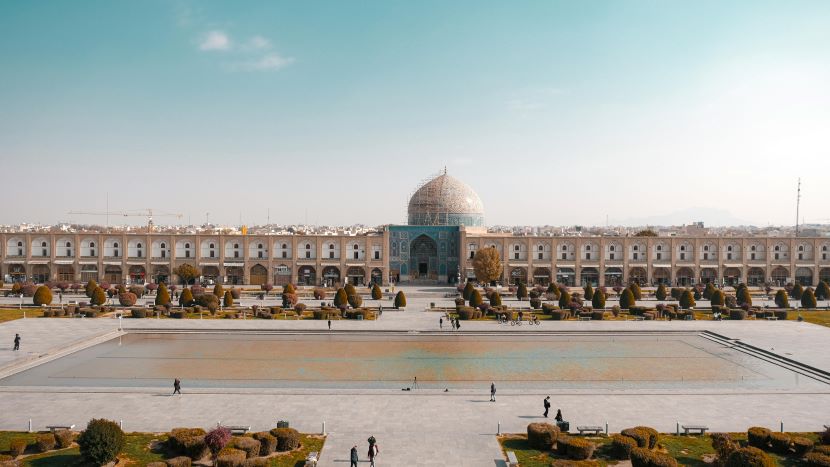
Digital Connectivity Transforms Remote Tourism Hubs in Uttara Kannada’s Western Ghats in India

Digital Connectivity Transforms Remote Tourism Hubs in Uttara Kannada’s Western Ghats in India
Digital Connectivity Revolutionizes Tourism in Remote Uttara Kannada Forests.

The provision of modern digital infrastructure has been extended to some of the most secluded geographical locations within the state of Karnataka. It has been observed that high-speed Wi-Fi connectivity is now being facilitated for visitors at prominent ecological and religious landmarks, including Yana and Sahasralinga. This initiative was undertaken to address the long-standing challenges of communication in the dense forest regions of the Uttara Kannada district. By utilizing the framework of the Bharat Net project, internet services are being integrated into the tourism experience, ensuring that seamless communication is no longer a luxury but a standard utility for those exploring the Western Ghats.

Bridging the Connectivity Gap in the Wilderness

For a considerable duration, the dense canopy and rugged terrain of the Uttara Kannada region have acted as natural barriers to mobile signals. It was noted by local authorities and visitors alike that the lack of cellular reception often led to difficulties during emergencies. Consequently, the implementation of a robust internet network was prioritized by the district administration and the forest department. By leveraging the existing fiber-optic infrastructure laid out under the Bharat Net scheme, high-bandwidth internet was successfully channeled to remote spots that were previously considered “dark zones” in terms of digital access.

The rock formations at Yana, famous for the Bhairaveshwara Shikhara and Mohini Shikhara, attract thousands of adventure seekers and pilgrims annually. Similarly, Sahasralinga, located on the banks of the Shalmala River, is frequented by those wishing to see the thousand carved Shiva Lingas. The isolation of these spots, while aesthetically pleasing, often left tourists disconnected from the outside world. Through this new technical deployment, a stable connection is now maintained, allowing for the immediate sharing of information and the enhancement of personal safety.

Technical Implementation and Infrastructure

The deployment of these services was coordinated through the collaboration of various state agencies and telecommunication providers. It is understood that the backhaul for these Wi-Fi hotspots is supported by the extensive optical fiber network that connects gram panchayats across the state. In the specific context of Uttara Kannada, ruggedized outdoor access points were installed to withstand the heavy monsoon rains and high humidity levels characteristic of the region. These access points were strategically placed near the entrance gates, ticket counters, and rest areas of the tourist sites to ensure maximum coverage for the public.

A registration-based access model is typically utilized, where users are required to authenticate their mobile numbers to receive a one-time password. Once logged in, a specific quota of high-speed data is granted to each visitor. This systematic approach ensures that the bandwidth is distributed fairly among the crowds. Furthermore, the infrastructure is designed to be scalable, meaning that if tourist footfall increases during peak seasons like Shivaratri or year-end holidays, the capacity of the network can be adjusted accordingly to prevent congestion.

Enhancing Safety and Emergency Response

The primary motivation behind this digital expansion was not merely social media connectivity but the establishment of a safety net. In the past, instances of tourists losing their way on trekking trails or encountering medical emergencies were reported. Due to the absence of mobile signals, help could not be summoned promptly. With the introduction of Wi-Fi, voice-over-internet calls can now be placed, and GPS locations can be shared with emergency services.

This advancement is also seen as a boon for the forest department staff and local guides. Communication between different beats within the forest range has been streamlined. Handheld devices and official communication channels are now supplemented by the Wi-Fi network, ensuring that forest fires, wildlife sightings, or illegal activities can be reported to higher authorities in real-time. The passive nature of the network installation ensures that the ecological balance is not disturbed, as no new massive towers were required to be erected within the core forest zones.

Socio-Economic Impact on Local Communities

Beyond the immediate benefit to tourists, the availability of internet in these remote corners is expected to have a ripple effect on the local economy. Small-scale vendors, homestay owners, and local artisans operating near Yana and Sahasralinga are now able to utilize digital payment systems. Previously, the lack of connectivity meant that transactions were limited strictly to cash, which often inconvenienced travelers. With a stable Wi-Fi signal, Unified Payments Interface (UPI) transactions are being facilitated, thereby modernizing the local marketplace.

Furthermore, the digital visibility of these sites is being significantly enhanced. As tourists share their experiences and photographs instantaneously, a natural promotion of the district’s tourism potential occurs. This leads to an increase in footfall, which in turn supports the livelihoods of the local populace. The integration of technology and nature is being managed in a way that promotes sustainable tourism while ensuring that the modern requirements of the 21st-century traveler are met.

Future Expansion and Sustainability

The success of the Wi-Fi projects at Yana and Sahasralinga is being viewed as a pilot for other remote locations within the Karnataka tourism circuit. Plans are being discussed to extend similar facilities to other waterfalls and trekking hubs within Uttara Kannada, such as Unchalli Falls or Vibhuti Falls. The long-term sustainability of these hotspots is being ensured through regular maintenance contracts managed by the respective local bodies and the Bharat Net technical team.

The digital empowerment of the Uttara Kannada forest belt represents a significant milestone in the state’s developmental agenda. It is a testament to the fact that geographical isolation is no longer a barrier to technological integration. As the world becomes increasingly interconnected, the provision of internet in the lap of nature is being welcomed as a thoughtful and necessary evolution. The balance between maintaining the pristine environment and providing essential modern amenities is being carefully navigated, ensuring that the charm of the Western Ghats remains intact while the safety and convenience of its visitors are prioritized.

The post Digital Connectivity Transforms Remote Tourism Hubs in Uttara Kannada’s Western Ghats in India appeared first on Travel And Tour World.

Strategizing Sustainable Growth: The Formal Integration of OurAfrica.travel and Africa’s Eden for 2026

Strategizing Sustainable Growth: The Formal Integration of OurAfrica.travel and Africa’s Eden for 2026
Formalizing Sustainability Standards for the 2026 OurAfrica.travel Digital Show.

In the evolving landscape of global tourism, OurAfrica.travel has emerged as a pivotal platform for digital connection within the African continent. Since the inception of this digital trade show during the restrictive 2020 lockdown, a consistent focus has been maintained on the spirit of Ubuntu. This philosophy of interconnectedness is utilized to drive a collective desire to support the greater good of the entire African tourism community. By providing an affordable and inclusive environment, the platform ensures that diverse voices are heard and valued. As the seventh edition of the show approaches in March 2026, the core ethos of giving back remains a central pillar of the event’s identity.

Every year, exhibitors participating in the trade show are invited to engage in the Nominate a Cause initiative. This program allows businesses to highlight specific community or conservation-based projects that require visibility and support. Historically, the benefits of such nominations have been recognized as twofold. First, these causes are provided with a global stage upon which their local impacts can be showcased to an international audience of travel professionals. Second, a tangible opportunity is presented for these organizations to receive financial assistance through cash donations. These contributions are typically awarded in two distinct categories: community development and wildlife conservation.

The Evolution of Strategic Partnerships

For the upcoming 2026 event, a significant development has been announced regarding the formal alignment of OurAfrica.travel with Africa’s Eden. This partnership represents a union between two like-minded organizations that share a commitment to meaningful impact. It is expected that by combining resources and expertise, a more robust framework for evaluating charitable contributions will be established. Through this collaboration, all nominations submitted by exhibitors will be subjected to a rigorous vetting process. This evaluation is to be conducted by recognized sustainability experts who possess a deep understanding of the unique challenges faced by the region.

The shortlisting process is now being integrated into the established Community & Conservation network maintained by Africa’s Eden. This strategic move is intended to enhance the level of transparency associated with the selection of beneficiaries. Rather than relying on a system where winners are determined by a simple tally of votes, the focus is being shifted toward documented and measurable impact on the ground. It is believed that this transition will ensure that the most deserving and effective grassroots organizations are prioritized for support, thereby fostering a more accountable approach to corporate social responsibility within the travel industry.

Strict Criteria for Impactful Nominations

To ensure that the partnership remains focused on high-quality outcomes, a specific set of criteria has been established for any cause wishing to be considered for the nomination shortlist. It is required that the organizations be locally led, ensuring that the initiatives are driven by the individuals most affected by the projects. Furthermore, every cause must be a legally registered nonprofit organization (NPO) and be capable of providing a comprehensive annual report. This documentation serves as a testament to the organizational health and financial integrity of the charities involved.

Beyond the requirement for transparency, a practical dimension has been added to the qualification process. Nominated causes must demonstrate at least two ways—other than through direct cash donations—in which a tourism business can offer support. Examples of such support might include the provision of conservation training or the construction of educational facilities like schools. By identifying these alternative avenues for collaboration, a more holistic relationship between the private sector and charitable entities is encouraged. All qualifying charities are invited to submit their applications directly through the official website, while additional inquiries may be addressed to the Impact Lead for Conservation & Community, Melissa Foley, at her dedicated electronic mail address.

Legacy of Philanthropy and Future Projections

The financial commitment to these causes remains a significant aspect of the 2026 program. It has been confirmed that one nominated charity in each category will be granted a donation of R20,000, which is approximately equivalent to USD 1,200. While these individual sums are impactful, they contribute to a much larger history of giving. To date, a total of R100,000 has been distributed by OurAfrica.travel to various initiatives across the continent. This track record of philanthropy highlights the sustained dedication of the trade show to the welfare of the African environment and its people.

The list of past beneficiaries reflects the diversity of the projects supported by the platform. Significant contributions have been made to organizations such as ForRangers, which focuses on the protection of wildlife, and the Mukambi Community School in Zambia. Support has also been extended to How Many Elephants’ World Female Ranger Week, celebrating the vital role of women in conservation efforts. Other recipients include the Foxes’ Community and Wildlife Conservation Trust, as well as Parco and the Chigamane School located in Mozambique. These examples illustrate the wide geographical and thematic reach of the funding provided over the years.

Engagement and Registration Deadlines

As the 2026 edition of the trade show nears, the opportunity for industry stakeholders to participate remains open. The invitation is extended to exhibitors, buyers, and members of the media, including travel journalists. Interest can be registered through the official digital portal, ensuring that participants are part of a network that values both commercial success and social responsibility. It is anticipated that registrations will be finalized by the beginning of March 2026. This deadline serves as a reminder for those within the travel sector to align themselves with a platform that prioritizes purposeful engagement over mere transaction.

In conclusion, the partnership between OurAfrica.travel and Africa’s Eden signifies a move toward a more professionalized and impactful form of philanthropy within the tourism sector. By emphasizing measurable results and local leadership, the initiative sets a high standard for how industry events can contribute to the preservation of natural heritage and the empowerment of local communities. The integration of sustainability experts into the vetting process ensures that every rand donated is directed toward initiatives that demonstrate genuine, long-term benefits for the African continent.

The post Strategizing Sustainable Growth: The Formal Integration of OurAfrica.travel and Africa’s Eden for 2026 appeared first on Travel And Tour World.

Global Travel Advisories Surge as Diplomatic Withdrawals and Security Warnings Intensify Across the Middle East

Global Travel Advisories Surge as Diplomatic Withdrawals and Security Warnings Intensify Across the Middle East
Global Travel Advisories Surge Amid Escalating Security Concerns in the Middle East.

The landscape of international mobility is currently being reshaped by significant travel advisories and security concerns originating from the Middle East. As diplomatic tensions between the United States and Iran continue to escalate, a collective movement has been observed among global governments to prioritize the safety of their citizens. This shift is characterized by the systematic withdrawal of diplomatic staff and the issuance of urgent travel warnings intended to mitigate risks associated with potential regional instability. The atmosphere of uncertainty is further intensified by the ongoing nuclear dispute being addressed in Geneva, where representatives are attempting to navigate a complex geopolitical stalemate.

Escalation of Regional Security Alerts

A widespread increase in security alerts has been documented as eight different nations have voiced concerns regarding the potential for a rapid deterioration of the local environment. It is observed that these precautions are being taken in response to the mounting stand-off involving Tehran, which many fear could serve as a catalyst for broader instability. The timing of these advisories coincides with a critical juncture in international relations, specifically the latest round of discussions held in Geneva on Thursday. These talks are aimed at resolving long-standing disagreements regarding nuclear programs and preventing further military engagement following a notable buildup of forces in the area.

Strategic Reductions in Diplomatic Presence

The United States has taken decisive action by facilitating the departure of non-essential personnel and eligible family members from its embassy located in Lebanon. This move, confirmed by a senior State Department official, is interpreted as a direct reflection of anxieties regarding the potential for regional escalation. By reducing its footprint in sensitive areas, the American government is seen as preparing for various contingencies should the diplomatic process fail to yield a peaceful resolution. Such measures are often regarded as precursors to more stringent travel restrictions and are monitored closely by the international community as indicators of the perceived threat level.

European Response to Rising Instability

In Europe, several nations have implemented strict guidelines for their nationals currently residing in or planning to visit the region. Citizens of Serbia and Poland have been formally advised to exit Iran at the earliest opportunity, with officials citing the heightened state of tension and the imminent risk of security degradation. A more rigid stance has been adopted by the Foreign Ministry of Sweden, which has established a specific deadline for its nationals to depart from Iranian territory. It has been explicitly stated by Swedish authorities that individuals who choose to remain beyond this period should not maintain expectations for government-assisted evacuation efforts, highlighting the severity of the situation.

Asian Perspectives on the Security Crisis

The Asian continent has also seen significant shifts in travel policy, with major hubs issuing directives to ensure the safety of their populations. The Indian embassy in Tehran has released a statement urging all Indian nationals to utilize any available commercial transportation to leave the country. Similarly, the government of Singapore has issued an advisory against all forms of travel to Iran until further notice is provided. These actions underscore a growing consensus among diverse geopolitical actors that the current environment is unsuitable for ordinary travel and that the risk of being caught in a sudden escalation is substantial.

Australian Diplomatic and Citizen Safeguards

Comprehensive measures have been introduced by Australia to protect its diplomatic dependents and general citizens across several Middle Eastern territories. Dependents of diplomatic staff stationed in Israel and Lebanon have been advised to depart, a decision attributed to what is described as a deteriorating regional security environment. Furthermore, voluntary departure options have been extended to the dependents of staff located in the United Arab Emirates, Jordan, and Qatar. Australians currently residing in Israel and Lebanon are being urged to consider leaving while commercial flight operations remain functional, as the window for safe exit is perceived to be narrowing.

The Role of International Negotiations in Geneva

While the physical landscape of the Middle East is marked by these withdrawals, the diplomatic focus remains centered on the negotiations taking place in Geneva. These talks are viewed as a vital mechanism for de-escalation, yet they are complicated by a variety of factors, including disputes over ballistic missile programs. The refusal of certain parties to engage in discussions regarding specific military capabilities has been identified by American officials as a significant obstacle to progress. Despite these challenges, there are signals of readiness from various sides to explore necessary steps for a potential agreement, provided that certain strategic interests are met.

Contingency Planning and Future Outlook

Despite the widespread issuance of warnings and the departure of many officials, it is noted that several embassies remain operational for the time being. However, it is emphasized by government spokespersons that extensive contingency planning is currently underway behind the scenes. The guidance provided to travelers is described as fluid, with the potential for further tightening if the current tensions are not successfully mitigated through diplomatic channels. The international community remains in a state of high vigilance, as the balance between successful mediation and regional conflict continues to be tested by daily developments in the political and military spheres.

Conclusion of Current Security Posture

The collective response of these nations illustrates a profound concern for the stability of the Middle East during this period of friction. The emphasis remains on the protection of human life and the prevention of citizens becoming stranded in a volatile zone. As the world watches the outcome of the Geneva talks, the travel landscape in the region is expected to remain restricted, with a heavy focus on passive security measures and proactive evacuation strategies. The narrative of the coming weeks will likely be defined by whether diplomacy can outpace the growing fears of conflict, or if the current trend of withdrawal and isolation will continue to define international engagement with Tehran and its neighbors.

The post Global Travel Advisories Surge as Diplomatic Withdrawals and Security Warnings Intensify Across the Middle East appeared first on Travel And Tour World.

Strategic Global Destinations Compete for Future World Travel & Tourism Council Hosting Honors

Strategic Global Destinations Compete for Future World Travel & Tourism Council Hosting Honors
Global Tourism Leadership Prepares for Upcoming WTTC Gatherings.

The World Travel & Tourism Council (WTTC) Global Summit is recognized as a pivotal moment for the international travel sector, and the announcement of future host locations is met with significant anticipation. It is understood that the Global Summit represents the most influential event on the tourism calendar, where heads of state, CEOs, and government ministers are gathered to deliberate on the future of the industry. The decision regarding where these gatherings will be held is not taken lightly, as the economic and promotional benefits for a host destination are substantial. The World Travel & Tourism Council has observed a notable increase in the number of countries and cities that are expressing interest in facilitating these high-level discussions. By hosting such an event, a destination is positioned at the center of the global travel narrative, and its infrastructure, hospitality, and commitment to the sector are showcased to the most powerful decision-makers in the world.

Strategic Selection of Future Hosts

Considerable planning is required for the selection of host cities, and it has been revealed that several prominent destinations are currently in negotiations to secure the rights for upcoming editions. The travel and tourism sector is viewed as a primary driver of global economic recovery, and as such, the summits serve as a platform for sharing best practices and innovative strategies. It is noted that the competitive nature of the bidding process reflects the immense value placed on the WTTC’s endorsement. When a city is chosen, a clear message is sent regarding its readiness to handle large-scale international events and its dedication to sustainable tourism practices. These summits are not merely meetings; they are seen as catalysts for long-term investment and international partnerships that can reshape the economic landscape of the host region for years to come.

The Economic Impact of High-Level Gatherings

The economic contributions of the travel sector are frequently highlighted during these events, and the data provided by the WTTC underscores the vital role played by tourism in job creation and GDP growth. It is estimated that millions of livelihoods are supported by this industry, and the Global Summits are used as a venue to advocate for policies that foster continued expansion. By bringing together the private and public sectors, a collaborative environment is created where challenges such as climate change, digital transformation, and workforce development are addressed. The passive observation of industry trends is replaced by active dialogue, ensuring that the global travel community remains resilient in the face of shifting geopolitical and environmental conditions. The influence of the WTTC extends far beyond the duration of the summit, as the agreements reached during these sessions often lead to significant policy shifts at national and international levels.

Innovation and the Future of Travel

As the industry moves forward, a focus on innovation is maintained throughout the summit agendas. It is recognized that technology is playing an increasingly important role in how travel is experienced and managed. From the implementation of biometric security to the use of artificial intelligence in personalized travel planning, the topics discussed at the WTTC Global Summits are at the cutting edge of the industry. Destinations that vie for the opportunity to host these events are often those that are leading the way in technological integration and smart city development. The narrative of the summit is frequently centered on how the industry can be made more efficient, inclusive, and environmentally responsible. By highlighting these themes, the WTTC ensures that the global travel sector remains a forward-thinking entity that is capable of adapting to the needs of the modern traveler.

Sustainability as a Core Pillar

A significant portion of the discourse at these summits is dedicated to the concept of sustainability. It is widely acknowledged that the long-term viability of the travel industry depends on the preservation of natural resources and the protection of cultural heritage. Future hosts of the WTTC Global Summits are expected to demonstrate a strong commitment to green initiatives and carbon reduction strategies. The summits are utilized as a stage to announce new environmental commitments and to showcase successful models of eco-friendly tourism. Through these efforts, the travel industry seeks to balance the need for economic growth with the imperative of environmental stewardship. The participation of global leaders ensures that these discussions are translated into actionable plans that can be implemented across various regions, fostering a more sustainable future for the entire planet.

Strengthening International Partnerships

The collaborative nature of the WTTC Global Summits is one of their most defining characteristics. It is observed that the event facilitates a unique level of networking between government officials and private sector executives. These interactions are essential for the development of integrated travel policies that benefit both the industry and the consumer. When destinations queue up to host these gatherings, they are essentially seeking to strengthen their ties with the global travel community and to attract foreign investment. The summits are viewed as a bridge between different cultures and economies, promoting a spirit of cooperation that is vital for the stability of the international travel market. As new destinations are integrated into the summit cycle, the diversity of the industry is celebrated, and a more comprehensive understanding of global travel trends is achieved.

Long-Term Legacy for Host Destinations

The legacy left behind by a WTTC Global Summit is considered a major draw for potential hosts. It is not just about the prestige of the event itself, but also about the lasting impact on the local tourism industry. Improvements to infrastructure, increased international visibility, and the establishment of new business connections are among the benefits that are frequently cited. The hosting of a summit is often used as a springboard for major marketing campaigns, positioning the destination as a premier choice for both business and leisure travelers. Furthermore, the local hospitality sector is given a boost, as thousands of high-profile delegates require accommodation, transportation, and dining services. The ripple effect of the summit is felt throughout the local economy, providing a significant return on investment for the host city and its stakeholders.

Conclusion and Forward Outlook

As the World Travel & Tourism Council continues to evaluate potential hosts for its forthcoming summits, the global interest remains exceptionally high. It is evident that the industry recognizes the immense value of these gatherings in shaping the future of travel. The selection of diverse locations reflects the global reach of the sector and the WTTC’s commitment to representing all regions of the world. With each passing year, the summits become more sophisticated, addressing complex issues with a sense of urgency and collaboration. The anticipation surrounding the announcement of future venues is a testament to the enduring relevance of the WTTC and its mission to promote the growth and sustainability of the travel and tourism industry. As the world becomes increasingly interconnected, the role of these summits in fostering dialogue and progress will only continue to grow in importance.

The post Strategic Global Destinations Compete for Future World Travel & Tourism Council Hosting Honors appeared first on Travel And Tour World.
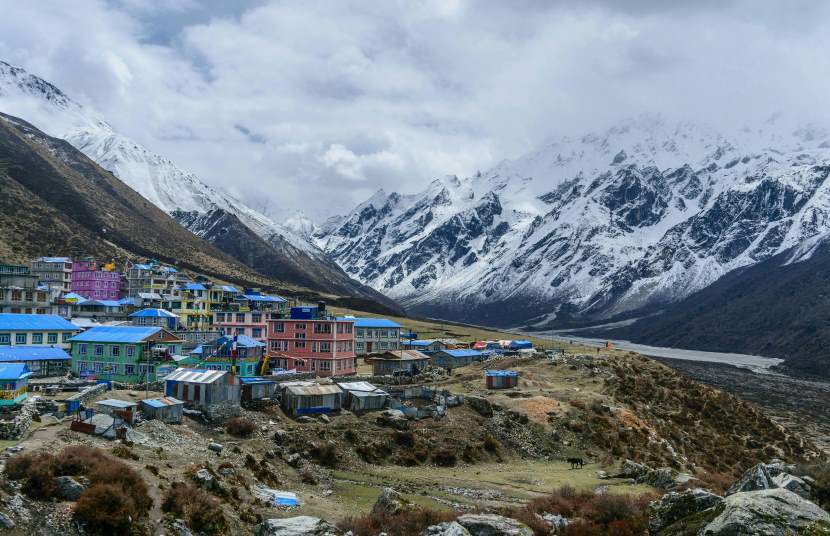
Strategic Infrastructure Modernization Mandated for Eastern Cape Tourism Hubs during SOPA 2026 in South Africa

Strategic Infrastructure Modernization Mandated for Eastern Cape Tourism Hubs during SOPA 2026 in South Africa
Strategic Infrastructure Enhancements Outlined for Eastern Cape Tourism Hubs.

During the delivery of the 2026 State of the Province Address, a comprehensive vision for the economic future of the region was articulated by Premier Oscar Mabuyane. A significant portion of the Eastern Cape Provincial Government agenda was dedicated to the revitalization of urban centers, with a specific focus on the role of Tourism Infrastructure Investment. It was asserted by the Premier that the long-term Economic Development Strategy of the province is heavily dependent on the capability of Metropolitan Municipalities to maintain and upgrade their local attractions. By focusing on these core areas, it is believed that a more resilient and diverse economy can be established for all residents of the province.

A Call for Action in Metropolitan Hubs

A direct appeal was made to the leadership of Buffalo City and Nelson Mandela Bay regarding the state of their public facilities. It was noted that the aesthetic and functional quality of beachfronts, parks, and heritage sites must be prioritized to ensure that international and domestic visitors are consistently attracted to the region. The necessity for these upgrades was framed not merely as a beautification project, but as a critical requirement for job creation and revenue generation. Concerns were raised regarding the current pace of maintenance, and a more aggressive approach to infrastructure management was encouraged by the provincial leadership.

Infrastructure as a Catalyst for Employment

The link between well-maintained public spaces and the growth of the hospitality sector was examined in detail during the address. It was argued that when roads, lighting, and security in tourism precincts are improved, private sector investment is naturally stimulated. New hotels, restaurants, and retail outlets are more likely to be established when the underlying municipal infrastructure is reliable. Through this synergy, thousands of sustainable jobs are expected to be created for the youth of the Eastern Cape. The importance of the blue economy and the untapped potential of the coastline were highlighted as areas where significant gains could be achieved if the right investments are made by the metros.

Enhancing the Visitor Experience

The visitor experience was identified as a key metric for success in the competitive global tourism market. It was suggested that the unique cultural and natural assets of the Eastern Cape must be supported by modern amenities. This includes the digitalization of tourism information, the improvement of public transport links to major landmarks, and the ensuring of safety within high-traffic zones. By creating a seamless and high-quality environment for travelers, the province can be positioned as a premier destination on the African continent. The responsibility for executing these improvements was placed firmly on the shoulders of the metropolitan councils, with an offer of provincial oversight and support.

Overcoming Operational Challenges

The challenges faced by local governments, including budgetary constraints and aging systems, were acknowledged during the speech. However, it was maintained that fiscal discipline and the reallocation of resources toward high-impact projects are essential. The collaborative efforts between different spheres of government were emphasized as the only way to overcome the hurdles of urban decay. It was stated that the degradation of infrastructure in key areas would no longer be tolerated, as it directly undermines the provincial goal of poverty alleviation and economic transformation. A plea for transparency and efficiency in the procurement of construction and maintenance services was also voiced.

Strategic Partnerships and Future Outlook

The role of the private sector and community stakeholders was also brought into focus. It was suggested that public-private partnerships could be utilized to bridge the funding gap for large-scale tourism projects. By engaging with business chambers and local tourism boards, the metropolitan municipalities can ensure that their investment strategies are aligned with the needs of the industry. The long-term outlook for the Eastern Cape was described as optimistic, provided that the foundational work of infrastructure repair is addressed with urgency. The commitment of the provincial administration to monitor the progress of these initiatives was reaffirmed, ensuring that the promises made during the address are translated into tangible results on the ground.

Strengthening the Provincial Brand

The reputation of the Eastern Cape as the Home of Legends was highlighted as a brand that must be protected and enhanced. It was argued that the physical condition of the province speaks volumes to the world about its governance and its readiness for business. Therefore, the modernization of airports, coastal roads, and historical monuments was seen as a vital component of brand management. A sense of provincial pride was invoked, and the metros were urged to lead the way in showcasing the best of what the region has to offer. The integration of tourism into the broader industrial and agricultural development plans was also discussed, showing a holistic approach to regional prosperity.

Conclusion and Implementation

In closing, the urgency of the current economic climate was emphasized. It was made clear that the time for planning has passed and the era of implementation has arrived. The expectations of the citizenry for better services and more opportunities were acknowledged. The focus on tourism infrastructure was presented as a pragmatic and effective way to stimulate growth in the short term while building a legacy for future generations. The leadership of the Eastern Cape remains dedicated to the pursuit of excellence in all sectors, with a firm belief that the province is on the cusp of a significant economic breakthrough if the metropolitan areas rise to the challenge.

The post Strategic Infrastructure Modernization Mandated for Eastern Cape Tourism Hubs during SOPA 2026 in South Africa appeared first on Travel And Tour World.

The Evolution of Ladakh Tourism through the Zoji La Tunnel and Enhanced Air Connectivity on Year-Round Regional Access

The Evolution of Ladakh Tourism through the Zoji La Tunnel and Enhanced Air Connectivity on Year-Round Regional Access
How the Zoji La Tunnel is Revolutionizing Access to Ladakh.

For decades, the high-altitude terrain of Ladakh has been characterized by its seasonal isolation. However, a significant transformation is being spearheaded by the development of the Zoji La Tunnel. This massive engineering project is designed to bridge the gap between the Kashmir Valley and Ladakh, ensuring that the region remains accessible even during the harshest winter months. By overcoming the formidable challenges posed by the Zoji La Pass, which is frequently closed due to heavy snowfall, the tunnel is expected to serve as a lifeline for both locals and travelers. The traditional barriers to Ladakh tourism are being dismantled, allowing for a steady flow of visitors throughout the year.

Strategic Infrastructure and Economic Growth

The construction of the tunnel is not merely a feat of engineering but a cornerstone of strategic infrastructure. It is observed that the connectivity provided by this project will drastically reduce travel time, making the journey safer and more efficient. As a result, the local economy is anticipated to witness a substantial surge. Small businesses, hospitality services, and local artisans are positioned to benefit from a consistent influx of tourists. The dependence on a short summer window for revenue is being replaced by a more stable, year-round economic model. The region’s potential is being unlocked through these deliberate and structured enhancements to the transport network.

Enhancing Air Links and Regional Connectivity

In addition to the ground-level developments, significant improvements are being made to air connectivity. The expansion of the Kargil regional airport is being prioritized to facilitate larger aircraft and more frequent flights. This move is intended to complement the road access provided by the Zoji La Tunnel, offering multiple entry points for international and domestic travelers. It is believed that by diversifying the modes of transport, the pressure on the existing Leh airport can be mitigated. Enhanced flight schedules and improved airport facilities are being integrated into the broader vision of making Ladakh a globally competitive destination.

The Shift Toward Winter Tourism

With the assurance of all-weather connectivity, a new era of winter tourism is being ushered in. Travelers are now being encouraged to explore the ethereal beauty of Ladakh’s frozen landscapes, which were previously unreachable for many. Activities such as the Chadar Trek, ice hockey, and winter festivals are being promoted with renewed vigor. The narrative of Ladakh as a summer-only retreat is being rewritten to include the majestic, snow-covered vistas of the winter season. This shift is expected to distribute the tourist footprint more evenly across the calendar, reducing the environmental strain often associated with peak-season crowds.

Commitment to Sustainable Travel and Preservation

As the region becomes more accessible, a strong emphasis is being placed on sustainable travel. The delicate ecosystem of the Himalayas is being protected through stringent regulations and the promotion of eco-friendly practices. It is emphasized by authorities that tourism growth must not come at the cost of environmental degradation. Passive measures are being implemented to ensure that the influx of visitors is managed responsibly. Local communities are being involved in the decision-making process, ensuring that the cultural heritage of Ladakh remains intact while the infrastructure modernizes.

Strengthening Internal Road Networks

Beyond the main artery of the Zoji La Tunnel, internal roads within Ladakh are also being upgraded. Remote villages and hidden valleys are being linked to the main hubs, allowing for a more comprehensive exploration of the region. The Border Roads Organization (BRO) is recognized for its relentless efforts in maintaining and expanding these routes under extreme conditions. These improvements are vital for ensuring that the benefits of tourism are distributed to the furthest corners of the territory. The connectivity within the region is being harmonized to provide a seamless experience for those seeking adventure and tranquility alike.

Impact on Local Livelihoods and Employment

The evolution of the transport sector is directly linked to the creation of employment opportunities for the youth of Ladakh. Vocational training in hospitality and tour management is being provided to align the local workforce with global standards. It is noted that the stability offered by year-round tourism allows for long-term career planning within the region. The migration of workers to other states during the winter months is expected to decrease as local opportunities become more sustainable. The social fabric of the region is being strengthened by the economic empowerment of its residents.

Future Prospects and Global Positioning

The long-term vision for Ladakh involves its positioning as a premier destination on the global tourism map. The synergy between the Zoji La Tunnel and improved air links is creating a robust foundation for this ambition. Investment in luxury stays, wellness centers, and adventure sports facilities is being invited to cater to a diverse demographic of travelers. The unique cultural identity of Ladakh, combined with state-of-the-art access, is being marketed to high-end travelers and backpackers alike. It is envisioned that the region will eventually become a model for high-altitude tourism management worldwide.

Conclusion: A Connected Future

The isolation of Ladakh is being relegated to the past through the completion of major infrastructure projects and the enhancement of aerial corridors. The Zoji La Tunnel stands as a symbol of progress, ensuring that the flames of commerce and tourism are kept burning throughout the winter. Through careful planning and a focus on sustainability, the region is being prepared for a future where accessibility and conservation coexist. The journey to the Land of High Passes is being made safer, shorter, and available to all, regardless of the season.

The post The Evolution of Ladakh Tourism through the Zoji La Tunnel and Enhanced Air Connectivity on Year-Round Regional Access appeared first on Travel And Tour World.

Indian Army Rescues Over 1,200 Stranded Tourists Near Sikkim’s Tsomgo Lake Following Massive Snowfall

Indian Army Rescues Over 1,200 Stranded Tourists Near Sikkim’s Tsomgo Lake Following Massive Snowfall
Massive Rescue Operation Conducted by Indian Army Near Tsomgo Lake.

A significant weather event was experienced in the high-altitude regions of the Eastern Himalayas, leading to a major humanitarian relief effort. The Sikkim snowfall occurred with unexpected intensity, resulting in the total obstruction of primary transport routes. It was reported that the Tsomgo Lake area, a popular destination for visitors, was blanketed by thick layers of snow within a very short duration. This atmospheric shift was centered around the Nathu La mountain pass, which serves as a vital corridor in the region. Because the weather conditions deteriorated so rapidly, hundreds of individuals found themselves caught in a precarious situation. The tourist rescue mission was necessitated by the sheer volume of snow that rendered vehicular movement impossible. It was observed that the natural beauty of the region quickly transitioned into a logistical challenge as the Indian Army was called upon to intervene.

The Scale of the Vehicular Entrapment

The magnitude of the crisis was realized when it was confirmed that exactly 541 vehicles had been immobilized along the rugged mountainous terrain. These vehicles were positioned at various points along the road connecting the state capital to the border regions. Because the frozen precipitation accumulated so quickly, the engines and tires of the transport units were rendered ineffective against the slick and rising snowbanks. A total of 1,217 tourists were identified as being trapped within these vehicles as the temperatures began to plummet. The predicament was exacerbated by the thin air at high altitudes, which often complicates physical exertion and mechanical operations. A coordinated response was immediately formulated by the military units stationed nearby to ensure that no casualties occurred during the cold snap. Every individual, including elderly travelers and young children, was accounted for as the primary focus was shifted toward immediate safety and stabilization.

Implementation of Emergency Shelters and Support

Once the severity of the situation was assessed, the provision of basic necessities was prioritized by the local military garrisons. It was ensured that temporary housing was made available to those who could not be immediately transported back to the city of Gangtok. Large numbers of travelers were moved into army barracks and transit camps where warmth could be maintained. Hot meals and beverages were prepared and distributed systematically to combat the effects of hypothermia and exhaustion. Furthermore, the psychological well-being of the stranded visitors was addressed through constant communication and reassurance by the personnel on duty. The hospitality provided by the armed forces served as a critical lifeline during the overnight hours when the external environment remained hostile. No person was left without a blanket or a secure place to rest while the storm continued to impact the surrounding landscape.

Medical Interventions and Health Assessments

Because the incident occurred at such a significant elevation, medical complications related to the cold and altitude were anticipated. A dedicated team of military doctors and nursing assistants was deployed to conduct health screenings for all rescued individuals. It was noted that several tourists exhibited signs of altitude sickness and respiratory distress due to the thinning oxygen levels and freezing air. Specialized medical equipment and emergency oxygen supplies were utilized to stabilize those in critical need. Each tourist was monitored closely, and personalized care was administered based on the severity of their symptoms. The rapid response of the medical units prevented the escalation of minor health issues into serious emergencies. These interventions were conducted within the safety of the army installations, providing a controlled environment away from the biting winds of the mountain passes.

Logistical Challenges in Snow Clearance Operations

While the human element of the crisis was being managed, the physical task of clearing the Himalayan roadways was initiated. Heavy machinery, including snowplows and earthmovers, was mobilized by the technical wings of the military. The process of removing several feet of snow from the narrow, winding roads was described as a grueling endeavor. Because the ice had hardened in many sections, manual labor was also required to supplement the work of the machines. The goal was to create a safe passage for the 541 vehicles that remained stuck in the drifts. Coordination between different units was maintained throughout the night to ensure that the path toward Gangtok was reopened as quickly as possible. Every meter of the road had to be inspected for stability and safety before any vehicular movement was permitted to resume.

Coordination with Local Authorities and Final Evacuation

The entire operation was conducted in close communication with the local administration and the Sikkim Police. Information regarding the safety of the tourists was relayed to their concerned family members and the respective state departments. As the weather conditions showed signs of stabilization, a phased evacuation plan was executed. The tourists were organized into groups to ensure an orderly departure from the military camps. Assistance was provided to the drivers of the stranded vehicles to help them restart their engines and navigate the cleared paths. By the conclusion of the mission, all 1,217 individuals were successfully moved to safer locations. The efficiency of the operation was highlighted as a testament to the preparedness of the forces stationed in the border regions. The successful resolution of the event ensured that a potential tragedy was averted through systemic and compassionate action.

The post Indian Army Rescues Over 1,200 Stranded Tourists Near Sikkim’s Tsomgo Lake Following Massive Snowfall appeared first on Travel And Tour World.

Emirates Propels Mauritian Tourism to New Heights with Milestone Million-Visitor Reach

Emirates Propels Mauritian Tourism to New Heights with Milestone Million-Visitor Reach
The Evolution of Connectivity: How Emirates Transformed Mauritius Travel.

A remarkable chapter in the history of Indian Ocean travel has been written as Emirates continues to drive significant tourism demand for Mauritius. Since the commencement of operations to this tropical destination, a monumental milestone has been surpassed with more than one million visitors being transported to the island. This achievement is viewed as a testament to the enduring partnership between the airline and the nation. From the moment the first flight touched down at Sir Seewoosagur Ramgoolam International Airport, a commitment to enhancing global connectivity was established. This narrative of growth is not merely about numbers but reflects the systematic expansion of aviation milestones that have reshaped the local economy.

A Legacy of Consistent Growth and Connectivity

The journey began decades ago when the vision for a connected Mauritius was first conceptualized. It was recognized early on that for a remote island nation to thrive, reliable and high-frequency air links were essential. Throughout the years, the frequency of flights was steadily increased to meet the rising interest from international markets. What started as a modest service was eventually transformed into a double-daily operation, utilizing the iconic flagship aircraft that has become synonymous with long-haul luxury. This consistent presence has ensured that the island remains a top-of-mind destination for travelers from Europe, the Middle East, and Asia.

The strategic importance of the hub in Dubai cannot be overstated in this context. By funneling passengers from over 140 destinations through a single point of transit, the island was made accessible to corners of the globe that were previously difficult to reach. This network effect has allowed for a diverse demographic of visitors, ranging from honeymooners to business delegates, to experience the unique cultural and natural offerings of the region.

The Impact of Flagship Aircraft Operations

A turning point in the volume of passenger traffic was observed when the Airbus A380 was introduced to the route. The deployment of such a large-capacity aircraft was a clear signal of confidence in the Mauritian market. By providing hundreds of seats on a daily basis, the constraints of air travel capacity were effectively removed. The spacious cabins and world-class service provided by the carrier were utilized to attract high-value tourists who contribute significantly to the national GDP.

The passive observation of these trends suggests that the sheer scale of the A380 operations helped stabilize the tourism sector even during periods of global economic fluctuation. Because the aircraft offers multiple classes of service, a broad spectrum of the traveling public was accommodated, ensuring that the luxury resorts and the local guesthouses alike benefited from a steady stream of arrivals.

Strengthening Ties with the Mauritius Tourism Promotion Authority

The success reported in recent data is also attributed to the close collaboration with the Mauritius Tourism Promotion Authority (MTPA). Joint marketing campaigns were frequently launched to showcase the turquoise waters, lush landscapes, and diverse culinary heritage of the island. These initiatives were designed to ensure that the destination remained competitive against other Indian Ocean rivals.

By aligning the airline’s marketing machinery with the strategic goals of the local government, a unified message was delivered to the global stage. This synergy ensured that the promotion of the island was not limited to seasonal peaks but was maintained throughout the year. The Memorandum of Understanding signed between the parties has been renewed periodically, serving as a framework for continued investment in promotional activities and trade fairs across the world.

Economic Contributions Beyond the Airport Gates

While the statistics focus heavily on passenger numbers, the ripple effects on the local economy are profound. The influx of over one million visitors has necessitated the expansion of the hospitality sector, leading to the creation of thousands of jobs for Mauritian citizens. From hotel staff to tour operators and local artisans, the benefits of sustained air connectivity are felt across various strata of society.

Furthermore, the belly-hold capacity of the passenger flights has been utilized by Emirates SkyCargo to facilitate trade. Perishable goods, such as fresh seafood and tropical fruits, are regularly exported to international markets, while essential commodities are brought into the country. This dual role of the airline as both a passenger carrier and a facilitator of trade has solidified its position as a vital pillar of the national infrastructure.

Future Perspectives and Sustainable Expansion

As the milestone of one million visitors is celebrated, the focus is already shifting toward the future. Plans are being evaluated to further enhance the travel experience and to integrate more sustainable practices into the operations. The commitment to the region is viewed as a long-term investment that transcends simple profit margins.

The evolution of the travel industry post-pandemic has shown that travelers are seeking safety, reliability, and premium service. It is expected that the demand for Mauritius will continue to grow as new markets are explored. The ongoing modernization of the fleet and the continuous refinement of the onboard product are expected to play a crucial role in maintaining the island’s status as a premier global destination.

In conclusion, the achievement of transporting a million visitors is a reflection of a deep-seated relationship based on mutual growth and respect. The skies over the Indian Ocean remain a busy corridor of opportunity, and the narrative of this partnership is expected to continue for many years to come.

The post Emirates Propels Mauritian Tourism to New Heights with Milestone Million-Visitor Reach appeared first on Travel And Tour World.
❌