Reading view

Pixel users facing significant battery drain after March 2026 update

Google has now acknowledged a battery drain issue affecting Pixel phones after the March 2026 update, and it’s been frustrating quite a few users.

Reports started showing up not long after the update rolled out. People noticed their phones losing charge much faster than usual, sometimes even when the device was just sitting idle. For many, what used to be an easy full-day battery is now barely getting through half a day.

Most of the complaints have been popping up on forums like Reddit, where users describe overnight battery drops or phones struggling with fairly normal usage. Some have tried the usual fixes, turning on battery saver, adjusting settings, even installing the April patch, but for a lot of people, nothing really seems to help.

A fix is underway

Google has since listed the issue on its Issue Tracker and marked it as a P1 priority, which usually means it’s being treated as urgent.

From what’s been shared so far, one possible cause is that affected devices aren’t properly entering Deep Doze mode after the update. That’s the system that’s supposed to limit background activity when the phone isn’t in use. If it doesn’t kick in as it should, the phone just keeps doing more than it needs to in the background, and the battery takes the hit.

To get a sense of how widespread this might be, Android Authority ran a reader poll. Around 75.9% of respondents said they noticed increased battery drain after a recent update, while about 15% said nothing really changed. It’s not a perfect measure, but combined with all the reports online, it does suggest this isn’t just a small batch of affected users.

The issue doesn’t seem limited to one model either. Reports mention everything from older Pixel 7 units to newer Pixel 10 devices.

For now, Google says it’s investigating, but there’s no confirmed fix or timeline yet. Most likely, any proper solution will arrive through a future update.

In the meantime, some users are trying temporary workarounds like switching network modes or limiting background activity. Results are mixed, though.

Don’t miss a thing! Join our Telegram community for instant updates and grab our free daily newsletter for the best tech stories!

For more daily updates, please visit our News Section.

(Sources: 1, 2)

The post Pixel users facing significant battery drain after March 2026 update appeared first on Gizmochina.


DJI Mic Mini 2S teased: 4 transmitters with internal recording support

DJI had quite a bit going on with its latest announcements, but while the Mic Mini 2 grabbed most of the attention, there was also a quiet tease of something more interesting in the background, the Mic Mini 2S.

The Mic Mini 2 has already been listed with complete specifications and pricing, and it’s clearly aimed at everyday creators. Now the Mic Mini 2S is teased, and it looks like it’s meant for a different crowd. DJI hasn’t shared everything yet, but from what’s been hinted so far, this is the version for people who need a bit more flexibility, especially when things get slightly more complex than a one-person setup.

One of the bigger changes is the multi-transmitter support. The Mic Mini 2S is said to use a four-transmitter, one-receiver setup, which basically means you can run up to four mics through a single receiver. For things like panel discussions or group shoots, that could make life a lot easier. No need to juggle multiple receivers or patch things together.

Then there’s internal recording, which wasn’t included in the Mic Mini. Each transmitter of the 2S can record audio on its own, using built-in storage. It’s one of those features you don’t think much about until something goes wrong. A signal drop, interference, or just moving out of range, it happens. Having that backup running in the background can save an entire take.

Put those together, and the 2S feels like DJI addressing the usual weak spots with wireless audio. Managing multiple people and making sure you don’t lose audio if the connection isn’t perfect.

Pricing is expected to land above 1,000 yuan, so it’s clearly positioned above the standard model. There’s no full spec sheet yet, and DJI hasn’t confirmed a release timeline either. But from this early look, the direction is pretty clear. The Mic Mini 2S isn’t trying to replace the Mini 2, it’s building on it for users who need something a bit more dependable.

Don’t miss a thing! Join our Telegram community for instant updates and grab our free daily newsletter for the best tech stories!

For more daily updates, please visit our News Section.

The post DJI Mic Mini 2S teased: 4 transmitters with internal recording support appeared first on Gizmochina.

Vivo X300 FE surfaces in hands-on image with Zeiss G2 teleconverter

“Fan Edition” phones usually follow a pretty predictable formula. You get something that looks like the flagship, but with a few compromises under the hood to keep the price in check. The Vivo X300 FE, at least based on early leaks, doesn’t seem to be going that route.

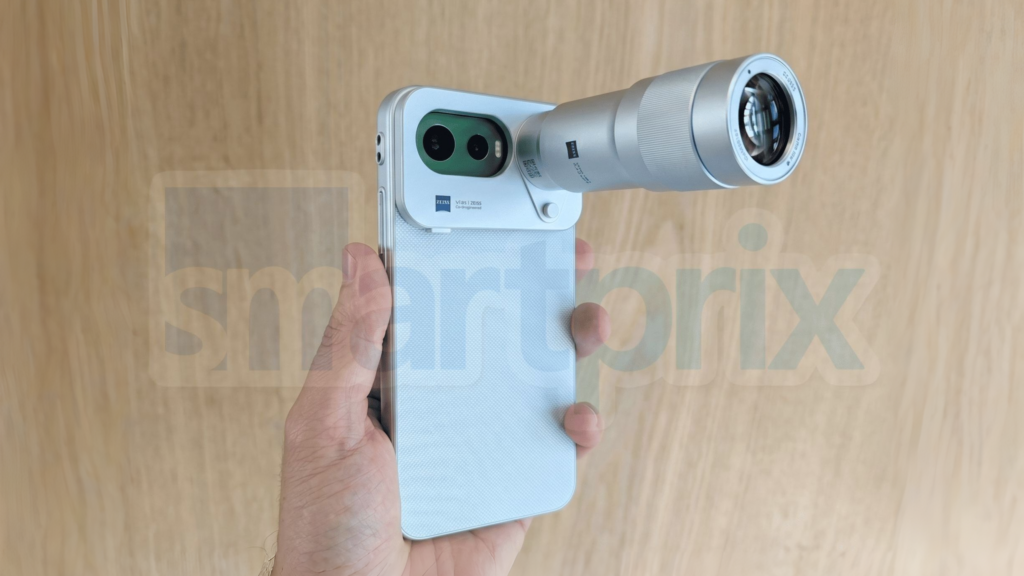
Fresh images shared by tipster Yogesh Brar give us a first look at the device, and there’s one thing that immediately stands out. Not just the phone, but what you can attach to it.

The X300 FE appears to support the external Zeiss G2 lens attachment, similar to what Vivo has done on its higher-end models. The images show the phone alongside a dedicated case and a clip-on lens, which locks onto the camera module at the back. It’s a bit unusual for something positioned as an FE model. Usually, this kind of modular camera setup is reserved for the more expensive variants.

The phone shown is in a green finish, which is said to be exclusive to India. There are also expected to be Purple and Black options, but the green one definitely stands out a bit more.

On paper, the hardware doesn’t look toned down either. The phone is tipped to run on the Snapdragon 8 Gen 5, which would make it the first FE model from Vivo to use a Qualcomm flagship chip. Up front, there’s a 6.31-inch LTPO AMOLED display with 1.5K resolution and a 120Hz refresh rate.

The camera setup includes a 50MP main sensor, an 8MP ultra-wide, and a 50MP telephoto with 3x optical zoom. Not the most extreme setup, but still pretty solid for this segment.

Battery-wise, it’s expected to pack a 6,500mAh unit with 90W fast charging. On the software side, it should ship with OriginOS 6 out of the box.

Launch timeline

Vivo has already locked in the launch date for India. The X300 FE is set to be announced on May 7, alongside the X300 Ultra, with sales expected to begin from May 14.

Don’t miss a thing! Join our Telegram community for instant updates and grab our free daily newsletter for the best tech stories!

For more daily updates, please visit our News Section.

(Sources: 1, 2)

The post Vivo X300 FE surfaces in hands-on image with Zeiss G2 teleconverter appeared first on Gizmochina.

DJI Mic Mini 2 listing reveals interesting design, swappable magnetic faceplates

About a week ahead of its teased global reveal, the DJI Mic Mini 2 briefly appeared on DJI’s China website, revealing full details. The listing has since been taken down, so this isn’t an official global launch just yet. Still, the information is already out there, and it gives us a pretty clear look at what DJI is preparing.

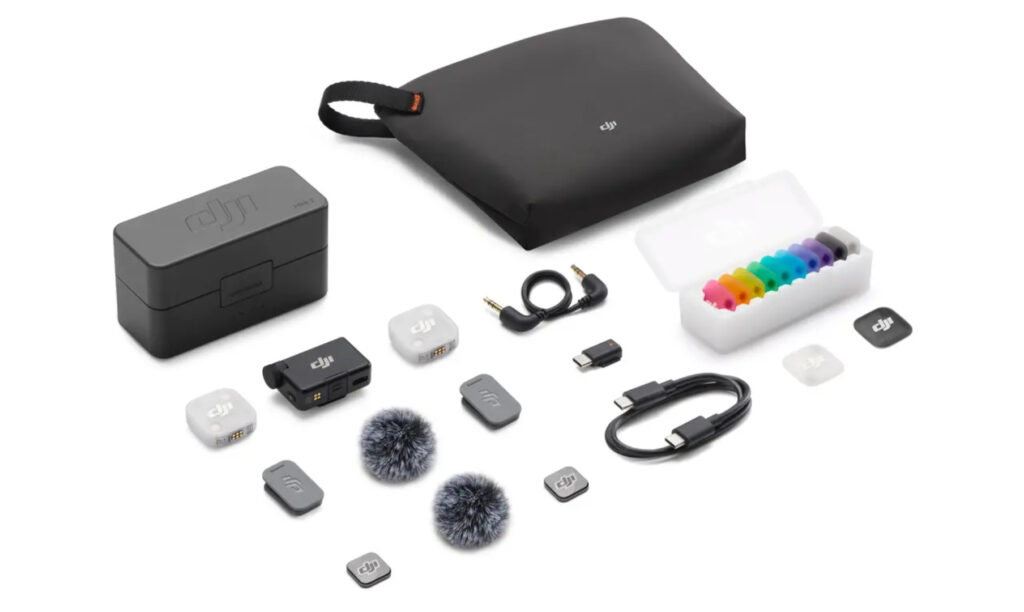
Most bundles include a black and white faceplate by default, while the top-end kit gets the full set. It’s a small change, but it makes the mic a bit more fun to use on camera.

You get 48 kHz 24-bit recording, automatic anti-clipping, and basic noise cancellation with two levels. Battery life also looks similar, around 11.5 hours for the transmitter and 10.5 hours for the receiver, with up to 48 hours total when using the charging case.

There are three voice tone presets: Normal, Bright, and Rich. It’s a simple feature, but useful if you want to tweak how your voice sounds without editing later. It also supports 32-bit floating-point internal recording.

Pricing and availability:

Based on the now-removed listing, the Mic Mini 2 starts at CNY 179 (around $26) for just the transmitter. From there, it goes up to CNY 329 (~$48) for a basic transmitter and receiver combo, or the same price if you opt for a transmitter with a charging case instead. A more complete bundle with a charging case, one receiver, and two transmitters is listed at CNY 429 (~$63).

Going further up, configurations with additional transmitters are priced at CNY 599 (~$88) and CNY 698 (~$103). As for accessories, windscreens and magnetic faceplates are listed at CNY 99 (~$15), while special edition versions of the faceplates go for CNY 199 (~$29).

One thing that’s a bit uncertain is availability in the US. A version of the Mic Mini 2 had shown up in FCC filings earlier this year, but those listings have since disappeared. That’s similar to what happened with the Osmo Pocket 4, which didn’t launch in the US right away. So for now, it’s not clear if or when this one will make it there.

Don’t miss a thing! Join our Telegram community for instant updates and grab our free daily newsletter for the best tech stories!

For more daily updates, please visit our News Section.

The post DJI Mic Mini 2 listing reveals interesting design, swappable magnetic faceplates appeared first on Gizmochina.

Motorola Edge 70 Pro+ renders reveal color options, camera details

Motorola is getting ready to expand the Edge 70 lineup with the Pro and Pro+ models. Detailed renders of the Edge 70 Pro+ have now surfaced, courtesy of Evan Blass. While the overall design doesn’t change much, a few details stand out on closer look.

At first glance, it’s familiar territory. Curved edges on the display, a square-ish camera module, and the same general shape Motorola has been sticking with. Nothing surprising there. What does stand out is the finish.

The Edge 70 Pro+ is tipped to come in five colors, white, turquoise, dark blue, red, and brown, and they’re not just different shades. Each version seems to have a different material or texture. The blue and turquoise options look like they use a fabric back, while the white one has a marble-style finish. The brown variant, interestingly, leans into a wood-like texture.

On the camera side, the renders reveal a couple of key details. There’s an ultra-wide lens with a 12 mm equivalent focal length, along with a telephoto lens at 81 mm, which works out to roughly 3.5x optical zoom.

Specs for the Pro+ aren’t fully out yet, but the Edge 70 Pro gives a rough idea of what to expect. That model is said to use a Dimensity 8500 Extreme chip, paired with a 6.8-inch 144 Hz AMOLED display. As for imaging, it’s expected to include a “3-in-1 light sensor”, along with a 50MP Sony LYT710 primary camera and a 50MP ultra-wide.

Motorola is also sticking with its usual software promise: three Android updates and five years of security patches. Decent, though still a step behind some of the competition.

While the Pro model is set to launch in India on April 22, 2026, there’s still no word on the Pro+. However, with official-looking renders already out there, it probably won’t stay quiet for long.

Don’t miss a thing! Join our Telegram community for instant updates and grab our free daily newsletter for the best tech stories!

For more daily updates, please visit our News Section.

(Source)

The post Motorola Edge 70 Pro+ renders reveal color options, camera details appeared first on Gizmochina.

iPhone 18 tipped to bring downgrades to keep costs low

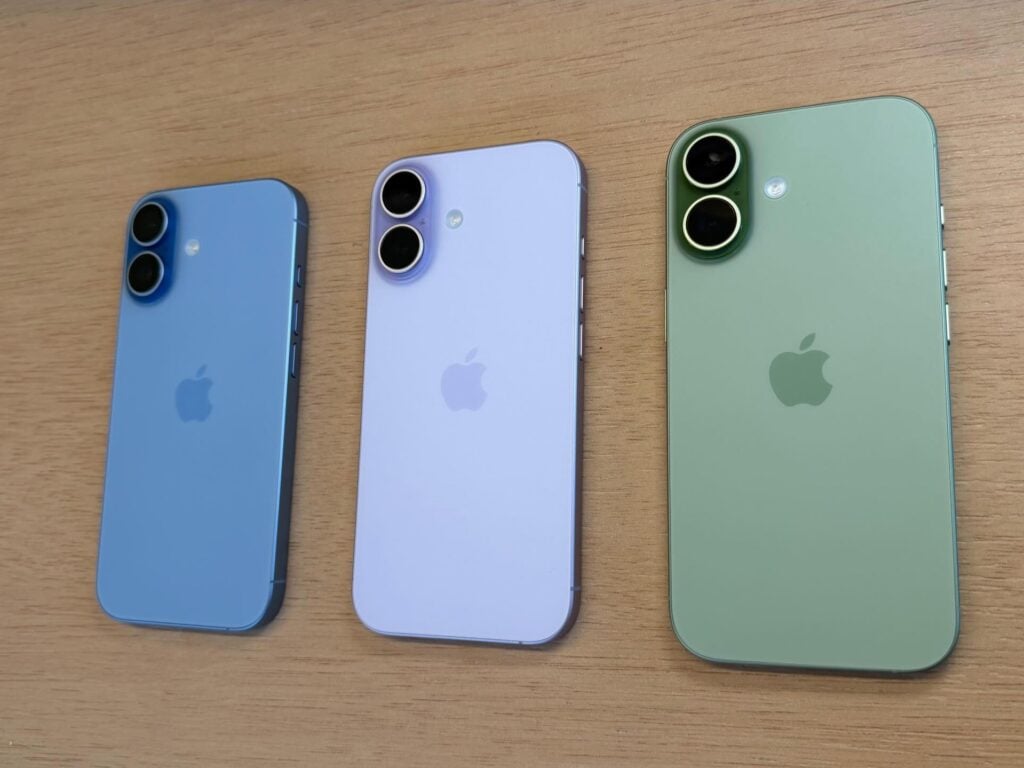
Apple might be rethinking how it handles its base iPhone next time around. A new leak suggests the standard iPhone 18 could arrive with a few compromises to keep costs under control.

The regular iPhone 18 and the more affordable iPhone 18e may not show up until spring 2027. Instead, Apple is expected to use its usual September event to focus on the higher-end models, likely the iPhone 18 Pro, Pro Max, and maybe even a foldable or “Ultra” variant if those plans hold. If that happens, it would be the first time in a while that Apple splits its iPhone launch this way.

The reasoning comes down to costs. Memory prices have been climbing due to the ongoing DRAM situation, and Apple is reportedly looking at ways to offset that. According to tipster Fixed Focus Digital, one approach seems to be bringing the standard iPhone closer to the “e” model in terms of hardware and production.

Exactly what gets cut isn’t fully clear yet, but a few possibilities have been mentioned. For context, the current iPhone 17 stands out from the 17e with things like a 120Hz OLED panel, an extra ultra-wide camera, and Dynamic Island.

Going back to 60Hz doesn’t sound likely, but some of the newer additions could be on the chopping block. That might include the dedicated camera button, a slightly toned-down chipset (with fewer GPU cores), the upgraded front camera, and faster wireless charging.

None of this is confirmed, of course. Apple’s plans tend to shift quite a bit before launch, and early leaks don’t always land exactly right. Still, the overall direction is interesting. It looks like Apple could be trying to draw a clearer line between its standard and Pro models. Whether that ends up feeling like a smart trade-off or a step back will depend on how much actually gets cut.

Don’t miss a thing! Join our Telegram community for instant updates and grab our free daily newsletter for the best tech stories!

For more daily updates, please visit our News Section.

(Source: Fixed Focus Digital on Weibo | Image)

The post iPhone 18 tipped to bring downgrades to keep costs low appeared first on Gizmochina.

Insta360 Mic Pro showcased with customizable E-Ink display, 3-mic setup with AI noise reduction

Insta360 has teased a new wireless mic, and it’s not exactly trying to stay low-key. The company showed off the Insta360 Mic Pro at NAB Show 2026 in Las Vegas, and it looks like it’s going in a very different direction compared to last year’s Mic Air. This one leans more into personality, not just pure function.

Insta360 Mic Pro (Image credit: Notebookcheck)

The first thing that stands out is the design. Each transmitter has a round color E-Ink display on the front, which you can customize with pretty much anything, logos, text, emojis, even photos. It’s a small touch, but it changes how the mic shows up on camera.

Instead of trying to hide it, Insta360 is basically saying, make it part of the shot. Because it’s E-Ink, it doesn’t drain much battery and should stay visible even in bright conditions.

Underneath all that, it’s still meant to be a proper upgrade on the audio side. The Mic Pro uses a three-mic array along with AI-based noise reduction, powered by an onboard NPU. There’s also onboard recording built into the transmitter, which acts as a backup in case something goes wrong with the wireless feed. That’s pretty standard for pro-level mics now, but still important.

The Mic Pro supports direct connection to compatible Insta360 cameras, so in some cases you won’t even need a receiver. That should make things easier for quick shoots, especially if you’re using a gimbal or moving around a lot.

Insta360 Mic Air

Details like battery life, pricing, and full specs are still under wraps. Insta360 just says it’s coming later in 2026. But even from this early look, the Mic Pro feels like Insta360 trying to stand out in a category that’s starting to feel a bit predictable. Whether people actually want a customizable mic on camera is another question, but it’s definitely different.

(Source | Image)

The post Insta360 Mic Pro showcased with customizable E-Ink display, 3-mic setup with AI noise reduction appeared first on Gizmochina.

Sony’s mysterious “1000X The Collexion” leak points to anniversary upgrade

Not long after the WH-1000XM6 made its way to the market, a fresh leak hints at a premium edition model that could sit above it, possibly as a kind of anniversary release.

The leak comes via The Walkman Blog, which is usually pretty reliable with Sony-related stuff. According to the report, Sony briefly put up placeholder pages on its Australia and New Zealand websites for something called “1000X The Collexion.” The pages didn’t stay up for long, but long enough for a screenshot to surface.

Interestingly, the image description on the page mentioned a person wearing white “1000X The Collexion” headphones, suggesting at least one lighter color option. There are also talks of a black version, so Sony might be going for a more premium, minimal look here.

What really stands out is the model number: WH-1000XX. That naming is a bit unusual, and it’s what’s fueling speculation that this could be a 10-year anniversary edition of the 1000X series. Considering how important that lineup has been for Sony, it wouldn’t be surprising if they’re planning something a bit more polished than usual.

There’s also a teaser line tied to the listing, “Master the art of listening,” which, yeah, sounds like typical marketing, but it does hint at some kind of upgrade beyond what the XM6 already offers. Could be better drivers, tuning tweaks, or even something new on the processing side, but nothing concrete yet.

Pricing, however, does give us a clue about positioning. The leak points to around €630, which clearly puts it in proper flagship territory, above the current XM6 pricing. So this isn’t just a cosmetic refresh.

Sony is expected to announce it on May 19, so we probably won’t have to wait too long to see what this actually is. For now, though, “The Collexion” looks like Sony experimenting a bit with its most successful headphone series, possibly marking a milestone while also pushing things forward.

Don’t miss a thing! Join our Telegram community for instant updates and grab our free daily newsletter for the best tech stories!

For more daily updates, please visit our News Section.

(Source)

The post Sony’s mysterious “1000X The Collexion” leak points to anniversary upgrade appeared first on Gizmochina.

WhatsApp Plus subscription tier officially in testing

Meta has confirmed it’s testing a new paid subscription for WhatsApp, and it’s called WhatsApp Plus. This is a bit of a shift for the platform. WhatsApp has mostly stayed free for everyday features, only slowly adding things like themes and small customization tools over time. Now, it looks like Meta is ready to see if users are willing to pay for a more personalized experience.

From what the company says, WhatsApp Plus isn’t about locking core features behind a paywall. Messaging, calls, groups, all of that stays free. Instead, this is more of an add-on for people who want extra control over how the app looks and behaves. The early feature list reflects that.

WhatsApp Plus: more personalization and organization

Users on the Plus tier can pin a lot more chats, up to 20 instead of the usual three, which alone might be useful for anyone juggling work, family, and group chats at the same time. There’s also support for custom lists, where you can group chats together and apply things like notification settings, ringtones, or themes in one go.

On the cosmetic side, Meta is adding more chat themes, extra color options, and even custom ringtones for specific contacts. There’s also talk of things like custom app icons and other small visual tweaks.

Some beta reports, including from WABetaInfo, suggest this is just the start. Features like exclusive stickers, possibly with effects, and more interactive reactions could show up later if the test goes well.

Right now, though, this is still a limited rollout. Meta says it’s mainly trying to figure out whether people actually find value in these extras. There’s no official launch timeline yet, and pricing isn’t locked either, although early testing has pointed to something around €2.49 per month in a few regions.

The bigger picture here is pretty clear. Meta has been looking for ways to make money from WhatsApp without stuffing it with ads or breaking what people already like about it. A subscription layer like this is a relatively safe way to do that.

It also brings WhatsApp a bit closer to Telegram, which has had deeper customization options for years and has leaned more into power-user features. WhatsApp has been catching up slowly, and this feels like the next step.

Don’t miss a thing! Join our Telegram community for instant updates and grab our free daily newsletter for the best tech stories!

For more daily updates, please visit our News Section.

(Source | Image)

The post WhatsApp Plus subscription tier officially in testing appeared first on Gizmochina.

Galaxy S27 Ultra rumored to debut Samsung’s Si-C battery

Samsung might finally be getting serious about fixing one of its biggest weak spots in the flagship space: battery tech. Fresh leaks suggest the company is making real progress on silicon-carbon (Si-C) batteries, and the Galaxy S27 Ultra is now being tipped as the phone where this upgrade could actually show up.

For a while now, Samsung has been trailing behind a few Chinese brands that have already moved to Si-C cells. The advantage is higher energy density, meaning you can fit more capacity without making the phone thicker. In comparison, the Galaxy S26 Ultra is still stuck with a 5,000mAh battery.

New details, reportedly from Samsung SDI documents shared via the Schrodingerintel blog, give a clearer picture of what’s being tested internally. The company has apparently been experimenting with silicon-carbon batteries ranging from 12,000mAh all the way up to 20,000mAh.

One of the more interesting configurations mentioned is a dual-cell setup labeled SDI-DC12K-SiC-V2. It combines a 6,800mAh cell (around 4.7mm thick) with a 5,200mAh cell (about 3.2mm). The 6,800mAh cell or a similar version of it could realistically fit inside the Galaxy S27 Ultra without going overboard on thickness.

The bigger issue, though, seems to be longevity. The 20,000mAh setup reportedly managed around 960 charge cycles before failing. That’s quite a bit short of the ~1,500 cycles expected for commercial use. And that gap likely explains why we didn’t see this tech make it into the S26 series.

From what’s being said, Samsung engineers are now working on improving things like separator materials, stacking techniques, and battery management to get those numbers up to a usable level.

Interestingly, Samsung has already admitted it’s behind in battery tech. That alone kind of hints that a shift is coming sooner rather than later. If the South Korean giant manages to sort out the durability issues in time, the S27 Ultra could end up being a pretty big moment for Galaxy fans.

(Source)

The post Galaxy S27 Ultra rumored to debut Samsung’s Si-C battery appeared first on Gizmochina.

Huawei debuts MateBook 14 HarmonyOS Edition with first in-house PC chip, 70Wh battery, only 40W TDP

Huawei is clearly aiming for a younger crowd with its latest laptop, the MateBook 14 HarmonyOS Edition. At first glance, it’s the design that grabs attention. The laptop is slim (just 14.5mm) and light at around 1.33kg, but more importantly, it comes in colors you don’t usually see in this category—Wild Green, Cherry Blossom Pink Gold, and the safer Space Gray.

The Green and Pink versions even get round, color-matched keys, which give them a slightly quirky, lifestyle-device vibe, while the Gray sticks to a more conventional look.

Huawei has also tweaked the chassis with a new D-shell design and a surprisingly dense pattern of tiny air vents underneath, almost 5,000 of them. Typing should feel decent too, thanks to 1.5mm key travel.

You’re getting a 14.2-inch OLED panel with a sharp 2.8K resolution and a smooth 120Hz refresh rate. Add in full sRGB and P3 color coverage, 1.07 billion colors, and Huawei’s PaperMatte layer for reduced glare, and it’s clearly aimed at both content consumption and light creative work.

Under the hood, the laptop runs on Huawei’s Kirin X90 chip, paired with HarmonyOS 6.1. Performance-wise, it’s backed by a 40W TDP and a dual-fan cooling system, which should be enough for everyday productivity and multitasking. Battery life looks strong on paper too—a 70Wh battery rated for up to 21 hours of local video playback and 20 hours of streaming.

HarmonyOS itself brings a bunch of AI features like Celia Deep Research and note-taking tools, plus tighter ecosystem integration if you’re already using Huawei devices. There’s also support for Wi-Fi 7, Bluetooth 6.0, and Huawei’s NearLink tech, along with a full set of ports.

Pricing and availability:

Pricing starts at 6,599 yuan (equivalent to $967) and goes up to 8,599 yuan depending on the configuration, with sales starting from April 28 in the home country.

Don’t miss a thing! Join our Telegram community for instant updates and grab our free daily newsletter for the best tech stories!

For more daily updates, please visit our News Section.

The post Huawei debuts MateBook 14 HarmonyOS Edition with first in-house PC chip, 70Wh battery, only 40W TDP appeared first on Gizmochina.

Huawei Sound X5 debuts with eight-unit speaker setup, 126mm woofer, and 18K real gold

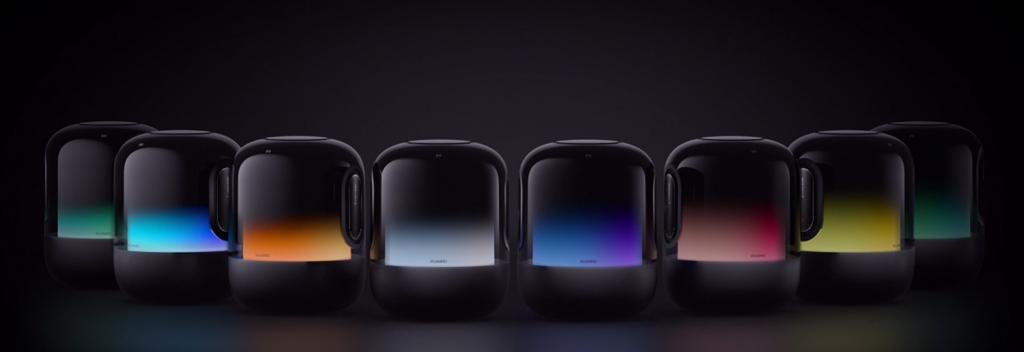
Huawei has introduced a new smart speaker as part of its latest launch event, and this one leans heavily on both sound quality and smart features. The Huawei Sound X5 was announced alongside the Pura 90 series and WATCH FIT 5 series, expanding the company’s growing ecosystem of connected devices.

At its core, the Sound X5 focuses on audio. Huawei is using an eight-unit, three-way speaker setup, consisting of a 126 mm woofer, four 48 mm midrange drivers, a 35 mm tweeter, and two passive radiators. The idea here is better separation across lows, mids, and highs. Huawei claims bass can go down to 36Hz, which should add a bit more depth compared to smaller speakers.

The rated output is around 160W, broken down into a 60W woofer, four 20W midrange drivers, and a 20W tweeter. For comparison, the Huawei Sound X4 featured a 50W 120.7mm woofer, four 38.1mm 5W full-range speakers, a 31.8mm 3W tweeter, and two passive radiators.

There’s also a push toward smarter interactions this time. The speaker runs on an updated HarmonyOS AI model, with support for more natural voice commands and continuous conversations. In theory, that means less rigid phrasing when you’re trying to control it.

Connectivity is also built around Huawei’s ecosystem. With HarmonyOS Smart Connect, the Sound X5 can link with other devices for things like quick audio sharing or basic smart home control. There are also smaller additions like gesture controls and a sleep mode.

Huawei has also included lighting effects that react to sound, adding a bit of visual feedback while music is playing. It’s not essential, but it does help the speaker stand out a little.

Pricing and availability:

It comes in black, white, and gold finishes, with pricing starting at 2,199 yuan. The gold version is priced slightly higher at 2,499 yuan, likely due to its passive radiator being plated with 18K gold. The product is currently available for purchase through the company’s official website in China.

Don’t miss a thing! Join our Telegram community for instant updates and grab our free daily newsletter for the best tech stories!

For more daily updates, please visit our News Section.

Huawei

The post Huawei Sound X5 debuts with eight-unit speaker setup, 126mm woofer, and 18K real gold appeared first on Gizmochina.

Huawei debuts WATCH FIT 5 series with 3000-nit AMOLED, 2.5D glass, up to 10-day battery

Huawei has officially launched the WATCH FIT 5 series, adding a new set of smartwatches to its lineup. The announcement came during the Pura series event, and as expected, the focus is on a mix of design, fitness features, and battery life rather than anything too experimental.

The WATCH FIT 5 Pro comes with a 1.92-inch LTPO AMOLED display with a resolution of 480 × 408. It’s surrounded by fairly slim 1.8mm bezels and protected with a 2.5D glass, which gives the watch a modern look overall. The display reaches up to 3000 nits, so visibility outdoors shouldn’t be much of a problem.

Just like last year’s WATCH Fit 4 Pro, the successor uses a titanium alloy bezel, and Huawei is pairing it with a woven strap that’s meant to feel lighter and more comfortable. Without the strap, the watch weighs 30.4 grams. Color options include White, Orange, and Black.

On the feature side, Huawei is leaning into shorter, more casual workouts. There are additions like “cycling assistant” and a golf mode. Health tracking includes ECG support and some form of blood sugar monitoring research, though how that works in practice will matter more than the feature list itself.

The list of sensors includes:

  • Accelerometer
  • Gyroscope sensor
  • Geomagnetic sensor
  • Ambient light sensor
  • Optical heart rate sensor
  • barometric pressure sensor
  • Temperature sensor
  • ECG sensor
  • Depth sensor

Battery life is fairly typical for this category. Huawei says the WATCH FIT 5 Pro can last up to 7 days of regular use, or around 10 days if you’re not pushing it too hard.

The standard WATCH FIT 5 gets a slightly smaller 1.82-inch AMOLED display, though it keeps the same resolution as the Pro and reaches up to 2500 nits brightness. It also includes most of the same sensors, just without ECG and the depth sensor. It comes in purple, green, white, and black, and is aimed at users who want a lighter watch at 27g, versus 30.4g for the Pro, without all the extra features.

Pricing and availability:

Pricing starts at 1099 yuan for the WATCH FIT 5 and 2099 yuan for the Pro. The standard model went up for pre-order on April 20 and goes on sale April 29, while the Pro opens for pre-orders on April 29 and will be available from May 15.

(WATCH FIT 5 | WATCH FIT 5 Pro)

The post Huawei debuts WATCH FIT 5 series with 3000-nit AMOLED, 2.5D glass, up to 10-day battery appeared first on Gizmochina.

Green line hits the Galaxy S26 Ultra

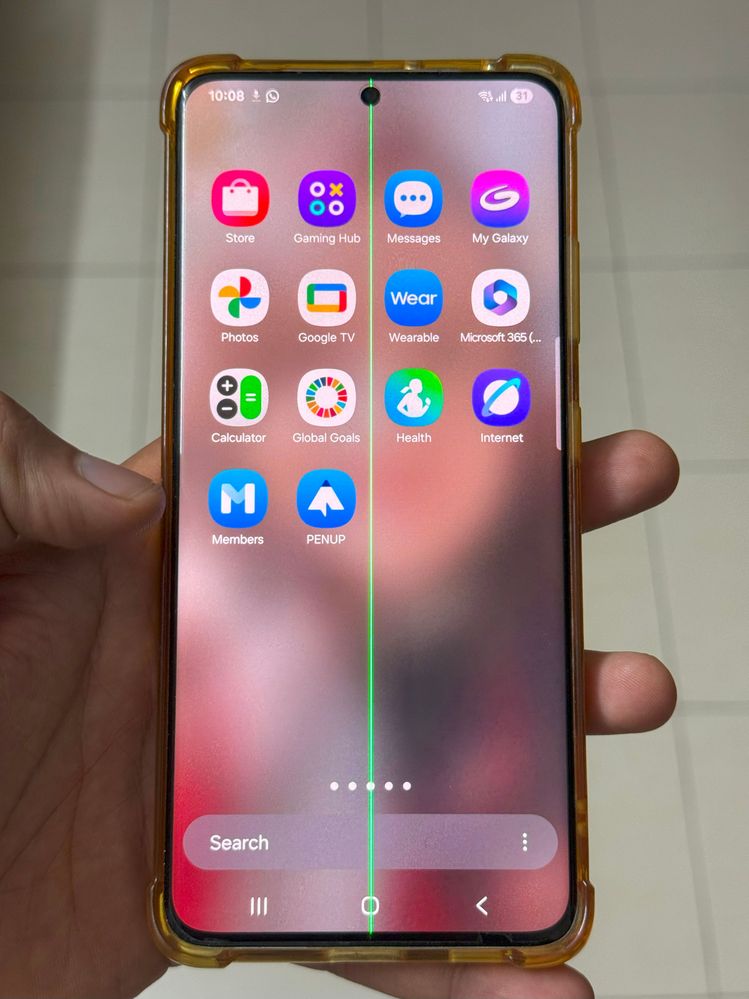
Samsung’s flagship phones are once again in the spotlight for a familiar issue. Reports of the green line display problem are popping up again, and this time, the Galaxy S26 Ultra is part of the conversation.

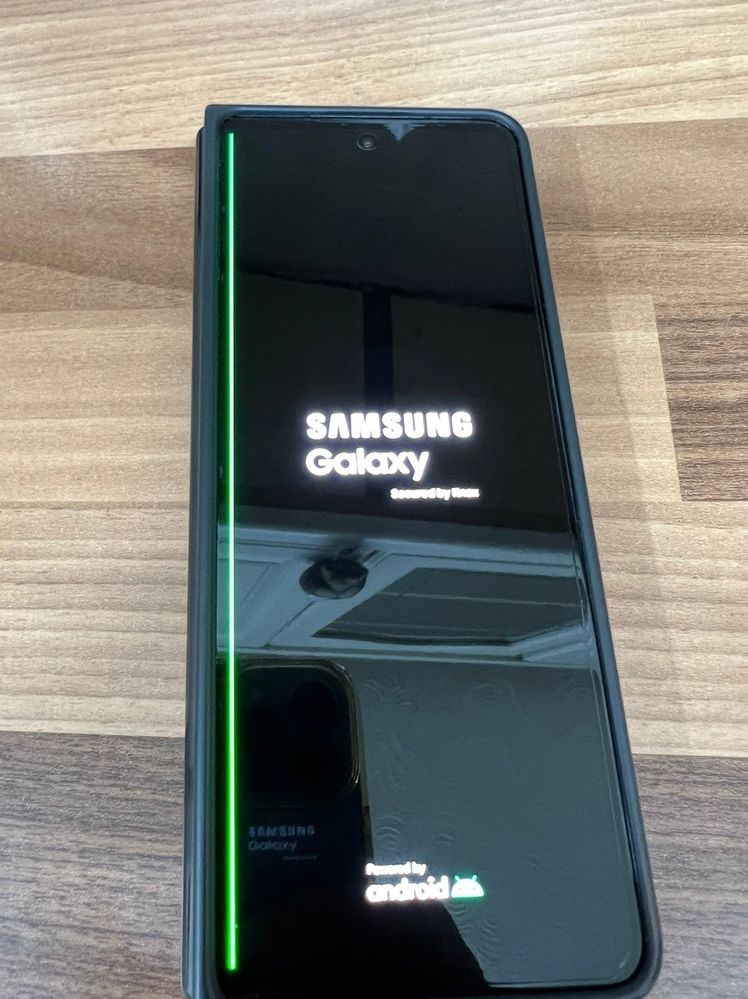
The issue showed up earlier on devices like the Galaxy S21 Ultra, Galaxy S21 FE, Galaxy S22 Ultra, the S23 series, and even the Galaxy Z Fold 4. The pattern has been fairly consistent. A thin vertical line appears on the display, usually without any visible damage or clear trigger.

In the recent Galaxy S26 Ultra case, a few users on X have shared posts showing a fairly thick green line on the display. The posts have also sparked some confusion, with a few people calling them “edited” or “fake”.

That said, the video looks legitimate on closer inspection. And given the history of similar issues across older models, it doesn’t feel entirely out of place.

Galaxy S21 Ultra
Galaxy Z Fold 4

Still, there aren’t many reports yet. A handful of posts across X and Reddit, and not much detail beyond that. So it’s hard to say how widespread this is, or what might be causing it.

For now, it’s something Samsung will likely need to look into further, especially if more cases start to show up. The company has acknowledged it in the past for certain models and, in many cases, has offered free display replacements, as long as there’s no sign of physical damage.

If you run into this, the usual advice is to head to an authorized service center first. They’ll check the device and, if it qualifies, approve a screen replacement. If not, some users suggest asking for a job sheet and escalating the issue through official support channels or the Samsung Members app.

Don’t miss a thing! Join our Telegram community for instant updates and grab our free daily newsletter for the best tech stories!

For more daily updates, please visit our News Section.

(Sources: 1, 2, 3)

The post Green line hits the Galaxy S26 Ultra appeared first on Gizmochina.
Oppo Find X9 Ultra teased with RAW MAX, JPG MAX support, and 16EV dynamic range

Just ahead of the global debut of the Find X9 Ultra, the company has shared more details about its updated Hasselblad partnership, and there are some noticeable changes.

A big part of that is Hasselblad Master Mode 2.0, which looks like a step up in terms of flexibility. It now supports both RAW MAX and JPG MAX, and works across multiple focal lengths, from 14mm all the way to 230mm. That should make it easier to shoot different kinds of scenes. Oppo is also talking about a 16EV dynamic range, which, at least on paper, should help with tricky lighting.

There’s also a bit more focus on the “look” of photos this time. The phone includes Hasselblad-inspired film styles, with names like Portra, 800T, and TX400. These are available directly in the camera app, so you don’t have to rely on editing later. There’s even an XPAN-style wide format mode, which is a bit niche, but interesting.

For those who like more control, manual adjustments are still there, along with AI-based presets that can save custom settings. Oppo says you can store up to 20 of these, which could be useful if you tend to shoot in similar conditions.

On the hardware side, the setup is just as ambitious. The Find X9 Ultra is expected to feature a quad-camera system, including a 200MP main sensor, another 200MP sensor for 3x zoom, a 10x periscope lens, and a 50MP ultra-wide. It’s a lot on paper, and clearly aimed at people who care about zoom and versatility.

The official launch is set for April 21, so we won’t have to wait long to see how all of this comes together in real use.

Don’t miss a thing! Join our Telegram community for instant updates and grab our free daily newsletter for the best tech stories!

For more daily updates, please visit our News Section.

(Source)

The post Oppo Find X9 Ultra teased with RAW MAX, JPG MAX support, and 16EV dynamic range appeared first on Gizmochina.

TSMC pushes toward sub-1nm chips after 1.4nm breakthrough

The push toward smaller and more advanced chips isn’t slowing down anytime soon. A new report suggests TSMC is already looking beyond 2nm, with early plans for sub-1nm manufacturing starting to take shape.

According to DigiTimes, the company is targeting trial production of sub-1nm chips around 2029. Before that, TSMC is expected to bring its 1.4nm process (A14) into mass production in 2028. That node alone is said to offer noticeable gains in both performance and efficiency, reportedly in the range of 30 percent.

The sub-1nm phase, at least initially, won’t be large-scale. The report mentions a starting output of around 5,000 wafers per month, which suggests this will begin more as a testing ground than full production.

To support all this, TSMC is expected to rely on its facilities in Tainan, including the A10 fab and related plants. The timing lines up with increasing demand from areas like AI and high-performance computing, where even small efficiency gains can make a difference.

Apple is likely to be part of that early wave, as usual. The company has consistently been first in line for TSMC’s newest nodes, partly because of the scale it operates at. If things stay on track, it’s possible we could see sub-1nm chips in future MacBooks toward the end of the decade.

That said, there are still quite a few hurdles. TSMC first needs to stabilize its upcoming 1.6nm and 1.4nm processes, and moving below 1nm brings additional challenges around yields, EUV lithography, and heat. None of this is straightforward.

So while the roadmap looks ambitious, it’s still early. Plans at this stage tend to shift, especially when the technology involved is this complex.

Still, if TSMC manages to get there on time, it could be a fairly big step forward. Smaller nodes don’t just mean faster chips, they also help with efficiency, which matters just as much now.

Don’t miss a thing! Join our Telegram community for instant updates and grab our free daily newsletter for the best tech stories!

For more daily updates, please visit our News Section.

(Source)

The post TSMC pushes toward sub-1nm chips after 1.4nm breakthrough appeared first on Gizmochina.

Xiaomi Smart Dehumidifier debuts globally with 22L/day dehumidification capacity

Xiaomi looks like it’s preparing to expand its smart home lineup again, this time with a more powerful dehumidifier. The Xiaomi Smart Dehumidifier has now shown up on the company’s global website, which usually points to a wider launch not being too far away.

The headline feature here is the 22L per day dehumidification capacity. It should be able to handle larger rooms without much trouble. Xiaomi is also pitching it for everyday scenarios like bedrooms, bathrooms, or even drying clothes indoors.

It comes with a 4.5L water tank, and Xiaomi says that’s enough for around eight hours of use before it needs to be emptied. There’s also the option to connect a drain pipe, so it can run continuously if needed. That part feels pretty practical, especially if you plan to leave it running for long stretches.

There are three modes to work with: Smart, Dry, and Sleep. Smart mode adjusts things automatically depending on the humidity in the room, while Sleep mode brings the noise down to about 35.5 dB. That should be quiet enough to leave it on overnight, at least in most situations.

You get a small display on the unit itself showing real-time humidity, and controls are available both on-device and through the Xiaomi Home app. It also works with Google Assistant and Alexa, which is expected at this point, but still useful.

The design is pretty typical Xiaomi. Clean, white, and simple. It’s not exactly small, but still manageable, and the built-in wheels should make it easier to move around from room to room.

There’s no official pricing yet, and Xiaomi hasn’t shared an exact launch date either. It will likely sit above the existing Smart Dehumidifier Lite, which gives some idea of where it might land.

Don’t miss a thing! Join our Telegram community for instant updates and grab our free daily newsletter for the best tech stories!

For more daily updates, please visit our News Section.

(Source: Xiaomi)

The post Xiaomi Smart Dehumidifier debuts globally with 22L/day dehumidification capacity appeared first on Gizmochina.

OnePlus Ace 6 Ultra teased with add-on gaming controller

OnePlus has already started teasing its next gaming-focused phone in China, and the latest one suggests the company might be trying something a bit different this time.

Alongside the phone, OnePlus is teasing what it calls a “dream gear.” The name is vague, but the images make things a bit clearer. It appears to be a clip-on controller accessory designed to work with the Ace 6 Ultra, turning it into something closer to a handheld console.

From the teaser visuals, you can spot shoulder triggers, extra back buttons, and a layout that looks more like a proper controller rather than a basic add-on. The idea seems straightforward. Better control, less reliance on touch input, especially for fast-paced games.

There’s talk of a more “immersive” experience and “precise control,” but that’s about it for now. Things like customizable buttons, low-latency connection, or even hall-effect sticks haven’t been confirmed, though those would make sense for this kind of accessory.

This isn’t entirely new territory. Brands like Lenovo and Redmi have already tried similar add-ons, and there are plenty of third-party options as well. The difference here could come down to how well it’s integrated. It’s built specifically for the Ace 6 Ultra, so there’s a chance it feels more seamless than generic controllers.

There’s also an interesting bit of speculation going around. Recent rumors mentioned OnePlus working on a dedicated gaming handheld. Now it’s starting to look like this controller-plus-phone setup might be what those reports were actually referring to.

The Ace 6 Ultra is expected to launch later this month in China, so more details shouldn’t be too far away. Pricing and how well this “dream gear” actually works will probably decide whether this is just a nice extra or something people actually use regularly.

Don’t miss a thing! Join our Telegram community for instant updates and grab our free daily newsletter for the best tech stories!

For more daily updates, please visit our News Section.

(Sources: 1, 2)

The post OnePlus Ace 6 Ultra teased with add-on gaming controller appeared first on Gizmochina.

❌