Bitcoin price pushed back above $71,000 on Wednesday, defying geopolitical jitters tied to escalating Middle East tensions and a spike in global oil prices, as on-chain data suggests selling pressure may be drying up. Bitcoin seller exhaustion? Exchange flows fall…
Bitcoin has climbed back above $71,000, and one trader quickly took advantage of the move. Wallet 0x004E opened a 30x long position on 600 BTC worth about $42.7 million at an entry price of $70,235.8 in the last 20 minutes. As the price rose, the position reached about $570,000 in unrealized profit. If Bitcoin drops to $66,942.69, the position could be liquidated.
Stocks are falling. Silver is sliding. Oil is climbing on war fears. And Bitcoin just hit $71,490. That’s not how risk assets are supposed to behave. But here we are.
Since the US and Israel launched strikes on Iran, Bitcoin dropped near $63,000. It has since recovered close to 10%. While Asian equities sold off and oil prices pushed higher on supply route fears, Bitcoin seems to be going the other direction.
“Constantly higher lows are made on the markets, therefore upside on Bitcoin. The upside on commodities is done. The bear phase for Bitcoin is also done. Good times are ahead.”
That’s a big statement after five straight months of losses, which is the worst streak Bitcoin has seen since the 2018 bear market.
Why Is Bitcoin Going Up?
Market maker Enflux told CoinDesk: “The market is pricing in neither a catastrophe nor a solution. As the escalation did not immediately lead to a broader regional war, short-covering began.”
In other words, bearish traders closed their positions when the worst-case scenario didn’t materialize.
Bitcoin spot ETFs had shed $8.9 billion during the correction – the largest drawdown since their launch. In the past five trading days, $1.45 billion has come back. BlackRock’s IBIT, which led the selloff, is now leading the recovery with $882 million in weekly inflows.
Bloomberg’s ETF analyst Eric Balchunas called it: “Breadth and depth. This after a 50% drawdown and most underwater. Even I’m impressed.”
CryptoQuant’s data adds another layer: exchange deposit volumes are low, which signals that sell-side pressure is exhausting itself.
Key Levels to Watch
Bitcoin is pushing toward the $74,373-$76,341 zone, where the EMA50 and SMA50 converge on the daily chart. This band has rejected price repeatedly since October 2025.
If it breaks above it, analysts see a path to $90,000. If it fails here, a return below $60,000 remains on the table.
The RSI has climbed to 54, just above neutral. The overall technical picture now reads Buy. But the SMA50 at $76,341 still signals Sell.
This recovery is gaining structure and hasn’t cleared the wall yet.
Altcoins Are Moving Too
Ethereum is up 6.77% on the day, Solana 7.88%, XRP 5.26%. The altcoin season index reads 32 out of 100 – deep in Bitcoin Season territory.
Polymarket gives a 74% probability that Bitcoin reaches $75,000 this month, which is the exact resistance zone the technicals are pointing to.
Whether this is the start of something or just another relief rally before pain, the next two weeks on Bitcoin’s chart will have the answer.
Bitcoin looks back into the zone, $70k, the strongest physiological zone has been crossed. Despite the fearful global equity now, falling metal prices like silver, the capital seems to be driven towards the Cryptocurrency Bitcoin.
As seen yesterday, Bitcoin was already registering positive funding rates, positive inflow of all 12 active Bitcoin spot ETFs, and the signs were clear. Although the USD is strengthening has not been so resilient to the bitcoin price today.
BTC/USDT in light of returning to $90K
At the time of writing, Bitcoin price is at $71,169, trading near the upper range of its consolidation channel, and is now showing signs of a change of Character.
BTC/USDT in light of returning to $90K
So now, $76,000 is the resistance zone to cross for the bitcoin price; this is where the EMA50 is. This price action will add pressure to its rally towards $90,000.
Invalidation would occur if BTC price behaves bearish in $70,000 to $76,000, causing its rally back to its wartime price figures.
Ethereum Jumps Above $2K, Altcoins follow.
Just after bitcoin started behaving bullish since yesterday’s trading sessions, top altcoins followed the trend.
Ethereum price jumps above $2000 after trading below this level for the whole week. The second-largest cryptocurrency with a market cap of $250 billion has crossed above its 7-day Simple Moving Average (SMA7) of $1,989.48 and 7-day Exponential Moving Average of $1,976.66.
If the market persists and the Eth price holds this support of $2000, it could test the 23.6% Fibonacci resistance at $2,240.
Altcoin Follow The Boss, Bitcoin
With Bitcoin changing momemtum altcoins other than Ethereum registered a positive 24-hour rally. XDC coin skyrocketed to its high in the last 2 weeks, still rebounding after a correction towards $0.0364.
Morpho coin is now at $1.96, continuing its rally. Soaring to 67% growth in a month, and 3.5% in the last 24 hours. This has come after the increase in network usage, a spike in TVL of 2.97, and ETH tokens from the previous year’s low of 976K ETH.
BNB passes $650 with strong signs of moving out of its lower consolidation zone. XRP, Solana, Litecoin, Hedera, Uniswap, Polkadot, Matelm Bittensor TAO, and Near protocol.
All the Top 10 cryptocurrencies have registered an average growth of 5% and still hold a bullish sentiment in the short and mid term.
The crypto market roared back to life as Bitcoin surged past $71,000 and Ethereum crossed $2,050, sparking a rapid market rally. Bitcoin jumped 5%, adding nearly $70 billion to its market cap, while Ethereum climbed 5.6%, gaining $14 billion. In just five hours, the total crypto market expanded by about $100 billion. The sharp move triggered a wave of liquidations, wiping out nearly $110 million in short positions as bullish momentum swept across the market.
The crypto market is currently moving through a phase of consolidation, with Bitcoin continuing to dominate most of the market’s attention. Meanwhile, many altcoins are trading quietly within narrow ranges, showing little momentum.
However, this kind of market setup has often appeared before major altcoin rallies in previous cycles. While altcoins may seem inactive for now, several key indicators suggest that the conditions for a potential altseason could be slowly building. From historical market patterns to social sentiment and valuation metrics, the data points toward a phase where investors may start preparing for the next altcoin wave.
Altcoins vs Bitcoin Ratio Signals Early Altseason Setup
The Altcoins vs Bitcoin ratio chart highlights a recurring historical pattern that often precedes major altcoin rallies. In previous cycles, the ratio tends to consolidate near long-term support before triggering a sharp upward move that eventually leads to altseason.
Currently, the ratio appears to be stabilizing near a similar accumulation zone that previously formed before strong altcoin cycles in 2018 and 2021. If history repeats, this phase could represent the early stage of capital rotation from Bitcoin into altcoins. A sustained rise in this ratio would indicate that altcoins are beginning to outperform Bitcoin, which is typically one of the earliest signals of an incoming altseason.
Social Interest in Altseason Hits Historic Lows
Another important signal comes from social sentiment data. According to social volume metrics, discussions related to “altseason” across social media platforms have dropped to extremely low levels.
Historically, periods of minimal discussion around altcoins often coincide with market bottoms. When investor interest fades and market sentiment turns quiet, it frequently marks the accumulation phase before a broader altcoin rally begins. If social interest begins to recover alongside improving market conditions, it could act as a catalyst for renewed momentum across the altcoin market.
Majority of Altcoins Near Historical Lows
The third chart highlights the percentage of altcoins trading near their all-time lows. Currently, a large portion of the altcoin market is positioned close to historically depressed levels.
In previous market cycles, similar conditions appeared shortly before large-scale altcoin recoveries. When a significant number of tokens reach oversold zones simultaneously, it often indicates that downside pressure may be nearing exhaustion. If market liquidity begins rotating back into the altcoin sector, these deeply discounted assets could see accelerated recovery during the next altcoin cycle.
Final Verdict
While Bitcoin continues to dominate market attention, several key indicators suggest that conditions for an altseason may slowly be forming. From historical ratio patterns to declining social interest and widespread altcoin undervaluation, the market appears to be entering a potential accumulation phase. If liquidity begins shifting away from Bitcoin, altcoins could be positioned for a stronger recovery in the coming months.
Crypto exchange OKX will introduce USDT‑settled perpetual futures for selected U.S. equities on March 4, 2026, available through its web platform, mobile app, and API in supported jurisdictions. These 24/7 contracts carry leverage from 0.01x to 5x, letting traders speculate on price moves without owning shares. Initial listings include major tech names like NVDA, MU, SNDK, GOOGL, MSFT, AAPL, and META, plus index trackers QQQ and SPY. The launch expands equity derivative options and bridges traditional markets with crypto trading.
As Solana shows technical signals reminiscent of its 2022 downturn, investors are increasingly watching emerging DeFi projects like Mutuum Finance. #sponsored
Head of Product Nikita Bier announced that X is revising its Creator Revenue Sharing policies to penalize users who post AI-generated videos depicting armed conflict without clear disclosure. Post AI war videos without a label? X will cut your pay…
Offshore prediction market Polymarket has quietly archived a longstanding contract that allowed users to wager on the likelihood of a nuclear weapon detonation within specific timeframes, removing the market from its platform amid mounting public and political scrutiny. Polymarket’s nuclear…
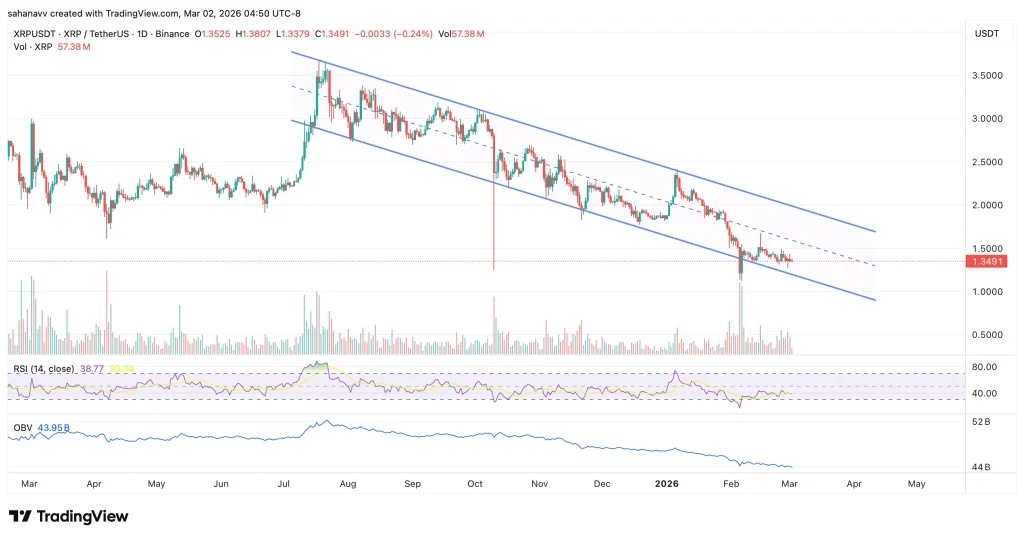
XRP price is close to confirming a breakout from a multi-week descending trendline that could potentially kickstart an uptrend over the coming sessions. XRP (XRP) price has dropped nearly 17% from mid-February and nearly 43% from its year-to-date high of…
House Bill 1042 also includes provisions to protect the rights of crypto users, barring public agencies from enforcing rules that ban crypto payments, self-custody, or mining.
Crypto market volatility is gradually picking up as major assets continue to trade within well-defined ranges. While Bitcoin price and other large-cap cryptocurrencies remain relatively stable, liquidity appears to be rotating toward smaller tokens.
In this environment, altcoins like River and pippin are showing sharply contrasting price action. River has surged strongly, while pippin has come under heavy selling pressure. This divergence highlights a growing trend in the market: capital is not only shifting from large caps to smaller assets but also rotating rapidly within the low-cap segment itself. Among the two, River has emerged as the stronger performer, recording a rally of more than 31% in a short period.
River Price Entering a Crucial Resistance Zone
River started the year with a powerful rally, gaining more than 1000% and marking highs above $88. At one point, a move toward $100 seemed possible, but market sentiment quickly flipped, triggering a sharp pullback. The RIVER price eventually corrected by nearly 92%, falling below $10.
Since then, the token has shown signs of recovery. Consecutive bullish candles helped the RIVER price reclaim the key resistance around $17. However, the rally is currently struggling near the crucial resistance zone between $19 and $20, which continues to delay a confirmed breakout.
As seen in the chart, the price is attempting to hold near the resistance area just below the 0.236 Fibonacci level at $22. However, momentum appears to be weakening. The CMF indicator is showing bearish divergence despite briefly moving above zero. Meanwhile, the divergence in the accumulation/distribution indicator suggests that buying pressure is slowing as distribution gradually increases.
For River to sustain its bullish momentum, the price needs to break and hold above the $20 level before attempting to secure $22. A successful breakout could open the door for a move toward $25. Such a move may attract additional liquidity and support further upside.
Is pippin Price Heading for a 50% Correction?
While some tokens are attempting to recover, pippin appears to be moving in the opposite direction. During the recent market rally, the token posted strong gains and surged above $0.9. However, bearish pressure soon emerged, triggering a steep decline of nearly 55%.
The current technical structure suggests that the downtrend may not be over yet.
PIPPIN price recently faced rejection from the upper boundary of an expanding wedge pattern, which accelerated the ongoing sell-off. The Supertrend indicator has flipped bearish, pushing the price toward the lower region of the Ichimoku Cloud. At the same time, the conversion line and base line are approaching a bearish crossover. If this crossover confirms, the price could drop below the cloud, strengthening the bearish outlook.
As a result, pippin may continue sliding toward the wedge support near $0.12. This would represent another potential decline of nearly 50% from current levels and could mark the bottom of the ongoing bearish phase.
Wrapping it Up!
Overall, the contrasting price action between River and Pippin highlights the growing volatility within the low-cap crypto segment. While River is attempting to sustain its recovery and push toward higher resistance levels, Pippin continues to face strong bearish pressure. The coming sessions will be crucial, as a breakout above key levels could strengthen River’s bullish momentum, while further technical weakness may push Pippin toward deeper corrections.
Bitcoin spot ETFs have staged their sharpest reversal since launching in January 2024. After losing $8.9 billion in the largest drawdown on record, $1.5 billion has flowed back in over the past five trading days.
CryptoQuant author Darkfost flagged the scale of the damage. The average realized price for ETF holders sits at roughly $79,000, while Bitcoin trades well below $70,000. That means the majority of institutional ETF buyers are underwater.
“More than $8.9 billion has flowed out of this market during the correction,” Darkfost noted, adding that “the trend now appears to have stabilized, with the drawdown recovering to around −$7.8B from the ATH.”
BlackRock’s IBIT: From Biggest Loser to Biggest Buyer
BlackRock’s iShares Bitcoin Trust (IBIT) took the hardest hit during the selloff, shedding over 42,000 BTC from peak holdings of 806,000+. That alone represented massive selling pressure from the largest Bitcoin ETF on the market.
But IBIT is now leading the recovery. On March 2 alone, it pulled in $263 million. Weekly inflows across IBIT have reached $882 million, dwarfing every other fund.
And it’s not just BlackRock. Fidelity’s FBTC posted $156 million in weekly inflows. Bitwise’s BITB added $148 million. Even Grayscale’s GBTC, historically an outflow machine, recorded $102 million in weekly inflows.
Nearly all 10 original spot Bitcoin ETFs are in the green this week.
The monthly data tells the bigger story. Outflows decelerated sharply across four consecutive months: November saw -$3.47 billion, December -$1.09 billion, January -$1.6 billion, and February just -$206 million. That’s a 94% reduction.
March 2 delivered the cleanest signal yet: $458 million in net inflows with zero outflows across all 12 listed funds.
Total net assets now stand at $88.4 billion, with cumulative historical inflows at $55.4 billion.
Bloomberg’s senior ETF analyst Eric Balchunas called the recovery notable, writing that Bitcoin ETFs recorded their biggest haul in a while, with nearly all original funds seeing action.
“Breadth and depth,” he wrote.“This after a 50% drawdown and most underwater. Even I’m impressed.”
Five days of inflows don’t confirm a trend reversal.
But after four months of bleeding, institutional money returning at this pace, and this broadly, is the strongest signal Bitcoin ETF markets have produced in 2026.
President Donald Trump held a private meeting Tuesday with Coinbase CEO Brian Armstrong just hours before publicly criticizing big banks for blocking progress on U.S. crypto market structure legislation. Trump accused banks of undermining the GENIUS Act and stalling the broader CLARITY Act by pushing to ban stablecoin yield programs, a point of contention between banks and crypto firms. He urged lawmakers to pass the bill “ASAP” to bring regulatory clarity and protect American crypto innovation.
South Korean police have arrested a series of individuals believed to be acting as hired agents committing what authorities describe as “private revenge” attacks, which have involved vandalism and threatening behavior directed at private residences. South Korean police arrest agents…
In a memo titled “The Weekend That Changed Finance,” Bitwise Chief Investment Officer Matt Hougan says a recent geopolitical shock has revealed a fundamental shift in how financial markets operate, potentially accelerating the migration of global finance onto blockchain-based infrastructure.…
Ark Invest has added more shares of Coinbase and Robinhood across its exchange-traded funds on Tuesday as crypto equities dipped in response to geopolitical concerns. The Cathie Wood-led firm has acquired a total of 22,452 shares in Coinbase through its…
Vitalik Buterin has sparked debate within the crypto community after outlining a vision for Ethereum as part of a broader ecosystem of what he calls “sanctuary technologies,” open-source systems designed to preserve freedom, privacy and resilience in an increasingly unstable…
AAVE price remains at risk of a crash as a major delegator and service provider, the Aave Chan Initiative, has chosen to exit the Aave DAO following an internal governance dispute within the ecosystem. According to a statement on Tuesday,…
Bitcoin traded near $68,200 on Wednesday as global markets reacted to a sharp sell-off in South Korea’s stock market and rising geopolitical tension in the Middle East.
The cryptocurrency rose about 0.7 percent in the past 24 hours after briefly slipping below $67,500 earlier this week. Data shows Bitcoin held above a 24-hour low of $67,406 while trading volumes increased during early Asian hours.
The move comes as investors assess broader market stress following a sudden decline in South Korea’s benchmark KOSPI index.
Korea Market Crash Triggers Global Risk Reaction
South Korea’s stock market plunged more than 10 percent during Wednesday trading, triggering a circuit breaker after an earlier 8 percent drop halted trading temporarily.
The sell-off wiped out an estimated $270 billion in market value in a single session. Major semiconductor companies led the decline. Samsung Electronics fell about 10 percent, while SK Hynix dropped roughly 12 percent.
The sharp decline came as oil prices climbed above $80 amid tension in the Middle East and concerns over shipping through the Strait of Hormuz.
South Korea imports most of its energy supply, and disruptions in the region can raise production costs for industries such as semiconductor manufacturing.
The global chip sector plays a major role in artificial intelligence infrastructure, particularly through high-bandwidth memory used in advanced computing systems.
Bitcoin Institutional Demand Continues
Institutional flows into Bitcoin remain active despite volatility in global markets.
Data from spot Bitcoin ETF filings shows BlackRock’s fund purchased roughly $264 million worth of Bitcoin within the past 24 hours. The inflow indicates continued institutional exposure to the asset class even as traditional markets face turbulence.
BTC Price Consolidates Amid Market Uncertainty
While equities in Asia dropped sharply, Bitcoin remained relatively stable. The cryptocurrency continues to trade within a consolidation range between roughly $67,000 and $70,000.
On the downside, a close below $62,000 would weaken the market structure and increase the risk of a deeper correction.
Current price action forms a bear flag pattern, which historically can lead to a downward breakout if selling pressure increases.
What Next For Bitcoin Price?
Several support and resistance levels remain important for Bitcoin’s next move. A major support zone between $54,000 and $57,000. Another support level sits near $55,000, which previously acted as strong horizontal support during earlier market corrections.
On the upside, Bitcoin continues to face resistance near the top of its current consolidation range, a level the price has struggled to break in recent sessions.
A decisive move above this resistance could trigger another bullish rally, while a drop below support may open the door for a deeper correction toward the mid-$50,000 range.
A new study by the Bitcoin Policy Institute shows that 22 of 36 top AI models ranked Bitcoin as their preferred currency in simulated economic tests, while none chose fiat as their top pick. Researchers evaluated models from OpenAI, Anthropic, Google, DeepSeek, xAI, and MiniMax across 28 currency scenarios, including store of value, payments, and settlement efficiency. The findings suggest AI sees Bitcoin’s digital properties as more favorable than traditional money in key economic roles.
The cryptocurrency market has been volatile in early 2026, and XRP has not been immune to the volatility. Over the past month, the digital asset lost roughly 45% of its value within four weeks.
However, some analysts argue that the recent decline may not tell the full story. New projections generated by three artificial intelligence models hint that XRP’s long-term trajectory could look very different from its recent performance.
XRP’s Sharp Correction Raises Questions
The recent downturn followed technical issues and broader market pressure, which pushed XRP into one of its steepest short-term corrections in recent years.
While the price dropped sharply, network activity on the XRP Ledger reportedly increased by about 30% during the same period. For analysts, that divergence between price and usage has sparked debate about whether the asset’s market value is temporarily disconnecting from its underlying utility.
In traditional markets, such situations sometimes occur when investors react strongly to short-term news while long-term fundamentals continue to develop.
Three AI Models Offer Different Scenarios
To better understand XRP’s possible path forward, analysts applied three separate artificial intelligence forecasting models. Each model produced a different outlook based on varying assumptions about adoption, liquidity and market cycles.
Model One: Utility-Driven Floor
The first model estimates a conservative range of $1.50 to $2. This scenario assumes XRP continues growing steadily through real-world payment use cases and institutional transaction flows.
Even without strong retail speculation, the model suggests that rising activity on the XRP Ledger could support a gradual price increase over time.
Model Two: Cyclical Growth Scenario
A second model places XRP within a $3 to $5 range, drawing comparisons to historical crypto market cycles.
This projection assumes that XRP benefits from broader market expansion and increasing adoption following legal clarity and infrastructure development across the network.
Under this scenario, XRP evolves from a speculative asset into a more mature financial instrument used in cross-border transactions and liquidity management.
Model Three: Liquidity Shock Outlier
The most aggressive model explores a scenario in which XRP’s role in global payment infrastructure expands rapidly. If financial institutions adopt the network as a major bridge liquidity layer, demand for XRP could increase significantly.
In that case, the model says the token could potentially move into double-digit territory during the next major market cycle.
Analysts warn that this outcome depends heavily on institutional adoption and broader financial market developments.
A Market Still Driven by Sentiment
Despite these projections, the crypto market remains sensitive to short-term sentiment.
Large price swings often occur when traders react quickly to news events, technical issues or macroeconomic developments. In the short term, market behavior can resemble what investors describe as a “voting machine,” where sentiment dominates.
Over longer periods, however, price movements tend to align more closely with utility, adoption and network growth.
Circle has minted $1 billion in USDC on Solana in just hours, bringing its total 2026 issuance on the network to $23.75 billion. Institutions and exchanges create USDC by depositing dollars, fueling liquidity for trading, DeFi protocols, and new token launches on Solana’s fast, low-fee blockchain. Analysts view the surge as significant “dry powder” ready for market deployment, boosting Solana’s role as a leading stablecoin hub alongside Ethereum and Tron.
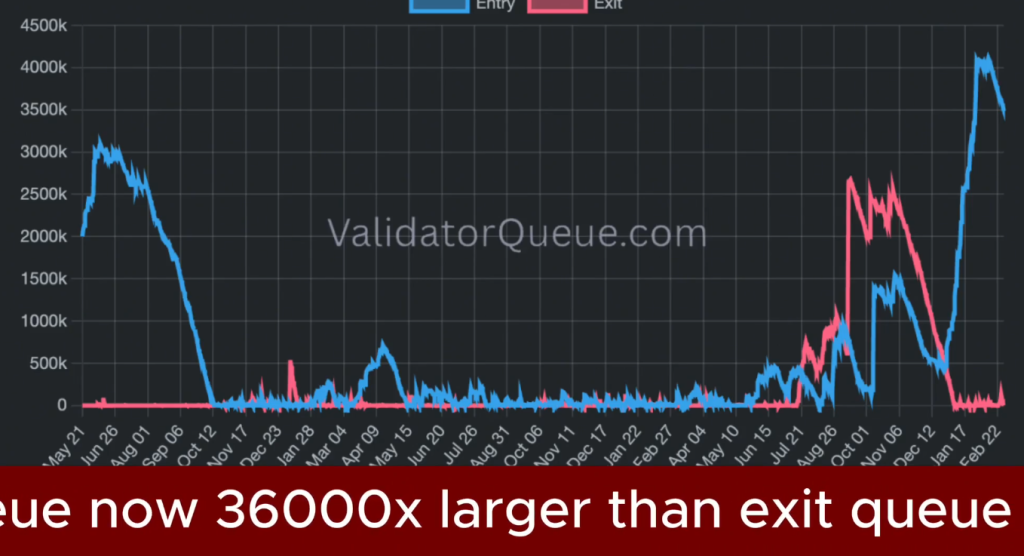
Ethereum’s validator entry queue has ballooned to around 3.4 million ETH, signaling strong demand from large investors, corporations, and crypto exchanges choosing to stake rather than sell during recent market conditions. This has created one of the longest staking queues since the move to Proof of Stake, with an estimated 60-day wait for new validators to activate. Compared with about 904,000 ETH in early January, the sharp rise shows a growing commitment to locking up ETH for yield and long-term participation in network security.
A new study from the Bitcoin Policy Institute finds that leading artificial intelligence models show a strong preference for Bitcoin and other digitally native forms of money when placed in simulated economic scenarios. Study of 36 AI models finds Bitcoin…
A wallet on the Bitcoin blockchain associated with U.S. government seizure funds moved approximately 0.3346 BTC, roughly $23,000, marking the first on-chain transfer from a federal forfeiture account since late 2025, according to blockchain analytics data. Data flagged by on-chain…
Governor Mike Braun has signed House Bill 1042 into law, formalizing new protections for digital asset users in Indiana and setting guardrails around how state and local authorities may regulate cryptocurrency activity. HB 1042 becomes law as Indiana expands legal…
Binance’s regional head has confirmed that the exchange is expecting five additional licenses across Asia this year. Speaking to Nikkei Asia, SB Seker, Binance’s head of Asia-Pacific, who joined the company last year, said the exchange is planning to secure…
Tensions over U.S. crypto market structure escalated this week after President Donald Trump accused major banks of attempting to undermine pro-crypto legislation, while Jamie Dimon defended stricter regulatory guardrails for digital asset firms. Trump pressures banks over CLARITY Act; Dimon…
South Korea’s top crypto exchange, Upbit, will list the EDGE token with trading pairs in KRW, BTC, and USDT, expanding access for its large user base. EDGE (Definitive) is an on-chain trading platform that works like a decentralized exchange aggregator, offering advanced order types, multichain liquidity routing, and CEX-style execution directly from users’ wallets. The token also provides fee benefits and premium features on the Definitive platform, making it appealing for active traders.
Binance Exchange plans to secure five additional regulatory licenses in Asia this year as it expands its presence in the region’s growing cryptocurrency market.
SB Seker, Binance’s head of Asia-Pacific, shared the plan during an interview with Nikkei Asia in Tokyo.
“We have five more planned for this year in Asia,” Seker said.
The approvals would increase the exchange’s licensed operations to more than 20 jurisdictions worldwide.
Binance Licensing Push Across Asia
Binance currently holds regulatory licenses and authorizations in Australia, India, Indonesia, Japan, New Zealand, and Thailand. South Korea is expected to join the list after the company completes its acquisition of local crypto exchange Gopax.
Seker said the exchange is working through a pipeline of markets across Asia. Some licensing processes are nearing completion, while discussions with regulators continue in other jurisdictions regarding Binance’s business model and local compliance requirements.
The licensing efforts are part of Binance’s “hyperlocalization” strategy, which focuses on adapting operations to local regulatory standards while expanding services in individual markets.
APAC Drives Global Crypto Activity
Asia-Pacific has emerged as the fastest-growing region for cryptocurrency activity.
According to Chainalysis’ Global Crypto Adoption Index, total cryptocurrency transaction volume in the Asia-Pacific region increased from $1.4 trillion to $2.36 trillion, marking a 69% year-over-year increase.
The Country Crypto Adoption Index 2025 lists seven Asian nations among the global top 10: India, Pakistan, the Philippines, Indonesia, Vietnam, South Korea, and Japan.
Potential Markets for New Licenses
Binance has not disclosed which Asian countries could issue the new licenses. However, several jurisdictions in the region are strengthening digital asset regulations.
Japan maintains a mature regulatory structure where exchanges must register with the Financial Services Agency before offering services.
Malaysia requires crypto platforms to obtain approval from the Securities Commission and maintain strict compliance frameworks.
Vietnam and Thailand are also developing regulatory systems for digital asset trading.
Singapore’s Position in Binance Operations
Binance withdrew its application for a retail crypto license in Singapore in 2021 after regulators tightened oversight of cryptocurrency speculation. The company also ended direct retail services in the country.
Seker said Singapore remains important for Binance’s corporate headquarters, derivatives operations, and over-the-counter trading services.
However, obtaining a retail license would mainly allow Binance to serve the country’s smaller spot trading segment.
“The market isn’t very big, but we take every market seriously,” Seker said.
Binance plans to acquire five more regulatory licenses in Asia this year as it expands its presence in the region’s fast-growing crypto market. The exchange already holds approvals in Australia, India, Indonesia, Japan, New Zealand, and Thailand, with South Korea expected to join after its planned acquisition of Gopax. Asia-Pacific remains a key market for the company as crypto adoption rises rapidly. Binance says it is strengthening compliance and working closely with regulators while seeking approvals in several new markets.
A Bitcoin Policy Institute study of 36 AI models found Bitcoin was the top monetary choice in 48% of responses, but more than half preferred stablecoins for payment scenarios.
Bitcoin will eventually reach a point where the US government creates the conditions it needs to succeed, whether that takes 10 or 20 years, according to a Bitcoin executive.
Australia is on a trajectory for only $710 million in annual economic gains from crypto by 2030 unless there's a substantial change, the Digital Finance Cooperative Research Centre says.
A fresh political push for crypto legislation is stirring debate across Washington and the digital asset industry.
U.S. President Donald Trump issued a forceful statement backing the CLARITY Act and warning that major banks should not undermine what he described as America’s crypto agenda.
In his remarks, Trump said the “Genius Act” was being threatened by banks and stressed that the United States must finalize market structure legislation as soon as possible. He argued that Americans deserve the opportunity to earn more on their money and warned that delays could push innovation to countries like China.
Trump framed the legislation as part of a broader effort to position the U.S. as the “Crypto Capital of the World,” adding that the industry should not be stalled by traditional financial institutions protecting their interests.
Ripple CEO Calls Message “Extremely Pointed”
Reacting to Trump’s comments, Brad Garlinghouse described the statement as “an extremely pointed message” to lawmakers and stakeholders who have slowed progress on the CLARITY Act.
An extremely pointed message from @POTUS to those who are dragging their feet on CLARITY.
This is, and always has been, about what’s in the best interest of the American people. pic.twitter.com/t1CIFBOBg4
Garlinghouse’s response quickly gained traction within the XRP community, where regulatory clarity has long been viewed as essential to long-term growth.
The CEO of Ripple has repeatedly argued that the absence of clear digital asset rules in the U.S. has placed domestic firms at a disadvantage compared to international competitors. His latest reaction shows growing alignment between parts of the crypto industry and political voices calling for immediate action.
Lawmakers and Industry Voices Weigh In
The discussion expanded beyond Ripple.
Mike Selig also backed publicly backed Trump’s stance, stating that the CLARITY Act must pass to establish a future-proof digital asset market structure. He added that the Commodity Futures Trading Commission is prepared to implement the framework under the current administration.
Across social platforms, reactions reflected frustration with perceived delays. Several users questioned why banks should have influence over legislation that could introduce competition to their business models. Others argued that clear rules would unlock innovation, attract builders and accelerate U.S. leadership in blockchain development.
A recurring theme in the responses was urgency. Many commenters warned that Congress is running out of time and called for immediate passage of the bill to prevent the U.S. from falling behind in global crypto adoption.
What’s at Stake
At its core, the debate centers on market structure.
The CLARITY Act tries to define how digital assets are classified and regulated, potentially drawing clearer boundaries between securities and commodities oversight. For years, regulatory uncertainty has been cited as one of the biggest obstacles facing crypto companies operating in the United States.
Trump’s statement framed the issue as one of national competitiveness. He suggested that failing to finalize crypto legislation could shift innovation and capital overseas. That message resonates strongly with industry leaders who argue that regulatory ambiguity has already slowed domestic progress.
In a March 3 report titled “Stablecoins and Monetary Policy Transmission”, the European Central Bank (ECB) warned that increased stablecoin adoption was undermining financial stability and policy effectiveness in the eurozone.
ECB outlines the cascade of risks imposed by stablecoins
According to the ECB, as more people swap the euro for these virtual currencies, banks lose a stable and low-cost source of funding from retail deposits.
This forces them to switch to the more expensive wholesale funding that comes with volatile interest rates for both the banks and the customers they lend to.
ECB estimates that for every 10% increase in stablecoin market cap, there will be a 0.2% reduction in bank lending. It further adds that interest cuts to stimulate the economy would be useless, since banks will have tightened their lending policies to keep their operations afloat.
The ECB adds that widespread adoption would import US monetary conditions to Europe since most (85%+) of these digital currencies are dollar-backed.
The ECB projects a non-linear pattern to these effects, saying that they would accelerate should the digital currency market cap hit $2-$4 trillion by 2030.
To counter these risks, the ECB is promoting the digital euro, which it says is safer from a bank run than private stablecoins
Growth and adoption headwinds
As of March 4, 2026, the global stablecoin market capitalization was approximately $316.27 billion. While this is dwarfed by the eurozone’s €17 trillion bank deposits, its growth is notable since it has more than doubled in the past three years.
Despite this, the banking industry is strongly pursuing a stablecoin-yield ban with the upcoming CLARITY Act. US President Donald Trump has vowed to look into this, saying, “They (banks) need to make a good deal with the crypto industry.”
America can’t afford to wait. Congress must move quickly to pass the Clarity Act.
French Hill, the Chairman of the House Financial Services Committee, recently suggested the Senate could simply label stablecoins as a payment device rather than an investment product, just as stipulated by the GENIUS Act.
Moderator: “You also need to figure out crypto.” Chairman of @FinancialCmte@RepFrenchHill: “Well, I have figured it out!”
Hill, at the @MilkenInstitute Future of Finance event, said that if the Senate can’t reach a straightforward conclusion on the stablecoin yield issue,… pic.twitter.com/rZQch3IQUc
Ray Dalio said that gold is a better safe-haven asset in times of conflict compared to Bitcoin, and raised concerns about the cryptocurrency’s lack of privacy.
Super PACs backed by the crypto industry are expected to spend millions of dollars in the 2026 midterm elections after many of their chosen candidates won in 2024.
In an interview with Natalie Brunell on Coin Stories, Masie described Bitcoin as functional currency in parts of Africa amid rapid inflation and currency debasement.
MARA has "fact checked" claims it adopted a Bitcoin sell-off strategy, clarifying its filing allows flexible sales but does not signal a majority liquidation.
Indiana has become the first state in the US to legalize the inclusion of Bitcoin and other cryptocurrencies into state-managed retirement and savings plans.
On March 3, Indiana Governor Mike Braun signed this into law under House Bill 1042, titled “Regulation and Investment of Cryptocurrency.”
Henceforth, state-managed retirement and savings plans should provide at least one cryptocurrency as an investment option in a user’s self-directed brokerage account. This kind of account will allow users to operate nodes and engage in peer-to-peer transactions.
Exchange-traded funds (ETFs) can be included in these plans, but not stablecoin-related funds due to the current lack of clarity regarding stablecoin yields.
Pension providers now have until July 1, 2027, to have fully integrated digital asset provisions into their systems.
Indiana Bill to include crypto investments for pensioners
The Indiana bill levels the playing field for digital and traditional finance, banning any taxes that bring discrepancies between the two.
Also part of the bill was the prohibition of unreasonable restrictions on crypto mining zones.
Other US states that have integrated crypto-related options for pensioners are Wisconsin ($321 million in Bitcoin ETFs) and Michigan ($45 million in BTC and ETH ETFs). Florida and New Jersey are in the process of doing the same.
Internationally, countries that have implemented or are exploring the incorporation of digital assets into pension funds include Canada, Japan, Australia, and Germany.
Providing these at the workplace are Fidelity Investments, 401(k) providers, and self-directed IRA (Individual Retirement Account) custodians.
Community Reaction
The new Indiana legislation has received mixed community reactions following its enactment. Supporters cite the bill’s alignment with the US Strategic Bitcoin Reserve, its progressive nature, and the provision of pensioners’ autonomy.
On the other hand, critics cite financial risk from dabbling in highly volatile financial instruments, in addition to the state’s distancing itself from direct digital asset investments. The bill also raised controversy regarding Indiana’s specific stance when it comes to cryptocurrencies amid the recent scam-related ban of crypto ATMs.
CFTC chairman Michael Selig plans to enable US-listed crypto perpetual futures within weeks. The US Commodity Futures Trading Commission (CFTC) is preparing to clear a formal path for crypto perpetual futures to operate onshore, in what could mark one of…
Citizens of Iran are heavily purchasing Bitcoin (BTC) and directing it to self-custody wallets.
A 2026 report from blockchain analytics firm Chainalysis showed an uptick in Iran’s crypto system valuation from $7.4 billion in 2024 to $7.8 billion in 2025.
The report also highlighted that users withdrew roughly $10.3 million worth of cryptocurrencies from major Iranian exchanges to crypto wallets in the 48hours following the US-Israel’s preemptive strike on Iran. Within minutes of the hit, the country’s largest exchange, Nobitex, saw a staggering 700% spike in outflows.
This coincided with a steady uptrend in Bitcoin outflows before and after the January 8 government-imposed internet blackout.
Bitcoin becomes the financial lifeboat for Iranian citizens
Bitcoin has primarily become a financial haven for Iranians since its long-term value acts as an inflationary hedge. Iran’s native currency, the Rial, has declined 90% in value since 2018. Inflation in the country has also escalated to 40-50%, the highest recorded since World War II.
Additionally, Bitcoin in self-custodial wallets is immune to state/exchange restrictions and security vulnerabilities. In mid-2025, Nobitex suffered a $90 million hack, while Tether continues to blacklist addresses and freeze USDT funds for alleged Iranian conspirators.
Meanwhile, the nation’s central bank (CBI) has suspended rial-crypto conversions several times to prevent further devaluation of the rial. The bank has recently become more accommodating of cryptocurrencies, but on the condition of real-time user surveillance.
Another reason for the migration is the January government-imposed internet blackout, which rendered cryptocurrencies on exchanges useless. Additionally, cryptocurrencies’ digital nature makes them highly portable for those anticipating fleeing the country.
Most importantly, cryptocurrencies allow cross-border remittances despite sanctions such as the SWIFT bank line of disconnects.
Researchers now estimate that 15 million Iranians (20% of the population) are involved with or using Bitcoin, among other cryptocurrencies.
Iran joins sanctioned countries in Bitcoin adoption
Iran, Russia, Venezuela, and North Korea are sanctioned countries that are increasingly pivoting towards cryptocurrencies to bypass international trade restrictions.
Crypto firms Binance and, ironically, the Trump-backed World Liberty Financial (WLFI) are now facing Senate probes related to Iran-linked flows.
The rollout enables banks and fintechs in 30 European markets to embed licensed custody, payments on- and off-ramps and trading through API-based infrastructure.
US Dollar Index strength, fear that BTC miners may liquidate their reserves and Bitcoin’s performance compared to stocks raise concerns among investors.
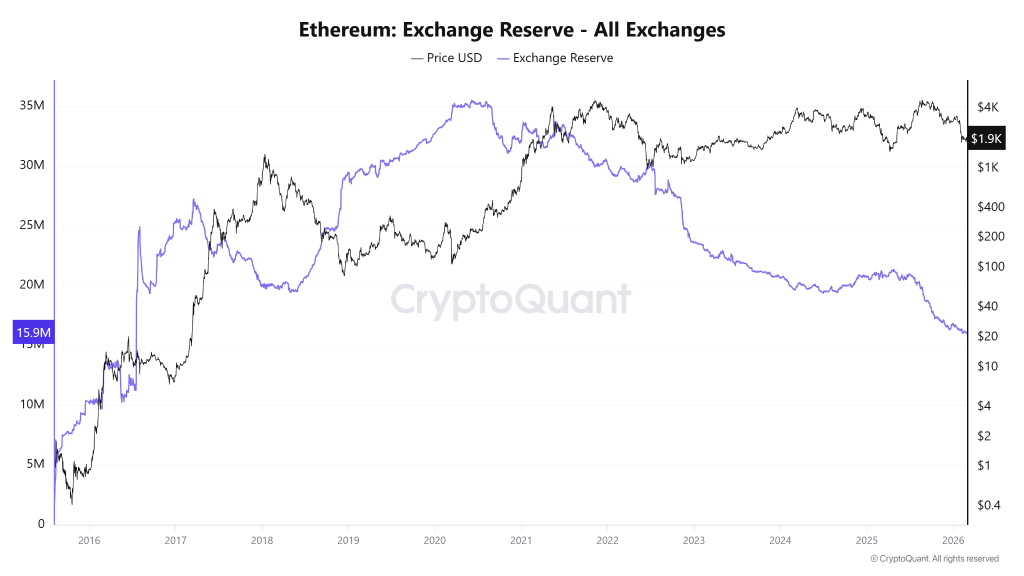
Ether reserves held on exchanges fell to a new multi-year low as ETH price struggled to trade above $2,000. Will the supply crunch benefit bulls or bears?
Over a third of tracked altcoins now sit near cycle lows despite a broader market stabilization. On-chain analytics firm CryptoQuant reports that 38% of altcoins are currently trading close to their all-time lows, marking a more severe retracement than the…
Global payments giant Visa is expanding its partnership with Stripe-owned Bridge to scale stablecoin-backed cards to more than 100 countries. In a statement published on March 3, Visa confirmed that the expanded program will allow businesses and developers to issue…
Pi Network price is suddenly doing better than top cryptocurrencies like Bitcoin, XRP, and Solana this year, driven by key catalysts like the potential Kraken listing and the upcoming validator rewards distribution. Pi Coin (PI) token has dropped by 17%…
Cardano (ADA) price is once again struggling near the $0.30 region, and the latest daily structure doesn’t inspire much confidence for the bulls. After a brief recovery attempt in February, the price has started to stall, suggesting that buying pressure is losing strength.
After breaking down from the $0.33–$0.37 range earlier this year, ADA price has struggled to regain structural strength. The recent bounce appears corrective rather than impulsive, raising the possibility of another leg lower.
ADA Faces Strong Overhead Resistance
On the chart, the $0.30–$0.31 zone continues to act as firm resistance. Every push into this area has been met with selling, preventing ADA from building any meaningful upside momentum. Instead of forming higher highs, the price has drifted sideways to lower, a sign that the recent bounce may have been more of a relief move than the start of a new uptrend.
At the same time, ADA is hovering just above a rising trendline near $0.25–$0.26. This level has quietly supported the price over the past few weeks. But the support is getting tested more frequently, and that usually weakens it. If this trendline gives way, a move toward $0.24 becomes increasingly likely, roughly a 10% drop from current levels.
Momentum indicators are also leaning cautiously. The MACD is flattening after a short-lived recovery, and the RSI remains below the 50 mark. That typically signals that bulls haven’t fully regained control. Volume hasn’t expanded meaningfully during recent upside attempts either, which makes the rebound look hesitant rather than convincing.
Key Levels to Watch
Immediate Resistance: $0.30–$0.31
Major Resistance: $0.33
Trendline Support: $0.25–$0.26
Downside Target: $0.24
A decisive break below $0.25 could accelerate downside momentum toward the $0.24 region. Conversely, ADA would need a strong daily close above $0.31 to invalidate the near-term bearish outlook.
Conclusion
Cardano’s daily structure suggests that bullish momentum is weakening as the price remains capped below key resistance. While support has not yet broken, the fading strength in indicators increases the risk of a 10% pullback if the current trendline fails.
Unless ADA price reclaims the $0.30–$0.31 zone with conviction, the path of least resistance appears tilted to the downside.
Ethereum price faces $2,000 support as exchange withdrawals surge to the highest level since November, indicating potential shifts in market supply and momentum. Ethereum (ETH) is trading at $2,001 at press time, down 4.3% in the past 24 hours. The…
Bitcoin perpetual open interest posts its largest daily rise since 2025 as BTC stalls below $70k. Bitcoin’s (BTC) derivatives market has shifted into a more fragile configuration after a sudden surge in perpetual futures open interest coincided with a stalled…
The price of MSTR stock has remained within a narrow range since early February, closely tracking Bitcoin’s performance, which has stagnated between $60,000 and $70,000. Strategy stock was trading at $134 on Tuesday, up by nearly 30% from its lowest…
Brazil’s central bank will force licensed crypto exchanges to prove asset sufficiency daily from Jan. 1, 2027. Brazil’s central bank has introduced a new regulatory framework that will require all licensed cryptocurrency trading platforms in the country to submit daily…
Spot XRP ETF inflows top $1.2b as rising exchange outflows signal tightening supply dynamics. As spot XRP ETF inflows accelerate, the market is showing a highly significant and signal-rich shift: capital is entering, while tokens are leaving exchanges. Multiple data…
Binance debuts seven AI Agent Skills to automate trading, data, and risk workflows. Binance has introduced its first batch of seven AI Agent Skills, creating a unified interface that lets AI agents access spot trading, wallet data, and execution tools…
YZi Labs commits $100m to Hash Global’s BNB Holdings Fund, pitching BNB as institutional-grade yield infrastructure. YZi Labs is putting a nine‑figure stamp on its BNB (BNB) thesis, committing $100m to Hash Global’s new BNB Holdings Fund and openly pitching…
XRP price is retesting range lows as open interest drops 70%, putting $1.30 support in focus. XRP (XRP) is back near the bottom of its range amid continued selling pressure. At press time, the token trades at $1.34, down 4.4%…
The Eric Trump-led company adds 3 EH/s in new capacity, expanding its Alberta mining fleet as it deepens exposure to BTC amid volatile market conditions.
Visa and Stripe-owned Bridge aim to expand stablecoin-linked Visa cards to 18 countries, and plan 100-plus by the end of the year, while testing stablecoin settlement with Lead Bank.
Strive’s Joe Burnett argues AI-driven deflation may force looser policy, pushing Bitcoin toward $11 million a coin by 2036 and a $230 trillion market cap.
The XRP price is flashing signals that traders can’t afford to ignore. Thirty-day realized volatility has just spiked to levels not seen since March 2025. Historically, when that happens, a massive XRP price move follows. Volatility doesn’t just wake up one morning and stretch like this for no reason. Something is building.
But let’s be real, while volatility expands, price hasn’t been kind. XRP has fallen from $3 to $1.35. That’s not a minor pullback. That’s a structural unwind.
XRP Price Volatility Sends Warning
A spike in 30D realized volatility usually means one thing: compression is over. Every previous time this metric reached similar levels, XRP didn’t drift sideways in fact it moved. Hard.
So what does the current XRP price chart suggest? It shows tension. A coiled spring. Traders tracking XRP price prediction narratives know volatility expansions tend to resolve decisively. The direction, though, is where the debate begins.
Open Interest Wiped Out
According to analyst Amr Taha, Across major derivatives exchanges, XRP open interest has cratered. On October 6, 2025, total OI peaked at $660 million. As of March 3, 2026, that number sits at $203 million. That’s a $457 million wipeout in five months.
Binance leads the drop. Meanwhile, Bitfinex and Bitmex OI levels have shrunk to $4.3 million and $3 million respectively tiny compared to prior figures.
And here’s a historical nugget: the last time Binance XRP OI fell to similar levels was April 2025, when it hovered around $270 million. Back then, XRP formed a major bottom near $1.80 before rallying. Different price zone now, sure. But the pattern rhymes.
XRP/USD Leverage Flush
Falling open interest combined with a falling XRP price usually signals one thing that positions are getting closed. Either traders are voluntarily cutting exposure, or liquidations are forcing their hands.
When excessive futures positioning gets cleared, markets reset. Historically, those reset phases have aligned with local bottoms.
So what’s next? With XRP/USD volatility surging and leverage largely washed out, the setup is cleaner than it’s been in months. The XRP price now sits at a crossroads where history suggests big moves follow extreme volatility spikes.
The Solana price is hovering at $84.83, and the market can’t quite decide whether to yawn or brace for impact. Daily volume is pushing past $5 billion. Down 2.18% in the last 24 hours, sure but still up 8.94% on the week. That’s not exactly panic. With 570 million SOL in circulation, the market cap sits at $47.8 billion. In other words, there’s real money parked here, and it’s not flinching.
Solana Price Holds Channel Support
Zoom out to the weekly Solana price chart and things get interesting. Price action continues to respect a long-term ascending channel. The lower boundary, around $80–$85, has historically acted like a trampoline whenever price touches it, then springs higher toward the midpoint.
Right now, SOL is pressing against that same zone again.
Key resistance levels sit at $240, then the bigger psychological hurdles at $500 and $1,000. Stretch the imagination further and the channel’s upper region sits near $3,500 this cycle assuming liquidity shows up and adoption keeps pace. That’s a big “if,” but technically, the structure hasn’t broken.
SOL/USD Faces the $90 Test
Short term, the SOL/USD pair is trapped in a narrowing range. Repeated rejections at $90 scream overhead supply. At the same time, every dip toward $70 finds buyers waiting.That’s textbook compression.
So, what’s next? A daily close above $90 could open the door to $105–$120 and validate the breakout narrative many traders are eyeing in their Solana price prediction thories. But lose the $80 mid-range support, and $70 gets revisited fast. Markets don’t hesitate when ranges break.
Whales Accumulate While Retail Hesitates
The internal price data suggests bigger players are leaning bullish. The Whale vs. Retail Delta on Binance Perps just printed a strong 1.140 green spike. Translation? Large participants are quietly buying this consolidation zone near $84.62.
Volume tells a similar story. Daily buy volume stands at 7.732M versus 6.237M in sell volume roughly 24% more aggressive buying pressure during a sideways grind. That’s not retail FOMO. That’s calculated accumulation.
Meanwhile, Chaikin Money Flow sits at 0.02, signaling steady capital inflows. RSI at 44.74? Neutral. Not overbought, not exhausted. Plenty of room to expand if momentum flips.
The daily chart’s tight consolidation box says volatility is loading. EMA bands are flattening. Price holds above $80.
The Solana price isn’t surging yet, but it’s consolidating, indicating a forthcoming direction.
New paper flags risk to bank funding just as payments giants ramp up tokenized settlement. The European Central Bank (ECB) has fired a shot across the bow of the stablecoin industry, warning that widespread use of private tokens could undermine…
After four weeks of redemptions, U.S. spot Bitcoin ETF products snap back with a $458m daily surge and renewed institutional demand. U.S. spot Bitcoin ETFs are quietly back in accumulation mode, and the tape looks more like the start of…
Ondo Finance has received approval to offer tokenized U.S. stocks and exchange-traded funds in the Abu Dhabi Global Market, marking a new regulatory milestone for the company. In a Mar. 3 announcement, Ondo said its digital securities from the Ondo…
Shiba Inu Coin price retreated for six consecutive days even as its futures open interest rebounded. Shiba Inu (SHIB) token slumped to $0.0000054, continuing a strong downward trend that has been going on since November 2024 when it peaked at…
Ethereum price flat near $2k, one month from rare capitulation, $2.2k breakout or $1.83k breakdown now key trigger. Ethereum (ETH) price is sitting at an awkward crossroads: technically fragile, but primed for a sharp reversal if one key level flips.…
As Bitcoin mining interest surges in 2026 amid market volatility, beginner-friendly cloud mining platforms, led by Hashbitcoin, are gaining traction. #partnercontent
BTC rebounds ~4.8% to $68.8k after Iran strikes as outflows spike. Joint U.S.–Israeli airstrikes on Iranian targets have turned the country’s already‑fraught relationship with digital assets into a live‑fire test of how crypto behaves under extreme geopolitical stress. Within minutes…
Uniswap price has rebounded toward $4 after a U.S. judge dismisses a long-running scam-token lawsuit against Uniswap Labs. Uniswap (UNI) is trading at $2.83 at press time, up 1.6% in the past 24 hours. The token has gained roughly 15%…
Bitcoin price retreated by over 2.50% on Tuesday, erasing some of the gains made on Monday. It dropped to $67,000, and could be at risk of falling to $50,000 as the US dollar and crude oil prices surge. US dollar…
A new analysis compares SUI and Solana-based presale token PATOS, outlining how tokenomics, liquidity, and exchange strategy could shape their 2026 upside potential. As of Sunday, March 1, 2026, the cryptocurrency market is experiencing a profound macroeconomic rotation, transitioning from…
Attention is shifting toward structured participation models like cloud mining, with platforms such as FORT Miner positioning themselves as infrastructure-driven alternatives to price speculation. #partnercontent
MARA Holdings revised its treasury strategy to allow the potential sale of Bitcoin holdings that were previously held long term, according to its latest SEC filing. As of December 31, 2025, the company held 53,822 BTC, with about 9,377 BTC loaned out and 5,938 BTC pledged as collateral against debt. The policy change gives MARA greater flexibility to manage liquidity and balance sheet needs, signaling a shift from its earlier strict long‑term holding approach toward a more active digital asset strategy.
SoFi, the first U.S. nationally chartered and FDIC-insured bank to issue a stablecoin on a public blockchain, has partnered with Mastercard to use SoFiUSD for global payment settlements. Launched in December 2025 and fully backed by cash reserves, SoFiUSD enables instant 24/7 transactions for businesses, cross-border remittances, and B2B payments. SoFi CEO Anthony Noto called it a key step toward faster, cheaper, and safer money movement, while Mastercard highlighted how it combines regulated digital currency with its trusted scale amid $30 billion in daily stablecoin volume.
Bitcoin price is hovering between $66,000 and $68,000, struggling to reclaim the $70,000 level that has capped upside for more than a month. Despite repeated rejections, the broader structure remains intact, with bulls quietly defending support while selling pressure appears to be easing.
On-chain data now shows a noticeable slowdown in long-term holder distribution, suggesting that aggressive selling has cooled. This shift has strengthened expectations among larger market participants that Bitcoin could attempt a move toward the $72,000 region if resistance finally gives way.
The key question, however, remains unresolved: will fading distribution provide enough fuel for a breakout, or will leveraged bets and overhead supply continue to keep BTC trapped below $70,000?
Long-Term Holders Are No Longer Selling Aggressively
According to Glassnode’s Long-Term Holder Net Position Change metric, months of distribution appear to be slowing. The chart shows an extended red phase throughout late 2025, indicating long-term holders were reducing exposure during previous rallies.
However, recent data suggests this trend is stabilizing. The shift toward neutral and slightly positive net positioning implies that large, long-term participants are no longer aggressively selling into strength.
Historically, when long-term holder distribution fades, Bitcoin often enters a consolidation phase before attempting a renewed upside move. While accumulation has not yet turned aggressive, the decline in net selling suggests that supply pressure may be thinning.
This structural shift matters because long-term holders typically represent stronger hands within the market cycle.
$40 Million 40x Short Position Raises Volatility Risk
At the same time, derivatives data reveal a significant leveraged position in play. A trader has opened a $40.1 million short position on Bitcoin using 40x leverage, with an entry near $67,018. The liquidation level for this position sits around $72,322. In simple terms, if Bitcoin rises roughly 7–8% from here, that position gets wiped out.
This creates an important technical setup where, if a break above $70,000 is coupled with an increase in the bullish momentum, it may bring the short positions into danger. At 40x leverage, even a relatively modest upside move can trigger forced liquidation. If that happens, automated buying pressure could push BTC rapidly toward or beyond $72,000. However, as long as Bitcoin remains below $70,000, the short position remains structurally intact.
What Happens Next?
There are two realistic paths.
If buyers absorb supply and push BTC price above $70,000, the fading long-term selling pressure combined with a vulnerable short position could create a squeeze toward $72,000 or higher. But if resistance holds again, Bitcoin may continue consolidating below $70,000 while leverage slowly unwinds.
The market isn’t euphoric. It isn’t panicking either, but coiled. And the next breakout attempt could determine whether $72,000 becomes the next milestone for the Bitcoin (BTC) price rally or remains just out of reach.
The firm accused of crashing Bitcoin daily and front-running the $40 billion Terra collapse is also the largest holder of the world’s biggest silver ETF.
Jane Street added a record 20.6 million shares of BlackRock’s iShares Silver Trust (SLV) in Q4 2025, per its latest 13F filing. That is a jump from roughly 41,000 shares the prior quarter. A 500x increase in one filing.
The position is worth approximately $1.3 billion. It places Jane Street above BlackRock itself, which added zero new shares, and Morgan Stanley, which sold 3.7 million.
87% Options, One Big Question
Over 87% of Jane Street’s $662 billion portfolio sits in options, according to filings cited by Bull Theory on X. The firm profits by creating and trading volatility with massive leverage.
When a firm with that kind of options exposure also controls the largest chunk of a physical silver ETF, the structure raises questions.
Same Firm, Three Markets, Three Accusations
Jane Street now faces allegations across three asset classes.
Terraform Labs’ bankruptcy administrator sued the firm for alleged insider trading during the 2022 Terra collapse. The lawsuit claims a Jane Street-linked wallet pulled 85 million UST from Curve3pool within minutes of Terraform’s unannounced $150 million withdrawal.
In India, SEBI accused the firm of manipulating the Bank Nifty index across 18 derivatives expiry days and ordered it to deposit roughly $566 million. The appeal hearing was adjourned February 25.
In crypto, traders accused Jane Street of running a daily “10 AM dump” on Bitcoin. That pattern allegedly broke after the Terraform lawsuit surfaced.
Jane Street has denied all claims, calling the Terraform suit “desperate” and “baseless.”
JPMorgan, the custodian of SLV’s physical silver, paid $920 million in 2020 to settle CFTC charges for spoofing precious metals over eight years.
What Silver Traders Should Watch
Silver has fallen over 30% from its January high near $121, dropping another 6.6% on March 3 to around $83. This is partly driven by broader market stress from the U.S.-Israel military strikes on Iran.
But the structural concern runs deeper. When the same firm faces manipulation accusations in equities, crypto, and stablecoins, then builds the largest position in the world’s biggest silver ETF backed by an options-heavy portfolio, traders are paying attention.
No regulator has opened a formal silver investigation yet.
Japan has always been quick to adopt blockchain. Today, the Bank of Japan has launched a new blockchain settlement sandbox to test moving central bank reserve money on-chain. While no network has been officially chosen, Japan’s deep ties with Ripple and the XRP Ledger (XRPL) are drawing attention across global financial markets.
BOJ Tests On-Chain Settlement for Reserve Deposits
Governor of the BOJ, Kazuo Ueda, announced that the Bank of Japan will launch a sandbox program to test using blockchain for central bank money. The goal is to let banks move their reserve money on-chain using instant transfers and smart contracts.
This is not about retail crypto or public token trading. It involves real central bank money that commercial banks hold at the BOJ.
The sandbox program will reportedly test atomic transactions (instant and final settlement), smart contract functionality, artificial intelligence integration, and compatibility with BOJ-NET, Japan’s core interbank settlement system.
If successful, this could modernize how large financial transfers are processed in the country.
Japan has already been researching a digital yen under its central bank digital currency (CBDC) experiments. However, this new sandbox appears focused more on infrastructure efficiency rather than issuing a retail CBDC.
Ripple Already Active in Japan’s Blockchain Ecosystem
The development becomes more interesting when viewed alongside SBI Holdings’ long-standing relationship with Ripple. SBI, one of Japan’s largest financial groups, has owned roughly 9% of Ripple since 2016.
Over the years, SBI and Ripple have already been running cross-border payment services using the XRP Ledger (XRPL).
Meanwhile, SBI recently launched a ¥10 billion digital bond with XRP-linked incentives and signed an agreement to help distribute Ripple’s RLUSD stablecoin in Japan.
Bank of Japan Might Choose XPR Ledger
The Bank of Japan’s blockchain settlement testing does not confirm any specific ledger choice.
Perhaps, some market participants believe that if the Bank of Japan chooses a blockchain system in the future, it could be XRPL, since it is already connected to parts of Japan’s financial system.
Ripple CEO Brad Garlinghouse has previously praised Japanese policymaker Taira Masaaki for supporting blockchain growth.
He stated that Japan’s leaders are committed to advancing crypto and blockchain technology through clear regulatory frameworks.
Pi Network price has rebounded from recent lows near $0.14 and is now trading around $0.17 on the daily timeframe. The recovery comes as momentum indicators improve and the price approaches a crucial range, signaling short-term stabilization after an extended decline. However, the move is unfolding just below a critical resistance zone close to $0.2, where previous breakdown pressure emerged.
At the same time, recent on-chain wallet transfers linked to the core team have introduced potential supply-side uncertainty into the setup. This raises the concern over the upcoming price action, whether the PI price will break above $0.2 to reach $0.22 or slip back into the bearish range.
Pi Price Analysis: Supply Pressure Meets Key Resistance
Pi Network is currently trading near $0.170 after rebounding from recent lows around $0.14. On the daily timeframe, price has recovered toward the mid-Bollinger Band, signaling short-term stabilization following a prolonged downtrend.
However, the broader structure remains cautious. The $0.19–$0.20 zone continues to act as a key resistance area, previously serving as breakdown support. Unless this level is reclaimed decisively, the current move appears to be a relief bounce rather than a confirmed trend reversal.
The RSI has climbed back above 50, indicating improving momentum, but it has not entered bullish expansion territory. This suggests buyers are regaining control gradually, not aggressively.
Adding to the technical setup, recent on-chain data shows wallets linked to the Pi Core Team transferring significant amounts of PI tokens to exchange-associated addresses. While such transfers do not confirm immediate selling, they increase the potential for supply to enter the market. This creates short-term uncertainty, particularly as the price approaches resistance. If additional tokens are distributed near the $0.19–$0.20 supply zone, upside momentum could remain capped.
How High Can Pi Price Go?
The current price action reflects a recovery attempt rather than a confirmed trend reversal. Technically, PI must reclaim the $0.19–$0.20 resistance zone with strong volume to shift momentum decisively in favor of buyers. If this materialises, a move beyond $0.23 could be imminent, which is the major resistance to achieve.
However, the momentum may fade for a while around this range, but if the bulls manage to reclaim the levels after a brief correction, reaching $0.3 may not be a tedious job for the Pi price rally.
Jupiter price has quietly become one of the strongest performers this week. While much of the market has been moving cautiously, JUP has climbed more than 24% over the past seven days, and the move doesn’t look random. Institutional capital stepped in. A major supply unlock was absorbed without panic. And technically, the chart has shifted from compression to expansion. When those pieces align, markets tend to pay attention.
So what exactly pushed Jupiter higher, and can this momentum continue?
The $35M Institutional Backing That Changed Sentiment
The biggest catalyst came from ParaFi Capital, which committed $35 million into Jupiter. That number matters, but the timing matters even more.
The investment was announced during broader market weakness, when many funds were reducing risk exposure. Instead of stepping back, ParaFi leaned in. The allocation reportedly includes long-term positioning rather than short-term trading exposure, signaling conviction in Jupiter’s role inside the Solana ecosystem. Institutional capital entering during uncertain conditions often shifts sentiment quickly. Traders see it as a vote of confidence, not just liquidity. That narrative alone helped reprice expectations around JUP.
Supply Shock That Never Materialized
At the same time, Jupiter faced a significant test. Roughly 253 million JUP tokens, worth about $36 million, were unlocked as part of scheduled vesting. In weaker conditions, events like this typically trigger heavy selling.
Instead, the price moved higher. That tells you demand was strong enough to absorb the additional supply. When large unlocks fail to push price down, it often signals accumulation underneath the surface. Markets tend to reward that kind of resilience.
Jupiter Price Chart Finally Broke Out
For weeks, JUP had been stuck inside a descending wedge pattern. Lower highs pressed price downward, while buyers quietly defended support near the $0.135 region. That compression finally resolved upward.
JUP price broke through descending resistance with rising volume, the kind of breakout traders look for when confirming trend reversals. Momentum indicators also shifted higher, with RSI pushing above 60 without entering overbought territory. In simple terms, the market stopped drifting and started expanding. And that shift is what fuels continuation rallies.
Key Levels to Watch
JUP price now faces its first real test near the $0.18–$0.20 range. Clearing that zone convincingly could open room toward $0.22–$0.24, where previous supply once capped upside. On the downside, $0.16 has become the level bulls must defend. If price falls back below it, the breakout narrative weakens. For now, structure favors continuation, but confirmation requires holding above former resistance.
What’s Next for Jupiter (JUP) ?
Jupiter’s 24% weekly surge isn’t built on hype alone. It’s supported by institutional capital, supply absorption, and a clean technical breakout.
If broader market conditions remain stable and buyers defend support, JUP could extend this move further. However, resistance ahead will determine whether this is the start of a larger expansion phase or simply a sharp relief rally. For now, Jupiter has shifted from quiet consolidation to active momentum, and traders are watching closely to see how far it can run.
At the beginning of March, the cryptocurrency market once again experienced intense turbulence. Bitcoin briefly pushed toward a major psychological level before pulling back amid escalating geopolitical tensions and broader volatility across global risk assets. Within just 24 hours, more than $400 million in liquidations were recorded across the crypto market, wiping out both long and short positions and amplifying uncertainty.
On one hand, some analysts argue that Bitcoin continues to demonstrate relative resilience despite macro pressure. On the other hand, sharp price swings and tightening liquidity conditions have made short-term direction increasingly difficult to predict. ETF flows, policy expectations, and geopolitical developments are all interacting, creating a highly uncertain environment.
Against this backdrop, more investors are asking a fundamental question: When volatility becomes the norm, is there a more structured and rule-based way to participate?
From Price Speculation to Computing Infrastructure
Blockchain networks do not stop operating when prices fluctuate. Whether in bull markets or volatile consolidation phases, miners continue securing networks and earning block rewards by providing computing power.
Compared to short-term trading and leverage-driven strategies, contract-based cloud mining emphasizes participation in core infrastructure rather than simply betting on price direction. This structured approach is increasingly gaining attention as investors seek alternatives to high-volatility speculation.
Within this evolving landscape, London-based global cloud mining platform FORT Miner is emerging into the spotlight.
FORT Miner: A Technology-Driven Global Cloud Computing Platform
Headquartered in London, United Kingdom, FORT Miner is dedicated to providing secure, transparent, and efficient cryptocurrency mining power services to users worldwide.
Leveraging advanced blockchain infrastructure, intelligent hashrate scheduling systems, and a globally diversified mining network, FORT Miner has established an international operational framework and earned growing trust within the industry.
The company’s core team members come from globally recognized technology leaders such as Amazon, Bitmain, and Coinbase, bringing deep expertise in blockchain architecture, AI-driven computing optimization, energy management, and data center operations.
FORT Miner’s vision is clear: To become a world-leading computing power technology platform, enabling users worldwide to participate fairly in the digital economy without requiring hardware ownership or technical expertise — while promoting greater transparency, security, and sustainability across the blockchain industry.
Core Advantages
Intelligent Hashrate Optimization Algorithm-driven allocation of computing power and energy resources to maintain efficiency across different market cycles.
Multi-Regional Mining Deployment Global infrastructure diversification reduces exposure to policy or energy fluctuations in any single region.
Transparent Revenue Mechanism Users can monitor real-time operational data and earnings performance through a clear and trackable system.
Low Barrier to Entry No need to purchase hardware or manage maintenance — participation is achieved through structured contract-based models.
How to Join FORT Miner
The participation process is straightforward and efficient:
2⃣ Select a cloud mining contract that fits your investment preferences
3⃣ The system automatically deploys the corresponding hashrate — no technical setup required
4⃣ Earn mining rewards according to contract terms, with real-time data visibility
Contract Example: For additional details, please visit fortminer.com.
Experience Contract: Investment of $100, term of 2 days, daily return of $3.6, total return of $107.2 at maturity
Basic Level Mining Plan: Investment of $1200, term of 10 days, daily return of $17.04, total return of $1370.4 at maturity
Intermediate Mining Program: Investment of $5000, term of 20 days, daily return of $76.5, total return of $6530 at maturity
Advanced Mining Program: Investment of $30000, term of 25 days, daily return of $567, total return of $44175 at maturity
Flagship mining program: Investment of $100000, term of 30 days, daily return of $2150, total return of $164500 at maturity
After purchasing the contract, your earnings are guaranteed and automatically credited to your account every 24 hours. Your principal will be fully returned upon contract expiration. You can withdraw or reinvest at any time and enjoy compound interest.
Conclusion
As markets react to geopolitical shocks, macroeconomic uncertainty, and large-scale liquidation events, volatility has become a defining feature of the current crypto cycle. For many participants, the challenge is no longer solely about predicting price direction — it is about building a more resilient participation structure in an unpredictable environment.
Contract-based cloud mining models are emerging as one such alternative.
Before the next major market cycle unfolds, infrastructure strength and technological efficiency may ultimately prove to be the foundation of long-term competitiveness.
For more information, please visit the official FORT Miner website: fortminer.com
Ether needed to hold a key support recently established at $1,800, coinciding with the lower trend line of a classic chart pattern that warns of a drop below $1,500.
The move follows a 52.58% Snapshot vote on a $42.5 million funding package for Aave Labs, now headed to the ARFC stage before any binding onchain decision.
Bybit says most of the $300 million “saved” came from users backing out after real-time warnings, highlighting how exchanges are shifting from recovery to preemptive fraud stops.
Japanese PM Sanae Takaichi said she had no knowledge of the token, as Kyodo reported the FSA was considering whether unregistered operators were involved.
The European Central Bank warns in a new working paper that as stablecoin adoption grows, deposits may leave banks, affecting lending and monetary policy transmission.
The two separate rulings add new regulatory pressure as prediction markets also face scrutiny over information advantages and suspected insider activity tied to event-driven contracts.
Riot Platforms posted record 2025 revenue of $647 million, driven by $576 million in Bitcoin mining revenue, while holding 18,005 BTC worth $1.6 billion.
As XRP regains momentum, investors are exploring alternative passive income strategies, with cloud mining and DeFi platforms like KT DeFi. #partnercontent
Shares of Core Scientific fell in premarket trading following the company’s announcement that it plans to monetize substantially all of its remaining Bitcoin holdings in 2026 to fund liquidity needs and its AI infrastructure pivot. The stock was down about…
Bitcoin acted as a good shock absorber for this time global chaos war-like event. It briefly dipped to $63000 after the U.S.-Israel-Iran attack, but had a quick rebound near $67,000 on Feb 28.
While indicators in mid-term paint a neutral to bearish continuation trend, the BTC Onchain data indicate a bullish approach of large and small investors.
The ongoing market sentiments and performance indicators show a potential rally of Bitcoin Price to $75K, after breaking the horizontal channel formed since early Feb.
Bitcoin ETF’s Are All Green, Funding Rate Retuerned To Positive.
The strong resilience of the Bitcoin price to a war situation has impressed institutional players; the big investors see this dip as an entry opportunity.
As shown in SoSo data, Bitcoin BTC spot exchange-traded fund (ETFs), have recorded a total inflow of $458.19 million on March 2 Closing. Which is strong and concurrent.
Soso value : Bitcoin ETF inflow/Outflow
The flex is none of the 12 active ETFs registered any net outflow. Showing ‘Smart Money Confidence in big investors and so influencing the retail traders too.
Additionally, Bitcoin’s funding rate is now back to the positive zone with a rate of 0.0022%. As the funding rate expresses a settlement between perpetual traders to keep the contract price in line with spot performance.
Bitcoin Funding Rate : CoinGlass
A positive rate suggests long positions are in demand.
The SAR Chart Denies Bullish Momentum
While all the signs print a positive perspective for Bitcoin price growth, the indicator Parabolic Stop and Reverse (SAR) stays bearish.
Bitcon SAR and RSI
It is a trend reversal indicator that says having dots below the price line shows a bullish sign, and having dots above the price line is bearish.
Furthermore, the Relative Strength Index (RSI) at 42 shows growing selling pressure of the asset
BTC/USDT Targets $75K with a short pullback.
Trading at $66,826 at press time, Bitcoin is travelling inside a horizontal channel since early February.
Bitcoin has completed a strong bullish expansion after a clear market structure shift and is now pulling back into a key demand zone around $65K–$65.7K.
BTC:USDT
Price is currently reacting from this support area, which could trigger a continuation move toward $69.6K, followed by a potential expansion toward $75K if buyers maintain control.
However, a breakdown below $63.8K would invalidate the bullish outlook and open the door for a deeper correction.
Another Solana meme coin tied to a world leader just blew up, and not in the way its creators hoped.
Japan’s Prime Minister Sanae Takaichi has publicly denied any connection to SANAE TOKEN, a Solana-based meme coin that briefly surged to a $27.72 million market cap before collapsing to around $6 million.
Japan PM Issues Statement on X
Takaichi posted on X, stating, “I have absolutely no knowledge of this token, nor has my office been informed about what this token entails. We have not given any approval whatsoever in this matter.”
She added that she issued the statement “to ensure that the public does not labor under any misapprehensions.”
Within four hours of her post, the token’s value dropped more than 50%.
Who Created SANAE TOKEN?
The token was announced on February 25 by NoBorder, a YouTube channel run by Japanese entrepreneur Yuji Mizoguchi. It was positioned as an incentive token for a project called “Japan is Back,” a slogan Takaichi inherited from her mentor, former Prime Minister Shinzo Abe.
NoBorder said it chose the name because “sanae” symbolizes “a democratically elected leader.”
The token’s website does carry a disclaimer saying it is not affiliated with or endorsed by Ms. Takaichi. But the project drew criticism on social media, with users calling it misleading.
Creator Denies Profiting From the Token
NoBorder founder Yuji Mizoguchi responded to the controversy on X, stating, “We have not earned even a single yen in revenue from this matter.”
He acknowledged receiving significant backlash but pushed back against the pile-on.
“I’m not running this business to cut out my colleagues,” he wrote.“As a manager, I need to clarify the facts and where responsibility lies. We should face this not with emotions, but with facts.”
Mizoguchi also addressed delays in his public response, saying fact-checking and coordination with various parties were taking time.
On-Chain Data Raises Red Flags
According to GMGN data, the top three wallet addresses hold roughly 60% of the token’s supply. Multiple leading addresses showed significant token inflow activity, raising concentration concerns.
At the time of writing, SANAET is trading at $0.0075 with a market cap of around $7.5 million, down over 44% in the last 24 hours. The token has just 947 holders and less than $400K in liquidity backing it, according to DEXTools data.
Political Meme Coins Keep Crashing
This is not the first time a Solana meme coin linked to a political figure has caused turmoil.
Argentina’s President Javier Milei faced intense backlash after the LIBRA token, initially framed as having his backing, surged to a $4.5 billion valuation before crashing over 95%. That controversy triggered a federal investigation and a class action lawsuit.
Takaichi’s case is different. Unlike TRUMP or LIBRA, her involvement was never claimed by anyone with authority. The token was created entirely without her knowledge or consent, yet it still managed to reach a multimillion-dollar valuation before reality caught up.
Never Miss a Beat in the Crypto World!
Stay ahead with breaking news, expert analysis, and real-time updates on the latest trends in Bitcoin, altcoins, DeFi, NFTs, and more.
FAQs
What is the SANAE meme coin and why did it crash?
SANAE is a Solana-based token falsely implying ties to Japan’s Prime Minister. It crashed over 50% after she publicly denied any involvement.
Are political meme coins safe to invest in?
Political meme coins are highly risky, often driven by hype and rumors rather than fundamentals, making sharp crashes common.
Why do Solana meme coins crash so quickly?
Many rely on viral momentum, low liquidity, and concentrated token holdings, which can trigger rapid price collapses.
Are meme coins linked to politicians regulated?
Most operate without formal oversight, and false endorsement claims can raise legal and regulatory risks.
At the FIN/SUM2026 conference, Bank of Japan Governor Kazuo Ueda revealed a new blockchain sandbox project to experiment with settling central bank money, including interbank transfers and securities, using distributed ledger technology. The initiative aims to enable 24/7 instant settlement, improve efficiency, and explore tokenization, while managing risks such as smart contract vulnerabilities. It connects to international efforts such as Project Agorá, where central banks test tokenized deposits for cross‑border payments. The move positions Japan to balance innovation with financial stability as digital finance evolves.
While many in the industry were waiting for the Crypto Clarity Act to pass, a new debate has started around it. Cardano founder Charles Hoskinson warned that the bill could have classified XRP as a security at launch. He also criticized Ripple CEO Brad Garlinghouse for supporting the bill.
Hoskinson believes the proposal could harm the future of crypto in the United States.
So, how could this happen?
Hoskinson Says XRP Would Start as a Security Under Crypto Clarity Act
Speaking in a recent broadcast, Hoskinson argued that the Crypto Clarity Act, also known as H.R. 3633, places the burden of proof on crypto projects to show they are no longer securities. According to him, this could trap projects in long-term regulatory uncertainty.
To explain his concern, Hoskinson used XRP as a key example. He asked, “Gemini, would XRP be a security at the time of launch?”
Explaining the Gemini answer, Hoskinson said that based on the bill’s framework, XRP would likely have been classified as an “investment contract asset,” meaning a security, when it first launched in 2012.
At that time, the XRP ledger was highly centralized and largely controlled by its founders, who later formed OpenCoin, renamed it Ripple Labs.
Because the network depended heavily on the founders’ efforts and lacked decentralization, Hoskinson argued XRP would not have met the standard of a mature, decentralized blockchain in its early stage.
“This bill makes everything a security at the start,” Hoskinson said, adding that XRP, Cardano, Ethereum and others would have initially fallen into that category under the proposed rules.
Why This Bill is Dangerous for Future Crypto Projects?
Hoskinson described the bill as dangerous if not revised. He said the current wording means “everything starts as a security,” including XRP.
“Read the bill,” he urged viewers. “If everything starts as a security, what stops it from staying a security forever?”
While older projects might eventually receive special treatment, he warned that new American crypto startups could face serious regulatory pressure.
He believes this structure could create loopholes for regulators, especially the SEC, to challenge or delay emerging blockchain innovations.
Ripple’s Garlinghouse Supports Regulatory Clarity
Ripple CEO Brad Garlinghouse has taken a different stance. He has publicly supported the Crypto Clarity Act, saying regulatory clarity is better than ongoing chaos. According to him, having clear rules would provide certainty for companies and investors.
Earlier, Coinpedia reported that Garlinghouse said there was an 80% chance the bill could pass in April.
Meanwhile, a JPMorgan analyst, Coinbase CEO Brian Armstrong, and even a U.S. senator have recently suggested that the bill is likely to pass by mid-year, showing growing confidence around its approval.
Never Miss a Beat in the Crypto World!
Stay ahead with breaking news, expert analysis, and real-time updates on the latest trends in Bitcoin, altcoins, DeFi, NFTs, and more.
FAQs
Could the Crypto Clarity Act classify new crypto projects as securities?
Yes, under the bill, all new crypto could start as securities, creating potential regulatory hurdles for startups.
How would XRP have been affected by the Crypto Clarity Act?
XRP’s early centralized design could have made it a security at launch, limiting its legal flexibility in the U.S.
Does regulatory clarity help or hurt crypto innovation?
Clear rules provide certainty for investors and companies, but overly strict definitions could slow emerging U.S.-based projects.
Crypto markets enter March 2026 facing a mix of policy decisions, economic signals, and industry events that could shape the next phase of the cycle.
A video published by FireHustle describes the month as unusually active. At the same time, new data from CryptoQuant shows that large parts of the market remain under pressure.
Five Developments in Focus
Lawmakers in Washington are reviewing the Clarity Act, a bill that would define which digital assets fall under commodities law and which qualify as securities. Clear classification rules could affect how institutions allocate capital in the sector.
On March 18, the Federal Reserve will announce its latest interest rate decision. After easing liquidity tightening in late 2025, markets are looking for guidance on whether rate cuts or a pause could follow. In past cycles, looser financial conditions have supported risk assets, including crypto.
Two industry events are also scheduled this month. The DC Blockchain Summit in Washington and the Digital Asset Summit in New York are expected to draw regulators, asset managers, and crypto firms. Public comments from officials at these events often move markets.
March will also bring fresh U.S. economic data, including inflation and labor reports, which could influence expectations around rates and liquidity.
Meanwhile, the Bitcoin network is nearing the mining of its 20 millionth coin. The protocol caps total supply at 21 million.
Bitcoin May Lead While Altcoins Remain Under Pressure
The FireHustle analysis outlines a familiar pattern from prior cycles. Capital often flows into Bitcoin first. Gains in Bitcoin have at times been followed by stronger moves in select altcoins.
Data from CryptoQuant presents a different picture for much of the altcoin market.
According to the firm, 38% of altcoins are trading near their all-time lows. CryptoQuant analyst Darkfost said this marks the largest altcoin pullback of the current cycle. The decline exceeds levels seen after the collapse of FTX in 2022.
The data shows liquidity has not meaningfully spread beyond Bitcoin. Many smaller tokens continue to record weak demand based on on-chain metrics tracked by the firm.
March Could Set the Tone
Regulatory decisions, central bank policy, and public statements from officials could influence capital flows in the weeks ahead.
If liquidity improves, Bitcoin has historically moved first. Whether altcoins follow may depend on sustained demand returning to the broader market.
For now, on-chain data shows a market that remains uneven, even as major policy and industry events approach.
Never Miss a Beat in the Crypto World!
Stay ahead with breaking news, expert analysis, and real-time updates on the latest trends in Bitcoin, altcoins, DeFi, NFTs, and more.
FAQs
What key events could influence crypto markets in March 2026?
Crypto markets may react to the Fed’s March 18 rate decision, Clarity Act progress, economic data, and major blockchain industry events.
Why are altcoins under pressure compared to Bitcoin?
38% of altcoins trade near cycle lows as liquidity remains concentrated in Bitcoin, limiting demand and price movement for smaller tokens.
Could Bitcoin gains lead altcoin recovery in March?
Historically, capital flows into Bitcoin first; sustained liquidity and demand are needed before altcoins show meaningful recovery.
What should traders watch for in March 2026?
Traders should monitor Fed rate updates, regulatory announcements, on-chain liquidity metrics, and public statements from crypto events.
Nearly 4 out of 10 altcoins are now trading near their all-time lows. CryptoQuant author Darkfost dropped the data, and the numbers are hard to ignore.
At 38%, this is the largest altcoin regression observed during this entire cycle, surpassing even the aftermath of FTX’s collapse in 2022, when the metric hit 37.8%. In April 2025, it stood at 35%. The trend is moving in the wrong direction.
As Coinbureau put it: “This is the BIGGEST ALTCOIN WIPEOUT of this cycle.”
Why the Altcoin Market Keeps Bleeding
Darkfost pointed to a clear liquidity problem.
“The overall environment remains unfavorable for risk-taking, and the first sector to bear the consequences is the cryptocurrency market, particularly altcoins,” he wrote.
Gold has surged past $5,000 this year as investors chase safety. Meanwhile, even Bitcoin miners are liquidating BTC reserves to fund AI infrastructure, with firms like Core Scientific and Bitdeer dumping their entire holdings. Capital seems to be leaving the crypto sector altogether.
The Israel-Iran war is adding pressure. After U.S.-Israeli strikes over the weekend, Bitcoin briefly dropped to $63,000 before bouncing back above $65,000. The geopolitical shock triggered over $300 million in liquidations across crypto futures, and altcoins absorbed the worst of it.
Crypto analyst Michaël van de Poppe sees a very different setup forming on Bitcoin’s chart. BTC held above $65K, rallied toward range resistance, and has been consolidating for weeks.
Very good move of #Bitcoin yesterday, holding above $65K and rallied towards the range resistance.
I mentioned that I expected some days of consolidation before a breakout upwards is likely to occur.
— Michaël van de Poppe (@CryptoMichNL) March 3, 2026
“With this build-up, I think that we’ll see $75-80K in March,” Van de Poppe posted on X.
That’s a bullish thesis. If Bitcoin breaks out while altcoins remain pinned near historic lows, the divergence could define this entire quarter.
Is Altcoin Season Loading?
Darkfost left the door open.
“It is precisely when conditions deteriorate significantly that opportunities also begin to emerge,” he noted.
History backs that pattern. The post-FTX bottom eventually led to one of the strongest rallies in crypto history. Whether this cycle follows the same script depends on whether liquidity returns to altcoins or continues concentrating in Bitcoin.
For now, the altcoin market is at its weakest point this cycle. What happens next could separate the dead projects from the survivors.
Never Miss a Beat in the Crypto World!
Stay ahead with breaking news, expert analysis, and real-time updates on the latest trends in Bitcoin, altcoins, DeFi, NFTs, and more.
FAQs
What caused the 2026 altcoin crash?
The 2026 altcoin crash stems from low liquidity, global uncertainty, and capital moving to Bitcoin and safe-haven assets like gold.
How are altcoins performing compared to Bitcoin in March 2026?
Bitcoin is consolidating above $65K with a bullish setup, while nearly 40% of altcoins remain near all-time lows.
Can altcoins recover if Bitcoin continues to rise?
Recovery depends on liquidity returning to altcoins. Historically, strong Bitcoin rallies can lead to a delayed altcoin season.
Is this a good time to invest in altcoins?
Weak market conditions can offer opportunities, but careful research is crucial to separate strong projects from failing ones.
As macro conditions regain influence over digital assets, investors are increasingly asking whether a rebound in economic activity, particularly a Purchasing Managers Index (PMI) reading above 50, could ignite the next altcoin season. What PMI means for Altcoin Season The…
Solana price tanked over 7% on Monday as fears of the impact of the ongoing U.S.-Iran war continued to drive investors away from risk assets. Current technical signals suggest the token could be set for a downturn. According to data…
Today, the Korean stock market crashed sharply by 7.24% after reopening from a long weekend. This is one of the worst day carsh korean market has seen in 19 months. This crash came into effect following the strike on Iran by the U.S. and israel joinlty.
Korean Stock Market Crash Pushes KOSPI to 19 Month low
South Korea’s benchmark KOSPI index fell by 7.24% in a single session today. The drop wiped out about ₩390 trillion (around $270 billion) in market value. It was the biggest one-day fall since the 2024 yen carry trade crisis.
Many traders could not react earlier because Monday was a public holiday for Samiljeol (Independence Movement Day).
Later, when trading resumed, and institutional investors offloaded trillions of won worth of shares, reflecting strong fear in global financial markets.
Financial analysts say the fall was mainly caused by rising oil prices and supply fears. Crude oil jumped nearly 13%, moving close to $82 per barrel after Iran warned it could block the Strait of Hormuz, a key oil shipping route.
This move hit South Korea hard because the country imports about 2.76 million barrels of crude oil per day from the Gulf, much of it passing through the Strait of Hormuz, which Iran now threatens to block.
Global Markets Also Turn Red
The Korean market was not alone in whose stock market crashed. Major indexes across the world also declined, including the U.S. (S&P 500), Britain’s (FTSE 100), Japan’s (Nikkei), Hong Kong’s (Hang Seng), and India’s (Nifty 50), all dropped between 1% and 3%.
The sell-off showed how closely global markets are linked when geopolitical risks rise.
Other major cryptocurrencies, Ethereum, XRP, Solana, Doge, & other also saw a drop between 5 to 9%.
Perhaps as of now, Bitcoin quickly recovered and climbed back toward $70,000 before settling near $67,000, showing how fast crypto reacts to global events.
Iran Crypto Market Sees 80% Volume Collapse
Inside Iran, crypto trading volume dropped nearly 80% within two days of the strikes. Around $3 million in digital assets moved out of local exchanges as users rushed to send funds overseas.
As of now, both stock and crypto markets remain highly sensitive as tensions between the U.S., Israel, and Iran continue.
Never Miss a Beat in the Crypto World!
Stay ahead with breaking news, expert analysis, and real-time updates on the latest trends in Bitcoin, altcoins, DeFi, NFTs, and more.
FAQs
Why did the Korean stock market crash today?
The KOSPI plunged over 7% due to rising geopolitical tensions after U.S. and Israeli strikes on Iran, sparking fears of an oil supply shock and global economic instability.
How did global markets react to the Korea crash?
Major indexes in the U.S., Europe, and Asia dropped 1–3% as investors reacted to heightened geopolitical risk.
How did oil prices affect South Korea’s market today?
Oil jumped nearly 13% after Iran threatened the Strait of Hormuz, impacting South Korea’s oil imports and stock market.
Bitcoin miner Core Scientific (NASDAQ: CORZ) is getting ready to offload virtually its entire Bitcoin stash. And the timing is interesting.
In its annual report filed Monday, the company revealed it expects to sell the majority of its 2,537 BTC holdings during Q1 2026. The proceeds will go straight into funding its AI compute colocation buildout.
“During 2026, we currently expect to monetize substantially all of our bitcoin holdings, subject to market conditions, to enhance liquidity and fund our planned capital expenditures and other cash requirements,” the company stated in the filing.
From 256 BTC to 2,537, and Now Back to Zero
Here’s what makes this interesting. Core Scientific spent all of 2025 hoarding. Instead of selling mined coins to cover costs, they held. Their reserve grew nearly tenfold, from 256 BTC at the end of 2024 to 2,537 BTC by December 31, 2025, all produced through self-mining. The carrying fair value sat at $222 million, based on an average price of $101,639 per coin.
That accumulation strategy is now being reversed entirely.
The BTC sale announcement landed alongside a rough earnings report. Core Scientific posted Q4 2025 revenue of $79.8 million, falling well short of the $124.5 million analysts expected. Colocation revenue climbed to $31.3 million from $8.5 million a year ago, but it wasn’t enough to offset the mining slowdown.
The company is now scaling a 1.5 gigawatt pipeline of leasable AI capacity with over $10 billion in contracted revenue.
Another Miner Joins the BTC Exit
Core Scientific isn’t the first one.
As Coinpedia reported, Bitdeer also recently dropped its BTC holdings to zero. Cango sold 4,451 BTC for roughly $305 million. Riot Platforms moved 5,363 BTC in 2025 for about $535.5 million in proceeds.
Every one of these sales pointed toward the same destination: AI infrastructure.
What This Means for Bitcoin
With BTC currently trading around $66,988, well below the estimated $87,000 production cost for most miners, the pressure to sell is structural. Miners sitting on reserves they built at higher average costs now face a choice: hold and bleed, or sell and build.
Core Scientific has clearly made its call.
Never Miss a Beat in the Crypto World!
Stay ahead with breaking news, expert analysis, and real-time updates on the latest trends in Bitcoin, altcoins, DeFi, NFTs, and more.
Bitcoin price has reclaimed the $68,000 level after briefly slipping toward $65K, a move that comes despite persistent broader market headwinds. Geopolitical tensions in the Middle East, elevated U.S. Treasury yields near 4%, and cautious risk sentiment have kept volatility elevated across global markets. Yet even within this fragile macro backdrop, Bitcoin price staged a sharp intraday reversal, climbing nearly 6% in just over two hours and reaching $69,000 before encountering resistance at $70K.
The immediate spark came from a sudden explosion in positive social sentiment. But the bigger question now is whether this Bitcoin price rally is simply a retail-driven reaction, or the early stage of a more structural shift backed by institutional and on-chain signals.
According to Santiment, bullish commentary surrounding Bitcoin spiked sharply as price threatened to lose the $65K support level. Positive sentiment readings reached their highest point in 25 days. Within the next 2 hours and 20 minutes, Bitcoin price rallied from below $65,000 to nearly $69,900, marking a rapid 7% surge.
Such spikes often reflect retail-driven momentum. Santiment noted that crowd optimism accelerated quickly as Bitcoin avoided a breakdown, suggesting a reflexive reaction to perceived support strength. At the same time, social discourse remains heavily influenced by geopolitical headlines involving Iran, Israel, and the United States, keeping the market sensitive to sudden developments. Sentiment may have ignited the rally. Sustaining it requires capital flows.
Institutional Capital Steps In-ETF and Coinbase Data Align
Beyond social data, institutional metrics suggest deeper demand is returning to the market. In late February, U.S. spot Bitcoin ETFs recorded approximately $1.1 billion in net inflows over three consecutive trading sessions, including around $652 million into BlackRock’s IBIT alone.
That magnitude of inflow signals significant spot accumulation. At the same time, the Coinbase Premium Index, a key gauge of U.S. institutional demand, flipped positive to roughly +0.05%, marking its first sustained positive reading in nearly 40 days. The premium had remained negative for weeks, reflecting persistent U.S. selling pressure. Its reversal suggests renewed American spot buying activity.
Because Coinbase serves as a primary venue for U.S.-based institutional investors, a positive premium structurally supports Bitcoin price strength.
Importantly, derivatives markets do not show excessive leverage buildup. Funding rates remain relatively neutral, indicating that the Bitcoin price rally appears driven more by spot flows than speculative futures positioning.
The alignment between ETF inflows and Coinbase Premium improvement adds institutional credibility to the move.
A Rare On-Chain Signal Begins to Flash
Bitcoin’s Inter-Exchange Flow Pulse (IFP) is approaching a golden cross. The IFP tracks capital movement between exchanges and long-term holding wallets.
Historically, golden cross formations within this metric have coincided with transitions from corrective phases into expansion cycles. Previous IFP crossovers have preceded sustained upward price trends. If confirmed, the signal would indicate capital shifting away from exchanges and into stronger hands, a structurally bullish development for Bitcoin price over the medium term.
Bitcoin price has broken out of a wedge pattern that compressed volatility for several weeks. Descending resistance has been reclaimed, and a measured move toward $80,000 could be seen if momentum sustains.
However, immediate resistance remains firm between $68,900 and $70,000, where whale sell walls have been identified. On the downside, strong buy walls remain clustered around $64,000–$65,000, reinforcing that zone as near-term structural support.
A decisive break and sustained close above $70K would strengthen the bullish case and potentially accelerate Bitcoin price toward the $80K–$82K range. Failure to clear that level could send the BTC price back into consolidation. If flows persist and technical resistance gives way, Bitcoin price may be transitioning from reactive bounce to broader expansion. For now, $70,000 remains the line that could define the next phase of the cycle.
FAQs
What’s driving Bitcoin’s recent price surge in March 2026?
Bitcoin rallied due to positive social sentiment, U.S. institutional inflows, and early bullish on-chain signals.
Are institutional investors supporting Bitcoin now?
Yes, spot ETFs and Coinbase premium data show renewed U.S. institutional accumulation, strengthening BTC price.
Is the current Bitcoin rally retail-driven or structural?
Initially fueled by retail sentiment, the rally gains credibility from ETF inflows, Coinbase premium flips, and on-chain signals.
Ripple has just taken a major step toward bridging traditional finance and crypto, and even Ripple CTO Emeritus David Schwartz thinks it’s significant. Reacting to a newly surfaced DTCC notice, Schwartz simply wrote that the development “seems important.”
The notice confirms that Ripple’s prime brokerage arm has officially integrated with Wall Street’s core clearing infrastructure, a move that could reshape how institutional crypto flows are processed.
DTCC Integration Explained
The development centers around the Depository Trust & Clearing Corporation (DTCC), the backbone of the U.S. financial system, which processes quadrillions of dollars in securities transactions each year.
According to the document, Hidden Road Partners CIV US LLC was added to the National Securities Clearing Corporation (NSCC) directory on March 2. The firm is now operating under the Executing Broker Alpha code “HRFI” for over-the-counter (OTC) products.
This means Ripple’s prime brokerage infrastructure is now directly connected to legacy U.S. clearing rails. In simple terms, Ripple has secured a gateway into the system that settles and clears trades for major financial institutions.
Bridging TradFi and DeFi
Having said that, this is where the pattern becomes clear. Ripple has been positioning itself not just as a crypto company, but as a bridge between traditional finance (TradFi) and decentralized finance (DeFi).
Hence, by integrating prime brokerage services with DTCC clearing infrastructure, Ripple lays the groundwork for potentially moving large institutional post-trade flows onto the XRP Ledger (XRPL). If post-trade processes, settlement, collateral movement, and liquidity management can eventually touch blockchain rails, that represents a structural shift rather than just a product launch.
Schwartz addressed this directly. He suggested the integration process had likely been in motion before the acquisition was fully finalized, possibly delayed by lingering regulatory approvals. In other words, the paperwork timeline explains the naming discrepancy, not any structural issue.
Crypto Community Reaction: From Analysis to “Moon?”
Beyond the technical discussion, the broader crypto reaction quickly shifted tone. Some users pressed Schwartz for clarity, while others took a more speculative approach.
One user bluntly asked, “moon or nah?” capturing the market’s hunger for price implications.
Others posted optimistic messages like “Perhaps the stars are aligning,” and even symbolic references to a “blood moon,” reflecting typical XRP community enthusiasm.
Overall, the reaction blended serious institutional analysis with familiar crypto optimism. While Ripple’s DTCC integration signals a meaningful structural step toward bridging TradFi and DeFi, the market is still waiting for one thing: confirmation that infrastructure progress will eventually translate into price momentum.
Never Miss a Beat in the Crypto World!
Stay ahead with breaking news, expert analysis, and real-time updates on the latest trends in Bitcoin, altcoins, DeFi, NFTs, and more.
FAQs
What does Ripple’s DTCC integration mean for crypto markets?
It connects Ripple’s prime brokerage to U.S. clearing rails, enabling institutional crypto trades to settle through traditional financial infrastructure.
How could this impact the XRP Ledger (XRPL)?
If post-trade flows move on-chain, XRPL could support settlement, collateral, and liquidity functions for institutional transactions.
Will Ripple’s DTCC move immediately boost XRP price?
Not necessarily. Infrastructure progress strengthens long-term fundamentals, but price gains depend on adoption and market demand.
NEAR Protocol price has surged by 11.45% to $1.34 in the past 24 hours, significantly outperforming Bitcoin 3.3% gain. The rise is primarily driven by a broader rotation of capital into the altcoins. This move is supported by an increase in the trading volume and a breakout above the key technical levels.
What the NEAR Price Structure Shows
On the 4-hour timeframe, NEAR has shifted from a prolonged downtrend into a recovery structure marked by higher lows. The recent rally accelerated after the price reclaimed the short-term moving averages (20/50 SMA), which are now beginning to curl upward, an early sign of momentum reversal.
However, price is currently approaching a previously established supply zone near $1.40–$1.45. This level acted as resistance during earlier breakdowns and remains a critical barrier. A sustained move above this range could open the path toward the next resistance cluster near $1.65–$1.70.
Volume expansion during the latest leg higher indicates active participation rather than thin liquidity. Meanwhile, the RSI is trending upward and approaching the upper range without entering extreme overbought territory. This supports bullish momentum but also suggests the move is nearing a short-term decision point.
Key Levels to Watch
Immediate Resistance: $1.40–$1.45
Major Resistance: $1.65–$1.70
Immediate Support: $1.15–$1.20
Major Support: $0.95–$1.00
A breakout above $1.45 with sustained volume could confirm continuation. Failure at this zone may lead to a pullback toward the $1.20 support area.
Conclusion: What’s Next?
NEAR’s 4-hour structure reflects improving short-term momentum after weeks of consolidation and decline. Buyers have reclaimed key moving averages, but the $1.40–$1.45 resistance remains the defining level. The next directional move will likely depend on whether NEAR Protocol price can convert this supply zone into support or faces renewed rejection.
US spot Bitcoin funds saw strong inflows and increasing volumes on Monday as institutional demand held up in spite of increasing Middle East tensions and broader market uncertainty.
Ben Delo paid a $10 million fine after pleading guilty to US banking violations in 2022 and was granted a pardon by President Donald Trump in March 2025.
Jan van Eck suggested that analysts have been overcomplicating recent Bitcoin price action, arguing that the four-year cycle has been the main driver holding prices down.
Bitcoin price surged to $69,000 Tuesday before a correction, putting it on pace for its strongest daily performance in nearly a week, as VanEck CEO Jan VanEck suggested the world’s largest cryptocurrency may be carving out a cyclical bottom. Speaking…
NEAR Protocol, Virtuals, and Morpho crypto stood as some of the best performers on Tuesday amid a broader market rebound back above the $2.4 trillion mark. According to data from CoinGecko, the global crypto market rose 5% to $2.45 trillion…
Bank of Japan Governor Ueda Kazuo said the rapid integration of blockchain and artificial intelligence is reshaping the financial system, positioning central banks to play a pivotal role in anchoring trust as crypto-linked infrastructure matures. Bank of Japan’s Ueda backs…
The United States Attorney’s Office for the District of Massachusetts filed a civil forfeiture action Monday seeking to recover 327,829.72 USDT, allegedly involved in a money laundering scheme connected to an online romance scam. Justice Department targets crypto laundering in…
The escalating US-Israel-Iran conflict is now spilling into monetary policy expectations. Former Treasury Secretary Janet Yellen warned that the situation makes the Federal Reserve’s job significantly more complicated, especially when it comes to rate cuts.
“I think the recent Iran situation puts the Fed even more on hold, more reluctant to cut rates than they were before this happened,” Yellen said during remarks delivered via video at a conference in Long Beach, California, according to Bloomberg.
Her concern centers on oil. If the Strait of Hormuz, a critical passageway for global oil shipments, remains disrupted for more than a few days, energy prices could stay elevated or climb further. That would worsen inflation at a time when it is already running about one percentage point above the Fed’s target.
Inflation Risks Resurface
Inflation had already become a growing concern inside the Federal Reserve. Minutes from January’s Federal Open Market Committee meeting showed several policymakers were increasingly wary of persistent price pressures. Some even suggested rate hikes could return to the table if inflation failed to cool as expected.
Now, the Iran shock adds another layer of uncertainty. Higher oil prices typically feed directly into consumer costs, squeezing growth while lifting inflation, a painful combination for central bankers.
Moreover, Yellen acknowledged that no one knows how long the current tension will last. But if oil remains elevated, the Fed may be forced to stay cautious longer than markets anticipated.
Meanwhile, US equities showed mixed reactions. The SPDR S&P 500 ETF (SPY) gained roughly 0.36%, the Invesco QQQ Trust (QQQ) rose 0.4%, while the SPDR Dow Jones Industrial Average ETF (DIA) slipped about 0.34%. Retail sentiment around the S&P 500 remained broadly bullish.
While Yellen sees hesitation, Arthur Hayes sees opportunity. The Maelstrom CIO argues that every major US military engagement in the Middle East ultimately leads to higher government spending and, eventually, Federal Reserve easing.
According to Hayes, history shows that conflicts like the 1990 Gulf War and the post-9/11 period pushed the Fed toward rate cuts to stabilize markets and support economic growth. He believes the same pattern could unfold again.
“The cure, as always, is cheaper and more plentiful money,” Hayes wrote.
As per him, prolonged military engagement means ballooning federal outlays. To sustain that, policymakers are likely to lower rates and expand the money supply. In that environment, Hayes expects Bitcoin and high-quality altcoins to surge.
Bitcoin is currently hovering near $66,000, well below its prior $126,000 peak. But Hayes maintains that once the Fed shifts from holding to easing, the next major crypto rally could ignite.
For now, markets remain caught between inflation fears and liquidity hopes, with the Fed standing right in the middle.
Never Miss a Beat in the Crypto World!
Stay ahead with breaking news, expert analysis, and real-time updates on the latest trends in Bitcoin, altcoins, DeFi, NFTs, and more.
FAQs
How does the US-Israel-Iran conflict affect Federal Reserve rate cuts?
Rising geopolitical tension can lift oil prices and inflation, making the Fed more cautious and likely to delay interest rate cuts.
Could the Federal Reserve raise rates again if inflation worsens?
Yes. If inflation stays above target, the Fed may pause cuts or even consider rate hikes to maintain price stability.
What is the Fed’s biggest risk during geopolitical crises?
The Fed risks facing slow growth and high inflation at once, forcing tough policy choices between supporting jobs or controlling prices.
On March 2, U.S. spot Bitcoin ETFs attracted strong investor demand, recording $458 million in net inflows with all 12 funds avoiding any outflows, a sign of healthy capital interest in Bitcoin products. Other crypto ETFs also saw positive activity, with spot Ethereum ETFs adding $38.69 million and XRP spot ETFs contributing $6.97 million, reflecting broader confidence and diversified appetite in the digital asset ETF space.
Iran’s cryptocurrency market saw a sharp shock after recent U.S.-Israeli airstrikes, which targeted Tehran, killing its supreme leader. This sent shockwaves through local exchanges as trading volume fell nearly 80% in just two days. Within hours, millions of dollars in digital assets moved out of the country.
While the fighting was military, the financial impact spread quickly into the crypto space. Perhaps the country’s crypto infrastructure remains operational.
Iran’s Crypto Exchange Volume Crashed 80%
Data from blockchain research firm TRM Labs shows that trading volume on Iranian crypto exchanges dropped by nearly 80% between February 27 and March 1.
The sharp fall was mainly linked to the internet blackout imposed after the strikes. With restricted access, many users could not trade normally. At the same time, fear and uncertainty pushed traders to pause activity.
Iran’s central bank also ordered platforms to temporarily stop trading the USDT–toman pair, which connects crypto to the local currency. When trading restarted, liquidity was thin, and prices moved unevenly.
Despite the sudden drop in volume, major exchanges in Iran remain operational in what experts describe as a “risk-managed” mode, with slower withdrawals and tighter controls.
700% Crypto Outflows Signal Capital Flight
While trading slowed, money was moving fast. Blockchain analytics firm Elliptic recorded a more than 700% jump in crypto outflows from Nobitex, Iran’s largest exchange, within minutes of the first U.S.–Israel strikes.
Roughly $3 million in combined inflows and outflows were tracked as users rushed to transfer funds to overseas exchanges. Analysts believe many citizens were trying to protect their savings by shifting assets beyond Iran’s borders.
Despite the sudden drop in volume, major exchanges in Iran remain operational in what experts describe as a “risk-managed” mode — with slower withdrawals and tighter controls.
What This Means for Bitcoin, USDT & Global Exchanges
The Iran conflict shows how quickly crypto reacts to geopolitical stress involving the U.S., Israel, and Iran.
Bitcoin prices briefly dipped after news of the strikes to near $63K before recovering to now $68K. Meanwhile, Stablecoins such as USDT saw increased demand locally as traders looked for safer digital options.
If tensions rise further, more capital could flow through crypto channels, keeping both regional and global markets on alert.
Never Miss a Beat in the Crypto World!
Stay ahead with breaking news, expert analysis, and real-time updates on the latest trends in Bitcoin, altcoins, DeFi, NFTs, and more.
FAQs
Could further geopolitical escalation trigger additional crypto restrictions inside Iran?
Yes. In periods of national security tension, authorities such as the Central Bank of Iran may tighten oversight on exchanges, impose temporary trading suspensions, or increase monitoring of cross-border transfers. Such steps are typically aimed at preventing capital flight and stabilizing the local currency during uncertainty.
What risks do global exchanges face when handling sudden inflows from high-risk jurisdictions?
International platforms may increase compliance checks to meet anti-money laundering standards and sanctions rules. Sudden inflows from sanctioned regions can trigger enhanced due diligence reviews, temporary freezes, or stricter identity verification procedures.
Who is most financially vulnerable during crypto market disruptions in conflict zones?
Retail investors and small businesses that rely on crypto for savings or cross-border payments are typically most exposed. Limited liquidity, withdrawal delays, or exchange restrictions can disrupt personal cash flow and short-term financial stability.
Former U.S. Treasury Secretary Janet Yellen warned this week that escalating conflict between the United States and Iran could complicate Federal Reserve efforts to cut interest rates in 2026, as geopolitical risk feeds through energy markets and inflation expectations. According…
A long-running lawsuit against Uniswap Labs that alleged the decentralized exchange developer was responsible for scam tokens and so-called rug pulls traded on its protocol came to an end after a federal judge dismissed the claims on Monday. Judge Katherine…
Ethereum price rebounded sharply back above the $2,000 psychological support on Monday as market risk-on sentiment improved and as Bitmine made another large purchase of over 50,000 ETH. According to data from crypto.news, Ethereum (ETH) shot up 7.5% to an…
Withdrawals from Iran’s leading cryptocurrency exchange surged over 700% as the United States and Israel launched coordinated airstrikes on Tehran on Saturday. Data tracked by blockchain analytics firm Elliptic shows that Iranian crypto users withdrew over $500,000 within minutes of…
XRP is back in focus after new infrastructure developments tied to Ripple’s institutional push. Hidden Road ($HRFI) officially went live on the NSCC directory on March 2, 2026, per a DTCC notice. The development deepens the integration between Ripple and…
ProCap Financial, the Bitcoin-focused investment firm owned by Anthony Pompliano, announced it has acquired 450 Bitcoin while aggressively repurchasing shares in an effort to close the company’s discount to net asset value (NAV). Pompliano’s ProCap turns volatility into Bitcoin opportunity…
The Ethereum to Bitcoin pair remains quiet, trading between key price levels with no clear direction. Traders are watching two areas closely: around 0.026 BTC as a possible buy zone, and a breakout above 0.0325 BTC as a signal of strength. Until one of these levels is reached, price action may stay slow. Some analysts expect a dip toward 0.026 BTC before the Clarity Act takes effect, which could bring fresh momentum to the market.
March 3, 2026 10:27:35 UTC
38% of Altcoins Trade Near Record Lows
Nearly 38% of altcoins are now trading close to their all-time low levels, according to CryptoQuant analyst Darkfost. This is a deeper drop than the period following the collapse of FTX and marks the biggest pullback of the current market cycle. The wider market remains tough for risk assets like crypto. Investors are moving funds toward stocks and commodities, reducing demand and liquidity in the altcoin market.
March 3, 2026 09:01:36 UTC
NFT Floor Prices Crash Over 90% From Peak Levels
NFT prices have dropped sharply from their 2021–2022 highs. Bored Ape Yacht Club once reached about $290,000 per NFT, with a verified peak near $420,000 in May 2022. Azuki climbed to around $110,000.Today, many top projects trade near 4.5 to 6 ETH, roughly $9,000 to $12,000, with Ethereum near $2,000. That marks declines of more than 95% in some cases. While critics call the boom a bubble, supporters say communities like Pudgy Penguins remain active and see current prices as an opportunity.
March 3, 2026 08:58:07 UTC
Court Dismisses Lawsuit Against Uniswap After Four Years
A federal court in New York has dismissed a class action lawsuit against Uniswap. The case claimed the platform allowed scam tokens and price manipulation by outside issuers. The court ruled that Uniswap is not responsible for the actions of independent token creators. It also said that running a decentralized, open-source platform does not mean taking part in fraud. The case was dismissed with prejudice, meaning it cannot be filed again. The ruling supports the view that a protocol is separate from its users.
March 3, 2026 08:55:32 UTC
Bitcoin Price Today Holds Above $65K, Eyes $75–80K in March
Bitcoin stayed strong above $65,000 yesterday and moved closer to its recent high. After days of steady trading within a set range, the price is showing signs of building momentum. Analysts believe this period of calm could lead to a fresh move higher. With steady support at current levels, many now expect Bitcoin to climb toward $75,000 to $80,000 in March if buying pressure continues.
Very good move of #Bitcoin yesterday, holding above $65K and rallied towards the range resistance.
I mentioned that I expected some days of consolidation before a breakout upwards is likely to occur.
— Michaël van de Poppe (@CryptoMichNL) March 3, 2026
March 3, 2026 07:08:27 UTC
Crypto Market Today: Bitcoin, Ethereum, and XRP Price Surge
Bitcoin and the broader crypto market remain in a cautious phase as BTC continues to trade within the $62,000–$63,000 range over the past few days. The market is showing signs of risk, with Bitcoin struggling to hold momentum toward the key $65,000–$70,000 resistance zone. Analysts note that a decisive breakout above $65,000 could open the path toward $74,000–$75,000. Meanwhile, gold prices remain elevated, reflecting ongoing macro uncertainty.
March 3, 2026 07:05:51 UTC
Crypto Withdrawals Surge at Iran’s Biggest Exchange
Iran’s largest crypto platform, Nobitex, is seeing a sharp spike in withdrawals as users move funds amid rising geopolitical tension. The exchange handles more than 87% of Iran-linked crypto activity, making it central to the country’s digital asset market.
March 3, 2026 06:42:08 UTC
Korean Stocks Plunge as Market Reopens
South Korea’s stock market suffered a sharp fall on reopening, with the KOSPI dropping 7.23% and wiping out about ₩390 trillion ($270 billion) in market value. The sell-off marks the biggest single-day decline since the August 2024 yen carry trade shock. Markets had been closed on Monday for a holiday, making this the first trading session since the rising Middle East tensions. Heavy selling was driven by fears over oil supply disruptions and growing global uncertainty.
March 3, 2026 06:42:08 UTC
Israeli Stocks Hit Record High Despite Iran Tensions
Israel’s main stock indexes climbed to fresh record highs even as tensions with Iran continue. The TA-35 Index surged 4.61% to 4,318.50, while the TA-125 Index jumped 4.75% to 4,268.43. Gains were led by defense, energy, and banking shares as investors showed confidence in the market’s strength. Meanwhile, the Israeli shekel strengthened about 1.5% against the U.S. dollar, signaling steady investor sentiment despite ongoing geopolitical uncertainty.
MANTRA Chain has successfully completed its transition from $OM to $MANTRA with the rollout of its v7.0.0 upgrade on March 3 UTC. The community-approved move automatically quadrupled token balances in a non-dilutive 1 to 4 split and updated token decimals from 6 to 18 for smoother use. The upgrade brings the ecosystem together under the MANTRA name, reinforces its focus on tokenizing real-world assets like art and real estate, and paves the way for exchanges to restore liquidity and support.
Open interest in Hyperliquid’s CL USDC oil perpetual contract climbed above $50M in late February 2026 as escalating tensions between the United States, Israel, and Iran drove traders toward commodity exposure. Oil on the platform rose 5% to 70.60 dollars per barrel, while gold gained 1.3% to $5323 and silver advanced 2% to $94.90. Following the HIP 3 upgrade, Hyperliquid expanded permissionless markets, pushing total trading volume beyond 4 trillion dollars and daily fees above 2 million dollars.
The Dow Jones slipped just 140 points, while the Nasdaq 100 erased earlier losses and turned positive. Oil also failed to explode higher as feared. That muted reaction may have helped stabilize crypto sentiment.
But is this the start of a new leg up—or just a fake rally?
On-chain analytics firm Santiment highlighted a critical shift in crowd behavior. As Bitcoin threatened to drop below $65K, social data showed a huge spike in positive sentiment. Within the next 2 hours and 20 minutes, BTC rallied roughly 7%, reaching $69.9K before facing resistance at $70K.
According to Santiment, this type of rapid sentiment flip often signals a short-term, retail-driven pump. With discourse heavily focused on Iran, Israel, and U.S. tensions, volatility is expected to track geopolitical headlines. In short, the rally may have been fueled more by emotion and positioning than by structural change.
Why is the Crypto Market Up Today?
A key explanation behind the rebound is capital rotation. When markets dump, profits must flow elsewhere. Silver, tech stocks, and airline stocks were down, while Bitcoin, XRP, and SOL absorbed fresh liquidity.
There’s also the classic “buy the rumor, sell the news” dynamic. Investors dumped crypto ahead of the war escalation. Now that the economic damage appears contained, they’re buying back in. Traders are also pricing in possible de-escalation, with ceasefire odds reportedly rising to 46% by March 31 and 66% by April 30.
Strong U.S. macro data added fuel. S&P Global’s manufacturing PMI rose from 50.4 to 51, while ISM increased from 51.7 to 52.4, signaling economic resilience.
Analyst Michaël van de Poppe argues the BTC/Gold pair has bottomed due to strong bullish divergence on daily and weekly charts. He believes much of the geopolitical fear was already priced in and expects potential rotation from gold and silver into equities and Bitcoin.
Meanwhile, corporate accumulation continues. Michael Saylor’s Strategy bought over 3,000 BTC, and Tom Lee’s BitMine added more than 50,000 ETH despite volatility.
Still, caution remains. If this rally is primarily sentiment-driven, as market data suggests, it could be a classic dead-cat bounce before another move lower.
For now, crypto is climbing. Whether this marks a true breakout or just temporary relief depends on how sentiment, macro data, and geopolitics evolve in the coming days.
Never Miss a Beat in the Crypto World!
Stay ahead with breaking news, expert analysis, and real-time updates on the latest trends in Bitcoin, altcoins, DeFi, NFTs, and more.
FAQs
Why is the crypto market going up today?
Crypto is rising as war fears ease, U.S. data stays strong, and capital rotates back into Bitcoin and Ethereum after last week’s panic sell-off.
What does on-chain sentiment data signal right now?
On-chain data shows a rapid flip to bullish sentiment, often linked to short-term retail buying rather than long-term structural growth.
How do geopolitics impact Bitcoin and Ethereum prices?
Geopolitical tensions increase volatility. When risks ease, investors often rotate back into crypto, boosting short-term prices quickly.
The crypto market traded steadily today after a brief recovery ahead of the daily close. Total market capitalisation rebounded from local lows near $2.26 trillion to reclaim $2.34 trillion, signalling renewed buying interest rather than aggressive profit-taking.
Bitcoin price moved above its recent consolidation range around $67,000 and briefly approached the $70,000 mark, while Ethereum continued to hold firmly above $2,000 — indicating relative strength across large-cap assets.
Despite volatility in traditional markets and ongoing geopolitical tensions, crypto prices have largely remained within structured ranges. The absence of sharp liquidation cascades suggests participants are positioning cautiously rather than reacting impulsively. For now, price action reflects consolidation—not panic.
Bitcoin Price Today: BTC Surges, While Range-Bound Consolidation Continues
Bitcoin is up 1.9% from early trading levels, rising from local lows near $65,300 to $68,309. The move was supported by a 43% surge in spot volume to $54.84 billion, reflecting stronger participation. Perpetual futures open interest also climbed 9.19%, signaling fresh leverage entering the market.
Despite the recovery, BTC continues to face strong resistance at $70,000 — a level that has capped upside for more than a month. Until this barrier is cleared decisively, the move appears to be a range rebound rather than a confirmed breakout.
As seen on the chart, Bitcoin remains confined between resistance near $70,000 and support around $62,000. The RSI is hovering in neutral territory, neither overbought nor oversold, reinforcing the ongoing consolidation. A close above $70,000 or below $62,000 could trigger a volatility expansion, but for now, price action remains range-bound.
How are Ethereum & Other Altcoins Reacting?
As Bitcoin showed signs of strength, altcoins attempted a recovery, led by Ethereum. ETH briefly reclaimed the $2,000 level before slipping back toward $1,990, which weighed on other large-cap tokens. XRP trades near $1.36, Solana has dropped below $86, and Dogecoin is hovering around $0.091. Meanwhile, Cardano re-entered the top 10 by market cap after flipping Bitcoin Cash, though it remains capped near $0.27.
Among the day’s top gainers, NEAR Protocol advanced 5.21%, followed by LayerZero at 4.13%, while Memecore, Hyperliquid, and Morpho posted gains of over 2% each. On the downside, Pippin declined 9.73%, with Decred and Canton down more than 6%. Toncoin, Pepe, Kite, and Zcash also slipped by more than 5%.
The Crypto Fear & Greed Index has climbed to 20, improving from extreme fear to fear, suggesting sentiment is stabilizing but remains cautious.
Bitcoin vs Gold vs S&P 500: How Assets Are Behaving Amid Uncertainty
Traditional safe-haven assets continued to attract capital as geopolitical risk persisted. Gold has climbed above $5,700 per ounce, reflecting sustained defensive positioning alongside rising inflation concerns. Spot silver has also recovered near $90 per ounce, showing renewed interest after recent volatility.
In contrast, U.S. stock markets showed mixed performance. On March 2, the Nasdaq Composite advanced about +0.4% to ~22,749, and the S&P 500 edged up roughly +0.1%, despite earlier intraday weakness, as investors oscillated between risk appetite and caution.
This divergence highlights how different asset classes are reacting: crypto and equities continue to behave more like risk assets, influenced by liquidity and sentiment, while gold and silver act as traditional hedges. The current correlation suggests that broader market sentiment, particularly equity market movements, remains a key driver of Bitcoin’s short-term direction.
What Could Happen Next?
Bullish Scenario: If Bitcoin manages a decisive close above the $70,000 resistance, short-term momentum could accelerate toward the next liquidity zone above the range. Rising spot volume and increasing open interest suggest traders are positioning for expansion. A continued rebound in equities may further support upside attempts.
Bearish Scenario: Failure to reclaim $70,000 could reinforce the ongoing range structure. If BTC slips below the $62,000 support, downside volatility may increase, especially with leverage building in derivatives markets. Escalating geopolitical tensions or renewed weakness in equities could add pressure.
For now, the broader structure remains intact. The next decisive move will likely emerge only after either boundary of the current range is broken with conviction.
AAVE price is back in the spotlight after climbing 3.32% to trade around $120, tracking the broader crypto market’s rebound. While Bitcoin and major altcoins stabilize, AAVE price action is showing early signs of structural improvement. However, the real story may not be the daily percentage gain. On-chain data reveals that Binance outflows from the top 10 largest AAVE transactions have been steadily increasing, a pattern often associated with accumulation rather than distribution.
With AAVE price still significantly below its previous highs after a 37% correction this year, the question now is: Are whales positioning ahead of a larger move?
While AAVE price is attempting recovery, exchange flow data is showing a more structural shift beneath the surface. According to on-chain metrics tracking Binance activity, the monthly average of the top 10 largest AAVE outflows has increased from 147 AAVE to 232 AAVE per transaction in recent weeks.
That represents a roughly 58% increase in large-transaction withdrawals. More importantly, the share of total exchange outflows represented by these top 10 transactions has been rising consistently, indicating that larger holders are responsible for a growing portion of AAVE leaving Binance. This is significant for two reasons:
Large outflows reduce immediate sell-side liquidity on exchanges.
Whale-sized withdrawals typically reflect repositioning into longer-term custody rather than short-term trading.
This accumulation behavior is occurring despite AAVE undergoing a 37% correction year-to-date, suggesting that whales are not reacting to weakness, they are absorbing it. Historically, sustained exchange outflows during consolidation phases have preceded stabilization periods rather than breakdown extensions.
While the absolute token numbers may not appear dramatic in isolation, the trend direction is what matters, and it is clearly upward. Accumulation appears gradual, controlled, and deliberate.
AAVE Price Analysis: Early Breakout Attempt After Multi-Month Downtrend
AAVE price recently broke a lower-timeframe descending trendline that had governed price action since the previous macro high. This trendline rejection sequence defined the asset’s multi-month correction from the $300+ region toward sub-$110 levels. The recent breakout above that lower trendline marks the first structural shift in momentum.
Currently, AAVE price trades near $120, holding above a visible horizontal demand zone between $110 and $115, which has acted as a short-term base following February’s flush. The broader technical picture now shows:
A descending macro resistance trendline still intact overhead
Short-term higher lows beginning to form
Consolidation above newly reclaimed support
The next major test sits near the $140–$150 resistance zone, where the higher timeframe descending trendline intersects with prior price congestion. A clean break above that level would invalidate the broader corrective structure and open the path toward $170–$200.
However, failure to sustain above $115 would weaken the developing bullish structure and risk revisiting the recent swing lows. At present, AAVE price is transitioning from pure downtrend to potential accumulation phase, but confirmation depends on reclaiming macro resistance.
Broader Market Context Supports Recovery Attempt
The broader crypto market is modestly positive today, providing tailwind support to AAVE price recovery. As risk appetite stabilizes, select altcoins are beginning to show relative strength. What differentiates AAVE in the current environment is the alignment between improving price structure and rising whale outflows.
In previous market cycles, accumulation often began during periods of pessimism and consolidation, not during euphoric breakouts. The present conditions resemble early-stage positioning rather than speculative frenzy. If broader market stability continues, AAVE price may benefit from both improving technical momentum and declining exchange supply.
FAQs
Why is AAVE price rising today?
AAVE price is up as the broader crypto market rebounds and Binance outflows rise, signaling whale accumulation and reduced short-term sell pressure.
Is AAVE in an accumulation phase right now?
On-chain data and higher lows indicate AAVE may be entering accumulation, but confirmation requires a breakout above key resistance levels.
Can AAVE price drop again after this rebound?
Yes. If AAVE falls below the $115 support zone, the bullish setup weakens and a retest of recent swing lows becomes possible.
BlackRock’s iShares Bitcoin Trust (IBIT) posted its largest single‑day Bitcoin accumulation in about five months, adding around 11,054 BTC ($767.5M) to its holdings as Bitcoin climbed back above $69,000. Trading volume for IBIT hit about $3.9 billion, the most since last October. Other U.S. spot Bitcoin ETFs also saw positive flows that day, contributing $195M-$962M overall. The rebound follows weeks of outflows totaling billions earlier in 2026 and has boosted market sentiment and optimism around tighter supply and renewed institutional interest.
SoftBank-backed fintech giant PayPay is pressing ahead with a U.S. initial public offering that could value the company at up to $13.4 billion. As per reports, the Japanese digital payments leader plans to sell nearly 55 million American depositary shares priced between $17 and $20, aiming to raise around $1.1 billion at the top end.
If completed successfully, the deal would rank among the largest U.S. listings by a Japanese company in recent years. PayPay intends to list on the Nasdaq under the ticker “PAYP.”
Market Volatility Tests Timing
The IPO comes amid shaky global market conditions. Geopolitical tensions have triggered volatility, leading some companies to delay public listings. PayPay itself briefly postponed its roadshow following market turbulence linked to the Middle East conflict.
Still, analysts argue that strong domestic fintech platforms can attract investor appetite even during uncertain periods. Matt Kennedy of Renaissance Capital noted that many pre-IPO firms have waited extensively for ideal conditions, and PayPay’s move signals confidence in its underlying business.
Founded in 2018 as a joint venture between SoftBank Group and Yahoo Japan, PayPay expanded aggressively by waiving merchant fees and promoting cashless payments. By the end of 2025, it had around 72 million registered users, cementing its role in Japan’s digital payments ecosystem.
Cornerstone investors, including a subsidiary of the Qatar Investment Authority, an arm of Visa, and the Abu Dhabi Investment Authority, have shown interest in purchasing up to $220 million worth of shares.
Analysts also suggest PayPay faces relatively limited short-term disruption from artificial intelligence. Its deep integration within Japan’s domestic payments infrastructure offers some insulation compared to fintech firms more exposed to rapid AI-driven changes.
Binance Japan Stake Sparks Debate
However, not all commentary has been optimistic. An X post by Nina_star flagged potential concerns, highlighting PayPay’s reported 40% stake in Binance Japan as a possible regulatory risk.
The post warned that crypto exchange exposure during an uncertain global regulatory climate could create compliance challenges, particularly if scrutiny of digital asset platforms intensifies. It also questioned whether the $13.4 billion valuation may be aggressive given broader market volatility.
While no immediate regulatory action has been suggested, critics argue that traditional payment processors with crypto ties may face added complexity compared to purely domestic fintech peers.
Never Miss a Beat in the Crypto World!
Stay ahead with breaking news, expert analysis, and real-time updates on the latest trends in Bitcoin, altcoins, DeFi, NFTs, and more.
FAQs
What is PayPay’s expected IPO valuation?
PayPay’s U.S. IPO could value the company at up to $13.4 billion, with plans to raise about $1.1 billion by listing on Nasdaq under PAYP.
How many shares is PayPay offering in its IPO?
PayPay plans to sell nearly 55 million American depositary shares priced between $17 and $20 per share.
When will PayPay list on Nasdaq?
PayPay plans to list soon under “PAYP,” though exact timing depends on market conditions and investor demand during pricing.
The crypto app Pump.fun is taking a significant step beyond its meme-coin roots, announcing broad new trading support that allows users to buy and sell a wider array of tokens directly within the platform. From meme coins to Bitcoin: Pump.fun…
The U.S. Senate delivered a decisive bipartisan blow to the prospect of a Federal Reserve–issued digital dollar on Tuesday, advancing a sweeping housing reform package that includes an explicit ban on a central bank digital currency (CBDC). Senate tacks CBDC…
Compressed volatility, strengthening ETF flows and a diminished Coinbase discount “are not characteristics of a market accelerating into a fresh leg lower,” said 10x Research.
The ClickFix technique gained popularity among crypto hackers last year, but security researchers have been tracking it since 2024, with targets spanning several industries.
Security auditor OpenZepplin found that EVMbench’s dataset contains training data leaks and at least four invalid high-severity vulnerability classifications.
A federal judge said Uniswap isn’t responsible for scam tokens traded on the crypto platform, a decision that its founder Hayden Adams said was a “sensible outcome.”
The live price of the Cosmos token is $ 1.82784606.
Cosmos’s price could move toward $12 by the end of 2026 if recovery phases could unfold.
Broader interoperability growth may support targets of $38 to $62 by 2030.
Cosmos is entering the middle phase of 2026 in a position few expected a few years ago. After an extended correction cycle that compressed most altcoin valuations, ATOM now trades near $1.80, a level that reflects caution more than enthusiasm. Yet long-term infrastructure assets rarely rebuild loudly. Cosmos was designed to solve interoperability, the ability for blockchains to communicate seamlessly. As the industry matures and multi-chain ecosystems expand, this narrative becomes more relevant, not less.
ATOM appears to be stabilizing after months of decline. Selling pressure has slowed, volatility has reduced, and the price is consolidating rather than breaking lower. Extended consolidation phases at depressed valuations often mark accumulation rather than distribution. The bigger question is whether this base can transition into sustained recovery over the next few years.
CoinPedia’s Cosmos Price Prediction
Coinpedia’s price prediction for Cosmos (ATOM) depends on current price structure and long-term interoperability relevance, Cosmos appears to be in a base-building phase rather than a breakdown phase. If the broader market remains constructive, ATOM could rebuild toward mid-cycle levels before attempting higher valuations.
A realistic long-term scenario supports $38 as a structural 2030 target, with potential extension toward $62 under favorable macro and ecosystem conditions.
Year
Potential Low ($)
Potential Average ($)
Potential High ($)
2026
4.00
8.00
12.00
Cosmos (ATOM) Price March 2026 Outlook
Cosmos is not in a breakout phase right now. It’s simply trying to stay stable. ATOM price has been moving around the $1.60 to $1.80 area, and so far that zone is acting like a floor. Every time ATOM drops toward the lower side, buyers step in. That’s a good sign. It means the market is not panicking anymore.
But strength only shows if the price can move above $2.40 and stay there. If that happens, we could see a slow move toward $3.50–$4.00 next. That area will be tougher, because that’s where the last big fall started. For now, March is about one thing: staying above support. Cosmos doesn’t need a rally yet. It needs stability first.
Cosmos (ATOM) Price Prediction 2026
Since 2026 is already underway, the focus is now on how Cosmos performs through the year. This is not about sudden spikes. It’s about steady improvement. If the broader crypto market strengthens and money starts flowing back into established infrastructure projects, Cosmos could benefit.
The real turning point for ATOM would be a move above $5.00. That level represents the start of the previous breakdown. If ATOM can reclaim it and hold, the market will see it as a serious recovery. Under healthy market conditions, Cosmos could gradually move into the $8–$12 range during 2026. That would mark a strong rebuilding phase. From there, the long-term path toward $38 and even $62 by 2030 becomes possible, but only if the recovery continues over multiple years.
ATOM Crypto Price Prediction 2026 – 2030
Year
Potential Low ($)
Potential Average ($
Potential High ($)
2026
4.00
8.00
12.00
2027
8.00
14.00
20.00
2028
15.00
24.00
32.00
2029
25.00
35.00
48.00
2030
38.00
50.00
62.00
ATOM Price Forecast 2026
In 2026, Cosmos price could project a low price of $4.00, an average price of $8.00, and a high of $12.00
Cosmos Crypto Price Prediction 2027
As per the Cosmos Price Prediction 2027, Cosmos may see a potential low price of $8.00, The potential high for Cosmos price in 2027 is estimated to reach $20.00
Cosmos (ATOM) Price Prediction 2028
In 2028, Cosmos price is forecasted to potentially reach a low price of $15.00, and a high price of $32.00
ATOM Price Prediction 2029
Thereafter, the Cosmos (Cosmos) price for the year 2029 could range between $25.00, and $48.00
ATOM Coin Price Prediction 2030
Finally, in 2030, the price of Cosmos is predicted to maintain a steady positive. It may trade between $38.00 and $62.00
ATOM Price Prediction 2031, 2032, 2033, 2040, 2050
The long-term projection assumes Cosmos sustains relevance in enterprise blockchain use cases, with growth moderating over time as the asset matures.
Year
Potential Low ($)
Potential Average ($)
Potential High ($)
2031
45.00
60.00
80.00
2032
55.00
75.00
100.00
2033
72.00
95.00
130.00
2040
300.00
450.00
600.00
2050
850.00
1200.00
1800.00
ATOM Price Prediction: Market Analysis?
Year
2026
2027
2030
Changelly
$10.00
$14.00
$28.00
CoinCodex
$12.00
$18.00
$35.00
WalletInvestor
$11.00
$20.00
$25.00
Never Miss a Beat in the Crypto World!
Stay ahead with breaking news, expert analysis, and real-time updates on the latest trends in Bitcoin, altcoins, DeFi, NFTs, and more.
FAQs
What is Cosmos (ATOM) used for?
Cosmos enables different blockchains to communicate using IBC, allowing asset transfers, data sharing, and scalable app development across networks.
What is Cosmos (ATOM) price prediction for 2026?
Cosmos (ATOM) could trade between $4 and $12 in 2026 if market recovery strengthens and ATOM reclaims key resistance above $5.
How much will Cosmos (ATOM) be worth in 2030?
ATOM may approach $50 by 2030 if interoperability adoption grows and the broader crypto market remains bullish.
What is the Cosmos price prediction for 2040?
Cosmos (ATOM) could trade between $300 and $600 by 2040 if long-term adoption and multi-chain interoperability continue expanding globally.
What is the Cosmos price prediction for 2050?
If adoption scales globally, long-term models project ATOM could reach $850–$1,800 by 2050 under sustained ecosystem growth.
Is Cosmos a good long-term investment?
Cosmos shows long-term potential due to its interoperability focus, but price performance depends on adoption, market cycles, and technical breakouts.
This review of FirstECN has been prepared using industry-standard evaluation criteria, focusing on transparency, regulation, trading infrastructure, platform quality, and overall service depth. The objective is to provide traders with a comprehensive understanding of what FirstECN offers, enabling them to determine whether the broker aligns with their trading goals, risk appetite, and expectations.
Broker Snapshot
Minimum Deposit: $250
Leverage: Up to 1:200
Trading Platform: Proprietary WebTrader + Mobile App
FirstECN positions itself as a modern CFD trading platform built for traders who want simplicity on the surface and TradingView-grade analytics underneath. It combines a clean WebTrader interface, real-time market data, and three tiered accounts to support different trading styles — from casual day-traders to more active, high-frequency users.
FirstECN Operates under Nakito SA, a registered financial services provider regulated by MISA (Mwali International Services Authority) in the Comoros Union. The platform is designed to simplify online trading through a web-based interface and mobile application, combining accessibility with essential trading tools.
FirstECN positions itself as a streamlined trading environment where users can access CFD markets with leverage, real-time data, and a user-friendly interface. The broker emphasizes modern charting tools, intuitive navigation, and cross-device compatibility, making it appealing to both new and moderately experienced traders.
Tradable Instruments
FirstECN provides access to a range of financial markets through CFDs. The key asset classes available include:
Cryptocurrencies
Forex
Commodities
Shares
Indices
Regulation & Licensing
FirstECN operates under:
Company: Nakito SA
Registration Number: HT00324015
Regulator: MISA
License Number: BFX2024050
Registered Office: Bonovo Road, Fomboni, Comoros
MISA provides recognized regulatory oversight, though it is considered a mid-tier jurisdiction — suitable for legal compliance but not as stringent as FCA, ASIC, or CySEC. Traders should view this as adequate for operational legitimacy but not equivalent to top-tier regulatory protections.
This broad coverage allows traders to diversify across major global asset classes, with the flexibility to trade long or short using leverage. As a CFD platform, FirstECN does not offer ownership of underlying assets; instead, it facilitates directional trading based on price movements.
Trading Platforms
FirstECN’s trading ecosystem is built around two primary platforms:
WebTrader
A browser-based trading terminal designed for speed and simplicity. Key features:
Real-time market data
TradingView-powered charting
Multi-timeframe analysis
Clean interface suitable for beginners
No software installation required
Mobile App
The mobile platform is optimized for traders who prefer to monitor markets and execute trades on the go. Key strengths:
Full access to account features
Price alerts and instant notifications Modern UI and easy navigation
Enhanced data security and privacy protocols
Together, the platforms deliver a seamless cross-device trading experience with the functionality needed for active trading.
Account Types
FirstECN offers three structured account tiers designed to accommodate varying levels of trading experience:
Silver Account
No swap discount
Leverage up to 1:200
Minimum lot size: 0.01
No spread discount
5% stop-out level
Gold Account
40% swap discount
Leverage up to 1:200
0.01 minimum lot size
50% spread discount
5% stop-out level
Platinum Account
60% swap discount
Leverage up to 1:200
0.01 minimum lot size
75% spread discount
5% stop-out level
These tiers primarily differ in pricing benefits and swap/spread conditions, giving higher-tier users more cost-efficient trading.
Deposits & Withdrawals
FirstECN supports standard payment channels with an emphasis on simplicity and security.
Deposits
Credit/Debit cards
Bank transfers
No deposit fee charged by the broker
Withdrawals
Bank transfers
Credit/Debit cards
No withdrawal fee charged by the broker
Processing time typically up to 3 business days
Minimum withdrawal for bank transfers: $50
Although payment methods are reliable, the variety is more limited compared to brokers that support wallets or instant payment systems.
Customer Support
FirstECN provides 24/5 customer assistance through multiple channels:
Email: support@FirstECN.com
Live Chat: Built into the website
Contact Form: Available on the Contact Us page
The support approach emphasizes direct communication and quick issue resolution during market hours.
Safety, Transparency, and Risk Management
As a regulated broker under MISA, FirstECN must comply with operational and financial guidelines, including client-fund segregation and adherence to AML/KYC procedures.
The platform also includes standard risk management tools such as:
Stop-loss orders Margin alerts
Swap and spread disclosures via account types
CFDs are inherently high risk, and the broker correctly alerts users to potential losses due to leverage and market volatility.
Pros of FirstECN
Regulated under MISA
TradingView-powered charting
Modern WebTrader interface
Mobile app with full feature access
Multiple asset classes available
Simple deposit and withdrawal structure
Zero broker-imposed transaction fees
Structured account tiers with pricing benefits
Strong emphasis on platform usability
Cons of FirstECN
Offshore mid-tier regulatory oversight
Limited payment method diversity
No detailed public fee breakdown outside account tiers
Not ideal for institutional or advanced professional traders
No alternative trading platforms like MT4/MT5
Final Verdict
FirstECN offers a clean, accessible, and well-structured CFD trading environment backed by TradingView charting, leverage up to 1:200, and a beginner-friendly interface. The broker is legally regulated, provides essential modern trading tools, and supports web and mobile trading without unnecessary complexity.
However, its offshore regulatory status, limited payment options, and lack of deep institutional features make it more suitable for retail traders seeking simplicity rather than advanced professionals requiring robust infrastructure.
For traders who want a straightforward, modern platform with essential CFD features and an easy learning curve, FirstECN presents a practical option.
Tom Lee, the co-founder, Managing Partner, and Head of Research at Fundstrat Global Advisors, has predicted a market-wide revival, which he says will take place this March.
“I think March is going to be a turnaround month for the better.”
In an interview with CNBC’s Squawk Box, Lee identified 2026 as a bullish year, with tech companies and cryptocurrencies showing the best gains.
Crypto and stock market bull run
In the interview, Lee forecasted a year-end target of 7,700 for the S&P 500 Index, which closed at $6,881 on Monday.
As for crypto, Lee dismissed the recent market volatility as more of a “squall” than a structural failure. He further reiterated a $200,000-$250,000 (roughly +165%) target for Bitcoin in 2026, adding that the flagship cryptocurrency would retire its historic four-year cycle in favor of a more mature momentum. This comment is similar to that made by digital asset management company Grayscale Investments, in its report dubbed the “Dawn of the Institutional Era.”
Lee projected similar sentiments on Ethereum, saying it was primed for a “supercycle.” The second-largest cryptocurrency by market cap would move from being a speculative asset to a significant financial infrastructure following heavy institutional adoption. This uptake would catalyze a rally to a range of $7,000 – $9,000 (roughly +363.92%) by early 2026, according to Lee.
He further noted AI-driven productivity, strong corporate earnings, and government support as key contributors to this outlook. AI infrastructure company Nvidia reported a staggering 875% increase in net profit since January 2023, according to Forbes. As for interest rates, the US Federal Reserve paused any further changes to the current range of 3.50% to 3.75%, with potential cuts expected to be delayed until June or September.
Most of the comments on CNBC’s X post of the interview depict wariness of Lee’s predictions, labeling him a “permabull” due to consistently optimistic forecasts for the US stock markets. One commentator compared him to Jim Cramer, citing previous notable missed calls, such as ETH hitting $6,500 on August 2025.
Is ETH at $6500 like he predicted last August? Or his company at $65? Have never listened to this guy.
Elliptic’s initial tracing found many of the funds were sent to foreign crypto exchanges, potentially indicating capital flight from Iran amid rising uncertainty in the region.
Month-on-month Bitcoin open interest continues to decline, while BTC options markets highlight balanced demand. Does the data point to reduced institutional investor activity?
Ethereum plans on implementing Proposer-Builder Separation (ePBS) and Fork-Choice-Enforced Inclusion Lists (FOCIL) within this year’s Glamsterdam and Hegota upgrades. Both aim to uphold network decentralization and scalability while increasing speed, privacy, and security.
PBS will roll out first with the Glamsterdam fork scheduled for the first half of this year. The feature will further separate block builders and validators on Ethereum, preventing large validators from monopolizing and profiting from select transactions, a concept referred to as Maximal Extractable Value (MEV).
On the other hand, FOCIL (EIP-7805), scheduled for the 2nd half of 2026, will compel 16 randomly chosen validators to include certain transactions in their block. This will prevent transaction blocking or censoring on the grounds of perceived profitability.
Ethereum rivals Cardano in network development
In early 2026, Ethereum’s MEV rose to about $24 million in a single month. While profitable for validators, revenue-driven approaches such as front-running and sandwiching resulted in increased network congestion and gas fees for users.
PBS distributes validator power, mitigating MEV-induced centralization that was typically associated with large validators. A bigger version of FOCIL, simply known as “Big FOCIL,” would offer the same benefits as its parent, only on a much larger scale.
Rival chain Cardano plans on offering similar benefits with the upcoming Midnight sidechain. The chain would leverage a dual tokenomics system that would enable users to hide sensitive information, including account transactions and balances. This development would also separate private and public computations, making Cardano less congested and effectively lowering gas fees. Midnight will also be regulatory compliant, which will encourage adoption among privacy-centric institutions.
1/ ICYMI: As Midnight moves toward mainnet, we’ve been rolling out the federated node operators helping run, secure, and strengthen the network before Midnight transitions to full community-driven block production later this year.
At press time, both ETH (2nd by market cap) and ADA (10th by market cap) showed positive price movement following the recent broad relief rally. ETH traded at $2,042, up 6%, while ADA traded at $0.28, up 2.70% in the last 24h. Cardano also showed positive market sentiment, following the recent launch of its USDC-backed stablecoin, USDCx.
Since the two altcoins move in lockstep with Bitcoin, their future price action largely relies on whether BTC will break above $70K.
TD Securities' Reid Noch sees the exchange's tokenized-equities plan as a “market structure” moment, a sign that Wall Street is taking tokenization seriously.
Bitfinex Securities will restart USDt-denominated bond issuances on Bitcoin’s Liquid Network, following four previous tokenized offerings totaling $6.2 million since 2023.
While the White House has hosted three meetings to discuss how to address stablecoin yield in the Senate's market structure bill, there are no signs of a solution.
Bitcoin’s return to the $70,000 level proves that buyers are absorbing the bulk of selling, but analysts warn that traders should be patient due to market bottoms taking months to form.
Bitcoin short-term holder losses were minimal over the weekend, and the Monday rally to $70,000 suggests the heaviest selling is done. Will Bitcoin finally break the monthly resistance?
On March 2, Bitcoin (BTC) reclaimed the $69K psychological level after a week of volatility that saw its price drop to $62K. At press time, the flagship cryptocurrency was trading at $69,483, up 3.65% in the last 24 hours. BTC’s market cap was also up 3.62% over the same time period to reach $1.38 trillion, while its open interest grew 6.74% to reach $46.12 billion.
The recovery is closely related to the recent increase in institutional accumulation, as firms take advantage of BTC discounted prices.
Institutional buys buoy Bitcoin price
Strategy Inc. (NASDAQ: MSTR), the leading Bitcoin holder among publicly traded companies, has today reported accumulating 3,015 BTC in the past week. The purchase marks the firm’s 101st recorded Bitcoin acquisition and brings its total holdings to 720,737 BTC. At writing time, Strategy’s shares were trading at $137.42, up 6.32% in the last 24h.
Strategy has acquired 3,015 BTC for ~$204.1 million at ~$67,700 per bitcoin. As of 3/1/2026, we hodl 720,737 $BTC acquired for ~$54.77 billion at ~$75,985 per bitcoin. $MSTR$STRChttps://t.co/o9WaALcjan
Considering Strategy’s Average Cost Basis of $75,985 per BTC, this brings the company’s total net unrealized loss to $7.35 billion (13.4%). Still, the company continues to grow its Bitcoin treasury as it places greater preference on the long-term benefits of dollar-cost averaging over short-term gains. Underscoring this tactic is Strategy’s Q4, 2025 earnings call of 22.8% BTC yield for the whole of 2025.
Another company that has recently increased its Bitcoin Treasury is ProCap Financial Inc. (NASDAQ: BRR), having announced an acquisition of 450 BTC at $30 million. This brings its total stash to 5,457 BTC, ranking it #19 in a list of public Bitcoin Treasury companies. ProCap plans to continue aggressively repurchasing its shares in order to cut the difference between stock prices and Net Asset Value (NAV), the latter being the amount of Bitcoin represented by each share.
Other companies that have recently reported increased BTC acquisitions include Metaplanet Inc.(35, 102), Block Inc.(8,883), and American Bitcoin Corp (5,843). Spot Bitcoin ETFs have accumulated roughly 21,000 BTC since October (the last major accumulation). Meanwhile, retailers continue to retreat, with Binance seeing retail inflows surge by $5 billion.
BTC Price Forecast
According to one renowned CoinMarketCap analyst, should BTC break its near-term resistance zone ($68K), then its price could shoot to upto $79K.
Riot stock price rose by over 1.2% on Monday as Bitcoin and other altcoins rose despite the ongoing geopolitical risks. It also rose as traders waited for its financial results. RIOT stock rose to $16.50 from the intraday low of…
Chainlink has enabled Coinbase cbBTC bridging to Monad, unlocking over $5B in Bitcoin-backed liquidity for decentralized finance applications. Chainlink (LINK) is now supporting the bridging of Coinbase Wrapped BTC from Base to Monad using its Cross-Chain Interoperability Protocol. According to Chainlink’s March 2 announcement,…
Crypto markets turned green today. Bitcoin surged past $68,000 and briefly traded near $69,500, rising about 5% in just 50 minutes. The move added roughly $60 billion to Bitcoin’s market capitalization.
Ethereum followed closely, breaking above $2,000 and climbing nearly 6% within the same window, adding more than $20 billion in value.
XRP also joined the advance, trading around $1.41. In total, the broader crypto market added close to $100 billion in under an hour, triggering nearly $80 million in short liquidations during the surge.
So what’s behind the sudden rally?
Strong U.S. Economic Data Sparks Risk Appetite
One of the main drivers appears to be fresh macroeconomic data.
The U.S. ISM Manufacturing PMI came in at 52.4, beating expectations of 51.8. A reading above 50 signals expansion in the manufacturing sector.
For markets, that matters.
An expanding economy reduces immediate recession fears and often encourages investors to rotate back into risk assets. Crypto, which has shown a strong correlation with equities in recent months, reacted quickly to the upside surprise.
With risk sentiment improving, leveraged traders positioned for further downside were forced to cover.
A Massive Short Squeeze Accelerates the Move
As Bitcoin began pushing higher, short sellers were caught off guard. Roughly $80 million in short positions were liquidated within 45 minutes. Over 24 hours, total liquidations approached $128 million.
When short positions are forced to close, they effectively become market buy orders, which pushes prices even higher. That feedback loop created a sharp upward spike across major assets.
Bitcoin’s rapid 5% jump became the trigger that lifted the entire market.
Gold and Silver Plunge as Capital Rotates
At the same time, traditional safe-haven assets sold off aggressively.
Gold fell more than 2%, erasing an estimated $750 billion in market value, while silver dropped nearly 7%, wiping out about $370 billion.
The sharp decline in precious metals shows a rotation out of defensive positions. Crypto, which had been trading under pressure amid global tensions, appears to have benefited from that shift.
Recent data shows crypto moving inversely to gold, reinforcing the idea of capital rotation rather than isolated speculation.
Institutional Buying Adds Fuel
Beyond short liquidations, there are signs of continued institutional participation.
Strategy recently disclosed a $200 million Bitcoin purchase, reinforcing long-term conviction from corporate buyers. Large inflows like these provide underlying support during volatile sessions.
Where the Market Stands Now
The total crypto market capitalization climbed back toward $2.37 trillion, up more than 2% on the day. Despite the rebound, sentiment indicators still sit in “Extreme Fear” territory, suggesting positioning had been heavily defensive before the move.
Bitcoin now faces a critical test near the $69,000 level. Holding above $66,360 is seen as important for maintaining short-term structure.
The next major macro event is the Federal Reserve meeting on March 18. A dovish tone could extend momentum, while a hawkish stance may cool risk appetite again.
In a moment few in the crypto industry expected, former SEC Chair Gary Gensler allegedly offered a personal apology to Brad Garlinghouse over the agency’s long-running lawsuit against Ripple.
The revelation came during remarks delivered at the XRP Australia Sydney 2026 conference. According to Garlinghouse, the encounter took place during a private interaction at the White House.
“He comes up to me and says, sorry,” Garlinghouse recounted in a video clip from the event. “He’s like, ‘Oh gosh, wait, no, I’m sorry. I was wrong. And you guys have done an incredible job.’ It was kind of weird that it happened at the White House.”
If accurate, the statement marks a dramatic turn in one of crypto’s most consequential regulatory battles.
From Lawsuit to Apology
The SEC filed its lawsuit against Ripple in December 2020, alleging that XRP had been sold as an unregistered security. The case triggered widespread uncertainty across the digital asset sector and led to major exchange delistings. XRP’s price plunged, and the token spent years navigating legal and reputational headwinds.
Gensler, who took over as SEC chair after the case was initiated, became closely associated with the agency’s broader crackdown on crypto markets. Under his leadership, enforcement actions expanded, and regulatory scrutiny intensified.
That is why the reported apology carries weight. Sitting or former regulators rarely acknowledge missteps publicly, especially in high-profile enforcement matters. If Gensler did indeed tell Garlinghouse “I was wrong,” it signals more than a personal gesture. It suggests a shift in tone at the highest levels of financial oversight.
A Changed Regulatory Climate
Since Gensler’s departure, Washington’s approach to digital assets appears to be evolving. Lawmakers have pushed for clearer market structure frameworks, and discussions around digital asset classification have gained bipartisan traction.
For Ripple and XRP holders, the apology, whether symbolic or substantive, is being interpreted as institutional validation. The lawsuit that once cast a shadow over XRP now looks, in hindsight, like a chapter closing rather than a threat lingering.
Garlinghouse framed the moment as proof that utility ultimately prevails. He told attendees that if Ripple continues focusing on real-world use cases and cross-border payments infrastructure, he remains confident about the company’s direction.
What This Means for XRP in 2026
The bigger question now is whether this turning point could position XRP for a stronger cycle in 2026.
Legal clarity has historically played a major role in XRP’s price movements. When court rulings favored Ripple during the legal battle, the token responded sharply. Regulatory overhang has long been cited as one of the primary factors limiting sustained upside.
If that overhang is truly gone, the narrative around XRP shifts. Instead of surviving a lawsuit, the token re-enters the conversation as one of the few major cryptocurrencies to withstand direct federal scrutiny and continue operating globally.
Market performance will still depend on broader crypto conditions, liquidity cycles and Bitcoin’s direction. But with the legal cloud lifting and policy discussions becoming more structured, XRP could find itself back in focus during the next expansion phase.
A Black Mirror‑style “Energym” spoof imagining 80% of jobs lost to AI is circulating as tech companies begin slashing thousands of roles, and white-collar job openings hit decade lows.
Polkadot price prediction leans bullish as traders position ahead of a major DOT supply cap upgrade. Polkadot (DOT) is trading at $1.57 at press time, up 1.6% over the past 24 hours. The token has climbed 22% in the last…
The crypto market is going up today, March 2, even as the geopolitical crisis in the Middle East escalated. Bitcoin (BTC) rose to nearly $70,000, while Ethereum (ETH) jumped to $2,065. Other top gainers were coins like Near Protocol, Morpho,…
Bitcoin price holds near $68,000 as short-term holders show restraint despite US-Iran war tensions. Bitcoin (BTC) trades at $68,308 at press time, up 1.3% over the past 24 hours. The asset is positioned near the top of its seven-day range…
XRP price continued its downtrend in February despite notable catalysts, including higher ETF inflows than Ethereum and Bitcoin, the launch of the permissioned DEX feature, and substantial inflows of real-world assets. Ripple (XRP) token dropped to a low of $1.1137…
CRV price trades near $0.24 as LlamaLend exploit concerns weigh on short-term sentiment. Curve DAO (CRV) token is trading at $0.24 at press time, down 3.5% over the past 24 hours. The pullback comes during a recovery attempt, with price…
BitMine stock price retreated for five consecutive months, reaching its lowest level since June last year as Ethereum and other altcoins slumped. BMNR stock was trading at $20 on Monday, down substantially from last year’s high of $161. Still, despite…
Strategy Inc has purchased 3,015 Bitcoin for about $204 million, lifting its total holdings to 720,737 BTC despite ongoing market weakness. Strategy has added more Bitcoin (BTC) to its balance sheet after spending over $200 million on a fresh purchase, continuing…
Michael Saylor’s firm Strategy has added 3,015 bitcoins at an average price near $67,700, spending about $204.1 million in its most recent purchase. This move reflects continued confidence in Bitcoin’s long-term value. As of March 1, 2026, Strategy holds a total of 720,737 bitcoins, acquired at an average price of around $75,985 and a combined cost basis of about $54.77 billion. The firm remains one of the largest and most committed institutional holders in the crypto market.
Cronos coin price is expected to go as high as $0.3000 to $0.3500 in 2026.
CRO crypto may cross the $1 mark, with a potential high of $1.3190 by 2029.
Cronos (CRO) serves as the backbone of the Cronos Chain, a high-performance, open-source ecosystem engineered by Crypto.com. Designed to bridge the gap between traditional finance and Web3, CRO acts as a versatile utility token that facilitates instantaneous, low-cost global transactions while powering a vast suite of DeFi applications, perpetuals, and fiat-integrated markets.
Driven by institutional-grade infrastructure and a rapidly expanding global footprint, CRO’s market performance increasingly reflects a surge in investor confidence and real-world utility. As the network matures into 2026, its role in the next generation of digital asset exchange becomes even more pivotal.
In this analysis, we leverage advanced technical indicators and historical performance models to forecast the trajectory of Cronos. Whether you are a long-term holder or a strategic investor, this guide provides essential price projections for 2026 and through to 2035, helping you determine if CRO/USD is the missing piece for your portfolio.
CRO is currently in a “wait and see” period. If the demand zone at $0.0500 – $0.1000 continues to hold, the convergence of a bullish MACD cross and recovering CMF points toward a gradual climb back to the $0.3000 level. Investors should watch for a definitive close above the supply zone to confirm a long-term bullish reversal.
Cronos Price Prediction March 2026
The Cronos price is currently consolidating on the daily chart around the central horizontal line at approximately $0.0777, which marks the multi-year demand range block (indicated in green). This consolidation is showing less momentum, and if it continues on the daily chart, we may see this trend persist into March.
However, if the price breaches $0.1000, we can expect it to reach the 200-day EMA band around $0.1200 by March. On the other hand, if bearish forces come into play, March could see the price drop to the lower end of the current demand range, potentially hitting a low of around $0.0600.
Recent Updates & Network News
On February 5, 2026, Cronos announced the development of a unified trading platform offering tokenized stocks, commodities, and prediction markets. This expansion is supported by a strategic integration with Fireblocks, providing the secure, institutional-grade custody infrastructure necessary for market makers to trade at scale.
Following this, a post on February 28 announced the Cronos v1.7 Network Upgrade is scheduled for March 10 at 07:00 GMT. This technical maintenance will involve approximately 30 minutes of downtime to align with recent SDK updates and implement RPC performance improvements to ensure long-term chain stability.
CRO Price Prediction for 2026
The weekly chart for CRO/USD reveals a persistent long-term structure defined by a well-established accumulation zone. Since late 2023, Cronos has consistently found a floor within the $0.0500 to $0.1000 demand area. This “buy zone” has historically triggered significant rallies, notably in late 2024 and mid-2025, where the price peaked at $0.3900.
As of early 2026, CRO has returned to this familiar base, setting the stage for its next major move.
The current weekly price action suggests a period of base-building. We are seeing a repeat of the historical pattern where CRO enters a deep consolidation phase before a vertical expansion.
Supply Zone: The primary target for a breakout lies between $0.3000 and $0.3500.
The Pivot Point: Simply hitting the supply zone isn’t enough; for a true trend reversal, CRO must flip this resistance into support to reclaim its 2022 highs.
Moreover, While the price remains flat, the underlying “engine” of the market (indicators) is starting to show signs of exhaustion from the bears:
In MACD for instance we are currently approaching a weekly bullish cross. Historically, this cross has served as the starting gun for intensified consolidation that eventually leads to a breakout at later stage.
CMF is the most encouraging sign. The CMF has bounced sharply from a low of -0.32. This move toward the zero line suggests that selling pressure is fading and capital is starting to stabilize within the ecosystem.
RSI & AO, Both indicate that the “cooling off” period is still in effect. This lack of a clear direction in RSI confirms we are in a neutral accumulation phase, which is often known as the quiet before the storm.
What Makes CRO Interesting in 2026?
In 2026, Cronos (CRO) stands out as a unique bridge between high-finance and retail utility. The landscape shifted dramatically in late august 2025 when Trump Media Group announced a $6.42 billion CRO Digital Asset Treasury strategy, signaling a massive institutional endorsement of the token’s scarcity.
Beyond the headlines, Cronos remains a technical powerhouse with zero downtime over four years. It currently supports 150M+ users via the Crypto.com ecosystem and powers payments for 10M+ merchants. While the broader market has cooled in Q1, Cronos maintains a healthy 100,000 daily transactions, proving its resilience. This blend of “battle-tested” infrastructure and “institutional-grade” liquidity makes it a critical pillar of the 2026 digital economy.
Cronos (CRO) Price Prediction for 2027-2035
Year
Minimum Price ($)
Maximum Price ($)
Average Trading Price ($)
2027
0.1690
0.3490
0.2490
2028
0.3570
0.6990
0.5090
2029
0.7100
1.3190
0.9890
2030
1.3490
2.4010
1.8210
2031
2.4200
4.1990
3.2350
2032
4.2210
7.1000
5.5290
2033
7.1090
11.5050
9.1650
2034
11.5910
18.4510
14.7650
2035
18.4290
28.7110
23.1990
Cronos Token Price Prediction for 2027
By 2027 Cronos token price is expected to trade between $0.1690 and $0.3490. The average expected trading cost is $0.2490.
CRO Price Prediction for 2028
In 2028, CRO price is expected to trade between $0.3570 and $0.6990. The average expected trading cost is $0.5090.
Cronos (CRO) Crypto Price Prediction for 2029
Experts expect Cronos crypto to trade between $0.7100 and $1.3190 in 2029. The average expected trading cost is $0.9890.
CRO Price Prediction for 2030
Based on technical CRO price analysis it is expected to trade between $1.3490 and $2.4010 in 2030. The average expected trading cost is $1.8210.
CRO/USD Price Prediction for 2031
Based on technical analysis by experts, in 2031 CRO/USD is expected to trade between $2.4200 and $4.1990. The average expected trading cost is $3.2350.
Cronos Price Prediction for 2032
Following 2031, in 2032, Cronos price is expected to trade between $4.2210 and $7.1000. The average expected trading cost is $5.5290.
CRO Token Price Prediction for 2033
In 2033, CRO token price is expected to trade between $7.1090 and $11.5050, with an average expected trading cost of $9.1650.Price Prediction for 2034
CRO Crypto Price Prediction for 2034
Based on technical analysis by cryptocurrency experts, in 2034 CRO crypto is expected to trade between $11.5910 and $18.4510. The average expected trading cost is $14.7650.
CRO Price Prediction for 2035
According to technical analysis by top specialists, the CRO price is projected to range from $18.4290 to $28.7110 by 2035. The anticipated average trading price is $23.1990.
Never Miss a Beat in the Crypto World!
Stay ahead with breaking news, expert analysis, and real-time updates on the latest trends in Bitcoin, altcoins, DeFi, NFTs, and more.
FAQs
What is the Cronos (CRO) price prediction for 2026?
CRO is expected to trade within the $0.05–$0.35 range in 2026, with a breakout above $0.30 needed to confirm a bullish reversal.
Can Cronos (CRO) reach $1 by 2030?
Based on long-term projections, CRO could trade between $1.34 and $2.40 by 2030 if adoption and momentum continue.
Is Cronos a good long-term investment through 2035?
Long-term forecasts suggest gradual growth toward higher ranges by 2035, but returns depend on adoption and market cycles.
What could drive CRO price growth in 2026?
Institutional integration, network upgrades, rising utility, and a confirmed bullish MACD cross could support upside momentum.
XRP price continues to trade under sustained pressure on the daily timeframe, with price action firmly locked inside a descending channel that has guided the broader correction since last year’s peak near $3.50.
At the time of writing, XRP is hovering around the $1.34 region, sitting just above a critical psychological and structural support zone near $1.00–$1.10. The key question for March: Is XRP price stabilizing, or is the $1 level becoming vulnerable?
Daily Structure Remains Bearish While Momentum Signals Weak Recovery
Price has consistently printed lower highs and lower lows within a well-defined descending channel. Each attempt to rally toward the upper boundary has been rejected, reinforcing the dominant bearish structure. Recent price action shows XRP breaking toward the lower half of the channel again after failing to sustain a recovery above $2.00 earlier this year.
Until the upper channel resistance is reclaimed, momentum remains tilted to the downside.
The daily RSI is hovering below the neutral 50 level, currently sitting in the high-30s to low-40s range. This suggests bearish momentum still dominates, although the market is not deeply oversold. There was a recent RSI dip toward oversold territory, followed by a mild bounce. However, that recovery has lacked follow-through.
OBV (On-Balance Volume) continues to trend lower, indicating that buying pressure has not meaningfully reversed the broader distribution phase. Sustained accumulation is not yet visible on volume. In simple terms, buyers are present but not aggressive.
Why is the $1 Level Technically Important for the XRP Price Rally?
The $1 zone carries both psychological and structural significance. Historically, round-number levels often act as magnets for liquidity. On this chart, $1 aligns closely with the lower boundary of the descending channel projected forward. If XRP continues drifting lower within the channel, a test of $1 becomes increasingly likely in March.
However, a clean breakdown below $1 would require increased selling volume and a decisive daily close beneath that support, which has not occurred. Only a break above the descending channel resistance or a daily close back above the $1.6 to $1.7 region to establish a higher high could stabilize the price.
Conclusion—What To Expect in March 2026?
XRP’s daily chart remains technically bearish heading into March 2026. The descending channel structure is intact, and momentum indicators do not yet show confirmed accumulation. The most probable short-term scenario is continued movement within the descending channel, with $1 acting as the next major test zone. If $1 holds, XRP could attempt another relief bounce toward the mid-channel region near $1.60. If it fails, the breakdown could trigger a deeper liquidity sweep.
Whether XRP stabilizes above it or loses it will likely define the tone for the coming weeks.
Until the channel breaks, caution remains warranted.
The Ethereum price may be flashing red, but beneath the surface, something very different is happening. While traders focus on falling candles, holders are steadily pulling coins off exchanges and not in small amounts.
Exchange reserves have dropped to 16 million ETH, down sharply from 23 million in 2023. That’s a multi-year low. And here’s the twist: this decline happened while the Ethereum price dumped.
Normally, price crashes are fueled by panic selling. This time? The coins are leaving exchanges instead of flooding them.
Exchange Reserves Hit Lows
Exchange reserves track how much ETH is sitting on trading platforms, ready to be sold. Less ETH on exchanges generally means less immediate sell pressure.
But let’s be real. the reserves dropping during a rally is one thing. Reserves dropping during a crash? That’s different.
It suggests holders aren’t rushing to exit. They’re withdrawing. To staking. To cold storage. To DeFi. An active choice to hold rather than panic, per an analyst.
When you overlay that dynamic on the Ethereum price chart, the divergence becomes hard to ignore.
Validator Queue Explodes
If the reserve data raises eyebrows, the staking numbers make them shoot up.
At the time of writing, 3,472,679 ETH is waiting to be staked on the network. Meanwhile, only 96 ETH is queued to exit. Entry requests outpace exits by roughly 36,174 times.
That’s not a typo.
The last time exits exceeded entry requests was in late December 2025. Since then, validator interest has surged. Capital isn’t running from the network, it’s lining up to lock in.
For anyone building an Ethereum price prediction, this imbalance is difficult to dismiss. Supply sitting idle on exchanges is shrinking, while supply being locked away is growing.
Quiet Accumulation Phase?
Historically, supply shocks don’t begin with fireworks. They start quietly.
Coins disappear from exchanges. Staking participation climbs. Retail sentiment stays cautious. Price action looks weak. And then, eventually, liquidity tightens.
The market right now is clearly nervous. But on-chain data paints a calmer picture. Holders appear to be making deliberate decisions: fewer coins available for immediate sale, more coins committed to long-term positioning.
That doesn’t guarantee a rally tomorrow. It doesn’t invalidate short-term volatility in ETH/USD either.
But if supply keeps contracting while demand stabilizes, the setup shifts. The current Ethereum price may reflect fear yet the structural backdrop suggests something more strategic could be unfolding beneath the surface.
The tokenization of real-world assets is rapidly advancing as attention turns to blockchain networks like the XRP Ledger for large-scale financial settlement. #partnercontent
Tokenized gold PAXG and XAUT climb about 1–2% toward $5.4k as Middle East conflict sends BTC, ETH and SOL lower in 24h risk‑off trade. Tokenized gold is suddenly back in fashion as geopolitical risk flares, with on‑chain proxies for bullion…
Bitcoin Cash has plummeted 22% over the past week, struggling against market trends, while a new decentralized lending protocol, Mutuum Finance, garners interest. #sponsored
Crypto funds demonstrated remarkable resilience this week as investment products recorded $1.06 billion in net inflows, effectively terminating a grueling five-week stretch of $4.0 billion in outflows. Crypto funds see $1 billion resurgence This pivot comes at a critical juncture…
The Hong Kong Monetary Authority and Shanghai partners will study a blockchain cross-border platform linking cargo trade data, e-bills of lading and finance under Project Ensemble.
Ethereum price enters March under pressure, and the Ethereum price crash narrative is quickly gaining traction across the market. With global tensions rising and risk appetite fading, investors are reassessing exposure to high-beta assets like crypto. ETH is now hovering near a structural support level that has defined its macro uptrend for nearly five years. At the same time, on-chain data shows whale wallets slipping into unrealized losses, a signal that has historically appeared closer to market bottoms than the start of prolonged collapses.
So the real question becomes: Is this Ethereum price crash the beginning of deeper downside, or the final stage of correction before a recovery phase? The data suggests this is more than just another dip.
Whale Unrealized Losses Turn Negative: A Late-Cycle Stress Signal
On-chain analytics tracking Ethereum addresses holding between 1,000 and 10,000 ETH show unrealized profit ratios falling below zero. This means a significant portion of large holders are now underwater relative to their average cost basis. Historically, sustained negative whale unrealized profit conditions have appeared during:
The 2018–2019 macro bottom
The 2022 capitulation phase
High-stress market flush events
When whales move into loss territory, it typically signals late-stage correction rather than early-stage breakdown. Large holders rarely distribute aggressively while deeply underwater. Instead, this phase often reflects exhaustion among weaker participants while stronger hands stabilize positioning. Current readings suggest Ethereum is entering a high-pressure zone historically associated with inflection points.
This does not confirm a bottom, but it does indicate structural stress is elevated.
Ethereum Price Tests Five-Year Structural Support: What It Means for ETH?
From a technical standpoint, Ethereum price is compressing near a rising monthly trendline that has supported its broader macro structure since the last cycle reset. This trendline previously acted as:
A long-term accumulation base
A corrective floor during major drawdowns
A foundation for extended upside expansions
Importantly, ETH is not breaking down impulsively below this support. Instead, price action shows tightening consolidation directly above the level. Compression at structural support is significantly different from breakdown. A confirmed monthly close below this trendline would strengthen the Ethereum price crash thesis and potentially open deeper retracement zones. However, as long as the level holds, the broader macro structure remains technically intact.
Macro Conditions Add Pressure to the Ethereum Price Outlook
The broader market backdrop remains fragile. Rising geopolitical tensions and reduced liquidity across global markets have increased volatility in risk assets. Crypto derivatives positioning reflects this caution. Funding rates have leaned neutral-to-negative, suggesting speculative long exposure has cooled rather than expanded.
This environment typically aligns with defensive positioning, not euphoric excess. Historically, major bottoms form when:
Sentiment weakens
Leverage is flushed
Large holders absorb volatility
Ethereum’s current setup aligns with that template more closely than with early bull-cycle exuberance. Ethereum price must hold its five-year structural support to invalidate deeper crash scenarios. For now, Ethereum price stands at macro crossroads. On the upside, reclaiming the near-term resistance zone of $2,200 would signal returning strength and shift short- term momentum back toward recovery. On the downside, a decisive break below the macro support zone of $1,700 would expose ETH to deeper historical demand zones near $1500 and intensify the Ethereum price crash narrative.
A new month has begun, and for crypto markets, March could carry more weight than usual.
After months of sideways trading and repeated pullbacks, some analysts believe Bitcoin and XRP may be approaching a decisive moment. The argument is simple. Extended periods of weakness are often followed by sharp reversals. And on the higher time frame charts, Bitcoin has now logged five consecutive red monthly candles, a rare stretch in its history.
The last time Bitcoin saw that kind of sustained monthly decline, a strong rebound followed soon after.
Bitcoin’s $72,000 Test
On the technical front, one level stands out. Bitcoin needs to break and hold above $72,000 to shift the broader structure. Until that happens, the market remains range-bound, moving up and down without a clear trend.
A confirmed move above that zone would signal that buyers have regained control on higher time frames. Such a breakout could end the choppy conditions that have defined the past several weeks.
If Bitcoin clears that level decisively, it would lift sentiment across the broader market, including XRP and other altcoins.
The token has been consolidating after recent volatility, and price action remains compressed within a defined range. A sustained break above $1.50 would shift the structure and open the path toward $2, according to market observers.
So far, XRP appears to be stabilizing alongside Bitcoin. The argument from the analyst is that the worst of the recent pullback may already be behind the market. However, confirmation depends on reclaiming resistance, not anticipation.
Why March Matters
Historically, extended downturns often end when sentiment reaches exhaustion. After months of declines, trading volumes typically thin out, social engagement drops, and retail participation slows. That environment can create conditions for a reversal if buyers step in.
Bitcoin’s five-month losing streak places it in that type of setup. While history does not guarantee repetition, past cycles show that prolonged weakness has sometimes preceded sharp recoveries.
Expectations of eventual Federal Reserve rate cuts, the ongoing digital asset policy debate in Washington, and progress on market structure legislation could influence risk appetite in the coming months.
Still, these are supportive narratives. Price confirmation remains the deciding factor.
Never Miss a Beat in the Crypto World!
Stay ahead with breaking news, expert analysis, and real-time updates on the latest trends in Bitcoin, altcoins, DeFi, NFTs, and more.
FAQs
What price level must XRP reclaim to turn bullish?
XRP needs a strong close above $1.50. Holding that level could open the path toward $2 and shift market structure.
Why could March be important for crypto markets?
Extended downturns can end when sentiment is exhausted. March may bring volatility as traders watch for breakout confirmation.
How do Federal Reserve rate cuts affect Bitcoin and XRP?
Rate cut expectations can improve risk appetite. If liquidity conditions ease, crypto assets may benefit from renewed buying interest.
Around 46% of BTC, or 9.09m coins, sit at a loss in early 2025, nearing 2022 bear‑market loss concentrations after the 2024–2025 rally unwound. Approximately 9.09 million Bitcoin (BTC), representing roughly 46% of the cryptocurrency’s circulating supply, is currently held…
ETH tackles 80% proving bottleneck as Vitalik proposes binary state tree and long-term RISC-V VM swap. Ethereum (ETH) co-founder Vitalik Buterin has proposed two technical changes aimed at addressing proof-efficiency challenges in the blockchain network, according to a proposal outlined…
The Bitcoin market is currently navigating a high-stakes “defensive liquidity” environment as global markets reel from the sudden escalation of the US-Iran conflict. BTC whales position for volatility amid Middle East strikes Following military strikes on February 28, 2026, and…
Ethereum price dips about 1–2% near $1.95k, nearing a 7‑month losing streak as whales trim holdings on macro pressure. Ethereum (ETH) faces a potential seventh consecutive monthly decline, a rare occurrence in cryptocurrency market history, according to market data. The…
Kyber Network jumps about 23% in 24h as volume spikes on Kyber swap upgrades and new liquidity integrations. Kyber Network Crystal (KNC) gained more than 23% in recent trading sessions, driven by increased trading volume and recent platform upgrades, according…
Bitcoin trades flat as Hong Kong readies March stablecoin licenses and 2026 dealer–custodian rules to boost tokenized finance. Hong Kong is set to grant its first stablecoin issuer licenses in March and introduce legislation for crypto asset dealers and custodians…
The XRP market is undergoing a structural shift as trading dynamics move from spot accumulation to a derivatives-led environment. Recent Coinglass data reveals a significant uptick in XRP futures volume relative to spot trading, signaling that speculative interest is once…
XRP slips about 4% in 24h as $652m flows to Binance amid Iran‑linked risk‑off move. XRP (XRP) exchange inflows to Binance have risen sharply, creating potential sell-side pressure as geopolitical tensions involving the United States, Israel and Iran escalate, according…
BTC swings about 8% in hours after Iran strikes, stays on a 5‑month losing streak as Hayes ties prolonged conflict to future Fed easing. BitMEX co-founder Arthur Hayes published an analysis on March 1 examining potential connections between U.S. military…
Bitcoin trades flat near $63k as US banks’ unrealized losses fall 9.2% in Q4 2025, easing systemic risk concerns. American banks reported $306.1 billion in unrealized losses on securities during the fourth quarter of 2025, according to the Federal Deposit…
Polymarket and Kalshi face backlash as Iran strike, Khamenei death bets trigger insider trading and ethical scrutiny. Prediction market platforms Kalshi and Polymarket are facing increased scrutiny over contracts tied to U.S.-Israeli strikes on Iran, with lawmakers calling for new…
Qivalis, a European banking consortium, is reportedly in talks with crypto exchanges ahead of a planned euro stablecoin launch in the second half of 2026.
Deputy Prime Minister Koo Yun-cheol ordered an inter-agency review of seized crypto wallets after the National Tax Service exposed a seed phrase in a press release.
Arthur Hayes says the longer Donald Trump engages in expensive “Iranian nation-building,” the more likely it is that the Federal Reserve will boost money supply.
JPMorgan projects CLARITY Act approval by mid-2026, catalyzing H2 crypto recovery despite stalled Senate talks. JPMorgan Chase & Co. has projected that the CLARITY Act, a comprehensive cryptocurrency regulatory framework, could receive approval by mid-year, potentially serving as a catalyst…
Elon Musk-owned X will allow crypto-related promotional content under an updated paid partnership policy. According to X’s updated paid partnership policy, influencers will be allowed to publish promotional content related to cryptocurrencies, as long as it is in compliance with…
Bitcoin price fell nearly 4% on Monday as investors remain in fear over the latest military strikes in Iran over the country’s mining operations and a looming CME gap. According to data from crypto.news, Bitcoin (BTC) price tanked 3.7% from…
Crypto losses from hacks and scams fell to an eleven-month low in February, according to a report from blockchain security firm PeckShield. Roughly $26.5 million worth of crypto assets were drained from the industry across 15 incidents in February, PeckShield…
Trump Media & Technology Group (TMTG) announced it is in discussions with TAE Technologies and Texas Ventures Acquisition III Corp. regarding a potential spin-off of businesses including Truth Social into a new publicly traded company. Truth Social could become standalone…
A major governance milestone has been reached in the Aave community after the “Aave Will Win” proposal passed its temporary check stage, signaling broad support for a fundamental shift in the protocol’s economic model. Aave DAO backs fully token-centric revenue…
South Korea’s finance minister has pledged reforms to strengthen how government agencies manage seized cryptocurrency, following a digital asset information leak involving the National Tax Service. Seized Bitcoin under scrutiny as South Korea tightens digital asset controls In a statement…
Crypto markets remain under pressure after U.S. President Donald Trump confirmed that military operations against Iran will continue following joint U.S.–Israeli strikes that killed Iran’s Supreme Leader, Ayatollah Ali Khamenei. Trump said combat operations are ongoing and will persist until…
JPMorgan analysts say a long-anticipated U.S. crypto market structure bill could be approved by mid-2026 and act as a major positive catalyst for digital asset markets in the second half of the year. The report highlights that despite subdued sentiment…
Kalshi’s CEO has defended the company’s handling of its market on whether Iran’s Supreme Leader, Ali Khamenei, would be “out” of power, after backlash from users who accused the platform of unfair settlement practices. In a detailed post on X,…
Polymarket recorded historic trading activity on the day of the joint U.S.–Israel strike on Iran, with single-day nominal trading volume reaching $478 million, according to an analyst tracking platform data. War bets surge: Polymarket hits $478M daily volume The surge…
PeckShield said fewer mega-hacks, heightened volatility and tighter risk controls may have helped push crypto losses to their lowest level in 11 months.
Magic Eden is shifting resources from NFTs to its casino platform Dicey, after a closed beta saw $15 million wagered by around 200 users in two months.
Trump Media expanded into crypto in 2025 with its fintech brand Truth.Fi, creating a Bitcoin treasury, filing multiple crypto ETFs, and forming a partnership with Crypto.com.
X’s head of product, Nikita Bier, said the new paid promotion label is designed to help users monetize content while remaining transparent with followers.
Ethereum co-founder Vitalik Buterin said artificial intelligence could ramp up the network’s development roadmap while improving security standards. Responding to an experiment where someone “vibe-coded” Ethereum’s entire 2030 roadmap within weeks, Buterin wrote that “six months ago, even this was…
Bitcoin posted a -23.21% return in Q1 2026 and marked the third-worst first-quarter performance since 2013 according to CoinGlass data. The loss falls far below Bitcoin’s (BTC) historical Q1 average of 45.90% and sits well below the median return of…
The prediction platform said it would reimburse users and resolve markets to the last-traded price before the death of the Iranian leader was confirmed.
The 25-basis-point increase is the latest monthly adjustment of STRC’s dividend and comes amid a sharp downturn in crypto markets and broader macroeconomic uncertainty.
In this week’s edition of the weekly recap, Bitcoin fell to $63,062 before recovering following explosive strikes in Tehran amid U.S.-Israel operations and Iranian retaliatory missiles. In other prominent news, federal authorities arrested Goliath Ventures founder Christopher Alexander Delgado on…
Cloud mining regains momentum in 2026 as crypto investors revisit its profitability amid rising adoption and changing market conditions. As the cryptocurrency industry continues to grow, more and more cryptocurrency enthusiasts are turning to cloud mining as their preferred way…
The US military reportedly relied on Anthropic’s Claude AI for intelligence analysis and targeting during an Iran strike hours after Trump ordered a ban on the company’s systems.
Social media, crypto, AI, and space infrastructure are converging into one vertically integrated stack — from wallets and tokenized assets to orbital data centers powering agentic capital markets.
Mutuum Finance raises more than $20.6m as it builds a non-custodial lending protocol on Ethereum. Mutuum Finance (MUTM), a new cryptocurrency project building decentralized lending infrastructure on Ethereum, continues expanding its protocol development as fundraising surpasses $20.6 million. The non-custodial…
The newly created Polymarket wallets placed bets on the timing of a US strike against Iran, buying shares hours before the first explosions were reported in Tehran.
Bitcoin ETFs recorded $787.31 million in net inflows for the week ending February 27, reversing the prior week’s $315.86 million in outflows. The positive weekly flow came from three consecutive days of strong buying from February 24-26, totaling $1.02 billion,…
Crypto hacks and exploits resulted in approximately $37.7 million in losses during February 2026 and were the lowest monthly figure since March 2025 according to Certik data. Phishing attacks accounted for $8.6 million of the total, while wallet compromise led…
Bitcoin fell to $63,062 before recovering to $66,201 following reports of large explosions in Tehran as the United States and Israel launched strikes across Iran. Ethereum (ETH) dropped to $1,837 before rebounding to $1,940. As per the data at the…
Ethereum’s dominant total value locked and widespread adoption by traditional finance institutions confirm its role as the base of global onchain finance. Will Ether price follow?
A rare Bitcoin bottom signal from 2023 has flashed again, but the 2026 macroeconomic backdrop calls its validity into question. Can BTC price defy the odds?
Investors shift focus as Bitcoin and Ethereum align with emerging high-utility crypto protocols. While the primary focus remains on the price action of major cryptocurrencies, a deeper shift is happening in the background. Investors are increasingly looking at how the…
OpenAI will deploy its AI models on Pentagon classified networks after the US government ordered agencies to stop using rival Anthropic over national security concerns.
Mark Karpelès said it has been 12 years since the start of Mt. Gox’s bankruptcy proceedings and “this is probably the last sore point on this whole case.”
Investors’ risk appetite for Bitcoin and crypto fragmented as AI, tech stocks and gold took center stage. Will increasing global money supply put wind in BTC’s sails?
A UBS report dinged US stocks for being “overvalued,” suggesting that better investment opportunities exist outside of US markets. Is this the next rally catalyst for Bitcoin?
The seizures and freezing over three months were conducted by the District of Columbia’s Scam Center Strike Force, established by US Attorney Jeanine Pirro in November.
Bitcoin’s attempt to top $70,000 stalled throughout the week, but analysts believe that the short-term downside will be limited. Will altcoins hold on to their weekly gains?
Hyperliquid price remains under corrective pressure after forming another macro lower high near key resistance, raising the probability of a move toward $22 support.
Ethereum price trades near $1,950 as the Binance buy/sell ratio hints at a potential shift in derivatives positioning. Ethereum (ETH) trades at $1,947 at press time, down 4% in the past 24 hours. Price is sitting near the bottom of…
PayPal and MoonPay have introduced a new platform that allows developers to create custom stablecoins backed by PayPal’s PYUSD. In a joint Feb. 27 press release, the companies announced the launch of PYUSDx, a framework developed with M0 to support…
The S&P 500 Index retreated by over 0.6% on Friday, continuing a retreat that started on Thursday as market participants reacted to the latest NVIDIA earnings. The blue-chip index, which tracks the biggest companies in the United States, dropped to…
The crypto market is facing new pressure after fresh U.S. inflation data showed that price growth is still stubbornly high, raising concerns about tighter financial conditions. The January 2026 Producer Price Index report from the Bureau of Labor Statistics was…
Crypto market rebounds as buying surge drives total capitalization toward $2.4 trillion. The cryptocurrency market has experienced a decisive shift in momentum over the last 24 hours. After weeks of horizontal trading and minor corrections, a wave of buying pressure…
The recent crypto crash resumed today, February 27, as investors booked profits and as geopolitical risks in the Middle East escalated. Bitcoin (BTC) price retreated below $66,000, while the market of all tokens retreated by 2.85% in the last 24…
BestChange positions itself as a long-running exchange aggregator helping users compare rates, liquidity, and reliability across 670+ services in one interface. #projectreview
Hyperliquid price trades near $28 as traders watch a potential $30 breakout driven by the HIP-6 token launch proposal. Hyperliquid (HYPE) is trading at $28.04 at press time, down 0.8% over the past 24 hours. The token has fallen 5%…
Solana price remained under pressure this week, continuing a downward trend that started in September last year when it peaked at $252. Solana (SOL) token dropped for eight consecutive weeks and is now hovering near its lowest level since January…
A new report shows that 58% of Ethereum’s top-holder capital sits outside ETH, reshaping how dominance, concentration, and systemic risk are understood.
Solana price dipped about 1.9% in 24h to around $86 on Feb 27 as intraday volatility clashed with a still‑bearish weekly structure highlighting deeper support near $50. Solana (SOL) price displayed early signs of recovery as of Feb. 27, though…
VET, HBAR, DOGE trade below $0.1 with neutral RSI as tax refund season sparks speculative March flows as cryptocurrencies continue to plummet. As Bitcoin (BTC) faces resistance and major cryptocurrencies trade within established ranges, several low-priced digital assets are drawing…
BTC integration plans lift Citigroup’s 2026 crypto custody launch, driven by institutional demand and ETF flows. Citigroup Inc., a banking institution with approximately $2.5 trillion in assets, has announced plans to develop infrastructure for integrating Bitcoin (BTC) into traditional financial…
SPI pegs JPYSC and targets Q2 2026 launch, with 1:1 JPY backing under Japan’s Type III framework for institutional cross-border and treasury payments. SBI Holdings and Startale Group announced the launch of JPYSC, a Japanese yen-denominated stablecoin designed for institutional…
OCC’s GENIUS Act rule drafts 100%‑reserved payment stablecoin regime, tightening oversight. The Office of the Comptroller of the Currency released draft regulations Wednesday outlining how payment stablecoins would be issued, backed, and supervised under federal oversight, according to the agency’s…
Ethereum is preparing for a future where quantum computers could break much of today’s internet cryptography, as co-founder Vitalik Buterin outlined a step-by-step “quantum resistance roadmap” targeting the network’s most vulnerable components. Ethereum braces for quantum future as Vitalik Buterin…
TruStage pilots TSDA runs through H1 2026, leveraging GENIUS Act-driven stablecoin growth and $2t cap forecasts. TruStage has announced a pilot program for a dollar-pegged stablecoin targeting US credit unions, representing one of the sector’s largest coordinated efforts to test…
Pi ecosystem tokens prioritize utility and user acquisition over speculative fundraising, debuting from Testnet to Mainnet rollout. Pi (PI) Network has announced the incorporation of ecosystem tokens on its Mainnet, with co-founder Chengdiao Fan detailing the initiative’s structure and objectives…
Hedera price rallied over 8% this week amid a notable jump in the stablecoin supply held on the network. According to data from crypto.news, Hedera (HBAR) price rallied 8.7% over this week amid a broader crypto market rebound largely fueled…
Ethereum is attempting to stabilize above the $2,000 level as fresh details around the network’s long-term scaling roadmap, dubbed the “Strawmap,” inject renewed fundamental optimism into the market. The proposal, outlined by Vitalik Buterin and backed by the Ethereum Foundation,…
Cardano has made a defiant return to the crypto top 10, reclaiming its spot on CoinMarketCap after ADA price surged nearly 20% over the last 48 hours. This rally allowed the “Ethereum-killer” to flip Bitcoin Cash in market capitalization, signaling…
Trescon marks 10 years, delivering 500+ government-backed events and scaling from Bengaluru to Dubai-led MEASA expansion. Trescon, a business events company, has marked its 10-year anniversary as a provider of government-backed business platforms in the Middle East and North Africa…
A tense exchange unfolded at a Senate Banking Committee hearing as Senator Elizabeth Warren pressed Comptroller of the Currency Jonathan Gould over a pending bank charter application tied to President Donald Trump’s crypto company, World Liberty. Elizabeth Warren demands answers…
BTC ETFs saw ~+$507m net inflow Feb. 25 as BlackRock bought thousands of BTC from Coinbase Prime, but BTC still slipped on profit‑taking. BlackRock purchased a substantial amount of bitcoin during the strongest single-day inflow for U.S. spot bitcoin exchange-traded…
ARB is trading ~96% below its 2024 ATH, with analysts framing current demand-zone compression as a potential long-term accumulation phase for a future trend reversal. Arbitrum’s (ARB) native token is trading near historic lows following a prolonged decline from its…
Ripple’s latest funding push for the XRP Ledger is drawing renewed attention to XRP, with traders closely watching whether the ecosystem expansion can translate into sustained price momentum. While the Ripple token (XRP) remains range-bound near $1.40, the announcement might…
Banking giant Morgan Stanley has plans to offer multiple Bitcoin-related product offerings in the future, according to its digital assets strategy head Amy Oldenburg. Morgan Stanley currently manages roughly $9 trillion worth of assets, and it will consider giving its…
Bitcoin miner MARA Holdings has announced a partnership with Starwood Property Trust to develop AI-focused data centers. According to a Feb. 26 announcement, the two companies have entered into a strategic agreement to “jointly develop, finance, and operate digital infrastructure…
Bitcoin bulls managed to defend the $66K support level as the leading crypto asset reversed part of its strong gains yesterday that was partly fueled by a strong uptick in ETF inflows. According to data from crypto.news, Bitcoin (BTC) price…
MetaMask and Mastercard have officially launched the MetaMask Card across the United States, marking a significant step in bringing cryptocurrency spending into everyday commerce. New MetaMask and Mastercard card lets users spend crypto The announcement follows successful pilot programs in…
Federal authorities have arrested Christopher Alexander Delgado, the founder and CEO of Goliath Ventures, on federal charges tied to an alleged $328 million Ponzi crypto scam, the U.S. Department of Justice announced. Goliath Ventures CEO arrested in $328M crypto scam…
Disgraced FTX founder Sam Bankman-Fried has reignited controversy from prison after publicly endorsing the proposed CLARITY Act, calling it a “huge milestone for crypto” and “a huge achievement” for Donald Trump. Sam Bankman-Fried backs CLARITY Act, draws swift rebuke from…
Block, Inc. will reduce its workforce by nearly half, cutting more than 4,000 jobs as CEO Jack Dorsey said the fintech firm restructures around artificial intelligence and leaner teams. Wall Street cheers Jack Dorsey’s AI restructure In a note shared…
Magic Eden, the prominent NFT marketplace best known for its deep roots in the Solana blockchain ecosystem, is set to close its Bitcoin and EVM-based trading platforms and discontinue support for its multi-chain wallet. Magic Eden refocuses on Solana, winds…
XRP price outlook leans towards a market reset amid falling open interest and a spike in realized losses. XRP (XRP) was trading at $1.39 at press time, down 5.4% over the past 24 hours, as the broader crypto market extended…
Mutuum Finance gains momentum as Ethereum rebounds, raising $20.6m with 19,000+ holders. While much of the early year was defined by caution, a sudden surge in crypto buying activity has caught the attention of global analysts. Ethereum (ETH), the world’s…
WhiteBIT’s WBT surges 3,337% in three years, hitting $65.30 from a $1.90 launch price. WhiteBIT launched its native token WBT in August 2022 at around $1.9. Three years later, it touched an all-time high of $65.30 — a roughly 3,337%…
Need to know what happened in crypto today? Here is the latest news on daily trends and events impacting Bitcoin price, blockchain, DeFi, NFTs, Web3 and crypto regulation.
 Login
Login






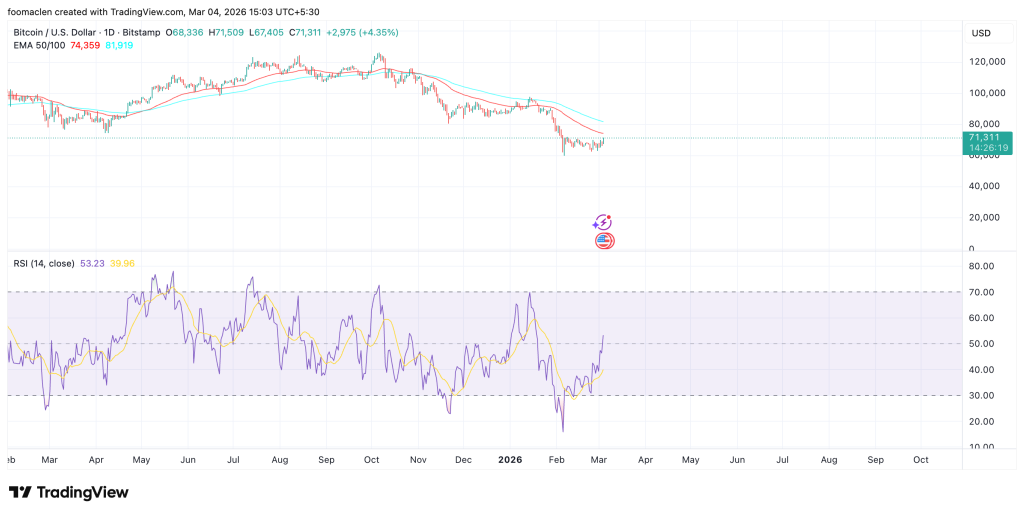

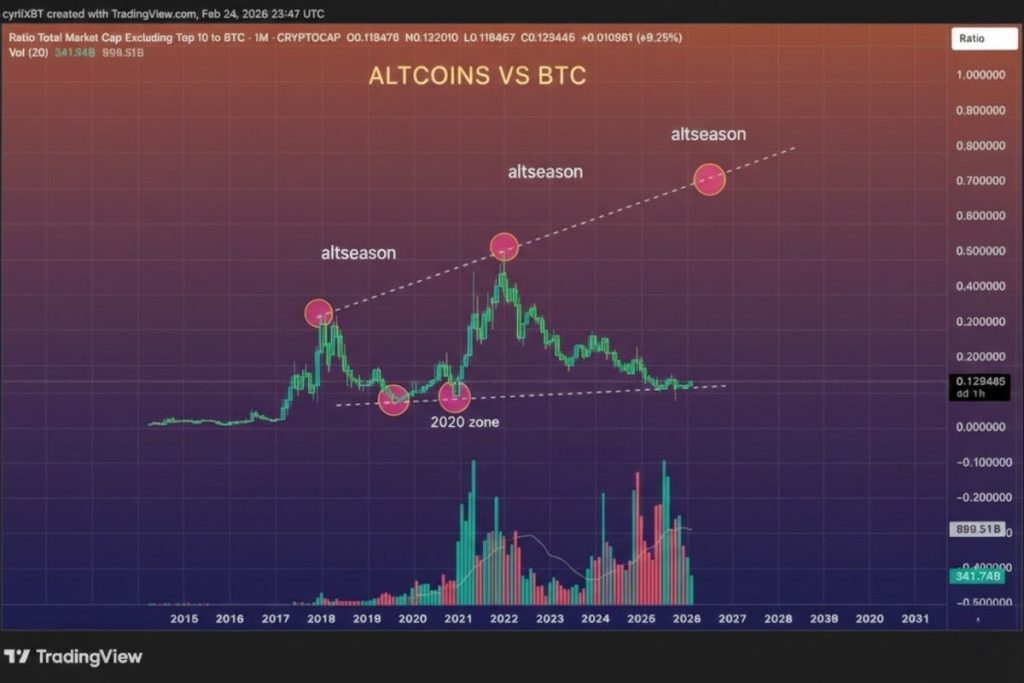
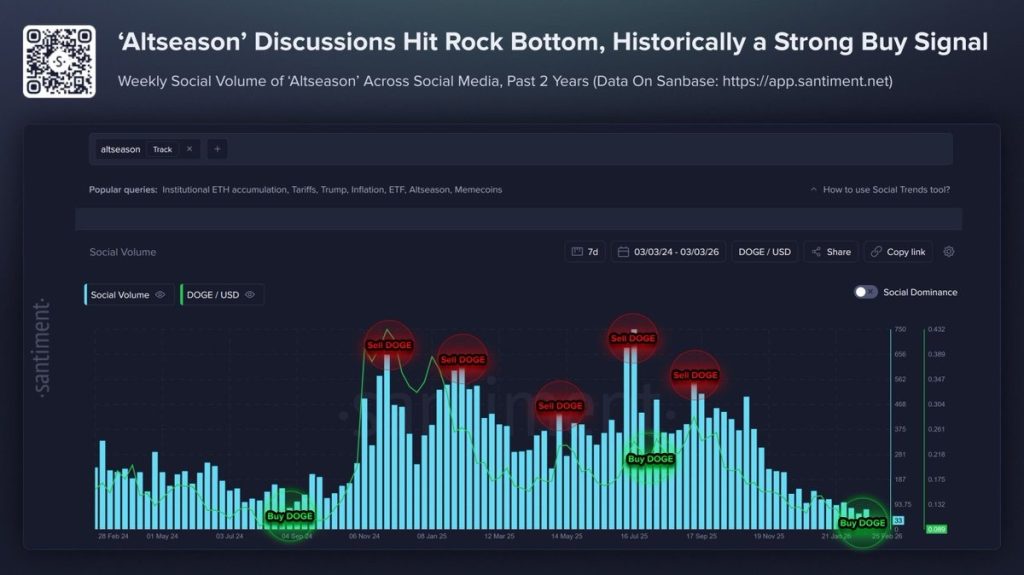
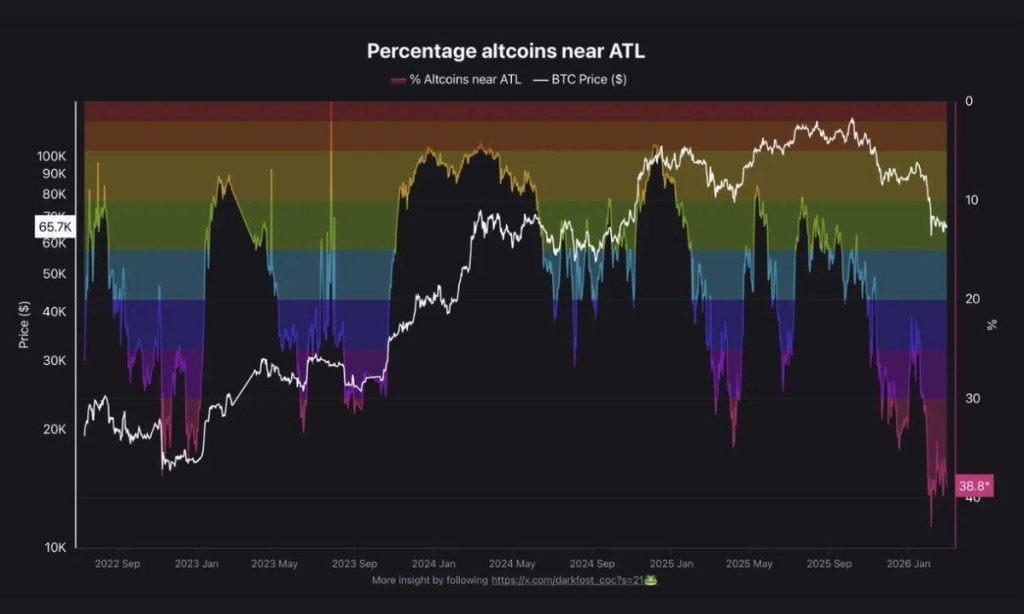










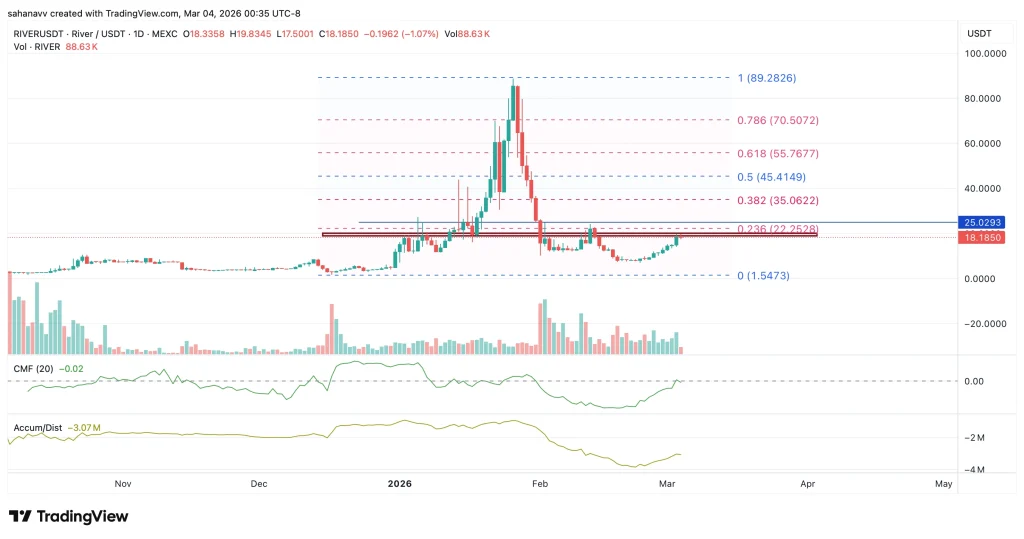
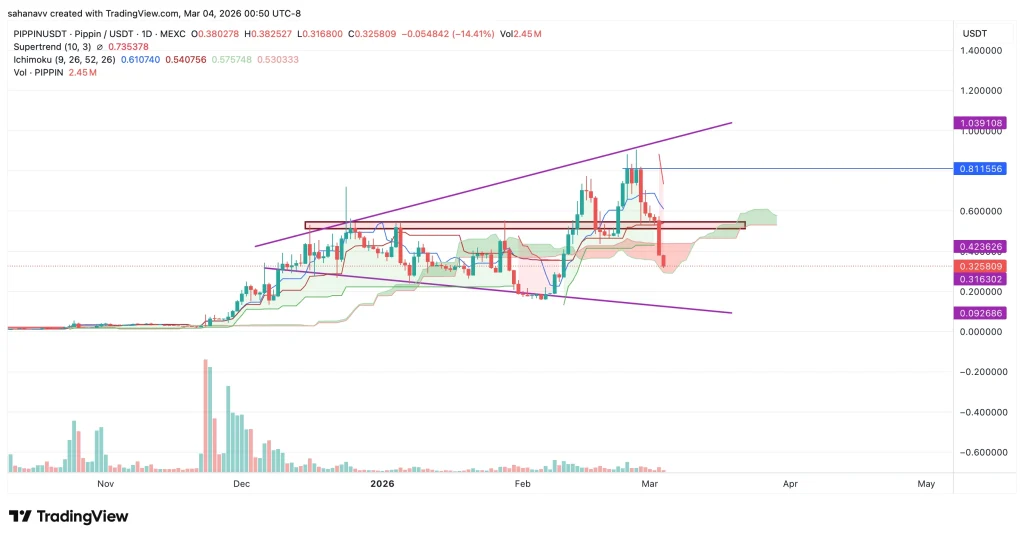

















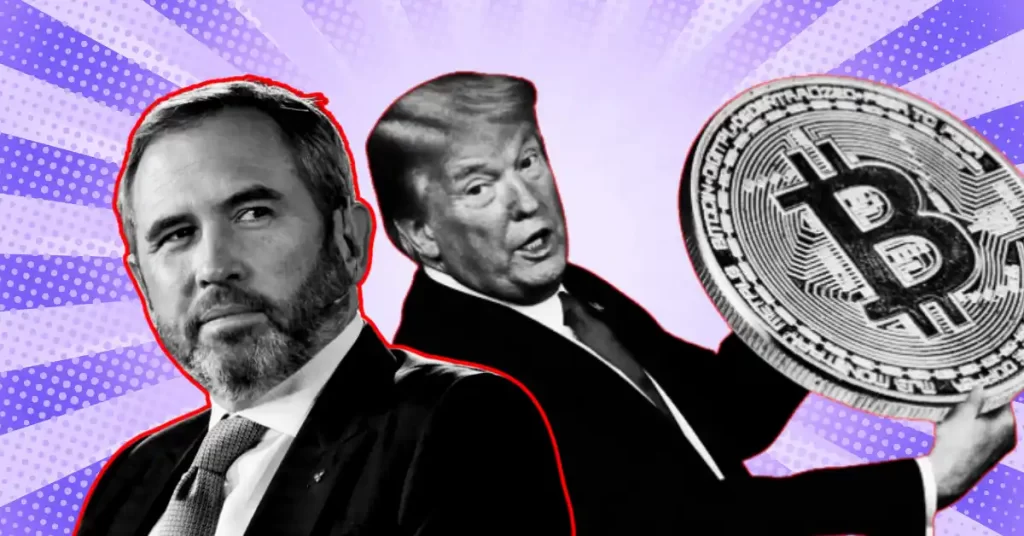

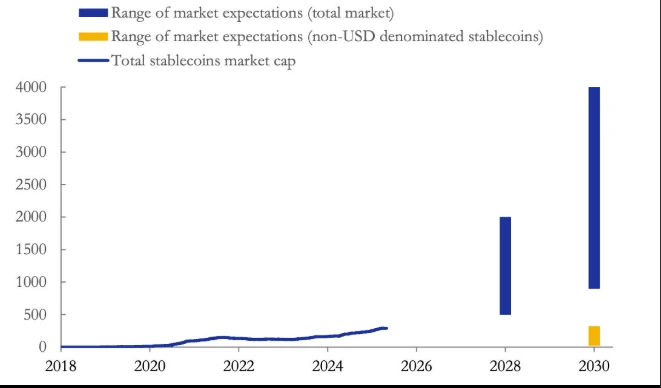








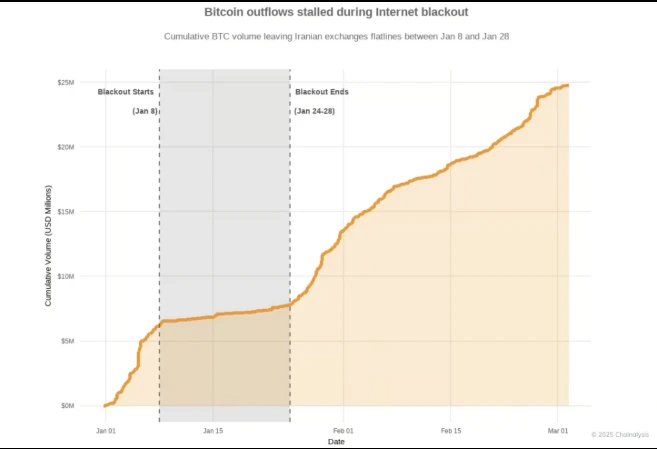









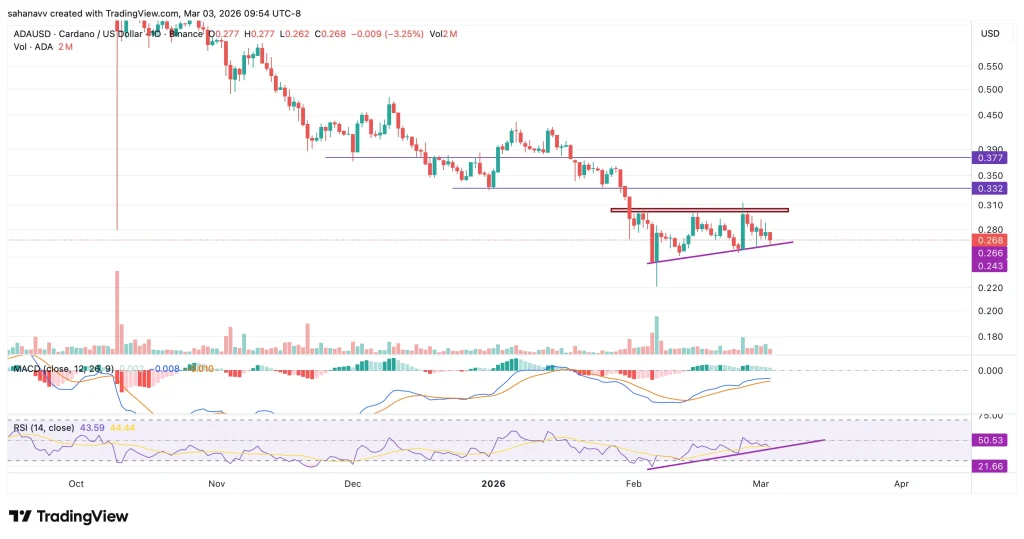














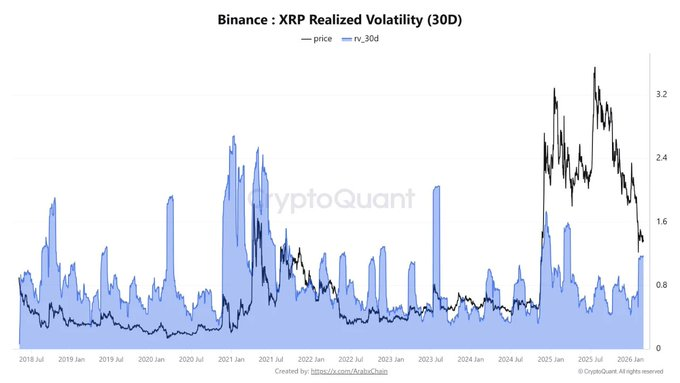
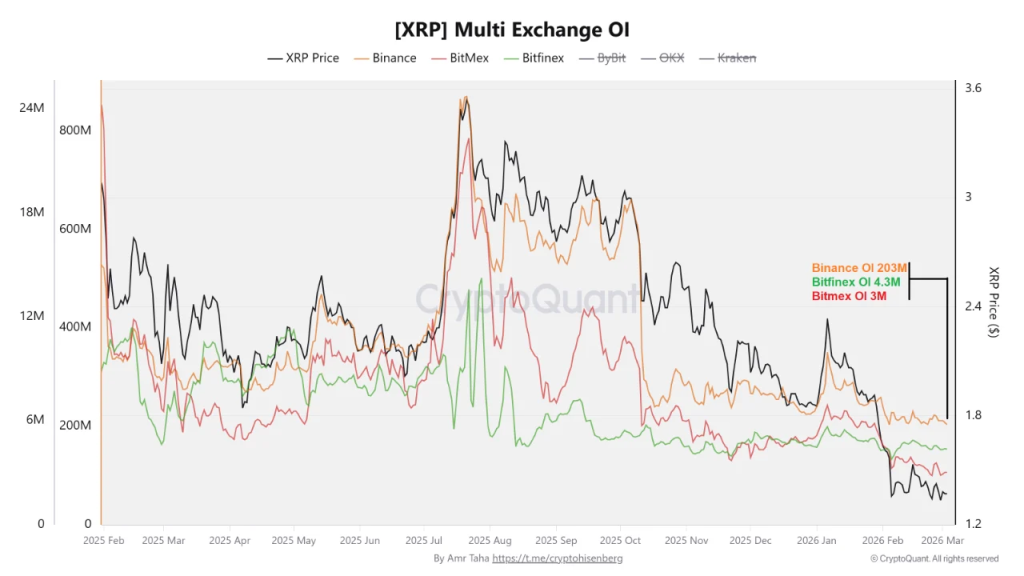

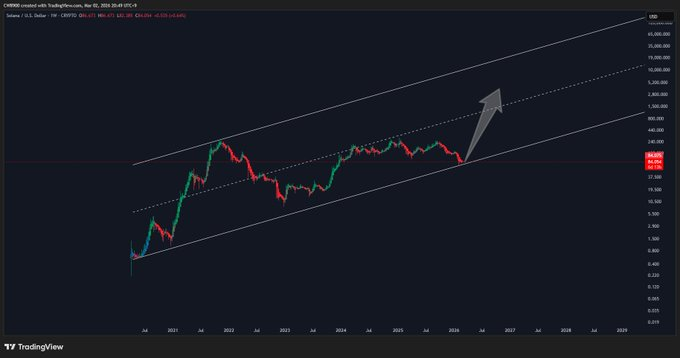
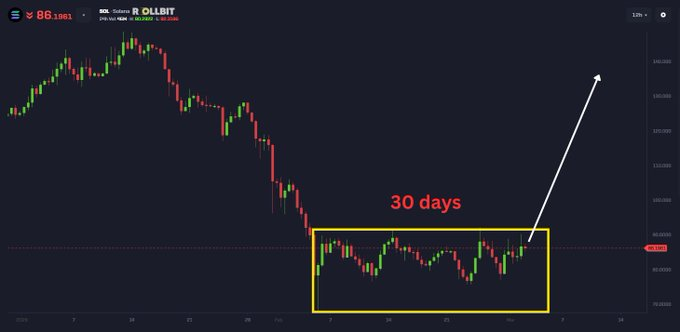
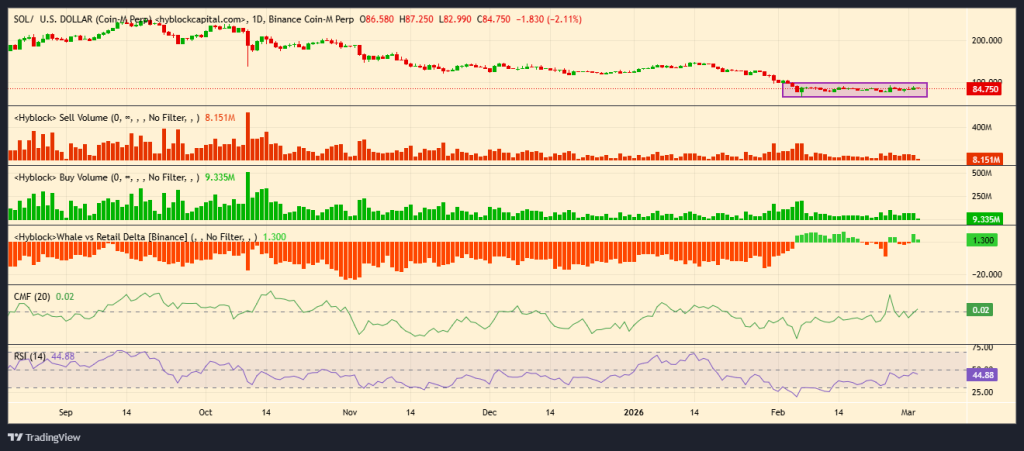












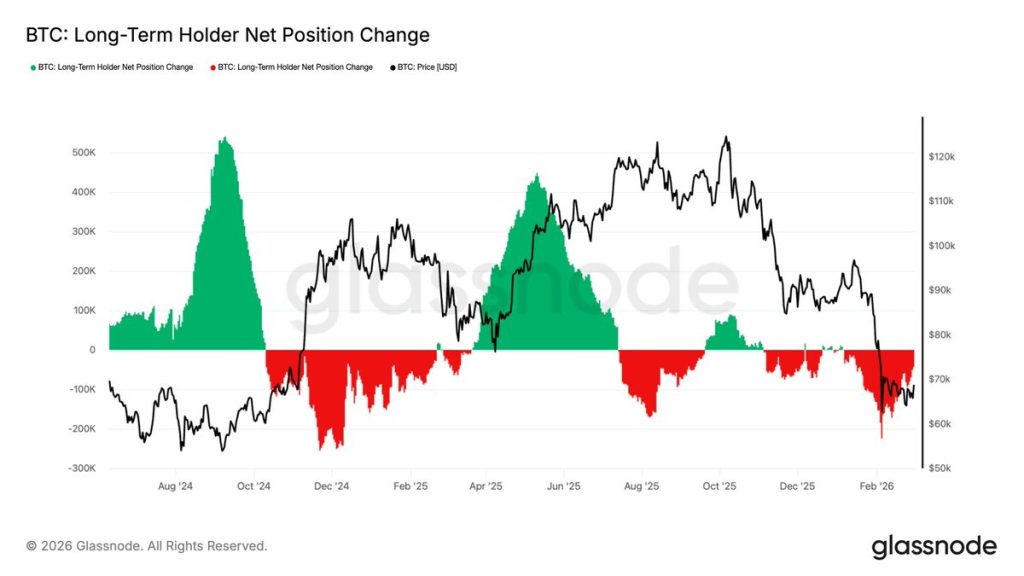
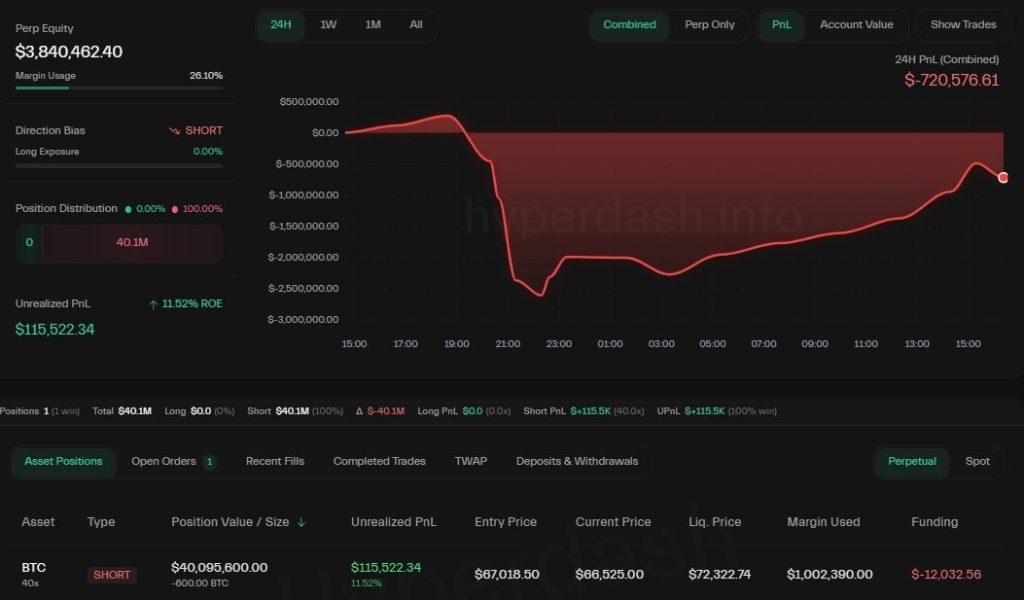


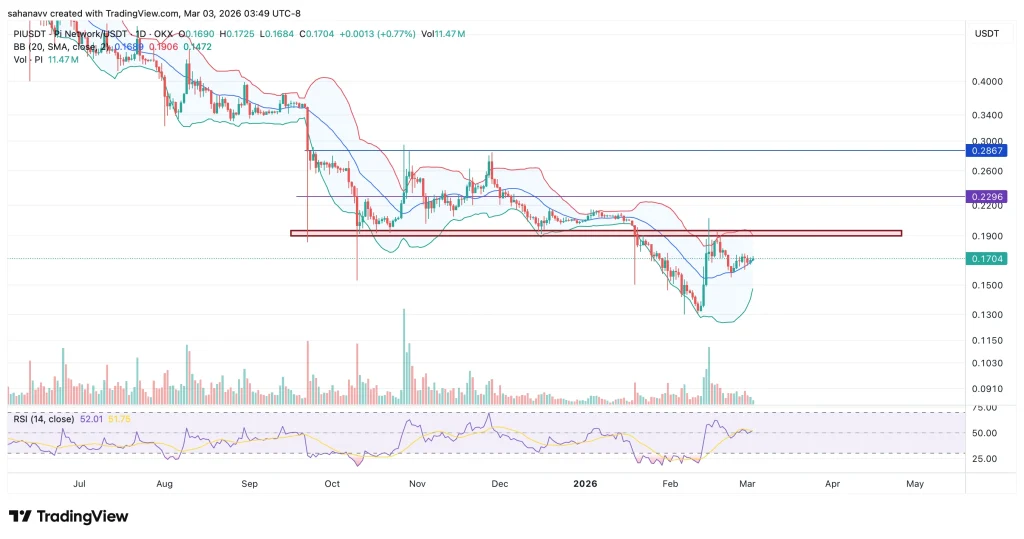

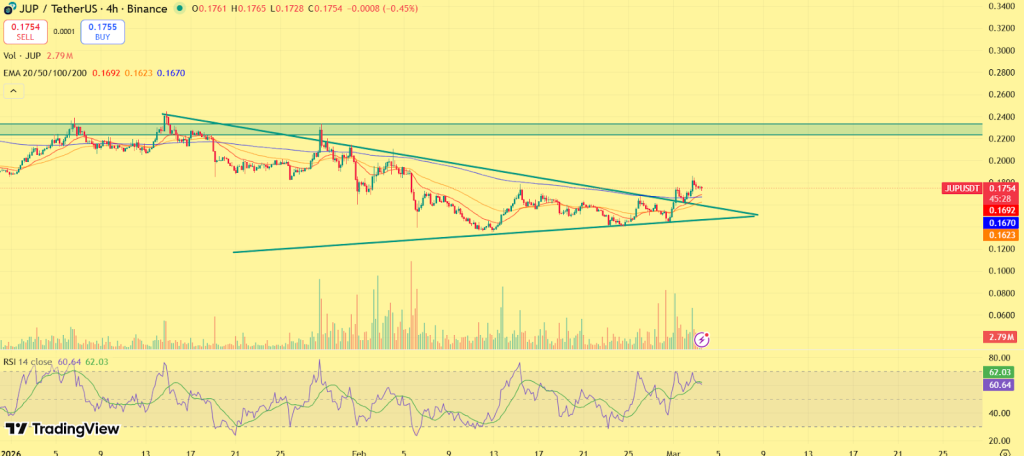

 Intelligent Hashrate Optimization









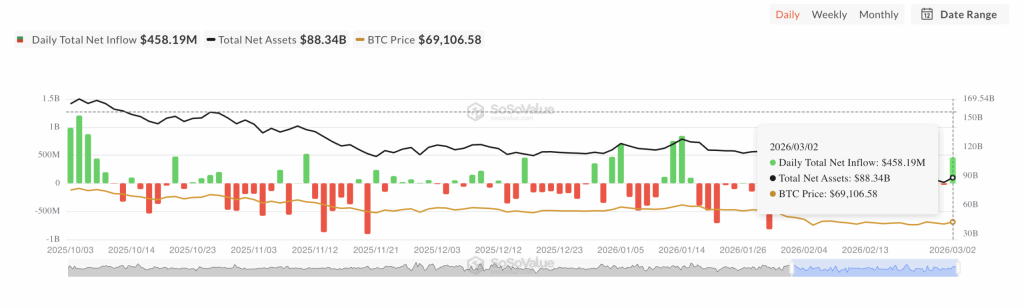
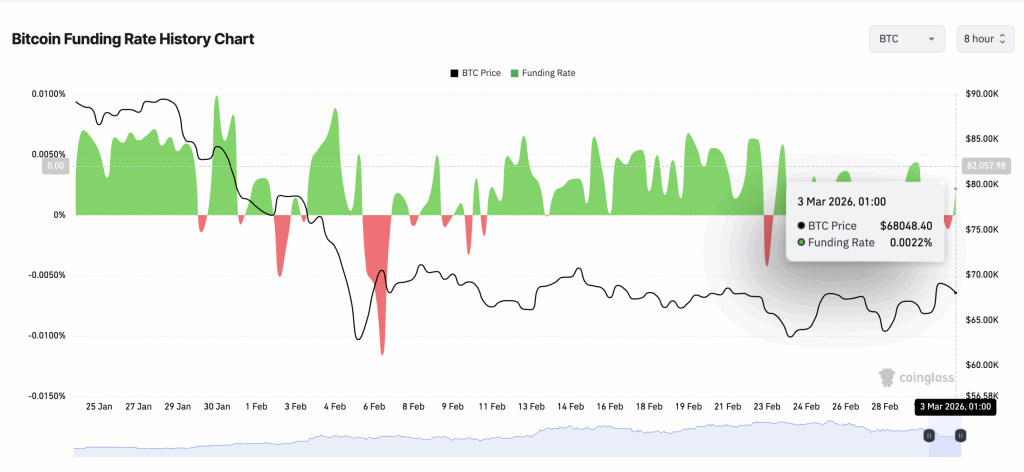
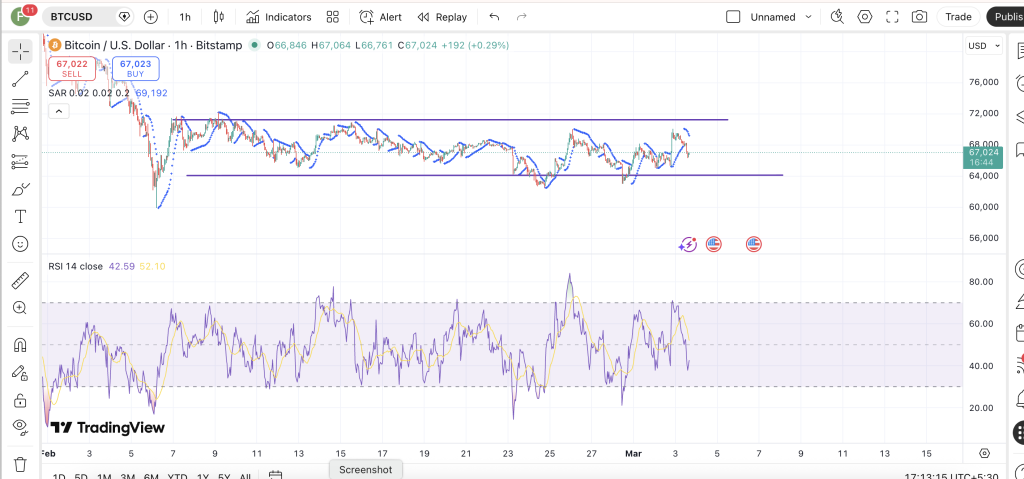
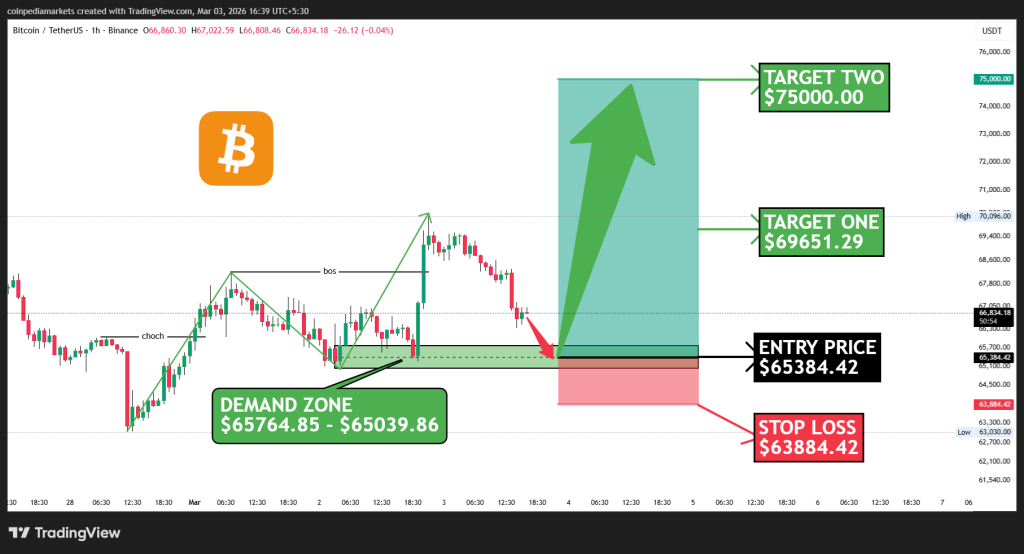


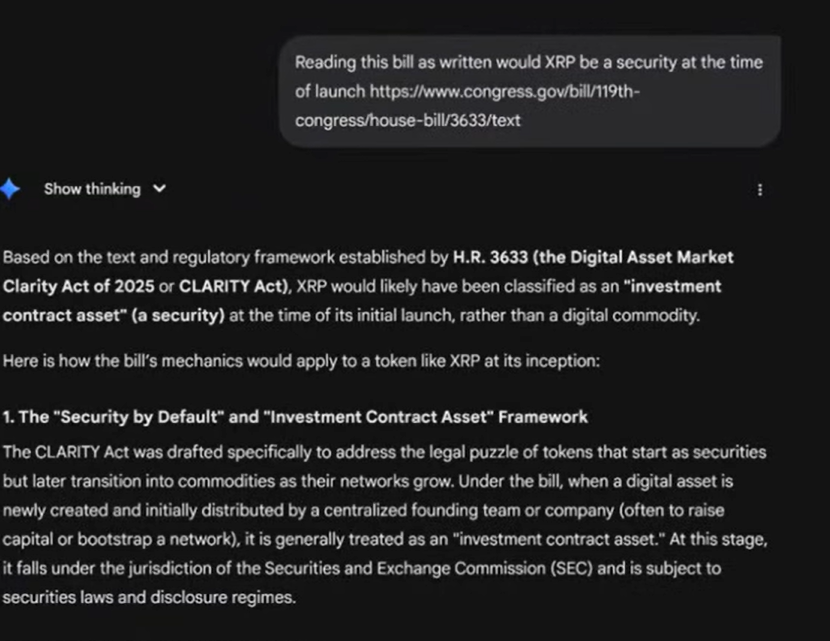
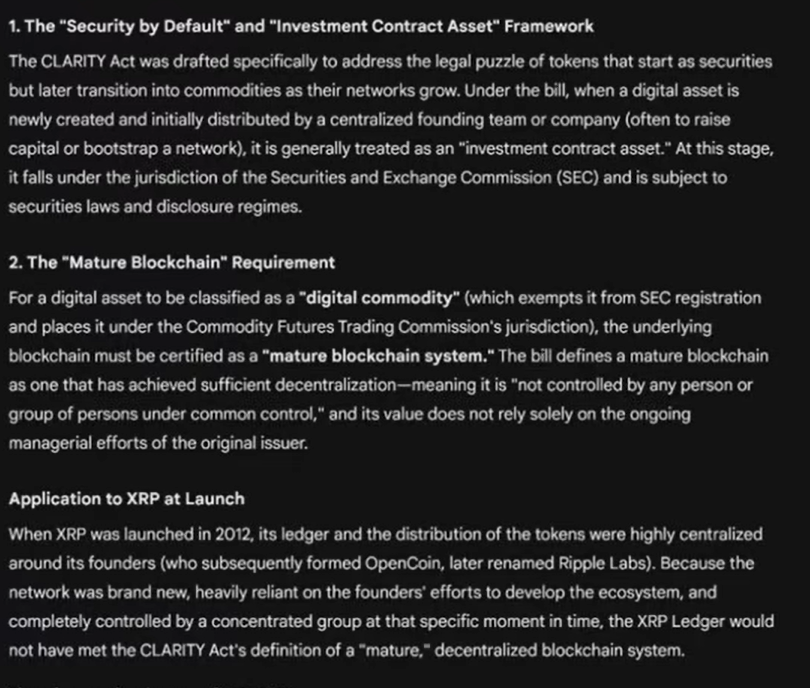




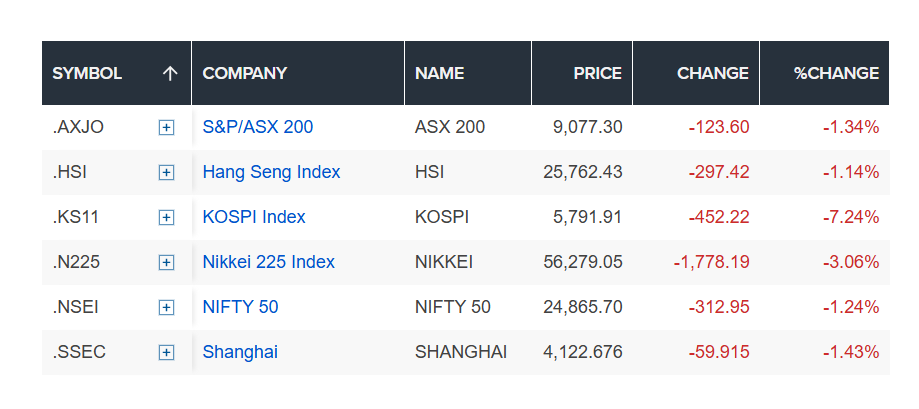
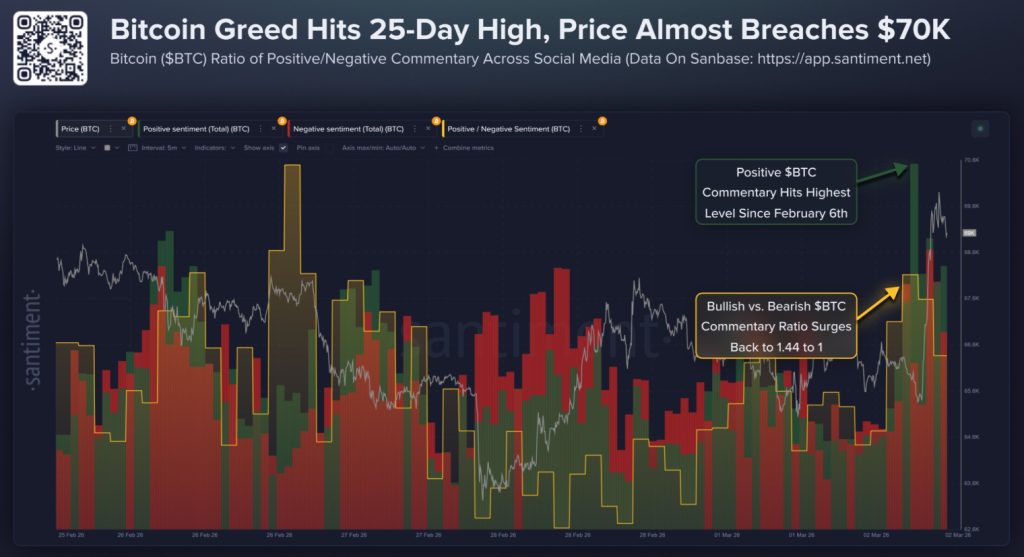
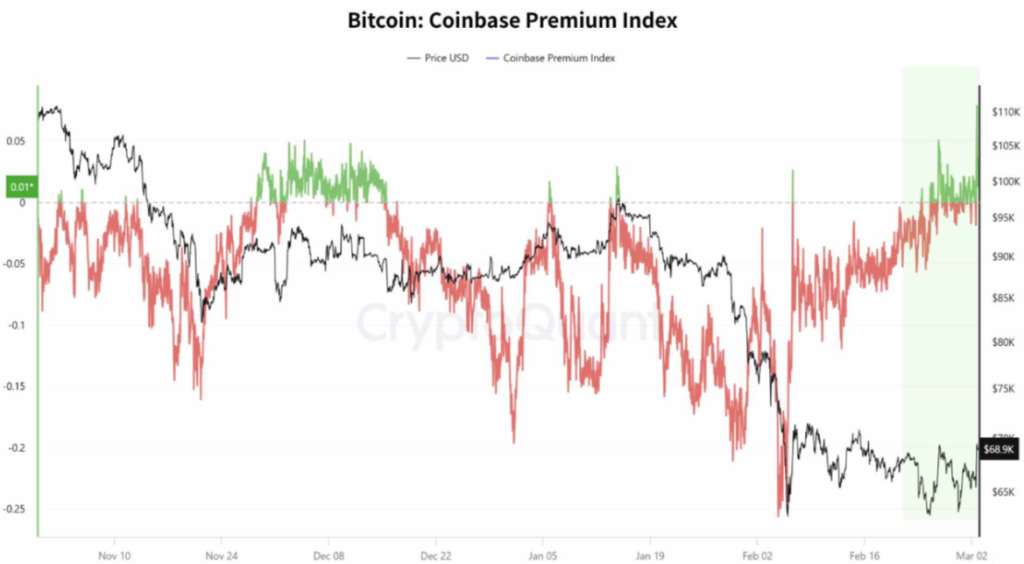
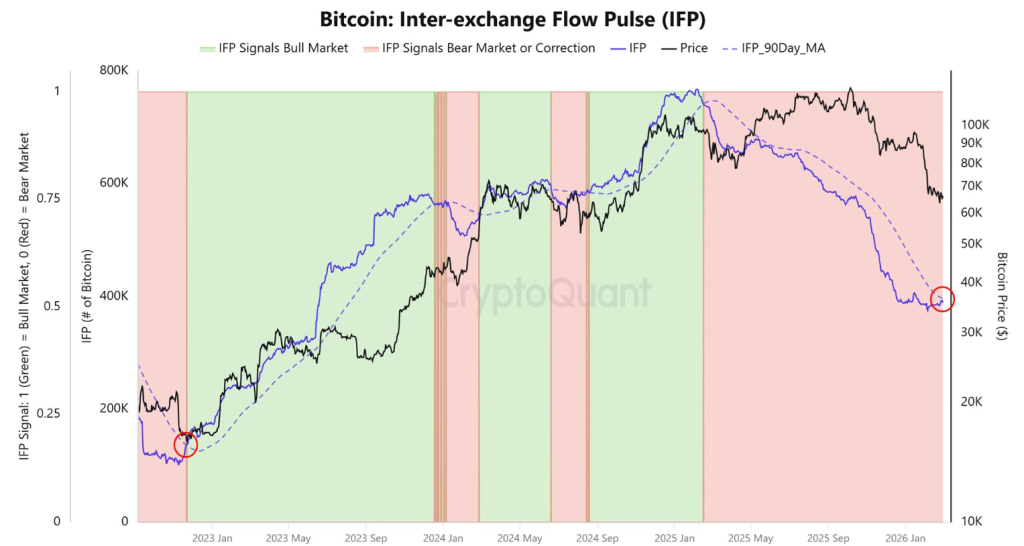
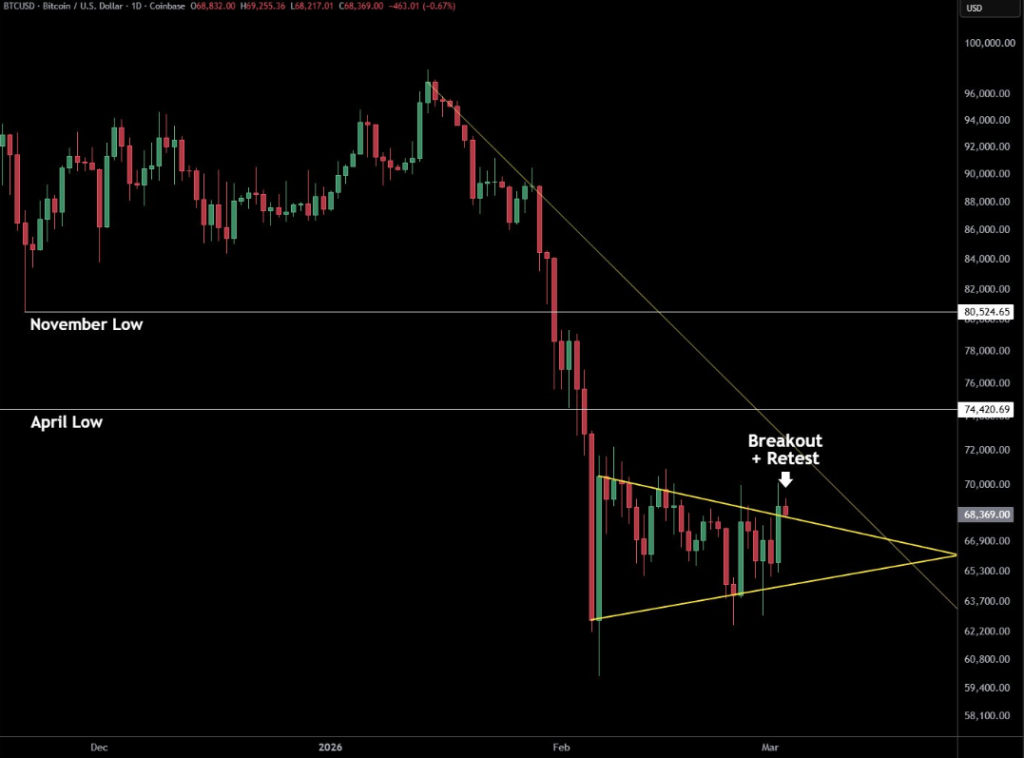

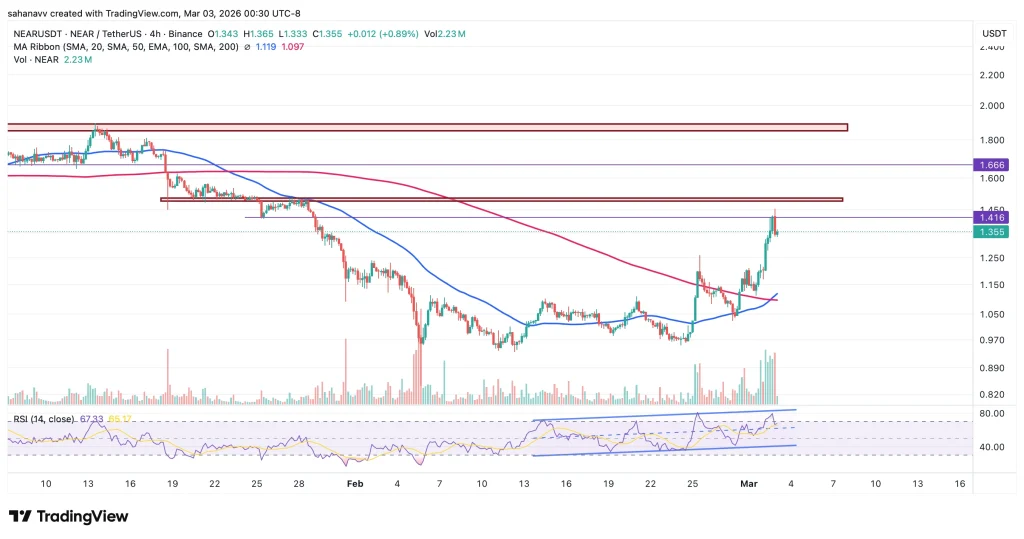












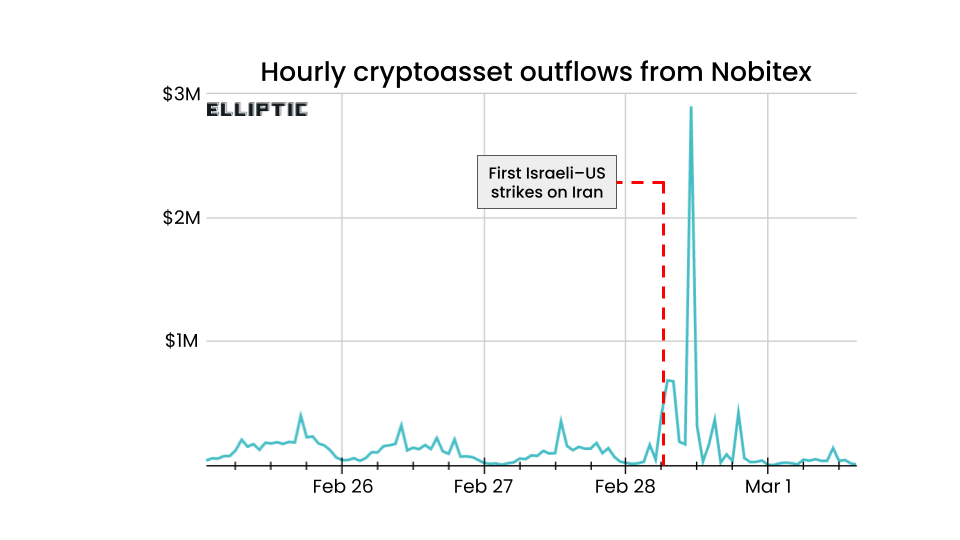






![Why Is the Crypto Market Going up Today [Live] Updates on March 3, 2026](https://image.coinpedia.org/wp-content/uploads/2026/03/03170220/Why-Is-the-Crypto-Market-Going-up-Today-Live-Updates-on-March-3-2026-2-1024x536.webp)



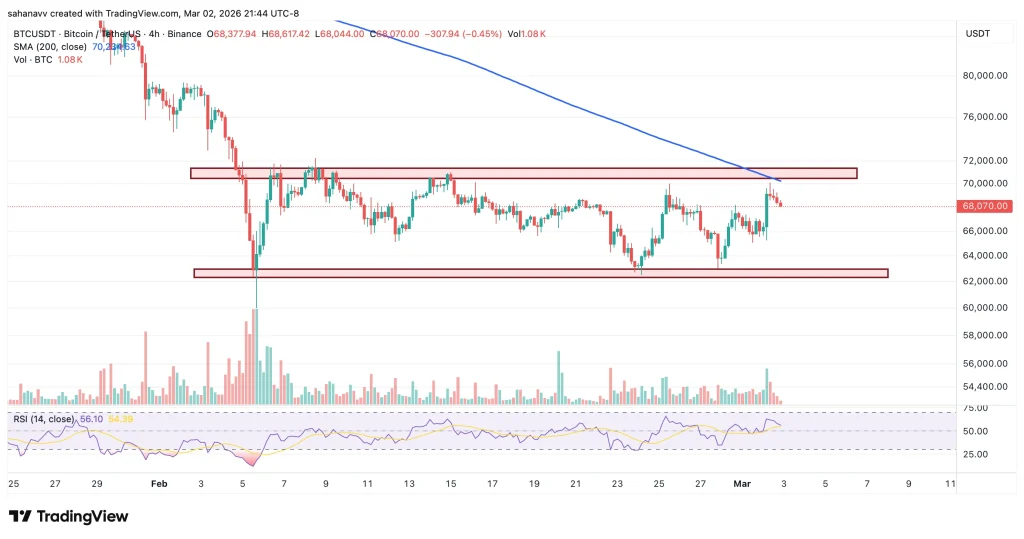

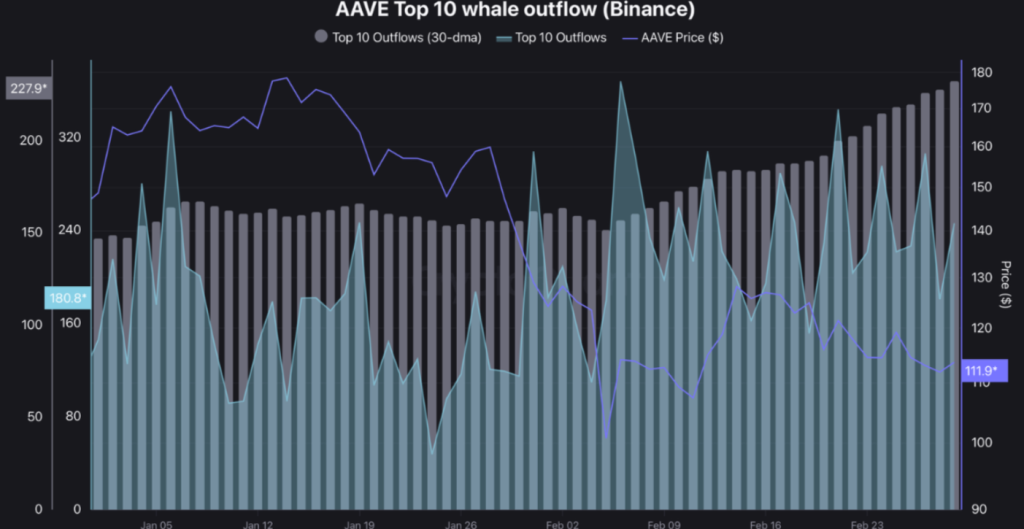
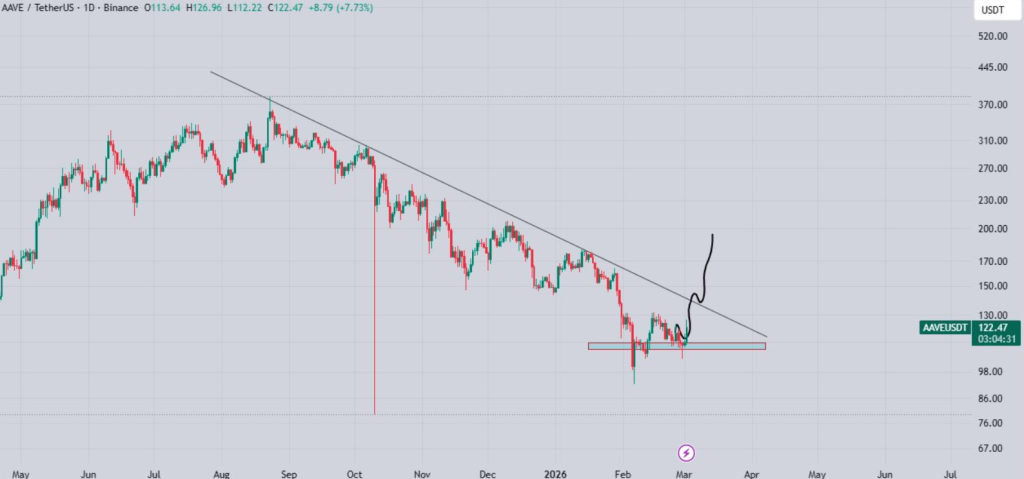









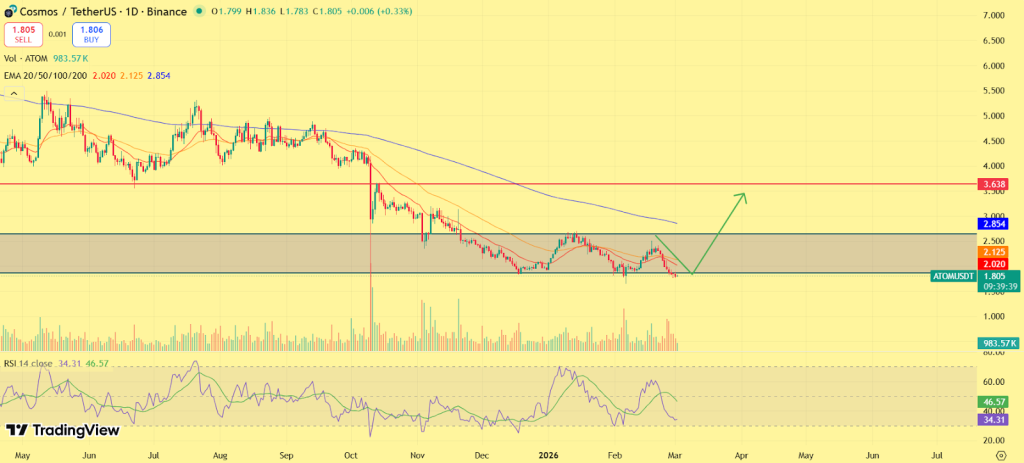


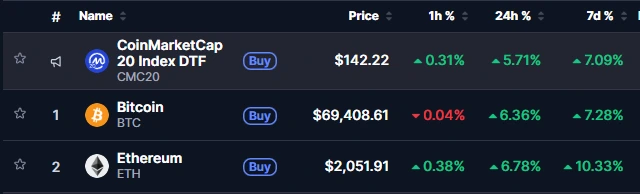


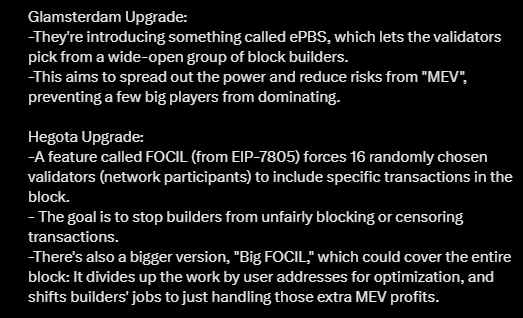
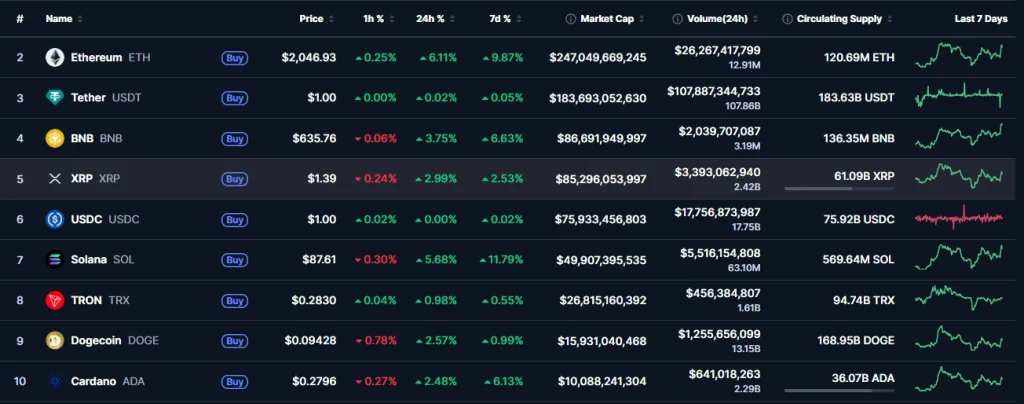










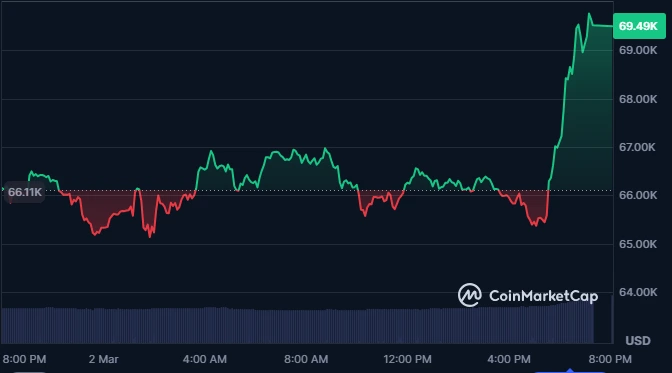
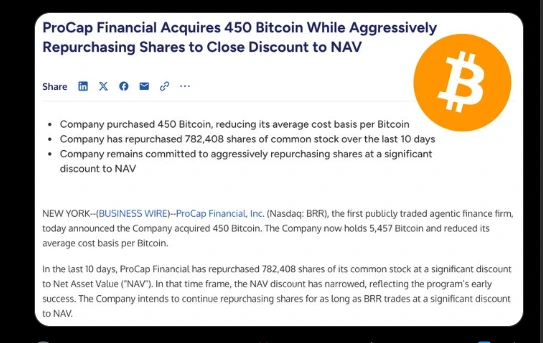
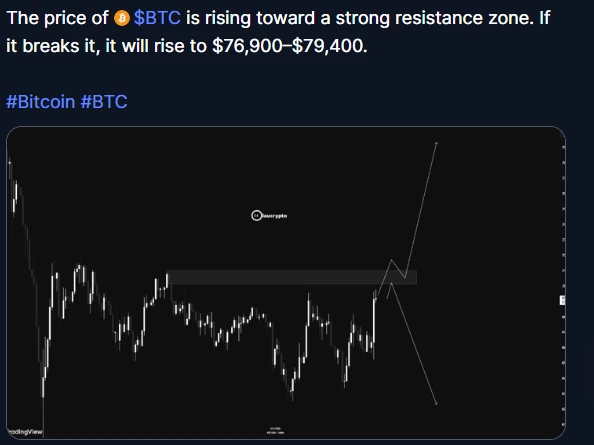
















 0.50%
0.50%