Casio has reshaped the idea of a smart outdoor watch by focusing on reliability rather than chasing full smartwatch experiences. As brands like Apple, Samsung, and Garmin continue to expand connected features, Casio has doubled down on its strength in building dependable tools for outdoor use.
Its two flagship lines, G-Shock and Pro Trek, have added smarter capabilities while remaining grounded in distinct design philosophies. One favors brute toughness. The other leans into environmental awareness. Here’s a detailed breakdown of how their smartest features compare in 2026.
Core Philosophies
Casio has long split its outdoor-focused watches into two clear categories. G-Shock places absolute durability and everyday resilience at the center, with designs built to handle shock, vibration, water exposure, and rough use as part of their core identity.
This philosophy traces back to the brand’s origins in the 1980s, when G-Shock was created as a watch that could survive repeated drops. Over time, that foundation expanded to include advanced shock resistance, 200-meter water resistance, and strict durability standards that made G-Shock a common choice for military use, fieldwork, and extreme sports.
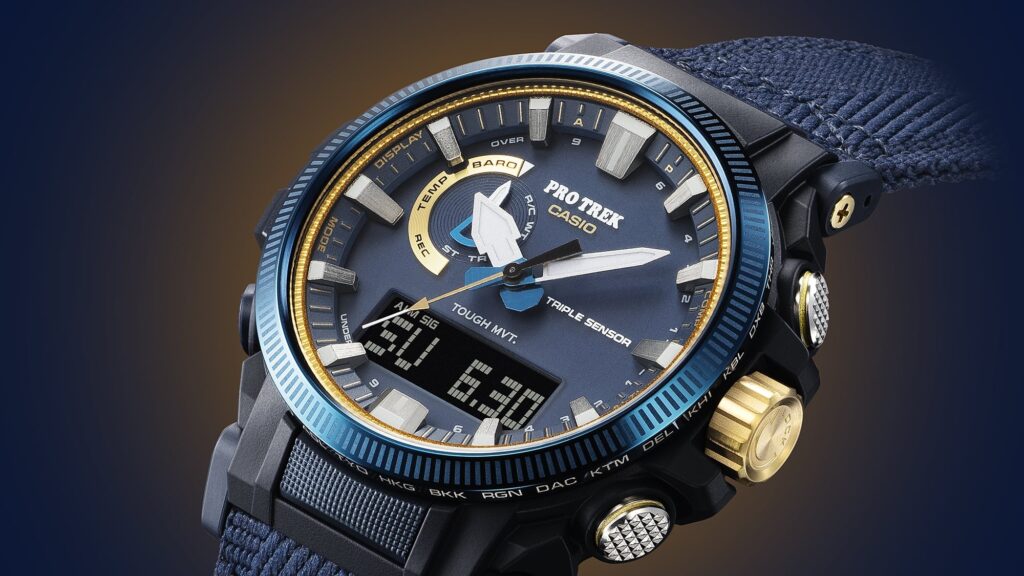
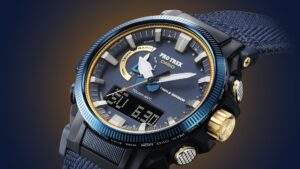
Pro Trek follows a different philosophy. It presents itself as a dedicated outdoor instrument, with sensor systems and interface decisions aimed at users who need more than toughness alone. The ABC sensor suite remains a defining feature in 2026, combining an altimeter, barometer, and digital compass, alongside temperature readings and activity tracking features such as step counting.
Smarter Sensing and Navigation
Pro Trek continues to hold an edge in this area. Its triple sensor system delivers real-time environmental readings directly on the wrist, without relying on a connected phone. Altitude tracking supports climbs, barometric data helps anticipate weather changes, and the digital compass assists with trail navigation. These functions cater to users who spend long stretches outdoors. Bluetooth connectivity further improves the experience by enabling detailed data logging and smoother syncing with trail and weather apps.
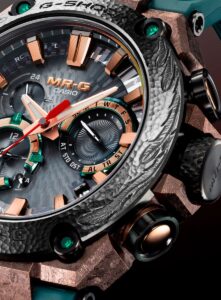
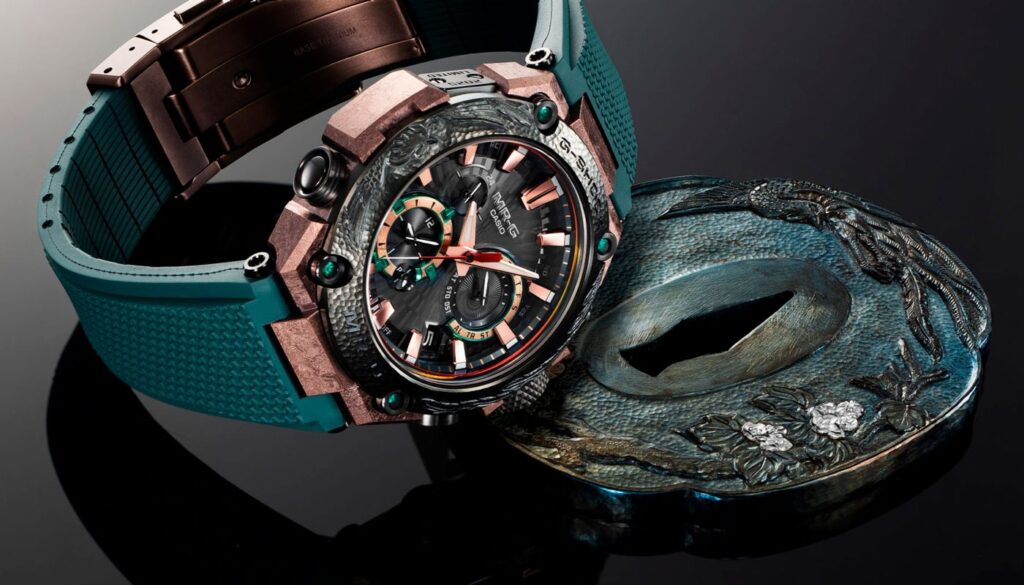
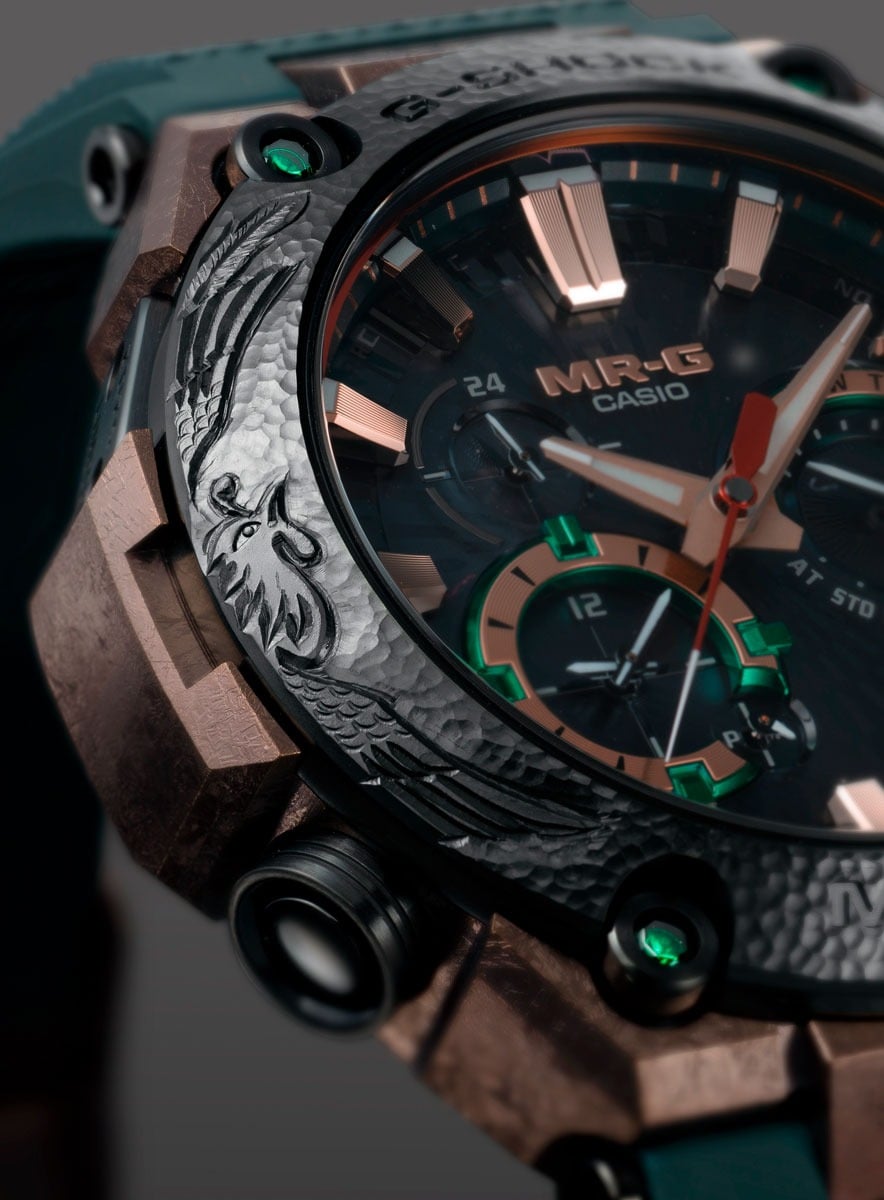
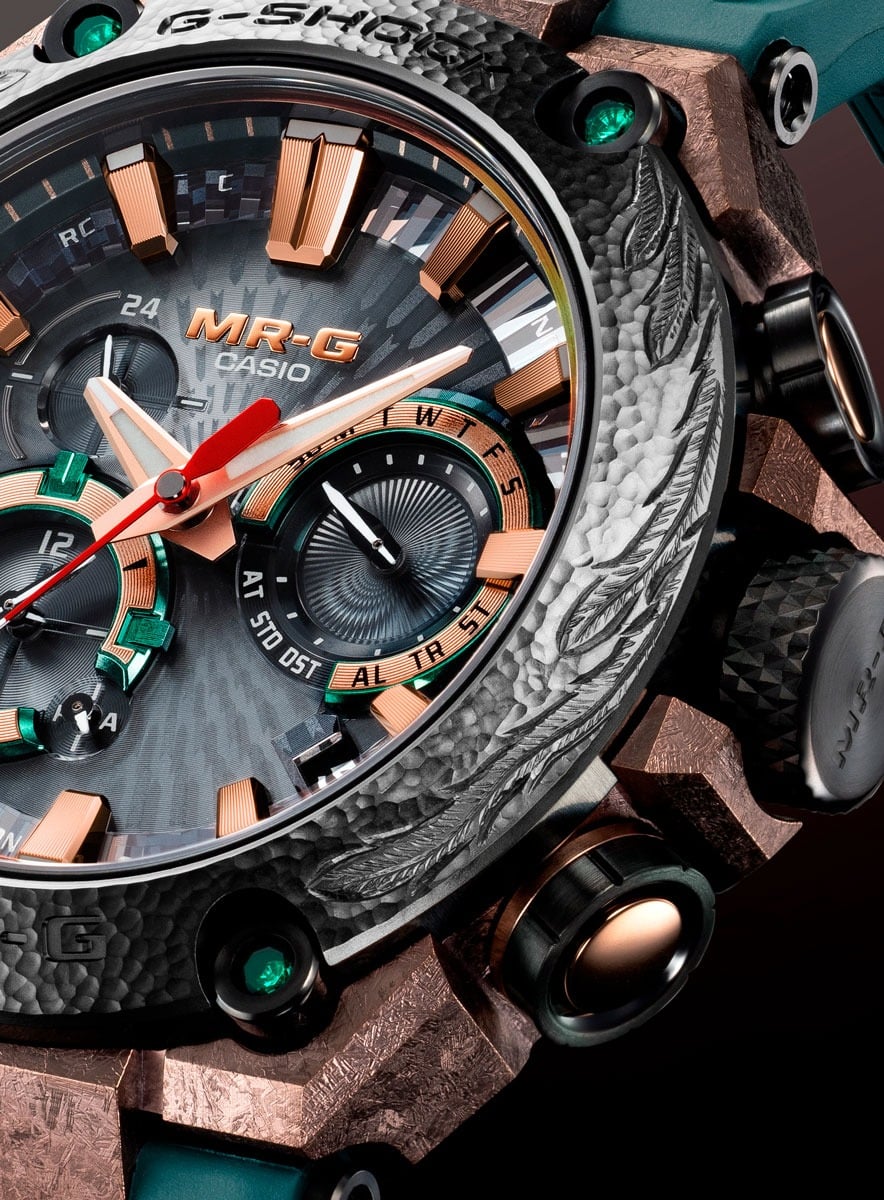
G-Shock remains close behind, particularly within the Master of G lineup. Models such as the Rangeman include altimeter, barometer, and compass sensors, with select variants also adding GPS, heart-rate monitoring, and activity tracking. The difference lies in presentation. G-Shock organizes these tools around a durability-first design, pairing rugged interfaces with a feature set that still supports serious outdoor use.
Power and Connectivity
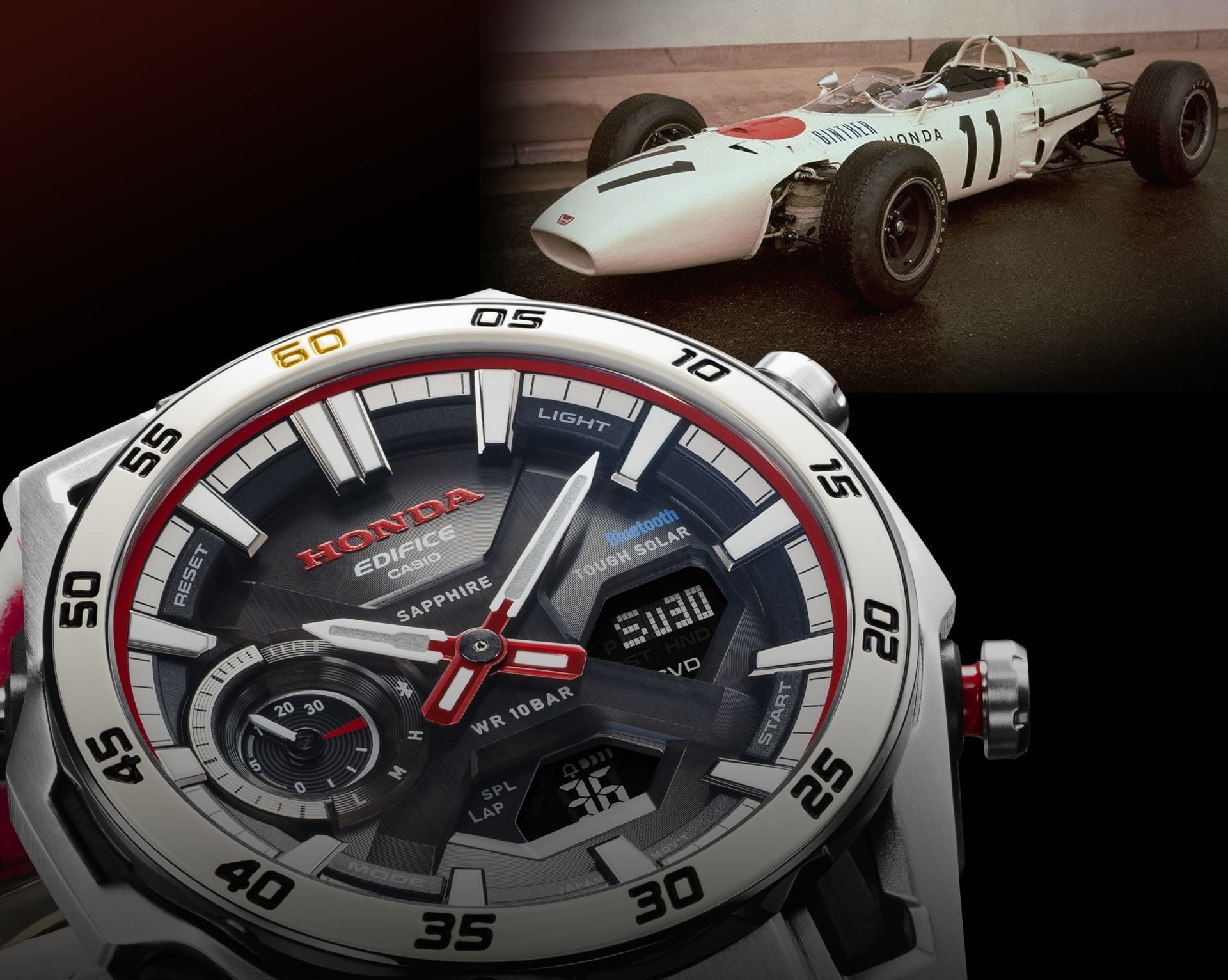
Both lineups rely on Tough Solar charging. Casio’s high-efficiency solar cells allow the watches to run for months with minimal power drain, reducing concerns about battery life during long trips off-grid. Bluetooth smartphone syncing is now standard on many mid and high-end models in both series, enabling automatic time calibration, data logging, and notification alerts.
Where the two differ is in how they handle access to features. Pro Trek focuses on clear sensor readouts and quick access, often using dedicated buttons for the altimeter, barometer, and compass.
G-Shock, in contrast, sometimes places these functions deeper within its interface, requiring users to cycle through modes using a single button. This trade-off helps G-Shock models maintain better shock resistance or accommodate extra tools like tide graphs and moon phase indicators that cater to surfers and marine users.
Wearability and Everyday Use
The contrast is most visible in size and overall styling. Pro Trek watches usually appear slimmer and more refined, while G-Shock models favor a thicker, more rugged build. This distinction matters for people who want a watch that works in everyday urban settings as well as outdoors. Enthusiast discussions frequently point to this ergonomic difference. Pro Trek leans toward more wearable, daily-friendly dimensions, while G-Shock opts for a bold, statement-focused design.
Which Smart Features Matter More?
For pure outdoor tooling, quick access to precise environmental data, dedicated sensor buttons, and lighter wearability, Pro Trek still edges ahead for hikers, climbers, and nature explorers. Its sensor suite is intuitive and centered on exploration.
For all-around rugged tech, resilience that can handle construction sites, surf breaks, or a motorcycle crash as easily as a trail, plus a wide range of smart tools, G-Shock brings versatile features with equally compelling smarts. Master of G models especially blur the line between analog toughness and digital intelligence.
In 2026, both lines offer plenty for tech-savvy adventurers. Choosing between them comes down to whether you prefer the pure outdoor sensor focus of Pro Trek or the indestructible, tech-packed adaptability of G-Shock.
For more daily updates, please visit our News Section.
Stay ahead in tech! Join our Telegram community and sign up for our daily newsletter of top stories! 
The post Casio G-Shock vs Pro Trek in 2026: Which Smart Outdoor Watch Is Right for You? appeared first on Gizmochina.

 Login
Login