Reading view

Oppo Find X9 Ultra and Vivo X300 Ultra camera hardware surface in new leak

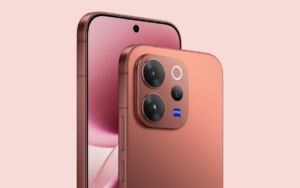
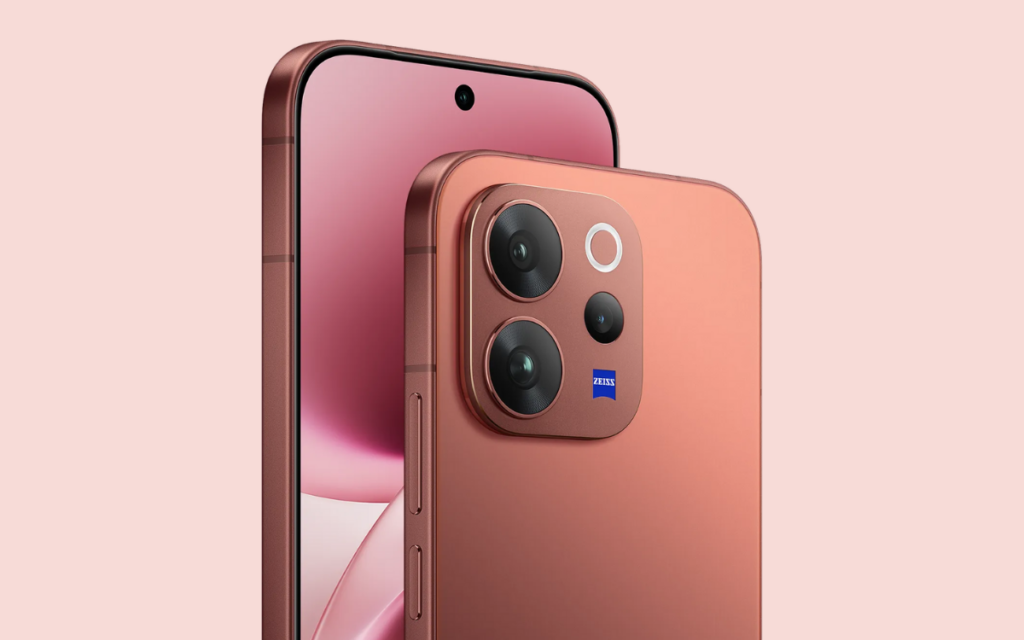
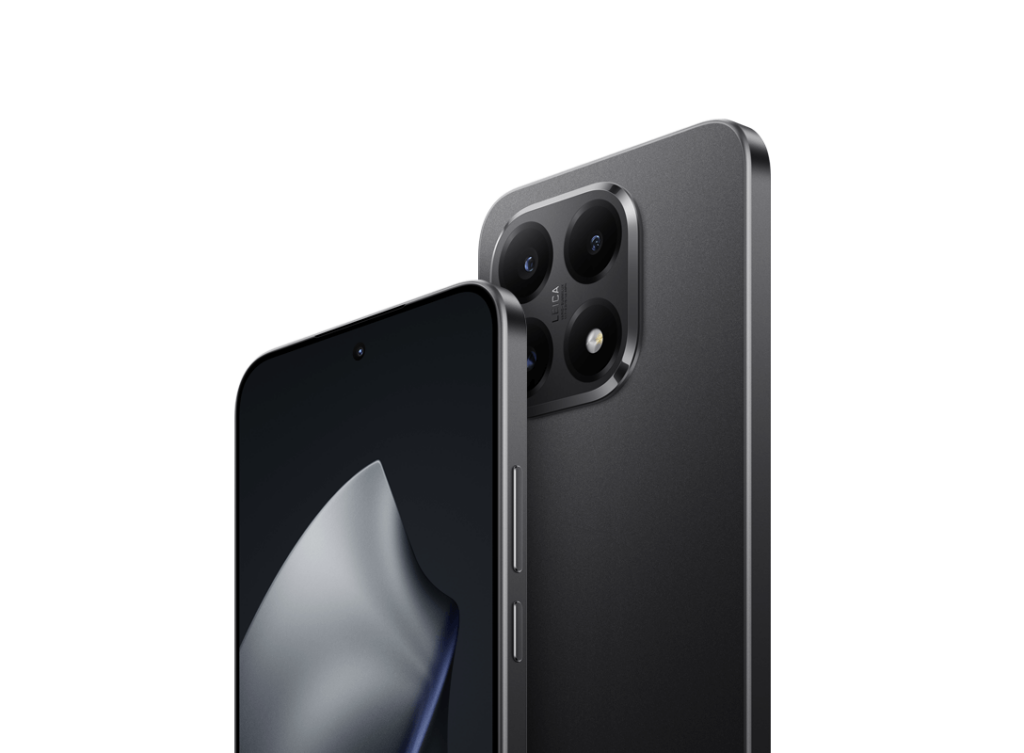
Vivo X300 Pro

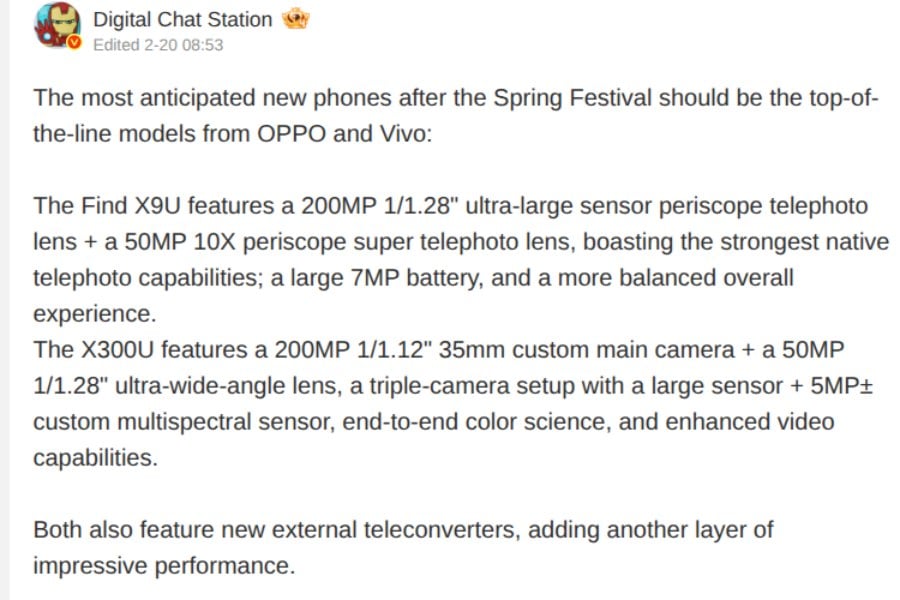
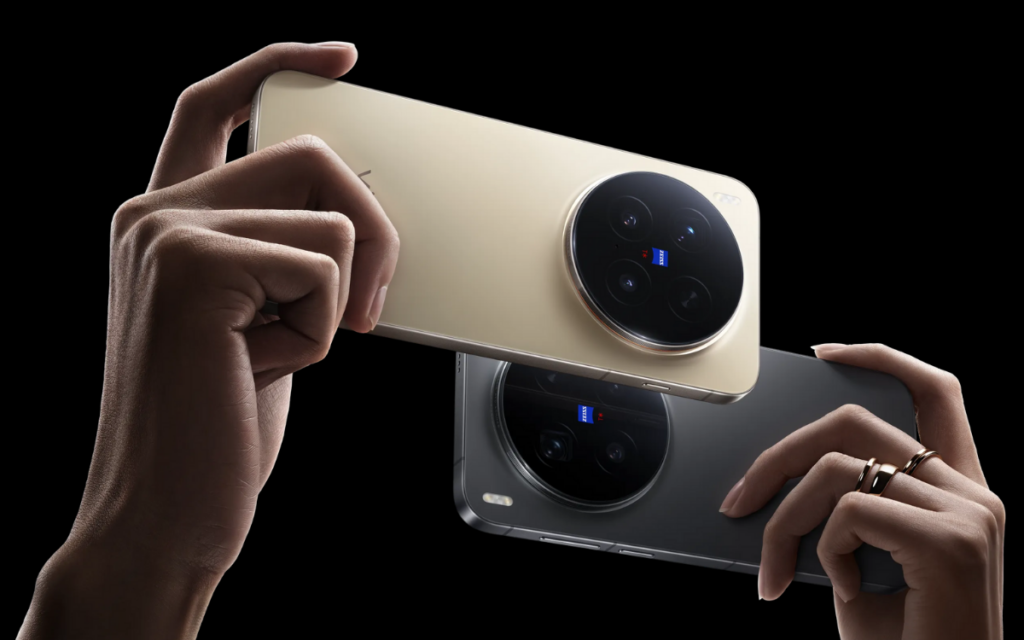
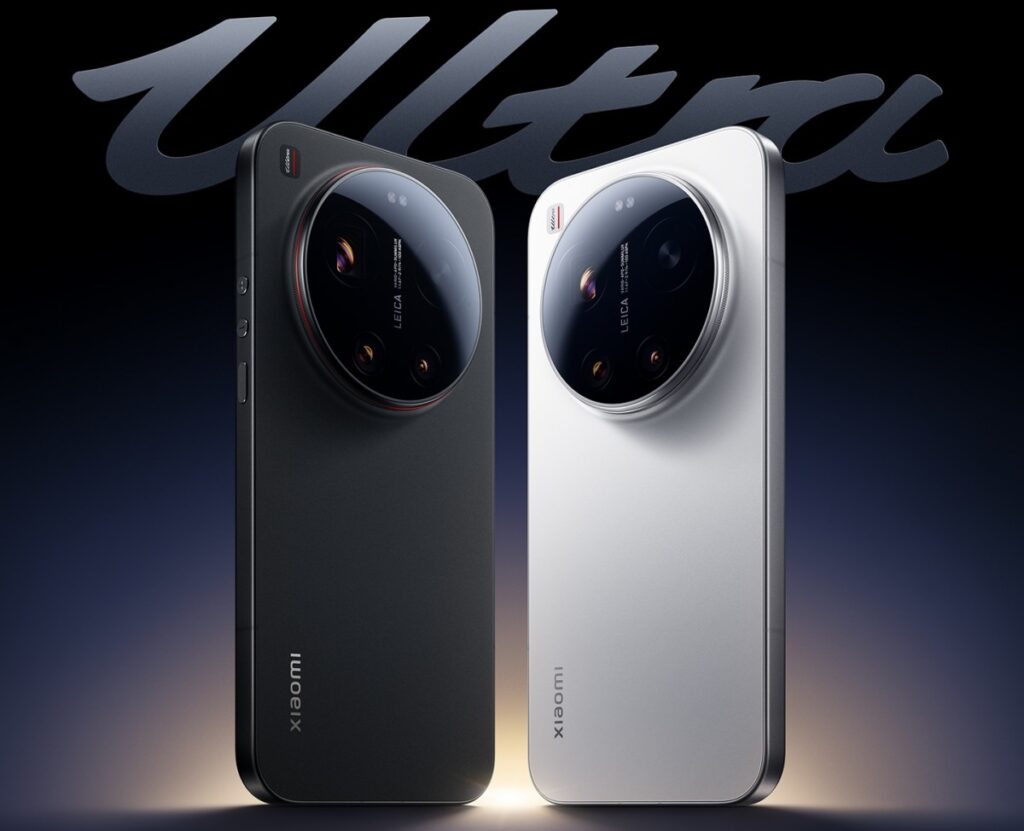
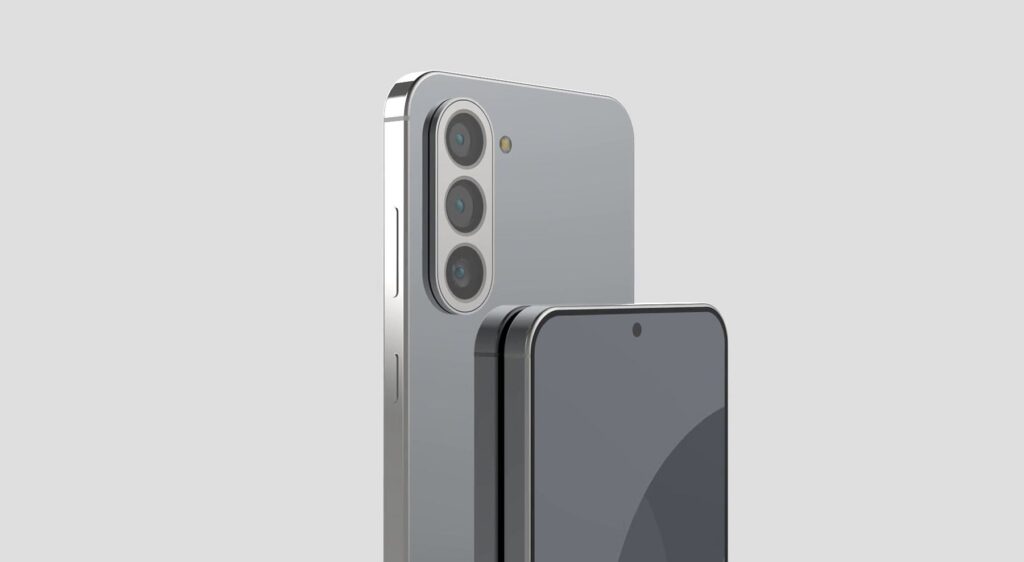
A recent leak from a well-known tipster, Digital Chat Station, pits the Oppo Find X9 Ultra and the Vivo X300 Ultra well ahead of their launches. As expected, both are camera-first phones, and the leak focuses almost entirely on that.

Oppo Find X9 Ultra vs Vivo X300 Ultra Camera Specifications

Starting with Oppo, the Find X9 Ultra reportedly will have strong telephoto performance. According to the leak, it will feature a 200-megapixel periscope telephoto camera with a large 1/1.28-inch sensor. That would be paired with a 50-megapixel 10x periscope telephoto lens. 

Apart from this, the phone is expected to include a 200MP main and a 50MP ultrawide camera. The leak also points to a sizable 7,000mAh battery.

Meanwhile, Vivo X300 Ultra will feature a triple rear camera setup with a 200MP 200-megapixel custom 35mm main camera with a larger 1/1.12-inch sensor, alongside a 50-megapixel ultra-wide camera with a 1/1.28-inch sensor.

Its telephoto is expected to be a 200MP unit allowing optical zoom from around 35mm up to 85mm. It will also have a custom multispectral sensor in the 5-megapixel range. 

Per the leak, Vivo is also putting effort into end-to-end color science and improved video capabilities. Last but not least, both devices are rumored to support new external teleconverters.

Vivo X300 Pro
Vivo X300 Pro

For now, though, these details remain unconfirmed. Neither Oppo nor Vivo has officially shared specifications. Both phones are expected to launch in China sometime after the Chinese New Year.

We do hope both Oppo and Vivo plan a wider global release for these upcoming phones. That is because neither the Oppo Find X8 Ultra nor the Vivo X200 Ultra made it to the global market. 

For more daily updates, please visit our News Section.

Stay ahead in tech! Join our Telegram community and sign up for our daily newsletter of top stories.

(Source)

The post Oppo Find X9 Ultra and Vivo X300 Ultra camera hardware surface in new leak appeared first on Gizmochina.

Gigabyte MO27Q28GR Gaming Monitor Launched in the US with 280Hz Tandem OLED, 1500-Nit HDR, and RealBlack Glossy Panel

Gigabyte MO27Q28GR

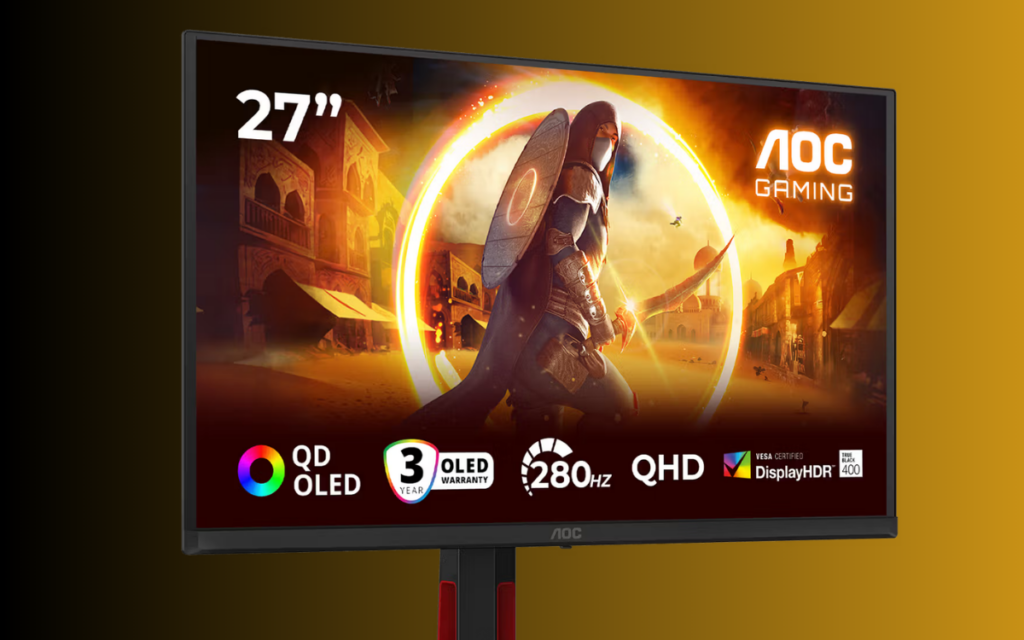
Gigabyte has launched the MO27Q28GR gaming monitor in the US after showing it at CES 2026 last month. It uses LG Display’s 280Hz Tandem OLED panel with 4th Gen WOLED technology and Primary RGB Tandem OLED architecture. The panel reaches up to 1,500 nits peak brightness in HDR, covers 99.5% DCI-P3 and 84% BT.2020 color gamut, and reduces power consumption by about 20% compared to third-generation WOLED displays.

Gigabyte MO27Q28GR

The monitor has a 27-inch QHD OLED panel with a 2560 × 1440 resolution, 280Hz refresh rate, and 0.03ms GTG response time. It supports DisplayHDR True Black 500, Delta E < 2 color accuracy, 1.07 billion colors, and G-Sync compatibility for tear-free gameplay. Gigabyte also includes OLED VRR anti-flicker technology to reduce flickering in variable refresh rate mode.

A key difference from the 2025 MO27Q28G model is the new RealBlack Glossy coating. The earlier version used a matte finish, while this model offers a glossy panel with a zero-haze optical layer to maintain deeper blacks and better clarity. An advanced anti-reflective coating is also included to suppress reflections. Glossy panels generally deliver more vibrant colors and stronger contrast, especially in brighter environments.

Gigabyte MO27Q28GR
Gigabyte MO27Q28GR
Gigabyte MO27Q28GR

The monitor features a four-sided borderless design for multi-monitor setups. Gaming tools include Tactical Switch 2.0 for instant resolution switching, Aim Stabilizer Sync Ultra Clear motion reduction with black frame insertion, and Game Assist features such as crosshairs, timers, picture-in-picture, and custom HDR modes.

Gigabyte includes AI OLED Care with adjustable settings that run in the background to reduce burn-in risk, along with cooling support. The monitor comes with a three-year warranty that also covers panel burn-in.

Eye comfort features include Eyesafe 3.0 certification, low blue light, flicker-free technology, and glare reduction. Ergonomic adjustments include 130mm height adjustment, tilt from −5° to +21°, swivel ±15°, and 90° pivot.

Connectivity options include two HDMI 2.1 ports, one DisplayPort 1.4, USB-C with DisplayPort Alt mode and up to 18W power delivery with dynamic 45W support, USB Type-B upstream, USB Type-A ports, and a headphone jack. A built-in KVM switch allows control of multiple devices with one keyboard and mouse.

The Gigabyte MO27Q28GR is priced at $599.99 in the US, the same as the matte version.

For more daily updates, please visit our News Section.

Stay ahead in tech! Join our Telegram community and sign up for our daily newsletter of top stories!

The post Gigabyte MO27Q28GR Gaming Monitor Launched in the US with 280Hz Tandem OLED, 1500-Nit HDR, and RealBlack Glossy Panel appeared first on Gizmochina.

Huawei launches Band 11 and Band 11 Pro fitness wearables in fun color options

Huawei-Band-11-launch-specs-price

Huawei has officially launched two new fitness bands in the Philippines: the Huawei Band 11 and the Huawei Band 11 Pro. The pair looks nearly identical on paper, sharing most of their core features, but they differ slightly in materials, size, and price.

Huawei Band 11 and Band 11 Pro Specifications

Both the Band 11 and Band 11 Pro come with a 1.62-inch AMOLED display with a 286 × 482 resolution and 347 PPI pixel density. The display supports full touchscreen controls and is paired with a physical side button for navigation.

Huawei is positioning both devices as lightweight, everyday wearables. The standard Band 11 offers two case options: aluminium alloy or durable polymer. The Pro model, meanwhile, uses an aluminium alloy case by default. 

Huawei-Band-11-Pro-Specs-Price-Leak
Huawei Band 11 Pro

The difference slightly affects weight. The Band 11 weighs 17 grams with the aluminium case or 16 grams with the polymer case, while the Pro comes in at 18 grams without the strap. In terms of size, the Pro is marginally taller at 43.5 mm compared to 42.6 mm on the regular version.

Both models use a fluoroelastomer strap and carry a 5 ATM water resistance rating, meaning they should handle swimming and everyday water exposure without issue. Inside, Huawei includes a 9-axis IMU sensor setup, which combines an accelerometer, gyroscope, and magnetometer. There’s also an optical heart rate sensor and an ambient light sensor.

Connectivity is handled via Bluetooth 6.0 with BLE, and the bands are compatible with devices running Android 9.0 or later and iOS 13.0 or later. 

Each band packs a 300mAh battery that Huawei says can last up to 14 days under light usage, around 8 days with typical use, or up to 3 days if the always-on display is enabled. 

Pricing and Availability 

Pricing is where the two bands have a clear difference. The Huawei Band 11 starts at PHP 2,399, while the Huawei Band 11 Pro is priced at PHP 4,499 through Huawei’s official online store in the Philippines.

Color options also differ slightly. The Band 11 is available in Beige, Green, White, Black, and Purple (for the polymer version), with Black also offered in polymer. The Pro model comes in Green, Blue, and Black.

For more daily updates, please visit our News Section.

Stay ahead in tech! Join our Telegram community and sign up for our daily newsletter of top stories! 💡

The post Huawei launches Band 11 and Band 11 Pro fitness wearables in fun color options appeared first on Gizmochina.

Casio launches three upgraded G-Shock classics in the US

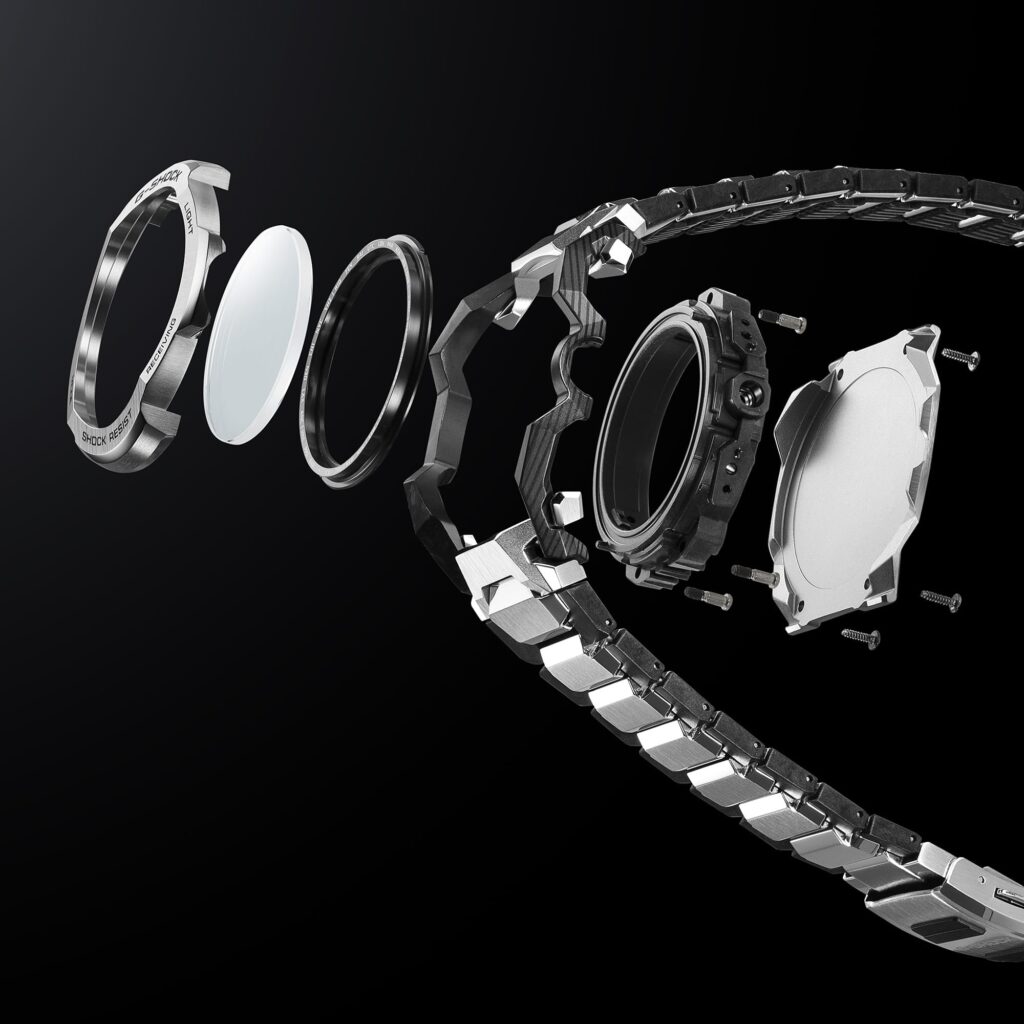
Casio G-Shock GX-56BB-1

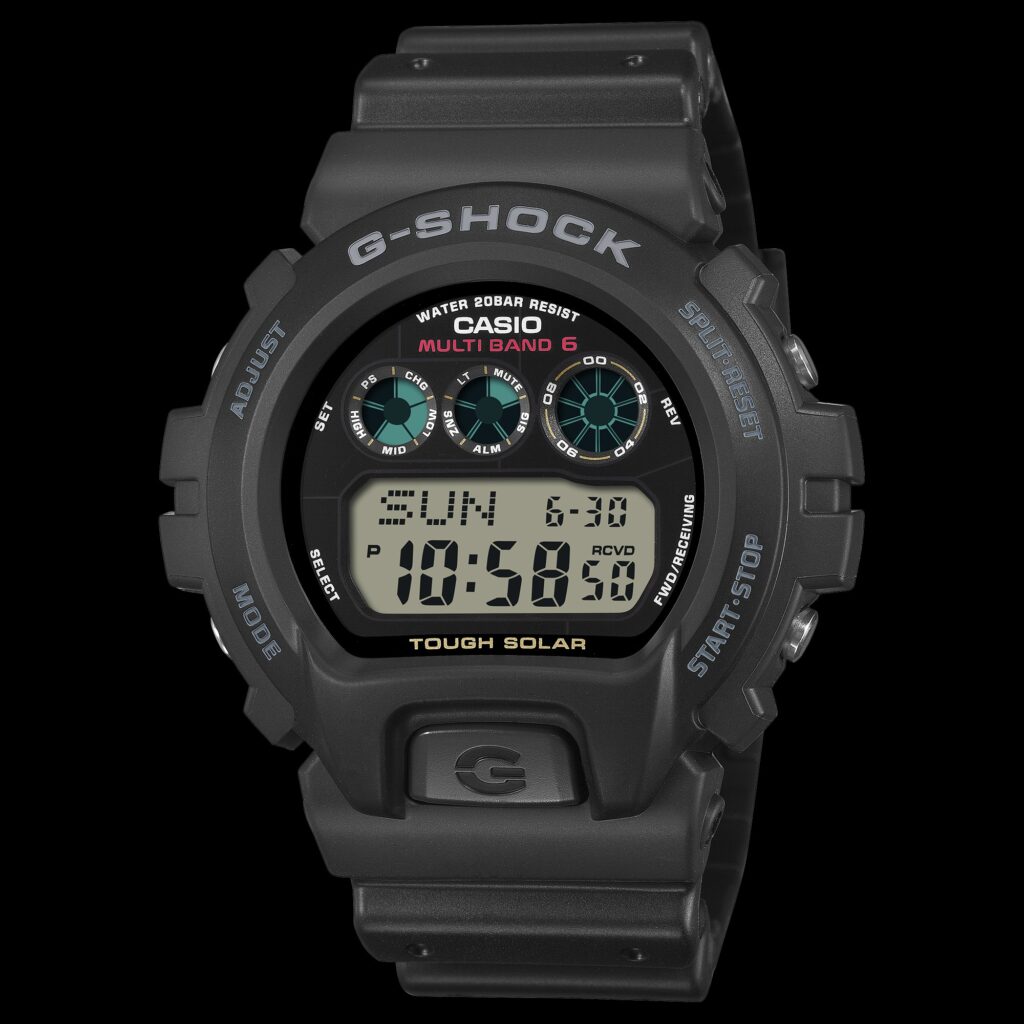
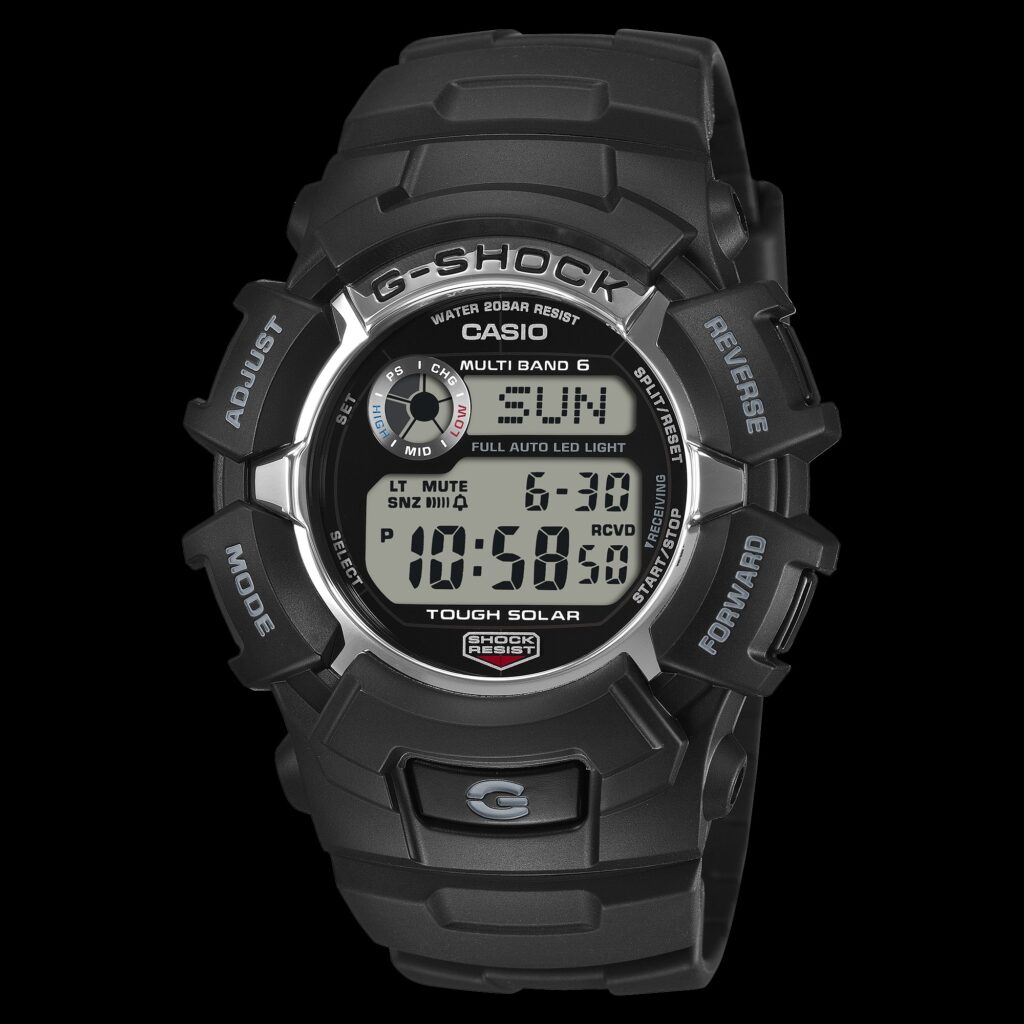
Casio has launched three new G-Shock models in the US. The GW2310U-1, GW6900U-1, and GX56UBB-1 offer upgraded features while maintaining the toughness and reliability that G-Shock is known for. These models debuted in Japanese and European markets earlier this year and are now available to US customers.

Casio G-Shock GX-56BB-1

GX56UBB-1

Casio G-Shock GX56UBB-1

The GX56UBB-1 delivers a bold, all-black design with a rugged build. Casio designed the watch to withstand shocks and impacts from all directions. The matte finish highlights the unique contours of the case, while the high-brightness LED backlight ensures visibility in dark conditions. The watch is powered by Tough Solar technology, which recharges using both natural and artificial light. Casio has priced it at $165.

GW6900U-1

Casio G-Shock GW6900U-1

The GW6900U-1 updates the popular DW-6900 with modern features. Casio added Multiband 6 technology, which automatically calibrates the time using radio signals from six global stations. This ensures precise timekeeping no matter where you are. The watch is powered by Tough Solar and includes a high-brightness LED backlight for easy readability. Casio has kept the simple, versatile design of the original, making it suitable for everyday wear. The GW6900U-1 costs $155.

GW2310U-1

Casio G-Shock GW2310U-1

The GW2310U-1 provides reliable performance in a compact, lightweight design. Casio kept the symmetrical look of the original G-2300 while adding Multiband 6 for automatic time calibration. The watch uses Tough Solar technology for power and features a durable resin and stainless steel construction for long-lasting reliability. It weighs only 64 grams, making it a comfortable option for everyday use. Casio has priced this model at $155.

In related news, Casio has brought limited edition Oceanus watches to the US, alongside the launch of two affordable vintage-style analog-digital watches.

For more daily updates, please visit our News Section.

Stay ahead in tech! Join our Telegram community and sign up for our daily newsletter of top stories! 💡

(Casio 1,2,3)

The post Casio launches three upgraded G-Shock classics in the US appeared first on Gizmochina.

OpenAI may launch a ChatGPT-powered smart speaker with a camera

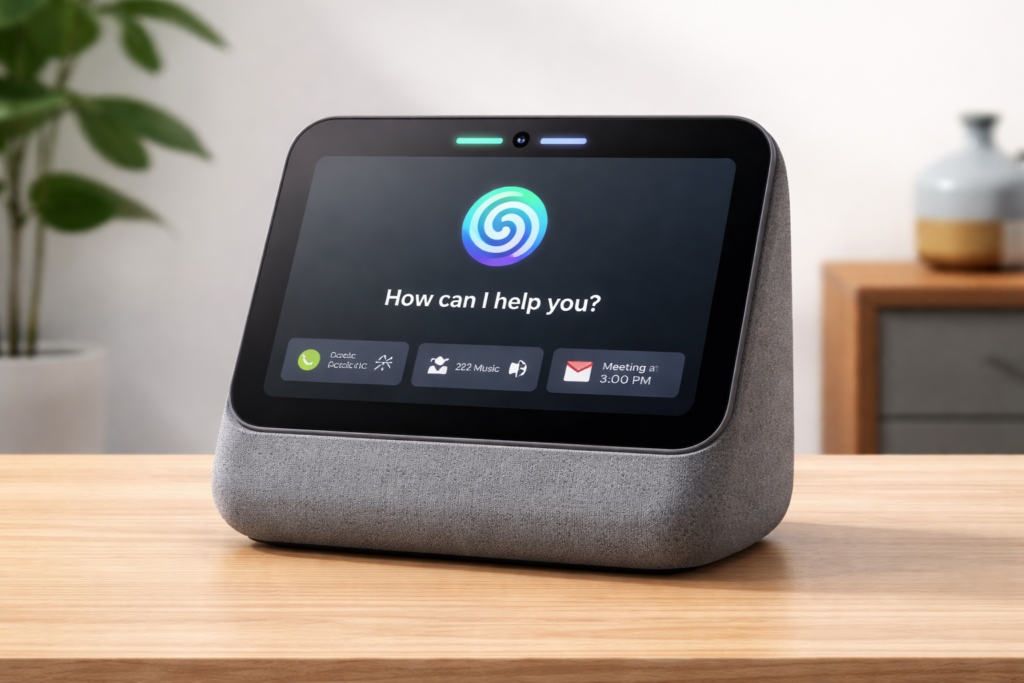
OpenAI Chatgpt Smart Speaker Concept

It might not be a wearable device after all, as OpenAI is reportedly working on its first hardware product, a smart speaker powered by ChatGPT. According to The Information (via Engadget), the device will include advanced features like a built-in camera for facial recognition and object identification. OpenAI aims to position the speaker as a more interactive and intelligent alternative to existing products like Amazon Echo and Google Home.

OpenAI Chatgpt Smart Speaker Concept
AI-Generated Concept

The smart speaker could cost between $200 and $300 and is expected to launch in early 2027. The device will reportedly use its camera to recognize objects nearby, scan faces with Face ID-like authentication, and even listen to conversations in its surroundings.

The speaker will try to assist users by nudging them toward actions that align with their goals. For example, it could suggest going to bed early if a user has a major event the next day.

OpenAI hired former Apple designer Jony Ive to lead the hardware design. Ive’s design firm, io Products, was acquired by OpenAI in 2025 for $6.5 billion. Over 200 employees are currently working on OpenAI’s hardware division, indicating the company’s serious commitment to entering the consumer tech market.

Privacy concerns have already become a major talking point, as some of you might already feel while reading this article. Yes, the always-on camera and microphone could raise serious questions about how OpenAI stores and processes user data.

Some of you might also feel uncomfortable being watched all the time through a camera, especially in private spaces like in living rooms. The fact that the device is designed to actively track its surroundings only amplifies these concerns.

In addition to the smart speaker, OpenAI is working on other AI-powered devices, including smart glasses and a smart lamp. Reports suggest the smart glasses may not be ready until 2028, while the smart lamp’s production status remains unclear.

As OpenAI is facing a competitive market and might actually go bankrupt in 2027, according to many reports, the company is planning to diversify its product strategy and eventually launch hardware products powered by ChatGPT. This diversification could help stabilize the company in the long run, but it won’t be easy.

Established players like Amazon, Google, and Apple already have proven smart speaker products in the market, and OpenAI will need to overcome significant challenges, including ChatGPT’s tendency to generate inaccurate or biased responses, to convince consumers to embrace its new devices.

For more daily updates, please visit our News Section.

Stay ahead in tech! Join our Telegram community and sign up for our daily newsletter of top stories! 💡

The post OpenAI may launch a ChatGPT-powered smart speaker with a camera appeared first on Gizmochina.

Google releases Gemini 3.1 Pro, pushing deeper into the AI reasoning race

Google Gemini 3.1 Pro

Google has introduced Gemini 3.1 Pro, the latest version of its advanced AI model. The update delivers significant improvements in reasoning and problem-solving, making it one of the most powerful AI systems available today. The model is now rolling out in preview for developers, enterprises, and consumers, with wider availability expected soon.

Google Gemini 3.1 Pro

Gemini 3.1 Pro focuses on handling complex, multi-step tasks that require advanced reasoning. The model can build interactive experiences, translate creative ideas into functional code, and connect complex APIs with user-friendly interfaces.

It can generate immersive projects such as 3D simulations with real-time interaction, create live data dashboards like ISS orbit visualizations, and turn literary themes into modern web designs.

The model also generates animated SVGs directly from text prompts. These animations are created as code rather than video files, which preserves image quality at any scale while keeping file sizes smaller.

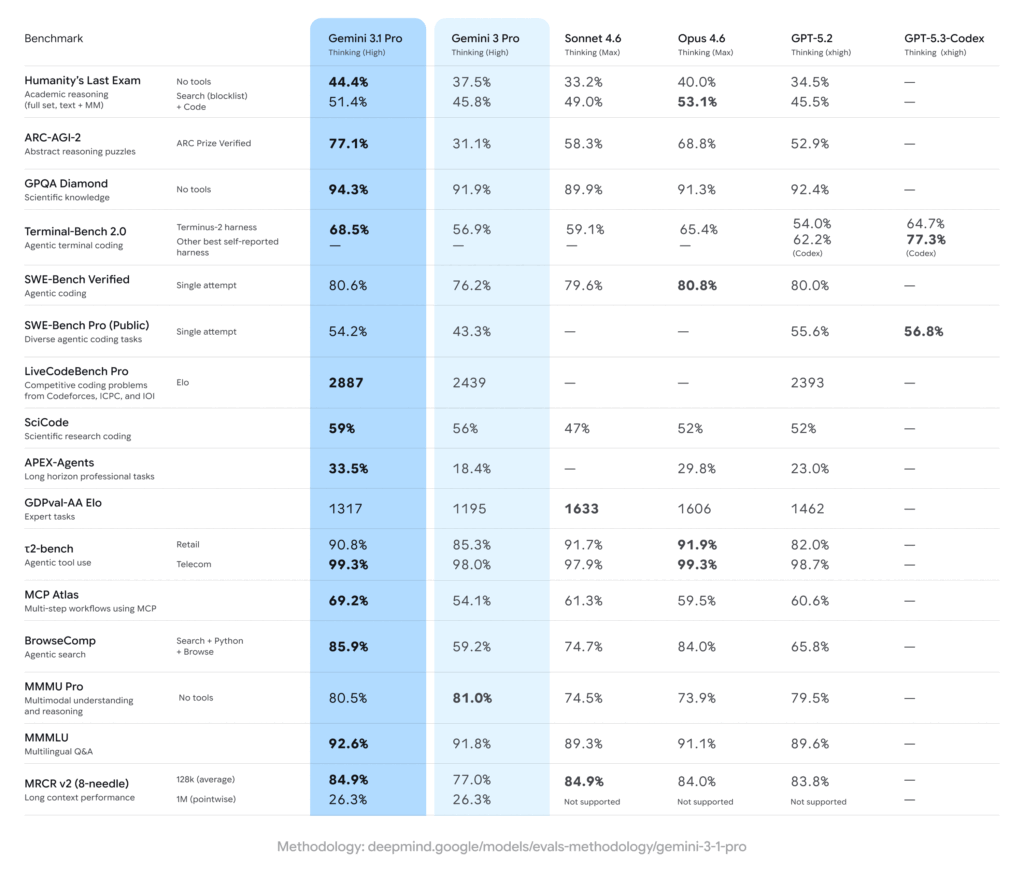
Gemini 3.1 Pro AI benchmark performance

In terms of performance, Gemini 3.1 Pro achieved a score of 77.1% on the ARC-AGI-2 benchmark, which tests abstract reasoning. This result more than doubles the score of its predecessor, Gemini 3 Pro, and outperforms competitors like GPT-5.2 (52.9%) and Opus 4.6 (68.8%). The model also posted strong results on GPQA Diamond, SWE Bench Verified, and BrowseComp, which evaluate scientific reasoning, coding ability, and search-related tasks.

Google is making Gemini 3.1 Pro available through several platforms. Developers can access it via Google AI Studio, Gemini CLI, and Android Studio. Enterprises can use it through Vertex AI and Gemini Enterprise. Consumers can try it on the Gemini app and NotebookLM, with Pro and Ultra subscribers receiving higher usage limits.

Learn more about the model and how to access it with these top five ways to use Gemini 3.1 Pro for free.

For more daily updates, please visit our News Section.

Stay ahead in tech! Join our Telegram community and sign up for our daily newsletter of top stories! 💡

The post Google releases Gemini 3.1 Pro, pushing deeper into the AI reasoning race appeared first on Gizmochina.

Xiaomi is steadily expanding its presence in Europe’s home appliance market…

Xiaomi is steadily expanding its presence in Europe’s home appliance market, and its latest move brings a connected washer-dryer combo to the UK.

The Xiaomi Mijia Front Load Washer Dryer Pro 9kg is now available for £599. The machine has been rolling out across parts of Europe since late last year, and it’s already been spotted in markets like Germany and France at slightly lower prices. Now it’s officially landed in the UK as well.

At its core, this is a 9kg front-load washer that also handles drying, aimed at people who don’t have space (or patience) for separate machines. It supports a range of programs, including a 36-minute Smart Wash and a shorter 12-minute cycle for lighter loads. Xiaomi also claims it can wash and dry 3kg of laundry in around three hours. That’s not lightning-fast, but for a combo unit, it’s reasonable.

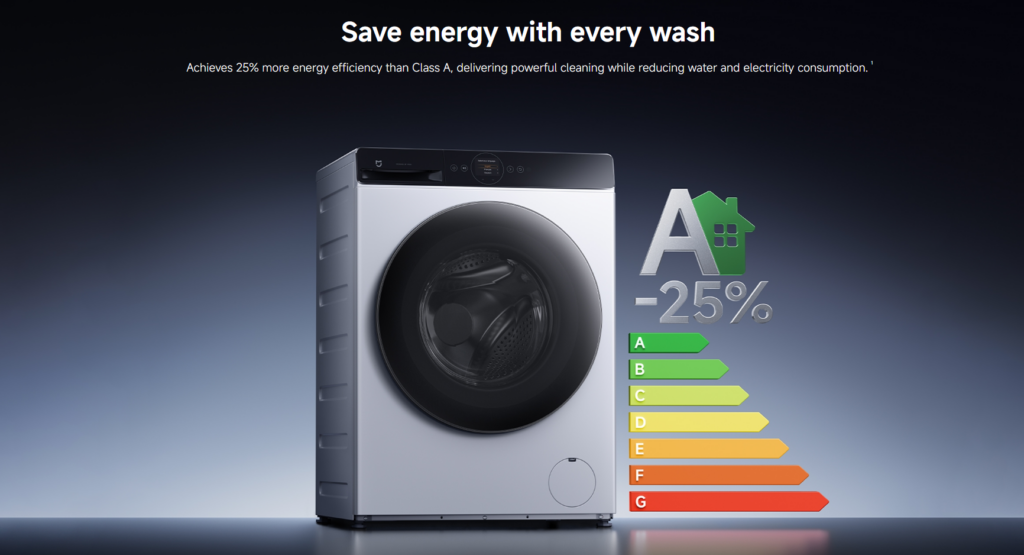
Steam cleaning is part of the package too. The company says it can eliminate up to 99.99% of bacteria, which is increasingly becoming a standard claim in this category. The machine carries a Class A energy rating and is said to be more efficient than the minimum requirement for that tier.

Where Xiaomi really leans in is the smart functionality. Through the Xiaomi Home app, users can start or pause cycles remotely, check remaining time, schedule washes, and even receive firmware updates.

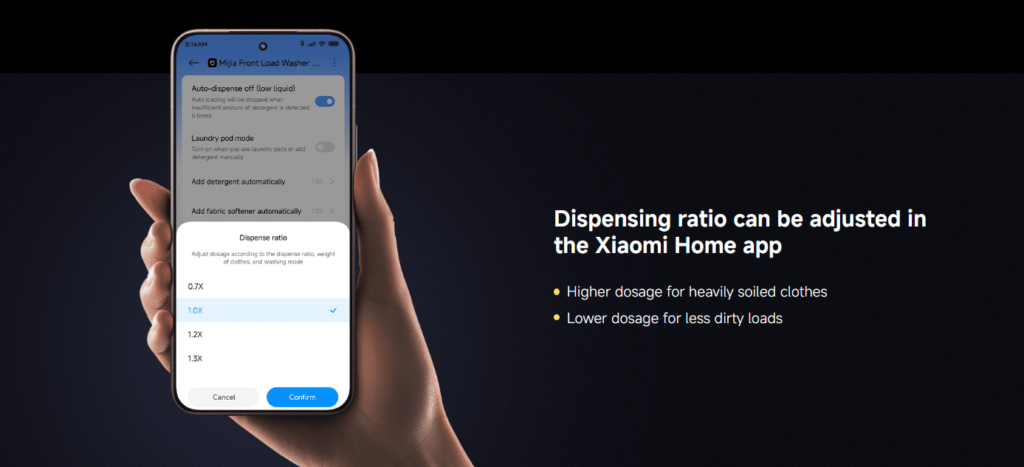
There’s also automatic detergent dosing for up to two products. The machine adjusts the amount based on the selected program and load size.

One detail that stands out is the self-cleaning system. Washer-dryer combos are known for collecting lint and residue over time, and maintenance can be a chore. Xiaomi says this model uses high-pressure water to rinse parts of the drying system and periodically cleans the drum and detergent drawer at high temperatures. In theory, that means less manual upkeep.

At £599, it’s not exactly entry-level, but it’s competitive for a smart washer-dryer with these features. For households already invested in Xiaomi’s ecosystem, it makes a certain kind of sense.

Tech enthusiast? Get the latest news first! Follow our Telegram channel and subscribe to our free newsletter for your daily tech fix!

For more daily updates, please visit our News Section.

(Source)

The post appeared first on Gizmochina.

Motorola Edge 70 Fusion teased in India, Flipkart page goes live

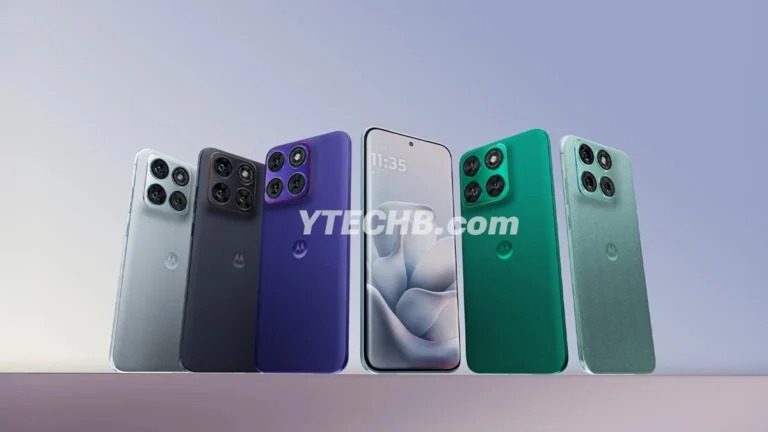
Motorola has started teasing its next Edge series phone in India, and all signs point to the upcoming Motorola Edge 70 Fusion.

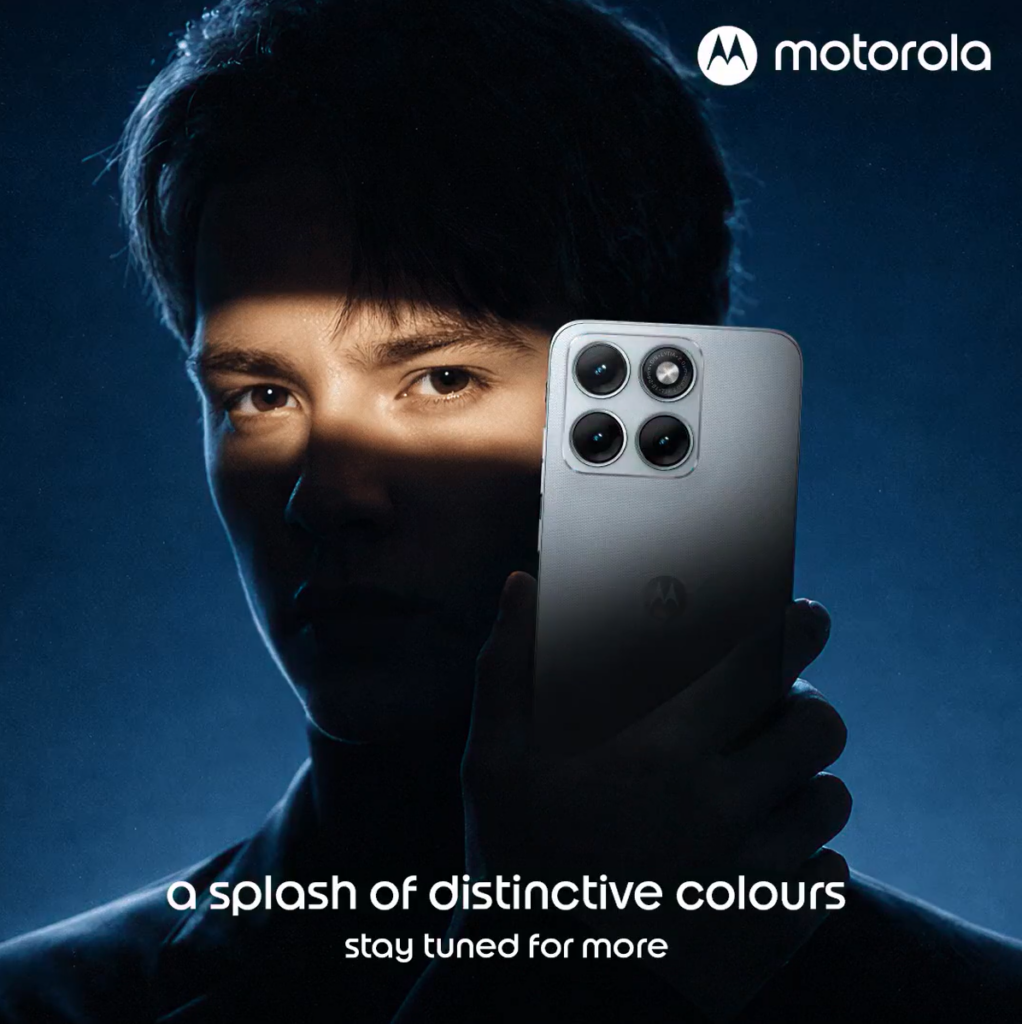
The company hasn’t explicitly named the device in its initial X posts, but the hints are hard to miss. One teaser cleverly played around with the word “fusion,” alongside images of a new handset in bright, textured finishes. Shortly after, Flipkart went live with a dedicated promo page carrying the tagline, “a fusion that gives you the edge.” At that point, the identity was pretty clear.

Color options confirmed

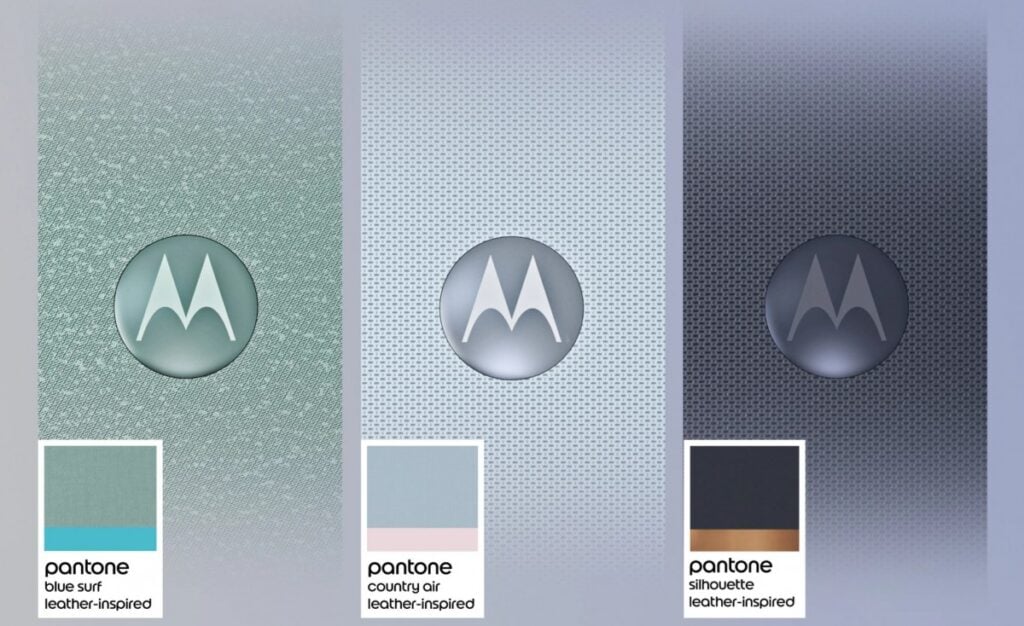
Flipkart’s microsite confirms three color options for India: Pantone Blue Surf, Pantone Country Air, and Pantone Silhouette. All three appear to feature Motorola’s now-familiar leather-inspired textured back, which has become a signature look for the brand’s recent Edge devices.

Earlier global leaks suggested as many as five Pantone shades, including Orient Blue and Sporting Green, but it looks like India may be getting a trimmed-down selection at launch.

The overall design sticks to Motorola’s recent formula: curved display edges, slim bezels, and a distinct camera module that blends into the back panel.

One confirmed detail is the presence of a “LYTIA camera,” which likely refers to a Sony LYTIA sensor. Leaks suggest the main camera could be a 50MP unit, with improved low-light performance.

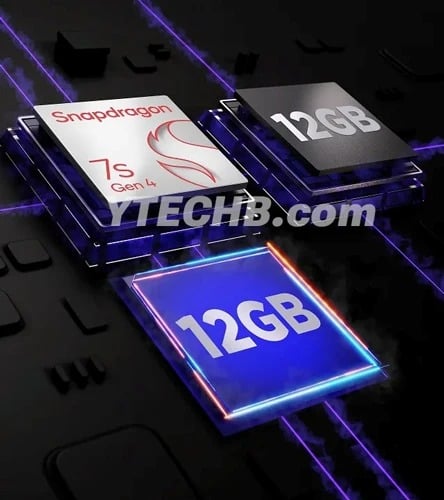
As for the processor, earlier rumors pointed toward the Snapdragon 7s Gen 3. However, more recent leaks, including marketing renders and benchmark listings, suggest the phone may instead use the newer Snapdragon 7s Gen 4. If true, that would bring modest CPU and GPU improvements, along with better efficiency compared to the previous generation.

The rest of the spec sheet hasn’t been officially confirmed yet, but leaks paint a fairly ambitious mid-range picture. The Edge 70 Fusion is rumored to pack:

  • A massive 7,000mAh battery
  • 68W fast charging
  • A 6.78-inch 1.5K AMOLED display with 144Hz refresh rate
  • Up to 12GB RAM
  • Android 16 out of the box

Launch timeline

Flipkart has promised more details on February 23, while subtle hints in the promo page URL suggest February 26 could be a key date — possibly for launch or availability. Motorola hasn’t officially confirmed the timeline yet.

Don’t miss a thing! Join our Telegram community for instant updates and grab our free daily newsletter for the best tech stories!

For more daily updates, please visit our News Section.

(Sources: 1, 2)

The post Motorola Edge 70 Fusion teased in India, Flipkart page goes live appeared first on Gizmochina.

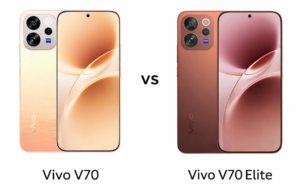
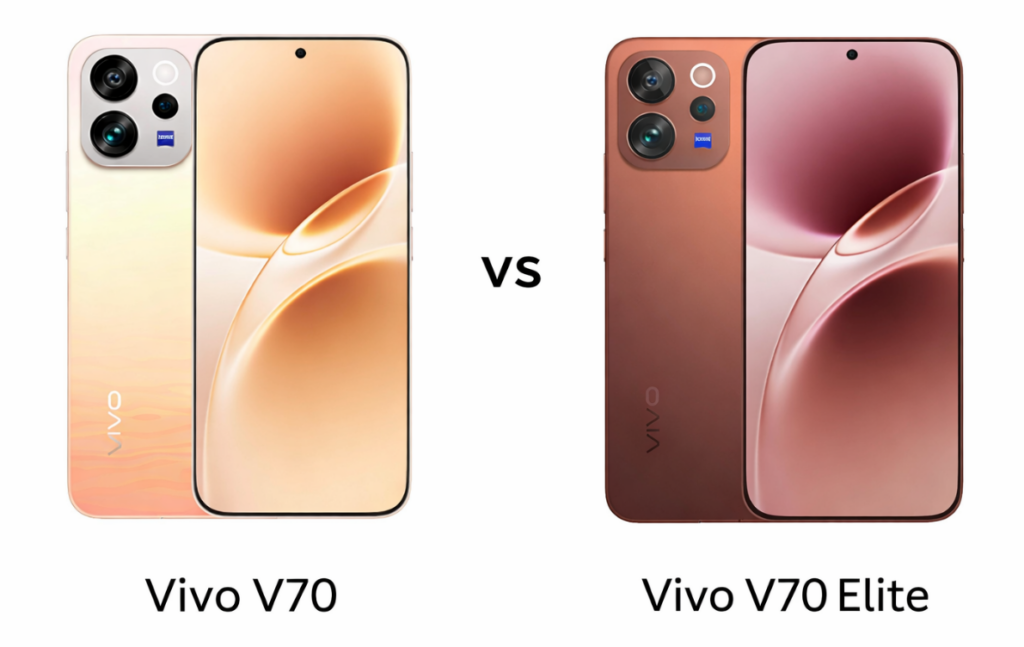
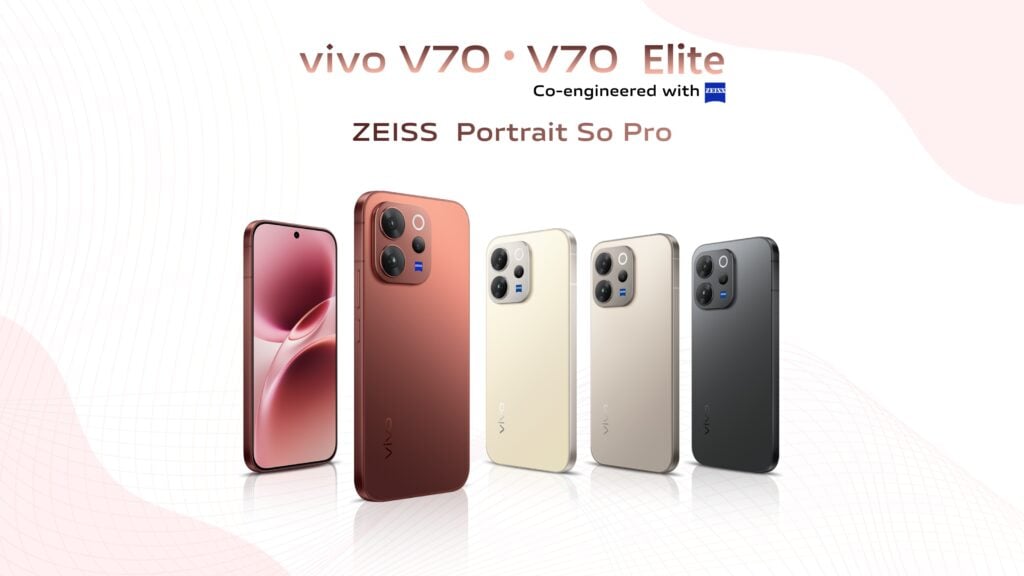
Vivo V70 vs Vivo V70 Elite Comparison: Specs, Camera, Performance & Price (Amazon Discounts)

Vivo V70 vs V70 Elite

Choosing between two phones that look almost identical but promise very different experiences can be surprisingly tricky, and that’s exactly the case with the Vivo V70 and Vivo V70 Elite. On paper, both share the same premium design, display, and camera hardware, yet their real difference lies in performance and positioning. One focuses on balanced value, while the other pushes toward flagship-level power. This comparison matters because the price gap isn’t huge, making it important to know whether the extra money truly changes the everyday experience or just adds numbers on a spec sheet.

Amazon Pre-Sale Discounts (Vivo V70 Series)

Amazon’s pre-sale for the Vivo V70 series is live, with official shipments starting from February 27. The Vivo V70 base variant is priced at ₹50,000, but the pre-sale discounted price brings it down to ₹46,000. The Vivo V70 Elite base variant, originally priced at ₹55,000, is available at a discounted pre-sale price of ₹52,000. Buyers can also combine these price cuts with additional launch offers, including bank discounts, EMI options, exchange bonuses, and other deals listed on the Amazon product page.

Please Note: When you buy something using the links in our articles, we may earn a small commission at no cost to you.

Major Features:

FeatureVivo V70Vivo V70 EliteWinner
ProcessorSnapdragon 7 Gen 4Snapdragon 8s Gen 3V70 Elite — noticeably stronger performance & gaming power
Display6.59″ AMOLED, 120Hz, HDR10+6.59″ AMOLED, 120Hz, HDR10+Tie — identical display quality
Main Camera50MP + 50MP Periscope + 8MP UW50MP + 50MP Periscope + 8MP UWTie — same camera hardware
Camera ExtrasZeiss opticsZeiss optics + color spectrum sensorV70 Elite — slightly better color accuracy
Selfie Camera50MP AF50MP AFTie — same selfie performance
Battery6500mAh, 90W fast charging6500mAh, 90W fast chargingTie — identical endurance & charging
Storage & RAMUp to 12GB + 512GBUp to 12GB + 512GBTie — same memory options
Build & ProtectionIP68/IP69 premium buildIP68/IP69 premium buildTie — same durability level
Base Price₹50,000 (₹46,000 pre-sale)₹55,000 (₹52,000 pre-sale)V70 — better value for money
Overall ValueBalanced flagship experiencePerformance-focused flagshipV70 — similar features for less money

Please Note: When you buy something using the links in our articles, we may earn a small commission at no cost to you.

Design and Display

Build and Feel

Both Vivo V70 and V70 Elite follow a premium design approach with a glass front, aluminum alloy frame, and either glass or fiber-reinforced back finishes. The overall styling feels modern and refined, giving both phones a flagship-like presence in daily use. Water and dust resistance adds a practical layer of durability, making them feel reliable beyond just looks. Since the design language is shared, the difference here is more about positioning than appearance; the Elite feels like a performance-focused variant rather than a visual upgrade. This similarity can actually be a positive, as buyers don’t have to compromise on aesthetics when choosing the more affordable model.

Display Quality

Both devices use the same AMOLED panel with a 120Hz refresh rate, HDR10+ support, and very high peak brightness. Colors look vibrant, contrast remains deep, and smooth animations make scrolling and gaming feel premium. Outdoor visibility is excellent, and the display experience feels equally polished on both models. In real-world use, there is virtually no separation between them visually.

Verdict

Design and display are essentially tied. The V70 stands out as the smarter pick here since it delivers the same premium viewing experience without paying extra.

Specifications Including Battery

Performance

The main difference between these two phones appears under the hood. Vivo V70 runs on the Snapdragon 7 Gen 4, which handles daily apps, multitasking, and moderate gaming smoothly. Vivo V70 Elite steps up to the Snapdragon 8s Gen 3, offering noticeably stronger performance for demanding games, heavier editing tasks, and longer-term performance stability. The Elite feels faster under pressure, especially when pushing graphics or multitasking heavily. Still, the standard V70 proves that upper mid-range chips now deliver a very polished everyday experience without feeling slow.

Battery and Charging

Both phones pack a large 6500mAh battery with 90W fast charging, reverse wired charging, and bypass charging. Endurance should comfortably last a full day, even with heavy use, and charging speeds remain equally impressive. The V70 may feel slightly more power-efficient due to its chipset, while the Elite focuses more on raw speed and sustained performance.

Verdict

Performance clearly favors the V70 Elite, but battery experience remains equally strong on both. The choice depends on whether raw power or balanced efficiency is more important.

Camera

Main and Secondary Lenses

Camera hardware is nearly identical across both devices, featuring a 50MP main sensor with OIS, a 50MP periscope telephoto lens with 3.7x optical zoom, and an 8MP ultrawide camera. Image output should be very similar, delivering sharp details, balanced colors, and strong zoom versatility. The V70 Elite adds a color spectrum sensor and slightly improved HDR video processing, which can help with more consistent tones in complex lighting scenes. In everyday photography, however, differences remain subtle rather than dramatic, making both phones strong camera performers in their segment.

Selfie Camera

Each model uses the same 50MP autofocus selfie camera capable of 4K video recording. Selfies are expected to look detailed with natural skin tones, and autofocus helps maintain sharpness in both photos and video calls. Social media creators and casual users alike will find the front camera experience consistent across both models.

Verdict

Camera performance is nearly equal, but the V70 Elite takes a slight lead due to small processing improvements. The V70 still delivers flagship-style results without clear compromises.

Pricing

Vivo V70 is priced at around ₹50,000, while Vivo V70 Elite comes in at approximately ₹55,000. The almost ₹5,000 difference mainly reflects the jump to a more powerful processor and small imaging refinements rather than major hardware changes. For buyers comparing pure features, the pricing gap feels narrow enough to make the decision more about usage style than budget limits.

Is the Price Justified?

The V70 offers stronger value because it delivers the same design, display, battery, and almost identical camera experience at a lower price. The Elite justifies its higher cost for users who want extra performance headroom for gaming or long-term heavy usage. The pricing strategy feels balanced, but the benefits of the Elite are more performance-focused than all-around upgrades.

Disclaimer:
Prices are approximate and may vary based on country, region, and applicable taxes.

Verdict

Vivo V70 wins on value for most users, while V70 Elite makes sense for buyers prioritizing performance and future-proofing.

Conclusion

Both smartphones offer premium AMOLED displays, large batteries, fast charging, and Zeiss-tuned camera systems, creating a flagship-like experience regardless of choice. The real separation lies in processing power; the V70 Elite targets users who want stronger gaming performance and longer-term speed consistency, while the V70 focuses on delivering a balanced experience at a more accessible price. This makes the lineup easy to understand, as buyers are essentially choosing between value and extra performance rather than completely different devices.

Verdict

Vivo V70 is the smarter all-round choice thanks to its pricing and balanced specifications. Vivo V70 Elite is the better option for power users who want higher performance ceilings and slightly refined imaging performance without changing the overall experience.

Read More:

The post Vivo V70 vs Vivo V70 Elite Comparison: Specs, Camera, Performance & Price (Amazon Discounts) appeared first on Gizmochina.

Top 5 ways to use Gemini 3.1 Pro for free

How to use Gemini 3.1 Pro for free

Gemini 3.1 Pro is the company’s most capable LLM with stronger core reasoning and better performance on complex, multi-step work. It outperforms the best from Anthropic and OpenAI across many benchmarks. Here, I’ll show you the top 5 ways to access Gemini 3.1 Pro for free with all the steps.

Gemini 3.1 Pro AI benchmark performance
Image credit: Google

How to use Gemini 3.1 Pro for free (5 methods)

Google Gemini

1. Google Gemini

This is the easiest and quickest way to test the capabilities of Gemini 3.1 Pro. Simply go to gemini.google.com, choose the “Pro” option, and get things done.

Step 1: Open gemini.google.com on your device.

Step 2: Log in to your Google account (if not logged in).

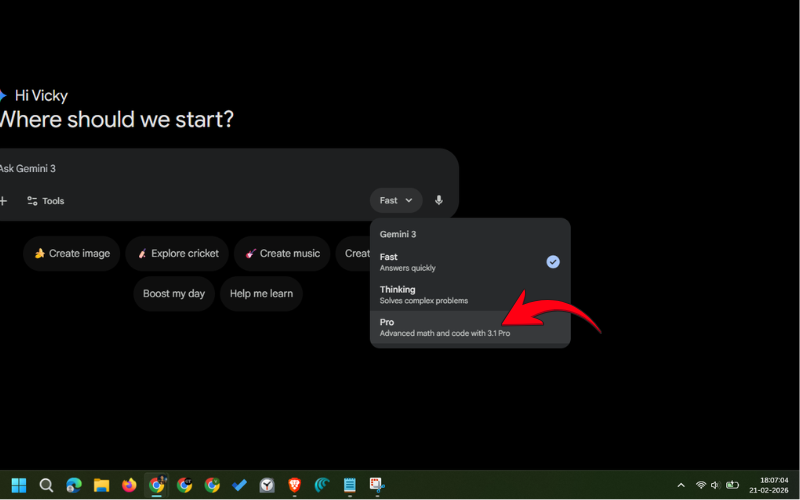
Step 3: Tap the mode selector and choose “Pro”.

Choosing Pro mode on Gemini

Step 4: Type your prompt and hit Enter.

If you’re using a smartphone, it’s best to download the Google Gemini app from Google Play Store (Android) or App Store (iPhone). The steps remain the same.

Please note that the free version of Google Gemini allows only a few messages per day for Gemini 3.1 Pro. That’s best for the testing purpose. However, you can upgrade to the Pro or Ultra plan to increase your limits. Luckily, there are ways to get Google Gemini Pro for free for a year. Comment below if you want a detailed post on that.

Google Vertex AI

2. Google’s Vertex AI platform

Google is offering $300 in free credits to use Google Cloud services, including the Vertex AI platform, which allows us access to Gemini 3.1 Pro, Google Veo, and many other AI tools. Note that free credits are available for 90 days. After which, they expire.

Here’s how to sign up for Google Cloud:

Step 1: Open the Google Cloud trial offer page and tap “Get started for free”.

signing up on Google Cloud platform

Step 2: Choose your Google account and your country.

Step 3: Fill in your contact information, then verify a payment method.

[Note: You won’t be charged automatically even after the free trial ends unless you do a manual activation. You can verify the same in the screenshot below.]

Verifying payment details on Google Cloud platform

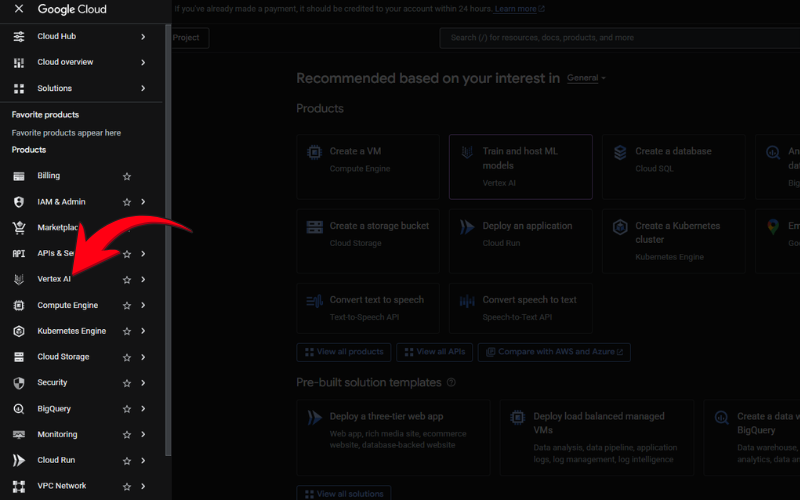
Step 4: In your Google Cloud dashboard, tap the menu button and choose “Vertex AI”.

Vertex AI on Google Cloud

Step 5: Click “Try now” below Vertex AI Studio.

Accessing Vertex AI Studio API on Google Cloud

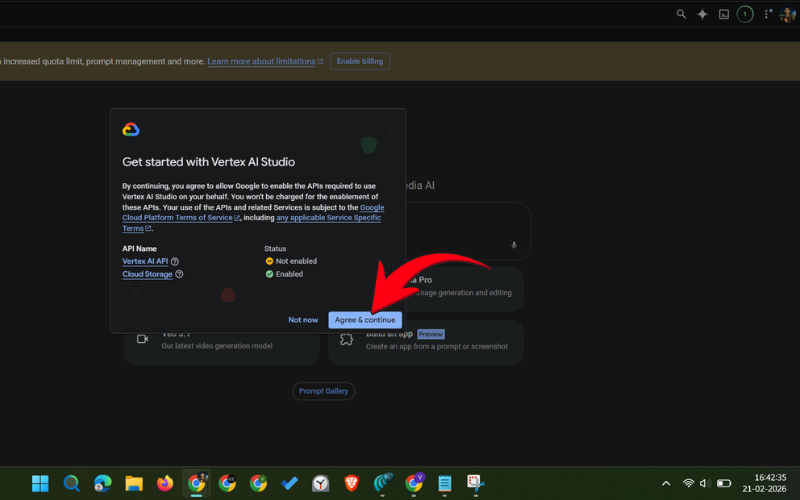
Step 6: Click “Agree & continue” to enable the required APIs for using Vertex AI Studio.

Enabling Vertex AI Studio API on Google Cloud

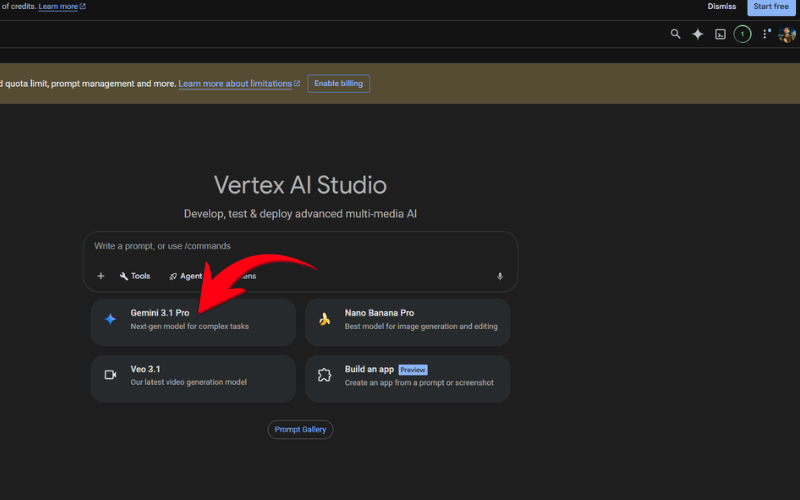
Step 7: Choose “Gemini 3.1 Pro” and start using it.

Gemini 3.1 Pro selector on Vertex AI Studio

The $300 free credit gives you very high usage limits to Google’s top AI models for 90 days. You can even create videos, build tools using coding, and do a lot more stuff without paying a penny.

Try That LLM

3. Try That LLM

This is an easy and free tool for comparing responses from various LLMs. The platform offers dozens of LLMs to test your prompt, including Gemini 3.1 Pro, Claude Opus 4.6, and ChatGPT 5.2.

This is super easy to use. Just sign up on the website (it takes less than a minute), choose your model, and start using it. The best part is you don’t need to fill in payment details.

Step 1: Go to trythatllm.com and click the “Sign up” button.

signing up on Try That LLM

Step 2: Fill in basic details to create your account.

Step 3: Verify your email.

Step 4: Tap “New Prompt Group”.

setting up prompt group on Try That LLM

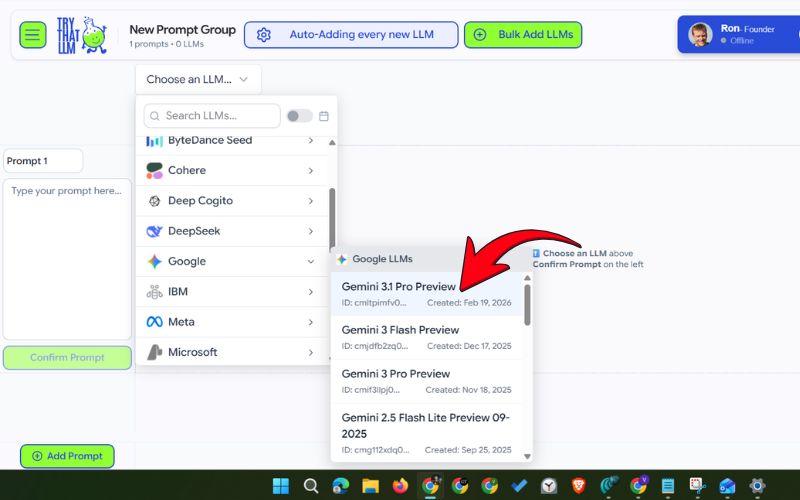
Step 5: Click “Choose an LLM” and select Google > Gemini 3.1 Preview.

choosing LLM on Try That LLM

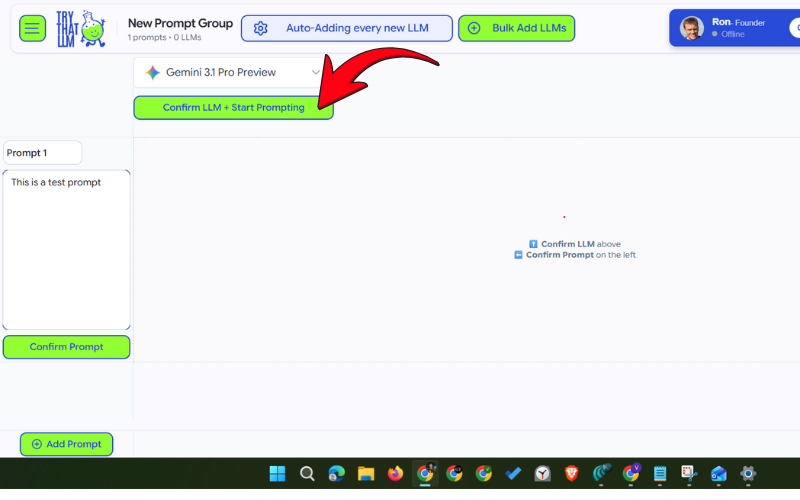
Step 6: Click “Confirm LLM + Start Prompting”.

confirming LLM on Try That LLM

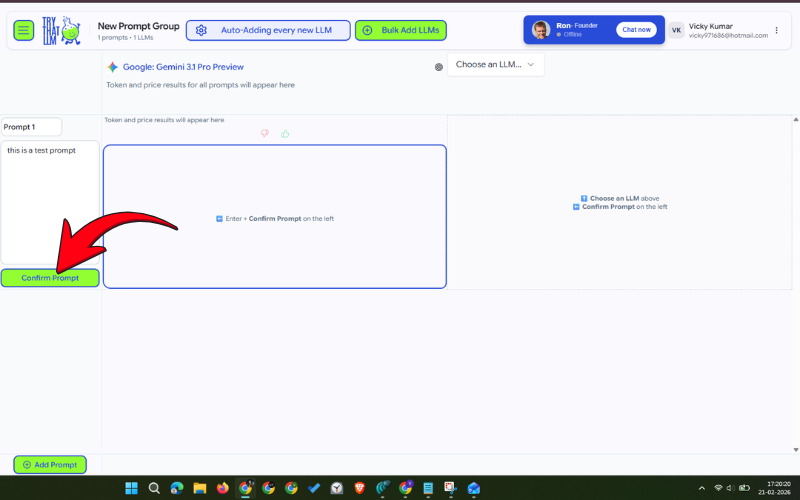
Step 7: Enter your message in the prompt section and click “Confirm Prompt”.

confirming prompt on Try That LLM

You get 1000 free credits when you create an account. Note that these are one-time credits and are not added every month.

Arena AI

4. Arena AI

Arena AI also lets you compare different LLMs for free. The best part is that you don’t need to sign up on the platform to use Gemini 3.1 Pro or any other LLM. Just open the website, choose your AI model, and start messaging.

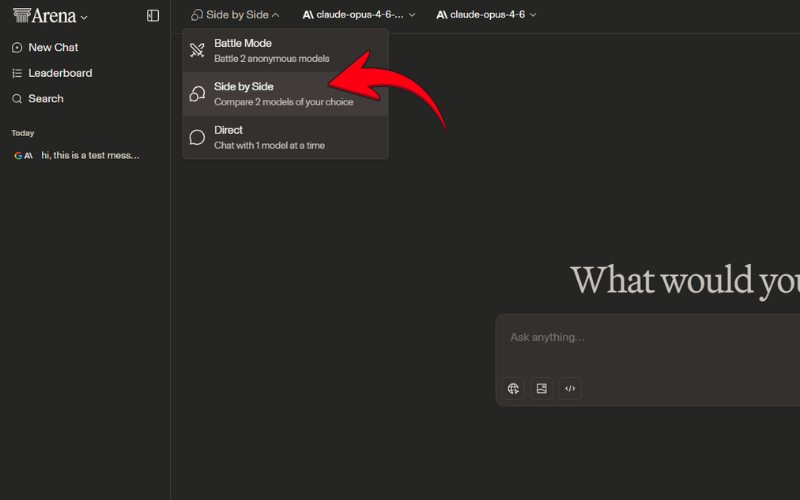
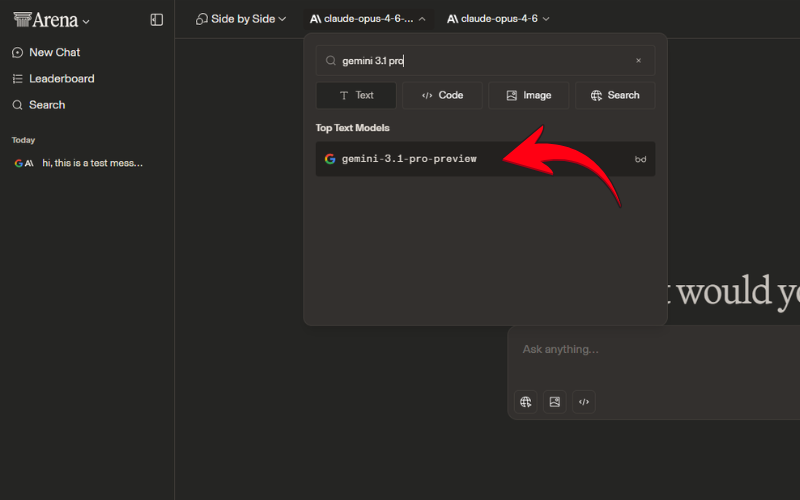
Step 1: Go to Arena.ai and make sure side-by-side mode is selected.

choosing side by side mode on Arena AI

Step 2: Tap on the first LLM field.

Step 3: Search for “Gemini 3.1 Pro” and choose the right LLM from.

choosing LLM on Arena AI

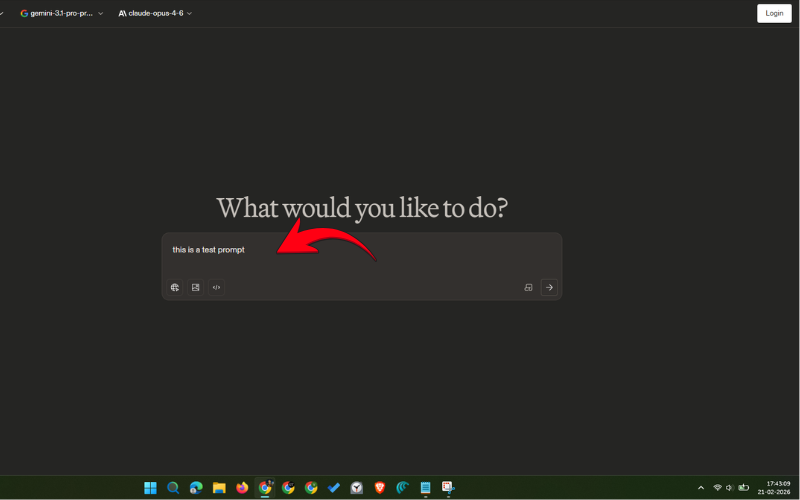
Step 4: Write your message/prompt in the Ask anything section and enter.

using the LLM on Arena AI

Arena AI is completely free to test LLMs, but it doesn’t offer unlimited responses. The platform provides pretty generous limits, which should be more than enough for small use cases.

ChatPlayGround AI

5. ChatPlayGround AI

ChatPlayGround AI also offers access to dozens of LLM models, including Gemini 3.1 Pro, Claude Opus 4.6, and ChatGPT 5.2. Unlike Try That LLM and Arena AI, this AI tool lets you use images and PDFs with your message. But what’s the catch here? It doesn’t have a free plan; instead, it offers a 3-day free trial, and for that, you’ll need to link your bank cards.

So, if you only need access to Gemini 3.1 Pro and other LLMs with better capabilities, you can go for the free trial, but make sure to cancel the plan before three days to avoid any charges. Simply go to chatplayground.ai, tap “Sign Up”, and fill in the required details to get started.

Be sure to visit the AI section on Gizmochina regularly for the latest updates.

The post Top 5 ways to use Gemini 3.1 Pro for free appeared first on Gizmochina.

Casio Brings Limited Edition Oceanus Watches to the US

Casio-Oceanus-OCWSG1000CN1A

Casio has launched two limited-edition models, the Oceanus OCWSG1000CN1A and OCWS7000CN1A, in the United States. These watches, part of Casio’s premium Oceanus Manta series, first debuted in global markets last year and are now available in limited quantities in the US.

Casio Oceanus OCWSG1000CN1A
Casio Oceanus OCWS7000CN1A

Design Details

The OCWSG1000CN1A costs $4,800 and is limited to only 600 pieces worldwide. Casio engraved each watch with a unique serial number to highlight its exclusivity. The watch design takes inspiration from a Calm Night theme, evoking the look of a moonlit sea.

Casio used Edo Kiriko craftsmanship for the sapphire glass bezel, with each cut handcrafted by third-generation Edo Kiriko artisan Toru Horiguchi. The titanium case features a DLC (Diamond-Like Carbon) coating, which enhances durability and gives the watch a sleek, polished appearance.

Casio Oceanus OCWSG1000CN1A

Casio equipped the OCWSG1000CN1A with Gallium Tough Solar technology, which significantly improves power generation efficiency. The watch includes advanced timekeeping features such as Bluetooth connectivity, multi-band radio-controlled timekeeping, and automatic time adjustments. It also offers water resistance up to 10 bars and a textured dial that resembles the moon’s surface.

The OCWS7000CN1A is priced at $2,200 and features a similar Calm Night design theme. Casio crafted this model with an all-black titanium case and an Edo Kiriko sapphire glass bezel. The dial incorporates a silver and black gradient, creating depth and a dynamic aesthetic. The blue accents on the watch reflect light differently depending on the angle, mimicking the ocean’s natural movement.

casio oceanus OCWS7000CN1A-1

Casio designed the OCWS7000CN1A to be slimmer and lighter, measuring just 9.8 mm thick and weighing 81 grams. The watch includes Bluetooth connectivity, multi-band timekeeping, and a solar-powered battery with an operating life of up to five months on a full charge. It is limited to only 1,600 pieces worldwide.

Both models provide additional features like 100-meter water resistance, smartphone connectivity via the Casio Watches app, and support for over 300 world time cities.

In related news, Casio has also launched two affordable vintage-style analog-digital watches recently in the US, alongside the premium G-Shock MTGB4000D-1A featuring a carbon-steel construction.

For more daily updates, please visit our News Section.

Stay ahead in tech! Join our Telegram community and sign up for our daily newsletter of top stories! 💡

(Casio 1,2)

The post Casio Brings Limited Edition Oceanus Watches to the US appeared first on Gizmochina.

One UI 8.5 Beta hints Samsung is taking Bixby more seriously again

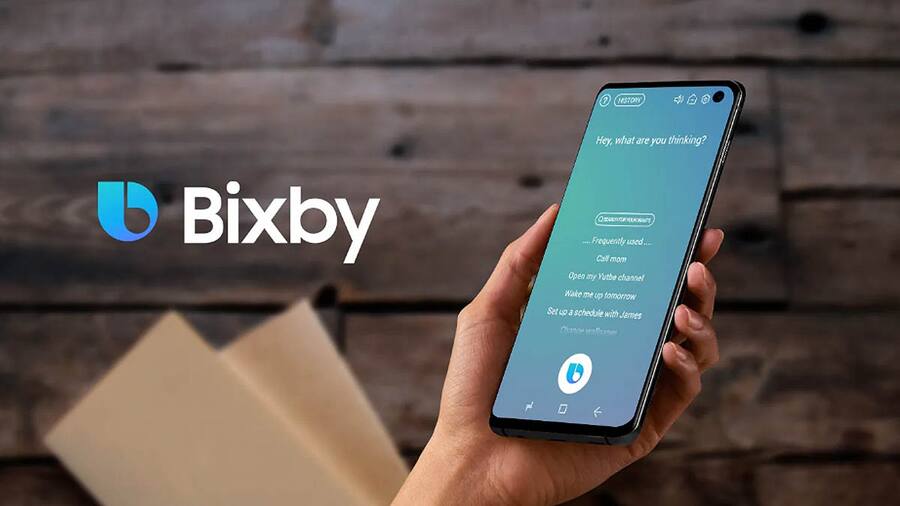
With the rollout of One UI 8.5 Beta 5 for the Galaxy S25 series, Samsung has quietly introduced a major refresh to Bixby. The changelog only mentions an applied Bixby version upgrade, but early testers are reporting much bigger changes under the surface.

The update is currently rolling out in regions including the US, UK, Germany, India, Korea, and Poland, with a download size of around 550MB and the February 2026 security patch.

The biggest shift is in how Bixby responds

According to beta users, the assistant now delivers noticeably faster and more detailed answers. It can generate longer, structured content, such as poems, essays, and in-depth explanations, directly on device.

There are also signs of deeper web integration. Bixby appears to pull real-time information from online sources, and some testers have noticed a small Perplexity icon appearing in certain search results. Samsung hasn’t officially confirmed the integration in this beta, but the visual cue strongly suggests backend support from Perplexity AI.

Image: SammyFans

In practical terms, that means Bixby is starting to feel less like a basic voice command tool and more like a conversational assistant.

Better device control

Beyond web queries, Bixby seems more responsive when controlling the phone itself. Natural-language commands such as “Set display brightness to 30 percent” or “Change system sound to level 3” execute instantly, without requiring users to navigate through menus. That may sound minor, but smoother system-level control is exactly where voice assistants often fall short.

The assistant now appears to better understand both the device and online context, blending hardware control with web-powered intelligence.

Bixby has long struggled to compete with Google Assistant and, more recently, Gemini. But this update suggests Samsung is taking its assistant more seriously again. With the stable version of One UI 8.5 expected to debut alongside the Samsung Galaxy S26 at Galaxy Unpacked on February 25, this beta may be laying the groundwork for a broader AI push.

Stay ahead in tech! Join our Telegram community and sign up for our daily newsletter of top stories!

For more daily updates, please visit our News Section.

(Source)

The post One UI 8.5 Beta hints Samsung is taking Bixby more seriously again appeared first on Gizmochina.

Sony WF-1000XM6 teardown reveals internal changes soon after launch

Sony’s next flagship earbuds, the Sony WF-1000XM6, are drawing attention for more than just sound quality. A recent teardown based on FCC filings suggests Sony has quietly made the new model easier to repair, particularly when it comes to battery replacement.

That may not sound flashy, but for long-term owners of these expensive earbuds, it’s a big deal.

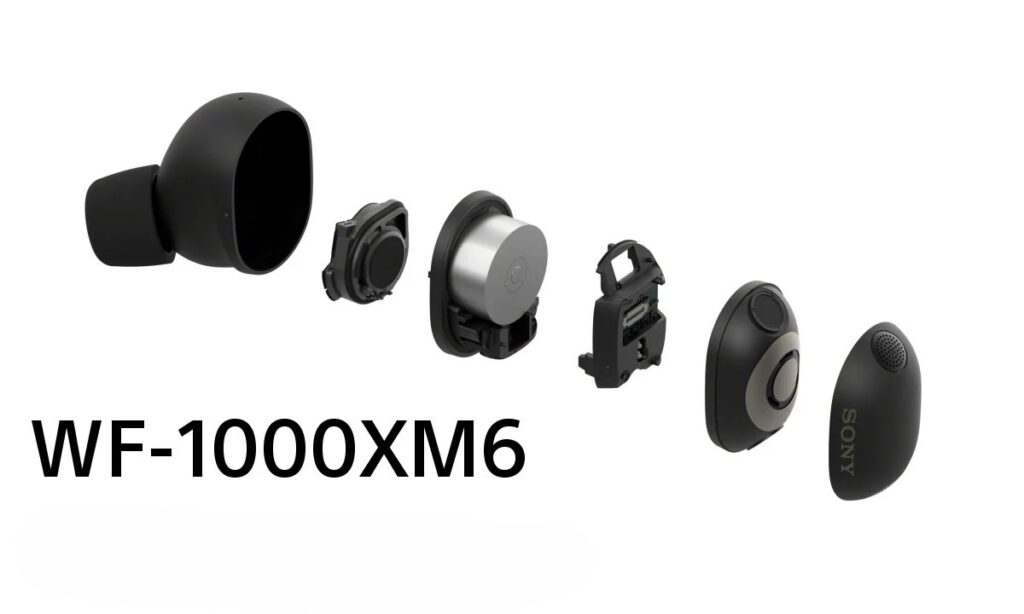
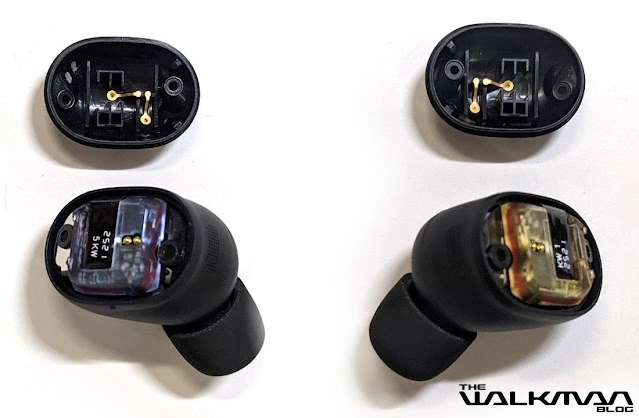
The analysis, published by The Walkman Blog, pulls from internal photos and schematics included in US FCC documentation. One key change stands out: Sony has removed the ribbon cable that previously connected the top cover to the main internal components.

Why does that matter? Ribbon cables are fragile. During disassembly, especially when trying to replace aging batteries, they’re easy to tear. Removing that component simplifies the process and reduces the risk of accidental damage. For a product category often criticized for being difficult to repair, that’s a meaningful step.

Inside the earbuds

Internal photos reveal Bluetooth antenna contacts, touch sensor connectors, microphone openings, and a MEMS mic mounted directly on the board. There’s also a transparent plastic layer on top, a small design touch that visually separates this generation from earlier leaks.

The battery is listed as model Z55FA, rated at 3.85V. Multiple suppliers are mentioned, including Springpower, Highpower (TH), VDL, and Zhuhai ZeniPower Battery Co., Ltd., with signs pointing to ZeniPower as a primary source. Capacity isn’t disclosed in the FCC paperwork.

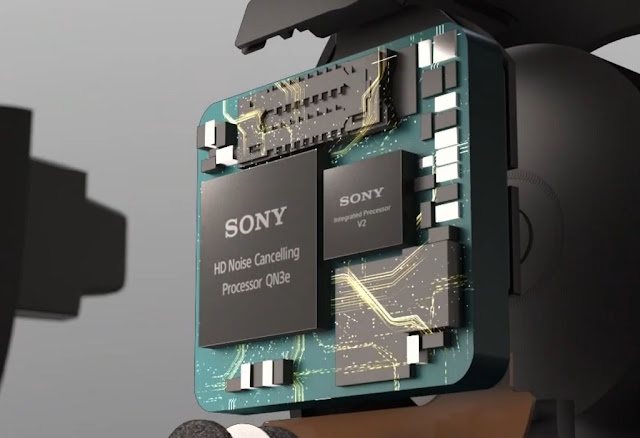
On the silicon side, the teardown confirms an updated system-in-package module labeled GSBR-005 (version 3-2), integrating an MT2833 Bluetooth chip. Although resin coating obscures some details, component sizing suggests the new QN3e noise-canceling chip is noticeably larger than the previous QN2e.

Sony’s XM series has long been considered among the best in the noise-canceling true wireless category. By improving internal design for easier servicing, without compromising premium hardware, Sony seems to be addressing one of the biggest long-term pain points in wireless earbuds: battery degradation.

Of course, real-world performance will ultimately decide how compelling the upgrade is. But on paper, the WF-1000XM6 look like a refinement in more ways than one. It’s already available for $329.99 on Sony’s US website.

Stay ahead in tech! Join our Telegram community and sign up for our daily newsletter of top stories!

For more daily updates, please visit our News Section.

(Sources: The Walkman Blog | Sony)

The post Sony WF-1000XM6 teardown reveals internal changes soon after launch appeared first on Gizmochina.

macOS 26.3 leak hints at budget MacBook and new Studio Displays ahead of March 4 event

Apple’s March 4 “special Apple Experience” event is almost here, and a fresh macOS update may have just revealed more than the company intended. Digging through macOS 26.3, developers have found references to three unreleased device identifiers hidden inside kernel extensions.

While Apple hasn’t officially announced anything yet, the codenames strongly suggest new hardware is on the way, possibly including a more affordable MacBook and updated Studio Displays.

A lower-cost MacBook could finally be coming

The most talked-about codename is J700, which many believe refers to a new entry-level MacBook. Apple hasn’t seriously targeted the sub-$800 laptop segment in years. The MacBook Air still starts around the $849–$999 range depending on configuration, and while that’s competitive, it’s not exactly “budget.”

Reports suggest this new model could land somewhere between $599 and $799. To get there, Apple may skip its usual M-series silicon and instead use the Apple A18 Pro, the same chip expected in the iPhone 16 Pro lineup.

That might sound like a downgrade, but early benchmarks indicate the A18 Pro slightly outperforms the original M1 in certain tasks, while offering excellent power efficiency. For everyday tasks on macOS — web browsing, streaming, document work, even light creative tasks — it should be more than enough.

Rumored specs point to a 12.9-inch display (roughly 13 inches), an aluminum build, and a range of brighter color options. If accurate, this would mark Apple’s most aggressive push into mainstream laptop pricing in quite some time.

Two additional identifiers, J427 and J527, appear to reference updated versions of the Apple Studio Display. Details are still fuzzy, but speculation suggests Apple could be preparing refreshed 27-inch 5K models, possibly with mini-LED backlighting. That would bring better contrast, improved HDR performance, and potentially higher brightness.

There’s also talk of higher refresh rates — maybe 90Hz or even 120Hz — bringing ProMotion-style smoothness to Apple’s standalone displays.

Apple’s New York event, with parallel sessions in London and Shanghai, is being described as a “special experience” rather than a traditional keynote. That wording suggests this may be more of a hands-on preview for media than a big livestream presentation.

Don’t miss a thing! Join our Telegram community for instant updates and grab our free daily newsletter for the best tech stories!

For more daily updates, please visit our News Section.

(Source | Image)

The post macOS 26.3 leak hints at budget MacBook and new Studio Displays ahead of March 4 event appeared first on Gizmochina.

Samsung’s One UI 8.5 beta program is still not over

Samsung One UI 8.5 beta program

Samsung has already released five One UI 8.5 beta builds for the Galaxy S25 trio, and it appears the brand is still not done with the beta testing. Just recently, a new beta build was spotted on the test server, which could be the sixth for the S25 series. Now, if you’re wondering whether a new beta will cause a delay to the stable release or when the stable update will arrive, then stick to the post as we dig deeper to find those answers.

The One UI 8.5 beta program went live in early December for the Galaxy S25 series. At regular intervals, Samsung continued to push more beta builds to fix bugs and enhance the software experience. The Beta 3, in particular, brought some hope of a quicker, stable release, as the build reportedly had a near-stable smoothness with no obvious bugs. However, Samsung wasn’t convinced.

The fourth beta landed in early February, and then the fifth one arrived this week. While these builds primarily aimed to improve software smoothness and squash previously discovered bugs, they also introduced a couple of new features. Beta 4 added Direct Voicemail, and Beta 5 debuted AI-powered Bixby

Samsung might release another One UI 8.5 beta soon, as a new build has just been spotted on the server (via Alfaturk) with firmware version ZZB7. This could go live next month as the sixth beta update for the Galaxy S25 series. We don’t know how many more are on the way. Last year, Samsung released seven One UI 8.0 beta builds before pushing the stable update. So, there could be one or two more beta builds for One UI 8.5 in the queue before we actually start receiving the stable update.

Samsung hasn’t announced when it will start rolling out the stable One UI 8.5 update. However, if past rollouts are anything to go by, we can expect the rollout to begin in late March 2026, starting with the Galaxy S25 series.

Related:
1. One UI 8.5: Eligible devices and new features
2. One UI 8.5 will be the last feature update for these Galaxy devices

It’s been surprising to see that Samsung didn’t expand the One UI 8.5 beta program beyond the Galaxy S25 series. The brand has not confirmed if more devices will get the beta update. This could mean a direct stable release for other Galaxy models. That shouldn’t be concerning if Samsung quickly rolls out the One UI 8.5 update to its eligible devices. That seems more likely as the brand is reportedly gearing up to release the next-gen foldable devices with One UI 9.0 (Android 16) around July or August. Samsung would be looking to wrap up the One UI 8.5 rollout before that.

We’ll continue to update you with the latest developments around One UI 8.5 in the Samsung section on this website. Remember to visit that regularly. Also, join our Telegram channel to get instant notifications about the breaking news and software rollouts.

The post Samsung’s One UI 8.5 beta program is still not over appeared first on Gizmochina.

Vivo V70 vs Realme 16 Pro+ 5G: Which One Should You Buy?

Vivo-V70-and-V70-Elite

The Vivo V70 and Realme 16 Pro+ 5G are two of the latest smartphones competing in the mid-to-high-end segment in India.

Both devices bring strong specifications, including premium displays, powerful processors, and advanced camera systems, making them direct competitors in this space.

Here’s a detailed comparison to help you decide which phone meets your needs better.

Vivo-V70-and-V70-Elite

Design and Display

The Vivo V70 features a flat-edge design with an aerospace-grade metal frame. Vivo has focused on making the phone ergonomic with its Golden Grip size, which ensures comfortable one-handed use. The phone comes in color options like Passion Red, Lemon Yellow, Sand Beige, and Authentic Black.

The Realme 16 Pro+ uses a unique Urban Wild design with a back panel made of bio-based organic silicone. Realme offers a wheat-grain texture on its Camellia Pink variant, which is exclusive to India. Other options include Master Gold and Master Grey.

The Vivo V70 has a 6.59-inch flat 1.5K AMOLED display with a 120Hz refresh rate and up to 5000 nits peak brightness. The Realme 16 Pro+ offers a slightly larger 6.8-inch flat 1.5K OLED display with a faster 144Hz refresh rate. The Realme display reaches up to 6500 nits peak brightness, making it better for outdoor use.

While both displays are HDR10+ certified, Realme’s higher refresh rate and brighter screen give it an edge in this category.

Performance

The Vivo V70 and Realme 16 Pro+ are both powered by the Snapdragon 7 Gen 4 chipset, built on a 4nm process. While both devices feature LPDDR5X RAM, the Vivo V70 uses UFS 4.1 storage, offering faster read and write speeds compared to the UFS 3.1 storage in the Realme 16 Pro+.

Both phones feature vapor chamber cooling systems and perform well for gaming and heavy tasks. Vivo includes 4D game vibration with an X-axis linear motor for an immersive gaming experience, while Realme adds AI Gaming Coach features, which provide useful insights and tools for gamers.

The performance is nearly identical, but the V70 takes the lead in this round due to its inclusion of UFS 4.1 storage.

Cameras

The Vivo V70 boasts a Zeiss-engineered triple camera setup. It includes a 50MP OIS main sensor, a 50MP telephoto lens with 3x optical zoom and up to 100x digital zoom, and an 8MP ultra-wide sensor.

The Realme 16 Pro+ uses a 200MP primary camera featuring a Samsung HP5 sensor. It also includes a 50MP 3.5x periscope telephoto lens with up to 120x digital zoom, along with an 8MP ultra-wide sensor.

Realme offers stronger on-paper camera hardware, but Vivo may deliver more consistent real-world results, especially in low-light scenes and color accuracy.

Battery and Charging

The Vivo V70 packs a 6500mAh battery with 90W fast charging. The Realme 16 Pro+ has a larger 7000mAh battery with 80W fast charging. Both phones offer excellent battery life and quick charging speeds.

Software and Others

The Vivo V70 runs OriginOS 6 based on Android 16, while the Realme 16 Pro+ runs Realme UI 7.0. Vivo promises four major OS updates and six years of security patches, whereas Realme offers three major Android OS updates and four years of security patches.

The Vivo V70 is equipped with a 3D ultrasonic fingerprint sensor, which offers faster and more accurate recognition, even with wet or oily fingers. The Realme 16 Pro+ uses an optical fingerprint sensor, which is reliable but not as advanced as Vivo’s ultrasonic solution.

Pricing

The Vivo V70 is priced at ₹45,999 for the base 8GB + 256GB variant, while the 12GB + 256GB model costs ₹49,999.

The Realme 16 Pro+ initially launched at ₹39,999 for the 8GB + 128GB variant, but a recent price hike has raised the starting price to ₹43,999.

Verdict: Which Should You Buy?

To be honest, both the Vivo V70 and Realme 16 Pro+ are extremely competitive at their respective price points. Both devices offer balanced performance and well-rounded camera setups, making it difficult to choose between them. However, if you ask me, I would pick the Vivo V70 for its strength in camera tuning. While the Realme 16 Pro+ comes with a 200MP sensor, Vivo’s expertise in camera optimization gives it a slight edge, especially in consistency and low-light performance.

When it comes to gaming, both phones are solid performers, but Realme offers a slight advantage with its gaming-focused features, such as AI Gaming Coach. If you’re someone who’s nitpicky about software tools and gaming-specific specs, Realme might be the better option for you.

Ultimately, it all comes down to pricing. If we compare the two in terms of value for money, Realme is the clear winner here, offering many flagship-level features at a more affordable price.

For more daily updates, please visit our News Section.

Stay ahead in tech! Join our Telegram community and sign up for our daily newsletter of top stories! 💡

The post Vivo V70 vs Realme 16 Pro+ 5G: Which One Should You Buy? appeared first on Gizmochina.

Nothing confirms Snapdragon chips for Phone (4a) series

With the Nothing Phone (4a) series set to launch on March 5, the company has now confirmed at least one important detail: the new phones will run on Qualcomm’s Snapdragon chipsets.

Nothing Phone (4a) series chipset teaser

The confirmation came via a teaser post on X, where Nothing shared an image featuring the Snapdragon logo and made it clear that both the Phone (4a) and the Phone (4a) Pro will use Qualcomm silicon. That continues the trend from the Phone (3a) series, which used the Snapdragon 7s Gen 3. What hasn’t been confirmed yet is which Snapdragon chip we’re getting this time.

Snapdragon 7s Gen 4 looks likely

Leaks and benchmark listings strongly suggest that at least the base model could be powered by the Qualcomm Snapdragon 7s Gen 4. The chip is built on a 4nm process and features a Cortex-A720 prime core clocked at 2.7GHz, alongside additional performance and efficiency cores, paired with an Adreno GPU.

On paper, it should deliver modest performance and efficiency gains over the previous generation, nothing dramatic, but enough to keep the (4a) competitive in the mid-range segment.

As for the Pro variant, things are less clear. Some reports suggest it could use the same 7s Gen 4, while others hint at a step up, possibly a Snapdragon 7 Gen 4.

Beyond the processor, both models are rumored to share some core specs. A 5,400mAh battery with 50W wired charging is expected across the lineup, along with a 50MP telephoto camera offering 3.5x optical zoom.

Nothing Phone (4a) Glyph Bar

Where they may differ more noticeably is in the rear lighting setup. The standard Phone (4a) is confirmed to feature a simplified “Glyph Bar” with nine individually controlled LEDs for cleaner lighting effects. The Pro model, meanwhile, could adopt a more advanced “Glyph Matrix” system, potentially inspired by the higher-end Phone (3) and its expanded rear lighting interface.

With the launch scheduled for March 5 (4 PM IST in India), we won’t have to wait much longer for official confirmation. For now, the real question is how much separation the Pro model will get, and whether the chipset choice brings a noticeable jump over last year’s (3a).

Don’t miss a thing! Join our Telegram community for instant updates and grab our free daily newsletter for the best tech stories!

For more daily updates, please visit our News Section.

(Source: Nothing)

The post Nothing confirms Snapdragon chips for Phone (4a) series appeared first on Gizmochina.

iQOO 15R 5G prices for different configurations leak just ahead of launch

iQOO 15R

iQOO is set to launch the iQOO 15R 5G smartphone in India on February 24. The company has already revealed key details of the device, including that it will be powered by the new Snapdragon 8 Gen 5 chip. Now, a fresh leak has revealed the price of the phone just ahead of the launch.

iQOO 15R

According to tipster PassionateGeekz on X, the iQOO 15R 5G could start at Rs 45,999 for the 8GB RAM and 256GB storage variant. The 12GB + 256GB model could launch at Rs 47,999, while the top-end 12GB + 512GB option may retail for Rs 52,999. 

iQOO 15R 5G Specifications

At the center of the iQOO 15R 5G is the Snapdragon 8 Gen 5 processor, paired with OriginOS 6 based on Android 16.  The company has promised four years of Android updates along with six years of security patches on the software. 

Moreover, the phone is said to pack a massive 7,600mAh battery with 100W FlashCharge support. To keep thermals in check, iQOO is reportedly including a 6.5K IceCore VC cooling system. 

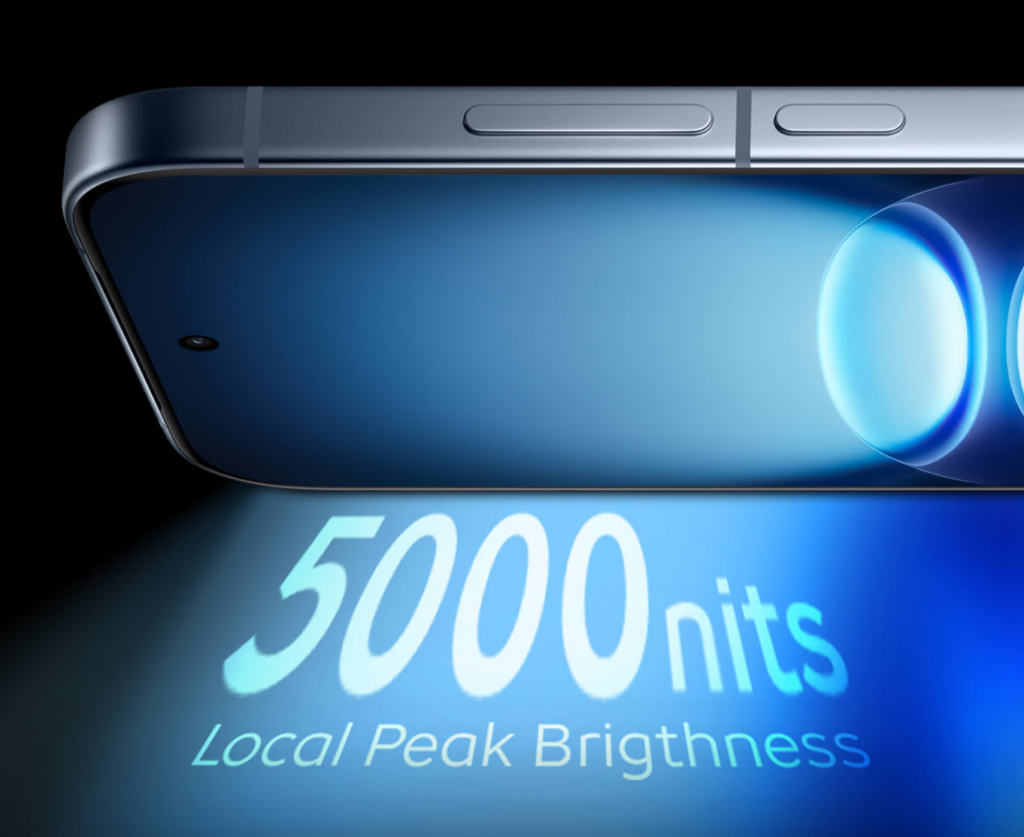
On the display side, the iQOO 15R 5G features a 1.5K AMOLED panel with a 144Hz refresh rate. The company is also marketing it as an “EyeCare” display, which also supports HDR10+ and reaches up to 5,000 nits of local peak brightness. 

The iQOO 15R carries a dual rear camera setup led by a 50-megapixel Sony LYT-700V primary sensor with optical image stabilisation, supported by an 8-megapixel ultra-wide lens. The details about the front camera aren’t out yet.

Additional features include IP68 and IP69 ratings for dust and water resistance, an ultrasonic in-display fingerprint scanner, Wi-Fi 7, Bluetooth 6.0, NFC, and an IR blaster. The device will launch in Triumph Silver and Dark Knight colour options.

For more daily updates, please visit our News Section.

Stay ahead in tech! Join our Telegram community and sign up for our daily newsletter of top stories.

(Source)

The post iQOO 15R 5G prices for different configurations leak just ahead of launch appeared first on Gizmochina.

Poco X8 Pro and X8 Pro Max Design Leaked Ahead of Launch

Poco X8 Pro MAX 5G

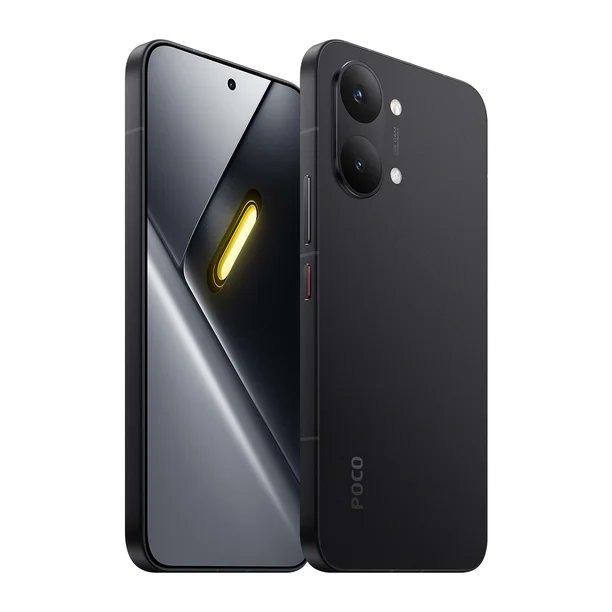
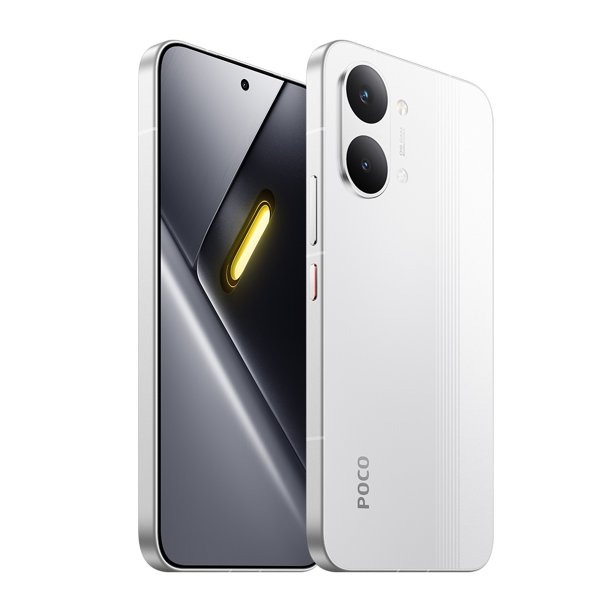
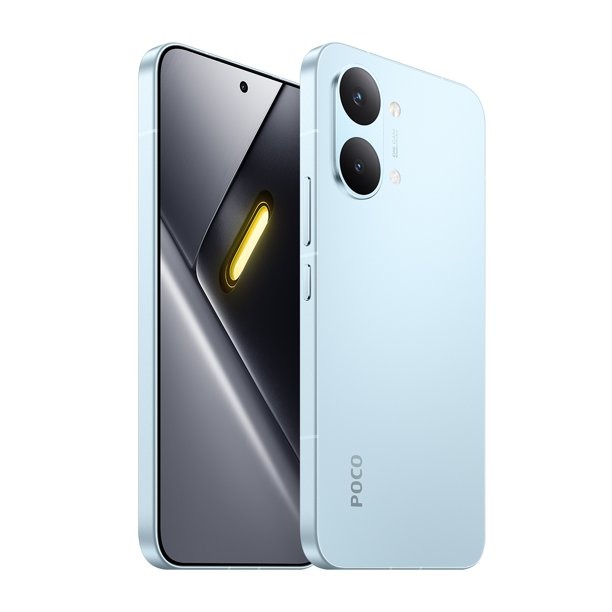
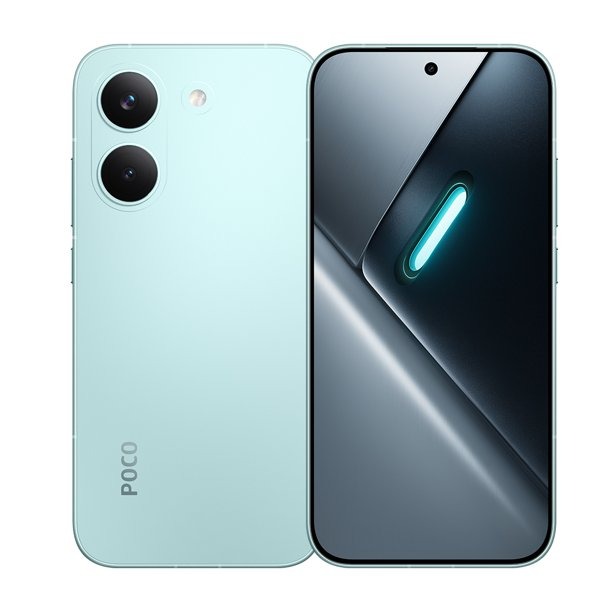
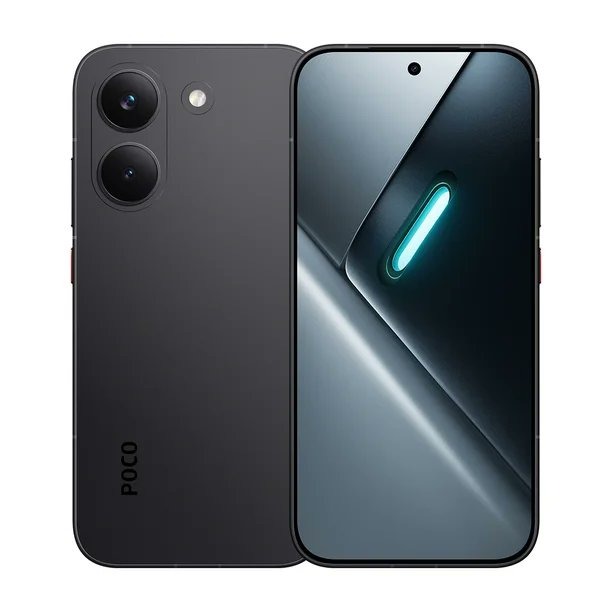
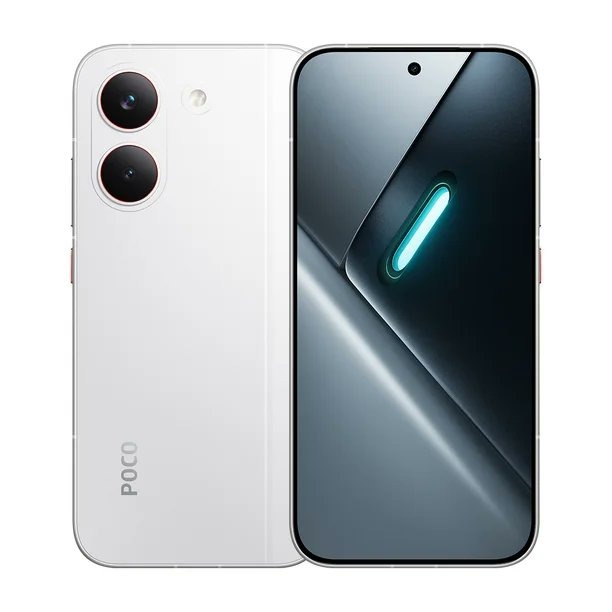
Xiaomi‘s sub-brand POCO is expected to launch two new mid-range smartphones globally, the POCO X8 Pro and POCO X8 Pro Max. Both devices were previously spotted in certifications and Geekbench listings. A new leak now shows the design of the two phones in multiple colors.

Poco X8 Pro MAX 5G
Poco X8 Pro MAX 5G
Poco X8 Pro MAX 5G
Poco X8 Pro MAX 5G
Poco X8 Pro MAX 5G
Poco X8 Pro MAX 5G

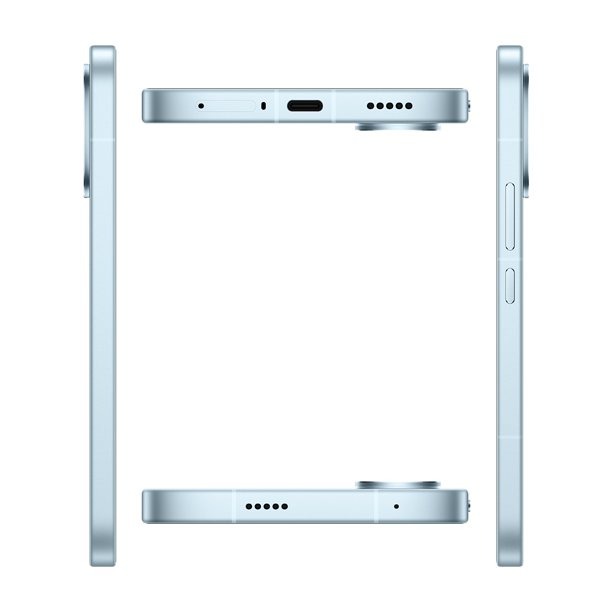
The renders were shared by X user @passionategkeez and show both models in black, white, and blue. The phones have a similar look with a pill-shaped camera module that includes a dual-camera setup. One clear difference is the flash. The Poco X8 Pro Max has a dual LED flash, while the Poco X8 Pro uses a single LED. From the front, both phones look almost identical with uniform bezels and a center punch-hole display.

Poco X8 Pro 5G
Poco X8 Pro 5G
Poco X8 Pro 5G
Poco X8 Pro 5G

Earlier leaks also revealed detailed specifications. The Poco X8 Pro Max is tipped to use a 6.83-inch 1.5K TCL M10 OLED display with a 120Hz refresh rate, 2000 nits brightness, and 3840Hz PWM dimming. It may run on the Dimensity 9500s with an Immortalis-G925 MC12 GPU, LPDDR5x Ultra RAM, and UFS 4.1 storage. The rear camera setup could include a 50MP Light Hunter 600 sensor with OIS and an 8MP ultra-wide camera, along with a 20MP OV20B front camera. Other features may include dual stereo speakers, LHDC 5.0 audio, a 3D ultrasonic in-display fingerprint sensor, Wi-Fi 7, Bluetooth 5.4, and IP68, IP69, and IP69K ratings. The phone is also tipped to measure 8.15mm thick and weigh 219 grams.

The Poco X8 Pro is expected to feature a 6.59-inch 1.5K TCL M10 OLED display with a 120Hz refresh rate and 2000 nits brightness. It may run on the Dimensity 8500 Ultra with a Mali-G720 MC8 GPU, LPDDR5x Ultra RAM, and UFS 4.1 storage. The camera system could include a 50MP Sony IMX882 sensor with OIS, an 8MP ultra-wide lens, and a 20MP selfie camera. It may pack a 6,500mAh battery with 100W wired charging and 27W reverse charging.

The Poco X8 Pro is also expected to include IP68, IP69, and IP69K ratings, a metal frame, NFC, an IR blaster, and an optical in-display fingerprint sensor. Connectivity may include Wi-Fi 6. Both phones are expected to launch with Android 16 and HyperOS 3 out of the box.

For more daily updates, please visit our News Section.

Tech enthusiast? Get the latest news first! Follow our Telegram channel and subscribe to our free newsletter for your daily tech fix!

(Source: 12)

The post Poco X8 Pro and X8 Pro Max Design Leaked Ahead of Launch appeared first on Gizmochina.

Is Amazon Building a Mass Surveillance Network? Ring Emails Raise Alarm

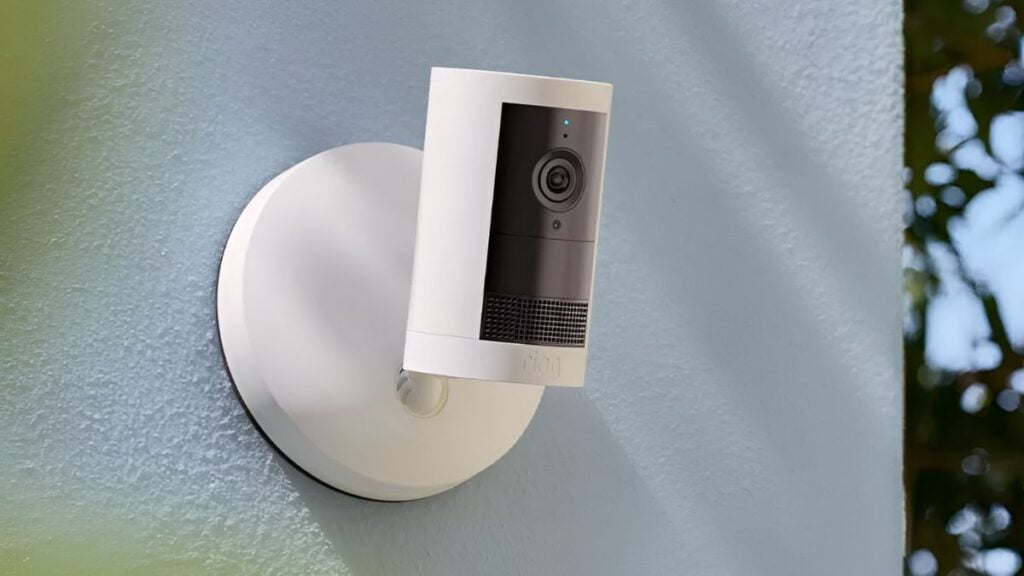
Leaked internal emails indicate that Amazon-owned Ring may be planning to expand its AI-powered camera network far beyond its current use cases, raising fresh concerns about large-scale neighborhood surveillance.

According to emails obtained by 404 Media, Ring founder Jamie Siminoff told employees that the company’s controversial “Search Party” feature was introduced “first for finding dogs,” but could eventually evolve into technology aimed at reducing crime across neighborhoods. Search Party launched in October as an on-by-default feature that connects Ring cameras within a local area and uses AI to identify lost pets, effectively creating a shared detection network across participating homes.

“This is by far the most innovative that we have launched in the history of Ring,” Siminoff wrote in an email to staff shortly after the feature’s rollout. He added that the underlying system could become a key part of Ring’s long-term mission, describing a future where the company might help “zero out crime in neighborhoods” through AI-enabled tools.

The feature drew backlash during the Super Bowl after Ring promoted the concept in an advertisement. Critics argued that technology capable of scanning for lost animals could easily be repurposed for broader surveillance, particularly given Ring’s history of partnerships with police departments across the United States.

Recent product launches appear to reinforce those concerns. Ring has introduced “Familiar Faces,” a facial recognition feature designed to identify known individuals captured on cameras, as well as “Fire Watch,” which uses AI to alert users about nearby fires. While these tools are marketed as safety features, privacy advocates warn they could contribute to an increasingly interconnected surveillance ecosystem.

Additional emails obtained by 404 Media also highlight Ring’s growing law enforcement integrations. The company launched a “Community Requests” feature in September, allowing police to request footage directly from camera owners through a partnership with public safety technology firm Axon. Siminoff described the feature internally as “foundational” to Ring’s mission of making neighborhoods safer.

In response to the reports, a Ring spokesperson said the company focuses on providing context about local events such as lost pets or fires and emphasized that footage sharing remains optional. The spokesperson also stated that Search Party does not process human biometrics or track individuals.

Despite those assurances, the leaked emails suggest Ring’s ambitions may extend well beyond pet recovery, potentially reshaping how residential surveillance technology is used in the future.

For more daily updates, please visit our News Section.

Stay ahead in tech! Join our Telegram community and sign up for our daily newsletter of top stories.

(Source: 404 Media)

The post Is Amazon Building a Mass Surveillance Network? Ring Emails Raise Alarm appeared first on Gizmochina.

Galaxy Buds 4 and 4 Pro pricing revealed ahead of Unpacked event

With Samsung Galaxy Unpacked just days away, leaks are starting to fill in the remaining gaps, including how much Samsung’s next earbuds might cost.

Galaxy Buds 4 Pro render

According to tipster Roland Quandt, the Galaxy Buds4 are expected to retail for $179.99 in the US, while the Buds4 Pro could come in at $249.99. If accurate, that’s identical to the launch pricing of the Buds3 lineup last year.

That’s notable. With component costs fluctuating and many brands quietly raising prices year over year, Samsung appears to be holding the line, at least this time.

In Europe, early retailer listings are pointing in the same direction. Italian retailer Euronics has already shown the Buds4 Pro at €249, while the standard Buds4 are tipped to land at €179. Other listings, including on Amazon in select markets, have surfaced ahead of schedule, although not all of them display final pricing.

Still, the consistency across multiple sources suggests these numbers are likely locked in.

Same price, new design?

Recent dummy units and renders indicate that Samsung is refreshing the design. Both models are expected to adopt a flatter stem look. The distinctive Blade Lights seen on the Buds3 Pro appear to be gone, signaling a shift toward a cleaner, more understated aesthetic.

At $249.99, the Buds4 Pro would go head-to-head with Apple AirPods Pro 2, which also retail at $249 in the US. Sony and Google’s premium offerings occupy a similar range.

The Galaxy Buds4 and Buds4 Pro are expected to debut alongside the Galaxy S26 lineup at Unpacked on February 25 in San Francisco. As usual, pre-orders should follow shortly after.

Nothing is official until Samsung takes the stage, but if these leaks hold, the Buds4 series may deliver an updated design without asking buyers to pay more.

Don’t miss a thing! Join our Telegram community for instant updates and grab our free daily newsletter for the best tech stories!

For more daily updates, please visit our News Section.

(Source)

The post Galaxy Buds 4 and 4 Pro pricing revealed ahead of Unpacked event appeared first on Gizmochina.

Best Titanium Watches Under $500 in 2026

Best Titanium Watches Under $500 2026

Titanium is one of the most desirable materials in watchmaking thanks to its lightweight strength, corrosion resistance, and premium look, but it often appears on pricier timepieces. So here’s a list of some watches that manage to bring true titanium builds with a $500 budget without sacrificing quality or features. Below, we’ve rounded up the best affordable titanium watches you can buy this year

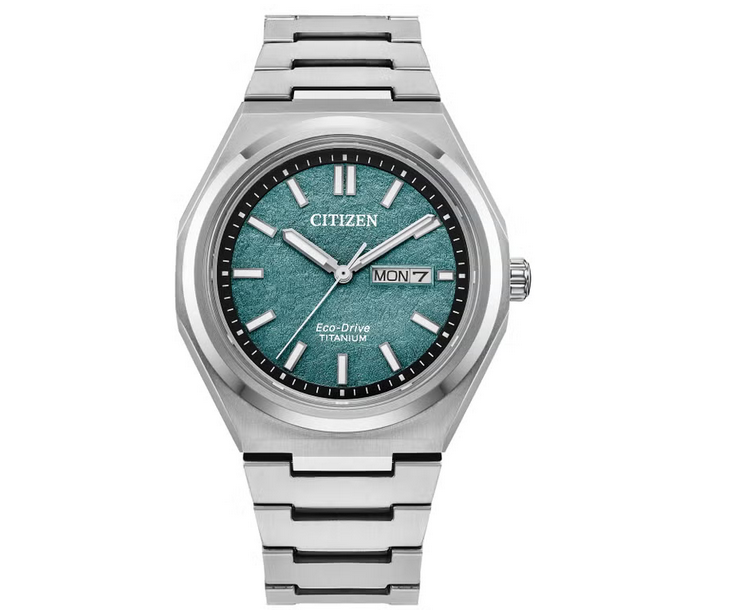
Citizen Zenshin Three-Hand Titanium Watch

Best Titanium Watches Under $500 2026
Citizen Zenshin Three-Hand Titanium Watch

A standout in the affordable titanium space is the Citizen Zenshin Three-Hand Titanium Watch, which is a modern and stylish everyday timepiece with a brushed titanium case and a textured dial that adds subtle character. Powered by Citizen’s Eco-Drive solar technology, it never needs a battery change and offers reliable timekeeping with solid build quality. This is a great pick if you want a lightweight watch that looks refined enough for both work and weekend wear without crossing the $500 mark.

Citizen Promaster Diver

Best Titanium Watches Under $500 2026
Citizen Promaster Diver

For sporty watch lovers who appreciate durability and outdoor readiness, the Citizen Promaster Diver with Super Titanium case is a rare gem under $500. Featuring 200 m water resistance, a robust rotating dive bezel, and solar-powered Eco-Drive movement, it offers serious functionality in a lightweight package. The Super Titanium coating also helps resist scratches, making this diver ideal for everyday wear and weekend adventures alike.

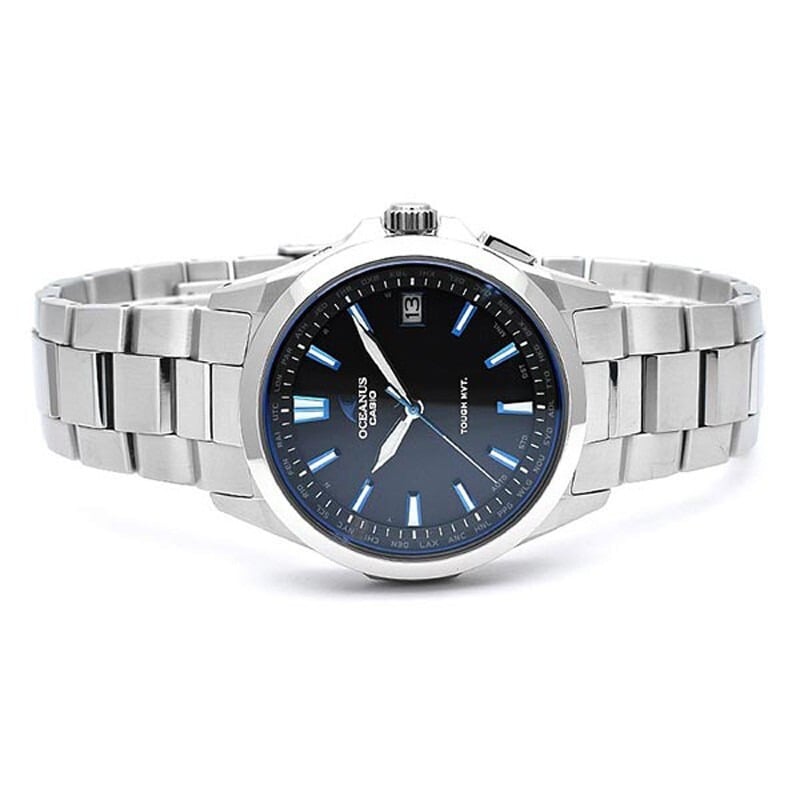
Casio Oceanus Titanium Series

Best Titanium Watches Under $500 2026
Casio Oceanus Titanium Series

Casio’s Oceanus titanium watches are often overlooked but pack excellent value for under $500. These models combine precise solar-powered quartz movements with a sapphire crystal and lightweight titanium cases, making it perfect if you want a reliable and versatile daily watch with a slightly refined, dress-friendly aesthetic. Their understated design pairs easily with casual or business attire, while titanium ensures comfort during long hours on the wrist.

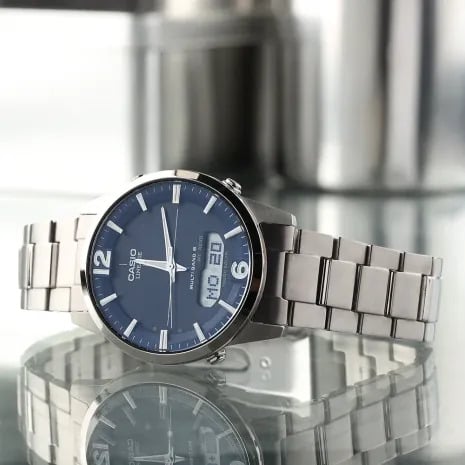
Casio Lineage Waveceptor Watch

Best Titanium Watches Under $500 2026
Casio Timeless LCW-M170TD-2AER Lineage Waveceptor Watch

Casio’s Lineage series combines traditional analogue styling with modern tech perks. The titanium version tends to have radio-controlled timekeeping (Wave Ceptor), ensuring accurate time worldwide, plus a solar quartz movement for maintenance-free power. You also get radio-controlled accuracy, solar charging, sleek, and an everyday design. For those who want precision and practicality in a classy, lightweight titanium package, this model offers serious value under $500.

What Makes Titanium Watches Special

Titanium is lighter and more corrosion-resistant than stainless steel, often making watches more comfortable for long-term wear, especially for those with active or daily-wear needs. It also holds up well against scratches and daily knocks while still looking refined.

Finding a titanium watch under $500 is more feasible than ever, thanks to improved manufacturing and wider adoption of lightweight alloys in mid-tier watches. Options range from rugged divers and precise radio-controlled timepieces to classic everyday watches and sophisticated chronographs. Whether you prioritise sport features, solar power, or everyday elegance, there’s a titanium watch on this list that offers comfort, durability, and style without the premium price tag.

For more daily updates, please visit our News Section.

Don’t miss a thing! Join our Telegram community for instant updates and grab our free daily newsletter for the best tech stories!

The post Best Titanium Watches Under $500 in 2026 appeared first on Gizmochina.

Apple is moving toward encrypted RCS — just not across platforms yet

In the latest iOS 26.4 developer beta, Apple has quietly enabled early support for end-to-end encrypted RCS chats. On paper, that sounds like a big deal. RCS has long been one of the most debated topics in the iPhone vs Android messaging saga. But if you were hoping this means secure iPhone-to-Android texting is here, not quite.

For years, Apple avoided adopting Rich Communication Services, better known as RCS, arguing that the standard lacked proper end-to-end encryption. In the meantime, iPhone users had iMessage (fully encrypted, blue bubbles), while conversations with Android users dropped down to plain SMS. That divide became part technical limitation, part ecosystem strategy.

Apple finally introduced RCS support with iOS 18, but encryption wasn’t included. Now, in iOS 26.4 beta, there’s a new toggle in Settings that enables encrypted RCS for supported users. Encrypted chats show a lock icon, similar to iMessage, indicating messages are secured in transit.

Here’s the limitation

Right now, encrypted RCS only works between Apple devices. The feature does not yet enable encrypted messaging between iPhones and Android phones. In other words, the green-bubble security issue remains unresolved.

There’s another interesting detail: encrypted RCS activates only when iMessage is turned off. If iMessage is enabled, Apple’s own messaging system continues to take priority for Apple-to-Apple chats.

Google has offered encrypted RCS in its Messages app for compatible devices for years. But true cross-platform encryption requires every major player, including Apple, to fully implement the same specification.

So when will Android-to-iPhone encryption arrive?

That’s the big question. This beta confirms Apple is actively working on encrypted RCS. But full cross-platform support doesn’t appear ready yet. It’s also absent from the stable iOS 26.4 release roadmap. Realistically, widespread encrypted RCS between iPhone and Android users could still be far away.

For now, this update is progress, just not the breakthrough we have been waiting for. Apple is moving forward on RCS encryption, but it’s doing so carefully and, at least for now, still within its own ecosystem boundaries.

Don’t miss a thing! Join our Telegram community for instant updates and grab our free daily newsletter for the best tech stories!

For more daily updates, please visit our News Section.

(Source | Image)

The post Apple is moving toward encrypted RCS — just not across platforms yet appeared first on Gizmochina.

Best Smartphones Under Rs 25,000 in Feb 2026

OnePlus Nord CE 5

The sub-Rs 25,000 segment remains one of the most competitive in the Indian smartphone market. Devices in this price band now offer strong performance, capable cameras, fast charging, and refined software, blurring the lines with pricier mid range models. Whether you’re a gamer or just someone who wants a balanced daily driver, we’ve rounded up the 5 best smartphones under Rs 25,000 that deliver the most bang for your buck right now.

Realme P4 Power

The realme P4 Power 5G starts off our list as a phone that aggressively targets power users with battery-hungry needs. What sets it apart is its massive 10,001mAh battery, making it one of the largest you’ll find in any commercially available smartphone right now. Pair this with an 80W wired fast charging, expect to spend less time charging your phone and more time using it.

Realme P4 Power
Realme P4 Power

Apart from the battery, it sports a 6.8-inch 144Hz HyperGlow curved display that gets impressively bright for outdoor visibility. The MediaTek Dimensity 7400 Ultra chipset delivers smooth performance for daily tasks and gaming, and the 50MP + 8MP + 2MP camera setup handles everyday photography well enough.

Nothing Phone (3a)

Next up, the Nothing Phone 3a is one of the most exciting options in this price bracket thanks to its clean design and polished software experience. Powered by the Qualcomm Snapdragon 7s Gen 3 chipset and a 6.77-inch AMOLED display, it offers smooth visuals and capable performance for everyday use.

Nothing Phone (3a)
Nothing Phone (3a)

It offers a strong triple camera setup, with all three sensors actually being usable (main, telephoto, & ultra wide). A sizeable 5,000mAh battery pack powers this device, which supports 50W wired fast charging. Nothing’s unique Glyph Lighting (and transparent construction) and refined Nothing OS give this phone a premium vibe normally reserved for higher-end devices, making it a strong contender if you value both aesthetics and performance.

Redmi Note 14 Pro+

The Redmi Note 14 Pro+ 5G also brings some capable features to the Rs 25,000 price range. It packs a 6.67-inch 1.5K AMOLED display with vibrant colors and a high refresh rate, paired with a massive 6200mAh battery supported by 90W fast charging.

Redmi Note 14 Pro+
Redmi Note 14 Pro+ in Sand Gold

You also get a versatile camera setup with the inclusion of a dedicated telephoto lens in this segment, giving it an edge over its rivals. This Xiaomi device delivers balanced performance, strong visuals, and a versatile camera setup, making it a compelling choice for those who want a more complete smartphone experience.

Realme 14 Pro+

The realme 14 Pro+ is another notable pick that blends performance with imaging prowess. It features a 6.83-inch curved OLED display with a 120Hz refresh rate, promising an immersive viewing experience, whether you’re gaming or streaming content.

Realme 14 Pro Plus
Realme 14 Pro+

On the camera front, the 14 Pro+ leans into capable imaging hardware, which also includes a telephoto shooter. With reliable battery life and fast charging, it’s one of the best balanced phones under this price range if you want rounded performance across use cases. Some of its notable features include Snapdragon 7s Gen 3, a big 6,000mAh battery pack, and 80W wired fast charging.

OnePlus Nord CE 5

Rounding up the list is the OnePlus Nord CE5, which strikes a great balance between performance, design, and long-term software support. It sports a 6.77-inch AMOLED display with a 120Hz refresh rate. It doesn’t lag behind in performance either with the Dimensity 8350 Apex SoC, offering dependable responsiveness for social apps, multitasking, and even gaming.

OnePlus Nord CE 5
OnePlus Nord CE 5

Battery life is solid, and OxygenOS (based on Android) remains one of the cleaner software experiences you’ll find at this price, with buttery smooth UI animations and impressive customization options. If you’re looking for a phone that feels premium in day-to-day use without the premium price tag, the Nord CE5 makes a strong case.

For more daily updates, please visit our News Section.

Tech enthusiast? Get the latest news first! Follow our Telegram channel and subscribe to our free newsletter for your daily tech fix! ⚡

The post Best Smartphones Under Rs 25,000 in Feb 2026 appeared first on Gizmochina.

Vivo T5 Pro surfaces on IMEI, suggesting development is underway

Just months after launching the T4 Pro, vivo already appears to be working on its successor. The upcoming vivo T5 Pro has now surfaced in a global IMEI database, marking its first public appearance. The listing reveals the model number V2568. While the database doesn’t disclose any hardware details, it does confirm that the device is in development and likely inching closer to launch.

That timing makes sense. The vivo T4 Pro, which debuted in India in August 2025, carved out a strong position in the sub-₹30,000 segment.

To recap, the T4 Pro featured a 6.77-inch quad-curved AMOLED display with a 120Hz refresh rate and a claimed 5,000-nit local peak brightness. Under the hood, it ran on Qualcomm’s Snapdragon 7 Gen 4 chipset, paired with up to 12GB RAM and 256GB storage.

Cameras were a key highlight. The phone packed a 50MP primary sensor with OIS, a 50MP periscope telephoto offering 3x optical zoom (also with OIS), and a 2MP auxiliary sensor. On the front, a 32MP shooter handled selfies. Add to that a sizable 6,500mAh battery with 90W fast charging and IP68/IP69 ratings, and it’s easy to see why the device attracted attention.

Now the question is: what does the T5 Pro improve?

It’s too early for confirmed specs, but a chipset upgrade feels likely, possibly a newer Snapdragon 7-series chip or a MediaTek Dimensity alternative. Refined camera hardware and tuning are also on the table.

The IMEI listing doesn’t reveal much beyond the model number, but it’s usually one of the first signs that a launch cycle has begun. Given vivo’s cadence in India, a release in August 2026 wouldn’t be surprising.

With brands like Realme, Redmi, and Nothing continuing to push aggressive mid-range offerings, vivo will need to bring meaningful upgrades, not just incremental tweaks, if it wants the T5 Pro to stand out.

Don’t miss a thing! Join our Telegram community for instant updates and grab our free daily newsletter for the best tech stories!

For more daily updates, please visit our News Section.

(Via)

The post Vivo T5 Pro surfaces on IMEI, suggesting development is underway appeared first on Gizmochina.

Google Bans 80,000 Developer Accounts, Blocks 1.75M Harmful Apps in 2025

Google has shared new details about how it is strengthening security across the Android ecosystem, focusing on AI-driven protections, stricter developer policies, and expanded real-time defenses to protect users from malware, fraud, and privacy risks.

In 2025, Google prevented more than 1.75 million apps that violated policies from being published on Google Play. The company also banned over 80,000 developer accounts linked to harmful activity. Google says measures such as developer verification, mandatory pre-review checks, and testing requirements have made it harder for bad actors to enter the platform while helping legitimate developers build compliant apps more easily.

Apps listed on Google Play go through extensive safety reviews. Google runs over 10,000 checks on every app before publication and continues monitoring apps after they are released. During 2025, the company integrated its latest generative AI models into the review process, allowing human reviewers to detect complex malicious patterns faster.

Privacy protection was another major focus. Google prevented more than 255,000 apps from gaining unnecessary access to sensitive user data by enforcing stricter policies. Developer tools such as Play Policy Insights in Android Studio and the Data Safety section helped developers reduce permission requests and meet policy requirements earlier in the development process.

To maintain trust in app ratings, Google blocked 160 million spam reviews and ratings, including attempts to inflate or deflate scores. The company says its protections also prevented an average 0.5-star rating drop for apps targeted by review bombing.

Google Play Protect continues to operate as Android’s main malware defense. It now scans more than 350 billion apps every day, including apps installed from outside Google Play. In 2025, real-time scanning detected over 27 million new malicious apps from external sources. Enhanced fraud protection, now available in 185 markets covering more than 2.8 billion devices, blocked 266 million risky installation attempts linked to 872,000 high-risk apps. Google also introduced in-call scam protection that prevents users from disabling Play Protect during suspicious calls.

For developers, Play Integrity API now supports hardware-backed signals and new tools such as device recall to identify repeat offenders. Android 16 also introduces tapjacking protection that developers can enable with minimal code.

Google says it will continue investing in AI defenses and developer verification programs to strengthen trust across the Android ecosystem.

For more daily updates, please visit our News Section.

Stay ahead in tech! Join our Telegram community and sign up for our daily newsletter of top stories.

(Source)

The post Google Bans 80,000 Developer Accounts, Blocks 1.75M Harmful Apps in 2025 appeared first on Gizmochina.

Samsung SDI weighs $6.9B Samsung Display stake sale to speed up solid-state batteries

According to industry reports, Samsung SDI, the battery arm of Samsung Group, is considering selling its 15.2% stake in Samsung Display. That stake is currently valued at around 10 trillion won (roughly $6.9 billion) based on book value, a sizeable asset that could free up serious capital if divested.

While no final decision has been announced, the move appears tied to Samsung SDI’s push into next-generation battery technologies, particularly all-solid-state batteries.

Samsung SDI hasn’t had an easy run lately. The slowdown in global EV demand has pressured battery makers across the board, and recent quarters have reportedly seen heavy operating losses. Rather than simply cutting costs, Samsung seems to be reshuffling resources. Selling a non-core stake could provide funding for expansion in areas that are still seeing strong growth — especially energy storage systems (ESS), which are benefiting from rising demand from AI-driven data centers.

At the same time, Samsung SDI is investing in lithium iron phosphate (LFP) batteries to stay competitive in lower-cost segments, while continuing aggressive R&D into more advanced chemistries.

The bigger goal: solid-state batteries

Unlike conventional lithium-ion cells, solid-state batteries replace flammable liquid electrolytes with solid materials. In theory, that brings higher energy density, improved safety, longer lifespan, and potentially faster charging, all major advantages for electric vehicles and large-scale storage.

Samsung SDI has already established pilot production lines and is reportedly working with partners such as BMW and Solid Power on validation and supply development.

A company representative stated that any potential stake sale would go through internal review, including evaluation by the Sustainability Management Committee before final board approval. Details such as timing, structure, and potential buyers have not yet been finalized.

Speculation suggests the stake could be sold internally within the Samsung Group or to a strategic investor, but for now, nothing is confirmed.

What’s clear is the broader strategy: focus capital on batteries. As next-generation technologies approach commercialization, scale and funding matter more than ever. If Samsung successfully channels billions into solid-state development and ESS expansion, it could strengthen its position in a market that’s rapidly evolving.

Solid-state batteries have been “five years away” for what feels like a decade. But with giants like Samsung accelerating investment, the timeline may finally be tightening.

Don’t miss a thing! Join our Telegram community for instant updates and grab our free daily newsletter for the best tech stories!

For more daily updates, please visit our News Section.

(Source)

The post Samsung SDI weighs $6.9B Samsung Display stake sale to speed up solid-state batteries appeared first on Gizmochina.

Nothing Phone (4a) to feature new Glyph Bar powered by 9 individually controllable mini-LEDs

Nothing Phone (4a) Glyph Bar teaser

Nothing has started revealing key highlights of the upcoming Nothing Phone (4a) lineup ahead of its March 5 launch in India. The latest teaser focuses on a redesigned lighting system called the Glyph Bar, signalling a shift in how the brand approaches its signature rear lighting concept.

Nothing Phone (4a)’s Glyph Bar teased

Nothing Phone (4a) Glyph Bar teaser

According to the company, the Glyph Bar is an evolution of its earlier Glyph Interface, aiming to provide clearer visual cues while minimizing distraction. The system consists of nine individually controllable mini-LEDs arranged to deliver sharper signals and a cleaner visual output.

Nothing claims the new implementation is around 40 percent brighter compared to the previous (a) series while producing a more natural glow without light bleed. The lighting setup is designed to convey notifications and status information instantly through six square lighting zones.

Earlier Nothing devices experimented with different approaches, ranging from multiple segmented lights to the Glyph Matrix display introduced recently. With the Phone (4a), the company appears to be refining the concept rather than expanding it into a full rear display. Teasers and early visuals suggest the lighting strip may sit closer to the device’s edge, possibly around a vertically aligned camera module, though the exact placement remains unclear.

Nothing Phone (4a) series leaked specs

Leaks suggest the standard Nothing Phone (4a) could feature a 6.78-inch 1.5K AMOLED display with a 120Hz refresh rate, powered by the Snapdragon 7s Gen 4 chipset. Camera details indicate a 50-megapixel primary sensor paired with an 8-megapixel ultrawide lens, along with a 32-megapixel front camera. The Nothing Phone (4a) Pro variant is expected to introduce additional upgrades such as a periscope telephoto lens and a faster 144Hz display on a slightly larger screen.

Both models are tipped to include larger batteries around the 5,200mAh range with 50W charging support, along with upgraded UFS 3.1 storage. Color options are said to include Black, Blue, Pink and White for the standard version, while pricing could see a slight increase due to industry-wide component costs.

For more daily updates, please visit our News Section.

Stay ahead in tech! Join our Telegram community and sign up for our daily newsletter of top stories.

The post Nothing Phone (4a) to feature new Glyph Bar powered by 9 individually controllable mini-LEDs appeared first on Gizmochina.

Leak Suggests Xiaomi 17T Series Will Launch Ahead of Schedule

Xiaomi 15T

While the Xiaomi 17 series of flagship smartphones finally got an official global launch date, fresh report has revealed more details of its next-gen budget flagship phones. The Xiaomi 17T lineup might be making its debut months ahead of schedule, which could mean an earlier global release as well.

Early Certifications of the Xiaomi 17T is The First Clue

The earliest clue came via official regulatory filings and global SKU listings that reference new Xiaomi devices earlier than usual in the year. Xiaomi’s T-series usually arrive in the second half of the year, but these sightings have hinted at the Xiaomi 17T and Xiaomi 17T Pro models launching much earlier. So instead of an expected September 2026 release, the new budget flagships might drop sometime around May 2026.

Xiaomi 15T
Xiaomi 15T

Known tipster Experience More backs this claim by stating that the Xiaomi 17T and 17T Pro are launching four months ahead of the previous generation. This also means that the wider overseas availability should also be quicker than the previous generation. To recall, the Xiaomi 17T was recently spotted on the HyperOS codebase, which confirmed a sizeable jump in battery capacity; going from 5,500mAh on its predecessor, to a 6,500mAh cell.

Although the charging speeds remains at 67W. Furthermore, the Xiaomi 17T will reportedly pack a triple camera setup with a OmniVision OV50E main camera, along with a OmniVision OV13B ultra wide angle lens, and a Samsung ISOCELL JN5 telephoto shooter. Under the hood, this model could be equipped with MediaTek’s Dimensity 9500s chipset. Keep in mind that this is still just speculation at this moment, so take this report with a pinch of salt.

For more daily updates, please visit our News Section.

Tech enthusiast? Get the latest news first! Follow our Telegram channel and subscribe to our free newsletter for your daily tech fix! ⚡

The post Leak Suggests Xiaomi 17T Series Will Launch Ahead of Schedule appeared first on Gizmochina.

Meet the Petite Audio-Technica ATH-SQ1TW2NC Earbuds: Lightweight, Colorful & ANC-Enabled

Audio-Technica ATH-SQ1TW2NC TWS Earbuds

Audio-Technica has just unveiled its ATH-SQ1TW2NC truly wireless earbuds, which are a pair of ultra-compact buds with ANC (Active Noise Cancellation). This is a suite of handy listening features and a range of bright color options that stand out in a crowd. So here are all the details.

Audio-Technica ATH-SQ1TW2NC Specifications

The ATH-SQ1TW2NC earbuds use a square-style compact body that’s light enough for extended wear without fatigue. Each earbud measures just 4 grams, and the hearables are available in six fun color options, including black, café latte, forest green, gray, pink, and white camel. Audio-Technica’s latest TWS support Bluetooth 5.2 and features 5.8mm dynamic drivers that support 20Hz to 20kHz audio range.

Audio-Technica ATH-SQ1TW2NC TWS Earbuds

Despite their tiny form factor, the ATH-SQ1TW2NC offer ANC support along with up to 6 hours of audio playback on a single full charge. The charging case offers an additional 18 hours of battery life, with a full charge taking around 2.5 hours. Other notable features include touch sensitive controls, an IPX5 rating for water and dust resistance, a partner app that brings soothing nature sounds, and a 64 step volume adjustment.

There is also support for pass-through and talk-through modes that lets users stay aware of their surroundings. Audio-Technica has launched the ATH-SQ1TW2NC earbuds in Japan first, with pre-orders already live at a retail price of about ¥12,980 (roughly $85). Shippinh is set to kick off on 27th February 2026, although global availability is still unclear. Audio-Technica just announced these earbuds after releasing the Ash Wood headphones in a Guitar Lacquer finish.

For more daily updates, please visit our News Section.

Don’t miss a thing! Join our Telegram community for instant updates and grab our free daily newsletter for the best tech stories!

Stay ahead in tech! Join our Telegram community and sign up for our daily newsletter of top stories!

The post Meet the Petite Audio-Technica ATH-SQ1TW2NC Earbuds: Lightweight, Colorful & ANC-Enabled appeared first on Gizmochina.

Xiaomi Pad 8 Could Be Launching In India Soon

Xiaomi Pad 8

Xiaomi has dropped fresh hints that it’s gearing up to expand its tablet lineup in India, which could be the brand’s high-end Xiaomi Pad 8 model. Considering how the Pad 8 first launched in China back in September 2025, this could mark the global debut of the next-gen premium tablets.

Xiaomi Pad 8 India Launch Nears

In a recent social media post, Xiaomi teased the arrival of a new device described only as a computing device with hints toward a thin, light form factor and flat-frame design. At the same time, Xiaomi India’s Associate Director of Marketing and PR shared a series of emojis, including a TV, smartphone icons and a tablet, suggesting multiple product launches on the horizon. The brand just released the Xiaomi QLED TV X Pro 75 (2026), and the Xiaomi 17 models global launch is right around the corner. So this teaser likely hints at its latest tablet.

Xiaomi Pad 8
Xiaomi Pad 8

To recall, the Chinese tech giant just confirmed the Xiaomi 17 series’ global release date. Back in September, the Xiaomi Pad 8 lineup was also unveiled alongside these premium devices. So, the global debut this time could be near the worldwide announcement of the Xiaomi 17. Meanwhile, tipsters like Abhishek Yadav say these hints most likely point to the Xiaomi Pad 8 entering the Indian market soon.

While Xiaomi hasn’t shared India-specific details yet, the Xiaomi Pad 8 series is already on sale in China. So we have some idea regarding its specs and features:

  • It sports an 11.2-inch 3.2K LCD display with a smooth 144Hz refresh rate, HDR10, and Dolby Vision support
  • A 9,200mAh battery tuned for long usage sessions across media, gaming and productivity tasks
  • Near-flagship level performance with Snapdragon 8s Gen 4 SoC

For more daily updates, please visit our News Section.

Tech enthusiast? Get the latest news first! Follow our Telegram channel and subscribe to our free newsletter for your daily tech fix! ⚡

The post Xiaomi Pad 8 Could Be Launching In India Soon appeared first on Gizmochina.

Motorola’s premium phones finally receive Android 16 update in the US

Motorola razr 2025 Android 16 update

The Android 16 update is finally rolling out to Motorola’s most premium smartphones, Razr 2025 and Razr Ultra 2025, in the US, just as Google has released the first Android 17 beta. Both Razr phones entered Android 16 beta testing about half a year ago, and now, after a long wait, the stable update is finally here.

The Android 16 update for 2025’s Razr smartphones is currently available on T-Mobile and Verizon carriers in the US, as spotted by Ytechb. For the Razr 2025, the update arrives with the firmware version W1UC36H.96-35-1, whereas the Razr Ultra 2025 users can identify the update by the firmware version W1VL36H.59-55-5.

Motorola Razr Ultra 2025 Android 16 update

This is the first major OS update for the Razr 2025 and Razr Ultra 2025, which has a massive download size of about 4GB. It’s best to download such large packages over Wi-Fi and make sure the battery is at least 40% charged for a smooth upgrade to Android 16.

While it’s a major OS upgrade, don’t expect major visual changes or groundbreaking features. That said, there are still some useful upgrades and new features that further improve the software experience. It introduces a new notification cooldown feature that prevents you from getting annoyed when an app sends too many notifications from the same app within a short time. It does so by reducing the volume of incoming notifications for that particular app.

Android 16 lets you create custom models based on your needs, in addition to the existing modes, including Do Not Disturb, Bedtime, and Driving. You can also connect to a hotspot of a different device without entering the password, provided that both devices are logged in to the same Google account. The update also brings improvements to hearing aids, protection from malicious apps, and performance upgrades.

While Motorola is busy rolling out the Android 16 update, Google has already started developing Android 17. In fact, the first beta has been out for a few days now, with more to arrive in the coming weeks and months. The stable build could arrive around June or July 2026. We’ve a dedicated Android 17 section where we regularly post the latest developments on the same. You can follow that along to stay up-to-date.

To ensure you don’t miss out on the latest updates from Motorola, remember to visit the Motorola section once in a while. Or, you can join our Telegram channel to get instant notifications as soon as we publish new stories.

The post Motorola’s premium phones finally receive Android 16 update in the US appeared first on Gizmochina.

Xiaomi 17 Series Finally Gets a Global Launch Date

Xiaomi 17 Ultra

After weeks of speculation, Xiaomi has officially confirmed the global launch date for its next flagship family. The Xiaomi 17, Xiaomi 17 Pro, and Xiaomi 17 Pro Max first debuted back in September 2025, with the Xiaomi 17 Ultra model arriving later in December. But these launches were exclusive to the brand’s home market of China, and now we are finally getting a global release.

Xiaomi 17 Series Global Launch: When and Where

According to Xiaomi’s dedicated global launch page, the event is scheduled for 28th February 2026. This release is set for Barcelona, Spain, just before the start of the Mobile World Congress 2026 event. The spotlight will be on the standard Xiaomi 17 and the high-end Xiaomi 17 Ultra, which are expected to lead Xiaomi’s premium portfolio this year with advanced imaging co-engineered with Leica.

Xiaomi 17 Ultra
Xiaomi 17 Ultra

Xiaomi’s “The New Wave of Imagery” launch event will kick off in Barcelona at approximately 14:00 GMT+1, right ahead of MWC. The launch will stream live globally via Xiaomi’s official channels, and the Chinese tech giant is already encouraging fans to reserve their spot on the official event page. Live viewers can even enter prize draws and qualify for exclusive perks during the stream.

Details are still sketchy, but the official teaser does confirm benefits like a chance to win their latest AIoT product, 24 month of quality assurance, one free screen replacement within 6 months, and out of warranty repair with free labor costs within the warranty period. At the moment, it is unclear whether Xiaomi will launch the Xiaomi 17 Pro and Xiaomi 17 Pro Max models in the overseas market, so stay tuned for more.

For more daily updates, please visit our News Section.

Tech enthusiast? Get the latest news first! Follow our Telegram channel and subscribe to our free newsletter for your daily tech fix! ⚡

The post Xiaomi 17 Series Finally Gets a Global Launch Date appeared first on Gizmochina.

These Android 17 best features have been on Apple devices for years

Android 17 best features

Android 17’s development is progressing faster than we thought, as the first beta is already here, with no developer preview builds. But if you went through the changelog (here), you’d be disappointed to see no significant upgrades. However, the good news is that there are many under-development Android 17 features that will land at some point this year. Those include two useful features that Apple users have been using for years.

1. A native app-lock, finally

Google may finally bring a native app-lock feature to Android 17. While this isn’t officially confirmed yet, instances of it were discovered within the Android framework package. 

So far, Google Pixel users are forced to rely on third-party app lockers, which are fundamentally concerning. While Pixel phones do have a Private Space for securing apps, they don’t work the way app lock does. It offers a separate space to run apps in a separate user profile, which can be good for apps you rarely open, but a headache for apps you open daily.

Apple felt the need for it a long time ago and introduced native app lock support with iOS 18 in 2024. Major Android brands, including Samsung, Xiaomi, Oppo, Vivo, and OnePlus, have also integrated it into their custom skins. Still, a native integration into Android OS is always the best route, especially for Pixel owners. 

2. Universal clipboard enabling seamless copy-paste

Android has a built-in clipboard feature that stores clipboard content, so you can easily paste it into your favorite apps, but the clipboard contents are not synced across your Android devices. This means you can’t paste the copied content from your phone onto another Android phone, PC, or tablet. That could change soon with the Universal Clipboard feature in Android 17.

This upcoming feature was spotted in an Android beta and Canary releases in November, and is expected to arrive as part of Android 17. This will work similarly to the Universal Clipboard on Apple devices, introduced back in September 2016, which allows users to copy text or media on one device and paste it instantly onto another.

A native app locker and a universal clipboard are two of the most useful features we are looking forward to in Android 17. One feature adds an extra layer of security to your apps, and the other strengthens the Android ecosystem.

Google appears to be following last year’s release pattern. Therefore, the first Android 17 release was always going to be developer-focused, laying the groundwork for significant upgrades and new features in Android 17 QPR1, which would be released around August or September 2026, along with the Pixel 11.

We’ll continue to publish the latest stories around the same topic in our Android 17 section. You can also join our Telegram channel to get instant notifications about the latest happenings in tech.

The post These Android 17 best features have been on Apple devices for years appeared first on Gizmochina.

One UI 9 leak reveals visual tweaks and new “Ask AI” feature

Samsung One UI 9 testing - device list

One UI 8.0 is already out, One UI 8.5 is still in testing, and now the first signs of One UI 9 are starting to appear.

Internal firmware leaks suggest Samsung has begun early testing of the Android 17-based update, even though its public debut is likely still months away. If Samsung sticks to its usual cadence, One UI 9 could launch alongside mid-2026 foldables like the Galaxy Z Fold 8 and Z Flip 8. For now, the changes we’re seeing are subtle, but interesting.

The floating action elements introduced in 8.5 remain, and the page now features a refreshed background graphic that feels more modern. At the top, there are two prominent controls: a back arrow on the left and a hamburger-style menu on the right for extra options.

An “Ask AI” button

The bigger story may actually be happening inside Samsung Internet. Early One UI 9 builds appear to introduce a new “Compact” layout option. This mode shifts toward a more immersive interface, with a redesigned bottom bar that groups search, recent tabs, menu access, and notably, an “Ask AI” button. That’s where things get interesting.

The feature is reportedly powered by Perplexity AI and builds on Samsung’s broader AI push. Instead of just summarizing a page, the tool can analyze what you’re reading and respond to contextual questions. In some cases, it can even factor in browsing history to provide more tailored answers, like comparing product prices or extracting key insights from long articles.

Responses appear in a structured, chat-style format, and conversation history can be managed for privacy. It’s expected to be limited to Galaxy AI-supported flagship devices, at least initially.

If this rolls out widely, Samsung Internet could become more than just an alternative to Chrome for Galaxy users.

While One UI 8.5 focused largely on visual refinements and wallpaper changes, One UI 9 appears to be more about embedding intelligence into everyday tasks.

Stay ahead in tech! Join our Telegram community and sign up for our daily newsletter of top stories!

For more daily updates, please visit our News Section.

(Sources: 1, 2)

The post One UI 9 leak reveals visual tweaks and new “Ask AI” feature appeared first on Gizmochina.

One UI 8.5 brings conversational Bixby with natural language device control

New-Bixby-in-One-UI-8.5

Samsung has introduced a refreshed version of Bixby alongside its One UI 8.5 software, focusing on improving how Galaxy users interact with their devices through conversational AI. The update signals a shift towards more natural interactions, hinting at deeper AI integration across Samsung’s ecosystem.

While the announcement highlights usability improvements, it also reflects the company’s ongoing efforts to simplify complex device settings and make everyday tasks more intuitive.

Natural language control and contextual device assistance

New-Bixby-in-One-UI-8.5

The new Bixby is designed to act more like a conversational device agent rather than a traditional voice assistant that depends on rigid commands. Users can now describe what they want in everyday language, allowing the system to interpret intent instead of relying on exact feature names or menu navigation. This change aims to reduce friction, particularly for users who may not be familiar with device settings or terminology.

For instance, if someone wants their screen to remain active while reading, they can simply express that intention, and Bixby will identify the relevant option and enable it automatically. The assistant can also analyze current device behavior and suggest possible solutions when users ask why something is happening, helping them resolve issues faster without manual troubleshooting.

Another major addition is built-in real-time web search, allowing Bixby to present up-to-date information directly within its interface. Instead of opening a separate browser or switching apps, users receive results within the assistant, creating a more streamlined workflow. This integration could make Bixby more competitive as AI-driven assistants increasingly combine device controls with online knowledge access.

Samsung has confirmed that the One UI 8.5 beta with the updated Bixby is rolling out in select markets, including India, Germany, Korea, Poland, the UK and the US. Wider expansion is expected later, suggesting Samsung is positioning Bixby as a core part of its future Galaxy AI experience.

For more daily updates, please visit our News Section.

Stay ahead in tech! Join our Telegram community and sign up for our daily newsletter of top stories.

The post One UI 8.5 brings conversational Bixby with natural language device control appeared first on Gizmochina.

Realme P4 Lite 4G India launch: Features 13MP camera, 6300mAh battery, Pulse Light design

Realme P4 Lite 4G

Realme has introduced the P4 Lite 4G in India, targeting the budget smartphone segment with durability and battery life as primary selling points.

Realme P4 Lite 4G

The device features a 6.67-inch HD+ IPS LCD display with 720×1600 resolution, 90Hz refresh rate, and peak brightness of 563 nits. It runs on the Unisoc T7250 octa-core processor with Mali-G57 MP1 GPU, coupled with 4GB LPDDR4X RAM expandable to 12GB through dynamic allocation. Storage options include 64GB and 128GB variants, expandable to 2TB via microSD.

Running realme UI 6.0 based on Android 15, the phone offers a 13MP rear camera with Omnivision OV13B sensor and f/2.2 aperture, plus a 5MP front camera. Connectivity includes dual 4G VoLTE, Wi-Fi 802.11ac, Bluetooth 5.2, GPS, and USB Type-C. A side-mounted fingerprint sensor and 3.5mm headphone jack are included.

Realme P4 Lite 4G

realme emphasizes durability with IP54 certification for dust and splash resistance and ArmorShell Protection. The phone’s MIL-STD durability is a key focus of the device. It carries an IP54 rating for dust and splash resistance and comes with ArmorShell Protection. The company states the phone has passed military-grade durability testing, including a 1.8-meter drop test and a 33kg pressure test, meeting MIL-STD-810H standards. The device measures 167.2 × 76.6 × 7.94mm and weighs 201g.

A distinctive Pulse Light design is integrated on the rear, supporting nine colors and five customizable lighting modes. These lights react to notifications such as calls, messages, and charging status.

The P4 Lite 4G packs a 6300mAh battery with 15W fast charging and 6W reverse wired charging. Realme claims that a five-minute charge can provide up to five hours of music playback.

The P4 Lite 4G launches in Obsidian Black, Sea Blue, and Beach Gold. The 4GB+64GB model is priced at ₹9,999 (₹7,999 with launch offers), while the 4GB+128GB variant costs ₹11,999 (₹9,999 with offers). Sales commence February 24 through Flipkart, realme.com, and offline retailers.

For more daily updates, please visit our News Section.

Stay ahead in tech! Join our Telegram community and sign up for our daily newsletter of top stories.

The post Realme P4 Lite 4G India launch: Features 13MP camera, 6300mAh battery, Pulse Light design appeared first on Gizmochina.

Galaxy Buds 4, Buds 4 Pro dummy images leak with flat stems, no Blade Lights

With Samsung Galaxy Unpacked just around the corner (February 25 in San Francisco), leaks are starting to paint a clearer picture of Samsung’s next audio lineup. The latest? Real-world images of what appear to be dummy units of the Samsung Galaxy Buds 4 and Samsung Galaxy Buds 4 Pro.

Galaxy Buds 4

The photos, shared by known leaker TechTalkTV, show non-functional retail display models. While they don’t confirm specs, they do give us our clearest look yet at the redesigned hardware.

A flatter, cleaner look

The biggest change is immediately noticeable: both models now feature a flat stem design. It’s a shift away from the slightly rounded or angular stems we saw on the Buds 3 lineup. The new look feels simpler and more understated.

On the Pro model, the stems appear to have a brushed metallic finish. It looks more refined, and possibly more practical too, since brushed surfaces hide fingerprints better than glossy ones.

Galaxy Buds 4 Pro

Another small but important tweak: the charging contacts now sit on the stems themselves, matching a new horizontal orientation inside the case.

And yes, the Blade Lights are gone.

If you liked the LED strips on the Buds 3 Pro, this might sting a bit. Samsung seems to be dialing things back visually in favor of a cleaner, more mature design language.

The charging case has also been reshaped. Instead of the more upright style from recent generations, this one appears flatter and rectangular, designed to rest more securely on surfaces.

Standard vs Pro differences

Based on the dummy units, the standard Galaxy Buds 4 seem to stick with an open-ear approach — no silicone tips. That likely means a more breathable fit but less passive isolation.

The Buds 4 Pro, on the other hand, retain in-ear tips, which should help with noise isolation and active noise cancellation. Color options in the leaks include black for the Pro model and white variants for the standard version, aligning with earlier renders.

The Buds 4 lineup is shaping up to be a more polished, less flashy evolution rather than a radical redesign. Sometimes that’s exactly what a product line needs.

Don’t miss a thing! Join our Telegram community for instant updates and grab our free daily newsletter for the best tech stories!

For more daily updates, please visit our News Section.

(Source: TechTalkTV)

The post Galaxy Buds 4, Buds 4 Pro dummy images leak with flat stems, no Blade Lights appeared first on Gizmochina.

Motorola Edge 70 Fusion Confirmed to Feature Snapdragon 7s Gen 4 & 12GB RAM in New Leak

Motorola Edge 70 Fusion

Motorola is preparing to launch its first Edge-series smartphone of 2026, the Motorola Edge 70 Fusion. The device was first revealed through renders last month, followed by additional marketing images shared by leakster Evan Blass. New marketing materials have now surfaced (via Ytechb), confirming key specifications that were previously unclear, including the processor.

Motorola Edge 70 Fusion

According to the latest images, the Edge 70 Fusion will be powered by the Snapdragon 7s Gen 4 chipset, resolving earlier confusion caused by a leaked spec sheet that suggested Snapdragon 7s Gen 3. The phone will launch with 12GB RAM, alongside an 8GB variant. Motorola will offer the device in five color options: Blue Surf, Country Air, Orient Blue, Sporting Green, and Silhouette.

Motorola Edge 70 Fusion

The smartphone will feature a 6.78-inch quad-curved OLED display with a 144Hz refresh rate and protection from Corning Gorilla Glass 7i. It will also carry IP68 and IP69 certifications for dust and water resistance, positioning it as a durable mid-range option.

Motorola Edge 70 Fusion

Earlier coverage provided additional context about the device’s design and rumored hardware. Previous leaks showcased the Edge 70 Fusion in Silhouette and Country Air finishes before new renders revealed Blue Surf, Orient Blue, and Sporting Green. The design follows Motorola’s familiar Edge-series language, including the signature rear camera module and a textured back panel inspired by nylon and linen materials. Despite a large battery, the phone appears relatively slim, suggesting a focus on ergonomics.

Previous specs leak claim that the 6.78-inch display will have a peak brightness of up to 5,200 nits. Camera hardware could offer a 50-megapixel Sony LYTIA primary sensor and a 32-megapixel front camera. The phone is also expected to pack a large 7,000mAh battery with 68W charging, run Android 16 out of the box, and include MIL-STD-810H durability certification alongside IP68 and IP69 ratings.

For more daily updates, please visit our News Section.

Stay ahead in tech! Join our Telegram community and sign up for our daily newsletter of top stories.

(Source)

The post Motorola Edge 70 Fusion Confirmed to Feature Snapdragon 7s Gen 4 & 12GB RAM in New Leak appeared first on Gizmochina.

Top 5 fast charging phones of 2026: 100W and more

If you were to buy a high-end Android phone in early 2026, there’s a good chance it would charge faster than any of the Pro iPhones. And we’re not talking slightly faster, but dramatically. 

For instance, iPhone 16 Pro Max charging tops at 45W, but Android phones like the Honor Magic 8 Pro feature 100W wired charging. At the same time, it packs a 7100mAh cell, which is over 50% higher than the iPhone 16 Pro battery. 

All this combination changes how you use a phone. Charging stops being something you plan around. You plug in while getting ready in the morning, and you’re set for the rest of the day.

So here are the top five fast-charging smartphones of 2026 if you’re looking to buy one.

Honor Win RT

The Honor Win RT is difficult to ignore, mostly because of its battery. It ships with a massive 10,000mAh cell, which is closer to tablet territory than a typical smartphone. That alone would make it stand out, but Honor pairs it with 100W wired charging.

It’s a big battery plus fast charging combo, and it makes sense. If you’re carrying a 10,000mAh battery, you don’t want to wait two hours to refill it. The 100W charging on Win RT ensures that the device goes from 0 to 100 in about 1 hour and 30 minutes. You can drain it heavily and still recover quickly.

The rest of the phone isn’t built like a battery pack with a screen attached. It runs on a Snapdragon 8 Elite Gen 5 chip, has a large 6.83-inch OLED display with high refresh rate support, and carries a serious camera system aimed at flagship buyers. You’re getting top-tier performance, a bright and smooth panel, and a battery that simply refuses to quit.

Redmi Turbo 5 Max

Xiaomi’s Redmi line has a habit of pushing battery sizes higher than most mainstream brands are comfortable with. The Redmi Turbo 5 Max continues that trend with a 9,000mAh battery and 100W wired charging.

Redmi Turbo 5 Max

What’s notable here is the balance. The Turbo 5 Max doesn’t lean into gaming aesthetics or oversized design language. It looks like a conventional large smartphone. But internally, it’s carrying a battery that can comfortably last through heavy use.

The Turbo 5 Max also supports fast reverse wired charging, meaning you can top up earbuds, a smartwatch, or even a friend’s phone if needed.

On the front, there’s a large 6.83-inch AMOLED display with high brightness and a smooth refresh rate that makes everyday use feel fluid. Under the hood, it runs on an efficient 3nm Mediatek Dimensity 9500s chipset.

Wireless charging isn’t part of the equation here. But its 100W charging makes up for that.

iQOO Z11 Turbo

The iQOO Z11 Turbo sits somewhere between an endurance device and a performance phone. It packs a 7,600mAh battery — smaller than the Honor Win RT or Redmi Turbo 5 Max, but still larger than many traditional flagships — and supports 100W wired charging.

iQOO has built a reputation around performance-focused phones that don’t necessarily cost as much as premium flagships. The Z11 Turbo continues that pattern. The fast charging is not just a marketing extra here; it’s how the company thinks of its Turbo phone. A capable hardware, solid camera system, and battery life that won’t stress you out.

iQOO has also paired it with an advanced cooling system designed to keep temperatures under control during charging or gaming sessions. Speaking of which, it’s a capable phone with a Snapdragon 8 Gen 5 chip, a 200MP rear camera, and an AMOLED screen. It misses out on wireless charging tho.

Honor Magic 8 Pro

The Honor Magic 8 Pro is a flagship first, fast-charging device second. But it still meets the criteria we have for this list, that is, 100W wired charging.

Unlike the Win, the Magic 8 Pro doesn’t go overboard with battery size. Instead, it balances capacity, speed, and overall design. Its 7100mAh battery is large enough to last comfortably through a full day, and when you do need to recharge, both wired and wireless options are extremely quick.

Notably, the Chinese Magic 8 Pro charges even faster at 120W wired, but 100W PPS and 80W wireless are common for all regions. 

Apart from this, inside you’ll find a Snapdragon 8 Elite Gen 5 processor, up to 16GB of RAM and 1TB of storage, a 6.71-inch LTPO OLED display, and a 200MP periscope camera setup. The Magic 8 Pro ticks all the boxes for a flagship of 2026. 

OnePlus 15

The OnePlus 15 is perhaps the most familiar name on this list. OnePlus has been pushing fast charging for years, and with this model, it goes up to 120W wired charging in certain regions.

That puts it slightly ahead of the 100W baseline. Combined with a large battery — over 7,000mAh — it creates a setup where charging becomes a brief interruption rather than a routine.

Beyond charging, the OnePlus 15 carries a flagship-grade processor, a high-refresh-rate AMOLED display, and a refined OxygenOS experience built on Android 16. 

Fast Charging in 2026

What stands out across all five phones isn’t just the wattage. It’s how normal 100W charging has become. And it’s not just about charging anymore; brands are also squeezing in a bigger battery with equally good wireless charging speed.

So if you’re shopping for a high-performance phone launched in the past few months, you may want to consider the options we mentioned above.

For more daily updates, please visit our News Section.

Stay ahead in tech! Join our Telegram community and sign up for our daily newsletter of top stories! 💡

The post Top 5 fast charging phones of 2026: 100W and more appeared first on Gizmochina.

Realme Buds T500 Pro specs leaked with 50dB ANC, Bluetooth 6.1, and 56-hour battery

Realme is getting ready to launch a new pair of wireless earbuds called the Buds T500 Pro. The full specifications, features, and official-looking renders of the Buds T500 Pro have now surfaced ahead of the launch via a YTechB report.

As per the report, the earbuds feature 12.4mm dynamic drivers with Spatial 360 sound support and active noise cancellation reaching 50dB with frequency coverage up to 5,000Hz. A six-microphone array with AI-powered noise cancellation handles voice calls. Audio customization is available through Realme’s Link app.

Design-wise, the T500 Pro maintains the familiar T-series earbud form factor at 4.5 grams per bud, but introduces a distinctive Candy Box charging case. Three colorways are planned: Orange, Yellow, and Blue Black.

Connectivity includes Bluetooth 6.1 with simultaneous three-device pairing for seamless switching between smartphones, tablets, and laptops. Battery performance reaches 56 hours combined playback via the 530mAh charging case.

Realme has integrated AI-powered features typically reserved for premium models. Live Translation supports over 30 languages for real-time interpretation. MindFlow Mode leverages ANC technology to create focused listening environments. The earbuds carry IP55 certification for dust and water resistance, making them suitable for workouts and outdoor activities.

According to the report, the Realme Buds T500 Pro are likely to cost around €60 in Europe. The company has not confirmed the exact launch date yet. The Buds T500 Pro will join the lineup after the Realme Buds Clip and the Realme Buds Air 8, both of which were introduced last month.

For more daily updates, please visit our News Section.

Tech enthusiast? Get the latest news first! Follow our Telegram channel and subscribe to our free newsletter for your daily tech fix!

The post Realme Buds T500 Pro specs leaked with 50dB ANC, Bluetooth 6.1, and 56-hour battery appeared first on Gizmochina.

AOC launches new 27-inch QD-OLED gaming monitor with 280Hz refresh rate & 0.03ms response

AOC Q27G4ZD Monitor

AOC has announced the Q27G4ZD, a new 27-inch gaming monitor designed for high-performance gaming. AOC plans to release the monitor later this month in the UK, with a starting price of £419.97.

AOC Q27G4ZD Monitor

AOC Q27G4ZD Specifications

The Q27G4ZD uses a QD-OLED panel with a resolution of 2560 x 1440. The panel combines quantum dot technology with OLED to deliver vivid colors and deep blacks.

The monitor features a 280Hz refresh rate along with a 0.03ms GtG response time. It also sports Adaptive-Sync and G-Sync compatibility to help eliminate screen tearing by synchronizing the display with the GPU.

In terms of colors, the monitor delivers a wide gamut, covering 99.4% of the DCI-P3 spectrum and 98.4% of Adobe RGB for accurate color reproduction. The monitor supports DisplayHDR True Black 400 for sharp contrast and accurate dark scenes, with a peak brightness of 1000 nits for lifelike visuals.

AOC Q27G4ZD Monitor
AOC Q27G4ZD Monitor

The Q27G4ZD includes several ergonomic features to improve comfort during long gaming sessions. The stand allows height adjustment, tilt, and swivel. The monitor also supports VESA wall mounting for flexible installation. AOC has added an anti-glare coating and flicker-free technology to reduce eye strain.

The connectivity options include two HDMI 2.1 ports, one DisplayPort 1.4, and four USB-A ports. AOC has included KVM switch functionality, allowing users to control multiple devices with a single keyboard and mouse. The monitor also features a headphone jack for audio output.

AOC offers customization software called G-Menu, which provides easy access to display settings. The design includes a three-sided frameless bezel for a sleek appearance. The monitor weighs 6.6kg with the stand and has dimensions of 609.3 x 537.7 x 240mm.

In related news, Gigabyte has recently launched a new 27-inch 2K 240Hz WOLED gaming monitor with up to 1300 nits HDR brightness, while ViewSonic has unveiled a new 27-inch QHD 360Hz Fast IPS gaming monitor.

For more daily updates, please visit our News Section.

Stay ahead in tech! Join our Telegram community and sign up for our daily newsletter of top stories! 💡

(Source, Via)

The post AOC launches new 27-inch QD-OLED gaming monitor with 280Hz refresh rate & 0.03ms response appeared first on Gizmochina.

Casio launches two affordable vintage style analog-digital watches in the US

Casio-AQ230EGL-9A-and-AQ230EL-1A

Casio has launched two new watches in the United States, the AQ230EGL-9A and AQ230EL-1A. These models were previously released in some international markets last year. The watches combine retro-inspired design with practical features, appealing to fans of vintage aesthetics and modern functionality.

Casio AQ230EGL-9A and AQ230EL-1A

Design Details

Both models feature a rectangular case with softly beveled edges and short lugs. The compact design creates a clean and timeless look. The watches use an analog-digital hybrid display, which includes slim baton hour markers and slender hands above a small digital screen. This layout provides both analog elegance and the convenience of digital features, including a calendar, stopwatch, and alarm.

The AQ230EGL-9A has a gold-tone case, a champagne-colored dial, and a brown crocodile-textured leather strap. This combination creates a classic, luxurious style. The AQ230EL-1A, in contrast, has a silver-tone case, a black dial, and a black leather strap. The black-and-silver design offers a modern, versatile look suited for both casual and formal occasions.

Casio Vintage AQ230EGL-9A
Casio Vintage AQ230EL-1A

Both models include water resistance, making them suitable for daily use. The dual-time feature lets users track two time zones simultaneously. This functionality makes the watches practical for travelers or anyone managing schedules across different regions.

Pricing and Availability

Casio priced the AQ230EGL-9A at $79.95 and the AQ230EL-1A at $69.95. These are now available via Casio’s website.

In related news, Casio has launched the premium G-Shock MTGB4000D-1A in the US with durable carbon-steel construction, alongside the W-800HD-1AV digital watch, which features a classic retro design.

For more daily updates, please visit our News Section.

Stay ahead in tech! Join our Telegram community and sign up for our daily newsletter of top stories! 💡

(Casio 1,2)

The post Casio launches two affordable vintage style analog-digital watches in the US appeared first on Gizmochina.

Vivo V70 vs Oppo Reno 15: Which Lite Flagship Phone Should You Buy?

Vivo V70 vs Oppo Reno 15

Compact smartphones have been growing in popularity, with more brands launching their own small devices. Initially, most of these new releases were a part of the premium lineup. But now, Oppo and Vivo have just released two phones that are a part of their sub-flagship lineup, targeting users who want near flagship-level features in sleek, easy-to-hold designs without the bulk of larger phones. So in this comparison, we’ll break down the key differences between the Vivo V70 and Oppo Reno 15 to help you decide which deserves your attention this year.

Design & Display

Both the Vivo V70 and Oppo Reno 15 lean into refined aesthetics, opting for minimalist designs with slim bodies and compact form factors. The duo features premium materials like aluminum frames and a glass rear panel. But while the Vivo V70 emphasizes a modern and minimalistic design, the Reno 15 pairs an elegant look with shiny new designs, especially in the Glacier White and Aurora Blue color variants.

Oppo Reno 15 (Global)
Oppo Reno 15

In terms of display specs, both phones deliver similar visual experiences, with sharp resolutions and smooth refresh rates that make everyday interactions fluid and responsive. So you get a 6.59-inch OLED display with a 1.5K resolution, a 120Hz refresh rate, and solid brightness levels.

Performance

Reno15 Aurora Blue
Oppo Reno 15 – Aurora Blue

Just like with the design and display, Oppo and Vivo are basically tied in terms of performance as well. The two phones are equipped with the Snapdragon 7 Gen 4 SoC, which is paired with up to 12GB of RAM. Although the Vivo V70 maxes out at 256GB for storage, the Reno 15 has a more expensive 512GB variant. Under the hood, a massive 6,500mAh battery pack powers the Vivo V70 and Oppo Reno 15. Vivo has an edge with a faster 90W wired fast charging support. But this is only marginally faster than the 80W charging support on the Reno 15.

Camera

You get a versatile camera system on Oppo and Vivo, although there are a few differences. The main camera on the Reno 15 is a 50MP main shooter, which is coupled with an 8MP ultra wide angle lens and a 50MP periscope telephoto shooter with a 3.5x optical zoom.

Vivo V70 vs Oppo Reno 15
Vivo V70

The primary camera on the Vivo V70 is a 50MP sensor, with a same sensor size as the Reno 15. The tiny 8MP ultra wide angle lens returns here as well. But a big advantage is with the 50MP periscope telephoto shooter that has a 3x optical zoom and a larger sensor size. This should translate to better performance in lowlight scenes.

Furthermore, the tuning from Zeiss should offer another advantage in the shooting experience, thanks to various filters and more. For selfies and video calls, there is a 50MP camera on both devices, but the V70’s front camera gets autofocus support as well.

Software & Ecosystem

Vivo-V70-and-V70-Elite

In 2026, Vivo made the switch to OriginOS 6 that made its software experience more refined and modern. It has great customization options, a cleaner look, and various AI powered tools. But ColorOS 16 on the Reno 15 is one of the best Android skins out there. Despite being on the same Android 16 platform, the latter brings a bunch of thoughtful features and a UI that could appeal to fans of iPhones and iOS.

Which One Should You Pick?

Looking at their competitive specs and features on offer, picking between the two devices isn’t so easy. The starting price tag of the Vivo V70 and Oppo Reno 15 is Rs 45,999 for the same 8GB + 256GB base configuration. But there are a few things to consider.

Choose the Vivo V70 if:

  • You prioritise camera performance, especially in varied lighting conditions.
  • You want strong low-light imaging and refined colour output.
  • You prefer a minimalistic design.

Choose the Oppo Reno 15 if:

  • You prefer a slightly cleaner software experience with thoughtful refinements.
  • You enjoy stylish UI flourishes and additional customisation features.
  • You want a more unique design.

So the difference here basically boils down to the design, software, and camera. Meaning, the choice you make, depends on your priorities.

For more daily updates, please visit our News Section.

Tech enthusiast? Get the latest news first! Follow our Telegram channel and subscribe to our free newsletter for your daily tech fix! ⚡

The post Vivo V70 vs Oppo Reno 15: Which Lite Flagship Phone Should You Buy? appeared first on Gizmochina.

TCL beats Samsung in global TV shipments for December 2025

TCL CES 2026

TCL has officially dethroned Samsung as the top global TV shipper for December 2025, according to Counterpoint Research’s latest data. This marks a major milestone for the Chinese electronics giant, whose shipments surged 10% year-over-year (YoY) last month, giving it a commanding 16% market share. Meanwhile, Samsung, the perennial leader, slipped to second place with a 13% share, despite an 8% YoY increase in shipments.

TCL CES 2026

The performance of TCL was primarily driven by strong sales in Asia-Pacific, China, and the Middle East, which offset weaker demand in North America and Western Europe. The company achieved significant growth by focusing on mid-range and budget-friendly TVs, including the recently launched T7 series. TCL also boosted sales of its high-end QM8K and QM9K models through aggressive holiday pricing.

Global TV Shipments Monthly Report

However, Samsung still holds the crown for Q4 2025 overall, shipping 2% more TVs than TCL during the period. While North and South America provided growth opportunities for Samsung, declines in Western Europe and the Middle East hurt its performance. On the flip side, Hisense, which took third place in December, saw its shipments plummet 23% YoY, highlighting significant struggles in China’s shrinking TV market.

Looking ahead, the ambitions of TCL could spell bigger trouble for Samsung. The company’s upcoming partnership with Sony’s Bravia brand, set to finalize in March 2026, positions TCL to make a serious play in the premium TV market, a territory that Samsung has historically dominated with its high-end OLED and 8K offerings. If TCL can successfully leverage Sony’s reputation in this space, the dynamic of the global TV market could shift dramatically.

For now, TCL’s December triumph might be temporary, but its growth trajectory is impossible to ignore. With a mix of strategic pricing, regional demand timing, and potential premium market expansion, Samsung’s top spot may no longer be as secure as it once was.

For more daily updates, please visit our News Section.

Stay ahead in tech! Join our Telegram community and sign up for our daily newsletter of top stories! 💡

(Source, Via)

The post TCL beats Samsung in global TV shipments for December 2025 appeared first on Gizmochina.

New Amazfit T-Rex Ultra 2 Debuts With Grade-5 Titanium, 3000nits Display, & Huge Battery

Amazfit has rolled out its latest rugged flagship smartwatch, the T-Rex Ultra 2, designed for outdoor adventurers and smart-watch lovers who want premium durability without compromise. With a new high-end titanium construction, a bright AMOLED display, and a larger battery pack, the brand’s latest flagship smartwatch aims to raise the bar for tough, long-lasting wearables.

Amazfit T-Rex Ultra 2: Premium Build and Super Bright Display

The T-Rex Ultra 2 is built around a Grade-5 titanium bezel, case back and buttons, combined with a fibre-reinforced polymer body to balance durability and weight. This rugged construction helps keep the watch lightweight (around 89.2 grams) while remaining tough enough for outdoor exposure. Adding to its durability is the 10ATM water resistance and dual diving certification for underwater use.

Amazfit T-Rex Ultra 2

Amazfit’s latest flagship smartwatch sports a 1.5-inch AMOLED display that is protected by scratch resistance sapphire glass. The screen offers an impressive peak brightness of up to 3,000nits, which is a big jump over its predecessor.

Power for Long Adventures

Battery life is a major strength of the Ultra 2, thanks to a larger 870mAh battery pack, which is rated for up to 30 days of endurance with typical use, making it ideal for multi-day trips without frequent recharging. In GPS mode, this can fall to around 50 hours depending on the settings. So it is a reliable companion for long hikes and trail runs as well.

Navigation and Mapping Built In

Amazfit T-Rex Ultra 2

One of the biggest upgrades over earlier rugged models is the Ultra 2’s advanced navigation suite. Supported by six satellite systems, the watch delivers fast, accurate tracking and turn-by-turn routing without needing a phone. Users can preload full-colour global maps via the Zepp app, plan offline routes up to 100 km, search for nearby points of interest, and get elevation profiles and rerouting on the fly. You also get built-in speakers and microphone for Bluetooth calling support and Zepp app integration.

Outdoor Tools and Practical Extras

The Ultra 2 packs several features aimed at real-world adventure use. This includes:

  • Built-in dual-mode flashlight with adjustable output and an SOS signal mode for emergencies.
  • Low-interference green light for clear viewing with night-vision goggles.
  • Checkpoint display and reminders to set milestones like water sources or cabins along routes.
  • Grade-adjusted pace and enhanced climb segmentation for better performance insights.
  • Built-in speaker and microphone for Bluetooth calls and audible alerts.

Buyers can even store maps, music, and activity data directly on the Amazfit T-Rex Ultra 2 thanks to the 64GB internal storage. Other notable features include a dual mode LED flashlight, NFC payment support, operation even at extreme temperatures up to -30∘C, and an SOS mode.

Pricing and Availability

The Amazfit T-Rex Ultra 2 targets outdoor adventurers and serious athletes who need endurance, navigation and rugged construction in one wearable. It complements other models in Amazfit’s lineup, such as the Amazfit T-Rex 3 Pro. The brand just launched its premium smartwatch for a starting price tag of 549.99 US Dollars. It is available for purchase on the company’s official website and Amazon. In related news, this release arrives around a month after Amazfit released its new Active Max smartwatch globally and in the Indian market. You can also click here to check out our list of the best smartwatches for Android in 2026.

For more daily updates, please visit our News Section.

Don’t miss a thing! Join our Telegram community for instant updates and grab our free daily newsletter for the best tech stories!

Tech enthusiast? Get the latest news first! Follow our Telegram channel and subscribe to our free newsletter for your daily tech fix! ⚡

The post New Amazfit T-Rex Ultra 2 Debuts With Grade-5 Titanium, 3000nits Display, & Huge Battery appeared first on Gizmochina.

Red Magic 11 Pro emulates Cyberpunk 2077 at playable 40+ FPS

We’ve seen Android phones get ridiculously powerful over the past few years, but this might be one of the clearest signs yet that mobile hardware is entering serious PC territory.

In a recent video, ETA Prime managed to run Cyberpunk 2077 locally on the Red Magic 11 Pro. No cloud streaming, no remote desktop tricks, just straight-up emulation. That alone is impressive. But the performance numbers make it even more interesting.

The Red Magic 11 Pro, powered by Qualcomm’s Snapdragon 8 Elite Gen 5, handled the game at 720p with the lowest graphics preset. AMD FSR 2.1 upscaling was set to Balanced mode. Without frame generation enabled, the game hovered around 30 FPS, dipping into the high 20s during heavier scenes.

Once FSR frame generation was turned on, performance improved noticeably. Frame rates jumped past 40 FPS consistently and even touched 50 FPS in lighter sections. On a phone screen, that’s surprisingly playable for a title that once pushed high-end gaming PCs to their limits.

ETA Prime also tried the Steam Deck preset, which slightly improves visuals while keeping FSR Balanced. Performance initially dropped to around 20 FPS, but enabling frame generation brought it back up to roughly 40 FPS. The tradeoff? Some visible artifacts and ghosting, which isn’t unexpected when relying on aggressive frame interpolation.

Under the hood, the Snapdragon chip was clearly working hard. CPU usage sat between 60% and 80%, while GPU usage ranged from 50% to 60%.

To be clear, this isn’t a replacement for a console or gaming laptop. But the fact that Cyberpunk 2077 can run locally on a smartphone at playable frame rates would’ve sounded ridiculous just a few years ago.

Now? It’s happening. And if this is where mobile silicon is today, the next couple of generations could get very interesting for portable gaming.

Don’t miss a thing! Join our Telegram community for instant updates and grab our free daily newsletter for the best tech stories!

For more daily updates, please visit our News Section.

(Source: ETA Prime)

The post Red Magic 11 Pro emulates Cyberpunk 2077 at playable 40+ FPS appeared first on Gizmochina.

ColorOS 17 & OxygenOS 17 leak reveals new upgrades with Android 17

OxygenOS 16

Xiaomi recently confirmed the list of devices that will get the Android 17 OS update, which arrived soon after the first official Android 17 beta went live. Now, early leaks have revealed Oppo’s and OnePlus’s next major software updates based on Android 17. But ahead of any official release roadmap, the latest report has revealed a bunch of key updates for the upcoming ColorOS 17 and OxygenOS 17.

ColorOS 17 and OxygenOS 17: Smoother Performance & System Efficiency

One of the biggest themes across leaks is system performance optimization. Both ColorOS 17 and OxygenOS 17 are reported to refine CPU resource and memory management, resulting in faster app launches, fewer micro-stutters and better overall fluidity when navigating the interface.

OxygenOS 16
OxygenOS 16

Background multitasking is expected to benefit from improved app retention, meaning apps stay active longer instead of reloading frequently. Leaks also suggest deeper internal optimizations like improved garbage collection processes to reduce unnecessary workload on system resources and refine idle power usage, which could translate into more consistent battery life in day-to-day use.

Refined Animations & Interface Fluidity

Both the ColorOS 17 and OxygenOS 17 updates are tipped to bring smoother system-wide animations and reduced UI frame drops, helping make everyday interactions feel more consistent and responsive. Whether scrolling through apps or navigating menus, leaks suggest that transitions and motion feedback will look more polished than before, improving the overall feel and software experience.

ColorOS 16 design
ColorOS 16

Camera apps are also a focus here. Reports point to improved zoom transitions while taking photos and videos, meaning less lag, flickering and abrupt jumps between zoom levels. This would be a great quality tweak that could make major differences during real world shooting sessions.

Camera & Visual Improvements

OnePlus OxygenOS 16 rollout expansion

On the imaging side, one of the more practical changes highlighted in the leaks is smoother zoom behavior in the camera interface. These enhancements are for both stills and video capture. This hints at software-level improvements that could make switching between focal lengths or continuous zooming feel more natural and less jittery. That’s a welcome improvement for users who rely on their phones for quick photo/video tasks.

For more daily updates, please visit our News Section.

Tech enthusiast? Get the latest news first! Follow our Telegram channel and subscribe to our free newsletter for your daily tech fix! ⚡

The post ColorOS 17 & OxygenOS 17 leak reveals new upgrades with Android 17 appeared first on Gizmochina.

Casio launches premium G-Shock MTGB4000D-1A in the US with carbon-steel construction

Casio G-Shock MTGB4000D-1A

Casio has launched the G-Shock MTGB4000D-1A in the US under its premium MT-G lineup. The model debuted earlier this year in Japan and is now available via Casio’s website and select retailers for $1,600.

Casio G-Shock MTGB4000D-1A

Casio G-Shock MTGB4000D-1A Specs

The MTGB4000D-1A features an updated Dual Core Guard structure that uses a mix of carbon fiber and stainless steel for enhanced strength and reduced weight. Casio developed the design using artificial intelligence to analyze shock-resistant structures.

The watch’s frame is made from laminated carbon and glass fiber sheets, creating a layered pattern that is visible from the side. The stainless steel bezel uses a dual-layer design with separate hairline and mirror finishes, giving the watch a polished and textured appearance. The band uses a layered composite structure of stainless steel and carbon fiber-reinforced resin, providing a sturdy yet lightweight fit.

The dial uses a high-contrast layout with raised hour markers and bold hands for better readability. Multiple sub-dials add depth and support dual-time functions. Casio protects the dial with a sapphire crystal that includes an anti-reflective coating. The case measures 56.6 x 45.3 x 14.4 mm, and the watch weighs 178 grams.

Casio G-Shock MTGB4000D-1A

The MTGB4000D-1A supports Triple G Resist protection against shock, vibration, and centrifugal force. The watch also offers 200-meter water resistance. Casio equips it with Tough Solar charging, Multi Band 6 radio-controlled timekeeping, and Bluetooth connectivity for pairing with the Casio Watches app to enable automatic time adjustment, world time settings, and status checks.

Additionally, the watch also includes a 1-second stopwatch, countdown timer, daily alarm, LED light, power-saving mode, and a full auto-calendar. The rechargeable battery delivers up to five months of use under normal conditions and up to 18 months with power saving enabled.

In related news, Casio has recently launched the W-800HD-1AV digital watch with a classic retro design in the US, alongside a new G-Shock collaboration model with ASSC featuring a transparent floral design.

For more daily updates, please visit our News Section.

Stay ahead in tech! Join our Telegram community and sign up for our daily newsletter of top stories! 💡

(Casio)

The post Casio launches premium G-Shock MTGB4000D-1A in the US with carbon-steel construction appeared first on Gizmochina.

Poco X8 Pro and X8 Pro Max full specs out, thanks to this new leak

Redmi Turbo 5 Max

It’s no secret that Poco is preparing its next refresh with the Poco X8 series. The Poco X8 and Poco X8 Pro have surfaced in multiple leaks in recent weeks, and now a tipster claims to have shared the full specifications of both devices.

Poco X8 Pro Max Specifications

Starting with the Poco X8 Pro Max, the phone is tipped to feature a 6.83-inch 1.5K TCL M10 OLED display with a 120Hz refresh rate. The screen will have 2000 nits brightness, and it may use 3840Hz PWM dimming.

Under the hood, it’s said to run on the Dimensity 9500s processor paired with an Immortalis-G925 MC12 GPU. The device is also expected to use LPDDR5x Ultra RAM and UFS 4.1 storage.

On the camera side, the Pro Max may include a 50MP Light Hunter 600 main sensor with optical image stabilization, alongside an 8MP ultra-wide camera. A 20MP OV20B camera is expected on the front. The phone could pack an 8,500mAh battery with 100W wired charging and 27W reverse charging.

Other reported features include dual stereo speakers, LHDC 5.0 audio support, a 3D ultrasonic in-display fingerprint sensor, and IP68/IP69/IP69K ratings. Connectivity options may include Wi-Fi 7 and Bluetooth 5.4. The device is tipped to measure 8.15mm thick and weigh 219 grams.

Poco X8 Pro Specifications

The standard Poco X8 Pro, meanwhile, will be more compact with a 6.59-inch 1.5K TCL M10 OLED panel, also at 120Hz and 2000 nits HBM. It’s expected to run on the Dimensity 8500 Ultra with a Mali-G720 MC8 GPU. Like the Pro Max, it could offer LPDDR5x Ultra RAM and UFS 4.1 storage.

The camera setup may include a 50MP Sony IMX882 sensor with OIS and an 8MP ultra-wide lens, plus the same 20-megapixel selfie camera. Keeping it running could be 6,500mAh with 100W wired charging and 27W reverse charging.

Redmi Turbo 5
Redmi Turbo 5

The Poco X8 Pro is also tipped to carry IP68/IP69/IP69K ratings, a metal frame, NFC, and an IR blaster. It may feature an optical in-display fingerprint scanner instead of the ultrasonic unit on the Pro Max. Connectivity could top out at Wi-Fi 6.

Both devices are expected to ship with Android 16 and HyperOS 3 out of the box.

For more daily updates, please visit our News Section.

Tech enthusiast? Get the latest news first! Follow our Telegram channel and subscribe to our free newsletter for your daily tech fix! ⚡

(Source)

The post Poco X8 Pro and X8 Pro Max full specs out, thanks to this new leak appeared first on Gizmochina.

Xiaomi Launches QLED TV X Pro 75 (2026) With 4K 120Hz Screen & Dolby Vision in India

Xiaomi QLED TV X Pro 75 2026 launch

Xiaomi has just unveiled its latest premium large-screen TV for India: the QLED TV X Pro 75 (2026). This is a tall new smart TV that aims to deliver cinema-style visuals, immersive audio, and versatile smart features at a compelling price. This model expands the X Pro lineup with a feature-rich flagship-sized screen that goes on sale later this month.

Xiaomi QLED TV X Pro 75 (2026) Specifications

As the name suggests, the Chinese tech giant’s new X Pro 75 sports a tall 75-inch QLED panel. This screen offers 4K UHD resolution along with a DLG 120Hz refresh rate, which comes in handy for gaming and smoother motion. Xiaomi’s latest smart TV supports HDR10+ and Dolby Vision, along with the Filmmaker Mode to preserve the original frame rates, aspect ratios, and color accuracy.

Xiaomi QLED TV X Pro 75 2026 launch
Xiaomi QLED TV X Pro 75 2026

Under the hood, Xiaomi powers the QLED TV X Pro 75 with a quad core Cortex A55 chip, which is coupled with 2GB of RAM and 32GB of internal storage. Notably, this model runson the Google TV platform that also brings support for streaming apps like Netflix, Prime Video, YouTube and more. Chromecast and Apple AirPlay 2 support screen casting as well. Other notable features include an Auto Low Latency Mode (ALLM), MEMC motion smoothing, a 120Hz Game Booster, three HDMI (including eARC), two USB ports, Ethernet, optical audio, a 3.5 mm jack, dual-band Wi-Fi and Bluetooth.

For audio, there is a 34W speaker system that supports Dolby Atmos, DTS:X, and DTS Virtual:X. The Xiaomi QLED TV X Pro 75 (2026) is priced at Rs 69,999 in India. Early buyers who pre-book the TV with a Rs 999 deposit will have that amount credited back as Amazon Pay balance, and there’s a Rs 5,000 bank discount available. Buyers who pre-book can also receive a four-year comprehensive warranty at no extra cost. The TV will go on sale starting February 27 across mi.com, Amazon India, and select offline stores.

For more daily updates, please visit our News Section.

Tech enthusiast? Get the latest news first! Follow our Telegram channel and subscribe to our free newsletter for your daily tech fix! ⚡

The post Xiaomi Launches QLED TV X Pro 75 (2026) With 4K 120Hz Screen & Dolby Vision in India appeared first on Gizmochina.

Scientists Create World’s Smallest QR Code, Smaller Than Bacteria

QR code

Key Highlights

  • Researchers at TU Wien and Cerabyte created the world’s smallest QR code, measuring just 1.98 square micrometers.
  • The record has been officially verified by Guinness World Records, making it 37% smaller than the previous holder.
  • The breakthrough could lead to ultra-durable, low-energy data storage that lasts for centuries or longer.

source: tuwien.at

World’s Smallest QR Code Created

A research team from Vienna University of Technology (TU Wien), working with Austrian-German startup Cerabyte, has created the world’s smallest QR code. The tiny code measures only 1.98 square micrometers, making it smaller than most bacteria. The achievement has been officially recognized by Guinness World Records. Researchers say the project is not just about setting a size record but also about showing new possibilities for future data storage technologies.

How Small Is It?

The QR code is so small that it cannot be seen with the naked eye or even with standard optical microscopes. Scientists can only view and read it using an advanced electron microscope. The code is made up of a 29 × 29 module structure, with each pixel measuring only 49 nanometers wide. This is around one-tenth the wavelength of visible light, showing how far data encoding has moved into the nanoscale range.

Technology and Materials Used

To create the QR code, researchers used focused ion beam technology to etch the design into a thin ceramic film. Ceramic was chosen because it is extremely stable, durable, and resistant to harsh environments. Unlike atomic-level structures that may shift over time, ceramic materials help keep information stable and readable for long periods. The research was led by Professor Paul Mayrhofer and included several contributors from TU Wien’s Institute of Materials Science and Technology.

Real-World Impact and Usage

This technology could change how data is stored and preserved in the future. Ceramic-based nano storage may allow important information to survive for hundreds or even thousands of years without power, cooling, or regular maintenance. It could be used for long-term archives, scientific data, cultural records, and government documents that need permanent preservation. Because it consumes almost no energy after writing, it may also help reduce data center power usage and lower environmental impact, making digital storage more sustainable over time.

Read More:

(via)

The post Scientists Create World’s Smallest QR Code, Smaller Than Bacteria appeared first on Gizmochina.

Vivo V70 and V70 Elite Launched with ZEISS Cameras, 6500mAh Battery, Snapdragon 8s Gen 3

Vivo V70 and V70 Elite

Vivo has launched the Vivo V70 and Vivo V70 Elite in India. Both phones focus on camera performance, AI features, and battery life, while the Elite model brings flagship-level hardware with the Snapdragon 8s Gen 3 processor.

Vivo V70 and V70 Elite

ZEISS Camera System with Multi-Focal Portrait

The main highlight is the ZEISS co-engineered camera system. Both devices include a 50MP ZEISS Night Telephoto camera using the Sony IMX882 sensor with NICE 2.0 Lite processing. It supports up to 10x zoom and is paired with a large 1.3cm sensor for better low-light shots and more detail. The primary camera is a 50MP Sony LYT-700V sensor with optical image stabilization for sharper photos and smoother videos in different lighting conditions. On the front, both phones feature a 50MP ZEISS group selfie camera with autofocus and a 92-degree field of view.

V70 and V70 Elite

The ZEISS Multi-Focal Portrait system allows users to shoot portraits at different focal lengths. These include 23mm landscape portraits with hexagonal bokeh, 35mm street portraits with triangular bokeh flares, 50mm classic portraits with swirling bokeh, 85mm figure portraits with soft cinematic blur, and 100mm close-up portraits with leaf-like bokeh effects.

Video recording supports 4K at 60fps on both the front and rear cameras with zoom clarity at 1x, 2x, and 3x levels. Vivo also added AI Audio Noise Eraser, which identifies voices, wind, music, and background noise to improve sound quality in recordings.

AI Photography Features

The phones include several AI photography tools designed for everyday use. India-exclusive AI Holi Portrait maintains natural skin tones in color-heavy scenes. AI Magic Weather can change skies with effects like morning glow, clear sky, evening glow, and twilight. AI Floral Blessing adds animated flower petals to portraits. AI Magic Landscape improves travel photos using scene detection and color optimization. AI Creativity Style adds artistic looks such as cyber, oil blend, animation, and fireworks without using third-party apps.

Performance and Gaming Capabilities

Performance is different between the two models. The Vivo V70 Elite runs on the Snapdragon 8s Gen 3 built on a 4nm process with a peak clock speed of 3.0GHz and an AnTuTu score of 1.89 million. It supports up to 90fps gaming. The standard V70 uses the Snapdragon 7 Gen 4 with 27 percent faster CPU performance, 30 percent better GPU performance, and 26 percent higher gaming efficiency compared to the previous generation. Both phones use LPDDR5X RAM and UFS 4.1 storage. A 4200mm² vapor chamber cooling system helps maintain stable performance. The Elite version also includes an X-axis linear motor and 4D gaming vibration for better haptic feedback.

Battery, Durability, and Security

Both devices have a 6500mAh BlueVolt battery with 90W FlashCharge support. They also come with IP68 and IP69 dust and water resistance, allowing submersion up to 1.5 meters for 120 minutes. A 3D ultrasonic fingerprint scanner provides faster unlocking even with wet fingers and adds anti-spoofing protection.

Display and Design

The display on both phones is a 6.59 inch 1.5K OLED panel with a narrow 0.125cm bezel, peak brightness of 5000 nits, SGS low blue light certification, and 100 percent P3 color gamut. The Elite model adds 3D Spatial Effect Wallpaper that reacts to movement. Both devices include Flip Cards, which create visual effects using gyroscope motion.

Software

The phones run OriginOS 6 with features like AI Creation, AI Captions for meeting transcription, Origin Island drag and drop multitasking, One-Tap Transfer for cross-device sharing, and Vivo Office Kit for workflow integration. Private Space provides secure storage. Gemini Assistant with Google is also included. Vivo promises four generations of Android updates and six years of security updates.

Pricing & availability

The Vivo V70 is priced at ₹45,999 for 8GB plus 256GB and ₹49,999 for 12GB plus 256GB. It comes in Passion Red and Lemon Yellow. The Vivo V70 Elite starts at ₹51,999 for 8GB plus 256GB, ₹56,999 for 12GB plus 256GB, and ₹61,999 for 12GB plus 512GB. It is available in Passion Red, Sand Beige, and Authentic Black.



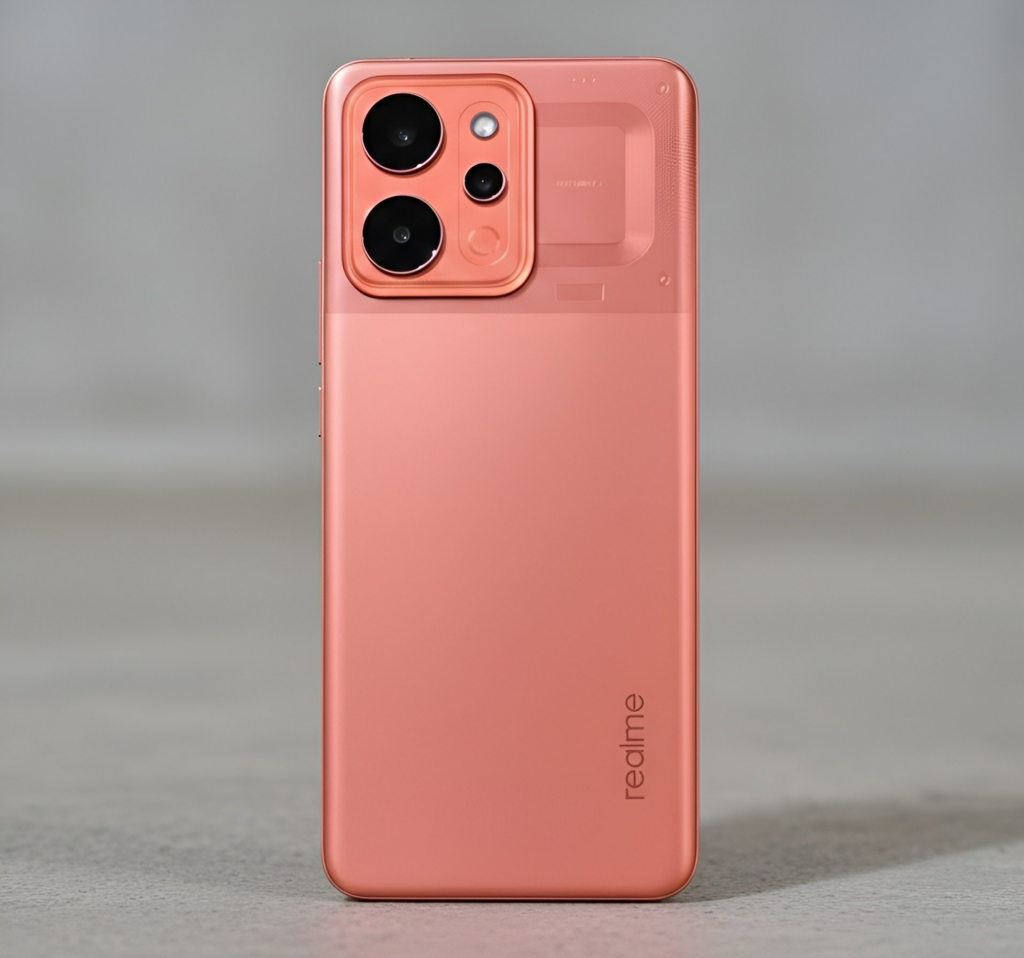
Sales start February 26 through the Vivo website, Flipkart, Amazon, and retail stores. Pre-bookings are already open with bank discounts, exchange offers, EMI options, buyback schemes, and bundled accessories.

The post Vivo V70 and V70 Elite Launched with ZEISS Cameras, 6500mAh Battery, Snapdragon 8s Gen 3 appeared first on Gizmochina.

Nvidia’s “World-Shocking” Chip Is Coming: Here’s What We Know

Nvidia Jensen Huang

Key Highlights:

  • Nvidia CEO Jensen Huang says a new chip revealed at GTC 2026 will “surprise the world.”
  • The announcement is expected during the March 16 keynote in San Jose.
  • Industry speculation points to major advances in Rubin architecture and HBM4 memory technology.

nvidia blackwell architecture
Nvidia Blackwell Architecture

Nvidia is preparing to unveil a major new chip at GTC 2026, according to CEO Jensen Huang. In an interview with the Korea Economic Daily, Huang teased that the company will introduce hardware designed to push current technology to its limits. While he did not share technical details or the official name, he suggested the chip could mark a big step forward in performance and design.

The reveal is scheduled for March 16, 2026, during Huang’s annual GTC keynote in San Jose. Analysts expect Nvidia to focus heavily on its next-generation Vera Rubin architecture, which has been positioned as a key platform for future AI systems. Reports suggest the new chip may use advanced packaging methods aimed at solving memory bottlenecks, one of the biggest challenges in modern AI computing.

Nvidia is also reportedly working closely with SK Hynix on HBM4 memory technology. The goal is to directly stack high-bandwidth memory onto GPU logic dies, a move that could make the chip one of the most complex semiconductor designs ever produced if mass manufacturing succeeds.

Some rumors have mentioned an early preview of Nvidia’s future Feynman architecture, expected later in the decade. This remains unlikely, but speculation continues due to its ambitious roadmap, which includes advanced manufacturing processes and silicon photonics.

Huang also hinted that multiple new chips could be announced at GTC 2026, making the event one of Nvidia’s most closely watched launches in recent years.

Read More:

(via)

The post Nvidia’s “World-Shocking” Chip Is Coming: Here’s What We Know appeared first on Gizmochina.

Honor Magic 7 Pro Gets MagicOS 10 Update Based on Android 16

Honor Magic 7 Pro

Honor has begun deploying MagicOS 10, built on Android 16, to Magic 7 Pro devices globally. The 3.27GB update (version 10.0.0.121) arrives eight months after Google’s Android 16 release and requires 4-5GB free storage.

Honor Magic 7 Pro

Performance Enhancements

The update introduces Turbo X performance engine with visible optimization indicators. System-level improvements include parallel operations during home screen navigation, refined app launch animations, enhanced camera performance, and more responsive keyboard input.

AI and Connectivity Features

Call translation functionality debuts through Honor AI settings. AI screenshot technology learns user behavior to automatically suggest relevant services. The update enables direct file sharing with iPhones via device-to-device contact, requiring Honor Connect app v1.1.18111 or later on iOS devices. Honor WorkStation software facilitates seamless transfers between Magic 7 Pro and Mac or Windows computers.

Interface Redesign

The Control Center receives a dark background with colorful icons and customizable layouts. Lock screen customization expands with additional clock styles accessible through two-finger pinch gestures. Transparency mode enhances visual effects for widgets and folders.

Magic Capsule Integration

Charging status and screen recording now integrate into Magic Capsule for real-time monitoring and quick access. Long take animations enable smooth transitions in Clock, Gallery, and Notes applications.

Additional Improvements

Bluetooth LHDC 5.0 high-definition audio codec support arrives alongside Android’s native extra dim accessibility feature. Motion Sickness Relief includes automatic activation during driving with customizable dot colors. Camera interface refreshments allow two-row imaging menu views, status bar customization, and improved video browsing in Gallery.

Screenshot functionality expands to capture floating windows with single-step area selection. Users can replace original images with edited screenshots directly.

Magic 7 Pro owners can check for updates through Settings > System & updates > Software update. The comprehensive update marks a significant functional expansion beyond standard Android 16 features.

Tech enthusiast? Get the latest news first! Follow our Telegram channel and subscribe to our free newsletter for your daily tech fix!

For more daily updates, please visit our News Section.

(via)

The post Honor Magic 7 Pro Gets MagicOS 10 Update Based on Android 16 appeared first on Gizmochina.

A Galaxy S26 Ultra clone is already selling for only $72

The hype around Samsung’s next flagship lineup is already in full swing. The Galaxy S26 series is set to go official next week, but in classic internet fashion, a “Galaxy S26 Ultra” has surfaced early, just not the one you’re expecting. Instead, it’s a budget clone. And it’s selling for around $72.

A video making the rounds on Instagram shows what appears to be a knockoff version of the upcoming Galaxy S26 Ultra. At first glance, it’s surprisingly convincing. The rear camera layout closely mirrors leaked renders, the wallpaper matches the rumored official imagery, and the overall design looks premium enough to pass in a quick scroll.

But that illusion fades fast once you look beyond the surface

Under the hood, this clone reportedly packs just 3GB of RAM and 16GB of storage — specs that feel outdated even for entry-level phones, let alone something pretending to be an Ultra flagship. While the seller advertises 5G support, the overall experience is worlds apart from what Samsung’s real flagship is expected to offer.

And of course, you’re not getting Samsung’s software ecosystem either. No Galaxy AI features, no long-term update commitment, no refined camera processing, just a shell designed to capitalize on hype.

This kind of thing isn’t new. Cheap replicas often pop up weeks, sometimes even months, before major launches. They ride the wave of leaks and rumors, targeting buyers who either don’t know better or are tempted by the price. The designs may look similar from a distance, but the similarities usually stop at cosmetics.

Meanwhile, the real Galaxy S26 lineup is set to debut at Galaxy Unpacked on February 25 in San Francisco. The event kicks off at 10 am PT, and as always, Samsung is likely to open up early registration perks and pre-order bonuses. Until then, this $72 “Ultra” serves as a reminder of how fast the knockoff market moves.

Don’t miss a thing! Join our Telegram community for instant updates and grab our free daily newsletter for the best tech stories!

For more daily updates, please visit our News Section.

(Source)

The post A Galaxy S26 Ultra clone is already selling for only $72 appeared first on Gizmochina.

Here’s when your Xiaomi device will stop getting HyperOS updates

Xiaomi HyperOS update life

Xiaomi has one of the best software update policies among Android brands, but even that has to come to an end sometime. Thus, it becomes important to keep the update policy of your device in check to ensure it continues to receive the latest updates.

To make things easier, we dug through Xiaomi’s official website to prepare a list for you that shows when your Xiaomi, Redmi, or POCO device will stop receiving software updates.

List of Xiaomi, Redmi, and POCO devices with their EOL dates

The End-of-Life (EOL) date is when your device stops receiving all software updates, including major HyperOS updates and security releases.

Xiaomi devices

DeviceEOL Date (YYYY-MM-DD)
Xiaomi 15, 15 Ultra2031-03-01
Xiaomi 15T, 15T Pro2031-09-24
Xiaomi 142029-02-25
Xiaomi 14 Ultra2029-03-15
Xiaomi 14T, 14T Pro2029-09-26
Xiaomi 13, 13 Pro2028-03-08
Xiaomi 13 Ultra2028-06-12
Xiaomi 13 Lite2027-03-02
Xiaomi 13T, 13T Pro2028-10-04
Xiaomi 12, 12 Pro2026-03-17
Xiaomi 12 Lite2026-07-01
Xiaomi 12T, 12T Pro2026-10-13
Xiaomi Pad 7, Pad 7 Pro2028-03-01
Xiaomi Pad 62026-07-10
Xiaomi MIX Flip2029-07-18

Redmi devices

DeviceEOL Date (YYYY-MM-DD)
Redmi Note 15, Note 15 5G2032-01-15
Redmi Note 15 Pro, Note 15 Pro 5G, Note 15 Pro+ 5G2032-01-15
Redmi Note 142031-03-01
Redmi Note 14 5G2029-01-09
Redmi Note 14 Pro2029-01-15
Redmi Note 14 Pro 5G2029-01-30
Redmi Note 14 Pro+ 5G2029-01-01
Redmi Note 13, Note 13 5G2028-01-15
Redmi Note 13 Pro, Note 13 Pro 5G, Note 13 Pro+ 5G2028-01-15
Redmi Note 122027-03-23
Redmi Note 12 5G2026-03-23
Redmi Note 12 Pro2026-04-20
Redmi Note 12 Pro 5G, Note 12 Pro+ 5G2027-03-23
Redmi Note 12S2027-05-10
Redmi 152029-09-22
Redmi 15 5G2029-08-01
Redmi 15C2031-08-28
Redmi 15C 5G2031-09-30
Redmi 14C2028-09-26
Redmi 13C2026-11-10
Redmi 122027-06-16
Redmi 12 5G2027-09-01
Redmi 12C2026-03-10
Redmi A52029-04-30
Redmi A32027-02-21
Redmi A2, A2+2026-03-24
Redmi Pad 2, Pad 2 4G2032-06-15
Redmi Pad 2 Pro, Pad 2 Pro 5G2029-09-22
Redmi Pad Pro 5G2027-06-11
Redmi Pad SE 8.7, Pad SE 8.7 4G2026-08-15

POCO devices

DeviceEOL Date (YYYY-MM-DD)
POCO F8 Pro, F8 Ultra2031-11-26
POCO F72031-06-24
POCO F7 Pro, F7 Ultra2031-03-27
POCO F62028-05-23
POCO F6 Pro2028-05-22
POCO F5, F5 Pro2026-05-09
POCO X72029-01-30
POCO X7 Pro2029-01-07
POCO X6 5G, X6 Pro2028-01-11
POCO X5 5G2027-02-06
POCO X5 Pro 5G2026-02-06
POCO M8 5G, M8 Pro 5G2032-01-08
POCO M72031-08-19
POCO M7 Pro 5G2029-01-09
POCO M62028-06-05
POCO M6 Pro2028-01-11
POCO C852031-08-28
POCO C752028-09-26
POCO C652026-11-06
POCO Pad M12029-09-22

If your Xiaomi device is approaching its EOL date or has already reached it, you should really upgrade to a newer model. While an outdated device will still work just fine, it won’t be as secure as newer devices running the latest HyperOS software and security patch. Check out the list of Xiaomi devices that promise six years of software support to find a reliable upgrade that stays relevant for much longer.

Also read:
1. How to turn off ads in Xiaomi’s HyperOS system apps
2. Xiaomi devices eligible for Android 17 update
3. HyperOS 3.1: Here’s everything you need to know

To ensure you don’t miss out on the important updates from Xiaomi, remember to visit the Xiaomi section on this website regularly. Alternatively, you can join us on Telegram to get instant notifications about the latest HyperOS updates, along with the biggest tech headlines.

The post Here’s when your Xiaomi device will stop getting HyperOS updates appeared first on Gizmochina.

Apple reportedly working on three different wearables — all with cameras and AI

Apple appears to be preparing its most ambitious push into AI-powered wearables yet. According to a recent Bloomberg report, the company is fast-tracking development on three new wearable devices, all centered around a much smarter version of Siri. And interestingly, all three reportedly include cameras.

Apple seems to be exploring ways to bring contextual awareness directly to the accessories we wear every day. The idea? Let Siri not just hear you, but also “see” what’s happening around you.

The most intriguing product in the pipeline is a pair of AirPods with built-in cameras. These wouldn’t be for taking photos or videos. Instead, Apple is said to be experimenting with low-resolution sensor that would feed environmental data to Siri. Think real-time contextual assistance, or spatial awareness features powered by AI.

Smart glasses and an AI pendant are also in the works

Apple is also known to be working on a smart glasses project aimed at competing with Meta’s growing wearable ecosystem. These glasses could include dual cameras: one optimized for media capture and another dedicated to computer vision tasks such as navigation or visual intelligence features.

Then there’s the more unconventional device: an AI pendant. Designed to clip onto clothing or be worn around the neck, it sounds somewhat similar in concept to Humane’s AI Pin. The difference? Apple’s version would rely heavily on the iPhone for processing power rather than functioning as a fully standalone device.

The pendant would reportedly feature a camera and microphone for continuous AI interaction. Internally, Apple is still debating whether it should include a built-in speaker.

All three devices are expected to lean on a significantly upgraded Siri, with reports suggesting deeper integrations that could expand its AI capabilities beyond what we’ve seen so far.

Don’t miss a thing! Join our Telegram community for instant updates and grab our free daily newsletter for the best tech stories!

For more daily updates, please visit our News Section.

(Source: Bloomberg)

The post Apple reportedly working on three different wearables — all with cameras and AI appeared first on Gizmochina.

Galaxy A37 and Galaxy A57 appear on IMDA, hinting at imminent launch

Samsung’s next Galaxy A-series refresh appears to be moving closer to launch. The Galaxy A37 and Galaxy A57 have now surfaced on Singapore’s IMDA certification database, suggesting that both phones are nearing an official announcement.

The listings include model numbers A376B/DS and SM-A576B/DS. The “DS” suffix indicates dual-SIM support, typically associated with global variants. As usual, the IMDA filings don’t reveal detailed specifications, but they confirm standard connectivity features.

This isn’t the first time the devices have shown up online. Both models were previously spotted on certification platforms and the Google Play Console. Based on Samsung’s past release patterns, a March 2026 debut wouldn’t be surprising.

What to expect from the Galaxy A37 and Galaxy A57

Leaks suggest the Galaxy A37 could use Samsung’s Exynos 1480 chipset, the same processor seen in last year’s Galaxy A55. That would position it as a solid upper mid-range option rather than an entry-level device. Early reports mention 6GB of RAM, with higher configurations possible.

On the camera front, rumors point to a 50MP primary sensor, potentially with optical image stabilization. An 8MP ultra-wide and a 5MP macro lens are also expected. Power could come from a 5,000mAh battery with 45W charging, which would match Samsung’s recent push toward faster charging in the A series.

Android 16 with One UI 8.5 is also rumored out of the box, though that will likely depend on final launch timing.

The Galaxy A57 is expected to sit slightly higher in the lineup. Reports suggest it may feature a newer Exynos 1680 processor. Display leaks mention a 6.6-inch AMOLED panel with a 120Hz refresh rate. Battery capacity is expected to remain at 5,000mAh with 45W charging. Other rumored features include IP67 water resistance and stereo speakers.

Samsung’s Galaxy A lineup has consistently been one of its strongest performers globally. The company tends to balance dependable hardware with long software support, which has helped the series compete well in crowded mid-range markets.

For now, the IMDA certification simply confirms that both devices are clearing regulatory steps. Official specs and pricing will likely follow soon.

Don’t miss a thing! Join our Telegram community for instant updates and grab our free daily newsletter for the best tech stories!

For more daily updates, please visit our News Section.

The post Galaxy A37 and Galaxy A57 appear on IMDA, hinting at imminent launch appeared first on Gizmochina.

❌