Samsung is finally bringing the December 2025 security update to the Galaxy S23, S23 Plus, and S23 Ultra. Though a bit late, the company’s 2023 flagships have received the latest security patches released this month.
The initial rollout has started in South Korea, and users of the Galaxy S23 phones can identify the December 2025 update via PDA build version ending with EYL1. Global expansion should follow over the next couple of days.
December update patches 68 improvements, covering Android and One UI. You may have been waiting for the One UI 8.5 Beta, but Samsung currently has no plan to expand the early access to older flagship phones.
The firmware aims to improve system stability and reliability. It also enhances the overall user experience by cleaning up cache and unnecessary app data. An alert will arrive soon, but you can also check for updates manually.
Updating the latest software update is no brainer on Samsung phones. Open the system Settings and enter the Software update section. Hit Download and install on that page to initiate firmware fetching on the server.
Source – Samsung Community Korea
One UI 8.5 Update
Samsung launched One UI 8.5 Beta for the Galaxy S25 series in 4 countries. It will expand to 2 more countries when Beta 2 arrives. In the official announcement, Samsung didn’t reveal a plan to bring the Beta Program to more users.
The official version will land early next year, but the rollout to older devices may take some time. We expect it to happen in the second quarter, but the expansion of the software update will take place sequentially.
One UI 8.5 Beta 2 could make Galaxy’s Pro Camera mode literally awesome. Samsung is reportedly bringing a pretty useful feature to the stock camera app’s Pro mode, and it’s highly likely to come stapled with the second Beta update.
Samsung is testing One UI 8.5 Beta on the Galaxy S25 series. The second Beta update is expected to arrive around December 22. The current availability to four countries would also expand to six, joining India and Poland.
Earlier, Samsung confirmed that Single Take and Dual Recording are returning to Galaxy flagships with the second Beta. Well, the One UI 8.5 Beta 2 may also bring a new feature to Pro Camera mode, something like presets.
Samsung may let users save Pro camera settings. Parameters can be clubbed and saved to become a preset. You may also be able to share presets using Quick Share to use the same settings on other compatible Galaxy devices.
Once created, the preset can be restored in Pro mode view. It will streamline your photography experience and make the entire capturing time-saving.
Samsung hasn’t clearly said such a feature is coming. However, the mention of “custom options for professional shooting” suggests so. It aligns with a previous input that emerged in October this year.
Camera Assistant will upgrade with the second One UI 8.5 Beta. This Good Lock app is expected to add a dedicated section for Single Take and Dual Recording. Like other features, the two modes can be activated and disabled.
Google released the QPR3 Beta 1 update for Pixel phones. The latest Android 16 update introduces a new expandable location tracking indicator, which would end up landing on Samsung and other Android phones in the future.
Android displays an indicator when the phone’s microphone, camera, or location is used. Google has upgraded the location indicator in Android 16 QPR3 Beta 1. The icon is no longer static, but has become expandable with new stuff.
The new location indicator shows up with a solid Blue background. When a location is being used by an app, it will show up in the status bar. Tapping the icon will open an expanded menu in pop-up view with detailed information.
This section will list the app or apps tracking your phone’s location. It all will happen in real time, and you will be able to revoke GPS access. You will have two options for the app using location: Close the app and Manage access.
Source – Android Authority
The Blue indicator will turn Green when the Location is being used along with the mic and/or camera. The color unification will ensure the access indicator won’t grab much space on your phone’s screen or the status bar.
Pixel phones running QPR Beta have received it with the latest release. Since it’s a core Android improvement, it would expand to Samsung phones too. It may show up in One UI 8.5 Stable, otherwise One UI 9 will bring it.
Pay attention, Google first added such an indicator in Android 12. After years, it has made a comeback in Android 16, but the testing is underway. Google may either improve its functionality or dump the indicator again.
Samsung will participate with its AI-powered smart gadgets at CES 2026 this January. The company today revealed its agenda and upcoming products.
CES 2026 will be the base for Samsung to unveil the next-gen Bespoke AI appliances. The improved products merge AI-powered customized care and powerful hardware-supported performance.
Featured innovations include the upgraded Bespoke AI AirDresser, Bespoke AI Laundry Combo, Bespoke AI WindFree Pro Air Conditioner, and the flagship Bespoke AI Jet Bot Steam Ultra robot vacuum.
2026 Bespoke AI Laundry Combo is coming with improvements, which shorten wash-to-dry cycles and enhance drying performance.
Samsung’s upgraded Bespoke AI AirDresser is returning with enhanced performance and greater convenience.
2026 WindFree Air Conditioner introduces AI technology and Motion Wind to address the key attribute, influencing purchasing decisions like wind modes.
Samsung’s new Bespoke AI Jet Bot Steam Ultra comes with advanced recognition technologies designed to reduce human intervention and simplify cleaning.
Source – Samsung NewsroomSamsung will put these Bespoke AI products on showcase at CES 2026. Visitors can explore more and have a firsthand experience by visiting Samsung’s showroom located inside Wynn Las Vegas.
Jeong Seung Moon, EVP and Head of the R&D Team for the Digital Appliances (DA) Business at Samsung Electronics, said:
“This year, to enhance the living experience, we are unveiling our upgraded Air Dresser, Laundry Combo and WindFree Air Conditioner, developed by integrating valuable customer feedback and leveraging the R&D expertise we have accumulated over the years.”
New leak paints out the clearest picture yet of the Samsung Exynos 2600 chip for the Galaxy S26 series. An insider has revealed the final specifications of the processor’s CPU, GPU, and other parameters.
Samsung insider PhoneArt (@UniverseIce) revealed the technical specs of the Exynos 2600 chip to be used in the Galaxy S26 series. The silicon seems to be incredibly powerful with a fast CPU and AMD-powered GPU inside.
CPU
Exynos 2600 is a deca-core processor, featuring 10 CPU cores. The AP incorporates a tri-cluster architecture, bringing a prime core clocked at 3.9Ghz, six performance cores clocked at 3.25Ghz and three efficiency cores clocked at 2.75Ghz.
It’s manufactured using Samsung Foundry’s cutting-edge 2nm process. As compared to the latest chips from Apple, Qualcomm, and MediaTek, Exynos 2600 has a generational edge given its fabrication process.
GPU
The leak says Exynos 2600 features an AMD JUNO-powered GPU @ 985MHz. Samsung could market the graphics processing unit as Xclipse 960 with Vulkan 1.3. Other technical parameters includes Open Gles 3.2 and OpenCL 3.0.
Meanwhile, tipster ErencanYılmaz claims that there are some minor errors in the Exynos 2600 specs leaked by PhoneArt.
As per the screenshots, Exynos 2600’s prime core is clocked at 3.8GHz, peak GPU frequency is 980MHz, and Vulkan version is 1.4. The performance cores and efficiency cores are clocked at 3.26GHz and 2.76GHz, respectively.
Samsung has officially confirmed the Exynos 2600 chipset. The company will soon reveal its new Exynos chipset. It will arrive right before the Galaxy S26 launch; till then, you can take the emerging leaks as a pinch of salt.
Galaxy S26 series could be unveiled in February, and sales begin in March. The Ultra model is being prioritized in mass production, while others are being pushed to early next year. Samsung will also unveil One UI 8.5 with the new phones.
Bitcoin ETFs, corporate treasuries and macro tailwinds are challenging BTC’s traditional four-year cycle, which could result in new all-time highs in 2026.
The SOL price is once again under pressure, but not without context. After slipping from $134 earlier this week, Solana now hovers near a long-term support range that has historically defined its most of the broader trend since 2024. As macro risks rise with BOJ in picture, traders are weighing whether this SOL/USD zone marks accumulation or vulnerability.
SOL Price Today Sits on a Crucial Support Range
The Solana price chart spanning from 2024 to the present highlights a a demand zone between $119 and $126, which has proved resilient all this time.
Now, when writing, the SOL price today is once again hovering near $127, which is only marginally above this key support area.
While short-term volatility has shaken confidence at least for now, the broader structure suggests differently. Solana has sustained for many months above a long-term base. It has repeatedly acted as a stabilizing zone, and as long as the price sustains above it, a deeper breakdown is not yet confirmed.
Also, if this week’s turbulence is absorbed without major damage, short-term conditions could improve, while the long-term SOL price forecast remains structurally intact.
Macro Pressure Puts Solana at a Crossroads
That said, macro conditions are now driving the narrative more than charts alone. The upcoming Bank of Japan rate decision on December 19 has become a pivotal risk event for all risk assets, including Solana crypto.
Since, Japan has long been a source of ultra-cheap liquidity through the process of yen carry trade. Now, at this vulnerable financial state globally, a rate hike would likely force all those carry traders to immediately unwind their positions, and if they do unwind, it will trigger an immense selling pressure across global markets. If we take crypto market specifically, then its evident that in previous BoJ hikes during 2024 and 2025, Bitcoin USD experienced sharp drawdowns of 20–30%, and Solana followed closely.
If such a scenario unfolds again, the SOL price USD may struggle to defend current levels. Conversely, a pause or dovish stance is what market needs that could relieve pressure and allow price to stabilize.
Similarly, despite near-term uncertainty, Solana crypto’s fundamentals remain intact. Whatever the short-term result may be, the Network usage, developer activity, and ecosystem growth are undeniably strong, which continues to support its long-term narrative. If macro conditions stabilize even modestly, the current setup could favor recovery rather than continuation lower.
Regulation and 2026 Outlook Shape SOL Price Prediction
Looking further ahead, forward predictions for 2026 highlight that regulatory progress could be a decisive catalyst, per the latest Bitwise report. The CLARITY Act in U.S. is seen as essential for unlocking the next growth phase in crypto.
Report also added that Stablecoins and tokenization are widely viewed as megatrends, and Solana is positioned as one of the major beneficiary if adoption accelerates.
If regulatory momentum continues and broader conditions remain constructive, the SOL price prediction 2026 becomes increasingly optimistic.
The Ethena price has returned to a critical zone this mid-december that previously marked the start of a powerful rally in 2024. While the current short-term price action can’t be ignored as it remains strongly subdued by macro sentiment. But, a combination of technical positioning and improving on-chain metrics is drawing renewed attention to Ethena crypto amid an uncertain macro backdrop.
Ethena Price Revisits a Historically Reactive Level
In September 2024, ENA/USD traded near the $0.20 level before launching into a strong upside move that carried the token to roughly $1.20 by December, representing a 525% advance. This week, the Ethena price USD is once again hovering near that same demand area.
On the Ethena price chart, the structure appears similar to the setup seen before the previous rally. Although past performance does not guarantee another repetition of rally, but bullish odds can’t be overruled. As markets often respond to levels where liquidity and historical demand are previously aligned. As a result, watching closely for signs of stabilization before any directional move emerges is a wise action here on.
Short-Term Consolidation May Shape Ethena Price Prediction
In the near term, price behavior suggests that a brief consolidation phase could be necessary. As sideways movement around the current support zone would allow sellers to exhaust and buyers to gradually absorb supply. If this process plays out, the Ethena price prediction could shift toward a recovery move targeting the $1.20 region.
Dostlar $ENA söylediğimiz bölgeden %50 yaptı tekrar akümüle seviyesine düştü buralarda yatay bu süreci geçirip yukarı çok sert gideceğine eminim fakat yıldırıyolar, bıktırıyolar elinizdekileri satın market maker malı kendisi götürsün çabaları görüyorum. pic.twitter.com/8iXmhLUp5V
However, this scenario depends heavily on broader market stability. Without supportive conditions across major assets, even technically favorable setups can fail to gain traction. As such, ENA crypto’s short-term outlook remains conditional rather than guaranteed.
Rising sUSDe Staking Signals Improving Protocol Health
Beyond price action, on-chain metrics present a more constructive picture. The growing share of staked USDe (sUSDe) suggests that a larger portion of the circulating supply is being locked into the Ethena protocol in pursuit of yield. This reflects increasing user trust and confidence in the system’s design.
This generally viewed as a positive indicator for the ecosystem’s fundamentals. While it does not ensure an immediate rebound in Ethena price, it can provide underlying support if market sentiment improves. From a fundamentals perspective, Ethena crypto does not currently show signs of any major weakness.
Macro Conditions Could Override the Ethena Price Forecast
Despite these supportive signals, macroeconomic risk remains elevated. As Bank of Japan’s plays a critical role in global liquidity through the yen carry trade. A potential rate hike on December 19 could force leveraged positions to unwind, leading to broad-based selling across risk assets.
Historically, Bank of Japan rate hikes in 2024 and 2025 were followed by rapid Bitcoin drawdowns of 20–30%. In such a scenario, ENA/USD would likely struggle to maintain support, regardless of improving fundamentals. Therefore, the Ethena price forecast remains highly sensitive to upcoming shortterm macro developments.
For now, the Ethena price sits at the intersection of constructive on-chain signals and elevated macro risk. If liquidity conditions stabilize and consolidation holds, upside scenarios remain viable. However, a deterioration in global risk sentiment could quickly invalidate bullish setups.
Analysts project Dogecoin could reach $0.39 by the end of 2025.
Long term projection highlights that by 2030 it could even reach the $3 mark.
Dogecoin, the original meme coin, has cemented its status as a crypto legend. Known for its viral appeal and a fiercely loyal community, it continues to capture headlines and investor interest. Following Donald Trump’s election win, speculation around a potential Dogecoin ETF fueled a surge in optimism.
Now, that speculation has become a reality. With the September 18 launch of the REX-Osprey DOGE ETF, trading under the ticker DOJE and carrying a 1.5% fee, the path has been cleared for institutional access. This groundbreaking debut makes it the first U.S.-listed spot ETF for Dogecoin and significantly raises the odds for similar approvals from major players like Bitwise and Grayscale before year-ends.As growing optimism and increasing adoption reshape the market, traders are asking: “Will Dogecoin go back up?” and “Can DOGE hit $1?” In this article, we dive into a detailed technical analysis and a long-term Dogecoin price prediction 2025 to 2030.
According to CoinPedia’s formulated Dogecoin price projections for 2025, if the trading volume of Dogecoin rises, then we can expect the DOGE price to surge to $1.07 as the year ends.
On the other hand, if the market is hit again by external forces like regulations or negative statements by influencers. Hence, the meme coin might trade at a potential low of $0.62.
We expect the DOGE price to reach a new swing high of $1.07 by the end of 2025.
Year
Potential Low
Potential Average
Potential High
2025
$0.62
$0.84
$1.07
DOGE Price Analysis 2025
The Dogecoin price (DOGE) has continued to capture investor attention, primarily due to its history of delivering remarkable returns.
One notable surge occurred in November 2024, following Donald Trump’s presidential election victory, which propelled the price to a peak of $0.4846 by year-end. However, profit-taking around this peak created a supply zone, triggering a downward trend.
In January 2025, the DOGE bulls made an effort to sustain the gains from Q4 2024. Yet, the high volume profile resistance at $0.39 proved formidable, pushing the price down to a low of $0.130 by early April.
Interestingly, April’s low is near the demand zone at $0.130 – $0.150 that has previously supported a parabolic rally, and bulls are seen active in this area. Over the past couple of months, this level has been tested several times and has proven strong for bears to break that easily.
Also, the DOGE in H1’s final week retested this support again after a market-wide rebound, following a ceasefire that was announced in the battle between the US, Israel, and Iran.
Dogecoin Price Targets December 2025
The analysis of the Dogecoin price movements in 2025 shows that it has primarily been contained within a descending triangle pattern entire this year. Although there were brief bullish tries, but they were weak.
For instance, a short-lived rally was observed from July to early September, coinciding with the announcement of the first memecoin ETF, the Rex Osprey DOGE ETF, which temporarily pushed prices above $0.30. This move briefly teased the descending triangle’s upper border resistance, but that proved to be a false breakout as bearish sentiment took over.
By October to mid-December 2025, the DOGE price dropped to $0.13, creating a buying opportunity reminiscent of November 2024. Numerous analysts predicted that a rally could commence, especially as DOGE/USD was testing the support level of $0.13 from late November to mid December.
Historically, such tests have frequently led to rallies that reach the upper resistance of the descending trendline. If this trend continues, a target of $0.21 in December 2025 indicates a possible increase of about 40%.
At present, the DOGE price seems to be in a phase of accumulation, with bullish demand responding favorably at this support level. For a notable long-term breakout to occur, the DOGE price needs to successfully retake the $0.21 level before the end of the year. Surpassing this level could lead to a breakout rally targeting $0.39 in the initial months of 2026.
On the other hand, if the price dips below $0.13, it could jeopardize the recovery and prompt a further decline towards $0.10 and BOJ move on December 19th can greatly affect DOGE.
Month
Potential Low ($)
Potential Average ($)
Potential High ($)
DOGE Price Target November 2025
0.10
0.25
0.39
Dogecoin Price Prediction 2025
Moreover, optimism is now growing for the approval of more Dogecoin ETF products, which could spark significant adoption before the end of the year.
If this institutional demand propels DOGE past the $0.39 resistance, it could target its previous high of $0.484. A sustained rally beyond this point makes a move to the iconic $1.00 mark a real possibility.
However, if the price is rejected at the $0.39 resistance level by the end of 2025, it may retrace back to the $0.13 demand zone. The remainder of 2025 will be crucial for Dogecoin as it navigates these key resistance and support levels, with its trajectory heavily dependent on further institutional interest.
Year
Potential Low ($)
Potential Average ($)
Potential High ($)
2025
0.13
0.39
1.00
Dogecoin Price Prediction 2026 – 2030
Year
Potential Low ($)
Potential Average ($)
Potential High ($)
2026
0.75
1.00
1.25
2027
1.15
1.35
1.50
2028
1.25
1.75
2.00
2029
1.50
2.15
2.65
2030
2.50
2.75
3.00
This table, based on historical movements, shows DOGE price to reach $3 by 2030 based on compounding market cap each year. This table provides a framework for understanding the potential DOGE price movements. Yet, the actual price will depend on a combination of market dynamics, investor behavior, and external factors influencing the cryptocurrency landscape.
Based on the historic market sentiments and trend analysis of the altcoin, here are the possible Dogecoin price targets for the longer time frames.
Year
Potential Low ($)
Potential Average ($)
Potential High ($)
2031
3.01
3.49
4.00
2032
3.79
4.47
5.25
2033
4.96
5.75
6.75
2040
14.22
19.50
25.00
2050
54.99
105.00
155.00
Market Analysis
Firm Name
2025
2026
2030
Changelly
$0.205
$0.233
$1.07
Coincodex
$0.155
$0.115
$0.259
Binance
$0.223
$0.235
$0.285
Can DOGE Break the $1 Barrier?
Given DOGE’s success, largely driven by hype with some technical progress, crossing $1 by 2025 remains a realistic possibility. A sustained media frenzy and growing endorsement deals could maintain bullish momentum. Expanded merchant adoption would also strengthen confidence in its long-term viability.
Dogecoin’s Tokenomics and Long-Term Outlook
The future of Dogecoin hinges on its utility. Meme popularity alone may not sustain it indefinitely, but advancements in transaction fees, speed, and business collaborations could help it thrive as a mainstream digital currency. Its large and passionate community will likely continue to drive positive evolution.
Conclusion
Given Dogecoin’s past price behavior, driven largely by online hype and media coverage, it has the potential to reach over $1 in 2025. DOGE has shown remarkable resilience, and key factors like expanded merchant adoption, community growth, and protocol upgrades could enhance its viability.
Never Miss a Beat in the Crypto World!
Stay ahead with breaking news, expert analysis, and real-time updates on the latest trends in Bitcoin, altcoins, DeFi, NFTs, and more.
FAQs
Will Dogecoin hit $5?
Dogecoin will likely reach $5 in the next decade.
What is Dogecoin’s price prediction for 2025?
DOGE may hit $1.07 by 2025, with a low of $0.62 and an average of $0.84, driven by market trends and adoption.
What is the highest Dogecoin can go by the end of 2030?
DOGE is projected to reach $2.50–$3.00 by 2030, averaging $2.75, fueled by utility and market optimism.
Is Dogecoin a good investment?
Yes, Dogecoin might definitely be a good investment if you are looking to invest for the long term.
Is Dogecoin dead?
No, Dogecoin is not dead right now, the peaks and troughs are normal in the cryptocurrency industry. Major announcements and happenings will eventually drive the price.
What is Dogecoin used for?
Dogecoin was developed as a digital form of payment system, similar to Bitcoin or Litecoin.
How much would the price of Dogecoin be in 2040?
DOGE could range from $14.22 to $25.02 in 2040, averaging $19.62, depending on adoption and market trends.
How much will the DOGE coin price be in 2050?
DOGE may soar to $54.99–$154.91 by 2050, averaging $104.95, driven by long-term utility and hype.
Can Dogecoin reach $1 by 2025?
Yes, DOGE could break $1 by 2025 if trading volume rises and merchant adoption grows, per CoinPedia’s forecast.
Analysts predict PEPE could reach $0.000028 by 2025.
Long-term forecasts suggest potential highs of $0.0002733 by 2030.
Pepe Coin (PEPE), the memecoin inspired by the iconic frog meme, has rapidly become a standout in the crypto world. Ranked just behind Dogecoin and Shiba Inu, PEPE’s explosive rise—boasting gains of over +130325085.96% from its all-time low—has captured investor attention globally.
As it maintains its position among top memecoins, many are now asking: Will PEPE price go parabolic by the end of 2025? In this article, explore CoinPedia’s in-depth PEPE coin price prediction for 2025, and discover long-term forecasts that look ahead to 2030.
Pepe Coin is showing potential for growth in 2025. Initially seen as a joke, meme coins like PEPE, Dogecoin, and SHIB have found their place in the market, driven by social media excitement.
In the first half of 2025, the PEPE price dropped nearly 80% from $0.00002837 in Q1 2025. However, Q2 showed demand but failed to flip the Fibonacci 0.5 level near $0.000016 from $0.00000525, and ended up forming a symmetrical triangle pattern. Its current price action is part of its consolidation phase.
PEPE Price Prediction December 2025
Since reaching its all-time high of $0.00002837, PEPE/USD has faced significant challenges, primarily due to a year marked by numerous rug pulls, hacks, and various macroeconomic issues. This has led to a cautious stance among both old and new liquidity providers. The memecoin sector has emerged as the riskiest asset category in the crypto finance space, and as a result, it currently lacks momentum.
The PEPE chart unmistakably reflects this decline. Despite a brief surge in bullish momentum back in May, the trend has been downward since then. By September, the price fell below the 20-day EMA band and has remained under it through December. If this pattern continues, we are likely to see consolidation persist into the year’s end.
However, there is potential for revival. If macro liquidity improves, PEPE could break above the 20-day and 50-day EMA bands, regaining its upward momentum.
Month
Potential Low ($)
Potential Average ($)
Potential High ($)
Pepecoin Price Forecast December 2025
0.00000410
0.00001050
0.00001688
PEPE Price Projection 2025
PEPE crypto’s performance in Q3 and Q4 was marked by notable price fluctuations, ultimately resulting in the loss of its crucial two-year key support area in November, positioned between $0.00000640 and $0.00000710.
The entire meme category’s low interest led to a significant decline for PEPE. However, it found support in late November around the April 2024 swing low area, which is between $0.00000350 and $0.00000400.
Around early to mid-December, it continued to consolidate on same levels. Should the April 2024 swing low demand area be compromised, the focus will shift to the critical demand zone around $0.000001250.
Year
Potential Low ($)
Potential Average ($)
Potential High ($)
2025
$0.00000850
$0.00002263
$0.00002837
PEPE Price Prediction 2026 – 2030
Year
Potential Low ($)
Potential Average ($)
Potential High ($)
2026
0.0000179
0.0000359
0.0000539
2027
0.0000269
0.0000539
0.0000809
2028
0.0000404
0.0000809
0.0001214
2029
0.0000607
0.0001214
0.0001822
2030
0.0000910
0.0001822
0.0002733
This table, based on historical movements, shows PEPE price to reach $0.0002733 by 2030 based on compounding market cap each year. This table provides a framework for understanding the potential PEPE price movements. Yet, the actual price will depend on a combination of market dynamics, investor behavior, and external factors influencing the cryptocurrency landscape.
PEPE Coin Market Analysis
Firm Name
2025
2026
2030
Changelly
$0.000032
$0.0020
$0.015
CoinCodex
$ 0.000037
$ 0.000026
$ 0.000047
Binance
$0.000013
$0.000014
$0.000017
CoinPedia’s PEPE Price Prediction
Coinpedia’s PEPE coin price prediction expects the community to explore new avenues and reach a new high by the end of this year. So, based on our analysis, the price of PEPE in 2025 should range between $0.0000120 to $0.0000360. Additionally, the average price of PEPE should be around $0.0000240.
Year
Potential Low ($)
Potential Average ($)
Potential High ($)
2025
$0.0000120
$0.0000240
$0.0000360
Never Miss a Beat in the Crypto World!
Stay ahead with breaking news, expert analysis, and real-time updates on the latest trends in Bitcoin, altcoins, DeFi, NFTs, and more.
FAQs
How high will the PEPE price go in 2025?
According to our Pepecoin price forecast, the altcoin’s price could surge to a maximum of 0.00001688 this year.
How much is Pepe coin worth?
The current price of Pepecoin is $ 0.00000414.
How much is 1 Pepe coin in rupees?
At the time of writing, Pepe coin price in INR is ₹0.0008666.
Is PEPE an ERC-20 token?
Yes, Pepecoin is an ERC-20 token working on the Ethereum blockchain.
Is it possible to mine Pepecoin?
No, PEPE cannot be mined as it is a non-mineable token.
Where to buy Pepe coins?
If you want to buy this coin, then you can do so on various exchanges like Binance, OKX, and more. The coin is listed on popular exchanges such as Trust Wallet and Metamask.
Who is behind Pepecoin?
Interestingly, the project’s website reveals that there is no established team behind the token, and the creators prefer to remain anonymous.
When was Pepecoin launched?
Furie introduced Pepecoin in 2021 to reestablish the character’s positive image. The digital currency has since gained popularity among internet users and cryptocurrency enthusiasts.
Price predictions for 2025 range from $300 to $710, with strong support at $300.
By 2030, BCH could reach highs of $2,675, driven by increased adoption and transaction activity.
With Bitcoin smashing through the $100K barrier, all eyes are now on Bitcoin Cash (BCH) as traders wonder—will BCH price follow with a banana move of its own? Beyond hype, Bitcoin Cash is proving its value in the real world. Ranked 4th on Crypwerk’s global adoption list, BCH is gaining traction for its speed, low fees, and merchant-friendly design.
If you’re searching for answers to “Will Bitcoin Cash go up further?” — you’re not alone. In this Bitcoin Cash price prediction 2025–2030, we dive into the technicals and adoption trends shaping the next big BCH Price Prediction.
Coinpedia’s analysis suggests that Bitcoin Cash could potentially emerge as a more affordable version of Bitcoin.
If Bitcoin Cash gains some hype in the coming months, then the BCH price can reach $701 in 2025. On the flip side, the BCH price can drop to $507 during that year.
We expect the BCH price to create a new 2025 high of $701 during the upcoming altcoin season.
Year
Potential Low
Potential Average
Potential High
2025
$507
$605
$701
BCH Price Action History Driven by Smart Money Transaction Volume (2017-2025)
The history of BCH price USD movements shows a strong correlation with daily transaction volume, highlighting the presence of “smart money” participation.
In the run-up of late 2017, the Bitcoin cash price increased over 1100% (from $350 to $4,300) despite daily transactions remaining under 110,000. but, the subsequent 2018 crash from the $4,300 ATH to $400 saw daily transactions skyrocket to 2 million, confirming a massive, swift sell-off by large holders.
Similarly the smart money activity was seen in 2021 also when transactions increased from daily average but unlike 2017’s rise, the opposite behavior characterized the 2021 recovery. As the price climbed from $450 to $1,597 between February and April, transaction volume held consistently high, fluctuating between 300,000 and 400,000 per day.
However, this time this buying enthusiasm was followed by a prolonged, 24-month slow bear market from May 2021 to May 2023. During this severe sell-off, transactions plunged from 300,000 to below 15,000 daily, capping BCH recovery attempts and driving the price below $150.
Therefater, since June 2023, the market has seen a notable shift. Daily transactions began increasing abruptly, oscillating between 100,000 and 400,000 through October 2024, mirroring the price recovery attempt toward 689. This fluctuation confirms that large market players are responsible for high-volume swings in transactions, and their absence results in flat activity.
Near-Term Outlook
Currently (November 2024 onwards), daily transactions have consistently remained under 100,000, suggesting that smart money is neither actively buying nor selling. The price recovery to above 600 in Q3 2025 is built primarily on retail-based transactions.
However, given this historical pattern, there are high odds that significant buying could be seen soon. When large players return, high-magnitude fluctuations in the transaction chart will signal their entry, confirming genuine demand.
If this smart money buying materializes, BCH could initiate a strong recovery starting with $689, followed by targets at $1,200 and $1,597 by year-end. This momentum could extend into the first half of 2026, potentially hitting $2,532 and even retesting the prior all-time high of $4,300. Should the major buying activity fail to appear, BCH is expected to consolidate around the $450 level for the remainder of 2025.
BCH Price Prediction 2025 (Q1 to Q4)
Bitcoin Cash price (BCH) saw a downturn in the first quarter of 2025, following profit-taking activities at the close of December 2024, where it reached the upper boundary of a descending triangle at approximately $640.
However, the second quarter brought a renewed wave of enthusiasm as bullish investors rallied, driving prices up from a critical support level of $300 after some stop-loss orders were shaken out. By the third quarter, BCH impressively rebounded to $645, marking a significant breakout from a multi-year descending triangle.
Entering the fourth quarter of 2025, the price did experience a retracement, falling from $645 to $445. This level aligns with the support provided by the 50-week exponential moving average, suggesting that this pullback may be a set-up for another rally. Encouragingly, the likelihood of a market uptick in December 2025 appears to be increasing.
To enhance the bullish outlook, it is essential for BCH price USD to maintain a weekly closing price above the $620–$640 range. Achieving this threshold would facilitate a near-term retest of $689. If BCH successfully sustains above this mark, it would signify a “Change of Character (ChoCh)” on the monthly chart, indicating a pivotal long-term trend shift and opening the door to higher targets ahead.
Conversely, if the breakout fails and BCH dips below critical support at $422, we may witness a rapid downturn. The $300 level is expected to act as a robust defense against further declines; however, a breach here would undermine the current bullish sentiment entirely.
Year
Potential Low
Potential Average
Potential High
2025
$300
$605
$1200
Bitcoin Cash Price Target December 2025
Since September 18th, Bitcoin Cash (BCH) has significantly declined, reaching the 50-week exponential moving average (WEMA) and consolidating for several weeks. By mid-December, it confidently trades above the 20-day EMA band.
The BCH price is poised for a decisive move that can transform the $620 resistance into a stepping stone, propelling it to $689 in the short term.
However, should it drop below $540, we could see a continuation of the sell-off down to the key support level at $422. If that level fails, $300 will serve as a strong defense.
Month
Potential Low ($)
Potential Average ($)
Potential High ($)
Bitcoin Cash Price November 2025
422
522
689
Bitcoin Cash Price Targets 2026 – 2030
Year
Potential Low ($)
Potential Average ($)
Potential High ($)
2026
595
790
985
2027
680
925
1,160
2028
795
1,135
1,475
2029
1,025
1,480
1,955
2030
1,350
2,010
2,675
This table, based on historical movements, shows BCH price to reach $2675 by 2030 based on compounding market cap each year. This table provides a framework for understanding the potential BCH price movements. Yet, the actual price will depend on a combination of market dynamics, investor behavior, and external factors influencing the cryptocurrency landscape.
Market Analysis
Firm Name
2025
02026
2030
Changelly
$361
$664
$3731
priceprediction.net
$572
$865
$3830
DigitalCoinPrice
$821
$932
$2912
*The targets mentioned above are the average targets set by the respective firms.
Never Miss a Beat in the Crypto World!
Stay ahead with breaking news, expert analysis, and real-time updates on the latest trends in Bitcoin, altcoins, DeFi, NFTs, and more.
FAQs
What could be the maximum price of BCH in the next 3 years?
According to our Bitcoin Cash price prediction, BCH’s price could hit the maximum trade value of $1,160 by 2027.
What Is Bitcoin Cash?
Bitcoin Cash is a hard fork of Bitcoin, that aims at a decentralized peer-to-peer electronic cash system. Without relying on any central governing authority.
Is Bitcoin Cash a good investment in 2025 amidst newer higher-performing entrants?
Bitcoin Cash is an underrated investment with a high chance of performing in 2025.
What are the advantages of Bitcoin Cash over Bitcoin?
Bitcoin Cash focuses on resolving two of the major limitations of Bitcoin, which are scalability and transaction fees.
Samsung Galaxy Z TriFold sparks frenzy as it runs out of stock instantly in the second sale. The company started the phone’s second sale today, and the story remained the same as the initial sale in South Korea.
Moments after opening the second sale, the Galaxy Z TriFold ran out of stock on the Samsung website. The company has put a notice on the website, thanking buyers for their response and signing up for the restock alert.
Notably, Samsung put TriFold on sale on December 17 at 10 AM in South Korea. The entire stock was sold out within just two minutes. Shoppers were fully prepared to place their order as soon as the window opened.
Galaxy Z TriFold turns out to be a massive success in South Korea. First, the Galaxy Z Fold Special Edition impressed with its sales, followed by the Z Fold 7. Now, the company’s new form factor is continuing the legacy.
A notice was posted on the website stating, “Thank you for your support. Our prepared inventory has sold out. If you sign up for a restock notification, we will alert you when more units become available.”
Samsung has also sent out limited units at key retail stores. However, buyers who returned empty-handed on the day of the first sale will be prioritized. You can visit your nearest Samsung store to check if they have TriFold stock left.
The company will now restock the TriFold early next month. A specific date or timeline hasn’t been revealed, but January seems a sweet spot. It will keep the device in headlines and encourage buyers to make a new year purchase.
Samsung has almost turned its biggest competitor, Apple, into a client for camera tech supply. A new report sheds light on the achievement of Samsung Electro-Mechanics, which is about to seal a deal, probably with Apple.
ETNews exposed a potential Samsung camera deal with Apple without naming the firm. The Korean tech giant is believed to be securing a mega-scale client, which is a global Big Tech company, pointing to Apple.
The client is a leading Big Tech company in the global IT market with annual shipments reaching hundreds of millions of units. In addition to phones, the company operates businesses in laptops, tablets, wearables, and services.
It’s going to be a bigger deal outside the scope of Samsung Electronics. The company is developing “Fine Pitch (FP) Coils” for actuators. The solutions are usually utilized for autofocusing and optical image stabilization (OIS).
Samsung is still negotiating the volume and pricing with its client. Talks about the supply chain are progressing positively, and the deal will end up being finalized.
In the past, Samsung Electro-Mechanics supplied Multi-Layer Ceramic Capacitors (MLCCs) and semiconductor substrates. However, the collaboration hasn’t grown much as the firm directly competes with Samsung Mobile.
It’s going to be the first time that Samsung Electro-Mechanics will supply camera-related components to the client. To this end, Samsung is partnering with Stemco to facilitate the supply of the camera hardware.
FP Coil features fine-pitch tech to enable significant miniaturization. Samsung will gain tremendous revenue from this supply, which will ultimately expand supplies to actuators, lenses, and full camera modules.
Samsung has started internal One UI 8.5 testing on the Galaxy S25 FE. The company has recently started a public Beta Program for the mainstream models, and plenty of Galaxy devices have already joined internal testing.
One UI 8.5 testing begins early on Galaxy S25 FE, signaling that Samsung has improved its software development mechanism. The new Fan Edition phone joins the growing list of devices that have started internal testing.
The latest internal test build is S731BXXU3BYLD, which bumps the software alphabet A to the fourth last place. The device launched with One UI 8.0 preinstalled, and the One UI 8.5 update won’t be the first OS upgrade.
Is it a sign of Beta Program?
Samsung is unlikely to invite Galaxy S25 FE for One UI 8.5 Beta testing. The device belongs to Fan Edition portfolio, which usually receives Stable updates. A surprise may come later, but don’t expect a Beta Program anytime soon.
On December 8, Samsung launched the One UI 8.5 Beta Program and provided the first Beta update to the Galaxy S25 series. The company plans to release the official version with the upcoming Galaxy S series in 2026.
As of now, Samsung hasn’t dropped hints to expand the Beta Program. Galaxy S25 series is the only eligible lineup, for now, but we may witness an expansion in the near future. It’s also possible that Samsung will push a stable version.
One UI 8.5 is an excellent update for Samsung phones. It brings the best of Android 16, i.e., Expressive design, and takes inspiration from Apple’s iOS 26.
Samsung has refreshed the user interface with dynamic tweaks, redesigned apps, tweaked various UI components and elements, boosted customization capabilities, simplified accessibility and added an array of new features.
Great News
Galaxy S25 FE: The first One UI 8.5 internal test build spotted on the server today.
We are in the middle of December 2025, and Samsung is rolling out a year-end update to many Galaxy phones and tablets. Most of the devices are getting December 2025 patches, while some have to settle for an older release.
Galaxy phones
Galaxy A05 and A24 are receiving the latest December security update, as spotted by MohammedKhatri. Samsung also has a new December 2025 software update for the Galaxy Buddy3 (A15) and Galaxy Jump3 (M44).
Samsung’s premium Galaxy Tab S8 series tablets and Fan Edition Galaxy Tab S10 FE lineup are also in for the December 2025 patches. The initial rollout has started, and expansion will take some time for global users.
Earlier this month, Samsung revealed 68 improvements included in its December SMR. Galaxy devices (phones, foldables, and tablets) are eligible for the latest update.
It’s a crucial update that the company is providing to plenty of Galaxy devices. You can look forward to a better user experience after installing the December 2025 update on your device.
Apart from security patches, the firmware also clears system cache and unnecessary app data. As the storage cleans up, users see improvement in overall functionality and reliability.
Additionally, Samsung is working on the One UI 8.5 update. It will arrive for Galaxy devices in the second quarter of next year. The internal testing has already started for several devices, and the scope will widen sequentially.
Update your Galaxy’s software through Settings > Software update > Download and install.
Smartphone shipments may decline in 2026, yet the Samsung Galaxy S26 series is expected to escape the dip.
In a recent development, analysts at Counterpoint Research have revised their shipment estimates for the 2026 smartphone market. It’s reported that the bill of materials costs would see a steep hike of up to 30 percent.
Apple and Samsung are best positioned to weather the next few quarters. Other vendors, mainly Chinese phone makers, will find it difficult to escape as they don’t have as much wiggle room to manage market share versus profit margins.
Prices of memory could continue to rise, and a 40 percent increase is expected through Q2 2026. This factor alone has the potential to negatively impact the BoM costs between 8% and over 15% above current elevated levels.
It’s going to hit the worldwide smartphone market in terms of shipments, phone makers with increased BoM costs, and even consumers who may need to spend more on their next purchase in 2026 and the years ahead.
Specifically, the BoM hike would hurt mid-range and budget phones way more than premium ones. Samsung is likely to avoid the worst for its Galaxy S26 series, which is slated to launch by the end of February next year.
“What we are seeing now is the low end of the market (below $200) being impacted most severely, with BoM (bill of materials) costs increasing by 20%-30% since the beginning of the year,” said Research Director MS Hwang. “The market’s mid- and high-end segments have seen 10%-15% price increases.”
Counterpoint Research has also revised the average selling prices (ASPs) to increase by 6.9 percent in 2026. Researchers earlier predicted 3.9 percent in their previous ASP forecast released in September 2025.
“In the lower price bands, steep price increases on smartphones are not sustainable,” said Senior Analyst Yang Wang. “And if cost pass-through isn’t possible, OEMs will start pruning parts of their portfolios – that’s actually what we are starting to see with significantly reduced volumes of low-end SKUs.”
Samsung is set to arm Camera Assistant with new and lost features in One UI 8.5. On the 8th, the company released the first One UI 8.5 Beta for the Galaxy S25 series, and users noticed two key camera features were missing.
The features were slated to be reinstated in the following Beta builds, but the camera moderator disclosed what’s actually coming next.
Next-gen Camera Assistant is coming
Samsung just confirmed an upgraded Camera Assistant is coming. Galaxy users on One UI 8.5 Beta will likely be able to get it on Beta 2. It won’t just bring back lost camera features but also debut a new way to capture.
Single Take and Dual Recording
Camera Assistant may bring one or two toggles to enable and disable Single Take and Dual Recording features. It will be supported on One UI 8.5 Beta 2 firmware, which is expected to be available around December 22.
Single Take and Dual Recording aren’t available in the One UI 8.5 firmware for Galaxy devices. The two features have a specific user base given their functionalities. Samsung confirmed it’s bringing both back with the second Beta.
New “Custom option for professional shooting”
Samsung moderator also teased a new “Custom option for professional shooting.” The Camera Assistant app will carry this feature as a new addition.
The camera moderator hasn’t provided detailed info about this new function. We assume it would be a new menu within the app to activate and turn off certain camera tools, like Single Take and Dual Recording.
Apart from the two, the new menu may also bring some new tools to elevate the Galaxy camera. The final testing is underway, and Samsung advised users to wait a “little while longer.”
Samsung will release Micro RGB TVs in 6 sizes in 2026. The new TV lineup will take center stage at its keynote at CES next month. The company will share more details and information about availability at the exhibition.
On December 16, Samsung unveiled its Micro RGB TVs in six variants for 2026. The cutting-edge technology will be available in six sizes, ranging from 55 to 115 inches. The expansion sets a new standard for premium home viewing.
55-inch
65-inch
75-inch
85-inch
100-inch
115-inch
2026 RGB TVs feature advanced display architecture, reflecting engineering precision and elite picture performance. It delivers vivid color and clarity that make movies, sports, and TV shows feel more expressive and engaging.
Hun Lee, Executive Vice President of the Visual Display (VD) Business at Samsung Electronics, said:
“By expanding the lineup for 2026, we’re establishing a new premium category with sizes that span the full range of modern living spaces while maintaining our highest picture standards.”
Samsung’s 2026 portfolio features advanced technology and new enhancements. These upgrades enhance picture performance across color, clarity, and style. Key features include:
Sub-100μm red, green, and blue LEDs for ultra-precise light control and color accuracy.
4K AI Upscaling Pro and AI Motion Enhancer Pro for brightness, motion and clarity.
Micro RGB AI Engine Pro with next-gen AI chip for precise frame-by-frame clarity and realism.
Micro RGB Color Booster Pro and Micro RGB HDR Pro to provide a vivid color experience.
Micro RGB Precision Color 100 for revolutionary color expression.
Glare Free technology to reduce light reflection on panel.
Dolby Atmos for multidimensional sound.
Adaptive Sound Pro for optimized clarity.
Q-Symphony to deliver a deeper soundstage.
Eclipsa Audio – A new spatial sound system engineered for immersive 3D audio.
Upgraded Vision AI Companion
Samsung’s next-gen Vision AI Companion is also featured in the 2026 RGB models. It brings LLM-powered intelligence with natural conversation via Bixby.
It enables conversational search, interactive Q&A, proactive recommendations, and access to AI features and apps such as Live Translate, Generative Wallpaper, and Perplexity.
The difference between Galaxy S26 and S26 Plus could widen further in 2026 as Samsung is reportedly testing a new camera path for the latter model.
New findings (via ErencanYılmaz) suggest that Samsung is still testing a new camera setup for the Galaxy S26 Plus. The company may have been considering a different camera module for the Plus model, while keeping the base intact.
Samsung has been testing the Galaxy S26 series for a couple of months now. The company probably has two camera configurations on the table. It’s said that the third setup with sensor recycle hasn’t been added for the Galaxy S26 Plus.
Earlier, Korea’s TheElec reported that Samsung has canceled camera upgrades for the Galaxy S26 to keep the price unchanged. The fact remains true that the report didn’t mention the “Plus” model in the entire news post.
Galaxy S26 may use the same camera as the S25, but the S26 Plus may improve at least two sensors. Samsung is expected to bring S5KGNG and S5K3LD cameras to the Plus version next year, improving the imaging capabilities.
New Cameras:
Main – 50MP ISOCELL S5KGNG (replacing 50MP ISOCELL S5KGN3)
Even though Samsung upgrades the S26 Plus camera, the Ultrawide and Front sensors may remain the same as the S25 and S25 Plus. The new 12MP Telephoto may not be fully utilized, but trimmed down to 10MP resolution.
For years, Samsung used to keep minimal hardware differences between its Galaxy S Standard and Plus models. We’ve seen the main distinction in screen size, battery, and charging, but it’s probably widening with the camera module in 2026.
The XRP price is presenting a rare series of events. On the one hand, institutional accumulation has remained uninterrupted for weeks, including XRP ETF net flows. But, on the flip side, the price action continues to bleed lower, testing investors’ and traders’ patience heavily. This growing divergence between fundamentals and market behavior is shaping one of the most complex XRP setups in recent years, that is keeping new investors at bay.
XRP Price Sees Unbroken Institutional Inflows
As evident on XRP ETF netflows, from November 14 to December 15, the XRP price chart recorded not a single day of ETF outflows. This clearly suggests that institutions are not only interested in XRP but are also steadily increasing their exposure, regardless of short-term volatility.
Institutional holdings have now reached approximately 0.98% of XRP crypto’s total market capitalization, translating to nearly $1.12 billion in net assets, per SOSOValue’s data. This level of confidence makes it hard to believe that the price would settle lower, given good fundamentals and a project with utility.
However, these positive net flows indicate a long-term role rather than short-term speculative positioning. The accumulation trend reinforces the idea that XRP’s fundamentals remain intact even as the price weakens, and it seems more likely that the market will show a big surprise soon or next year.
Why Strong Fundamentals Aren’t Lifting XRP Price
Now, many are intrigued as to why XRP ETF positive inflows aren’t supporting the price. Then, looking at the data, the picture becomes clearer, which underlines the real problem. The XRP price USD has failed to respond positively to ETF data, and the primary reason lies in insufficient buying power relative to broader selling pressure.
While XRP ETF inflows are constructive, they are not yet large enough to offset aggressive derivatives activity.
The Taker Buy Sell Ratio has stayed negative for most of this period, indicating that sell orders continue to dominate XRP’s futures market. This imbalance suggests that short-term traders remain positioned bearishly, limiting any sustained upside attempts.
Historically, such extended compression phases often end with sharp volatility expansions. However, current conditions show that bears momentum is still strong against bulls.
Another critical factor weighing on the XRP price forecast is the evaporation of buying pressure in derivatives markets. Insights from CryptoQuant suggest that the Buy-side futures volume has fallen to multi-month lows, signaling hesitation from leveraged traders.
Beyond XRP-specific metrics, the broader market context also remains unfavorable. Altcoins as a whole have experienced a significant dip over recent months. While Bitcoin continues to absorb the majority of available liquidity, holding onto its own support levels, it leaves limited room for recovery across alternative coins.
Additionally, at a time like this, new liquidity from new investors would have helped facilitate recovery; however, new investors are currently on the sidelines due to the tremendous liquidations across the altcoin sector in October, which have further eroded confidence. As risk appetite remains fragile, even fundamentally strong assets like XRP crypto struggle to attract aggressive bids.
Key Levels Define the XRP Price Outlook
From a technical perspective, $1.92 has emerged as a crucial turning point on the XRP price chart, at least in the short term. Now, a Failure to hold this zone could open the door to a deeper correction toward the $1.00 psychological level.
At the same time, prolonged weakness may continue to benefit institutional buyers. As weaker retail gets absorbed slowly, conditions could eventually shift toward a more durable accumulation base. In that context, many expect the XRP price to stabilize before any meaningful recovery phase potentially develops later.
FAQs
How high could XRP go by the end of 2025?
Analysts predict XRP could reach $5.05 by December 2025 if bullish momentum continues and key resistance levels are broken.
What factors influence XRP’s price movement?
XRP price is influenced by ETF approvals, on-chain activity, investor sentiment, legal developments, and broader crypto market trends.
Is XRP a good investment in 2025?
XRP shows bullish signs with strong on-chain activity and ETF interest, but investors should watch key support and resistance levels carefully.
Price predictions for 2025 suggest highs of $50 and potential ETF approval.
Long-term forecasts indicate AVAX could reach $518.50 by 2030.
Avalanche (AVAX) has become a go-to platform for developers, especially after its Avalanche 9000 mainnet upgrade and the launch of the AVAX card in early 2025. With lower fees and growing real-world use cases, plus backing from giants like Mastercard and SMBC, AVAX is gaining serious traction.
As a result, many are intrigued to know Avalanche prediction and are wondering: “How high can AVAX price go?” or “Will AVAX reach $50?” or “Does Avalanche have a good long-term future?” So, if you’re planning an investment in Avalanche (AVAX). Explore our in-depth Avalanche Price Prediction 2025 to 2030.
According to Coinpedia’s AVAX price prediction, the altcoin may surpass the $49.46 mark in 2025. Moreover, the upcoming years are expected to be bullish, with a conservative momentum.
With an optimistic outlook, we expect the AVAX coin price to reach $50 in 2025.
Year
Potential Low
Potential Average
Potential High
2025
$12.36
$30.91
$49.46
Avalanche Price Prediction 2025
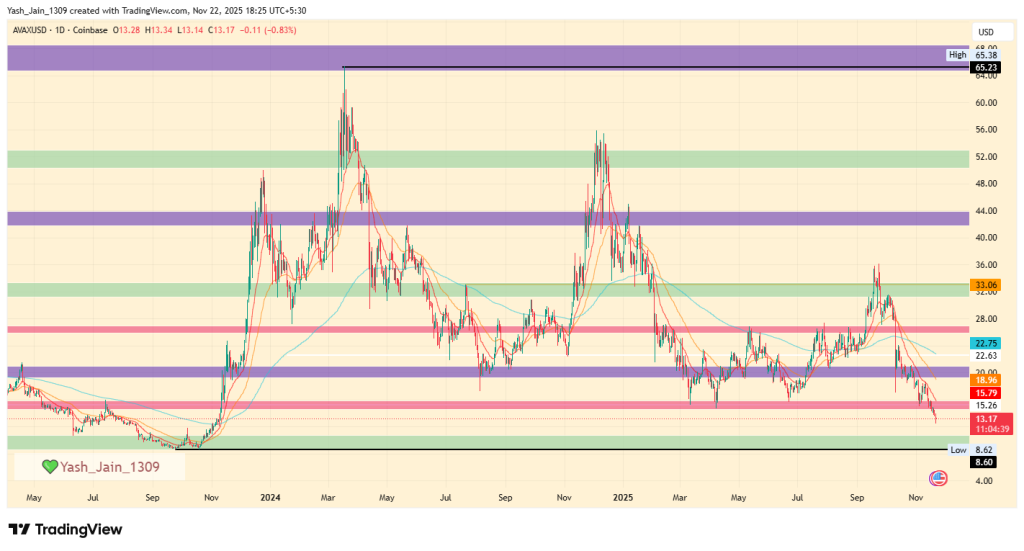
Since its rally from late 2023 to early 2024, from $ 8.62 to $ 65.23, was the last bullish jump witnessed in the AVAX price in USD. Since that high, AVAX has not managed to reach a new high; instead, it has continued to decline for multiple months, and even 2025 was contained in a bearish mode.
However, on the daily chart, it is observed that the current price decline is headed to retest the key support of late 2023 around once again in the $8.62-$10 area, which could bring a reversal in the rally, as it is the exact point where we last saw bullish momentum.
This will lead to another 20% to 30% decline in the AVAX price in the coming sessions, but after this decline, renewed demand at key levels is expected to strengthen the AVAX price.
In that scope, the short-term view may remain on the short side due to current geopolitical conditions, along with risk-off investor sentiment, but the long-term view for 2026 is majorly bullish, and as early as the first half, it will display good price action only if bullish demand reappears from the same key support.
Year
Potential Low
Potential Average
Potential High
2025
$25
$33
$50
Avalanche Price Target December 2025
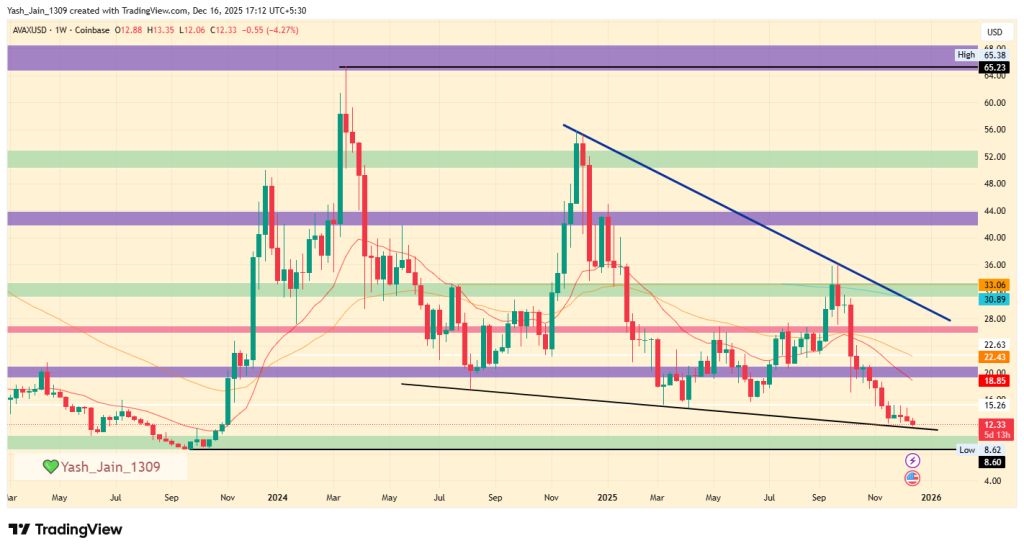
In 2025, a definitive bearish trend has established a falling wedge on the weekly chart, consistently converging each time it intersects with the borders. This pattern strongly indicates that movement is coiling, and further consolidation will inevitably lead to a significant surge.
As of December, the price is trading around the lower border of this pattern. If a rally occurs, the target by the end of December will be approximately $30. Should it break through this level, we can anticipate a continuation of the rally into Q1 2026, potentially reaching the $52 region.
Conversely, if the price fails to rally, we will likely see it consolidate below $20 for the remainder of December, shifting all focus and anticipation to the opportunities that 2026 will bring.
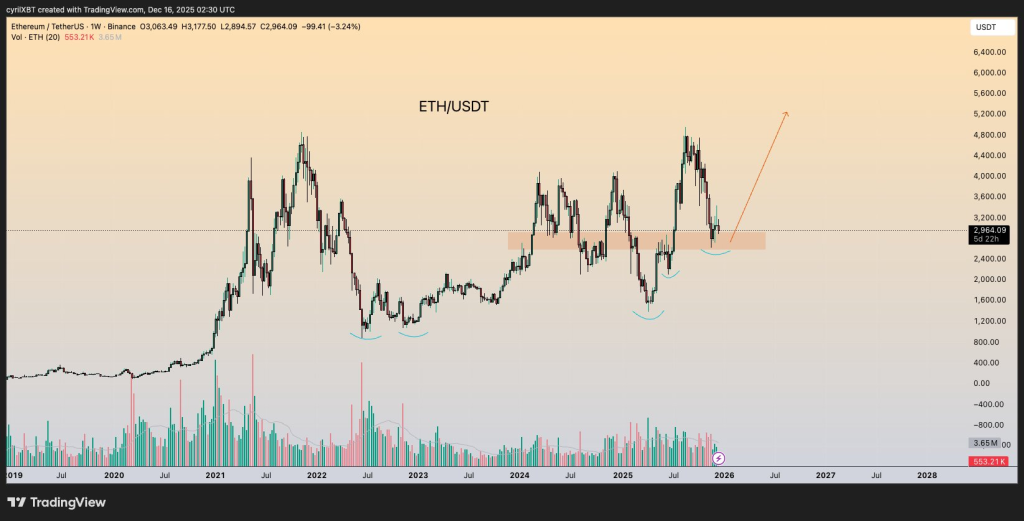
The Ethereum price is currently demonstrating clear structural strength in its price action, despite surface-level volatility. Although short-term price movements are still confined to a range, but the hard facts that came from deeper on-chain metrics and the 2025 ETF net flows trend indicate a strong accumulation phase is in progress. This bodes well for a significant upward move brewing for future months.
Ethereum Price and Whale Realized Levels Signal Strong Support
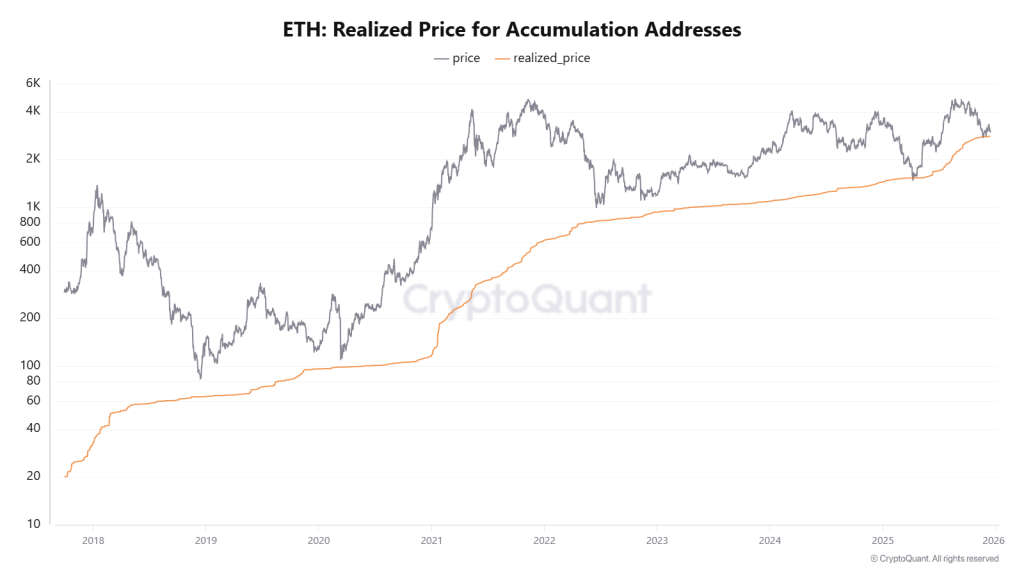
One of the most notable developments on the Ethereum price chart comes from realized price data tied to accumulation addresses. According to on-chain metric chart from CryptoQuant, large holders have steadily increased their cost basis over recent months. In June, the realized price for these accumulation wallet addresses stood near $1,560. Since then, it has climbed toward the $3,000 zone.
This rise in realized price alone reflects consistent buying rather than short-term trading. Importantly, realized price often acts as a psychological and structural support level, where smart money will do everything in power to minimize losses. As long as whales continue accumulating above this zone, it becomes increasingly difficult for the Ethereum price USD to sustain deep breakdowns below it.
Why Whale Accumulation Matters for Ethereum Crypto
Whales typically accumulate with a longer time horizon, especially when preparing for broader market expansions. Their continued buying suggests confidence that current prices represent value rather than excess. This behavior reinforces the idea that downside risks may be absorbed gradually instead of triggering sharp capitulation.
From a structural perspective, this accumulation trend places the Ethereum price in a different position compared to speculative-driven rallies. Instead of rapid spikes, price stabilization near rising realized levels often precedes more sustained trend expansions.
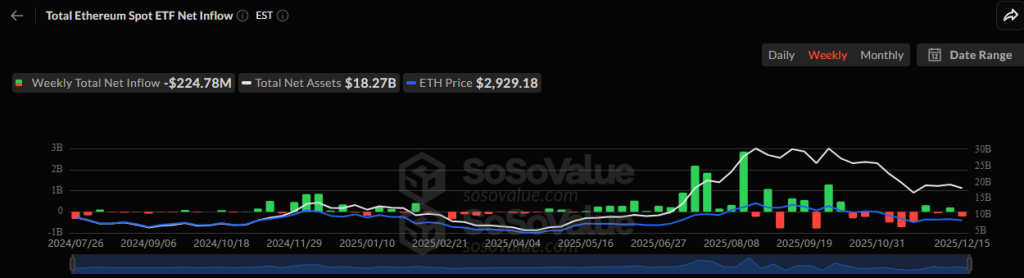
Beyond on-chain data, ETF activity adds another layer of confirmation. Throughout the year, the Ethereum ETF landscape has recorded more weeks of inflows than outflows. This consistency suggests institutional participation is supporting the market, even during periods of broader uncertainty.
Notably, since September, the pace of weekly outflows has been declining. This shift points toward improving sentiment rather than distribution. While ETF flows have not triggered immediate upside, they appear to be playing a stabilizing role in maintaining the Ethereum price USD above critical zones.
Aligning On-Chain Data With Ethereum Price Forecast
When whale accumulation trends and ETF flows are viewed together, a clearer picture emerges. Rather than signaling exhaustion, current conditions suggest preparation. December may function as a consolidation phase rather than a breakout month.
As a result, Ethereum price prediction models increasingly focus on early 2026. If accumulation continues and institutional demand remains steady, projections extend toward higher psychological levels during Q1. This alignment between on-chain conviction and capital flows strengthens longer-term Ethereum price forecast assumptions.
Price predictions suggest ALGO could reach $0.90 by the end of 2025.
Long-term forecasts indicate potential highs of $5.65 by 2030.
Algorand’s strong push for scalability, security, and decentralization is paying off. With the launch of AlgoKit 3.0 in Q1 2025 and growing developer interest, ALGO adoption has improved and is now on the rise. The rising adoption is beneficial for an asset, as it is directly proportional to a token’s price.
But the big question for intrigued market participants still remains: Can ALGO Price hit $1 this cycle? Read our in-depth Algorand Price Prediction 2025 and long-term outlook through 2030 to find out.
As per Coinpedia’s Algorand Price Prediction, the forecast for the Algorand network is optimistic for the coming years. With a potential altcoin market in Q1 2025, the ALGO coin price might skyrocket toward a new high.
If the network maintains the staggering growth, the ALGO coin price may reach $0.89 in 2025. Conversely, if the network fails to expand, then the price can flip into a bearish trap and dip to $0.45.
Year
Potential Low
Potential Average
Potential High
2025
$0.45
$0.67
$0.89
Algorand Price Analysis 2025
In Q4 2024, Algorand (ALGO) experienced a significant drive, reaching a high of $0.613, marking a remarkable 470% gain from the $0.1079 level.
However, the excitement was short-lived as a sell-off intensified in the final month of 2024, extending that into Q1 2025. By the first week of April, ALGO’s price plummeted to a low of $0.1491, which established a strong multi-year support area.
From the second week of April, the price action began to shift, forming a higher-high structure that indicated a recovery from the multi-year support level. By mid-May, Algorand’s price had climbed nearly 70% to $0.24 from the Q2 low of $0.150.
Unfortunately, this upward momentum was halted in mid-May as strong supply levels rejected further advances, pushing the price below the 200-day EMA band.
In the third week of June, ALGO returned to April’s low, finding support at the $0.15 level. At this point, the price was down 71% from Q4 2024’s high and 32% from mid-May’s peak. The risks were high, with indications that any short-term bearish pressure could lead to a drop to the 2024 low of $0.0943, breaching the $0.15 support.
However, everything changed last week in June, which was also the finishing week for H1. The momentum in H2 began with the blast.
Algo Price Target December 2025
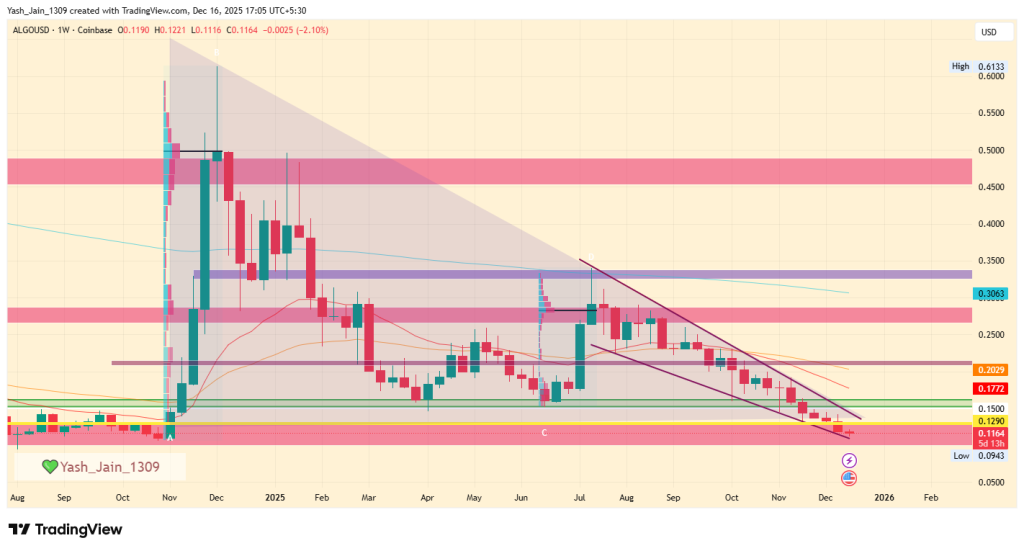
The price of Algorand (ALGO) surged to $0.34 in July, hitting the upper resistance of a declining triangle pattern that has developed over the past several months.
Since then, the price has closely tracked along the upper boundary of this long-term formation, indicative of a bleeding phase. This continued from August until now, which means it lasted into most of December. While the decline has persisted, it’s reassuring that no new lows for this year have been established, offering a solid sense of stability for investors with only a few days left in December.
The current demand zone around $0.10-$0.13 is pivotal, as it holds the potential to prevent another dip in price action. The price range is now highly congested. This also briefly shifts perception from the bearish side to the bullish side, despite the price crashing significantly in 2025.
As the price remains longer and tighter within this pattern, the higher the likelihood of a significant breakout. A substantial movement is on the horizon, expected either in December or to kick off in Q1 2026.
If ALGO successfully regains the $0.15 level, it’s likely to test the $0.21 mark. Should it surpass that, a target of $0.28 could very well be achievable this December or Q1 2026. It’s just like a matter of a good macro catalyst this time around.
On the other hand, if selling pressure ramps up and the price falls below the critical support area, it could invalidate the bullish outlook. In that case, ALGO is likely to maintain a sideways price action, but the overall bullish potential remains strong.
Month
Potential Low ($)
Potential Average ($)
Potential High ($)
Algorand (ALGO) Price Forecast December 2025
0.18
0.30
0.34
ALGO Price Analysis 2026
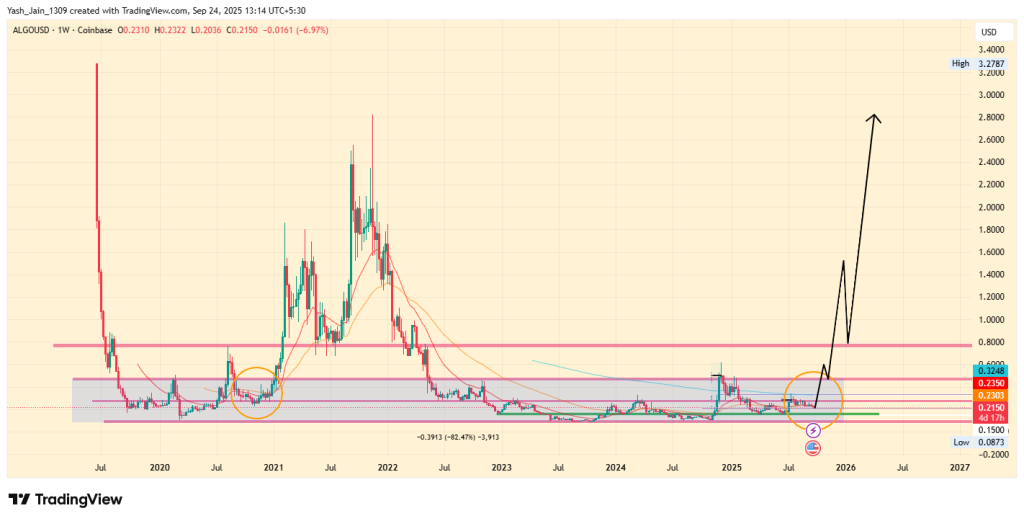
Over the last three years, Algorand (ALGO) has been in a sustained sideways trading range, which has slowly built an ascending broadening wedge pattern. This slow price action is in stark contrast to the parabolic growth it experienced in 2021.
This extended period of consolidation is clearly visible on the monthly chart, suggesting that the longer the price coils, the more powerful the eventual breakout could be.
Looking toward the second half of 2025, if demand for ALGO increases in direct proportion to its adoption, it could clear key resistance levels. With a surge in momentum, ALGO could aim for price targets of $0.60, $0.80, and potentially even $0.90 by year-end.
While these targets may appear ambitious given the current price, the macro-level chart analysis indicates that such a move is plausible if strong momentum returns to the market, especially given the increased institutional collaborations and retail adoption.
Year
Potential Low
Potential Average
Potential High
2025
$0.20
$0.50
$0.90
Algorand Price Targets 2026 – 2030
Year
Potential Low ($)
Potential Average ($)
Potential High ($)
2026
0.65
1.0
1.35
2027
0.90
1.50
2.00
2028
1.40
2.10
2.90
2029
1.75
2.95
4.15
2030
2.50
4.05
5.65
Algorand (ALGO) Price Forecast 2026
Moving forward to 2026, the ALGO price may record a maximum price of $1.35. With a potential low of $0.65, the average price could settle at around $1.0.
ALGO Coin Price Projection 2027
Looking ahead to 2027, the Algorand crypto token may range between $0.90 and $2.0. With this, the average trading price could settle at around $1.50 for the year.
Algorand Crypto Price Action 2028
In 2028, the ALGO coin with a potential surge could reach a high of $2.90, a low of $1.40, and an average of $2.10.
ALGO Token Price Analysis 2029
Moving into 2029, the Algorand coin could range between $1.75 and $4.15. Considering the buying and selling pressure, the average price could settle at around $2.95.
ALGO Price Prediction 2030
By 2030, the value of a single Algorand token could reach a high of $5.65, a low of $2.50, and an average of $4.05.
Market Analysis
Firm Name
2025
2026
2030
Currencyanalytics
$0.67
$0.97
$4.06
Priceprediction.net
$0.18
$0.258
$1.10
DigitalCoinPrice
$0.82
$1.28
$2.60
Never Miss a Beat in the Crypto World!
Stay ahead with breaking news, expert analysis, and real-time updates on the latest trends in Bitcoin, altcoins, DeFi, NFTs, and more.
FAQs
What is the Algorand price prediction 2025?
Algorand may trade between $0.45 and $0.90 in 2025, depending on adoption, market demand, and overall crypto sentiment.
Is Algorand a good long-term investment?
Algorand’s focus on scalability and developer tools makes it a strong long-term contender, but investors should consider overall market risks.
What drives Algorand’s price growth?
ALGO’s price is mainly driven by adoption, developer activity, network upgrades, and overall crypto market sentiment.
How high can Algorand go by 2030?
Forecasts suggest ALGO may reach up to $5.65 by 2030 if adoption expands and market conditions remain favorable.
Why is Algorand gaining developer interest?
Tools like AlgoKit 3.0 and faster transaction speeds are attracting more developers, boosting ecosystem activity and utility.
Adobe Lightroom for Samsung is getting new features and HDR editing for the Galaxy S25 and Galaxy S24 series. Adobe has updated its Lightroom Mobile app to version 11.1.0, which brings a significant boost to Galaxy users.
The main addition is support for HDR editing on the Samsung Galaxy S24 and Galaxy S25 models. The app previously limited full HDR workflows to certain other Android phones.
HDR editing
Now, owners of the S24 and S25 can make adjustments while seeing the full range of brightness and detail on their screens. Before this update, users could not fully edit HDR photos in Lightroom, even though the hardware supported it.
Owners of the Galaxy S24 series, who have waited for this HDR capability since the phone’s launch in early 2024, will find it particularly useful. The Galaxy S25 series, released in early 2025, gets the feature right away.
Samsung Galaxy S24 Ultra (left) and S25 Ultra (right)
More enhancements
Users can now create customized albums directly in the app and share them through a unique link or QR code. The best part: you don’t need to subscribe to the premium tier to gain access to this useful sharing functionality.
Additionally, the latest Adobe Lightroom app update includes support for additional cameras and lenses. This improves compatibility with newer devices and ensures better raw file handling and lens corrections.
These changes make Lightroom a stronger tool for mobile photographers using Samsung’s flagship devices. The combination of powerful phone cameras and professional-grade editing options continues to improve.
The update is available now on the Google Play Store and Galaxy Store for compatible Samsung phones.
Changelog:
Now, you can go seamlessly from editing to sharing customized photo albums of your favorite moments via a unique link or QR code, no subscription required.
Samsung is stepping up its efforts to streamline the operations of its Taylor foundry. The company has reportedly finalized the firm, which will ensure the logistics for precursors supplied to the Texas chip plant in the US.
TheElec reports that Samsung tapped Lake Materials to handle the logistics of raw materials for its Taylor foundry. While the facility is set up in the US, the company is prioritizing Korea-based firms in the supply chain.
Samsung has internally decided to authorize Lake Materials with the logistics and transportation of precursors to be used at the Taylor plant. The company has also reportedly notified relevant partners of this directive.
Lake Materials is expected to benefit if it gets officially finalized by Samsung.
An industry insider said, “Samsung has informed us to route the precursors for the Taylor fab process through Lake,” adding, “Major semiconductor precursor suppliers such as DNF and Hansol Chemical are also aware of this.”
Samsung is ramping up its efforts to turn the Taylor fab operational. The company has recently secured massive orders from Tesla, Apple, and Nvidia. Tesla’s AI chips will be manufactured at the Texas semiconductor fab.
To this end, Samsung will start establishing equipment in the factory early next year. Late Materials will have to set up logistics hubs in both South Korea and the US to align with the plant’s operational schedule.
South Korea – Collection and shipment of the materials from the precursor manufacturers.
US – Handling local warehouse operations and delivery management.
A Lake Materials official stated, “We are expanding the scope of our cooperation with Samsung in the US, but it is difficult to confirm specific details.”
Price predictions for 2026 range from $4.6 – $7.20.By 2030, the MYX price could surge toward $46.80 due to growing trader activity.
MYX Finance is positioning itself as a next-generation decentralized perpetual futures exchange, targeting traders who want on-chain transparency without sacrificing leverage and execution speed.
As centralized exchanges face increasing regulatory pressure, perpetual DEXs like MYX are attracting users looking for non-custodial alternatives.
While the overall cryptocurrency market is under pressure, MYX Finance’s native token (MYX) is moving in the opposite direction. The token jumped around 15% in the last 24 hours, trading near $3.5, even as Bitcoin, Ethereum, and most altcoins slipped lower.
At a time when overall market sentiment remains weak, MYX’s strong price action has turned heads. Making investors curious about the token growth, wondering what the future will be for these tokens.
With that in mind, let’s take a closer look at our MYX Finance (MYX) price outlook for 2026 to 2030.
Unlike traditional platforms, MYX offers a chain-abstracted wallet that lets users trade across blockchains without manual bridging. Its two-layer account model keeps funds in user custody while enabling gasless trades.
With up to 50x leverage and zero slippage, MYX gained attention, leading to major listings like WLFI in September.
This volume more than doubled during the year, climbing from $51 billion in January 2025 to $123.18 billion by early December. Also, Earnings have more than doubled in the same period, jumping from $18 million to $54.83 million.
The recent uptick suggests improving confidence, but sustained momentum will depend on whether volume growth follows price.
Technical Analysis
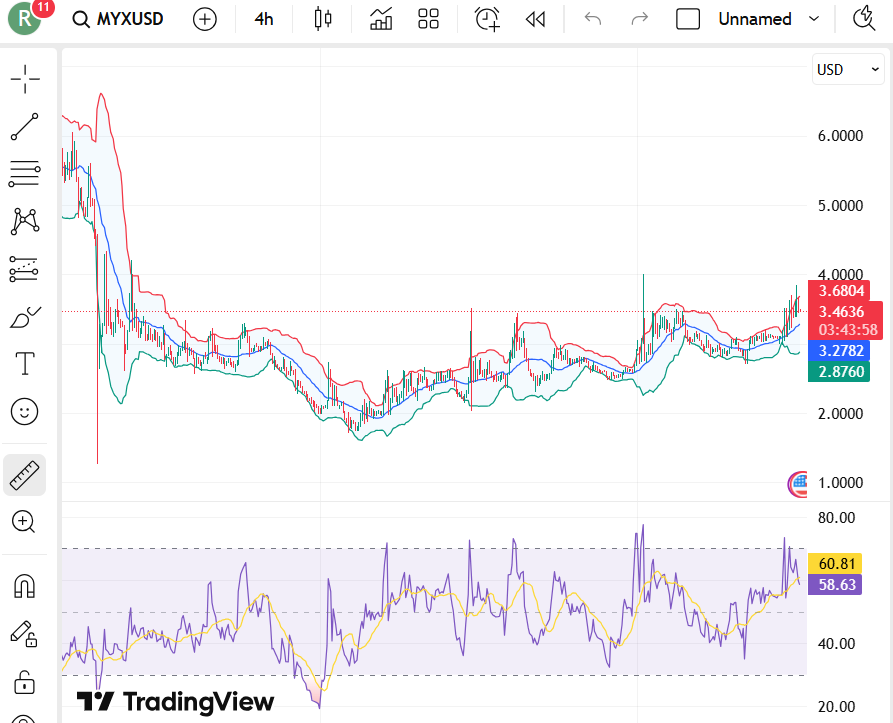
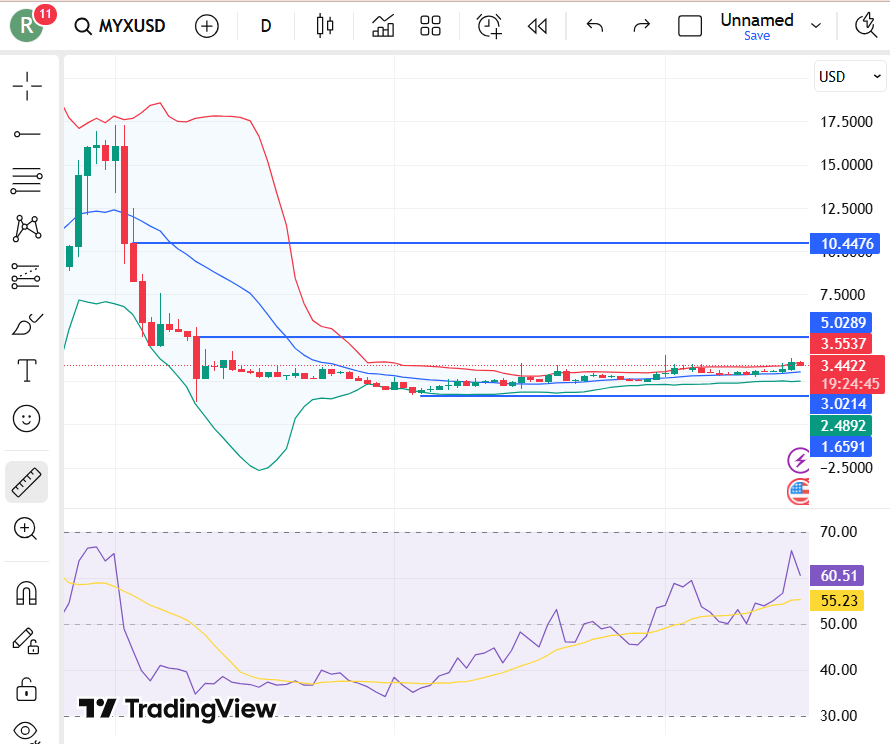
Looking at the MYX/USD 4-hour chart, the price is trading around the middle Bollinger Band near $3.27, which is acting as a short-term support zone.
The lower Bollinger Band, at around $2.87, marks the key downside support and has held well during recent pullbacks. On the upside, the upper Bollinger Band near $3.65–$3.68 is acting as immediate resistance. A clear break above this level could open the door towards $4.3, then further to near $5.
Technical indicators, such as the RSI, are currently around 60, indicating mild bullish momentum. This suggests buyers are active, but the price is not yet overbought.
Month
Potential Low ($)
Potential Average ($)
Potential High ($)
MYX Crypto Price Prediction January 2026
$1.74
$3.60
$5
MYX Finance (MYX) Price Prediction 2026
The year 2026 may act as a stress test for MYX Finance. By this stage, traders will judge the platform based on execution reliability during volatile markets, liquidation efficiency, and fee competitiveness.
If MYX succeeds in maintaining tight spreads and predictable funding rates while onboarding new traders from centralized exchanges, its valuation could expand steadily.
Looking ahead, 2026 could decide whether PUMP.fun grows beyond a viral trend into a platform users return to regularly.
However, aggressive competition from other perpetual DEXs could limit upside if differentiation remains weak.
Year
Potential Low ($)
Potential Average ($)
Potential High ($)
MYX Finance Price Prediction 2026
$2.80
$5.2
$10.44
MYX Finance Price Prediction 2026 – 2030
Year
Potential Low ($)
Potential Average ($)
Potential High ($)
2026
$2.80
$5.2
$10.44
2027
$3.90
$11.5
$18.9
2028
$9.56
$17.2
$27.3
2029
$16.7
$25.4
$38.9
2030
$21.5
$36.32
$48.7
MYX Finance Price Prediction 2026
In 2026, MYX’s price will be influenced primarily by trader retention. Metrics such as daily active traders, average leverage usage, and liquidation fairness will determine whether users remain loyal during volatile cycles.
MYX Finance Price Prediction 2027
By 2027, MYX’s growth may depend on product sophistication. Features such as cross-margining, advanced risk controls, or institutional-grade APIs could attract professional traders seeking decentralized alternatives.
MYX Finance Price Prediction 2028
The 2028 outlook relies on market structure evolution. If decentralized derivatives capture a larger share of global futures volume, MYX could benefit significantly, particularly if centralized exchange restrictions tighten further, pushing its price to around $27.3.
MYX Finance Price Prediction 2029
In 2029, MYX may transition from an emerging DEX to an established infrastructure. At this stage, valuation would be supported by consistent protocol revenue, governance participation, and integration with broader DeFi ecosystems.
MYX Finance Price Prediction 2030
By 2030, MYX’s relevance will depend on its ability to remain competitive amid rapid innovation. If it becomes a core liquidity venue for on-chain derivatives, long-term valuation could jump to nearly $47, assuming sustained demand.
What Does The Market Say?
Year
2026
2027
2030
CoinCodex
$9.50
$14.99
$40.87
Pricepredictions
$6.3
$11.8
$28.09
DigitalCoinPrice
$7.41
$18.71
$37.75
CoinPedia’s MYX Finance Price Prediction
After thorough analysis, Coinpedia believes MYX Finance’s long-term outlook depends less on hype and more on execution quality and trader trust.
If the protocol consistently delivers reliable performance during high-volatility events, MYX could outperform many speculative DeFi assets
Year
Potential Low ($)
Potential Average ($)
Potential High ($)
2026
$21.5
$36.32
$48.7
Never Miss a Beat in the Crypto World!
Stay ahead with breaking news, expert analysis, and real-time updates on the latest trends in Bitcoin, altcoins, DeFi, NFTs, and more.
FAQs
What is MYX Finance and how does it work?
MYX Finance is a decentralized perpetual futures exchange offering up to 50x leverage, gasless trades, and non-custodial accounts across blockchains.
Is MYX Finance a good long-term investment?
MYX’s long-term potential depends on trader adoption, platform reliability, and growth of decentralized derivatives markets through 2026–2030.
What is the MYX price prediction for 2026?
For 2026, MYX is projected to trade between $2.8 and $10.44, depending on user growth, market conditions, and protocol performance.
Can MYX reach $40 or higher by 2030?
If MYX becomes a major on-chain derivatives platform with strong liquidity and revenue, long-term forecasts suggest prices near $40–$48 by 2030.
It’s been over a week since Samsung launched the One UI 8.5 Beta Program and released the first firmware update. Galaxy S25 series is the only eligible candidate for the early access ahead of the Stable release in early next year.
One UI 8.5 Beta 1 is a pretty impressive update for Samsung users, while the upcoming Beta 2 is worth the wait. Seasoned Samsung users are aware of the fact, they prefer system stability over gaining early access to new software.
One UI 8.5 Beta 2 – Here’s why you should also wait for it
The upcoming One UI 8.5 Beta will bring real improvements based on feedback provided by Beta participants. The first Beta was prepared based on the assessment and testing by Samsung developers, not general users.
Numerous Galaxy S25 users are exploring new features and facing bugs/issues while using. They submit their feedback and feature requests on the Members app. Samsung developers analyze the inputs and prepare the second update.
If you neither handle bugs nor wait much for One UI 8.5, wait for the release of Beta 2. It will be a significantly better build than the initial drop. Be prepared as the slots will be limited and fill very fast moments after opening.
When to expect
It’s been a week, but the Beta 2 update will take some more time to arrive. It’s expected to be released on December 22 for the existing participants. Countries, including India and Poland, would directly receive Beta 2.
One UI 8.5 Beta is currently limited to Germany, Korea, the UK, and the US. India and Poland will join the countries once Samsung drops the Beta 2 update. It’s nothing new but a strategic move that has been carried out for years.
Samsung has almost solved a major problem with mobile RAM. The company and its SAIT arm have reportedly explored a technology to implement DRAM (mobile RAM) processes smaller than 10nm.
According to TheElec, Samsung and Samsung Advanced Institute of Technology have developed a technology, which will help its semiconductor division to advance the mobile RAM production process.
At the International Electron Devices Meeting in San Francisco, Samsung showcased “High Thermal Stability Amorphous Oxide Semiconductor Transistor for Sub-10nm Cell-on-Peri (CoP) Vertical Channel DRAM Transistors.”
The new Samsung DRAM tech features the Cell-on-Peri (CoP) method. It includes stacking the memory cells on top of the peripheral circuits (Peri).
Conventional solutions, which bring Peri transistors beneath memory cells, were prone to damage and performance degradation due to the high heat generated during the cell stacking process.
Samsung stated, “We demonstrated for the first time an amorphous InGaO-based high thermal stability Vertical Channel Transistor (VCT) with a 100nm channel length that can withstand up to 550 degrees,” and added that “this transistor enables integration into a monolithic CoP DRAM architecture.”
As demonstrated, the Korean tech giant has overcome this problem by using InGaO (amorphous Indium Gallium Oxide). Meanwhile, industry watchers believe that implementation will tech time as the tech is still under development.
An industry official commented, “This technology is still in the research phase, and its actual application in commercial Samsung DRAM is a long way off,” and added that “it will be applied to sub-10nm class 0Alpha or 0Beta DRAM.”
Samsung Galaxy Z TriFold is equipped with advanced wireless charging technology supplied by Wits. The device features 15W wireless charging that aligns with the Qi (not Qi2) standard of the Wireless Power Consortium.
According to ETNews, Samsung partner Wits revealed that it has supplied slim wireless charging tech tailored for the Galaxy Z TriFold. The solution brings module thickness and specs optimized for the multi-fold device.
The Galaxy Z TriFold is 12.9 mm when folded, which turns into 3.9 mm when unfolded. The device itself is an engineering marvel, and a recreation of optimized components was also necessary to realize the design dimensions.
Notably, Wits hasn’t joined Samsung for the TriFold component supply. The company has also supplied charging solutions for select Galaxy S and Z series. This time, it has expanded its scope to include the new form factor from Samsung.
A Wits official stated, “The adoption of our component from the initial model of a new form-factor device signifies the recognition of our technology’s completeness and stability.”
Earlier this month, Samsung launched the Galaxy Z TriFold. It’s the slimmest device of the company’s foldable segment. At its thinnest point, it is just 3.9mm, which requires new kinds of solutions to realize the thinness.
Last week, Samsung partner Goodix revealed key components supplied for the TriFold. The device uses an advanced touchscreen and an ultra-narrow side-key capacitive fingerprint sensor, making it an innovation marvel.
Samsung is offering free and discounted electricity to its appliance buyers across Europe and the US. The company has expanded its partnership with major global energy companies to achieve excellent electricity bill savings.
The company announced it is continuously expanding energy partnerships to provide diverse electricity bill benefits to users of its appliances. SmartThings is playing a crucial role in offering practical savings to users.
USA – Leap
Samsung and Leap have been operating the Flex Connect program since July 2024 to optimize the power consumption of appliances connected to SmartThings.
Flex Connect leverages the AI Energy Mode of the SmartThings app to automatically optimize the power consumption of connected appliances to reduce electricity bills.
Available in California, New York, and Texas, the Flex Connect program will continue to expand to more US consumers in the future.
UK – British Gas
Samsung collaborated with the UK’s British Gas to launch the Samsung Weekend Saver Fix. Users of Samsung appliances avail a 50 percent discount on household electricity bills between 11 AM and 4 PM every Saturday and Sunday.
Eligible appliances include washing machines, dryers, dishwashers, refrigerators/freezers, ovens, microwave ovens, cordless stick vacuums, and robot vacuums.
Italy
Samsung has just partnered with Enel of Italy to offer 180 kWh of free electricity for two years. The company’s internal assessment revealed that 180 kWh of energy is enough for a washing machine to run for two years in the country.
Assuming a Samsung A-grade washing machine (model WW11BB944AGB) consumes an average of 0.539 kWh per wash cycle and is used every other day, 180 kWh is sufficient for approximately 670 days of use.
Netherlands
Samsung and CoolBlue have been offering free electricity for washing machines and dryers between 12 PM and 3 PM. Consumers need to sign up for the Free Washing Program and connect their Samsung products to SmartThings.
Samsung has started the One UI 8 Watch official rollout to Galaxy smartwatches. From Running Coach to Multi-Info Tiles, the Wear OS 6-based One UI 8 Watch update unlocks new health features and an intuitive experience.
One UI 8 Watch expands Galaxy Watch 8’s powerful tools to select older Samsung smartwatches. Key features include Running Coach, Vascular Load, and Antioxidant Index, designed to help users build healthier habits.
The software also expands Now Bar from mobiles to wearables. It makes sure that whatever users are working on is always accessible. Multi-Info Tiles is another major upgrade that presents useful info through a customizable view.
Samsung says it optimized the user interface of One UI 8 Watch to deliver essential information at a glance on a smartwatch-sized screen. Users also get battery life improvements, thanks to tweaks made at the Wear OS level.
Regarding the update’s eligibility, Samsung confirmed all its Wear OS smartwatches are supported. Back in July, the company initiated the rollout. The distribution will be complete when the update lands on the Galaxy Watch 4.
Samsung is also running the One UI 8 Watch Beta. Testing has already been completed on the Watch Ultra 2024, Watch 7, and Watch 6 series. The Watch 5 family’s Beta has also ended the Stable rollout is expanding.
One UI 8 Watch is available on these models:
1. Galaxy Watch Ultra (first-generation)
Dropped first in July 2025.
2. Galaxy Watch 7
Stable rollout started in October 2025.
3. Galaxy Watch 6 and Watch 6 Classic
The official version has been rolling out since November 19.
4. Galaxy Watch 5 and Watch 5 Pro
Stable update being expanded to more users.
5. Galaxy Watch 4 and Watch 4 Classic
Official version dropped in South Korea on December 15.
Samsung announced the second sale of the Galaxy Z TriFold. On December 12, the company’s first multi-fold device went on sale and sold out in minutes. Samsung has now confirmed when the Z TriFold will be restocked.
According to Chosun, Samsung will open the second sale of its Galaxy Z TriFold on Wednesday, December 17, 2025. The availability will still be limited to South Korea as the device hasn’t been announced for other markets.
Buyers interested in Samsung’s TriFold can make their purchase starting at 10 AM tomorrow. While the primary focus is on online orders, the company may bring the TriFold phone in limited volume to retail stores as well.
The report also reveals details about the first sale in South Korea. All TriFold phone stocks have gone out of stock on the Samsung.com website and at 20 stores nationwide, including the Samsung Gangnam store.
Dozens of people lined up at stores, including the Gangnam and Hongdae, even before sales began. When online sales started on Samsung.com, the product was sold out within five minutes, and a restocking notice was posted.
Galaxy Z TriFold costs between 3.7 million won to 4 million won in South Korea. The US launch is likely early next year at a price tag of between $2,499 and $2,799. The device may also gain a similar sales response stateside.
Samsung is reportedly making minimal profits from its TriFold. The company is also offering a one-time repair discount of 50 percent. It will significantly reduce inner screen repair cost for consumers when the need arises.
Samsung brings the latest December 2025 update to the Galaxy S22 series. The latest software update rollout has started in India. The OTA carries improvements for 68 CVEs and SVEs across Android and One UI.
Earlier, the December patch arrived for the S25 and S24 series. Users of the Galaxy S23 series are also awaiting the latest firmware. In the meantime, the Galaxy S22 series quietly joined the team with the December 2025 update.
Samsung enhances device protection by installing newer security patches. While the changelogdescribes nothing else, users can still expect a better overall user experience as it optimizes the system and clears the cache.
Update your Samsung phone’s software through Settings > Software update > Download and install. If your device fetches a new firmware, the downloading will begin; complete installation by hitting “Install now.”
Software build versions:
S901EXXSCGYL1 – Galaxy S22
S906EXXSCGYL1 – Galaxy S22 Plus
S908EXXSCGYL1 – Galaxy S22 Ultra
The Galaxy S22 series is running Android 16-based One UI 8. Samsung will also provide the new One UI 8.5 update early next year. Beta Program has started, but your device will jump straight to the Stable firmware.
Samsung launched the Galaxy S22 series in early 2022. The lineup includes three models: S22, S22 Plus, and S22 Ultra. The flagships come with four years of software update support, which would end after the Galaxy S26 reveal.
The flagship phones have received four major OS upgrades, up to Android 16. Since One UI 8.5 is also based on Android 16, the Galaxy S22 series is eligible for the update, but it will be the farewell transition for the devices.
Samsung is testing One UI 8.5 Alpha and Beta for various phones. On December 8, Samsung officially launched the Public Beta Program for the Galaxy S25 series, ahead of the official update rollout is likely to start in 2Q25.
One UI 8.5 testing isn’t just underway but also expanding its scope to even more Samsung phones. The company has already joined a number of Galaxy devices to the internal testing, regardless of the plans for the Beta rollout.
The testing is still underway, and we will see more changes and tweaks throughout the Program. Samsung may also invite even more devices like the Galaxy Z Fold 7 and Z Flip 7 as well as the S24 series, to test the software.
Devices in Public Beta
The Public Beta testing is currently limited to the Galaxy S25 series. However, the S25 Edge and S25 FE are not eligible for the Beta Program.
Galaxy S25, S25 Plus and S25 Ultra
Devices in Internet ‘Alpha’
While Public Beta has very limited availability, the internal testing has been expanded to plenty of newer and older Samsung phones.
Galaxy Z Fold 7 and Z Flip 7
Galaxy S25 Edge
Galaxy S25 FE
Galaxy S24, S24 Plus and S24 Ultra
Galaxy S24 FE
Galaxy S23, S23 Plus and S23 Ultra
Galaxy A17
Galaxy A36
Galaxy A56
Apart from this, Samsung is also working on One UI 8.5 firmware for the upcoming Galaxy S26 series, A37, and A57 smartphones.
The list of devices is expected to grow.
Image – SammyFans
Samsung’s One UI 8.5 is based on Android 16 (One UI 8). It comes with a user interface redesign and applies blur across various aspects. The majority of stock apps have also received dynamic tweaks that make the UI beautiful.

 Login
Login



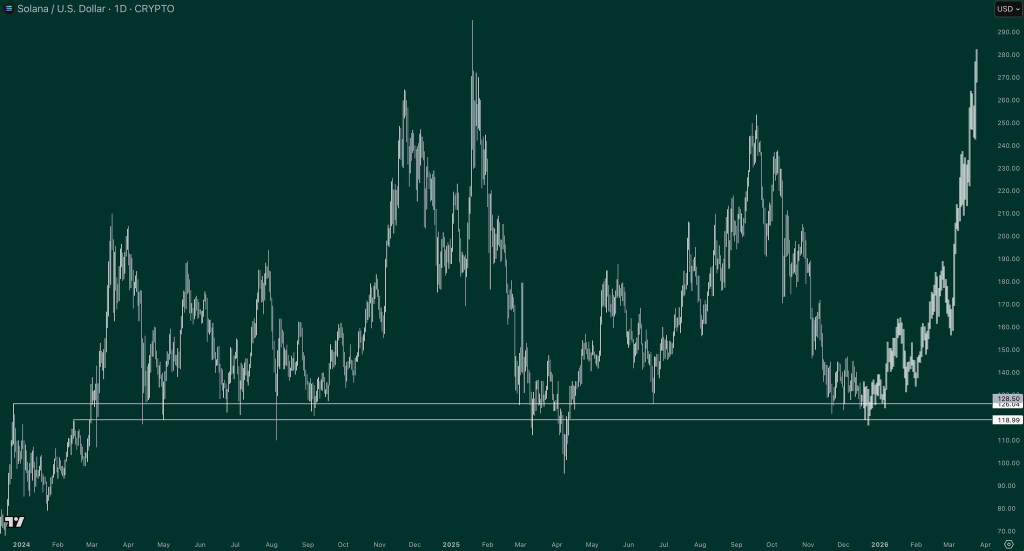
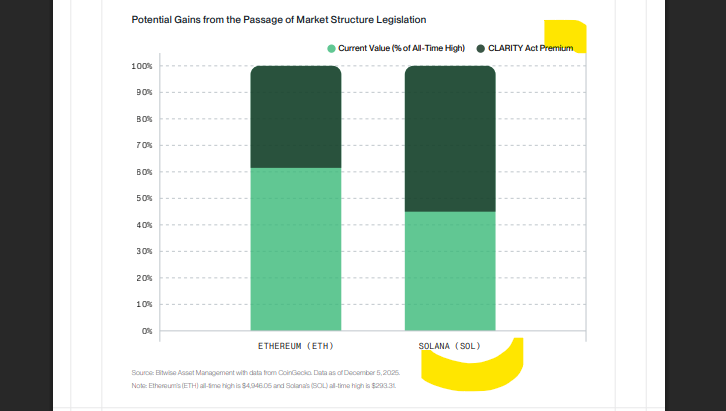
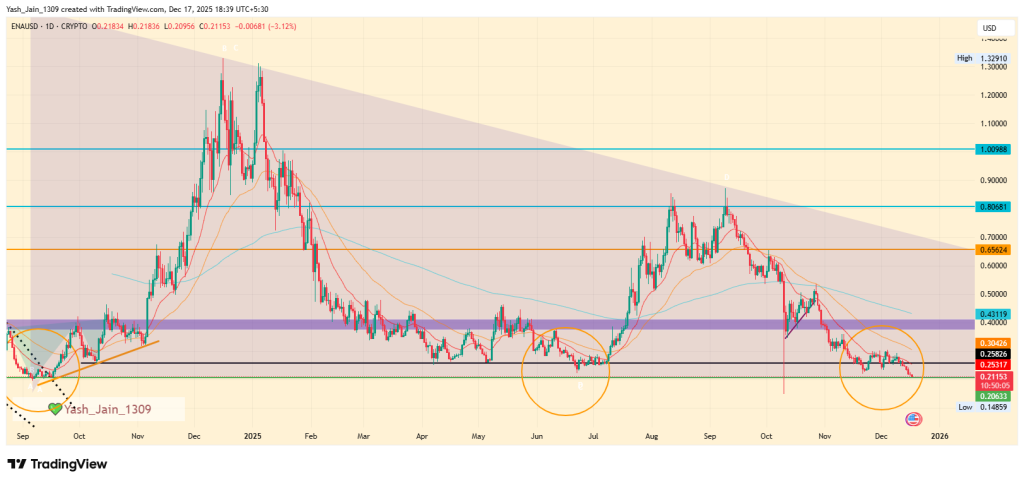
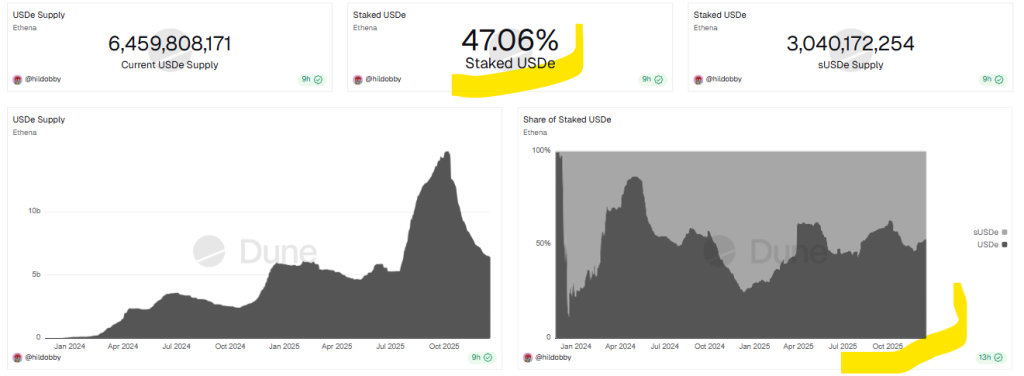
 1.32%
1.32%
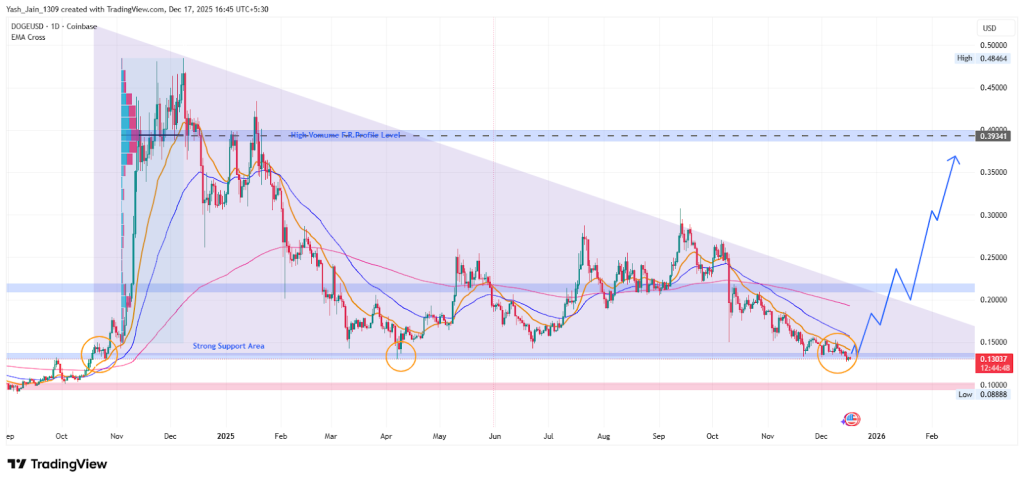
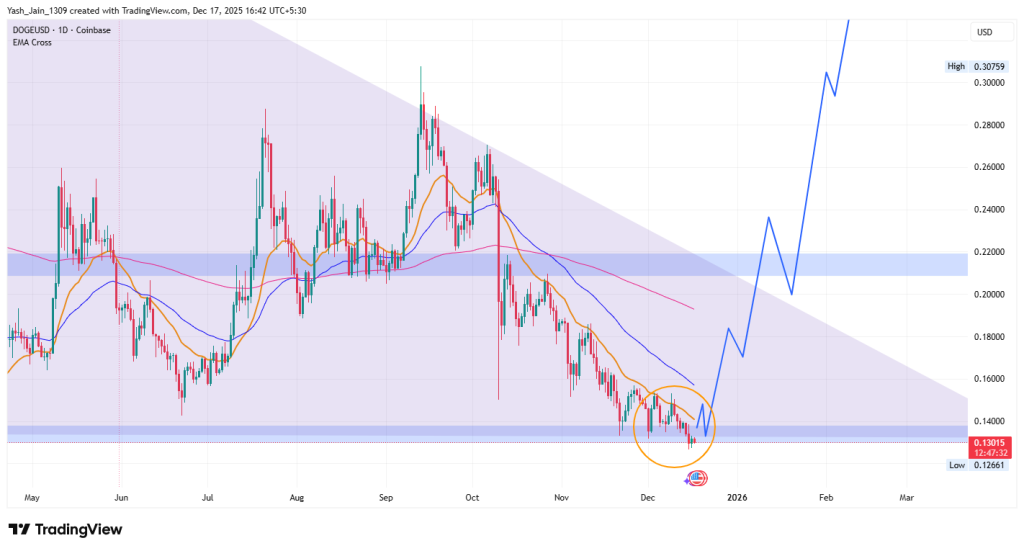
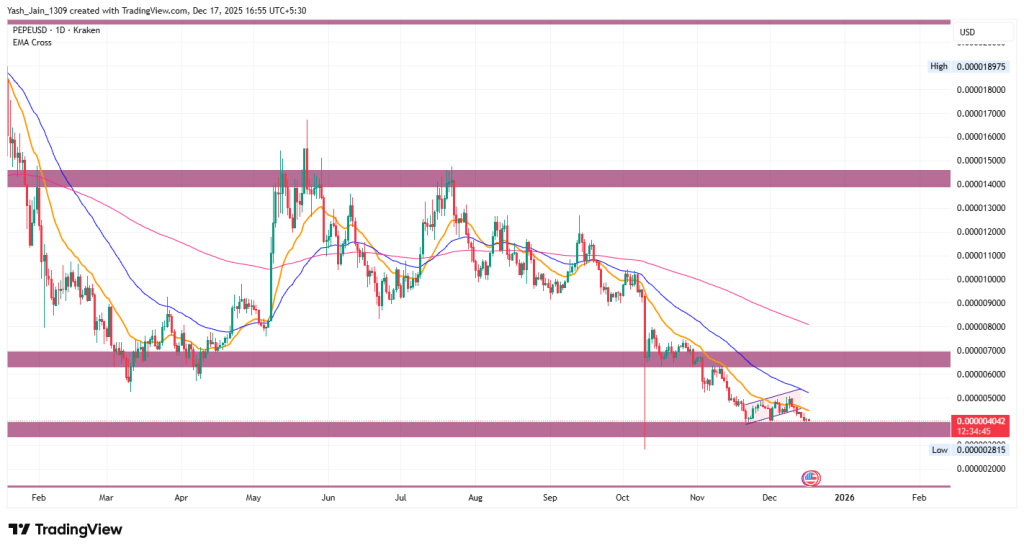
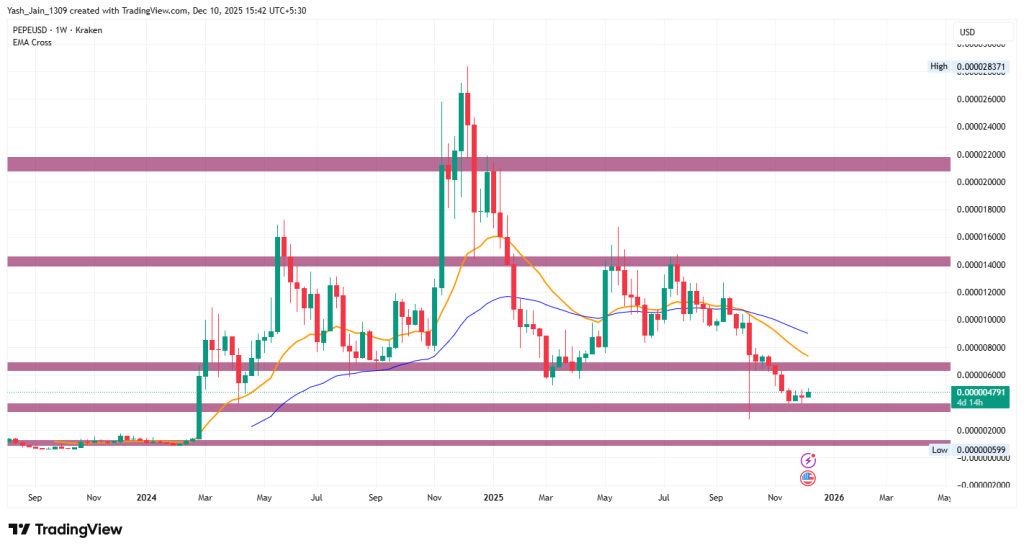
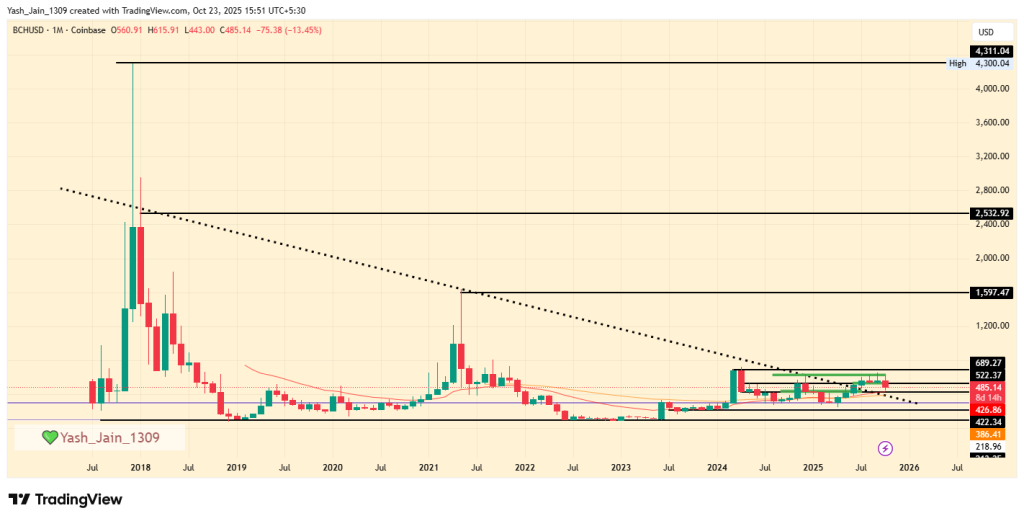

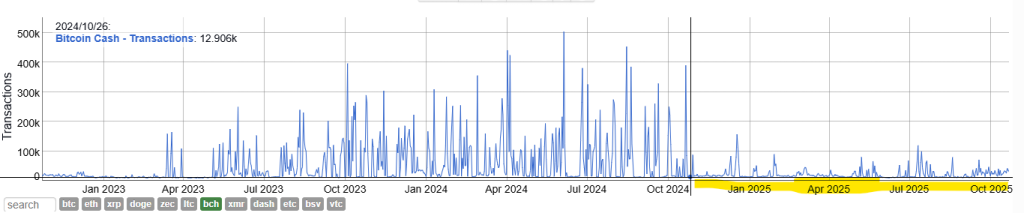
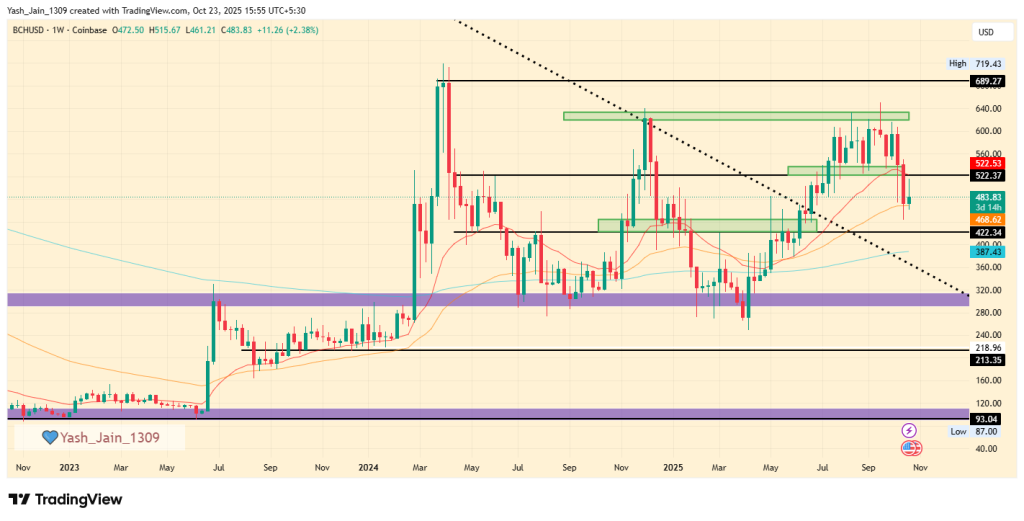
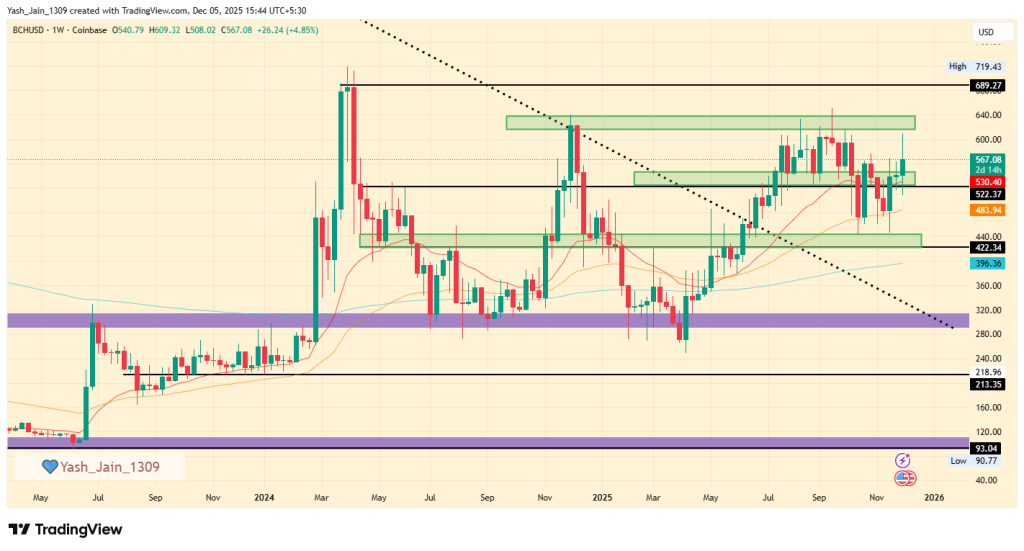
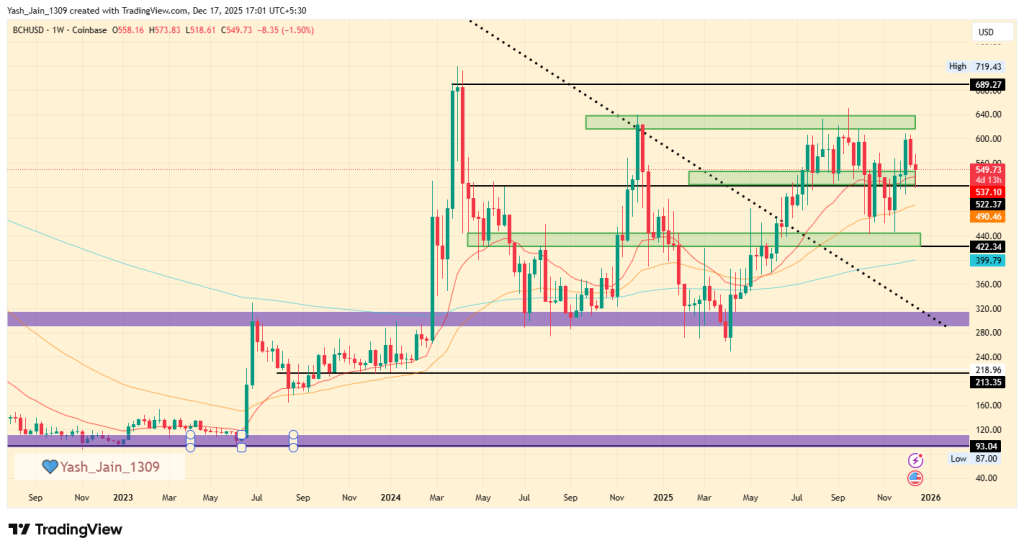


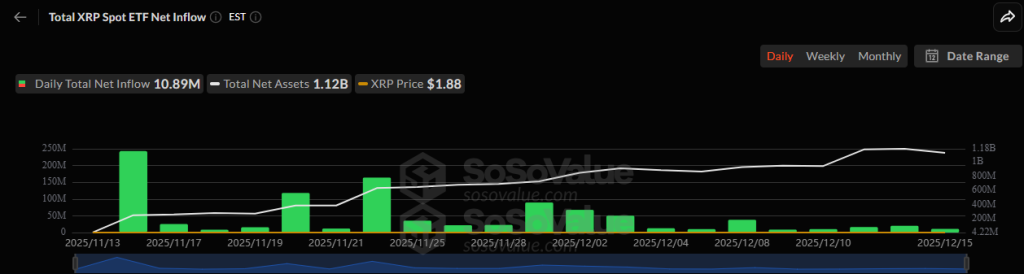
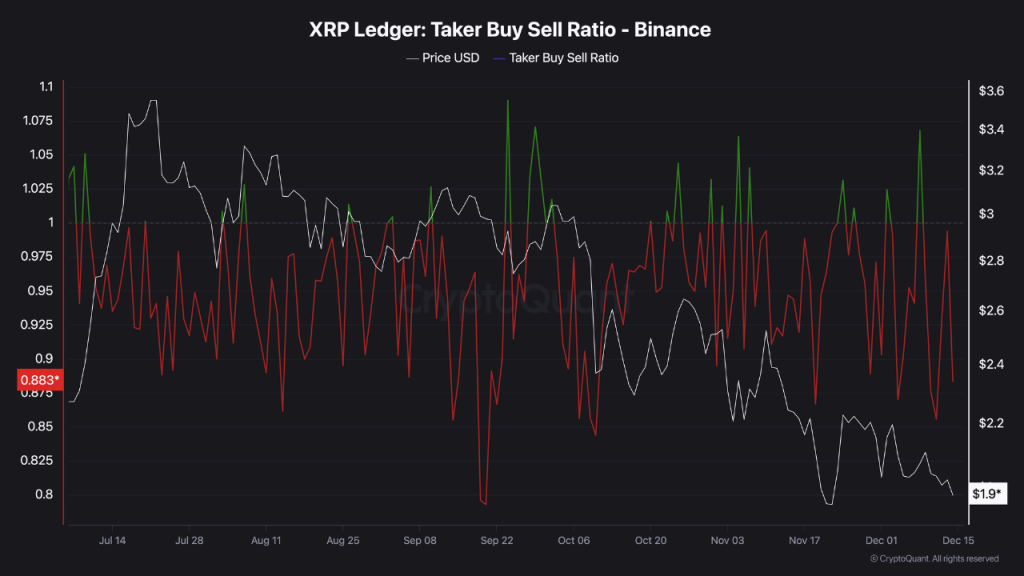
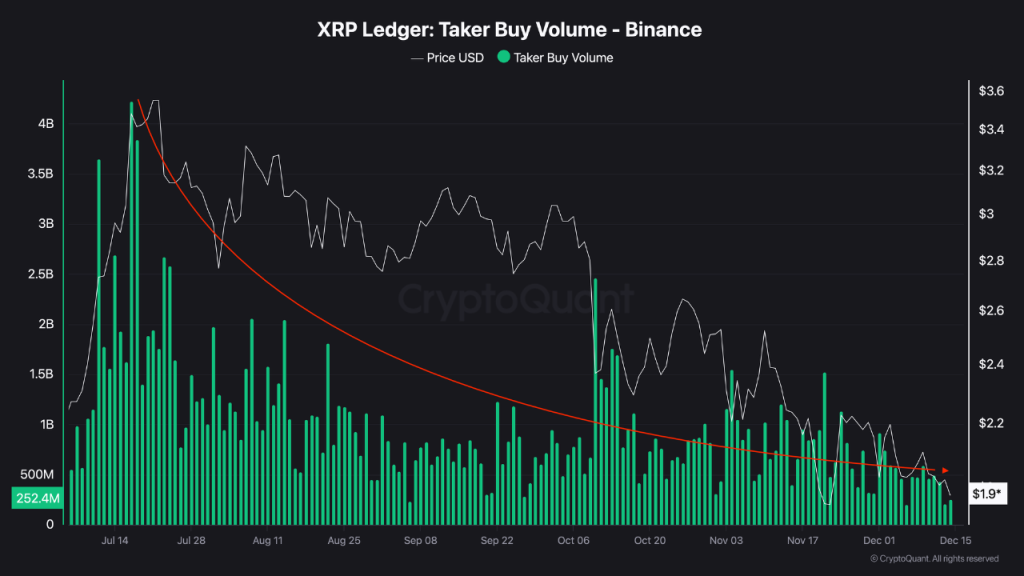
 -0.28%