
Reading view

Karnataka Government Boosts Tourism Infrastructure Growth in Hampi with Traveller Nooks Initiative, Enhancing their Visitor Experience and Regional Appeal
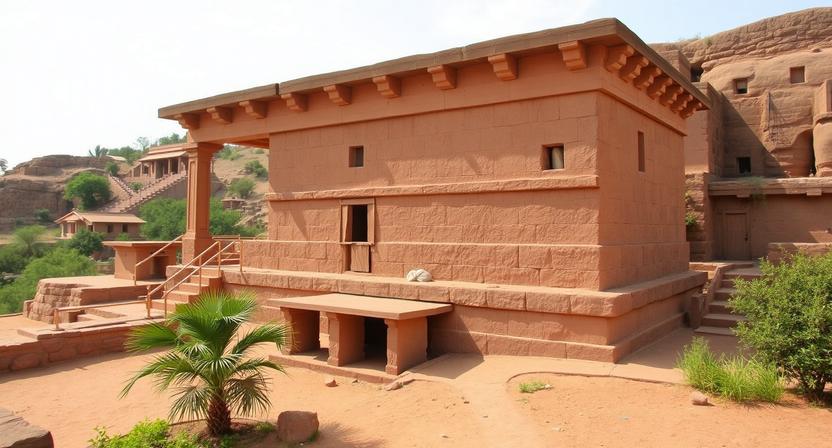
Karnataka Government Boosts Tourism Infrastructure Growth in Hampi with Traveller Nooks Initiative, Enhancing their Visitor Experience and Regional Appeal

The Karnataka state government is going to build the first infrastructure to support tourism in Hampi by constructing Traveller Nooks at Hampi. Construction for the nooks will begin in 2023 and end in 2026. Construction will commence with the nooks located at and around the UNESCO World Heritage sites.

The traveler nooks will serve as small, compact hubs that offer comfort and convenience to the travelers visiting Hampi. 20 different nooks are planned to be built at sites like the Mayur Bhuvaneshwari Hotel, Vijaya Vitthal Temple, and and Chandrakeshwar Temple, and Virupaksha Temple. Hampi is one of the most important cultural and historical sites for India, and this initiative promises to help modernize the tourism infrastructure to support sustainable growth in the cultural economic sector.

Enhancing Hampi’s Infrastructure to Support Growing Tourism Demand

With the increasing global appeal of Hampi as a key cultural and heritage destination, the Karnataka government’s focus on tourism infrastructure development is crucial to ensuring the region can accommodate growing visitor numbers. The traveller nooks will offer essential amenities such as drinking water stations, clean toilets, ATMs, retail kiosks, and shaded seating areas—all designed to provide visitors with a seamless, comfortable experience while exploring the historic site.

This initiative is set to have a significant impact on tourism infrastructure growth, making Hampi more accessible, comfortable, and visitor-friendly. By providing essential facilities under one roof, the traveller nooks will encourage longer stays, increased footfall, and more positive experiences, supporting economic growth in the region.

Supporting Sustainable Tourism Development with Modern Amenities

The initiative is being implemented under the central government’s Swadesh Darshan 2.0 scheme, which aims to modernize tourism infrastructure while supporting sustainable tourism practices. The traveller nooks will not only enhance visitor services but will also reflect the country’s commitment to sustainable tourism by incorporating eco-friendly practices into the project’s design and operations.

By upgrading tourism infrastructure and offering amenities such as solar-powered water stations and eco-friendly kiosks, the project supports environmental sustainability while improving the overall tourism experience. These steps align with global trends in responsible tourism, positioning Hampi as a sustainable destination that balances growth with heritage preservation.

Urban and Rural Tourism Integration Enhances Hampi’s Appeal

The traveller nooks will play a significant role in integrating rural and urban tourism, allowing visitors to easily access tourist sites and local experiences in and around Hampi. By improving accessibility, the initiative will help distribute tourism demand more evenly across the region, addressing the challenges of overcrowding at popular spots and contributing to more equitable economic benefits for surrounding communities.

This infrastructure upgrade also supports the development of local businesses, providing new economic opportunities through the introduction of small retail kiosks and community engagement initiatives. As more travellers visit the area, local businesses in hospitality, food services, and crafts will benefit from increased foot traffic and spending.

Encouraging Longer Stays and Higher Visitor Spend

With the introduction of modern amenities such as comfort stations, shade areas, and water stations, visitors will be more inclined to stay longer and explore multiple sites within Hampi. This extended visit model helps boost local tourism revenue, especially when paired with retail kiosks that showcase local products.

In line with India’s tourism growth vision, the development of tourism infrastructure in Hampi is a key enabler of sustained visitor engagement. By improving the visitor experience with thoughtfully designed amenities, the government is ensuring that tourism growth remains consistent and resilient, supporting both short-term growth and long-term sustainability.

Regional Economic Impact and Job Creation

In addition to supporting tourism growth, the traveller nooks initiative is expected to create new jobs in areas such as facility management, retail services, and tourism support. Local workers and small businesses will benefit from the increased demand for services, product sales, and guides. The project’s focus on local procurement further strengthens regional economic integration.

The construction and operation of the traveller nooks will also drive job creation in sectors related to infrastructure, hospitality, and community services, contributing to economic stability in the region.

Shaping Hampi’s Future as a Premier Global Heritage Destination

As India positions itself as a leader in sustainable tourism, the development of tourism infrastructure in places like Hampi will continue to play a crucial role in attracting high-value international visitors. The traveller nooks will help Hampi cater to changing traveller preferences, where convenience, comfort, and responsible travel are becoming essential components of the tourist experience.

The initiative is part of a broader vision to strengthen Hampi’s competitive position in the global tourism market, aligning with Swadesh Darshan 2.0’s focus on sustainable, experience-driven travel.

Strengthening Hampi’s Tourism Infrastructure for Future Growth

The rollout of traveler nooks across key tourist locations in Hampi shows candidate for shifting tourism infrastructure growth positively impacting visitors while balancing sustainability and heritage conservation. The Karnataka government’s strategy to position Hampi for tourism growth through amenity modernization and local economic support is commendable and will benefit local communities and global visitors.

With the ongoing development of India’s tourism industry, Hampi’s blend of modern infrastructure and cultural authenticity will make it a premier destination offering extensive natural beauty, rich cultural heritage, and contemporary facilities.

The post Karnataka Government Boosts Tourism Infrastructure Growth in Hampi with Traveller Nooks Initiative, Enhancing their Visitor Experience and Regional Appeal appeared first on Travel And Tour World.

HolyLandTravel.ai: A Revolutionary AI Platform for Christian Pilgrims to Israel’s Holy Land

HolyLandTravel.ai: A Revolutionary AI Platform for Christian Pilgrims to Israel’s Holy Land

Christian pilgrims can now use the platform HolyLandTravel.ai to plan stress-free trips to the Holy Land. HolyLandTravel.ai, powered by AI, makes itinerary planning personal and gives the user the ability to customize or remove activities from their itinerary, and generate activities to see the Holy Land.

At the International Mediterranean Tourism Market (IMTM) and Traveling with Technology conferences, HolyLandTravel.ai went live. For travelers to Israel, the app will revolutionize the way in which customers make use of the extensive historical information available to them. The app delivers digital content to customers, including podcasts and videos that it produces and that present the content in a historical and modern context.

AI-Driven Convenience for Pilgrims

The app’s revered content, HolyLandTravel.ai, brings a singular experience. The app gives pilgrims the tools to craft their itinerary and send them religious content, which is augmented with practical pointers, real-time digital content, and religious customizable features.

The app’s design allows users to find places they want to see, like the Western Wall in Jerusalem, Bethlehem, Nazareth, and Mount Sinai. The app helps users understand the history and the importance of the Wailing Wall by providing real-time updates. Users are able to engage in the app’s updates and the Wailing Wall’s history.

Travelers who want to understand the Holy Land better, the app HolyLandTravel.ai uses relevant videos to help users understand the geography and spirit of the places they visit. The app’s AI technologies provide users access to interesting podcasts that provide information on the religion and history of the important sites.

U.S. Ambassador’s Endorsement of the New Platform

Huckabee, former U.S. Governor and Ambassador to Israel, spoke about the app as it is made to ‘change the game’ for ‘pilgrimage tourism’ to Israel. He mentioned it would provide users a ‘first of its kind’ experience combining the latest technologies with the age-old religions and providing a unique way to view the Holy Land.

While speaking at the event, Huckabee mentioned the value of the app in assisting people, especially the 80 million Evangelical Christians in the United States, to make their pilgrimage easier and enrich their experiences. The app helps travelers plan their journeys in seconds, allowing them to sidestep the logistical aspects and concentrate on the spiritual dimension of their journeys.

The Rebirth of Pilgrimage Tourism in Israel

The HolyLandTravel.ai launch is also significant for Israel’s tourism industry, which has been trying to recover from the impacts of global disruption in the last 5 years. The COVID-19 pandemic and geopolitical issues affected the tourism industry and the pilgrimage sector the most. HolyLandTravel.ai is now poised to play a significant role in restoring the pilgrimage tourism industry in Israel as millions of believers across the globe wish to visit the Holy Land.

Industry experts believe the app will play an important role in the recovery of tourism in Israel by establishing an initial contact between pilgrims and the sacred sites of the country. With the removal of barriers to access pilgrimage tourism, the app will facilitate easy travel to Israel from any part of the globe. Target users include those who want to experience the journey biblically and spiritually, and it will help them plan their travels in a worry-free manner.

Using artificial intelligence, the platform also modernizes and adds a greater degree of personalization and interactivity to the experience of a traditional pilgrimage. The app allows users to discover both the physical and symbolic meanings of the holy sites in Israel and pilgrimage.

A New Era of Religious Tourism in Israel

The new platform is in line with Israel’s tourism strategy to improve accessibility for international travelers, especially for those interested in religious and spiritual tourism. The developers of HolyLandTravel.ai believe the app will appeal to Christian pilgrims and to others of different religions interested in biblical tourism to the Holy Land. By the showcasing of partnerships with technology students and organizations, the initiative has showcased Israel’s technology sector once more and its role in shaping the future of travel. Israel is incorporating machine learning and other advanced technology tools into the travel industry. This means that Israel is taking the lead in providing tech-centric travel experiences.

The Director of Tourism for the Jerusalem Development Authority, Stephen Rubin, is undoubtedly optimistic about the destination for this platform in regard to the future of tourism in Israel. He referred to the platform as a “blessing” for the tourism industry of Israel, stating that it has the possibility to spark new interest and grow the religious travel market in the post-Covid world.

Future Developments for HolyLandTravel.ai

The platform has the possibility to grow beyond just Christian pilgrims. Future editions of HolyLandTravel.ai may have more languages and itineraries and even greater partnerships with other tourism providers in Israel. Offering pilgrims a fully integrated and seamless experience with artificial intelligence will set the standard for religious travel worldwide.

To sum up, HolyLandTravel.ai is an important step in the revitalization of tourism in Israel, providing Christian tourists and pilgrims the chance to interact with the innovative travel tech that will assist them in their journeys to the Holy Land. As an innovative AI-based travel solution, the app will transform the planning of religious journeys in an immersive and personalized way.

The post HolyLandTravel.ai: A Revolutionary AI Platform for Christian Pilgrims to Israel’s Holy Land appeared first on Travel And Tour World.
Malaysia Airlines and Singapore Airlines Strengthen Partnership for Enhanced Connectivity and Customer Flexibility: What New Updates You Need to Know

Malaysia Airlines and Singapore Airlines Strengthen Partnership for Enhanced Connectivity and Customer Flexibility: What New Updates You Need to Know

In a notable step to increase customer choice in air travel, Singapore Airlines (SIA) and Malaysia Airlines (MAB) have confirmed the formalization of their joint business partnership, a first for the costume business in aviation. The partnership comes after the joint application for the partnership was approved by the Civil Aviation Authority of Malaysia in January 2026, following a first stamp of approval from the Competition and Consumer Commission of Singapore in July 2025.

With this partnership, the airlines intend to explore several initiatives for the first time, including a partnership for corporate travel across the two markets, coordinated flights, revenue sharing for flights, and joint fare products. The airlines intend to offer customers more flexible and better travel options.

More Choices and Greater Ease of Travel for Customers

As part of the new strategic collaboration with Singapore Airlines, Malaysia Airlines will begin combining flight schedules for the two airlines. Customers will be able to enjoy the new partnership for even more direct and streamlined flights between Kuala Lumpur and Singapore. In addition to direct flights, passengers will be able to enjoy more international flight choices with improved international connectivity.

This partnership is part of Malaysia Airlines’ Long-Term Business Plan 3.0, which seeks to sustain the growth of the business for the years to come. The collaboration seeks to improve Malaysia Airlines’ position in the industry by providing more robust connectivity and a differentiated offering to the industry with improved scale and offerings across the Asia Travel markets.

The two airlines will be able to offer more joint services by closely aligning their schedules. The improved combination of the airlines’ operational strengths will improve the efficiency of their services and result in a more seamless travel experience for customers traveling between Singapore and Malaysia.

A Win-Win for Both Carriers and Customers

Since signing the agreement in October 2019, the two airlines have been expanding their collaboration, and that includes the growing of their co-codeshare agreements. Currently, Singapore Airlines has codeshare agreements for Malaysia Airlines’ flights for services between Kuala Lumpur and Singapore, London, and 15 other domestic cities in Malaysia. Additionally, Singapore Airlines and Malaysia Airlines have codeshare agreements for flights from Singapore to Kuala Lumpur, plus Penang, Barcelona, Brussels, Cape Town, Copenhagen, Istanbul, Johannesburg, London, Rome, and Zurich.

Both airlines’ frequent flyer programs have also benefited Singapore Airlines and Malaysia Airlines mutually, and via the current cross-participation agreements, Enrich and KrisFlyer points can be earned on selected flights by the respective airlines. This program improves the experience for most travelers while also increasing the convenience for frequent travelers.

Building Stronger Regional Ties

Currently, there is stiff competition in the aviation market, which is also why Malaysia Airlines and Singapore Airlines are entering a partnership. The colleagues also strengthen the frequent economic travel of the people of both Malaysia and Singapore and commerce between the two countries.

Economic Growth and Connectivity Between Malaysia and Singapore

Once travel restrictions have been mostly lifted, and more demand for travel services has reached Southeast Asia, Singapore and Malaysia Airlines will together facilitate the continuing expansion of economic and trade relations between the two nations. Given the inflow of business executives and travellers, the partnership will enable sustained economic growth and provide enhanced mobility for business executives and travellers.

The two airlines are addressing and meeting the current demand for more integrated travel services and, as such, will provide a more progressive offering. Revenue-sharing flights and integrated travel products will transform corporate travel and service offerings for businesses operating across both markets.

A Bright Future for Aviation in Southeast Asia

The two airlines will continue to enhance their focus to improve customer service, and as such, this collaboration will be deepening. The partnership will enable both airlines to extend their reach in the global aviation market, enhancing their collaboration and operational efficiencies.

In the coming years, travelers can look forward to a more comprehensive and interconnected network of services, providing an even greater range of travel opportunities to and from Singapore and Malaysia. This collaboration marks the start of a new era in regional aviation with promising prospects.

With the partnership between Malaysia Airlines and Singapore Airlines deepening, from an end-customer perspective, this will positively impact regional travel and commerce. The collaboration demonstrates how partnerships within Southeast Asia can become more effective, especially in enhancing travel between Malaysia and Singapore.

The post Malaysia Airlines and Singapore Airlines Strengthen Partnership for Enhanced Connectivity and Customer Flexibility: What New Updates You Need to Know appeared first on Travel And Tour World.
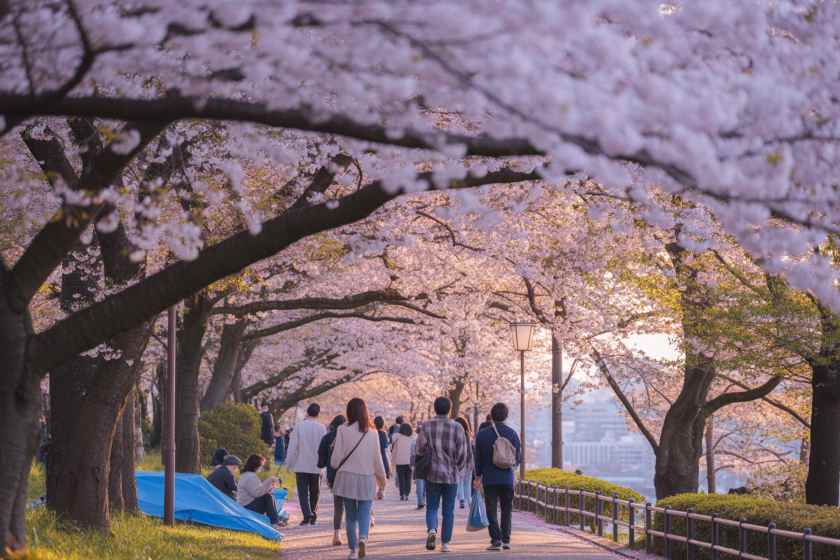
Air India Grounds Boeing 787 Dreamliner Over Fuel Control Switch Concerns After Pilot Flags Possible Defect: What Latest Updates You Need to Know

Air India Grounds Boeing 787 Dreamliner Over Fuel Control Switch Concerns After Pilot Flags Possible Defect: What Latest Updates You Need to Know

After one of the pilots of a Boeing 787-8 Dreamliner reported issues with a fuel control switch, Air India has temporarily removed the aircraft from service. Air India, being one of India’s largest airlines, has also reported the potential defect concerning the fuel control system to the nation’s aviation regulator, the Directorate General of Civil Aviation (DGCA), and a review is currently underway.

Although Air India has not publicly stated the issue with the aircraft, the airline remains in contact with Boeing to find a resolution. The airline stated the removal of the Dreamliner from service is in the best interest of the airline to ensure the highest possible safety of passengers and crew. The airline is looking to avoid any possible incidents, particularly one of the previous investigations of a fatal incident that killed 260 people.

Pilot’s Mentioned Concerns During Regular Operations

A concern developed when a Boeing 787 Dreamliner landed in Bengaluru, India, after flying in from London. While the pilot was disembarking, he reported the fuel control switch to be faulty. This grounded the airplane, and Air India took the required steps to continue the investigation. The airline grounded the aircraft to demonstrate their dedication to the safety of their customers.

The fuel control switch is important for regulating the amount of fuel that flows to the engines. Any problems with the system may cause problems with the operation of the flight. Because of this, Air India took this issue very seriously even though no problems occurred during this flight. Air India has provided its customers and the public with full reassurance that a concern of this magnitude to the system of an aircraft is followed with the required responsibility.

How Air India Stays Safe and Inspected

Boeing is collaborating with Air India to sort things out when the investigation is done. The aircraft manufacturer said Air India is prioritizing fuel control switches for review on the Dreamliner fleet to ensure all systems function properly.

Boeing has not talked about the details of the specific defect. Air India will likely do a thorough inspection of all its Boeing 787s so they don’t have the same problems.

As the event continues to unfold, India’s aviation regulatory body, the DGCA, is closely examining the event. The primary point of the DGCA is to ensure all of India’s Civil Aviation is safe. This involves managing the operational and the technical airworthiness of the aircraft in the sky. The Boeing 787 Dreamliner has made an impressive mark and become a favorite for multiple global airlines. It has become a favorite for its passenger comfort, fuel efficiency, and advanced tech. Yet, like most aviation systems, they depend on a lot of intricate technology, which can lead to the development of possible faults. These faults may include mechanical issues, and if they occur, the airline must attend to them promptly.

Review of Fuel Control Switches Across the Fleet

The Air India pilot brought this to the airline’s attention. Air India has fuel control switches on all of its Boeing Dreamliner airplanes. The airline must ensure that the rest of its fleet does not have similar defects. The airline has devoted itself to ensuring that all safety measures are implemented and that all of the Air India Dreamliners are regularly inspected to ensure the safety of the passengers.

This is all part of the safety examinations being conducted for this aircraft. It is still happening to ensure that the Boeing 787 Dreamliner can provide safe and efficient safety cruises. No incidents have happened, and that is a testament to the diligence of all the airlines involved. Air travel is not a sport and should never be thought of as dangerous. We must stay vigilant in the area of safety.

Operational Effects and Reputation Damage Control

There may be some operational inconveniences as a result of this order, but Air India has stated that it will be able to return to normal operations as soon as possible. The airline will be able to win back passenger trust in operational safety due to the rapid response to the situation.

There is a notable operational delay in Air India as a result of the order. This delay stems from a tragic event that has resulted in the death of several hundred people, which has led to the airline once again stepping operationally in to provide for the safety of passengers and personnel.

In summary, to some employees of Air India, the delay of one of the new Boeing 787’s may appear as if the airline is being over cautious. However, the airline is rigorously assessing the operational implications of the order, as it has been flagged by the airline to ensure no other issues arise in the airline’s operations. This event emphasizes the safety protocols that govern the industry. Procedures to ensure the safety of travelers and those working in the industry.

The post Air India Grounds Boeing 787 Dreamliner Over Fuel Control Switch Concerns After Pilot Flags Possible Defect: What Latest Updates You Need to Know appeared first on Travel And Tour World.
New Mandatory Registration Protocols For Jammu And Kashmir Tourism Sector

New Mandatory Registration Protocols For Jammu And Kashmir Tourism Sector
Government Of Jammu And Kashmir Enforces Strict Compliance For Tourism Stakeholders.

In a significant move to streamline the hospitality sector, a formal directive has been issued by the Government of Jammu and Kashmir regarding the Tourism Unit Registration process. It is observed that the administrative framework within the region is being tightened to ensure that every entity operating under the umbrella of Jammu and Kashmir Tourism adheres to a standardized set of legal and operational protocols. This development is perceived as a strategic step toward formalizing the vast economy generated by travel and leisure services.

Strict compliance with NOC Requirements is now being demanded from all service providers, ranging from large-scale hotel chains to smaller guesthouse operations. By the Department of Tourism J&K, it has been emphasized that no business shall be permitted to cater to travelers without the possession of a valid certificate of authority. The necessity for Tourism Stakeholder Compliance is highlighted as a foundational element for the long-term sustainability and safety of the region’s economic interests.

The Requirement for Universal Registration

By the authorities, it has been declared that every individual and corporation involved in the tourism trade must seek formal recognition through the prescribed channels. This mandate covers a wide array of services including travel agencies, tour operators, excursion agents, and those providing adventure sports facilities. It is noted that the oversight of these entities is being centralized to ensure that the quality of service provided to visitors remains at an optimum level.

The process of registration is described as an essential prerequisite for the legal operation of any tourism-related venture. By the Directorate of Tourism, it is clarified that the previous exemptions or informal arrangements are no longer recognized under the updated regulatory landscape. Every stakeholder is expected to submit comprehensive documentation to prove the legitimacy of their operations. The focus is placed on creating a transparent environment where every service provider is accounted for within the official database.

Mandatory No Objection Certificates and Safety Standards

The acquisition of No Objection Certificates from various departments is presented as a non-negotiable aspect of the new policy. It is required that clearances are obtained from the Fire and Emergency Services, the Pollution Control Board, and the local administrative bodies. By the government, it is argued that these measures are implemented to safeguard the lives of tourists and to protect the fragile ecology of the region.

The structural integrity of buildings and the adherence to fire safety norms are being scrutinized with renewed intensity. It is observed that inspections are being scheduled to verify the claims made by stakeholders in their applications. If discrepancies are found between the submitted documents and the physical reality of the units, the registration is liable to be withheld or revoked. This passive oversight is intended to eliminate substandard facilities that might tarnish the reputation of the local hospitality industry.

The Role of the Department of Tourism in Enforcement

By the Department of Tourism, a rigorous monitoring mechanism is being established to track the progress of these registrations. It is stated that periodic audits will be conducted to ensure that the standards of hygiene, safety, and service are being maintained. The department is positioned as the primary gatekeeper of the industry, tasked with the responsibility of vetting every applicant.

The transition toward a fully regulated market is seen as a method to prevent the exploitation of tourists. By creating a directory of registered stakeholders, the government provides a level of assurance to visitors that the services they procure are backed by state recognition. It is also mentioned that unregistered units will face legal consequences, including the potential sealing of premises and the imposition of heavy fines.

Impact on Existing and New Stakeholders

For existing businesses, a specific timeframe has been provided during which the transition to the new system must be completed. It is understood that renewals of old licenses are now contingent upon meeting the updated criteria. For new entrants into the market, the barrier to entry is defined by these rigorous checks, ensuring that only those with the capacity to meet high standards are allowed to operate.

The administrative burden is acknowledged, yet it is defended by officials as a necessary step for modernization. By the stakeholders, it is expected that the digital infrastructure for registration will be improved to facilitate a smoother application process. The focus remains on the formalization of the sector, which is believed to lead to better financial opportunities and global recognition for the region’s tourism potential.

Environmental and Urban Planning Considerations

Within the new guidelines, a significant emphasis is placed on the environmental impact of tourism units. It is required that waste management systems and water treatment protocols are clearly defined by the operators. By the Pollution Control Board, it is monitored that no unit contributes to the degradation of the scenic landscapes that form the core of the attraction.

Urban planning norms are also integrated into the registration requirements. It is observed that units operating in restricted or residential zones without proper zoning clearance are being targeted for regularization. The harmony between the growth of the tourism industry and the preservation of local community interests is being prioritized through these passive regulatory interventions.

The Digital Transformation of the Registration Process

To facilitate the massive influx of applications, an online portal has been designated as the primary medium for submission. By the technical teams, it is ensured that the interface allows for the seamless uploading of documents and the tracking of application status. This move toward digitalization is intended to reduce the direct interaction between officials and stakeholders, thereby increasing the transparency of the entire procedure.

It is noted that the data collected through this portal will be used for future policy formulation. By analyzing the density and types of registered units, the government can make informed decisions regarding infrastructure development and marketing strategies. The formalization of data is viewed as a critical component of a modern, data-driven governance model in the tourism sector.

Conclusion and Future Outlook

In conclusion, the directive issued by the Jammu and Kashmir government marks a pivotal shift in the management of the regional tourism industry. By the implementation of mandatory registration and strict NOC requirements, a new era of accountability and professional excellence is being fostered. While the transition requires effort from all involved parties, the long-term benefits of a regulated, safe, and standardized tourism environment are seen as invaluable. The commitment to these reforms is expected to bolster the confidence of both domestic and international travelers, ensuring that the beauty of the region is matched by the quality of its hospitality.

The post New Mandatory Registration Protocols For Jammu And Kashmir Tourism Sector appeared first on Travel And Tour World.

The Ultimate Guide to Cherry Blossom Viewing in Japan—And Why You Should Go

The Ultimate Guide to Cherry Blossom Viewing in Japan—And Why You Should Go

Japan’s beloved cherry blossom season is set to begin on March 21, 2026, with the first blooms expected to appear in Tokyo and Fukuoka, according to the latest cherry blossom forecast from Weather News. The bloom, which marks the official start of the spring season in Japan, is anticipated to occur slightly earlier than usual in some regions, while others, including northern Japan, will see an early bloom.

Cherry blossoms, or sakura, are a quintessential symbol of Japan’s springtime, drawing millions of visitors each year to experience their fleeting beauty. The season’s arrival not only signals the start of warmer weather but also a time for reflection, festivals, and outdoor gatherings. Travelers from around the world flock to iconic spots like Ueno Park in Tokyo, Kumamoto Castle, and Hirosaki Park in Aomori to witness the spectacle.

Where Will the Cherry Blossoms Bloom First in 2026?

The bloom will begin in western Japan and eastern Japan around March 21, followed by a later bloom in Tohoku by early April and Hokkaido by late April. Here’s a breakdown of the expected bloom dates across some of Japan’s most popular cherry blossom viewing spots:

  • Tokyo (Ueno Park): March 22, 2026
  • Kumamoto Castle: March 22, 2026
  • Hiroshima Peace Memorial Park: March 23, 2026
  • Kyoto Arashiyama: March 27, 2026
  • Hirosaki Park, Aomori: April 15, 2026
  • Goryokaku Park, Hokkaido: April 23, 2026

These dates offer a great guideline for travelers looking to plan their cherry blossom tours around Japan. Each region has its own unique charm, and the blooms can look different depending on the location. Whether you’re strolling through the iconic Ueno Park, admiring the view of Kumamoto Castle framed by sakura, or visiting the historic Hiroshima Peace Memorial Park, the cherry blossoms add a layer of serenity and beauty to every destination.

Best Cherry Blossom Spots for Tourists

Japan’s cherry blossom season is a celebration of the country’s natural beauty, and the spring festivals and events that accompany it make it an exciting time to visit. Here are some of the top cherry blossom spots you’ll want to explore in March 2026:

  • Ueno Park, Tokyo: One of Tokyo’s most popular spots for cherry blossoms, Ueno Park becomes a sea of pink and white during the sakura season. Visitors can enjoy hanami (flower viewing) picnics under the blossoms, with the added benefit of the park’s nearby museums and cultural sites.
  • Kumamoto Castle, Kumamoto: The historic Kumamoto Castle is known for its stunning cherry blossoms, which bloom around its grounds in late March. The view of the castle surrounded by blooming sakura is nothing short of breathtaking, making it a must-see for travelers in Japan’s Kyushu region.
  • Hiroshima Peace Memorial Park, Hiroshima: In addition to its historical significance, Hiroshima’s Peace Memorial Park is also home to a beautiful cherry blossom grove. The combination of history and natural beauty makes this park a peaceful spot for reflection during sakura season.
  • Kyoto Arashiyama, Kyoto: Kyoto’s Arashiyama area is famous for its bamboo groves and temples, but it’s also one of the best places to view cherry blossoms in Japan. The cherry blossoms along the Togetsukyo Bridge create a picturesque setting, making it perfect for a scenic walk during springtime.
  • Hirosaki Park, Aomori: If you’re looking for a more off-the-beaten-path cherry blossom experience, Hirosaki Park in Aomori is a hidden gem. The park boasts over 2,500 cherry trees, creating a stunning contrast against the traditional Japanese architecture and the Hirosaki Castle.
  • Goryokaku Park, Hokkaido: The cherry blossoms in Hokkaido’s Goryokaku Park are a must-see, especially for those visiting Japan later in the season. Hokkaido’s cooler climate means that the cherry blossoms bloom later in April, providing an opportunity for travelers who miss the earlier blooms in other parts of Japan.

Why You Should Visit Japan During Cherry Blossom Season

Cherry blossom season in Japan offers more than just stunning views; it’s a cultural experience like no other. The tradition of hanami (flower viewing) has been celebrated for centuries, and it’s a time for friends, families, and coworkers to gather, enjoy food and drinks, and appreciate the fleeting beauty of the cherry blossoms.

During this time, festivals, performances, and other cultural events are held in many cities, adding an extra layer of excitement to your visit. Travelers can also enjoy the vibrant atmosphere at local markets and food stalls, where sakura-themed treats, souvenirs, and local delicacies can be found.

Visiting Japan during cherry blossom season also gives you the chance to experience the country’s seasonal transition from winter to spring. The combination of blooming flowers, mild temperatures, and vibrant festivals makes this a special time to visit the country.

Planning Your Cherry Blossom Tour in Japan

To make the most of your cherry blossom tour in 2026, it’s important to plan your travel around the peak bloom dates. Depending on the regions you wish to visit, you may need to adjust your schedule slightly to catch the best views of the sakura in full bloom.

It’s also recommended to book your accommodations early, as cherry blossom season attracts a large number of visitors from around the world. Many hotels, particularly in popular destinations like Kyoto, Tokyo, and Hiroshima, may have limited availability during peak bloom times.

With careful planning, you can enjoy an unforgettable cherry blossom tour across Japan, experiencing both the natural beauty and the rich cultural traditions that come with this iconic season.

The post The Ultimate Guide to Cherry Blossom Viewing in Japan—And Why You Should Go appeared first on Travel And Tour World.

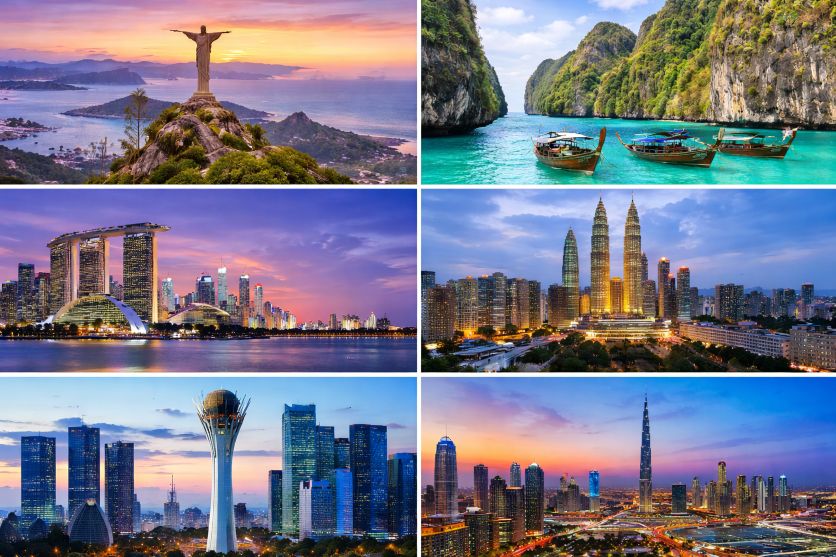
Brazil Joins Singapore, Thailand, and More in Offering Visa-Free Travel for Chinese Tourists in 2026

Brazil Joins Singapore, Thailand, and More in Offering Visa-Free Travel for Chinese Tourists in 2026

As of early 2026, Chinese ordinary passport holders have seen a significant expansion in the list of countries offering visa-free entry. This shift is a result of a series of new bilateral agreements and unilateral waivers, allowing Chinese travelers greater flexibility and convenience when visiting a wide range of destinations across the globe. These changes have not only simplified travel for Chinese citizens but have also encouraged stronger diplomatic and economic ties between China and its partner nations.

What Does This Expansion Mean for Chinese Tourists?

For years, Chinese travelers have been navigating a complex web of visa requirements for international travel. However, in 2026, this landscape has shifted dramatically, thanks to new visa exemption policies and enhanced diplomatic relations. The new developments in visa waivers come with a combination of bilateral agreements and unilateral actions taken by individual countries, making it easier for Chinese passport holders to visit an increasing number of countries without the need for a visa.

This update comes at a time when China continues to recover and expand its outbound tourism market. As Chinese travelers explore more regions of the world, the simplification of entry requirements is expected to drive even greater numbers of tourists abroad, offering new opportunities for tourism-related industries.

Which Countries Now Offer Visa-Free Travel for Chinese Citizens?

A number of countries around the world are now offering Chinese ordinary passport holders visa-free access for varying durations.

Here’s a breakdown of the regions and countries where Chinese tourists can travel visa-free, either under mutual agreements or unilateral waivers:

1. Countries with Mutual Visa Exemption Agreements

These countries have formal bilateral agreements with China, allowing for full visa-free travel, usually up to 30 or 90 days, depending on the country.

  • Asia: Thailand, Singapore, Malaysia, Kazakhstan, UAE, Qatar, Armenia, Maldives, Uzbekistan, Azerbaijan
  • Europe: Albania, Belarus, Bosnia and Herzegovina, San Marino, Serbia
  • Americas: Brazil (newly added in January 2026), Barbados, Bahamas, Dominica, Grenada, Suriname, Ecuador
  • Africa: Mauritius, Seychelles
  • Oceania: Fiji, Tonga, Solomon Islands, Samoa

In particular, Southeast Asia continues to be one of the most popular regions for Chinese tourists, with Thailand, Singapore, and Malaysia consistently ranking among the top destinations. The ability to visit these countries without a visa adds significant value for travelers seeking hassle-free travel to nearby regions.

2. Recent Major Updates (2025-2026)

  • Brazil: As of January 2026, Brazil has introduced a visa-free policy for Chinese citizens, allowing them to stay for up to 30 days per trip, with a maximum stay of 90 days in a 12-month period. This new agreement was a reciprocal measure, following China’s previous decision to allow Brazilians to enter China visa-free.
  • Canada: Following high-level diplomatic negotiations in early 2026, Canada is expected to launch a new visa-free agreement for Chinese tourists. This move is set to further strengthen the tourism exchange between the two countries, making it easier for travelers to explore Canada.
  • Southeast Asia: The “Big Three” Southeast Asian countries—Thailand, Malaysia, and Singapore—remain at the forefront of visa-free travel for Chinese tourists. These countries are popular hubs for both business and leisure travelers from China.

3. Unilateral Visa-Free or Special Policies

Several countries have implemented unilateral visa-free policies or special arrangements under specific conditions. Some of these policies allow for entry without a visa based on criteria such as holding valid visas from other major countries like the U.S. or the Schengen Area, or entering as part of an organized tour group.

  • Russia: Chinese tourists can enter Russia visa-free if they are part of an organized tour group. Additionally, Russia has implemented a short-term stay policy for Chinese citizens, allowing stays of up to 30 days.
  • South Korea: South Korea allows Chinese tourists to visit Jeju Island without a visa, or for those transiting to a third country, as long as they meet specific entry requirements.
  • Middle East: Several Middle Eastern countries, including Oman, Saudi Arabia, and Bahrain, have adjusted their policies in recent years, offering visa-on-arrival or short-term waivers for Chinese citizens. These countries have seen these changes as part of their broader tourism goals, particularly in line with Saudi Arabia’s Vision 2030, which seeks to diversify the economy and boost tourism.

What Are the Key Entry Requirements for Chinese Tourists?

While many countries now offer visa-free entry to Chinese tourists, certain entry requirements still apply. Here’s a look at some of the most important conditions for travel:

  1. Thailand: Chinese tourists can stay for up to 60 days. However, they must complete the Thailand Digital Arrival Card (TDAC) online before arriving. This card must be submitted at least 72 hours before the flight, and travelers can enter the country twice a year under the visa exemption.
  2. Singapore: The 30-day visa-free entry requires Chinese tourists to complete an SG Arrival Card online. Visitors must ensure that their passport is valid for at least six months beyond the date of entry.
  3. Malaysia: The 30-day stay policy is valid through the end of 2026, and visitors must complete the Malaysian Digital Arrival Card (MDAC) before arrival.
  4. Brazil: For Chinese tourists visiting Brazil, a 30-day visa-free stay is granted, with a cumulative maximum of 90 days in any 12-month period. Travelers must have proof of onward travel and sufficient funds to support their stay.
  5. UAE: Chinese passport holders can stay for up to 30 days in the UAE, with the possibility of a one-time extension. The entry is granted upon arrival, and tourists must present a return ticket and proof of accommodation.
  6. Russia: While Russia allows visa-free entry for organized tour groups, travelers should have pre-arranged tours and meet specific documentation requirements.

Why Is This Expansion Significant?

The expansion of visa-free access for Chinese tourists is a significant development for both the tourism industry and the global economy. It not only makes international travel easier for Chinese citizens but also opens up new opportunities for tourism-driven economies. As China continues to be one of the world’s largest outbound travel markets, these new agreements will boost tourism to various countries, fostering better economic ties and cultural exchange.

The increase in the number of countries offering visa-free access also reflects the growing influence of China as a global tourism powerhouse. The trend is expected to continue, with further countries likely to ease entry restrictions for Chinese tourists in the coming years.

Conclusion: A New Era of Travel for Chinese Tourists

The wave of new visa-free agreements and unilateral waivers has made international travel significantly easier for Chinese passport holders. Whether heading to Thailand, Brazil, or Russia, Chinese tourists now have more flexibility and options than ever before. As the global tourism industry recovers and grows, these policy changes will play a pivotal role in driving international tourism and strengthening diplomatic and economic ties between China and the world.

With more countries offering visa-free entry, 2026 promises to be a year of increased travel for Chinese tourists, who can now explore more of the world with fewer barriers. As the landscape continues to evolve, these changes signal a brighter future for Chinese outbound tourism.

This article explores the expansion of visa-free access for Chinese tourists, including key destinations such as Thailand, Singapore, and Brazil, and examines the impact of these changes on global travel.

The post Brazil Joins Singapore, Thailand, and More in Offering Visa-Free Travel for Chinese Tourists in 2026 appeared first on Travel And Tour World.

India’s Union Budget 2026: A Game-Changer for Global Tourism with Focus on Heritage, Adventure, and Eco-Tourism

India’s Union Budget 2026: A Game-Changer for Global Tourism with Focus on Heritage, Adventure, and Eco-Tourism

The Union Budget 2026 has unveiled an exhilarating roadmap to establish India as a year-round global tourism hotspot. The government, led by Finance Minister Nirmala Sitharaman, is set to propel the nation’s tourism sector with an unprecedented ₹2,438.40 crore investment. This visionary move is designed to elevate 50 cities, particularly those in Tier-2 and Tier-3 regions, to international standards, promising to change the face of India’s tourism industry forever.

India’s Bold Vision: A Global All-Season Tourism Destination

In an ambitious bid to attract global travelers throughout the year, the Indian government has announced plans to upgrade the infrastructure of 50 cities, making them world-class tourist destinations. This forward-thinking initiative aims to create an ecosystem that will not only boost foreign exchange earnings but also invigorate the cultural identity of India. The initiative will help cities like Varanasi, Mathura, Madurai, and Khajuraho emerge as global icons, offering year-round tourism, thereby making India an irresistible destination for international visitors.

India’s tourism contribution to GDP is set to skyrocket by 2034, with expectations that the sector will contribute ₹43.25 lakh crore to the national economy, employing over 6.3 crore people. This is not just a tourism plan; it’s an economic revolution in the making.

A Special Focus on Buddhist Tourism: Attracting 10 Crore Foreign Tourists by 2047

A key component of the budget is the government’s target to attract 10 crore foreign tourists by 2047. India, already a global leader in Buddhist tourism, is poised to capitalize on its rich heritage. With 67% of foreign visitors being Buddhist pilgrims, destinations like Sarnath and Bodh Gaya are set to witness an even greater influx of international visitors. Last year, over 7.10 lakh Buddhist tourists visited India, and this number is expected to soar in the coming years, especially with enhanced infrastructure and immersive cultural experiences.

Northeast India: The Untapped Jewel of Indian Tourism

With an additional ₹6,812 crore allocated to Northeast India, the region is set to experience rapid transformation. The development of the Buddhist Circuit, spanning across Arunachal Pradesh, Sikkim, Assam, and more, will turn the Northeast into one of India’s most attractive eco-tourism hubs. As the government focuses on strengthening the region’s cultural and natural heritage, it will not only boost tourism but also contribute significantly to the local economies.

Temple Cities in India: A New Era of Pilgrimage and Spiritual Tourism

India’s spiritual tourism is also on the rise, with key temple cities like Varanasi, Rishikesh, Madurai, and Dwarka receiving major infrastructural upgrades. The government’s plan to provide world-class facilities will make these ancient cities more accessible and appealing to international tourists. As religious tourism becomes a powerful sector within India’s travel industry, these temple cities are poised to attract millions, boosting local economies and creating jobs.

Archaeological Sites Get the Spotlight: 15 Iconic Sites to Become Experiential Cultural Destinations

A key announcement in the Union Budget is the development of 15 archaeological sites, including Lothal, Dholavira, and Rakhigarhi, into experiential cultural destinations. These sites, steeped in history, will feature walkways, immersive storytelling techniques, and guided tours that will allow visitors to experience India’s ancient past in a living form. This initiative will not only draw history buffs but will also create a new wave of eco-cultural tourism in India.

Adventure Tourism Gets a Boost: Mountain Trekking and Eco-Friendly Trails

India’s diverse landscape has long been a playground for adventure seekers, and the Union Budget 2026 promises to amplify this appeal. The development of mountain trekking routes in Himachal Pradesh, Uttarakhand, and Jammu & Kashmir will position these regions as prime adventure tourism destinations. The creation of eco-friendly trails, such as the Turtle Trails in Odisha and Bird Watching Trails in Andhra Pradesh, will attract environmentally conscious travelers and promote sustainable tourism practices.

Seaplane Schemes and Digital Transformation: The Future of Indian Tourism

With the launch of the Seaplane VGF scheme, the government has taken a bold step towards transforming India’s coastal tourism. Seaplanes, manufactured domestically, will provide quick, scenic transportation between key tourist destinations, offering visitors a unique perspective of the country’s natural beauty. Additionally, the National Destination Digital Knowledge Grid will provide tourists with digital information about India’s best destinations, increasing India’s visibility on the global tourism map.

The Big Cat Summit: India Takes the Lead in Global Wildlife Conservation

India is not just investing in human capital; it’s also stepping up as a global leader in wildlife conservation. The announcement of the first-ever Global Big Cat Summit in India, focusing on the conservation of tigers, lions, and leopards, is set to boost India’s wildlife tourism. With this initiative, India is positioning itself as a key player in the global efforts to protect endangered species while simultaneously driving eco-tourism in its national parks and wildlife sanctuaries.

Impact on Local Economies: Job Creation and Sustainable Development

The planned tourism initiatives are expected to have a transformative impact on local economies. The tourism sector is projected to create millions of jobs in various fields, including hospitality, tour guiding, transport services, and local artisan crafts. Furthermore, the emphasis on sustainable tourism, such as eco-friendly trekking routes and wildlife conservation, will ensure that India’s natural resources are protected while simultaneously contributing to long-term economic growth.

The Path Ahead: Challenges and Opportunities for India’s Tourism Sector

While the Union Budget 2026 presents a visionary path for India’s tourism sector, there are several challenges to overcome. From ensuring adequate infrastructure in remote areas to training a new generation of hospitality professionals, the journey will require careful planning and collaboration between the government, the private sector, and local communities. However, the opportunities are immense. With its rich cultural heritage, diverse landscapes, and vibrant tourism potential, India is on the brink of becoming one of the world’s most sought-after travel destinations.

The post India’s Union Budget 2026: A Game-Changer for Global Tourism with Focus on Heritage, Adventure, and Eco-Tourism appeared first on Travel And Tour World.

India Sets a New Benchmark in Religious Tourism as Uttar Pradesh Enhances Pilgrim Support Accommodation and Information at Magh Mela 2026

India Sets a New Benchmark in Religious Tourism as Uttar Pradesh Enhances Pilgrim Support Accommodation and Information at Magh Mela 2026

Uttar Pradesh, India, is once again the focal point of one of the country’s largest and most spiritually significant events—Magh Mela 2026 in Prayagraj. This annual religious gathering, which began on January 3rd, has already attracted millions of pilgrims to the confluence of the Sangam, where the Ganges, Yamuna, and Saraswati rivers meet. As one of India’s most revered spiritual events, Uttar Pradesh’s Magh Mela 2026 is benefiting from a robust, well-organized support system set up by the Uttar Pradesh Tourism Department, ensuring a safe, smooth, and enriching experience for all visitors.

Uttar Pradesh’s Commitment to Pilgrim-Centric Services

The Uttar Pradesh government, under the leadership of Chief Minister Yogi Adityanath, has ensured that Magh Mela 2026 is more organized and accessible than ever before. The Tourism Department has been at the forefront of providing comprehensive assistance to pilgrims, including temporary Tourism Information Centers at four key locations:

  • Parade Ground
  • Nagvasuki Temple
  • Prayagraj Chheoki Junction Railway Station
  • Arail Ghat

These centers are crucial hubs, offering timely information and assistance to the lakhs of pilgrims arriving from across India. Uttar Pradesh Tourism Minister, Jaiveer Singh, emphasized that the state government’s priority is to provide accurate and accessible information to ensure that every devotee’s pilgrimage remains seamless and memorable.

Pilgrim Assistance and Information at Your Fingertips

At the strategically located information centers, pilgrims can access:

  • Printed Booklets: Available in Hindi and English, these provide details about the major religious sites of Prayagraj and the Magh Mela grounds, making it easier for pilgrims to navigate the event.
  • Mela Maps: Sector-wise maps help pilgrims plan their visit to the Mela grounds efficiently.
  • Accommodation Listings: The centers provide verified information on registered dharamshalas, paying guest houses, and hotels, helping visitors avoid last-minute hassles.
  • Live Updates on LED Screens: Continuous updates on bath schedules, safety advisories, cleanliness initiatives, and important instructions ensure that all pilgrims stay informed at all times.

These efforts show the commitment of Uttar Pradesh to ensure the pilgrimage is spiritually fulfilling and practically efficient.

Sangam Tent Colony: A Safe and Comfortable Stay

As the Mela heads into its busiest phase around Makar Sankranti, the Uttar Pradesh State Tourism Development Corporation (UPSTDC) has set up a dedicated Sangam Tent Colony to further enhance the pilgrim experience. Located near the riverfront at Arail Sector-7, this government-managed facility is providing a safe and comfortable stay, distinct from privately operated tent cities. The Sangam Tent Colony is equipped with 50 well-planned cottages designed for families, senior citizens, and pilgrims.

Accommodation options are available in three categories:

  • Premium (₹15,000 per night)
  • Luxury (₹11,500 per night)
  • Deluxe (₹7,500 per night)

These prices include satvik meals to ensure pilgrims can maintain their spiritual routines without worrying about food. The facility also promotes a serene environment with yagyashalas where pilgrims can participate in bhajan and kirtan sessions, bringing a deeply spiritual experience.

Additionally, a Kalagram within the tent colony showcases local art and crafts, giving visitors an opportunity to connect with Prayagraj’s rich cultural heritage.

Cultural and Spiritual Activities to Enrich the Experience

Magh Mela 2026 isn’t just about bathing and rituals—it’s a celebration of India’s spirituality and culture. The event features cultural performances, including local dance, music, and spiritual rituals, ensuring that the religious congregation is also a time for reflection, connection, and celebration.

One of the key highlights of the event is the Water Laser Show at the Sangam riverfront, a captivating light, sound, and water spectacle that combines ancient spirituality with modern visuals. This immersive experience complements the traditional religious activities and offers a moment of reflection for pilgrims after a day of worship.

Sustainability and Local Engagement: Supporting Local Communities

Uttar Pradesh Tourism’s efforts at Magh Mela 2026 go beyond pilgrim support; they also focus on the local community. As part of the ‘One District One Product’ program, stalls featuring Prayagraj’s traditional moonj craft have been set up, allowing local artisans to showcase and sell their products directly to visitors. This initiative not only supports local businesses but also provides visitors with a unique cultural souvenir to take home.

Director General, Tourism, Dr. Ved Pati Misra, highlighted the integrated approach to faith-based tourism, noting that the Sangam Tent Colony helps create livelihood opportunities for local communities while catering to pilgrims’ needs.

Magh Mela 2026: A Testament to Effective Governance

The Magh Mela 2026 is rapidly emerging as a model of public-centric planning. Following the success of the Kumbh Mela 2025, Uttar Pradesh continues to showcase its ability to manage large-scale events with efficiency, organization, and spiritual dedication. With extensive infrastructure in place, including well-planned accommodation facilities, strategic information points, and cultural experiences, Magh Mela 2026 stands as a shining example of how effective governance can create a smooth and enriching pilgrimage experience for millions.

The efforts of Uttar Pradesh Tourism have been instrumental in transforming the Magh Mela into a well-managed and spiritually rewarding event, attracting visitors from every corner of the country. As the Mela progresses, it remains an essential part of India’s spiritual and cultural landscape.

The post India Sets a New Benchmark in Religious Tourism as Uttar Pradesh Enhances Pilgrim Support Accommodation and Information at Magh Mela 2026 appeared first on Travel And Tour World.

Dubai Secures Fourth Place After London, Tokyo, and Paris in Global Power City Index 2025: What New Updates You Must Know

Dubai Secures Fourth Place After London, Tokyo, and Paris in Global Power City Index 2025: What New Updates You Must Know

With a unique and lively culture, luxury malls, and a one-of-a-kind skyline, it is no surprise that Dubai is one of the most highly sought-after tourist destinations in the world. In fact, according to the Global Power City Index (GPCI) 2025, Dubai recently ranked 4th in the world, only behind London, Paris, and Tokyo, and ranking higher than major cities like New York, Madrid, and Moscow. In addition to solidifying Dubai’s status as a major player in global tourism, shopping, and business, the Dubai GPCI ranking also highlights the global and international connectivity infrastructure the Emirates continue to invest in.

Continued Investment in Shopping and Restaurants is Key to Dubai’s Tourism Growth

With world-class shopping that attracts millions, Dubai has more than just a handful of malls. In fact, the Dubai Mall, the Mall of the Emirates, and the Gold Souk are just a few of the major shopping malls that are tourist destinations in their own right. Aside from the major malls, the city’s unique culture also attracts tourists, as do the myriad restaurants, movie theaters, and of course, shopping in the world-famous Dragon Mart and the highly celebrated Ibn Battuta Mall.

Dubai’s increasing success in the Global Power City Index illustrates growing visitor numbers. In the first half of 2025 alone, the city welcomed over 9.88 million visitors, marking a six percent increase in tourism. The Dubai Mall remains one of the city’s top attractions, drawing an impressive 111 million visitors in 2024. This influx is reflective of Dubai’s ability to cater to a diverse range of travellers, from luxury shoppers to culturally minded individuals.

Dubai: A Business Powerhouse for Entrepreneurs and Corporate Leaders

Dubai’s success in the GPCI rankings is not limited to tourism and shopping. The city has also gained recognition for being a top business destination for global entrepreneurs and executives. Based on criteria business leaders rank most important when selecting a corporate base, Dubai ranks fourth in the world. The city’s enhanced scores in workplace availability and expandable startups are attributed to this ranking. As the city’s economy diversifies, Dubai has established itself as a top destination for professionals in need of an adaptive work ecosystem.

The metropolitan area’s economic diversification strategies that promoted regional equity are being praised internationally. The city’s GDP has grown from 42nd to 10th globally. This was highlighted with the announcement of the most recent 2025 Q3 GDP of 5.3%, for a total of 113.8 billion Dhs. This growth demonstrates the city’s economic persistence and increasing potential. This, plus the advancement of business-related infrastructure, continues to add to Dubai’s global business hub status.

Greater Global Reach: Dubai’s Aviation Achievements

Another area that Dubai has an advantage in is its accessibility. The city’s flagship airline, Emirates, and flydubai, have opened up accessibility to most global destinations. As a result, the city now boasts third place globally for the most direct international flights, with zero connection flights available for many of the largest international metropolitan areas. This is an invaluable asset for business and tourism. Additionally, the city continues to support its frontline role in international trade, business, and tourism.

The development of the aviation sector in Dubai is one of the main reasons for the Emirates’ high ranking in the Global Power City Index. The expansion of Emirates, one of the biggest airlines in the world, has positioned Dubai as an important transport center in the Middle East. This has facilitated the travel of visitors and business people to and from Dubai.

Dubai’s Cultural Influence and Interaction

The Global Power City Index 2025 ranks Dubai highly for cultural influence and cultural interaction. The city’s diverse offerings in the arts and entertainment have positioned Dubai as a cultural tourism hub. Dubai has world-class art exhibitions and cultural festivals and has significantly enhanced its global cultural interactions. As a growing cosmopolitan city, Dubai has fostered a multicultural environment and attracted global populations.

The fusion of modernity and tradition in Dubai has helped the city to establish a distinct profile globally. High-end shopping and business opportunities abound in Dubai, but visitors are also attracted to the city’s rich culture and stunning architecture that embodies a wonderful collection of old and new.

Things Looking Up for Dubai in the Global Power City Index

Things have clearly been looking up for Dubai over the years, especially for anyone considering traveling there. When looking at the Global Power City Index, we can see that Dubai has improved upon these efforts, making a name for themselves in the tourism and business realms. It has managed to surpass New York, Madrid, and Moscow, moving to a 4th place ranking, which speaks to its strength and economy.

In terms of global competition, Dubai still isn’t the best, but Dubai is ahead of Berlin, Copenhagen, Beijing, Melbourne, and Sydney. As a result, the improved levels of global competition speak to the growth in cultural engagement, business, and tourism.

The post Dubai Secures Fourth Place After London, Tokyo, and Paris in Global Power City Index 2025: What New Updates You Must Know appeared first on Travel And Tour World.

Explore Rishiri Island: The Ultimate Eco-Tourism Destination in Northern Japan

Explore Rishiri Island: The Ultimate Eco-Tourism Destination in Northern Japan

Rishiri Island, located at the northern edge of Japan, has long been known for its seclusion, and it is this very remoteness that is now positioning the island at the forefront of a shift in tourism. As travellers increasingly seek out quieter, less commercialised destinations, small communities like Rishiri are exploring ways to open up to visitors while preserving the unique aspects that make them special.

Rishiri Island provides a compelling example of a destination navigating its future while holding onto the qualities that make it distinct. The island’s natural beauty, cultural heritage, and a lifestyle rooted in isolation have made it a unique tourist destination for those seeking a more serene and sustainable experience. As tourism trends shift towards low-impact travel, Rishiri has become an attractive option for those looking to escape the more popular, crowded destinations.

A Landscape Shaped by Mt. Rishiri

The heart of Rishiri Island is Mt. Rishiri, a dormant stratovolcano standing at 1,721 meters. The mountain, often referred to as “Rishiri Fuji” by locals, dominates the island both geographically and culturally. Its near-perfect conical shape can be seen from almost every coastline road, creating a striking visual anchor for both residents and visitors alike.

Mt. Rishiri is more than just a backdrop—it plays a central role in the island’s daily life, dictating weather patterns and influencing the activities of the people who live there. For travelers, the mountain offers an iconic point of reference, with hiking trails that allow visitors to explore the surrounding natural beauty. It is also a key part of Rishiri’s allure, offering a landscape that blends rugged terrain, alpine flowers in summer, and views that leave visitors in awe.

As one of Japan’s northernmost national parks, Rishiri remains relatively untouched due to its remote location and small population. This pristine environment offers travelers the chance to witness nature in its raw, unspoiled form. The island’s ecosystem, including rare species such as the Ezo deer, seabirds, and the surrounding marine life, thrives in the untouched corners of the island. It’s this rare coherence between land, sea, and mountain that draws nature lovers and eco-tourists to the island, offering an authentic experience of Japan’s natural heritage.

Quiet Tourism and Sustainable Travel

Rishiri Island’s growing appeal lies in its approach to sustainable tourism. With limited infrastructure and access, the island has avoided mass tourism, focusing instead on maintaining the peaceful character that has long defined its way of life. Visitors to the island find an opportunity to experience a slower pace of life, with fewer crowds and a stronger connection to nature.

The local community has embraced the idea of welcoming tourists while balancing the preservation of their environment and culture. As more people seek destinations where they can escape the hustle of city life, Rishiri has become a haven for those seeking peace. Visitors can enjoy serene hiking trails, explore traditional fishing villages, or simply take in the unspoiled views of the island’s landscape. The island offers an idyllic setting for those looking to immerse themselves in nature without the distractions of large tourist crowds.

In addition to nature-based activities, the island’s cultural offerings provide a glimpse into a simpler way of life. Visitors can explore small, local museums and enjoy traditional Japanese food, including fresh seafood caught by local fishermen. The slow pace of life allows tourists to connect more deeply with the local culture, enhancing the travel experience and fostering an appreciation for the island’s unique way of life.

A Growing Focus on Eco-Tourism

With the global rise in eco-conscious travel, Rishiri Island’s commitment to low-impact tourism makes it an ideal destination for the growing number of travelers looking to reduce their carbon footprint. The island has embraced sustainable practices that prioritize environmental preservation, such as limiting large-scale tourism and promoting the use of eco-friendly accommodations and transport.

Rishiri’s natural surroundings, including its dense forests, coastlines, and the mountain, are key to the island’s eco-tourism appeal. As more travelers opt for destinations that prioritize conservation, Rishiri’s focus on sustainability provides a unique and attractive option for those looking to travel responsibly. For tourists interested in hiking, bird watching, and nature photography, Rishiri offers a pristine environment to engage with the natural world in a meaningful way.

A Place for Reflection and Reconnection

As tourism trends evolve, Rishiri Island is emerging as a destination for travelers looking for more than just sightseeing. With its tranquil environment and unspoiled landscapes, Rishiri offers a rare opportunity to disconnect from the stresses of modern life and reconnect with nature. The island’s focus on quiet tourism, sustainable travel, and cultural preservation ensures that visitors can experience Japan in a way that feels both authentic and enriching.

Rishiri’s growing tourism sector provides a unique opportunity for travelers to explore a place that is still in the process of defining how it will engage with the outside world. The island’s careful balance of welcoming guests while preserving its peaceful atmosphere makes it a standout choice for tourists seeking a more intimate and low-impact experience. Whether for hiking, relaxation, or cultural exploration, Rishiri Island offers a quiet retreat from the bustle of more conventional tourist destinations.

The post Explore Rishiri Island: The Ultimate Eco-Tourism Destination in Northern Japan appeared first on Travel And Tour World.

Sabah Launches Zuba x Visit Malaysia 2026 Snap & Win Campaign, Boosting its Domestic Tourism Growth, Local Merchants and Digital Travel Engagement

Sabah Launches Zuba x Visit Malaysia 2026 Snap & Win Campaign, Boosting its Domestic Tourism Growth, Local Merchants and Digital Travel Engagement

Ahead of Visit Malaysia 2026, Sabah has creatively begun tourism growth with the launch of the Zuba x Visit Malaysia 2026 Snap & Win Campaign. This campaign focuses on building connections between travellers and local businesses through storytelling, digital exploration, and social media. As part of the campaign, Zuba, Sabah’s homegrown hotel, homestay booking, and lifestyle tourism platform, is offering prizes that total RM30,000, which is expected to increase business for local tourism operators.

The campaign was launched at the Banyan Valley Sales Gallery and is part of a new direction for Malaysia’s tourism strategies. In this new direction, increased visitor interest and destination visibility is achieved through digital interaction, user-generated content, and community-driven promotion.

Snap and Win Campaign Links Travel Experiences With Local Businesses

Running from February 1 to April 30, 2026, the campaign is open to Malaysians and international tourists aged 18 and above, encouraging them to explore Sabah through participating merchants. Visitors are required to visit businesses featuring the Zuba x Visit Malaysia 2026 Sun Bear mascot, capture photos or videos, and share them on Instagram, Facebook, or TikTok.

Each Sun Bear mascot is uniquely customised to reflect the identity of the participating merchant, spanning sectors such as hotels, food and beverage, wellness, tour and travel, retail, and lifestyle. This design transforms the campaign into an interactive tourism trail, where every stop delivers a different experience and story. By encouraging travellers to physically visit locations rather than passively consume advertisements, the initiative directly supports footfall growth, local spending, and destination immersion.

Driving Tourism Growth Through User-Generated Content

One of the campaign’s key objectives is to generate authentic user-generated content (UGC) that showcases Sabah through the eyes of real travellers. As tourism marketing increasingly shifts toward peer-driven discovery, this content plays a vital role in influencing travel decisions and building trust among potential visitors.

The campaign requires participants to tag Zuba, the participating merchant, and include campaign hashtags, while also downloading and registering on the Zuba app. This approach strengthens the digital tourism ecosystem by increasing platform adoption, building long-term engagement, and positioning Zuba as a central gateway to Sabah travel experiences. Government-backed tourism strategies increasingly recognise UGC as a high-impact promotional tool, particularly for destinations seeking to attract younger travellers and repeat visitors.

Strengthening Domestic Tourism and Local Economic Impact

At its core, the Snap & Win Campaign is designed to stimulate domestic tourism, which remains a critical pillar of Sabah’s visitor economy. By encouraging Malaysians to explore local destinations, cafés, hotels, and attractions, the campaign helps reduce reliance on seasonal international arrivals while supporting year-round tourism activity.

Local merchants benefit from increased visibility, social media exposure, and direct customer engagement, while travellers gain access to curated, authentic experiences. This model aligns closely with Malaysia’s broader tourism development goals, which emphasise inclusive growth, small business support, and community participation.

Conservation Awareness Integrated Into Tourism Promotion

A distinctive feature of the campaign is its integration of wildlife conservation awareness, anchored by the Sun Bear, an animal native to Sabah. The Sun Bear mascot serves not only as a visual attraction but also as a symbol of the region’s biodiversity and environmental responsibility.

Conservation advocates have highlighted the importance of embedding environmental messaging into tourism initiatives, noting that tourism has the power to influence behaviour and promote long-term stewardship of natural resources. By bringing conservation into public-facing tourism campaigns, Sabah reinforces its identity as a destination that values both nature and sustainable development.

Incentives Designed to Sustain Long-Term Engagement

The campaign structure rewards consistent participation, with eight winners selected every two weeks across categories such as Most Creative Photo, Most Creative Video, Most Engagement, and Most Sun Bear Features. In total, 48 bi-weekly prizes and eight grand prizes will be awarded.

Grand prizes include high-demand technology and travel-related items, such as smart devices, travel vouchers, and smart luggage, further reinforcing the travel theme of the campaign. This reward system keeps engagement high over the campaign’s three-month duration, ensuring sustained tourism promotion rather than short-term spikes.

Supporting Visit Malaysia 2026 National Tourism Narrative

The Zuba x Visit Malaysia 2026 Snap & Win Campaign directly supports the national Visit Malaysia 2026 initiative by translating broad destination branding into tangible, on-the-ground experiences. Rather than relying solely on large-scale advertising, the campaign empowers travellers themselves to become storytellers, amplifying Malaysia’s tourism narrative organically.

For Sabah, this approach strengthens its positioning as a destination rich in culture, food, creativity, and natural beauty, while appealing to travellers seeking meaningful and shareable experiences.

Hospitality and CSR Strengthen Sustainable Tourism Model

Alongside the campaign launch, Sabah-based hospitality brand Ayuhouz introduced a corporate social responsibility initiative, directing RM1 from every room booking toward Sun Bear conservation efforts. This initiative reinforces the link between tourism growth and environmental protection, ensuring that increased visitor activity contributes directly to conservation outcomes.

Voluntary donation boxes placed at accommodation properties further encourage visitor participation, fostering a sense of shared responsibility between travellers, businesses, and local communities.

Sabah Positions Tourism Growth Around Experience and Purpose

With Sabah’s upcoming participation in Visit Malaysia 2026, Snap & Win Campaign shows how prospect of tourism can be built in experience-based tourism, digital creativity, and the purposeful engagement of the the Snap & Win Campaign. The mixture of social media, support of local businesses. conservation, and visitor reward programs offers a great example of how to create more sustainable tourism.

From the perspective of a sustainable tourism, the campaign positions Sabah not only as a must-see travel destination, but as a region where travel enriches communities. As such, the campaign supports wildlife and fosters sustainable connections with travelers and the local economy.

The post Sabah Launches Zuba x Visit Malaysia 2026 Snap & Win Campaign, Boosting its Domestic Tourism Growth, Local Merchants and Digital Travel Engagement appeared first on Travel And Tour World.

Malaysia and Cambodia Strengthen their Medical Tourism Links as Sunway Medical City Expo 2026 Opens Direct Access to Advanced Healthcare

Malaysia and Cambodia Strengthen their Medical Tourism Links as Sunway Medical City Expo 2026 Opens Direct Access to Advanced Healthcare

The opening of the first-ever Sunway Medical City Expo 2026 in Cambodia marks a major milestone in the development of medical tourism services between Cambodia and Malaysia. The rapid development of cross-border healthcare travel in Southeast Asia is exemplified by the expansion of the Cambodia-Malaysia medical tourism corridor which runs from January 30 to February 1, 2026, and is located at the AEON Mall 2 in Phnom Penh.

The Expo dismantled the traditional barriers imposed on international medical travel for Cambodian medical consumers by giving them direct and immediate access to advanced medical services in Malaysia. Cambodian medical consumer class is experiencing a growing expectation of and a high level of confidence in the healthcare system of Malaysia which is fuelling Cambodia’s outbound medical tourism. The dispersion of global health knowledge has resulted in increased specialized health services, and medical tourism from Cambodia to Kuala Lumpur has become a preferred medical travel destination.

Integrated Healthcare Ecosystem Strengthens Medical Travel Appeal

At the Expo, Sunway Medical Centre and Sunway City showcased an integrated medical tourism ecosystem that goes beyond hospital treatment alone. Cambodian visitors were introduced to a full continuum of care, combining specialist healthcare, recovery-focused accommodation, hospitality, leisure, and education facilities within a single destination.

This integrated model is increasingly central to medical tourism growth, as patients and families seek not only clinical excellence but also comfort, convenience, and supportive environments for recovery. By presenting healthcare as part of a holistic travel experience, Malaysia continues to strengthen its competitive edge in the regional medical tourism market.

Growing Cambodian Demand Drives Outbound Medical Tourism

The Expo was organised in response to strong and growing interest among Cambodian citizens in seeking medical treatment and wellness services abroad, particularly in Malaysia. Throughout the event, visitors engaged directly with medical professionals, accessed trusted healthcare information, scheduled consultations, and explored exclusive medical travel packages tailored to international patients.

This direct engagement model supports medical tourism growth by building trust, reducing uncertainty, and shortening decision cycles. For many Cambodian patients, face-to-face interaction with healthcare providers is a key factor in choosing an overseas destination for treatment.

Expanding Capacity and Trust Through Regional Outreach

Malaysia’s healthcare providers have increasingly adopted regional outreach strategies to support sustained medical tourism growth. Regular consultations in Cambodia, combined with events such as the Expo, demonstrate long-term commitment to patient access, continuity of care, and bilateral healthcare cooperation.

These efforts reflect rising confidence among Cambodian patients in Malaysia’s medical expertise, advanced diagnostic capabilities, and multidisciplinary specialist teams, positioning Malaysia as a reliable long-term partner rather than a one-time treatment destination.

Simplifying Cross-Border Medical Travel to Unlock Growth

A major challenge in medical tourism is the complexity of planning treatment abroad. To support growth, Sunway Medical Centre emphasised its focus on simplifying the patient journey, making overseas healthcare more approachable and reassuring for Cambodian patients.

Dedicated international patient facilities, streamlined screening processes, and co-located accommodation within the hospital complex reduce logistical barriers and enhance patient confidence. These features are increasingly important as medical tourism shifts from niche demand to mainstream regional travel behaviour.

Medical Tourism as a Strategic Pillar of Bilateral Cooperation

Healthcare and medical travel have become strategic pillars of Malaysia–Cambodia cooperation, aligning with broader ASEAN goals of regional connectivity and shared prosperity. Malaysia’s healthcare system is widely recognised for quality, safety, accessibility, and innovation, all of which are critical drivers of medical tourism growth.

The expansion of Malaysian healthcare providers’ presence and partnerships in Cambodia signals a long-term vision for sustained outbound medical travel, rather than episodic patient flows.

Supporting Cambodia’s Healthcare Access Through Medical Travel

From Cambodia’s perspective, improving access to high-quality and specialised healthcare remains a national priority. Medical tourism offers an effective pathway to achieve this by allowing patients to access advanced treatments abroad while domestic healthcare capacity continues to develop.

The Expo highlighted how medical tourism can deliver dual benefits: improved patient outcomes and enhanced travel experiences. By combining healthcare with world-class tourism infrastructure, Malaysia presents a compelling alternative for Cambodian patients compared with other regional destinations.

Partnerships Fuel the Next Phase of Medical Tourism Growth

In conjunction with the Expo, Sunway Medical Centre and Sunway City announced new partnerships with insurance providers, banks, and airlines, including Forte Insurance, FTB Bank, and AirAsia Cambodia. These collaborations are designed to remove financial and logistical friction, a critical factor in scaling medical tourism.

Initiatives such as cashless payment solutions, insurance facilitation, and air connectivity support directly strengthen the medical tourism ecosystem, making cross-border treatment more accessible to a wider segment of patients.

A Strong Outlook for Malaysia–Cambodia Medical Tourism Growth

The 2026 Sunway Medical City Expo shows how changing patterns of travel within ASEAN are being influenced by the growth of medical tourism. With a unique combination of healthcare excellence, cross-border partnerships, and integrated travel, Malaysia is solidifying its position as a prominent medical tourism destination, and Cambodia is able to gain and expand access to care that is more trusted.

As more people seek healthcare abroad, initiatives like these show us that medical tourism will positively impact the economy, healthcare access, and interconnectedness of the people within the region, ultimately paving the way for long-lasting partnerships between Malaysia and Cambodia.

The post Malaysia and Cambodia Strengthen their Medical Tourism Links as Sunway Medical City Expo 2026 Opens Direct Access to Advanced Healthcare appeared first on Travel And Tour World.

Nepal Witness Visitor Surge in 2026 Signals a Long-Term Tourism Growth Vision Focused on the Diversification, Resilience and Sustainability

Nepal Witness Visitor Surge in 2026 Signals a Long-Term Tourism Growth Vision Focused on the Diversification, Resilience and Sustainability

The year 2026 is seeing Nepal’s tourist industry begin revitalized and focused, as the Nepal Tourism Board records 92,573 global tourist arrivals for the month of January. This number is 15% more than January of 2025, and 14% more than January of 2019, the last complete month of business activities prior to the start of pandemic restrictions. The numbers confirm the positive sentiment within the industry as they focus on sustained growth as opposed to blending into the status quo of recovery.

The peak representatives of the sector see more than the seasonal increases for January, as they see it as obvious confirmation that the dynamics within Nepal’s complex and differentiated tourist ecosystem are strengthening as they look to adapt and gain advantage from the shifts within the global tourist industry.

India Anchors Growth as Regional Travel Drives Stability

India continued to lead as Nepal’s largest source market, delivering 26,624 visitors, or 28.8 percent of total arrivals. This dominance reinforces Nepal’s strategic emphasis on regional tourism, which plays a crucial role in maintaining steady inflows throughout the year.

The consistent performance of the Indian market aligns with Nepal’s tourism vision of strengthening short-haul connectivity, promoting pilgrimage and leisure travel, and encouraging repeat visits. Regional markets are increasingly seen as the backbone of tourism resilience, particularly during periods of global uncertainty.

China, the United States, and Emerging Markets Support Diversification

Following India, China contributed 9,101 visitors (9.8 percent), marking a steady return of outbound travel and supporting Nepal’s goal of rebuilding Asian long-haul demand. The United States followed with 8,406 visitors (9.1 percent), reaffirming its position as a key long-distance market for trekking, adventure, and cultural tourism.

Bangladesh accounted for 5,814 visitors (6.3 percent), while Australia contributed 4,957 visitors (5.4 percent). Together, these markets reflect Nepal’s broader vision of balanced source-market diversification, reducing overdependence on any single country while expanding reach across regions.

South Asia and Asia Form the Core of Nepal’s Tourism Strategy

From a regional breakdown, South Asia remained dominant, with SAARC countries accounting for 39.3 percent of total arrivals. This strong regional performance supports Nepal’s policy focus on cross-border travel, ease of access, and regional marketing initiatives.

Other Asian markets represented 26.1 percent of visitors, highlighting Asia’s growing importance in Nepal’s tourism roadmap. Combined, Asian arrivals form the foundation of Nepal’s volume-driven tourism model, providing stability while higher-spending long-haul markets add value.

Europe and the Americas Align With Value-Oriented Growth

Europe contributed 12.3 percent of January arrivals, continuing its traditional role in Nepal’s trekking and nature-based tourism segments. European travelers are central to Nepal’s vision of longer stays, higher spending, and experiential travel, particularly in mountain and heritage regions.

The Americas accounted for 10.8 percent of arrivals, driven largely by demand from the United States. These figures support Nepal’s strategy of maintaining strong engagement with long-haul markets that align with sustainable, experience-led tourism rather than mass travel alone.

Niche Markets Strengthen a Balanced Tourism Portfolio

Visitors from Oceania made up 5.7 percent of arrivals, while the Middle East contributed 1.0 percent and Africa 0.4 percent. Other regions accounted for 4.5 percent, reflecting Nepal’s expanding global footprint. While smaller in volume, these markets are increasingly important within Nepal’s tourism vision, offering opportunities for targeted promotion, specialty travel segments, and higher-value experiences.

Tourism Board Highlights Confidence and Strategic Expansion

The Nepal Tourism Board stated that January’s performance signals rising international confidence in Nepal as a destination that is stable, welcoming, and ready for growth. Officials emphasized that surpassing pre-pandemic levels early in the year supports the country’s ambition to shift from recovery mode to planned expansion.

According to the board, the focus is now on improving destination management, strengthening air access, and ensuring that growth is geographically and seasonally balanced, benefiting both urban centers and rural regions.

Tourism Growth Supports Economic and Community Development

Tourism remains a critical pillar of Nepal’s economy, supporting employment across hotels, airlines, guiding services, transport, and local communities. The January increase in arrivals is expected to boost foreign exchange earnings and stimulate activity in trekking hubs, heritage cities, and emerging destinations. Authorities view tourism growth not just as a numbers game, but as a tool for inclusive development, particularly in mountain and rural areas where alternative income sources are limited.

2026 Outlook Reflects Confidence and Long-Term Vision

Given the confident outlook for the Nepal tourism industry in January 2026, authorities believe the growth trend for the tourism sector in Nepal will continue until 2026, attributing steady regional demand, seasonal peaks, diversified markets, and steady regional demand. Nepal will continue to integrate policy measures addressing the sustainability of the tourism service, service delivery, and the resilience of the chosen tourism destinations.

January 2026 shatters the previous norms Greece tourism industry in Nepal commemorated January 2026 as Nepal closing the chapter on the rebuilding tourism phase. Nepal is attempting to capture the growth of tourism as the country is firmly positioned beyond the Pre-Covid-19 levels into the era of transformative development of tourism in the country.

The post Nepal Witness Visitor Surge in 2026 Signals a Long-Term Tourism Growth Vision Focused on the Diversification, Resilience and Sustainability appeared first on Travel And Tour World.

Japan’s Narita Airport Traffic Increases Four Percent: All New Updates You Need to Know

Japan’s Narita Airport Traffic Increases Four Percent: All New Updates You Need to Know

The demand for international travel to Japan played a vital role in Japan’s post-pandemic recovery as Narita Airport continues to bolster its international flight demand. As more businesses opened in Tokyo, the demand for travel to the city for both work and leisure grew. As Japan’s tourism demand increased, it was coupled with a favorable exchange rate, improved flight access, and a more robust tourism infrastructure, allowing for a more sustainable increase in travel demand.

Airlines have gotten their schedules back to normal in most major markets: Asia, Europe, and North America. That helps the airlines fill seats, and their occupancy rates remain high. Also, the combination of longer stays and more group bookings suggests that travelers have become more confident in spending money on longer trips. That helps explain the increase in airport traffic and the growing travel-related spend.

Narita Airport is one of the most important entry points for overseas visitors to Japan, as evidenced by the airport’s performance. It provides further evidence of the growing importance of Tokyo tourism for the upcoming year. Along with the ongoing recovery of international flight capacity and the consistent demand for Tokyo from overseas, Narita is poised for further traffic increases as more people travel to the city for events and recreational activities. In addition, the airlines that service Narita will be able to benefit from the healthy blend of incoming traffic, especially on short-haul routes to/from Asia along with the important long-haul markets.

The continuous rise in passenger numbers points to a rebound in Japan’s tourism sector, with expectations for strong performance in the coming months, aided by the Asian Lunar New Year and the Spring cherry blossom festival. For Narita Airport’s airlines and retail operators, it is a positive development as revenue will be positively impacted by the increasing foot traffic.

Non-Aeronautical and Retail Development at Narita Airport

Narita’s Airport retail revenue also increased as 2.1 million international arrivals travelled through the terminals. Arrivals’ retail spending also increased significantly. International retail spending was also boosted by the strong yen and the increased number of international arrivals to Tokyo. Passengers will likely stay longer in Narita’s terminals, as improved service reliability and flight schedules at Narita are likely to enable the airport’s retail partners to meet the anticipated retail demand.

Additionally, the airport was able to maintain customer satisfaction, and give travelers the ability to shop before their flight, due to the seamless security, customs, and luggage retrieval. The airport’s retail operation benefitted off this as well. The airport’s retail operations also benefitted off this. The airport’s retail operations also benefitted off this, as well as getting the airport closer to their goal of increasing non-aeronautical revenue. This also helps the airport fund their ongoing projects to improve their services and infrastructure.

What’s Next for Narita Airport and Japan’s Tourism Sector?

Bookings for Narita Airport in early 2026 look very promising, and airlines are increasing flight frequencies and capacities. Inbound tourism to Japan is expected to grow as Asia-Pacific travel resumes post-Lunar New Year. Add to that, spring tourism, particularly cherry blossom viewing, will draw even more visitors to Tokyo.

Demand to and from Narita will be consistent throughout Q1 of 2026. Specifically, there will be ample demand in the premium cabins for peak travel dates. As more tickets are made available, travelers will notice that ticket prices are becoming more even for less available routes. Still, demand for routes to and from Tokyo will be very high as it is a major business and travel center.

The improving air traffic is particularly positive for ANA and Japan Airlines, who still have strong international bookings. From an investor’s perspective, the increasing air traffic is beneficial for ANA and Japan Airlines. They might, however, still need to exercise caution in their planning and pricing based on fuel price volatility, currency fluctuations, and geopolitical activity.

Conclusion

The traffic results from Narita Airport indicate Japan’s continuing recovery from the pandemic, with a significant inbound passenger contribution from Tokyo. Japan is expected to see further improvement in tourism, supported by key events, the anticipated return of spring tourism, and a ramp-up in inbound travel. Narita Airport is central to the global travel ecosystem to/from Japan, and therefore the retail and aviation markets. This provides immediate optimism for the passengers and investors to Narita and its surrounding retail and aviation ecosystem.

The post Japan’s Narita Airport Traffic Increases Four Percent: All New Updates You Need to Know appeared first on Travel And Tour World.

Taiwan Joins Cambodia, Uzbekistan, Kazakhstan, Laos, Singapore, and More for the Ultimate Underrated Solo Travel Experience in Asia

Taiwan Joins Cambodia, Uzbekistan, Kazakhstan, Laos, Singapore, and More for the Ultimate Underrated Solo Travel Experience in Asia

Taiwan now joins the ranks of Cambodia, Uzbekistan, Kazakhstan, Laos, Singapore, and more as one of the ultimate underrated solo travel destinations in Asia. While places like Japan and Thailand often steal the spotlight, these lesser-known countries offer the perfect mix of safety, adventure, culture, and solitude—ideal for those traveling alone. Taiwan, with its vibrant cities, stunning landscapes, and friendly locals, provides a dynamic yet serene atmosphere for solo adventurers. Likewise, Cambodia, Uzbekistan, Kazakhstan, Laos, and Singapore each offer unique experiences, from exploring ancient temples and historic Silk Road cities to soaking up the tranquility of untouched nature. These countries, often overlooked by mainstream tourism, promise the ultimate solo travel experience, allowing travelers to discover hidden gems without the crowds.

Solo travel is becoming increasingly popular as more travelers seek the freedom to explore the world on their own terms. A survey by SkyScanner revealed that 43% of 2,000 respondents have experienced solo travel and are eager to continue the journey. Traveling alone allows for personal growth, new experiences, and a deeper connection to different cultures. However, selecting the right destination is crucial for a fulfilling solo adventure, as the wrong choice can lead to isolation, boredom, or even danger.

While destinations like Japan and Thailand are well-known for solo travel, there are many lesser-known spots in Asia that offer the perfect blend of safety, adventure, and cultural richness. These hidden gems are perfect for those looking to venture off the beaten path and experience something unique. Here’s a look at some of Asia’s most underrated solo travel destinations.

Kazakhstan: An Adventure in the Heart of Asia

Kazakhstan is not a typical destination for solo travelers, but it should be. Known for its expansive landscapes and rugged beauty, Kazakhstan offers a serene, less touristy experience for those who enjoy solitude and adventure. Almaty and Nur-Sultan (formerly Astana) are the country’s two largest cities, each offering easy access to nearby nature reserves and scenic spots. Almaty is renowned for its clean streets and stunning natural surroundings, such as Big Almaty Lake and Kolsai Lake.

The country’s wide-open spaces provide a sense of freedom, and with fewer tourists than other parts of Asia, solo travelers can truly immerse themselves in the landscape. Kazakhstan is considered safe, and its relatively low profile on the tourist map means you can enjoy a unique experience without the crowds. Although there are fewer social hostels, the country’s vastness and tranquility make it ideal for solo adventurers.

Singapore: A Solo Traveler’s Safe Haven

Singapore is often overlooked as a solo travel destination, but it is one of the safest and easiest places to explore alone. Known for its top-notch public transportation and low crime rate, Singapore offers a peaceful environment for solo travelers looking for a stress-free experience. The city-state is full of exciting things to see and do, such as visiting the futuristic Gardens by the Bay or enjoying the diverse food offerings at the famous hawker centers.

Singapore’s compact size makes it easy to navigate, even for first-time solo travelers. The city is not only safe but also incredibly welcoming, with plenty of solo-friendly activities that allow you to explore at your own pace. Whether you’re admiring the skyline from Marina Bay Sands or taking a walk in Chinatown, Singapore offers a perfect solo getaway.

Malaysia: A Multicultural Hub for Solo Travelers

Malaysia is an ideal destination for solo travelers who enjoy meeting new people while exploring diverse cultures. The country’s multicultural makeup, with influences from Malay, Chinese, and Indian cultures, creates a unique atmosphere that’s hard to find elsewhere. Kuala Lumpur, the capital, is a bustling metropolis with vibrant nightlife and countless attractions, while Langkawi offers a more laid-back island escape.

Malaysia is also home to a thriving backpacker scene, with over 180 hostels across the country. These social spaces make it easy for solo travelers to meet new people and make connections. Whether you’re enjoying the city life in Kuala Lumpur or relaxing on the beaches of Langkawi, Malaysia offers a welcoming environment for solo explorers.

Taiwan: A Hidden Gem for Solo Adventurers

Taiwan is one of Asia’s best-kept secrets for solo travelers. Often overshadowed by its more popular neighbors, Taiwan offers a unique mix of urban excitement and natural beauty. The capital city of Taipei is filled with modern attractions, while places like Taroko National Park offer breathtaking landscapes and hiking opportunities. Taiwan’s excellent public transportation system makes it easy to explore both the city and the countryside.

Taiwan is known for being one of the safest countries in Asia, with friendly locals and a peaceful atmosphere. Solo travelers can easily explore the island’s stunning temples, picturesque beaches, and scenic mountains. Taiwan’s compact size and excellent transportation infrastructure ensure that solo travelers can enjoy a hassle-free adventure.

Vietnam: Budget-Friendly and Full of Culture

Vietnam is an affordable and culturally rich destination that’s perfect for solo travelers. Known for its stunning landscapes, rich history, and vibrant food scene, Vietnam offers an exciting mix of experiences. Solo travelers can enjoy the bustling streets of Hanoi, cruise the serene waters of Halong Bay, or explore the ancient town of Hoi An.

Vietnam is incredibly budget-friendly, making it an ideal destination for solo travelers on a budget. The country’s low cost of living means you can enjoy delicious meals, comfortable accommodations, and thrilling adventures without breaking the bank. Vietnam’s friendly locals and welcoming atmosphere make it a great place to meet fellow travelers and create lasting memories.

Uzbekistan: A Journey Through the Silk Road

Uzbekistan is an underrated gem for solo travelers seeking history and adventure. As a key stop on the ancient Silk Road, Uzbekistan offers rich cultural heritage and stunning architectural landmarks. Cities like Samarkand and Bukhara are home to some of the most beautiful and historic sites in Central Asia, such as Registan Square and the Shah-i-Zinda necropolis.

Uzbekistan is known for its safety and ease of travel, making it an ideal destination for solo adventurers. The country’s welcoming locals and vibrant culture make it easy to connect with others while exploring its historic cities. Uzbekistan offers a fascinating journey through the heart of Central Asia and is perfect for those looking to experience a lesser-known part of the world.

Laos: Adventure Awaits in the Land of Waterfalls and Mountains

Laos is an often-overlooked destination for solo travelers, but it offers a wealth of adventure and natural beauty. The country is filled with waterfalls, mountains, and stunning landscapes that make it a paradise for nature lovers. Laos is also a social destination, with popular spots like Vang Vieng and Luang Prabang offering plenty of opportunities to meet other travelers.

While Laos is known for its adventurous activities, such as hiking, cave tubing, and hot air ballooning, it’s also a place where solo travelers can relax and enjoy the serene surroundings. The country’s laid-back atmosphere and welcoming locals make it an ideal destination for those looking to experience Asia off the beaten path.

Cambodia: A Solo Traveler’s Dream in Southeast Asia

Cambodia offers a perfect balance of cultural exploration and relaxation for solo travelers. The country is home to the iconic Angkor Wat temple, one of the most famous historical sites in the world, as well as beautiful beaches and vibrant cities. Cambodia’s affordability makes it an excellent choice for solo travelers on a budget.

The country is known for its friendly locals, and solo travelers can easily meet people in hostels or on organized tours. Cambodia’s welcoming atmosphere and rich history make it an unforgettable destination for those traveling alone.

Taiwan joins Cambodia, Uzbekistan, Kazakhstan, Laos, Singapore, and more as top underrated solo travel destinations in Asia, offering a perfect blend of safety, culture, adventure, and solitude for independent explorers.

Asia offers a wealth of underrated destinations that are perfect for solo travelers. From the vast landscapes of Kazakhstan to the serene temples of Bhutan, there’s something for everyone. These lesser-known spots provide a safe, welcoming environment and plenty of opportunities for adventure, making them ideal choices for those seeking to explore Asia alone. Whether you’re looking for history, culture, or natural beauty, these hidden gems offer a unique and unforgettable solo travel experience.

The post Taiwan Joins Cambodia, Uzbekistan, Kazakhstan, Laos, Singapore, and More for the Ultimate Underrated Solo Travel Experience in Asia appeared first on Travel And Tour World.

Maldives Introduces Rukuri, a Unified Digital Platform Set to Transform their Tourism Employment and Drive Future Workforce Growth

Maldives Introduces Rukuri, a Unified Digital Platform Set to Transform their Tourism Employment and Drive Future Workforce Growth

Tourism sector in the Maldives has taken another step in workforce modernization with the launch of Rukuri, the first of its kind digital platform for the Maldives tourism industry designed to consolidate the employment and communication avenues of the industry to promote transparency. Island Recruit’s Launch of Rukuri has provided solutions to existing industry recruitment issues while also considering the future of recruitment in the expanding and maturing tourism industry.

With the Maldives tourism sector consolidating and strengthening its position in the world as the foremost high end destination, the quality of the workforce, transparency and overall operational efficiency will become the defining parameters of the Maldives competitiveness. In this regard, Rukuri will provide the Maldives tourism industry the possibility to construct a strong digital employment ecosystem to meet the industry’s employment needs.

One platform designed for the future of tourism recruitment

Rukuri was built with a clear vision of the future: a tourism industry where recruitment is streamlined, data-driven, and accessible. By bringing resort positions, guesthouse roles, restaurant jobs, and tourism services onto a single platform, Rukuri eliminates fragmentation and sets the stage for a more integrated job market.

This unified approach is particularly important as the number of tourism businesses grows. In the future, a centralised system will allow employers to adapt quickly to demand fluctuations, while giving jobseekers visibility across the entire sector rather than isolated opportunities.

Supporting industry expansion with a stable workforce pipeline

Maldives’ tourism industry is experiencing ongoing expansion, with new resorts, upgraded facilities, and diversified tourism products. Rukuri is designed to support this growth by creating a reliable workforce pipeline that can scale alongside industry development.

Over time, the platform is expected to reduce hiring delays, improve talent matching, and help tourism businesses plan staffing more effectively. This forward-looking capability will be critical as competition for skilled hospitality professionals intensifies both regionally and globally.

Simplifying career management for long-term workforce development

Beyond immediate hiring, Rukuri allows jobseekers to manage their careers from one place, creating long-term value for the workforce. As users build verified profiles, track applications, and gain experience across roles, the platform can evolve into a digital career record for tourism professionals.

In the future, this functionality could support skills mapping, targeted training, and career progression pathways, helping Maldivian workers move into higher-value roles within the industry rather than seeking opportunities abroad.

Real-time transparency sets new standards for trust

One of Rukuri’s most impactful features is its real-time tracking of employment stages, which introduces a new level of transparency to recruitment. This feature is expected to have lasting effects on trust and professionalism within the tourism labour market.

As the platform matures, transparent hiring processes could become the industry standard, reducing disputes, improving employer branding, and strengthening worker confidence. Over the long term, this shift could enhance Maldives’ reputation as a fair and modern tourism employment market.

Flexible employment models prepare the industry for change

Rukuri’s inclusion of freelance and short-term employment categories reflects changing workforce dynamics. Tourism increasingly relies on flexible staffing models to respond to seasonality, special events, and evolving visitor patterns. By supporting temporary and project-based work, the platform prepares the industry for future shifts in demand. This flexibility benefits employers seeking rapid staffing solutions and workers looking for adaptable career options, creating resilience in an industry often exposed to external shocks.

Verification systems raise future workforce standards

The platform’s built-in profile verification and reference checking systems are expected to have long-term implications for workforce quality. As verified credentials become more common, employers will gain greater confidence in hiring decisions, while workers benefit from fair recognition of their experience. Over time, this could lead to higher service standards across resorts and tourism businesses, directly impacting guest satisfaction and reinforcing Maldives’ premium tourism positioning.

Driving hospitality growth through smarter recruitment

Efficient recruitment is a cornerstone of sustainable hospitality growth. By reducing friction in hiring, Rukuri enables tourism businesses to focus more on service delivery and innovation rather than administrative processes. In the future, data generated by the platform could help identify workforce gaps, inform policy decisions, and guide investment in training and education. This insight-driven approach would support smarter growth across the hospitality sector.

Modernising the tourism job market for the next generation

Rukuri represents a shift toward a fully digital tourism job market, aligning Maldives with global best practices. As younger generations enter the workforce, digital-first platforms will become essential for attracting talent and retaining skilled professionals. The platform’s modern design and career-focused features make tourism more attractive as a long-term profession, supporting workforce sustainability in the decades ahead.

Laying the foundation for resilient tourism growth

Considering the future, Rukuri is more than a recruitment tool. It is a recruitment tool that can evolve as the Maldives’ tourism sector matures, fostering workforce resilience, transparency and growth. By strengthening employment centralization, trust, and worker empowerment, the platform prepares the Maldives to address the future with a more robust and flexible tourism workforce. As the industry thrives, Rukuri will significantly influence the future of tourism employment and hospitality development in the Maldives.

The post Maldives Introduces Rukuri, a Unified Digital Platform Set to Transform their Tourism Employment and Drive Future Workforce Growth appeared first on Travel And Tour World.

Cambodia and Brunei Signs Tourism MoU to Boost their Connectivity, Skills Development and Long-Term Tourism Cooperation Growth

Cambodia and Brunei Signs Tourism MoU to Boost their Connectivity, Skills Development and Long-Term Tourism Cooperation Growth

The Ministry of Tourism of Cambodia reports that Cambodia and Brunei have signed their first memorandum of understanding on tourism cooperation. This is their first step towards future-oriented tourism collaboration. This agreement will help to strengthen the current relationship between the two and will provide a more defined framework for a long-term partnership in tourism within bilateral and multilateral contexts.

The two countries have agreed on the MoU because it will help facilitate and nurture the planned future growth of the tourism sector in the two countries. With the agreement in place, the countries will strengthen their competitive positions in the region and in the world for tourism.

Building A Framework For Future Connectivity And Travel Flows

A central focus of the MoU is to enhance tourism connectivity between Cambodia and Brunei, with an eye on future travel demand. Improved connectivity is critical for developing multi-destination itineraries, encouraging repeat travel, and making cross-border journeys more seamless for tourists.

Looking ahead, stronger connectivity opens opportunities for joint route development, coordinated travel facilitation, and closer alignment with broader ASEAN tourism connectivity goals. These efforts can help both countries tap into future growth in regional and long-haul travel markets.

Preparing Tourism Products For Future Traveler Expectations

The agreement places strong emphasis on sharing best practices and experiences in tourism product development, recognising that traveler expectations are rapidly evolving. By collaborating on destination planning, service quality, and experience design, Cambodia and Brunei aim to future-proof their tourism offerings.

This cooperation creates space for innovation in areas such as cultural tourism, nature-based travel, and high-quality experiential products. Over time, joint learning can help both countries adapt to trends like responsible tourism, immersive travel, and demand for authenticity.

Human Resource Development As A Foundation For Future Growth

Another key pillar of the MoU is human resource development in the tourism sector, which is essential for sustaining future tourism growth. Skilled professionals, service excellence, and adaptive management will determine how well destinations respond to changing market conditions.

The agreement encourages future training collaboration, study exchanges, and capacity-building programmes involving both public and private stakeholders. By investing in people now, Cambodia and Brunei are strengthening the foundations needed to deliver high-quality tourism experiences in the years ahead.

Encouraging Long-Term Stakeholder Exchange And Learning

The MoU also promotes ongoing exchange of study visits and official delegations between tourism stakeholders from both countries. These exchanges are intended to evolve over time, supporting continuous learning rather than one-off interactions. By fostering dialogue between government bodies, tourism businesses, and institutions, the partnership creates pathways for future joint initiatives, investment cooperation, and policy alignment that can mature as tourism markets evolve.

Aligning With Sustainable Tourism Goals For The Future

Future tourism growth must balance expansion with responsibility, and the Cambodia–Brunei agreement aligns with this principle. The MoU provides a platform to discuss and develop sustainable tourism practices, including destination management, community engagement, and environmental protection. As sustainability becomes a defining factor in travel decisions, shared learning and coordinated action will help both countries remain relevant and competitive in future tourism markets.

Strengthening ASEAN Integration Through Forward Planning

Beyond bilateral benefits, the MoU contributes to ASEAN tourism integration, supporting a vision of Southeast Asia as a connected, diverse, and future-ready travel region. Bilateral agreements like this one act as building blocks for wider regional cooperation. In the long term, stronger integration can lead to harmonised standards, smoother cross-border travel, and collaborative promotion strategies that benefit the entire region.

Tourism Cooperation As A Long-Term Economic Strategy

Tourism plays a vital role in economic diversification and employment in both Cambodia and Brunei. By focusing on future cooperation, the MoU positions tourism as a long-term economic strategy, not just a short-term recovery tool. Collaborative planning helps both countries respond more effectively to future challenges, whether related to market shifts, external shocks, or changing traveler behaviour.

Opening Doors For Future Joint Promotion And Market Expansion

With a formal cooperation framework in place, Cambodia and Brunei can explore future joint marketing initiatives, particularly in emerging and long-haul markets. Coordinated promotion can attract travelers interested in multi-country experiences and culturally rich itineraries. Such collaboration supports market diversification, reducing reliance on a narrow set of source markets and strengthening resilience over time.

A Forward-Looking Partnership For Tourism Growth

The signing of the tourism cooperation MoU between Cambodia and Brunei represents the beginning of a new collaboration in the field of tourism. It is the first in what will surely be a series of engagements focused on connecting the two countries. Given the current trends in regional travel, the partnership is intended to provide both countries with the benefits of integrated and adaptable tourism, along with the resilient and diverse travel segments. They will also be better positioned to share their integrated and adaptable tourism.

The post Cambodia and Brunei Signs Tourism MoU to Boost their Connectivity, Skills Development and Long-Term Tourism Cooperation Growth appeared first on Travel And Tour World.

Thousands Of Travellers Grounded Across Asia As Thailand, Singapore, Japan, UAE, Hong Kong, India, China, And Malaysia Cancel 60 And Delay 3,340 Flights, Disrupting Cathay Pacific, Emirates, Singapore, Air India, And Others In Bangkok, Tokyo, Shanghai, Dubai, And More

Thousands Of Travellers Grounded Across Asia As Thailand, Singapore, Japan, UAE, Hong Kong, India, China, And Malaysia Cancel 60 And Delay 3,340 Flights, Disrupting Cathay Pacific, Emirates, Singapore, Air India, And Others In Bangkok, Tokyo, Shanghai, Dubai, And More
Thousands Of Travellers Grounded Across Asia As Thailand, Singapore, Japan, UAE, Hong Kong, India, China, And Malaysia Cancel 60 And Delay 3,340 Flights

Thousands of passengers stranded across Asia today as Thailand, Singapore, Japan, UAE, Hong Kong, India, China, and Malaysia face 3,340 delays and 60 cancellations.
The airports most affected today were Bangkok (276 delays, 1 cancellation), Delhi, Indira Gandhi Intl (501 delays, 4 cancellations), Singapore Changi (295 delays, 1 cancellation), Dubai Intl (287 delays, 5 cancellations), New Chitose (291 delays, 10 cancellations), Tokyo Haneda (253 delays, 11 cancellations), Hong Kong Intl (232 delays, 2 cancellations), and Urumqi Diwopu Intl (272 delays, 11 cancellations).
Other notable disruption points included Mumbai (311 delays, 2 cancellations), Kuala Lumpur (271 delays, 1 cancellation), Shanghai Hongqiao (128 delays, 10 cancellations), Phuket (131 delays, 1 cancellation), and Kolkata (92 delays, 1 cancellation).
The most affected airlines by volume included IndiGo (≈394 delays, 2 cancellations), Air India (≈268 delays, 2 cancellations), China Southern Airlines (≈130 delays, 4 cancellations), Japan Airlines (≈150 delays, 8 cancellations), All Nippon Airways / ANA group (≈160 delays, 1 cancellation), Cathay Pacific (≈101 delays), Singapore Airlines (≈67 delays), Emirates (69 delays), FlyDubai (102 delays), and AirAsia group carriers (well over 150 combined delays).
Airlines not among the very top by volume but still impacted included Qatar Airways, Lufthansa, Air France, KLM, British Airways, VietJet Air, Scoot, Akasa Air, SpiceJet, and Malaysia Airlines, all reporting delays or cancellations.
According to the latest updates, Delhi, Mumbai, Kolkata, Bangkok, Phuket, Hong Kong, Singapore, Kuala Lumpur, Tokyo, Hokkaido (New Chitose), Shanghai, Urumqi, and Dubai were among the most impacted cities today, reflecting widespread disruption across India, Thailand, China, Japan, Hong Kong, Singapore, Malaysia, and the UAE.

  • Update today: Asia-wide operations recorded 3,340 delays and 60 cancellations across 13 major airports.
  • India’s hubs led disruption volumes, with Delhi and Mumbai together accounting for over 800 delayed flights.
  • Japan saw elevated cancellations, particularly at New Chitose and Tokyo Haneda, with 21 combined cancellations.
  • China-focused disruption was evident at Urumqi and Shanghai Hongqiao, where cancellations were proportionally high.
  • Southeast Asia hubs such as Singapore, Bangkok, Kuala Lumpur, Phuket, and Hong Kong reported heavy delays but limited cancellations.
  • Middle East connectivity was affected at Dubai, with 287 delays and 5 cancellations, including 6 US-linked delays.

Most Affected Asian Airports

Indira Gandhi International Airport

Delhi recorded 501 delays and 4 cancellations, the highest delay count today, with IndiGo and Air India accounting for the majority of disruption.

Chhatrapati Shivaji Maharaj International Airport

Mumbai reported 311 delays and 2 cancellations, driven largely by IndiGo, Air India, SpiceJet, and Air India Express operations.

Singapore Changi Airport

Singapore saw 295 delays and 1 cancellation, with Scoot and Singapore Airlines contributing most of the delayed movements.

New Chitose Airport

New Chitose experienced 291 delays and 10 cancellations, making it one of today’s most cancellation-heavy airports, primarily impacting domestic Japanese carriers.

Tokyo International Airport (Haneda)

Haneda logged 253 delays and 11 cancellations, reflecting a mix of domestic and international disruption across ANA, Japan Airlines, and regional operators.

Hong Kong International Airport

Hong Kong recorded 232 delays and 2 cancellations, with Cathay Pacific accounting for the largest share of delayed flights.

Urumqi Diwopu International Airport

Urumqi stood out for 11 cancellations alongside 272 delays, with China Southern Airlines heavily affected.

Airlines Most Affected by Asia Flight Cancellations and Delays

IndiGo

IndiGo faced the highest overall delay volume, particularly across Delhi, Mumbai, Kolkata, Singapore, and Dubai, alongside 2 cancellations.

Air India

Air India recorded widespread delays across India, Southeast Asia, Japan, and the Middle East, with multiple cancellations at Indian hubs.

China Southern Airlines

China Southern was heavily impacted in China and Thailand, posting over 130 delays and 4 cancellations.

Japan Airlines

Japan Airlines experienced significant delays and 8 cancellations, concentrated at New Chitose and Haneda.

All Nippon Airways

ANA and its group carriers reported high delay volumes across Japan’s domestic network and select international routes.

Cathay Pacific

Cathay Pacific accounted for over 100 delays across Hong Kong, Phuket, Shanghai, Singapore, and Mumbai.

What Can Impacted Passengers Do?

  • Check flight status frequently via airline apps or airport websites
  • Allow extra time for connections and security screening
  • Reconfirm onward or return flights in advance
  • Keep alternative routing options ready
  • Retain receipts and documents for potential claims

Learn More

Overview of Asia Flight Cancellations

Today’s disruption pattern shows delays far outweighing cancellations across Asia. IndiGo, Air India, Singapore Airlines, Cathay Pacific, Japan Airlines, ANA, Emirates, FlyDubai, and AirAsia group carriers were repeatedly affected across multiple airports. Delhi, Mumbai, Singapore, Tokyo Haneda, New Chitose, Hong Kong, Urumqi, Bangkok, Kuala Lumpur, and Dubai appeared multiple times as key disruption points, underlining system-wide operational strain rather than isolated incidents.

Image Source: AI
Source: Different airports and FlightAware

The post Thousands Of Travellers Grounded Across Asia As Thailand, Singapore, Japan, UAE, Hong Kong, India, China, And Malaysia Cancel 60 And Delay 3,340 Flights, Disrupting Cathay Pacific, Emirates, Singapore, Air India, And Others In Bangkok, Tokyo, Shanghai, Dubai, And More appeared first on Travel And Tour World.

Thailand’s 2026 Global Campaign Unveils Hidden Gems: What You Need To Know About Sam Phan Bok, Wat Chedi Luang, Khao Sok And Other Must-Visit Tourism Spots?

Thailand’s 2026 Global Campaign Unveils Hidden Gems: What You Need To Know About Sam Phan Bok, Wat Chedi Luang, Khao Sok And Other Must-Visit Tourism Spots?
Thailand

In January 2026, the Tourism Authority of Thailand (TAT) launched an ambitious global tourism campaign titled “Feel All The Feelings”, spotlighting 10 hidden gems across the country. The initiative, which positions Thailand as a Quality Destination in line with the government’s “Trusted Thailand” strategy, features a star-studded ambassador—Lalisa “Lisa” Manobal, the global icon from BLACKPINK.

The campaign highlights destinations from across Thailand, promoting a rich diversity of landscapes and cultural experiences that go beyond the typical tourist hotspots. These unique locations offer travelers an emotional and immersive journey into the heart of Thailand’s natural and cultural heritage.

Featured Destinations and Activities

The official TAT announcement and accompanying campaign video showcase the following 10 destinations, each representing a different facet of Thailand’s charm:

  1. Wat Chedi Luang, Chiang Mai – Known for its historical significance, featuring the stunning Lanna Candle Ceremony.
  2. Red Lotus Sea, Udon Thani – A seasonal wetland brimming with millions of blooming pink lotuses.
  3. Floating Pagodas, Lampang – Pagodas perched on dramatic mountain peaks at Wat Chaloem Phra Kiat.
  4. Ban Rak Thai, Mae Hong Son – A scenic lakeside village with a distinct Chinese-Thai mountain culture.
  5. Chui Fong Tea Farm, Chiang Rai – Expansive tea terraces amidst serene mountain views.
  6. Wat Arun, Bangkok – The iconic Temple of Dawn, chosen as the launch site for the campaign.
  7. Phu Langka Forest Park, Phayao – Famous for its “sea of mist” and stunning limestone karsts at sunrise.
  8. Khao Sok National Park, Surat Thani – Home to lush rainforests and emerald waters in southern Thailand.
  9. Sam Phan Bok, Ubon Ratchathani – Often referred to as the “Grand Canyon of Thailand,” with over 3,000 holes in the Mekong riverbed.
  10. Huai Mae Khamin Waterfall, Kanchanaburi – A beautiful seven-tiered waterfall known for its turquoise waters.

What Makes the Campaign Stand Out

The “Feel All The Feelings” campaign is part of Thailand’s broader effort to attract more high-quality travelers, promoting not just famous landmarks but also lesser-known treasures that evoke deep emotional connections with visitors. These locations have been chosen to align with the growing trend of Meaningful Travel, where visitors seek experiences that resonate with them on a personal level, rather than simply visiting a site.

The campaign draws inspiration from the “Lisa Effect,” where the global popularity of Lisa, the campaign’s ambassador, is leveraged to boost tourism in destinations already linked with her. For example, locations like Yaowarat (featured in her “Rockstar” music video) and Ayutthaya (visited by Lisa privately) have seen record-breaking surges in visitors, thanks to her influence.

The Thai government aims to generate 3 trillion baht in tourism revenue for 2026, with the “Feel All The Feelings” campaign playing a pivotal role in attracting 5 to 10 million international tourists.

Unique Experiences and Hidden Gems

Each of the 10 destinations offers specially curated experiences, or “hidden gems,” designed to enhance the emotional depth of the travel journey. For instance:

  • The “Lisa Boat” Experience in the Red Lotus Sea invites visitors to take a traditional wooden boat ride for an intimate view of the pink lotuses. Best visited early in the morning, when the lilies are in full bloom and the mist still lingers on the water.
  • The Golden Hour Quest at Sam Phan Bok encourages travelers to visit the “Grand Canyon of Thailand” in the late afternoon to catch the mesmerizing golden glow over the Mekong River. The tour also includes a visit to Wat Sirindhorn Wararam, known for its glowing “Tree of Life” mosaic.
  • The Mist & Tea Ritual in Ban Rak Thai combines the magic of morning mist with a traditional boat ride across the lake, followed by a private tea-tasting experience, featuring locally grown Oolong tea.

Promoting “Value over Volume” Tourism

In addition to showcasing Thailand’s rich cultural heritage and hidden gems, the campaign aims to prioritize high-quality over high-quantity tourism. The goal is to distribute tourism revenue more evenly across secondary provinces, reducing the strain on traditional hotspots like Phuket and Pattaya, which have long been the focal points for international tourists.

With the rise of eco-tourism and sustainable travel, the campaign highlights Khao Sok National Park as a key example of sustainable luxury. It offers “Silent Safaris” on longtail boats through the Klong Seang Wildlife Sanctuary, where tourists can spot wild elephants and other animals.

How to Make the Most of Thailand’s “Feel All The Feelings” Campaign

Thailand’s unseen beauty

The TAT has curated meaningful itineraries for travelers, making it easier to experience these hidden gems with special activities. Visitors can book unique experiences such as picking their own tea leaves in Chui Fong Tea Farm, joining the Monk Chat program at Wat Chedi Luang, or visiting Khao Sok’s limestone formations at sunrise.

The campaign is designed to encourage a deeper connection with Thailand’s stunning landscapes, inviting travelers to explore beyond the surface and uncover the emotional essence of each destination.

Conclusion

The “Feel All The Feelings” campaign highlights Thailand as more than just a destination; it is an opportunity for travelers to explore the hidden beauty of the country while forging deep emotional connections with the places they visit. Whether it’s floating through the Red Lotus Sea or hiking up to the Floating Pagodas in Lampang, each experience promises to leave an unforgettable imprint on the heart. The campaign is poised to boost Thailand’s tourism industry while emphasizing sustainability and the value of Meaningful Travel.

For those looking to explore the less-traveled paths and uncover Thailand’s unseen beauty, this campaign offers the perfect opportunity to embark on a journey that’s both emotionally enriching and culturally immersive.

The post Thailand’s 2026 Global Campaign Unveils Hidden Gems: What You Need To Know About Sam Phan Bok, Wat Chedi Luang, Khao Sok And Other Must-Visit Tourism Spots? appeared first on Travel And Tour World.

EU–India Tourism Cooperation: How New Agreements Are Shaping Travel Between Two Global Regions

EU–India Tourism Cooperation: How New Agreements Are Shaping Travel Between Two Global Regions
EU–India tourism

A Strengthening Relationship Beyond Trade

The evolving relationship between the European Union and India is entering a new phase, defined by renewed negotiations on a Free Trade Agreement, an Investment Protection Agreement, and a Geographical Indications framework. While these initiatives are formally rooted in economic policy, their broader implications extend into tourism, travel connectivity, and destination development.

The relaunch of negotiations in June 2022 reflects a long-term political commitment to closer engagement. For the tourism sector, this commitment creates a stable and forward-looking environment that supports increased mobility, confidence in cross-border travel, and deeper people-to-people connections between Europe and India.

Geographic Scope and Strategic Context

The European Union and India together represent one of the world’s most significant interregional relationships. Europe encompasses a dense network of established tourism destinations, transport hubs, and cultural heritage sites, while India offers vast geographic diversity, historic depth, and rapidly expanding tourism infrastructure.

This geographic complementarity underpins the tourism relevance of EU–India cooperation. Long-haul travel between the two regions connects major cities, heritage landscapes, coastal destinations, and emerging tourism corridors. Improved institutional cooperation strengthens these links, making travel more predictable, accessible, and resilient.

Economic Growth as a Driver of Tourism Demand

The European Union is India’s largest trading partner, and the scale of this economic relationship has direct consequences for tourism. Stronger trade ties tend to stimulate business mobility, including executive travel, professional exchanges, and institutional visits.

As economic engagement deepens, business travel between European capitals and Indian metropolitan centres is expected to expand. This growth supports airlines, hotels, and service providers while reinforcing key gateway cities as international travel hubs.

At the same time, sustained economic growth in India continues to expand the outbound travel market. Europe remains a highly aspirational destination for Indian travellers, particularly for cultural tourism, luxury travel, destination weddings, and long-stay leisure itineraries.

Inbound Tourism to India from Europe

Europe remains one of the most important source markets for inbound tourism to India. European travellers are drawn to India’s cultural heritage, wellness traditions, culinary diversity, and natural landscapes.

Enhanced economic and institutional cooperation supports this demand by improving confidence in long-term travel planning, destination investment, and service quality. Over time, these conditions contribute to more diversified tourism circuits, including rural tourism, heritage routes, and nature-based travel experiences.

Investment Protection and Destination Development

The proposed Investment Protection Agreement holds particular significance for tourism development. By creating a more stable and predictable environment for foreign investors, it lowers risk and encourages long-term participation in destination infrastructure.

European hotel brands, resort developers, transport operators, and tourism service providers are well-positioned to expand their presence in India under such a framework. This investment can support the development of accommodation, transport connectivity, visitor services, and destination facilities.

For tourists, the impact is tangible: improved accommodation standards, greater choice across price segments, and more professionally managed tourism environments that meet international expectations.

Infrastructure, Connectivity, and Travel Experience

Tourism depends heavily on reliable infrastructure, from airports and roads to hospitality facilities and visitor services. Investment security encourages capital flow into these foundational elements.

As infrastructure improves, destinations become more accessible and competitive. Better connectivity enhances regional dispersal of tourists, reducing pressure on overcrowded sites while opening opportunities for emerging destinations.

Over time, this contributes to a more balanced tourism geography across India, benefiting both travellers and host communities.

Geographical Indications and Cultural Tourism

The planned Geographical Indications agreement introduces a strong cultural tourism dimension to EU–India cooperation. GI protection safeguards region-specific products, linking them directly to place, tradition, and identity.

For tourism, this strengthens culinary tourism, craft-based travel, wine tourism, and rural experiences. Travellers increasingly seek authenticity, and GI recognition reinforces trust in the origin and quality of local products.

In both Europe and India, this supports storytelling-driven tourism, where food, handicrafts, and regional specialties become gateways to deeper cultural engagement.

Experiential Travel and Destination Identity

GI-linked tourism aligns closely with the global rise of experiential and slow travel. Destinations benefit by differentiating themselves through protected products and cultural narratives rather than mass tourism models.

For visitors, this translates into immersive experiences that connect consumption with heritage. For communities, it supports local livelihoods while preserving traditional knowledge and production methods.

Business Travel and MICE Tourism Growth

As economic and institutional ties deepen, business travel between Europe and India is expected to expand steadily. This growth directly supports the Meetings, Incentives, Conferences, and Exhibitions sector.

Major cities such as Delhi, Mumbai, Bengaluru, Paris, Frankfurt, Amsterdam, and Milan stand to benefit as international meeting hubs. Increased MICE activity drives demand for hotels, convention centres, professional services, and extended leisure stays.

Business travel often acts as a catalyst for repeat visits, transforming professional mobility into long-term tourism engagement.

Sustainability and Responsible Tourism Foundations

EU agreements increasingly integrate sustainability principles, which indirectly shape tourism development. Responsible investment, heritage protection, and sustainable production systems align with evolving traveller expectations.

High-value tourism segments increasingly prioritise environmental responsibility, cultural preservation, and ethical consumption. Destinations that reflect these values are better positioned for long-term competitiveness.

This alignment supports tourism models that are resilient to external shocks and sensitive to social and environmental impacts.

Who Benefits from EU–India Tourism Cooperation

EU–India tourism cooperation benefits a broad range of stakeholders. Travellers gain improved services, infrastructure, and experiences. Destinations benefit from investment, diversification, and stronger international positioning.

Tourism businesses gain access to expanded markets and greater operational certainty. Local communities benefit through employment, heritage preservation, and community-based tourism opportunities.

The cumulative effect strengthens tourism as a pillar of people-to-people relations.

Best Timing and Long-Term Outlook

While the agreements are still under negotiation, their phased implementation supports gradual, sustained impact rather than short-term volatility. Tourism benefits accrue over time as confidence builds and investments mature.

The long-term outlook suggests more stable travel flows, diversified destination offerings, and deeper cultural exchange between Europe and India.

A Framework That Enables Travel to Flourish

Although not tourism-specific, EU–India agreements create the conditions on which tourism depends: economic confidence, institutional cooperation, infrastructure development, and cultural recognition.

By strengthening these foundations, EU–India tourism cooperation moves beyond policy into lived experience. Over the coming years, travellers are likely to feel the impact not through regulation, but through smoother journeys, richer destinations, and more meaningful connections between two of the world’s most influential regions.

The post EU–India Tourism Cooperation: How New Agreements Are Shaping Travel Between Two Global Regions appeared first on Travel And Tour World.

Luxury, Innovation, and Sustainability: Mường Thanh Group Sets the Stage for a New Era in Vietnam’s Hospitality Industry

Luxury, Innovation, and Sustainability: Mường Thanh Group Sets the Stage for a New Era in Vietnam’s Hospitality Industry

Mường Thanh Group, one of Vietnam’s premier hotel chains, continues its rapid growth trajectory under the leadership of Đàm Thận Tiệp, the Deputy Director of Sales at Mường Thanh Group. The company is further solidifying its position as a key player in Vietnam’s tourism and hospitality industry. With a strategic focus on luxury properties, Mường Thanh Group aims to cater to the growing demand for high-end tourism, while also making strides in sustainability and technological innovation. Spanning from Cao Bằng in the north to Cà Mau in the south, the group’s expanding presence is set to redefine luxury stays and large-scale events in Vietnam’s burgeoning tourism sector.

Broad National Reach and Luxury Hotel Development

Mường Thanh Group’s extensive network of hotels covers all regions of Vietnam, making it one of the most widespread chains in the country. The group’s strategic focus is on luxury properties, particularly in five-star segments, situated in prime tourist destinations and developing resort areas. This commitment to quality is reflected in the growing portfolio of hotels in both established and emerging locations.

Key new developments are planned for major Vietnamese cities such as Ho Chi Minh City, Hanoi, and coastal destinations like Cửa Lò, alongside heritage sites like Ninh Bình. These developments cater to the increasing demand for luxury tourism and are expected to enhance Vietnam’s appeal as a global destination. The group’s emphasis on prime locations ensures that guests have access to top-tier accommodations, whether visiting for leisure, business, or both.

MICE Tourism at the Heart of Mường Thanh’s Strategy

In addition to its focus on luxury tourism, Mường Thanh Group is also positioning itself as a leader in the Meetings, Incentives, Conferences, and Exhibitions (MICE) market. The group operates 66 hotels across Vietnam, each equipped with state-of-the-art conference facilities. With venues that can host up to 1,500 people, Mường Thanh Group is well-equipped to handle large-scale corporate events, government meetings, and international conferences.

This focus on MICE tourism is part of a broader effort to attract high-profile international events and foster economic growth through tourism. Mường Thanh Group’s advanced infrastructure, including column-free halls and modern sound equipment, makes it a preferred venue for large gatherings. The company’s ability to host significant events also gives it a competitive edge in the tourism market, drawing both corporate clients and international visitors to Vietnam.

Strategic Partnerships Boosting Global Reach

Mường Thanh Group’s collaboration with some of the biggest names in the travel industry has helped the group expand its market reach both domestically and internationally. The chain has formed strategic partnerships with prominent travel agencies and online travel platforms, including Saigon Tourism, Vietravel, Vietnam Airlines, and OTAs like Booking.com, Agoda, and Expedia. These partnerships are key to enhancing distribution, ensuring that Mường Thanh Group’s offerings are accessible to both local and global travelers.

Through these collaborations, Mường Thanh Group is also engaging with new partners at major tourism exhibitions, including ITC Ho Chi Minh, to further extend its market influence. These efforts highlight Mường Thanh Group’s strategy to leverage technology and advertising to strengthen its position in the competitive hospitality market.

Sustainable Practices and Innovation in Hospitality

Environmental sustainability is another cornerstone of Mường Thanh Group’s business model. The group is committed to developing “green hotels” that align with national initiatives to promote eco-friendly tourism. This includes phasing out single-use plastics in hotel operations and incorporating eco-friendly practices by 2026. Mường Thanh Group is also implementing advanced technologies, such as Face ID for contactless check-ins, which not only enhances the guest experience but also contributes to reducing waste and improving efficiency.

The adoption of AI technologies to streamline hotel operations is another aspect of Mường Thanh Group’s forward-thinking approach. By integrating artificial intelligence in its day-to-day operations, the group aims to provide superior service while maintaining a sustainable and innovative environment for guests.

Expanding Vietnam’s Tourism Appeal

As Mường Thanh Group continues to expand and innovate, it is playing a crucial role in shaping the future of Vietnam’s tourism landscape. The group’s focus on luxury accommodations, cutting-edge conference facilities, and strategic partnerships positions it to capitalize on the growing demand for high-end tourism and large-scale events. Moreover, its commitment to sustainability and technological advancements ensures that Mường Thanh Group remains at the forefront of the hospitality industry.

The group’s ongoing expansion, particularly in high-demand destinations across the country, underscores Vietnam’s potential as a global tourism hub. With Mường Thanh Group’s focus on luxury, MICE tourism, and sustainable practices, the future of Vietnam’s tourism industry looks bright, attracting both international visitors and high-profile events to the country.

Conclusion

Mường Thanh Group’s ambitious growth plans are a testament to the evolving tourism sector in Vietnam. As the company enhances its offerings in luxury hospitality, MICE tourism, and sustainability, it plays a pivotal role in elevating the nation’s appeal to travelers worldwide. With its growing network, strategic partnerships, and technological innovations, Mường Thanh Group is setting new standards for tourism and hospitality in Vietnam in an interview with TTW.

The post Luxury, Innovation, and Sustainability: Mường Thanh Group Sets the Stage for a New Era in Vietnam’s Hospitality Industry appeared first on Travel And Tour World.

Vietnam Tourism Sees Twenty Percent Growth, Welcoming a Record Twenty-Two Million International Visitors

Vietnam Tourism Sees Twenty Percent Growth, Welcoming a Record Twenty-Two Million International Visitors

In 2025, Vietnam secured an extraordinary 20% growth in international tourism, boosted by a record high of 21.2 million international arrivals.

This underscores the country’s enhanced international prominence and tourism potential in the Southeast Asia region. Vietnam’s latest tourism metrics further establish the country’s impressive recovery from the pandemic and strong positioning on the global tourism map.

An Impeccable 20% Growth Despite Global Tourism Challenges

2025 was a rewarding year for Vietnam tourism as the country impressed the region by maintaining a strong and sustainable recovery and achieving 20% growth in international arrivals. This growth was also noticeable in the wider Southeast Asia region, as it reflected a solid post-pandemic recovery for the tourism sector. In spite of prevailing global challenges, the ever-increasing number of incoming tourists has also seen Vietnam’s tourism sector gain a well-deserved reputation as one of the fastest-growing sectors in Southeast Asia.

The heightened tourist arrivals have also seen record number of visits to Ho Chi Minh City, Da Nang, and Hanoi, amongst other cities. In addition to their cultural heritage, modern city infrastructure further enhances the cities’ tourism offerings. They also continue as major contributors to Vietnam’s tourism industry.

China and South Korea Contribute to Visitor Growth

Vietnam’s tourism grew 20% in 2025, especially due to increased visits from China and South Korea, its largest tourism markets. China and South Korea provided the most visitors as China alone accounted for 25% of the total foreign arrivals. This contributor to the growth also demonstrates that the country has a wide range of tourism offerings, including culture and history, beaches, and food tourism.

Multiple reasons explain the growth in Vietnam’s tourism to 20%, and the most important was Vietnam’s new and relaxed visa policies. The government issued a 90-day, multiple-entry e-visa in 2023, making tourism to Vietnam much easier.

Additionally, the length of visa-free travel for tourists from Belgium, Croatia, the Czech Republic, Hungary, Luxembourg, the Netherlands, Poland, Romania, Slovakia, Slovenia, and Switzerland increased to 45 days. As a result, the number of tourists from these European countries increased and thus fueled the growth in Vietnam’s tourism by the same 20%.

How Increased Flight Accessibility Contributes to Growth

Increased international flights to Vietnam combined with loosened visa regulations have directly contributed to the rise of tourism by 20%. Philippine Airlines, Myanmar Airways, Emirates, and Scoot are major airlines that have added new routes to Da Nang, Vietnam, and other key cities, which provides international travelers with more accessible options. Increased international flights have been beneficial for MICE (Meetings, Incentives, Conferences, and Exhibitions) tourism to Da Nang, which has seen a rise in both business and leisure tourism.

There are now more direct international flights to Da Nang International Airport than ever before. Da Nang has also seen more international travelers as they have over 2,200 tourist accommodations including higher-end hotels and resorts. This also contributes to the increase in tourism by 20%.

Why Da Nang Stands Out in Vietnam’s Tourism Growth

In the past year, Da Nang has become one of the fastest-growing tourist hotspots in Vietnam. Da Nang’s strategic location in Central Vietnam and easy access to all the major international airports in the region makes it easy to plan a trip to Da Nang. Because of Da Nang’s modern facilities, it is a suitable place to host events for international travelers.

From the past year, the number of hotels in Da Nang has reached 140. With this growth, Da Nang’s potential to host international events will also continue to grow. Da Nang is also home to several high-end resorts, like the Furama Resort, and high-end event venues, like the Ariyana Convention Centre. Because of this, Da Nang has become a popular destination for business travelers and international conferences, fueling Vietnam’s tourism growth by 20%.

Middle-Class Affluence Reflected in Outbound Travel Trends

Along with an increase in international tourism, Vietnam has also seen an increase in outbound travel. Over 6.7 million Vietnamese people traveled abroad in 2025, with South Korea and Japan being top destinations. The increase in outbound travel is an indicator of an emerging middle class and growing affluence within the Vietnamese economy. As Vietnamese travelers visit more international destinations, the Vietnam tourism industry is maturing and diversifying, and benefiting domestic and international tourism.

The post Vietnam Tourism Sees Twenty Percent Growth, Welcoming a Record Twenty-Two Million International Visitors appeared first on Travel And Tour World.
❌