
Reading view

Karnataka Government Boosts Tourism Infrastructure Growth in Hampi with Traveller Nooks Initiative, Enhancing their Visitor Experience and Regional Appeal
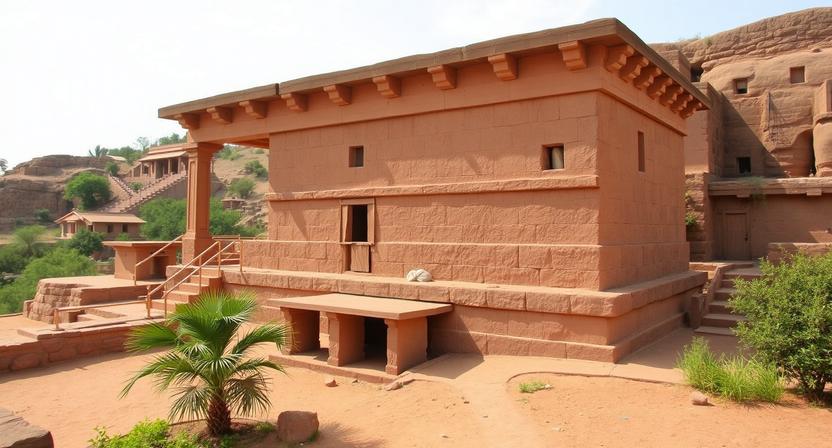
Karnataka Government Boosts Tourism Infrastructure Growth in Hampi with Traveller Nooks Initiative, Enhancing their Visitor Experience and Regional Appeal

The Karnataka state government is going to build the first infrastructure to support tourism in Hampi by constructing Traveller Nooks at Hampi. Construction for the nooks will begin in 2023 and end in 2026. Construction will commence with the nooks located at and around the UNESCO World Heritage sites.

The traveler nooks will serve as small, compact hubs that offer comfort and convenience to the travelers visiting Hampi. 20 different nooks are planned to be built at sites like the Mayur Bhuvaneshwari Hotel, Vijaya Vitthal Temple, and and Chandrakeshwar Temple, and Virupaksha Temple. Hampi is one of the most important cultural and historical sites for India, and this initiative promises to help modernize the tourism infrastructure to support sustainable growth in the cultural economic sector.

Enhancing Hampi’s Infrastructure to Support Growing Tourism Demand

With the increasing global appeal of Hampi as a key cultural and heritage destination, the Karnataka government’s focus on tourism infrastructure development is crucial to ensuring the region can accommodate growing visitor numbers. The traveller nooks will offer essential amenities such as drinking water stations, clean toilets, ATMs, retail kiosks, and shaded seating areas—all designed to provide visitors with a seamless, comfortable experience while exploring the historic site.

This initiative is set to have a significant impact on tourism infrastructure growth, making Hampi more accessible, comfortable, and visitor-friendly. By providing essential facilities under one roof, the traveller nooks will encourage longer stays, increased footfall, and more positive experiences, supporting economic growth in the region.

Supporting Sustainable Tourism Development with Modern Amenities

The initiative is being implemented under the central government’s Swadesh Darshan 2.0 scheme, which aims to modernize tourism infrastructure while supporting sustainable tourism practices. The traveller nooks will not only enhance visitor services but will also reflect the country’s commitment to sustainable tourism by incorporating eco-friendly practices into the project’s design and operations.

By upgrading tourism infrastructure and offering amenities such as solar-powered water stations and eco-friendly kiosks, the project supports environmental sustainability while improving the overall tourism experience. These steps align with global trends in responsible tourism, positioning Hampi as a sustainable destination that balances growth with heritage preservation.

Urban and Rural Tourism Integration Enhances Hampi’s Appeal

The traveller nooks will play a significant role in integrating rural and urban tourism, allowing visitors to easily access tourist sites and local experiences in and around Hampi. By improving accessibility, the initiative will help distribute tourism demand more evenly across the region, addressing the challenges of overcrowding at popular spots and contributing to more equitable economic benefits for surrounding communities.

This infrastructure upgrade also supports the development of local businesses, providing new economic opportunities through the introduction of small retail kiosks and community engagement initiatives. As more travellers visit the area, local businesses in hospitality, food services, and crafts will benefit from increased foot traffic and spending.

Encouraging Longer Stays and Higher Visitor Spend

With the introduction of modern amenities such as comfort stations, shade areas, and water stations, visitors will be more inclined to stay longer and explore multiple sites within Hampi. This extended visit model helps boost local tourism revenue, especially when paired with retail kiosks that showcase local products.

In line with India’s tourism growth vision, the development of tourism infrastructure in Hampi is a key enabler of sustained visitor engagement. By improving the visitor experience with thoughtfully designed amenities, the government is ensuring that tourism growth remains consistent and resilient, supporting both short-term growth and long-term sustainability.

Regional Economic Impact and Job Creation

In addition to supporting tourism growth, the traveller nooks initiative is expected to create new jobs in areas such as facility management, retail services, and tourism support. Local workers and small businesses will benefit from the increased demand for services, product sales, and guides. The project’s focus on local procurement further strengthens regional economic integration.

The construction and operation of the traveller nooks will also drive job creation in sectors related to infrastructure, hospitality, and community services, contributing to economic stability in the region.

Shaping Hampi’s Future as a Premier Global Heritage Destination

As India positions itself as a leader in sustainable tourism, the development of tourism infrastructure in places like Hampi will continue to play a crucial role in attracting high-value international visitors. The traveller nooks will help Hampi cater to changing traveller preferences, where convenience, comfort, and responsible travel are becoming essential components of the tourist experience.

The initiative is part of a broader vision to strengthen Hampi’s competitive position in the global tourism market, aligning with Swadesh Darshan 2.0’s focus on sustainable, experience-driven travel.

Strengthening Hampi’s Tourism Infrastructure for Future Growth

The rollout of traveler nooks across key tourist locations in Hampi shows candidate for shifting tourism infrastructure growth positively impacting visitors while balancing sustainability and heritage conservation. The Karnataka government’s strategy to position Hampi for tourism growth through amenity modernization and local economic support is commendable and will benefit local communities and global visitors.

With the ongoing development of India’s tourism industry, Hampi’s blend of modern infrastructure and cultural authenticity will make it a premier destination offering extensive natural beauty, rich cultural heritage, and contemporary facilities.

The post Karnataka Government Boosts Tourism Infrastructure Growth in Hampi with Traveller Nooks Initiative, Enhancing their Visitor Experience and Regional Appeal appeared first on Travel And Tour World.

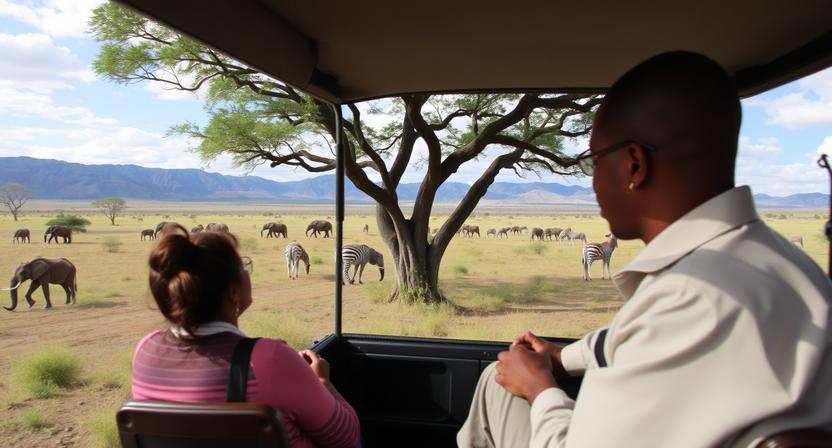
IHG Hotels & Resorts Opens Four New Hotels Across the UK, Boosting Premium and Midscale Offerings and Supporting Long-Term Hospitality Growth

IHG Hotels & Resorts Opens Four New Hotels Across the UK, Boosting Premium and Midscale Offerings and Supporting Long-Term Hospitality Growth

IHG Hotels & Resorts recently revealed plans to further strengthen its partnership with Fairview Hotels by adding four more hotels to its UK portfolio. These include two more hotels with the Fairview brand Garner Hotels – Garner Hotel Rotherham East, Garner Hotel Lincoln, and Garner Hotel Chesterfield North – and voco London – Bloomsbury. This addition will increase the company’s presence in the UK with 380 more rooms, reinforcing its foothold in the UK, the most important market for IHG in Europe.

The company’s recent additions to its portfolio in the UK emphasize the company’s strategic plans to open more hotels in the midscale and premium sectors of the market, showcasing the company’s confidence in the increasing demand and long-term growth potential for these sectors.

Expanding Premium Offerings With Voco London – Bloomsbury

The voco brand has been one of the fastest-growing segments in IHG’s premium hotel portfolio. voco London – Bloomsbury, opening in mid-2026, will offer 114 rooms in a charming Victorian façade situated in the vibrant Bloomsbury district. This development supports voco’s strategic growth in the UK, with 21 open hotels and 5 in the pipeline. As travelers increasingly seek sophisticated yet affordable luxury, the voco brand has proven popular with both hotel owners and guests who value its blend of modern design and local authenticity.

The opening of voco London – Bloomsbury not only enhances IHG’s premium market presence but also reflects the growing demand for location-driven luxury stays in cities like London. The property’s proximity to historical landmarks, museums, and cultural attractions makes it an ideal option for leisure and business travelers, further boosting London’s already-strong appeal in the global hospitality market.

Garner Hotels Drive Midscale Hospitality Growth

Alongside voco’s expansion, Garner Hotels continues to grow within the midscale hotel market, targeting travelers seeking affordable, high-quality stays with essential amenities. The Garner Hotel Rotherham East, which opened in January 2025, and the upcoming Garner Hotel Lincoln and Garner Hotel Chesterfield North set to open in February 2026, bolster IHG’s presence in the midmarket segment, which has seen steady demand for affordable but well-located accommodation.

These 91-room properties are strategically placed in key regional locations, providing accessible options for both business and leisure travelers. Garner Hotels offer free Wi-Fi, comfortable beds, and a refreshing moment on arrival with a complimentary drink and snack, making it a popular choice for guests who value convenience and comfort at a competitive price point.

As part of IHG’s larger strategy, these midscale hotels contribute significantly to market diversification, supporting the growing demand for high-value, budget-conscious stays across the UK.

A Growing Market for Midscale and Premium Hospitality in the UK

The UK hospitality market is evolving with rising demand for both luxury and midscale options, driven by diverse traveler needs. With the UK being one of IHG’s largest markets in Europe, these new properties play a key role in maintaining IHG’s competitive edge and enhancing its portfolio across various price points.

The success of conversion brands like voco and Garner speaks to a broader trend of adaptable, flexible brands that meet specific market demands. The conversion model allows for faster market entry, enabling IHG to expand its footprint quickly while maintaining high standards of quality and service. These brands have resonated well with hotel owners looking for strong returns on investment and faster routes to market.

Local Economic Impact and Employment Growth

The expansion of IHG’s hotel portfolio across the UK also provides significant local economic benefits, from job creation in hospitality, catering, and management roles to local partnerships with suppliers, tour operators, and service providers. In regional towns, the increased availability of midscale and premium accommodations drives both short-term and extended tourism, helping to distribute visitor spending more evenly across the country.

For example, hotels like the Garner Hotel Lincoln and Garner Hotel Chesterfield North serve business travelers, families, and solo adventurers while supporting leisure tourism in these regions. With better access to accommodation, local attractions and experiences also see greater engagement, resulting in boosted tourism revenues for surrounding communities.

Looking Ahead: Sustainable Hospitality Growth Across the UK

IHG placing emphasis on conversion brands, particularly voco and Garner, focuses the company on continued growth in the UK. With the demand for sustainable, experience-led hospitality growing, IHG is capturing the dual need for sustainable tourism, where the benefits of travel and tourism are balanced against the needs of the local community, in combination with the increasing demand for premium and budget friendly accommodation options.

In IHG’s UK expansion, where urban centers and regional destinations are increasingly experiencing demand for temporary accommodations of varied offer, IHG’s growth will satisfy the long-standing tourism demand in the UK, in support of the economic and cultural vitality of primary urban areas and providing high varying quality accommodation in developing markets. IHG’s growing confidence in both the luxury and midscale segments is evidenced in the addition of these properties to IHG’s portfolio, ensuring IHG remains at the forefront of the UK hospitality market, driving expansion and innovation in tourism for years to come.

Image Source: IHG

The post IHG Hotels & Resorts Opens Four New Hotels Across the UK, Boosting Premium and Midscale Offerings and Supporting Long-Term Hospitality Growth appeared first on Travel And Tour World.
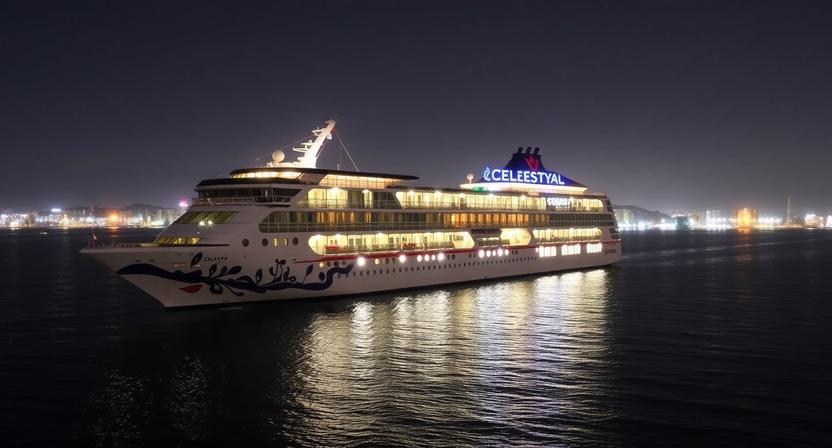
The Newman Opens in Fitzrovia, Boosting Hospitality Growth, Luxury Tourism and Wellness-Driven Travel with Focus on Innovative Guest Experiences in London

The Newman Opens in Fitzrovia, Boosting Hospitality Growth, Luxury Tourism and Wellness-Driven Travel with Focus on Innovative Guest Experiences in London

Kinsfolk & Co has opened its first hotel in London, The Newman, in Fitzrovia, one of the key places in London. The Newman shows a blend of luxury, wellness, and modern design, and showcases an innovative concept in this space. The Newman demonstrates a new phase of hospitality growth for Fitzrovia and London.

With The Newman opening, we continue to see an industry trend where high-end hospitality development focuses on merging luxury accommodation, wellness, and community integration. The Newman strengthens Fitzrovia’s stature as an area for high-end wellness and destination travel. This also supports the local economy and the high-end hospitality market in London.

Expanding Hospitality Offerings to Meet the Demand for Luxury Travel

The 81 spacious guest rooms, suites, and apartments at The Newman set a new standard in London’s luxury hotel market, catering to an upscale clientele seeking modern comfort, exclusive amenities, and a personalized experience. With contemporary Art Deco aesthetics and a focus on wellness-driven features, such as CBD sleep patches and anatomē scents in the wellness mini-bars, the hotel is designed to cater to today’s discerning travellers.

The integration of wellness tourism into the hospitality offering marks a growing trend in the industry, where guests are increasingly seeking holistic travel experiences that combine luxury with relaxation and health. The inclusion of LED face masks and yoga mats in the Penthouse Suite enhances The Newman’s appeal to a health-conscious, luxury-focused market, positioning the hotel as a leader in wellness tourism growth.

Strategic Location Enhances Fitzrovia’s Appeal as a Luxury Travel Hub

Fitzrovia has long been known for its creative industries, art galleries, and vibrant dining scene, making it an attractive location for luxury travellers who want to immerse themselves in both culture and comfort. The Newman leverages this location, offering guests easy access to iconic sites, fine dining, and exclusive shopping experiences. This central location makes it an ideal base for those exploring London’s West End, Soho, and beyond.

As Fitzrovia continues to grow as a tourism hub, The Newman enhances the area’s luxury accommodation offerings and contributes to hospitality growth in the city. Hotels like The Newman are helping London evolve to meet the demands of a new generation of travellers, who seek both convenience and exceptional experiences when they visit the capital.

Elevating the Guest Experience with Innovative Amenities and Services

The Newman is not just about luxury rooms—it also focuses heavily on creating a complete, experience-driven guest journey. The Brasserie Angelica restaurant and Gambit Bar offer innovative dining and social spaces, further contributing to the hospitality growth in the area. The bespoke sandwich trolley and all-day European menu at Brasserie Angelica create unique dining moments, encouraging guests to stay within the hotel while enjoying memorable meals.

Additionally, Gambit Bar provides an intimate atmosphere for evening relaxation, with a dynamic programme of live DJs and chess nights, contributing to leisure tourism growth. By offering tailored experiences, The Newman attracts visitors who value more than just a bed to sleep in, seeking social connections, fine dining, and a range of activities during their stay.

Supporting Wellness Tourism Growth with Exclusive Spa and Fitness Offerings

The wellness offering at The Newman is another standout feature that positions the hotel as a leader in the luxury wellness tourism market. The hotel’s spa includes a medical-grade halotherapy room, Ice Lounge, Finnish sauna, hydrotherapy plunge pool, and innovative treatments by brands such as Nuori and Moss of the Isles. This comprehensive wellness package aligns with a growing global trend where wellness tourism continues to drive market demand for holistic travel experiences.

The hotel’s partnership with Hyperice also reflects the increasing demand for recovery and relaxation technologies, further attracting active travellers, fitness enthusiasts, and those looking for a rejuvenating escape. Wellness services like these position The Newman as a key player in tourism growth, as travellers seek to balance relaxation and self-care with leisure and exploration.

Local Community Engagement Drives Sustainable Hospitality Growth

In a first for the hospitality industry, The Newman has partnered with Saira Hospitality to create a pop-up hospitality school, offering training to local individuals facing barriers to employment. This collaboration not only strengthens the local community but also builds the future of hospitality by providing access to skills development and career opportunities.

This initiative contributes to sustainable tourism growth, where hospitality brands take an active role in the economic and social development of the areas they serve. By providing employment opportunities and fostering local talent, The Newman plays a part in creating a more inclusive and responsible tourism ecosystem.

Strengthening London’s Luxury Tourism Market

As London’s luxury tourism market becomes more competitive, The Newman’s opening is a direct response to the increased demand for high-end experiences. It helps to fill the gap in the market for those seeking luxury stays that incorporate wellness, design, and personalized services—key factors driving hospitality growth.

The hotel is positioned to appeal to the growing number of international luxury tourists, especially from Asia and the Middle East, who seek world-class amenities and services when they visit London. By investing in unique offerings and exclusivity, The Newman is expected to boost London’s global position as a luxury travel leader.

Contributing to Long-Term Tourism and Hospitality Growth

The Newman exemplifies the potential positive impact an innovative hotel can have on both immediate and sustained tourism growth. Its ideal location combined with luxury offers and extensive wellness services, proves how strong the hospitality sector’s commitment to wellness tourism, community involvement, and sustainability is changing the landscape. In The Newman, we see the future of hospitality where responsible and caring tourism integrates with high-end offers.

With The Newman, luxury tourism in London is elevated while also marking one of the final pieces needed to cement London’s standing as the world’s leading international travel hub. Along with the immediate boost of tourism that The Newman, and especially The Newman, wellness tourism will bring, the hotel will also positively impact the community and hospitality in London The Newman’s allows for the blueprint to give London hospitality the needed focus on the interconnection of tourism and community and the wellness element tourism.

Image Source: The Newman

The post The Newman Opens in Fitzrovia, Boosting Hospitality Growth, Luxury Tourism and Wellness-Driven Travel with Focus on Innovative Guest Experiences in London appeared first on Travel And Tour World.
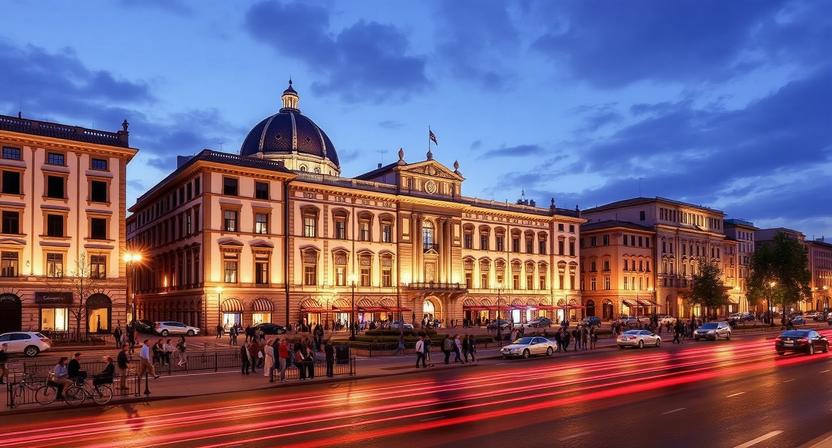
Tanzania Calls for Stronger Private Sector Investment in Ngorongoro to Expand Accommodation, Transport and Attractions as Tourism Growth Accelerates

Tanzania Calls for Stronger Private Sector Investment in Ngorongoro to Expand Accommodation, Transport and Attractions as Tourism Growth Accelerates

In the Ngorongoro Conservation Area, Tanzania has been establishing stronger partnerships for the growth of tourism, particularly in the Ngorongoro Conservation Area Authority (NCAA). This collaboration with the private sector is aimed at providing services for more tourism-related accommodation, transport, and products. Such initiatives position the government to further develop one of Tanzania’s most prominent attractions, consistent with increasing visitor numbers and the country’s tourism goals.

This strategy was communicated in Arusha at the sworn-in ceremony for the new Commissioner for Conservation and the inaugural NCAA Board, where the government strongly emphasized the congruence of leadership, investment, and tourism growth.

Visitor Growth Confirms Rising Global Demand

Ngorongoro continues to demonstrate strong tourism growth momentum, reinforcing its status as a cornerstone of Tanzania’s safari tourism offering. In the 2024/25 financial year, the conservation area recorded 1,061,620 visitors, up from 908,627 the previous year.

This year-on-year increase highlights growing international and domestic interest in Ngorongoro’s unique wildlife, landscapes, and cultural heritage. The sustained rise in arrivals also underscores the urgency of expanding infrastructure and services to ensure the destination can grow without compromising visitor experience or conservation standards.

Private Sector Investment Seen as Key to Scaling Growth

To support continued tourism growth, Tanzania is looking to the private sector as a critical partner in expanding Ngorongoro’s tourism ecosystem. Planned investments aim to increase bed capacity from 1,555 to more than 2,590, creating room for higher visitor volumes, longer stays, and more diverse accommodation options.

Expanded capacity is expected to support premium lodges, mid-range facilities, and complementary services, enabling Ngorongoro to capture greater tourism value per visitor. Improved transport services and supporting infrastructure will further enhance accessibility, helping convert rising interest into actual arrivals.

Preparing Ngorongoro for Major Tourism-Boosting Events

The push for accelerated investment is closely tied to upcoming major international events, including Inter-Parliamentary Union meetings and the Africa Cup of Nations (AFCON) 2027, which Tanzania will co-host. These events are expected to generate significant inbound travel, global media exposure, and extended leisure stays.

Strengthening Ngorongoro’s accommodation and service capacity ahead of these milestones positions the destination to benefit directly from event-driven tourism growth, while also leaving a lasting infrastructure legacy.

Product Innovation to Sustain Long-Term Tourism Growth

Beyond physical expansion, authorities have emphasised tourism product innovation as a pillar of sustainable growth. The NCAA has been directed to introduce at least one new attraction each year, ensuring Ngorongoro remains competitive and compelling in the global safari market.

New products may include enhanced conservation experiences, cultural and community-based tourism offerings, educational attractions, and improved visitor interpretation. Product diversification supports repeat visitation, extends length of stay, and helps distribute tourism flows more evenly across the conservation area.

Balancing Rapid Tourism Growth With Conservation

While growth is a clear priority, Tanzania has reiterated that Ngorongoro’s expansion must remain aligned with conservation and sustainability principles. As a UNESCO-listed conservation area, Ngorongoro requires careful management to ensure that increased visitor numbers do not undermine wildlife protection, ecosystems, or community livelihoods.

The government has stressed that private sector investments must integrate environmental safeguards, sustainable design, and strong community partnerships, ensuring that tourism growth reinforces conservation outcomes rather than conflicting with them.

Revenue Growth Reflects Expanding Tourism Impact

Ngorongoro’s financial performance further illustrates the scale of its tourism growth. The NCAA collected Sh269.9 billion in revenue during the 2024/25 financial year and has now set a higher target of Sh350 billion, reflecting expectations of continued growth in arrivals and visitor spending. These revenues are reinvested into conservation, community development, infrastructure upgrades, and national tourism promotion, amplifying tourism’s contribution to the wider economy.

Aligning Ngorongoro With National Tourism Growth Targets

The expansion strategy for Ngorongoro is closely aligned with Tanzania’s national goal of attracting 8 million tourists annually by 2030. As one of the country’s most recognisable and marketable destinations, Ngorongoro is expected to play a central role in achieving this target.

By expanding capacity, enhancing access, and diversifying experiences, Ngorongoro can absorb higher visitor numbers while maintaining its premium positioning. This supports a quality-led tourism growth model, where increased volumes are matched by higher value and stronger visitor satisfaction.

Community Partnerships Support Inclusive Tourism Growth

Community engagement has been highlighted as essential to ensuring that tourism growth delivers shared benefits. Partnerships with local communities create employment, support small enterprises, and strengthen local support for conservation and tourism development. Community-based tourism initiatives also enrich the visitor experience, offering authentic cultural encounters while reinforcing social sustainability.

Ngorongoro Emerges as a Flagship for Tourism Growth in Tanzania

Tanzania focuses Ngorongoro as a flagship tourism destination with potential to drive visitor growth, revenue, and global positioning. The Ngorongoro Opportunity for Inclusive Tourism Development calls for stronger private sector engagement and implies a departure to more investment, creativity, and sustainable resilience for tourism growth.

Through integrating infrastructure development, product diversification, innovative conservation with community partnerships, Tanzania aims to make Ngorongoro’s tourism growth sustainable, competitive, and economically transformative well into the future, with the growth period expected to last up to and beyond 2030.

The post Tanzania Calls for Stronger Private Sector Investment in Ngorongoro to Expand Accommodation, Transport and Attractions as Tourism Growth Accelerates appeared first on Travel And Tour World.

Celestyal Adds New Athens–Jeddah Cruises for November 2026, Strengthening its Cruise Tourism Growth Linking Europe, Red Sea and Arabian Gulf

Celestyal Adds New Athens–Jeddah Cruises for November 2026, Strengthening its Cruise Tourism Growth Linking Europe, Red Sea and Arabian Gulf

Celestyal is strengthening cruise tourism in the Eastern Mediterranean, Red Sea, and Arabian Gulf by introducing two new repositioning cruises for November 2026. The two new sailings between Athens (Piraeus) and Jeddah are experiencing the demand for November sailings that are longer, multi-destination cruises.

The repositioning cruise sector is being reconceptualized, and no longer seen merely as operational necessities. The new cruises will be the first in the Outer Mediterranean. It is believed they will provide high value tourism with the potential to develop new markets, extend seasons, and diversify the tourism spread.

Athens to Jeddah Cruises Expand Multi-Destination Cruise Demand

The Celestyal Journey will depart Piraeus on November 14, 2026, offering a seven-night itinerary with calls at Port Said and Safaga in Egypt, and Aqaba in Jordan, alongside a full Suez Canal transit. Starting from $789 per person, the cruise is positioned to attract travellers seeking immersive cultural experiences at competitive pricing.

The Celestyal Discovery will follow with an eight-night sailing from Piraeus on November 20, 2026, priced from $909 per person. This itinerary mirrors the Journey’s route while adding a call at Kusadasi, Turkey, opening access to another key embarkation market and expanding cruise tourism reach in the Eastern Mediterranean. These sailings support cruise tourism growth by encouraging longer itineraries, multi-country exploration, and increased passenger spending across ports that benefit from shoulder-season cruise calls.

Repositioning Cruises Become Growth Engines for the Cruise Sector

Celestyal’s expanded repositioning programme highlights how cruise lines are using these voyages to stimulate incremental tourism demand rather than simply relocating ships. By combining iconic destinations with lesser-visited ports, the itineraries appeal to experienced cruisers and culturally curious travellers looking for journeys with depth and narrative.

The inclusion of Egyptian and Jordanian ports, alongside a rare Suez Canal transit, adds experiential value that enhances cruise tourism growth by differentiating these sailings from traditional Mediterranean routes.

Boosting Cruise Tourism in the Red Sea and Eastern Mediterranean

Ports such as Port Said, Safaga, and Aqaba are increasingly central to cruise tourism expansion strategies as destinations seek to diversify beyond peak-season Mediterranean traffic. Cruise calls support local economies through shore excursions, transport services, guides, retail, and hospitality, often delivering outsized benefits in emerging or developing cruise markets.

By routing ships through these destinations, Celestyal contributes to regional cruise tourism development, helping integrate the Red Sea more firmly into global cruise itineraries while spreading tourism flows more evenly.

Demand Signals Strong Cruise Tourism Momentum

Celestyal confirmed that the new sailings build on strong demand for previous Athens–Jeddah voyages, underlining a broader trend in cruise tourism growth toward longer, destination-led journeys. Travelers are increasingly seeking cruises that combine iconic heritage destinations with new cultural experiences, rather than short, repetitive itineraries. This demand supports cruise lines’ willingness to invest in complex, cross-regional routes that generate higher yields and stronger destination partnerships.

Seamless Transition Into a Growing Arabian Gulf Cruise Market

After arriving in Jeddah, both ships will continue to the Arabian Gulf, launching Celestyal’s third consecutive winter season in the region. The Gulf has rapidly emerged as a key growth market for cruise tourism, supported by modern port infrastructure, strong air connectivity, and diversified attractions.

The Celestyal Journey will operate an updated seven-night Desert Days itinerary, sailing roundtrip from Doha with calls at Dubai (overnight), Abu Dhabi, Sir Bani Yas Island, and Bahrain. Overnight stays and extended port calls increase onshore spending and deepen destination engagement, amplifying cruise tourism’s economic impact.

Shorter Cruises Support Cruise Tourism Growth in the Gulf

The Celestyal Discovery will complement this with three-, four-, and seven-night Iconic Arabia cruises, sailing roundtrip from Abu Dhabi and calling at Doha, Khasab, Dubai, Sir Bani Yas Island, and Ras Al Khaimah. Short and mid-length itineraries are vital drivers of cruise tourism growth in the Gulf, attracting first-time cruisers, regional travellers, and fly-cruise guests, while ensuring frequent port calls that benefit local tourism economies.

Cruise Tourism Growth Through Regional Integration

By linking Greece, Turkey, Egypt, Jordan, Saudi Arabia, and Gulf destinations in a single seasonal deployment, Celestyal is reinforcing cruising as a tool for regional tourism integration. These itineraries encourage travellers to experience multiple cultures and landscapes while distributing tourism benefits across a wide network of ports.

Such cross-regional strategies align with national tourism ambitions in the Middle East and Eastern Mediterranean, where cruise tourism is increasingly seen as a catalyst for economic diversification, destination branding, and international visibility.

Cruise Sector Growth Extends Into 2026–27

Added repositioning voyages showcase the positive trend on the growth of global cruise tourism as cruise lines diversify their routes and operating calendars. For Celestyal, it consolidates its niche as an expert in destination-based cruising. For the host destinations, it means an increased, sustained provision of visitor arrivals and exposure to primary source markets.

The Athens–Jeddah sailings are a testament to cruise tourism growth and the new travel patterns it creates, especially between Europe, the Red Sea, and the Arabian Gulf. It also reflects the demand for longer, more experiential journeys that integrate multiple destinations. It will likely drive further travel pattern shifts in the years to come.

The post Celestyal Adds New Athens–Jeddah Cruises for November 2026, Strengthening its Cruise Tourism Growth Linking Europe, Red Sea and Arabian Gulf appeared first on Travel And Tour World.
Florence Enters a New Tourism Chapter as Hotel Wilson Boutique Project Advances, Driving its City Centre Hospitality Growth and Long-Term Economic Impact

Florence Enters a New Tourism Chapter as Hotel Wilson Boutique Project Advances, Driving its City Centre Hospitality Growth and Long-Term Economic Impact

Plans are already underway for the Wilson Hotel, a 110-bedroom boutique hotel which will become one of the first anchored destination hotels for the city centre, and will enable sustained economic activity for the city centre. The site is currently being permited and will break ground for construction in February 2024, aiming to complete in late 2027, just in time for their official opening.

The positive growth in the visitor economy for Florence is evidenced by the constructive confidence from Allred Companies for this developement under Hilton’s Tapestry Collection and managed by Valor Hospitality Partners. Florence is now well positioned to attract a broader spectrum of leisure, business and event tourism.

Branded Boutique Hospitality Expands Florence’s Tourism Reach

Hotel Wilson represents more than just new accommodation. As part of Hilton’s Tapestry Collection, the property will benefit from international visibility, loyalty-driven demand, and global distribution, while maintaining a locally inspired identity rooted in Florence’s history and culture.

This type of branded boutique hotel plays a growing role in tourism development, particularly for cities like Florence that attract leisure travellers, university-linked visitors, music and heritage tourists, and small-scale business events. The added capacity supports longer stays, higher visitor spending, and increased overnight visitation, strengthening Florence’s competitiveness in the regional travel market.

Unlocking a Long-Stalled Downtown Site Through Infrastructure Investment

The hotel will rise on a 1.2-acre vacant parcel at 301 E Tennessee Street, a centrally located site that had remained undeveloped for decades due to serious infrastructure constraints. An outdated clay sewer line running through the property prevented meaningful development and limited its economic potential.

Through a public–private partnership with the City of Florence, Allred Companies fully funded and executed a major infrastructure upgrade, rerouting and installing 1,015 linear feet of modern, code-compliant sewer, along with six new manholes to support long-term maintenance. This investment not only enables the hotel project but also future-proofs surrounding downtown infrastructure, creating broader development opportunities beyond Hotel Wilson itself.

Dining, Social Spaces, and Placemaking at the Forefront

Hotel Wilson is being designed as a destination in its own right, not just a place to sleep. Plans include a café, bar, and destination restaurant, intended to complement Florence’s existing culinary landscape rather than compete with it. These venues are expected to become active social spaces, drawing in both visitors and locals.

This emphasis on public-facing amenities reflects a shift in hospitality development toward placemaking, where hotels act as anchors for urban life, generating foot traffic, supporting nearby businesses, and contributing to downtown vibrancy throughout the day and evening.

Architecture Inspired by The Shoals’ Identity and Landscape

Designed by Smith Gee Studio, Hotel Wilson takes inspiration from The Shoals’ industrial heritage, the Wilson Dam, the Tennessee River, and the region’s natural surroundings. The architectural language aims to express Florence’s layered identity—blue-collar roots, college-town energy, and a deep artistic and musical tradition—in both form and experience.

Rather than importing a generic hotel aesthetic, the design seeks to tell Florence’s story, aligning with traveller preferences for authentic, place-driven experiences. This approach strengthens Florence’s brand as a destination with character, history, and creative spirit.

A Community Asset, Not Just a Tourist Facility

Hotel Wilson is envisioned as a community hub, with gathering spaces designed to host local events, meetings, celebrations, and cultural programming. By serving residents alongside visitors, the hotel supports a more inclusive and resilient tourism model, one that integrates seamlessly into daily city life.

Community-oriented hotels often deliver stronger long-term outcomes, as they foster local pride, encourage repeat visitation, and reduce resistance to tourism growth by ensuring that development benefits are widely shared.

Job Creation and Economic Ripple Effects

The project is expected to generate construction-phase employment, followed by permanent hospitality, management, and service jobs once the hotel opens. Beyond direct employment, Hotel Wilson is likely to stimulate indirect economic activity across downtown Florence, benefiting restaurants, retailers, entertainment venues, transport providers, and local suppliers.

With increased overnight capacity, Florence will be better positioned to host regional events, cultural festivals, university-related gatherings, and music tourism, all of which depend on quality accommodation within walking distance of downtown amenities.

Strengthening Florence’s Long-Term Tourism Strategy

Hotel Wilson aligns with a broader vision for Florence that prioritises thoughtful growth, downtown revitalisation, and experience-led tourism, rather than volume-driven visitor expansion. By attracting a boutique hotel that reflects local identity while connecting to a global brand network, Florence is elevating its tourism offering without diluting its character.

The project also signals confidence in Florence’s future as a walkable, culturally rich, and economically vibrant destination, capable of sustaining year-round tourism demand rather than seasonal spikes alone.

Looking Ahead to 2027 and Beyond

With building set to commence shortly and the opening slated for late 2027, Hotel Wilson will begin to anchor downtown Florence’s new beginnings. The development illustrates how constructive local advocacy, responsible collaboration, and design-centric hospitality can create and sustain lasting benefits for both transient and endemic audiences.

With the continued enhancement of Florence’s appeal as a hub for culture, music, education, and leisure, Hotel Wilson will be instrumental in the growth of tourism, strengthening the local economy, and enhancing the city’s authentic sense of place for many years to come.

The post Florence Enters a New Tourism Chapter as Hotel Wilson Boutique Project Advances, Driving its City Centre Hospitality Growth and Long-Term Economic Impact appeared first on Travel And Tour World.
Kempinski Group Launches its First US Branded Residences in Miami Design District, Driving Hospitality Growth and Luxury Lifestyle Investment

Kempinski Group Launches its First US Branded Residences in Miami Design District, Driving Hospitality Growth and Luxury Lifestyle Investment

In October 2023, Kempinski Group, the oldest independent luxury hospitality company in Europe, has announced its first-ever branded residential development in the United States, the Kempinski Residences Miami Design District. This project signifies a luxury hospitality trend with growing branded residential developments. Additionally, it shows the shift in the company’s hospitality expertise, which is extending into permanent living.

DaGrosa Capital Development Partners is responsible for this Miami-based project, which most influential design and lifestyle districts. Miami is quickly becoming a strong global center for high-end hospitality, travel, and lifestyle real estate. This project also shows growing confidence in Miami.

Branded Residences Drive the Next Phase of Hospitality Growth

The launch reflects a broader industry shift where branded residences have become a key engine of hospitality growth. Luxury hotel groups are increasingly leveraging their brands, operational know-how, and service standards to meet rising demand from high-net-worth individuals seeking hotel-level services in private residential settings.

For Kempinski, the Miami project allows the brand to deepen customer relationships beyond traditional hotel stays, creating recurring engagement and long-term brand loyalty. This model supports sustainable hospitality growth by diversifying revenue streams while maintaining premium positioning.

Miami Design District Strengthens Destination-Led Hospitality Expansion

Located at 3801 and 3883 Biscayne Boulevard, at the gateway to the Miami Design District, the development benefits from a neighbourhood known for architecture, art, fashion, and culinary innovation. This strategic positioning enhances Miami’s appeal as a live–stay–invest destination, where hospitality, tourism, and real estate intersect.

High-end residential developments anchored by global hotel brands contribute to destination competitiveness by attracting international owners who often double as long-stay visitors. This pattern strengthens local hospitality ecosystems, supporting restaurants, retail, cultural venues, and travel services year-round.

Expanding Luxury Inventory Through Hospitality Expertise

Kempinski Residences Miami Design District will comprise 132 private residences across two 20-storey towers, alongside six townhomes and 17 guest suites exclusively for residents. Residences will feature two- to four-bedroom layouts, with interior spaces ranging from approximately 2,100 to 3,100 square feet and total living areas of up to 3,700 square feet.

Generous terraces with views of Biscayne Bay and Downtown Miami reinforce the resort-style living experience increasingly sought by global buyers. This scale and configuration reflect how hospitality-led developments are reshaping luxury residential supply in major travel cities.

Design Partnerships Elevate Hospitality-Led Development

The project’s design is led by Arquitectonica, with interiors by Rockwell Group and landscape architecture by Enea, reflecting the Miami Design District’s emphasis on design excellence and urban integration. High-calibre design is a core component of hospitality growth, as visually distinctive environments enhance brand perception and long-term asset value.

Luxury travellers and residents increasingly view architecture and interiors as integral to the overall hospitality experience, blurring the line between hotel stays and residential living.

Hospitality-Managed Living Redefines Luxury Residential Experience

Daily operations and management will be overseen by Kempinski Group, ensuring a hospitality-forward residential lifestyle rooted in global service standards. Drawing on experience across Europe, the Middle East, and Asia, Kempinski will deliver concierge services, lifestyle management, and curated experiences that mirror five-star hotel operations.

This approach reflects a growing hospitality growth trend where hotel brands extend their expertise into residential environments, creating seamless service ecosystems that support both owners and guests.

Amenity-Led Hospitality Supports Wellness and Lifestyle Growth

Amenities will be distributed across both towers and connected by an elevated third-floor amenity bridge, creating a cohesive hospitality environment. Wellness facilities include a fitness centre, spa and recovery zones, lap pool, cold plunge, infrared and steam saunas, and outdoor training spaces, aligning with the global rise of wellness-driven hospitality.

Social and lifestyle amenities feature a restaurant with terrace seating, dining salons, wine and game lounges, a screening room, and immersive offerings such as golf and Formula 1 simulators. Family-oriented spaces, landscaped areas, and electric vehicle charging further reinforce the development’s lifestyle appeal. These amenity-driven environments reflect how hospitality growth increasingly depends on holistic living experiences rather than accommodation alone.

Economic Impact and Hospitality Workforce Development

Kempinski’s US debut contributes to hospitality-led economic growth by supporting construction activity, professional services, and long-term operational roles. Branded residences also create sustained demand for hospitality professionals in concierge services, wellness, maintenance, and lifestyle management.

Miami’s hospitality sector benefits from the influx of international owners and guests who generate year-round economic activity, supporting airlines, cultural institutions, restaurants, and retail.

A Strategic Milestone in Kempinski’s Global Hospitality Expansion

Kempinski Residences Miami Design District demonstrates the Group’s intent to expand its hospitality reach beyond conventional hotel assets. The development illustrates how traditional luxury brands are responding to changes in travel and lifestyle, especially where constant or semi-constant living intertwines with hospitality amenities.

Kempinski’s entry to the US market keeps the company at the leading edge of luxury hospitality, and strengthens Miami’s positioning as a premier market for high-end living, travel, investment, and adds to the global hospitality growth Miami.The Residences as brands are on a steady growth track, and as collection of serviced apartments, are a powerful driver of hospitality growth in the future.

Image Source: Kempinski

The post Kempinski Group Launches its First US Branded Residences in Miami Design District, Driving Hospitality Growth and Luxury Lifestyle Investment appeared first on Travel And Tour World.

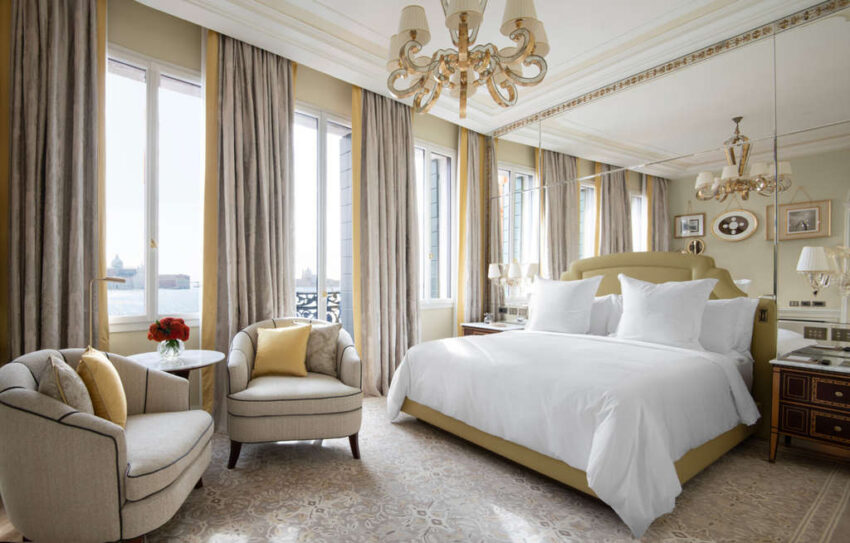
Danieli, A Four Seasons Hotel in Venice Opens Reservations Ahead of August 2026, Powering Luxury Hospitality and High-Value Tourism

Danieli, A Four Seasons Hotel in Venice Opens Reservations Ahead of August 2026, Powering Luxury Hospitality and High-Value Tourism

Venice will soon open a new luxury hotel, Danieli, A Four Seasons Hotel, Venice, and guests can begin checking into the property on August 26, 2026. This will welcome Four Seasons into a new European destination, Venice, and Europe will gain a new luxury hotel.

The Venice location will not only mark the opening of a new hotel for Four Seasons and Venice, but it will also demonstrate an investment into the luxury hotel market by Venice, affirming the growing demand for high-value, longer stays, and heritage-focused travel while pushing aside the short term, high volume, mass tourism model.

A Refined Opening Designed for Premium Hospitality Demand

The hotel will open with 120 rooms and suites, positioning itself firmly within the upper luxury segment rather than large-scale accommodation. Many rooms will offer expansive views over the Venetian lagoon, appealing to travelers who seek exclusivity, space, and a strong sense of place.

This boutique-scale approach supports Venice’s evolving tourism model, where luxury hospitality plays a central role in economic sustainability, generating higher spend per guest while easing pressure on the city’s delicate infrastructure.

Rooftop Dining Strengthens Luxury Culinary Tourism

Dining at the hotel will be led by Restaurant Terrazza Danieli, a rooftop venue overlooking the lagoon and historic rooftops of Venice. Under the leadership of Executive Chef Adriano Rausa, the restaurant is positioned as one of the city’s most elevated dining destinations, both in setting and ambition.

High-end gastronomy is increasingly a pillar of luxury hospitality growth, and Terrazza Danieli is expected to attract not only hotel guests but also international travelers who plan visits around exceptional dining experiences.

Prime Waterfront Location Anchors Luxury Hospitality Presence

Set along the Riva degli Schiavoni, just steps from Piazza San Marco, the hotel occupies one of Venice’s most prestigious waterfront addresses. This location places guests at the center of the city’s cultural, historical, and artistic life, reinforcing the property’s status as a flagship luxury address.

The arrival of a Four Seasons-branded hotel in such a prime location strengthens Venice’s global positioning as a top-tier luxury destination, particularly for long-haul travelers from North America, the Middle East, and Asia.

Three Historic Palaces Form a Living Luxury Landmark

Danieli’s appeal lies deeply in its architectural heritage. The hotel spans three interconnected palaces, representing more than 500 years of Venetian history. At its core is the 15th-century Palazzo Dandolo, later expanded by Palazzo Casa Nuova and Palazzo Danieli Excelsior.

This layered architectural narrative transforms the hotel into more than accommodation. It becomes a luxury heritage experience, where history itself is a key component of the guest journey, a growing trend within high-end hospitality.

Restoration Elevates Craftsmanship and Contemporary Comfort

The extensive restoration has been led by Pierre-Yves Rochon, known for revitalizing some of the world’s most celebrated luxury hotels. The redesign carefully preserves historic integrity while introducing modern comfort and functionality expected of a global luxury brand.

Interiors feature Murano glass, Italian marbles, and a palette inspired by Venice’s water, light, and facades. This approach reinforces luxury hospitality growth through authentic craftsmanship, supporting local artisans and preserving skills that are integral to Venice’s cultural economy.

Experiential Luxury Defines the Guest Journey

Under the leadership of General Manager Christian Zandonella, the hotel’s philosophy centers on experiential luxury rather than traditional sightseeing. Guests will be encouraged to engage with Venice through immersive activities that connect them with local life and traditions.

Experiences include learning Voga Veneta, the city’s traditional rowing style, exploring hidden gardens, and gaining insight into the fragile lagoon ecosystem that supports Venice’s UNESCO World Heritage status. These offerings align with a global shift in luxury travel toward meaningful, educational, and place-driven experiences.

Luxury Hospitality Supports Sustainable Tourism Goals

By focusing on immersive experiences, limited room count, and local partnerships, Danieli, A Four Seasons Hotel supports Venice’s broader push toward sustainable luxury tourism. High-end travelers typically stay longer, spend more locally, and engage more deeply with cultural offerings, delivering stronger economic returns with lower volume impact. Luxury hotels increasingly play a strategic role in shaping destination behavior, and this opening positions Four Seasons as a partner in Venice’s long-term sustainability efforts.

Strengthening Venice’s Global Luxury Hospitality Portfolio

The arrival of Four Seasons significantly enhances Venice’s luxury hospitality portfolio, adding a globally trusted brand to the city’s collection of historic grand hotels. Brand recognition is a key driver for high-spending travelers, and the Danieli reopening is expected to attract new demand from premium markets worldwide. This growth benefits not only the hotel sector but also fine dining, retail, cultural institutions, and artisanal industries across the city.

A Restored Icon Powering the Next Chapter of Luxury Growth

When the Danieli, A Four Seasons Hotel, Venice, opens in August 2026, it will be the first luxury hotel in the city to symbolically merge the growth of luxury hospitality with the preservation of Venice’s rich heritage. The hotel will integrate Venice’s 1,500 years of history with the contemporary 21st-century service, gastronomy, and experiential travel.

Thus, Venice will further strengthen its position as one of the world’s most sought-after luxury destinations. The Four Seasons opening will not just be a new hotel. It will signify the new era for luxury hospitality in ancient cities, where exclusivity, authenticity, and, most importantly, sustainability, will be the bedrock for successful long-term tourism.

The post Danieli, A Four Seasons Hotel in Venice Opens Reservations Ahead of August 2026, Powering Luxury Hospitality and High-Value Tourism appeared first on Travel And Tour World.

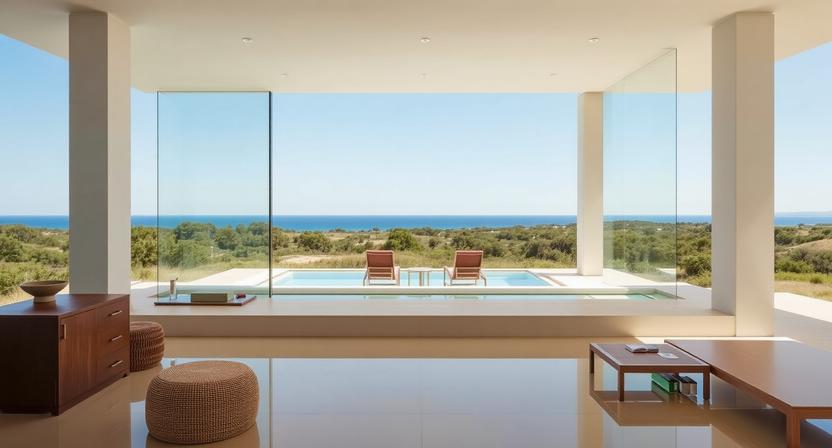
Sublime Comporta Opens a Major New Resort in May 2026, Strengthening Luxury Hospitality Growth in Portugal Through Wellness and Sustainability

Sublime Comporta Opens a Major New Resort in May 2026, Strengthening Luxury Hospitality Growth in Portugal Through Wellness and Sustainability

Portuguals luxury hospitality sector is experiencing new growth since the opening of the extended Sublime Comporta this May, a development that significantly raises Comporta’s standing in the global high-end travel market. Covering 51 hectares, the new development showcases a distinct pivot towards sprawling, low-density, and experience-led luxury hospitality growth with 43 private villas and three new central lifestyle buildings.

The expansion further cements Comporta’s transformation into one of Europe’s most sought after luxury lifestyle destinations, positioned directly opposing the original Sublime Comporta hotel. The original Sublime Comporta, which opened in 2014, was a key player in defining Comporta’s status as an international destination and remains one of the defining hotels in the area.

Low-Density Villas Reflect Evolving Luxury Hospitality Demand

The addition of 43 villas dispersed across the estate reflects a wider trend shaping luxury hospitality growth worldwide: guests increasingly seek space, privacy, and immersion in nature. Surrounded by stone pines and cork oaks, the villas are designed to blend seamlessly into the landscape while offering refined comfort and understated elegance.

This horizontal, nature-integrated approach allows Sublime Comporta to attract high-value, long-stay travellers, supporting a sustainable model of luxury hospitality growth that prioritises quality over volume.

Three Lifestyle Hubs Anchor a Year-Round Luxury Resort Ecosystem

At the core of the expansion are three central buildings, each anchoring a distinct dimension of the luxury hospitality experience and reinforcing Comporta’s appeal as a year-round destination. The Atrium, the social heart of the resort, brings together restaurants, a lounge bar, a café, a library, and curated retail spaces. A key highlight is BeefBar, marking the Portuguese debut of the Monaco-based luxury dining brand, a move that strengthens Portugal’s profile in the global luxury gastronomy scene.

Aqua is dedicated to wellness-led hospitality, featuring heated indoor and outdoor swimming pools, a fitness area, an Italian restaurant, and a poolside bar. Wellness tourism remains one of the fastest-growing luxury segments, and Sublime’s focus here directly supports long-term luxury hospitality growth.

The Forum introduces a flexible events and social hub with modular meeting spaces, outdoor decks, an amphitheatre, a celebration gazebo, and Comporta’s first-ever nightclub, operating as a summer pop-up. This addition signals the evolution of Comporta toward a lifestyle-driven luxury destination, capable of hosting social, cultural, and corporate gatherings.

Dual-Wing Concept Broadens Luxury Market Reach

With the expansion, Sublime Comporta now spans two distinct wings, allowing the brand to capture a wider spectrum of luxury travellers. The Terracotta wing preserves the resort’s original identity, rooted in authenticity, calm, and relaxed sophistication.

The Sand wing represents a contemporary extension, offering vibrant social spaces, expanded wellness facilities, and new dining concepts, appealing to guests seeking a more dynamic luxury experience. This duality strengthens Sublime’s positioning within the competitive luxury hospitality market.

Sustainability as a Pillar of Luxury Hospitality Growth

Sustainability remains central to Sublime Comporta’s philosophy and long-term growth strategy. The project emphasises responsible land use, preservation of native landscapes, and collaborative management, ensuring that luxury hospitality growth aligns with environmental stewardship.

By embracing year-round, low-impact tourism and honouring Comporta’s unique lifestyle, Sublime Comporta meets the expectations of modern luxury travellers, for whom sustainability is increasingly inseparable from premium hospitality.

Comporta Emerges as a Global Luxury Hospitality Destination

The expansion further cements Comporta’s evolution from a discreet coastal retreat into a globally recognised luxury destination. Unlike traditional resort hubs, Comporta’s appeal lies in its architectural restraint, natural beauty, and lifestyle authenticity, qualities that resonate strongly with high-end international travellers.

For Portugal, projects like Sublime Comporta support a broader tourism strategy focused on luxury hospitality growth, higher per-guest spending, and destination resilience, rather than mass tourism expansion.

Economic and Strategic Impact of Luxury Hospitality Growth

Beyond guest experience, the expanded Sublime Comporta is expected to deliver long-term economic benefits, including skilled employment, support for local artisans and suppliers, and increased international visibility for the region. Luxury hospitality growth of this nature also helps extend the tourism season, attract repeat visitors, and position destinations like Comporta as four-season lifestyle escapes.

Sublime Comporta Reflects the Future of Luxury Hospitality

The new Sublime Comporta opening in May shows how luxury hospitality is evolving. With new trends focusing on nature-led design, wellness, cultural authenticity, and sustainable operations, Comporta is leading the way. By expanding while preserving its identity, Sublime Comporta is strengthening its brand and elevating Portugal as a top destination for refined, responsible luxury hospitality.

The post Sublime Comporta Opens a Major New Resort in May 2026, Strengthening Luxury Hospitality Growth in Portugal Through Wellness and Sustainability appeared first on Travel And Tour World.

RIU Palace Swahili Opens in Zanzibar, Strengthening their Hospitality Growth, Luxury Tourism and High-Value Travel Demand Across the Indian Ocean

RIU Palace Swahili Opens in Zanzibar, Strengthening their Hospitality Growth, Luxury Tourism and High-Value Travel Demand Across the Indian Ocean

With a root in Spanish hospitality, RIU Hotels & Resorts opens its third property in Tanzania, the adults-only “Riu Palace Swahili.” The five-star property recently opened its doors in October 2023, making it the third RIU in Tanzania, and the 1st in Zanzibar, with the hopes of sky-rocketing the hospitality market in Nungwi. RIU proudly boasts the property stands to increase luxury tourism on the Tanzanian mainland and increase investment in the rapidly growing market of Zanzibar.

The Zanzibar property is to echo the Riu brand. Guests can expect to be catered to in a luxury hotel with the premium hotel stay experience, and the additional curated experience adults-only travel. The investment across Africa is a direct reflection in the growing hospitality brand of Riu. Africa is now on the progressive map as a premium investment.

Expanding High-End Room Supply to Meet Rising Demand

With 505 modern rooms, Riu Palace Swahili significantly expands Zanzibar’s high-quality accommodation inventory. Each room is designed to meet international luxury standards, combining contemporary style, comfort, and functionality to appeal to long-haul leisure travellers, honeymooners, and premium holidaymakers.

The scale of the resort supports higher visitor volumes while maintaining service quality, an essential balance for sustainable hospitality growth. Increased room supply at the luxury level allows Zanzibar to capture higher per-guest spending, reduce seasonality pressure, and strengthen average daily rates across the destination.

Elite Club Introduces Tiered Luxury Hospitality

A major milestone for hospitality development in the region is the introduction of RIU’s Elite Club service in Zanzibar for the first time. This premium tier includes 76 exclusive rooms, with private pools and prime sea views, offering a differentiated product for guests seeking privacy and elevated service.

Elite Club benefits such as private dining, reserved beach areas, personalised check-in, and premium lounges reflect a tiered hospitality model increasingly favoured in mature resort markets. This structure enables hotels to attract higher-yield guests while enhancing operational efficiency and long-term profitability, reinforcing hospitality sector resilience.

Experiential Concepts Drive Hotel-Led Tourism Growth

With the opening of Riu Palace Swahili, RIU Party debuts in Tanzania, adding an experiential layer to the hospitality offering. Hosted weekly at Riu Jambo and open to guests across RIU’s three Zanzibar hotels, the concept blends entertainment, social engagement, and branded experiences.

Experiential hospitality is a key growth driver in modern tourism, influencing booking decisions and guest satisfaction. By embedding entertainment into its resort ecosystem, RIU increases length of stay, repeat visitation, and cross-property engagement, strengthening Zanzibar’s appeal as a dynamic leisure destination.

Culinary Excellence Enhances Hotel Competitiveness

Dining plays a central role in the resort’s 24-hour All Inclusive model, a format that continues to gain traction in high-end hospitality. Multiple restaurants—including fusion, Italian, Mediterranean, and steakhouse concepts—allow guests to enjoy diverse culinary experiences without leaving the resort.

This breadth of dining enhances guest satisfaction while supporting efficient hotel operations. From a hospitality growth perspective, strong food and beverage offerings increase on-property spend and reinforce brand loyalty, critical metrics for resort success.

Wellness and Active Experiences Broaden Hospitality Appeal

The resort integrates wellness tourism and active leisure, two rapidly expanding segments within global hospitality. The Renova Spa caters to travellers seeking relaxation and rejuvenation, while access to water sports and daily activity programmes appeals to active and experiential travellers.

This diversified offering allows the resort to attract a broader guest profile and adapt to shifting travel preferences, increasing resilience against market fluctuations and supporting long-term hospitality growth.

Strengthening Zanzibar’s Hotel Ecosystem

RIU’s expanded presence—now comprising Riu Palace Swahili, Riu Palace Zanzibar, and Riu Jambo—creates a multi-brand hospitality ecosystem in Nungwi. This clustering enhances destination appeal, supports workforce development, and encourages supply chain growth across food, maintenance, logistics, and services.

Large international hotel groups play a crucial role in raising service standards, introducing global best practices, and building local hospitality talent. RIU’s sustained investment since 2018 highlights Zanzibar’s maturation as a hospitality investment destination.

Economic Impact and Workforce Development

Hospitality growth driven by high-end resorts delivers tangible economic benefits, including job creation, skills training, and career pathways for local communities. Resorts of this scale require a wide range of roles across operations, culinary services, wellness, entertainment, and management, contributing to inclusive economic development.

Increased visitor spending also benefits local transport providers, tour operators, artisans, and suppliers, amplifying the economic impact beyond the hotel sector itself.

Positioning Zanzibar as a Luxury Hospitality Hub

The opening of Riu Palace Swahili further cements Zanzibar’s positioning as a luxury hospitality business and travel destination in the Indian Ocean and Africa. The island, with the appropriate hospitality investments, is well-positioned to rapidly capture growing demand with target offerings as travel and tourism continue to accelerate, especially in Adults Only luxury all-inclusive resorts with an experiential component.

By adding new service levels and enhancing guest experiences, RIU Hotels and Resorts is helping to expand Zanzibar’s hospitality growth model and premium service offerings to elevate the destination’s long-term economic resilience and sustainable tourism in Tanzania.

Image Source: RIU

The post RIU Palace Swahili Opens in Zanzibar, Strengthening their Hospitality Growth, Luxury Tourism and High-Value Travel Demand Across the Indian Ocean appeared first on Travel And Tour World.

Air Cairo Launches Jeddah Flights from the Capital International Airport, Activating their Newest Gateway and Expanding Tourism Growth Beyond Cairo

Air Cairo Launches Jeddah Flights from the Capital International Airport, Activating their Newest Gateway and Expanding Tourism Growth Beyond Cairo

Air Cairo has now officially commenced scheduled international flights from Capital International Airport. This marks the start of a new chapter in Egypt’s travel and tourism growth strategy. The new service connects the airport to Jeddah’s King Abdulaziz International Airport. This makes it the first regular commercial international route from the facility since it began phased operations.

The first departure indicates that the airport has been given more active responsibilities. This will change Egypt’s gateway for international travel. It will service the New Administrative Capital and the surrounding governorates. It will also change Egypt’s aviation capabilities.

New Route Strengthens Egypt–Saudi Arabia Travel Corridor

The launch of the Jeddah route reinforces one of the most important travel corridors in the Middle East, supporting leisure travel, labor mobility, visiting friends and relatives, and religious journeys. Jeddah remains a key entry point for Umrah travel, with demand rising during peak religious and holiday periods.

Air Cairo has scheduled six weekly flights year-round, ensuring consistent and reliable connectivity between Egypt and Saudi Arabia. This frequency supports short-stay travel and repeat visits, strengthening cross-border tourism and personal travel flows.

Capital International Airport Designed to Support Travel Demand Growth

Capital International Airport was developed to operate alongside Cairo International Airport, easing congestion at Egypt’s main hub while improving access for eastern Cairo and the New Administrative Capital. The airport’s runway, apron, and terminal systems are equipped to handle narrowbody aircraft and scalable traffic volumes without congestion.

The introduction of regular international services positions the airport as a new origin point for outbound and inbound travel, supporting the long-term expansion of Egypt’s air travel capacity.

Air Cairo’s Network Strategy Expands Travel Options

The addition of Capital International Airport aligns with Air Cairo’s focus on point-to-point connectivity from secondary and emerging airports to high-demand regional destinations. By operating the route with an Airbus A320 configured with 160 seats, the airline balances capacity with cost efficiency, making air travel more accessible to a broader segment of travelers.

Air Cairo’s expanding regional network helps distribute travel demand more evenly across Egypt, reducing pressure on major hubs while improving access for travelers living outside central Cairo.

Government Strategy Links Aviation Expansion With Tourism Growth

The Ministry of Civil Aviation has positioned the route as part of a wider effort to integrate newly built airports into Egypt’s national air transport system. Capital International Airport was constructed to serve the government, residential, and commercial districts of the New Administrative Capital, with improved road connectivity reducing reliance on Cairo International Airport.

Activating the airport through scheduled international flights supports sustainable infrastructure use, while strengthening Egypt’s capacity to accommodate growing travel and tourism demand.

Low-Cost Connectivity Drives Tourism and Mobility

Low-cost carriers play a critical role in stimulating travel demand by offering frequent services and affordable fares. As a state-owned low-cost airline, Air Cairo is central to the government’s approach of using budget airlines to activate new airports and unlock tourism growth. The Jeddah route demonstrates how low-cost operations can support both religious tourism and leisure travel, while also serving labor and family travel needs.

Positive Impact on Tourism, Business, and Regional Development

Improved air connectivity to Saudi Arabia supports multiple segments of Egypt’s travel economy, including religious tourism, hospitality, transport services, and travel agencies. For the New Administrative Capital, the presence of regular international flights enhances its profile as a fully connected urban center, supporting business travel and investment. The activation of Capital International Airport also opens opportunities for future routes, potentially linking the airport to other regional and international markets that support tourism diversification.

Capital International Airport Emerges as a New Travel Gateway

With the successful handling of its first scheduled international service, Capital International Airport has demonstrated its readiness to operate as a full-service international gateway. Airport officials confirmed that passenger processing, security, and air traffic coordination met established commercial standards. As additional airlines and destinations are added, the airport is expected to play an increasingly important role in Egypt’s travel and tourism growth trajectory.

A Strategic Step Toward Long-Term Travel and Tourism Expansion

Capital International Airport’s Air Cairo Jeddah flights are Air Cairo’s first ever flights from Cairo to Jeddah, which marks a new partnership and strategic investment with Egypt in regard to the travel and tourism industry. Egypt’s new operational objectives include: expanding its regional networks, utilizing the new “low-cost-carrier” (LCC) business methodology. Egypt is building a more resilient and accessible air travel system.

In addition, to sustaining the distributed tourism growth, this new addition to the Cairo International Airport serves an additional purpose of enhancing the overall travel experience and economic development of the region, thus reinforcing Egypt’s position in the industry as a travel hub.

The post Air Cairo Launches Jeddah Flights from the Capital International Airport, Activating their Newest Gateway and Expanding Tourism Growth Beyond Cairo appeared first on Travel And Tour World.

India Budget 2026 Drives Travel and Tourism Growth with Siliguri–Varanasi High-Speed Rail Corridor, Boosting their Pilgrimage and Regional Connectivity

India Budget 2026 Drives Travel and Tourism Growth with Siliguri–Varanasi High-Speed Rail Corridor, Boosting their Pilgrimage and Regional Connectivity

Union Budget 2026 highlights the importance of the growth of travel and tourism by announcing 7 proposed high-speed rail corridors with the potential to be of major economic, cultural, and spiritual importance. This proposed initiative shows a clear policy shift in using transport connectivity as a means to develop tourism, regional integration, and accessibility to destinations.

One proposed route that will likely transform long distance travel, pilgrimage tourism, and leisure travel in Eastern and Northern India is the Siliguri-Varanasi high-speed rail corridor, extending to Delhi. This has created an expectation in the North Bengal and North East regions which heavily rely on transportation to national tourism circuits.

Siliguri–Varanasi Corridor Set to Transform Pilgrimage and Leisure Travel

The proposed corridor is expected to dramatically enhance pilgrimage tourism to Varanasi, widely regarded as India’s spiritual capital. At present, the journey between Siliguri and Varanasi, spanning roughly 720–760 kilometres, requires extensive travel time that often limits trip frequency.

Conventional train services take between 13 and 17 hours, while premium services such as the Tejas Express require over 11 hours, and Rajdhani Express journeys extend beyond 13 hours from New Jalpaiguri. High-speed rail could reduce travel time to just a few hours, transforming how pilgrims, domestic tourists, and cultural travellers plan their journeys.

Faster Connectivity Expected to Unlock New Tourism Demand

By compressing travel time, the corridor is expected to unlock new travel demand, enabling short-break pilgrimages, weekend cultural trips, and multi-destination itineraries. Faster rail connectivity lowers both time and physical barriers, encouraging repeat visits and broader participation, particularly among working professionals and senior travellers. This improvement directly supports tourism growth, as shorter journeys typically lead to higher trip frequency and increased spending across accommodation, dining, local transport, and cultural experiences.

North Bengal and North East Gain Stronger Access to National Tourism Circuits

For North Bengal and the North Eastern states, the Siliguri–Varanasi corridor represents a major leap in travel integration. Siliguri, already a critical gateway, could emerge as a strategic hub connecting eastern India with northern spiritual and cultural destinations.

Improved connectivity enhances not only outbound travel for residents but also inbound tourism, making it easier for visitors to combine trips to Varanasi with destinations such as Darjeeling, tea estates, wildlife reserves, and hill regions. This integrated travel potential strengthens the region’s visibility within India’s broader tourism landscape.

Rail Infrastructure Investment Supports Tourism-Led Economic Growth

The inclusion of high-speed rail corridors in Budget 2026 highlights a growing recognition that transport infrastructure is a foundation of tourism-led economic growth. High-speed rail offers reliable, comfortable, and environmentally efficient travel, supporting sustainable tourism development while reducing pressure on roads and short-haul flights.

For destinations like Varanasi, improved rail access enables year-round tourism flows, helping reduce overcrowding during peak religious festivals and distributing visitor numbers more evenly across the calendar.

High-Speed Rail Encourages Cultural and Experiential Tourism

Beyond religious travel, the corridor is expected to strengthen cultural and experiential tourism, connecting regions rich in history, traditions, and heritage. Easier access encourages travellers to explore multiple destinations within a single trip, deepening engagement with India’s cultural diversity. This aligns with evolving travel preferences, where tourists increasingly seek time-efficient, comfortable, and experience-rich journeys, especially for family and group travel.

Hospitality and Allied Sectors Set for Long-Term Growth

The anticipated rise in travel volumes is expected to deliver sustained benefits to the hospitality, transport, retail, and services sectors. Reduced journey times typically result in higher hotel occupancy, growth in short-stay tourism products, and increased demand for guided experiences and wellness offerings. Local businesses in both origin and destination regions stand to gain as travel frequency increases and visitor profiles diversify.

Siliguri–Varanasi Corridor Signals a Strategic Shift in Tourism Planning

Although more details are still needed, the inclusion of the Siliguri-Varanasi high-speed rail corridor project in Budget 2026 proves that India is starting to see rail in a more positive light, putting value into how rail can be a driver of travel and tourism, rather than seeing it as just a transport service.

If the rail corridor is built, it will be a game changer for pilgrimage travel and will improve tourism in the entire eastern and northern regions of India. High-speed rail will become a key pillar of India’s travel and tourism economy, allowing the integration of faith, culture, leisure, and regional development. It will transform travel by shortening day-long trips into seamless short journeys. It will also improve connectivity across the country.

The post India Budget 2026 Drives Travel and Tourism Growth with Siliguri–Varanasi High-Speed Rail Corridor, Boosting their Pilgrimage and Regional Connectivity appeared first on Travel And Tour World.

Sabah Launches Zuba x Visit Malaysia 2026 Snap & Win Campaign, Boosting its Domestic Tourism Growth, Local Merchants and Digital Travel Engagement

Sabah Launches Zuba x Visit Malaysia 2026 Snap & Win Campaign, Boosting its Domestic Tourism Growth, Local Merchants and Digital Travel Engagement

Ahead of Visit Malaysia 2026, Sabah has creatively begun tourism growth with the launch of the Zuba x Visit Malaysia 2026 Snap & Win Campaign. This campaign focuses on building connections between travellers and local businesses through storytelling, digital exploration, and social media. As part of the campaign, Zuba, Sabah’s homegrown hotel, homestay booking, and lifestyle tourism platform, is offering prizes that total RM30,000, which is expected to increase business for local tourism operators.

The campaign was launched at the Banyan Valley Sales Gallery and is part of a new direction for Malaysia’s tourism strategies. In this new direction, increased visitor interest and destination visibility is achieved through digital interaction, user-generated content, and community-driven promotion.

Snap and Win Campaign Links Travel Experiences With Local Businesses

Running from February 1 to April 30, 2026, the campaign is open to Malaysians and international tourists aged 18 and above, encouraging them to explore Sabah through participating merchants. Visitors are required to visit businesses featuring the Zuba x Visit Malaysia 2026 Sun Bear mascot, capture photos or videos, and share them on Instagram, Facebook, or TikTok.

Each Sun Bear mascot is uniquely customised to reflect the identity of the participating merchant, spanning sectors such as hotels, food and beverage, wellness, tour and travel, retail, and lifestyle. This design transforms the campaign into an interactive tourism trail, where every stop delivers a different experience and story. By encouraging travellers to physically visit locations rather than passively consume advertisements, the initiative directly supports footfall growth, local spending, and destination immersion.

Driving Tourism Growth Through User-Generated Content

One of the campaign’s key objectives is to generate authentic user-generated content (UGC) that showcases Sabah through the eyes of real travellers. As tourism marketing increasingly shifts toward peer-driven discovery, this content plays a vital role in influencing travel decisions and building trust among potential visitors.

The campaign requires participants to tag Zuba, the participating merchant, and include campaign hashtags, while also downloading and registering on the Zuba app. This approach strengthens the digital tourism ecosystem by increasing platform adoption, building long-term engagement, and positioning Zuba as a central gateway to Sabah travel experiences. Government-backed tourism strategies increasingly recognise UGC as a high-impact promotional tool, particularly for destinations seeking to attract younger travellers and repeat visitors.

Strengthening Domestic Tourism and Local Economic Impact

At its core, the Snap & Win Campaign is designed to stimulate domestic tourism, which remains a critical pillar of Sabah’s visitor economy. By encouraging Malaysians to explore local destinations, cafés, hotels, and attractions, the campaign helps reduce reliance on seasonal international arrivals while supporting year-round tourism activity.

Local merchants benefit from increased visibility, social media exposure, and direct customer engagement, while travellers gain access to curated, authentic experiences. This model aligns closely with Malaysia’s broader tourism development goals, which emphasise inclusive growth, small business support, and community participation.

Conservation Awareness Integrated Into Tourism Promotion

A distinctive feature of the campaign is its integration of wildlife conservation awareness, anchored by the Sun Bear, an animal native to Sabah. The Sun Bear mascot serves not only as a visual attraction but also as a symbol of the region’s biodiversity and environmental responsibility.

Conservation advocates have highlighted the importance of embedding environmental messaging into tourism initiatives, noting that tourism has the power to influence behaviour and promote long-term stewardship of natural resources. By bringing conservation into public-facing tourism campaigns, Sabah reinforces its identity as a destination that values both nature and sustainable development.

Incentives Designed to Sustain Long-Term Engagement

The campaign structure rewards consistent participation, with eight winners selected every two weeks across categories such as Most Creative Photo, Most Creative Video, Most Engagement, and Most Sun Bear Features. In total, 48 bi-weekly prizes and eight grand prizes will be awarded.

Grand prizes include high-demand technology and travel-related items, such as smart devices, travel vouchers, and smart luggage, further reinforcing the travel theme of the campaign. This reward system keeps engagement high over the campaign’s three-month duration, ensuring sustained tourism promotion rather than short-term spikes.

Supporting Visit Malaysia 2026 National Tourism Narrative

The Zuba x Visit Malaysia 2026 Snap & Win Campaign directly supports the national Visit Malaysia 2026 initiative by translating broad destination branding into tangible, on-the-ground experiences. Rather than relying solely on large-scale advertising, the campaign empowers travellers themselves to become storytellers, amplifying Malaysia’s tourism narrative organically.

For Sabah, this approach strengthens its positioning as a destination rich in culture, food, creativity, and natural beauty, while appealing to travellers seeking meaningful and shareable experiences.

Hospitality and CSR Strengthen Sustainable Tourism Model

Alongside the campaign launch, Sabah-based hospitality brand Ayuhouz introduced a corporate social responsibility initiative, directing RM1 from every room booking toward Sun Bear conservation efforts. This initiative reinforces the link between tourism growth and environmental protection, ensuring that increased visitor activity contributes directly to conservation outcomes.

Voluntary donation boxes placed at accommodation properties further encourage visitor participation, fostering a sense of shared responsibility between travellers, businesses, and local communities.

Sabah Positions Tourism Growth Around Experience and Purpose

With Sabah’s upcoming participation in Visit Malaysia 2026, Snap & Win Campaign shows how prospect of tourism can be built in experience-based tourism, digital creativity, and the purposeful engagement of the the Snap & Win Campaign. The mixture of social media, support of local businesses. conservation, and visitor reward programs offers a great example of how to create more sustainable tourism.

From the perspective of a sustainable tourism, the campaign positions Sabah not only as a must-see travel destination, but as a region where travel enriches communities. As such, the campaign supports wildlife and fosters sustainable connections with travelers and the local economy.

The post Sabah Launches Zuba x Visit Malaysia 2026 Snap & Win Campaign, Boosting its Domestic Tourism Growth, Local Merchants and Digital Travel Engagement appeared first on Travel And Tour World.

Malaysia and Cambodia Strengthen their Medical Tourism Links as Sunway Medical City Expo 2026 Opens Direct Access to Advanced Healthcare

Malaysia and Cambodia Strengthen their Medical Tourism Links as Sunway Medical City Expo 2026 Opens Direct Access to Advanced Healthcare

The opening of the first-ever Sunway Medical City Expo 2026 in Cambodia marks a major milestone in the development of medical tourism services between Cambodia and Malaysia. The rapid development of cross-border healthcare travel in Southeast Asia is exemplified by the expansion of the Cambodia-Malaysia medical tourism corridor which runs from January 30 to February 1, 2026, and is located at the AEON Mall 2 in Phnom Penh.

The Expo dismantled the traditional barriers imposed on international medical travel for Cambodian medical consumers by giving them direct and immediate access to advanced medical services in Malaysia. Cambodian medical consumer class is experiencing a growing expectation of and a high level of confidence in the healthcare system of Malaysia which is fuelling Cambodia’s outbound medical tourism. The dispersion of global health knowledge has resulted in increased specialized health services, and medical tourism from Cambodia to Kuala Lumpur has become a preferred medical travel destination.

Integrated Healthcare Ecosystem Strengthens Medical Travel Appeal

At the Expo, Sunway Medical Centre and Sunway City showcased an integrated medical tourism ecosystem that goes beyond hospital treatment alone. Cambodian visitors were introduced to a full continuum of care, combining specialist healthcare, recovery-focused accommodation, hospitality, leisure, and education facilities within a single destination.

This integrated model is increasingly central to medical tourism growth, as patients and families seek not only clinical excellence but also comfort, convenience, and supportive environments for recovery. By presenting healthcare as part of a holistic travel experience, Malaysia continues to strengthen its competitive edge in the regional medical tourism market.

Growing Cambodian Demand Drives Outbound Medical Tourism

The Expo was organised in response to strong and growing interest among Cambodian citizens in seeking medical treatment and wellness services abroad, particularly in Malaysia. Throughout the event, visitors engaged directly with medical professionals, accessed trusted healthcare information, scheduled consultations, and explored exclusive medical travel packages tailored to international patients.

This direct engagement model supports medical tourism growth by building trust, reducing uncertainty, and shortening decision cycles. For many Cambodian patients, face-to-face interaction with healthcare providers is a key factor in choosing an overseas destination for treatment.

Expanding Capacity and Trust Through Regional Outreach

Malaysia’s healthcare providers have increasingly adopted regional outreach strategies to support sustained medical tourism growth. Regular consultations in Cambodia, combined with events such as the Expo, demonstrate long-term commitment to patient access, continuity of care, and bilateral healthcare cooperation.

These efforts reflect rising confidence among Cambodian patients in Malaysia’s medical expertise, advanced diagnostic capabilities, and multidisciplinary specialist teams, positioning Malaysia as a reliable long-term partner rather than a one-time treatment destination.

Simplifying Cross-Border Medical Travel to Unlock Growth

A major challenge in medical tourism is the complexity of planning treatment abroad. To support growth, Sunway Medical Centre emphasised its focus on simplifying the patient journey, making overseas healthcare more approachable and reassuring for Cambodian patients.

Dedicated international patient facilities, streamlined screening processes, and co-located accommodation within the hospital complex reduce logistical barriers and enhance patient confidence. These features are increasingly important as medical tourism shifts from niche demand to mainstream regional travel behaviour.

Medical Tourism as a Strategic Pillar of Bilateral Cooperation

Healthcare and medical travel have become strategic pillars of Malaysia–Cambodia cooperation, aligning with broader ASEAN goals of regional connectivity and shared prosperity. Malaysia’s healthcare system is widely recognised for quality, safety, accessibility, and innovation, all of which are critical drivers of medical tourism growth.

The expansion of Malaysian healthcare providers’ presence and partnerships in Cambodia signals a long-term vision for sustained outbound medical travel, rather than episodic patient flows.

Supporting Cambodia’s Healthcare Access Through Medical Travel

From Cambodia’s perspective, improving access to high-quality and specialised healthcare remains a national priority. Medical tourism offers an effective pathway to achieve this by allowing patients to access advanced treatments abroad while domestic healthcare capacity continues to develop.

The Expo highlighted how medical tourism can deliver dual benefits: improved patient outcomes and enhanced travel experiences. By combining healthcare with world-class tourism infrastructure, Malaysia presents a compelling alternative for Cambodian patients compared with other regional destinations.

Partnerships Fuel the Next Phase of Medical Tourism Growth

In conjunction with the Expo, Sunway Medical Centre and Sunway City announced new partnerships with insurance providers, banks, and airlines, including Forte Insurance, FTB Bank, and AirAsia Cambodia. These collaborations are designed to remove financial and logistical friction, a critical factor in scaling medical tourism.

Initiatives such as cashless payment solutions, insurance facilitation, and air connectivity support directly strengthen the medical tourism ecosystem, making cross-border treatment more accessible to a wider segment of patients.

A Strong Outlook for Malaysia–Cambodia Medical Tourism Growth

The 2026 Sunway Medical City Expo shows how changing patterns of travel within ASEAN are being influenced by the growth of medical tourism. With a unique combination of healthcare excellence, cross-border partnerships, and integrated travel, Malaysia is solidifying its position as a prominent medical tourism destination, and Cambodia is able to gain and expand access to care that is more trusted.

As more people seek healthcare abroad, initiatives like these show us that medical tourism will positively impact the economy, healthcare access, and interconnectedness of the people within the region, ultimately paving the way for long-lasting partnerships between Malaysia and Cambodia.

The post Malaysia and Cambodia Strengthen their Medical Tourism Links as Sunway Medical City Expo 2026 Opens Direct Access to Advanced Healthcare appeared first on Travel And Tour World.

Nepal Witness Visitor Surge in 2026 Signals a Long-Term Tourism Growth Vision Focused on the Diversification, Resilience and Sustainability

Nepal Witness Visitor Surge in 2026 Signals a Long-Term Tourism Growth Vision Focused on the Diversification, Resilience and Sustainability

The year 2026 is seeing Nepal’s tourist industry begin revitalized and focused, as the Nepal Tourism Board records 92,573 global tourist arrivals for the month of January. This number is 15% more than January of 2025, and 14% more than January of 2019, the last complete month of business activities prior to the start of pandemic restrictions. The numbers confirm the positive sentiment within the industry as they focus on sustained growth as opposed to blending into the status quo of recovery.

The peak representatives of the sector see more than the seasonal increases for January, as they see it as obvious confirmation that the dynamics within Nepal’s complex and differentiated tourist ecosystem are strengthening as they look to adapt and gain advantage from the shifts within the global tourist industry.

India Anchors Growth as Regional Travel Drives Stability

India continued to lead as Nepal’s largest source market, delivering 26,624 visitors, or 28.8 percent of total arrivals. This dominance reinforces Nepal’s strategic emphasis on regional tourism, which plays a crucial role in maintaining steady inflows throughout the year.

The consistent performance of the Indian market aligns with Nepal’s tourism vision of strengthening short-haul connectivity, promoting pilgrimage and leisure travel, and encouraging repeat visits. Regional markets are increasingly seen as the backbone of tourism resilience, particularly during periods of global uncertainty.

China, the United States, and Emerging Markets Support Diversification

Following India, China contributed 9,101 visitors (9.8 percent), marking a steady return of outbound travel and supporting Nepal’s goal of rebuilding Asian long-haul demand. The United States followed with 8,406 visitors (9.1 percent), reaffirming its position as a key long-distance market for trekking, adventure, and cultural tourism.

Bangladesh accounted for 5,814 visitors (6.3 percent), while Australia contributed 4,957 visitors (5.4 percent). Together, these markets reflect Nepal’s broader vision of balanced source-market diversification, reducing overdependence on any single country while expanding reach across regions.

South Asia and Asia Form the Core of Nepal’s Tourism Strategy

From a regional breakdown, South Asia remained dominant, with SAARC countries accounting for 39.3 percent of total arrivals. This strong regional performance supports Nepal’s policy focus on cross-border travel, ease of access, and regional marketing initiatives.

Other Asian markets represented 26.1 percent of visitors, highlighting Asia’s growing importance in Nepal’s tourism roadmap. Combined, Asian arrivals form the foundation of Nepal’s volume-driven tourism model, providing stability while higher-spending long-haul markets add value.

Europe and the Americas Align With Value-Oriented Growth

Europe contributed 12.3 percent of January arrivals, continuing its traditional role in Nepal’s trekking and nature-based tourism segments. European travelers are central to Nepal’s vision of longer stays, higher spending, and experiential travel, particularly in mountain and heritage regions.

The Americas accounted for 10.8 percent of arrivals, driven largely by demand from the United States. These figures support Nepal’s strategy of maintaining strong engagement with long-haul markets that align with sustainable, experience-led tourism rather than mass travel alone.

Niche Markets Strengthen a Balanced Tourism Portfolio

Visitors from Oceania made up 5.7 percent of arrivals, while the Middle East contributed 1.0 percent and Africa 0.4 percent. Other regions accounted for 4.5 percent, reflecting Nepal’s expanding global footprint. While smaller in volume, these markets are increasingly important within Nepal’s tourism vision, offering opportunities for targeted promotion, specialty travel segments, and higher-value experiences.

Tourism Board Highlights Confidence and Strategic Expansion

The Nepal Tourism Board stated that January’s performance signals rising international confidence in Nepal as a destination that is stable, welcoming, and ready for growth. Officials emphasized that surpassing pre-pandemic levels early in the year supports the country’s ambition to shift from recovery mode to planned expansion.

According to the board, the focus is now on improving destination management, strengthening air access, and ensuring that growth is geographically and seasonally balanced, benefiting both urban centers and rural regions.

Tourism Growth Supports Economic and Community Development

Tourism remains a critical pillar of Nepal’s economy, supporting employment across hotels, airlines, guiding services, transport, and local communities. The January increase in arrivals is expected to boost foreign exchange earnings and stimulate activity in trekking hubs, heritage cities, and emerging destinations. Authorities view tourism growth not just as a numbers game, but as a tool for inclusive development, particularly in mountain and rural areas where alternative income sources are limited.

2026 Outlook Reflects Confidence and Long-Term Vision

Given the confident outlook for the Nepal tourism industry in January 2026, authorities believe the growth trend for the tourism sector in Nepal will continue until 2026, attributing steady regional demand, seasonal peaks, diversified markets, and steady regional demand. Nepal will continue to integrate policy measures addressing the sustainability of the tourism service, service delivery, and the resilience of the chosen tourism destinations.

January 2026 shatters the previous norms Greece tourism industry in Nepal commemorated January 2026 as Nepal closing the chapter on the rebuilding tourism phase. Nepal is attempting to capture the growth of tourism as the country is firmly positioned beyond the Pre-Covid-19 levels into the era of transformative development of tourism in the country.

The post Nepal Witness Visitor Surge in 2026 Signals a Long-Term Tourism Growth Vision Focused on the Diversification, Resilience and Sustainability appeared first on Travel And Tour World.

Eurowings Launches Berlin–Kavala Route for this Summer, Boosting Connectivity, Tourism Growth and Regional Economic Impact

Eurowings Launches Berlin–Kavala Route for this Summer, Boosting Connectivity, Tourism Growth and Regional Economic Impact

Eurowings confirmed the expansion of its presence in northern Greece with the launch of a new direct Berlin–Kavala route in summer 2026. This new route will strengthen travel flows and tourism demand for Eastern Macedonia and Thrace. This service is part of the European travel airline’s new partnership with regional authorities to enhance air connectivity and promote the accessibility of Kavala to Europe.

The Berlin connection will operate in the peak summer season which will allow Eurowings to assess market demand and open the region to one of the largest outbound travel destinations in Germany. The route is likely to provide a sustained contribution to regional tourism and socio-economic development if it performs to expectations and is subsequently extended or offered at a higher frequency.

Seasonal Strategy Designed to Stimulate Sustainable Tourism Growth

By initially operating the Berlin service on a seasonal basis, Eurowings is applying a measured approach that aligns with sustainable tourism planning principles promoted by government-backed aviation and tourism frameworks. This strategy allows capacity to grow in line with real demand, reducing operational risk while ensuring that tourism growth remains balanced.

For Eastern Macedonia and Thrace, the Berlin route represents more than a new flight. It opens direct access to a high-spending, travel-experienced market with strong interest in culture, nature, gastronomy, and authentic local experiences. Improved accessibility is expected to convert latent demand into actual visits, particularly among independent travellers and families seeking alternatives to overcrowded destinations.

Expanded Düsseldorf and Stuttgart Routes Strengthen Tourism Season

Alongside the new Berlin service, Eurowings will reinforce its existing German connections to Kavala, further supporting the region’s tourism economy. The Kavala–Düsseldorf route will operate from April through October, extending the shoulder season and encouraging travel beyond the traditional summer peak.

At the same time, the Kavala–Stuttgart connection will run from May to October, ensuring steady access from southern Germany during the core holiday months. Together, these routes significantly improve travel choice, schedule flexibility, and planning certainty, making the region more competitive in the European leisure travel market.

From a tourism perspective, the extended operating periods are particularly important. They support longer stays, repeat visits, and off-peak travel, helping local businesses maintain stable activity levels across a wider part of the year.

Germany as a Pillar of Regional Travel and Tourism Strategy

Germany remains one of the most important inbound tourism markets for Eastern Macedonia and Thrace, consistently highlighted in data from government-verified tourism authorities. German travellers are known for their interest in destinations that combine heritage, outdoor experiences, and local gastronomy, making Kavala and its surrounding areas a strong match.

The expanded cooperation with Eurowings is a core element of the region’s Air Service Development Plan, which aims to use air connectivity as a catalyst for tourism growth, job creation, and local economic resilience. By focusing on Germany, the strategy prioritises quality over volume, targeting visitors who are more likely to explore the wider region and contribute higher value to local economies.

Direct Tourism Benefits for Local Communities

Improved air access is expected to generate tangible benefits for hotels, guesthouses, restaurants, tour operators, and cultural sites across Eastern Macedonia and Thrace. Easier access from major German cities lowers travel barriers, making Kavala a more attractive choice for both short breaks and longer holidays.

The region’s tourism authorities are particularly focused on attracting thematically oriented travellers, such as those interested in archaeological heritage, coastal and mountain landscapes, culinary tourism, and slower-paced experiences. These visitor segments tend to spend more locally and engage more deeply with communities, amplifying the economic impact of increased air connectivity.

Broader Aviation Cooperation Supports Tourism Expansion

Beyond Kavala, the regional tourism and transport strategy also includes initiatives linked to Alexandroupolis Airport, where discussions are underway with stakeholders interested in supporting new services. These efforts are being developed in cooperation with airlines and airport operator Fraport Greece, which plays a central role in managing and upgrading regional airport infrastructure.

Such partnerships reflect a coordinated approach encouraged by government aviation and tourism policies, where connectivity, infrastructure, and destination promotion work together to strengthen a region’s position in competitive European travel markets.

Kavala Emerges as a Gateway for Northern Greece Tourism

With enhanced connectivity from Germany, Kavala is increasingly positioned as a gateway destination for northern Greece. The city offers access to beaches, historic sites, nearby islands, and inland cultural landscapes, allowing travellers to combine multiple experiences within a single trip.

This gateway role supports wider tourism dispersal, encouraging visitors to explore beyond the city itself and spreading economic benefits across Eastern Macedonia and Thrace. Improved air access is a critical enabler of this model, making the region easier to reach and more visible to international audiences.

Looking Ahead to Summer 2026 and Long-Term Tourism Impact

As summer 2026 nears, the newfound Berlin route and the further development of Düsseldorf and Stuttgart services signal a commitment to the region’s travel and tourism aspirations. For Eurowings, this consolidates its presence in the Balkans. For Eastern Macedonia and Thrace, this means the beginning of sustainable tourism development, along with a positive shift in international visibility and economic benefits. If the demand continues to grow, the extended network could lead to additional routes in the coming years, cementing Germany’s position as a key collaborator in the tourism development of Kavala and the surrounding regions.

Image Source: Eurowings

The post Eurowings Launches Berlin–Kavala Route for this Summer, Boosting Connectivity, Tourism Growth and Regional Economic Impact appeared first on Travel And Tour World.

Tatra National Park Introduces Year-Round Night Hiking Ban from February 1 to Improve Tourist Safety and Protect Wildlife in the Region

Tatra National Park Introduces Year-Round Night Hiking Ban from February 1 to Improve Tourist Safety and Protect Wildlife in the Region

The Tatra National Park located in Poland will be placing a permanent ban on hiking trails at night. Starting February 1, all Opened Tatra mountains trail will be closed from the hours of 10 PM and 5 AM. This will be a change from the previous policy that had seasonal restrictions. Closing trails in the winter was meant to protect the fragile ecosystems and the safety of night hikers. National Park authorities have stated that with the increase of adventurous activities and participants, that the risks associated with nighttime hiking has also increased.

Tourist Safety Impact Central To The Decision

While conservation remains a core motivation, officials have placed strong emphasis on the tourist safety impact of night hiking. The Tatras are known for steep terrain, sudden weather changes, and limited visibility, conditions that become significantly more dangerous after dark.

During winter months, the risks intensify due to icy paths, snow cover, avalanches, and freezing temperatures. Emergency responses at night are more complex, slower, and hazardous for both rescue teams and injured hikers. By enforcing a clear night-time closure, the park aims to reduce accidents, injuries, and rescue operations linked to poor visibility and fatigue.

Protecting Wildlife While Reducing Human Risk

Park officials confirmed that the regulation also supports wildlife protection, but stressed that visitor safety and environmental protection are closely linked. Night hours are when animals such as wolves, lynx, bears, deer, and roe deer are most active, increasing the risk of unexpected human–wildlife encounters.

Limiting human movement at night reduces stress on animals while also lowering the chance of dangerous encounters that could put tourists at risk. Authorities note that even rare night-time human activity can trigger unpredictable animal behaviour.

Monitoring Data Shows Night Hiking Carries Higher Risk

Tourist traffic monitoring revealed that although night hiking is relatively rare, it carries a disproportionately high safety and environmental impact. Incidents involving disorientation, falls, and emergency rescues occur more frequently at night compared to daytime hiking.

Based on this data, park management concluded that extending restrictions year-round provides clearer guidance for visitors, reduces confusion about seasonal rules, and strengthens preventive safety measures rather than relying on emergency response after accidents occur.

Mountaineers Seek Safety-Conscious Flexibility

The Polish Mountaineering Association has voiced support for conservation and safety goals but has called for flexibility for technical mountaineering activities. Mountaineers often begin climbs before dawn or finish routes after 10 p.m. due to weather windows or route length.

Association representatives argue that experienced climbers operate under different risk assessments and planning standards. They have confirmed ongoing discussions with park authorities to explore whether specific safety-based exemptions could be reflected in future regulations without undermining the park’s overall safety objectives.

Clear Rules Aim To Prevent Risky Behaviour

Park officials believe that a uniform year-round rule will help prevent risky behaviour by eliminating ambiguity around seasonal restrictions. Clear time limits make it easier for tourists to plan routes safely and discourage spontaneous or poorly prepared night hikes.

Authorities stress that most accidents occur when visitors underestimate mountain risks, particularly first-time tourists unfamiliar with alpine conditions. The new rule encourages hiking during daylight hours, when visibility, orientation, and rescue access are significantly improved.

Implications For Mountain Tourism And Visitor Experience

The regulation represents a shift toward preventive safety management in one of Poland’s most popular mountain destinations. While some visitors may view the ban as restrictive, park management argues that long-term tourism sustainability depends on protecting both people and nature.

Tour operators, guides, and accommodation providers are expected to adapt itineraries accordingly, reinforcing safety briefings and promoting responsible hiking practices. Over time, officials believe the measure will enhance the overall visitor experience by reducing accidents and improving confidence in park safety standards.

Aligning With European Protected Area Practices

Night-time access restrictions are increasingly common across European national parks, particularly in areas with sensitive wildlife and challenging terrain. By extending the ban year-round, Tatra National Park aligns itself with broader trends in science-based risk management and visitor safety regulation. Such measures reflect a growing recognition that unmanaged access can endanger visitors and strain emergency services, especially as outdoor tourism continues to grow.

Tourist Safety As A Pillar Of Sustainable Tourism

Park authorities emphasise that tourist safety is not a barrier to tourism but a core pillar of sustainable destination management. Preventing accidents protects lives, preserves the park’s reputation, and ensures that rescue resources remain available for genuine emergencies. Clear safety regulations also help visitors make informed decisions, fostering trust between tourists and park management.

A Proactive Move To Protect Visitors And Nature

Poland’s dedication to maintaining safe and environmentally responsible tourism is reflected in Tatra National Park’s recently instituted year-round ban on night hiking. By restricting access during high-risk intervals, the park is able to mitigate wildlife and habitat disturbances, protect critical hours for wildlife and habitat, enhance the efficacy of emergency response, and ultimately lower the likelihood of accidents. Given the increasing popularity of mountain tourism, these measures demonstrate the need for safe management of the protected areas to ensure Tatra’s accessibility for generations to come.

The post Tatra National Park Introduces Year-Round Night Hiking Ban from February 1 to Improve Tourist Safety and Protect Wildlife in the Region appeared first on Travel And Tour World.

Rixos Murjana Opens in the King Abdullah Economic City with Launching their Largest Ultra-All-Inclusive Red Sea Resort and Boosting Saudi Hospitality Growth

Rixos Murjana Opens in the King Abdullah Economic City with Launching their Largest Ultra-All-Inclusive Red Sea Resort and Boosting Saudi Hospitality Growth

The opening of Rixos Murjana ultra resort in King Abdullah Economic City is set to revolutionize Saudi Arabia’s hospitality sector alongside TDF’s first ultra-all-inclusive resort partenaires expanding the Kingdom’s hospitality along the Red Sea coast and paving the way for new leisure tourism offerings.

With the rapid introduction of large scale hospitality projects such as Rixos Murjana, Saudi Arabia is diversifying its economy and expanding its non-oil sectors. The resort increases the accommodation supply, brings in new service models, and elevates international standards for resort development in the country.

Large-scale accommodation boosts hospitality capacity and resilience

Rixos Murjana features four hundred eighty-eight rooms and suites, many offering sea-facing views, alongside thirty-three private villas. This scale directly contributes to hospitality growth by adding substantial room inventory in a strategically important coastal location.

The mix of hotel rooms and villas allows the resort to cater to multiple market segments, including families, couples, wellness travellers, and high-net-worth guests. Diversified accommodation capacity is essential for building a resilient hospitality ecosystem that can attract year-round demand and support longer visitor stays.

Design rooted in Hijazi heritage supports destination-led hospitality

The resort’s architecture draws inspiration from Hijazi coastal traditions, reinterpreted through a contemporary and sustainable design approach. This integration of heritage and modernity enhances the destination’s identity while supporting culturally sensitive hospitality growth.

By embedding local design narratives into a global luxury product, Rixos Murjana contributes to destination differentiation—an increasingly important factor in hospitality expansion as travellers seek authentic experiences rather than generic resort environments.

Ultra-all-inclusive model introduces a new growth driver

Rixos Murjana introduces Saudi Arabia’s largest ultra-all-inclusive hospitality concept, offering a fully integrated guest experience defined by personalised service and global Rixos standards. This model supports hospitality growth by increasing average length of stay, improving operational efficiency, and delivering predictable revenue streams. The all-inclusive format also broadens Saudi Arabia’s appeal to international markets familiar with similar resort experiences, positioning the Kingdom competitively alongside established leisure destinations.

Club Privé strengthens premium hospitality segmentation

For high-end travellers, Club Privé by Rixos offers an elevated hospitality experience centred on exclusive villas, private butler services, a dedicated Club House, and Beach Club access. This premium segmentation is critical to hospitality growth, as it attracts high-spending guests and strengthens the luxury end of the market. Such offerings enhance Saudi Arabia’s ability to compete for elite leisure travellers while increasing per-guest value within the hospitality sector.

Wellness infrastructure supports long-term hospitality expansion

Wellness is a key pillar of Rixos Murjana’s positioning and an increasingly important driver of hospitality growth. The resort will feature the longest swimming pools in the Middle East, alongside Solara Beach Club and the award-winning Anjana Spa, offering comprehensive wellness and relaxation experiences.

By integrating wellness into its core offering, the resort aligns with global travel trends and supports a shift toward lifestyle-oriented hospitality development, encouraging repeat visitation and longer stays.

Culinary diversity enhances resort-led hospitality ecosystems

The resort’s multiple international restaurants and cafés add depth to its hospitality proposition, transforming Rixos Murjana into a dining destination as well as a place to stay. Strong food and beverage concepts are essential to hospitality growth, as they increase on-site spending and enhance guest satisfaction. Culinary variety also supports destination branding, positioning the Red Sea coast as a lifestyle and leisure hub rather than a single-experience destination.

Family-focused attractions expand hospitality demand

Family travel remains a major growth segment for Saudi Arabia, and Rixos Murjana addresses this demand through Murjana Waterpark, the first fully integrated hotel waterpark in the Kingdom. Complemented by Rixy Kids Club, a Teens Club, and extensive sports and fitness facilities, the resort supports multi-generational travel. This comprehensive family offering strengthens hospitality growth by attracting regional and international families, supporting peak and off-peak demand and increasing average stay duration.

Tourism Development Fund backing reinforces sector confidence

The involvement of the Tourism Development Fund underscores the strategic importance of Rixos Murjana in advancing hospitality growth. TDF-enabled projects are designed to unlock private investment, accelerate infrastructure development, and support job creation across the tourism value chain. By backing a resort of this scale, the fund reinforces confidence in the Red Sea corridor as a long-term hospitality growth zone and supports the development of local skills, suppliers, and service standards.

A destination within a destination model accelerates growth

Rixos Murjana has been designed as a destination within a destination, integrating accommodation, wellness, dining, entertainment, and family attractions into one cohesive environment. This model supports hospitality growth by reducing reliance on external infrastructure and creating self-sustaining tourism hubs. Such integrated developments are central to Saudi Arabia’s tourism strategy, enabling rapid scaling while maintaining quality and guest satisfaction.

Rixos Murjana strengthens Saudi Arabia’s hospitality growth trajectory

Given its design, scale, and overall offerings, Rixos Murjana is a significant addition to the development of the hospitality industry within Saudi Arabia. Rixos Murjana expands service offerings and improves service standards along the Red Sea. As Saudi Arabia positions itself as a global leisure destination, Rixos Murjana will be instrumental in developing the Saudi Arabian hospitality industry, providing gradual development, international visitation, and strengthening the confidence in the Kingdom’s hospitality and tourism industry.

The post Rixos Murjana Opens in the King Abdullah Economic City with Launching their Largest Ultra-All-Inclusive Red Sea Resort and Boosting Saudi Hospitality Growth appeared first on Travel And Tour World.

Cyprus Tourism Flags Air Connectivity Gaps and Workforce Shortages as their Key Challenges for Shaping Future Growth and Long-Term Impact

Cyprus Tourism Flags Air Connectivity Gaps and Workforce Shortages as their Key Challenges for Shaping Future Growth and Long-Term Impact

Cyprus’s tourism sector’s future impact is mainly based on how well the sector tackles the two intertwined challenges of air connectivity and human resources. Industry leaders have indicated that if Cyprus does not act decisively in the two areas, it will adversely affect its long-term competitiveness, the quality of its services, and the sustainbility of its growth in an increasingly challenging global tourism market.

The tourism stakeholders have indicated that these challenges are no longer operational in the short-term, and are structural challenges that will impact volumes, expenditures, and the reputation of the destination for visitors in the coming years.

Workforce Shortages Pose Long-Term Risks To Service Standards

The global shortage of hospitality workers continues to exert pressure on Cyprus’s hotel industry. While staffing gaps are currently being managed through the recruitment of third-country workers, industry leaders caution that without long-term stability, the sector could face declining service quality over time.

Efforts to streamline work permit issuance have helped fill immediate vacancies, but the future impact depends on creating year-round employment frameworks. Stable staffing allows hotels to invest in training, build experienced teams, and reduce seasonal turnover—factors that directly affect productivity and guest satisfaction.

Why Employment Stability Will Define Future Competitiveness

Tourism leaders argue that employment stability for third-country workers is not only a labour issue but a strategic investment in the future of Cyprus tourism. Workers who remain year-round gain deeper understanding of service expectations, local culture, and guest needs.

Over time, this stability strengthens service consistency, which is increasingly decisive in attracting repeat visitors and higher-value travelers. Without it, Cyprus risks falling behind destinations that prioritise workforce continuity as part of their tourism strategy.

Hotel Employees As Long-Term Ambassadors Of The Destination

Looking ahead, the role of hotel employees will become even more critical. Staff are often the first and most lasting impression visitors have of Cyprus. When employees understand local culture, traditions, and experiences, they enhance the destination narrative far beyond accommodation alone.

In the future, well-informed and engaged staff can actively shape visitor behaviour—encouraging exploration, longer stays, and return visits. This human connection amplifies tourism’s economic impact and supports destination loyalty.

Air Connectivity Will Decide Market Access And Growth Potential

As an island destination, Cyprus’s tourism future is inseparable from air connectivity. Limited routes, reduced frequencies, or seasonal gaps can restrict access to key markets and cap growth potential. Industry leaders highlight that strengthening connectivity with both existing and emerging markets will determine whether Cyprus can sustain demand, reduce seasonality, and attract higher-spending visitors. Future air access decisions will directly affect hotel occupancy, regional tourism balance, and investor confidence.

Promotion And Connectivity Shape Long-Term Tourism Impact

International promotion and air connectivity must evolve together to maximise future impact. New routes require coordinated marketing to succeed, while strong promotion without adequate flight capacity limits growth. When combined with ongoing hotel investments in quality and infrastructure, improved connectivity can raise occupancy rates, extend the tourism season, and shift demand toward quality-driven travel rather than volume-led growth.

2026 Outlook Depends On Strategic Decisions Made Now

Industry projections suggest that 2026 performance could match or slightly exceed 2025 levels, but leaders caution that this outcome is not guaranteed. The future impact of tourism depends on decisions taken today regarding staffing frameworks, air access, and coordinated planning. Maintaining stability while implementing long-term reforms will be essential to unlocking sustained growth rather than short-lived rebounds.

Service Quality Will Define Long-Term Tourism Value

Service quality is widely recognised as the most critical link in the tourism chain, with long-term consequences. High-quality service builds trust, drives repeat visitation, and turns guests into informal ambassadors for Cyprus abroad.

In the future, destinations that consistently deliver superior service will outperform those relying solely on natural attractions or price competitiveness. Cyprus’s ability to protect and elevate service standards will therefore shape its long-term tourism value.

A Vision Focused On Quality, Balance, And Resilience

The hotel sector’s forward-looking vision prioritises higher-quality visitors, year-round operations, and balanced regional development. This approach aims to reduce overdependence on peak seasons and a limited number of markets.

By aligning human resources, air connectivity, and Cyprus’s comparative advantages—such as climate, hospitality, and cultural depth—the sector seeks to build a more resilient tourism model capable of withstanding future shocks.

Tourism’s Future Impact Extends Beyond Hotels

Tourism’s long-term impact reaches far beyond accommodation. Strong air connectivity and stable employment support restaurants, transport providers, cultural sites, and local communities. Conversely, unresolved staffing and access issues could ripple across the wider economy. Ensuring tourism’s future impact remains positive requires coordinated action across government, industry, and aviation stakeholders.

Decisions Today Will Shape Tomorrow’s Tourism Impact

The obstacles connected to the tourism sector in Cyprus can teach us important lessons, i.e. the future impact of the sector would depend on how well it balances human resources and accessibility. Cyprus will either sustain positive growth or see an incremental decline in competitiveness, depending on how they strengthen and stabilize the skilled workforce, augmented with improved air connectivity and international promotion. Thanks to their private tourism investments, strategic planning and policy support, Cyprus can build a tourism future focused on quality, resilience, and economic value.

The post Cyprus Tourism Flags Air Connectivity Gaps and Workforce Shortages as their Key Challenges for Shaping Future Growth and Long-Term Impact appeared first on Travel And Tour World.

Maldives Introduces Rukuri, a Unified Digital Platform Set to Transform their Tourism Employment and Drive Future Workforce Growth

Maldives Introduces Rukuri, a Unified Digital Platform Set to Transform their Tourism Employment and Drive Future Workforce Growth

Tourism sector in the Maldives has taken another step in workforce modernization with the launch of Rukuri, the first of its kind digital platform for the Maldives tourism industry designed to consolidate the employment and communication avenues of the industry to promote transparency. Island Recruit’s Launch of Rukuri has provided solutions to existing industry recruitment issues while also considering the future of recruitment in the expanding and maturing tourism industry.

With the Maldives tourism sector consolidating and strengthening its position in the world as the foremost high end destination, the quality of the workforce, transparency and overall operational efficiency will become the defining parameters of the Maldives competitiveness. In this regard, Rukuri will provide the Maldives tourism industry the possibility to construct a strong digital employment ecosystem to meet the industry’s employment needs.

One platform designed for the future of tourism recruitment

Rukuri was built with a clear vision of the future: a tourism industry where recruitment is streamlined, data-driven, and accessible. By bringing resort positions, guesthouse roles, restaurant jobs, and tourism services onto a single platform, Rukuri eliminates fragmentation and sets the stage for a more integrated job market.

This unified approach is particularly important as the number of tourism businesses grows. In the future, a centralised system will allow employers to adapt quickly to demand fluctuations, while giving jobseekers visibility across the entire sector rather than isolated opportunities.

Supporting industry expansion with a stable workforce pipeline

Maldives’ tourism industry is experiencing ongoing expansion, with new resorts, upgraded facilities, and diversified tourism products. Rukuri is designed to support this growth by creating a reliable workforce pipeline that can scale alongside industry development.

Over time, the platform is expected to reduce hiring delays, improve talent matching, and help tourism businesses plan staffing more effectively. This forward-looking capability will be critical as competition for skilled hospitality professionals intensifies both regionally and globally.

Simplifying career management for long-term workforce development

Beyond immediate hiring, Rukuri allows jobseekers to manage their careers from one place, creating long-term value for the workforce. As users build verified profiles, track applications, and gain experience across roles, the platform can evolve into a digital career record for tourism professionals.

In the future, this functionality could support skills mapping, targeted training, and career progression pathways, helping Maldivian workers move into higher-value roles within the industry rather than seeking opportunities abroad.

Real-time transparency sets new standards for trust

One of Rukuri’s most impactful features is its real-time tracking of employment stages, which introduces a new level of transparency to recruitment. This feature is expected to have lasting effects on trust and professionalism within the tourism labour market.

As the platform matures, transparent hiring processes could become the industry standard, reducing disputes, improving employer branding, and strengthening worker confidence. Over the long term, this shift could enhance Maldives’ reputation as a fair and modern tourism employment market.

Flexible employment models prepare the industry for change

Rukuri’s inclusion of freelance and short-term employment categories reflects changing workforce dynamics. Tourism increasingly relies on flexible staffing models to respond to seasonality, special events, and evolving visitor patterns. By supporting temporary and project-based work, the platform prepares the industry for future shifts in demand. This flexibility benefits employers seeking rapid staffing solutions and workers looking for adaptable career options, creating resilience in an industry often exposed to external shocks.

Verification systems raise future workforce standards

The platform’s built-in profile verification and reference checking systems are expected to have long-term implications for workforce quality. As verified credentials become more common, employers will gain greater confidence in hiring decisions, while workers benefit from fair recognition of their experience. Over time, this could lead to higher service standards across resorts and tourism businesses, directly impacting guest satisfaction and reinforcing Maldives’ premium tourism positioning.

Driving hospitality growth through smarter recruitment

Efficient recruitment is a cornerstone of sustainable hospitality growth. By reducing friction in hiring, Rukuri enables tourism businesses to focus more on service delivery and innovation rather than administrative processes. In the future, data generated by the platform could help identify workforce gaps, inform policy decisions, and guide investment in training and education. This insight-driven approach would support smarter growth across the hospitality sector.

Modernising the tourism job market for the next generation

Rukuri represents a shift toward a fully digital tourism job market, aligning Maldives with global best practices. As younger generations enter the workforce, digital-first platforms will become essential for attracting talent and retaining skilled professionals. The platform’s modern design and career-focused features make tourism more attractive as a long-term profession, supporting workforce sustainability in the decades ahead.

Laying the foundation for resilient tourism growth

Considering the future, Rukuri is more than a recruitment tool. It is a recruitment tool that can evolve as the Maldives’ tourism sector matures, fostering workforce resilience, transparency and growth. By strengthening employment centralization, trust, and worker empowerment, the platform prepares the Maldives to address the future with a more robust and flexible tourism workforce. As the industry thrives, Rukuri will significantly influence the future of tourism employment and hospitality development in the Maldives.

The post Maldives Introduces Rukuri, a Unified Digital Platform Set to Transform their Tourism Employment and Drive Future Workforce Growth appeared first on Travel And Tour World.

Cambodia and Brunei Signs Tourism MoU to Boost their Connectivity, Skills Development and Long-Term Tourism Cooperation Growth

Cambodia and Brunei Signs Tourism MoU to Boost their Connectivity, Skills Development and Long-Term Tourism Cooperation Growth

The Ministry of Tourism of Cambodia reports that Cambodia and Brunei have signed their first memorandum of understanding on tourism cooperation. This is their first step towards future-oriented tourism collaboration. This agreement will help to strengthen the current relationship between the two and will provide a more defined framework for a long-term partnership in tourism within bilateral and multilateral contexts.

The two countries have agreed on the MoU because it will help facilitate and nurture the planned future growth of the tourism sector in the two countries. With the agreement in place, the countries will strengthen their competitive positions in the region and in the world for tourism.

Building A Framework For Future Connectivity And Travel Flows

A central focus of the MoU is to enhance tourism connectivity between Cambodia and Brunei, with an eye on future travel demand. Improved connectivity is critical for developing multi-destination itineraries, encouraging repeat travel, and making cross-border journeys more seamless for tourists.

Looking ahead, stronger connectivity opens opportunities for joint route development, coordinated travel facilitation, and closer alignment with broader ASEAN tourism connectivity goals. These efforts can help both countries tap into future growth in regional and long-haul travel markets.

Preparing Tourism Products For Future Traveler Expectations

The agreement places strong emphasis on sharing best practices and experiences in tourism product development, recognising that traveler expectations are rapidly evolving. By collaborating on destination planning, service quality, and experience design, Cambodia and Brunei aim to future-proof their tourism offerings.

This cooperation creates space for innovation in areas such as cultural tourism, nature-based travel, and high-quality experiential products. Over time, joint learning can help both countries adapt to trends like responsible tourism, immersive travel, and demand for authenticity.

Human Resource Development As A Foundation For Future Growth

Another key pillar of the MoU is human resource development in the tourism sector, which is essential for sustaining future tourism growth. Skilled professionals, service excellence, and adaptive management will determine how well destinations respond to changing market conditions.

The agreement encourages future training collaboration, study exchanges, and capacity-building programmes involving both public and private stakeholders. By investing in people now, Cambodia and Brunei are strengthening the foundations needed to deliver high-quality tourism experiences in the years ahead.

Encouraging Long-Term Stakeholder Exchange And Learning

The MoU also promotes ongoing exchange of study visits and official delegations between tourism stakeholders from both countries. These exchanges are intended to evolve over time, supporting continuous learning rather than one-off interactions. By fostering dialogue between government bodies, tourism businesses, and institutions, the partnership creates pathways for future joint initiatives, investment cooperation, and policy alignment that can mature as tourism markets evolve.

Aligning With Sustainable Tourism Goals For The Future

Future tourism growth must balance expansion with responsibility, and the Cambodia–Brunei agreement aligns with this principle. The MoU provides a platform to discuss and develop sustainable tourism practices, including destination management, community engagement, and environmental protection. As sustainability becomes a defining factor in travel decisions, shared learning and coordinated action will help both countries remain relevant and competitive in future tourism markets.

Strengthening ASEAN Integration Through Forward Planning

Beyond bilateral benefits, the MoU contributes to ASEAN tourism integration, supporting a vision of Southeast Asia as a connected, diverse, and future-ready travel region. Bilateral agreements like this one act as building blocks for wider regional cooperation. In the long term, stronger integration can lead to harmonised standards, smoother cross-border travel, and collaborative promotion strategies that benefit the entire region.

Tourism Cooperation As A Long-Term Economic Strategy

Tourism plays a vital role in economic diversification and employment in both Cambodia and Brunei. By focusing on future cooperation, the MoU positions tourism as a long-term economic strategy, not just a short-term recovery tool. Collaborative planning helps both countries respond more effectively to future challenges, whether related to market shifts, external shocks, or changing traveler behaviour.

Opening Doors For Future Joint Promotion And Market Expansion

With a formal cooperation framework in place, Cambodia and Brunei can explore future joint marketing initiatives, particularly in emerging and long-haul markets. Coordinated promotion can attract travelers interested in multi-country experiences and culturally rich itineraries. Such collaboration supports market diversification, reducing reliance on a narrow set of source markets and strengthening resilience over time.

A Forward-Looking Partnership For Tourism Growth

The signing of the tourism cooperation MoU between Cambodia and Brunei represents the beginning of a new collaboration in the field of tourism. It is the first in what will surely be a series of engagements focused on connecting the two countries. Given the current trends in regional travel, the partnership is intended to provide both countries with the benefits of integrated and adaptable tourism, along with the resilient and diverse travel segments. They will also be better positioned to share their integrated and adaptable tourism.

The post Cambodia and Brunei Signs Tourism MoU to Boost their Connectivity, Skills Development and Long-Term Tourism Cooperation Growth appeared first on Travel And Tour World.

Disney Cruise Line Appoints Tracy Wilson as Senior Vice President and General Manager, Strengthening Leadership to Drive Cruise Tourism Growth

Disney Cruise Line Appoints Tracy Wilson as Senior Vice President and General Manager, Strengthening Leadership to Drive Cruise Tourism Growth

Disney Cruise Line has announced that Tracy Wilson has started her role as Senior Vice President and General Manager, Disney Cruise Line Operations. Wilson’s appointment is the first of many strategic leadership changes as the company prepares for the growth of cruise tourism. This leadership move follows the retirement of the long-tenured leader who steered the business during the height of transformational growth and operational changes. This announcement is made as Disney Cruise Line adjusts to higher demand within the cruising business for families by expanding its destination offerings, introducing additional ships, and scaling its capacity.

Leadership Change Supports Expanding Cruise Operations

In her new role, Tracy Wilson will oversee all operational aspects of Disney Cruise Line’s fleet and its private island destinations, both of which play a central role in driving cruise tourism growth. As the cruise line prepares to welcome new vessels and serve a growing number of guests worldwide, strong operational leadership is critical to maintaining quality while expanding scale. This leadership alignment ensures that fleet growth, guest experience, and destination management evolve together, reinforcing Disney’s position in the premium cruise tourism market.

Extensive Disney Experience Strengthens Growth Execution

With more than 30 years at The Walt Disney Company, Wilson brings deep experience across entertainment, resorts, consumer products, and global marketing. Her collaborative leadership style and operational expertise position her to guide Disney Cruise Line through increasingly complex operations as cruise tourism demand continues to rise. Her experience managing high-volume destinations such as Walt Disney World Resort, Disneyland Resort, and Disneyland Paris is particularly relevant as Disney Cruise Line grows its passenger capacity and global footprint.

Strategic Role in Building Disney’s Cruise Growth Engine

Wilson previously served as Senior Vice President, Finance, Disney Signature Experiences, where she led strategic planning and negotiations supporting the construction of 5 new Disney Cruise Line ships. This work laid the foundation for long-term cruise tourism growth by expanding capacity and strengthening Disney’s control over its shipbuilding program. Her leadership enabled Disney to engage directly in shipyard procurement for the first time, a move that improved cost efficiency, delivery certainty, and long-term scalability, all essential for sustained cruise tourism expansion.

Cruise Tourism Growth Driven by Fleet Expansion

Disney Cruise Line is currently pursuing one of the most ambitious expansion plans in the industry, with the fleet set to grow to 13 ships by 2031. This expansion will significantly increase Disney’s ability to serve new markets, introduce additional itineraries, and meet growing demand for immersive family cruising. The upcoming launch of Disney Adventure is part of this broader growth strategy, reinforcing Disney Cruise Line’s commitment to cruise tourism as a long-term growth pillar within Disney Signature Experiences.

Operational Excellence Supports Destination Growth

As cruise tourism expands, the operational management of ships and destinations becomes increasingly important. Wilson’s role includes oversight of Disney’s private island destinations, which are key differentiators driving cruise demand and guest satisfaction. By ensuring consistent service standards, safety, and innovation across ships and destinations, Disney Cruise Line strengthens its ability to deliver high-quality experiences at scale, supporting sustainable cruise tourism growth.

Strengthening the Family Cruise Tourism Segment

Disney Cruise Line occupies a unique position in the cruise tourism market by focusing on family and multigenerational travel. As demand for these experiences grows globally, leadership that understands both storytelling and operations is essential. Wilson’s background across Disney’s creative and operational divisions allows her to integrate brand storytelling with operational execution, reinforcing Disney’s appeal as cruise tourism continues to attract new generations of travellers.

A Leadership Move Signaling Long-Term Cruise Tourism Confidence

Tracy Wilson’s appointment demonstrates Disney’s confidence in the continued growth of the cruise tourism industry. Disney Cruise Line is likely to expand thoughtfully and balance the brand’s operational growth with the quality service. With Disney Cruise Line positioned to lead the industry in the coming years, this organizational change and continued rising global demand for cruises shows the company’s preparedness to grow, adapt, and drive change in the cruise tourism industry with a focus on premium family travel.

The post Disney Cruise Line Appoints Tracy Wilson as Senior Vice President and General Manager, Strengthening Leadership to Drive Cruise Tourism Growth appeared first on Travel And Tour World.

Mallorca Faces Rising Tourism Pressures as New Research Warns of its Long-Term Impacts on Housing, Environment and Society

Mallorca Faces Rising Tourism Pressures as New Research Warns of its Long-Term Impacts on Housing, Environment and Society

Intensifying research and Mallorca’s peak travel season have prompted debates on the island’s future regarding tourism and the consequences of its continued growth. The Observatory of Transitions of the Civil Society Forum has stated that Mallorca’s tourism will reshape the island’s social, environmental, and economic structures.

In comparison, the report states Mallorca had 29 tourists for every resident in 2024, whereas in 1980 there were 11 tourists per resident. The island continues to remain one of the most popular tourism destinations in the world. If tourism continues at the current rate, the research states it will move from seasonal to daily structural pressures.

Warning Signs Point to Long-Term Structural Risk

The report, titled Key Indicators of Transitions, argues that Mallorca is entering a phase of growing vulnerability if decisive action is not taken. It concludes that the transition toward a more balanced, equitable, resilient, and sustainable model remains largely absent, raising concerns about the island’s long-term stability.

Researchers caution that without reform, the cumulative impact of tourism growth, population increase, and climate stress could push Mallorca beyond its carrying capacity, eroding resident support for tourism and triggering deeper social division in the years ahead.

Rising Passenger and Population Growth Signal Future Pressure

One of the clearest indicators of future impact is the combined rise in visitors and residents. Passenger traffic through Palma Airport increased from 29,721,142 in 2019 to 33,298,164 in 2024, while the island’s population grew from 896,038 to 957,726.

This trajectory has driven the Human Pressure Index to 1,490,489 people in 2024 during peak months. The report warns that if current policies remain unchanged, Mallorca could see 56 million airport passengers by 2050, with a resident population exceeding 1.5 million and summer peaks of 2 million people. Such figures suggest a future where congestion, competition for resources, and social tension become persistent rather than temporary.

Housing Trends Signal Lasting Social Consequences

Housing emerges as one of the most critical future-impact risks. Average monthly household housing costs rose from €862 in 2019 to €1,192 in 2024, while the average home price climbed from €2,360 per square metre to €3,167.

The report links these trends to increased vulnerability, noting that 7% of households are now in extreme poverty, rising to 8.1% in households with children. If tourism demand and investment pressure continue at current levels, housing affordability could deteriorate further, intensifying public frustration and strengthening opposition to tourism growth.

Environmental Stress Today Signals Tomorrow’s Limits

Environmental indicators also point to long-term risk. Despite improvements in public transport usage and renewable energy adoption, the report concludes that Mallorca’s environmental transition is not keeping pace with growth. Time lost in traffic congestion remains among the highest in Spain, with residents spending an average of 17 minutes per day stuck in traffic for 10-kilometre journeys.

Water supply increased from 78.34 hm³ in 2019 to 85.49 hm³ in 2024, while waste generation reached 540.2 kilograms per person, exceeding the national average. These trends suggest that future tourism growth could further strain already stressed systems.

Slow Energy Transition Raises Long-Term Resilience Concerns

While renewable energy production in the Balearics rose from 6.2% in 2019 to 14.6% in 2024, the report warns that progress remains too slow to offset rising demand driven by tourism and population growth. Self-consumption capacity expanded from 12.96 MW to 160.23 MW, yet this has not decoupled energy use from economic expansion. Without faster transition, Mallorca may face higher energy costs, infrastructure stress, and greater exposure to climate volatility in the future, further complicating tourism management.

Economic Dependence Raises Future Vulnerability

The study also highlights structural economic risk. With 70% of companies operating in the service sector, Mallorca remains heavily dependent on tourism. This concentration exposes the island to global shocks, including climate events, geopolitical instability, and economic downturns. Looking ahead, the report suggests that continued reliance on a single dominant industry could limit resilience and make recovery from future disruptions more difficult, reinforcing the need for diversification alongside tourism reform.

A Turning Point That Could Shape the Next Generation

Mallorca’s future depends on how policies are crafted and what actions are taken concerning tourism in the coming decades. If no changes are to occur, the pressure on housing, infrastructure, and ecosystems will increase. This will drive the negative sentiments against tourism and create social tensions. If you look at the report, the current moment gives a critical perspective. It warns that the choices made today will affect how sustainable and balanced tourism will become in Mallorca or if the future will be defined by the negative attributes of tourism – congestion, inequality, and environmental strain.

The post Mallorca Faces Rising Tourism Pressures as New Research Warns of its Long-Term Impacts on Housing, Environment and Society appeared first on Travel And Tour World.

Morocco Tourism Reaches New Record with More than One Hundred Billion Revenue MAD and Nearly Twenty Million Visitors in 2025, Fueling Jobs, Growth and Regional Development

Morocco Tourism Reaches New Record with More than One Hundred Billion Revenue MAD and Nearly Twenty Million Visitors in 2025, Fueling Jobs, Growth and Regional Development

According to the Ministry of Tourism, Handicrafts, and Social and Solidarity Economy, Morocco’s tourism sector reached an extraordinary milestone in 2025 by earning MAD 138 billion in foreign currency grossing revenue. This is a 21 percent increase compared to the 2024 revenue, indicating the sector’s relentless growth, which continues to position tourism as one of the key drivers of national development.

The impact of this achievement goes beyond the sheer numbers. Not only did the revenue surpass the 2026 tourism roadmap gross revenue target of MAD 120 billion, but it also exceeded the target by MAD 18 billion, and did so one year ahead of the roadmap schedule. This achievement is indicative of the effectiveness of Morocco’s Tourism Growth Strategy.

Early Target Success Signals Structural Tourism Expansion

Exceeding long-term targets ahead of time reflects more than a temporary rebound. It points to structural tourism growth, supported by improved destination positioning, diversified travel products, and increased visitor spending.

The ministry highlighted that Morocco’s performance reflects rising destination quality, stronger international appeal, and better value capture from tourism activity. Growth is no longer defined solely by visitor arrivals, but by the ability of the sector to generate higher economic returns per traveller. This shift strengthens tourism’s contribution to macroeconomic stability and long-term development.

Tourism Growth Drives Broader Economic And Regional Impact

The MAD 138 billion generated in 2025 represents a powerful economic multiplier. Tourism revenue directly feeds into accommodation, transport, food services, handicrafts, events, and local supply chains, amplifying its impact across regions. The ministry noted that stronger tourism performance translates into greater local economic impact, more job opportunities, and enhanced income generation in both urban and rural areas.

By expanding tourism activity beyond traditional centres, Morocco is using tourism growth as a tool for balanced regional development. This approach ensures that growth benefits communities across the country rather than remaining concentrated in a few destinations.

Record Visitor Numbers Strengthen Tourism Momentum

Alongside revenue growth, Morocco welcomed nearly 20 million visitors in 2025, the highest annual total in its history. This represents a 14 percent increase compared to the previous year, reinforcing the depth of demand for Morocco’s tourism offerings.

The combination of higher visitor numbers and record revenue demonstrates a healthy growth model. Tourism expansion is being driven not only by volume, but also by longer stays, diversified experiences, and higher-quality spending. This balance supports resilience, reducing vulnerability to market fluctuations and seasonal shifts.

Diversification Fuels Sustainable Tourism Growth

Morocco’s tourism growth has been underpinned by deliberate diversification of destinations and experiences. The country has expanded its tourism portfolio across coastal areas, cultural cities, desert landscapes, mountain regions, and rural communities.

International promotional campaigns have increasingly highlighted lesser-known destinations alongside established tourism hubs. This diversification spreads visitor flows, reduces pressure on overcrowded areas, and extends economic benefits to emerging regions. By aligning growth with sustainability, Morocco is strengthening its tourism sector for the long term.

Domestic Tourism Reinforces Growth And Stability

Domestic tourism played a crucial role in 2025, with Moroccan travellers spending around MAD 48 billion within the country. This strong domestic contribution adds stability to the tourism sector, cushioning it against external shocks and supporting year-round demand.

Domestic travel also encourages continuous investment in accommodation, transport, and attractions, helping businesses maintain operations outside peak international seasons. As a result, tourism growth becomes more consistent and less dependent on global travel cycles.

Tourism Growth Supports Jobs And Long-Term Development

Rising tourism revenues support employment across hotels, restaurants, transport services, tour operations, and cultural industries. The ministry emphasised that tourism growth is closely linked to job creation, skills development, and sustainable livelihoods. As tourism shifts toward higher added value, it creates opportunities for better wages, professional training, and long-term career paths. This strengthens tourism’s role as both an economic and social development engine.

A Strong Platform For Future Tourism Expansion

By exceeding revenue and visitor targets ahead of schedule, Morocco enters the next phase of its tourism strategy with strong momentum. Proven demand, diversified offerings, and robust domestic support give the sector a solid foundation for continued expansion. Future efforts can now focus on consolidating gains, enhancing sustainability, and further increasing the quality of visitor experiences while maintaining growth.

Morocco Tourism Growth Sets A New National Benchmark

Morocco has nearly 20 million visitors and MAD 138 billion in tourism revenue. With an additional MAD 48 billion in domestic tourism spending, 2025 will be a landmark year for Morocco’s tourism. Tourism in Morocco continues to prove it’s a primary economic driver, and a national early target realigns for economic growth, regional equity, and employment. Morocco sustained this success, and the tourism sector remains an imperative driver for the years to come.

The post Morocco Tourism Reaches New Record with More than One Hundred Billion Revenue MAD and Nearly Twenty Million Visitors in 2025, Fueling Jobs, Growth and Regional Development appeared first on Travel And Tour World.

KLM Completes its Boeing 787 Dreamliner Fleet with Krokus, Boosting New Long-Haul Travel Growth, Efficiency and Passenger Experience

KLM Completes its Boeing 787 Dreamliner Fleet with Krokus, Boosting New Long-Haul Travel Growth, Efficiency and Passenger Experience

KLM has celebrated the completion of its Boeing 787 Dreamliner fleet with the delivery of its 28th Dreamliner, named Krokus. The addition of the new Dreamliner is more than a completion of a fleet program. It strengthens KLM’s position to drive post-pandemic international travel growth, which continues to evolve.

KLM can now fully service its intercontinental network after the completion of the Dreamliner fleet. KLM can now also enhance its schedule reliability and expand its capacity on intercontinental flights to accommodate rising passenger demand and fully modern fleet.

A Decade of Fleet Investment Shaping Travel Demand

KLM’s Dreamliner journey began over 10 years ago with the arrival of its first Boeing 787-9, Zonnebloem. Since then, the airline has steadily expanded the fleet to 13 Boeing 787-9s and 15 Boeing 787-10s, reflecting a long-term commitment to fleet renewal aligned with travel demand trends.

The introduction of the first 787-10, Oranjebloesem, in 2019, just 100 days before KLM’s centenary, added higher-capacity aircraft at a time when long-haul travel demand was growing. Today, that capacity plays a crucial role as international travel continues to recover and passenger numbers rise on key global routes.

Dreamliner Comfort Driving Passenger Preference

The Boeing 787 Dreamliner is designed to enhance the long-haul travel experience, offering larger windows, improved cabin air quality, quieter engines, and a more spacious interior. These features directly support travel growth by making long journeys more comfortable and appealing to passengers.

For KLM, improved comfort translates into stronger customer loyalty, higher load factors, and sustained demand across business and leisure markets. As travellers increasingly prioritise comfort on long-haul flights, the Dreamliner fleet becomes a competitive advantage in attracting and retaining passengers.

Premium Comfort Class Captures Growing Travel Segments

Since last winter, all KLM Dreamliners have been equipped with Premium Comfort Class, responding to a clear shift in traveller preferences. This cabin offers extra legroom, enhanced seating, and a dedicated catering concept, bridging the gap between Economy and Business Class.

The introduction of this class supports travel growth by appealing to passengers willing to pay more for comfort without opting for premium cabins. It also enables KLM to maximise revenue while catering to evolving travel patterns, including blended business and leisure travel.

Fleet Efficiency Supporting Sustainable Travel Expansion

Completing the Dreamliner fleet gives KLM a highly efficient and modern widebody backbone. The Boeing 787 family consumes significantly less fuel per passenger compared to older aircraft, allowing the airline to add capacity while managing costs and environmental impact.

Efficient aircraft are essential for sustaining travel growth in a competitive global market. With lower operating costs and improved reliability, KLM can maintain frequency on popular routes, explore new destinations, and respond quickly to shifts in global travel demand.

Enabling Network Growth and Global Connectivity

The combination of 787-9 and 787-10 aircraft provides KLM with flexibility to match capacity to route demand. Smaller aircraft can serve developing long-haul markets, while larger variants support high-demand routes, enabling balanced network growth. This flexibility is critical as global travel patterns change. Completing the Dreamliner fleet allows KLM to strengthen its role as a major European hub carrier, supporting increased connectivity for travellers across Europe, North America, Asia and beyond.

A Visible Symbol of Modern Travel

The Dreamliner has also become part of KLM’s public identity. A miniature Dreamliner has been displayed at Madurodam since 2016, highlighting the aircraft’s role in modern Dutch aviation and its connection to future travel innovation. This visibility reinforces KLM’s message of combining heritage with forward-looking investment, an approach that resonates with travellers seeking reliability and modern service.

What This Means for Future Travel Growth

Now that Krokus has arrived, KLM can proudly say that they have completed the transformation of their fleet, positioning them excellently for the next phase of growth for global travel. KLM’s Dreamliner fleet offers higher passenger volumes, better comfort, and sustainable expansion over long-haul markets.

KLM can now grow their routes, increase travel frequencies, and most importantly, enhance the travel experience they offer. While the KLM Dreamliner program may look like just another milestone for the fleet, it is, in fact, far more. It is KLM’s way of saying they fully intend to support long-term travel growth and to remain competitive in the global aviation market.

Image Source: KLM

The post KLM Completes its Boeing 787 Dreamliner Fleet with Krokus, Boosting New Long-Haul Travel Growth, Efficiency and Passenger Experience appeared first on Travel And Tour World.

Lift Joins IATA, Strengthening Aviation Sector of South Africa, Enhancing its Global Connectivity and Supporting New Regional Expansion Plans

Lift Joins IATA, Strengthening Aviation Sector of South Africa, Enhancing its Global Connectivity and Supporting New Regional Expansion Plans

This week, Lift, the air line based in South Africa, announced that they are now part of the International Air Transport Association (IATA). This allows them to join the global airline industry, which includes an international set of airline standards, payment systems, and airline operations. Lift now has the IATA airline code of GE, which allows them to become an active airline carrier in international transport.

Obtaining IATA membership gives Lift a chance to grow in the future. This means the airline will become more effective at operating, will have the ability to access worldwide distribution services, and will be able to plan for extending their routes outside of South Africa.

Why IATA Membership Shapes Long-Term Airline Growth

Joining IATA delivers structural advantages that directly influence an airline’s future trajectory. Membership provides access to globally accepted ticketing, billing, and settlement systems, reducing friction in sales and payments while lowering operational costs over time. It also allows airlines to align with internationally recognised standards, which is increasingly essential for cross-border operations.

For Lift, this membership removes key barriers to growth, enabling the airline to scale operations, pursue partnerships, and integrate more easily into regional and international markets. As aviation demand in Africa continues to evolve, IATA membership gives Lift the tools to compete on a wider stage.

Regional Expansion Plans Point to the Next Growth Phase

Lift’s entry into IATA aligns with its future expansion ambitions. Global Airways, the airline’s operating company, has already applied to South Africa’s International Air Services Licensing Council for rights to operate flights to Mauritius and Reunion. If approved, these routes would become Lift’s first scheduled services outside South Africa.

This potential expansion would mark a transition from a domestic carrier to a regional airline, opening access to leisure-driven markets and strengthening connectivity between Southern Africa and the Indian Ocean. From a growth perspective, such routes diversify revenue streams and reduce reliance on domestic demand alone.

A Business Model Designed for Scalable Growth

Since launching in December 2020, Lift has built a domestic following through a low-cost model that prioritises flexibility and customer experience. Allowing passengers to change or cancel flights up to departure, with funds credited for future travel, has helped the airline attract repeat customers and build brand loyalty.

Complimentary coffee, wine, and snacks further differentiate Lift within the local market, demonstrating that cost efficiency and customer satisfaction can coexist. This scalable service model supports future growth by encouraging consistent demand while maintaining operational simplicity.

Building a Network That Supports Expansion

Lift’s route development has been deliberate and growth-oriented. The airline began operations on the high-demand Johannesburg–Cape Town corridor before adding Johannesburg–Durban in October 2022. A month later, Durban–Cape Town services completed the golden triangle, linking South Africa’s three largest cities.

This network provides a strong domestic base, generating stable traffic flows and operational experience that can support future regional routes. A solid home market is often a prerequisite for sustainable international expansion, and Lift’s network development reflects this long-term thinking.

Fleet Strategy That Enables Future Expansion

Lift operates a streamlined fleet of Airbus A320 aircraft, a choice that supports growth through efficiency and reliability. Operating a single aircraft type reduces training costs, simplifies maintenance, and improves scheduling flexibility, all of which are critical as an airline scales.

The Airbus A320 is also well suited to short-haul regional routes, making it an ideal platform for future services to destinations such as Mauritius and Reunion. This fleet strategy allows Lift to expand without the complexity of introducing new aircraft types.

Impact on South Africa’s Aviation and Tourism Growth

Lift’s IATA membership has implications beyond the airline itself. Stronger, expanding carriers contribute to South Africa’s aviation recovery, enhance competition, and improve connectivity for travellers. Future regional routes could stimulate tourism flows, support business travel, and strengthen South Africa’s position as a regional air hub.

From a tourism growth perspective, increased connectivity supports hotels, tour operators, and destination economies while offering travellers more choice and flexibility. Airlines that successfully scale often play a central role in unlocking new travel demand.

Looking Ahead: What IATA Membership Means for Lift’s Future

Lift becoming IATA-certified means more than just vertical integration in the value chain; it signifies the company now has the potential to be a fast-growing regional airline in the Southern African market. IATA also means the company can now plan for international routes, establish commercial agreements with foreign carriers, and structure themselves as a fully international airline.

With these opportunities made possible through IATA, Lift can begin to plan for its next stage of growth and will likely be a catalyst for the airline’s operational efficiencies and scale within the Southern African market. Lift will also be able to claim its position as one of the first competitive airlines to stretch Southern Africa’s air transport services.

Image Source: Lift

The post Lift Joins IATA, Strengthening Aviation Sector of South Africa, Enhancing its Global Connectivity and Supporting New Regional Expansion Plans appeared first on Travel And Tour World.

Nkasa Linyanti Opens May 2026, Driving their Hospitality Growth and Conservation in Linyanti Wetlands at the Nkasa Rupara National Park in Namibia

Nkasa Linyanti Opens May 2026, Driving their Hospitality Growth and Conservation in Linyanti Wetlands at the Nkasa Rupara National Park in Namibia

A new safari camp, Nkasa Linyanti, is set to open in May 2026 in the Linyanti Wetlands in Namibia. The Linyanti Wetlands is the place for new eco-tourism developments within the Zambezi Region; Nkasa Linyanti is the first of many to come to showcase the expected eco-tourism developments within the Zambezi Region. The Zambezi Region is known for its beautiful wetlands, and with its low-impact tourism, the Zambezi Region is gaining popularity in responsible facilitation of tourism activities and creation of eco-tourism.

Nkasa Linyanti will operate on Nkasa Island, within the 30,000-hectare Nkasa Rupara National Park. Nkasa Island is home to the only operational tourism facility in the entirety of the National Park on Nkasa Island. The safari camp’s construction heralds an evolution in safari tourism, moving from the old model of high safari tour density to a new regenerative model designed to restore and strengthen the host ecosystems, local communities, and overall longevity of the tourism system.

Conservation-Led Hospitality Driving Long-Term Tourism Value

Nkasa Rupara National Park is shaped by the convergence of the Linyanti and Kwando Rivers, creating a landscape of floodplains, reed channels, wooded islands, and open savannah. Seasonal flooding supports high biodiversity and positions the park as a core wetland refuge for wildlife across the region.

By embedding hospitality within conservation management, Nkasa Linyanti strengthens the park’s protection capacity while creating a sustainable tourism revenue stream. This approach supports future eco-tourism growth by ensuring that increased visitor interest does not compromise ecological integrity, but instead funds monitoring, anti-poaching efforts, and habitat recovery.

Strengthening One of Africa’s Most Critical Wildlife Corridors

The park is entirely unfenced and forms part of the Kavango–Zambezi Transfrontier Conservation Area (KAZA), the largest cross-border conservation landscape on Earth. Wildlife migrates freely between Namibia, Botswana, Angola, and Zambia, using ancient corridors essential to genetic diversity and species survival.

Eco-tourism developments like Nkasa Linyanti are increasingly viewed as key tools in protecting these corridors. By linking conservation success to tourism value, the camp helps future-proof this landscape against fragmentation, ensuring that elephants, buffalo, and predators can continue to move safely across borders for generations.

Wildlife Recovery Signals a Promising Eco-Tourism Future

Conservation presence in the area has already delivered measurable results. Improved monitoring and reduced human pressure have led to rising numbers of lion, elephant bulls, and calmer breeding herds, widely recognised as indicators of ecosystem recovery.

Seasonal cycles continue to shape visitor experiences. From April to October, floodwaters arriving from Angola transform the park into a vast wetland supporting hippo, red lechwe, and the elusive sitatunga. Between November and March, post-rainfall conditions attract more than 430 bird species, establishing the park as Namibia’s most productive birding destination. These dynamics position the region for sustained eco-tourism growth driven by repeat visitation and specialist wildlife travel.

Low-Density Tourism Enhancing Experience and Sustainability

Unlike high-traffic safari destinations, Nkasa Rupara National Park remains lightly visited, allowing Nkasa Linyanti to deliver an intimate safari experience aligned with eco-tourism best practice. Limited vehicle numbers ensure minimal disturbance to wildlife while offering guests exclusive sightings and deeper engagement with the environment.

Guests will explore the park through day and night game drives, guided walks, mokoro excursions, boat safaris, and cultural visits, supporting a diversified activity model that encourages longer stays and year-round visitation. This low-density approach supports future eco-tourism growth by balancing demand with preservation.

Access That Supports Sustainable Tourism Expansion

Despite its remote character, the camp is accessible via Katima Mulilo, Kasane, or Victoria Falls, with scheduled flights linking Windhoek and Katima Mulilo. Private charters, helicopter transfers, and coordinated road journeys ensure smooth arrivals without excessive infrastructure development.

Overland guests are transferred from Sangwali, where guided game drives into camp form part of the experience. Carefully managed access routes are essential for scaling eco-tourism responsibly, allowing growth without disrupting sensitive habitats.

Eco-Tourism Growth Anchored in Regenerative Principles

The opening of Nkasa Linyanti reflects a broader evolution in Namibia’s tourism strategy, where future growth is increasingly shaped by regenerative tourism principles. Rather than expanding visitor volumes, the focus is on increasing conservation impact, community benefit, and ecological resilience.

This model supports local employment, conservation careers, and skills development while ensuring that tourism remains a long-term asset rather than a short-term extraction. As global demand for responsible travel rises, destinations that prioritise ecosystem health are expected to lead the next phase of eco-tourism growth.

A Camp Designed for the Future of Safari Travel

Nkasa Linyanti is opening in May 2026 and will stand as a blueprint for safari hospitality in wetland ecosystems. The camp syncs the managed tourism with conservation recovery, demonstrating how eco-tourism can restore wetlands while providing meaningful travel experiences. Nkasa Linyanti is poised to become integral in the eco-tourism expansion in Namibia, safeguarding an important elephant corridor and Linyanti wetlands for the years to come as it helps to recover wildlife populations and awareness of the Linyanti wetlands.

Image Source: Natural Selection

The post Nkasa Linyanti Opens May 2026, Driving their Hospitality Growth and Conservation in Linyanti Wetlands at the Nkasa Rupara National Park in Namibia appeared first on Travel And Tour World.

Nammos Resort AMAALA Launches This Spring, Redefining Luxury Hospitality Growth in the Red Sea Through Lifestyle Travel and Regenerative Design

Nammos Resort AMAALA Launches This Spring, Redefining Luxury Hospitality Growth in the Red Sea Through Lifestyle Travel and Regenerative Design

While the majority of the region’s ultra-luxury resorts focus on a quiet and relaxing atmosphere, Nammos Resort AMAALA is looking to change that with new expectations for a new paradigm of ultra-luxury resorts. Nammos is the first of many new resorts to open this season at AMAALA’s Triple Bay, and is set to open this spring. This will also be the first new resort to open under the rapidly expanding contract with ADMO Lifestyle Holdings.

During the past 20 + years, Nammos has constructed locations all across the Mediterranean and has become the Anne of Greece of the Mediterranean Region, where she brings with her a new era of luxury resorts. With all of that experience, Nammos will be providing a larger luxury experience and social interaction, which will now be primary components of luxury resorts rather than a secondary role.

A Full-Spectrum Resort Redefining Luxury Hospitality Demand

Nammos Resort AMAALA introduces a full-spectrum luxury destination designed to meet the evolving expectations of high-net-worth and experience-driven travelers. The resort will feature 110 guest rooms and suites, pool bungalows, private villas, and 20 branded residences, including the ultra-exclusive Cliff Villa, offering one of the most dramatic viewpoints across the Red Sea.

Architecturally, the resort balances absolute privacy with shared energy, ensuring that guests can retreat without disconnecting. The design pulls the entire property toward the water, capturing sunlit mornings and Red Sea sunsets—an approach that reflects how modern luxury hospitality increasingly prioritizes sense of place alongside comfort.

With a private island, multiple infinity pools, a dedicated wellness hub, and the Blu Kids Club, the resort is positioned to attract multi-generational travelers, extended stays, and branded residence owners—key growth segments within the global luxury hospitality market.

Social Wellbeing as the Next Luxury Frontier

Exclusive to the resort, Nammos Spa debuts the brand’s proprietary philosophy of “Boundless Wellbeing.” Rather than positioning wellness as solitude or escape, the spa reframes it as social readiness—a concept aligned with the brand’s high-energy identity.

Built around the mantra “Rest Up, Move Up, Fuel Up, Show Up,” every experience is designed to enhance performance, confidence, and presence. A regional-first partnership with Augustinus Bader anchors the spa’s precision-led approach, blending advanced skincare science with lifestyle-driven luxury.

This evolution reflects a broader shift in luxury hospitality growth, where wellbeing is no longer a passive amenity, but a defining pillar of destination value and guest loyalty.

Invisible Luxury and the Evolution of Service Standards

Service at Nammos Resort AMAALA is defined by the concept of “Invisible Luxury.” Every guest is assigned a dedicated Nammos Butler, operating on a single promise: nothing is requested, because everything is anticipated.

This highly personalized, intuitive service model reflects how luxury hospitality is evolving away from formality and toward effortless emotional intelligence. In a competitive global market, such service innovation is becoming a key differentiator in driving long-term brand growth and repeat visitation.

Culinary Experiences as Anchors of Luxury Tourism Growth

At the heart of the resort lies the iconic Nammos Restaurant, set on its own private island with an infinity pool, chic cabanas, and a private jetty for boat arrivals. While unmistakably Nammos in spirit, the setting introduces a new Red Sea expression of the brand’s globally recognized dining culture.

The culinary offering expands across two additional venues. Nalu brings relaxed dining rooted in Latin American flavors with Asian influences, while Ilios delivers refined Mediterranean cuisine with visiting chefs and curated pop-ups. Together, these concepts position the resort as a culinary destination, reinforcing the role of food and lifestyle experiences in luxury hospitality growth.

Integrating with AMAALA’s Regenerative Luxury Vision

Beyond the resort, guests connect seamlessly with AMAALA’s wider ecosystem of regenerative luxury experiences, including the AMAALA Yacht Club and the Corallium Marine Life Institute. These offerings ensure the resort is not an isolated development, but part of a destination designed around nature, culture, and conservation.

Sustainability is embedded at the infrastructure level. Once fully operational, Nammos Resort AMAALA is set to operate with a zero-carbon footprint, powered entirely by 100% renewable energy. This aligns with a growing segment of luxury travelers who expect environmental responsibility to be fundamental, not optional.

Nammos as a Catalyst for Luxury Hospitality Growth

Coming to a new level in the field of luxury hospitality with the opening of Nammos Resort AMAALA demonstrates the confidence of the sector in the recovery and growth of luxury hospitality worldwide. Nammos proves to be the main creator of a model that responds to the new drivers of value in luxury travel with the integration of high energy lifestyle, social wellbeing, culinary culture, and restorative design.

For AMAALA and the growing tourism vision of Saudi Arabia, the resort further strengthens the Red Sea’s position as a premier global luxury hospitality hotspot. It will continue to give the experience driven, culture centered traveler new destinations while providing a growing list of sustainable features. Nammos Resort AMAALA offers the best of luxury hospitality that is immersive, expressive, and place bound.

Image Source: Nammos Resort

The post Nammos Resort AMAALA Launches This Spring, Redefining Luxury Hospitality Growth in the Red Sea Through Lifestyle Travel and Regenerative Design appeared first on Travel And Tour World.
❌