
Reading view

Greece Boosts Maritime Tourism Growth with Investments in Yachting Infrastructure, Regulatory Reform and Digital Tools, Positioning Itself as a Mediterranean Leader
Greece Boosts Maritime Tourism Growth with Investments in Yachting Infrastructure, Regulatory Reform and Digital Tools, Positioning Itself as a Mediterranean Leader

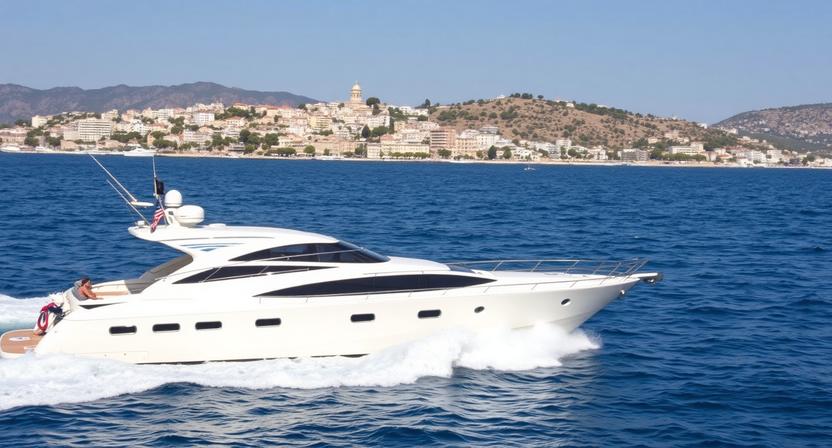
The Greek government is taking steps to strengthen its maritime tourism industry, with a focus on placing yachting at the core of Greece’s tourism strategy. Through regulatory reforms, digitalization, and significant investments in ports, Greece aims to strengthen its position in the Mediterranean region’s tourist market and continue to grow its yachting industry. Greece’s goal is to increase the number of international tourists visiting Greece and enhance its position as a leading maritime tourist destination.

Regulatory Reforms and Digital Modernization to Enhance Maritime Tourism

A significant component of the Greek government’s strategy is the modernization of its regulatory framework. The introduction of Law 4926/2022 aims to streamline the processes for yachting operators, making the sector more accessible and efficient. The government has also rolled out several digital tools like e-NEPA, e-Charter Permission, and e-Charterparty, which are designed to reduce administrative burdens and lower operating costs for charter operators. These technological innovations are crucial for Greece’s maritime tourism growth, as they enhance regulatory efficiency and make the country’s yachting industry more attractive to international investors and travelers.

The digital transformation in the maritime tourism sector will also improve the overall guest experience, offering tourists and yachting operators easier access to essential services, simplifying booking processes, and enhancing operational transparency. The focus on digital modernization in Greece is expected to attract more luxury yacht charters, positioning the country as an efficient, sustainable, and forward-thinking destination for maritime tourism.

Infrastructure Investments to Support Maritime Tourism Growth

In line with its strategy to boost maritime tourism, Greece is making substantial investments in port infrastructure. A 260-million-euro investment program is planned for the upgrade of 30 island ports across the country, funded through the Transport 2021–2027 program and the Recovery and Resilience Facility. These upgrades will help increase the capacity of Greece’s ports, ensuring they can accommodate an increasing number of luxury yachts, superyachts, and tourists.

Greece’s tourism growth will be supported by these infrastructure investments, as they enable the country to offer world-class maritime facilities. Upgrades to marinas and port services will improve tourist satisfaction, increase tourism revenue, and create jobs. Furthermore, the construction of marinas in the Ionian region, such as those in Kefalonia, Lefkada, and Corfu, which will feature mega-yacht facilities, will solidify Greece’s position as a leading destination for luxury yachting in the Mediterranean.

Yachting’s Contribution to Greece’s Maritime Tourism Economy

Yachting plays a high-value role in the Greek maritime tourism sector, contributing approximately 5–6 billion euros annually to the economy, or 2.5% of GDP. Greece is ranked second globally in recreational vessel traffic and third in the Mediterranean for the number of superyachts over 24 meters. The government’s investments are designed to build on these achievements, reinforcing Greece’s competitiveness in the global maritime tourism market.

Furthermore, Stefanos Gkikas, Deputy Minister of Shipping and Island Policy, highlighted that for every euro spent on berthing fees, an additional five to ten euros is generated across the wider economy, particularly benefiting local businesses in the tourism, retail, and hospitality sectors. This economic multiplier effect demonstrates how maritime tourism—and in particular, the growing yachting market—can contribute to sustainable economic development in Greece’s coastal and island regions.

Strengthening Regional Development and International Competitiveness

With Greece’s maritime tourism growth, there is also an emphasis on regional development, ensuring that the benefits of yachting are spread across both major hubs like Athens and Crete, as well as lesser-visited regions. The government’s plans to create a strong marine tourism hub in the Ionian region will help develop areas like Kefalonia, Lefkada, and Corfu into major yachting destinations, attracting both international tourists and local visitors. These areas will see upgraded marina facilities, more services for yacht owners and operators, and a broader offering of cultural and leisure experiences, which will enhance tourism growth in these regions.

This regional approach to growing maritime tourism aligns with the Greek government’s broader tourism strategy to not only focus on popular locations but also diversify and expand the country’s tourism appeal. The expansion of maritime tourism across Greece will improve connectivity between different regions, helping to create a more integrated tourism experience for visitors.

Positioning Greece as a Leader in Luxury and Sustainable Maritime Tourism

Through its investment in both yachting infrastructure and digital solutions, the Greek government is positioning Greece as a leader in luxury maritime tourism. The country’s sustainable approach to managing its maritime tourism sector ensures that growth is both environmentally responsible and economically beneficial. As demand for luxury yacht tourism continues to rise, Greece’s modernized ports and enhanced facilities will ensure that the country remains a top choice for travelers seeking exclusive yachting experiences.

By fostering sustainable tourism practices, improving maritime infrastructure, and embracing digital tools, Greece is shaping a future where its maritime tourism sector can thrive, contribute to regional growth, and attract more visitors seeking luxurious, eco-conscious travel experiences.

A Future of Growth for Greece’s Maritime Tourism Sector

However, it is expected that the strategic investment made by the Greek government in infrastructure development for yachting, regulations, and digitalization will boost Greece’s maritime tourism development in the coming years. Given that Greece is a major hub for yacht tourism in the Mediterranean, it is expected that Greece will become an even more desirable destination for tourists globally as well as yacht operators globally.

As trends in tourism development continue to change, including those in yacht or luxury tourism, it is expected that Greece will take advantage of this new market for maritime tourism as it seeks to boost its competitive advantage in order to boost economic development in the Mediterranean’s maritime tourism market.

The post Greece Boosts Maritime Tourism Growth with Investments in Yachting Infrastructure, Regulatory Reform and Digital Tools, Positioning Itself as a Mediterranean Leader appeared first on Travel And Tour World.
Morocco Tourism Revenues Soar by More than Twenty Percent in January 2026, Marking a Strong Start with Strategic Initiatives for Sustainable Growth Through 2030

Morocco Tourism Revenues Soar by More than Twenty Percent in January 2026, Marking a Strong Start with Strategic Initiatives for Sustainable Growth Through 2030

The tourism sector in Morocco is off to a flying start in 2026, with a rise of 19.3% in tourism revenues in January, indicating the increased popularity of the country as a global tourism destination. According to the latest statistics released by the Office des Changes, the tourism revenues for the month of January 2026 stood at 11.65 billion Moroccan dirhams, an increase from the revenues of 9.77 billion Moroccan dirhams received in January 2025. The increase in revenues is a continuation of the remarkable performance in 2025, when the sector received a record 138 billion Moroccan dirhams in tourism revenues.

Strategic Initiatives Driving Sustainable Tourism Growth

Morocco’s tourism growth can be attributed to several strategic initiatives aimed at boosting the country’s global appeal. These efforts include expanding international flight connections, promoting diverse destination offerings across cities, desert, coastal, and cultural circuits, and running targeted marketing campaigns. These measures have strengthened Morocco’s position as a year-round tourism destination, attracting both leisure travelers and those seeking cultural experiences and nature-based adventures.

The rise in tourism revenues has had a significant economic impact, driving job creation, investment in infrastructure, and enhancing foreign exchange earnings. The growth of safari tourism, eco-tourism, and cultural tourism is also contributing to the diversification of Morocco’s tourism economy, making it less reliant on traditional sectors and more resilient to global shifts in demand.

A Boost in Tourism Spending During Major Events

One key event that drove a sharp increase in visitor spending was the Africa Cup of Nations (AFCON) 2025. Cross-border transactions from participating countries jumped by over 190% compared to the previous year, highlighting the direct impact of sporting events on tourism spending. This surge in tourism revenue from international visitors also reinforced the idea that major events such as AFCON can serve as catalysts for tourism growth, stimulating the local economy and boosting demand for accommodation, transportation, and tourism-related services.

Morocco’s Long-Term Goals: Attracting 26 Million Visitors by 2030

Looking forward, Morocco’s Ministry of Tourism has set an ambitious target to attract 26 million visitors by 2030, focusing on both domestic and international markets. This goal aligns with the country’s broader national tourism strategy, which prioritizes sustainable tourism development and continued investment in tourism infrastructure, including airports, transportation, and accommodation facilities. The aim is to enhance visitor experiences through improvements in service quality, digital services, and more diverse tourism offerings.

By diversifying the types of tourism promoted, from eco-tourism to culinary tourism and cultural heritage tours, Morocco is positioning itself as a global tourism leader that meets the evolving preferences of today’s travelers. The growing demand for luxury, sustainable, and experiential tourism will help Morocco reach its goal of becoming a top destination in the global tourism market.

Boosting the Local Economy with Tourism Investment

Morocco’s tourism expansion also has a direct impact on local economies. As tourism continues to grow, local communities are benefiting from the job creation and business opportunities generated by the increased number of visitors. This includes growth in hospitality, tourism services, and the food industry, as well as improvements to local infrastructure. The development of new tourist attractions, such as those focused on sustainability and cultural experiences, provides significant economic benefits to regions across Morocco, particularly in more remote and underserved areas.

For example, initiatives like eco-tourism projects and the promotion of Morocco’s heritage sites attract international tourists while providing long-term economic sustainability for local communities. Tourist-driven investments, such as the development of artisan markets and cultural festivals, are also generating new economic opportunities, further supporting economic diversification in regions traditionally dependent on agriculture or other industries.

Tourism and Infrastructure Development: A Winning Combination

Infrastructure development is a major pillar of Morocco’s strategy to boost its tourism sector. Investments in airport facilities, public transport, and urban development are expected to provide more seamless travel experiences for tourists. As Morocco’s tourism market continues to grow, the infrastructure improvements will support the increasing number of international visitors and provide better services to enhance tourist satisfaction.

With enhanced flight connectivity, modern accommodation options, and tourism amenities, Morocco’s tourism infrastructure will continue to evolve, making the country an increasingly attractive destination. The government’s commitment to ensuring high-quality services and sustainable development will help ensure that Morocco’s tourism remains a key contributor to the country’s long-term economic success.

Strengthening Morocco’s Position in Global Tourism

The increasing growth in the tourism industry in Morocco is an indication of the success of the strategic plans and investment in crucial sectors such as destination marketing, sustainability, and quality services. As the earnings from the tourism industry in Morocco continue to rise, the importance of the industry to the economy, employment, and cultural heritage also increases.

By reaching the goal of 26 million tourists by the year 2030, Morocco is set to solidify its place in the global tourism industry, further enhancing its reputation for providing authentic experiences while promoting sustainable tourism. This is the significance of the tourism industry in the long-term development of the economy in Morocco.

The post Morocco Tourism Revenues Soar by More than Twenty Percent in January 2026, Marking a Strong Start with Strategic Initiatives for Sustainable Growth Through 2030 appeared first on Travel And Tour World.

Qilu No 1 Tourism Train Launches Moving Museum Across Shandong and Hebei, Blending Cultural Heritage with Tourism Growth and Regional Development

Qilu No 1 Tourism Train Launches Moving Museum Across Shandong and Hebei, Blending Cultural Heritage with Tourism Growth and Regional Development

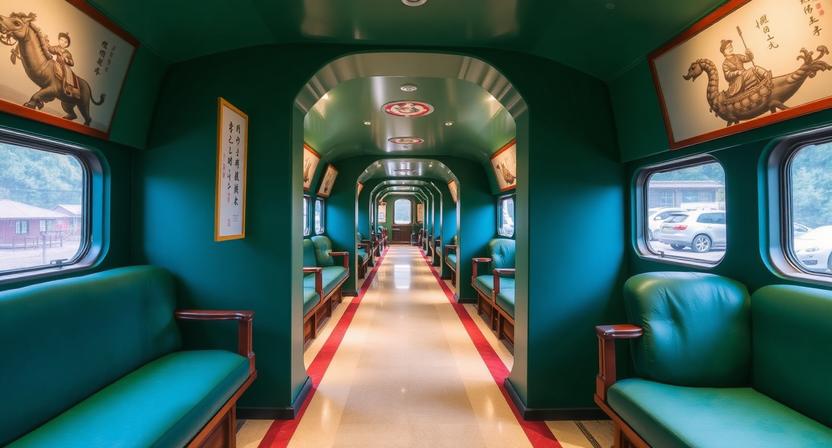
On February 14, 2026, a Qilu No 1 tourism brand-themed train was launched. The train is a moving museum that integrates the concept of heritage and learning for passengers traveling between the provinces of Shandong and Hebei. The innovative train is a unique way for passengers to experience the culture of China. It is a fusion of learning and entertainment for passengers traveling through the historical territories of Shandong and Hebei provinces.

The move is a significant development in the tourism industry through the launch of a themed train with seven carriages on the following topics: bronze, jade, ceramics, ancient architecture, porcelain, traditional clothing, and stone carvings. The move is a boost for the tourism industry and a potential driver for the development of cultural tourism in the provinces of Shandong and Hebei.

A Mobile Museum That Elevates Travel Experience

The Qilu No 1 tourism train is not just a mode of transportation, but a transformative travel experience. By acting as a “rolling museum and mobile classroom,” the train allows passengers to explore thousands of years of Chinese history while traveling comfortably. With high-tech features such as the Doubao AI app for real-time explanations and interactive games, passengers can engage with the artifacts and enhance their tourism experience.

This innovative model reflects the growing demand for immersive cultural tourism experiences, where heritage and modern travel seamlessly merge. Interactive learning onboard, combined with comfortable travel, not only makes heritage more accessible but also provides a new platform for education in tourism. For tourists looking to deepen their understanding of China’s cultural heritage, this train is an educational tourism product that brings history to life in a way traditional museums cannot.

Driving Cultural and Heritage Tourism Growth in Shandong and Hebei

As tourism in China continues to grow, this mobile museum initiative is poised to stimulate tourism growth in Shandong and Hebei provinces. By offering an innovative way to experience Chinese history, the Qilu No 1 tourism train contributes directly to the cultural tourism sector. These two provinces, home to ancient cultural landmarks, are now able to position themselves as premium destinations for domestic and international tourists interested in exploring China’s rich heritage.

The train’s route connects passengers to key cultural hubs like Tai’an, Jinan, Liaocheng, and Handan, allowing travelers to easily access historical sites such as the Daimiao Temple, Shandong Museum, and the Grand Canal. This cultural corridor provides a new opportunity for cultural tourism that drives local tourism growth, supports local businesses, and contributes to the development of tourist infrastructure in the region.

Enhancing Regional Tourism with Interactive Features

By incorporating interactive activities in two dedicated entertainment carriages, the Qilu No 1 tourism train enhances the tourist experience, making it not just about traveling from point A to point B, but about engaging with local culture in real time. The cultural relic matching challenges and treasure hunts make the journey an exciting learning adventure, which is likely to attract younger travelers, families, and education-focused groups.

These interactive elements create an engaging tourism product that appeals to a growing demand for more hands-on experiences in the tourism sector. The ability to earn a tourism pamphlet by visiting museums along the route also encourages tourist exploration, boosting visits to local tourism sites and contributing to the regional economy. As China’s tourism industry evolves, interactive tourism experiences like these are key to attracting diverse travelers, from history enthusiasts to families and young people.

The Economic Impact of Rail Tourism

The Qilu No 1 tourism train also contributes significantly to the economic growth of Shandong and Hebei by driving tourism-related spending. As passengers engage with local tourism offerings, spend on accommodations, dining, and activities, they stimulate local businesses and create new job opportunities in the region. The increased tourism flow also supports the expansion of tourism infrastructure, including the development of new hotels, restaurants, and retail opportunities, enhancing the local economy.

Moreover, rail tourism has the potential to boost regional tourism by making it easier for tourists to visit multiple destinations in a short period of time. The Qilu No 1 tourism train serves as a perfect example of how transportation innovations can be harnessed to improve accessibility and convenience, driving growth in the tourism sector while supporting sustainable travel.

A Sustainable Model for Future Growth in Chinese Tourism

The Qilu No 1 tourism train is a prime example of sustainable tourism growth, combining heritage preservation with modern technology to create a more eco-friendly travel option. Rail travel is inherently more sustainable than air travel, and the train’s focus on cultural education and interactivity makes it an ideal model for sustainable tourism experiences. By emphasizing heritage tourism and supporting the conservation of historical sites, the train helps preserve China’s cultural legacy while fostering responsible tourism practices.

The ongoing development of this type of interactive tourism experience supports China’s broader goals for sustainable tourism that balances growth with environmental responsibility. As the Qilu No 1 tourism train expands, it will continue to play a vital role in the growth of China’s tourism industry, offering a blueprint for other regions to follow.

A Revolutionary Step for Cultural and Rail Tourism in China

The Qilu No 1 tourism train provides an innovative and exciting way of experiencing China’s rich heritage and contributes to the development of tourism in Shandong and Hebei provinces. The project aims at promoting tourism in China and enhancing the economic growth of the regions. The use of technology in an interactive way and a focus on sustainability ensure a new level of excellence in cultural tourism in China.

The increasing demand for experiential tourism has made the Qilu No 1 tourism train a pioneering model in China that combines education and entertainment in a single tour. The train has shaped the future of rail tourism and cultural tourism in China.

The post Qilu No 1 Tourism Train Launches Moving Museum Across Shandong and Hebei, Blending Cultural Heritage with Tourism Growth and Regional Development appeared first on Travel And Tour World.

Delhi Government Launches Double-Decker Bus Service to Enhance Tourism, Offering Tours to Capital Landmarks and Boosting their Tourism Growth in the National Capital

Delhi Government Launches Double-Decker Bus Service to Enhance Tourism, Offering Tours to Capital Landmarks and Boosting their Tourism Growth in the National Capital

In an attempt to boost tourism, the Delhi government launched its latest double-decker bus service on Friday, with Chief Minister Rekha Gupta flagging off the buses. The new double-decker bus service is expected to make sightseeing in the national capital an even more enjoyable experience for both domestic and international tourists, offering them a novel experience in the capital city.

A New Tourism Initiative: Electric Double-Decker Buses for Delhi’s Landmarks

The double-decker bus tour will operate on a fixed route connecting key attractions in central Delhi, including major landmarks such as Bharat Mandapam, the National War Memorial, the new Parliament complex, Dilli Haat, and many other iconic destinations. Chief Minister Rekha Gupta, along with Delhi Tourism Minister Kapil Mishra and other officials, took an inaugural ride on the electric double-decker bus from Rafi Marg to the Pradhanmantri Sangrahalaya after the launch ceremony.

The tour route will cater to tourists eager to see the city’s rich cultural and historical heritage, providing an accessible and eco-friendly way to explore the heart of Delhi. Evening tours are also being planned, with a new schedule in place for visits to these landmarks. The service aims to give tourists the opportunity to visit the Pradhanmantri Sangrahalaya—which closes at 6 pm—before continuing the tour to other major destinations.

Accessibility and Comfort for Tourists

The double-decker bus service is designed to accommodate over 63 passengers, ensuring a comfortable ride with plenty of space for sightseeing. The buses will be equipped with large windows, allowing for unobstructed views of Delhi’s historic sites. In addition, a trained guide will be onboard to provide informative commentary on the historical and cultural significance of the locations covered in the tour, enhancing the overall visitor experience.

This initiative is not just for tourists; it is also designed with local residents in mind. The electric buses are a sustainable mode of transport, reducing the carbon footprint of tourism in the city and contributing to eco-friendly urban development. Additionally, the buses are designed to operate smoothly in Lutyens’ Delhi, where low tree canopies and overhead electric wires might pose a challenge for other types of vehicles.

Fare Structure and Future Expansion of the Service

The fare structure has been set at ₹500 for adults and ₹300 for children aged six to twelve years, making it an affordable option for families and tourists. With a trained guide on each bus, the service offers an enriching and educational experience for travelers.

Initially, two double-decker buses will operate as part of the initiative. However, the Delhi government has plans to expand the service over time, providing more buses to meet growing demand. This revival of double-decker buses is a nod to the city’s past, as these vehicles were once a familiar sight for Delhiites. They were previously operated by the Delhi Transport Corporation under the ‘Suvidha’ service, but were phased out in 1989 due to an aging fleet.

Impact on Delhi’s Tourism and Local Economy

The introduction of the double-decker bus service is expected to have a significant positive impact on the tourism industry in Delhi. With its unique appeal, the service will likely attract tourists who want a leisurely yet comprehensive way to tour the city’s iconic landmarks. Tourism in Delhi is poised to grow as this new attraction adds to the city’s existing tourism infrastructure and gives visitors an exciting, eco-conscious way to explore.

Moreover, the service will likely contribute to local economic growth by increasing foot traffic in key tourism districts, benefiting local businesses such as restaurants, shops, and cultural sites. As tourists travel between Delhi’s major landmarks, they will have the opportunity to visit a wide range of local attractions, which will boost revenue for the city’s hospitality and tourism services.

A Bright Future for Delhi’s Tourism with Double-Decker Bus Service

With the introduction of the double-decker bus service, the tourism industry of Delhi is all set to get a further boost, providing both locals and tourists with a unique experience of the city. This new initiative is in line with the Delhi government’s efforts to boost the tourism industry of the city, making it even more accessible and enjoyable for tourists. The eco-friendly character of the bus service, along with its connection to the cultural heritage of Delhi, will greatly contribute to the further strengthening of the region as a tourist hub.

The post Delhi Government Launches Double-Decker Bus Service to Enhance Tourism, Offering Tours to Capital Landmarks and Boosting their Tourism Growth in the National Capital appeared first on Travel And Tour World.

Tomorrowland Thailand Makes Its Full-Scale Asian Debut in Pattaya December 2026, Strengthening Position as a Global Event Hub and Boosting Tourism Growth of Thailand

Tomorrowland Thailand Makes Its Full-Scale Asian Debut in Pattaya December 2026, Strengthening Position as a Global Event Hub and Boosting Tourism Growth of Thailand

The Tourism Authority of Thailand (TAT) has officially announced that Tomorrowland Thailand will make its first full-scale Asian debut in Pattaya, Chon Buri Province, from 11-13 December 2026. This legendary Belgian electronic dance music festival will be bringing its legendary production to Thailand, marking a significant milestone in the country’s journey towards becoming a World Class Event Hub Destination. With 50,000 visitors per day expected to attend this event, Tomorrowland Thailand is going to play a crucial role in strengthening international confidence in Thailand as a premier host of international events.

Transforming Pattaya into a Global Tourism Destination

Pattaya, traditionally known for its beaches and tourism-driven economy, is set to experience a major tourism transformation with the arrival of Tomorrowland Thailand. The festival will serve as a key driver in Pattaya’s tourism growth, attracting not only international music lovers but also high-value tourists looking to experience one of the world’s premier music events. By positioning Pattaya as a destination for large-scale cultural and entertainment events, Tomorrowland will stimulate local hospitality, transport, service industries, and retail sectors, which will see increased demand in the lead-up to and during the festival.

A Global Event with Regional Tourism Benefits

The Tomorrowland Thailand festival also plays a significant role in enhancing Thailand’s appeal in the global tourism market. As a world-class event with an established international fan base, Tomorrowland will likely draw a diverse audience from across Asia, Europe, and the Middle East, boosting not only visitor numbers but also encouraging longer stays and higher tourism spending.

Beyond the event itself, this collaboration will increase global awareness of Thailand as a premier destination for high-profile international events, positioning the country as a top player in the global event tourism market. As part of its wider tourism strategy, Thailand’s ability to host iconic events like Tomorrowland further strengthens the country’s reputation as an attractive destination for both business tourism and leisure travelers.

Sustainable Tourism Impact and Long-Term Economic Growth

Tomorrowland Thailand is designed with sustainability in mind, reinforcing Thailand’s efforts to host eco-conscious tourism and ensuring that the festival contributes positively to the local environment and community. TAT‘s strategic focus on sustainable tourism aligns perfectly with Tomorrowland’s commitment to environmental responsibility, ensuring that the influx of visitors has a long-lasting positive impact on the region. By using the festival as a platform to promote sustainable tourism practices, Thailand is positioning itself as a leader in responsible event tourism.

Strengthening Thailand’s Tourism Infrastructure and Industry

As Tomorrowland Thailand draws international tourists, it will provide additional opportunities for the tourism industry to develop and improve its infrastructure, including hotels, transport networks, and tourist services. The festival will drive demand for high-end accommodations, transportation services, and food and beverage offerings, generating new business and employment opportunities. The long-term benefits of hosting such large-scale events include strengthening the resilience and sustainability of Thailand’s tourism infrastructure, ensuring it can accommodate growing numbers of visitors for years to come.

A Cultural and Tourism Milestone for Thailand’s Hospitality Industry

The success of Tomorrowland Thailand will not only drive tourism growth but will also set the stage for future tourism events. By securing iconic events like Tomorrowland, Thailand reinforces its role as a destination for cultural exchanges, global celebrations, and destination festivals, which directly contribute to the growth of hospitality and tourism-related services.

As Thailand continues to enhance its tourism offerings, including luxury resorts, international festivals, and cultural tourism, the collaboration with Tomorrowland will ensure the country remains at the forefront of event tourism in Southeast Asia.

Tomorrowland Thailand as a Catalyst for Sustained Tourism Growth

The Tomorrowland Thailand festival to be held in 2026 is a transformative period for Thailand’s tourism industry, which will result in tourism growth and economic development for Thailand. With its emphasis on cultural engagement, luxury, and international exposure, Tomorrowland Thailand is set to elevate Pattaya and Thailand as a world-class tourism destination for international travelers.

This prestigious festival is going to further enhance Thailand’s position as a world-class tourism destination for international festivals, resulting in sustained growth for Thailand’s tourism industry. With its emphasis on international collaboration and delivering an unforgettable experience, Tomorrowland Thailand is setting a path for Thailand’s tourism growth, which is going to have a lasting impact on Thailand’s tourism industry and economy.

Image Source: TAT

The post Tomorrowland Thailand Makes Its Full-Scale Asian Debut in Pattaya December 2026, Strengthening Position as a Global Event Hub and Boosting Tourism Growth of Thailand appeared first on Travel And Tour World.

PM Hotel Group Transitions Hotel Arboretum To City Express By Marriott Washington, DC Northeast, Boosting Competitive Position with Updated Amenities and Bonvoy Integration

PM Hotel Group Transitions Hotel Arboretum To City Express By Marriott Washington, DC Northeast, Boosting Competitive Position with Updated Amenities and Bonvoy Integration

In addition, the PM Hotel Group, a well-established industry leader in hospitality management, has officially announced the brand transition of the Hotel Arboretum to the newly branded City Express by Marriott Washington, DC Northeast. This change will not only usher the City Express by Marriott brand into the Northeast Washington, D.C. area but will also significantly bolster the competitive position of the hotel within the exciting and ever-increasing hospitality industry of our nation’s capital.

In addition, the transition of the hotel will come with a number of exciting enhancements to the overall guest experience, including the updated hotel rooms and common spaces, to ensure that the hotel becomes a first-choice option for travelers seeking value and convenience when traveling to the D.C. area, with many of the city’s top attractions within easy reach. This new brand will not only allow the hotel to tap into Marriott’s large consumer base but will also offer the benefits of Marriott’s Bonvoy program.

Elevating the Guest Experience: New Design and Functionality

The transition to City Express by Marriott Washington, DC Northeast brings a refreshed approach to the hotel’s design and amenities. The property, located at 2305 New York Ave NE, has been known for its value-driven offerings, catering primarily to business travelers, government contractors, and group bookings due to its proximity to Capitol Hill, Union Station, federal offices, and the U.S. National Arboretum. Now, with the brand transition, the hotel is enhancing its guestrooms and public spaces to provide updated furnishings, a streamlined design, and modern functionality that aligns with the evolving needs of today’s travelers.

Guests will also enjoy complimentary breakfast, thoughtfully appointed accommodations, and access to Marriott’s Bonvoy loyalty program, offering seamless integration into one of the travel industry’s most recognized rewards platforms. This change is designed to attract a wider range of guests, from government personnel to tourists, providing a comfortable and convenient base for exploring Washington, D.C.

Strategic Location for Business and Leisure Travel

The hotel’s strategic location along New York Avenue NE places it in a prime position to capture both business and leisure travel demand. Its proximity to Capitol Hill and numerous federal agencies makes it particularly attractive for government and contractor business, while its accessibility to Union Station and key metro areas offers a convenient option for both group and leisure travelers. Additionally, the hotel’s updated features will cater to those visiting the nearby U.S. National Arboretum, Smithsonian museums, and other historic attractions within the D.C. area.

With the rise in demand for business-focused accommodations in Washington, D.C., combined with the added benefits of the City Express by Marriott brand, the hotel is poised to strengthen its competitive positioning in the market. It will now be able to serve a broader range of guests, including those participating in conventions, visiting family, or attending government-related events.

Expanding Marriott’s Reach in Washington, D.C.

The transition of Hotel Arboretum to City Express by Marriott Washington, DC Northeast marks an important step for both PM Hotel Group and Marriott, expanding the City Express brand into the highly competitive Washington, D.C. market. This move aligns with Marriott’s ongoing expansion in urban markets, offering value-driven accommodations in a city known for political, cultural, and economic significance.

The new property will join Marriott’s growing portfolio in the region and further enhance the availability of quality, affordable accommodations for travelers seeking convenient access to D.C.’s main attractions. With the hotel’s direct accessibility to the city’s key demand drivers and its elevated amenities, it is well-positioned to cater to a diverse guest profile, from corporate travelers to international tourists.

Strengthening D.C.’s Hospitality Offerings

The transformation from Hotel Arboretum to City Express by Marriott Washington, DC Northeast serves to highlight the increased relevance of value-driven and accessible accommodations within the hospitality industry within Washington, D.C. With tourism and business travel continuing to grow within these areas, particularly within government-centric locations, this revamped hotel will undoubtedly serve as a major contributor to the evolving hospitality industry within Washington, D.C.

By utilizing brand development strategies to enhance the overall experience for travelers within the region, this hotel will serve as a vital component within determining the future of affordable luxury within Washington, D.C. Additionally, it will serve to further establish the City Express by Marriott brand within a highly evolving tourism and business travel industry on a global scale.

Image Source: Marriott

The post PM Hotel Group Transitions Hotel Arboretum To City Express By Marriott Washington, DC Northeast, Boosting Competitive Position with Updated Amenities and Bonvoy Integration appeared first on Travel And Tour World.

Azerbaijan Tourism Sector Set for Growth with their Special Tourism Zones in Kalbajar, Lachin and Khojavend, Boosting Local Economies and Attracting Global Visitors

Azerbaijan Tourism Sector Set for Growth with their Special Tourism Zones in Kalbajar, Lachin and Khojavend, Boosting Local Economies and Attracting Global Visitors

Azerbaijan is poised for significant tourism growth with the development of special tourism zones in the several regions such as Kalbajar, Lachin, and Khojavend. As part of an ambitious plan to boost tourism across the country, these initiatives aim to revitalize the tourism industry, attract international visitors, and support local economic development.

Expanding Tourism Infrastructure to Drive Economic Growth

The government’s decision to prioritize the development of tourism infrastructure in the several regions is expected to have a profound impact on the economic landscape of these areas. With the increase in national credits and the tripling of provincial acquisition credits, there is a clear focus on boosting tourism as a key pillar of economic growth in these regions. Key projects include the restoration of historical sites, the development of modern accommodation facilities, and the establishment of eco-tourism and health tourism centers. These projects are designed not only to preserve the cultural and historical heritage of the several regions but also to create sustainable economic opportunities for local communities, generating jobs and driving investment.

The introduction of special tourism zones is a strategic move to position these areas as prominent tourism destinations, which will increase visitor numbers and provide a significant boost to Azerbaijan’s tourism economy. As these areas become more accessible and appealing, they will play a key role in attracting domestic and international tourists, further integrating the tourism sector into the country’s broader economic strategy.

Promoting Eco-Tourism and Regional Development

In line with global trends in sustainable tourism, Azerbaijan is focusing on eco-tourism as a major component of its tourism strategy. The creation of a sample tourism area near the Tehran-Qom Freeway Toll Booth is part of a plan to integrate eco-tourism into the region’s tourism offerings. With 30 hectares dedicated to eco-tourism and 70 hectares allocated for tourism facilities such as health tourism centers, hotels, and aquariums, the project aims to attract environmentally conscious travelers and promote responsible tourism practices.

By emphasizing eco-tourism, Azerbaijan is catering to the growing demand for nature-based travel experiences and positioning the several regions as prime destinations for those seeking outdoor adventures and cultural immersion. This eco-tourism initiative will create long-term economic benefits for local communities by encouraging sustainable travel and preserving the region’s natural resources.

Boosting Cultural and Historical Tourism in Qom and Khojavend

Azerbaijan’s rich historical and religious heritage is another cornerstone of its tourism strategy. The government is committed to preserving and showcasing key historical monuments and cultural attractions in the several regions, such as the Deyr-e Gachin caravanserai and the Safavid caravanserais. These sites, along with the Timche Farsh, are set to be restored, further enriching the country’s historical tourism offerings.

By focusing on historical tourism, Azerbaijan aims to attract cultural travelers who are eager to explore the country’s ancient architecture, artifacts, and heritage sites. The development of tourism zones around these sites will help preserve the region’s cultural identity while creating new economic opportunities for local communities through tourism-related jobs and increased revenue from visitors.

Promoting Gastrotourism in Khojavend’s Tugh Village

Gastrotourism is another growing segment in Azerbaijan’s tourism strategy, and Khojavend’s Tugh village has been identified as a key area for development. With a focus on traditional Azerbaijani cuisine, the promotion of gastrotourism in the village will attract food lovers and culinary tourists who want to experience authentic local dishes. The development of gastrotourism will further diversify the tourism offerings in the several regions and support local agriculture and food production by creating a direct connection between tourism and the local food economy.

By promoting gastrotourism, Azerbaijan is tapping into the global trend of food-focused travel, where tourists seek to experience the authentic tastes and culinary traditions of the destinations they visit. This approach will help create a unique tourism experience that goes beyond sightseeing, encouraging longer stays and higher spending from food-focused travelers.

Strengthening the Role of Tourism in Azerbaijan’s Economic Development

The development of special tourism zones in the several regions of Azerbaijan is set to significantly contribute to the growth of the country’s tourism industry. These initiatives will increase tourist arrivals, drive economic activity, and create new job opportunities. The focus on sustainable tourism, historical preservation, eco-tourism, and gastrotourism will ensure that Azerbaijan’s tourism sector is both economically viable and environmentally responsible.

As tourism becomes an increasingly important sector in Azerbaijan’s economic strategy, these projects represent a commitment to fostering long-term growth in the industry. With the right infrastructure and investments, Azerbaijan is poised to become a leading destination for both historical and nature-based tourism in the region, contributing to the economic development of the several regions and the wider country.

A Bright Future for Tourism in Azerbaijan’s Territories

The establishment of special tourism zones in Kalbajar, Lachin, and Khojavend will be instrumental in the overall strategy of the state in terms of economic diversification, particularly in the tourism sector. Through the focus on the conservation of historical monuments, the development of eco-tourism, and the expansion of gastrotourism, Azerbaijan is poised to offer a rich tourism experience that will attract the attention of tourists across the globe. All the above measures are not only intended to ensure the inflow of tourists, but they are also meant to ensure that the tourism sector offers long-term benefits to the people in several regions.

The post Azerbaijan Tourism Sector Set for Growth with their Special Tourism Zones in Kalbajar, Lachin and Khojavend, Boosting Local Economies and Attracting Global Visitors appeared first on Travel And Tour World.

Seabourn Enhances Culinary Offerings Across Fleet with Introducing Regionally Inspired Dishes and Chef Interactions to Boost their Luxury Cruise Tourism

Seabourn Enhances Culinary Offerings Across Fleet with Introducing Regionally Inspired Dishes and Chef Interactions to Boost their Luxury Cruise Tourism

Seabourn, a luxury cruise leader, has rolled out some exciting culinary upgrades to its fleet, which will enhance the dining experience for its passengers and increase cruise tourism. The upgrades include improving the dining experience at Seabourn Square and The Colonnade, two of the brand’s signature restaurants on board. With the introduction of regionally inspired cuisine, chef interaction, and innovative food experiences, Seabourn is raising the bar for luxury cruise dining, as the trend for culinary travel and immersive tourism continues to grow.

Seabourn Square: A Revitalized Culinary Hub

The Seabourn Square refresh introduces an expanded selection of freshly prepared warm items, including breakfast sandwiches, savory quiche, and Roman-style pizza. Guests can also enjoy specialty coffees, roasted onboard, and indulge in handmade artisanal gelato, created by chefs trained at Italy’s Gelato University. This culinary upgrade provides a unique opportunity for travelers to enjoy gourmet food in a casual, inviting setting—something increasingly sought after in cruise tourism.

These offerings enhance the overall passenger experience on board, allowing travelers to immerse themselves in regional food traditions while enjoying the convenience of gourmet options throughout the day. Seabourn Square is designed to connect passengers with the destinations they explore by offering locally inspired dishes, reinforcing the growing trend of destination-driven dining within the luxury cruise industry.

The Colonnade: Chef Interactions and Made-to-Order Dishes

The Colonnade, another cornerstone of Seabourn’s culinary offerings, has been revitalized with a stronger emphasis on chef interaction and made-to-order dishes. Guests can enjoy destination-inspired flavors, prepared right in front of them, giving them a more interactive and engaging dining experience. This personalized approach to dining aligns with the growing popularity of experiential travel in the cruise tourism industry, where guests are seeking more than just luxury—they’re looking for authentic, memorable experiences.

The inclusion of interactive cooking experiences provides passengers with the chance to connect with the culture and cuisine of the destinations they’re visiting. This is particularly important in the context of luxury cruise tourism, where guests increasingly desire a culinary journey that mirrors the cultural richness of the destinations explored during their voyage. By offering chef-led experiences and showcasing local ingredients, Seabourn is catering to the desire for more immersive and authentic cruise experiences.

Enhancing the Overall Cruise Tourism Experience

These culinary enhancements contribute significantly to the growth of cruise tourism, particularly in the luxury sector. Cruise lines are increasingly focusing on culinary experiences as a primary attraction for travelers. Gastronomic tourism—a segment of cruise tourism where food and drink play a central role in shaping the travel experience—is growing rapidly. Seabourn’s new initiatives reflect this trend, offering guests not just a place to stay during their voyage, but a deeply engaging dining experience that enhances their overall journey.

The integration of regionally inspired dishes and interactive dining creates an opportunity for cultural exchange at sea, allowing passengers to taste the flavors of the regions they visit while traveling in luxury. This approach to destination-driven dining is set to attract more affluent travelers who view food as an essential part of their travel experience, further boosting the luxury cruise tourism market.

Boosting Seabourn’s Competitive Edge in the Luxury Cruise Market

Seabourn’s continued focus on culinary excellence strengthens its competitive edge in the highly competitive luxury cruise sector. As more luxury travelers seek cruises that offer more than just stunning destinations—where every aspect of the journey, including culinary offerings, contributes to a memorable experience—Seabourn is positioning itself as a key leader in this market. The emphasis on quality and personalized service will help the cruise line attract new passengers while retaining loyal ones, ensuring its place as a top choice for travelers seeking a premium cruise experience.

By continually enhancing its culinary offerings, Seabourn ensures that gastronomy remains a central pillar of its service. The culinary enhancements across the fleet will likely increase the appeal of Seabourn cruises for those seeking food-focused travel experiences, further driving the growth of luxury cruise tourism worldwide.

The Future of Cruise Tourism and Dining at Sea

The growing importance of gastronomic experiences in the cruise industry reflects the broader shift in tourism trends, where travelers are placing more emphasis on experiential travel. As cruise tourism continues to grow, the demand for memorable, authentic dining experiences will only increase. Seabourn’s focus on integrating destination-inspired menus and enhancing culinary offerings shows that the cruise industry is keenly aware of this shift and is working to meet the evolving demands of luxury travelers.

With the new enhancements across Seabourn Square and The Colonnade, Seabourn Cruises is setting the standard for how luxury cruise lines should approach dining, ensuring that passengers receive not only a world-class cruise experience but also a culinary journey that connects them with the destinations they explore.

A New Era for Culinary Excellence in Cruise Tourism

The culinary upgrades in Seabourn are expected to have a significant influence on the future of luxury cruise tourism. With the introduction of regionally inspired cuisine, chef-led experiences, and interactive dining, Seabourn continues to position itself as a leader in gastronomic tourism.

The move is a result of the increasing demand for unique and immersive travel experiences and is expected to positively influence the overall travel experience, leading to increased growth in the luxury cruise tourism industry. As the industry continues to develop, Seabourn continues to lead the way by giving travelers the chance to discover new destinations through the culinary experience.

The post Seabourn Enhances Culinary Offerings Across Fleet with Introducing Regionally Inspired Dishes and Chef Interactions to Boost their Luxury Cruise Tourism appeared first on Travel And Tour World.

Ghana Renames Kotoka International Airport to Accra International Airport, Strengthening its Role as a Regional Aviation Hub and Boosting Aviation Growth in West Africa

Ghana Renames Kotoka International Airport to Accra International Airport, Strengthening its Role as a Regional Aviation Hub and Boosting Aviation Growth in West Africa

On February 23, 2026, the Ministry of Transport in Ghana announced the renaming of Kotoka International Airport to Accra International Airport, which reflects the country’s desire to improve its aviation industry. This is in addition to the country’s efforts to make Accra the leading aviation hub in West Africa and, by extension, a gateway to the rest of the continent and the world.

The renaming of the airport does not impact the operations of flights, safety, or airline schedules, as the IATA code ACC remains unchanged. This means that there are no changes to the booking systems or GDS platforms. However, the renaming is a major rebranding exercise that brings the Accra International Airport into line with the city brand and reflects the country’s increasing significance in the aviation and tourism sectors.

Strengthening Accra’s Role as a Regional Aviation Hub

Accra’s new identity as Accra International Airport comes at a time when West Africa’s aviation sector is undergoing rapid growth. With its strategic location along the Intracoastal Waterway, Ghana’s capital has become a prime destination for travelers. The renaming of the airport signals the country’s determination to enhance its role in the competitive West African aviation market.

As regional aviation infrastructure improves, Ghana continues to see increasing international traffic with airlines like British Airways, Emirates, KLM, South African Airways, Ethiopian Airlines, and United Airlines providing services to and from Accra. This growth in international connectivity strengthens Accra International Airport as an essential regional hub in the context of West Africa’s aviation sector.

This move is part of a broader strategy to attract more global carriers, boost tourism, and create greater economic opportunities for Ghana. By enhancing its aviation infrastructure and aligning it with Accra’s growing status, the country is positioning itself as a critical transit point in Africa’s aviation network.

Aviation Sector Growth: Economic Boost and Infrastructure Development

The renaming of Kotoka International Airport to Accra International Airport is expected to have a far-reaching impact on the aviation sector. As Accra becomes a key gateway for international air traffic, the demand for more advanced aviation infrastructure will continue to rise. The phased improvements at the airport—such as Terminal 3, which opened in 2018—have already set the stage for further investments that will increase the airport’s capacity, enhance passenger services, and support aviation sector growth.

As tourism continues to flourish in West Africa, Accra’s airport will play a crucial role in supporting regional travel, driving demand for airline services, aircraft fleets, and airport facilities. This boost in aviation activity has a ripple effect across multiple sectors, from tourism and hospitality to retail and local transportation, providing an essential economic boost for Accra and surrounding areas.

Impact on West African Connectivity and Air Travel

The renaming of Accra International Airport is an important step in the broader efforts to enhance regional aviation connectivity across West Africa. As Accra strengthens its position as a central aviation hub, it improves the flow of travelers to other key destinations in the region. This, in turn, can stimulate demand for regional flights, increase tourism exchanges, and open doors to new economic partnerships within West Africa.

Improved intra-African air travel is essential for increasing trade, fostering cultural exchanges, and supporting economic integration across the continent. Accra’s renaming is a direct response to these needs, enabling smoother travel connections within the African Union and strengthening Africa’s overall aviation network.

Facilitating Future Growth in the Aviation Sector

As Accra International Airport prepares to handle increased air traffic, Ghana is setting the stage for future growth in the aviation industry. The country’s government and the Ghana Civil Aviation Authority are working together to develop new air routes, enhance airport facilities, and improve airport management systems, which are expected to drive further growth in the aviation sector.

In addition to attracting more international flights, Accra International Airport’s repositioning will likely increase cargo traffic, contributing to regional trade. With West Africa’s aviation sector growing rapidly, Accra’s expanding role as a key air travel hub offers immense opportunities for business and tourism development, benefiting not just Ghana, but also the wider African economy.

A New Chapter for Accra’s Aviation and Tourism Growth

The renaming of Kotoka International Airport to Accra International Airport marks the beginning of a new chapter in the development of the aviation industry in Ghana. This development will further boost Accra’s position as a regional aviation hub, thus making it an attractive tourist destination and economic hub in West Africa.

With the airport set to continue developing its offerings and infrastructure to facilitate intra-African connectivity, the airport will be at the forefront of the growth of the aviation industry and the future economic success of West Africa and Ghana. Accra is set to play a pivotal role in determining the future of aviation and tourism in Africa through this deliberate rebranding.

The post Ghana Renames Kotoka International Airport to Accra International Airport, Strengthening its Role as a Regional Aviation Hub and Boosting Aviation Growth in West Africa appeared first on Travel And Tour World.

Greece Launches Railway.gov.gr, a New Digital Platform for Real-Time Train Tracking, Enhancing Transparency and Safety Across the National Rail Network

Greece Launches Railway.gov.gr, a New Digital Platform for Real-Time Train Tracking, Enhancing Transparency and Safety Across the National Rail Network

Greece has rolled out the railway.gov.gr platform, a state-of-the-art online system that enables passengers to track trains in real-time across the country’s rail network. The new technology is a major positive development in the modernization of Greece’s rail network and the overall tourism experience, as it enables passengers to track train movements in real-time. As part of the overall initiative to improve rail services, the system has incorporated new safety measures and increased transparency to meet the rising demand for more intelligent and efficient travel solutions.

The railway.gov.gr online system was launched this week, with initial coverage of the Athens-Thessaloniki route, set to expand nationwide by April 2026. The new system will be instrumental in optimizing the travel experience for both domestic and foreign tourists, in line with Greece’s long-term strategy to integrate technology into the country’s tourism infrastructure.

Real-Time Train Tracking: A Leap Forward in Travel Technology

The new railway.gov.gr platform offers a host of advanced technological features, including real-time train tracking, live updates, and location-based services. Through the platform, users can see their train on a live map, check its speed, direction, and estimated arrival times, while also receiving delays and safety alerts. High-precision satellite tracking technology integrated with Greece’s HEPOS positioning system and Europe’s Galileo satellite network enables location accuracy down to just a few centimeters, ensuring minimal delays in data transmission. This high level of technological precision empowers both passengers and authorities with accurate and reliable information.

This upgrade represents a shift in how rail systems can use technology to enhance the customer experience. For tourism, this means travelers can have real-time updates about their journey, boosting confidence in using rail travel as a convenient and sustainable transportation option for exploring Greece’s tourist attractions.

A Smarter, More Efficient Rail Network: Improving Operational Safety

In addition to improving the passenger experience, the new system also integrates safety and operational monitoring features. The railway.gov.gr platform allows authorities to monitor train movements across the network in real-time, detecting irregularities or deviations from the designated route. Automated alerts are triggered if a train encounters potential risks, such as deviating from its schedule or route, ensuring a quick response from control centers.

Transport Secretary General Stelios Sakaretsios emphasized that Greece is the first country to deploy high-precision satellite monitoring at a national scale for rail operations. He said, “This is not just a digital application; it is an entirely new operational infrastructure, where every train is monitored in real time, creating a new level of operational efficiency and safety.”

By integrating this advanced technology into daily operations, Greece is positioning itself as a leader in smart travel innovation within the European rail industry.

Strengthening Greece’s Tourism Through Technological Upgrades

The launch of railway.gov.gr also represents a critical step toward modernizing Greece’s tourism infrastructure. With travelers increasingly seeking digitally enhanced experiences, providing real-time updates on rail services adds significant value to the tourism journey. The ability to track trains, check service updates, and access live video streams from onboard cameras will increase convenience for tourists traveling across Greece’s popular regions, such as Athens, Thessaloniki, and the Greek islands.

The platform not only enhances the efficiency of local commutes but also strengthens Greece’s position as a modern, tech-driven destination. By incorporating real-time train tracking into the tourism experience, the platform sets the stage for further innovations in digital tourism, such as automated travel planning, ticketing systems, and location-based services.

A Sustainable and Smart Future for Rail Travel in Greece

As part of Greece’s broader sustainability efforts, the railway.gov.gr platform emphasizes eco-friendly travel. Real-time tracking will encourage more travelers to opt for rail travel, reducing the carbon footprint associated with air travel and car use. By enhancing operational efficiency, the platform also supports sustainable tourism by providing travelers with an eco-conscious way to navigate the country.

This technological upgrade aligns with global trends in smart travel, where destinations use data-driven solutions to improve the travel experience and support sustainable tourism. Greece’s embrace of cutting-edge rail technology serves as a model for other countries in Europe and beyond, signaling a future where tourism and technology work in tandem to create more efficient, transparent, and accessible travel experiences.

Looking Ahead: The Role of Technology in Greece’s Tourism Growth

As railway.gov.gr continues to spread across the country, the website will play a crucial role in ensuring the future development of tourism in Greece. The effective integration of technology into the Greek rail network will not only improve the traveling experience for tourists but also act as a stimulus for the development of tourism technology in Greece, which will help the country attract more tourists from across the world who are looking for smart and convenient travel solutions.

Through real-time train tracking and safety systems, railway.gov.gr is a perfect example of how travel technology can aid in the development of tourism while ensuring that the destination is efficient, sustainable, and customer-focused.

The post Greece Launches Railway.gov.gr, a New Digital Platform for Real-Time Train Tracking, Enhancing Transparency and Safety Across the National Rail Network appeared first on Travel And Tour World.

Hilton Opens Waldorf Astoria Goa in South Goa, Marking a Milestone in the Luxury Hospitality Growth in India with Coastal Beauty and Timeless Elegance

Hilton Opens Waldorf Astoria Goa in South Goa, Marking a Milestone in the Luxury Hospitality Growth in India with Coastal Beauty and Timeless Elegance

Hilton has recently made a major announcement in the luxury hospitality industry in India with the signing of Waldorf Astoria Goa, which is set to open in 2030. This luxury resort is going to be situated on a 20-acre waterfront in South Goa, providing a world-class experience to both local and foreign tourists, marking Hilton’s third Waldorf Astoria in India. This new property not only adds to Hilton’s luxury portfolio but also solidifies Goa’s position as one of the top luxury tourist destinations in India.

A Boost to Goa’s Expanding Luxury Hospitality Sector

The introduction of Waldorf Astoria Goa highlights the growing demand for premium hospitality experiences in Goa—a destination long known for its beautiful beaches, vibrant culture, and laid-back atmosphere. However, the influx of luxury travelers seeking exclusive resorts and sophisticated travel experiences has driven a shift towards high-end accommodations in the state. The opening of Waldorf Astoria Goa will set a new benchmark in the luxury hospitality market, offering guests a seamless blend of timeless elegance, modern amenities, and personalized service.

This new development comes at a time when Goa’s hospitality sector is seeing increasing investment from both domestic and international brands. As the state continues to witness growth in luxury tourism, the introduction of such iconic brands as Waldorf Astoria enhances Goa’s appeal to affluent travelers, bolstering its reputation as a high-end destination. The resort will not only attract tourists but also generate significant economic activity by supporting local businesses in sectors such as retail, transportation, and tourism services, further catalyzing the state’s hospitality growth.

Impact on Tourism and Local Economy

The opening of Waldorf Astoria Goa is expected to provide a major boost to Goa’s tourism economy. By offering a premium luxury experience, the hotel will attract high-net-worth individuals looking for exclusive and immersive travel experiences. In addition to bolstering international tourism, it will also create a positive ripple effect across the local hospitality industry, with a demand for services such as fine dining, spa treatments, transportation, and excursions. Local artisans and craftspeople will also benefit from the focus on Goa’s cultural heritage, further embedding the resort into the region’s economy.

The introduction of a globally recognized brand like Waldorf Astoria will likely increase the number of luxury travelers visiting Goa, thus contributing to a sustained increase in tourism-related revenue. The increased demand for premium accommodations is expected to drive further growth in the luxury hospitality sector, creating job opportunities and supporting economic development in the region.

Waldorf Astoria Goa: Setting a New Standard in Service and Experience

The resort will feature 148 rooms, suites, and villas, each designed with coastal elegance and offering spectacular views of the Arabian Sea. With an emphasis on local culture and a timeless design, Waldorf Astoria Goa will offer guests a refined yet relaxed experience in line with the brand’s reputation for exceptional service and luxury.

The resort’s culinary offerings will include a specialty beachfront restaurant, a rooftop bar, and the signature Peacock Alley, allowing guests to savor local flavors and enjoy unforgettable dining experiences. As a luxury destination, the hotel will play a critical role in meeting the rising demand for high-quality dining, wellness services, and leisure amenities that are essential to attract today’s luxury travelers. The addition of the hotel’s spacious event facilities, including meeting rooms, a luxurious spa, and state-of-the-art fitness centers, will enhance Goa’s appeal as a destination for corporate events, destination weddings, and luxury holidays.

Creating Jobs and Supporting Goa’s Hospitality Ecosystem

As Goa’s luxury hospitality sector expands, Waldorf Astoria Goa will create numerous employment opportunities across hospitality management, guest services, food and beverage, and event planning. The development will also support local supply chains by sourcing products and services from nearby businesses, stimulating economic activity within the region. These employment and business opportunities will strengthen Goa’s hospitality workforce, ensuring long-term sustainable growth in the tourism and hospitality sectors.

The resort’s emphasis on providing an elevated guest experience will have a multiplier effect on the local economy. From small businesses benefiting from tourist spend to local contractors engaged in the development, the hotel will support economic growth through job creation and increased demand for services in the region.

Hilton’s Expanding Luxury Footprint in India

The opening of Waldorf Astoria Goa is part of Hilton’s expanding luxury portfolio in India, with multiple properties already in operation and more planned for the future. Hilton’s strategy in India is to target high-demand leisure destinations and urban markets with a focus on design-led hotels and exceptional service. With the brand’s strong recognition and global appeal, Waldorf Astoria Goa will not only attract tourists from India but also serve as a key destination for international visitors, further solidifying Hilton’s position as a leader in the luxury hospitality market.

Sustaining Goa’s Position as a Luxury Tourism Destination

The opening of Waldorf Astoria Goa will also contribute to the sustenance and enhancement of Goa’s position as one of the leading luxury tourist destinations in India. The focus of Waldorf Astoria Goa on luxury, culture, and sustainable tourism is in line with the international trends in the hotel industry, and this will ensure that Goa remains a preferred destination for luxury tourists.

With the increasing popularity of luxury tourism in India, Waldorf Astoria Goa will play a leading role in catering to the growing demand for luxury tourism in the country. The resort’s beautiful location, state-of-the-art facilities, and focus on service excellence will make it a landmark in the hospitality industry in Goa, ensuring that it retains its position as one of the leading luxury tourist destinations in the world.

Image Source: Hilton

The post Hilton Opens Waldorf Astoria Goa in South Goa, Marking a Milestone in the Luxury Hospitality Growth in India with Coastal Beauty and Timeless Elegance appeared first on Travel And Tour World.
❌