
Reading view

Scotland Joins Switzerland, Germany, Italy, Norway, Austria and France to Experience the Magic of Scenic Rail Travel Through Europe’s Most Stunning Destinations

Scotland Joins Switzerland, Germany, Italy, Norway, Austria and France to Experience the Magic of Scenic Rail Travel Through Europe’s Most Stunning Destinations
Scotland, Switzerland, Germany, Italy, Norway, Austria, France,

Scotland, Switzerland, Germany, Italy, Norway, Austria, and France offer top scenic rail journeys, attracting millions of travelers each year to experience Europe’s most beautiful landscapes in a relaxed and unforgettable way. Scenic rail journeys through Scotland, Switzerland, Germany, Italy, Norway, Austria, and France are not just about reaching a destination—they’re an experience in themselves. These iconic routes offer travelers the chance to witness breathtaking landscapes, from the towering peaks of the Swiss Alps to the tranquil shores of Scotland’s Lochs. Passengers are treated to sweeping views of lush valleys, picturesque villages, and historic landmarks, all while traveling in comfort. With millions of travelers choosing these scenic routes each year, it’s clear that rail travel offers the perfect blend of adventure, culture, and relaxation, allowing visitors to immerse themselves in the beauty and charm of Europe like never before. Whether it’s the famed Glacier Express in Switzerland or the West Highland Line in Scotland, each train ride offers a unique journey through some of Europe’s most stunning and diverse environments.

Scotland: The Majestic West Highland Line

One of the most famous scenic rail routes in the world is Scotland’s West Highland Line. This iconic route stretches 205 miles from Glasgow Queen Street to Mallaig, with stops at scenic locations like Fort William and Oban. The West Highland Line takes you through some of Scotland’s most stunning wilderness, with views of snow-capped mountains, misty lochs, and deep green valleys. The line passes through the renowned Glenfinnan Viaduct and the tranquil shores of Loch Lomond, making it a must-do experience for any nature lover.

Journey Time & Fares
The journey from Glasgow to Mallaig takes around 5.5 hours, offering plenty of time to take in the breathtaking scenery. Ticket prices generally range from £30 to £70 for a one-way trip, depending on the class of service and the time of booking. For the best prices, it’s advisable to book in advance, especially during the peak summer months. ScotRail also offers discounted fares for holders of railcards.

Passenger Numbers
While official passenger figures aren’t published annually, the West Highland Line remains one of Scotland’s most popular scenic train routes. It attracts a steady stream of tourists, especially during the summer and winter months, when the dramatic landscapes are at their most captivating.

Highlights
Loch Lomond & The Trossachs National Park
Glenfinnan Viaduct (featured in the Harry Potter films)
• Views of Ben Nevis, the UK’s highest peak

Switzerland: The Iconic Glacier Express

If there’s one scenic train journey that’s been synonymous with Switzerland, it’s the Glacier Express. This world-famous route connects Zermatt to St. Moritz, passing through the Swiss Alps for about 8 hours. The Glacier Express offers panoramic views of snow-covered peaks, lush valleys, and Swiss villages, including stops at Brig, Andermatt, and Chur. The train’s design includes large windows, allowing passengers to fully experience the stunning beauty of Switzerland’s alpine landscapes.

Journey Time & Fares
The full journey lasts about 8 hours, and tickets generally range from CHF 159 to CHF 213 for a one-way journey, depending on class and reservation options. A seat reservation fee of about CHF 54 is also required. Swiss Travel Pass holders can use their pass for the train ride but must still make a reservation.

Passenger Numbers
The Glacier Express attracts a high number of passengers, with around 187,000 travelers annually. It remains one of Switzerland’s top scenic rail experiences, especially popular during the summer and ski seasons.

Highlights
Landwasser Viaduct
• Snow-covered peaks and Alpine meadows
Zermatt’s Matterhorn Peak in the background

Germany: The Romantic Rhine Route

Germany’s Romantic Rhine Route takes you along the Rhine River from Bingen to Koblenz. This journey is perfect for those who want to experience the beauty of medieval castles, terraced vineyards, and quaint villages. The route is one of the most scenic in Germany, offering travelers a glimpse into the country’s rich history and natural beauty. The Romantic Rhine also passes through famous towns like Bacharach, St. Goar, and Boppard, making it a cultural as well as a scenic adventure.

Journey Time & Fares
A typical round-trip journey on the Romantic Rhine route takes about 2.5 hours. Tickets usually cost between €30 and €50 for a round trip, with discounts for early bookings and Eurail Pass holders. The route is serviced by regional Deutsche Bahn (DB) trains and is accessible to both locals and tourists.

Passenger Numbers
While specific passenger numbers for this route are not readily available, the Romantic Rhine is one of the most popular scenic train routes in Germany. It is particularly busy during the summer months when travelers flock to explore the vineyards and castles along the Rhine.

Highlights
Marksburg Castle
• The Lorelei Rock
• Picturesque vineyards and historic villages

Italy: The Scenic Bernina Express

The Bernina Express offers one of the most dramatic scenic train journeys in Europe, traveling from Chur in Switzerland to Tirano in Italy. This journey crosses the Swiss Alps, offering spectacular views of snow-capped peaks, lush meadows, and charming Swiss villages. As the train enters Italy, the landscape shifts to a warmer Mediterranean environment, creating a stunning contrast that enhances the overall experience.

Journey Time & Fares
The Bernina Express takes about 4 hours for the full journey. Ticket prices range from CHF 100 to CHF 180 for a one-way trip. A seat reservation costs an additional CHF 30 to CHF 40.

Passenger Numbers
The Bernina Express is a popular route, with over 300,000 passengers taking the journey annually. It’s especially favored by travelers who want to experience both the Swiss Alps and the warmth of Italy in one unforgettable ride.

Highlights
Bernina Range and the Swiss Alps
Brusio Circular Viaduct (UNESCO World Heritage Site)
• Stunning Alpine meadows and Mediterranean landscapes

Norway: The Rauma Line

The Rauma Line in Norway offers an unforgettable journey through the Romsdalen Valley, taking you past cascading waterfalls, dense forests, and rugged cliffs. One of the highlights of the route is Trollveggen, Europe’s tallest vertical rock face. The journey is just 1.5 hours long, making it a perfect option for those looking for a quick but scenic rail experience.

Journey Time & Fares
Tickets for the Rauma Line start at NOK 230 for a one-way trip. The train departs from Dombås and travels to Åndalsnes, with a journey time of about 1 hour 25 minutes.

Passenger Numbers
Though specific figures aren’t available, the Rauma Line is a popular choice for both locals and tourists, particularly during the summer months when visitors flock to Norway to explore the fjords and mountains.

Highlights
Trollveggen (Troll Wall)
Kylling Bridge
• The Romsdalen Valley and Norwegian fjords

Austria: The Semmering Railway

The Semmering Railway, a UNESCO World Heritage site, connects Gloggnitz and Mürzzuschlag in Austria. The route, with its 16 viaducts and 14 tunnels, offers travelers panoramic views of valleys, forests, and alpine peaks. It’s one of Austria’s most scenic train routes and remains an essential part of the country’s transport network.

Journey Time & Fares
The Semmering Railway takes about 1 hour 30 minutes to travel between Gloggnitz and Mürzzuschlag. Tickets range from €15 to €30 for a one-way trip.

Passenger Numbers
Although specific ridership data is not readily available, the Semmering Railway is a key part of Austria’s transportation infrastructure and serves millions of passengers each year.

Highlights
Alpine views
• Historic viaducts and tunnels
• Picturesque mountain landscapes

France: The Train des Pignes

In the south of France, the Train des Pignes takes travelers on a scenic journey through the Alpes-Maritimes region from Nice to Digne-les-Bains. The journey offers views of charming villages, lush mountains, and tranquil valleys, making it an ideal way to explore the French countryside.

Journey Time & Fares
The full trip lasts about 2 hours, and fares range from €20 to €40 for a one-way journey.

Passenger Numbers
While specific ridership figures aren’t published, the Train des Pignes remains a popular choice for travelers, especially during the spring and summer months when the weather is perfect for scenic train rides.

Highlights
Alpes-Maritimes mountains
• Picturesque villages and Mediterranean views

Scotland, Switzerland, Germany, Italy, Norway, Austria, and France offer some of Europe’s most scenic rail journeys, attracting millions of travelers each year to experience breathtaking landscapes, rich culture, and unforgettable natural beauty.

Conclusion

Whether you’re journeying through the rugged beauty of the Scottish Highlands, the majestic Swiss Alps, or the charming Rhine Valley in Germany, these scenic rail journeys provide an extraordinary way to see Europe. In 2024, these routes continue to attract a growing number of travelers, offering a unique mix of adventure, relaxation, and unforgettable views.

With their varying fare structures, journey lengths, and scenic highlights, these iconic rail routes offer something for every traveler. Whether you’re a nature lover, an adventure seeker, or simply someone looking to relax and enjoy the ride, these scenic journeys are a must for any European travel itinerary.

The post Scotland Joins Switzerland, Germany, Italy, Norway, Austria and France to Experience the Magic of Scenic Rail Travel Through Europe’s Most Stunning Destinations appeared first on Travel And Tour World.



New York to Los Angeles: Joby Aviation Reclaims Your Time with 25 Bold New Vertiports

New York to Los Angeles: Joby Aviation Reclaims Your Time with 25 Bold New Vertiports

Imagine landing in New York or Los Angeles and feeling pure peace. You no longer face the soul-crushing gridlock of city streets. Instead, you look at the sky and see your path home. Joby Aviation and Metropolis Technologies are turning this dream into reality today. They are building 25 vertiports across the United States to save your time. These hubs will live in existing parking structures right in the heart of cities. This partnership is not just about technology or fast planes. It is about giving you back the hours lost to traffic. It is about the joy of seeing your family sooner. Travel should feel like magic, and now, it finally will.

The Vision for Urban Air Mobility

The Federal Aviation Administration (FAA) is working hard on these new skies. Government frameworks now support Advanced Air Mobility (AAM) across the country. Joby Aviation will use these rules to fly safely. They will use the vast network of Metropolis Technologies. Metropolis recently grew by acquiring the massive SP+ parking group. This gives them access to thousands of prime urban locations.

Turning Parking Lots into Gateways

The plan focuses on repurposing existing city infrastructure. This strategy is smart and very efficient. It avoids the need for massive new construction projects. Travelers will find these “mobility hubs” in familiar places. These hubs will connect ground transit to the air seamlessly. Short, simple trips will replace long, grueling commutes.

How Tourism Wins Big

Tourism thrives when movement is easy and fast. Visitors often spend hours stuck in airport shuttles. This project changes the entire vacation experience. A trip from Manhattan to JFK will take five minutes. This speed allows tourists to see more sights. They can visit more museums and eat at more restaurants. Easy travel makes a city much more attractive.

The Power of Applied AI

Metropolis brings advanced technology to these new vertiports. They use computer vision and biometric recognition systems. This tech creates a “Recognition Economy” for every traveler. You will move through the terminal without stopping for long lines. The FAA emphasizes security and efficiency in all new designs. This technology meets those high government standards perfectly.

Baggage Handling Made Simple

Luggage is often the heaviest part of any trip. The subsidiary “Bags” will handle all suitcase logistics. They will support routes between Manhattan and major airports. This includes Newark and JFK international hubs. Travelers can drop their bags and walk away freely. Your luggage meets you at your final destination. This service removes the physical burden of modern tourism.

Government Support and Safety

The Department of Transportation (DOT) supports sustainable flight goals. Electric air taxis produce zero operating emissions. This helps cities meet their clean air targets. Joby Aviation is working closely with the FAA for certification. Safety is the top priority for every single flight. These aircraft use quiet, electric motors for city peace.

A Massive Boost for Local Economies

New infrastructure creates many local jobs for residents. Tourism spending increases when travel becomes effortless. People are more likely to visit “high-traffic” cities now. They know they can navigate the area quickly. This initiative strengthens the economy of every host city. It puts the United States at the front of global innovation.

Strategic Financial Backing

The project has very strong financial support. Toyota recently invested $500 million into Joby Aviation. This money helps build the actual aircraft. Metropolis also secured $1.6 billion in recent financing. These funds ensure the 25 vertiports will be world-class. The scale of this project is truly historic.

Connecting the Infrastructure

Metropolis operates over 4,200 facilities in North America. They already provide services at 350 aviation locations. This massive footprint makes the rollout much faster. Travelers will see these hubs pop up very soon. The partnership targets markets ready for early adoption.

A Quote from the Leadership

The CEO of Metropolis spoke about the future of AI. He stated that the physical world is the next frontier. He noted that the partnership creates true mobility hubs. He believes this will deliver remarkable value to every traveler. He described the experience as seamless and personalized. He called it the foundation of a new travel economy.

The Founder’s Perspective

The founder of Joby Aviation also shared his thoughts. He said air taxis must connect to ground transport. He explained that using parking sites creates perfect mobility hubs. He believes this maximizes the value of existing urban land. He stated that travelers deserve a vision of seamless connectivity.

The Gift of a Perfect Journey

Every traveler knows the deep exhaustion of a long journey. This new era of flight promises to heal that weariness. You will glide over the lights of the city in silence. You will look down at the traffic and smile. Joby Aviation is not just moving bodies; they are lifting spirits. Your vacation starts the moment you land, not hours later. This is the promise of a brighter, faster, and kinder world. We are finally reclaiming the wonder of the open sky. The horizon is calling, and now, you can reach it. Welcome to the future where you are always on time.

The post New York to Los Angeles: Joby Aviation Reclaims Your Time with 25 Bold New Vertiports appeared first on Travel And Tour World.
PS6 handheld leak points to Sony preparing developers for lower-power hardware

Talk of Sony’s next-generation PlayStation hardware has been circulating for months, and a new leak adds weight to the idea that a dedicated PS6 handheld is part of the plan. According to the latest claims, Sony is already pushing developers to design games around more constrained CPU configurations—an approach that strongly hints at a portable console alongside the standard PS6.

The information comes from YouTuber Moore’s Law Is Dead (MLID), who says Sony has been advising studios to optimize games for systems with different CPU, GPU, and memory limits. This lines up with earlier rumors suggesting Sony is working on two PS6 variants: a traditional home console and a lower-power handheld designed for portable play.

MLID connects this strategy to recent changes on the PS5. Sony has been encouraging support for Low Power and Power Saver modes, with Power Saver Mode now included by default in the PS5 software development kit. According to MLID, these power-focused features are currently a higher priority than PS5 Pro-specific optimizations, suggesting Sony is laying groundwork for future compatibility.

One notable detail from the leak is a reported requirement for games to run on just eight CPU threads. The handheld is said to use four Zen 6c cores, providing those eight threads for gaming tasks, alongside two additional low-power cores for background processes. In contrast, the standard PS6 would use a more powerful CPU configuration.

A referenced internal document reportedly notes that “games may run in environments with different CPU configurations,” reinforcing the idea of a multi-console PS6 ecosystem. By setting these constraints early, Sony could ensure future games scale smoothly across both home and portable hardware.

The PS6 family is still years away, and Sony has made no official comments. Still, the SDK updates and optimization guidance suggest portable gaming is already a key consideration in Sony’s next-generation plans.

Don’t miss a thing! Join our Telegram community for instant updates and grab our free daily newsletter for the best tech stories!

For more daily updates, please visit our News Section.

(Source)

The post PS6 handheld leak points to Sony preparing developers for lower-power hardware appeared first on Gizmochina.

Germany–United States–India–Brazil Routes Affected as Lufthansa Operates Boeing 787 Allegris With Only Four Business Class Seats

Germany–United States–India–Brazil Routes Affected as Lufthansa Operates Boeing 787 Allegris With Only Four Business Class Seats

Long-haul travel between Europe and key global destinations has been reshaped as Lufthansa, Germany’s flagship carrier, continues to deploy its newest Boeing 787-9 Dreamliner aircraft with sharply restricted premium seating. The highly anticipated Allegris cabin, designed to elevate long-distance passenger comfort and strengthen the airline’s competitive position, has been only partially approved for service. As a result, flights linking Germany with the United States, India, Brazil, and Colombia are being operated with just four usable business class seats. This unusual configuration has drawn attention across the travel and tourism sector, as global demand for premium long-haul travel has rebounded strongly. The situation has emerged not from a lack of ambition, but from prolonged certification challenges tied to the complexity of the Allegris seat program. While passengers continue to benefit from the fuel efficiency and modern design of the Dreamliner, the limited availability of business class products has altered booking patterns, yield strategies, and route planning. Against a backdrop of aircraft delivery delays and intensified competition, the Allegris rollout on the Boeing 787 has become a defining operational challenge for Lufthansa’s long-haul network.

Allegris Concept and Lufthansa’s Long-Haul Vision

The Allegris cabin was introduced by Lufthansa as a comprehensive overhaul of its long-haul product. A unified experience across business, premium economy, economy, and first class was envisioned, ensuring consistent comfort regardless of aircraft type. Direct aisle access for every business class passenger was positioned as a cornerstone of this strategy, aligning the airline with global premium standards.

Initial progress was made on the Airbus A350 fleet, where most cabin classes entered service smoothly. While first class experienced delays, those issues were gradually resolved. The Boeing 787 program, however, encountered more complex challenges, largely due to the regulatory framework governing seat certification.

Certification Challenges on the Boeing 787

The Federal Aviation Administration requires that every individual seat model be certified separately for each aircraft type. For the Boeing 787 Allegris cabin, business class seats were sourced from three different manufacturers. Only one of these seat variants has successfully completed certification for the Dreamliner.

As a consequence, just four out of 28 business class seats have been approved for use. The remaining 24 seats have been kept blocked, rendering most of the cabin commercially unusable. These delays were anticipated internally, with warnings issued by Lufthansa leadership as early as late 2024 that approval timelines could stretch significantly or potentially fail to materialize.

Routes Linking Germany With Global Destinations

Despite the limitations, Lufthansa has chosen to place the Boeing 787-9 into active service rather than keep aircraft grounded. Since October 2025, early deployments have been operated on long-haul routes connecting Germany with Austin in the United States, Bogota in Colombia, Hyderabad in India, and Rio de Janeiro in Brazil.

On these services, only the first row of Allegris business class suites has been available for sale. This has meant that each flight has carried a maximum of four business class passengers, an unusual scenario for intercontinental travel. The decision has been driven by the need to maintain network capacity, protect airport slots, and support inbound and outbound tourism flows across multiple continents.

Impact on Travel Demand and Tourism Flows

From a travel and tourism perspective, the restricted cabin has created mixed outcomes. Leisure travelers in economy and premium economy cabins have continued to benefit from the modern Dreamliner experience, while business travelers and premium leisure passengers have faced limited availability.

Routes such as Germany–India and Germany–United States are particularly sensitive to premium demand, given strong corporate, technology, and visiting-friends-and-relatives traffic. The reduced number of business class seats has shifted some high-yield travelers toward alternative carriers, while others have adjusted travel dates or cabin choices.

At the same time, Lufthansa has been able to preserve connectivity to key tourism markets in Brazil and Colombia, supporting inbound travel to Europe and outbound European tourism to South America.

Fleet Constraints and Broader Operational Pressure

The Allegris delays have occurred during a period of sustained fleet pressure for Lufthansa. Deliveries of the Boeing 777X have been postponed for years, while earlier supply chain disruptions slowed the arrival of additional Airbus A350 aircraft. With approximately 15 Boeing 787s already delivered or in final preparation, the inability to fully utilize their premium cabins has reduced overall fleet efficiency.

Aircraft that were intended to support growth in long-haul tourism markets have instead been constrained in revenue generation. Nevertheless, grounding these aircraft has been viewed as a less viable option, particularly as global travel demand has recovered to near pre-pandemic levels.

Sales Strategy and Forward Booking Assumptions

Lufthansa has opened full cabin sales for Boeing 787 flights from May 1, 2026 onward. This move has been based on the assumption that all remaining Allegris seat variants will receive certification by that time. Management has emphasized that this date should be regarded as a target rather than a guaranteed milestone.

Any further delays could complicate booking confidence, tour operator planning, and corporate travel agreements. For tourism partners across Germany, India, the United States, Brazil, and Colombia, clarity around premium cabin availability remains an important factor in travel planning.

Pandemic-Era Decisions and Their Lasting Effects

Part of the current challenge has been attributed to cost-reduction measures implemented during the pandemic. Investments related to product certification and supplier coordination were scaled back as airlines globally focused on cash preservation. These decisions, while necessary at the time, have continued to influence the pace of the Allegris rollout.

The complexity of managing multiple seat manufacturers, regulatory authorities, and aircraft types has underscored the long-term implications of deferred investment within the aviation sector.

Implications for the Wider Lufthansa Group

The Allegris program has not been limited to Lufthansa alone. Sister airline SWISS has faced its own challenges with the same cabin concept on Airbus A330 aircraft, where first class weight constraints have required additional counterbalancing measures.

Together, these issues have highlighted the operational risks involved in launching a bespoke cabin product across multiple fleets simultaneously. While the long-term yield potential of Allegris remains attractive, short-term disruptions have tested operational flexibility.

Outlook for 2026 and Beyond

The expected full availability of Allegris business class seats from May 2026 remains the next major milestone. If achieved, Lufthansa’s Boeing 787 fleet could finally deliver the premium experience originally promised, strengthening the airline’s position in competitive long-haul tourism markets.

Until then, passengers traveling between Germany, the United States, India, Brazil, and Colombia are likely to continue encountering limited business class availability on select routes. The situation serves as a reminder of how regulatory processes, supply chain complexity, and strategic decisions intersect to shape the global travel experience.

The post Germany–United States–India–Brazil Routes Affected as Lufthansa Operates Boeing 787 Allegris With Only Four Business Class Seats appeared first on Travel And Tour World.
EU Airports Face Chaos as Digital Border System Sparks Hours-Long Delays: Travelers and Airlines Urged to Prepare for EES Disruption

EU Airports Face Chaos as Digital Border System Sparks Hours-Long Delays: Travelers and Airlines Urged to Prepare for EES Disruption

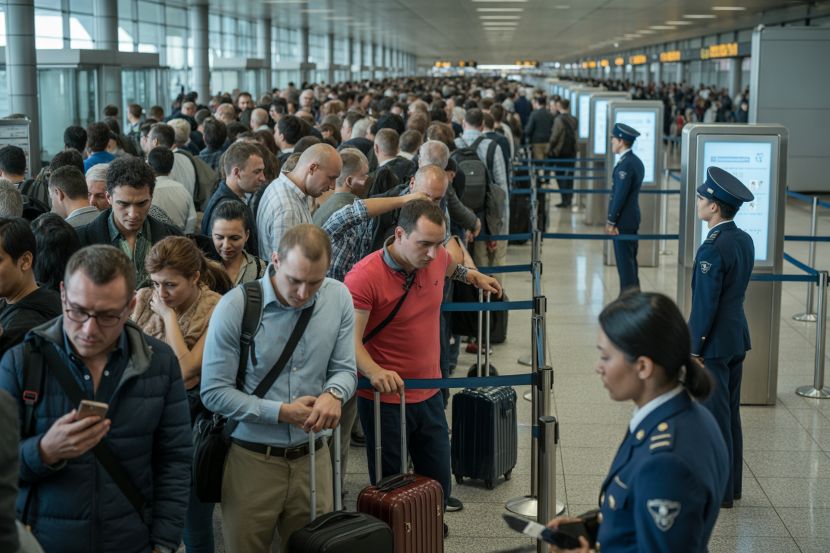
Airports across the European Union are facing serious disruptions due to the rollout of the EU’s digital border system, with wait times at passport control reaching up to three hours. According to the Airports Council International (ACI) in Brussels, the system’s introduction is causing significant operational headaches for airports and airlines, raising concerns over the impact on both business travelers and tourists.

The entry-exit system (EES), which began its phased implementation in October, was designed to automate border checks, including biometric data collection through fingerprinting and facial scans. However, issues with the system’s infrastructure and staffing are already causing chaos at several major airports in France, Germany, Greece, Iceland, Italy, Portugal, and Spain.

The Growing Impact on Travelers and Business Operations

The ACI has raised alarms over the delays caused by the digital border system, which has led to frustration for both passengers and businesses relying on smooth airport operations. Although only 10% of travelers are currently subject to biometric registration, this figure is set to rise to 35% by January 9, 2026. Without swift resolution of the operational issues, the ACI warns that this increase could result in even longer wait times and more severe congestion at airports, potentially creating safety hazards in crowded terminals.

Business travelers, in particular, are at risk of facing delays that could disrupt meetings, conferences, and other critical events. For tourists, especially those on tight schedules, the extended border check times could affect their travel plans, making it crucial for both groups to prepare for the changes.

Key Issues with the EU’s Entry-Exit System

The EU’s digital border system was introduced to enhance security and streamline border checks. However, several issues have emerged, affecting both its efficiency and reliability. These include:

  • System Outages: Frequent disruptions in the system’s operation, undermining the predictability and smooth flow of passengers through borders.
  • Kiosk Malfunctions: Self-service kiosks, which are essential for biometric data collection, have been unavailable or malfunctioning in several airports, slowing down the process.
  • Insufficient Staffing: Many airports are facing shortages of border guards, leading to further delays at passport control, which is particularly problematic during peak travel periods.
  • Lack of Effective Pre-Registration App: The pre-registration app, designed to help travelers upload their biometric data in advance, is not functioning properly at many airports.

Disruptions at Major Airports: Which Countries Are Affected?

The European airports most affected by these operational issues are in countries such as France, Germany, Greece, Iceland, Italy, Portugal, and Spain. Travelers departing or arriving at major hubs like Paris Charles de Gaulle, Berlin Brandenburg, Madrid Barajas, and Rome Fiumicino may experience long delays at border checks, especially as the system scales up in the coming months.

This is particularly problematic for both business travelers and tourists who rely on timely airport processing to catch flights or attend important engagements. The travel industry has already expressed concerns about the impact on international tourism, as the lengthy waits may discourage travelers from visiting Europe.

Tips for Business Travelers and Tourists

To minimize the impact of the delays and avoid unnecessary stress, travelers can take a few simple steps:

  1. Arrive Early: With the added processing time for biometric data collection, travelers should plan to arrive at the airport well in advance of their flight—at least 3 hours before for international flights.
  2. Check the Status of Airport Services: Stay updated on the operational status of self-service kiosks and border control systems through airport websites or mobile apps. If kiosks are unavailable, it may be necessary to queue for manual passport checks.
  3. Use Fast-Track Services: Some airports offer premium or fast-track services, especially for business travelers or those with specific travel needs. Consider booking these services if available.
  4. Prepare for Extra Security: With the EU’s increased focus on security, travelers should be ready for extra security measures, including biometric scans and possible additional security screenings.
  5. Monitor Government Updates: Keep an eye on official government travel advisories and airport announcements for updates on the implementation of the EES, especially as the system moves towards full rollout in 2026.

What the Future Holds for the EES Rollout

As of now, the EU plans to complete the rollout of the digital border system by April 9, 2026. While the system aims to streamline border control processes in the long term, the current issues must be addressed to avoid further disruptions. If the situation does not improve, travelers and airport officials are concerned about the potential for massive overcrowding and security concerns.

For the time being, it is clear that the EU entry-exit system has not yet achieved the smooth operations initially envisioned. Travelers must be aware of these challenges and plan accordingly to ensure a hassle-free journey. Both tourists and business travelers should keep in mind that these growing pains of the new system are temporary, but they will need to adjust their travel habits in the interim.

Key Takeaways for Travelers:

  • Three-hour delays reported at airports across the EU due to issues with the new digital border system.
  • The EES rollout will increase delays as more travelers are required to undergo biometric registration.
  • Airports in France, Germany, Spain, and other countries are experiencing significant disruptions.
  • Business travelers should anticipate delays affecting meeting schedules and flight connections.
  • Tourists should allow extra time for airport procedures, particularly in major travel hubs.

Quick Tips for Avoiding Disruption:

  • Arrive at the airport earlier than usual.
  • Use available fast-track services if possible.
  • Stay informed about airport operations via official channels.
  • Consider traveling during off-peak hours to reduce waiting times.

Disclaimer: The Attached Image in This Article is AI Generated

The post EU Airports Face Chaos as Digital Border System Sparks Hours-Long Delays: Travelers and Airlines Urged to Prepare for EES Disruption appeared first on Travel And Tour World.

Belgium Joins France, United Kingdom, Germany, Italy, Poland And Other European Countries: Discovering Hidden War Secrets With The Top Battlefield Tours You Must Experience Now

Belgium Joins France, United Kingdom, Germany, Italy, Poland And Other European Countries: Discovering Hidden War Secrets With The Top Battlefield Tours You Must Experience Now

If learning about history or traveling is your thing, exploring hidden wartime battlefields across Europe should definitely be on your to-do list. Like other countries such as France, the United Kingdom, Germany, Italy, and Poland, Belgium is also home to some of the most emotional and profound battlefield histories. Belgium’s coastline and Poland’s Auschwitz are some of the most important and sentimental military conflict battlefields. The tours are educational, and center around the more sad novelties of WWI and the intense memorials of WWII located in Germany and Belgium. Normandy, France, United Kingdom historic sites, and Monte Cassino, Italy, are also included in the tours. Travel and Tour World invites you to continue reading about these unforgettable tours and the history they offer.

What Is Battlefield Tourism?

When we think about traveling to places like graveyards, memorials, forts, or even battlefields, communities that are geared towards warfare and war-related customs, this is referred to as Battlefield Tourism. This tourism makes a tie connection to a few disciplines like dark tourism, national memory, and commemoration. This type of tourism is recognized as a subsection of heritage tourism. It’s even considered to be an example of experiential travel.

Battlefield Tourism in Europe: Core Destinations & Routes

One of the most memorialized and battle-heritaged locations in the world is Europe. It spans battles and conflicts ranging from the Napoleonic era through the various World Wars. These heritage sites and battlefields are scattered throughout Europe and greatly vary in terrain. Popularly combined are the routes that include battle sites, museums, and other landscapes that were greatly impacted and shaped through the battles of the past.

We will always remember Belgium for its rich history that includes the most horrific battles fought in the world – World War 1. The Ypres Salient is a great location that embodies the horror and sacrifice of the Great War. Belgium is the main center of WW1 battlefield tourism and provides guide services for tourists to walk through the Flanders Fields. The Menin Gate Memorial, Tyne Cot Cemetery, and Memorial Museum Passchendaele 1917 are not just sites; they are, in fact, living memorials of great heroism and tragedy. Belgium offers private and group settings with its passionate and well-versed employees walking you through these historic sites and making history come alive.

Other attractions include the embedded Belgian Coastline WW1 Remembrance Route, which retraces the conflict from Dunkirk to Belgium. And most importantly, the great Waterloo (1815), where the legendary Napoleon Bonaparte was defeated in battle.

These remarkable battlefield tours are not simply attractions; they reflect the sacrifice, struggles, and pain of the people from the world wars. Belgium’s battlefield tours will leave you in tears and in deep thought.

France: From D-Day to Verdun: France’s Most Important Battlefields to Visit

Some of the most important battlefields in the history of the world are in France. Millions remember The Somme. The Thiepval Memorial and Beaumont-Hamel are important sites to remember the sacrifices. This is also very impactful. You can take a tour to hear personal stories of soldiers lost in war and the lasting brutality of war.

Another important battlefield is Normandy. D-Day changed history and is a battle that needs to be remembered. Omaha Beach, Juno Beach, and Pointe du Hoc are important to the Allied invasion of Europe. Many students go to the American museums to remember the soldiers who lost their lives for freedom. France is the best place to remember them and to understand the sacrifices of war.

There is also the site of one of the longest and most brutal battles of all time. Verdun is this site. Fort Douaumont and Douaumont Ossuary provide great and horrible educational information about World War I.

These primers on past peoples and events can be used as very helpful and well-researched guides to the past.

UK Walk the Walk Site Walks – UK Walk Historic Battlefields

    The UK has a long and rich military history. From the UK Norman Conquest to World War II, the UK has some of the World’s military battlefields. The Battle of Hastings (1066) was a great victory of England’s King Harold and the then conqueror, England’s King William, who forever conquered the upper portion of England and changed the course of England’s bloody history. The moment in History is now preserved, and in Aid of Education, is rendered in ‘live theater’ at Battle Abbey and Hastings Country Park.

    Waterloo is a classic and must-see of the UK. Waterloo (1815) was the great and decisive battle of the end of the reign of Napoleon, and therefore King William. It is of great and immense significance to the UK, as Great Britain and Napoleon are forever and largely legacied and hence and therefore is greatly, massively, and eternally legacied to the battle Waterlo.

    Britain’s Personal Battlefields

    Brits’ most personal battlefields within their own borders. London’s WWII sites, including Churchill’s War Rooms and The Imperial War Museum, cover The Blitz, The Battle of Britain, and the costs of war on the British home front. These sites are more than just history; they are emotional and tell stories of our history from remembrance, resilience, and sacrifice.

    Germany: WWII Remembrance Tours

    Germany is one of the most militarily and historically and one of the most important for understanding Europe’s history. Dachau Concentration Camp, located near Munich, is one of the most profoundly sobering reminders of WWII. It is a stark monument to the Holocaust and the atrocities of Nazi Germany. Emotionally and eye-opening, guided tours of this site provide an invaluable educational experience.

    Whilst Waterloo (1815) was also an important battle on European soil, it occurred far from Germany. The Napoleonic wars also impacted Germany greatly, with the defeat of Napoleon shaping a new Europe. But Germany’s significance in WWII is unquestionable, sites like the Elbe River Crossings, where the US and Soviet troops met in 1945, are also important for understanding the great WWII and the many hitherto unknown tragedies it brought to Europe.

    Germany has emotionally charged battlefield tours where participants reflect on wartime Germany and the subsequent events in Germany’s aftermath.

    Italy: WWII & WWI Battlefields That Will Change the Way You See History

      Italy is one of the most culturally rich countries in the world, and its battlefields in WWII and WWI have great stories to tell. The Asiago Plateau is one of the central sites of the Italian Front in WWI. Anyone interested in the Italian involvement in the war can have a moving experience by visiting Fort Corbin and the memorials in the region. Italy’s WWI battlefield tours focus on the Alpine Front, which is a brutal chapter in history, and emphasize the struggles and sacrifices of soldiers.

      During WWII, Italy was one of the major theaters of war. There are countless memorials and cemeteries at Anzio Beachhead, the site of the Allied landings in 1944, which serve to pay tribute to the Allied forces who attempted to break the German line of defenses. Monte Cassino (WWII’s fierce battle site between the Allies and Axis powers) is among the most important sites in the history of the world during WWII.

      Italy’s battlefields do not serve as tourist sites, but as sacred grounds to reflect on the horrors of war.

      The Netherlands: Liberation Routes You Have To Experience – The Meaning of Freedom!

        The Netherlands suffered greatly in WWII, reflecting its strength and bravery. The Liberation Routes started in the Netherlands and incorporate all of Arnhem, the site of the historical Battle of Arnhem (1944). This battle, part of the Operation Market Garden, was pivotal in the history of the war. The tour guides provide insightful details of the battle and offensive fighting found in the Airborne Museum and Oosterbeek Cemetery.

        The Liberation Route Europe crosses many countries, but holds special value in the Netherlands. This route commemorates the Allied military engagements that led to the liberation of Europe from the Nazi’s. These international tours provide a more meaningful appreciation of the fight for freedom.

        Poland: Walk Through The Heart of WWII: Poland’s Historic Sites of Remembrance

          Poland’s part in WWII is historically significant and home to some of the most important sites of remembrance. One of the world’s most visited and most tragic places is Auschwitz-Birkenau, the site of the largest Nazi concentration camp. The Holocaust is one of the darkest periods in world history, and visiting Auschwitz and learning the history is a sobering educational experience.

          Westerplatte, the site of the first battle of WWII, is one of the most significant locations in Poland’s history. This site marks the beginning of the war and honors the heroism and suffering of the Polish people.

          Spain: The Spanish Civil War & Napoleonic Battlefields – One of the Greatest For History Enthusiasts!

            Spain lacks the famous battlefields of WWI and WWII, but it’s a fascinating country to study the Spanish Civil War and the Napoleonic Wars. Guernica is a symbol of war’s devastation and was bombed by Nazi German forces. The region of Navarre, containing numerous sites of the Peninsular War, is essential for the study of Napoleon’s campaigns.

            Every one of the battlefield tours provides insight into Spain’s Civil War and the impact the Civil War had on modern-day Spain.

            Conclusion: Spain’s Battlefield Tours and Europe’s Deepest War Stories

            Europe is home to battlefields, memorials, and ancient paths that showcase Europe’s stories of loss, bravery, and tragedy. Europe is home to battlefield tours in Ypres Salient, Belgium, Normandy beaches in France, and, of course, memorials in World War 2 Germany.

            Guided tours capture these stories and provide an unforgettable experience. If you hope to embark on a trip that captures the history of these places. If you want to pay your respects to the heroes, the villains, and the victims of Europe’s greatest conflicts, bring your passion and book your tour today.

            The post Belgium Joins France, United Kingdom, Germany, Italy, Poland And Other European Countries: Discovering Hidden War Secrets With The Top Battlefield Tours You Must Experience Now appeared first on Travel And Tour World.

            Germany–United States Aviation Link Strengthens as Lufthansa Boeing 747-8 Aircraft Join United States Air Force Presidential Fleet

            Germany–United States Aviation Link Strengthens as Lufthansa Boeing 747-8 Aircraft Join United States Air Force Presidential Fleet

            A significant development in global aviation has been confirmed with the transfer of two iconic widebody aircraft from Germany to the United States, highlighting how civil aviation assets can play a role in international mobility, diplomacy, and long-distance travel infrastructure. The sale involves Lufthansa, Germany’s flag carrier, and two of its highly recognizable Boeing 747-8 aircraft, which are set to join the operational ecosystem of the United States Air Force. These aircraft, long associated with intercontinental passenger travel and tourism flows through Frankfurt Airport, will now support the broader Air Force One program during a critical transition period. The transaction reflects not only fleet optimization by a major European airline but also underscores the continuing importance of long-range aircraft in connecting countries, cultures, and leadership across continents. As Germany and the United States remain closely linked through tourism, trade, and diplomatic travel, the movement of these aircraft represents a rare intersection of commercial aviation, state operations, and international travel logistics, all within a context shaped by evolving fleet strategies and delayed aircraft replacement programs.

            Lufthansa Confirms Strategic Fleet Adjustment

            It has been confirmed that Lufthansa will part with two Boeing 747-8 aircraft as part of a carefully managed long-term fleet adjustment. The aircraft are scheduled to exit the airline’s long-haul operations between January and the third quarter of 2026. Once the transfer is completed, Lufthansa’s total fleet of passenger Boeing 747-8 aircraft will be reduced from 19 to 17.

            These aircraft have historically been operated primarily from Frankfurt Airport in Germany, a major European hub that plays a vital role in transatlantic tourism and international connectivity. The reduction in fleet size has been positioned as a targeted decision rather than a broader retreat from jumbo jet operations, ensuring that Lufthansa retains a strong presence in long-haul travel markets.

            A Rare Transaction in Modern Aviation

            The sale has drawn attention across the aviation and travel sectors due to the limited global demand for used widebody aircraft. In recent years, airlines have faced challenges when attempting to sell large, aging jets, often encountering weak market interest and unfavorable financial outcomes.

            Against this backdrop, Lufthansa’s ability to identify a buyer for two Boeing 747-8 aircraft has been viewed as highly unusual. The aircraft type is no longer in production, and few commercial operators remain capable of integrating such large jets into their fleets. The transaction has therefore been interpreted as a unique alignment of airline fleet management and government aviation requirements.

            Aircraft Details and Timeline

            The two aircraft confirmed for transfer have been identified as D-ABYD and D-ABYG. The aircraft registered as D-ABYD, which is 13 years old, is scheduled to leave the Lufthansa fleet in January 2026. The second aircraft, D-ABYG, aged 12 years, is expected to exit operations during the third quarter of 2026.

            Following their departure, Lufthansa’s remaining Boeing 747-8 fleet will be capped at a maximum of 17 aircraft. These remaining jets will continue to serve long-haul routes that connect Germany with major destinations across North America and Asia, sustaining tourism and business travel flows.

            Limited Global Operators of the Boeing 747-8

            Lufthansa occupies a distinctive position in global aviation as one of only three airlines worldwide to operate the passenger version of the Boeing 747-8. The other operators are Air China and Korean Air. This exclusivity has reinforced the aircraft’s iconic status among international travelers and aviation enthusiasts.

            For Lufthansa, the Boeing 747-8 has long been a symbol of premium long-distance travel, offering high capacity and extended range suitable for major intercontinental routes. Previous plans had indicated that all 19 aircraft would be retained for the long term, with comprehensive cabin upgrades forming part of the airline’s future vision.

            United States Air Force Acquisition Explained

            It has been reported that the United States Air Force acquired two Boeing 747-8 aircraft at a combined cost of approximately 400 million dollars. These aircraft are widely understood to correspond directly to the two jets leaving Lufthansa’s fleet.

            The aircraft will not serve as the primary Air Force One platforms. Instead, they are expected to support presidential aviation operations through training missions, operational readiness activities, and spare parts sustainment. This approach allows the United States to maintain continuity in presidential air travel while preparing for the arrival of new, heavily modified aircraft.

            Supporting the Air Force One Replacement Program

            The United States Air Force is currently engaged in replacing its aging Air Force One fleet, which is based on modified Boeing 747-200 aircraft. The future replacements are planned to be customized Boeing 747-8s designed to meet modern security, communications, and operational requirements.

            Two specific Boeing 747-8 aircraft, identified by Boeing line numbers 1519 and 1523, were originally built for Transaero, a now-defunct Russian airline, but were never delivered. These aircraft have been designated as the future primary Air Force One platforms. However, the program has experienced significant delays, with delivery now expected no earlier than 2028.

            Interim Measures and Operational Continuity

            During the extended transition period, interim solutions have been considered to ensure uninterrupted presidential air travel. Additional Boeing 747-8 airframes provide a practical way to bridge the gap between the aging 747-200 fleet and the delayed arrival of the new aircraft.

            By acquiring aircraft already in service with a major international airline, the United States Air Force gains access to proven airframes that are compatible with existing maintenance and training requirements. This strategy reduces operational risk and supports long-term readiness.

            Importance of Training and Spare Parts

            The Boeing 747-8 differs substantially from the older Boeing 747-200 in terms of avionics, systems architecture, and maintenance processes. As the aircraft type is no longer being produced, the availability of spare parts and training platforms has become increasingly important.

            The acquisition of former Lufthansa aircraft allows the United States Air Force to establish dedicated training capabilities for flight crews and maintenance personnel. It also ensures a reliable source of spare parts, supporting sustained operations once the new Air Force One aircraft enter service.

            Travel and Tourism Implications

            While the aircraft will transition from commercial service to government use, their movement highlights the enduring role of large, long-range aircraft in global travel infrastructure. Frankfurt Airport, as Lufthansa’s primary hub, remains a key gateway between Germany, the United States, and the wider world.

            The continued operation of Boeing 747-8 aircraft on passenger routes supports tourism flows by enabling high-capacity travel between major international destinations. At the same time, the transfer of aircraft to the United States Air Force underscores how aviation assets can be repurposed to serve broader national and international objectives.

            Broader Significance for Germany and the United States

            This transaction reinforces the close aviation and travel ties between Germany and the United States. Both countries rely heavily on long-haul air travel to support tourism, diplomacy, and economic exchange. The movement of these aircraft reflects a shared reliance on advanced aviation technology and long-distance connectivity.

            For Lufthansa, the sale represents a rare opportunity to streamline its fleet while maintaining operational strength. For the United States Air Force, it provides a practical solution to sustain presidential aviation capabilities during a period of transition.

            Bottom Line

            The confirmed sale of two Boeing 747-8 aircraft from Lufthansa to the United States Air Force marks a notable moment in international aviation. Scheduled departures in early and mid-2026 will reduce Lufthansa’s long-term fleet to 17 aircraft while supporting critical training and sustainment roles within the Air Force One program.

            The transaction demonstrates how commercial aviation assets can continue to play a role beyond passenger service, contributing to operational readiness and international connectivity between Germany and the United States.

            The post Germany–United States Aviation Link Strengthens as Lufthansa Boeing 747-8 Aircraft Join United States Air Force Presidential Fleet appeared first on Travel And Tour World.
            Lufthansa Aims for Turnaround in 2026 But Faces Challenges in Cost and Labour Issues

            Lufthansa Aims for Turnaround in 2026 But Faces Challenges in Cost and Labour Issues

            Lufthansa, the iconic German airline group, has had a mixed performance in 2025, failing to match the growth rates of its European rivals despite a 26% increase in shares over the last six months. Investors remain cautious about the airline’s ability to recover from years of financial difficulties, particularly due to rising costs, labour struggles, and global headwinds in the aviation sector. While the European airline group has seen some improvement in its stock price recently, Lufthansa still lags behind companies like British Airways’ owner IAG and Air France-KLM, which saw their stocks rise 35% and 44.6%, respectively.

            The airline’s underperformance is particularly notable when compared to the success of its competitors. Since Carsten Spohr became CEO in 2014, Lufthansa shares have fallen by around 18%. This decline is particularly sharp when looking at its performance after the COVID-19 pandemic, which hit the airline sector hard and has yet to fully recover. In contrast, other major European airlines have shown significant improvements in their stock performance and profitability.

            Lufthansa’s Financial Struggles Amid Rising Costs and Labour Issues

            Lufthansa’s recent operating margin narrowed from 7.6% in 2023 to 4.4% last year, reflecting growing concerns about cost pressures and labour disputes. Analysts forecast that Lufthansa’s operating margin will improve slightly to 4.8% in 2025, but this remains lower than its competitors, such as IAG and Air France-KLM, which are expected to perform better in terms of profitability. These financial struggles have caused some investor skepticism about Lufthansa’s ability to compete with other European carriers in the coming years.

            To address these challenges, Carsten Spohr has unveiled an ambitious turnaround plan aimed at improving profitability in the coming years. This plan includes cutting 4,000 administrative jobs over the next five years and retiring older planes, which will help the airline reduce costs and increase its margins. The company aims for an operating margin of 8% to 10% by 2028-2030, a target that investors are hoping will be achieved in the long term.

            The Struggle with Transatlantic Travel and Global Headwinds

            Despite these efforts, Lufthansa continues to face challenges, particularly in transatlantic travel, which has experienced a softness in demand. The airline has struggled to recover fully in the North American market, which was traditionally one of its strongest sources of revenue. Global economic uncertainty, combined with rising fuel costs and labor shortages, has added pressure on Lufthansa’s long-haul routes, especially those serving the US and Canada.

            Lufthansa’s global headwinds are also linked to the broader aviation market conditions, including rising fuel prices, inflationary pressures, and supply chain disruptions affecting the airline’s fleet expansion plans. In particular, the long-awaited arrival of Boeing jets has been delayed, further impacting the airline’s fleet modernization and growth prospects.

            Lufthansa’s Structural Overhaul and Airline Streamlining Efforts

            In addition to financial restructuring, Lufthansa is looking to streamline its complex organizational structure, which includes six hubs and nine passenger airline brands. This diverse set of brands ranges from luxury services to budget carriers like Eurowings, and the company is looking for ways to simplify operations to reduce costs. Spohr’s goal is to make the airline more efficient while improving profitability, but the company must balance cost-saving measures with the need to maintain quality and service standards across its various brands.

            Investor Confidence: Will Lufthansa Overcome These Hurdles?

            Despite the challenges, Lufthansa has received support from some investors, particularly those who believe in the airline’s ability to improve its operating margins and profitability in the future. Spohr’s plans to modernize the airline’s fleet, cut administrative jobs, and focus on higher-margin routes have been received positively by some stakeholders. However, concerns about global competition and rising costs continue to cloud the airline’s future, leaving investors divided on whether the airline can make the necessary changes in time.

            For business travelers, Lufthansa’s struggles may raise questions about whether the airline can maintain its position as a leading carrier for long-haul routes between Europe and the US, Asia, and other major international hubs. If the airline’s operational performance does not improve, passengers may be tempted to switch to Air France-KLM, IAG, or other emerging competitors offering better service and more efficient travel options.

            Quick Tips for Travelers Considering Lufthansa for 2025

            1. Book Early for the Best Rates: With ongoing economic pressure, booking flights early will help secure the best possible prices before further price hikes.
            2. Check for Alternative Routes: Given Lufthansa’s competition in long-haul flights, travelers may want to explore other European carriers, like Air France-KLM, for a broader range of destinations.
            3. Expect Delays on Long-Haul Flights: Transatlantic routes might experience disruptions, so travelers should be prepared for potential delays.
            4. Monitor Fleet Updates: Keep an eye on updates related to Lufthansa’s fleet expansion or delays in the arrival of newer jets, which could affect travel comfort and punctuality.

            Conclusion: Lufthansa’s Path to Recovery Amid Challenges

            Lufthansa’s efforts to recover from its pandemic losses and improve profitability have met with mixed success. While the airline’s ambitious turnaround plan offers hope for the future, cost struggles, labor challenges, and global competition will continue to weigh on the airline’s ability to catch up with its European rivals. However, with strategic overhauls underway and a focus on higher-margin routes and operational efficiency, Lufthansa may eventually return to its previous standing as a leader in the global airline industry.

            Key Points:

            • Lufthansa shares are up 26% in the last six months but still underperform compared to rivals.
            • Cost and labor struggles continue to affect Lufthansa’s operating margins, which are expected to narrow in 2025.
            • Transatlantic travel softness and global headwinds remain significant challenges for Lufthansa.
            • The airline is undergoing a structural overhaul to streamline operations and reduce costs.
            • Lufthansa’s plans to cut 4,000 jobs and retire old planes as part of its long-term recovery plan.

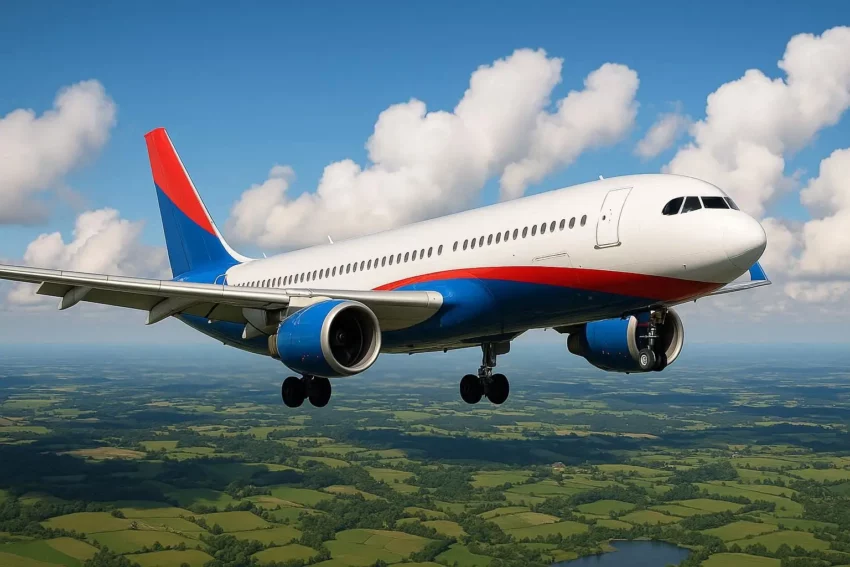
            Source: Disclaimer: The Attached Image in This Article is AI Generated

            The post Lufthansa Aims for Turnaround in 2026 But Faces Challenges in Cost and Labour Issues appeared first on Travel And Tour World.
            Germany to Break New Records in Tourism Sector in 2025 Despite Economic Challenges

            Germany to Break New Records in Tourism Sector in 2025 Despite Economic Challenges
            Germany’s tourism industry breaks records with steady growth in 2025.

            Despite facing industrial struggles and slower economic growth, Germany’s tourism sector is proving to be a resilient and vibrant part of the nation’s economy. With record numbers of overnight stays forecasted for 2025, the German tourism industry continues to shine as a major economic bright spot, attracting both domestic and international visitors. According to data from the Federal Statistical Office (Destatis), from January to October 2025, German hotels and campsites recorded an impressive 433.5 million overnight stays, marking a slight increase of 0.1% compared to the same period in 2024.

            The data paints a promising picture for the industry, driven by strong domestic demand. German residents were responsible for the majority of the bookings, with 362 million overnight stays — a 0.6% increase. While foreign tourism experienced a slight dip, with 71.5 million foreign visitors recorded (a 2.3% decrease from 2024), the outlook for 2025 remains overwhelmingly positive.

            Domestic Tourism Fuels Growth Amid Economic Uncertainty

            The significant role played by domestic tourists in driving Germany’s travel sector cannot be overstated. With the German economy facing some headwinds, domestic travelers have kept the wheels of the tourism industry turning. Domestic bookings have shown steady growth, providing much-needed stability during challenging economic times. German tourists are helping maintain a strong tourism base, especially in local guesthouses, small hotels, and campsites scattered across the country, including popular destinations such as the Black Forest and the North Sea.

            The demand for domestic travel has been particularly important for small businesses in the tourism sector. These local establishments are not only benefitting from the growing number of domestic visitors but also gaining support amid rising energy costs and inflation. As German travelers choose to explore more of their own country, they provide crucial revenue streams for small enterprises that are often the backbone of the industry.

            Foreign Visitor Decline in 2025: An Opportunity for Recovery

            The drop in foreign visitors in 2025, especially compared to the massive influx during the 2024 UEFA European Football Championship, has been a notable development. While the absence of a major international event has contributed to this decline, Germany remains a highly attractive destination for travelers around the world. The decrease in foreign visits by 2.3% is not seen as a significant blow, but rather as a temporary dip that the country’s tourism sector is set to overcome as the year progresses.

            The October figures are particularly encouraging, as they demonstrate a recovery in international demand. The country registered 45.9 million overnight stays for the month of October, reflecting a 1.2% increase compared to the same period in 2024. Notably, international visitors surged by 4.1% to 7.3 million, indicating that foreign tourism is beginning to bounce back later in the season.

            Germany’s Economic Resilience: Tourism as a Pillar of Stability

            In a year marked by slow economic growth and a recession in the manufacturing sector, Germany’s tourism industry stands out as a pillar of stability. The industry is responsible for employing around 2.7 million people, contributing to a substantial portion of the nation’s economic output. According to the German Institute for Economic Research (DIW), tourism added about 3.7% to Germany’s national gross value in the previous year. With its ability to create jobs, support small businesses, and stabilize the economy, tourism remains a vital force in Germany’s economic landscape.

            The positive impact of tourism is particularly important at a time when other sectors are facing challenges. By sustaining a high level of domestic demand and gradually recovering international tourism, Germany is demonstrating the resilience of its tourism industry, which continues to play a critical role in the national economy.

            Record-Breaking Year in Sight for 2025

            Looking ahead, the German tourism sector is poised for another record year in 2025. The Christmas markets and the winter season, which draw millions of visitors each year, are already underway, contributing to the sector’s positive momentum. As the year progresses, it is expected that Germany will surpass its 2024 record in both domestic and international bookings, despite the absence of large-scale events like the UEFA Championship.

            The tourism industry’s continued success also reflects Germany’s broader strategy of investing in its cultural heritage, vibrant cities, and scenic landscapes. With events like Oktoberfest and the Christmas markets drawing visitors from across the globe, it is clear that Germany remains one of Europe’s top destinations for travelers seeking culture, history, and unparalleled experiences.

            The Road Ahead for German Tourism: Outlook for 2025 and Beyond

            In conclusion, Germany’s tourism sector is on track to set new records in 2025, defying economic challenges and demonstrating the enduring appeal of the country as a travel destination. The resilience of both domestic and foreign tourism offers optimism for the future, and with new innovations and the country’s rich cultural offerings, Germany is poised to continue leading the tourism industry in Europe.

            Despite the challenges of an uncertain economic environment, the strength of the tourism industry provides hope for Germany’s broader economic recovery. Whether through the timeless appeal of its cities or the seasonal draw of its picturesque landscapes, Germany’s tourism sector stands as a beacon of hope and growth in a turbulent economic climate.

            The post Germany to Break New Records in Tourism Sector in 2025 Despite Economic Challenges appeared first on Travel And Tour World.
            AIDAnova Welcomes its Coca-Cola Christmas Truck in Hamburg, Strengthening Their Cruise Tourism and Expanding New Regional Travel Offerings of Europe

            AIDAnova Welcomes its Coca-Cola Christmas Truck in Hamburg, Strengthening Their Cruise Tourism and Expanding New Regional Travel Offerings of Europe

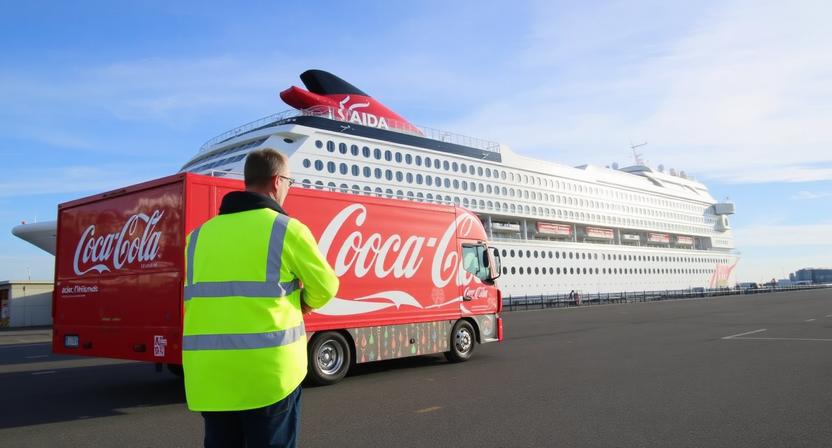
            AIDA Cruises recently welcomed the Coca-Cola Christmas truck aboard the AIDAnova during its stay at Cruise Center Steinwerder in Hamburg, marking the kick-off of an eventful winter cruise season. This festive event, including holiday-themed activities in plenty, underlines the increasing popularity of Northern Europe as a cruise destination. Currently operating a set of winter cruises to Norway and Denmark, AIDAnova is contributing to the boom in winter cruise tourism across Scandinavia and the Baltic.

            The Coca-Cola Christmas truck event put the ship and the region in a festive mood, welcoming more tourists to the varied destinations of Northern Europe. This is quite a milestone in the continued growth of cruise tourism in Northern Europe, providing travelers with a unique experience that holiday celebrations and luxury cruising can offer.

            Winter Cruise Tourism Growth: Expanding Northern Europe’s Appeal

            The AIDAnova’s winter cruises to Norway and Denmark, along with its upcoming Norwegian Fjords cruises for the summer of 2026, are poised to make a lasting impact on the winter cruise tourism market. As travelers increasingly seek out off-season cruises, the introduction of new itineraries to Scandinavia and the Baltic is expected to drive significant growth in the regional tourism industry.

            This growth in winter cruise tourism reflects a broader trend of travelers opting for more affordable, immersive, and unique winter experiences at sea. By expanding its winter cruise offerings, AIDA Cruises is helping Northern Europe establish itself as a key destination in the global cruise tourism market, catering to a growing demand for alternative travel experiences.

            AIDA’s Contribution to Regional Economic Growth and Local Tourism

            The expansion of AIDA’s winter cruise season in Northern Europe brings with it a variety of economic benefits for local economies in Hamburg, Norway, Denmark, and other key port cities. The increase in tourist arrivals, coupled with the availability of more affordable cruise options, creates new opportunities for local businesses—from hotels and restaurants to tour operators and retail outlets.

            Cruise tourism, particularly in winter, not only boosts regional economies but also promotes year-round tourism, helping to level out the traditional tourism peaks that occur during the warmer months. AIDA Cruises’ expanded offerings in Northern Europe help mitigate the seasonality of tourism flows, contributing to economic stability in both port cities and tourism-dependent industries.

            Strengthening Northern Europe’s Cruise Tourism Infrastructure

            The growth of cruise tourism in Northern Europe is also driving investments in the region’s cruise tourism infrastructure. The increase in demand for winter cruises means more focus on port facilities, tourism services, and destination development. As AIDA Cruises continues to operate a larger fleet in the region, the investment in infrastructure will be crucial to meet the growing needs of international tourists and enhance the guest experience at each port of call.

            The expansion of AIDA Cruises’ operations in the region, particularly in Hamburg and Copenhagen, will create long-term benefits for local communities by improving accessibility, transportation options, and tourism services that support both cruise tourism and general leisure travel. This will help ensure that Northern Europe remains a competitive, attractive destination in the global cruise tourism market.

            AIDAnova’s Role in Shaping the Future of Cruise Tourism in Northern Europe

            The successful launch of AIDAnova’s winter cruises is a key part of AIDA Cruises’ long-term strategy to dominate the luxury and adventure cruise market in Northern Europe. By offering year-round cruises to a range of scenic destinations, the brand is transforming the winter cruise tourism industry into a major segment of the overall cruise market.

            Looking forward, AIDA Cruises’ continued expansion into Northern Europe will contribute to a sustained growth in the region’s tourism economy, further reinforcing Hamburg, Copenhagen, Oslo, and other port cities as key tourism hubs in Europe. The future impact of the AIDAnova and similar vessels will undoubtedly be felt across the region, with more tourists choosing to visit during the off-peak months and new markets opening up for the region’s tourism offerings.

            A Growing Future for Winter Cruise Tourism in Northern Europe

            Moreover, the start of the winter cruises from AIDAnova and the popularity of the Coca-Cola Christmas truck event indicate that Northern Europe is gaining more and more importance in the context of winter cruises. Due to its positioning as an attractive off-season destination, the growth of AIDA Cruises’ products will ensure higher international demand in the respective port cities such as Hamburg and Copenhagen, enabling local economic growth.

            AIDA Cruises will be promoting sustainable tourism, reasonable voyages, and the obtaining of cultural experience. The company’s continuous contribution to the future of cruise tourism in Northern Europe comes with added winter travelers; the impact of the voyages of AIDAnova will help further solidify the area’s status as a year-round tourism destination, ensuring continued growth in both tourism revenue and regional infrastructure.

            The post AIDAnova Welcomes its Coca-Cola Christmas Truck in Hamburg, Strengthening Their Cruise Tourism and Expanding New Regional Travel Offerings of Europe appeared first on Travel And Tour World.
            Lufthansa Unites EasyJet, Eurowings, Singapore Airlines, and Air France in Heart-Stopping Aerial Dangers in Emergency Landings: What They Are Hiding

            Lufthansa Unites EasyJet, Eurowings, Singapore Airlines, and Air France in Heart-Stopping Aerial Dangers in Emergency Landings: What They Are Hiding

            Emergency landings are rare events that occur when a flight crew decides that continuing under normal circumstances would compromise safety. The decision may be prompted by a technical fault, onboard medical issues, or external threats such as bomb threats. Germany’s aviation authorities publish bulletins and investigation reports summarising incidents and serious events. Airlines may also confirm emergency landings via spokespeople or press statements. This article looks at confirmed emergency landings at Frankfurt and Munich airports between January 2022 and November 2025. Only incidents backed by official bulletins or statements are included.

            Emergency landings at Frankfurt

            September 2022 – chartered flight returns after pilot incapacitation

            On 22 September 2022 a Boeing 737‑800 operating a charter flight experienced an in‑flight medical emergency near the end of its journey. According to the investigation bulletin, the co‑pilot became unwell and could not continue his duties. The captain declared an emergency and requested an immediate landing. The flight landed at Frankfurt‑Main Airport with emergency services on standby. There were no injuries or damage to the aircraft[1]. After medical evaluation the co‑pilot was taken to hospital, and the airline arranged a replacement crew to continue the aircraft’s schedule.

            July 2023 – captain incapacitated on approach

            On 19 July 2023 Eurowings Discover flight 4Y1205, an Airbus A320 from Heraklion, Greece to Frankfurt, declared a general emergency while descending toward runway 25L. The captain became incapacitated during final approach, prompting the first officer to assume command and land the aircraft. The German accident investigation bulletin notes that the aircraft landed safely; emergency medical services took the captain to hospital, and none of the 178 passengers or crew were injured[2]. The occurrence was classified as a serious incident and triggered an official investigation.

            September 2023 – A330‑900 returns due to unreliable airspeed readings

            A more complex emergency occurred on 20 September 2023 during a passenger charter flight from Frankfurt. The Airbus A330‑900 took off with three pilots, nine cabin crew members and 275 passengers onboard. Shortly after take‑off, the flight crew noted inconsistent speed indications on their primary flight displays. They continued the take‑off and manually flew the aircraft, but the recorded cockpit voice data show that the crew performed a structured decision‑making (FORDEC) process before deciding to return to Frankfurt. Because the aircraft was still heavy with fuel, the captain requested assistance from airport fire services due to the overweight landing. The aircraft landed safely on runway 25C about 45 minutes after departure; there were no injuries and no damage[3][4]. The federal accident investigation bureau opened a detailed investigation (state file BFU23‑0887‑5X).

            September 2023 – long‑haul flight returns after engine indication anomaly

            Two days later, on 13 September 2023, Lufthansa flight LH 712 (a Boeing 747‑400) departed Frankfurt bound for Seoul. Midway over the Caspian Sea the flight crew observed irregular oil‑pressure readings on one engine. Following standard procedures the crew shut down the affected engine and declared a precautionary air emergency. The flight returned to Frankfurt and landed uneventfully with its 341 passengers and crew. Lufthansa’s official statement explained that the engine shutdown and emergency declaration were precautionary, the aircraft landed normally, and passengers were rebooked onto subsequent flights[5]. The airline emphasised that safety remained its top priority.

            June 2025 – bomb threat forces return flight

            On 15 June 2025, Lufthansa flight LH 752, a long‑haul service from Frankfurt to Hyderabad, received a bomb threat via email while the aircraft was in international airspace. Authorities at Hyderabad’s Rajiv Gandhi International Airport advised the airline to return to the origin or divert to the nearest suitable airport. Lufthansa’s statement said the flight “returned to its point of departure out of an abundance of caution,” and emphasised that passenger and crew safety is the airline’s highest priority[6]. The Airbus wide‑body aircraft landed back at Frankfurt under heightened security. Passengers were provided accommodation and rebooked for onward travel[6]. The bomb threat was investigated by authorities and no device was found.

            Emergency landings at Munich

            August 2024 – hydraulic irregularity on flight to Tokyo

            The most significant emergency landing at Munich during the review period occurred on 17 August 2024. A Lufthansa Airbus A350, operating a long‑haul service from Munich to Tokyo (flight LH 714), was several hours into its flight when the crew observed an irregularity in a hydraulic display. According to a Lufthansa spokesperson, the captain decided to turn the aircraft around over the Caspian Sea and return to Munich as a precaution. The flight landed back at Munich after about eight hours with emergency vehicles escorting the aircraft; the airline emphasised that a hydraulic issue can trigger a priority landing but does not pose immediate danger[7]. All 292 passengers were rebooked for onward travel, and the aircraft returned to service after maintenance checks[7].

            November 2025 – Air France A350 diverts due to cockpit odour

            On 10 November 2025 an Air France Airbus A350‑900 (flight AF 264) flying from Paris to Seoul reported a burning smell in the cockpit while cruising over Austria. The pilots transmitted the emergency squawk code 7700, performed a controlled descent and diverted to Munich. Emergency services met the aircraft on arrival, and passengers remained on board while the aircraft was inspected. Air France confirmed the diversion and arranged a replacement Boeing 777‑300ER to transport passengers to Paris later that day[8]. The airline emphasised that declaring an emergency code is a standard safety protocol and that passenger safety is its top priority[8]. The A350 remained grounded in Munich for technical checks, and no injuries were reported.

            Discussion

            The events documented above highlight the rarity of emergency landings at Germany’s busiest international hubs. Between early 2022 and November 2025 there were six confirmed emergency landings at Frankfurt and Munich backed by official bulletins or airline statements. The primary causes fell into three categories:

            1. Crew incapacitation. Two events involved flight‑crew medical issues: the September 2022 charter flight where the co‑pilot became ill and the July 2023 Eurowings Discover incident where the captain was incapacitated. In both cases the remaining pilot assumed control and landed safely[1][2]. These events underscore the importance of crew redundancy and cross‑training, and they demonstrate how prompt medical support can mitigate risk.
            2. Technical anomalies. Technical issues accounted for the majority of events. The A330‑900 incident on 20 September 2023 involved unreliable airspeed sensors, leading to a return to Frankfurt and an overweight landing supported by the airport fire brigade[3]. Other technical events included the oil‑pressure irregularity on Lufthansa flight LH 712 and the hydraulic display anomaly on the August 2024 Munich‑Tokyo flight, both of which resulted in precautionary returns[5][7]. These cases show that modern aircraft systems often provide early warnings that allow crews to resolve issues before they pose a danger.
            3. External threats. The June 2025 bomb threat on Lufthansa flight LH 752 illustrates how non‑technical factors can lead to emergency landings. Airport authorities and airline security teams collaborated to advise a return and ensure passenger safety[6]. Although no explosive device was found, the incident emphasised the need for prompt threat assessment and coordination among international authorities.

            In all cases, no fatalities or serious injuries occurred. The effectiveness of German aviation safety protocols is evident: flight crews responded promptly, air traffic control provided priority handling, and airport emergency services were ready to support. The federal accident investigation bureau (BFU) launched detailed investigations into events that met the threshold for a serious incident, while airlines conducted internal reviews and maintenance checks.

            Reference list

            1. German Federal Bureau of Aircraft Accident Investigation (BFU), bulletin entry describing the September 2022 emergency landing at Frankfurt[1].
            2. BFU bulletin summarising the Eurowings Discover 4Y1205 incident on 19 July 2023[2].
            3. BFU interim report IR23‑0887‑5X describing the 20 September 2023 A330‑900 return to Frankfurt[3][4].
            4. Lufthansa statement on the 13 September 2023 return of flight LH 712 due to engine oil‑pressure irregularity[5].
            5. DPA report quoting a Lufthansa spokesperson about the August 2024 Munich‑Tokyo flight’s hydraulic display issue[7].
            6. Lufthansa and Hyderabad airport statements on the LH 752 bomb‑threat return (June 2025)[6].
            7. Aviation A2Z article citing Air France’s confirmation of the AF 264 diversion to Munich in November 2025[8].

            The post Lufthansa Unites EasyJet, Eurowings, Singapore Airlines, and Air France in Heart-Stopping Aerial Dangers in Emergency Landings: What They Are Hiding appeared first on Travel And Tour World.
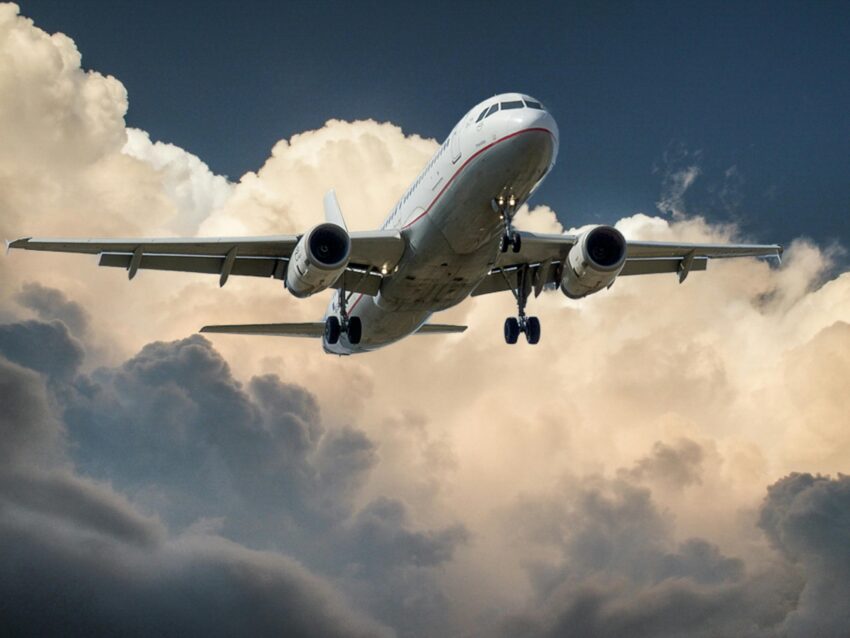
            Bergen, Lower Saxony: A Slow Day Through Local History and Museums

            Bergen, Lower Saxony: A Slow Day Through Local History and Museums

            Located in the northern part of the Celle district on the Lüneburg Heath, Bergen is a small town in Lower Saxony, Germany. The town is positioned within a rural landscape and is made up of several surrounding villages that form the wider borough. Not far from one of these villages, Belsen, the Bergen-Belsen concentration camp was historically located, placing Bergen within a region of documented historical significance. Today, the town itself functions as a compact destination where visitors are able to explore heritage sites, museums, and community landmarks within a short distance.

            Due to its size, Bergen lends itself to short visits and slow-paced exploration. A single day in the town can be structured around walking routes, museum stops, and time spent moving between historic buildings. The town’s layout allows travelers to navigate without complex planning, making it suitable for visitors seeking a straightforward travel experience grounded in local history.

            Exploring the Historic Bergen Trail on Foot

            One of the primary ways Bergen is explored by visitors is through the Historic Bergen Trail, a designated walking route that loops through the town. This trail includes eleven marked stops, each associated with an information board that provides background on the buildings and locations encountered along the route. The trail also functions as a circular walk, allowing visitors to return to their starting point without retracing steps.

            Stops along the trail include St. Lambertus Church at Am Friedensplatz, a historic dairy farm known as the Müller-Meierhof on Lukenstraße, and Gasthaus Kohlmann located nearby. The route continues past the town community centre, the town archives, and the preceptor’s house on Schulstraße. Additional stops include the Römstedthaus local history museum, a traditional four-poster farmhouse, the former French barracks, the town hall, and the registry office. Together, these locations form a structured walking experience that connects administrative buildings, religious sites, and residential architecture.

            Museums as Anchors of a Visitor’s Itinerary

            Museum visits form a central part of time spent in and around Bergen. Several museums are located either within the town or in nearby villages that fall under the borough. These institutions focus on regional history, forestry, and international cultural collections.

            The Römstedthaus Local History Museum is located on Am Friedensplatz and is housed inside a farmhouse dating back approximately 350 years. The museum presents local and regional history and operates on a seasonal schedule, with varying opening hours depending on the time of year. Its central location places it directly along the historic walking route, allowing it to be integrated naturally into a day of sightseeing.

            Outside the town center, the Africa Museum is located in the village of Sülze. Founded around a century ago, the museum focuses on the nature and cultures of sub-Saharan Africa. Exhibits include animal specimens, photographs, paintings, and various artworks. Visits are arranged by appointment, and admission is free.

            Further north, in the village of Becklingen, the Forestry Museum is dedicated to local forest work and forestry practices. Displays include tools, photographs, and documents related to logging and tree planting. The museum operates daily during the warmer months, making it accessible for seasonal travel itineraries.

            A Day Structured Around Simple Movement

            A typical day in Bergen is shaped by short walking distances and clearly defined points of interest. Most locations within the town can be reached on foot, eliminating the need for internal public transportation. This walkability allows visitors to move between historic buildings, museums, and public spaces without scheduling constraints.

            Time can be divided between following the historic trail, entering selected museums, and moving at a relaxed pace through the town. The absence of complex transport systems supports an itinerary that relies on orientation rather than timetables, which can be beneficial for travelers preferring minimal logistical planning.

            Tourism Experiences Rooted in Ease and Scale

            Tourism in Bergen is defined by scale rather than volume. The town’s size allows visitors to engage with its sites without crowds or extended travel times. Experiences are distributed across a small area, enabling a steady flow from one location to another.

            For travelers, this creates an environment where exploration is continuous rather than segmented. Walking becomes the primary mode of engagement, and the town’s layout supports observation without urgency. Tourism activity here is integrated into everyday spaces such as administrative buildings, churches, and residential structures.

            Practical Considerations for Visitors

            Bergen does not operate a local public transport system, but taxis are readily available. For those arriving by rail, the nearest railway station is located in Celle. From there, onward travel to Bergen can be arranged.

            Information about local events and activities is available at the town hall, and additional details can be accessed through the town’s online platform, which offers content in English. These resources support short-term visitors looking to align their visit with museum hours or town activities.

            Moving Through Bergen at a Measured Pace

            Time spent in Bergen is typically defined by movement rather than destination accumulation. The town’s design allows visitors to progress naturally from one point to the next without the need to prioritize or rush. Each stop along the walking route contributes to an overall understanding of the town’s administrative, religious, and domestic history.

            This measured pace supports a form of travel where observation and presence take precedence over volume of attractions. Bergen’s appeal, within this framework, lies in its ability to be experienced fully within a limited timeframe while maintaining continuity across locations.

            Image Source: AI

            The post Bergen, Lower Saxony: A Slow Day Through Local History and Museums appeared first on Travel And Tour World.

            AI Liberation: Unlocking Potential Beyond “Security Theater”

            The post AI Liberation: Unlocking Potential Beyond “Security Theater” appeared first on StartupHub.ai.

            The prevailing narrative around artificial intelligence often centers on the race for capability, but a recent discussion on the Latent Space podcast unveiled a contrasting, equally vital perspective: the imperative of liberation and radical transparency in AI development. Pliny the Liberator, renowned for his “universal jailbreaks” that dismantle the guardrails of frontier models, and John […]

            The post AI Liberation: Unlocking Potential Beyond “Security Theater” appeared first on StartupHub.ai.

            Black Friday 2025 PlayStation 5 Deals: Save on Consoles, Bundles, Accessories and Games

            A PlayStation 5 console with a DualSense controller and a 'Black Friday Save Now' tag attached.

            Five years after its launch, the PlayStation 5 remains one of the most sought-after pieces of gaming hardware. Whether you're finally ready to make the jump to the current console generation or you're an existing owner looking to grab controllers, headsets, or that one massive AAA title you missed, Black Friday 2025 is your moment. Below, you’ll find our comprehensive list of every Black Friday deal worth your time across consoles, bundles, subscriptions, accessories, and games. PlayStation 5 Consoles, Bundles, and Subscriptions Black Friday 2025 Deals With its wide selection of models, including the base model, its Digital Edition, the Pro model, […]

            Read full article at https://wccftech.com/black-friday-2025-playstation-5-deals-save-on-consoles-bundles-accessories-and-games/

            ❌