SpaceX targets US consumers with Starlink mobile service push


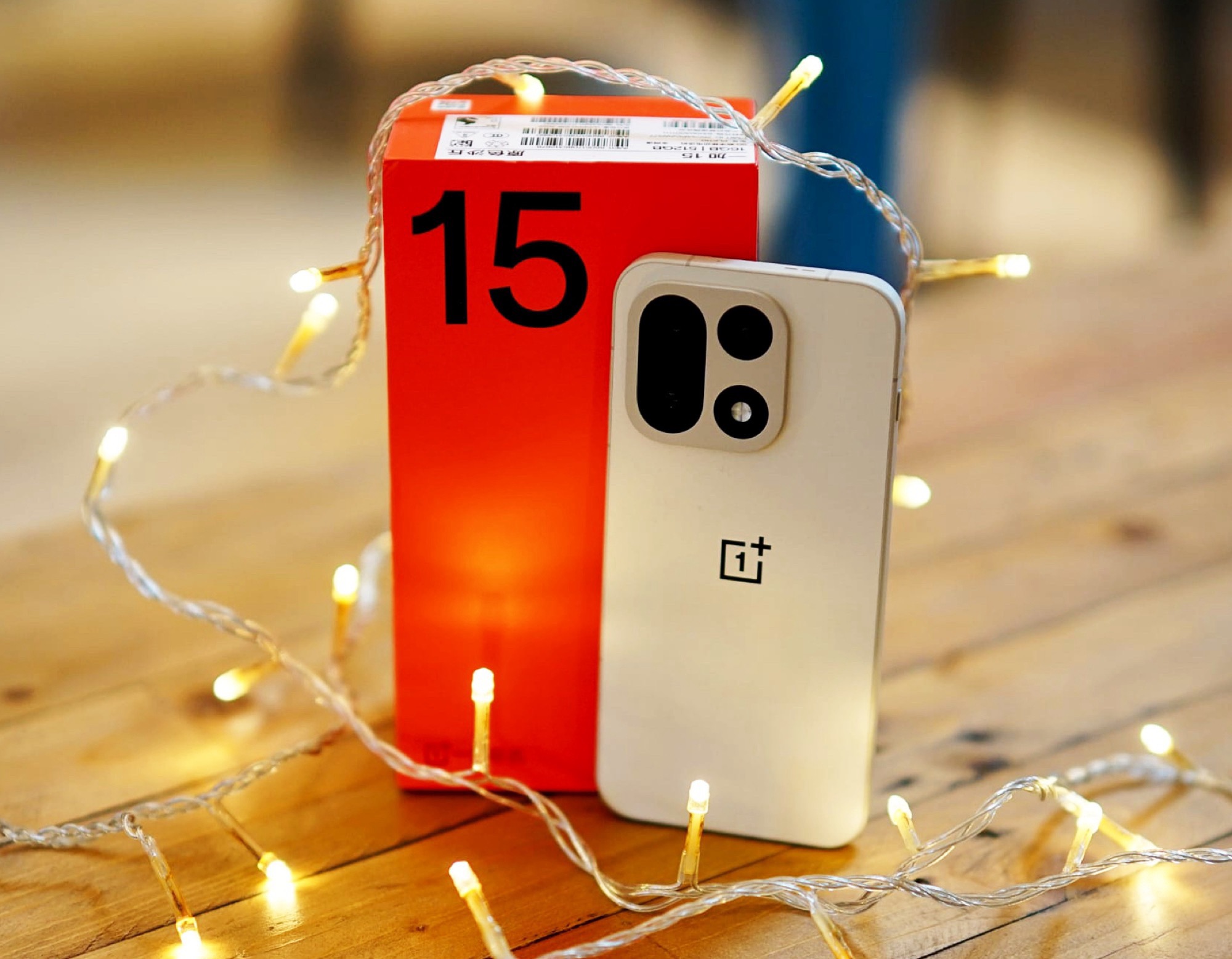
The OnePlus N6 is set to launch in India next week as the brand's first N-series smartphone. Ahead of its debut, OnePlus has already confirmed that the handset will pack an 8,000mAh battery and has now revealed several more of its key specifications. OnePlus’ new phone will come with a dual-rear camera setup headlined by a 50MP sensor. The company has yet to reveal details about the secondary camera. The camera system will support 60fps video recording and Dual View Video. For selfies and video calls, the handset will feature an 8MP front-facing camera. On the front, the OnePlus...
Samsung completed the investment of $110 million into GRAIL, a US biotech company that uses AI for early cancer detection through a simple blood test.
The investment, completed jointly by Samsung C&T and Samsung Electronics, gives you a clear picture of where the Korean tech giant sees its future.
GRAIL’s flagship product is Galleri, a screening service that can identify over 50 types of cancer from a single blood draw by analyzing DNA fragments for genomic signals.
GRAIL and Samsung C&T Corporation intend to collaborate to commercialize the Galleri multi-cancer early detection test in South Korea, with the potential to expand into additional Asian markets, including Japan and Singapore.
The test is already in large-scale clinical trials with the UK’s National Health Service and is on track to file for FDA approval this year. Samsung C&T secured exclusive distribution rights for Galleri in South Korea.
“This investment from the Samsung entities further strengthens our balance sheet and extends our cash runway as we advance key priorities, including securing regulatory approval and reimbursement for Galleri in the US and expanding access to multi-cancer early detection internationally,” said Aaron Freidin, Chief Financial Officer of GRAIL.
For Samsung specifically, GRAIL fits neatly into its “Connected Care” vision the idea that Galaxy Watches, the Samsung Health app, and diagnostic tools eventually form a cohesive health management ecosystem.
Samsung Electronics recently invested in Element Biosciences, a DNA sequencing firm, and acquired digital health company Zellsh.
The post Samsung invests $110 million in AI-powered cancer detection appeared first on Sammy Fans.
Samsung revealed ambitious plans tied to AI memory chips, including HBM and SSD, and targeting to accomplish its goals by 2030.
According to Samsung 2026 Sustainability Report, the Device Solutions (DS) Division is aiming to improve the energy efficiency of its HBM products by 2.5 times and its server SSD products by a striking 4 times, both by 2030.
HBM is already one of the most power-hungry components in modern AI servers. So a 2.5x efficiency improvement isn’t just a sustainability win; it’s potentially a competitive weapon.
If Samsung can deliver meaningfully better efficiency than rivals, that matters a lot when customers are signing contracts worth hundreds of millions.
The SSD target is arguably even more interesting. A 4x efficiency jump on server SSDs by the end of the decade is the kind of number that makes storage engineers pay attention.
Samsung has already commercialized HBM4 and the PM176 server SSD as part of this push, which suggests there’s real product momentum behind it.
By 2030, the DS Division plans to improve the energy efficiency of its HBM and server SSD products by 2.5 times and 4 times, respectively, to provide customers with optimized AI infrastructure solutions.
The DS Division also took a notable step on the environmental side, adopting what it calls a “Water Positive” approach, restoring around 240,000 tonnes of water resources, meaning it’s putting back more than it uses.
On the consumer side of the house, Samsung’s DX Division hit 94.8 percent renewable energy adoption and cut product power consumption by 34.4 percent compared to 2019.
Related article: Samsung devices now use 33% less power thanks to 6 years of efficiency improvements
The post Samsung plans 2.5x HBM efficiency boost and 4x SSD improvements by 2030 appeared first on Sammy Fans.


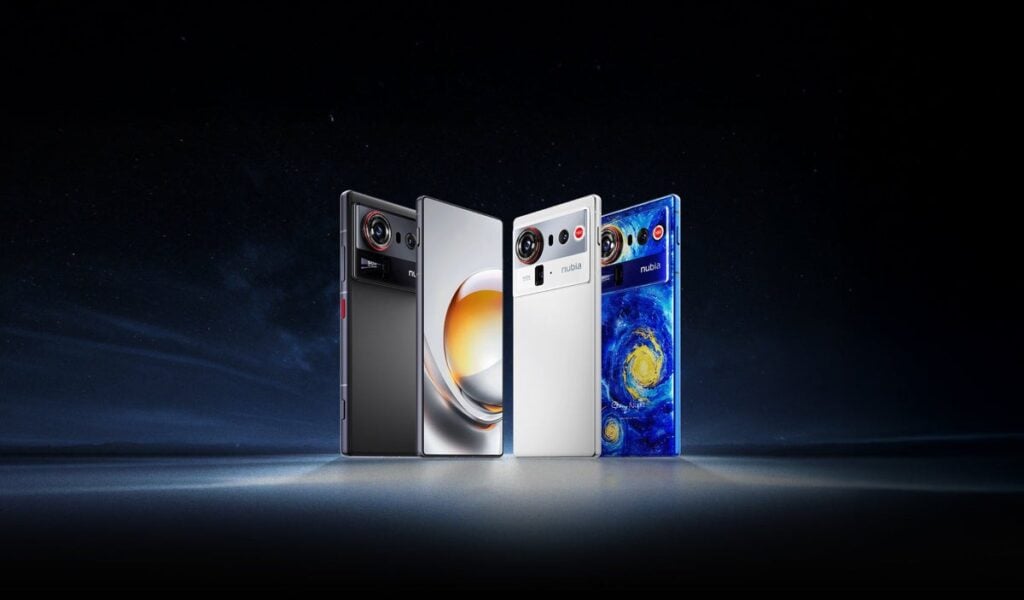
The nubia Air, which debuted in September last year, may soon get a Pro variant. Although nubia has yet to officially announce the device, the nubia Air Pro has quietly appeared on the company's global website. According to the official listing, the nubia Air Pro's standout features are its ultra-slim 5.99mm metal frame and 108MP primary rear camera. The smartphone is listed with a 6.77-inch AMOLED display that is said to offer a 144Hz refresh rate and a peak brightness of 4,500 nits. It is powered by the MediaTek Dimensity 7100 chipset, paired with 8GB of LPDDR5X RAM and up to...
YouTube has announced a host of new features for Shorts that will roll out over the coming days and weeks. Leading the update is a new distraction-free viewing mode that expands videos to fill the entire screen. It’s called Clear Screen mode and enabling it will temporarily hide all on-screen text, buttons, and other UI elements for a distraction-free viewing experience. YouTube Shorts is also gaining a new 2x playback option, allowing users to watch videos at twice the speed. To make interactions feel more personal, YouTube is replacing the thumbs-up button with a heart...
Samsung 2026 Sustainability Report, released today, confirms that the Device eXperience Division has cut average power consumption by 34.4 percent across its representative product lines compared to 2019 baselines.
Six years is a long time in consumer electronics. Long enough that the phone in your pocket today is, by Samsung’s own numbers, doing a lot more work on meaningfully less energy than its predecessors from the 2019 era.
It’s the compounding result of incremental efficiency improvements baked into chipsets, displays, software power management, and component design over multiple product cycles.
If you’ve noticed your more recent Galaxy device running a bit cooler or lasting longer on a charge than older ones did, this is likely part of why.
As part of its goal to achieve net-zero Scope 1 and 2 emissions by 2030, Samsung’s Device eXperience (DX) Division transitioned 94.8 percent of its total energy consumption to renewable energy as of the end of 2025.
The division also reduced power consumption by an average of 34.4 percent compared with 2019 by applying high-efficiency energy technologies to its representative product models.
The efficiency push doesn’t stop at the devices themselves. Samsung also crossed the 94.8 percent renewable energy threshold for its DX Division’s total energy consumption.
The division earned UL Solutions’ top Zero Waste to Landfill validation at every global manufacturing site and pushed recycled plastic content across products to 33.7 percent.
On the semiconductor side, the DS Division is targeting a 2.5x improvement in HBM energy efficiency and a 4x improvement in server SSDs by 2030.

The post Samsung devices now use 33% less power thanks to 6 years of efficiency improvements appeared first on Sammy Fans.


According to a new rumor from a tipster on X, Apple has started developing a smart ring. This is speculated to be called iRing, but of course Apple could go with a different name like Apple Ring or something else. No other details are known at this time, but the project is said to already be in development. Recently, Apple has also been rumored to be working on a pair of smart glasses, a pendant, and AirPods Pro with cameras for AI, so the company is clearly interested in expanding its smart wearable offerings. With the smart ring, it's entering a market in which it's going to...
Ahead of its launch next week, RedMagic has shared more details about its upcoming gaming-focussed tablet. The RedMagic Gaming Tablet 5 Pro will be unveiled in China on June 30 and will feature liquid cooling. RedMagic has also confirmed that the Gaming Tablet 5 Pro will ship with a built-in PC emulator, allowing users to run AAA PC games out of the box. The company shared a Weibo video demonstrating the emulator in action. According to RedMagic, it developed a proprietary translation layer integrated into its Game Space app that enables x86 applications to run on the...


Now that we've unboxed the Pro, it's time to do the same with the global Oppo Reno16. It's not often that the vanilla model is visually indistinguishable from the Pro model, but here we are. The Reno16 looks identical. It's even built around the same 6.32-inch display. The vanilla shares the 3D Pop Planet design and you can see the nebula-like effect on the back of the phone in the shot below. We like it, and it's just like Oppo's Reno series to have a sexy design. Here's a look at the design in action on TikTok. Having a great selfie camera is also in line with the Reno...

Microsoft really, really wants everyone to use Windows 11, but apparently a lot of people disagree and would rather stick with Windows 10. To that effect, the company introduced the Windows 10 Extended Security Updates programme last year, for those who are signed into Windows 10 with a Microsoft account. This was initially available until October 13, 2026, which is when support was going to be cut off for good. Well, not anymore. Microsoft has now quietly extended the Windows 10 Extended Security Updates programme for another year, until October 12, 2027. So, if you hate Windows...
Apple today announced its global price hikes, primarily targeting the Mac lineup but also including the iPad, Apple TV, Apple Vision Pro, and HomePods. However, while the hikes may be global, they certainly aren't being raised globally in an equal fashion, with certain markets like India being hit way harder than others, like the US. There are three main factors to consider here. First, the prices have been hiked across the board for the aforementioned product lines. Second, the prices for memory and storage upgrades have also been hiked. And third, Apple India has changed the...
Apple may have changed its mind about the iRing smart ring project, and the Samsung Galaxy Ring appears to be one of the biggest reasons behind that shift.
According to recent reports, Apple is once again exploring the possibility of launching its own smart ring, reportedly called the “iRing.”
The project was previously believed to have been abandoned, with Apple concerned that a ring-based wearable could hurt Apple Watch sales, but the wearable market has moved in a different direction.
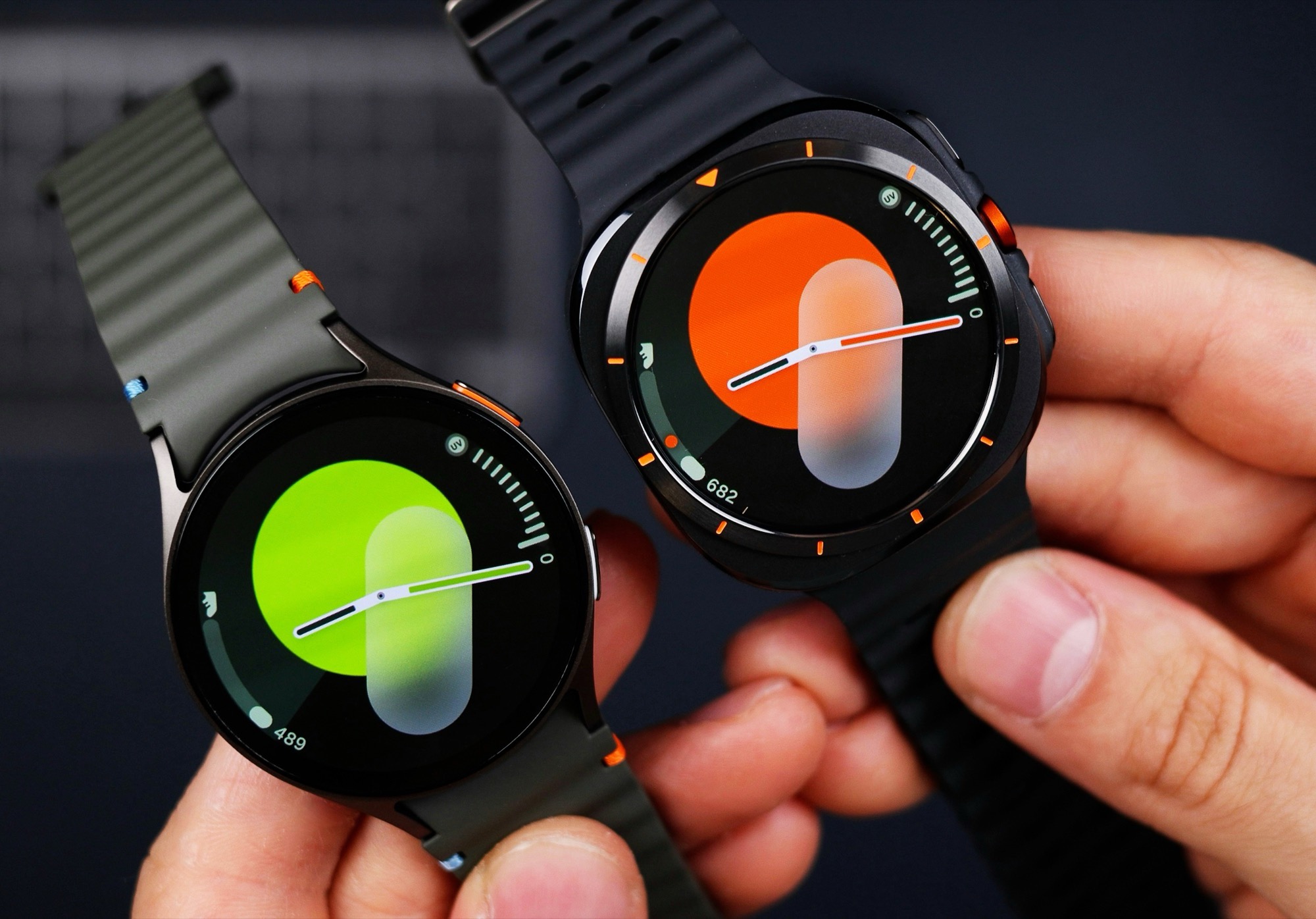
When Samsung introduced the Galaxy Ring, it did not position the device as a replacement for the Galaxy Watch. Instead, the company presented it as a companion product designed for users who want continuous health tracking.
Many users take off their watches at night, but a ring is much easier to keep on. For Apple, a smart ring could become another entry point into its health ecosystem. Apple may now be seeing the same opportunity.
Reports suggest Apple is revisiting the iRing project after the smart ring category gained momentum. Tipster Kosutami recently claimed that Apple is developing an “iRing,” although specific hardware details remain unclear.
iRing thing under development. What a surprise.
— Kosutami (@Kosutami_Ito) June 24, 2026
The tipster has previously shared accurate information about Apple products, adding more attention to the claim.
In 2024, Bloomberg reported that Apple had stopped working on a smart ring because the company feared it could reduce Apple Watch demand. Later, Oura CEO Tom Hale also suggested that Apple had no plans to enter the market.
Samsung proved that smart rings and smartwatches can exist together. Oura continued improving its platform with software updates, strengthening the category.
Google also entered the space with the Fitbit Air, showing that major technology companies now see smart rings as a serious part of the wearable ecosystem.

The post Samsung Galaxy Ring forced Apple to revive iRing project? appeared first on Sammy Fans.
Google's loss against Epic Games in court has now resulted in the cutting of its fees for developers publishing apps on the Play Store. Google's cut has gone from 30% to 10% for a developer's first $1 million in annual revenue. A billing fee is added to this, if you're using Google's billing system. In the US, UK, and EEA, this is set at 5%. This will first be available in the US, the UK, and the European Economic Area on June 30. The full breakdown of the new fees is below. Developers will also be able to use other billing systems that aren't Google's. This will be available "to all...
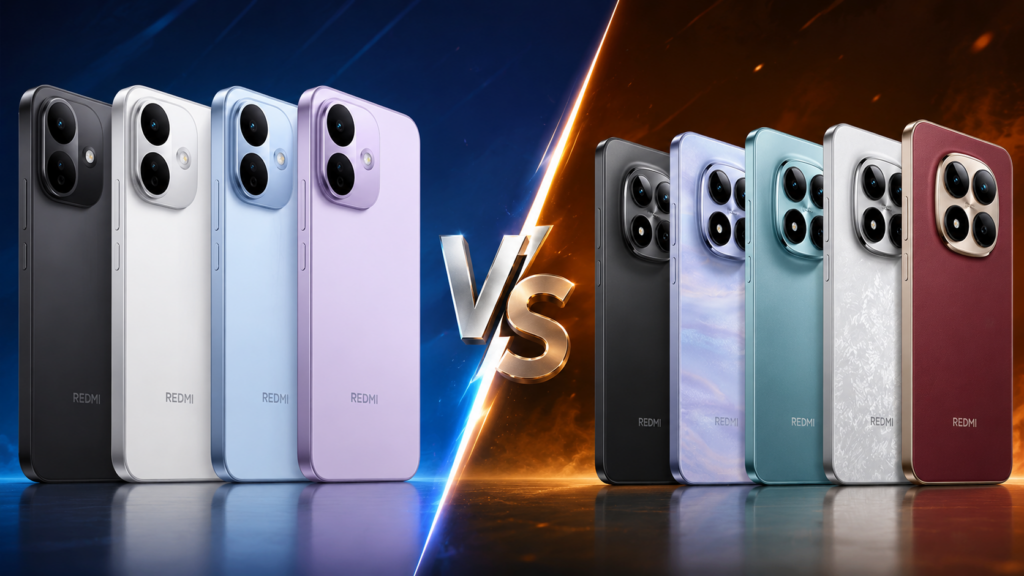
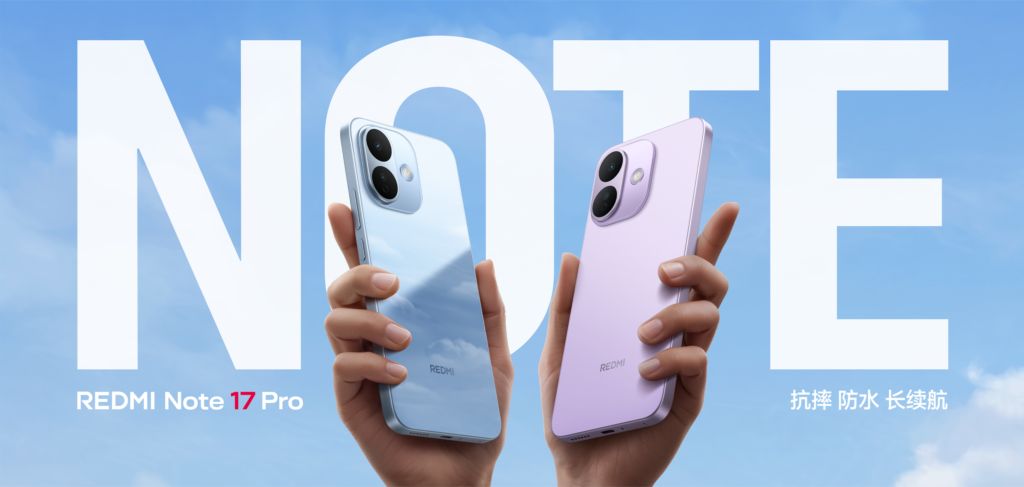
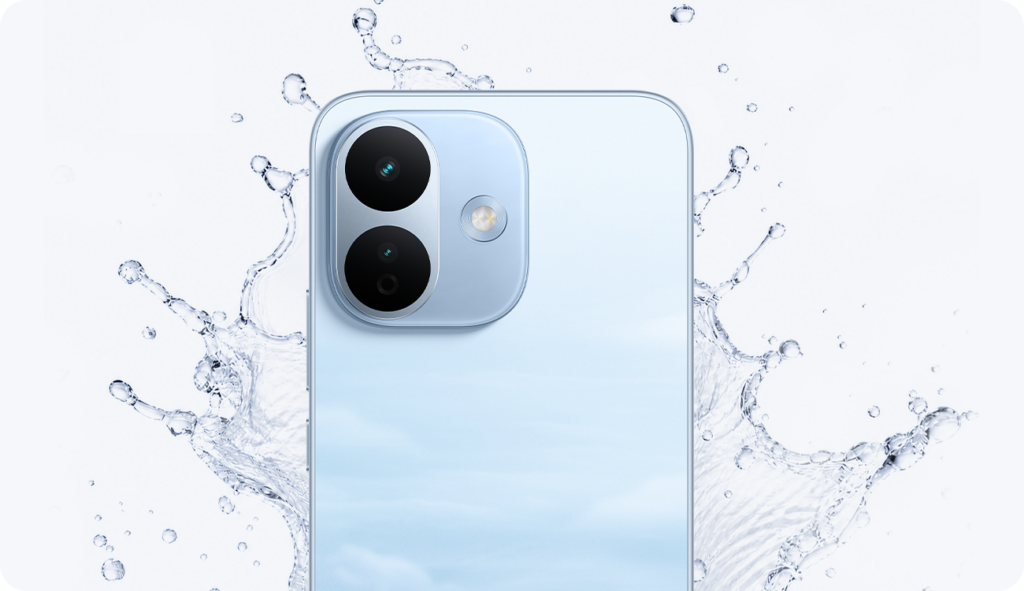
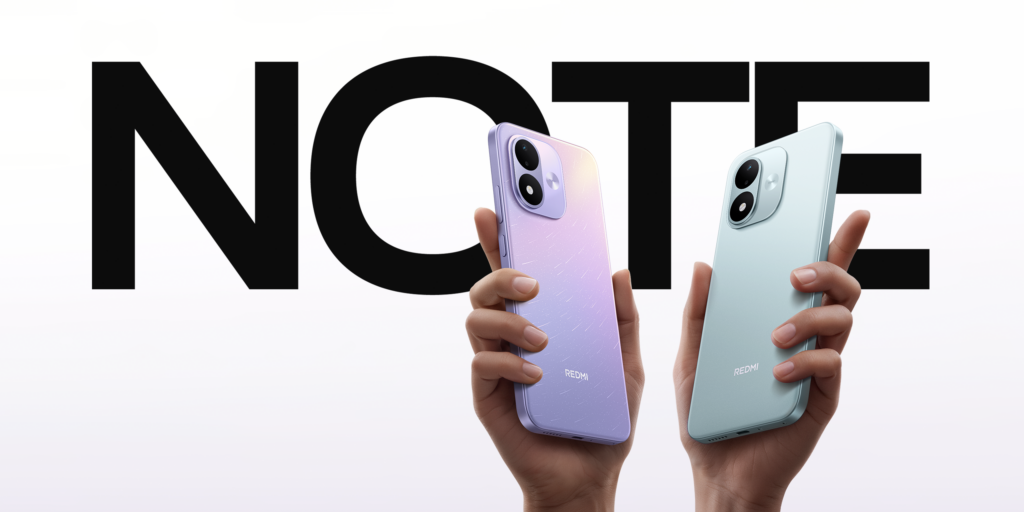
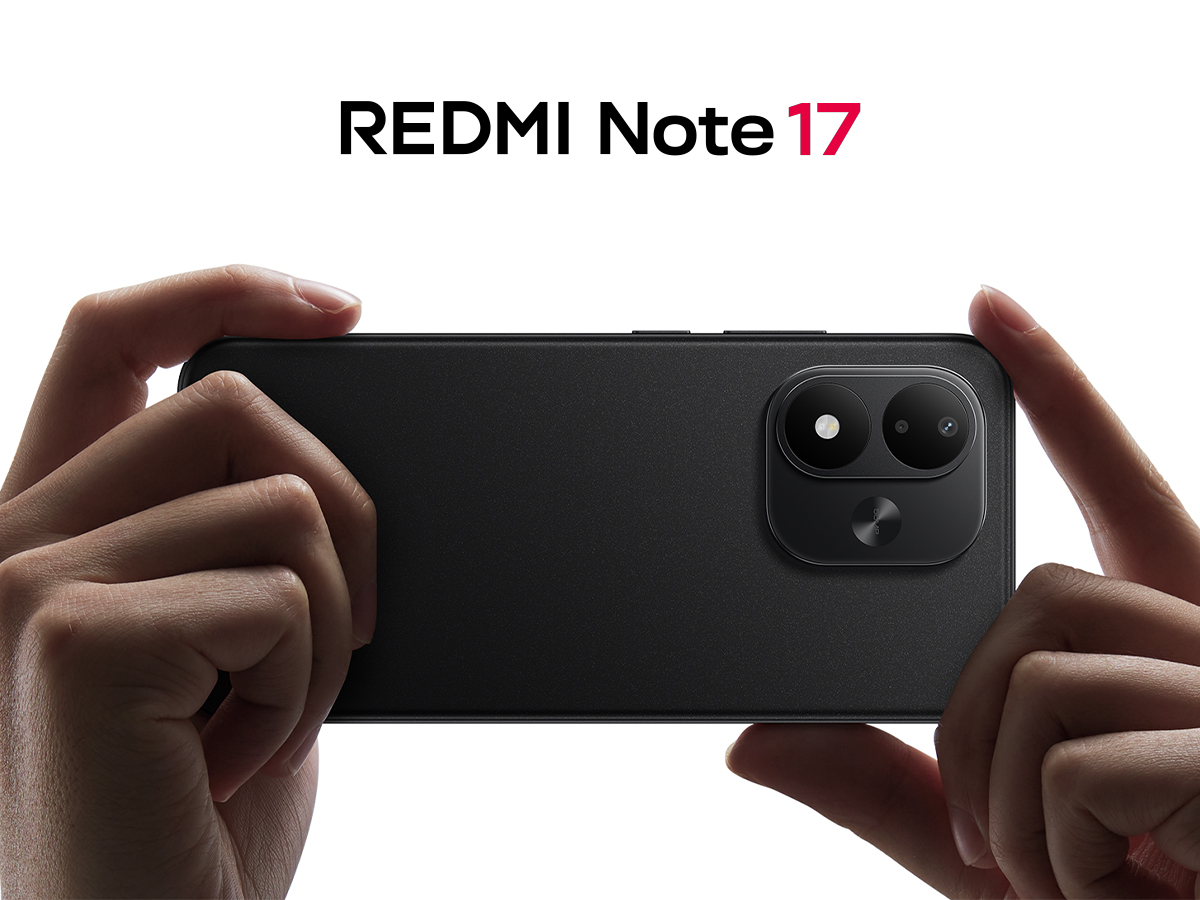
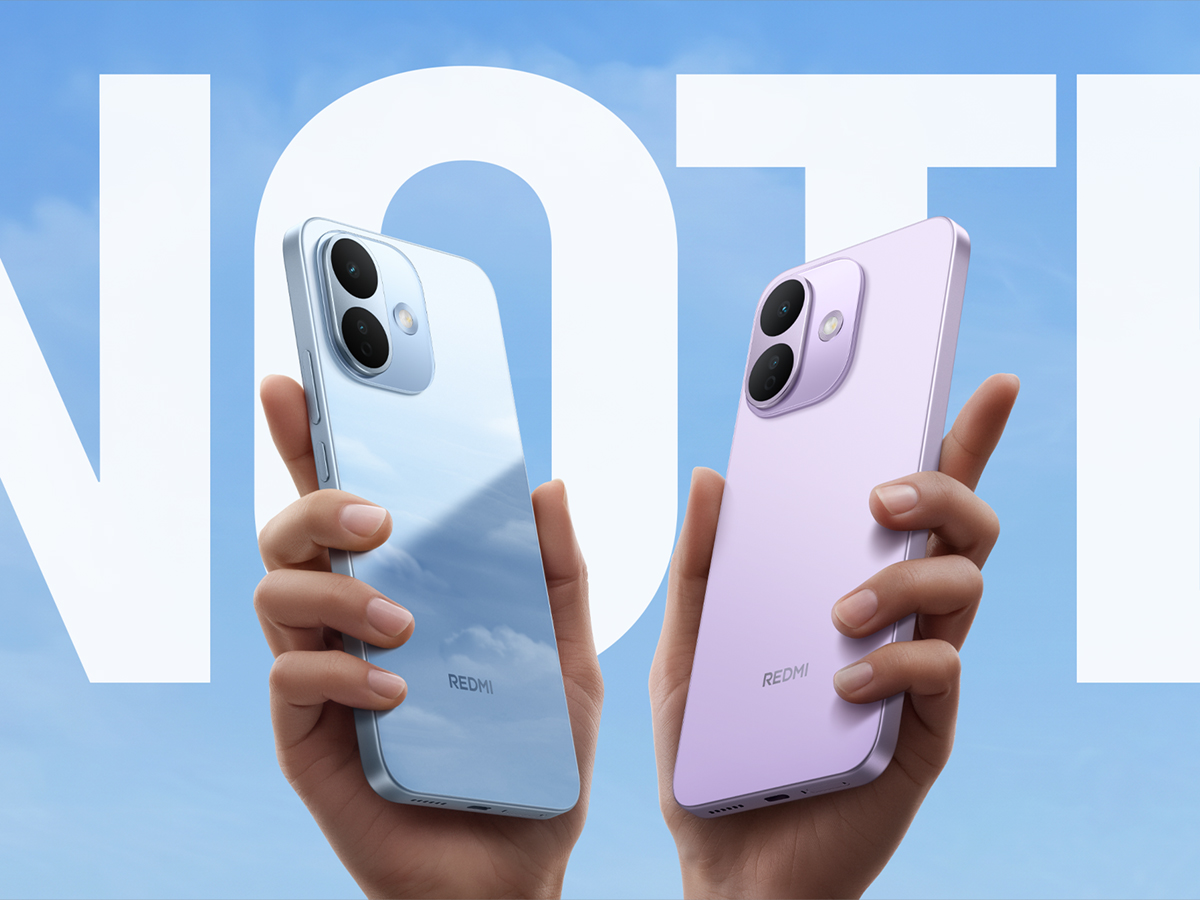
Redmi is reportedly working on the Redmi Note 17 family for the Chinese market. At present, there is no clarity on how many models will be part of the lineup, but recent reports have revealed that the first model will be announced in July, while the others may launch a bit later, possibly in August. Ahead of the expected launch, the alleged Note 17 model has seemingly appeared in the database of China’s 3C certification platform.

As seen above, an upcoming Xiaomi phone with model number 2607DRA18C has received approval from China’s 3C certification platform. According to previous reports, this device could be part of the Redmi Note 17 lineup.
The certification reveals that the device may ship with a 67W charger bearing the model number MDY-15-EQ. To recall, the Redmi Note 15 and Redmi Note 15 Pro, which launched in China last year, support 45W charging. With faster charging now expected, it appears that the 2607DRA18C could launch as the Redmi Note 17 Pro.
The device is speculated to launch in China in July. The other models in the series are likely to go official in August. However, it is advisable to wait for further reports to confirm the final marketing name of the 2607DRA18C.
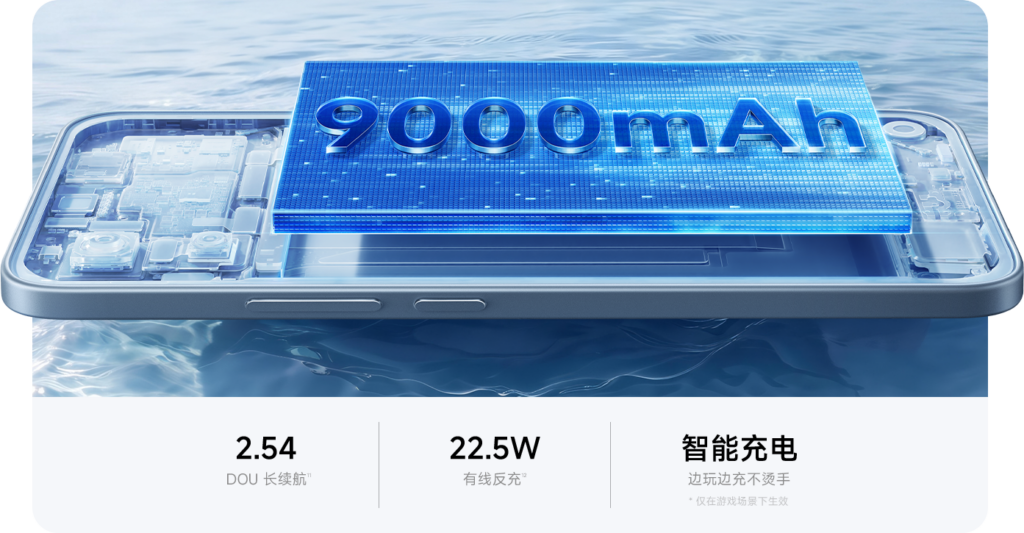
Moving on to the specifications, the device is expected to feature a flat OLED panel with a 1.5K resolution. Under the hood, it may be powered by the Snapdragon 6 Gen 5 chipset and pack a massive 9,000mAh battery. For photography, it is expected to feature a 50-megapixel main camera.
For more daily updates, please visit our News Section.
Stay ahead in tech! Join our Telegram community and sign up for our daily newsletter of top stories!
The post Alleged Redmi Note 17 Pro bags important certification, July launch expected appeared first on Gizmochina.
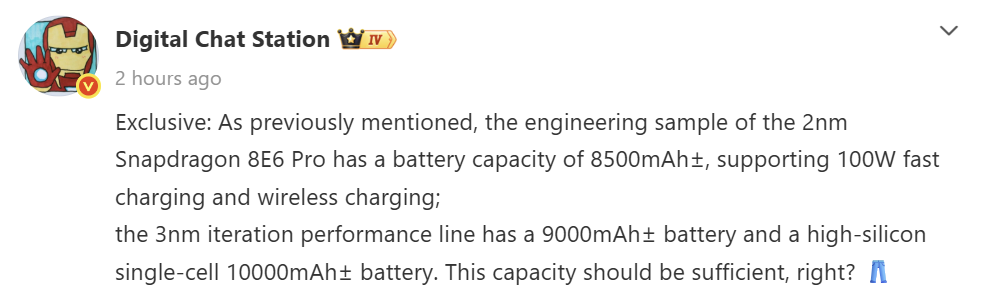
Qualcomm’s next generation of Snapdragon 8-series chipsets has surfaced through a new leak, hinting at a broader portfolio than before. The information suggests the company is preparing multiple premium processors with different performance targets, while also facing fresh competition from MediaTek’s upcoming flagship silicon.

According to tipster Digital Chat Station, Qualcomm is working on two 2nm flagship chipsets. The first is the SM8975, which is tentatively expected to launch as the Snapdragon 8 Elite Gen 6 Pro. It is tipped to feature a new 2+3+3 Oryon CPU architecture, 16MB shared L2 cache, an Adreno 850 GPU with 18MB GMEM, and support for both LPDDR6 and LPDDR5X memory. The chip is said to focus on delivering the highest possible performance.
The second chipset, carrying the SM8950 model number, is expected to arrive as the Snapdragon 8 Elite Gen 6. While it is also built on a 2nm process and shares the same next-generation Oryon CPU architecture with 16MB shared L2 cache, it reportedly comes with an Adreno 845 GPU featuring 12MB GMEM. Unlike the Pro version, this chipset is said to strike a balance between performance and power efficiency while supporting LPDDR5X memory.

The tipster also listed several 3nm platforms that are in Qualcomm’s roadmap, including the existing SM8850 (Snapdragon 8 Elite Gen 5) and the upcoming ones, such as the SM8850Q, which may be branded as the Snapdragon 8 Elite Gen 5XX Edition, and the SM8845 Pro, which could be called the Snapdragon 8 Gen 5 Pro or Gen 6 but will be a minor upgrade over the existing Snapdragon 8 Gen 5.


In the comments, Digital Chat Station claimed that MediaTek’s upcoming 2nm Dimensity 9600 Pro could theoretically outperform the Snapdragon 8 Elite Gen 6 (SM8950), particularly in GPU performance.
The chip is said to feature the Magni architecture and an integrated NGP neural accelerator, enabling console-level frame interpolation, improved ray tracing performance, and higher rendering efficiency.
As per other reports, this year’s Dimensity 9-series lineup is expected to include three models, namely the 3nm Dimensity 9500+, an overclocked version of the existing Dimensity 9500, along with the 2nm Dimensity 9600 and 9600 Pro.
For more daily updates, please visit our News Section.
Stay ahead in tech! Join our Telegram community and sign up for our daily newsletter of top stories!
The post Multiple Snapdragon 8-series chipsets in works for this year, key specifications tipped appeared first on Gizmochina.
Apple just raised prices across a bunch of its popular products, and it’s not a small bump. The company is passing on higher component costs to customers, mainly due to a serious global shortage of memory and storage chips driven by the massive AI boom.

The changes hit the online store immediately. Looking at the details:

On the Mac side, things get even pricier:
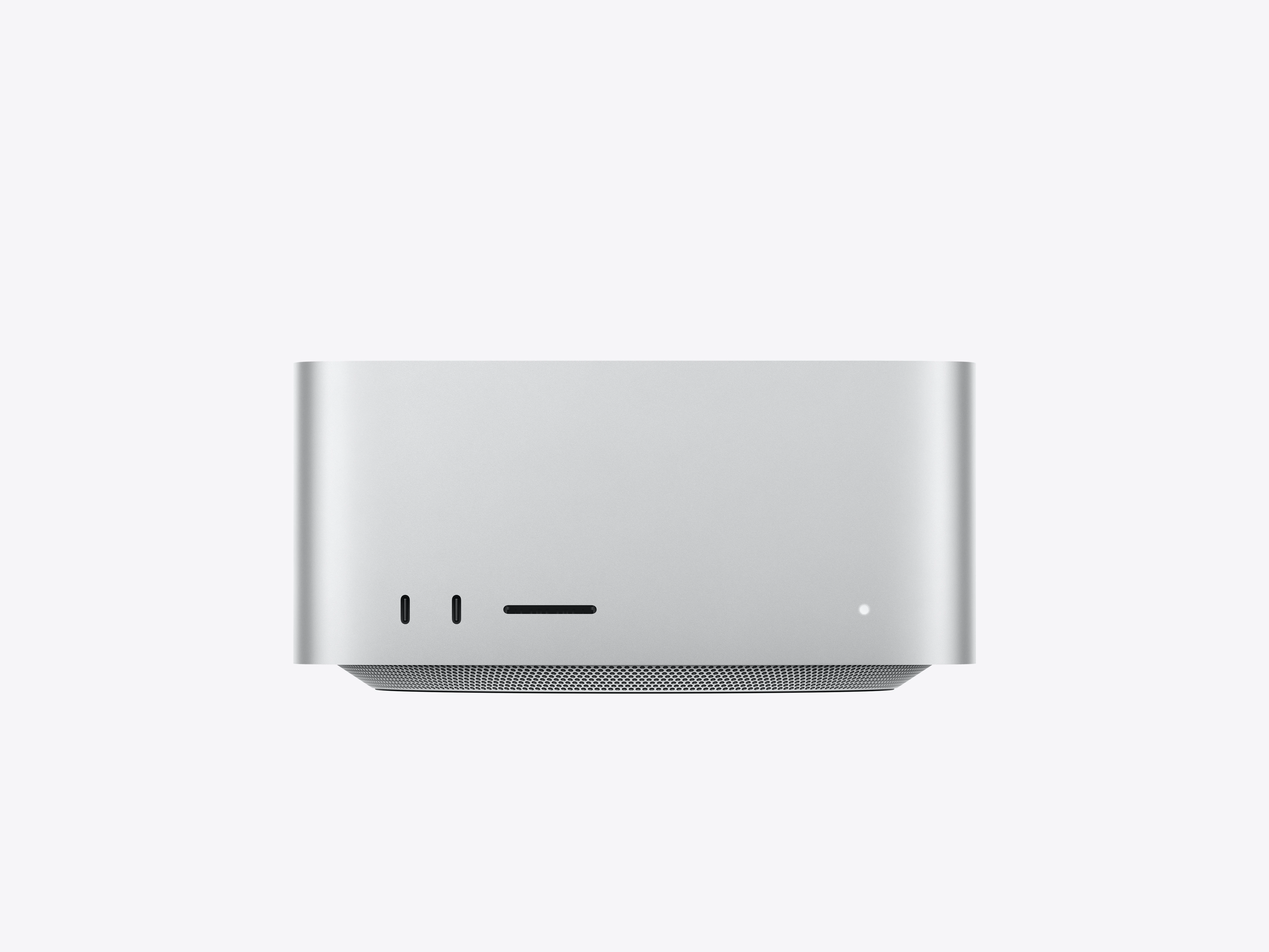
Desktops aren’t spared either: iMac, Mac Studio models (with some configurations up to +$1,300 / equivalent in €), and even the Vision Pro (now $200 / €200 more expensive at $3,699 / €4,229). The 256GB Mac mini has also reappeared in the lineup at $799, which is $200 higher than before.
Apple CEO Tim Cook recently called the memory shortage a “hundred-year flood” in a Wall Street Journal interview. He explained that after years of absorbing these cost increases, the company simply can’t anymore. “Unfortunately, price increases are unavoidable,” he said.
This feels like a notable shift for Apple, which has historically tried to shield customers from supply chain fluctuations. The AI-driven demand for high-end chips has created real pressure across the industry, and it looks like we’re all starting to feel it.
The average increase across the affected products comes out to roughly $247. If you’ve been thinking about picking up any of these items, you might want to move sooner rather than later: there’s always a chance of further adjustments down the line.
It’s a clear reminder of how the rise of AI is reshaping not just software and data centers, but the pricing of everyday premium tech too.
Don’t miss a thing! Join our Telegram community for instant updates and grab our free daily newsletter for the best tech stories!
For more daily updates, please visit our News Section.
The post iPads, MacBooks, Mac mini, and Mac Studio models get significant price hikes, thanks to AI boom appeared first on Gizmochina.
In September, Xiaomi may unveil the Xiaomi 18 series of flagship phones in China. Last year’s Xiaomi 17 packed a 6.3-inch display, but its successor is said to feature a slightly larger display of around 6.4 inches. It is speculated that the Xiaomi 18 Pro will also come equipped with the same-sized display but will pack better cameras than the standard Xiaomi 18. Now, in a new Weibo post, tipster Digital Chat Station has seemingly shared more details about what appears to be the Pro edition.
As per the leak, the Xiaomi 18 Pro may bring several flagship-grade upgrades despite not featuring the same display technology as its larger sibling, which appears to be the Xiaomi 18 Pro Max. The tipster claims the phone will offer the same ultra-clear display and ultra-narrow, symmetrical bezels. For security, it will have an ultrasonic in-display fingerprint sensor.
The device will be powered by a 2nm Snapdragon 8 Elite Gen 6-series flagship chipset and a larger battery, with support for 100W wired and wireless charging. It will feature a dual 200-megapixel camera system, with at least one camera using an ultra-large image sensor. It will have a minimalist design and offer top-tier water resistance.
According to previous reports, the Xiaomi 18, 18 Pro, and 18 Pro Max will feature triple rear cameras, with the Pro models offering dual 200-megapixel cameras, while the standard model will have a single 200-megapixel camera. Therefore, it appears the above leak pertains to the Xiaomi 18 Pro.
The Xiaomi 18 Pro’s camera setup is said to include a 200-megapixel SmartSens primary camera equipped with LOFIC technology. It could be joined by a 50-megapixel ultra-wide lens and a 200-megapixel periscope telephoto camera.
While the tipster has not mentioned the battery size in today’s leak, the device has previously been said to house a battery of around 7,000mAh. Some reports have also revealed that it will retain the rear display, but it will be more AI-driven and versatile than before. Additionally, the front display may arrive with a Samsung-like Privacy Display feature.
It is also being said that the Xiaomi 18 Pro and Xiaomi 18 Pro Max may launch in September. Last year, Xiaomi unveiled the Xiaomi 17 Ultra in December. Therefore, it is likely that the Xiaomi 18 Ultra’s December 2026 launch could be joined by the standard Xiaomi 18.
For more daily updates, please visit our News Section.
Stay ahead in tech! Join our Telegram community and sign up for our daily newsletter of top stories!
The post Xiaomi 18 Pro core specs leak reveals dual 200MP cameras, Snapdragon 8 Elite Gen 6, and more appeared first on Gizmochina.
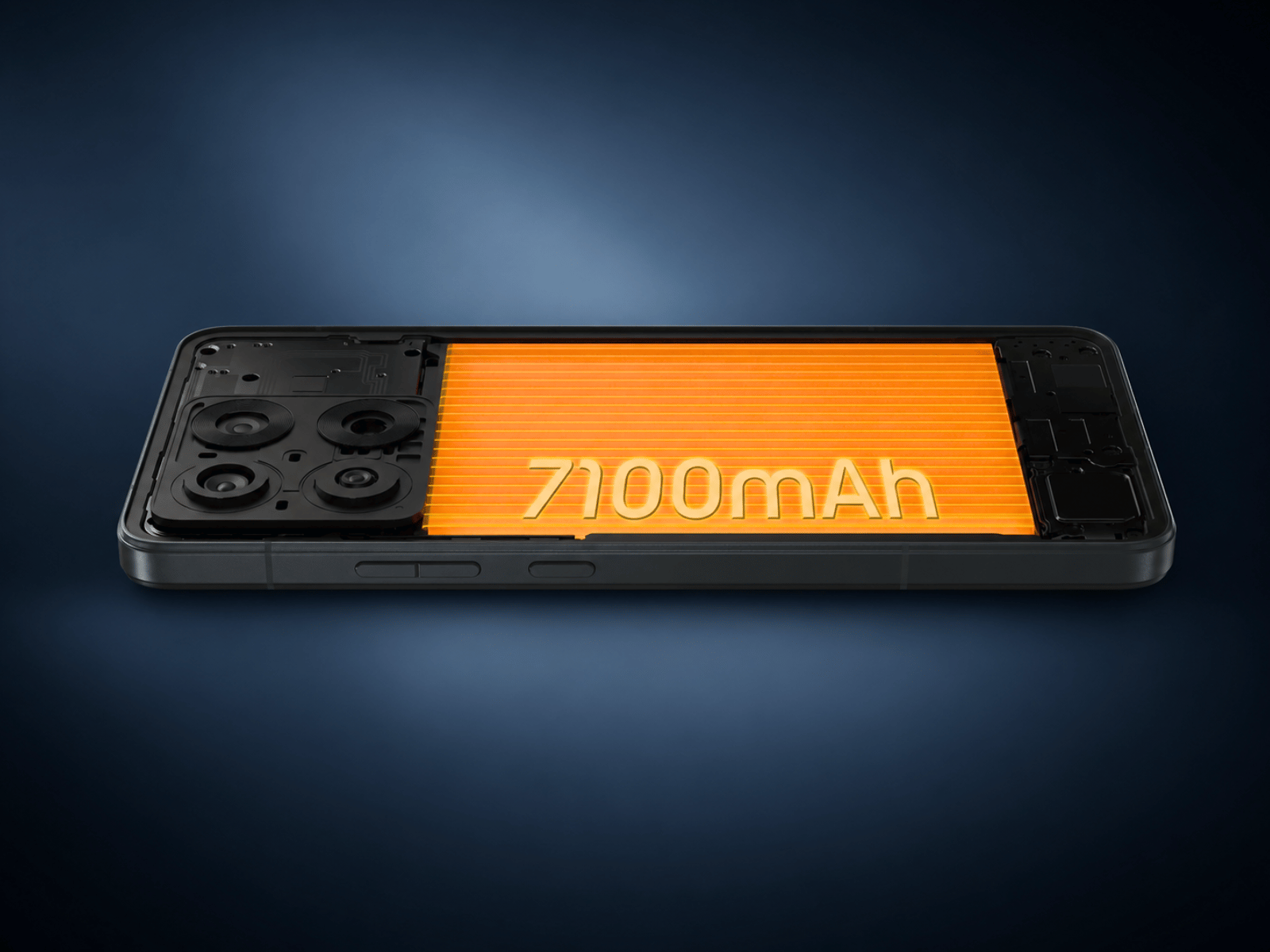
The Honor X80 Pro Max is now on sale in China. It features the world’s largest smartphone battery at 11,000mAh and an incredibly bright 10,000-nit display. Additionally, Honor is offering a two-year drop-damage replacement guarantee that covers accidental screen damage caused by drops, collisions, or pressure, and includes both parts and labor for first-time drop damage. The base model is priced at 1,999 yuan (~$293).
As we covered at launch, the Honor X80 Pro Max is a mid-range phone focused on battery endurance and display brightness.

The phone comes in four variants:
Color options include Vibrant Orange, Lightning Red, Moon Shadow White, and Mystic Black.
The Honor X80 Pro Max has a 6.8-inch screen with a 1.3mm bezel. The resolution and refresh rate peak at 1.5K (1280×2788) and 120Hz, respectively. But the 10,000-nit peak brightness is another industry first here.
Moreover, its 11,000mAh battery supports 90W wired fast charging and 27W reverse wired charging. Honor says the phone achieved a Guinness World Record for the longest continuous smartphone live stream at 26 hours, 8 minutes, and 34 seconds.

For photography, the X80 Pro Max includes a 50-megapixel rear camera with OIS and a CIPA 6.0-rated stabilization system, while selfies are handled by an 8-megapixel front camera.
The phone runs MagicOS 10.0 based on Android 16, powered by the Hummingbird Architecture 2.0 for background memory management. The chipset is the Snapdragon 6 Gen 5 platform. Other features include AI grip detection for calls, NFC, an infrared remote, and stereo dual speakers.
Don’t miss a thing! Join our Telegram community for instant updates and grab our free daily newsletter for the best tech stories!
For more daily updates, please visit our News Section.
The post Honor X80 Pro Max goes on first sale as the industry’s biggest battery phone appeared first on Gizmochina.
After more than three years since their last Pro model, Vivo is finally back in the premium wireless audio game with the TWS 5 Pro earbuds. They’re launching in the home country today, June 26, 2026, at 7 PM local time, and from the looks of it, these aren’t just another incremental update. Vivo is clearly targeting audiophiles who want serious high-res wireless sound from TWS earbuds.

The big story here is the focus on true Hi-Fi performance. These earbuds pack an independent Hi-Fi DAC chip that delivers a 113dB dynamic range and ridiculously low distortion (THD+N under 0.0013%). That means cleaner, more detailed sound straight out of the box.
They’ve also gone all-in on driver tech with their “Pure Harmony Architecture.” It combines custom ultra-miniature balanced armature drivers from Knowles, Vivo’s own double-folded dynamic drivers, a coaxial hybrid setup, and even independent acoustic valves. The result? An impressively wide frequency response from 16Hz all the way up to 60kHz: deep, punchy bass and crisp, sparkling highs.

One of the most exciting features is the addition of Wi-Fi Direct. It enables lossless transmission speeds up to 4.6Mbps, which lets you stream native 96kHz/24bit audio without the usual compression you get over Bluetooth. That’s a pretty big deal for wireless earbuds.
They’ve also leveled up the call quality with an improved Clear Voice Mode. Vivo worked with their Golden Ear Team and the Shanghai Conservatory of Music to fine-tune how the mics handle noise and capture your voice more naturally.
This new pair follows the well-liked TWS 3 Pro that came out back in 2022 (priced at 999 yuan). We’ll have to wait for the official event to get the full pricing and battery life details, but everything points to a premium product aimed at people who really care about sound quality. It should also play nicely with recent vivo and iQOO phones for that seamless ecosystem experience.
Don’t miss a thing! Join our Telegram community for instant updates and grab our free daily newsletter for the best tech stories!
For more daily updates, please visit our News Section.
(Source: Vivo)
The post Vivo TWS 5 Pro teaser highlights independent Hi-Fi DAC chip, 16–60kHz frequency response, 4.6Mbps transmission ahead of launch appeared first on Gizmochina.
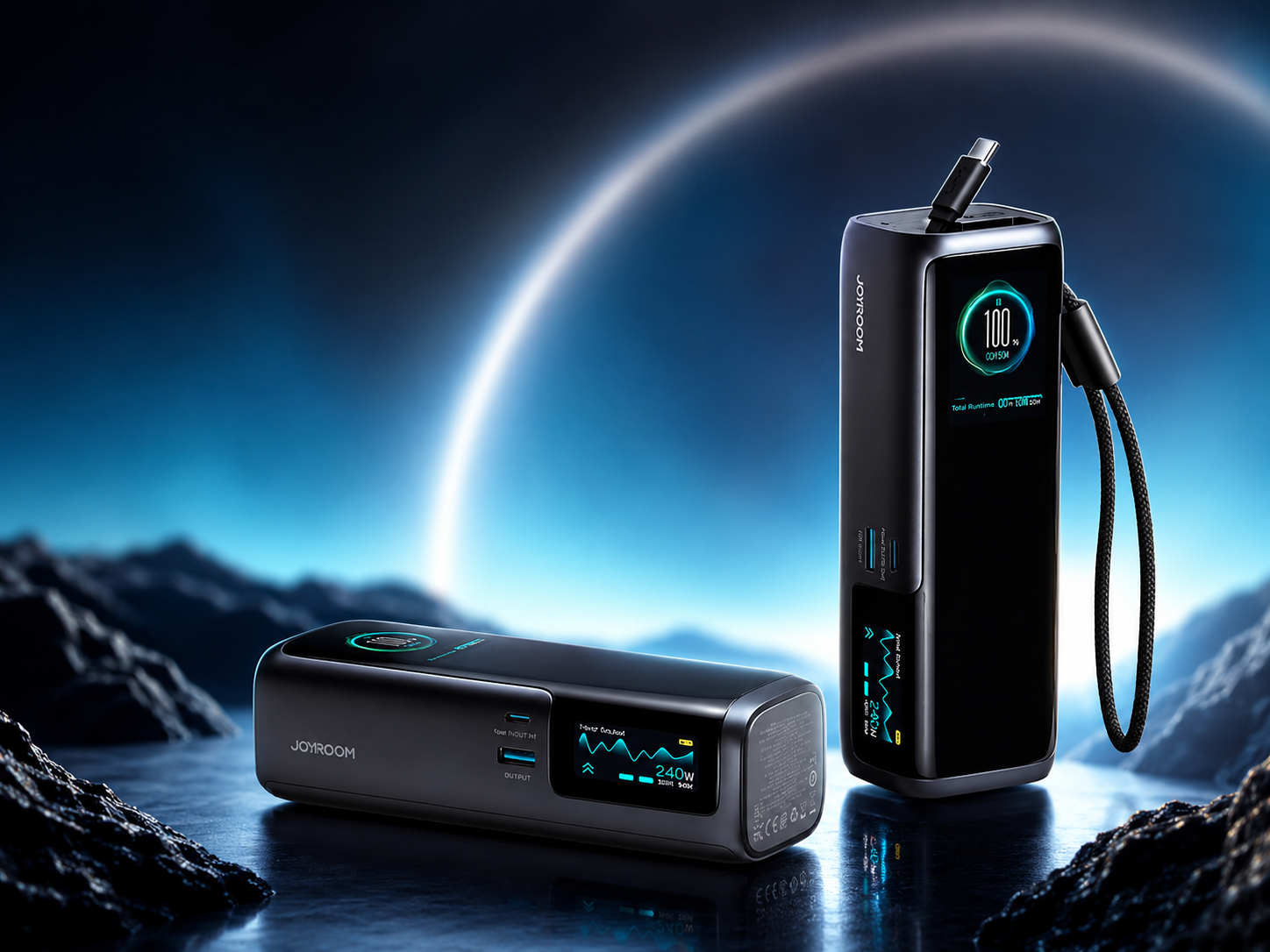
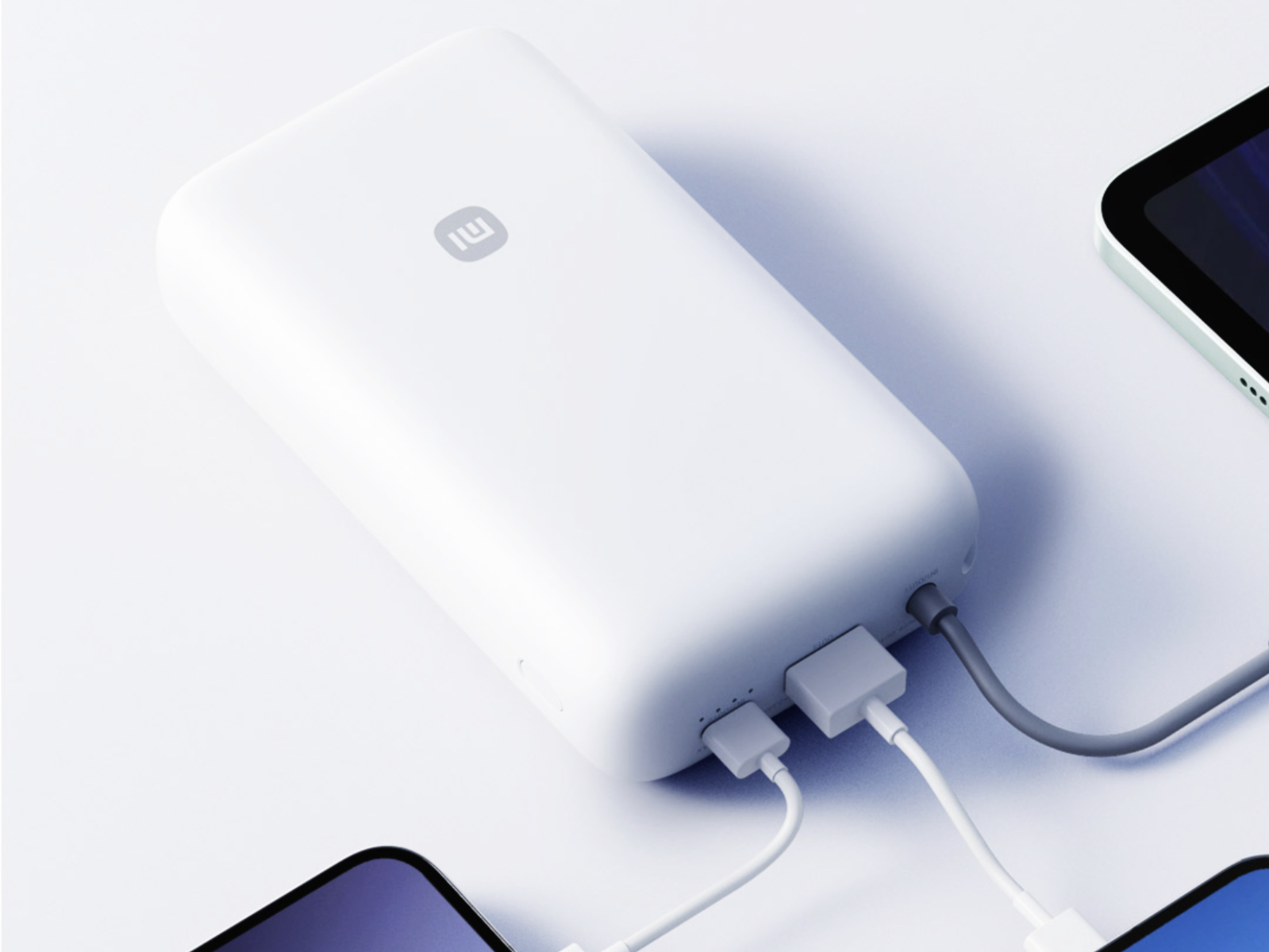
Belkin has released a new magnetic power bank, the UltraCharge Slim 10K, bringing the updated Qi2.2 wireless charging standard to its compact 10,000mAh battery. It is priced at £69.99 and comes in Black, White, and Sand colors.

The power bank features 25W Qi2.2 wireless charging for compatible smartphones, ensuring efficient magnetic alignment and consistent thermal management. According to Belkin, this allows an iPhone 17 Pro to charge from 0 to 50% in 39 minutes.
Along with the wireless charging pad, the power bank includes a single USB-C port that can output up to 30W. The device supports dual charging, meaning you can use the 25W magnetic pad and the 30W USB-C port at the same time to charge two different devices.
It also features 30W pass-through charging. If you plug the power bank into a wall adapter, you can place your phone on the magnetic pad to charge both the phone and the battery pack simultaneously.
For a 10,000mAh capacity, the physical footprint is kept minimal. The device measures 102mm by 71.6mm and is exactly 10.6mm thick. The exterior uses a frosted aluminum alloy shell, while the side that attaches to your phone is coated in soft silicone to provide grip and prevent scratches to your device.

The power bank also includes a built-in display. Instead of relying on the standard four-LED indicator system found on many basic models, the screen shows the exact battery percentage remaining.
According to Belkin, the 10,000mAh cell provides roughly 44 hours of extra playback time for an iPhone 17 Pro. For safety, the device includes Belkin’s SmartProtect system, utilizing a dual-chip design to monitor for overcurrent, overheating, and overvoltage. It has passed 55 internal safety tests and is TSA carry-on compliant for air travel.
In related news, Portronics has recently launched a compact 10,000mAh power bank with a built-in USB-C cable, while Ugreen has introduced a 45W 10,000mAh smart power bank with an integrated cable and color display.
For more daily updates, please visit our News Section.
Stay ahead in tech! Join our Telegram community and sign up for our daily newsletter of top stories!
The post Belkin launches new 10K magnetic power bank with Qi2.2 wireless charging & built-in display appeared first on Gizmochina.
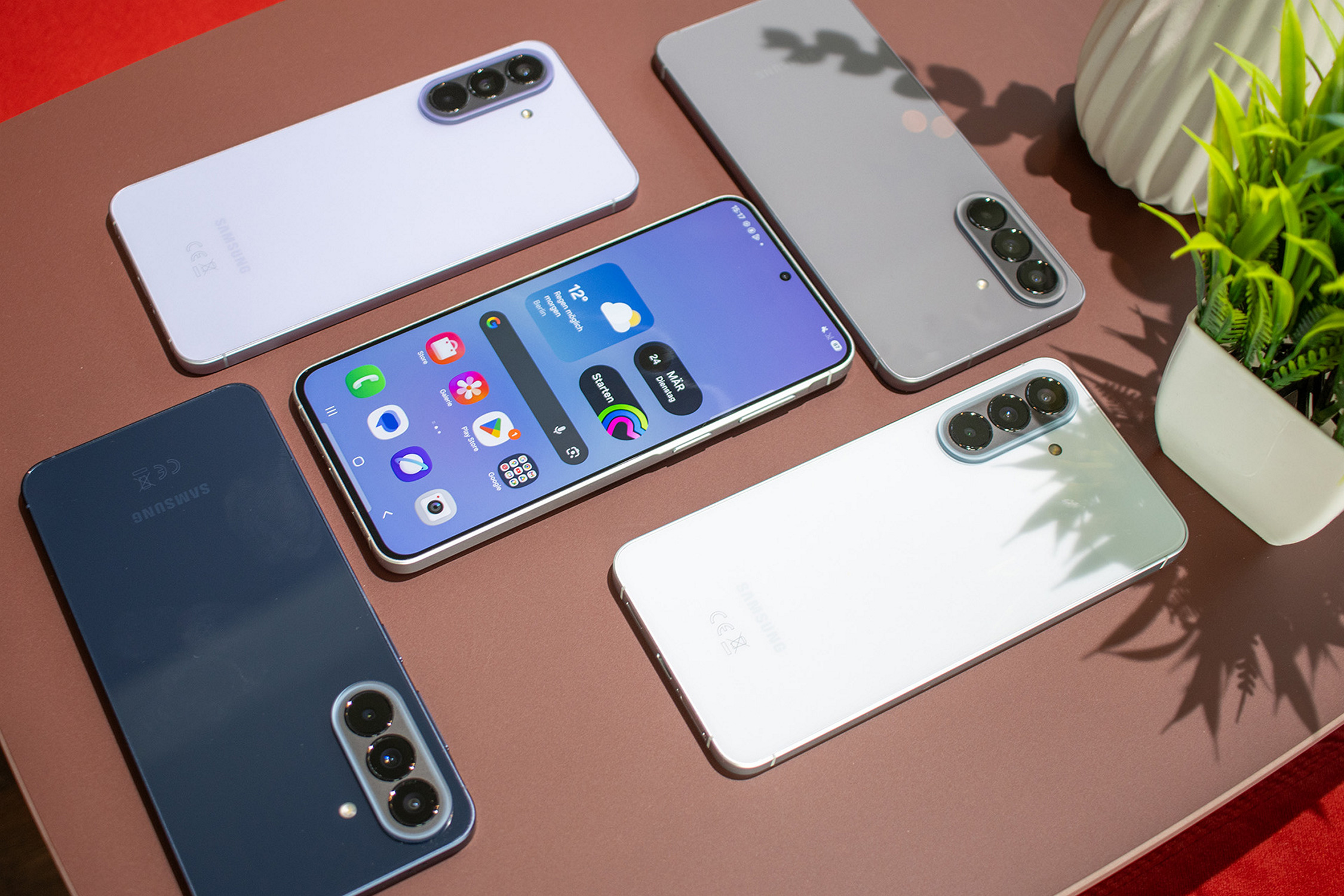
Samsung has announced the Galaxy A27 5G globally as its latest mid-range 5G smartphone. The device arrives as the successor to the Galaxy A26 5G after first surfacing earlier this month in the Czech Republic.

The device sports a 6.7-inch FHD+ Super AMOLED Infinity-O display with a 120Hz refresh rate and a punch-hole camera cutout. It offers a resolution of 1080 x 2340 and a peak brightness of 1400 nits. The panel is also protected by Corning Gorilla Glass Victus+.
Under the hood, the Galaxy A27 5G is powered by the Qualcomm Snapdragon 6 Gen 3 mobile platform based on a 4nm process. The octa-core chipset includes four Cortex-A78 cores clocked at 2.4GHz and four Cortex-A55 cores clocked at 1.8GHz, paired with an Adreno 710 GPU. It also includes up to 8GB of RAM, up to 256GB of internal storage, and microSD card expansion up to 2TB.
The Galaxy A27 5G runs Android 16 with Samsung One UI 8.5 out of the box. Samsung has promised up to six generations of Android OS and One UI upgrades, along with up to six years of security updates from the initial global launch date. The phone also includes Samsung Knox and Knox Vault for hardware-backed protection of sensitive data.

For cameras, the Galaxy A27 5G has a triple rear camera setup. It includes a 50MP main camera with OIS and an f/1.8 aperture, an 8MP ultra-wide camera with an f/2.2 aperture, and a 2MP macro camera with an f/2.4 aperture. On the front, the phone has a 12MP selfie camera with an f/2.2 aperture.
The device packs a 5000mAh battery with support for 25W fast charging. For connectivity, the phone supports hybrid dual SIM, 5G, Bluetooth 5.3, and NFC.
It also comes with stereo speakers, a side-mounted fingerprint scanner, and IP64 dust and water resistance. The phone measures 162.4 x 78.2 x 7.8mm and weighs 200 grams.
The Samsung Galaxy A27 5G is priced starting at $349.99 or €349. It will be available in Black, Blue, Light Green, and Light Pink color options. The phone will roll out starting July 3 in select markets.
For more daily updates, please visit our News Section.
Stay ahead in tech! Join our Telegram community and sign up for our daily newsletter of top stories! 
The post Samsung Galaxy A27 5G debuts globally with Snapdragon 6 Gen 3, 50MP OIS camera & 6yrs of Android updates appeared first on Gizmochina.
For years, the Nord Buds series has focused on offering the essentials without making buyers feel like they’re settling. The OnePlus Nord Buds 4 continue that philosophy, but this time, OnePlus has packed in features that were once reserved for more expensive earbuds. You get up to 52dB active noise cancellation (ANC), spatial audio, Bluetooth 6.1, AI-powered features, and an impressive battery life, all at an affordable price.
I spent several days using the Astral Teal variant for music, calls, videos, gaming, and commuting. While they aren’t perfect, they easily outperform what you’d expect from earbuds in this price segment.

The Astral Teal variant is easily the more eye-catching of the two color options. Its soft matte finish and muted green shade give the earbuds a fresh, premium look straight out of the box. However, after using them for around 10 days, I felt some of that initial visual appeal had faded. The finish seemed to lose a bit of its freshness with regular use, which made me think the Stellar Black variant may hold up better over the long run and hide everyday wear more effectively.
That said, the charging case remains compact enough to slip into a jeans pocket, while the earbuds themselves weigh just 4.3g each. Comfort has been one of the Nord Buds series’ strengths, and the Nord Buds 4 continue that tradition. I could comfortably wear them for a couple of hours without feeling any pressure or fatigue. Whether I was working from home or taking a walk outdoors, the fit remained secure. The IP55 rating also means you won’t have to worry about sweat or a light drizzle during workouts.

OnePlus has equipped the Nord Buds 4 with 12mm titanium-coated dynamic drivers, and they deliver a lively sound signature that most users will immediately enjoy.
Bass is the highlight here. It has plenty of punch without becoming muddy, making Bollywood tracks, EDM, hip-hop, and action movie soundtracks particularly enjoyable. At the same time, vocals remain clear enough that podcasts and acoustic tracks don’t get drowned out by the low end. Spatial Audio also adds a greater sense of immersion when watching movies or playing supported games, giving audio a wider and more spacious presentation.
Audiophiles looking for an analytical sound signature may still want something more refined, but for everyday listening, the Nord Buds 4 strike a pleasing balance between energetic bass and clear mids.

The companion HeyMelody app gives you more control over how the earbuds sound and behave. The Sound Master EQ offers three presets: Balanced, Serenade, and Bass, allowing you to quickly switch between different sound profiles depending on what you’re listening to. If you enjoy a stronger low-end, the BassWave slider lets you gradually adjust the bass level instead of relying on a fixed preset, making it easy to find a sound signature that suits your taste.
The app also lets you customise touch controls, switch between ANC modes, enable low-latency gaming mode, update the firmware, and locate your earbuds if you’ve misplaced them nearby.


One feature I particularly liked is Spotify Tap, which lets you assign a double tap, triple tap, or touch-and-hold gesture to instantly resume your music or discover a new recommendation in Spotify without having to reach for your phone. It’s a small addition, but one that frequent Spotify users will appreciate.

ANC is often the first feature manufacturers compromise on in affordable earbuds, but that isn’t the case here.
The Nord Buds 4 offer up to 52dB real-time ANC, and while real-world performance naturally varies depending on your surroundings, they do an excellent job of reducing constant background noise. During my commute, they noticeably reduced the hum of traffic and air conditioning, making music and podcasts easier to enjoy without constantly increasing the volume.
Call quality is another pleasant surprise. The six-microphone setup, combined with AI noise reduction, keeps voices clear during outdoor conversations. Even in breezy conditions, callers had little trouble hearing me.

These earbuds aren’t just about music. Gaming performance is impressive thanks to the 47ms low-latency mode, which helps keep audio in sync with on-screen action. Bluetooth 6.1 connectivity remained stable throughout my testing, while dual-device pairing made switching between my laptop and smartphone effortless.
Battery life is another major strength. With ANC turned off, the Nord Buds 4 are rated for up to 54 hours of total playback with the charging case, while a quick 10-minute charge can provide several hours of listening. I never found myself worrying about running out of power, even after several days of regular use.
OnePlus has also added AI features like AI Translate and voice assistant support on compatible devices. While these aren’t reasons alone to buy the earbuds, they do add extra convenience if you’re already invested in the OnePlus ecosystem.

The Nord Buds 4 and Nord Buds 4 Pro target different buyers. The standard OnePlus Nord Buds 4 misses out on premium audio features found in the Pro model, specifically losing high-resolution LHDC 5.0 codec support, and a wider 20Hz – 40kHz frequency response. Physically, it lacks the convenient Volume Swipe Control on the stems, restricting you to basic touch controls. Finally, it omits a USB-C charging cable from the box, though it oddly gains a slightly newer Bluetooth version (6.1 vs 6.0).

The OnePlus Nord Buds 4 are easy to recommend. They don’t try to be flagship earbuds at a budget price. Instead, they focus on getting the fundamentals right while borrowing a few premium features that genuinely improve the everyday experience.
The sound is energetic, ANC works better than expected, battery life is excellent, and the lightweight design makes them comfortable enough for extended listening sessions. Add dependable call quality, gaming-friendly latency, and stable connectivity, and you have one of the strongest all-round packages in its segment.
Priced at Rs 3,299, with a limited-period introductory price of Rs 3,099, the OnePlus Nord Buds 4 offer excellent value. They will go on sale from June 29 via the OnePlus Store App, OnePlus Experience Stores, Amazon.in, Flipkart, Blinkit, Myntra, and select offline partner stores.
If your budget is around Rs 3,000 and you’re looking for a pair of earbuds that deliver strong sound, capable ANC, long battery life, and everyday reliability without unnecessary compromises, the OnePlus Nord Buds 4 deserve a place near the top of your shortlist.
For more daily updates, please visit our News Section.
Stay ahead in tech! Join our Telegram community and sign up for our daily newsletter of top stories!
The post OnePlus Nord Buds 4 review: Budget earbuds that punch well above their price appeared first on Gizmochina.
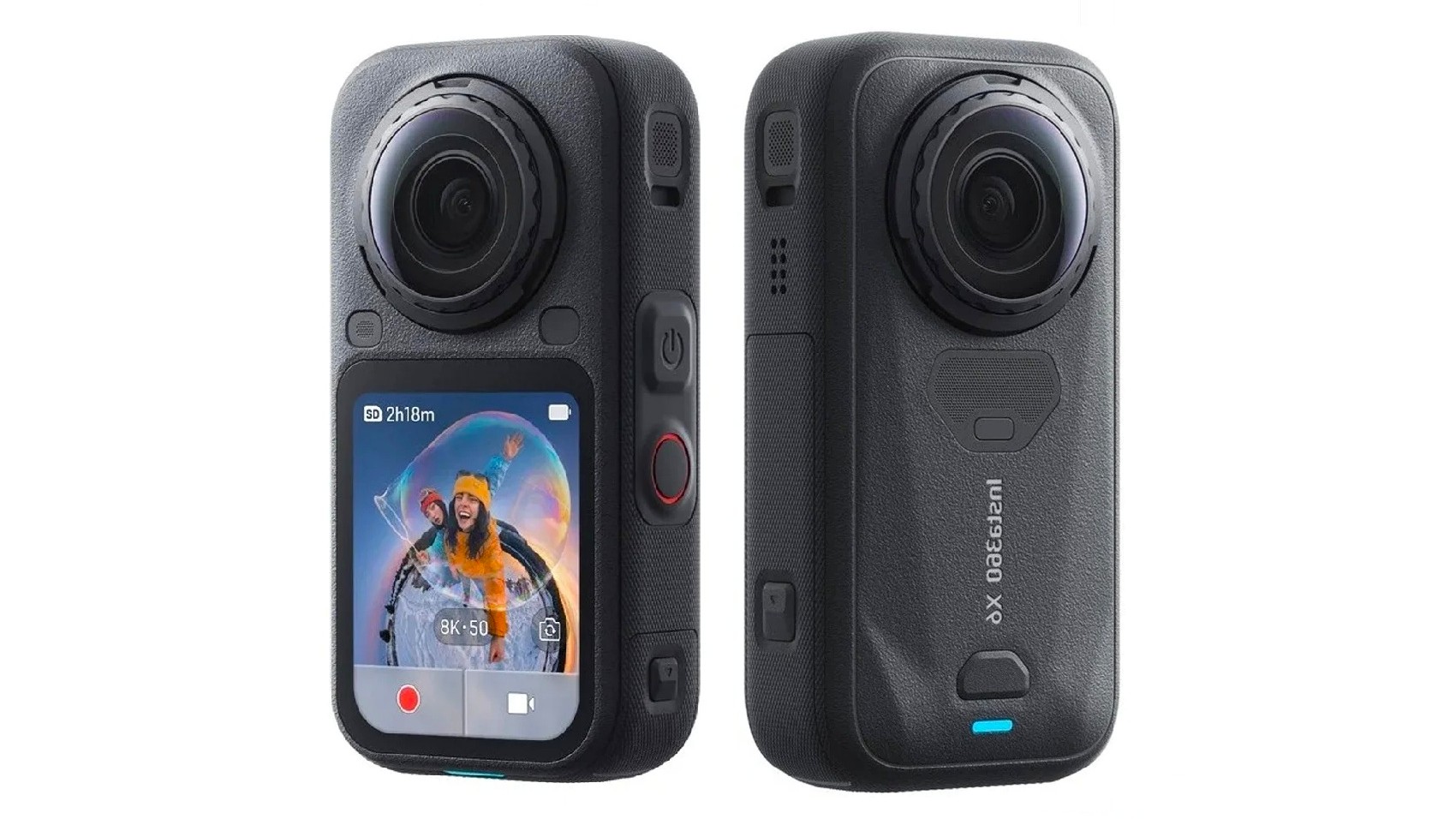
DJI has always been a reliable — and largely the only one — option in the world of small handheld cameras. Its Osmo Pocket series became the go-to choice for vloggers, travellers, and content creators who wanted smooth, high-quality video in a tiny package.
But this year, it’s not alone, no more. Insta360, a brand famous for its 360-degree cameras, has stepped into DJI’s backyard with the Luna Ultra, and DJI has fired back with the Osmo Pocket 4P. The result is an exciting battle in compact cameras we’ve seen in years.

Both the DJI Osmo Pocket 4P and the Insta360 Luna Ultra are pocket-sized gimbal cameras. That means they have a built-in stabiliser to keep your videos smooth even while you walk, run, or move around. Both cameras also come with two lenses: a wide-angle lens for landscape and general shots, and a zoom lens for getting closer to your subject. Coincidentally, this dual-lens design is a first for both brands in this category, and it’s one reason why everyone is talking about them.
The Pocket 4P is DJI’s most advanced pocket camera yet. It carries a 1-inch main sensor with a 20mm wide-angle lens at f/2.0, paired with a second 60mm zoom lens at f/1.8, which DJI says is a “golden portrait” focal length, because it makes faces look natural and gives that blurry background effect people love.
The gimbal has an incredible 17 stops of dynamic range, up from 14 stops on the standard Pocket 4. This means the camera can capture both bright skies and dark shadows in the same shot without losing detail. It can record 10-bit D-Log2 colour.

On the performance side, the Pocket 4P can shoot 4K video at up to 240 frames per second for super-smooth slow motion. It has 103GB of built-in storage, and the battery is rated at 210 minutes; it can charge to 80% in just 18 minutes. The camera also gets ActiveTrack 8.0, DJI’s latest subject-tracking technology, which keeps your subject in frame even when you’re using the zoom lens.
The Pocket 4P weighs 230 grams and connects via Wi-Fi 6 and USB 3.1 for fast file transfers. It starts at around 3,799 yuan in China — roughly $525 USD — though global pricing is expected to land between $649 and $699.
There is one big catch, though. Because DJI has been placed on the US government’s FCC Covered List since late 2025, the Pocket 4P cannot be sold officially in the United States.
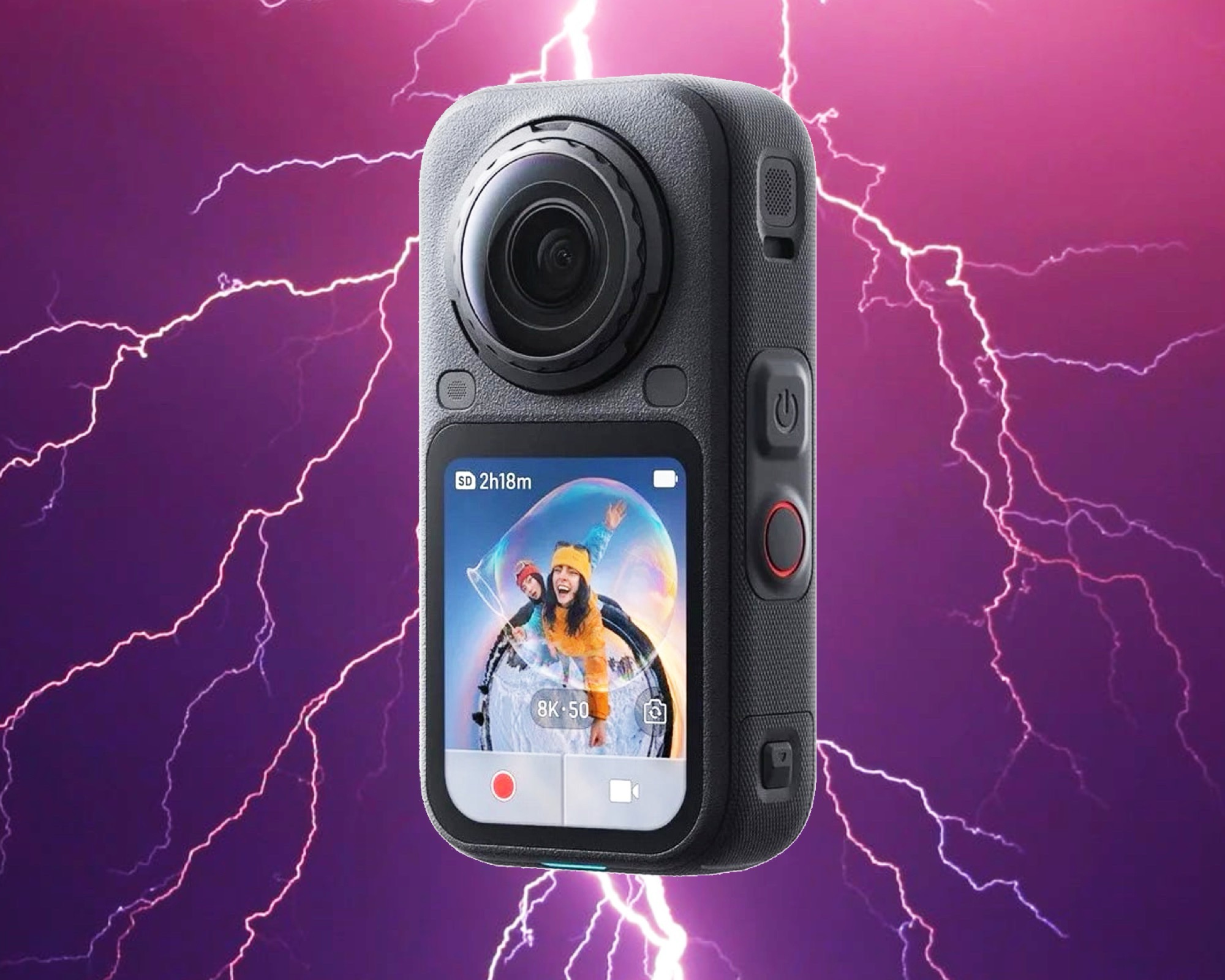
Insta360 announced the Luna Ultra in June, and it went on sale almost immediately. Unlike the Pocket 4P, it’s available globally — including in the US — at $769.99. That makes it a perfect option for American creators who can’t get their hands on DJI’s latest.
The Luna Ultra was co-engineered with Leica, the legendary German camera maker. It has a 1-inch main sensor with a Leica Summicron 20mm f/1.8 lens, and an 8K video recording mode, which the Pocket 4P does not offer. The second lens is a 60mm f/2.0 telephoto on a 1/1.3-inch sensor, offering 3x optical zoom that extends up to 6x in-sensor and 12x digital zoom. Both cameras, interestingly, land on very similar optical setups.

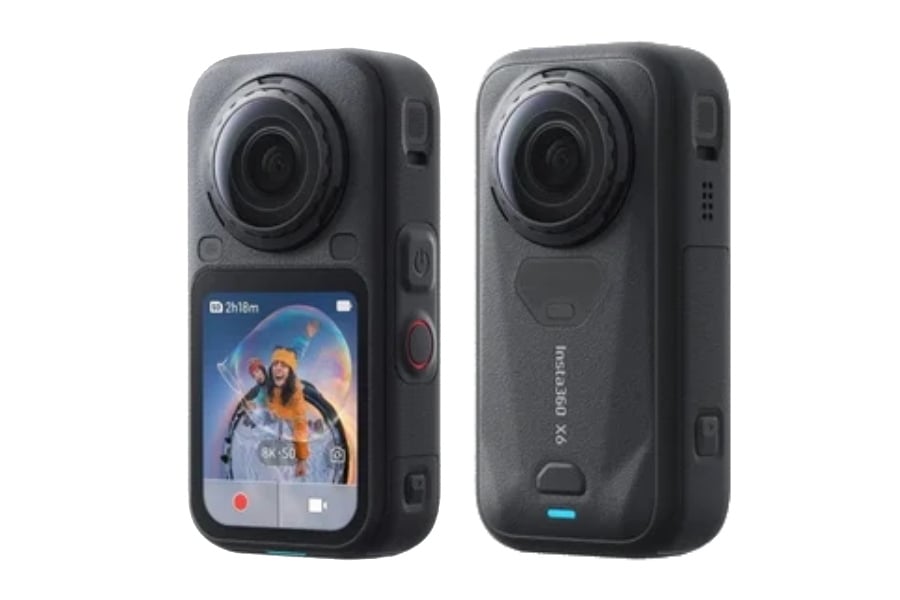
Where the Luna Ultra really stands out is its design. It has an industry-first detachable 2-inch OLED touchscreen that can be pulled off the body and used as a wireless remote control. The screen can also be reattached in a variety of positions.
The Luna Ultra runs a triple AI chip setup, with a 4nm AI processor and two dedicated imaging chips. It supports Dolby Vision recording, Insta360’s I-Log colour profile for post-production editing, and a 4K60fps PureVideo low-light mode. Its battery life is rated at around four hours, and the camera can charge to 80% in roughly 23 minutes.
The camera also offers Leica-branded colour filters for quick, cinematic looks. It weighs just over 200 grams.
| Feature | DJI Osmo Pocket 4P | Insta360 Luna Ultra |
| Main Sensor | 1-inch | 1-inch |
| Max Video | 4K 240fps | 8K 30fps / 4K 120fps |
| Dynamic Range | 17 stops | ~14 stops |
| Colour Profile | D-Log2 | I-Log / Dolby Vision |
| Zoom | 3x optical, 12x digital | 3x optical, 12x digital |
| Storage | 103GB built-in | 47GB built-in |
| Battery | 210 min | ~240 min |
| Weight | 230g | ~200g |
| Price (USD) | ~$525–699 (no US sale) | $769.99 |
| US Availability | No | Yes |
If you’re outside the United States and value the very best image quality, the DJI Osmo Pocket 4P is a really good option. It also edges ahead on built-in storage and fast charging. DJI’s software ecosystem, tracking technology, and accessory range are also well established.
However, if you’re in the US, or if 8K video recording, the innovative detachable screen, and a Leica-tuned look matter to you, the Insta360 Luna Ultra is the one to get. It’s pricier, but it’s available right now, it’s globally supported, and for a first-generation vlogging camera, Insta360 has done more than we could ask for.
For more daily updates, please visit our News Section.
Stay ahead in tech! Join our Telegram community and sign up for our daily newsletter of top stories!
The post DJI Osmo Pocket 4P vs Insta360 Luna Ultra: The Pocket Camera War Is Here appeared first on Gizmochina.
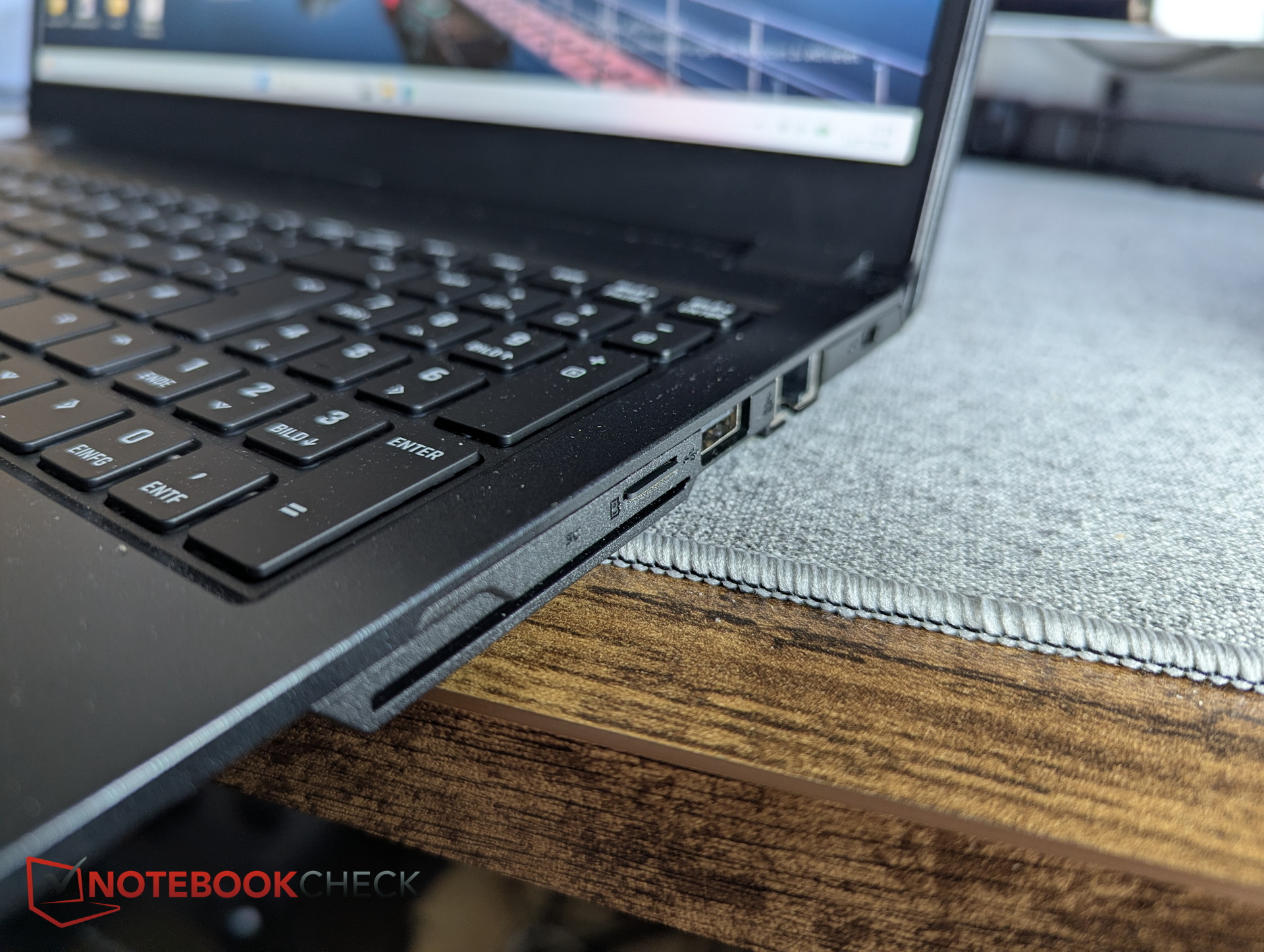
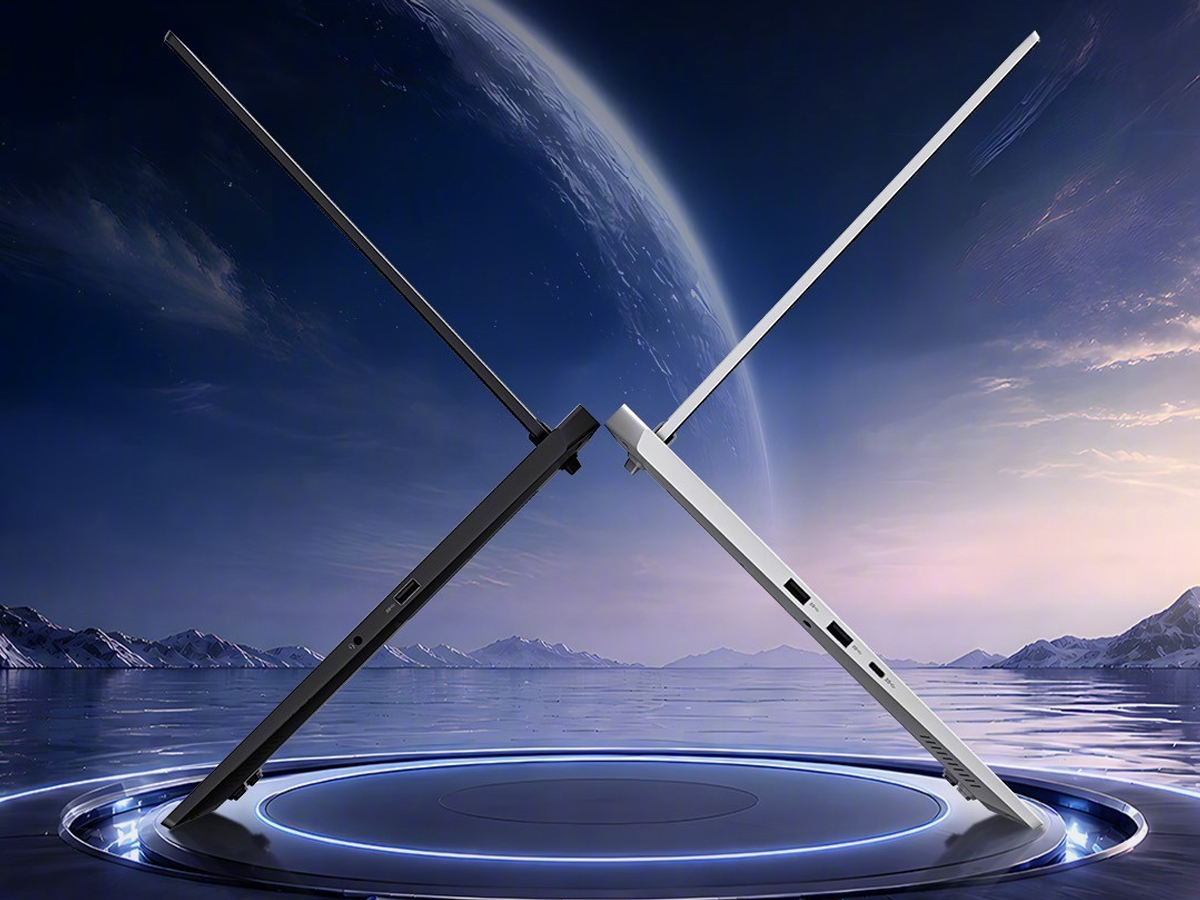
Chuwi has opened pre-orders for the UniBook, a 14-inch budget laptop that stands out primarily for being one of the first devices to use Intel’s new Wildcat Lake architecture. It’s currently priced at $449 during the pre-order window, though Chuwi says the standard retail price will eventually sit at $619.

The laptop runs on the Intel Core 3 304, a Series 3 processor built on Intel’s 18A process. It’s a relatively basic chip with five cores, five threads, and a 15W TDP. It does include a dedicated NPU capable of 15 TOPS, plus integrated Intel Graphics that adds another 9 TOPS. That combined total isn’t enough to meet Microsoft’s 40 TOPS requirement for Copilot Plus PCs, so you won’t be running intensive AI models locally.
To hit the low price point, Chuwi made some clear compromises with memory and storage. The UniBook ships with 8GB of LPDDR5-6400 RAM and a 256GB PCIe 3.0 SSD. In 2026, 8GB is pretty limiting for a Windows 11 laptop, especially if you keep lots of browser tabs or apps open at once, and since the memory is soldered, there’s no way to upgrade it later. Storage is a bit less of a concern, though, because the internal M.2 slot can be swapped out for a faster PCIe 4.0 SSD down the line.
The display is a standard 14-inch 1920 x 1200 IPS panel. It features a 16:10 aspect ratio, which gives you a bit more vertical space for reading documents and websites, and it covers 100% of the sRGB color gamut. It peaks at 300 nits of brightness with a standard 60Hz refresh rate. The components are housed in an aluminum chassis that weighs 1.2 kg (about 2.6 lbs) and measures 16.4 mm thick.

For connectivity, Chuwi provides a practical selection of ports. The laptop includes two full-featured USB-C ports that support 65W Power Delivery charging and 4K display output, two USB-A 3.2 Gen 1 ports, one USB-A 2.0 port, an HDMI 1.4b output, a Gigabit Ethernet port, a microSD card slot, and a 3.5mm audio jack. It also supports Wi-Fi 6 and Bluetooth 5.2. Power is supplied by a 53.38Wh battery.
The $449 pre-order pricing is available until July 15, 2026, and Chuwi expects to start shipping units on July 20th.
In related news, Asus has recently launched the Dawn 7S Ryzen Edition with a Ryzen AI 5 330 processor and 16GB of DDR5 RAM, while Microsoft has unveiled new Surface Pro and Surface Laptop models powered by Snapdragon X2 chips.
For more daily updates, please visit our News Section.
Stay ahead in tech! Join our Telegram community and sign up for our daily newsletter of top stories!
(Chuwi)
The post Chuwi launches new laptop with Intel Core 3 304, 14-inch display & upgradeable SSD appeared first on Gizmochina.
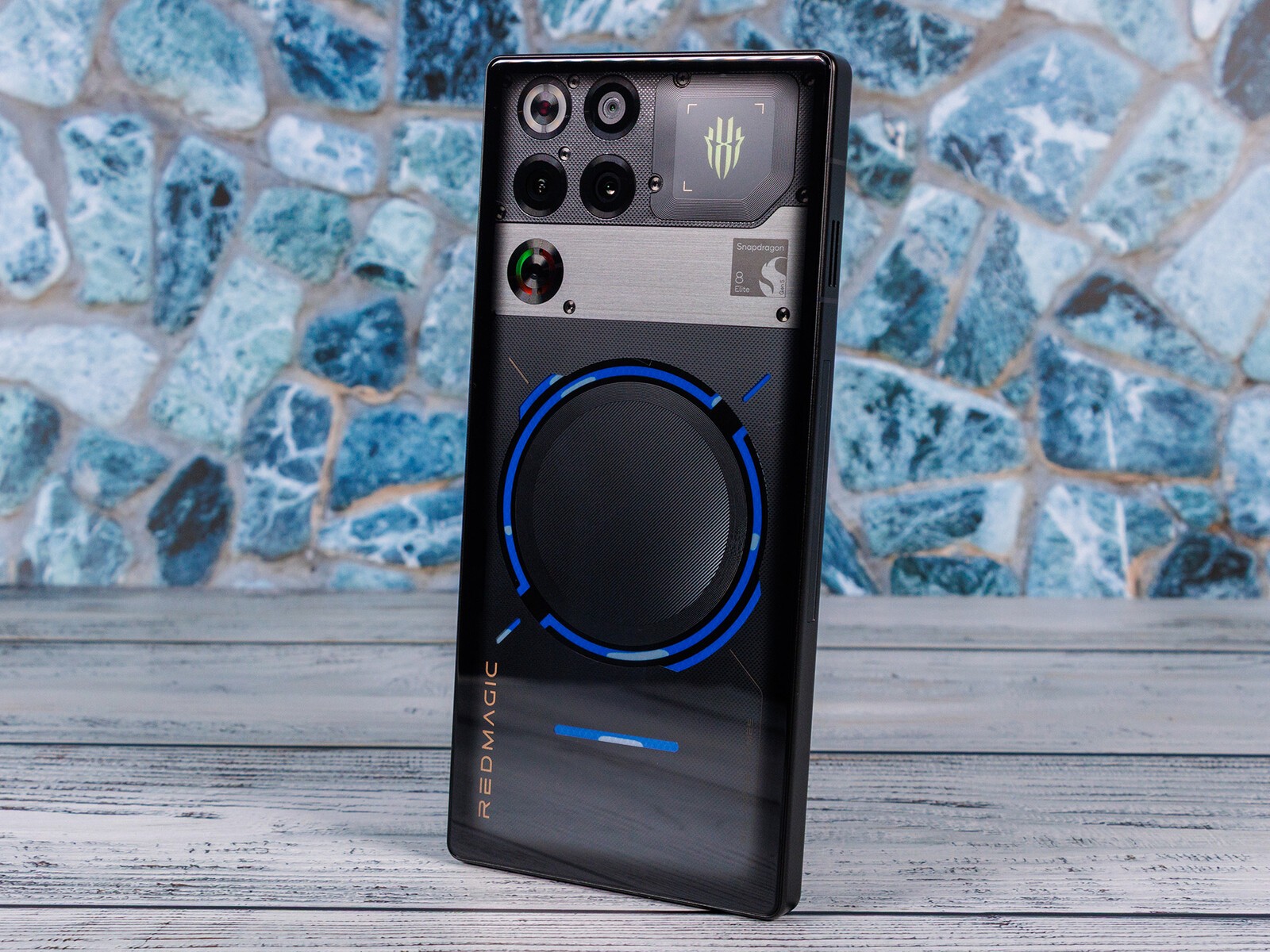
Red Magic has dropped some impressive early performance numbers, showing its upcoming Gaming Tablet 5 Pro can deliver console-like frame rates even in demanding games.

The tablet is set to launch in China on June 30, 2026, with global availability expected shortly after. According to Red Magic’s own testing, it performs really well under pressure:
These are manufacturer numbers, so we’ll need independent tests to fully confirm them, but they’re promising for a portable tablet.

Powering the device is Qualcomm’s Snapdragon 8 Elite Gen 5 chipset, paired with Red Magic’s own Core R4 co-processor for better gaming optimization and efficiency. To keep things cool during long sessions, it uses an advanced liquid cooling system combined with an active fan.
The display is a big highlight too: a 9.06-inch OLED panel with up to 185Hz refresh rate, 2.4K resolution, and peak brightness of 1,600 nits. It builds on the previous Red Magic Astra model by offering strong PC game emulation support, including Steam compatibility and a desktop mode, so you can pair it with controllers and play a much wider library of games. Other nice touches include a transparent design that highlights the liquid cooling system.
Overall, the Gaming Tablet 5 Pro feels like a niche but exciting option for gamers who want a high-refresh-rate display on the go. With its strong focus on cooling, display quality, and raw power, it could stand out as a portable yet seriously capable gaming device. If you’re into mobile gaming, this one is definitely worth watching.
Don’t miss a thing! Join our Telegram community for instant updates and grab our free daily newsletter for the best tech stories!
For more daily updates, please visit our News Section.
(Source: Red Magic on Weibo)
The post Red Magic showcases gaming performance of its liquid-cooled Snapdragon 8 Elite Gen 5-powered 185Hz OLED tablet appeared first on Gizmochina.
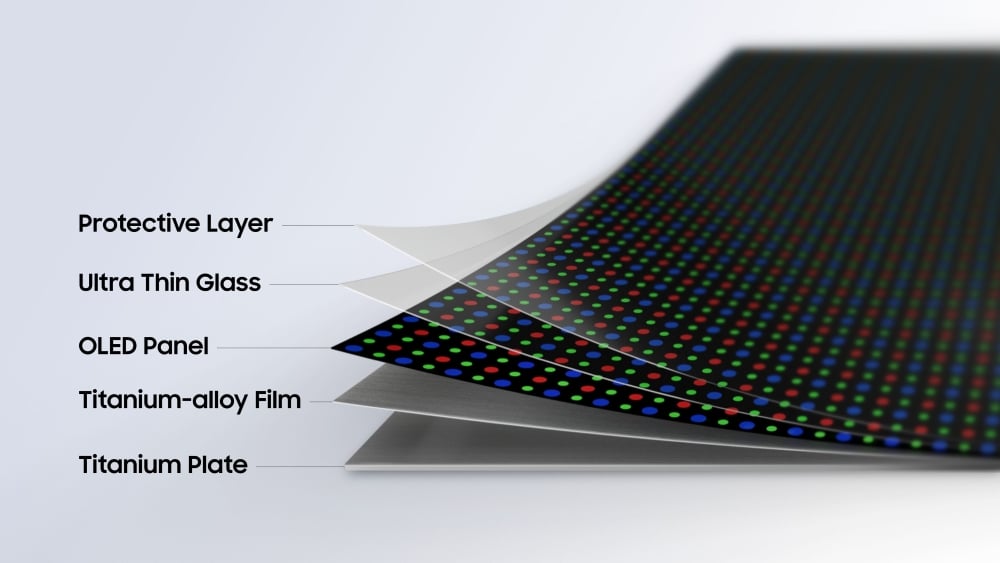
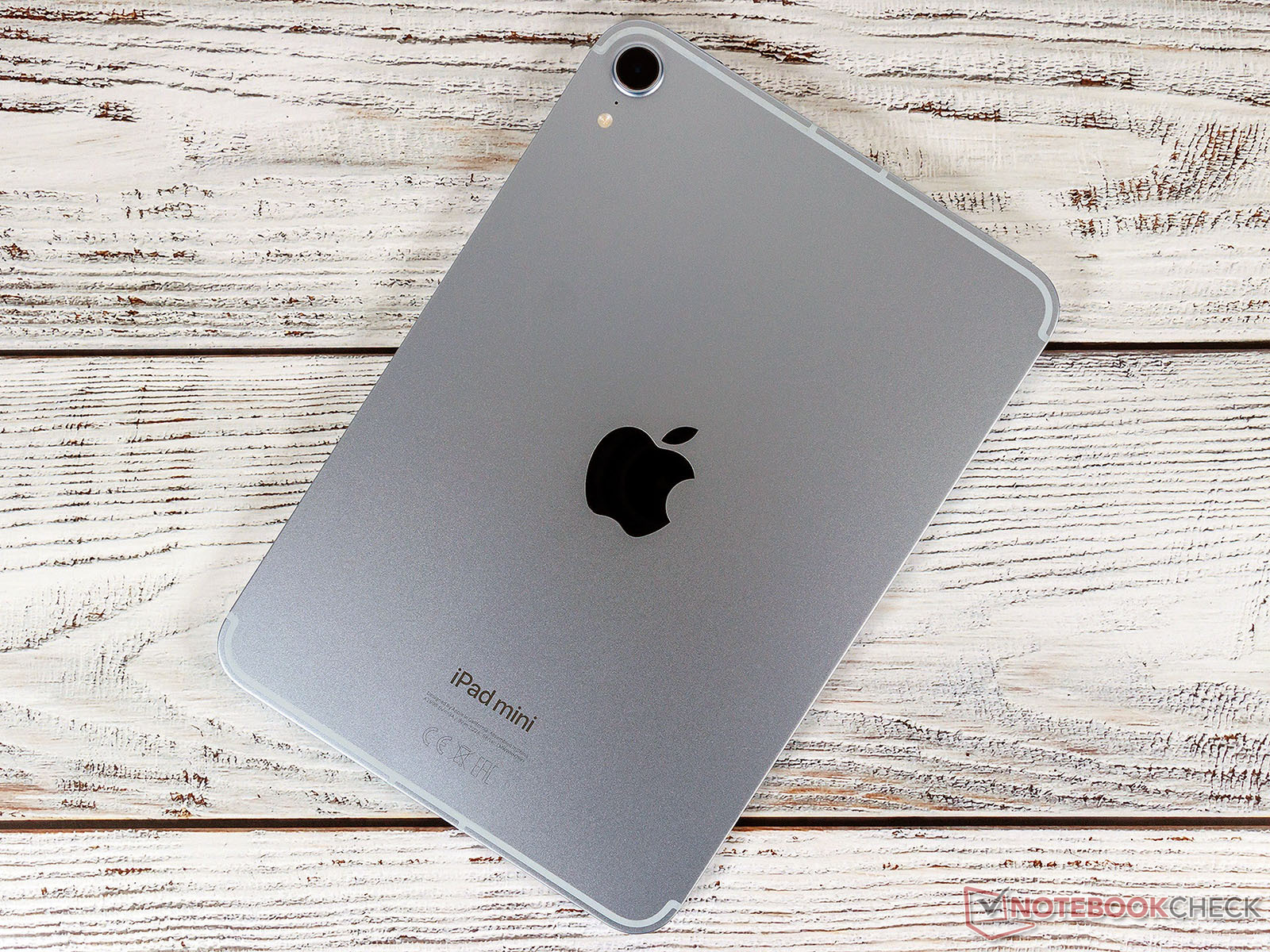
Apple’s long-awaited OLED iPad mini appears to be moving closer to launch. A report from South Korea claims Samsung Display has begun mass producing OLED panels for the compact tablet, while production for the OLED MacBook Pro is also expected to start soon.

According to ETNews, Samsung Display started mass production of OLED panels for Apple’s next-generation iPad mini earlier this month. The publication also states that OLED panel production for the MacBook Pro will begin in July, alongside the company’s new 8.6-generation OLED production line. If accurate, it marks another major step in Apple’s gradual shift from LCD and mini-LED displays to OLED technology across more of its product lineup.



The report further claims Samsung Display and LG Display will together supply OLED panels for the iPhone 18 Pro and iPhone 18 Pro Max. Samsung is reportedly the exclusive display supplier for the foldable iPhone, OLED iPad mini, and OLED MacBook Pro, while LG Display is expected to exclusively provide OLED panels for the Apple Watch Series 12. Chinese display maker BOE is said to be absent from the iPhone 18 supply chain after facing quality-related issues with iPhone 17 Pro display deliveries.
Apple introduced OLED technology to the iPad Pro in 2024, and industry watchers have long expected the iPad mini to be the next tablet to make the transition. Replacing the existing LCD panel with OLED is expected to deliver deeper blacks, improved contrast and better power efficiency. While Apple has not confirmed a launch timeline, several reports suggest the OLED iPad mini could arrive later this year.
The OLED MacBook Pro is also expected to bring notable changes beyond its display. Previous reports from Bloomberg’s Mark Gurman and analyst Ming-Chi Kuo have suggested it could become the first touchscreen MacBook. However, its launch timeline may depend on component availability, with some expectations pointing to late 2026 or early 2027.
For more daily updates, please visit our News Section.
Stay ahead in tech! Join our Telegram community and sign up for our daily newsletter of top stories!
The post OLED iPad mini moves closer as Samsung starts display production appeared first on Gizmochina.
Both the Xiaomi 17T Pro and Vivo X300 target premium flagship buyers with top-tier hardware, flagship MediaTek processors, premium displays, and versatile camera systems. While both phones sit in the same price segment, they cater to different audiences. The Xiaomi 17T Pro focuses on battery life, multimedia, and long-range zoom photography, whereas the Vivo X300 emphasizes compact ergonomics, camera refinement, and long-term software support. Here’s how they compare across the features that matter most.

| Category | Xiaomi 17T Pro | Vivo X300 | Winner |
|---|---|---|---|
| Design & Build | Gorilla Glass 7i, aluminum frame, IP68 | Glass build, aluminum frame, IP68/IP69, ultrasonic fingerprint | Vivo – Better durability and fingerprint sensor |
| Display | 6.83-inch AMOLED, 144Hz, Dolby Vision, HDR10+, 3,500 nits | 6.31-inch LTPO AMOLED, 120Hz, HDR10+, HDR Vivid, 4,500 nits | Xiaomi – Larger and smoother display |
| Processor | MediaTek Dimensity 9500 (3nm) | MediaTek Dimensity 9500 (3nm) | Tie – Identical flagship chipset |
| GPU | Mali-G1 Ultra MC12 | Arm G1-Ultra | Tie – Comparable graphics performance |
| Memory & Storage | Up to 16GB RAM, 1TB UFS 4.1 | Up to 16GB RAM, 1TB UFS 4.1 | Tie – Same memory options |
| Main Camera | 50MP + 50MP (5x) + 12MP, Leica optics | 200MP + 50MP (3x) + 50MP, Zeiss optics | Vivo – More versatile camera system |
| Selfie Camera | 32MP, 4K | 50MP AF, 4K 60fps | Vivo – Higher resolution with autofocus |
| Video Recording | Up to 8K, 4K 120fps, Log, HDR10+ | Up to 4K 120fps HDR | Xiaomi – Superior professional video features |
| Battery | 7,000mAh | 6,040mAh (Global) | Xiaomi – Much larger battery |
| Charging | 100W wired, 50W wireless, 22.5W reverse wired | 90W wired, 40W wireless | Xiaomi – Faster charging overall |
| Connectivity | Wi-Fi 7, Bluetooth 6.0, USB 2.0, IR Blaster | Wi-Fi 7, Bluetooth 5.4, USB 3.2, IR Blaster | Vivo – Faster USB connectivity |
| Software | Android 16, HyperOS 3 | Android 16, OriginOS 6, 5 major Android upgrades | Vivo – Longer software support |
| Price/Value | Priced around $900 (₹75,000) | Priced around $900 (₹76,000) | Xiaomi – Better overall hardware value |
| Overall Winner | Excellent battery, charging, multimedia, and video recording | Outstanding cameras, compact design, software support | Xiaomi – Better value; Vivo excels for photography |
The Xiaomi 17T Pro features Gorilla Glass 7i on both the front and back with an aluminum frame, delivering a sturdy and premium construction. It carries an IP68 rating and offers dual physical SIMs with eSIM support. The Vivo X300 also uses a glass-and-aluminum design but adds IP69 protection for improved resistance against high-pressure water. Its ultrasonic fingerprint scanner feels quicker and more reliable than Xiaomi’s optical solution, while Vivo also promises up to five major Android updates, adding long-term appeal. Buyers who prefer compact flagship phones may naturally gravitate toward Vivo, while Xiaomi feels built for users who prioritize durability and multimedia.
Xiaomi equips the 17T Pro with a large 6.83-inch AMOLED panel featuring a 144Hz refresh rate, Dolby Vision, HDR10+, 3840Hz PWM dimming, and an impressive 3,500-nit peak brightness. The Vivo X300 counters with a 6.31-inch LTPO AMOLED display supporting adaptive 120Hz refresh, Ultra HDR, HDR10+, HDR Vivid, and a higher claimed peak brightness of 4,500 nits. Xiaomi’s higher refresh rate makes animations feel slightly smoother, while Vivo’s LTPO technology improves power efficiency. Users who consume plenty of videos or play games may appreciate Xiaomi’s immersive display, whereas Vivo’s screen feels better optimized for everyday flagship usage.
The Xiaomi 17T Pro wins for multimedia with its larger 144Hz Dolby Vision display, but the Vivo X300 offers a more balanced flagship experience through LTPO technology, brighter peak output, IP69 protection, and longer software support.
Performance is evenly matched since both smartphones are powered by the 3nm MediaTek Dimensity 9500 chipset paired with UFS 4.1 storage. Day-to-day usage, gaming, AI processing, and multitasking are excellent on both devices. Xiaomi combines the chipset with the Mali-G1 Ultra MC12 GPU, while Vivo uses the Arm G1-Ultra graphics processor. In practical usage, the difference is unlikely to be noticeable. Xiaomi supports RAM configurations up to 16GB with storage reaching 1TB, while Vivo also offers up to 16GB RAM and 1TB storage. Both devices comfortably handle demanding workloads and remain future-ready for several years.
Battery life is where Xiaomi creates a clear separation. Its massive 7,000mAh silicon-carbon battery significantly exceeds Vivo’s 6,040mAh global battery. Charging is equally impressive with 100W wired, 50W wireless, and 22.5W reverse wired charging, compared to Vivo’s 90W wired and 40W wireless charging. Heavy users are likely to appreciate Xiaomi’s endurance, especially during gaming, travel, or extensive camera use. Vivo still delivers dependable battery performance, but Xiaomi offers greater convenience with less frequent charging.
Performance remains nearly identical, but Xiaomi takes the lead with its substantially larger battery and faster charging system, making it the stronger choice for power users and heavy multimedia consumption.
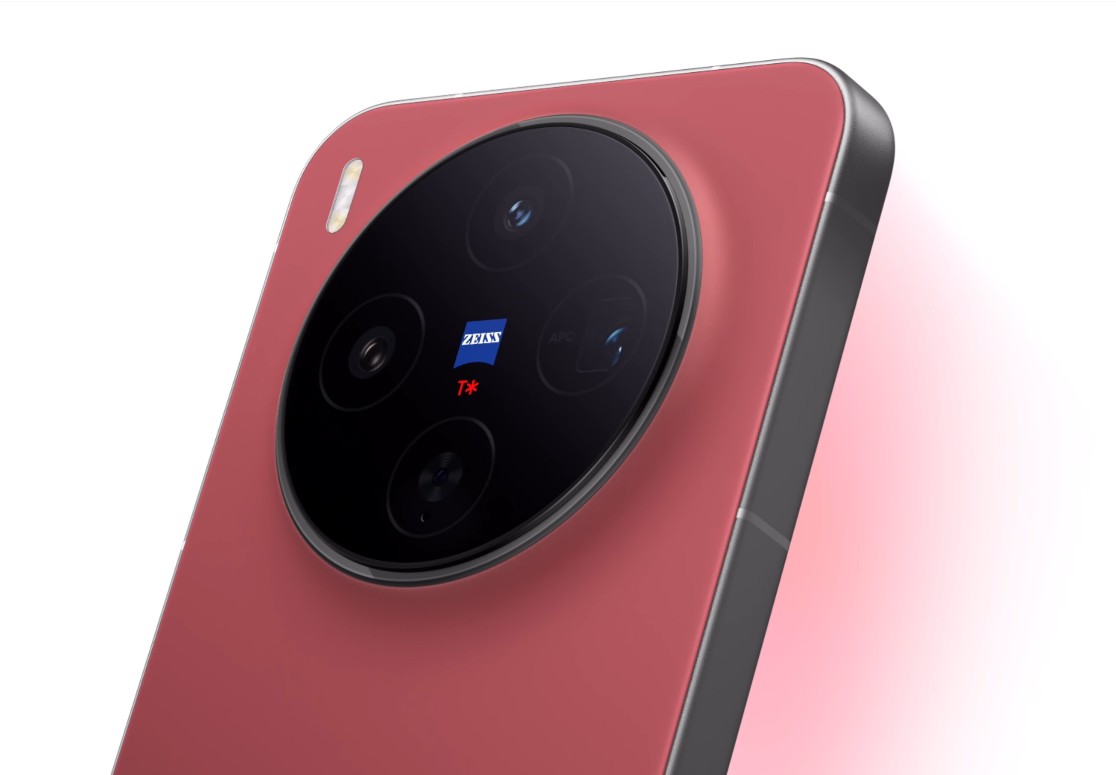
The Xiaomi 17T Pro uses a Leica-tuned triple camera consisting of a 50MP primary sensor, a 50MP periscope telephoto with 5x optical zoom, and a 12MP ultrawide camera. It also supports 8K video recording and professional recording features like HDR10+, Log, and 10-bit Rec. 2020. Vivo counters with a 200MP main sensor, a 50MP 3x periscope telephoto, and a 50MP autofocus ultrawide camera enhanced by Zeiss optics, Zeiss T* coating, Laser AF, and 3D LUT import support. Vivo produces a more versatile camera setup overall, while Xiaomi offers stronger long-range zoom capabilities and advanced video recording options.
Xiaomi includes a 32MP front camera capable of 4K recording with HDR10+ support. Vivo steps ahead with a 50MP autofocus selfie camera that records 4K at up to 60fps. Autofocus provides sharper portraits and better group selfies, making the Vivo more dependable across different shooting conditions. Content creators and video callers are likely to benefit from Vivo’s superior front camera hardware.
Vivo delivers the most complete photography package thanks to its higher-resolution sensors, stronger ultrawide camera, autofocus selfie camera, and Zeiss imaging system. Xiaomi remains an excellent choice for users who value 5x optical zoom and advanced professional video features.
The Xiaomi 17T Pro is priced around $900 (₹75,000), while the Vivo X300 is priced around $900 (₹76,000). Despite costing nearly the same, they emphasize different strengths. Xiaomi directs more value toward battery capacity, charging speeds, multimedia features, and Leica-powered imaging. Vivo focuses on premium camera hardware, compact flagship ergonomics, longer software support, and additional durability with IP69 certification. Neither phone feels overpriced considering the flagship hardware, but the overall value depends on individual priorities rather than specifications alone.
Both smartphones justify their premium pricing with flagship processors, premium materials, advanced displays, and versatile camera systems. Xiaomi offers outstanding value for buyers wanting maximum battery life and charging convenience. Vivo feels like the better long-term investment for users who prioritize photography, software longevity, and everyday flagship refinement.
At nearly identical prices, Xiaomi offers stronger hardware value, while Vivo provides a more polished flagship experience. The better purchase depends on whether battery life or camera refinement matters more.
Disclaimer:
Prices are approximate and may vary based on country, region, launch timing, and applicable taxes. Always check whether the listed price is for a China unit or a global/international variant when purchasing.
The Xiaomi 17T Pro stands out with its enormous 7,000mAh battery, 100W wired charging, 50W wireless charging, Leica camera tuning, 5x optical periscope zoom, Dolby Vision 144Hz display, and professional-grade video recording features, including 8K capture and Log mode. The Vivo X300 differentiates itself with a 200MP primary camera, Zeiss optics, autofocus selfie camera, LTPO AMOLED display, IP69 durability, ultrasonic fingerprint sensor, USB 3.2 connectivity, and a commitment to five major Android upgrades. Both devices deliver flagship-grade experiences, but their strengths target different types of premium buyers.
Choose the Xiaomi 17T Pro if battery life, charging speed, multimedia, and long-range zoom photography are the top priorities. Choose the Vivo X300 if camera versatility, compact design, premium software support, and refined everyday usability are more important.
Overall, Xiaomi offers better hardware value, while Vivo delivers a more balanced flagship experience for long-term ownership.
Disclaimer: This comparison is based on the specifications provided and is intended for general informational purposes. Actual performance, camera results, battery life, and overall experience may vary depending on real-world usage, software updates, and individual preferences.
Read More:
The post Xiaomi 17T Pro vs Vivo X300: Which $900 Flagship Delivers Better Value? appeared first on Gizmochina.
Xiaomi has opened pre-orders in China for the Mijia Smart Electric Kettle Pro 5L, a countertop water dispenser designed for households that need a constant supply of temperature-controlled hot water. The product is priced at 699 yuan ($102), while the current pre-order offer brings it down to 669 yuan ($98).

Unlike standard electric kettles, the Mijia Pro 5L operates as a stationary water boiler. It comes with an internal water circulation system. In standard large-capacity dispensers, water often settles into temperature layers, leaving the liquid at the top much hotter than the liquid at the bottom.
Xiaomi says its convection system keeps the water moving while in keep-warm mode. According to the company, this limits the temperature variance between the top and bottom of the tank to ±2°C after 30 minutes of heat retention.

The device allows for specific temperature adjustments. Along with standard presets for coffee, tea, and baby formula, users can manually adjust the target temperature in 1°C increments. Dispensing volumes are also adjustable, with presets for standard cup sizes and manual adjustments available in 50mL or 100mL steps. All of these settings, along with a live water level readout from the electronic sensor, can be managed remotely through the Mijia companion app.
Inside, the kettle uses a seamless 316L stainless steel liner. Xiaomi says that all parts touching the water are made from food-grade materials to prevent odors. For regular maintenance, the 5-liter tank is fully detachable, which makes refilling and cleaning at a sink much easier than moving the entire electrical unit.

Xiaomi also included a few practical hardware features. The kettle has a dual noise reduction system that uses sound insulation and software-controlled heating curves to keep the boiling process quiet. There is also a built-in cooling air circulation system designed to bring freshly boiled water down to a drinkable temperature faster.
The model includes an altitude detection feature that automatically adjusts the boiling point based on local elevation. It measures 234.9 by 367.4 by 352 mm, weighs 5.0kg, and comes in white.
In related news, Xiaomi has recently opened pre-orders for its Mijia Portable Coffee Machine, while the company recently launched a new smart pressure cooker featuring fluorine-free dual pots and 2200W IH heating.
For more daily updates, please visit our News Section.
Stay ahead in tech! Join our Telegram community and sign up for our daily newsletter of top stories!
(JD)
The post Xiaomi launches new 5L smart kettle with app control, 1°C tuning & water circulation tech appeared first on Gizmochina.
Oppo has unveiled the Reno 16 series in multiple markets, such as Thailand and Malaysia, bringing three new smartphones to the market: the Reno 16 Pro 5G, Reno 16 5G, and Reno 16 F 5G. While the trio shares the same design language and software experience, each model targets a different price segment with its own combination of cameras, performance, battery capacity, and connectivity features.
The new lineup also introduces features such as Snap Key, Oppo Bubble support, and large-capacity batteries across the range.

The Reno 16 Pro 5G sits at the top of the lineup with a 6.32-inch AMOLED display that delivers a 1.5K resolution of 2640 × 1216 pixels, refresh rates up to 144Hz in supported games, 10-bit colours, and up to 1,800 nits of high brightness mode. It is powered by the MediaTek Dimensity 8550 Super chipset with LPDDR5X RAM and UFS 3.1 storage.
The phone packs a 6,000mAh battery with 80W charging support. Its camera setup includes a 200-megapixel main camera with 2-axis OIS, a 50-megapixel ultra-wide camera, and a 50-megapixel periscope telephoto camera with 3.5x optical zoom and OIS. A 50-megapixel autofocus selfie camera is placed on the front.

The standard Reno 16 5G uses the Snapdragon 7 Gen 4 chipset and pairs it with LPDDR5X RAM and UFS 3.1 storage. It features the same 6.32-inch AMOLED panel with 1.5K resolution, 120Hz refresh rate, and 1,800 nits HBM brightness. It houses a 6,700mAh battery with 80W charging.
The rear camera system includes a 50-megapixel main camera with 2-axis OIS, a 50-megapixel ultra-wide camera, and a 50-megapixel periscope telephoto camera offering 3.5x optical zoom with OIS. A 50 megapixel autofocus front camera is also included.

The Reno 16 F 5G is powered by the MediaTek Dimensity 7300-Energy chipset with LPDDR4X RAM and UFS 3.1 storage. It features a larger 6.57-inch Crystal Guard AMOLED display with FHD+ resolution, a 120Hz refresh rate, and up to 1,400 nits HBM brightness.
It carries the biggest battery in the lineup at 7,000mAh while retaining 80W charging support. The camera setup consists of a 50-megapixel main camera with 2-axis OIS, an 8-megapixel ultra-wide camera, and a 50-megapixel telephoto camera with 3.5x optical zoom and OIS. Selfies are handled by a 50-megapixel autofocus camera.

The entire series comes with features, such as ColorOS 16-based Android 16, an in-display fingerprint scanner, stereo speakers, Wi-Fi 6, Bluetooth 5.4, NFC, an IR blaster, dual SIM 5G with eSIM support (only on standard and Pro), an aluminium frame, Crystal Guard protection, and IP68, IP69, and IP69K ratings.
With the Reno 16 series, Oppo has brought the AI-powered Snap Key to its Reno lineup for the first time, after previously limiting it to the Find X series. The customizable side button lets users access certain functions and AI features without navigating through menus.

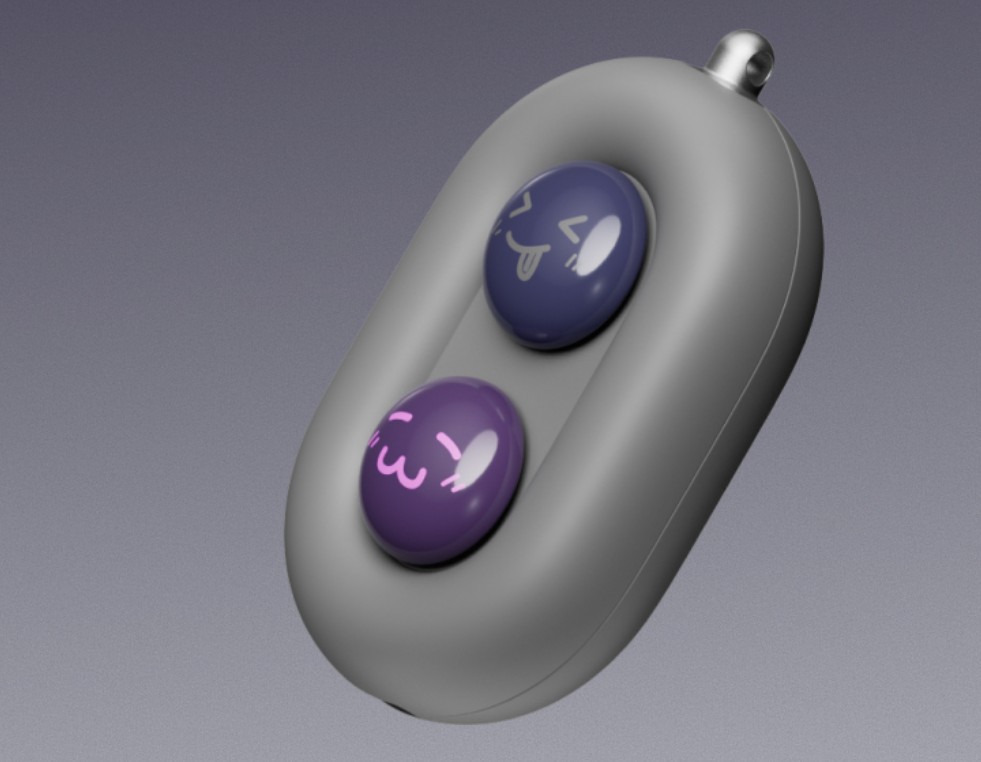
Alongside the Reno 16 series, Oppo has also introduced the Oppo Bubble Mag E-Badge, a compact magnetic smart display accessory designed to work with compatible ColorOS smartphones. It attaches magnetically to the back of the phone and shows a live preview from the rear camera, making it easier to frame selfies and group photos.
The accessory can also function as a remote camera shutter from up to 10 metres away, while its 1.73-inch AMOLED display supports custom images, animations, and short videos. Weighing just 27.5 grams and measuring 7mm thick, it packs a 550mAh battery, offers IP54 dust and water resistance, and is designed as both a photography companion and a fashion accessory.
In Thailand, the Reno 16 Pro 5G is offered in a single 12GB + 512GB variant priced at THB 26,999 (~$810). It is available in Starlight Black and Pop White colors.
The Reno 16 5G starts at THB 19,999 (~$600) for the 8GB + 256GB model, while the 12GB + 256GB variant costs THB 22,999 (~$690). Buyers can choose from Pop White, Twilight Violet, and Dream Purple finishes.
The Reno 16 F 5G is priced at THB 15,999 (~$480) for the 8GB+128GB version, while the 8GB + 256GB model costs THB 16,999 (~$510). It is also available in Pop White, Dream Purple, and Twilight Violet.
For more daily updates, please visit our News Section.
Stay ahead in tech! Join our Telegram community and sign up for our daily newsletter of top stories!
The post Oppo Reno 16 Pro, Reno 16, Reno 16F launched with Oppo Bubble accessory, topnotch cameras, Snap Key appeared first on Gizmochina.
Xiaomi 17T Pro and iQOO 15 represent two different approaches to the 2026 flagship smartphone experience. While Xiaomi focuses on premium Leica-powered photography and multimedia, iQOO aims to dominate with top-tier Snapdragon performance, a stunning LTPO display, and long-term software support. With both phones offering flagship hardware and large 7,000mAh batteries, this comparison breaks down which one delivers the better overall value for your money.

| Category | Xiaomi 17T Pro | iQOO 15 | Winner |
|---|---|---|---|
| Display | 6.83-inch AMOLED, 144Hz, 1280 × 2772, 3,500 nits peak | 6.85-inch LTPO AMOLED, 144Hz, 1440 × 3168, 6,000 nits peak | iQOO – Sharper LTPO panel and brighter display |
| Processor | MediaTek Dimensity 9500 (3nm) | Snapdragon 8 Elite Gen 5 (3nm) | iQOO – More powerful flagship chipset |
| GPU | Mali-G1 Ultra MC12 | Adreno 840 | iQOO – Better gaming performance |
| RAM & Storage | Up to 16GB RAM, 1TB UFS 4.1 | Up to 16GB RAM, 1TB UFS 4.1 | Tie – Identical memory options |
| Software | Android 16, HyperOS 3 | Android 16, OriginOS 6, up to 5 Android upgrades | iQOO – Longer software support |
| Main Camera | 50MP (1/1.31″) Leica, OIS | 50MP (1/1.56″), OIS | Xiaomi – Larger sensor with Leica tuning |
| Telephoto Camera | 50MP periscope, 5x optical zoom | 50MP periscope, 3x optical zoom | Xiaomi – Longer optical zoom |
| Ultra-wide Camera | 12MP | 50MP with autofocus | iQOO – Higher resolution and autofocus |
| Selfie Camera | 32MP, 4K@30fps | 32MP, 4K@60fps | iQOO – Better selfie video recording |
| Video Recording | Up to 8K, 4K@120fps, HDR10+, Log | Up to 8K, 4K@60fps | Xiaomi – More advanced video features |
| Battery | 7,000mAh | 7,000mAh | Tie – Equal battery capacity |
| Charging | 100W wired, 50W wireless, 22.5W reverse wired | 100W wired, 40W wireless, bypass charging | Xiaomi – Faster wireless charging |
| Audio | Stereo speakers, Dolby Atmos, Hi-Res Audio | Stereo speakers, Hi-Res Audio, Snapdragon Sound | iQOO – Better wireless audio support |
| Connectivity | Wi-Fi 7, Bluetooth 6.0, USB 2.0 | Wi-Fi 7, Bluetooth 6.0, USB 3.2 | iQOO – Faster USB connectivity |
| Fingerprint Sensor | Optical in-display | Ultrasonic in-display | iQOO – Faster and more reliable unlocking |
| Durability | IP68, Gorilla Glass 7i | IP68/IP69 | iQOO – Better water resistance |
| Price | Priced around $900 / ₹75,000 | Priced around $800 / ₹74,000 | iQOO – Better overall value |
| Overall | Excellent for photography and premium multimedia | Outstanding all-round flagship with stronger performance | iQOO – Better balance of performance, display, and value |
The Xiaomi 17T Pro and iQOO 15 both deliver premium flagship construction with aluminum frames, excellent water resistance, and refined finishes. Xiaomi opts for Gorilla Glass 7i on both the front and rear, complemented by Leica branding that gives the phone a more photography-focused identity. The iQOO 15, meanwhile, offers either a glass or glass-fiber reinforced back along with IP68/IP69 certification, adding better protection against high-pressure water exposure. It also features a color-changing rear panel on select variants, giving it a more distinctive appearance. Xiaomi feels slightly more traditional and elegant, while iQOO leans toward a sportier flagship personality.
Both phones feature large 144Hz AMOLED panels with Dolby Vision support and exceptional brightness. Xiaomi reaches 3,500 nits peak brightness and uses 3,840Hz PWM dimming for improved eye comfort. However, the iQOO 15 counters with a sharper 2K LTPO AMOLED display, an incredible 6,000-nit peak brightness, and adaptive refresh technology that improves efficiency. The display appears more refined for gaming, HDR content, and everyday readability.
The Xiaomi 17T Pro delivers an excellent flagship display with outstanding eye comfort and premium materials, but the iQOO 15 edges ahead thanks to its sharper LTPO panel, higher brightness, and stronger durability. It feels like the more complete multimedia flagship overall.
The Xiaomi 17T Pro runs on the MediaTek Dimensity 9500 built on a 3nm process, paired with fast UFS 4.1 storage and up to 1TB of internal memory. It is designed for demanding multitasking and delivers flagship-level efficiency. The iQOO 15 uses Qualcomm’s Snapdragon 8 Elite Gen 5 with the Adreno 840 GPU, offering exceptional gaming performance and sustained power under heavy workloads. It also promises up to five major Android upgrades, making it more appealing for users planning long-term ownership. Snapdragon’s ecosystem continues to provide an advantage in gaming optimization and app compatibility.
Both smartphones feature large 7,000mAh silicon-carbon batteries with 100W wired charging. Xiaomi adds faster 50W wireless charging and 22.5W reverse wired charging, while iQOO includes 40W wireless charging along with bypass charging that minimizes heat during gaming sessions.
The iQOO 15 offers stronger processing power, longer software support, and gamer-friendly charging features. Xiaomi responds with better wireless charging flexibility, but the overall performance package slightly favors the iQOO flagship.
The Xiaomi 17T Pro focuses heavily on photography with its Leica-tuned triple camera setup. Its larger 50MP primary sensor captures more light, while the 50MP periscope telephoto offers an impressive 5x optical zoom for distant subjects. The ultrawide camera is only 12MP but remains useful for landscapes and group shots. The iQOO 15 adopts a more balanced approach by using three 50MP sensors, including autofocus on the ultrawide lens and a larger periscope sensor with 3x optical zoom. This setup provides greater consistency across all focal lengths, though the shorter zoom range limits long-distance photography.
Both devices feature 32MP front cameras capable of 4K video recording. Xiaomi supports HDR10+ recording, while iQOO adds 4K at 60fps, making it slightly more versatile for video creators.
Photography enthusiasts are likely to appreciate the Xiaomi 17T Pro thanks to its Leica tuning, larger main sensor, and superior 5x periscope zoom. The iQOO 15 delivers a more balanced camera system, but Xiaomi feels more capable for flagship photography.
The Xiaomi 17T Pro is priced around $900 (₹75,000), while the iQOO 15 is priced around $800 (₹74,000). With only a small price difference, both phones compete in the premium flagship segment. Xiaomi justifies its higher price with Leica cameras, a larger primary sensor, and faster 50W wireless charging. The iQOO 15 counters with a Snapdragon 8 Elite Gen 5 chipset, a sharper 2K LTPO display, longer software support, and gaming-focused features, making it an excellent value for flagship buyers.
Both smartphones are competitively priced, but the iQOO 15 offers the better overall value thanks to its stronger performance, superior display, and longer software support. The Xiaomi 17T Pro remains the better choice for users who prioritize flagship photography.
Disclaimer:
Prices are approximate and may vary based on country, region, launch timing, and applicable taxes. Always check whether the listed price is for a China unit or a global/international variant when purchasing.
Xiaomi 17T Pro distinguishes itself with Leica-tuned cameras, a larger main sensor, a 5x periscope telephoto lens, faster 50W wireless charging, and excellent eye-friendly PWM dimming. It is clearly aimed at users who value photography and premium multimedia experiences.
iQOO 15 takes a more performance-oriented approach with the Snapdragon 8 Elite Gen 5, a sharper 2K LTPO AMOLED display, an ultrasonic fingerprint scanner, USB 3.2 connectivity, bypass charging, stronger IP68/IP69 protection, and five years of Android upgrades. These additions make it a well-rounded flagship that excels in gaming, productivity, and everyday use.
Xiaomi 17T Pro is an excellent choice for users who want one of the best camera-focused flagship smartphones in its segment. iQOO 15, however, offers a more complete overall package with stronger performance, a superior display, longer software support, and competitive pricing that sits very close to Xiaomi’s.
For most buyers looking for the best all-round flagship experience, the iQOO 15 remains the better overall choice.
Disclaimer: This comparison is based on the specifications provided and is intended for general informational purposes. Actual performance, camera results, battery life, and overall experience may vary depending on real-world usage, software updates, and individual preferences.
Read More:
The post Xiaomi 17T Pro vs iQOO 15: Which 2026 Flagship Offers Better Value? appeared first on Gizmochina.
If it wasn’t for the Galaxy S26 series, the upcoming Samsung Galaxy S27 series is almost confirmed to get a new member. Three unreleased Samsung devices have shown up in the GSMA IMEI database, and one of them is listed as the Galaxy S27 Pro.

The three model numbers are SM-S956U ( for Galaxy S27 Plus), SM-S957B/DS ( for Galaxy S27 Pro), and SM-S958U ( for Galaxy S27 Ultra). Meanwhile, the base Galaxy S27 has already appeared on the certification earlier this month. This confirms that Samsung will launch four phones under the Galaxy S27 series: the S27, S27 Plus, S27 Pro, and S27 Ultra. Samsung may also release a Galaxy S27 FE later in 2027.
The Pro model will sit between the S27 Plus and the S27 Ultra. Samsung has used the Pro name before on devices like the Galaxy Note Pro, XCover6 Pro, J7 Pro, and even a keyboard phone called the Galaxy Pro back in 2010. However, this will be the first time a Pro model will join the main Galaxy S flagship series.
The Galaxy S27 Pro is expected to come with a 6.47-inch Dynamic AMOLED 2x screen. It will not include an S Pen, though. For cameras, it could feature a 200MP main sensor, a 50MP ultra-wide with autofocus, and a 50MP telephoto with 3.5x optical zoom. The front camera is expected to be 12MP.
We covered earlier how the S27 Pro’s 50MP ALoP telephoto camera could produce better results than the Ultra in commonly used zoom ranges, more details in our earlier S27 Pro camera article.
On the inside, the phone is likely to run on a Snapdragon 8 Elite Gen 6 Pro for Galaxy chip, with at least 12GB RAM, 256GB UFS 5.0 storage, a 5000mAh battery, and 45W or faster charging.
The S27 Pro is also said to include a hardware-level privacy screen, a feature previously limited to the Galaxy S26 Ultra.
Don’t miss a thing! Join our Telegram community for instant updates and grab our free daily newsletter for the best tech stories!
For more daily updates, please visit our News Section.
(Source)
The post Samsung Galaxy S27 Pro spotted in GSMA database, confirming four-model S27 lineup appeared first on Gizmochina.
Rockstar Games has officially revealed the pricing for Grand Theft Auto VI, and yes, it’s carrying a premium tag. With pre-orders already live, fans now know exactly how much they’ll need to spend for both the standard game and the more loaded “Ultimate Edition”.

The standard edition will cost $79.99. For players who want all the extras, the Grand Theft Auto VI: Ultimate Edition is priced at $99.99. This version includes an exclusive collection of premium vehicles, weapons, clothing, and story-integrated items featuring the new protagonists Jason and Lucia, adding even more depth to the immersive open-world experience set in Vice City and beyond.
Pre-orders are now open across digital storefronts like the PlayStation Store and Microsoft Store, as well as select retailers. If you pre-order digitally, you’ll be able to start pre-loading the massive game on November 12, a full week before the official release on November 19, 2026, for PS5 and Xbox Series X/S. This should help reduce server congestion on launch day. Physical copies will also arrive in stores on November 12, but with a notable twist: the boxes will only contain download codes instead of actual game discs, reflecting the industry’s shift toward digital distribution for such large titles.

This pricing has been the subject of months of speculation, with many analysts predicting Rockstar would test the $80–$100 range given the game’s unprecedented scale and massive development costs. As a nice incentive, anyone who pre-orders the game will receive the Vintage Vice City Pack, while digital buyers also get one month of GTA+ subscription.
After more than a decade of waiting, Rockstar seems confident that GTA 6 is going to be something truly special. With pre-orders now officially open, fans can finally lock in their copy of what’s expected to be one of the biggest and most important game launches in history.
Don’t miss a thing! Join our Telegram community for instant updates and grab our free daily newsletter for the best tech stories!
For more daily updates, please visit our News Section.
The post GTA 6 pre-orders finally open, pricing and editions confirmed appeared first on Gizmochina.
Casio is celebrating Pokémon’s 30th anniversary with a special G-Shock collaboration based on the iconic GA-110 watch. Based on the popular GA-110, the limited-edition timepiece combines nostalgic design elements inspired by the original Pokémon games with several collector-focused details. Read on to find out what makes this collaboration unique.

The watch is based on the G-Shock GA-110 and adopts the signature red, blue and green colour palette inspired by the original Pokémon Red, Green and Blue games released in 1996. The watch hands, buttons, dial and bezel all reflect these colours, while the inset dial at the 9 o’clock position is designed to resemble a Poké Ball.

It also features an indicator hand shaped like Pikachu, adding another playful touch to the design. Turning the watch over reveals a specially engraved case back featuring the official Pokémon 30th anniversary logo.

The translucent band continues the anniversary theme by featuring 30 Pokémon. It includes three starter Pokémon from every generation spanning Kanto to Paldea, along with Pikachu and Eevee on the strap itself.


The band loop features Mew, bringing the total number of featured Pokémon to 30. Casio has also designed a collector’s package shaped like a Poké Ball, while the outer box showcases artwork featuring all 30 Pokémon included in the collaboration.
The G-Shock x Pokémon GA-110PKM-7A is priced at 33,000 JPY (~$203) and is scheduled to launch in Japan on July 17. Casio will begin accepting lottery registrations through its official online store from July 1 to July 6, giving collectors an opportunity to purchase the limited-edition watch.
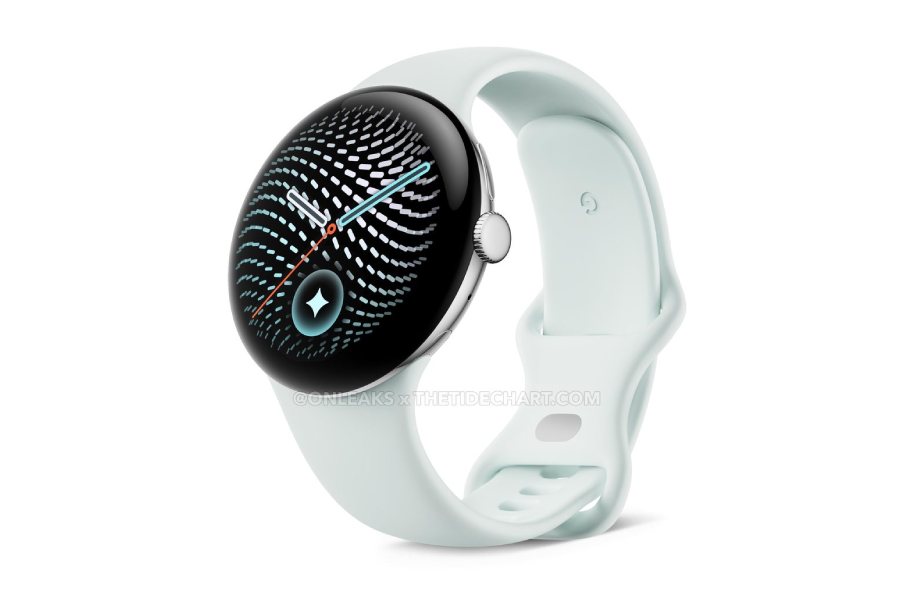
For more daily updates, please visit our News Section.
Stay ahead in tech! Join our Telegram community and sign up for our daily newsletter of top stories!
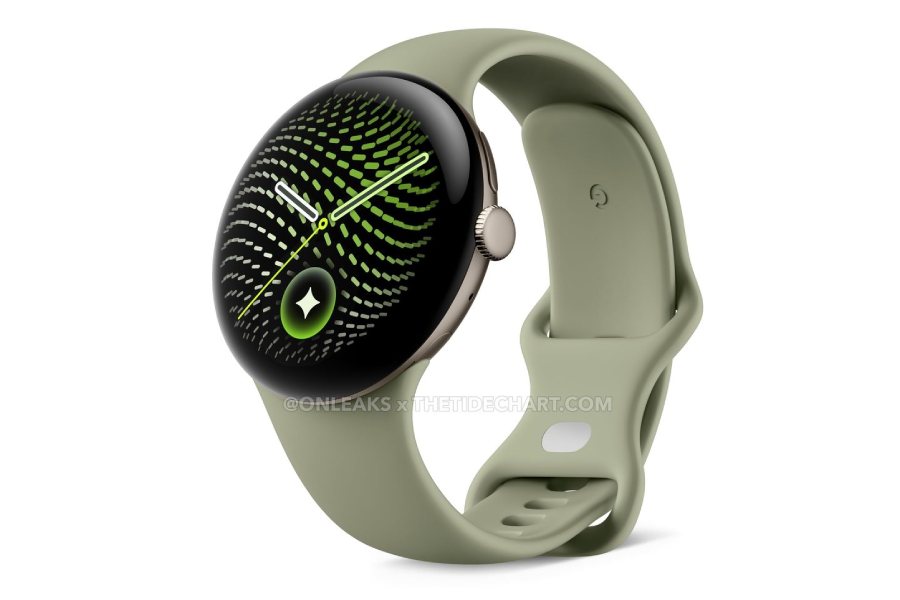
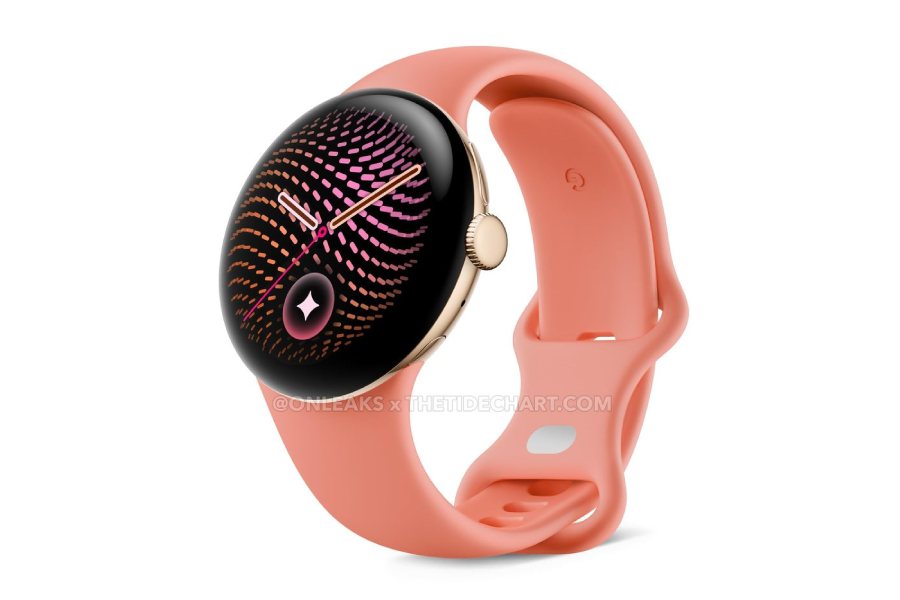
The post G-Shock just made the ultimate Pokémon watch, and it’s packed with nostalgic surprises appeared first on Gizmochina.
Apple hasn’t even launched its first foldable iPhone yet, but leaks about its successor have started making rounds on the internet. Tipster Digital Chat Station (DCS) today shared fresh details about the iPhone Ultra 2, the iPhone Air 3, and what the future of Apple’s ultra-thin phone lineup might look like.
While the original iPhone Ultra is set to debut alongside the iPhone 18 Pro lineup later in 2026, Apple is already thinking ahead. According to Digital Chat Station, the iPhone Ultra 2 has been confirmed internally, and it is expected to come with a wider folding screen compared to the first generation.

That said, don’t expect a completely new display panel right away. The leak suggests that the Ultra 2 will most likely reuse the same screen technology from the original iPhone Ultra.
Speaking of which, the latter is expected to feature a 7.8-inch inner display and a 5.5-inch cover screen, a titanium build, and the new A20 Pro chip. It is also rumored to be just 4.5mm thin when unfolded, which would make it the thinnest foldable in the market.
The news around the iPhone Air line is far less encouraging. According to DCS, the iPhone Air 3 hasn’t started molding yet, and its entire future depends on how well the iPhone Air 2 performs commercially.

This matters because the original iPhone Air had a rough ride. Apple’s ultra-thin iPhone Air barely crossed 700,000 unit activations, even after multiple price cuts, according to earlier DCS claims. Supplier capacity was reportedly slashed by more than 80% after launch, and the phone is now widely believed to be out of production entirely.
Apple is pressing ahead with an iPhone Air 2 regardless and is targeting a Q1 2027 release with upgrades that include a second rear camera and a larger display. But if those improvements fail to move the needle on sales, the ultra-thin iPhone line could be scrapped altogether.
For more daily updates, please visit our News Section.
Stay ahead in tech! Join our Telegram community and sign up for our daily newsletter of top stories.
The post iPhone Ultra 2 confirmed with wider folding screen, but iPhone Air 3’s future is uncertain appeared first on Gizmochina.
Japanese brand Fujitsu, under the brand name Fujitsu Connected Technologies Limited (FCNT), has released the new Arrows Alpha 2 (F-51G) smartphone. The device is sold through NTT Docomo in two storage variants and is being touted for its world-class durability.

The phone passes 23 MIL-spec tests and carries IP66/68/69 water and dust resistance ratings. FCNT says it can survive a 1.8-metre drop onto concrete without the screen cracking. It also works underwater for photography in freshwater. The screen uses Corning Gorilla Glass Victus 2.
The Arrows Alpha 2 has a 5,370mAh silicon-carbon battery, the largest ever used in an Arrows phone. FCNT says it lasts two days on a single charge and is designed to hold that level of performance for around four years. With a 90W charger (not included), it charges from 0% to 100% in about 40 minutes. The phone body is 8.6mm thick.
The phone runs on a MediaTek Dimensity 8350 Extreme chip. It comes in two options: 256GB storage with 8GB RAM, or 512GB with 12GB RAM. RAM can be extended virtually up to 24GB. Storage can be expanded with a microSD card up to 2TB.

The main camera uses Sony’s LYTIA 710 sensor at 50 megapixels, with optical image stabilisation and 4K/60fps video recording. The ultra-wide and front cameras are also 50 megapixels in resolution.
The phone includes FCNT’s “arrows AI” for transcribing audio, summarising notifications, and generating images. It also supports Google Gemini for voice conversations, Circle to Search, and photo editing tools like Magic Eraser and Magic Editor. The device has a side action key that can be set to open any app or AI tool directly.
On the front, you get a 6.4-inch LTPO display with a resolution of 460ppi and brightness up to 3,000 nits. The refresh rate adjusts up to 144Hz depending on what is on screen. The phone supports Dolby Atmos audio and hi-res playback through wired or Bluetooth headphones.

FCNT will provide up to three major Android OS upgrades and five years of security updates. The phone uses recycled aluminium, and the box is made from FSC-certified paper, making it fully recyclable.
The Arrows Alpha 2 is available now via Docomo. The 512GB model is only sold through the Docomo Online Shop.
For more daily updates, please visit our News Section.
Stay ahead in tech! Join our Telegram community and sign up for our daily newsletter of top stories!
The post Japanese brand Fujitsu launches Arrows Alpha 2 smartphone rated for 23 military durability standards appeared first on Gizmochina.
The Oppo Reno 16 series, which includes the Reno 16 and Reno 16c, is set to launch in India on July 2, bringing a strong focus on AI-powered photography and content creation. Alongside upgraded camera hardware, Oppo has also introduced a new smart accessory called Oppo Bubble and several AI editing tools aimed at making photo and video creation easier. Read on to know what the Reno 16 series has to offer.
The wait for the trendiest device is almost over.
— OPPO India (@OPPOIndia) June 25, 2026
Get ready for the all-new #OPPOReno16Series
Launching on 2nd July at 12:00 PM.#OPPORenoLand #LiveInTheMoment #LiveItYourWay pic.twitter.com/y67gaFo1yo
The Oppo Reno 16 features a camera setup comprising a 50-megapixel main camera, a 50-megapixel ultra-wide selfie camera with a 100-degree field of view, a 50-megapixel ultra-wide camera, and a 50-megapixel 3.5x telephoto portrait camera that delivers an 85mm equivalent focal length for natural-looking portraits with improved subject separation.
Both the Reno 16 and Reno 16c support 4K 60fps HDR video recording across the ultra-wide, main and telephoto cameras. The phones also introduce Natural Tone Imaging, which aims to preserve accurate skin tones across different complexions and lighting conditions. Other additions include 4K Auto Straighten video recording and Zoom Free Video for smoother zoom transitions.

The Reno 16 series also introduces AI Remix Collage, allowing users to combine photos, Live Photos and videos into a single collage without relying on third-party editing apps. Other software features include Pop Cam with nine camera styles, Popout 2.0 for enhanced cut-out animations supporting people, pets and objects, and Dual-View Video 2.0 for recording with both front and rear cameras simultaneously.

Oppo also unveiled Oppo Bubble, its first smart camera companion. Weighing 27.5g, it magnetically attaches to the Reno 16 series and features a 1.73-inch AMOLED display that mirrors the rear camera preview. It also works as a Bluetooth remote with a range of up to 10 metres, packs a 550mAh battery, carries an IP54 rating, and supports custom pets, photos, live images and short videos for personalisation.
The Oppo Reno 16 series will make its India debut on July 2. More details, including pricing and availability, are expected to be announced at the launch event.
For more daily updates, please visit our News Section.
Stay ahead in tech! Join our Telegram community and sign up for our daily newsletter of top stories!
The post Oppo Reno 16 series launch date for India, camera specs, features officially confirmed appeared first on Gizmochina.
Plugging the smartphone into a wall adapter when the battery dips into the red is never a convenient option. That is one reason why wireless chargers have evolved into a big category of their own — and one brand that made wireless charging mainstream is Apple.
Apple introduced wireless charging on iPhones with the iPhone X, but its true aha moment didn’t arrive until MagSafe launched in 2020. MagSafe, Apple’s magnetic wireless charging system, made everyday life considerably simpler for iPhone users, as chargers no longer meant an adapter-and-cable combo. A MagSafe charger can be anything from a magnetic battery pack, a wireless pad, or a bedside stand. Now in 2026, the iPhone 17 lineup pushes MagSafe charging up to 25W — as fast as a wired solution on iPhone 16 and iPhone 16 Plus — thanks to the updated Qi2.2 standard.

Not every wireless charger can hit that ceiling, though. Qi2 is limited to 15W, while older Qi chargers deliver even less. As a result, choosing the right wireless charger is more consequential than it has ever been for iPhone users. The best wireless chargers for iPhone 17 include the Apple MagSafe Charger (25W), the Anker Prime 3-in-1 Wireless Charging Station, the Belkin UltraCharge Pro 10K, the ESR OmniLock Magnetic Car Charger, and the Mophie Roam 3-in-1 Travel Charger.
Simplest of all, the Apple MagSafe Charger (25W) is a wireless puck attached to a braided cable with a USB-C connector on the other end. It snaps perfectly onto any modern iPhone, supports Qi2 25W and Qi charging, and can top up an iPhone 16 or iPhone 17 up to 50% in around 30 minutes. The charger is compatible back to the iPhone 12, but speeds are limited to 15W on older models.

According to Apple, the 25W MagSafe Charger features a redesigned, stronger magnetic ring that ensures a secure snap into the perfect charging position. And unlike some of the third-party options we have listed here, the official charger also features a full aluminium body for superior heat dissipation, and triggers iOS StandBy mode as soon as you pair it with your iPhone, given the feature is enabled in settings.
The Anker Prime 3-in-1 Wireless Charging Station is for individuals who are constantly on the road. It is compact in size, measuring just 3.74 inches tall, 2.38 inches wide, and weighing just as much as the iPhone 17 Pro Max. For such a compact size, it brings a dedicated seat for earbuds, a watch, and an iPhone, of course.

The top where the iPhone rests is a foldable module that can lock at angles anywhere from 0 to 60 degrees. This means you can use the charging station even as a stand while watching a movie. On top of that, the station has a TUV-certified AirCool system that Anker says reduces temperature by up to 9.4 degrees Fahrenheit while offering a 24% boost in speed. The fan runs extremely quietly at around 19dB. For everything it packs, the charger also won the Red Dot Design Award 2026.
The Belkin UltraCharge Pro 10K is a battery pack that doubles as a wireless charger, suitable for people who are always on the go. It packs a 10,000mAh battery with support for Qi2.2 25W wireless charging, and 30W wired USB-C output simultaneously. That means the iPhone can charge wirelessly at full MagSafe speed while a second device refills over cable.

What sets this power bank apart from similar options is the secondary magnetic ring on the back, which allows accessories like a PopSocket or magnetic wallet to remain attached while the phone charges.
It also has a built-in digital display that shows remaining battery percentage at a glance, and the soft-touch silicone exterior keeps it comfortable to hold during use. Belkin rates the UltraCharge Pro 10K at up to 34 hours of additional battery life, and the design is TSA carry-on compliant for air travel.
The ESR OmniLock is built for one specific problem: keeping an iPhone charged and mounted in the car without the usual heat throttling that slows wireless charging speeds down. It is Qi2.2 certified, delivers up to 25W of wireless charging, and features ESR’s CryoBoost active cooling system to manage temperature during fast charging sessions.

The mount uses N52 magnets for a secure hold, features a 360° rotating arm, and offers 60° of up-and-down and side-to-side adjustability via a ball joint.
In the box, ESR offers a 58W car adapter with both a USB-C port for the charger and a USB-A port for charging a second device simultaneously. Compatibility covers the iPhone 12 through iPhone 17 lineup, excluding SE and mini models, and vent blade support runs from 10 to 32mm wide.
The Mophie Roam 3-in-1 Travel Charger is the most complete solution on this list for anyone who travels with an iPhone, Apple Watch, and AirPods and wants to leave the cable tangle at home. Launched in June 2026, it charges all three Apple devices simultaneously using Mophie’s new StealthCharge Technology, which eliminates the fan noise common in other fast wireless chargers by moving heat-generating components away from the iPhone’s charging surface.

The Roam is built around a compact foldable design that fits into an included carrying case, and Mophie says the travel pouch is roughly 15% smaller than the previous generation. Every unit ships with a USB-C cable, a 40W wall adapter, and four international plug adapters covering North America, the UK, the EU, and Australia.
The iPhone pad supports Qi2.2 at 25W, triggers iOS StandBy mode when the phone is placed in landscape orientation, and is available in black or white.
For more daily updates, please visit our News Section.
Stay ahead in tech! Join our Telegram community and sign up for our daily newsletter of top stories!
The post 5 Best Wireless Chargers for iPhone 17 in the US appeared first on Gizmochina.
Vivo is making a nice move to build trust and highlight device longevity with a new limited-time service package for its Y600 Pro. The mid-range phone, already known for its massive battery and tough build, now comes with some generous free repair benefits that should appeal to budget-conscious buyers who worry about everyday accidents.

The promotion runs from June 26 to July 5, 2026, in the home country and includes three solid protections:
These perks show Vivo is confident in the phone’s real-world durability.

The Vivo Y600 Pro launched back on April 30, 2026, and stands out mainly because of its huge 10,200mAh battery with low-temperature resistance tech. It supports 90W fast charging. The phone also features a large 6.83-inch 1.5K AMOLED display with 120Hz refresh rate, HDR10+, and high-frequency 4320Hz PWM dimming for comfortable viewing.
Inside, it’s powered by the MediaTek Dimensity 7300e chipset, with up to 12GB of RAM and fast UFS 3.1 storage. On the camera side, you get a 50MP main rear camera with Aura light, plus a 32MP selfie camera. It also boasts strong IP68 + IP69 water and dust resistance, so it can even handle wet-hand operation.
It comes in four nice colors: Moonlight Black, Floating Gold, Starry Purple, and Vast Blue. The starting price is 1,999 yuan (~ €259), but it’s currently discounted to around 1,897 yuan on platforms like JD.com. It runs Android 16 with Vivo’s OriginOS 6 on top.
This kind of service package is a smart move by Vivo in the competitive mid-range segment. By directly addressing common pain points like cracked screens, battery wear, and water damage, they’re trying to give buyers more confidence and encourage longer ownership instead of frequent upgrades.
The offer is only available for a short time (June 26 to July 5), so anyone planning to buy the phone now has a great reason to act quickly.
Don’t miss a thing! Join our Telegram community for instant updates and grab our free daily newsletter for the best tech stories!
For more daily updates, please visit our News Section.
(Source)
The post Vivo sweetens Y600 Pro purchase with free screen, battery replacement and water-damage repair appeared first on Gizmochina.
Xiaomi has opened pre-orders in China for the Mijia Portable Coffee Machine, a battery-powered espresso maker designed to fit in a backpack. It is currently listed at a promotional price of 594.15 yuan ($88), down from the 699 yuan ($102) ahead of its July 2nd shipping date. The premise is straightforward: it is a travel-sized coffee maker that doesn’t need to be plugged into a wall outlet to pull a shot.

Physically, the device resembles a standard travel thermos, measuring 24.5cm tall and 7.15cm wide. Inside the cylindrical chassis, Xiaomi has fit a water pump capable of 20 bars of pressure.
It uses a 2-in-1 brewing system, meaning it accepts both standard coffee capsules and loose coffee grounds via an included stainless steel basket. This is a practical hardware choice, letting users switch between off-the-shelf convenience and custom roasts without needing to buy extra adapters.
For temperature management, the machine uses a ceramic heating system with PID control, which Xiaomi says maintains a steady 92°C during extraction. The brewing process takes about 45 seconds. You can pour in pre-heated water for a standard hot shot or use cold water. If you use cold water, you can either have the machine heat it up or bypass the heater entirely for a quick cold extraction.


Power is handled by three built-in 2,500mAh batteries. It charges via a 45W USB-C port. According to Xiaomi, a full charge takes about 80 minutes, while a 20 to 80% top-up takes roughly half an hour.
Battery life depends heavily on the brewing method: the machine can yield up to 400 cups if you are using the unheated quick extraction mode, but that drops to just over three continuous cups if the device is actively heating the water itself.
Because it is meant for camping and travel, the coffee maker has an IP55 rating for dust and water resistance, so it can survive basic splashes and dirt. The brewing chamber is fully detachable and twists apart so it can be rinsed directly under a tap.
Xiaomi is also including a few accessories in the box, such as an aluminum stand, a storage bag, and a double-walled stainless steel cup. Currently, the device is only slated for the Chinese market, with no word yet on international availability.
In related news, Xiaomi has recently launched a new smart pressure cooker with fluorine-free dual pots and 2200W IH heating, alongside a cordless vacuum with 230AW suction and a self-emptying dock.
For more daily updates, please visit our News Section.
Stay ahead in tech! Join our Telegram community and sign up for our daily newsletter of top stories!
(JD)
The post Xiaomi has opened pre-orders for its Mijia Portable Coffee Machine appeared first on Gizmochina.
OnePlus has launched the Nord Buds 4 in India, a few months after unveiling the Nord Buds 4 Pro in March. The new earbuds retain several features from the Pro model, including active noise cancellation, AI-powered features and long battery life, while trimming a few premium extras to keep the price lower. Read on to know everything about the Nord Buds 4.

The OnePlus Nord Buds 4 feature 12mm dynamic drivers, support AAC and SBC codecs, and connect over Bluetooth 6.1. Unlike the Nord Buds 4 Pro (review), the standard model does not support the LHDC 5.0 codec or volume swipe controls, although OnePlus says the overall sound tuning remains similar.
The earbuds also support OnePlus 3D Spatial Audio, Game Sound Spatial Audio, Google Fast Pair, Microsoft Swift Pair, dual-device connectivity, AI Translation, AI Assistant integration and touch controls.
For calls, the earbuds feature six microphones with AI-powered noise reduction. They also carry an IP55 rating for dust and water resistance. Battery capacity stands at 62mAh for each earbud and 530mAh for the charging case. OnePlus claims up to 13 hours of playback on the earbuds alone and up to 54 hours with the charging case when ANC is turned off.


With ANC enabled, battery life is rated at 6.5 hours on the earbuds and 27 hours with the case. Charging takes about 55 minutes for the earbuds and around 90 minutes for the earbuds and charging case through a USB Type-C port.
The OnePlus Nord Buds 4 carry an MRP of Rs 3,299 (~$35), but they are currently being offered at an introductory price of Rs 3,099 (~$32), thanks to a limited-time instant discount. Buyers can choose between Astral Teal and Stellar Black color options. The earbuds will go on sale in India starting July 1 through OnePlus’ official online store, retail partners and other authorised sales channels.
For more daily updates, please visit our News Section.
Stay ahead in tech! Join our Telegram community and sign up for our daily newsletter of top stories!
The post OnePlus Nord Buds 4 launched with 12mm drivers, ANC, 54hr battery life, Bluetooth 6.1 appeared first on Gizmochina.
Samsung might be masking what is happening behind the doors from the industry and potential buyers of the Galaxy S27 flagship. The company is reportedly assessing BOE panels for the Galaxy S27 base model, but not letting anyone make credible assumptions.
TM Roh, the head of Samsung’s DX Division, has reportedly visited Chinese screen maker BOE without executives from the MX Division. The meeting was capped at outsourcing LCD for TVs and offering Tizen to Chinese TV makers.
ZDNet reports TM Roh visited BOE’s B16 line and then met with the company’s high-ranking executives. He had some executives from the Visual Display (VD) Business, which handles TVs at Samsung Electronics.
Samsung’s head dropping his phone team from the delegation visiting BOE has two possibilities. One is that the deal for the Galaxy S27 display has been stalled; the second is that Samsung doesn’t want to be exposed this early.
The Galaxy S27 series would bring four flagship phones in 2027. Samsung is bringing a new Pro version to its Galaxy S portfolio next year. However, the memory crunch is pushing for some serious supply chain revisions.
Samsung has always sourced OLED panels for flagship phones from its sister company. However, the company has diversified its supply chain in recent years, involving Chinese vendors for even more devices than before.
It’s being rumored that BOE has offered Samsung OLED display panels for the Galaxy S27 base model at a $5 cheaper rate than Samsung Display. With millions of units selling every year, this small price gap makes a big impact.
An industry insider stated that “Samsung’s TM Roh may discuss outsourcing production, panel volumes, and business cooperation regarding the Tizen Operating System (OS) with these Chinese companies.”

The post TM Roh visits BOE without phone team: Is Galaxy S27 display deal stalled? appeared first on Sammy Fans.
Samsung One UI 9.0 is more of a refinement release rather than a massive transformation for Galaxy phones. The new software is available in the Beta Program, and the company is expected to officially reveal it at the July Unpacked.
The software update mechanism is a crucial document for smartphone owners. Samsung is one of the biggest examples, which is teaching its rival brands (not Apple and Google, of course) how transparent they should be.
As of June 2026, Samsung has two kinds of software strategies for all Galaxy devices:
Samsung’s 7-year update strategy came into effect in 2024 and is applicable to Galaxy S24 and newer lineups. However, the previous software guarantees had mixed tiers for entry-level, budget, mid-range, and premium devices.
Take Galaxy S22 and S23, for example; the two lineups are eligible for four years of software updates, while the Galaxy S24 series is promised for seven years.
Here is a tentative list of devices to be excluded from the official rollout:
Note: This is not a confirmed list.
With Samsung maintaining two tiers for a few years now, things will settle when older lineups get ousted from the stream. Still, detecting which device is eligible and ineligible isn’t too tricky, thanks to Samsung’s commitments.

The post Which Samsung phones will not get One UI 9.0 (Android 17) appeared first on Sammy Fans.
OnePlus has officially launched the Nord Buds 4 in India as a more affordable alternative to the Nord Buds 4 Pro, which debuted in March. However, the non-Pro TWS earbuds still offer ANC and are claimed to deliver up to 54 hours of total battery life. The Nord Buds 4 feature an in-ear design with silicone ear tips and are equipped with 12mm titanium-coated dynamic drivers. Like the Nord Buds 4 Pro, the standard model supports up to 52dB active noise cancellation along with a transparency mode. The earbuds are equipped with a total of six microphones, which OnePlus says help improve...
Samsung Good Lock nears full compatibility with One UI 9, and One Hand Operation + also receives support for the new operating system. Samsung is rolling out a new update, which also addresses a major issue.
One Hand Operation + is getting a new Samsung update, which makes it compatible with the Android 17-based One UI 9.0. Release notes mention OneUI9Beta compatibility, bringing good news for Galaxy S26 users.
Currently, One UI 9 Beta is only available on the Galaxy S26 series. The Beta Program was released in mid-May, and participants have received three Beta updates so far, with the fourth gearing up to release next week.
One Hand Operation + version 9.2.19.0 also brings bug fixes and stability improvements. One thing Samsung specifically highlighted: the resolution of the “Edge handle” problem, which was not working in certain cases.
If you’ve got a One UI 9 device, it’s time to install the latest One Hand Operation +. The update is available on previous One UI versions too. However, the latest changes only reflect if you’re running Samsung’s Android 17 Beta.
Here’s everything new in the update:
To update Samsung Apps on your Galaxy device, open Galaxy Store > Updates. A list of available apps will be showcased, and tapping the update icon starts the download.
Related post: Samsung One UI 9 now supports 17 Good Lock modules, including MultiStar

The post Samsung One Hand Operation + app gets One UI 9 support and Edge handle fix appeared first on Sammy Fans.
Samsung’s upcoming Galaxy Z Fold 8 Wide is already creating strong impressions among early testers, and the biggest surprises reportedly have nothing to do with flashy software features.
People in South Korea who handled engineering samples of the foldable are pointing to two hardware changes that could define the next generation: a much lighter feel and a significantly improved inner display crease.
The Galaxy Z Fold 8 Wide is expected to be unveiled on July 22, but these early impressions are based on engineering samples. Still, the feedback gives an early look at where the company appears to be taking its foldable lineup.
The device reportedly feels surprisingly light in the hand. Some engineering samples are said to have come close to 199 grams, which would put the phone in a very different category compared to previous large foldables.
The wider aspect ratio also seems to play a role here. A device that physically looks bigger apparently feels less bulky because the proportions are better balanced.
Samsung’s foldables have improved year after year, but the crease has remained one of the biggest visual and physical reminders that you’re using a folding phone.
According to testers, the Galaxy Z Fold 8 Wide takes a huge step forward. Touching the crease area reportedly feels much closer to touching the glass on a traditional smartphone.
One tester described the experience as feeling like a completely new “first generation” of foldable, suggesting the change is noticeable immediately.

Image – Ice Universe / YouTube
If these early impressions hold true, Samsung may finally be addressing two complaints that have followed foldables for years: they are too heavy, and they still feel too much like a compromise.
The post Galaxy Z Fold 8 early impressions: Samsung may have fixed two biggest problems appeared first on Sammy Fans.

Yesterday, Nothing officially revealed the design of its new “b” series phone called the Phone (4b). While the smartphone is set to launch on July 7 and the company has yet to confirm its specifications, a new leak has now revealed most of its key hardware details. According to a tipster, the Nothing Phone (4b) will feature a 6.7-inch AMOLED display with a 120Hz refresh rate. The leak also claims the smartphone will sport a 50MP primary rear camera and pack a 5,400mAh battery. We already know that the phone will come with dual cameras at the back, thanks to the recent...
Samsung is rolling out its June 2026 update across Galaxy devices. Starting with the Galaxy S26 series, the latest security enhancements have been released for several Galaxy phones, foldable devices, and tablets.
Earlier this month, Samsung detailed its June 2026 security patch. The update carries fixes for 45 critical vulnerabilities. It targets both Android and One UI software systems to enhance system security and stability.
Exynos-powered Galaxy devices get a specific patch from Samsung Semiconductor. That said, the June update has 45 patches for Exynos devices, while models using other chips are getting one less, 44 patches in the same package.
Kickstarted in May, Samsung’s One UI 8.5 update has widely rolled out to Galaxy devices in June 2026. The company has nearly completed the distribution, with all models getting the major Android 16-based upgrade.
Last month, Samsung launched the One UI 9 Beta Program. Users of the Galaxy S26 series have received three Beta updates. Meanwhile, the internal testing has already been expanded to plenty of Galaxy phones and tablets.
Here are the Samsung devices that have received the June 2026 update so far:
The post These 56 Samsung devices received the June 2026 update appeared first on Sammy Fans.
The Trump Mobile T1 Phone has been on pre-order since last year, and now it seems like it may have finally become available to purchase from the company's website, since the pre-order notice has been removed. The device will set you back $499, which is labeled as a "promotional price", funnily enough. The handset is a rebranded HTC U24 Pro with minor modifications, or rather, most likely, both HTC and Trump Mobile are using the same ODM which offers this specific model. Anyway, the Trump Mobile T1 has a 6.78-inch AMOLED screen with a 120Hz refresh rate, the Snapdragon 7 Gen 3...


Total Wireless, a mobile virtual network operator (MVNO) owned by Verizon, has today announced that it's the first and only US carrier to embed a global monthly transfer benefit to its plans, in partnership with Western Union. Total Wireless customers can send money to friends and family in over 200 countries and territories via Western Union's mobile app or website, provided that they are on the MAX 5G BYO, MAX 5G and ALL ACCESS plans. One transfer per month is included starting today. The carrier says this move "represents a meaningful new frontier for telecom, built around the...
What seemed more like a matter of when, rather than if is finally here. As expected, Apple announced a substantial price hike across a majority of its devices. The new prices are coming on the premise of higher memory prices and are effective immediately. This is a significant development because Apple has historically absorbed rising component price swings by leveraging its supply chain scale and purchasing power. Before we delve deeper, we should mention that the iPhone has not been affected (for now) and is still selling at its regular prices. The entire AirPods lineup, as well as the...


In a separate post, we looked at the Samsung flagship series – now let’s have a peek at Google’s top Android phones (well, the non-folding ones, anyway). Google also has a small and a large flagship in its lineup. However, unlike the Galaxy line where the two models are quite different, the two Pixel Pros are as similar as possible. The Google Pixel 10 Pro XL has a 6.8” display and a 5,200mAh battery. Meanwhile, the smaller Pro has a 6.3” display and a 4,870mAh battery. Both are powered by the same Tensor G5 chipset. Google...


You know how sometimes a streaming service will renew a show for a second season even before the first one has aired? Apple owns a streaming service, so it definitely knows how that goes. And according to a new rumor from Digital Chat Station on Weibo, the company is doing just that with its foldable smartphone line. According to the prolific leaker, Apple has already 'confirmed' the iPhone Ultra 2, though it's unclear what exactly this confirmation entails. We assume it means that work has started on the successor to the iPhone Ultra, which is expected to be unveiled in September...


It’s day 3 of 4 of Amazon’s annual Prime Day sale and it’s important to keep in mind that deals don’t stay the same – for example, on day 1, a 256GB Galaxy S26 Ultra was $950 and a 512GB model was $1,150. Today, both versions cost $30 less. Here’s how the S26 Ultra compares against its predecessor, against the iPhone 17 Pro Max and against the Pixel 10 Pro XL. Samsung Galaxy S26 Ultra 29%/25% off Read our review 12/256GB - $920 at Amazon US 12/512GB - $1,120...
Earlier this month, the Samsung Galaxy S27 surfaced in the GSM Association’s IMEI database, with the model number SM-S925U. Today, its siblings have shown up over there as well. We're talking about the Galaxy S27+ and Galaxy S27 Ultra, but also the much-rumored Galaxy S27 Pro. This is pretty much confirmation that the Pro is real. It has the model number SM-S957B/DS, the S27+ gets SM-S956U, and the S27 Ultra has the model number SM-S958U. Samsung Galaxy S27+, S27 Ultra, and S27 Pro in the IMEI database Thus, the Galaxy S27 family, expected to launch in early 2027, will have...


Over time, small-screened flagships settled on a 6.3” size display. However, that number alone doesn’t tell you much about the phone – case in point, the Samsung Galaxy S26 and Xiaomi 17 are very different and both of them are on sale for Amazon Prime Day. The Samsung Galaxy S26 is the safe choice – it has sold millions and the very, very similar S22 through S25 models have as well. Yeah, Samsung has been slow in upgrading the small S models. Samsung Galaxy S26 13%/11% offcan get £50 off on certain items ...


Oppo unveiled the Reno16 and Reno16 Pro in China last month, and today the brand announced these phones for international markets, though with some spec changes. Additionally, Oppo introduced the Reno16 F and Reno16 FS as the newest members of the Reno16 series. Let's talk about the Reno16 F first. The Oppo Reno16 F is built around a 6.57" 120Hz FullHD+ AMOLED display with 10-bit color depth, 1,400 nits peak brightness, and 397 ppi pixel density. The display also has an optical fingerprint reader embedded for biometric authentication and a centered punch-hole for the selfie camera. More on...
The Apple iPhone Air is a very Apple product, if that makes sense – the phone sacrifices a lot to hit its design target of 5.6mm thickness and 165g weight. While it is hardly a battery endurance champ, the Air makes up for it with a unique feeling in the hand for anyone who has only used thick and heavy smartphones. At 165g, the Air weighs more like a 6.3” phone, but instead it has a 6.5” display – a 120Hz LTPO OLED with Ceramic Shield 2 and an anti-reflective coating. The battery that fits inside the slim and light body has only 3,149mAh capacity, but Apple managed to eke out an average...
Apple just raised the prices across its key products, excluding iPhones for now. The company’s CEO has recently signaled an upcoming price bump, and the first wave is already here, targeting laptops and tablets.
Analyst MarkGurman reports that prices of select Apple products have been hiked by up to $300 in the US, but iPhones remain unaffected. How long the most trending gadgets stay away from a price bump remains to be seen.
Apple has increased the prices of MacBook laptops and iPad tablets. The company’s recently launched MacBook Neo is also facing a price hike, which gained praise across the industry for its competitive pricing.
Here are the new vs old prices:

Costs of components have spiked severely over the past couple of months. Prices of DRAM and NAND memory chips have increased significantly as memory manufacturers prioritize HBM to make more money in the AI boom.
Related article: Apple could increase iPhone 18 Pro series prices
Apple kept its iPhone 17 series away from a price bump, which Samsung failed to replicate in its Galaxy S26 series earlier this year. Meanwhile, the upcoming iPhone 18 Pro and Pro Max may cost more than their predecessors.
You may like: Here’s how Samsung should exploit Apple’s price increase decision
The post Apple increased the prices of its products except iPhones appeared first on Sammy Fans.
Samsung published quantitative research in the IEEE detailing its HBM4E packaging strategy, highlighting the thermal advantages of its Hybrid Copper Bonding (HCB) approach over conventional Thermo-Compression Bonding (TCB).
The research focuses on how HCB addresses heat management challenges in high-stack HBM packages. Unlike TCB, which uses micro bumps and underfill materials between layers, HCB creates direct copper-to-copper connections.
This removes materials that can increase thermal resistance and creates additional pathways for heat to escape from the memory stack, as per SemiconductorsX.
Samsung’s research team used physics-based multi-scale modeling and test chip experiments to evaluate thermal performance from chip-level structures through package and server system environments.

The validation process included HCB and TCB-based HBM test vehicles mounted alongside an ASIC test chip on a silicon interposer, followed by measurements under air-cooling conditions similar to actual server operation.
The results showed that HCB reduced hotspot junction temperatures compared with TCB, lowering the risk of thermal issues. The technology also reduced heat interference between the HBM stack and the underlying logic chip.
These changes allow both components to operate with less thermal impact on each other. Under the same cooling conditions, the improved thermal performance created additional power headroom for higher performance operation.
Samsung also found that applying HCB reduced the overall package stack height by more than 15 percent. A thinner structure can help limit heat accumulation while supporting more compact advanced packaging designs.
The findings provide technical support for Samsung’s future HBM4E production plans, particularly for 16-high and higher memory stacks used in high-performance computing systems.
The company said the predictive thermal design framework developed through the study will be used to evaluate bonding technologies and optimize next-generation HPC packaging architectures.
The post Samsung finds thinner, cooler path for HBM4E AI memory appeared first on Sammy Fans.


Oppo is launching the Enco Air5s, its first “semi-in-ear” buds. This means that the in-ear part of them is plastic without a rubber ear tip. This design makes for more comfortable wearing experience (and it helps that the buds are lighter too), but it doesn’t seal the ear canal fully. If you prefer the more traditional design, there is the new Oppo Enco Air5 (no “s”). The Air5s are some of the lightest at 3.9g per bud – this is with a 40.5mAh battery inside, which is enough for up to 9 hours of listening time without ANC (Active Noise Cancellation). With ANC, the listening time drops to...
On June 25, Samsung announced the Global and US launch of the Galaxy A27 5G. The company’s new mid-range smartphone arrives with support for two AI assistants in a single Black colorway for $350 stateside.
Galaxy A27 5G comes with a 6.7-inch Super AMOLED screen with Full HD+ resolution. Samsung is bringing 120Hz refresh rate support and a modern punch-hole display, replacing the Infinity-U cutout.
Under the hood, the Galaxy A27 5G is powered by a Snapdragon 6 Gen 3 processor fabricated using a 4nm process. The new smartphone is packed with a 5,000mAh battery, measures just 7.8mm thin, and weighs 200 grams.
Camera setup includes:

In the US, Samsung has only one memory configuration (6GB + 128GB) to offer in Black color. Meanwhile, global shoppers get three tiers: 6 + 128 GB, 8 + 128 GB, and 8 + 256 GB in Black, Blue, Light Green and Light Pink colors.
The device comes with Android 16-based One UI 8.5 software. Samsung has refined the AI feature set on its mid-range portfolio. The company is highlighting support for two AI assistants, including Gemini and Perplexity with Bixby.
Deeper integration across more native Galaxy apps, including Gallery, supports faster, more intuitive everyday interactions. Galaxy A27 5G now supports Bixby as a conversational device agent, enabling seamless control of settings and features through natural language.

Galaxy A27 5G reinforces Samsung’s commitment to long-term support with up to six generations of Android OS and One UI upgrades, as well as up to six years of security updates from the initial global launch date.
Global sales start on July 3 in select markets, while the US availability is scheduled for July 14. You can have Samsung Care+ for comprehensive coverage, including tailored benefits that protect the value of the smartphone.
You may like:
The post Samsung Galaxy A27 5G launched in the US with two AI assistants for $350 appeared first on Sammy Fans.
This June, Samsung once again expanded its affordable 5G smartphone lineup with the Galaxy A27 5G, bringing a One UI 8.5 preinstalled, refreshed design, and several meaningful upgrades over last year’s Galaxy A26 5G.
Samsung has replaced the Galaxy A26’s older U-shaped notch design with a modern punch-hole display on the Galaxy A27. This gives the phone a cleaner front look and makes it feel closer to the premium Galaxy lineup.
The Galaxy A27 5G comes with a 6.7-inch Super AMOLED display featuring FHD+ resolution and a 120Hz refresh rate. While the core display experience remains familiar, the new punch-hole design makes the device look more premium.

Samsung has equipped the Galaxy A27 5G with a Snapdragon 6 Gen 3 processor paired with 8GB RAM and 256GB storage. The phone also supports microSD expansion up to 2TB, giving buyers more flexibility for apps, photos, and videos.
The punch-hole display, front camera OIS, DeX support and extended security updates make it a more refined upgrade over the Galaxy A26 for users looking for a budget-friendly phone.
1. Punch-hole display replaces the old notch
The Galaxy A27 moves to a punch-hole display, replacing the Galaxy A26’s U-shaped notch.
2. Improved camera setup
Compared to the Galaxy A26, the ultra-wide camera resolution drops from 8MP to 5MP, while the dedicated macro sensor has been replaced by a depth sensor.
3. Front camera gains Optical Image Stabilization
The Galaxy A27 features a 12MP front camera compared to the Galaxy A26’s 13MP selfie camera. While the resolution is slightly lower, Samsung has added OIS support.

4. Samsung DeX support arrives on the A-series
Samsung has added DeX support to the Galaxy A27, allowing users to access a more desktop-like experience with compatible displays and accessories.
5. Perplexity with Bixby
Samsung officially announced Galaxy A27 supports Perplexity with Bixby. This joins the existing support for Google’s Gemini AI assistant.
6. Longer software support
The Galaxy A27 comes with security updates promised until July 2032, extending its usable lifespan.
The Galaxy A27 5G is not a major hardware overhaul, but Samsung has focused on the areas buyers notice most: design, software longevity, and useful features.
The post Samsung Galaxy A27 has DeX, Perplexity, and 5 big features appeared first on Sammy Fans.
Apple reportedly added the 2nd-gen foldable iPhone to its product pipeline, and Samsung should prepare for it. The company could launch the iPhone Air 2 next year, while the iPhone Air 3 hasn’t been confirmed yet.
Weibo leaker DigitalChatStation reports that Apple has internally confirmed the 2nd-gen foldable iPhone, and it could feature a familiar wide-screen design. With the first iPhone Fold coming this year, the 2nd-gen model may land in 2027.
Samsung and Apple launched their first slim phones in 2025. Samsung tried to bring the Galaxy S26 Edge earlier this year, but dumped its decision. Meanwhile, Apple postponed its 2nd-gen Air to 2027 due to sluggish sales.
Apple’s upcoming foldable iPhone is said to launch with the name iPhone Ultra. Samsung is the biggest rival, which will be facing a decline in its foldable sales. That said, Samsung should now prepare for a nonstop foldable battle with Apple.
Like S25 Edge, Samsung has a preemptive move for the iPhone Ultra. The company is bringing two Galaxy Z Fold models this year. The Z Fold 8 has given a wide screen, while the Fold 7 sequel has been promoted to Fold 8 Ultra.
Apple took years to join the foldable smartphone segment. The official entry is slated for September this year, and the company looks serious about the future of its foldable journey as the 2nd model is getting internal approval.
Samsung is expected to hold its Summer Unpacked event on July 22. The in-person event would take place in London, United Kingdom. A recent leak claimed that the phones will be available for purchase starting August 5.

The post Samsung should prepare for Apple’s nonstop foldable iPhone launches and Air 2 appeared first on Sammy Fans.


It's time for the international release of Oppo's Reno16 series, and we've got the Reno16 Pro for unboxing. The global Reno16 Pro is closer to the Chinese Reno16 than to the Chinese Pro, which means it's a 6.32-inch phone, and not a 6.78-inch one. The global Reno16 Pro is also close to its global counterpart, the Reno16. It's easier to name their differences than their similarities. The Reno16 Pro has a Dimensity 8550 Super, a 200MP main camera, and 12GB of RAM as standard. The Reno16 has a 50MP main camera, a Snapdragon 7 Gen 4 SoC, and 8GB or 12GB of RAM (only 8GB in the EU). Both...
Say hi to the Galaxy A27 5G. It's very much a modest update over the Galaxy A26 that mainly focuses on the design with a slight performance boost on the inside. Upfront, the Galaxy A27 is technically identical to its predecessor with a 6.7-inch Super AMOLED with a 120Hz refresh rate. What's different is the way the selfie camera is integrated - gone is the teardrop notch, replaced with a cleaner punch hole. Samsung calls it the Infinixy-O display and says that the bezels around the screen are also slimmer. The other big difference is the chipset of choice. The 4nm Snapdragon 6 Gen 3...
You may be wondering – how many Lava phones are there with the Unisoc 9863A chipset (28nm), a 6.75” 720p+ display, a 5,000mAh battery, a 13MP main camera and a 5MP selfie camera? The answer to this (slightly odd) question is at least 5. Wait, make that at least 6. The new – well, “new” – Lava Smart 4 Plus is an Android 15 Go Edition phone that offers 4G-only connectivity on a tight budget. It only costs ₹10,000 ($106 / €93). The Go Edition limitation comes from the small amount of RAM (4GB LPDDR4X) and built-in storage (64GB). The good news is that the phone has a 2+1 hybrid card slot...


Exactly one month after they were announced in China, Oppo’s Reno16 and Reno16 Pro are now making their way to the global markets, but not without some changes. The major one is the choice of chipsets, where the global Reno16 Pro is bumped down to a MediaTek Dimensity 8550 Super, compared to the Chinese version’s Dimensity 9500s. The vanilla Reno16 gets a Snapdragon 7 Gen 4 under the hood. The Pro is offered with 12GB RAM and 512GB storage, while the vanilla comes in 8/256GB and 8/512GB trims. Reno16 Pro (Global) chipset and battery But that’s not the only change as the global...
The Oppo Reno16 series was unveiled on May 25, though this was for the Chinese models. The global models (which have slightly different hardware) were unveiled earlier today – here are all the details. However, the launch in India is coming next week on July 2 and will feature a slightly different lineup. The Oppo Reno16 is featured heavily on Oppo India’s site and on the Amazon India landing page. The full details aren’t available yet, but it appears to have the same specs as the global model. Oppo Reno16: 50MP 3.5x telephoto camera • 50MP ultra-wide selfie camera • 4K 60fps...

Samsung and Alcedis are forming a partnership to bridge together health data from wearable devices and clinical research. Of course, Samsung will provide the health data. At the same time, Alcedis, as a digital-first clinical research organization, will collect, analyze and translate biometrics data into meaningful evidence that can later be used for pharmaceutical or other clinical research. It does make sense, to some extent, since wearable devices are widespread among the population and are a cost-effective way to collect continuous real-world health data. The problem is that not...
Samsung OLED TVs swept the top spots in the major June evaluations by Consumer Reports, a leading consumer magazine in the US.
The 77-inch Samsung OLED S95H received a score of 91 in this evaluation, ranking first in the 70-inch and larger product category. The 55-inch OLED S95H also scored 90 points, claiming the top spot in the 55-to-60-inch range.
Consumer Reports rated the picture quality of the 77-inch Samsung OLED S95H as “excellent.”
The agency analyzed, “Its precise rendering capability is outstanding, and based on top-tier color accuracy, all colors, including skin tones, are expressed in a very natural and vivid manner.”
Samsung OLED TVs also received high praise for key performance attributes such as contrast ratio, black expression, HDR performance, viewing angles, and sound quality.
Consumer Reports explained, “The perfect contrast ratio and deep black expression, which show a stark contrast between the darkest blacks and the brightest whites, provide a powerful sense of depth and three-dimensionality in dark scenes.”
Samsung TVs offer a virtually limitless viewing angle, so there is almost no degradation in picture quality regardless of viewing angle. It is optimized for multiple people to watch TV simultaneously and demonstrates smooth movement.

Consumer Reports comprehensively evaluates major performance metrics, including picture quality, brand reliability, High Dynamic Range (HDR), viewing angles, and sound quality.
Recently, reviewers at Consumer Reports included data privacy and security items in their evaluations to judge overall quality from a consumer perspective.
The post Consumer Reports US recommends Samsung for premium TV shopping appeared first on Sammy Fans.


Redmi has revealed more details about its upcoming gaming-focused K90 Ultra. After showcasing the phone's design and confirming several key specifications, the company has now disclosed additional features, including its battery capacity. The Redmi K90 Ultra will come with an 8,550mAh battery, the company confirmed via a Weibo post. It will support 100W wired fast charging, 22.5W wired reverse charging, and bypass charging. Redmi also claims the battery features a 16 percent silicon content. The company has also revealed that the K90 Ultra will sport a 6.83-inch AMOLED display...
WhatsApp is expanding its Mentions feature to text-based Status updates. The new feature is being tested in the Beta Program, and an official release could happen later.
You will soon be able to utilize the Mentions feature while sharing text as WhatsApp Status updates. It’s already available to users, but it supports photos and videos. The next expansion will cover the text-based Status updates.
WABetaInfo reports that WhatsApp is testing an extended version of Mentions in the Beta 2.26.25.2 version. Users mentioned in the Status updates will receive a private notification and be able to re-share as their Status.
WhatsApp is gradually adopting features from Instagram. The Stories section has had the Mentions function for years. WhatsApp has borrowed that too and is now gearing up for expansion to the last remaining form of Status updates.

Additionally, WhatsApp is also working to bring a Green dot to the Contact badge. Similar to Instagram Directs, WhatsApp chats will display a Green dot to make users aware of the Online status of the contact.
WhatsApp recently started rolling out a smart alert system. Whenever the system detects sign of a potential scam from an unknown number in chat, it pauses you with a trust window when you open the chat from the list.
Read more – WhatsApp releases new safety check for unknown numbers
Additionally, WhatsApp has rolled out animations for chat bubbles. The visual upgrade makes your chatting experience more lively. Chat bubbles don’t just appear on the screen, but feature a stable animation to appear.
The post WhatsApp bringing ‘Mentions’ feature to text Status updates appeared first on Sammy Fans.


The Samsung Galaxy Z Fold8 (Wide), Galaxy Z Fold8 Ultra, and Galaxy Z Flip8 are rumored to be unveiled on July 22 at an event in London. If Samsung indeed unveils these foldables on that day, their sales could begin in early August. There's no word from Samsung yet on the unveiling or sale date for these phones, but if Latvian e-commerce platform PriceBee is to be believed, the Galaxy Z Fold8 will be available starting August 5. At least in Europe. Samsung Galaxy Z Fold8's listing on PriceBee Alongside the Galaxy Z Fold8, the Galaxy Z Fold8 Ultra and the Galaxy Z Flip8 could also go...
After teasing the Phone (4b) with a series of design sketches, Nothing has now fully revealed the design of its upcoming budget smartphone. In a video shared on Nothing's official X account, the company showcased the Phone (4b) in a light blue finish. The handset features a dual rear camera setup housed inside a large rectangular camera island. A vertical LED light bar sits along the right edge of the island, similar to the one on the Phone (4a). Meanwhile, a separate pill-shaped cutout appears to house the LED flash and an autofocus sensor. Phone (4b).7 July, 11:00 BST....
The smartphone world is changing fast. Generative AI features are quickly moving from fancy extras on premium phones to something people expect on pretty much everything. According to Counterpoint Research, phones with GenAI capabilities are on track to make up nearly half of all global shipments next year, even while the overall market is heading for its biggest drop in years.

Counterpoint’s latest forecast shows GenAI-equipped smartphones jumping from 36% of shipments in 2025 to 45% in 2026, and then up to 52% in 2027. It’s becoming a standard feature faster than many expected. Apple has already unveiled several GenAI features that are expected to arrive with the iPhone 18 series this September. Android OEMs, meanwhile, are moving beyond basic AI tools and focusing on more advanced “Agentic AI” experiences for their flagship devices.

But here’s the twist: this AI boom is happening while the broader smartphone market is struggling. Global shipments are expected to fall 13.9% in 2026, down to just 1.08 billion units, reportedly the lowest level since 2013. The main reason? A serious memory chip shortage. Manufacturers are shifting production toward high-profit AI server memory (like DRAM and HBM), which has caused prices for the memory used in phones (LPDDR) to shoot up.
This is hitting cheaper phones the hardest. Some budget and entry-level models might even disappear from shelves. Higher-end GenAI phones can absorb the increased costs more easily, so we’re seeing even stronger premiumization, with people either buying flagship phones or looking for refurbished ones.
This situation clearly benefits big players like Samsung and Apple, who already dominate the high-end smartphone market. Samsung is in an especially strong position because it also produces a large share of the advanced memory chips powering AI servers and data centers. Meanwhile, brands that rely on selling lots of affordable phones, especially in emerging markets, are feeling the squeeze.
On the bright side, as GenAI features get smarter (on-device image generation, intelligent assistants, advanced photo editing, etc.), they’re giving people real reasons to spend more. Once the memory supply situation eases, probably late 2027, the industry could come out stronger with more capable phones overall.
Don’t miss a thing! Join our Telegram community for instant updates and grab our free daily newsletter for the best tech stories!
For more daily updates, please visit our News Section.
(Source: Counterpoint)
The post Over 50% of smartphones in 2027 will include advanced AI appeared first on Gizmochina.
iQOO’s flagship lineup for this year includes at least three models. While the brand is expected to announce the Dimensity 9500-powered iQOO Neo 11S (tentative name) next month in China, the home market is likely to receive the iQOO 16 and iQOO Neo 12 later this year. While the rumor mill has revealed several details about the iQOO 16, only the display and chipset details of the Neo 12 are known. A new leak, courtesy of tipster Digital Chat Station, has seemingly revealed more information about the phone.

According to the leak, the alleged iQOO Neo 12 is currently being tested with a 6.83-inch flat display offering 2K resolution and a minimum 165Hz refresh rate. The company is also said to be evaluating an even higher 185Hz refresh rate for the panel.
The handset is said to be powered by last year’s Snapdragon 8 Elite Gen 5 chipset and is also expected to feature a dedicated display chip for enhanced gaming and graphics performance. In terms of battery, the engineering prototype reportedly packs a battery with a capacity starting with the digit “9,” suggesting it could exceed 9,000mAh.
iQOO is also said to be testing an even larger battery option while retaining 100W fast charging support. Other expected features include an ultrasonic in-display fingerprint scanner and a top-tier water resistance rating, although the exact IP certification has not yet been revealed.

Details about its cameras are not known yet. Considering that it is a performance-focused offering, it may feature a 50-megapixel + 8-megapixel dual-camera setup and a 16-megapixel front camera, similar to last year’s Neo 11.
While the tipster did not mention the launch timeframe in this leak, the launch is likely to be announced in October this year.
For more daily updates, please visit our News Section.
Stay ahead in tech! Join our Telegram community and sign up for our daily newsletter of top stories!
The post iQOO Neo 12 tipped with 2K 185Hz display testing, may pack 9,000mAh battery appeared first on Gizmochina.
Nothing has officially revealed the design of the upcoming Nothing Phone (4b) ahead of its India launch. While the company had previously confirmed the launch date, it has now offered the first proper look at the smartphone, highlighting its signature transparent design language and giving fans an idea of what to expect before the official unveiling.
Nothing confirms Phone (4b)’s design

The newly shared images show that the Phone (4b) borrows design cues from both the Phone (4a) and Phone (4a) Pro while introducing its own identity. It retains Nothing’s transparent aesthetic, but only the upper camera island features the see-through treatment, similar to the Phone (4a) Pro.
The lower half of the rear panel has a cleaner finish, creating a simpler look than previous models. The phone also features the Glyph Bar, first introduced on the Phone (4a), replacing the larger Glyph Interface seen on older devices.
Nothing says the Phone (4b) is aimed at a younger audience and combines a refined unibody design with improved structural strength and a skin-friendly finish for a more comfortable in-hand feel. The official renders showcase the handset in a blue colour option, while leaks suggest it could also arrive in black and white variants. The front design, however, remains under wraps.
Nothing is yet to confirm the Phone (4b)’s specifications, but a recent Geekbench listing points towards Qualcomm’s Snapdragon 6 Gen 4 chipset paired with 8GB of RAM and Android 16. The benchmark listing recorded 1,088 points in the single-core test and 3,155 points in the multi-core test, indicating that the device could target the premium mid-range segment.
The Phone (4b) is likely to be priced lower than the Nothing Phone (4a), which starts at Rs 37,999 (~$400). This suggests a price tag of around Rs 30,000 (~$320). Nothing has already confirmed that the Phone (4b) will launch in India on July 7.
For more daily updates, please visit our News Section.
Stay ahead in tech! Join our Telegram community and sign up for our daily newsletter of top stories!
The post Nothing Phone (4b) first look is here, packs transparent design with Glyph Bar appeared first on Gizmochina.
Honor is giving a lucky few users an early peek at its next big software update, and from the looks of it, they’re going all-in on visuals. The MagicOS 11 brings a beautiful full-screen transparent design, headlined by something called “Liquid Glass”, which Honor claims is the first of its kind on Android.

Built on Android 17, this update is a big visual refresh. The Liquid Glass effect spreads translucent, glass-like visuals across the entire system: notification shade, settings, animations, navigation, you name it. It plays with light, depth, reflections, and fluid movements that react to how you touch the screen and even your environment’s lighting. Honor has shared some demo videos, and the effect looks impressively smooth and almost liquid-like, with tons of options to customize themes, icons, and layouts.

Right now, this is a limited beta. Honor is recruiting a small group of enthusiasts and developers to test it and give feedback. The eligible phones for this first wave are the Honor Magic 8, Magic 8 Pro, Magic 8 Pro Air, and Magic 8 RSR Porsche Design.
If you have one of those devices and want to try it, open the Honor app, go to Clubs > MagicOS section, and look for the “MagicOS 11 Liquid Glass Beta Version Pioneer Recruitment.” You’ll fill out a short questionnaire, and if selected, you’ll get the update.
Keep in mind this is early beta software, so expect possible bugs, performance hiccups, extra battery drain, or overheating, all the usual pre-release quirks. Honor says they’ll roll it out to more devices in later waves.
Beyond the flashy new look, the update also includes more AI-powered features. It’s clear Honor wants to push a more premium, intuitive, and visually rich experience.
In a world where phone makers are competing hard on software design, MagicOS 11’s system-wide transparent effects feel like a bold move. It’ll be interesting to see how it stacks up once it matures.
For now, only select users in China with the latest Magic 8 flagships can get their hands on it. Global rollout details and the full feature list are still to come, but this early look suggests Honor is aiming to make the interface feel fresh and modern again.
Don’t miss a thing! Join our Telegram community for instant updates and grab our free daily newsletter for the best tech stories!
For more daily updates, please visit our News Section.
(Source)
The post Honor’s version of Android 17 gets Apple’s Liquid Glass UI appeared first on Gizmochina.
Speculation is rife that Oppo could be planning to launch the Find X10 series in China this September. The rumor mill has consistently leaked details about the lineup’s specifications. The latest leak, courtesy of tipster Digital Chat Station, reveals key details about the displays of the Find X10 Ultra and Find X10 Pro Max.

According to the tipster, Oppo’s next-generation flagship lineup is currently being tested with a 6.89-inch ±2K LTPO display. Recent reports have revealed that the Find X10 Pro Max, as well as the Find X10 Ultra, which is expected to debut in the first half of 2027, will feature the same display.
The tipster claims the panel features the brand’s signature large-radius corner design, a new ultra-narrow symmetrical bezel packaging technology that further reduces bezel size, support for the BT.2020 color gamut, and a new-generation display material.
DCS also adds that BOE remains the display supplier for the current engineering samples. As always, these details should be treated as unofficial until Oppo confirms them.
While the Find X10 Pro Max and Find X10 Ultra are expected to feature the same display, the two devices are likely to be powered by different chipsets. The Pro Max could pack a Dimensity 9600-series chip, while the Ultra edition may feature the Snapdragon 8 Elite Gen 6 Pro.
The Find X10 Pro Max’s rear is expected to feature a triple camera setup, which may include a 200-megapixel Samsung HPC primary camera featuring a massive 1/1.3-inch sensor, paired with a 50-mgeapixel ultra-wide lens, and a 200-megapixel periscope telephoto camera using a large 1/1.28-inch sensor. The camera setup is also said to include a 3-megapixel multispectral lens.
The camera details of the X10 Ultra haven’t been revealed yet. However, it could be the only model in the lineup to feature dual periscope telephoto cameras. A recent leak revealed that it may include a new Samsung HPA 200-megapixel primary camera.
For more daily updates, please visit our News Section.
Stay ahead in tech! Join our Telegram community and sign up for our daily newsletter of top stories!
The post Oppo Find X10 Ultra, Find X10 Pro Max display details leaked, reveal biggest upgrade yet appeared first on Gizmochina.
The Redmi K90 Ultra has been teased extensively ahead of its June 30 launch, with Redmi gradually confirming several key specifications. While the smartphone is expected to deliver flagship gaming performance, the latest teasers also reveal important details about its display and battery, giving a better idea of what buyers can expect before the official announcement.


Redmi has confirmed that the Redmi K90 Ultra will feature a 6.83-inch flat display with slim bezels and large rounded corners. The panel supports a 165Hz refresh rate, uses M10 display material, and reaches up to 3,500 nits peak brightness. It also includes Xiaomi’s Qingshan eye protection technology and gaming touch enhancements. According to the company, more than 40 games are optimised to run at a native 165fps, making the display one of the standout features of the upcoming gaming phone.
The Redmi K90 Ultra will pack an 8,550mAh Xiaomi Jinshajiang battery with 16 percent silicon content. Charging features include 100W wired fast charging, 22.5W wired reverse charging and motherboard bypass charging while gaming to help reduce heat generation during extended play sessions. Redmi has also confirmed landscape network optimisation and dedicated gaming audio features.
Powering the smartphone is Qualcomm’s Snapdragon 8 Elite chipset paired with the D2 dedicated gaming display chip. The Redmi K90 Ultra also carries over the active cooling system from the Redmi K90 Max, including an 18.1mm cooling fan with metal bearings. Redmi claims the cooling solution can reduce temperatures by up to 10 degrees Celsius within 100 seconds while maintaining fan noise at around 32dB. Despite the built-in fan, the handset retains IP68 and IP69 dust and water resistance.
The Space Silver variant features an aluminium CNC frame with an anodised finish, closely resembling the Redmi K90 Max. Other confirmed features include stereo speakers and an X-axis linear motor.
Instead of cutting back on hardware, Redmi appears to have kept almost all flagship gaming features intact while differentiating the Redmi K90 Ultra mainly through its Snapdragon platform and expected 3,000 Yuan segment positioning. This could make it an appealing choice for gamers looking for premium hardware without stepping into a higher price bracket.
For more daily updates, please visit our News Section.
Stay ahead in tech! Join our Telegram community and sign up for our daily newsletter of top stories!
The post Redmi K90 Ultra confirmed to pack 165Hz display, 8,550mAh battery, 100W charging appeared first on Gizmochina.
Xiaomi has released a new smart kitchen appliance in China. The Mijia Smart Pressure Cooker 2 Pro is a 5-liter cooker priced at 899 yuan ($132). This appliance focuses on faster heating times, quicker depressurization, and separating meal types with a two-pot system.

The cooker features a 2200W induction heating (IH) system as its primary technical upgrade, designed to heat the pot more evenly and bring liquids to a boil significantly faster than standard 1000W hot-plate models. Operating at a high pressure of 112kPa, it drives internal temperatures up to 120°C.
According to Xiaomi, this enhanced pressure cuts the cooking time for tough meats, such as beef or ribs, down to just 15 minutes, an estimated 40% reduction compared to older 70kPa models. Additionally, it incorporates a stepless pressure adjustment system that automatically customizes the pressure curve to suit the specific ingredients being cooked.

The cooker ships with a 304 stainless steel pot intended for tasks like stewing meats, making soup, and open-lid cooking. It also includes a fluorine-free ceramic-coated pot specifically for rice, porridge, and desserts. The ceramic pot meets Class II non-stick standards, and the dual-pot approach is a practical way to prevent flavor transfer between meals. Given the 5-liter capacity, either pot can handle substantial portions, such as 20 bowls of rice or roughly 2.5 kilograms of beef in a single session.
Pressure cookers usually take a long time to depressurize before you can safely open them. To address this, the Mijia 2 Pro uses an automatic air-cooling exhaust system that can release pressure and let you open the lid in as little as 88 seconds. It also includes 18 safety mechanisms, such as overpressure protection, temperature limits, and lid-opening locks.

The cooker has a tempered glass control panel with a small display and supports 10 cooking modes. This includes an open-lid option, allowing you to use it like a hotpot or reduce sauces at the end of a cook.
It connects to the Mijia app and Xiaomi’s HyperOS, allowing users to schedule meals up to 24 hours in advance, adjust texture settings (chewy, balanced, or soft), and access a library of over 100 cloud recipes. It also supports XiaoAI voice commands for checking on the cooking progress. Xiaomi is backing the main unit with a three-year warranty.
In related news, Xiaomi has recently launched a new cordless vacuum with 230AW suction and a self-emptying dock, alongside a portable coffee machine capable of brewing up to 400 cups on a single charge.
For more daily updates, please visit our News Section.
Stay ahead in tech! Join our Telegram community and sign up for our daily newsletter of top stories!
(JD)
The post Xiaomi launches new smart pressure cooker with fluorine-free dual pots and 2200W IH heating appeared first on Gizmochina.
Smartphone battery capacities are steadily climbing, and it looks like Honor is preparing to push the ceiling even higher. According to tipster Digital Chat Station, a new device equipped with a 14,000mAh battery has entered the New Product Introduction (NPI) stage, signaling that it’s moving from concept toward mass production.

If it reaches the market, a 14,000mAh cell would easily dwarf standard flagships. For context, that capacity is nearly three times the size of the iPhone 17 Pro’s 4,252 mAh battery. Despite the sheer size of the cell, the leak suggests the phone will weigh in at around 220g. That is on the heavier side for a smartphone, but surprisingly manageable given the hardware inside.

Honor has a clear track record in this specific niche. The company’s Win Turbo crossed the 10,000mAh threshold earlier this year, and its recent X80 Pro Max shipped with an 11,000mAh battery alongside a Snapdragon 6 Gen 5 chipset, managed over 26 hours of continuous livestreaming. The 14,000mAh upgrade would naturally stretch that endurance even further.
The broader industry is also paying attention to battery anxiety. Alongside the Honor leak, the tipster said that Huawei is developing a separate smartphone centered around an ultra-large battery, satellite communication, and a strict power-saving mode.
We don’t yet know which specific Honor lineup this new 14,000mAh phone will fall under, or when it will officially launch. But as manufacturers figure out how to cram more density into standard form factors without turning phones into absolute bricks, the need to carry a portable power bank is quietly fading away.
For more daily updates, please visit our News Section.
Stay ahead in tech! Join our Telegram community and sign up for our daily newsletter of top stories!
(Via)
The post Honor is reportedly building a smartphone with a massive 14,000mAh battery appeared first on Gizmochina.
Redmi confirmed the K90 Ultra’s June 30 launch in China just hours ago, and Weibo tipster Digital Chat Station has already published gaming results for the device.
The K90 Ultra is built around Qualcomm’s Snapdragon 8 Elite, Redmi’s in-house D2 graphics chip, and a 6,700mm² 3D Ice-Sealed Heatsink, all backed by a built-in active cooling fan that seems to be doing its job a little too well.

According to DCS, the setup is capable of churning out 165fps on average in 60-minute Genshin Impact gameplay with 3x frame interpolation enabled. The average power consumption is reportedly 5.8W, and DCS notes that sustained performance in the cooling mode is stable throughout.
In Honkai: Star Rail, the K90 Ultra delivered 59.7fps while consuming 7.5W power on average. The 1% low, average frame rate, and power consumption are reportedly even better than those of the more powerful Snapdragon 8 Elite Gen 5, claims tipster.

Likewise, in PUBG, the device managed to yield 164.8 fps with virtually no frame drops. Honor of Kings, tested at its highest graphics preset, rendered at a steady 144fps with an average power draw of just 3.4W, and even the 1% low held at 140fps.
DCS notes that the Redmi K90 Ultra delivers even better gaming performance than Snapdragon 8 Elite Gen 5-powered phones, thanks to its built-in fan. They also shared a side-by-side comparison against a fanless Snapdragon 8 Elite Gen 5 smartphone, which is attached below.

Reports indicate that the device could pack a battery exceeding 8,500mAh and support 100W wired fast charging. The company is expected to reveal more details about its specifications in the days leading up to the launch event.
For more daily updates, please visit our News Section.
Stay ahead in tech! Join our Telegram community and sign up for our daily newsletter of top stories!
The post Redmi K90 Ultra’s real-world gaming scores leave Snapdragon 8 Elite Gen 5 phones behind appeared first on Gizmochina.
itel has annonuced two new soundbars in India aimed at users seeking a more immersive audio experience for movies, music, and gaming. The new lineup focuses on delivering powerful sound, modern connectivity options, and enhanced bass performance while remaining accessible to a wide range of consumers.

The new range includes the itel Soundbar 160W and Soundbar 120W, both powered by the company’s iThumpX Bass technology. The 160W model features a Hi-Q quad-speaker setup designed to deliver room-filling audio, while the 120W variant comes equipped with dual speakers for clear and balanced sound output. Both models use neodymium magnet-based speaker units, which are intended to improve audio quality and overall performance.
The soundbars also incorporate a DSP processor for improved sound separation, along with Virtual 360-degree audio technology for a more immersive listening experience. Additional features include an LED display, Advanced Wind Pipe technology, Bluetooth 5.3 connectivity, remote control support, and three EQ modes that allow users to tailor audio output based on content type.
The devices support a variety of connectivity options, including TV ARC, Optical, AUX, USB, and SW Out ports. They can also be operated using compatible TV remotes, reducing the need for multiple controllers. itel is also bundling a wall-mount kit in the box and offering a 12-month warranty with both models.
The itel Soundbar 160W is priced at Rs 6,349, while the Soundbar 120W carries a price tag of Rs 4,649. Both models are now available through retail stores across India.
With features such as Virtual 360-degree sound, DSP-based audio processing, multiple connectivity options, and iThumpX Bass technology, the new soundbars are positioned as affordable upgrades for home entertainment setups.
The post itel launches 160W and 120W soundbars with iThumpX Bass technology in India appeared first on Gizmochina.
Redmi recently unveiled the Redmi 17C entry-level smartphone in China. Rumors suggest that the brand is also working on the Note 17 lineup, which may hit the Chinese market from next month onward. Today, tipster Smart Pikachu hinted that the upcoming Redmi Note 17 series could bring significant upgrades over the current generation. According to the leak, even the mid-range models are expected to receive major improvements across key areas such as performance, battery capacity, display quality, and durability.

As per the leak, one of the alleged Redmi Note 17 models may feature Qualcomm’s Snapdragon 6 Gen 5 chipset, paired with a 9,000mAh battery, water resistance, a 1.5K flat OLED display, and a 50-megapixel primary camera. This model is likely to be called the Redmi Note 17. Another variant is tipped to arrive with the Dimensity 7500 chipset, a massive 10,000mAh battery, water resistance, a 1.5K flat display, and a 200-megapixel main camera.
To recall, last year’s Redmi Note 15 Pro and Note 15 Pro+ (Chinese variants) were powered by the Dimensity 7400-Ultra and Snapdragon 7s Gen 4 chipsets, respectively. Both were equipped with a 200-megapixel primary camera.
Hence, it appears that the Dimensity 7500 (or 7500-Ultra) model equipped with a 200-megapixel camera could be one of the Note 17 Pro series phones. It remains to be seen whether it will be called the Redmi Note 17 Pro Max.
According to tipster Digital Chat Station, the Redmi Note 17 will debut in July. However, the Pro models may launch in late July or August. Redmi is currently gearing up for the launch of the Redmi K90 Ultra, which is set to take place on June 30 in China. Hence, it appears that Redmi Note 17 teasers may only arrive a few days after the K90 Ultra launch.
For more daily updates, please visit our News Section.
Stay ahead in tech! Join our Telegram community and sign up for our daily newsletter of top stories!
The post Redmi Note 17, Note 17 Pro Max display, chipset, battery, and primary camera details tipped appeared first on Gizmochina.
As the hype for GTA VI keeps building, scammers are wasting no time cashing in on people’s excitement. With the official launch still months away and pre-orders only just opening, fraudsters are flooding the internet with sophisticated schemes promising unauthorized early access to the game.

The GTA series is still a massive money-maker: the franchise has sold over 465 million copies, and GTA V alone has moved more than 225 million. GTA 6 is scheduled to drop on PlayStation 5 and Xbox Series X/S on November 19, 2026, but official pre-orders won’t start until June 25. That gap between hype and actual availability is exactly what scammers love.
Security researchers at Malwarebytes have spotted a fresh wave of fake websites that look incredibly convincing. They use Vice City-style neon designs, luxury cars, AI-generated images of characters and environments, and tempting offers like “VIP Digital Access,” “Exclusive Early Access Preview,” or “Get GTA 6 before everyone else.”
They usually ask for a few hundred dollars in cryptocurrency (Bitcoin, USDT, Ether, etc.). Once you pay, the site shows fake confirmation screens, QR codes, transaction IDs, and a big download button, but of course, nothing actually downloads. You just lose your money. These sites have zero connection to Rockstar Games, and the company hasn’t authorized any early access, betas, or special unlocks outside official channels.

This isn’t new: similar scams popped up during previous GTA launches with fake beta keys and malware disguised as cracked versions. The scammers are simply banking on fans’ excitement and impatience.
If it promises early access, asks for crypto, or isn’t on an official Rockstar or trusted retailer site, it’s almost certainly a scam. Always double-check the URL, avoid random links, and remember that real pre-orders won’t involve cryptocurrency or shady third-party downloads.
Rockstar should start giving clear official instructions once pre-orders go live. In the meantime, the best move is patience. GTA 6 will be worth the wait, just don’t let scammers ruin the experience before it even arrives.
Don’t miss a thing! Join our Telegram community for instant updates and grab our free daily newsletter for the best tech stories!
For more daily updates, please visit our News Section.
The post Don’t fall for GTA VI “Early Access”: it’s known to be a scam appeared first on Gizmochina.
Infinix has unveiled a special version of the Note 60 Pro in India through a collaboration with Italian design house Pininfarina. The limited-edition smartphone combines distinctive styling elements inspired by performance cars with the same core hardware package found on the standard model, while adding a more premium ownership experience.

The Infinix Note 60 Pro Pininfarina Edition stands out with its carbon-fibre-inspired rear finish, red design accents, and a 360-degree aerospace-grade aluminium frame. It also features an Active Matrix Display positioned beside the camera module, allowing users to view notifications, battery information, and other alerts without turning on the main screen. The software experience has been customised with exclusive wallpapers, themes, startup animations, and sounds inspired by the collaboration.

On the front, the device features a 6.78-inch AMOLED display that offers a 1.5K resolution, a 144Hz refresh rate, up to 4,500 nits peak brightness, 2304Hz PWM dimming, and Gorilla Glass 7i protection. Powering the smartphone is Qualcomm’s Snapdragon 7s Gen 4 chipset paired with 8GB of LPDDR5X RAM and 256GB of UFS 2.2 storage. It runs Android 16 with XOS 16 and includes One-Tap Infinix AI features for productivity and daily tasks.

The camera setup includes a 50-megapixel primary sensor with OIS and an 8-megapixel ultra-wide camera, while the front houses a 13-megapixel selfie camera. Other highlights include JBL-tuned stereo speakers, an in-display fingerprint scanner, a health monitoring sensor, NFC support, and IP64-rated dust and splash resistance. The 6,500mAh battery supports 90W wired charging and 30W wireless charging.
The Infinix Note 60 Pro Pininfarina Edition is priced at Rs 37,999 for the sole 8GB + 256GB variant and comes in Torino Black. Sales will begin on June 29 through Flipkart and the Infinix India online store.
Launch offers include an instant Rs 2,000 discount on select bank cards or an exchange bonus of the same value. Buyers will also receive a complimentary MagPower Speaker bundled in the box.
For more daily updates, please visit our News Section.
Stay ahead in tech! Join our Telegram community and sign up for our daily newsletter of top stories!
The post Supercar-inspired Infinix Note 60 Pro Pininfarina Edition launches in India appeared first on Gizmochina.
The rumor mill has been consistently leaking details about the upcoming Vivo X500 series flagship phones. In China, the lineup is expected to include three models with different display sizes, such as 6.59-inch, 6.37-inch, and 6.85-inch panels. The exact marketing names of these devices for the Chinese market have yet to be revealed.
In May, the Vivo X500, X500 Pro, and X500e monikers were spotted in the IMEI database for their global variants. While there have been rumors that the top-end model for the Chinese market would be called the Vivo X500 Pro Max, there was no clarity on whether a device with this name would be released globally. In a new development, the device has also appeared in the IMEI database.

As per a report by PassionateGeekz, the Vivo X500 Pro Max has emerged in the IMEI database. The listing reveals that the device carries the model number V2610. As usual, the listing does not reveal anything else about the device.
It appears that global markets may receive four or five X500 series models, such as the X500e, X500, X500 Pro, and X500 Pro Max. It remains to be seen whether the X500 FE will also be part of the lineup.
According to reports, the Vivo X500 Pro Max’s rear camera setup will comprise a Sony LYT838 50-megapixel primary camera equipped with LOFIC technology. It is likely to be joined by a 50-megapixel IMX8-series ultra-wide camera and a 200-megapixel 1/4-inch periscope telephoto camera.
The X500 Pro Max is expected to feature a 6.85-inch BOE-made OLED display with support for a 2K resolution and a 144Hz refresh rate. Under the hood, it is expected to pack a Dimensity 9600-series chipset and an approximately 8,000mAh battery. As a next-generation flagship, it is likely to run OriginOS 7-based Android 17.
For more daily updates, please visit our News Section.
Stay ahead in tech! Join our Telegram community and sign up for our daily newsletter of top stories!
(source)
The post Vivo X500 Pro Max model number revealed, four X500 models reportedly planned for global release appeared first on Gizmochina.
Concerns about Nvidia’s high-power 16-pin connector just won’t go away. Even with the updated 12V-2×6 standard, fresh reports of melting connectors on the flagship GeForce RTX 5090 are popping up, making people question whether the design is really up to the job for these power-hungry GPUs.

In the latest cases, hardware site Club386 shared that their RTX 5090 Founders Edition got badly damaged after the 12V-2×6 power connector melted during testing. The photos they posted show badly charred and deformed pins on both the graphics card and the cable, plus damage to the power supply. Importantly, they were using a solid 1000W Be Quiet Dark Power 13 PSU with a single native 12V-2×6 cable, properly installed, no user mistakes.

YouTuber Daniel Owen also ran into the same problem on his RTX 5090 Founders Edition. The connector melted even though he used a 4×8-pin to 12V-2×6 adapter. These failures add to a growing list of issues with the RTX 50-series since launch, happening even when people lower power limits and use the right cables.
The 12V-2×6 connector was supposed to fix the melting problems from the older 12VHPWR design. It has shorter sense pins to better detect if the cable isn’t fully seated and can handle more power. But real-world use, especially with the RTX 5090’s massive spikes that can go over 500-600W, keeps exposing weaknesses. Things like uneven current across the pins, slight cable bending, and heat buildup seem to still be causing trouble.
Club386 didn’t hold back, calling the connector a “flawed” design that’s “not fit for purpose” and pushing Nvidia to finally admit there’s still a problem. These incidents show how tough it is to push hundreds of watts through a small connector during heavy gaming, AI work, or benchmarking.
Nvidia has stood by the connector, saying it meets ATX 3.1 specs and recommending native cables from good PSUs. Some third-party companies like MSI have started offering reinforced cables with better monitoring. Still, these high-profile failures mean that if you’re dropping big money on an RTX 5090, it’s smart to double-check your cabling, make sure everything’s fully seated, and maybe consider undervolting.
If you’re affected, make sure to document everything for RMA purposes. It remains to be seen if or when Nvidia comes up with a proper hardware fix or other solutions to finally end this connector drama.
Don’t miss a thing! Join our Telegram community for instant updates and grab our free daily newsletter for the best tech stories!
For more daily updates, please visit our News Section.
(Source: Club386)
The post Another RTX 5090 faces power connector meltdown during testing appeared first on Gizmochina.
Oppo has started rolling out its June 2026 update for ColorOS 16 in India, bringing a mix of convenience, entertainment, and security-focused additions. The latest software update introduces several new features aimed at making everyday smartphone interactions more intuitive while improving access to information and connected experiences.


One of the headline additions is the new Sports Widget, which allows users to keep track of football tournament schedules, scores and match updates directly from the Home Screen and Shelf. Through AI-powered suggestions, match information can automatically appear before games begin, reducing the need to open dedicated sports apps for quick updates.
The update also introduces Audio Sharing, enabling a compatible Oppo smartphone to connect with two Bluetooth earphones simultaneously. This makes it easier for two users to enjoy movies, music or other audio content together from a single device. Alongside this, the Categories section within the app drawer now includes app recommendations based on usage patterns, helping users access frequently opened apps more quickly.


On the security front, ColorOS 16 now includes Accessibility Security Alerts. If an app installed from an unknown source gains Accessibility access, users receive an immediate notification and can revoke the permission directly from the alert. The feature is designed to help users identify potentially risky activity without navigating through multiple settings menus.
The Weather app has also received additional functionality with moonrise and moonset timings, along with live moon phase information. For users who spend time outdoors, Oppo has enhanced Outdoor Mode by allowing up to four favourite apps to be pinned for quicker access. The company says the mode also delivers smoother app switching and improved location responsiveness.

The June update further adds support for 2K screenshots in Game Capture, allowing gamers to save higher-resolution gameplay moments. Oppo says the rollout began on June 1 and will continue in phases through June 30 for eligible devices.
For more daily updates, please visit our News Section.
Stay ahead in tech! Join our Telegram community and sign up for our daily newsletter of top stories!
The post Live football scores on your home screen: ColorOS 16 June update starts rolling out appeared first on Gizmochina.
OnePlus has given the Nord 6 some major upgrades, including a faster Snapdragon 8s Gen 4 chip, a much larger battery, improved durability, and a brighter display. But with the Nord 5 already offering flagship-level performance, capable cameras, and excellent value, is the newer model truly worth the extra money, or even worth upgrading to? Here’s a closer look at the biggest changes and whether the Nord 6 delivers a meaningful improvement over its predecessor.

| Category | OnePlus Nord 6 | OnePlus Nord 5 | Winner |
|---|---|---|---|
| Launch Position | Newer generation Nord flagship-killer | Previous generation Nord premium mid-ranger | Nord 6 – Newer platform |
| Display | 6.78-inch AMOLED, 165Hz, 3600 nits peak | 6.83-inch Swift AMOLED, 144Hz, 1800 nits peak | Nord 6 – Brighter and smoother |
| Protection | OnePlus Crystal Guard, Mohs Level 8 | Gorilla Glass 7i, Mohs Level 6 | Nord 6 – Stronger protection |
| Water Resistance | IP68/IP69, MIL-STD-810H | IP65 | Nord 6 – Much tougher build |
| Processor | Snapdragon 8s Gen 4 | Snapdragon 8s Gen 3 | Nord 6 – Faster chipset |
| GPU | Adreno 825 | Adreno 735 | Nord 6 – Better gaming performance |
| Storage Type | UFS 4.1 | UFS 3.1 | Nord 6 – Faster storage |
| RAM & Storage Options | Up to 12GB + 512GB | Up to 12GB + 512GB | Tie – Same configurations |
| Rear Camera | 50MP OIS + 8MP Ultrawide | 50MP OIS + 8MP Ultrawide AF | Nord 5 – Better secondary camera versatility |
| Selfie Camera | 32MP PDAF | 50MP AF | Nord 5 – Higher resolution and autofocus |
| Rear Video | 4K 60fps | 4K 60fps | Tie – Similar video capabilities |
| Front Video | 4K 30fps | 4K 60fps | Nord 5 – Better for creators |
| Battery | 7500mAh Global / 9000mAh India | 6800mAh Global / 5200mAh Europe | Nord 6 – Massive capacity upgrade |
| Charging | 80W wired, up to 27W reverse wired | 80W wired, 5W reverse wired | Nord 6 – Better reverse charging |
| Connectivity | Wi-Fi 7, Bluetooth 6.0 | Wi-Fi 6, Bluetooth 5.4 | Nord 6 – More future-proof |
| Software | Android 16, OxygenOS 16 | Android 15, OxygenOS 15 | Nord 6 – Newer software |
| Approx. Price | $500 / ₹43,000 | $360 / ₹30,000 | Nord 5 – Better value |
The OnePlus Nord 6 introduces some of the biggest design upgrades seen in the Nord lineup in recent years. While both phones use a glass front with a plastic frame and back, the Nord 6 significantly improves durability with IP68/IP69 water and dust resistance and MIL-STD-810H certification. The Nord 5 is limited to IP65 protection, making the newer model much better suited for long-term use and accidental exposure to water. The upgraded Crystal Guard protection on the Nord 6 also provides stronger scratch resistance than the Gorilla Glass 7i found on the Nord 5.
The display upgrade is noticeable but not revolutionary. The Nord 6 moves from a 144Hz panel to a 165Hz AMOLED display while also increasing peak brightness from 1800 nits to 3600 nits. Outdoor visibility and HDR content benefit the most from these improvements. Resolution and overall image quality remain similar, meaning existing Nord 5 users will not see a dramatic difference during everyday use.
The Nord 6 delivers meaningful upgrades in durability and display brightness. For Nord 5 owners, the display improvements alone may not justify upgrading, but the enhanced protection and ruggedness certainly add value.
Performance is where the Nord 6 makes its strongest case. The move from the Snapdragon 8s Gen 3 to the Snapdragon 8s Gen 4 brings noticeable gains in CPU power, graphics performance, AI processing, and efficiency. Combined with the shift from UFS 3.1 to UFS 4.1 storage, the Nord 6 feels faster when launching apps, handling intensive multitasking, and running demanding games. Users upgrading from the Nord 5 will notice smoother sustained performance, particularly in heavy workloads and future Android releases.
Battery capacity is arguably the most significant hardware upgrade. The Nord 5 already offers excellent endurance with up to a 6800mAh battery, but the Nord 6 pushes this much further with up to a 9000mAh battery in India. Charging speeds remain largely unchanged at 80W, meaning charging times do not improve dramatically. The focus is clearly on extending runtime rather than reducing charging duration.
The performance and battery improvements are substantial. Users who game heavily, travel frequently, or want a device that feels newer for several years will find the Nord 6 a meaningful upgrade.
Unlike the performance department, the camera system does not receive a major hardware upgrade. Both phones use a 50MP primary camera with OIS, but the Nord 5 actually features a larger image sensor. The ultrawide camera specifications remain largely similar, though the Nord 5 retains autofocus support, giving it extra versatility. The Nord 6 relies more on improved image processing rather than significantly upgraded hardware.
This is one area where the Nord 5 arguably remains superior. Its 50MP autofocus front camera captures more detail and supports 4K recording at 60fps. The Nord 6 switches to a 32MP sensor with 4K 30fps recording. While image quality remains good, it is not a clear upgrade for selfie enthusiasts or content creators.
Existing Nord 5 owners should not upgrade for camera improvements because there are very few. In some situations, particularly selfies, the Nord 5 remains the stronger option.
The OnePlus Nord 6 is priced around $500 / ₹43,000, while the OnePlus Nord 5 is priced around $360 / ₹30,000. This represents roughly a 40% price increase. The extra cost primarily goes toward the newer processor, much larger battery, faster storage, stronger durability, and brighter display rather than camera improvements.
For buyers coming from an older Nord device, such as the Nord 3 or Nord 4, the Nord 6 offers enough upgrades to justify the premium. However, Nord 5 owners already have a phone that delivers excellent performance, strong cameras, fast charging, and a high-quality display. The day-to-day experience between the two devices is closer than the price difference suggests.
The Nord 6 offers better hardware, but the Nord 5 remains the stronger value proposition. The upgrade makes sense only if the new features align with specific needs.
Disclaimer:
Prices are approximate and may vary based on country, region, launch timing, and applicable taxes. Always check whether the listed price is for a China unit or a global/international variant when purchasing.
The OnePlus Nord 6 focuses on three major upgrades: a Snapdragon 8s Gen 4 processor, a dramatically larger battery, and flagship-level IP68/IP69 durability. The addition of UFS 4.1 storage and a brighter 165Hz display further modernizes the experience. These changes make the phone faster, tougher, and more endurance-focused than its predecessor.
The Nord 5, however, still holds its ground with a capable Snapdragon 8s Gen 3 chipset, excellent cameras, a strong battery, and a much lower price. Camera hardware sees little improvement on the Nord 6, and the overall software experience remains largely similar.
For Nord 5 owners, the OnePlus Nord 6 is not a must-upgrade device. The improvements are concentrated in performance, battery life, and durability rather than cameras or everyday usability. The upgrade is worth considering for power users, heavy gamers, and those who want maximum battery life. For most Nord 5 users, however, the differences are not large enough to justify spending an additional ₹13,000 unless those specific upgrades are a priority.
Disclaimer: This comparison is based on the specifications provided and is intended for general informational purposes. Actual performance, camera results, battery life, and overall experience may vary depending on real-world usage, software updates, and individual preferences.
Read More:
The post OnePlus Nord 6 vs OnePlus Nord 5: What’s New and Is It Worth Upgrading? appeared first on Gizmochina.
Creative has announced the XF1 (model MF1730), a new set of 2.0 stereo desktop speakers with built-in Hi-Res DAC. The speakers are priced at SGD $249 ($192), come in Black and White finishes, and will be available from July 16.

The speakers feature a bi-amplified design with a total continuous output of 72W RMS. Inside each unit is a 3-inch woofer. The system has a frequency response range of 55 Hz to 40 kHz, which allows it to carry an official Hi-Res Audio certification. If the 3-inch woofers don’t provide enough low-end for your preferences, Creative has included an expansion port on the back for a future subwoofer add-on.
The built-in DAC handles 24-bit / 96 kHz audio. You can use this via a USB-C connection or the standard 3.5mm aux input. For wireless listening, the inclusion of Bluetooth 6.0 keeps the hardware current. Alongside standard SBC and AAC codecs, the XF1 supports LDAC. If you have a compatible Android device, LDAC allows for higher-bitrate streaming than standard Bluetooth connections.

Physically, they are relatively standard desktop speakers, measuring about 6.1 x 3.9 x 7.5 inches each. The right speaker features a front-facing knob that handles volume control and lets you switch between your connected audio sources.
Creative also includes a pair of cork stands in the box. These are meant to angle the speakers slightly upward toward your ears and help dampen vibrations against your desk.
On the software side, the speakers work with the Creative Nexus app. The app includes a 10-band parametric EQ for adjusting the sound profile, along with a specific Desktop Mode designed to optimize audio performance for desktop listening.
In related news, Asus has recently launched the Adol PO102 portable Bluetooth speaker with IP67-rated protection and up to 10 hours of battery life, while Xiaomi’s Sound Play has made its global debut with Auracast support, infinity lighting, and a 14-hour battery.
For more daily updates, please visit our News Section.
Stay ahead in tech! Join our Telegram community and sign up for our daily newsletter of top stories!
(Creative)
The post Creative launches XF1 desktop speakers with built-in DAC, Bluetooth 6.0 & 72W RMS output appeared first on Gizmochina.
Apple looks like it’s going for another meaningful camera hardware upgrade with the iPhone 18 Pro series. The latest leaks suggest a noticeably bigger cutout for the main camera, driven by the long-rumored variable aperture on the main lens. The other two cutouts could also match the main one for better symmetry, making the whole camera layout look a bit beefier at first glance. Beyond the design, this could give photographers more real control and help Apple close some gaps with top Android phones.

According to recent reports from Chinese tipsters and supply chain sources, the camera plateau on the iPhone 18 Pro and Pro Max could grow by about 2mm compared to the iPhone 17 Pro models. Dummy units show the total thickness (including the lenses) jumping from roughly 12.92mm to around 13.77mm, with the camera island itself getting a bit larger too. Most of that extra space is apparently needed for the new variable aperture mechanism and a rumored 48MP 1/1.12-inch (larger) main sensor.

Right now, recent Pro iPhones use a fixed f/1.78 aperture. A variable one would let the lens physically open or close. In bright light, it could stop down for sharper images and better depth of field. In low light, opening wider would pull in more light naturally, instead of relying so heavily on computational tricks. Supply chain analyst Ming-Chi Kuo mentioned this part will cost Apple about 50% more than the current lenses, and production is already rolling.
The larger sensor paired with the variable aperture system could also open up more creative options, like DSLR-style bokeh control.
Of course, there might be some trade-offs. Current iPhones already aren’t the best at close-up focusing on the main camera. Adding a mechanical variable aperture on top of a larger sensor could make the lens system more complicated, though we don’t know yet exactly how Apple will handle that.
The iPhone 18 Pro series is only about three months away, and dummy models have been surfacing for quite a while. So it’s safe to say the design and specs for the new iPhones are completely locked in at this point.
If these reports from credible sources like Kuo, Fixed Focus Digital, and Digital Chat Station hold up, this could be one of Apple’s more ambitious camera overhauls in a while. It mixes real hardware improvements with Apple’s usual software magic.
(Source)
The post iPhone 18 Pro’s camera plateau could look noticeably beefier than the iPhone 17 Pro’s appeared first on Gizmochina.
Boat has launched the Airdopes ProClip in India, bringing open-ear audio technology to a more affordable price segment. The new wireless earbuds are designed for users who want to listen to music, podcasts or calls while remaining aware of their surroundings, making them suitable for daily commutes, office use and outdoor activities.

Priced at Rs 1,599, the Boat Airdopes ProClip is available in Velvet Wine, Silk Grey and Satin White colour options through Boat’s website, Amazon and Flipkart. Unlike traditional earbuds that sit inside the ear canal, the ProClip features a clip-on open-ear design that rests outside the ear. Each earbud weighs 4.6g, making it suitable for extended use during commutes, office hours or workouts.
One of the biggest concerns with open-ear audio products is sound leakage. To address this, Boat has introduced Sonic Seal technology and a dedicated Private Mode. The company says these features help keep audio more contained, reducing the amount of sound that escapes into the surrounding environment. For voice calls, the earbuds also feature AI-powered Environmental Noise Cancellation (ENC) to improve voice clarity in noisy locations.
The Airdopes ProClip is equipped with 12mm dynamic drivers and Air Conduction Technology for audio playback. Connectivity is handled by Bluetooth 6.0, while multi-point support allows users to stay connected to two devices at the same time and switch between them seamlessly.
The charging case houses a 500mAh battery, while each earbud packs a 50mAh cell. Boat claims a total playback time of up to 52 hours with the charging case. The earbuds also carry an IPX4 rating for protection against sweat and light splashes, making them suitable for fitness sessions and outdoor use.
Support for the Boat Hearables app adds features such as battery monitoring, pairing information, sound adjustments, touch control customisation and device diagnostics.
For more daily updates, please visit our News Section.
Stay ahead in tech! Join our Telegram community and sign up for our daily newsletter of top stories!
The post Boat Airdopes ProClip open-ear earbuds launches with minimal audio leakage, 52hr battery life appeared first on Gizmochina.
The mid-premium smartphone segment is becoming more competitive than ever, and the OnePlus Nord 6 and OPPO Reno 15 are two of the most interesting contenders. One focuses on raw performance, battery life, and display technology, while the other aims to impress with premium design and versatile cameras. Here’s how they compare in everyday use and overall value.

| Category | OnePlus Nord 6 | OPPO Reno 15 | Winner |
|---|---|---|---|
| Display | 6.78-inch AMOLED, 165Hz, HDR10+, 3,600 nits peak | 6.59-inch AMOLED, 120Hz, HDR10+, 1,200 nits HBM | OnePlus – Brighter and smoother display |
| Protection | OnePlus Crystal Guard, Mohs Level 8 | Gorilla Glass 7i, Mohs Level 5 | OnePlus – Stronger screen protection |
| Build Quality | Glass front, plastic frame, plastic back | Glass front, aluminum frame, glass back | OPPO – More premium materials |
| Chipset | Snapdragon 8s Gen 4 | Snapdragon 7 Gen 4 | OnePlus – Much faster performance |
| GPU | Adreno 825 | Adreno 722 | OnePlus – Better gaming capabilities |
| Storage Technology | UFS 4.1 | UFS 3.1 | OnePlus – Faster storage speeds |
| RAM & Storage | Up to 12GB RAM, 512GB storage | Up to 12GB RAM, 512GB storage | Tie – Similar configurations |
| Main Camera | 50MP OIS + 8MP ultrawide | 50MP OIS + 50MP telephoto + 8MP ultrawide | OPPO – More versatile camera setup |
| Telephoto Camera | No | 50MP, 3.5x optical zoom, OIS | OPPO – Dedicated zoom lens |
| Ultrawide Camera | 8MP | 8MP with AF | OPPO – Added autofocus advantage |
| Selfie Camera | 32MP AF | 50MP AF ultrawide | OPPO – Higher resolution and wider field of view |
| Rear Video | 4K 60fps | 4K 60fps, HDR video | OPPO – Better video features |
| Front Video | 4K 30fps | 4K 60fps | OPPO – Higher frame rate recording |
| Battery | 7,500mAh Global / 9,000mAh India | 6,500mAh | OnePlus – Significantly larger battery |
| Charging | 80W wired, reverse charging | 80W wired, reverse charging | Tie – Similar charging speeds |
| Connectivity | Wi-Fi 7, Bluetooth 6.0 | Wi-Fi 5, Bluetooth 5.4 | OnePlus – Newer connectivity standards |
| Water Resistance | IP68/IP69, MIL-STD-810H | IP68/IP69 | OnePlus – Extra durability certification |
| Price/Value | Priced around $460 / ₹39,000 | Priced around $500 / ₹46,000 | OnePlus – Better hardware for less money |
The OnePlus Nord 6 and OPPO Reno 15 both target users who want a premium-looking smartphone without stepping into flagship pricing. The Nord 6 uses a glass front with a plastic frame and back, while the Reno 15 adopts a more premium combination of Gorilla Glass 7i protection, an aluminum frame, and a glass back. Both devices carry IP68 and IP69 ratings, offering strong resistance against water and dust.
In everyday use, the Reno 15 feels more refined thanks to its aluminum construction and support for eSIM connectivity. The Nord 6, however, counters with stronger display protection and military-grade certification, making it a practical option for users prioritizing durability over aesthetics.
OnePlus equips the Nord 6 with a 165Hz AMOLED panel featuring up to 3,600 nits peak brightness and 3,840Hz PWM dimming. The Reno 15 offers a sharp AMOLED display with HDR10+ support and excellent color reproduction, but its 120Hz refresh rate and lower brightness levels place it behind the Nord 6.
OnePlus wins this category. The Reno 15 feels more premium in hand, but the Nord 6 delivers a significantly more advanced display experience and stronger durability credentials.
Performance is one of the biggest differences between these devices. The OnePlus Nord 6 runs on the Snapdragon 8s Gen 4 paired with UFS 4.1 storage, delivering flagship-level speed for gaming, multitasking, and demanding applications. The chipset is built for long-term performance and can comfortably handle heavy workloads.
The OPPO Reno 15 uses the Snapdragon 7 Gen 4 and UFS 3.1 storage. While capable for daily tasks, social media, and moderate gaming, it cannot match the raw power or storage speeds of the Nord 6. Users who frequently play graphics-intensive games or keep devices for several years may appreciate the extra performance headroom offered by OnePlus.
Battery life strongly favors the Nord 6. The global model carries a massive 7,500mAh battery, while the Indian version reaches an impressive 9,000mAh capacity. The Reno 15 includes a respectable 6,500mAh battery. Both support 80W charging, ensuring fast top-ups.
OnePlus clearly takes the lead. The faster chipset, newer storage technology, and significantly larger battery make it a stronger all-round performer.
The camera battle is much closer than the specifications category. The OnePlus Nord 6 features a 50MP primary camera with OIS alongside an 8MP ultrawide lens. Image quality should be reliable with good dynamic range and stable video recording, but the setup remains fairly straightforward.
The OPPO Reno 15 offers a more versatile system. Alongside a 50MP OIS primary sensor and 8MP ultrawide camera, it includes a dedicated 50MP telephoto lens with 3.5x optical zoom and OIS. This dramatically expands shooting flexibility for portraits and distant subjects. The Reno 15 also supports HDR video features that can produce more dynamic footage in challenging lighting.
OnePlus includes a capable 32MP autofocus selfie camera with 4K recording. OPPO steps ahead with a 50MP autofocus ultrawide selfie camera capable of 4K60 recording, making it more suitable for group selfies and content creation.
OPPO wins the camera category. The dedicated telephoto lens and higher-end selfie hardware provide a more complete photography package for users who prioritize cameras.
The OnePlus Nord 6 is priced around $460 (₹39,000), while the OPPO Reno 15 is priced around $500 (₹46,000). The difference is not enormous, but it places the Reno 15 in a slightly higher segment.
Looking purely at hardware value, the Nord 6 offers considerably more performance, a much larger battery, a superior display, Wi-Fi 7 support, Bluetooth 6.0, and faster storage technology for less money. It delivers specifications normally associated with more expensive devices.
The Reno 15 justifies part of its premium through better build materials and a significantly more versatile camera system. Buyers focused on photography may find the additional cost worthwhile, especially because telephoto cameras remain uncommon in this price range.
The Nord 6 offers better value for money overall. The Reno 15 earns its higher price mainly through its camera experience rather than raw hardware.
Disclaimer:
Prices are approximate and may vary based on country, region, launch timing, and applicable taxes. Always check whether the listed price is for a China unit or a global/international variant when purchasing.
The OnePlus Nord 6 stands out with its Snapdragon 8s Gen 4 processor, 165Hz AMOLED display, Wi-Fi 7 connectivity, Bluetooth 6.0 support, and exceptionally large battery. It is clearly designed for users who prioritize speed, gaming performance, battery endurance, and long-term usability.
The OPPO Reno 15 differentiates itself with a more premium aluminum-and-glass build, eSIM support, a dedicated 50MP telephoto camera, and a higher-resolution 50MP autofocus selfie camera. These features make it particularly appealing for photography enthusiasts and social content creators.
The OnePlus Nord 6 is the better choice for most buyers because it delivers stronger performance, a better display, and dramatically better battery life at a lower price. The OPPO Reno 15 remains the more camera-focused option and is worth considering for users who value optical zoom and advanced selfie capabilities. For overall value and everyday versatility, however, the Nord 6 emerges as the more compelling package.
Disclaimer: This comparison is based on the specifications provided and is intended for general informational purposes. Actual performance, camera results, battery life, and overall experience may vary depending on real-world usage, software updates, and individual preferences.
Read More:
The post OnePlus Nord 6 vs OPPO Reno 15: Which Mid-Premium Phone Offers Better Value? appeared first on Gizmochina.
Xiaomi has officially announced its first network-attached storage device, aptly called the Xiaomi Smart Storage, in China. The product had been rumored for a year now, and it slots naturally into Xiaomi’s growing ecosystem of consumer and home electronics.
Rather than a full retail launch, however, Xiaomi has opted for a crowdfunding route. The campaign is scheduled to run from July 1 to July 8, and the product will only move forward if the funding goal is met.

Xiaomi has not revealed the full technical specifications yet, but has confirmed the Smart Storage will be available in three configurations, all built around a dual-bay design.
The entry-level Beginner version offers 4TB of storage (2TB x 2) at a crowdfunding price of ¥2,299 (around $338), against a suggested retail price of ¥3,499 (around $514).

The Advanced version steps up to 8TB (4TB x 2) at ¥2,899 (around $426), with a retail price of ¥4,499 (around $661). At the top end, the Professional version with 16TB (8TB x 2) is available on crowdfunding for ¥4,699 (around $690), compared to a retail price of ¥6,999 (around $1,028).
The dual-bay setup across all three tiers suggests the device can be used by both home users looking for local media storage and small office users who want a self-managed backup solution. The crowdfunding discounts especially make the Xiaomi Smart Storage a good deal for early backers.
Full specs, software features, and connectivity details are expected to follow as the campaign launch date approaches. Xiaomi has not confirmed whether an international release is planned.
For more daily updates, please visit our News Section.
Stay ahead in tech! Join our Telegram community and sign up for our daily newsletter of top stories! 
(Source)
The post Xiaomi enters the NAS market with its Smart Storage device appeared first on Gizmochina.
iQOO is reportedly working on its next affordable flagship, which is believed to be the Neo 11S. A new leak, courtesy of tipster Digital Chat Station, has emerged to reveal key details about the device. The leak also suggests that its launch could be fast approaching.

According to the tipster, a new performance-focused iQOO smartphone is in development and could launch during the summer holiday season in China. While the device’s name was not mentioned, speculation points to it being the iQOO Neo 11S. Since June is already nearing its end, the device could break cover in July or August.
The tipster claims the phone will feature an underclocked version of the Dimensity 9500 chipset while still delivering competitive performance. Therefore, it appears that the device could be powered by the Dimensity 9500s.
Other expected specifications include a battery capacity starting with “8,” suggesting an 8,000mAh-class battery, a 2K 144Hz flat display, and an ultrasonic fingerprint scanner. For durability, the device will carry IP68/IP69 dust and water resistance ratings.
DCS adds that the device is aimed at bringing flagship-level performance features to a lower price segment, provided there are no major specification cuts before launch. Overall, the device is believed to arrive with minor changes compared to the existing Neo 11, which debuted in China in November 2025.
For more daily updates, please visit our News Section.
Stay ahead in tech! Join our Telegram community and sign up for our daily newsletter of top stories!
The post Alleged iQOO Neo 11S’ key specifications tipped, expected to go official soon appeared first on Gizmochina.
When it comes to buying a smartphone on a strict budget in the US, Motorola is usually the first brand that comes to mind. While other companies focus heavily on their premium flagship devices, Motorola has maintained a steady output of affordable phones in its Moto G series.
For 2026, the company has updated its lineup with a focus on practical features: larger batteries, durable builds, and the inclusion of Android 16. If you are looking to spend less than $400 this year, here is a look at the most notable Motorola devices available right now, along with one slightly pricier option that might be worth the stretch.

The Moto G Power has historically been Motorola’s most balanced budget phone, and the 2026 model continues that trend. Priced at $300, it offers a sensible mix of hardware for everyday tasks.
The phone features a 6.8-inch FHD+ LCD screen. While it isn’t an OLED panel, it does offer a 120Hz refresh rate for smoother scrolling and reaches up to 1000 nits of brightness, which is adequate for outdoor visibility. It is powered by the MediaTek Dimensity 6300 processor and comes with 8GB of RAM. This setup is fine for standard use like web browsing, messaging, and video streaming, though it will likely struggle with heavy gaming.
The phone includes a 5200mAh battery with 30W wired charging, which should easily get most users through a full day. Motorola also added MIL-STD-810H durability and IP68/IP69 water and dust resistance, making it unusually rugged for this price bracket. The trade-off is that it lacks wireless charging, but the inclusion of a vegan leather back gives it a nice texture.
Price: $299.99

If your budget is strictly capped at $200, the Moto G 5G (2026) is the baseline model. Motorola kept the same MediaTek Dimensity 6300 processor and 5200mAh battery found in the G Power, which means battery life and basic performance remain consistent.
However, to hit the lower price point, there are noticeable hardware reductions. The display is a 6.7-inch LCD, but the resolution drops to HD+. It retains the 120Hz refresh rate, but text and images won’t look as sharp. The RAM is also halved to 4GB, which means you might notice some slowdowns when multitasking or keeping multiple apps open in the background.
Additionally, the water resistance is downgraded to a basic IP52 rating, meaning it can handle a light splash but shouldn’t be submerged. It’s a basic phone for basic needs.
Price: $199.99

While the Moto G Stylus 5G (2026) sits above the $400 mark, it is worth mentioning if you have flexibility in your budget. At $500, it offers a significant step up in hardware and functionality.
The most obvious addition is the built-in active stylus, which now supports tilt and pressure sensitivity. Motorola has integrated it with Google Gemini AI for features like Sketch to Image and a handwriting calculator. The display is also a major upgrade: a 6.7-inch 1.5K pOLED screen that gets significantly brighter than the LCDs on the cheaper models.
Internally, it uses the Qualcomm Snapdragon 6 Gen 3 processor, which offers better performance, and it features a more capable 50MP main camera with a Sony LYT-700C sensor and optical image stabilization. It also adds 68W fast charging and 15W wireless charging, alongside the same high-level IP68/IP69 durability as the G Power.
Price: $499.99
For more daily updates, please visit our News Section.
Stay ahead in tech! Join our Telegram community and sign up for our daily newsletter of top stories!
The post The Best Motorola Phones Under $400 in 2026 appeared first on Gizmochina.
Samsung has finally kicked off the June 2026 update rollout for the Galaxy S26 series, bringing security enhancements. It comes almost a week after the company detailed the information about the fixes and patches included.
Aside from One UI 8.5 and One UI 9 Beta rollouts, Samsung is also releasing maintenance releases for Galaxy devices. June 2026 security enhancements were first released for the latest Galaxy S26 series in South Korea.
Initial article – June 10
Samsung Galaxy S26, S26+, and S26 Ultra
Galaxy S26 users can identify the update via the PDA build version ending with AZF1. The firmware weighs around 565 megabytes for the devices. More Galaxy devices, including the S25 series and S24 series, would join the rollout shortly.
Update 1 – June 10
Samsung Galaxy S25 FE
Shortly after the S26 series, Samsung pushed the June patch to the Galaxy S25 FE in South Korea. The OTA weighs nearly 325 megabytes and ends with PDA build version BZF1.
Update 2 – June 11
Samsung Galaxy S25, S25+, S25 Edge and S25 Ultra
Samsung’s June 2026 patches are now expanding to the Galaxy S25 series, including the Edge version. Users in South Korea are getting the latest update through PDA build version ending with CZF1.
Update 3 – June 11
Samsung Galaxy Z Fold 7, Z Flip 7 and Z Flip 7 FE
Foldable phones released in 2025, including the Z Fold 7, Z Flip 7, Z Flip7 FE, and TriFold are also grabbing the latest security patches released in June 2026. PDA build number ends with BZF1.
Update 4 – June 15
Samsung Galaxy S25 and S26 series – India and Europe
June update is now expanding to the Galaxy S25 series and S26 series users in India and Europe region. Software information is as follows:
Update 5 – June 18
Samsung Galaxy S24 series – South Korea
Samsung’s 2024 flagship phones, the Galaxy S24, S24+, and S24 Ultra, have started getting the One UI 8.5-based June 2026 security enhancements in South Korea.
Unlike the Galaxy S25 series, the Galaxy S24 phones are not getting the AI-powered Notification highlights features with the latest software; details as follows:
Update 6 – June 25
Samsung Galaxy S23 series – South Korea
After recent flagships, Samsung is bringing the June 2026 security enhancements to its 2023 lineup. The Galaxy S23, S23+, S23 Ultra and S23 FE have started getting the latest software update in South Korea.
What’s new in June 2026 patch?
June 2026 OTA has patches for 44 Android and One UI vulnerabilities. If your device runs an Exynos chipset, you get 45 fixes. The additional Exynos patch is provided by Samsung Semiconductor with specific improvements.
One UI 9 Beta Program is available for the Galaxy S26 series only. However, the June patch rollout has begun for those running One UI 8.5 official version. Beta Program participants are scheduled to receive the third Beta update next week.
Galaxy S26 users don’t get any significant change with the June update. However, older devices, including the Galaxy S25 series, are rumored to receive a handful of One UI 8.5 features that were missing from the initial package.
Check for updates via Settings > Software update > Download and install.

The post Samsung June 2026 security enhancements now available on Galaxy S23, S24, S25, S26 and foldables appeared first on Sammy Fans.
Samsung is apparently working on Galaxy Tab tablets with a punch-hole display. The company may launch Galaxy Tab S12+ and Tab S12 Ultra later this year, and they could finally match Galaxy phones in a big way.
One UI 9 firmware has some animations linked to an unreleased Galaxy device. The animations showcase the Samsung tablet featuring a punch-hole display. The animations show the tablet rotating from horizontal to vertical.
While the tablet itself isn’t a big revelation, the design approach is. Samsung phones have long been using modern displays with a tiny hole for selfie camera. Galaxy tablets haven’t yet adopted that design, but 2026 may change that.
SamMobile reports that the animations aren’t included in the One UI 8.5 firmware. That said, the addition is purely limited to the latest One UI 9.0. It signals that the next generation of Samsung tablets will finally get a big upgrade.

Samsung is working on two tablet devices for 2026. The products may launch with MediaTek’s Dimensity 9500 processor. Early leaks indicate that the overall design may remain unchanged as Samsung focusing somewhere else.
Expect the Galaxy Tab S12 series to go official sometime in September or October this year. The Korean tech giant is currently focusing on foldable phones, which are slated for launch in late July in London.
Galaxy Z Fold 8 would bring a wide-screen design to challenge the upcoming iPhone Ultra. Samsung is giving the original Fold an Ultra identity, with notable upgrades including a 5000mAh battery and 45W wired charging support.
The post Samsung tablets could soon match Galaxy phones in a big way appeared first on Sammy Fans.
Clear voice calls remain one of the biggest challenges for true wireless earbuds. The problem is simple: an earbud microphone sits much farther away from the user’s mouth than a smartphone microphone, creating a difficult engineering battle between human speech and surrounding noise. Samsung’s Galaxy Buds 4 Pro takes a different approach with AI and Sensor Fusion tech for clear calls.
Instead of relying on a single microphone system to fight noise, Samsung rebuilt the voice capture pipeline around Sensor Fusion technology, combining multiple hardware inputs with an AI-powered processing system designed specifically for a compact wearable form factor.
The foundation of Sensor Fusion is the combination of three microphones and a Bone Conduction-based Voice Pickup Unit (VPU). Two external mics capture the user’s voice from the surrounding environment, while the internal mic analyzes speech signals inside the ear.
The VPU adds another layer by detecting physical vibrations generated when a person speaks. This allows Galaxy Buds 4 Pro to understand voice characteristics beyond traditional audio capture, giving the system additional data to separate speech from unwanted background sounds.
This hardware synergy helps the earbuds reconstruct the user’s voice with greater accuracy, even in challenging conditions like crowded streets, busy cafes, or noisy transportation environments.

Behind this capability is a Deep Neural Network (DNN), an AI model designed to identify and separate human speech from environmental noise. The challenge was bringing this level of computation into a device small enough to fit inside an earbud.
Samsung optimized the entire AI architecture for on-device processing, reducing the required computational workload to around 10% of the original demand. The model size was also reduced to roughly 30 percent.
Galaxy Buds 4 Pro’s upgraded algorithm analyzes past, current, and predicted sound data to adapt instantly. Samsung says the system captures 16 times more vocal detail compared with previous generations.
Normal movements can create small gaps that allow external noise to enter. By comparing signals from internal and external microphones, Galaxy Buds 4 Pro detects these “fit leakages” and adjusts audio processing in real time.
Galaxy Buds4 Pro’s Sensor Fusion system shows how Samsung is addressing the core limitation of wireless earbuds, using smarter hardware coordination and optimized AI processing rather than simply adding more microphones.
The post Samsung Galaxy Buds 4 Pro has 5 key technologies for clear calls appeared first on Sammy Fans.
Samsung is marking America’s 250th anniversary by bringing a curated piece of the country’s artistic history to its Art Store platform.
The company has introduced three new collections designed for Samsung Art TVs, highlighting everything from the nation’s founding moments to the cultural movements that shaped modern America.
The first collection, “America at 250” from the Museum of Fine Arts, Boston, is already available on the Samsung Art Store. The Korean tech giant is also preparing two additional collections arriving on June 29.
Now available, the Museum of Fine Arts, Boston, an exclusive partner of the Samsung Art Store, opens the celebration with a curation that reaches back to the nation’s earliest chapters.
The “America at 250” collection focuses on the celebration itself, bringing together familiar symbols like fireworks, patriotic colors and Fourth of July traditions through artwork from Samsung’s museum partners.
From instantly recognizable American motifs to fireworks and bold expressions of red, white and blue, the curation translates familiar symbols of the Fourth of July into a festive collection for families and friends to experience at home.
Meanwhile, “American Masters” takes a deeper look at the artists who influenced 20th-century American culture. The collection includes works from institutions such as the Art Institute of Chicago, SFMOMA and the Museum of Fine Arts, Boston.
It features acclaimed names in American art, as well as exclusive works from Keith Haring and Jean-Michel Basquiat.
For Samsung users, the new collections offer another way to turn their living spaces into digital galleries while celebrating a major milestone in American history.

The post Samsung Art Store celebrates America’s 250th anniversary appeared first on Sammy Fans.
After the standard Galaxy S27, Samsung’s Galaxy S27 Plus, Galaxy S27 Pro, and Galaxy S27 Ultra also appeared on GSMA records. Samsung is reshaping its flagship strategy, and 2027 will welcome four premium phones.
According to ErencanYılmaz (via OVR+), Samsung Galaxy S27 Plus, Pro, and Ultra models have visited the GSMA database. Appearance of the upcoming phones follows the initial listing of the base Galaxy S27 model.
The base, Plus, and Ultra models have surfaced for the US market, whereas the Pro version is for the Global market with dual SIM support. Well, it doesn’t mean that the Galaxy S27 Pro will not be available for purchase in the US.
Samsung’s Galaxy S27 strategy is taking shape, and the Pro variant is being added to the lineup. We’ve heard about some specifications, which include display size, privacy display testing, camera sensors, and processor.

Galaxy S27 Pro may feature a 6.47-inch screen, probably with Privacy Display tech. Samsung is reportedly testing a 3.5x Telephoto camera as well. Qualcomm’s Snapdragon 8 Elite Gen 6 chip will power this upcoming flagship.
Samsung tried to kill the Galaxy S26 Plus this year and bring the S26 Edge to the lineup. However, the company ended up cancelling the S26 Edge and retaining the S26 Plus, but this year’s approach is something different.
The company is keeping what works and adding what to experiment. If Galaxy S27 Pro sells well, it could finally replace the Plus model.
The post Samsung Galaxy S27 Plus, S27 Pro, and S27 Ultra appear early appeared first on Sammy Fans.

According to rumors from China, the Redmi Note 17 will be unveiled in July, with the Redmi Note 17 Pro (and a possible Pro+) following in either late July or August. The Redmi Note 17 is allegedly powered by the Snapdragon 6 Gen 5 SoC, and it has a flat screen with "1.5K" resolution, a 50MP main camera, and a 9,000mAh battery. The phone also comes with water resistance, though the exact IP rating hasn't been outed yet. Redmi Note 15 Pro+ The Redmi Note 17 Pro, on the other hand, is rumored to be powered by the MediaTek Dimensity 7500 SoC. It will have a flat screen with "1.5K"...


Rockstar Games is taking pre-orders for GTA VI starting on June 25. Ahead of that, the main mystery has been the pricing. The publisher promised it wouldn't be insane, but what does that mean? $80. That's what it means. It's official now. $80 will get you the Standard Edition, and $100 is how much the Ultimate Edition will cost. That's more or less in line with what you'd expect from a AAA game these days. If you pre-order the digital version, you can begin pre-loading on November 12, to ensure you can start playing right on the launch day, which is November 19. The physical version...
Recently there's been some controversy about the iPhone Ultra's release window, with a report claiming it was delayed, which was then immediately refuted by another source, and then another one. Today we get one more 'confirmation' that the iPhone Ultra will be unveiled as scheduled, in September, alongside the iPhone 18 Pro and iPhone 18 Pro Max. The issues relating to the hinge have allegedly been resolved, and the mass production of the iPhone Ultra will be starting in late July. This information comes from a report in Korean media, purportedly originating from "Apple supply chain...
Android 17 is available on Pixel phones, with Samsung devices getting new features with One UI 9 later this year. The new OS focuses on five key aspects, heading toward smarter experiences, adaptive apps, stronger privacy, improved performance, and better tools.
1. The intelligence system
Android 17 marks Google’s move from a traditional operating system toward an intelligence system built around AI-powered experiences. The update puts apps at the center, allowing them to work more closely with AI assistants.
With expanded AppFunctions support, apps can expose their capabilities as tools that AI agents can discover and use. This opens the door for assistants like Gemini to complete tasks using information and features directly from apps.

2. Adaptive-first
Google is making Android more flexible across phones, foldables, tablets, laptops, and future devices. Android 17 introduces an adaptive-first development approach that removes many restrictions on large-screen apps.
Apps targeting the latest platform will need to properly support different screen sizes and layouts. Features like App Bubbles, Bubble Bar, and interactive Picture-in-Picture improve multitasking across larger displays.
3. Performance improvements
Android 17 brings several under-the-hood upgrades to make apps faster, smoother, and more efficient. Google is improving memory management, reducing unnecessary background resource usage, and helping devices handle demanding workloads better.
The update introduces improvements to Android Runtime, including smarter garbage collection and a lock-free MessageQueue system. These changes aim to reduce stutters, improve app launches, and deliver a more consistent experience.

4. Permissions through pickers
Privacy remains a major focus in Android 17, with Google moving away from broad permissions toward more controlled access. Apps can now rely on system pickers that allow users to share only specific information.
The new Contact Picker, improved Photo Picker, location controls, and EyeDropper API give users more control over sensitive data while still allowing apps to offer useful features.
5. Pro-quality camera and media
Android 17 adds new tools for developers building advanced camera and media experiences. The update brings support for features aimed at improving image quality, video recording, and audio performance.
Creators can take advantage of RAW14 image capture, Eclipsa Video HDR support, new camera extensions, and improved media codecs. CameraX and Media3 updates also make it easier to build reliable camera and playback experiences.
The post Android 17: Five main features for all Samsung users appeared first on Sammy Fans.


Samsung's upcoming Galaxy Z Flip8 was certified by the FCC earlier this month. Now, the folks over at Android Authority have done a deep dive into the documents that the FCC has published, and they have discovered clear confirmation that the phone will be powered by the Snapdragon 8 Elite Gen 5 chipset. The image below references the SoC's model number, which is SM8850. So, the Galaxy Z Flip8 will definitely be powered by Qualcomm's latest and greatest chip in the US. According to a previous report, only Korea and Europe will see the phone with the Exynos 2600 SoC instead. Every...
The Redmi 17C is now official. It comes with a 6.88-inch 720x1640 IPS LCD screen with 600-nit peak brightness and a 120Hz refresh rate, a 13MP rear camera, a 5MP front camera, and a 5,160mAh battery with 18W charging support. It's powered by the MediaTek Helio G81 Ultra chipset, paired with 4GB of RAM and 64/128GB of expandable storage. The phone is offered in black, red, and light blue, and it features a side-mounted fingerprint scanner. Redmi 17C official images The Redmi 17C measures 171.88 x 77.8 x 8.22 mm and weighs 206g. It runs HyperOS 3 based on Android 16. It's...


This is day 2 of 4 of Amazon’s annual Prime Day shopping event. Yesterday we looked at the best smartphone deals. Here we will focus on tablets, smartwatches, headphones and other interesting gadgets. Table of Contents: iPads Tablets Amazon tablets Apple Watches Wear OS watches Headphones microSD Apple iPads Amazon is clearing out its inventory of 2024 iPads, specifically the M4-powered iPad Pro 13 and the iPad mini. The mini uses an A17 Pro chipset, which was designed with Apple Intelligence in mind. ...
iQOO launched the Neo11 in China last October, and now it's apparently working on a new variation of this device, that may end up being called the Neo11s or Neo11 SE. We'll refer to it as the Neo11s for simplicity. According to Digital Chat Station on Weibo, this phone will be powered by an underclocked version of the Dimensity 9500 SoC. Despite this one having a CPU with cores clocked lower than the normal Dimensity 9500, the performance is allegedly going to still be "decent". It will probably still beat the Dimensity 9500s, for what it's worth. iQOO Neo11 We assume this means...
Samsung Electronics has been sued by Tau Ceti in the US, with popular devices like the Galaxy S25 and Watch8 being named in the patent lawsuit.
It’s alleged that the world’s biggest display manufacturer has infringed on LED technology patents. The display panels are used in various products, including smartphones, smartwatches, laptops, and monitors.
According to THEBiz, Tau Ceti claimed in its US lawsuit that the displays used in Samsung’s mainstream product lines were manufactured by unauthorized use of 10 of its patents.
The LED tech belonging to the alleged patents was used in the display panels (or manufacturing) of screens used in Galaxy S25, Z Flip 7, Watch 8 smartwatch, Tab A9+ tablet, Book4 laptop, smart TVs, and the latest monitors.
Tau Ceti sued Samsung Electronics and its US subsidiary, Samsung Electronics America. The complainant sought damages for patent infringement.
The patents refer to the technologies that were designed to improve the performance of LED and MicroLED. It also covers a solution that increases the brightness without needing additional power, improving the battery life.
“Our technology enables brighter, lower-power, and longer-lasting LED and MicroLED displays,” Tau Ceti stated. “In particular, next-generation displays like MicroLED require the integration of millions of microscopic LED chips, making our patented technology essential for improving luminous efficiency and precision wiring,” the company added.
Tau Ceti has requested the court for a judgment of patent infringement, an order for damages, enhanced damages for willful infringement, and payment of litigation costs.
Patent lawsuits aren’t new for Samsung Electronics in the US. The company often faces such allegations, which are just claims until proven in front of judges. Samsung’s response is awaited, while Galaxy users are not affected.
The post Galaxy S25, Watch8 and more named in Samsung LED patent dispute appeared first on Sammy Fans.


Continuing our Prime Day coverage, we've got some Apple Watch and AirPods deals from Amazon UK. This time we have the Apple Watch Series 11 in both its GPS and cellular trims as well as the AirPods 4 and AirPods Max (2024). As a reminder, these offers are subject to stock availability and require an active Prime membership. Apple Watch Series 11 Apple Watch Series 11 GPS £80 off 42mm - £289 at Amazon UK 46mm - £317 at Amazon UK ...
The Samsung Galaxy Z Fold8 Ultra is reportedly the successor to the Galaxy Z Fold7 from last year, and it's expected to be unveiled on July 22 in London alongside the Galaxy Z Fold8, Galaxy Z Flip8, Galaxy Watch9, and Galaxy Watch Ultra 2. Today a new rumor from Ice Universe suggests the Galaxy Z Fold8 Ultra will come with a bump in screen resolution compared to the Galaxy Z Fold7. Unfortunately, he doesn’t mention what the resolution will actually be, just that it's "significantly enhanced". He also doesn't say which screen will benefit. For reference, the Galaxy Z Fold7 has...
Honor recently unveiled the X80 Pro Max in China with an 11,000mAh battery, the largest ever in one of its smartphones. However, a new leak suggests the company is already working on another handset that could pack an even bigger battery. According to well-known tipster Digital Chat Station, Honor is testing a new device with a massive 14,000mAh battery. While the tipster didn't mention the brand by name, the emoji used in the post is commonly associated with Honor. The device is reportedly in the NPI (New Product Introduction) stage, indicating that it is still undergoing...
Samsung Galaxy Z Fold 8 will launch in four striking color options, with each variant bringing incredibly created stock wallpapers. Samsung has yet to reveal the new foldable, but its wallpapers are already up for download.
Galaxy Z Fold 8 will introduce at least four wallpapers inside its Featured wallpaper section. Samsung enthusiast FahadAliJaved extracted the stock wallpapers from early firmware of the upcoming foldable phone.
After the initial reveal, the source has now shared the complete set of four wallpapers. Each picture features the same design element, but they differentiate through the application of colors, tied to the phone’s color shades.
Stock wallpapers can be downloaded and used on your existing phone. Samsung doesn’t bar users from having custom wallpapers on their phone’s home screen or lock screen.
You can get the wallpapers from the original X post or from the Google Drive link shared below. Once done, tap and hold on the home/lock screen, tap Wallpaper and style > Change wallpapers > Gallery.
Samsung’s Galaxy Z Fold 8 (Wide) could come in Cream, Graphite, Lavender, and Pistachio. On the flip side, the Fold 8 Ultra could bring premium shades such as Green Shadow and Violet Shadow alongside Cream and Graphite.
It’s expected that the new foldable smartphones could be announced on July 22 in London. The company may run a two-week preorders program and the worldwide release is slated to kickstart on August 5, 2026.

The post Samsung Galaxy Z Fold 8 stock wallpapers leak in 4 styles appeared first on Sammy Fans.


It’s day two of Prime Day, and we’re now bringing you a few offers on Apple MacBooks and iPads from Amazon UK. Like with other Prime Day deals, these offers are subject to stock availability and require an active Prime membership. MacBooks MacBook Air 13 (M4) £100 off 16/256GB - £799 at Amazon UK MacBook Air 15 (M4) £140 off 16/512GB - £1,159 at Amazon UK ...
If you've always admired Pininfarina's iconic automotive designs but a Ferrari Testarossa is out of reach, Infinix has a far more affordable alternative. The company has launched the Note 60 Pro Pininfarina Limited Edition in India. The phone was designed in collaboration with the famed Italian design house and features an aerospace-grade aluminum frame paired with a carbon fiber finish rear panel. It also gets red accent lines around the rear camera module. The limited edition package includes a MagPad wireless charger, a black charging adapter with a braided USB Type-C cable, a...
This is day 2 of Amazon’s annual Prime Day shopping event – this isn’t the end, Amazon extended this to a 4-day event. Anyway, yesterday we looked at the best smartphone deals, here we will focus on tablets, laptops, smartwatches, headphones and other interesting gadgets. Table of Contents: iPads Tablets Amazon tablets Apple Watches Wear OS watches Watches and bands Windows on ARM Headphones microSD Apple iPads Earlier this year, Apple refreshed the Apple iPad Air line with the newer M4 chipsets – but that still keeps them a generation behind the iPad...
Phone makers are pretty much attracted to Samsung’s Privacy Display tech used in the Galaxy S26 Ultra. They intend to source the technology from Samsung Display, but the company isn’t rushing to expand the FMP panels.
Privacy Display is not just another software trick or a cheap privacy filter slapped onto the screen. It is built into the hardware itself, giving users a way to block unwanted side glances without changing the phone’s design.
The idea has caught the attention of the wider industry. Smartphone, tablet, and laptop makers are already looking at Samsung Display’s privacy panel. Yet Samsung is not moving quickly to supply this technology to rivals.
The company appears ready to take its time, with rivals not expected to receive these panels until around late 2028. That delay suggests Samsung sees the first generation as a foundation rather than a finished product.
Samsung’s Privacy Display works at a hardware level, narrowing viewing angles so people beside you cannot easily see what is on the screen. Samsung also added two privacy intensity modes and a notification-only option, making it more flexible.
A built-in privacy layer could be useful for business users, commuters, travelers, and anyone handling personal info in crowded places. Rivals are circling because this solves a real problem without forcing users to install bulky accessories.
Meanwhile, turning privacy protection up to its highest level affects the premium display experience. Color accuracy takes a hit, brightness drops, and sharpness is reduced, which is a real letdown in the first-generation.
Waiting until 2028 could mean getting access to a more polished second-generation panel with fewer compromises. Privacy is valuable, but customers buying high-end devices still expect the best possible screen quality.

The post Samsung’s Galaxy S26 Ultra Privacy Display is too good to share yet appeared first on Sammy Fans.
Samsung is following a dynamic production strategy for its HBM solutions, with HBM4 entering the focus to regain AI memory momentum.
According to Chosun, Samsung is now utilizing half of its HBM production capacity on HBM4 to chase the AI memory market. Products with weaker demand have been reduced so the production can ramp up for the trending versions.
Samsung first shipped an HBM4 memory chip in February 2026. The company has recently unveiled HBM4E with further improvements. However, demand for HBM4 is currently trending due to its broad application.
Industry insiders revealed that the Korean tech giant has assigned about 75,000 of its 150,000 monthly HBM DRAM wafers to HBM4 production.
The remaining 75,000 wafers were allocated to the 12-layer HBM3E, whereas production of the 8-layer HBM3E has been temporarily halted.
Samsung has a limited share in Nvidia’s HBM3E supply chain, which is used in the Blackwell AI accelerator. Meanwhile, the HBM4 is the main force behind Nvidia’s next-generation Rubin.
Apart from Nvidia, Samsung may have been getting increasing demand from major cloud companies like Google, Amazon, and Microsoft, which are developing in-house AI accelerators to reduce reliance on NVIDIA GPUs.
Riding the AI memory frenzy, SK Hynix became Korea’s most valuable tech company. It surpassed Samsung Electronics, breaking a record of over 25 years of dominance.
Read more: A 25-year Samsung record ends as SK Hynix rides the HBM success
The post Samsung gives HBM4 priority as it works to regain AI memory momentum appeared first on Sammy Fans.


After confirming its existence last week, Redmi has now announced the launch date for the K90 Ultra. Alongside the announcement, the company has also revealed the phone's design and confirmed several of its key features. The Redmi K90 Ultra will be unveiled in China on June 30, the company confirmed via a post on Weibo. Redmi's upcoming K90 series smartphone will be powered by the Snapdragon 8 Elite chipset. However, the company claims it can match, or even outperform, devices equipped with the newer Snapdragon 8 Elite Gen 5 SoC in gaming performance. According to Redmi, this is...


The last few days have been filled with leaks for the upcoming Samsung Galaxy Watch Ultra 2, and Evan Blass decided to come out of retirement to share a new batch of official-looking renders. Samsung Galaxy Watch Ultra 2 renders (source: Evan Blass) The images show a familiar design, in line with previous reports. For the most part, Watch Ultra 2 looks nearly identical to its predecessor but we can spot slightly thinner display bezels and new bezel markers. Samsung Galaxy Watch Ultra 2 render (source: Evan Blass) We can also see the back of the device reveals it will...
Meta has unveiled its new Meta Glasses, developed in partnership with EssilorLuxottica. The AI-powered smart glasses are available in three frame styles, including a special edition created in collaboration with Kylie Jenner. The Meta Glasses feature a 12MP camera, much like the Ray-Ban Meta glasses. They can capture videos in up to 3K resolution at 30fps and still images at a resolution of 3,024 x 4,032 pixels. The AI glasses include adjustable three-way nose pads, adjustable temple tips, and overextension hinges for a better fit. A dedicated action button provides quick access to...
Samsung Galaxy Watch Ultra 2 is coming next month, but a reputed leaker, Evan Blass, has just revealed its design through press renders. This leak follows the recent reveal of Galaxy Watch 9 renders, which exposed a familiar design.
Galaxy Watch Ultra 2 looks like a significantly refined version of the original Watch Ultra. Samsung has made minor tweaks to perfect the appearance. There’s no massive overhaul, but the necessary ones to make it more appealing.
There are 3 main design changes on the Galaxy Watch Ultra 2 compared to the original:

The bezel markings come from Samsung’s Classic smartwatch lineup. Galaxy Watch 9 is coming alone as there’s no Classic version this year. However, Samsung is bringing one of its iconic designs to the 2nd-gen Watch Ultra.
Everything else, including the squircle case, circular OLED display, dual speaker vents, and rear health sensors, appears to have been carried over from the original.

Samsung will launch the Watch Ultra 2 with the Snapdragon Wear Elite chipset. The new processor will bring on-device AI capabilities to the wearable. Wear OS 7 will power the smartwatch on top of Samsung’s One UI 9 Watch OS.
Earlier reports revealed that the Watch Ultra 2 could be Samsung’s first smartwatch to offer 5G network connectivity. The 5th-gen network has become widely available on phones, with Samsung planning to bring it to wearables.
The post Samsung Galaxy Watch Ultra 2 press renders reveal 3 design tweaks and a Classic style appeared first on Sammy Fans.


Back in March, Tecno unveiled EllaClaw, its own OpenClaw port designed to automate tasks on its smartphones. Today, the company is introducing new features for EllaClaw, including cross-app automation and system-level device optimization. The cloud-based agent can now optimize mobile data, battery life, and storage space. EllaClaw works efficiently in the background, simplifying complex workflows with strict permission safeguards. With simple prompts, it can use features like Smart CleanUp Boost to resolve system lag by freeing up RAM and CPU resources. It can also deploy Smart...
Oppo is already working on the Find X10 Ultra, according to a new leak from Digital Chat Station on Weibo. The Find X9 Ultra was launched in May, so its successor is definitely not coming this year. Still, the first details about the Find X10 Ultra's cameras are now out. [#InlinePriceWidget,14548,1#] Specifically, its long-range telephoto. As you may know, the Find X9 Ultra has a 50MP periscope telephoto camera with 10x optical zoom, which uses a 1/2.75-inch type sensor. The Find X10 Ultra, on the other hand, will have a 1/1.95-inch type sensor for its 10x telephoto, while keeping the...
Sony has unveiled the LYTIA 610, a new smartphone camera sensor aimed at improving zoom photography and video recording. The sensor introduces a redesigned pixel arrangement that promises sharper image output while maintaining reliable autofocus performance, an area where manufacturers often face trade-offs.

The LYTIA 610 is a 1/2-inch stacked CMOS sensor with approximately 64 megapixels and marks the industry’s first mass-produced sensor to feature Sony’s RB2×2 On Chip Lens (OCL) pixel structure. Unlike conventional designs, the new arrangement combines different lens structures within the same sensor to improve both detail capture and phase-detection autofocus.
Sony says green pixels, which contribute significantly to image clarity, use a dedicated 1×1 lens structure for better resolution. Meanwhile, red and blue pixels are grouped under a 2×2 lens design that supports autofocus functions. The company has also developed a dedicated remosaicing algorithm tailored to this layout. Together, these changes deliver more than 20 percent higher spatial resolution compared to the LYTIA 601, despite both sensors sharing the same 0.7μm pixel size.

Beyond photography, Sony has improved the sensor’s internal processing and data conversion system to significantly increase readout speeds. According to the company, the LYTIA 610 can read data at roughly twice the speed of its previous 1/2-inch sensor generation.
This improvement enables 4K video recording at up to 120fps, a first for Sony in this sensor category. The sensor also supports 4K 60fps HDR recording, making it suitable for scenes with challenging lighting conditions. Faster data handling can also help reduce visual differences between primary and secondary cameras in multi-camera smartphone setups, resulting in smoother transitions while recording video.
The LYTIA 610 measures 1/2 inch in optical format, offers around 64 effective megapixels, and supports output through MIPI C-PHY and D-PHY interfaces. Mass production shipments are scheduled to begin by the end of June 2026.
For more daily updates, please visit our News Section.
Stay ahead in tech! Join our Telegram community and sign up for our daily newsletter of top stories!
The post Sony’s new LYTIA 610 sensor could make telephoto cameras much sharper appeared first on Gizmochina.
Samsung’s Galaxy Watch 9 series is already generating some excitement, and fresh leaked renders give us a pretty clear idea of what to expect ahead of its likely summer launch.

The images, which popped up yesterday, come from reliable tipster OnLeaks and were shared by Android Headlines. Overall, the design sticks close to the winning formula of recent models. It keeps that signature “squircle” shape, basically a rounded square that still feels nicely circular on the wrist.

On the back, the BioActive Sensor array looks mostly unchanged, which is fine since it already handles solid health tracking like ECG, blood pressure (where supported), body composition analysis, and detailed sleep monitoring.
You’ll have two size options again: a smaller 40mm version and a larger 44mm one. Color-wise, the 40mm is shown in Cream and Graphite (one render has a slight greenish vibe), while the 44mm comes in Silver and Graphite. Sporty silicone bands round out the practical, premium look Samsung has nailed lately.


The real headline here is under the hood. Samsung is finally moving away from its in-house Exynos chips to Qualcomm’s new Snapdragon Wear Elite platform, a 3nm chipset with a dedicated NPU for on-device AI. This should reduce power consumption, bring smarter gesture recognition, more personalized health insights, and snappier performance.
Everything lines up with expectations for a July 2026 Unpacked event, where the Watch 9 will probably launch alongside new foldables and maybe the Galaxy Watch Ultra 2.
While we still don’t have full details on display specs, or pricing, the early leaks suggest Samsung’s approach this year: keep the comfortable, proven design and pour the innovation into software and AI features that actually make a difference for users.
It looks like a polished evolution rather than a major redesign. More concrete info should start rolling in over the next few weeks.
Don’t miss a thing! Join our Telegram community for instant updates and grab our free daily newsletter for the best tech stories!
For more daily updates, please visit our News Section.
(Sources: @OnLeaks | Android Headlines)
The post Galaxy Watch 9 detailed renders reveal design, colors ahead of launch appeared first on Gizmochina.
Oppo is wasting no time pushing smartphone photography even further. Fresh leaks suggest the upcoming Find X10 Ultra will fix one of the few weak spots from its predecessor, the dedicated 10x optical telephoto camera, while keeping that impressive long-range zoom capability intact.

The Find X9 Ultra, which launched earlier in 2026, has been one of the standout camera phones of the year alongside devices like the Vivo X300 Ultra. Its Hasselblad-tuned setup includes a pretty rare 50MP 10x periscope telephoto lens (230mm equivalent). The current flagship offers up to 20x “optical-quality” zoom through clever image processing. The downside? The relatively small 1/2.75-inch sensor on that 10x lens has struggled in low light compared to the bigger 3x periscope in the same phone.
According to well-known Chinese tipster Digital Chat Station, Oppo is planning to address exactly that issue with the Find X10 Ultra. In one of his recent Weibo posts, he claimed the sensor behind the 10x telephoto could jump to a much larger 1/1.95-inch unit. The resolution remains 50MP.

That bigger sensor should pull in more light, cut down on noise, and deliver noticeably better results in dim or tricky lighting conditions. He also mentioned it won’t be the Sony LYT-600, but the exact sensor model is still unknown this early on.
Development seems to be moving along nicely for Oppo’s 2027 Hasselblad flagship, especially compared to some reported delays hitting competitors like Xiaomi’s Ultra series. We still don’t have many details on the rest of the camera setup, the display, or battery improvements.
Oppo’s approach makes sense in such a competitive premium camera segment. By refining that true 10x optical zoom (which uses some advanced periscope tech like quintuple prism reflection), they’re trying to blur the line between a smartphone camera and a dedicated camera. It’s a smart way to stand out for photography lovers who want real optical reach instead of relying on heavy digital zoom or extra lenses.
If the upgraded sensor actually makes it in, the Find X10 Ultra could become one of the strongest long-zoom camera phones yet. We’ll be watching for more leaks as things develop.
Don’t miss a thing! Join our Telegram community for instant updates and grab our free daily newsletter for the best tech stories!
For more daily updates, please visit our News Section.
(Source: Digital Chat Station on Weibo)
The post Oppo Find X10 Ultra tipped to further improve 10x periscope with much larger sensor than X9 Ultra appeared first on Gizmochina.
Vivo has officially detailed the core specifications of the Vivo X Fold 6 ahead of its launch on June 26. The upcoming foldable is shaping up as a flagship device that combines AI-driven productivity, advanced imaging hardware, and a large battery while introducing several upgrades tailored specifically for foldable smartphone users.


At the heart of the Vivo X Fold 6 is the MediaTek Dimensity 9500 Super Edition flagship processor, paired with Vivo’s Blue Crystal tuning. The device will run OriginOS 6 Fold, a software platform designed specifically for large foldable displays and multi-threaded interactions. Vivo is also introducing an upgraded Atomic Workbench feature that supports serial and parallel task modes, allowing multiple apps to run simultaneously on a single screen.
The company says the foldable is designed to become a powerful AI productivity device. Users will be able to combine AI workflows with large-screen multitasking, while additional features such as a desktop-style mode and PC-level WPS support are intended to make the device a more capable alternative for work on the move.
The Vivo X Fold 6 comes with a 7,000mAh battery across all variants. It combines fifth-generation silicon-carbon battery technology with a third-generation semi-solid-state design, addressing one of the biggest challenges of foldable devices: balancing battery capacity with a slim form factor. The phone also features Samsung’s M14 display material on the inner screen and second-generation Armour Glass protection on the outer display.
Photography is another major focus. The Vivo X Fold 6 features a 200-megapixel ZEISS main camera with a large 1/1.4-inch sensor and CIPA 4.5 stabilisation. It is joined by a 50-megapixel ZEISS APO telephoto camera based on a 1/1.95-inch sensor, along with Vivo’s V3+ imaging chip. The device also supports the optional ZEISS Teleconverter G2 accessory, Dolby Vision 4K 60fps recording, and full-range zoom flash capabilities.
The Vivo X Fold 6 supports IPX8 and IPX9 water resistance, IP5X dust resistance, underwater folding, and Vivo’s self-developed 1+4 communication chipset system for stronger connectivity. It is expected to arrive in multiple configurations, including 12GB+256GB, 12GB+512GB, 16GB+512GB, and 16GB+1TB variants. It is tipped to start at 9,999 Yuan (~$1,470) and may be offered in green, black, white, and a black-and-gold colour option. The black-and-gold variant is expected to be exclusive to the 16GB+1TB model.
For more daily updates, please visit our News Section.
Stay ahead in tech! Join our Telegram community and sign up for our daily newsletter of top stories!
The post Vivo X Fold 6’s core specifications confirmed before June 26 launch appeared first on Gizmochina.
Redmi has confirmed that the Redmi K90 Ultra will launch in China on June 30, while also revealing several details about the upcoming handset ahead of its debut. Redmi describes the handset as a performance-focused gaming flagship in the 3,000-Yuan (~$440) price category and says it has been designed to deliver sustained performance during extended gaming sessions.


Alongside the launch date announcement, Redmi showcased the K90 Ultra in a Space Silver colour option. The rear panel retains the familiar design language seen on the Redmi K90 Max, including a large horizontal camera module and dual-camera arrangement.
Images shared by the brand also reveal a wide air outlet positioned beneath the camera module. The design indicates that the built-in cooling fan is deeply integrated into the phone’s structure. Redmi is expected to continue using an independent cooling architecture similar to the one found on the K90 Max, allowing the active cooling system to operate without affecting battery capacity or durability features.


The smartphone will be powered by the Snapdragon 8 Elite chipset and paired with upgraded thermal management for stable performance during extended gaming sessions. Redmi also claims the built-in fan helps sustain peak performance during demanding gaming workloads.
According to the company, the phone can maintain a stable frame rate for up to 60 minutes in a graphically intensive 3D turn-based mobile game running at the highest visual settings, without frequency throttling. Players can expect smoother movement while exploring maps, more responsive combat, and fluid visual effects during battles.
Reports also indicate that the device could pack a battery exceeding 8,500mAh and support 100W wired fast charging. The company is expected to reveal more details about its specifications in the days leading up to the launch event.
For more daily updates, please visit our News Section.
Stay ahead in tech! Join our Telegram community and sign up for our daily newsletter of top stories!
The post Redmi K90 Ultra is launching next week with active cooling fan, price segment officially confirmed appeared first on Gizmochina.
The Nothing Phone (4b) has appeared on Geekbench, revealing some key hardware details ahead of its official launch.
If you have been following our coverage, you already know how this phone came about. After confirming they were skipping a new CMF smartphone in 2026 due to rising component costs, Nothing shifted focus to a new device under its main brand.

Co-founder Akis Evangelidis said that climbing RAM and storage prices made a proper CMF Phone 3 Pro difficult without either raising prices or cutting corners, so the company chose a different path.
The result is the Phone (4b). Evangelidis noted that the B Series is meant to expand into a new segment while keeping a clear product hierarchy below the A Series. The phone is confirmed to launch on July 7, 2026, and a Flipkart microsite is already live ahead of that date.
The listing confirms the phone will be powered by a Snapdragon 6 Gen 4 consisting of a 2.30GHz prime core, 2.21GHz performance, and 1.80GHz efficiency cores. Graphics are handled by the Adreno 810 GPU, and the phone in testing has 8GB of RAM and Android 16 OS.
Benchmark scores came in at 1,088 for single-core, 3,155 for multi-core, and 2,896 for the OpenCL GPU test on Geekbench 6.


The Phone (4b) sits below the Phone (4a) series in Nothing’s lineup. Nothing is expected to price it under Rs 25,000 in India. The phone is also set to feature a single rear camera, which would be a first for any Nothing device.
More details on the full spec sheet and pricing should surface before the July 7 launch. We will update this space as more information becomes available.
Don’t miss a thing! Join our Telegram community for instant updates and grab our free daily newsletter for the best tech stories!
For more daily updates, please visit our News Section.
(Source)
The post Nothing Phone (4b) spotted on Geekbench with Snapdragon chip, 8GB RAM appeared first on Gizmochina.
When the battery indicator turns red, a reliable power bank can be the difference between staying connected and scrambling for an outlet. Anker has long been one of the most trusted names in portable charging, offering a range of options that balance capacity, speed, and everyday practicality.
The good news for shoppers is that some of the brand’s best performers sit comfortably under the $100 mark on Amazon right now. The best Anker power banks under $100 include the Anker 313 PowerCore 10K, the Anker Nano Power Bank (30W), the Anker 737 PowerCore 24K, the Anker MagGo Power Bank (10K, Slim), and the Anker Prime Power Bank (9.6K, 65W, Fusion).
For anyone who wants dependable backup power without overthinking it, the Anker 313 PowerCore 10K is about as straightforward as it gets. Priced at around $19 on Amazon, it packs a 10,000mAh battery into a slim, lightweight frame that measures just 5.99 by 2.81 by 0.61 inches and weighs 8.6 ounces. Anker claims the unit can charge an iPhone 15 twice over, a Galaxy S23 close to twice, and an iPad mini about once and a quarter, which covers most day-trip scenarios with ease.

The PowerCore 10K includes a USB-C port for both input and output, a USB-A output port, and a Micro-USB input, so two devices can charge at the same time. Anker’s PowerIQ technology tailors the output to whatever device is connected, and the built-in safety features cover surge protection and short-circuit prevention.
The Anker Nano Power Bank takes a different approach by eliminating one of the most common travel frustrations: forgetting the cable. Its built-in retractable USB-C cable means one less thing to pack, and the compact form factor makes it easy to slip into a jacket pocket or small pouch. At around $34 on Amazon, it offers 10,000mAh of capacity alongside 30W fast charging output.

The Nano also supports 30W input, meaning the power bank itself recharges quickly when plugged back in. Anker’s PowerIQ technology is on board here as well, intelligently adjusting output for connected devices. The built-in cable is rated to withstand over 10,000 bends, addressing the durability concern that often comes with integrated designs.
Step up the budget slightly, and the Anker 737 PowerCore 24K at around $95 on Amazon is one of the most capable power banks available under the $100 threshold. The 24,000mAh capacity gives it serious staying power, and the inclusion of 140W Power Delivery 3.1 via its USB-C port means it can fast-charge a 16-inch MacBook Pro to 50% in roughly 40 minutes.

The 737 features two USB-C ports and one USB-A port, allowing multiple devices to charge simultaneously. It also has a smart display for real-time information on remaining battery percentage and power flow. It is the bulkiest option on this list by some margin, which is the main caveat.
Apple users who have grown accustomed to MagSafe will find a natural companion in the Anker MagSafe Power Bank (10K, Slim). Priced at around $80 on Amazon, it attaches magnetically to MagSafe-compatible iPhones and delivers Qi2-certified 15W wireless charging. The slim A1664 design measures just 4.09 by 2.78 by 0.58 inches and weighs 7.05 ounces.

The USB-C port supports both 30W input and 30W wired output, offering flexibility for those who also want to cable-charge a second device. Anker’s ActiveShield safety system monitors temperature at a very high frequency throughout the charging process.
The usable wireless capacity lands in the 5,500 to 6,500mAh range after typical conversion losses, but for iPhone users who prioritize convenience and cable-free everyday charging, it remains a polished and well-executed option.
The Anker Prime Fusion takes a unique approach by combining a power bank and a wall charger into a single unit, priced at $70 on Amazon. The built-in foldable AC plug lets it plug directly into a wall outlet to recharge itself while simultaneously charging a connected device via its USB-C port at up to 65W. That dual functionality makes it a genuinely space-saving solution for travelers who want to cut down on the number of accessories they pack without sacrificing charging speed.

With 9,600mAh of capacity and 65W output, it handles fast charging for phones and lighter laptops with ease. The trade-off is that the capacity is lower than some other picks on this list, so it may not be the right call for those needing multiple full charges on a single outing.
As an all-in-one option for the daily commuter or business traveler, though, it covers the bases efficiently and stylishly, and the “Prime” branding means it comes with Anker’s higher-tier build quality and safety standards baked in.
For more daily updates, please visit our News Section.
Stay ahead in tech! Join our Telegram community and sign up for our daily newsletter of top stories!
The post Best Anker power banks under $100 (June 2026) appeared first on Gizmochina.
Rollme has released the Hero D5, a new rugged smartwatch that brings dual-band GPS and offline mapping to the sub-$100 price bracket. The smartwatch is positioned as an outdoor-focused wearable, integrating hardware features that are typically found on more expensive models from established fitness brands.

The Hero D5 is built around a 1.43-inch AMOLED display with a 466 x 466 resolution, covered by Panda Glass for scratch resistance. The watch case is constructed from a combination of zinc alloy and two-color molded plastic.
For navigation through the user interface, Rollme has included three physical buttons on the side of the case, a standard design choice for users who might be wearing gloves or operating the watch in wet conditions.
The watch carries a MIL-STD 810H durability rating, along with 5ATM and IP69K water resistance ratings, meaning it is rated to withstand swimming and high-pressure water exposure.
The Hero D5 uses dual-band, six-satellite positioning, connecting to GPS, GLONASS, BeiDou, Galileo, NAVIC, and QZSS networks to maintain location accuracy. It also supports offline map downloads. Additionally, the watch includes built-in altimeter, barometer, and compass (ABC) sensors to provide standard environmental data.


Internally, the watch is powered by an ATS3085S main chip and uses a VC30F sensor for health monitoring. It tracks standard daily metrics, including continuous heart rate, blood oxygen (SpO2), sleep stages, and stress levels.
The software includes over 170 sports modes, with automatic recognition for six basic activities like walking, running, and cycling. It also features a built-in waterproof speaker and microphone to handle Bluetooth 5.3 hands-free calls.
The watch is powered by a 600mAh battery. According to Rollme, this capacity provides up to 21 days of battery life under normal usage conditions, 10 days with heavy use, and up to 60 days if placed in a restricted battery saver mode.
The Rollme Hero D5 is available now on the company’s website for $69.99. It comes in three colors: Black, Gray, and Gold.
In related news, Rollme has recently launched AI smart glasses with a 13MP camera and OpenAI support, as well as the 32g Rollme G9 smartwatch with offline maps, dual GPS, and up to 15 days of battery life.
For more daily updates, please visit our News Section.
Stay ahead in tech! Join our Telegram community and sign up for our daily newsletter of top stories!
The post Rollme launches Hero D5 smartwatch with dual-band GPS, offline maps & MIL-STD 810H durability appeared first on Gizmochina.
Huawei is making a proper push into the enterprise wearable space with a sleek new smartwatch that mixes professional style with solid health and fitness tools. The Qingyun H3550 feels like it’s built for busy professionals who want something reliable.

The design takes clear cues from rectangular smartwatches. It has a rounded aluminum case measuring 42.9 x 38.2 x 9.5 mm and weighs just 27 grams, so it’s impressively light. It’s rated 5 ATM water resistant, meaning it can handle swimming and daily wear without worry. The highlight is the 1.82-inch AMOLED screen with 480 x 408 resolution (347 PPI) and a peak brightness of 2,500 nits, bright enough to see clearly even in direct sunlight.
On the health and fitness side, Huawei packed in some meaningful upgrades. There’s an advanced PPG sensor with six LEDs and six photodiodes for better heart rate accuracy, plus SpO2 blood oxygen tracking. Sleep monitoring gets a boost with TruSleep 5, and it also includes HRV analysis for recovery insights, emotional health tracking, and even a fun cartoon panda-themed workout coach for quick desk exercises. Built-in GPS lets you track runs or rides without your phone, and NFC handles contactless payments and digital keys.
Battery life looks like one of its strongest selling points for people with packed schedules. Huawei claims up to 10 days in power-saving mode, 7 days with typical use, and around 4 days if you keep the always-on display turned on.

What really sets this apart for business users is the enterprise focus. Companies can customize packaging, boot-up logos, watch faces, and straps for their employees. There’s also SDK support, cloud data integration, and tailored health services designed for corporate wellness programs, early risk detection, and rehab support.
Pricing and general availability details haven’t been fully shared yet, since it seems aimed primarily at corporate channels for now.
Overall, the Qingyun H3550 feels like a thoughtful blend of premium hardware and practical business tools. It’s not trying to be the flashiest consumer smartwatch: it’s going after organizations that want to give their teams capable, long-lasting wearables that actually get used. As more details roll out, it’ll be interesting to see how it stacks up against the usual suspects in the corporate wellness space.
Don’t miss a thing! Join our Telegram community for instant updates and grab our free daily newsletter for the best tech stories!
For more daily updates, please visit our News Section.
(Huawei)
The post Huawei launches enterprise smartwatch with 2,500-nit AMOLED, 10-day battery, customization features appeared first on Gizmochina.
In the cutthroat world of semiconductors, the patent wars never really stop. Netlist Inc. has filed fresh infringement lawsuits against Samsung Electronics, going after the South Korean giant’s high-bandwidth memory (HBM) and DDR5 products that are critical for the exploding AI industry.

The complaints were filed in two places: the US International Trade Commission (ITC) and the US District Court for the Eastern District of Texas. Netlist claims Samsung’s advanced memory tech steps on two of its patents.
One patent (No. 12,646,537) covers innovations in stacking memory chips using through-silicon vias (TSV), basically tech that helps pack more performance into dense memory packages while cutting down on power issues. The other (No. 12,650,937) relates to register clock driver (RCD) technology, which is important for making DDR5 memory modules (like RDIMMs and MRDIMMs) run smoothly at high speeds. These are exactly the kinds of components AI accelerators and high-end servers are hungry for right now.
The ITC case also names several big players who use Samsung’s memory: Google, Nvidia, Supermicro, and Broadcom. That includes stuff like Google’s TPUs, Nvidia’s Blackwell and Rubin GPUs, and various Supermicro servers. Netlist is pushing for import bans and cease-and-desist orders, which, if they win, could block these products from the US market and seriously mess with AI hardware supply chains.

This isn’t their first rodeo. Netlist, a smaller California company focused on memory modules and storage, had a licensing deal with Samsung back in 2015. Things went south around 2020, and it’s been a messy legal fight ever since. Samsung has already lost two big jury verdicts in Texas: $303 million in 2023 and another $118 million in late 2024 for willful infringement of other Netlist memory patents.
Samsung’s memory business has been one of its brightest spots lately, thanks to massive demand for HBM in AI training and inference. Companies like Nvidia can’t get enough of it. Netlist’s CEO, C.K. Hong, framed the lawsuits as necessary to protect the company’s innovations in the AI server memory space.
Memory tech is converging fast, and everyone wants a piece of the pie. Samsung says its products comply with the law and will defend itself vigorously, as usual. The ITC tends to move quicker than regular courts, so we could see preliminary rulings with real commercial impact in the coming months.
Don’t miss a thing! Join our Telegram community for instant updates and grab our free daily newsletter for the best tech stories!
For more daily updates, please visit our News Section.
(Via)
The post Samsung hit with patent lawsuit over Netlist’s AI server memory technology appeared first on Gizmochina.
Meta is trying to get its smart glasses onto more faces, and its latest strategy is a straightforward one: drop the price and launch an in-house brand. Today, the company announced Meta Glasses, a new line of screenless smart glasses built in partnership with eyewear manufacturer EssilorLuxottica.

Starting at $299, the new frames are $80 cheaper than the second-generation Ray-Ban Meta models released last year. The price cut is a clear effort to lower the barrier to entry for consumers as Meta continues to heavily invest in wearable AI hardware.
The initial lineup features three distinct frame designs. The Adventurer is a standard square frame available in two sizes, while the Fury offers a thicker, heavier build. Both start at the $299 base price.


The third model, Starfire, is designed in collaboration with Kylie Jenner; it features a slim oval design and carries a higher $399 price tag. In total, Meta is offering 26 configurations across different colors, such as black, green, and tortoiseshell, and lens types, including prescription, polarized, and photochromic options. On the hardware side, Meta has added three-way adjustable nose pads, a practical tweak aimed at improving the fit for a wider range of users.

Internally, the technology remains largely identical to Meta’s existing smart glasses platform. There are no displays in the lenses. Instead, the glasses rely on built-in cameras, open-ear speakers, and a multi-mic array for phone calls, wind noise reduction, and voice commands. Battery life is rated at up to eight hours of continuous use, with a folding charging case providing an additional 40 hours.
The frames ship with Muse Spark, a new multimodal AI model developed by Meta. Users can trigger the assistant via a dedicated physical action button to ask questions about what they are currently looking at, translate conversations in real-time (with 14 new languages added to the roster), or capture media. Meta is also adding a dynamic photo burst mode to help users capture better hands-free images and plans to roll out audio-based pedestrian navigation for turn-by-turn directions soon.
The new Meta Glasses are available starting today through Meta’s website, Amazon, Best Buy, and select eyewear retailers like LensCrafters and Sunglass Hut.
In related news, Xreal has recently unveiled the ultra-light XBX A01 AR glasses, featuring 120Hz Micro OLED displays and interchangeable frame designs.
For more daily updates, please visit our News Section.
Stay ahead in tech! Join our Telegram community and sign up for our daily newsletter of top stories!
(Meta)
The post Meta launches new affordable smart glasses starting at $299 appeared first on Gizmochina.
In a world where phones keep getting bigger and more sealed-off, Nothing is apparently paying attention to what people keep complaining about. The company just dropped a fan-inspired “Dream Phone” concept based directly on community feedback, and it’s pretty interesting.

The idea is a genuinely compact phone that stays comfortably under 6 inches, so it actually fits in your pocket without feeling like you’re carrying something. They brought back two beloved features that most manufacturers ditched years ago: a 3.5mm headphone jack and microSD card support for expandable storage. No more forcing everyone onto wireless earbuds or expensive cloud plans.
The front looks super clean thanks to a pop-up selfie camera that hides dual sensors, so there’s no notch or punch-hole eating into the display. Around the back, they kept the camera module almost flush to avoid that annoying wobble when the phone is lying on a table. It’s the little things.


Inside, it runs Nothing’s signature lightweight Nothing OS with zero pre-installed bloatware, which fits perfectly with the brand’s minimalist, transparent design vibe. Power comes from a 3,800mAh silicon-carbon battery.
This isn’t the first time Nothing has played around with community ideas. They’ve done similar “Dream Phone” exercises with folks like MKBHD and JerryRigEverything. The company was upfront that this detailed 3D rendering isn’t heading to production. It’s more of a fun, creative exercise to show what fans actually want.
Still, it hits on real frustrations: some people are tired of giant slabs, missing headphone jacks, and non-expandable storage. The pop-up camera and silicon-carbon battery show they’re thinking about practical engineering, not just chasing trends.
Even though we won’t see this exact phone in stores, it’s a nice reminder that Nothing is willing to listen and experiment. Who knows: bits and pieces of this “dream” might quietly influence their actual Phone (3) or (4) down the line.
For anyone who’s been quietly wishing for actually compact phones again, this concept feels like a little spark of hope.
Don’t miss a thing! Join our Telegram community for instant updates and grab our free daily newsletter for the best tech stories!
For more daily updates, please visit our News Section.
(Nothing)
The post Nothing designed this compact “Dream Phone” based on community ideas appeared first on Gizmochina.
Casio has released a new variant of its long-running DW5600 G-Shock series in the US. The DW5600TT25-1 is a $150 collaboration with Japanese tire manufacturer Toyo Tires, applying automotive design cues to the standard digital watch platform.

Instead of altering the underlying hardware, the collaboration focuses entirely on cosmetic changes. The watch uses a standard black resin case and band, but the strap is printed with a subtle texture that mimics the tread pattern of Toyo’s Proxes Sport R summer tire.
The dial is white with high-contrast black digital numerals and features the Toyo Tires logo alongside signature blue accents. When you press the button for the LED backlight, a custom Proxes “R” logo appears on the display. Casio is also including custom packaging for this release, shipping the watch in a blue presentation box and a metal tin printed with wheel graphics.

Underneath the co-branding, this is the exact same DW5600 that Casio has been selling for years. It measures 48.9 by 42.8 by 13.4 mm and weighs 52 grams, making it one of the more moderately sized G-Shocks available. The case and bezel are made from a mix of standard and bio-based resins, while the display is covered by mineral glass. It maintains the lineup’s standard shock-resistant construction and 200 meters of water resistance.
The feature set is standard for Casio’s digital modules. The watch includes a 1/100-second stopwatch, a 24-hour countdown timer, a multi-function alarm, and a fully automatic calendar.
It also features a flash alert system that synchronizes the white LED backlight with alarms and timer notifications, causing the light to blink when alerts are triggered. The watch is powered by a standard CR2016 battery, which Casio estimates will provide approximately five years of battery life.
In related news, Casio has recently introduced four gold-accented Bold Camo G-Shock models in the US market and also expanded its lineup with a new collection of affordable metal watches featuring eye-catching blue, green, and gold color options.
For more daily updates, please visit our News Section.
Stay ahead in tech! Join our Telegram community and sign up for our daily newsletter of top stories!
(Casio US)
The post Casio launches new G-Shock watch in collaboration with Toyo Tires appeared first on Gizmochina.
Smartphone makers are gearing up for the next round of flagships, and right now chip pricing is becoming a pretty interesting battle. MediaTek looks like it’s getting ready to raise the cost of its upcoming flagship chip. The Dimensity 9600 Pro is reportedly landing around $216 per unit, which is a noticeable bump up from the previous generation.

According to supply chain chatter, the Pro model is expected to sit at about $216 (roughly RMB 1,466), which works out to roughly an 8% to 20% increase compared to the Dimensity 9500’s current $180–$200 range. It’s being called a “structural recovery”, basically stronger demand for new phones and improving markets in emerging regions are helping justify the hike. Realtek’s recent ~10% increase on some lines follows a similar pattern.
What we know about the Dimensity 9600 series
There’ll be a standard model and a higher-end Pro version. The Pro is rumored to use TSMC’s advanced N2P (2nm-class) process and support faster LPDDR6 memory, while the regular one might stick with N2 and LPDDR5X.
On the CPU side, the Pro is tipped for an aggressive 2+3+3 octa-core setup: two ultra-high-performance ARM Cortex C2-Ultra cores (pushing close to 5GHz), three C2-Premium cores, and three C2-Pro cores. That should deliver solid gains in both single-core and multi-core performance, making it a strong challenger to Qualcomm’s Snapdragon 8 Elite Gen 6 Pro and even giving Apple’s A-series some competition in certain benchmarks.
Other expected features include UFS 5.0 storage, an upgraded Arm “Magni” GPU, and better AI capabilities. Moving to 2nm brings efficiency improvements and higher peak performance, but it also drives up wafer costs — which explains part of the price jump.
MediaTek has been steadily gaining ground in the premium segment, especially with Chinese brands like Oppo and Vivo. The Dimensity 9600 series is expected to show up in phones launching around September 2026.
A noticeable price increase like this will probably lead to slightly higher phone prices down the line, but it shows MediaTek is investing seriously in new manufacturing tech and architecture to keep closing the gap with rivals.
Don’t miss a thing! Join our Telegram community for instant updates and grab our free daily newsletter for the best tech stories!
For more daily updates, please visit our News Section.
(Source)
The post Dimensity 9600 Pro tipped to cost around $216, up to 20% more than D9500 appeared first on Gizmochina.
BenQ has introduced the MA320UG in India, expanding its Mac-focused monitor lineup with a display aimed at creators and professionals. Designed for users who spend hours editing videos, creating graphics, and managing multiple applications, the new monitor combines a large screen, high refresh rate, and Mac-centric software features to create a more seamless workspace.

The BenQ MA320UG features a 32-inch 4K UHD display with support for a 120Hz refresh rate, making it suitable for video editing, animation work, motion graphics, and everyday productivity. The larger screen provides extra room for timelines, editing tools, reference windows, and multitasking without feeling cramped.
For colour-sensitive work, the monitor covers 98 per cent of the DCI-P3 colour gamut and offers a 2000:1 contrast ratio. BenQ has also equipped it with its Nano Gloss Panel technology, which is designed to improve visual depth and colour reproduction while helping reduce unwanted reflections. The display is specifically tuned to match the visual characteristics of macOS, helping maintain colour consistency between Mac devices and the external monitor.

The monitor supports Thunderbolt 4 connectivity with up to 96W power delivery, allowing compatible MacBooks to charge, transfer data, and connect to the display through a single cable. It also supports daisy-chaining for multi-monitor setups.
Another notable feature is Smart KVM, which enables users to control two connected systems with a single keyboard and mouse while transferring text, files, and images between devices. BenQ has also included a height-adjustable stand with 150mm of travel and support for Display Pilot 2 software for workspace management and Mac-specific controls.
The BenQ MA320UG is now available across India through authorised retailers, BenQ partners, and online platforms. The monitor carries a special launch price of Rs 84,998 (~$900).
For more daily updates, please visit our News Section.
Stay ahead in tech! Join our Telegram community and sign up for our daily newsletter of top stories! 
The post BenQ launches Mac-focused 32-inch monitor with 120Hz refresh rate, Thunderbolt 4 appeared first on Gizmochina.
OnePlus Nord 6 and Poco X8 Pro bring flagship-inspired features to the upper mid-range segment. From powerful processors and AMOLED displays to massive batteries and fast charging, both phones offer plenty for their price. This comparison breaks down their design, performance, cameras, battery life, and value to find out which one comes out on top.

| Category | OnePlus Nord 6 | Poco X8 Pro | Winner |
|---|---|---|---|
| Design & Build | Plastic frame, plastic back, Crystal Guard protection, IP68/IP69K | Aluminum frame, Gorilla Glass 7i, IP68/IP69K | Poco – More premium frame |
| Display | 6.78-inch AMOLED, 165Hz, HDR10+, 3600 nits peak | 6.59-inch AMOLED, 120Hz, Dolby Vision, 3500 nits peak | OnePlus – Higher refresh rate |
| Screen Protection | Crystal Guard, Mohs Level 8 | Gorilla Glass 7i, Mohs Level 5 | OnePlus – Better scratch resistance |
| Processor | Snapdragon 8s Gen 4 | Dimensity 8500 Ultra | OnePlus – More powerful chipset |
| GPU | Adreno 825 | Mali-G720 MC8 | OnePlus – Stronger gaming performance |
| RAM & Storage | Up to 12GB RAM, 512GB UFS 4.1 | Up to 12GB RAM, 512GB UFS 4.1 | Tie – Similar configuration |
| Rear Camera | 50MP OIS + 8MP Ultrawide | 50MP OIS + 8MP Ultrawide | Tie – Similar hardware |
| Selfie Camera | 32MP AF, 4K video | 20MP, 1080p video | OnePlus – Better selfies and video |
| Video Recording | 4K 60fps rear, 4K selfie | 4K 60fps rear, 1080p selfie | OnePlus – Superior front video |
| Battery | 7,500mAh Global / 9,000mAh India | 6,500mAh | OnePlus – Massive capacity |
| Charging | 80W wired | 100W wired | Poco – Faster charging |
| Reverse Charging | Up to 27W (India model) | 27W | Tie – Similar capability |
| Connectivity | Wi-Fi 7, Bluetooth 6.0 | Wi-Fi 6, Bluetooth 6.0 | OnePlus – Wi-Fi 7 support |
| Audio | Stereo speakers | Stereo speakers, Dolby Atmos, Hi-Res Audio | Poco – Better audio features |
| Durability | IP68/IP69K, MIL-STD-810H | IP68/IP69K | OnePlus – Additional certification |
| Software | Android 16, OxygenOS 16 | Android 16, HyperOS 3 | OnePlus – Cleaner software experience |
| Price/Value | Priced around $460 / ₹39,000 | Priced around $375 / ₹35,000 | Poco – Better value |
| Overall | Flagship-level performance, huge battery, excellent selfie camera | Premium build, fast charging, strong value | OnePlus – More complete package |
The OnePlus Nord 6 and Poco X8 Pro both offer premium-looking designs backed by flagship-grade durability. Each device carries IP68/IP69K certification, providing strong protection against dust and water. The key difference lies in the materials. The Nord 6 uses a plastic frame and rear panel, while the Poco X8 Pro features an aluminum frame that gives it a more premium feel during everyday use. OnePlus counters with stronger display protection through its Crystal Guard glass, which is rated at Mohs level 8 and should provide better scratch resistance over time.
Both smartphones feature excellent AMOLED panels, but they focus on different strengths. The Nord 6 comes with a 165Hz refresh rate, making animations and gaming feel exceptionally smooth. The Poco X8 Pro offers Dolby Vision support, higher color depth, and stronger high-brightness performance, which benefits video streaming and outdoor visibility. Both displays are sharp and vibrant, making them excellent choices for media consumption.
The Poco X8 Pro feels more premium thanks to its aluminum frame and multimedia-focused display features. The OnePlus Nord 6, however, offers stronger screen protection and a class-leading 165Hz refresh rate. Users focused on gaming may prefer the Nord 6, while entertainment enthusiasts may lean toward the Poco X8 Pro.
Performance is one of the biggest advantages of the OnePlus Nord 6. Powered by the Snapdragon 8s Gen 4 chipset and paired with UFS 4.1 storage, it delivers flagship-level speed for gaming, multitasking, and demanding applications. The chipset also benefits from strong optimization support across many popular games. The Poco X8 Pro’s Dimensity 8500 Ultra is a capable processor that handles daily tasks with ease, but it sits a step below the Snapdragon chip in overall power and graphics performance.
Battery life is a major strength for both devices. The global Nord 6 features a massive 7,500mAh battery, while the Indian model increases capacity to an impressive 9,000mAh. This gives it a significant endurance advantage. The Poco X8 Pro uses a 6,500mAh battery, which remains excellent for everyday use. Charging speed favors the Poco thanks to its 100W wired charging support, allowing users to get back to full power more quickly than the Nord 6’s 80W solution.
The OnePlus Nord 6 offers stronger processing power and exceptional battery endurance, making it the better choice for heavy users. The Poco X8 Pro responds with faster charging, but the overall hardware package feels more powerful and future-ready on the OnePlus device.
On paper, both smartphones use a similar camera setup consisting of a 50MP primary sensor with OIS and an 8MP ultrawide camera. The Poco X8 Pro gains a slight hardware advantage through its brighter f/1.5 aperture, which can help capture more light in darker environments. The OnePlus Nord 6, however, is likely to appeal to users who prefer balanced color reproduction and consistent image processing. Both devices support 4K video recording at up to 60fps, making them suitable for casual content creation.
The OnePlus Nord 6 holds a clear lead in the selfie department. Its 32MP front camera includes autofocus support and can record 4K video, making it more versatile for video calls and social media content. The Poco X8 Pro relies on a 20MP camera limited to 1080p video recording. While sufficient for everyday selfies, it lacks the flexibility offered by the OnePlus solution.
The rear camera battle is relatively close, with each device offering strong image quality. The superior selfie camera, autofocus support, and 4K front video recording give the OnePlus Nord 6 the overall camera advantage.
The OnePlus Nord 6 is priced around $460 (₹39,000), placing it in the premium end of the upper mid-range segment. The Poco X8 Pro is priced around $375 (₹35,000), making it the more affordable option. The price difference is noticeable and positions the Poco as a strong value-focused competitor.
The Nord 6 justifies its higher price through its Snapdragon 8s Gen 4 processor, larger battery, faster display refresh rate, and superior selfie camera. These upgrades target enthusiasts who prioritize long-term performance and endurance. The Poco X8 Pro focuses on delivering a balanced experience with premium build materials, Dolby Vision support, and faster charging while maintaining a lower price point.
The Poco X8 Pro delivers stronger value for buyers seeking maximum features at a lower cost. The OnePlus Nord 6 commands a higher price but backs it up with meaningful upgrades that many power users will appreciate.
Disclaimer:
Prices are approximate and may vary based on country, region, launch timing, and applicable taxes. Always check whether the listed price is for a China unit or a global/international variant when purchasing.
The OnePlus Nord 6 stands out with its Snapdragon 8s Gen 4 chipset, massive battery capacity, 165Hz AMOLED display, stronger screen protection, and 4K autofocus selfie camera. These features make it particularly attractive for gamers, heavy users, and buyers looking for a phone that remains competitive for years.
The Poco X8 Pro differentiates itself through its aluminum frame, Dolby Vision display support, 100W fast charging, and more aggressive pricing. It offers many flagship-like features while maintaining a lower entry cost, making it appealing to value-conscious buyers.
OnePlus Nord 6 is the better smartphone overall thanks to its stronger performance, larger battery, smoother display experience, and superior selfie camera. The Poco X8 Pro remains an excellent alternative for buyers prioritizing value, premium materials, and faster charging. Those seeking the most complete package should choose the OnePlus Nord 6, while budget-focused users will find the Poco X8 Pro difficult to ignore.
Disclaimer: This comparison is based on the specifications provided and is intended for general informational purposes. Actual performance, camera results, battery life, and overall experience may vary depending on real-world usage, software updates, and individual preferences.
Read More:
The post OnePlus Nord 6 vs Poco X8 Pro: Which Mid-Range Phone Should You Buy in 2026? appeared first on Gizmochina.
Samsung might end up expanding the Exynos 2700 chip to the Galaxy S27 Ultra next year. The company’s Mobile Business might be forced to end Snapdragon exclusivity from the top-tier flagship and expand in-house chipsets.
MX Division has a history of splitting Galaxy S chip supply between Exynos and Snapdragon. However, the widening gap between Exynos and Snapdragon has led the Galaxy S Ultra model to avoid the utilization of the in-house chip.
Samsung has significantly expanded Snapdragon in the Galaxy S22 series. The Galaxy S23 Ultra was the first to ship with Snapdragon globally. Since then, Qualcomm has been keeping the supply of the S Ultra model’s processor.
Galaxy S26 and S26+ launched with Exynos 2600, while the Galaxy S26 Ultra uses Snapdragon worldwide. Samsung is widely expected to keep the strategy unchanged and bring the Snapdragon-powered Galaxy S27 Ultra.
Meanwhile, a new report from DigiTimes reveals an internal battle inside the Samsung group. The company’s System LSI Division is reportedly pressuring the mobile division to widen the use of Exynos 2700 processor.
System LSI wants Exynos 2700 to power the Galaxy Z Fold 8 and Galaxy S27 Ultra. Utilization in the Fold 8 is difficult now as the phone is on the verge of unveiling. Meanwhile, it can be considered for the Galaxy S27 Ultra.
Samsung’s System LSI designs Exynos chips, and Samsung Foundry handles the manufacturing work. The desire for the Galaxy S27 Ultra is driven by the sales stats of the model, which alone sells higher than the others combined.
Well, the ball is in the MX Division’s court on whether to use Exynos in S27 Ultra. It will be Samsung’s second in-house chip built on a 2nm process.
The post Samsung forcing Samsung to use Exynos 2700 in Galaxy S27 Ultra? appeared first on Sammy Fans.
WhatsApp is rolling out a new safety check feature to safeguard users from unknown numbers. The Meta-owned messaging app has built a “trust warning” system, which alerts users when they intend to start chatting with strangers.
Android and iOS users are receiving the new WhatsApp safety check feature for unknown numbers. This aims to reduce risks of “device-linking” scams by putting a trust window before the chat starts with someone not in your address book.
WABetaInfo reports that the new WhatsApp feature saves users from device-linking scams, where it tricks people into entering a code and potentially links a scammer’s device to their account.
The screen shows where the phone number is registered, whether it’s saved as a contact, and if there are any groups in common. The same screen incorporates two options: Continue to chat or Cancel chat for the user’s decision.

The security check is smart enough to trigger itself. If a scam is already in motion, the app will display an in-app warning if the system detects signs that something looks suspicious.
You may like: WhatsApp gets online indicator and new message animations
With technology evolving, scammers are also elevating their approach. WhatsApp’s feature is designed well to prevent scams, but it doesn’t guarantee every effort of scam would be identified or avoided; the success rate is good.
Rollout is already underway for Android and iOS users. Keep your WhatsApp updated to the latest version from the Play Store and App Store. Not every user immediately sees the newly added feature, even on the latest version.
The post WhatsApp releases new safety check for unknown numbers appeared first on Sammy Fans.


Google Chrome's expanded autofill capabilities are now available on both Android and iOS. You can save time on flight check-ins and parking payments, for example. Autofill is also getting deeper integration with Google Wallet across mobile and desktop. This means Chrome can autofill information from your Google Wallet, such as your driver’s license details, passport information, as well as your Known Traveler Number. And if those details aren't saved in Google Wallet, you can add them directly from Chrome when you enter them for the first time. Google promises that...
The Nothing Phone (4b) is set to launch in India and select global markets on July 7. While Nothing has only shared a rough design sketch of the handset so far, the upcoming phone has now surfaced on Geekbench, revealing some of its key specs. A Nothing smartphone carrying the model number A009P, believed to be the upcoming Phone (4b), has appeared on Geekbench. The benchmark listing reveals that the handset is powered by Qualcomm's SM6650 chipset, better known as the Snapdragon 6 Gen 4. It is paired with 8GB of RAM, an Adreno 810 GPU, and is running Android 16. In Geekbench's...
Samsung and SK Hynix are reportedly discussing the next phase of AI chip investments with the South Korean government, according to a Reuters report.
According to the information, Samsung and SK Hynix are preparing the next phase of “large-scale” AI chip investment in South Korea. The country’s government is in talks with the two major semiconductor companies.
Reuters reports, citing an official, that an announcement on a new chip cluster would be made soon. While specific details are unclear, the government may back the two chip makers to ramp production and expand infrastructure.
“The question is how we will support the AI revolution. Looking ahead to the next stage after seven or eight years, we are faced with the challenge of finding a massive new site for a second cluster,” presidential policy adviser Kim Yong-beom said.
Samsung and SK Hynix have chip facilities in the works, and the government may push them to speed up the construction so the fabs become operational.
The decision is being made to meet the growing market demand driven by the AI boom. The plan is on the table and an official announcement will bring us juicy details in the coming days.
The post Samsung, SK Hynix discuss massive new AI chip investments appeared first on Sammy Fans.